
The Buyer Playbook: 6-Bed 1700s Stone Farmhouse with Vaulted Cellars and Olive Grove, Casalvieri, Italy €449,000
Buyer Playbook
Pre-Viewing Intelligence Report
This independent buyer guidance report relates to this specific property located in Italy. It is provided for informational purposes only and does not constitute legal, tax, heritage, agricultural, planning, licensing or survey advice. The legal status of the farmhouse and ancillary spaces, the scope and compliance of the 2023 works, any vincolo or Soprintendenza restrictions, the cadastral and urban-planning alignment of the buildings and land, the operability of any agriturismo model, and the availability of agibilità, APE and tax-incentive documentation must always be verified with qualified Italian professionals such as a notaio, avvocato, geometra, architetto, engineer, tax adviser and agronomist, and with the Comune, Catasto and any competent Soprintendenza. In Italy, works on protected cultural property require Soprintendenza authorisation, the APE is part of standard sale documentation, and where land transferred exceeds 5,000 m², notarial documentation should include the certificato di destinazione urbanistica.
Playbook Contents
Property Snapshot
Location
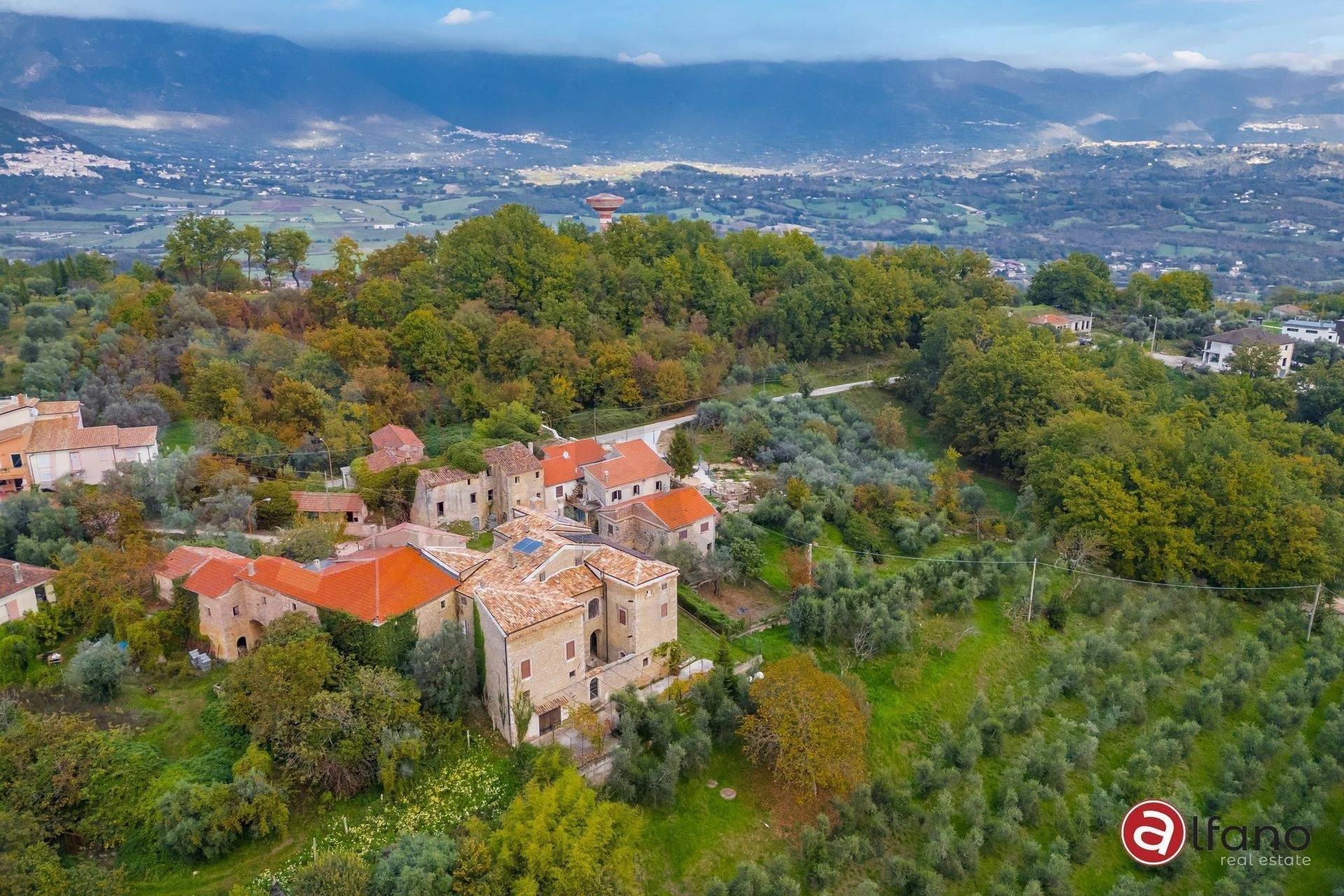
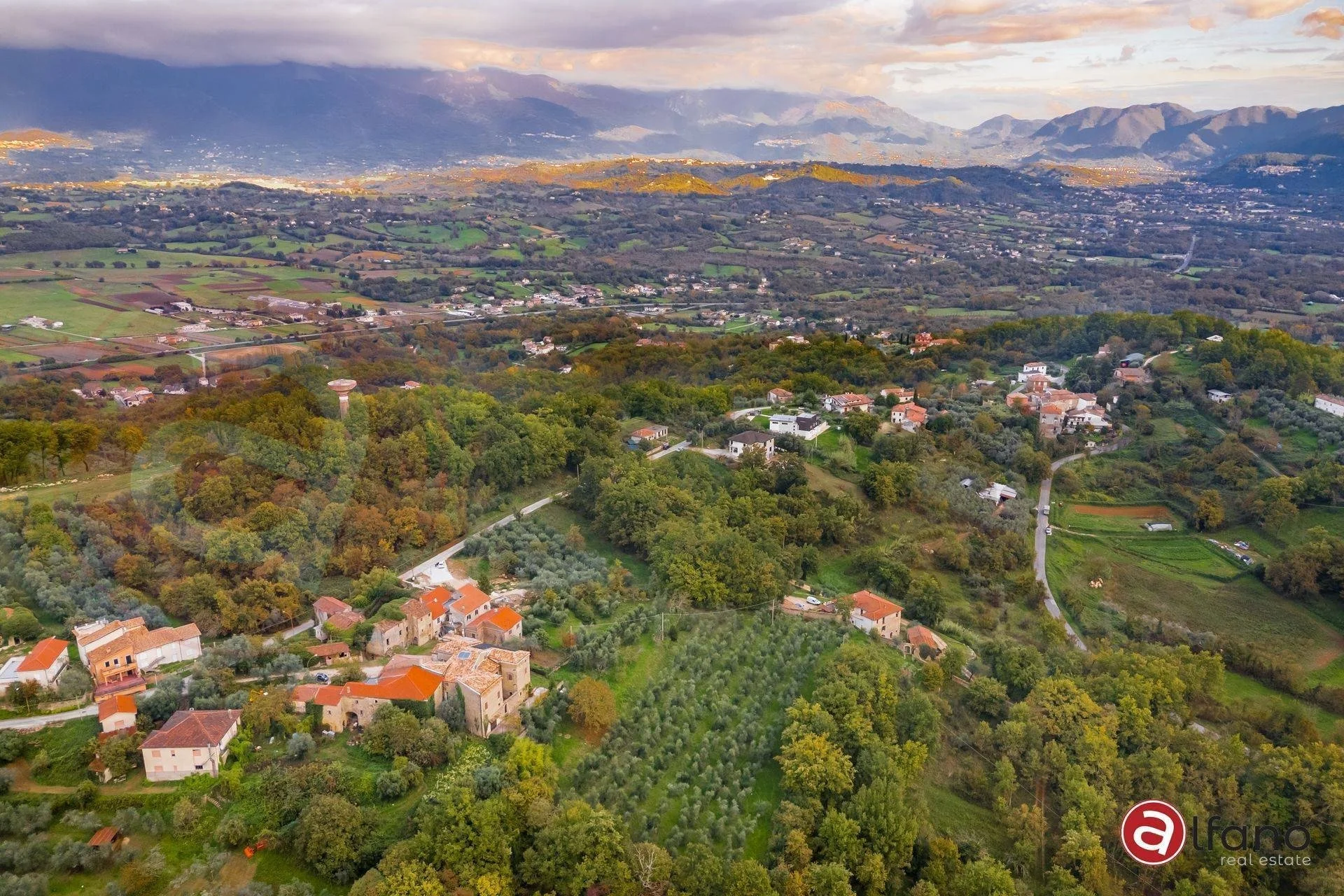
Casalvieri, Lazio, Italy
Property type
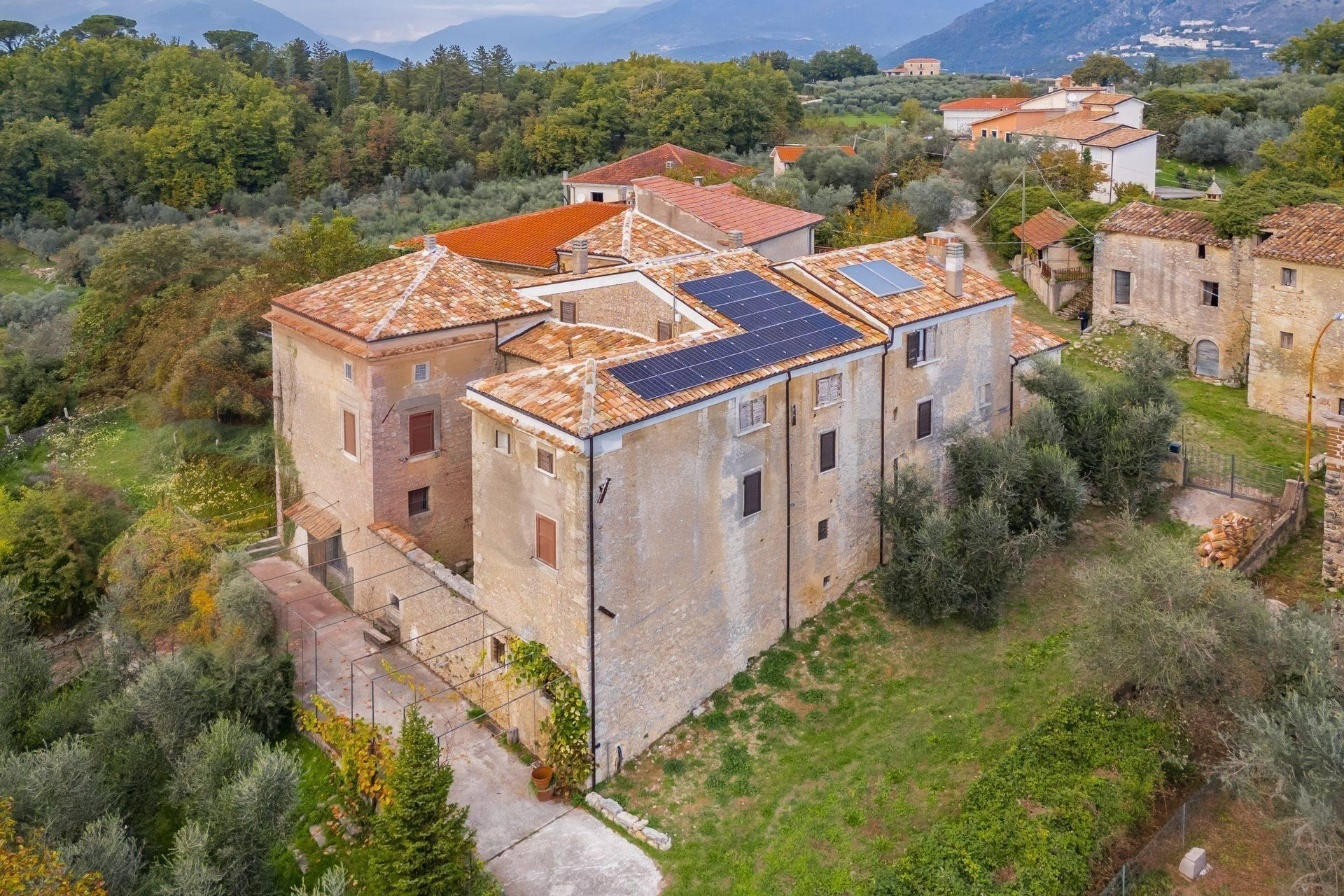
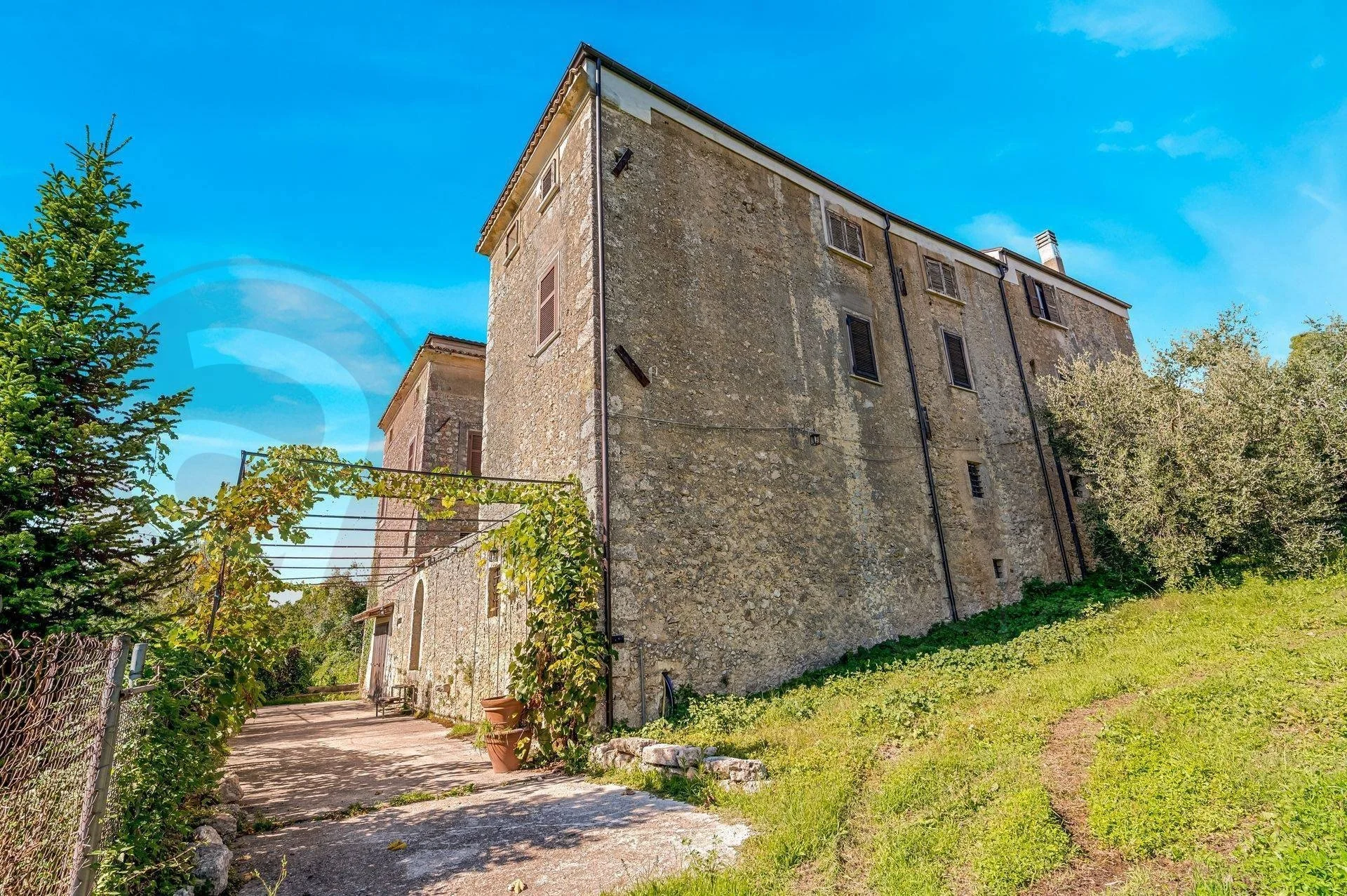
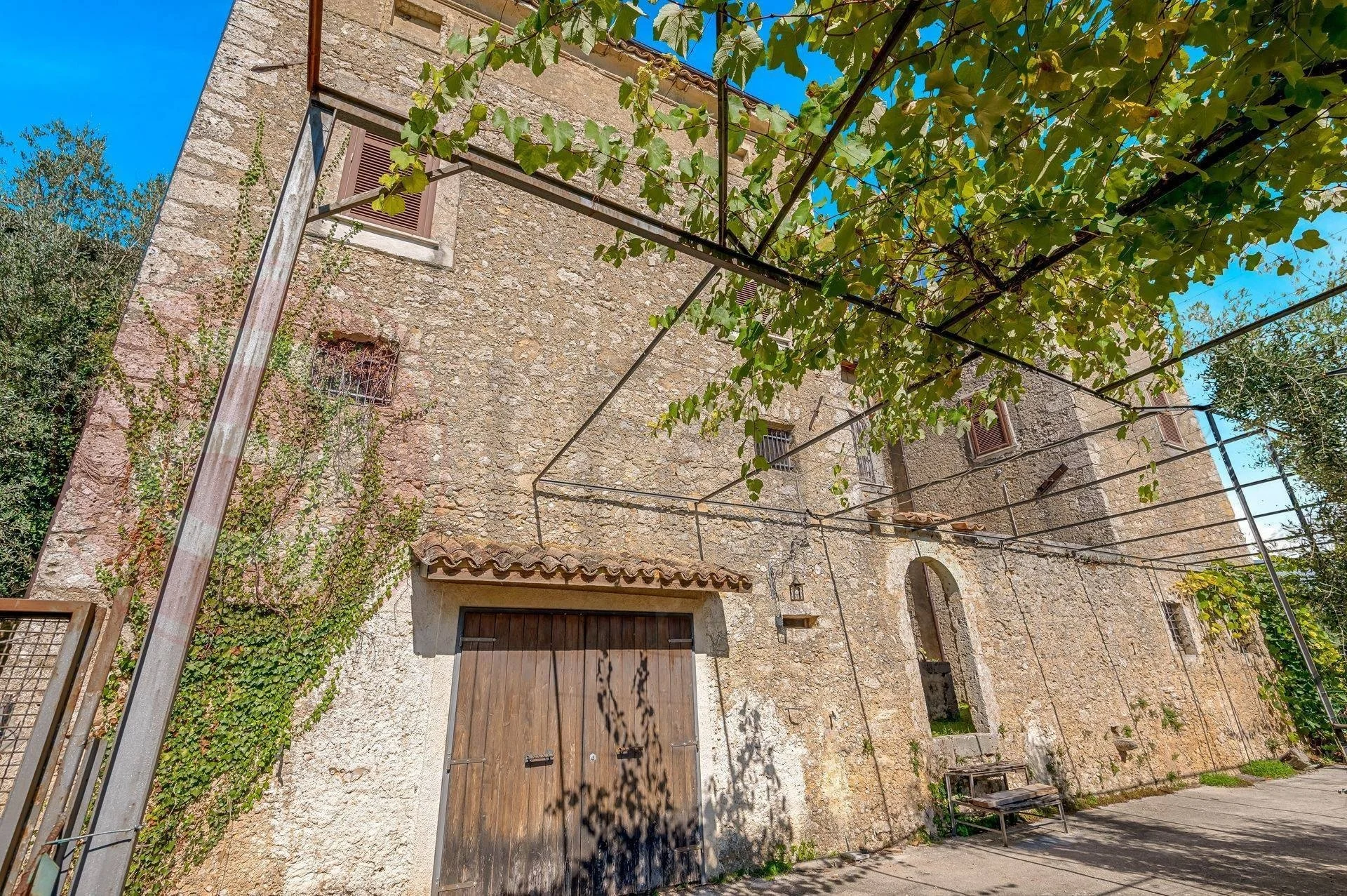
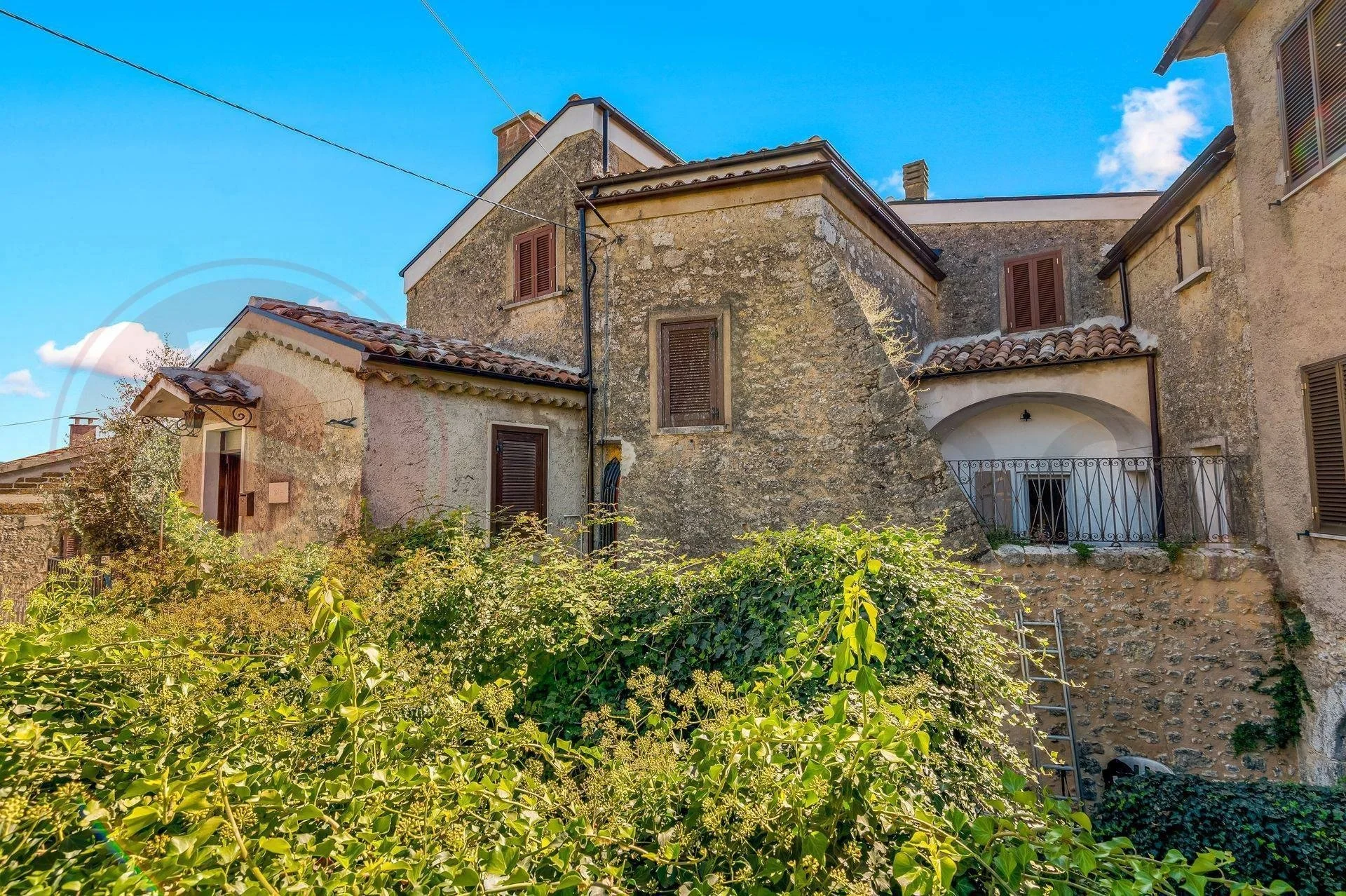
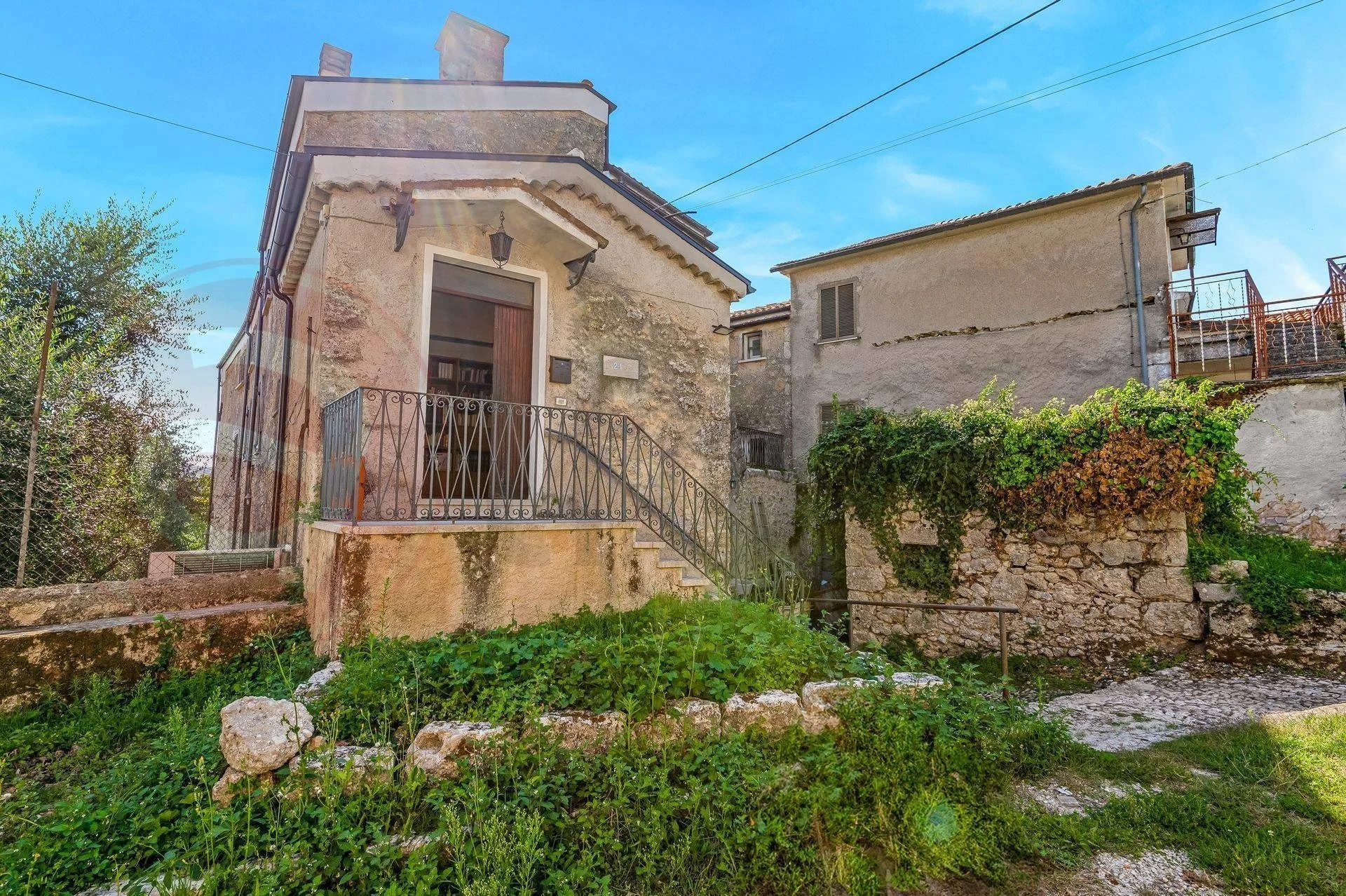
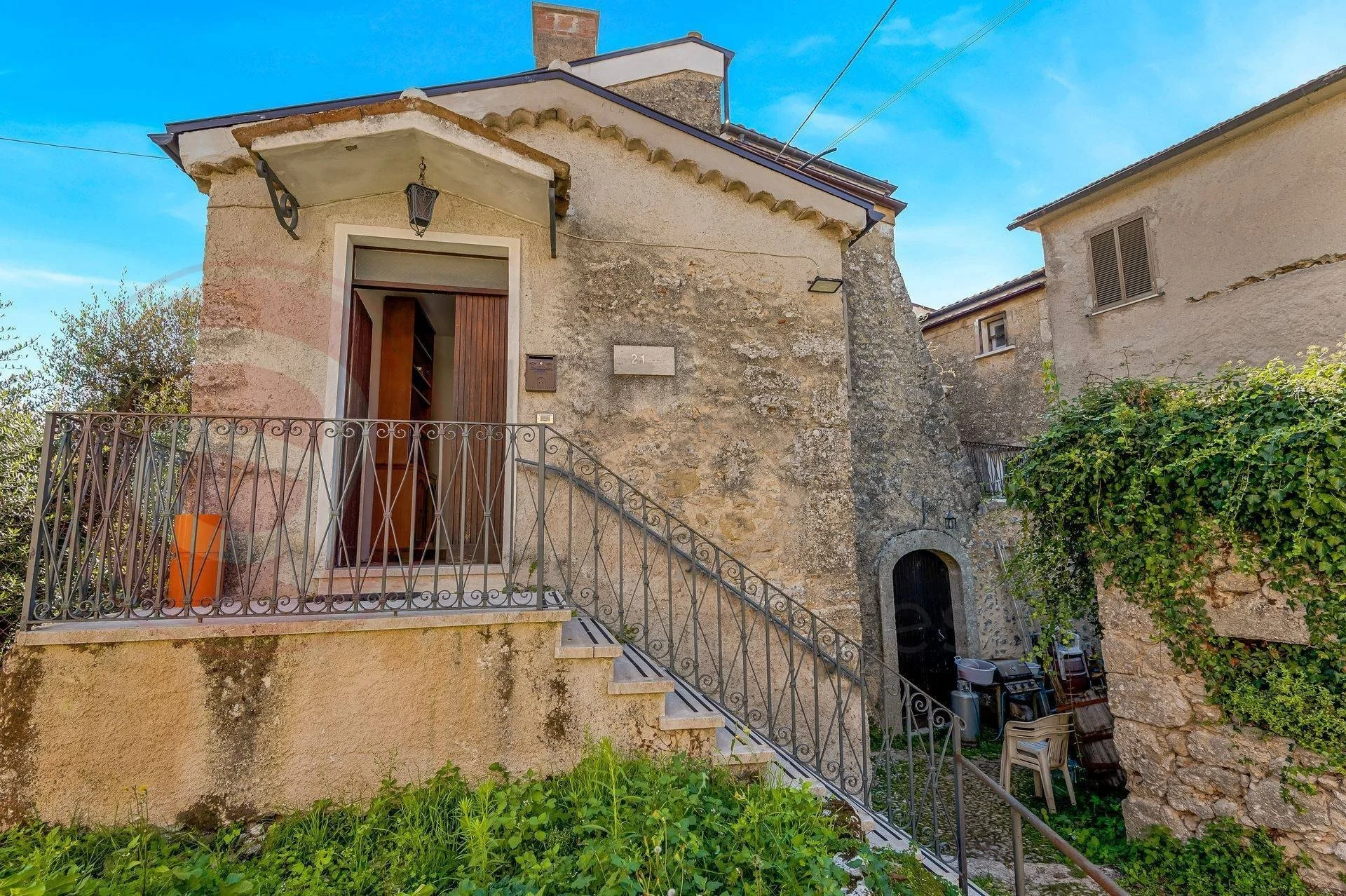
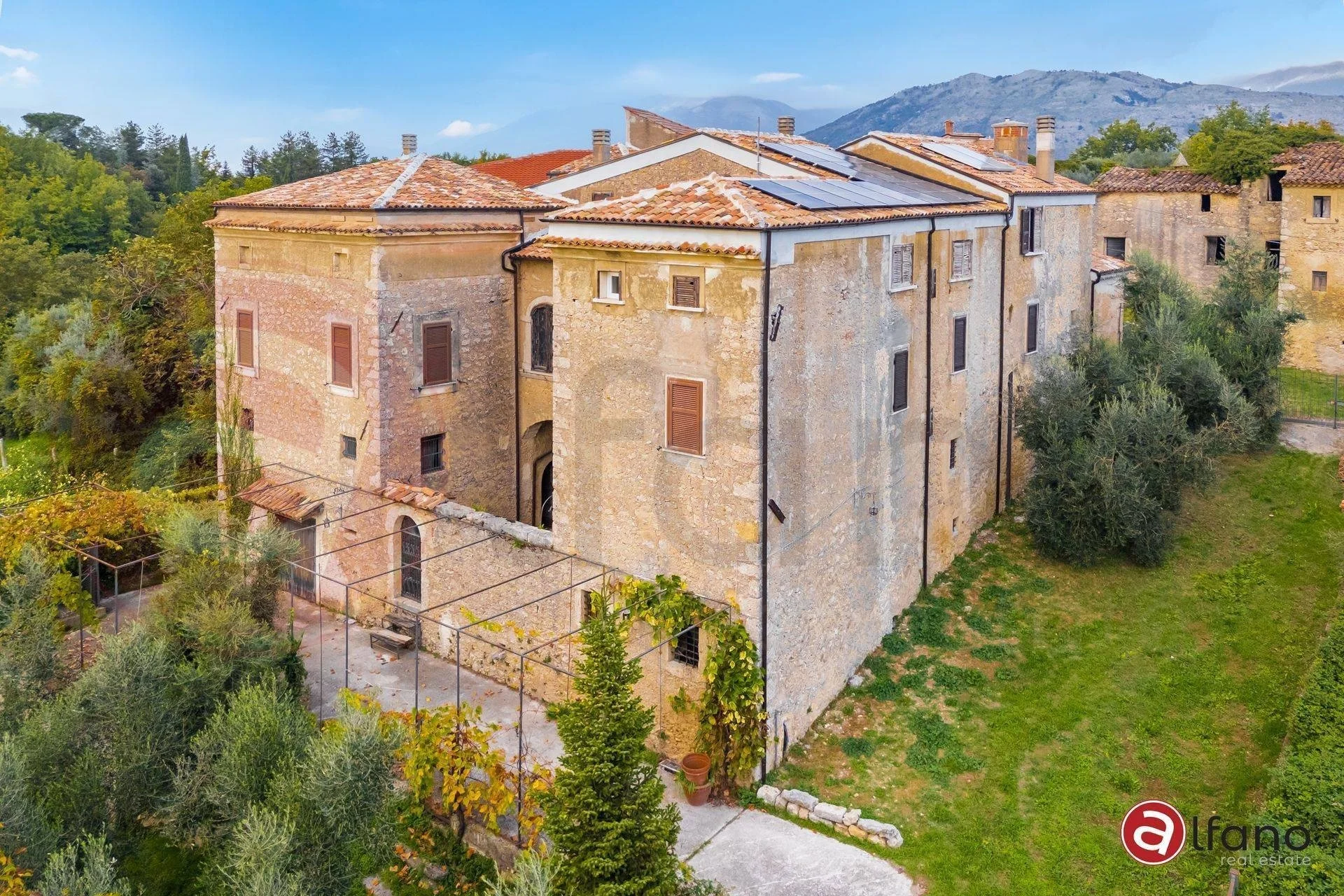
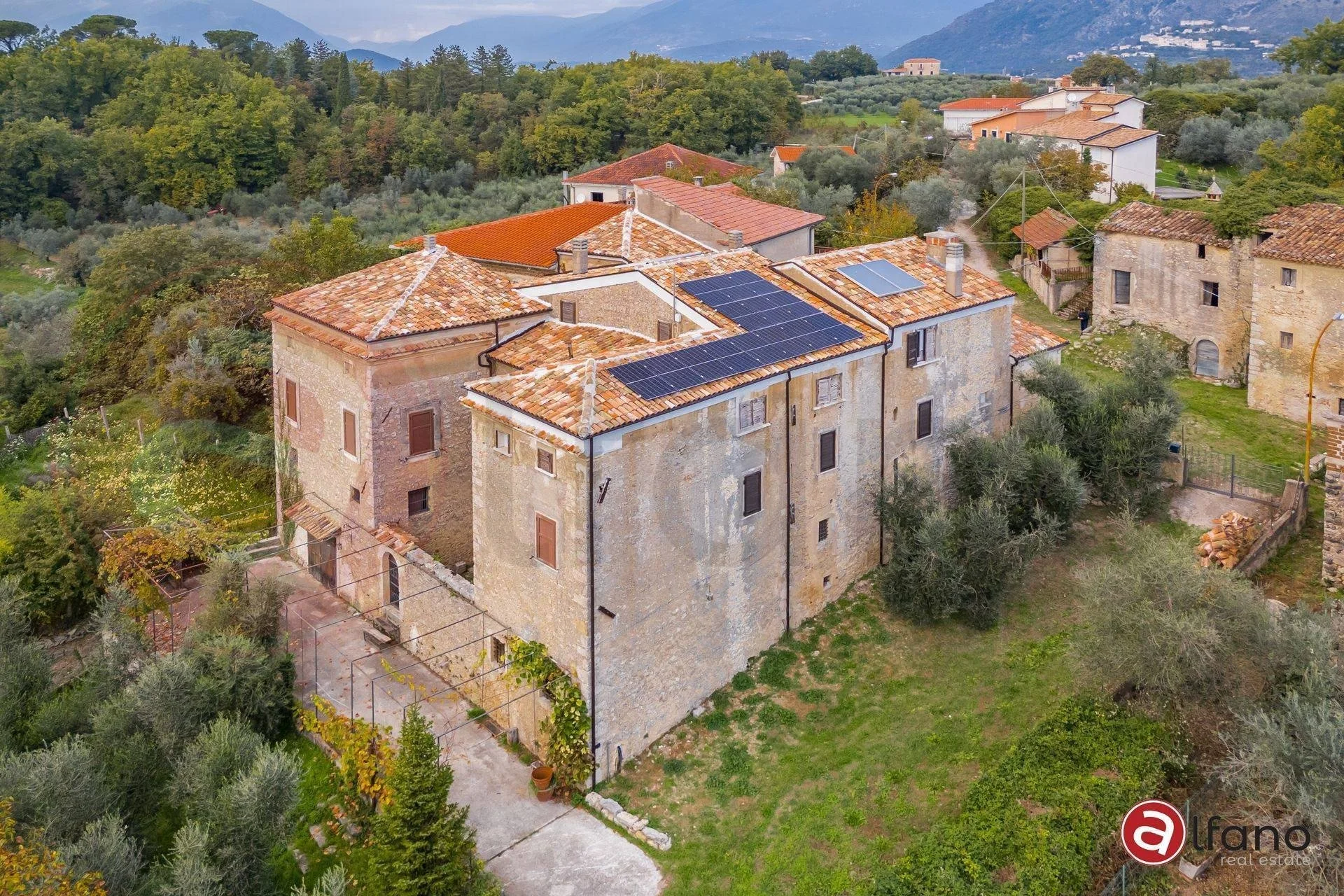
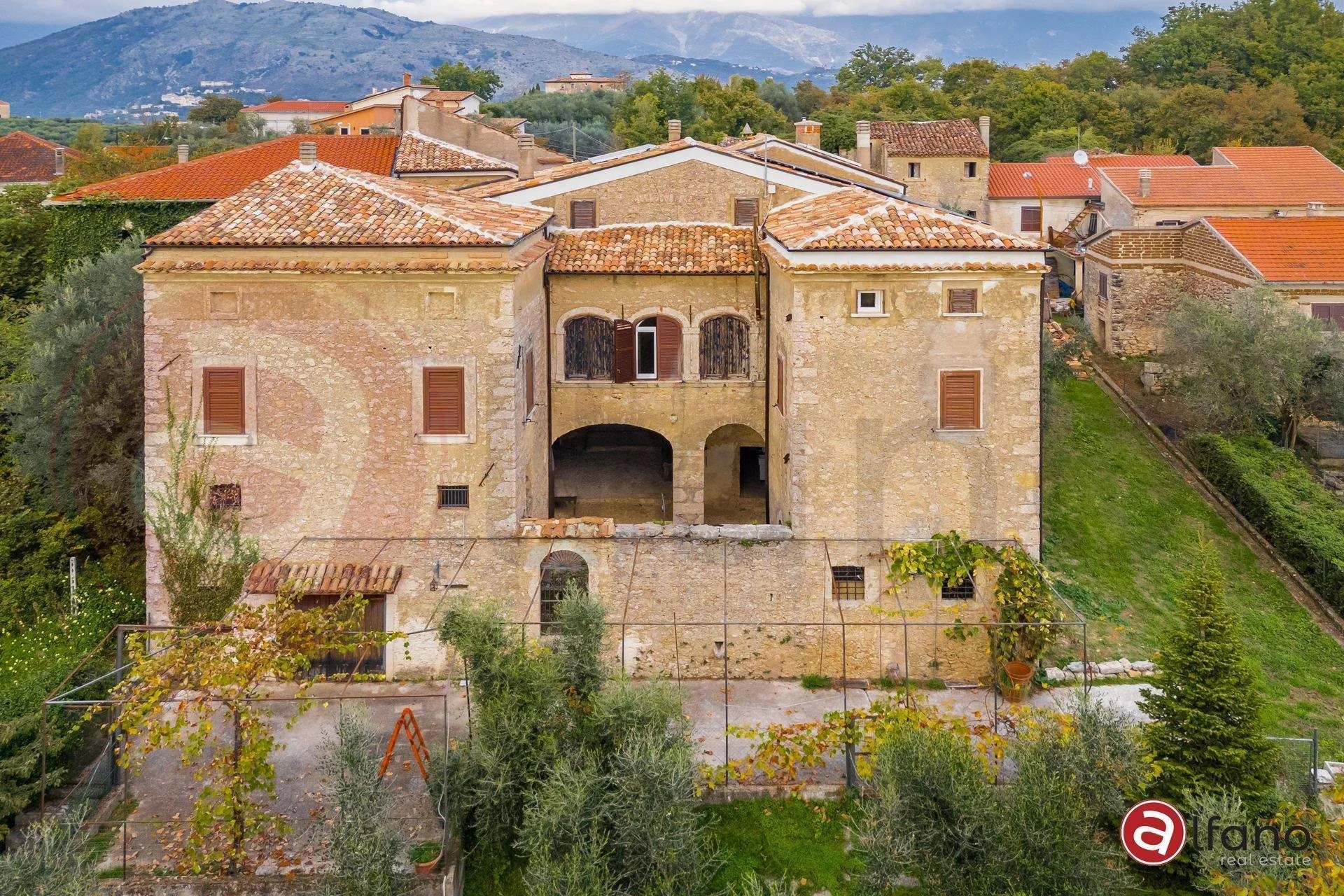
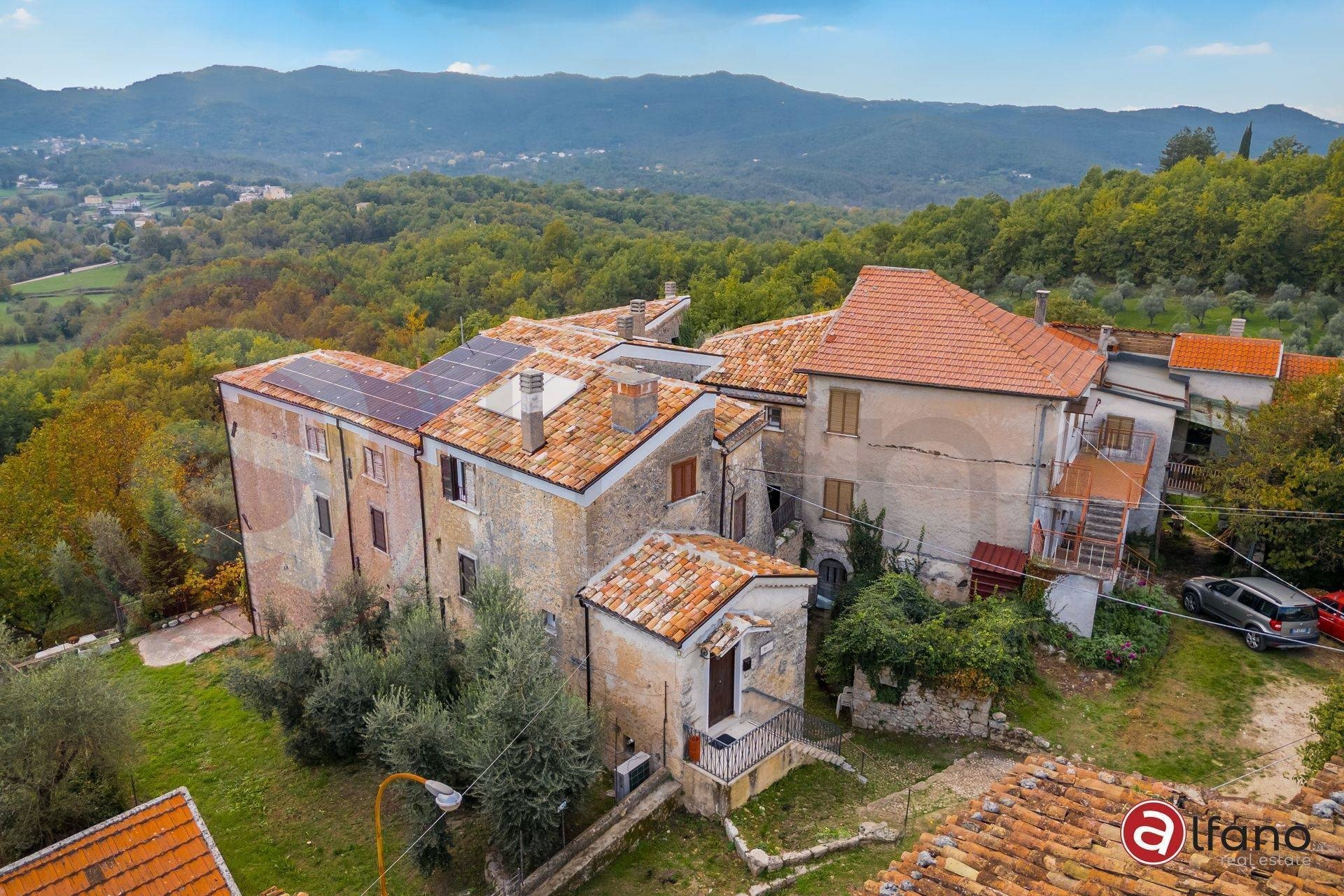
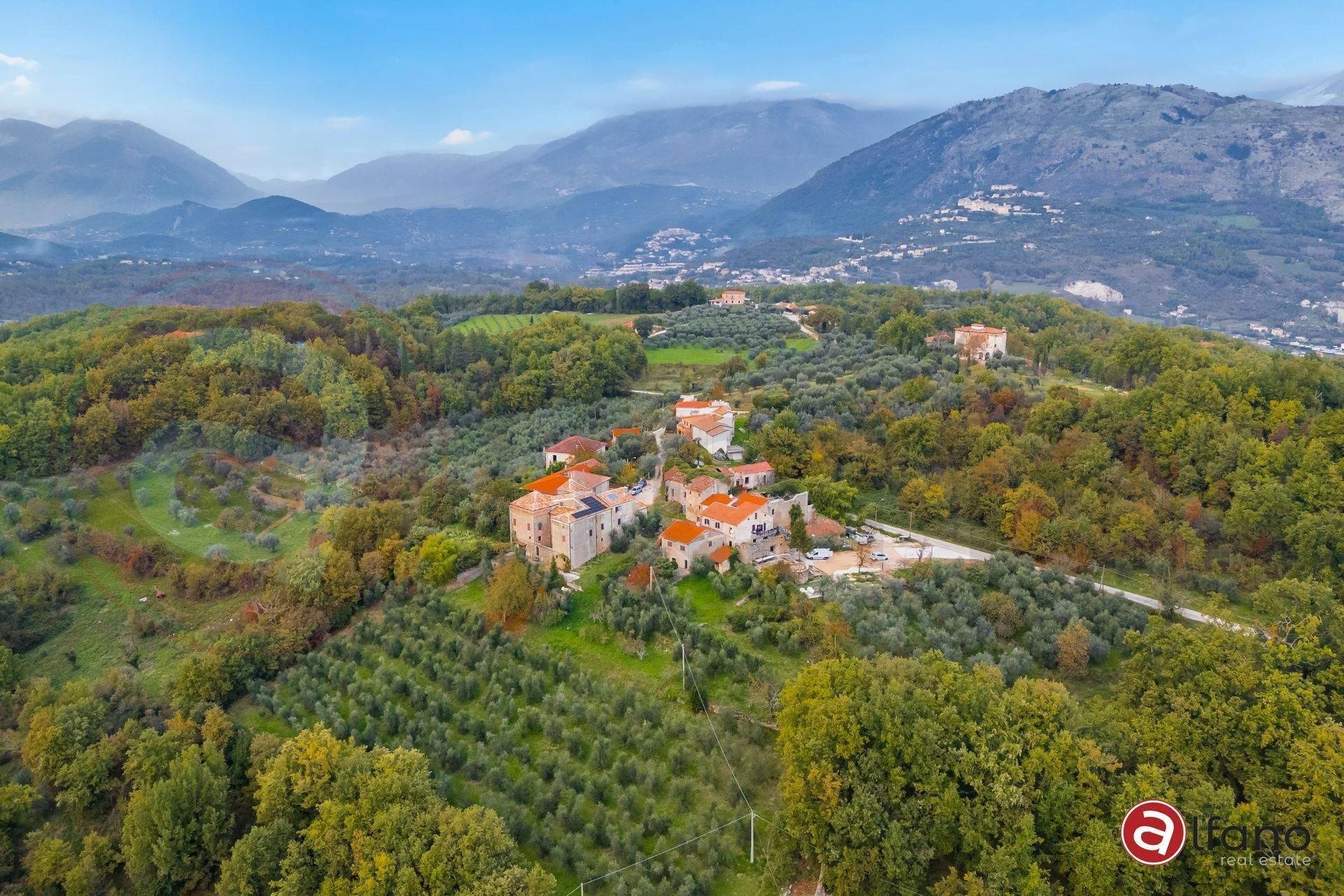
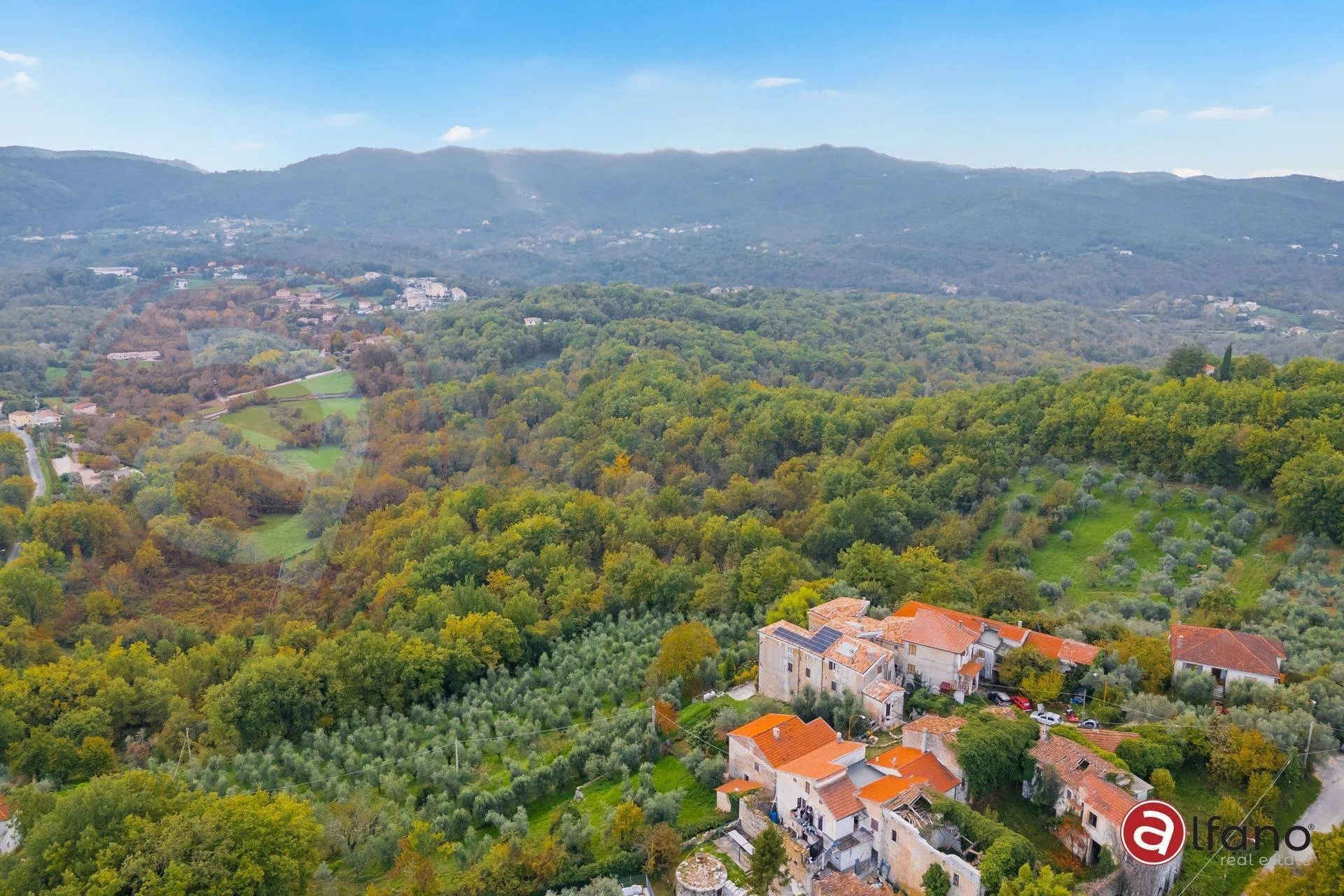
1700s stone farmhouse / noble estate
Bedrooms
6
Price
€449,000
Land
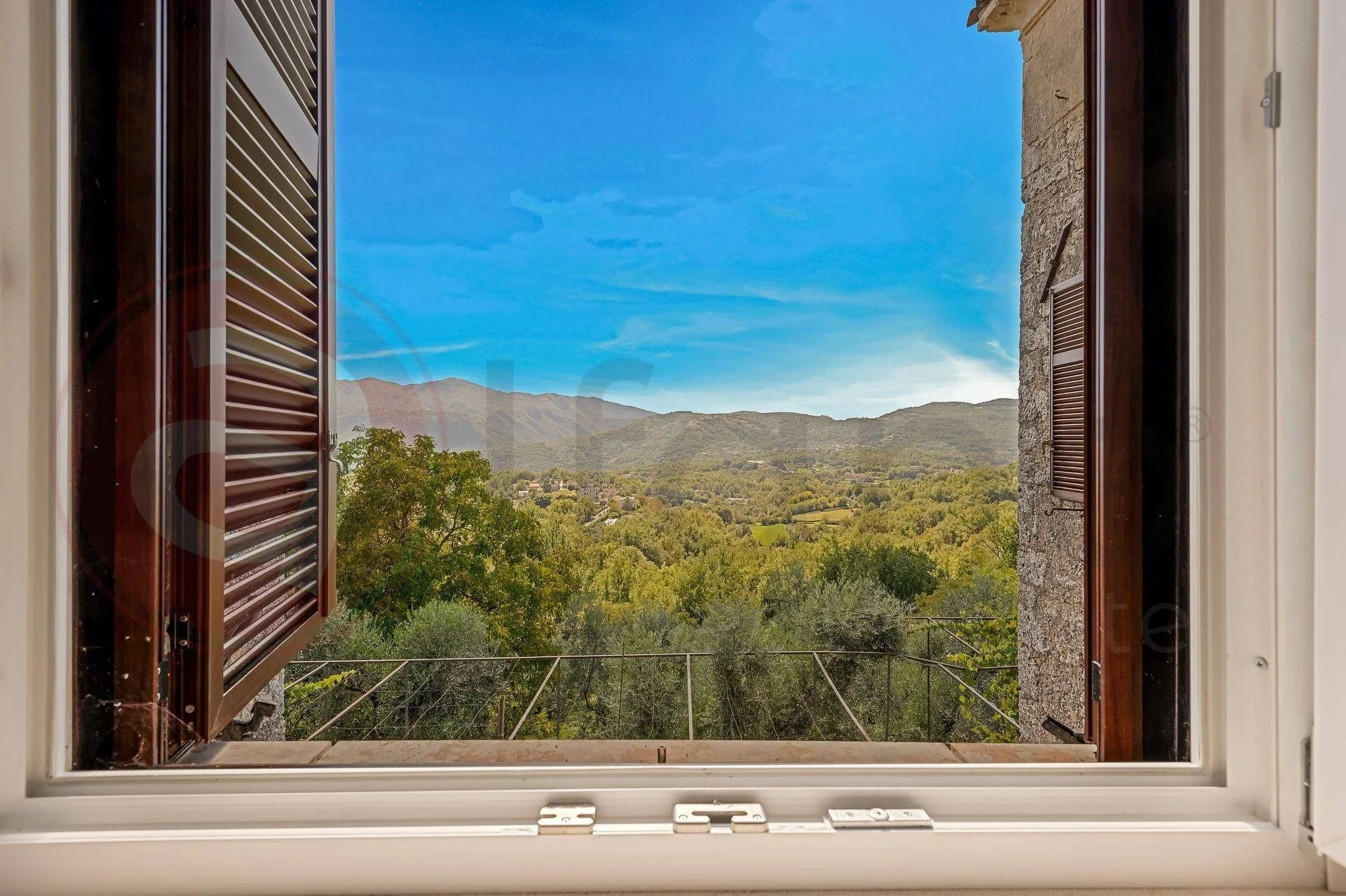
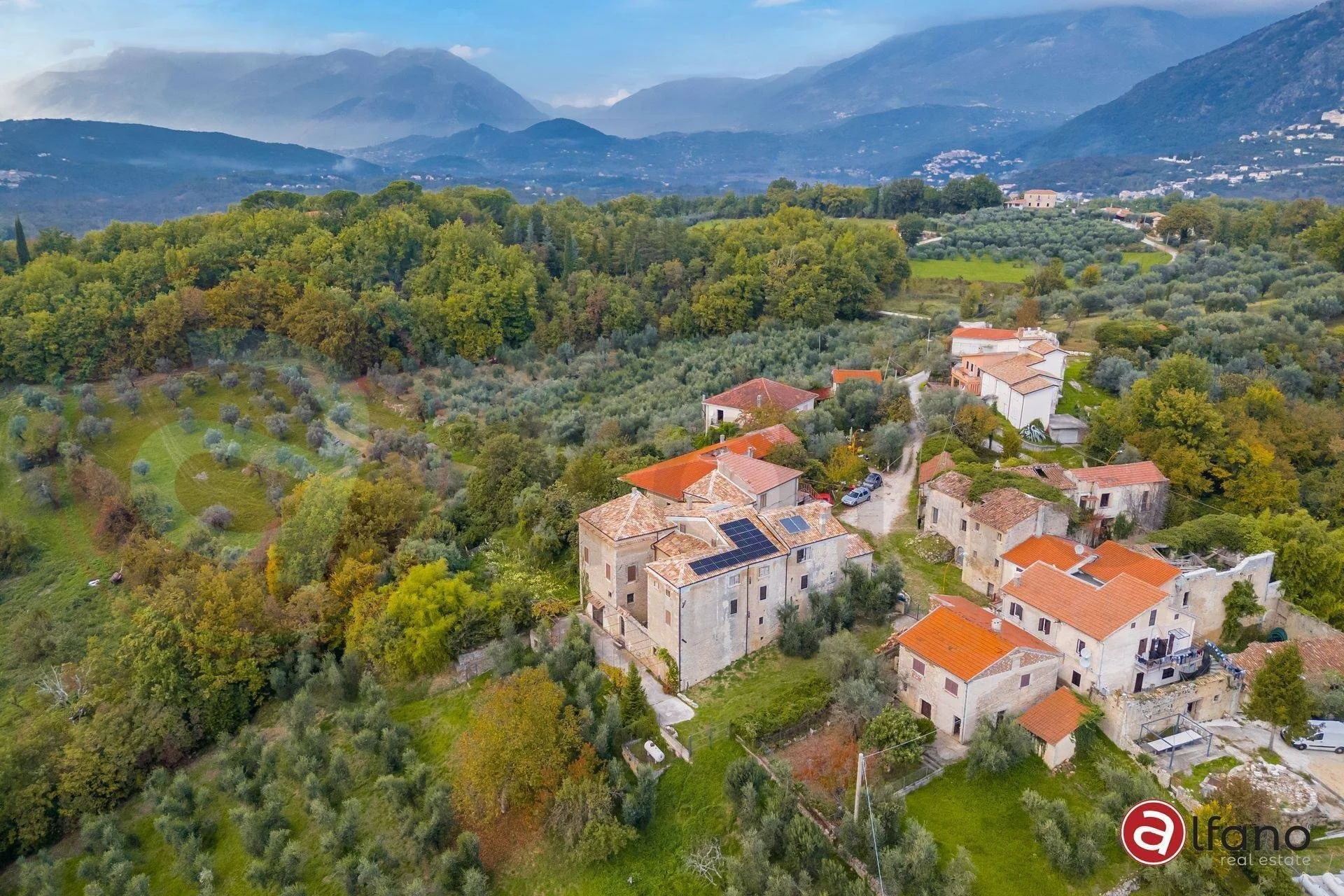
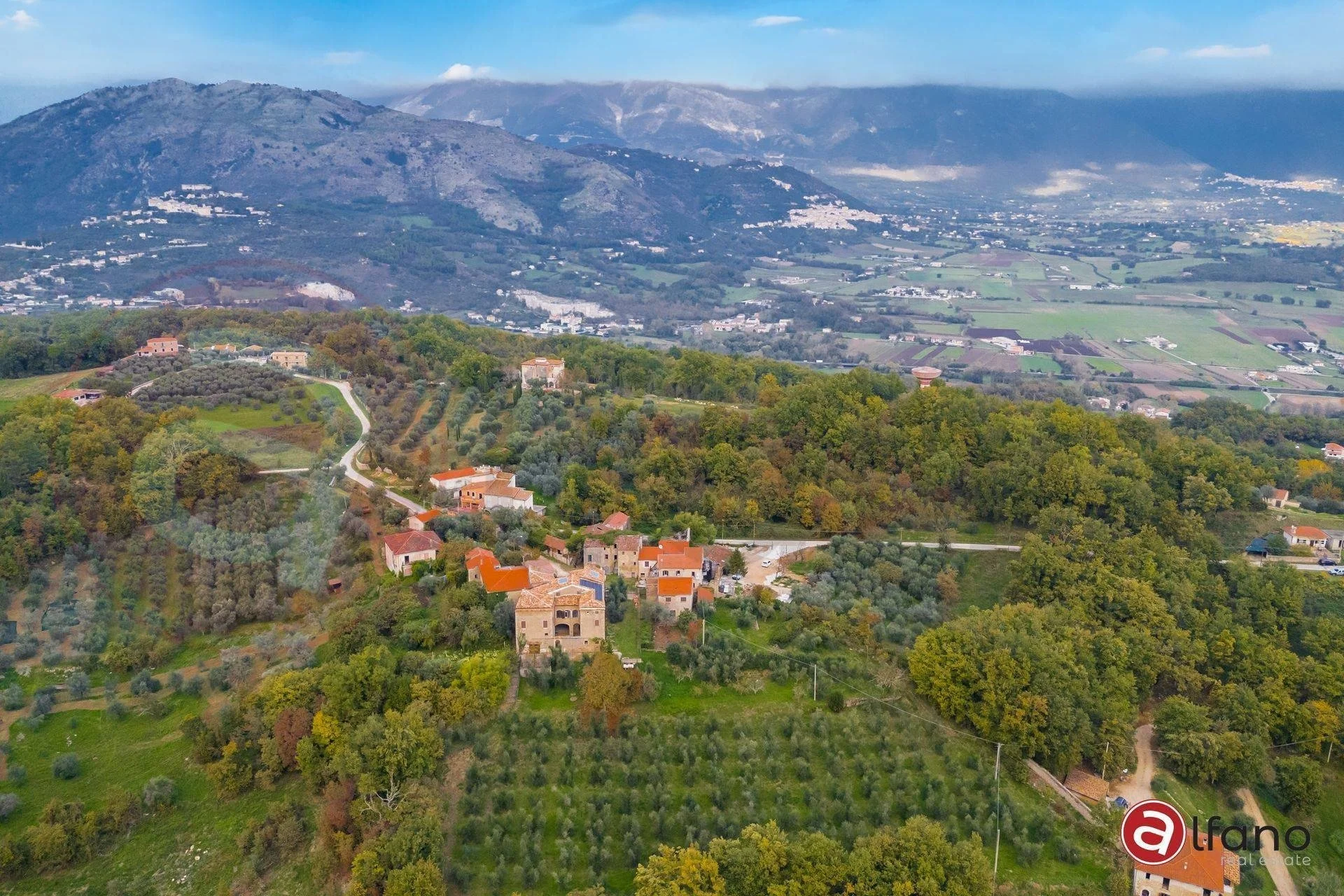
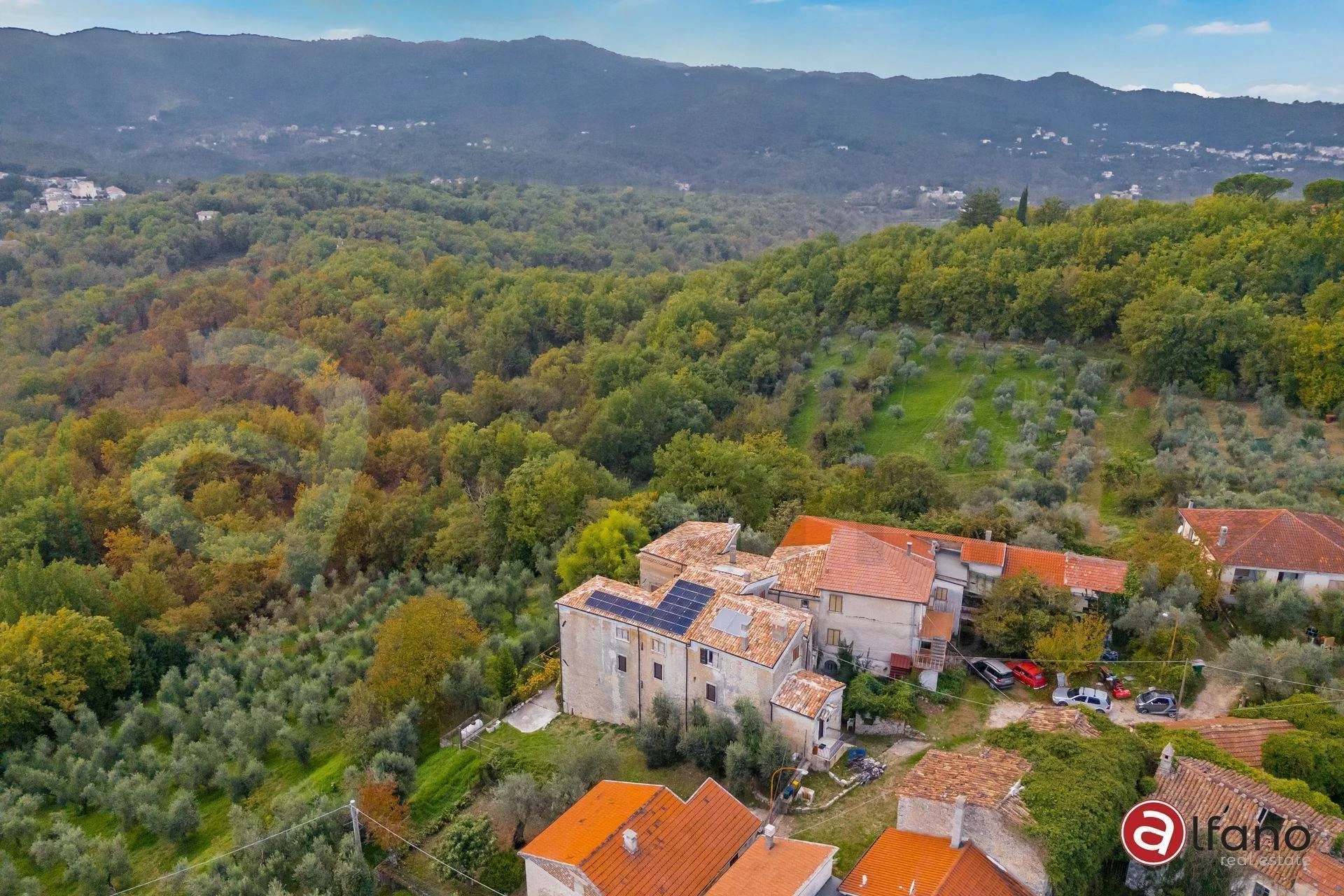
Approx. 1 hectare of terraced land with 100+ olive trees and fruit trees
Architecture highlights
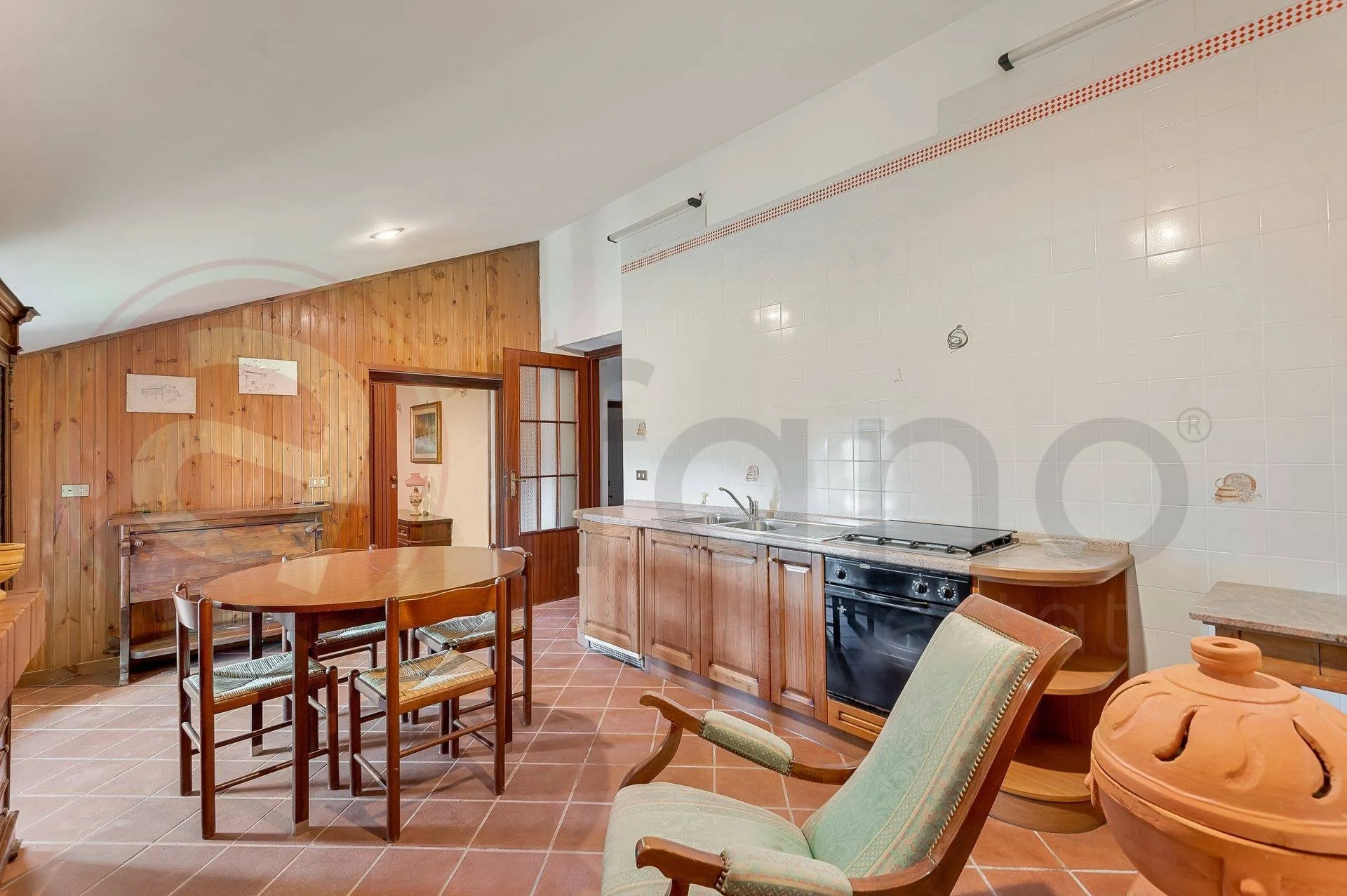
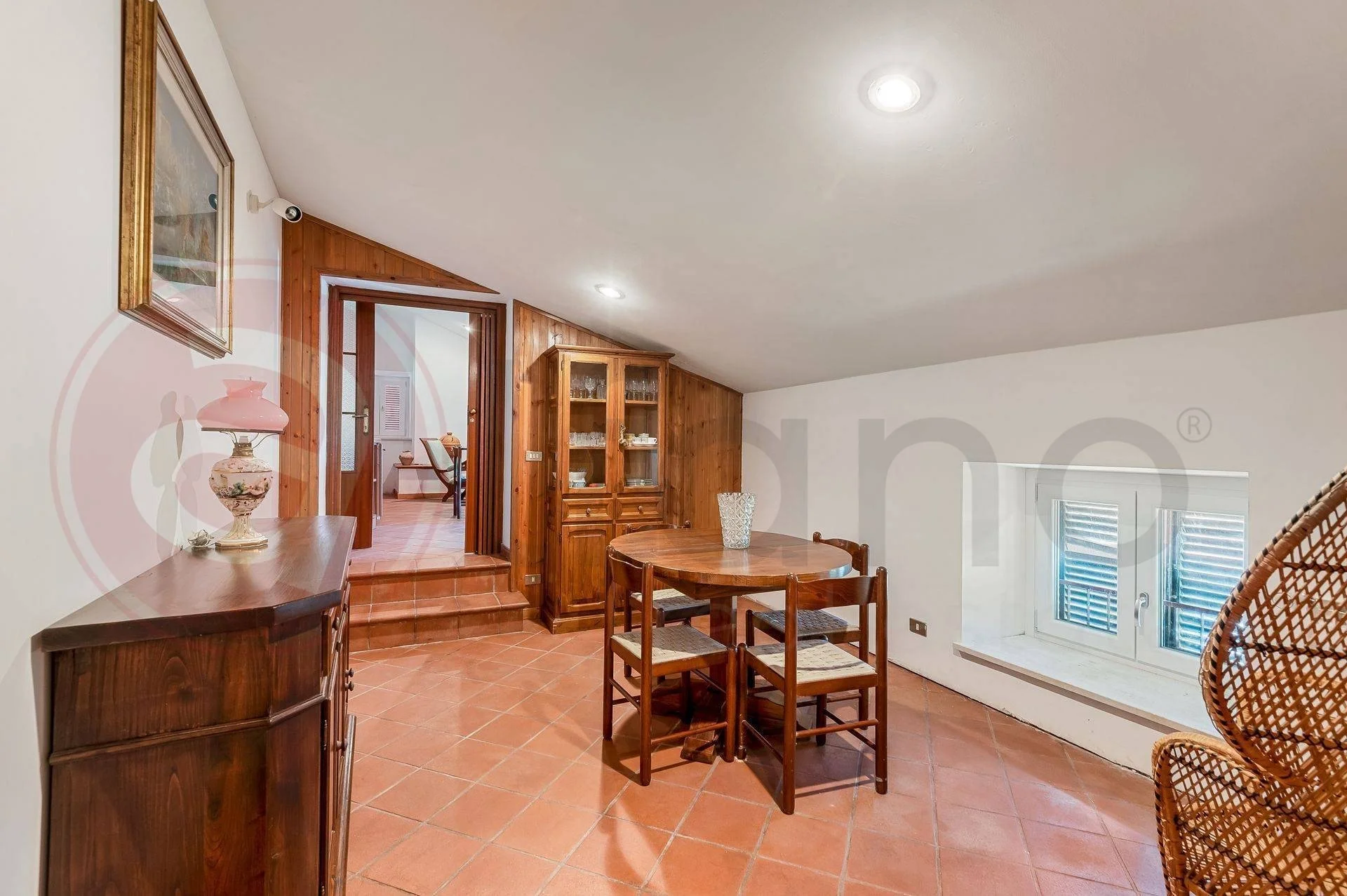
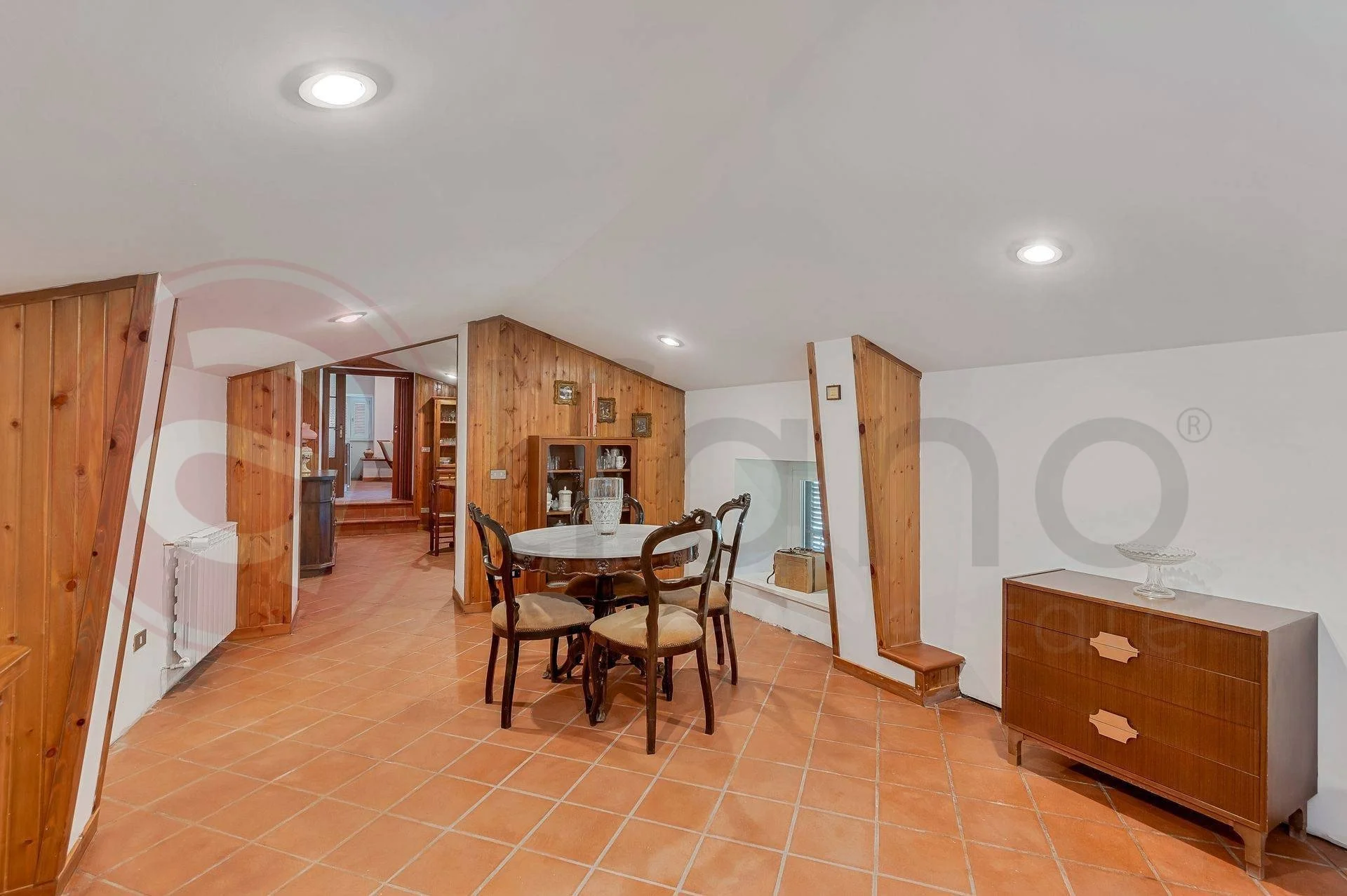
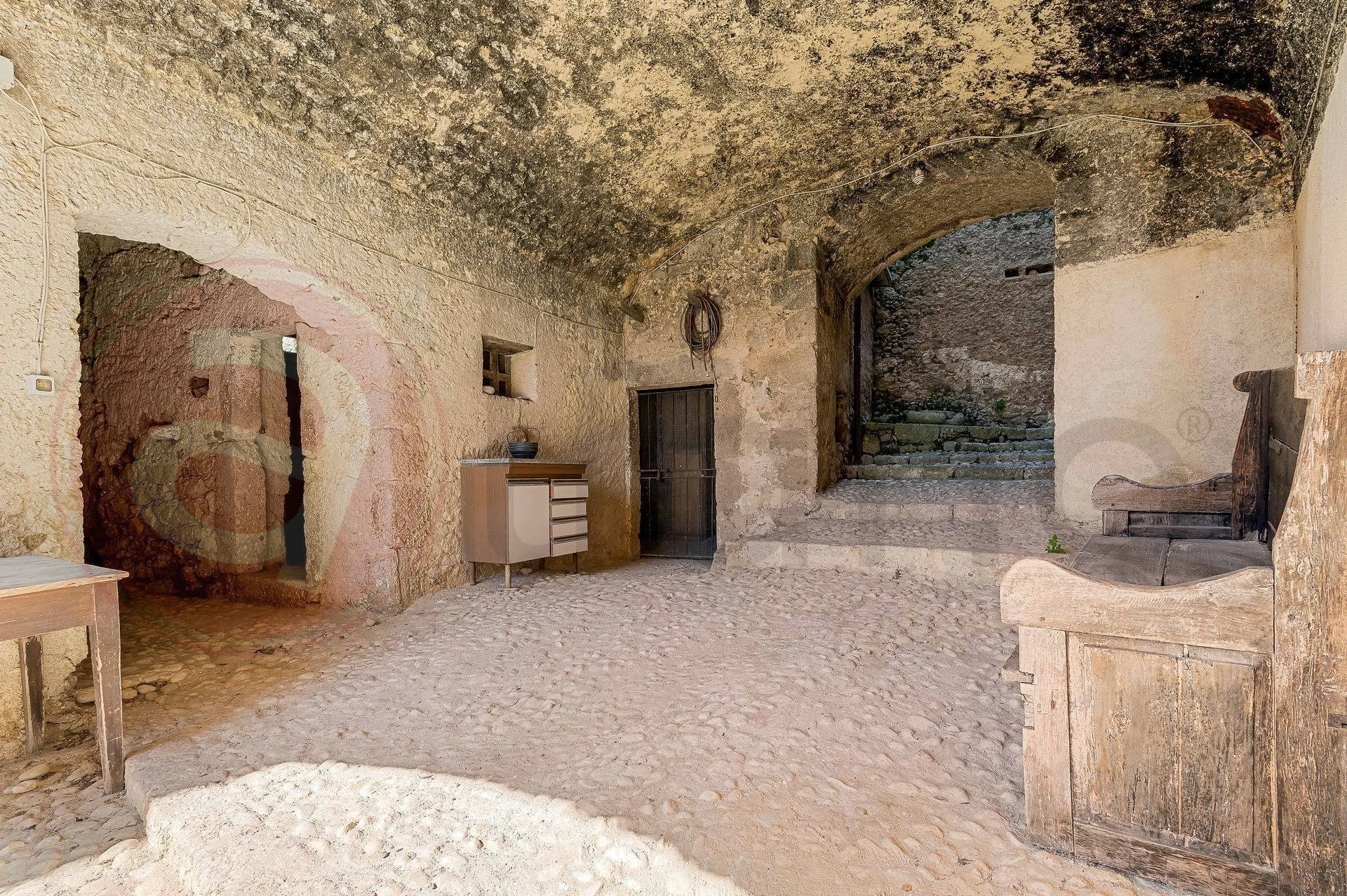
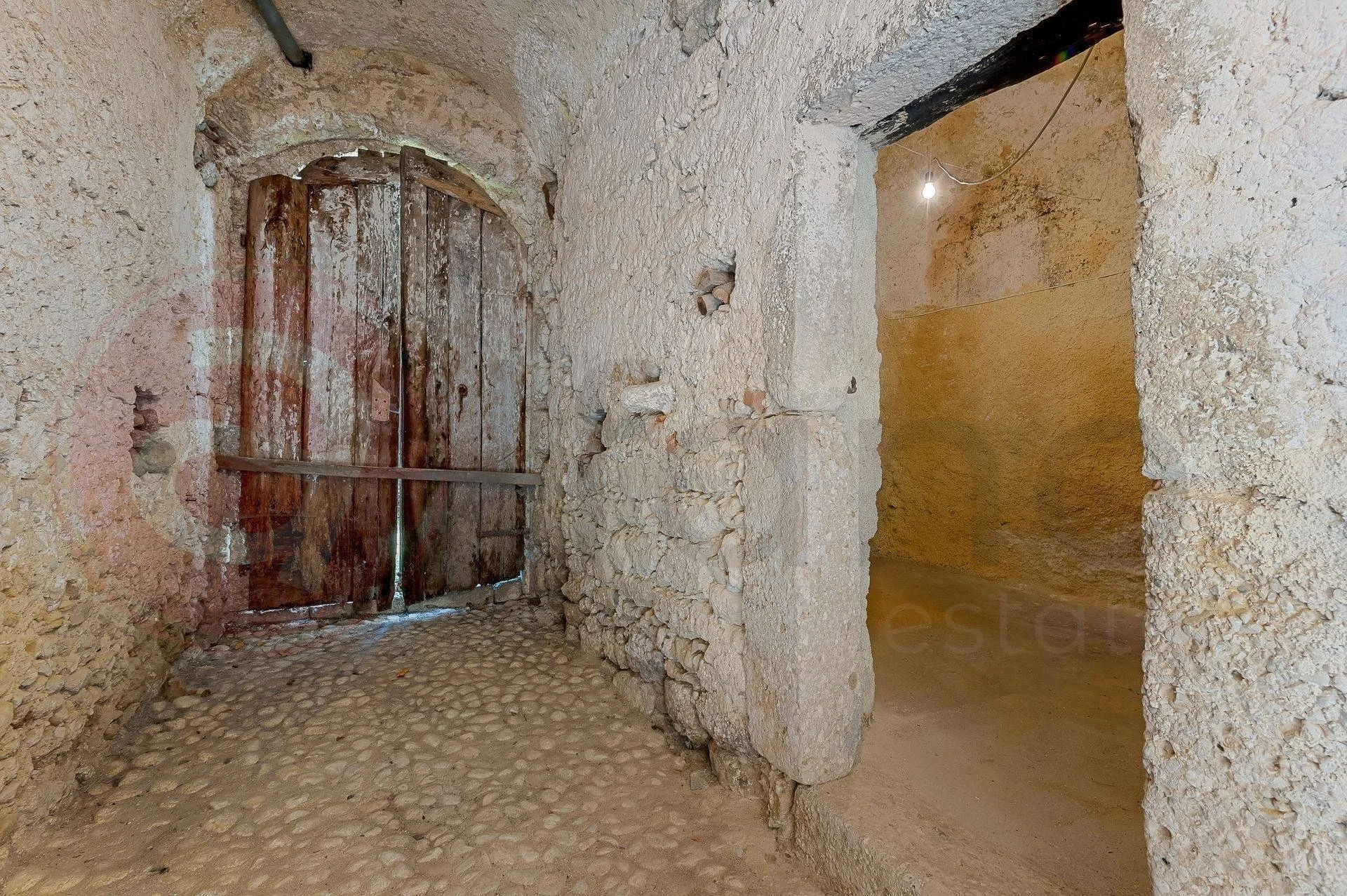
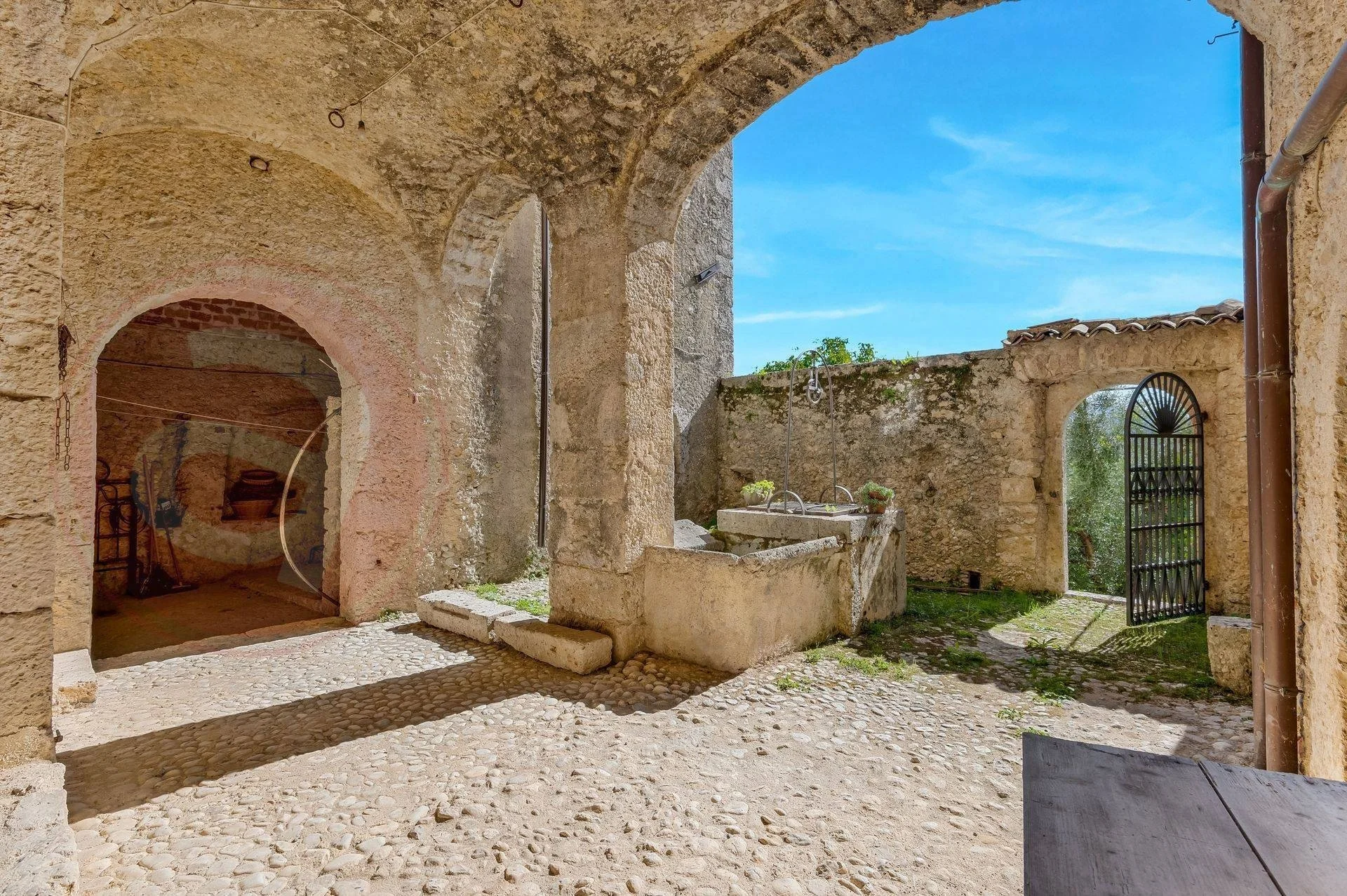
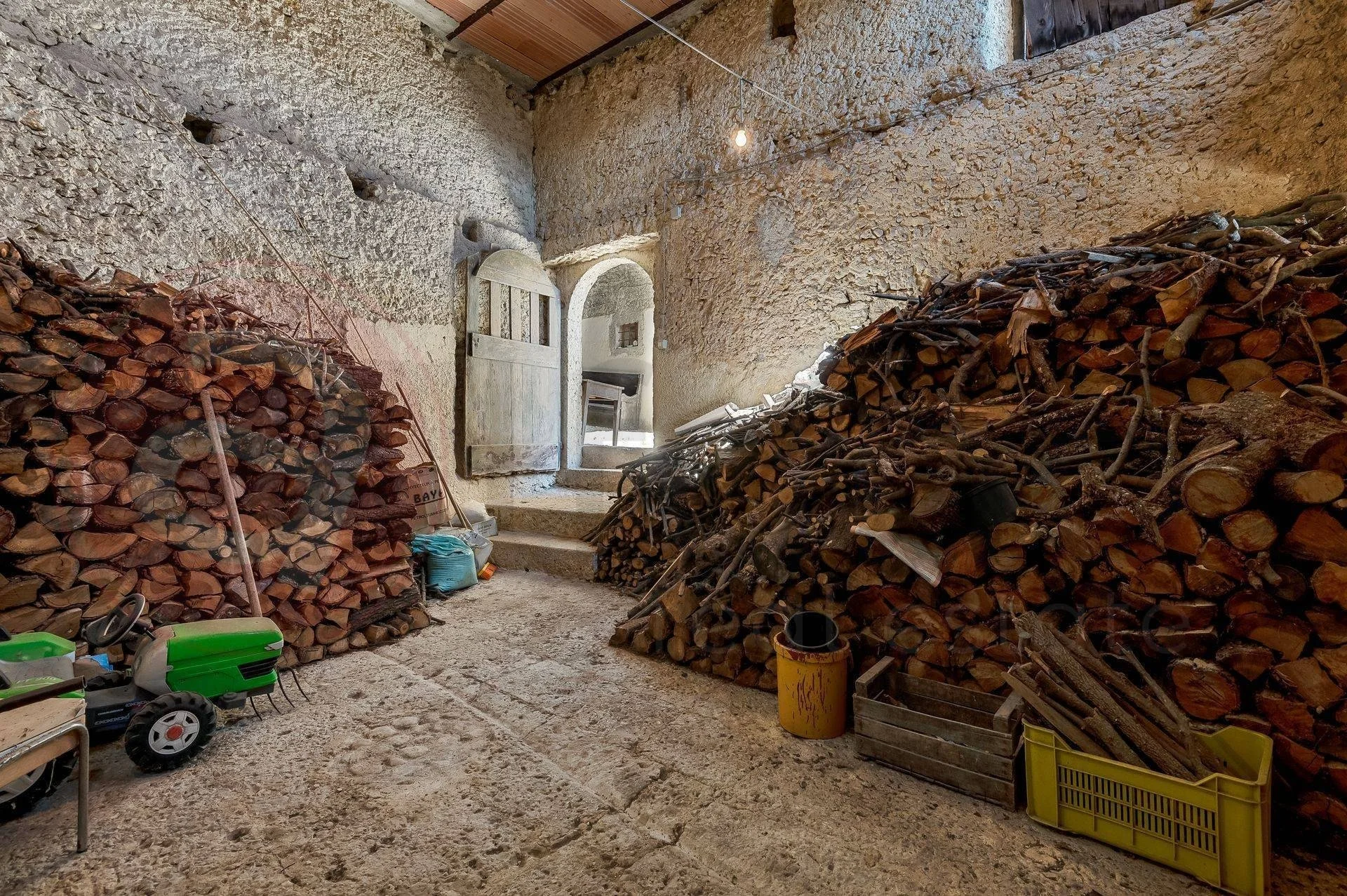
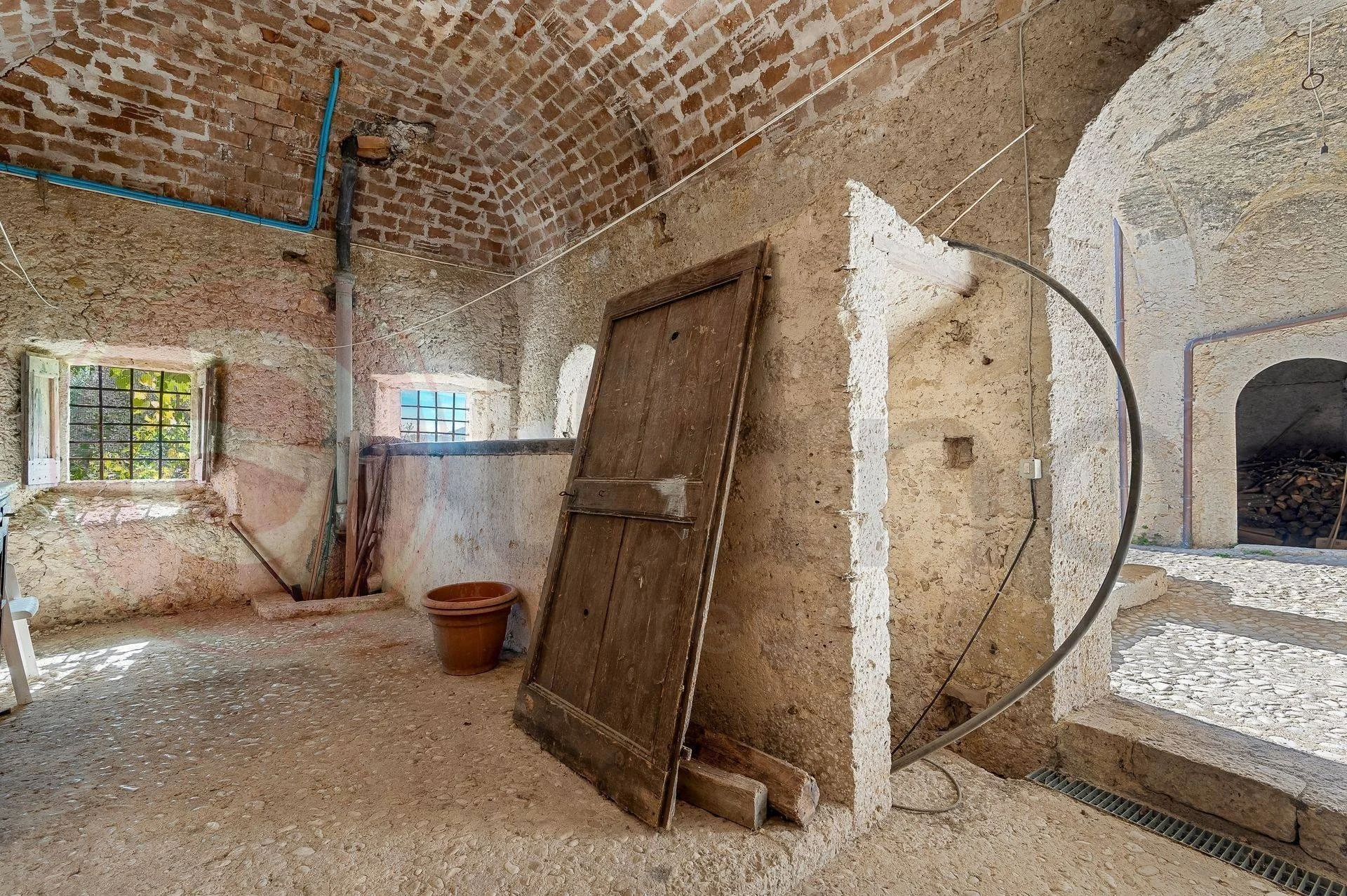
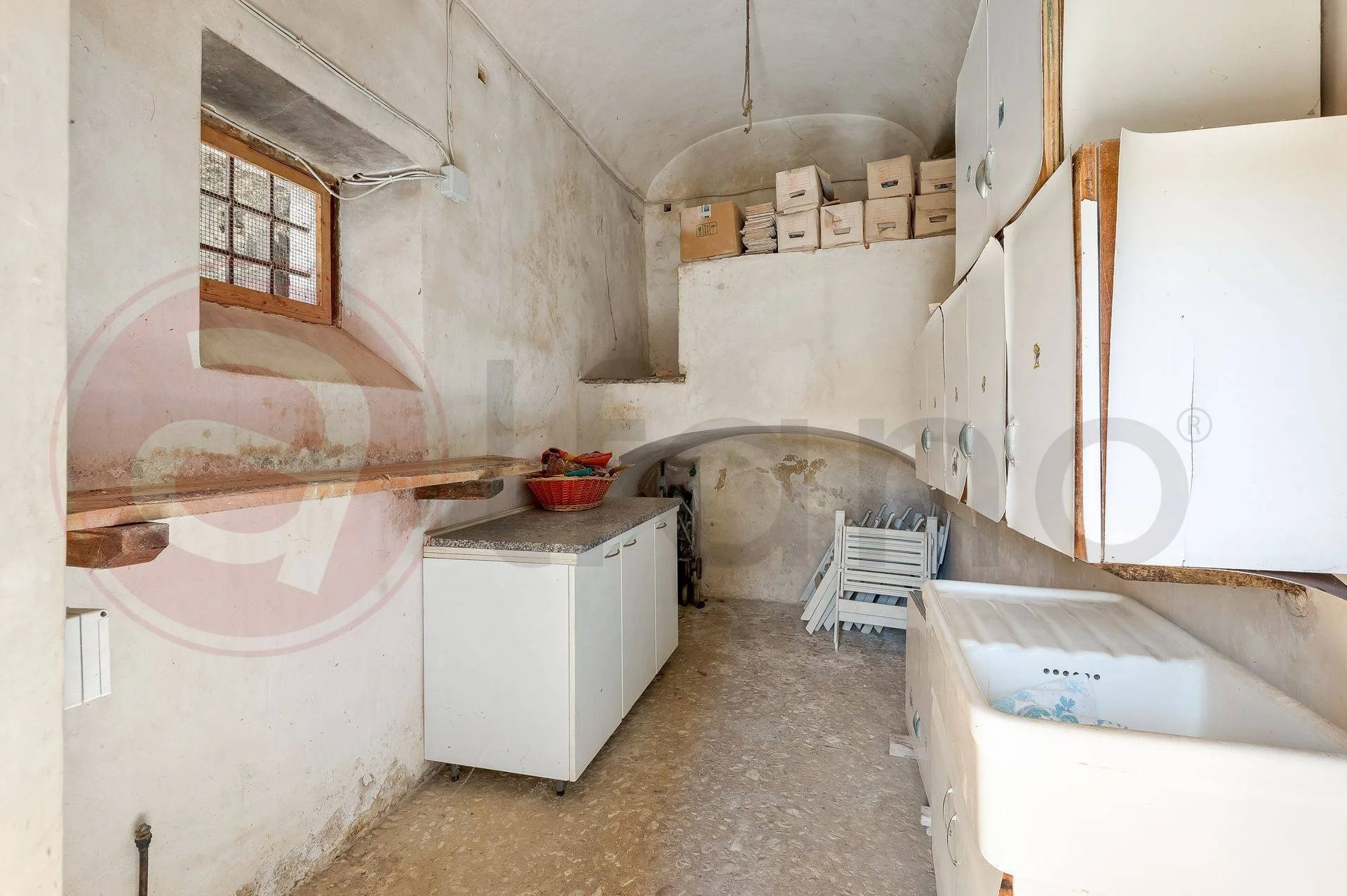
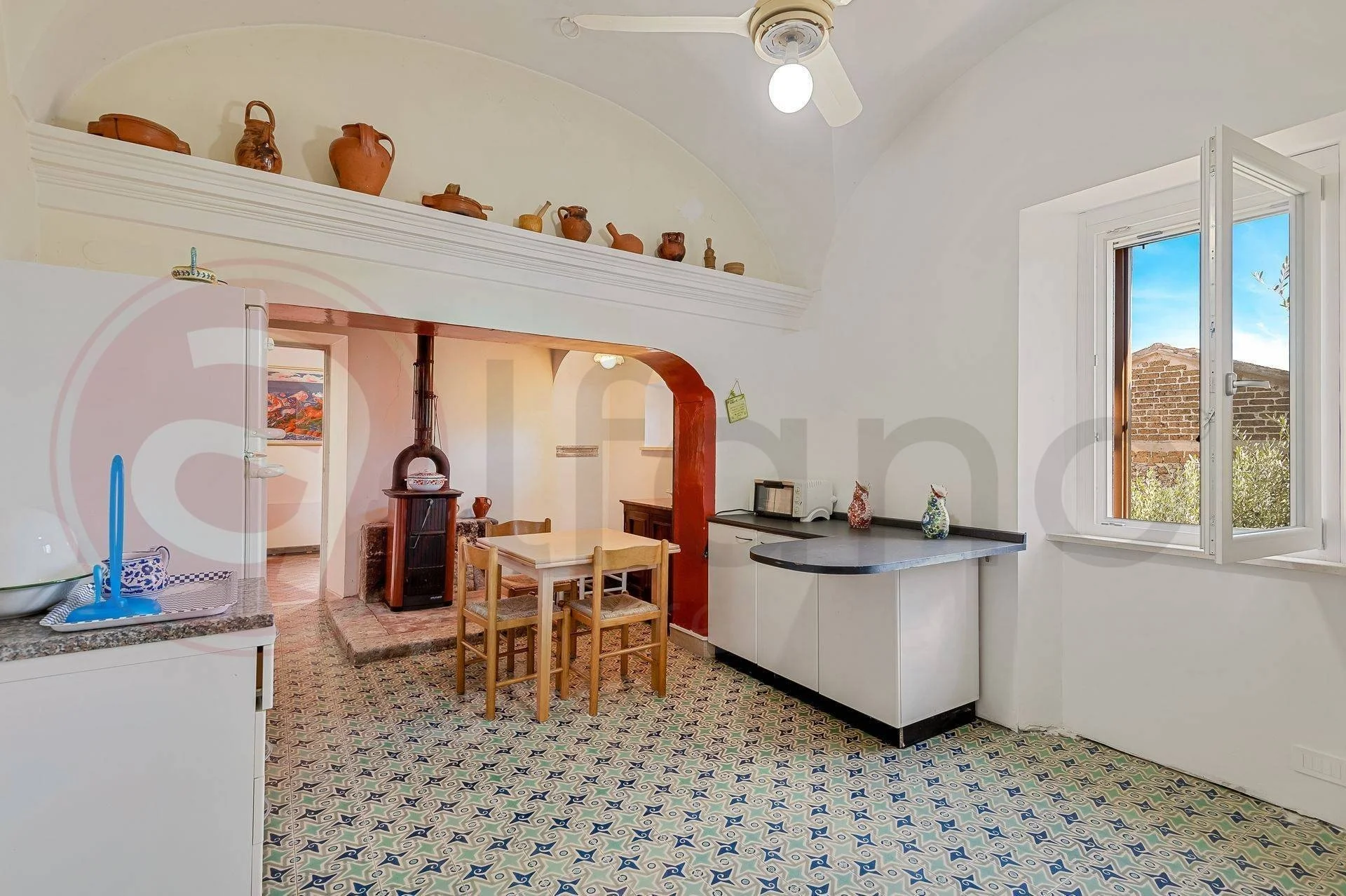
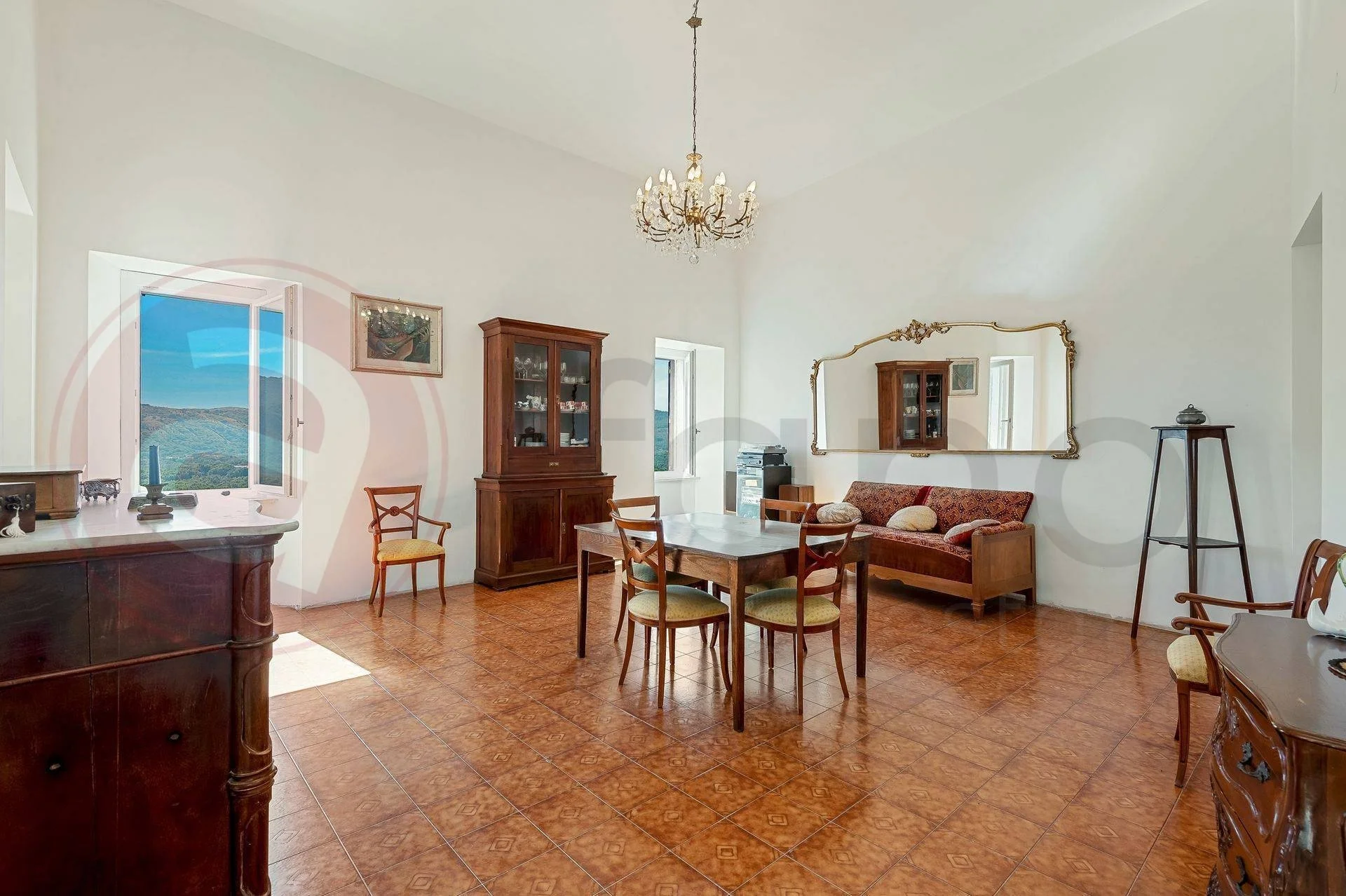
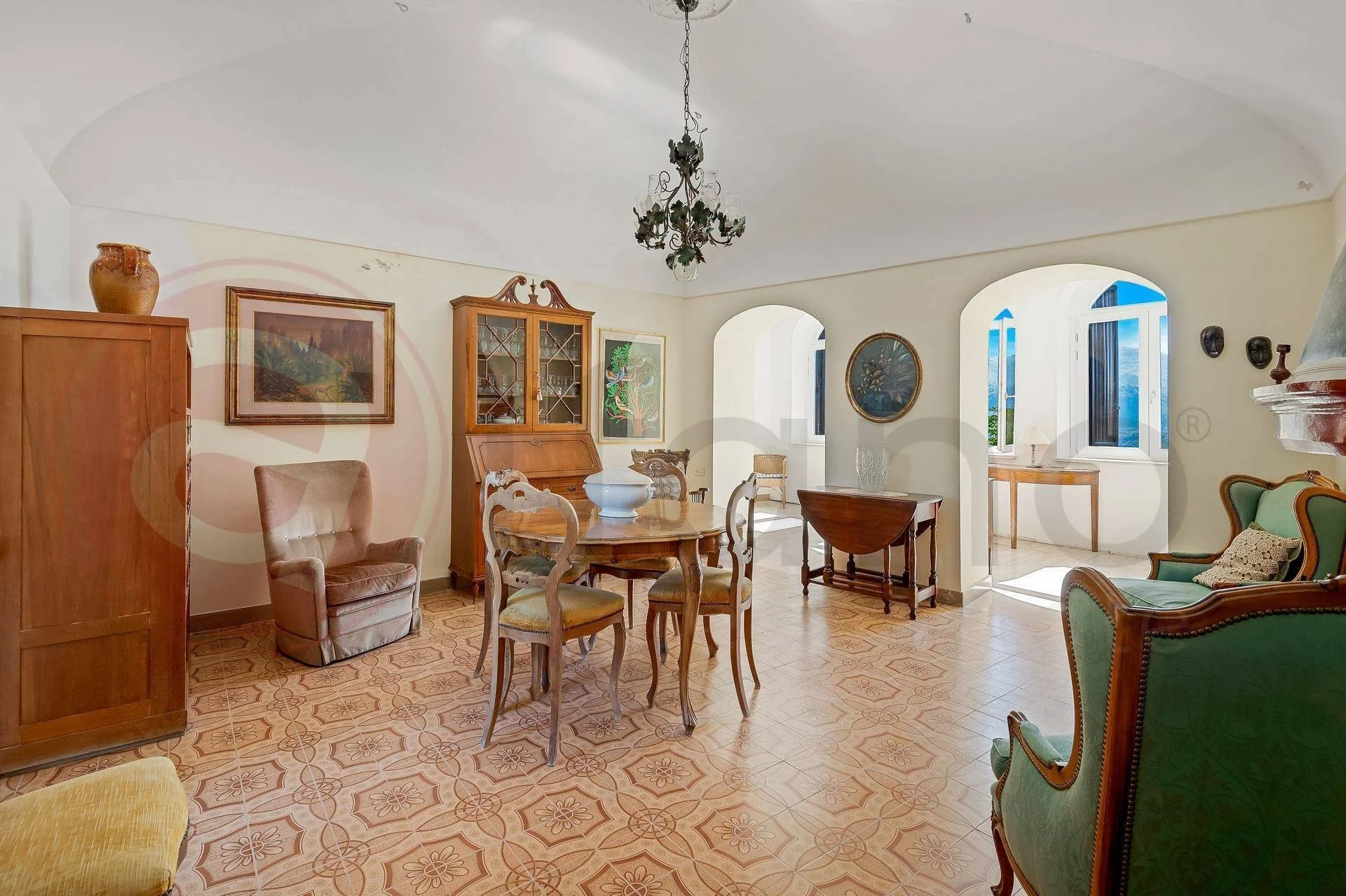
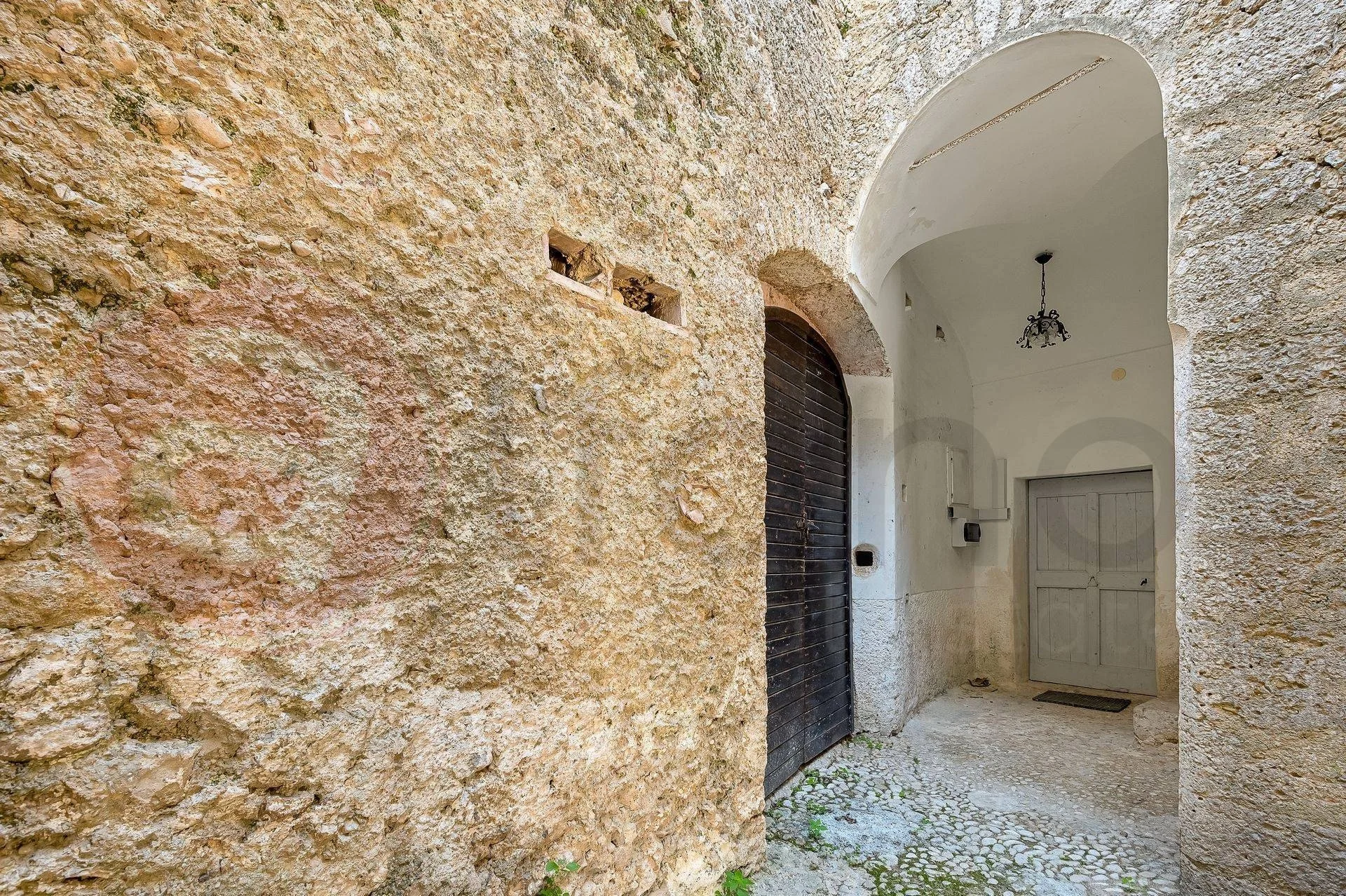
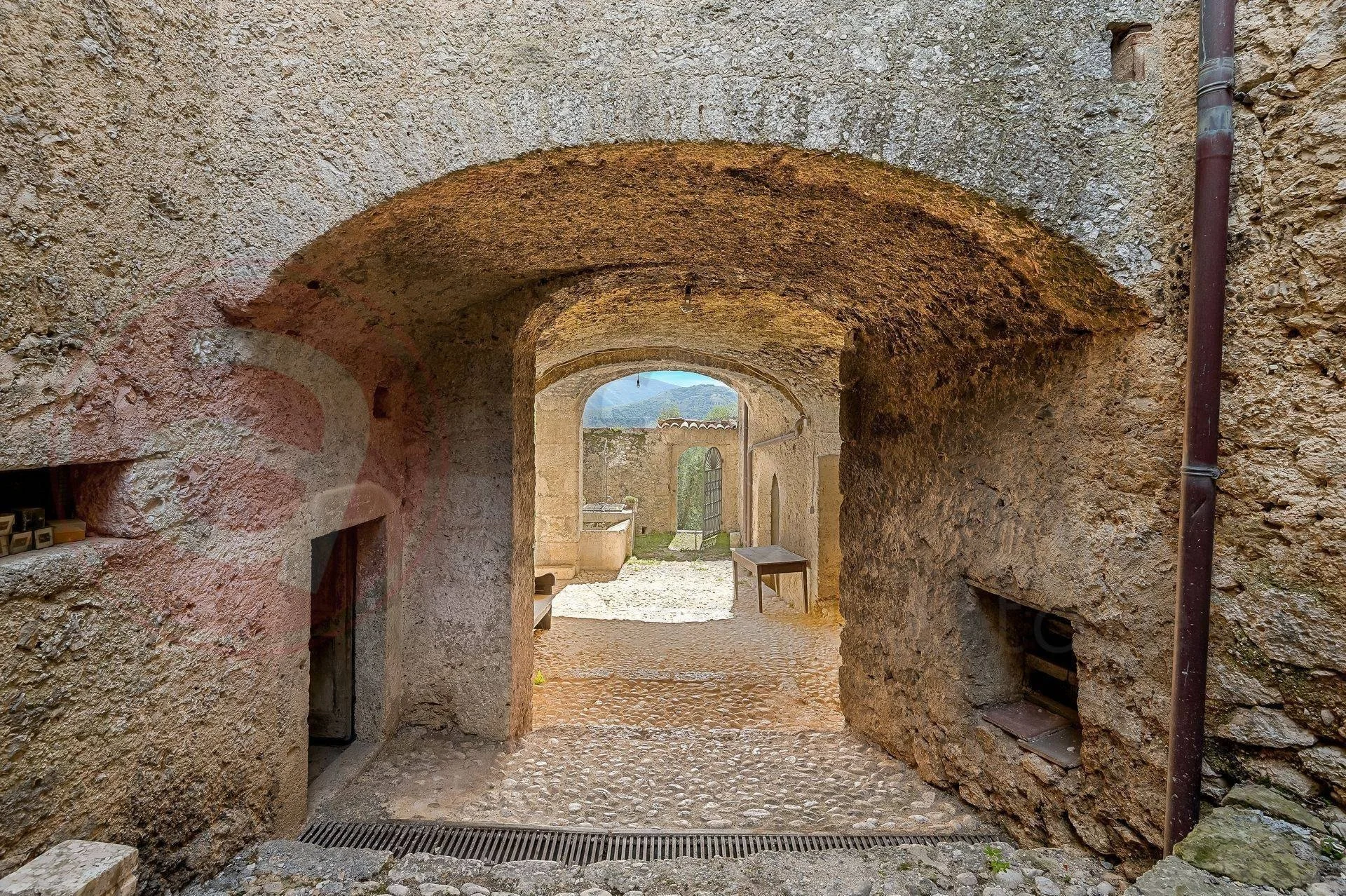
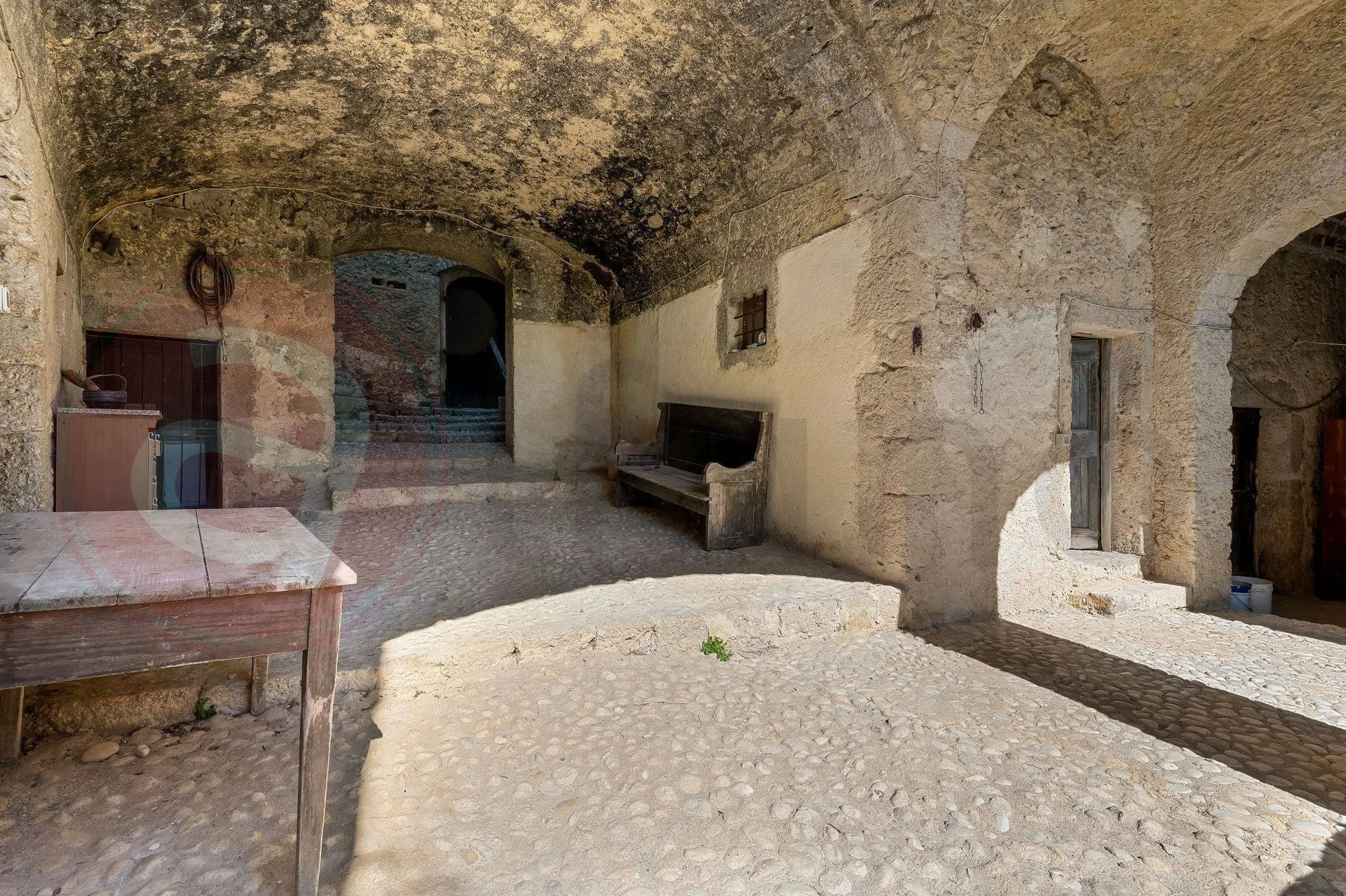
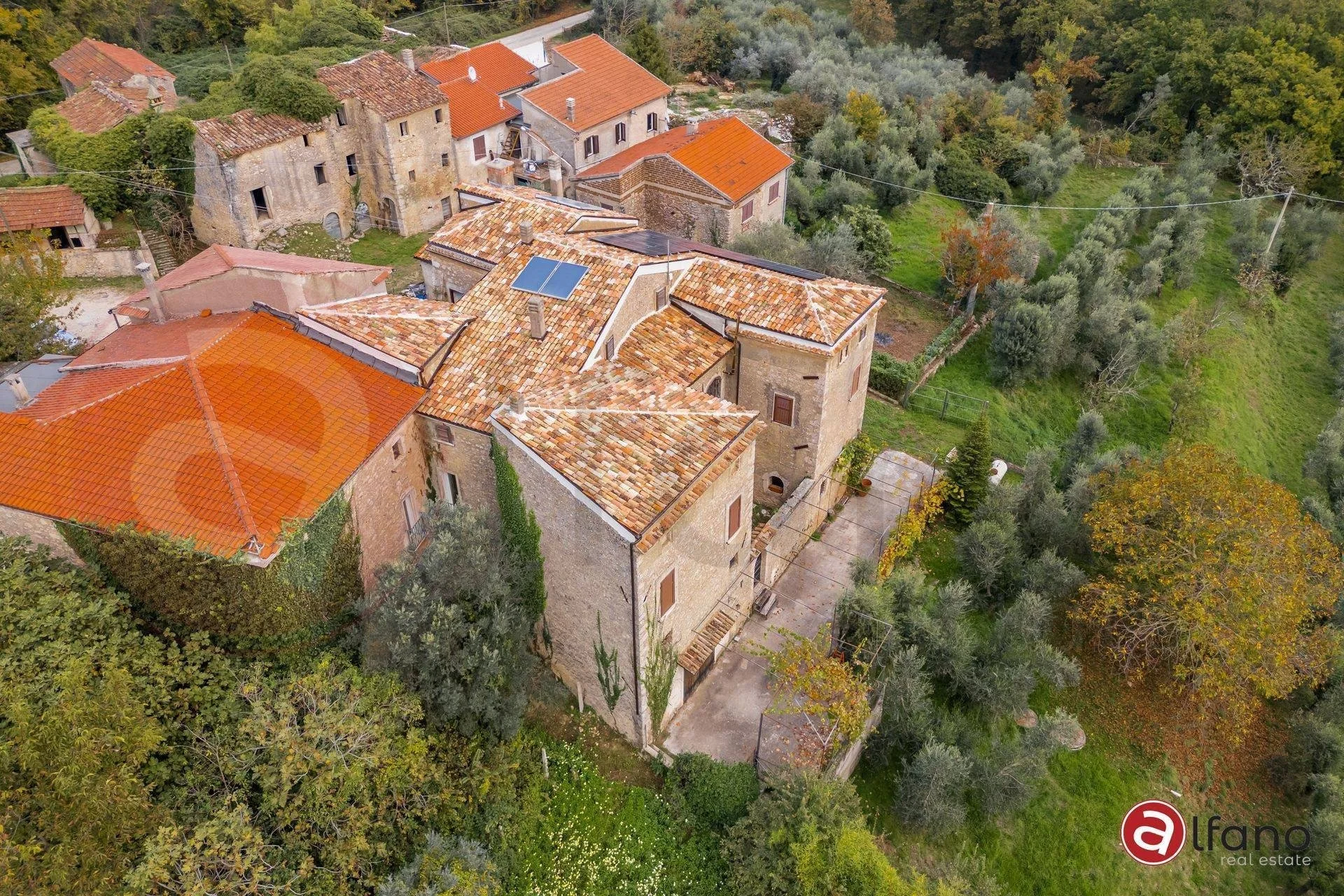
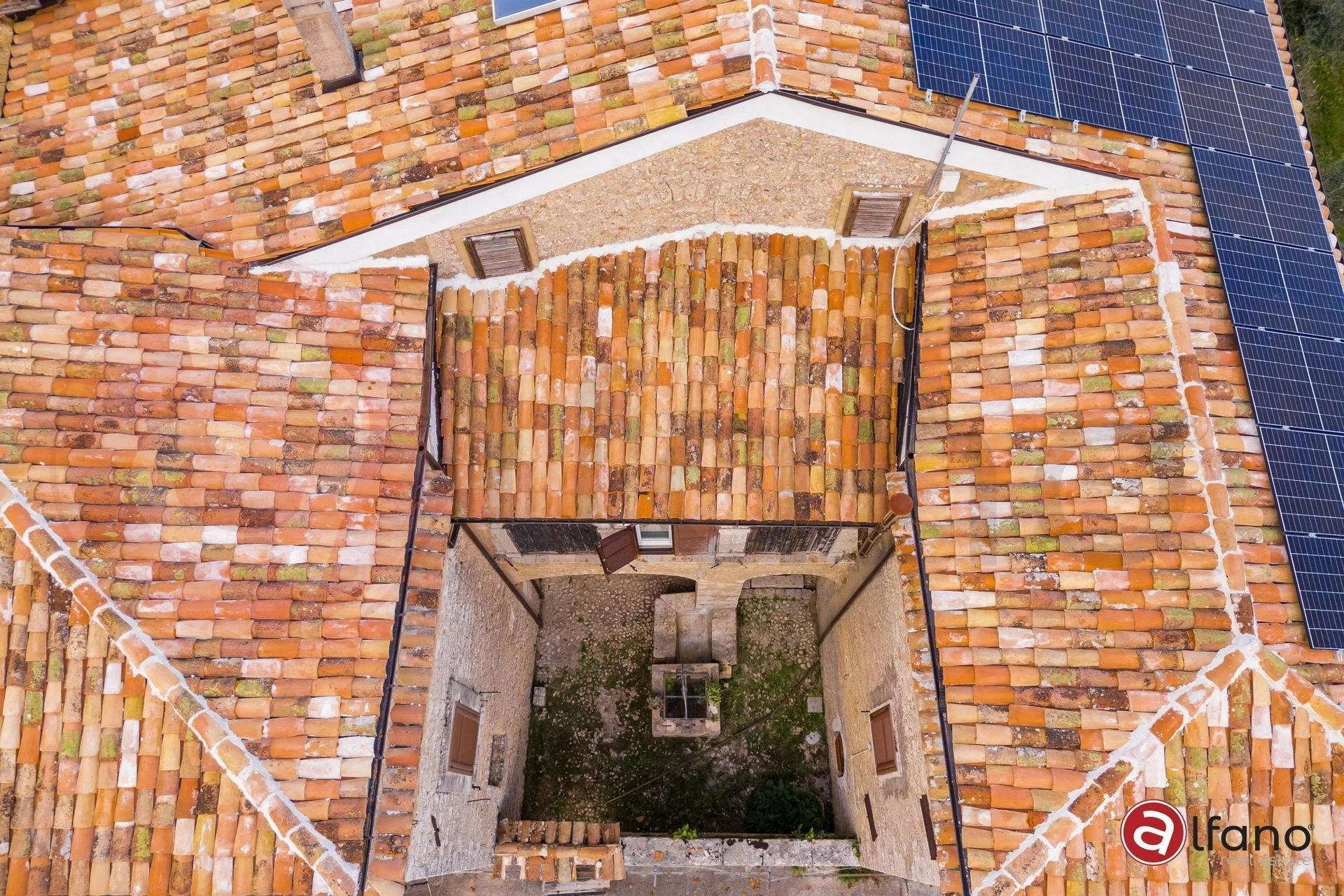
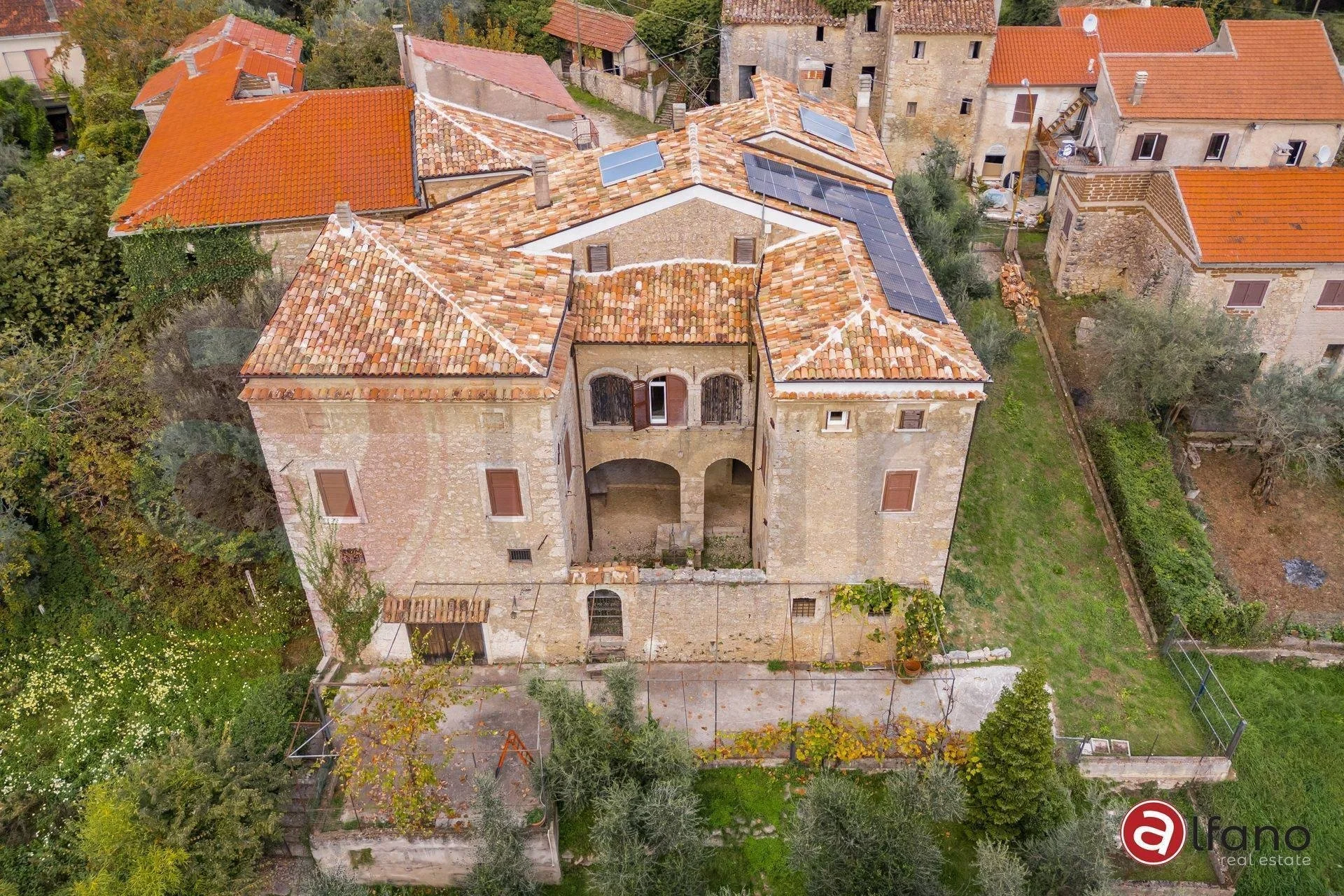
Internal cloister, vaulted brick cellars, warehouses, woodshed, large iron-pergola terrace
Recent works
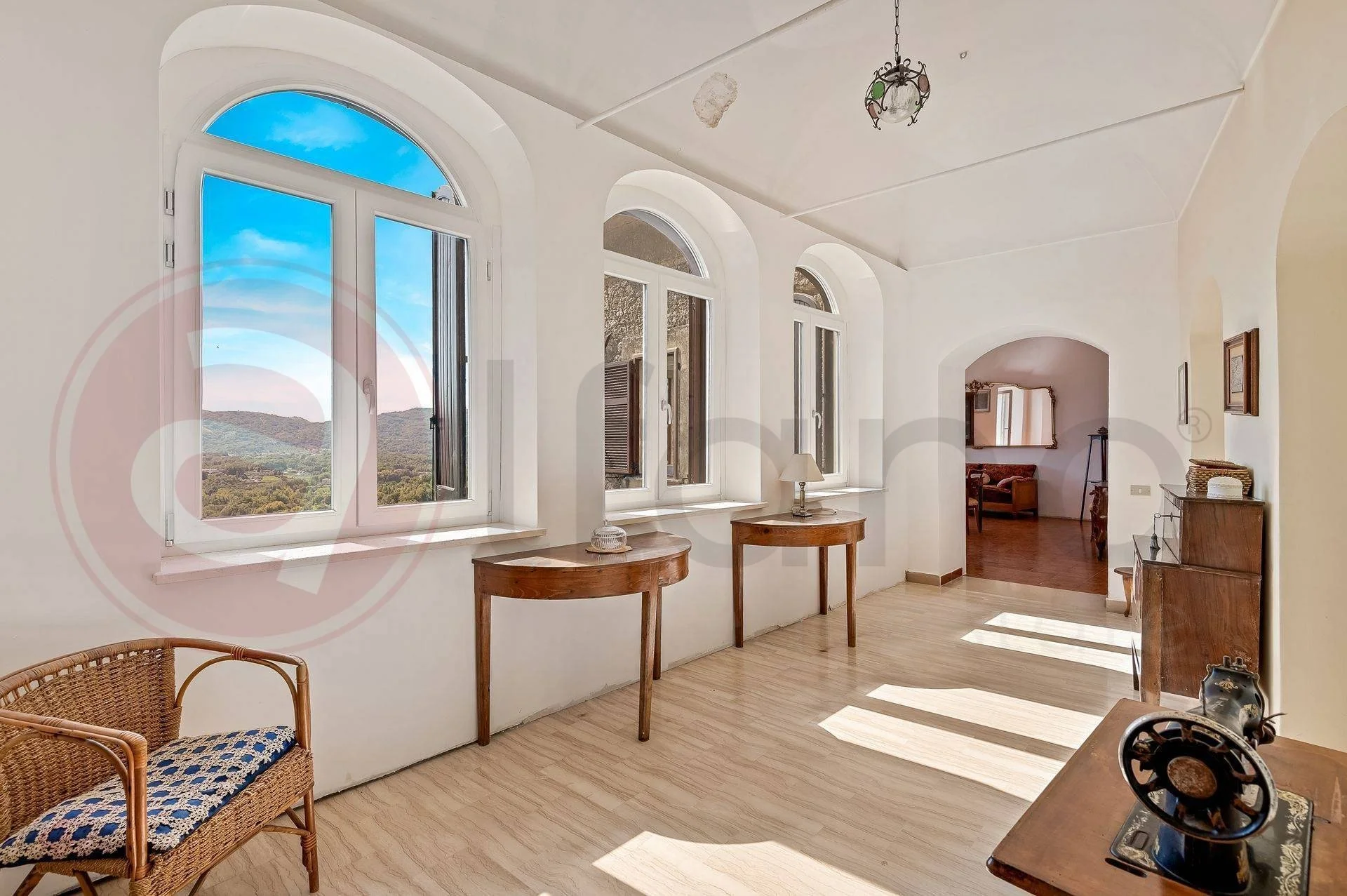
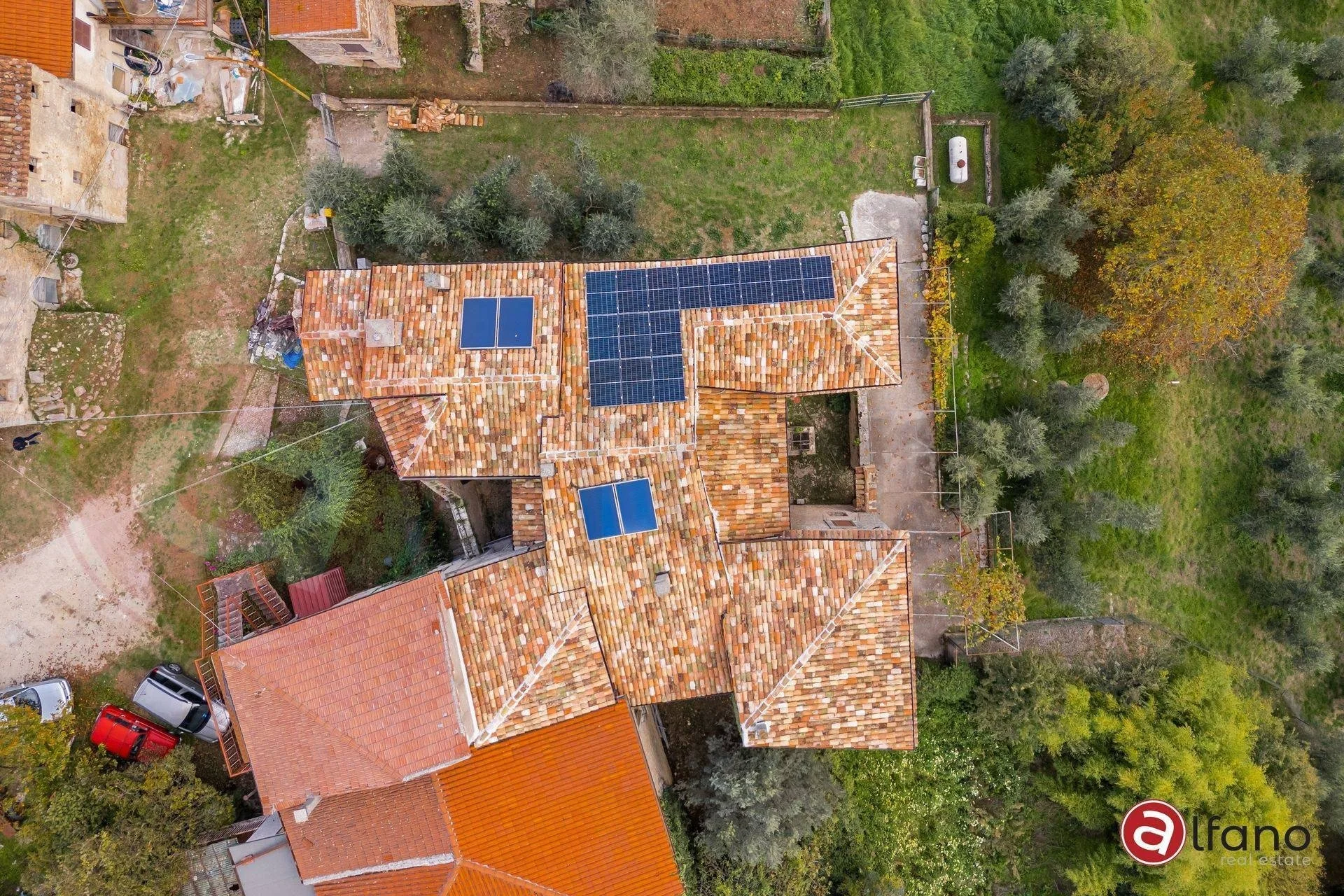
2023 Eco Bonus renovation including roof restoration, photovoltaic panels, heat pump, internal thermal coat and PVC frames with thermal break
Energy rating stated
Class E
Lifestyle angle
Character family estate, hospitality-led retreat, olive-producing lifestyle property, or future agriturismo concept
Headline appeal
A rare blend of noble architecture, recent capital-intensive energy works, substantial agricultural land and highly distinctive ancillary spaces
Core tension
The value proposition depends on whether the 2023 works are fully documented and regular, whether any heritage controls apply, how the land and outbuildings are classified, and whether the property can genuinely support an agriturismo or hospitality model rather than merely inspiring one
Risk Radar
Overview
This is an unusually compelling Italian country-house listing because the hardest category of spending appears to have been tackled already. Roofs, envelopes, windows, heating systems and energy upgrades are precisely where many historic rural properties become financially intimidating. If the 2023 works were properly authorised, competently executed and fully documented, that materially strengthens the value case. If the paperwork is patchy, then what looks like a head start can quickly become a due-diligence sinkhole.
The heritage angle is central. A 1700s noble farmhouse with cloistered architecture and vaulted cellars may or may not be formally vincolato, but it is exactly the type of property where buyers should assume nothing and ask early. If there is a cultural-heritage constraint, future works may need Soprintendenza authorisation, and that can affect everything from guest-room alterations to signage, solar equipment changes, cellar conversion and agriturismo adaptation. Italian heritage rules place the authorisation power with the Soprintendenza for protected cultural property.
The second major point is that the listing's Eco Bonus story needs to be separated into three parts: what was built, what was claimed fiscally, and what is now legally and technically usable. The Agenzia delle Entrate makes clear that in property transfers, certain building-tax deductions can pass automatically to the buyer unless the deed states otherwise. That means a buyer should not treat the fiscal side as irrelevant background noise. It belongs in the legal file alongside the urban-planning documentation and post-works energy paperwork.
The third point is the land. A hectare with over 100 olive trees is enough to create agricultural identity, but not enough by itself to prove that the estate is commercially or administratively ready for agriturismo. In Lazio, agriturismo is framed as an activity connected to agricultural enterprise, not simply as a hospitality concept attached to pretty rural real estate. So the right question is not "Could guests stay here?" but "What agricultural, planning and operational structure would be required for this to lawfully function as agriturismo?"
Targeted Questions
Heritage Status, Vincolo and Planning Controls
If the property is protected, future works may require Soprintendenza authorisation and design constraints.
Buyers should not rely on verbal answers where heritage constraints may shape future value and use.
Restrictions often apply unevenly across different parts of a historic estate.
A beautiful old house is only as safe as its compliance trail.
Buyers need the legal route, not just the contractor story.
Italian notarial guidance notes that the old certificate regime has been replaced by segnalazione certificata di agibilità, and buyers should ask for the relevant documentation.
Transfer is possible even without agibilità, but that is not the same as having a clean usability position.
Historic properties often accumulate undocumented changes over time.
2023 Eco Bonus Works
The listing's value hinges on these works being real, complete and documented.
A buyer needs to know what protection remains after completion.
Solar installations can carry practical and contractual baggage.
Internal insulation can improve performance but also affect moisture behaviour in historic masonry.
Buyers should know whether the main structural risks were truly addressed.
The APE is required in sales and should reflect the property as improved, not as it existed before renovation.
This helps identify the remaining capital spend needed.
Historic houses can outperform or underperform their paper rating depending on actual use.
The tax dimension may affect how the transaction is documented.
The Agenzia delle Entrate states that, absent a different indication in the sale deed, the deduction transfers automatically to the buyer in qualifying cases.
Buyers do not want hidden fiscal uncertainty tied to already-completed works.
Building Status of Cellars, Warehouses and Woodshed
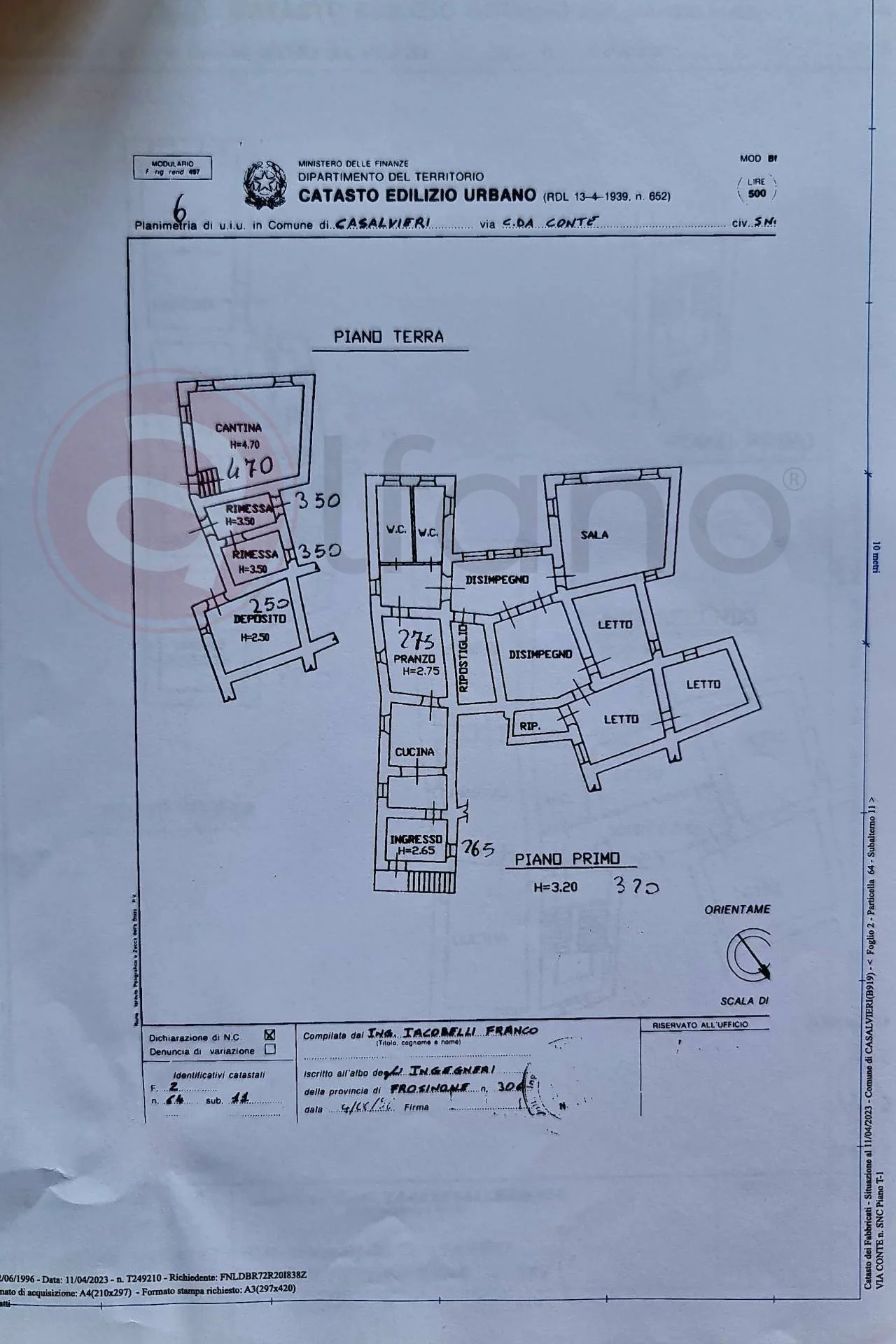
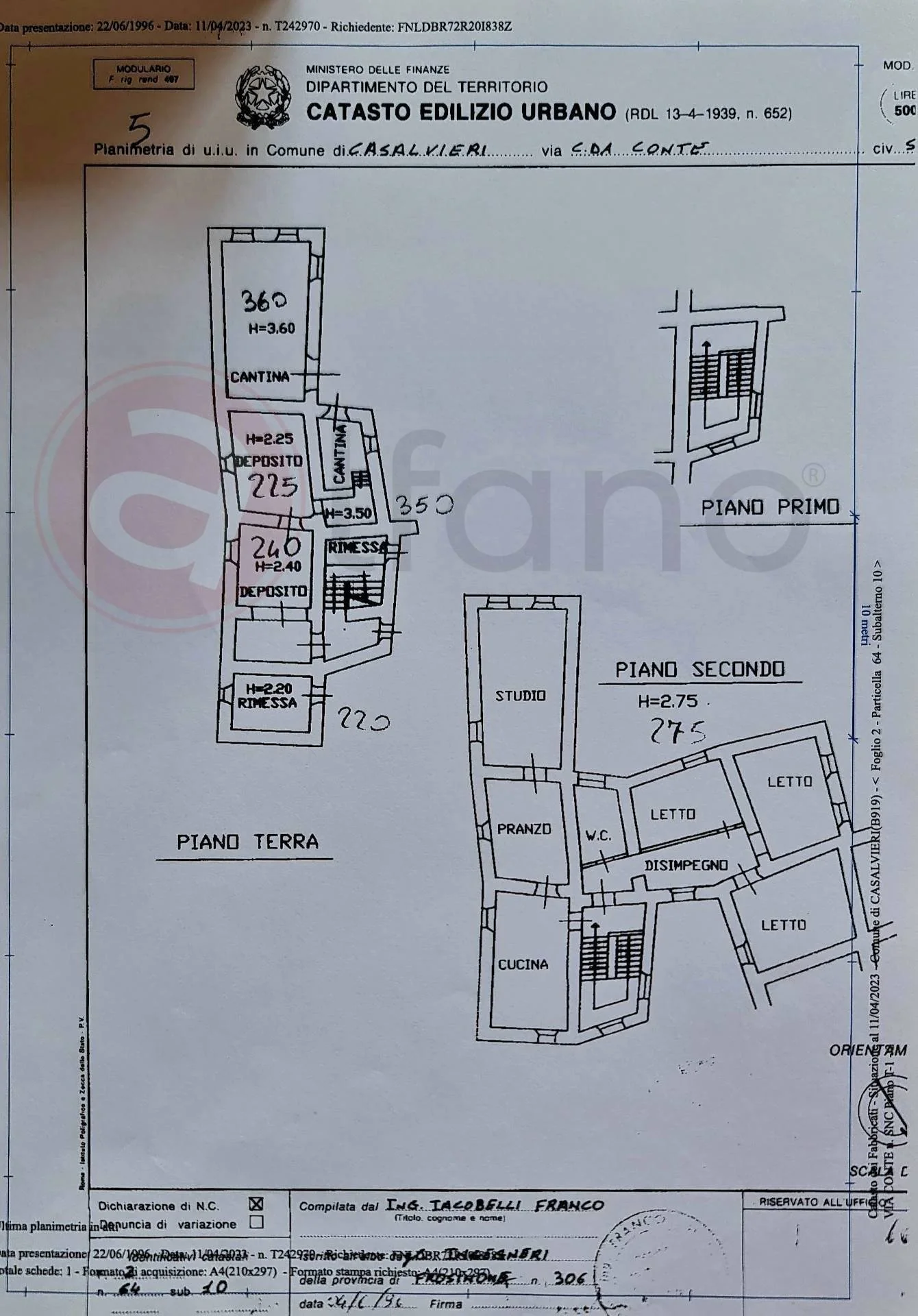
The Agenzia delle Entrate confirms the visura catastale is the key route for seeing identifying and income-related cadastral data for buildings and land.
Historic estates often have fascinating spaces that are not perfectly aligned between paper and reality.
Its conversion potential depends on present classification.
Buyers often mentally assign value to future potential long before checking whether it exists.
Cellars can be atmospheric assets or expensive liabilities depending on permitted use.
Outdoor hospitality space only adds value if its rights and status are clean.
Large external features can create ongoing cost drag.
Land, Olive Grove and Agricultural Status
Buyers need a land file, not just a narrative description.
With land over 5,000 m², notarial documentation should include the CDU to state planning destination.
The planning status shapes both tax and future use.
Terraced country plots can hide practical dependencies.
"100 olive trees" sounds rich in potential, but productivity varies enormously.
Agriturismo viability is stronger if there is real agricultural activity rather than decorative agriculture.
Buyers need evidence for any agricultural-income narrative.
A grove without an operational setup is more romantic than productive.
These can create upside, but also compliance obligations.
Ownership cost may differ depending on how the estate is classified and used.
Agriturismo and Hospitality Feasibility
Existing operational history is one of the best shortcuts in due diligence.
Hospitality potential should be tested, not assumed.
Lazio's agriturismo framework is tied to agricultural enterprise and connected activity, not simply rural accommodation.
A beautiful setting is not the same thing as a compliant agriturismo base.
Operational feasibility depends on what can actually be used.
Future hospitality often depends on formal use changes.
Heritage control can affect timelines and scope.
Lazio regulates agriturismo standards and service requirements at regional level.
Character alone does not guarantee income.
Agriturismo and generic short-let models are not interchangeable in Italy.
Utilities, Access and Practicality
Historic rural estates often rely on mixed systems.
Hospitality ambitions live or die on infrastructure.
Capacity becomes critical if hospitality is part of the strategy.
Rural retreat and modern operations need not be enemies, but they often are.
Signal can vary dramatically on thick-walled stone properties.
Access reliability matters for both living and guest arrival.
Rural romance should be measured against real logistics.
Parking is often an afterthought until operations begin.
Negotiation Intelligence
Buyer Leverage
Medium-High
Key Drivers
Typical Negotiation Range
5-15% below asking
Neutral Phrasing Examples
Country Layer
Italy (Regulatory Context March 2026)
Key Italian / Lazio requirements for buyers:
Viewing Strategy
During the viewing:
Next Step
Verify from the listing:
The 2023 Eco Bonus file is the heart of the deal
Ask for the full permits, invoices, guarantees, professional sign-offs, post-works APE and agibilità documentation. This property looks attractive because the expensive works appear to have been done already, but that value only truly exists if the file is complete and regular.
Do not assume heritage status, prove it
A 1700s noble farmhouse with cloistered and vaulted spaces may have cultural-heritage constraints. Request any vincolo or Soprintendenza documentation so you know whether future works, guest-use adaptations or cellar conversions would face extra approvals.
The land needs both cadastral clarity and agricultural realism
Because the estate includes roughly one hectare and an olive grove, request the visura catastale, planimetrie and certificato di destinazione urbanistica. Then ask whether the grove is genuinely productive or simply picturesque.
Agriturismo should be tested as a regulated business model, not a mood board
In Lazio, agriturismo is tied to agricultural activity and regional rules. Ask what legal, agricultural and operational steps would actually be needed before treating this as an income-producing hospitality estate.
The outbuildings and cellars are valuable only if their status supports your plans
The woodshed, warehouses and vaulted cellars are extraordinary features, but they need to be properly represented in the Catasto and compatible with the uses you imagine for them.
A prepared buyer should approach the agent calmly and frame questions as due diligence. For example: “To assess the property properly, could you send the full 2023 renovation file, the post-works APE, any agibilità and heritage documentation, and the cadastral and planning papers for the house, ancillary spaces and land?”
Because this is a property where documentation, heritage controls, agricultural substance and hospitality feasibility all materially affect value, run it through the Property Risk Assessment before contacting the agent, and use the Renovation Budget Planner plus the Rental Yield Calculator once the legal and operational position is confirmed.
Disclaimer: The Property Drop is buyer-focused intelligence, zero sales agenda. We curate exceptional properties, in southern Europe, from third-party agents and arm you with decision tools. No commission, no transactions, no agent partnerships, no skin in the game beyond helping you choose wisely. Information stays accurate until it doesn't (properties sell, prices shift, markets move). Everything here is shared for informational purposes only and should not be treated as legal, financial, or investment advice. Images belong to original agents. Read our Terms of Service to learn more.
IMPORTANT REMINDER: When contacting property agents featured on The Property Drop, you are entering into direct communication with third parties. It's recommended that you verify all property details independently, conduct thorough due diligence, engage qualified professionals (solicitors, surveyors, financial advisors), understand your rights and obligations under local property laws, and never send money or make commitments without proper legal protection.
