
The Buyer Playbook: 2-Bed Apartment with Sea-View Terrace and Convertible Storage, Torre Vado, Italy €135,000


Buyer Playbook
Pre-Viewing Intelligence Report
This independent buyer guidance report relates to this specific property located in Italy. It is provided for informational purposes only and does not constitute legal, tax, structural or survey advice. Planning status, change of use, agibilità, condominium rules, terrace ownership, energy performance, tourist-rental registration, title position, and any shared-building or land-use matters must always be verified with qualified Italian professionals such as a notaio, geometra, architetto, ingegnere, surveyor or licensed property consultant, and with the relevant municipal authorities. This report is designed to help buyers evaluate the property before arranging a viewing or making an offer. It highlights due diligence issues and targeted questions to ask the agent. The analysis is based on the listing details and publicly available regulatory context at the time of writing.
Playbook Contents
Property Snapshot
Location
Torre Vado, Puglia, Italy
Property type
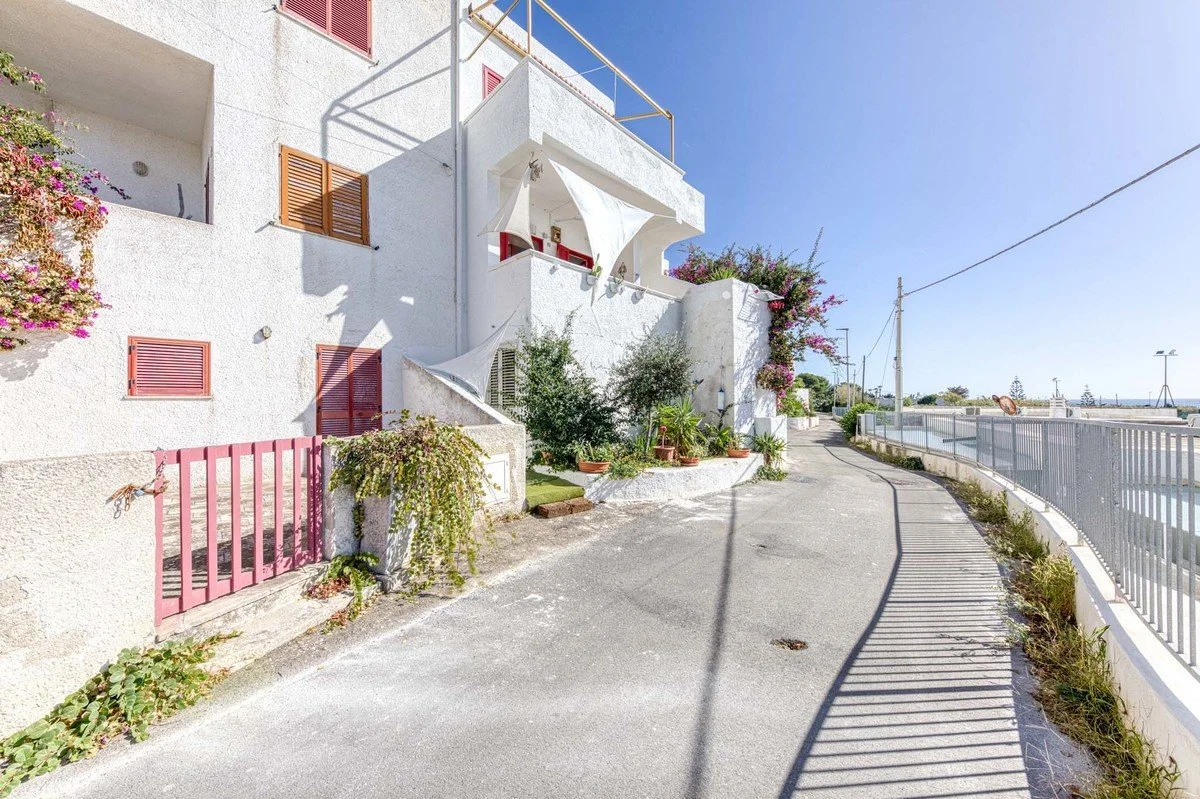
Two-bed apartment in the Monti Rossi residential complex
Asking price
€135,000
Bedrooms
2
Key outdoor feature
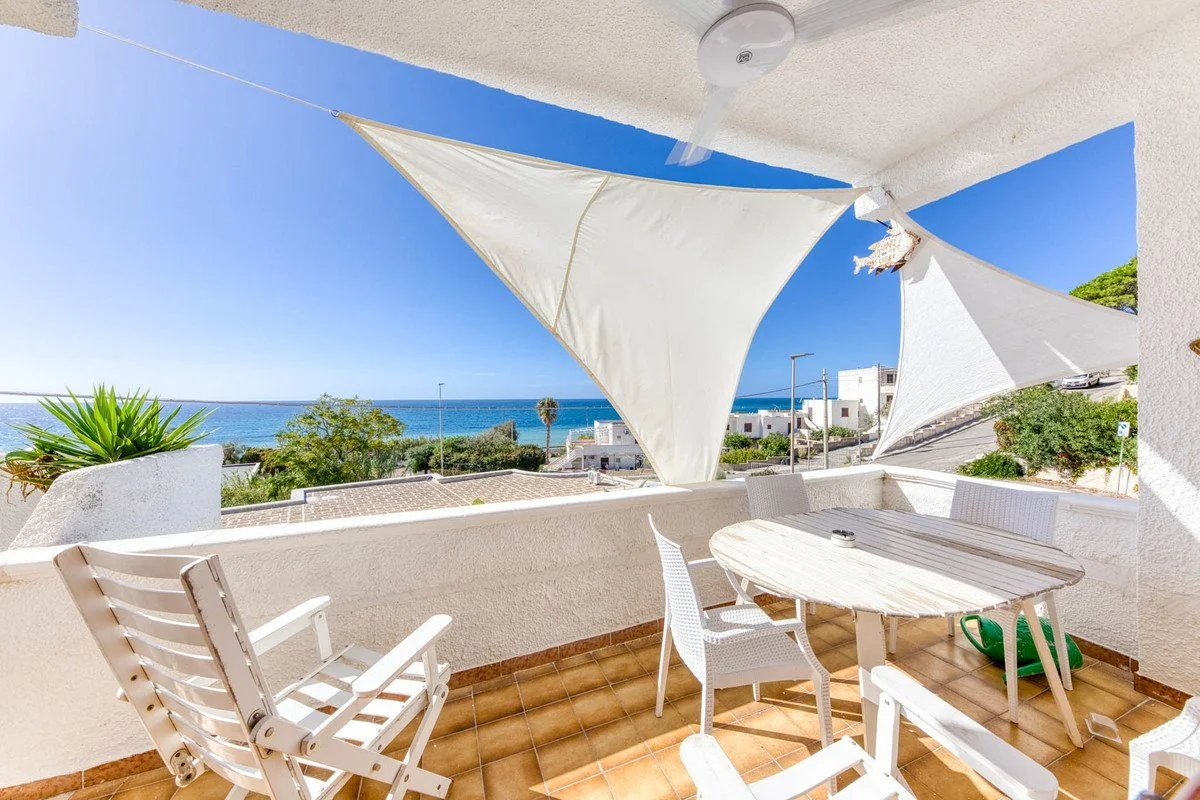
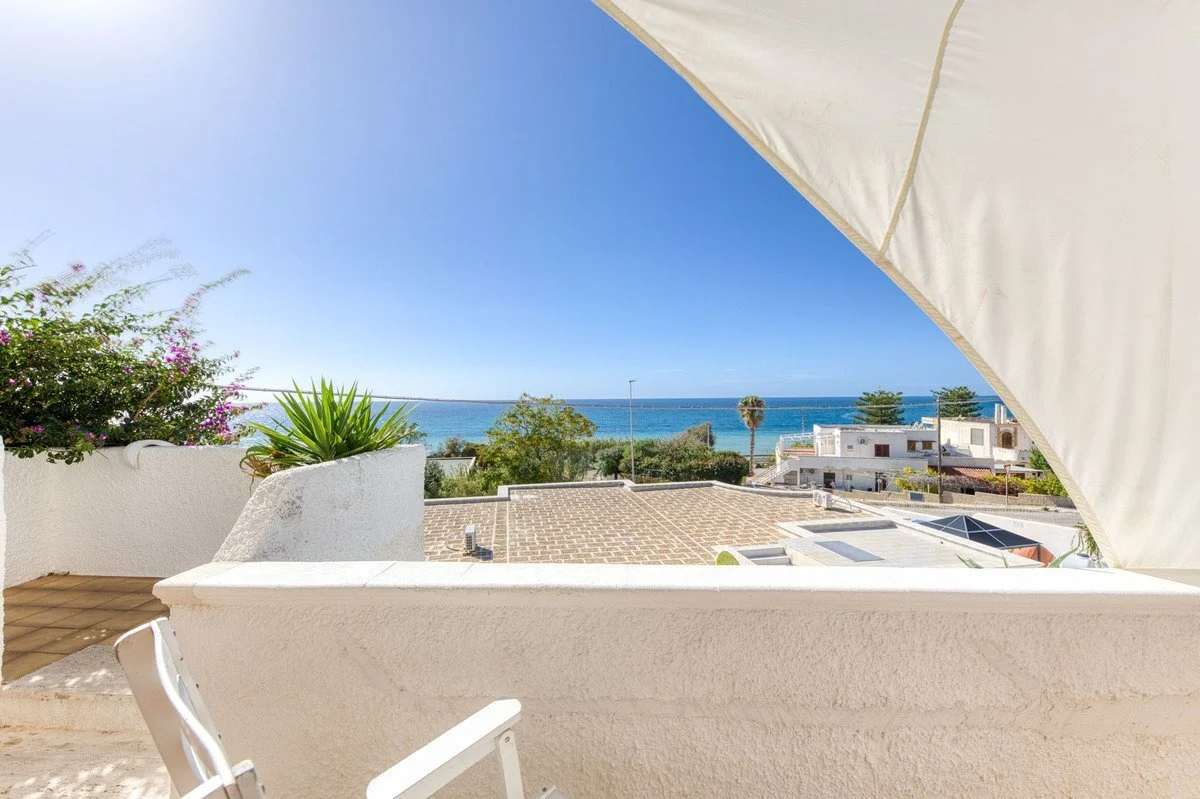
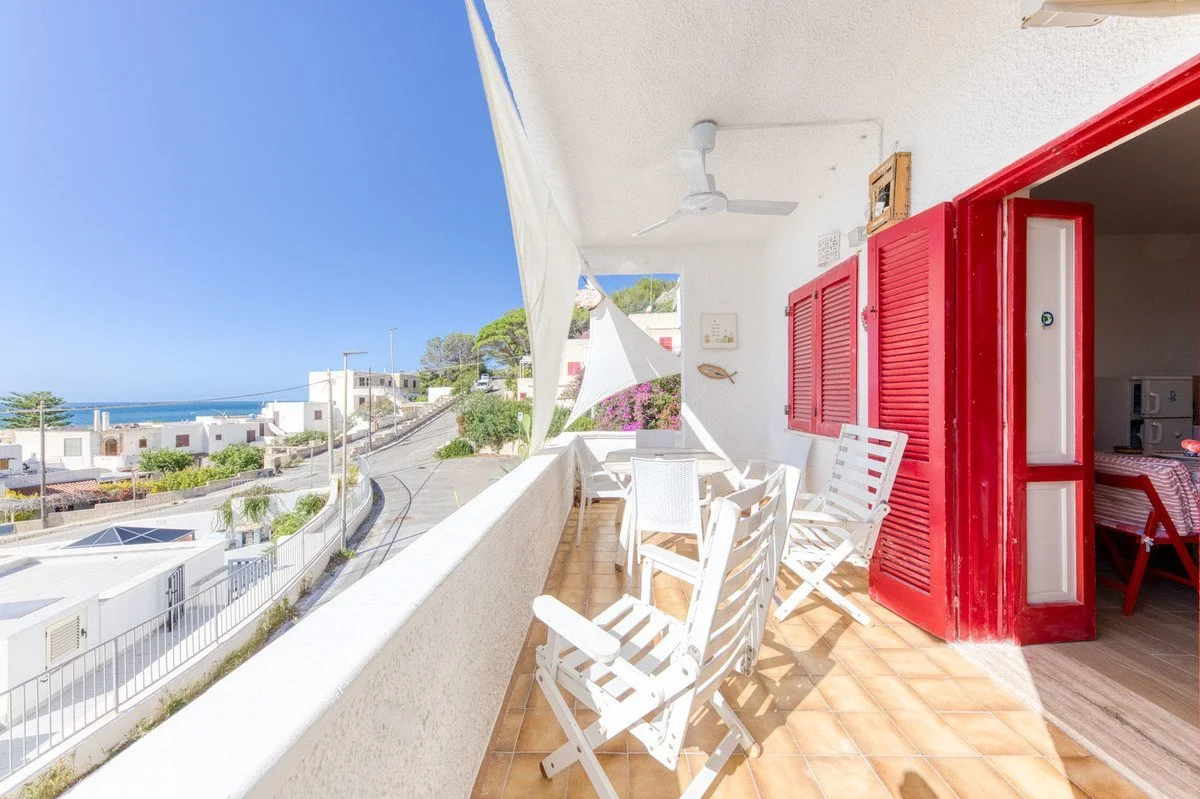
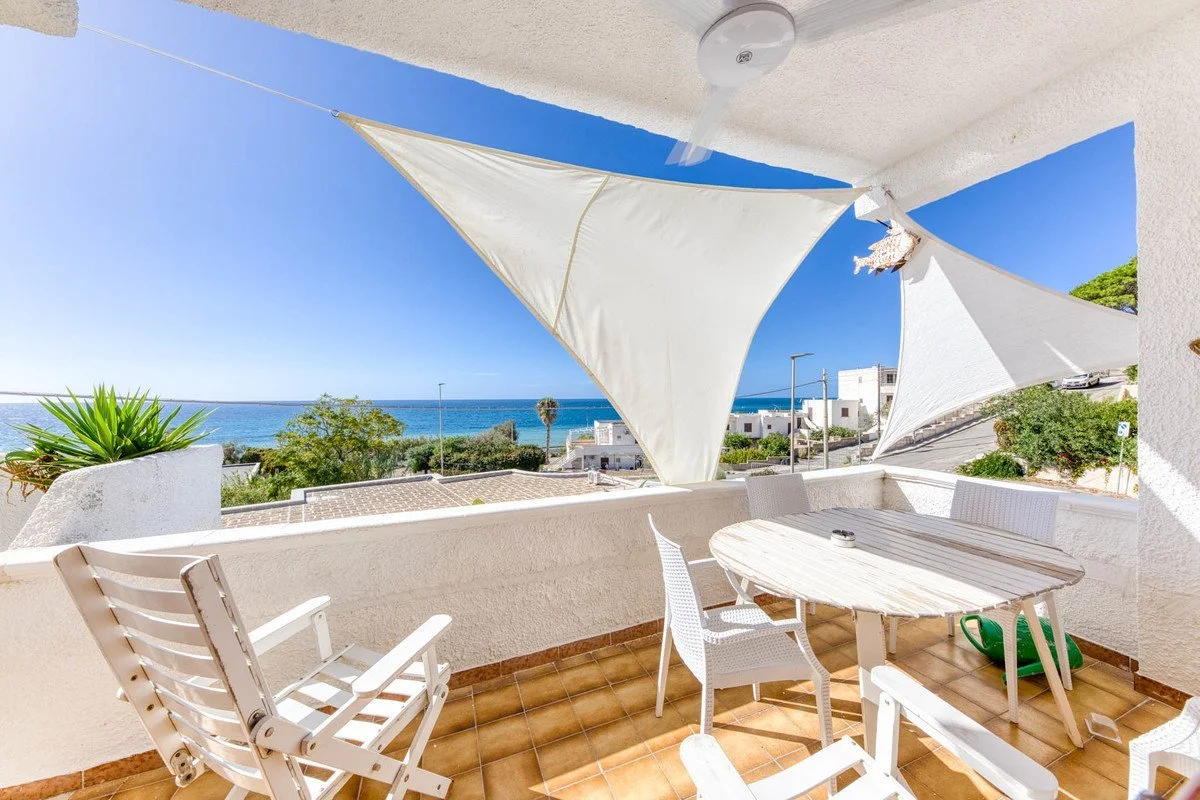
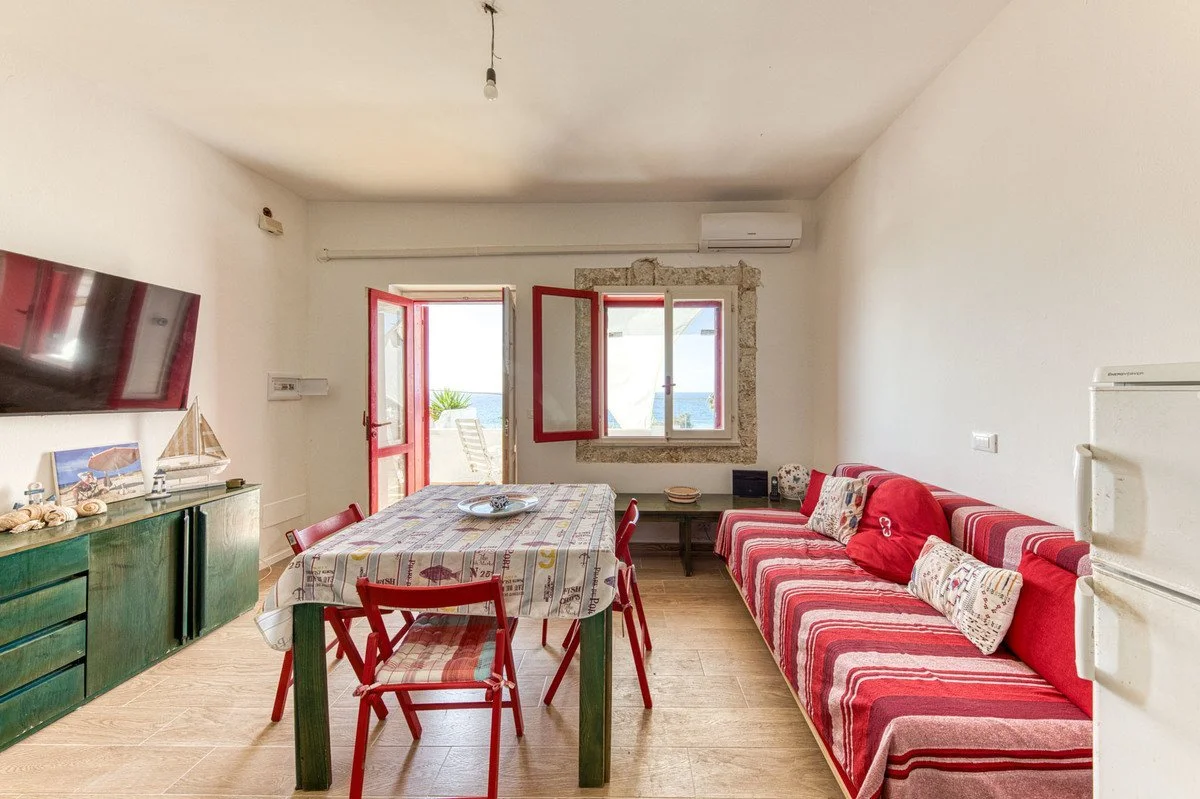
Sea-view terrace
Additional value-add
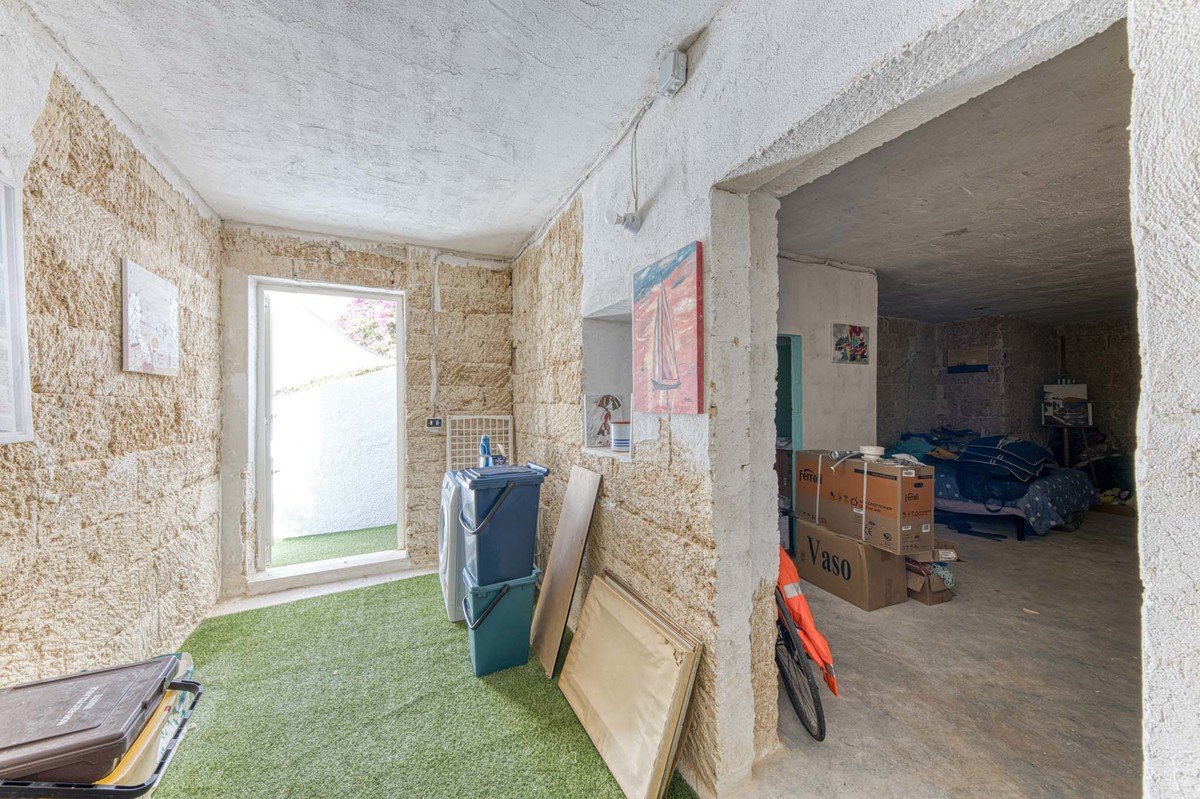
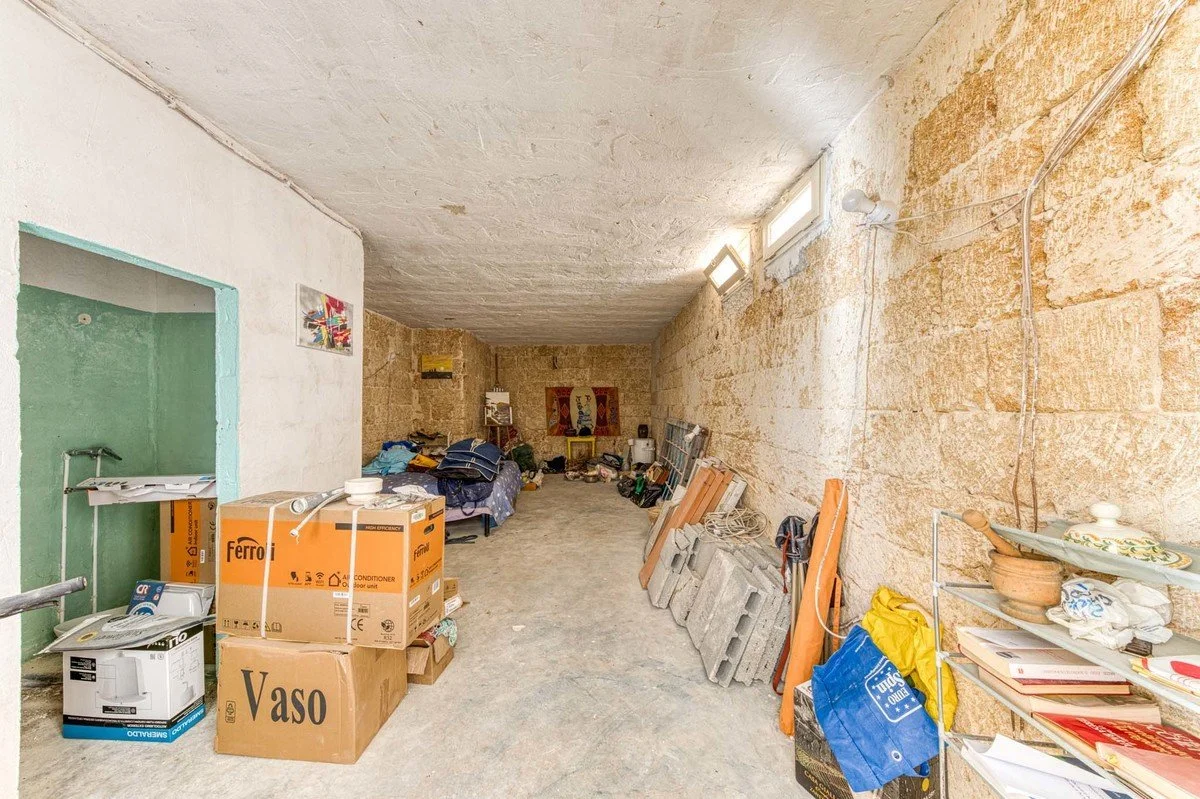
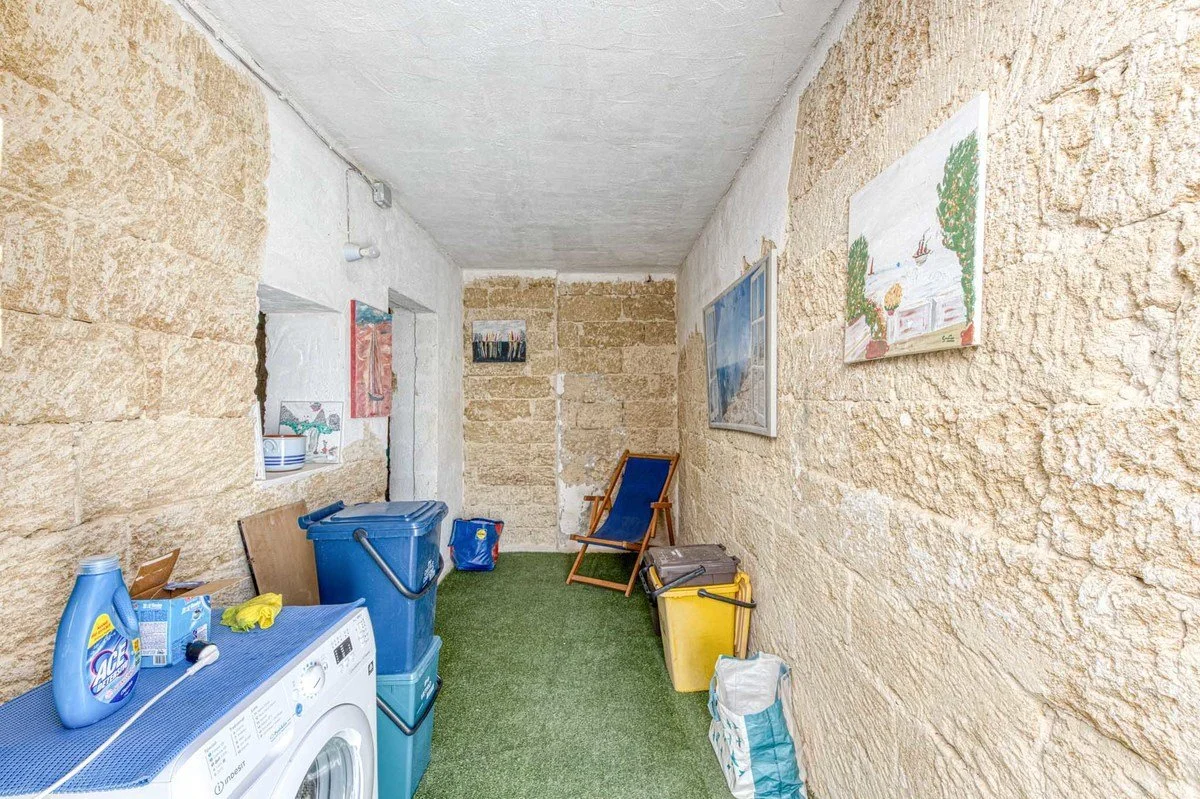
Approx. 50 m² storage room with stated planning pathway to convert into a two-room apartment
Building context
Condominium setting with annual fees stated at €550
Fees said to include
Water and green-area maintenance
Condition
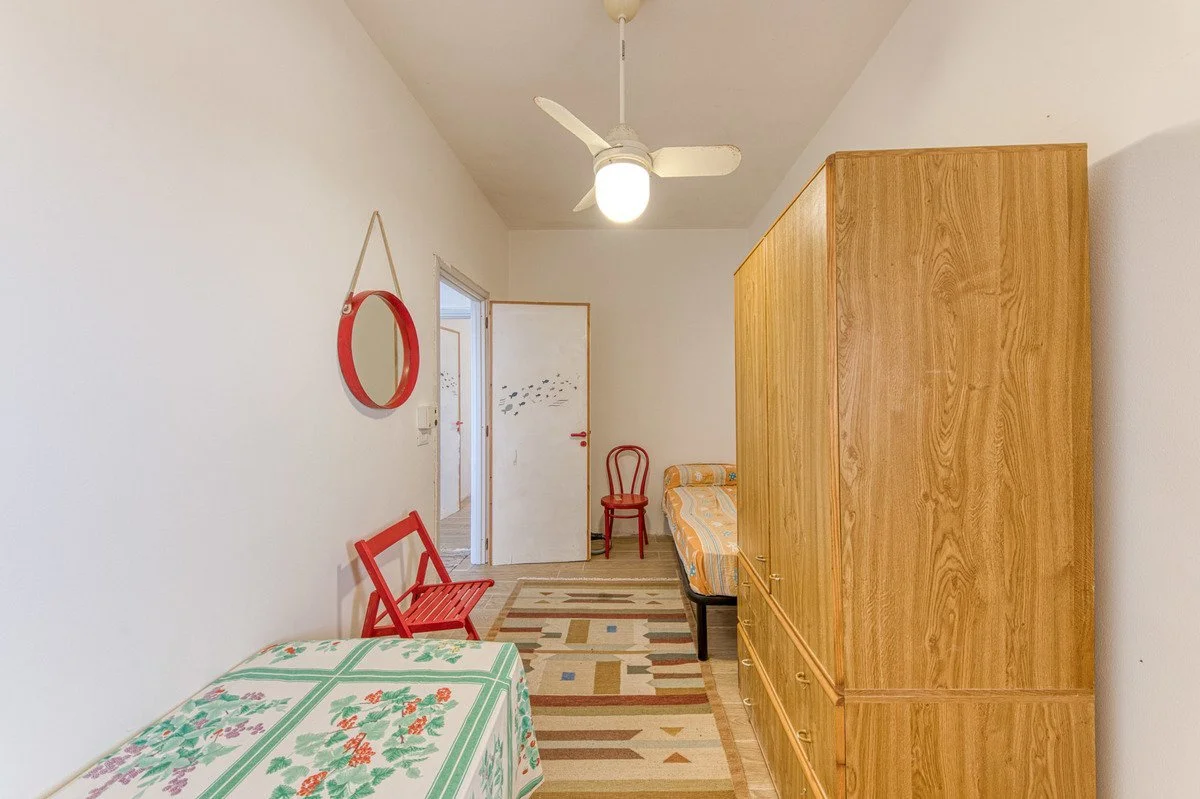
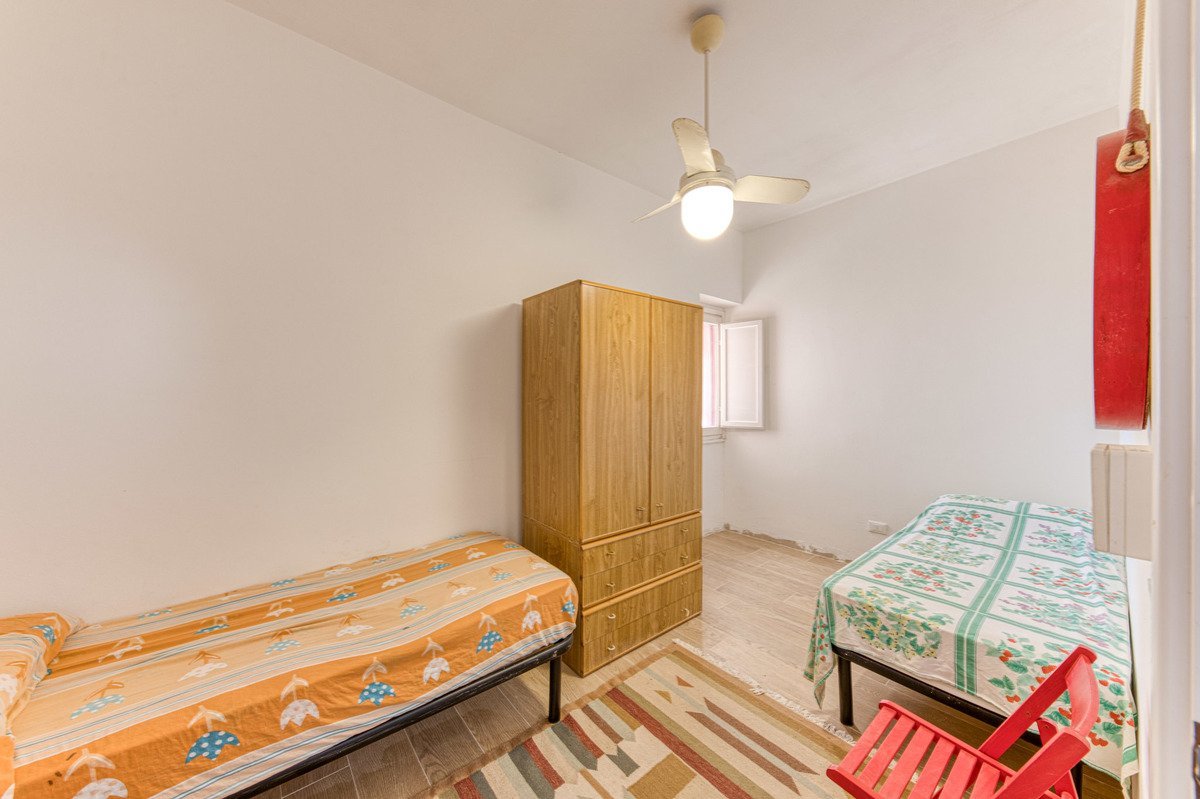
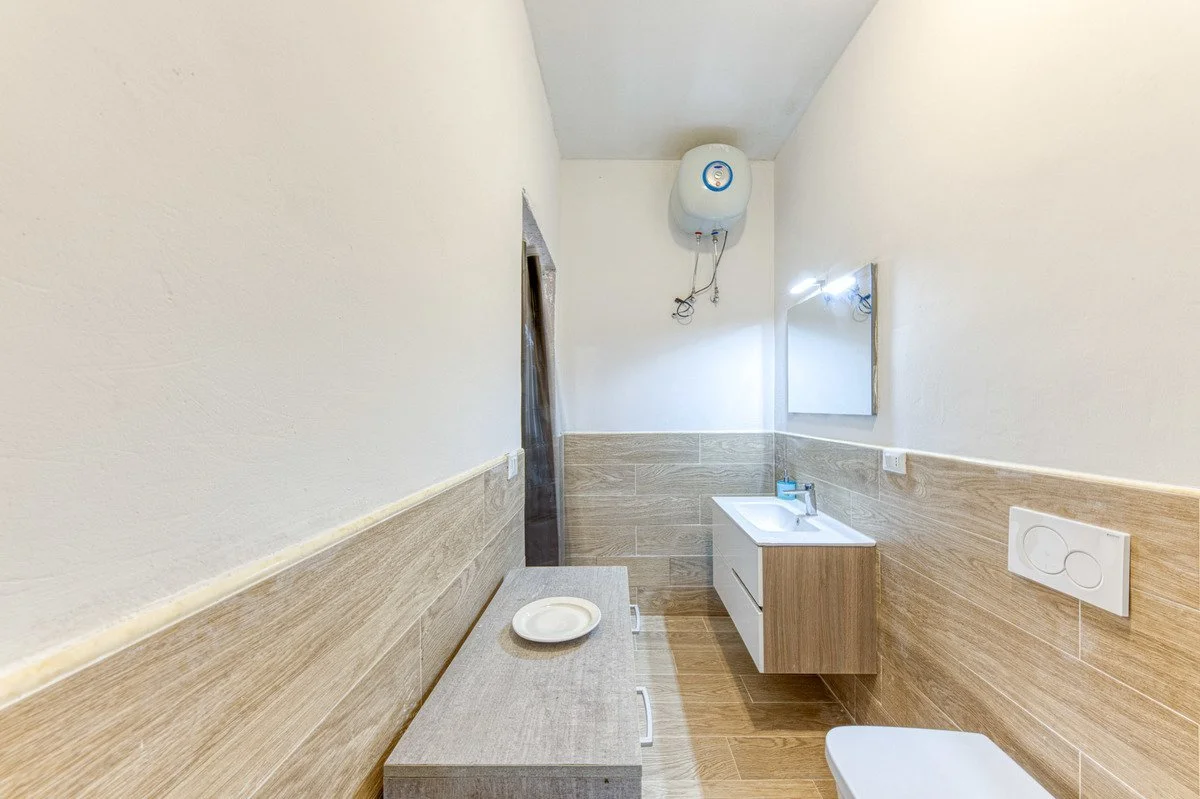
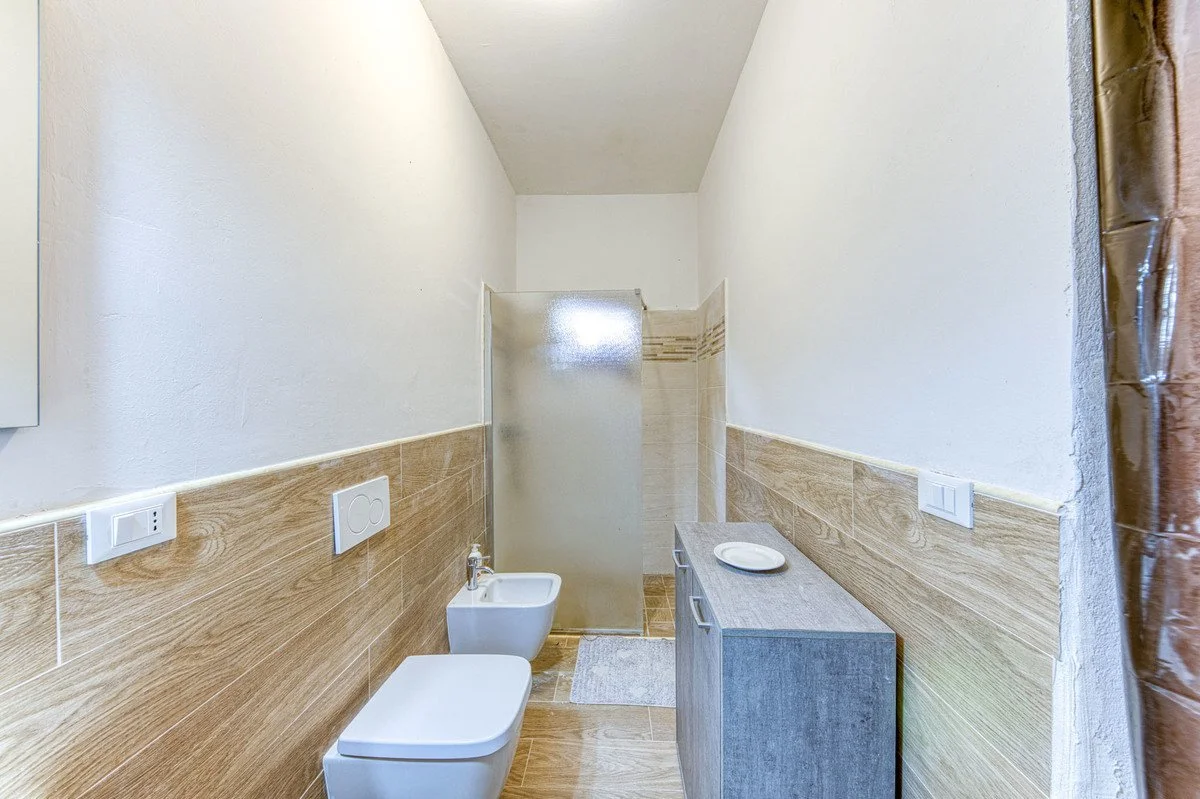
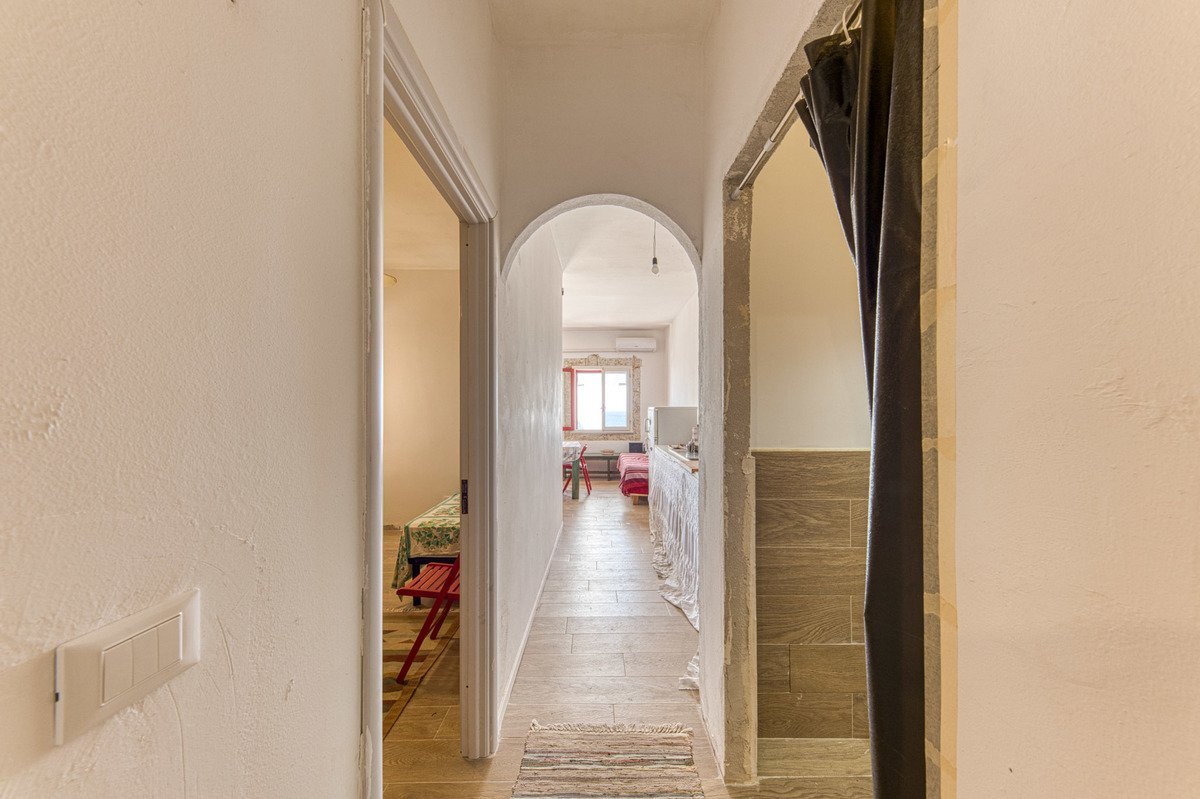
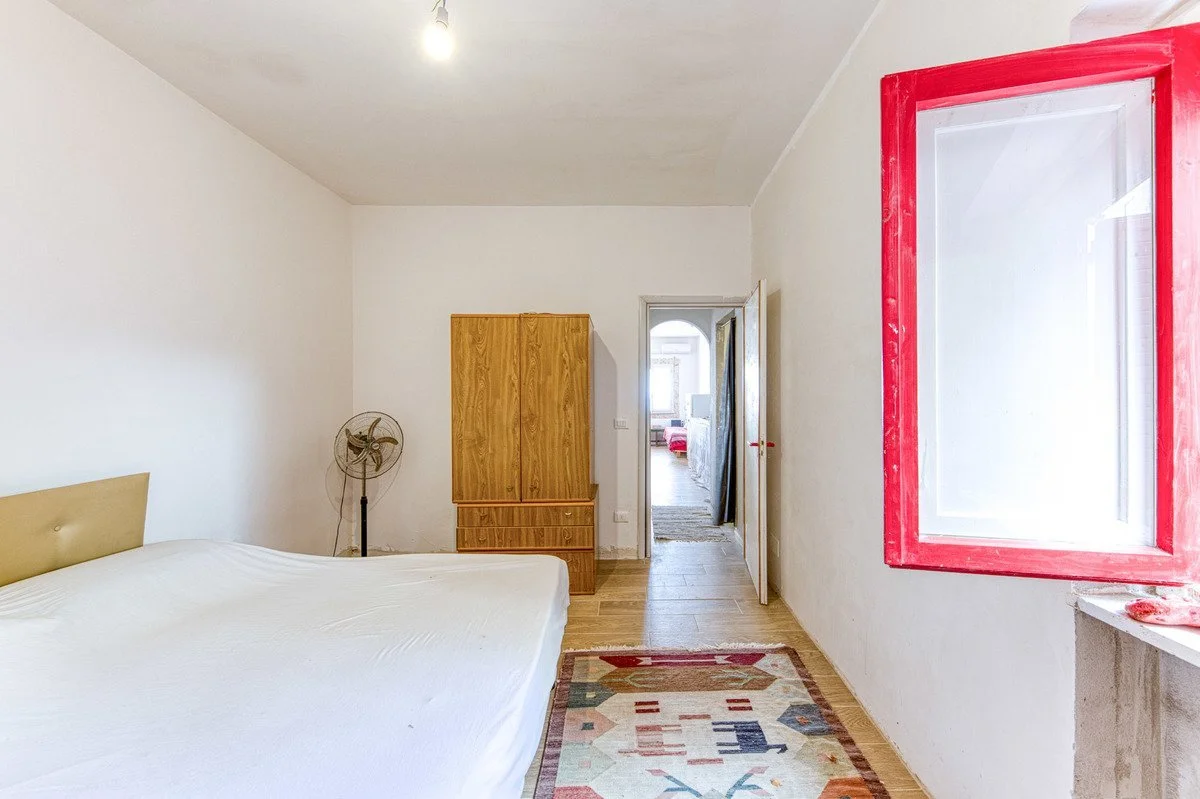
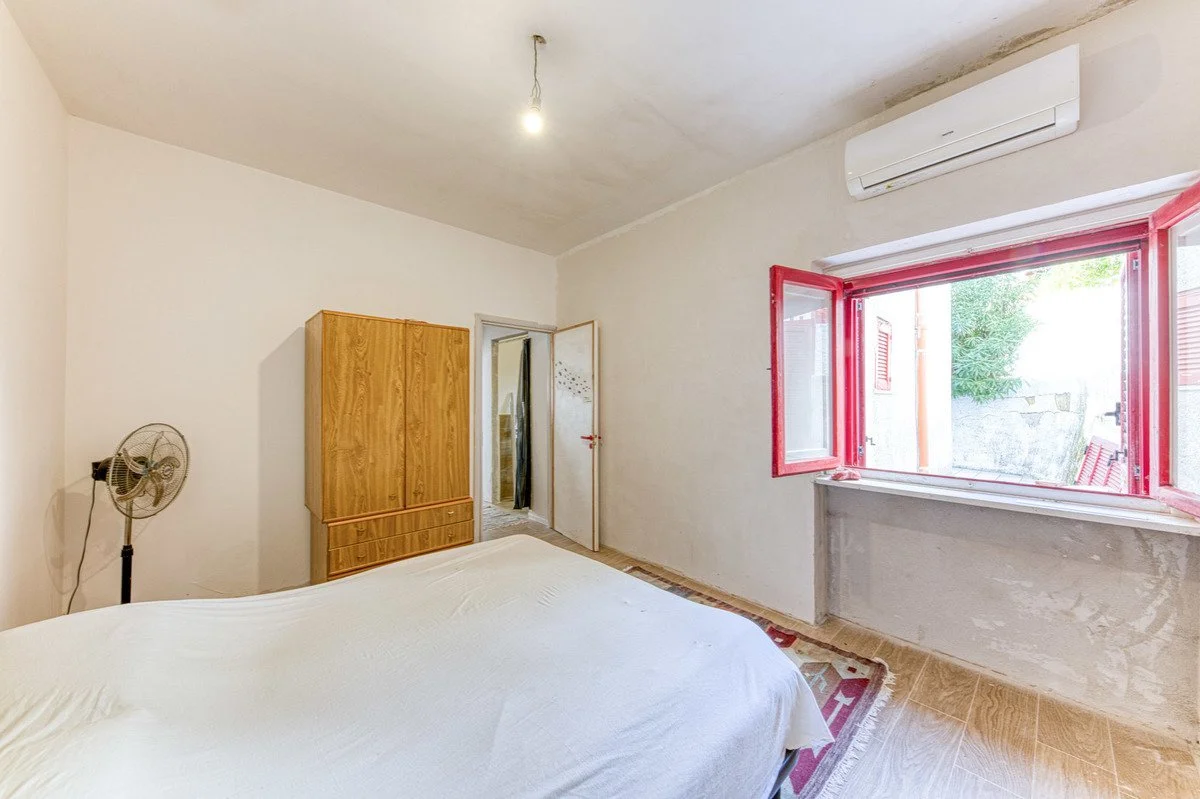
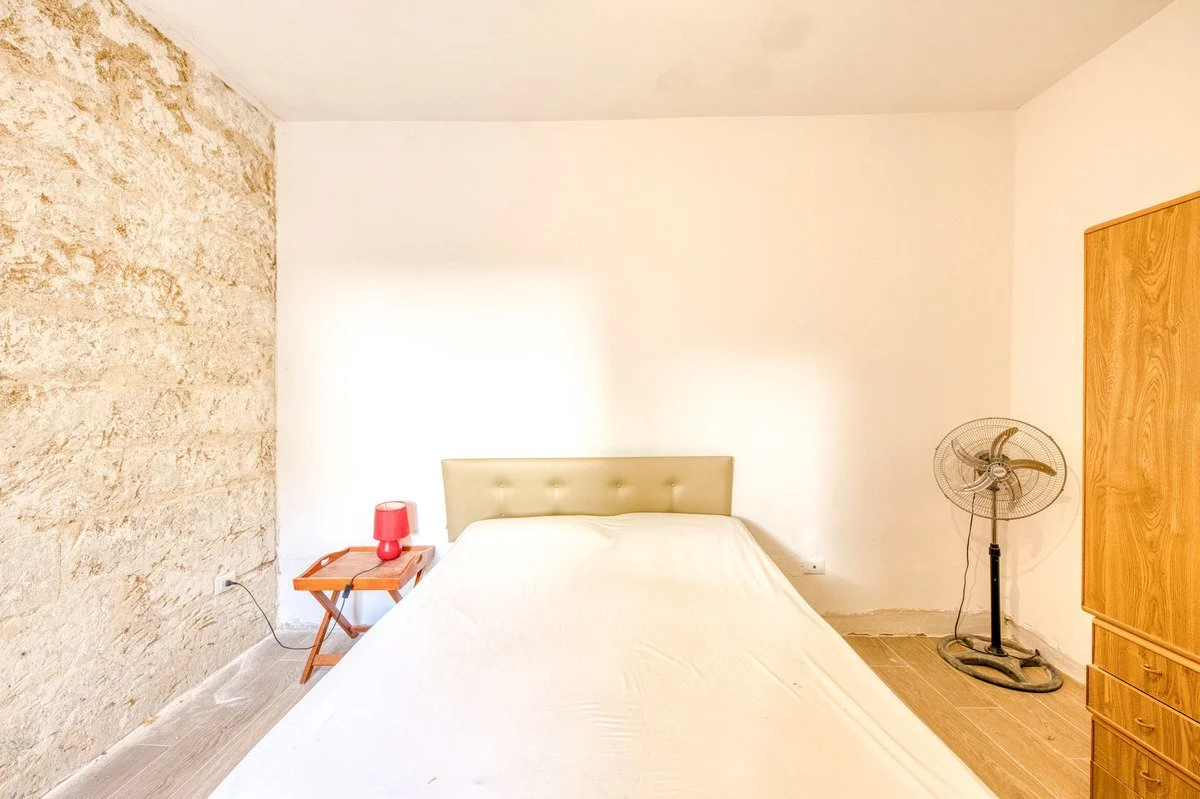
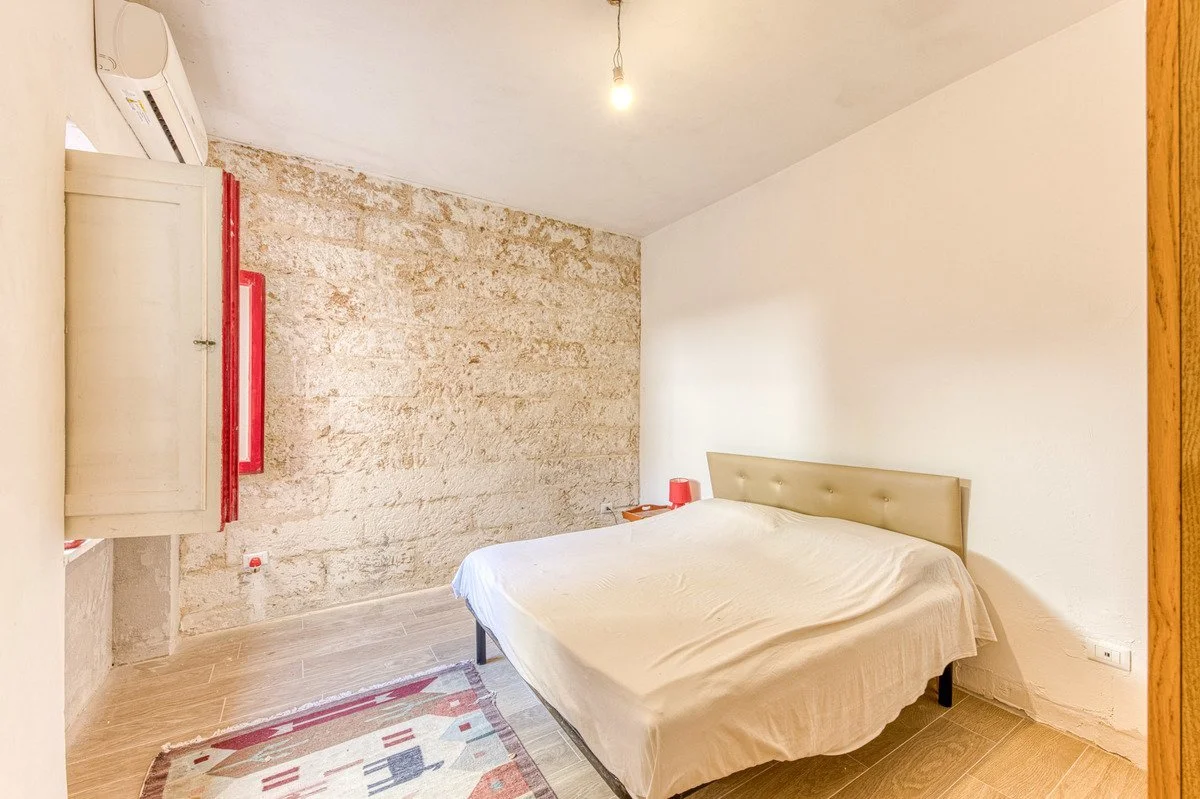
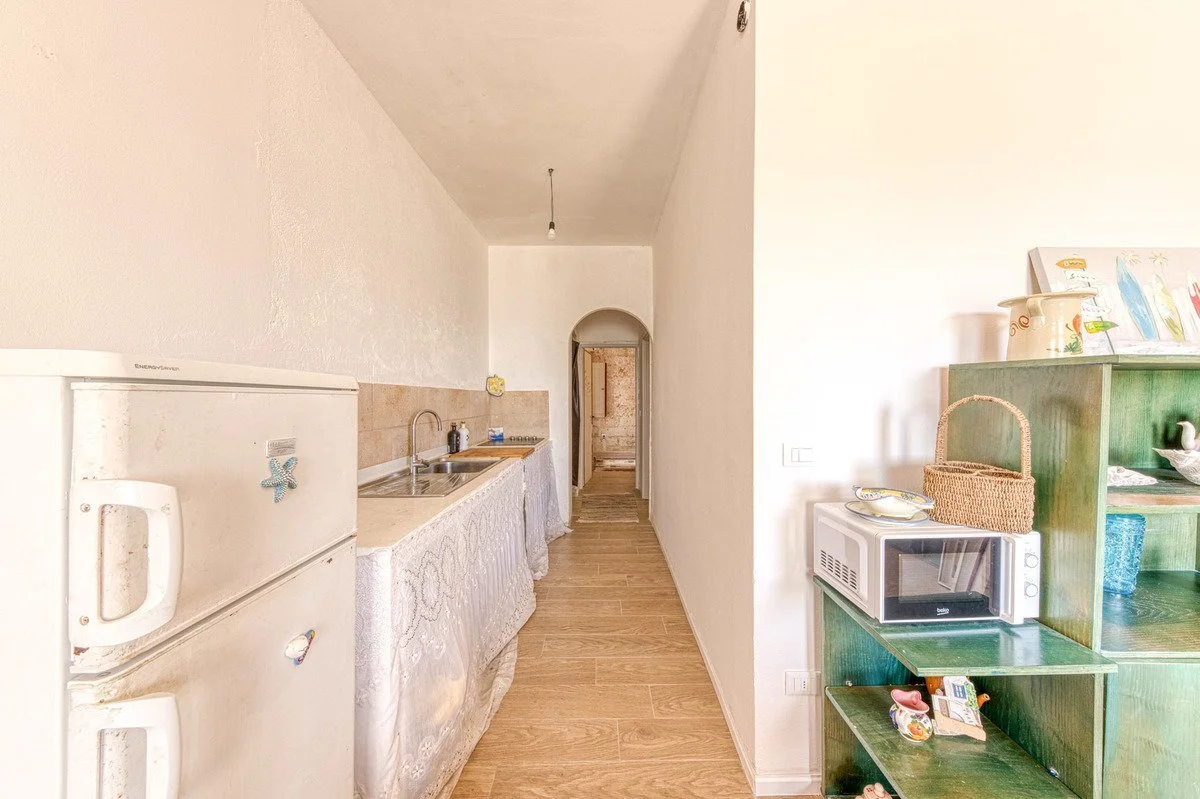
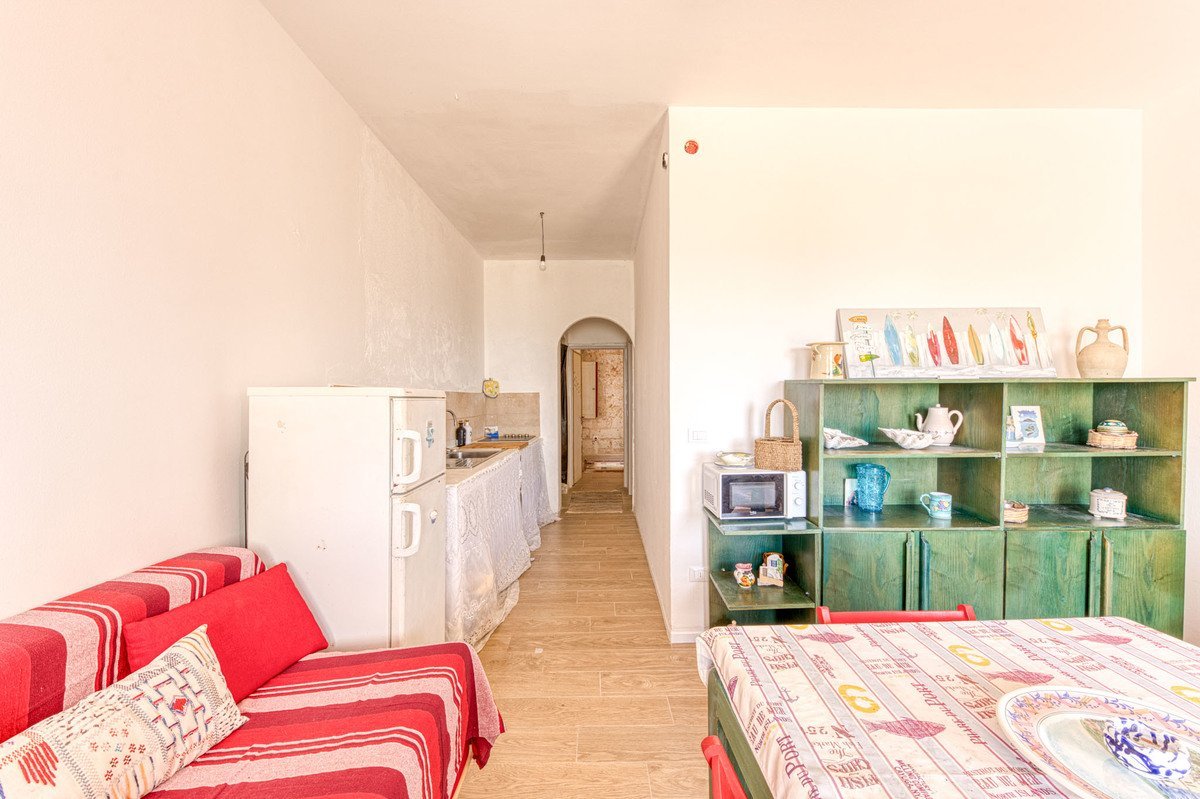
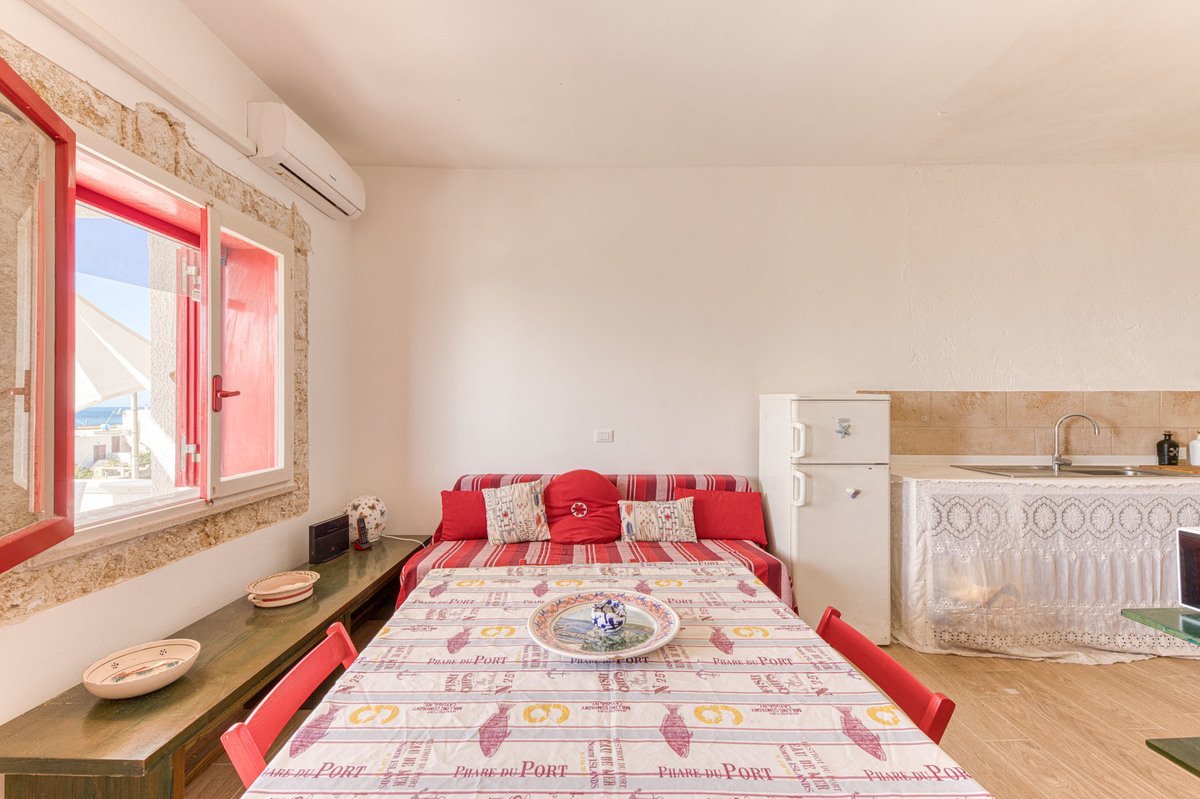
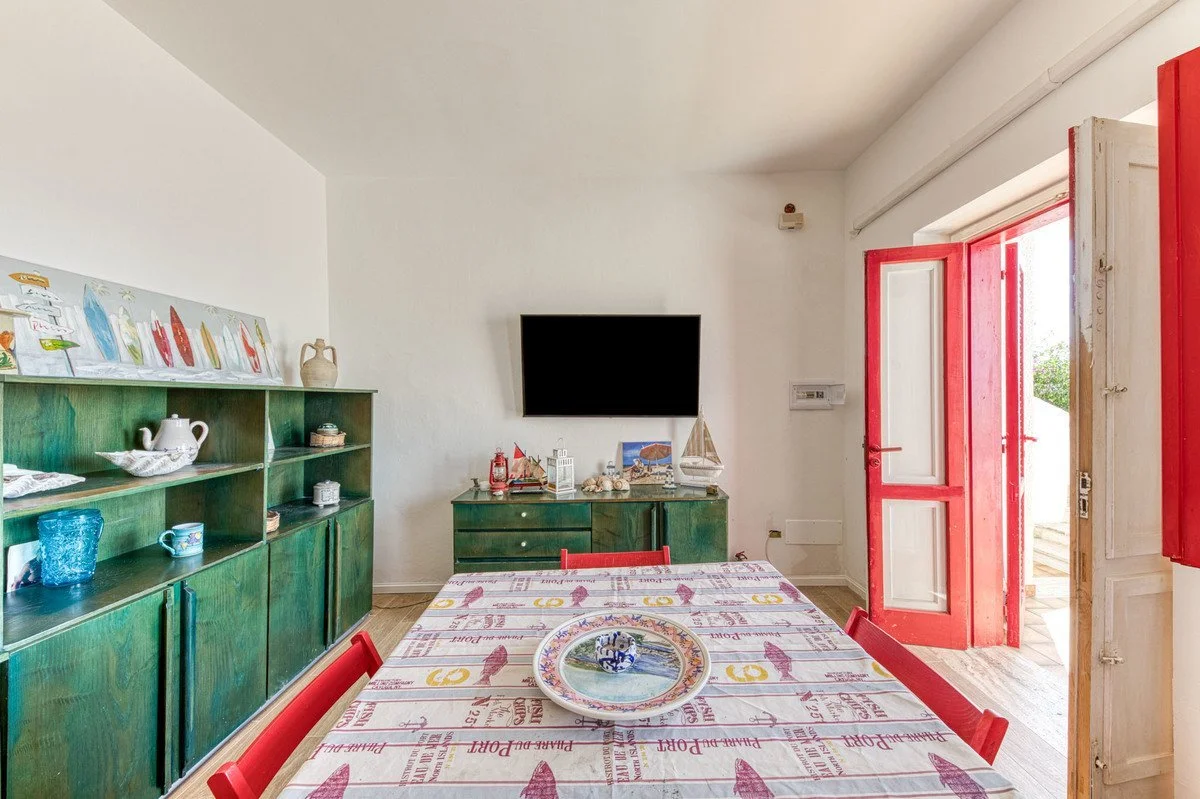
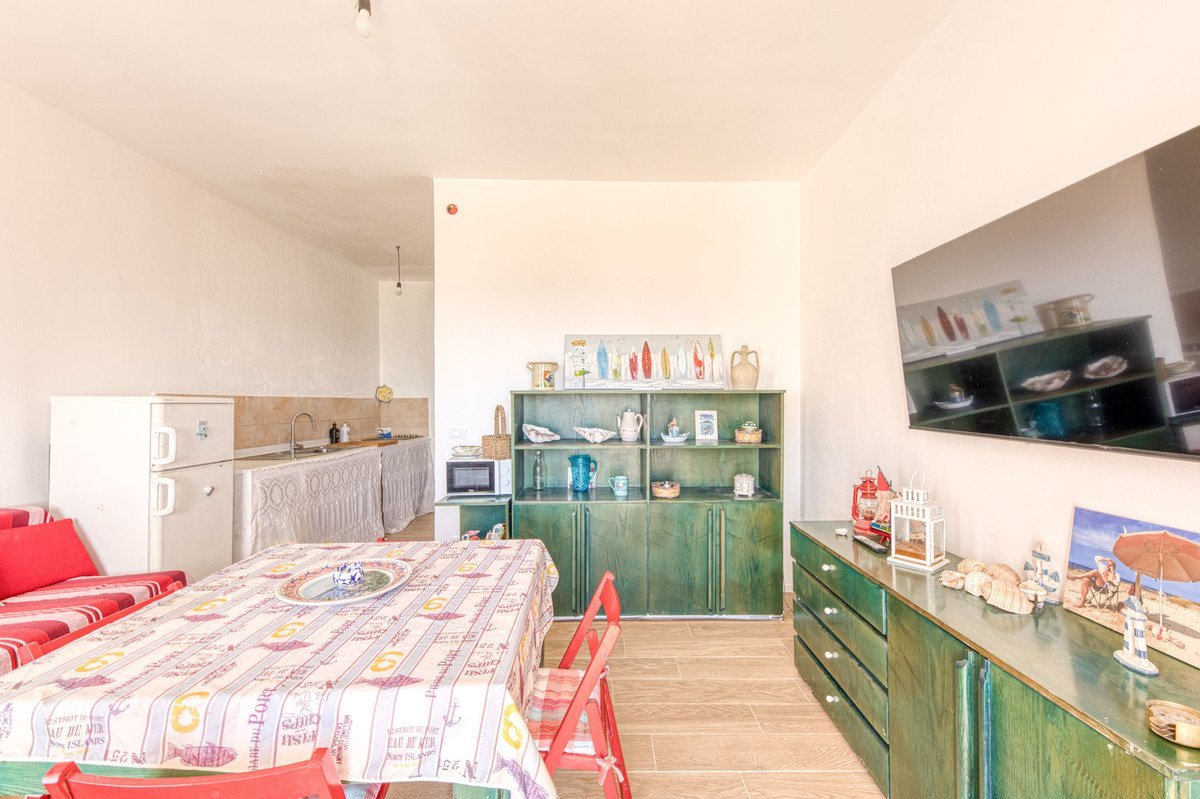
Recently renovated throughout, with new electrical and plumbing systems noted
Remaining items
Stove, three internal doors, and windows with external shutters said to remain to be completed
Energy rating
Class G
Core opportunity
Potential one-unit coastal apartment today with a possible two-unit setup later
Risk Radar
Overview
This is an interesting coastal buy because the headline price is not just about the current apartment. The real story is the claimed upside in the 50 m² storage room. If that space can genuinely be converted into a lawful second unit, the property moves from being a simple sea-view apartment to a small income strategy, family split-use option, or resale play. If that pathway is vague, expensive or blocked by building rules, then the deal looks much more ordinary.
That makes the first due-diligence theme very clear. The buyer needs to separate a real planning route from agent optimism. In Italy, a change from storage or deposito use to residential use is not just a decorating exercise. It typically requires urban-planning conformity, building compliance, cadastral updating and, in practice, a proper technical pathway handled by a geometra or similar professional. Agenzia delle Entrate's DOCFA guidance confirms that changes to the state or intended use of urban units require cadastral updating, and the declaration must be filed within thirty days from the point the building or unit becomes habitable or the change occurs.
The second theme is condominium control. A storage conversion may be technically possible in theory but awkward in a condominio if the regolamento limits changes, rentals, separate access, façade modifications, service installations or use intensity. Since the annual fees are low on paper, the buyer also needs to know whether that simply reflects a small, quiet complex or whether future extraordinary works are being deferred.
The third theme is the apartment itself. "Recently renovated" is encouraging, but the listing also says some finishing items remain. That can be minor, or it can mean the renovation is still part-finished in ways that affect immediate use, agibilità, comfort or rental readiness. The G-rated APE adds another layer, because the buyer should not assume the renovation meaningfully improved thermal performance just because the electrics and plumbing are new.
Finally, rental potential must be handled using current rules, not old assumptions. At national level, Italy's BDSR system is the platform used to obtain the CIN, and the Ministry of Tourism states that the CIN is provided through that system under article 13-ter of Decree-Law 145/2023 as converted into law. The Ministry's FAQ also states that the obligation to hold the CIN took effect from 1 January 2025. In Puglia, the region's tourism pages state that tourist-use lettings follow the regional framework, and recent 2025 regional updates tightened standards and procedures for certain non-hotel and tourist-rental activity.
Targeted Questions
Title, Planning Pathway and Change of Use
The buyer needs to confirm the current legal and cadastral identity of both spaces before assuming any conversion value.
The starting category affects how difficult and costly a lawful residential conversion may be.
A pathway could mean anything from a casual opinion to a formal project with approvals already in place.
A professional feasibility study is much more valuable than a verbal suggestion.
Early compliance work often reveals whether the idea is genuinely viable.
The legal status of the project determines time, cost and certainty.
The buyer should not pay for upside that is still speculative.
Conversion budgets are driven by infrastructure, not just walls and paint.
External works are often more sensitive in both planning and condominium terms.
A rough cost framework is essential before the buyer prices in the upside.
Separate legal and cadastral identity materially affects resale and rental flexibility.
The economic value is much higher if the result is a proper separate unit.
Habitability and lawful use matter for resale, finance and rentals.
Written municipal or technical evidence is far better than marketing language.
Condominium Structure and Rules
The condominium rules may restrict alterations, rentals or changes in use.
Meeting minutes often reveal disputes, upcoming works or informal building culture.
Building scale affects fees, governance and the likelihood of future extraordinary costs.
Occupancy profile can affect noise, maintenance standards and rental acceptance.
Low fees can look attractive until the buyer discovers that major items sit outside them.
A building with no reserve may produce sudden cash calls later.
Extraordinary works can materially affect the true purchase cost.
Financial instability in the building can become the buyer's problem after completion.
Rental strategy depends on both public law and building rules.
The conversion only has real value if the building rules allow the intended use.
Even a technically possible conversion may depend on building-level consent.
Renovation, Agibilità and Technical Condition
Buyers need to know how recent the works really are and how much wear they have already taken.
Invoices help prove scope, timing and seriousness of the renovation.
"New systems" can mean very different things in practice.
Remaining warranties reduce early-ownership risk.
Buyers need a complete snagging picture, not just the most marketable version.
The buyer needs to know whether the unfinished list is modest or open-ended.
Practical legal usability is essential for living in the property or renting it.
Conversion value depends on lawful end-status, not just buildability.
Coastal properties and terraces often create hidden moisture risks.
Technical evidence is more reliable than broad claims in the advert.
Energy Rating and Running Costs
The full certificate should explain the causes of the weak rating and possible improvements.
The buyer needs to know whether the issue is windows, insulation, systems or layout.
Window quality materially affects comfort, noise and energy performance.
Real bills are often more informative than generic estimates.
A G rating often shows up as a real day-to-day comfort issue.
Upgrade costs should be factored into the buyer's real budget.
Terrace, View and Exterior Rights
Exclusive use must be evidenced in the deed and condominium documents.
Ownership structure determines maintenance liability and freedom of use.
Terrace defects can become expensive and contentious in condominiums.
Shared-cost rules can materially change future liabilities.
Practical enjoyment depends on more than having a view.
View security is part of the property's value.
Access, Parking and Year-Round Use
Coastal practicality can change a lot between low and high season.
Seasonal congestion can materially affect user experience and rental appeal.
Access matters for guests, furniture delivery and long-term usability.
Reliable internet is now basic infrastructure for owners and guests.
Thick walls and coastal location can produce patchy coverage.
A seasonal village can feel very different in January than in August.
This affects ambience, security and long-term liveability.
Rental Potential and Compliance
Actual letting history is more useful than generic rental optimism.
Italy's national BDSR system is used to obtain the CIN, and the national obligation took effect from 1 January 2025.
A buyer planning rentals needs to know whether compliance is straightforward or still pending.
The two-unit income story depends on separate lawful registration potential.
National and regional compliance layers need to line up, not just one of them.
Real numbers are stronger than estimated rates.
Buyers need a conservative baseline for underwriting.
The conversion only makes sense if the extra income plausibly justifies the cost and compliance burden.
Negotiation Intelligence
Buyer Leverage
Medium-High
Key Drivers
Typical Negotiation Range
5-15% below asking
Neutral Phrasing Examples
Country Layer
Italy (Regulatory Context March 2026)
Key Italian requirements for buyers:
Viewing Strategy
When viewing, treat the storage room as seriously as the apartment.
Next Step
Verify from the listing:
Storage conversion pathway
Ask for the visure, planimetrie, any feasibility study, and any municipal or technical paperwork that proves whether the 50 m² storage can genuinely become a lawful separate apartment rather than remaining only a theoretical option.
Condominium rules and future costs
Obtain the regolamento di condominio and recent verbali so you can check rental restrictions, extraordinary works, and whether a change of use or second-unit setup would face practical or legal resistance.
Renovation proof and unfinished items
Request invoices, warranty details and a complete snagging list so you can judge whether the recent renovation was substantial and what it will cost to finish the remaining works properly.
APE and comfort reality
Review the full APE to understand why the apartment remains in Class G, what upgrades would matter most, and whether the current running-cost and comfort profile fits your ownership or rental plan.
Terrace rights and maintenance exposure
Confirm whether the sea-view terrace is fully private or common with exclusive use, and who pays for waterproofing and structural maintenance before you rely on it as a core value feature.
A prepared buyer should approach the agent calmly and frame questions as due diligence.
Because this is a coastal value-add opportunity where conversion feasibility and rental compliance both materially affect value, run it through the Renovation Budget Planner to test the real cost of converting the storage space, or use the Rental Yield Calculator to see whether a one-unit or two-unit setup still works financially before contacting the agent.
Disclaimer: The Property Drop is buyer-focused intelligence, zero sales agenda. We curate exceptional properties, in southern Europe, from third-party agents and arm you with decision tools. No commission, no transactions, no agent partnerships, no skin in the game beyond helping you choose wisely. Information stays accurate until it doesn't (properties sell, prices shift, markets move). Everything here is shared for informational purposes only and should not be treated as legal, financial, or investment advice. Images belong to original agents. Read our Terms of Service to learn more.
IMPORTANT REMINDER: When contacting property agents featured on The Property Drop, you are entering into direct communication with third parties. It's recommended that you verify all property details independently, conduct thorough due diligence, engage qualified professionals (solicitors, surveyors, financial advisors), understand your rights and obligations under local property laws, and never send money or make commitments without proper legal protection.
