
The Buyer Playbook: 7-Bed 1880 Château with 110 m² Cathedral-Ceiling Reception and Optional Vineyards, St-Michel-de-Montaigne, France €473,000
Buyer Playbook
Pre-Viewing Intelligence Report
This independent buyer guidance report relates to this specific property located in France. It is provided for informational purposes only and does not constitute legal, tax, structural, viticultural or survey advice. Vineyard ownership, bail rural status, planting or appellation rights, heritage protection, planning permissions, drainage, energy performance, pool compliance, tennis-court regularisation, title position, and any luxury-rental assumptions must always be verified with qualified French professionals such as a notaire, avocat, architecte, diagnostiqueur, surveyor, engineer, viticultural adviser or licensed property consultant, and with the relevant mairie and other local authorities. This report is designed to help buyers evaluate the property before arranging a viewing or making an offer. It highlights due diligence issues and targeted questions to ask the agent. The analysis is based on the listing details you supplied and publicly available French regulatory context at the time of writing. In France, the DPE must be available to a prospective buyer, and for the sale of a house rated E, F or G, an energy audit must also be included in the sale file.
Playbook Contents
Property Snapshot
Location
Saint-Michel-de-Montaigne, near Saint-Émilion, France.
Property type
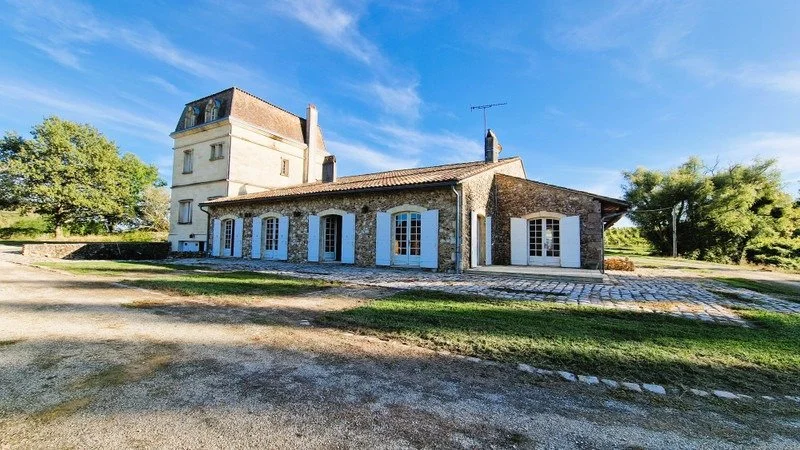
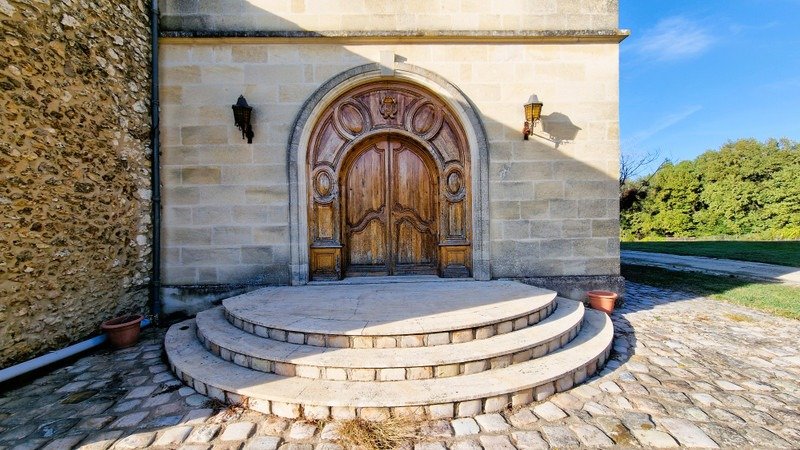
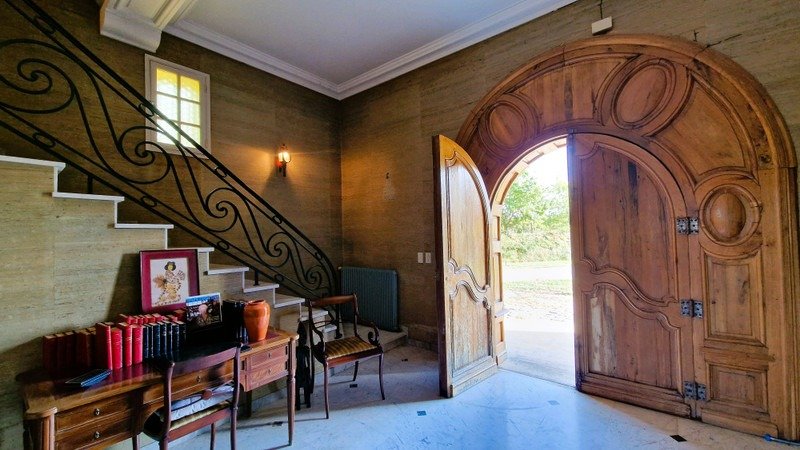
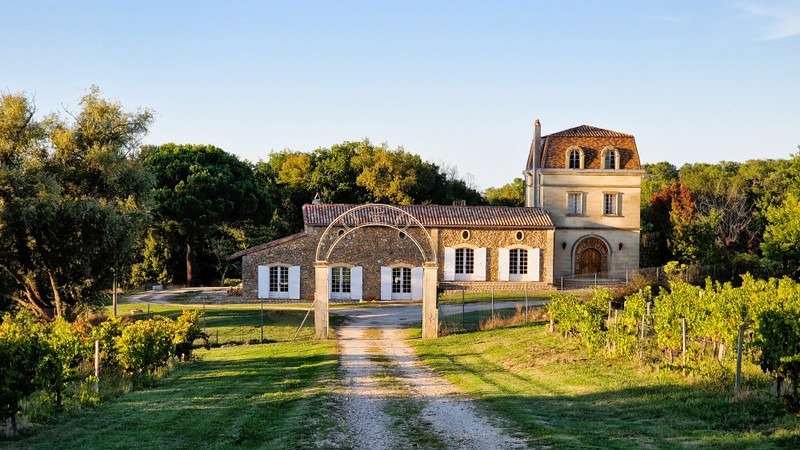
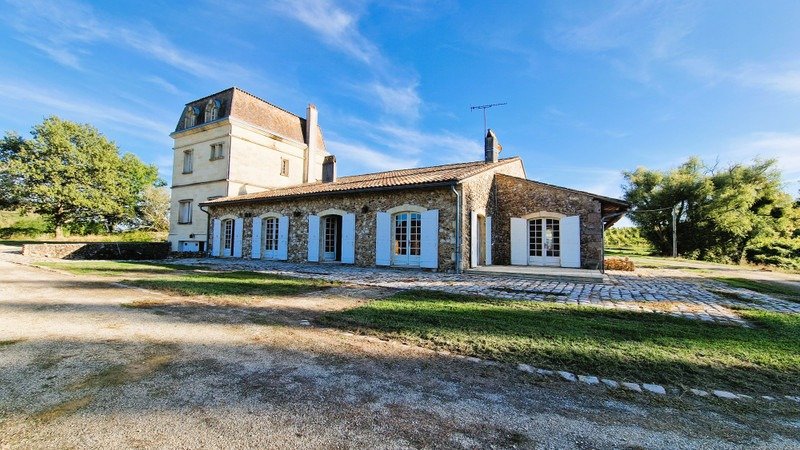
7-bedroom château dating from 1880, rebuilt in the 1970s.
Asking price
€473,000.
Internal highlight
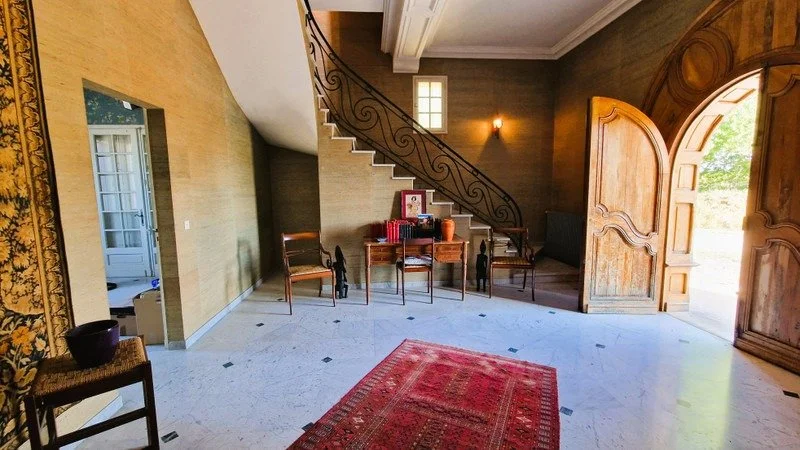
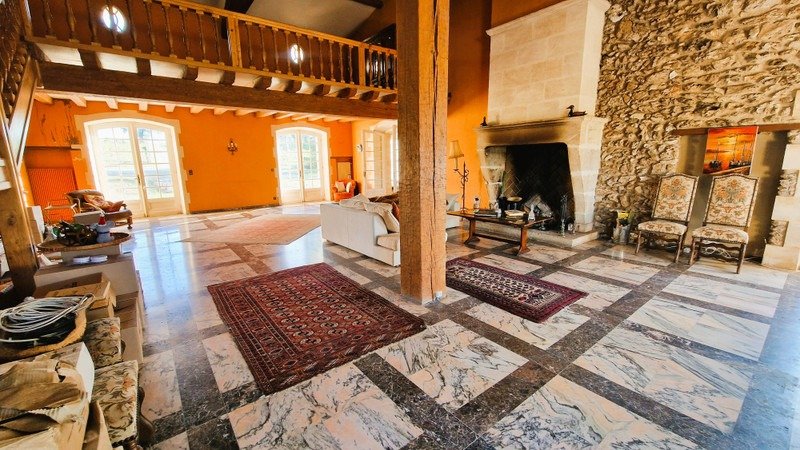
110 m² cathedral-ceiling reception room.
Land
Approximately 4.6 hectares.
Additional upside
Optional extra 2 hectares of vineyards available to acquire.
Leisure elements
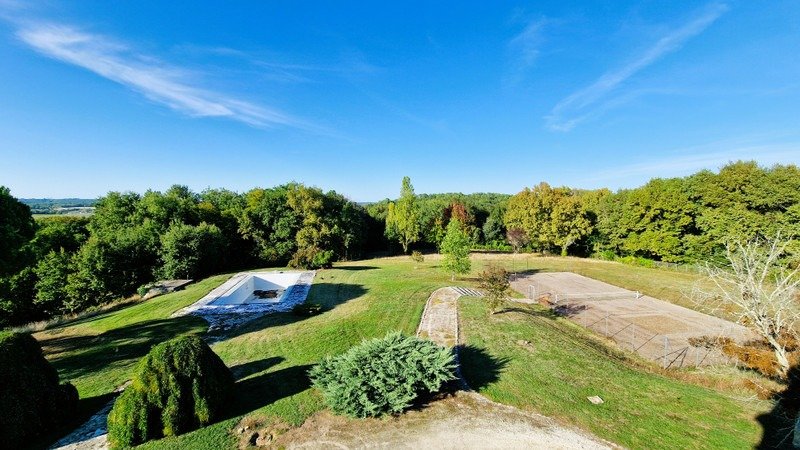
Swimming pool and tennis court, both described as needing restoration.
Condition angle
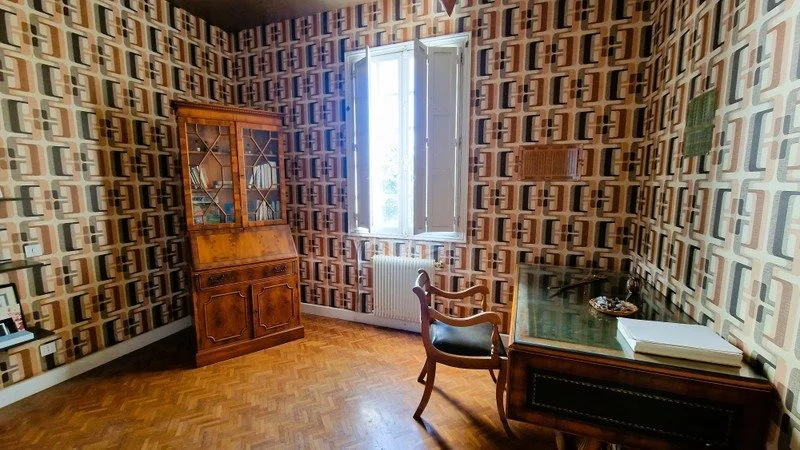
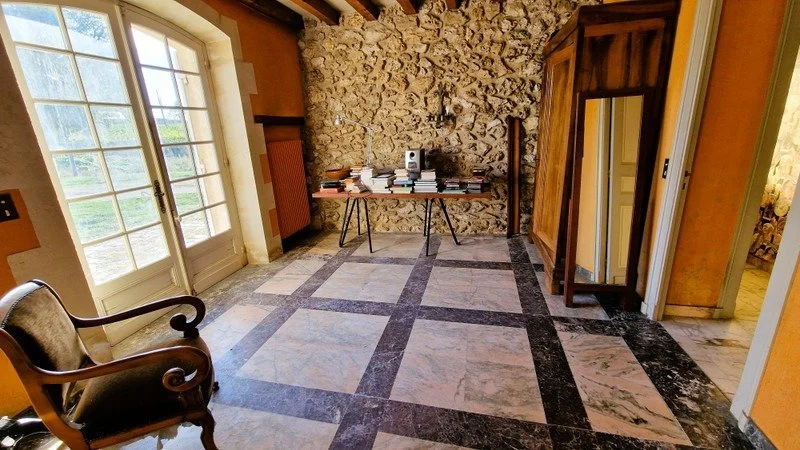
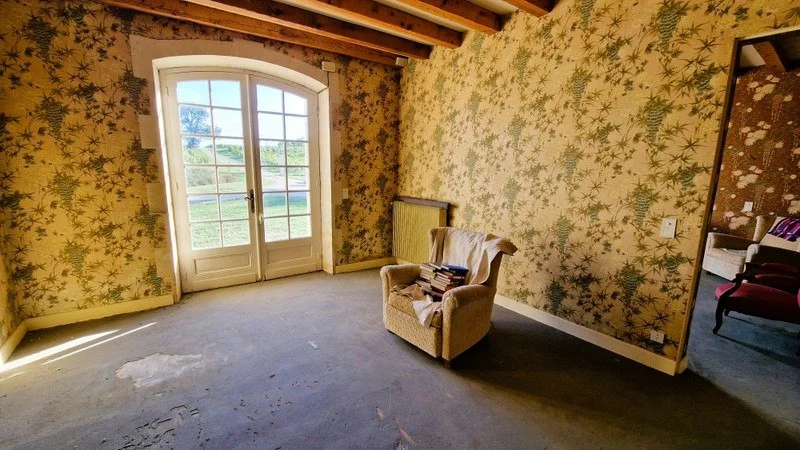
Habitable, but requiring refreshing.
Energy position
Energy Class E, with listing-estimated annual energy costs of €10,201 to €13,801.
Lifestyle / commercial angle
Grand family residence, events-style entertaining, luxury holiday rental potential, possible vineyard-linked proposition.
Risk Radar
Overview
This is one of those properties where the headline romance is obvious, but the actual value sits in the paperwork. A château near Saint-Émilion with a vast reception room, acreage, optional vineyards, and visible upside at this price can look like a bargain. Sometimes it is. Sometimes it is simply a deferred-cost project with glamorous photos. The listing is useful because it is candid about needing refreshing and unusually candid about energy costs. That transparency is a positive sign, but it also tells you exactly where to focus.
The biggest due-diligence theme is the optional vineyard land. That extra 2 hectares could be anything from a genuine strategic add-on with appellation relevance and income potential, to a separate agricultural parcel with lease complications, weak vine condition, or very limited practical value to a private buyer. If vines are already farmed by someone else under a rural lease, that can affect control and sale mechanics. French agricultural tenants can benefit from pre-emption rights in certain circumstances when the land they farm is sold.
The second theme is building reality versus château fantasy. "Habitable but requiring refreshing" can mean cosmetic updating, or it can mean a long list of expensive catch-up work on windows, services, heating, finishes, drainage, the pool, the tennis court and sometimes hidden structural elements. Because the house is rated E, the sale file should include both the DPE and an energy audit, which gives you extra leverage and extra clarity.
The third theme is use-case discipline. A buyer might imagine luxury rentals, small events, wellness retreats, or a wine-country lifestyle brand. Those may all be possible in theory. But before valuing the property on that upside, you need to verify the legal status of the optional vineyard land, whether the château or its setting is protected, whether the pool and tennis court can be restored without difficulty, what the local rental formalities look like, and whether the site infrastructure supports high-end guest use. For meublés de tourisme, mairie declaration rules apply, and France is tightening the registration framework further in 2026.
Targeted Questions
Optional Vineyards, Agricultural Status and Commercial Reality
You need to know whether the vines are a clearly separate parcel, part of a larger agricultural unit, or more complicated in title.
Separate pricing and separate transfer mechanics can materially affect deal structure and timing.
"Optional vineyards" can sound adjacent and romantic while actually being detached, fragmented or less visually linked to the house than implied.
Productive vines with an operating history are very different from neglected vines sold on lifestyle language.
Replanting cycles and varietal mix directly affect practical value and future cost.
Appellation status can materially affect both value and what a buyer may realistically do with the vineyard parcel.
If someone else farms the land, control and possession may not transfer as freely as a buyer expects.
Rural leases can be highly protective in France and can severely limit immediate control.
This can affect whether the optional parcel is genuinely available on the terms the listing suggests.
A buyer needs to know whether they are buying free optionality or inheriting obligations.
Vineyard value depends on regulatory position as much as scenery.
The commercial potential changes significantly if there is supporting infrastructure rather than vines alone.
Heritage Status, Planning and External Works
Protected status can sharply affect what alterations, repairs and external works are allowed.
The difference between direct protection and protected surroundings is not cosmetic. It changes the approval pathway.
A buyer must understand whether even apparently ordinary exterior repairs could become slower, costlier or more controlled.
A rebuilt château without a clear paper trail can create regularisation risk decades later.
Buyers should not assume leisure features on rural estates were formalised correctly.
Restoration can be simple maintenance, or it can trigger a new planning step if the original legality is unclear.
Large properties often accumulate informal changes over time.
That helps verify not only planning legality but also whether the improvements were fully regularised.
Condition, Structure and Refreshing Scope
Buyers need a costed reality, not a marketing euphemism.
On a building of this scale, a professional technical opinion is far more valuable than agent reassurance.
Roof work on a château-scale property can alter the economics of the deal completely.
Fresh paint can hide defects, especially in prestige rural stock.
Mid-century rebuild sections can age very differently from original masonry and may create their own technical problems.
Immediate capex is often what separates a bargain from a burden.
Under-used large houses often conceal maintenance lag.
Historic spending tells you whether the seller has been maintaining or merely holding.
Energy Costs, DPE and Audit
You need to see what is actually driving a €10,000-plus annual estimate.
The audit gives a more strategic view of improvement options and likely costs.
The annual running-cost estimate only makes sense when tied to the actual heating setup.
Grand rooms can be expensive or difficult to heat evenly.
Large historic-style houses often have partial insulation histories that create uneven comfort and cost.
Glazing often explains a significant share of the energy loss in houses like this.
Real spend is often more persuasive than modelled spend.
A buyer may want a staged plan, not an all-at-once project.
Diagnostics and Technical File
This is the technical baseline for informed decision-making.
Both original and later-period materials can carry asbestos risk.
Safety and compliance in a large property matter even if the buyer plans future works.
Hidden timber damage in a large rural property can be exceptionally expensive.
This shows the regulated natural and technological risk context and should be current in a sale file.
Restoration budgeting depends on whether the problem is cosmetic, technical or structural.
Land, Water and Estate Infrastructure
Large estates often feel simpler on a brochure than they are on a plan.
Privacy and control depend on the legal reality of access.
A spring sounds valuable, but buyers need to know whether it is decorative, useful, declared or restricted.
Practical use determines real value.
Untested water should not be assumed safe just because it is natural.
Estate-scale upkeep changes significantly depending on utility infrastructure.
Drainage upgrades on a large property can be costly and operationally disruptive.
Hidden upside or hidden liability often sits in secondary buildings.
Pool, Tennis Court and Luxury-Rental Potential
"Needs restoration" is too vague when the pool is part of the rental appeal.
Safety compliance is non-negotiable, especially if guests may use the property.
Tennis-court restoration can range from manageable resurfacing to substantial reconstruction.
Luxury-rental upside is only worth paying for if the compliance path is clear.
A château can be visually spectacular but commercially awkward if the area does not support the rate level.
Gross-revenue fantasy often collapses once management, utilities and maintenance are included.
Large-scale rentals fail when the property works as a house but not as an operation.
Buyers need the true holding cost, not just the tax figure.
Practical Ownership and Location
A country-estate address can hide practical access headaches.
High-end guests and modern owners expect dependable connectivity.
A weak signal can be a daily nuisance and a rental negative.
Even a grand estate can be less private than the photography suggests.
Motivation and time on market can create real negotiating leverage.
Negotiation Intelligence
Buyer Leverage
Medium-High
Key Drivers
Typical Negotiation Range
5-15% below asking
Neutral Phrasing Examples
Country Layer
France (Regulatory Context March 2026)
Key French requirements for buyers:
Viewing Strategy
Start with the estate as a system, not as a dream.
Next Step
Verify from the listing:
Optional vineyards: what exactly is being sold
The extra 2 hectares could be a meaningful value-add, but only if the parcel is clearly identified, legally available, not tied up in a rural lease, and genuinely useful from an agricultural or lifestyle perspective.
Refresh versus real restoration
“Habitable but requiring refreshing” sounds manageable, but on a château-scale property it can hide very different levels of cost, so ask for a room-by-room and system-by-system explanation of what actually needs doing.
Energy burden and mandatory audit
The Energy Class E rating and the unusually transparent annual running-cost estimate are helpful, but they also make the full DPE and mandatory audit essential because they will show where the money is really going and what improvement path is realistic.
Pool and tennis-court legality
Both leisure features matter to resale and rental value, but only if they were properly authorised or can be restored without planning trouble, safety issues or major hidden reconstruction costs.
Luxury-rental fantasy versus operational reality
The château has obvious short-stay appeal, but before valuing it as a high-end rental proposition you need clarity on access, parking, internet, drainage, pool compliance and the local registration path for tourist letting.
A prepared buyer should approach the agent calmly and frame questions as due diligence.
Because this is a property where the legal, structural and regulatory context matters, run it through the Property Risk Assessment to pressure-test the restoration, vineyard and compliance exposure, or use the Rental Yield Calculator to see whether the château economics still work once realistic energy, maintenance and management costs are included.
Disclaimer: The Property Drop is buyer-focused intelligence, zero sales agenda. We curate exceptional properties, in southern Europe, from third-party agents and arm you with decision tools. No commission, no transactions, no agent partnerships, no skin in the game beyond helping you choose wisely. Information stays accurate until it doesn't (properties sell, prices shift, markets move). Everything here is shared for informational purposes only and should not be treated as legal, financial, or investment advice. Images belong to original agents. Read our Terms of Service to learn more.
IMPORTANT REMINDER: When contacting property agents featured on The Property Drop, you are entering into direct communication with third parties. It's recommended that you verify all property details independently, conduct thorough due diligence, engage qualified professionals (solicitors, surveyors, financial advisors), understand your rights and obligations under local property laws, and never send money or make commitments without proper legal protection.
