
The Buyer Playbook: Tuscany Farmhouse Villa, Italy €445,000
Buyer Playbook
Pre-Viewing Intelligence Report
This independent buyer guidance report relates to this specific property located in Italy. It is provided for informational purposes only and does not constitute legal, tax, structural or survey advice. Planning permissions, cadastral conformity, agibilità, outbuilding status, olive-grove land use, rental compliance, access rights, and any heritage or landscape constraints must always be verified with qualified Italian professionals such as a notaio, geometra, architetto, ingegnere, surveyor or specialist property lawyer, and with the relevant Comune, Catasto, Conservatoria and, where relevant, Soprintendenza offices. This report is designed to help buyers evaluate the property before arranging a viewing or making an offer. It highlights due diligence issues and targeted questions to ask the agent. The analysis is based on the listing details and publicly available regulatory context at the time of writing.
Playbook Contents
Property Snapshot
Location
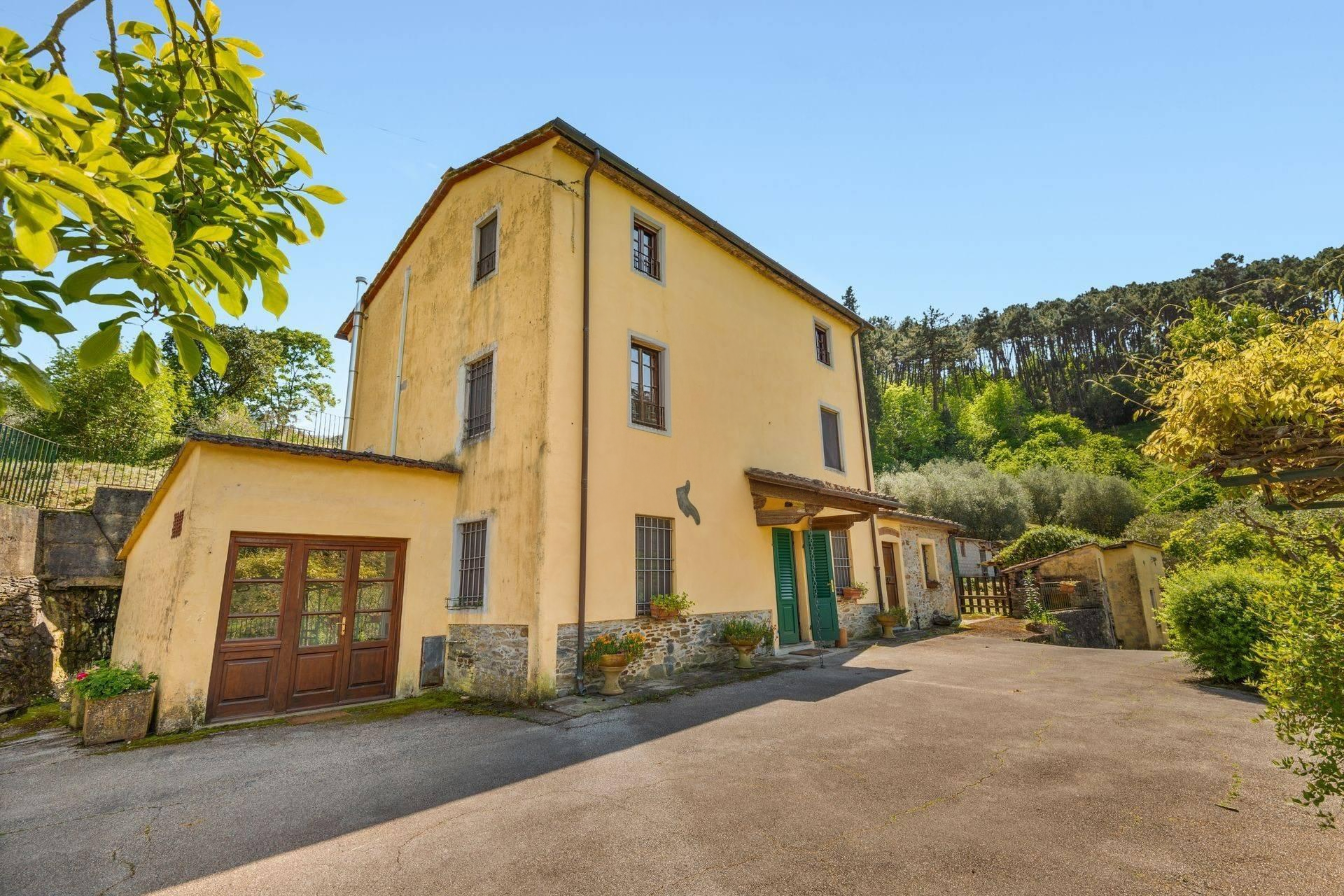
Santa Maria del Giudice, Lucca, Tuscany, Italy, between Lucca and Pisa.
Property type
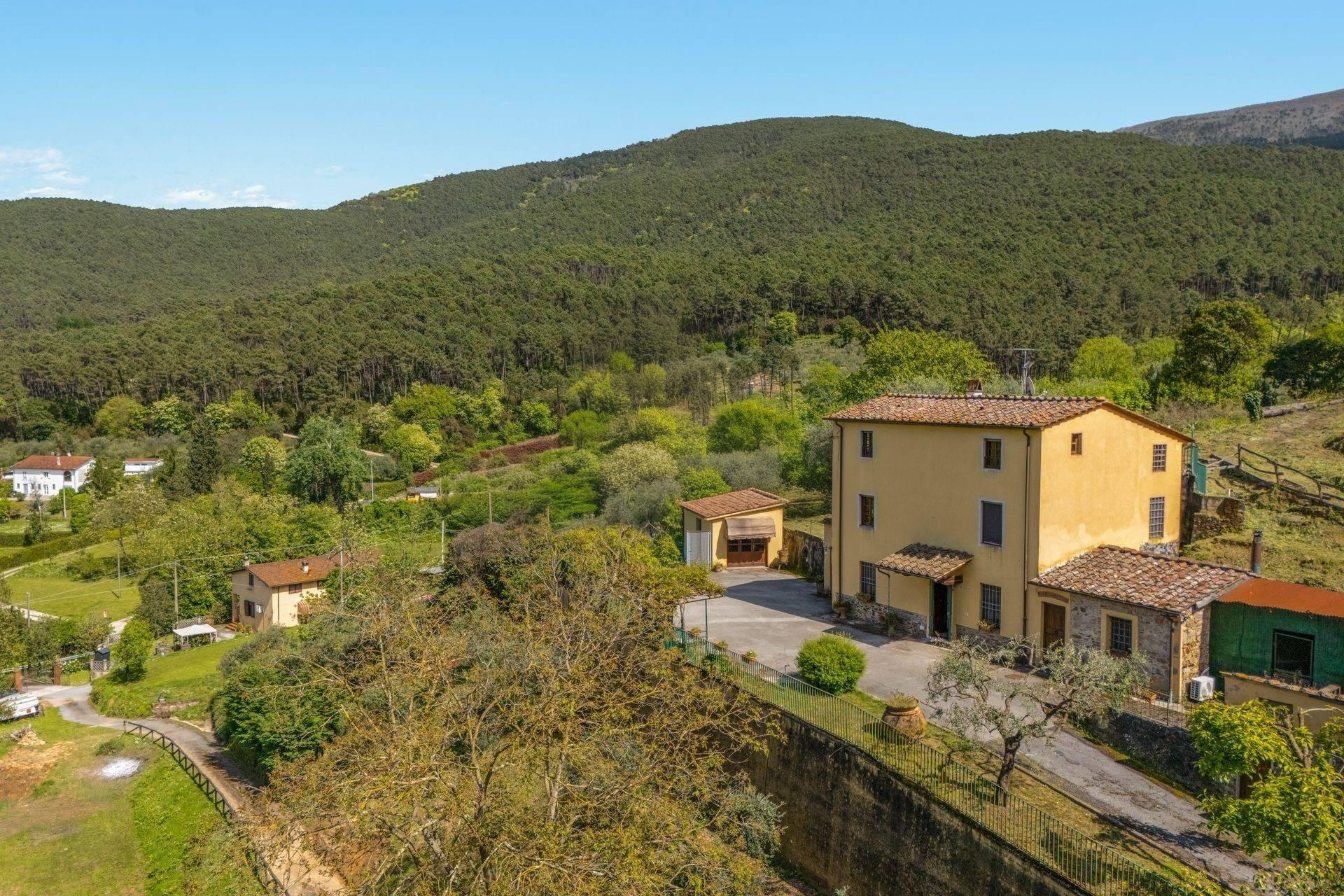
Tuscan farmhouse villa.
Asking Price
€445,000.
Internal area
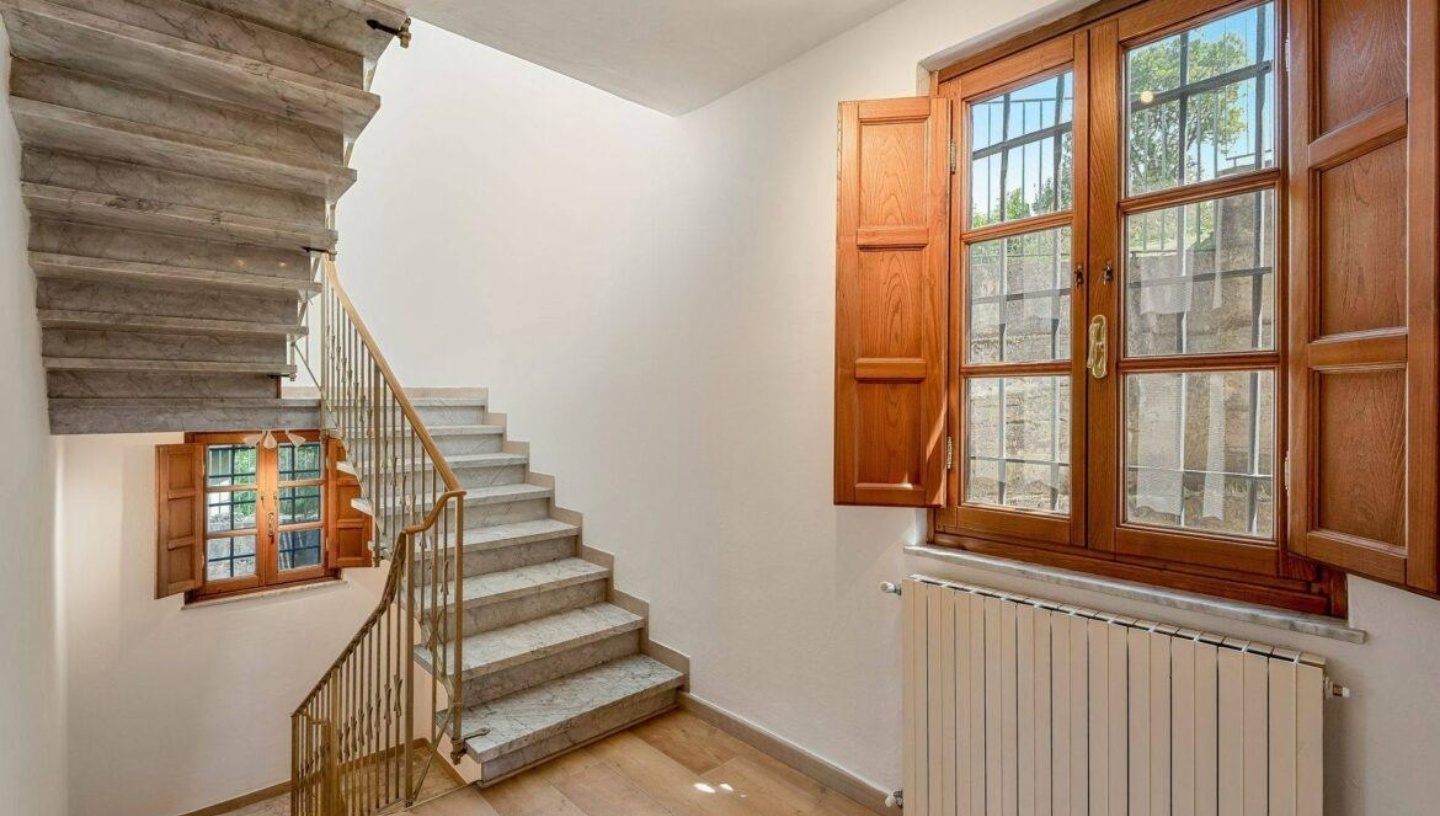
Approx. 210 m² across three floors.
Land
Approx. 13,000 m².
Bedrooms
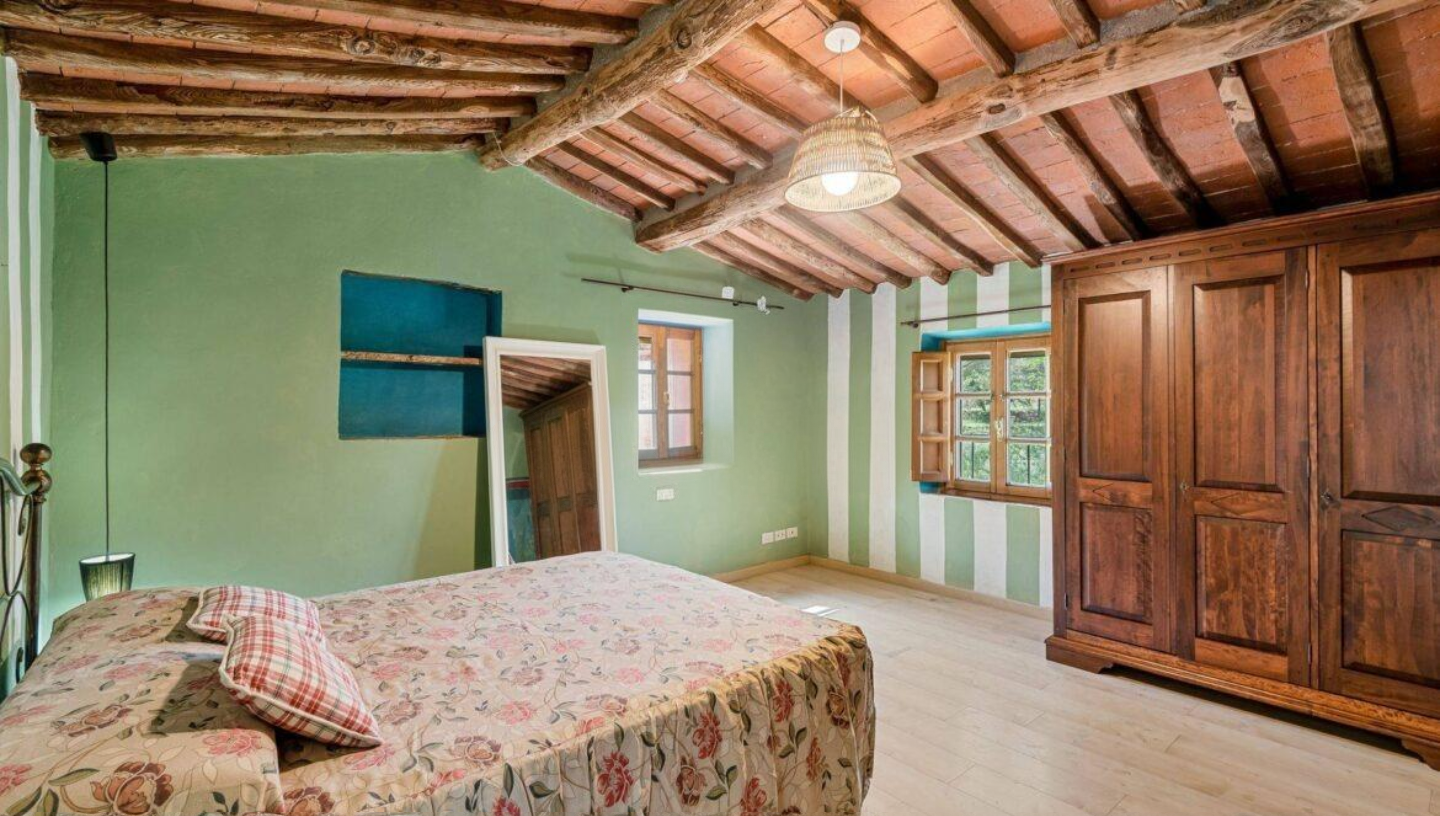
4.
Bathrooms
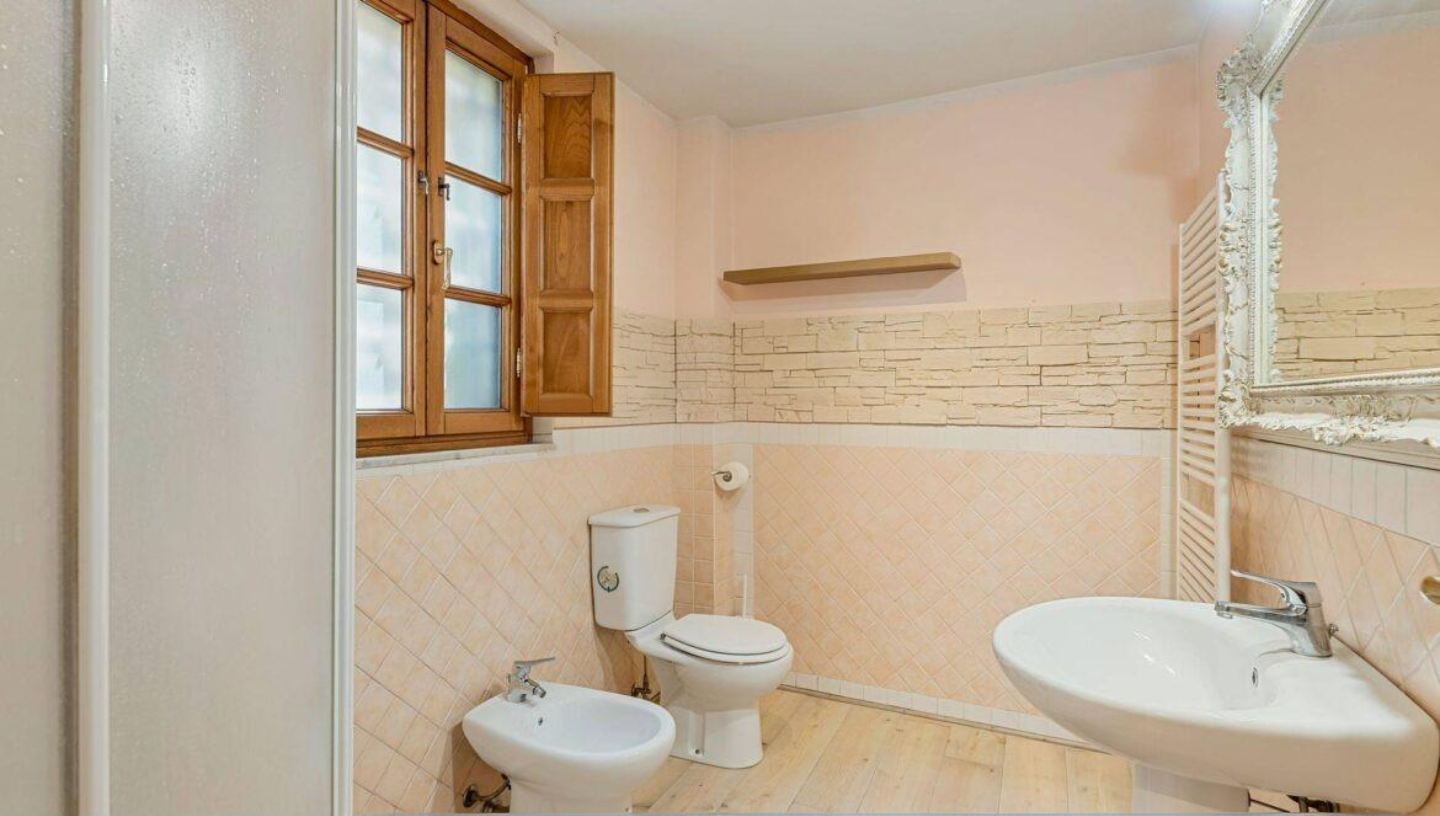
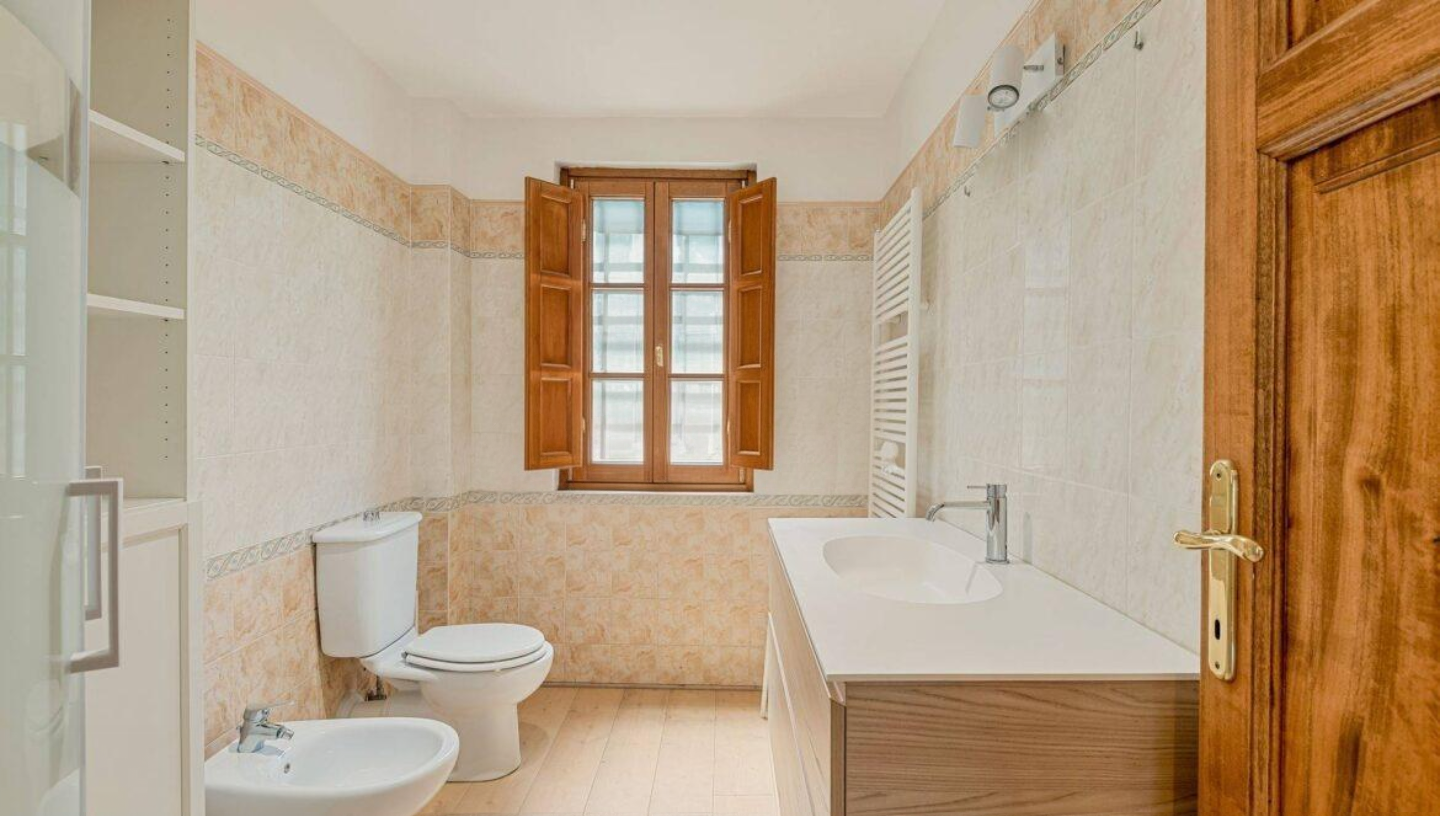
2.
Energy rating shown
"Energy Class N", while the listing's own energy-risk note says no energy certificate is on record and asks the buyer to obtain the APE.
Key features
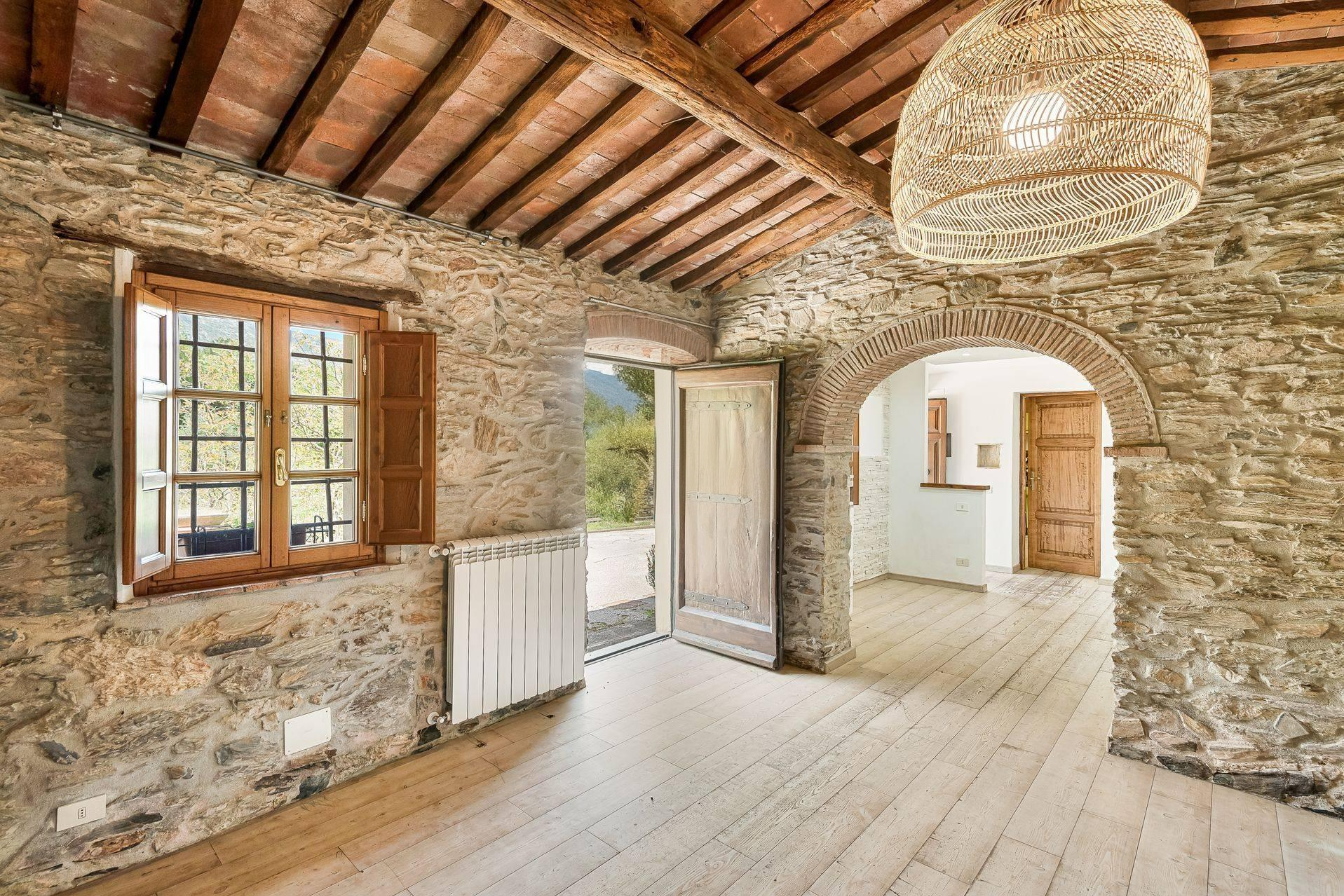
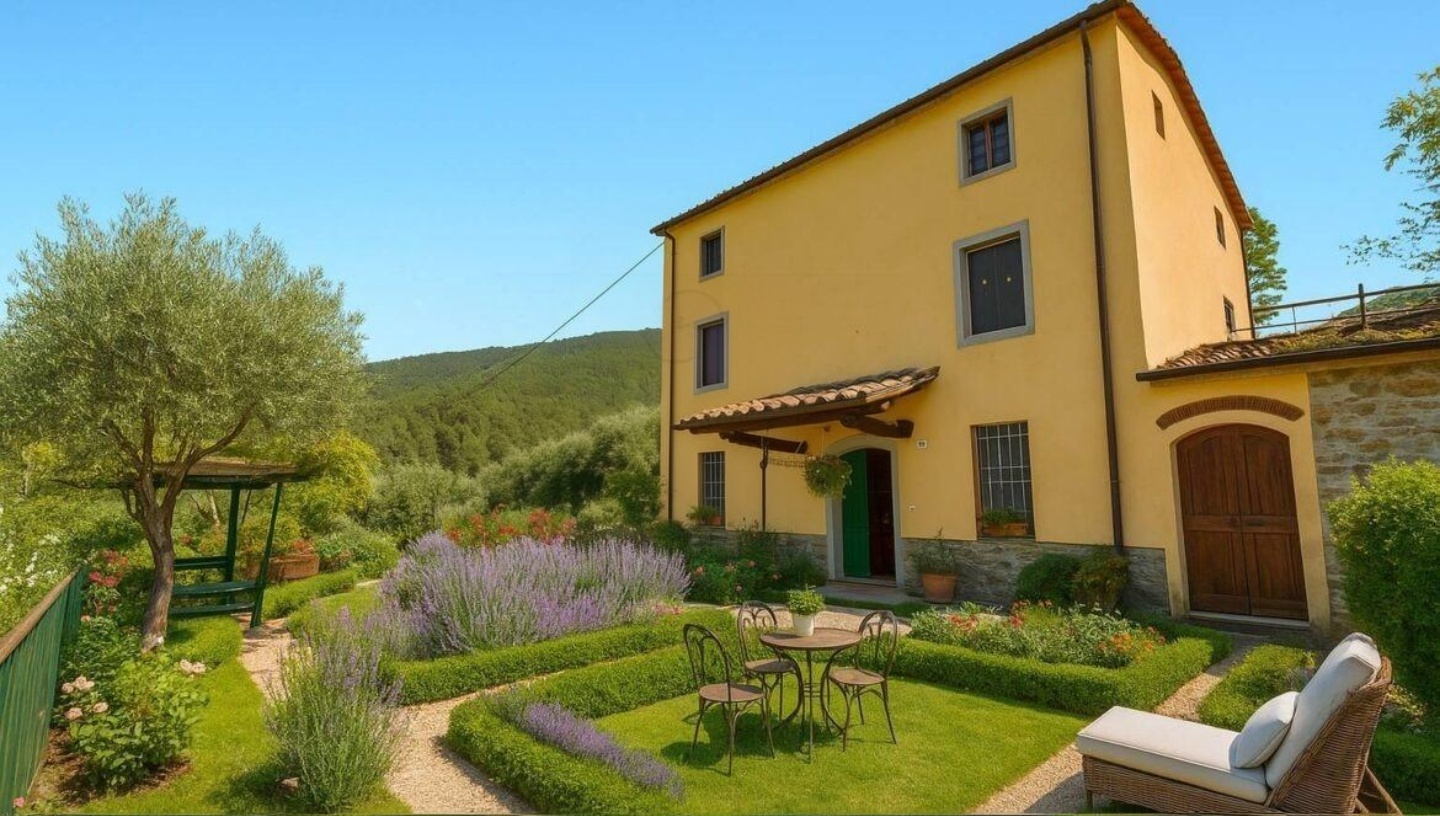
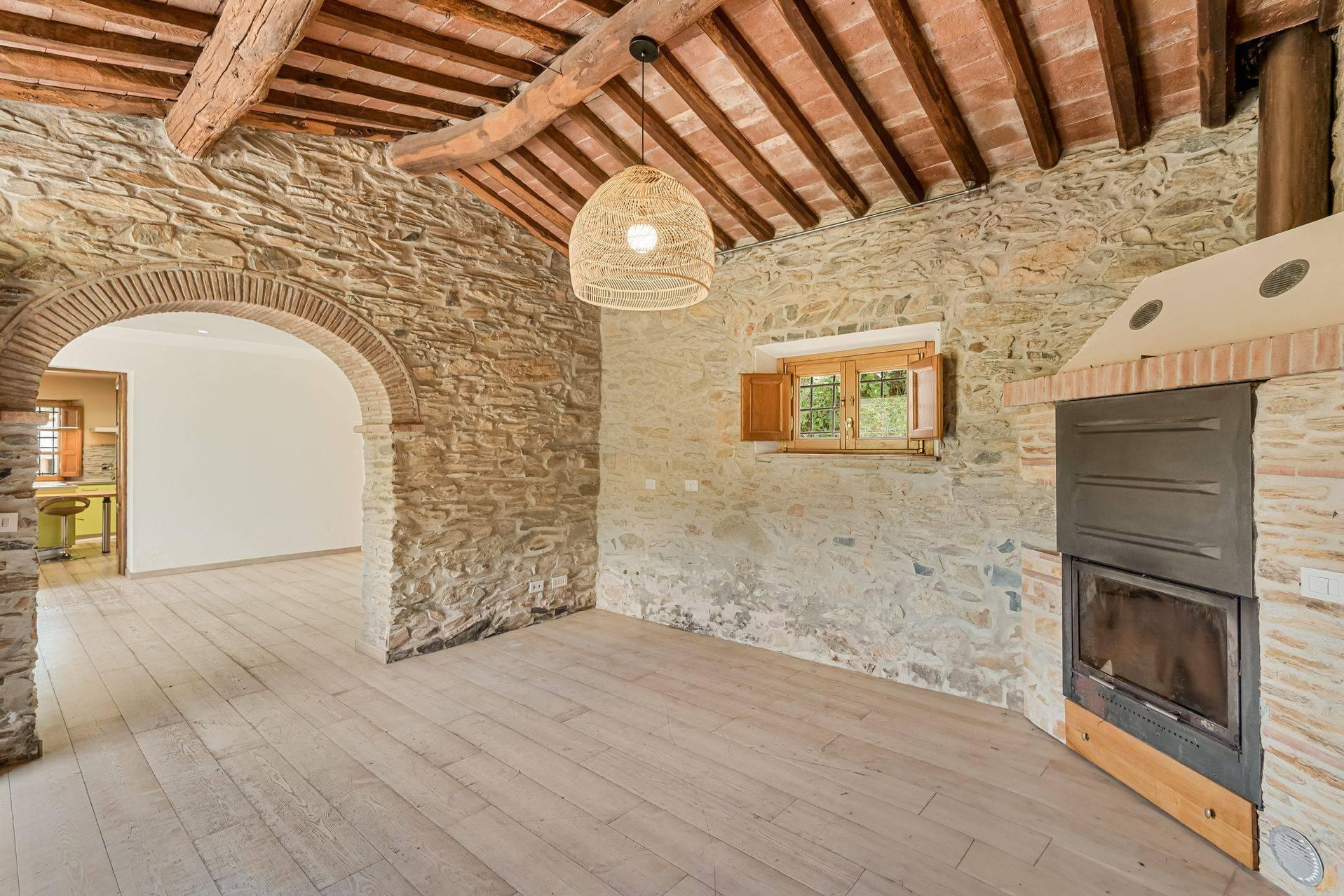
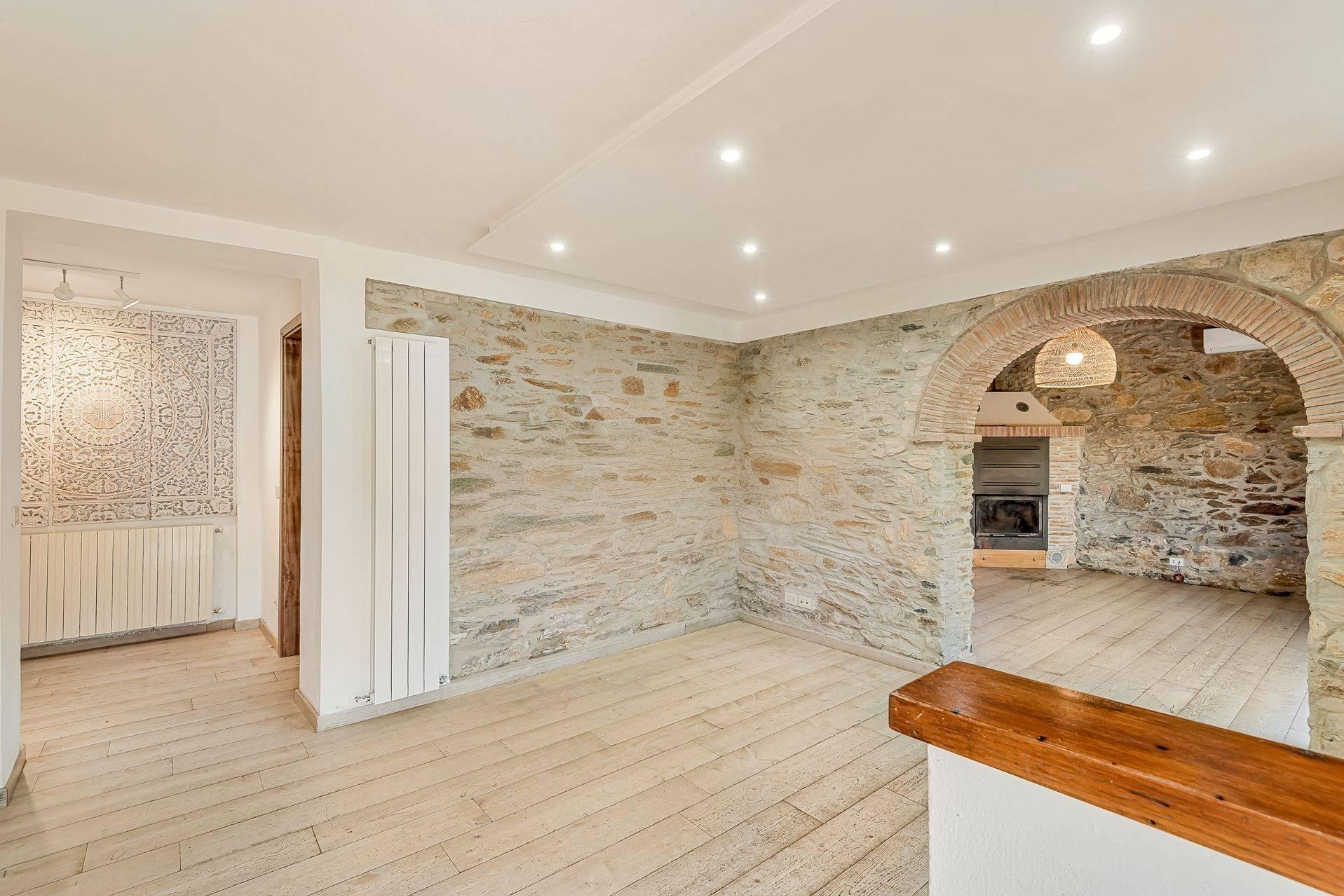
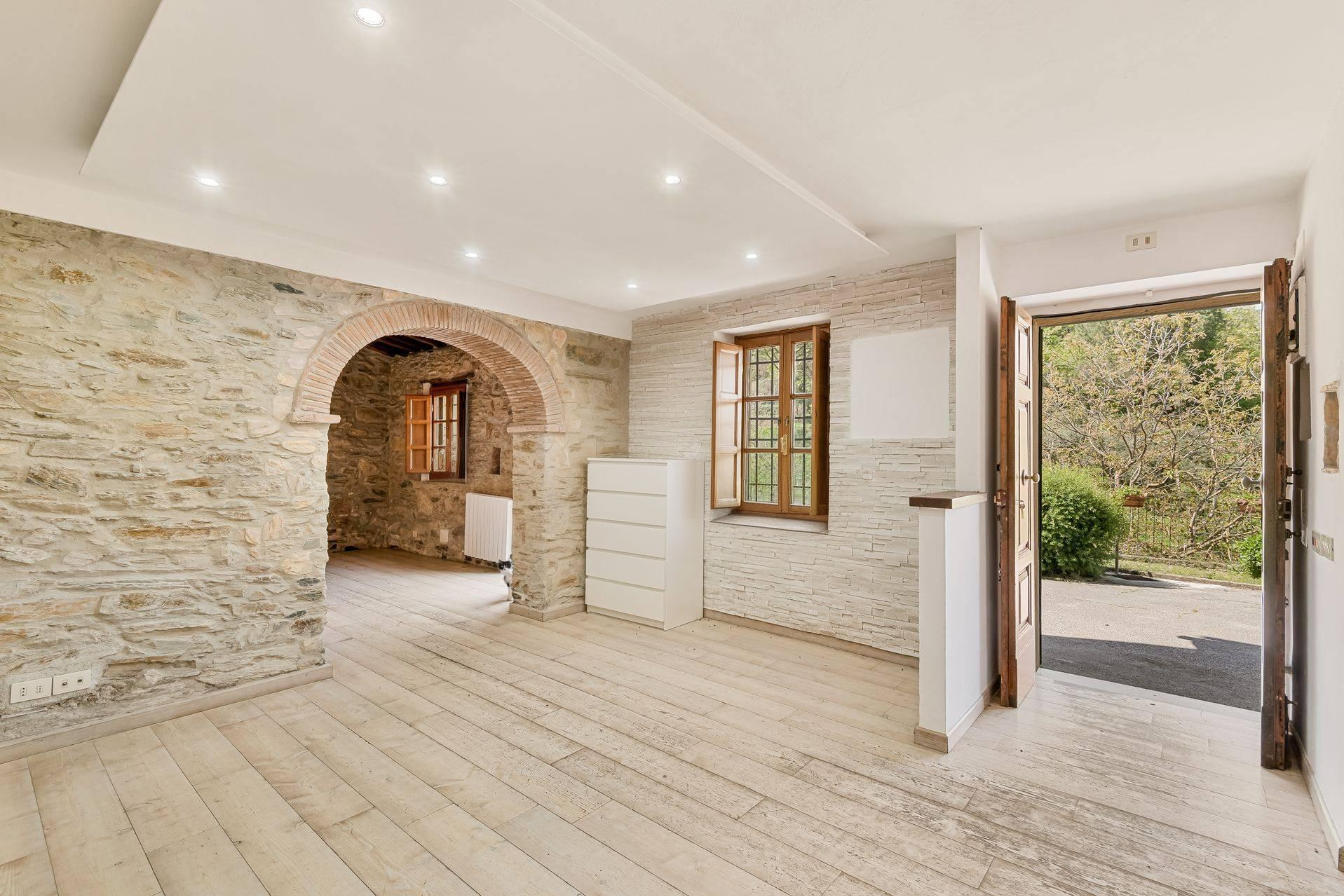
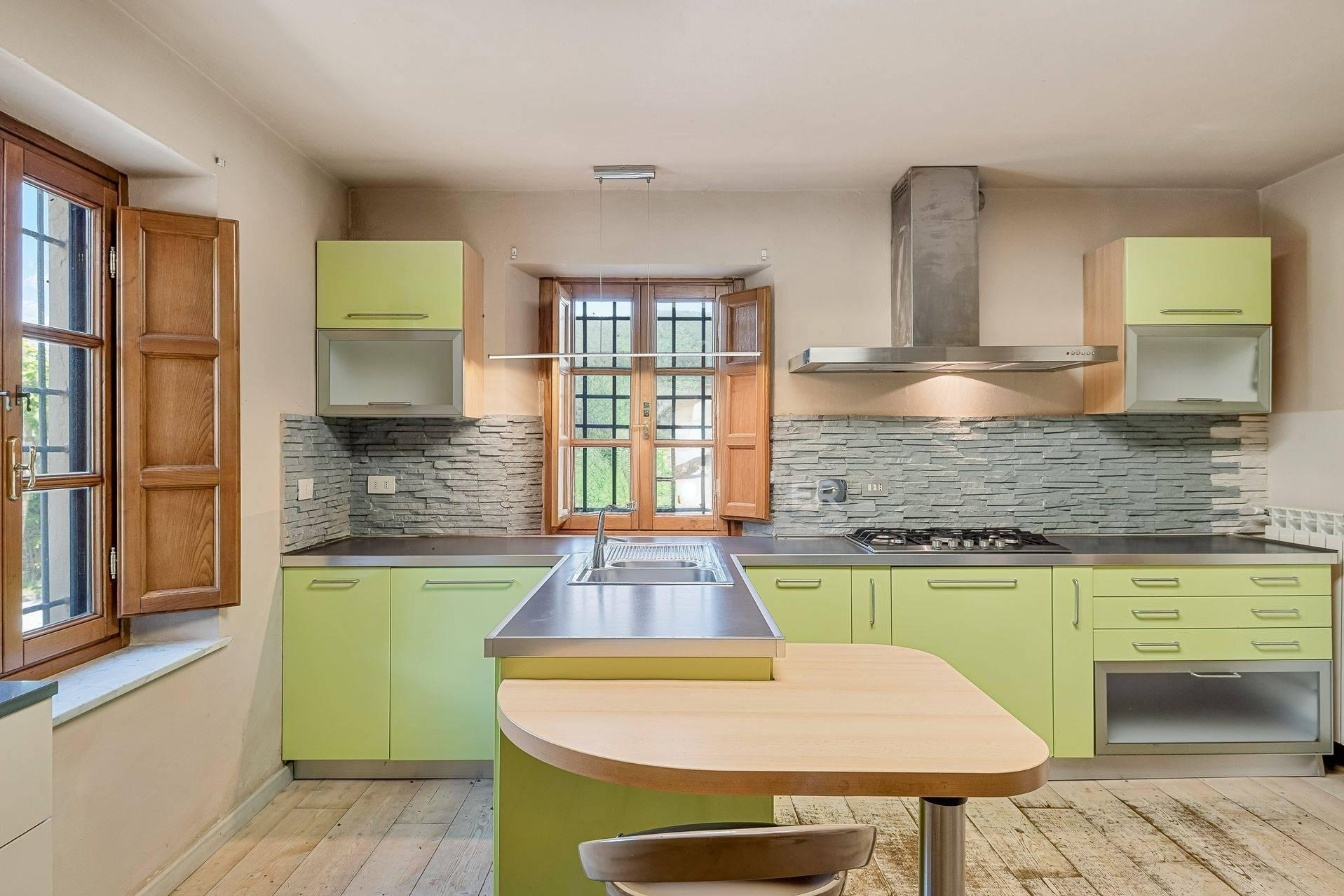
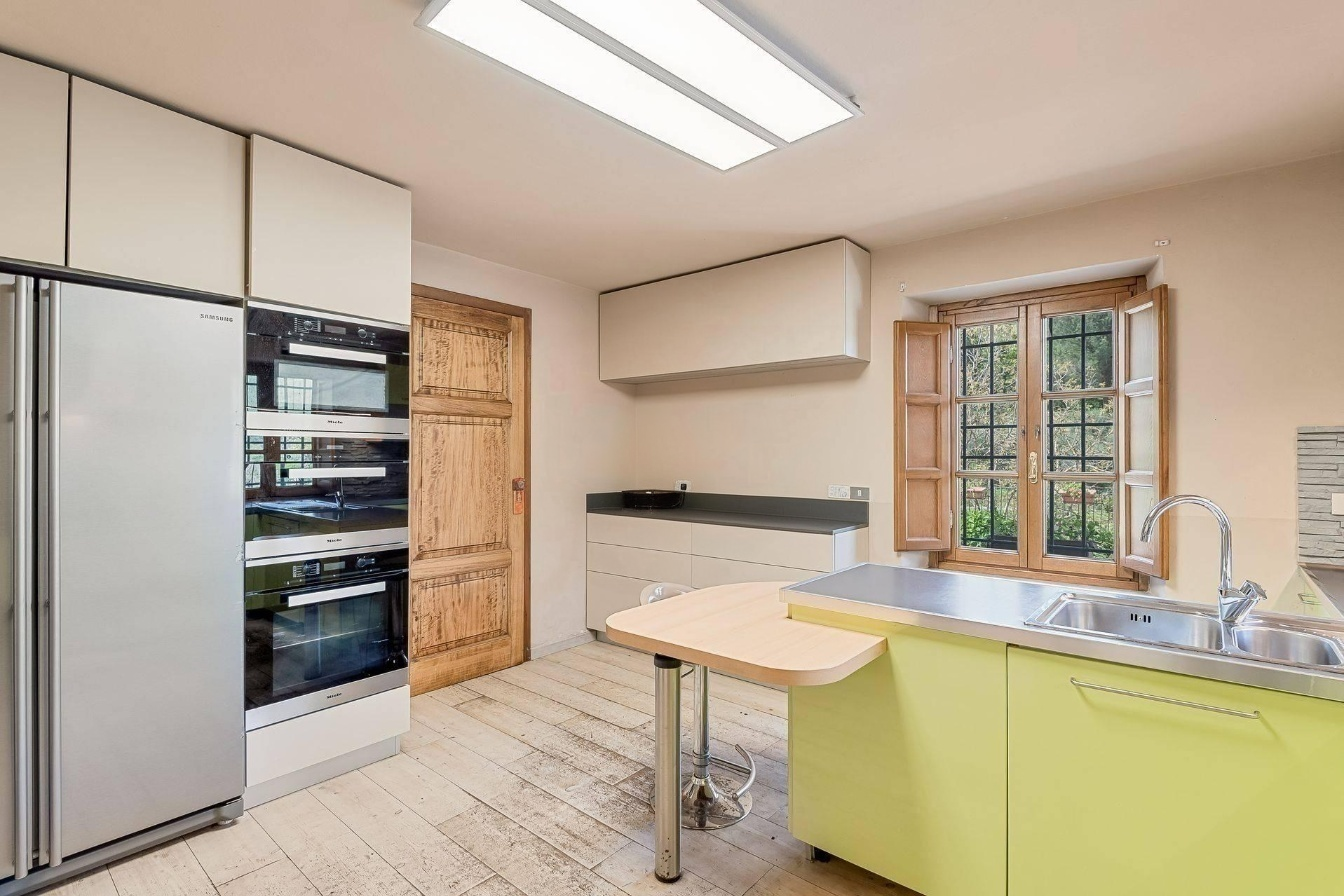
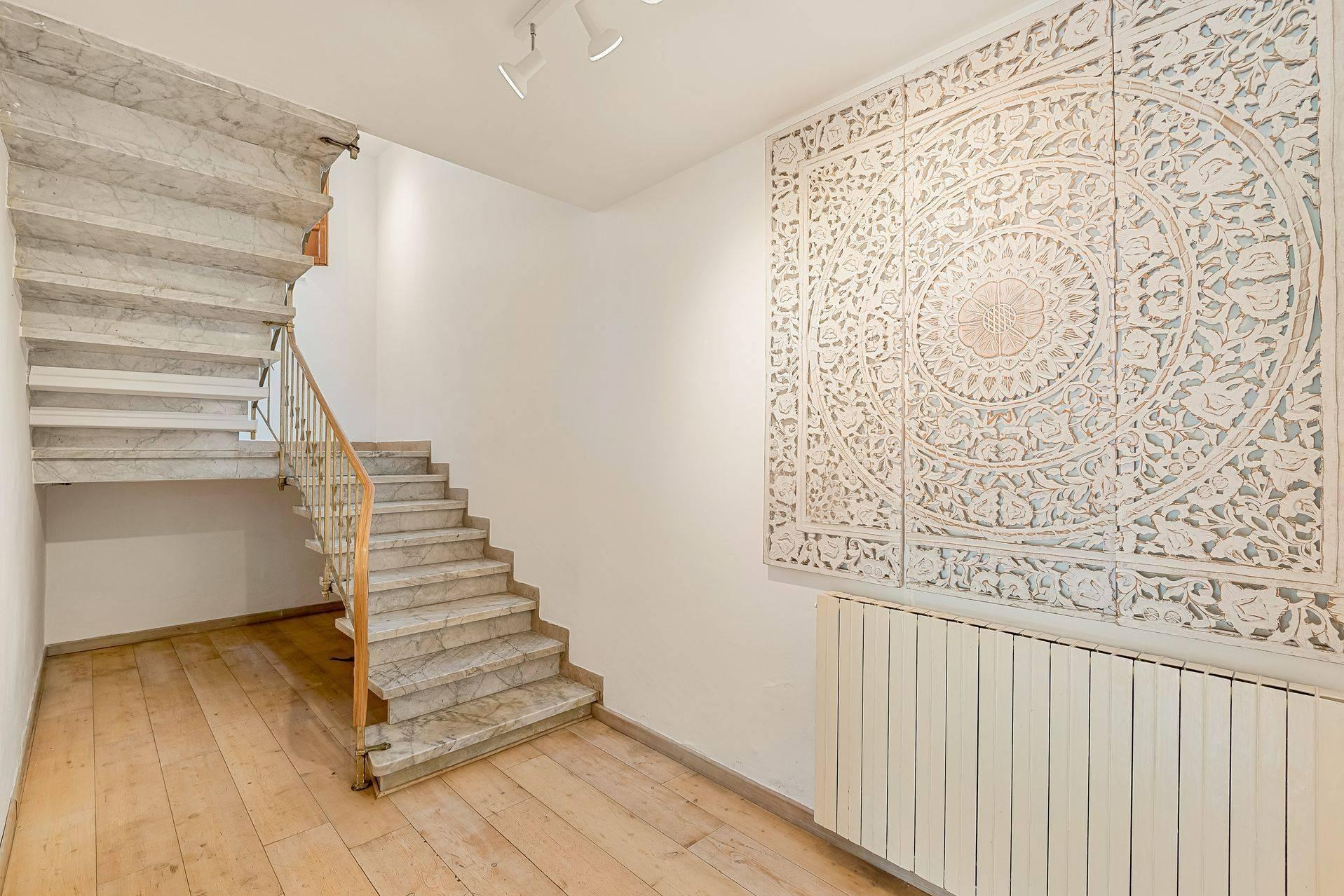
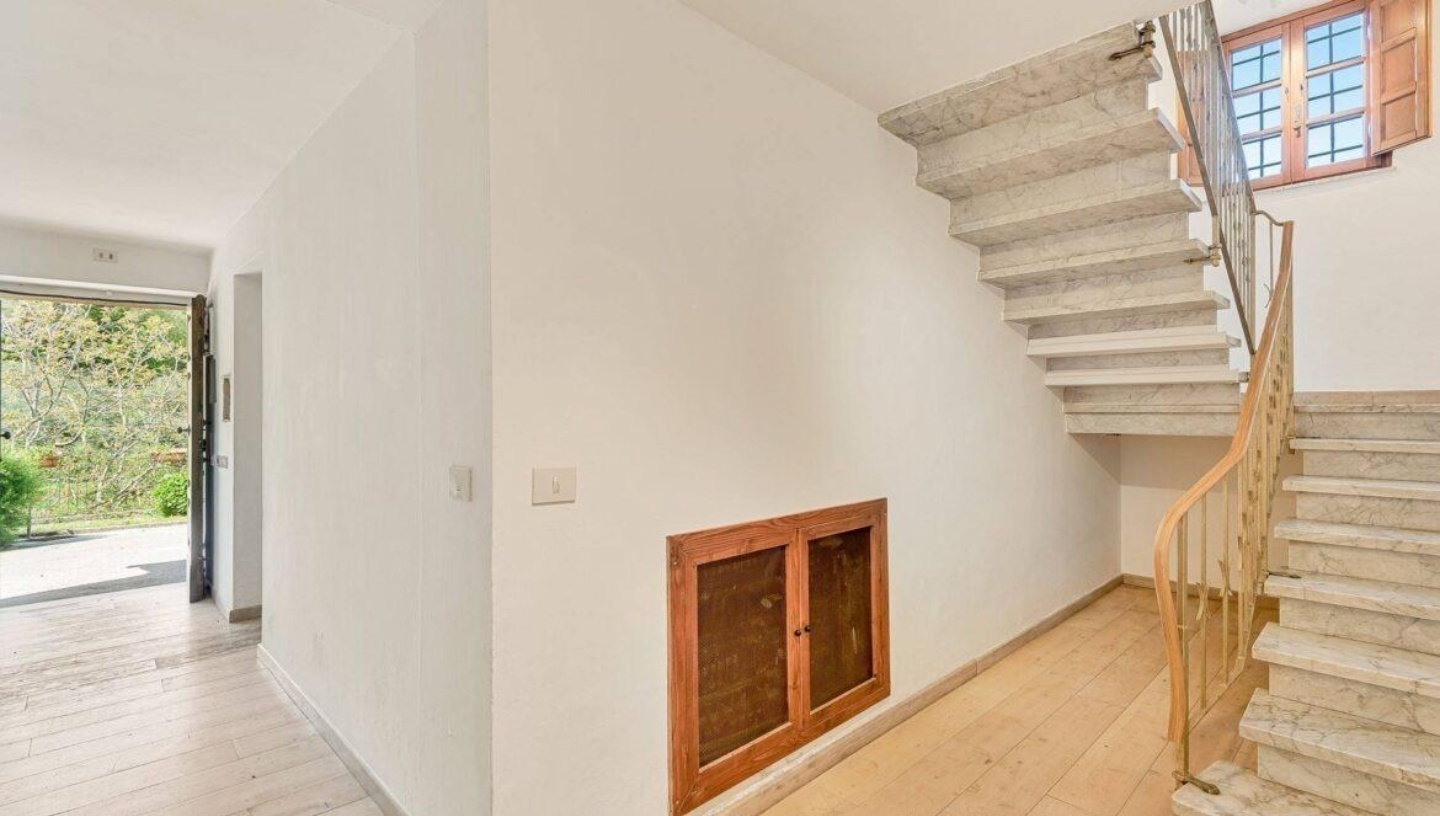
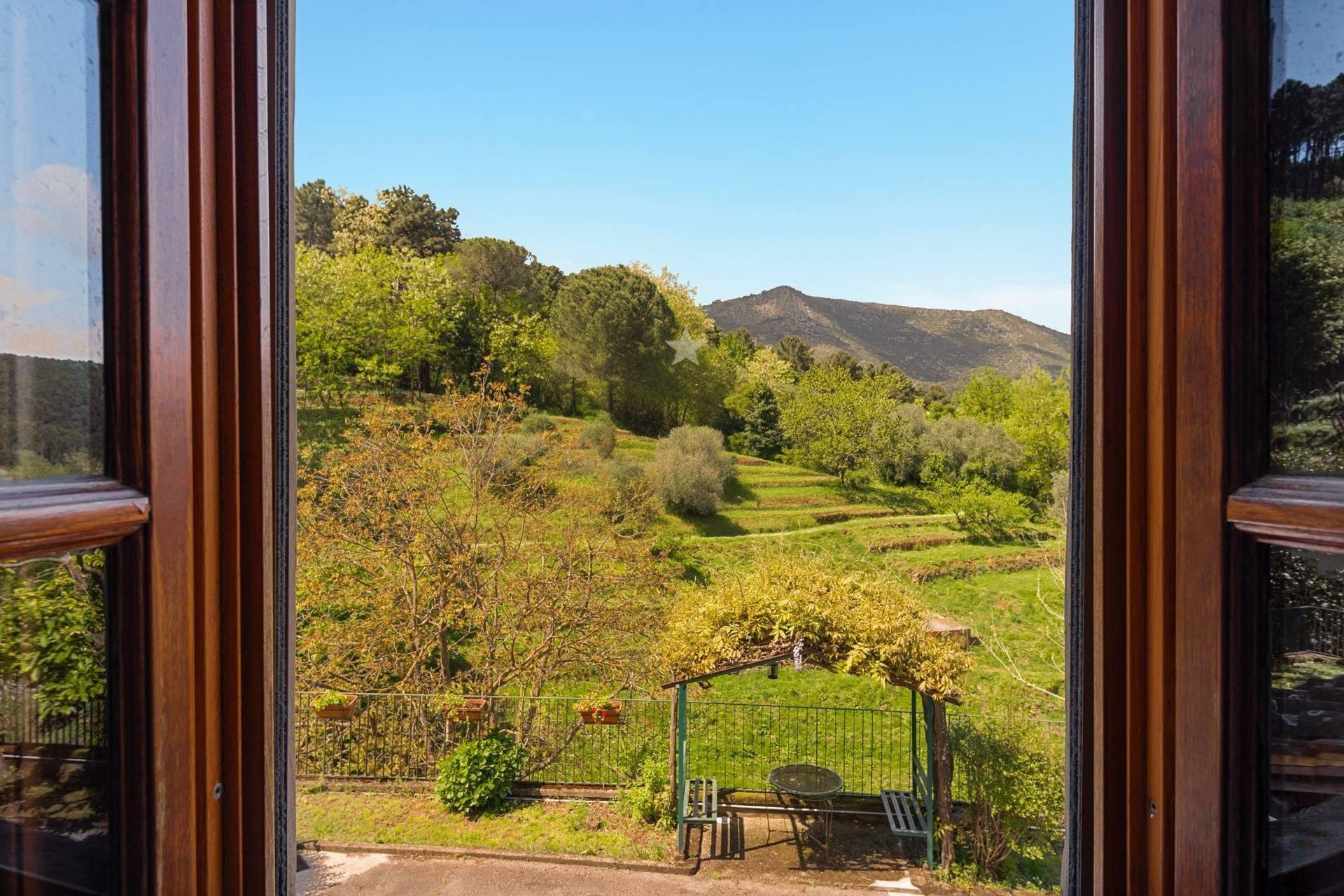
Exposed stone and timber beams, fireplace living room, large eat-in kitchen, laundry room with separate entrance, cellars, garage, outbuildings with conversion potential, olive groves, gardens and woodland.
Lifestyle angle
Countryside base with privacy but relatively quick access to Pisa, Lucca and the Ligurian coast.
Risk Radar
Overview
This is a classic value-through-land-and-optionality property. The house itself may be appealing as a primary residence or second home, but a meaningful part of the listing's attraction comes from what surrounds it: nearly a hectare of land, olive trees, garage, cellars and outbuildings that are being framed as future potential. That is exactly the sort of setup where buyers need to separate what is romantic, what is legally established, and what is merely possible with time, cost and permissions.
The first due diligence theme is legal coherence. You want to know whether the 210 m² main house, garage, cellars and outbuildings are all shown cleanly in the cadastral documents, whether the current internal layout matches the filed planimetrie, and whether the property has a sound agibilità position for its present use. Under DPR 380/2001, Article 24, agibilità is tied to the post-works compliance framework, so for a farmhouse that has clearly evolved over time, the safest approach is to verify the current lawful position rather than rely on assumption.
The second theme is conversion realism. "Outbuildings ripe for conversion" is powerful sales language because it invites buyers to imagine a studio, guest annexe or rental unit. In practice, conversion depends on what those structures legally are today, whether they are already registered, whether they have sufficient volume and structural quality, and whether local planning rules or landscape constraints would allow change of use or residential intensification. Tuscany also now operates under an updated tourism framework, and the region's current rules distinguish non-business tourist letting communications from more formal business activity routes, while the CIN is mandatory for tourist and short-let properties.
The third theme is operational realism. The listing shows "Energy Class N", but ENEA states that the APE is mandatory for existing-property sales, new lettings and even real-estate advertisements. A farmhouse with stone walls, olive land and outbuildings can still be an excellent purchase, but without the full APE and actual bills, buyers are working with an energy blind spot. That matters even more here because heating is not clearly explained and the property spans three floors.
The final theme is commercial use. A normal tourist-rental route may be quite different from an agriturismo route. In Tuscany, agriturismo is not simply "holiday rentals on rural land". It is a regulated activity reserved to properly qualified agricultural operators under the regional agriturismo framework. So the olive grove may add beauty, some productivity and perhaps small-scale olive-oil potential, but buyers should not assume it automatically creates agriturismo eligibility.
Targeted Questions
Legal Title, Cadastral Position and Agibilità
You need to verify exactly what is legally recorded, not just what appears on site.
A clean set of plans is essential to confirm whether all built elements are formally recognised.
Internal changes that were never updated can delay a sale or require correction.
Conversion potential is far stronger if the structures already exist cleanly in the records.
Ancillary spaces sometimes appear in listings more clearly than they appear in title paperwork.
Agibilità is a core compliance and usability checkpoint under Italian building law.
A partial or outdated agibilità position is less reassuring than a clean current one.
Their current legal status will shape what can be done with them later.
Past regularisation is not automatically fatal, but buyers should understand what was corrected and why.
Rural properties often carry rights and burdens that do not show up visually.
Renovation History and Structural Condition
Buyers need a clear timeline for assessing the age of systems and finishes.
"Farmhouse updated" can mean anything from decorative work to a full technical overhaul.
Invoices help verify scope, timing and whether the important hidden items were addressed.
Transferable guarantees reduce early ownership risk.
Roof condition is one of the biggest medium-term cost variables in an older farmhouse.
Replacement and patch repair imply very different future cost exposure.
Independent technical evidence is far more useful than general reassurance.
Structural concerns can be expensive and affect conversion ambitions.
Older masonry buildings often conceal moisture-management history.
Moisture risk is one of the most common hidden problems in rural stone properties.
Energy, Heating and Liveability
It may indicate a missing or unresolved APE position rather than a usable rating.
ENEA states that the APE is mandatory in sales, new lettings and real-estate advertisements.
This is a valid diligence point, not a minor administrative curiosity.
Real bills are often more useful than headline certificate language.
A three-floor farmhouse needs a clearly understood winter heating strategy.
Buyers should not overvalue a fireplace as a full heating solution.
Comfort and running costs depend on the actual installed systems.
Window quality strongly affects heat retention and comfort in stone houses.
This is one of the simplest indicators of whether comfort was meaningfully improved.
Insulation level helps explain whether future running costs may be manageable.
Land, Boundaries and Olive Grove
Rural boundaries should be confirmed on paper, not guessed from viewing impressions.
A property like this is really a bundle of uses and spaces, and they need mapping clearly.
Hidden access rights can materially reduce privacy and future control.
Multiple parcels can complicate financing, resale and development assumptions.
Land classification affects what you can realistically do with it.
Buyers should understand whether the olive-grove element is ornamental, modestly productive, or commercially meaningful.
Productivity and maintenance depend heavily on tree condition and type.
Neglected olive trees can require time and money to restore.
Existing productivity is more meaningful than the simple presence of trees.
This affects the practical value of the olive-grove setup.
Organic status can affect both lifestyle appeal and any commercial aspirations.
Outbuildings, Cellars and Conversion Potential
Conversion potential depends first on what those structures legally are today.
Buyers need to know whether the "potential" is genuinely substantial.
Current use often hints at condition, services and legal classification.
A structure that is "convertible in theory" may still be prohibitively expensive in practice.
Prior professional work can materially reduce planning uncertainty.
The route to lawful conversion affects both cost and timing.
Official landscape-protection systems such as SITAP and Vincoli in Rete are relevant where rural Tuscan sites may carry constraints.
Those options have very different planning and infrastructure implications.
Existing services materially improve conversion practicality.
Cellars can range from useful storage to damp liabilities.
Ancillary spaces should be verified, not assumed.
Buyers should distinguish attractive ideas from lawful possibilities.
Rental Potential and Agriturismo
Past use gives a more grounded picture than agent estimates.
Real numbers are far more useful than generic Tuscan optimism.
Tuscany requires the CIN for tourist and short-let properties, and it must be displayed and used in advertising.
Tuscany's current framework requires a municipal communication for non-business tourist letting.
Tuscany distinguishes between non-business tourist letting and business activity.
The regulatory pathway should be checked for this exact location, not just Tuscany in general.
Agriturismo in Tuscany is a regulated agricultural activity, not simply a rural holiday let.
This is too important to leave to hopeful interpretation.
The best commercial use may not be the most glamorous one.
Access, Services and Everyday Practicality
Rural appeal is less useful if daily access is awkward or weather-sensitive.
Private roads can create maintenance obligations or shared-rights issues.
Seasonal access matters for both owner use and guest use.
Parking capacity matters if the house will host guests or extended family.
Water source affects reliability and maintenance.
Rural wastewater systems can create compliance and maintenance costs.
Septic issues often become immediate buyer problems after completion.
Remote work potential should be verified, not assumed.
Thick masonry and rural siting can affect real-world signal quality.
The difference between pleasantly private and practically awkward matters in everyday life.
Negotiation Intelligence
Buyer Leverage
Medium-High
Key Drivers
Typical Negotiation Range
5-15% below asking
Neutral Phrasing Examples
Country Layer
Italy (Regulatory Context March 2026)
Key Italian requirements for buyers:
Viewing Strategy
During the viewing:
Next Step
Verify from the listing:
Cadastral and agibilità position
Request the visura catastale, planimetrie and current agibilità documents so you can confirm that the three-floor farmhouse, garage, cellars and ancillary structures are all lawfully represented and usable as marketed.
Outbuilding conversion reality
Do not price in studio or guest-annexe potential until you have confirmed that the outbuildings are registered, structurally sound, appropriately serviced and realistically convertible under local planning and landscape rules.
Energy certificate and running costs
Clarify the “Energy Class N” wording immediately by obtaining the full APE and recent utility bills, because Italian rules require an APE for sale and advertising and a farmhouse of this size can carry meaningful winter running costs.
Land, olive grove and servitù
Obtain a proper plan of the 13,000 m² plot and verify the olive-grove, woodland and garden boundaries, together with any rights of way or utility easements that could affect privacy or future use.
Rental and agriturismo pathway
If investment use matters, verify the CIN and tourist-letting route for the existing house, and treat agriturismo as a separate regulated agricultural activity that needs specialist confirmation rather than as an automatic benefit of owning olive land.
A prepared buyer should approach the agent calmly and frame questions as due diligence.
Because this is a property where the legal, structural and regulatory context matters, run it through one of the property tools before contacting the agent.
Use the Property Risk Assessment to test the legal and planning-side risks, or the Renovation Budget Planner to model the true cost of upgrading the farmhouse and any ancillary structures once the paperwork and conversion pathway are confirmed.
Disclaimer: The Property Drop is buyer-focused intelligence, zero sales agenda. We curate exceptional properties, in southern Europe, from third-party agents and arm you with decision tools. No commission, no transactions, no agent partnerships, no skin in the game beyond helping you choose wisely. Information stays accurate until it doesn't (properties sell, prices shift, markets move). Everything here is shared for informational purposes only and should not be treated as legal, financial, or investment advice. Images belong to original agents. Read our Terms of Service to learn more.
IMPORTANT REMINDER: When contacting property agents featured on The Property Drop, you are entering into direct communication with third parties. It's recommended that you verify all property details independently, conduct thorough due diligence, engage qualified professionals (solicitors, surveyors, financial advisors), understand your rights and obligations under local property laws, and never send money or make commitments without proper legal protection.
