
The Buyer Playbook: 18th Century Farmhouse, Normandy, France, €285,000
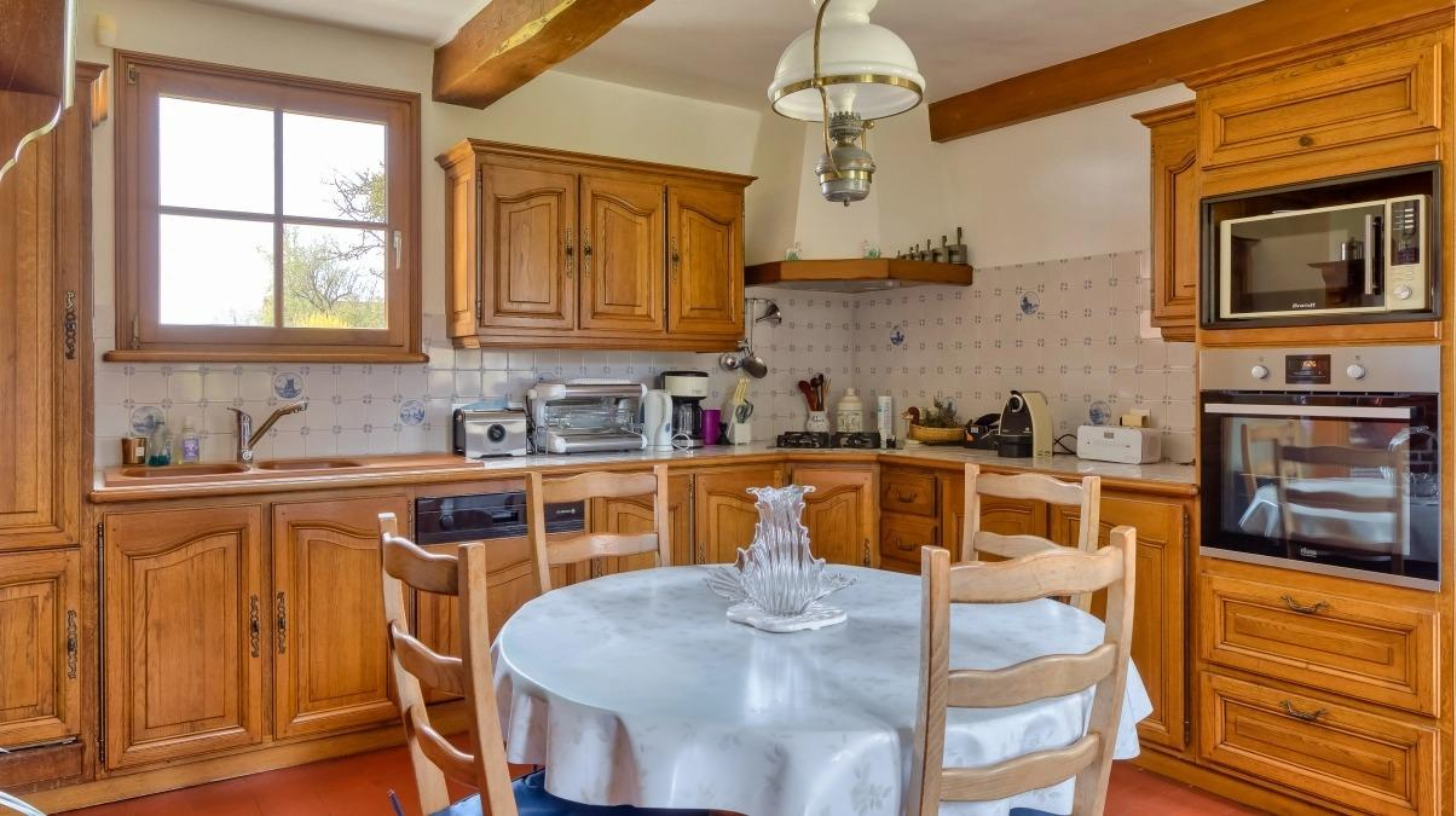
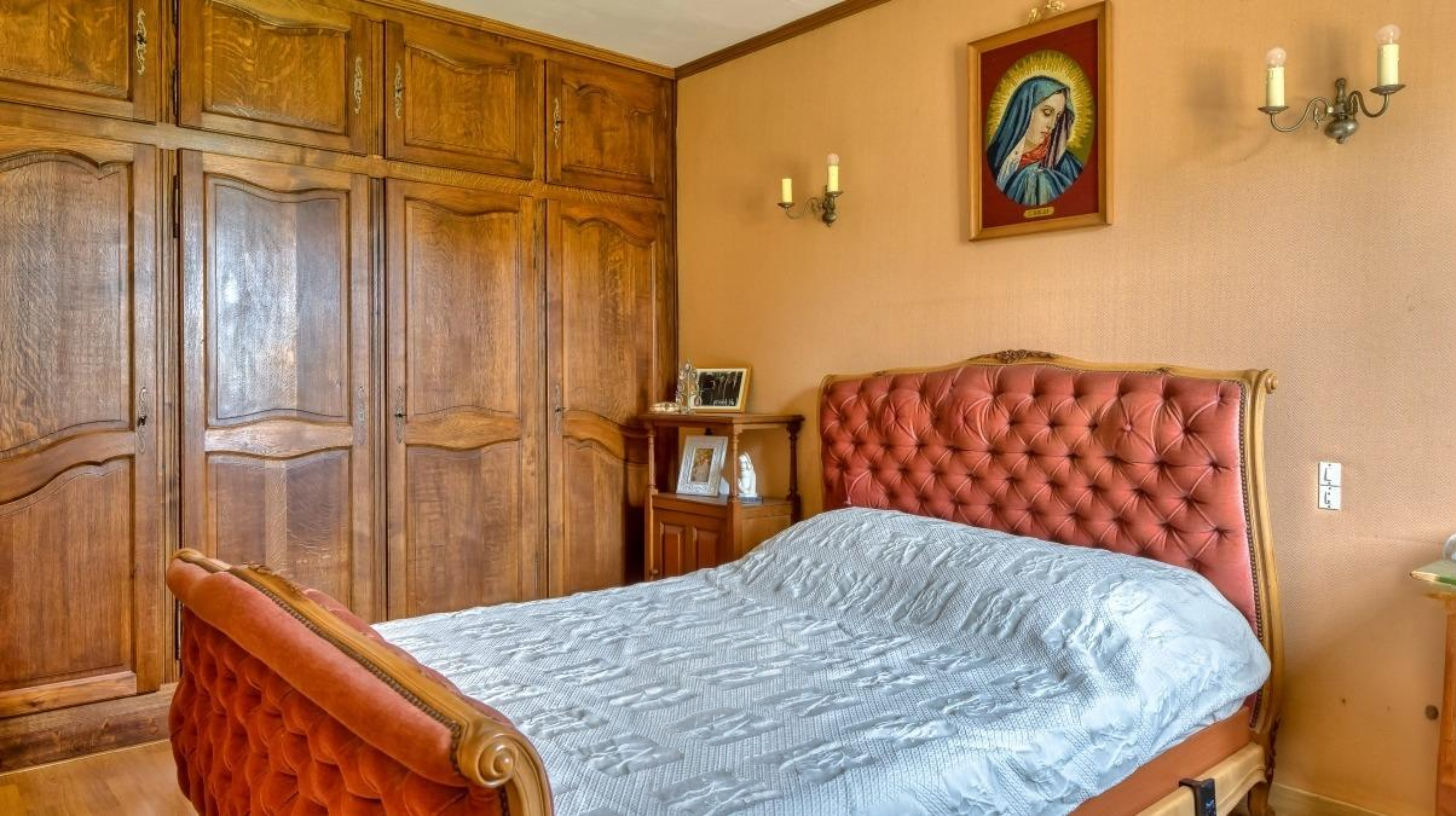
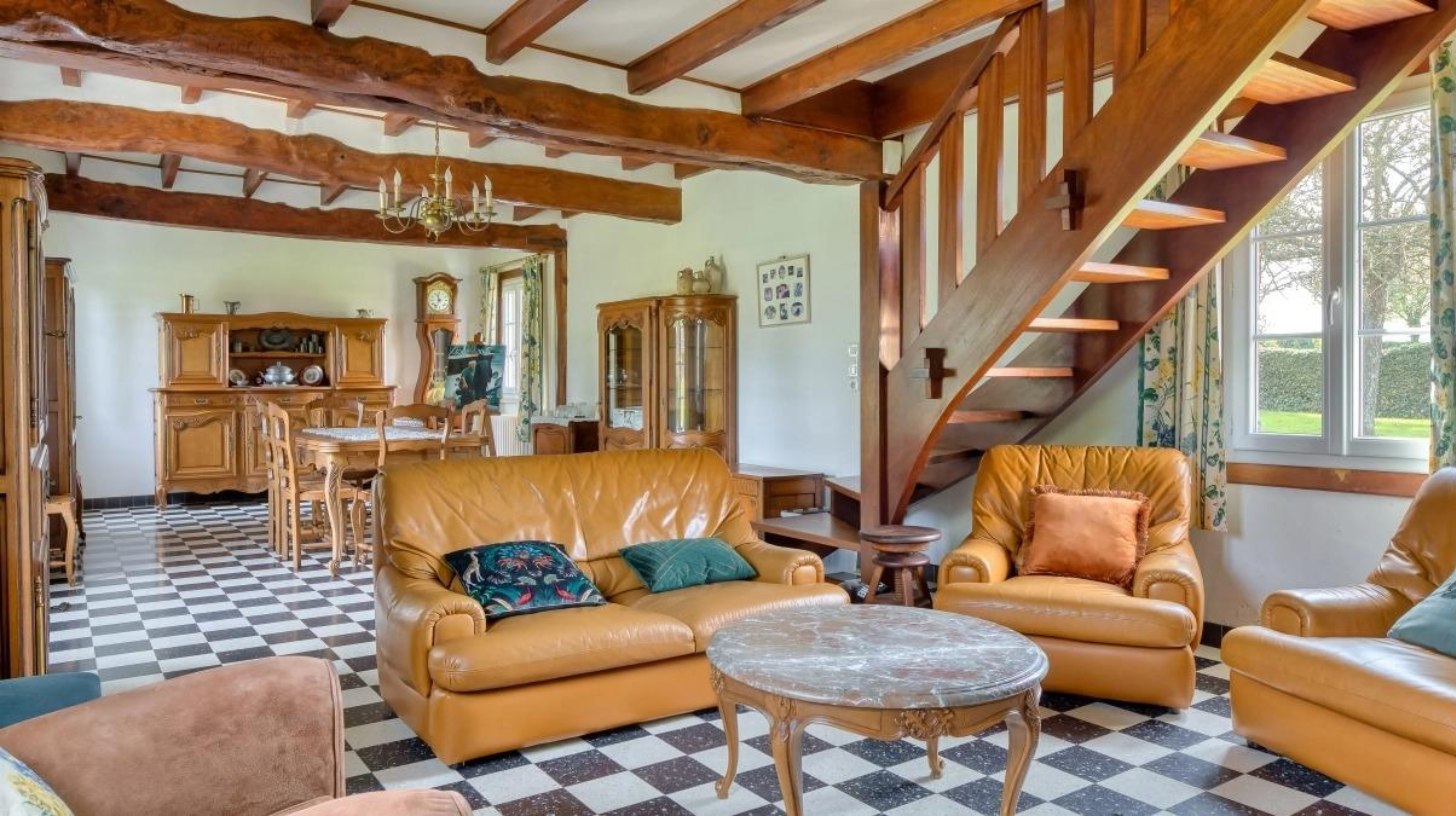
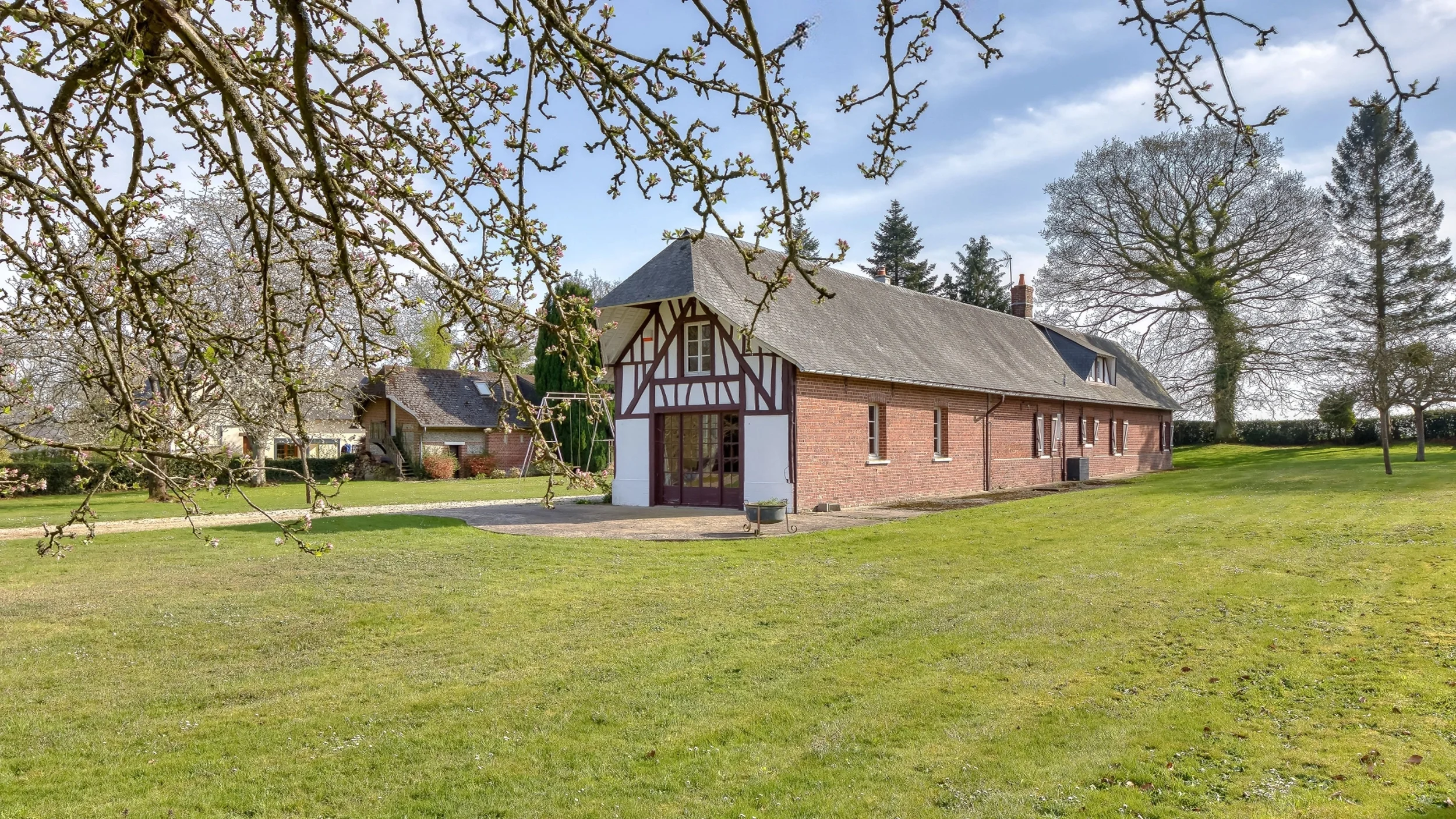
Buyer Playbook
Pre-Viewing Intelligence Report
This independent buyer guidance report relates to this specific property located in France. It is provided for informational purposes only and does not constitute legal, tax, structural or survey advice. Title boundaries, renovation regularity, diagnostics, septic compliance, outbuilding conversion potential, rental compliance, and any planning or heritage constraints must always be verified with qualified French professionals such as a notaire, architecte, géomètre-expert, diagnostiqueur, engineer or surveyor, and with the mairie and other relevant authorities where required. This report is designed to help buyers evaluate the property before arranging a viewing or making an offer. It highlights due diligence issues and targeted questions to ask the estate agent. The analysis is based on the listing details and publicly available regulatory context at the time of writing.
Playbook Contents
Property Snapshot
Location
Normandy, around 20 minutes from Dieppe, France
Property type
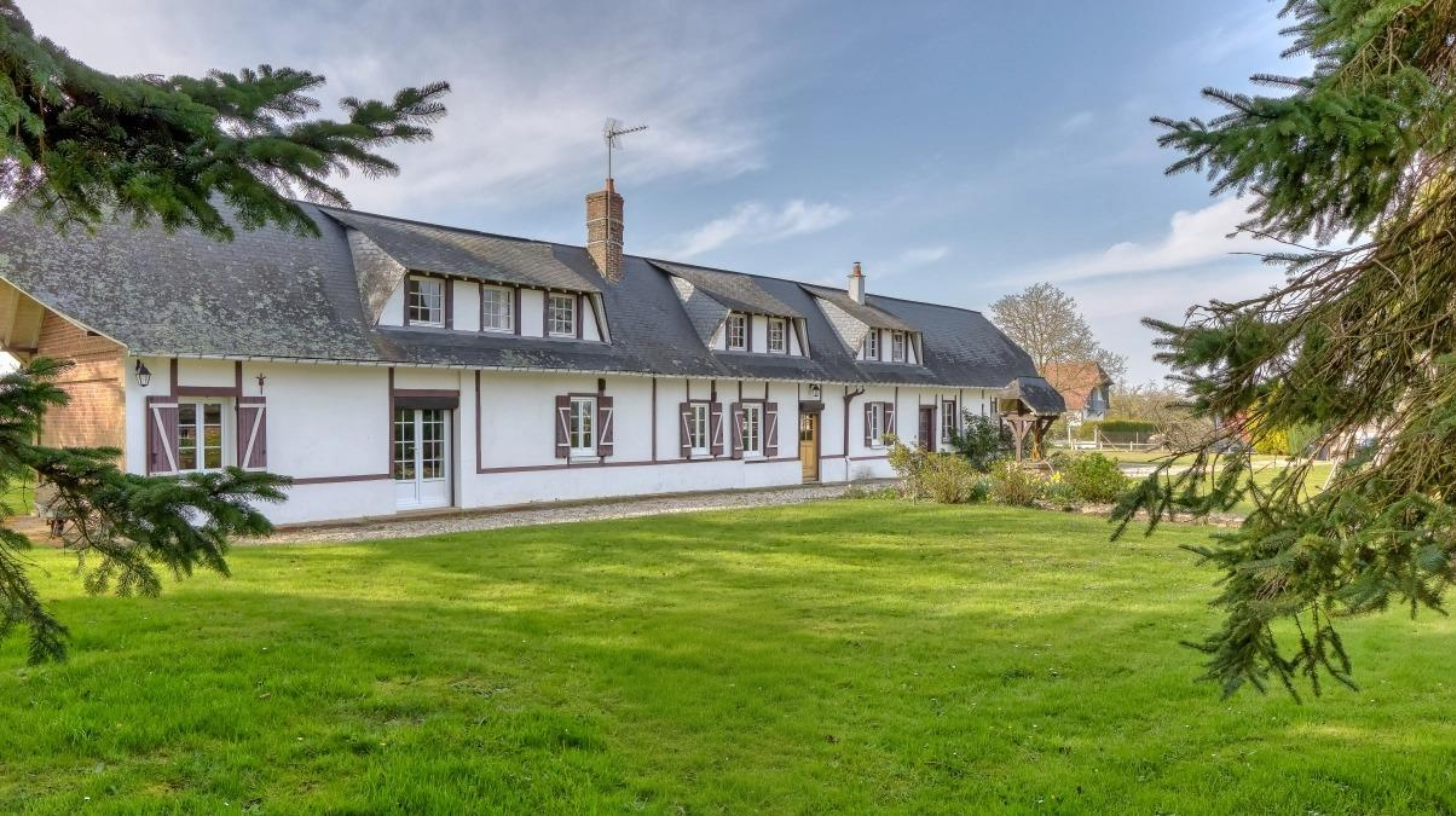
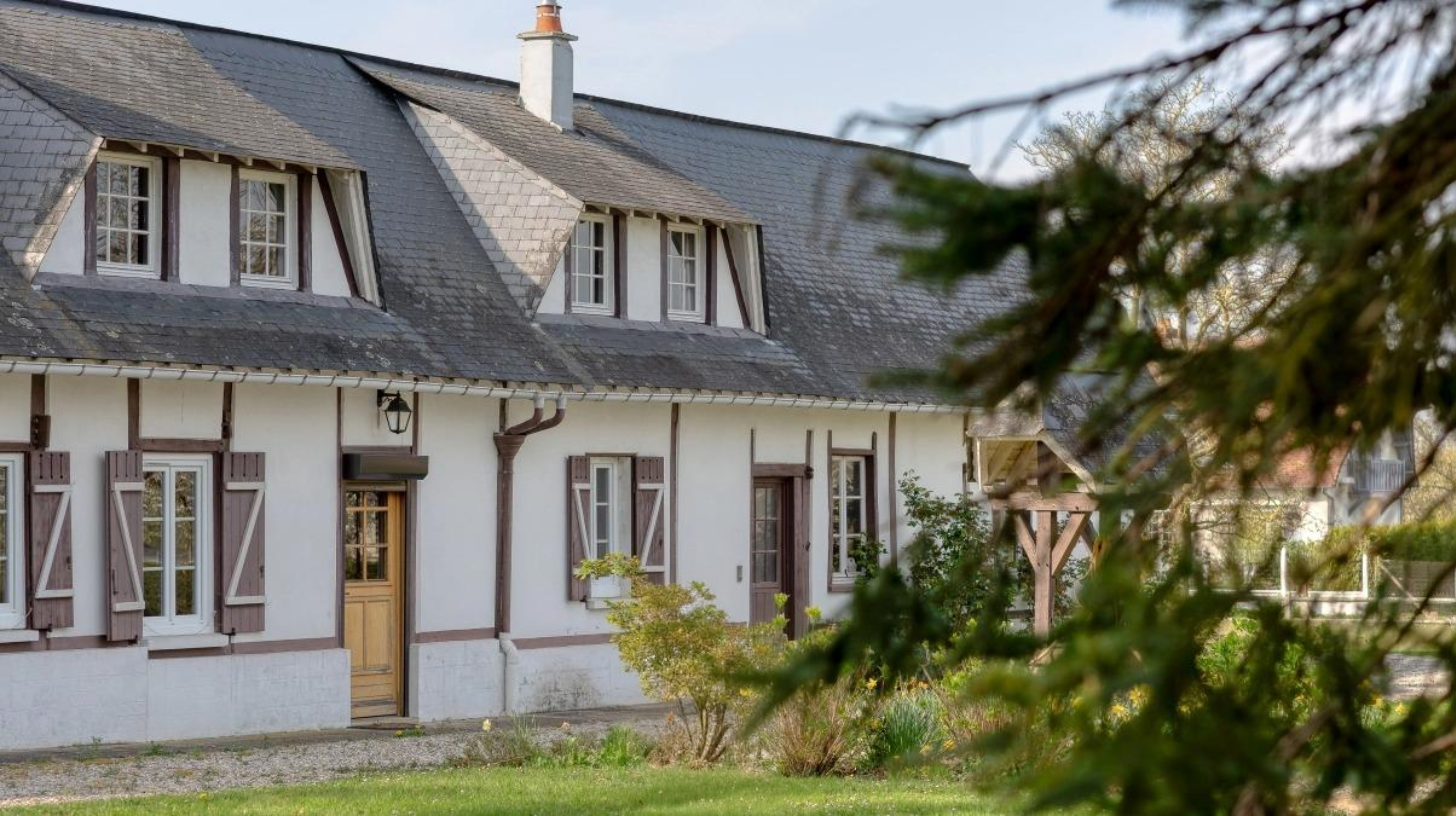
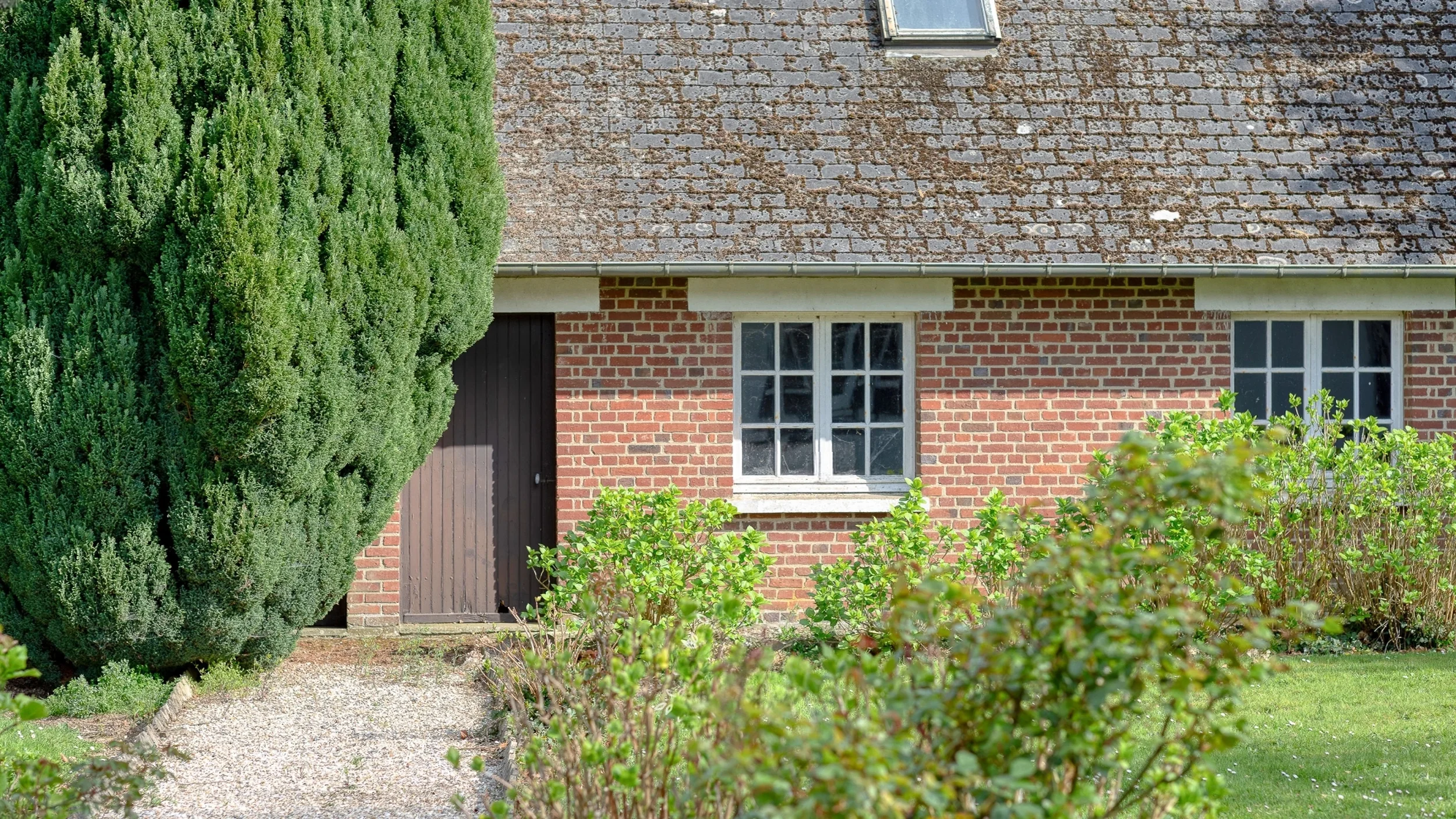
18th-century farmhouse
Asking Price
€285,000
Main house size
Approx. 150 m² stated
Land
Approx. 3,320 m² stated
Additional building
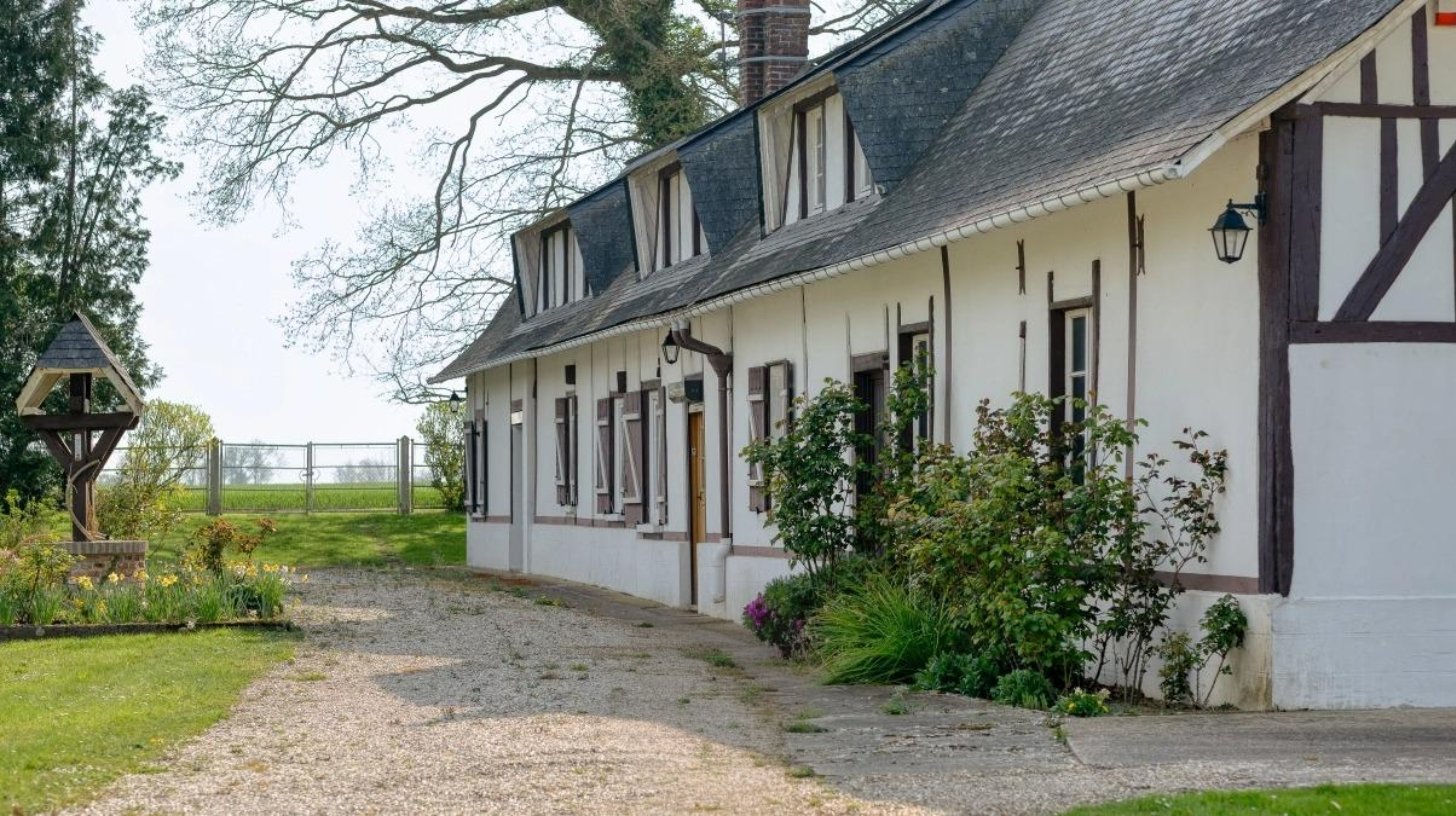
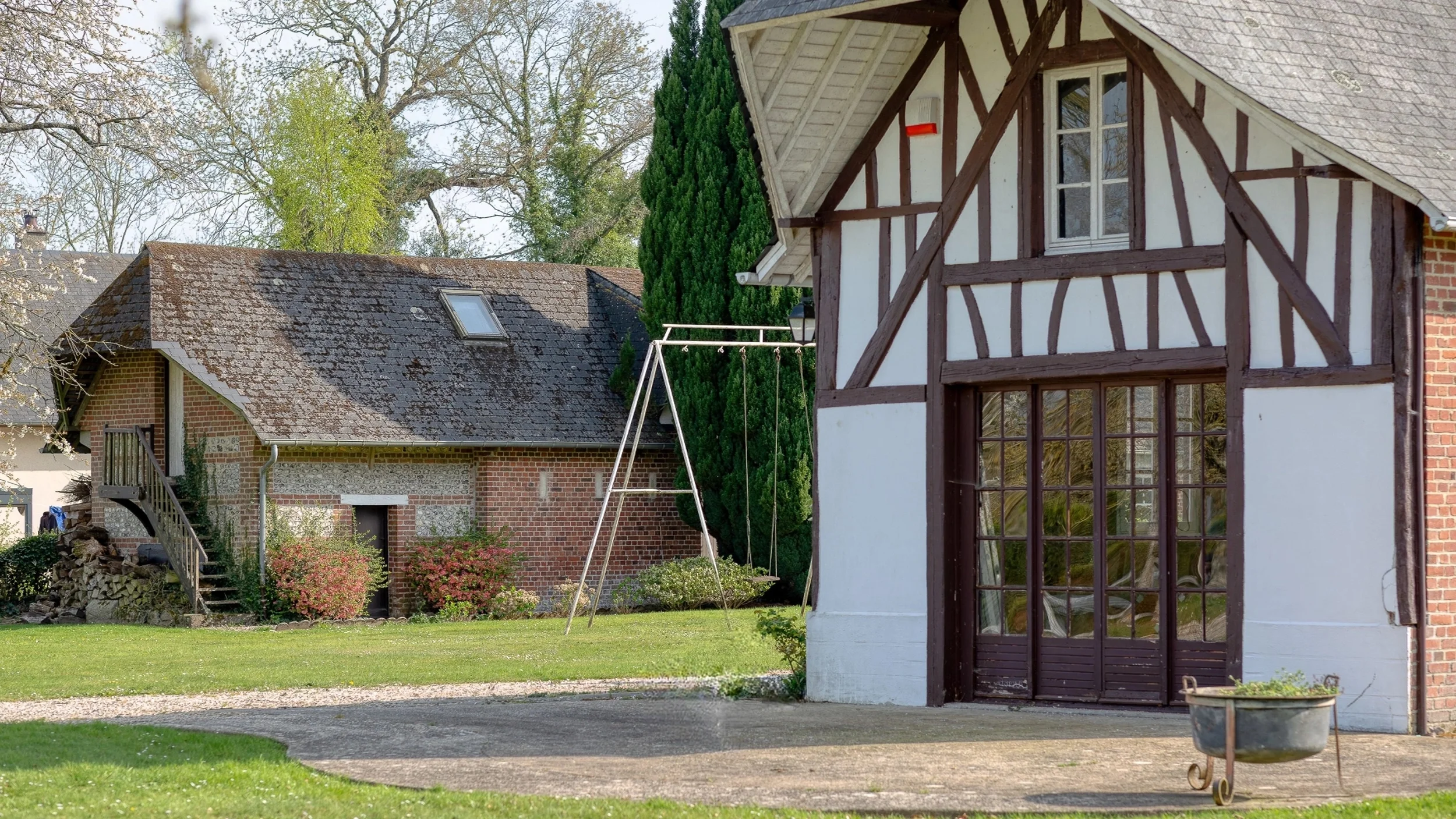
Approx. 80 m² outbuilding with marketed conversion potential
Setting
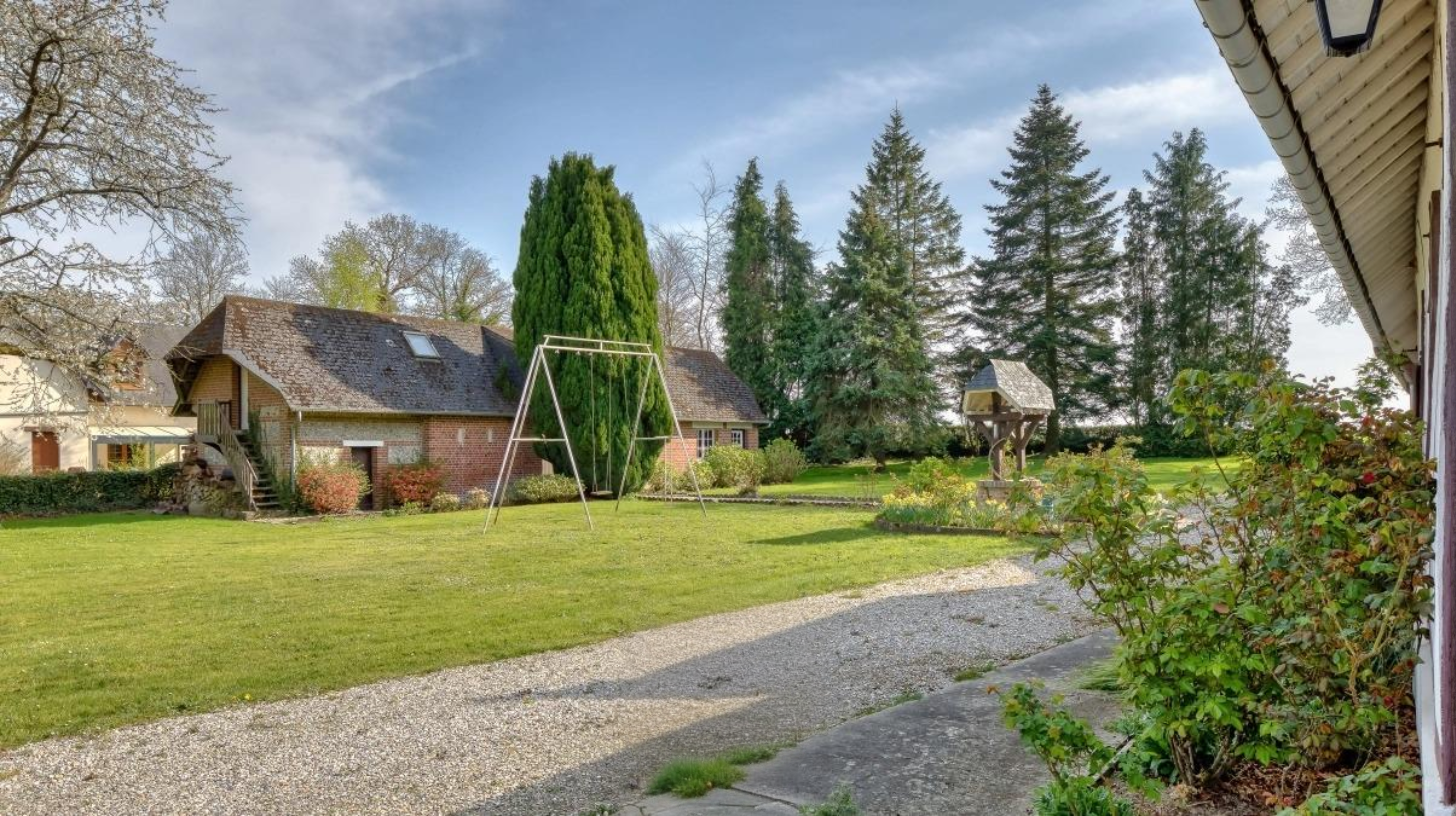
Rural retreat position with landscaped garden
Character angle
Historic farmhouse appeal with land and secondary-building upside
Main value drivers
Accessible purchase price, usable garden, proximity to Dieppe, and potential to create a guest cottage, studio or workshop from the outbuilding
Main due diligence themes
Condition and renovation history, outbuilding legality and conversion pathway, septic or drainage position, and realistic rental potential
Energy note
Listing states "Energy Class N", which requires clarification
Risk Radar
Overview
This is exactly the kind of Normandy property that can feel very attractive because the entry price is approachable, the setting is rural without being isolated from Dieppe, and the outbuilding hints at a second layer of value. That combination often creates strong buyer optimism. The risk is that lower-priced historic farmhouses can carry hidden technical and legal issues that only become visible once the file is tested properly.
The first due diligence theme is the outbuilding. An 80 m² secondary structure is potentially the biggest upside in the listing, but only if it is clearly included in title, properly shown on cadastral documents, structurally sound, and realistically convertible under local planning rules. In France, a déclaration préalable can cover certain works and changes of destination, while larger or more substantial projects may require a permis de construire. That means a buyer should not treat "conversion potential" as a fact until the mairie or a local professional confirms the route.
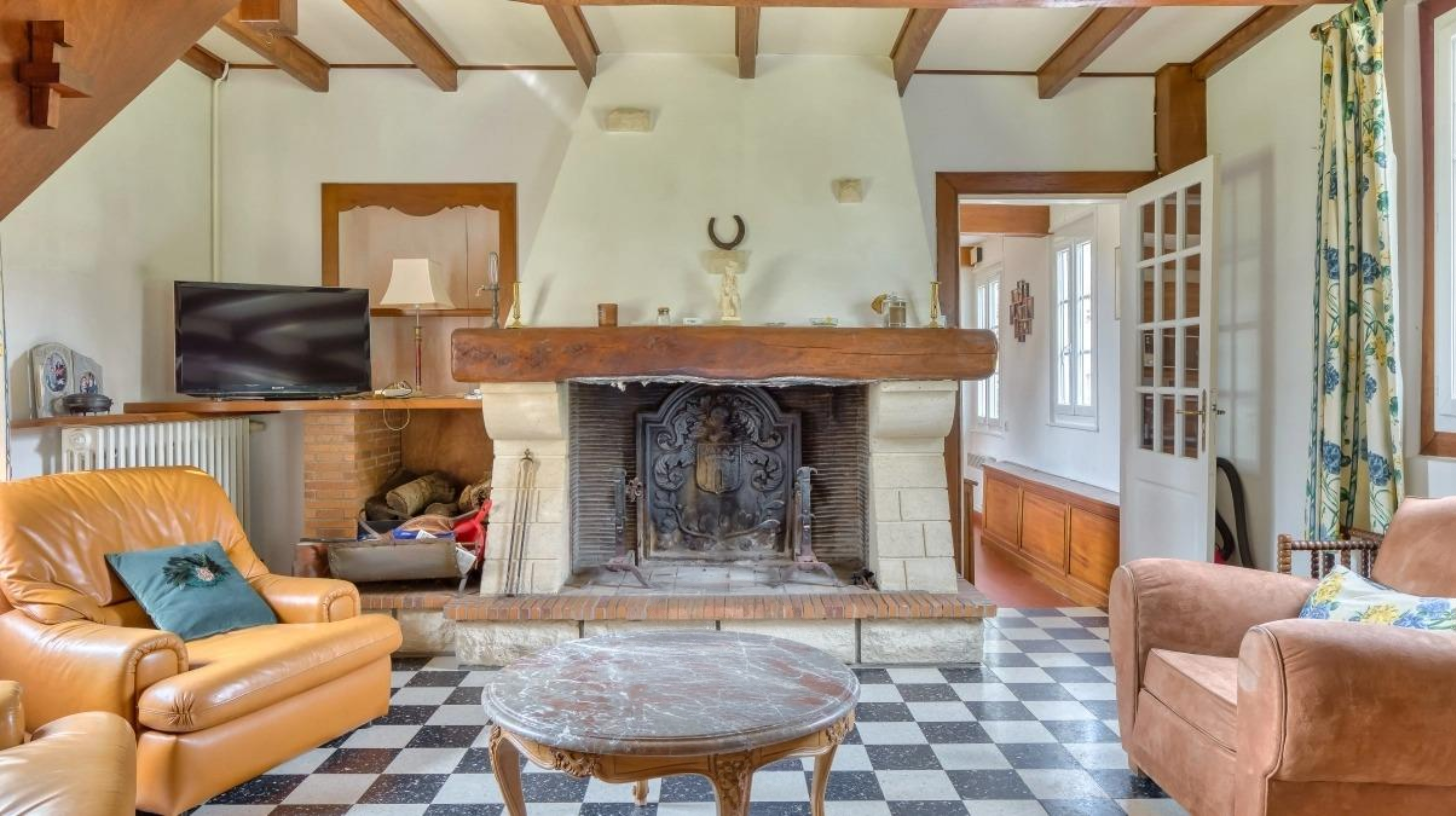
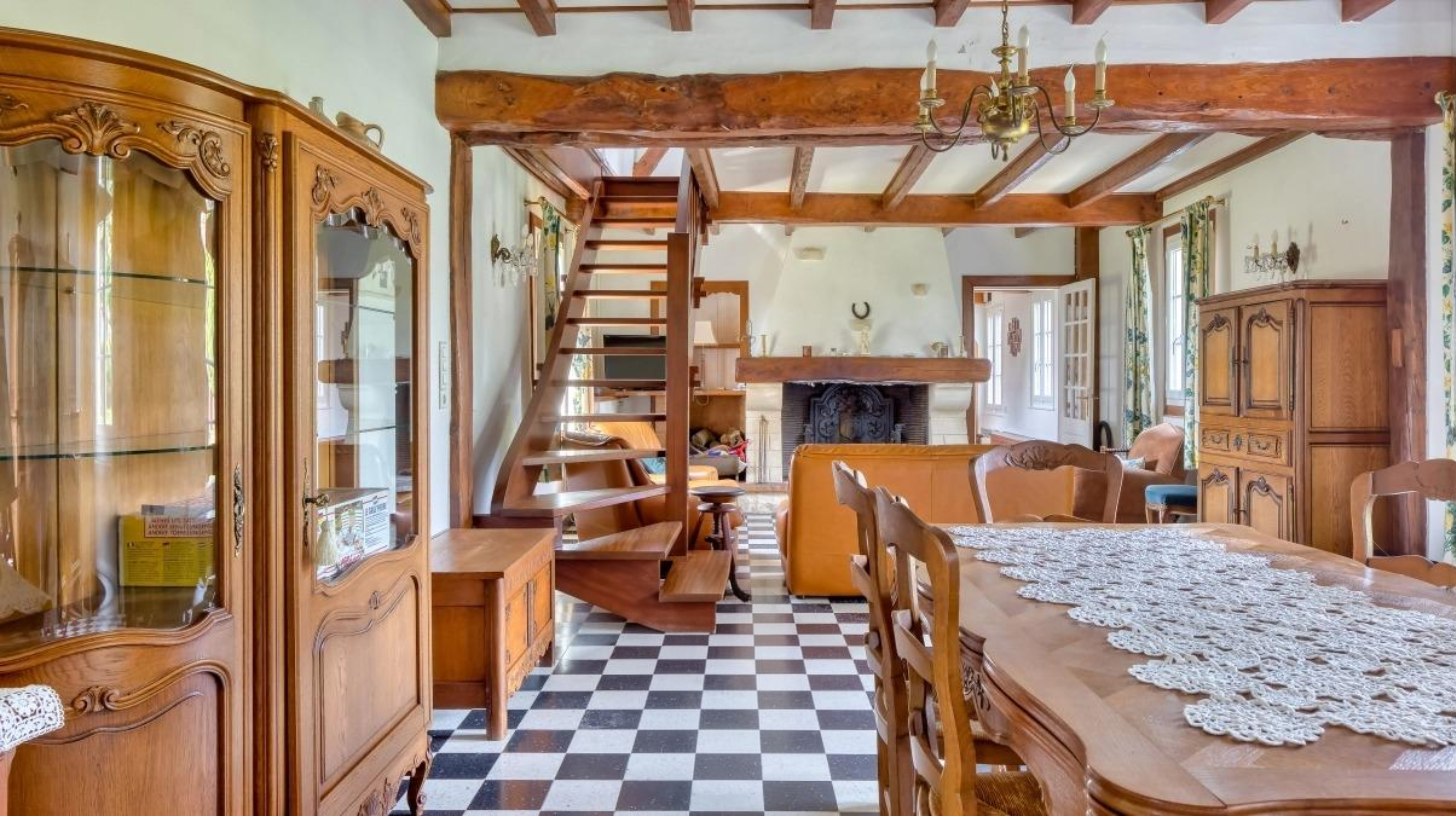
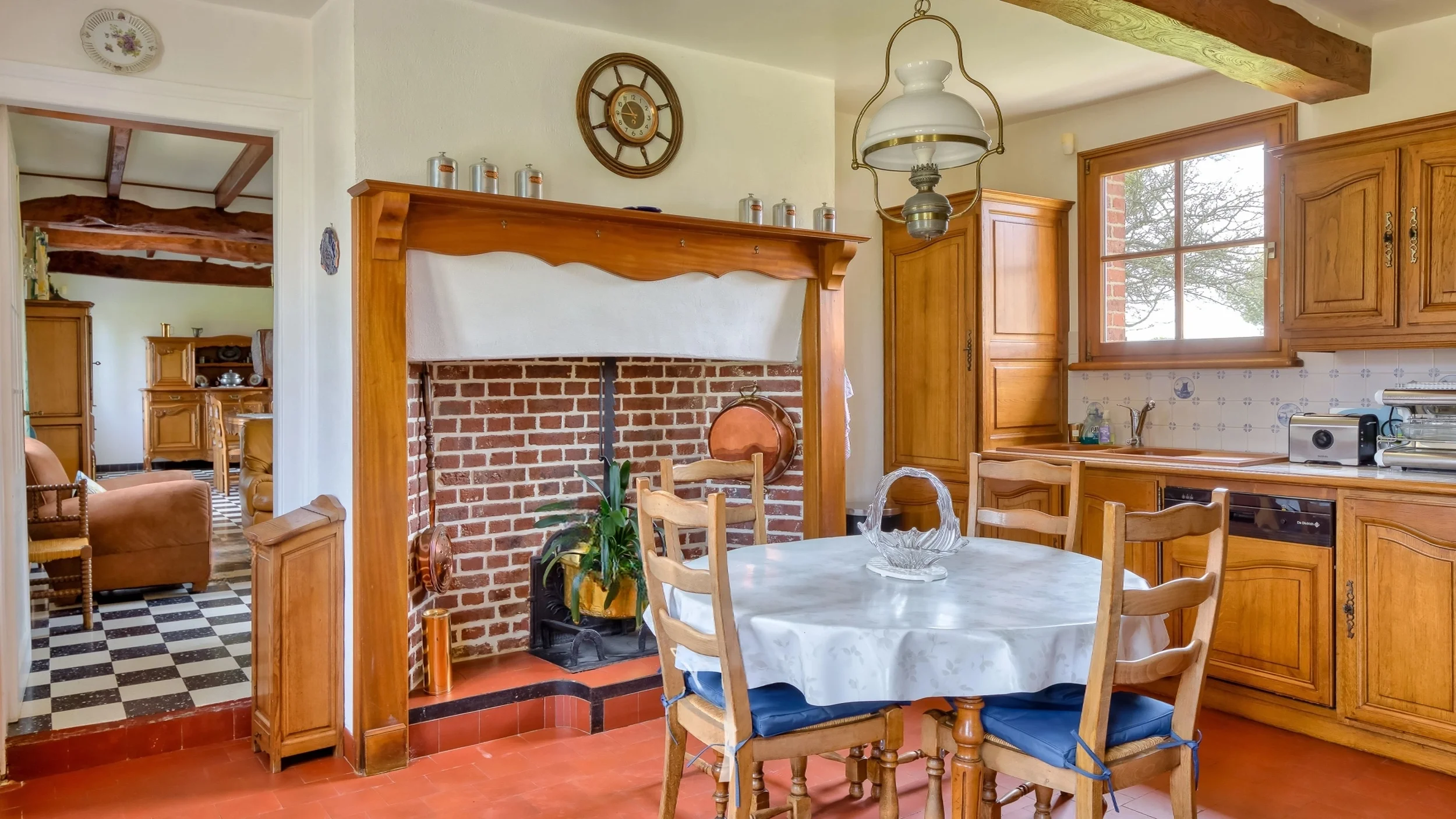
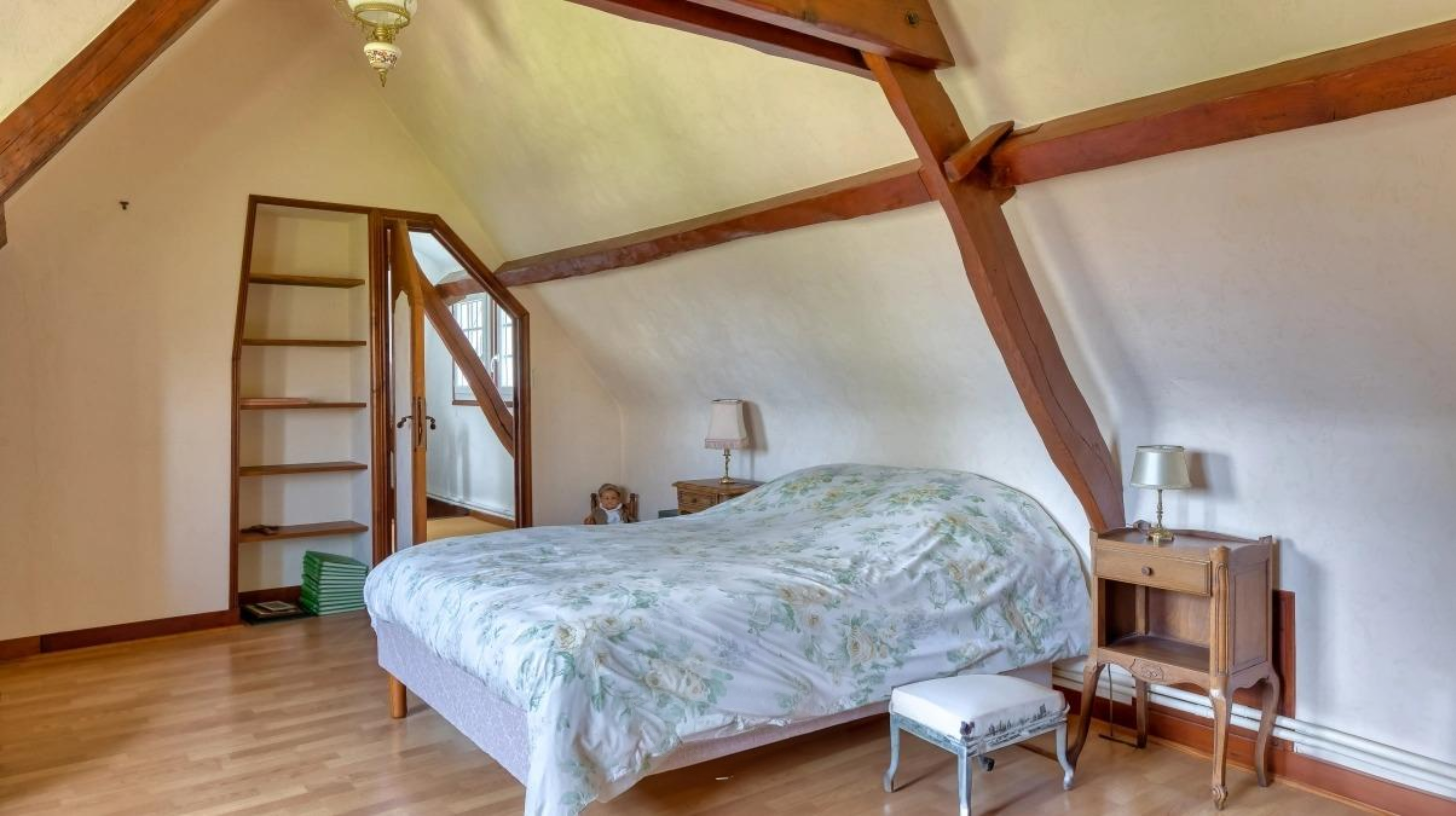
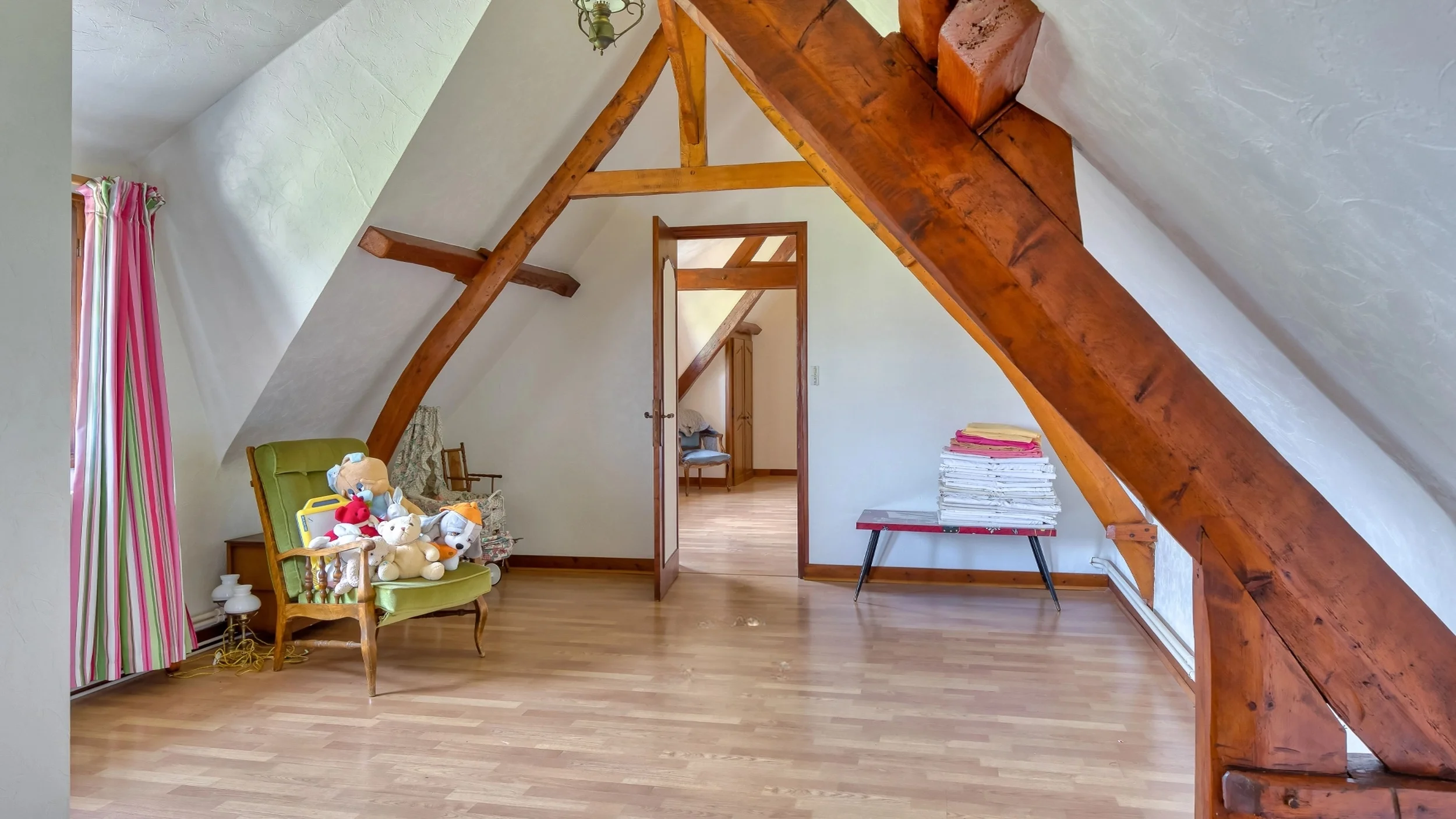
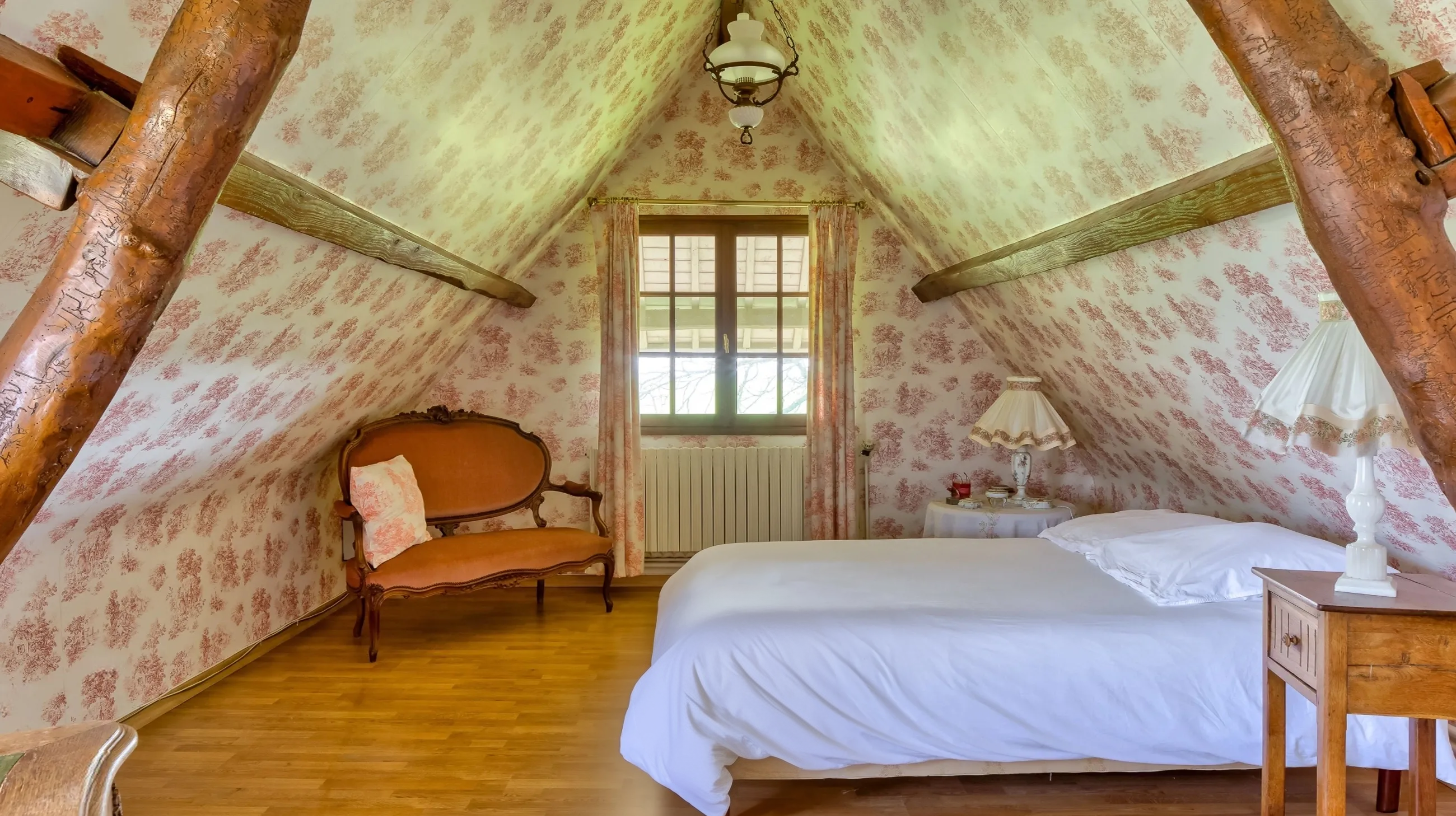
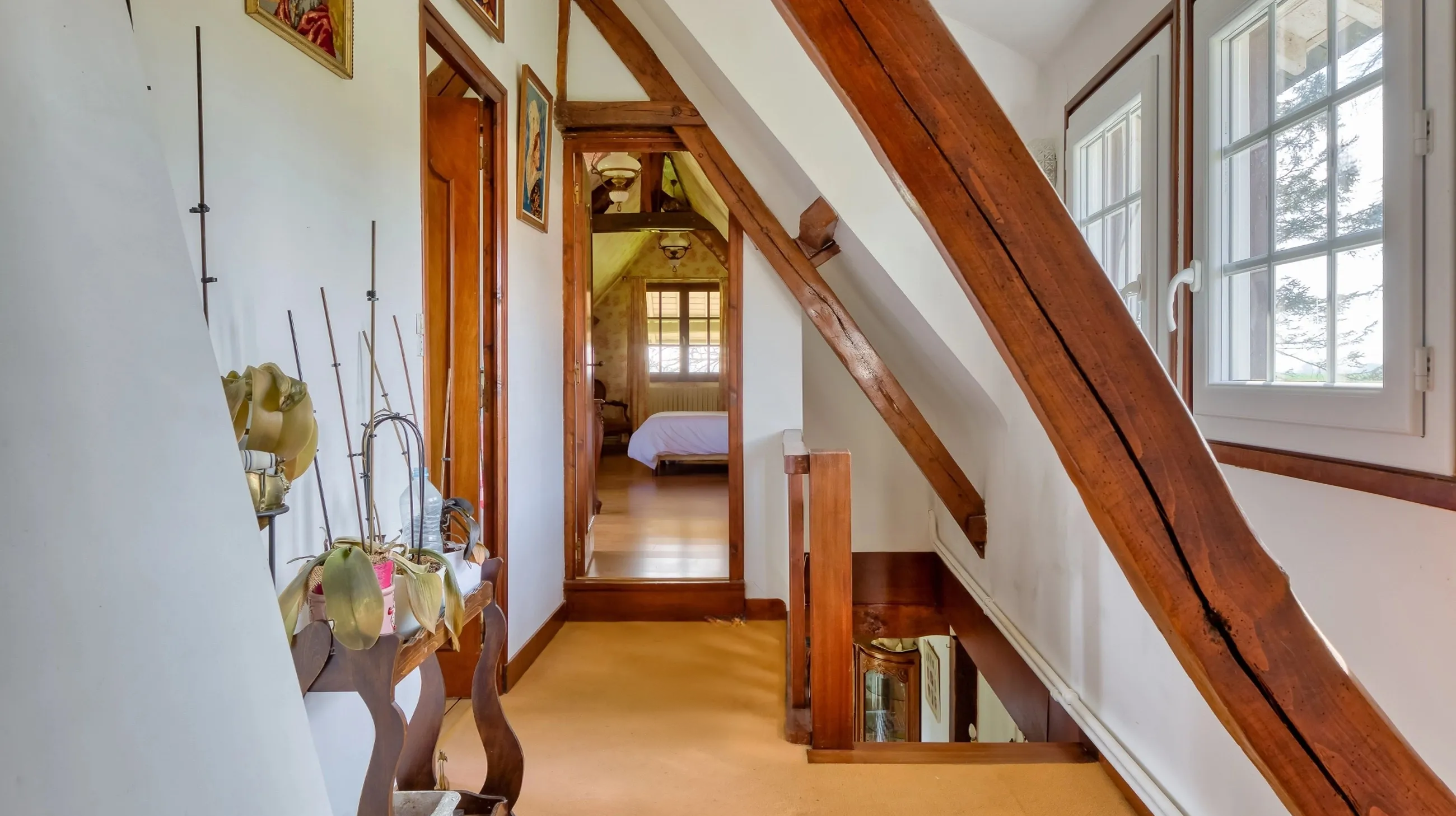
The second theme is building condition. An 18th-century farmhouse in Normandy should immediately put roof condition, damp behaviour, structure, windows, insulation and heating at the top of the list. Old stone or mixed masonry farmhouses often look charming while still carrying deferred maintenance. The open fireplace mentioned in the listing is a feature, but it may or may not be a realistic heating solution.
The third theme is diagnostics and energy clarity. The listing's "Energy Class N" wording is not something to rely on. In France, the DPE must be provided to a future buyer and is part of the broader diagnostics pack that informs them about energy performance and likely charges. For an older farmhouse, the full diagnostics dossier matters far more than the headline marketing line.
The fourth theme is wastewater and servicing. In rural France, a house may be on mains drainage or on assainissement non collectif. If it has a septic system, the seller must provide a SPANC inspection report dated less than three years at sale stage. That becomes even more important if a buyer is hoping to convert the outbuilding, because wastewater capacity can be one of the key hidden constraints.
The fifth theme is rental realism. A Normandy farmhouse near Dieppe may have genuine appeal for holiday lets or longer stays, but buyers should distinguish between a pleasant idea and a compliant, marketable setup. In France, meublés de tourisme are generally declared to the mairie, and from 20 May 2026 all mairies must have an registration procedure that issues a number for declared meublés on their territory. For this property, the bigger question is whether the outbuilding could lawfully become a separate rentable unit at all.
Targeted Questions
Legal Status and Title
The buyer needs a map-based view of what is actually included in the sale.
Conversion value only matters if the building is clearly part of the legal property being sold.
A proper legal description helps confirm boundaries, rights and included structures.
Rural privacy and control can be reduced significantly by easements.
Apparent garden area and legally controlled area are not always the same.
Early file readiness is often a useful indicator of transaction smoothness.
The legal description of the outbuilding affects how realistic conversion really is.
Boundary certainty matters more on rural properties than buyers sometimes expect.
Renovation History and Building Condition
"Charming" does not tell you whether the critical systems are modern or ageing.
Invoices help verify scope, timing and seriousness of past works.
Even if no longer active, they help show who did the work and how substantial it was.
Roof condition is one of the biggest hidden cost drivers in old rural houses.
One sound roof does not mean the other building is equally secure.
Recurring water-ingress history changes the risk profile materially.
Historic farmhouses can conceal structural issues beneath decorative presentation.
Structural movement can be expensive and may affect finance or insurance.
Normandy climate and old masonry make moisture behaviour a core issue.
Past treatment reveals where the property has been vulnerable.
Finish type can strongly affect damp behaviour in older buildings.
Floor condition can reveal moisture history and structural wear.
Energy, Heating and Systems
In France, the DPE informs the buyer about energy performance, energy costs and recommended works.
The listing shorthand is too unclear to support a serious buying decision.
A buyer needs the real document before judging comfort and likely capex.
Real bills are often more useful than the rating alone.
An open fireplace may be atmospheric but impractical as whole-house heating.
Heating strategy affects year-round usability and upgrade cost.
Hot-water replacement cost can become immediate in older rural homes.
Window quality strongly affects comfort, condensation and energy use.
Historic houses can have very uneven thermal performance.
Electrical age is a major safety and capex issue.
Plumbing quality affects both immediate comfort and leak risk.
Usability problems often emerge only after occupation.
Diagnostics and Compliance
The DDT is a core due-diligence package for a sale and can surface issues not visible in the listing.
Older properties and old outbuildings can include legacy materials.
Very old properties can trigger lead-related checks.
In France, a diagnostic électricité must be provided on sale where the installation is more than 15 years old, and for houses this also covers electrical installations in dependencies.
Gas systems can carry both safety risk and near-term replacement cost.
Rural land and older buildings can carry environmental exposures that affect insurance and maintenance.
Claims history can reveal recurring weaknesses.
Wastewater, Water and Servicing
Buyers should confirm not just presence but service type and reliability.
Rural wastewater compliance is a key legal and cost issue.
For a sale, the seller must provide a SPANC report dated less than 3 years.
Outbuilding conversion may be blocked by drainage capacity before anything else.
A non-compliant system can become an early post-purchase cost.
This affects both conversion cost and feasibility.
Garden usability and moisture risk often depend on site drainage.
Outbuilding - Legal Status and Conversion Potential
The label attached to the building affects lawful future use.
Buyers should not assume a lifestyle use that the file does not support.
A secondary building may have a different legal history from the main house.
In France, some changes of destination can go via déclaration préalable, while larger or more substantial works may require a permis de construire.
Early mairie feedback can materially change the buyer's strategy.
"Potential" is stronger when someone has already tested it.
Conversion value depends first on structural viability.
Utility access can materially change conversion budget.
Service installation is often one of the biggest hidden costs in converting dependencies.
If the property lies within the protected setting of a monument historique, exterior works may need ABF agreement.
Rental value only matters if the converted use would be lawful.
Land, Garden and Access
Buyers should understand how usable and coherent the land really is.
Pretty grounds can still require a surprising amount of time and cost.
Garden character and garden workload are not the same thing.
Large gardens are easier to enjoy when water access is practical.
Rural charm can be undermined by awkward or shared access.
Practicality matters more after completion than during the first sunny viewing.
Parking affects both owner use and future guest use.
Future works and move-in logistics depend on this.
Rental Potential
Actual rental history is more useful than a generic estimate.
Real local trading evidence is much stronger than speculation.
In France, meublés de tourisme are generally declared to the mairie, and from 20 May 2026 all mairies must operate a registration procedure issuing a number to declared meublés on their territory.
Legal possibility and operational suitability are not always the same.
Demand pattern affects whether the property works best as a retreat, a side-income asset, or neither.
Long-term rental value is often the most grounded fallback benchmark.
Negotiation Intelligence
Buyer Leverage
Medium-High
Key Drivers
Typical Negotiation Range
5-15% below asking
Neutral Phrasing Examples
Country Layer
France (Regulatory Context March 2026)
For a property like this, the French diagnostics and wastewater file are especially important.
Viewing Strategy
Approach this as two inspections, not one. The farmhouse is one purchase decision. The outbuilding is another.
Next Step
Verify from the listing:
Outbuilding legal status
Request the cadastral plan and title documentation showing that the 80 m² outbuilding is fully included in the property and confirm whether it is legally classed as a dépendance, storage building, workshop or something closer to habitable space.
Conversion pathway for the outbuilding
Clarify with the seller what mairie discussions, technical studies or feasibility work have been done so you can judge whether conversion to a gîte, studio or guest cottage is genuinely realistic or just an attractive possibility.
Roof, damp and systems history
Ask for invoices and dates for roof works, heating upgrades, electrical work, plumbing and any damp treatment so you can distinguish a well-maintained farmhouse from one that has simply been presented well for sale.
Wastewater and SPANC compliance
Obtain the latest SPANC inspection report and confirm whether the existing system is compliant and large enough for the current house and any future converted outbuilding.
Energy documentation and rental practicality
Resolve the unclear “Energy Class N” wording by requesting the full DPE and recent utility bills, and verify what meublé de tourisme declaration or registration steps would apply if you later wanted to rent the farmhouse or a converted outbuilding.
A prepared buyer should approach the agent calmly and frame questions as due diligence.
Because this is a historic rural property where building condition and secondary-building potential materially affect value, run it through the Property Risk Assessment and the Renovation Budget Planner before contacting the agent.
Disclaimer: The Property Drop is buyer-focused intelligence, zero sales agenda. We curate exceptional properties, in southern Europe, from third-party agents and arm you with decision tools. No commission, no transactions, no agent partnerships, no skin in the game beyond helping you choose wisely. Information stays accurate until it doesn't (properties sell, prices shift, markets move). Everything here is shared for informational purposes only and should not be treated as legal, financial, or investment advice. Images belong to original agents. Read our Terms of Service to learn more.
IMPORTANT REMINDER: When contacting property agents featured on The Property Drop, you are entering into direct communication with third parties. It's recommended that you verify all property details independently, conduct thorough due diligence, engage qualified professionals (solicitors, surveyors, financial advisors), understand your rights and obligations under local property laws, and never send money or make commitments without proper legal protection.
