
The Buyer Playbook: 18th Century Stone House, Ornans, France, €399,000




Buyer Playbook
Pre-Viewing Intelligence Report
This independent buyer guidance report relates to this specific property located in France. It is provided for informational purposes only and does not constitute legal, tax, structural or survey advice. Heritage controls, flood exposure, riverbank rights, planning permissions, garage and attic conversion feasibility, meublé de tourisme rules, and all structural, drainage and damp matters must always be verified with qualified French professionals such as a notaire, architecte, maître d'œuvre, surveyor, diagnostiqueur, and with the relevant mairie, service urbanisme, DDT and ABF where applicable. This report is designed to help buyers evaluate the property before arranging a viewing or making an offer. It highlights due diligence areas and targeted questions to ask the estate agent. The analysis is based on the listing details and publicly available regulatory context at the time of writing. In France, the seller must provide a DDT diagnostic file in a sale, the ERP risk report is required for properties in relevant risk zones, and works in protected heritage settings or in the surroundings of protected monuments can require additional scrutiny through the heritage-control framework.
Playbook Contents
Property Snapshot
Location
Ornans, Doubs, Bourgogne-Franche-Comté, France
Property type
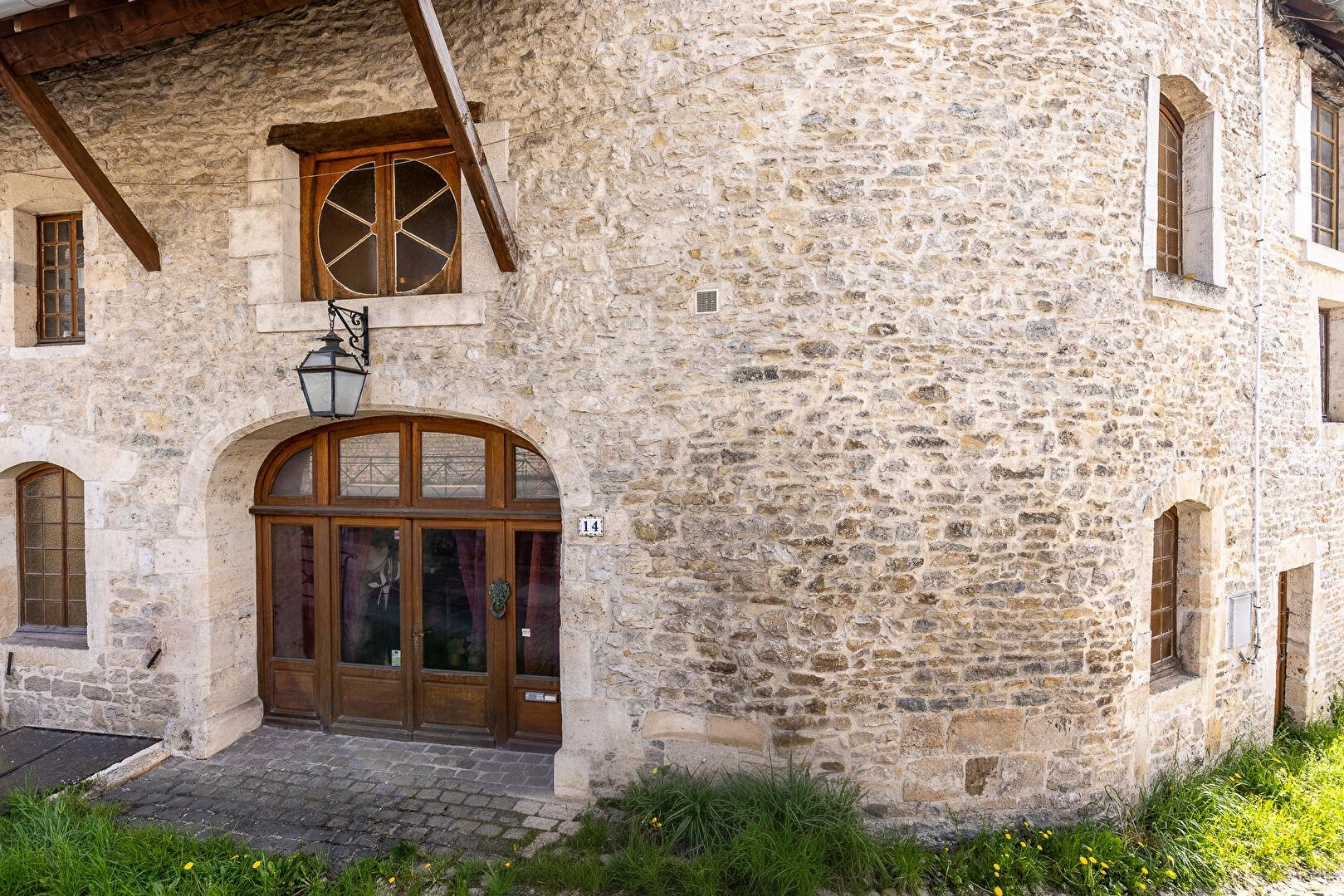
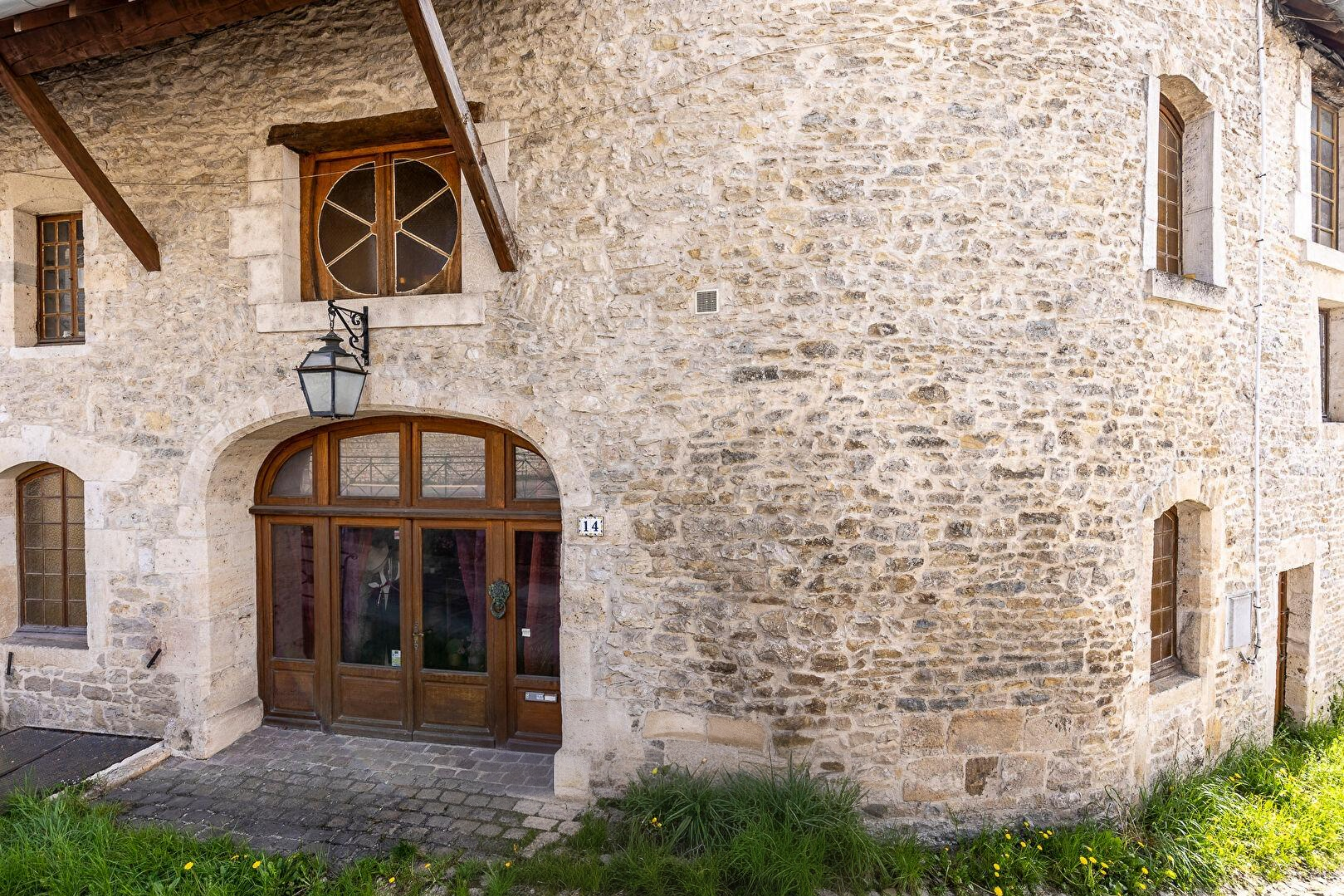
18th-century stone house
Asking Price
€399,000
Construction era
Approx. 1710
Setting
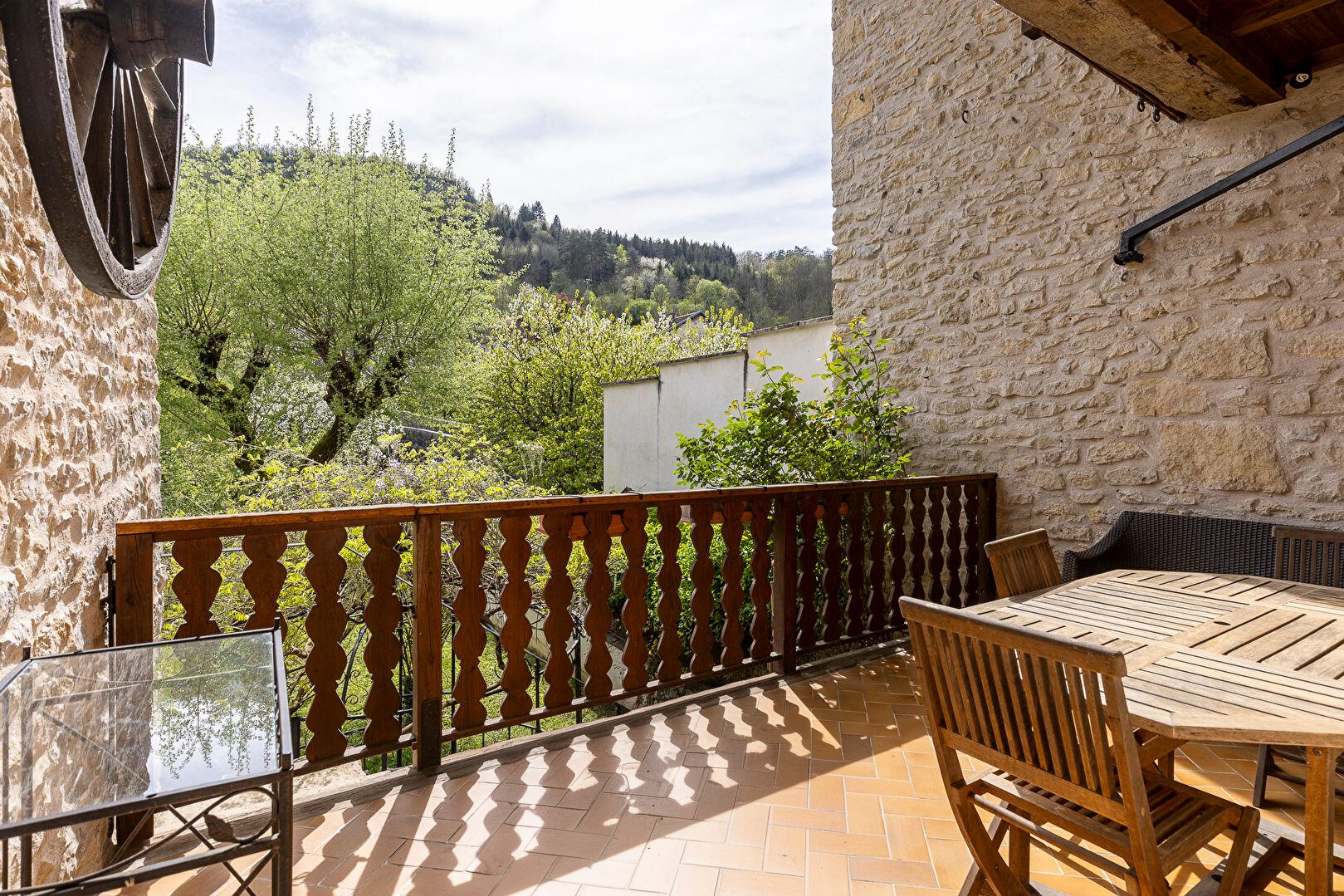
Historic town-centre position on the Loue river
Water feature
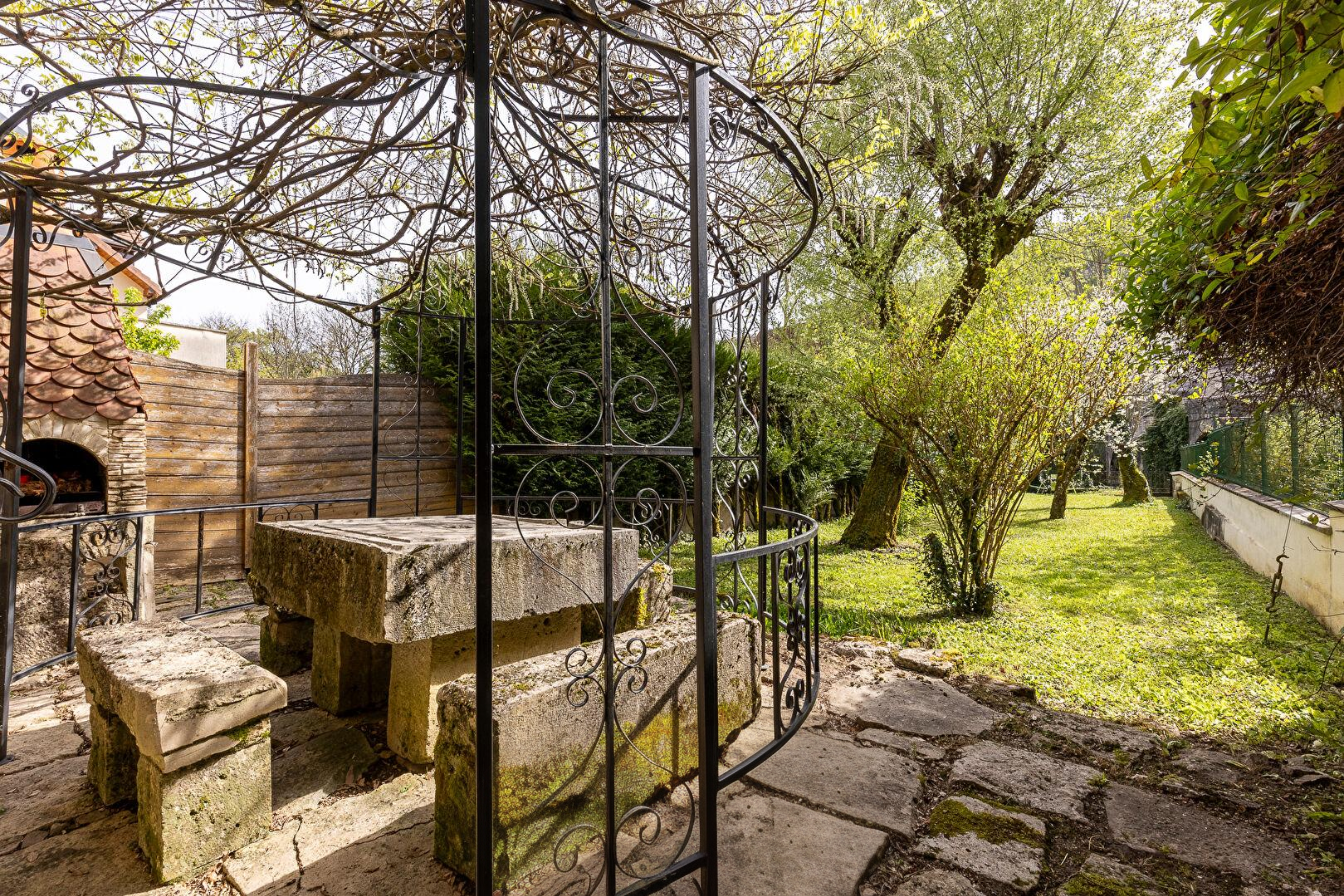
Private stretch of river frontage claimed in the listing
Additional building
Detached garage with approx. 100 m² across two empty floors
Additional potential
Spacious attic described as awaiting conversion
Lower-level space
Basement with wine cellar, workshop and boiler room
Character angle
Rare historic riverside house with conversion upside
Key due diligence themes
Heritage status, flood and river rights, damp and structure, legal status and conversion potential of the garage and attic, and rental feasibility in a historic riverside setting
Risk Radar
Overview
This is the kind of French property that sells on romance, location and future possibility. An early-18th-century stone house in the centre of Ornans, with direct presence on the Loue, a detached garage building with serious extra volume, and attic space still to unlock, offers a compelling mix of character and optionality. It could work as a primary home, a second home, a heritage-rich rental or a longer-term value-add project.
The real buying decision sits in four layers.
The first is heritage control. In a historic town like Ornans, a buyer should not assume that because a building is not individually listed it is free of heritage constraints. Protected surroundings, a site patrimonial remarquable or monument-abords rules can all affect what is possible for façades, windows, roofing, river-facing works, garage conversion and attic changes. The relevant mapping and local planning framework need to be checked, especially because the best version of this property includes future adaptation rather than simple occupation.
The second is the river. "Private stretch of the Loue" is a powerful selling phrase, but riverside ownership in France often comes with a more nuanced mix of title, maintenance responsibilities, flood risk and restrictions on intervention than buyers expect. The legal title may include the bank or part of the bank, but that does not mean unrestricted freedom to alter it. The property's ERP and flood-prevention context need to be treated as core diligence, not background paperwork. Ornans is within the Loue flood-risk framework and the commune is publicly identified through official risk tools.
The third is conversion upside. The detached garage across two empty floors sounds valuable, and the attic may be equally promising, but neither should be underwritten as habitable value without checking planning, structural suitability, access, ceiling height, services and heritage implications. In France, some changes can proceed via déclaration préalable, while others need a full permis de construire. The threshold often turns on surface area, façade changes, destination changes and the planning context.
The fourth is running reality. An 18th-century riverside stone house can be magical, but also expensive to heat, vulnerable to damp, and more dependent on careful maintenance than the listing suggests. "Energy Class N" needs immediate clarification because in France the DPE is a core sale document, not a decorative afterthought.
Targeted Questions
Title, Boundaries and Legal Description
It helps confirm the legal footprint, river frontage and whether the garage is included on the same parcel or a separate parcel.
Buyers should not assume that all riverside land shown in marketing is legally included.
This is central to understanding what "private stretch of the Loue" actually means.
Separate title treatment can affect financing, resale flexibility and conversion strategy.
Third-party rights can reduce privacy and complicate future works.
Historic town properties sometimes carry hidden shared-building obligations.
Buyers should verify the practical reality of what is being sold.
Heritage Status and Planning Controls
Individual listing materially affects permitted works and timelines.
Even without individual listing, protected surroundings can trigger ABF oversight.
Prior written guidance can significantly reduce uncertainty for a buyer.
The approval route affects cost, timing and feasibility.
Roof windows, insulation changes and façade alterations can still trigger control.
Buyers need to know whether recent works were properly authorised.
Documentary evidence helps confirm lawful execution.
These are common areas of heritage sensitivity in historic centres.
River Frontage, Flood and Water-Related Obligations
Marketing language may refer to direct access, riverbank ownership or simple adjacency rather than exclusive control.
Public or administrative rights can affect privacy and use.
River-adjacent ownership can carry ongoing maintenance burdens.
Past intervention can reveal both prior issues and possible approvals needed.
Buyers should know how limited future intervention may be.
Flood zoning affects insurability, future works and buyer risk.
The ERP is essential for understanding flood and other environmental risks.
Past claims or incidents can materially affect the risk assessment.
Riverside basements are particularly vulnerable and expensive to remediate.
Insurance cost and availability are part of the real ownership picture.
Flood regulation can limit future conversion plans.
Building Condition, Damp and Structure
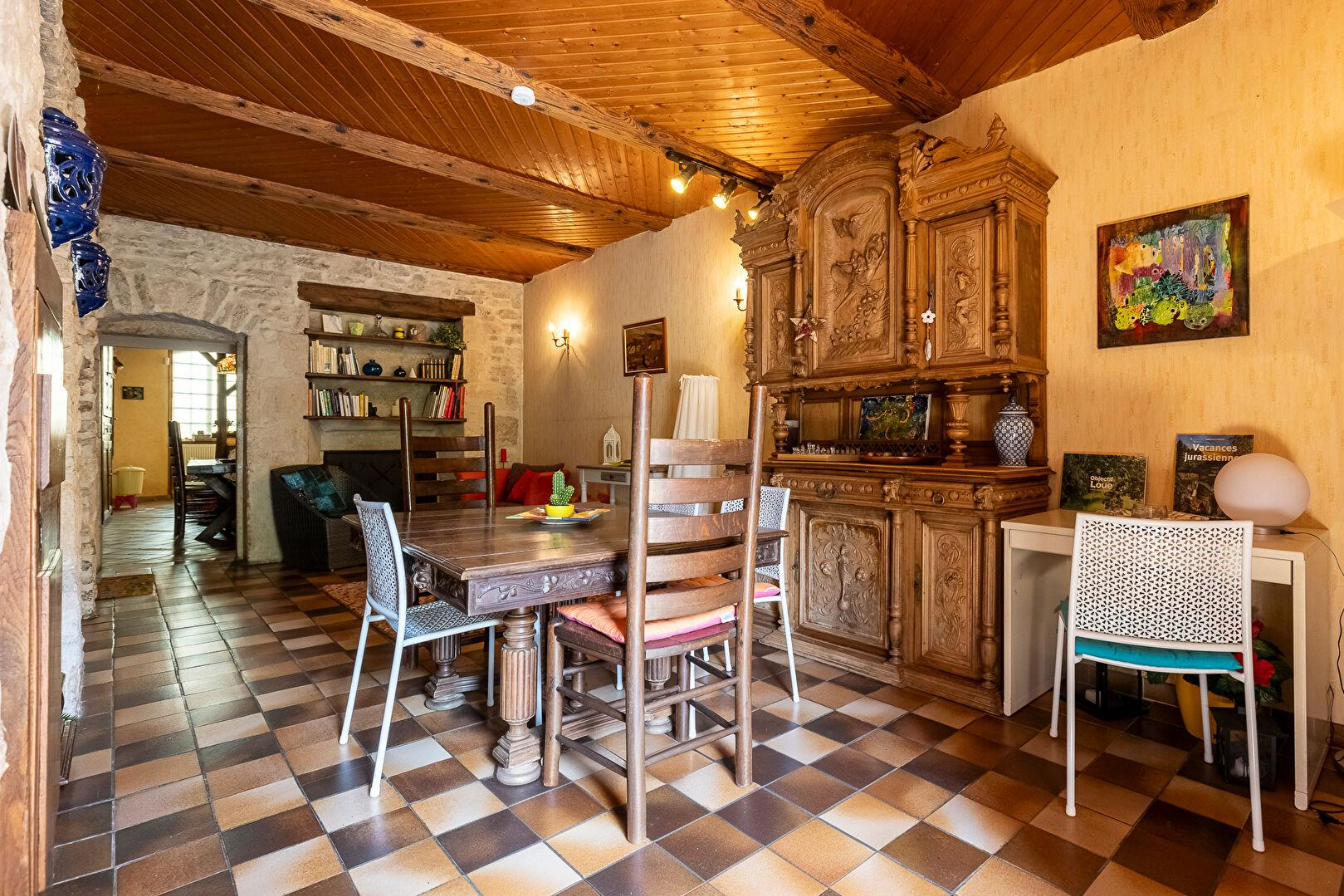
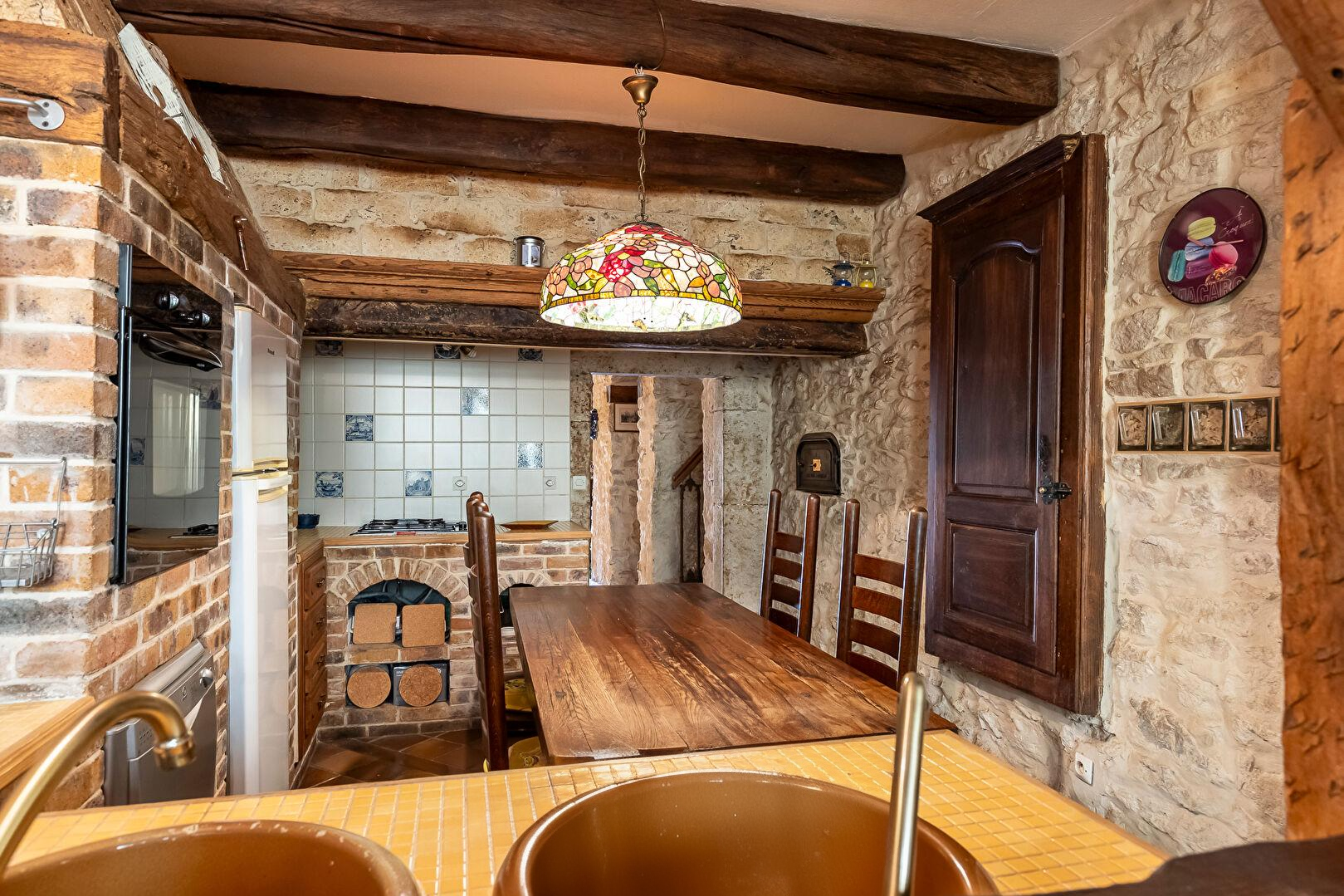
A working fireplace may be charming, but buyers need to know the real primary heating source.
Running cost and comfort depend on the actual system, not the aesthetic features.
Large historic stone houses can have materially higher running costs than expected.
In France the seller should provide a clear DPE position, so unclear wording needs explanation.
The DDT is a core sale document and should be reviewed early.
Roof renewal on historic stone houses can be a major capital item.
Age alone is not the issue, but unresolved movement risk is expensive.
Riverside stone buildings often present moisture issues that need specialist treatment.
Past treatment history can reveal recurring problems or incomplete fixes.
Window quality strongly affects comfort, energy use and heritage compliance.
Historic houses can vary hugely in winter performance depending on insulation strategy.
Lower-level defects can point to broader building-performance issues.
Detached Garage and Attic Conversion Potential
Conversion potential depends heavily on current legal use.
Service availability materially affects conversion cost.
Empty volume is only valuable if the shell is sound.
Not all apparent volume converts efficiently.
Prior professional guidance can save a buyer time and uncertainty.
Use changes in France often need formal authorisation.
Buyers need to distinguish accessible storage volume from realistic habitable potential.
Conversion cost and viability depend on hard dimensions, not just the phrase "awaiting conversion".
Buyers should know whether they are paying today for space that is not yet habitable.
In a protected townscape, roof alterations can be sensitive.
Technical viability matters as much as legal permission.
Basement, Practicalities and Daily Use
A basement can be useful space or a recurring maintenance problem.
Buyers should understand whether the cellar is an asset or a romantic liability.
Flood exposure, damp and daylight limitations may make conversion unrealistic.
Town-centre logistics matter for daily life and guest use.
Historic town convenience can be materially different from what buyers imagine.
Future works and move-in logistics matter more in tight historic centres.
Remote-work suitability is increasingly important for both living and rental use.
Thick historic walls can materially affect signal quality.
Riverside historic settings can be either peaceful or seasonally busy depending on context.
Rental Potential and Commercial Use
Past operation provides evidence of both demand and compliance.
Verified income history is more useful than generic optimism.
Registration requirements can vary by local regime, and buyers should verify the current local position.
Additional accommodation volume can change both planning and operating rules.
Income stability depends on more than summer appeal.
Buyers should test whether the property's special features are monetisable, not just attractive.
Operational friction can reduce real rental value even where demand exists.
Negotiation Intelligence
Buyer Leverage
Medium–High
Key Drivers
Typical Negotiation Range
5-15% below asking
Neutral Phrasing Example
Country Layer
France (Regulatory Context March 2026)
For French residential sales, the seller must provide a Dossier de Diagnostic Technique.
Viewing Strategy
When you view this property, do not start with charm. Start with moisture and structure.
Next Step
Verify from the listing:
River frontage legal position and flood exposure
Request the title documents, cadastral plan and current ERP so you can confirm what “private stretch of the Loue” legally means, whether any servitudes affect the bank, and how the property sits within the local flood-risk framework.
Heritage-control context for future works
Ask whether the house lies within protected monument surroundings or another heritage-control zone, because garage conversion, attic works, roof changes and façade alterations may all require additional review.
Detached garage conversion feasibility
Clarify the current legal use, structural condition, services and likely planning route for the garage so you can judge whether the extra 100 m² is realistic future habitable value or simply useful ancillary space.
Attic and basement moisture risk
Verify the attic’s practical convertibility and ask directly about basement damp, water ingress and any riverside moisture history, because these issues can materially affect both comfort and renovation cost.
DPE, heating and true running costs
Request the full DDT including the DPE and ask for recent heating-cost evidence, because an 18th-century riverside stone house can carry very different real operating costs from what the listing tone suggests.
A prepared buyer should approach the agent calmly and frame questions as due diligence. For example: “To help me assess the property properly and prepare a serious offer, could you share the cadastral plan, title information for the river frontage and garage, the current DDT and ERP, and any planning or heritage guidance already obtained for future conversion work?”
Because this is a historic riverside French property where flood exposure, heritage controls and conversion potential all materially affect value, run it through the Property Risk Assessment to test regulatory and building-level risk, or use the Renovation Budget Planner to model the likely cost of attic, garage and damp-related works before treating the extra volume as upside.
Disclaimer: The Property Drop is buyer-focused intelligence, zero sales agenda. We curate exceptional properties, in southern Europe, from third-party agents and arm you with decision tools. No commission, no transactions, no agent partnerships, no skin in the game beyond helping you choose wisely. Information stays accurate until it doesn't (properties sell, prices shift, markets move). Everything here is shared for informational purposes only and should not be treated as legal, financial, or investment advice. Images belong to original agents. Read our Terms of Service to learn more.
IMPORTANT REMINDER: When contacting property agents featured on The Property Drop, you are entering into direct communication with third parties. It's recommended that you verify all property details independently, conduct thorough due diligence, engage qualified professionals (solicitors, surveyors, financial advisors), understand your rights and obligations under local property laws, and never send money or make commitments without proper legal protection.
