
The Buyer Playbook: Restored Farmhouse with Pool on Tuscany-Umbria Border, Falzano, Italy, €490,000
Buyer Playbook
Pre-Viewing Intelligence Report
This independent buyer guidance report relates to this specific property located in Italy. It is provided for informational purposes only and does not constitute legal, tax, structural or survey advice. Planning permissions, cadastral conformity, agibilità, pool compliance, septic or drainage arrangements, land use classification, access rights, rental rules, and any heritage or landscape constraints must always be verified with qualified Italian professionals such as a notaio, geometra, architetto, ingegnere, surveyor or specialist property lawyer, and with the relevant Comune and Catasto offices. This report is designed to help buyers evaluate the property before arranging a viewing or making an offer. It highlights due diligence issues and targeted questions to ask the estate agent. The analysis is based on the listing details and publicly available regulatory context at the time of writing.
Playbook Contents
Property Snapshot
Location
Falzano, near Cortona, Tuscany-Umbria border, Italy
Property type
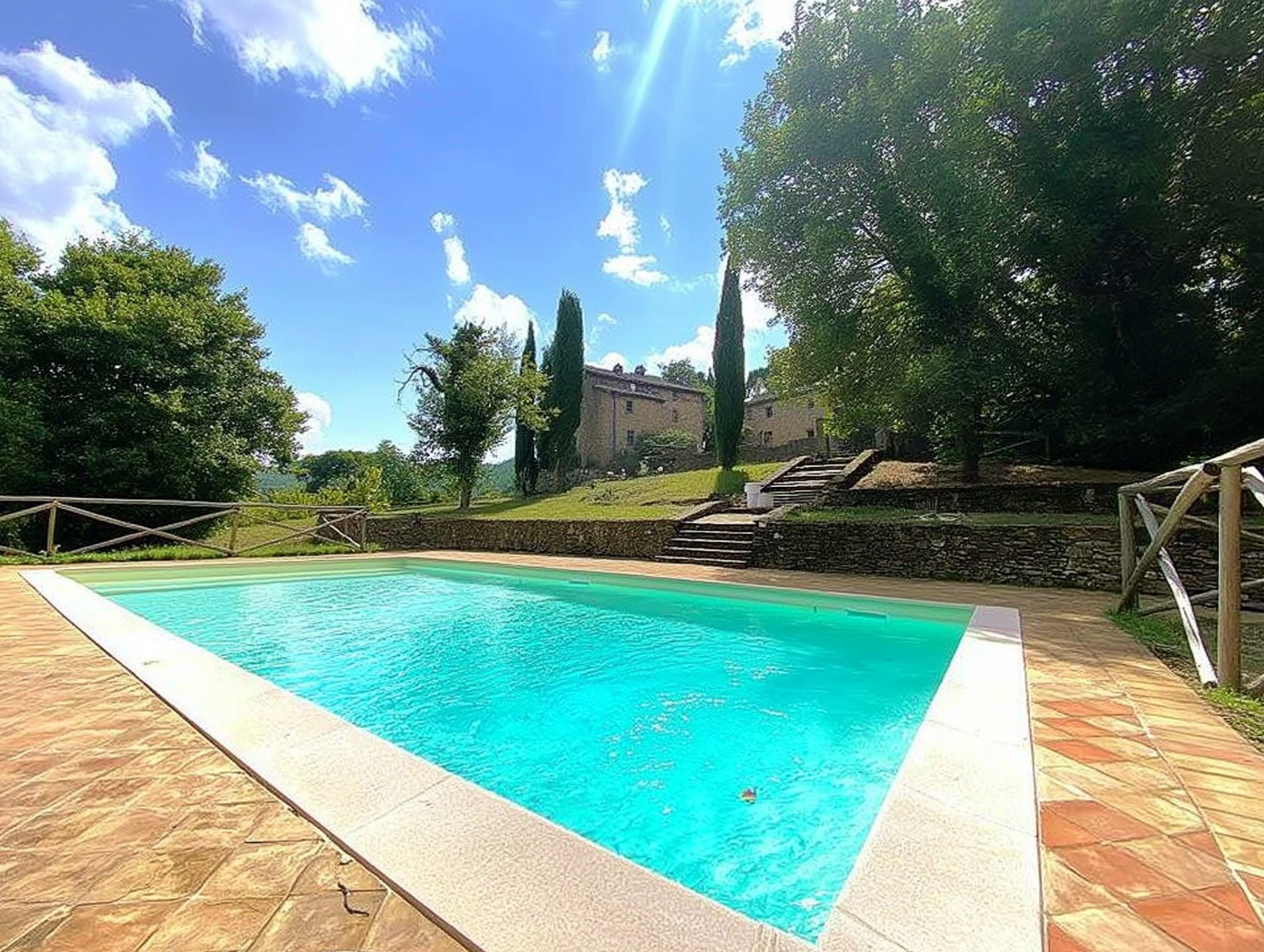
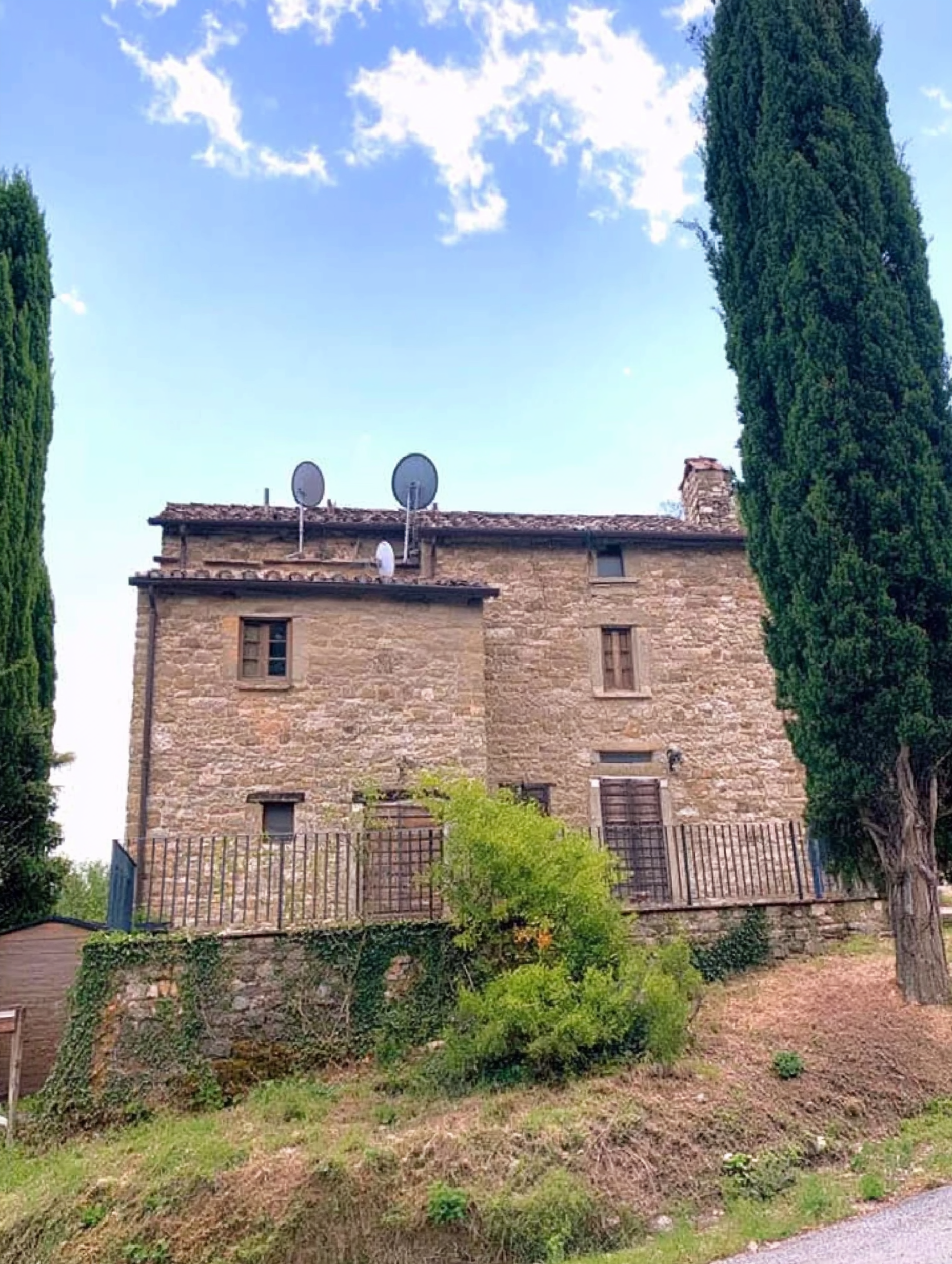
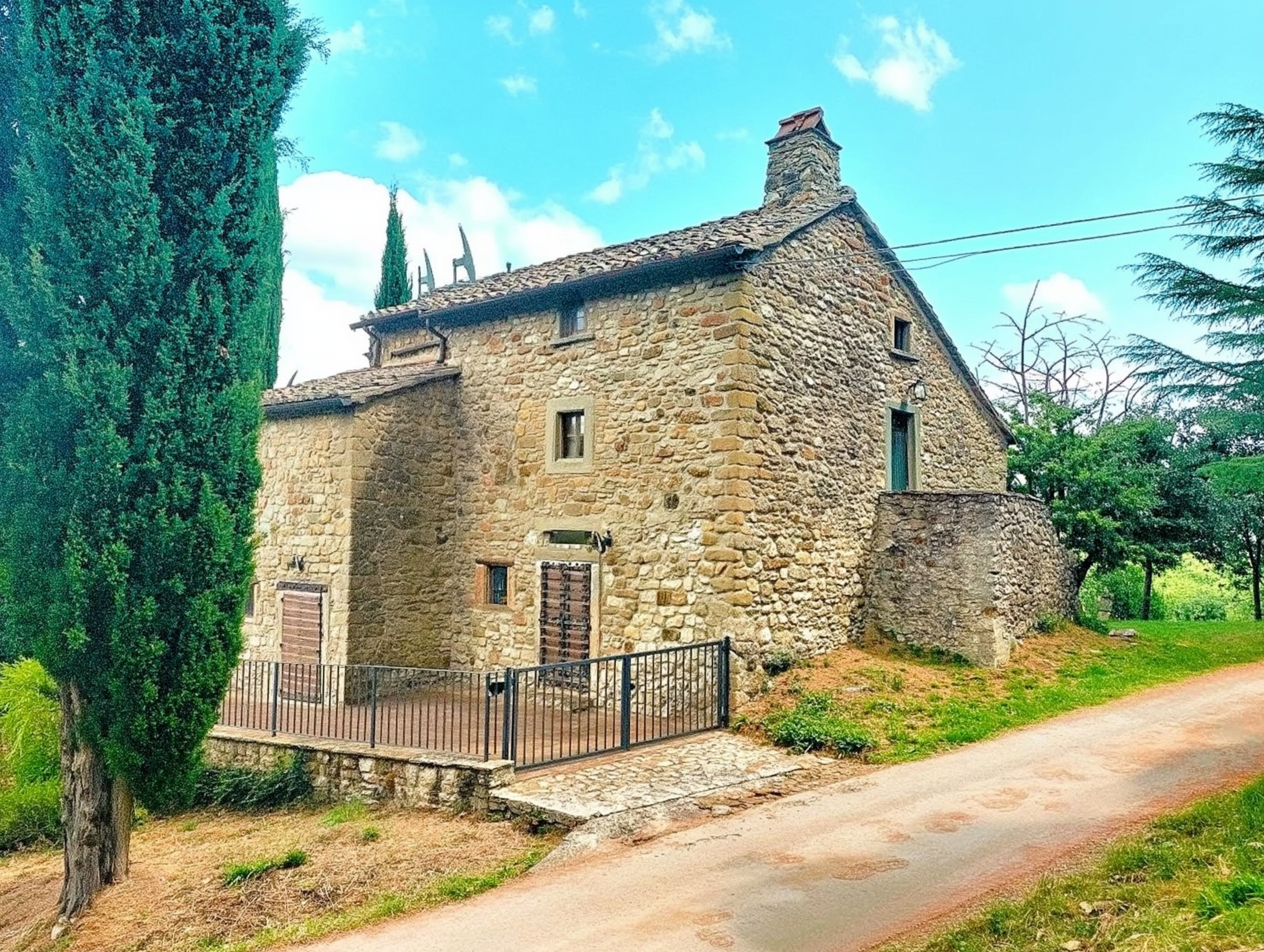
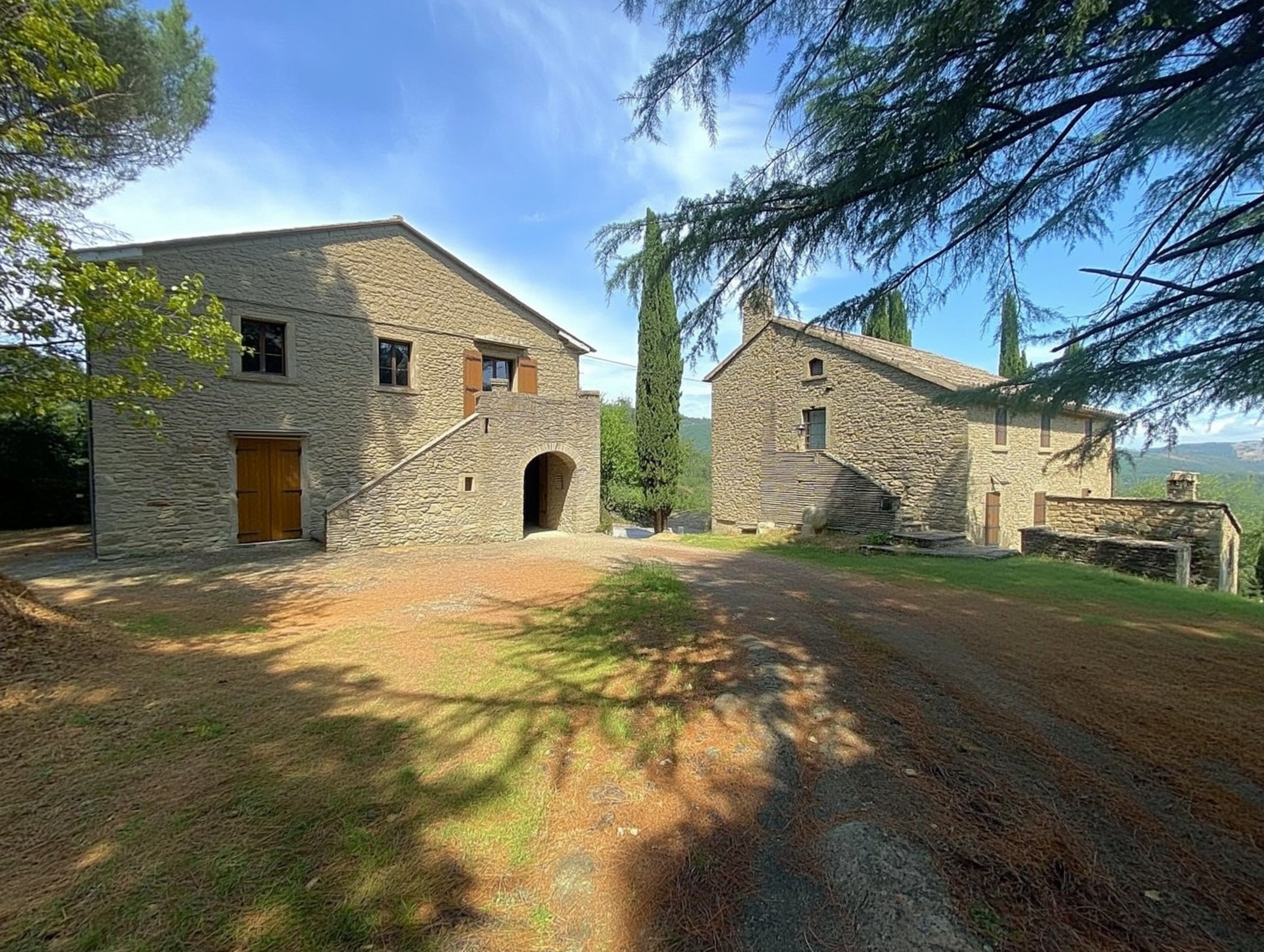
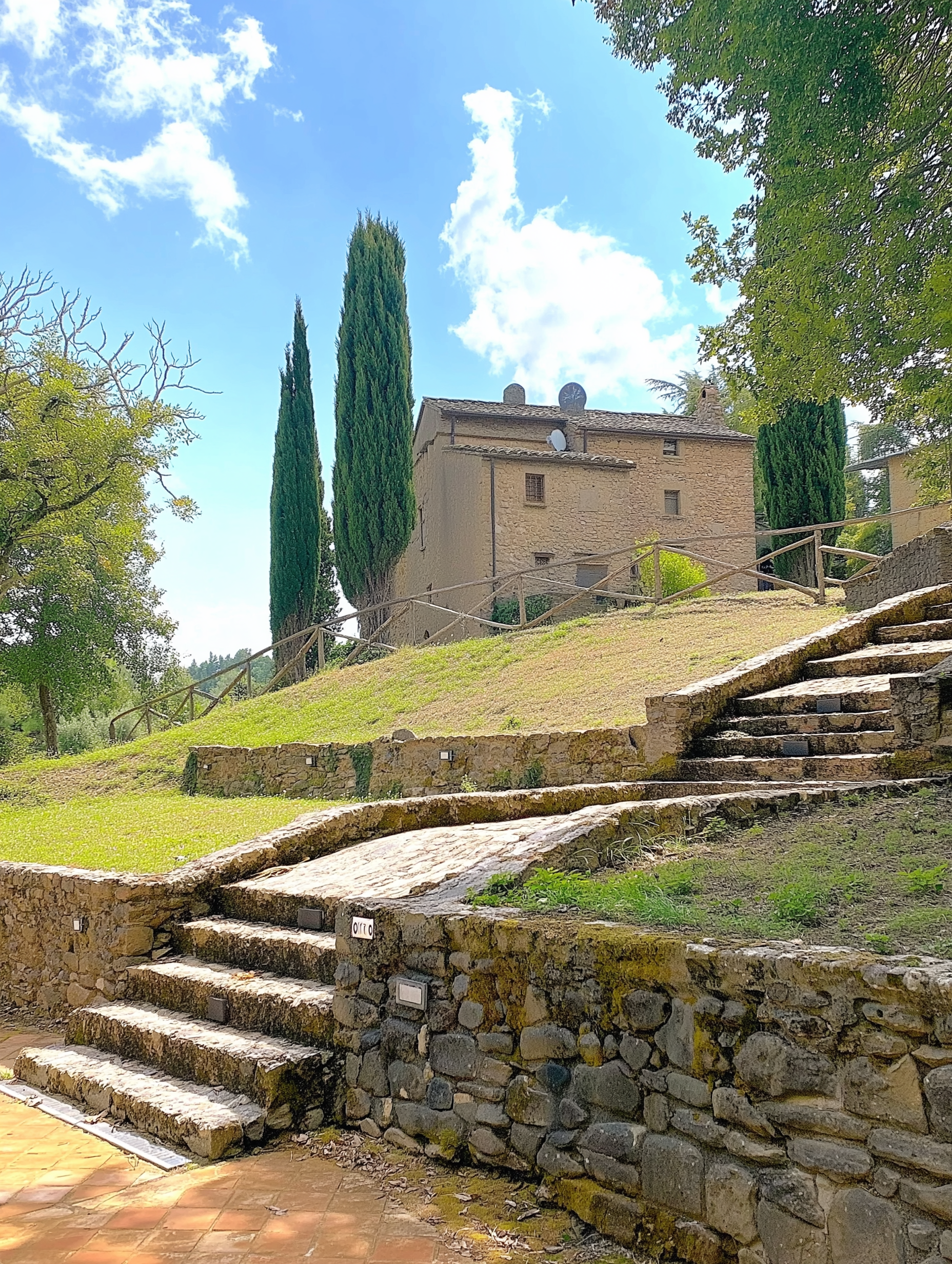
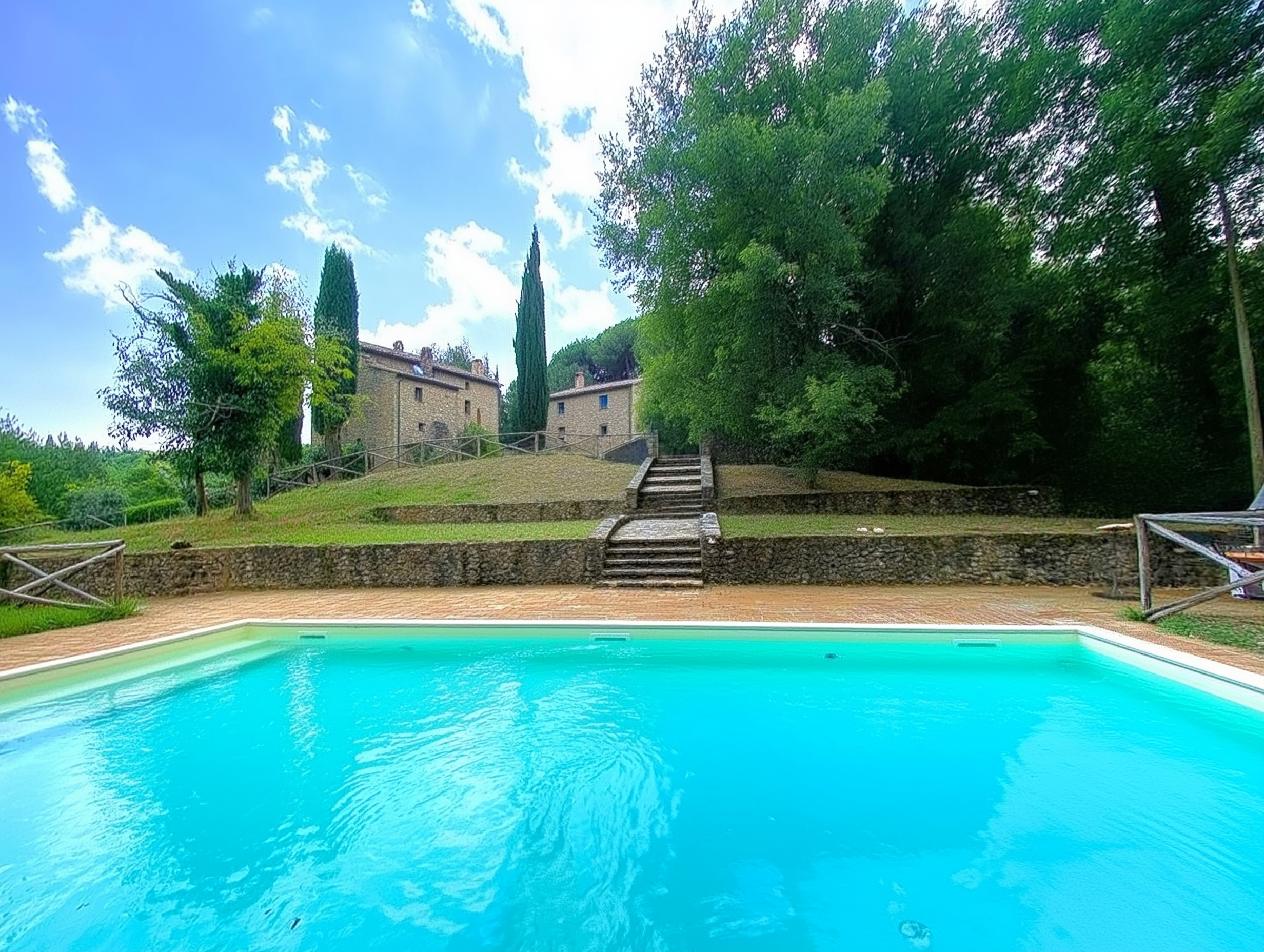
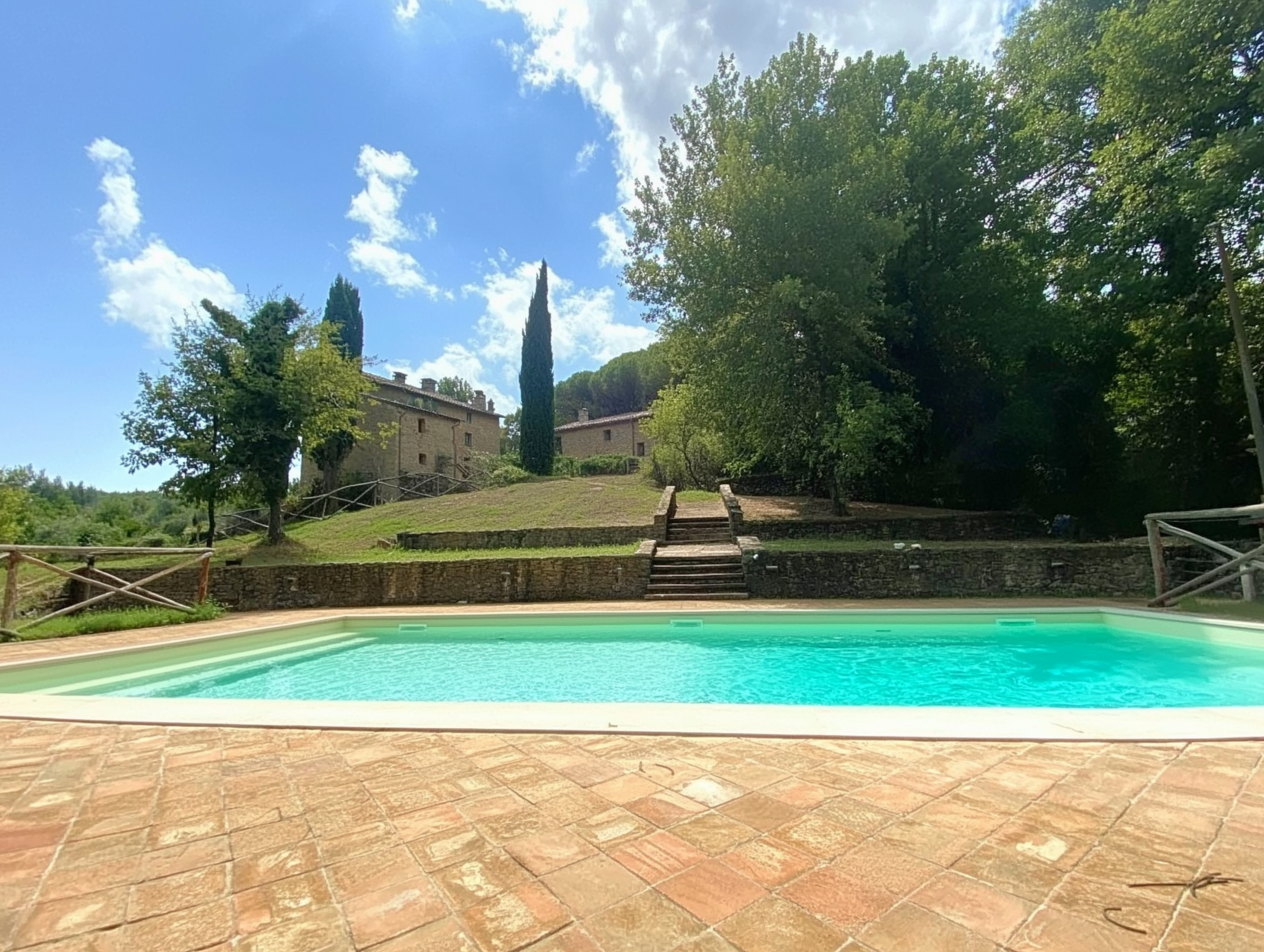
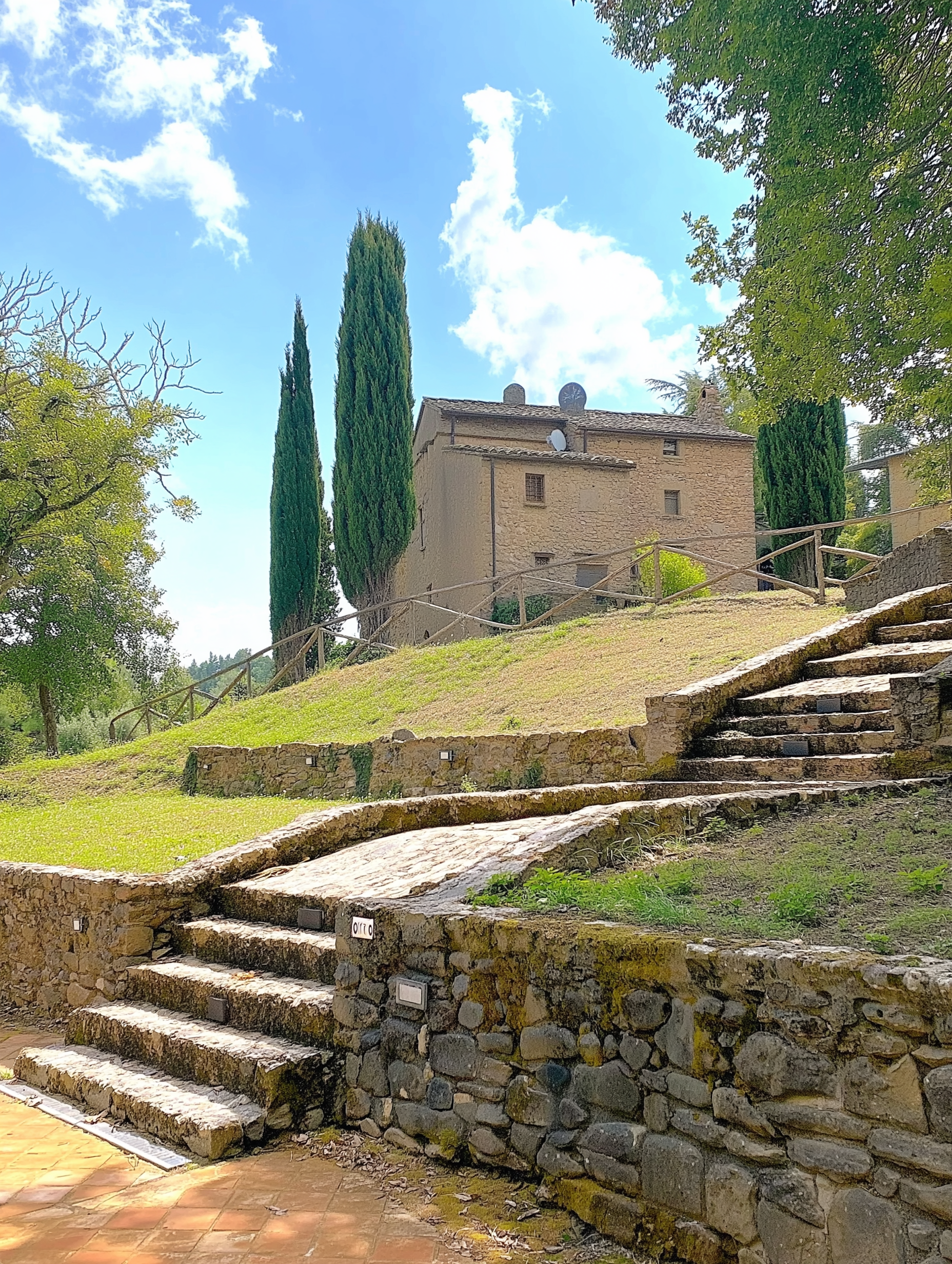
Restored farmhouse / stone house with pool
Guide price
€490,000
Bedrooms
5+
Bathrooms
3+
Internal area
250 m² living space
Land
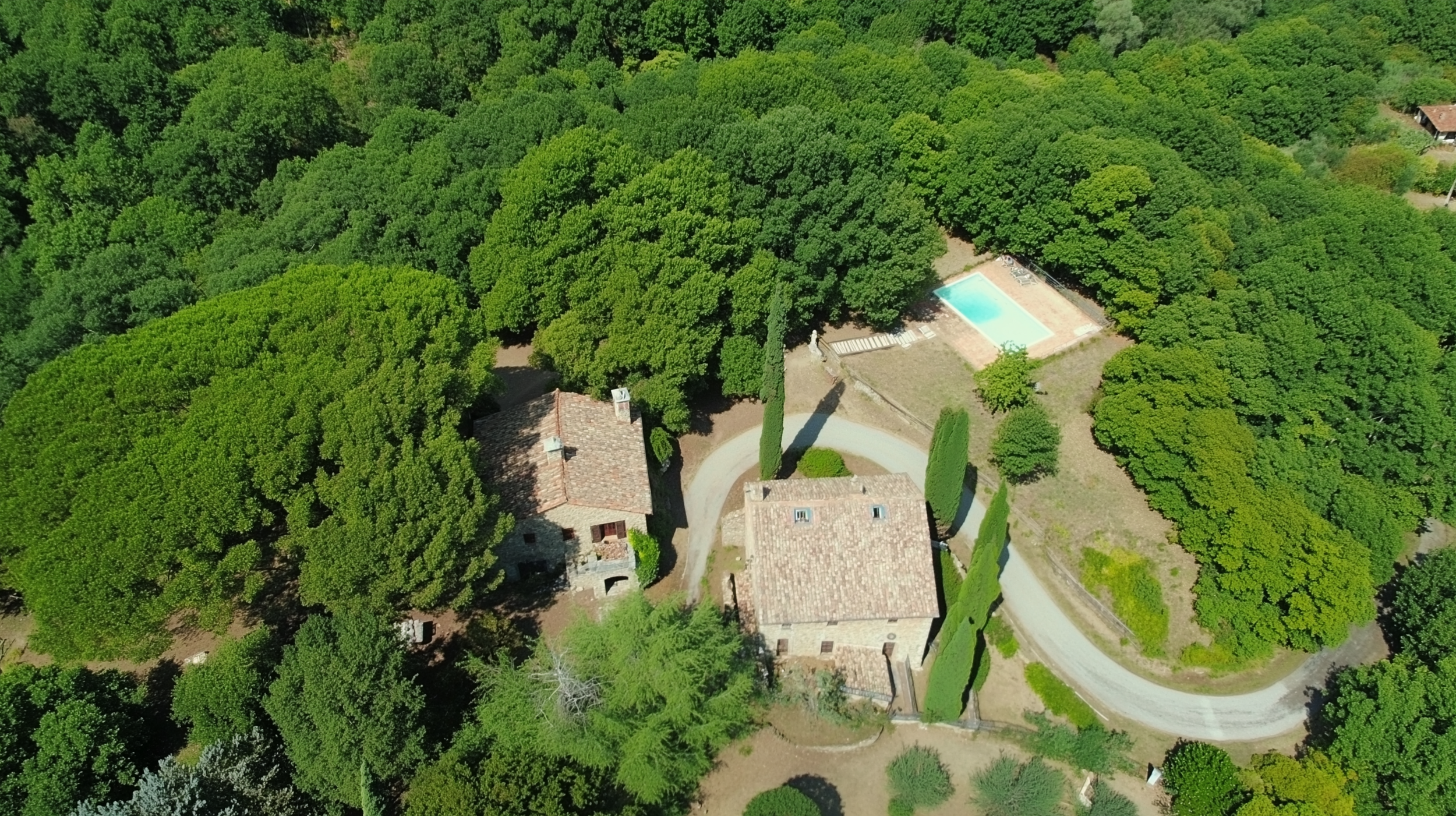
9,000 m²
Energy rating
Class F
Layout
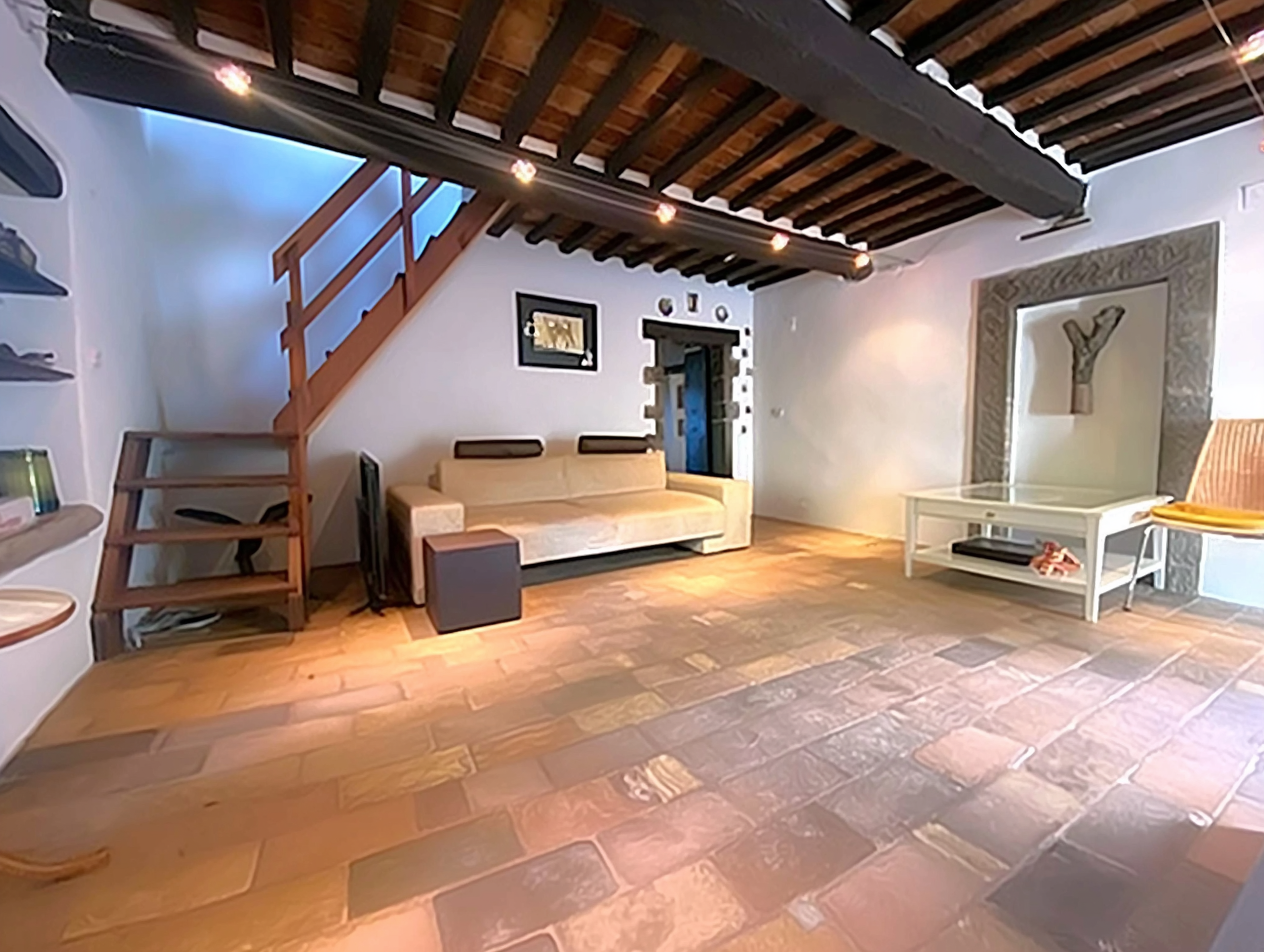
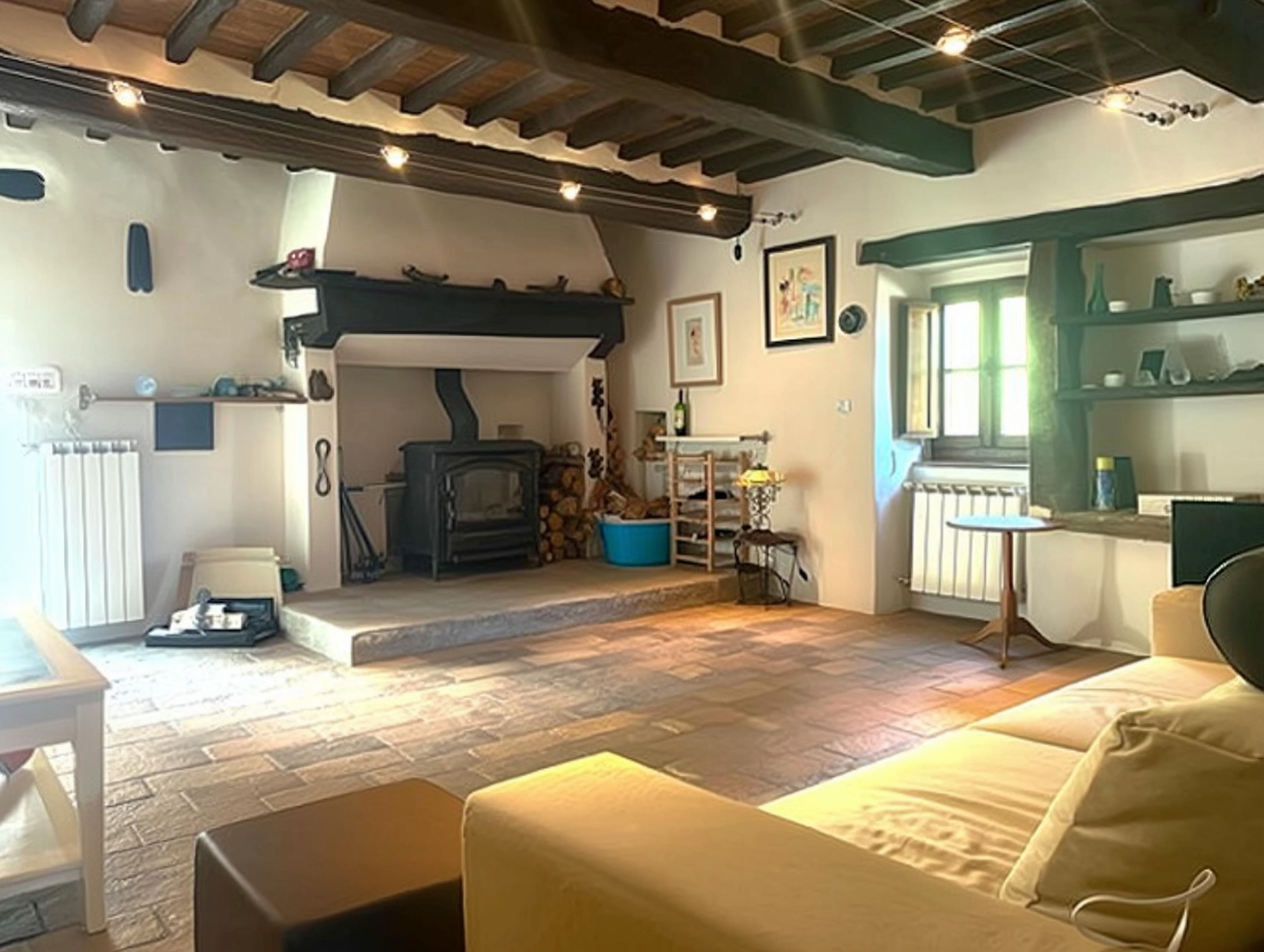
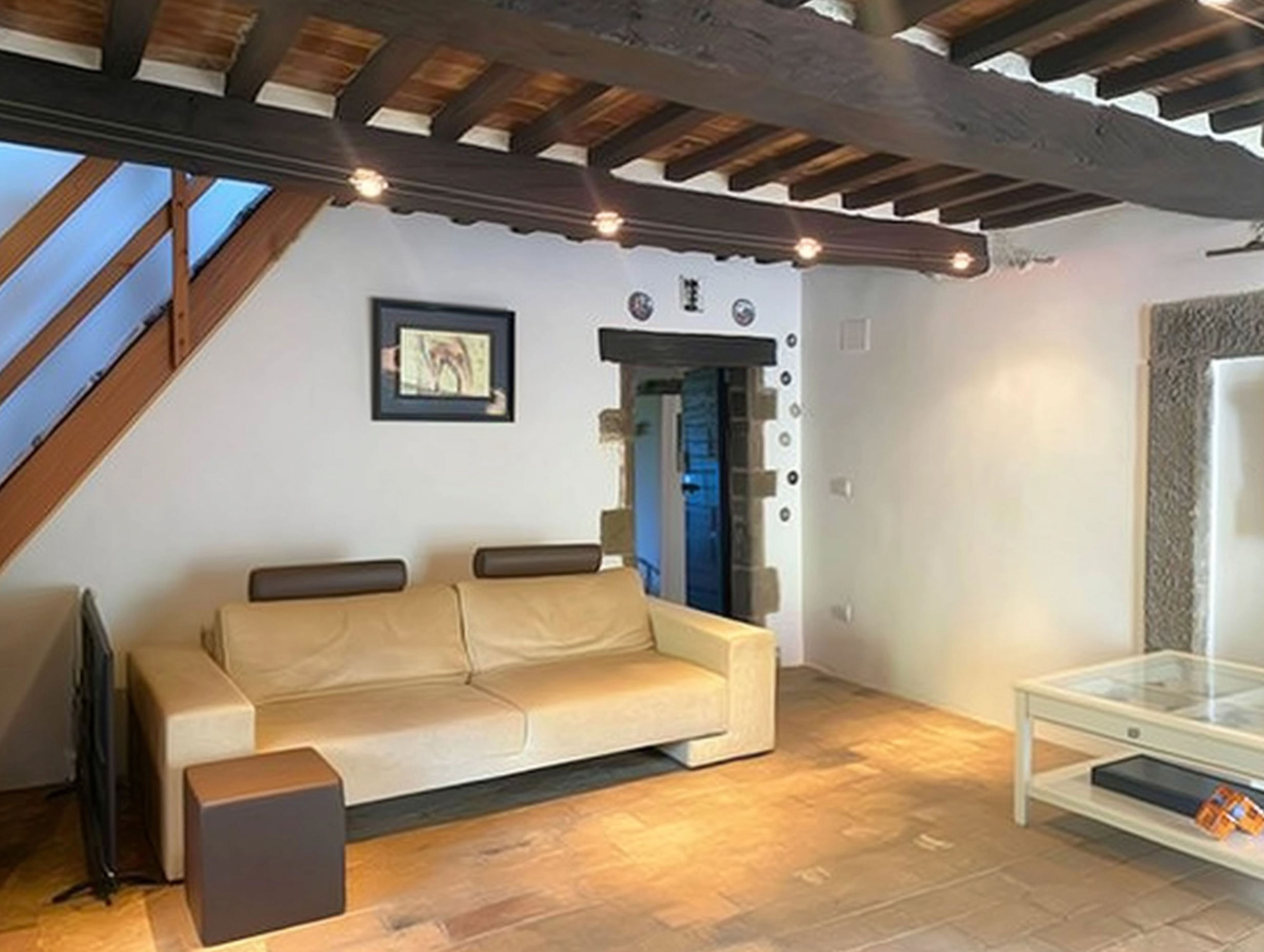
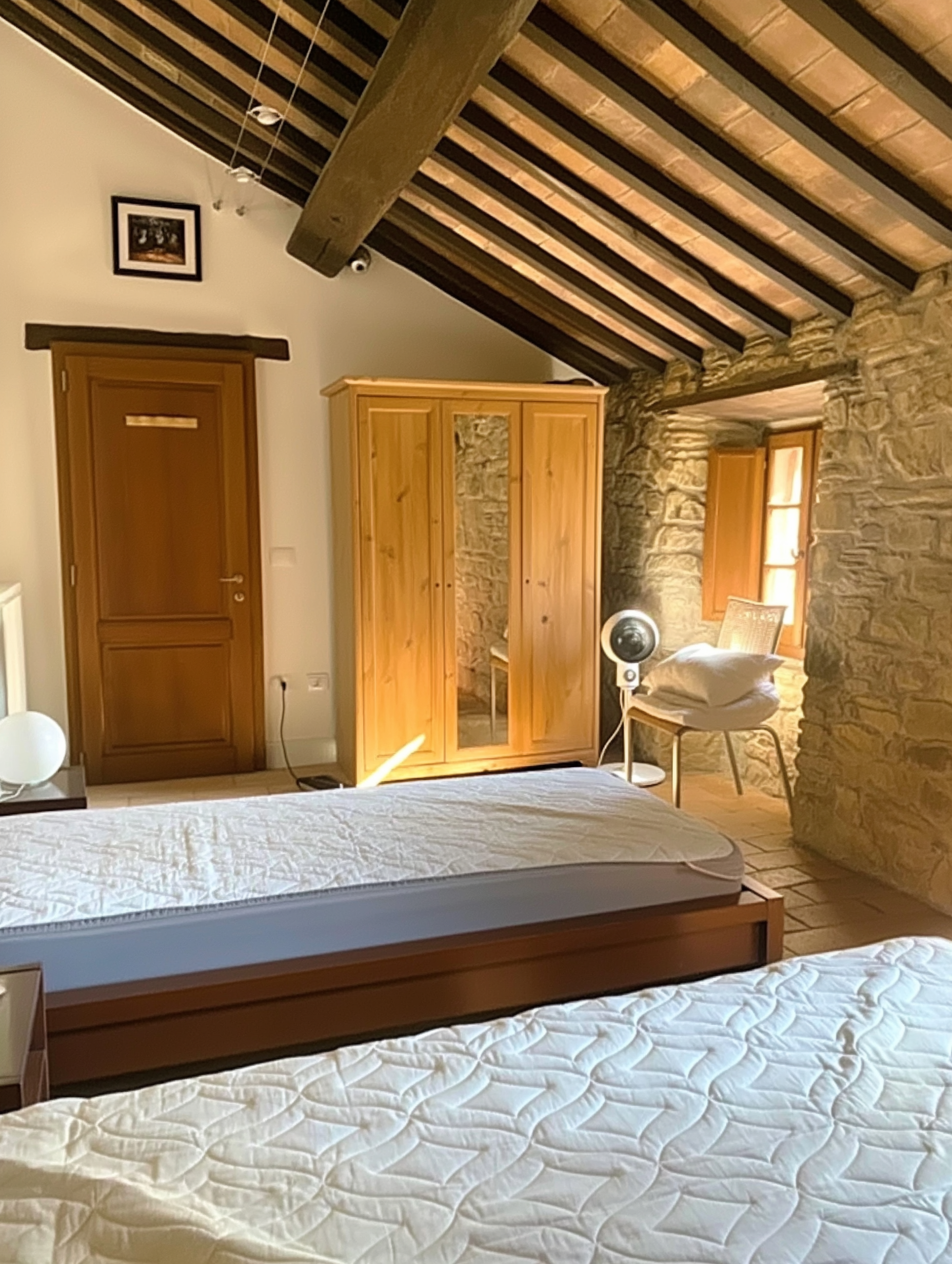
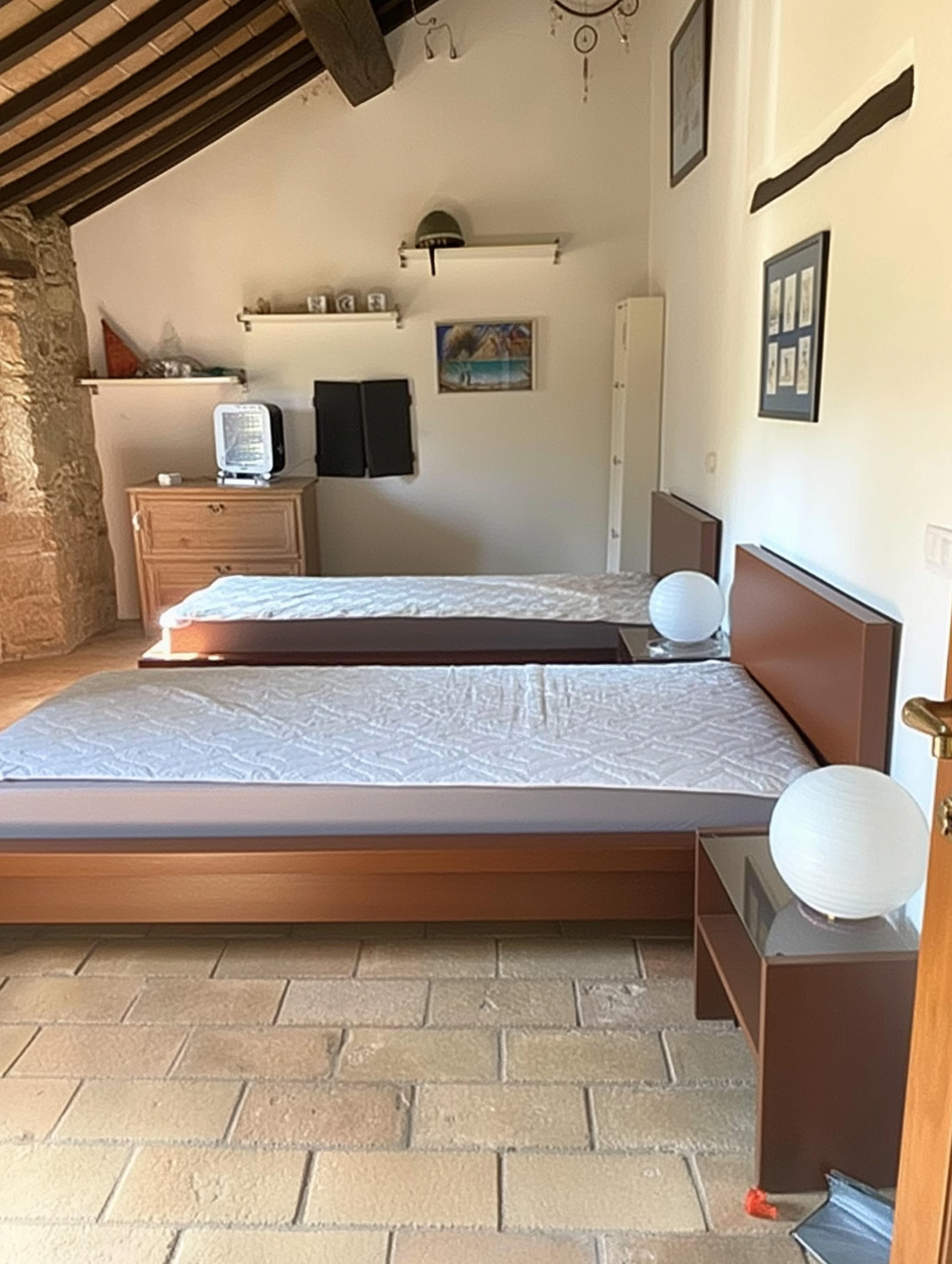
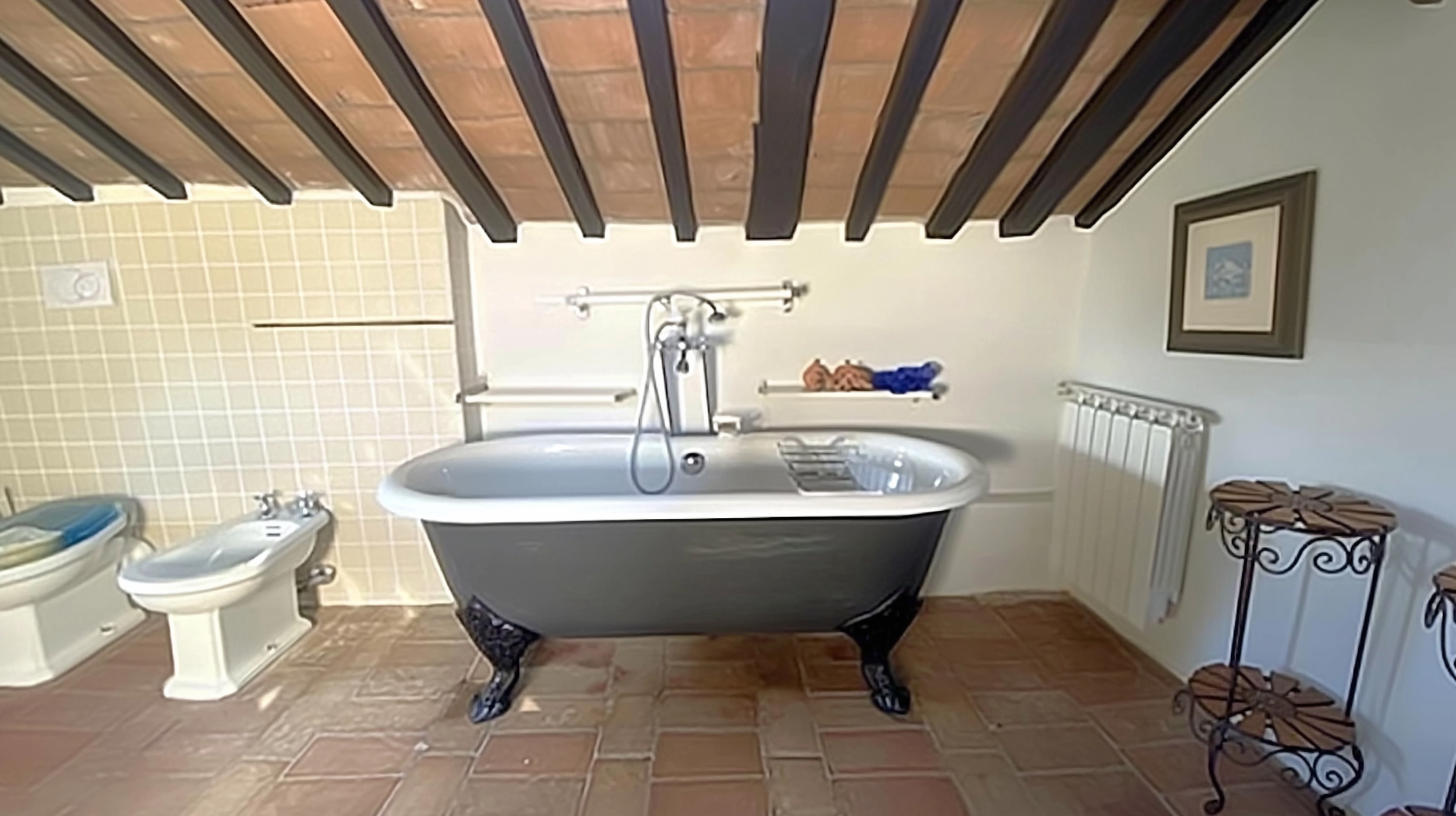
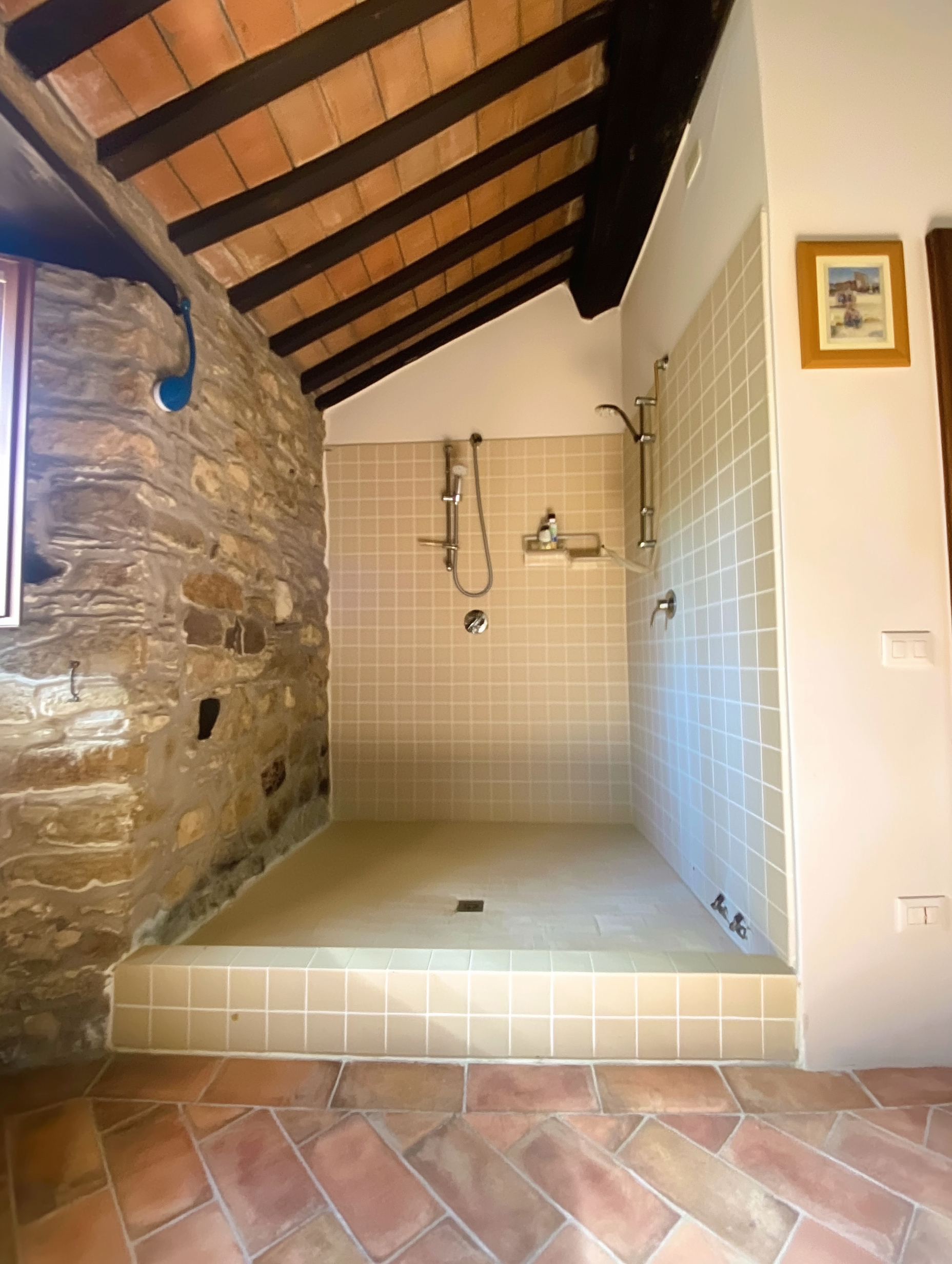
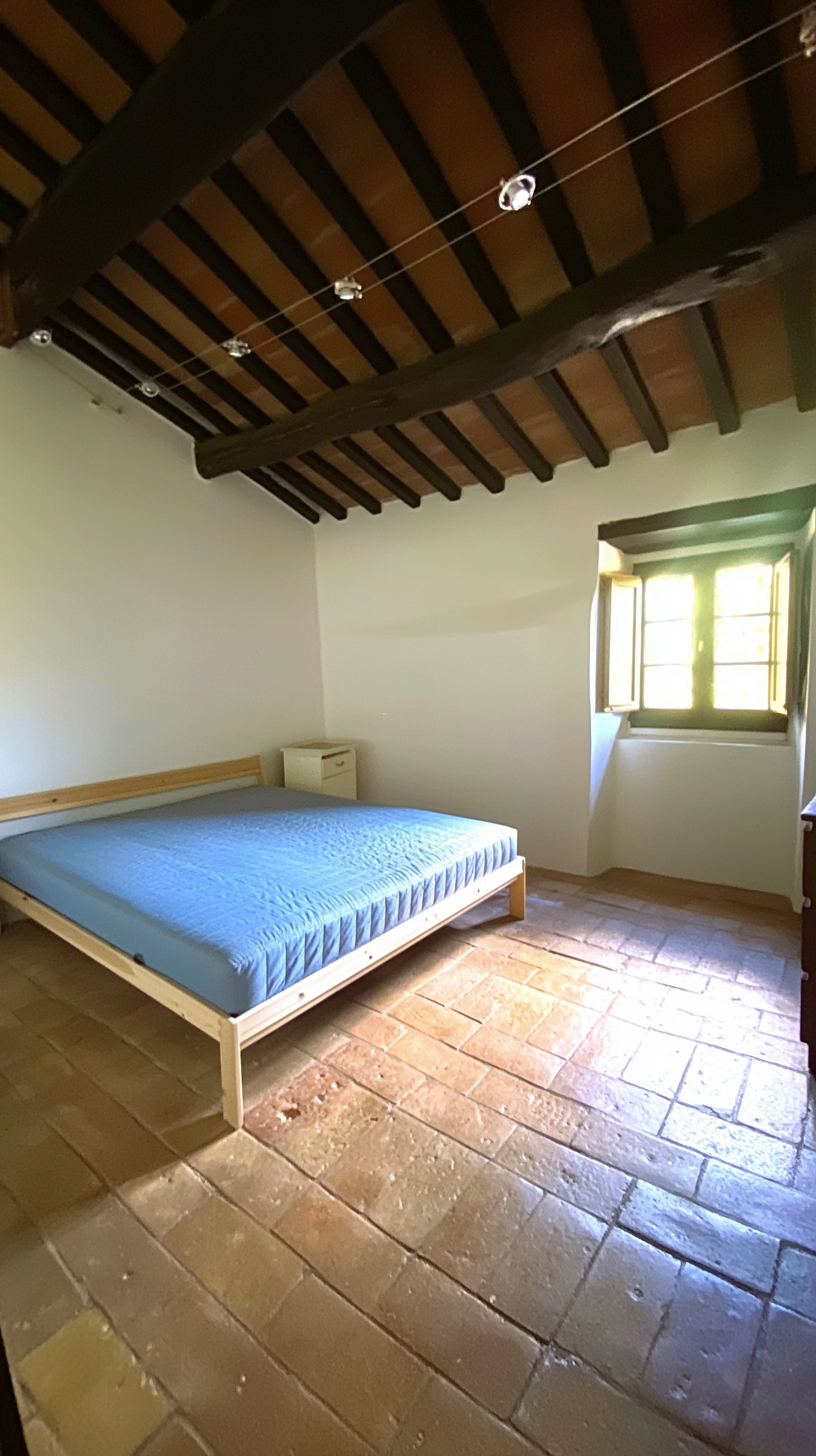
Ground-floor kitchen with outdoor access, ground-floor living room, study and utility room, first-floor living room with fireplace, two further bedrooms and bathroom, top-floor master suite with en-suite
Outdoor features
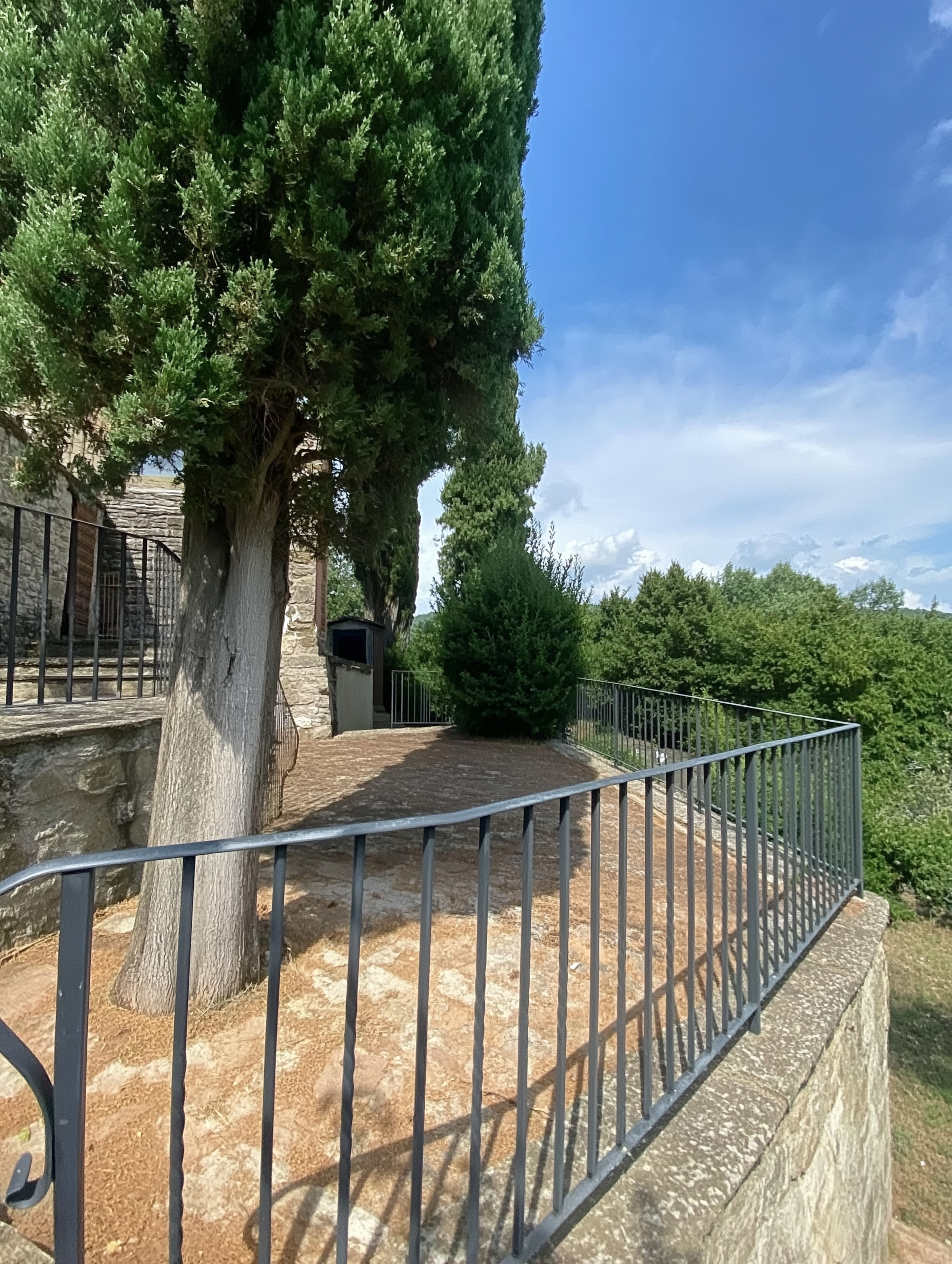
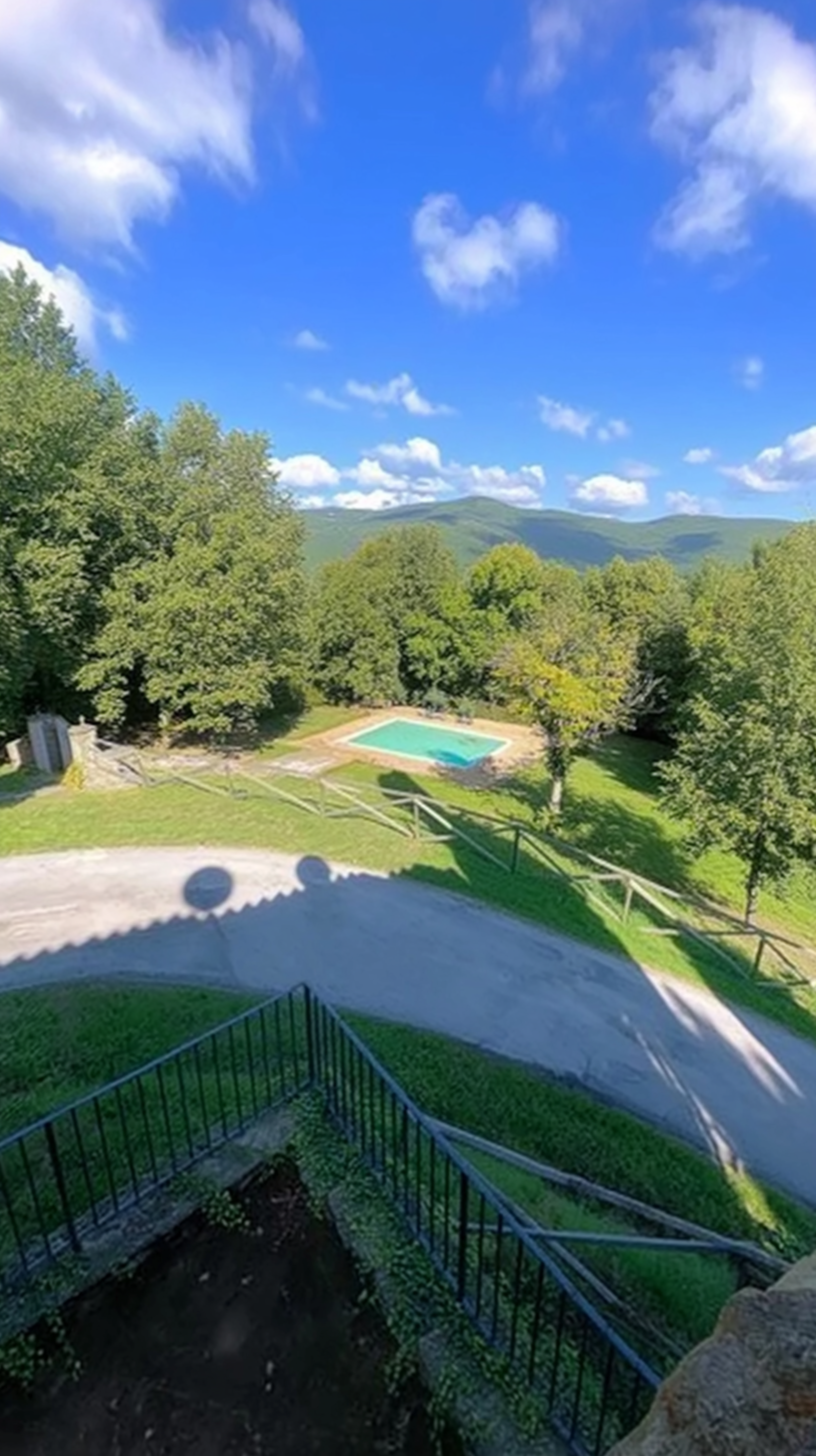
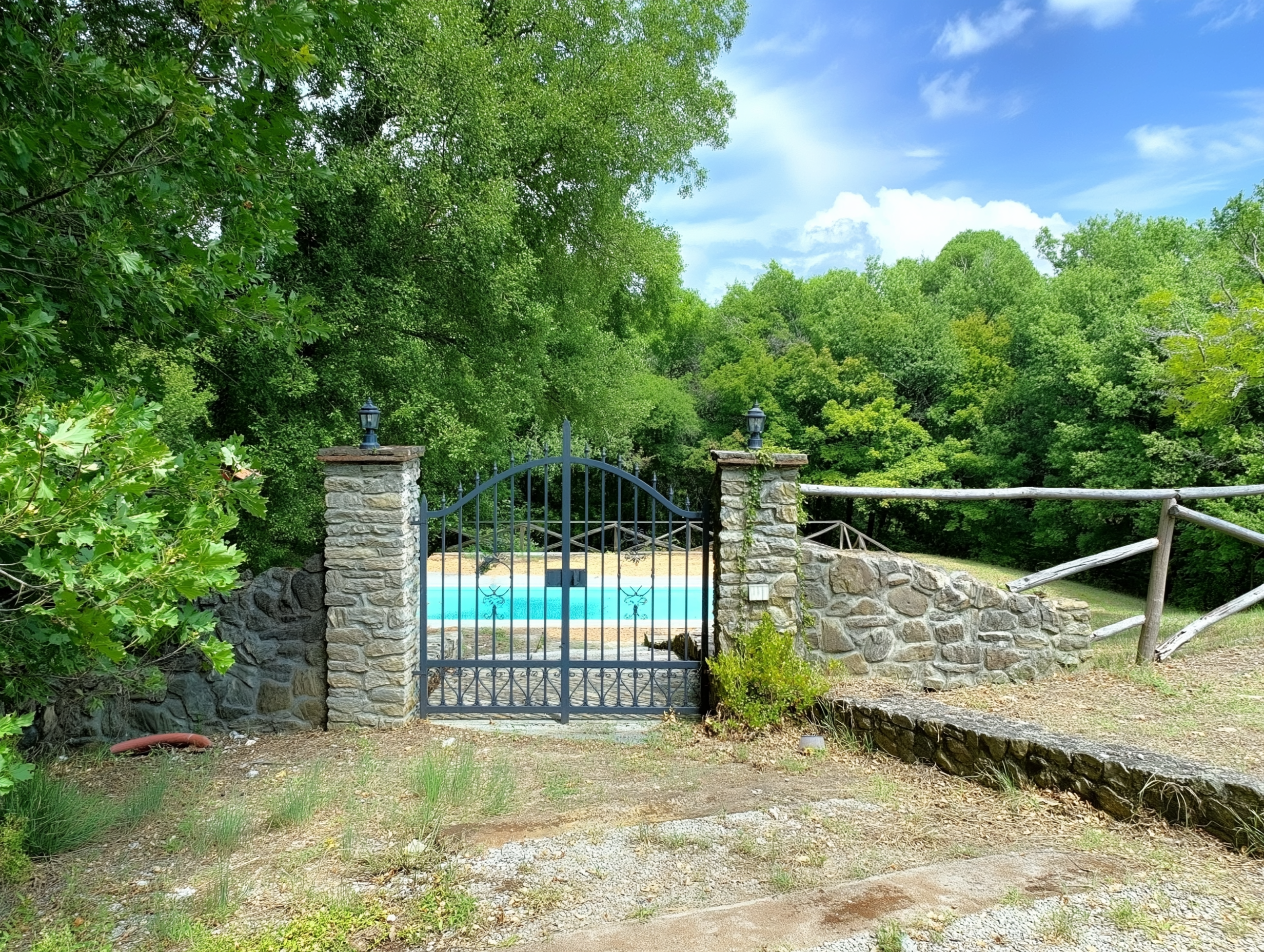
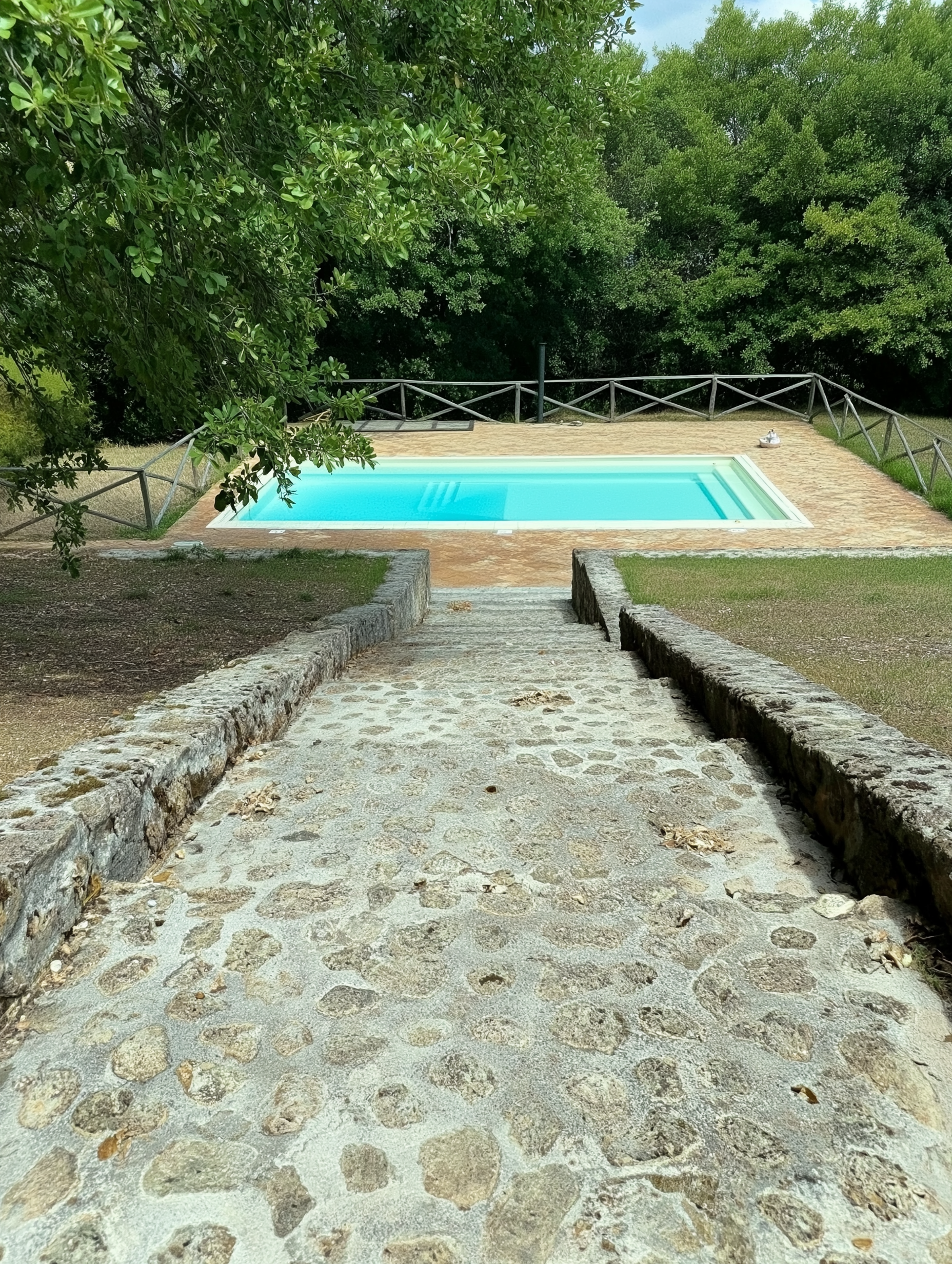
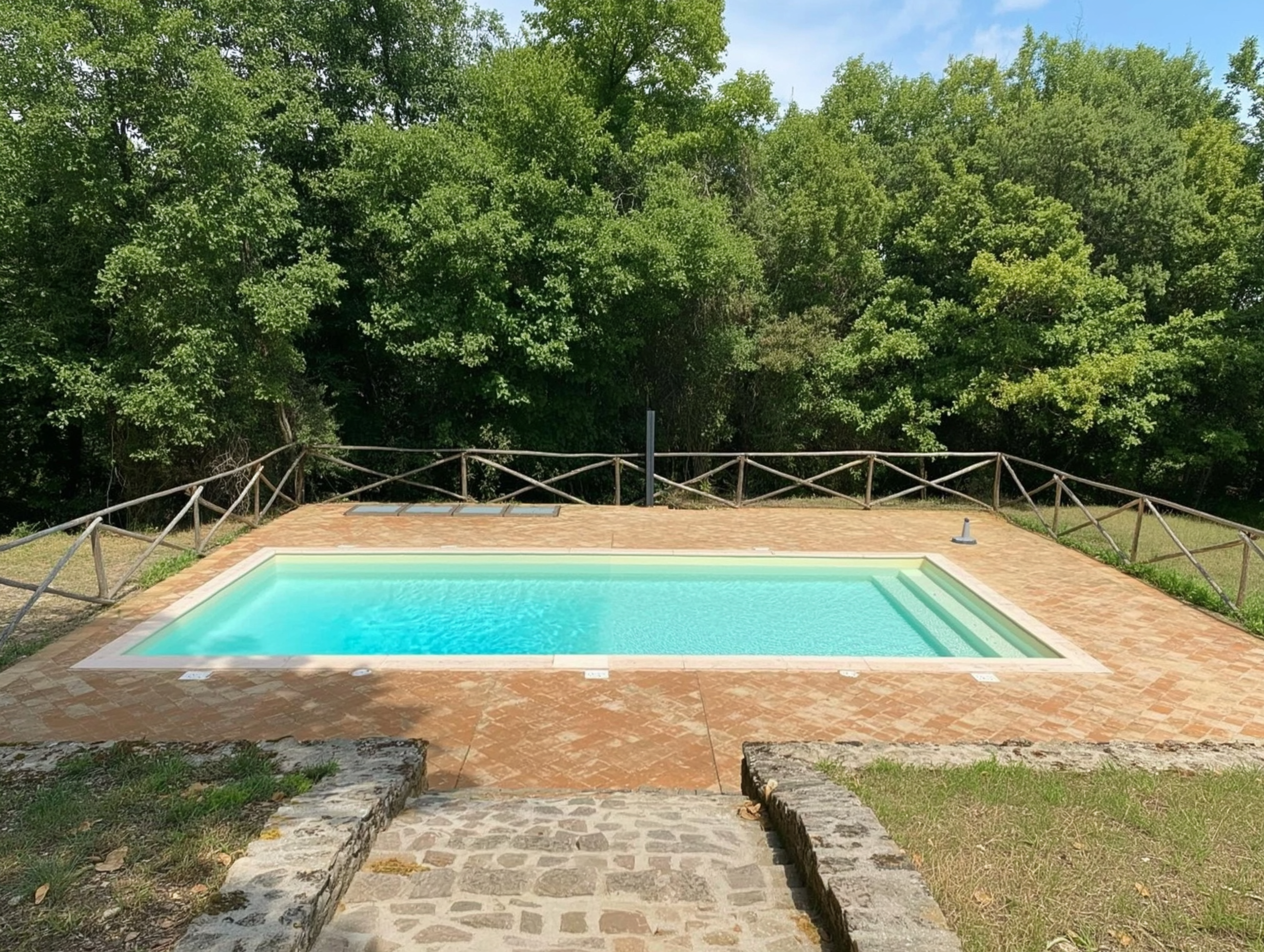
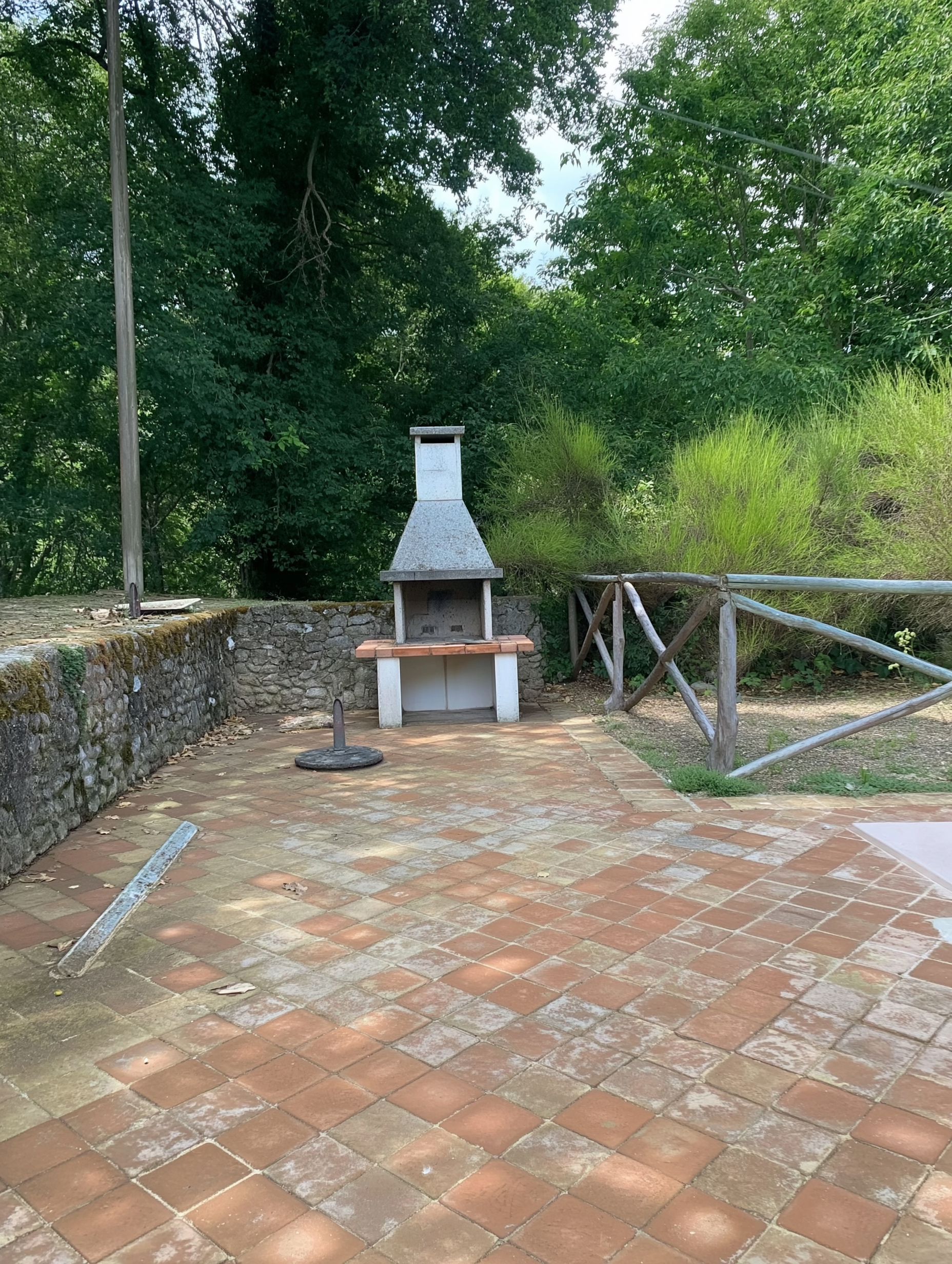
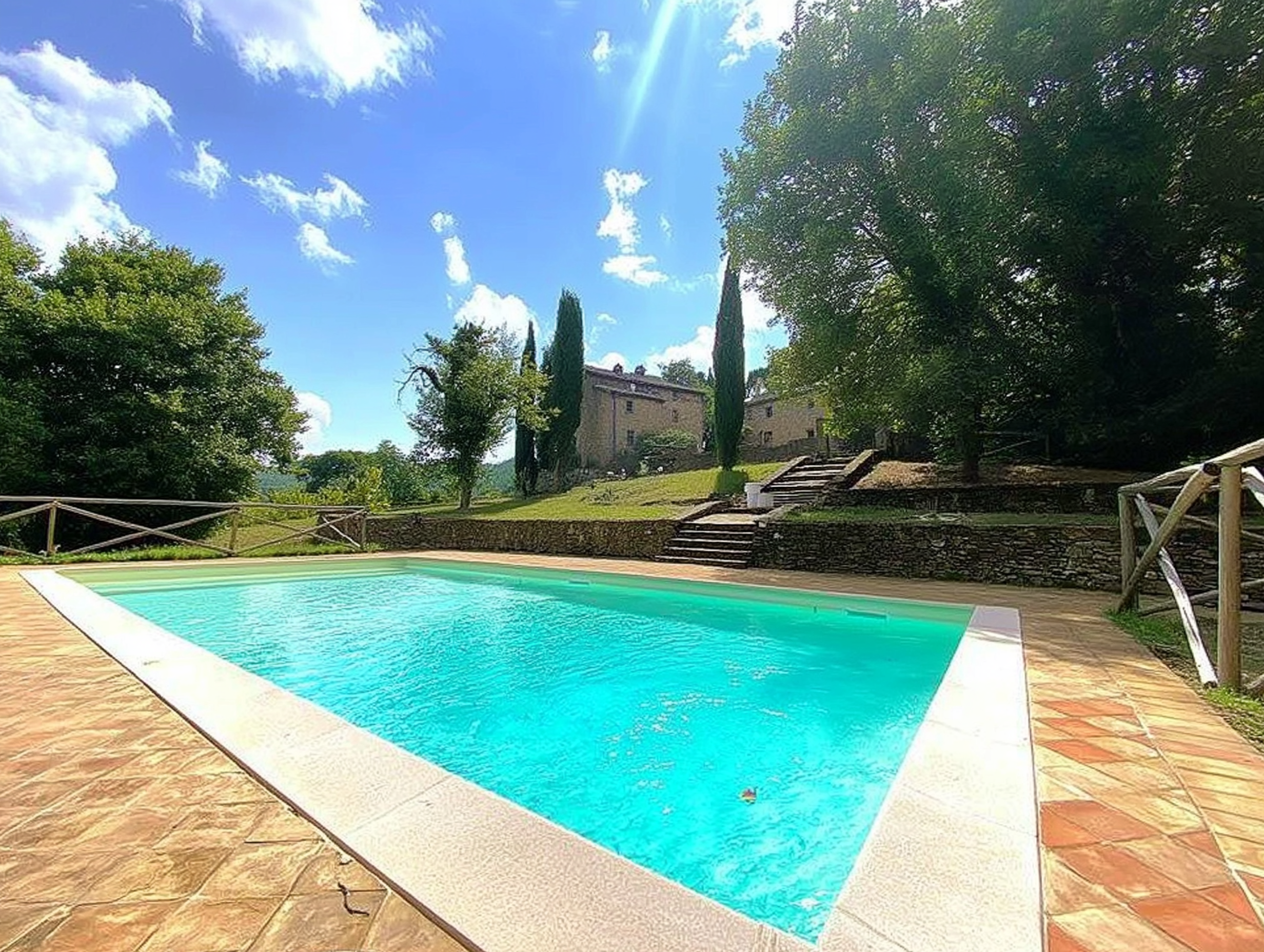
Private swimming pool, rural setting, paved road access
Positioning
Marketed as a restored character farmhouse close to Cortona with rental income potential and holiday-home appeal
Services
Village services around 5 to 6 km away, larger town around 15 km away, within reach of Perugia and Arezzo transport links
Risk Radar
Overview
This is the sort of listing that sells a lifestyle very effectively: restored stone, a pool, nearly a hectare of land, classic local materials, and a position that benefits from the Cortona halo without being in the thick of town. On paper, that combination makes sense for both owner-occupation and selective holiday rental use. It also means the value is tied to more than the house itself. The legal quality of the restoration, the true status of the land, the practical running costs of an Energy Class F farmhouse, and the compliance position of the pool all matter materially.
The listing language is positive but still broad. "Restored" can cover anything from a properly documented structural and services overhaul to a lighter cosmetic refresh with good styling. For a rural Italian farmhouse, that distinction is crucial. You want to know whether the roof, drainage, electrics, plumbing, windows, heating and wastewater systems were genuinely modernised, whether the works were signed off correctly, and whether the current internal layout matches the registered plans.
The other major theme is operational realism. A house of 250 m² with multiple levels and an F energy rating may still be entirely workable and desirable, but buyers should not treat the rating as a decorative footnote. Italy's APE system records the property's energy class and recommendations for improvement, and the APE is required in sales and property advertisements. ENEA states that the APE records performance on a scale from A4 to G and is mandatory in sales, new lettings and property listings. That means the full APE, actual bills and system specifications are not optional extras here. They are part of understanding whether this is a romantic farmhouse that performs sensibly, or a charming money sponge in winter.
Finally, rental potential should be treated as a regulated opportunity rather than a marketing assumption. Tuscany has an active regional framework for tourist lettings, and Italy now requires a national CIN code for units used for tourist or short lets. In Tuscany, non-business tourist lettings require a communication to the Comune, while business-form tourist lettings require a SCIA via SUAP, and the national CIN must be displayed and used in adverts where applicable. For this property, rental appeal is plausible. The real question is how easy it is to operate compliantly, profitably and without unpleasant surprises.
Targeted Questions
Legal Title, Cadastral Records and Restoration Paperwork
A rural property can look coherent on site while still being mismatched on paper, which creates problems at sale and potentially at mortgage stage.
Internal reconfiguration without proper updating can delay the sale or require corrective filings.
You need to see what was legally authorised rather than relying on the word "restored".
A properly closed file is more reassuring than a half-finished administrative trail.
Agibilità is a core usability and compliance checkpoint in Italian residential transactions.
Absence of agibilità is not always fatal, but it changes risk, resale position and negotiation leverage.
Structural works require more scrutiny than cosmetic improvements and can affect future liability.
Invoices help you judge scope, recency and whether the money was spent in the places that matter.
Transferable guarantees can reduce early ownership risk.
A past regularisation is not necessarily a red flag, but you need to know what was corrected and why.
Structure, Fabric and Building Condition
Roof failure is one of the fastest ways for an attractive farmhouse to become an expensive problem.
"Roof restored" can mean anything from patch repairs to a true rebuild.
Older rural stone buildings need their history understood, not guessed.
Independent technical evidence carries more weight than verbal reassurance.
Traditional materials often require periodic upkeep that new owners should budget for.
Multi-level farmhouses can hide significant floor-structure costs.
Window specification directly affects both comfort and the F energy rating.
A farmhouse can remain charming and still be thermally inefficient if the envelope was not improved.
Older masonry buildings can have moisture behaviour that only shows up in winter.
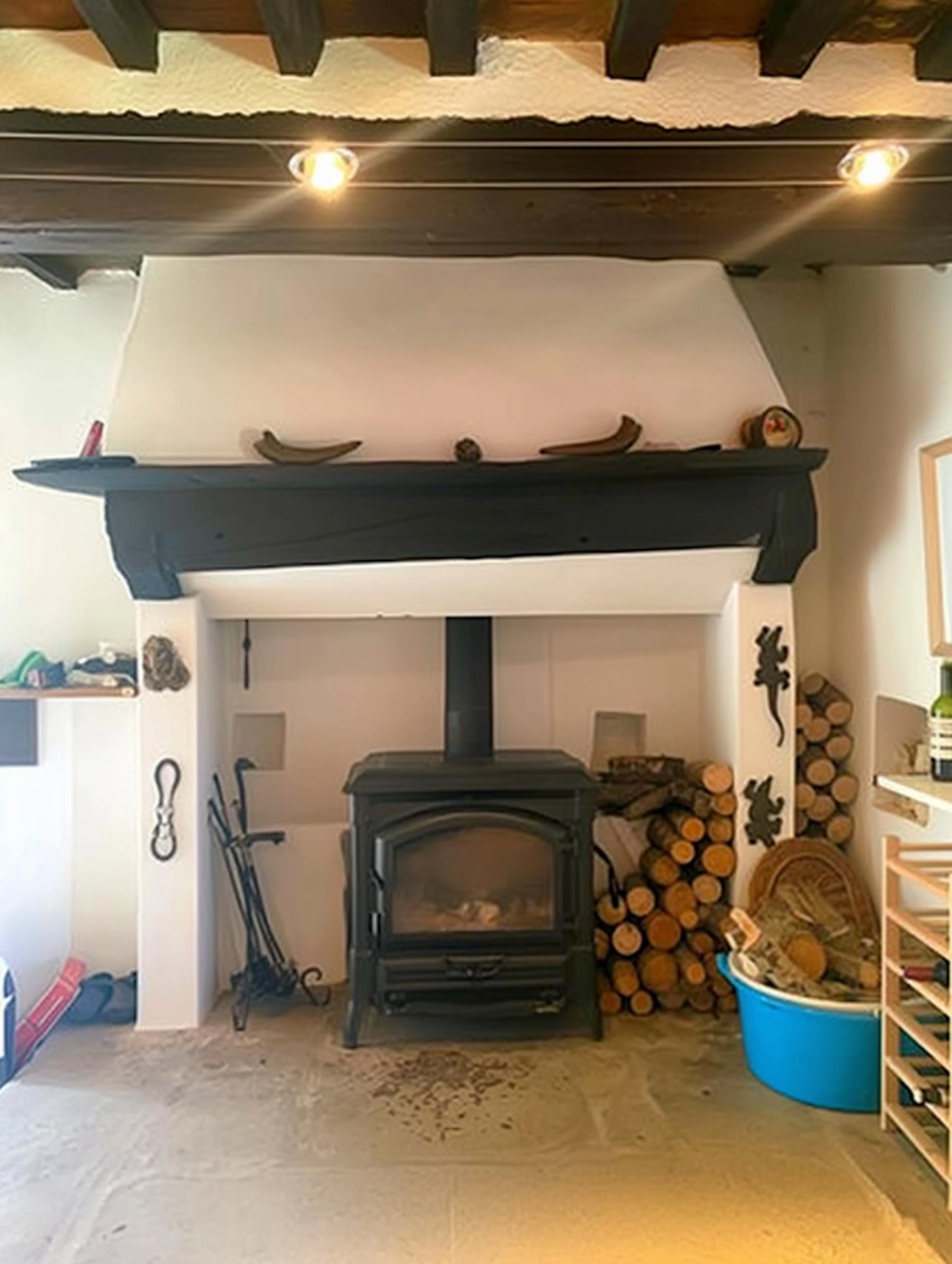
Fireplaces add value only if they are safe, functional and not masking smoke-draft issues.
Energy, Heating, Water and Waste Systems
The class alone is too blunt to price the real running-cost picture.
Running costs, maintenance and future upgrade options depend heavily on the system type.
Supplementary charm is different from practical heat delivery in a 250 m² rural home.
Summer usability matters for both owner comfort and rental appeal.
Real bills are often more informative than technical brochures.
Electrical compliance and capacity are basic safety and insurability issues.
Plumbing failures in rural properties can be disruptive and costly.
Source, rights and reliability of water are fundamental in the countryside.
A picturesque location is less appealing if water reliability is uncertain.
Wastewater compliance can drive both cost and legal follow-up.
Poorly maintained systems often become the new owner's immediate issue.
Hidden or awkwardly installed systems often signal maintenance shortcuts.
Pool, Grounds and External Works
A pool is a value driver here, so its legality needs to be as solid as the house.
You need to understand both maintenance burden and replacement cycle.
Pool defects can become disproportionately expensive very quickly.
Heating changes both utility spend and rental positioning.
Buyers often underestimate recurring outdoor operating costs.
Large plots are attractive, but value depends on what is truly included.
Land classification affects what you can do with it in future.
Rural privacy can be compromised by legal rights that are invisible during a quick viewing.
Informal exterior works are common and can complicate resale.
Access, Neighbours and Practical Use
"Paved road access" is good, but responsibility matters as much as surface quality.
Shared rural access can produce recurring disputes if not clearly documented.
Year-round practicality matters more than a good dry-weather impression.
Neighbouring use affects privacy, noise and future enjoyment.
Countryside tranquillity is often seasonal and contextual.
Remote working potential should be verified, not assumed.
Insurance friction can be an early sign of hidden risk.
Rental Potential and Commercial Practicality
Past use gives a reality check on market fit.
Historic performance is far more useful than optimistic estimates.
Rental viability now depends on compliance, not just demand.
Existing compliance setup can save time, but it should be verified carefully.
The answer affects whether simple communication may suffice or a SCIA route is needed.
Beautiful properties do not always function smoothly as guest accommodation.
Year-round income assumptions can become overstated very quickly.
Negotiation Intelligence
Buyer Leverage
Medium-High
Key Drivers
Typical Negotiation Range
5-15% below asking
Neutral Phrasing Examples
Country Layer
Italy (Regulatory Context March 2026)
Key Italian requirements for buyers:
The practical takeaway is straightforward. For an Italian farmhouse like this, buyers should verify five things early: cadastral conformity, restoration title, agibilità, APE detail, and rental compliance pathway. Rural charm is valuable, but paperwork coherence is what protects the exit.
Viewing Strategy
During the viewing:
Next Step
Verify from the listing:
Restoration permits and technical sign-off
Ask for the SCIA or permesso di costruire file, end-of-works documentation, agibilità position, and installer declarations so you can confirm that the farmhouse was restored legally and that the current layout matches the approved works.
Energy Class F in practical terms
Request the full APE and recent utility bills so you can understand whether the F rating reflects manageable farmhouse realities or points to more material heating, insulation and window upgrades ahead.
Pool legality and maintenance exposure
Confirm that the pool was authorised correctly, appears in the property documentation where required, and comes with clear information on age, filtration, maintenance history and any repairs.
Land boundaries and access obligations
Obtain a plan showing the full 9,000 m² boundaries and check for easements, shared access arrangements and road maintenance responsibilities before treating the setting as fully private and straightforward.
Tourist rental readiness
Do not assume rental potential translates into immediate lawful operation. Check the current CIN position, whether any prior tourism registration exists, and which route would apply in Tuscany for your intended use.
A prepared buyer should approach the agent calmly and frame questions as due diligence.
Because this is a property where the legal, structural and regulatory context matters, run it through one of the property tools before contacting the agent. Use the Property Risk Assessment to pressure-test compliance and document gaps, or the European Property Energy Risk Assessor to understand what the Energy Class F rating may mean in real ownership terms.
Disclaimer: The Property Drop is buyer-focused intelligence, zero sales agenda. We curate exceptional properties, in southern Europe, from third-party agents and arm you with decision tools. No commission, no transactions, no agent partnerships, no skin in the game beyond helping you choose wisely. Information stays accurate until it doesn't (properties sell, prices shift, markets move). Everything here is shared for informational purposes only and should not be treated as legal, financial, or investment advice. Images belong to original agents. Read our Terms of Service to learn more.
IMPORTANT REMINDER: When contacting property agents featured on The Property Drop, you are entering into direct communication with third parties. It's recommended that you verify all property details independently, conduct thorough due diligence, engage qualified professionals (solicitors, surveyors, financial advisors), understand your rights and obligations under local property laws, and never send money or make commitments without proper legal protection.
