
The Buyer Playbook: Renovated Cortijo with Pool and Valley Views, Castril, Spain, €349,500
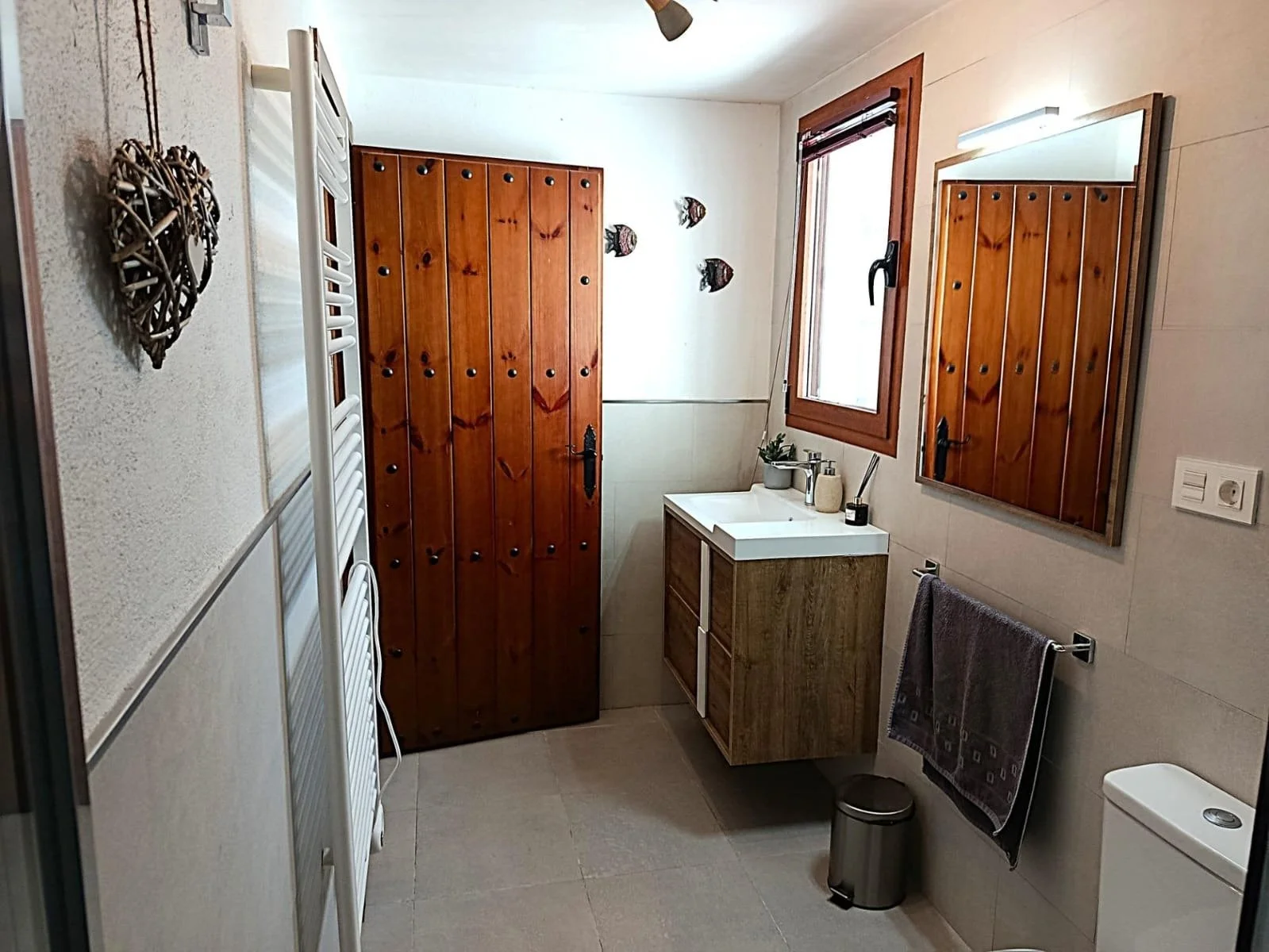
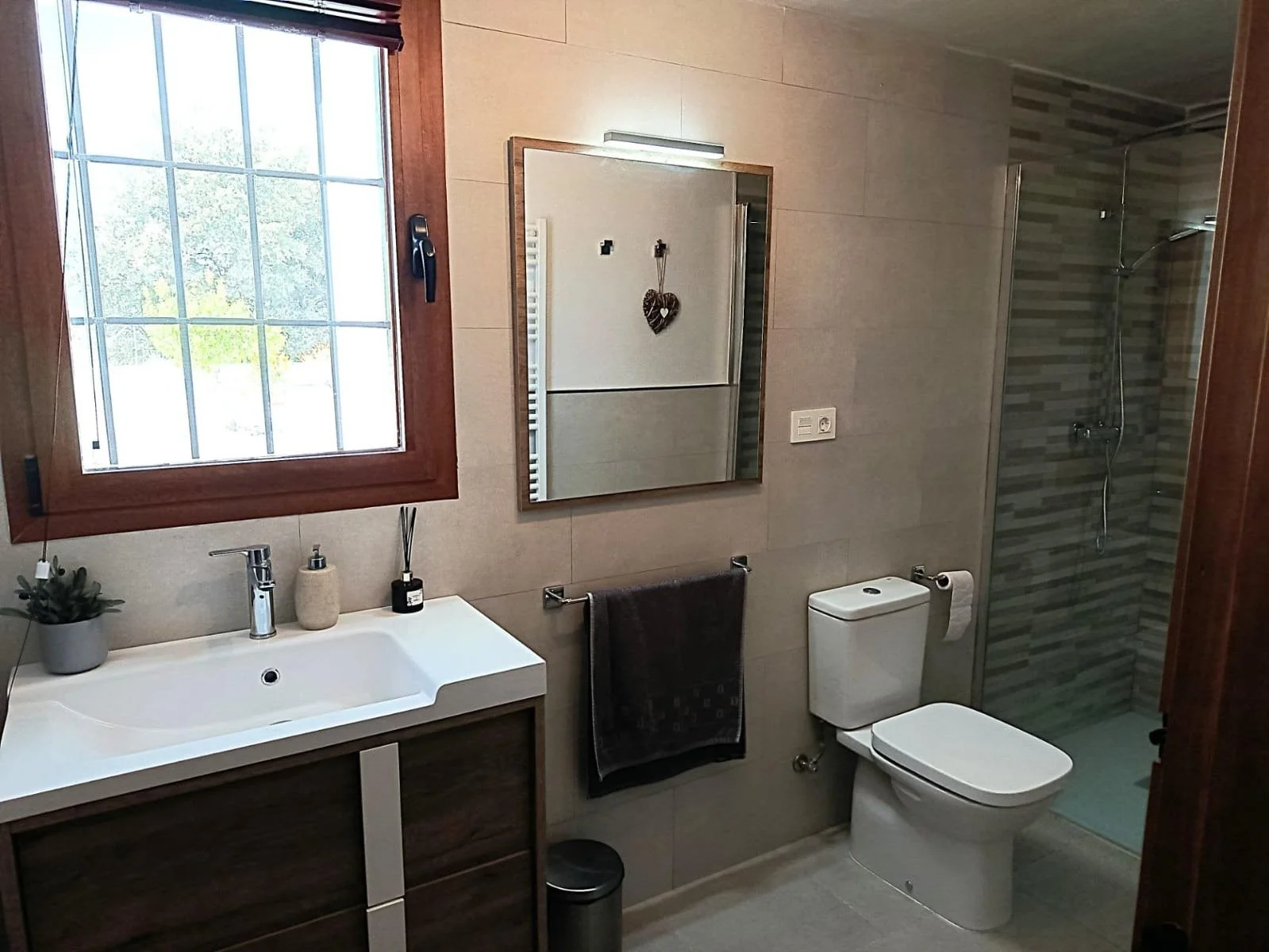
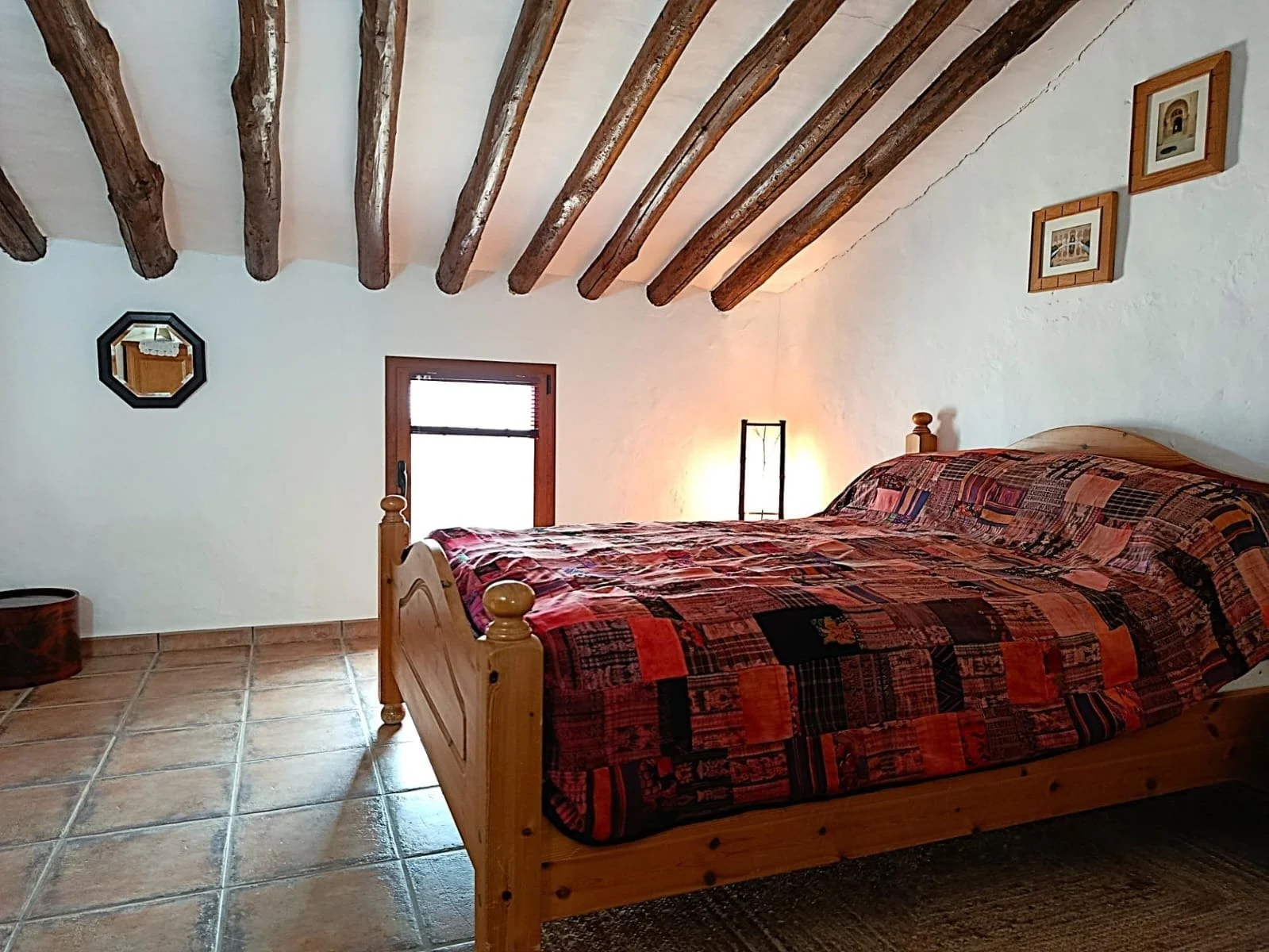
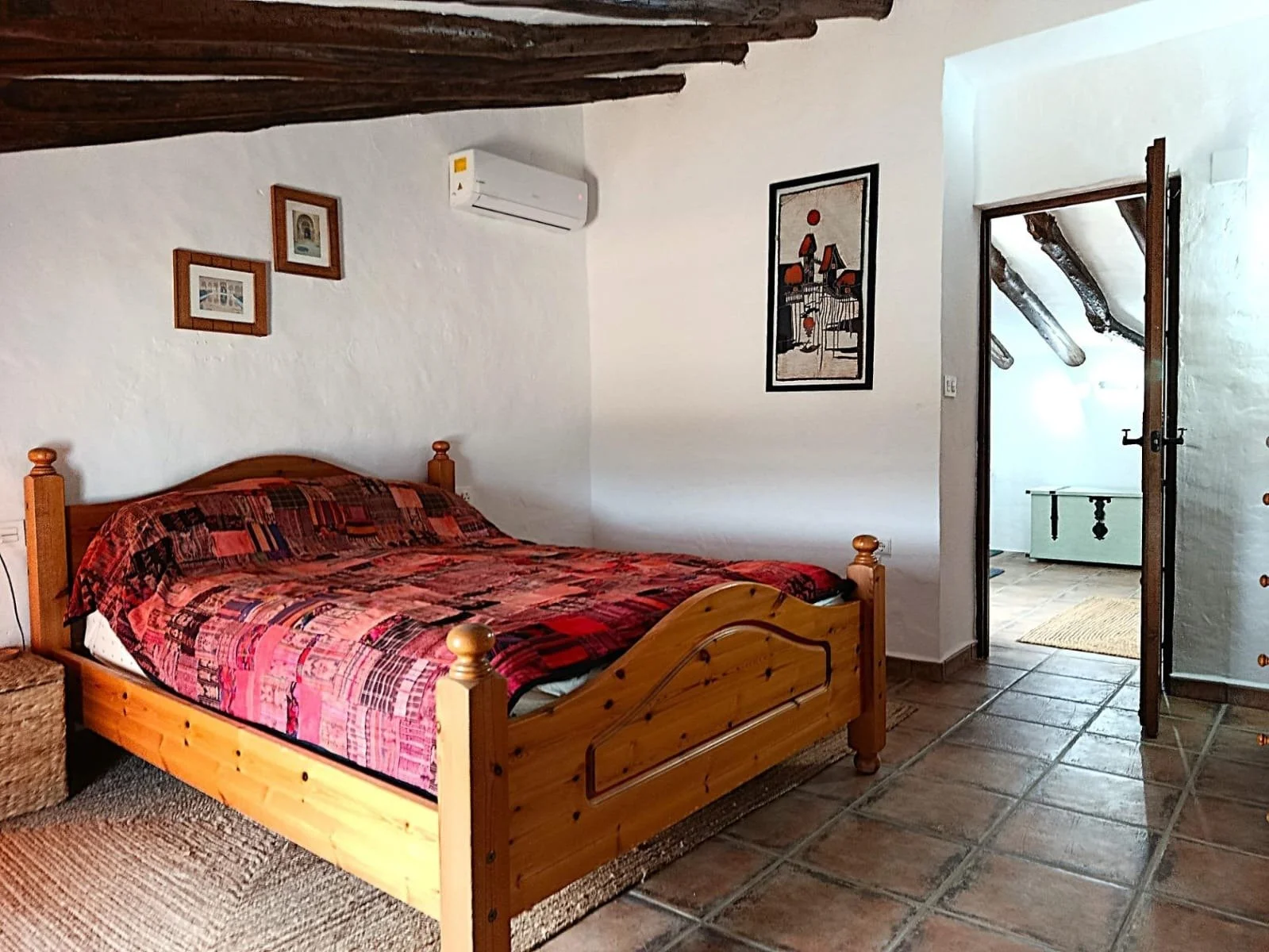
Buyer Playbook
Pre-Viewing Intelligence Report
This independent buyer guidance report relates to this specific property located in Spain. It is provided for informational purposes only and does not constitute legal, tax, structural or survey advice. Planning permissions, habitation status, tourist-rental eligibility, land boundaries, water and drainage arrangements, access rights, pool compliance, and any registration position affecting the main house or yoga studio must always be verified with qualified Spanish professionals such as an abogado, arquitecto técnico, técnico certificador, surveyor, and with the relevant Ayuntamiento, Catastro and Registro de la Propiedad. This report is designed to help buyers evaluate the property before arranging a viewing or making an offer. It highlights due diligence areas and targeted questions to ask the estate agent. The analysis is based on the listing details you provided and publicly available regulatory context at the time of writing, including current Andalusian tourism-rental and energy-certificate rules.
Playbook Contents
Property Snapshot
Location
Castril valley, Granada province, Andalusia, Spain
Property type
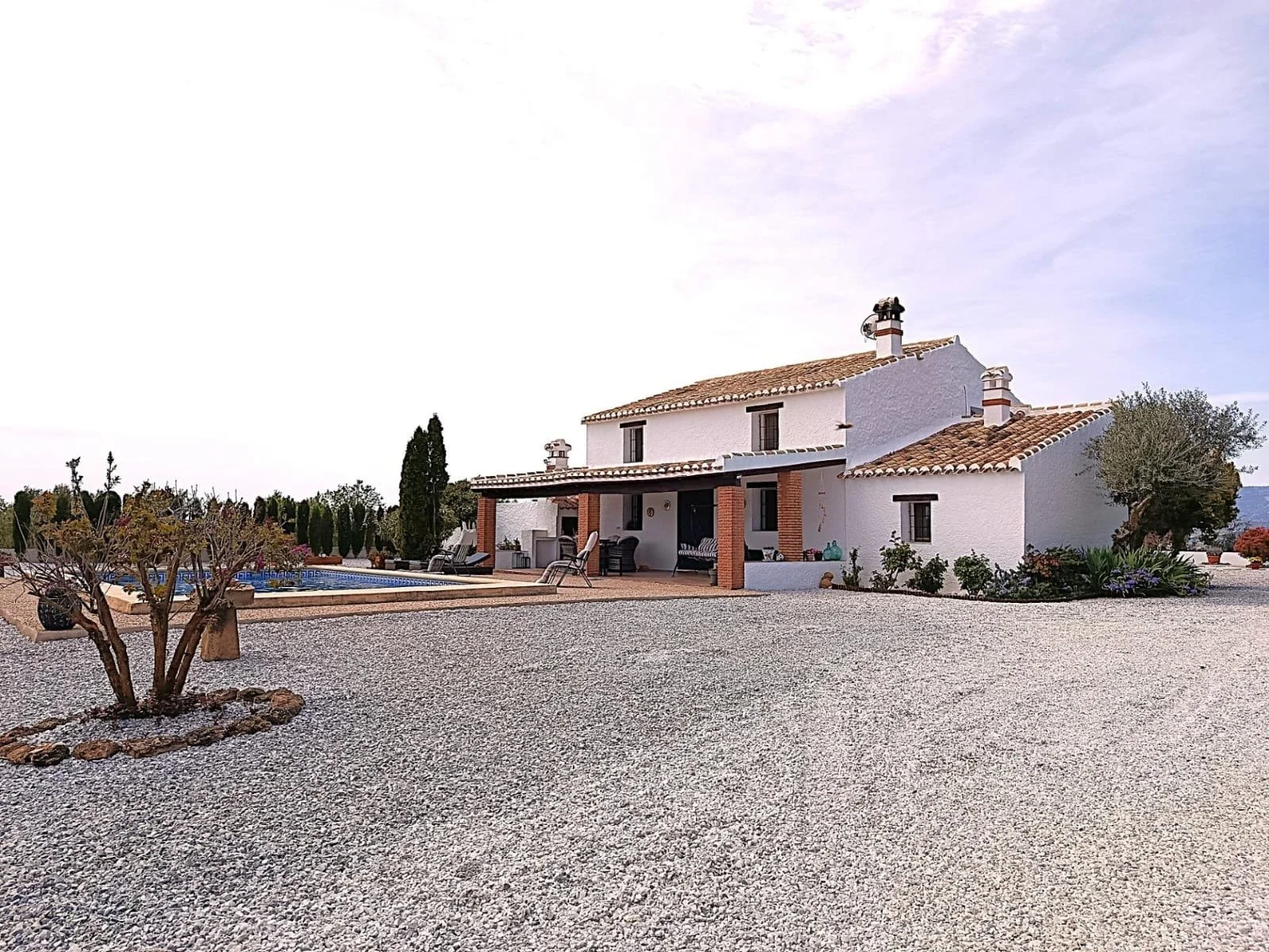
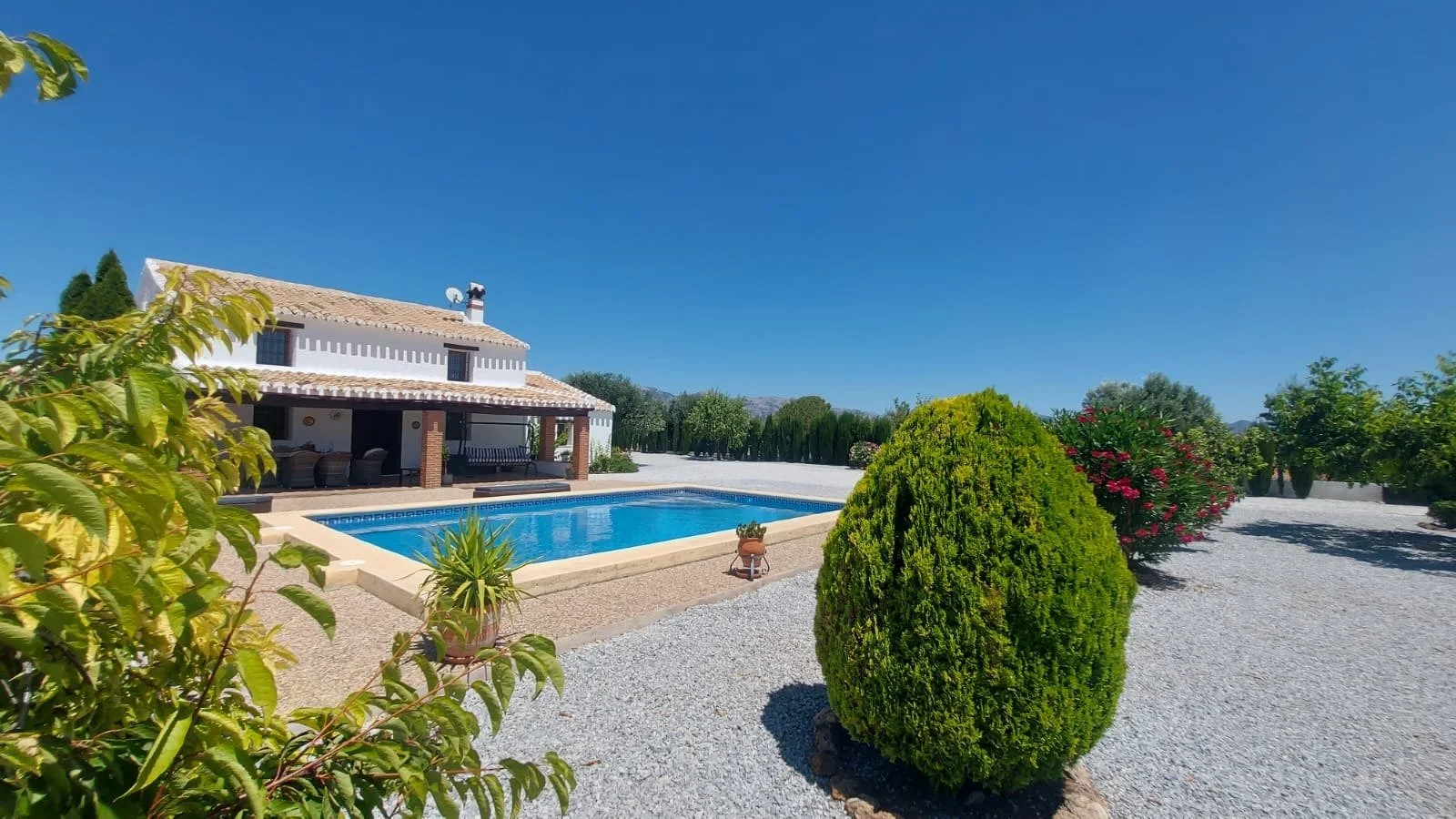
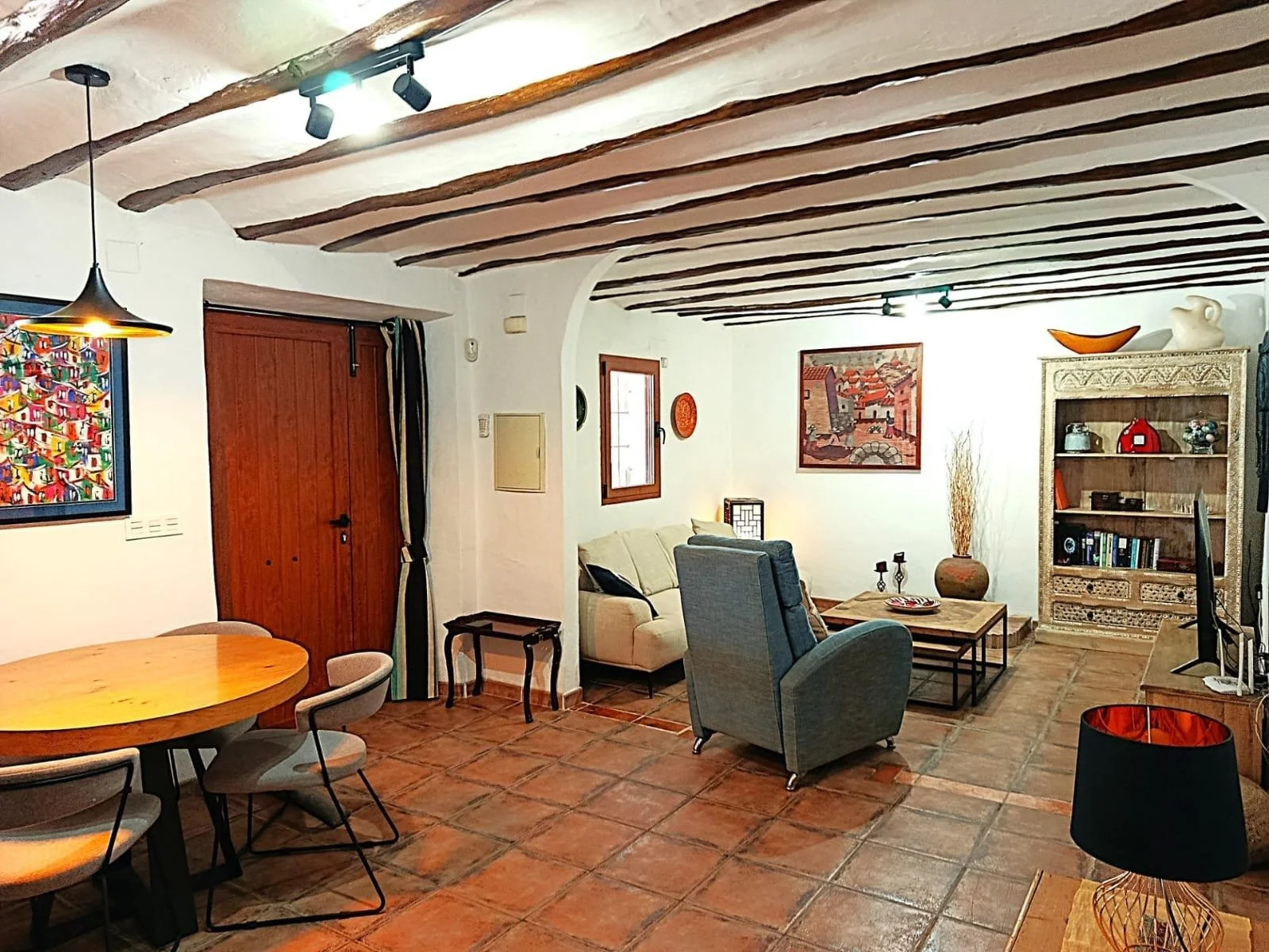
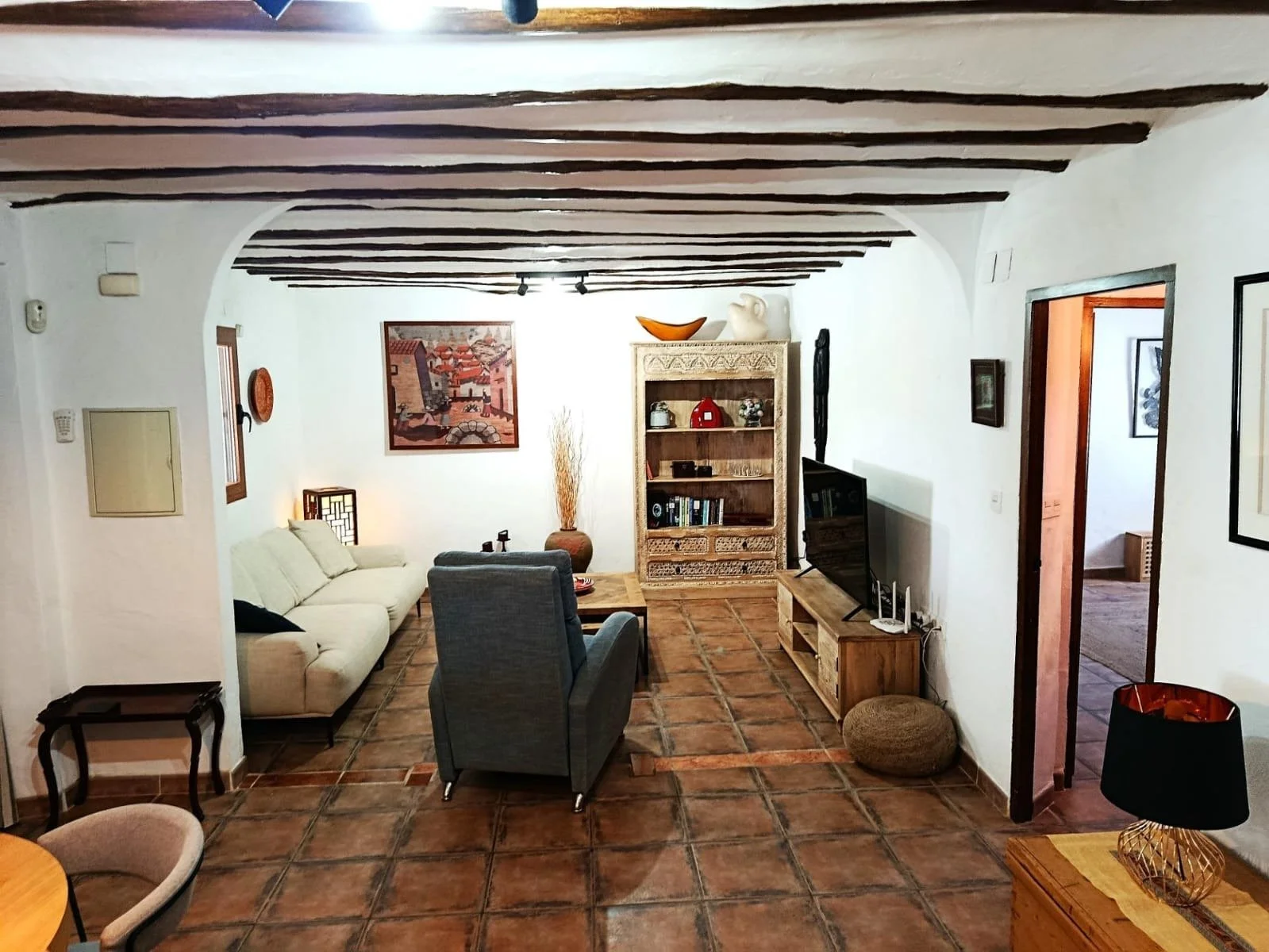
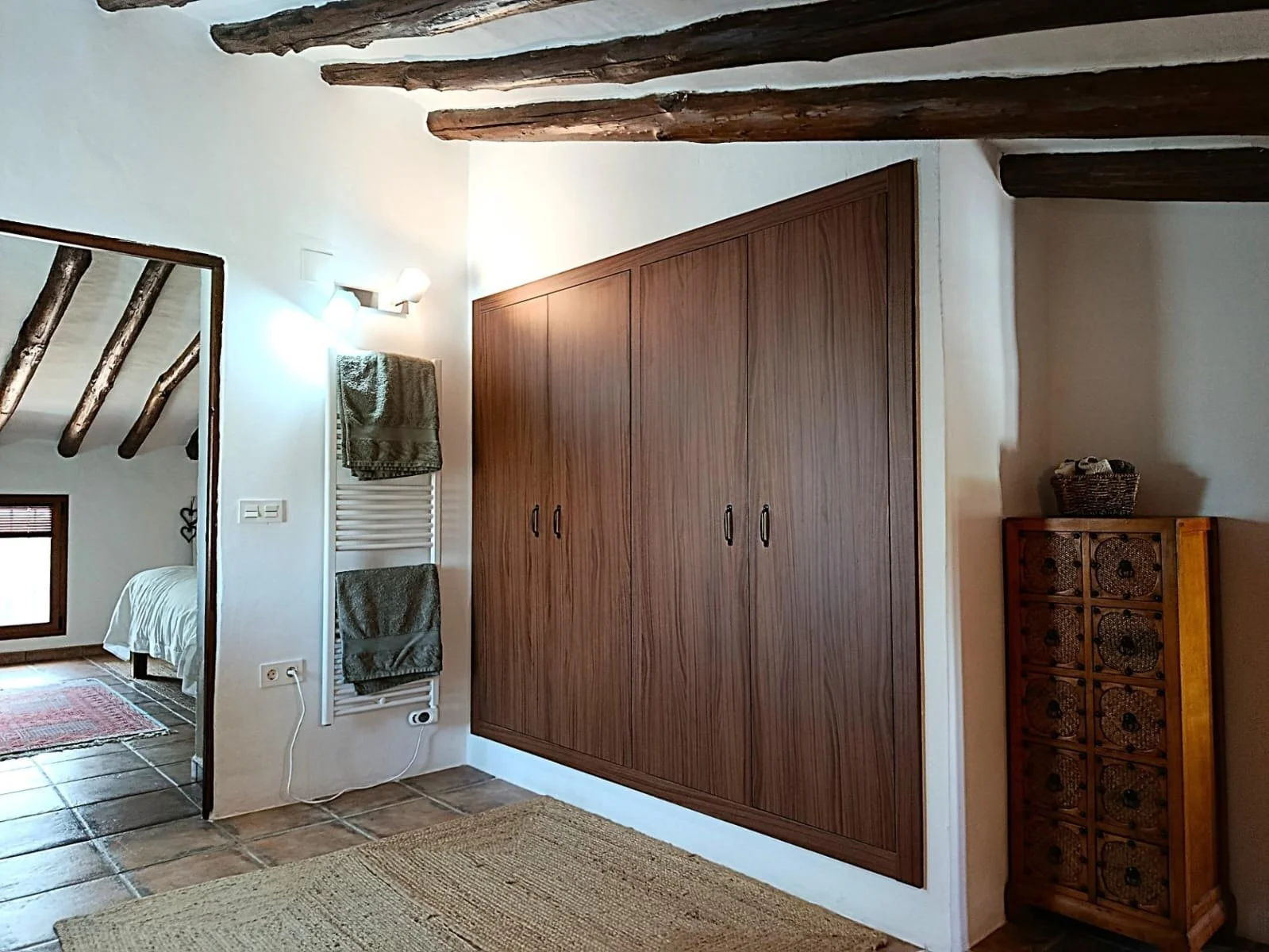
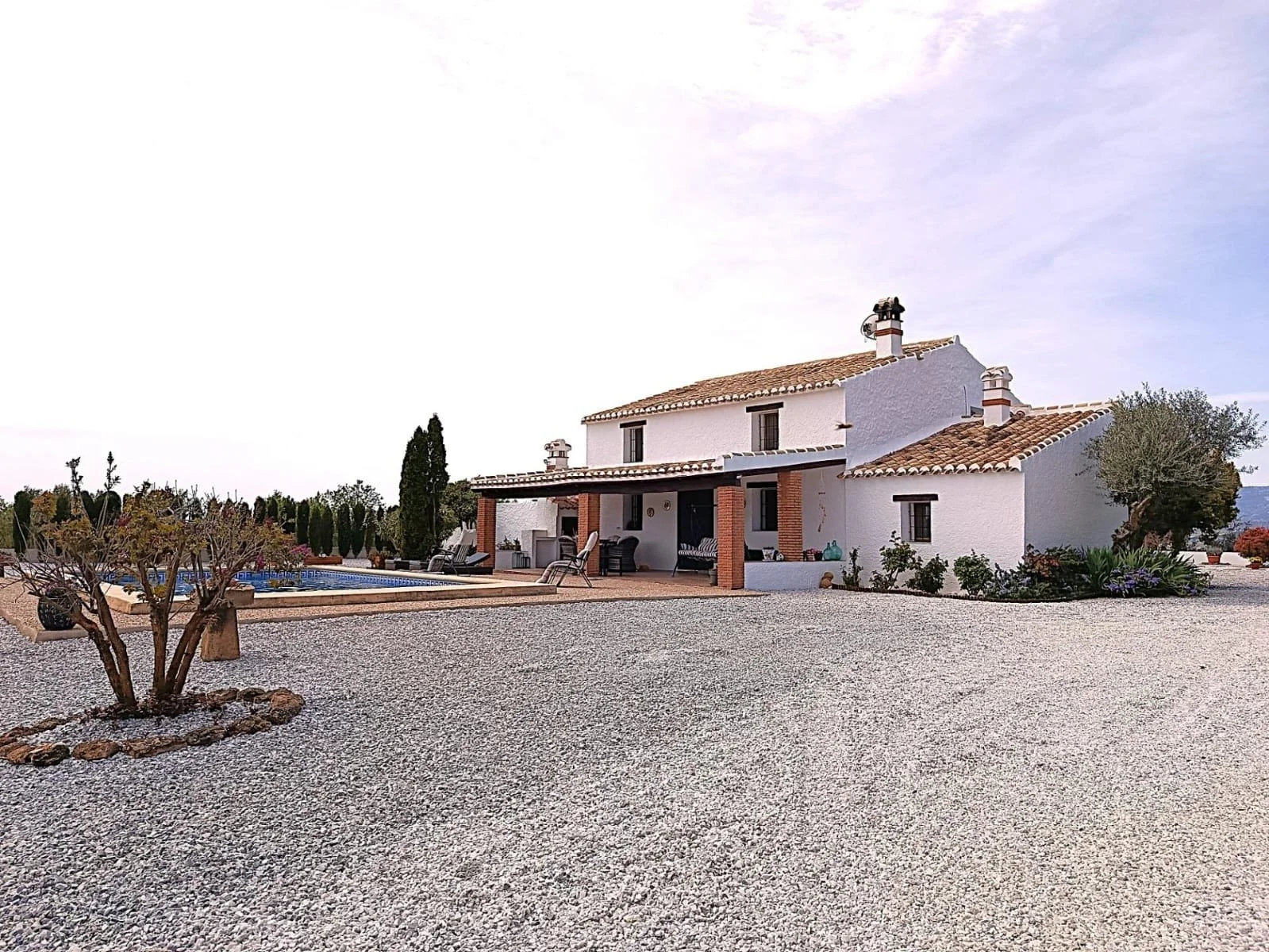
Renovated cortijo / country house
Asking price
€349,500
Land
Approx. 2,419 m²
Renovation period
Reportedly 2019 to 2022
Condition
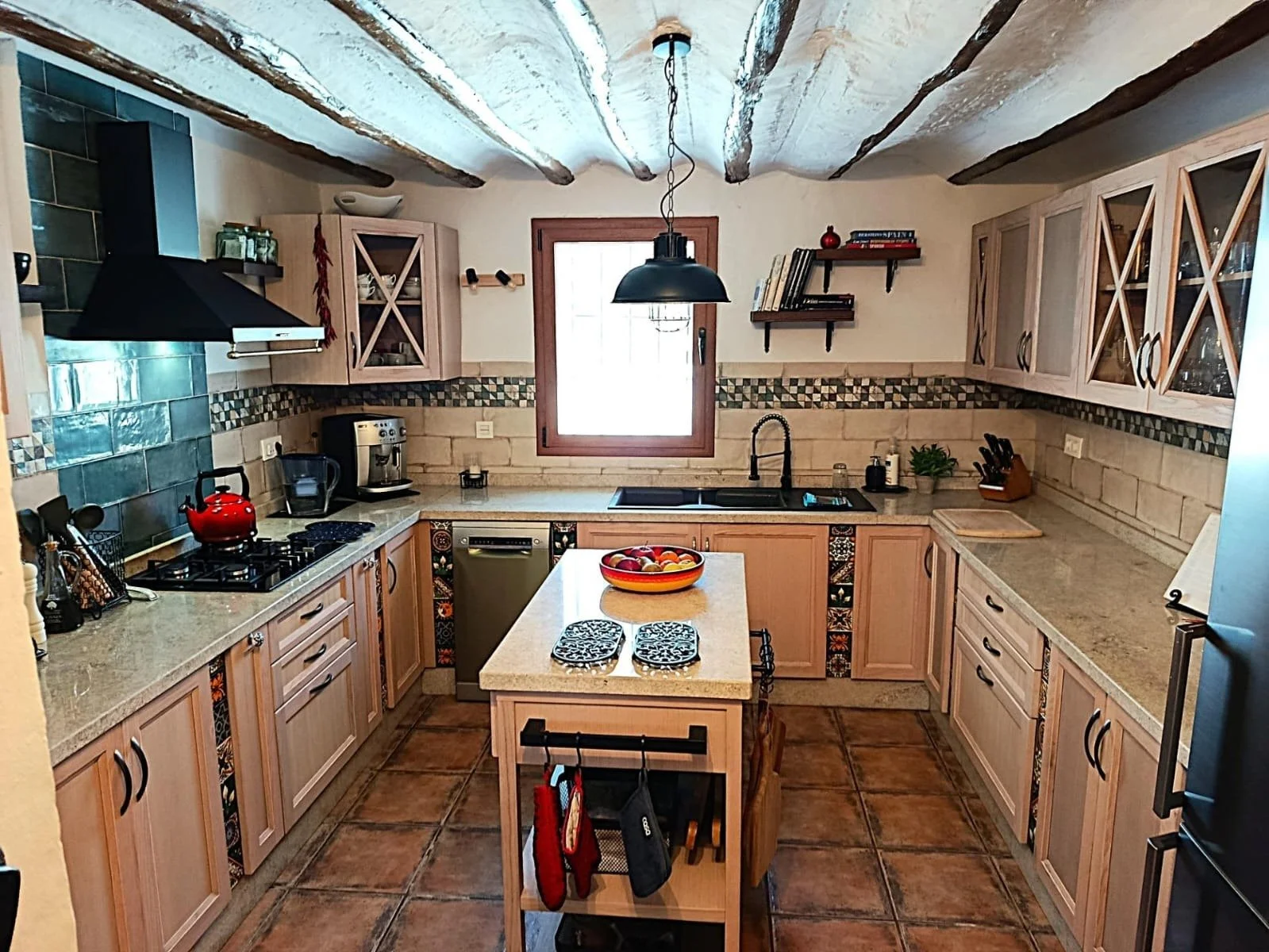
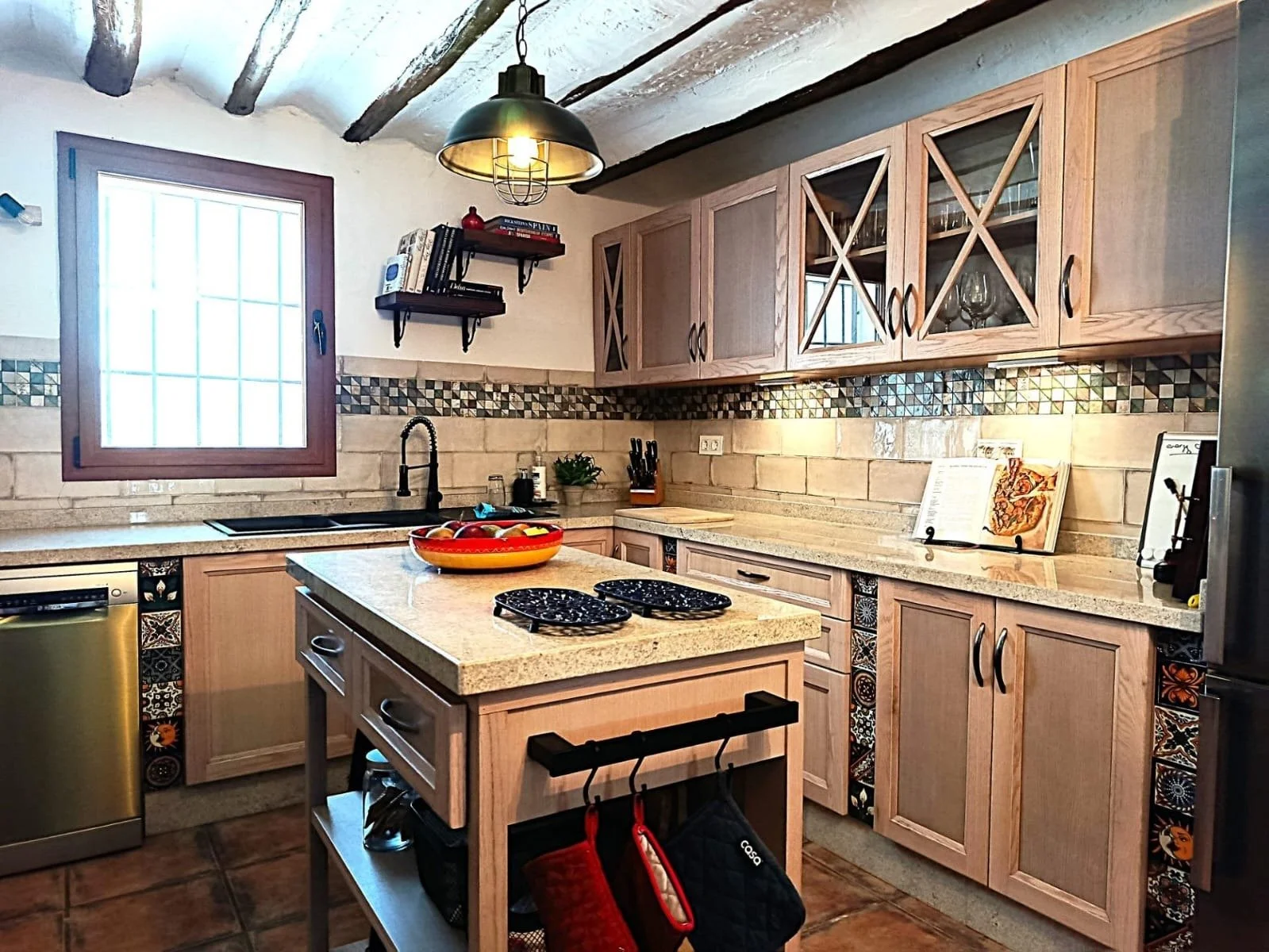
Marketed as beautifully renovated and in excellent condition
Outdoor features
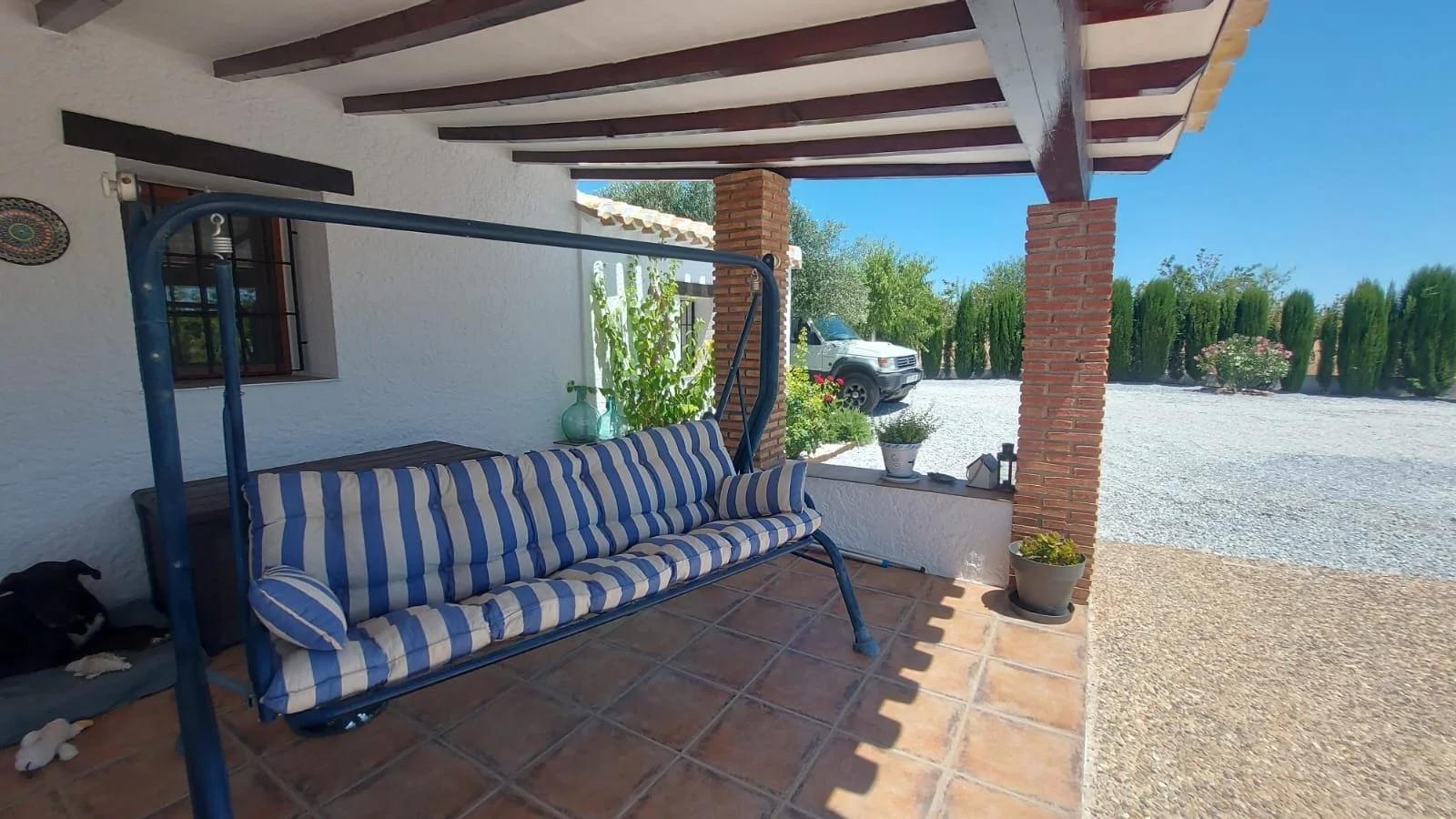
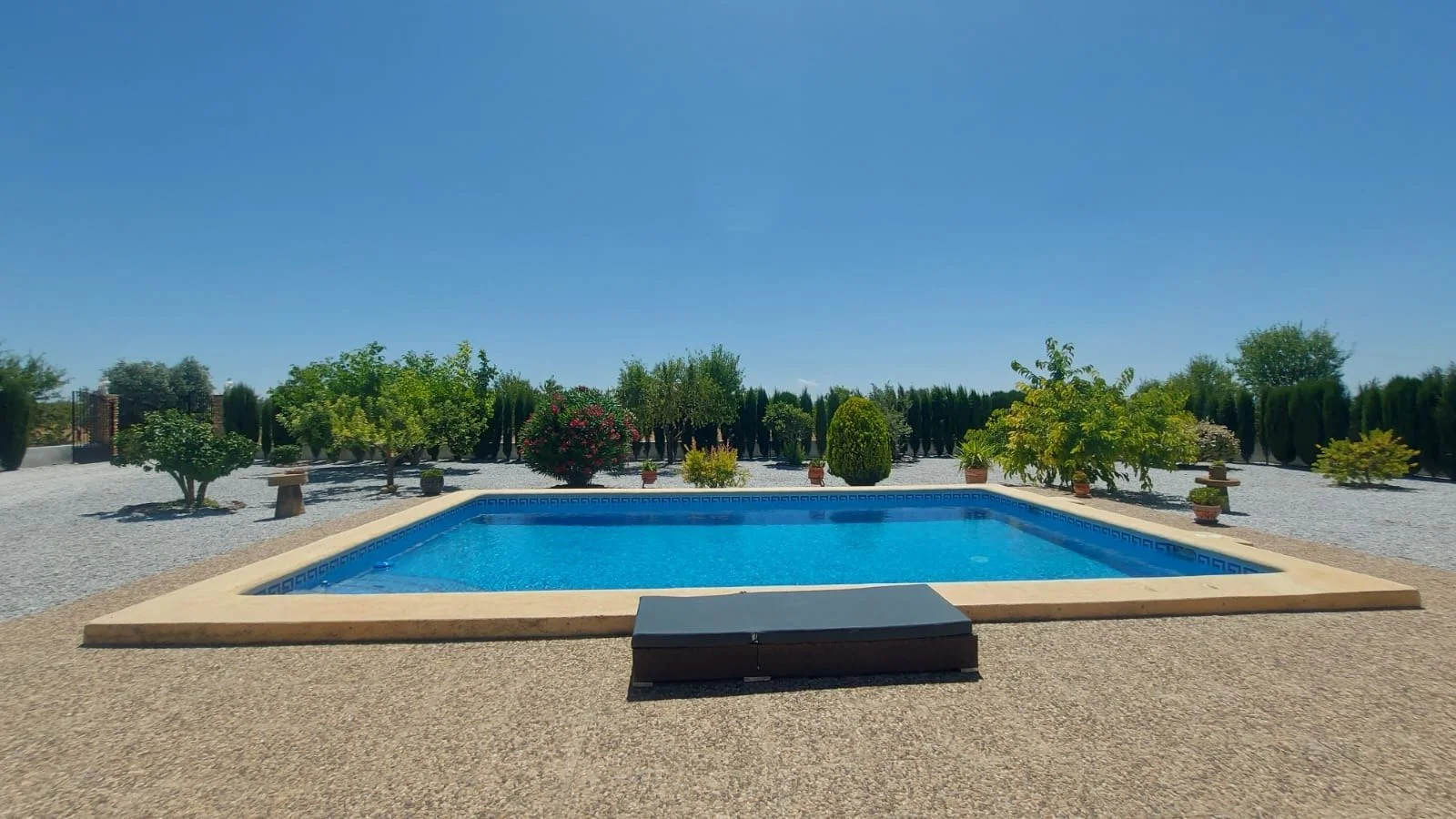
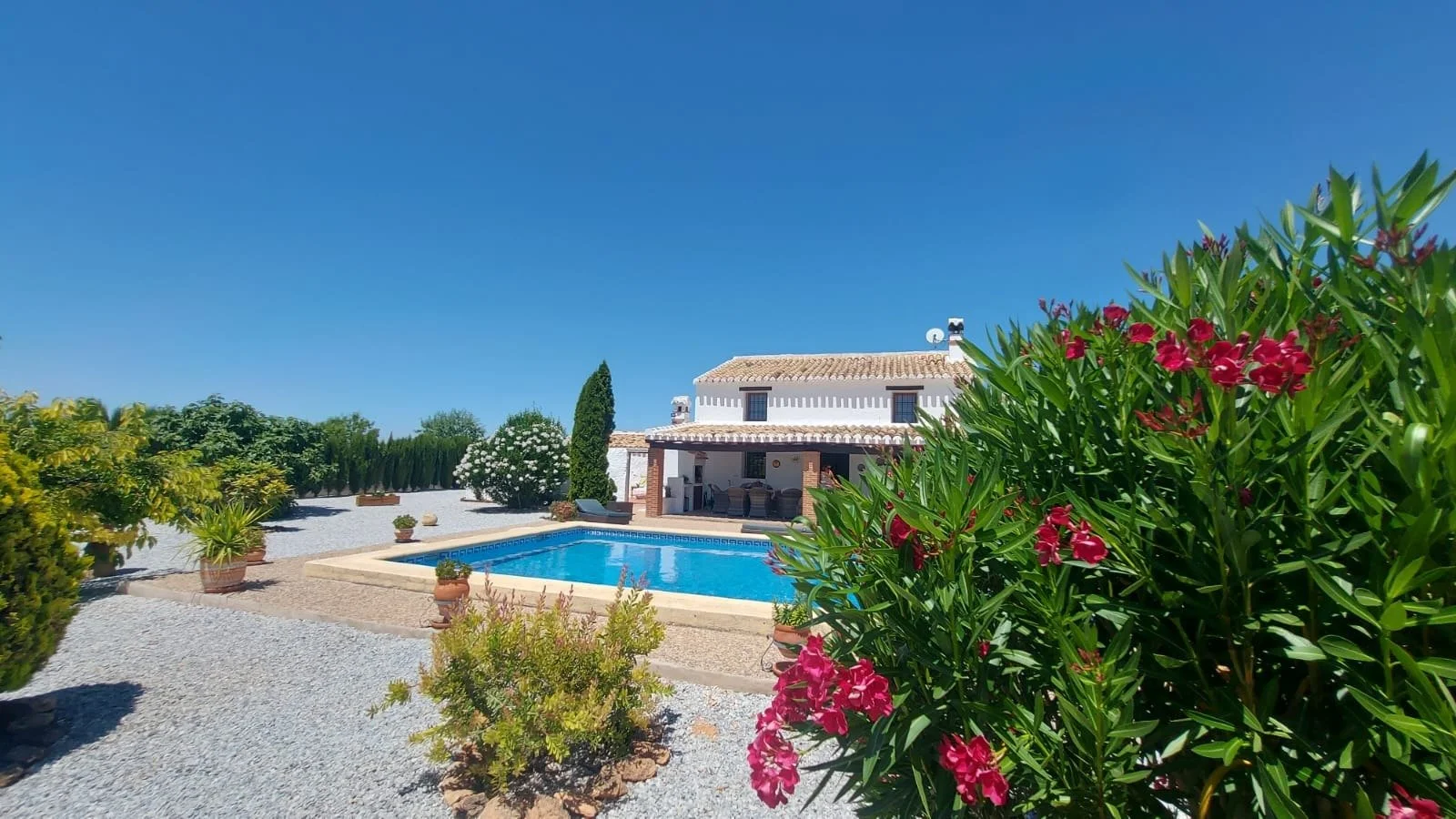
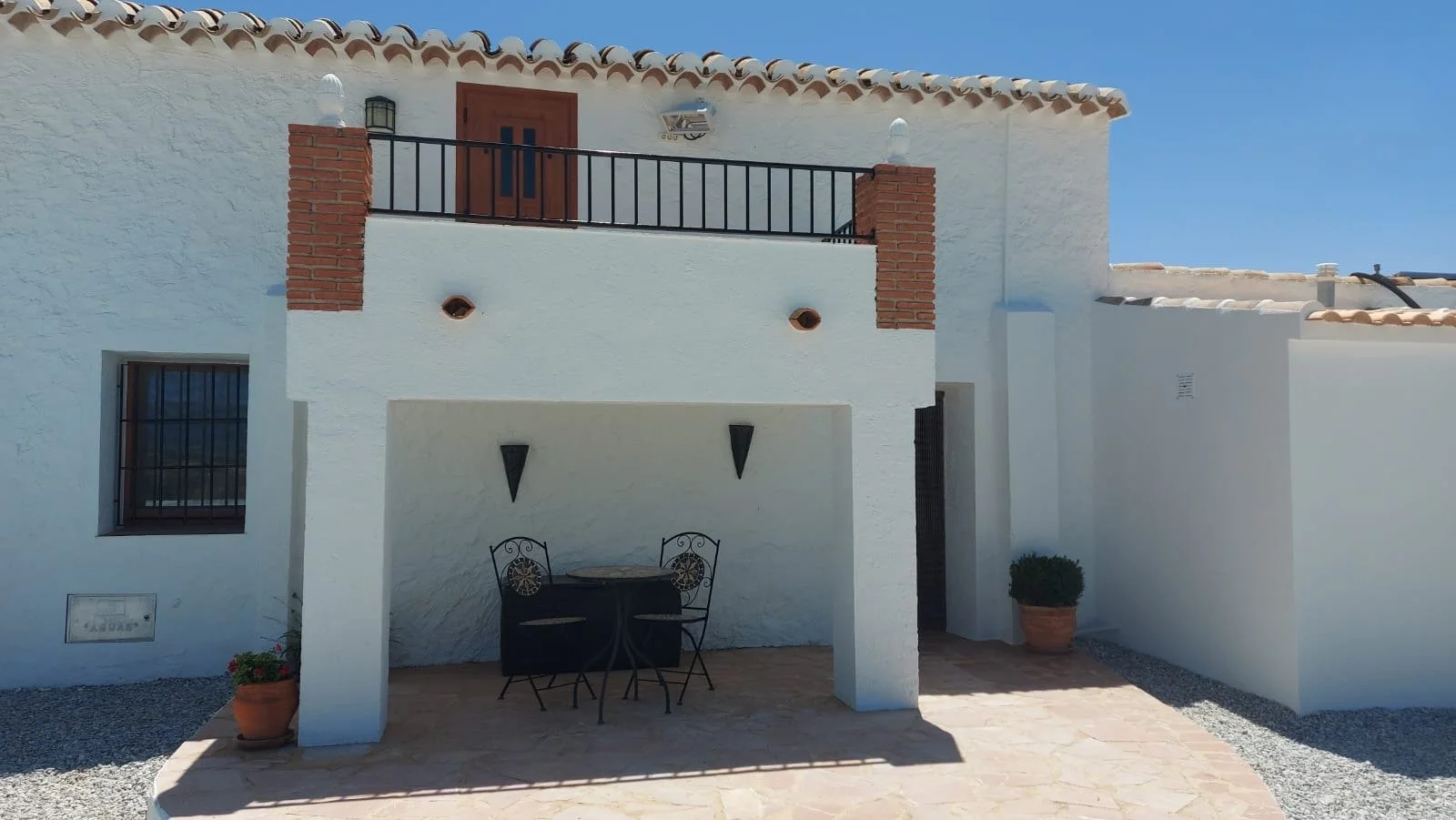
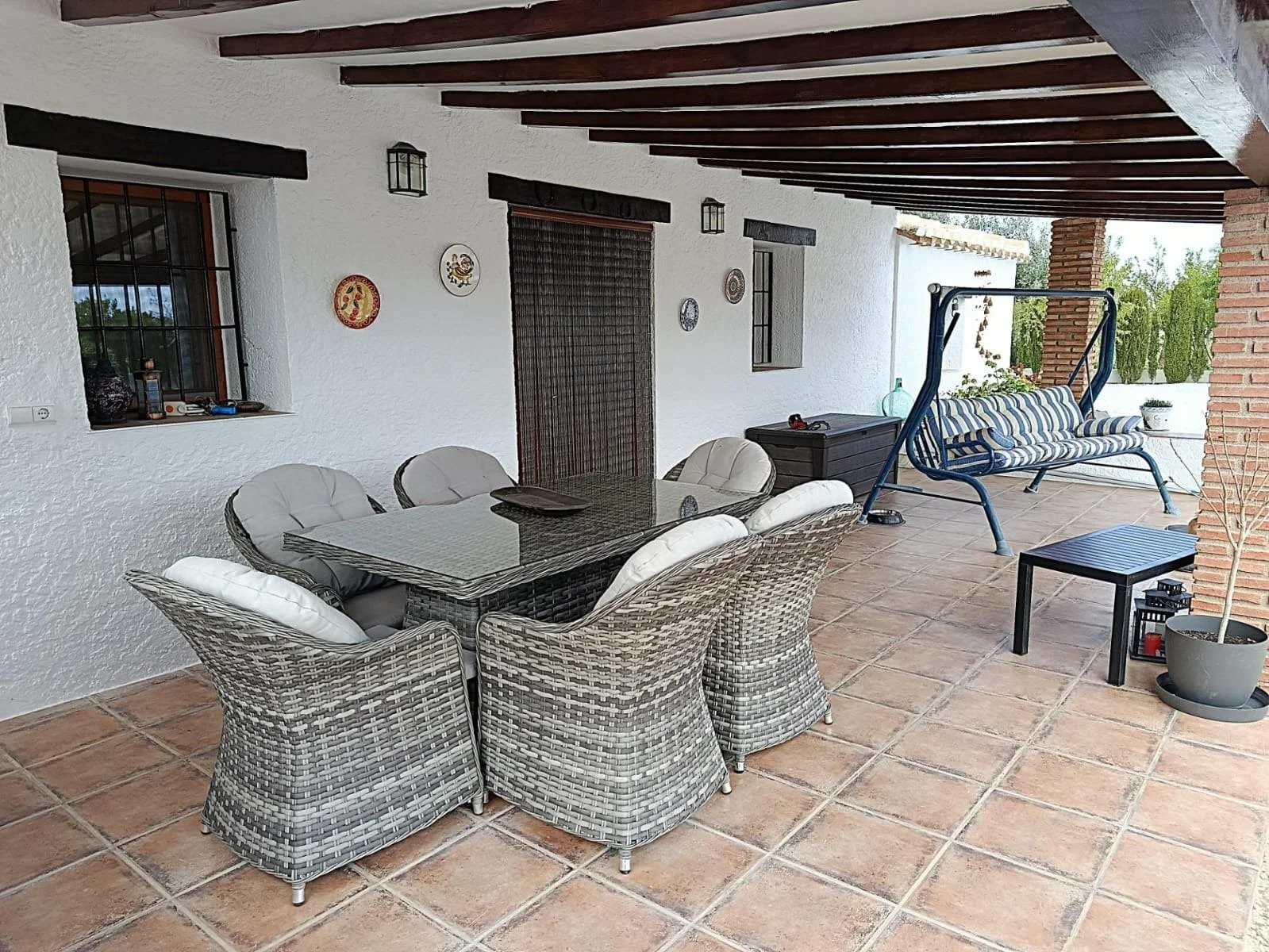
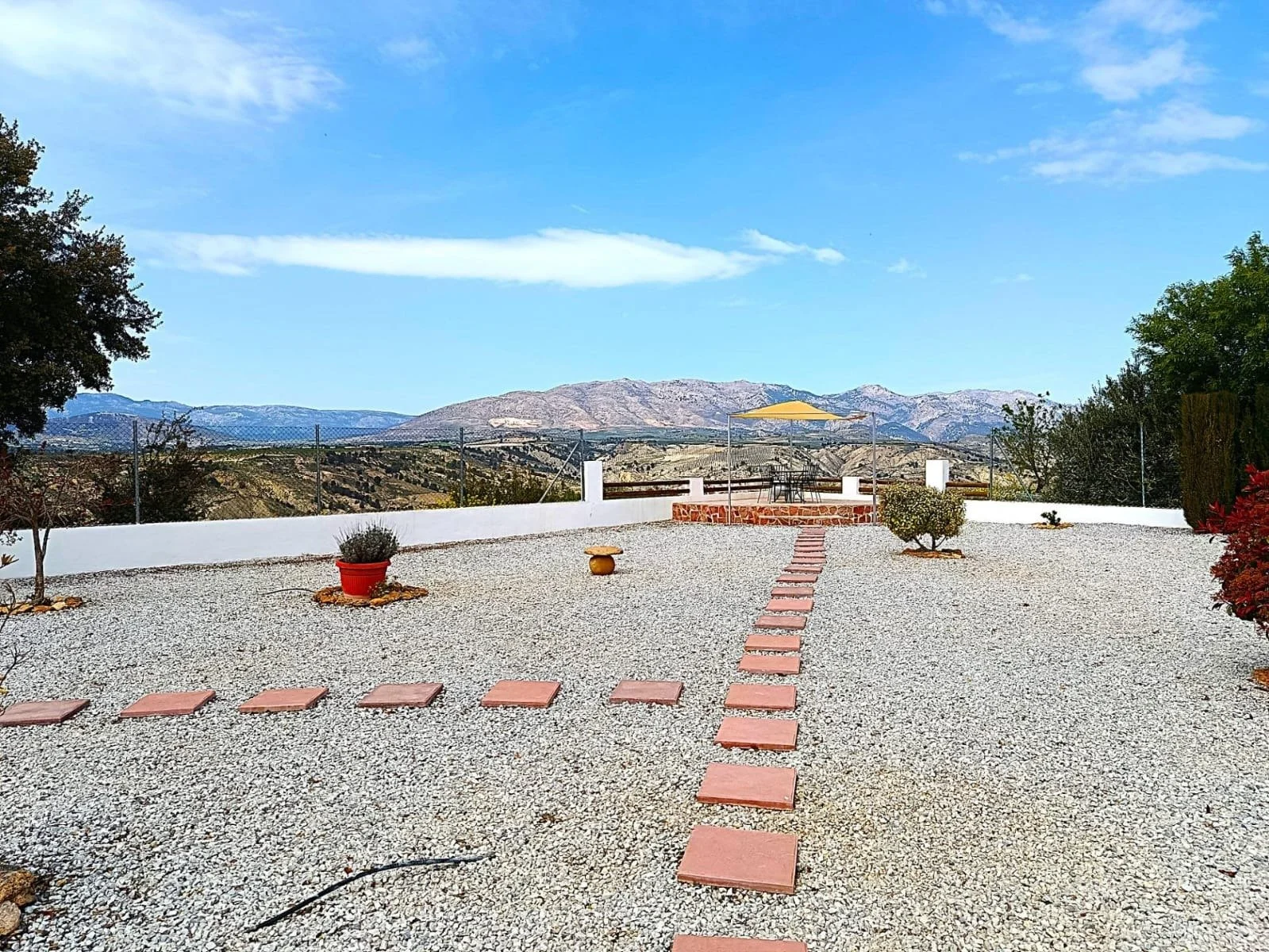
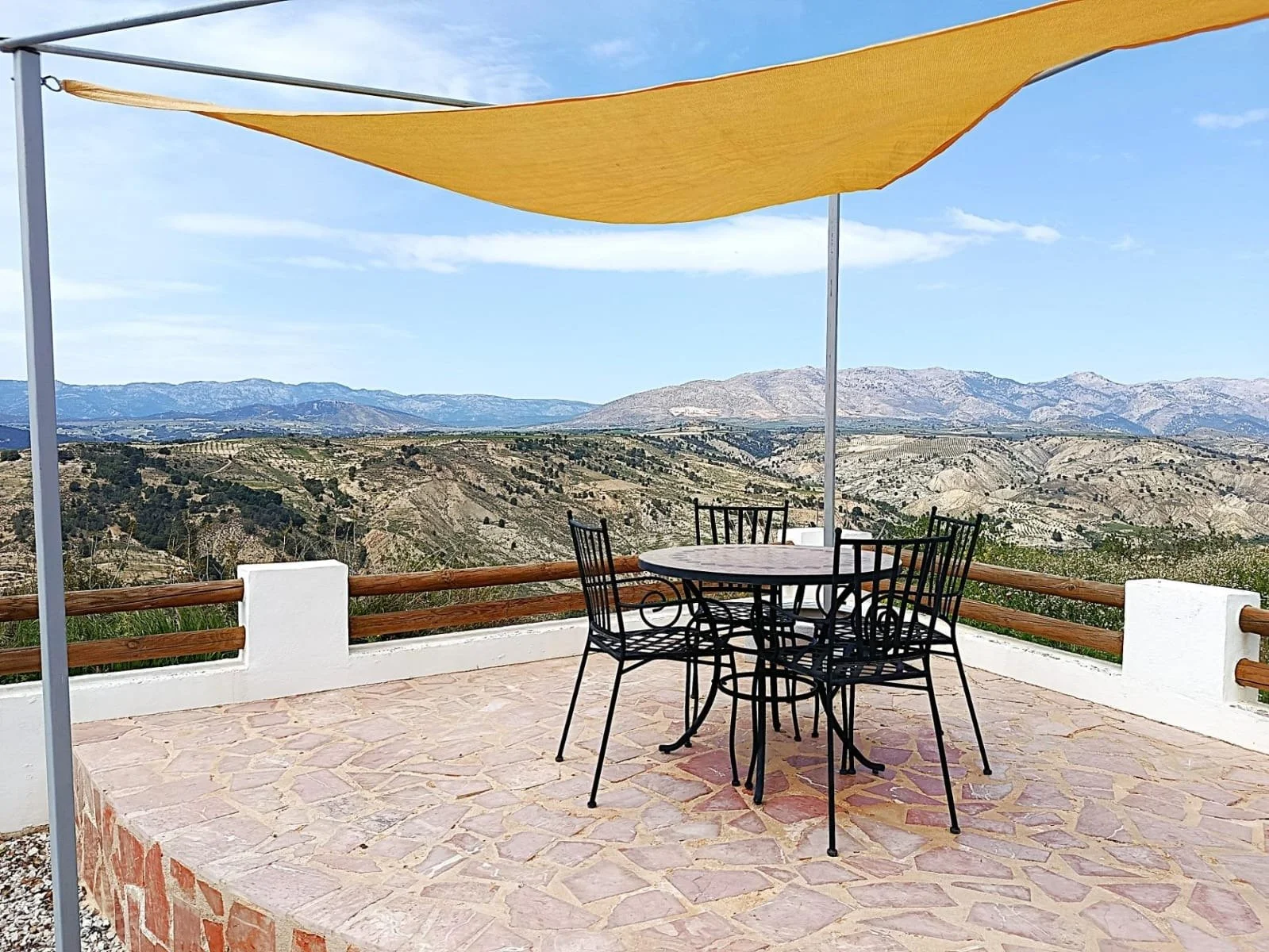
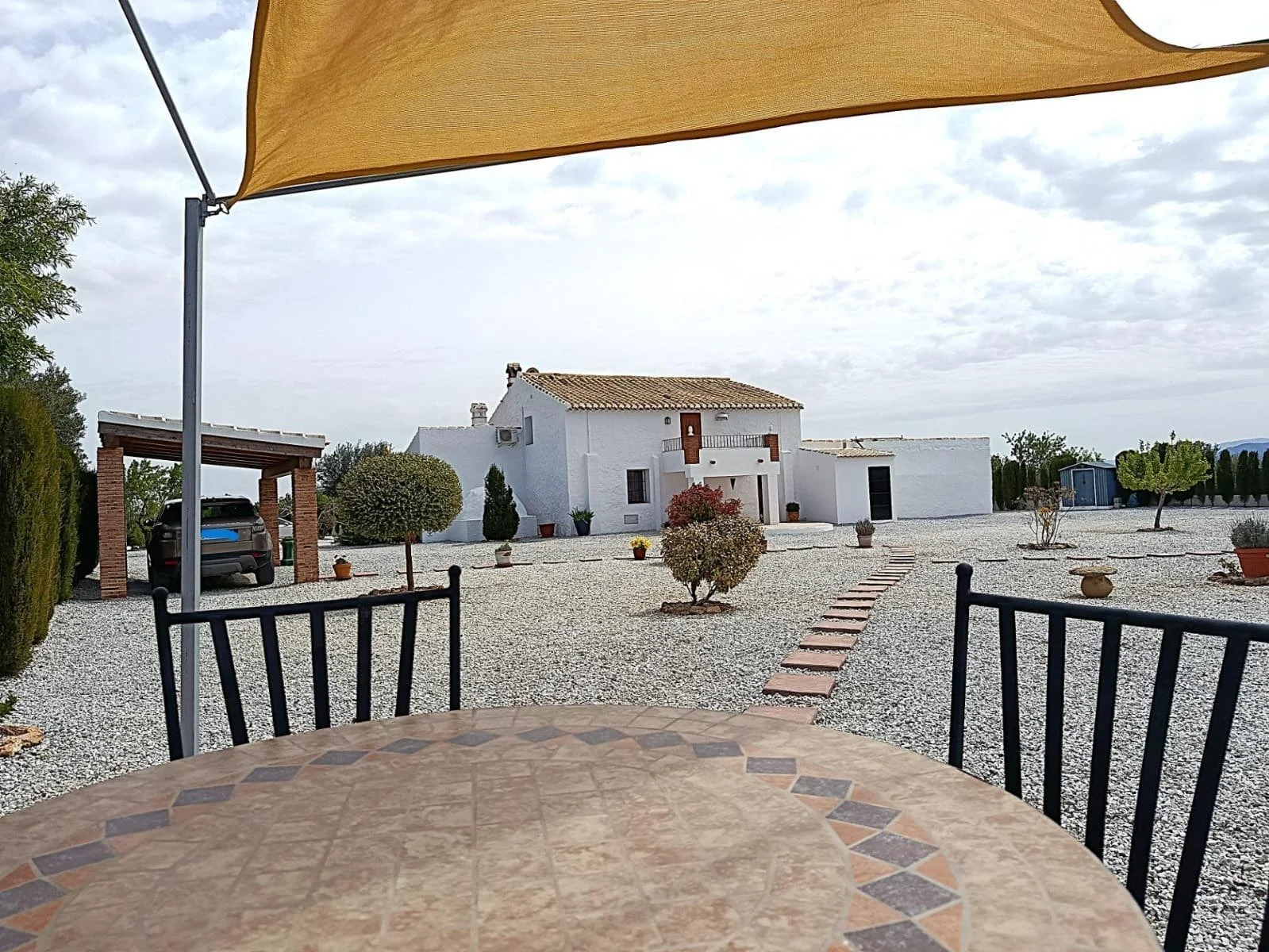
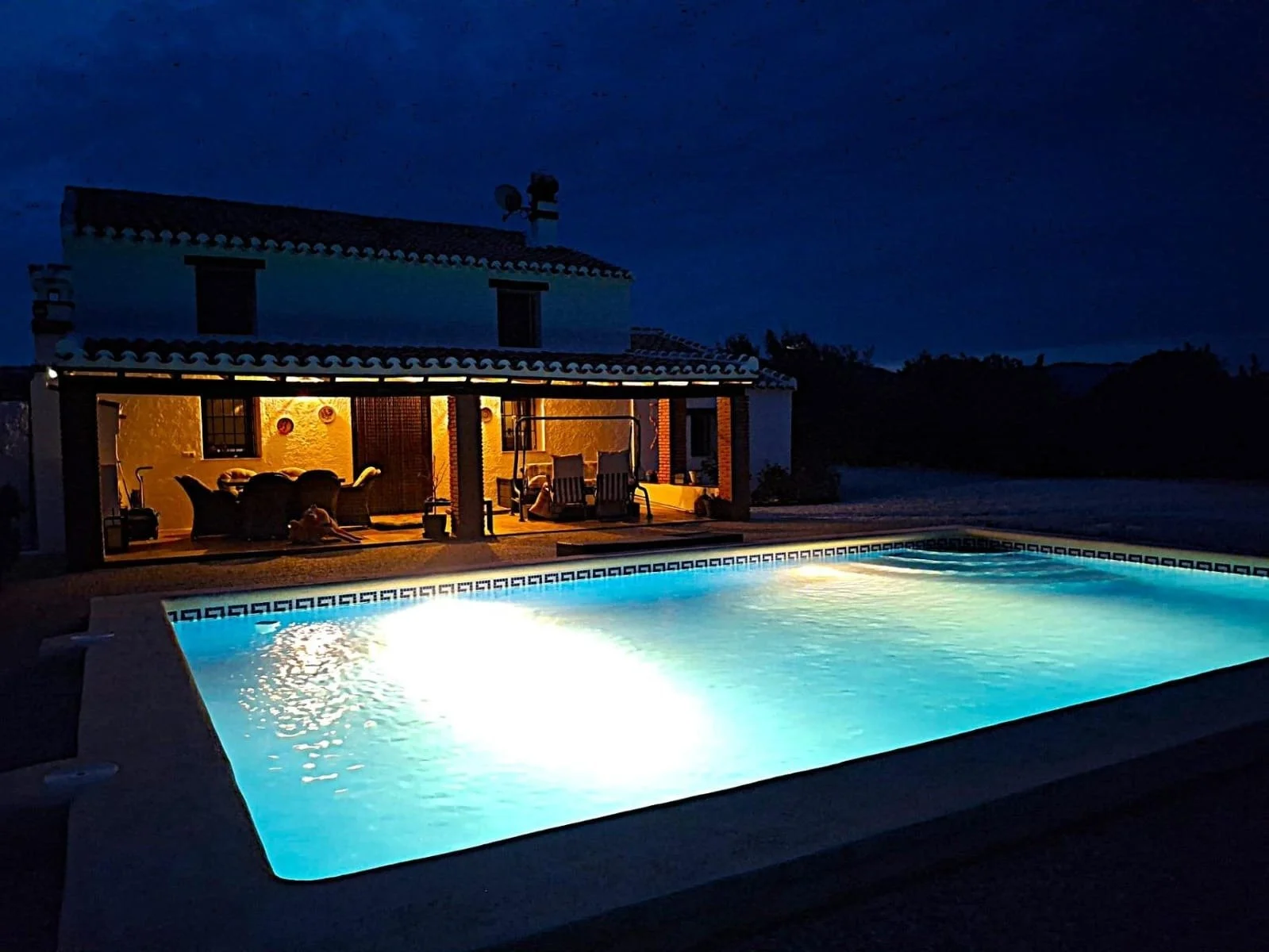
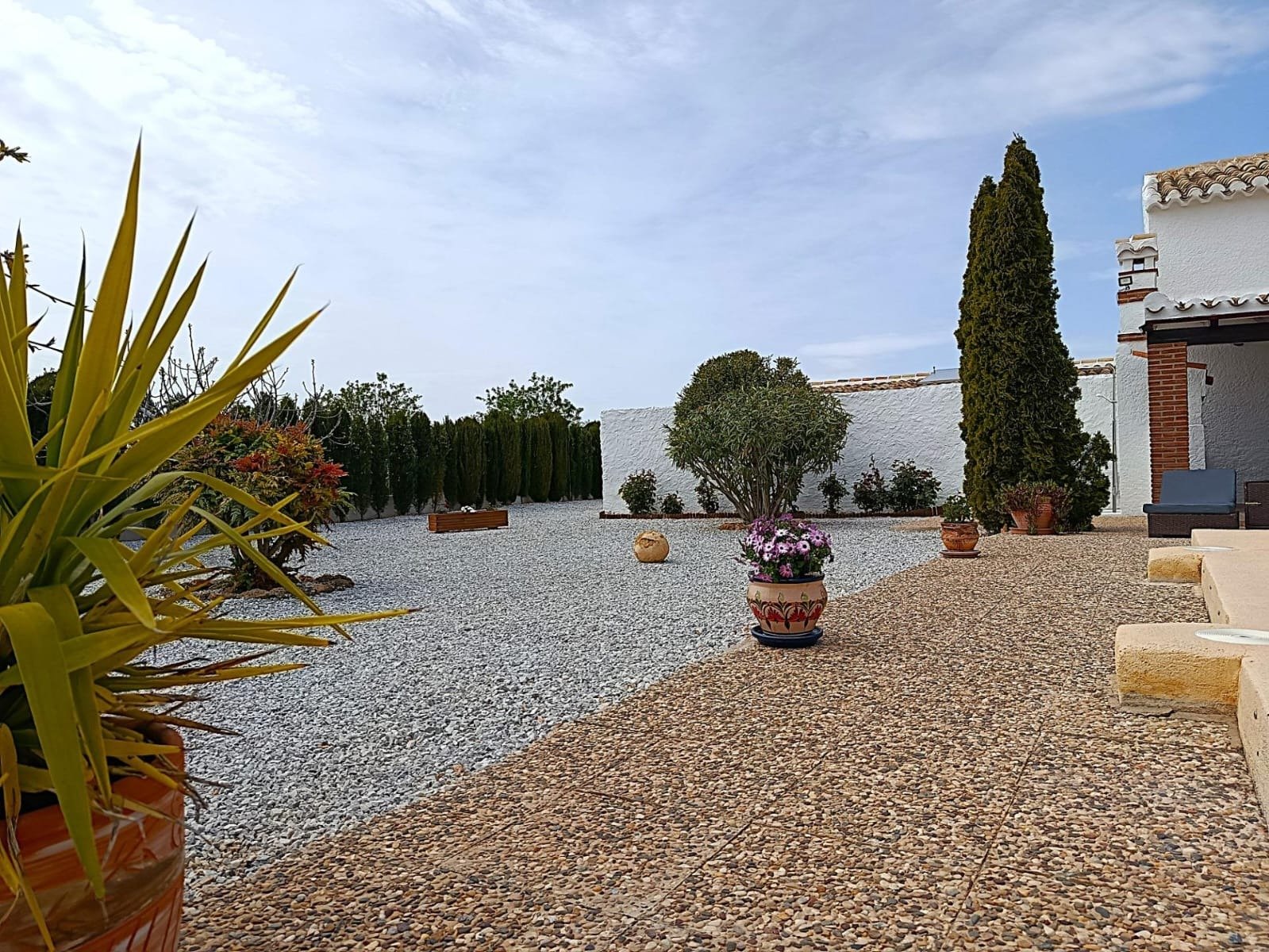
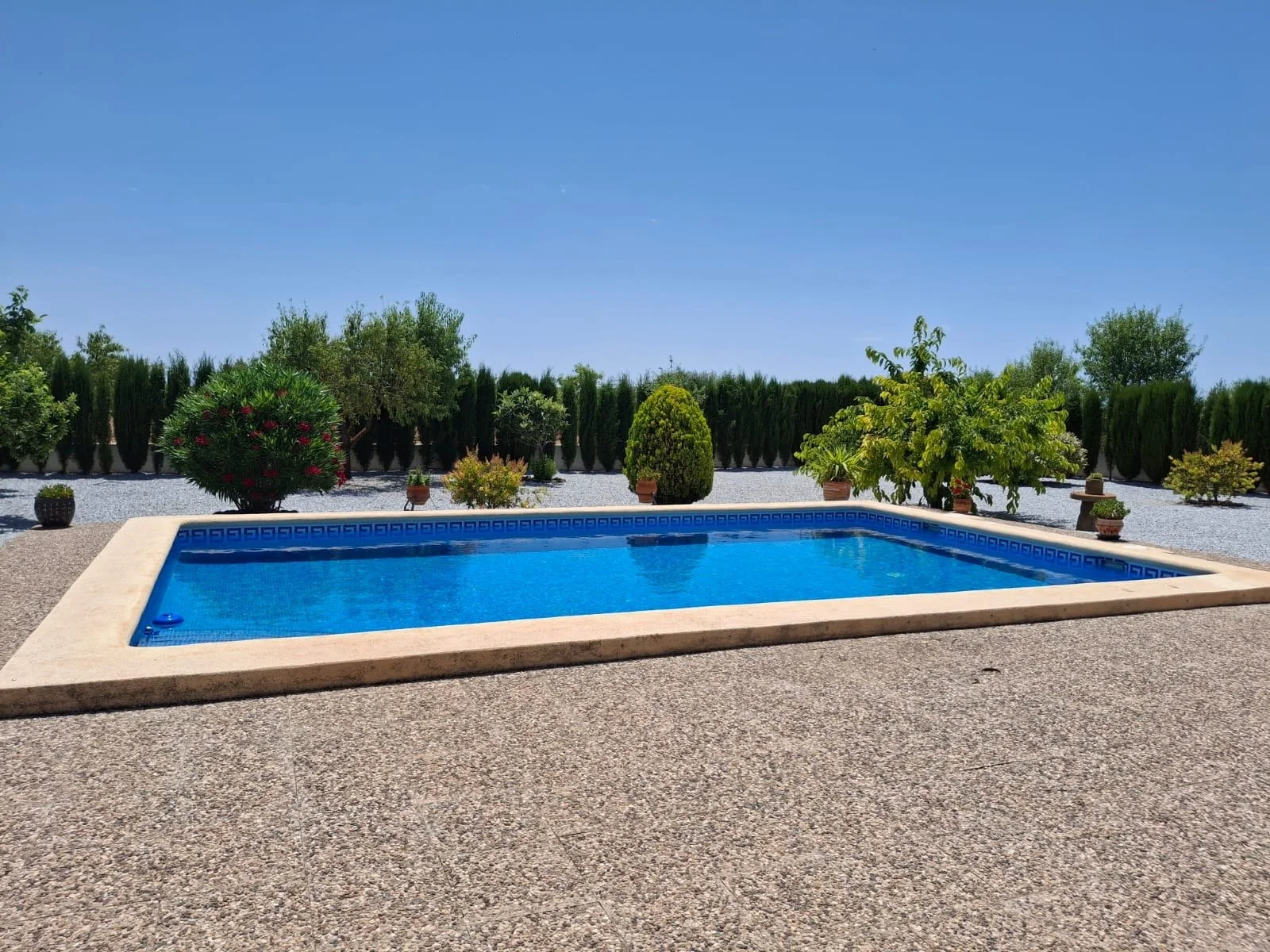
Pool, panoramic valley views, gardens, terraces
Additional accommodation / use space
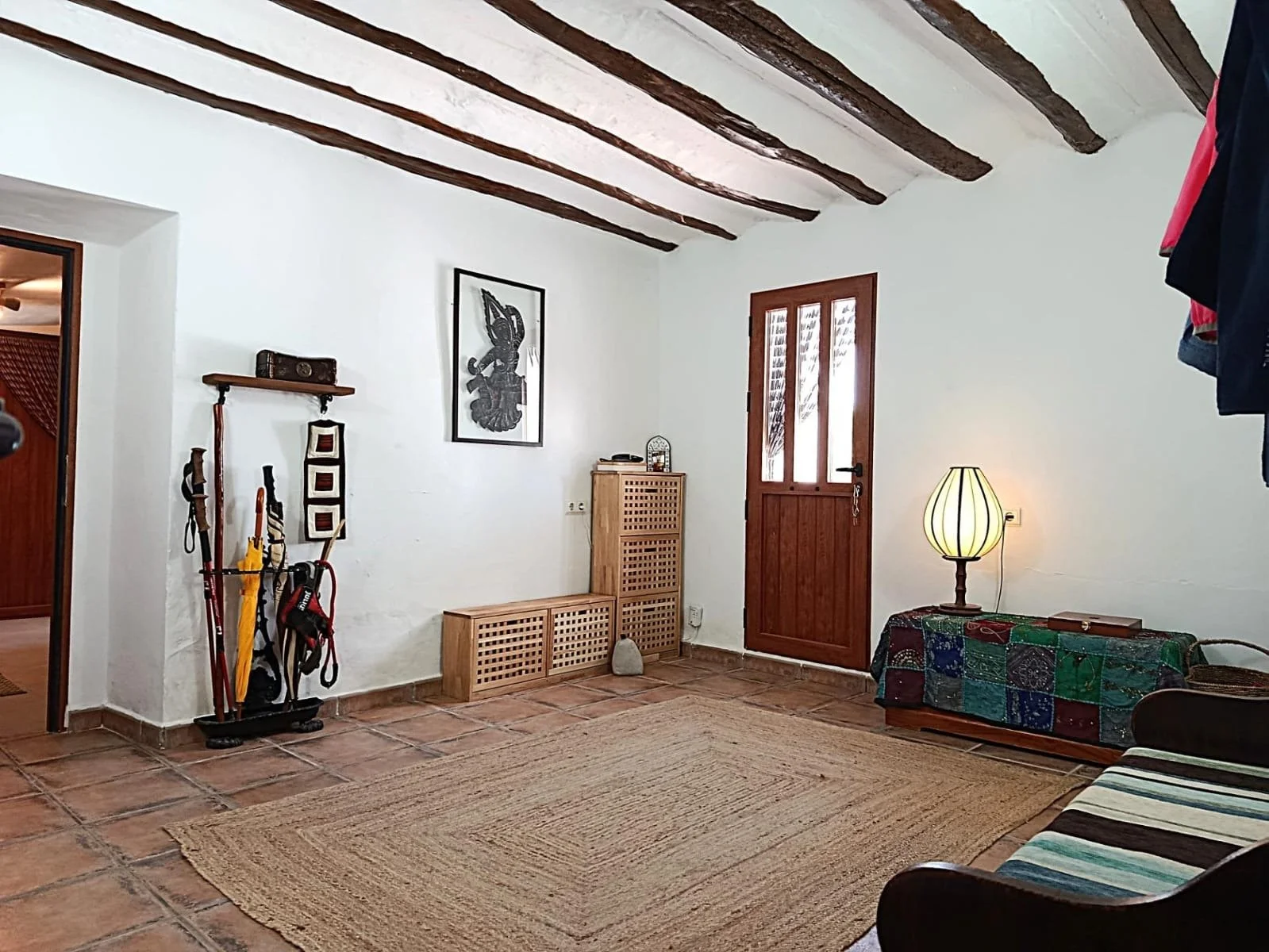
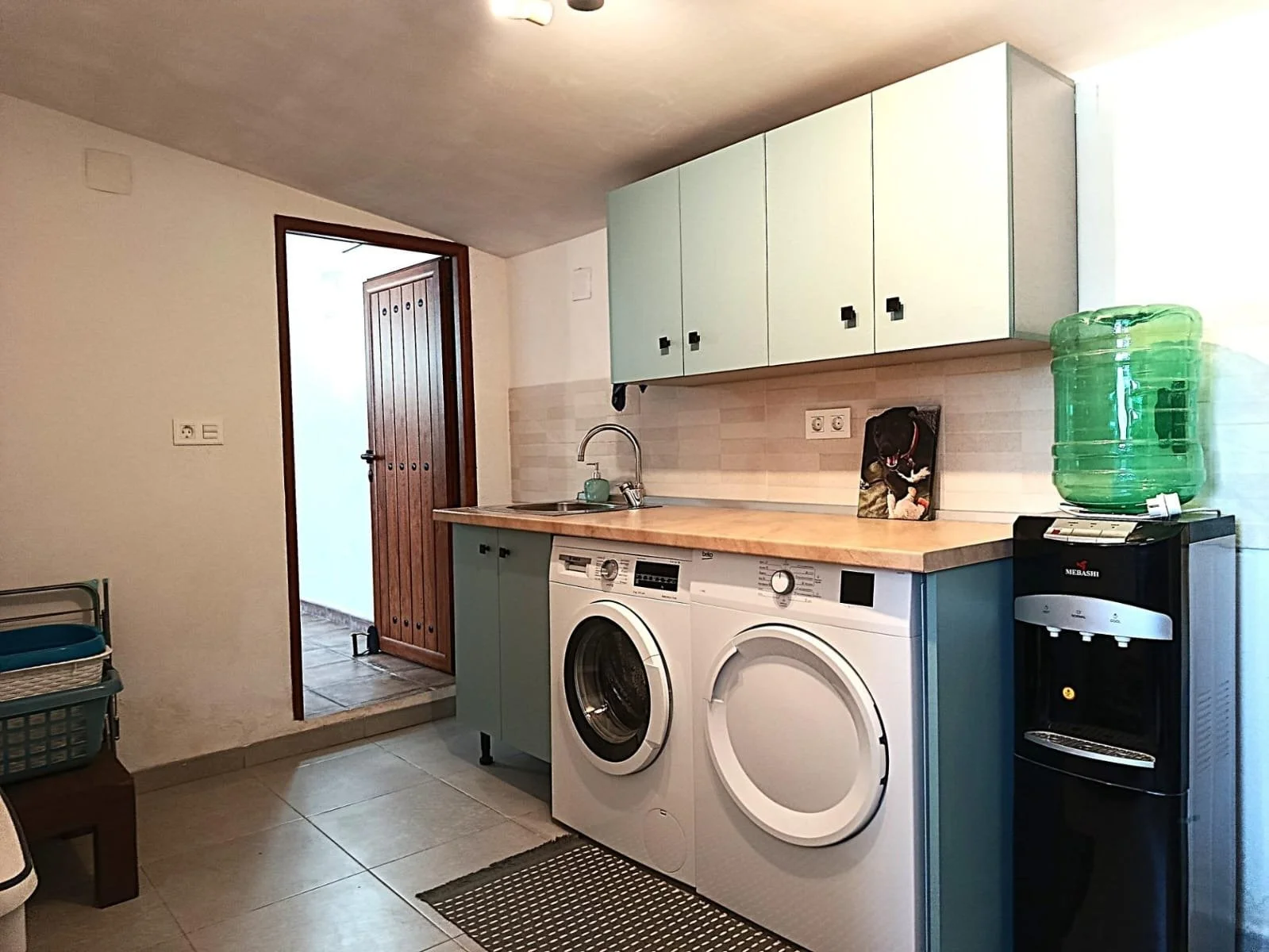
Yoga studio with private entrance, bathroom, laundry room and terrace
Heating and cooling
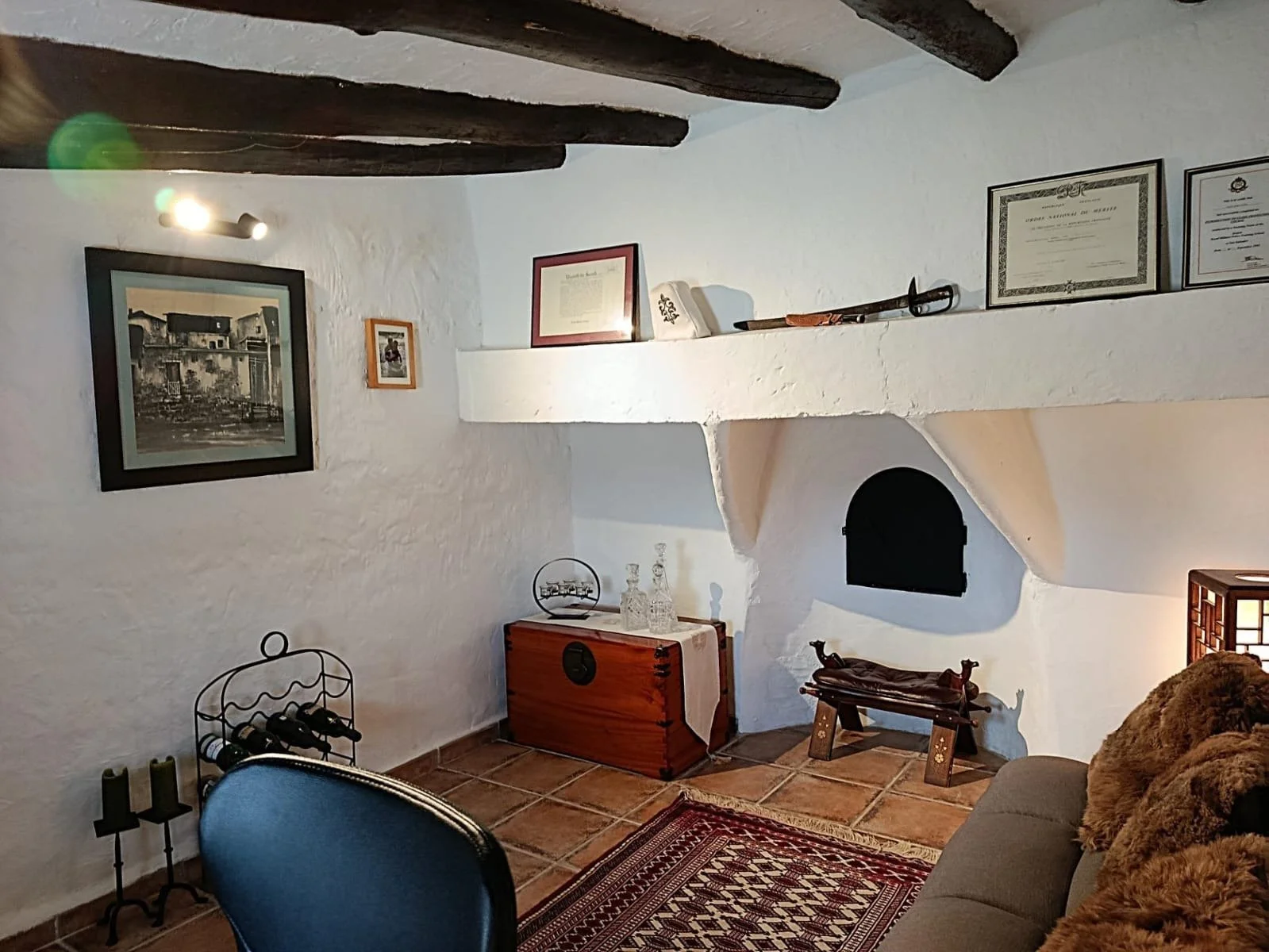
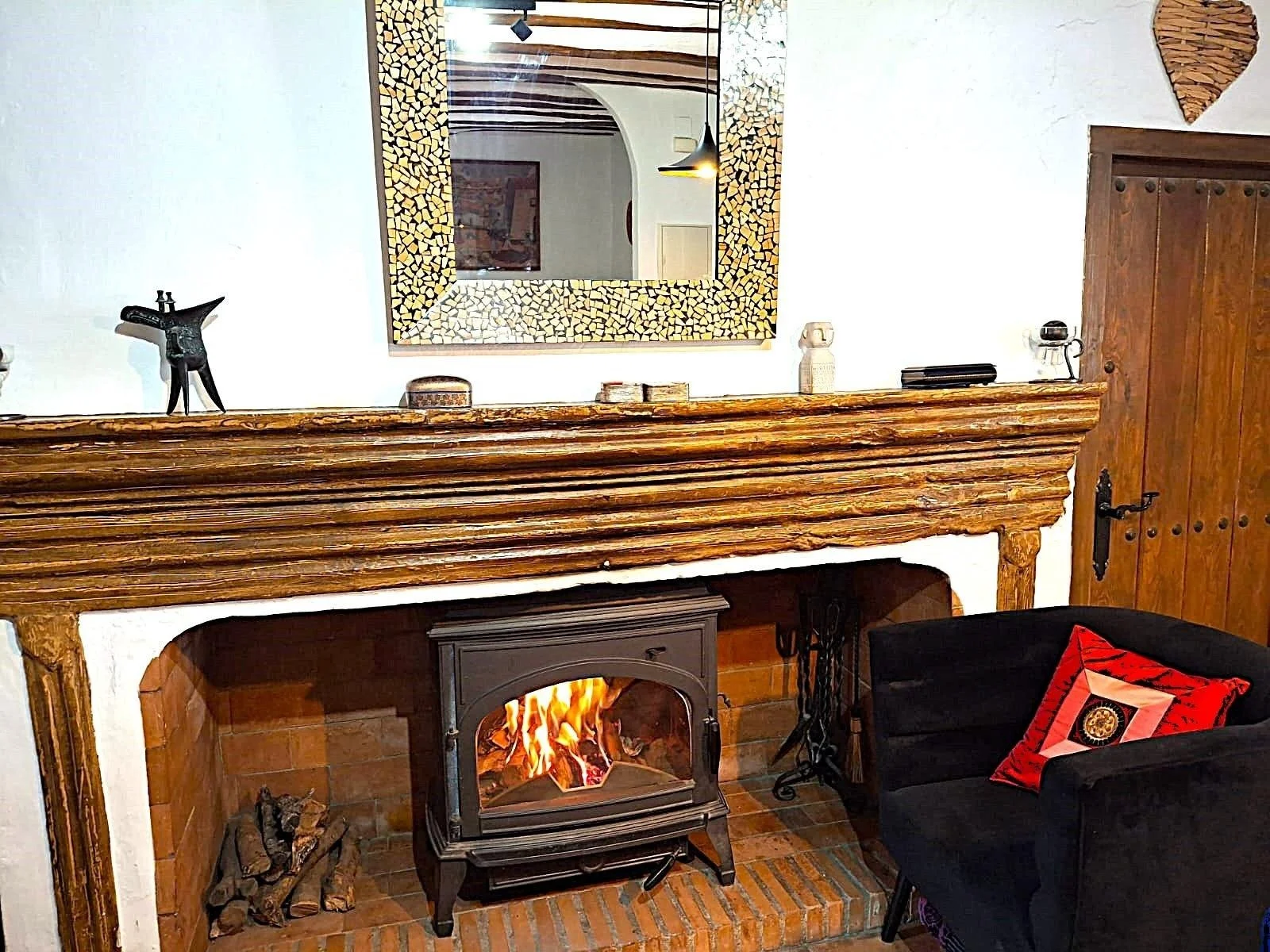
Fireplace, wood burner, air conditioning in bedrooms and yoga room
Hot water
Solar water heater mentioned
Access
Approx. 3 km dirt road
Setting
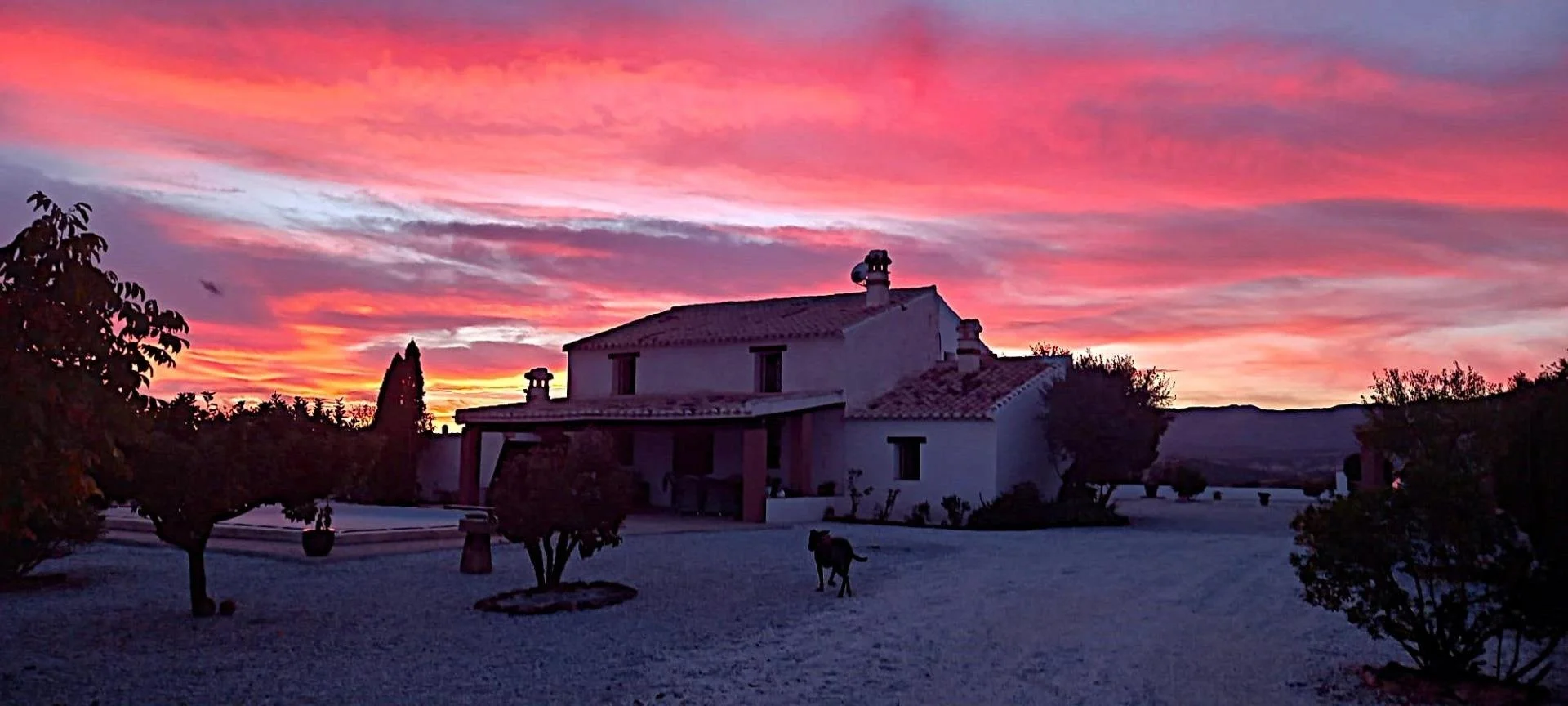
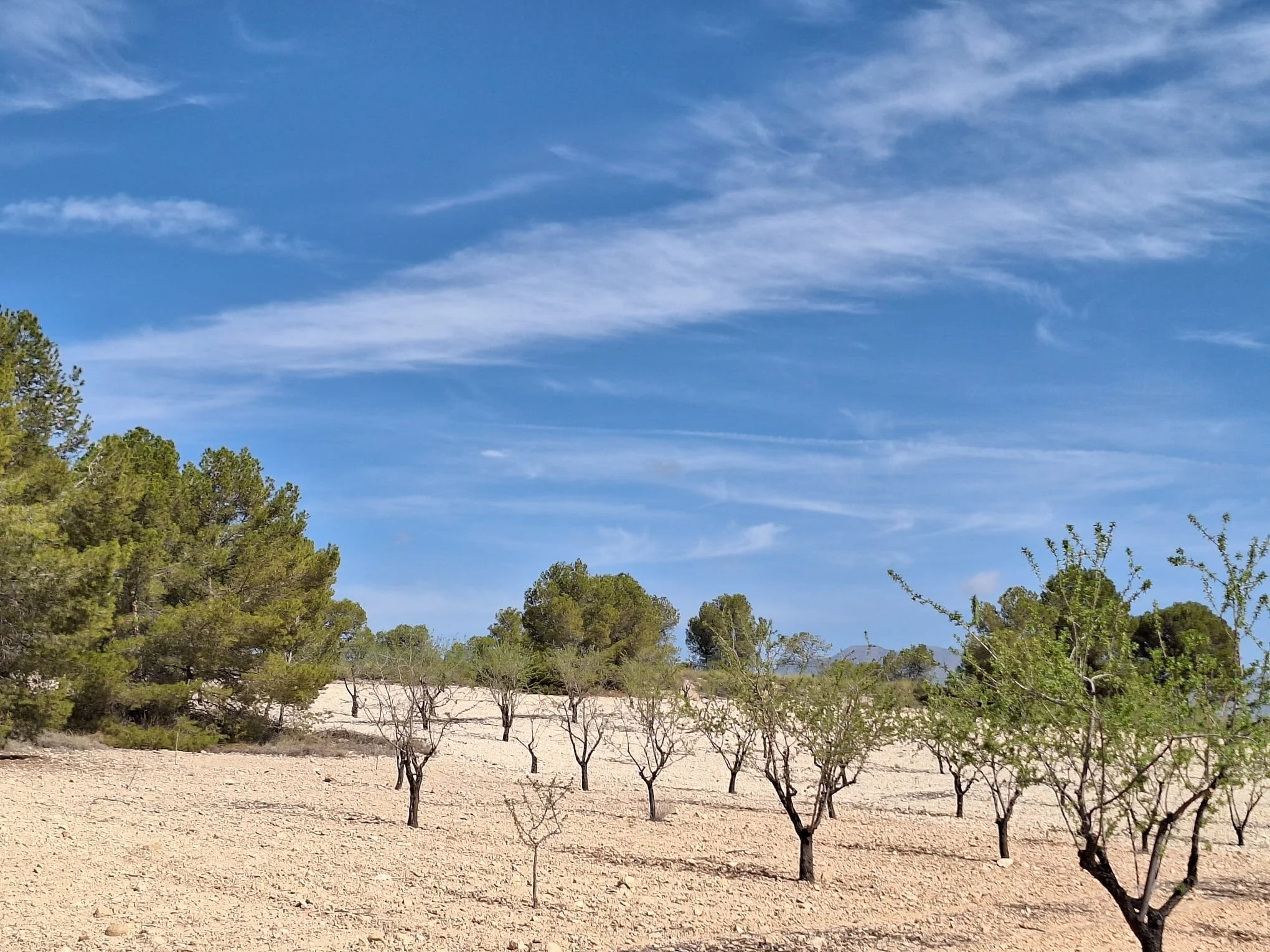
Private rural position with strong lifestyle appeal
Key due diligence themes
Renovation permits, legal status of the yoga studio, rental feasibility, access road, water and drainage, energy documentation, and land/title accuracy
Risk Radar
Overview
This is the kind of Andalusian rural property that sells on atmosphere first and paperwork second. The combination of valley views, pool, yoga studio, privacy and a recently renovated cortijo layout creates strong emotional appeal, but the real buying decision sits in the documentation behind that appeal.
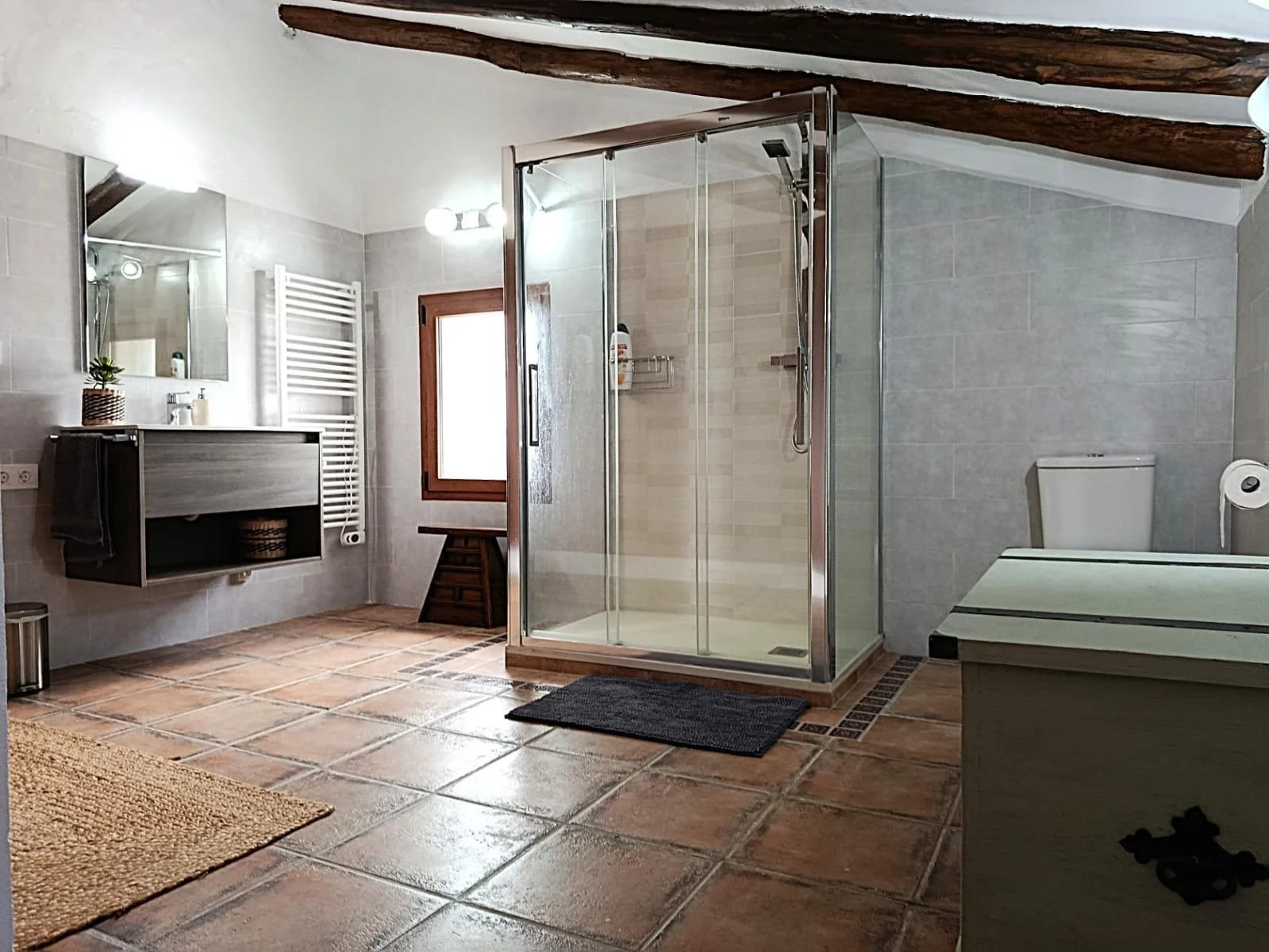
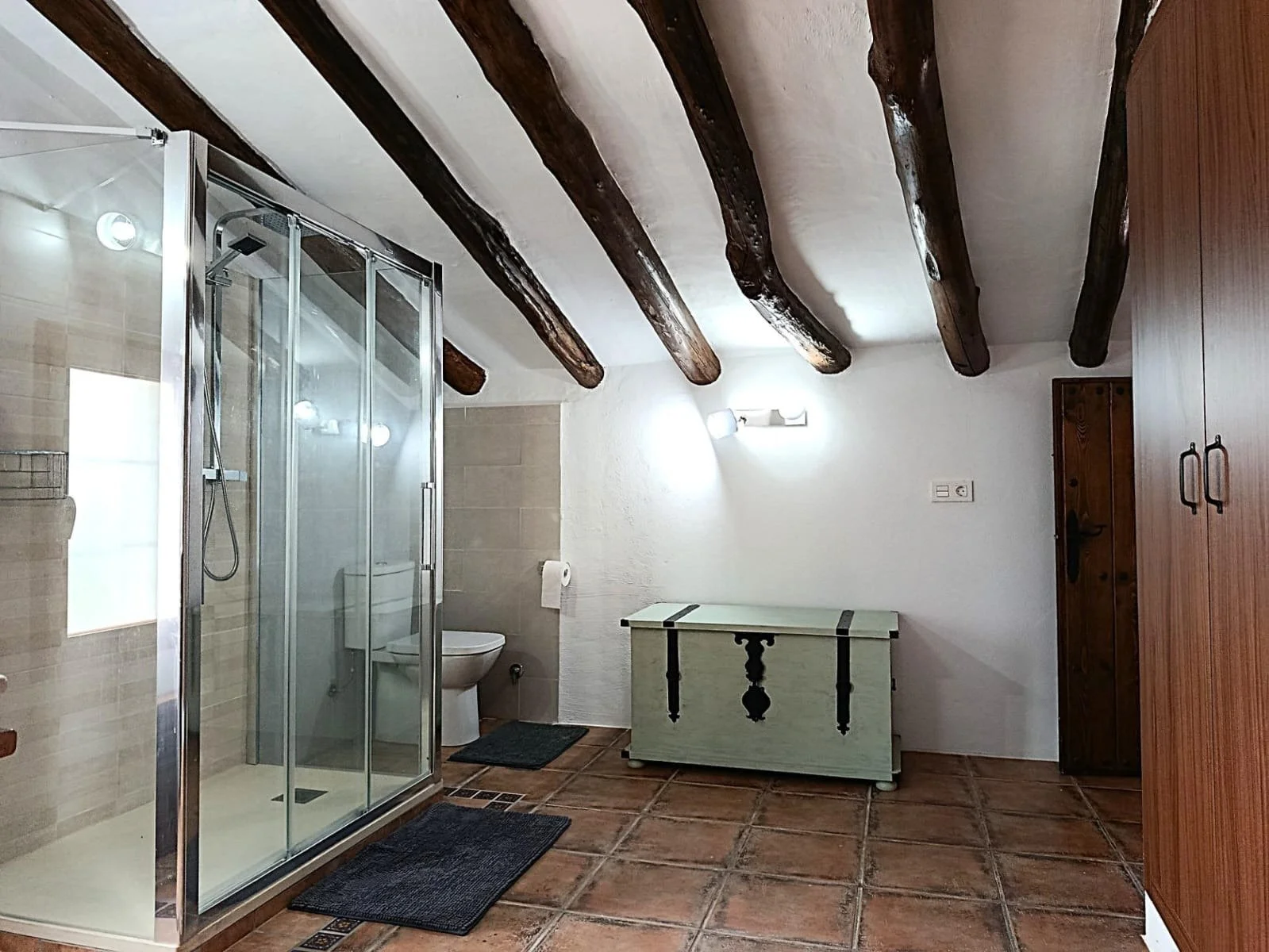
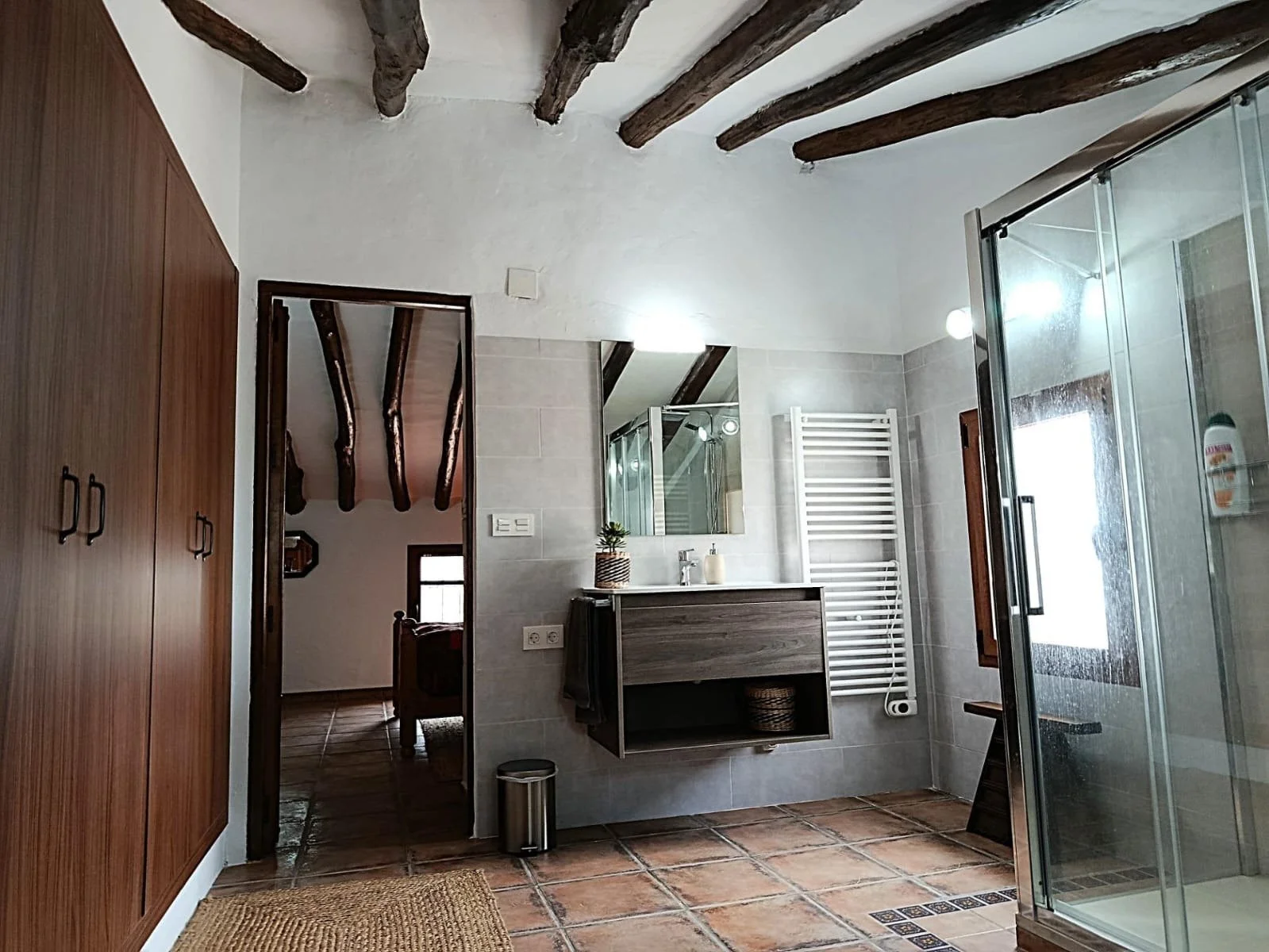
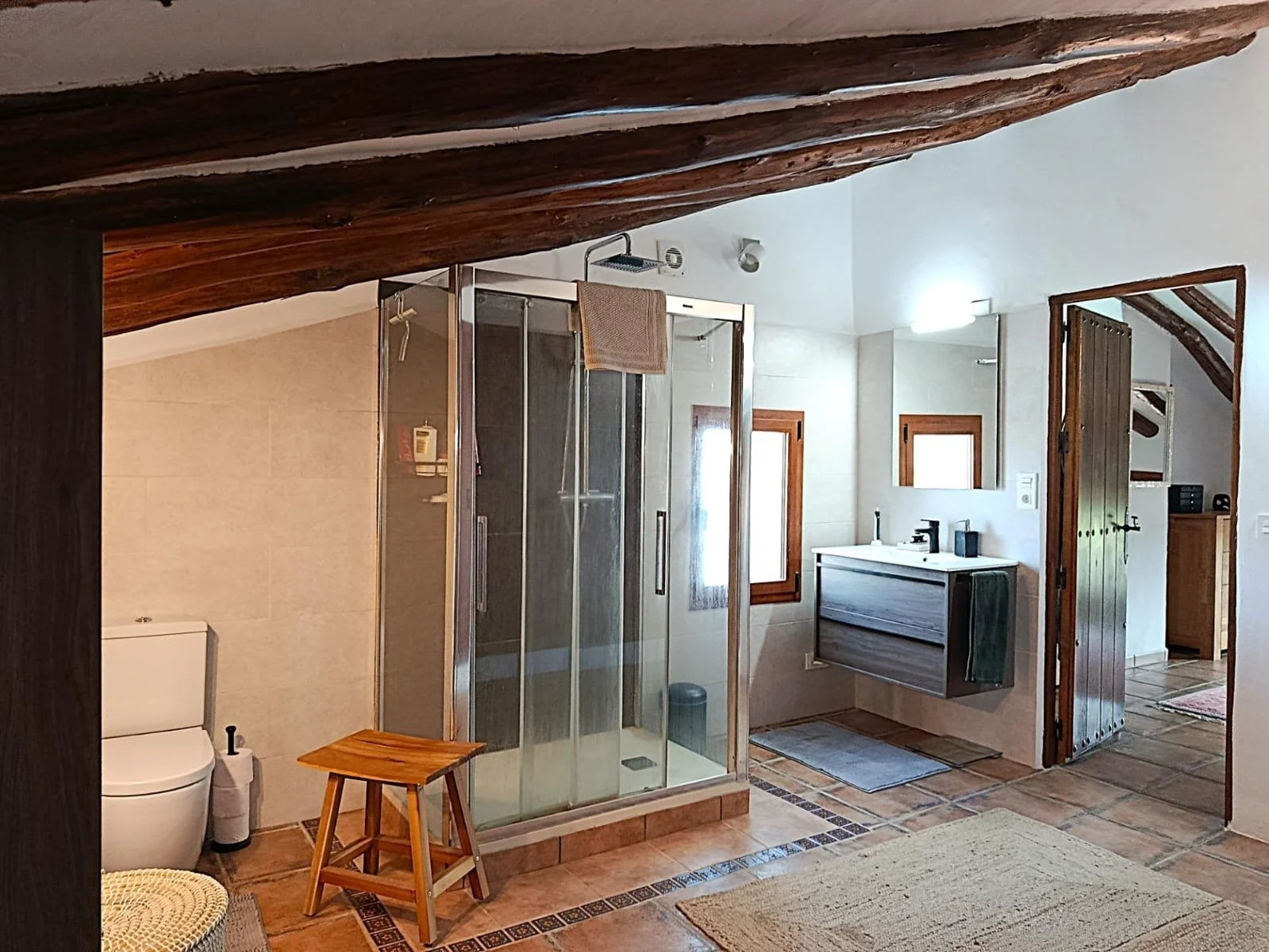
The positive side is clear. A renovation reportedly completed between 2019 and 2022 suggests the buyer may be stepping into a house where major work has already been done, rather than inheriting a long list of obvious upgrades. The private-entry yoga studio adds flexibility for guests, work, wellness use or income generation. The pool, gardens and terraces strengthen both owner-occupier enjoyment and seasonal rental appeal.
The main due diligence issue is whether the legal and technical paperwork has kept pace with the physical renovation. In Spanish rural property, that gap matters. A beautifully executed refurbishment can still leave open questions about licences, declared built area, annex status, occupancy documents, septic arrangements, access rights or whether all structures are correctly reflected in the registry and cadastral records. Here, the yoga studio is especially important. If it is merely ancillary space rather than an independently regularised dwelling or annexe, that materially affects rental assumptions, valuation logic and future resale positioning.
A second major theme is the practical reality of rural ownership. The 3 km dirt road may be a non-issue for one buyer and a deal-breaker for another. Everything depends on who owns it, who maintains it, whether it is passable after heavy rain, whether deliveries and contractors can access easily, and whether any neighbours share legal rights over it. Water source, irrigation, drainage and internet quality also move from minor details to daily-life essentials in a property like this.
Finally, the stated "Energy Class N" deserves clarification rather than assumption. A seller should be able to explain whether the energy certificate is pending, exempt, expired, unregistered or simply not correctly reflected in the marketing. For a renovated house that claims modern comforts, a buyer should want documentary proof of the actual energy position and not just marketing language.
Targeted Questions
Title, Registry and Legal Configuration
It helps confirm ownership, charges, liens, legal description, and whether the house, studio and land are recorded as expected.
Differences between registry and cadastre can create problems at sale, mortgage stage or future resale.
The legal structure affects value, lending, permitted use and how the yoga studio can be represented.
A physically existing space that is not properly documented may require regularisation.
A buyer needs to understand whether third-party rights or debts attach to the asset.
This helps verify whether all key structures appear on the official map.
Renovated properties sometimes still carry outdated registry descriptions that no longer match reality.
Structural or footprint changes often need documentary follow-through, not just building work.
Renovation Permits and Completion Paperwork
The legality of the works affects insurability, resale certainty and future municipal risk.
Buyers should verify the works were authorised and properly closed out.
"Renovated" can mean very different things in cost, quality and longevity terms.
Layout changes can trigger planning and registration implications.
Invoices help establish scope, contractor identity, timing and evidence of investment.
Transferable guarantees can reduce early ownership risk.
Roof work is one of the most expensive rural-property cost items and should not be left vague.
Rural hillside properties can hide expensive moisture or run-off issues.
A buyer needs to know whether the occupation paperwork matches the improved building.
Yoga Studio, Annex Use and Rental Position
Legal classification determines how it can be marketed, used and valued.
Separate use often depends on separate legal recognition.
Independent access can strengthen rental use, but only if legally regularised.
Wet areas added without approval are a common rural-property issue.
Past use can reveal both income potential and whether the current owner has already tested the concept.
Real performance is more useful than generic market optimism.
Buyers should separate evidence from marketing projection.
This directly affects yield modelling and operational flexibility.
A private entrance alone does not create legal rental independence.
Building Condition, Systems and Running Costs
Fireplace and wood burner sound appealing, but buyers need to know what is genuinely practical.
Rural lifestyle properties can have materially higher operating costs than expected.
This affects comfort, energy use and whether the listed climate control is truly sufficient.
Solar hot-water systems can be excellent, but only if correctly sized and maintained.
The buyer needs to know whether the system works reliably year-round.
Window quality is one of the clearest indicators of actual energy performance.
A renovated appearance does not necessarily mean a thermally efficient building.
Old electrical infrastructure is a major safety and insurance issue in country properties.
Plumbing defects are disruptive and expensive, especially in multi-zone properties.
The post-renovation performance history is often more revealing than the work description.
Pool, Garden and External Works
Resurfacing, pump replacement and structural repair carry very different cost and risk implications.
Pool systems have predictable replacement cycles and can create hidden short-term costs.
This affects rental appeal, safety and ongoing cost.
Documentary evidence is especially useful for recent refurbishments.
Irrigation on rural land can become expensive or constrained if supply is limited.
Rural water resilience matters in hot-weather and drought-prone areas.
Exterior groundworks can become recurring costs in hillside settings.
Access, Boundaries and Rural Infrastructure
Access rights are fundamental, and maintenance liability can materially affect ownership costs.
Informal rural arrangements can be workable until repairs are needed.
Privacy is attractive, but year-round usability is what matters in practice.
These can affect privacy, future use and buyer enjoyment.
Buyers should not rely only on marketing descriptions in rural settings.
Water source affects reliability, legal checks and future running costs.
Septic compliance and condition are major rural due-diligence items.
Under-capacity drainage can become a costly compliance issue.
Remote work, guest satisfaction and property usability increasingly depend on connectivity.
Practical Use, Local Context and Sale Process
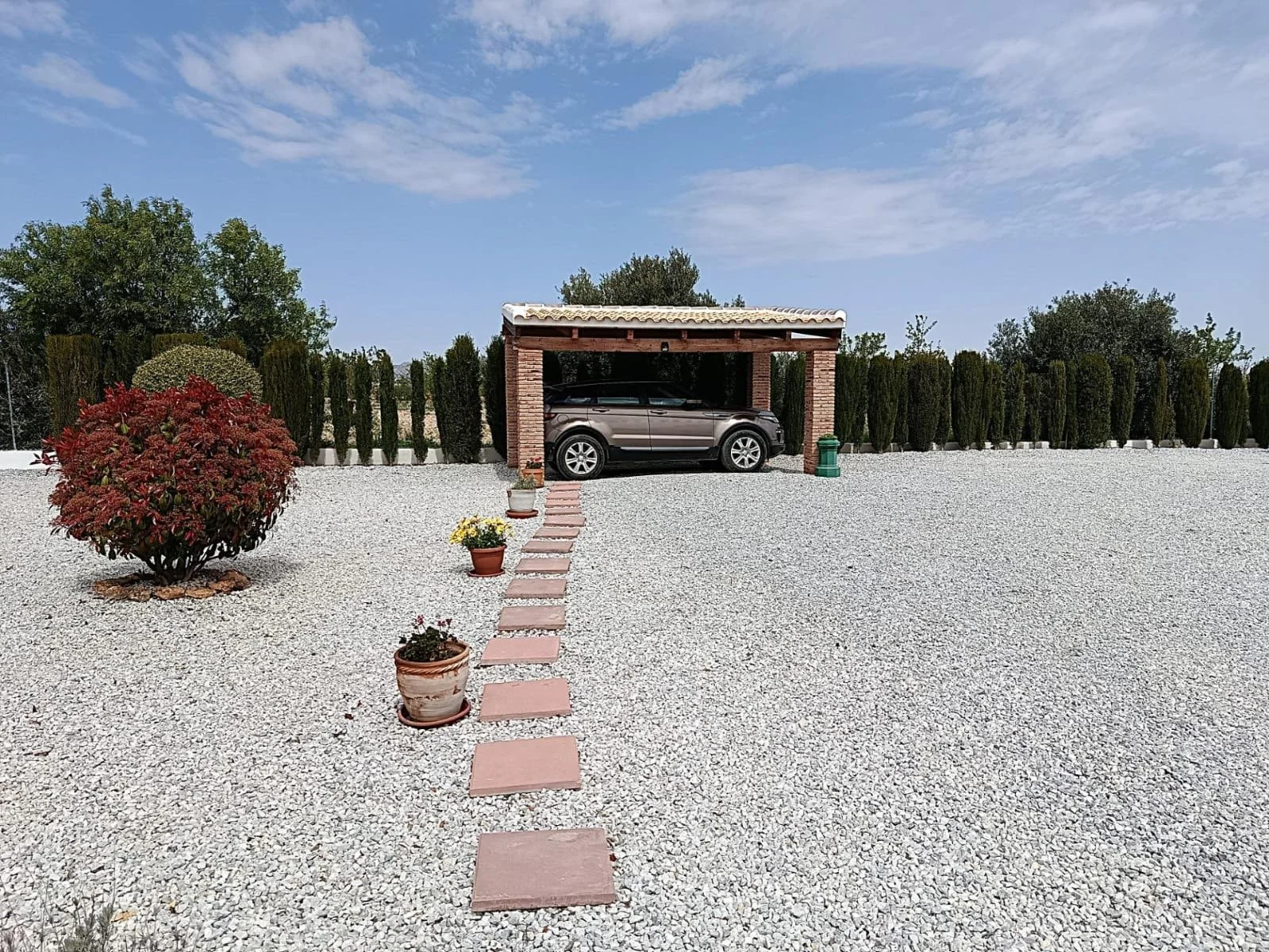
Parking practicality matters more in a rural access context than the listing may suggest.
Lifestyle suitability depends on real daily convenience, not just scenery.
This helps test the claim of privacy and understand the wider setting.
The answer can reveal practical motivations, hidden issues or simple timing.
Time-on-market and pricing history inform negotiation leverage.
A serious seller with clean paperwork can usually support a faster and safer buying process.
Negotiation Intelligence
Buyer Leverage
Medium-High
Key Drivers
Typical Negotiation Range
5-15% below asking
Neutral Phrasing Examples
Country Layer
Spain (Regulatory Context March 2026)
For a rural Andalusian property like this, the title pack should be checked against both the Registro de la Propiedad and Catastro. The land registry excerpt is informative and includes ownership, area, nature, boundaries, rights and encumbrances, while a formal registry certificate is what proves the existence or non-existence of liens for third-party enforcement.
Viewing Strategy
When you view this property, treat it as two exercises running in parallel.
Next Step
Verify from the listing:
Renovation permits and completion paperwork
Request the licencia de obras, any final municipal sign-off, contractor invoices and installation certificates so you can confirm that the 2019 to 2022 renovation is fully documented and not just visually impressive.
Yoga studio legal classification
Confirm whether the studio is registered only as part of the main dwelling or has any separate legal recognition, because that directly affects whether it can be used or marketed as independent guest accommodation.
Access road rights and maintenance
Clarify whether the 3 km dirt road is public, private or shared under easement, and obtain evidence of who maintains it and how year-round access is managed.
Water, septic and irrigation infrastructure
Verify the water source, septic arrangement, last inspection or servicing history, and how the automatic irrigation system is supplied so you can assess rural running risk properly.
Energy certificate and real operating efficiency
Ask for the registered Certificado de Eficiencia Energética and an explanation of the advertised “Energy Class N” so you can judge actual efficiency, compliance and likely annual running costs.
A prepared buyer should approach the agent calmly and frame questions as due diligence. For example: “To help me assess the property properly and prepare a serious offer, could you share the nota simple, cadastral plan, renovation permits and invoices, the legal paperwork for the yoga studio, and the energy and drainage documentation?”
Because this is a rural Andalusian property where renovation quality, annex status and rental assumptions all materially affect value, run it through the Property Risk Assessment to pressure-test the legal and infrastructure risks, or use the Rental Yield Calculator once the studio’s legal rental position and the property’s licensing path have been properly verified.
Disclaimer: The Property Drop is buyer-focused intelligence, zero sales agenda. We curate exceptional properties, in southern Europe, from third-party agents and arm you with decision tools. No commission, no transactions, no agent partnerships, no skin in the game beyond helping you choose wisely. Information stays accurate until it doesn't (properties sell, prices shift, markets move). Everything here is shared for informational purposes only and should not be treated as legal, financial, or investment advice. Images belong to original agents. Read our Terms of Service to learn more.
IMPORTANT REMINDER: When contacting property agents featured on The Property Drop, you are entering into direct communication with third parties. It's recommended that you verify all property details independently, conduct thorough due diligence, engage qualified professionals (solicitors, surveyors, financial advisors), understand your rights and obligations under local property laws, and never send money or make commitments without proper legal protection.
