
The Buyer Playbook: Restored Boho-Chic House with Park and Woodland, Carcassonne, France, €526,000

Buyer Playbook
Pre-Viewing Intelligence Report
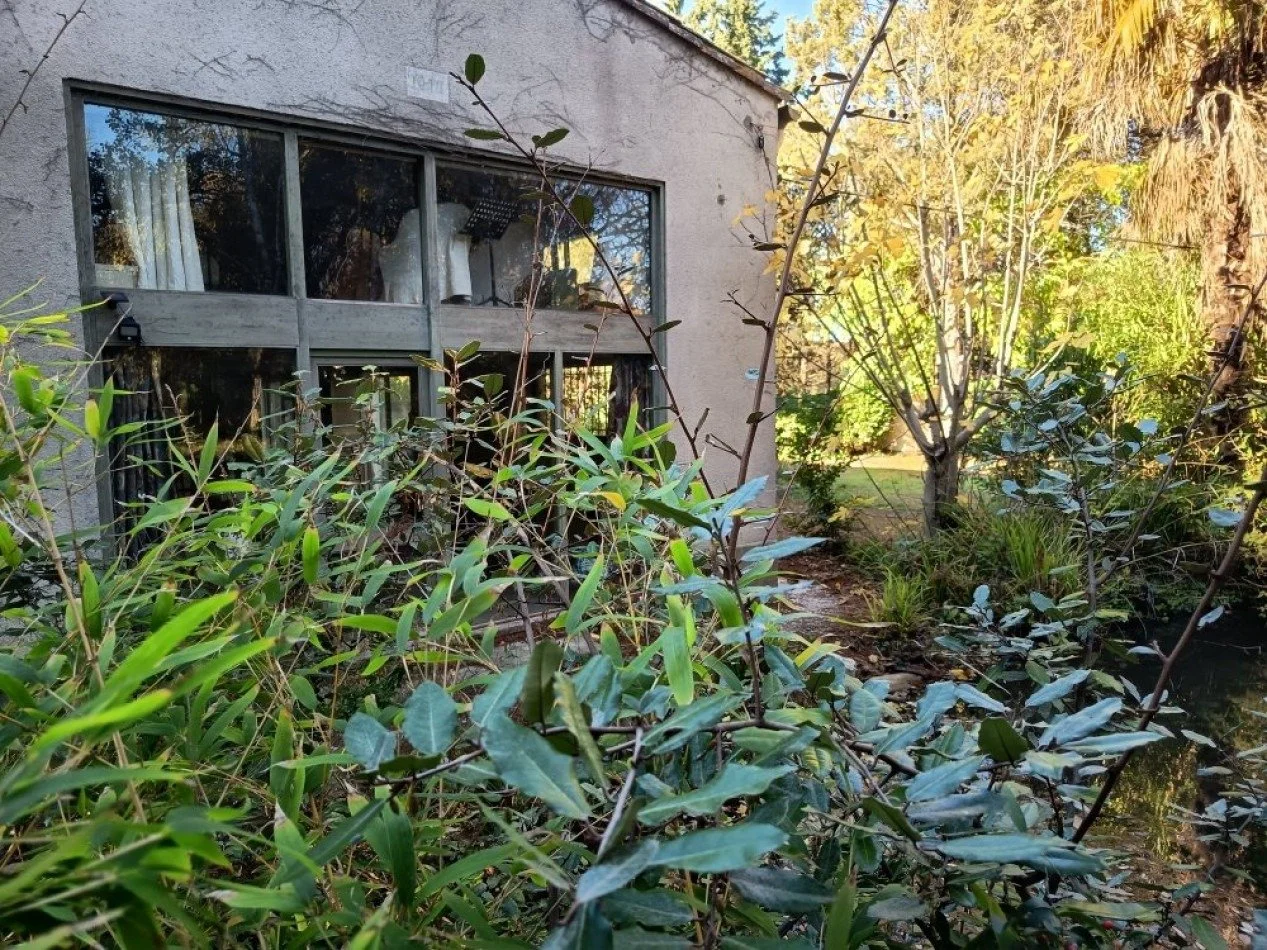
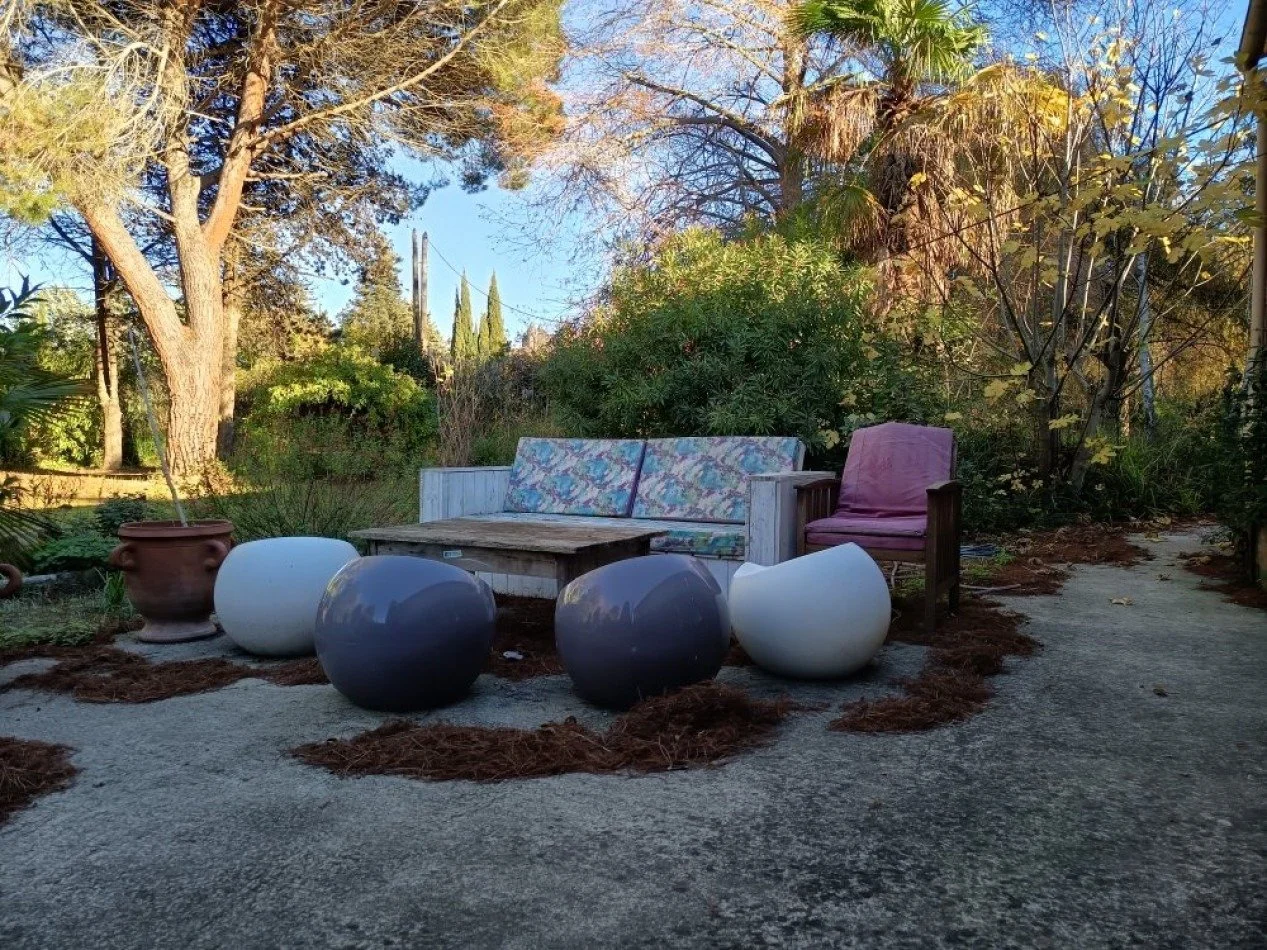
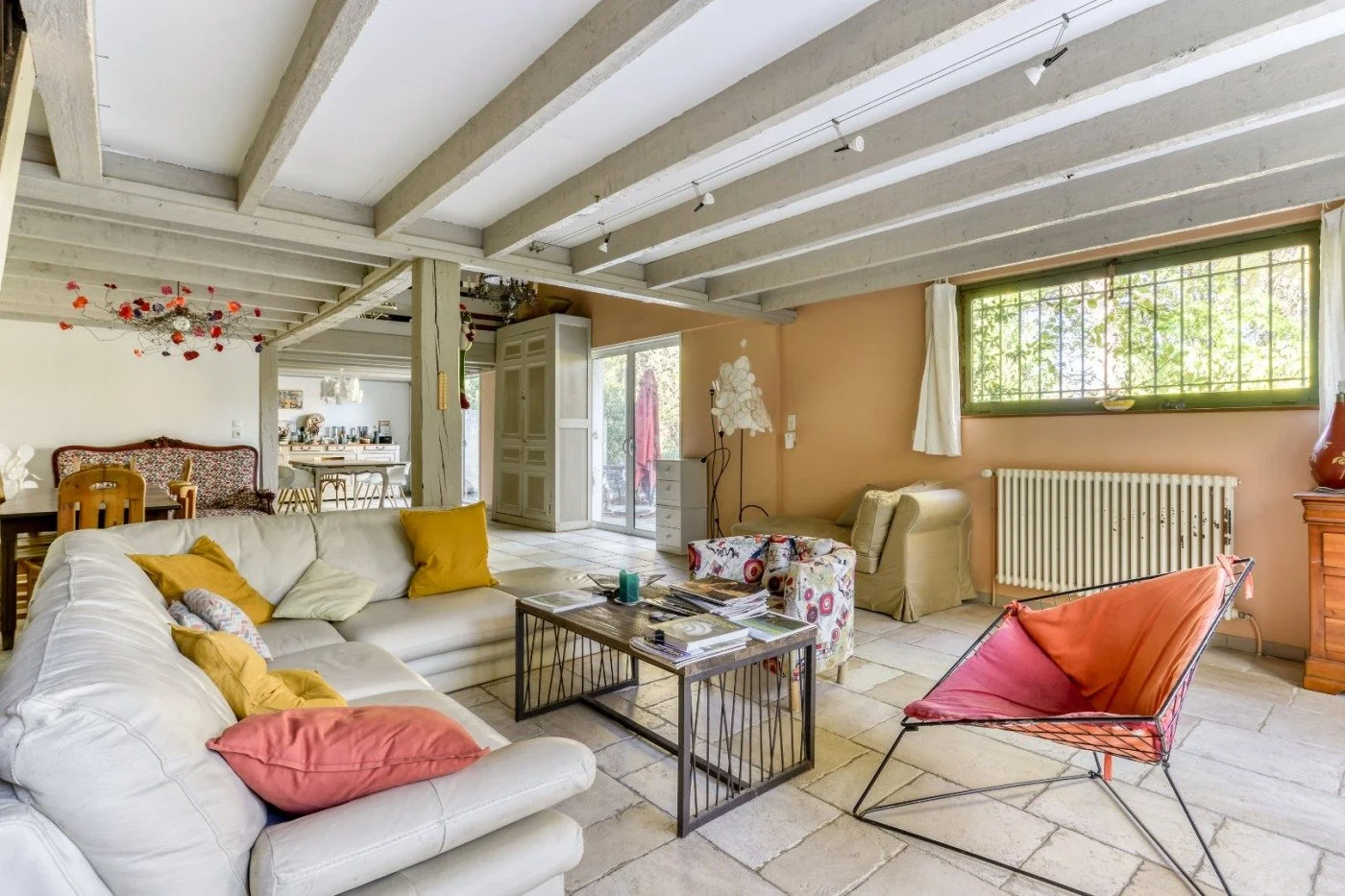
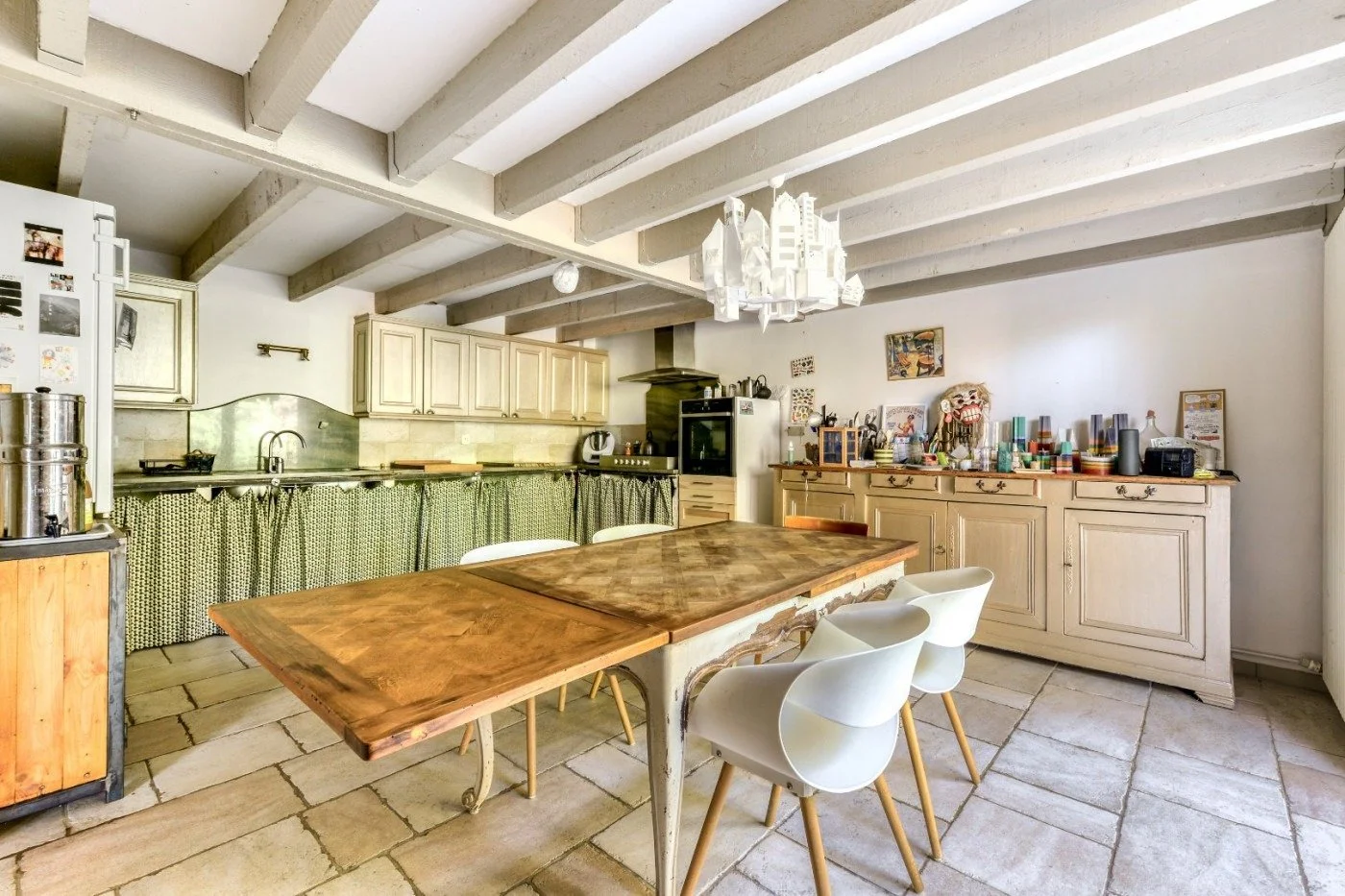
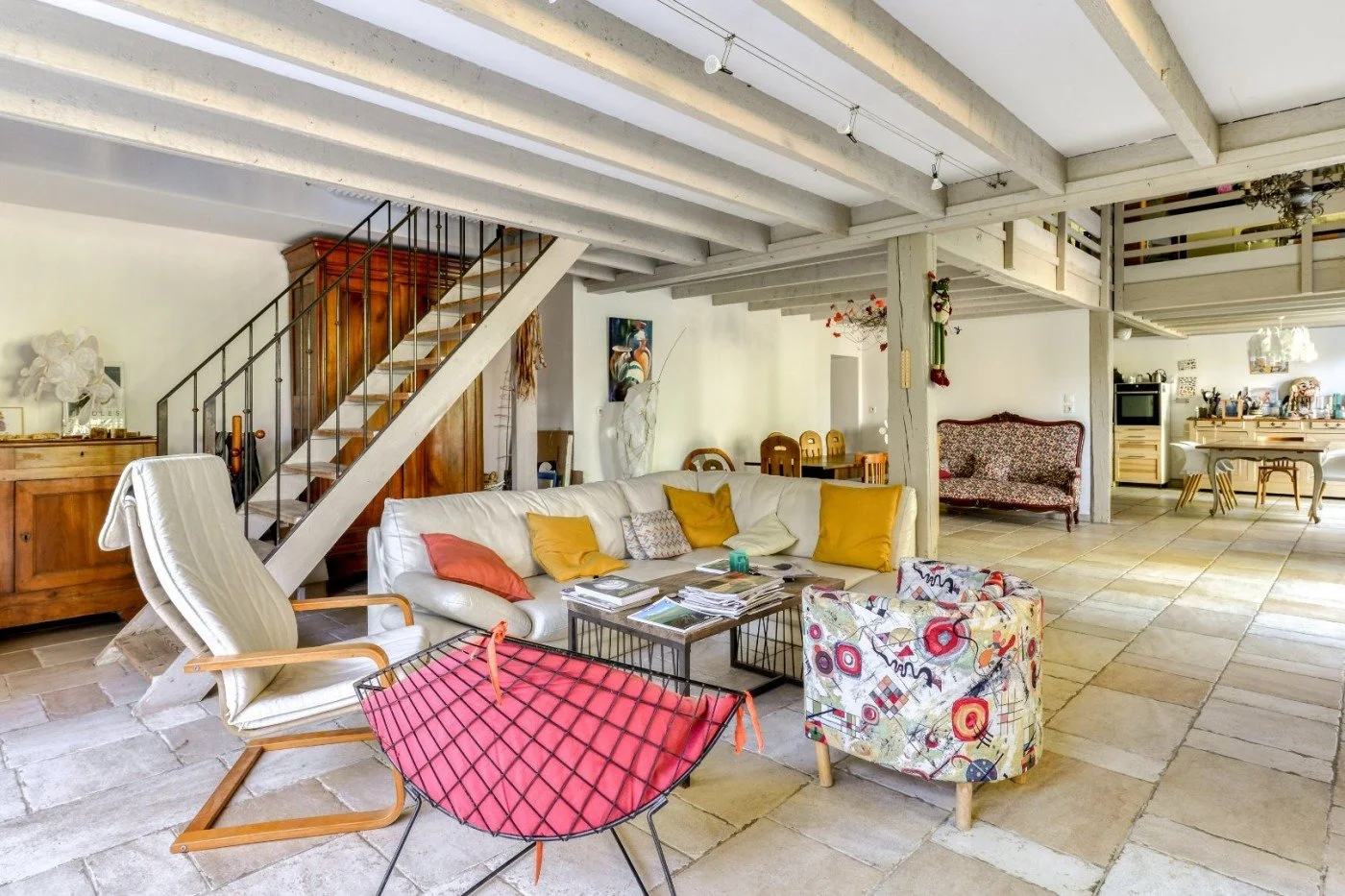
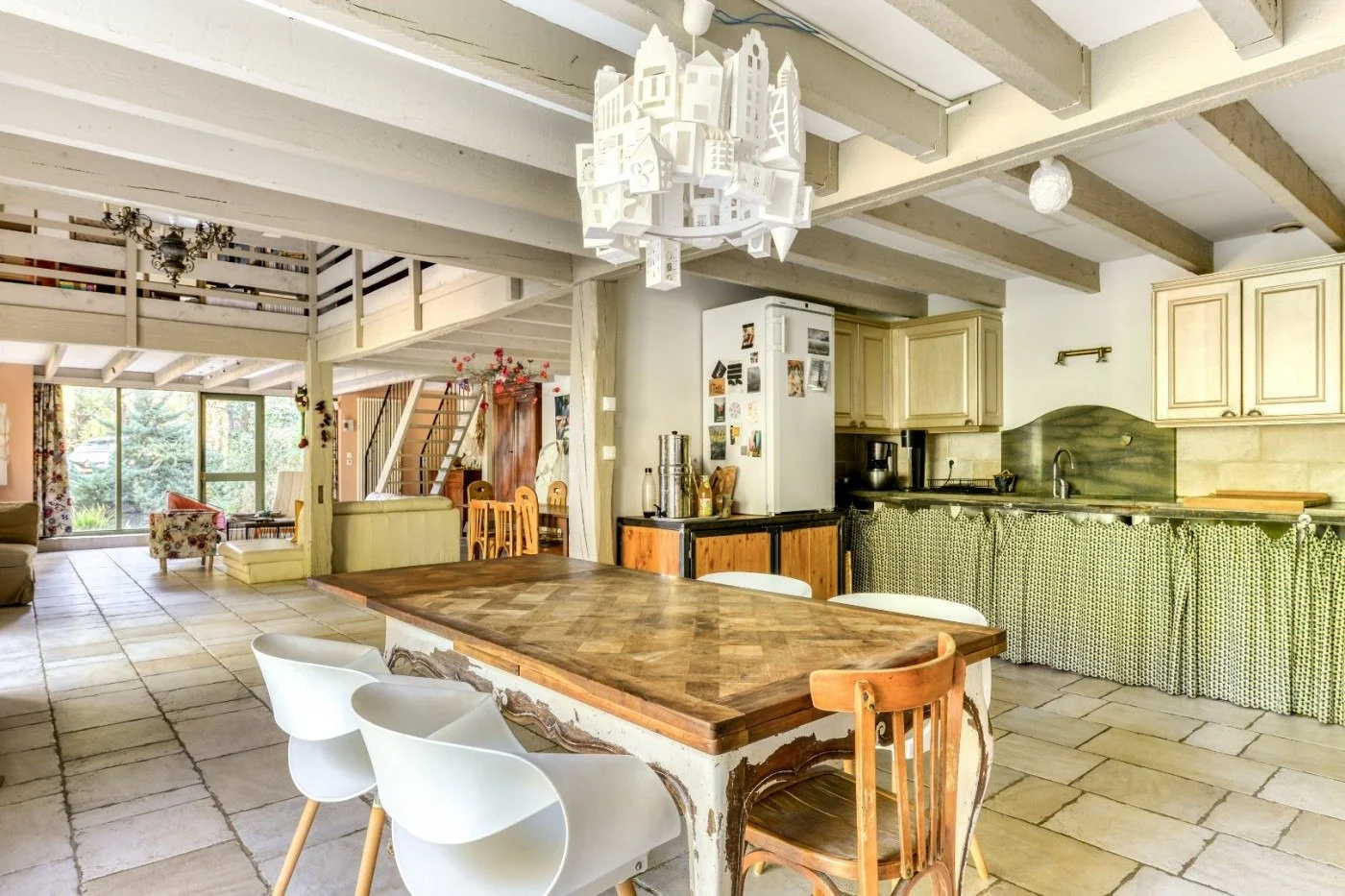
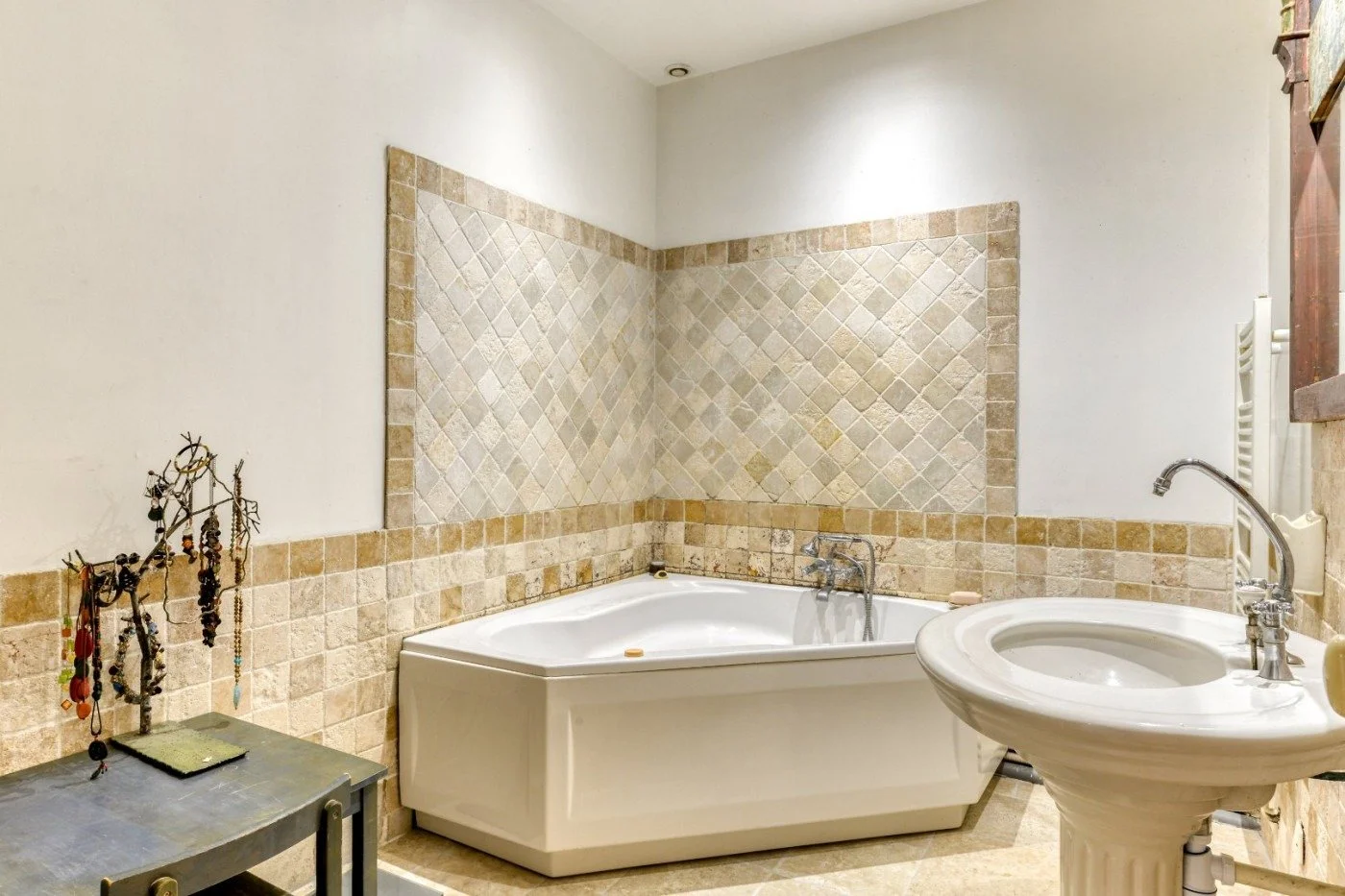
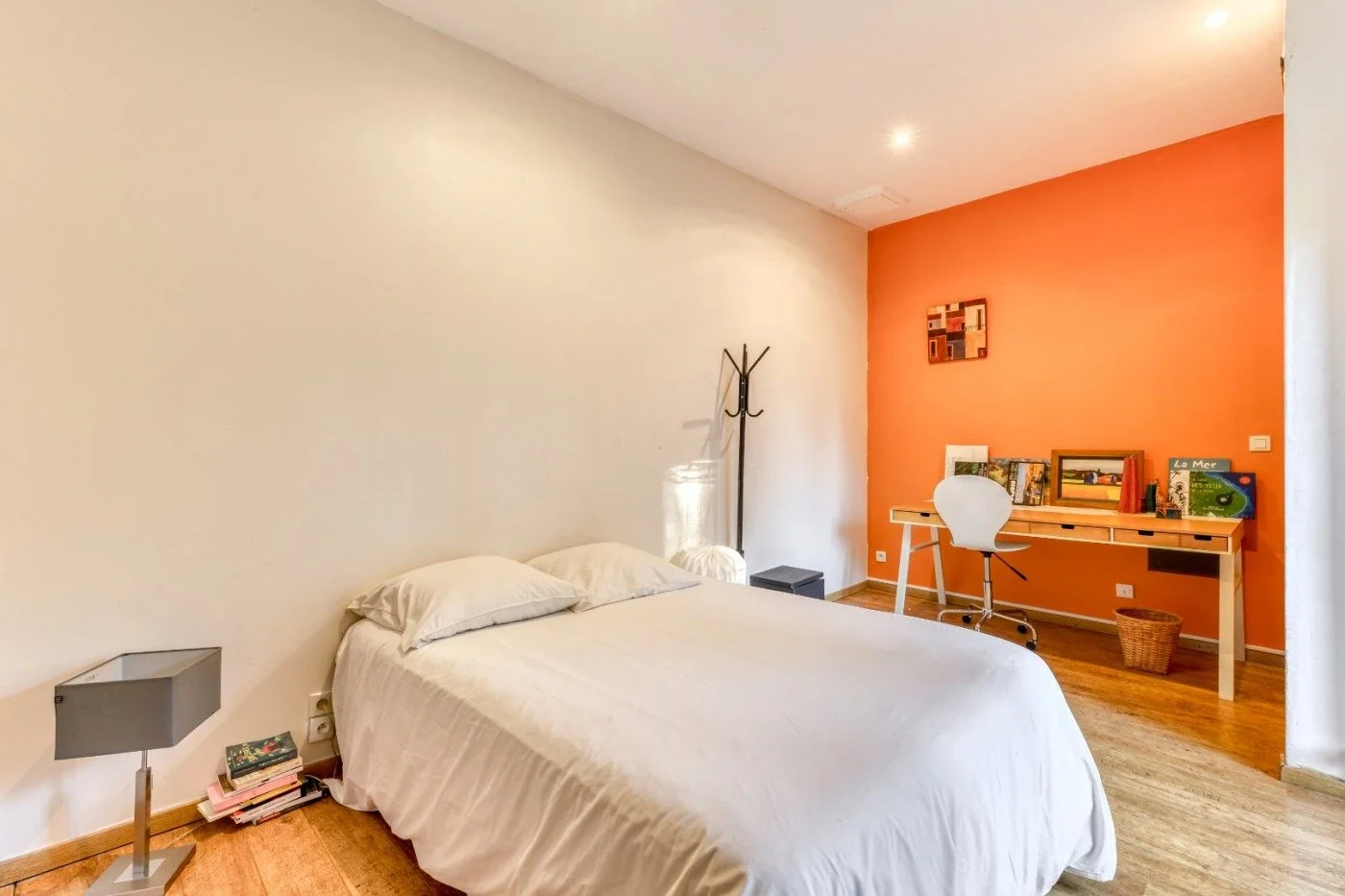
This independent buyer guidance report relates to this specific property located in France. It is provided for informational purposes only and does not constitute legal, tax, structural, forestry, planning or survey advice. Heritage controls, woodland classification, guest-house status, drainage, tourism use, and any rights affecting the land or buildings must always be verified with qualified French professionals such as a notaire, avocat, architecte, diagnostiqueur, surveyor, engineer or licensed property consultant, and with the relevant mairie, cadastre, SPANC and other local authorities. In France, works near protected monuments or within protected surroundings can require specific urban-planning approvals, and buyers should check the exact position with the mairie or DRAC. This report is designed to help buyers evaluate the property before arranging a viewing or making an offer. It highlights due-diligence issues and targeted questions to ask the agent. The analysis below is based on the listing details and current French regulatory context. The listing presents a restored 280 m² house near the Cité de Carcassonne with 4 bedrooms, 3+ bathrooms, a separate guest house, a landscaped 2,761 m² park with pond, and 10 hectares of private woodland, plus an Energy Class C rating and estimated annual energy costs of €2,050 to €2,830.
Playbook Contents
Property Snapshot
Location
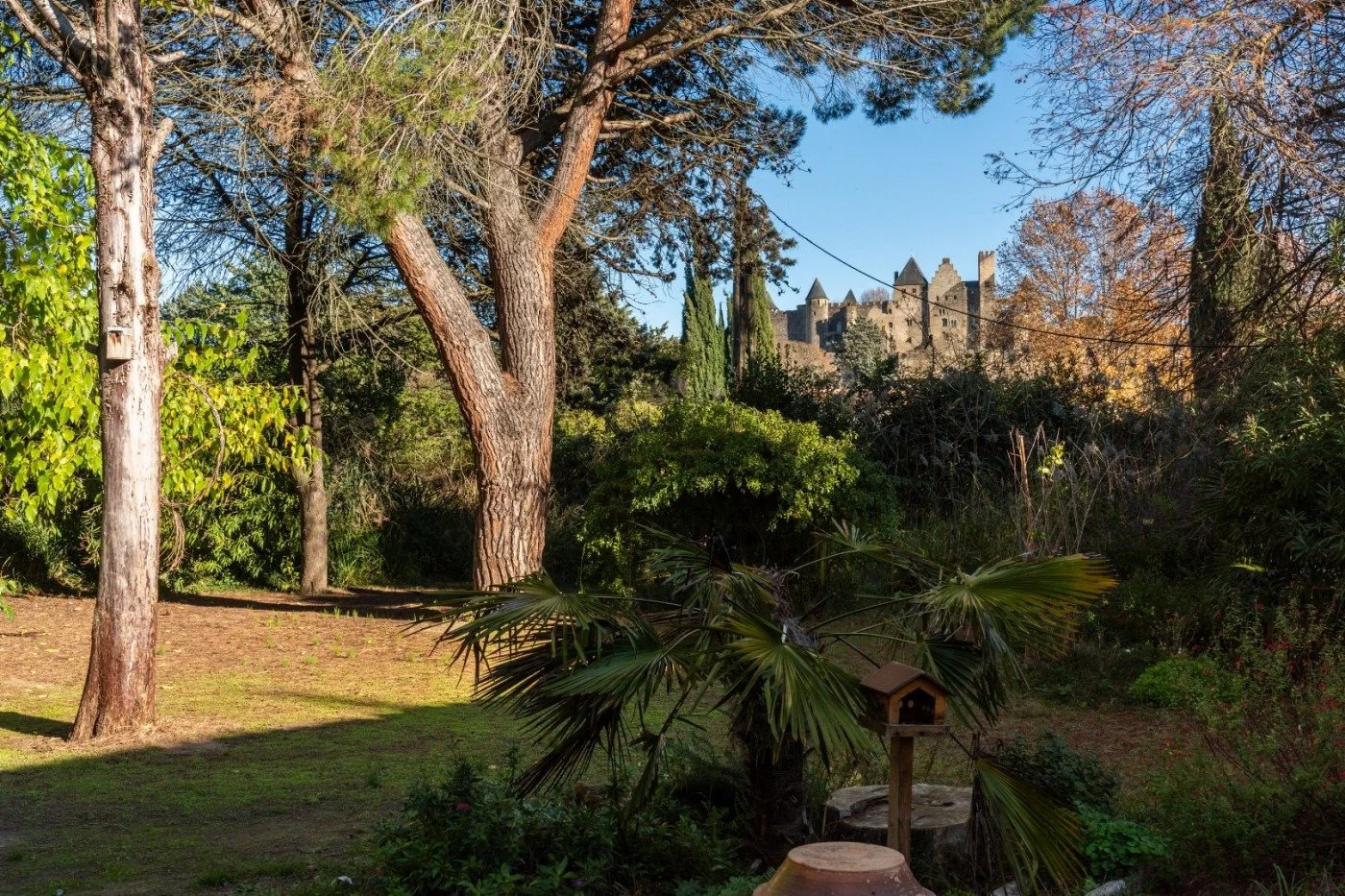
Carcassonne, Aude, Occitanie, France, steps from the Cité de Carcassonne.
Property type
Restored country house with separate guest house.
Asking price
€526,000.
Internal area
280 m².
Bedrooms
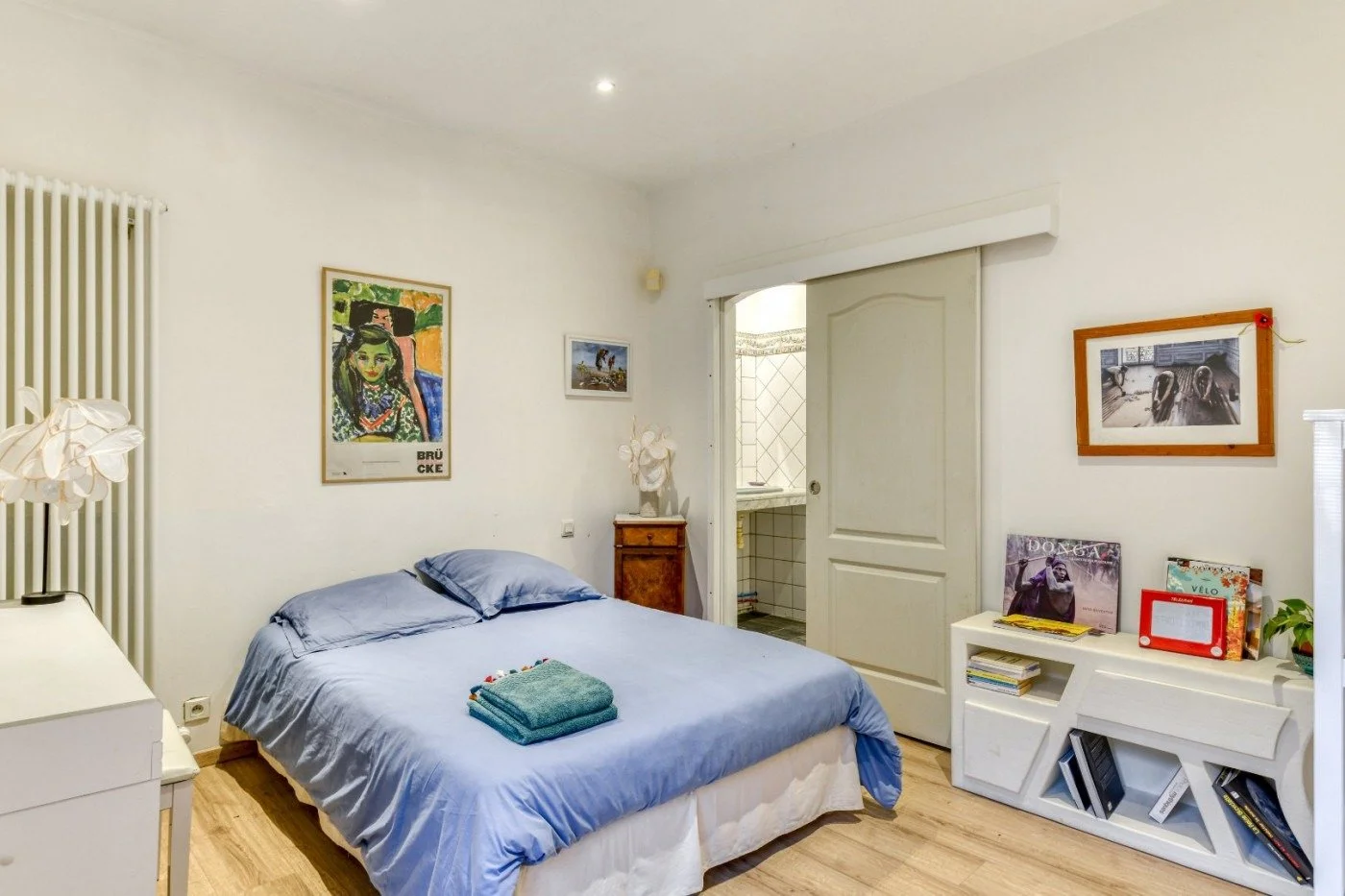
4.
Bathrooms
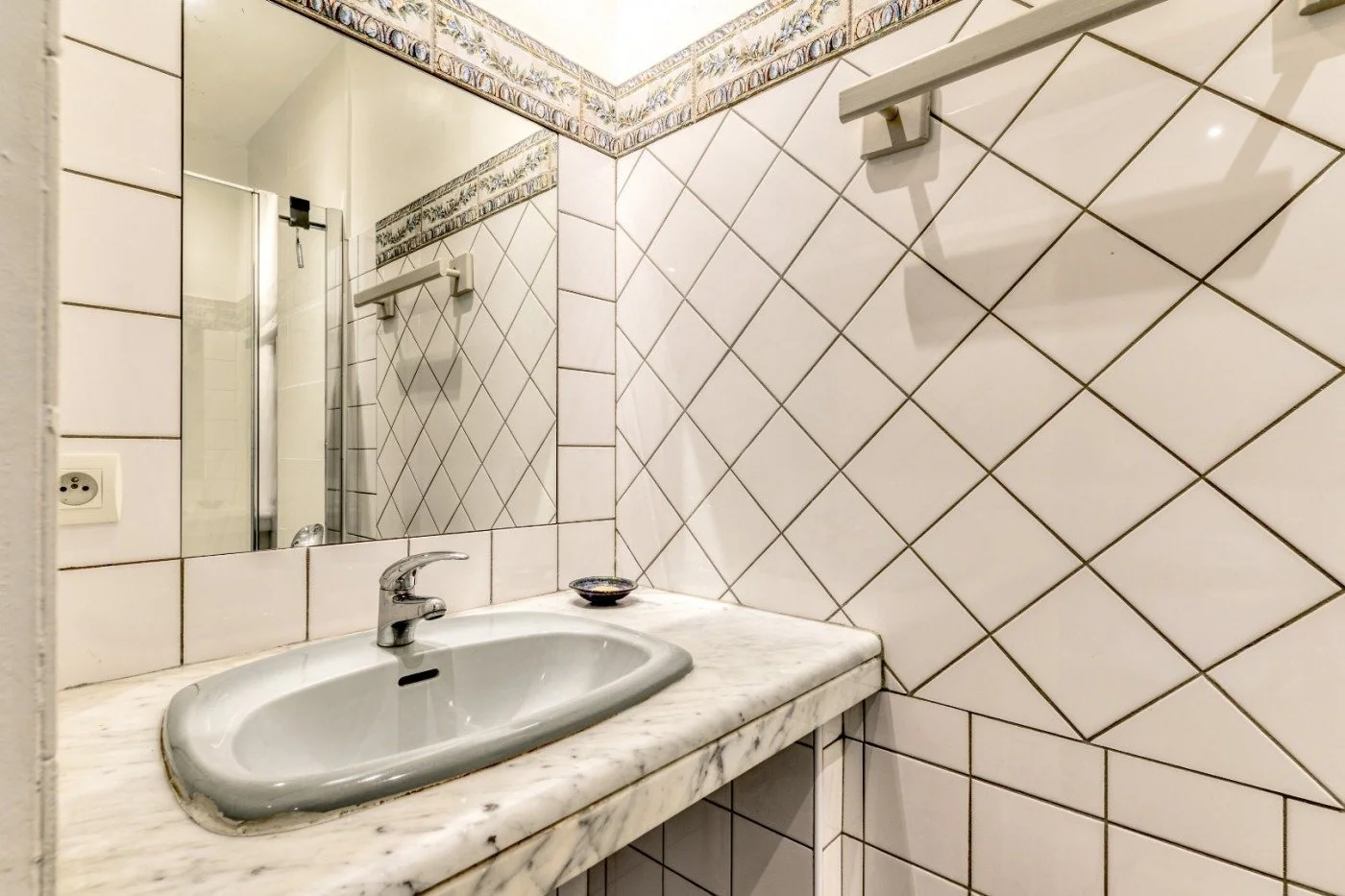
3+.
Land
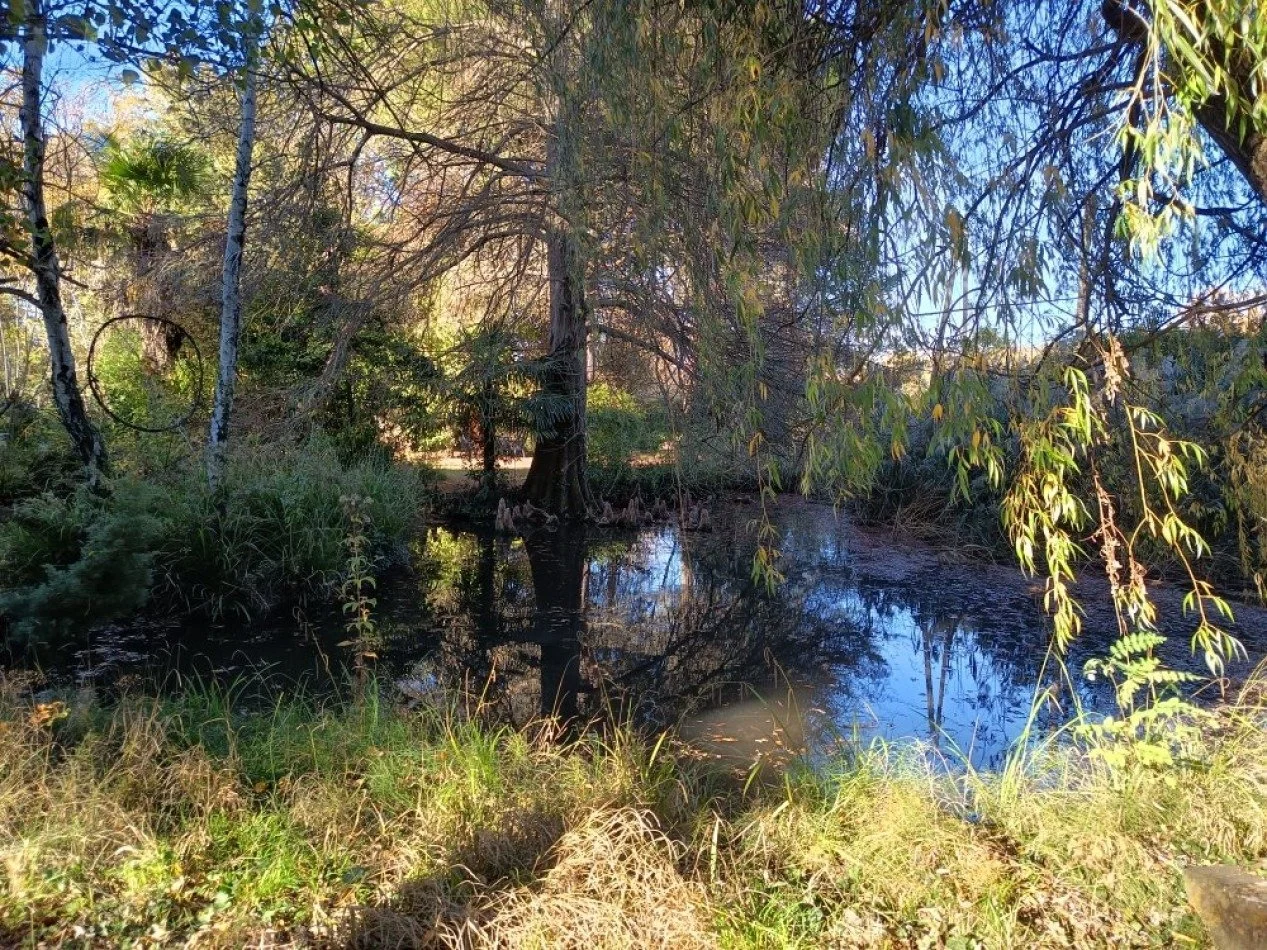
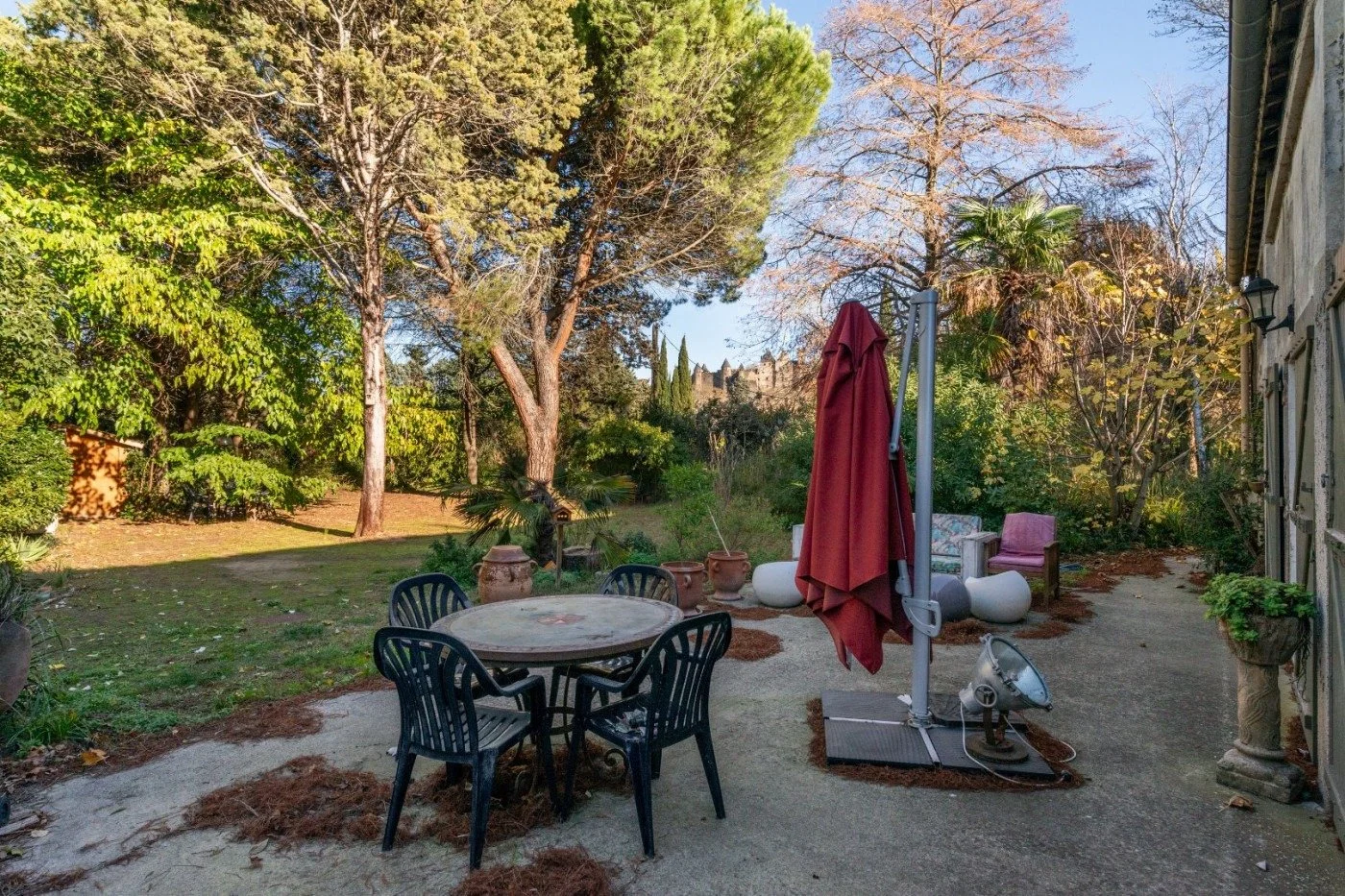
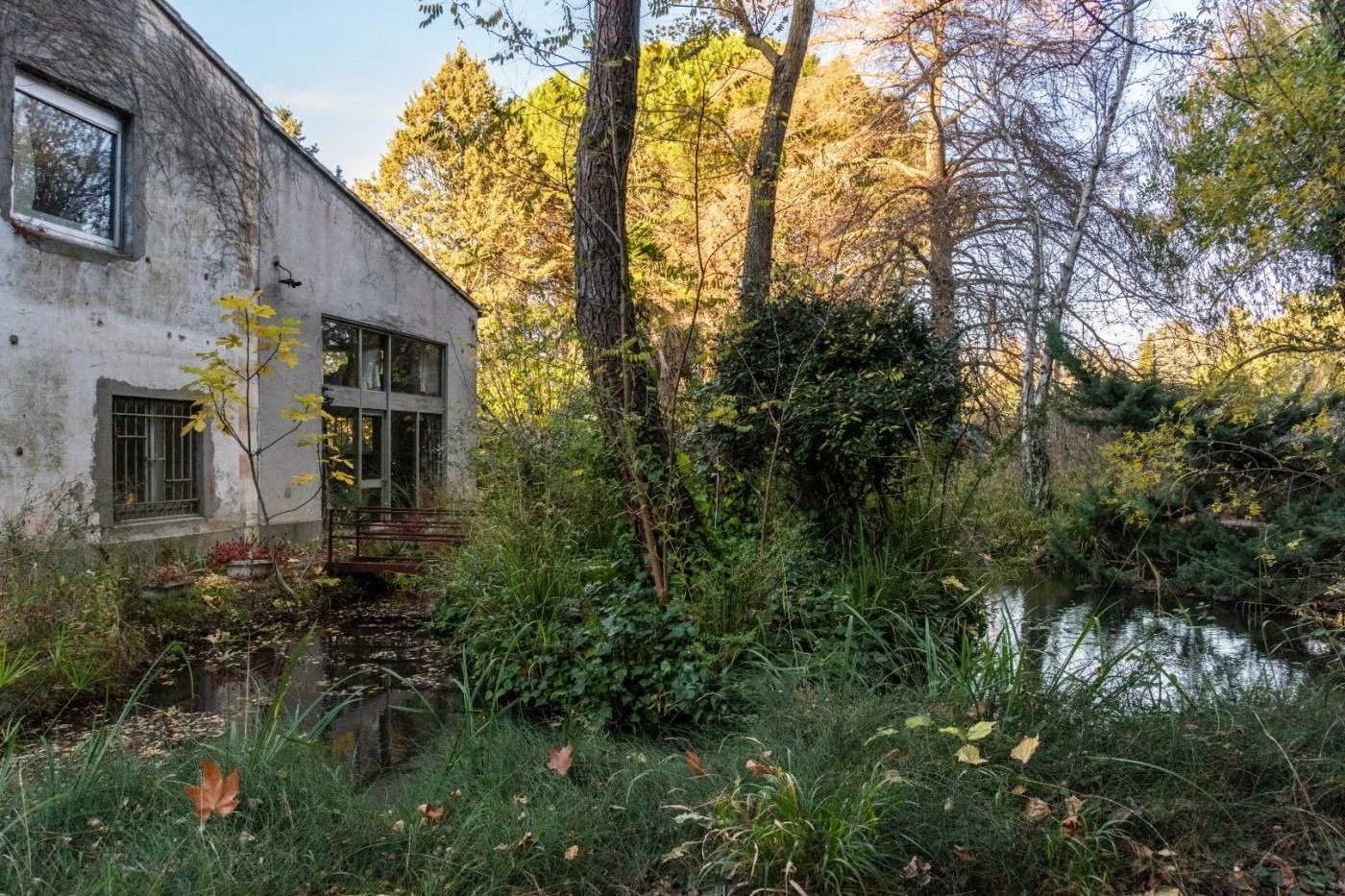
10 hectares of woodland plus a landscaped 2,761 m² park with pond.
Layout highlights
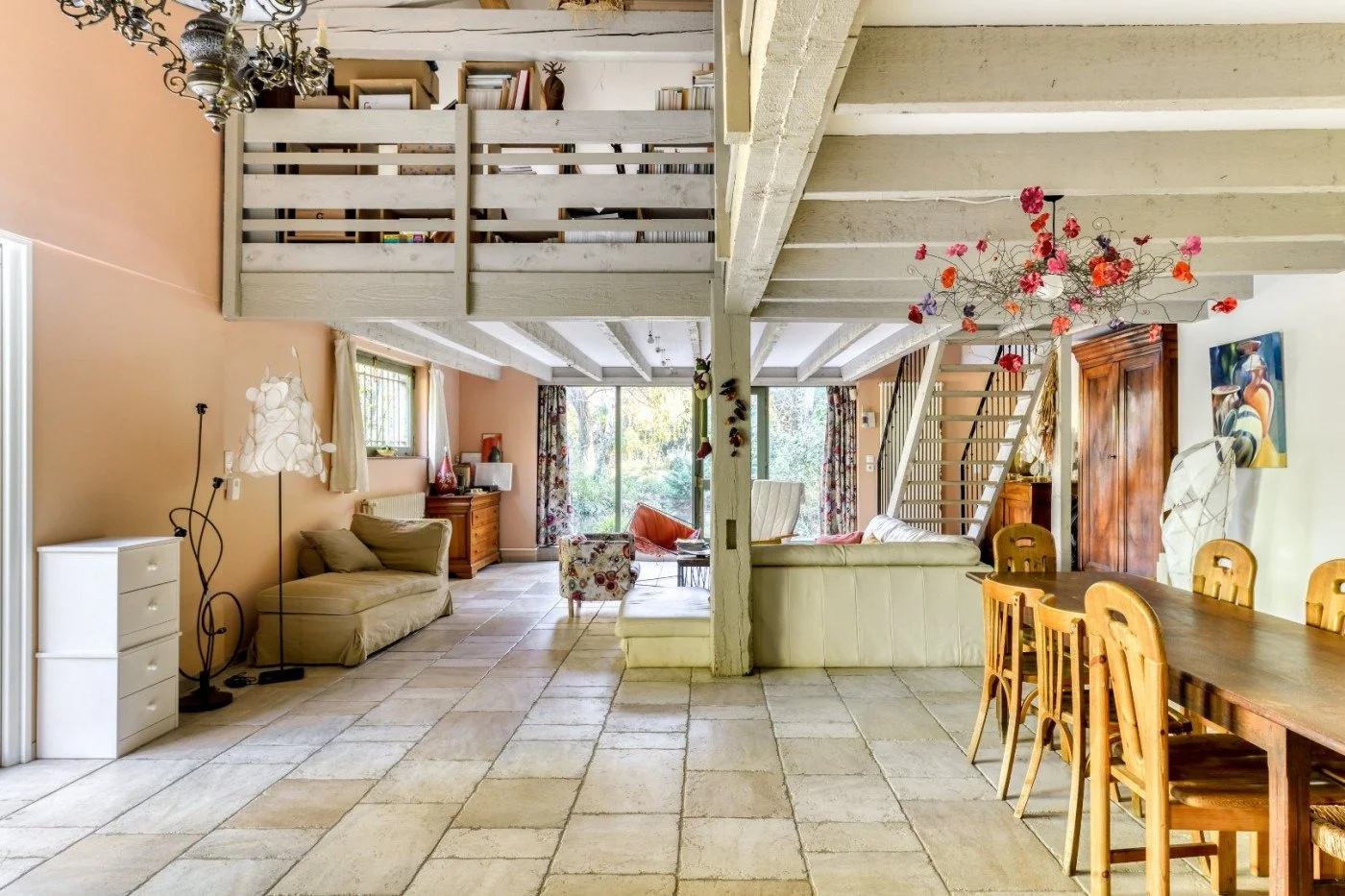
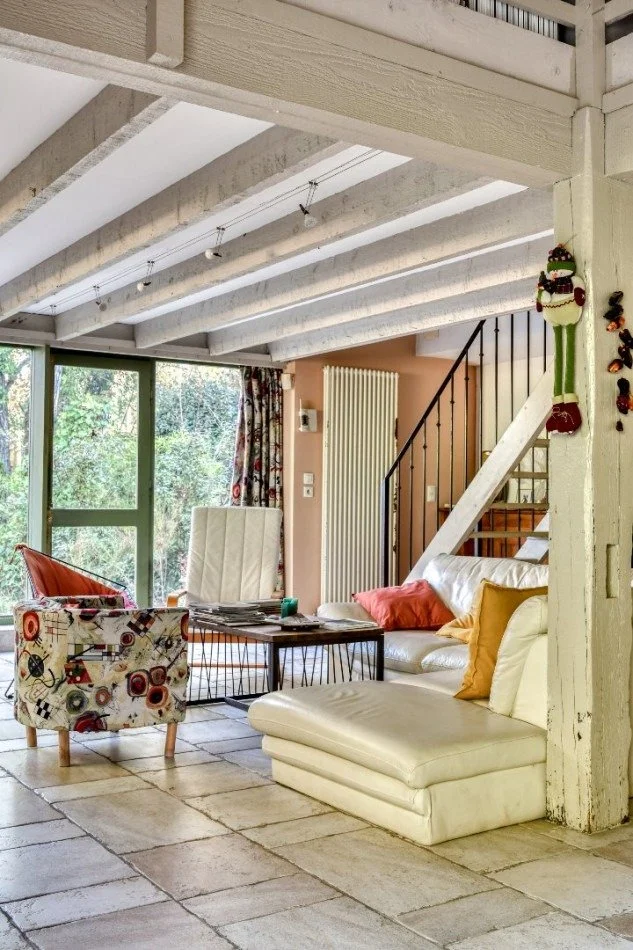
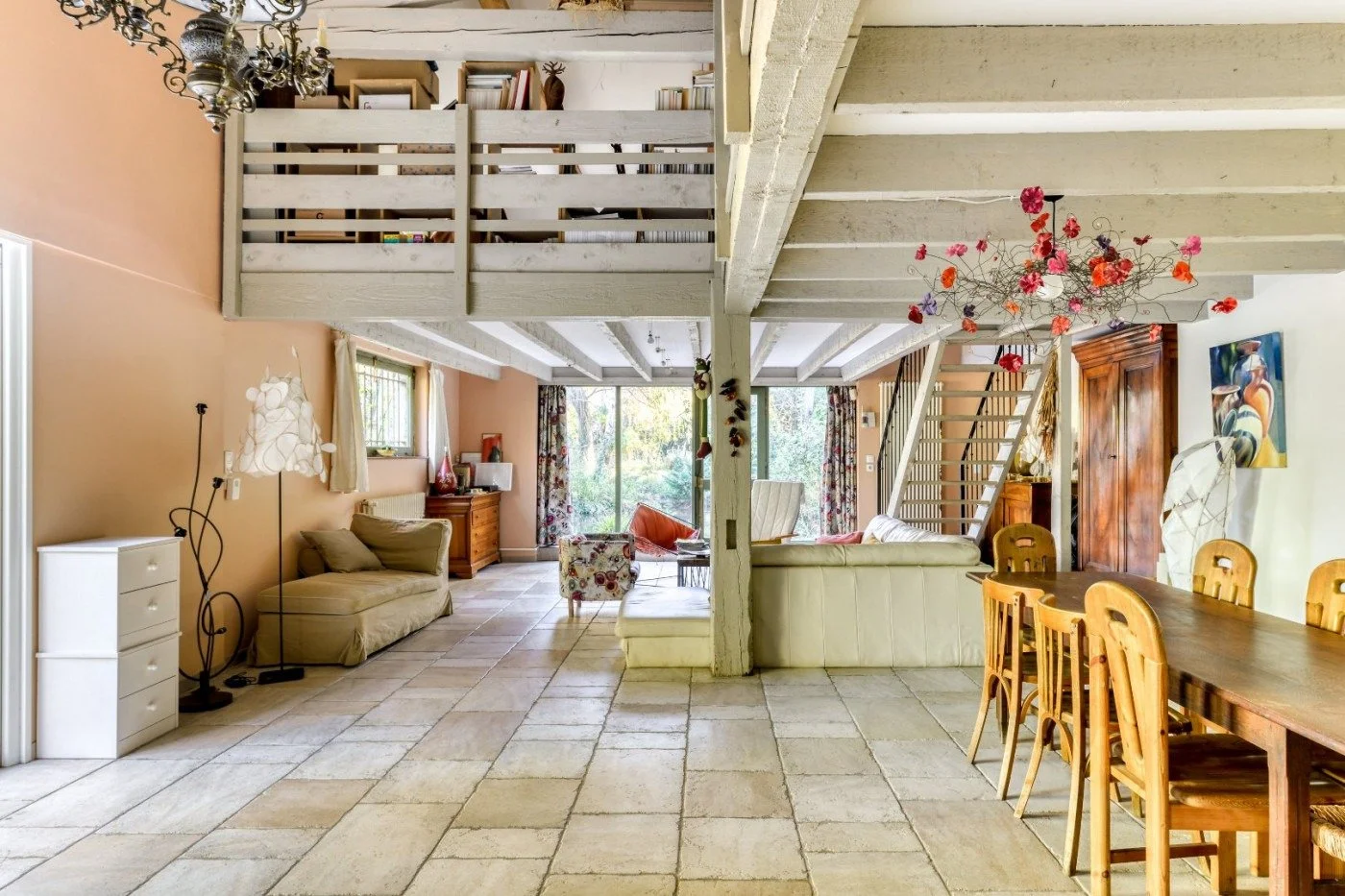
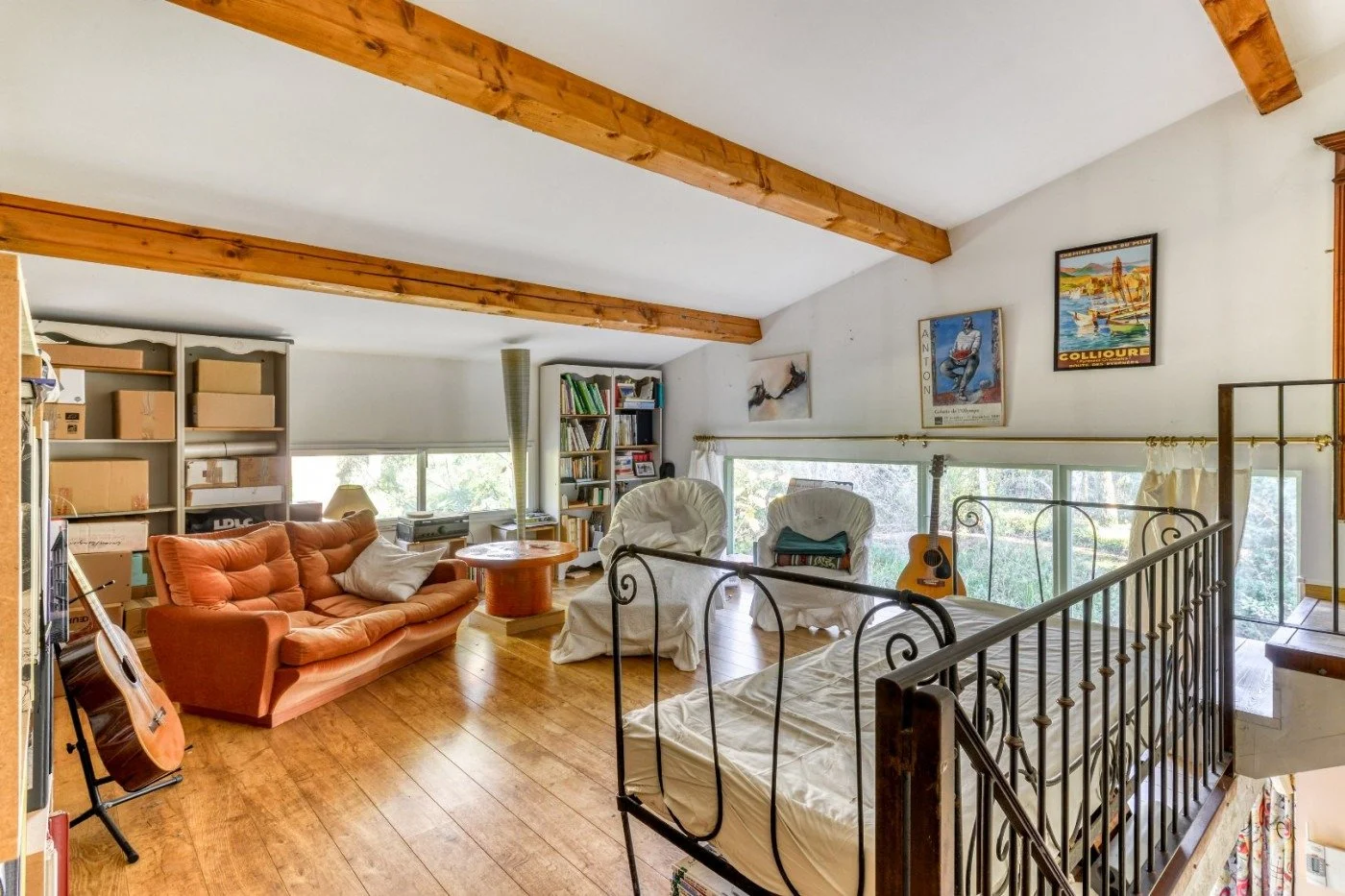
Cathedral-ceiling living and dining room, mezzanine library, spacious office, laundry room, dressing room, guest house with independent entrance.
Access and parking
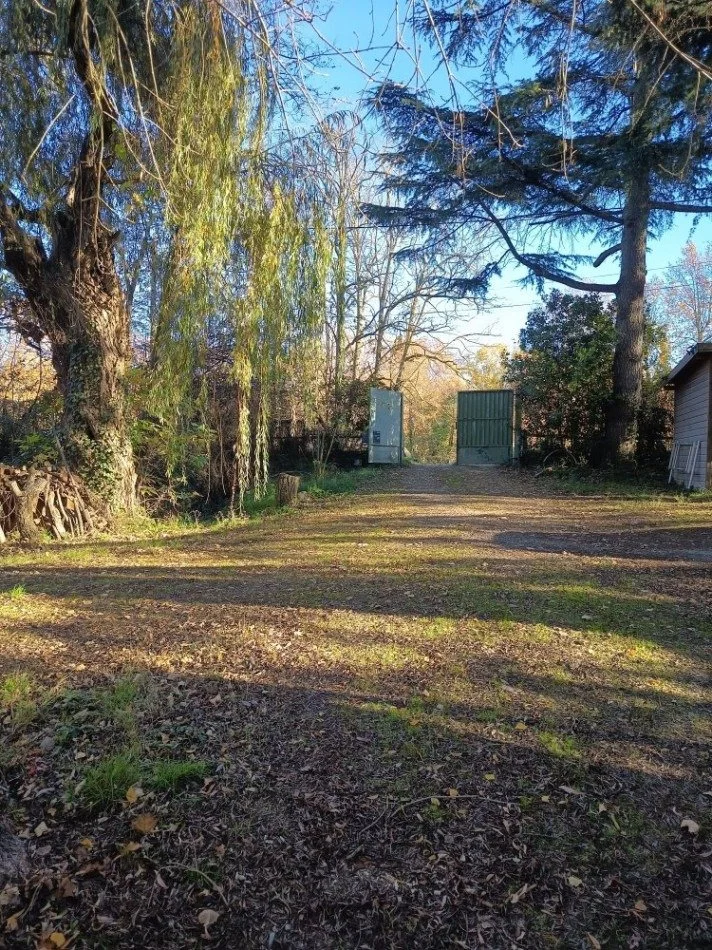
Two secure gated entrances and ample parking.
Energy position
DPE Class C at 80 kWhEP/m²/year, with stated annual energy costs of €2,050 to €2,830.
Lifestyle angle
Rural privacy with direct proximity to Carcassonne's UNESCO-listed Cité.
Risk Radar
Overview
This is one of those properties where the lifestyle story is genuinely strong. The listing combines several things that rarely sit together at this price point: a restored main house, a guest house with independent entrance, very substantial private land, and a position that is both rural-feeling and extremely close to one of France's best-known heritage destinations. That combination creates real upside, but it also means the value rests on more than the house itself. The legal status of the land, the guest house and the restoration work all matter just as much as the décor.
The first theme is protected-setting and planning risk. "Steps from the Cité" is a wonderful selling line, but it should immediately prompt the buyer to check whether the property sits in protected surroundings where future works, façade changes, roof alterations or additional tourism-related projects would require enhanced approval. French guidance is clear that projects in the surroundings of a historic monument or in protected heritage settings can fall under special urban-planning control.
The second theme is the guest house. A separate entrance creates genuine flexibility, but buyers should not assume that means the annexe is formally recognised as a separate dwelling or ready for autonomous tourist use. The practical value changes sharply depending on whether it has its own utility setup, whether it is reflected cleanly in title and cadastral records, and whether the owner can lawfully run it as a meublé de tourisme or chambres d'hôtes operation. In France, mairie declaration rules apply to both tourist-furnished rentals and chambres d'hôtes, but they do so in slightly different ways.
The third theme is the land. Ten hectares of woodland is not just "more garden." It can come with practical restrictions, maintenance obligations, rights of way, hunting or forestry issues, and planning limits that materially affect how valuable that acreage really is to a buyer. The same is true of the pond, which sounds romantic but may still raise questions about maintenance, water management and boundaries. If the property is not on mains drainage, the SPANC position becomes especially important because the site includes both a main house and a guest house. French rules require the non-collective sanitation diagnostic in the sale file and it must be current.
Targeted Questions
Heritage Status, Restoration Permits and Building Legality
Proximity to a major heritage site can materially affect what approvals are required for future works.
The legal source of protection affects how restrictive future works may be.
Buyers need the legal position, not just assumptions based on location.
A restored house only fully deserves its premium if the paperwork is clean.
Post-works sign-off is key evidence that the project was regularised.
Timing affects what guarantees may still be alive and how much performance history the buyer can rely on.
Invoices help verify scope and quality.
In France, the décennale framework can materially reduce post-completion risk where qualifying works were done.
Buyers should confirm that the most saleable spaces are also the most regularised spaces.
Guest House, Separate Status and Utility Independence
"Separate entrance" and "separate dwelling" are not the same thing.
Buyers need to know whether its legal identity is clean.
The listing mentions it, but buyers need the practical details before valuing it properly.
This drives both family use and rental potential.
Real operational independence depends on services, not just access.
Utility separation affects rental practicality and cost tracking.
Real usage history is more useful than projected potential.
This helps test whether the rental story is real or aspirational.
France requires tourist-furnished rentals to be declared, and by 20 May 2026 all mairies must have a registration process for declared meublés.
French chambres d'hôtes rules are specific and different from ordinary holiday lettings.
Physical suitability is not the same as regulatory suitability.
Land, Woodland and Rights Affecting the Estate
Large landholdings should always be checked on plan, not just in narrative form.
Private woodland can feel completely private while still carrying legal burdens.
Woodland can be subject to planning or environmental constraints that affect clearing and development.
Buyers should understand whether the land is purely amenity land or carries obligations.
This can affect both costs and future flexibility.
Rights through large private plots are easy to overlook.
Past use can reveal both opportunity and constraint.
Buyers should confirm that the most immediately usable grounds are not legally separated.
Pond, Water and Drainage
Core infrastructure matters even more on a site with two dwellings.
In France, the non-collective sanitation diagnostic must be included in the sale file and must be less than 3 years old at signing.
Even a compliant system for one dwelling may be inadequate for two.
Real-world system performance is often more revealing than a certificate.
Ponds can create maintenance and regulatory questions as well as visual appeal.
Water features can sometimes straddle unclear lines or access points.
Environmental or planning controls may apply.
Energy Performance, Systems and Building Condition
The DPE is mandatory in sales except limited exceptions, and the detailed report explains what is really driving performance.
Real spend helps validate the strong rating claim for a house of this scale.
Buyers need to know whether the low estimated running costs are likely to hold.
Comfort expectations and rental appeal depend partly on cooling.
Good glazing is often a major contributor to a C rating in a restored French house.
Buyers should understand what sits behind the energy performance.
Even a beautifully presented house can carry looming roof cost.
Character properties can conceal expensive maintenance risks beneath good styling.
Access, Parking, Privacy and Everyday Use
A tourism or multi-generational use case depends on real parking capacity.
Covered parking adds practical value in a property of this size.
Shared or informal access could materially affect privacy.
A near-city woodland setting still needs straightforward practical access.
"Complete privacy" is valuable only if it holds up in person.
Remote work and rental operations depend on real connectivity.
Large rural-ish sites can vary sharply in signal quality.
"Steps from the Cité" is a strong selling line, but buyers should test the lived route.
Rental and Commercial Potential
Existing usage history is more informative than generic income claims.
French chambres d'hôtes rules cap activity at 5 rooms and 15 guests simultaneously.
Operational independence is central to the income story.
Long-term letting may be the safer fallback than tourist use.
A rare setting deserves grounded comparables, not just aspirational tourism language.
Near-heritage locations can be attractive commercially but still administratively sensitive.
Seller motivation can shape negotiation.
Negotiation Intelligence
Buyer Leverage
Medium-High
Key Drivers
Typical Negotiation Range
5-15% below asking
Neutral Phrasing Examples
Country Layer
France (Regulatory Context March 2026)
Key French requirements for buyers:
Viewing Strategy
Start by treating the property as three separate assets. First, the restored main house. Second, the guest house. Third, the land itself. Walk the site with that mindset and ask where the legal and practical lines really sit between them.
Next Step
Verify from the listing:
The guest house is the key value multiplier
A separate entrance is promising, but you still need to confirm whether the guest house is legally recognised as a separate dwelling, independently serviced, and genuinely suitable for rental or family-annexe use.
Ten hectares of woodland must be understood as land, not just scenery
This much acreage can add tremendous value, but only if the cadastral boundaries, rights of way, woodland classification and any management obligations are all clear.
The restoration only fully counts if the paperwork is clean
A stylish restoration near a major heritage site deserves a premium only when the permits, completion documents, invoices and warranties support the visual story.
The strong C rating is a genuine plus, but still ask for the full DPE
The energy performance looks unusually good for a restored French property of this scale, so it is worth verifying exactly what systems and fabric improvements are responsible for it.
Do not price in tourism upside until the route is confirmed
The setting near the Cité makes holiday use feel obvious, but the exact local declaration path, guest-house status and practical operating setup still need to be confirmed before you pay for that flexibility.
A prepared buyer should approach the agent calmly and frame questions as due diligence.
Because this is a property where the legal, structural and regulatory context matters, run it through the Property Risk Assessment to pressure-test the guest house, land and compliance exposure, or use the Rental Yield Calculator to see whether the Carcassonne numbers still work once realistic occupancy, setup and maintenance costs are factored in.
Disclaimer: The Property Drop is buyer-focused intelligence, zero sales agenda. We curate exceptional properties, in southern Europe, from third-party agents and arm you with decision tools. No commission, no transactions, no agent partnerships, no skin in the game beyond helping you choose wisely. Information stays accurate until it doesn't (properties sell, prices shift, markets move). Everything here is shared for informational purposes only and should not be treated as legal, financial, or investment advice. Images belong to original agents. Read our Terms of Service to learn more.
IMPORTANT REMINDER: When contacting property agents featured on The Property Drop, you are entering into direct communication with third parties. It's recommended that you verify all property details independently, conduct thorough due diligence, engage qualified professionals (solicitors, surveyors, financial advisors), understand your rights and obligations under local property laws, and never send money or make commitments without proper legal protection.
