
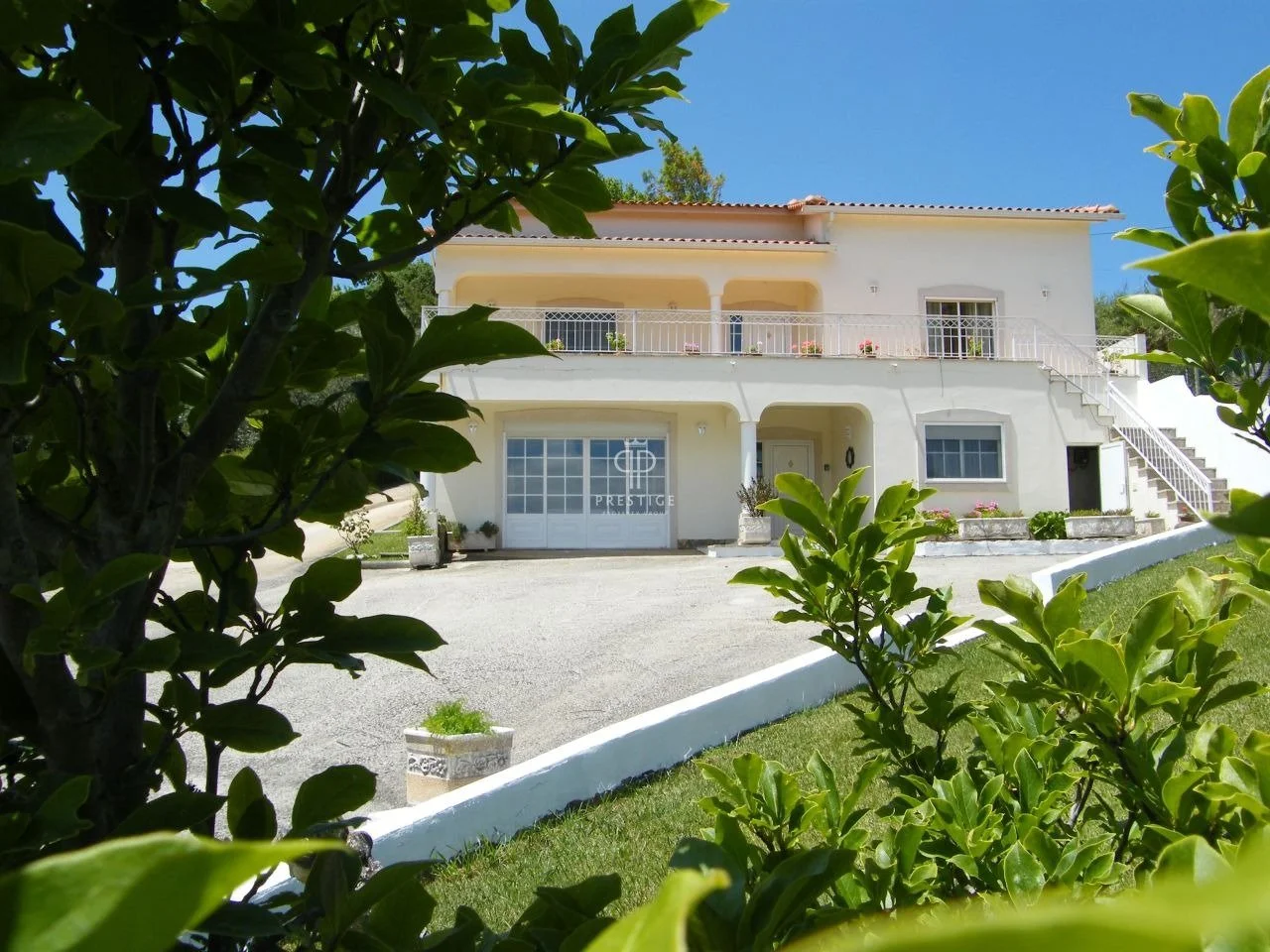
The Buyer Playbook: Traditional Portuguese Villa with Pool and Vineyard Views, A dos Francos, Portugal, €495,000
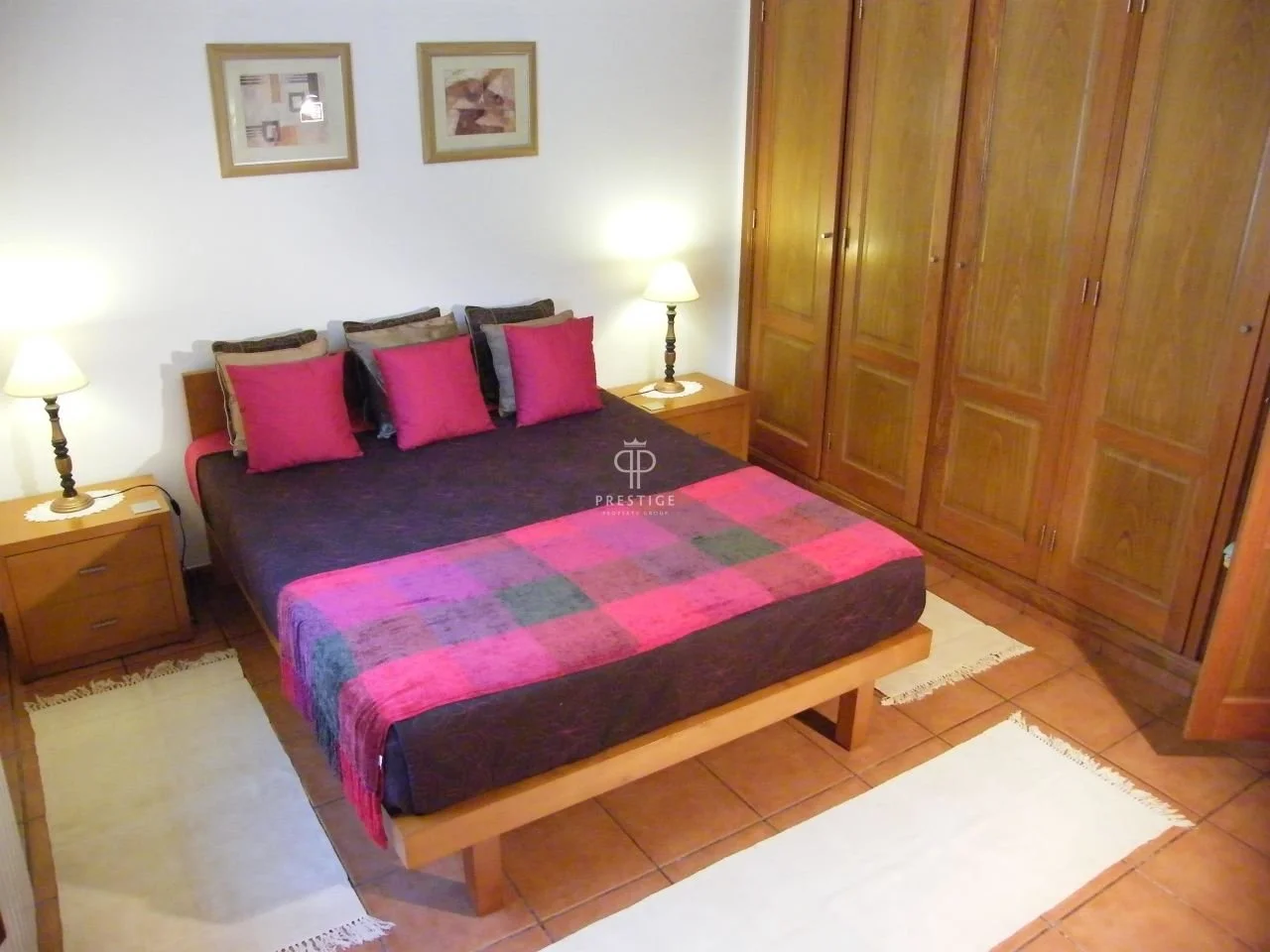
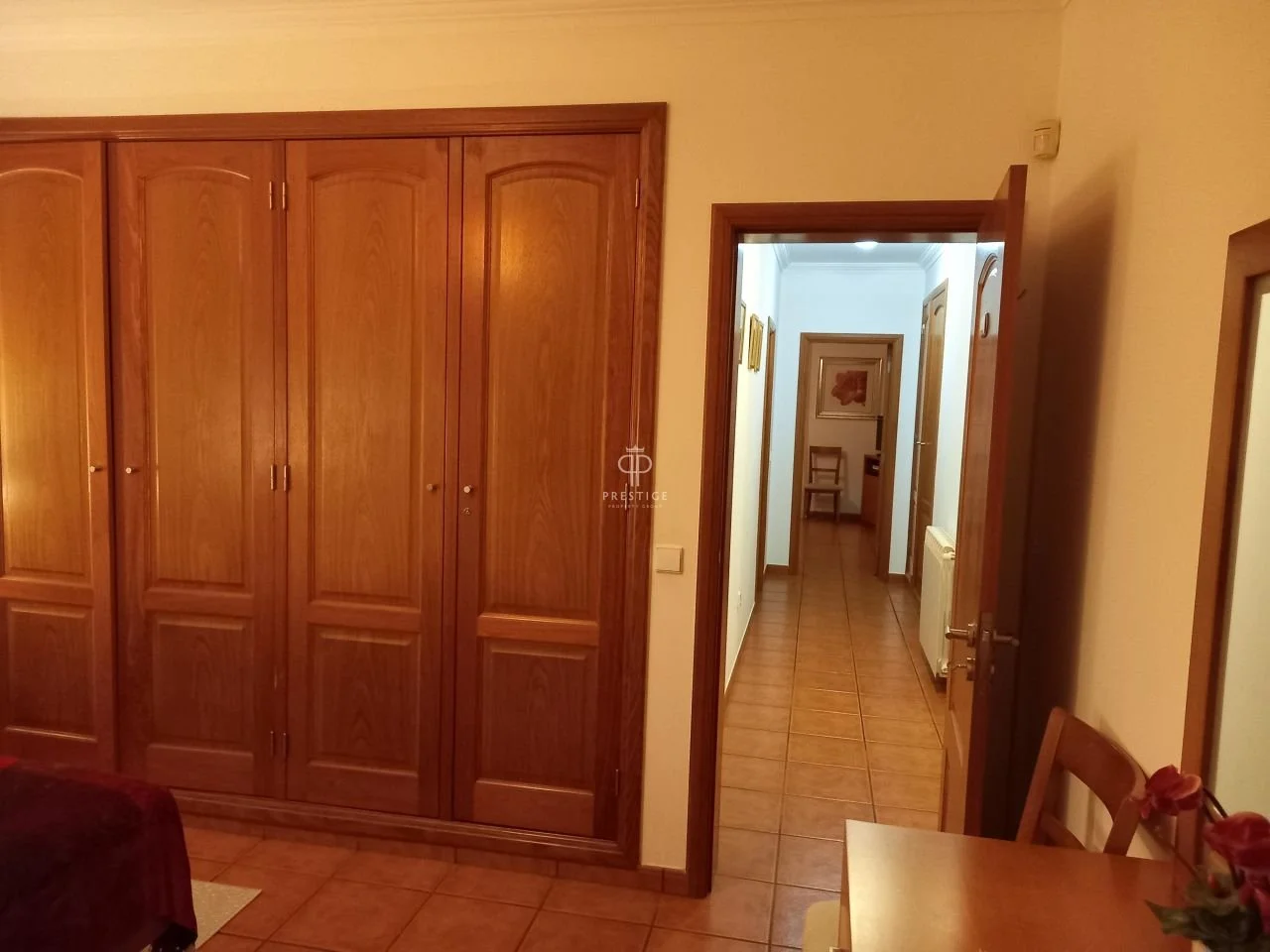
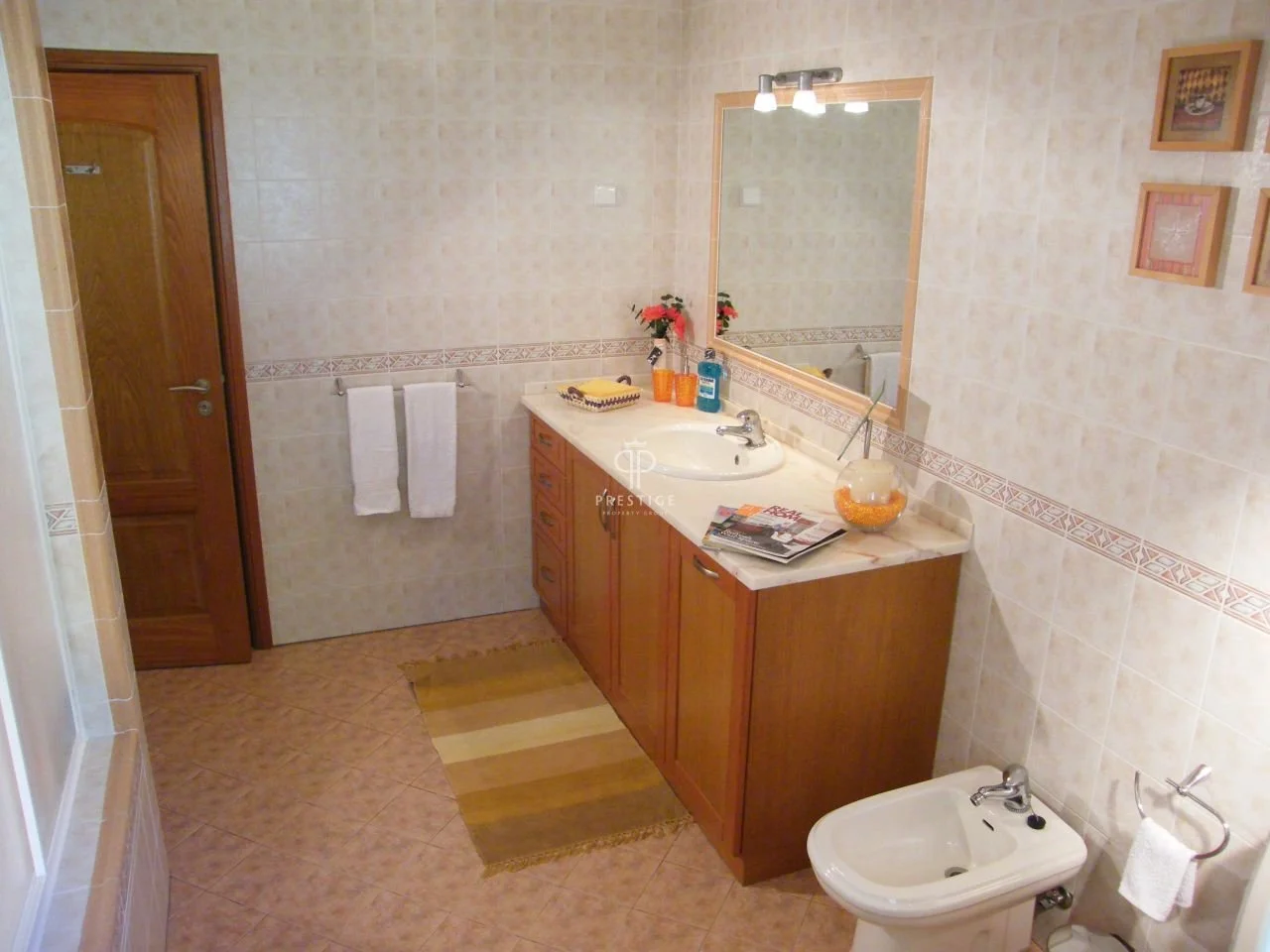
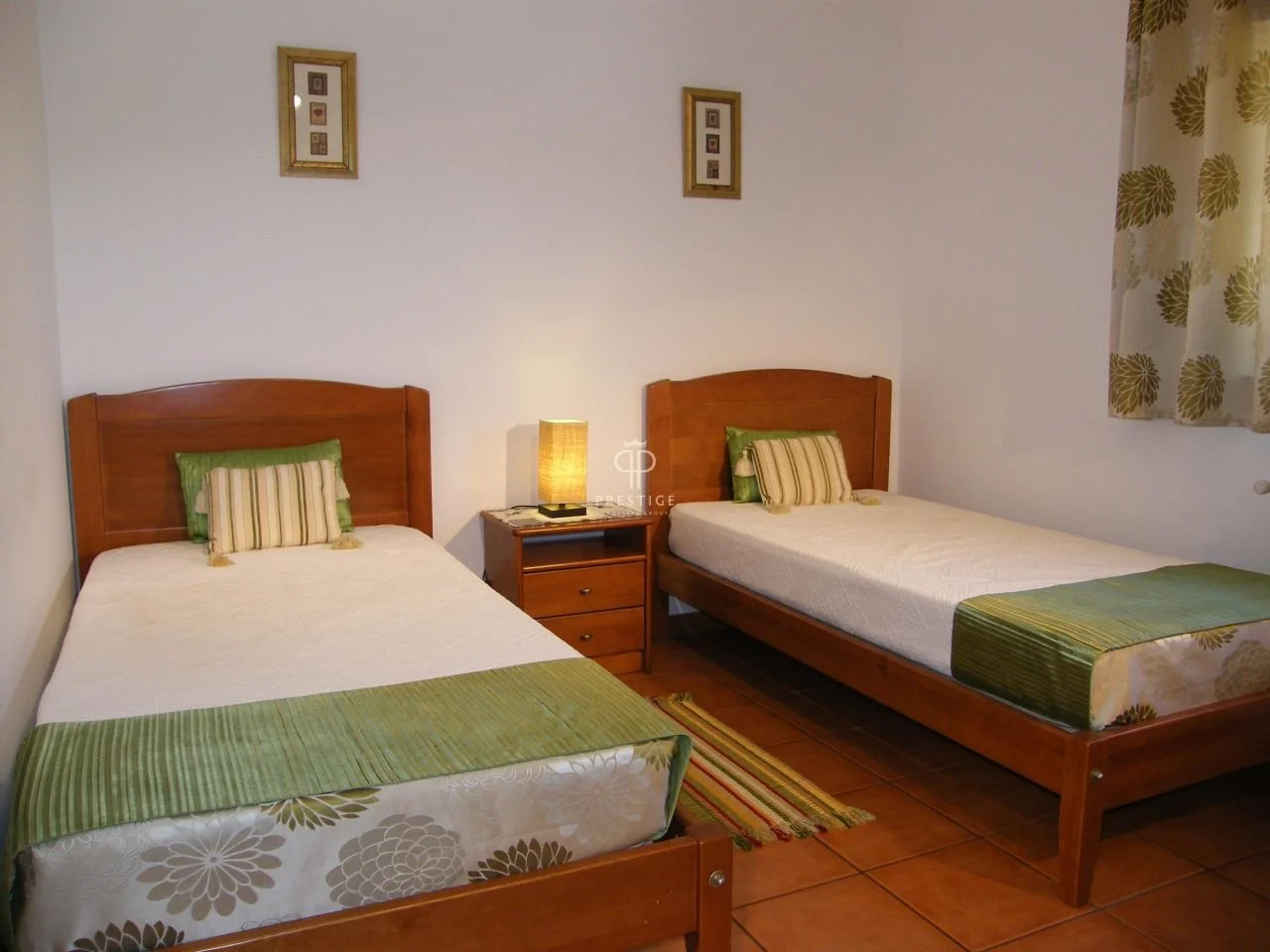
Buyer Playbook
Pre-Viewing Intelligence Report
This independent buyer guidance report relates to this specific property located in Portugal. It is provided for informational purposes only and does not constitute legal, tax, structural or survey advice. Title position, licensing, annex status, energy-certification status, pool compliance, water and drainage matters, rental licensing, land boundaries, and any neighbour or access issues must always be verified with qualified Portuguese professionals such as an advogado, arquiteto, engenheiro, surveyor or licensed property consultant, and with the relevant municipal authorities. This report is designed to help buyers evaluate the property before arranging a viewing or making an offer. It highlights due diligence areas and targeted questions to ask the agent. The analysis is based on the listing details and publicly available regulatory context at the time of writing. It follows the fixed Buyer Playbook structure used for The Property Drop.
Playbook Contents
Property Snapshot
Location
A dos Francos, Caldas da Rainha municipality, Portugal.
Property type
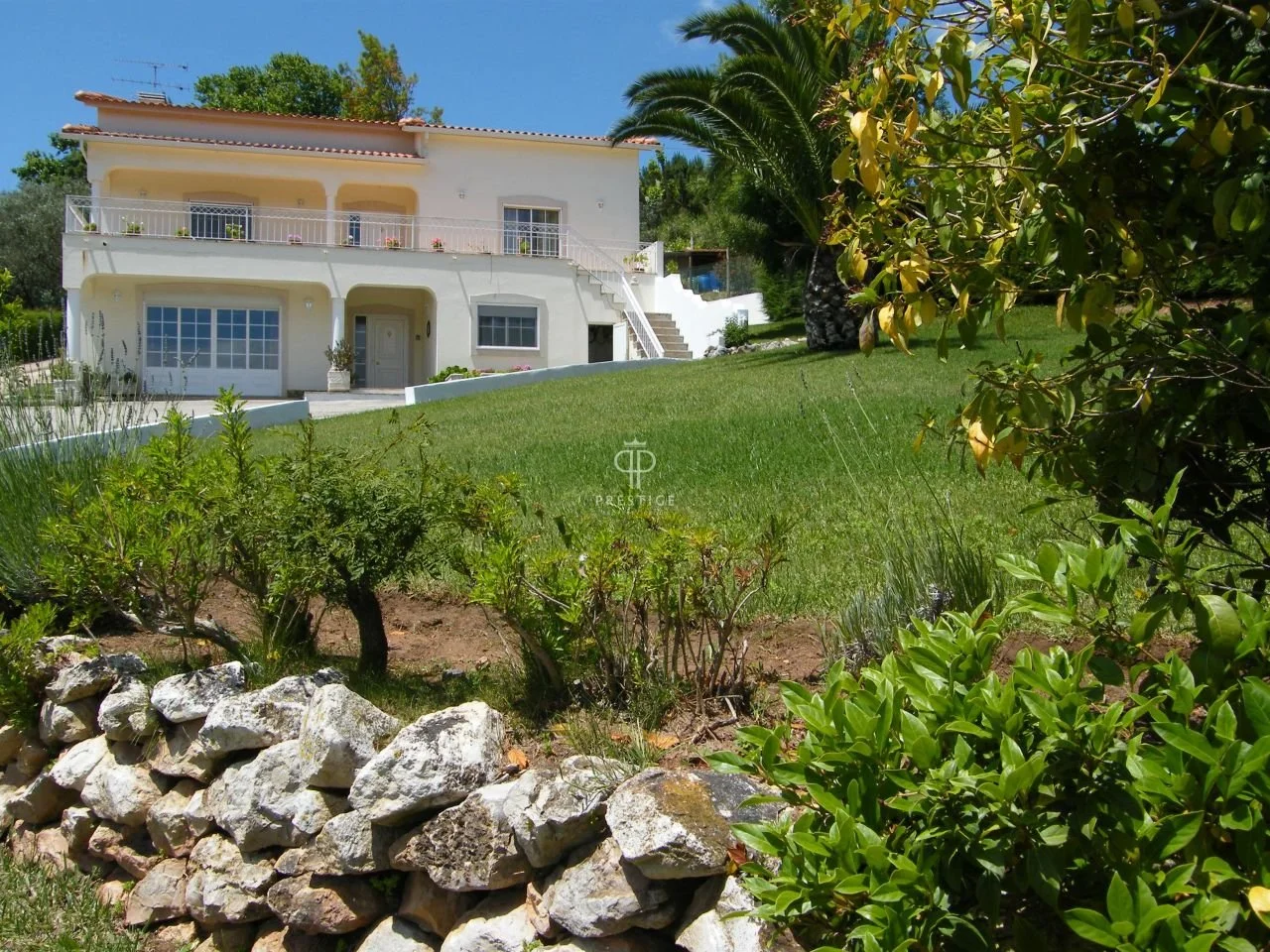
Traditional Portuguese villa.
Asking price
€495,000.
Land
Approx. 5,000 m².
Key external features
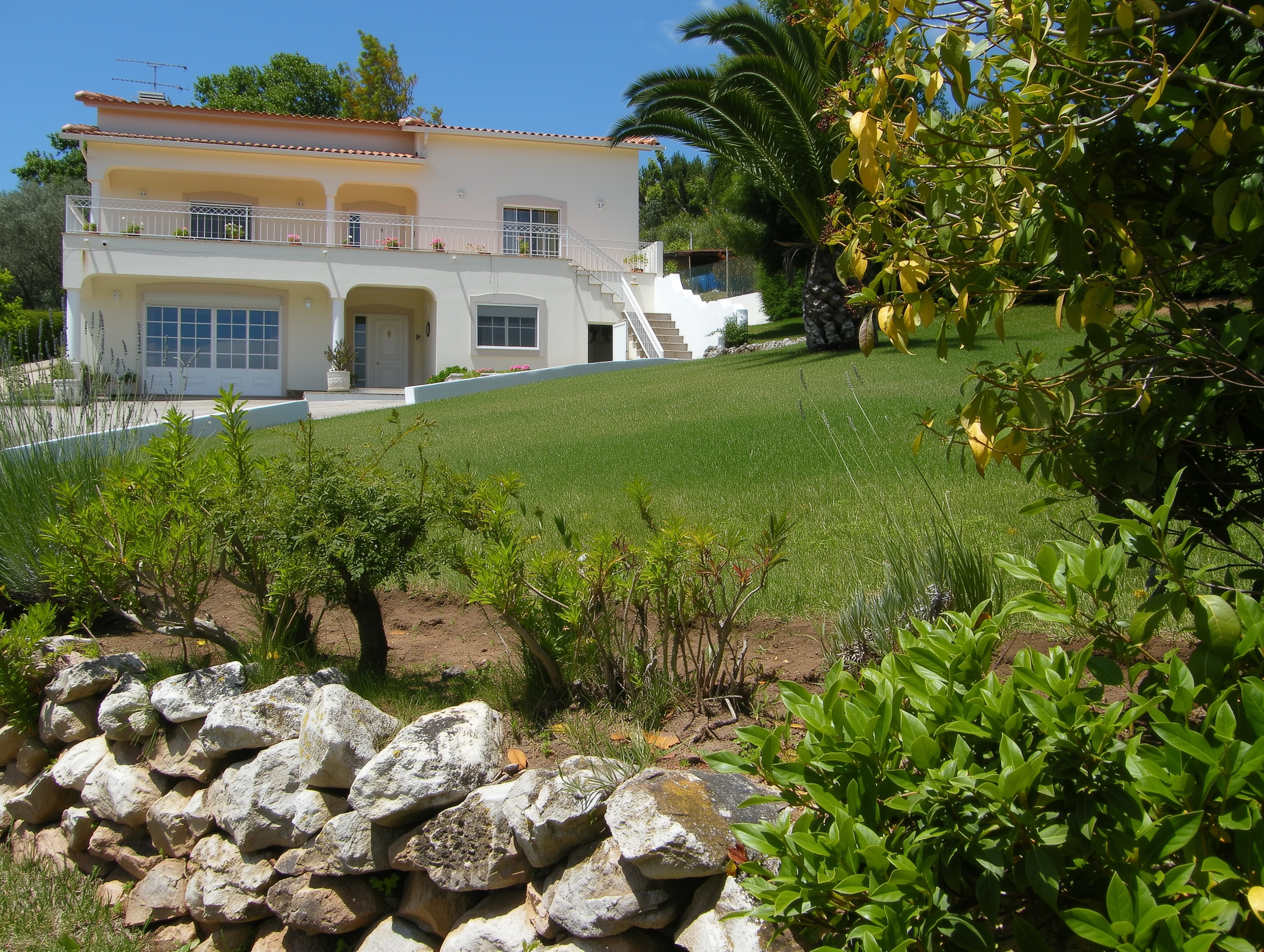
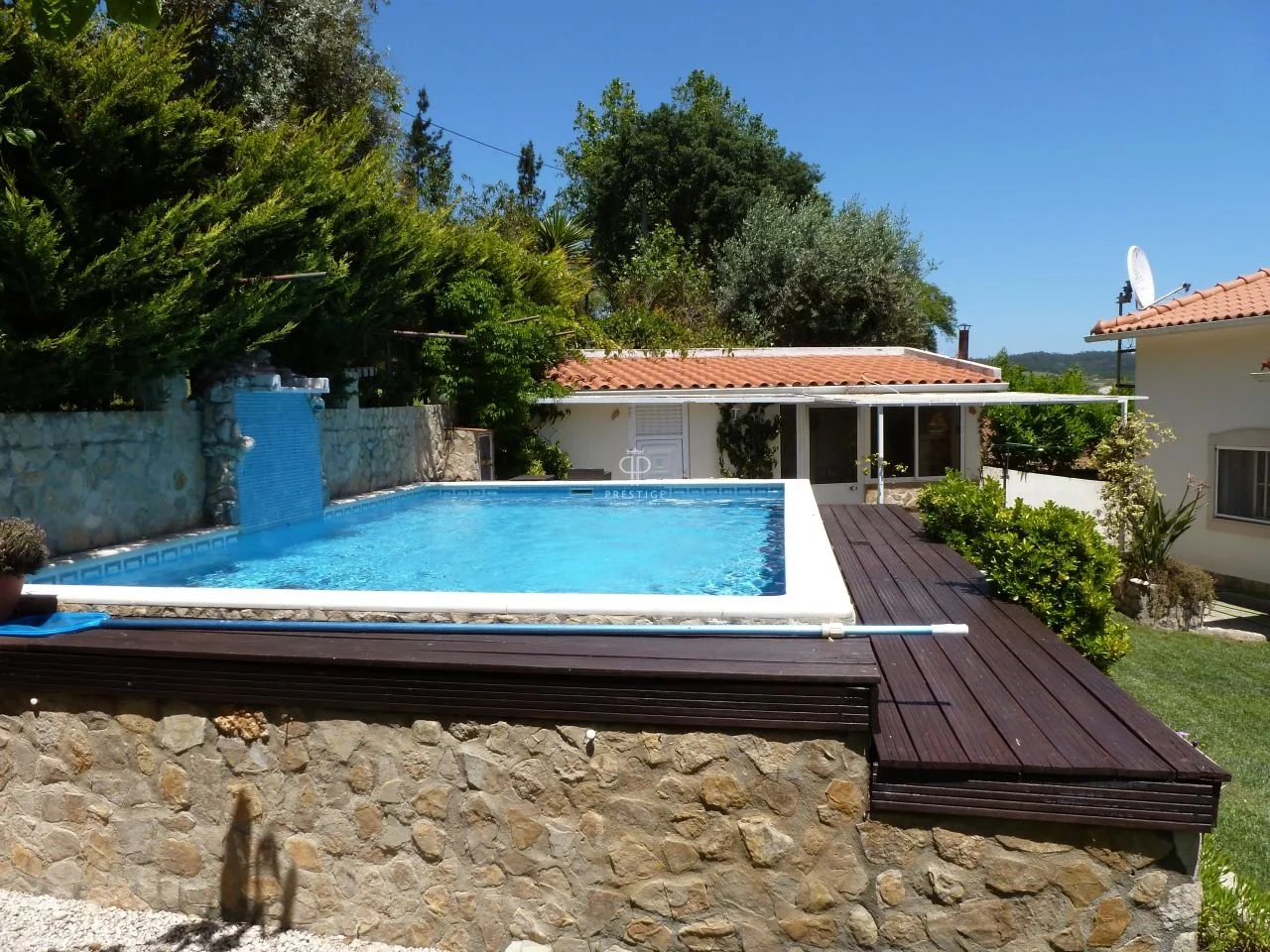
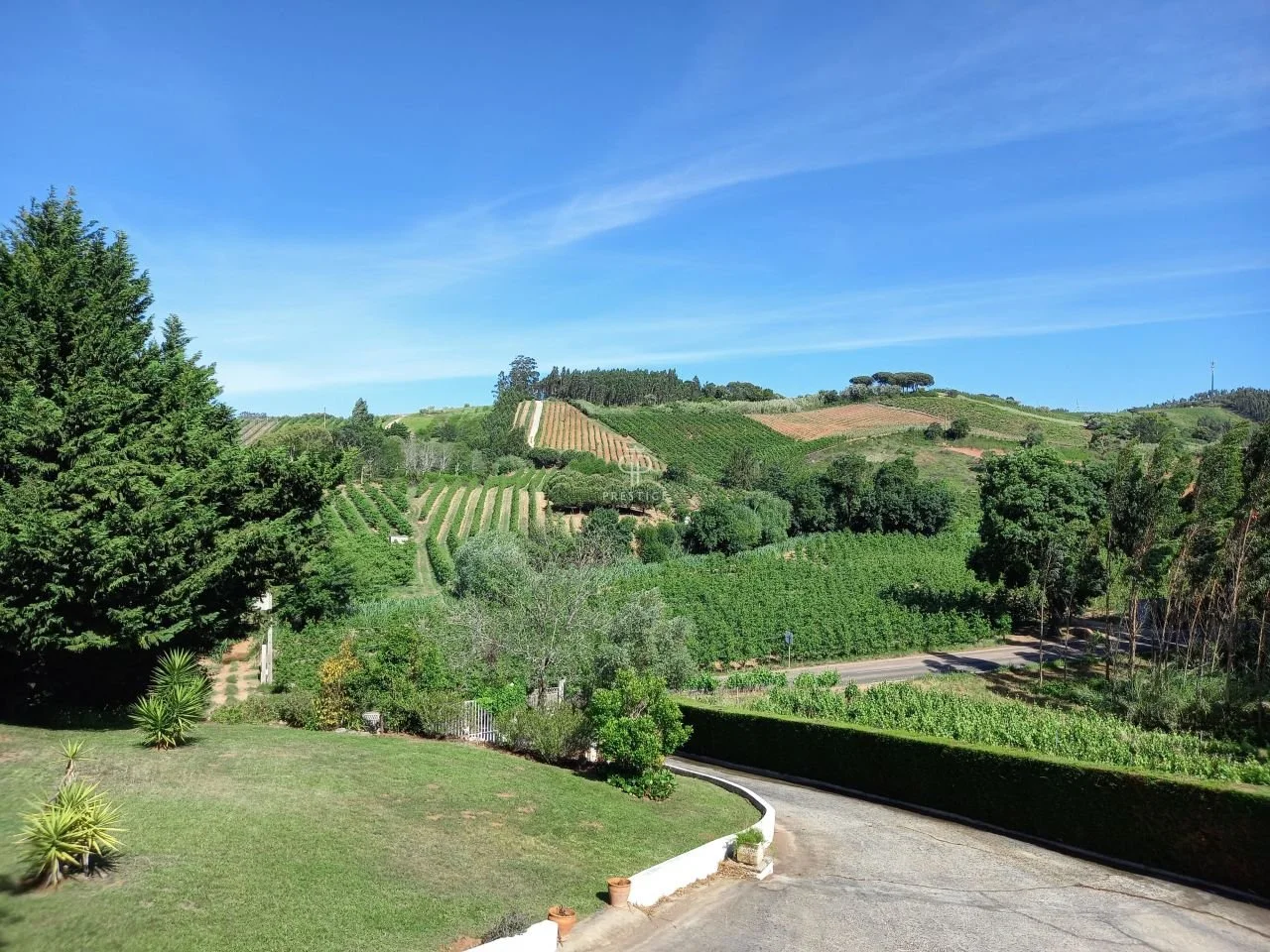
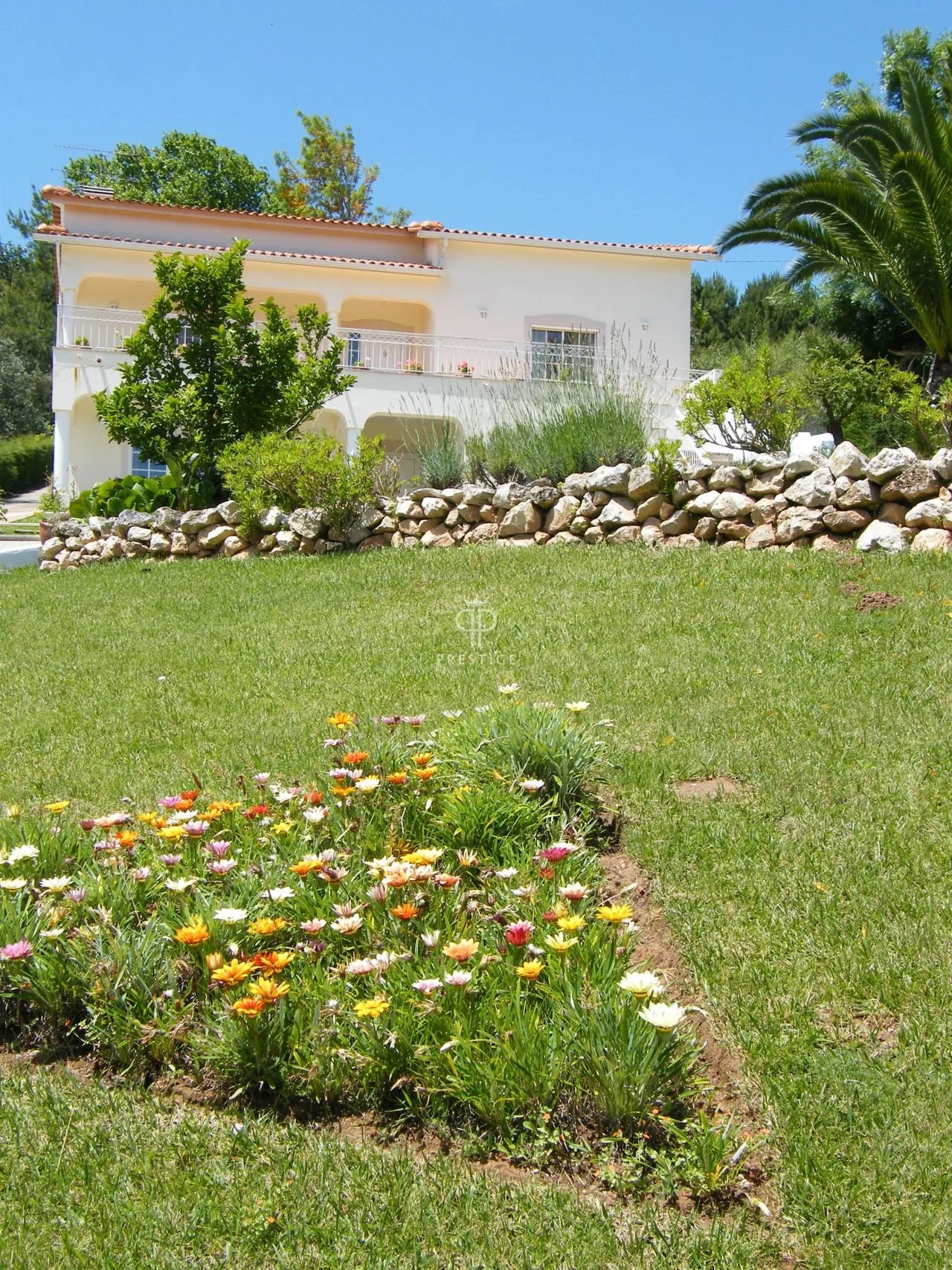
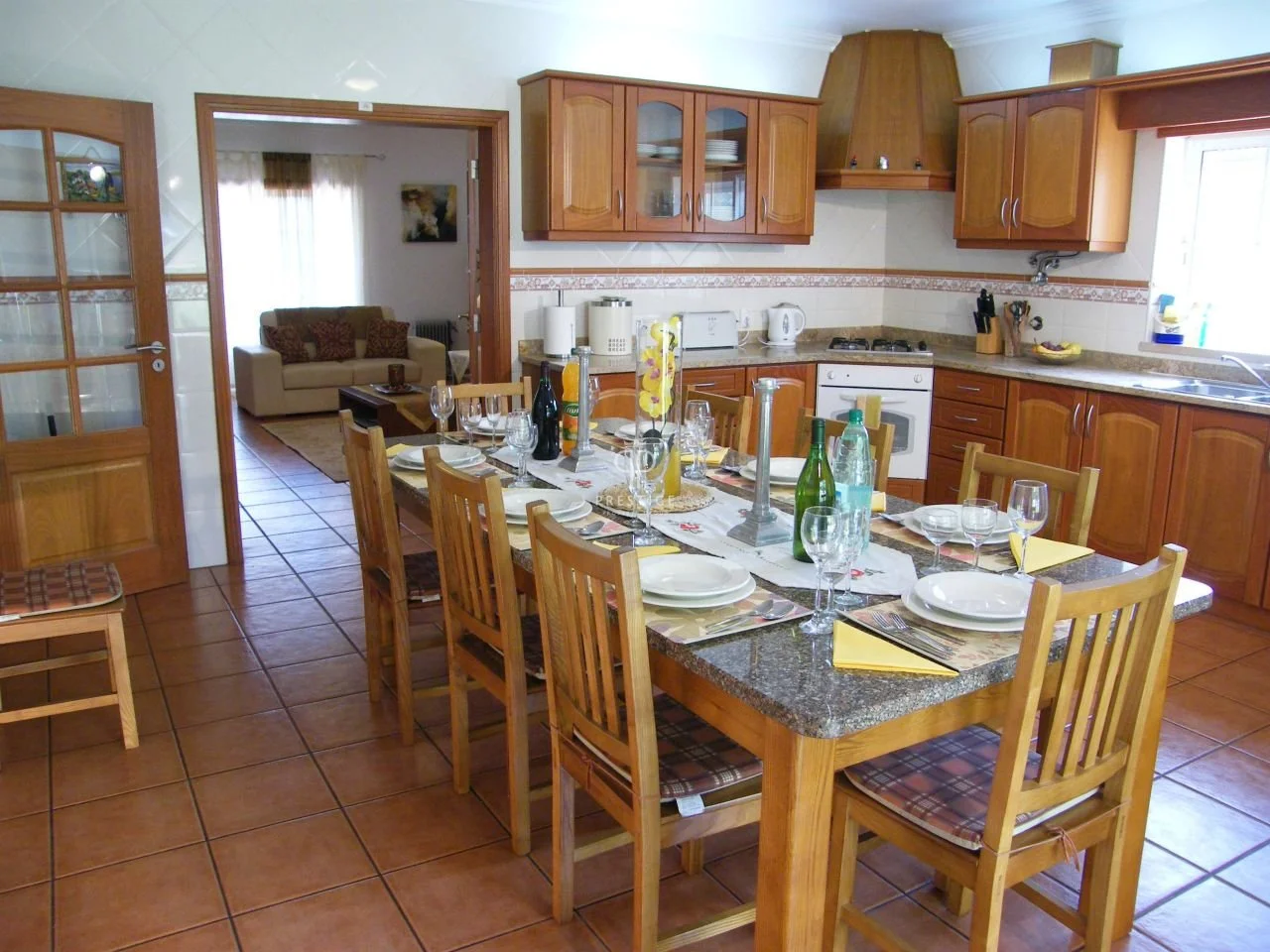
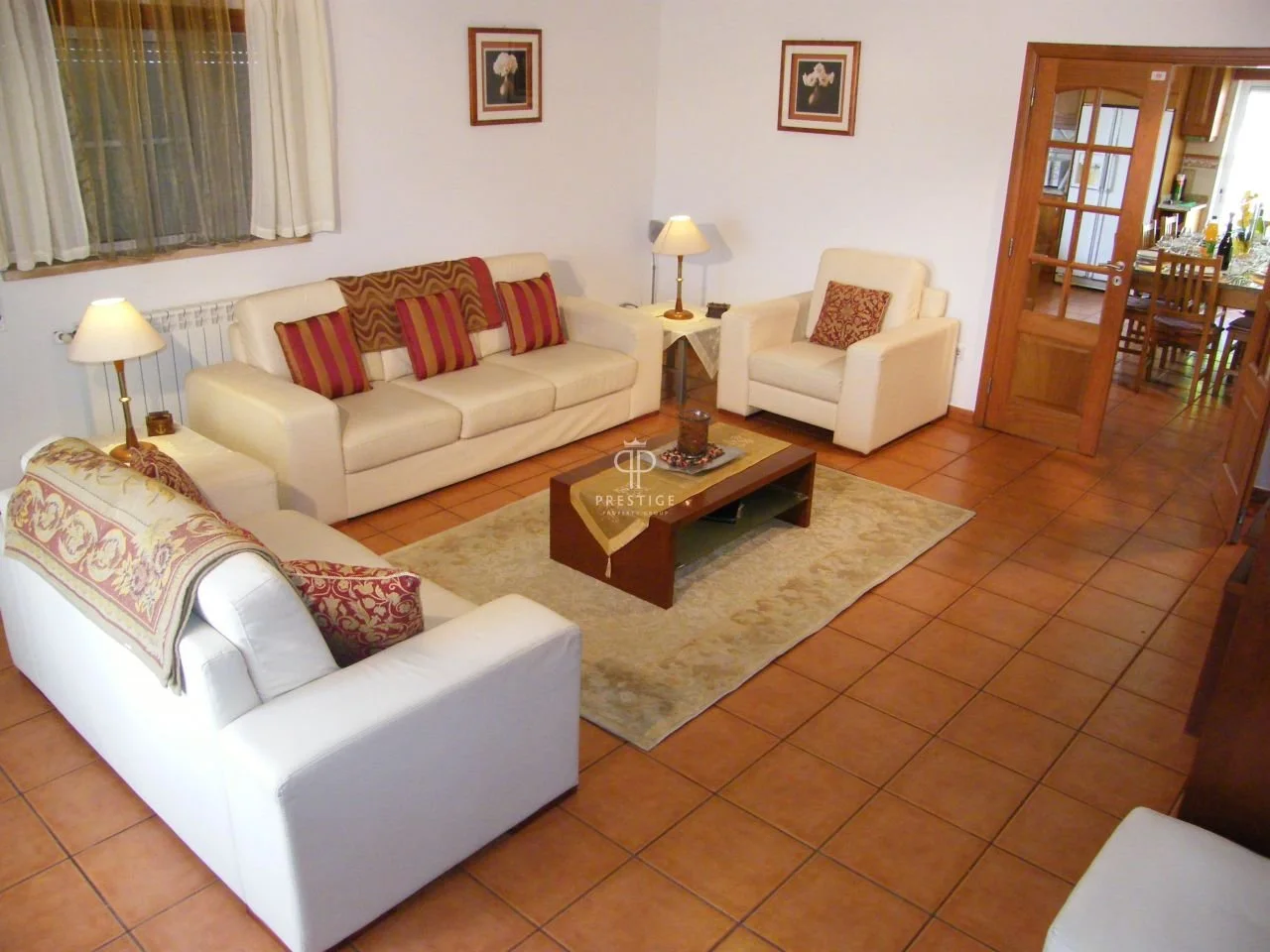
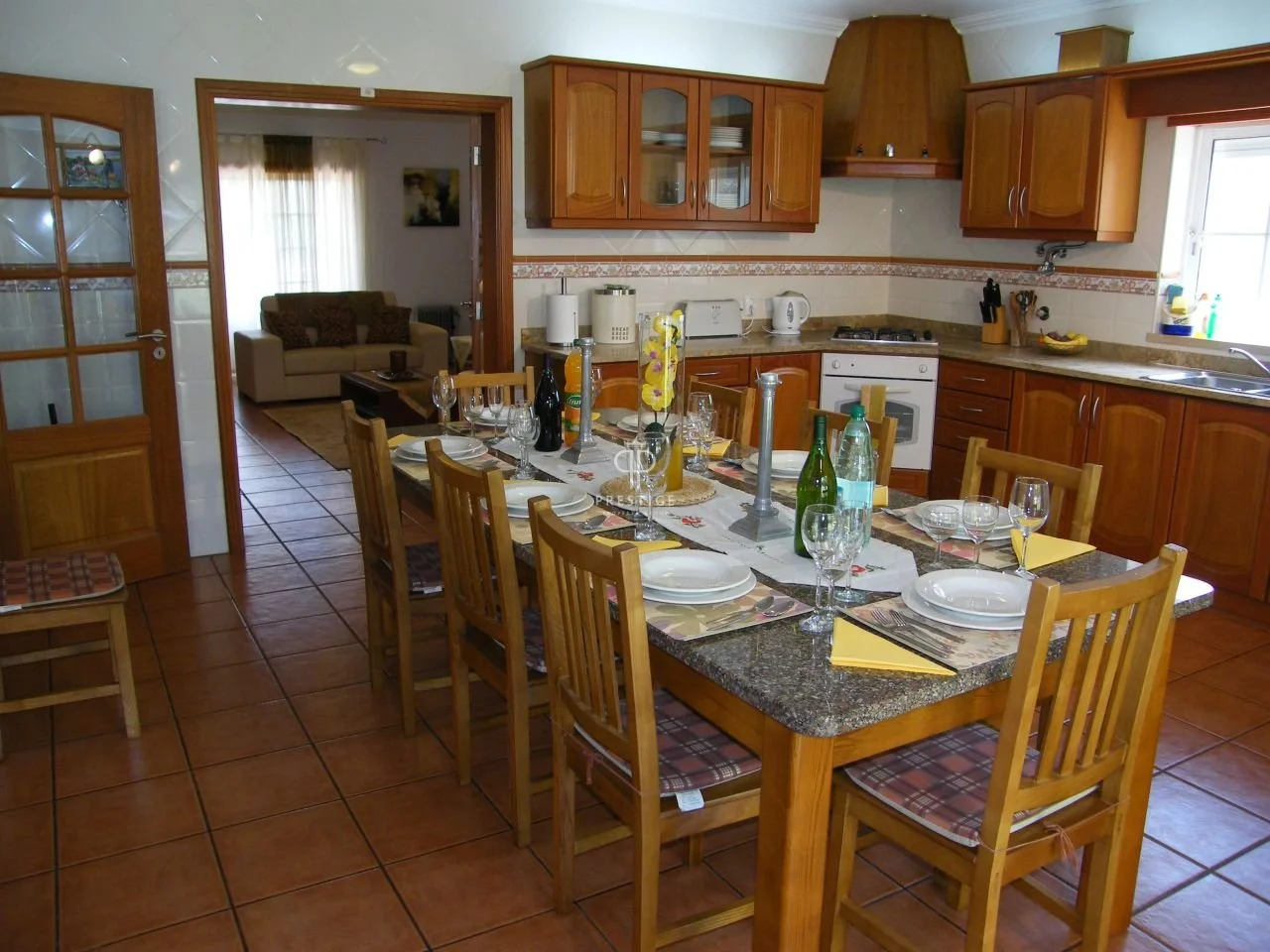
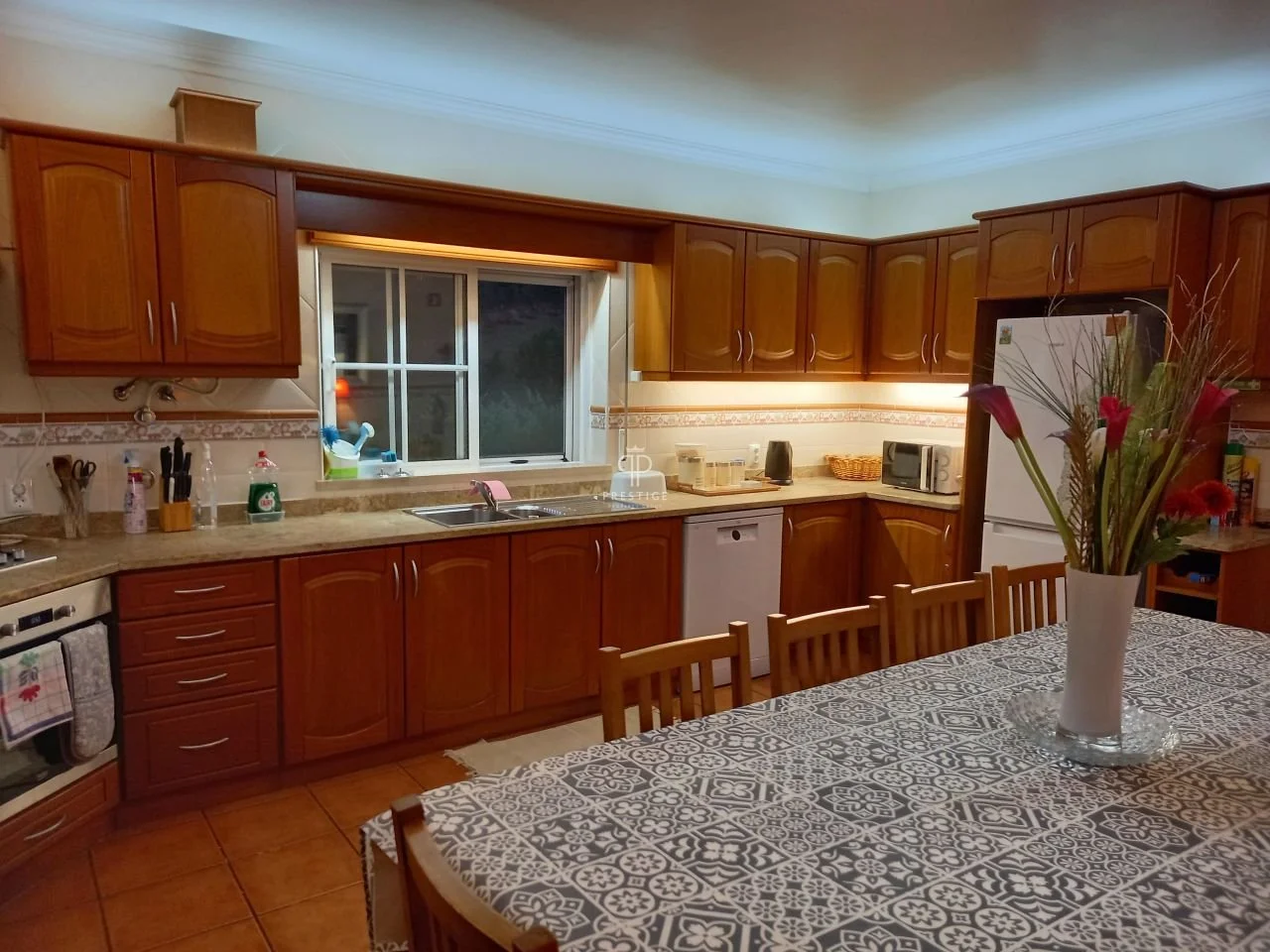
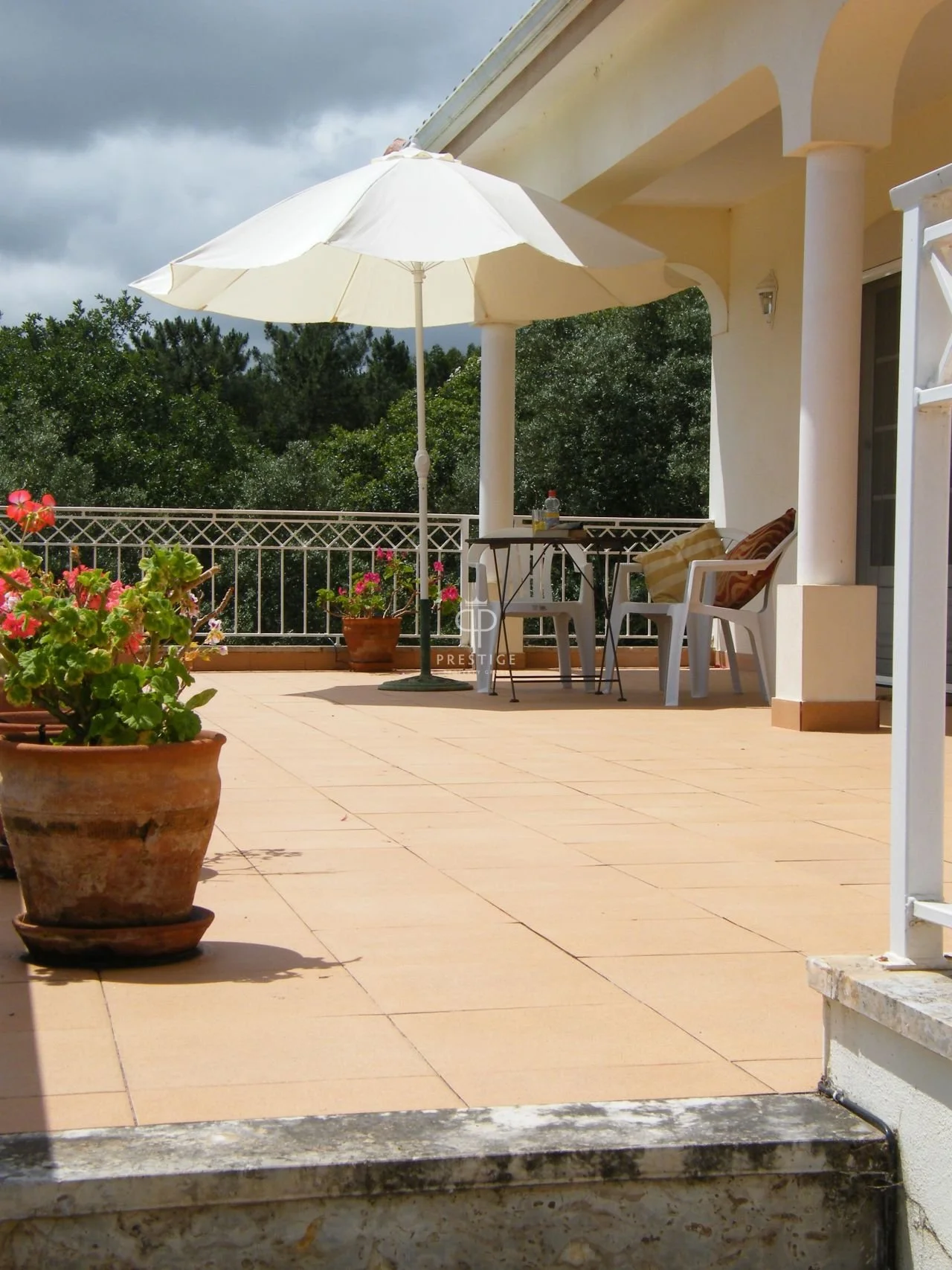
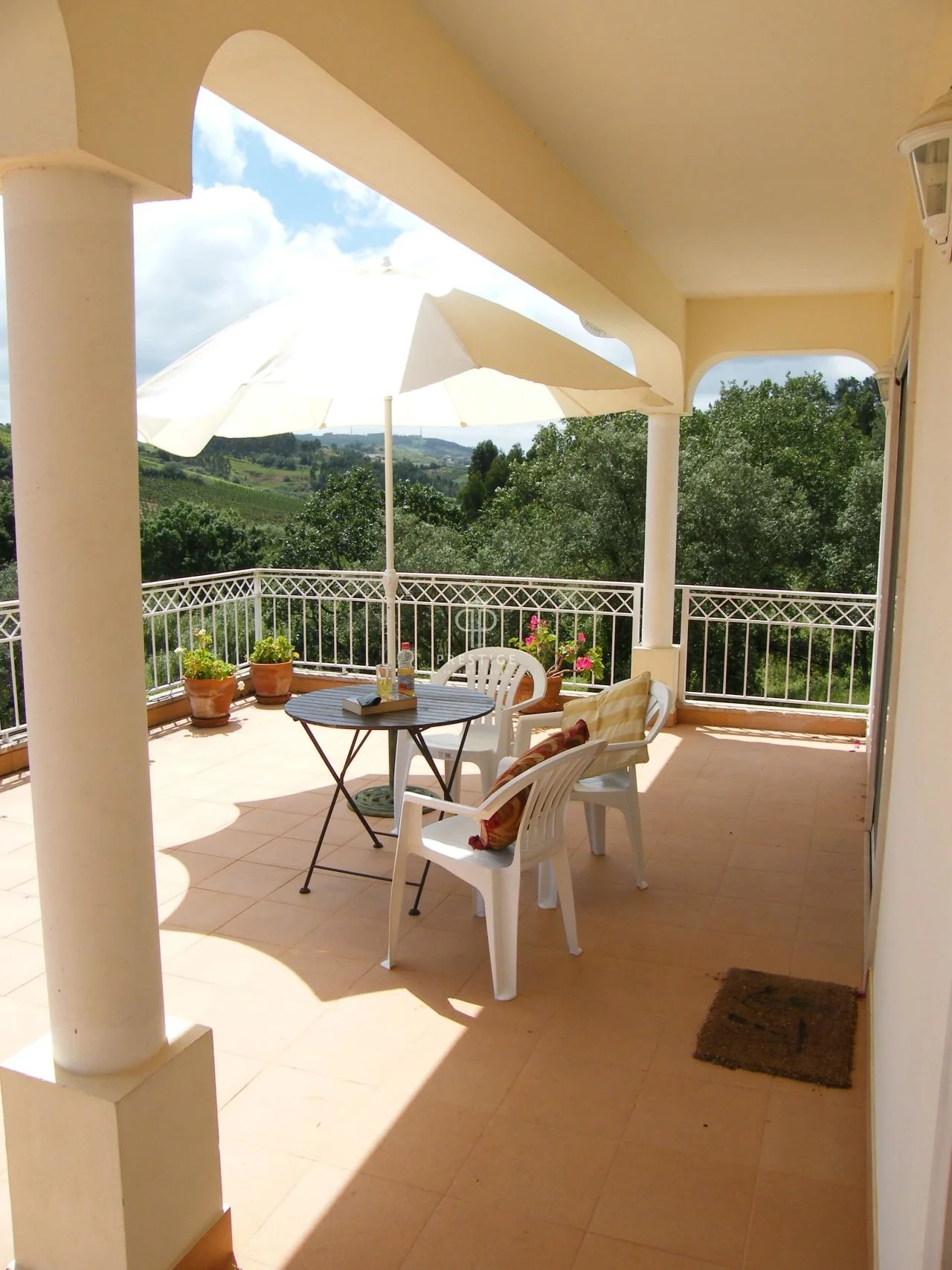
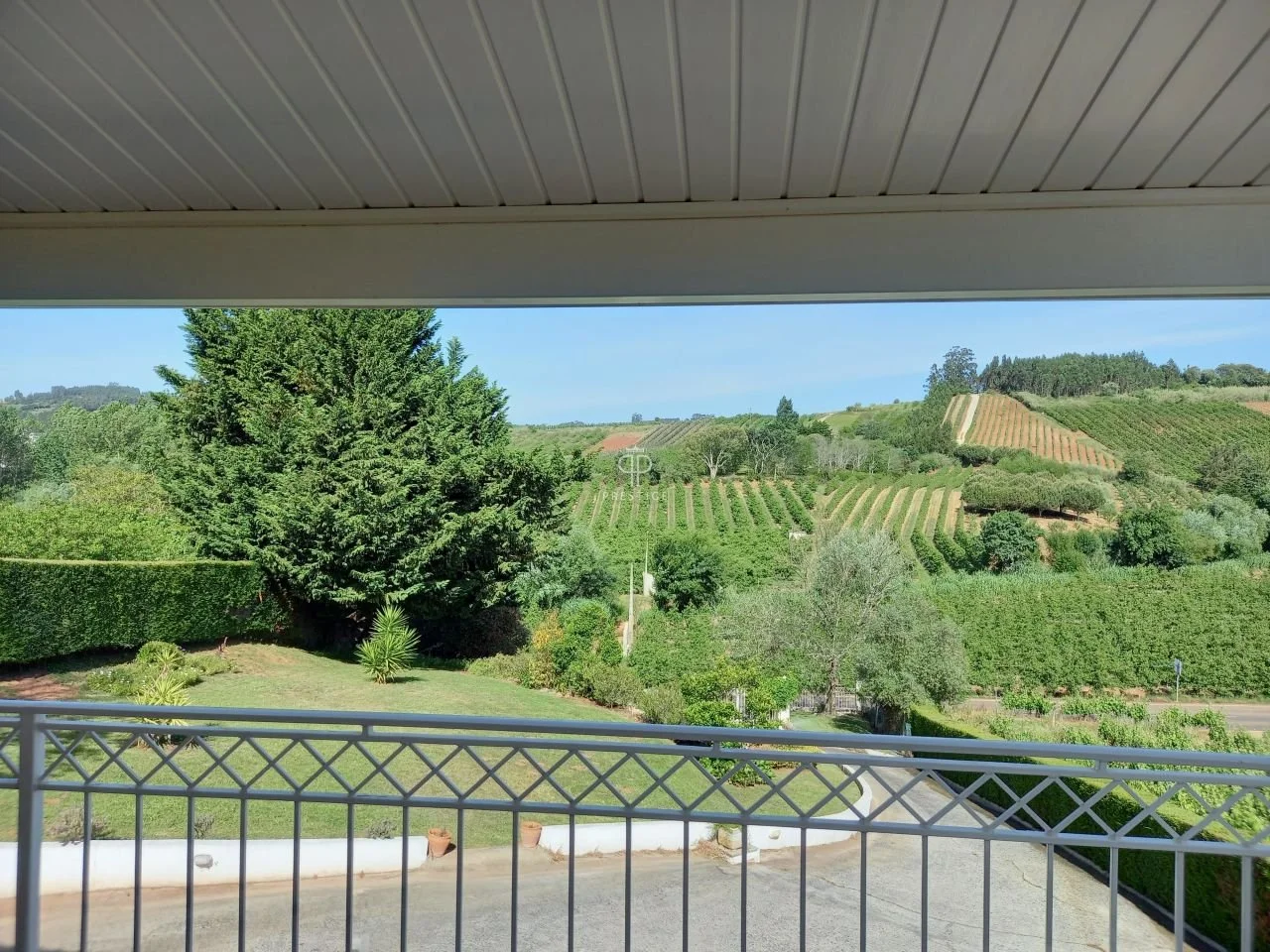
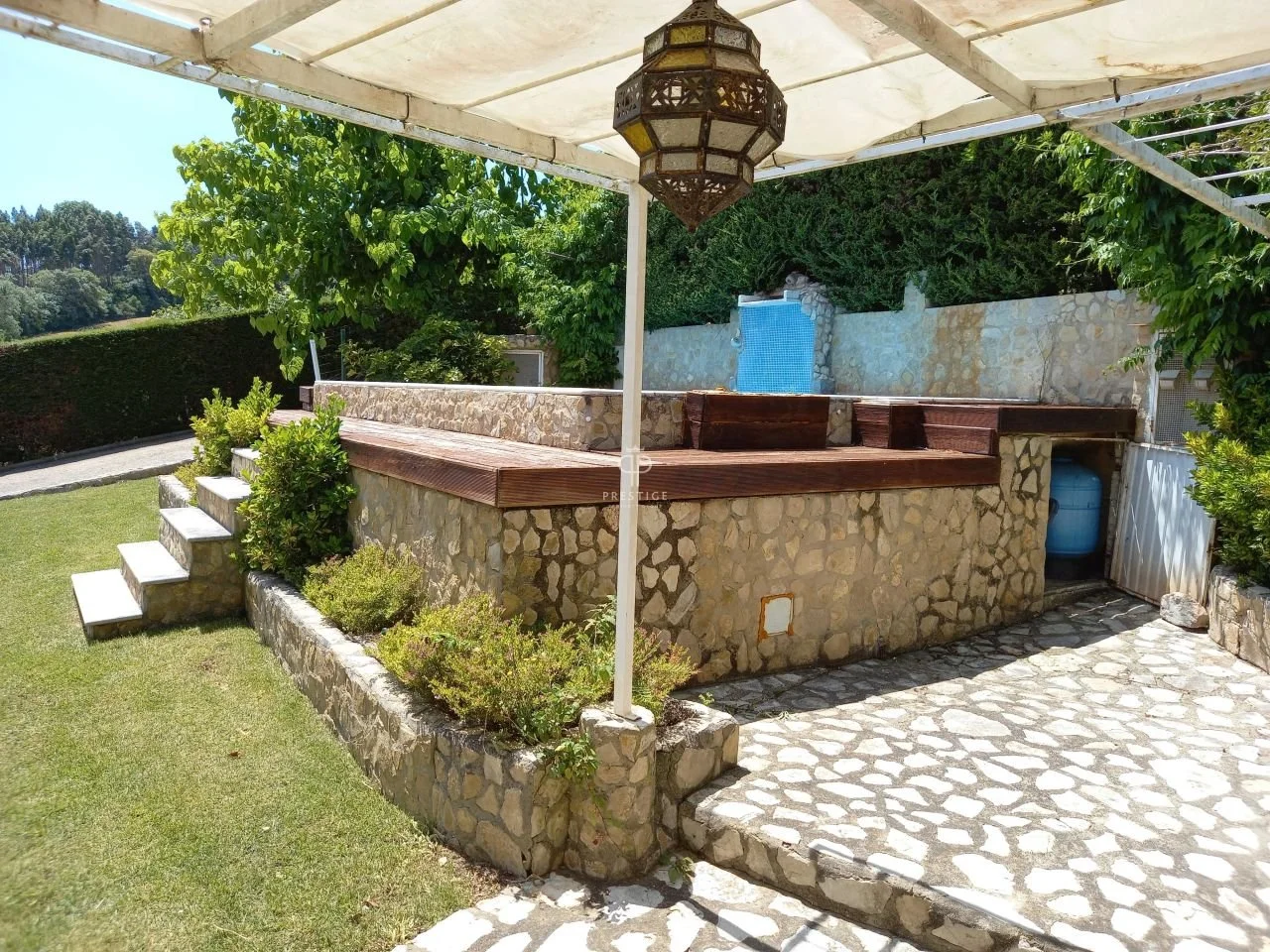
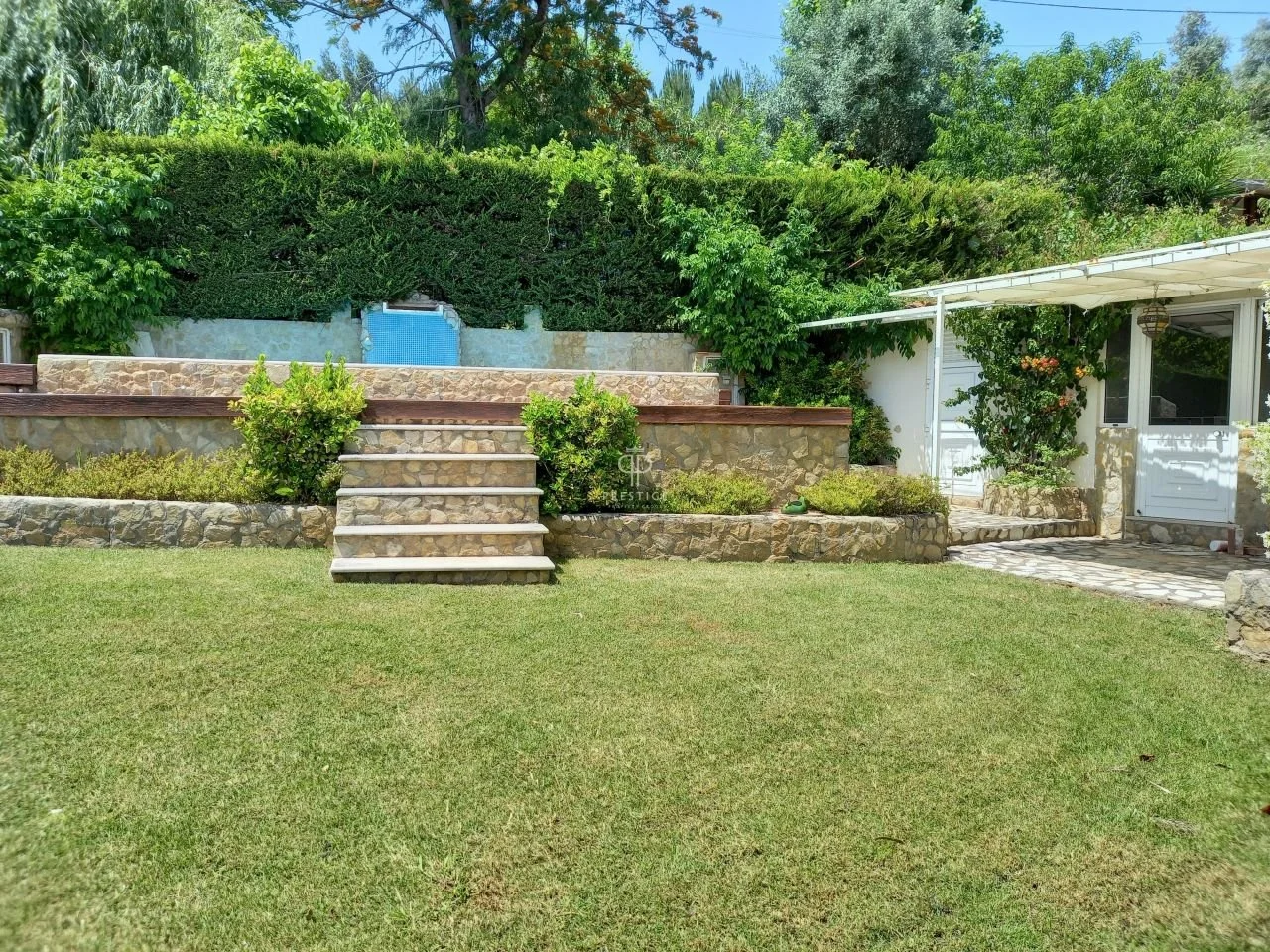
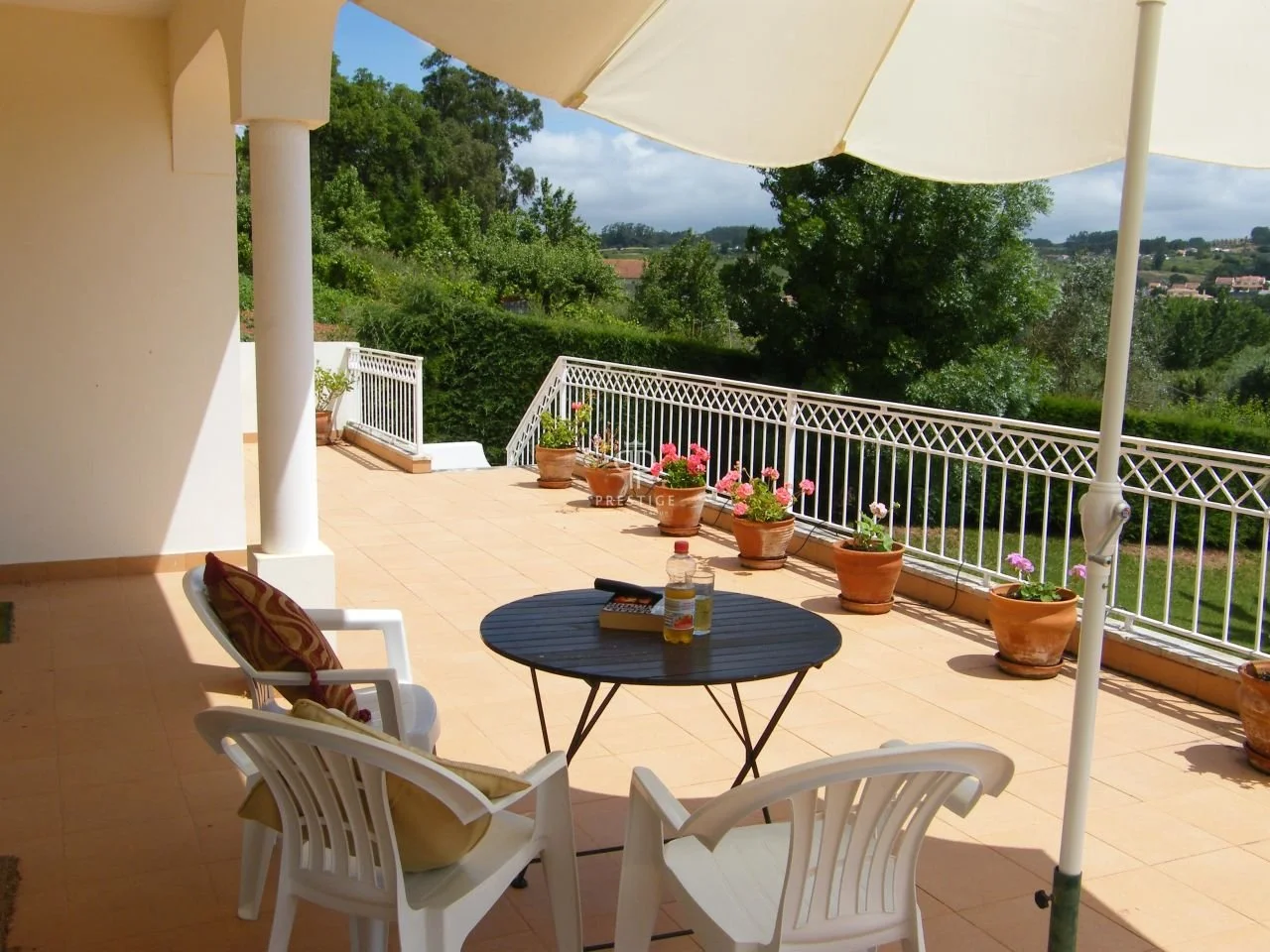
Private pool, covered terrace, panoramic vineyard views, maintained gardens.
Additional structure
Annex for additional use.
Listing position
Countryside setting with access to Óbidos, Silver Coast beaches and Lisbon.
Energy rating shown in listing
"Energy Class N".
Main due diligence themes
Legal status of the villa and annex, clarification of the energy-certification position, pool and land documentation, and AL feasibility.
Risk Radar
Overview
This looks like a strong lifestyle property on paper. A traditional villa with a pool, covered terrace, large plot and vineyard views in the Caldas da Rainha area is the sort of house that can work as a permanent home, a second home or a rental-led countryside base. The pricing suggests a move-in-ready story rather than a restoration project, so the buyer's main task is to confirm that the legal and technical paperwork matches that presentation.
The first major due-diligence issue is the annex. That is the clearest hidden-value or hidden-risk point in the whole listing. If the annex is already regularised as habitable or convertible space, it could materially strengthen the property's flexibility and value. If it is only registered as storage, agricultural support or another ancillary use, the conversion route may be slower, costlier or more limited than the listing implies. Portugal's official property-sale guidance identifies both the title documents and the licença de utilização as key documents in a sale, and the practical question here is whether the annex is actually reflected correctly in those records.
The second issue is the "Energy Class N" notation. In Portugal, a sale normally requires a certificado energético unless the building falls within an exclusion. The SCE public FAQ explains that a sale cannot normally be completed without the certificate unless one of the listed exceptions applies. That means "N" should be treated as a documentation flag until it is properly explained. It may reflect an exemption, a pending certificate, or incomplete listing data, but it is not something a buyer should ignore.
The third issue is infrastructure. A property of this size and setting needs its water, drainage, heating, pool systems and access to be verified carefully. Countryside houses can look straightforward while still relying on septic systems, older heating infrastructure or access arrangements that matter far more in daily life than in listing copy.
The fourth issue is rental use. Portugal's current AL regime still allows local accommodation, but it requires prior registration and sits inside a framework where municipalities again have meaningful regulatory powers. That means the buyer should separate "good holiday-rental potential" from "actually registrable and practical to operate" before relying on any projected income.
Targeted Questions
Title, Licensing and Legal Position
These are the core documents for checking the legal identity of the property, the recorded areas and any burdens or charges.
A buyer needs to confirm that all value-driving elements are properly reflected in the legal and fiscal records.
Hidden burdens can materially affect control and future resale.
Portugal's official property-sale guidance identifies the licença de utilização as a key sale document.
The lawful residential status of the main house should be unambiguous.
Later works can create documentary mismatch even in otherwise attractive properties.
Pools add value, but only if their legal position is clear.
A site plan is essential for understanding what exactly is included.
Annex Status and Conversion Potential
This is the clearest hidden-value point in the listing and must be defined precisely.
The current classification determines how realistic any future conversion is.
A structure only adds clean value if it is properly reflected in the records.
Licensing status matters if the buyer wants to use it more intensively.
Professional feasibility is much more useful than broad marketing language.
The permit route affects time, cost and certainty.
Existing services materially change the cost and complexity of any upgrade.
The economic value depends on the likely lawful end-use.
Written municipal guidance is far more valuable than assumption.
The buyer should not pay for upside that is not realistically achievable.
Energy Class "N" and Building Performance
A buyer should not treat "N" as a normal energy label without explanation.
If the property is exempt, the seller should be able to explain why.
A sale normally requires the certificate unless an exclusion applies.
A pending certificate is different from missing documentation.
Even before seeing the certificate, the buyer needs a realistic comfort and cost picture.
Real bills are often more useful than the formal label alone.
Window quality materially affects comfort and operating cost.
Traditional villas can vary widely in real thermal performance.
Comfort problems can materially affect year-round use and rental appeal.
Systems, Structure and Recent Works
Replacement history helps the buyer estimate near-term maintenance exposure.
Documentary evidence is much more reliable than verbal reassurance.
Residual warranties reduce early ownership risk.
Heating type materially affects annual running costs.
Cooling matters for both comfort and rental positioning.
Roof condition remains one of the main capital-risk questions in traditional houses.
Recent maintenance history helps judge real risk.
Traditional houses can hide longer-term issues behind good presentation.
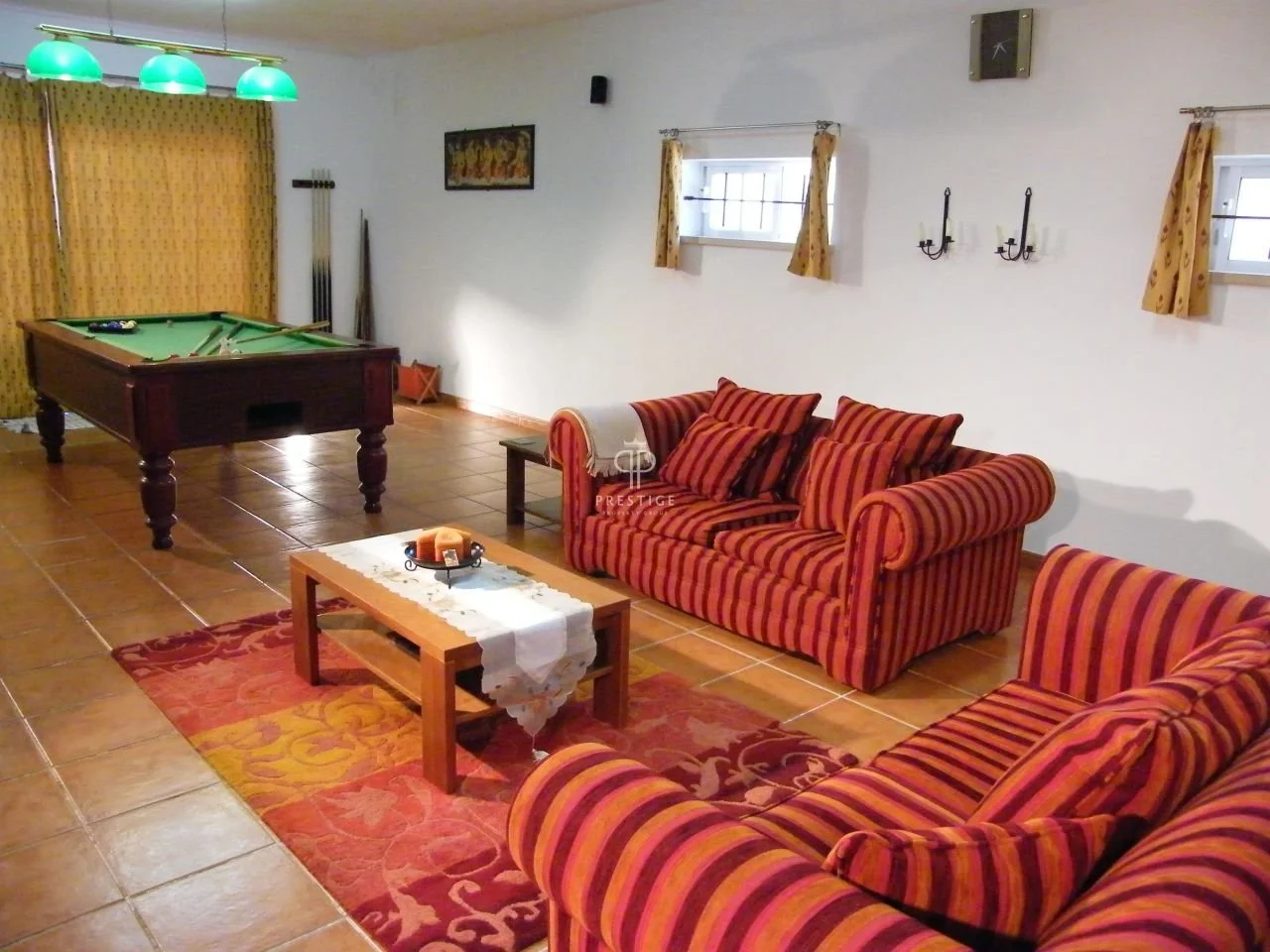
Flexible-use leisure rooms only add clean value if their legal status is clear.
Usability matters as much as headline amenity.
Water, Drainage and Utilities
Water supply type affects reliability and maintenance.
Wastewater setup has compliance and maintenance implications.
Septic history is essential to gauge condition and upkeep.
Capacity matters more if occupancy is high or rental use is planned.
Rural practicality depends heavily on utility performance.
Remote-work and guest expectations rely on real connectivity.
Large plots and countryside settings can create patchy coverage.
Land, Pool and View Protection
Boundary clarity is essential in larger rural plots.
Easements can materially affect privacy and control.
Access quality is central to long-term usability.
Countryside convenience depends on real access, not just a map location.
Pool legality should be checked independently of the main house.
The legal and physical pool position should align cleanly.
Size and build affect maintenance and future cost.
Pool equipment can be a hidden capex item.
Safety matters especially if rental use is planned.
View durability is part of the property's premium.
Vineyard-adjacent beauty can come with operational realities.
Large maintained grounds carry annual ownership costs.
Parking, Neighbours and Daily Use
Parking flexibility matters for family use and guests.
Covered parking adds daily practicality.
Countryside privacy depends partly on neighbour character and proximity.
The listing's tranquillity story should be tested against real use patterns.
Larger rural plots sometimes hide long-running practical disputes.
Rental Potential
Existing compliance is materially different from starting from zero.
AL operation requires prior registration and should not be assumed.
Municipal powers matter again under the current regime, and I was not able to verify a specific Caldas restriction from official sources.
Real operating history is much stronger than projected yield.
A long-term rental case is the conservative underwriting baseline.
Countryside villas can perform very differently from coastal holiday properties.
Demand profile affects pricing and seasonality.
The annex may alter the commercial case, but only if it can be lawfully used as intended.
Negotiation Intelligence
Buyer Leverage
Medium–High
Key Drivers
Typical Negotiation Range
5-15% below asking
Neutral Phrasing Examples
Country Layer
Portugal (Regulatory Context March 2026)
Portugal's official property-purchase guidance identifies the licença de utilização as a key sale document and describes it as the municipal document showing that the property is inspected and in accordance with the applicable legislation. The same official guidance also identifies the certificado energético as a core document in a property sale. For this villa, those two documents matter especially because the listing includes both an annex and an "Energy Class N" notation, which makes clear paper alignment more important than usual.
Viewing Strategy
Start by walking the whole plot before you let the vineyard views make the decision for you.
Next Step
Verify from the listing:
Annex legal status and real potential
Ask for the caderneta predial, registo predial, plans and licensing position for the annex so you can confirm whether it is properly registered, what it is legally classified as, and whether any future conversion would be realistic.
Energy Class “N” explanation
Request a document-backed explanation of whether the property is genuinely exempt from energy certification or whether a valid certificado energético should already exist for the sale.
Pool permits and infrastructure condition
Verify that the pool is properly documented and review its filtration, safety, maintenance and service history so you can judge whether it is a genuine lifestyle asset rather than a future cost point.
Title, licence and boundary clarity
Check that the villa, annex, pool and full 5,000 m² plot all align cleanly across the title, tax records and licença de utilização before treating the property as a straightforward purchase.
AL feasibility in this municipality
Confirm whether the villa already has AL status or can currently obtain it under the present local position, and avoid pricing in rental upside until the municipality and the legal classification of the annex are both clear.
A prepared buyer should approach the agent calmly and frame questions as due diligence.
Because this is a countryside villa where annex flexibility and rental feasibility both materially affect value, run it through the Property Risk Assessment to pressure-test title, annex and infrastructure risks, or use the Rental Yield Calculator to compare realistic long-term and short-term scenarios before contacting the agent.
Disclaimer: The Property Drop is buyer-focused intelligence, zero sales agenda. We curate exceptional properties, in southern Europe, from third-party agents and arm you with decision tools. No commission, no transactions, no agent partnerships, no skin in the game beyond helping you choose wisely. Information stays accurate until it doesn't (properties sell, prices shift, markets move). Everything here is shared for informational purposes only and should not be treated as legal, financial, or investment advice. Images belong to original agents. Read our Terms of Service to learn more.
IMPORTANT REMINDER: When contacting property agents featured on The Property Drop, you are entering into direct communication with third parties. It's recommended that you verify all property details independently, conduct thorough due diligence, engage qualified professionals (solicitors, surveyors, financial advisors), understand your rights and obligations under local property laws, and never send money or make commitments without proper legal protection.
