
The Buyer Playbook: Historic Duplex in Iconic Carcassonne Building, Carcassonne, France, €324,000
Buyer Playbook
Pre-Viewing Intelligence Report
This independent buyer guidance report relates to this specific property located in France. It is provided for informational purposes only and does not constitute legal, tax, structural, planning, heritage, condominium or survey advice. The heritage status of the building, the exact scope of any protection, the legal position of the terrace, the condition of the duplex and common parts, the copropriété's finances, and any rental registration pathway must always be verified with qualified French professionals such as a notaire, avocat, architecte, diagnostiqueur, surveyor and syndic, and with the relevant mairie and heritage authorities where applicable. This report is designed to help buyers evaluate the property before arranging a viewing or making an offer. It highlights the main due-diligence areas and the most strategic questions to ask the agent. The analysis is based on the listing details and current French rules around monuments historiques, ABF approvals, copropriété documents, DPE and meublé de tourisme declaration. In France, works on or around protected historic buildings can require prior authorisation and ABF involvement, apartment sales require a DDT diagnostic file, and declared meublés de tourisme remain subject to mairie declaration rules.
Playbook Contents
Property Snapshot
Location
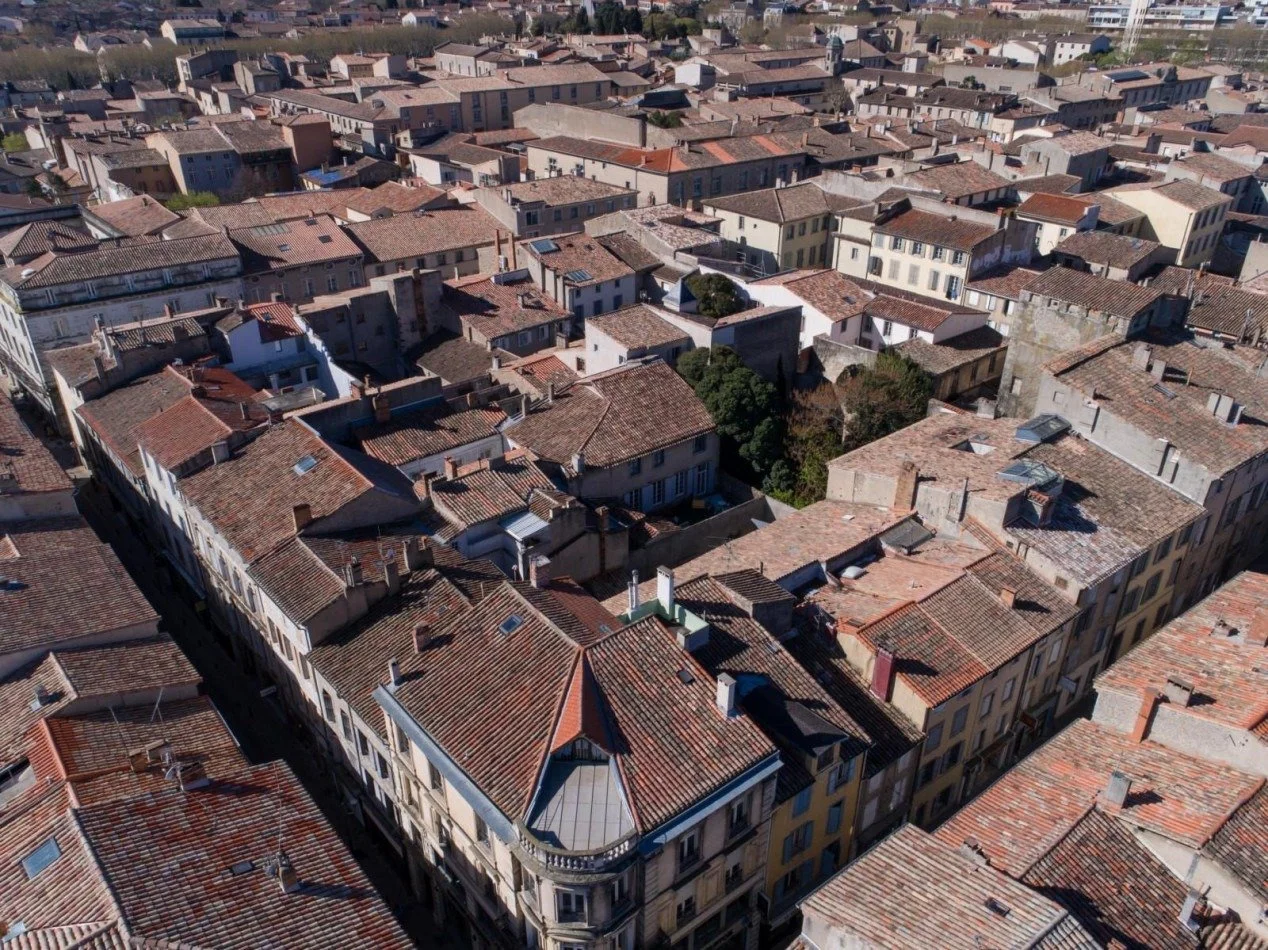
Historic centre of Carcassonne, France
Property type
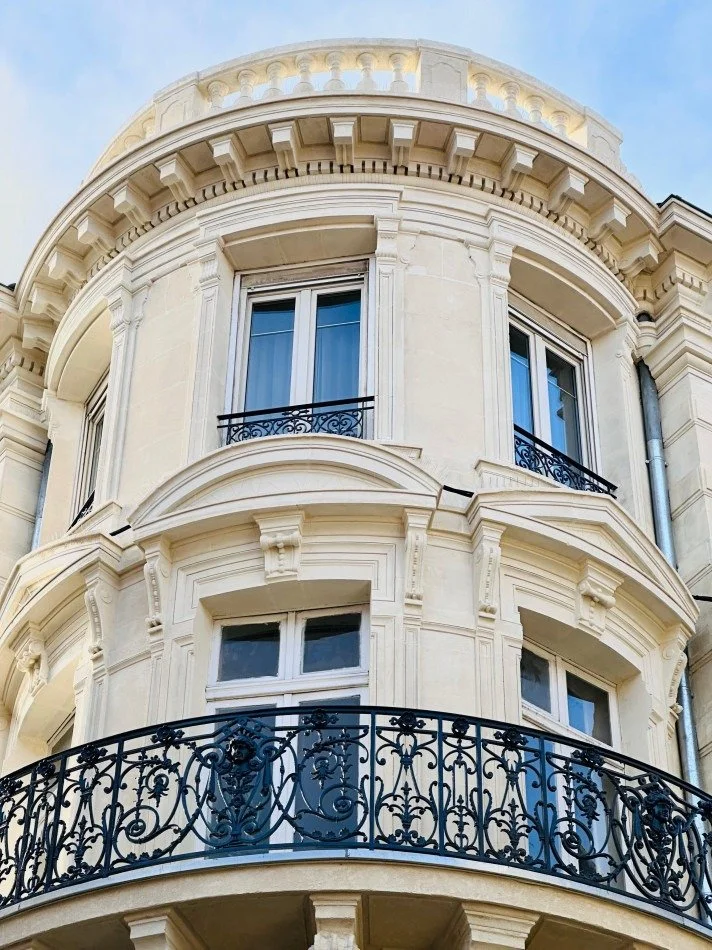
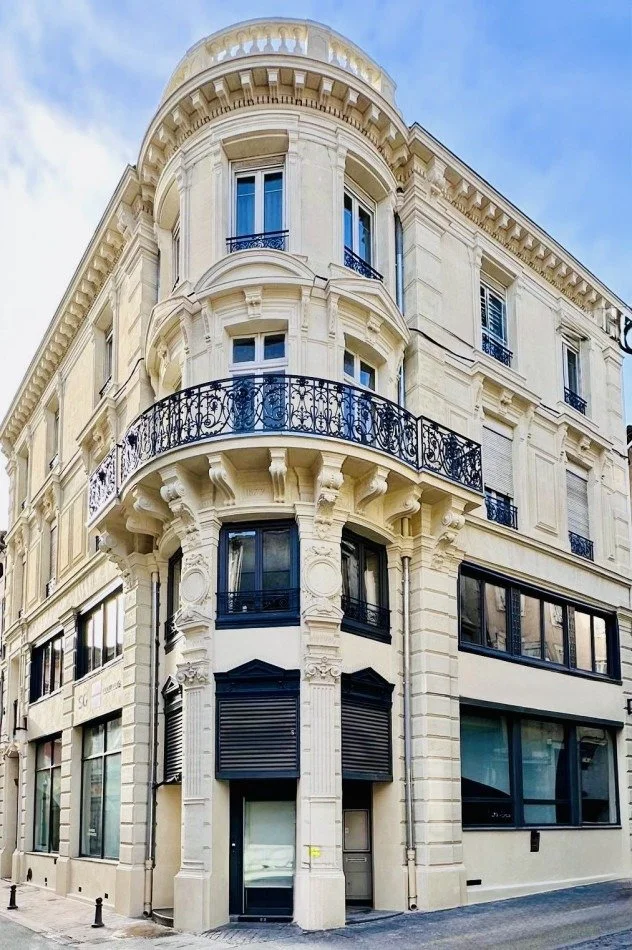
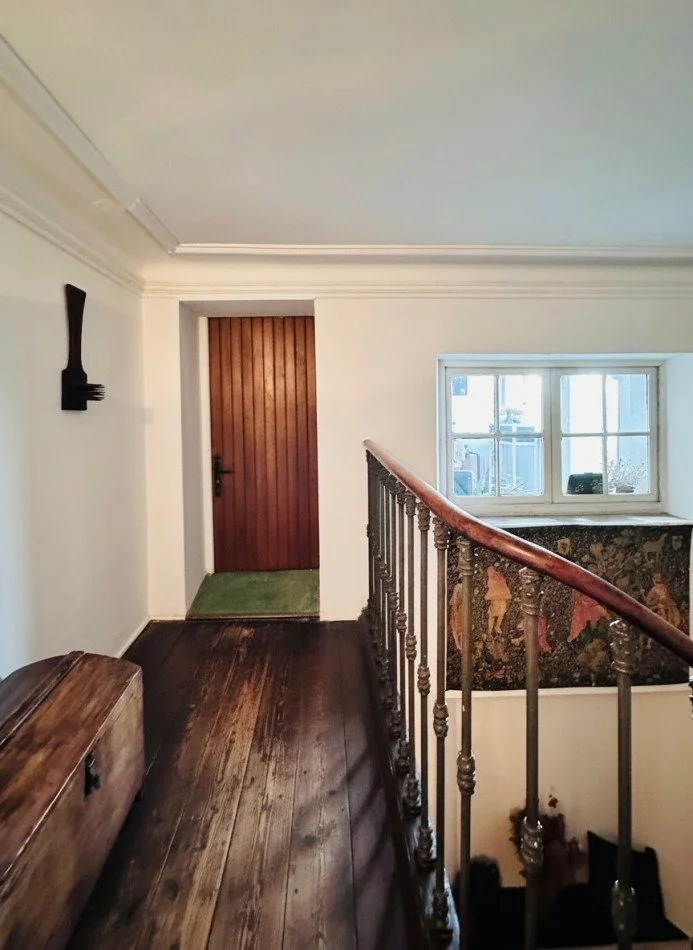
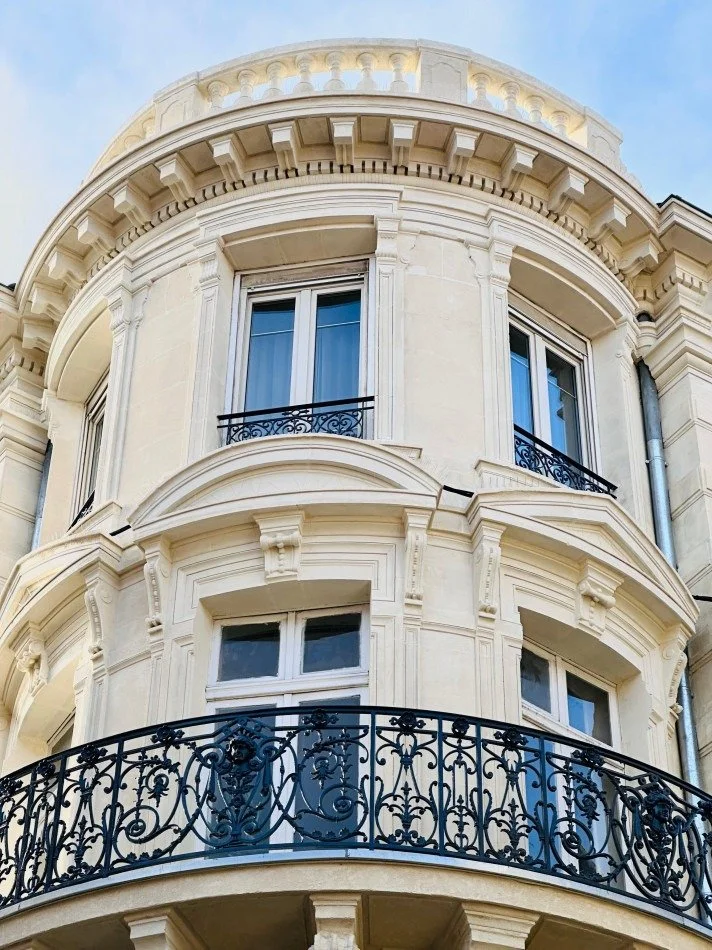
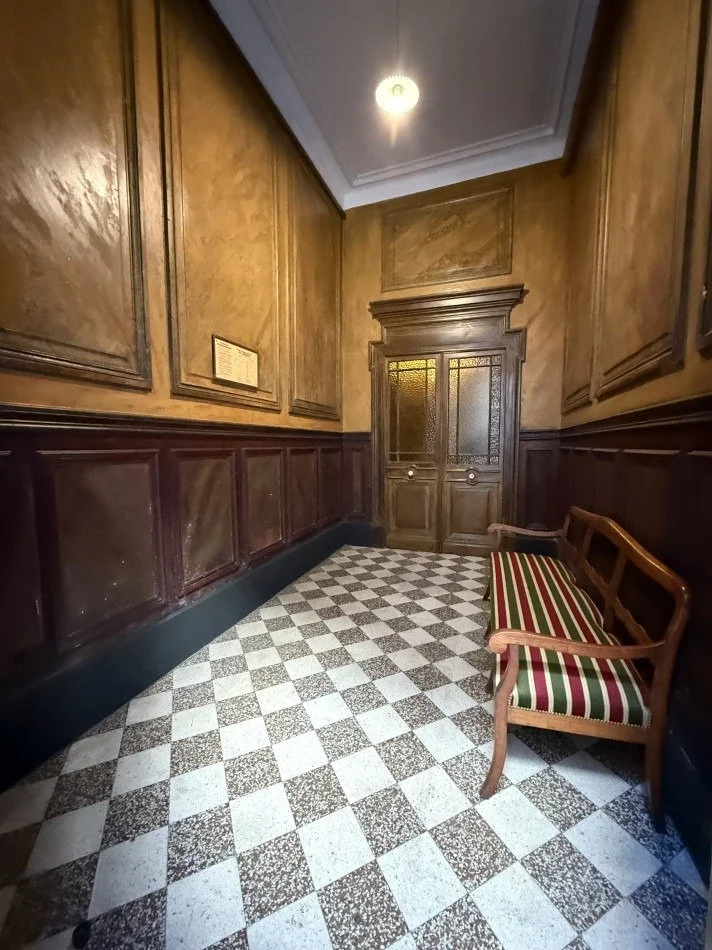
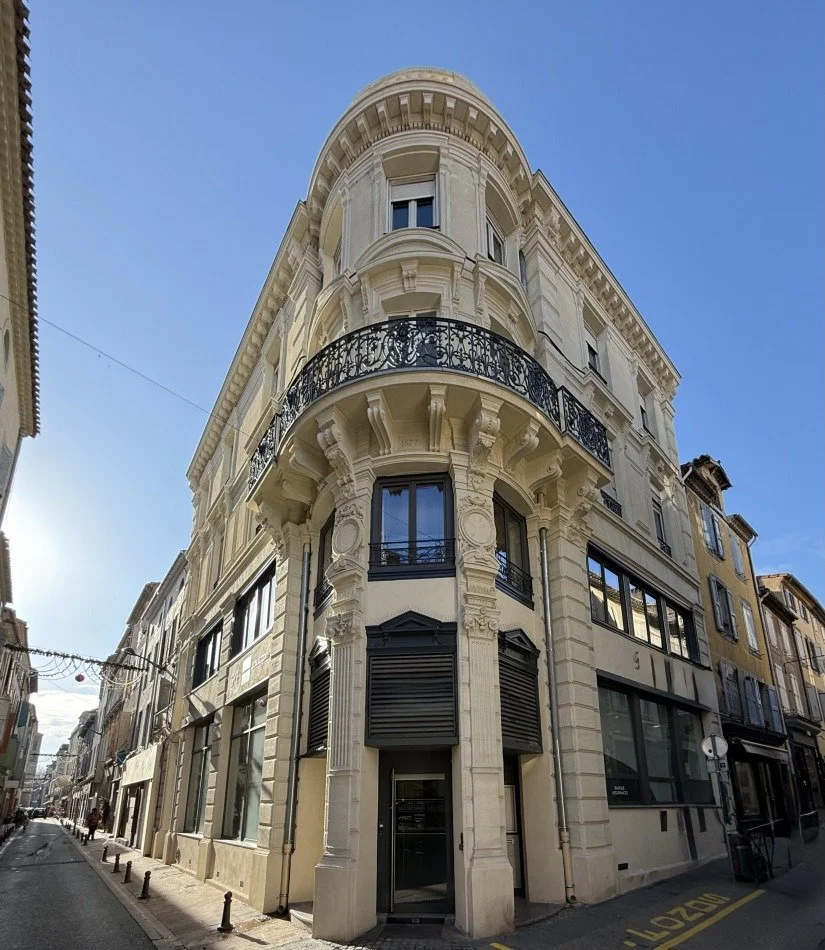
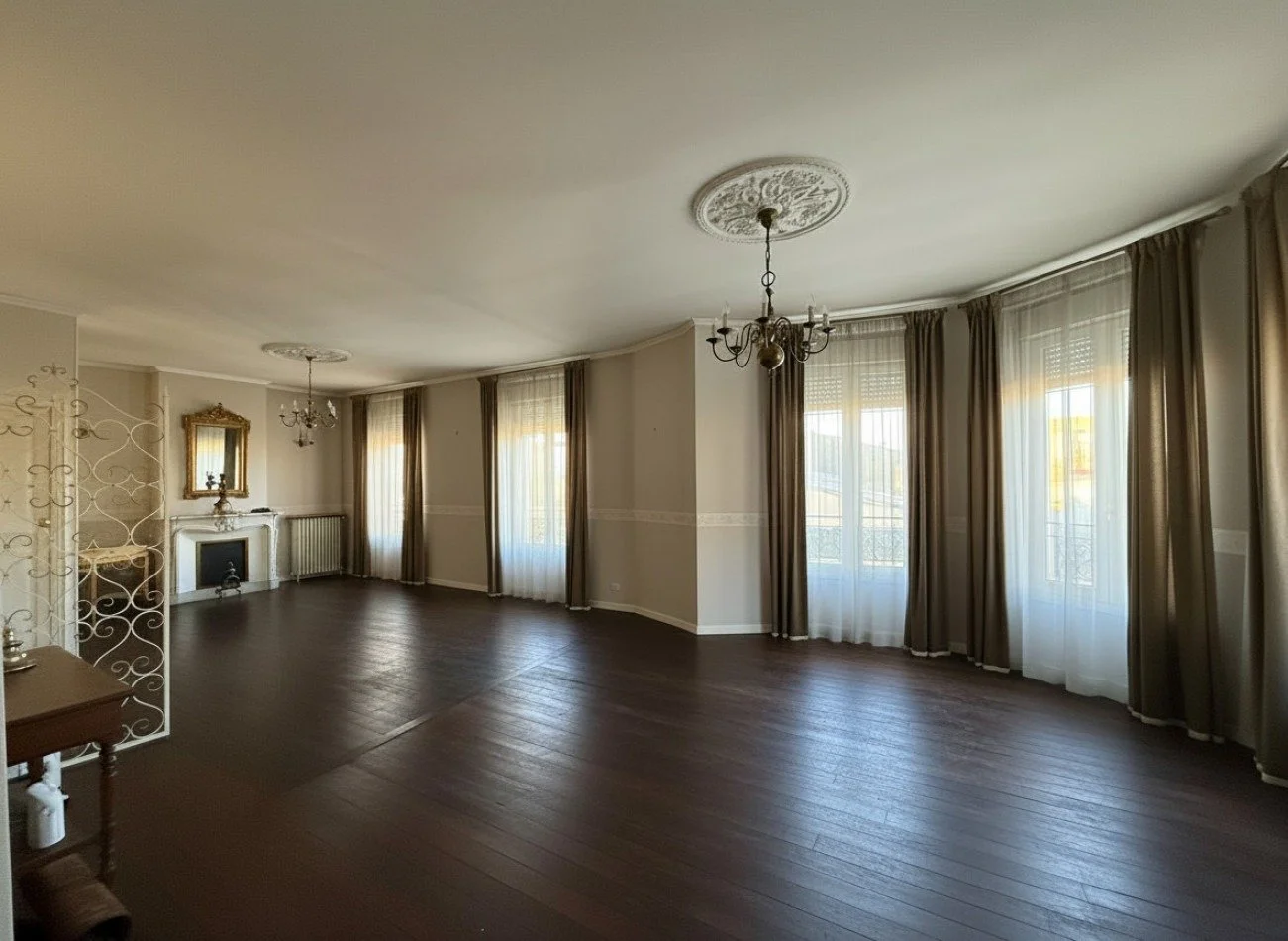
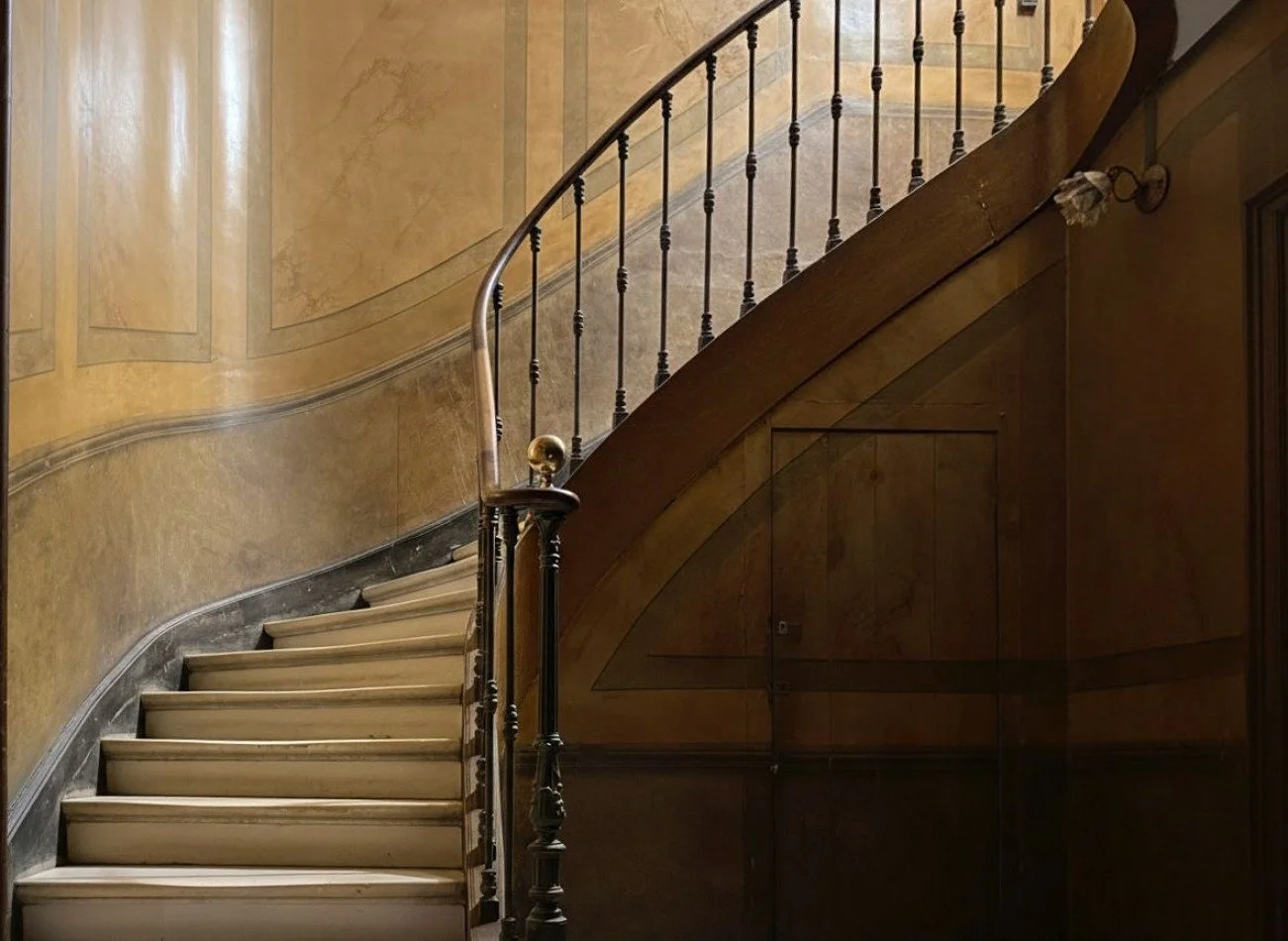
Grand duplex apartment in a recognised historic building
Internal area
Approx. 200 m²
Price
€324,000
Layout highlights
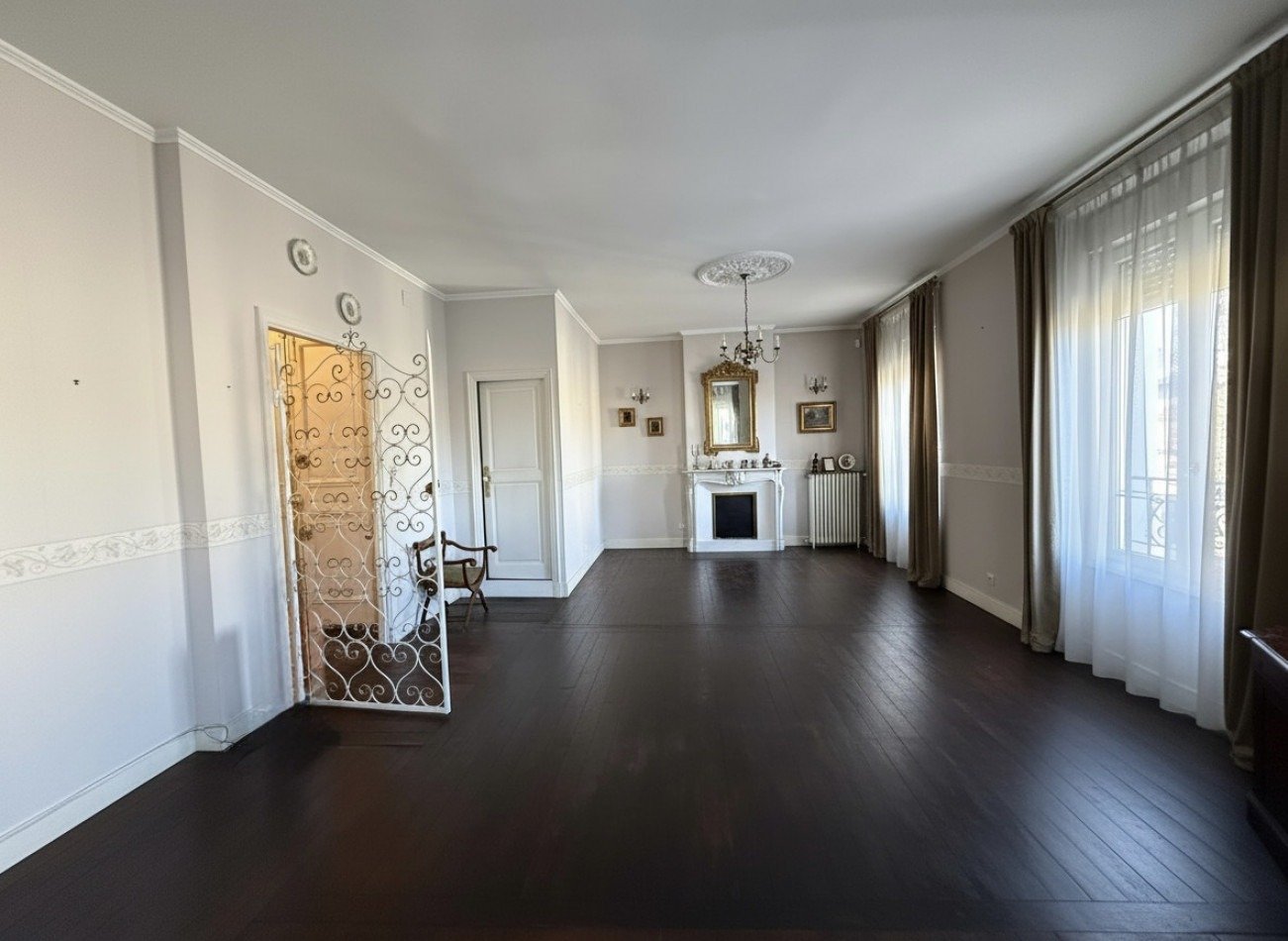
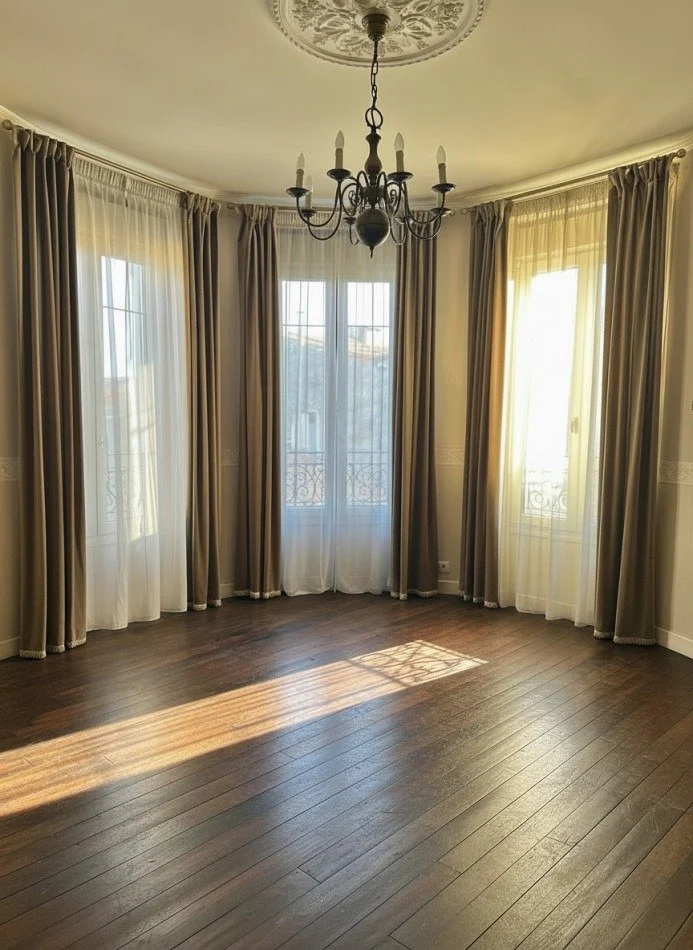
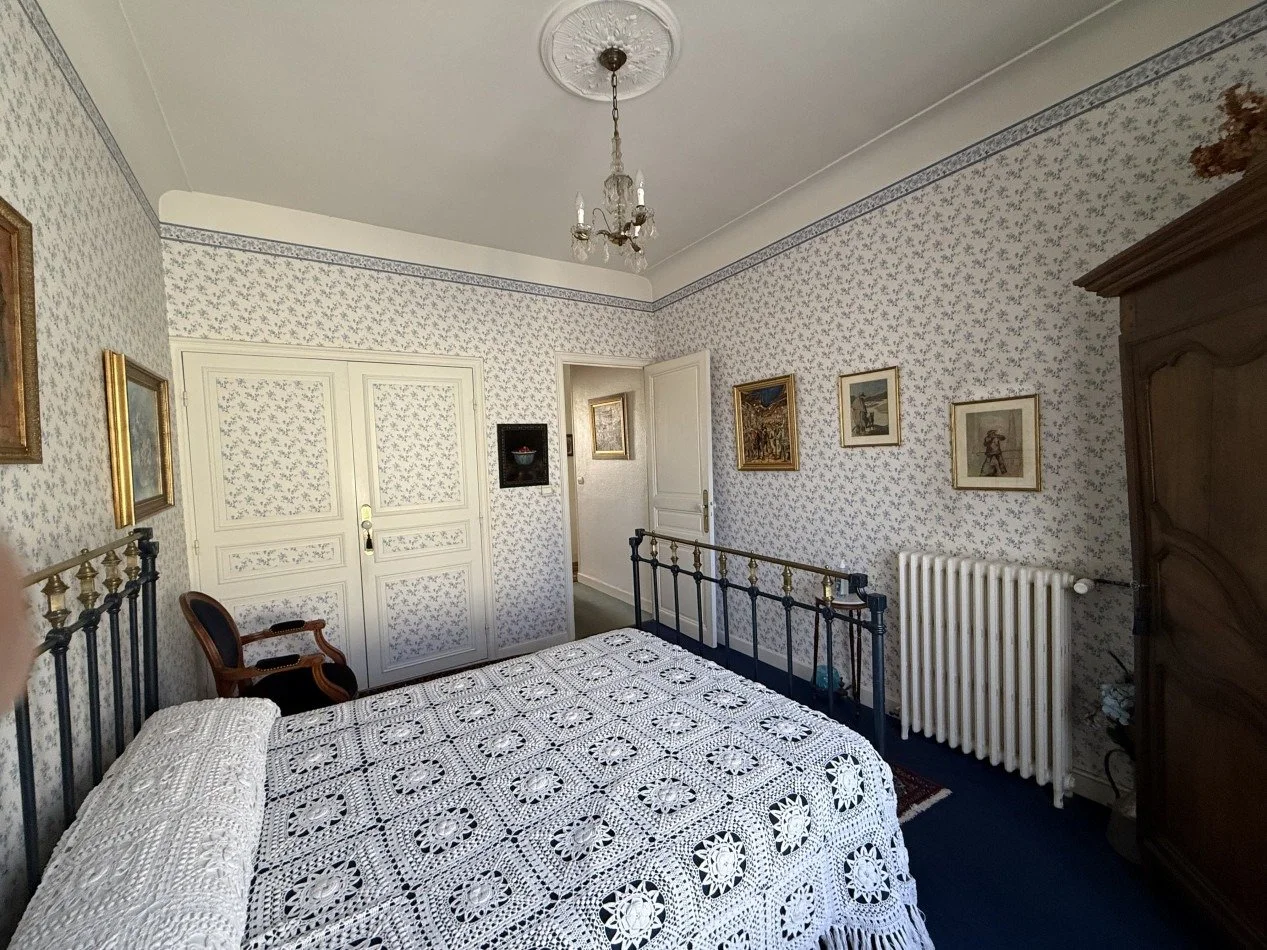
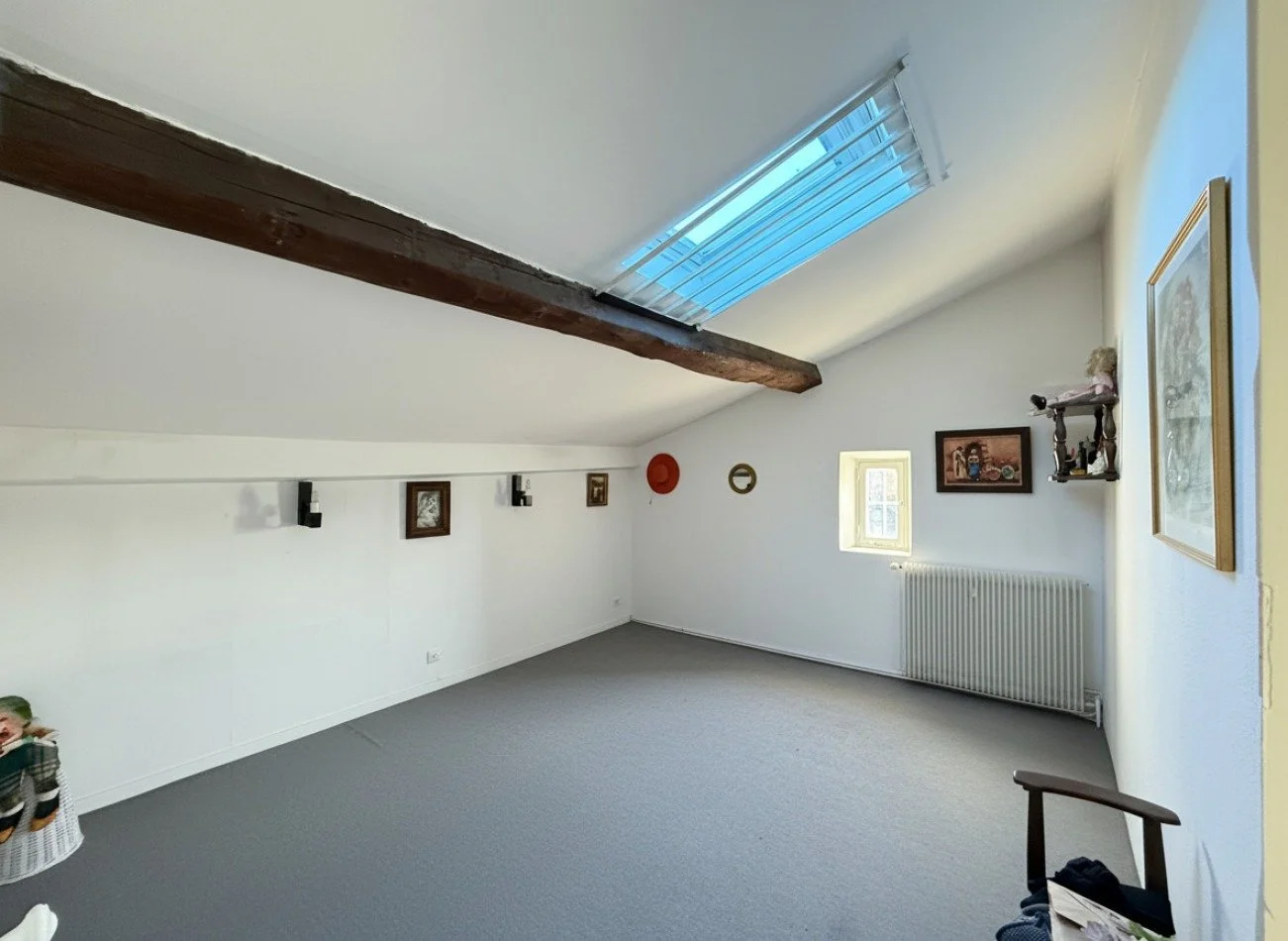
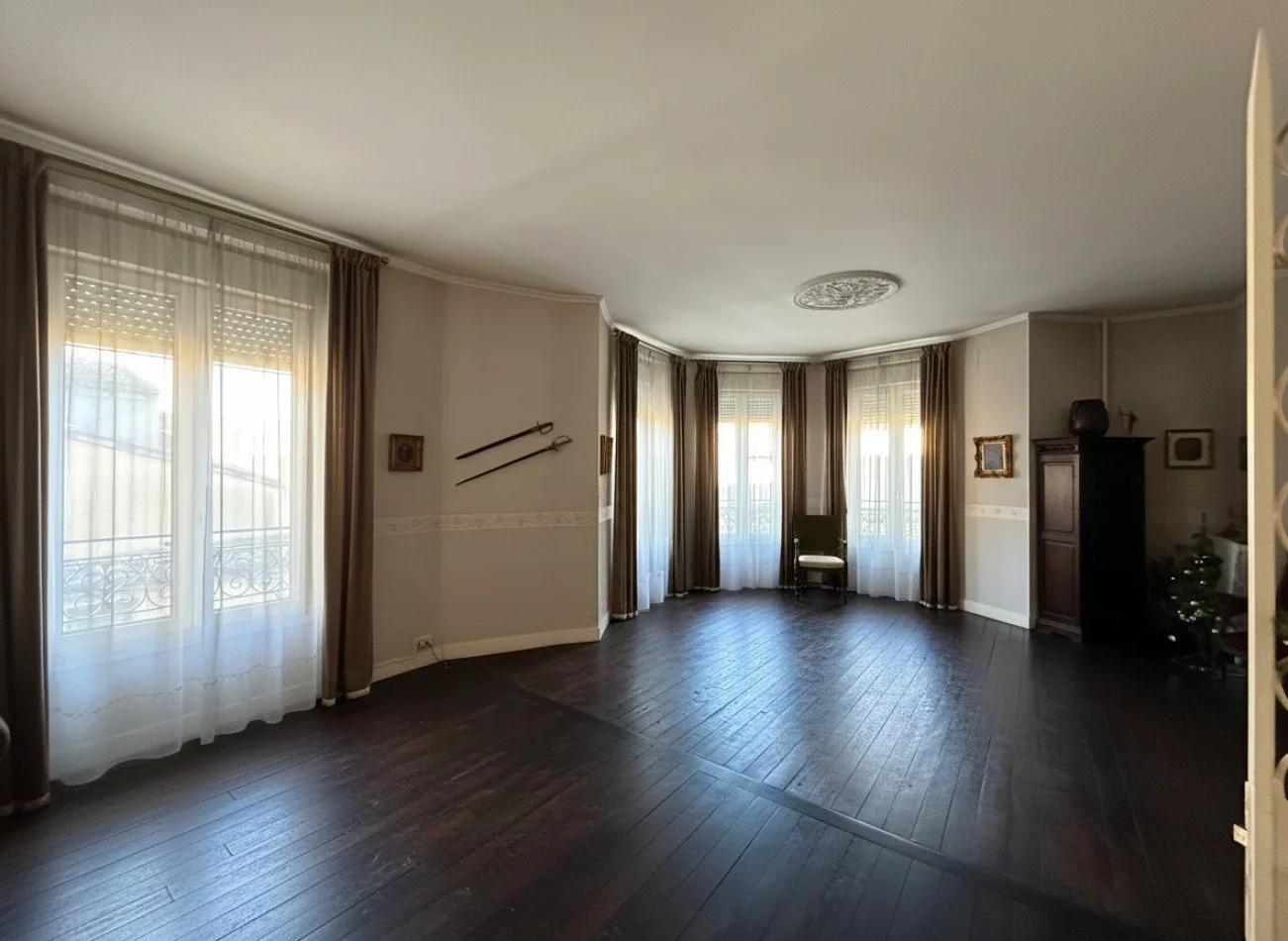
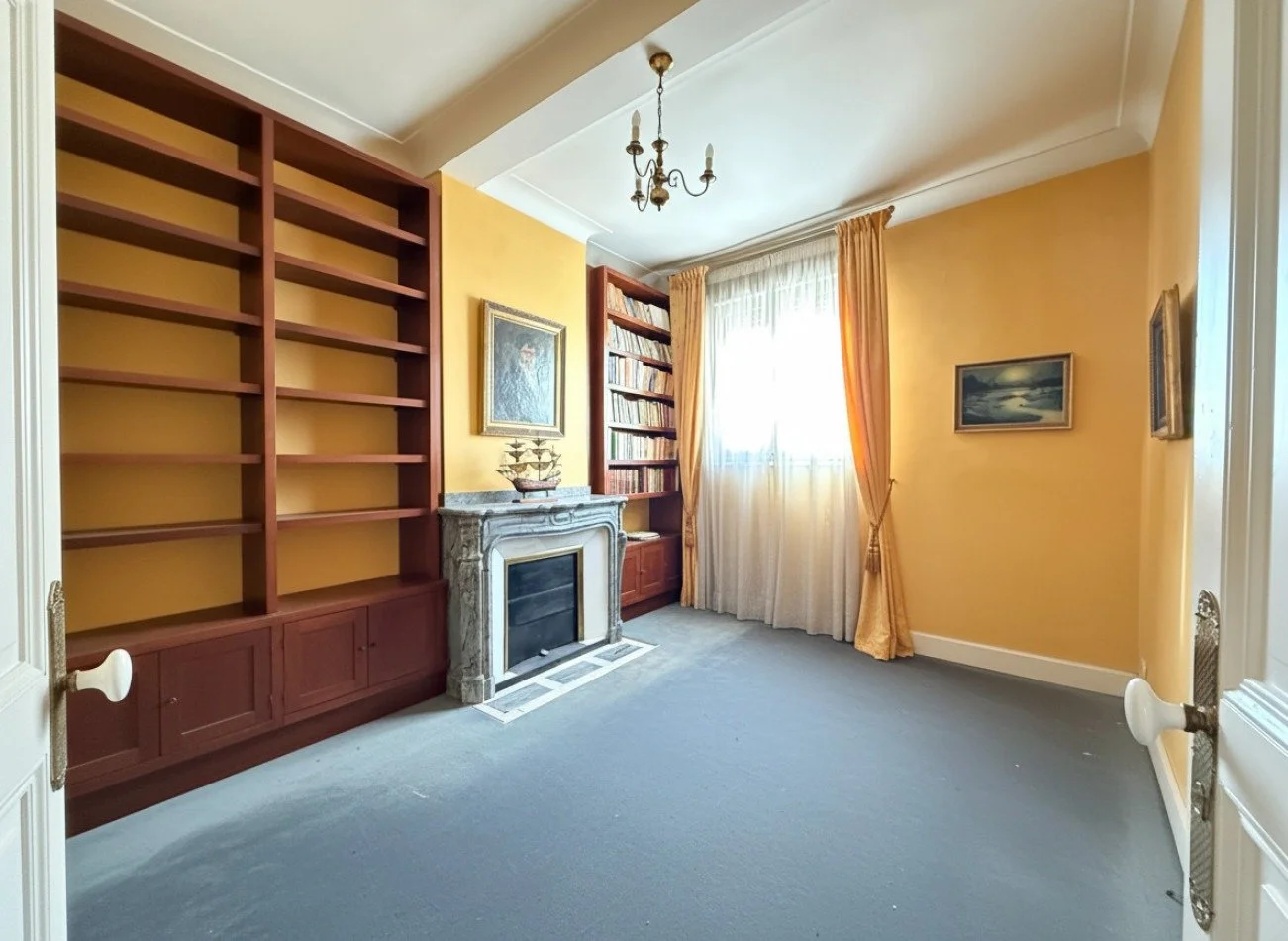
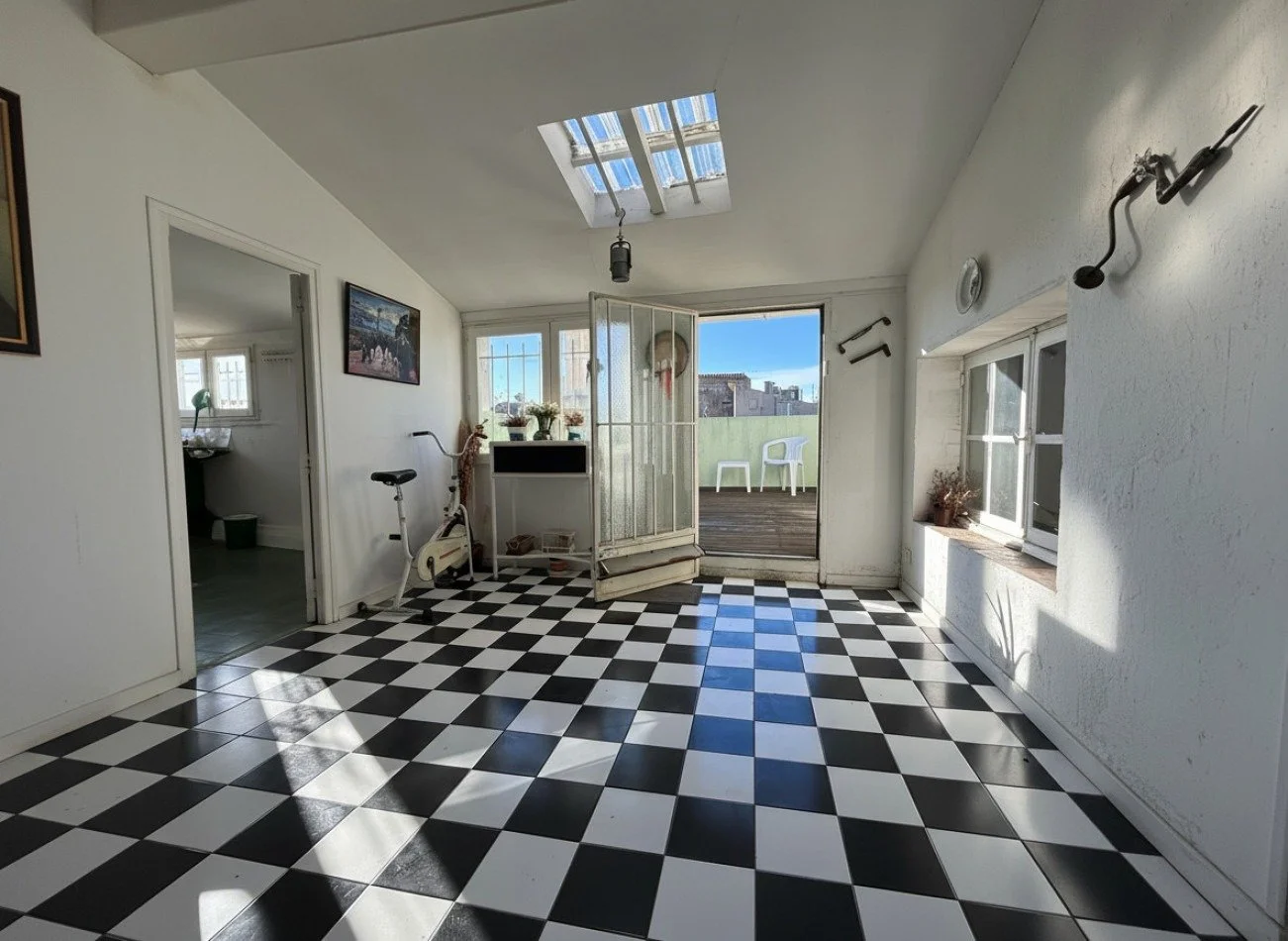
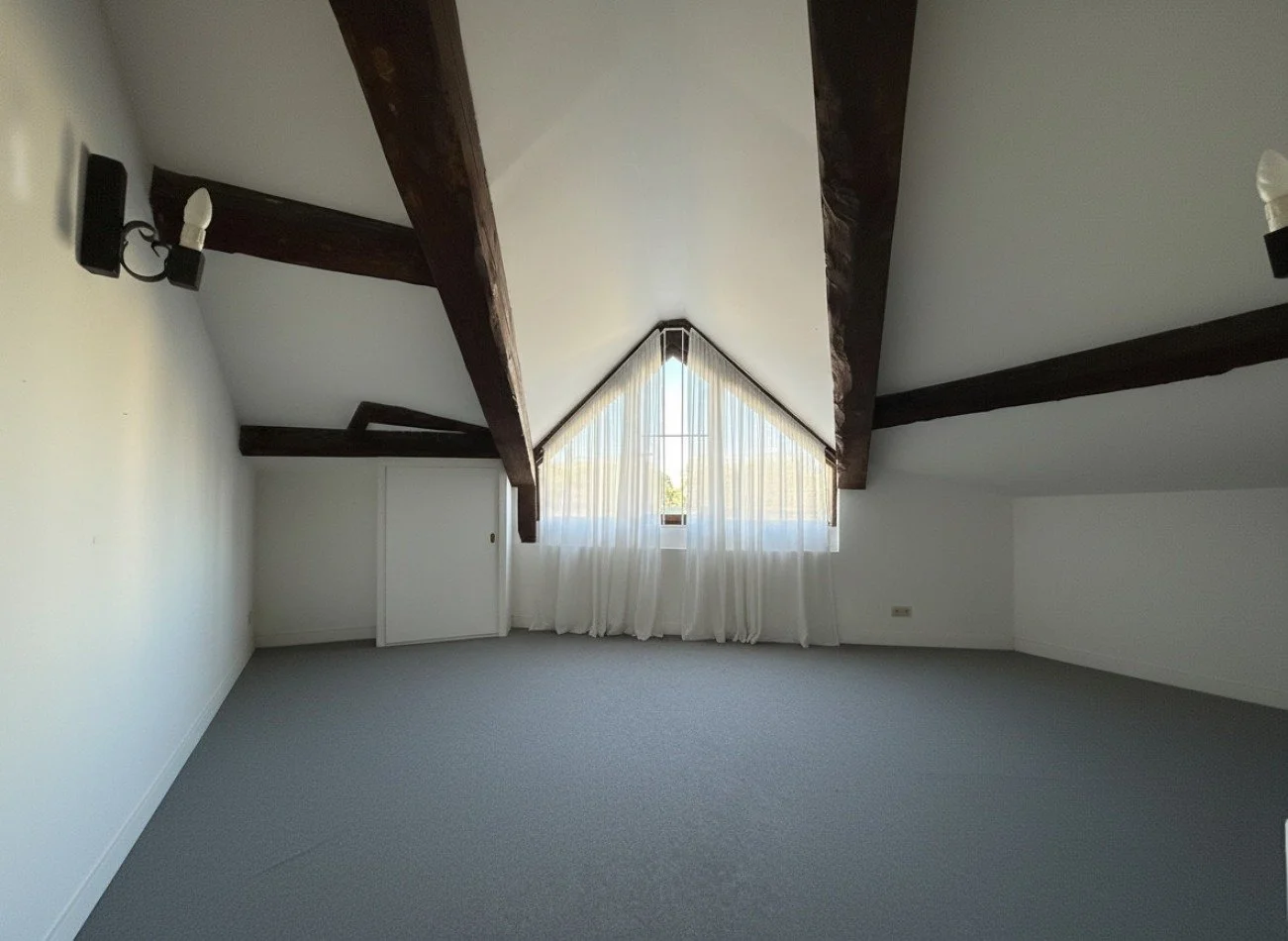
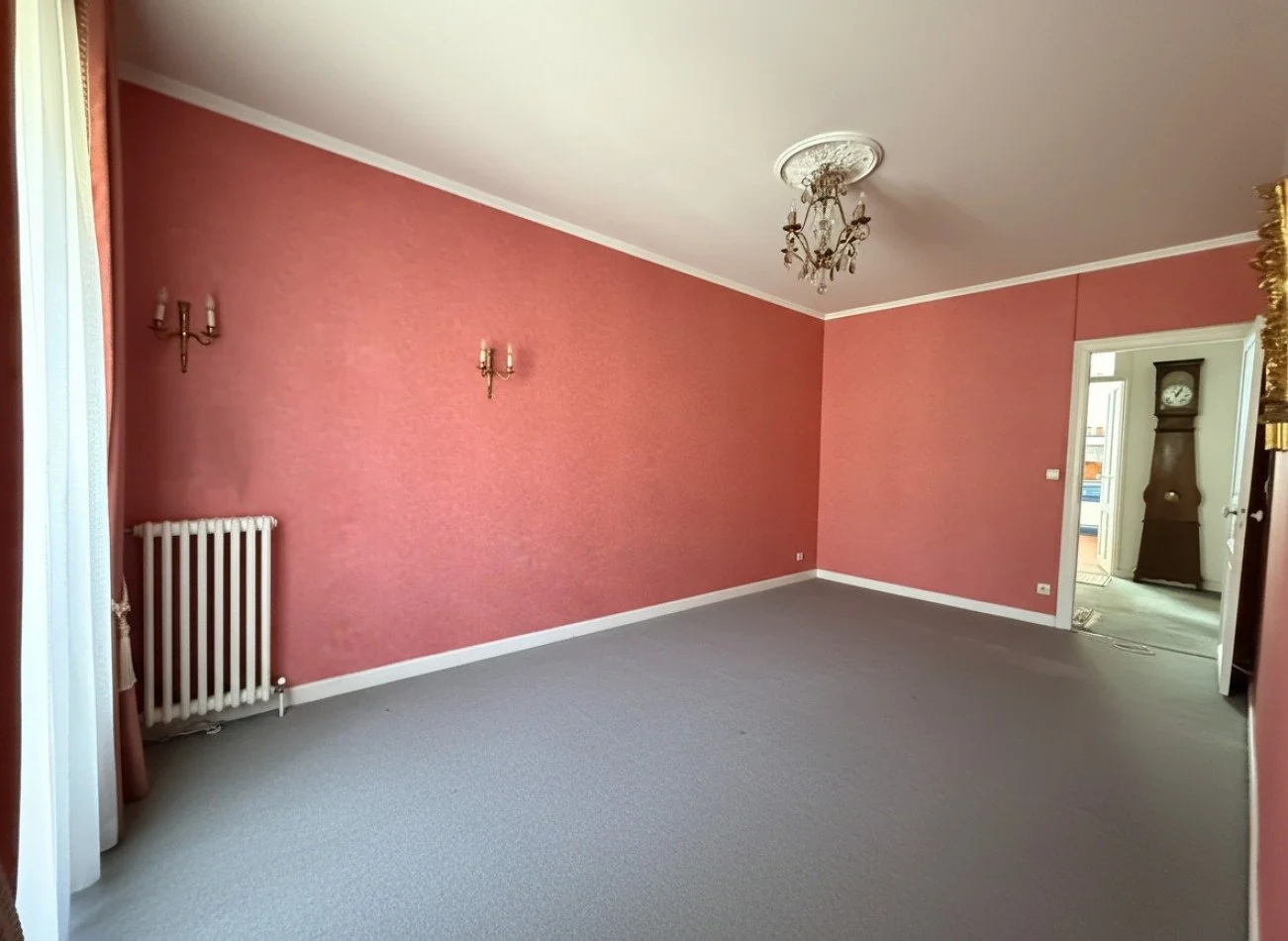
Five bedrooms, reception room, separate kitchen, one bathroom, one separate shower room, two WCs
Outdoor features
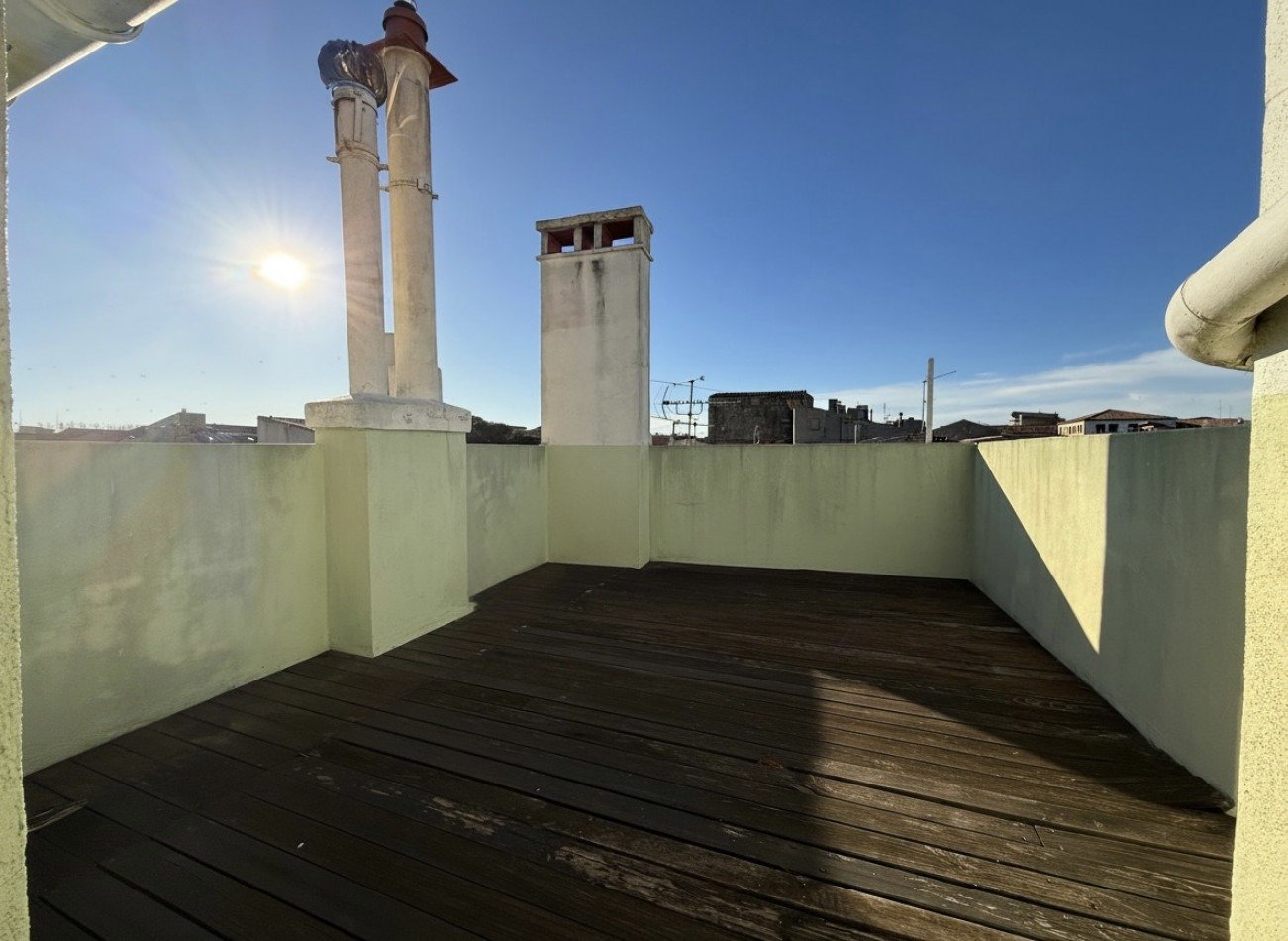
Approx. 15 m² terrace and Juliet balcony
Energy rating stated
D, with listing reference to 211 kWhEP/m²/year
Lifestyle angle
Character primary home, second home, hospitality-led city base, or long-term / furnished rental property
Headline appeal
Large period apartment in a visually powerful location with rare outdoor space for the historic centre
Core tension
The value depends on how constrained the heritage setting really is, how healthy the copropriété is, whether the terrace is legally and practically secure, and whether the building can support the buyer's intended use without hidden common-works exposure
Risk Radar
Overview
This is a very strong "heart over spreadsheet" property at first glance. A 200 m² duplex in a landmark-style building in central Carcassonne offers the kind of scale and atmosphere that is hard to replicate, and the terrace matters because outdoor space in a dense historic setting is not a throwaway extra.
The first priority is the heritage framework. The listing already signals that preservation rules matter, and that alone should push this to the top of the due-diligence list. In France, works on a protected monument, in its surroundings, or in heritage-sensitive areas can require prior authorisation, often with the Architecte des Bâtiments de France involved. The buyer should therefore move from "historic charm" to "what exact controls apply to this exact building and this exact lot?" as early as possible.
The second priority is the copropriété. With a historic building, the greatest future cost risk is often not inside the apartment but above, outside and under everyone else's feet. Roofs, façades, staircases, structure, drainage and common services can all turn into major spending lines. French copropriété rules place these decisions through the assembly and the syndic, and the seller-side documentation for a lot in copropriété should include the recent procès-verbaux and approved works information.
The third priority is the terrace. A terrace in a historic apartment can be gold, but only if its legal basis, access, waterproofing history and maintenance responsibility are clear. Buyers should not assume that "private terrace" automatically means "simple terrace". In older copropriétés, terraces can be structurally common while privately enjoyed, and that distinction matters when leaks or major works appear.
The fourth priority is the rental story. A property like this could be appealing as a furnished city stay or character rental, but French rules still require the correct declaration route for a meublé de tourisme, and the building's own regulations may matter too. From 20 May 2026, all mairies must have a registration process issuing a registration number for declared meublés de tourisme, which makes the mairie position increasingly important.
Targeted Questions
Heritage Status and Authorisations
"Recognised historic structure" is too vague. You need to know whether the building is classé, inscrit, merely within the abords of a monument historique, or within another heritage-control area. French heritage rules differ depending on that status.
Protection of the building itself is a different level of constraint from protection through its surroundings.
Buyers need to know whether future works are lightly managed or heavily controlled.
The Ministry of Culture states that projects in the abords of monuments historiques are subject to prior authorisation requiring ABF agreement.
Past authorisations can reveal how restrictive the building really is in practice.
Historic-building due diligence should be documentary, not verbal.
Heritage prestige often arrives with heritage maintenance cost.
Copropriété Health and Common-Works Exposure
Buyers need the recurring base cost, especially in a historic building where maintenance can be heavier.
Service-Public states that recent assembly minutes are part of the standard documentation a buyer should be able to examine for a lot in copropriété.
The annual budget and works reserve help reveal whether the building is merely beautiful or financially healthy as well. ANIL explains that the budget prévisionnel and related accounting tables are core copropriété management tools.
Building culture affects decision-making, maintenance discipline and neighbour experience.
The seller-side documentation should identify the current syndic, and the management style matters in an older building.
In a historic copropriété, common parts are often the biggest future cost line.
Financial fragility in the building can affect every owner.
Works discussions often begin long before costs are actually called.
ANIL notes that copropriétés may finance voted works through specific decisions, including collective borrowing in some cases.
Duplex Layout, Condition and Systems
A large duplex can be impressive on paper and awkward in circulation.
Practical liveability depends on layout, not just room count.
For sales, the DDT may include the electrical diagnostic depending on the age of the installation.
Older apartments often hide service-age issues behind good decoration.
The DPE gives a framework, but actual bills tell you how the duplex performs in practice.
Service-Public states that the DPE informs the buyer about energy performance, charges and recommended works.
In a historic centre, glazing may be tightly linked to both comfort and heritage rules.
Large historic apartments in tourist centres can be either atmospheric or acoustically exhausting.
Old buildings reward direct questions.
Terrace and Balcony
This distinction affects responsibility, resale and works.
Terrace enjoyment should be documented, not assumed.
True private access materially affects value and guest usability.
Terraces in upper-floor historic buildings can become very expensive if neglected.
This is one of the most important practical questions for a historic duplex with outdoor space.
Responsibility can be split in ways buyers do not expect.
Historic external details can generate unexpected repair calls.
Access, Parking and Daily Practicality
Access affects daily life, furniture moves and rental target market.
Historic-centre parking friction can materially affect usability.
Buyers need the real parking plan, not a shrug.
A central historic address can be magical at 10 a.m. and tiring at 11 p.m.
Noise, privacy and rental appeal all depend on micro-position.
Remote-work viability still matters, even in a heritage building.
Thick masonry can affect signal quality.
Rental Potential
Existing history is the best evidence of future performance.
Real numbers beat generic optimism.
Carcassonne demand varies sharply by season and location within the centre.
France still requires mairie declaration for meublés de tourisme, and from 20 May 2026 all mairies must have a registration process issuing a registration number.
The building rules may be as important as city rules.
The buyer needs to separate use rules from works rules.
Long-let value is the fallback if short-term strategy becomes unattractive.
Negotiation Intelligence
Buyer Leverage
Medium-High
Key Drivers
Typical Negotiation Range
5-15% below asking
Neutral Phrasing Examples
Country Layer
France (Regulatory Context March 2026)
Key French requirements for buyers:
Viewing Strategy
Start with the building, not the apartment.
Next Step
Verify from the listing:
The heritage status needs a precise legal answer
Ask whether the building is itself protected as a monument historique or mainly controlled because of its historic surroundings. The exact status determines how much future work may need prior approval and ABF involvement.
The copropriété file is central to the decision
Request the règlement de copropriété, the last three procès-verbaux, the current budget, the amount of charges, and any information on voted or anticipated common works. In a historic building, the biggest future cost is often not inside the apartment.
The terrace is both a luxury and a liability question
Confirm whether it is legally part of the lot or a common element with exclusive use, and ask who carries responsibility for waterproofing, drainage and structure. A terrace in a historic duplex needs title clarity and maintenance history, not just charm.
The DPE and DDT should support the listing, not simply decorate it
The D-rated headline is useful, but the full DPE and sale diagnostics are what help you understand the true comfort, cost and upgrade picture for a large period property.
Rental potential depends on both the mairie and the building rules
If holiday letting matters, check whether the duplex can be declared as a meublé de tourisme and whether the règlement de copropriété contains any limits on furnished tourist use.
A prepared buyer should approach the agent calmly and frame questions as due diligence. For example: “To assess the duplex properly, could you send the recent copropriété minutes, règlement de copropriété, the DDT and full DPE, and any document clarifying the exact heritage status of the building and the legal basis of the terrace?”
Because this is a property where heritage controls, copropriété exposure and terrace responsibility all materially affect value, run it through the Property Risk Assessment before contacting the agent, and use the Rental Yield Calculator only once the building rules and declaration pathway are fully verified.
Disclaimer: The Property Drop is buyer-focused intelligence, zero sales agenda. We curate exceptional properties, in southern Europe, from third-party agents and arm you with decision tools. No commission, no transactions, no agent partnerships, no skin in the game beyond helping you choose wisely. Information stays accurate until it doesn't (properties sell, prices shift, markets move). Everything here is shared for informational purposes only and should not be treated as legal, financial, or investment advice. Images belong to original agents. Read our Terms of Service to learn more.
IMPORTANT REMINDER: When contacting property agents featured on The Property Drop, you are entering into direct communication with third parties. It's recommended that you verify all property details independently, conduct thorough due diligence, engage qualified professionals (solicitors, surveyors, financial advisors), understand your rights and obligations under local property laws, and never send money or make commitments without proper legal protection.
