
The Buyer Playbook: Natural Stone House Near Laguna Negra with Project Potential, Molinos de Duero, Spain, €490,000
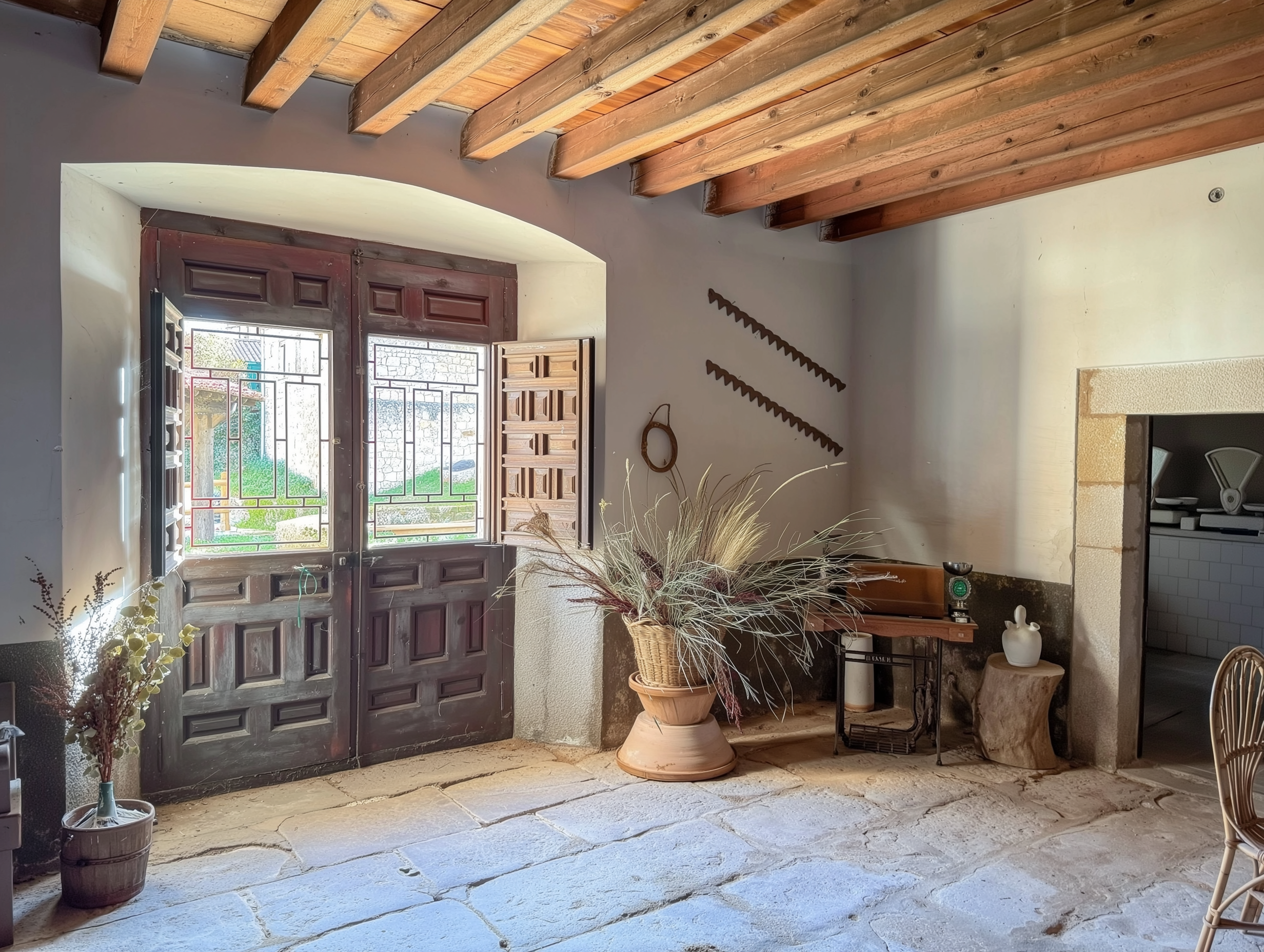
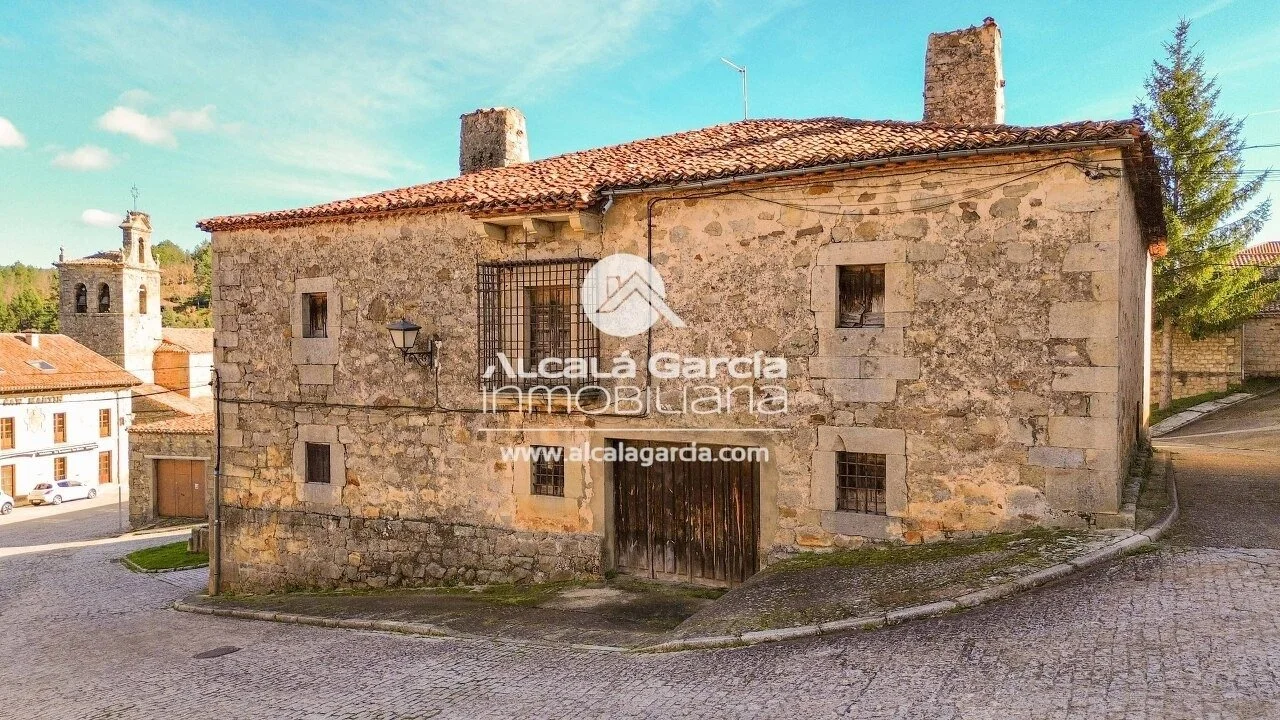
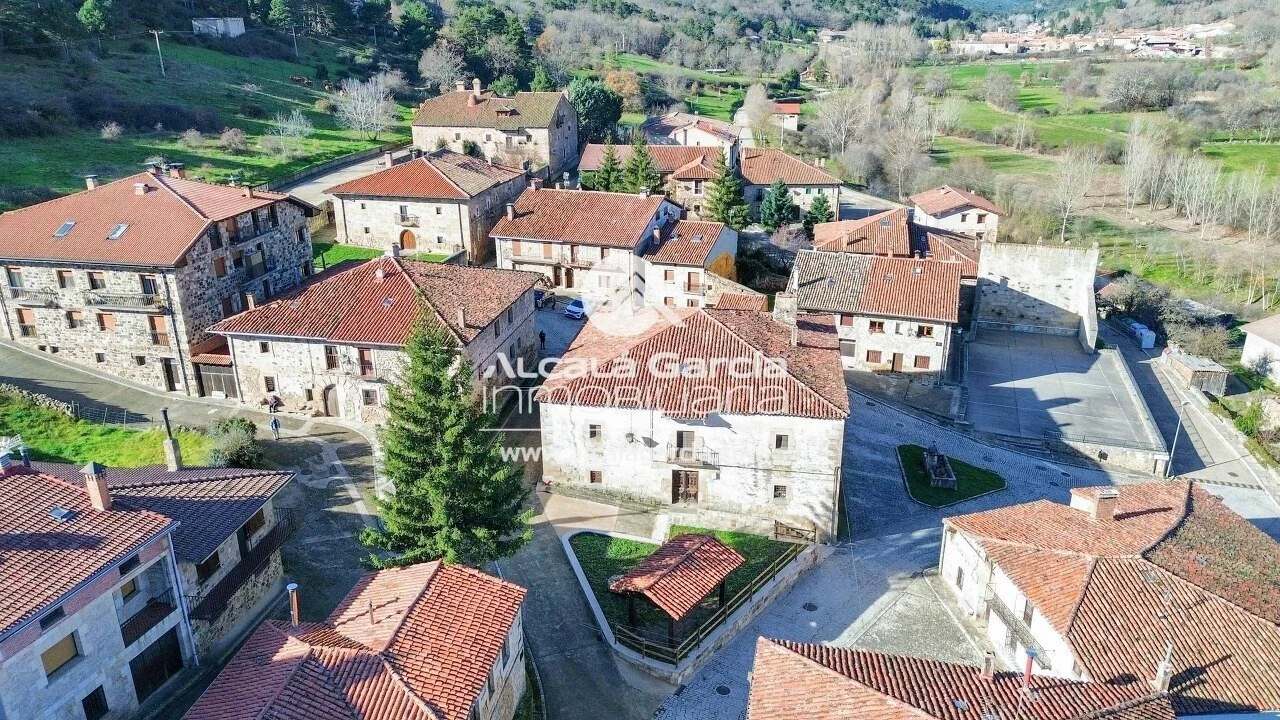
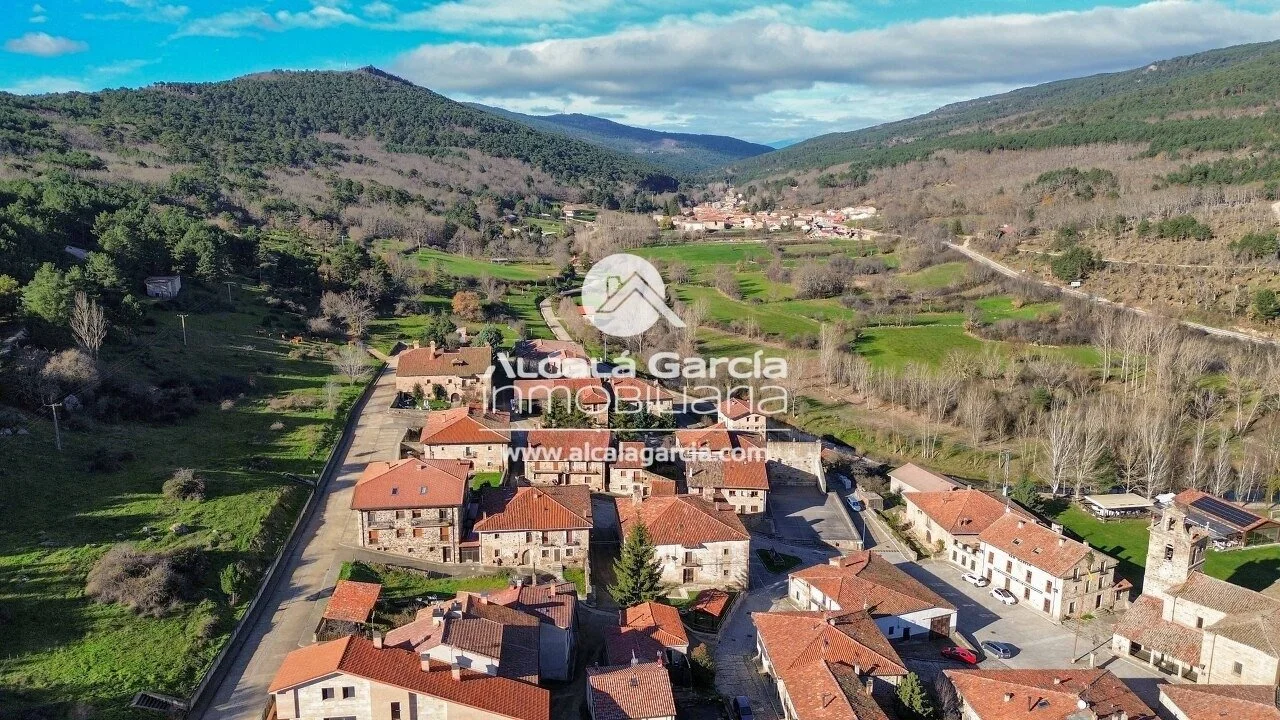
Buyer Playbook
Pre-Viewing Intelligence Report
This independent buyer guidance report relates to this specific property located in Spain. It is provided for informational purposes only and does not constitute legal, tax, structural, planning, tourism-licensing or survey advice. The legal status of the 1,002 m² built area, the relationship between the built area and the 342 m² plot, the status of any unfinished or mid-project works, the condition of the stone structure and roof, and the viability of any rural-tourism use must always be verified with qualified Spanish professionals such as an abogado, arquitecto, arquitecto técnico, surveyor and tax adviser, and with the Registro de la Propiedad, Catastro, Ayuntamiento and Junta de Castilla y León. In Castilla y León, rural-tourism accommodation is regulated under Decree 75/2013, and viviendas de uso turístico are regulated separately under Decree 3/2017. This report is designed to help buyers evaluate the property before arranging a viewing or making an offer. It highlights the main due-diligence areas and the most strategic questions to ask the agent. The analysis is based on the listing details and the current Spanish and Castilla y León framework around registry information, cadastral records, energy-certification exemptions and rural-tourism regulation. Spain's energy-certification rules do contain exemptions, but they are specific, including officially protected buildings in certain circumstances and buildings bought for demolition or major reform, so "Energy Class EXEMPT" should be treated as a legal/documentary question, not a harmless label.
Playbook Contents
Property Snapshot
Location
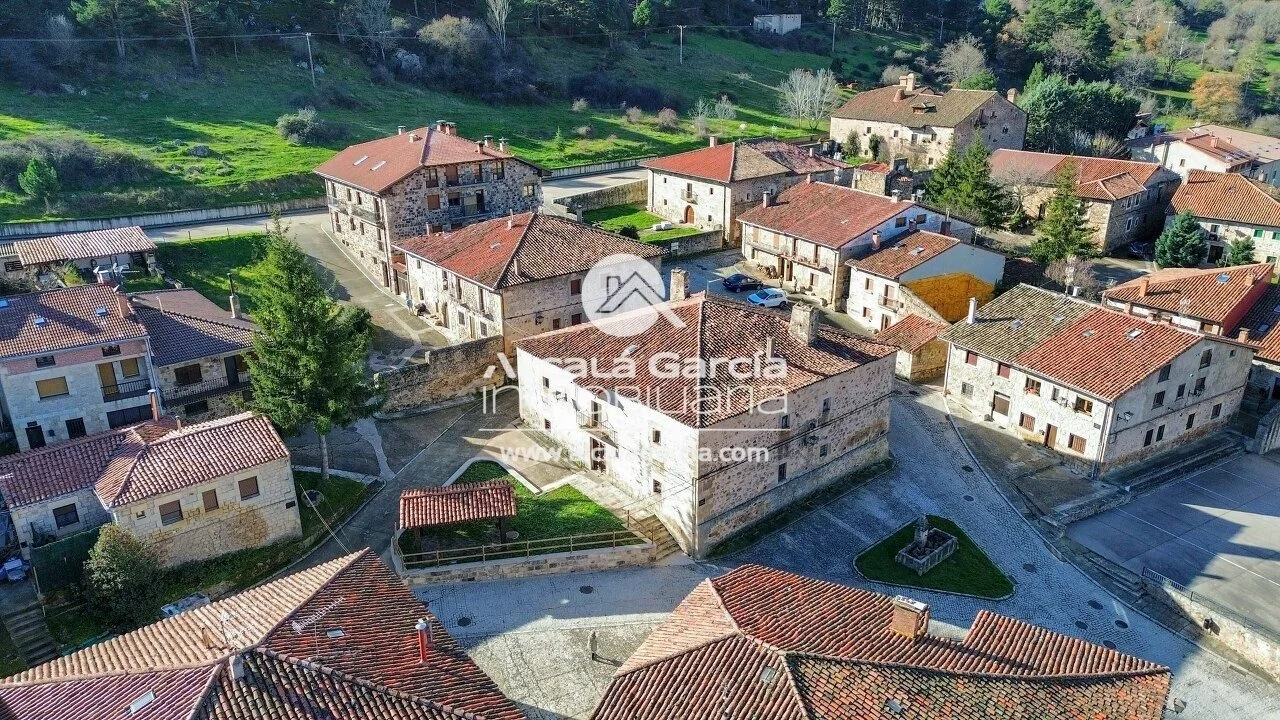
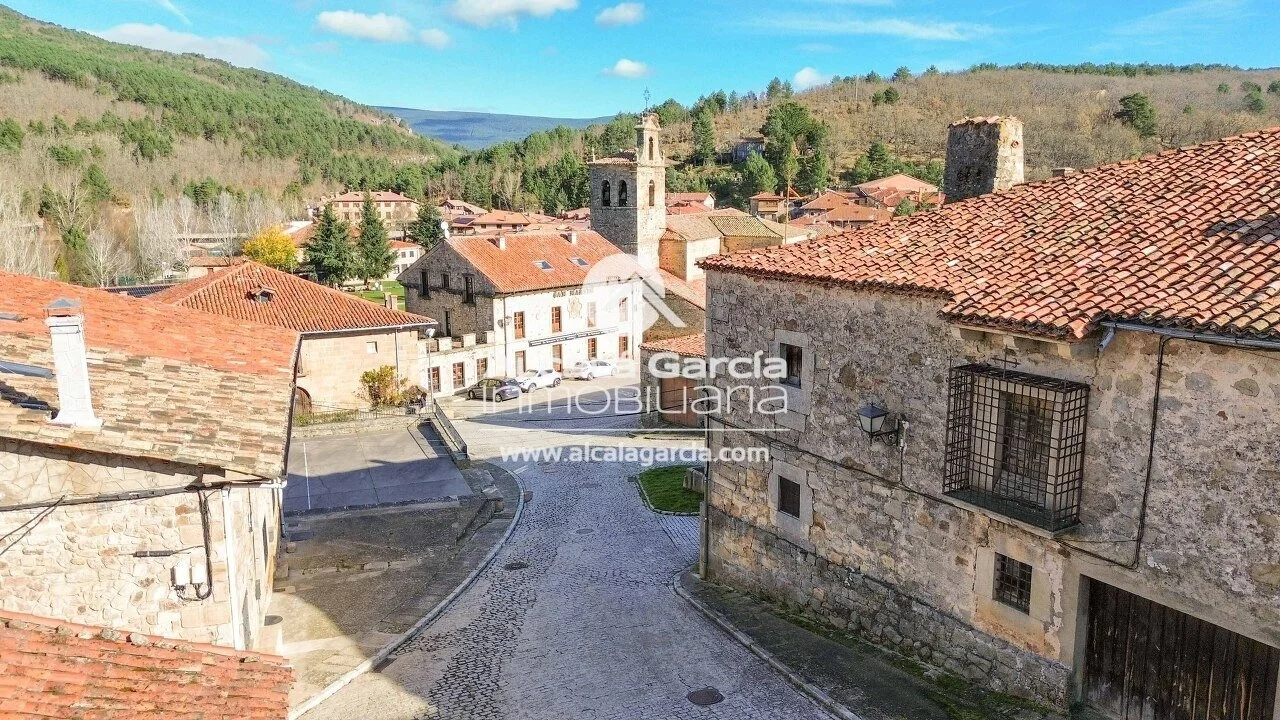
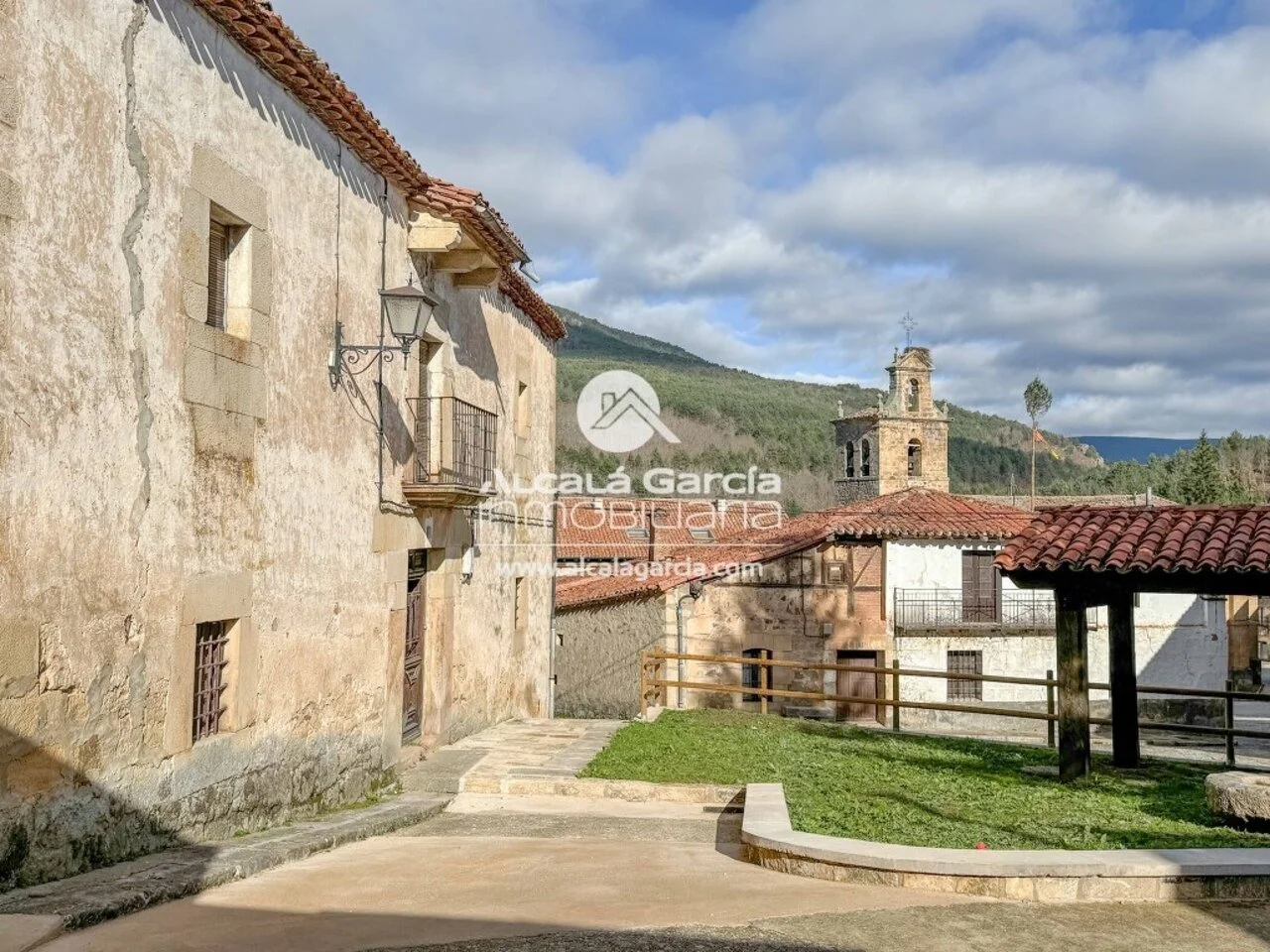
Molinos de Duero, near Laguna Negra, Soria, Spain
Property type
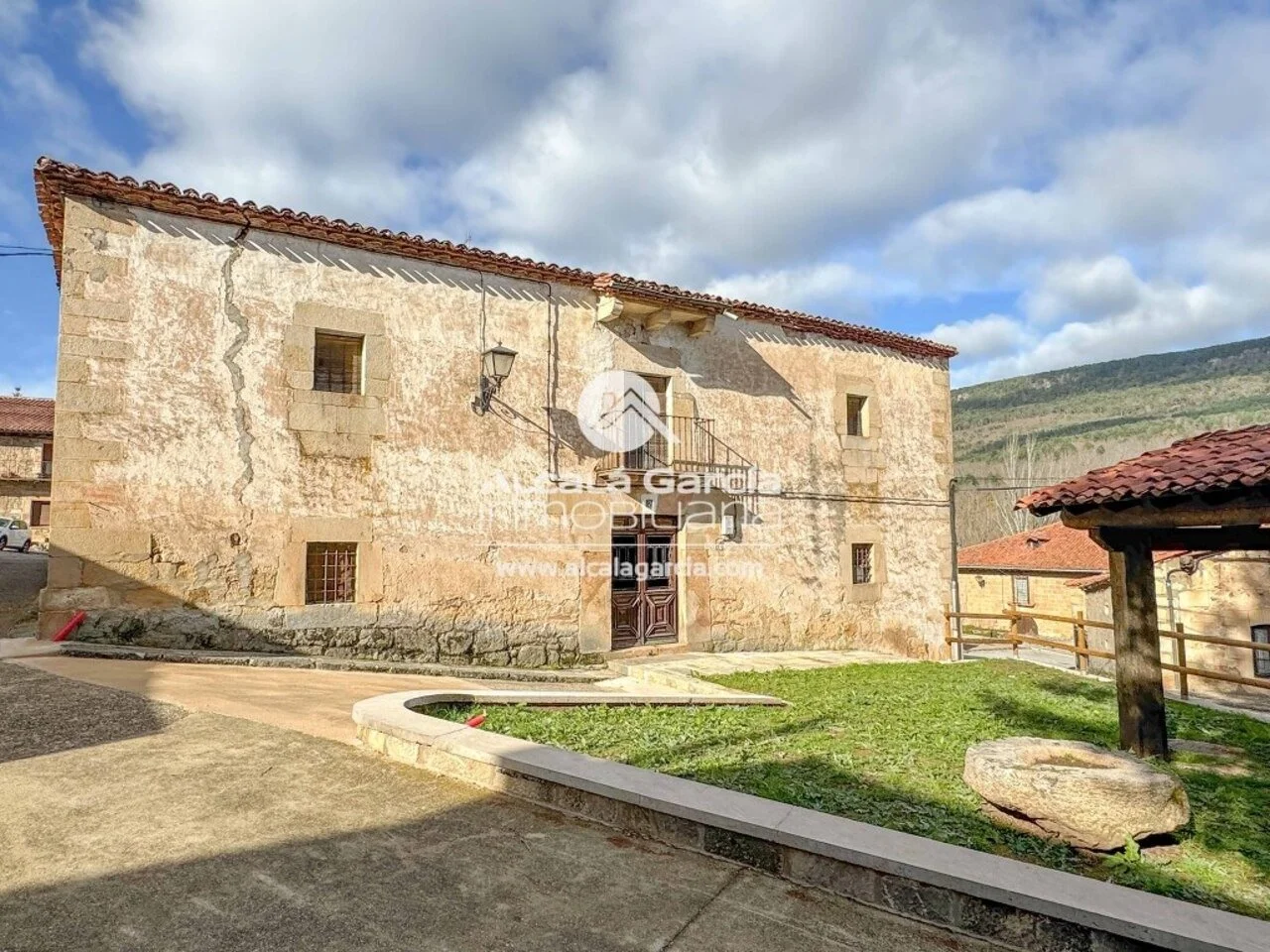
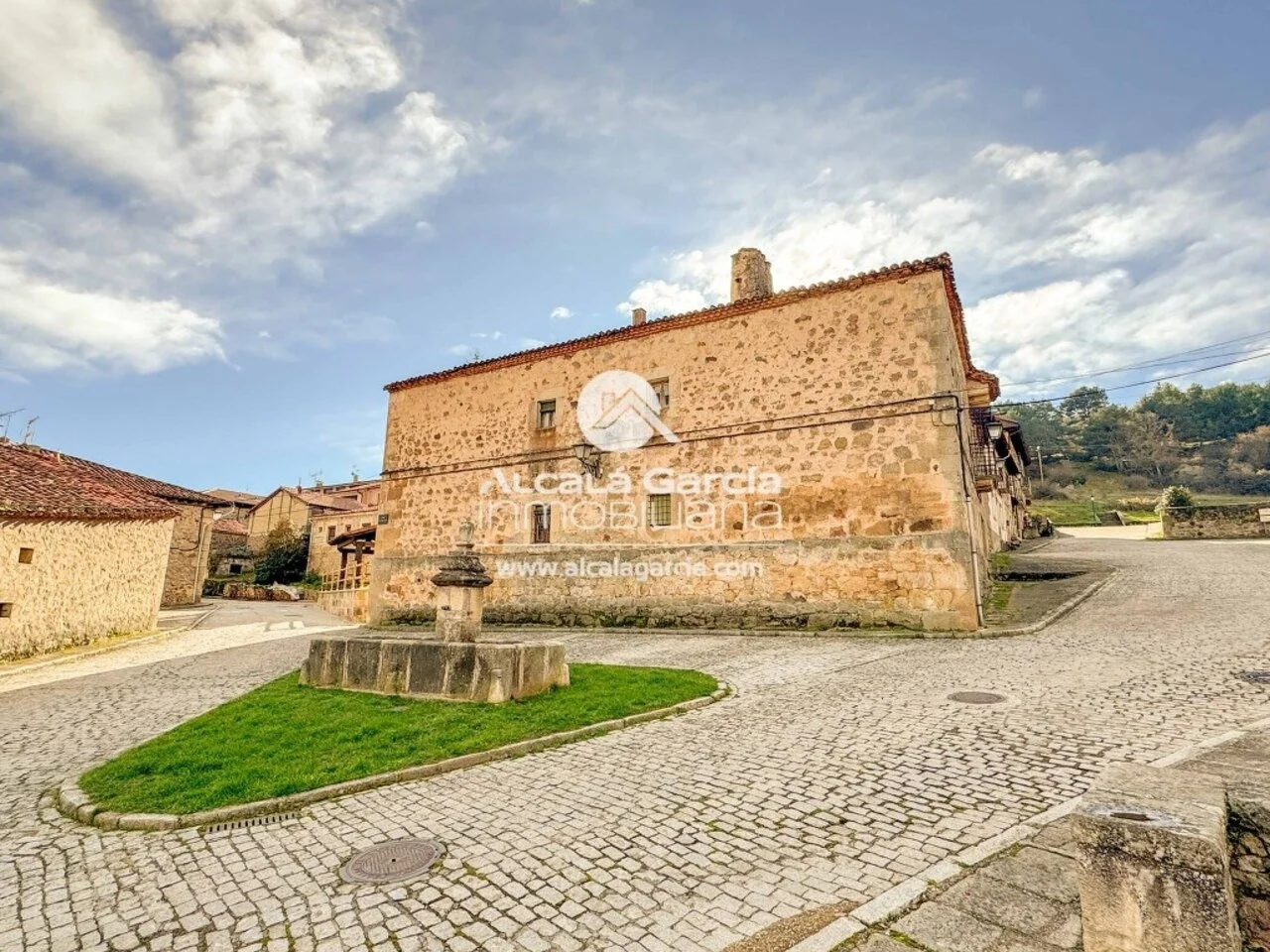
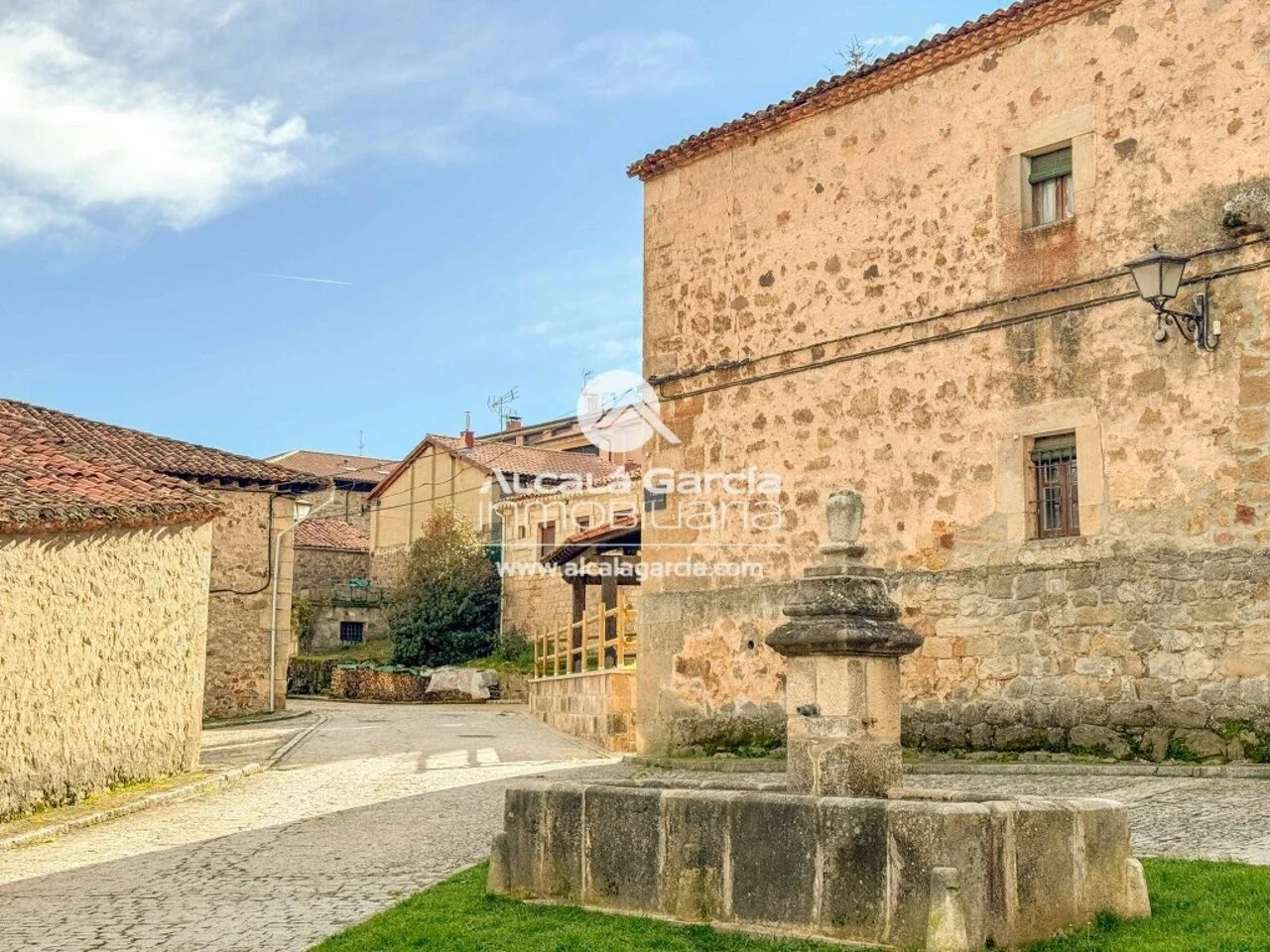
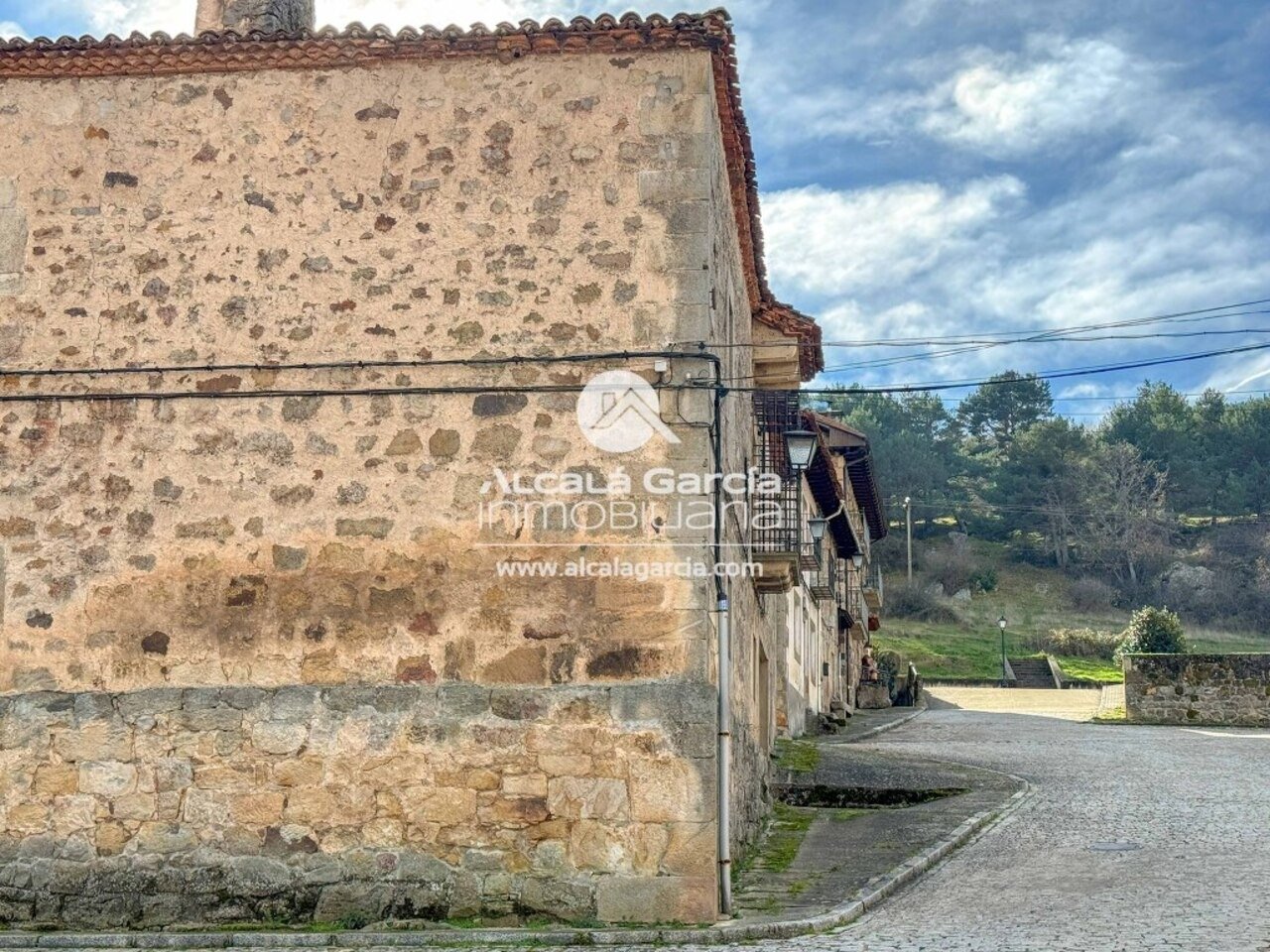
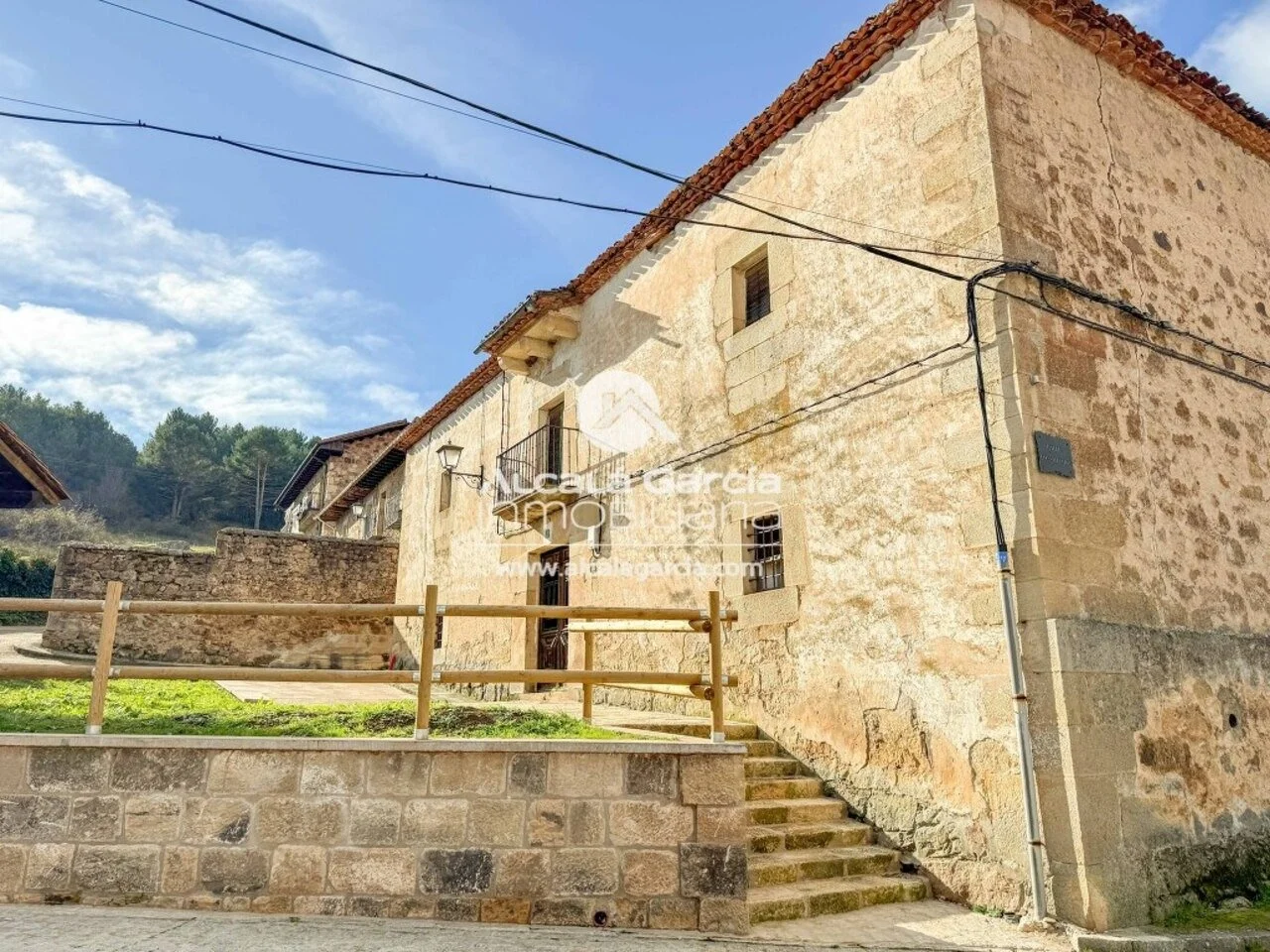
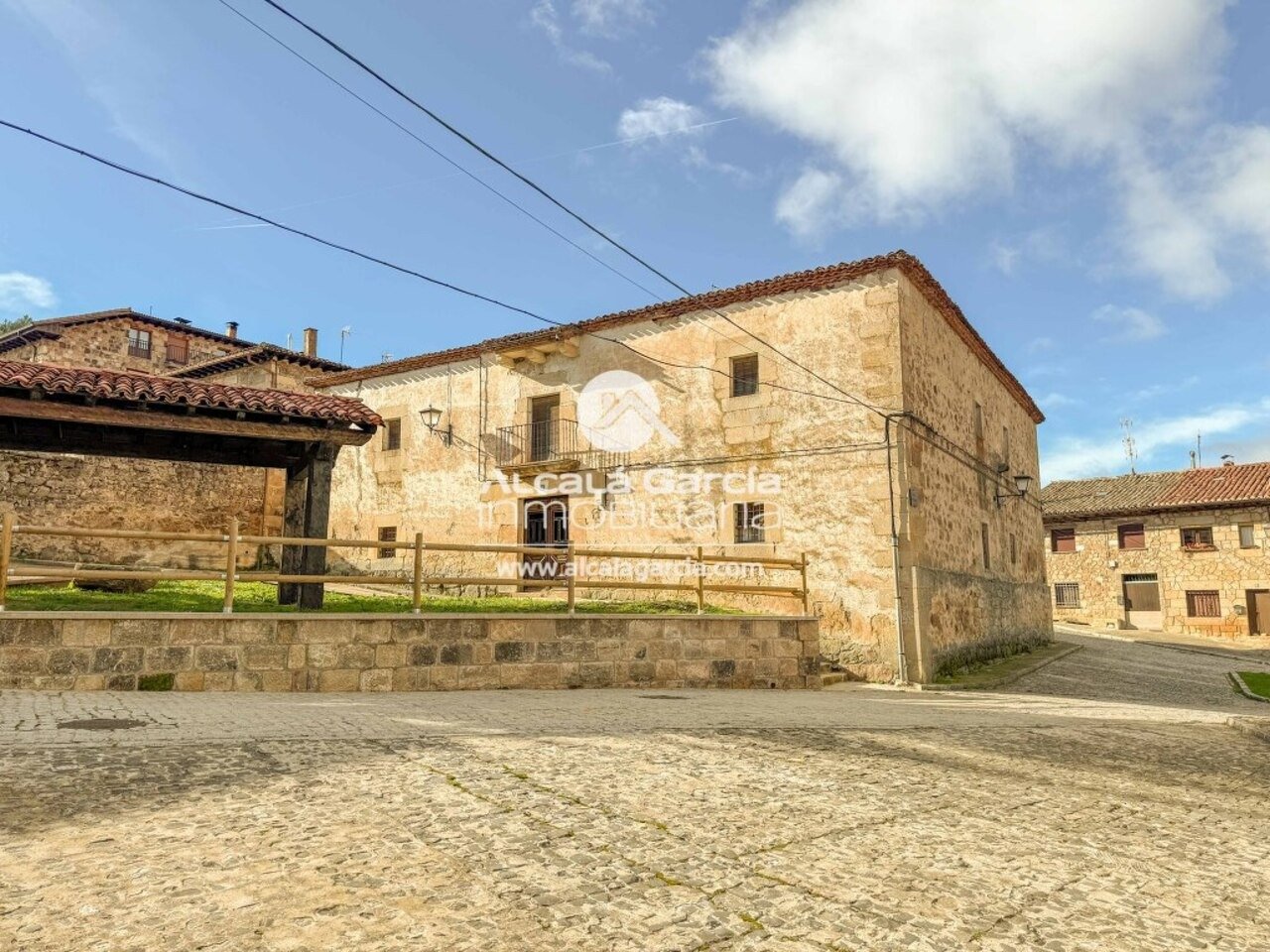
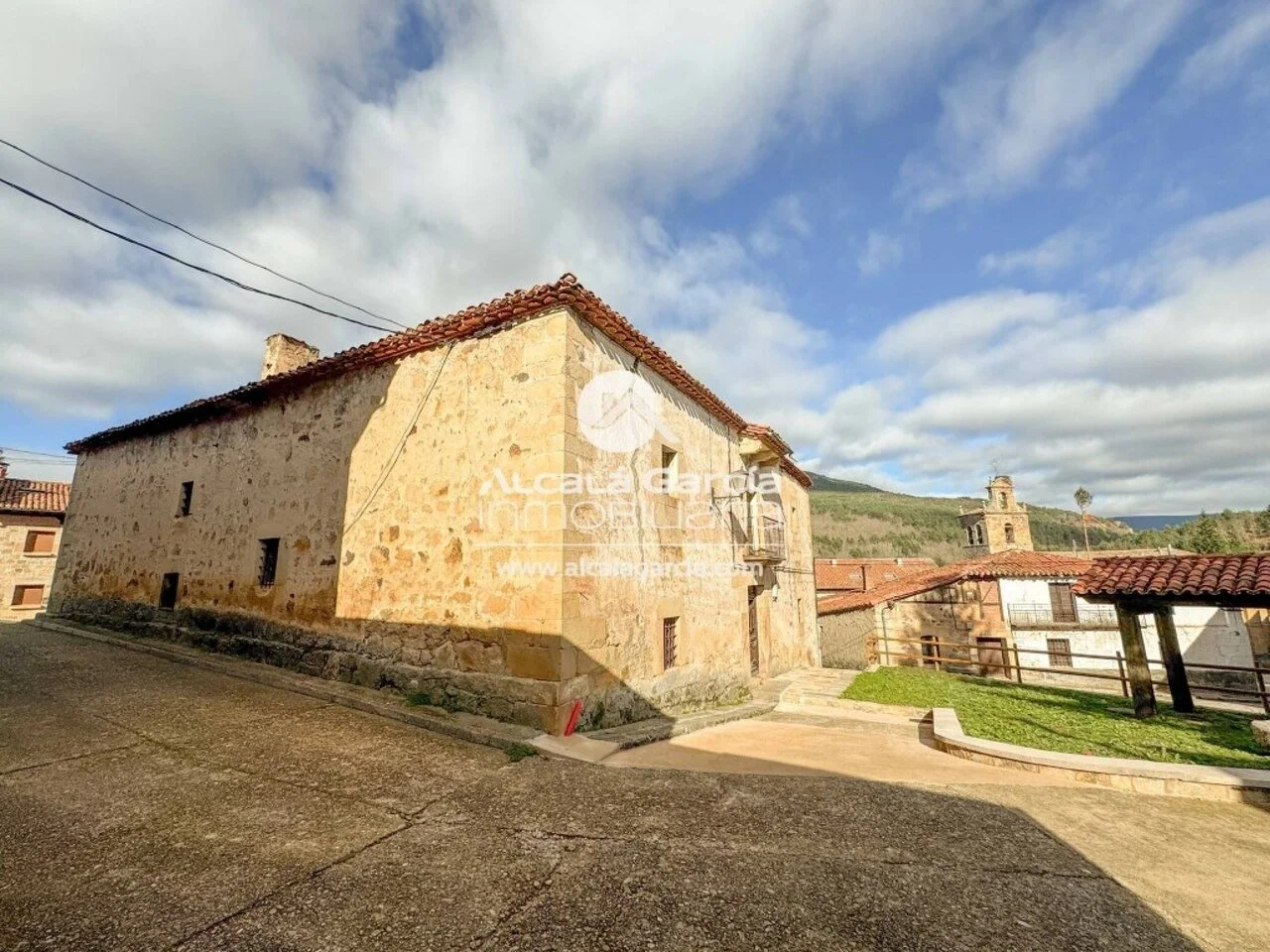
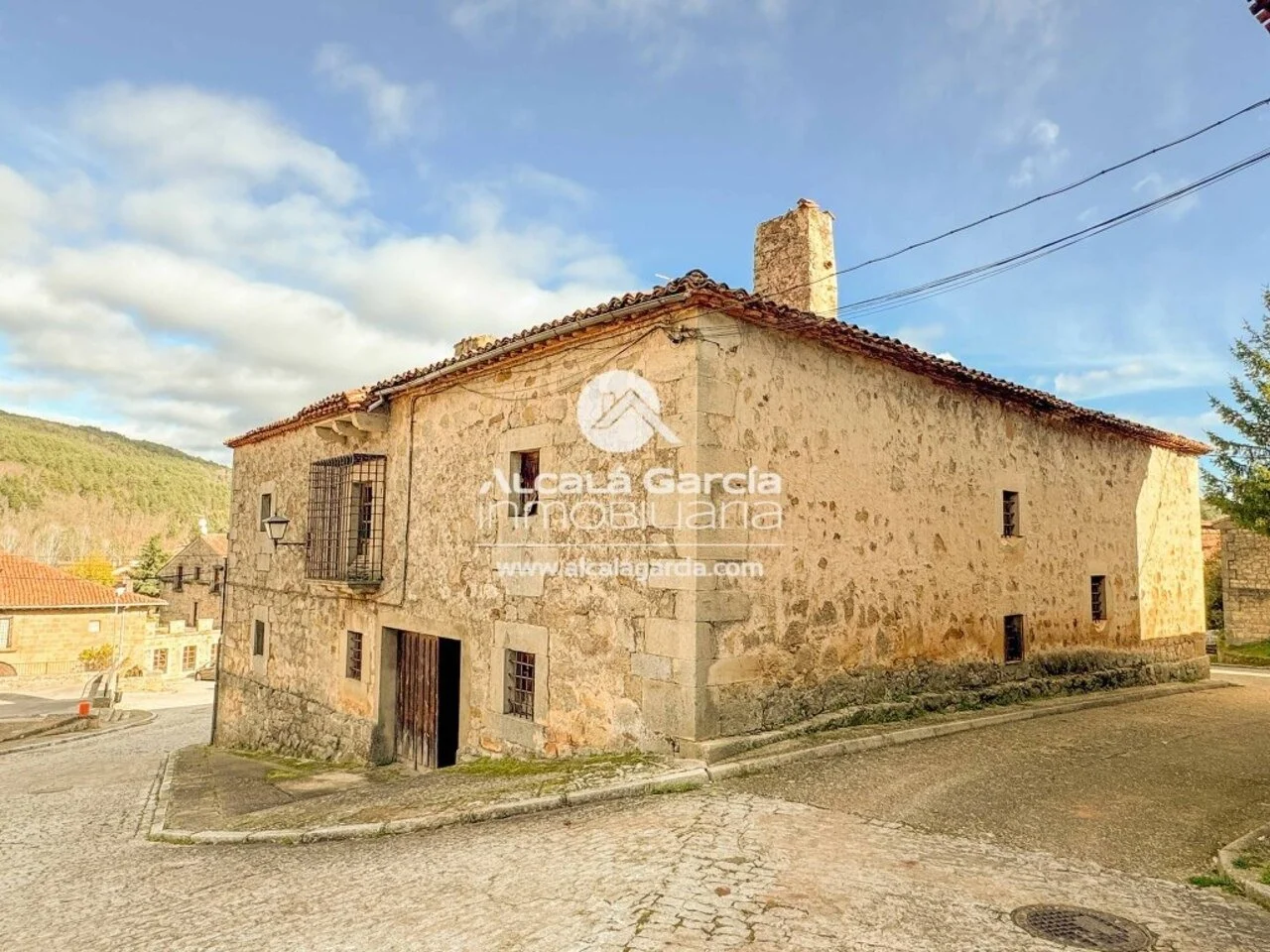
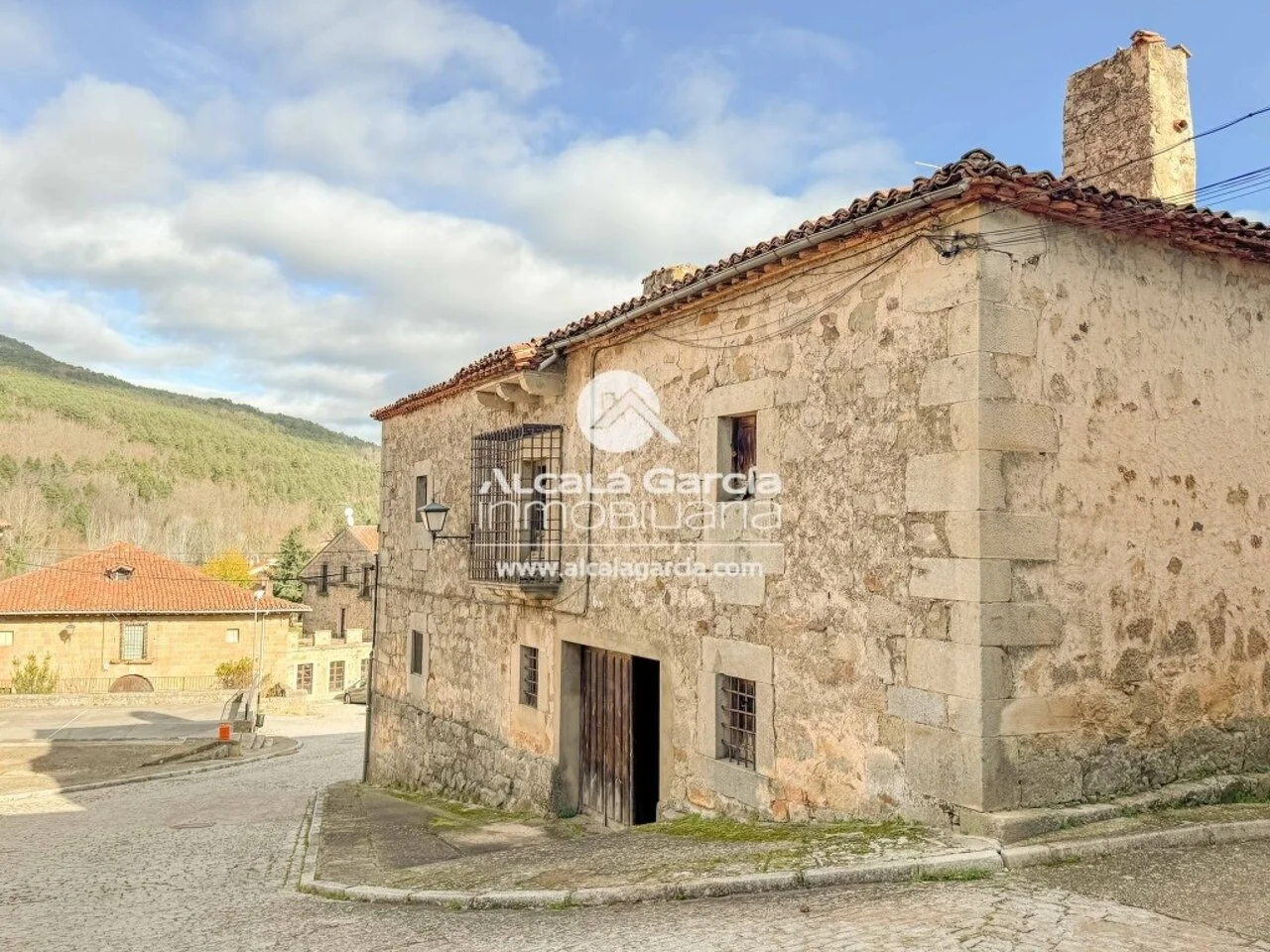
Natural stone house / major renovation project
Built area stated
1,002 m²
Currently usable area stated
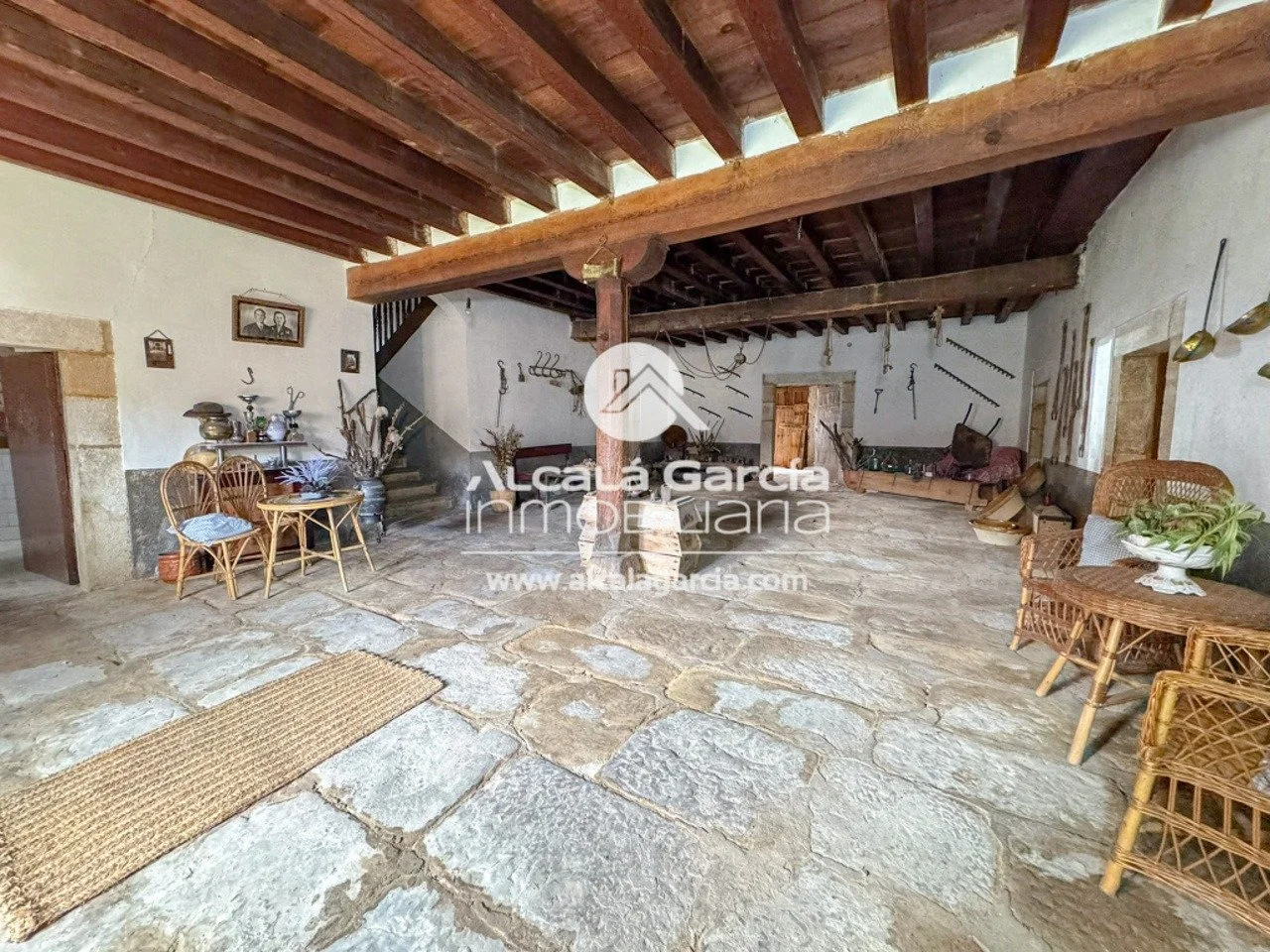
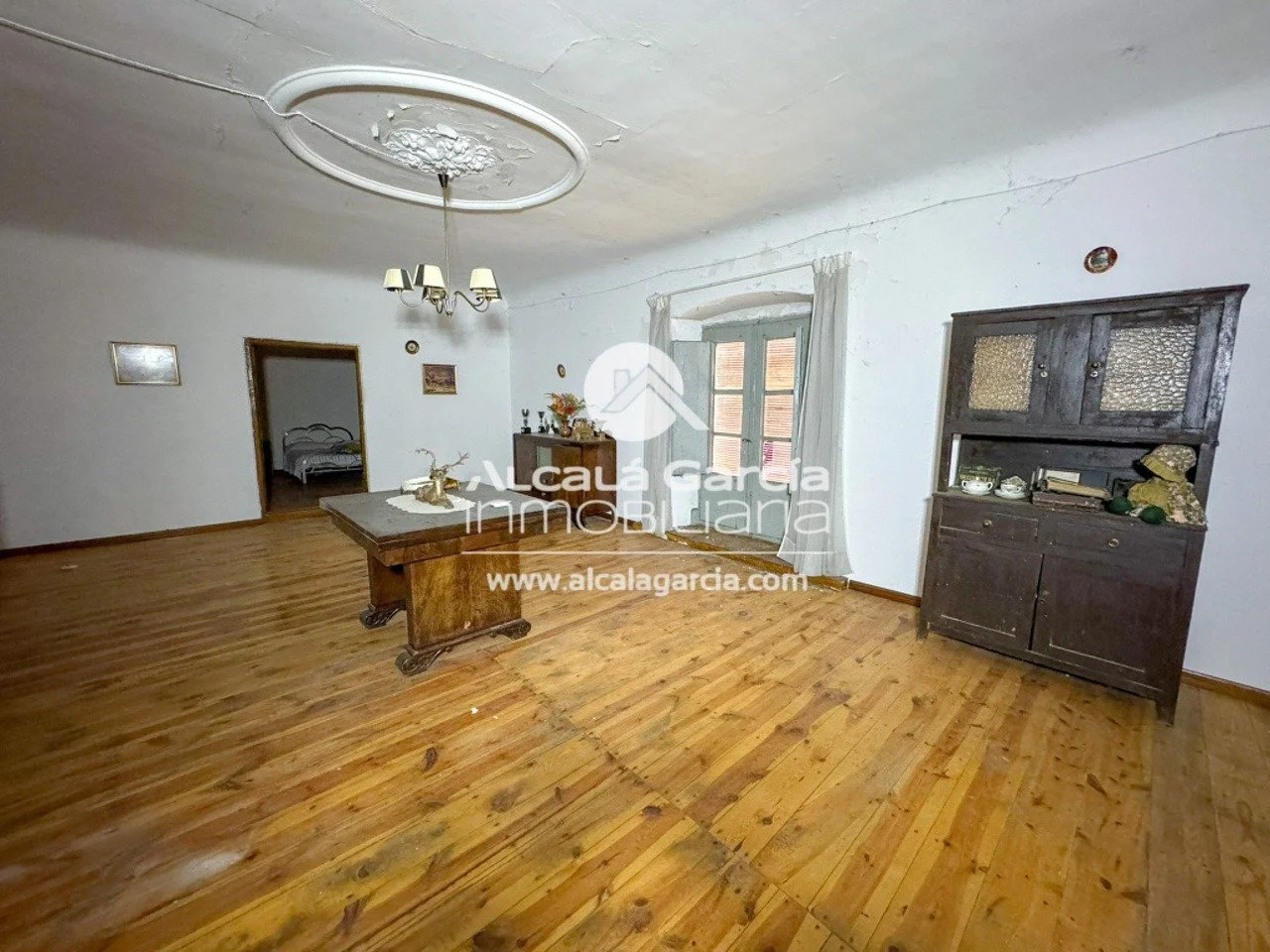
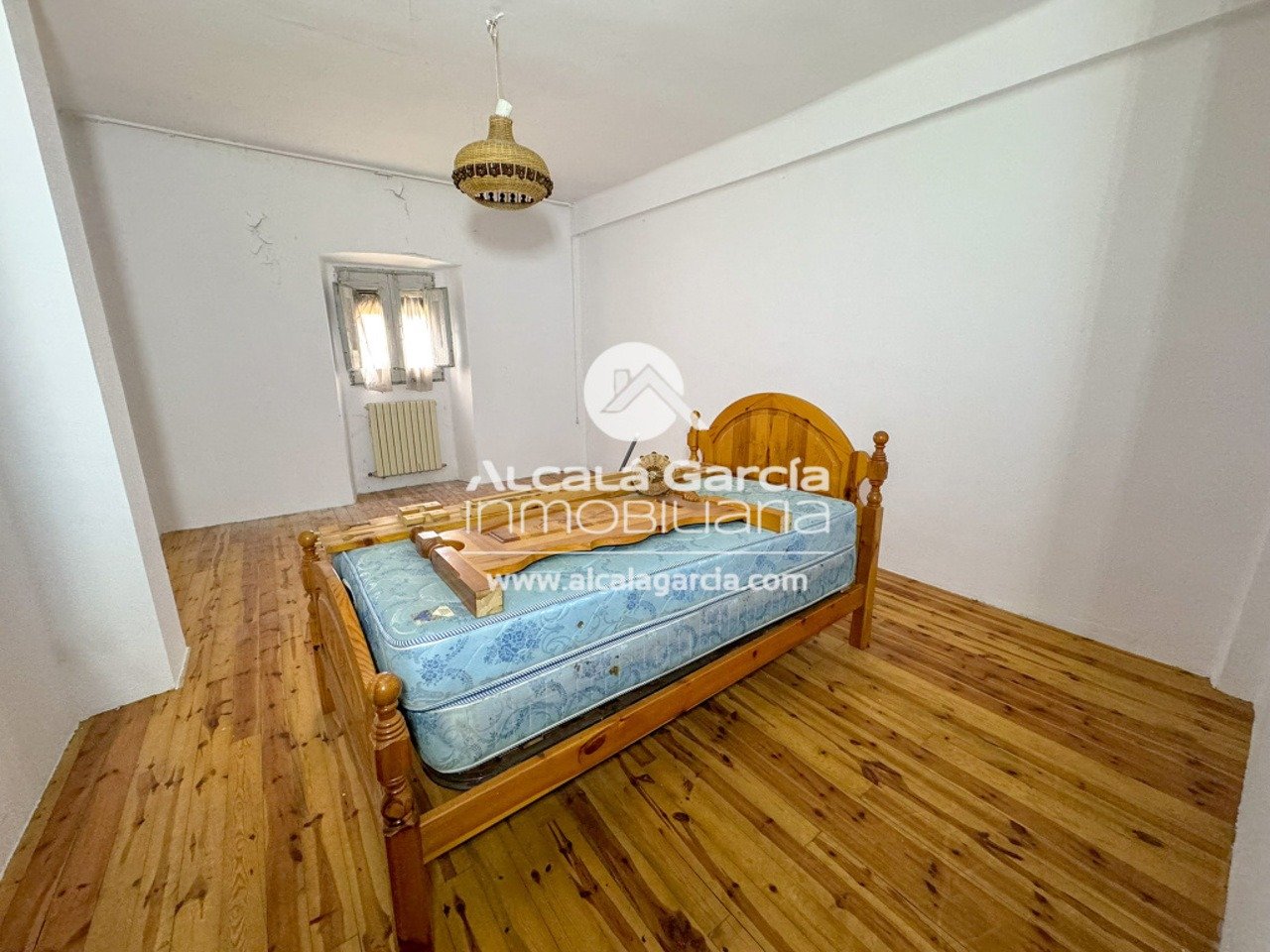
Approx. 100 m²
Plot area stated
342 m²
Price
€490,000
Current condition
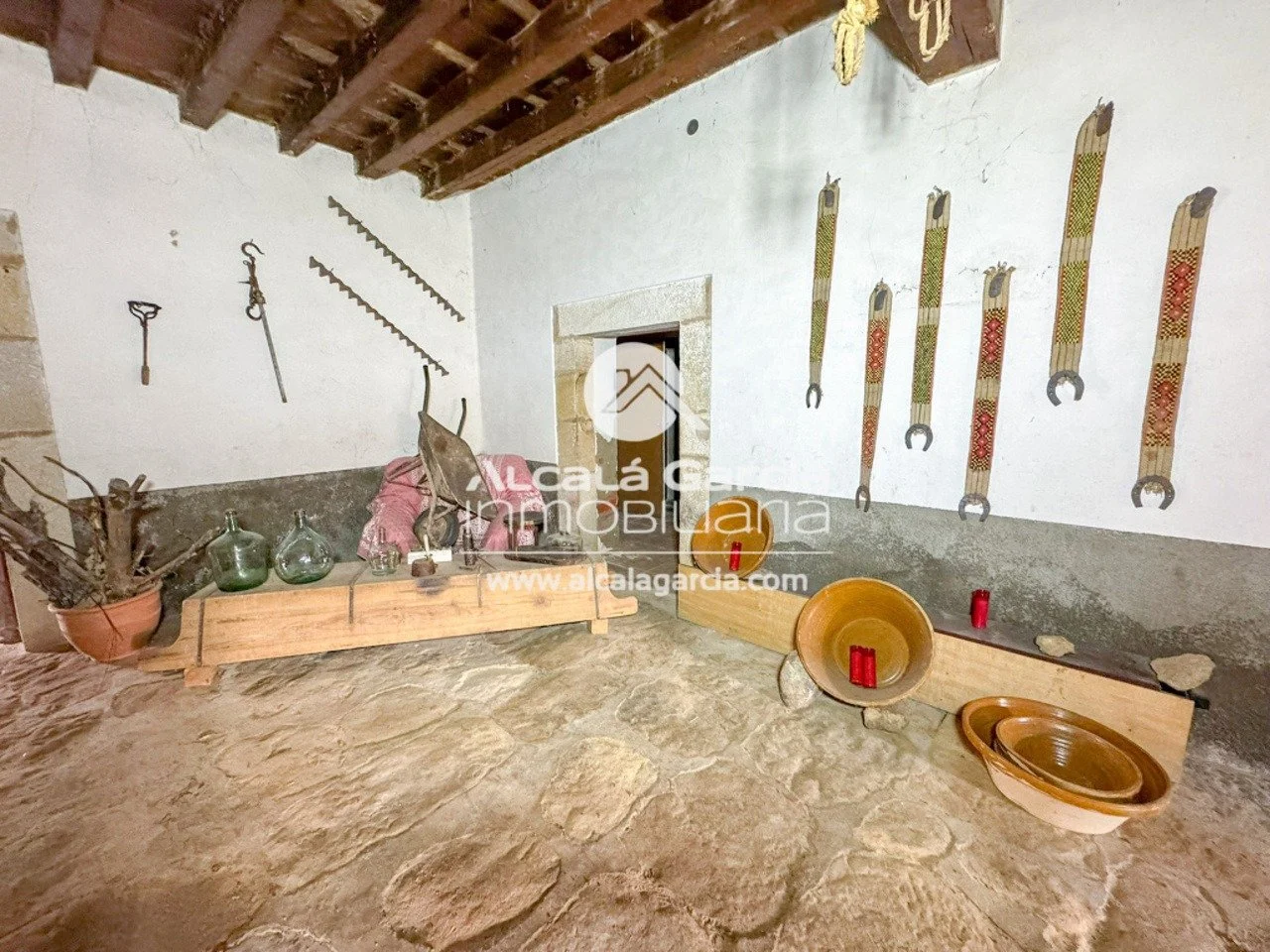
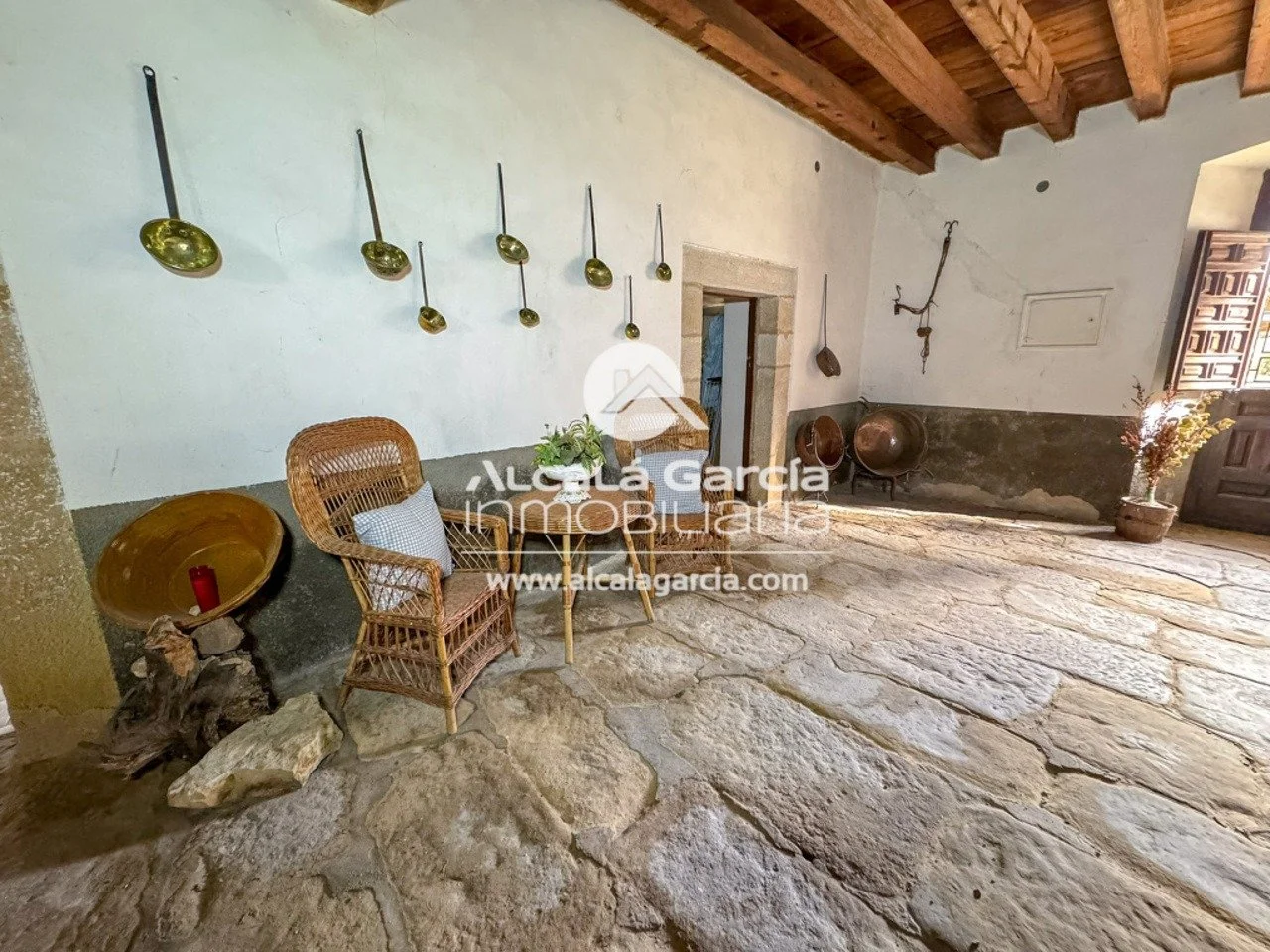
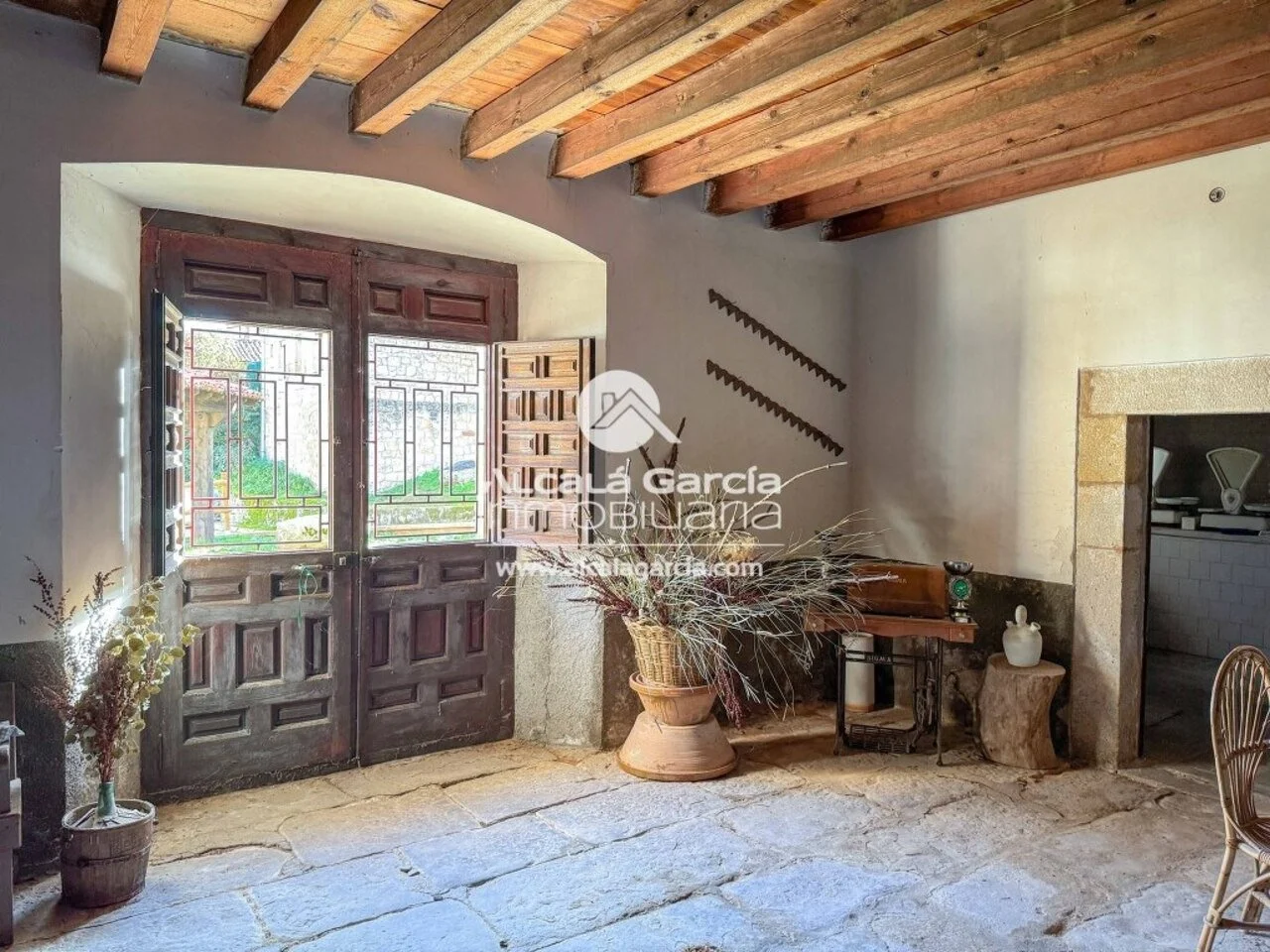
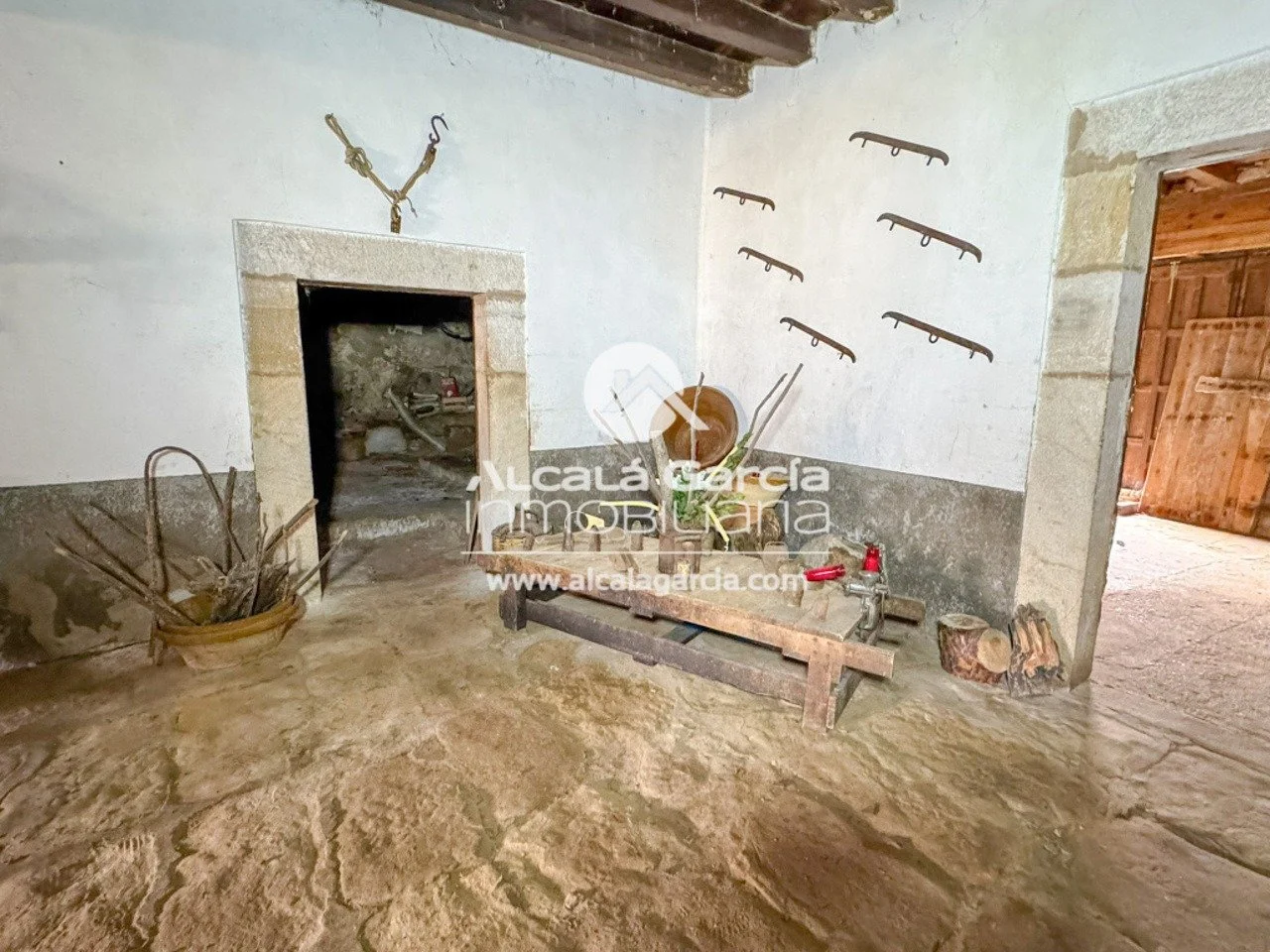
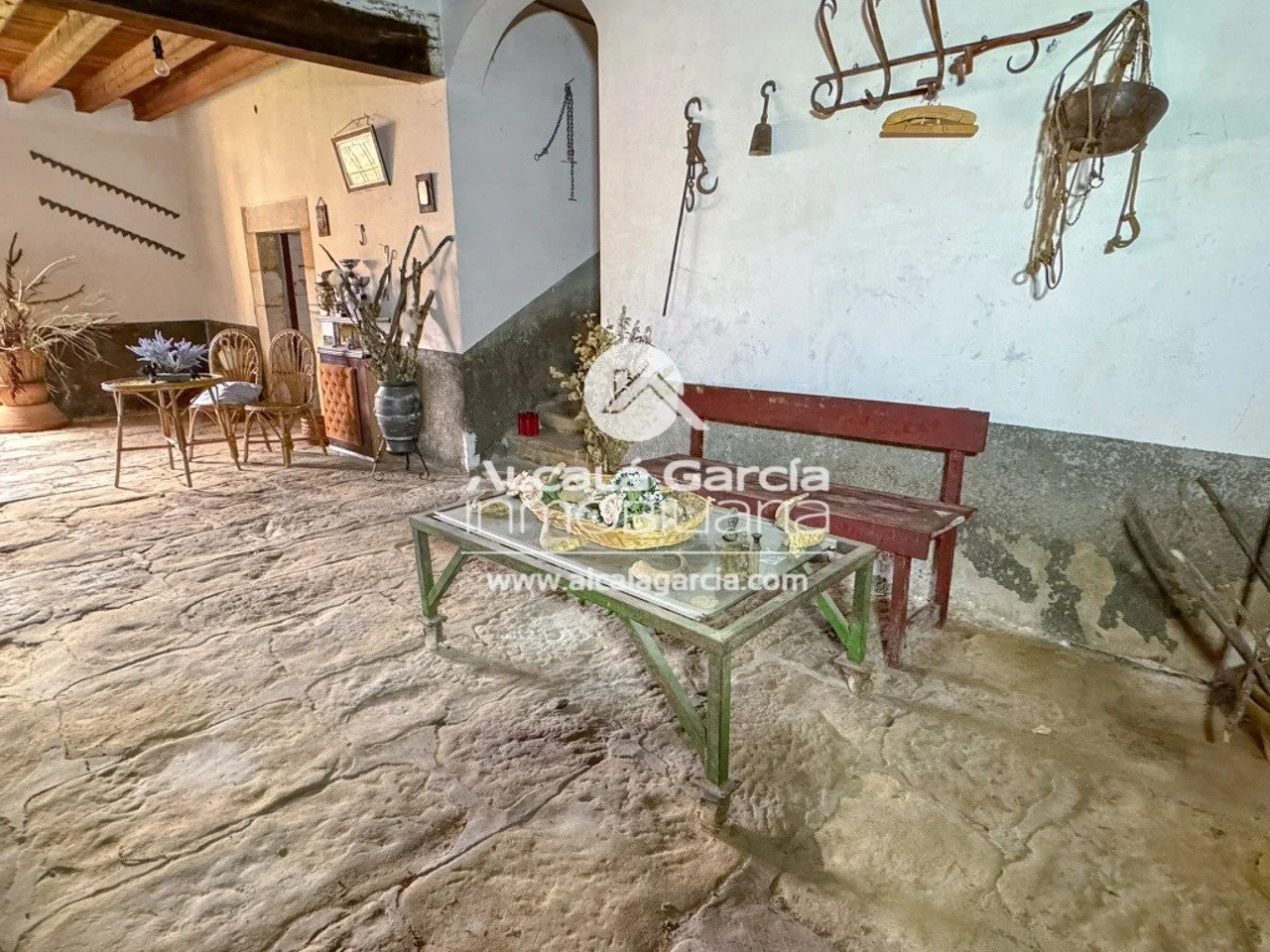
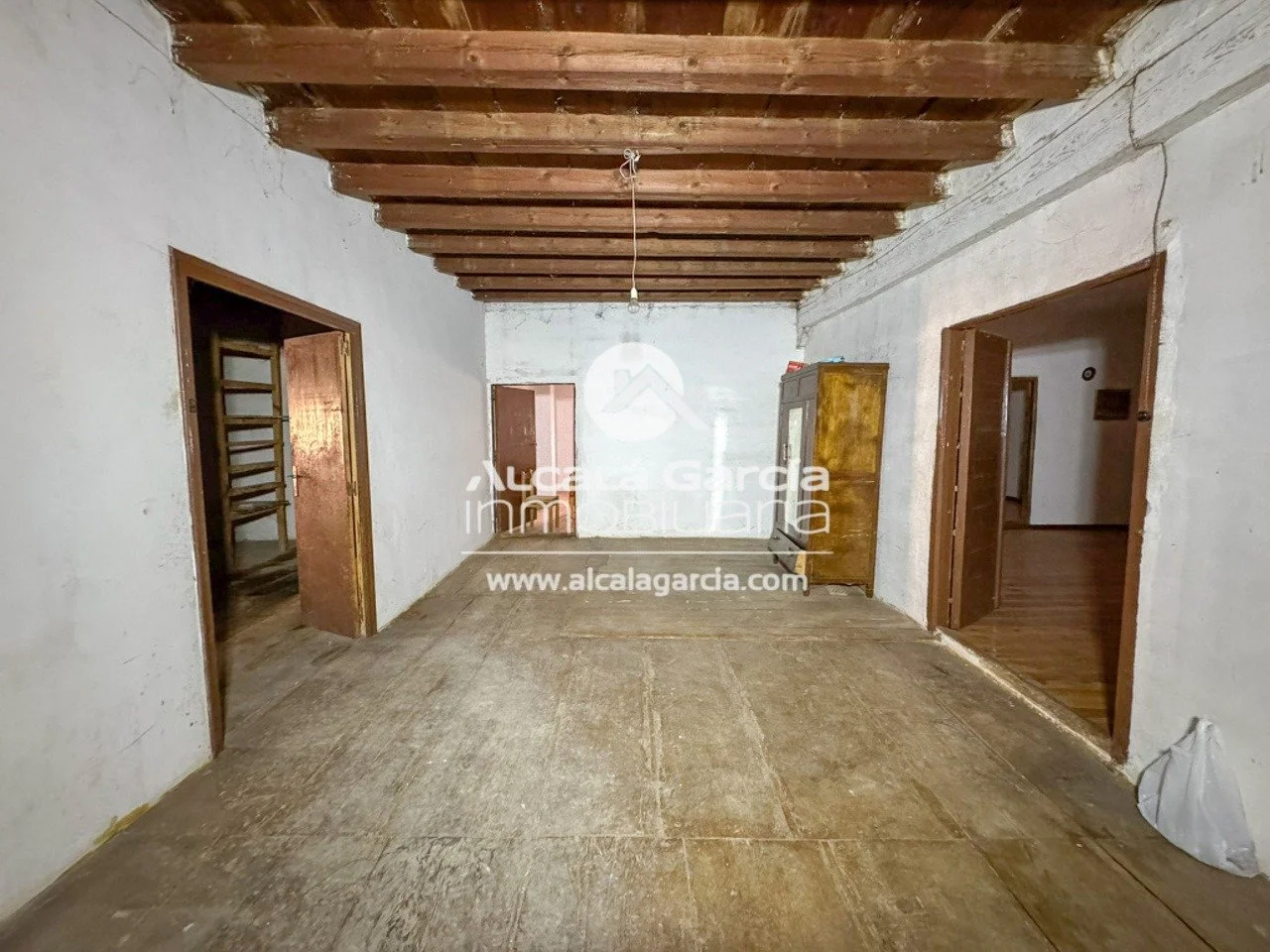
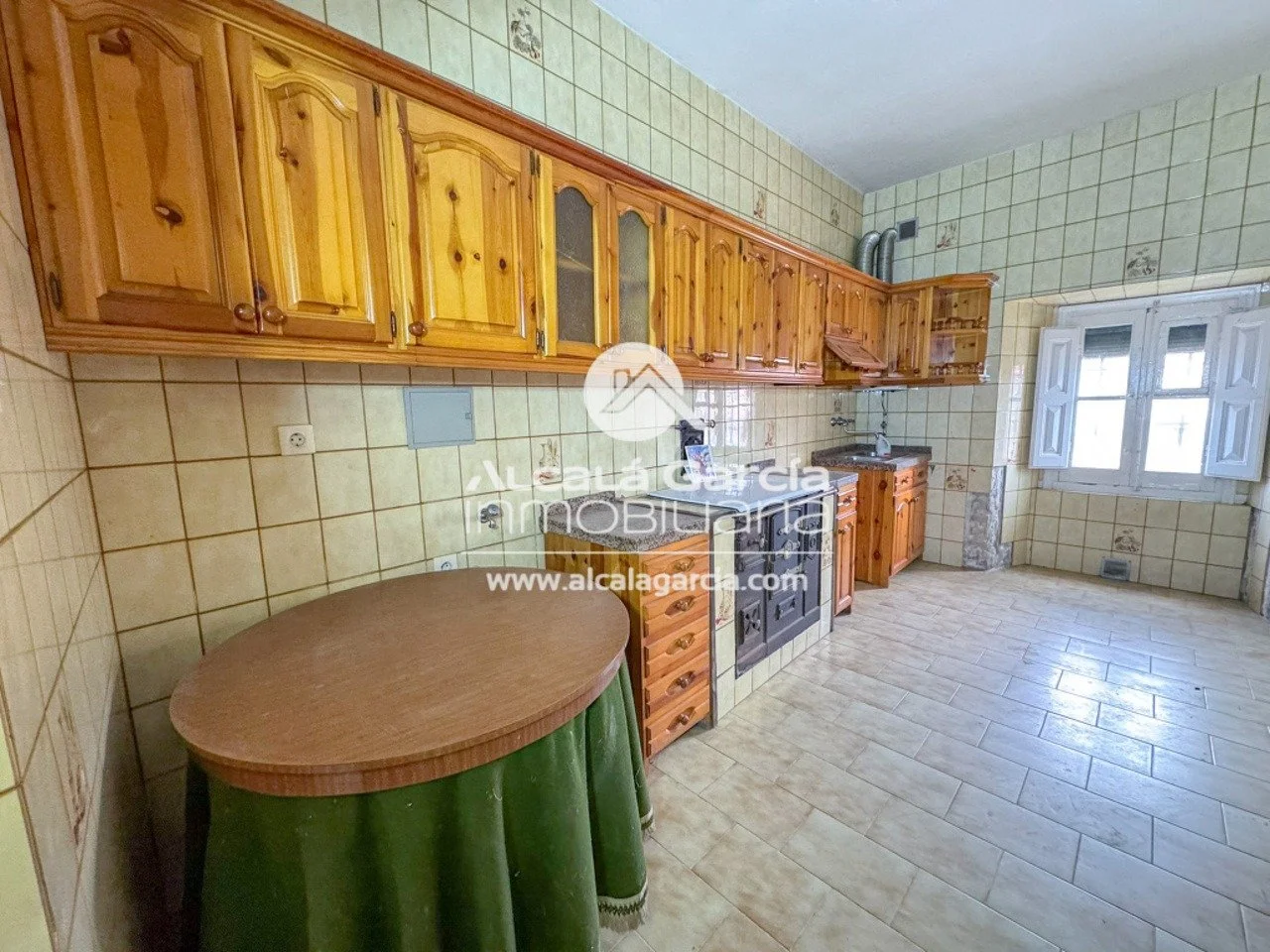
Partially usable, with some areas described as mid-project
Lifestyle angle
Large mountain property, family compound, phased renovation, or rural-tourism concept
Headline appeal
Enormous built volume in a high-interest nature-tourism area, with significant upside if the legal and structural file is strong
Core tension
The value depends on whether the whole built area is legally recognised, whether the structure is fundamentally sound, and whether the unfinished sections are a solvable project or a very expensive compliance problem
Risk Radar
Overview
This is not a turnkey country house with "scope to personalise". It is a project property where the paperwork, structure and renovation economics will decide everything. The listing is unusually candid about that, which is useful. The buyer should therefore approach it like a technical and legal file first, and only second as a lifestyle vision.
The single most important issue is whether the 1,002 m² built area is fully reflected in the registry and cadastral records, and whether the unfinished or mid-project areas are lawful, regularised and capable of completion under current planning conditions. Spain's Land Registry and Catastro are separate systems, so the buyer needs both stories, not just one. The Registradores service explains that Land Registry information is the route for understanding registered property information, while the Catastro is the official mapping and descriptive base for parcels and declared constructions.
The second major issue is structural exposure. A natural stone building in a mountain climate can be wonderful, but once a property reaches this scale, roof condition, wall movement, moisture management and foundation stability become the whole game. A thousand square metres of mediocre roof is not a detail. It is a budget event.
The third issue is energy-status ambiguity. The listing's "EXEMPT" wording might be correct, but the exemption has to fit an actual legal category under Spain's current rules. For example, protected buildings may be excluded where energy improvements would unacceptably alter their character, and buildings bought for demolition or major reform may also be exempt, but those are specific cases with documentary implications.
The fourth issue is tourism potential. Castilla y León does regulate rural-tourism establishments and separately regulates viviendas de uso turístico, but this only becomes relevant once the legal status, buildability, safety and infrastructure of the property are clear. A mountain location near a tourist draw may create demand, but demand does not solve legality or capex.
Targeted Questions
Registry, Built Area and Legal Status
The first step is confirming what the Land Registry says actually exists and is owned.
The entire valuation case changes if only a fraction of the building is legally registered.
The Catastro is the starting point for understanding the relationship between plot, footprint and declared built volume.
It may be perfectly logical if the structure is multi-storey, but it must be documented clearly.
Apparent size discrepancies sometimes hide multi-plot or merged-title realities.
"Usable" and "legally habitable" are not the same thing.
You need to know what the law currently recognises, not just what can physically be occupied.
These areas may be regularisable, frozen, or problematic depending on the file.
This is the core legal-risk question in a project property.
An expired or unresolved permit trail can materially affect the completion pathway.
The mid-project story must be documented before it can be valued.
Structural Condition and Building Fabric
At this scale, an expert report is not optional due diligence.
Stone buildings can look solid while hiding major structural cost.
These are the issues that can redefine the whole project budget.
Roof scope is likely to be one of the largest single capex items.
An unfinished building deteriorates fast once water is getting in.
Patchwork roof history can indicate uneven hidden risk.
Mountain climates make moisture management especially important.
Lower levels in big stone buildings often reveal the true moisture story.
Existing professional input can save time and expose realistic costs.
Services, Utilities and Infrastructure
Large project properties often have partial, outdated or incomplete systems.
That tells you how advanced or superficial the "mid-project" condition really is.
Mountain use without a proper heating plan is unrealistic.
Utility simplicity materially affects renovation risk and future tourism use.
Tourism or multi-room use depends heavily on wastewater capacity.
A large guesthouse vision is much weaker if drainage infrastructure is undersized or non-compliant.
These help confirm operational reality.
Layout, Bathrooms and Renovation Practicality
The buyer needs a map of reality before thinking about design.
Layout logic matters for both family use and tourism conversion.
A tourism-led project will likely need a major increase in bathroom count.
Existing feasibility work can reveal what is realistic.
The answer affects both budget and timeline.
Without a realistic budget range, the asking price is impossible to judge.
Not all unfinished area carries the same cost.
Plot, Boundaries and Site Practicality
This is the cleanest way to resolve the built-area versus land-area question.
The answer is central to legality and valuation.
Large village buildings sometimes hide older rights arrangements.
A mountain location changes the access-risk profile.
This matters more here than in many Spanish project properties.
A tourism strategy works differently in a residential street than in an isolated or agricultural edge setting.
Energy Certificate and "EXEMPT" Status
Spain's rules require the exemption to fit a recognised legal category.
Each route carries different documentary implications.
Spain's rule contemplates a declaration route for the reform-based exclusion.
A missing certificate can slow or complicate a sale.
Rural Tourism and Investment Potential
Rural-tourism regulation is category-based, not just location-based.
The Junta's tourism procedure should be treated as a regulatory pathway, not an afterthought.
Castilla y León regulates these under different decrees and practical models.
Tourism conversion is not just about décor. It is compliance plus infrastructure.
Existing feasibility advice can expose major blockers early.
A tourism project lives or dies on seasonality assumptions.
A mountain tourism narrative is not the same as a proven yield case.
Negotiation Intelligence
Buyer Leverage
High
Key Drivers
Typical Negotiation Range
5-15% below asking
Neutral Phrasing Examples
Country Layer
Spain (Regulatory Context March 2026)
For Spanish due diligence, the Land Registry and Catastro should be read together, not as substitutes. The Registradores service is the route for understanding registered property information and legal rights, while the Catastro provides the parcel mapping and descriptive base for land and constructions. On a project property with a major built-area versus plot-area question, that dual check is essential.
Viewing Strategy
Start with the structure, not the scenery.
Next Step
Verify from the listing:
The 1,002 m² built area must be proved on paper
Ask immediately for the nota simple, cadastral record and any permit history so you can confirm whether the full built area is legally recognised, how it sits on a 342 m² plot, and which parts are actually authorised and habitable.
This is a structural question before it is a design question
Because the building is a large natural-stone project in a mountain climate, ask for a recent technical or structural report and focus hard on the roof, wall stability, damp and foundation condition.
“Mid-project” should be treated as a legal and financial warning label
Clarify whether unfinished works were started under valid licences, whether any permits are still open or expired, and whether the current state creates any planning or enforcement risk.
The energy “EXEMPT” label needs a real legal basis
Spain’s rules do allow exemptions, but only in specific cases such as some protected buildings or buildings being bought for major reform or demolition. Ask which exact exemption is being claimed and for the supporting documentation.
Tourism potential only matters after regularisation, structure and infrastructure are clear
Castilla y León regulates rural-tourism accommodation and viviendas de uso turístico separately, but neither route matters unless the property can first be proved lawful, stable and serviceable at the scale you intend.
A prepared buyer should approach the agent calmly and frame questions as due diligence. For example: “To assess the property properly, could you send the nota simple, cadastral plan, permit history, any structural or architectural reports, and a written explanation of the energy exemption and the current legal status of the unfinished areas?”
Because this is a property where legal status, roof scope, structural condition and tourism feasibility all materially affect value, run it through the Property Risk Assessment before contacting the agent, and use the Renovation Budget Planner plus the Rental Yield Calculator only once the legal and technical file is clear.
Disclaimer: The Property Drop is buyer-focused intelligence, zero sales agenda. We curate exceptional properties, in southern Europe, from third-party agents and arm you with decision tools. No commission, no transactions, no agent partnerships, no skin in the game beyond helping you choose wisely. Information stays accurate until it doesn't (properties sell, prices shift, markets move). Everything here is shared for informational purposes only and should not be treated as legal, financial, or investment advice. Images belong to original agents. Read our Terms of Service to learn more.
IMPORTANT REMINDER: When contacting property agents featured on The Property Drop, you are entering into direct communication with third parties. It's recommended that you verify all property details independently, conduct thorough due diligence, engage qualified professionals (solicitors, surveyors, financial advisors), understand your rights and obligations under local property laws, and never send money or make commitments without proper legal protection.
