
The Buyer Playbook: 18th-Century Palace with Melchior Jeli Frescoes, Filottrano, Italy, €530,000
Buyer Playbook
Pre-Viewing Intelligence Report
This independent buyer guidance report relates to this specific property located in Italy. It is provided for informational purposes only and does not constitute legal, tax, structural or survey advice. Heritage restrictions, Soprintendenza approvals, fresco conservation, agibilità, cadastral conformity, energy-certification status, title position, and any tourism, event or commercial-use permissions must always be verified with qualified Italian professionals such as a notaio, geometra, architetto, ingegnere, restauratore di beni culturali, surveyor or licensed property consultant, and with the relevant municipal and heritage authorities. This report is designed to help buyers evaluate the property before arranging a viewing or making an offer. It highlights due diligence issues and targeted questions to ask the agent. The analysis is based on the listing details and publicly available regulatory context at the time of writing. It follows the fixed Buyer Playbook structure used for The Property Drop.
Playbook Contents
Property Snapshot
Location
Filottrano, Ancona province, Marche, Italy.
Property type
18th-century noble palace within a medieval village.
Asking price
€530,000.
Living area
450 m² across three levels.
Garden/courtyard area
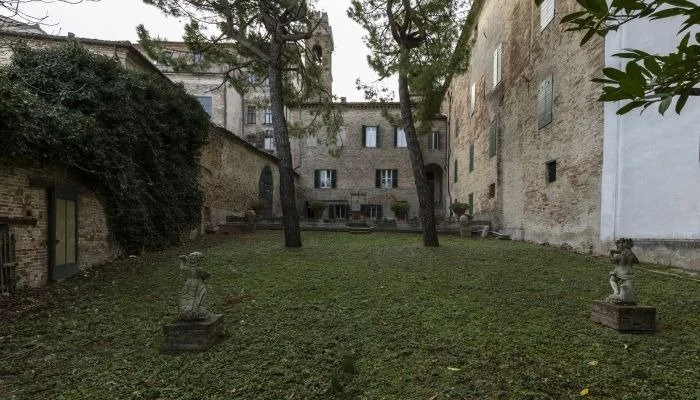
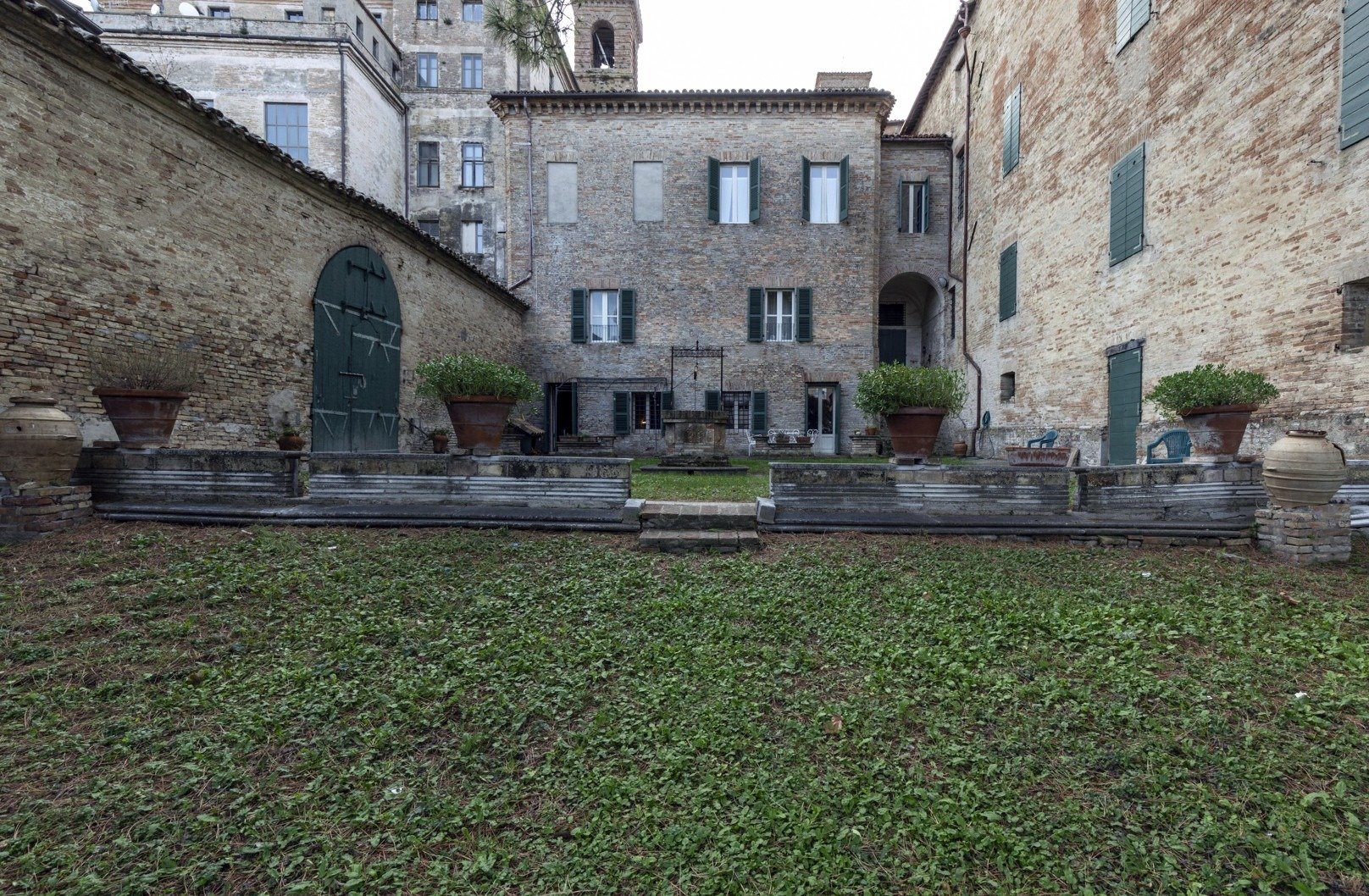
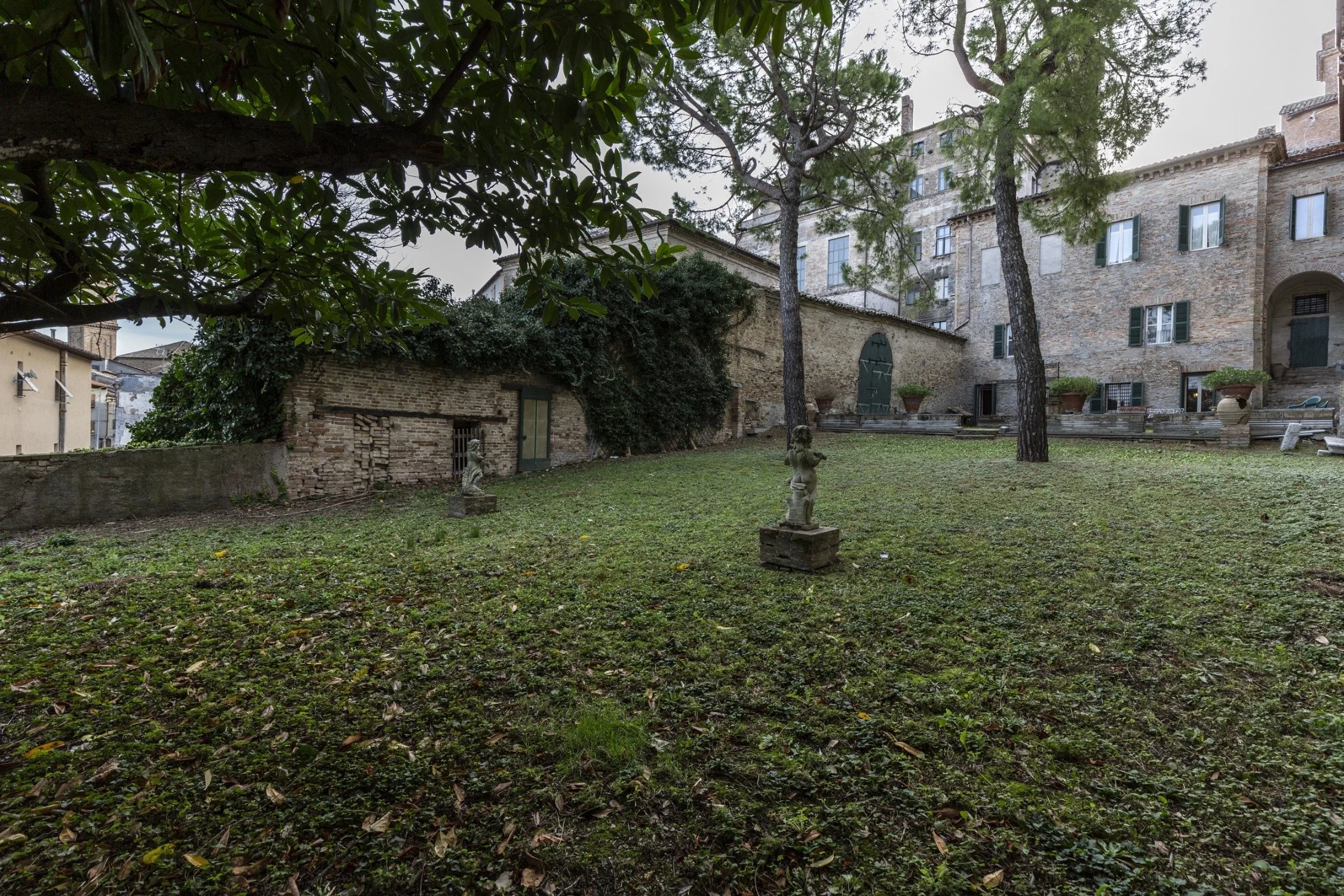
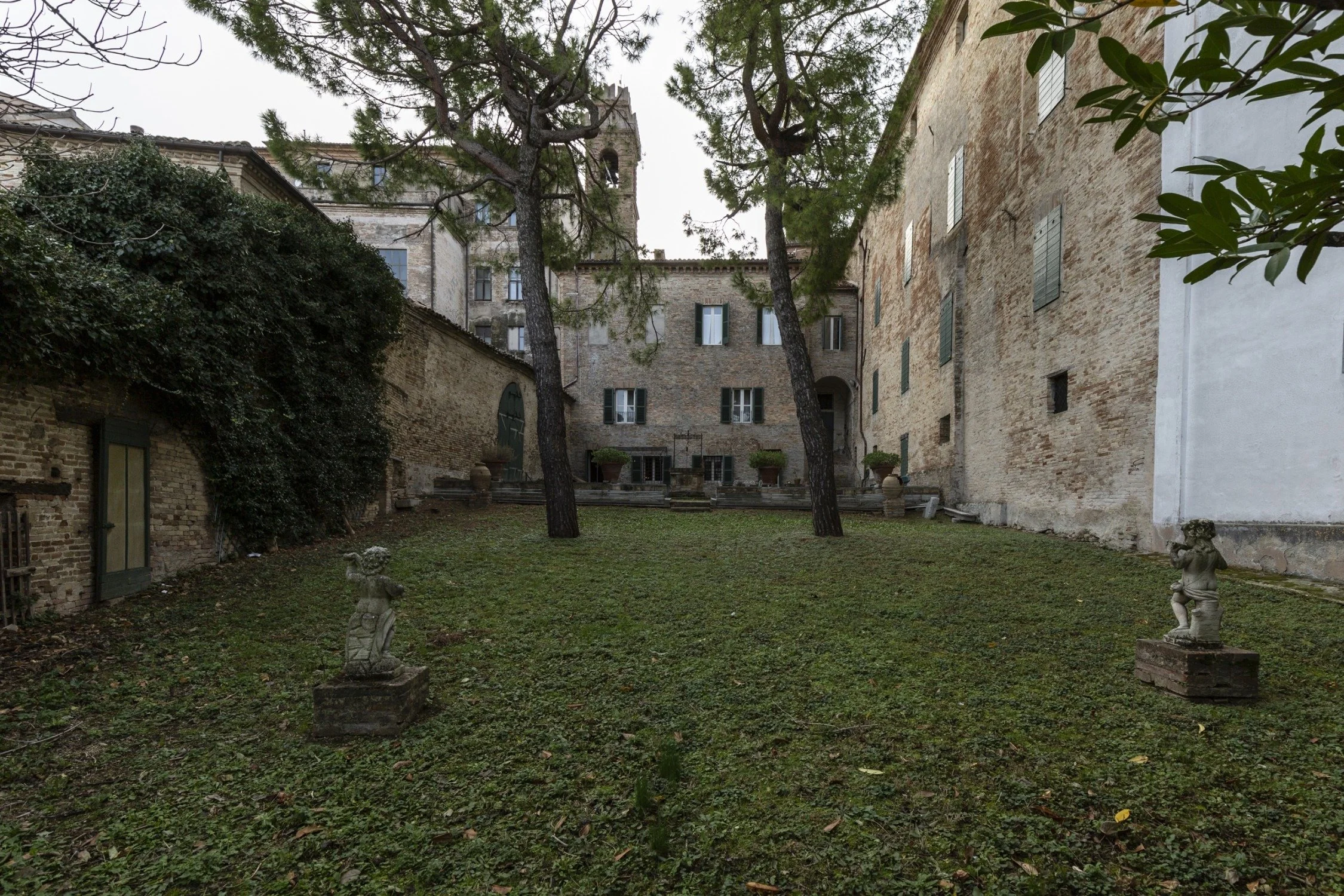
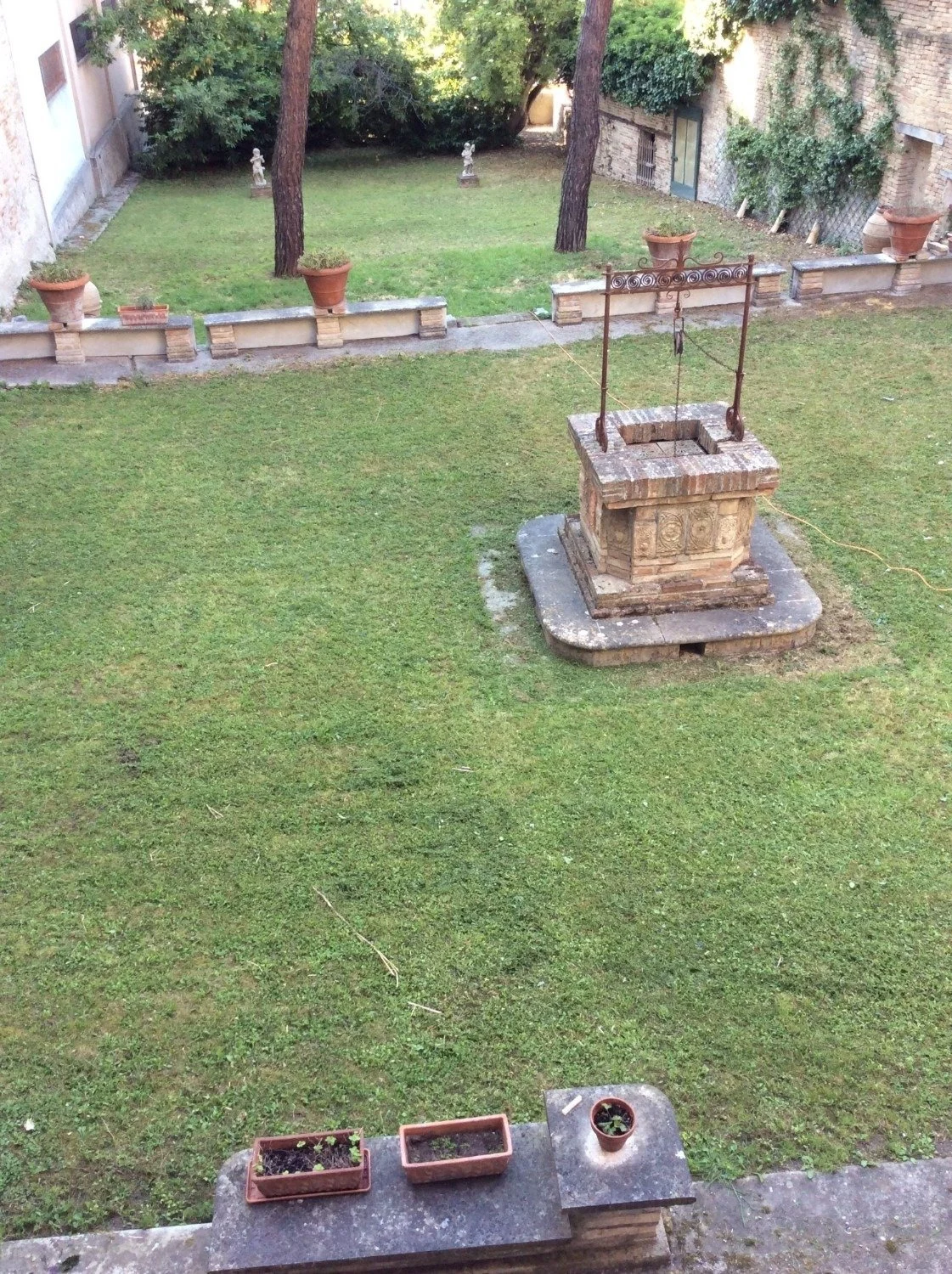
Approx. 470 m² enclosed garden plus courtyard.
Year built
1800.
Energy status shown in listing
"Energy Class N".
Main heritage features
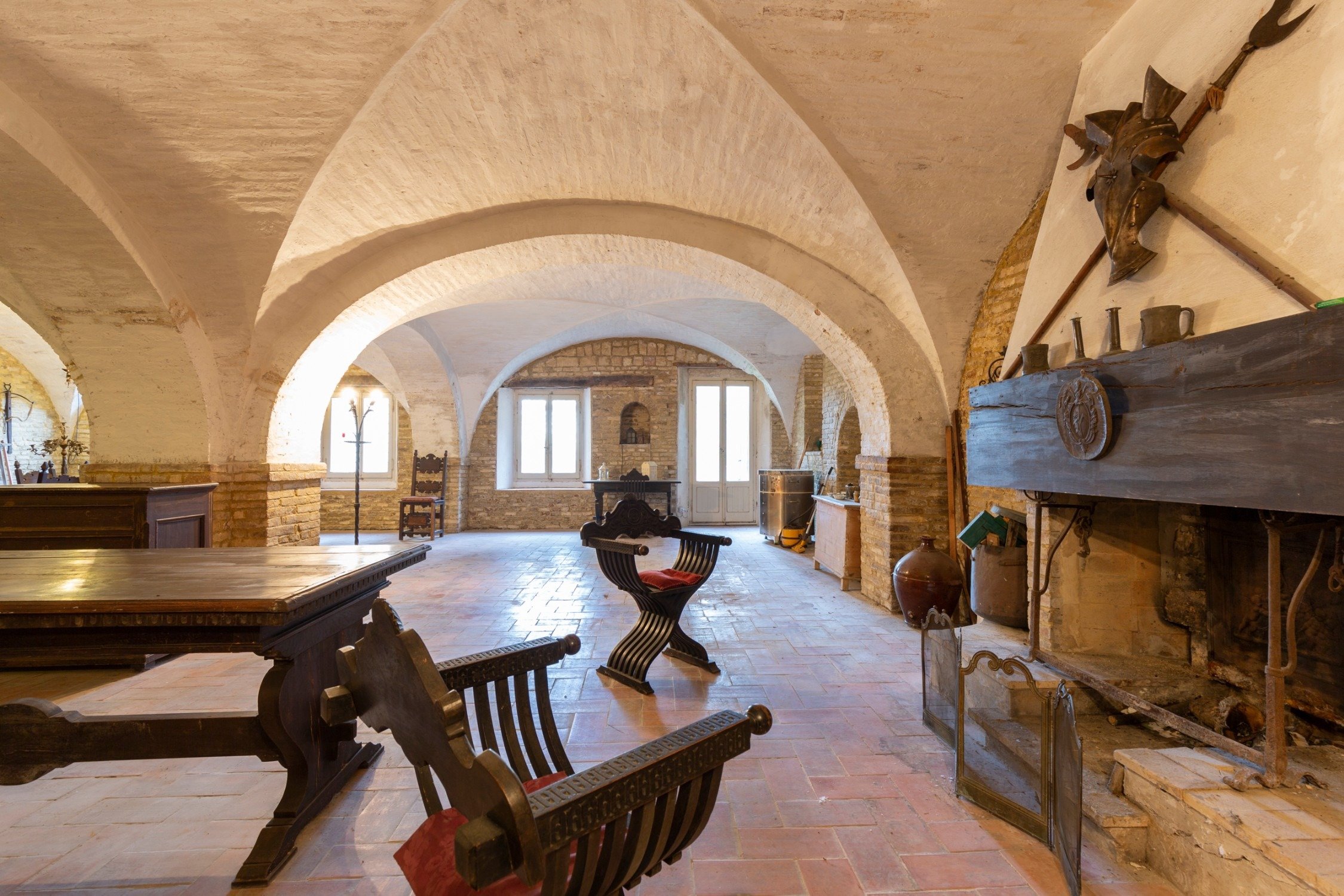
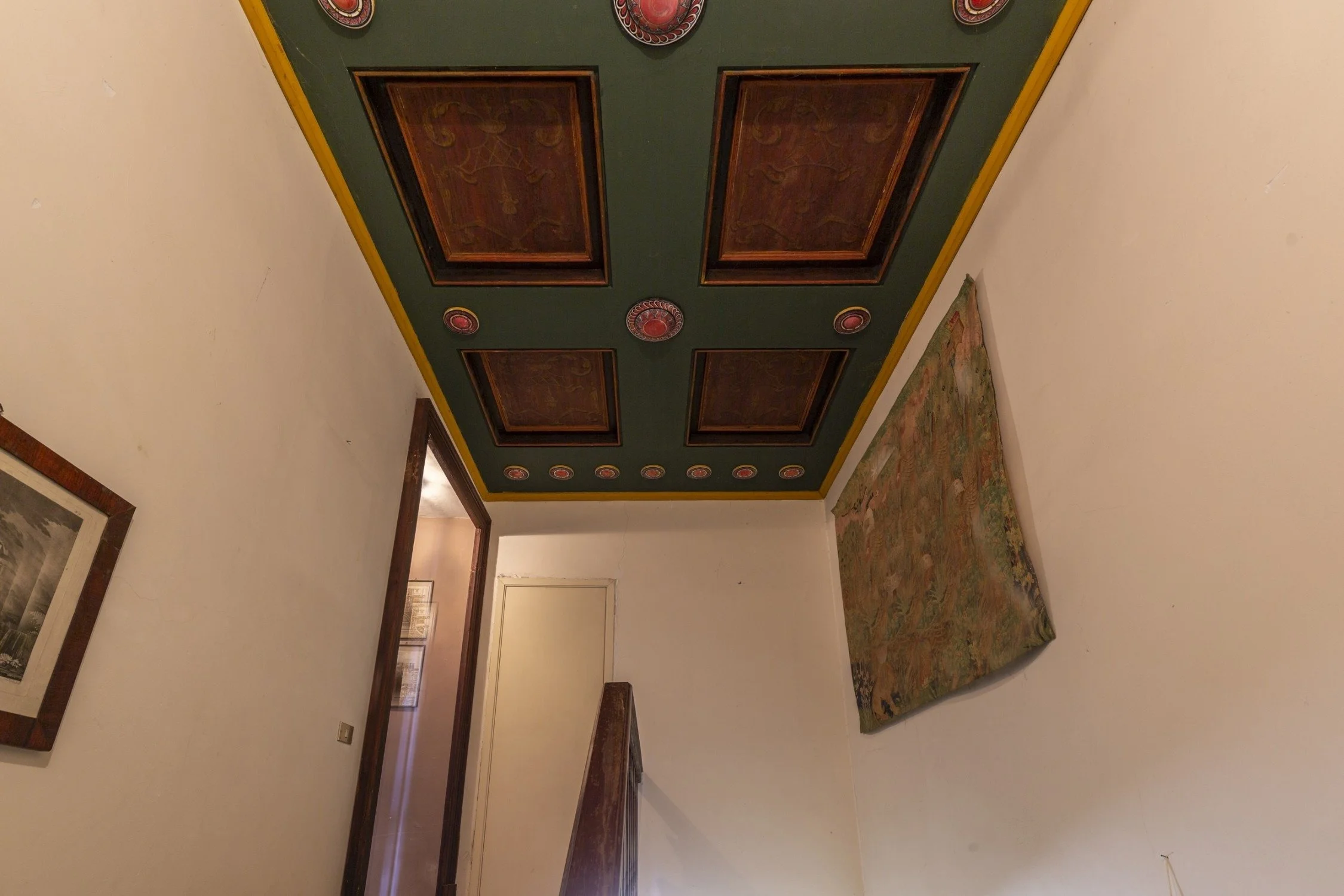
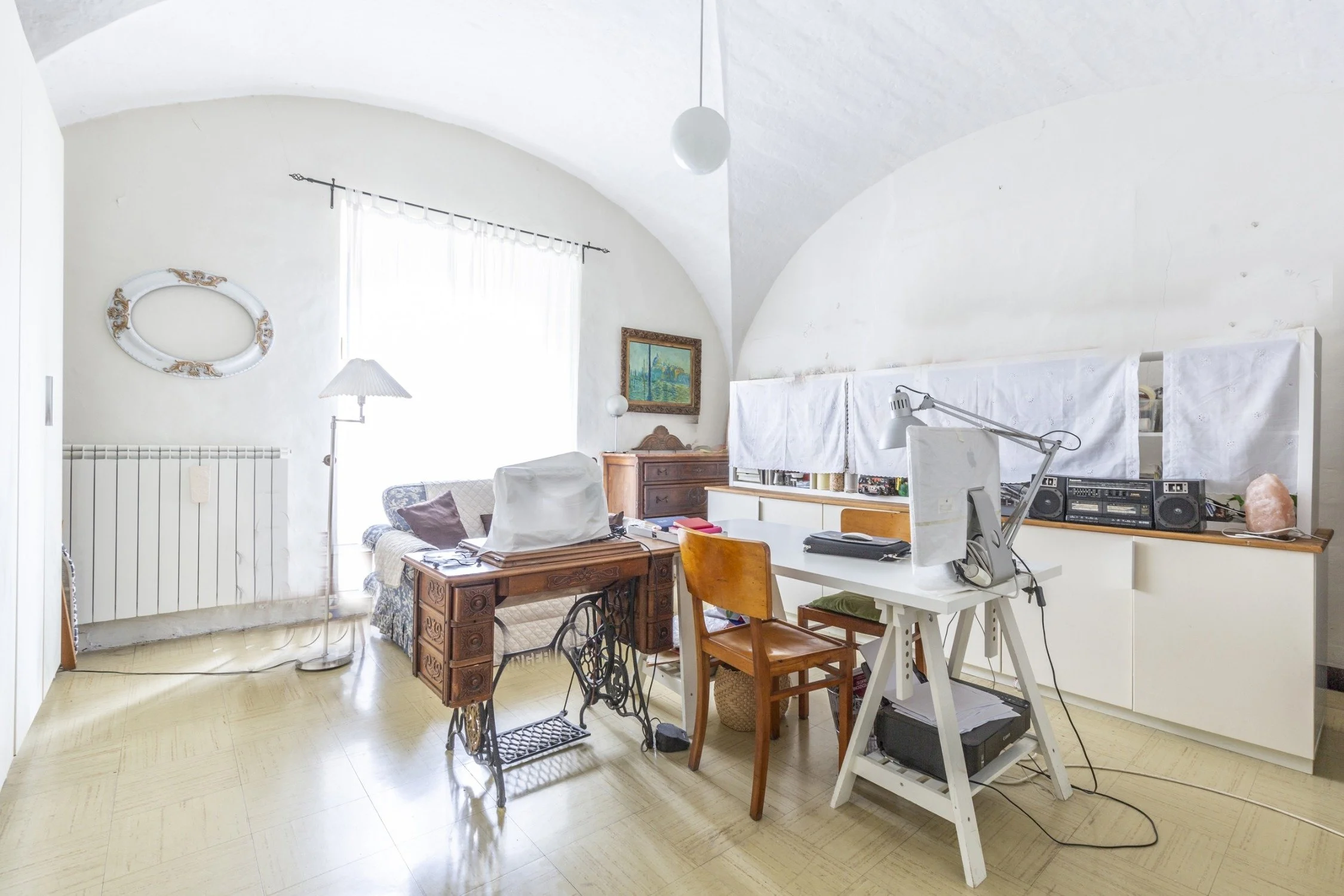
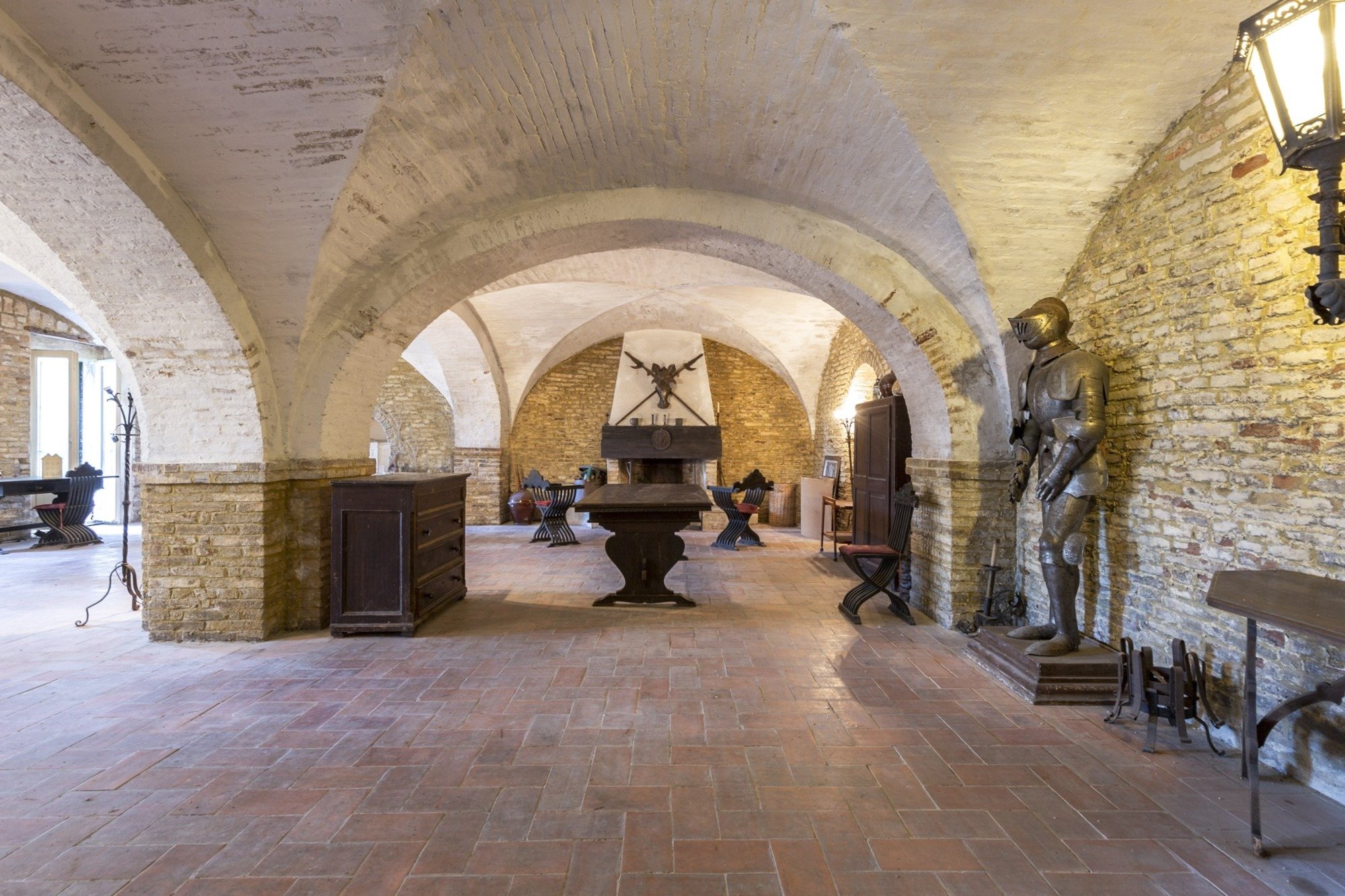
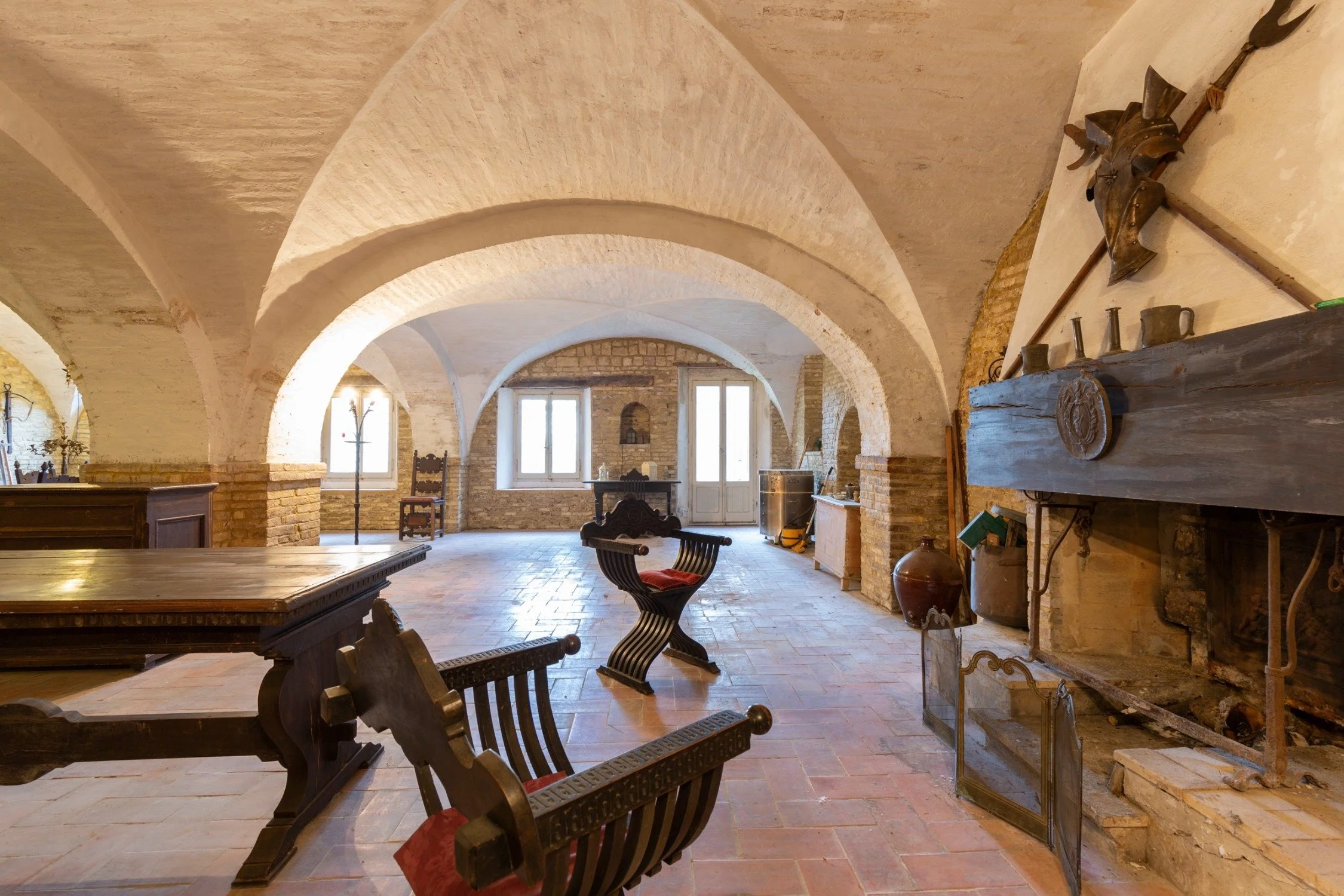
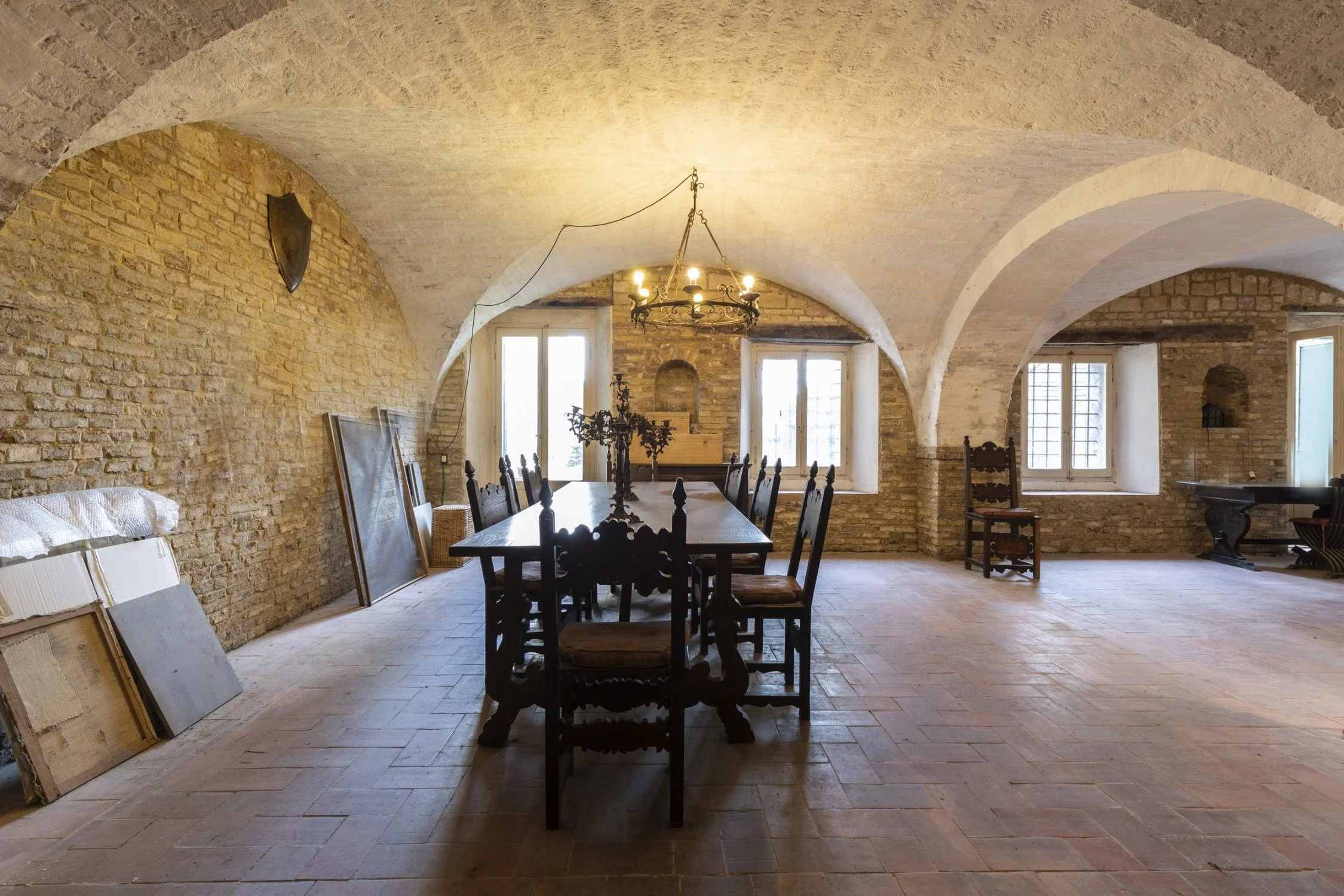
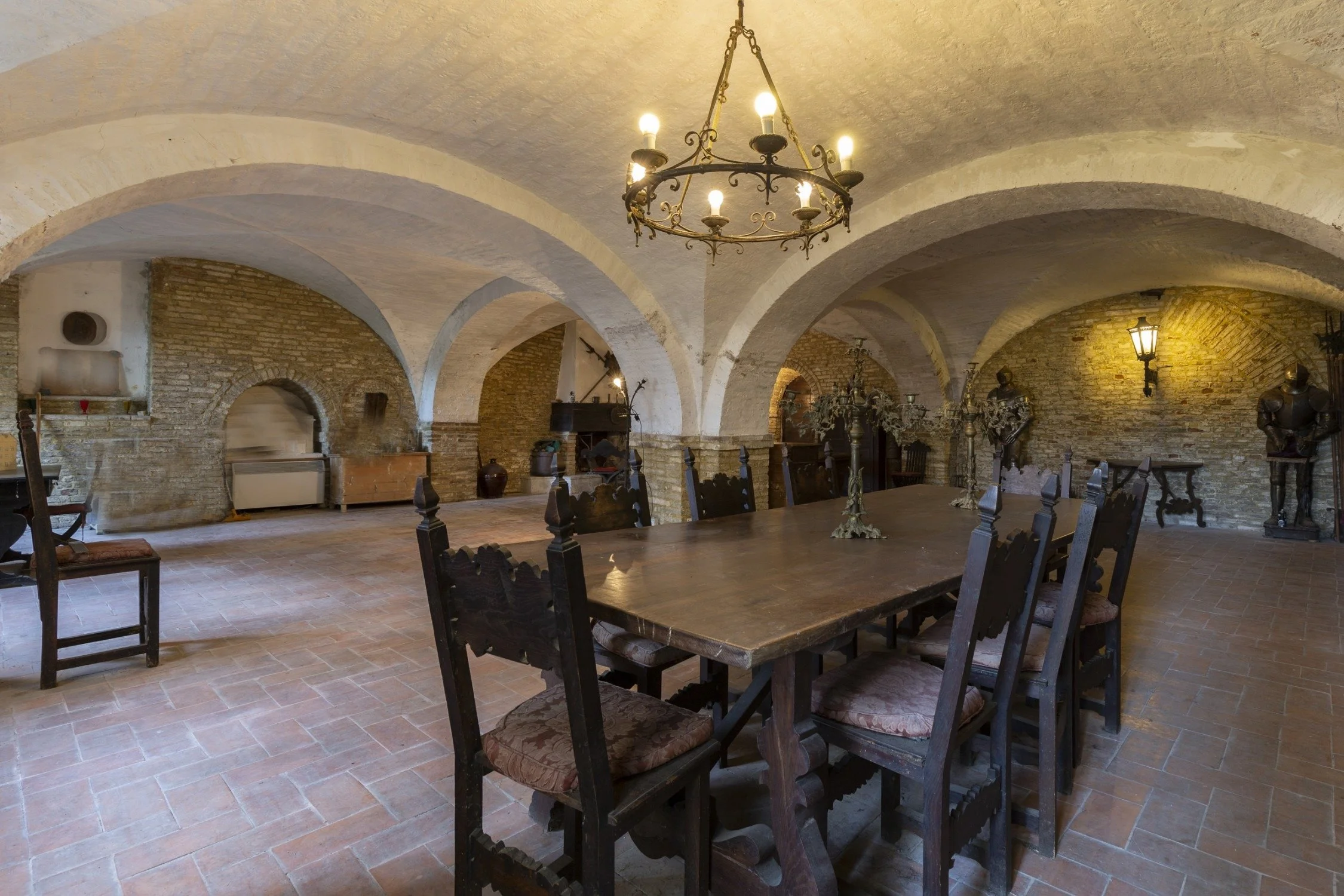
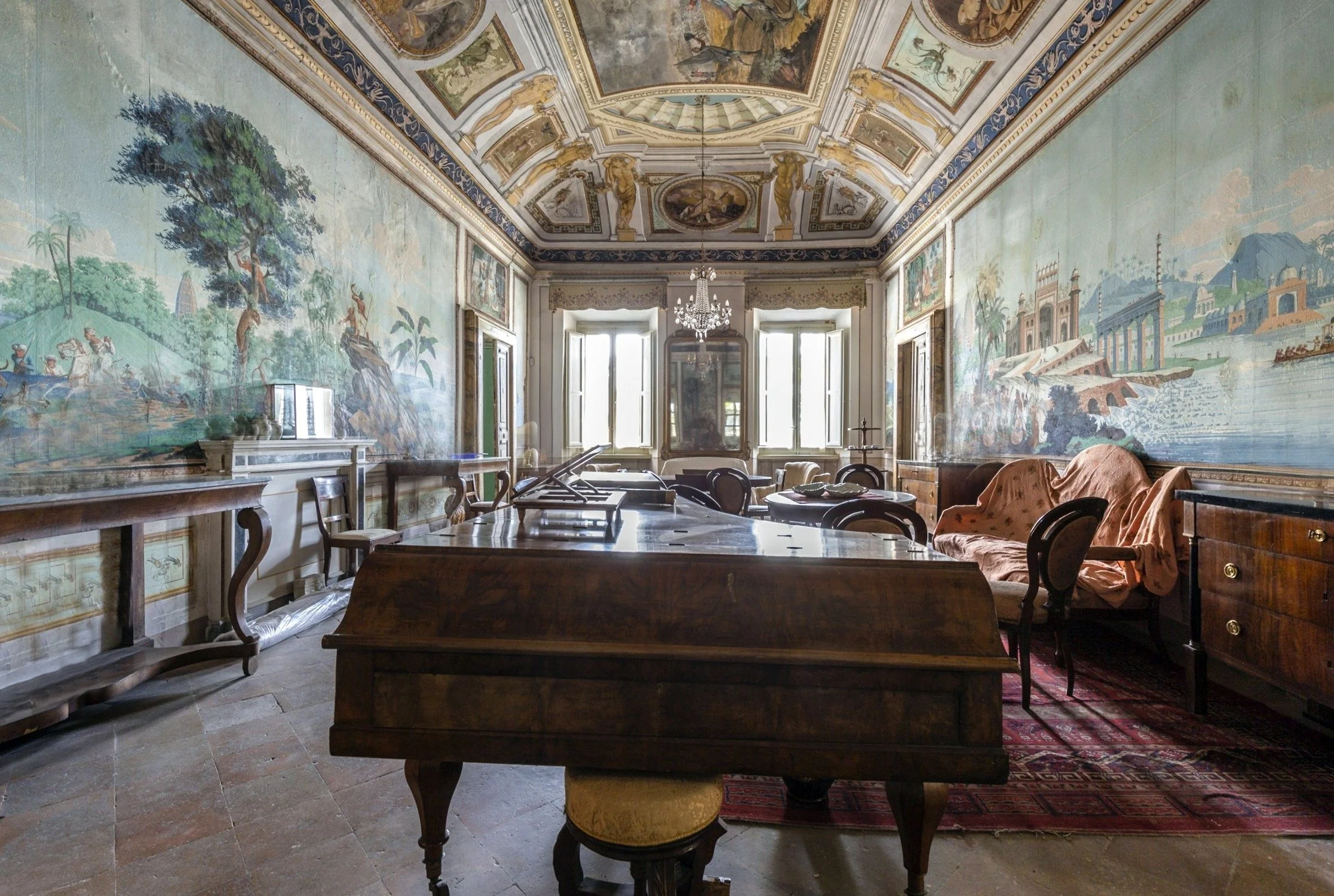
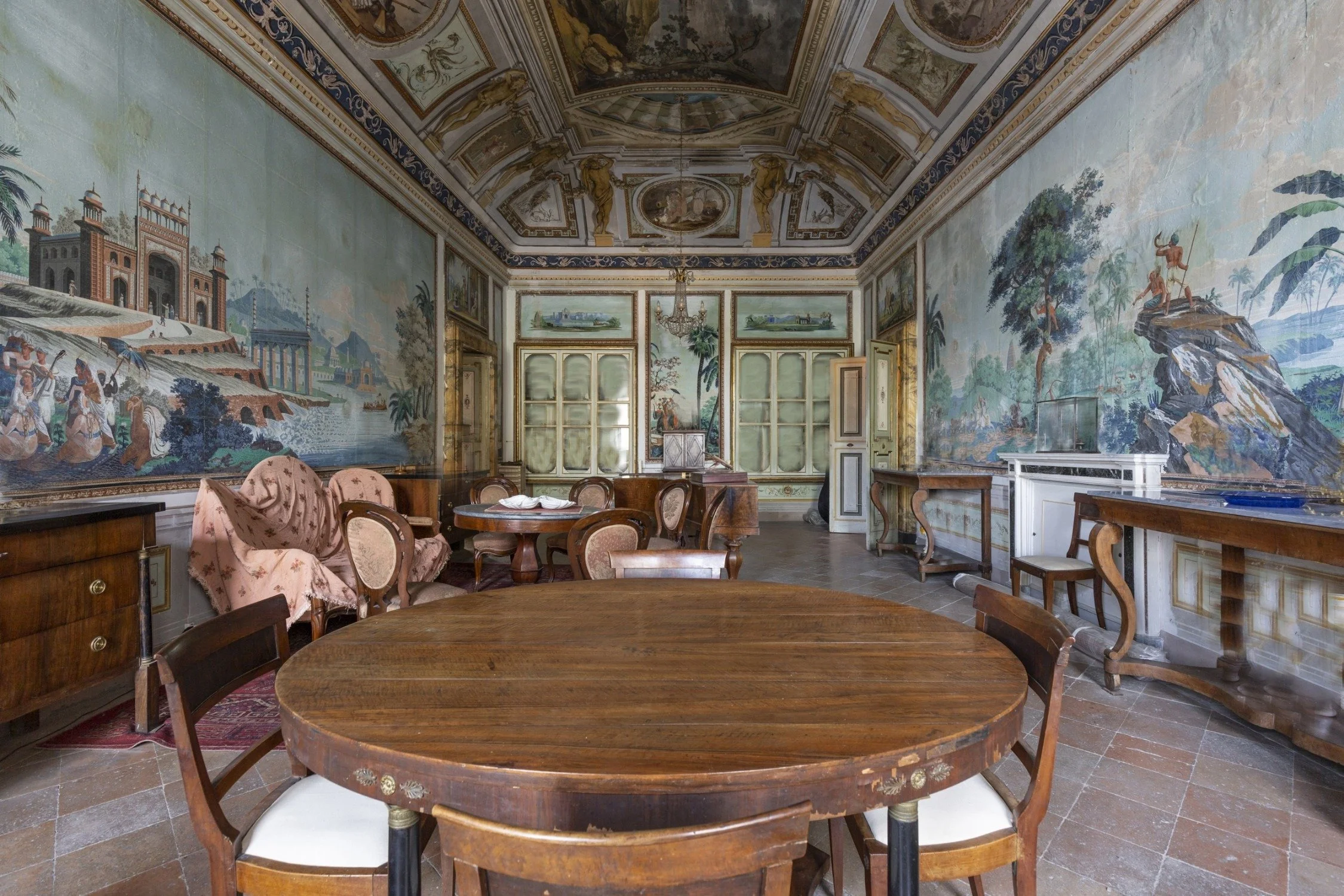
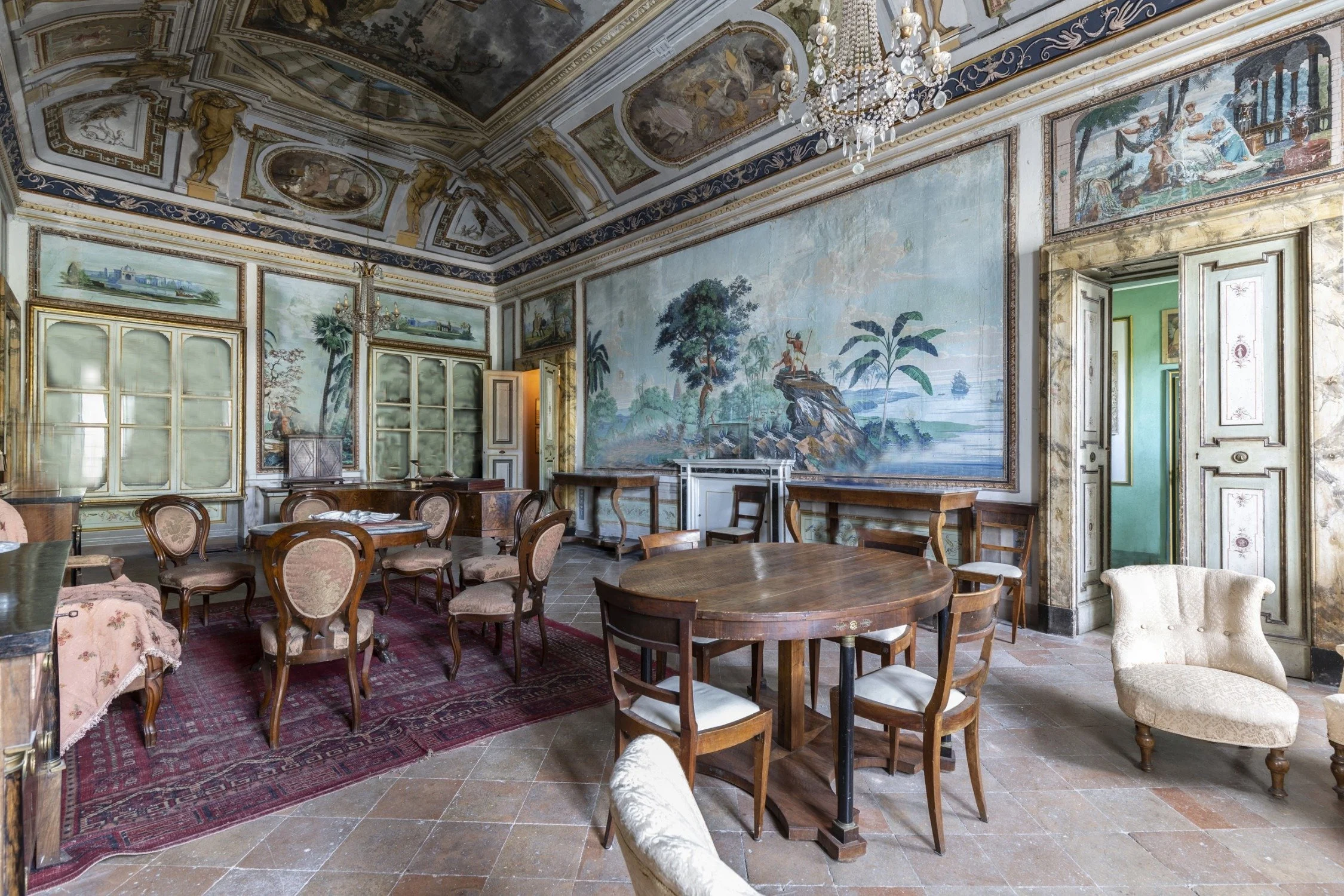
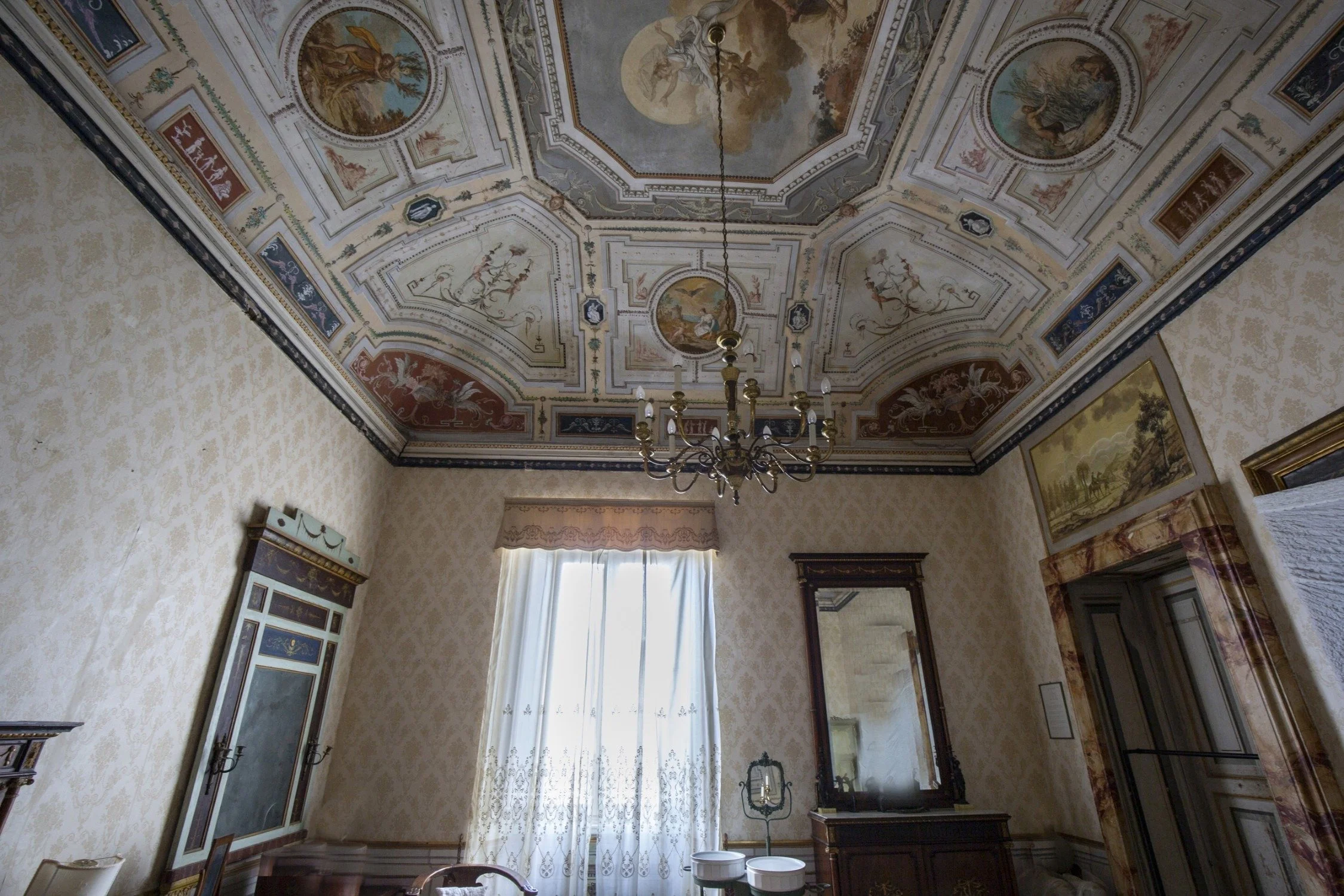
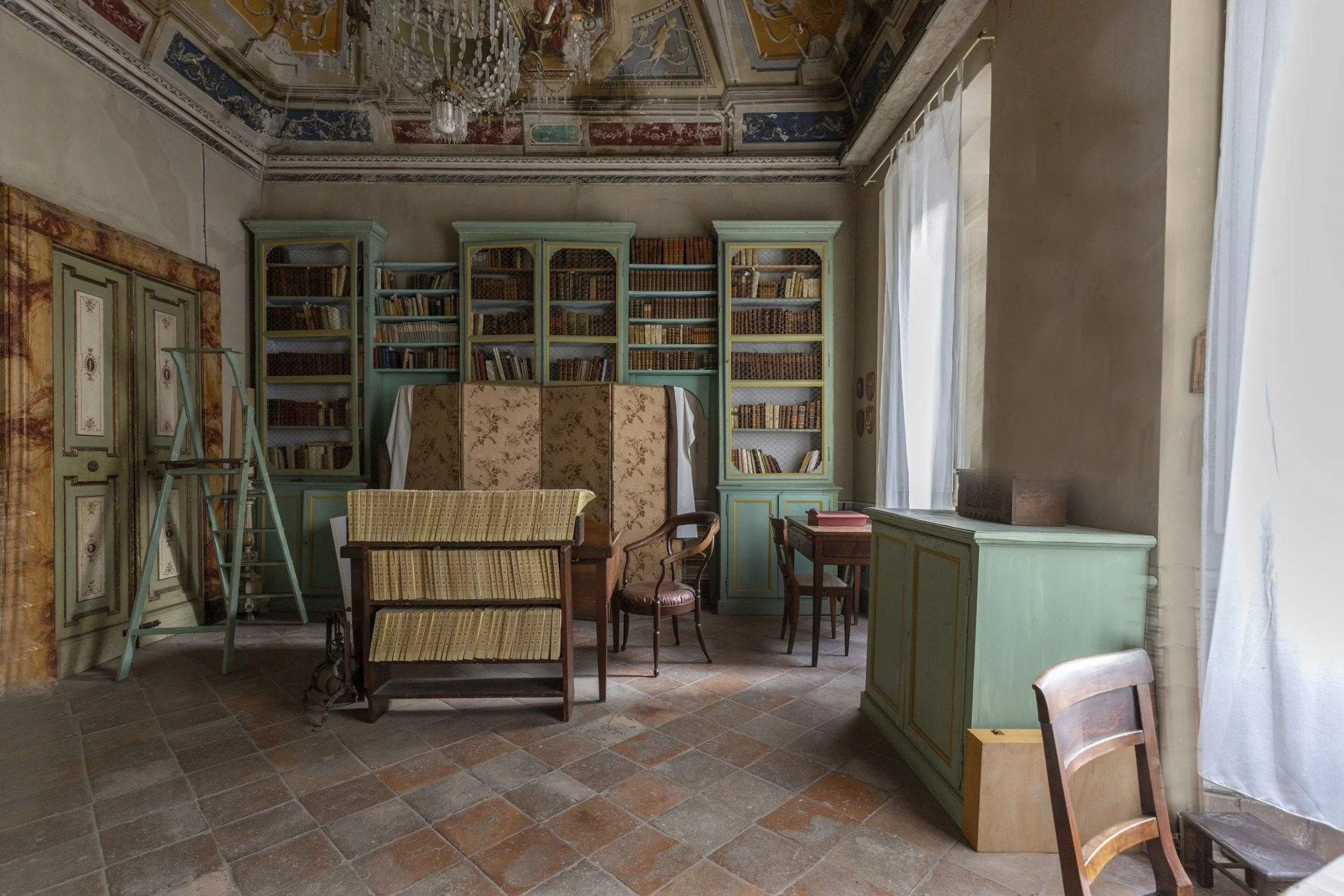
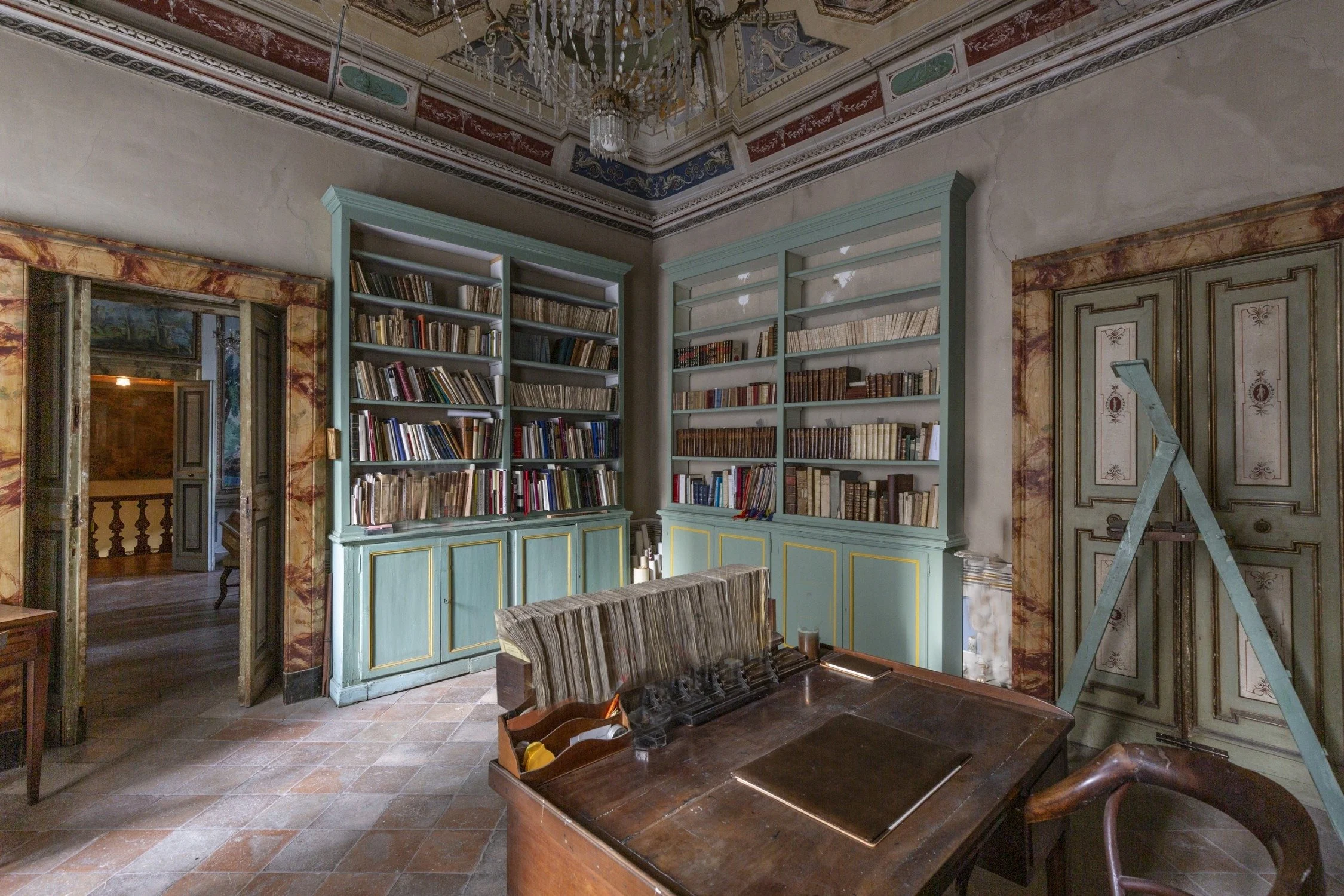
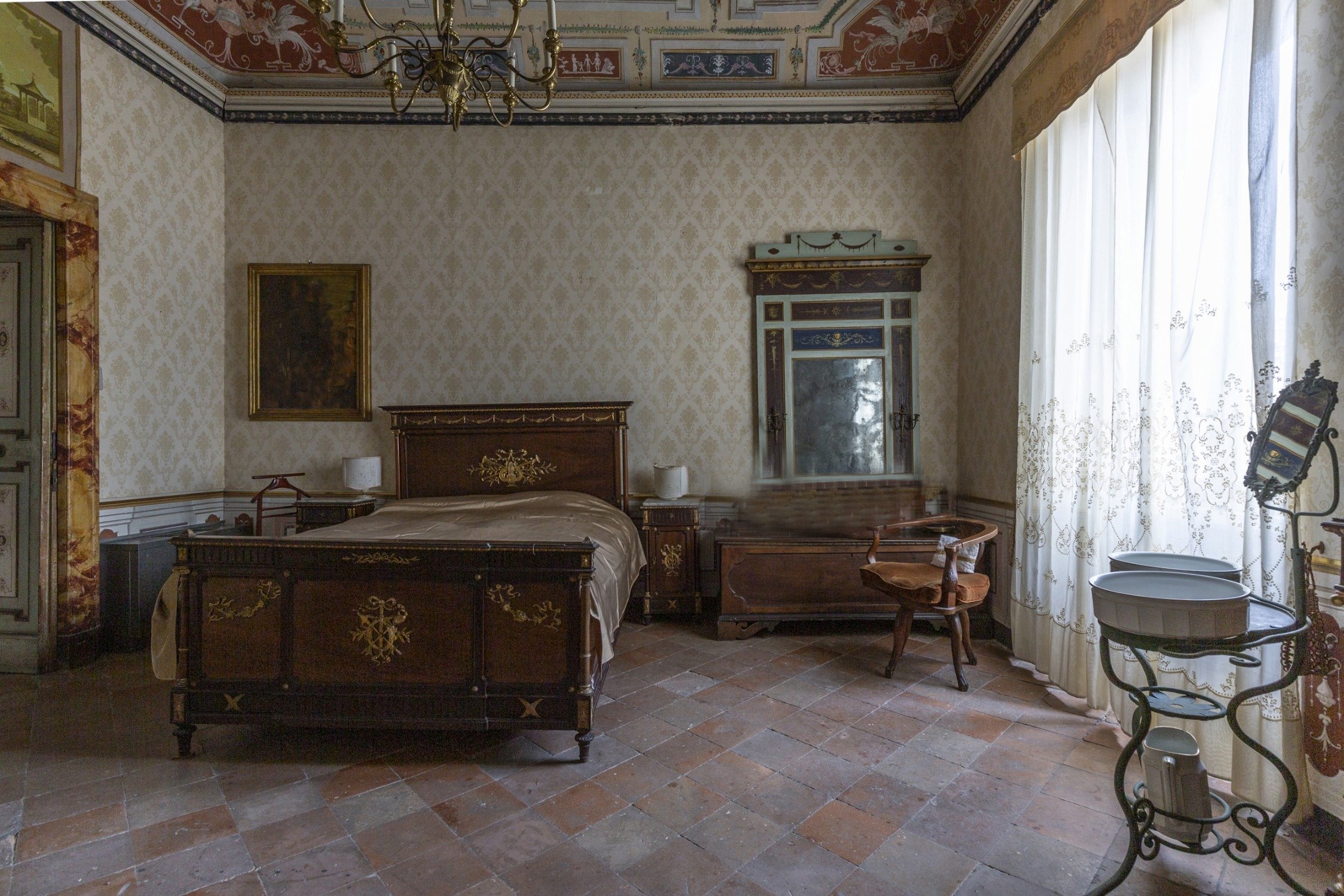
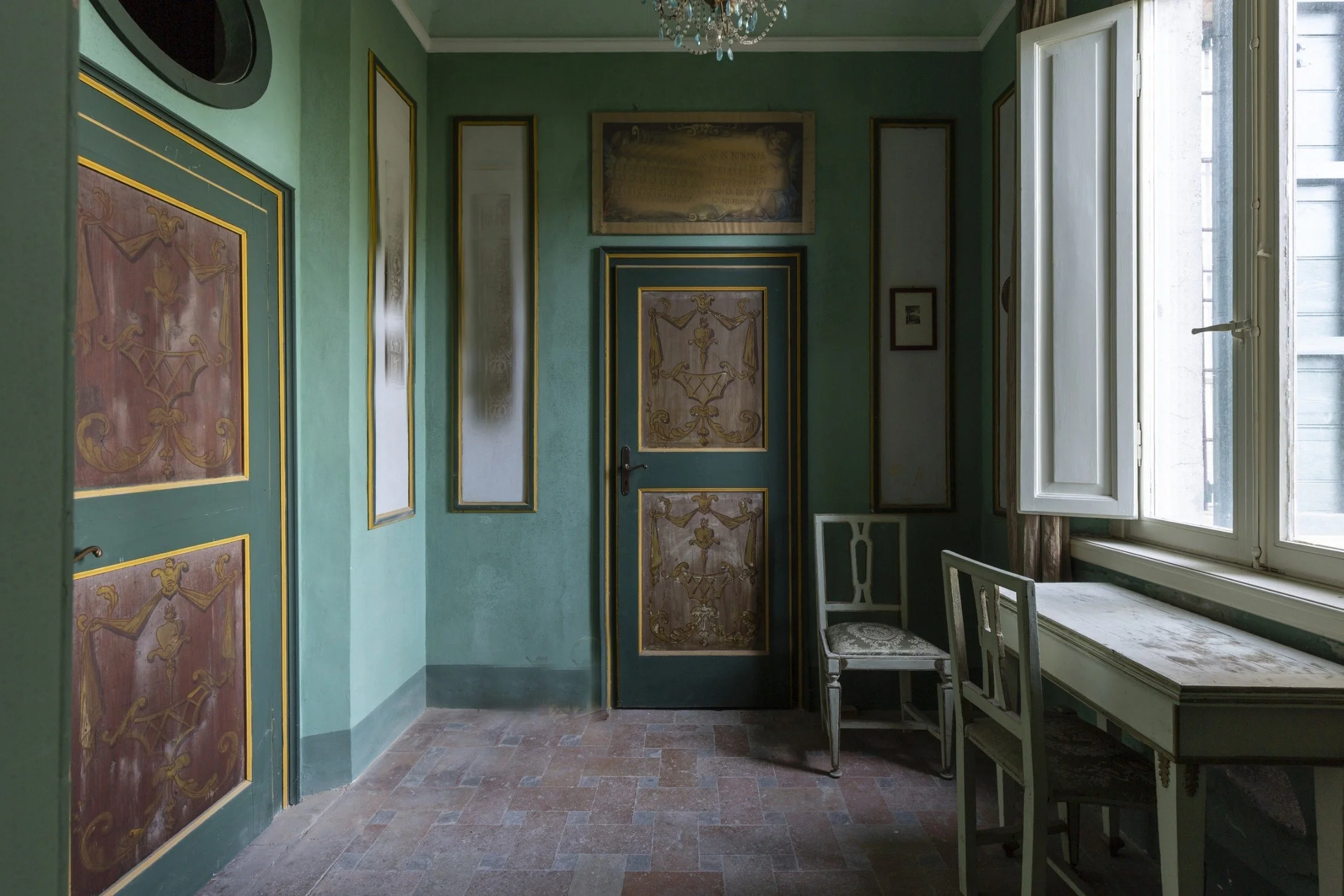
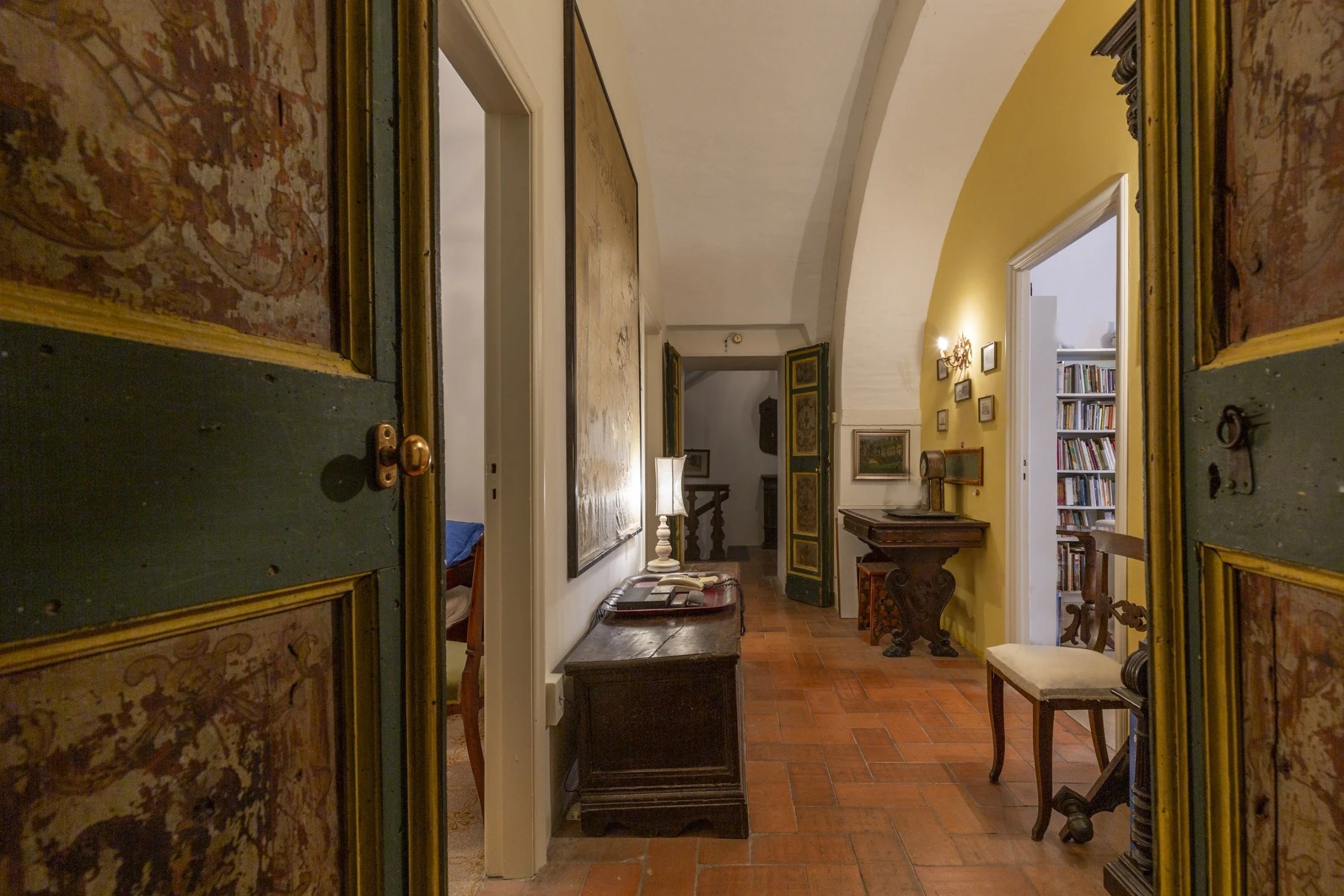
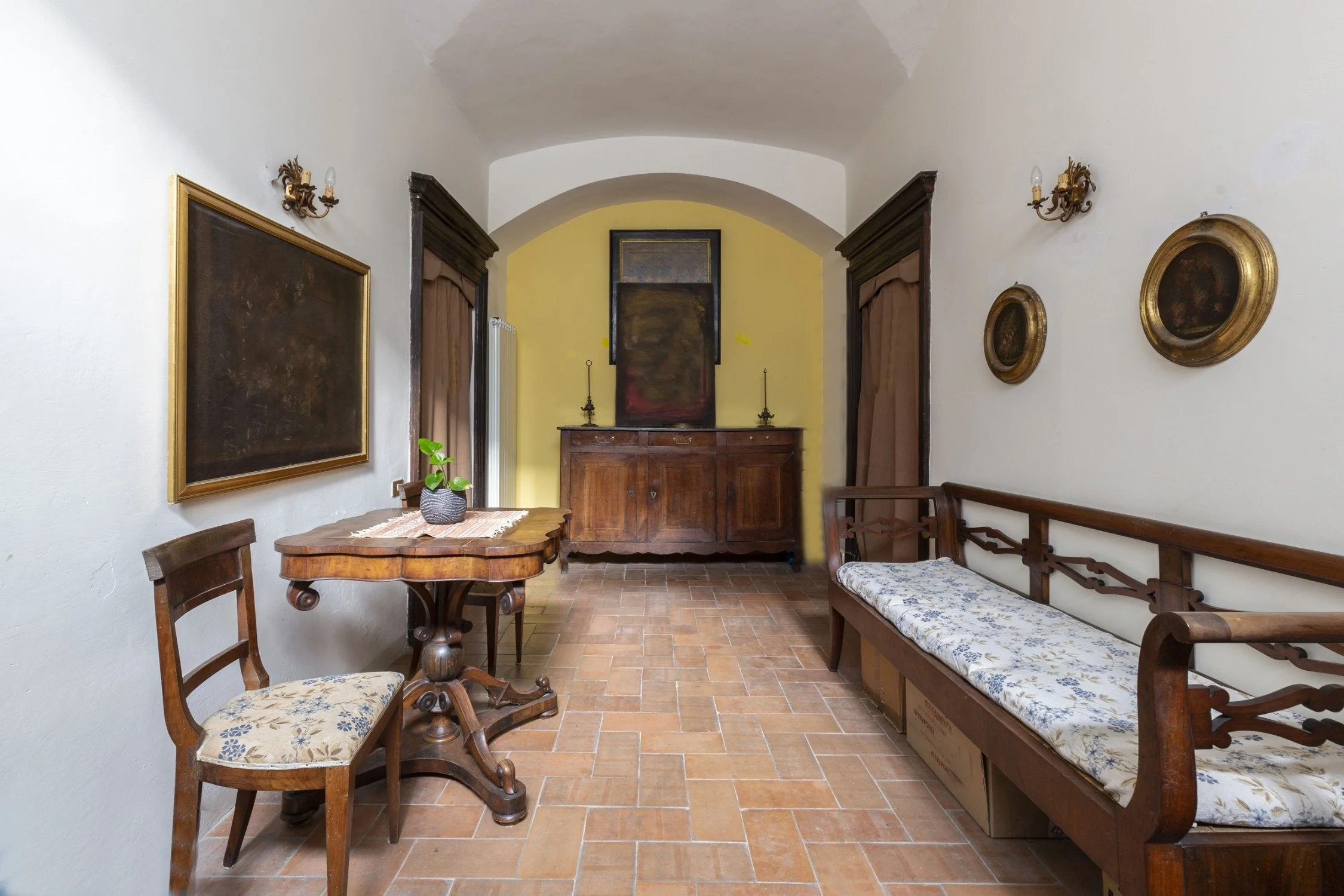
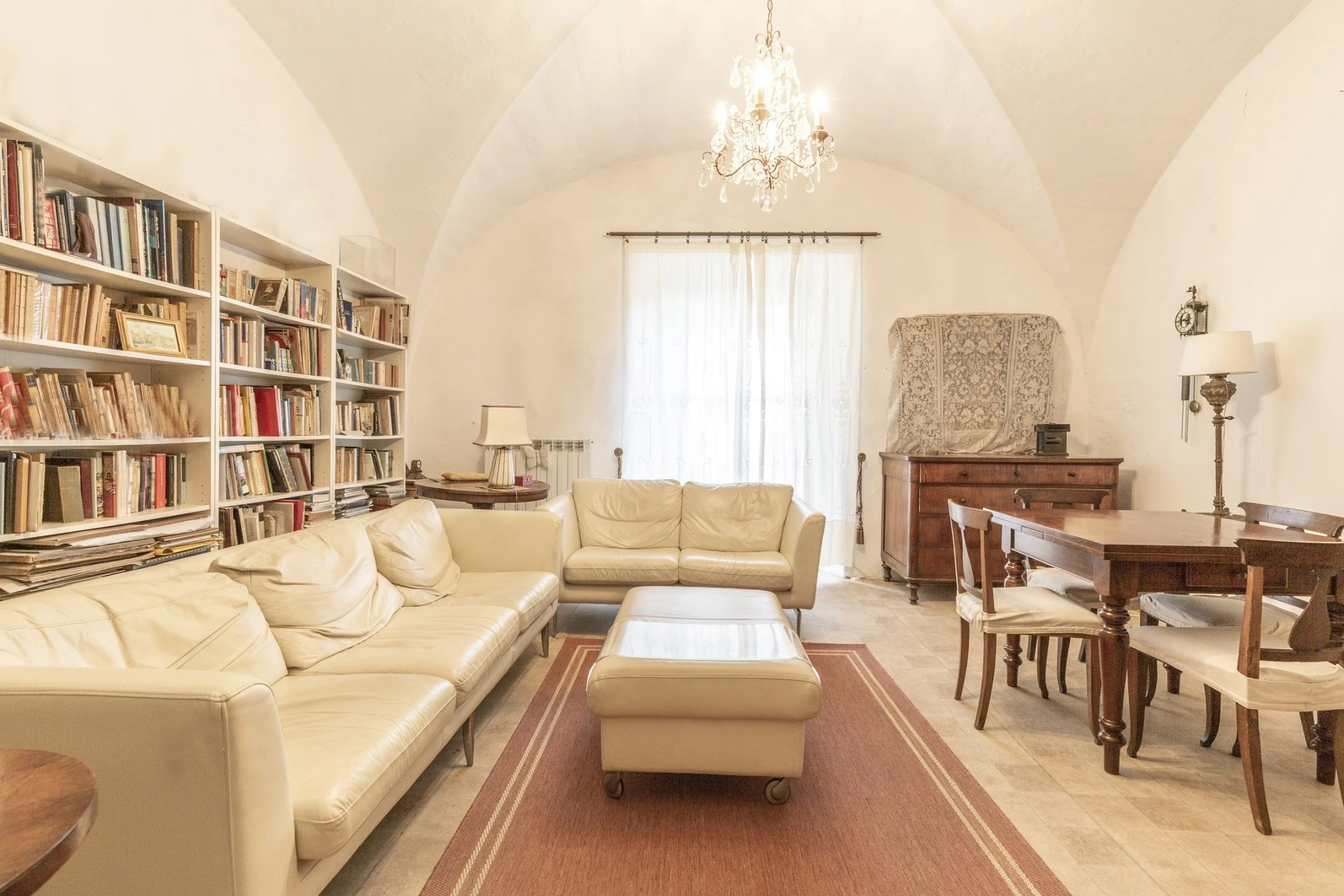
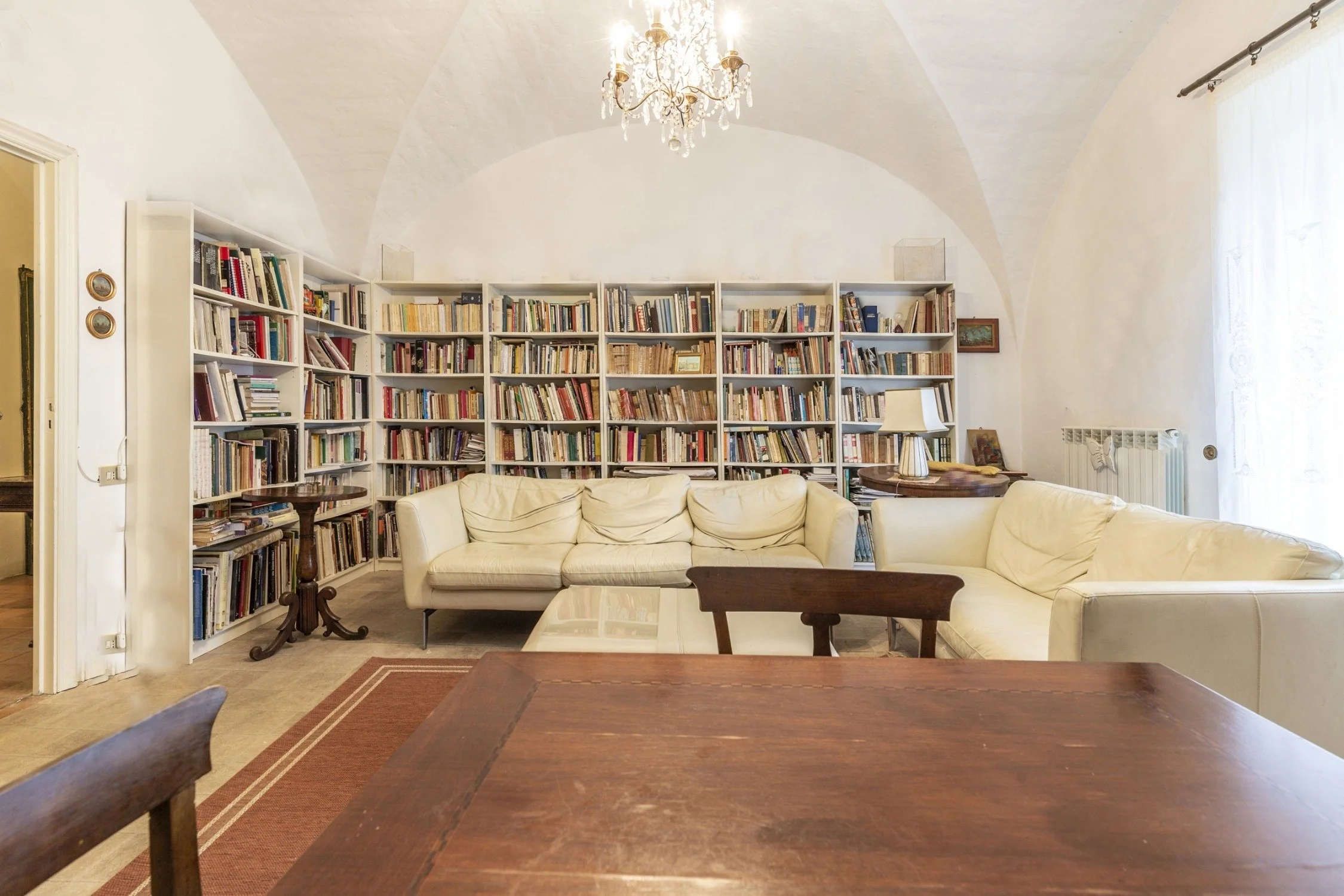
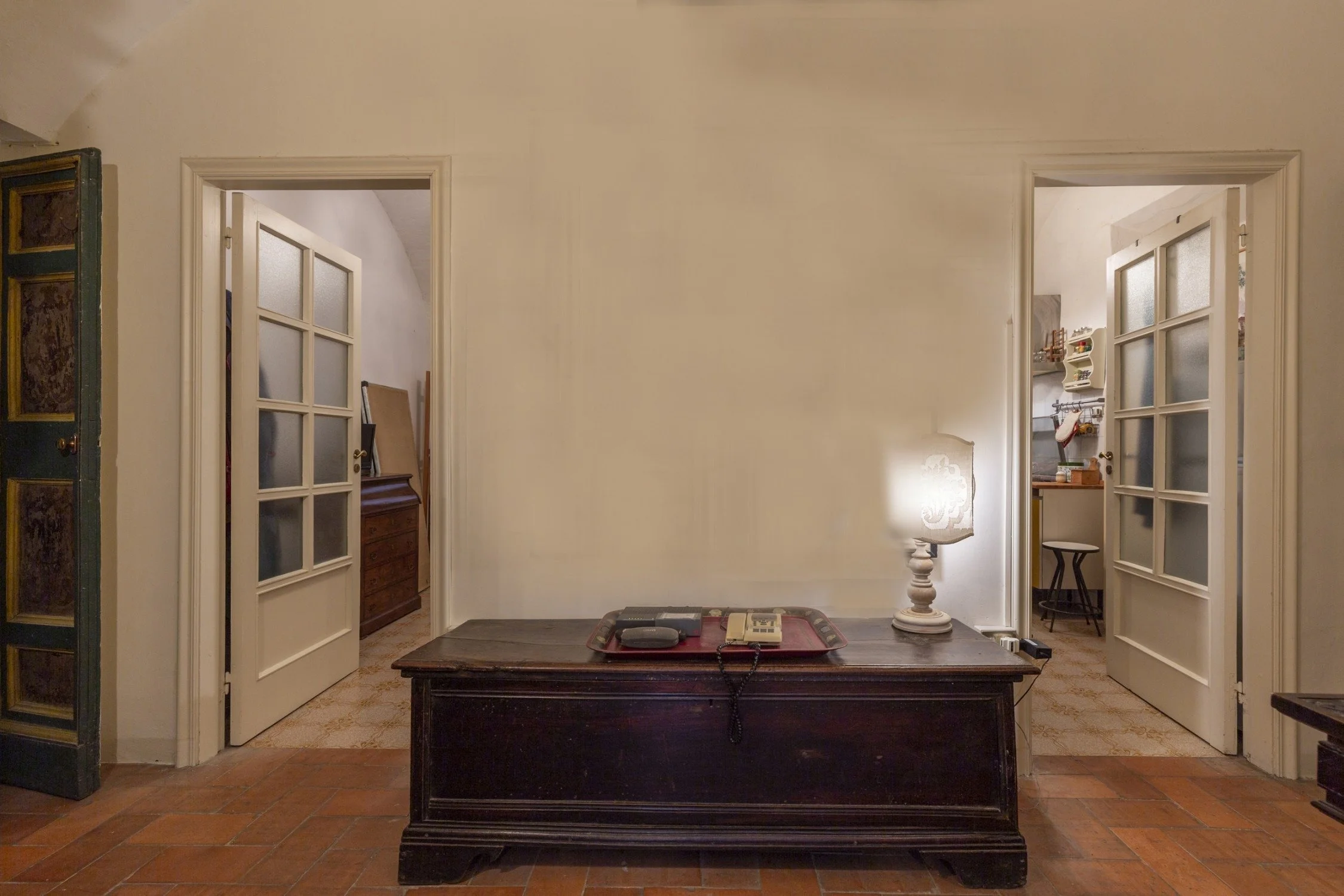
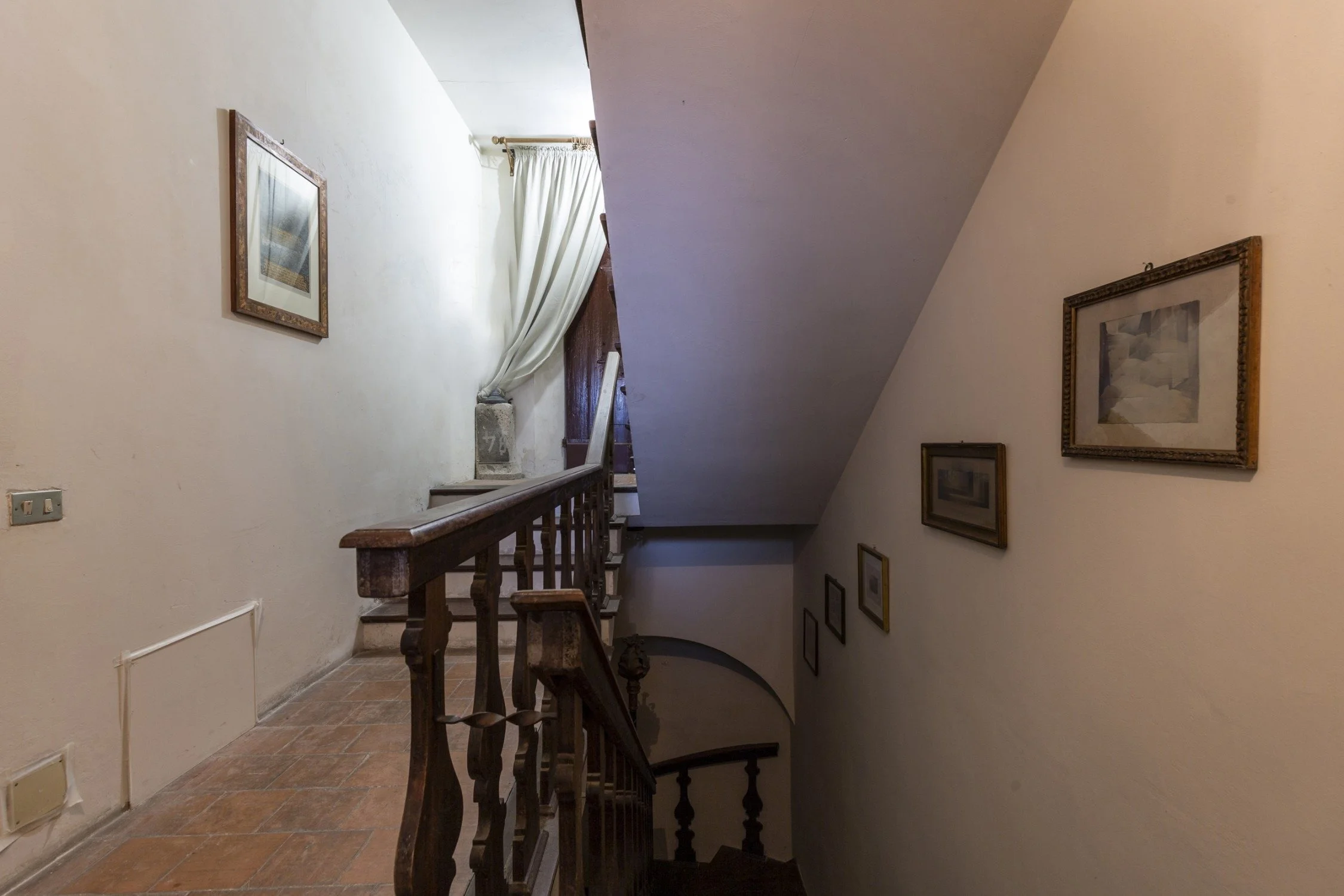
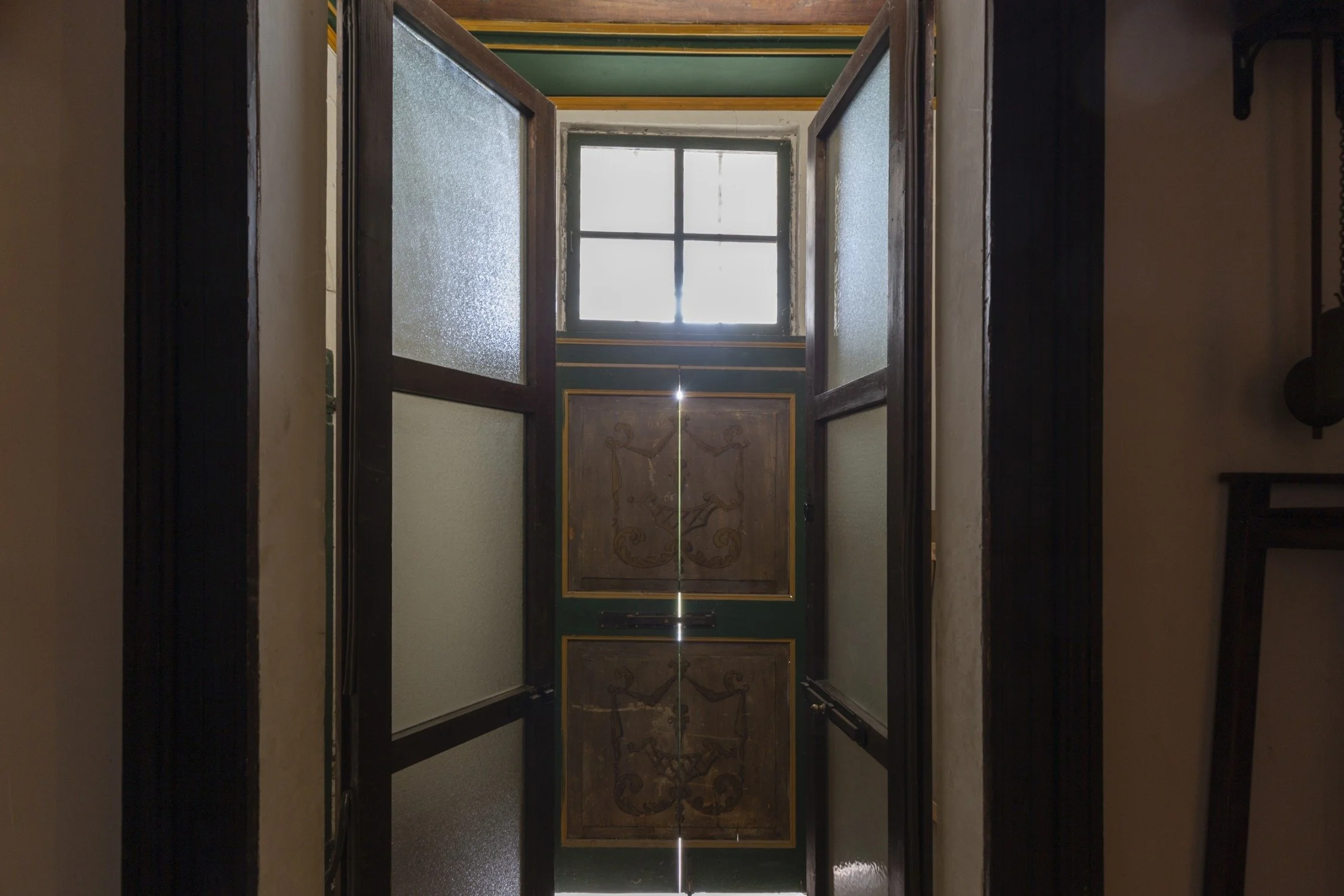
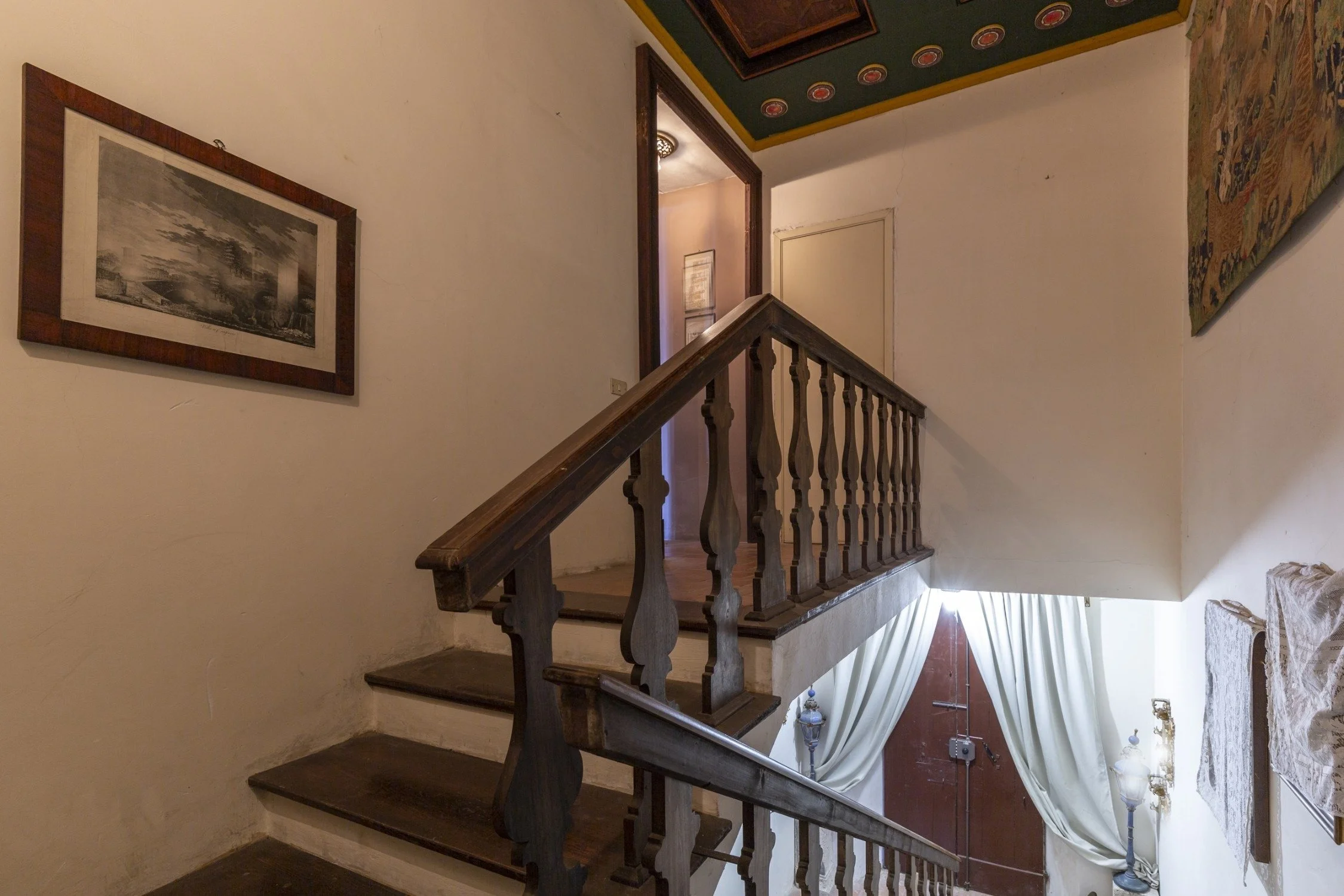
Melchior Jeli frescoes, original terracotta floors, coffered-ceiling staircase with handcrafted ceramics, cross-vaulted rooms, decorated doors, rare 19th-century French maps.
Additional features
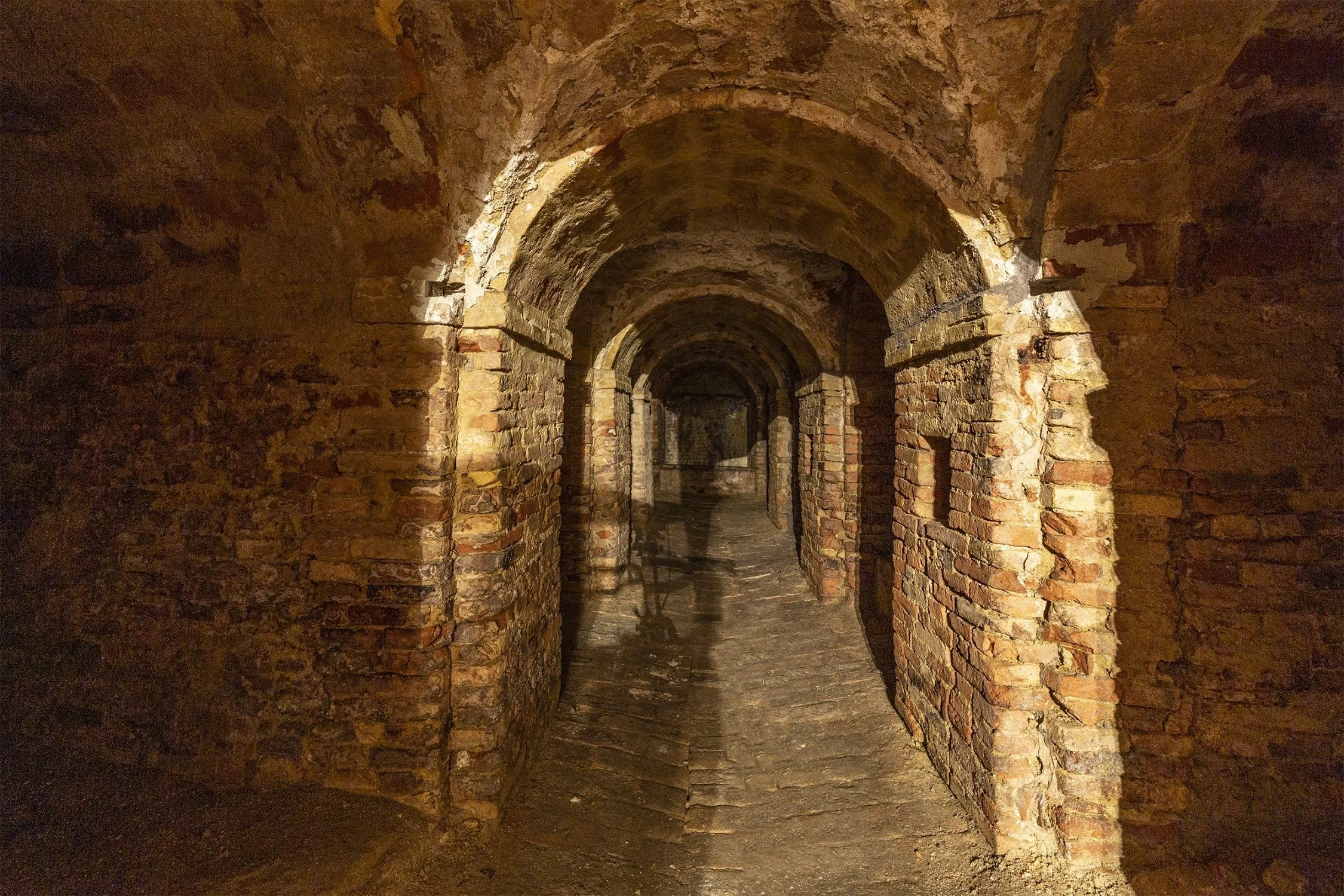
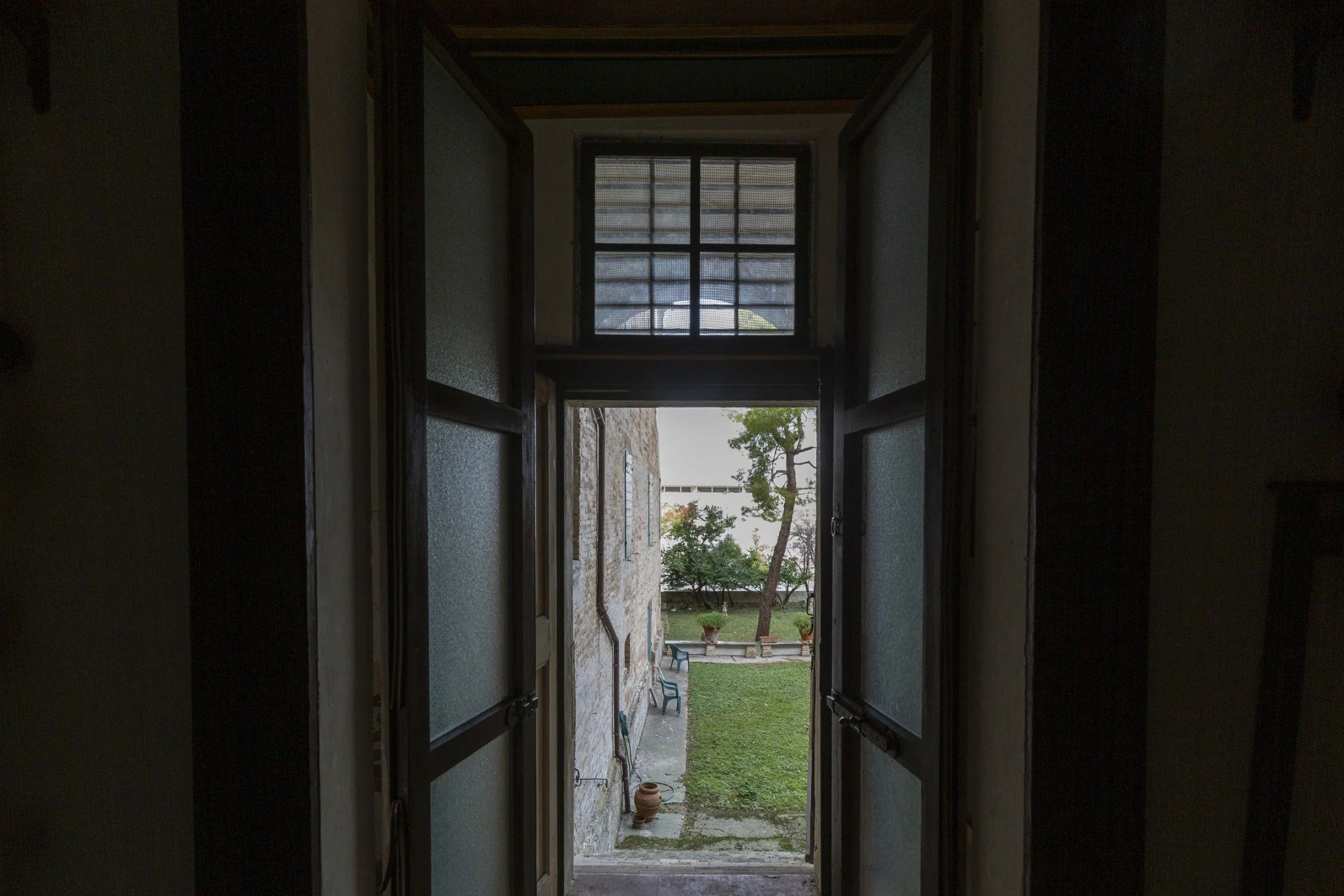
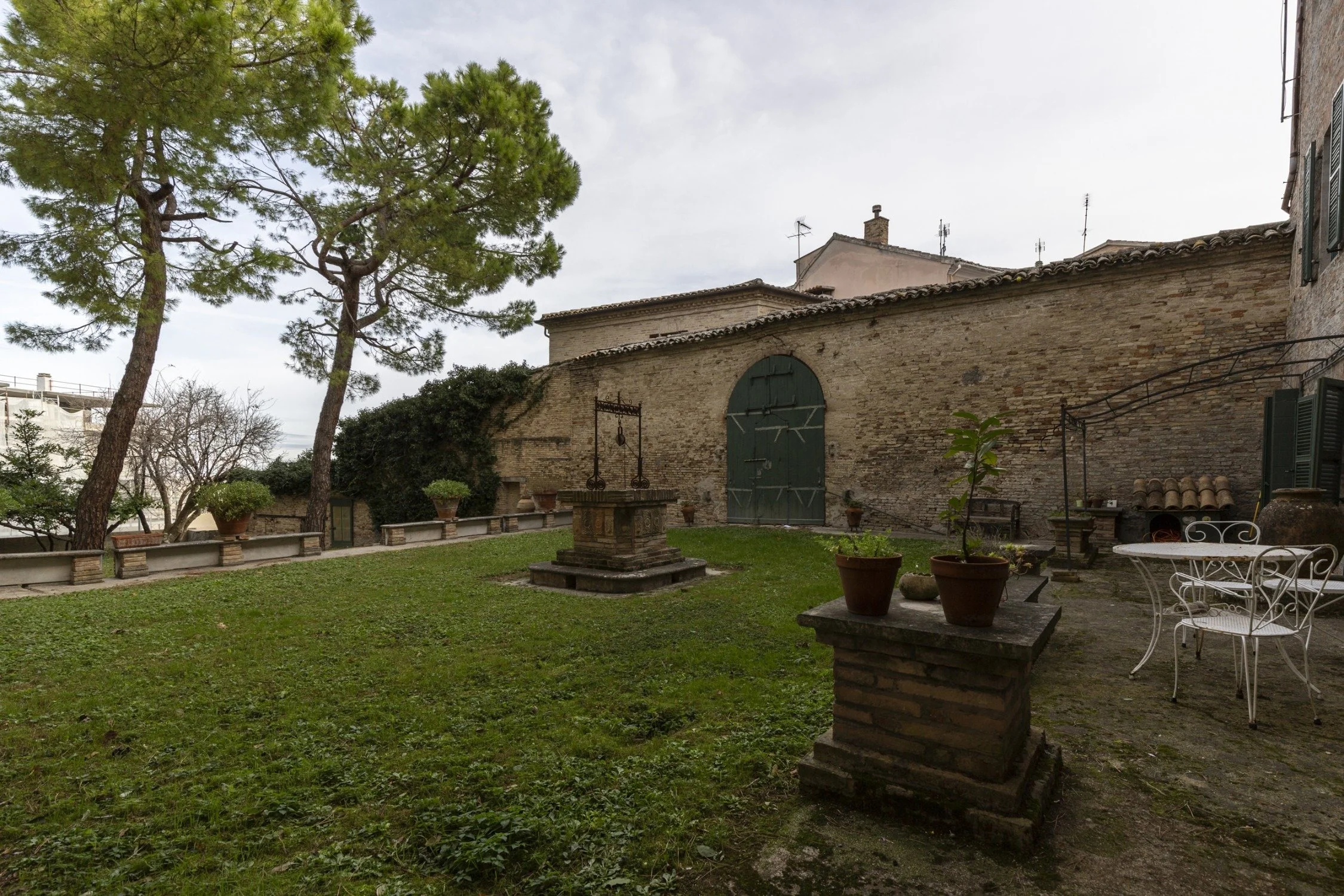
Enclosed courtyard with entrance gate, enclosed garden with well, basement with underground caves and cellar, living room with fireplace, study, storage.
Protection note from listing
Protected by the National Heritage Authority as a notable architectural monument, with renovations requiring approvals and preservation standards.
Lifestyle angle
Private residence, restoration-and-preservation project, or cultural tourism venture in the Marche heartland.
Risk Radar
Overview
This is not a standard residential purchase with decorative historic charm. It is a culturally significant building whose value is tied directly to the legal and practical consequences of protection. The listing itself makes that plain by stating that the palace is protected by the National Heritage Authority as a notable architectural monument and that any renovation will require approvals and adherence to preservation standards. The single most important task is therefore to move from marketing language to document-backed clarity on what is protected, who controls future works, and how much freedom a buyer would actually have.
The second key issue is the frescoed hall. This is the emotional and cultural centre of the property, and likely the most sensitive part of the building from a conservation perspective. If the frescoes are in good condition and properly documented, they are the palace's defining asset. If they need restoration, they may require specialist oversight, formal approvals and non-trivial cost. The same applies to the decorated doors, coffered ceilings, terracotta floors and cross-vaulted rooms.
The third issue is general building condition. A 450 m² palace spread across three levels with underground caves and a large garden can be a magnificent buy, but it can also hide a substantial maintenance burden. The roof, moisture behaviour, structural movement, condition of vaults, utility modernization and drainage all matter far more here than they would in an ordinary apartment purchase. The listing gives strong heritage detail but relatively little technical detail, so the buyer has to be unusually rigorous.
The fourth issue is use strategy. As a private residence, the building may be entirely viable if the buyer accepts the conservation framework. As a cultural-tourism project, boutique B&B or event space, the legal pathway becomes more layered. In Marche, tourism identifiers now operate through a regional-to-national sequence, with the CIR issued after the regional process and the CIN then obtained through the national BDSR route. If the buyer imagines public access, events or commercial hospitality, that may be a different category again and should not be assumed to follow the same path as ordinary tourist letting.
Targeted Questions
Heritage Status and Protection Scope
The exact decree is the starting point for understanding what is protected and how restrictive future works will be.
Buyers need to know whether protection applies selectively or comprehensively.
Courtyard, garden and even access-related changes may be controlled if they fall within the protected scope.
The legal route of protection affects the buyer's obligations and the approval framework.
The actual competent office matters for timing, procedure and professional advice.
The Ministry's own procedural pages state that works of any kind on cultural assets are subject to Soprintendenza authorisation under article 21, paragraph 4.
Prior guidance can save time and reveal how flexible or restrictive the case really is.
Heritage control often extends well beyond obvious external changes.
Modernisation of services can be harder than buyers expect in protected buildings.
Outdoor and ancillary spaces may be legally sensitive even if they look secondary.
Existing prescriptions can materially affect future cost and design freedom.
Time affects renovation planning and negotiation strategy.
Frescoes, Decorative Features and Conservation
The frescoes are the core cultural asset and need to be assessed separately from the rest of the building.
Past interventions can affect both current condition and future obligations.
Specialist authorship and past treatment records are crucial in heritage assets.
Some protected decorative schemes require recurring preventive care rather than only reactive repair.
Room-specific limits can materially affect use, lighting, humidity control and visitor access.
If they are original integral elements, they may require conservation attention too.
These are key heritage surfaces that can become expensive to conserve properly.
Decorative stair zones are high-traffic areas and can deteriorate unevenly.
Event or tourism plans may trigger a more formal conservation pathway than private domestic use.
These references may help confirm cultural significance, provenance and potential interpretive value.
Building Condition, Structure and Roof
A building of this size and age should be evaluated with current structural evidence, not just visual impressions.
Structural stability is one of the biggest unknowns in a historic palace.
These are the kinds of issues that can become major capex items.
Vaulted spaces can be magnificent but technically demanding to repair.
Roof failure is one of the most expensive and urgent risks in large historic buildings.
The timing of past roof work helps gauge near-term risk.
Water is often the main long-term threat to protected interiors and frescoes.
Old roofs and floors may hide timber problems even when rooms photograph well.
Underground caves and cellar spaces can influence the whole building's moisture behaviour.
Decorative heritage buildings often need surface-condition assessment as well as structural assessment.
Services, Windows and Insulation
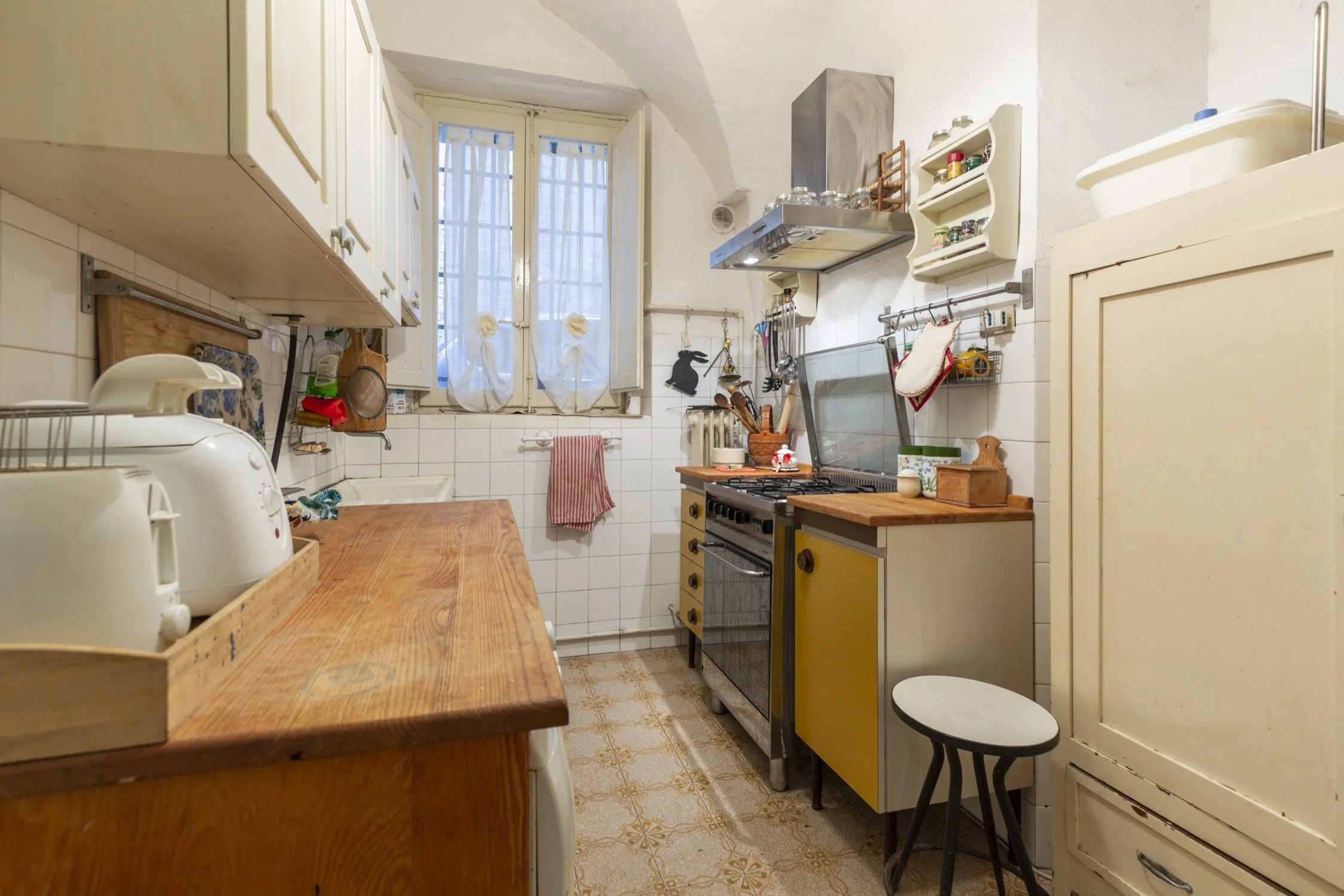
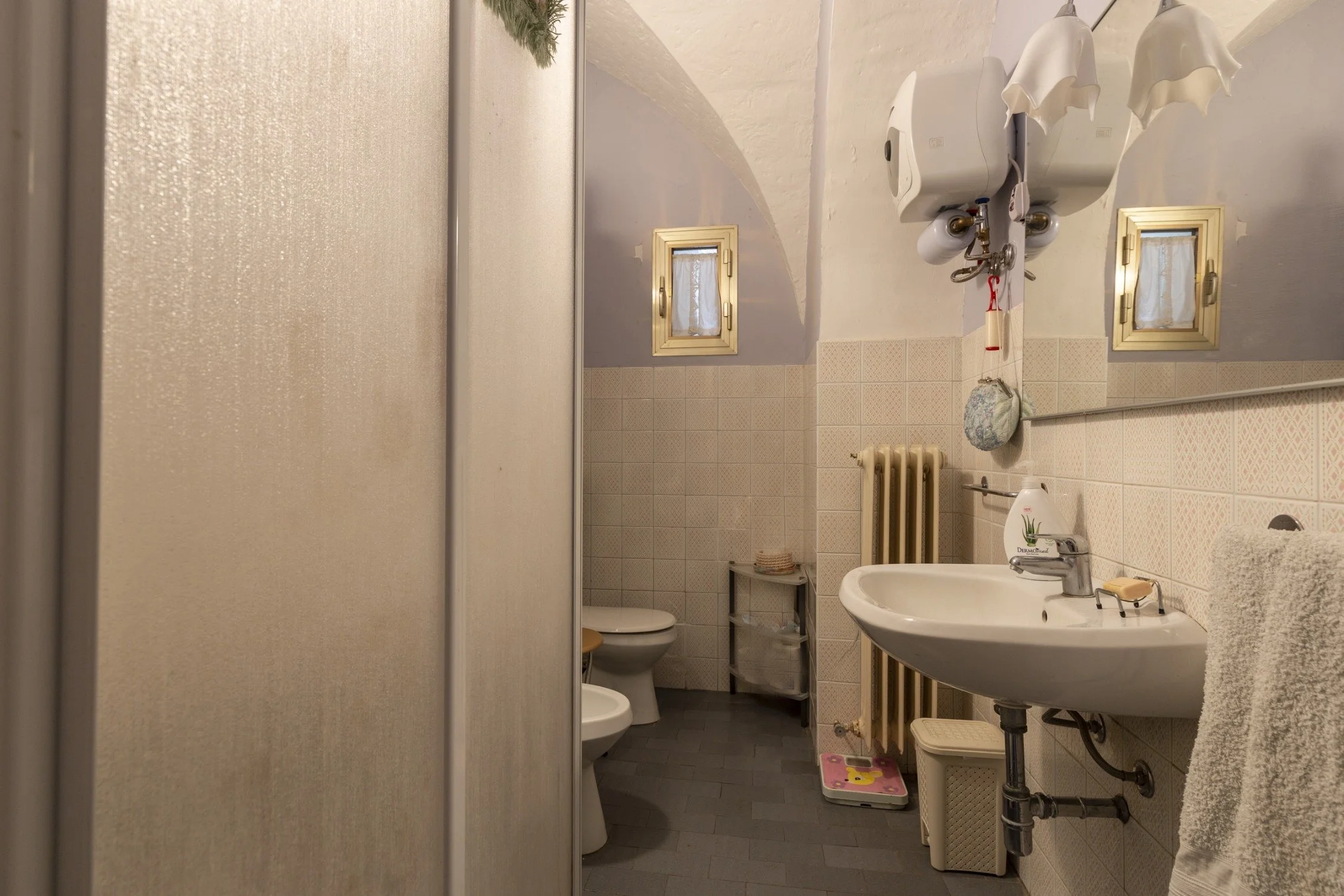
Large historic houses often need substantial upgrading for safe modern use.
Plumbing renewal can be disruptive and technically awkward in protected buildings.
Comfort, conservation and operating cost all depend heavily on heating strategy.
Heritage interiors, especially frescoed rooms, often need thoughtful climate management.
Window condition affects comfort, conservation and the scope for future improvement.
Changes to frames and glazing are often controlled in protected buildings.
Energy performance and winter comfort depend on more than heating alone.
Priority sequencing is crucial in a large protected property.
Property Registry, Layout and Energy Status
The cadastral record should match the property as it stands today.
Documentary mismatch can complicate conveyancing and future works.
Ancillary features only add clean value if they are properly documented.
"N" is not a normal working energy grade for a standard residential sale and needs explanation.
The buyer needs to know whether the palace is exempt, pending assessment, or simply undocumented.
Exemption claims should be verified, not assumed.
Real operating costs help ground the restoration and use strategy.
Garden, Courtyard, Well and Underground Caves
Their legal treatment affects both use and future alteration potential.
Exterior fabric in protected properties can generate significant specialist repair costs.
Functional wells can be assets, but also maintenance and safety obligations.
Water rights and usage status should not be assumed.
Caves can be valuable character spaces, but they may also carry stability, humidity or safety issues.
Their protection status will affect whether they can be adapted or only conserved.
The usability of subterranean spaces is part of the property's broader potential.
Practicalities, Access and Parking
Practical access matters greatly when buying a large building needing specialist contractors.
Vertical access affects both residential use and hospitality potential.
Medieval-village parking can be a material operational issue.
Event or tourism use becomes harder if parking is weak.
Even a cultural property increasingly needs strong connectivity for management and guests.
Thick masonry and underground spaces can produce weak signal performance.
Cultural Tourism, Events and Incentives
Protected buildings can complicate otherwise standard tourism processes.
Existing compliance would materially strengthen the tourism case.
Different hospitality models trigger different operational and regulatory demands.
Event potential is part of the appeal, but may require additional permissions and management.
Public use can increase scrutiny over protected interiors and visitor flow.
Incentives can materially change the economics of ownership, though they must be verified professionally.
Boutique-hospitality projections are only useful when grounded in real comparables.
The buyer should test whether the opportunity is genuinely commercial or mainly aspirational.
Negotiation Intelligence
Buyer Leverage
Medium-High
Key Drivers
Typical Negotiation Range
5-15% below asking
Neutral Phrasing Example
Country Layer
Italy (Regulatory Context March 2026)
For protected cultural assets in Italy, the Ministry's procedural pages state that the execution of works and interventions of any kind on cultural assets is subject to Soprintendenza authorisation under article 21, paragraph 4 of the Codice dei beni culturali. Those same procedural pages explain that the request is made on the basis of a project or, where sufficient, a technical description, and that the authorisation can contain prescriptions. For this palace, that means future works are not just a building-budget question. They are a permissions-and-prescriptions question.
Viewing Strategy
During the viewing:
Next Step
Verify from the listing:
Exact heritage-protection scope
Ask for the formal vincolo documentation so you can confirm whether protection covers the whole palace, the frescoes, the staircase, the courtyard, the garden, the caves and any ancillary features before assuming what can or cannot be changed.
Fresco and decorative-surface condition
Request condition and restoration records for the Melchior Jeli frescoes, decorated doors, terracotta floors and coffered ceilings so you can judge whether the palace’s greatest cultural assets are stable or likely to require specialist conservation soon.
Structure, roof and services reality
Obtain current technical information on the roof, vaults, walls, damp behaviour, utilities and heating so you can assess whether the building is a manageable protected residence or a larger restoration commitment than the listing suggests.
APE, title and layout clarity
Check the current visura catastale, planimetria, agibilità basis and the real explanation for “Energy Class N” so the palace’s legal and technical position is as clear as its architectural story.
Cultural-tourism feasibility
Verify whether any intended B&B, event or cultural-use model is realistically compatible with both the Marche tourism process and the Soprintendenza’s control over a protected monument before valuing the property as an income project.
A prepared buyer should approach the agent calmly and frame questions as due diligence.
Because this is a protected historic palace where conservation burden and future-use feasibility both materially affect value, run it through the Property Risk Assessment to pressure-test heritage, structural and compliance risks, or use the Renovation Budget Planner to map likely specialist-restoration and service-modernisation costs before contacting the agent.
Disclaimer: The Property Drop is buyer-focused intelligence, zero sales agenda. We curate exceptional properties, in southern Europe, from third-party agents and arm you with decision tools. No commission, no transactions, no agent partnerships, no skin in the game beyond helping you choose wisely. Information stays accurate until it doesn't (properties sell, prices shift, markets move). Everything here is shared for informational purposes only and should not be treated as legal, financial, or investment advice. Images belong to original agents. Read our Terms of Service to learn more.
IMPORTANT REMINDER: When contacting property agents featured on The Property Drop, you are entering into direct communication with third parties. It's recommended that you verify all property details independently, conduct thorough due diligence, engage qualified professionals (solicitors, surveyors, financial advisors), understand your rights and obligations under local property laws, and never send money or make commitments without proper legal protection.
