
The Buyer Playbook: Light & Airy Two Bedroom Apartment, La Pechina, Valencia, Spain, €300,000
Buyer Playbook
Pre-Viewing Intelligence Report
This independent buyer guidance report relates to this specific property located in Spain. It is provided for informational purposes only and does not constitute legal, tax, structural or survey advice. Building condition, horizontal-property matters, habitability or occupancy documentation, tourist-rental compliance, title position, energy certification, and any future works affecting common elements must always be verified with qualified Spanish professionals such as an abogado, arquitecto, aparejador, administrador de fincas, técnico competente or surveyor, and with the relevant registry and municipal authorities where required. This report is designed to help buyers evaluate the property before arranging a viewing or making an offer. It highlights due diligence areas and targeted questions to ask the estate agent. The analysis is based on the listing details and publicly available regulatory context at the time of writing.
Playbook Contents
Property Snapshot
Location
La Pechina, Valencia, Spain
Property type
Two-bedroom apartment
Asking price
€300,000
Building era
1930s character building
Internal area
70 m² stated
Bedrooms
2
Condition
Marketed as move-in ready
Key features
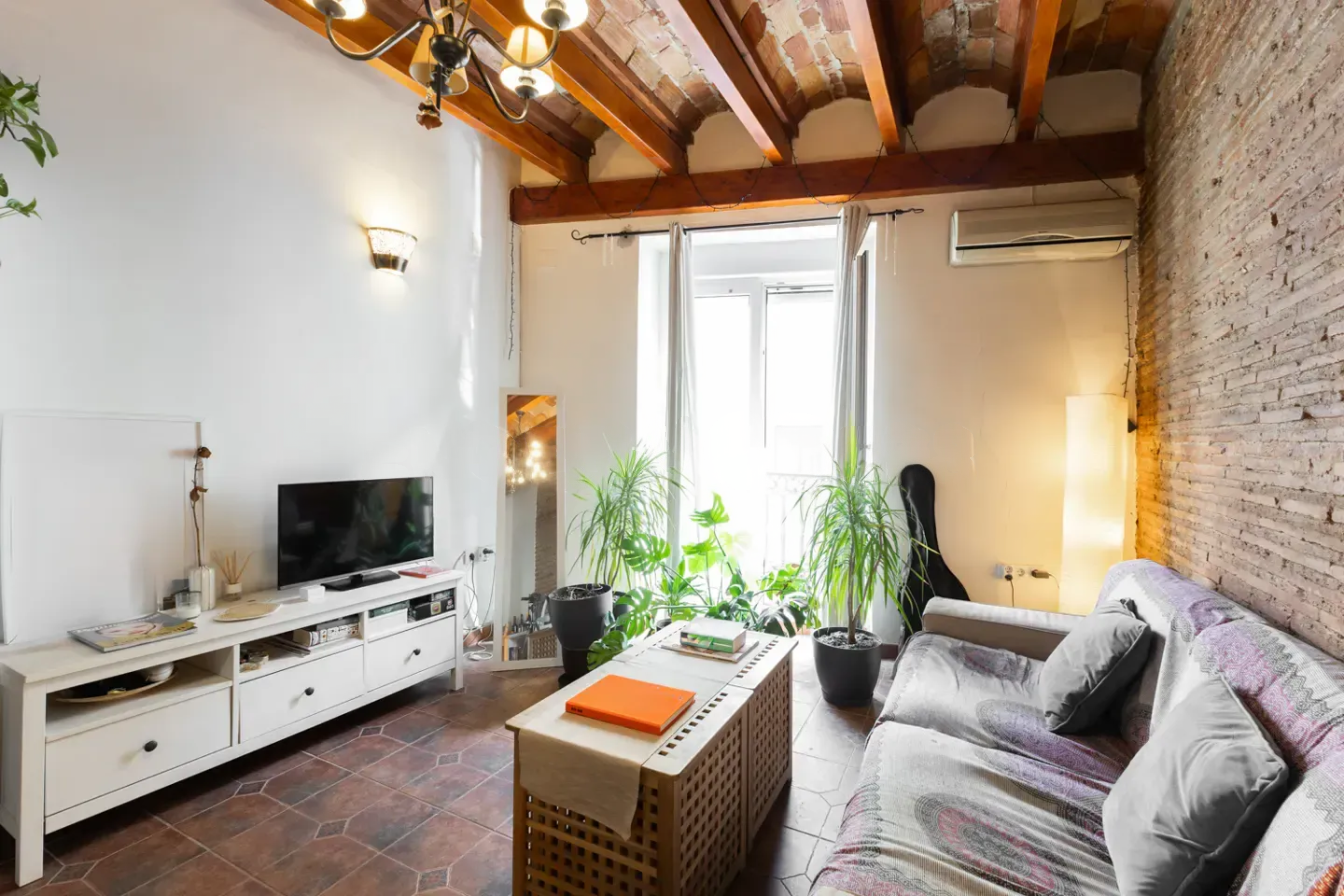
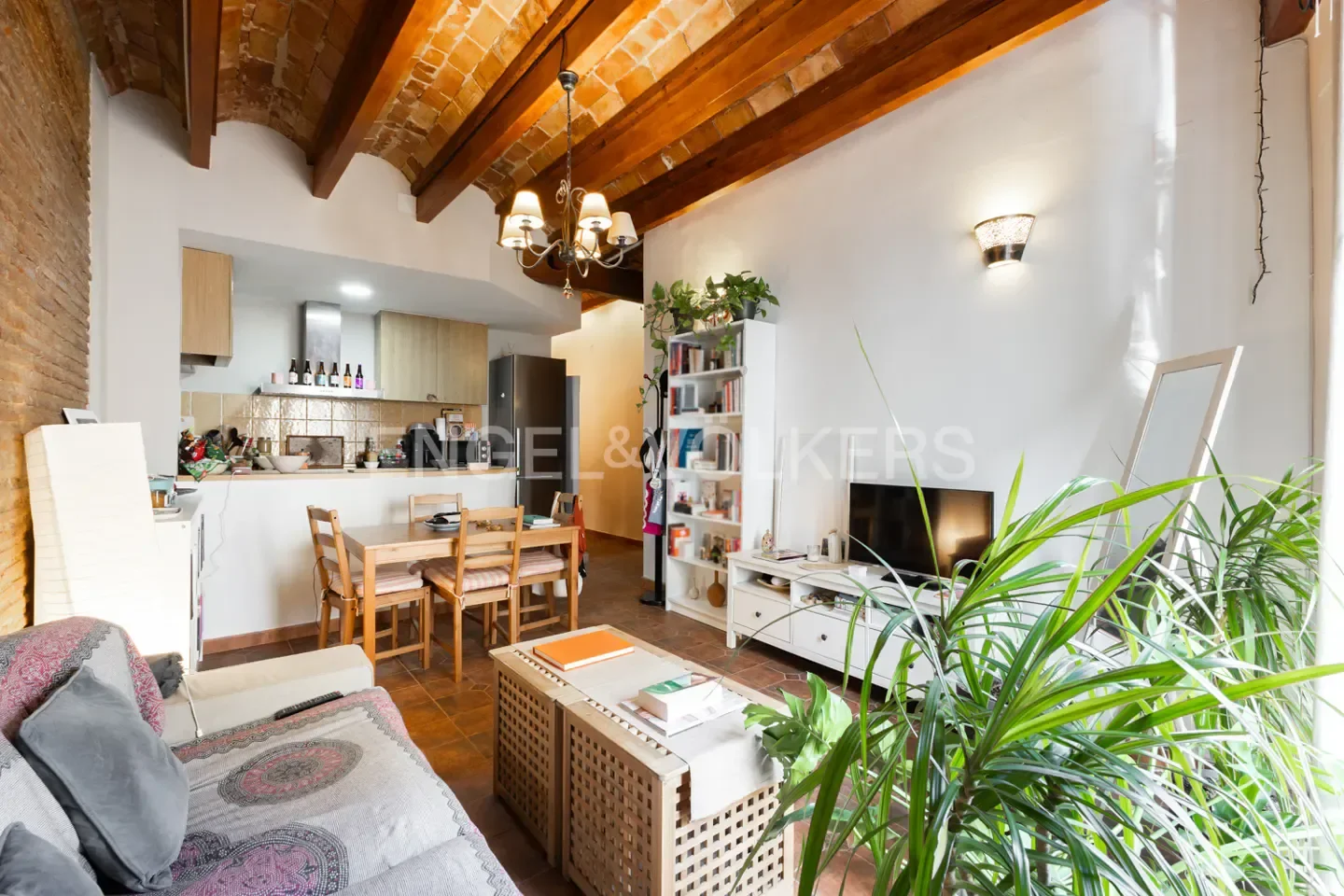
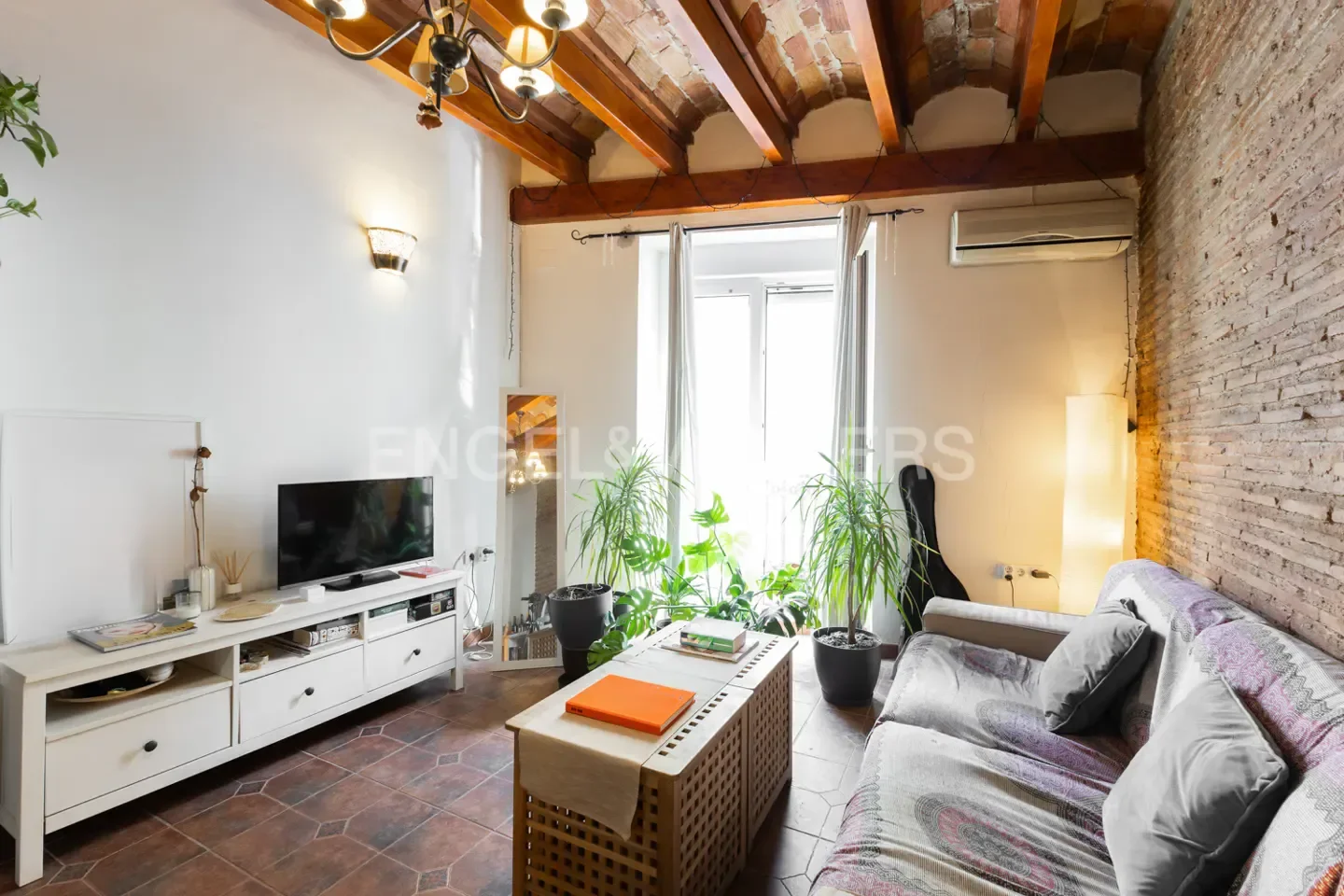
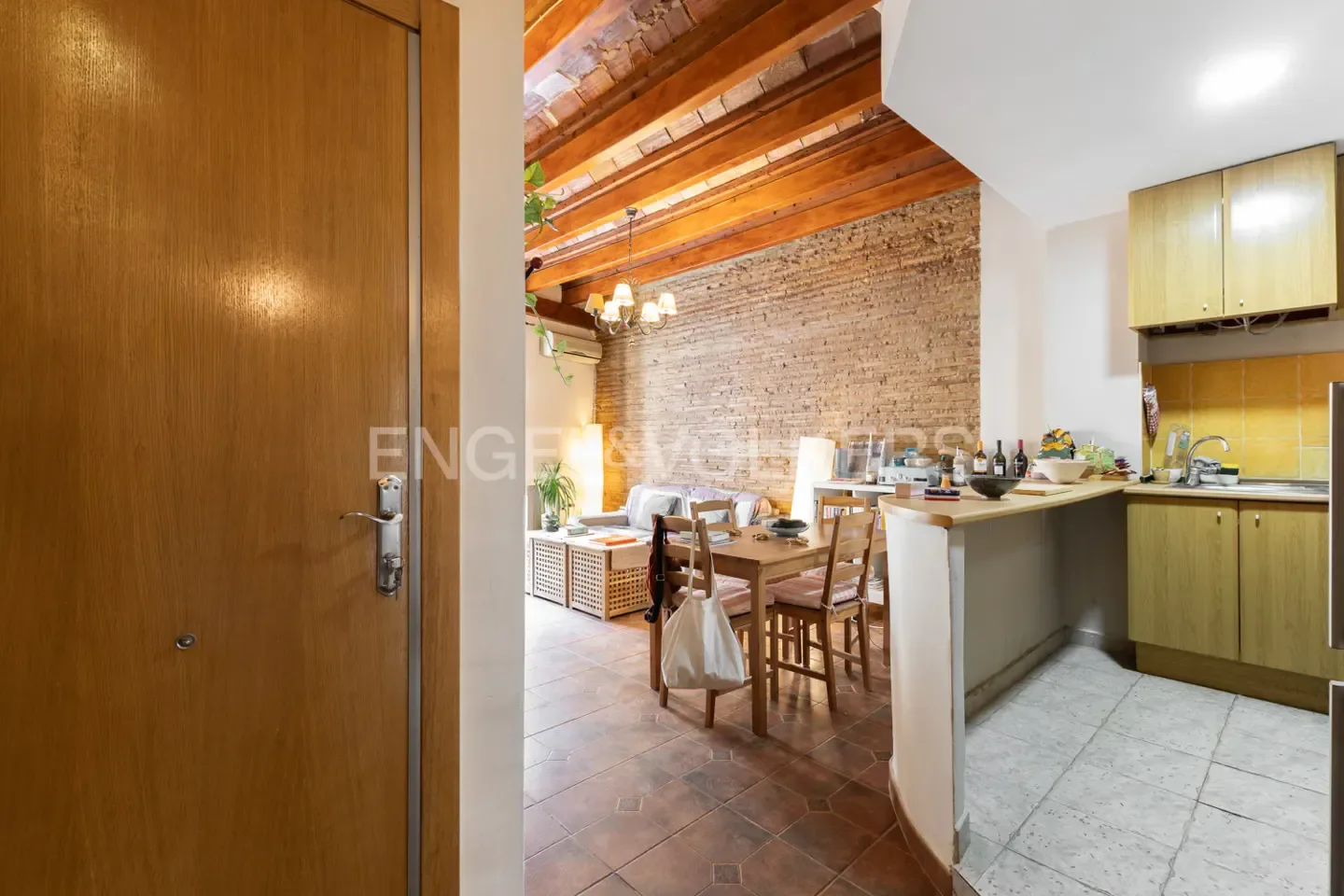
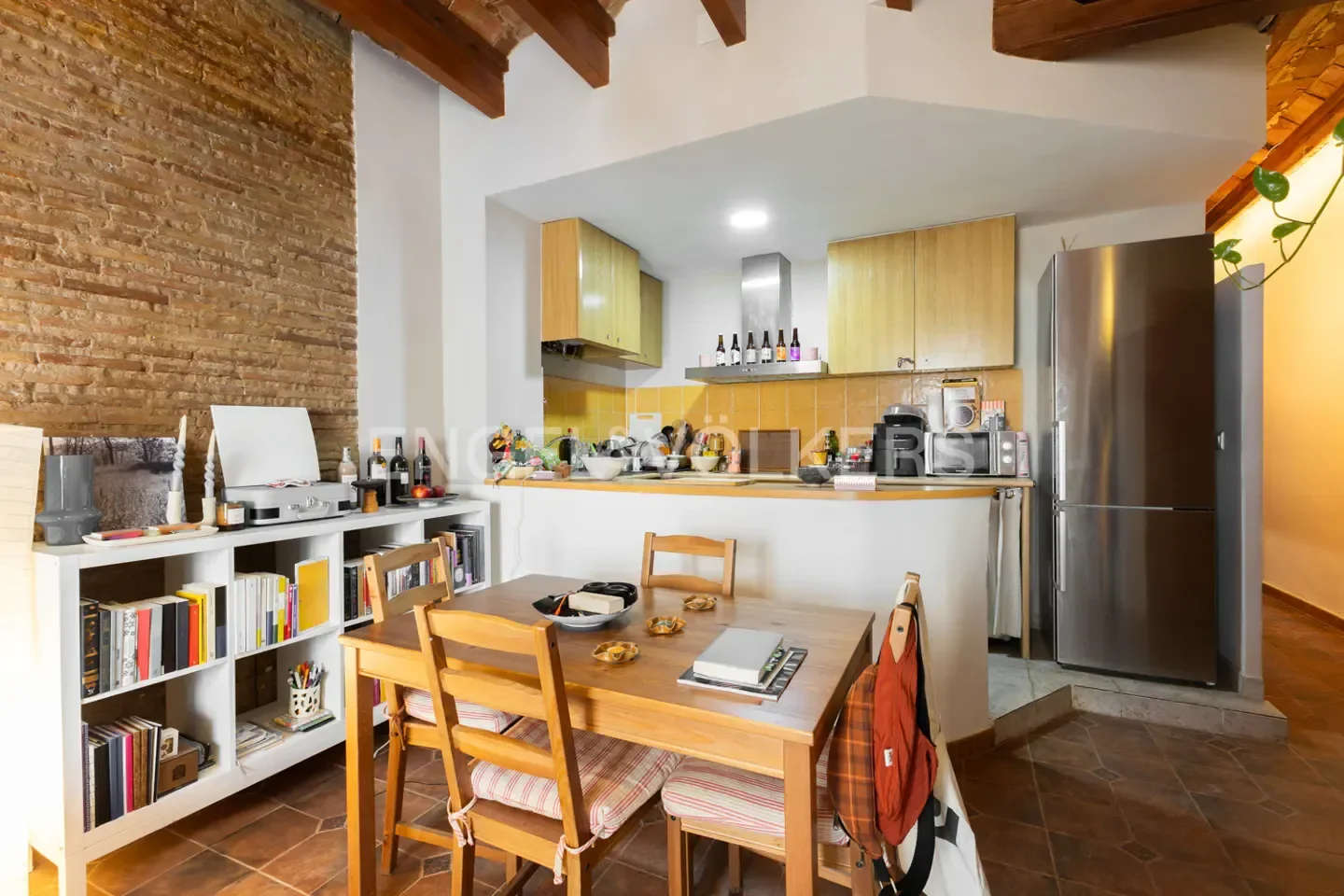
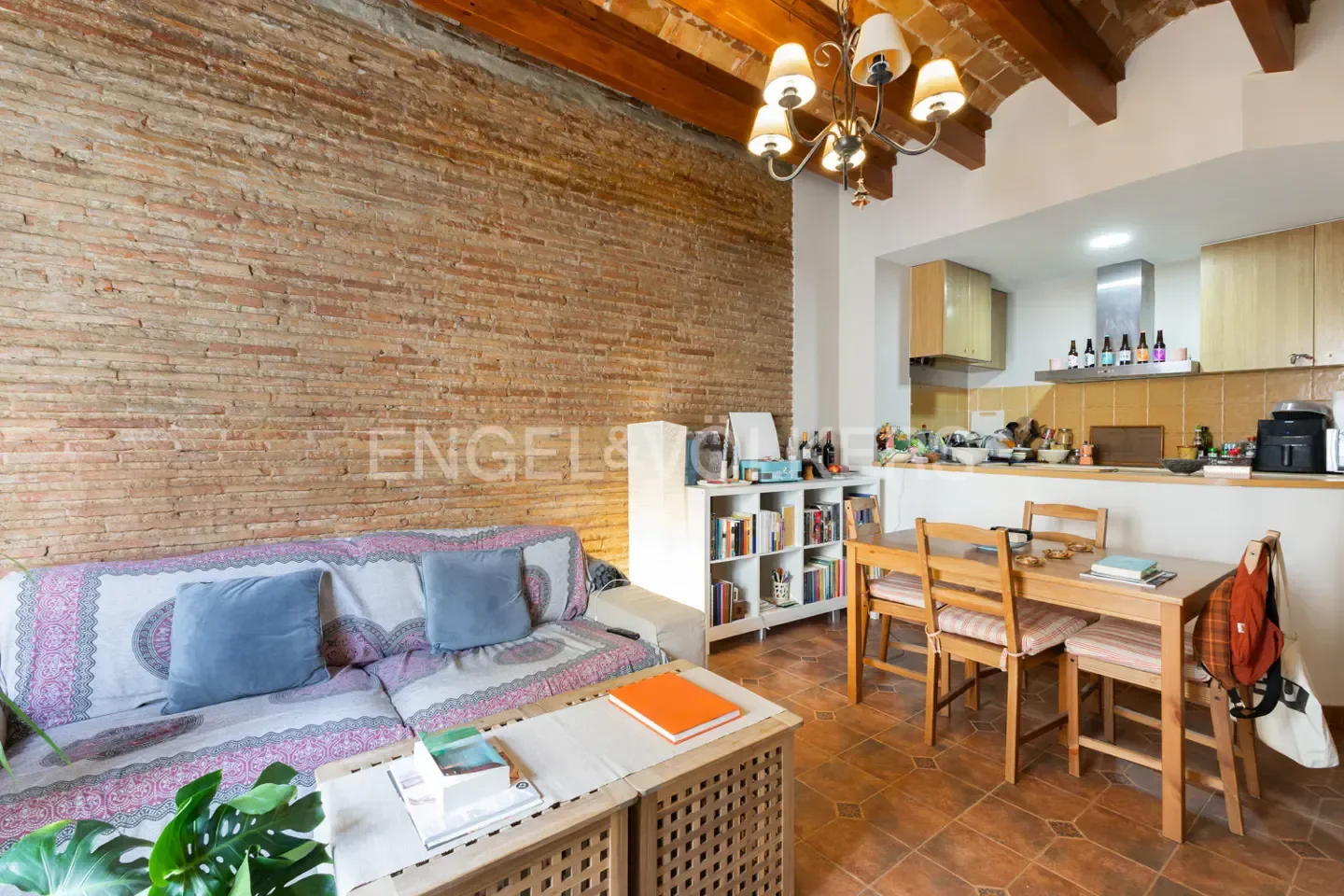
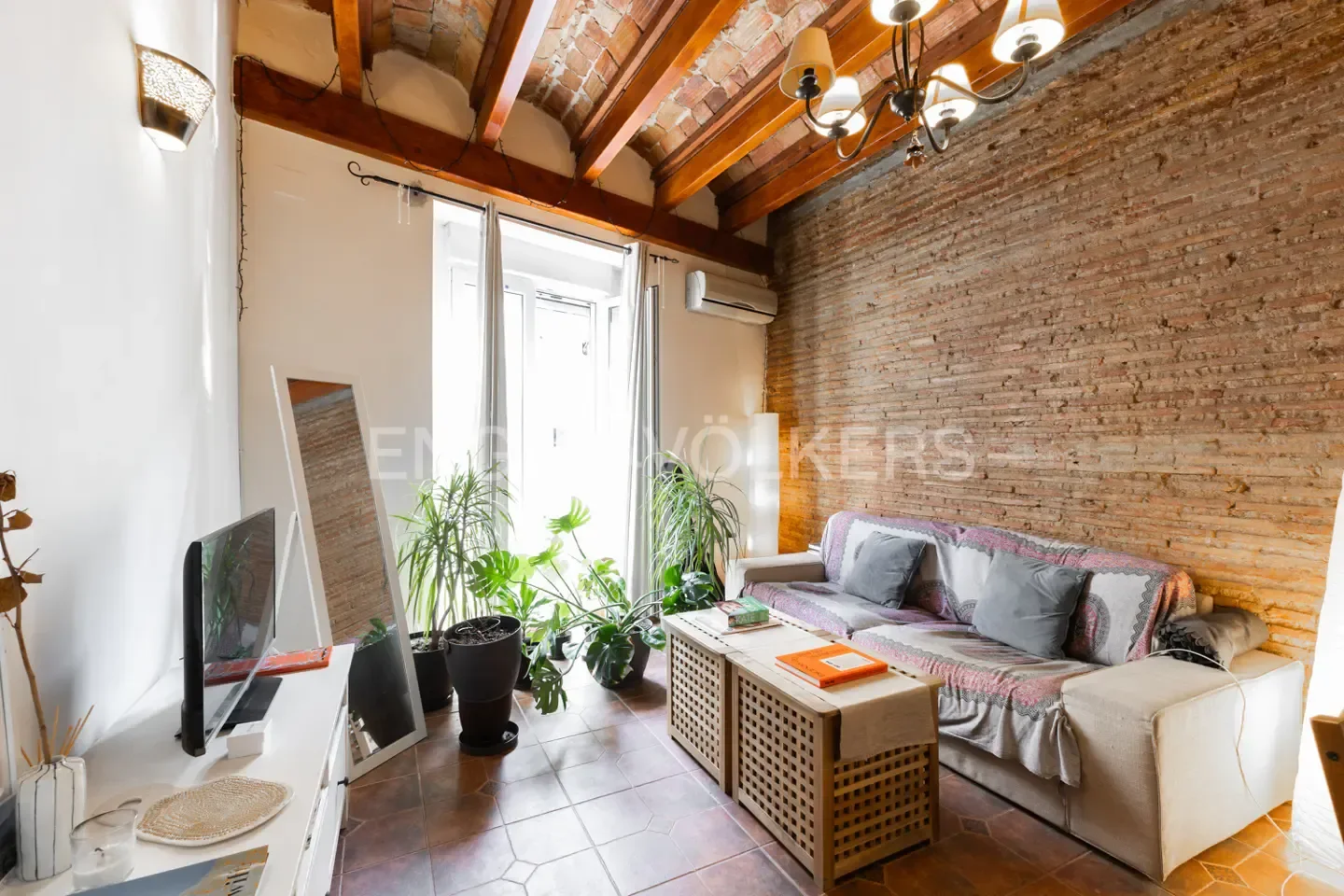
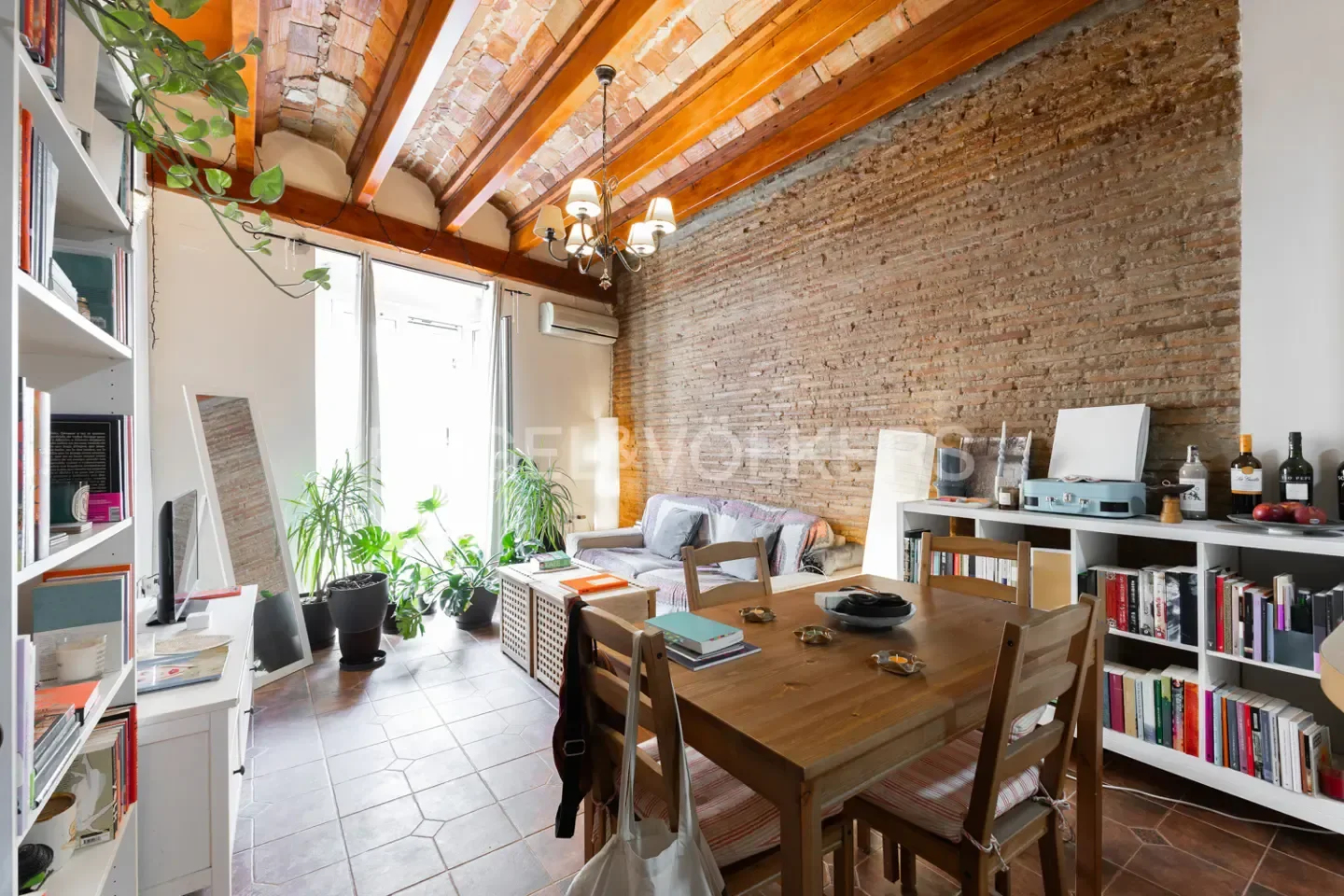
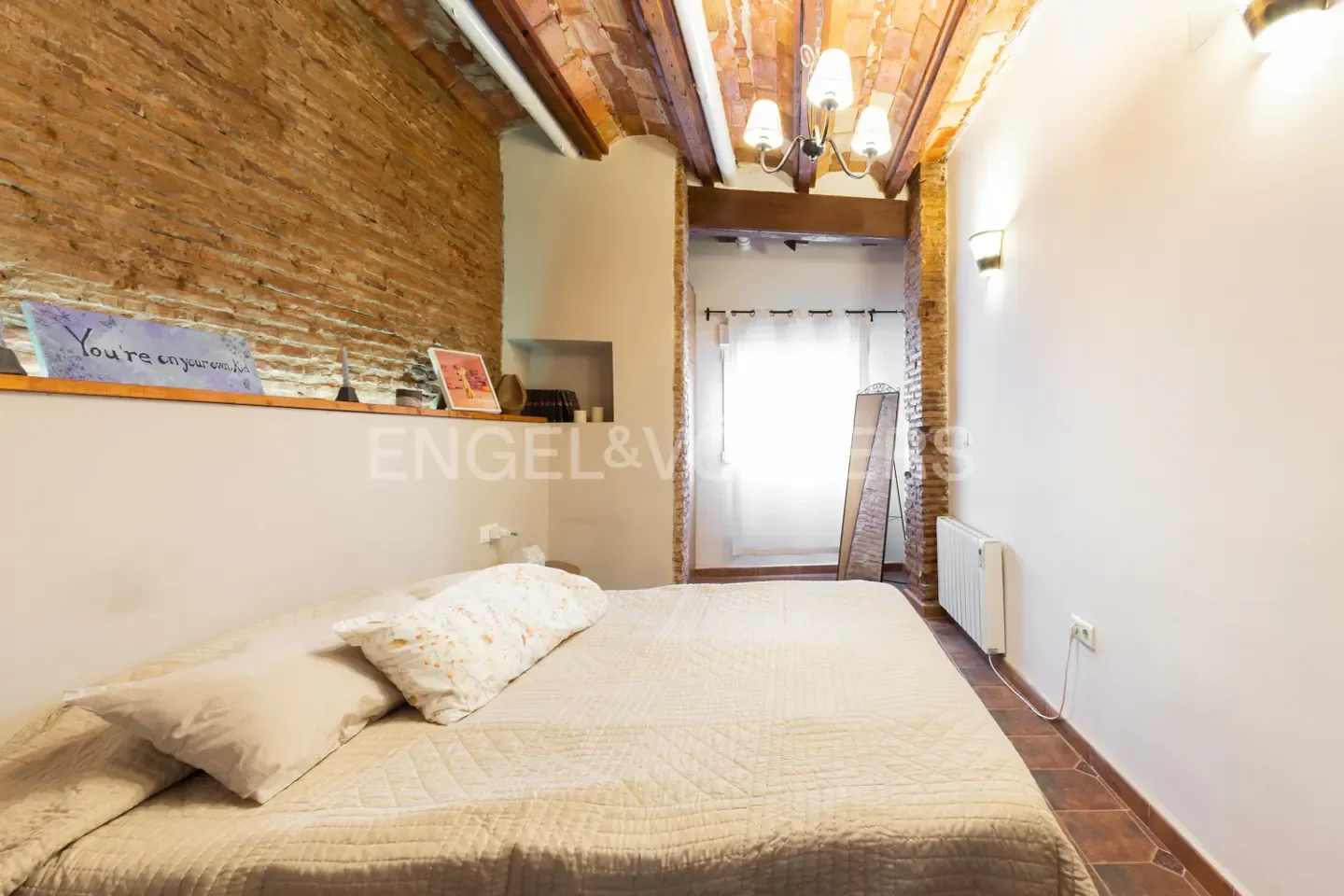
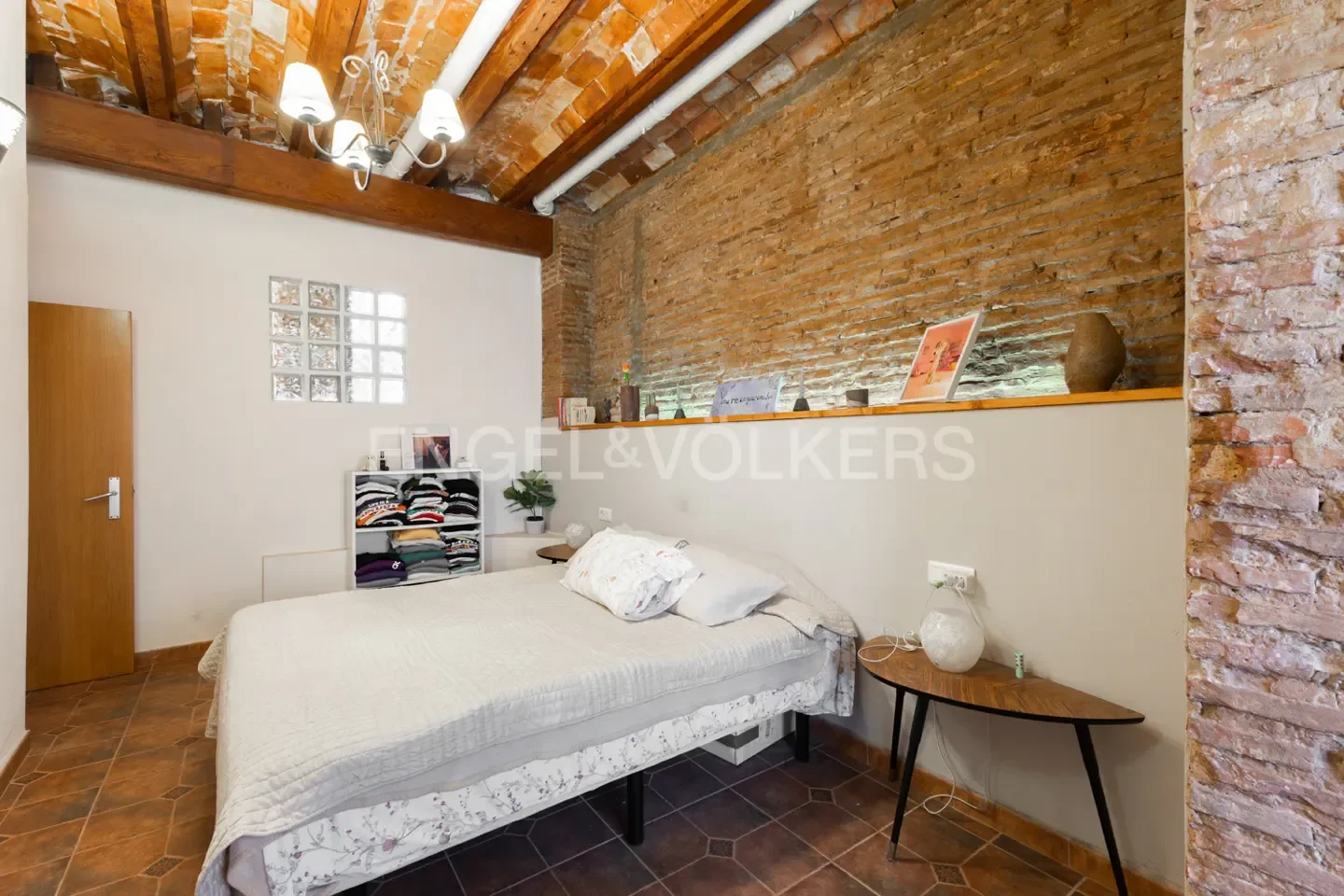
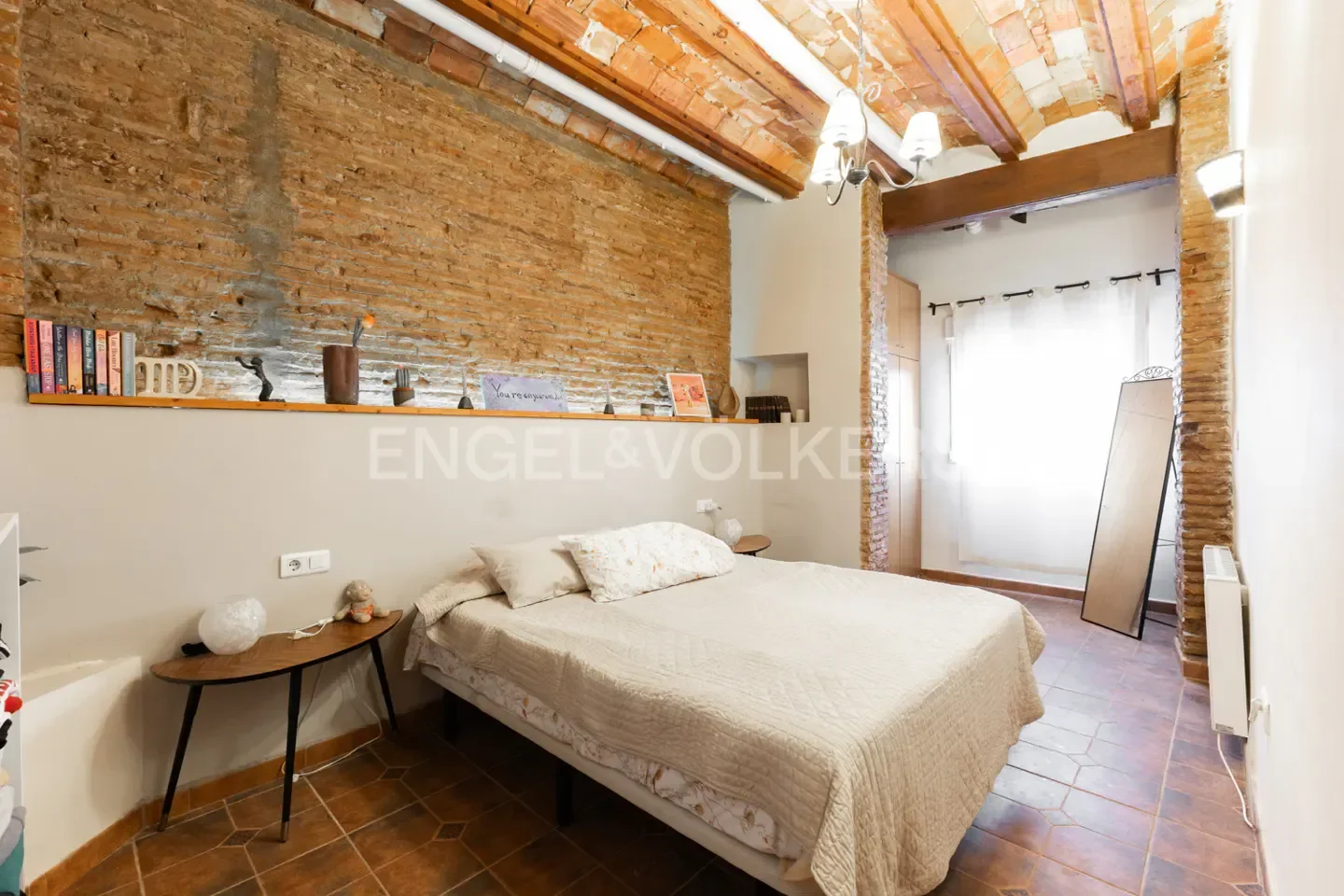
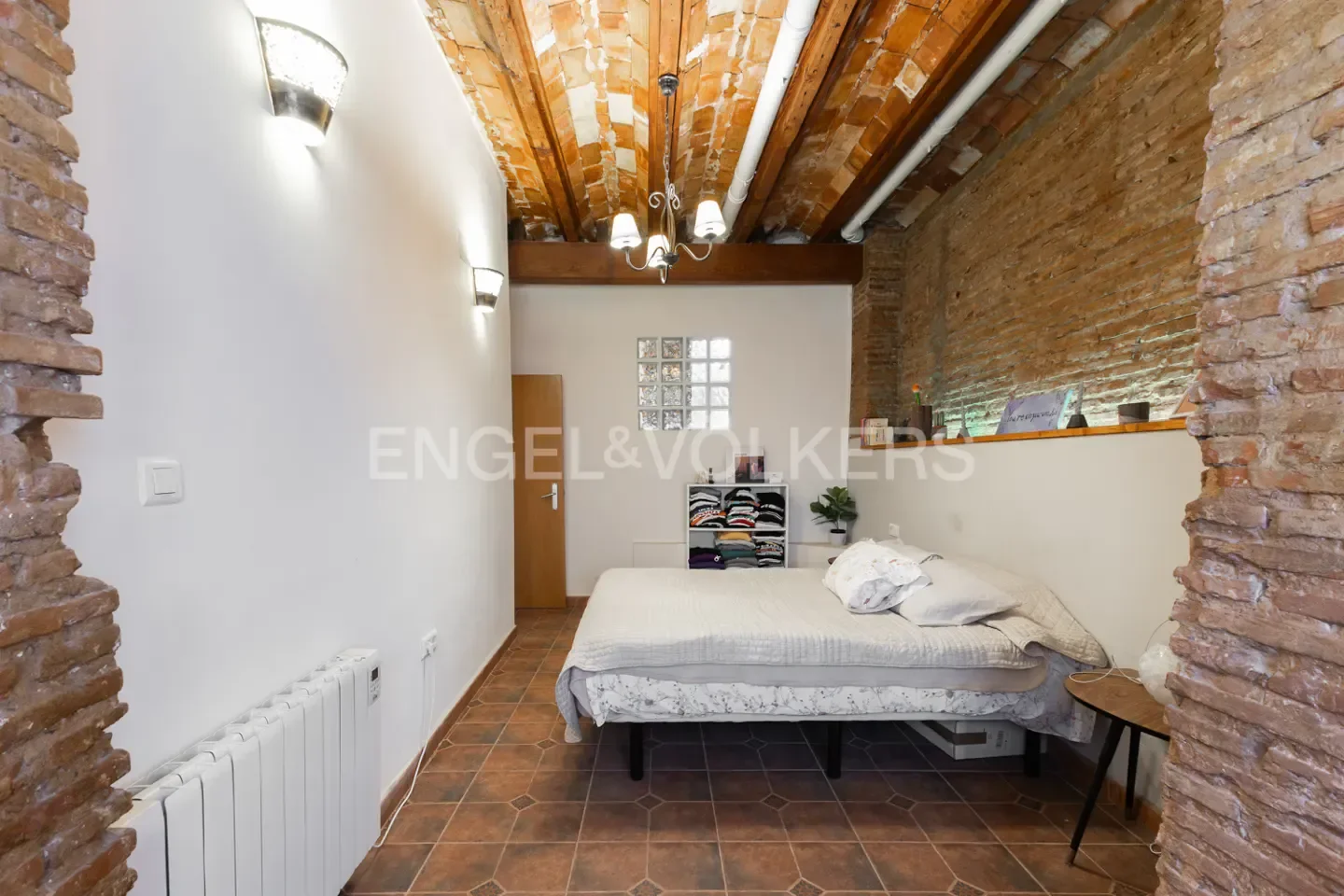
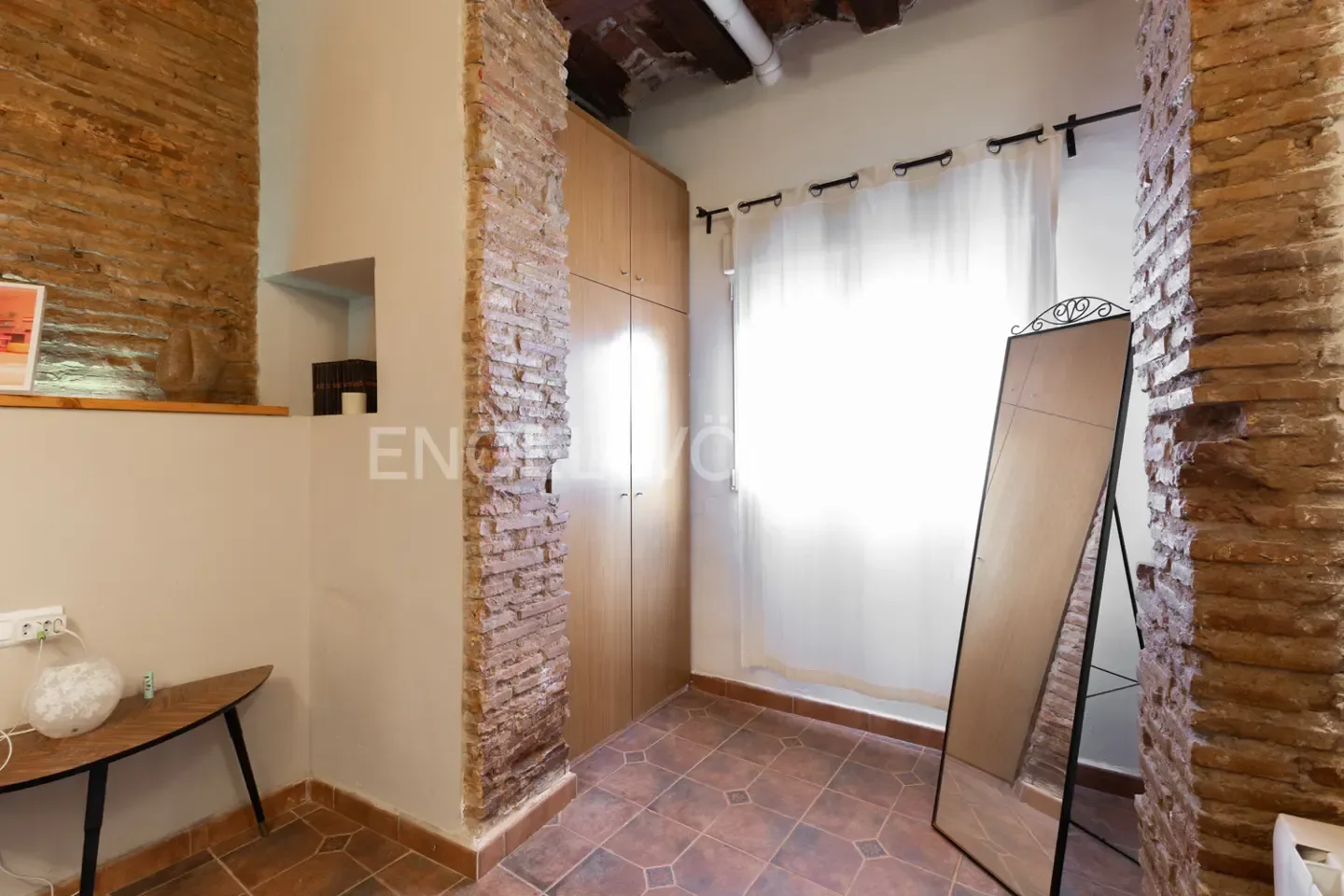
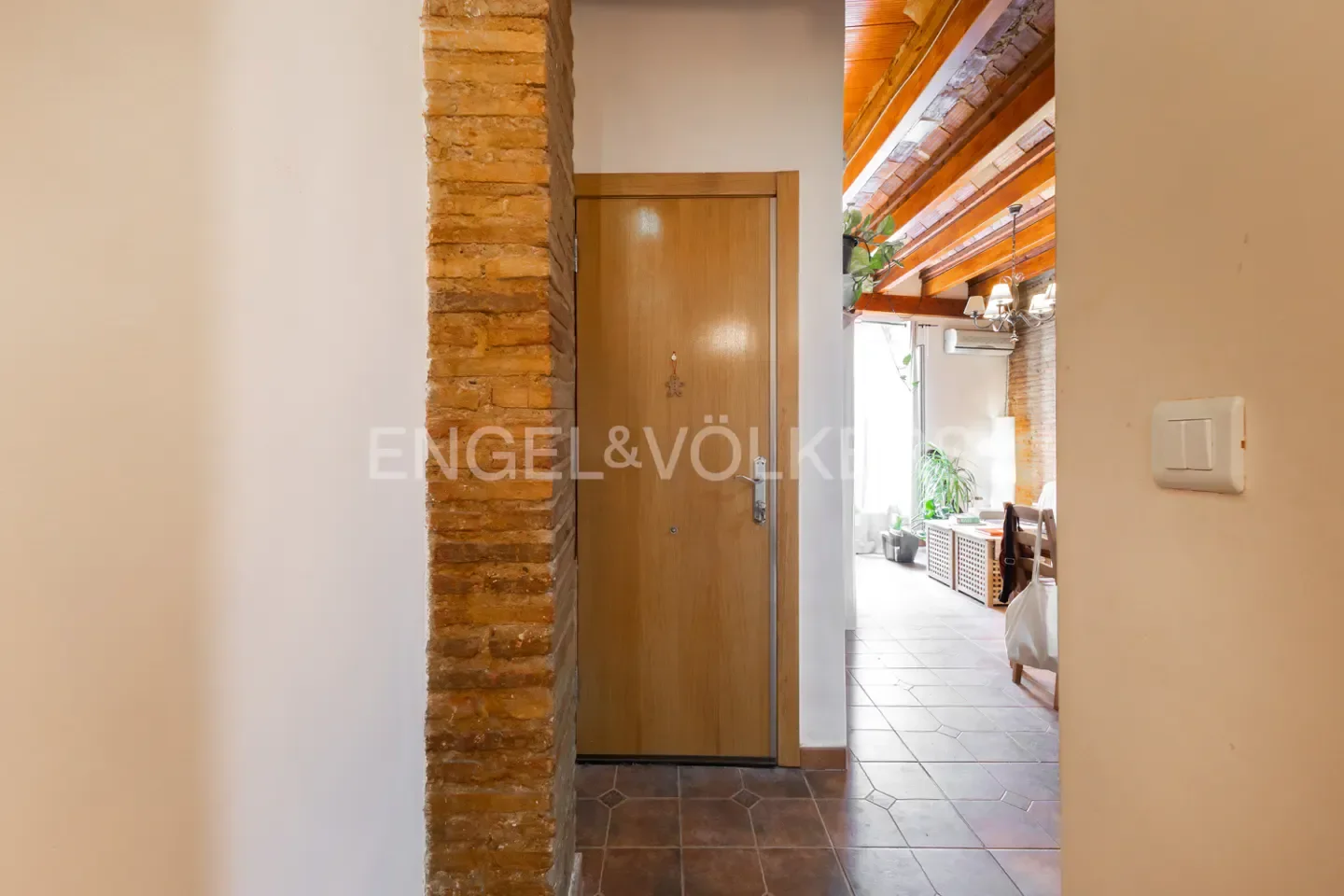
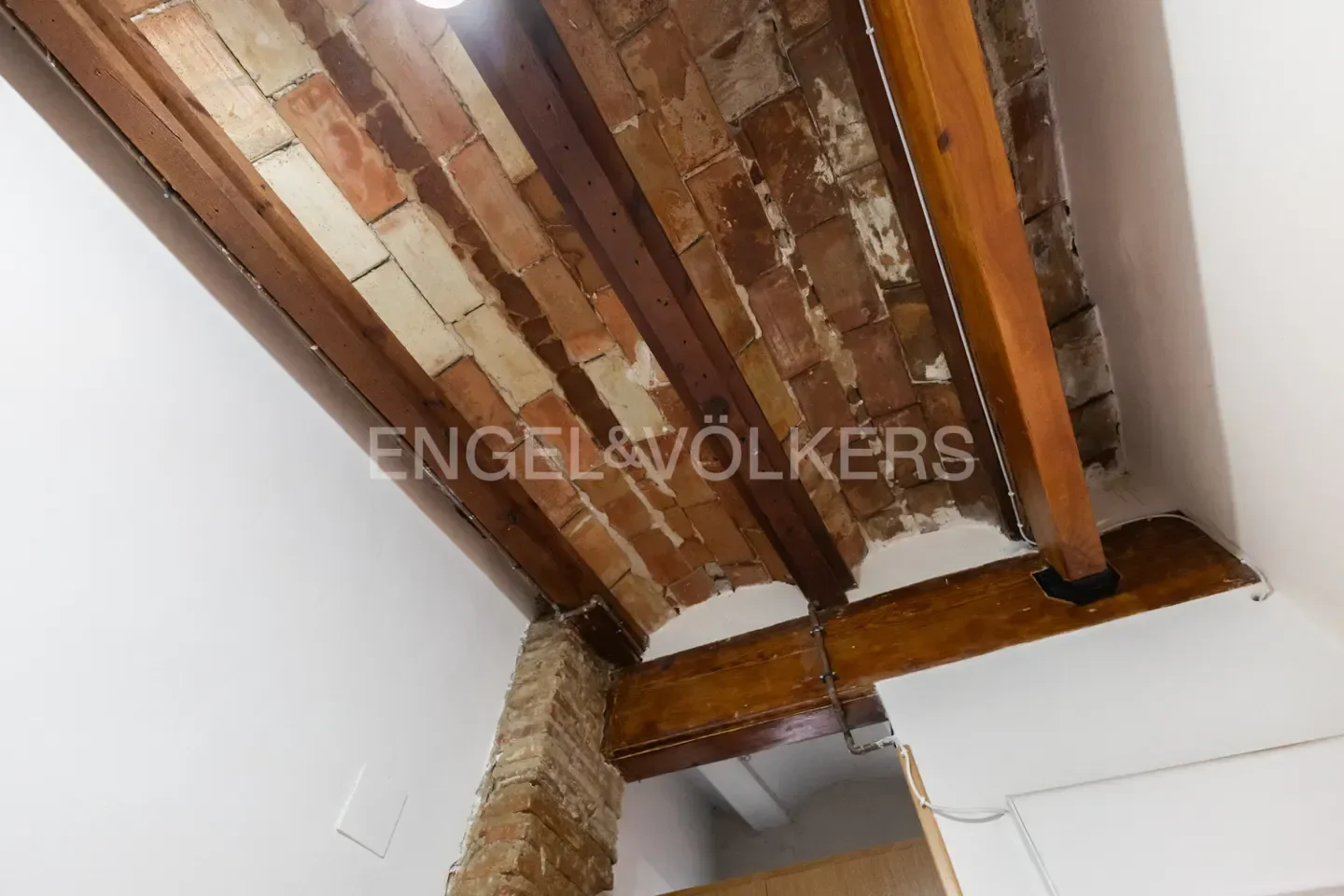
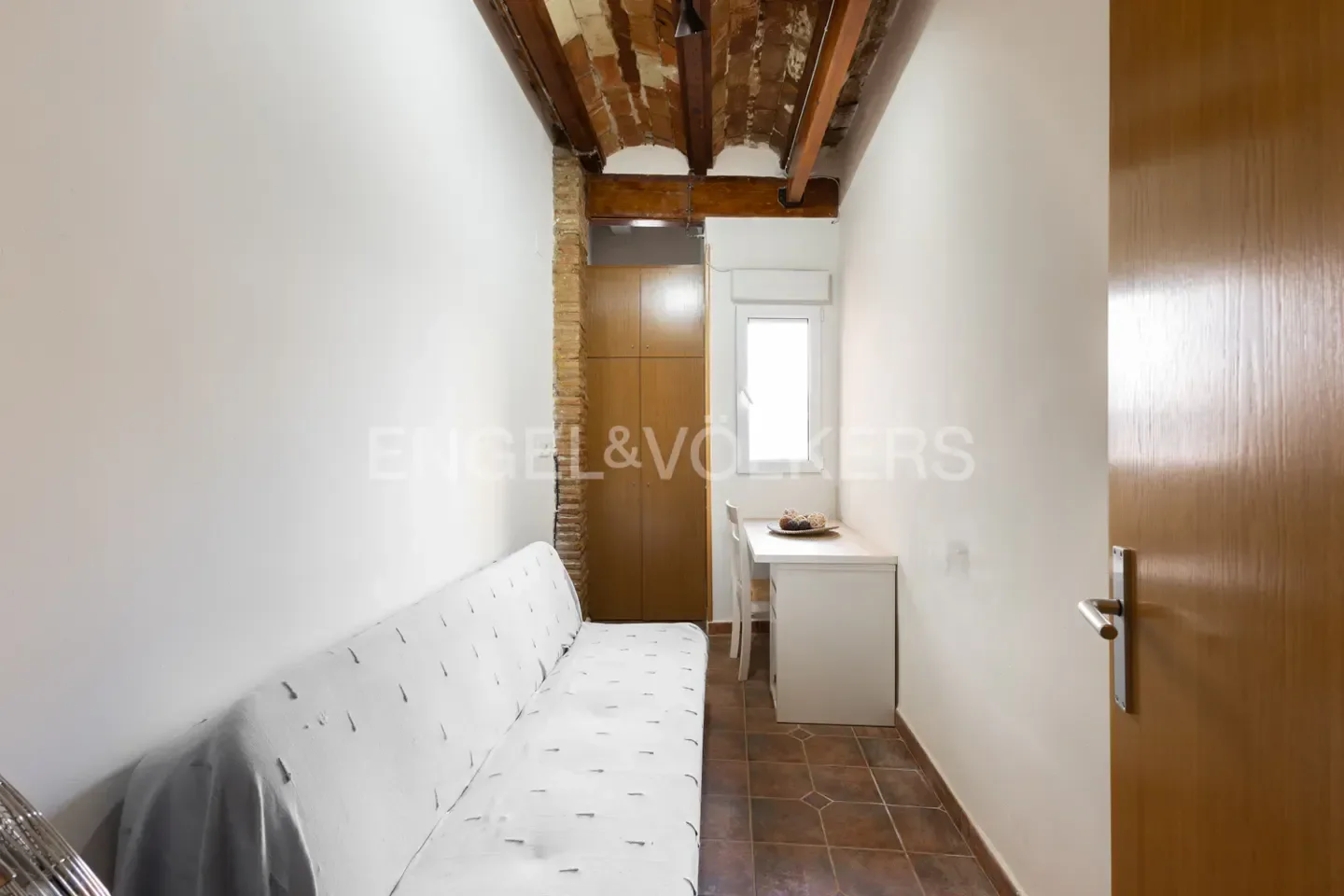
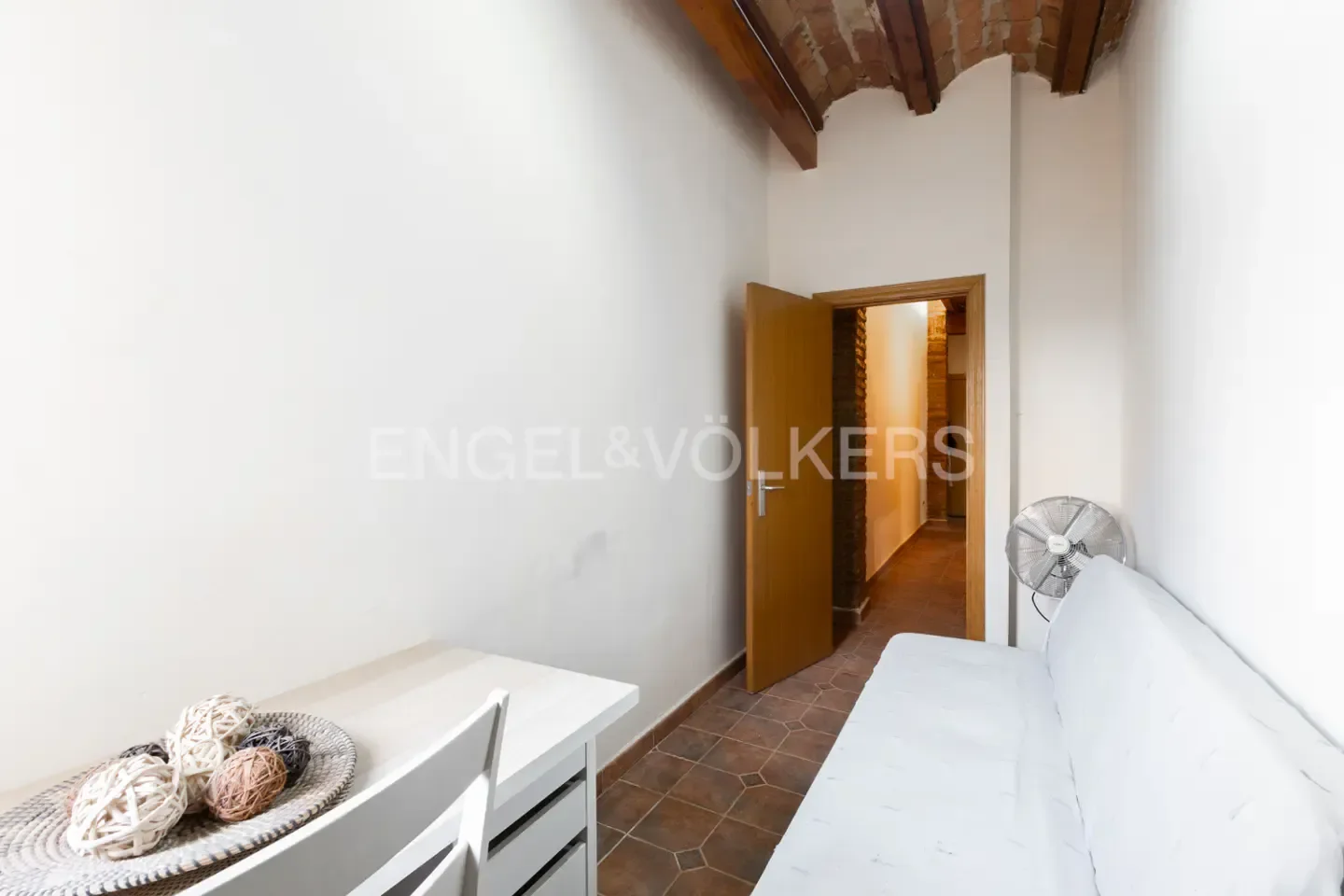
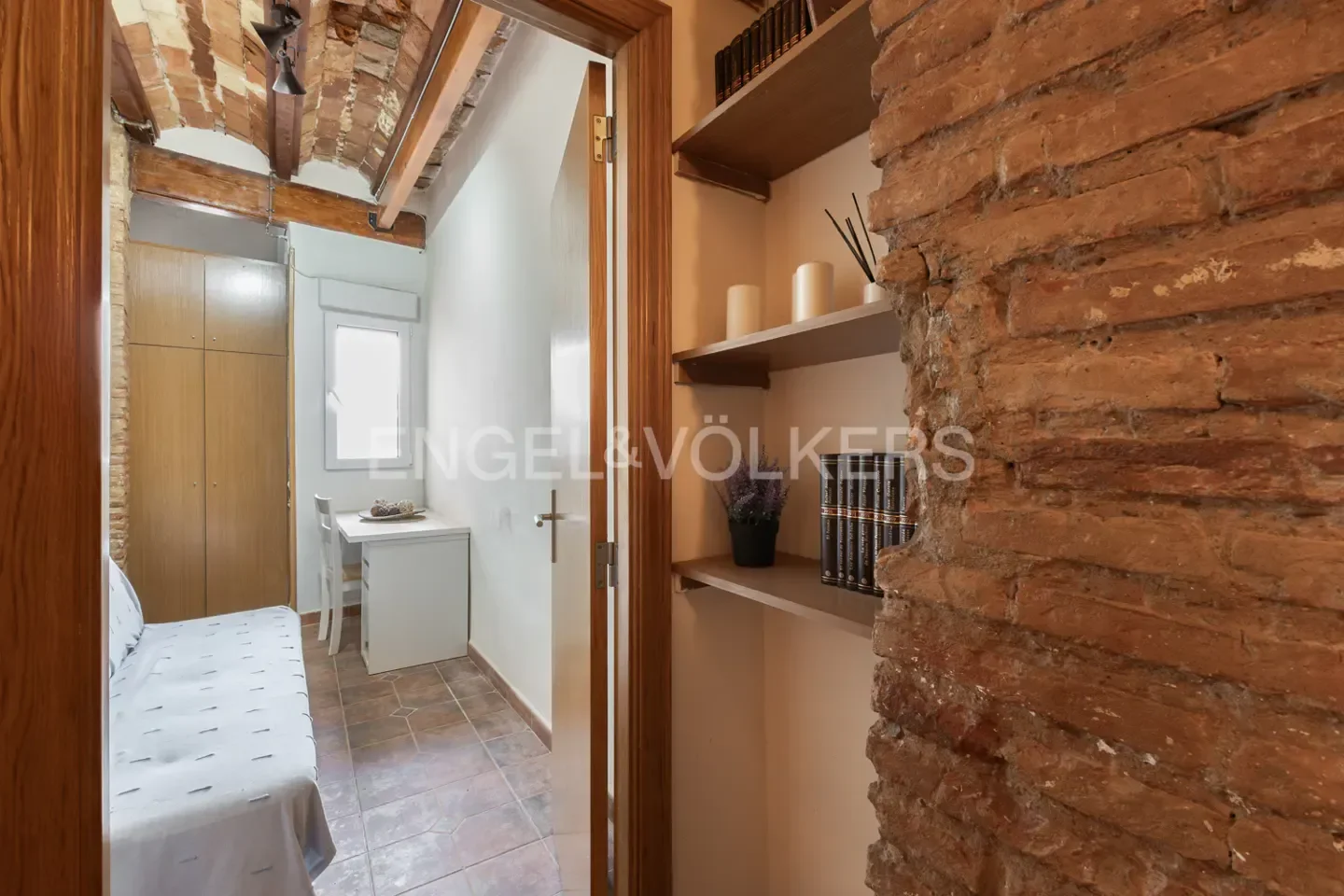
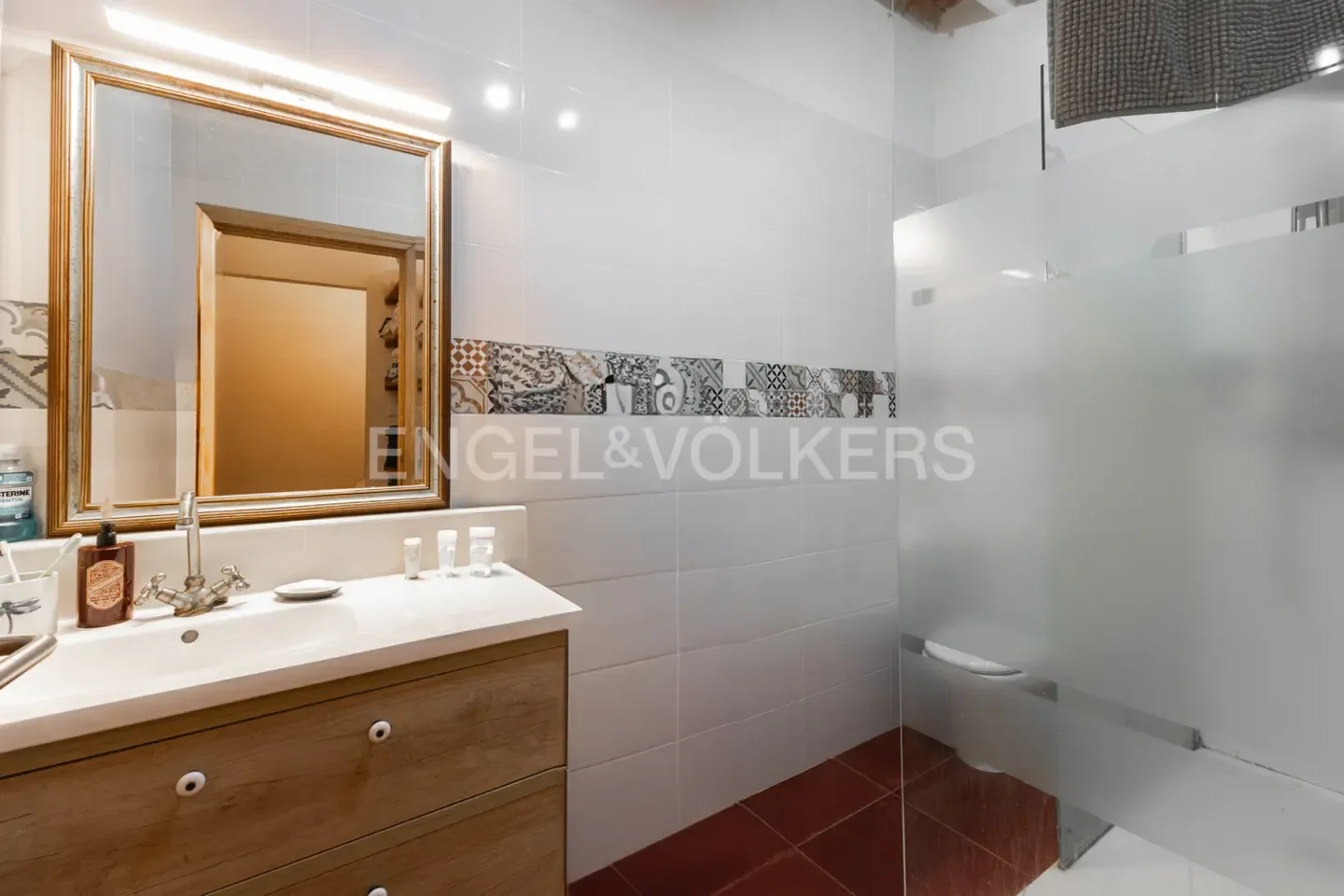
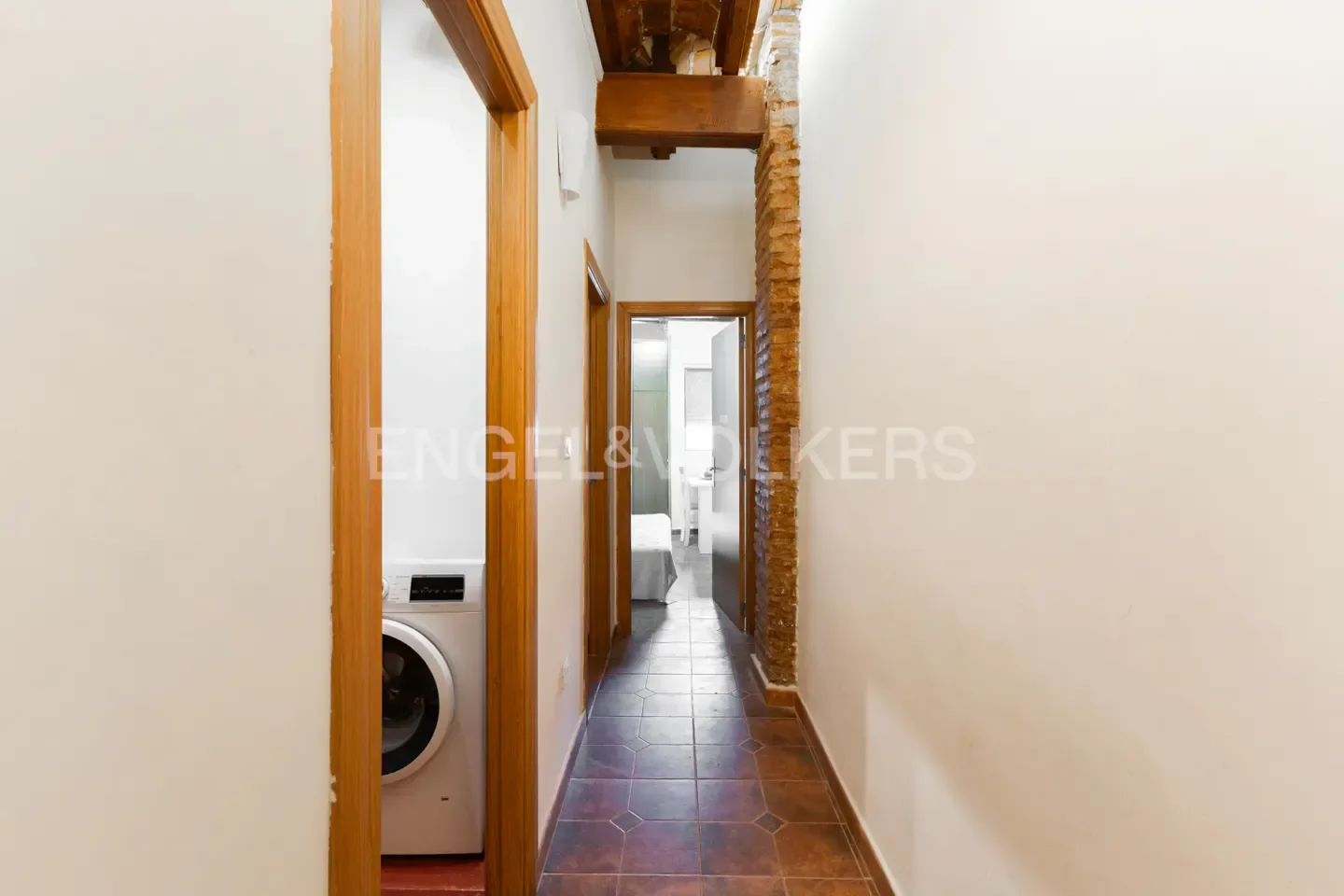
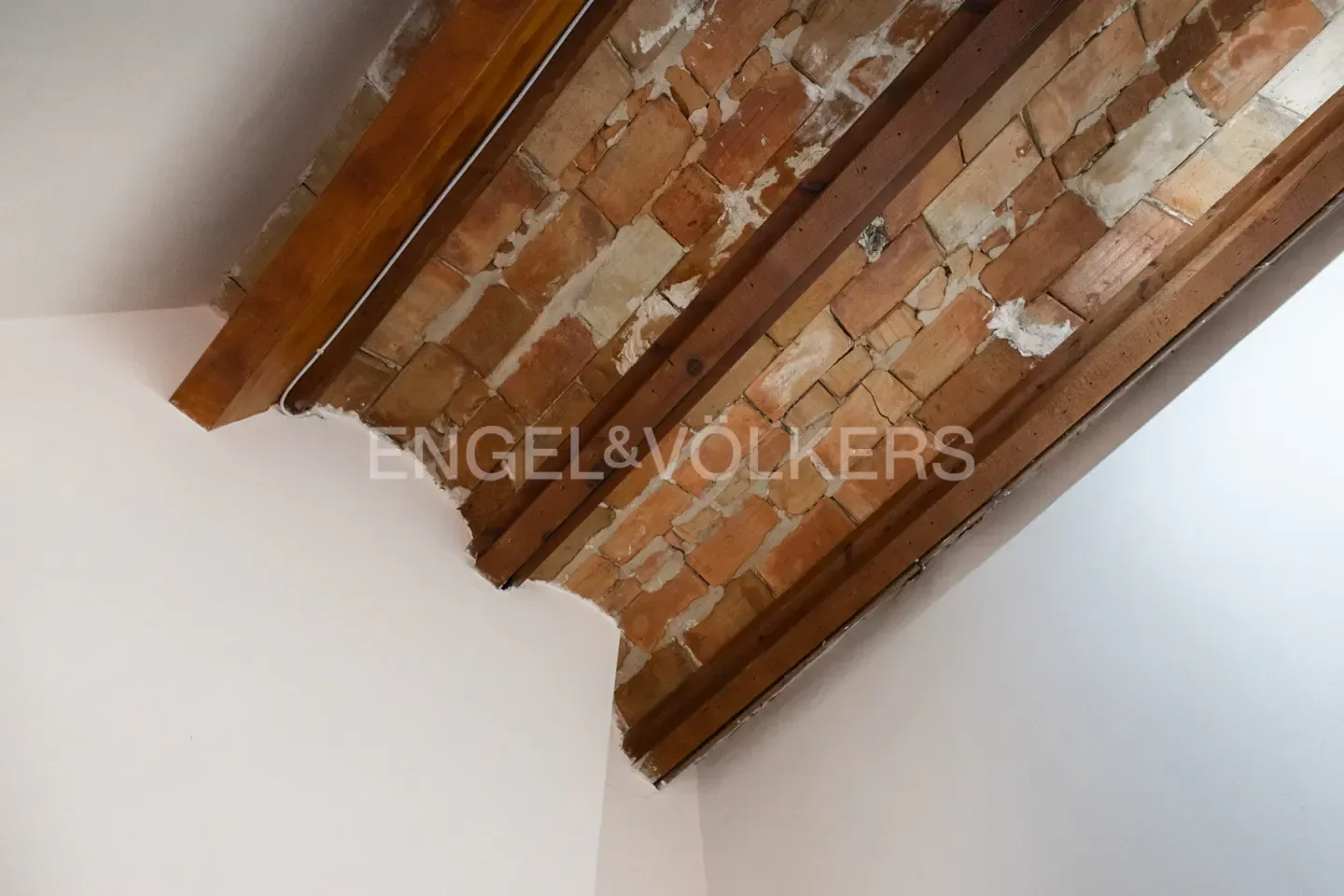
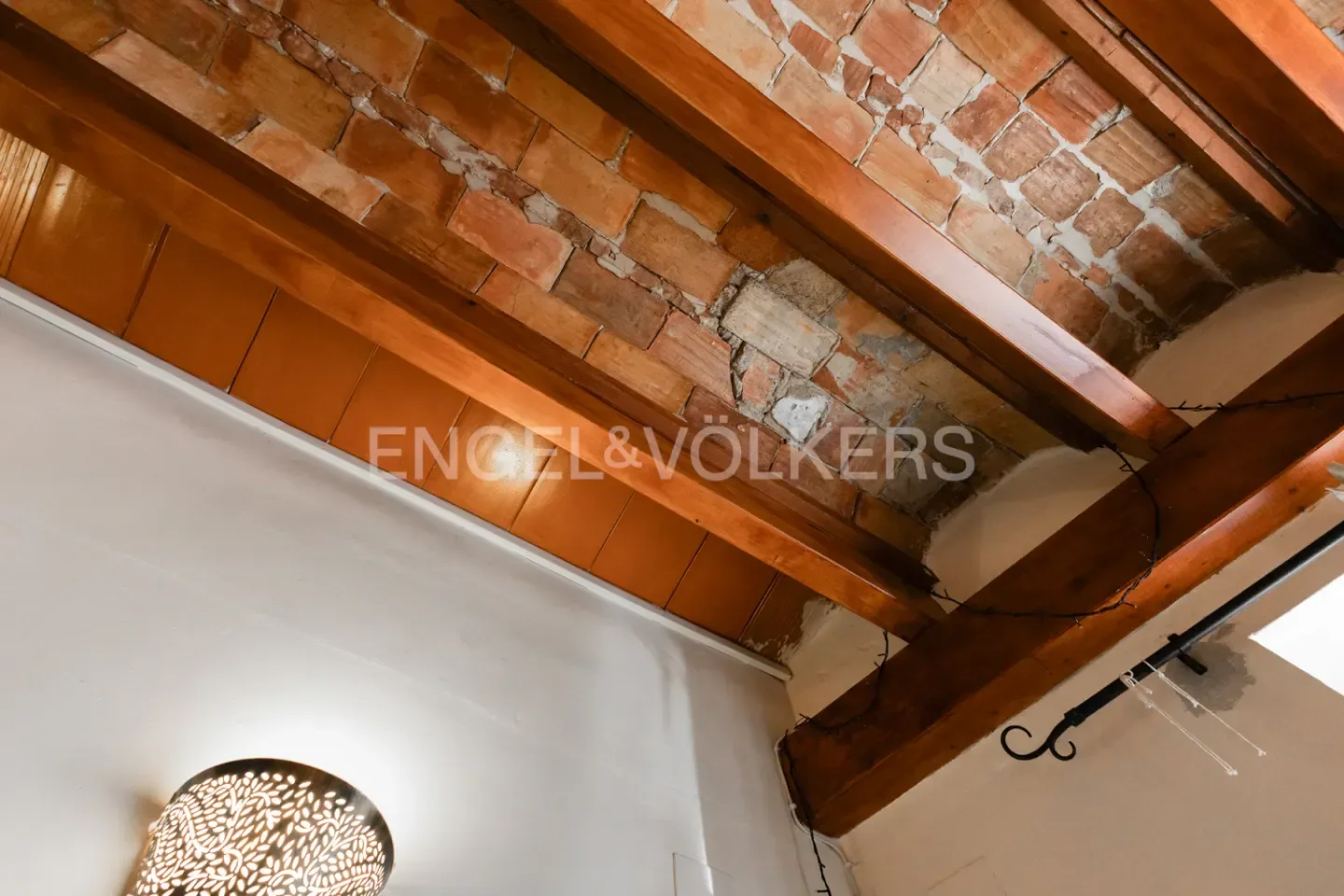
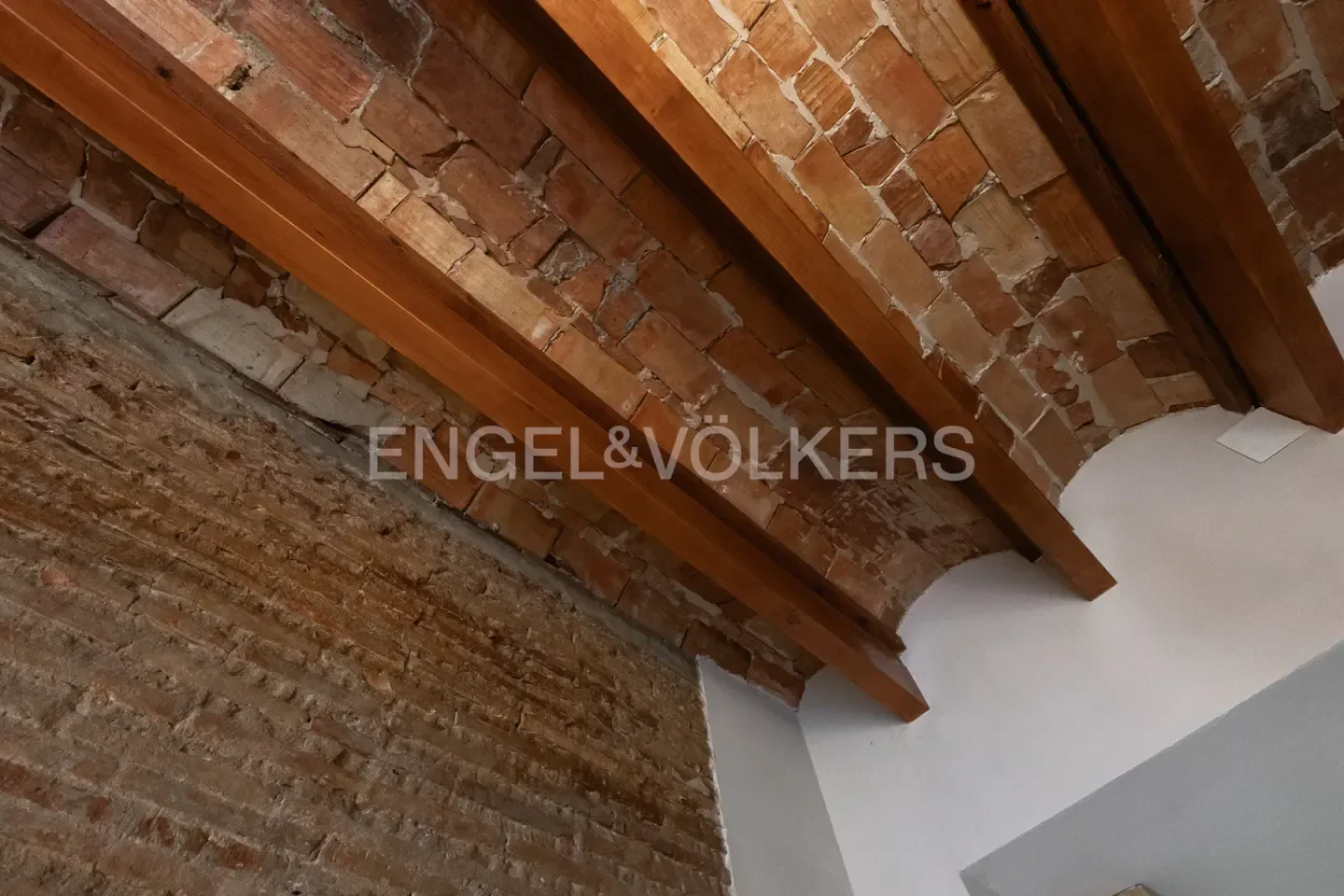
Exposed wooden beams, tiled flooring, balcony, furnished presentation
Cooling
Air conditioning stated
Floor level
First floor
Lift
Not yet confirmed
Lifestyle angle
Character city apartment close to the Turia gardens with appeal for owner-occupiers, medium-term tenants and potentially regulated rental use depending on building and planning position
Main due diligence themes
Building condition, comunidad financial health, legal documentation, energy certificate clarity, and rental feasibility in Valencia
Risk Radar
Overview
This is the kind of Valencia apartment that sells on feel very quickly. The combination of a 1930s shell, beams, tiled flooring, balcony, and a location near the Turia gardens is exactly the sort of package that creates strong emotional pull. The due diligence challenge is that apartments like this often derive much of their appeal from older building fabric and neighbourhood charm, while the most important risks sit at building level rather than within the flat itself.
The first major theme is comunidad exposure. In a pre-war building, the condition of the roof, façade, downpipes, structure, stair core, electrical risers and common plumbing can matter as much as the condition of the apartment. Under Spain's horizontal-property regime, the seller is expected to provide a certificate on community debts for the sale deed, and approved but not yet due ordinary or extraordinary common charges should also be visible in that process. That makes recent minutes, the annual budget and any planned derramas central documents, not optional extras.
The second theme is legal clarity. The buyer should want the nota simple early, because the Registro de la Propiedad is designed to show the property's registered identity, ownership and registered charges or rights. A nota simple is informative rather than a full certification, but it remains the standard first check on title position, surface area, and encumbrances. In parallel, the occupancy document also matters. In the Valencian framework, occupation may be evidenced through the relevant occupancy authorisation, and Valencian housing law refers to documentation that authorises occupation, including licence de ocupación or cédula de habitabilidad depending on the case.
The third theme is energy and building performance. The listing's "Energy Class N" wording is not something a buyer should treat as meaningful on its own. In the Comunitat Valenciana, the energy certificate must be registered before sale or rental of an existing building or part of a building, and Spanish national rules require energy information to appear in sale or rental advertising and require a registered certificate and label to be annexed to the sale contract. So this needs to be resolved immediately with the actual registered certificate.
The fourth theme is tourist-rental viability. Valencia has tightened its stance significantly. The city published a one-year suspension of new tourist-housing licences in 2024, and official Valencia communications in March 2026 indicate the city is moving toward a regime that would reserve 98% of residential city space for residential use, with tourist use permitted only in areas below saturation thresholds and under stricter conditions. That does not automatically make tourist letting impossible everywhere, but it means buyers should not underwrite VFT income without checking the exact current planning, licensing and building-position rules for this address.
Targeted Questions
Comunidad Health and Building-Level Risk
Buyers need the real ongoing cost, not an estimate.
The same monthly figure can represent very different levels of maintenance and financial health.
The budget shows whether the building is running on a healthy basis or simply staying afloat.
Minutes often reveal planned works, neighbour disputes, arrears and building concerns before they appear elsewhere.
Special assessments can materially change the real purchase cost.
Community debt should be addressed clearly before completion.
Under horizontal-property rules, this document is a key part of deed-stage clarity.
Small communities can be easier to manage or more financially fragile, depending on owner mix.
Occupancy mix can affect stability, noise profile and management quality.
Professional management often improves record-keeping and maintenance visibility.
A weak reserve position makes future derramas more likely.
Roof failure in an older Valencia building can quickly become expensive for every owner.
Façade and balcony works can be costly and can trigger urgent spending.
Older vertical pipework is a common hidden issue in city buildings of this age.
Building-level electrical upgrades can create future cost and disruption.
Old buildings often present beautifully while hiding recurrent moisture issues.
In the Comunitat Valenciana, residential buildings over 50 years old fall into the IEEV.CV framework, so this is highly relevant for a 1930s building.
It may reveal conservation, accessibility or efficiency issues affecting future costs.
Legal Status and Documentation
It is the first practical check on ownership, charges, rights and registered description.
Size discrepancies can affect value, mortgage assumptions and resale expectations.
Registered burdens need to be identified and resolved cleanly.
Buyers should confirm that the legal use aligns with the marketed residential use.
Occupation documentation is part of legal usability and can affect utility contracts, rental use and resale comfort.
Even apparently simple apartment updates can become relevant if common elements were affected.
Older character apartments need particular care where works may have affected structure or common elements.
In the Comunitat Valenciana, the energy certificate must be registered before sale or rental.
The listing wording is too unclear to use for decision-making.
Buyers should rely on the registered document, not marketing shorthand.
Apartment Condition and Systems
Cosmetic readiness and technical readiness are not the same thing.
Apartment wiring age matters for safety and near-term capex.
Plumbing failures in apartments can affect both your flat and neighbours.
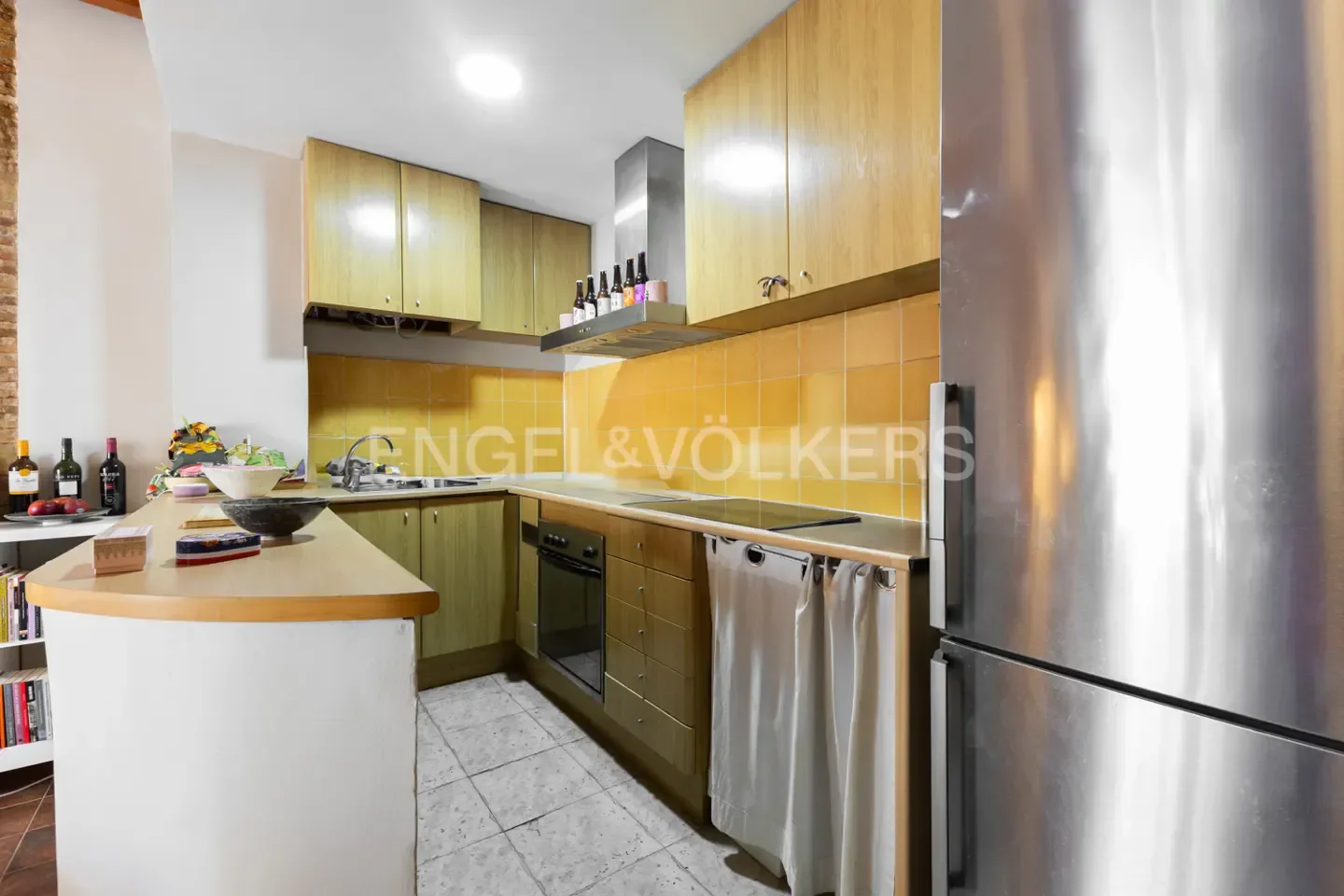
Kitchen age affects immediate usability and replacement timing.
A dated unit may provide cooling but still be near replacement.
Winter comfort and real annual running costs depend on the complete system, not just summer cooling.
Real bills often tell a more useful story than a certificate alone.
Window quality strongly affects comfort, noise and efficiency in city apartments.
Character features can also create maintenance obligations.
This affects both authenticity and future maintenance expectations.
Older city flats can hide moisture issues under fresh presentation.
Claims history can reveal issues that viewings do not.
"Fully furnished" or staged presentation can create misunderstanding about what is actually part of the sale.
Access, Practicalities and Neighbourhood Fit
First-floor access may still be awkward for luggage, furniture or long-term usability.
Practical access affects both move-in costs and daily convenience.
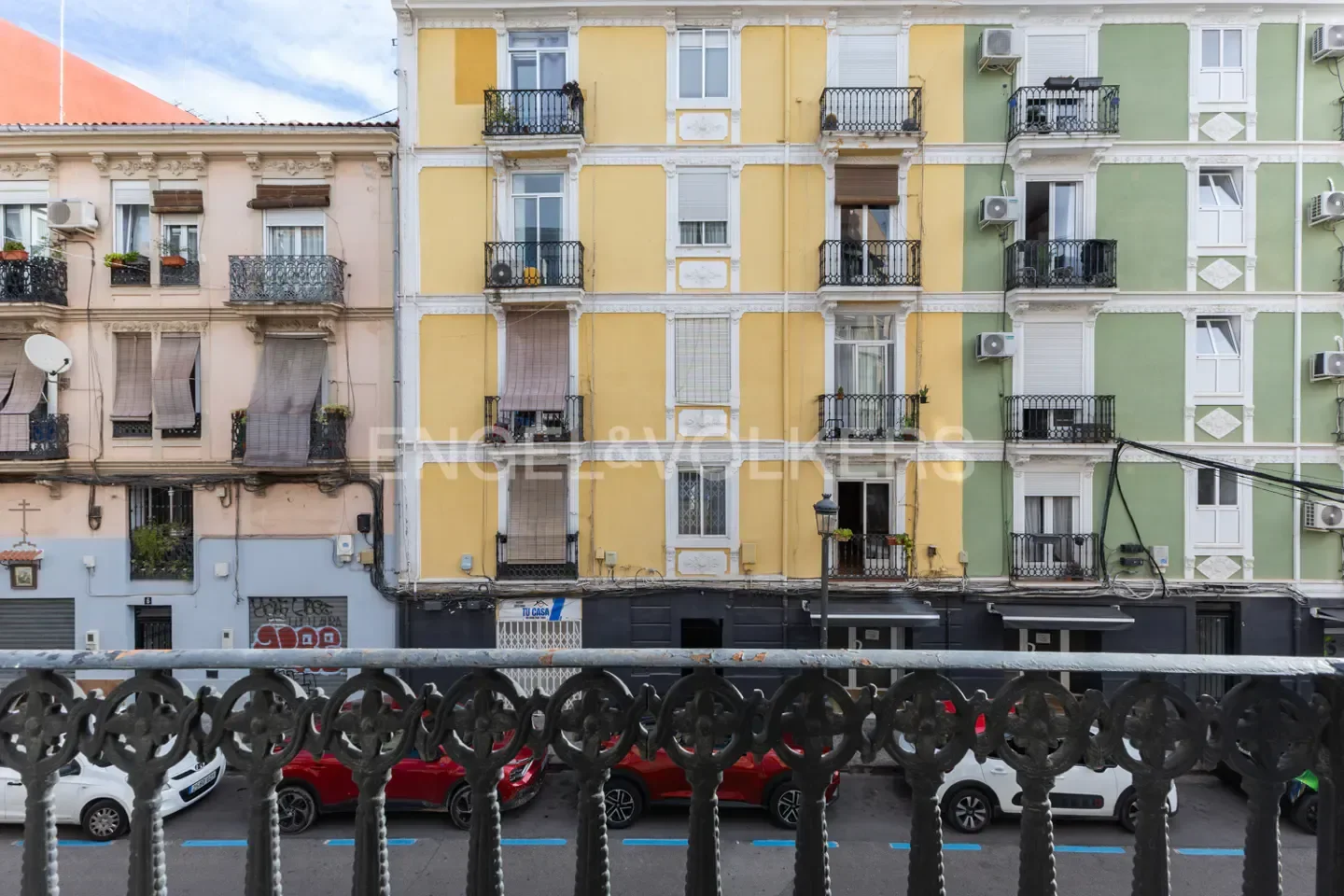
Balconies are both a value feature and a maintenance liability.
Balcony works often become community-level issues in older buildings.
Remote work capability is now a core livability question.
Thick walls and internal layouts can affect signal quality.
Light, heat gain and daily atmosphere vary significantly in Valencia apartments.
"Calm" is subjective and needs testing against actual street behaviour.
Noise and privacy can change sharply within the same neighbourhood.
Lack of dedicated parking can be manageable or frustrating depending on local practice.
Micro-location changes can materially affect enjoyment and rental appeal.
Rental Potential
Actual rental history is more useful than broad assumptions.
Proven performance is stronger than a marketing estimate.
Long-term rental value is often the most stable fallback metric.
Community restrictions can be a decisive barrier even before wider city rules are considered.
Valencia is actively tightening its tourist-housing framework, so address-specific checking is essential.
Existing history can materially change the buyer's options.
Tourist-use feasibility in Valencia can depend heavily on building position, access and planning compatibility.
Negotiation Intelligence
Buyer Leverage
Medium-High
Key Drivers
Typical Negotiation Range
5-15% below asking
Neutral Phrasing Examples
Country Layer
Spain (Regulatory Context March 2026)
For a property like this, the title and community file should be reviewed early. Key Spanish requirements for buyers:
Viewing Strategy
Approach this viewing as two inspections in one: the apartment itself, and the building that carries it.
Next Step
Verify from the listing:
Comunidad financial health
Request the latest annual budget, recent meeting minutes and confirmation of any pending or proposed derramas so you can judge whether the building is well-run or carrying deferred maintenance risk.
Registered legal position
Obtain the nota simple and occupancy documentation to confirm the apartment’s legal description, registered surface area, ownership status and that the dwelling is properly documented for occupation.
Energy certificate clarity
Resolve the unclear “Energy Class N” wording by asking for the actual registered energy certificate and label, together with recent utility bills, so you can assess comfort and running costs properly.
Condition of the 1930s building
Ask specifically about roof, façade, common plumbing, electrical risers, balcony condition and any existing IEEV.CV report, because these common-element issues can create significant future costs.
Tourist-rental feasibility in Valencia
Do not assume short-term rental potential from the location alone. Verify the current Valencia planning and licensing position for this exact address and whether the building or community rules create any additional restrictions.
A prepared buyer should approach the agent calmly and frame questions as due diligence.
Because this is a character apartment where building-level risk and regulatory positioning matter as much as the interior, run it through the Property Risk Assessment and the Market Comparison Tool before contacting the agent.
Disclaimer: The Property Drop is buyer-focused intelligence, zero sales agenda. We curate exceptional properties, in southern Europe, from third-party agents and arm you with decision tools. No commission, no transactions, no agent partnerships, no skin in the game beyond helping you choose wisely. Information stays accurate until it doesn't (properties sell, prices shift, markets move). Everything here is shared for informational purposes only and should not be treated as legal, financial, or investment advice. Images belong to original agents. Read our Terms of Service to learn more.
IMPORTANT REMINDER: When contacting property agents featured on The Property Drop, you are entering into direct communication with third parties. It's recommended that you verify all property details independently, conduct thorough due diligence, engage qualified professionals (solicitors, surveyors, financial advisors), understand your rights and obligations under local property laws, and never send money or make commitments without proper legal protection.
