
The Buyer Playbook: Renovated Three-Bedroom with Jacuzzi and Views, Diano Roncagli, Italy, €280,000

Buyer Playbook
Pre-Viewing Intelligence Report
This independent buyer guidance report relates to this specific property located in Italy. It is provided for informational purposes only and does not constitute legal, tax, structural or survey advice. Planning permissions, cadastral conformity, agibilità, rooftop terrace and jacuzzi compliance, shared-building responsibilities, drainage, access rights, rental rules, and any land-use or local planning constraints must always be verified with qualified Italian professionals such as a notaio, geometra, architetto, ingegnere, surveyor or specialist property lawyer, and with the relevant Comune and Catasto offices. This report is designed to help buyers evaluate the property before arranging a viewing or making an offer. It highlights due diligence issues and targeted questions to ask the estate agent. The analysis is based on the listing details and publicly available regulatory context at the time of writing.
Playbook Contents
Property Snapshot
Location
Diano Roncagli, Diano San Pietro, Liguria, Italy, around 15 minutes from the beach and 40 minutes from the French border.
Property type
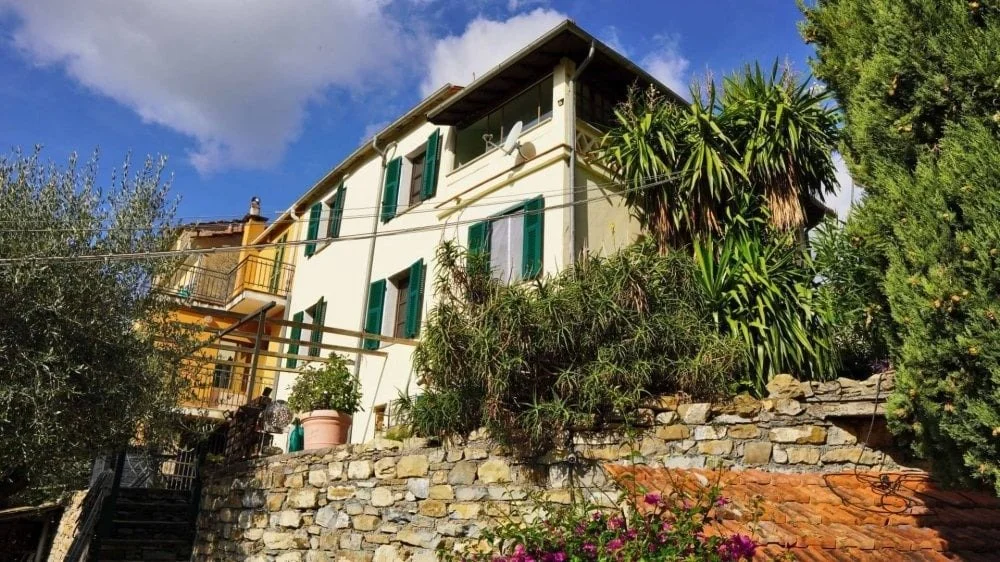
Fully renovated semi-detached house.
Price
€280,000.
Bedrooms
3.
Bathrooms
2.
Energy rating
Listed as "Energy Class N", while the listing's own tool text also says no energy rating is on record and notes that an APE is legally required for sale in Italy.
Layout
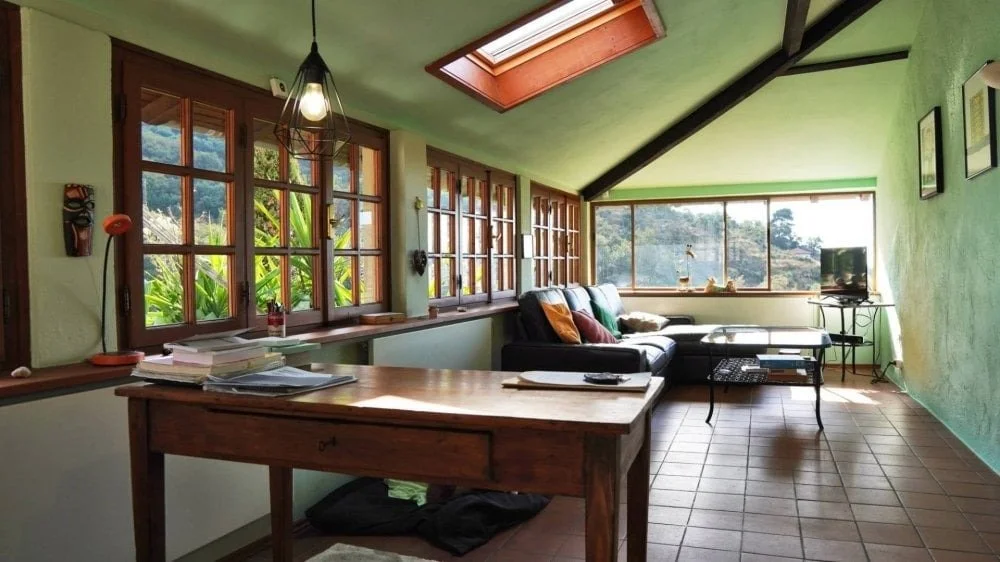
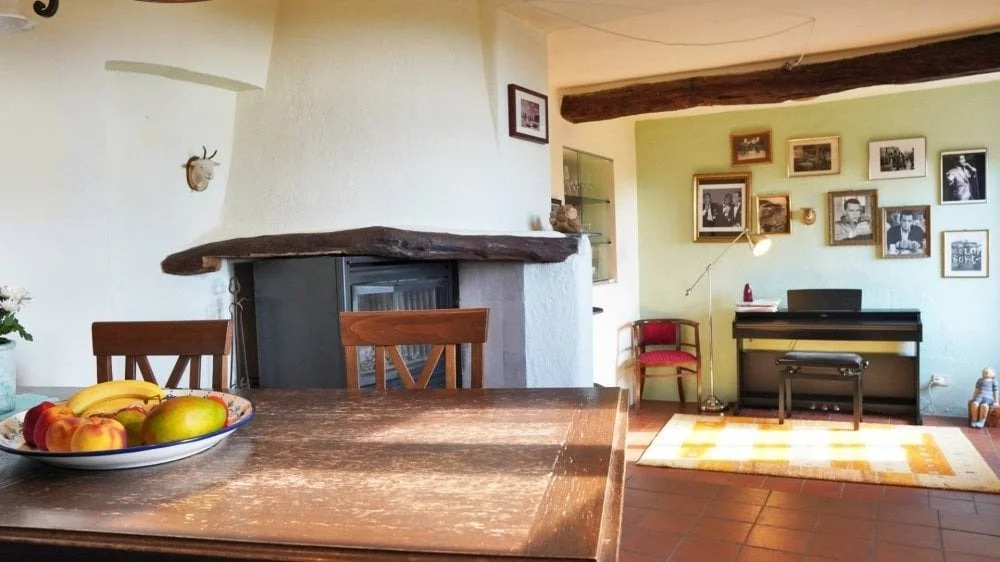
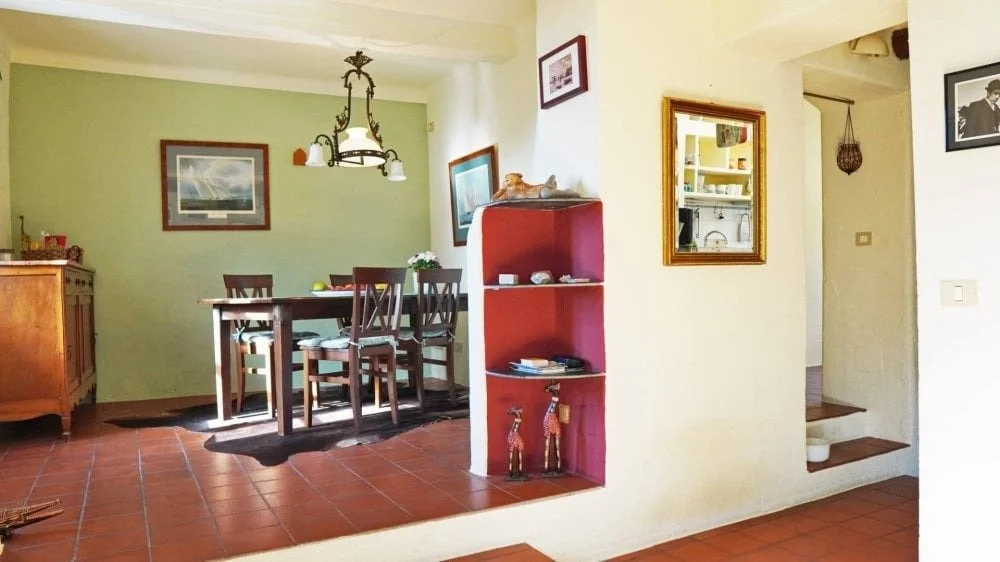
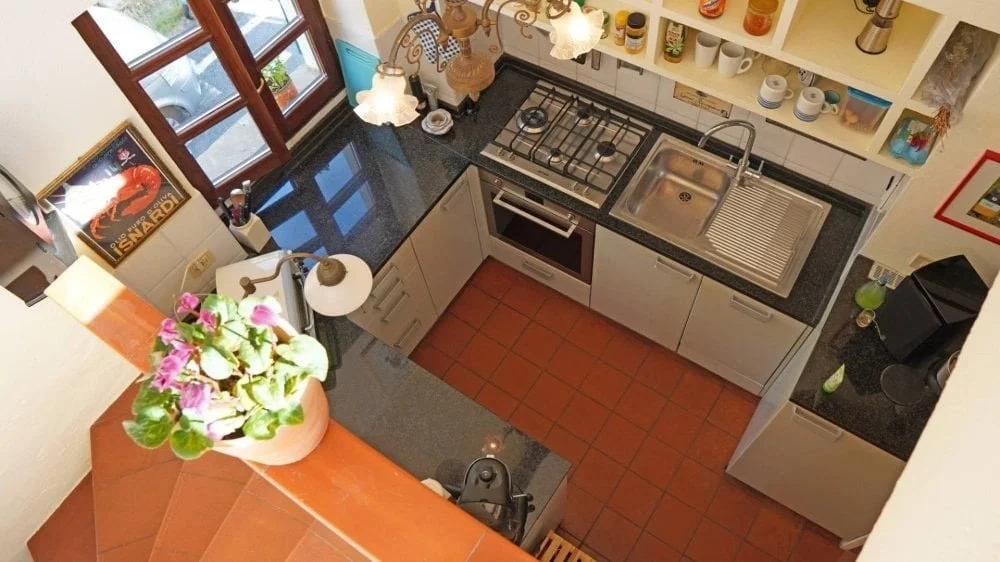
Main level with lounge and fireplace, glass-enclosed veranda, fully equipped kitchen, three bedrooms including one en-suite, plus a large cellar and storage room.
Outdoor spaces
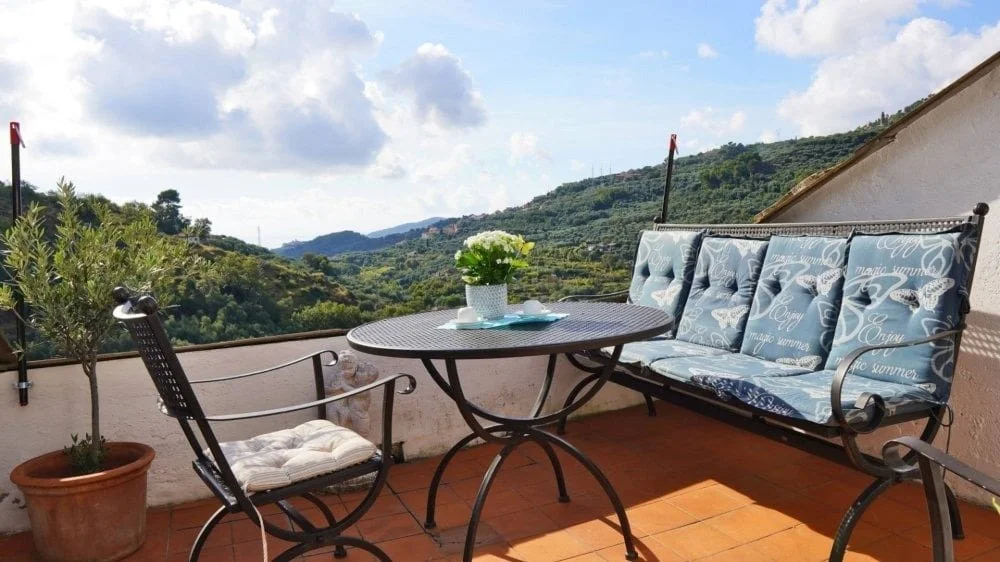
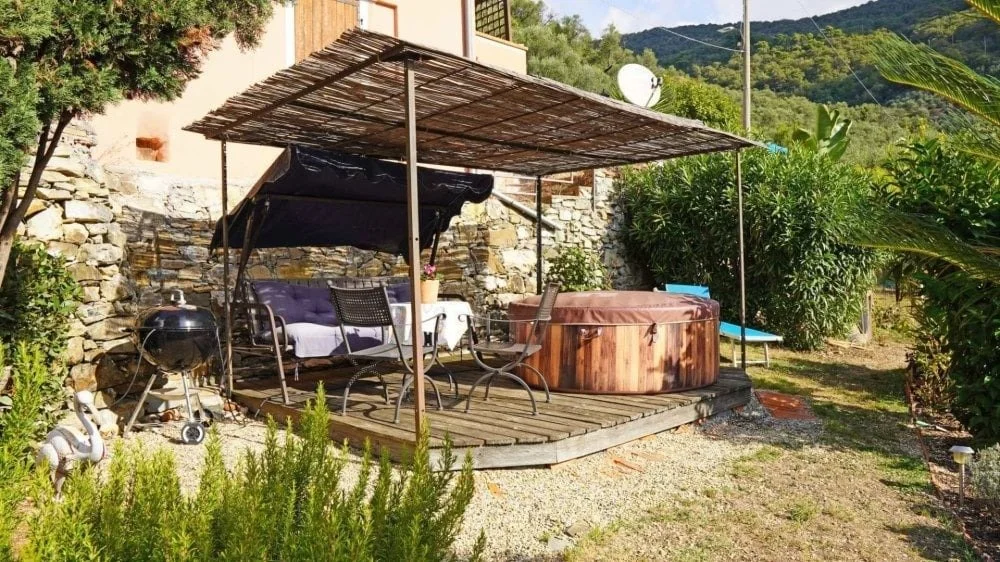
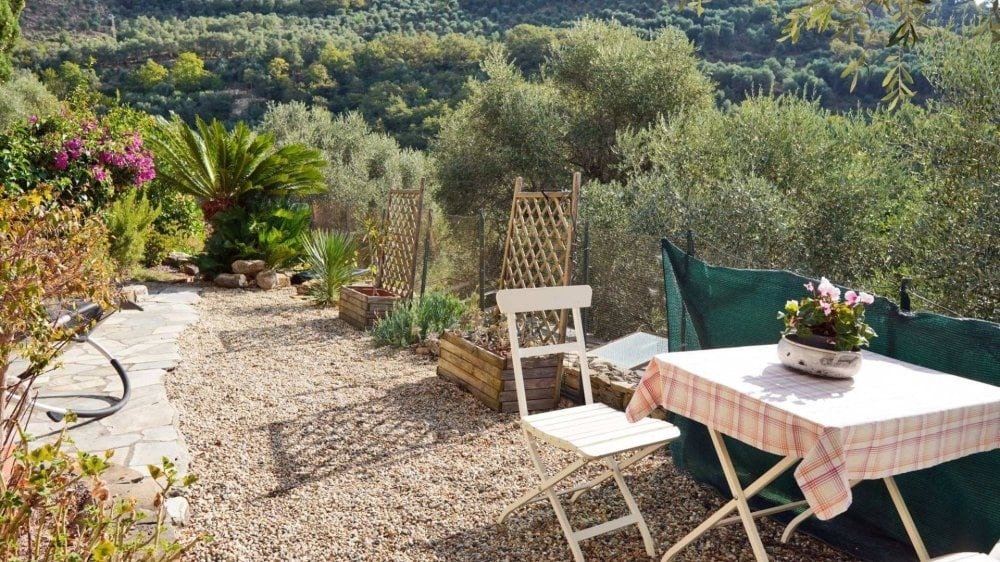
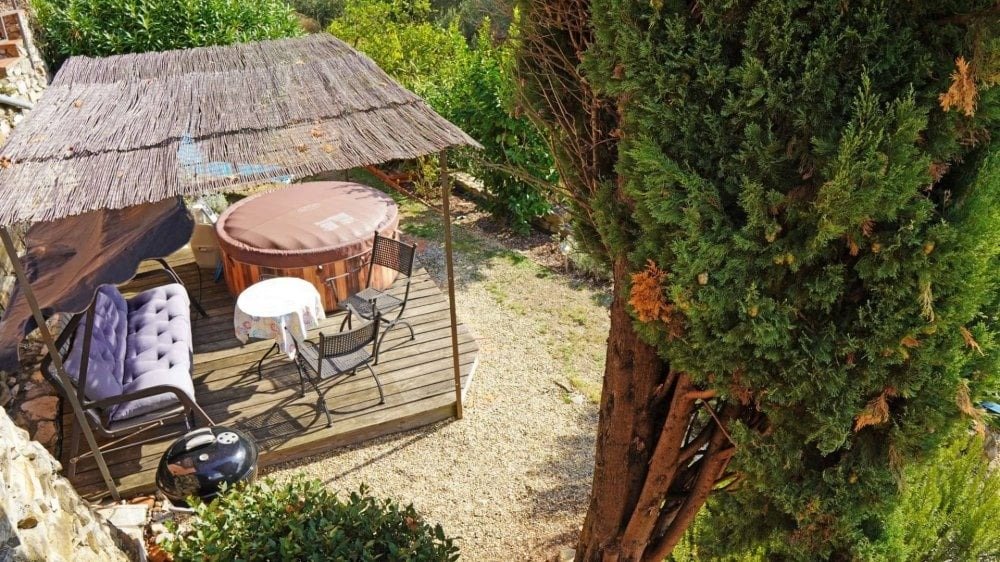
Private garden with jacuzzi and barbecue, plus rooftop terrace with panoramic valley and sea views.
Character features
Original stone details retained after renovation.
Lifestyle angle
Quiet Ligurian hamlet setting with coastal access, Riviera day-trip appeal, and plausible second-home or seasonal rental appeal.
Risk Radar
Overview
This listing has a lot of emotional pull at the price point. It offers the ingredients buyers usually chase in Liguria but rarely get together in one package: a renovated house, outdoor space, a terrace with views, a jacuzzi, character details, and a coast-near but not coast-chaotic setting. It is also semi-detached, which means the right questions are less about dreamy lifestyle copy and more about legal clarity, shared responsibilities, and how the renovation interacts with any common fabric.
The first due diligence theme is the renovation itself. "Fully renovated" can mean a genuinely thorough programme with proper filings, updated systems and signed-off works, or it can mean a lighter refresh presented very well. For this house, that distinction matters because the value proposition rests heavily on the idea that the hard work has already been done. Buyers should therefore verify the exact title used for the works, what was structurally or technically upgraded, whether the current layout matches the registered planimetria, and whether agibilità exists for the property in its current form. Italy's building framework ties agibilità to the completion and filing process after works, so this should not be treated as a throwaway administrative point.
The second theme is the semi-detached status. Shared walls, roof junctions, drainage paths, retaining structures, terrace access, and any informal neighbour agreements can all become more important than the interior finishes. A house can be sold as feeling private while still carrying practical dependencies on the neighbouring unit. The rooftop terrace in particular deserves close attention, because exclusive use, access rights, waterproofing liability and maintenance obligations are all more sensitive when a property is attached rather than fully detached.
The third theme is the energy position. The listing shows "Energy Class N", while its own energy-risk text says no rating is on record and reminds readers that an APE is legally required for sale in Italy. ENEA states that the APE is mandatory in sales, new lettings and property advertisements. That makes the current presentation a documentation gap rather than a minor curiosity. Until the seller produces the full APE and real utility data, buyers should assume uncertainty around running costs, comfort and resale perception.
Finally, rental potential is plausible but should be treated cautiously. Liguria's current framework for tourist lets requires regional identification and national code compliance. Region Liguria states that AAUT properties need a CITRA before obtaining the CIN, and tourist-flow reporting is handled through the regional Ross1000 platform. For a buyer considering seasonal income, the attraction of the views and jacuzzi is obvious. The real value lies in whether operation is straightforward, compliant and commercially realistic for this exact hamlet location.
Targeted Questions
Heritage, Title and Renovation Documentation
You need to confirm what is legally registered before relying on the marketed layout.
Differences between the built reality and cadastral records can delay or complicate a sale.
The type of filing helps show both the scale of works and whether they were regularised properly.
A completed paperwork trail gives more confidence than a verbal description of renovation quality.
Agibilità is a core usability and compliance check in Italian residential transactions.
Missing agibilità may be manageable, but it affects negotiation, financing and resale comfort.
Structural interventions require a higher level of documentary clarity than cosmetic works.
Invoices help verify scope, recency and whether key systems were truly upgraded.
Transferable guarantees reduce early ownership risk and signal professional execution.
Previous regularisation is not automatically a problem, but the buyer should understand what was corrected.
Semi-Detached Status and Shared Elements
"Semi-detached" can range from a simple shared wall to more complex shared infrastructure.
Shared elements can create future cost-sharing disputes if not clearly documented.
The governance structure affects how maintenance and disputes are handled.
Informal arrangements often work until a repair bill arrives.
These are common flashpoints in attached buildings.
Rights of way and service rights can affect privacy and control over key spaces.
Exclusive use should be verified, not assumed from marketing language.
Neighbour relations matter more in a semi-detached property than in a fully detached one.
Insurance structure can reveal practical interdependence between the properties.
Recent or upcoming common works may change the real cost of ownership.
Terrace, Jacuzzi and Outdoor Areas
A view terrace is a major value driver, so exclusive legal control matters.
Terrace works can trigger planning and waterproofing issues if not properly documented.
Waterproofing failure beneath a terrace can become a costly hidden defect.
Past leakage is one of the most important risk signals for an attached home with roof-level outdoor space.
A surviving guarantee adds comfort where risk is otherwise difficult to see.
Even where formal planning is limited, buyers should verify compliance and safe installation.
A jacuzzi can either be a genuine amenity or a near-term replacement cost.
Amenity value should be balanced against operating cost.
Garden exclusivity is essential where the property is attached.
Buyers should understand exactly what outdoor space they are paying for.
These affect both practicality and maintenance.
View permanence often supports a meaningful part of the asking price.
Building Condition and Systems
The phrase "fully renovated" needs breaking down into real components.
Roof condition is a major cost variable in Ligurian hillside properties.
Window quality affects both running costs and daily liveability.
This is directly relevant given the unclear energy documentation.
Buyers need to understand how the house actually performs in winter.
Coastal demand can remain strong, but comfort expectations are higher in warmer months.
Actual bills often tell the truth more clearly than an eventual APE alone.
Electrical compliance is basic safety and insurability due diligence.
Plumbing faults can be especially disruptive in older village properties.
Cellars often reveal moisture problems before the main living areas do.
Moisture issues can be costly and persistent in stone buildings.
Remote work claims should be checked against real conditions, not map coverage.
Access, Parking and Practical Use
Parking convenience materially affects both owner use and rental appeal.
Customary parking is less secure than documented parking rights.
Access liability can be a hidden annual or one-off cost.
Hillside locations need practical testing, not only scenic appreciation.
The surrounding use affects noise, privacy and seasonality.
Seasonal rhythm can affect both lifestyle fit and rental positioning.
Insurance friction can point to practical risk factors buyers should know early.
Rental Potential
Past use gives a clearer view of actual market fit.
Historical numbers are more useful than broad agent optimism.
Existing registration can reduce setup friction, but it should be verified.
The compliance route can vary in ease and timing.
Operational friction can reduce real rental value even where legal letting is possible.
Income expectations should reflect the exact micro-location, not the Riviera in general.
Negotiation Intelligence
Buyer Leverage
Medium-High
Key Drivers
Typical Negotiation Range
5-15% below asking
Neutral Phrasing Examples
Country Layer
Italy (Regulatory Context March 2026)
Key Italian requirements for buyers:
The practical message is simple. For a renovated Ligurian semi-detached home with view-driven outdoor features, buyers should verify four pillars before getting carried away: renovation file, agibilità and cadastral conformity, terrace and jacuzzi legality plus waterproofing exposure, and the correct energy and rental compliance documents. If those are clean, the property becomes much easier to price confidently.
Viewing Strategy
During the viewing:
Next Step
Verify from the listing:
Renovation paperwork and agibilità
Request the SCIA or other building file, end-of-works documents, agibilità position and installer declarations so you can confirm that the marketed renovation was properly authorised and signed off.
Semi-detached shared responsibilities
Clarify exactly which elements are shared with the neighbouring property, whether any written maintenance agreement exists, and who is responsible for future roof, wall, drainage or access-related costs.
Rooftop terrace and jacuzzi compliance
Confirm that the terrace and jacuzzi are lawful, exclusively for this property’s use, and backed by clear information on waterproofing, installation, maintenance and any surviving guarantees.
Energy documentation gap
The listing’s “Energy Class N” wording should be clarified immediately. Ask for the full APE and real utility bills so you can understand running costs and avoid buying into an unresolved documentation issue.
Rental-readiness in Liguria
If seasonal letting matters to you, verify whether the property already has the necessary Ligurian and national identifiers, and whether the location and layout make guest use straightforward in practice.
A prepared buyer should approach the agent calmly and frame questions as due diligence.
Because this is a property where the legal, structural and regulatory context matters, run it through one of the property tools before contacting the agent. Use the Property Risk Assessment to test the legal and building-level risks, or the European Property Energy Risk Assessor to assess the implications of the unclear energy documentation.
Disclaimer: The Property Drop is buyer-focused intelligence, zero sales agenda. We curate exceptional properties, in southern Europe, from third-party agents and arm you with decision tools. No commission, no transactions, no agent partnerships, no skin in the game beyond helping you choose wisely. Information stays accurate until it doesn't (properties sell, prices shift, markets move). Everything here is shared for informational purposes only and should not be treated as legal, financial, or investment advice. Images belong to original agents. Read our Terms of Service to learn more.
IMPORTANT REMINDER: When contacting property agents featured on The Property Drop, you are entering into direct communication with third parties. It's recommended that you verify all property details independently, conduct thorough due diligence, engage qualified professionals (solicitors, surveyors, financial advisors), understand your rights and obligations under local property laws, and never send money or make commitments without proper legal protection.
