
The Buyer Playbook: Eight-Bedroom Renovated Home with Guest Apartments, Iznájar, Spain, €595,000


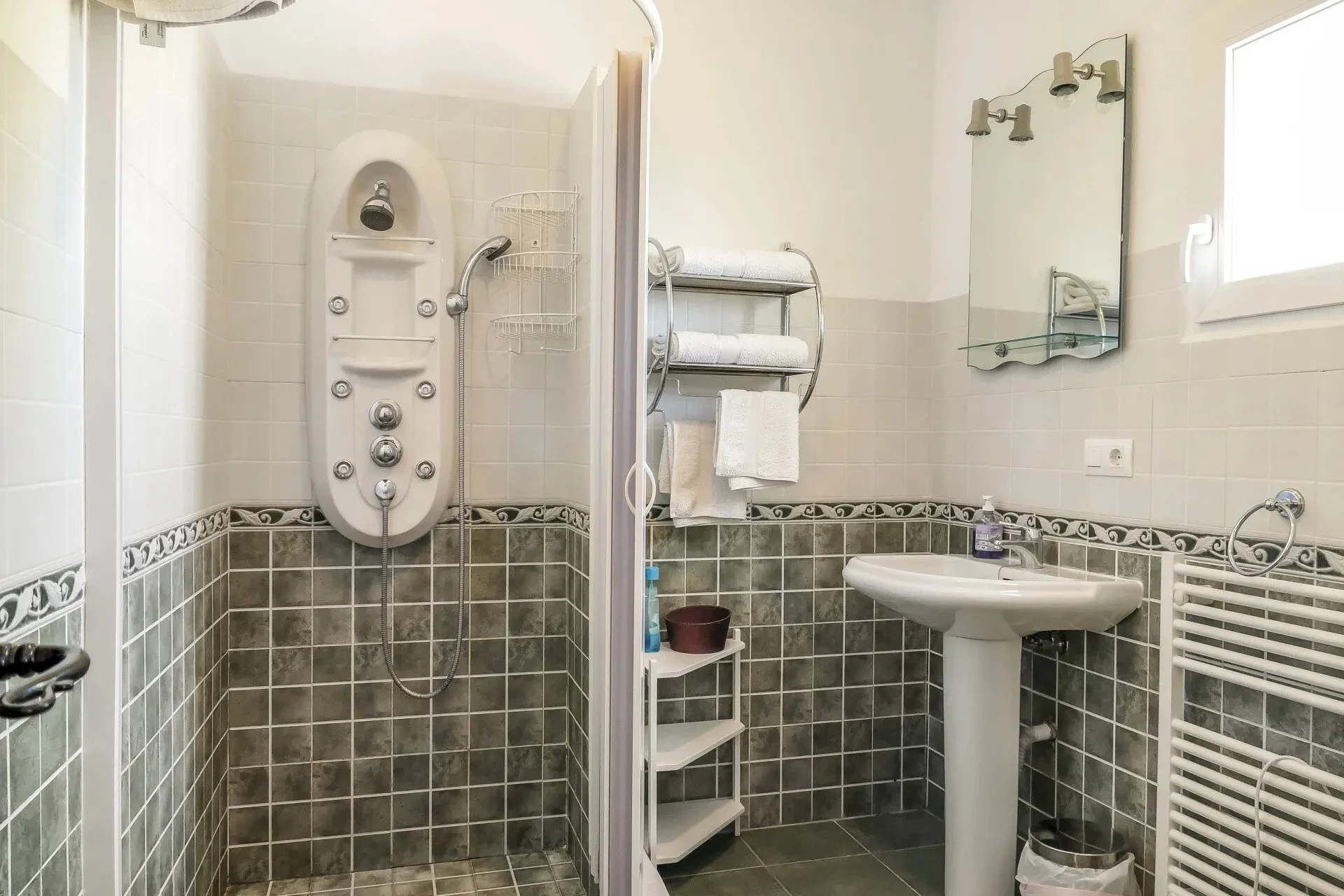
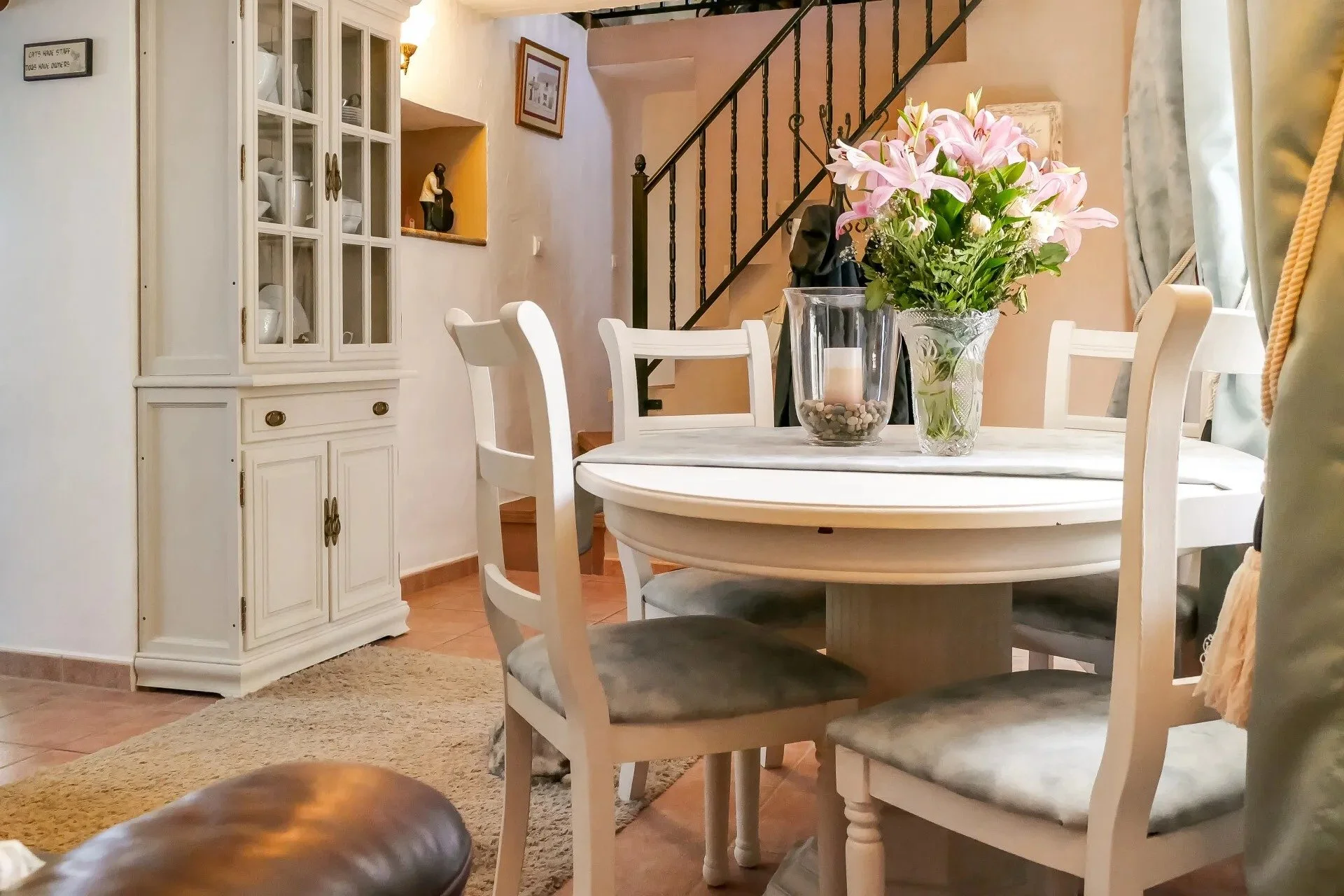
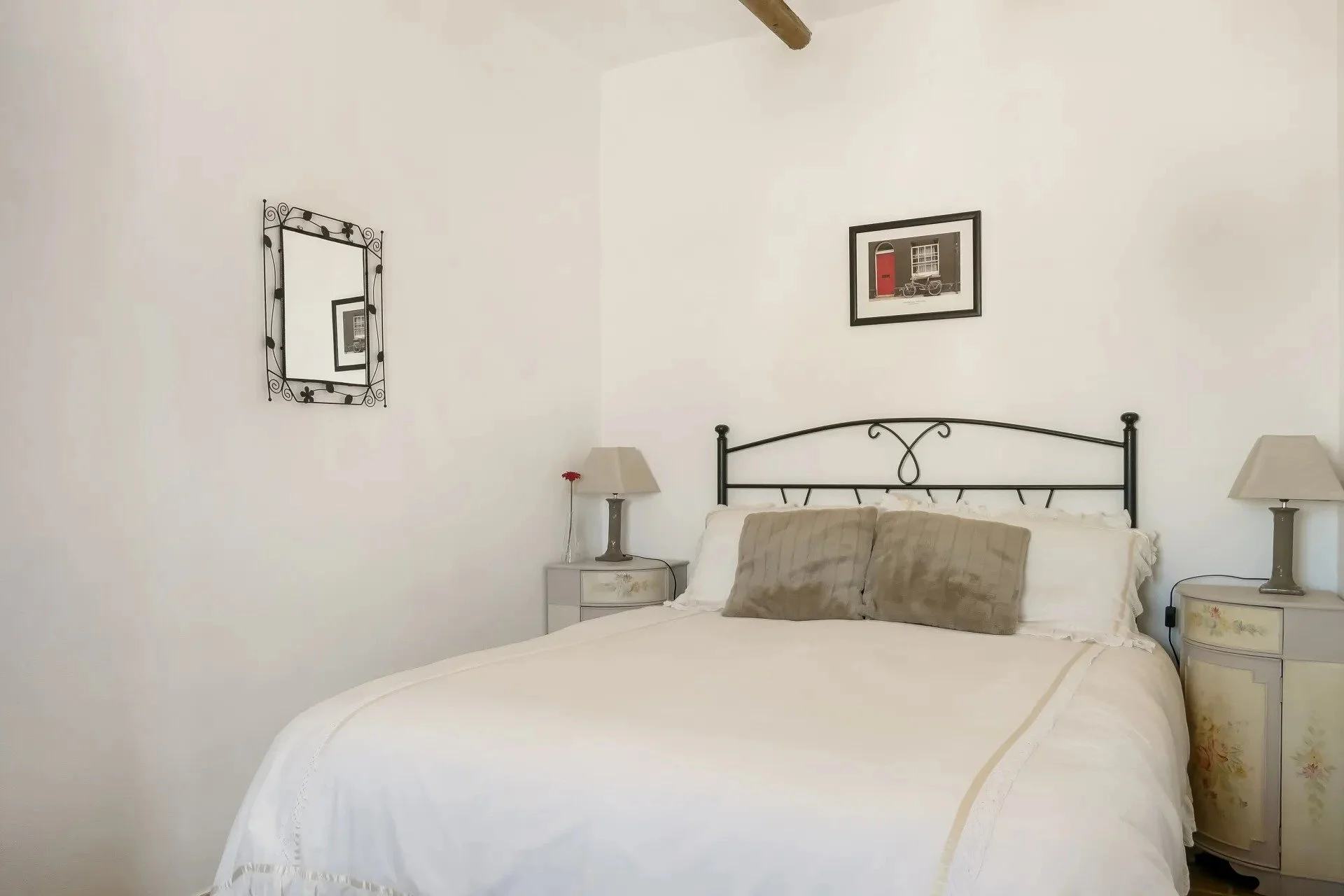
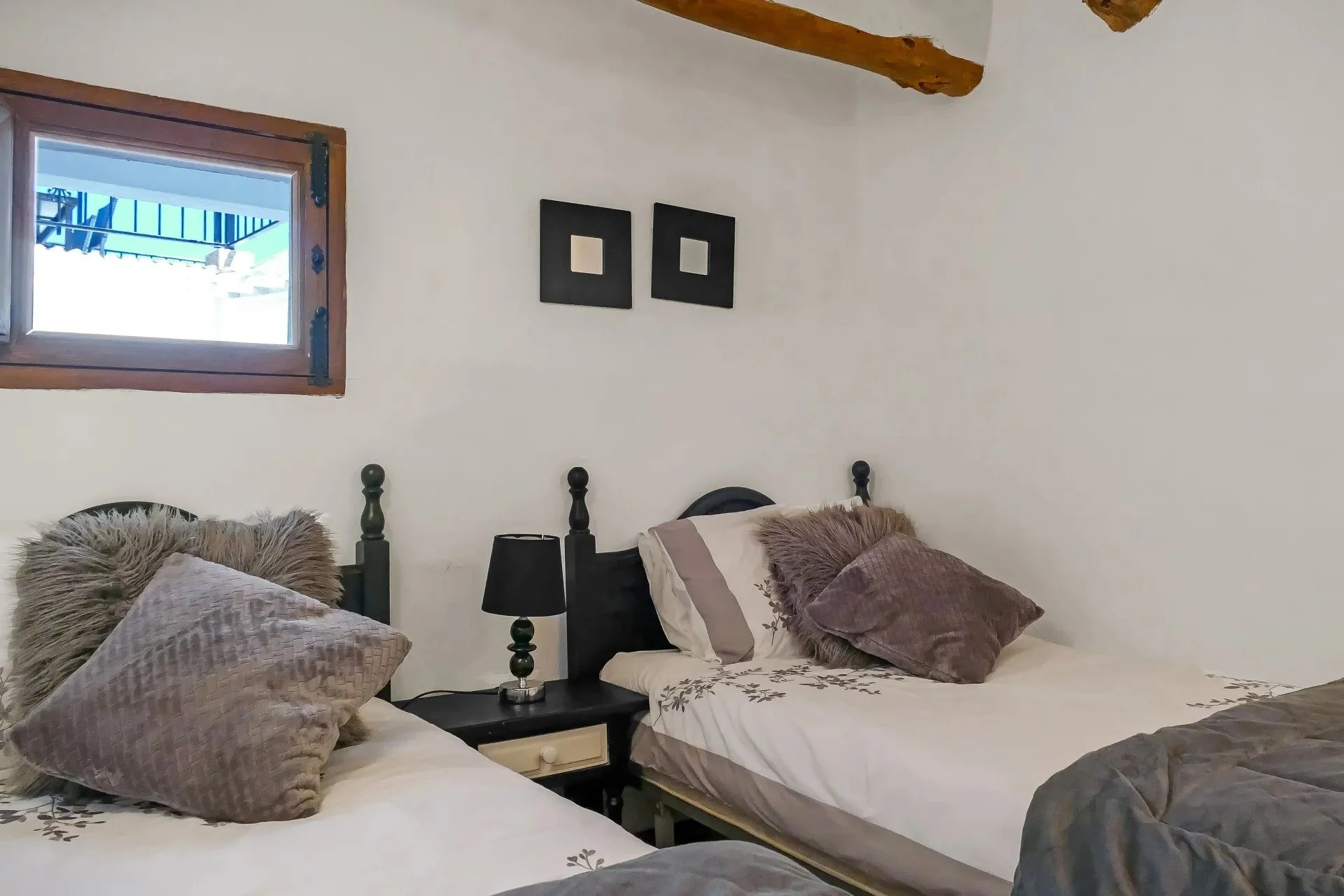

Buyer Playbook
Pre-Viewing Intelligence Report
This independent buyer guidance report relates to this specific property located in Spain. It is provided for informational purposes only and does not constitute legal, tax, structural or survey advice. Planning permissions, habitation status, tourist-rental eligibility, pool legality, drainage and water arrangements, land boundaries, and the legal configuration of the guest apartments must always be verified with qualified Spanish professionals such as an abogado, arquitecto, arquitecto técnico, surveyor, técnico certificador, and with the relevant Ayuntamiento, Catastro and Registro de la Propiedad. This report is designed to help buyers evaluate the property before arranging a viewing or making an offer. It highlights due diligence areas and targeted questions to ask the estate agent. The analysis is based on the listing details and publicly available regulatory context at the time of writing, including current Andalusian tourism-rental rules, Spain's short-term rental registration framework, and current energy-certificate requirements. In Andalusia, tourist-use dwellings must comply with current regional rules, and Spain's national short-term rental registration system under Real Decreto 1312/2024 now also matters for online advertising of short-stay accommodation.
Playbook Contents
Property Snapshot
Location
Near Iznájar, Andalusia, Spain
Property type
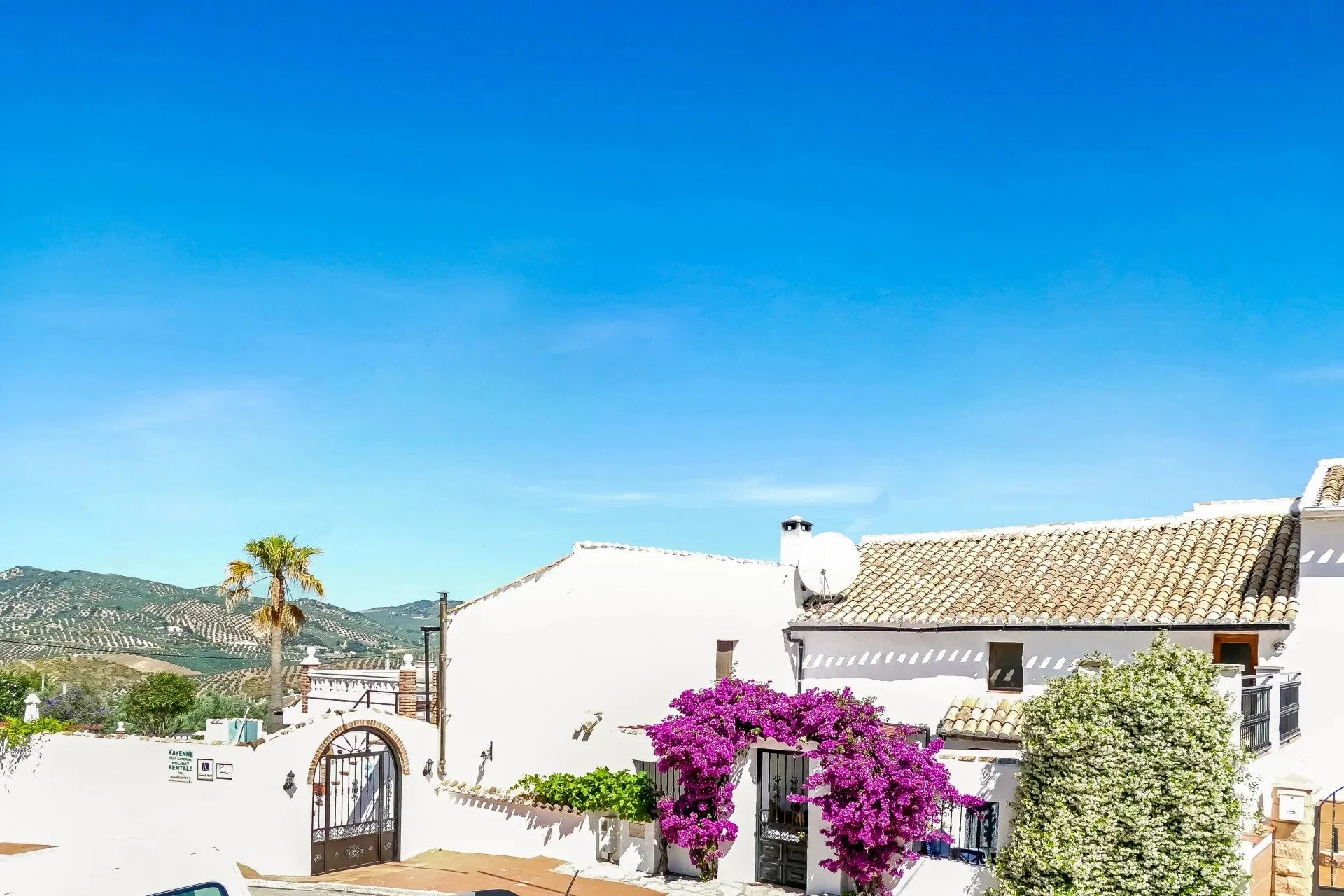
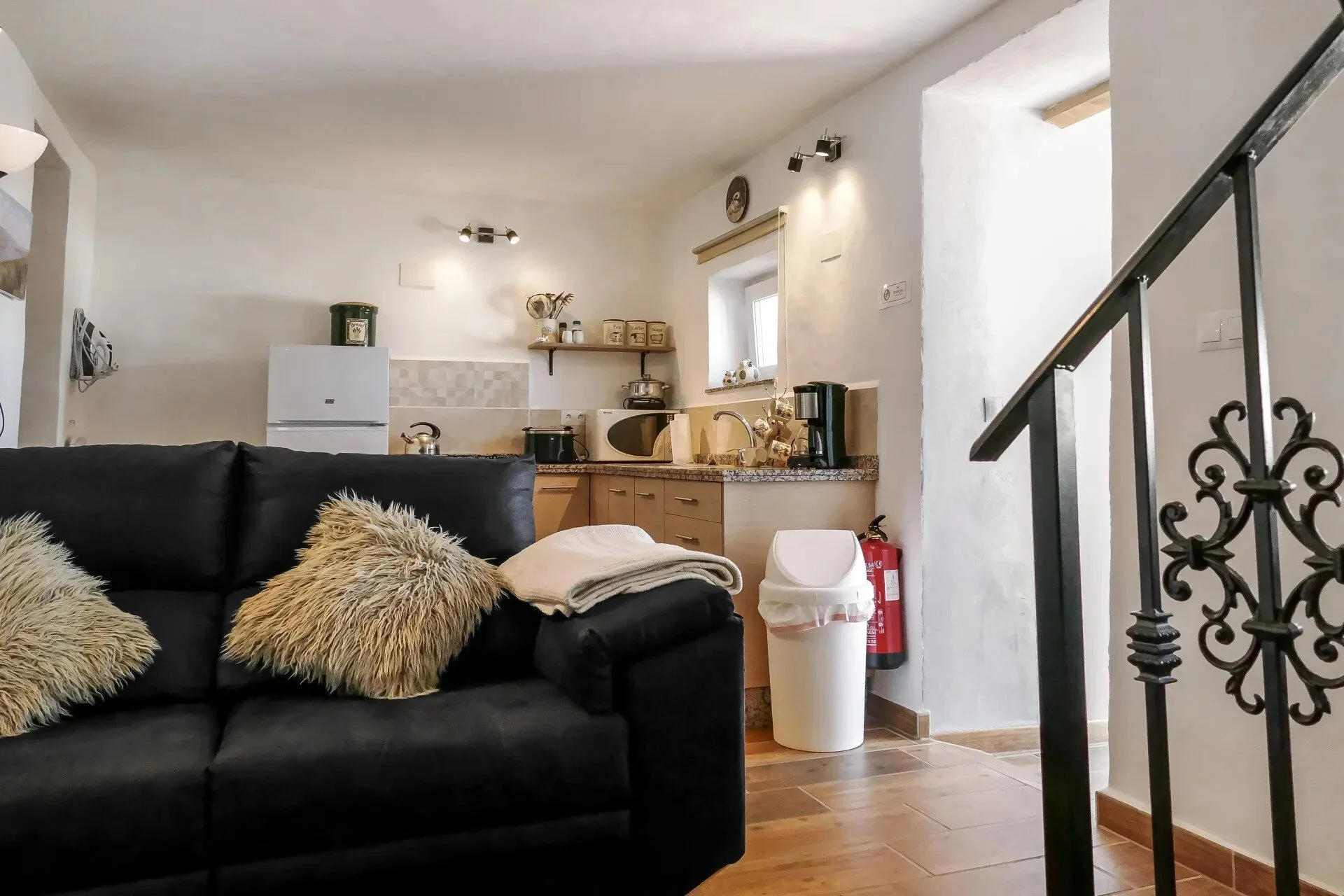
Substantial renovated home configured for mixed residential and guest use
Asking price
€595,000
Bedrooms
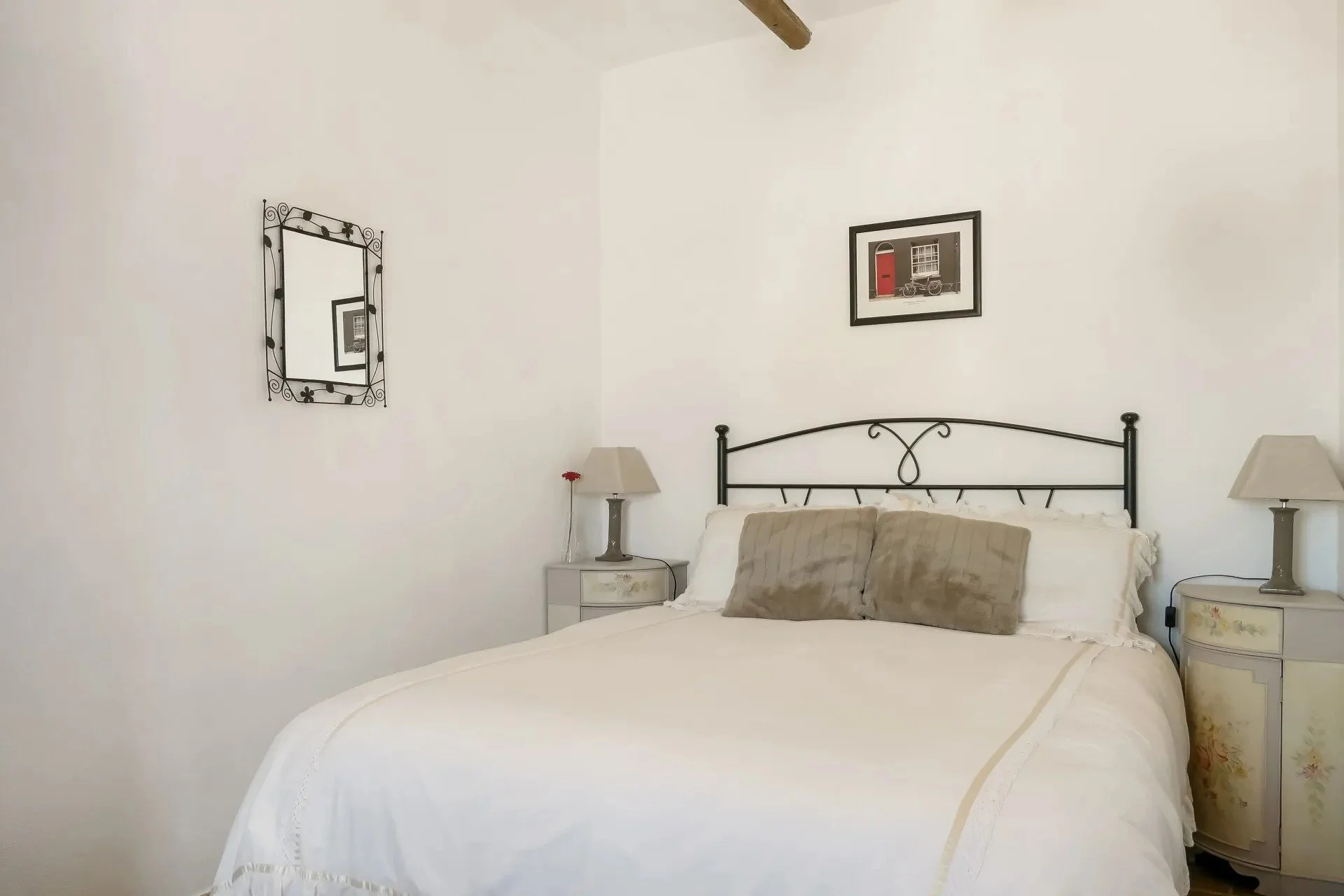
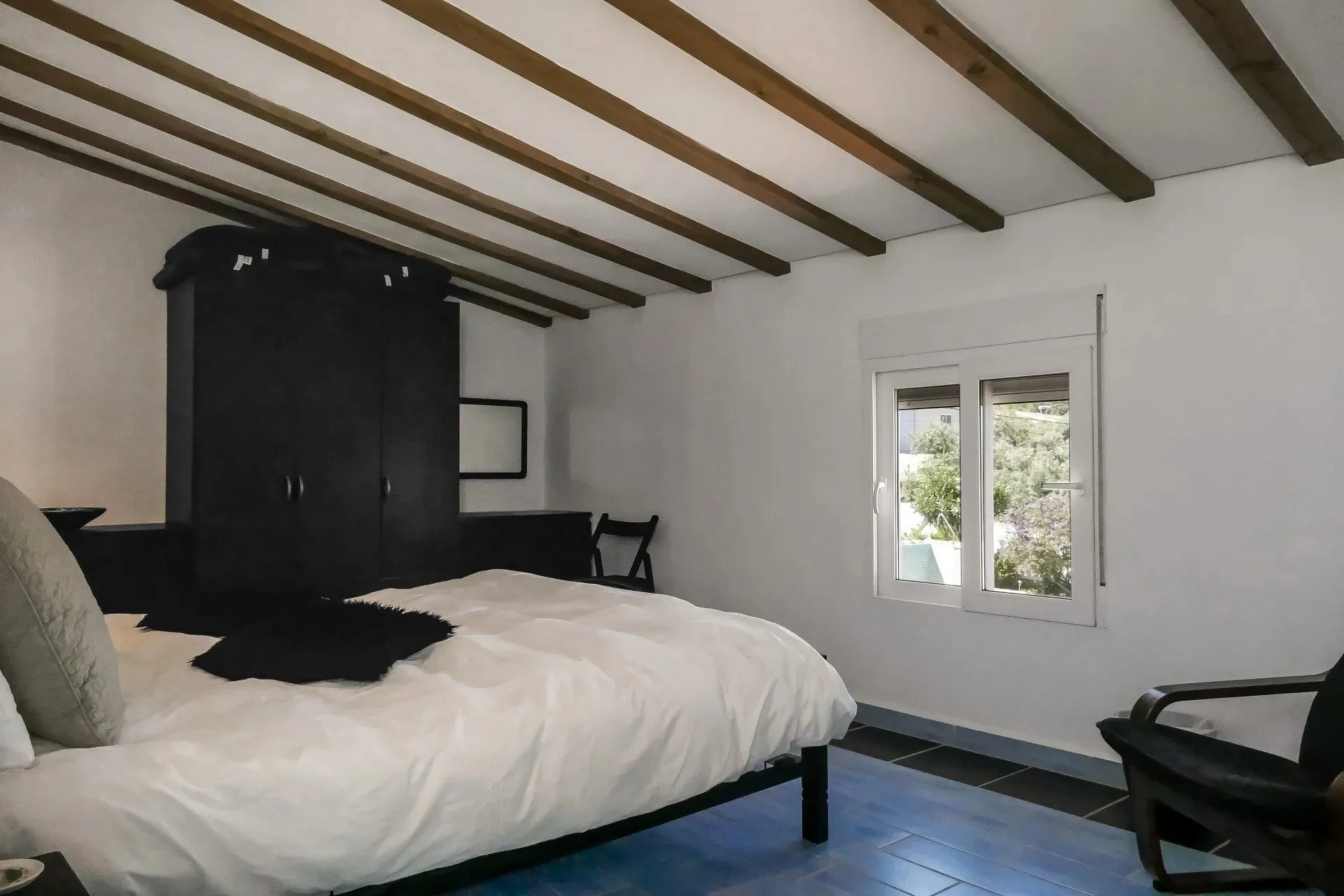
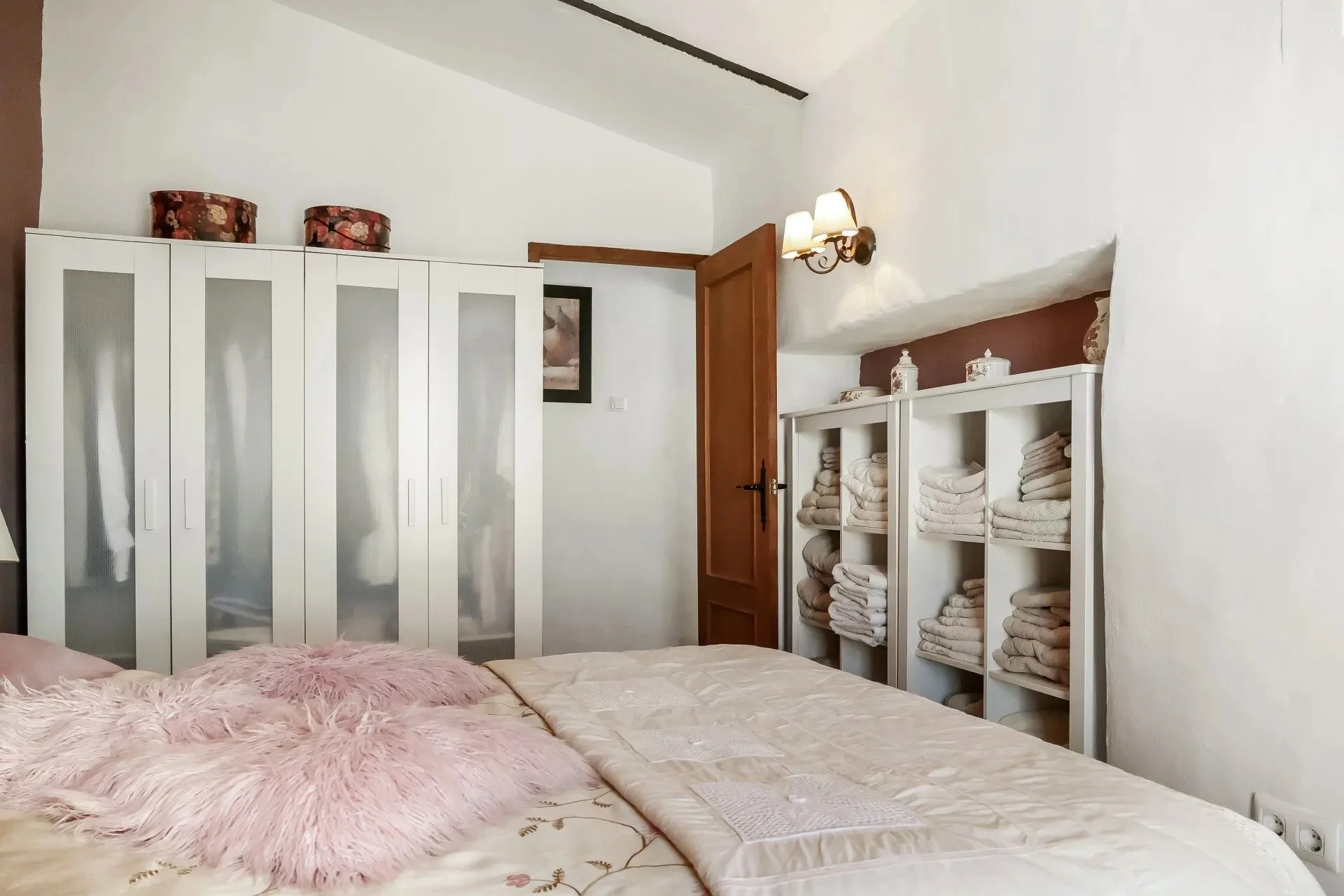
8
Accommodation structure
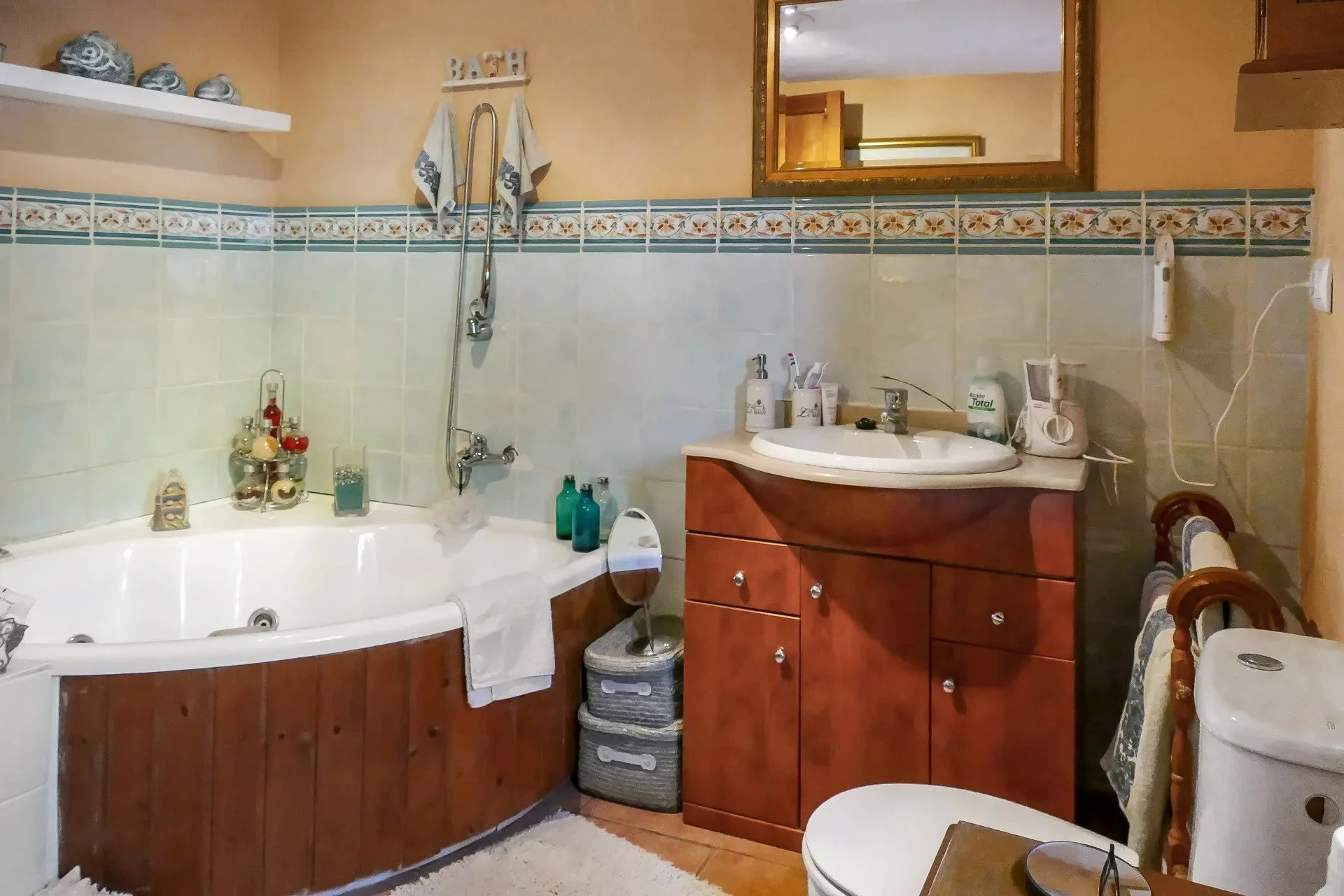
Main house plus 3 self-catering guest apartments
Outdoor features
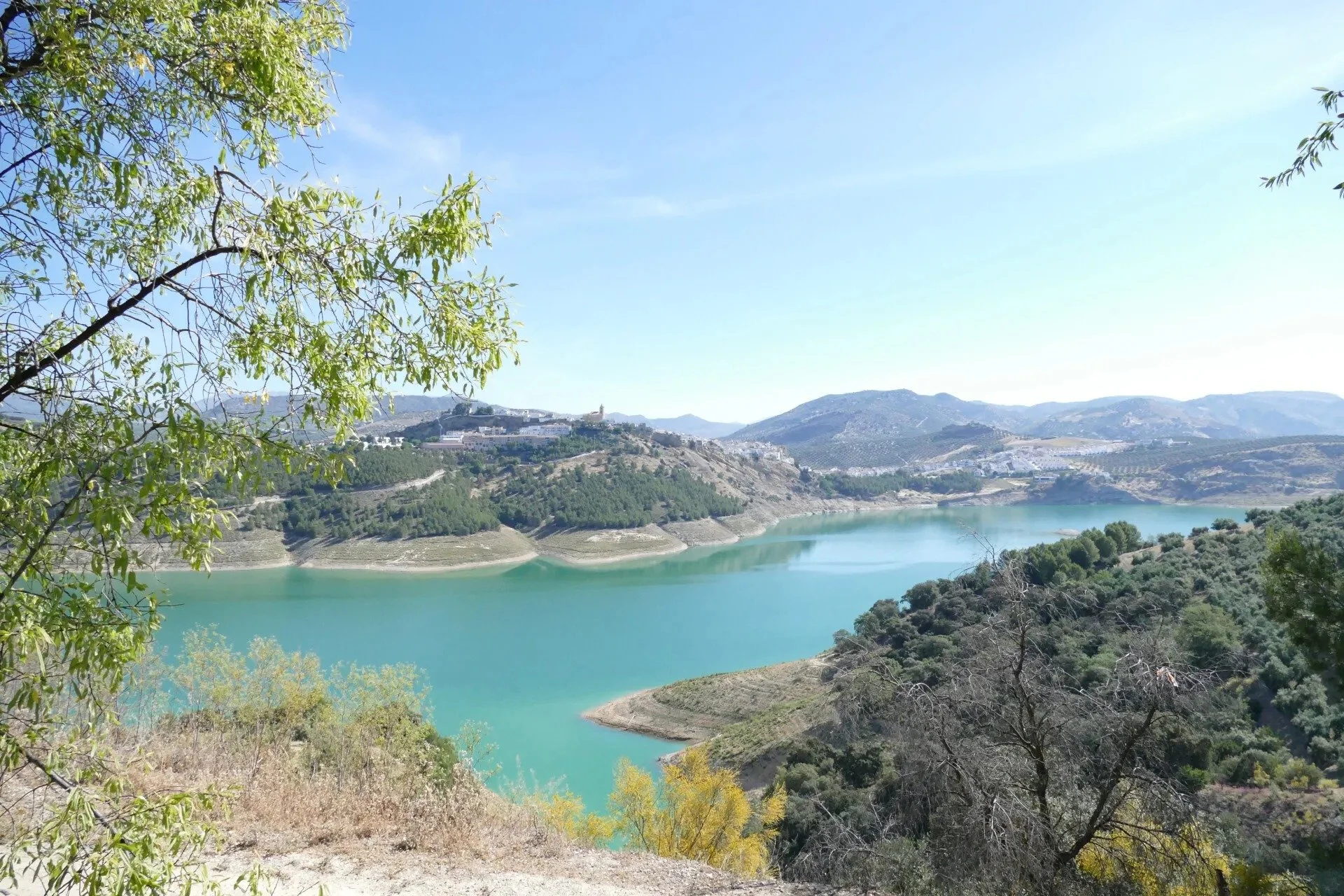
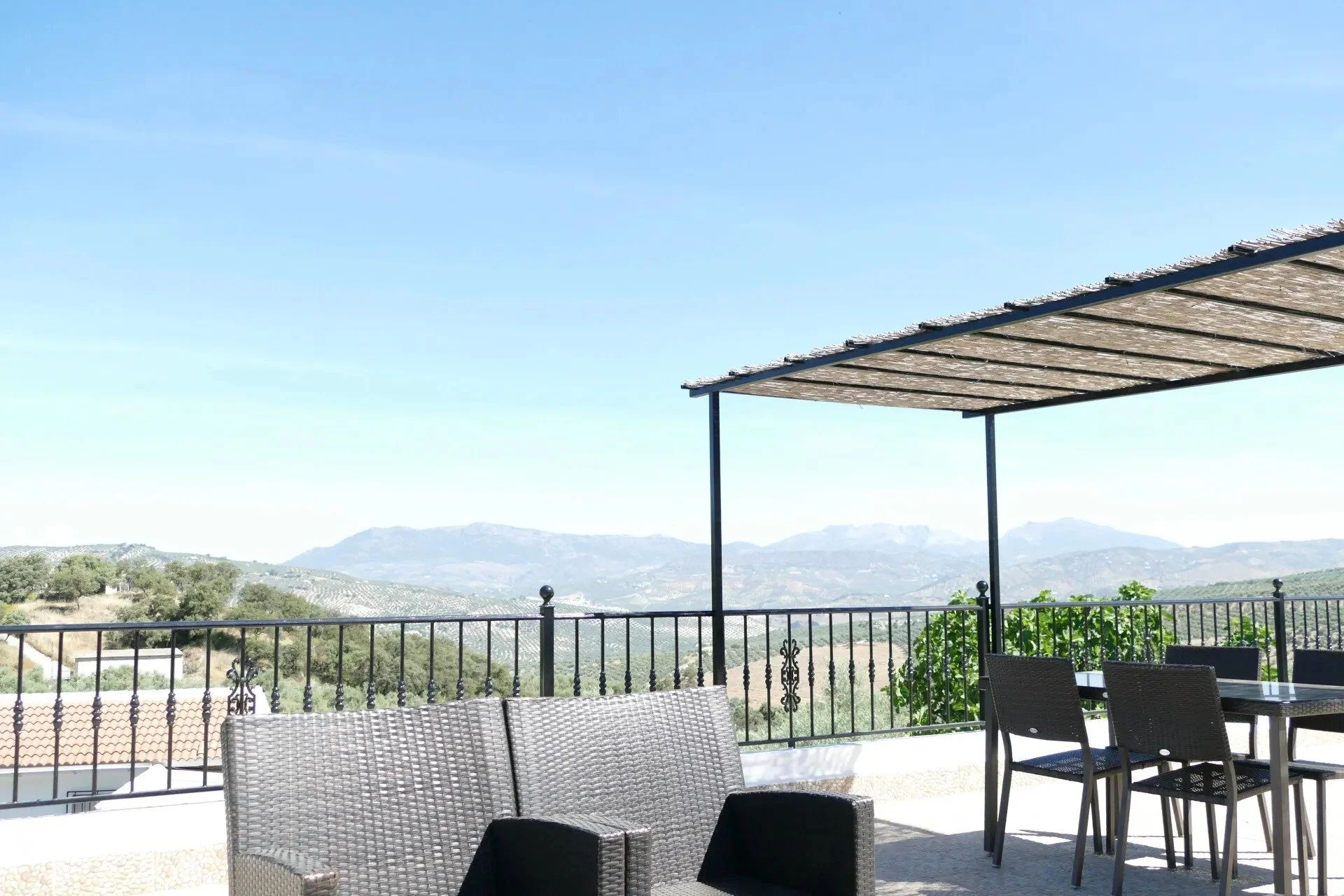
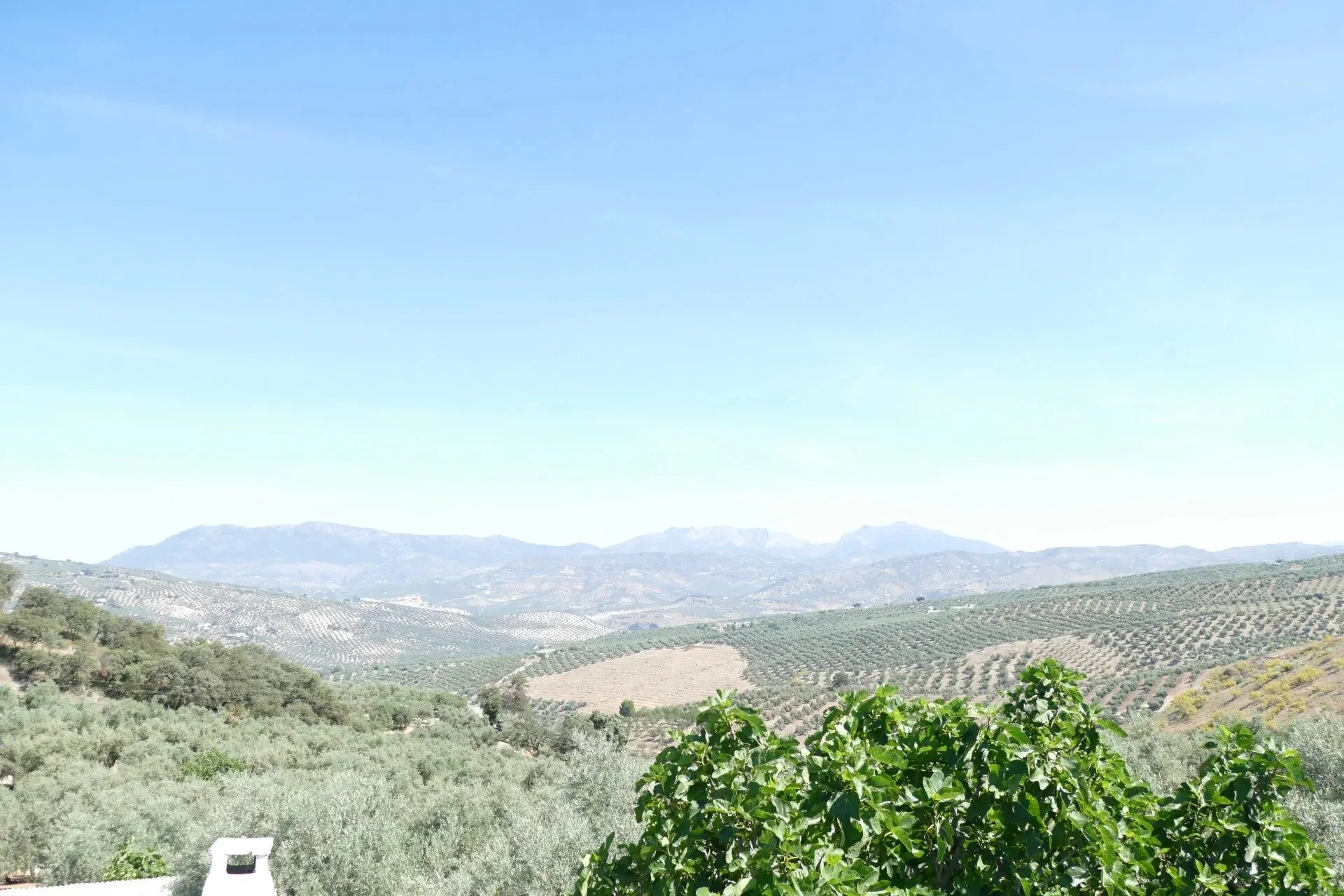
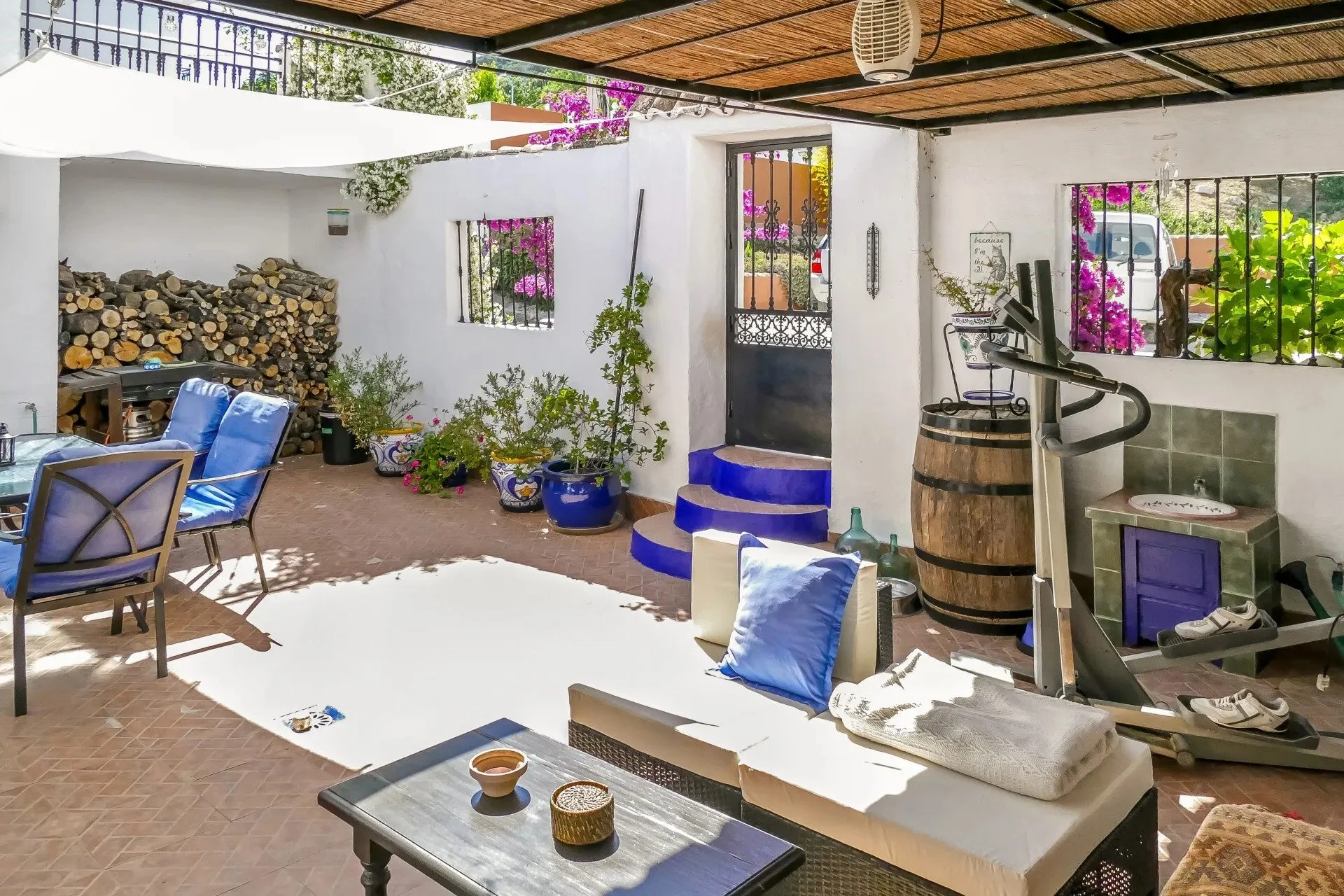
Pool, courtyard, valley views
Land
Approx. 437 m² stated in the listing
Condition
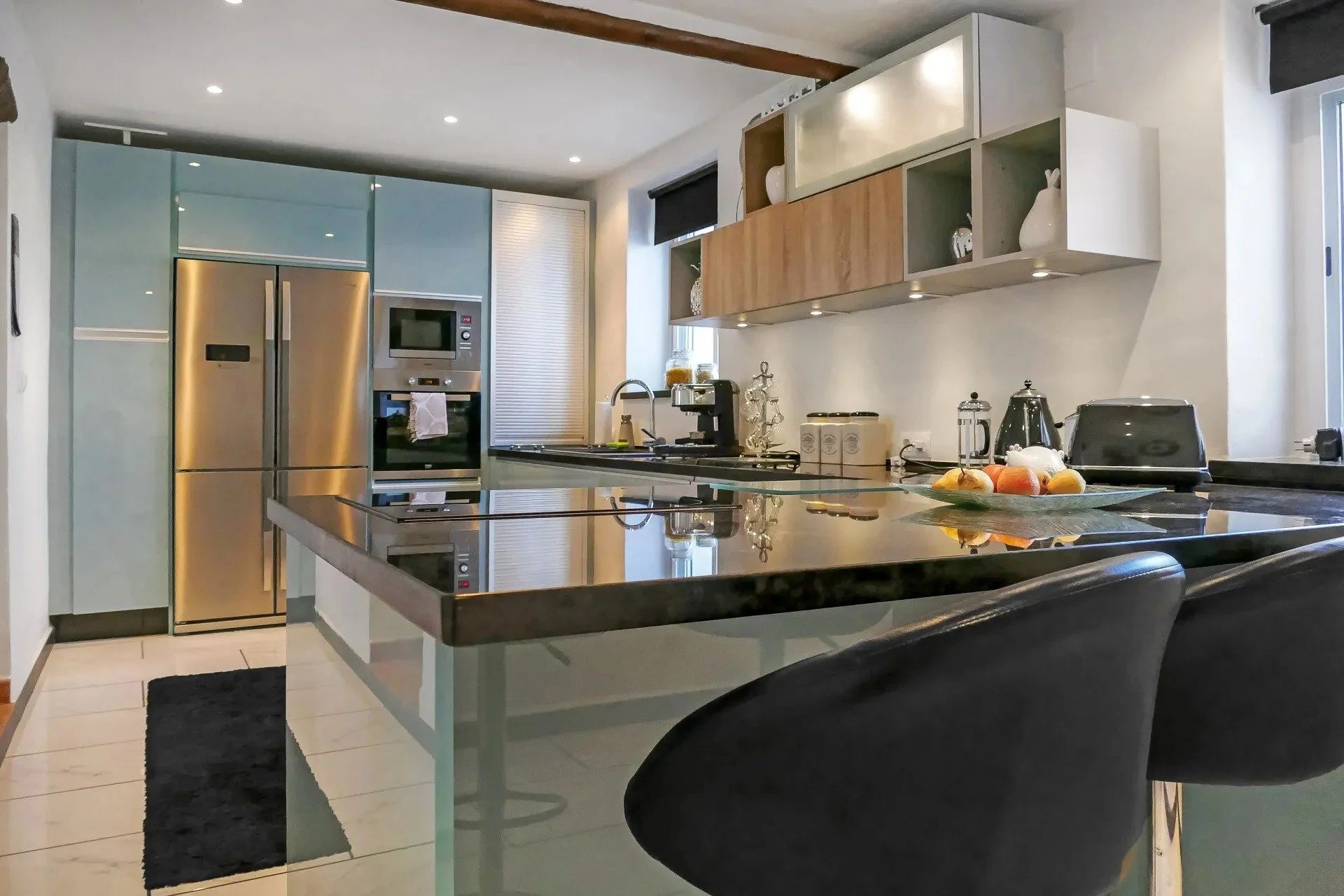
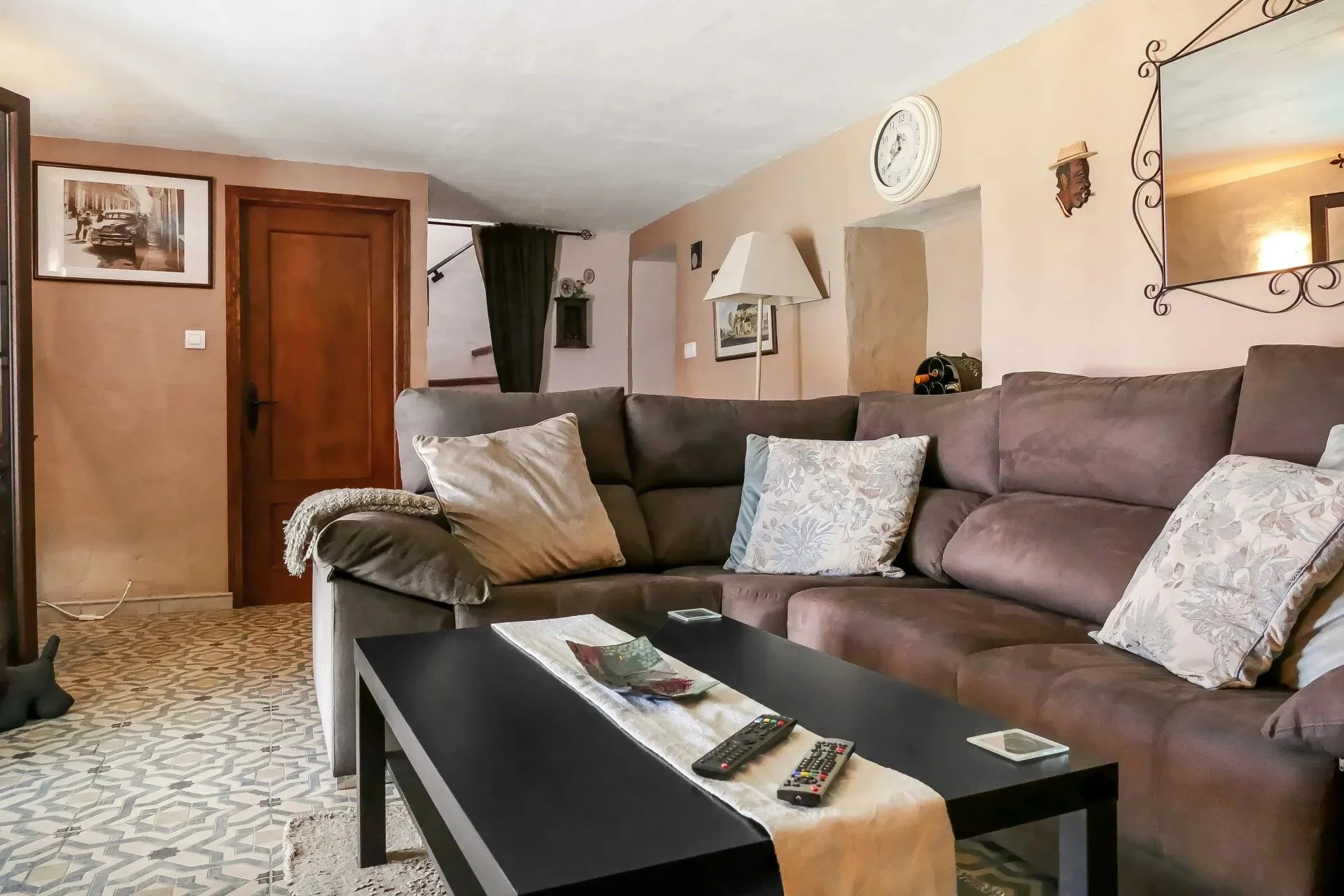
Marketed as renovated
Use profile
Strong apparent fit for rental income, retreat-style hosting or extended family occupation
Key due diligence themes
Legal status of the guest apartments, renovation permits, tourism licensing, energy documentation, pool permits, utilities and drainage capacity, and the exact land and title configuration
Risk Radar
Overview
This is the sort of property where the value sits in the configuration as much as the building itself. Eight bedrooms, three self-catering guest apartments, a pool and valley views create a very strong commercial story. It could function as an income property, a hospitality-style base, a retreat setup, or a generous multi-generational home. That flexibility is exactly what makes the legal and documentary side so important.
The first issue is the status of the three guest apartments. They are the headline feature, but their value depends on what they legally are. If they are formally recognised as independent dwellings or properly regularised accommodation units, that supports both use and pricing. If they are simply part of one house that has been informally arranged for guests, then the property may still be attractive, but the income case changes materially.
The second issue is whether the renovation and any conversion works were fully permitted and correctly reflected in the title, planning and cadastral records. In a property of this scale, "renovated" can cover anything from tasteful updating to a major change of use with kitchen installations, independent access arrangements and service separations. Those are not the same thing in legal or valuation terms.
The third issue is tourism regulation. Andalusia distinguishes between different accommodation models, and multiple self-catering units on one property can raise a more nuanced regulatory question than a simple single-home holiday let. Buyers should not assume that three guest apartments can be operated under the same logic as one ordinary tourist dwelling. The regional framework and national registration layer both need checking.
The fourth issue is infrastructure. A property arranged for eight bedrooms and guest use needs water supply, hot water, drainage and possibly septic capacity that genuinely match the occupancy profile. The same applies to heating, cooling and pool systems. Attractive layout is one thing. Operational resilience is another.
The opportunity here may be very good, but it depends on aligning the commercial story with the paperwork. That is the central task before any buyer starts underwriting rental income.
Targeted Questions
Title, Registry and Legal Configuration
It confirms ownership, charges, liens, legal description and whether the property is registered as one dwelling or in another configuration.
The legal description helps determine whether the guest apartments are formally recognised.
Their legal classification directly affects licensing, value and future resale.
The cadastral record helps test whether the built form shown in the listing matches official records.
Missing or outdated records can signal regularisation work still to be done.
Buyers need to see whether the current internal arrangement is reflected in official documentation.
Shared access or third-party rights can reduce privacy and operational freedom.
Buyers should know whether any financial or legal burden attaches to the property.
Guest Apartments and Independent Use
Independent access strengthens practical separation, but the legal position still needs confirming.
Self-catering use is more sensitive legally when wet areas and kitchens have been added or converted.
Independent occupancy or guest use may depend on the legal status of each unit.
Buyers need the precise answer, not just a practical description.
Conversion from non-residential or ancillary space often carries planning and regularisation implications.
These works may require permits and may affect the property's lawful use.
Prior use can reveal both commercial performance and regulatory exposure.
Buyers should verify whether previous rental practice was compliant.
Shared metering affects both operational management and future guest-use practicality.
Shared circulation and amenity areas can affect privacy and commercial layout.
Renovation Permits and Technical Documentation
Buyers need to distinguish cosmetic updating from structural or use-related works.
Legal renovation status affects resale, insurability and enforcement risk.
Buyers should verify that the works were authorised and formally closed out.
Professional involvement often improves documentary clarity and technical reliability.
Structural work is higher-risk and more likely to require full documentation.
Invoices help prove recency, contractor identity and scope.
Guarantees can reduce short-term ownership risk.
A mismatch between physical reality and official records can complicate the purchase.
Rental Licensing and Income Position
Existing registration can materially change the buyer's starting position.
Multiple units on one site may fall into a different regulatory logic from a single tourist dwelling.
The correct category affects compliance requirements, setup costs and business model.
Local planning interpretation can be decisive.
Real performance data is more useful than broad estimates.
Buyers need to model revenue using local seasonality rather than generic Andalusian demand.
The type of demand matters as much as headline occupancy.
Gross-income assumptions often overstate true profitability.
Flexibility in operational strategy can matter if regulations or demand shift.
Spain's national short-term rental registration system now sits alongside regional compliance.
Energy, Heating and Running Costs
A seller should be able to explain whether the energy certificate is pending, absent, expired or simply misdescribed.
For sales of existing buildings or parts of buildings, a registered certificate and energy label must form part of the process.
Separate units may raise separate documentary questions.
A multi-unit setup can be expensive to run even when well renovated.
Buyers need to know whether comfort and costs are centralised or split.
Independent systems are often better for guest use and cost allocation.
These can materially affect running costs and guest appeal.
Window quality is a practical proxy for comfort and energy performance.
Renovated appearance does not automatically mean efficient building fabric.
Water, Drainage, Pool and Site Infrastructure
Multi-unit guest use depends heavily on reliable water provision.
A septic system must be appropriate for the true occupancy load.
Drainage failure in a guest property can become both a cost and a compliance problem.
The occupancy profile may exceed what a smaller domestic system was designed for.
Guest operation increases sensitivity to supply interruptions.
Pool legality should be documented, especially in rural or converted properties.
Buyers need to understand both condition and likely replacement timing.
Safety, seasonality and insurance all interact with pool configuration.
Recent pool works should be evidenced.
Access, Parking, Neighbours and Practical Operation
Guest-friendly access matters if the property is intended for commercial use.
Private-road liability can affect annual costs and ease of operation.
Parking adequacy affects both guest satisfaction and licensing practicality.
Privacy, noise and neighbour sensitivity matter more in a guest property.
Prior friction can indicate operational constraints.
Commercial viability depends on real visitor convenience.
Negotiation Intelligence
Buyer Leverage
Medium-High
Key Drivers
Typical Negotiation Range
5-15% below asking
Neutral Phrasing Examples
Country Layer
Spain (Regulatory Context March 2026)
Key Spanish and Andalusian requirements for buyers:
Viewing Strategy
When you view this property, inspect it as both a home and an operating business asset.
Next Step
Verify from the listing:
Legal status of the three guest apartments
Request the nota simple, floor plans and any occupancy documentation so you can confirm whether the apartments are legally recognised as independent accommodation units or simply part of one larger house.
Renovation permits and conversion paperwork
Ask for the licencia de obras, technical sign-off documents, and invoices for the renovation so you can verify that the current guest-apartment configuration was properly authorised.
Tourism-licensing route for multiple units
Clarify whether the property can legally operate as three self-catering guest apartments under the correct Andalusian accommodation category, and whether any existing registration already supports that use.
Pool, water and drainage capacity
Verify the pool permits, maintenance records, water source and the drainage or septic setup so you can assess whether the infrastructure is suitable for the property’s true guest capacity.
Energy certificate and operating costs
Request the registered Certificado de Eficiencia Energética and realistic utility-cost evidence, because a large multi-unit property can look attractive on paper while carrying high real running costs.
A prepared buyer should approach the agent calmly and frame questions as due diligence. For example: “To help me assess the property properly and prepare a serious offer, could you share the nota simple, catastral plan, renovation permits, any documentation showing the legal status of the guest apartments, and the current energy, pool and drainage paperwork?”
Because this is an income-oriented Andalusian property where legal configuration, licensing path and infrastructure all materially affect value, run it through the Property Risk Assessment to test title, planning and operational risk, or use the Rental Yield Calculator once the guest-apartment licensing route and real running costs have been properly verified.
Disclaimer: The Property Drop is buyer-focused intelligence, zero sales agenda. We curate exceptional properties, in southern Europe, from third-party agents and arm you with decision tools. No commission, no transactions, no agent partnerships, no skin in the game beyond helping you choose wisely. Information stays accurate until it doesn't (properties sell, prices shift, markets move). Everything here is shared for informational purposes only and should not be treated as legal, financial, or investment advice. Images belong to original agents. Read our Terms of Service to learn more.
IMPORTANT REMINDER: When contacting property agents featured on The Property Drop, you are entering into direct communication with third parties. It's recommended that you verify all property details independently, conduct thorough due diligence, engage qualified professionals (solicitors, surveyors, financial advisors), understand your rights and obligations under local property laws, and never send money or make commitments without proper legal protection.
