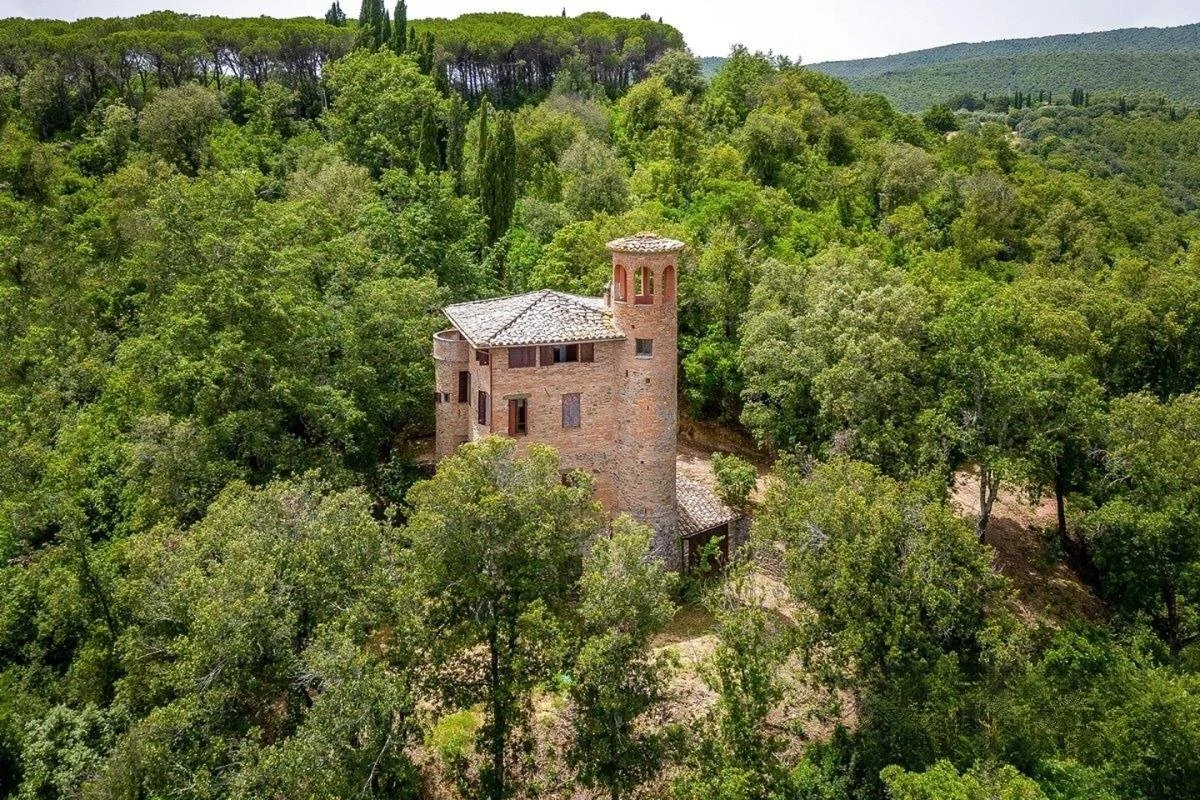
The Buyer Playbook: Historical Villa with Tower & 5 Hectares, Marsciano, Umbria, Italy, €350,000
Italy Pre-Viewing Intelligence

Buyer Playbook

Pre-Viewing Intelligence Report

This independent buyer guidance report relates to this specific property located in Italy. It is provided for informational purposes only and does not constitute legal, tax, structural or survey advice. Heritage status, planning permissions, cadastral conformity, agibilità, utility compliance, septic or drainage arrangements, pool permissions, woodland restrictions, tourist-rental eligibility, and any land-use limitations must always be verified with qualified Italian professionals such as a geometra, architetto, ingegnere, avvocato or notaio, and with the relevant Comune, Catasto and, where applicable, the Soprintendenza. This report is designed to help buyers evaluate the property before arranging a viewing or making an offer. It highlights due diligence issues and targeted questions to ask the estate agent. The analysis is based on the listing details and publicly available regulatory context at the time of writing, including current Italian rules on heritage works, agibilità, tourist-rental identification, and Umbria's agriturismo and tourism framework.

Property Snapshot

Location

Marsciano, Umbria, Italy

Property type

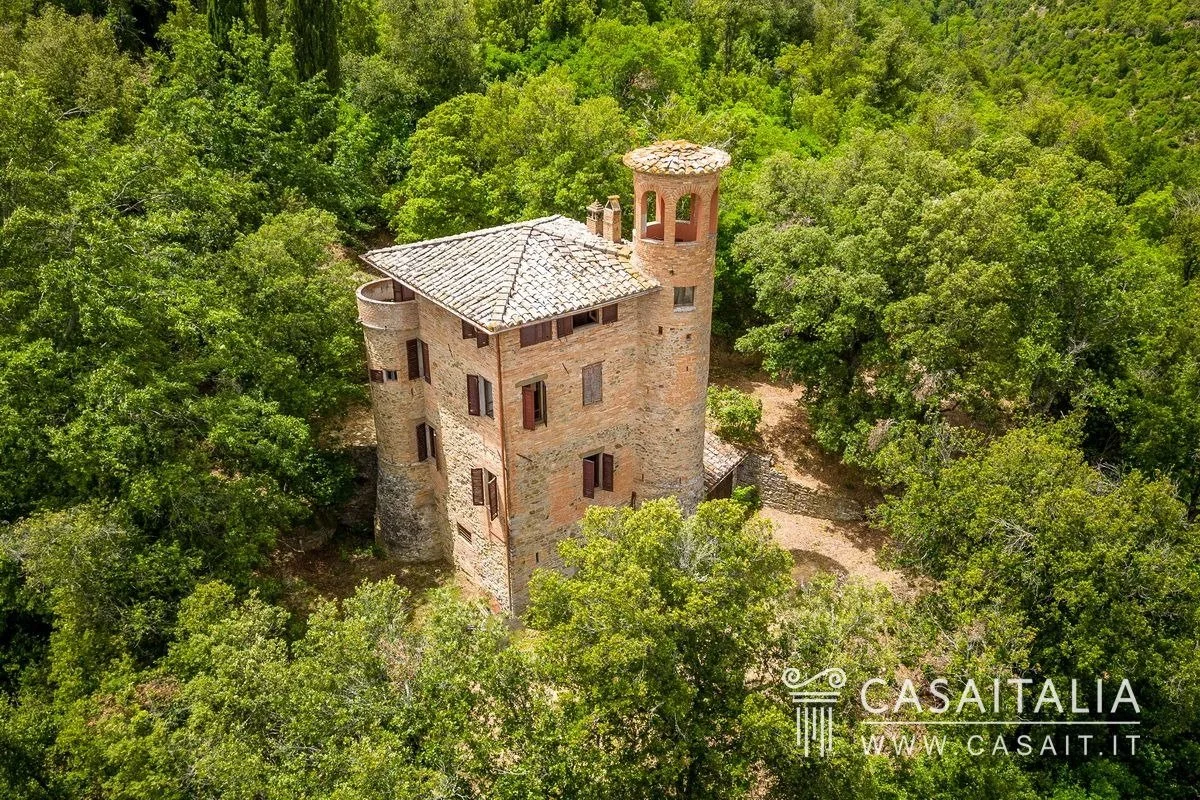
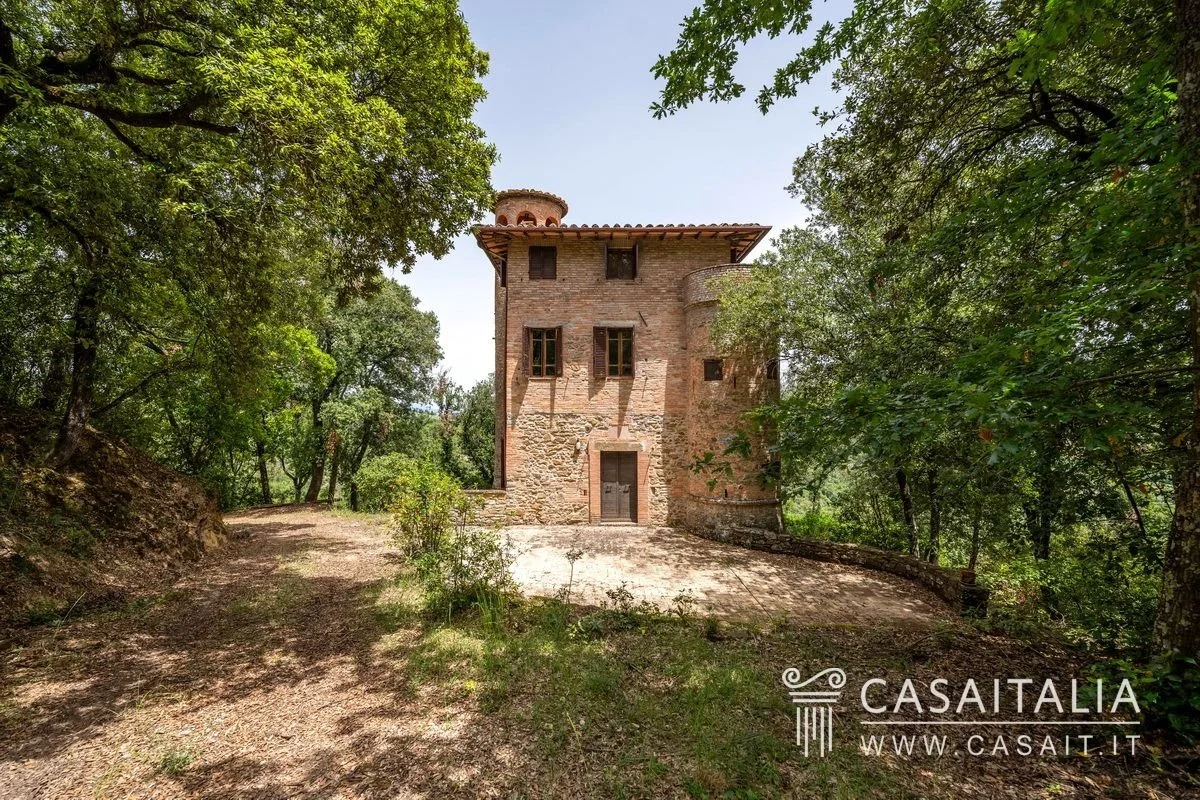
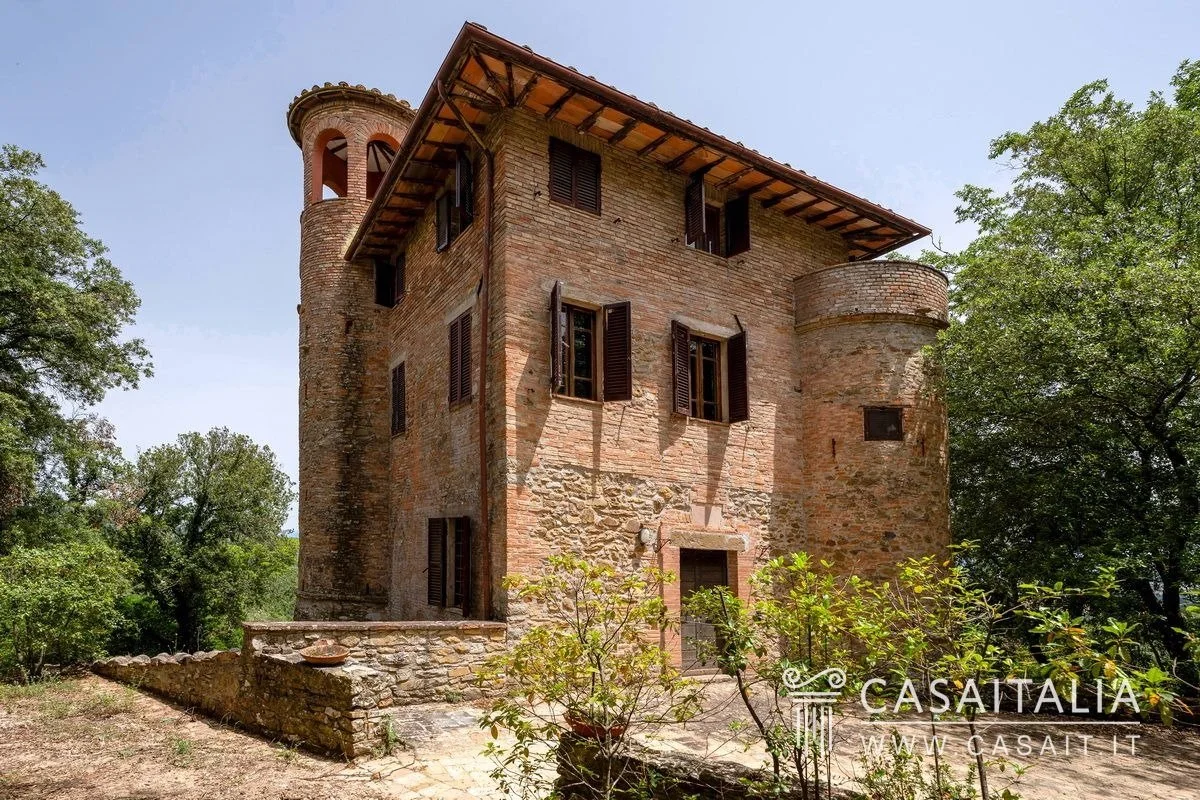
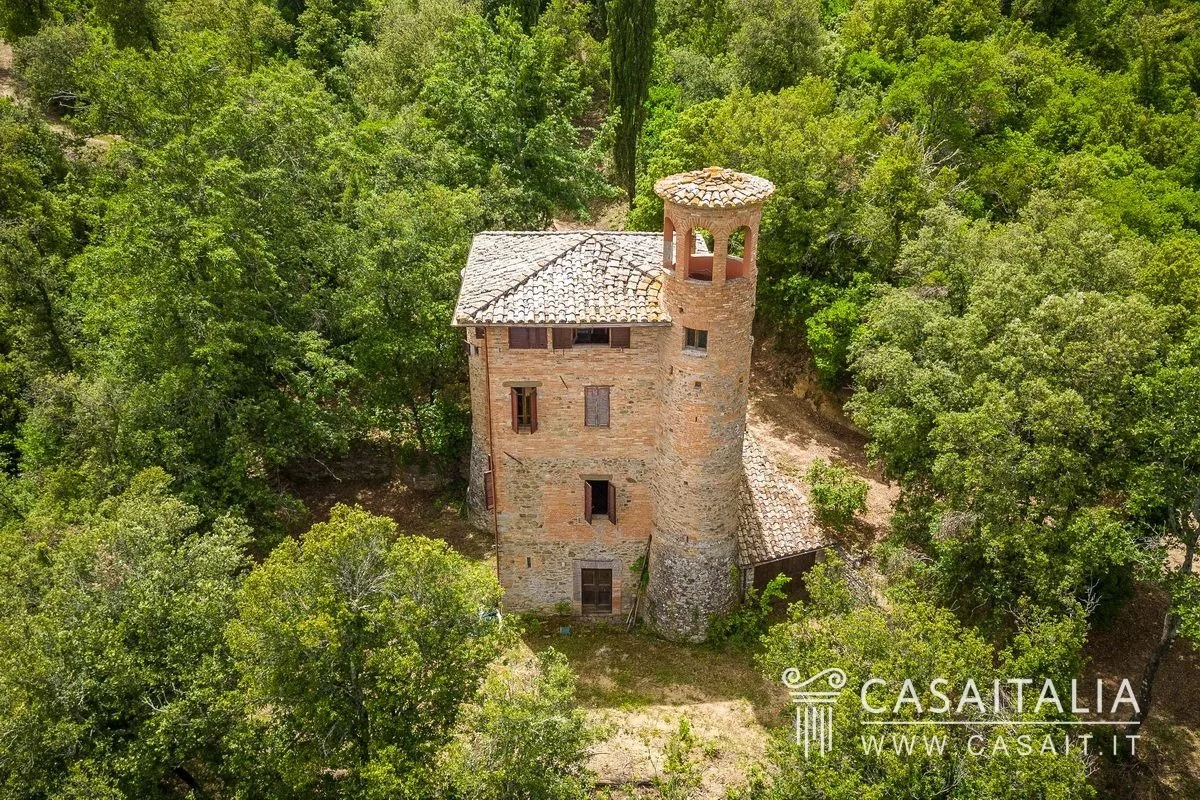
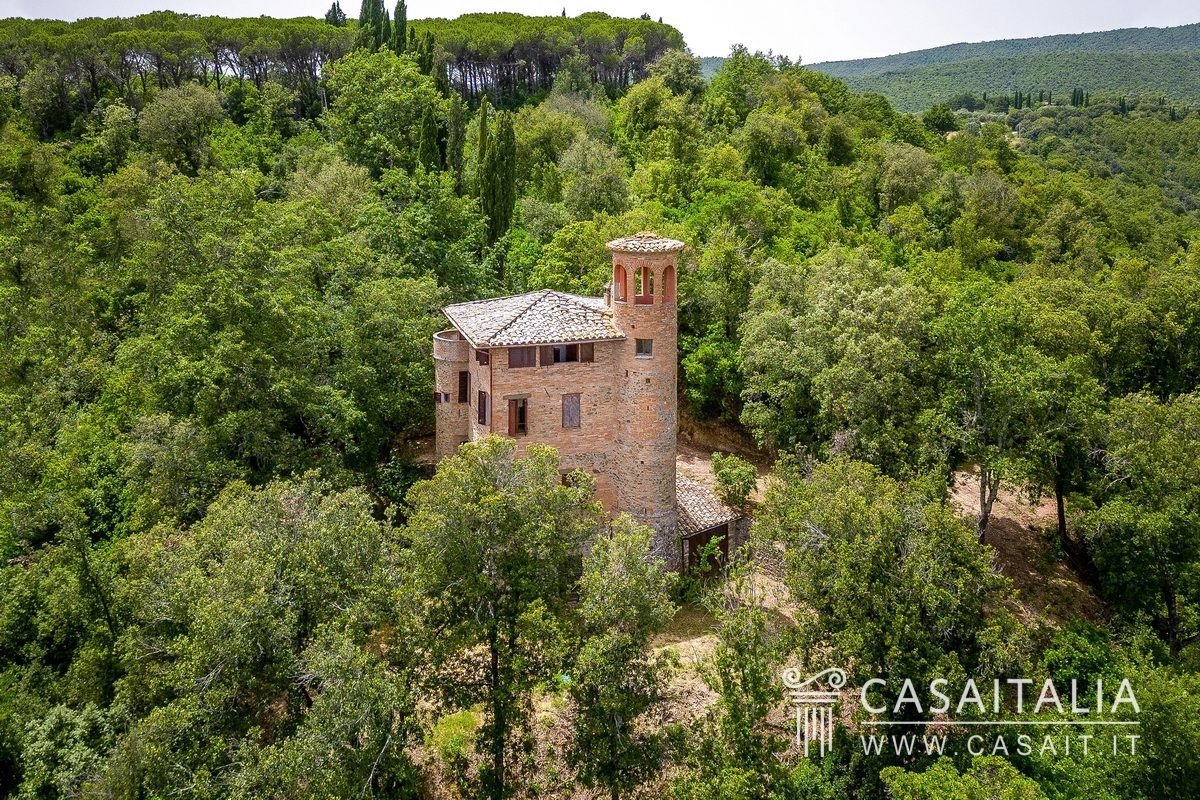
17th-century stone villa with tower

Asking Price

€350,000

Bedrooms

5

Bathrooms

3

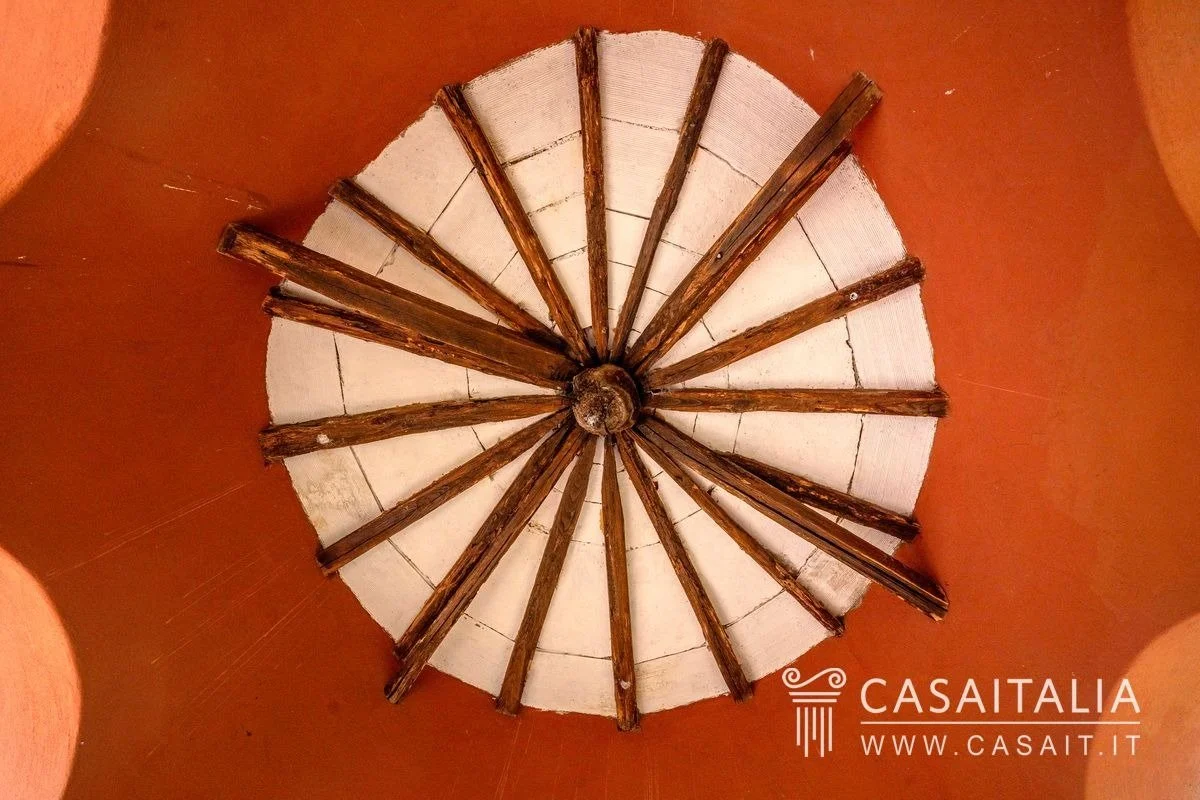
Internal area

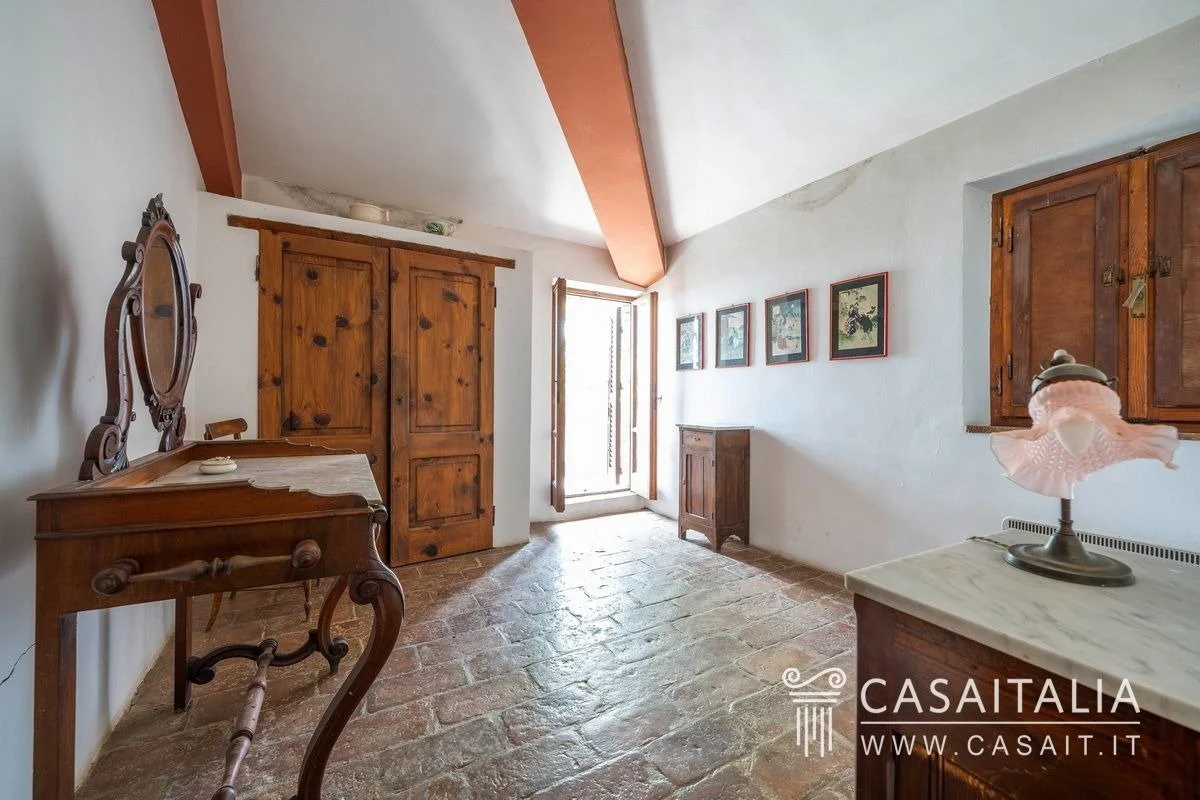
220 m²

Land

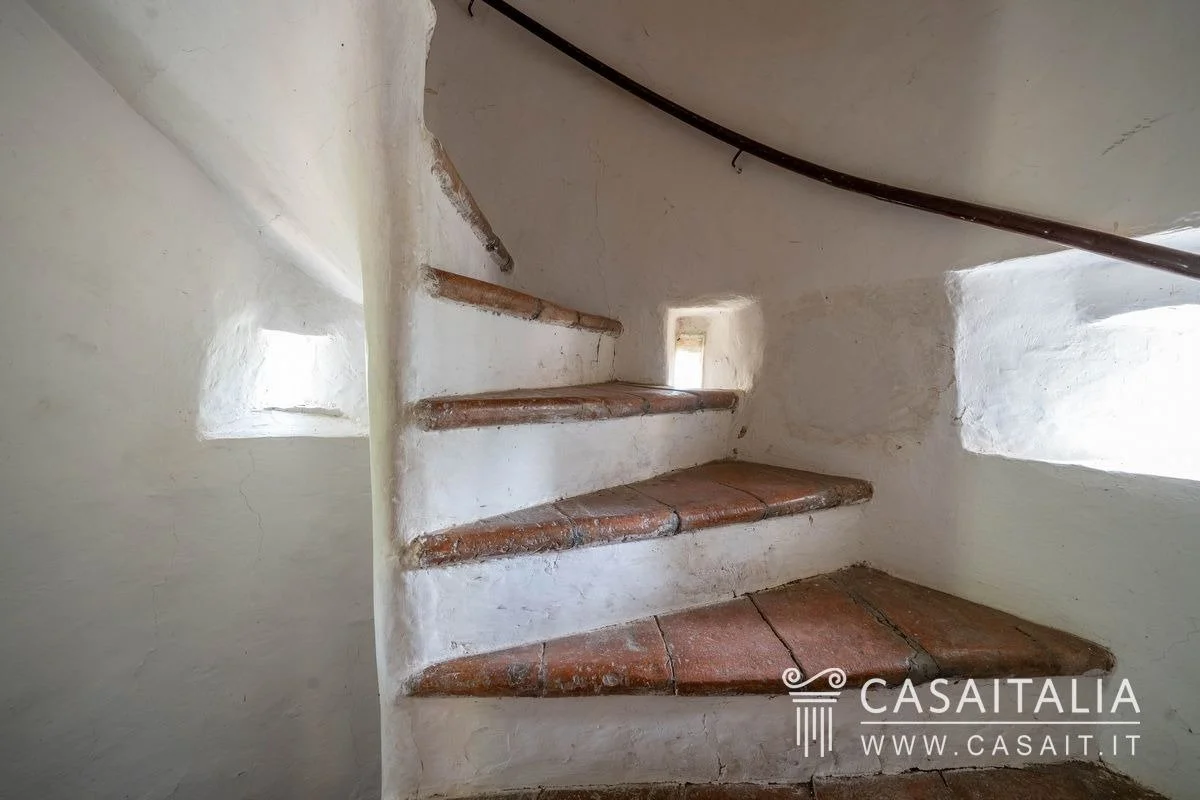
5 hectares

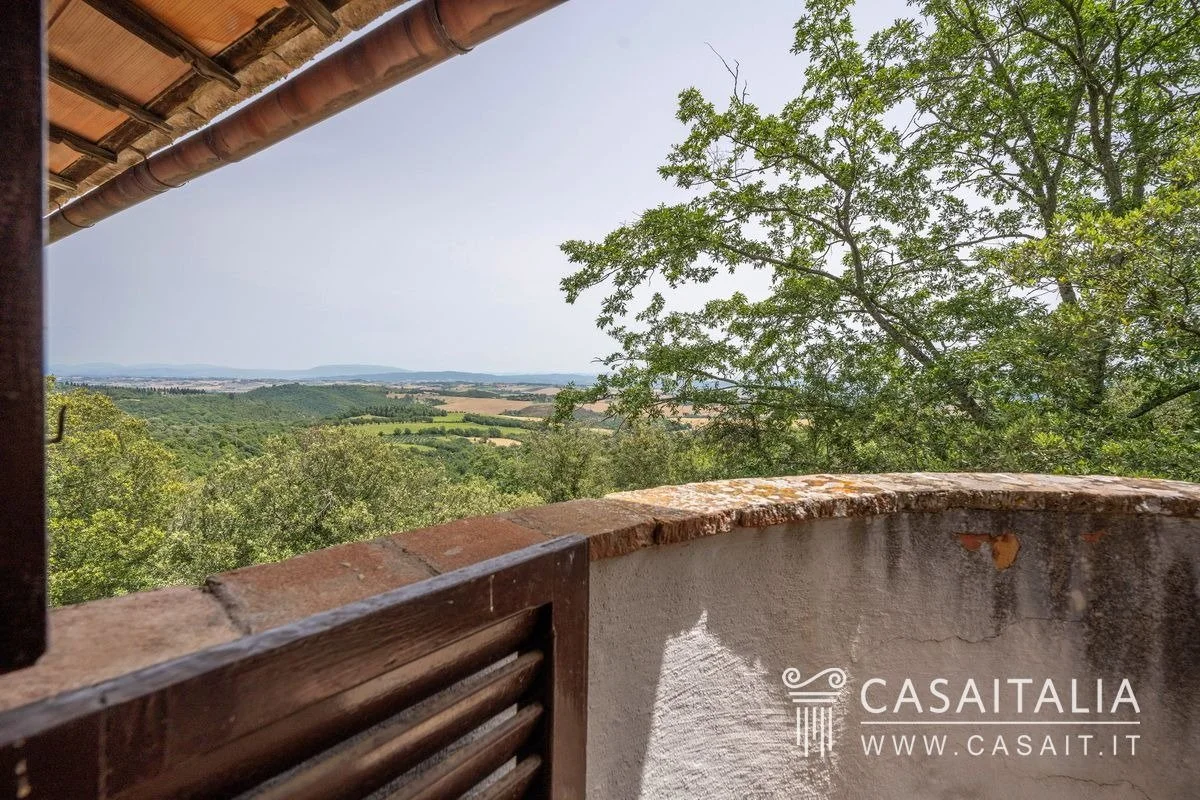
Layout

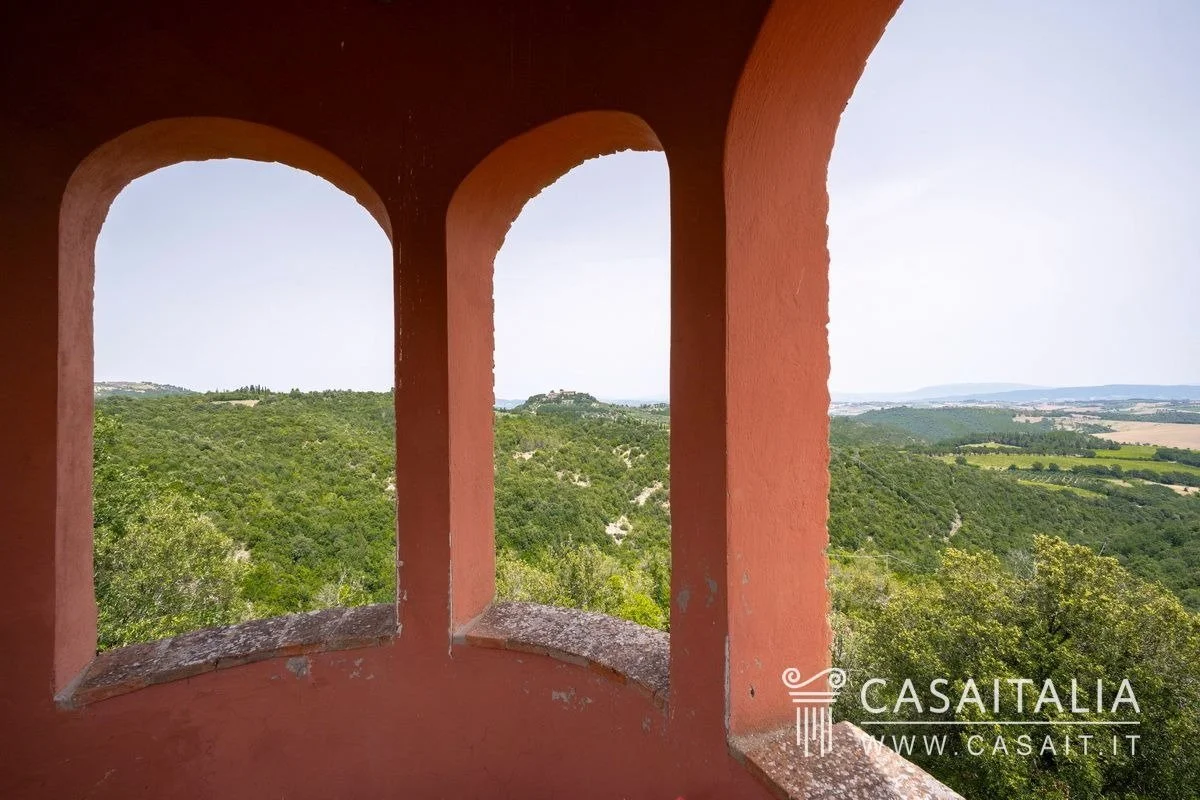
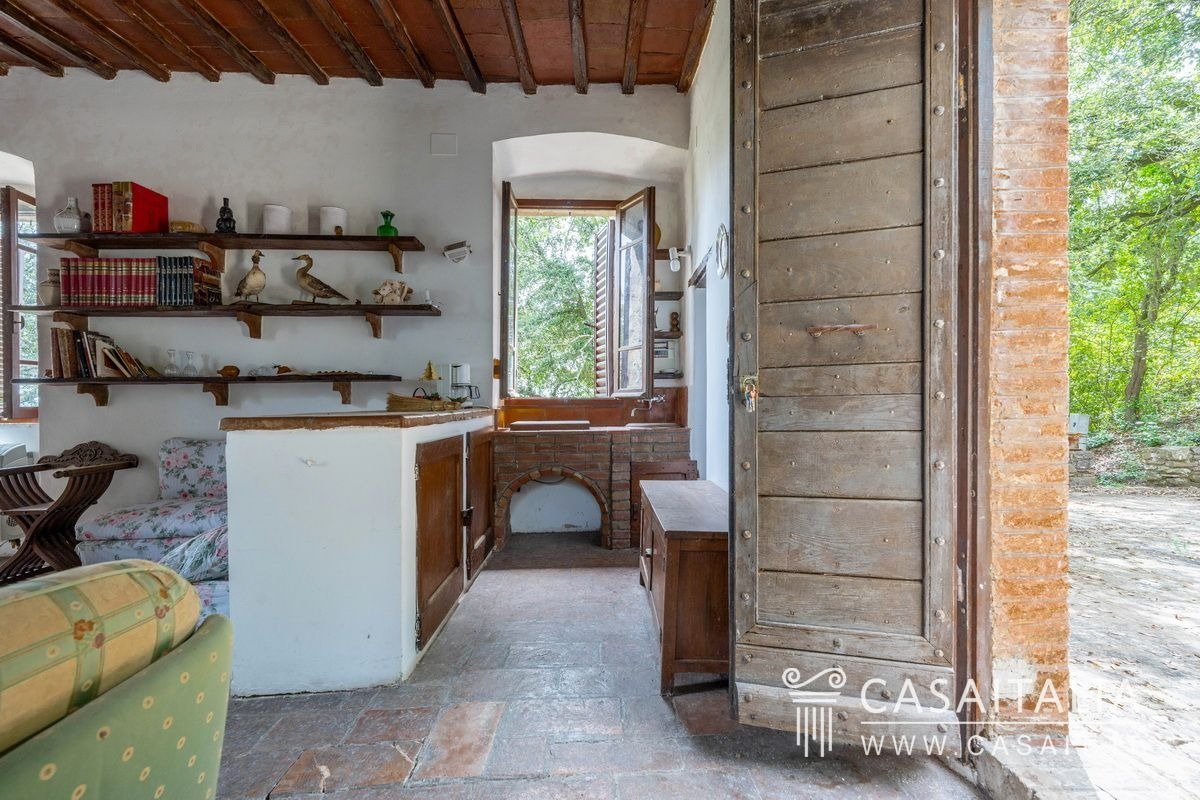
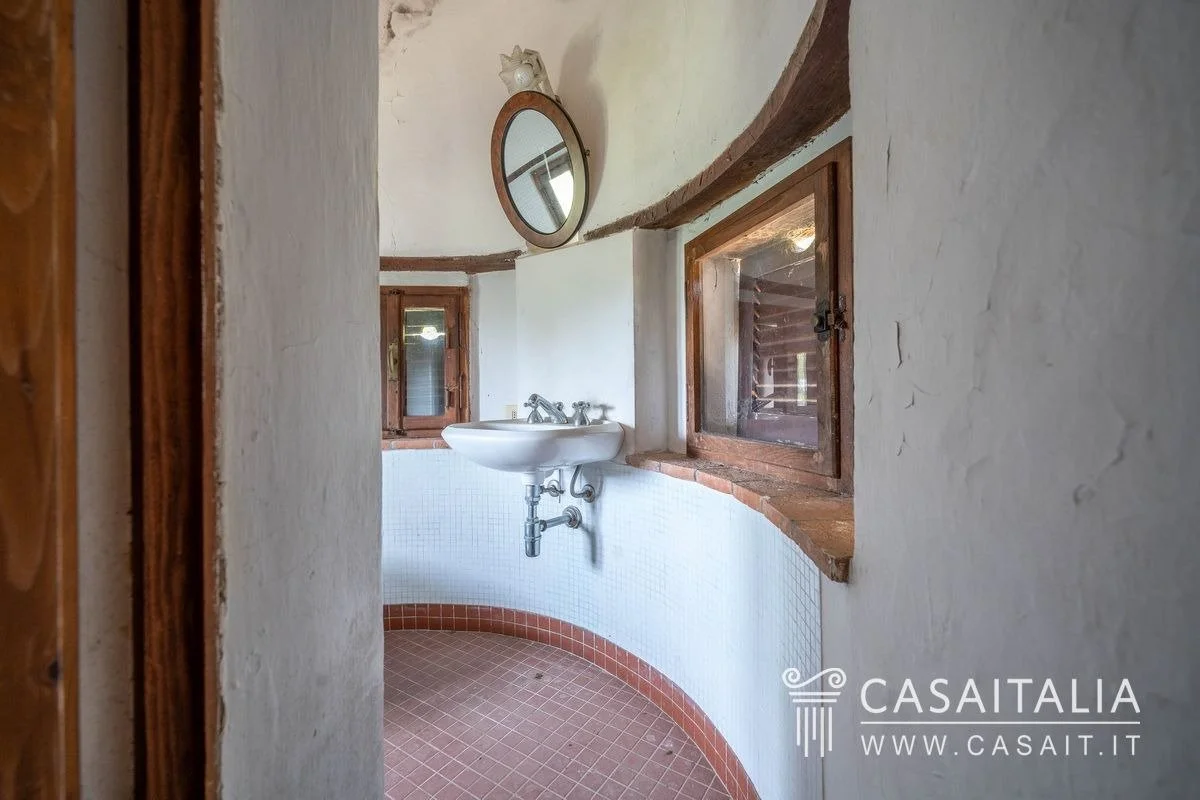
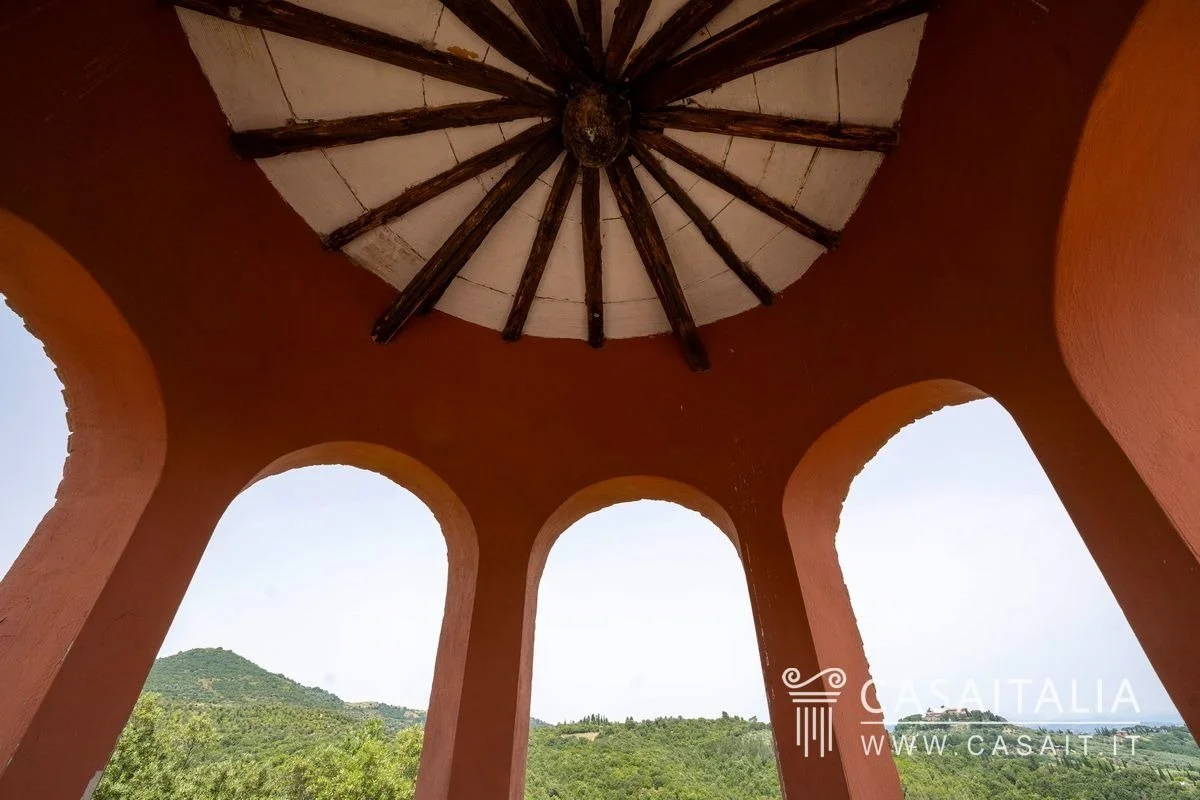
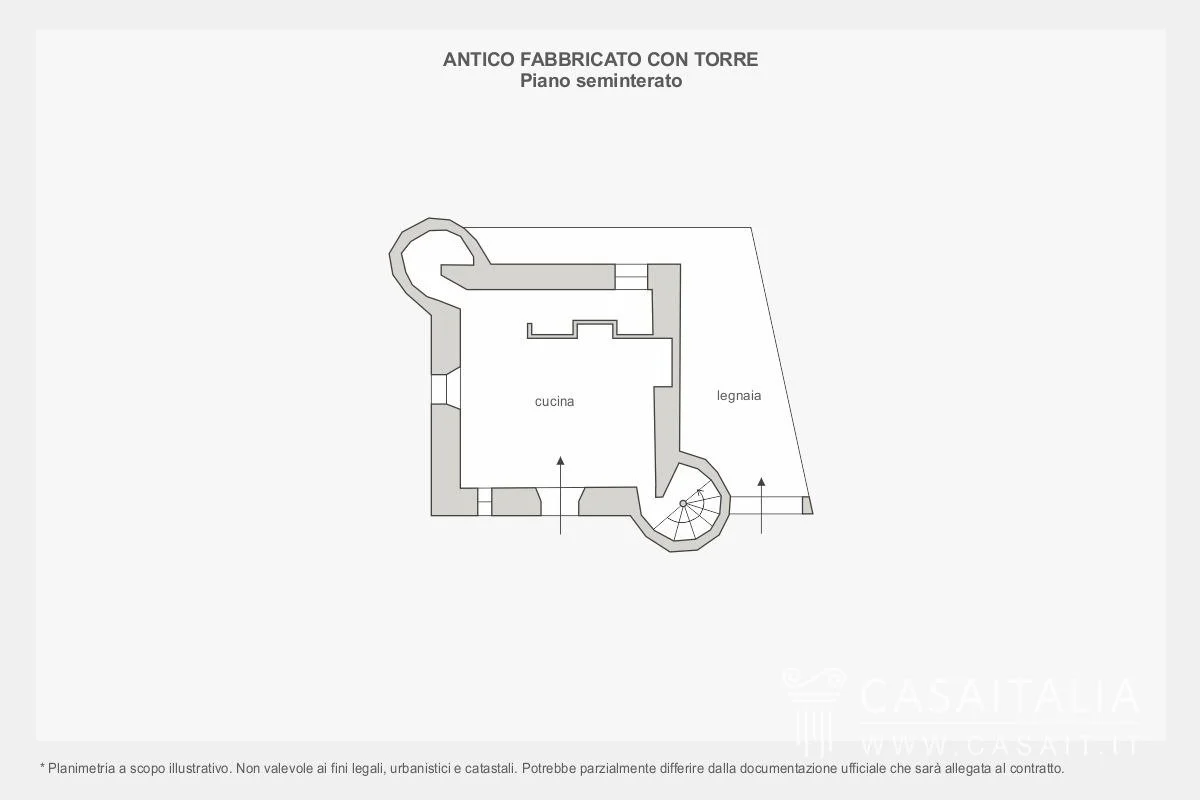
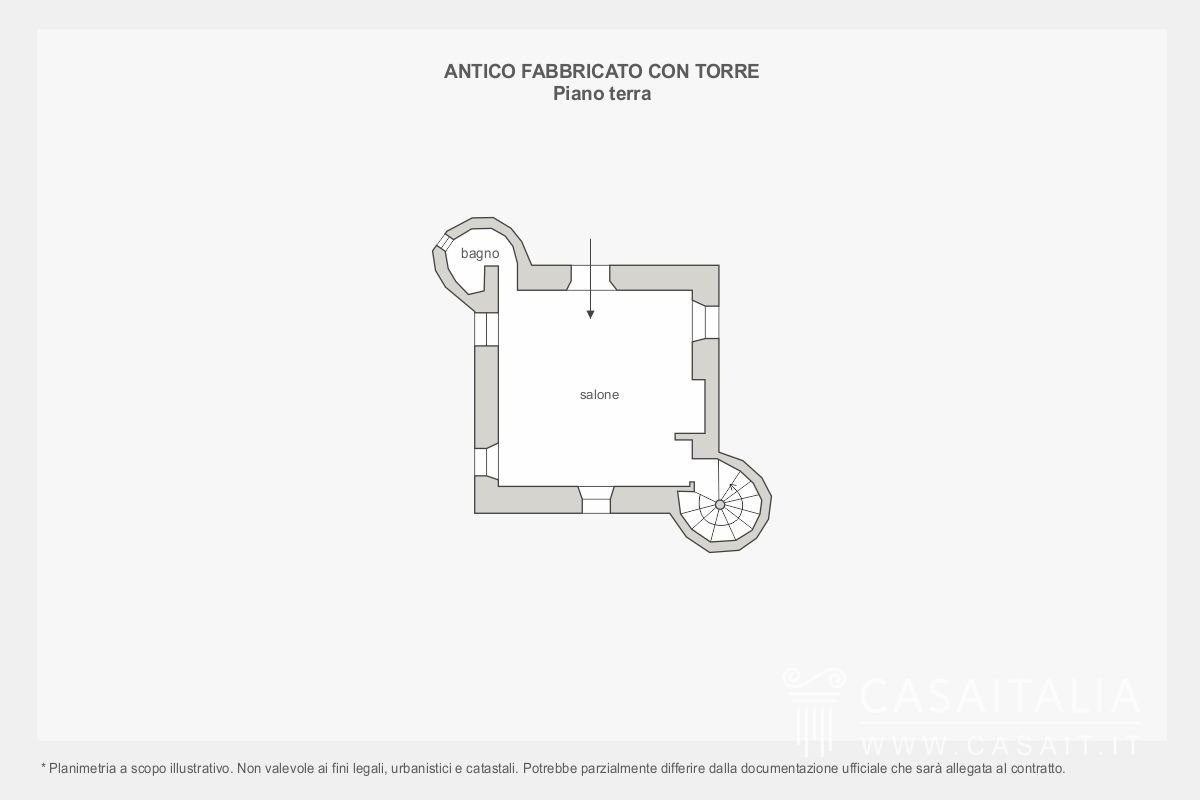
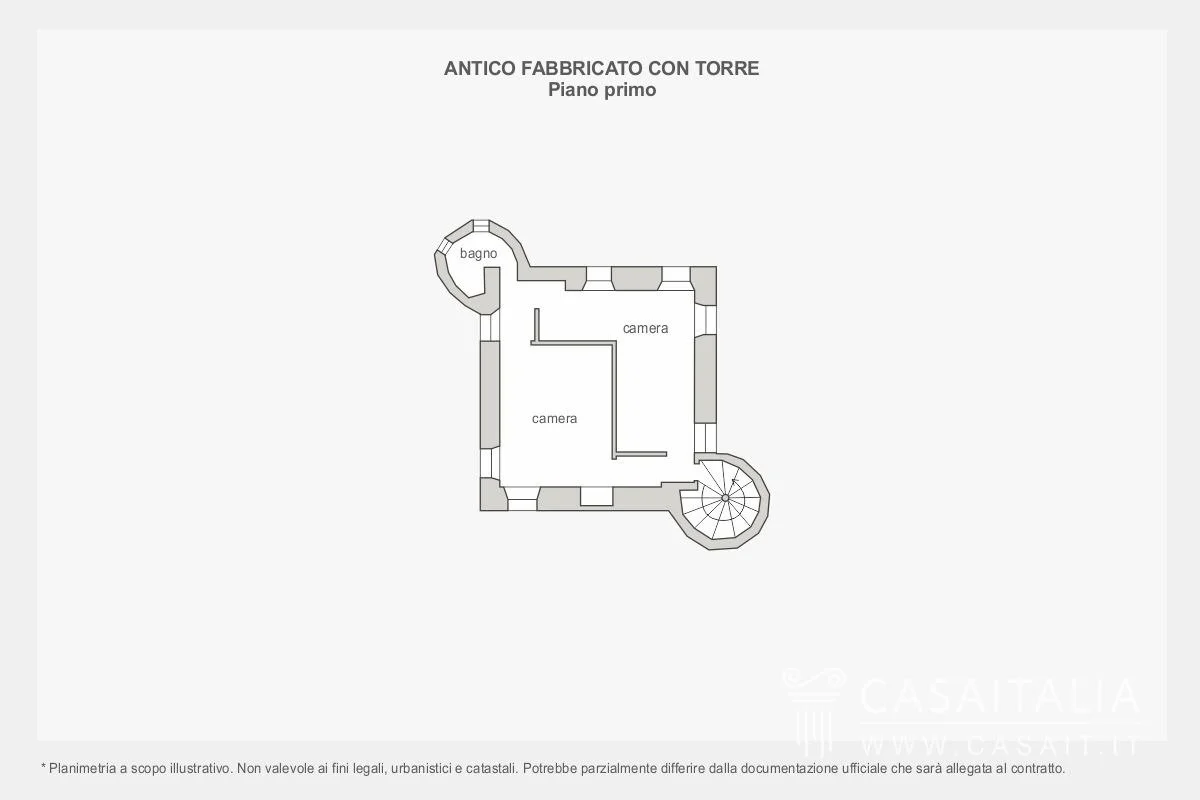
Four floors with cellar kitchen, double-height living room, five bedrooms, loft, turreted spiral staircase and panoramic tower terrace

Condition

Explicit renovation project

Energy rating

Class G

Land mix

Olive groves, woodland and surrounding countryside

Access

Direct driveway from the provincial road

Key appeal

Historic character, tower, privacy, views, landholding and restoration upside

Risk Radar

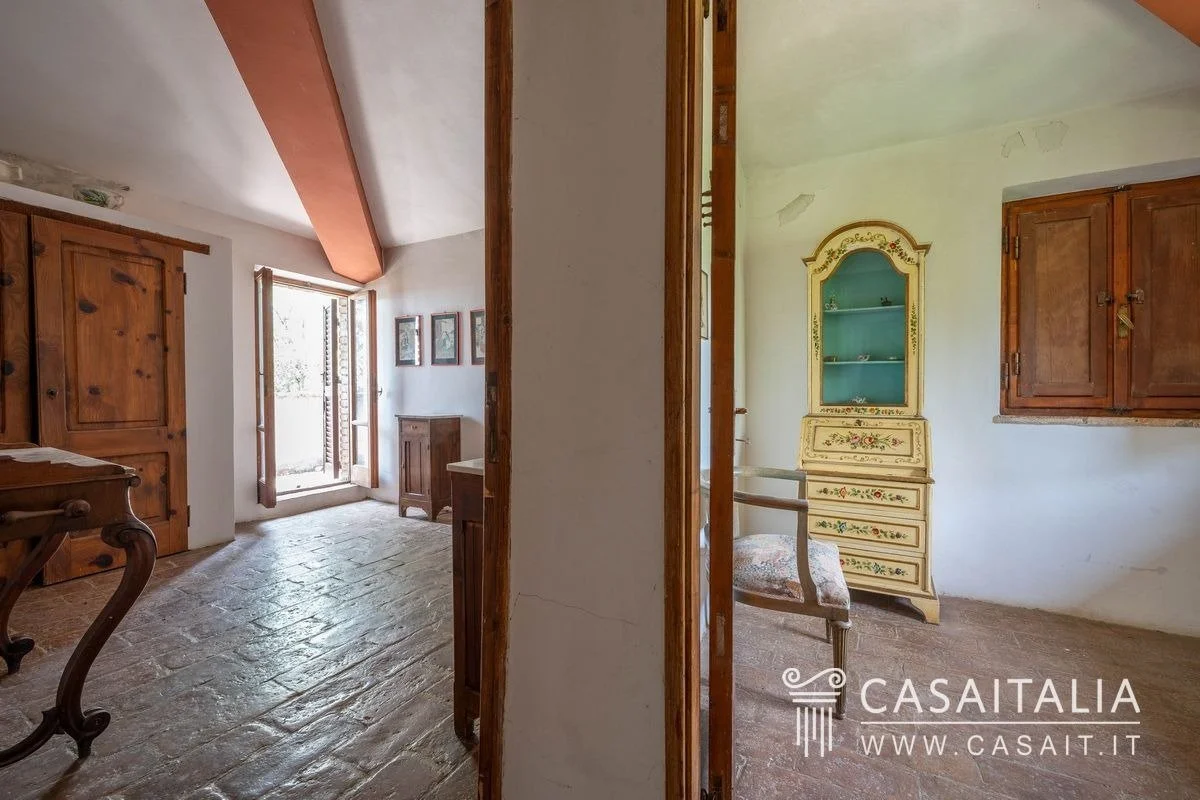
Potential risk or due-diligence focus. More investigation needed. Unknown or information not yet confirmed.
Heritage protection, restoration permissions and design constraints
High
Structural condition of roof, tower, beams and masonry shell
High
Cadastral conformity, agibilità and lawful current layout
High
Land boundaries, olive grove status, woodland constraints and servitù
Medium–High
Tourist-rental or agriturismo feasibility after restoration
Medium–High

Overview

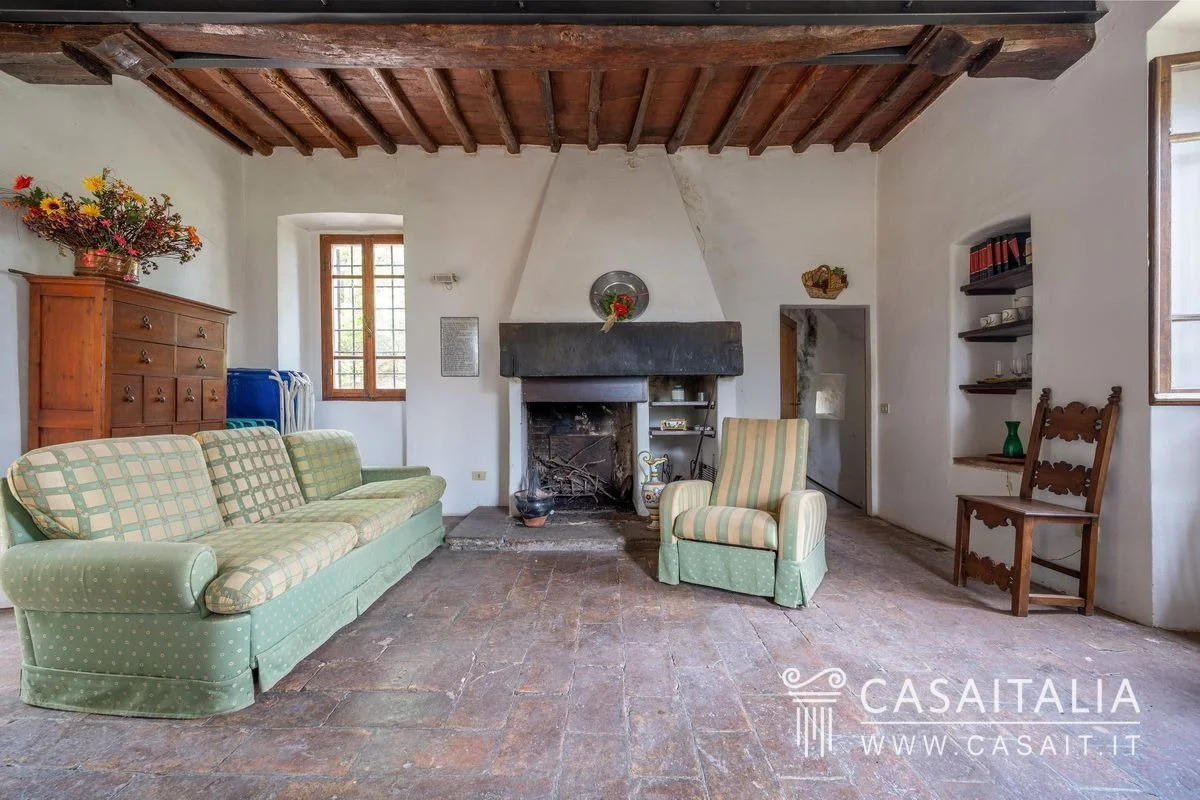
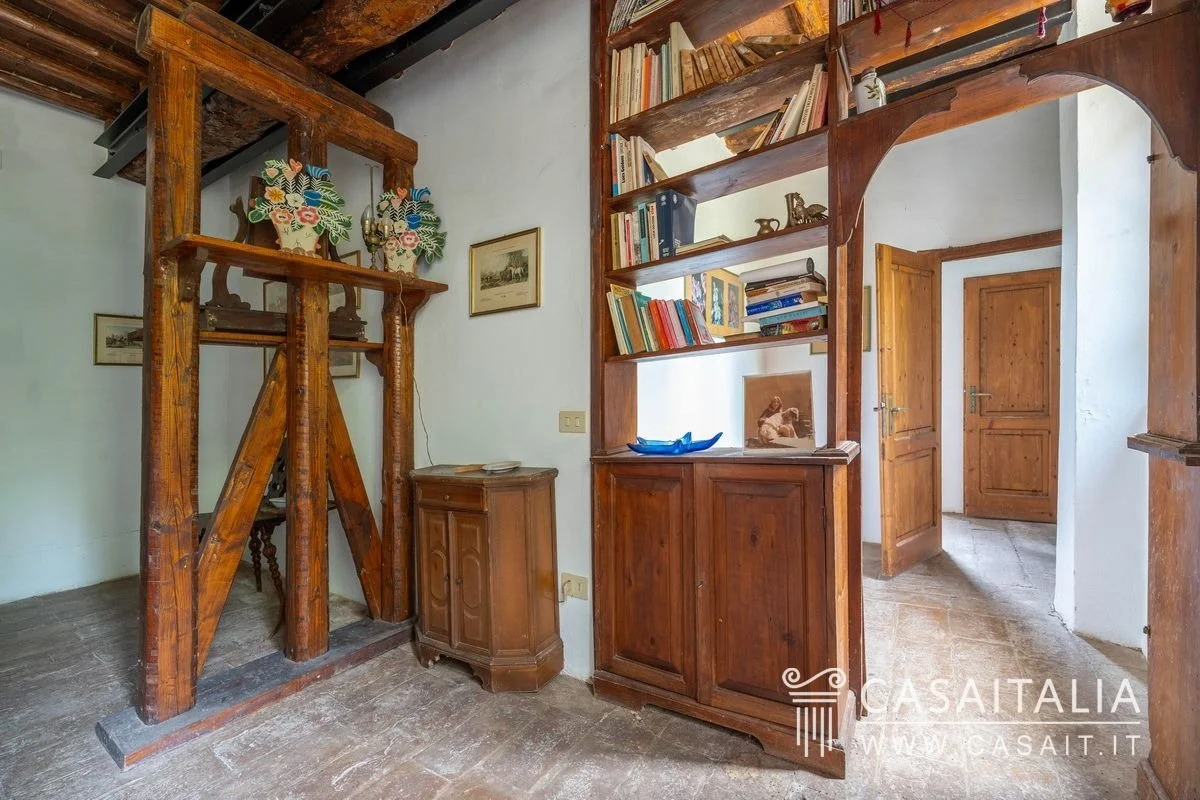
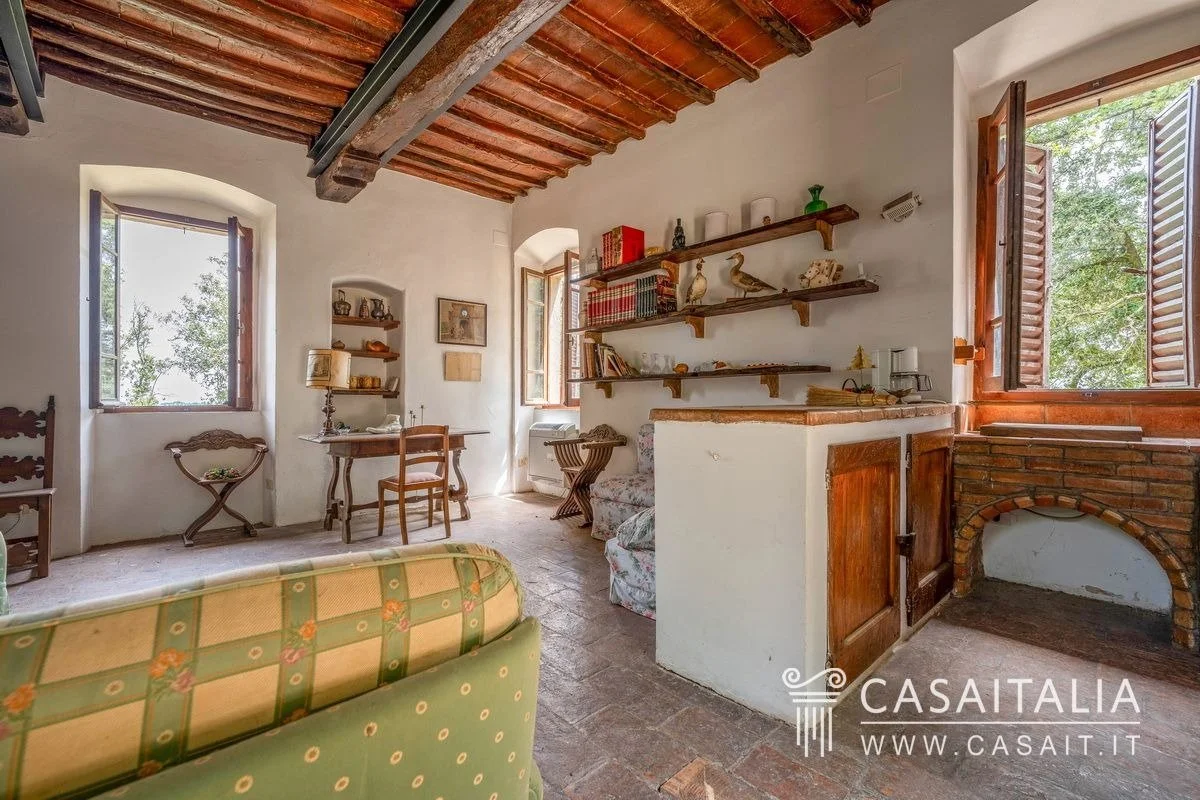
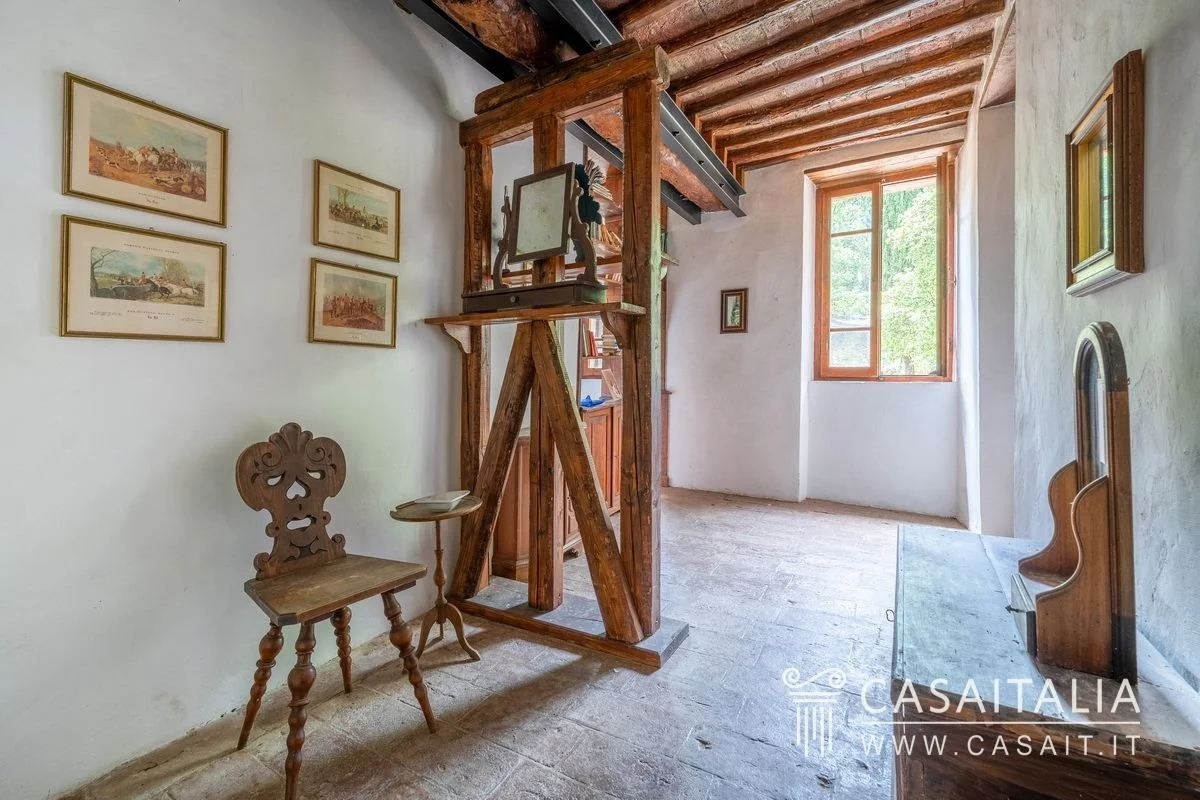
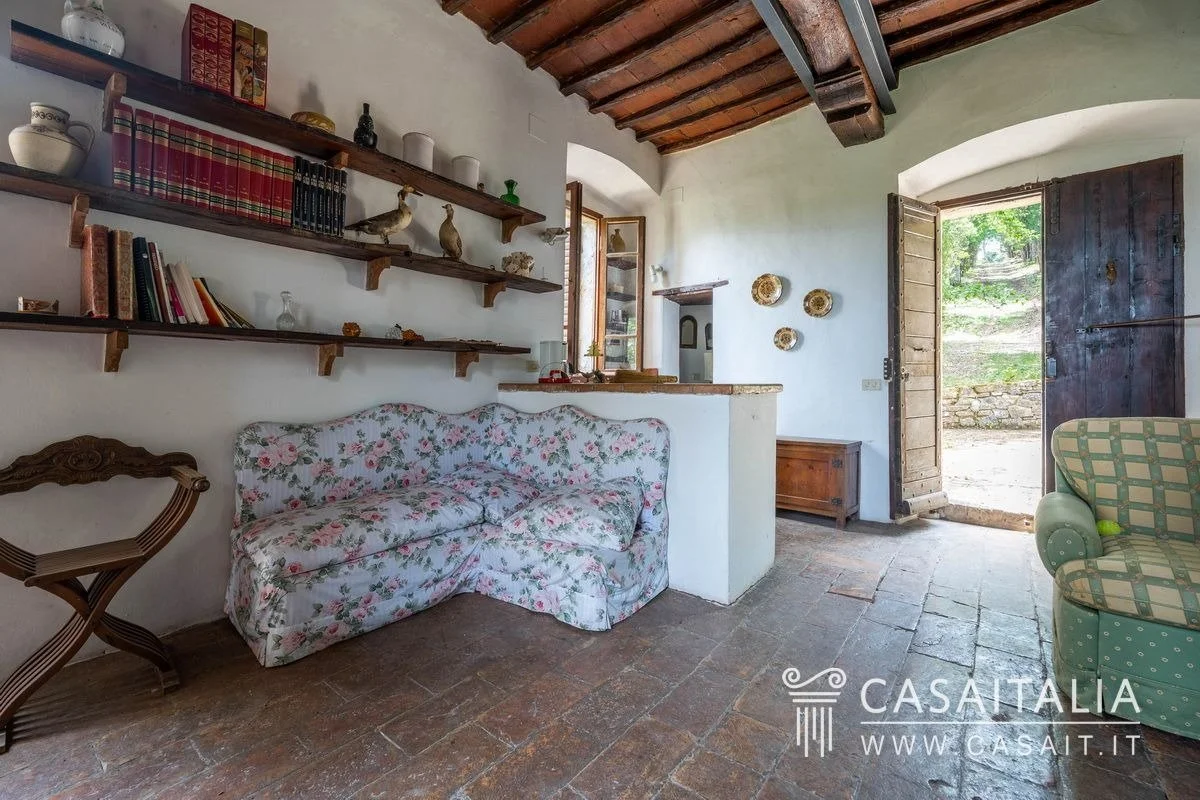
This is the kind of Umbrian property that can be either a brilliant strategic buy or a slow, expensive lesson in historic-building complexity. The headline attraction is obvious: a 17th-century stone villa with a tower, panoramic terrace, five hectares of olive groves and woodland, and enough character to justify serious restoration effort. The price reflects that restoration is not cosmetic. The listing openly signals work to floors, electrics and ceiling beams, which usually means the first layer of due diligence has to focus on whether the visible issues are merely the start of a deeper structural and compliance story.

The main themes here are not decorative. They are legal status, structural integrity, land quality and project feasibility. With a building of this age, the key risk is not simply whether it needs renovation, because that is already admitted, but whether the villa is fully regularised in cadastral and planning terms, whether the tower and terrace are lawful and structurally sound, whether any vincolo or landscape constraints affect what you can do, and whether the utilities and access are robust enough to support either private use or hospitality-led repositioning.

The landholding adds upside, but also complexity. Five hectares can mean privacy, olive oil potential, event or lifestyle appeal, and pool potential. It can also mean maintenance burden, boundary ambiguity, woodland restrictions, drainage issues, agricultural obligations, and a mismatch between what buyers imagine and what the title or planning documents actually allow. In practical terms, this property should be treated as a restoration-and-regularisation project first, and only then as a lifestyle or investment opportunity.

Targeted Questions

Heritage Status, Title Position and Permissions

1.Is the villa formally subject to a cultural heritage vincolo or any separate landscape restriction, and can you provide documentary evidence of the current status?

A protected or constrained property can require additional approvals, longer timelines and tighter rules on restoration methods.

2.Has the Soprintendenza ever issued rulings, prescriptions, prior approvals or objections relating to this villa, tower, terrace or surrounding land?

Historic correspondence often reveals what is realistically permitted and what has already been challenged.

3.If the property is not currently declared vincolato, has any professional checked whether its age, tower element or local context makes a future heritage enquiry advisable before purchase?

Buyers need to know whether they are purchasing a straightforward renovation or a potentially protected asset in waiting.

4.What building title originally authorised the current four-floor configuration, and are there copies of any historical planning permissions, amnesties or regularisation filings?

Older rural properties often have lawful-build questions hidden behind charming presentation.

5.Can you provide the visura catastale, planimetrie catastali and current cadastral identifiers for every relevant unit and land parcel?

You need to match the marketing description against the registered legal and cadastral position.

6.Does the actual layout, including the cellar kitchen, loft, tower access and panoramic terrace, match the registered plans exactly?

Any mismatch can trigger regularisation costs, delay financing or complicate resale.

7.Is the tower included as habitable or usable space on the plans, or is any part of it classed differently from the main villa?

Tower areas are sometimes marketed attractively but not fully regularised for the use buyers assume.

8.Is there a current certificato di agibilità or a valid Segnalazione Certificata di Agibilità for the property?

Agibilità is central to lawful use, mortgageability and post-renovation compliance.

9.If agibilità is missing, incomplete or outdated, what would be required to obtain or update it after restoration?

This affects cost planning, technical scope and timing before occupation or rental.

10.Are there any unresolved planning, cadastral or title anomalies already known to the seller or agent?

A candid answer here can save weeks of technical discovery later.

Structural Condition and Building Fabric

11.Has a recent structural survey been carried out by an ingegnere or architect experienced in historic masonry buildings?

A proper survey is the fastest way to separate manageable restoration from major structural exposure.

12.What is the known condition of the stone walls, foundations and load-bearing structure?

Historic masonry movement can turn a romantic project into a very expensive one.

13.Are there visible or recorded cracks, bulging walls, settlement issues or signs of differential movement anywhere in the villa or tower?

The pattern of movement matters more than the presence of surface cracks alone.

14.What is the condition of the roof structure over the main house, and has any part already been repaired, reinforced or replaced?

Roof failure is one of the largest and most urgent cost drivers in rural restorations.

15.What is the condition of the roof or weatherproofing to the tower and the terrace above or around it?

Towers and roof terraces are common sources of water ingress and hidden structural deterioration.

16.Have the wooden ceiling beams been professionally inspected for rot, insect attack or past water damage?

Beam replacement or reinforcement can materially alter both budget and programme.

17.Are the terracotta floors structurally sound beneath the visible finish, or is there concern about subfloor failure, moisture or uneven settlement?

Historic floors often conceal more than a simple surface restoration job.

18.Has the property been checked for rising damp, penetrating damp, drainage defects or poor rainwater disposal?

Damp is a major budget multiplier in old stone houses and often links back to ground levels or roof drainage.

19.Is the spiral staircase original, and has it been structurally assessed for safe ongoing use?

A dramatic staircase is a selling point until it becomes a safety and restoration liability.

20.Is the panoramic tower terrace currently safe for normal use, and is there any engineer's note on load capacity, waterproofing or edge protection?

The terrace is a value driver, so any restriction on use materially affects the proposition.

Services, Utilities and Technical Upgrades

21.What is the current status of the electrical system, and is any part of it usable pending renovation?

"Needs updating" can mean anything from partial rewire to complete strip-out.

22.What is the condition of the plumbing, bathrooms and waste pipes across all floors?

Vertical layouts and old pipe runs can make bathroom renewal disproportionately expensive.

23.Is the property connected to mains water, and if not, what is the current water source and its reliability?

Water security is essential for both liveability and restoration works.

24.Is there a mains electricity connection already active, and what supply capacity is available for a full restoration project?

Insufficient supply can delay works or require costly upgrades.

25.Is there mains gas, LPG, oil, biomass or no functioning heating system at present?

Heating strategy strongly affects APE improvement costs and future running costs.

26.Is there a septic tank, Imhoff system or other private waste arrangement, and when was it last inspected or upgraded?

Rural drainage compliance can be a hidden but non-negotiable issue.

27.Are there any known issues with internet access, fibre availability or mobile signal on the site?

This directly affects owner use, remote work and premium rental appeal.

28.Can you supply the full APE document, not just the Class G headline, including recommended improvement measures?

The detailed APE helps separate mandatory-type upgrades from optional efficiency improvements.

Renovation Scope, Contractors and Project Delivery

29.Has any geometra, architect or contractor prepared a computo metrico, feasibility study or renovation budget for the seller?

Even a preliminary cost framework is extremely useful for offer strategy.

30.Which works are considered essential before occupation: roof, structure, electrics, plumbing, bathrooms, windows, heating or drainage?

Buyers need to know the minimum viable intervention, not just the ideal finished vision.

31.Have any quotes already been obtained from local contractors, and if so, can they be shared?

Local pricing and contractor appetite can vary sharply for historic projects.

32.Is the villa being sold as-is with no current works underway, or have any partial stabilisation or repairs already been completed?

Half-started projects can create documentation gaps and unclear quality responsibility.

33.Are there any salvageable original features, such as floors, beams, doors or stonework, that materially reduce restoration cost or enhance finished value?

Not every old element is a liability. Some are value-preserving assets worth protecting.

34.Are there known restrictions on replacing windows, altering openings, changing roof materials or modifying the terrace or tower access?

Design limitations affect both budget and the eventual usability of the restored home.

35.Would adding insulation, underfloor heating, heat pumps or solar elements face planning or heritage constraints here?

Energy upgrades are central to making a Class G property economically sensible.

Land, Olive Grove, Woodland and Boundaries

36.Can you provide a full cadastral and title plan showing the exact five-hectare boundaries, access route, olive groves, woodland and villa footprint?

Land marketed as part of the property must be checked parcel by parcel.

37.Are there any servitù, rights of way, agricultural rights, utility easements or third-party access rights affecting the driveway or land?

Privacy and control over rural land can be materially reduced by access rights.

38.How many olive trees are included, what varieties are they, and are they currently productive?

Productive groves have value, but neglected groves create maintenance cost rather than income.

39.Is there any history of olive oil production, commercial sale, organic management or contracts linked to the land?

This helps gauge whether the grove is a genuine income angle or simply lifestyle scenery.

40.What is the legal and practical status of the woodland, and are there restrictions on clearing, pruning, access roads or development within it?

Woodland may carry environmental and land-use constraints that limit future plans.

41.Has the seller obtained a Certificato di Destinazione Urbanistica for the land parcels?

This certificate is essential for understanding permitted land use and development limitations on larger plots.

42.Are there any issues with drainage, slope stability, erosion or rainwater runoff across the land?

Hillside sites can look idyllic in dry weather and behave very differently in winter.

43.Is the driveway fully private, legally documented, passable year-round and suitable for construction vehicles during renovation?

Access quality matters both for daily life and for the cost of carrying out works.

Pool Potential, External Works and Setting

44.Has any professional assessed whether a pool can realistically be permitted on this site, given the villa's age, land constraints and any landscape controls?

"Room for a pool" is not the same as "a pool is likely to be approved."

45.Would a pool, guest annex, external kitchen or major terrace works require Soprintendenza input, landscape authorisation or full planning approval?

Ancillary works around historic assets can be more constrained than buyers expect.

46.What are the immediate neighbouring uses around the property: private houses, agricultural activity, hunting land or undeveloped plots?

Rural privacy depends on real neighbouring uses, not just the view on the day of viewing.

47.Are there any known nearby developments, infrastructure projects or planning proposals that could affect access, privacy or the panoramic outlook?

The view premium only holds if the setting is genuinely stable.

Investment, Rental and Business Use

48.If restored as a private holiday home or rental villa, would the property need a CIR and CIN before advertising tourist stays?

In Umbria, tourist-rental identification and advertisement rules now matter operationally and financially.

49.Has the seller or agent taken any steps to verify tourist-rental eligibility for this exact property and municipality?

Historic charm does not guarantee short-let eligibility.

50.Could the property qualify for agriturismo use, or would that require the buyer to operate as an agricultural entrepreneur under Umbria's agriturismo rules?

Buyers often overestimate how easily rural land converts into agriturismo income.

51.If marketed as hospitality rather than a pure private home, would the building need a turismo-ricettiva use classification, or could it fall within an exception?

Use class and business model shape both licensing and renovation choices.

52.Does the agent have any evidence-based estimate for achievable sale value or rental level after a competent restoration?

A renovation project only makes sense if end value and exit routes remain realistic.

53.Are there recent comparable restored historic villas with land near Marsciano that support the asking price plus projected renovation spend?

This is the core financial discipline question behind the romance.

Negotiation Intelligence

Buyer Leverage

Medium-High

Key Drivers

The seller is not pretending this is turnkey. The wording openly flags restoration, electrics, floors and beams, which gives a legitimate basis to argue that the asking price cannot be assessed in isolation from structural survey findings and compliance regularity.
The tower terrace and spiral staircase are central to the marketing appeal, so if either requires major intervention, the finished-value story changes quickly.
Five hectares is attractive, but land only strengthens value if boundaries, access rights, olive productivity and woodland constraints are clean and documented.
A Class G property with historic-building complexity almost always narrows the buyer pool to those comfortable with technical risk and longer timelines.

Typical Negotiation Range

5-15% below asking

Neutral Phrasing Examples

"I can see the property's potential very clearly, but because the value depends so heavily on structural condition, cadastral conformity, and what is actually permissible on a historic building with land, I would need the technical and legal position clarified before I could price the opportunity responsibly."

Country Layer

Italy (Regulatory Context March 2026)

Key Italian requirements for buyers:

In Italy, if a building is a recognised cultural asset, works of any kind on that asset are subject to authorisation under the Cultural Heritage Code, and the Soprintendente can impose prescriptions. The same code also sets out the procedures for verifying or declaring cultural interest, which is why a buyer should not assume that age alone tells the full story, but should ask for documentary confirmation of whether the property is formally vincolato.
For building regularity, agibilità remains a key checkpoint. Under the Italian building code, a Segnalazione Certificata di Agibilità is used for properties following relevant works, and the law also allows a filing, even without new works, for legitimately built properties that lack agibilità but meet the required conditions. In practice, that means a historic house can sometimes be regularised, but only after a technician verifies that the building's lawful state, safety, hygiene and systems position actually support it.
For documentation, the cadastral planimetria and visura are basic, but critical. They help confirm whether the marketed layout aligns with what is registered, and whether spaces like lofts, cellars, terraces or towers are represented in a way that supports the intended use. Buyers should also ask for the land parcels and, for larger plots, the urbanistic destination documentation from the municipality.
For energy, an APE is a standard due-diligence document in Italian sales, and a Class G rating in a 17th-century villa is not surprising. The issue is not the letter alone, but the technical upgrade path behind it. In a heritage-sensitive context, improving performance can be more expensive and less flexible than in a modern property.
For tourist rentals, Italy's current framework requires the National Identification Code, the CIN, through the national BDSR system. Umbria has also made clear that the CIN must be displayed and used in advertisements, and that regional identifiers are part of the process. For a buyer considering hospitality use, it is therefore sensible to ask not only whether short-term rental is theoretically possible, but what exact identification, use classification and local compliance path would apply to this specific property.
For agriturismo, Umbria regulates the activity under its regional agriculture framework. That matters because owning olive groves does not automatically make a villa an agriturismo business. The operator usually needs to fit the legal profile required by the regional rules, and the hospitality model must align with the agricultural basis of the enterprise. Buyers sometimes treat this as an easy branding angle when it is actually a separate operational and regulatory project.

Viewing Strategy

On the viewing, treat the visit as a technical reconnaissance, not a romantic wander through a beautiful ruin.

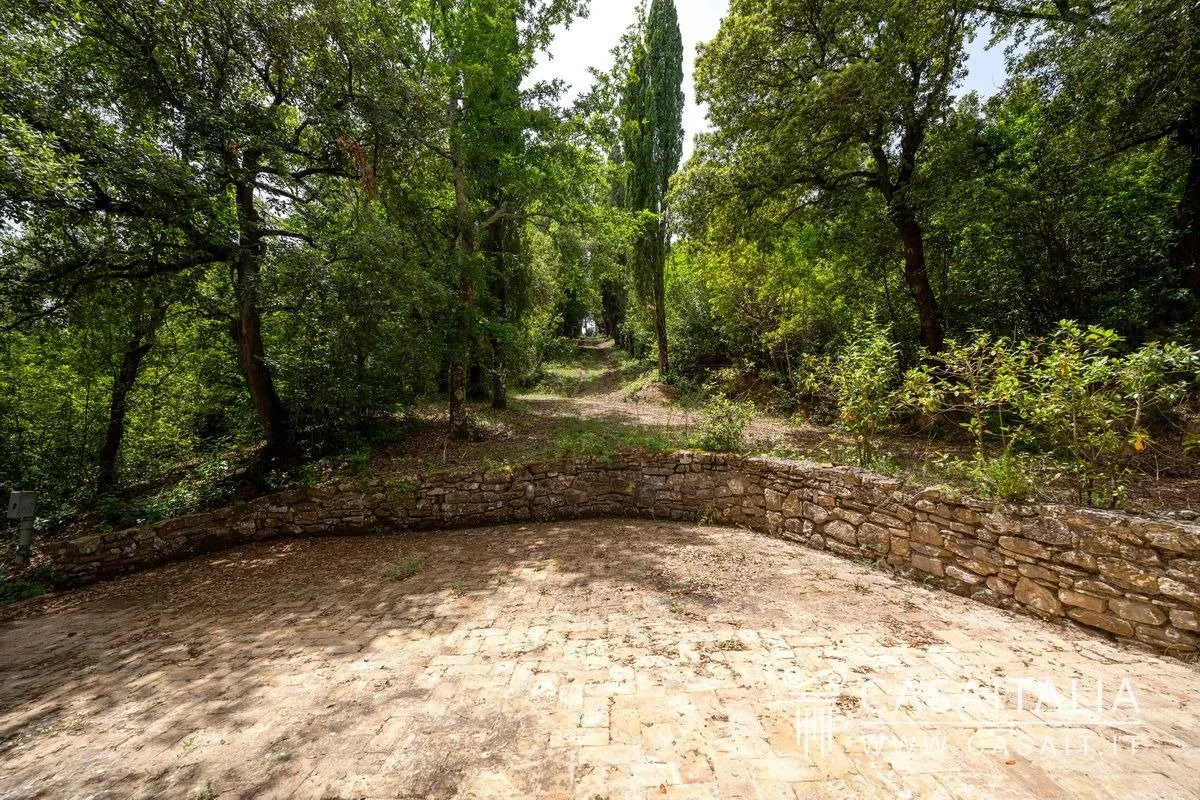
Start outside. Walk the driveway slowly and note drainage, slope, retaining conditions and whether construction vehicles could realistically access the house.
Walk as much of the boundary as possible, or at least enough to understand whether the five-hectare story feels coherent on the ground.
Look first at the roof line, eaves, rainwater disposal, visible bulging or cracking in stonework, and any staining that suggests long-term water entry.
In the tower, focus on whether the staircase feels stable, whether there is visible movement or distortion, and whether the terrace surface shows signs of failed waterproofing.
In the cellar kitchen and lower-ground areas, pay close attention to damp, ventilation and odour. Old stone buildings often reveal their most expensive truths at the lowest level.
Check floor levels, springiness, beam condition, window alignment, water pressure if available, electrics, bathroom functionality and evidence of patch repairs.
Ask to see meters, waste arrangements and any plant rooms or service areas.
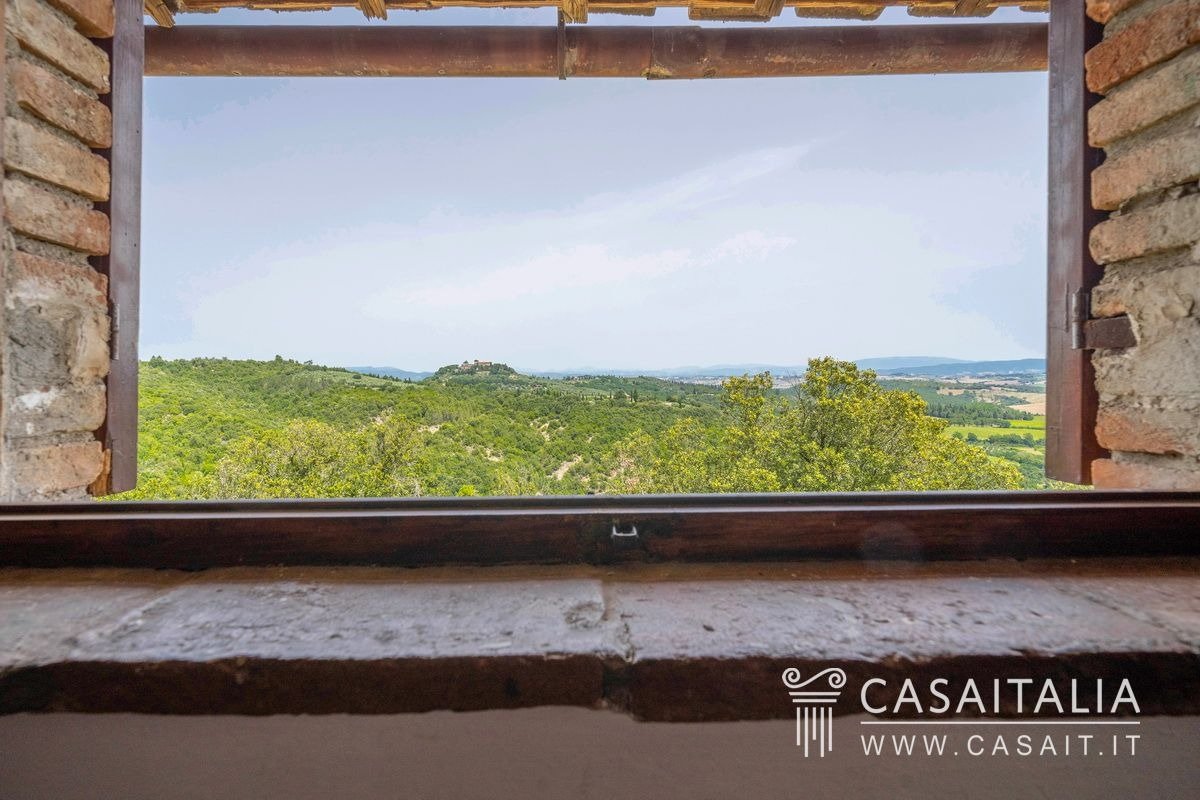
If the view is one of the value anchors, study the neighbouring land and skyline carefully. A tower terrace is only a lasting premium if the setting is genuinely secure.
Bring a local technician to the second visit if the first visit is promising. For a property like this, the smartest buyers do not rely on a charming first impression. They use the first visit to decide whether the technical team should be mobilised.

Next Step

Verify from the listing:

Heritage and permissions position
Confirm whether the villa, tower and surrounding setting are subject to any cultural or landscape vincoli, and request documentary proof of what approvals would be required for restoration, external works and any future pool.

Cadastral conformity and agibilità
Request the visura catastale, registered floor plans and any agibilità documentation so you can verify that the four-floor layout, tower, terrace, loft and cellar areas are lawfully represented and usable.

Structural condition of the shell
Ask for any engineer or survey reports on the roof, masonry walls, beams, tower and terrace, because the asking price only makes sense if the restoration scope is still commercially workable.

Land, olive grove and access clarity
Obtain parcel plans and title information showing the exact five-hectare boundaries, olive grove and woodland position, driveway rights, and any servitù or land-use restrictions affecting privacy and future use.

Hospitality and energy upgrade feasibility
Check the full APE, likely upgrade path, and whether tourist-rental or agriturismo use is realistic in this exact property and location before building an investment case around the restoration.

A prepared buyer should approach the agent calmly and frame questions as due diligence.

Because this is a historic restoration project where technical scope and legal regularity will drive value far more than styling potential, run it through the Renovation Budget Planner to stress-test the true project cost, and the Property Risk Assessment to map the structural, regulatory and land-related risks before contacting the agent.

Disclaimer: The Property Drop is buyer-focused intelligence, zero sales agenda. We curate exceptional properties, in southern Europe, from third-party agents and arm you with decision tools. No commission, no transactions, no agent partnerships, no skin in the game beyond helping you choose wisely. Information stays accurate until it doesn't (properties sell, prices shift, markets move). Everything here is shared for informational purposes only and should not be treated as legal, financial, or investment advice. Images belong to original agents. Read our Terms of Service to learn more.

IMPORTANT REMINDER: When contacting property agents featured on The Property Drop, you are entering into direct communication with third parties. It's recommended that you verify all property details independently, conduct thorough due diligence, engage qualified professionals (solicitors, surveyors, financial advisors), understand your rights and obligations under local property laws, and never send money or make commitments without proper legal protection.

Previous
Previous

The Buyer Playbook: Stunning Villa with Sea View in Ostuni Hills, Puglia, Italy, €450,000

Next
Next

The Buyer Playbook: Detached Villa with Pool and Panoramic Views, San Donato in Fronzano, Tuscany, Italy, €490,000