
The Buyer Playbook: Stunning Villa with Sea View in Ostuni Hills, Puglia, Italy, €450,000
Buyer Playbook
Pre-Viewing Intelligence Report
This independent buyer guidance report relates to this specific property located in Italy. It is provided for informational purposes only and does not constitute legal, tax, structural or survey advice. Cadastral position, agibilità, APE compliance, chapel status, land boundaries, well or water rights, pool permissions, tourist-rental compliance, agricultural use, and any heritage or landscape constraints must always be verified with qualified Italian professionals such as a geometra, architetto, ingegnere, avvocato, notaio, surveyor or licensed property consultant, and with the relevant Comune and competent authorities. This report is designed to help buyers evaluate the property before arranging a viewing or making an offer. It highlights due diligence issues and targeted questions to ask the estate agent. The analysis is based on the listing details and publicly available regulatory context at the time of writing.
Playbook Contents
Property Snapshot
Location
Ostuni Hills, Puglia, Italy, about 2 km from Ostuni's historic centre.
Property type
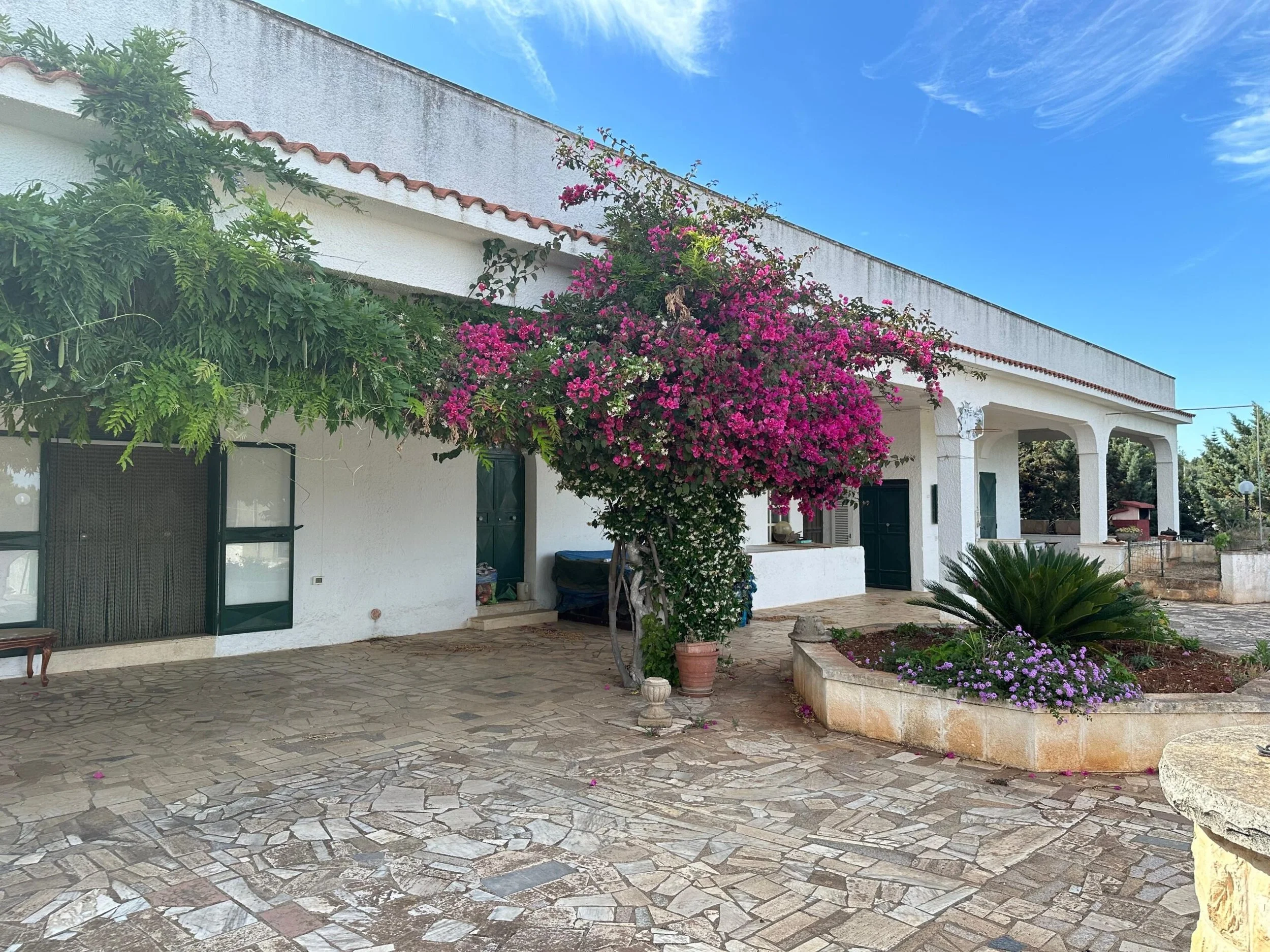
Hilltop villa marketed as "Chapel View Villa, Ostuni".
Asking Price
€450,000
Bedrooms
5
Bathrooms
3
Internal area
220 m² living space.
Land area
9,000 m².
Key features
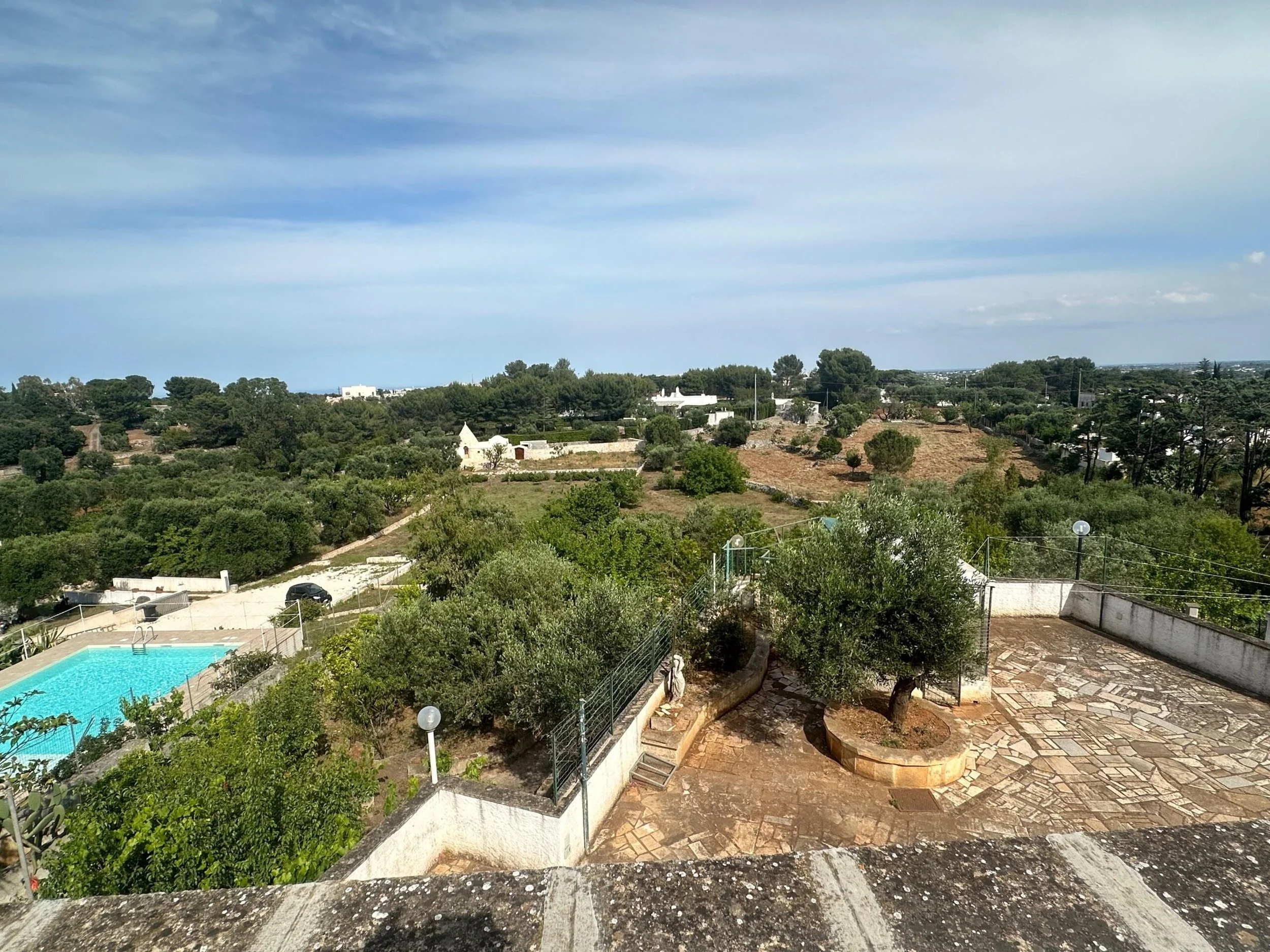
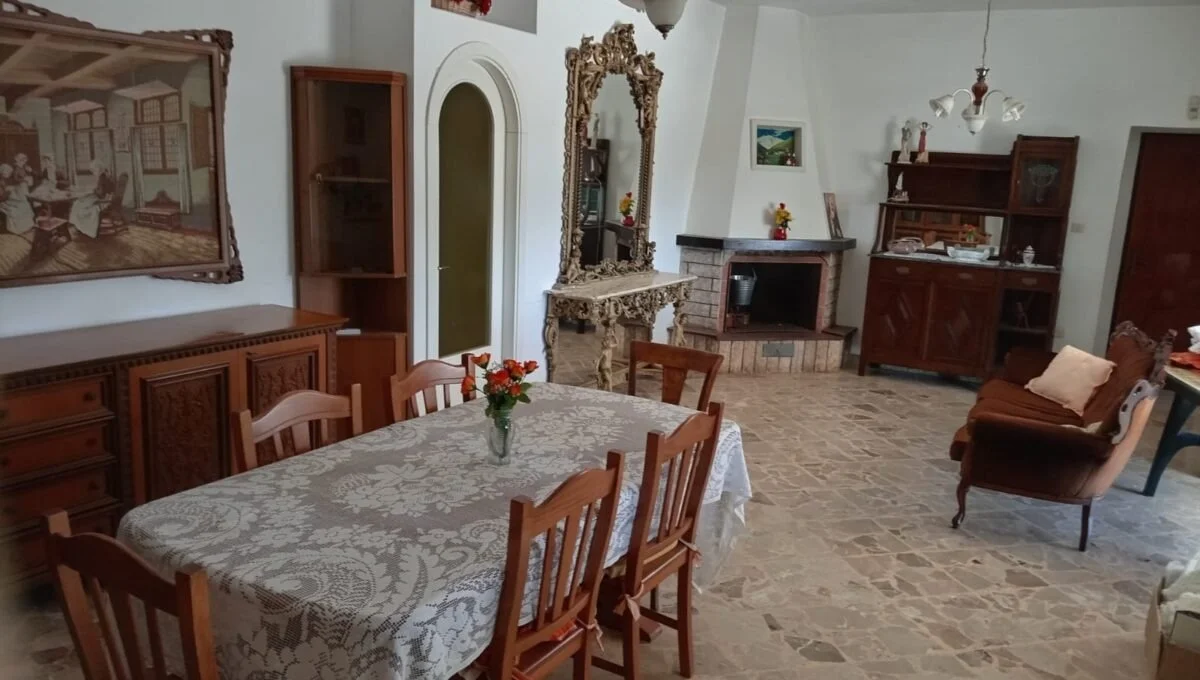
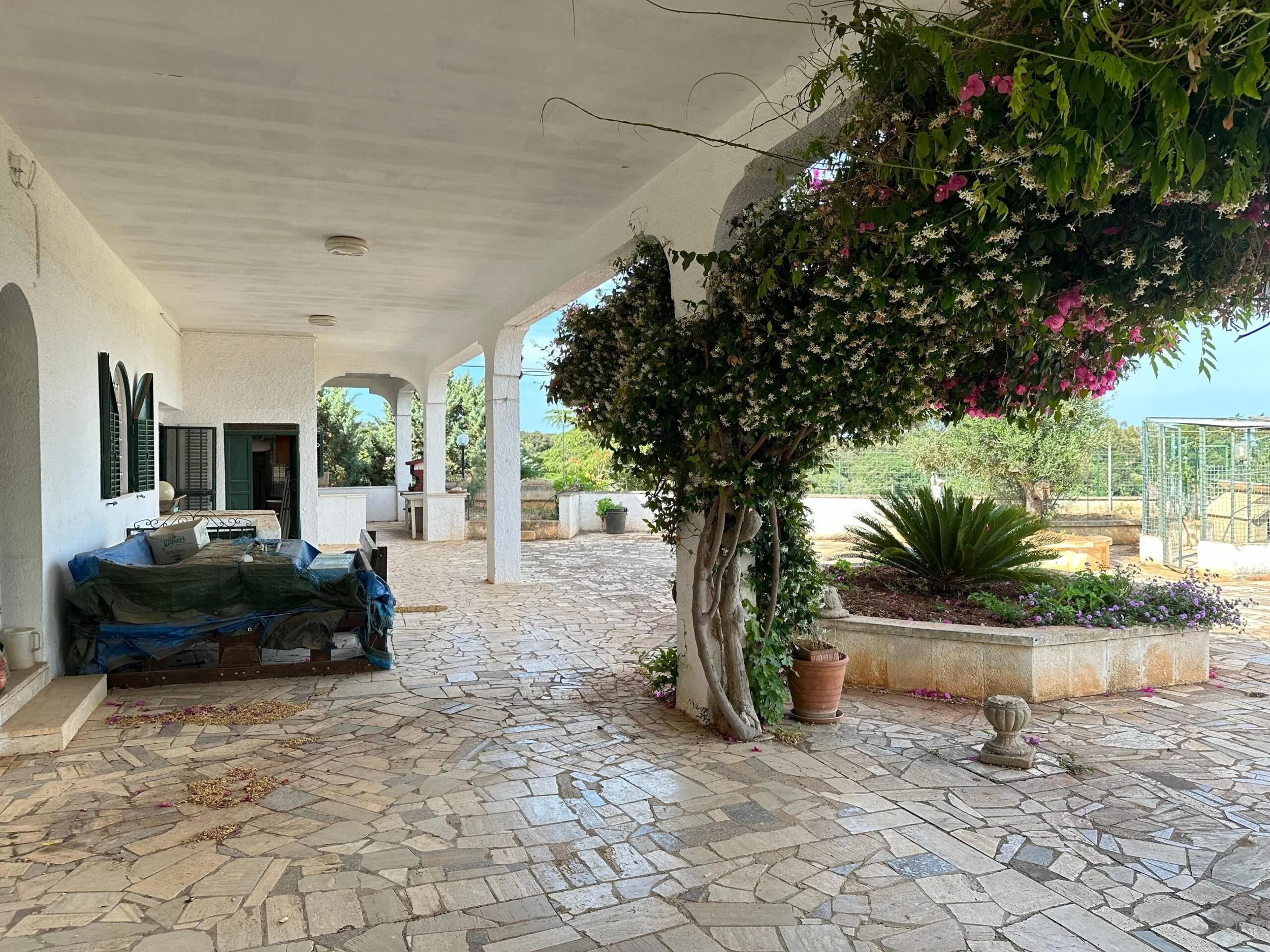
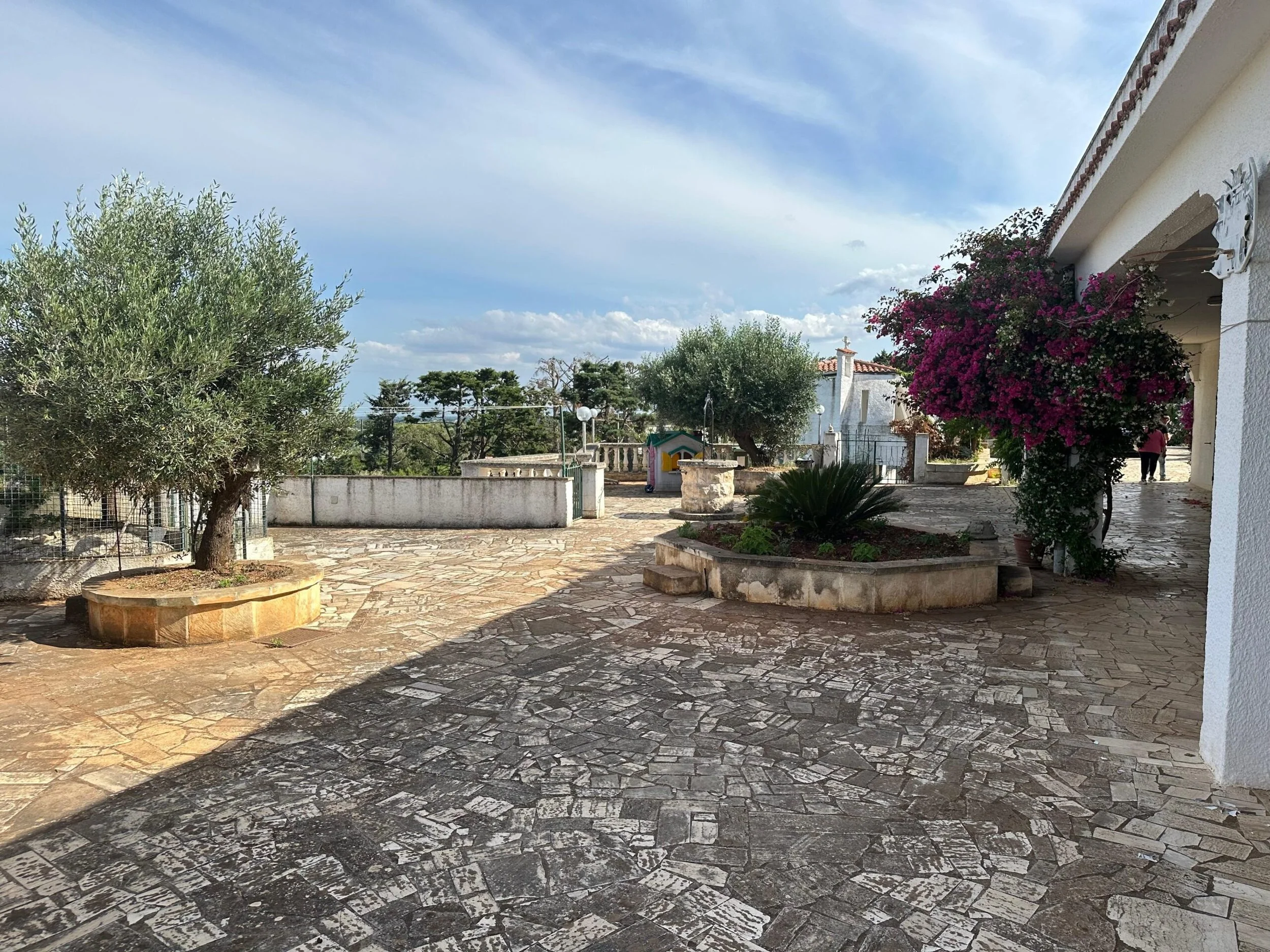
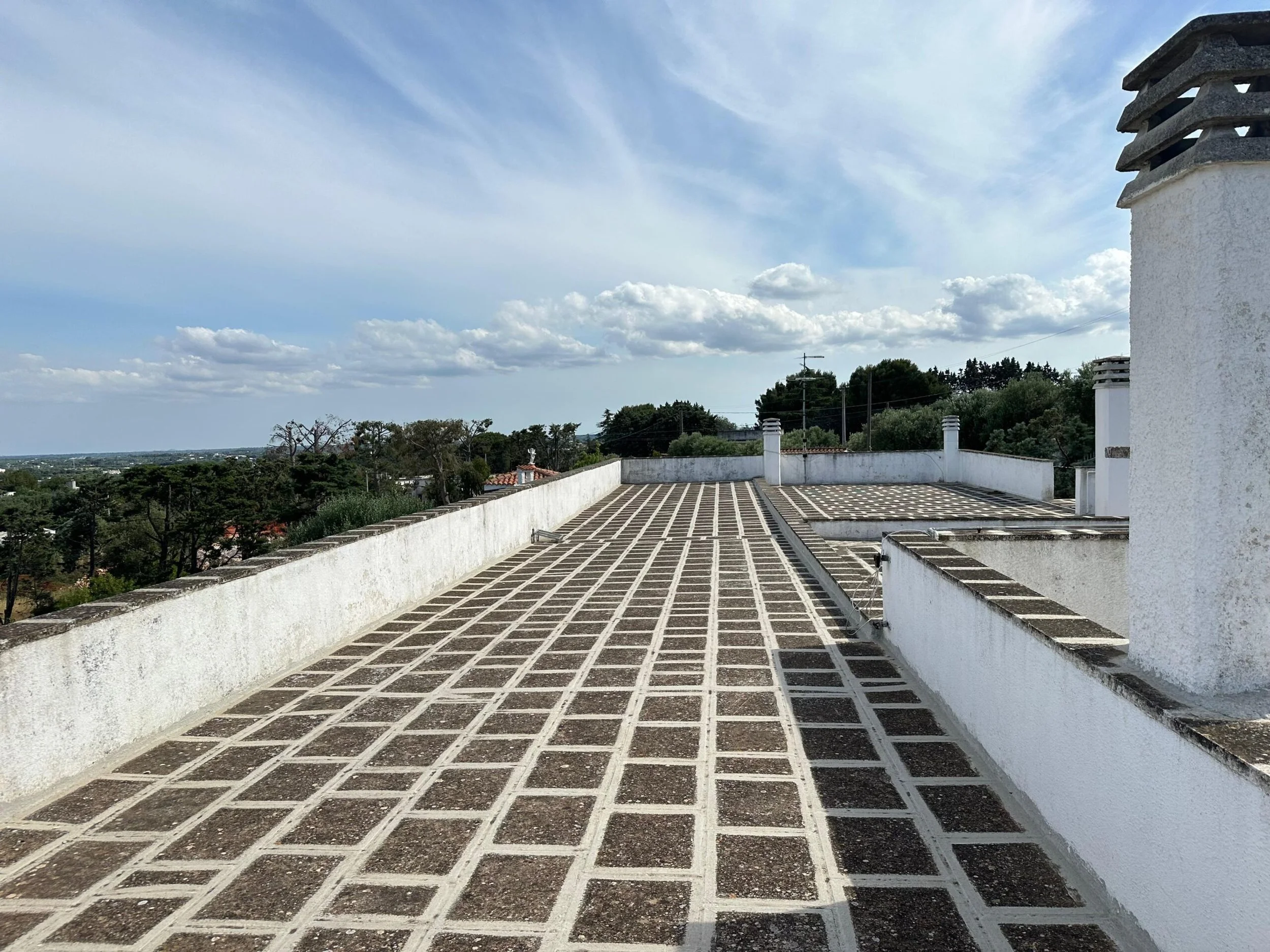
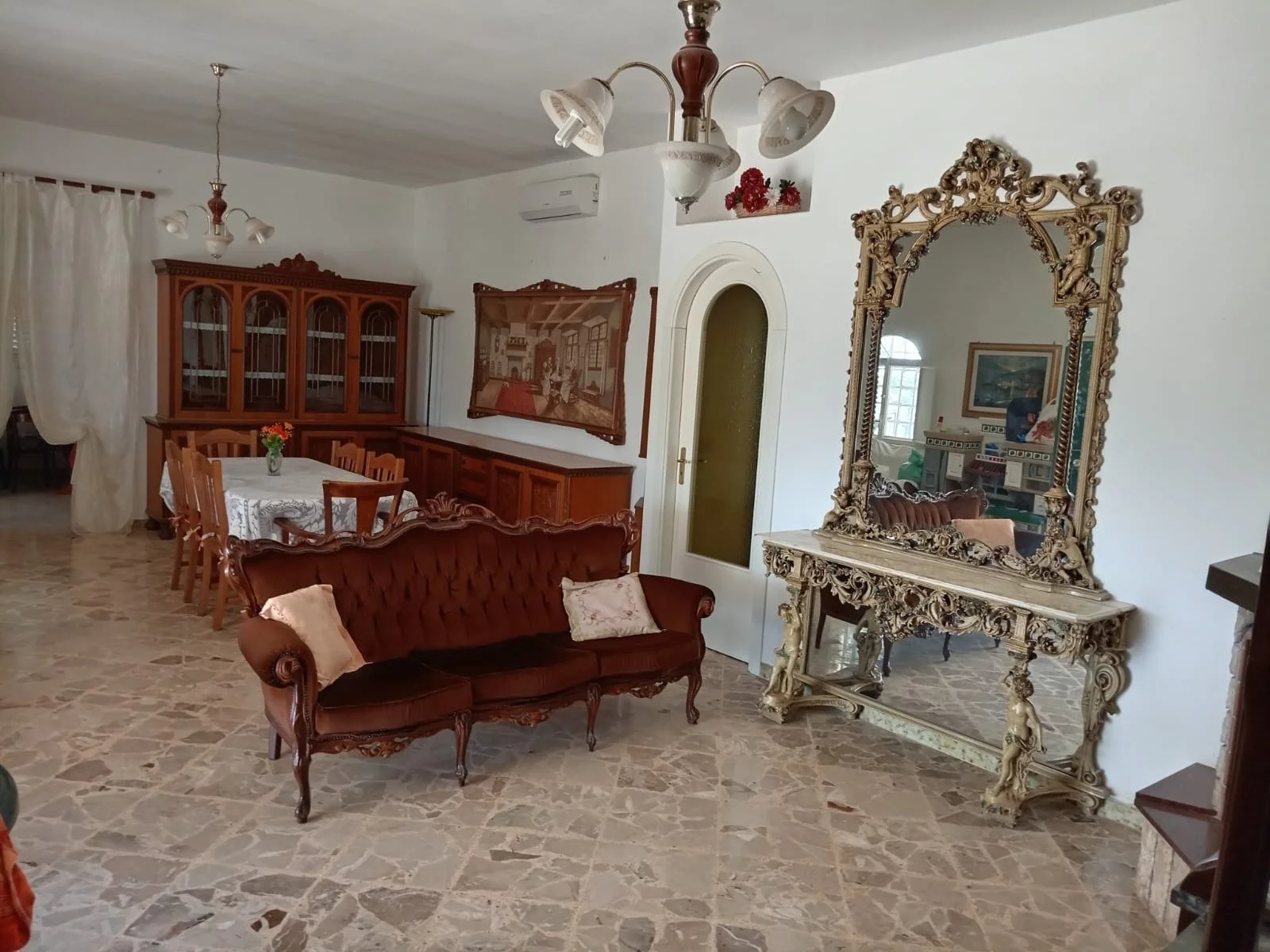
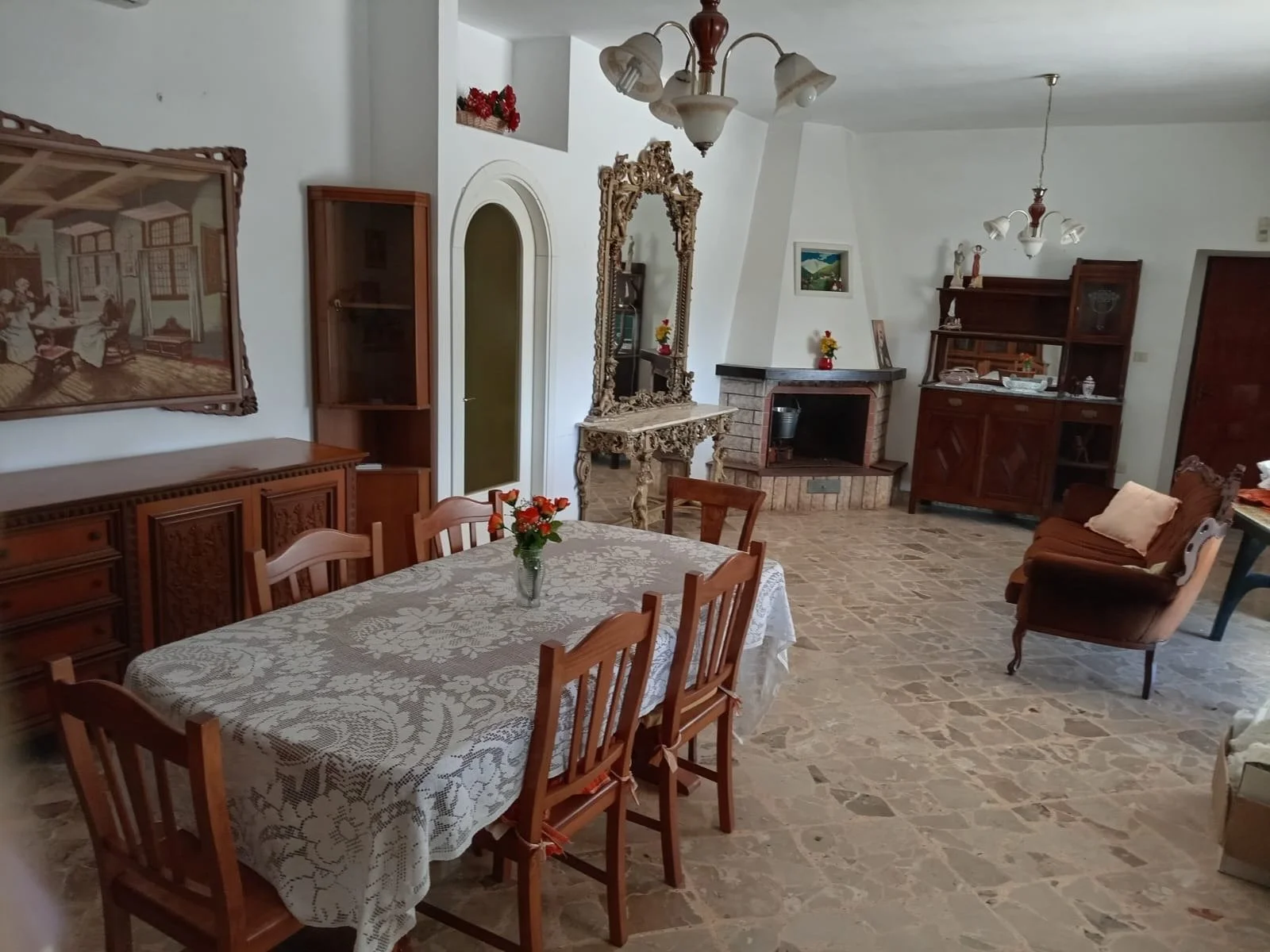
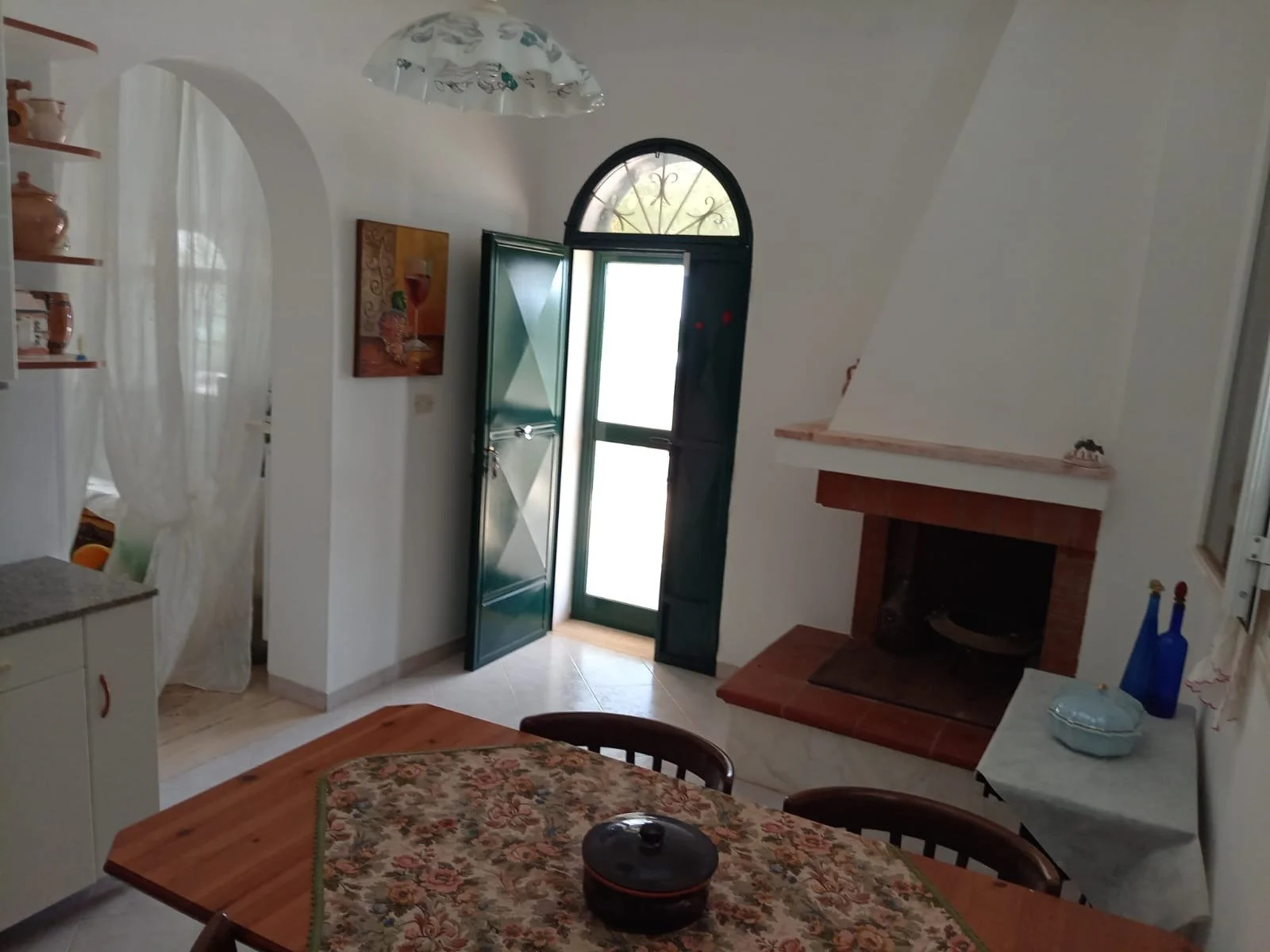
Sea views, private chapel, roof terrace, veranda, garage, private road, fireplace, original stone tiles, air conditioning, and central heating.
Land composition
40 to 50 fruit trees and 20 olive trees are advertised.
Development angle
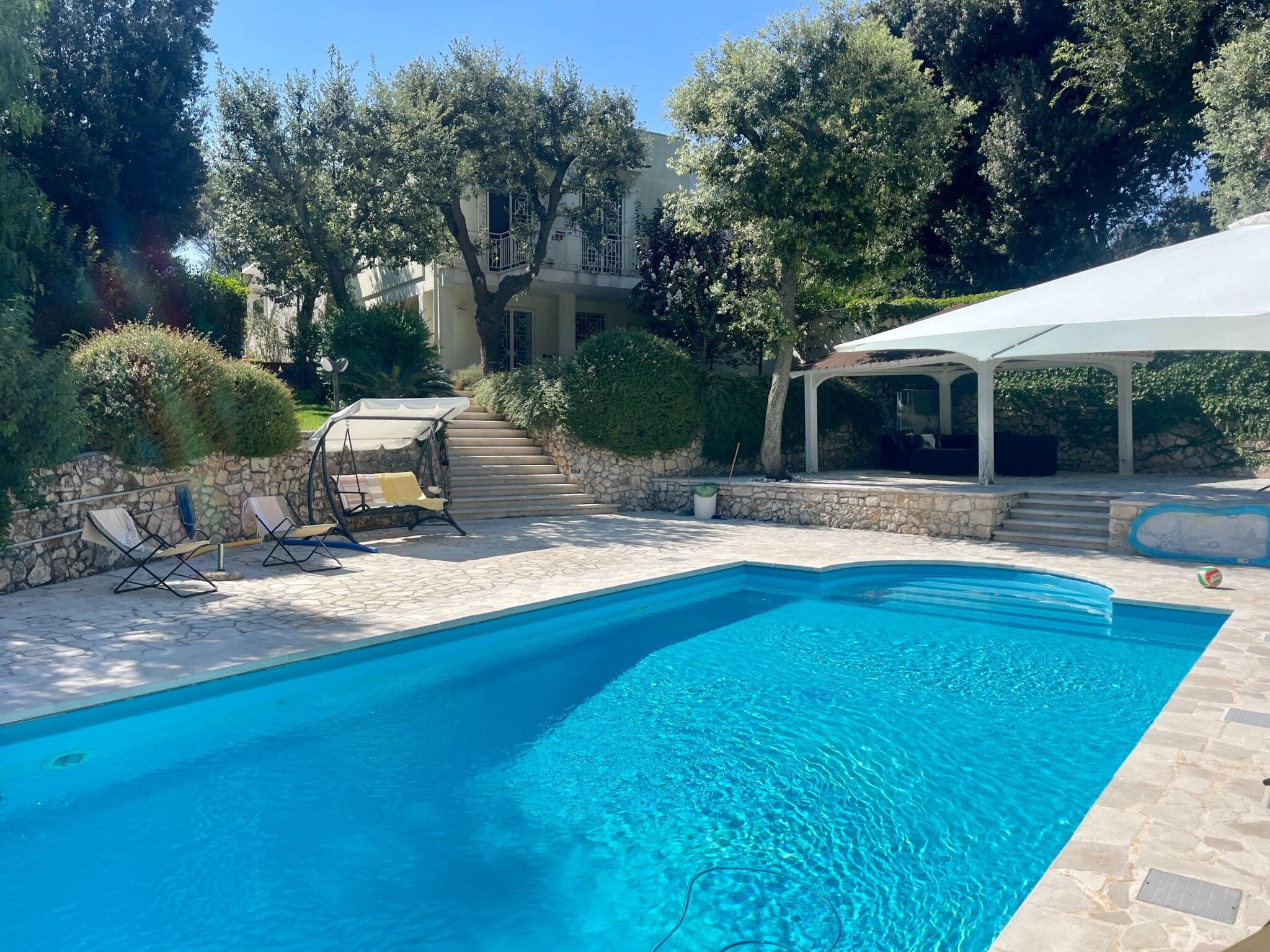
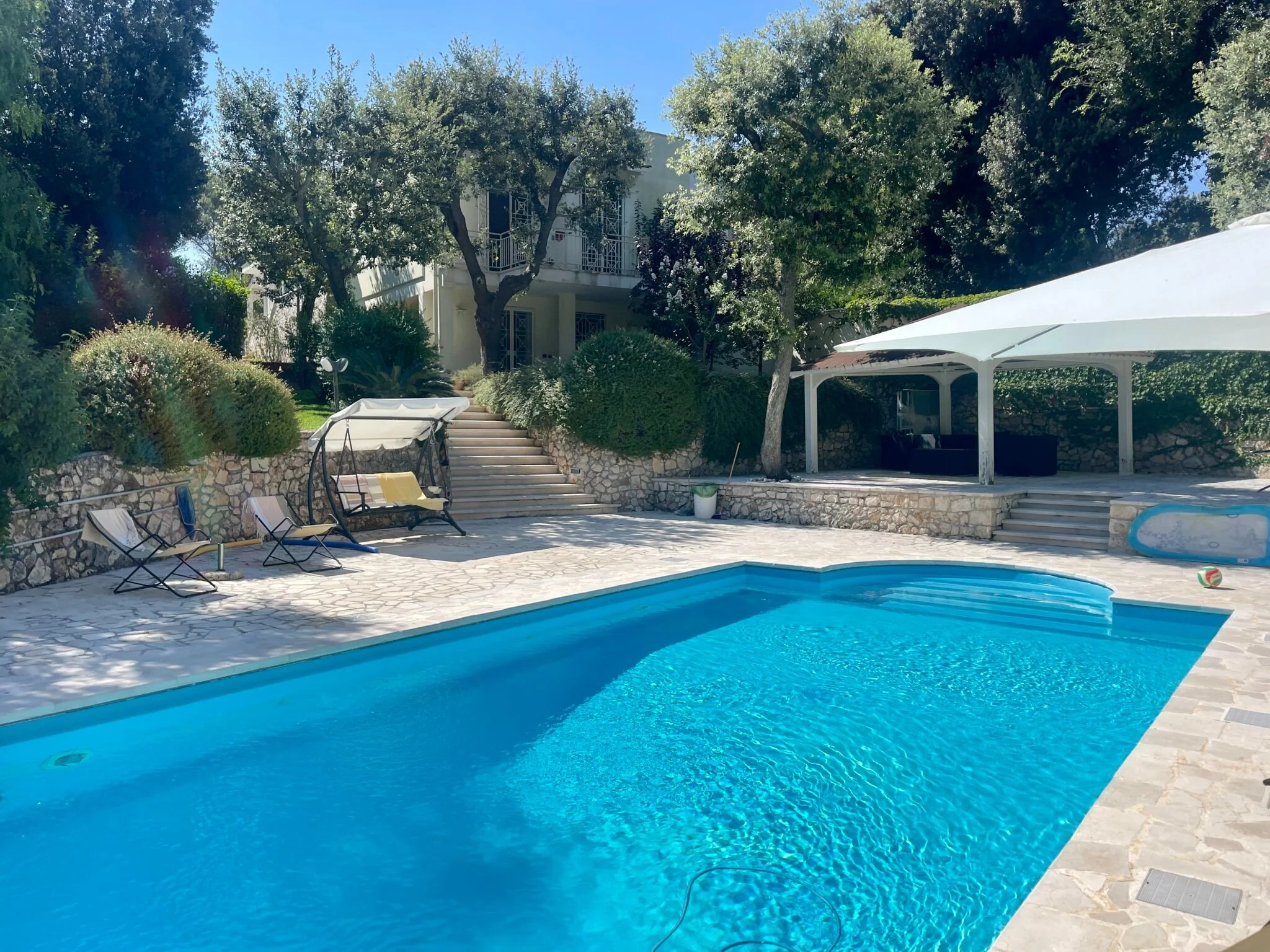
The listing states there is space for a 40 m² pool installation.
Use cases marketed
Permanent relocation, family holiday home, rural retreat, agriturismo or rental potential, and creative or wellness retreat use.
Energy position shown publicly
"Energy Class N", which is not a standard letter grade and should be treated as unverified until the formal APE is produced.
Risk Radar
Overview
This is the kind of property that sells on romance first and paperwork second. The headline features are strong: sea views, a private chapel, nearly a hectare of land, fruit and olive trees, roof terrace, and a position that feels rural but remains close to Ostuni. That combination gives it genuine lifestyle appeal and also explains why due diligence matters more here than it would for a standard apartment or recently built town property.
The biggest theme is not whether the villa is attractive. It clearly is. The real issue is whether every element that creates value is legally and practically usable in the way the listing suggests. The chapel is the clearest example. If it is simply an ancillary structure with limited lawful use, its value is different from a structure that could be converted for hospitality, events, guest use or wellness space. If it is protected by cultural or landscape rules, works may require prior authorisation, and landscape authorisation in Ostuni can sit alongside normal building permissions for constrained sites.
The second theme is documentary alignment. In Italy, the buyer should expect the cadastral situation and the real-world layout to match, and post-work agibilità matters where relevant. The listing's "Energy Class N" wording is not something to accept at face value. An APE is required in sale situations, and the formal document should clarify the actual energy class, the systems serving the property, and the likely efficiency weaknesses.
The third theme is land utility. A 9,000 m² plot with productive trees, private access and space for a pool sounds straightforward, but buyers should verify rights of way, road maintenance, water source, irrigation legality, boundaries, and whether the pool location is actually feasible from a planning, engineering and landscape-control perspective. A countryside setting with views often carries more planning sensitivity than buyers expect.
Finally, the investment angle needs separating into two different models. Tourist rental and agriturismo are not the same. Nationally, tourist-rental properties now interact with the CIN system, while in Puglia the regional framework distinguishes between entrepreneurial and non-entrepreneurial tourist use, with SCIA or CIA requirements depending on the model. Agriturismo adds another layer, because it is tied to agricultural status and the regional agriturismo framework rather than being a simple holiday-let label.
Targeted Questions
Legal Status and Documentation
The buyer needs to confirm that every structure being sold is actually recorded and identified correctly.
Layout mismatches can signal unregularised works and future notarial or mortgage complications.
The chapel's legal identity will shape how it can be used, insured, valued and altered.
Headline features sometimes sit on different parcels or titles.
Agibilità remains a key practical due-diligence point for lawful use and marketability.
Ancillary structures may have a more limited legal status than buyers assume.
Missing or partial compliance can affect finance, resale and intended use.
Recent upgrades need a documentary trail, not just cosmetic presentation.
Evidence of work quality and timing helps distinguish genuine improvement from surface-level presentation.
Buyers need to know whether they are stepping into unfinished regularisation work.
APE is required in sale contexts and the public wording shown is not reliable enough for decision-making.
A large countryside villa can carry much higher real operating costs than the purchase price suggests.
Chapel Status and Conversion Potential
Everything about future use depends on this starting point.
A buyer should not rely on informal assumptions for a former place of worship.
Romantic potential is not the same as lawful use.
Feasibility reports can save months of speculative planning work.
Buyers need a realistic sense of bureaucracy, timing and cost.
If a vincolo applies, the scope for alteration may narrow sharply.
Existing authority history can reveal what is realistically possible.
Protected interior elements can affect design, restoration and use.
Small heritage-style structures can hide disproportionately expensive repairs.
Utility extension costs can materially change the economics of a conversion.
Planning, Pool and Site Constraints
"Room for a pool" is not the same as "permission is likely".
A theoretically open area may still be unusable.
Landscape authorisation can become the real gating issue in scenic countryside settings.
A protected or semi-protected context can change the approval path.
Buyers often assume countryside land offers freedom that the planning framework does not.
Hilltop and sloping sites can create expensive external works requirements.
View protection is rarely guaranteed and may be a major value driver here.
Land, Trees and Agricultural Utility
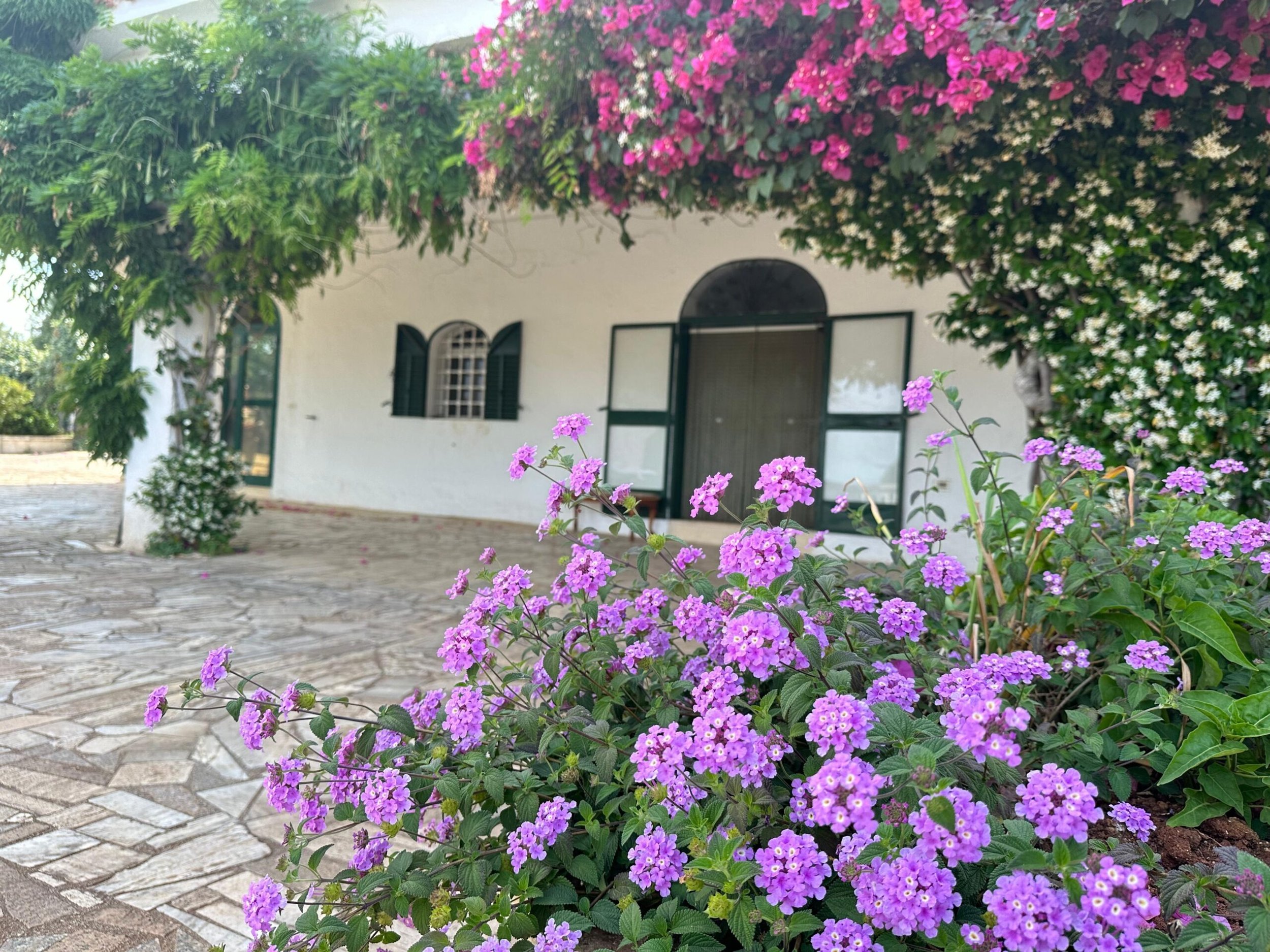
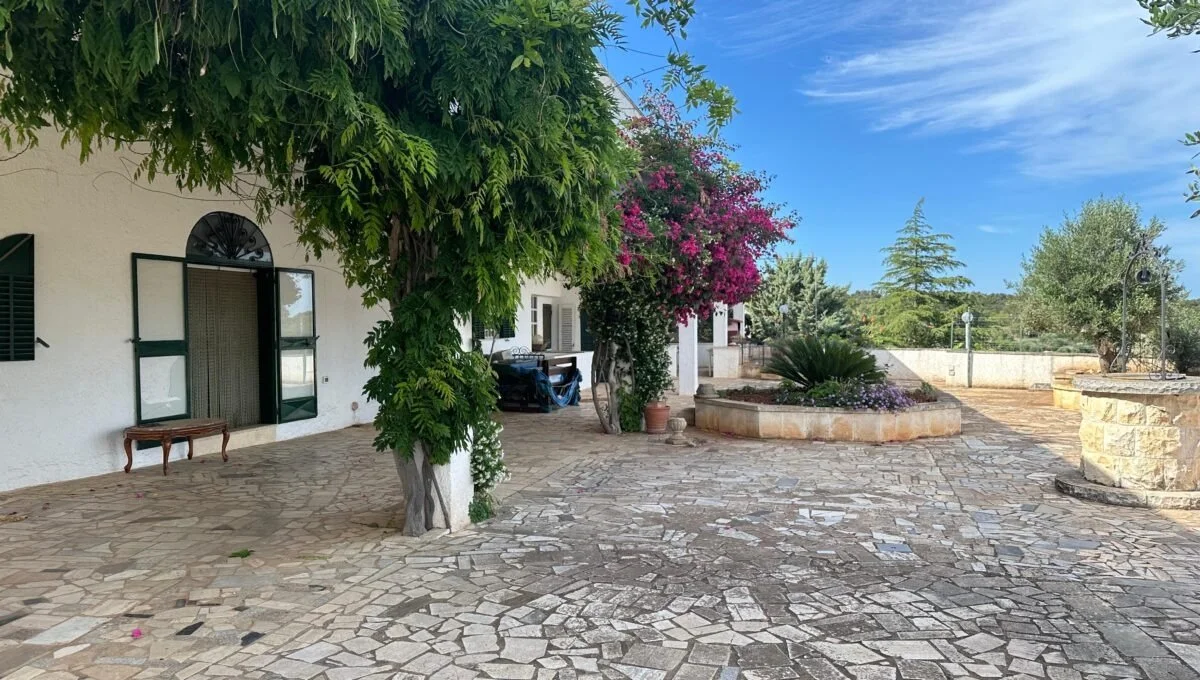
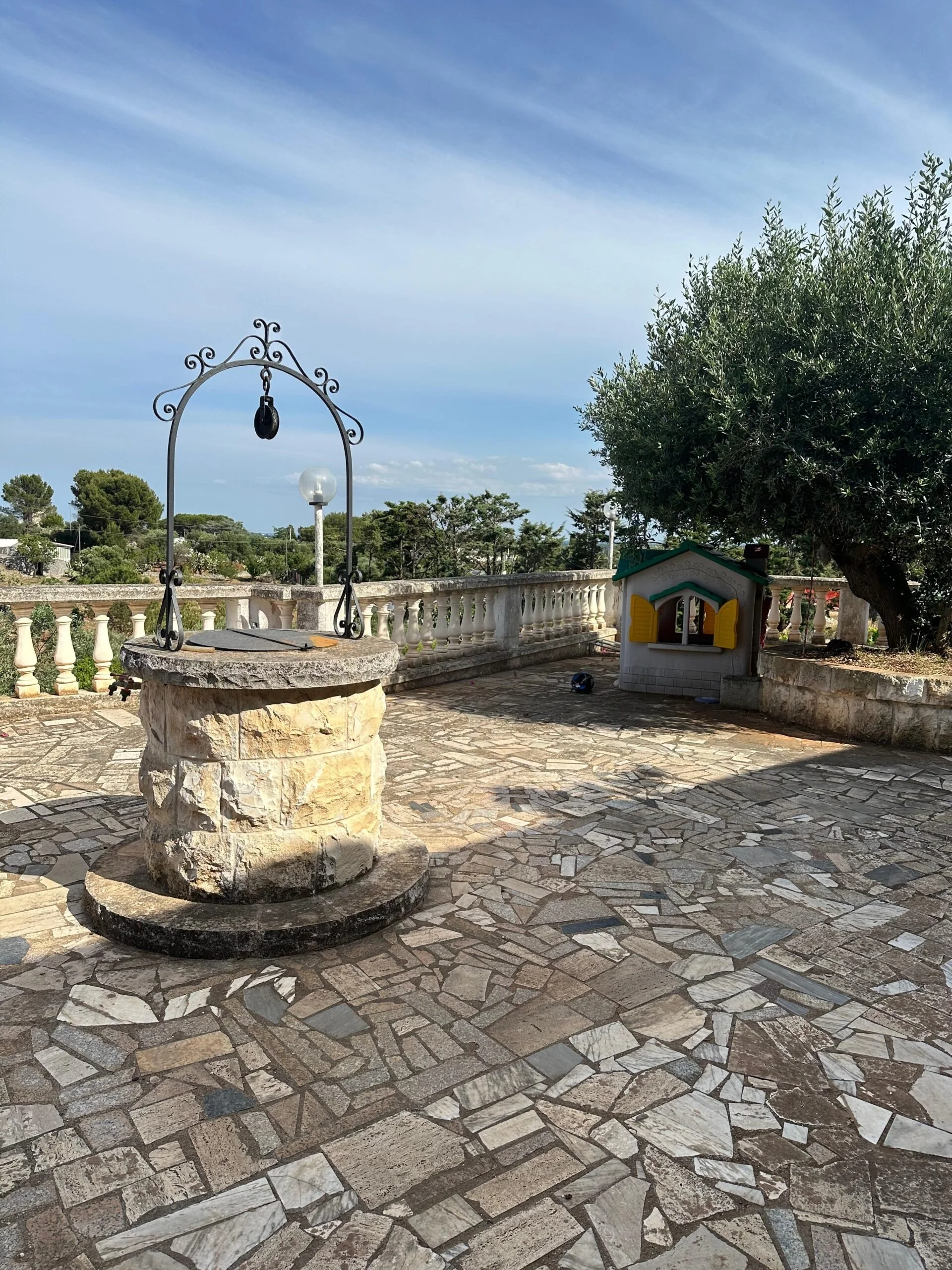
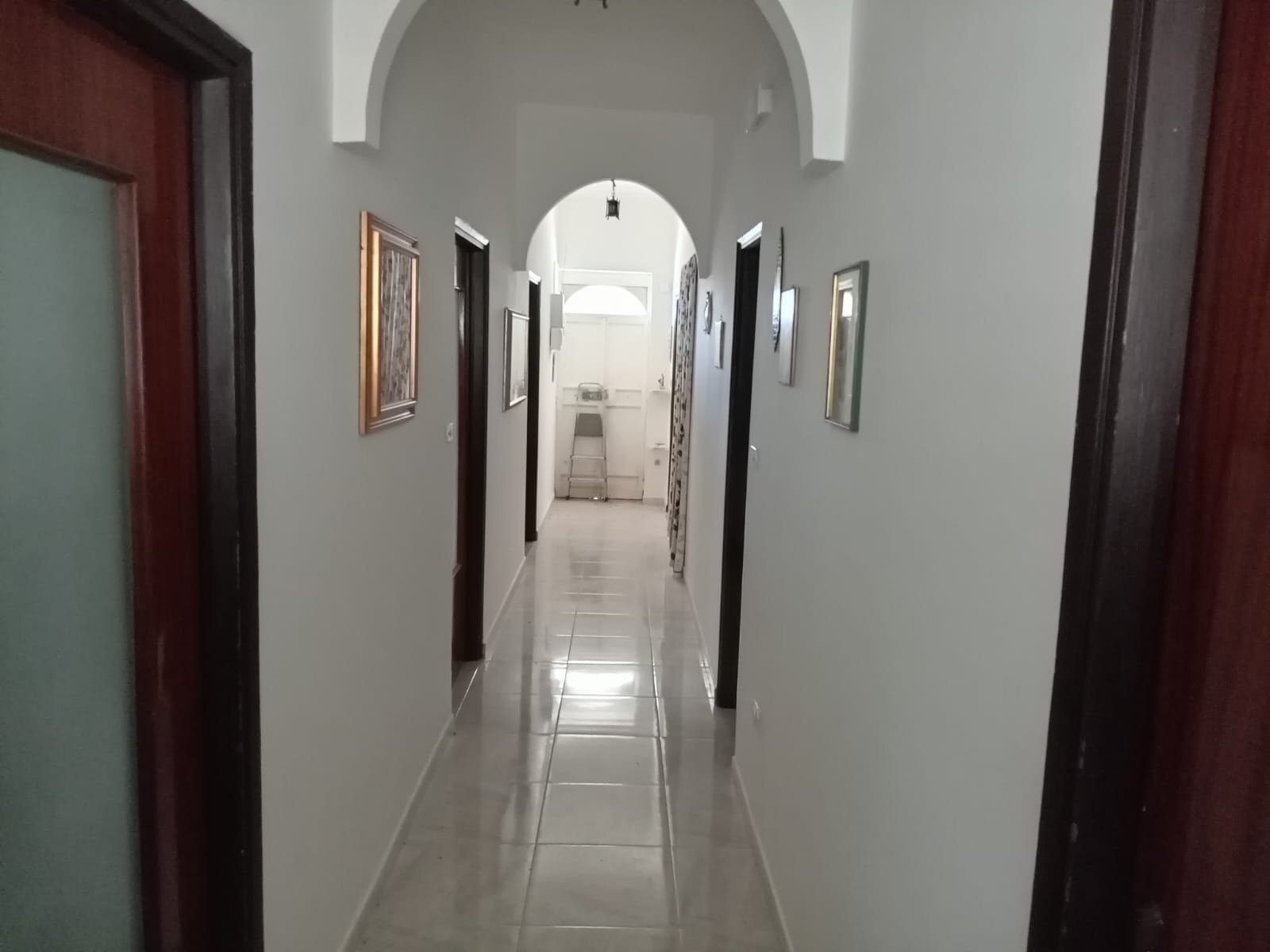
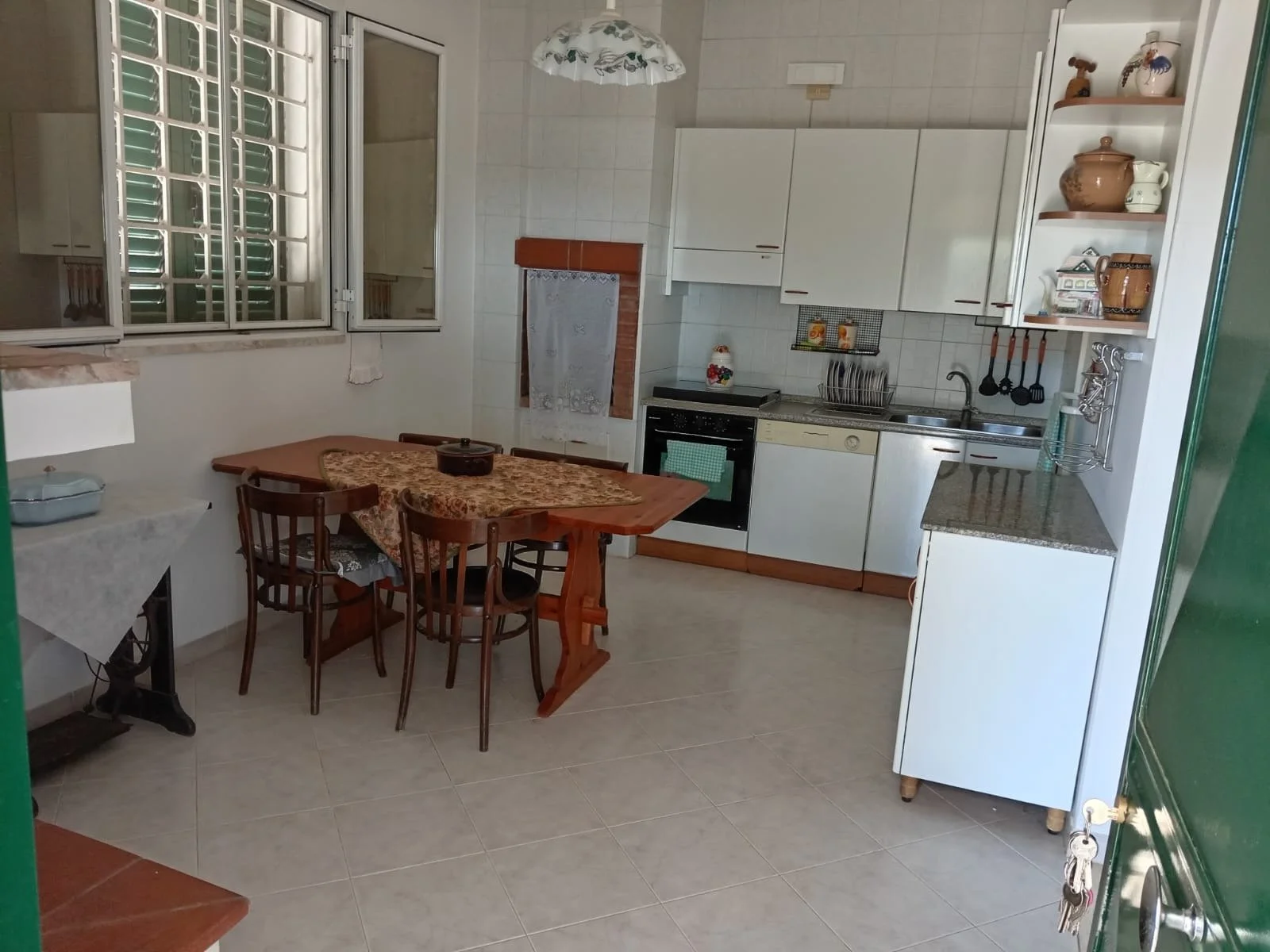
Buyers need a visual understanding of what they are actually acquiring.
Rural privacy can be weaker than the sales narrative suggests.
Road responsibility affects cost, access rights and neighbour relations.
Shared private roads can become recurring cost and dispute points.
Productive agricultural assets should be described with more than a tree count.
Orchard value depends on maintenance quality and usable output, not just quantity.
Land management history affects future use, maintenance and branding potential.
Existing activity may indicate either opportunity or compliance obligations.
Replacing rural infrastructure after completion can be costly.
Water reliability is crucial for trees, gardens and any future pool.
Rural wells need more than verbal reassurance.
Building Condition and Systems
System type drives running costs, maintenance and energy performance.
Replacing multiple systems soon after purchase can alter the acquisition budget significantly.
Comfort, energy bills and moisture behaviour all depend on the building envelope.
This affects both annual cost and summer-winter usability.
Roof works on larger detached properties can be a major capital item.
Traditional southern Italian buildings can hide moisture issues behind attractive finishes.
Rural drainage arrangements can be less straightforward than urban buyers expect.
Garages are frequently assumed to be straightforward when they are not.
Practical access matters for family use, guests and rental turnover.
Practicalities, Access and Neighbour Context
Countryside convenience often looks different in poor weather.
Remote work viability should be proven, not assumed.
Weak signal can materially affect liveability in semi-rural locations.
The feel of privacy and noise exposure depends heavily on neighbouring use.
A buyer paying for outlook should test its durability.
Lifestyle value is driven by real-world journey times, not brochure distances.
Rental Potential and Business Use
Proven use history is more valuable than hypothetical marketing language.
Buyers should underwrite returns from evidence, not aspiration.
Italy's tourist-rental framework now interacts with the national CIN system and regional requirements.
In Puglia, the route can differ between CIA and SCIA depending on the business model.
Buyers should not build income assumptions around ambiguous space.
Agriturismo in Puglia is a regulated activity, not a generic rural-rental concept.
The regulatory hurdle may be tied to agricultural status, not just the presence of trees.
Rental language should be tested against realistic market evidence, not vague optimism.
Negotiation Intelligence
Buyer Leverage
Medium-High
Key Drivers
Typical Negotiation Range
5-15% below asking
Neutral Phrasing Examples
Country Layer
Italy (Regulatory Context March 2026)
Key Italian requirements for buyers:
Viewing Strategy
When viewing, start outside and stay outside for longer than usual.
Next Step
Verify from the listing:
Chapel status and permitted use
Confirm whether the chapel is deconsecrated, how it is recorded in the catasto, whether it has agibilità, and whether any cultural or landscape protections limit future conversion or commercial use.
APE and documentary compliance
Request the full APE, the cadastral plans, and the agibilità position for the villa, chapel and garage, especially because the listing uses the non-standard wording “Energy Class N”.
Pool feasibility in this exact setting
Clarify whether the advertised 40m² pool potential has been professionally assessed and whether municipal or landscape approvals would be needed on this hillside site near a private chapel.
Land boundaries, access and irrigation
Ask for a cadastral map showing the full 9,000 m², the private road, the tree areas and any easements, then verify the water source and legal status of any well or irrigation system.
Rental model versus agriturismo reality
Do not treat “rental potential” and “agriturismo potential” as interchangeable. Confirm which legal route is actually available in Puglia for this property and whether the chapel could lawfully form part of that use.
A prepared buyer should approach the agent calmly and frame questions as due diligence.
Because this is a property where heritage risk, land utility and income assumptions all materially affect value, run it through the Property Risk Assessment before contacting the agent, or use the Renovation Budget Planner to stress-test likely spend on systems, chapel works, pool preparation and any compliance-led upgrades.
Disclaimer: The Property Drop is buyer-focused intelligence, zero sales agenda. We curate exceptional properties, in southern Europe, from third-party agents and arm you with decision tools. No commission, no transactions, no agent partnerships, no skin in the game beyond helping you choose wisely. Information stays accurate until it doesn't (properties sell, prices shift, markets move). Everything here is shared for informational purposes only and should not be treated as legal, financial, or investment advice. Images belong to original agents. Read our Terms of Service to learn more.
IMPORTANT REMINDER: When contacting property agents featured on The Property Drop, you are entering into direct communication with third parties. It's recommended that you verify all property details independently, conduct thorough due diligence, engage qualified professionals (solicitors, surveyors, financial advisors), understand your rights and obligations under local property laws, and never send money or make commitments without proper legal protection.
