
The Buyer Playbook: Detached Villa with Pool and Panoramic Views, San Donato in Fronzano, Tuscany, Italy, €490,000





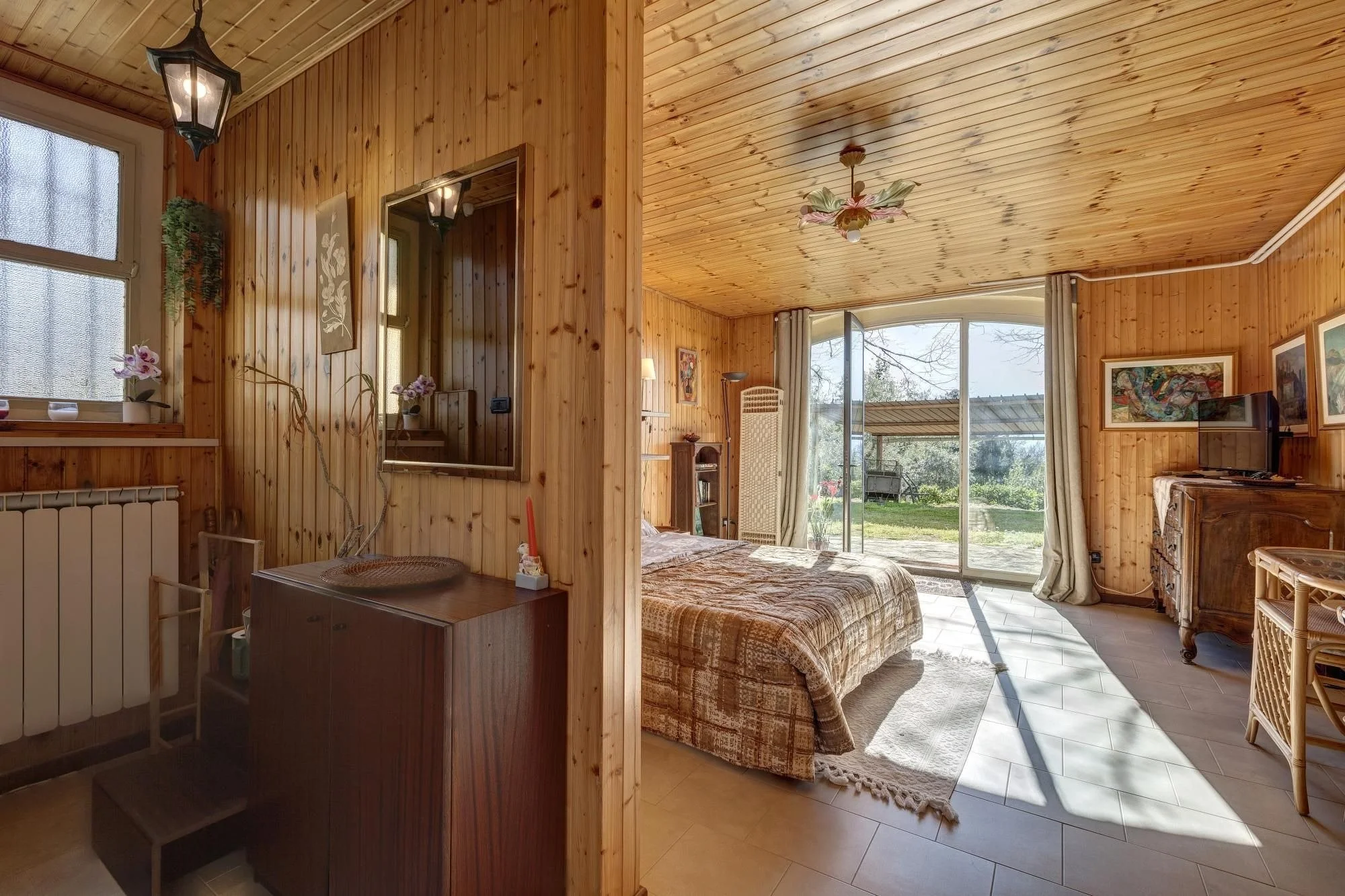
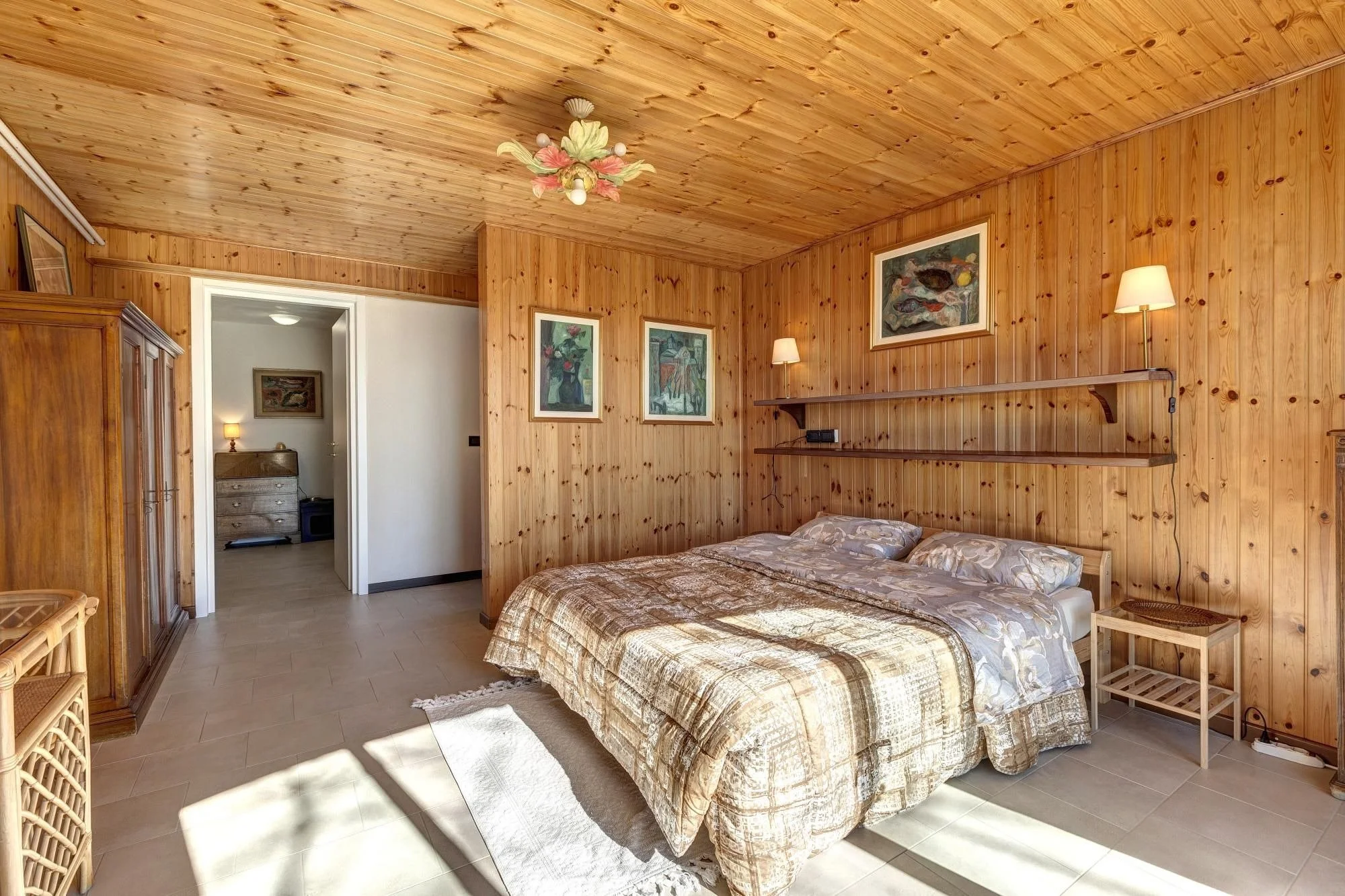
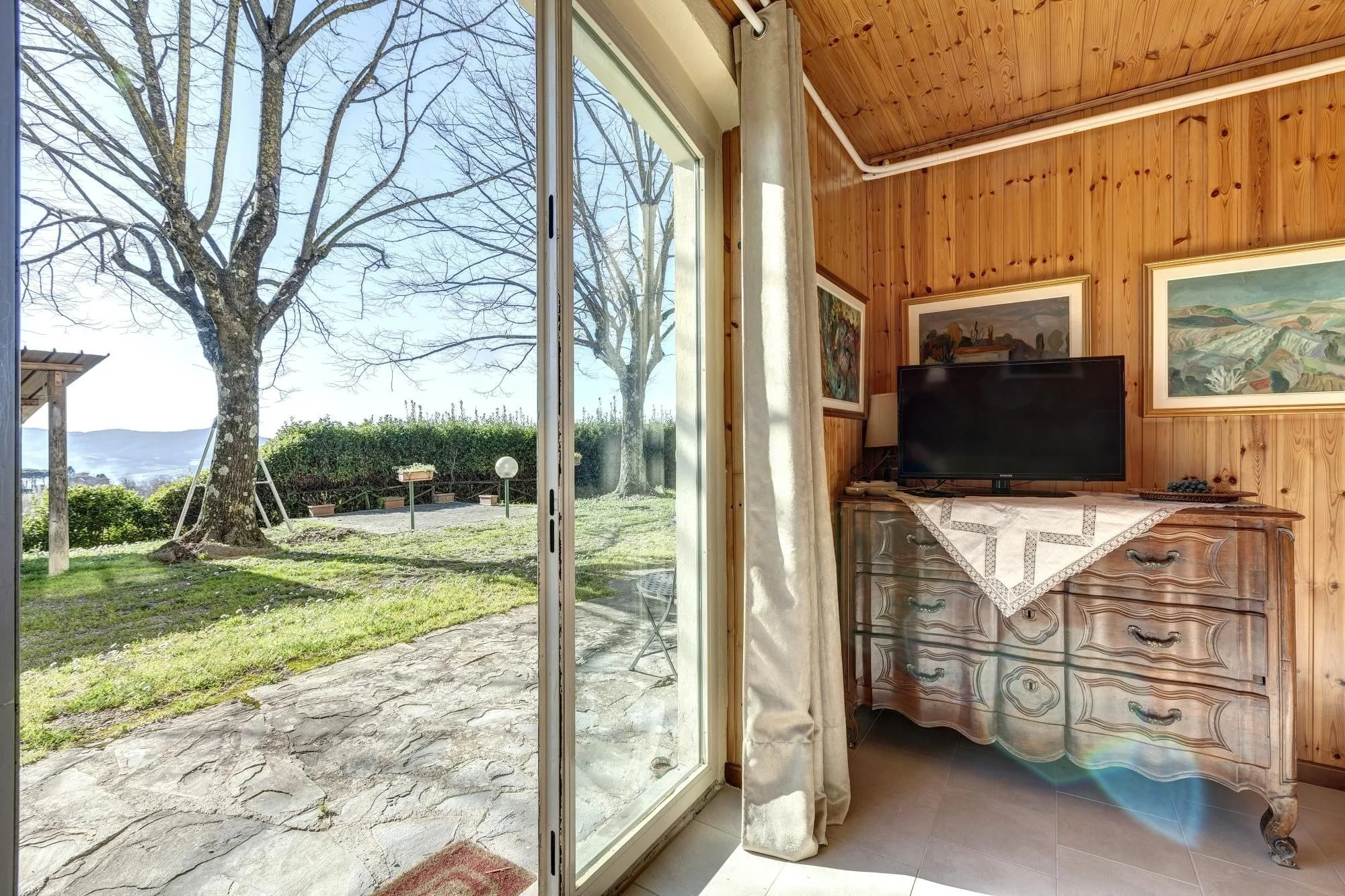
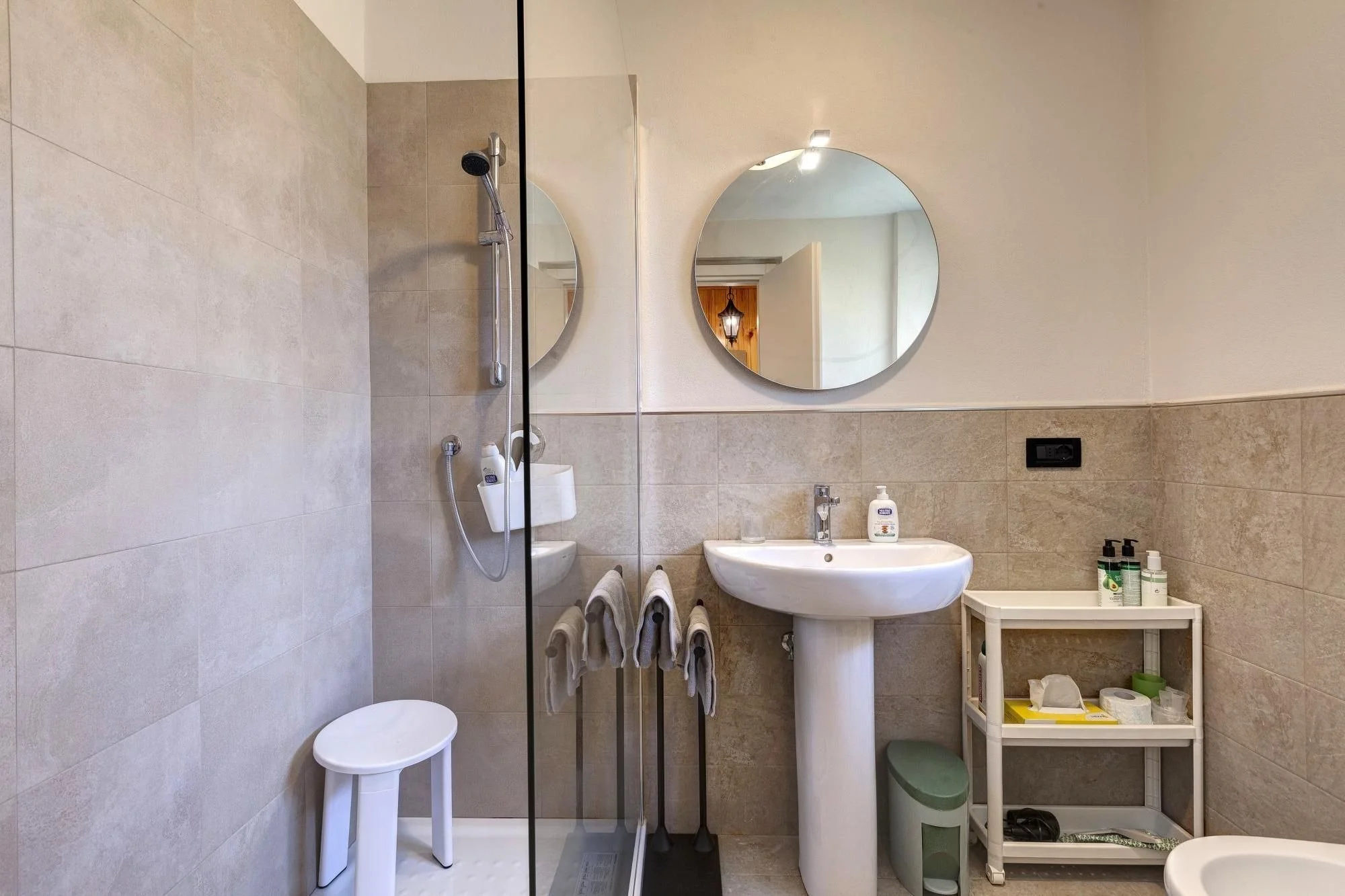
Buyer Playbook
Pre-Viewing Intelligence Report
This independent buyer guidance report relates to this specific property located in Italy. It is provided for informational purposes only and does not constitute legal, tax, structural or survey advice. Cadastral conformity, agibilità, energy certification, pool legality, solar installations, land boundaries, tourist-rental compliance, and any planning or building matters must always be verified with qualified Italian professionals such as a geometra, architetto, ingegnere, notaio or surveyor, and with the relevant municipal authorities where required. This report is designed to help buyers evaluate the property before arranging a viewing or making an offer. It highlights due diligence areas and targeted questions to ask the estate agent. The analysis is based on the listing details and publicly available regulatory context at the time of writing.
Playbook Contents
Property Snapshot
Location
San Donato in Fronzano, Tuscany, Italy
Property type
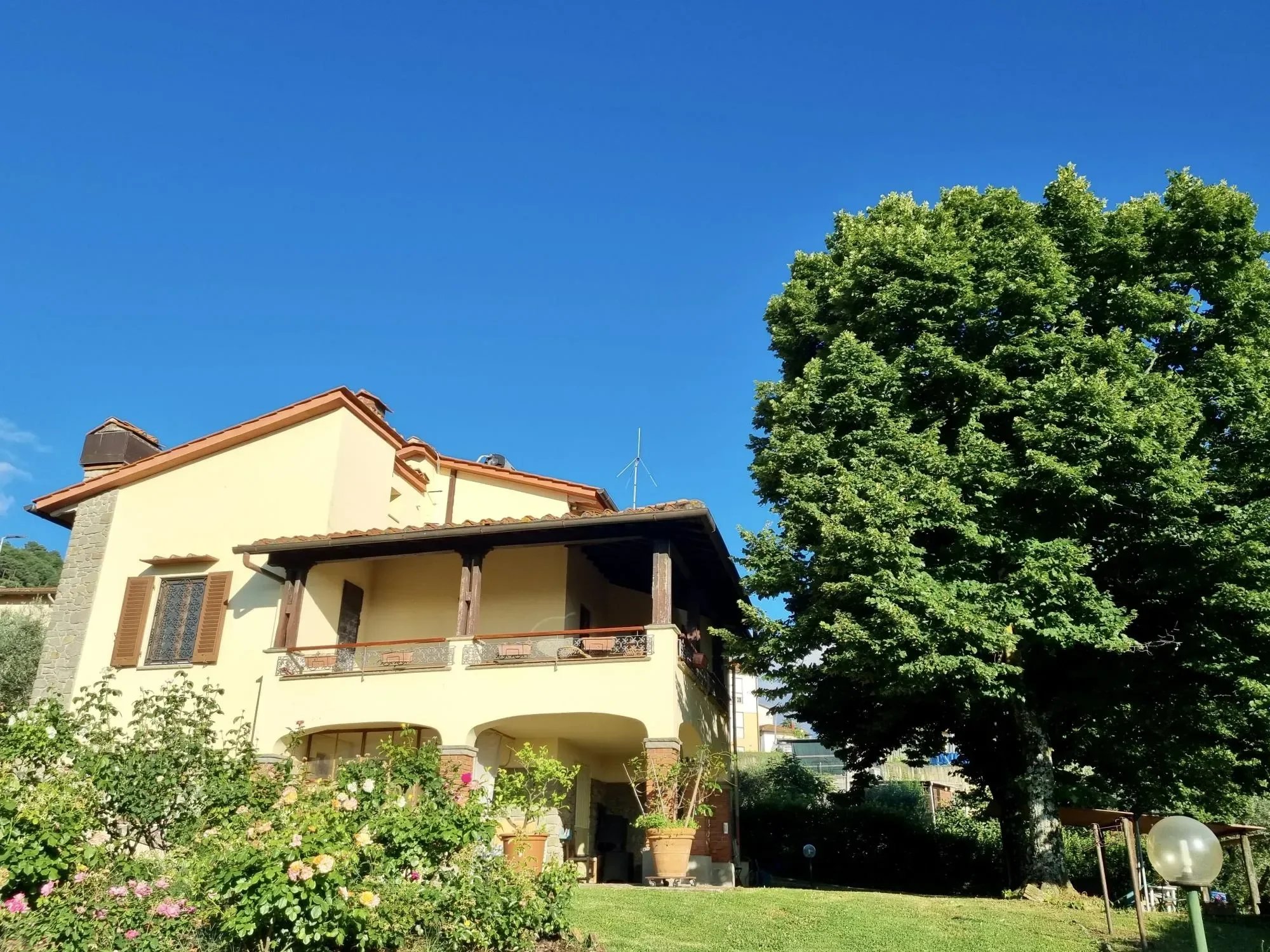
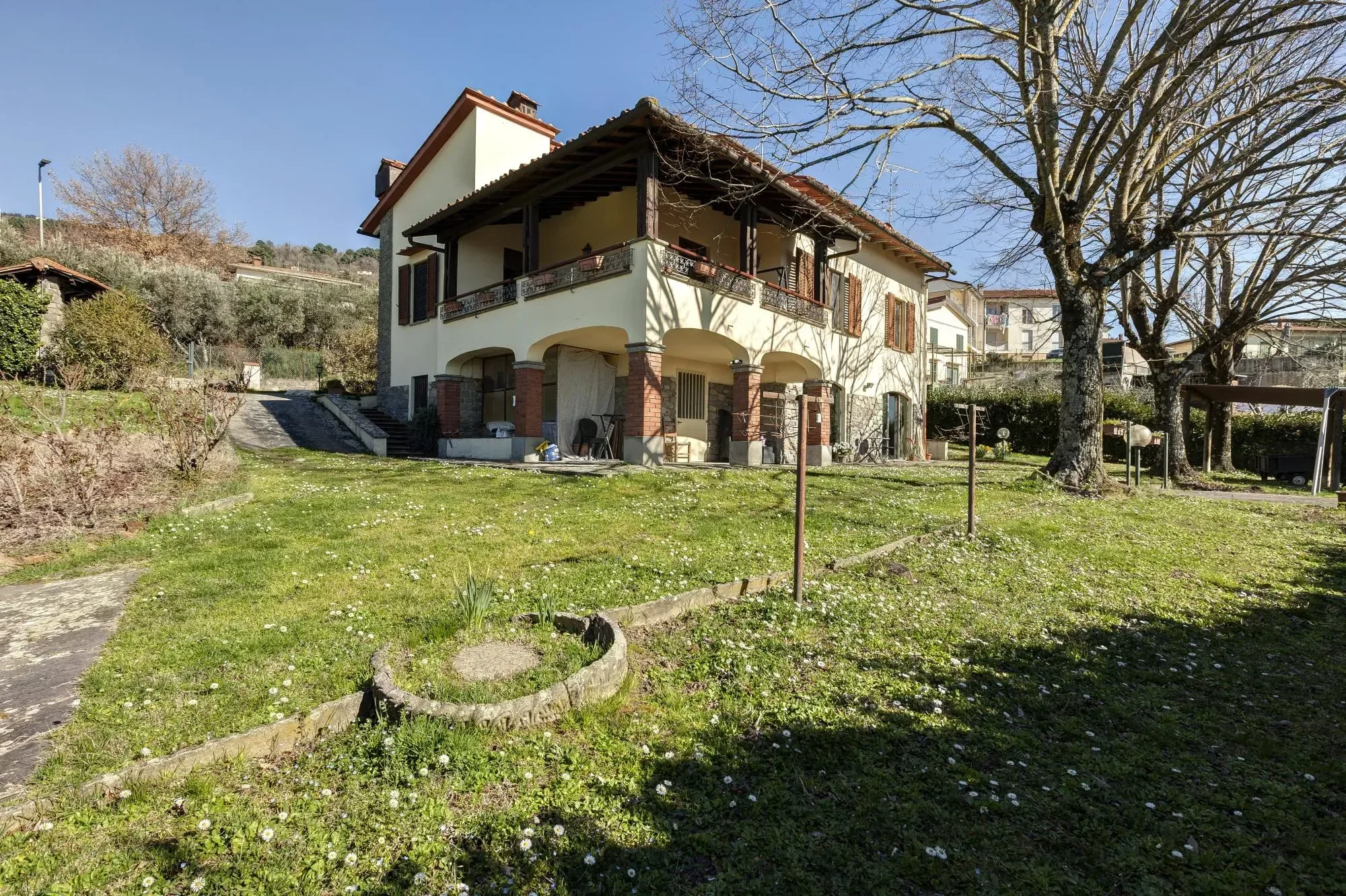
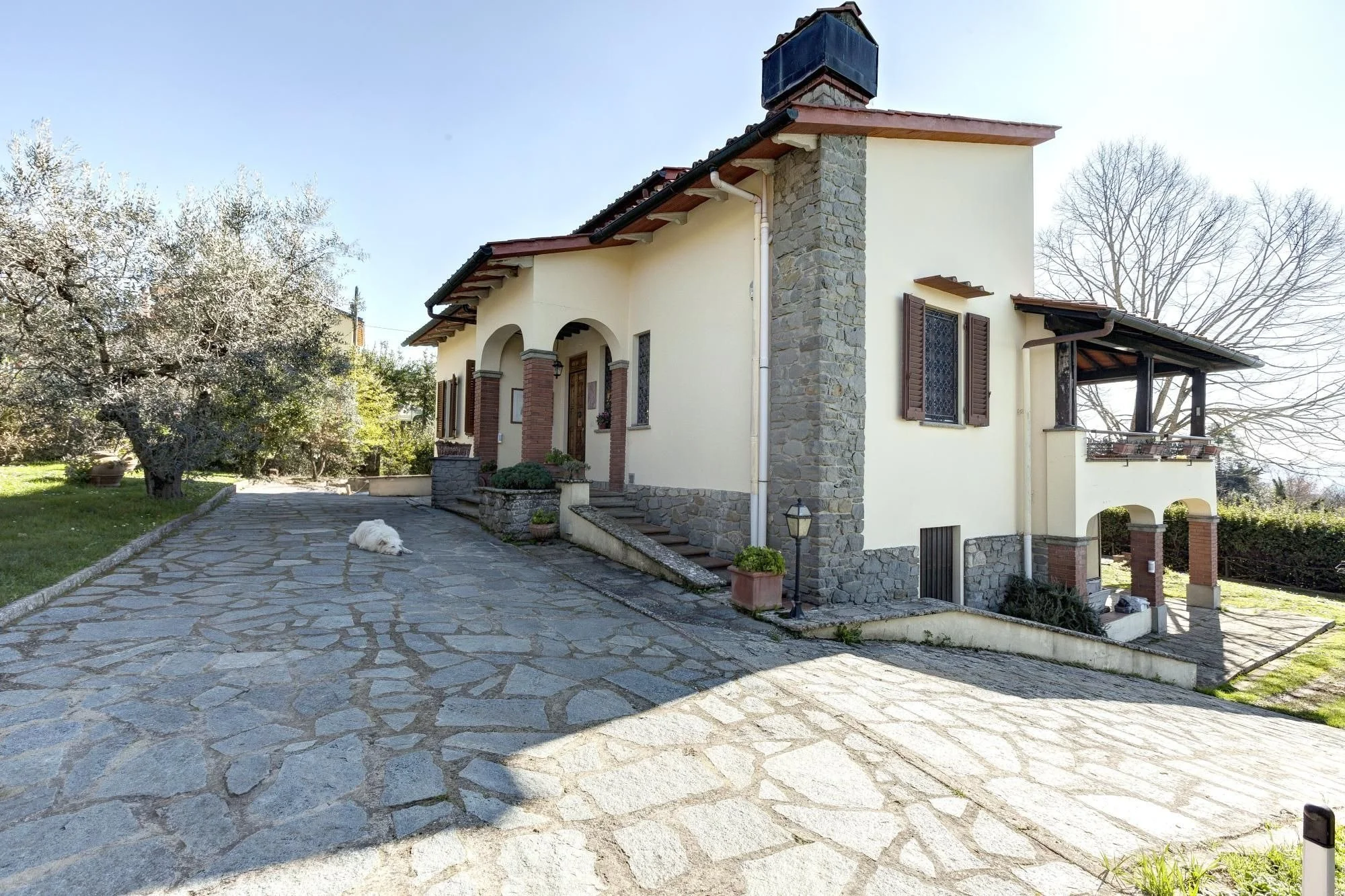
Detached villa
Asking Price
€490,000
Internal area
Approx. 285 m² stated
Layout
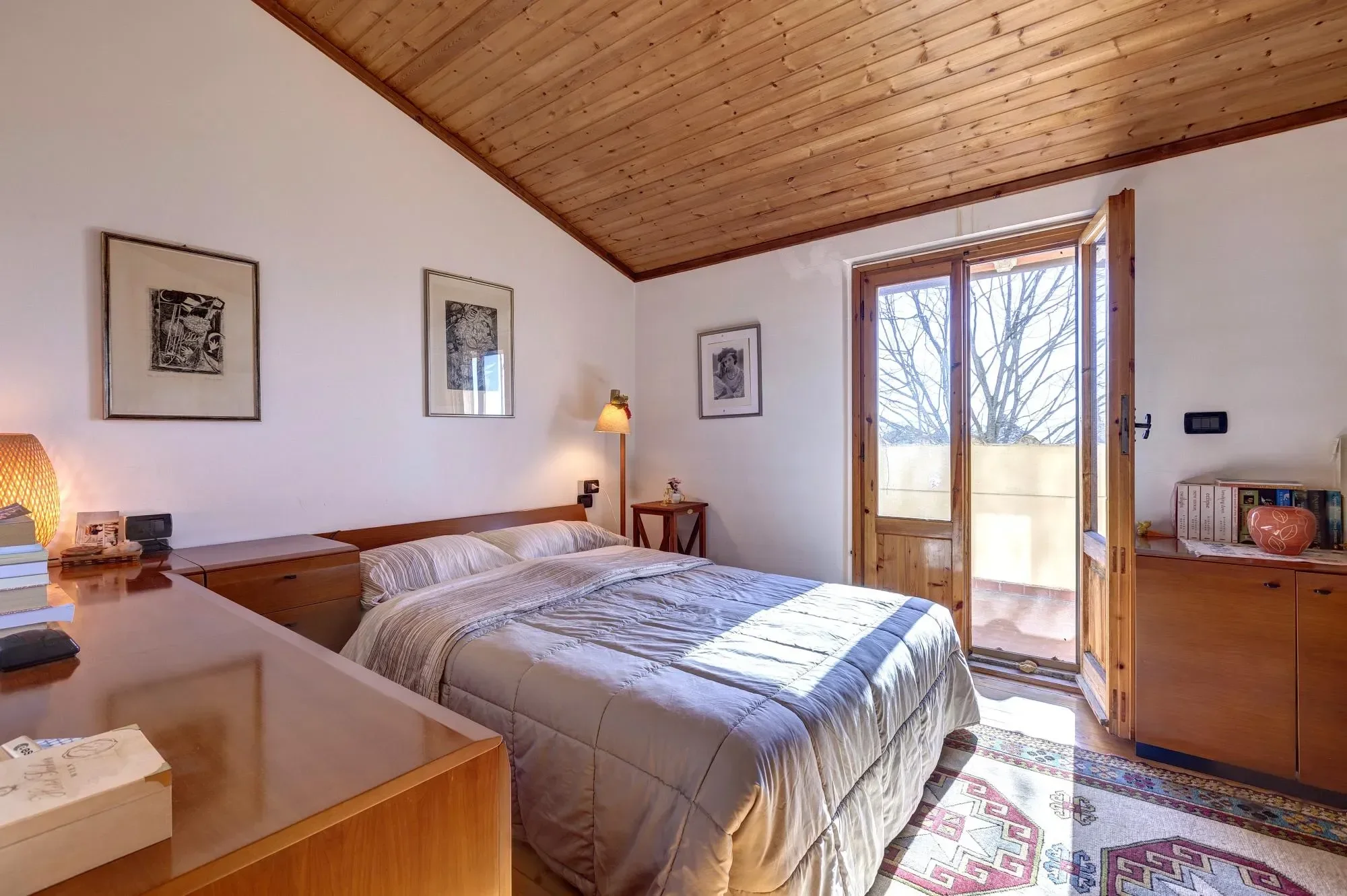
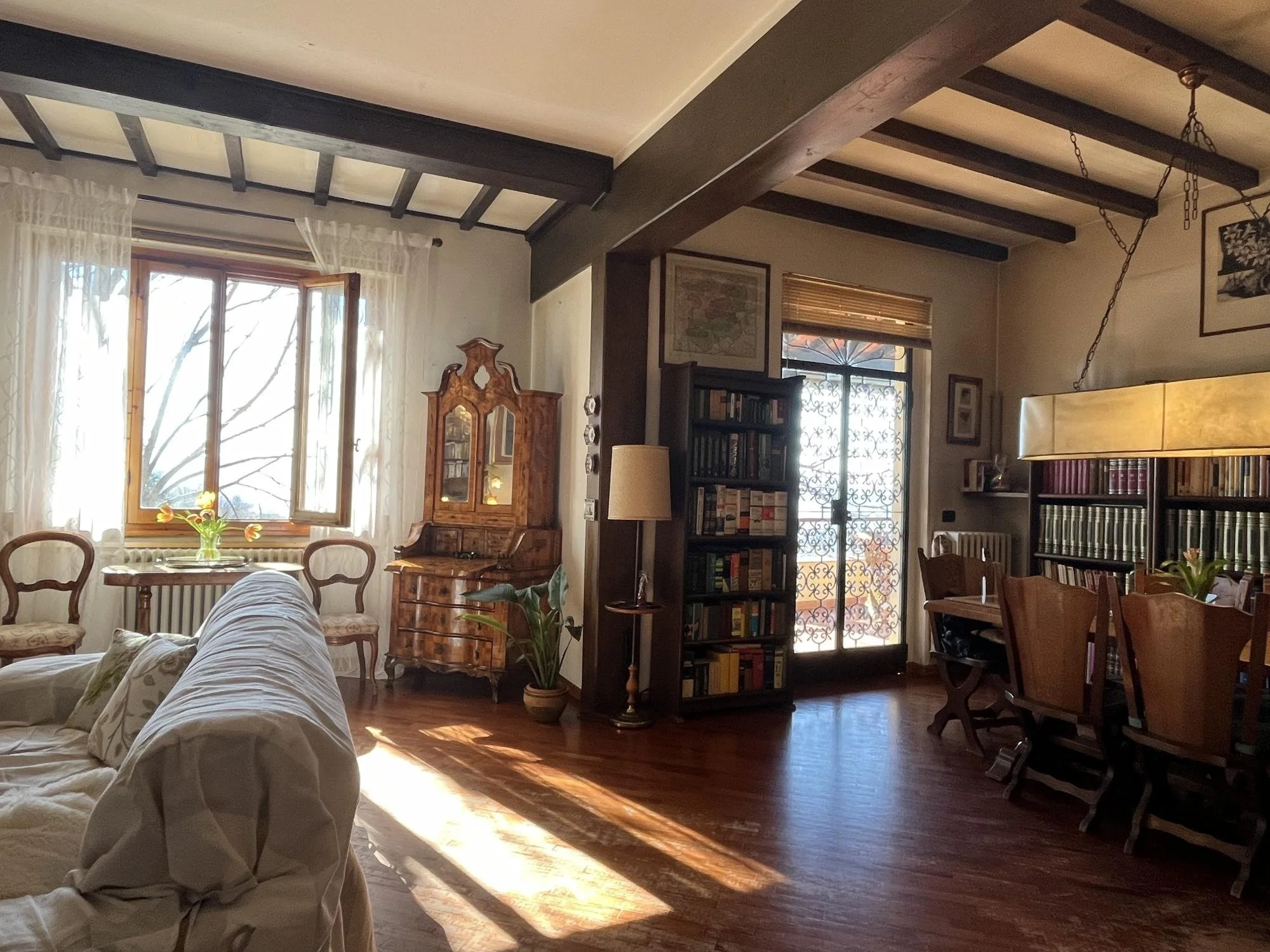
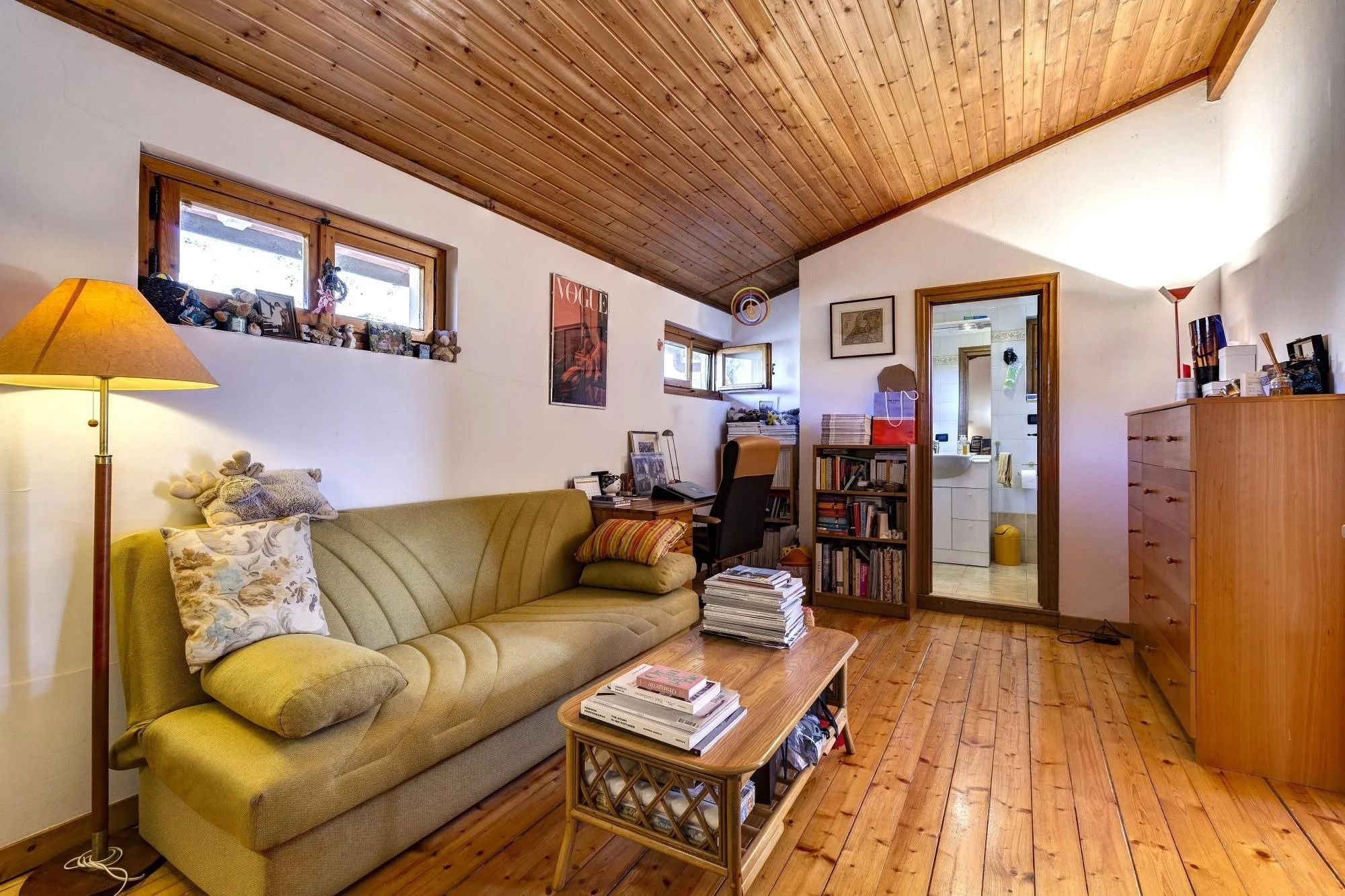
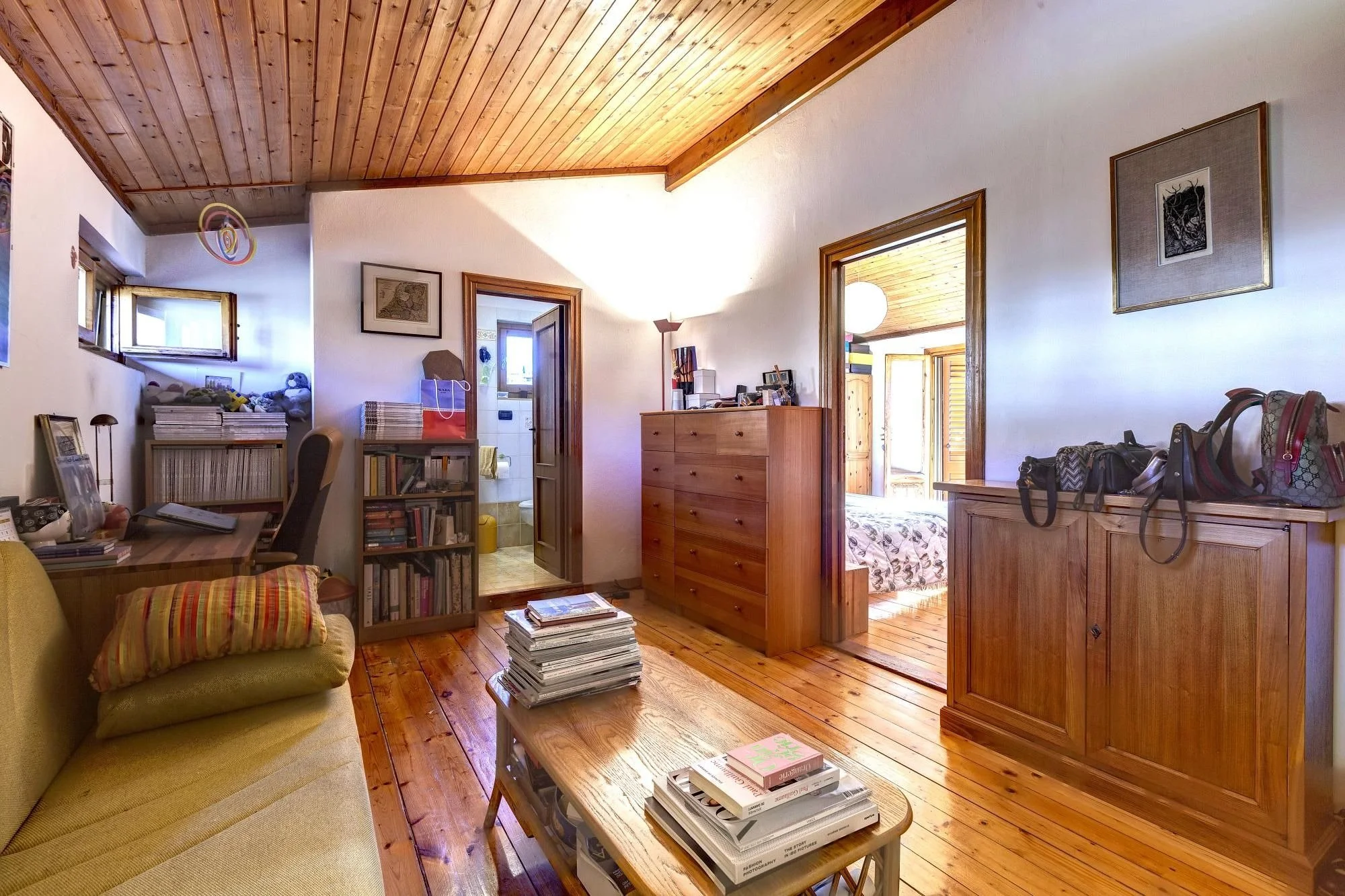
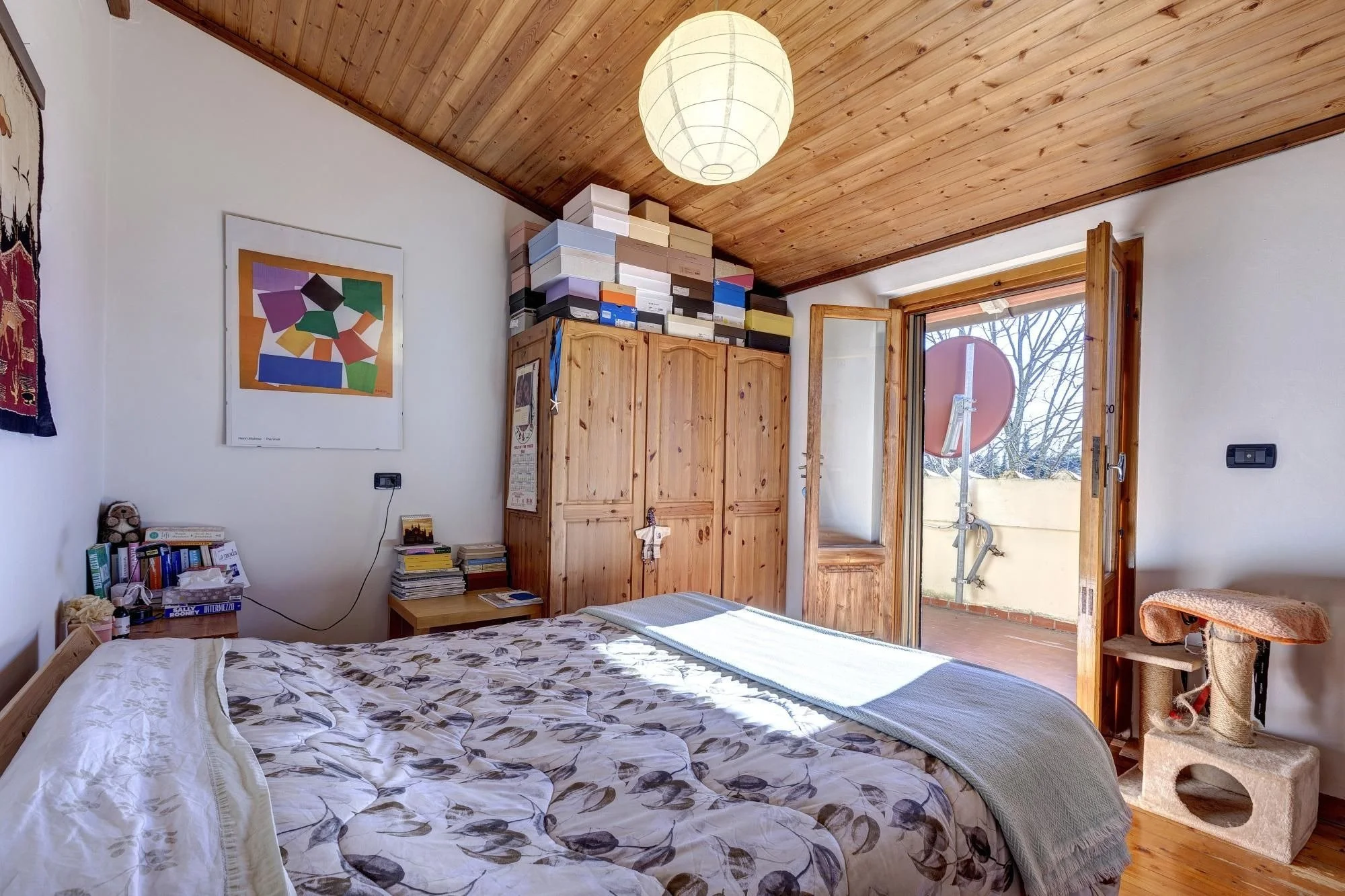
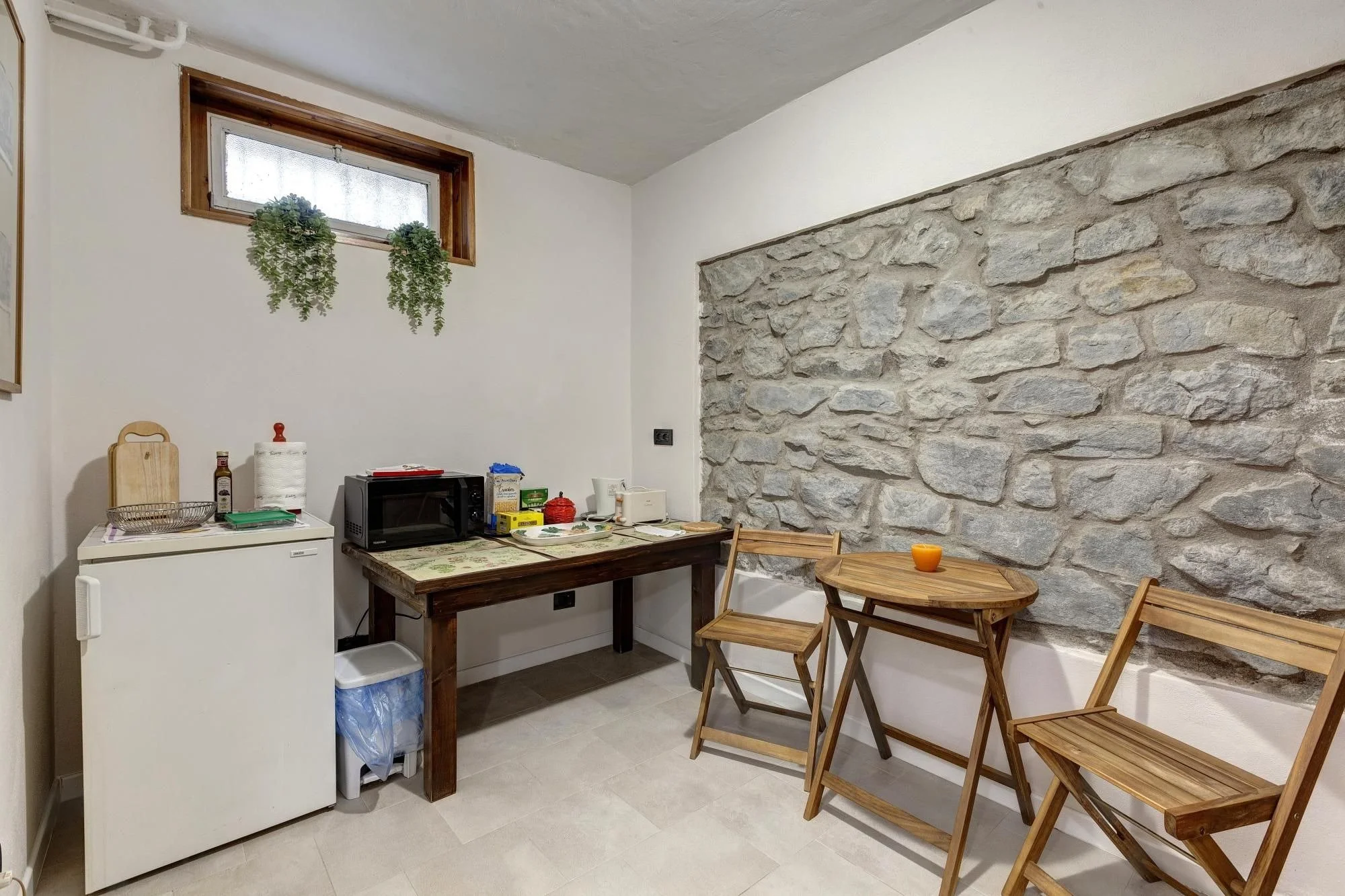
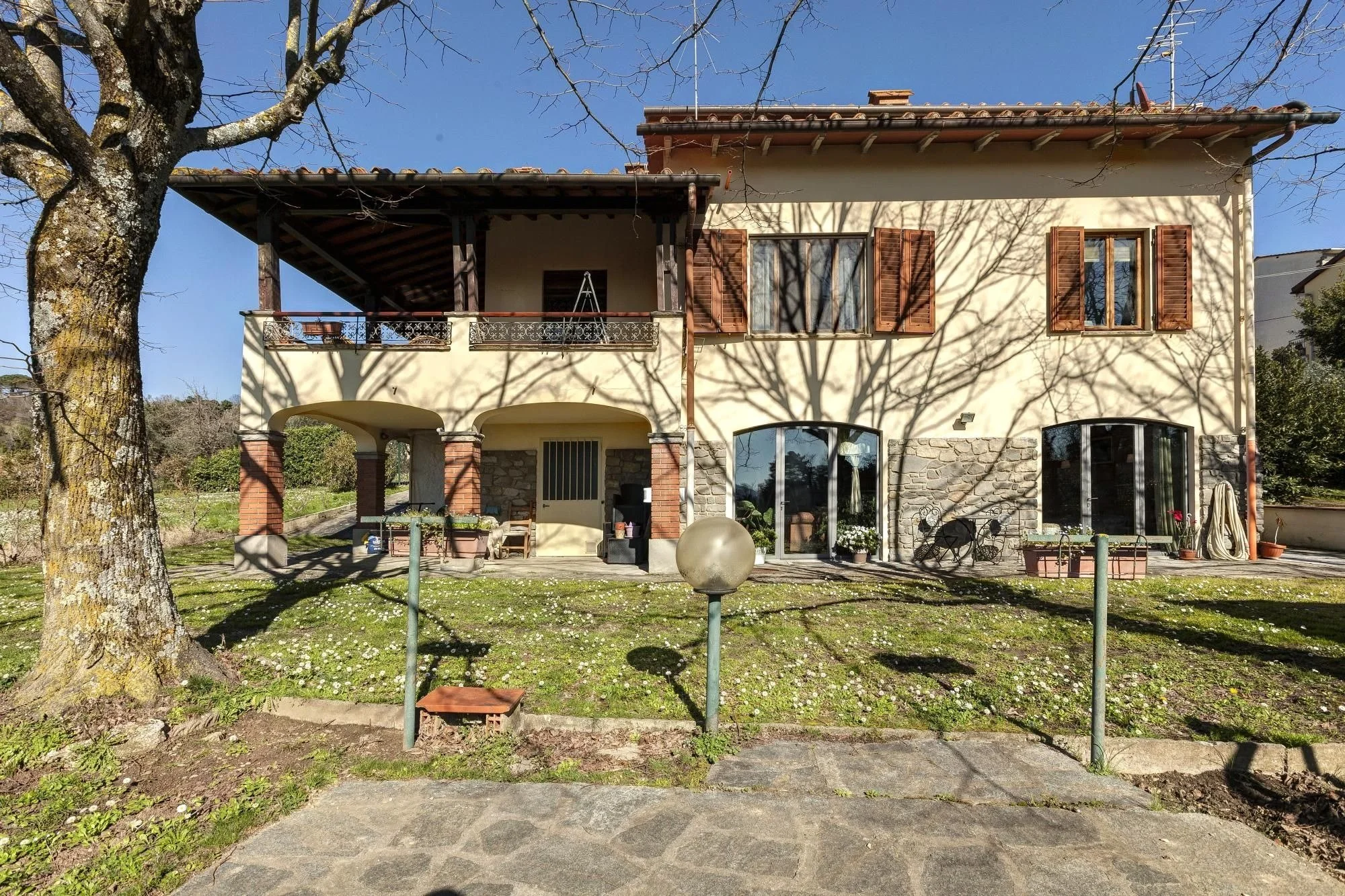
Three levels with attic and basement areas requiring legal-status verification
Land
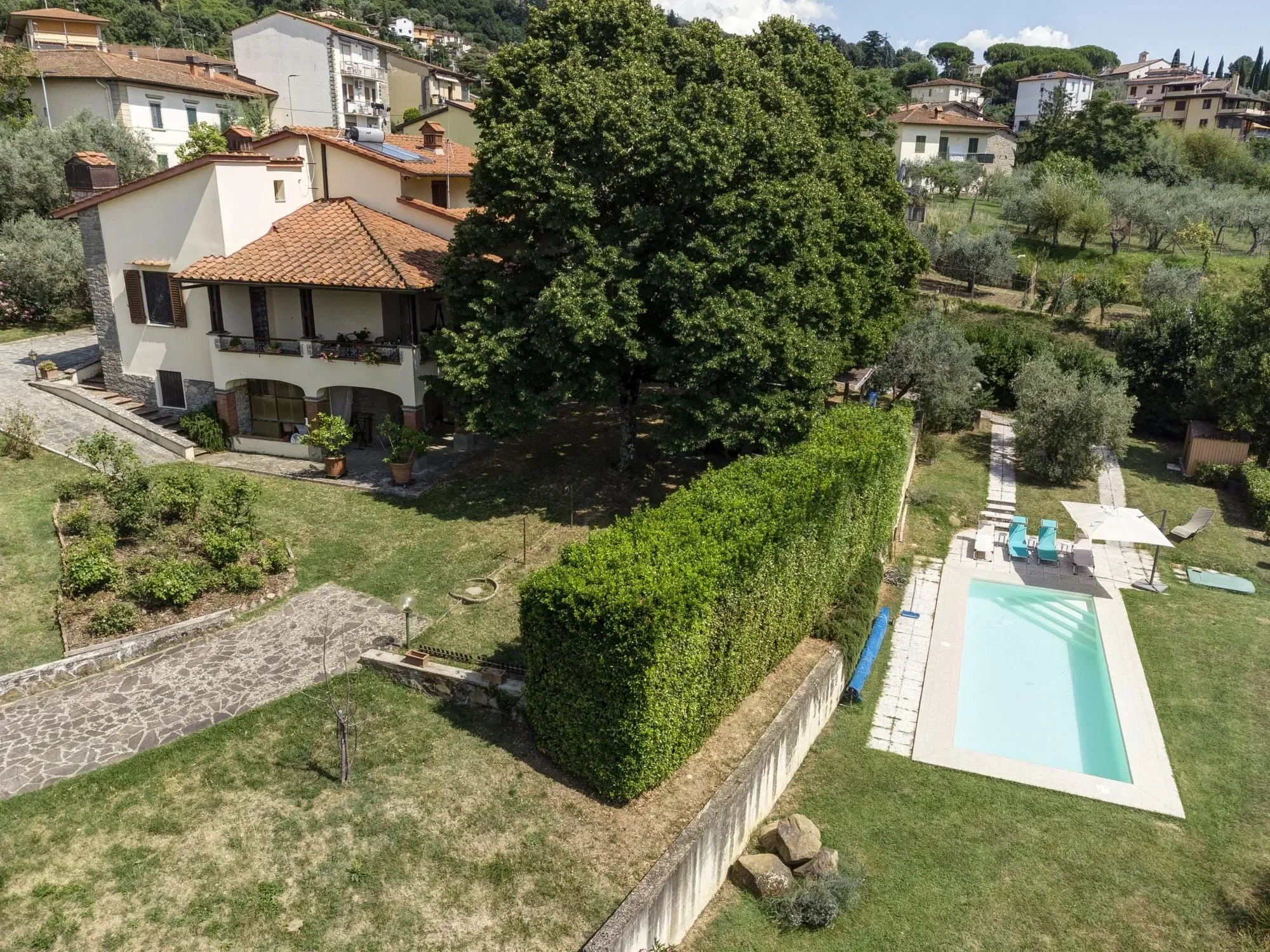
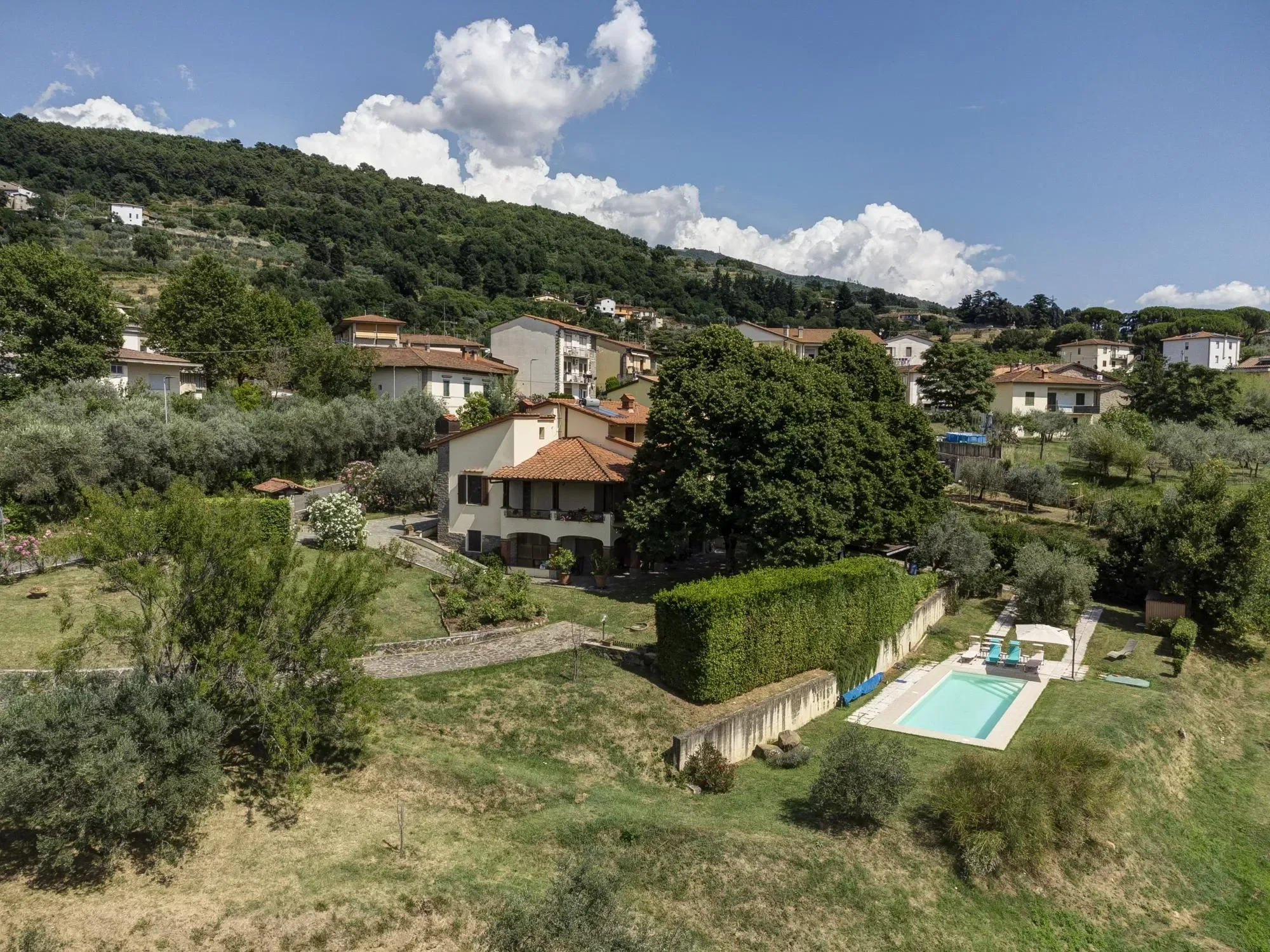
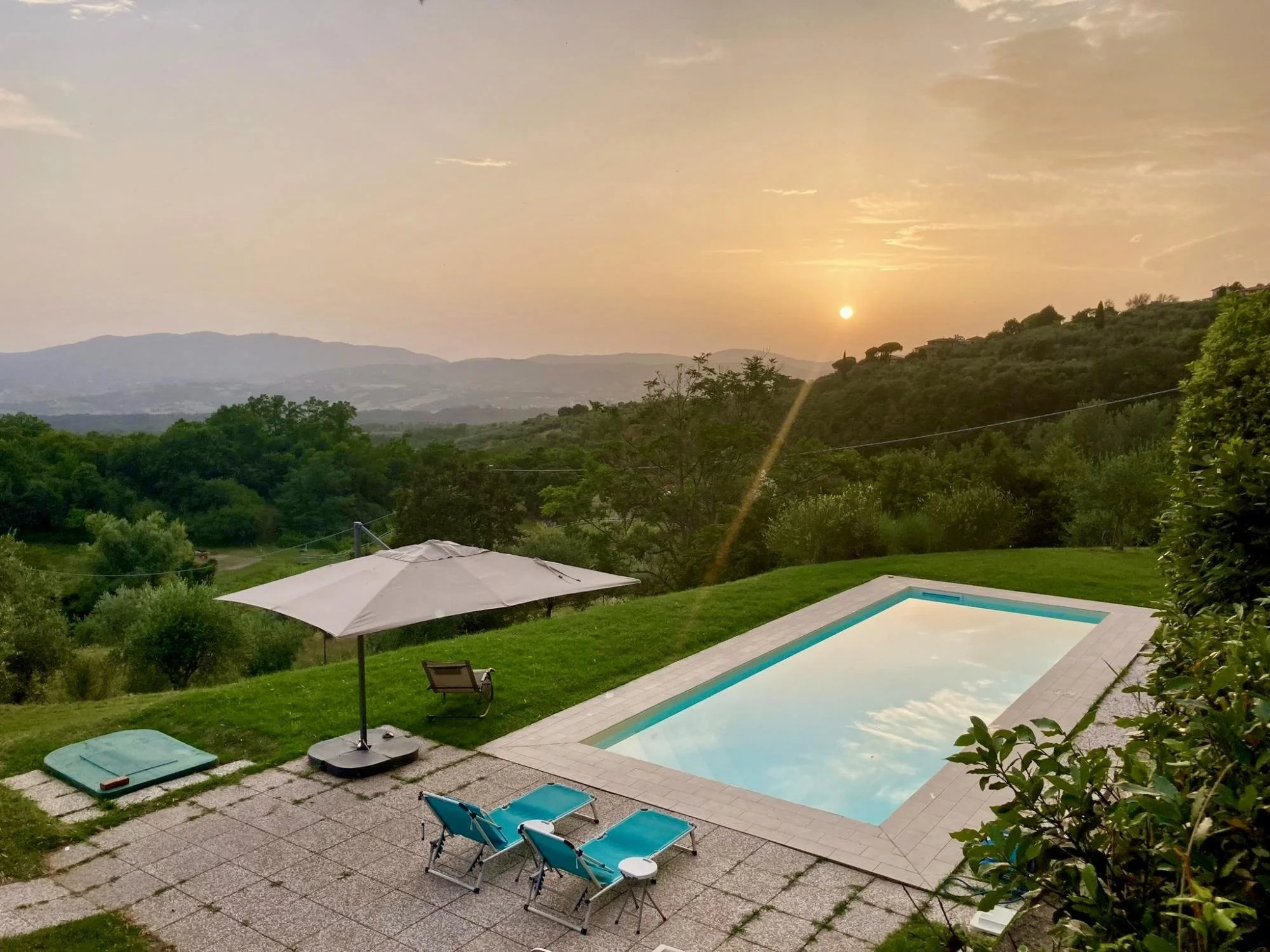
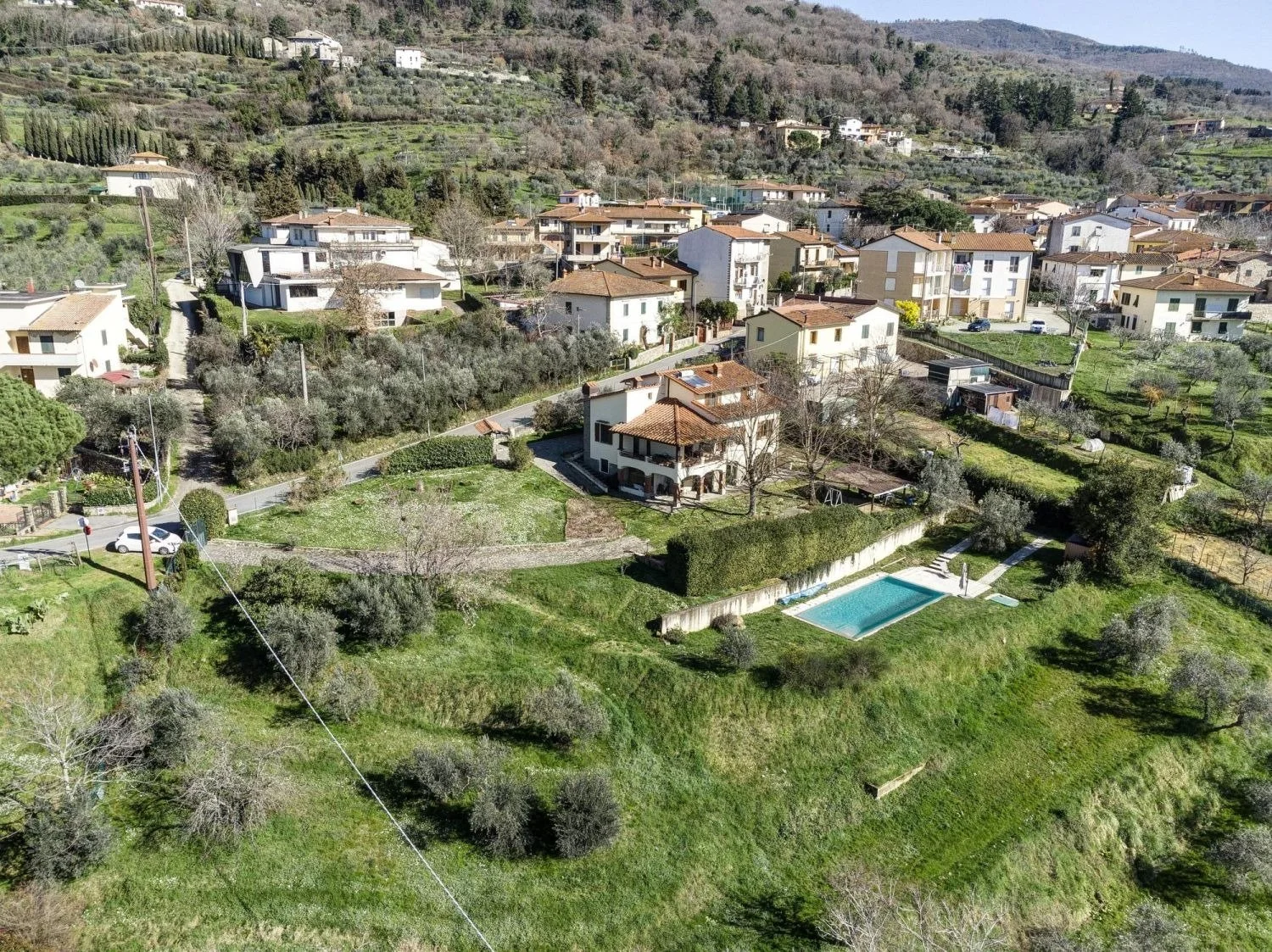
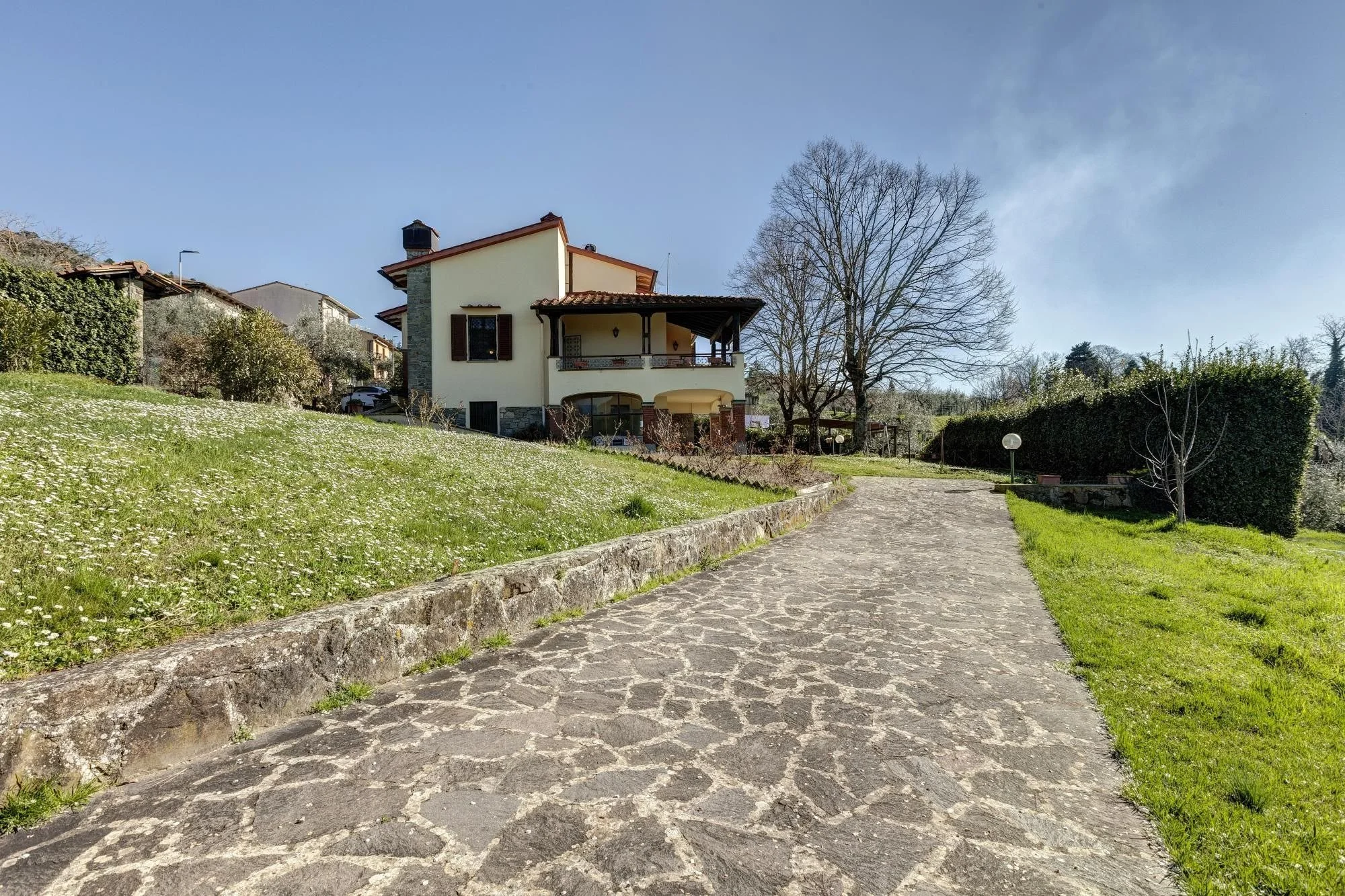
Approx. 2,500 m² fenced garden
Outdoor features
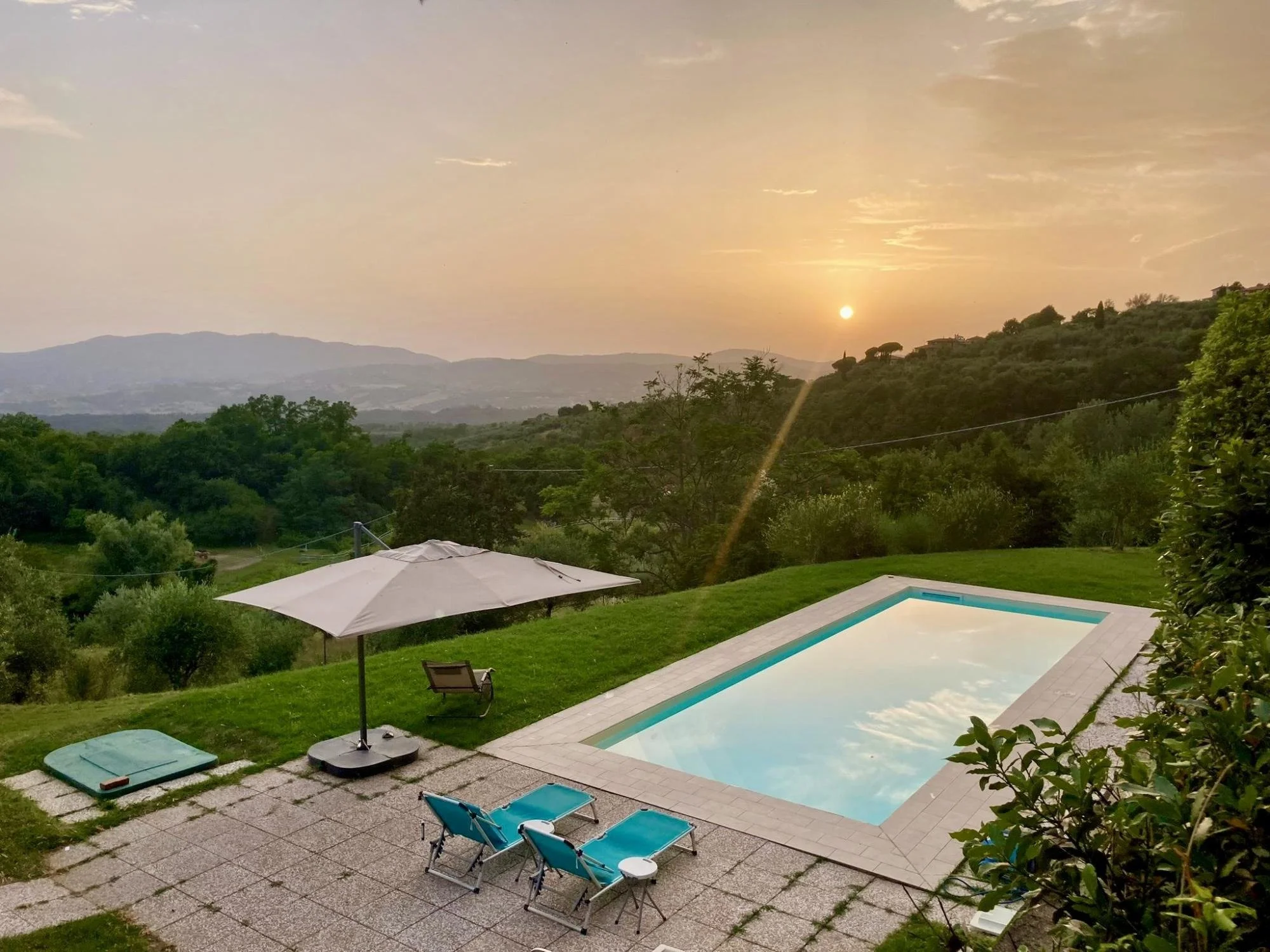
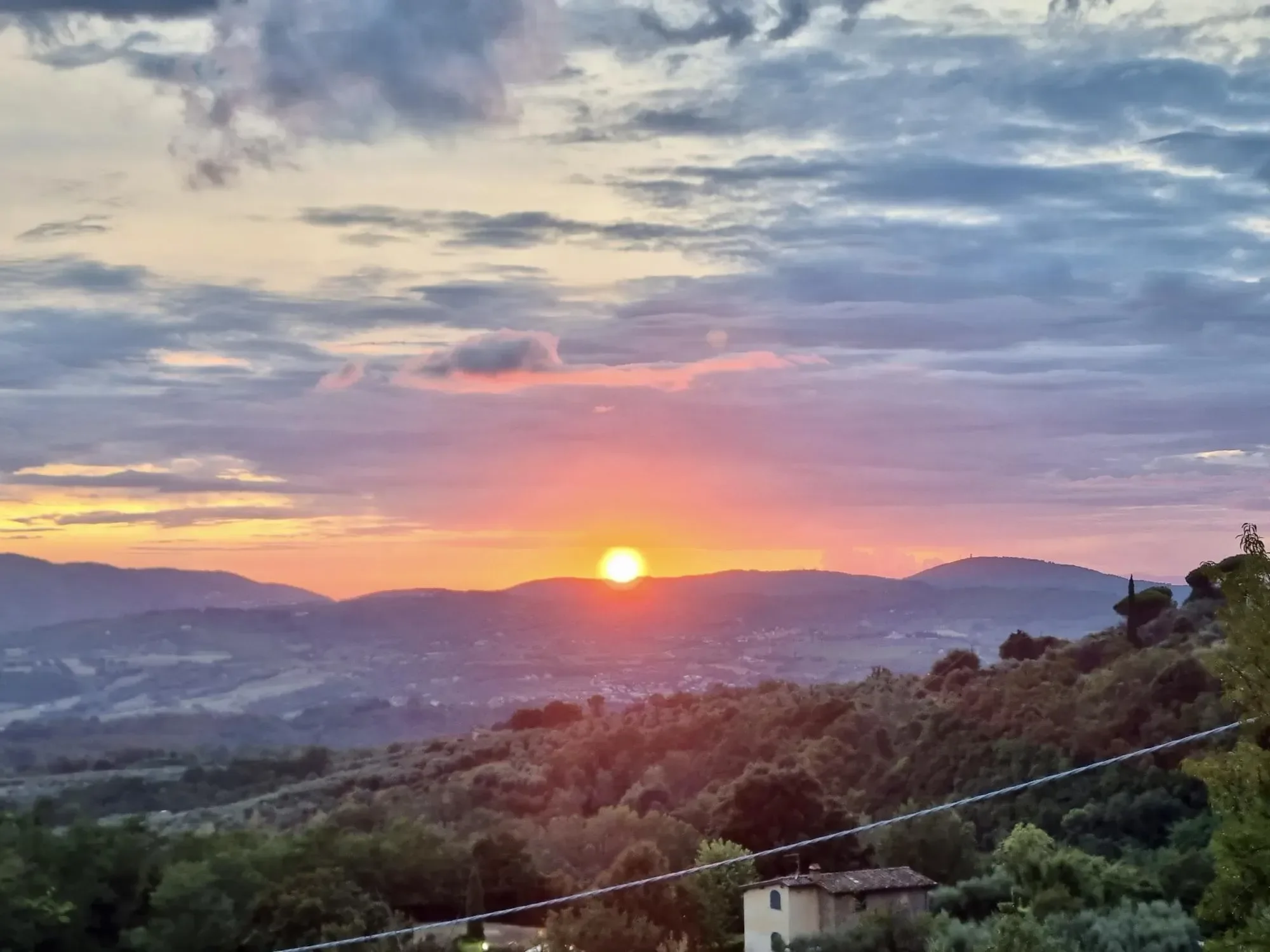
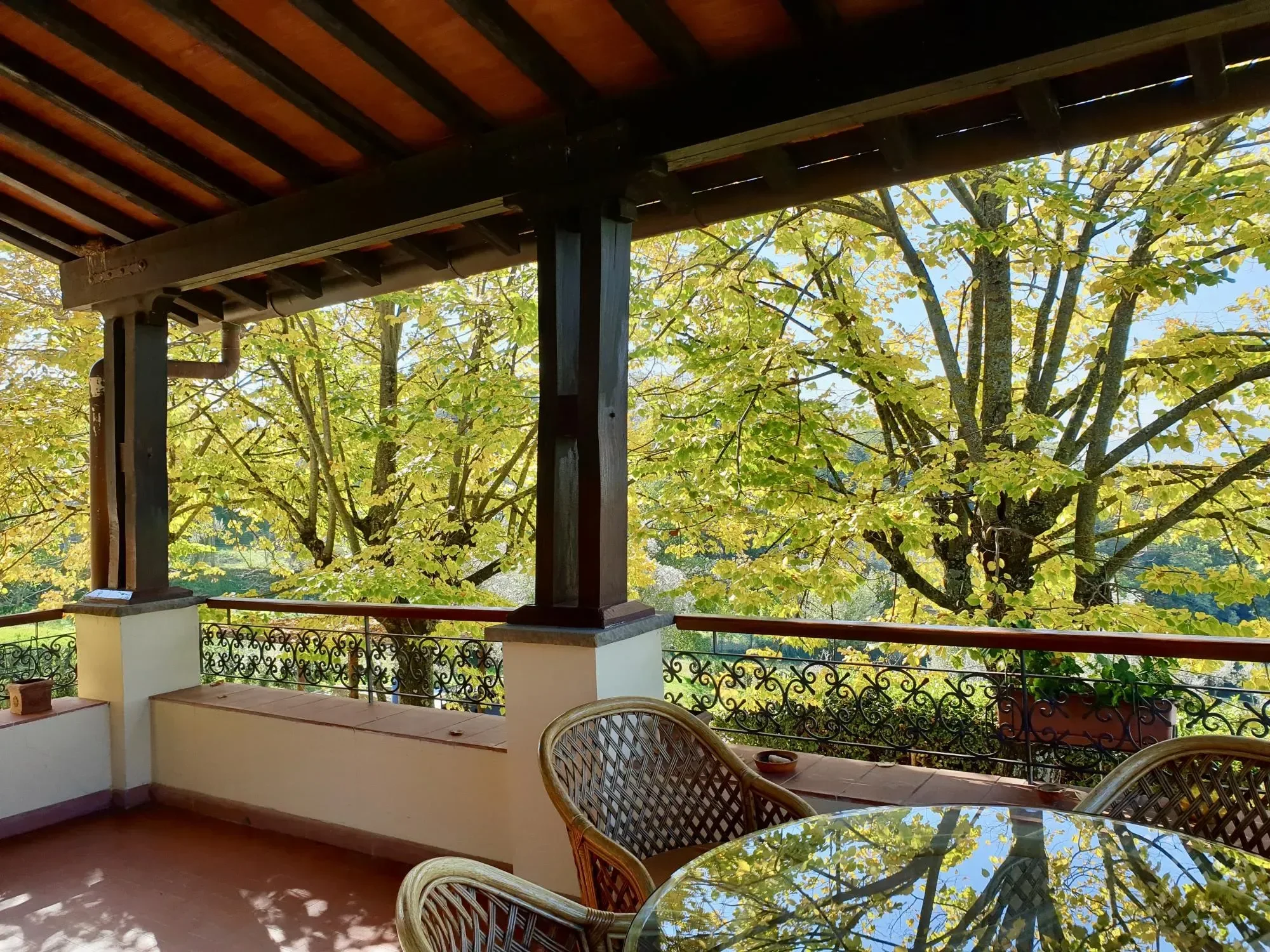
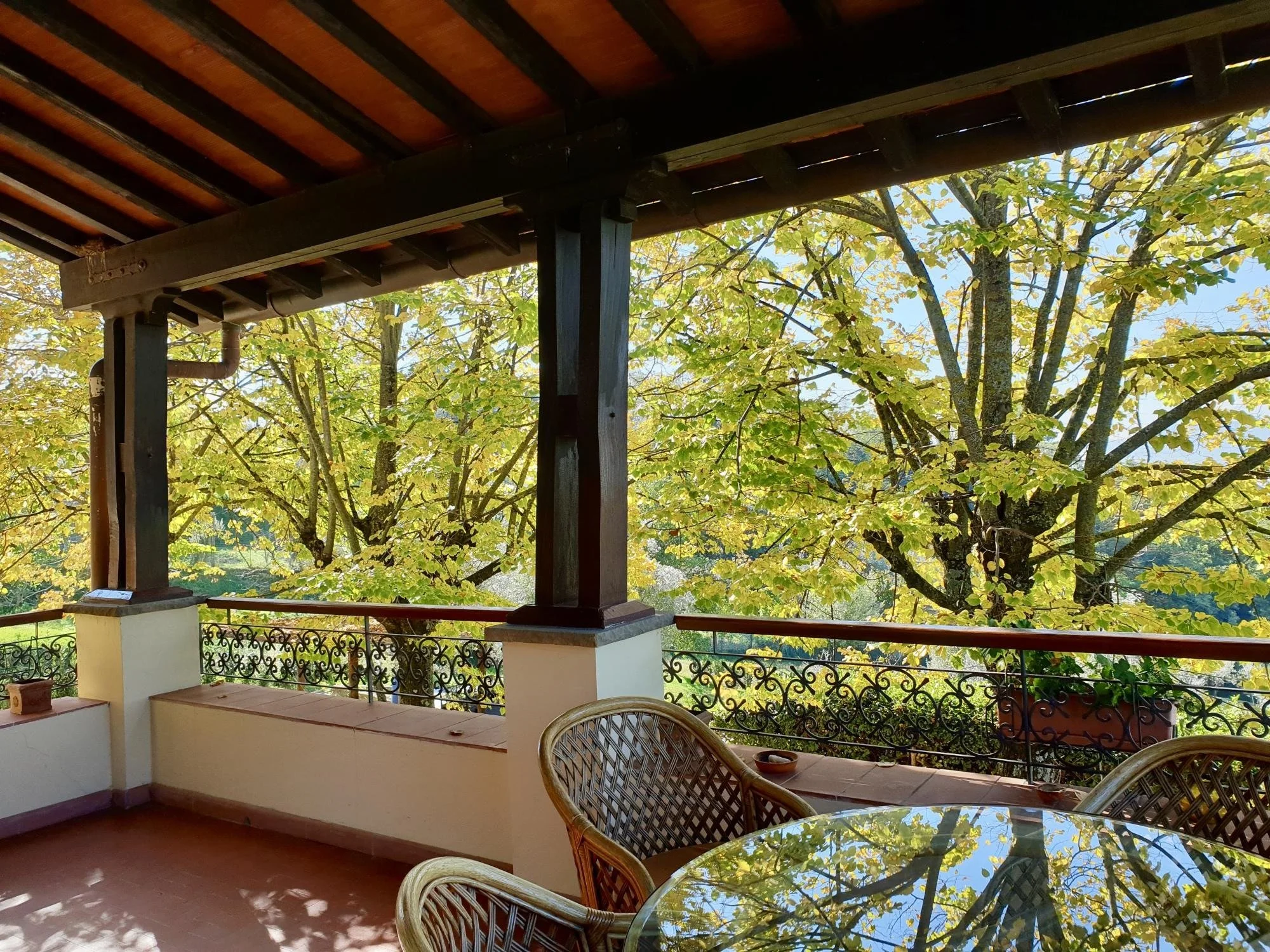
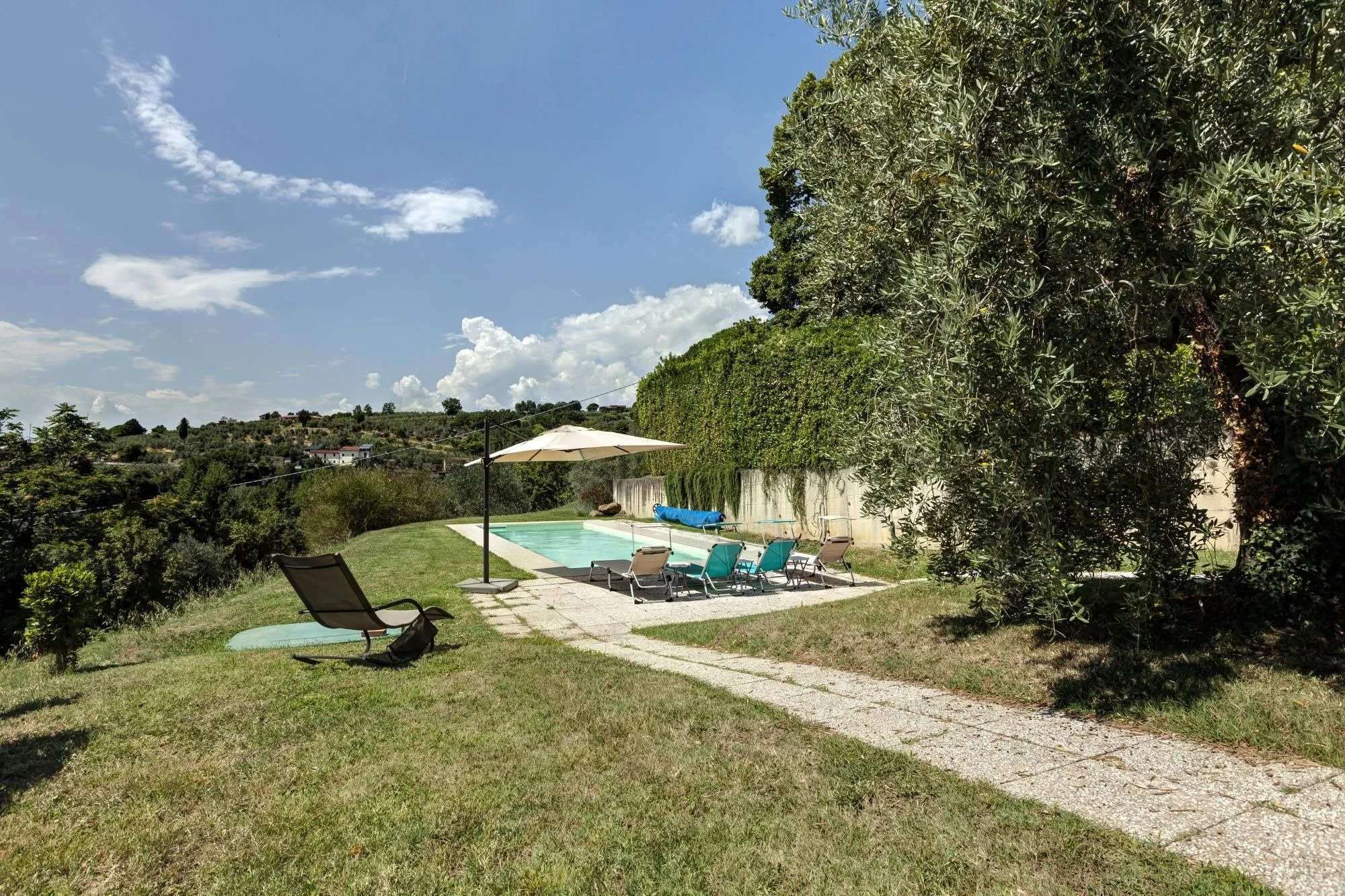
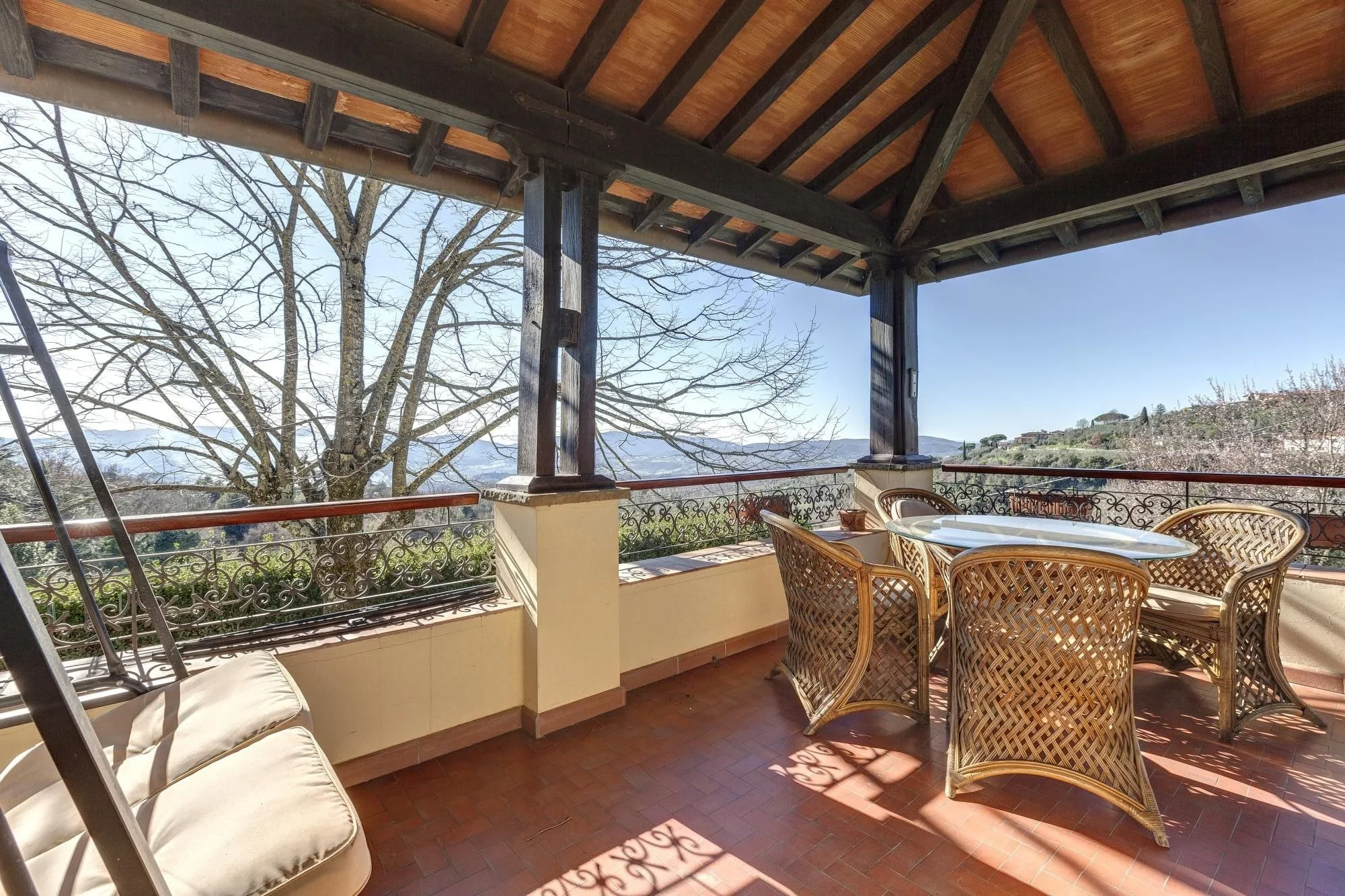
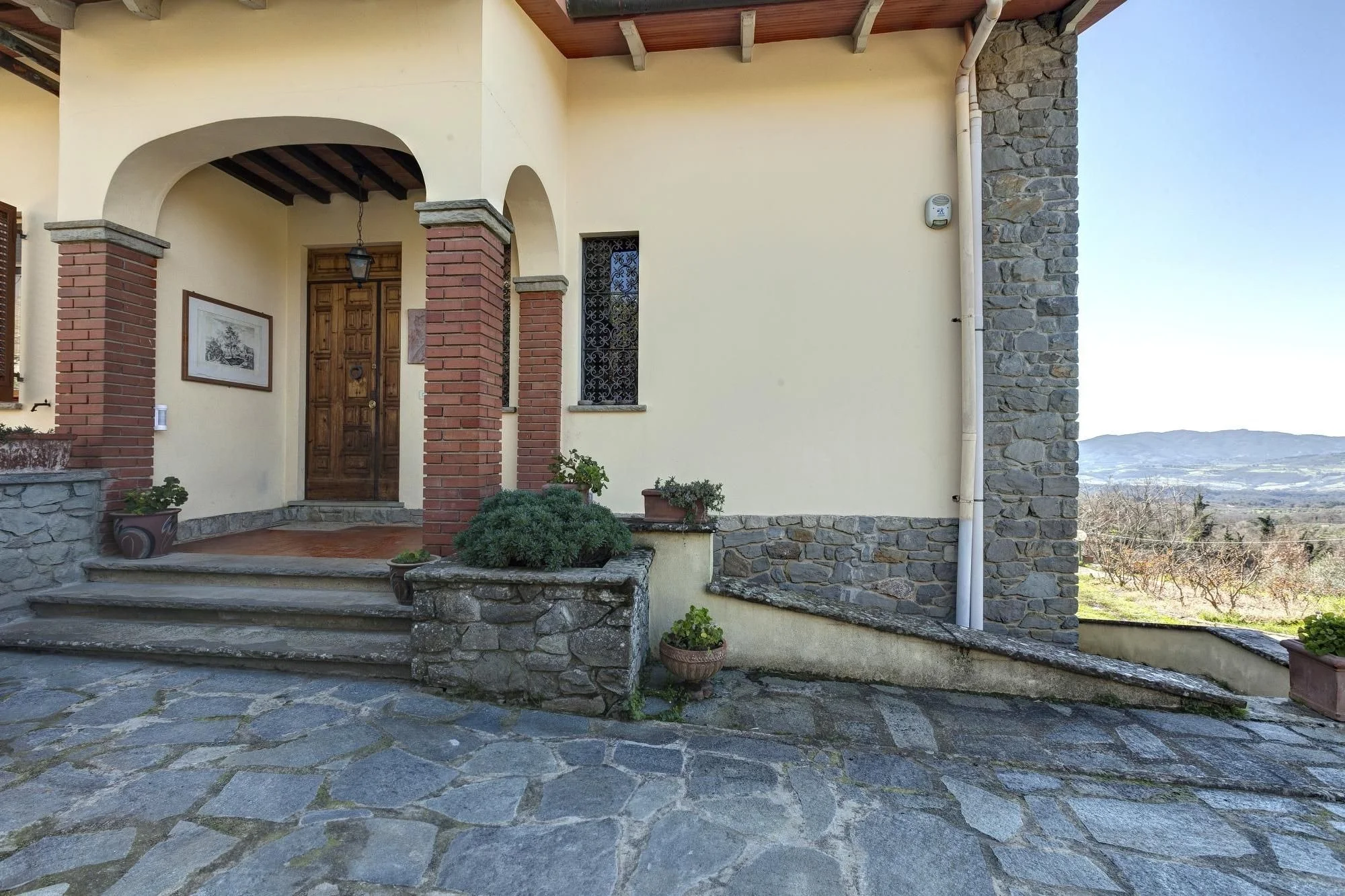
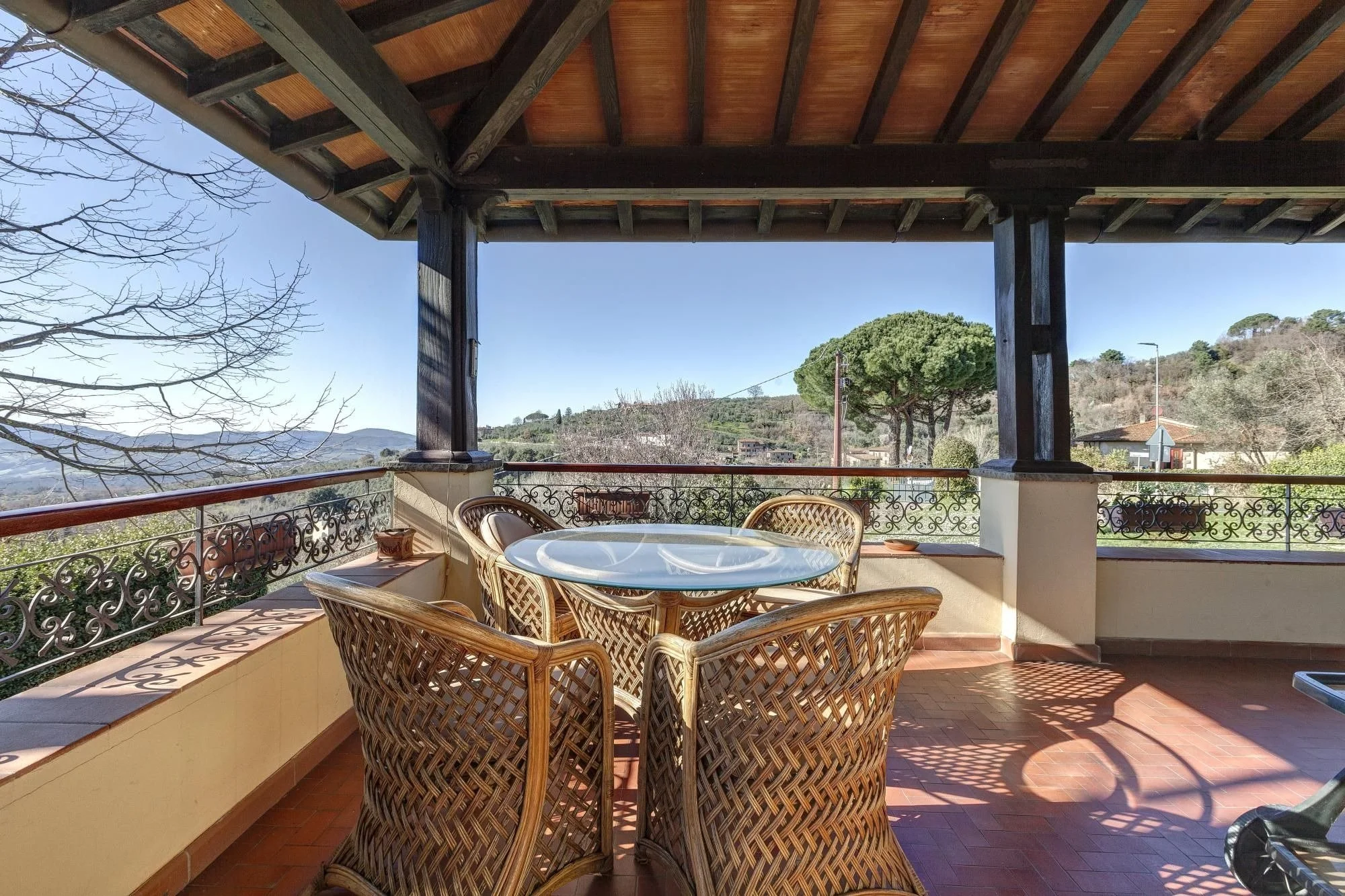
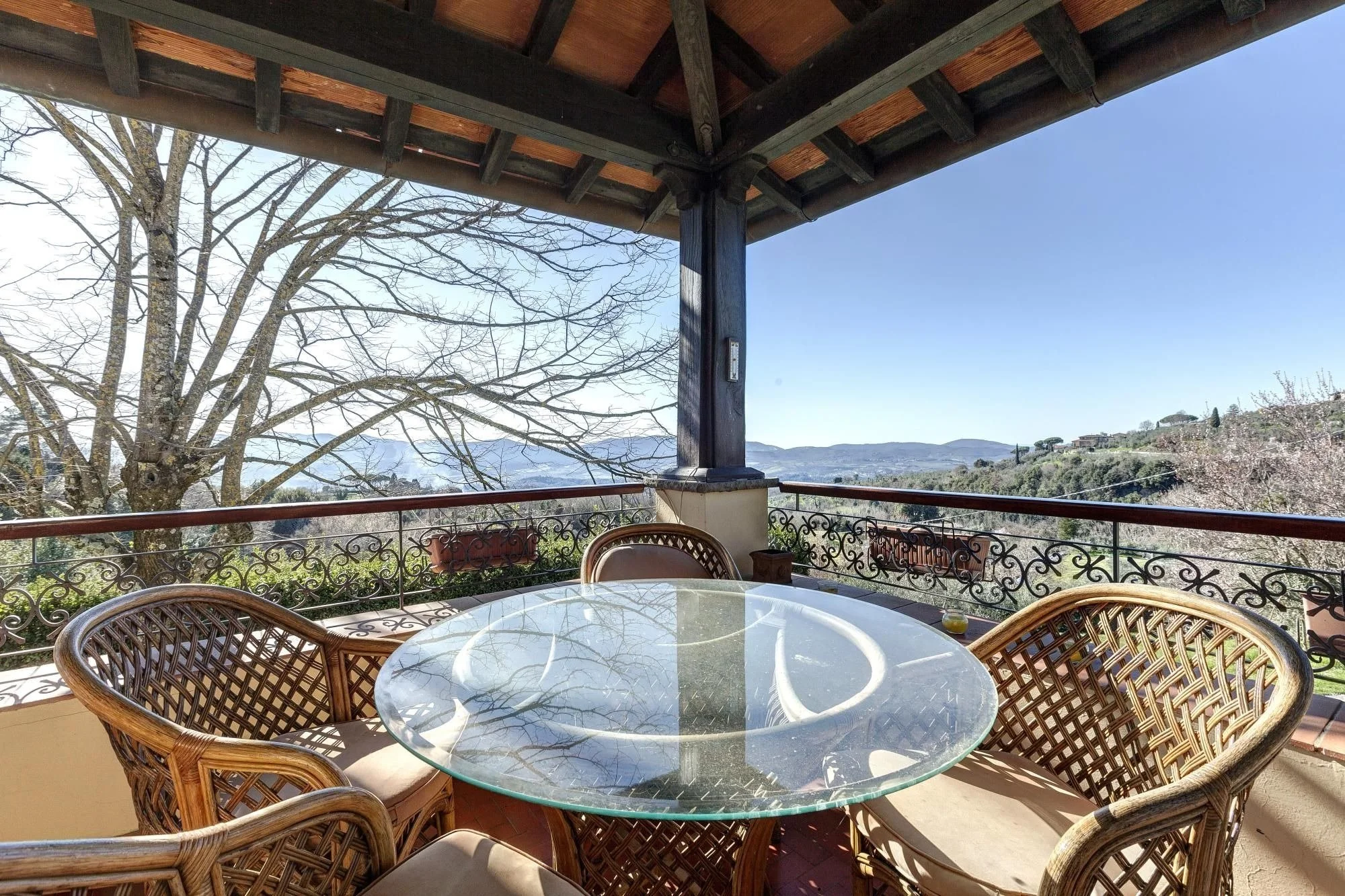
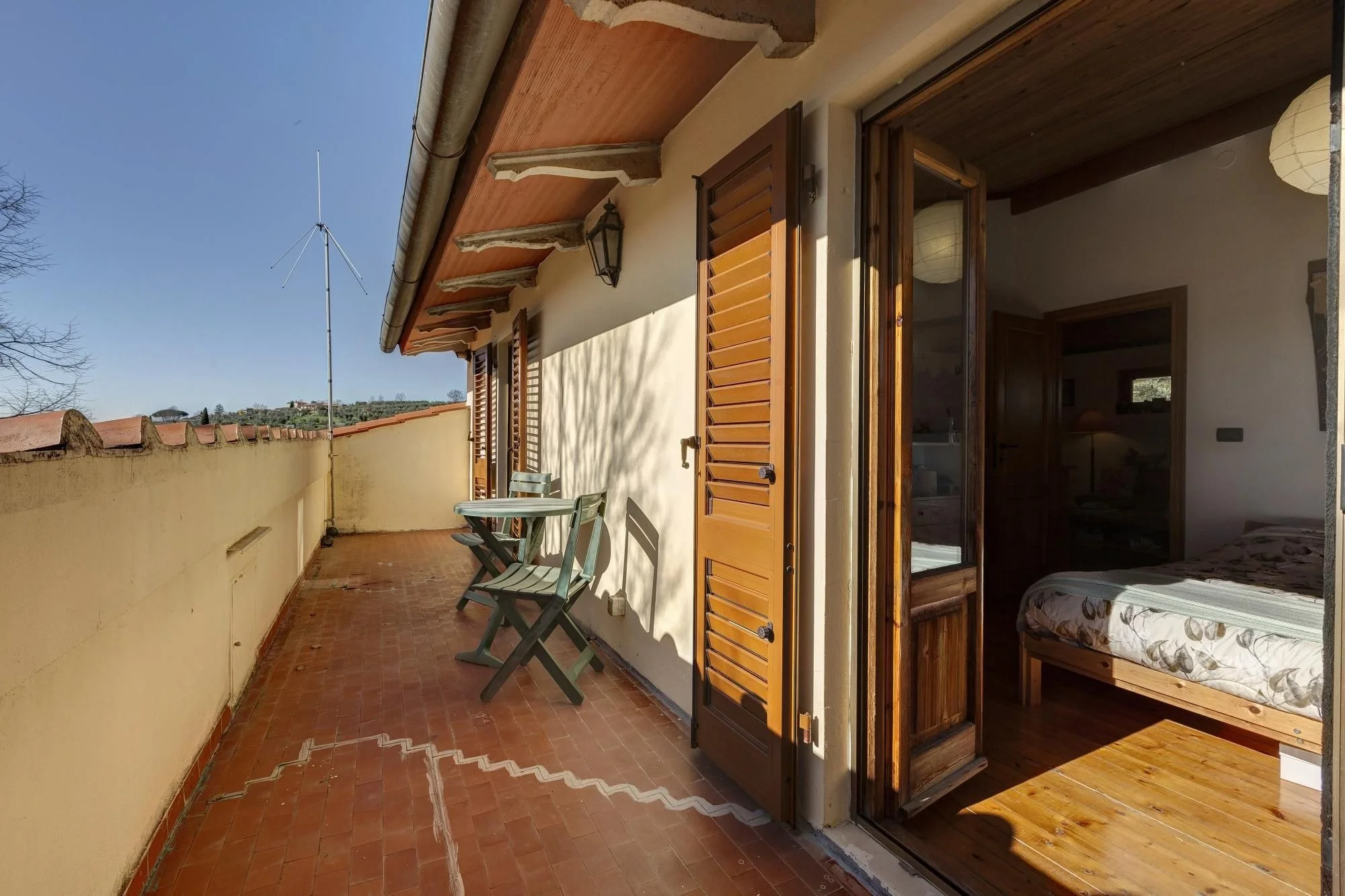
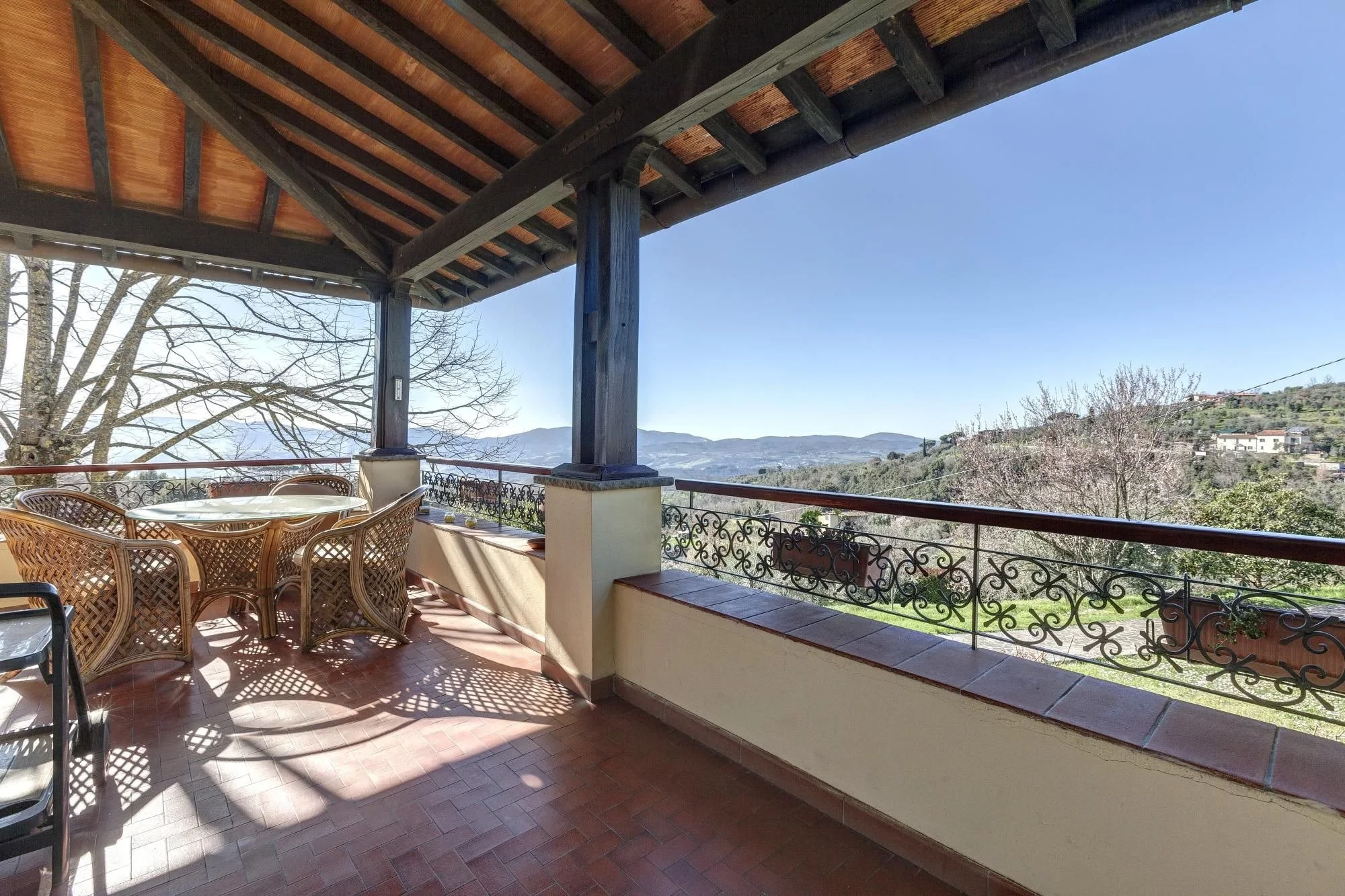
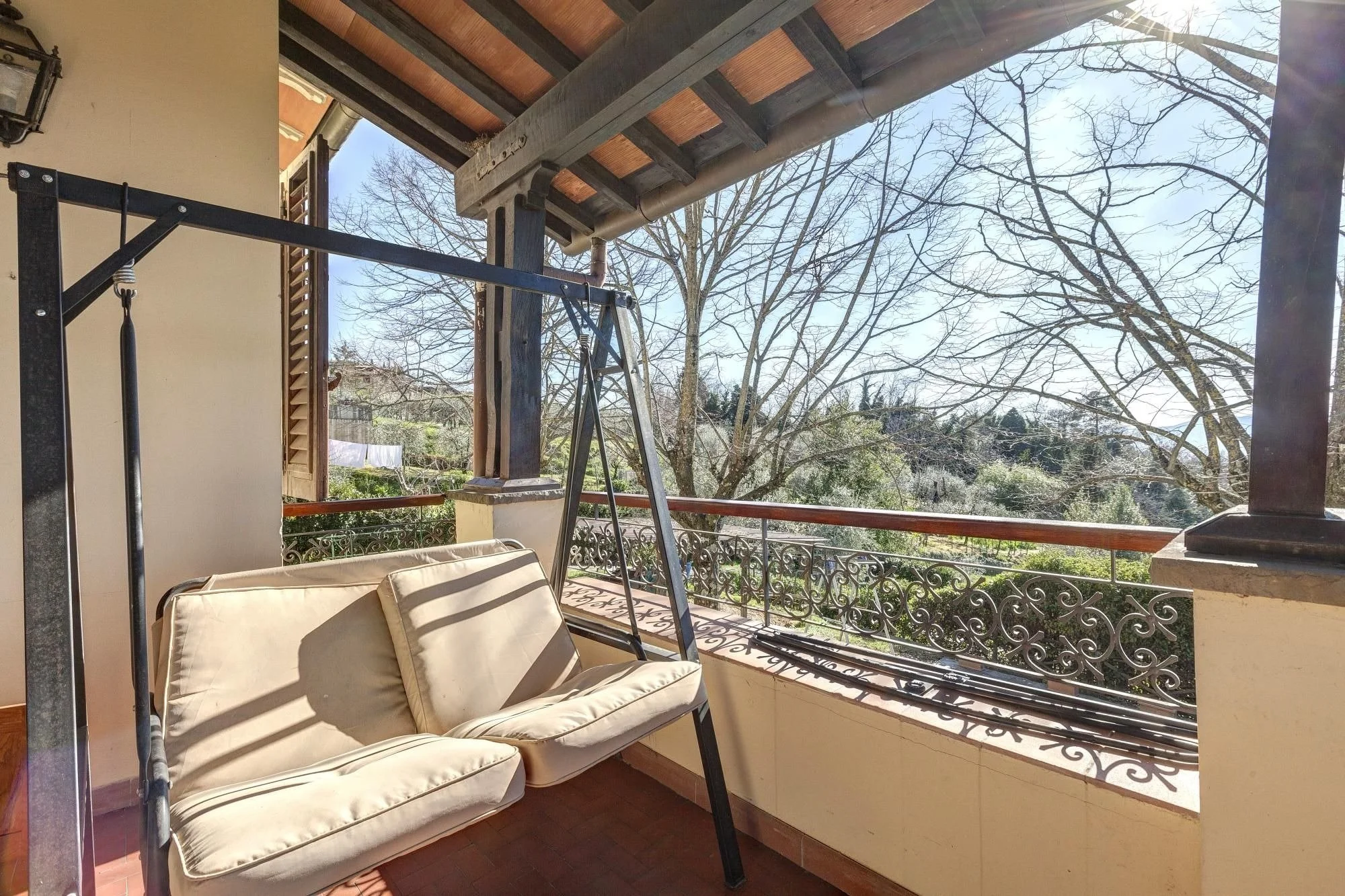
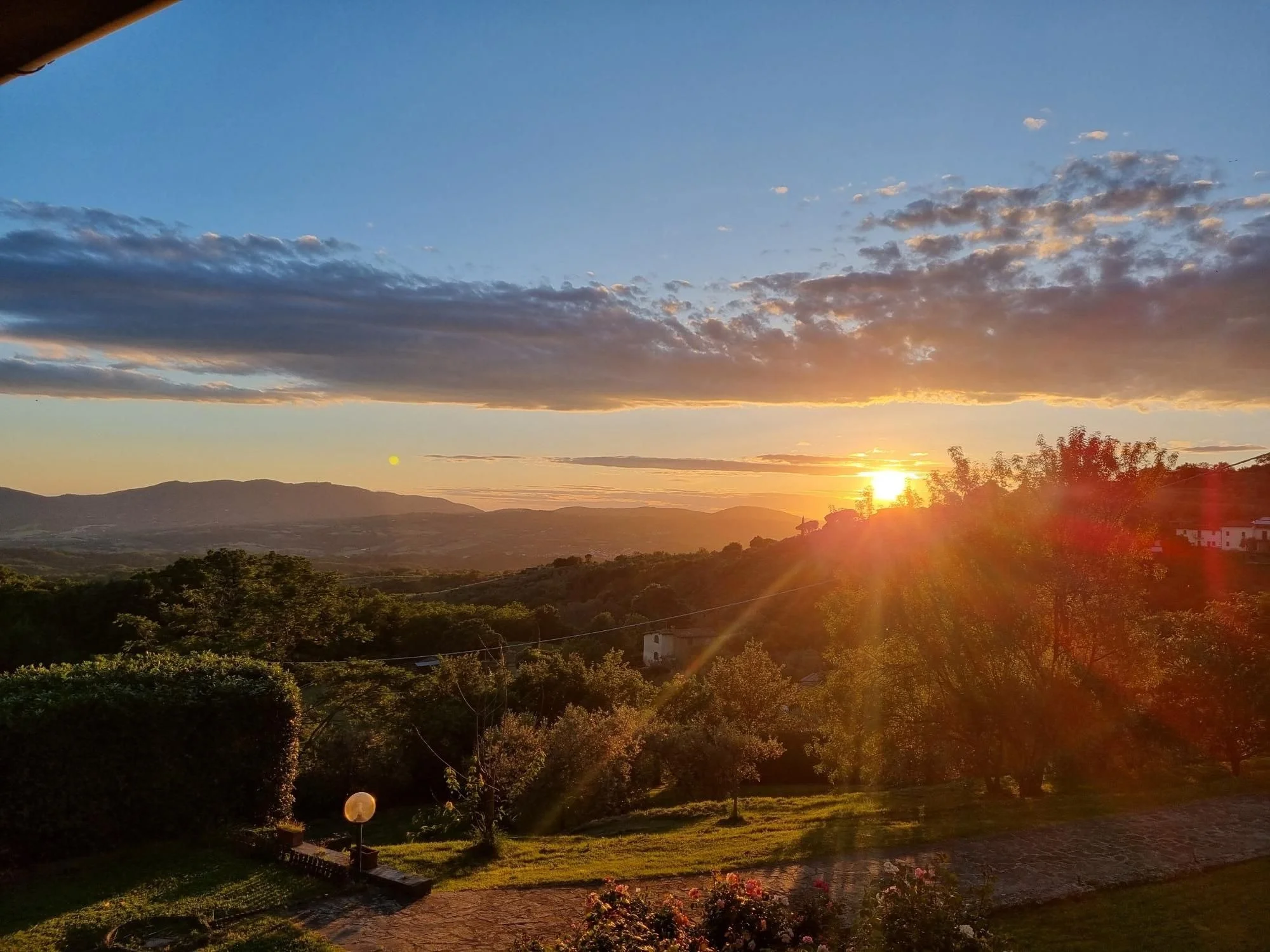
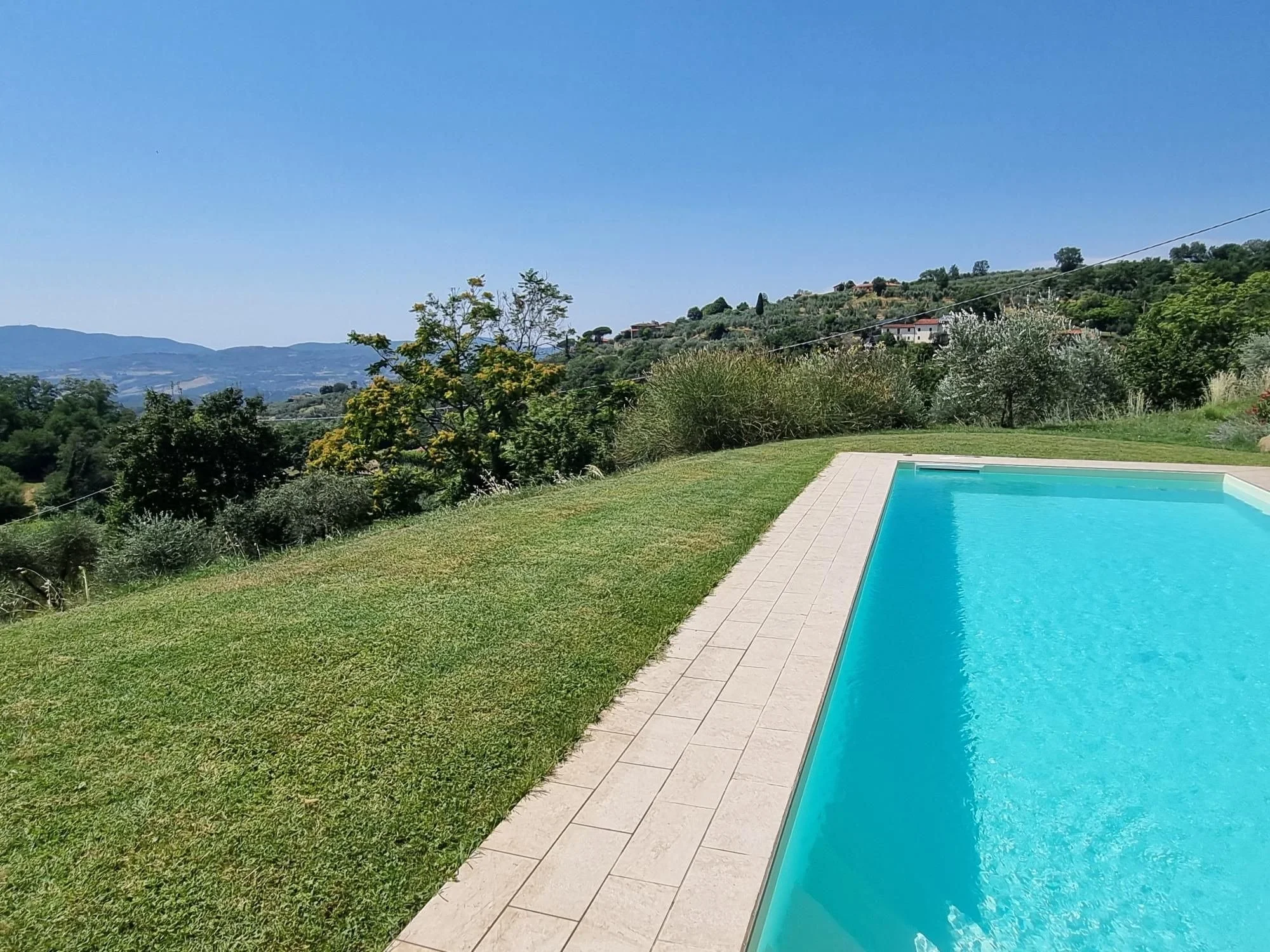
10 x 4 metre private pool, loggia, terraces, panoramic countryside views
Landscape features
Olive trees within the fenced garden
Systems highlights
Solar hot water, recently updated boiler, solar-panel readiness stated
Condition angle
Marketed as move-in ready
Lifestyle angle
Flexible Tuscan home with strong owner-occupier appeal and possible holiday-rental potential
Main due diligence themes
Legal status of all levels, solar and pool documentation, garden and olive-tree status, and rental compliance
Energy note
Listing states "Energy Class N", which requires immediate clarification
Risk Radar
Overview
This is a very appealing Tuscan villa because it combines the visual elements buyers respond to immediately, namely views, pool, olive trees, a walkable village setting and apparently ready-to-use condition, with a more modern systems story than many comparable country houses. That combination can create the impression of a relatively low-risk purchase. The main caution is that several of the listing's strongest selling points need documentary confirmation before they can be priced as fully proven value.
The first major theme is legal clarity across all three levels. A villa marketed with attic and basement flexibility can be extremely useful in practice, but buyers need to know whether those spaces are fully reflected in the registered planimetrie and whether they are covered by agibilità or instead function as ancillary spaces. The official Italian building framework continues to treat agibilità through Article 24 of DPR 380/2001, which is why a buyer should ask exactly what part of the property is covered and in what configuration.
The second theme is the energy and systems story. "Energy Class N" is not a reliable basis on which to underwrite comfort or running costs, especially when the listing simultaneously mentions solar hot water and photovoltaic readiness. A buyer needs the actual APE and supporting explanation. Italy's property documentation framework and tax guidance continue to treat APE as a formal energy-performance document used in property transactions and energy-related compliance contexts.
The third theme is whether the solar narrative is substantive or promotional. Solar hot water can be genuinely valuable, but the buyer needs details on age, type, storage capacity, servicing and backup integration with the boiler. "Solar-panel readiness" is even more ambiguous and could mean anything from a suitable roof orientation to partial wiring or prior approvals. That needs unpacking carefully.
The fourth theme is the pool and land package. A 10 x 4 metre pool, fenced garden and olive trees are central to the property's emotional appeal, but each brings legal and operational questions. The pool should have a traceable permit history and maintenance record. The garden boundaries and any servitù need to be mapped clearly. The olive trees may be purely ornamental, mildly productive, or part of a more meaningful agricultural setup, and those are not the same thing in cost or utility terms.
The fifth theme is tourist-rental potential. Tuscany continues to operate its regional tourism framework under the new Testo unico del turismo, and Regione Toscana states that for non-imprenditoriale tourist or short-term letting, each individual alloggio receives its own CIR, which is the prerequisite for obtaining the national CIN. The same regional guidance states that for short or tourist letting, a private operator may let up to two alloggi, while from three onwards a SCIA is required. For this villa, that means buyers should think about rental use as a regulated operating model, not just a location-driven opportunity.
Targeted Questions
Legal Status and Documentation
It is the starting point for understanding how the villa is formally recorded in the cadastral system, which the Agenzia delle Entrate continues to make accessible through official visura services.
A buyer needs to see the official layout, not just rely on the listing description.
Any mismatch may require regularisation and can slow or complicate a sale.
Flexible spaces can be highly valuable in practice but less useful legally if the file does not support them.
Legal classification affects value, use, rental positioning and resale.
Article 24 of DPR 380/2001 remains the key framework for agibilità, so a buyer should verify what is actually covered.
Buyers should not assume the whole marketed area has the same legal status.
Past irregularities can affect present risk, even if now resolved.
These can delay completion, increase cost and affect finance.
"Move-in ready" is more meaningful when tied to dated, evidenced works.
Invoices help confirm whether the apparent condition is backed by real investment.
Supporting paperwork helps verify quality and accountability.
Early legal clarity is especially useful on a multi-level villa with ancillary spaces.
Energy, Solar and Systems
The wording is too unclear to support a serious buying decision.
The APE is the formal energy-performance document and should be relied on instead of listing shorthand.
Buyers need a timeline if the current marketing wording is provisional.
Real bills often reveal more than a headline energy label.
Buyers need to know whether this is a meaningful whole-house system or a partial supplement.
Age and installer quality materially affect near-term replacement risk.
Capacity affects whether it can serve the whole villa comfortably.
Solar contribution can vary sharply by season and design.
Solar thermal systems need maintenance to perform properly.
Warranty value matters if the system is a major selling point.
The phrase is too broad and could range from simple roof suitability to real pre-installation work.
Real readiness reduces future installation cost and disruption.
Pre-work can materially strengthen the value of the readiness claim.
Even a technically suitable roof may still face approval or design constraints.
The listing's "recently updated boiler" claim needs exact dating and specification.
Tuscan year-round comfort depends on actual coverage, not assumption.
Window quality affects both efficiency and comfort.
Without this, energy claims are hard to assess properly.
Mixed-era systems can look fine while still requiring capital expenditure.
Pool, Garden and Olive Trees
Pool legality should never be assumed from appearance alone.
Buyers need more than size and visuals to judge risk.
Maintenance cost and reliability vary significantly by system type.
Heating materially changes running costs and rental appeal.
Pool economics matter more than many buyers first assume.
Safety and insurance issues are especially relevant if rentals are considered.
Buyers should verify the full external setup spatially, not just descriptively.
These can materially affect privacy and control.
"Olive trees" can mean decorative planting or something more substantial.
Older productive trees have a different value and maintenance profile from ornamental trees.
Productivity can be a real asset or simply a pleasant extra.
Buyers should separate marketing romance from actual land use.
"Fenced" can mean very different things in practice.
Ongoing maintenance cost is part of the ownership picture.
Condition, Layout and Everyday Use
Roof condition is one of the main long-term cost drivers in detached villas.
Move-in-ready presentation can still conceal water-related weaknesses.
Early disclosure here is critical on hillside or panoramic sites.
An attic can be useful in practice without being comfortable enough for its intended use.
Buyers should not pay for unofficial sleeping accommodation as if it were lawful bedroom space.
Lower-ground spaces can be useful or problematic depending on moisture and ventilation.
Basements often carry the hidden maintenance risk in otherwise attractive houses.
Outdoor living areas can be expensive to repair if neglected.
Shared obligations reduce independence and can create future friction.
Parking practicality affects both daily living and rental viability.
Private access obligations can create cost and operational complications.
Practical ease matters more after purchase than during a sunny viewing.
Location, Connectivity and Privacy
Remote work viability is now a core use question.
Thick walls and hillside settings can affect usable signal.
Panoramic views do not always equal privacy.
Rural-village edge settings can vary sharply by season.
Walkability to a village square is more useful when services truly operate consistently.
Rental Potential
Real trading history is more valuable than theory.
Actual performance data gives a grounded view of demand.
Regione Toscana states that each alloggio subject to tourist letting receives its own CIR, which is the prerequisite for obtaining the CIN.
Existing compliance may simplify the operational pathway.
Regione Toscana states that for tourist or short lets, from three alloggi onward a SCIA is required.
Rental advertising should align with lawful and practical room status.
Demand pattern shapes income planning and carrying-cost expectations.
Long-term rental value is often the most grounded fallback benchmark.
Negotiation Intelligence
Buyer Leverage
Medium-High
Key Drivers
Typical Negotiation Range
5-15% below asking
Neutral Phrasing Examples
Country Layer
Italy (Regulatory Context March 2026)
For a property like this, cadastral clarity remains fundamental.
Viewing Strategy
Approach this property as a documentation-led viewing, not just a lifestyle viewing.
Next Step
Verify from the listing:
Legal status of the attic and basement
Request the visura catastale, registered planimetrie and agibilità documentation so you can confirm whether the attic and basement are included as lawful habitable space or are classified as ancillary areas.
What “Energy Class N” actually means
Obtain the full APE, recent utility bills and system details so you can understand the real energy performance behind the listing, especially given the solar hot-water setup and recent boiler update.
Solar hot water and photovoltaic readiness
Ask for invoices, specifications, service records and any pre-installation preparation for photovoltaic panels so you can distinguish a genuinely upgraded systems package from a more general readiness claim.
Pool legality and operating condition
Request the permit file, technical specifications and maintenance history for the 10 x 4 metre pool so you can verify that it is fully documented, safe and not hiding near-term capital expenditure.
Garden boundaries and olive-tree obligations
Obtain a cadastral map of the 2,500 m² fenced plot and clarify the number, condition and productivity of the olive trees so you can judge whether the grounds are primarily lifestyle landscaping or a more active maintenance commitment.
A prepared buyer should approach the agent calmly and frame questions as due diligence.
Because this is a multi-level Tuscan villa where legal room status, systems evidence and rental flexibility materially affect value, run it through the Property Risk Assessment and the European Property Energy Risk Assessor before contacting the agent.
Disclaimer: The Property Drop is buyer-focused intelligence, zero sales agenda. We curate exceptional properties, in southern Europe, from third-party agents and arm you with decision tools. No commission, no transactions, no agent partnerships, no skin in the game beyond helping you choose wisely. Information stays accurate until it doesn't (properties sell, prices shift, markets move). Everything here is shared for informational purposes only and should not be treated as legal, financial, or investment advice. Images belong to original agents. Read our Terms of Service to learn more.
IMPORTANT REMINDER: When contacting property agents featured on The Property Drop, you are entering into direct communication with third parties. It's recommended that you verify all property details independently, conduct thorough due diligence, engage qualified professionals (solicitors, surveyors, financial advisors), understand your rights and obligations under local property laws, and never send money or make commitments without proper legal protection.
