
The Buyer Playbook: Countryside Villa Lazio, Italy, €230,000
Buyer Playbook
Pre-Viewing Intelligence Report
This independent buyer guidance report relates to this specific property located in Italy. It is provided for informational purposes only and does not constitute legal, tax, structural or survey advice. Planning permissions, cadastral conformity, agibilità, the legal status of the lemon house, garage and cellars, well registration and water use, rental compliance, and any heritage or landscape restrictions must always be verified with qualified Italian professionals such as a notaio, geometra, architetto, ingegnere, surveyor or specialist property lawyer, and with the relevant Comune, Catasto, Conservatoria and, where relevant, Soprintendenza offices.
Playbook Contents
Property Snapshot
Location
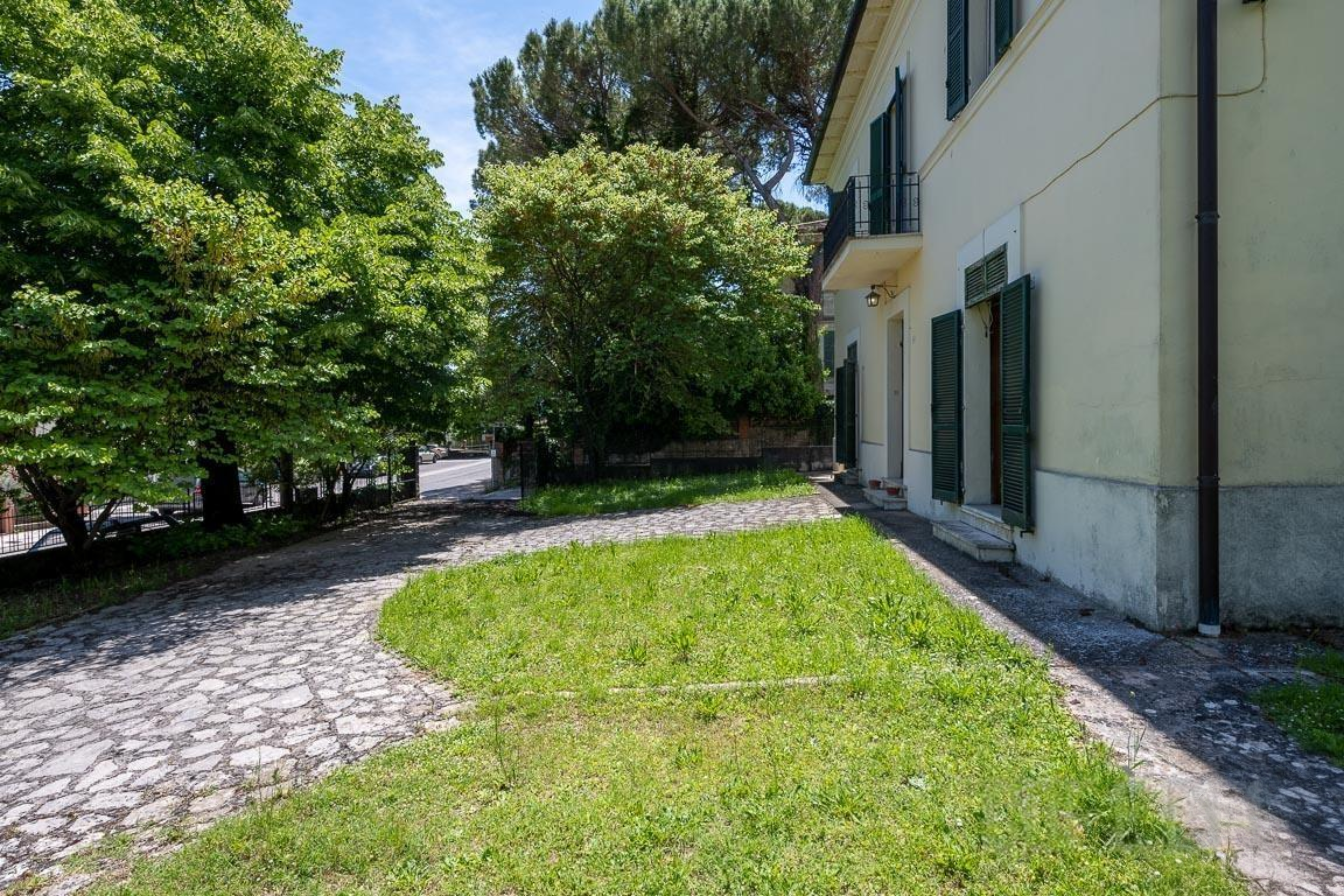
Greccio, Lazio, Italy, in a historic hilltop village setting.
Property type
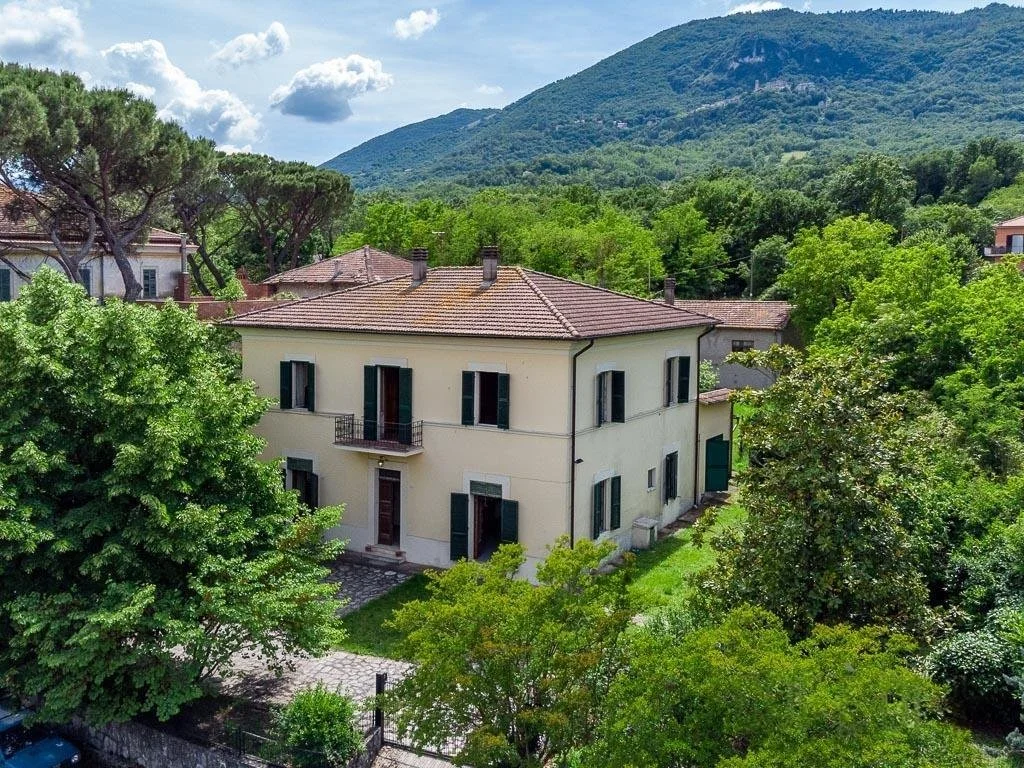
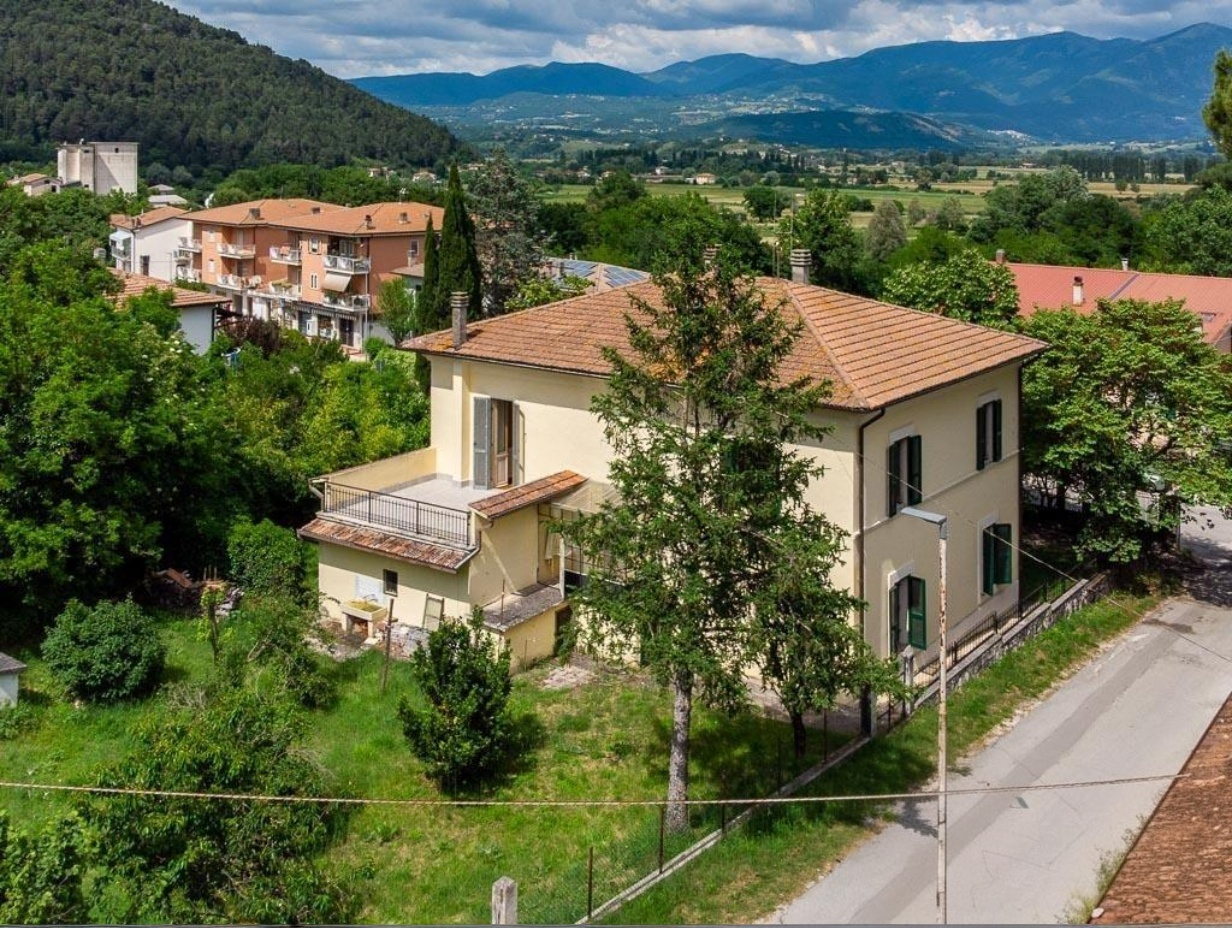
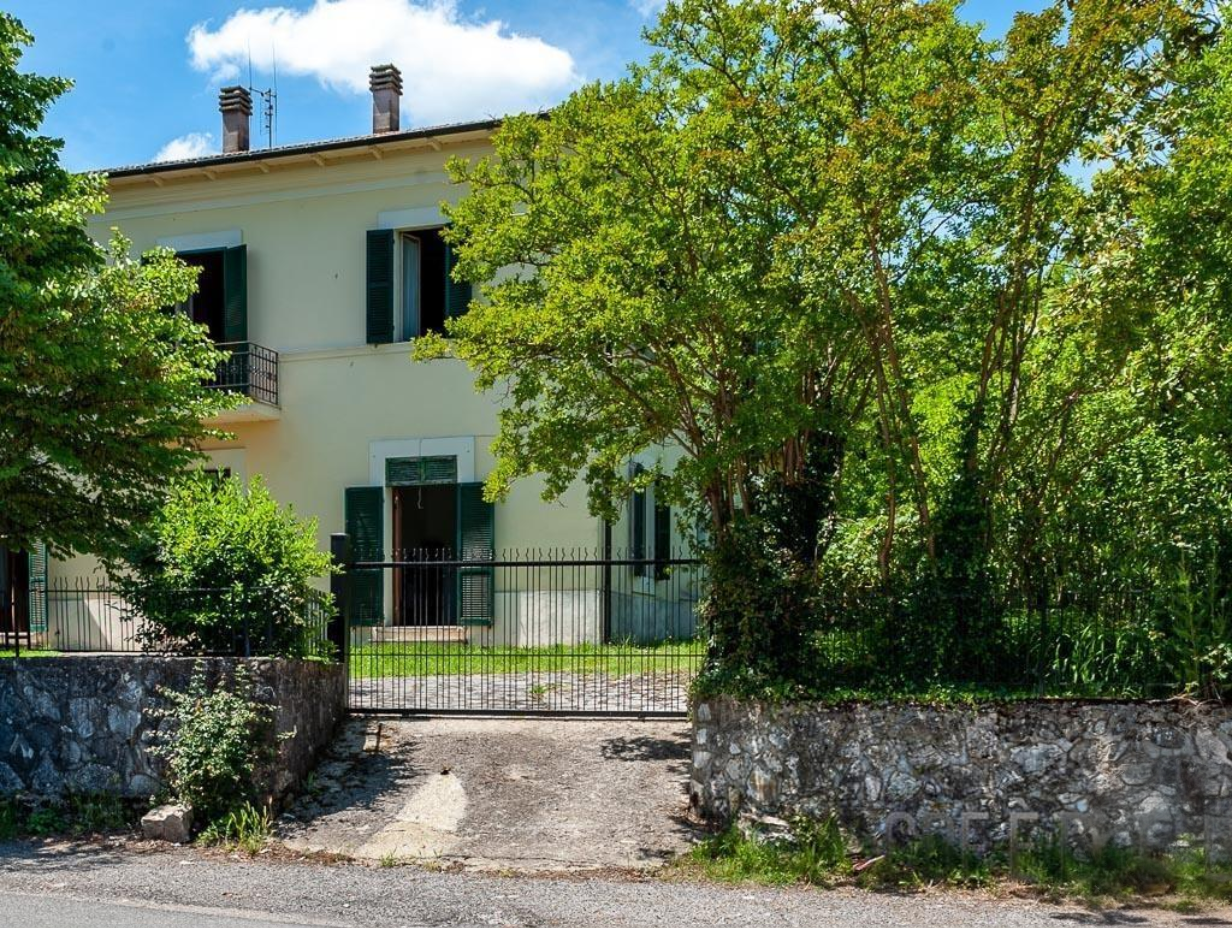
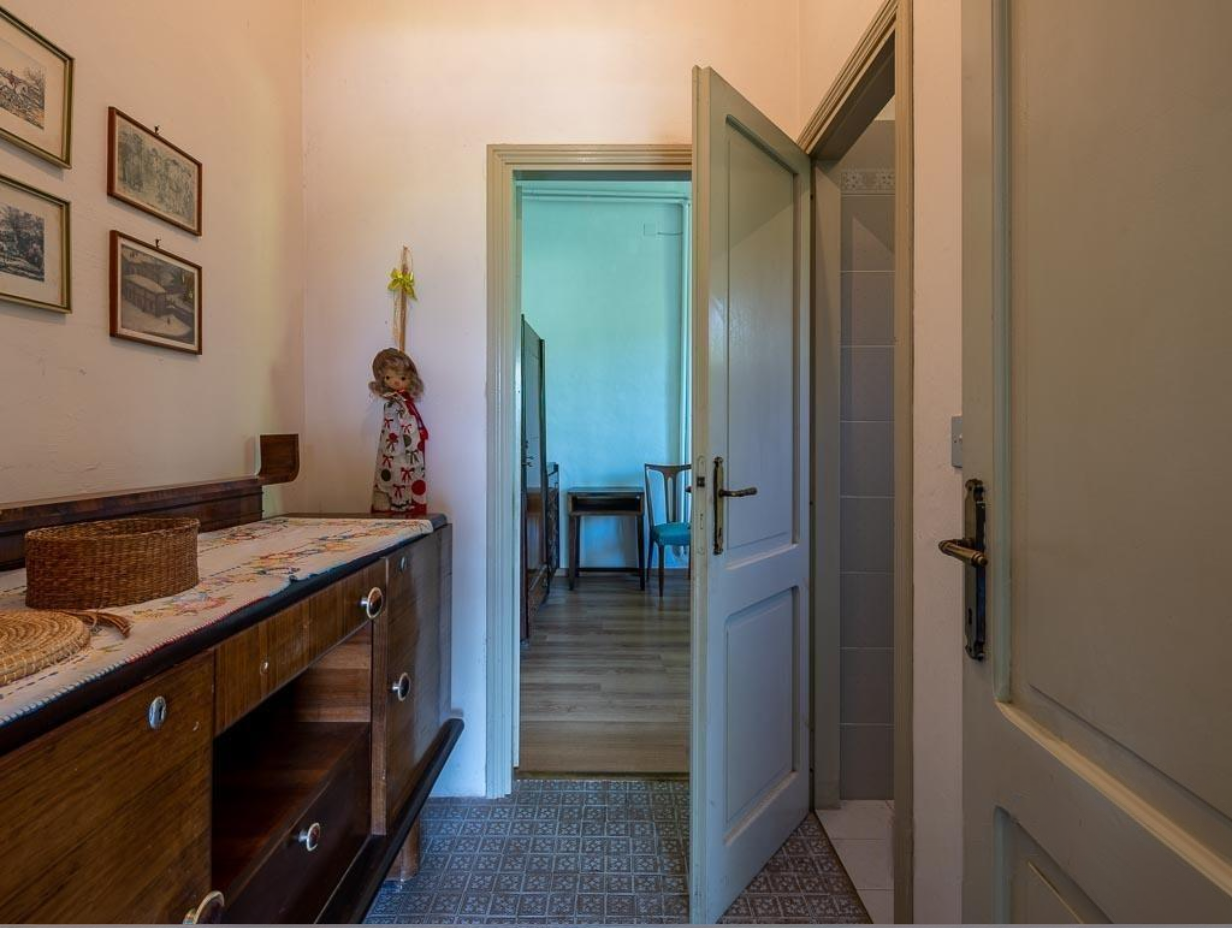
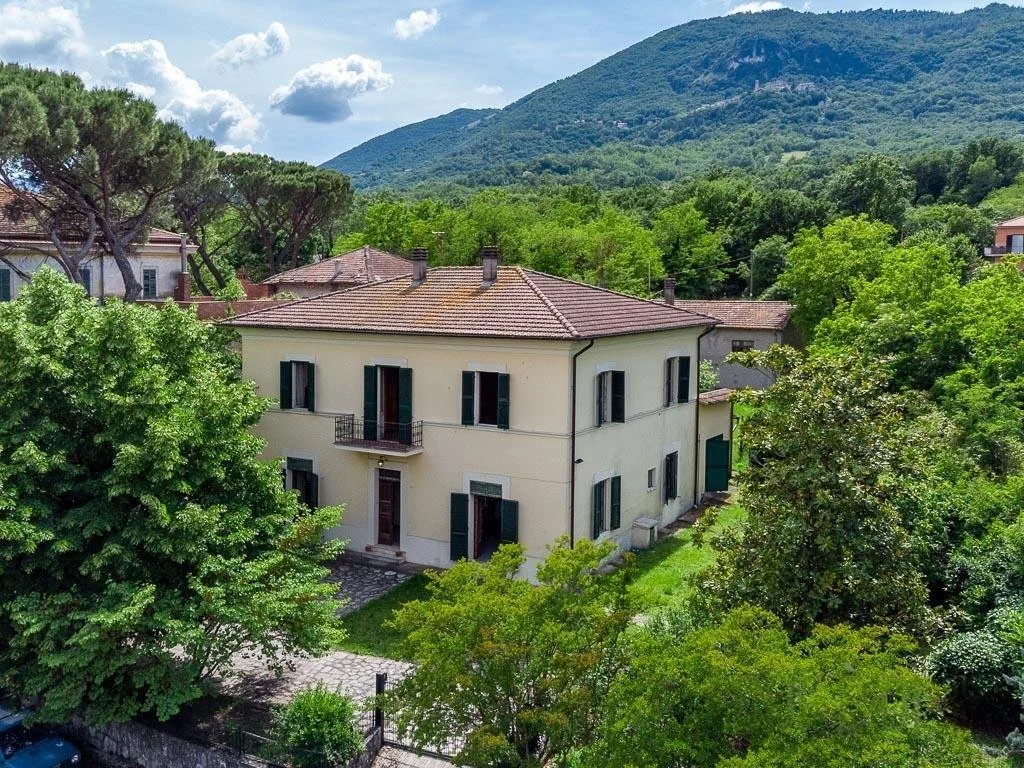
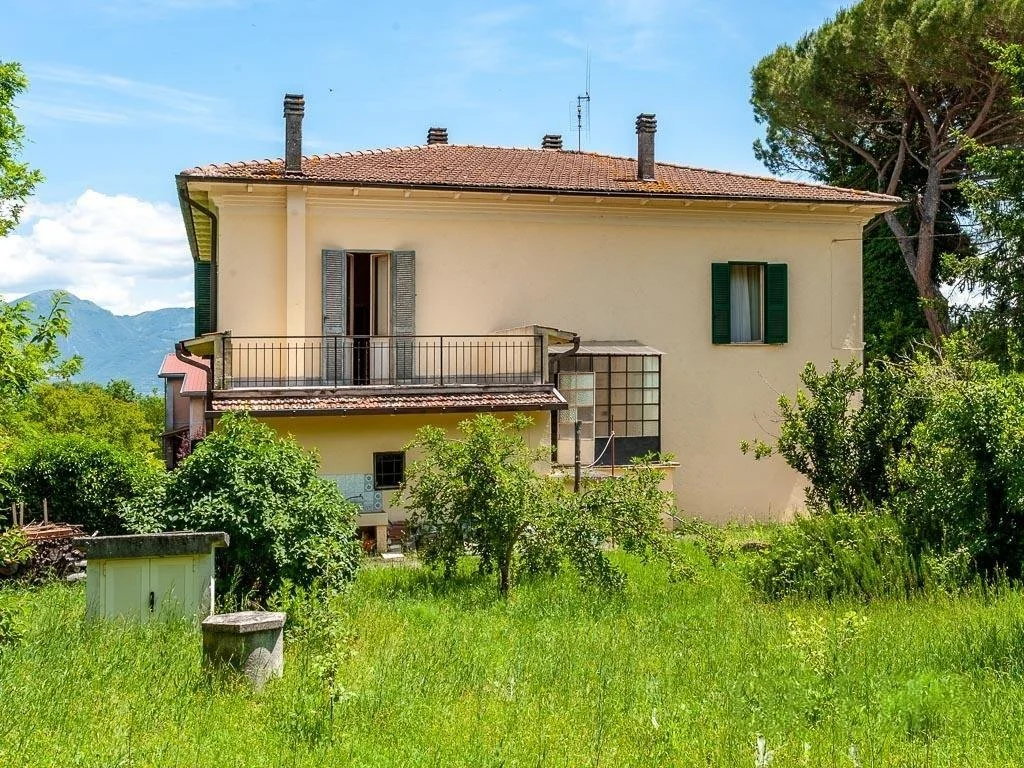
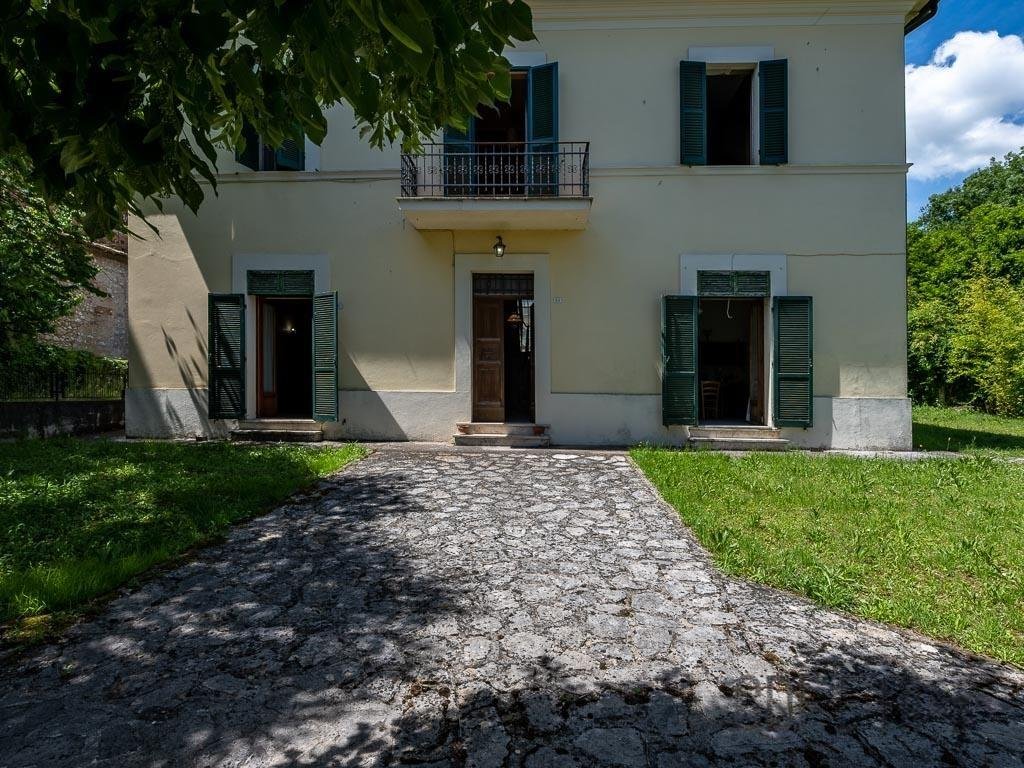
Early 1900s village villa.
Asking Price
€230,000.
Internal area
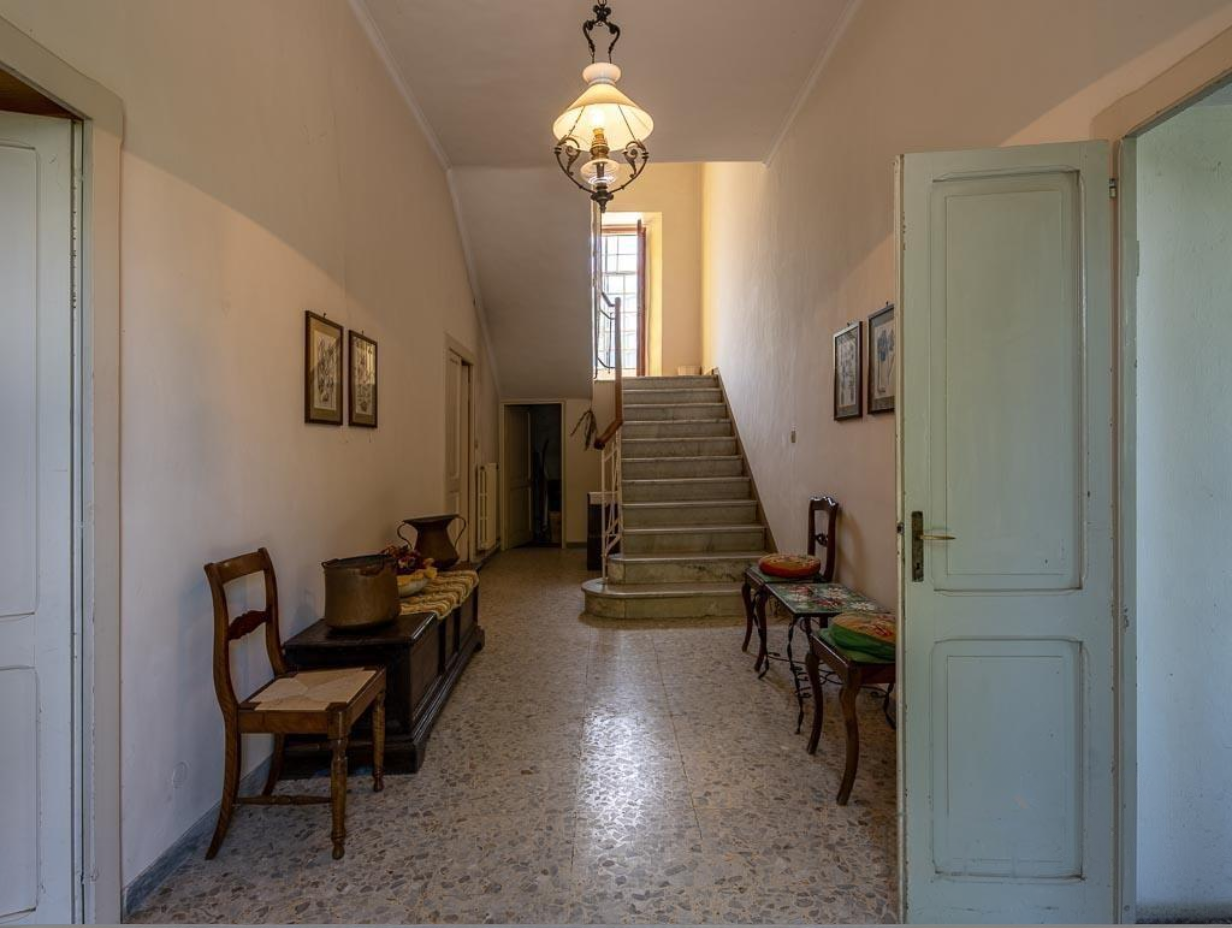
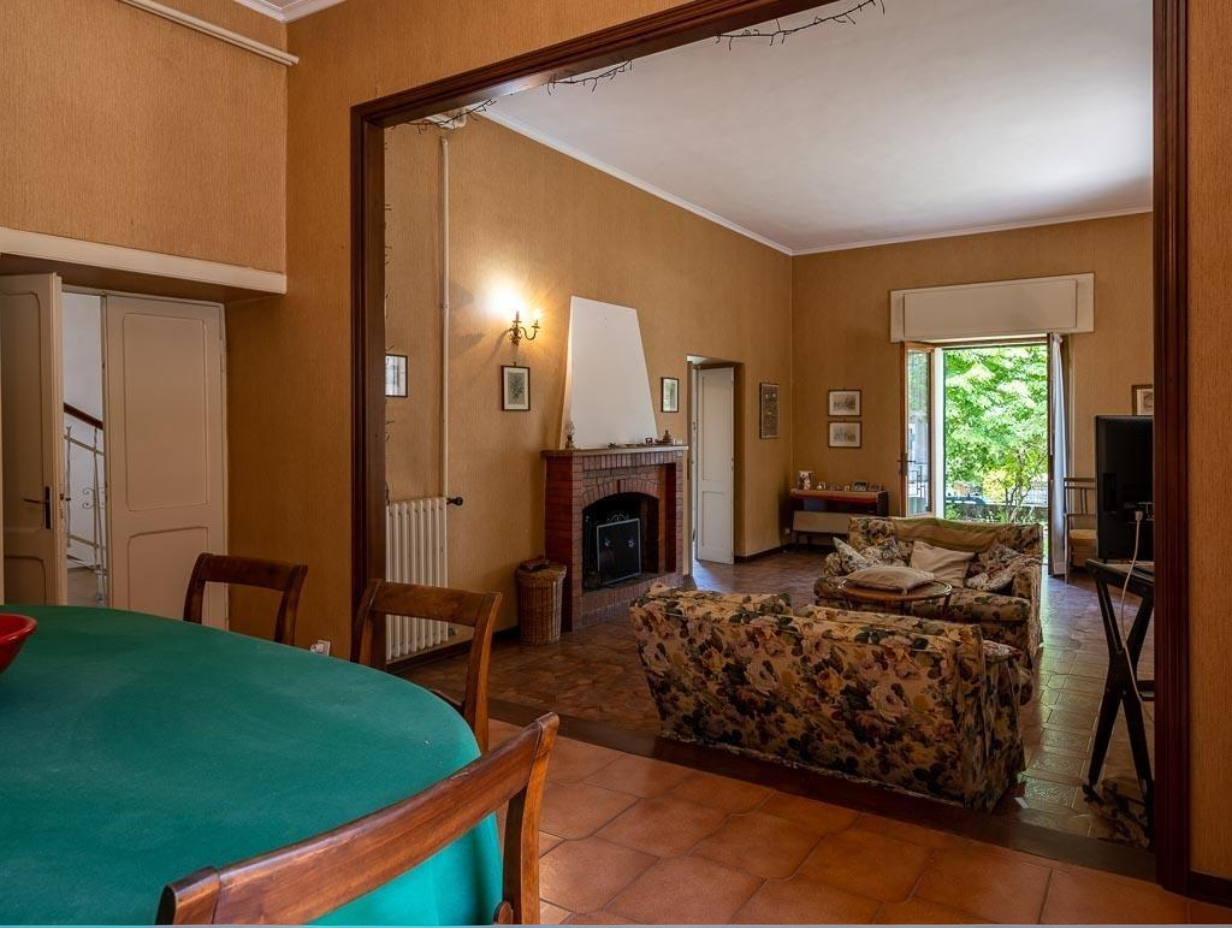
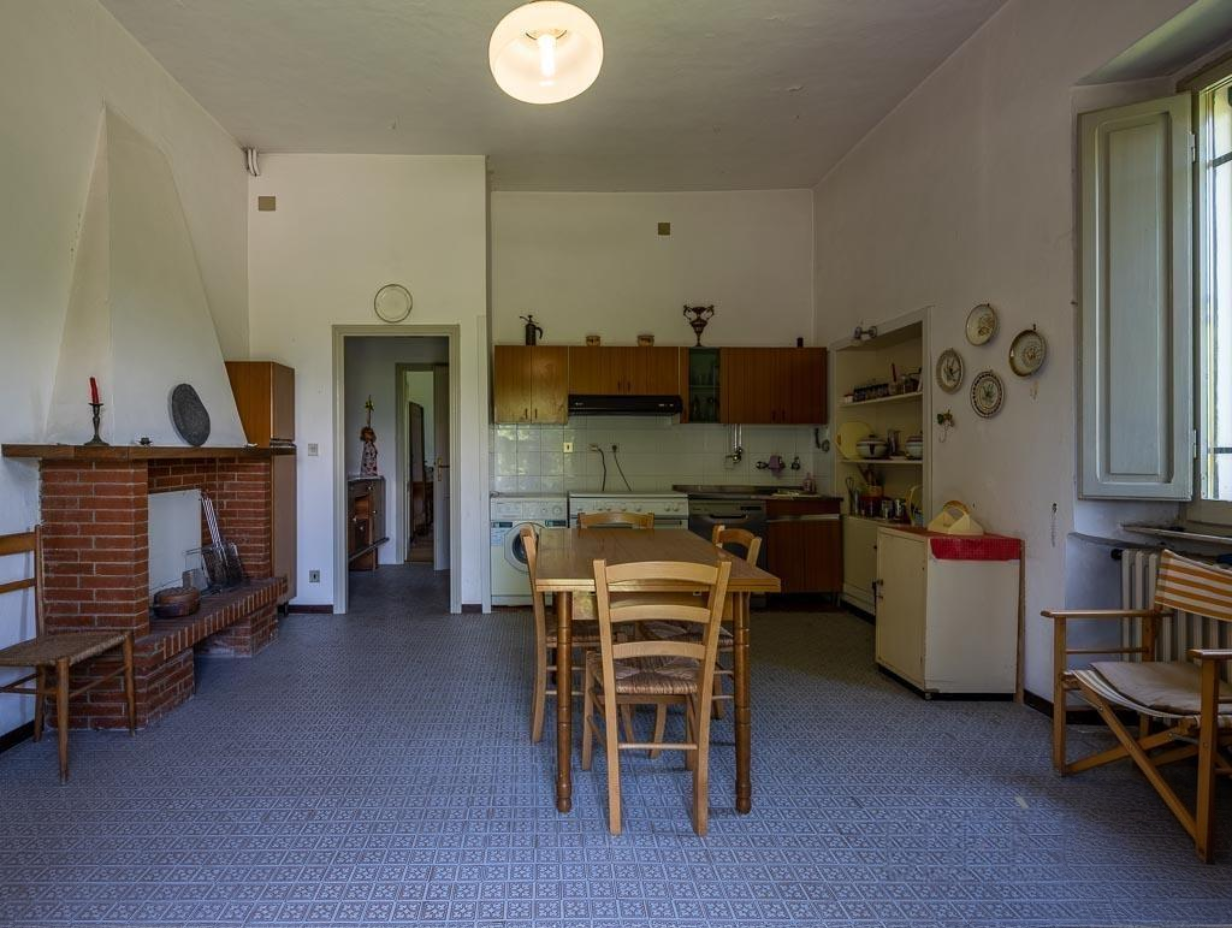
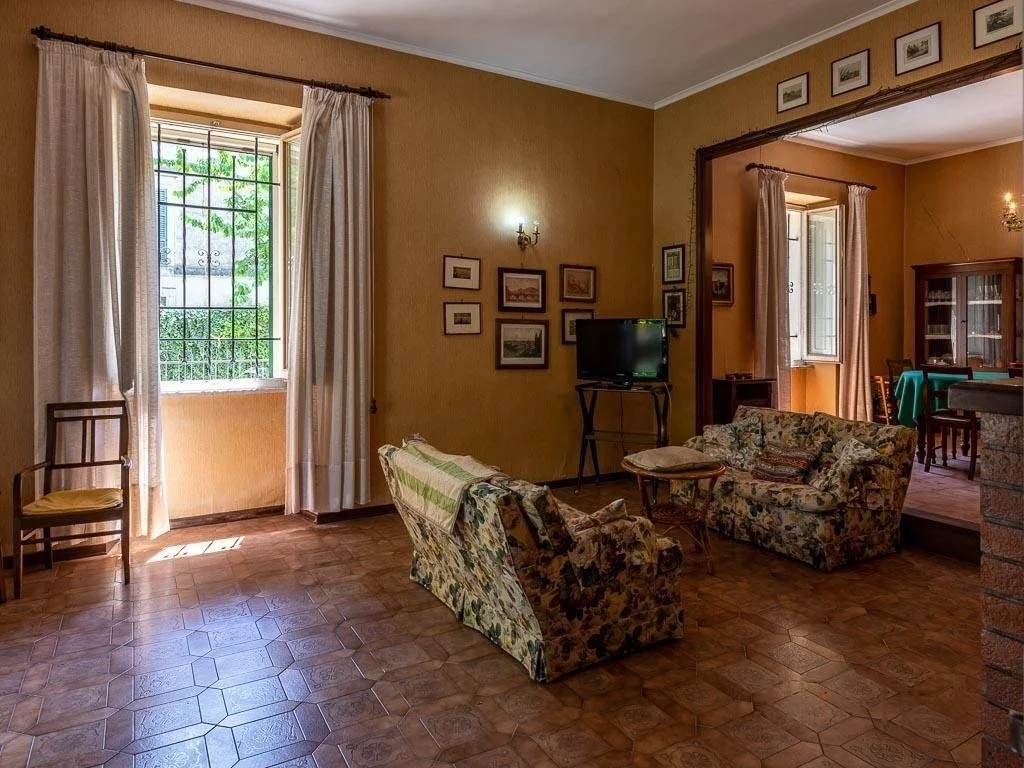
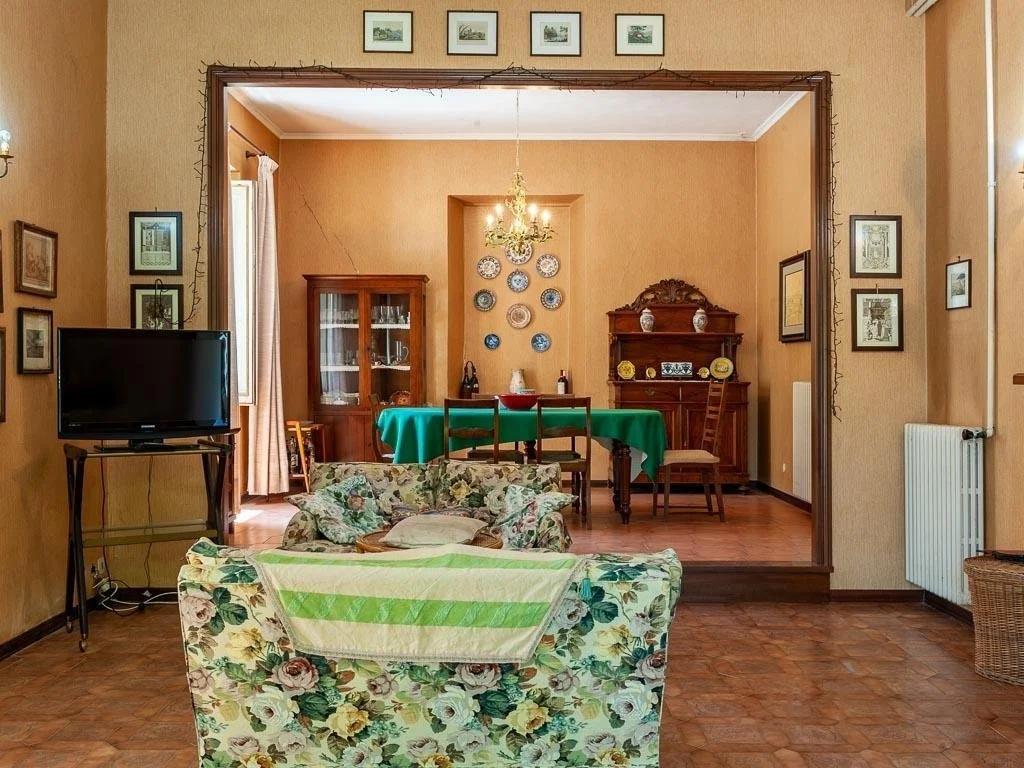
Approx. 320 m² across three levels.
Garden
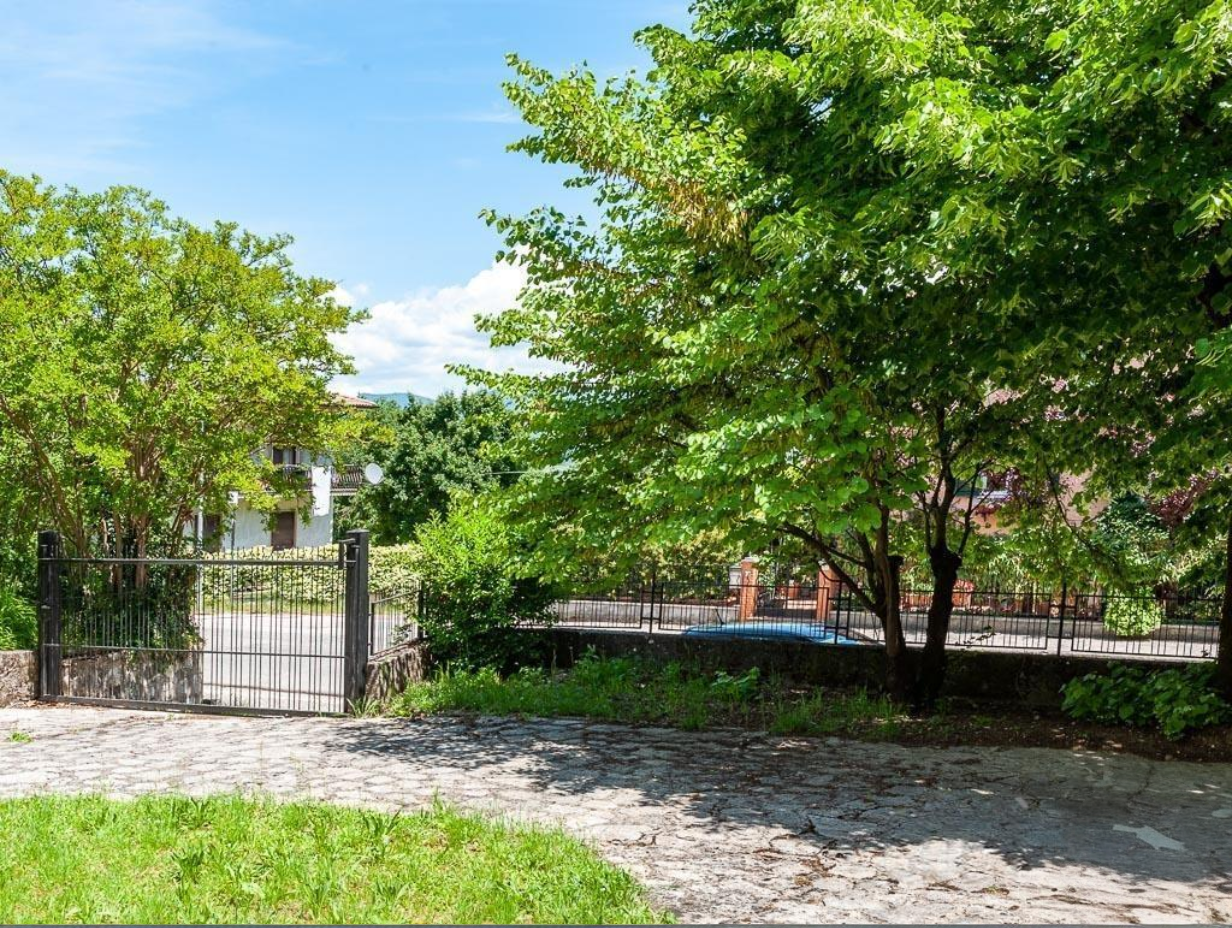
Approx. 800 m² fenced plot.
Bedrooms
5.
Bathrooms
3.
Character features
Working well, lemon house, stone-walled cellars, garage, mature garden, village-centre position.
Condition
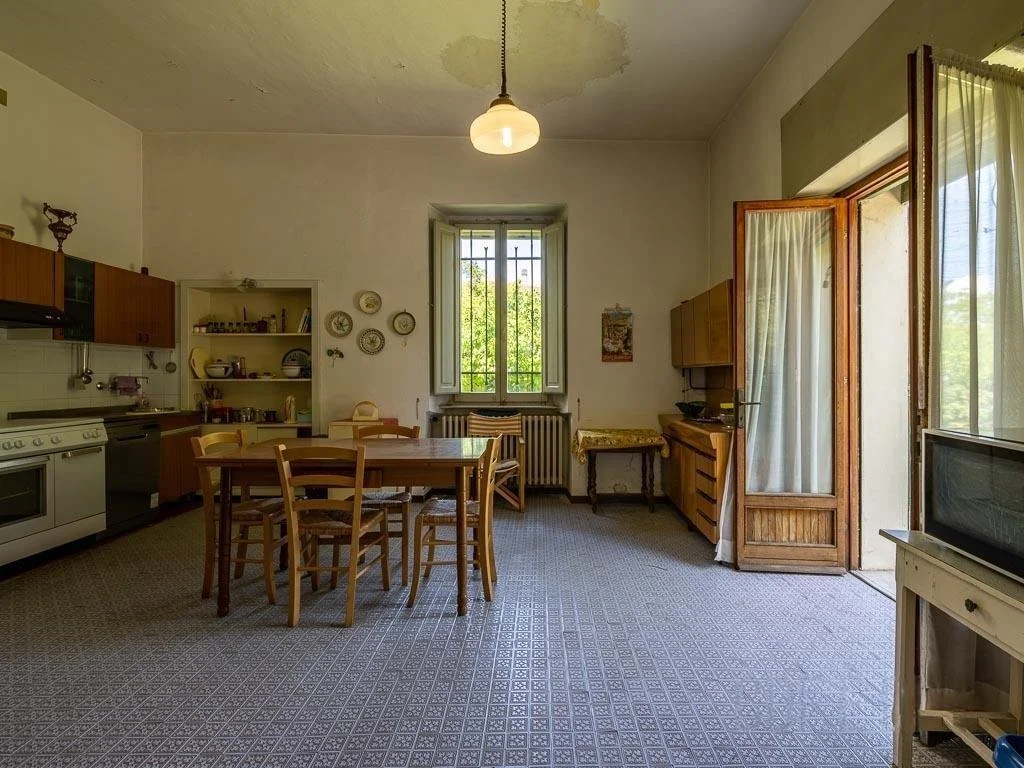
Marketed with strong character and scale, but with an ageing boiler identified as due for replacement.
Energy position
Listing shows "Energy Class N", indicating the energy documentation needs clarification.
Lifestyle angle
Spacious hilltop-village home with character and garden space, suitable for full-time living, a retreat, or possible hospitality use subject to compliance.
Risk Radar
Overview
This is the kind of property that can represent very strong value if bought with clear eyes. At €230,000, 320 m² across three levels, plus garden, garage, cellars and a lemon house, gives the buyer a lot of square footage and character for the money. It also raises the obvious question: what is the catch, or at least what is unfinished? The listing itself gives one direct clue by noting that the boiler is ageing and due for replacement. That usually means the right diligence approach is not to focus on one heating item alone, but to treat the whole house as a systems-and-fabric review.
The first major theme is legal coherence. You want to know whether the main villa, garage, cellars and lemon house are all cleanly represented in the cadastral records, whether the current internal layout matches the filed planimetrie, and whether the property has a solid agibilità position. Under DPR 380/2001, Article 24, agibilità sits within the post-works compliance framework, so for an early 1900s house that may have evolved over time, the safe assumption is not that everything is regular simply because it is standing and occupied.
The second theme is condition and deferred spend. An older village villa can be a joy to own, but the buyer should expect the need to verify roof condition, electrical age, plumbing, windows, heating distribution, insulation, damp behaviour and cellar performance. The boiler is a negotiation entry point, but it is also a signal to ask broader questions about the age of all main systems. The listing sounds appealing precisely because there is so much character. Character becomes much more enjoyable when the costly invisible items are already under control.
The third theme is the working well and ancillary structures. A working well can be a real asset for garden use and resilience, but only if the legal status, water quality, pump condition and permitted uses are understood. The lemon house is another feature that adds charm and possible utility, but buyers need to establish whether it is simply a garden structure, an ancillary room, or something that is being over-read as extra usable space. The same applies to the stone-walled cellars. In older Italian properties, cellars often carry genuine atmosphere, but also moisture, low ventilation and use-limit issues.
The final theme is regulation. For tourism use in Lazio, the current framework requires a regional CIR and then the national CIN. Regione Lazio states that from 1 September 2024 the request for the CIR became mandatory for all extra-hotel structures and tourist-use accommodation in the region, and the region's 2025 guidance explains that the CIN is then obtained through the national BDSR platform after CIR registration. That means the rental angle may be available, but it should be treated as a real administrative pathway, not a casual assumption based on charm and room count.
Targeted Questions
Heritage, Title and Cadastral Position
This confirms how the property is currently described in the cadastral system.
Buyers need to confirm whether the built layout matches the registered plans.
Unrecorded layout changes can complicate sale, finance and future works.
Ancillary structures should be legally visible, not just physically present.
Their legal classification affects what they can realistically be used for.
Charges, rights or burdens can materially affect value and use.
Agibilità is a core usability and compliance checkpoint under Italy's building framework.
Partial or outdated agibilità is less reassuring than a clean current position.
Buyers should distinguish lawful habitable space from ancillary areas.
Past regularisation is not necessarily fatal, but it should be fully understood.
Hidden rights can materially affect privacy and control.
Parking and storage value should be verified on paper, not assumed.
Renovation History and Building Condition
Buyers need a realistic timeline for the age of the hidden building components.
"Well-kept" and "renovated" are very different things.
Invoices help prove scope, recency and whether money was spent on the important items.
Transferable guarantees reduce early ownership risk.
Roof condition is one of the most important cost variables in an older property.
Replacement and patch repairs imply very different future spending.
Independent technical evidence is much more useful than general reassurance.
Structural issues can become expensive and affect insurability.
Older masonry houses often conceal moisture behaviour until winter.
Past treatment history often reveals recurring vulnerabilities.
Large character homes can carry hidden wear in heavily used structural elements.
Window age strongly affects comfort, bills and maintenance.
This helps gauge real energy performance and future replacement needs.
Large village houses can be costly to heat if the envelope remains weak.
Heating, Hot Water and Systems
Buyers need to understand whether the ageing boiler is the only concern or just the first one mentioned.
Fuel type affects running costs, maintenance and replacement options.
Boiler age is a direct indicator of replacement urgency.
A professional opinion is more useful than vague seller knowledge.
This is an immediate negotiation point.
Heating coverage in a 320 m² house matters as much as the boiler itself.
Summer comfort may matter if the property is used as a retreat or rental.
Real bills are more useful than assumptions about a house of this size.
Italy requires the APE for property sales and advertising, and ENEA states it is mandatory in sales, new lettings and advertisements.
It may indicate a missing or unresolved certificate rather than a usable energy rating.
This is a legitimate diligence question, not a minor formality.
Electrical compliance is fundamental for safety and insurance.
Plumbing faults in an older multi-level house can be expensive and disruptive.
Well, Garden and External Layout
A well is an asset only if its status and use rights are clear.
Formal registration or declared status matters for compliance and future use.
Permitted and practical use can vary.
Potability and quality should be verified, not assumed.
Seasonal performance matters if the well is part of the property's appeal.
The well's real usefulness depends on the infrastructure around it.
Buyers need to see the whole site clearly on paper.
Hidden access rights can affect privacy and future landscaping.
Garden upkeep may be easier or costlier than it first appears.
Mature landscaping can add beauty but also recurring maintenance costs.
Running costs should be understood early.
Lemon House, Cellars and Garage
Buyers should know whether it is just an ancillary garden feature or something with a more useful lawful status.
A charming structure has much more value if it is clearly regularised.
Service provision materially affects utility and conversion ambition.
This helps distinguish decorative charm from practical all-season use.
Buyers must not assume ancillary buildings count as residential space.
Garden structures can conceal roof, glazing or damp issues.
Cellars can range from useful ancillary areas to damp liabilities.
Moisture risk is especially important in older cellar spaces.
Past moisture behaviour is one of the strongest signals of future issues.
Buyers should distinguish imaginative potential from lawful potential.
Historic-village context can make conversions more controlled than expected.
A garage can be highly useful, but only if it is practical rather than nominal.
Daily convenience matters in a village-centre house of this scale.
Heritage, Village Access and Liveability
Historic village context can affect future works and maintenance options.
Official mapping and heritage tools are the right place to verify restrictions.
Future flexibility materially affects value and budgeting.
"Walkable street" can mean charming or inconvenient, depending on the details.
Real-world access matters more than a vague village-centre description.
Access practicality affects both owner use and guest suitability.
Neighbour patterns affect noise, privacy and rental fit.
Seasonal village rhythm affects both lifestyle and income assumptions.
Day-to-day convenience should be tested realistically.
Rental Potential
Past use provides a real-world check on the income angle.
Real numbers matter more than general agent optimism.
Lazio requires the CIR for tourist-use accommodation.
The region's guidance states the CIN is obtained through the national platform after the CIR step.
Compliance should be checked before buyers price in short-let upside.
Legal eligibility alone does not guarantee easy operation.
Buyers should avoid assuming constant demand from a charming location.
The best commercial use may not be the most obvious one.
Negotiation Intelligence
Buyer Leverage
Medium–High
Key Drivers
Typical Negotiation Range
5-15% below asking
Neutral Phrasing Example
Country Layer
Italy (Regulatory Context March 2026)
Key Italian requirements for buyers:
Viewing Strategy
During the viewing:
Next Step
Verify from the listing:
Cadastral and agibilità position
Request the visura catastale, planimetrie and current agibilità documents so you can confirm that the three-level villa, garage, cellars and lemon house are all lawfully represented and used as marketed.
Heating backlog beyond the boiler
The ageing boiler is an obvious negotiation point, but ask for the wider systems picture as well, including electrics, plumbing, windows, roof condition and recent invoices, so you can tell whether this is one discrete replacement or part of a larger update cycle.
Well legality and practical usefulness
Confirm the legal status of the working well, whether it is registered and tested, and whether it is used only for irrigation or is relied on more broadly, because a charming well is only valuable if its condition and permitted use are clear.
Lemon house and cellar realism
Check the exact legal classification, services and condition of the lemon house and cellars before treating them as meaningful extra living or work space rather than ancillary character features.
Energy certificate and rental pathway
Clarify the “Energy Class N” wording by obtaining the APE, and if short-term rental matters to you, verify the Lazio CIR and CIN pathway before assuming the house can operate as a compliant tourism property.
A prepared buyer should approach the agent calmly and frame questions as due diligence.
Because this is a property where the legal, structural and regulatory context matters, run it through one of the property tools before contacting the agent.
Use the Property Risk Assessment to test the legal and building-side risks, or the Renovation Budget Planner to model likely costs once the boiler replacement, systems condition and ancillary-space realities are properly understood.
Disclaimer: The Property Drop is buyer-focused intelligence, zero sales agenda. We curate exceptional properties, in southern Europe, from third-party agents and arm you with decision tools. No commission, no transactions, no agent partnerships, no skin in the game beyond helping you choose wisely. Information stays accurate until it doesn't (properties sell, prices shift, markets move). Everything here is shared for informational purposes only and should not be treated as legal, financial, or investment advice. Images belong to original agents. Read our Terms of Service to learn more.
IMPORTANT REMINDER: When contacting property agents featured on The Property Drop, you are entering into direct communication with third parties. It's recommended that you verify all property details independently, conduct thorough due diligence, engage qualified professionals (solicitors, surveyors, financial advisors), understand your rights and obligations under local property laws, and never send money or make commitments without proper legal protection.
