
The Buyer Playbook: Seaside Detached House, Tarragona, Spain, €487,000
Buyer Playbook
Pre-Viewing Intelligence Report
This independent buyer guidance report relates to this specific property located in Spain. It is provided for informational purposes only and does not constitute legal, tax, structural or survey advice. Coastal-law restrictions, title boundaries, habitability status, renovation permissions, pool compliance, tourist-rental eligibility, flood and erosion exposure, and any planning or environmental constraints must always be verified with qualified Spanish professionals such as a abogado, arquitecto, arquitecto técnico or surveyor, and with the relevant Ayuntamiento, Registro de la Propiedad, Catastro and coastal authorities.
Playbook Contents
Property Snapshot
Location
L'Ametlla de Mar, Catalonia, Spain, on the Costa Daurada, around 80 metres from the beach.
Property type
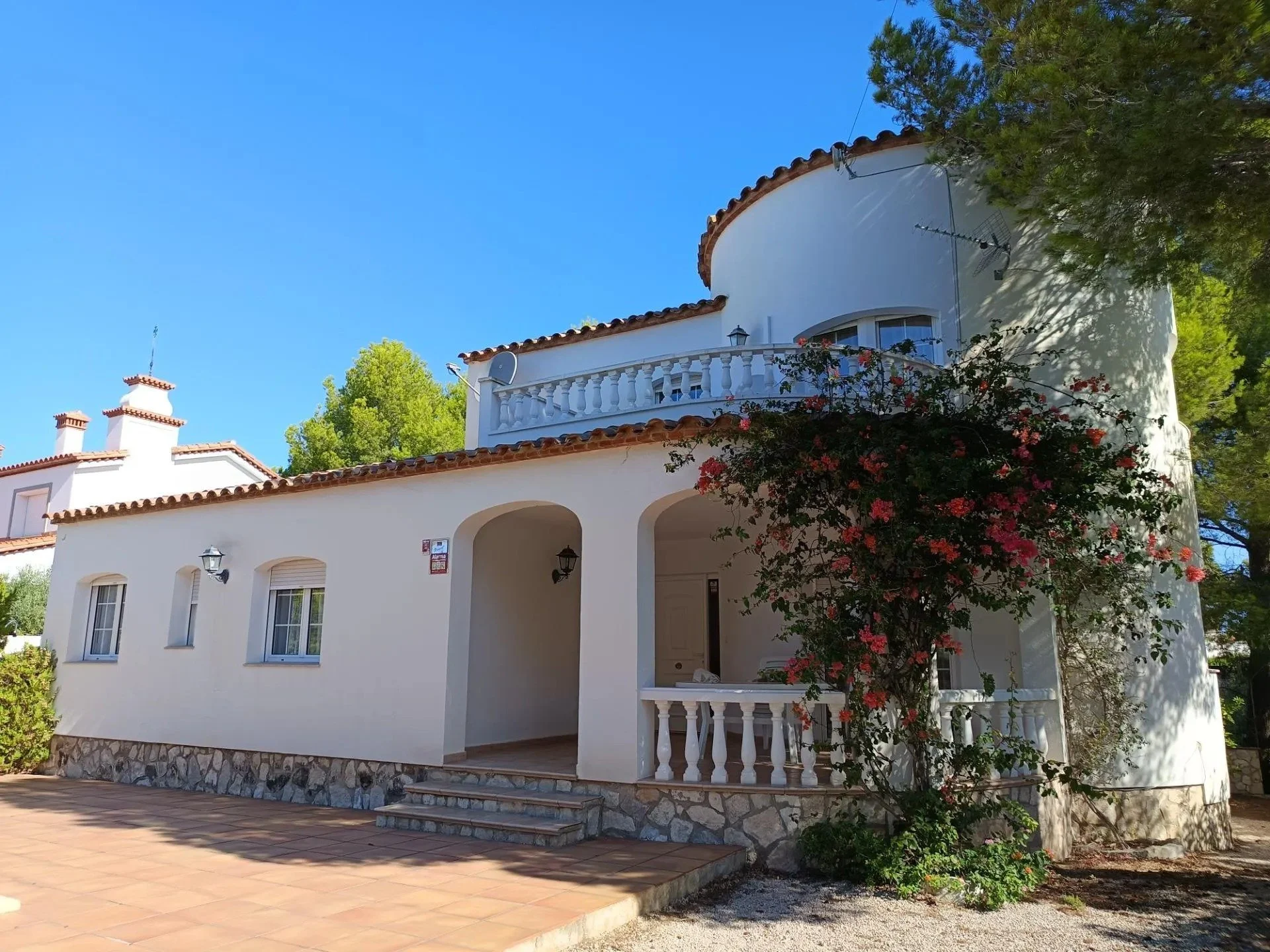
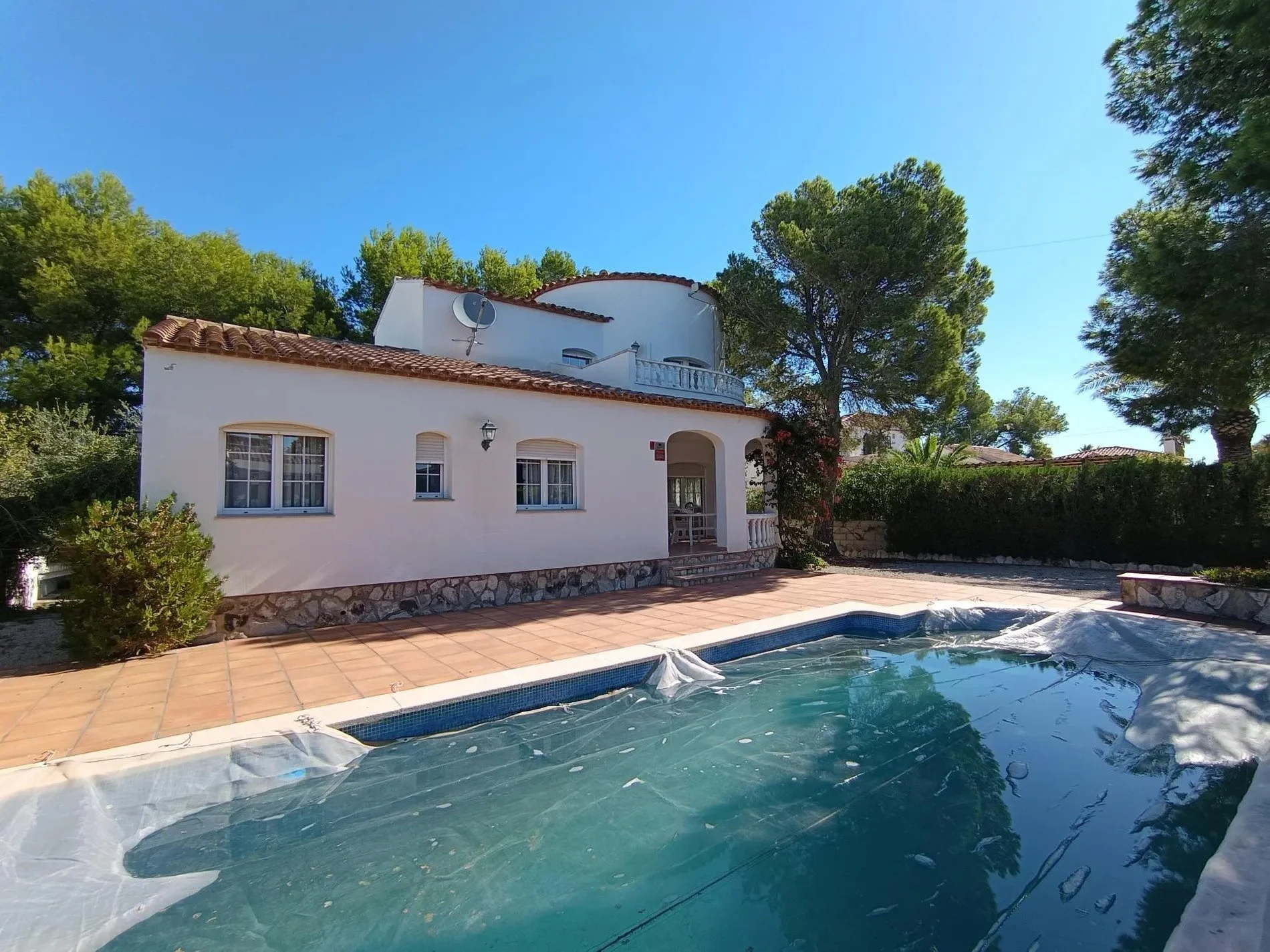
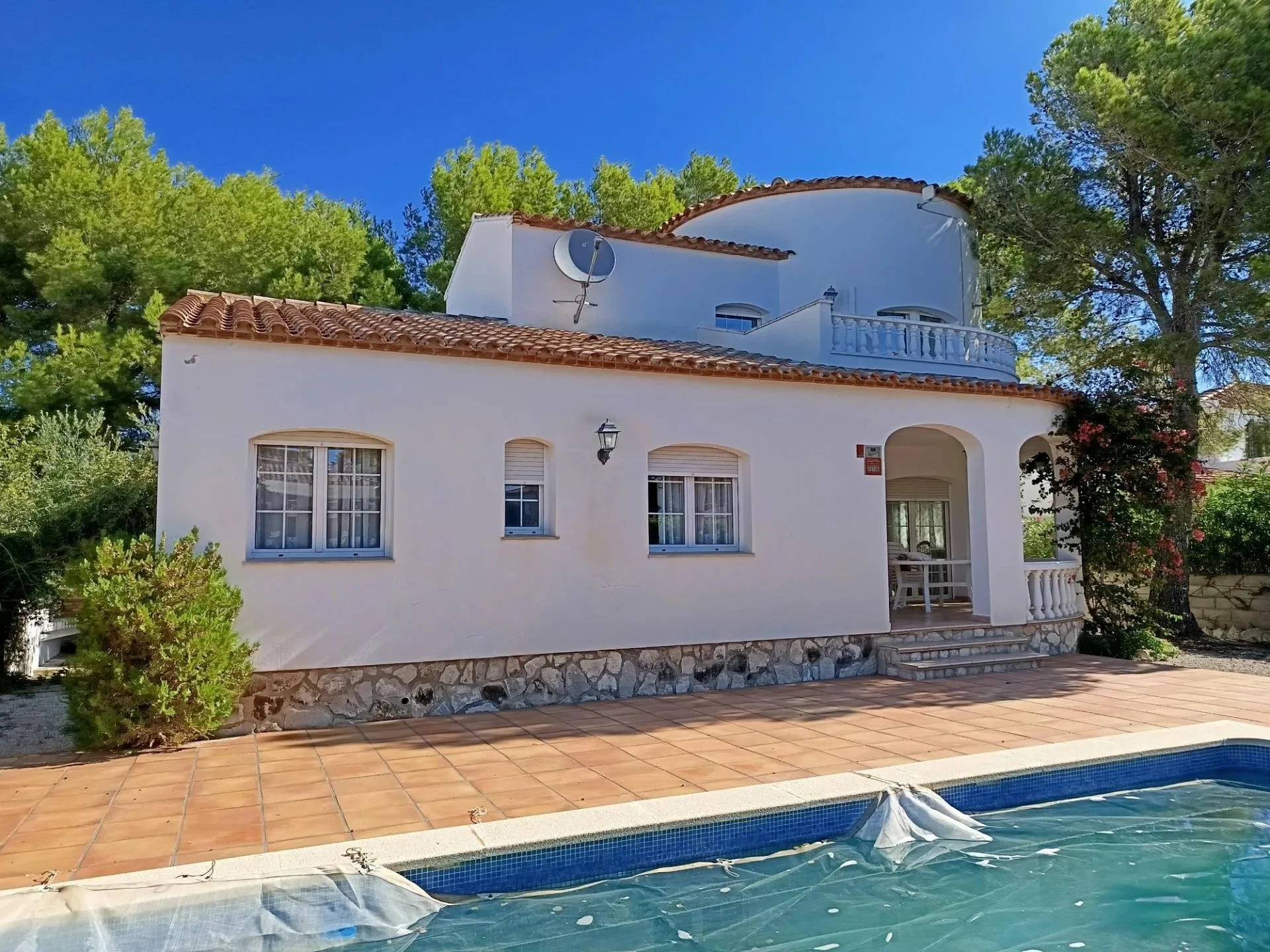
Detached seaside villa.
Asking Price
€487,000
Internal area
171 m²
Plot size
815 m²
Bedrooms
3
Bathrooms
2
Layout
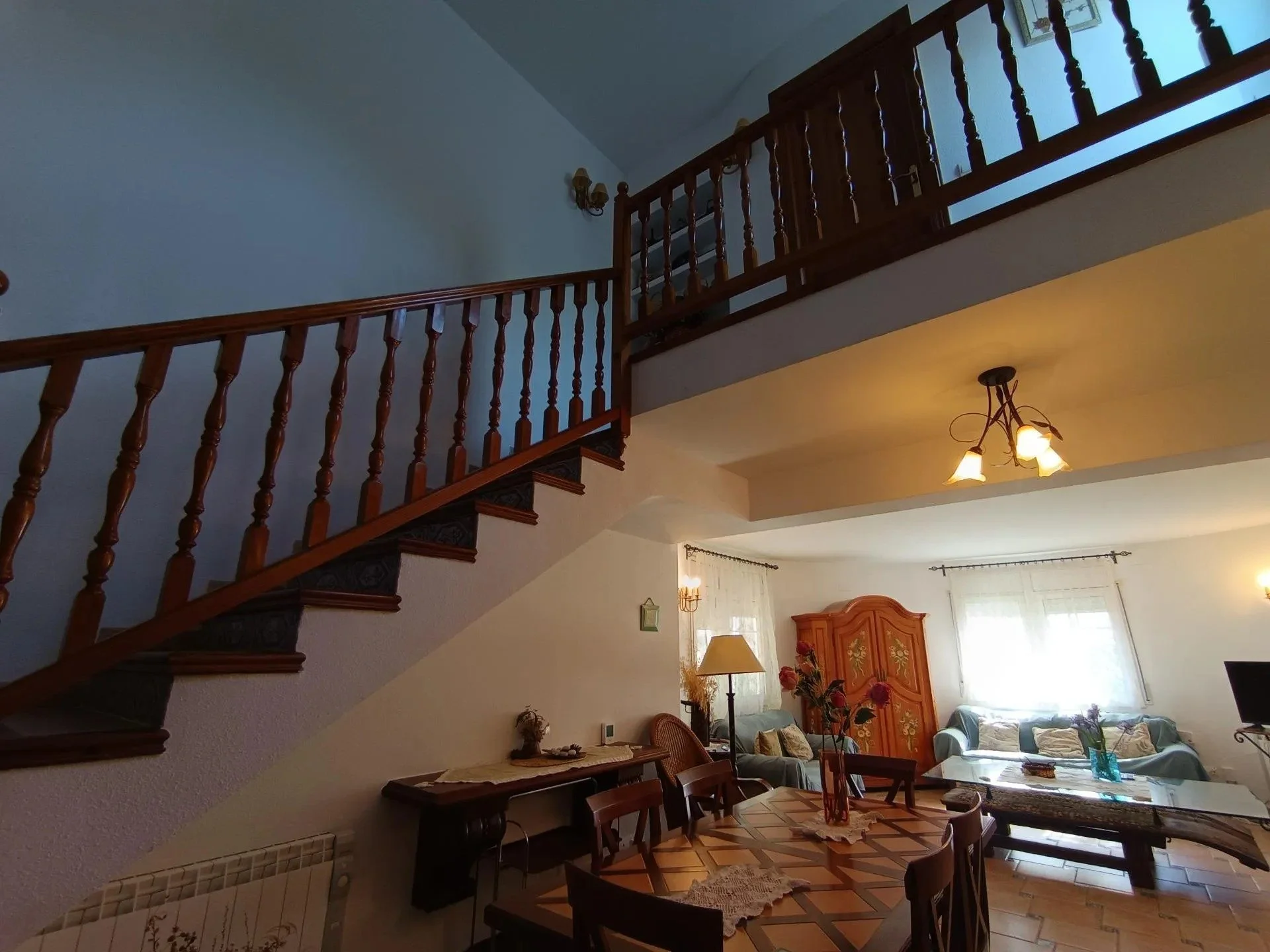
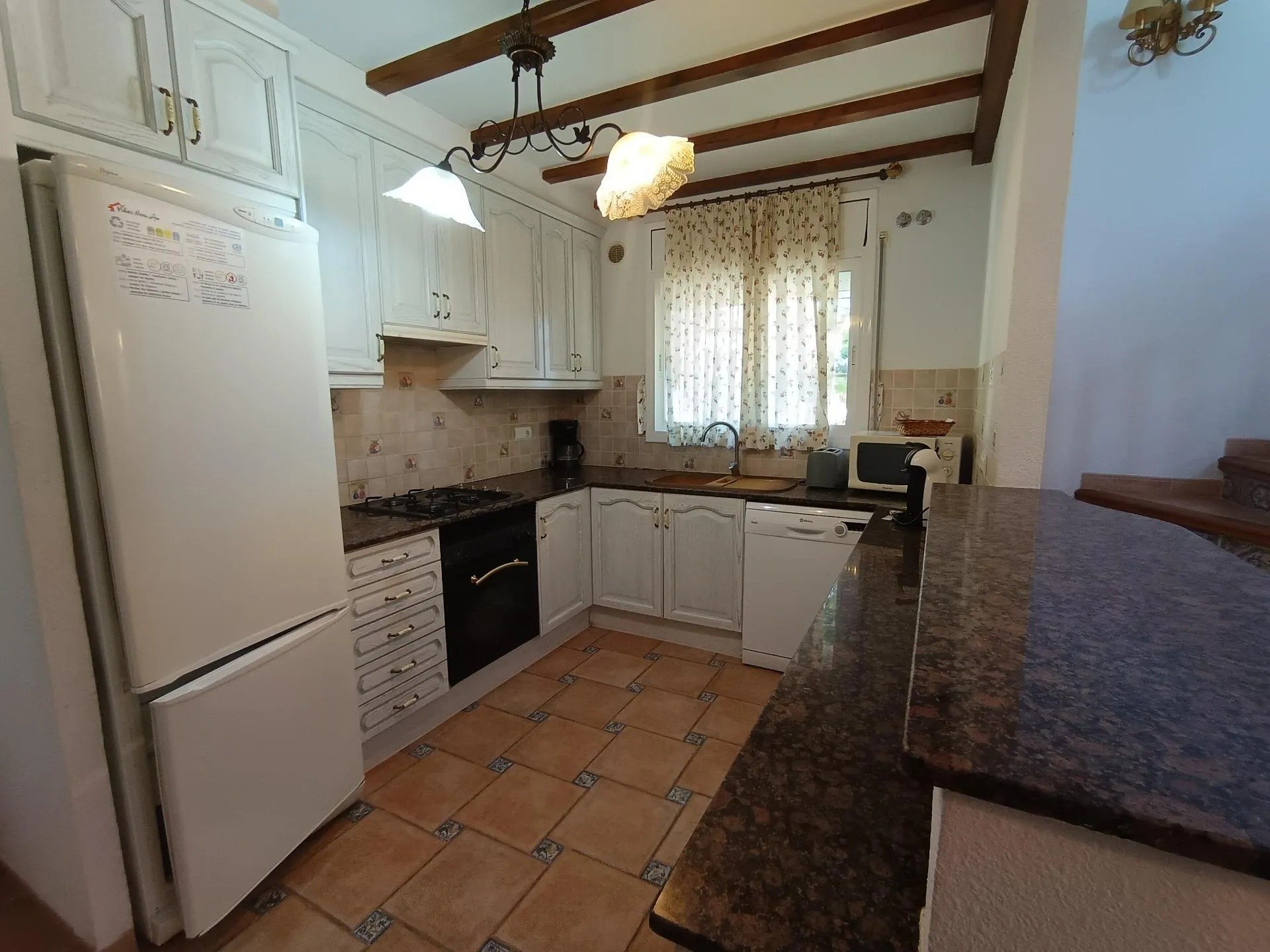
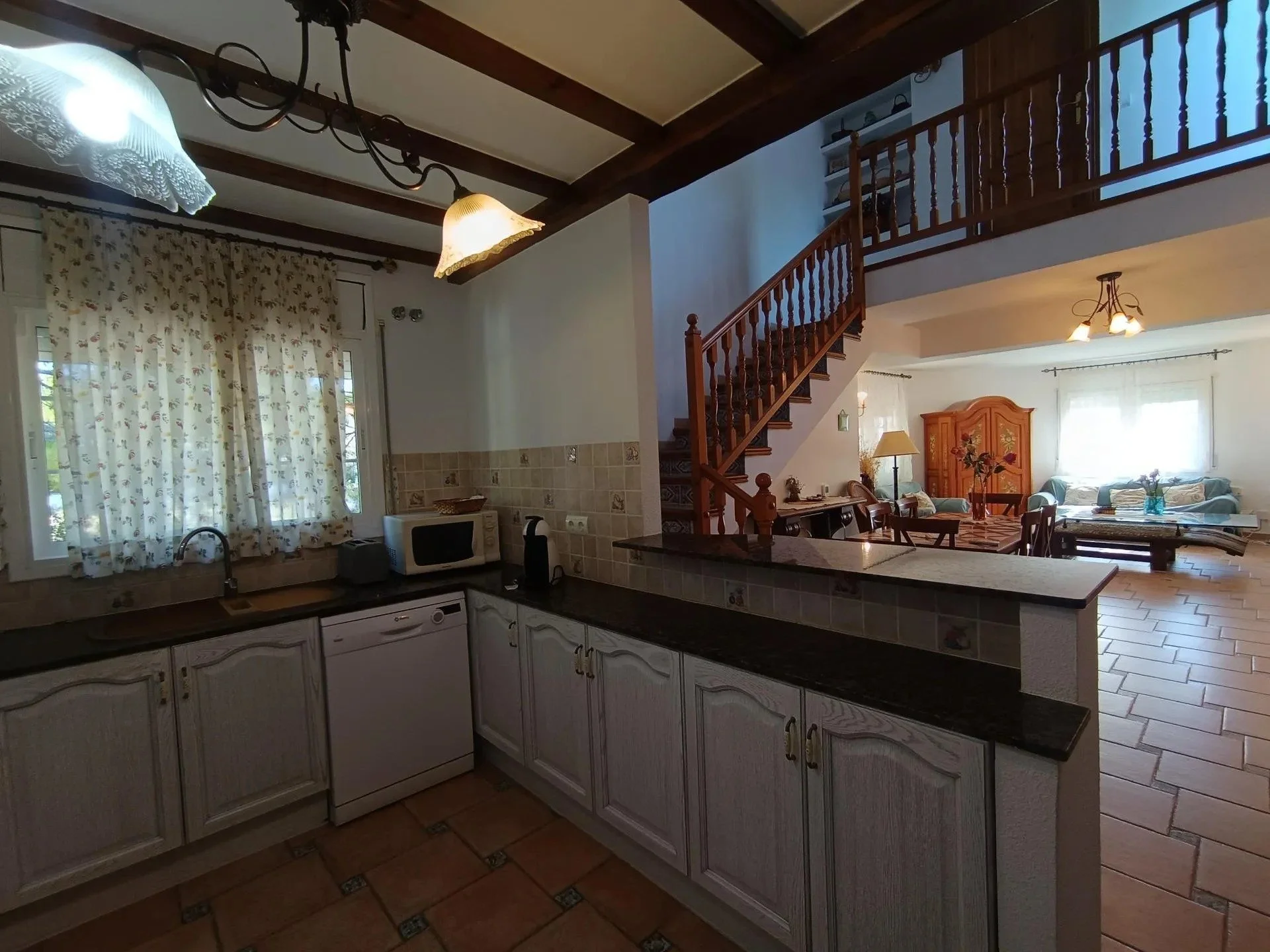
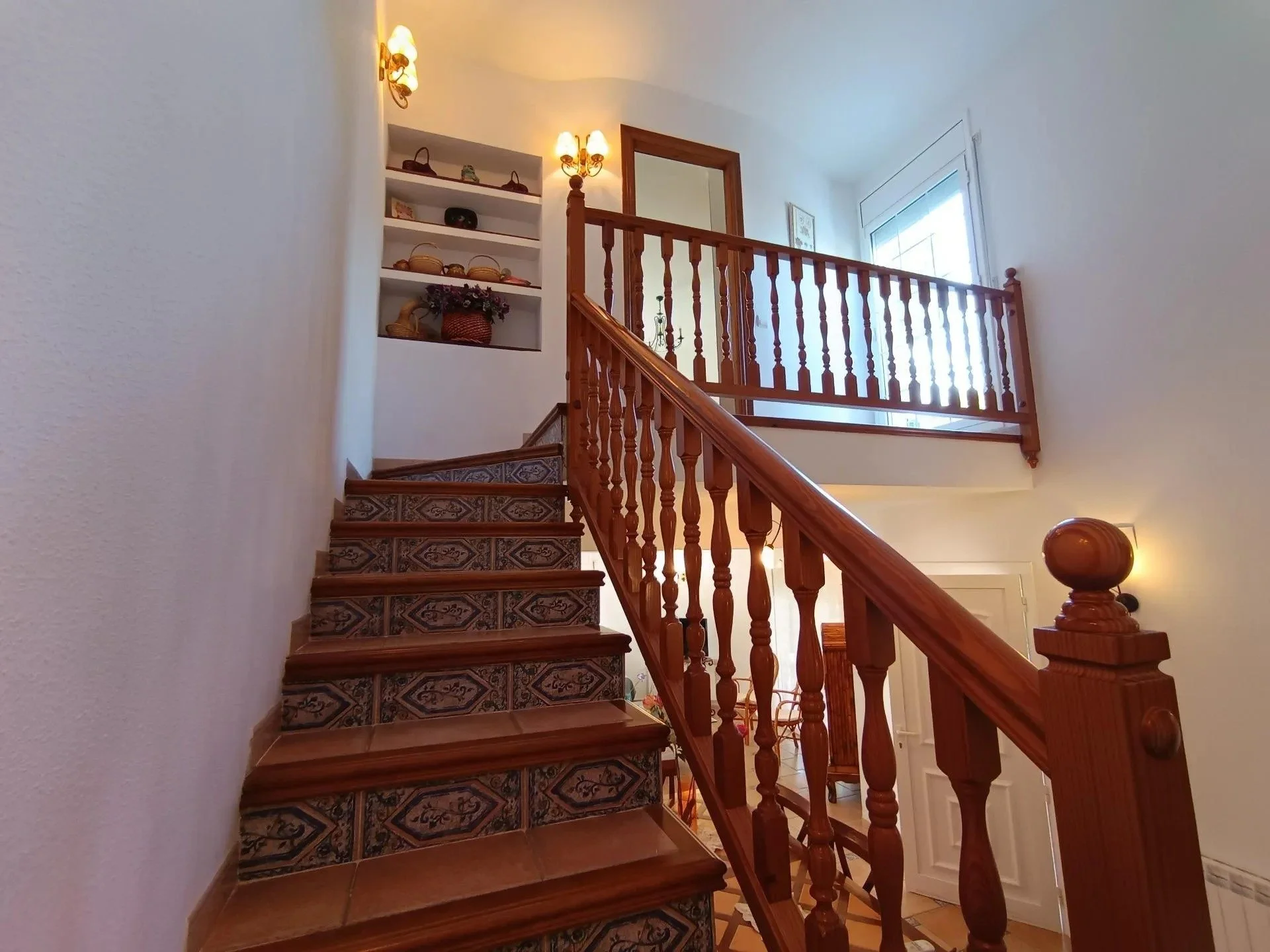
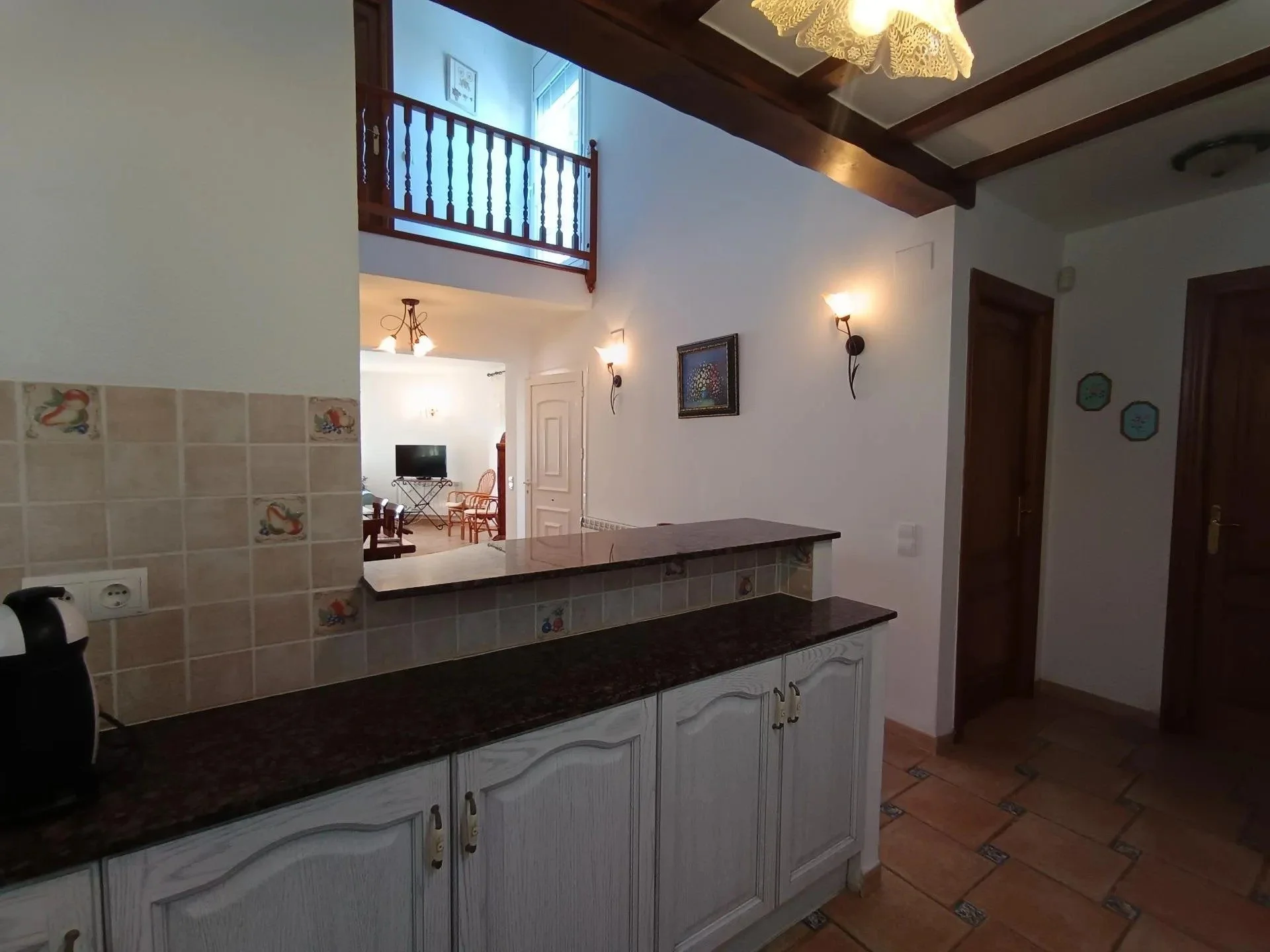
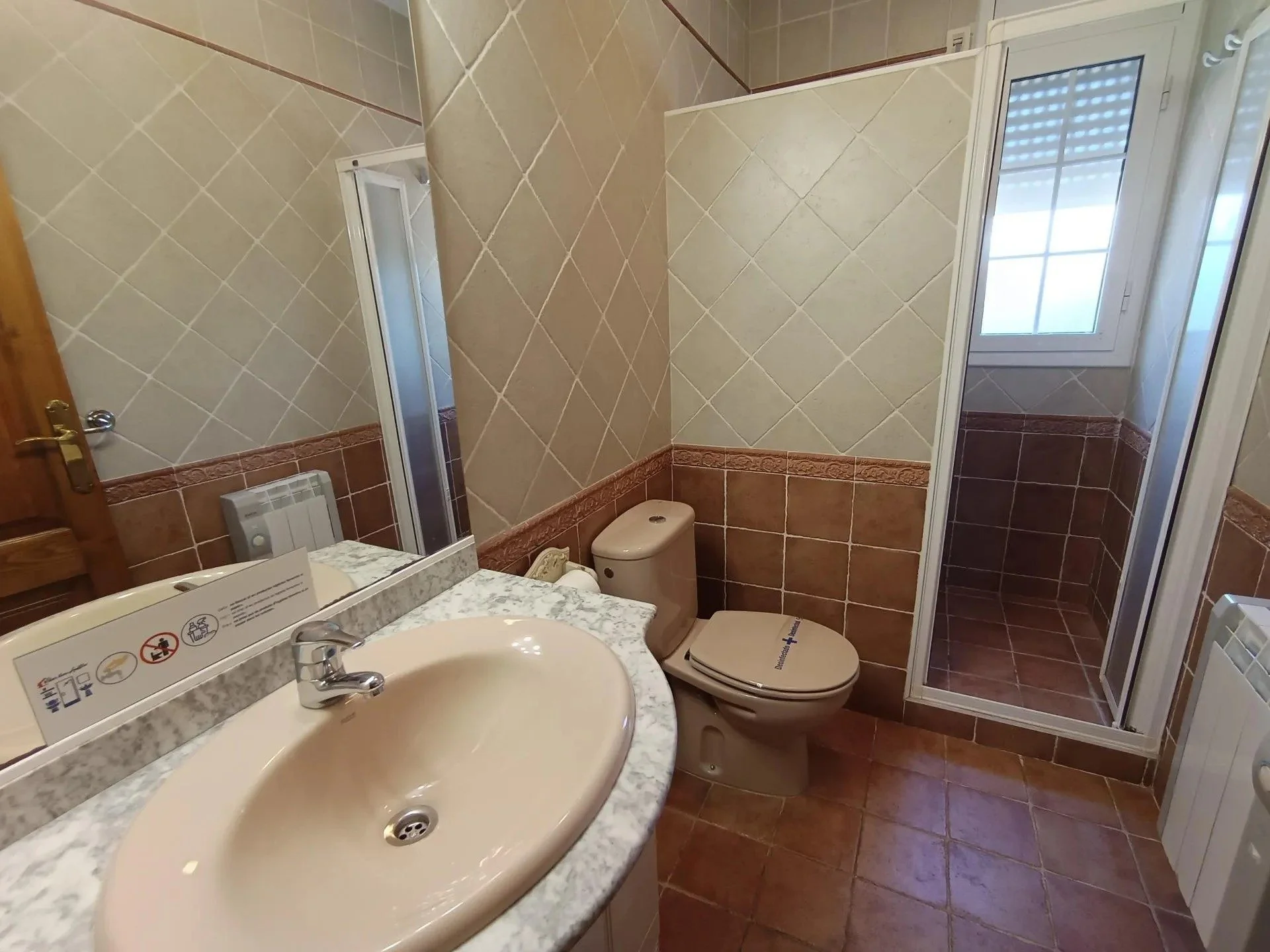
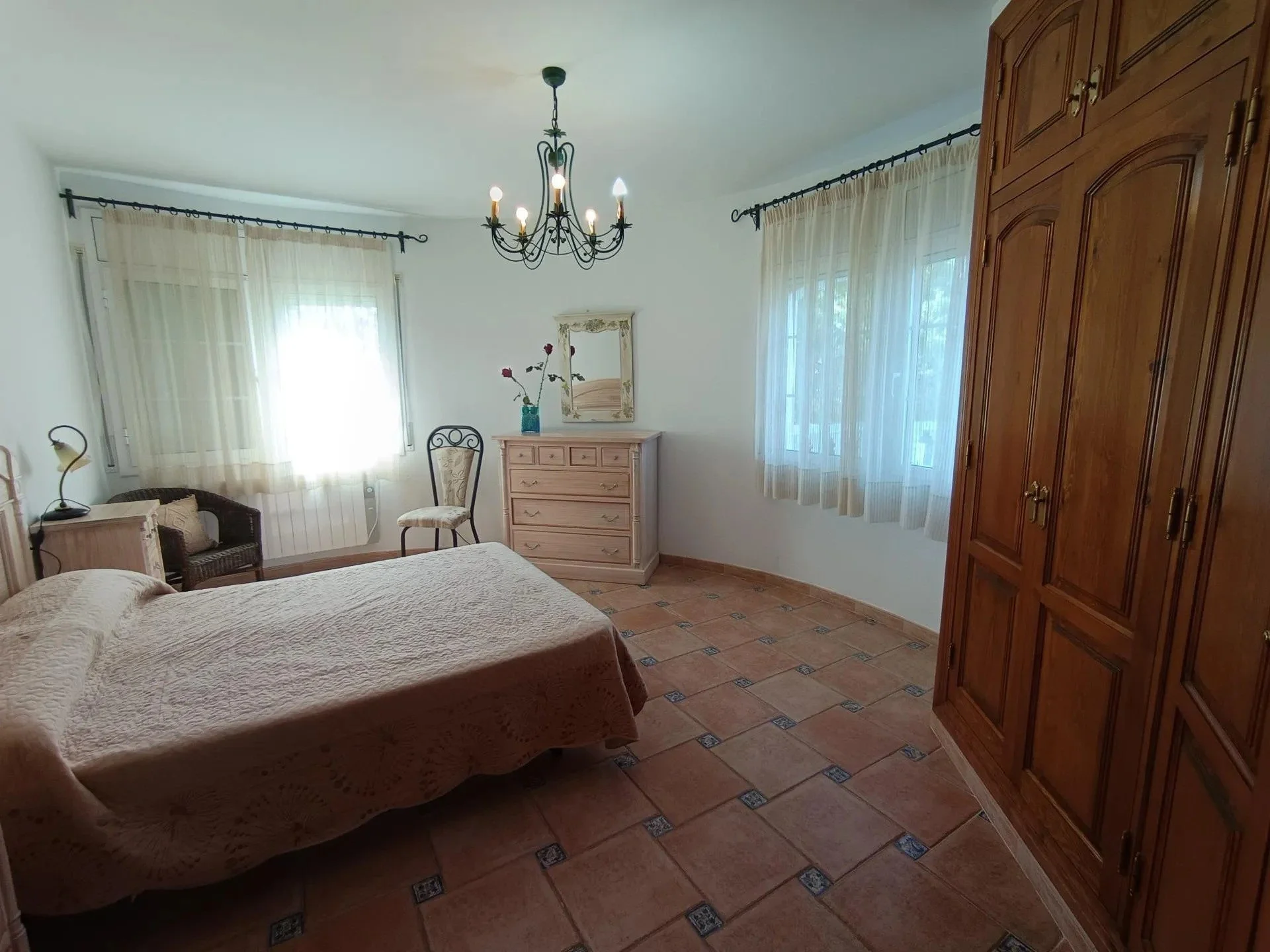
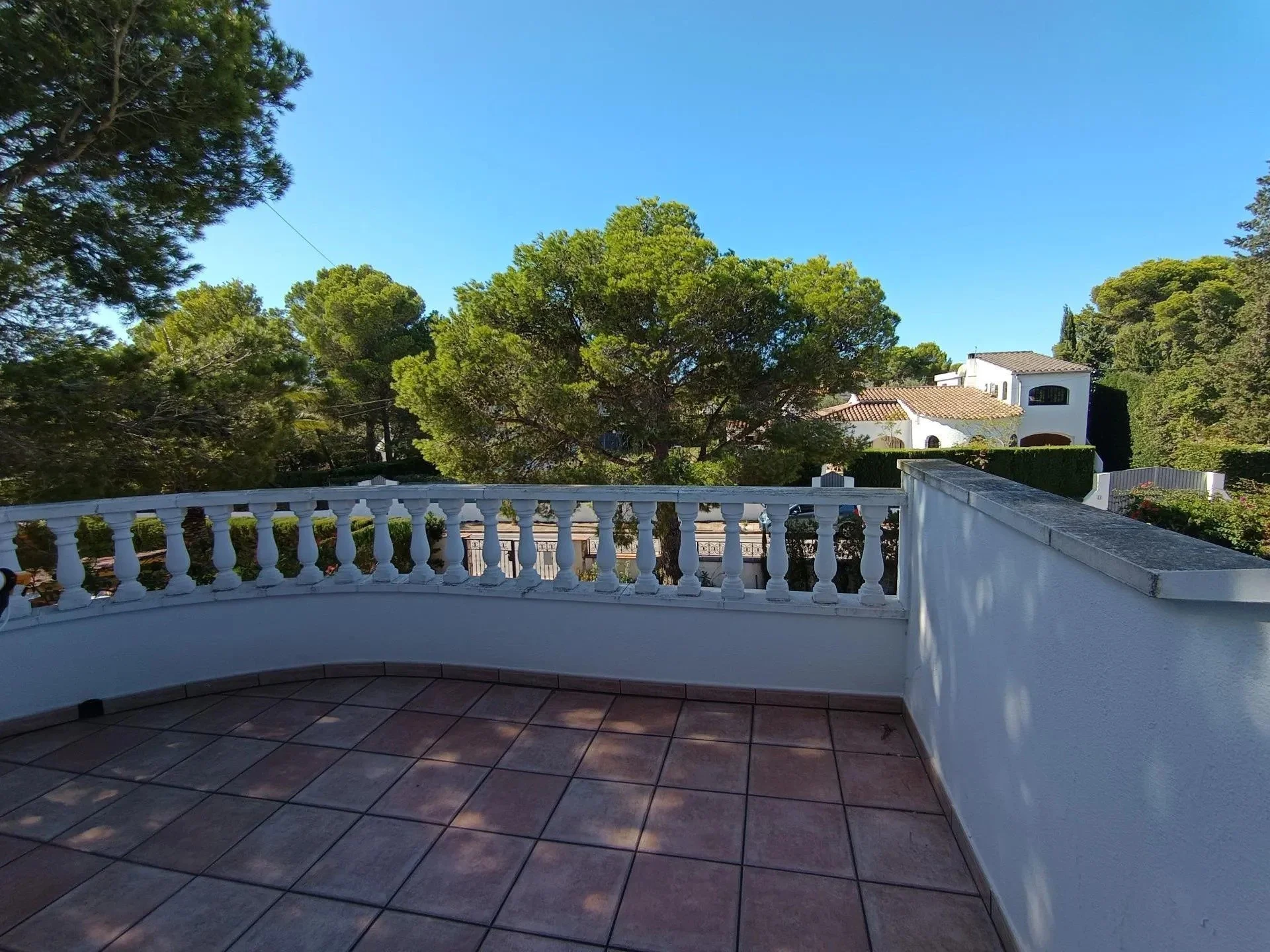
Open-plan living and dining area with terrace access, modern fitted kitchen with hidden pantry, two ground-floor bedrooms, upstairs primary suite with en-suite and sun terrace.
Outdoor features
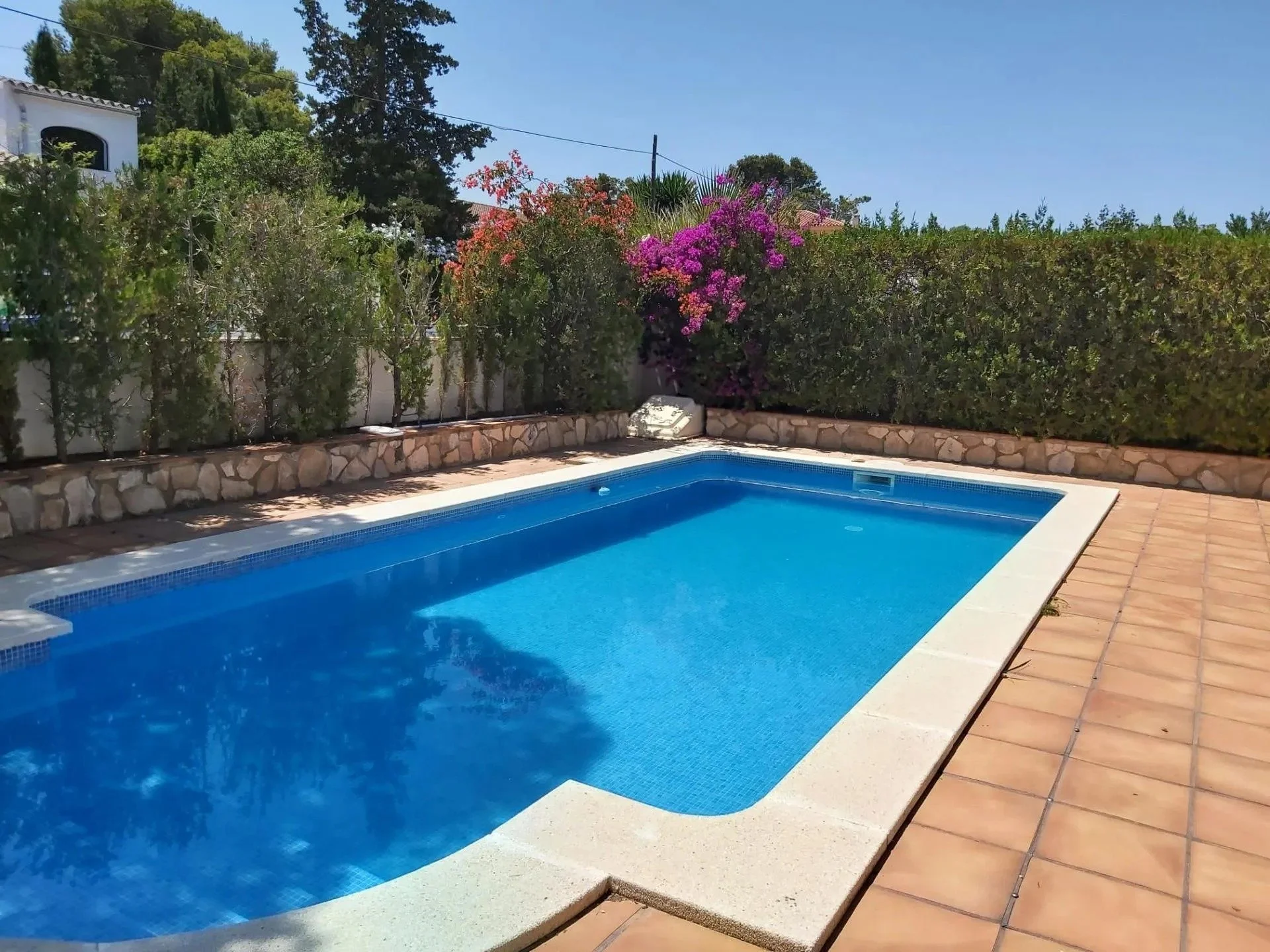
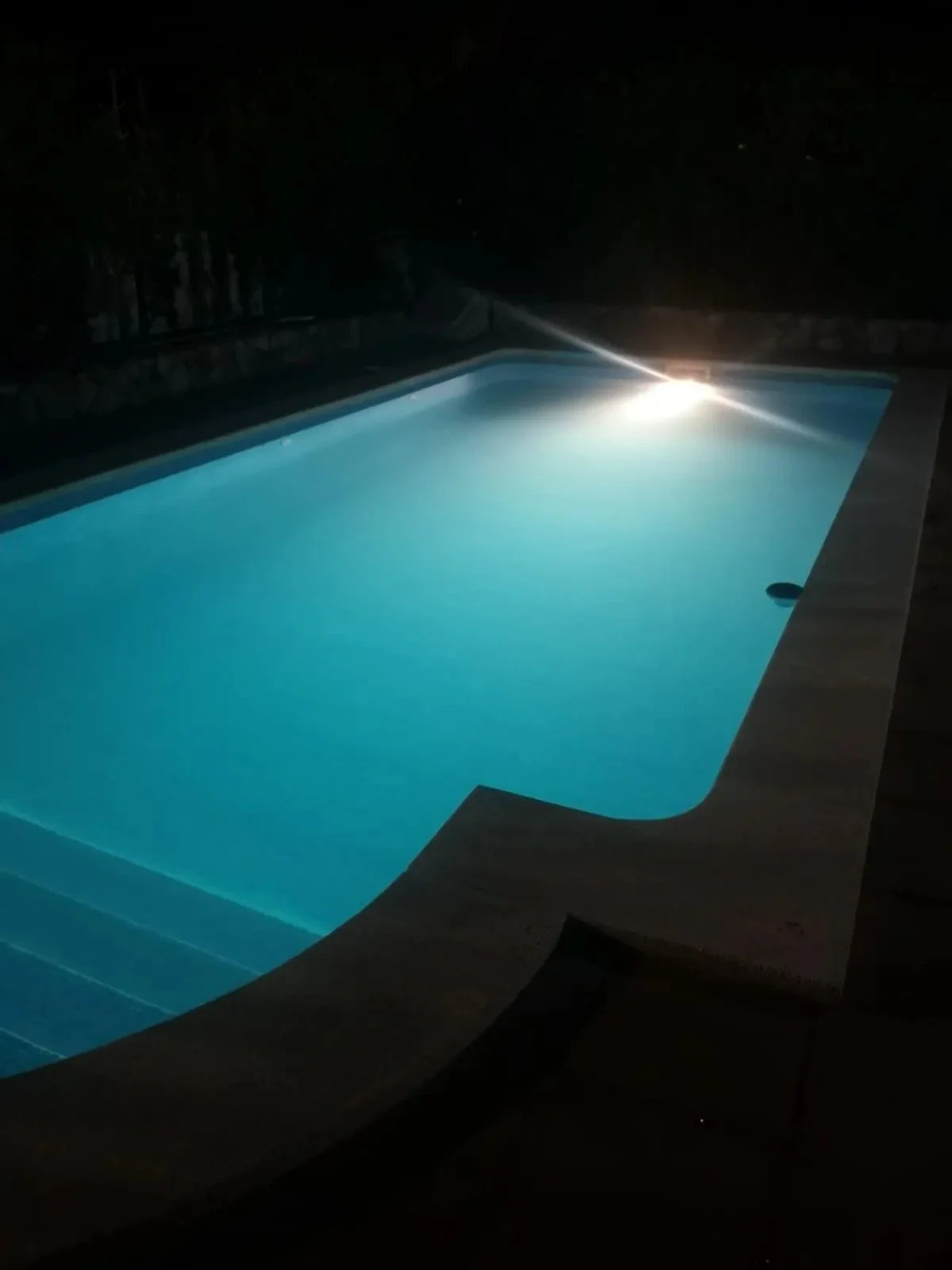
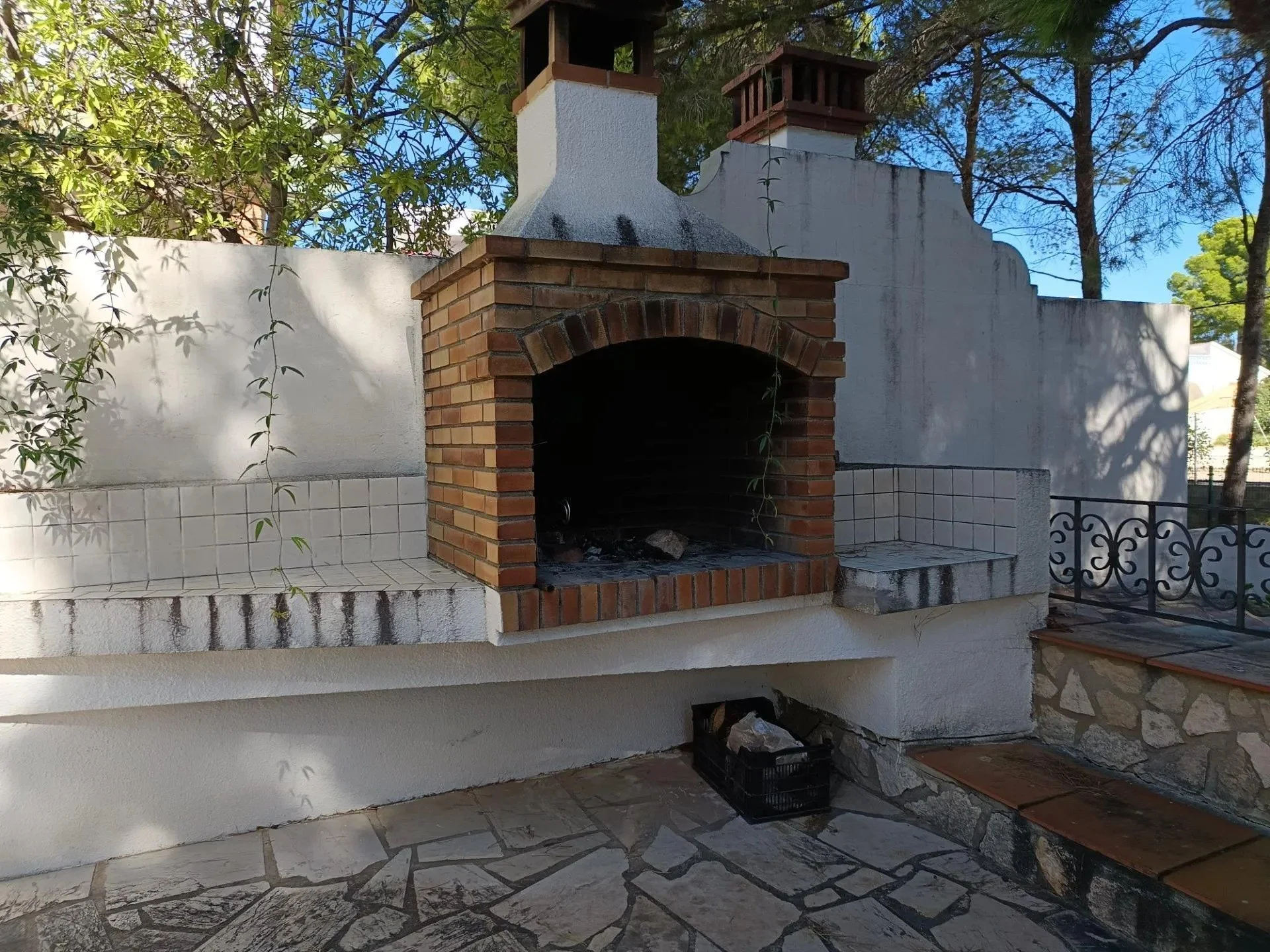
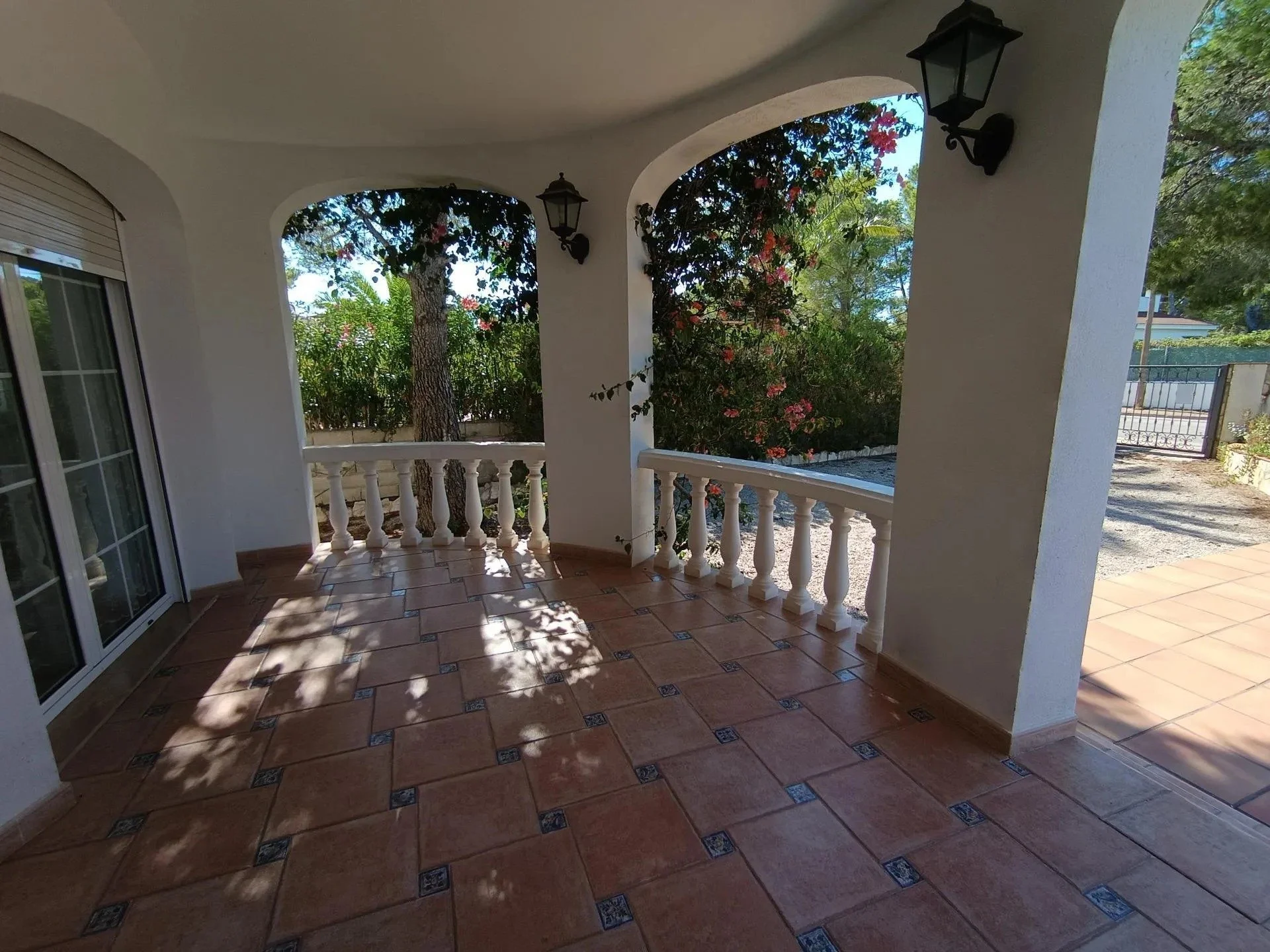
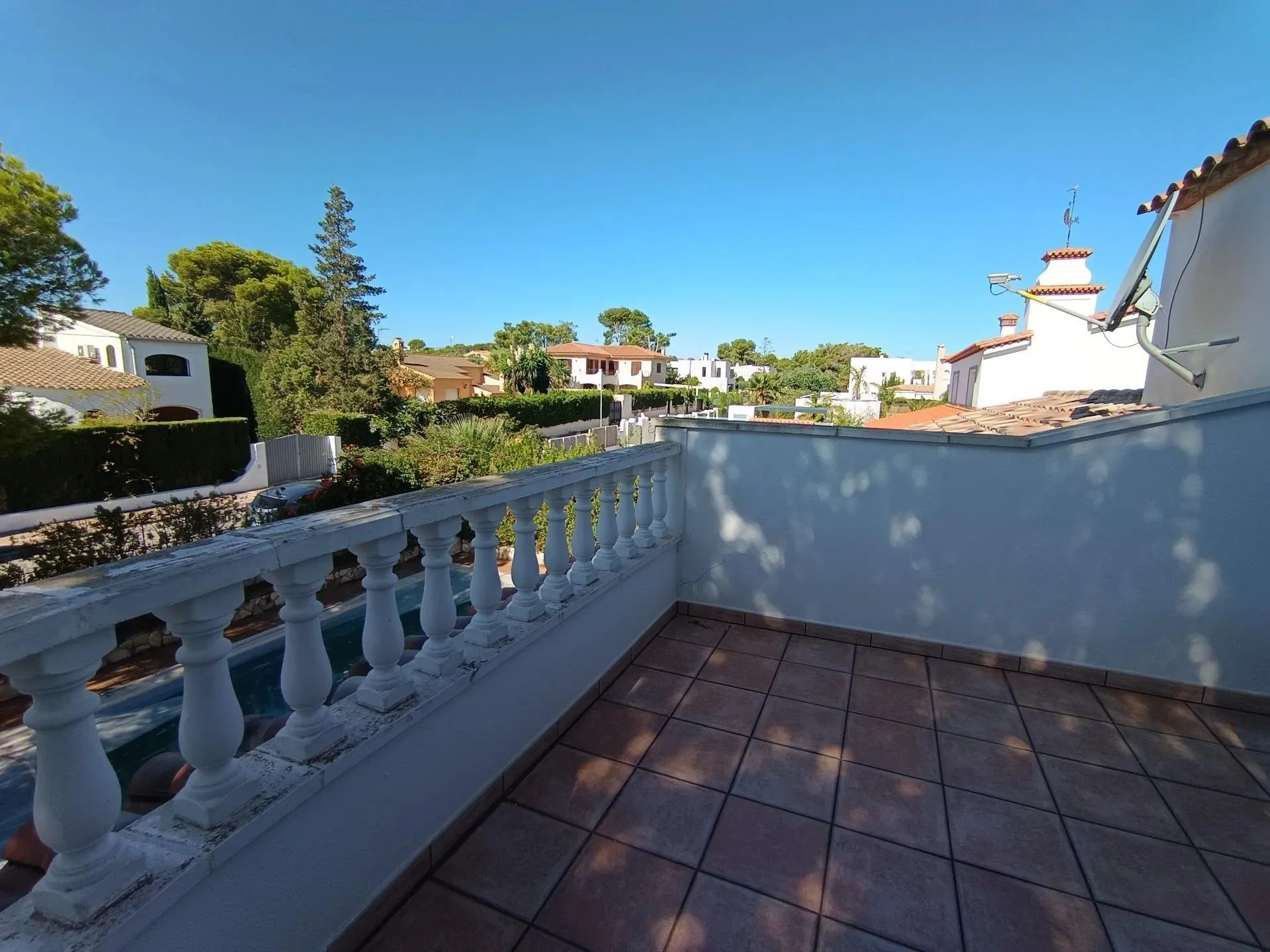
Private pool, built-in BBQ zone, solarium, balcony and multiple terraces, wooded privacy, parking on plot.
Condition
Marketed as fully upgraded.
Energy position
Listing shows "Energy Class N", while the same page says no energy certificate is on record and tells buyers to request the EPC before proceeding.
Lifestyle angle
Permanent seaside home, holiday retreat, or possible short-term rental with strong beach-access appeal.
Risk Radar
Overview
This property's attraction is obvious. It offers detached-house privacy, a pool, mature greenery and a modernised layout, but the real premium is its location. At only 80 metres from the shoreline, the due diligence is not ordinary detached-villa due diligence. It is coastal due diligence. The key question is not just whether the house looks good and functions well, but whether its legal and planning position is as strong as the listing suggests.
The first major issue is the Spanish Coastal Law. Article 23 of Ley 22/1988 states that the protection easement zone generally extends 100 metres inland from the inner boundary of the shore, although in some older urbanised contexts the regime can differ. MITECO's own coastal guidance also explains that, as a general rule, the protection zone is 100 metres inland and that certain uses and works are restricted there. Because this villa is marketed as being 80 metres from the sea, you should not assume anything about extensions, structural changes, terrace works, tree removal or future alterations until the exact coastal-boundary position is verified on the official mapping and against the property file.
The second issue is the paperwork gap. The page shows "Energy Class N", but its own risk note says there is no energy certificate on record. Under Spain's current energy-certification rules, the energy label must appear in sale advertising, and a copy of the registered certificate and label must be attached to the sale documentation. So the EPC position is not a minor administrative detail. It is a core compliance point. That matters even more in a coastal property because salt air, solar gain and humidity can all affect real comfort and running costs more than a glossy listing suggests.
The third issue is the pool and plot. A pool, BBQ zone, wooded garden and on-plot parking are meaningful value drivers, but only if the built footprint, terraces and external works sit cleanly within the title, Catastro and any municipal permits. The closer a property is to the coast, the less wise it is to assume that past owners were free to build or upgrade everything without constraint. The same goes for beach access. Beaches are public maritime-terrestrial domain in Spain, so "private beach feel" should never be confused with private shoreline rights.
The final issue is rental use. In Catalonia, tourist-use dwellings require the relevant enabling title and are recorded in the Register of Tourism of Catalonia. Gencat states that habitatges d'ús turístic require the proper enabling title to start the activity, and the owner must obtain habilitation from the local council through a declaración responsable. So the rental angle may be viable, but it should be tested through the current local licensing pathway rather than assumed from location alone.
Targeted Questions
Legal Status and Core Documentation
This confirms ownership, legal description, charges and whether anything unusual is recorded against the villa.
Coastal properties should be checked carefully against both registry and cadastral records.
Mismatches can create financing, resale or regularisation problems.
A current habitability document is a core practical and legal checkpoint.
Layout changes sometimes outpace paperwork.
Buyers need a timeline for the real age of systems and finishes.
"Fully upgraded" is only as good as the underlying file.
The paperwork trail matters more than general verbal reassurance.
Invoices help verify scope, timing and whether money was spent on the right things.
Transferable guarantees reduce early ownership risk.
Past regularisation is not necessarily fatal, but it should be understood clearly.
Prior transaction friction can reveal the real weak points quickly.
Coastal Law, Shoreline Position and Environmental Exposure
The 100-metre protection strip can materially affect what is allowed.
Coastal-law exposure can affect both value and future flexibility.
Distance "from the beach" is not the same as legal coastal-boundary compliance.
This is a serious issue in highly coastal locations.
Beach convenience affects value, but access arrangements should be legally clear.
Shoreline-adjacent properties sometimes carry invisible access burdens.
MITECO publishes official coastal-flood hazard mapping, so this should be verifiable rather than guessed.
Historic events often matter more than abstract risk language.
Insurance friction can reveal real operational risk.
The "wooded privacy" may be valuable, but not always fully discretionary.
Building Condition, Envelope and Systems
Coastal homes can feel deceptively mild in listings but need sensible winter provision.
Full comfort coverage matters in a modern seaside home.
Real bills are more useful than vague answers, especially with an unresolved EPC position.
Spain requires the energy label in advertising and the registered certificate in sale documentation.
That inconsistency should be clarified immediately.
Window quality strongly affects coastal durability, comfort and running costs.
Salt air shortens the life of weaker fittings and frames.
Modern appearance alone does not guarantee modern performance.
Roof integrity matters even more near the coast.
Salt, wind and sun exposure can shorten maintenance cycles.
Coastal humidity and air can cause recurring building-envelope problems.
Ongoing coastal maintenance should be proactive, not reactive.
This is one of the best practical tests of real resilience.
Pool, Plot and External Works
Pool legality should be checked as carefully as the house itself.
Buyers need to understand age, likely maintenance and replacement risk.
Pool equipment condition directly affects near-term cost.
Heating materially changes running costs and seasonal usability.
Ownership costs should be tested early, not after completion.
Pool defects can become expensive quickly.
The external layout is a major part of the value here.
Hidden rights can reduce privacy or control over external space.
Practical parking matters for both owner use and rental appeal.
Parking should not be assumed from how a plot is currently used.
Mature landscaped plots can carry higher upkeep than buyers expect.
External works can create separate planning or stability issues.
Practicalities and Everyday Use
Easy coastal access can still hide shared-road or maintenance issues.
Practical access matters for both living and letting.
Remote work potential should be confirmed with real availability.
Coastal and wooded locations can sometimes produce patchy indoor signal.
That affects privacy, noise and rental competitiveness.
Lifestyle fit and guest appeal both depend on seasonal character.
Coastal locations can change faster than inland villages.
Tourist Rental Potential
Existing status can reduce friction, but it must be verified.
In Catalonia, tourist-use dwellings require the relevant enabling title and local habilitation.
The legal framework is regional, but the practical gateway is local.
Gencat states the activity requires habilitation and registration.
Historic performance is more useful than optimistic estimates.
Knowing the real market helps test whether the price makes sense.
A beach house should not be priced purely on July and August.
Negotiation Intelligence
Buyer Leverage
Medium-High
Key Drivers
Typical Negotiation Range
Subject to coastal-law verification, EPC compliance and renovation-file completeness
(subject to diagnostics)
Neutral Phrasing Examples
Country Layer
Spain (Regulatory Context March 2026)
Key Spanish requirements for buyers:
Viewing Strategy
Start outside, not in the living room.
Next Step
Verify from the listing:
Coastal-law position
Because the villa is marketed as being 80 metres from the sea, ask for confirmation of whether it falls within the Ley de Costas protection zone and what that means for future alterations, extensions, terraces and external works.
Energy certificate and renovation paperwork
Clarify the “Energy Class N” wording immediately by obtaining the registered Certificado de Eficiencia Energética, the cédula de habitabilidad and the renovation file so you can confirm that the current layout and upgrades are properly documented.
Pool and plot legality
Request the pool permits, the cadastral plan and title documents so you can confirm that the pool, parking, terraces and wooded plot all sit cleanly within the legal property footprint and are not affected by hidden servidumbres.
Coastal durability and maintenance
Ask for evidence of how the property has been protected against salt air, storms, damp and corrosion, because a seaside villa can look modern while still carrying a shorter and more expensive maintenance cycle than an inland home.
Tourist-rental route in Catalonia
If rental potential matters, verify whether the villa already has tourist-use habilitation or whether a new owner would need to pursue the current Catalan HUT process with the Ayuntamiento and the Register of Tourism of Catalonia.
A prepared buyer should approach the agent calmly and frame questions as due diligence.
Because this is a property where the legal, structural and regulatory context matters, run it through one of the property tools before contacting the agent.
Use the Property Risk Assessment to test the coastal, planning and compliance risks, or the Rental Yield Calculator to model whether the villa still performs well once the licensing and seasonal-income assumptions are verified.
Disclaimer: The Property Drop is buyer-focused intelligence, zero sales agenda. We curate exceptional properties, in southern Europe, from third-party agents and arm you with decision tools. No commission, no transactions, no agent partnerships, no skin in the game beyond helping you choose wisely. Information stays accurate until it doesn't (properties sell, prices shift, markets move). Everything here is shared for informational purposes only and should not be treated as legal, financial, or investment advice. Images belong to original agents. Read our Terms of Service to learn more.
IMPORTANT REMINDER: When contacting property agents featured on The Property Drop, you are entering into direct communication with third parties. It's recommended that you verify all property details independently, conduct thorough due diligence, engage qualified professionals (solicitors, surveyors, financial advisors), understand your rights and obligations under local property laws, and never send money or make commitments without proper legal protection.
