
The Buyer Playbook: Period Villa with Private Garden Varenna, Lake Como, Italy, €495,000
Buyer Playbook
Pre-Viewing Intelligence Report
This independent buyer guidance report relates to this specific property located in Italy. It is provided for informational purposes only and does not constitute legal, tax, structural or survey advice. Cadastral status, agibilità, condominium obligations, garden and parking rights, tourist-rental compliance, and any shared-building or planning issues must always be verified with qualified Italian professionals such as a notaio, geometra, avvocato, architect, surveyor and the relevant municipal and cadastral authorities. This report is designed to help buyers evaluate the property before arranging a viewing or making an offer. It highlights due-diligence areas and targeted questions to ask the estate agent. The analysis is based on the listing details and publicly available regulatory context at the time of writing. In Italy, the APE is a core sale document, agibilità operates through the building-code framework, and in Lombardy tourist accommodation and tourist lets require the regional CIR and now also the national CIN through the BDSR system.
Playbook Contents
Property Snapshot
Location
Fiumelatte, just outside Varenna, Lake Como, Lombardy, Italy
Property type
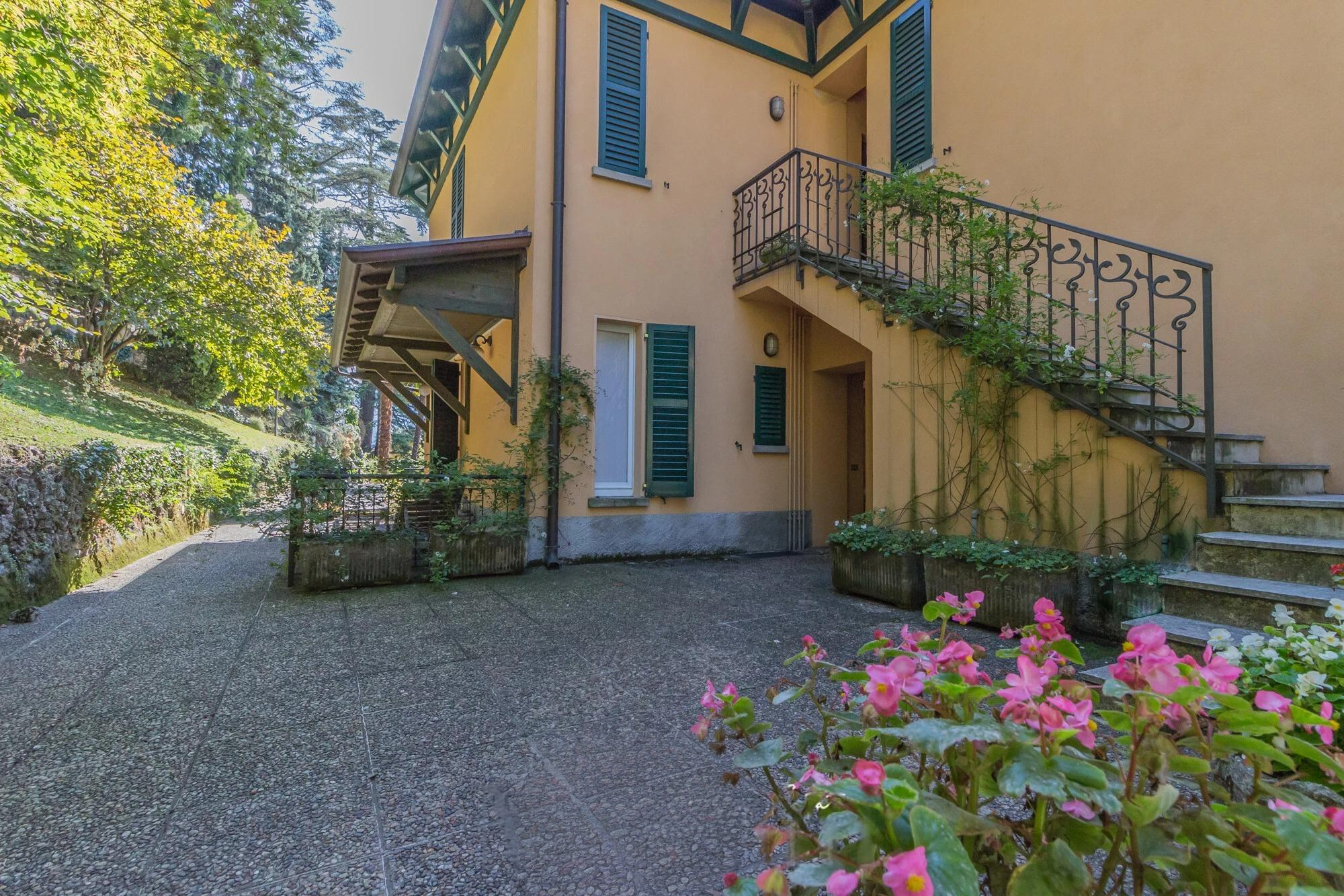
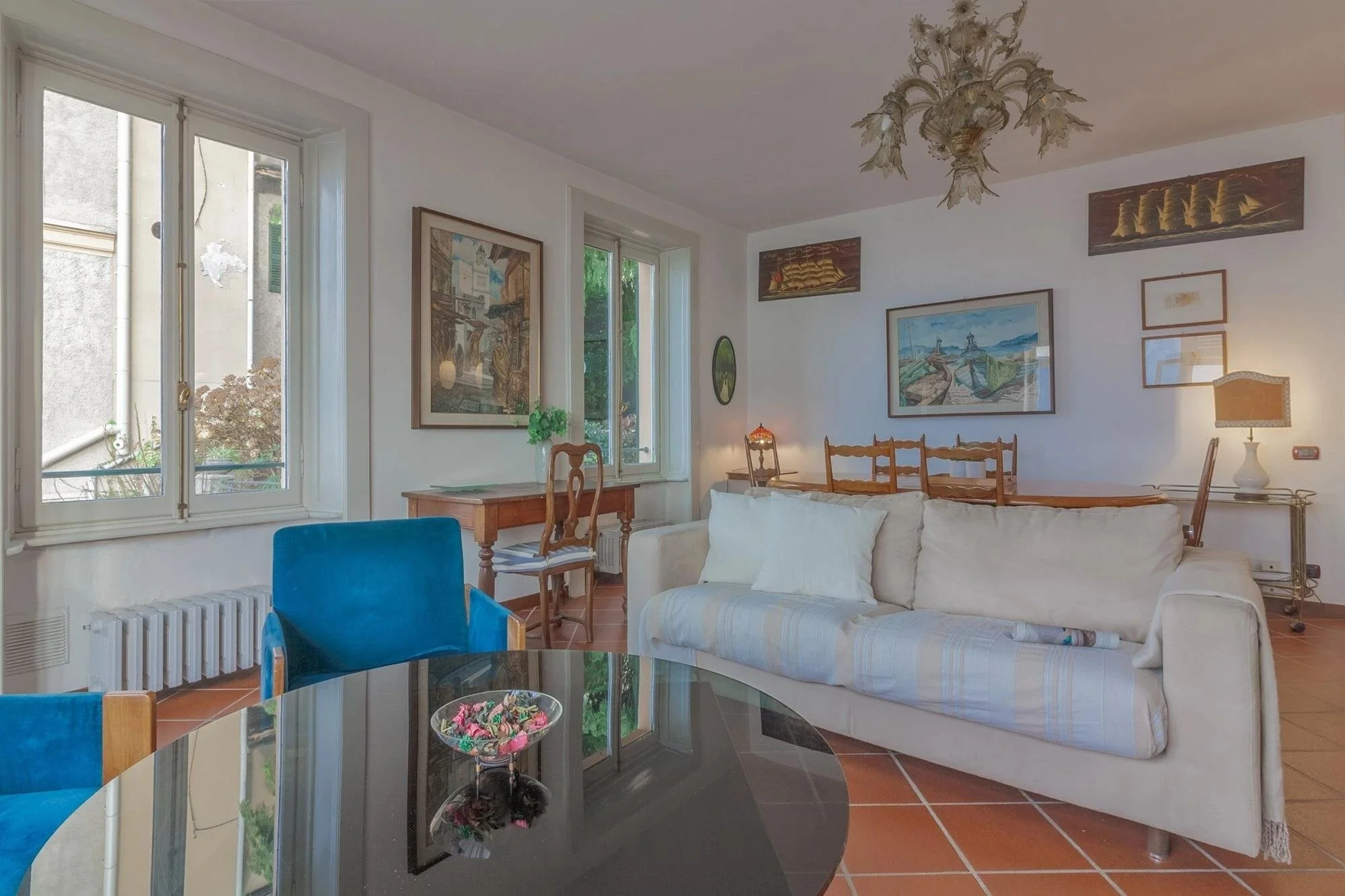
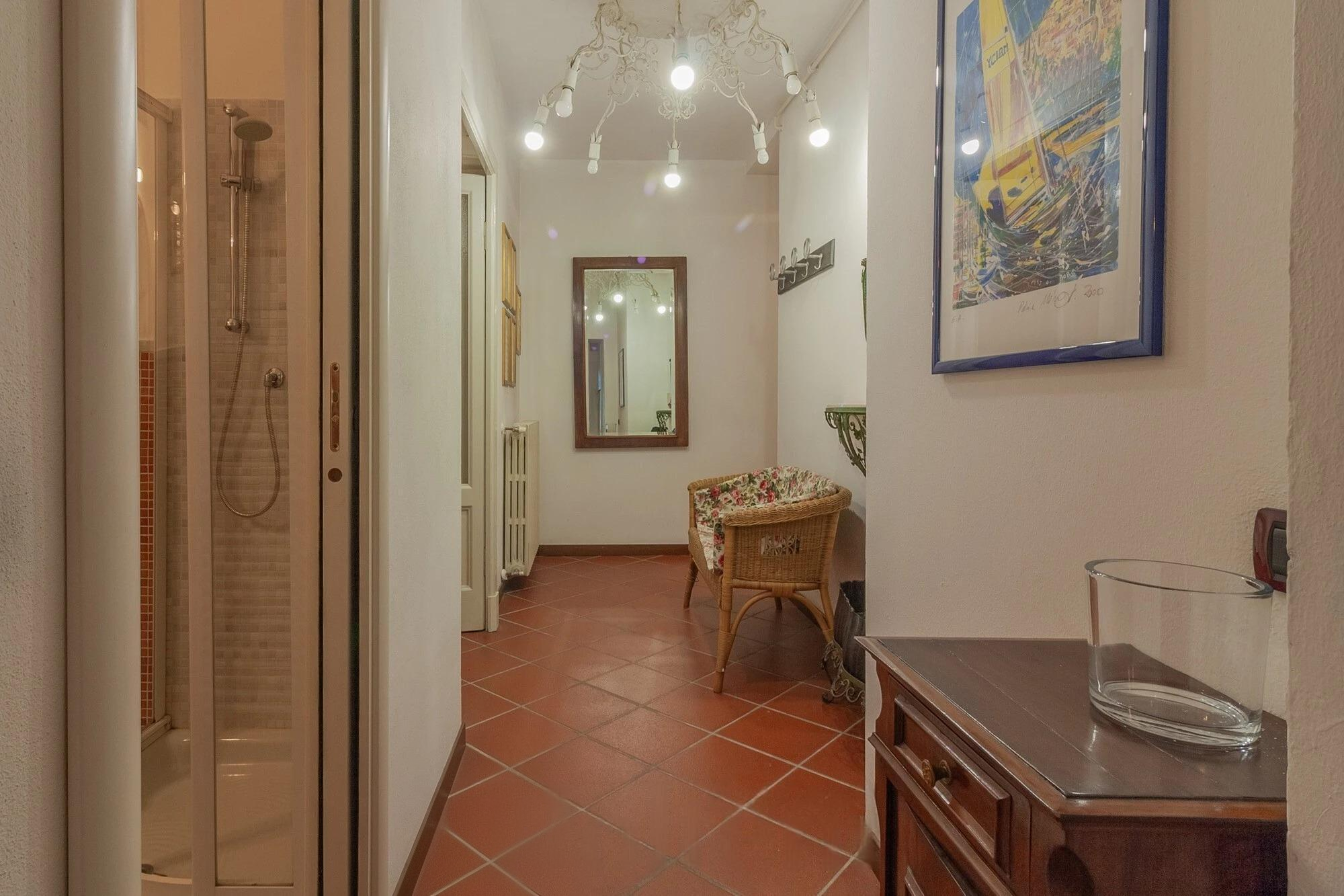
Period villa unit, described as the mezzanine level of a turn-of-the-century villa
Asking Price
€495,000
Setting
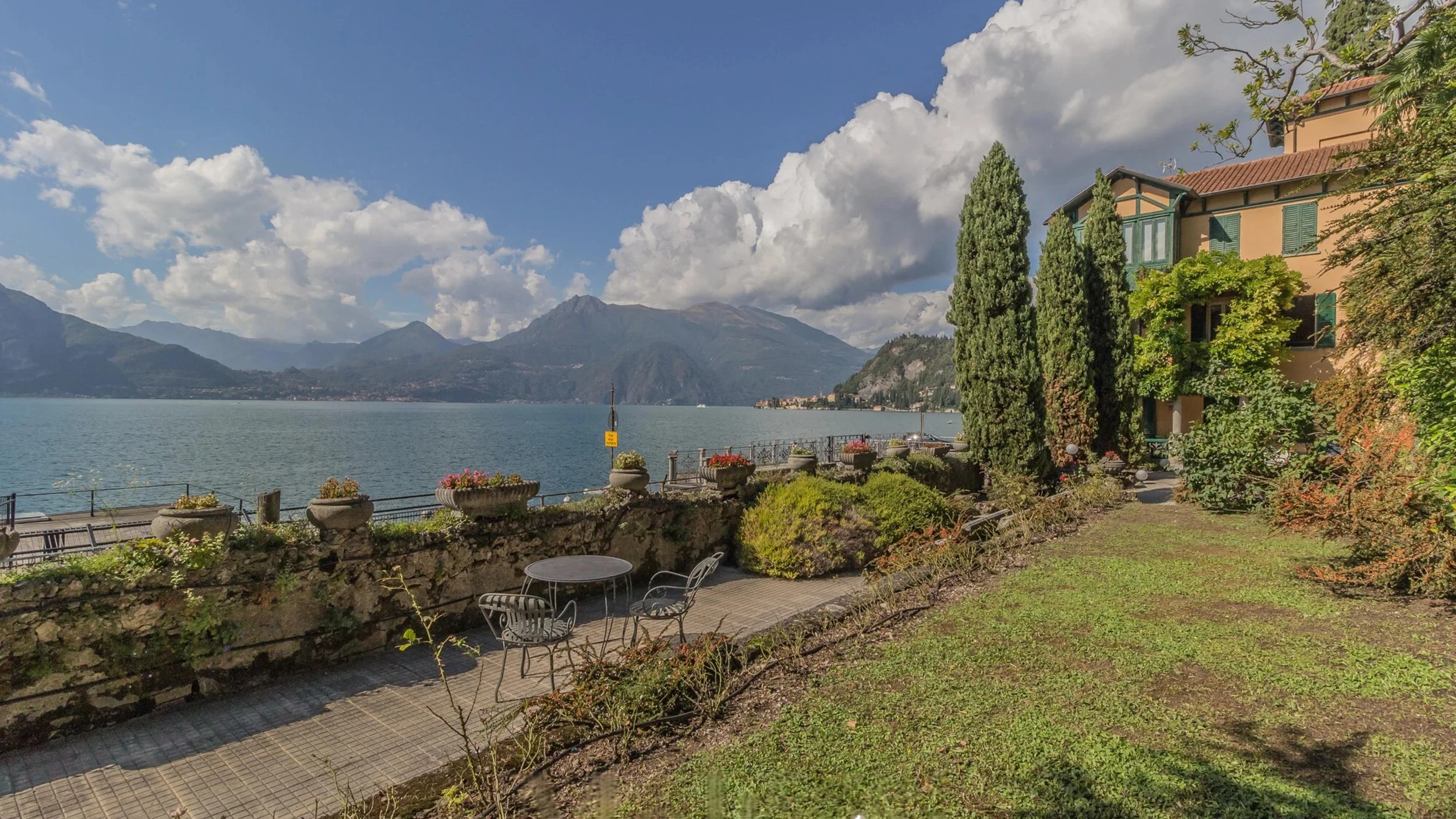
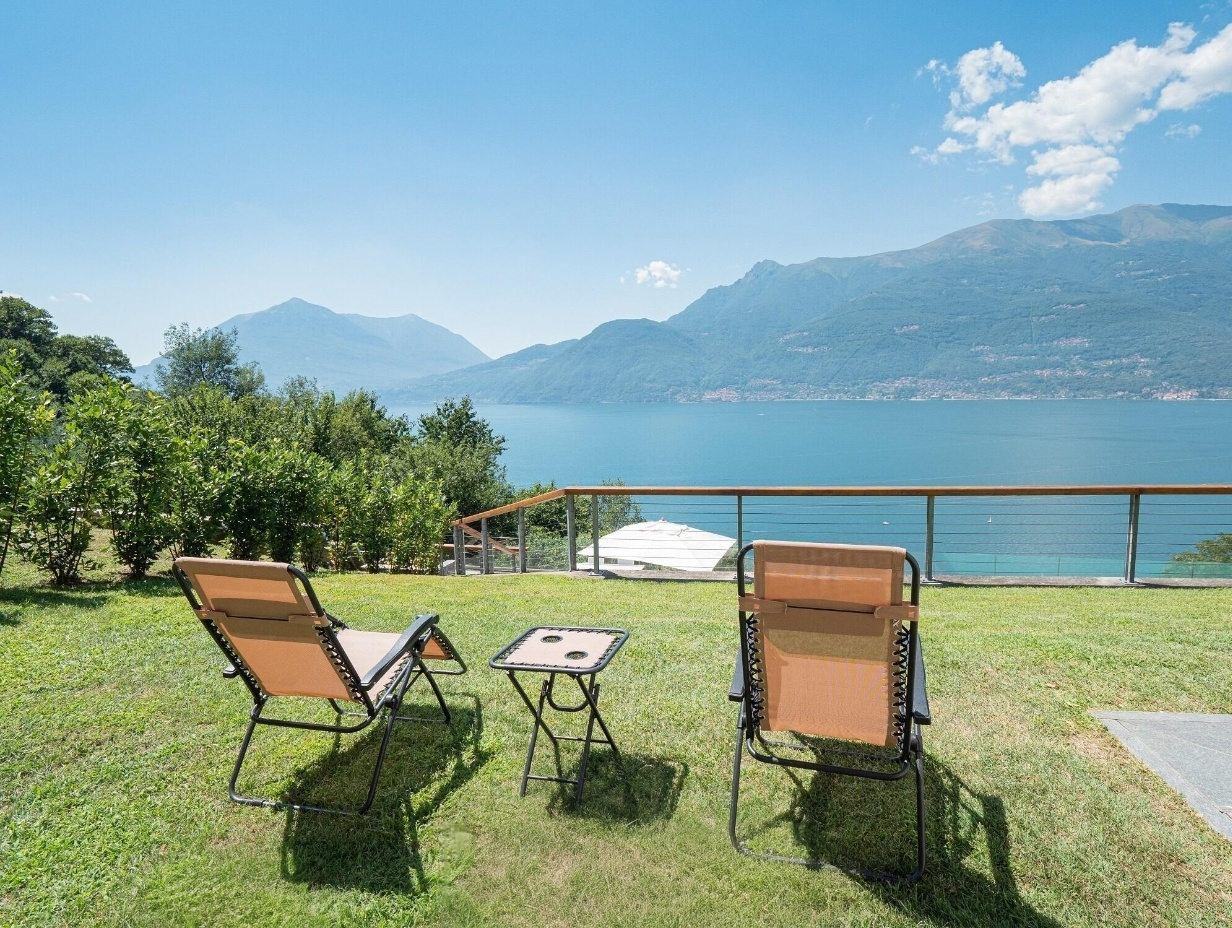
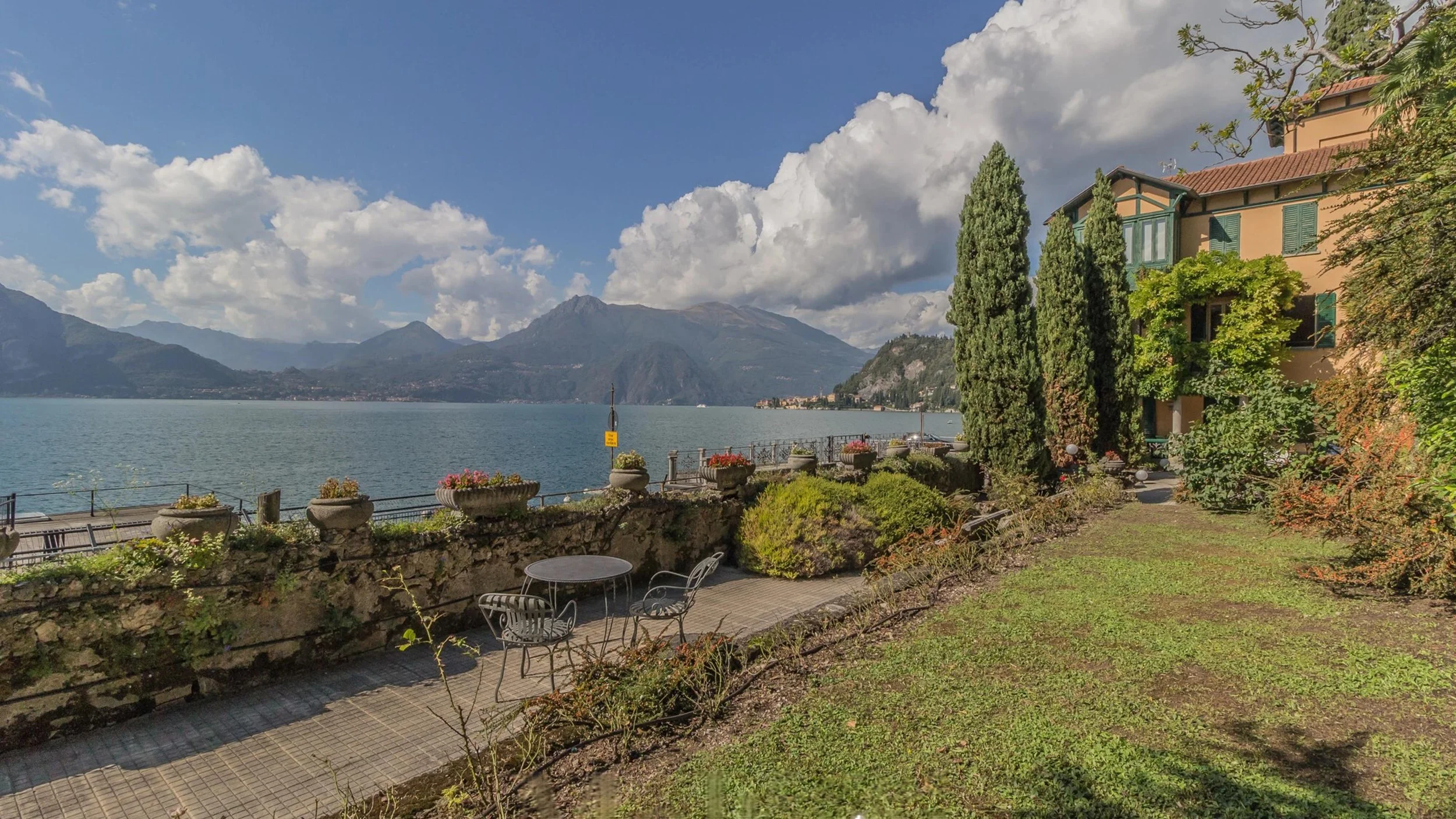
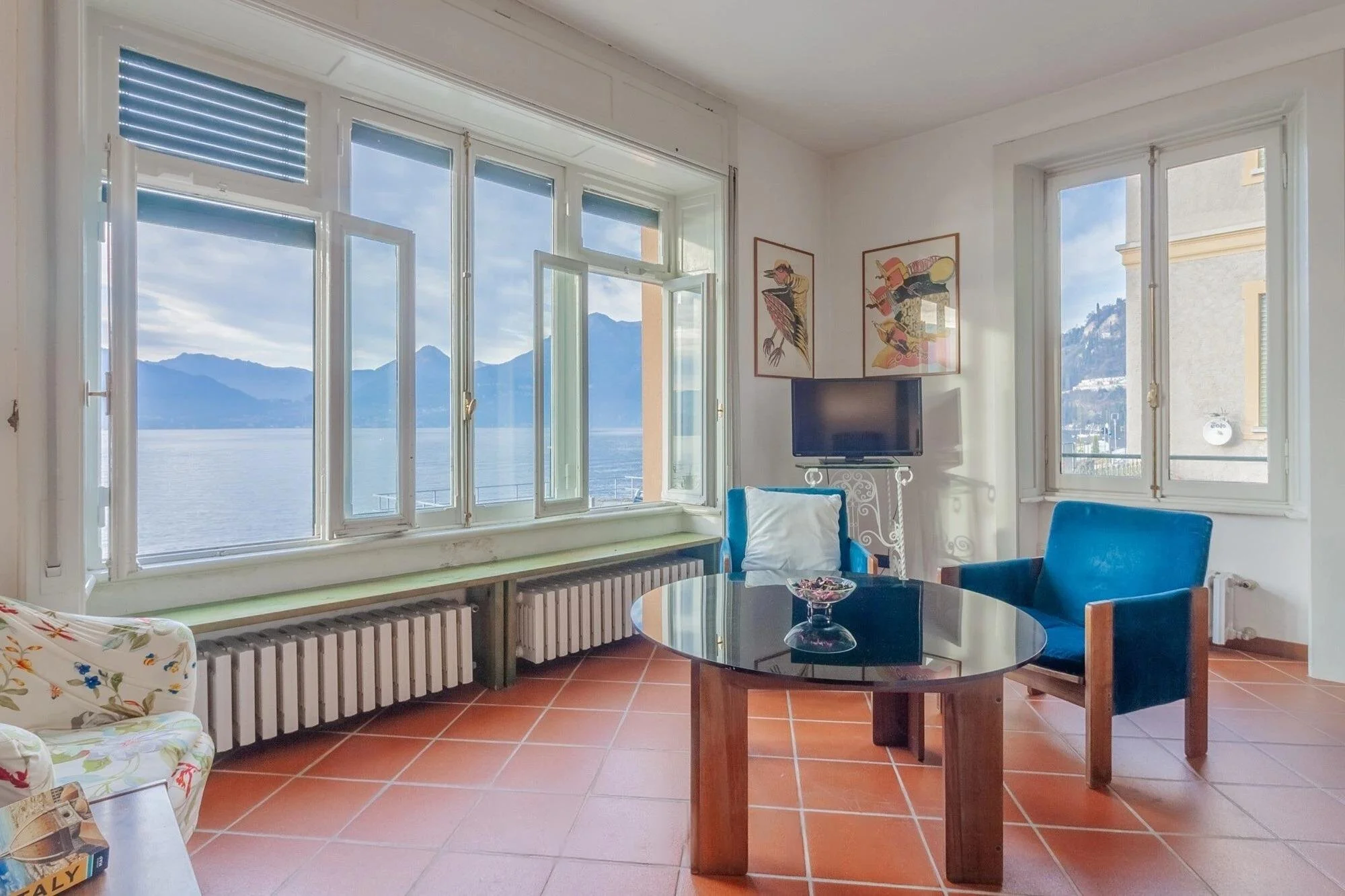
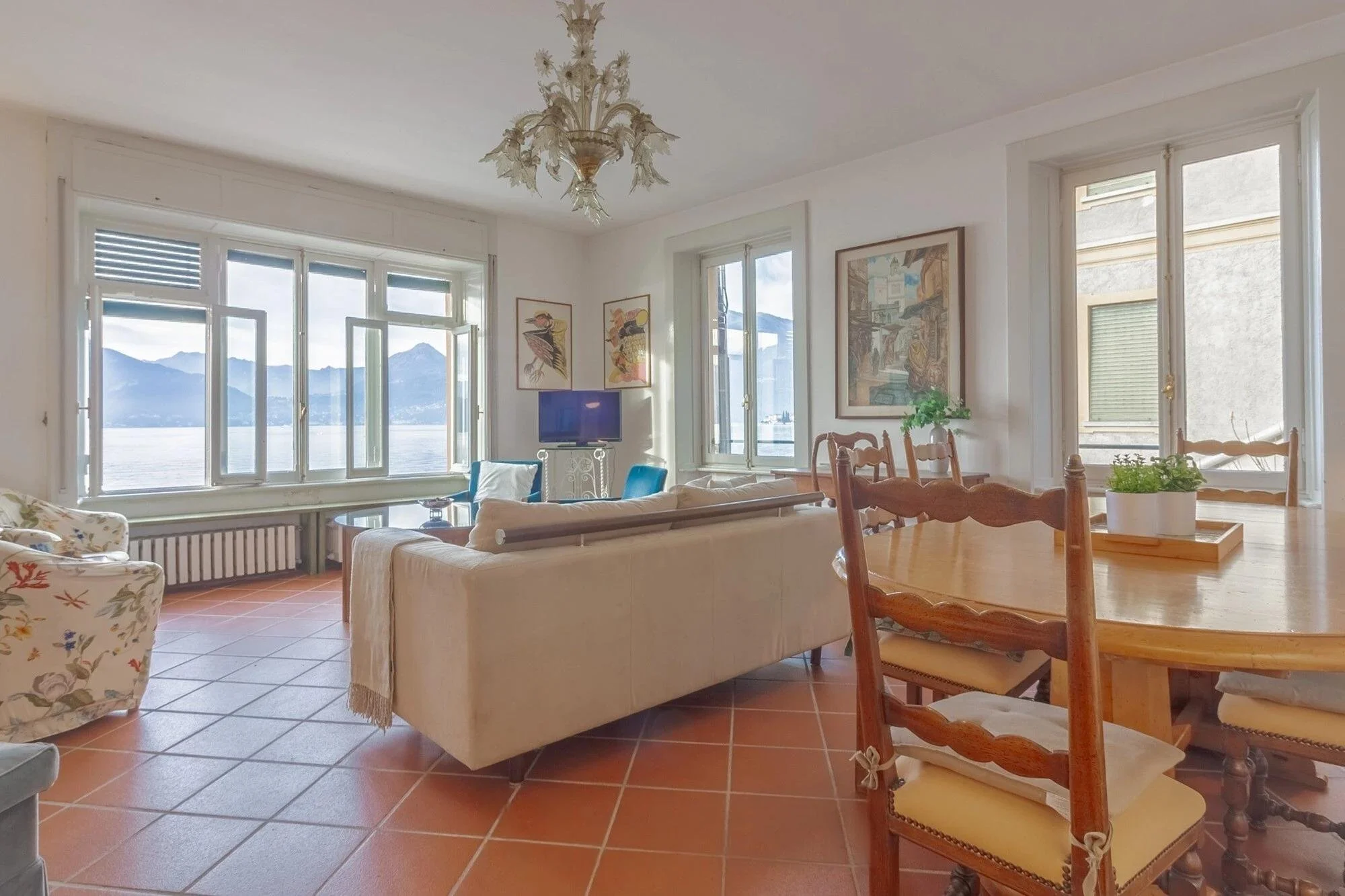
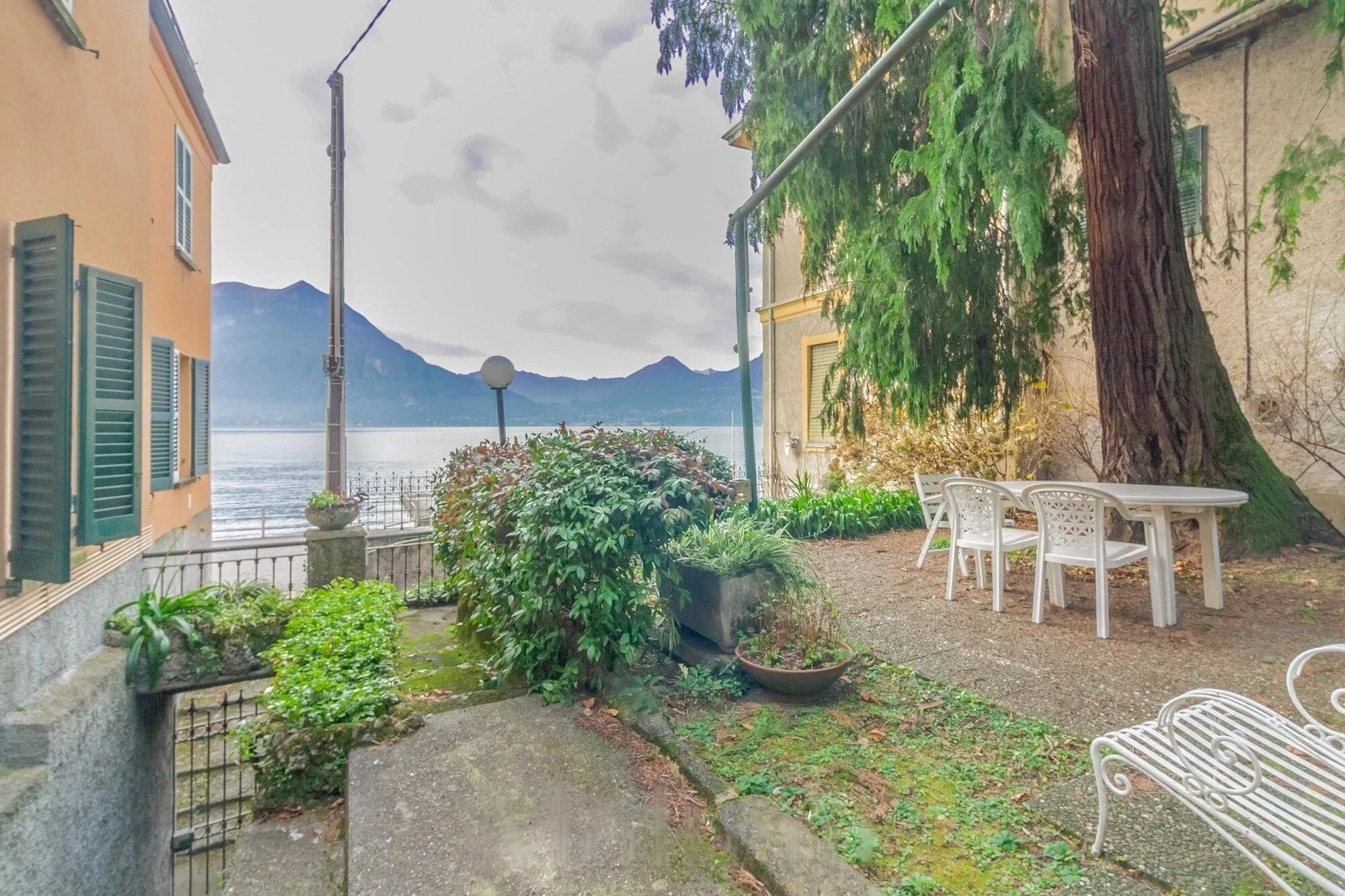
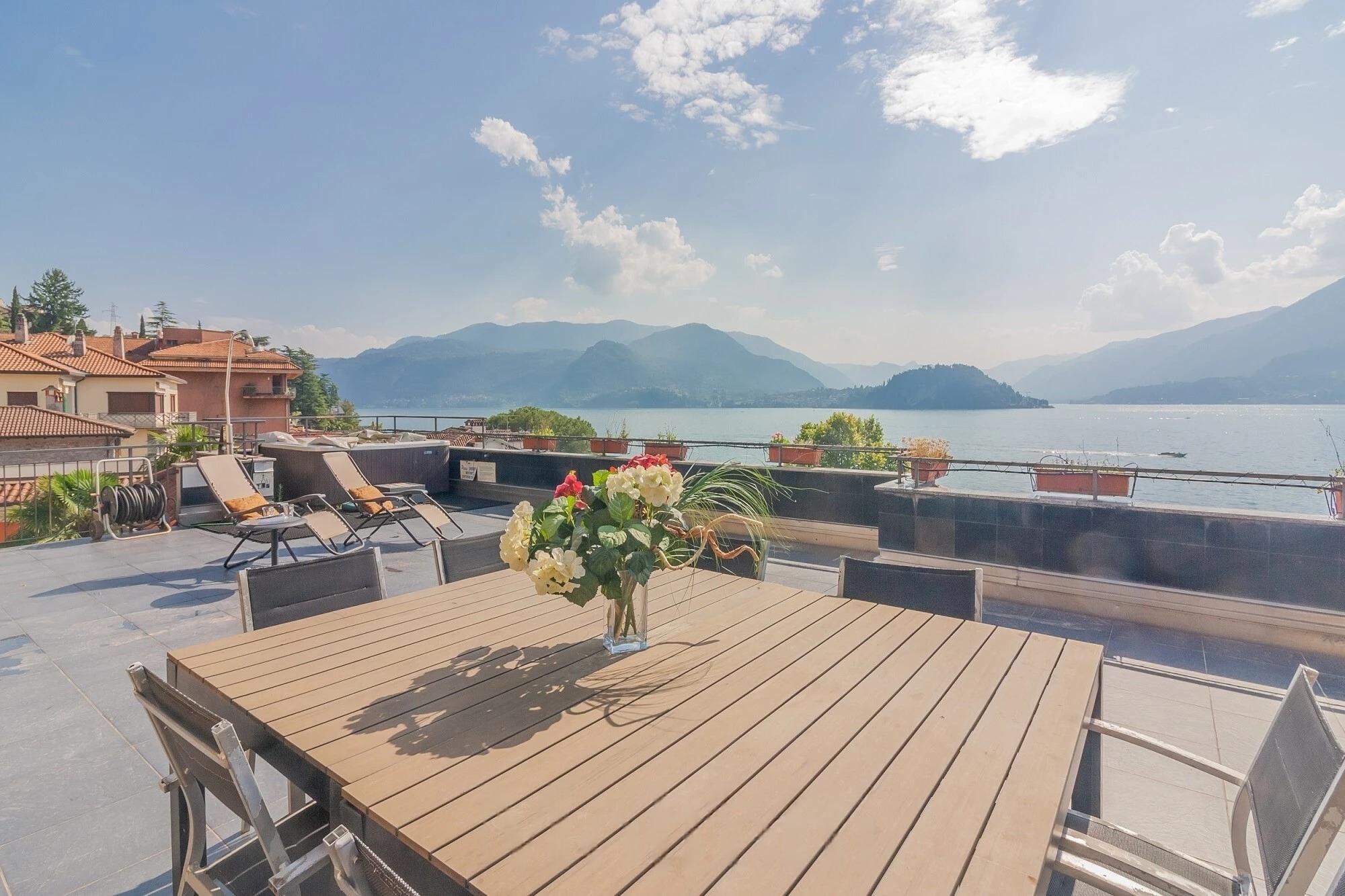
Direct lake-view position in a serene hamlet close to Varenna
Outdoor space
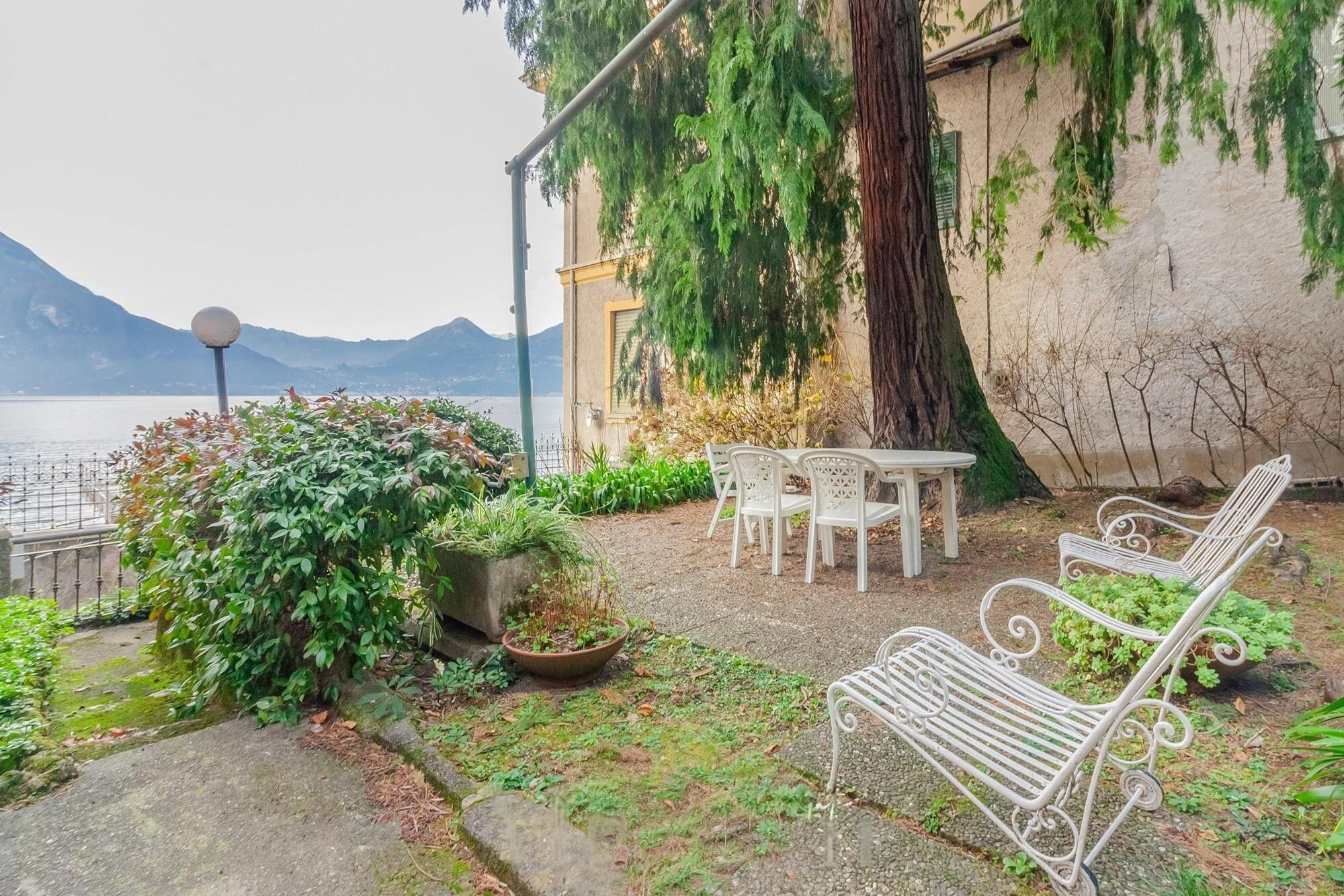
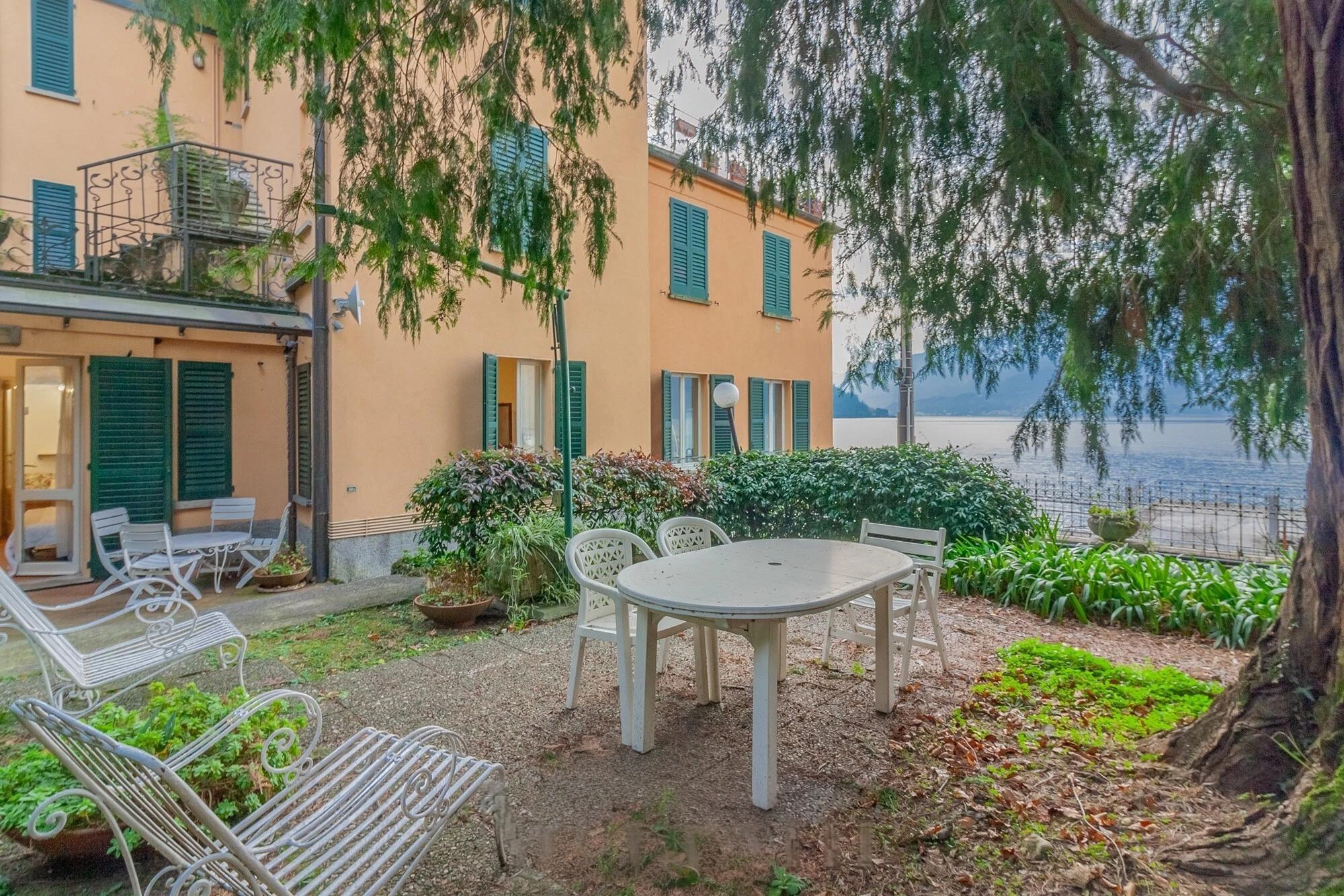
Approx. 150 m² private garden stated in the listing
Parking
Two outdoor parking spaces stated in the listing
Character features
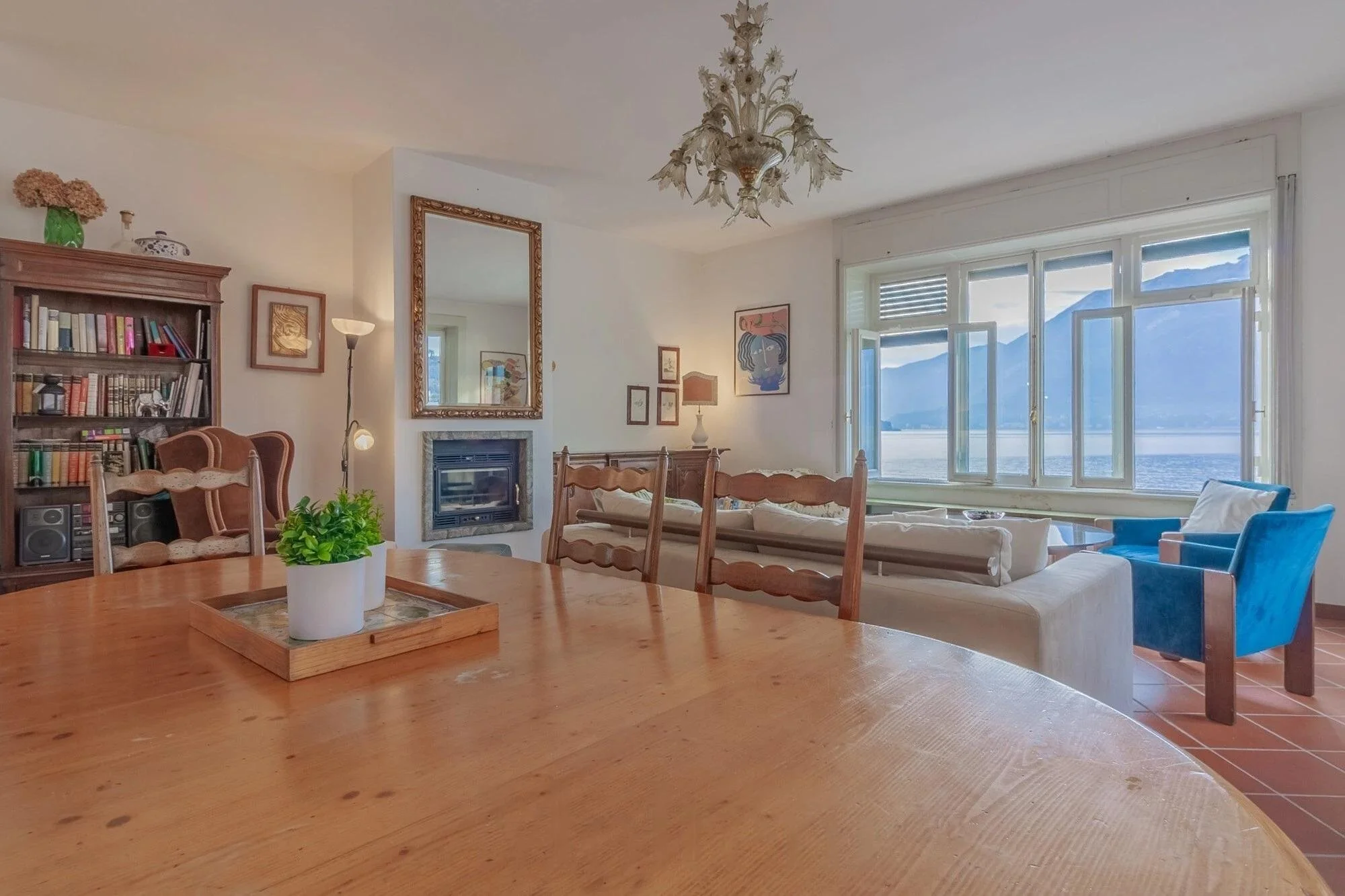
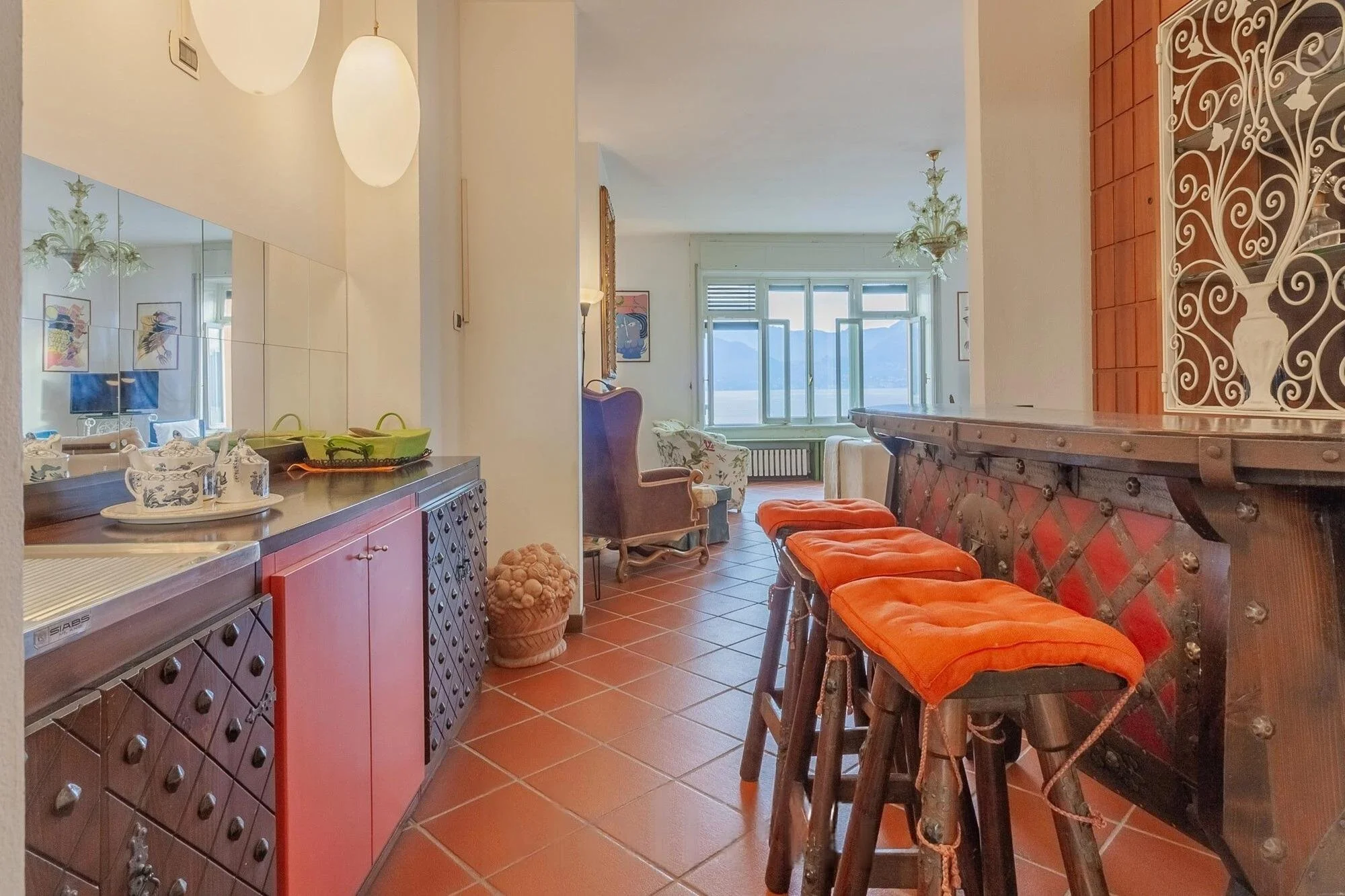
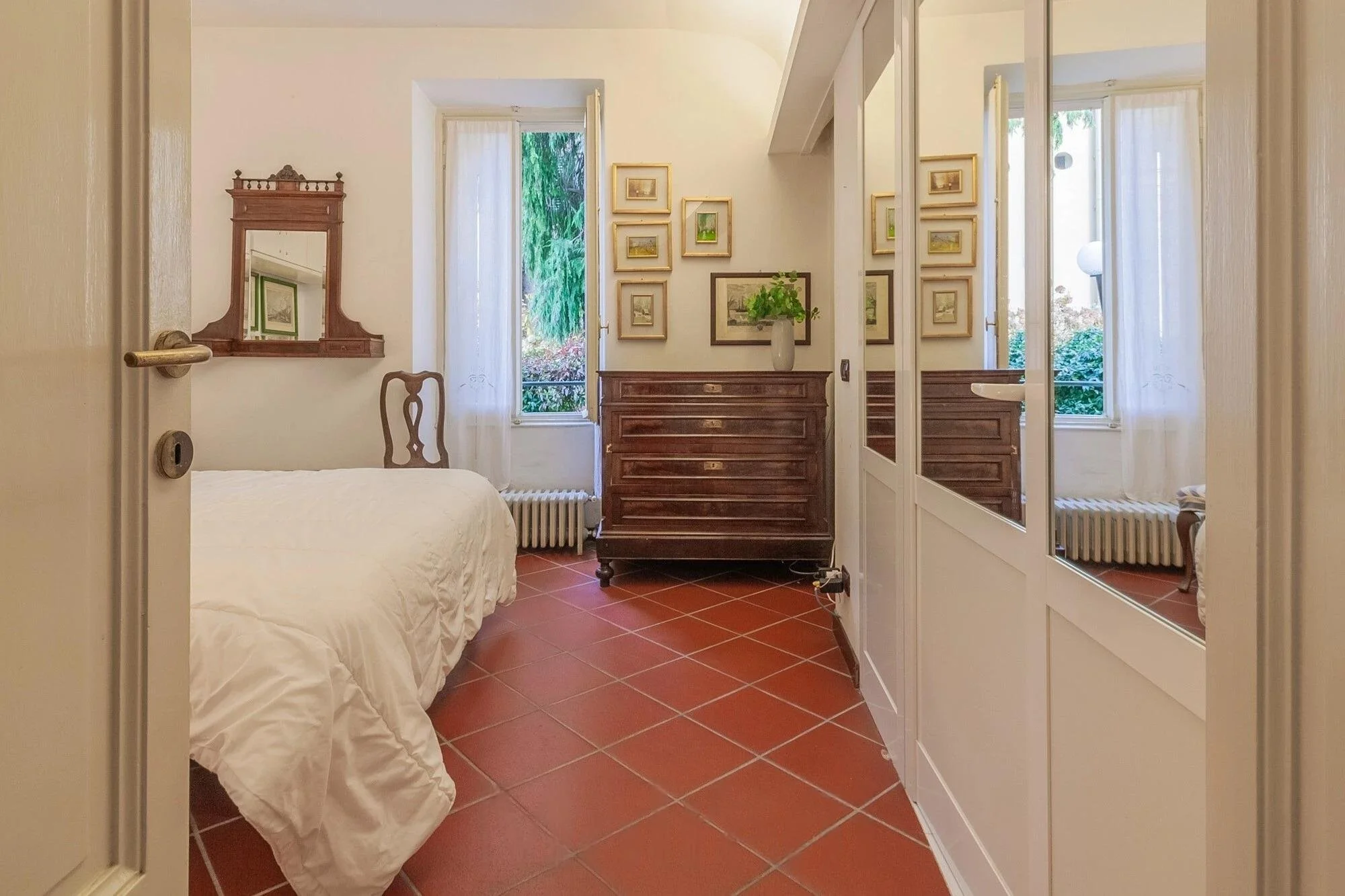
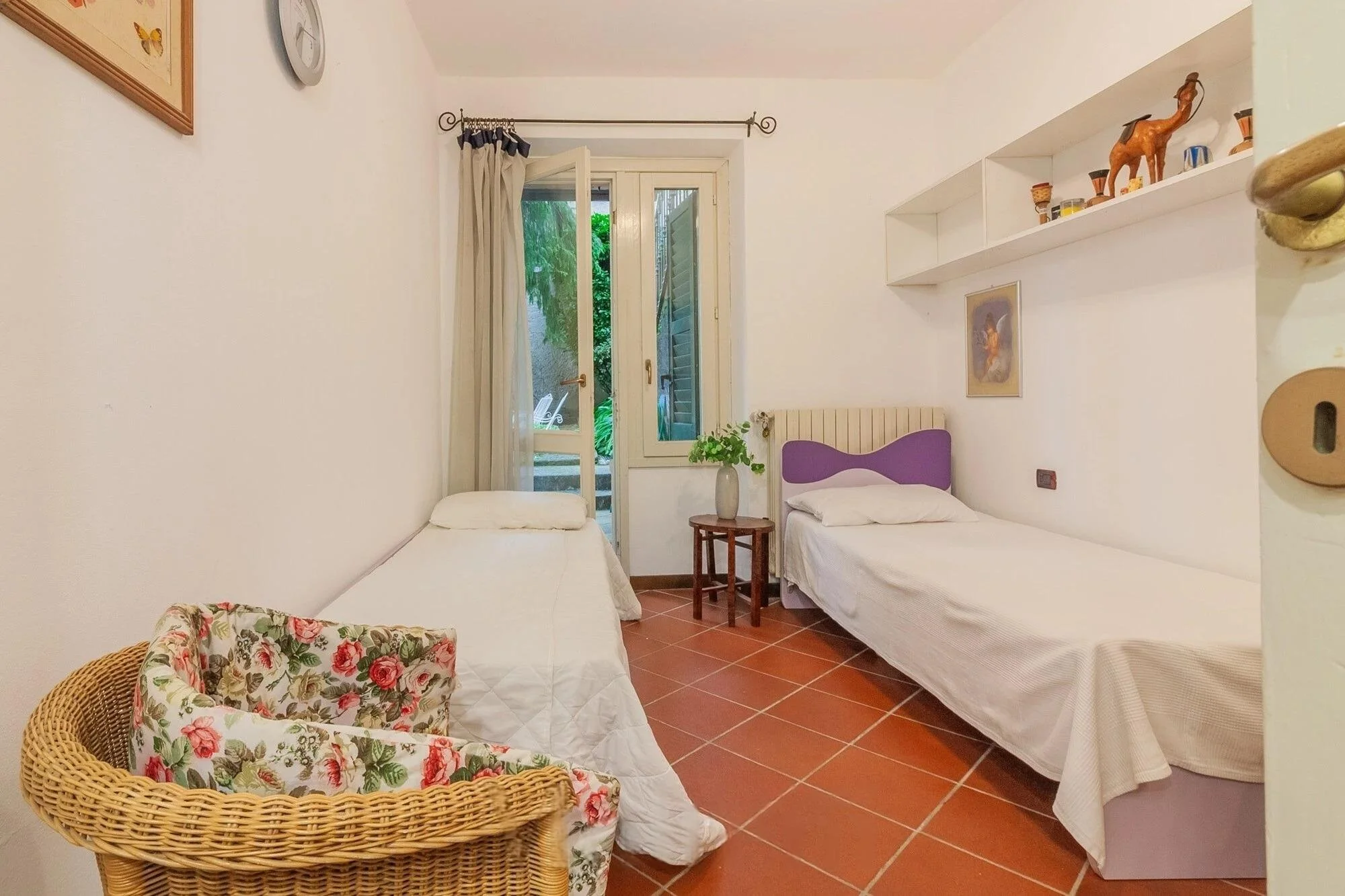
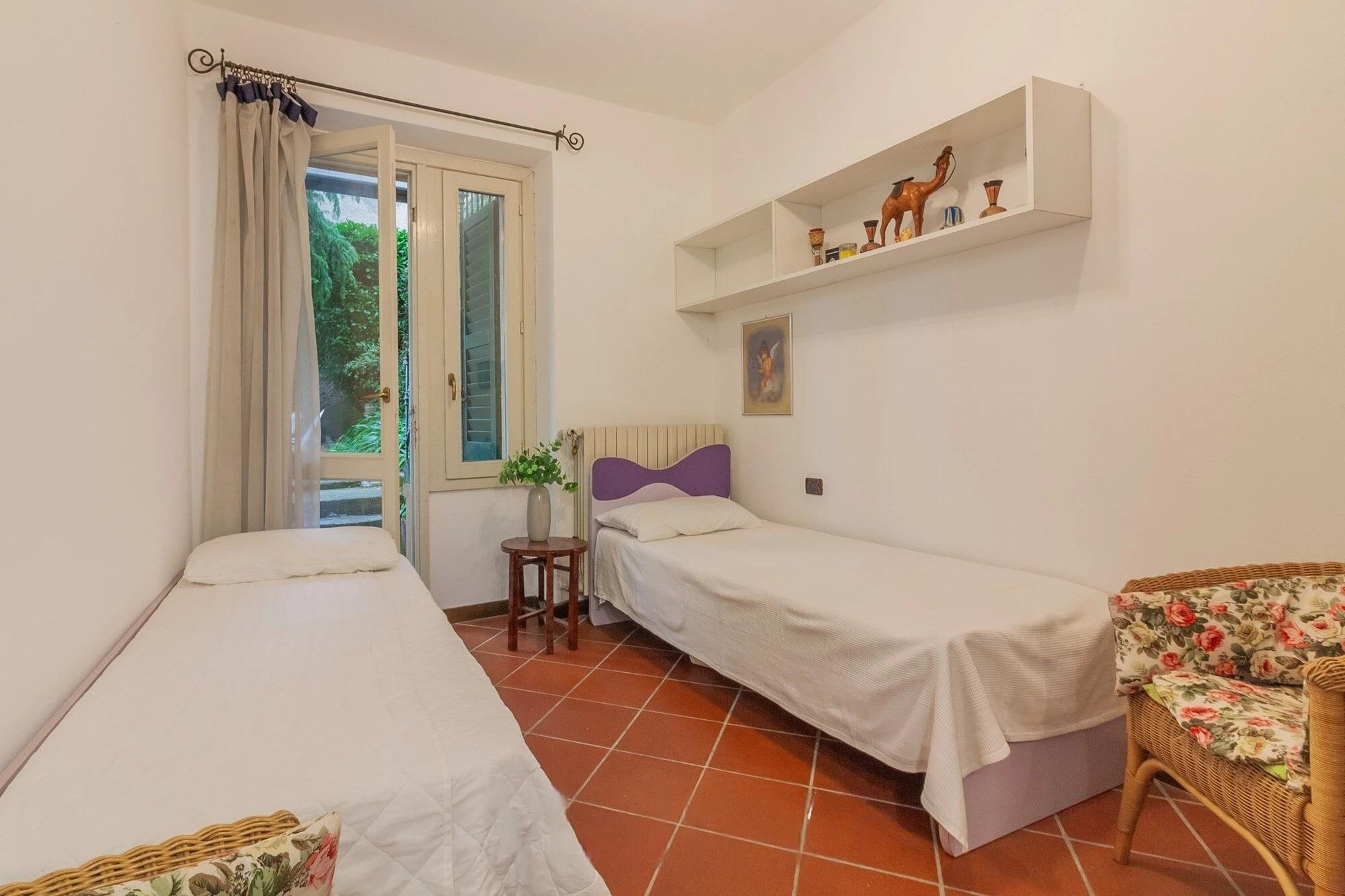
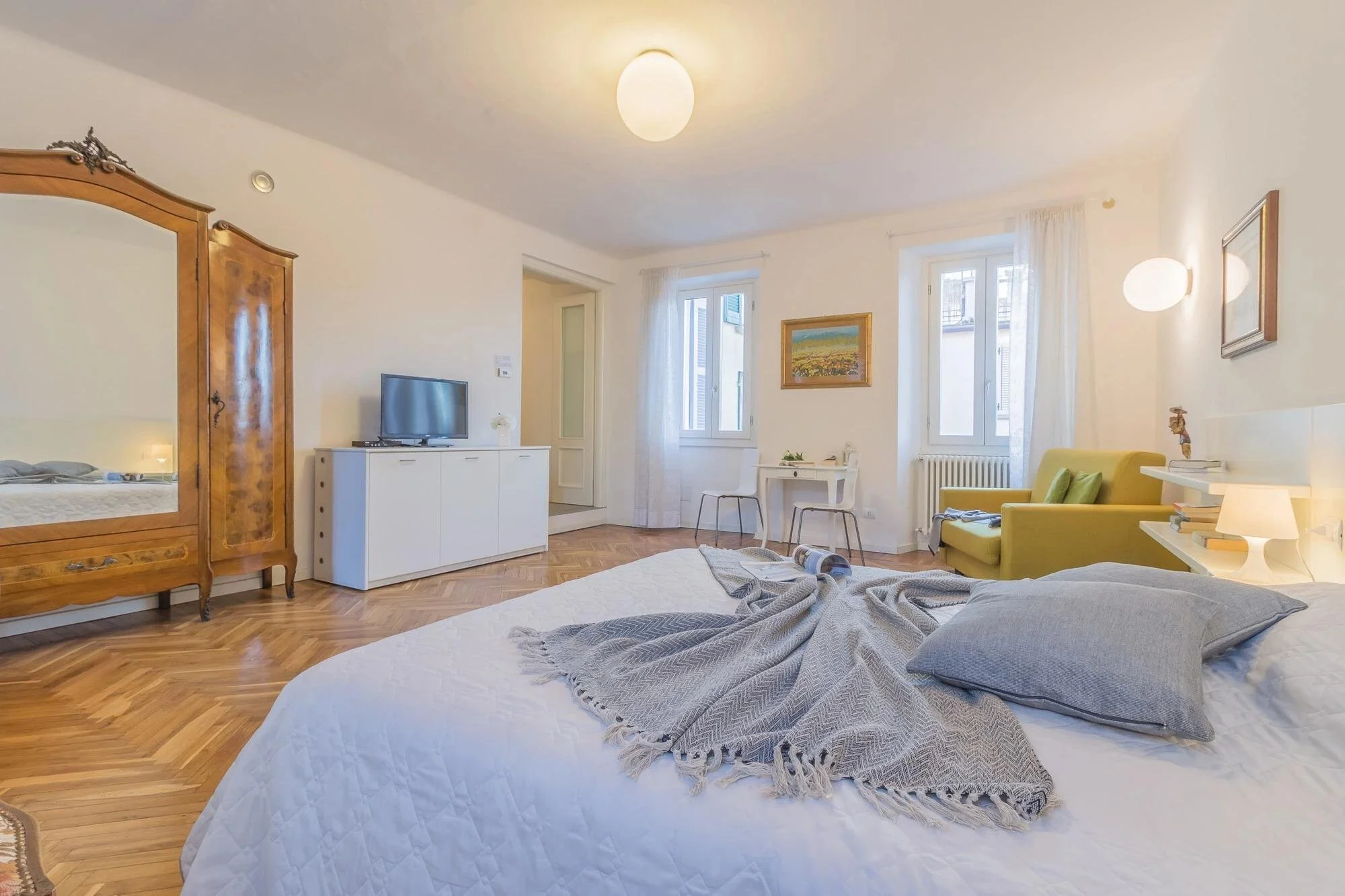
Period-villa setting with lake views
Systems
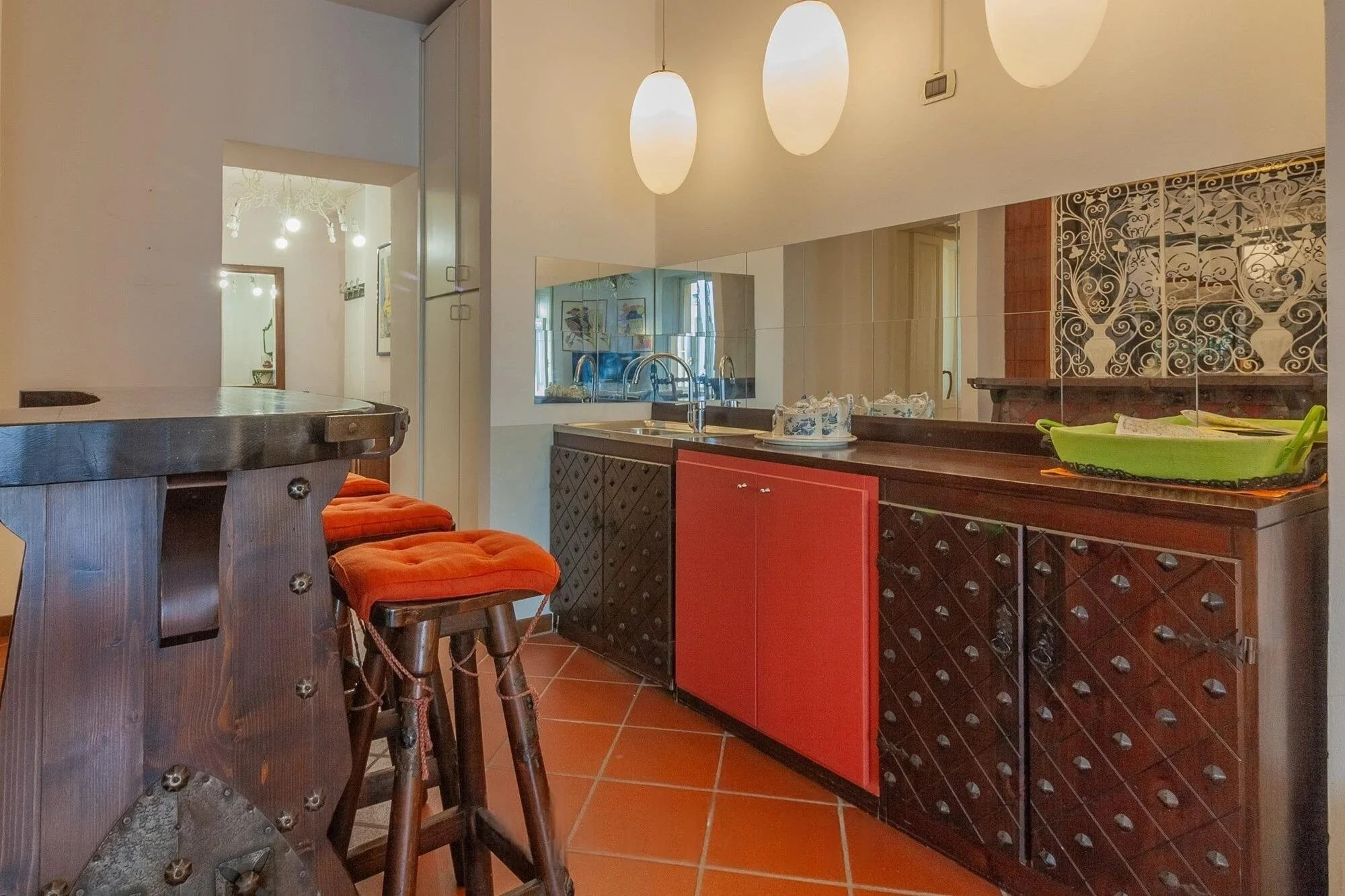
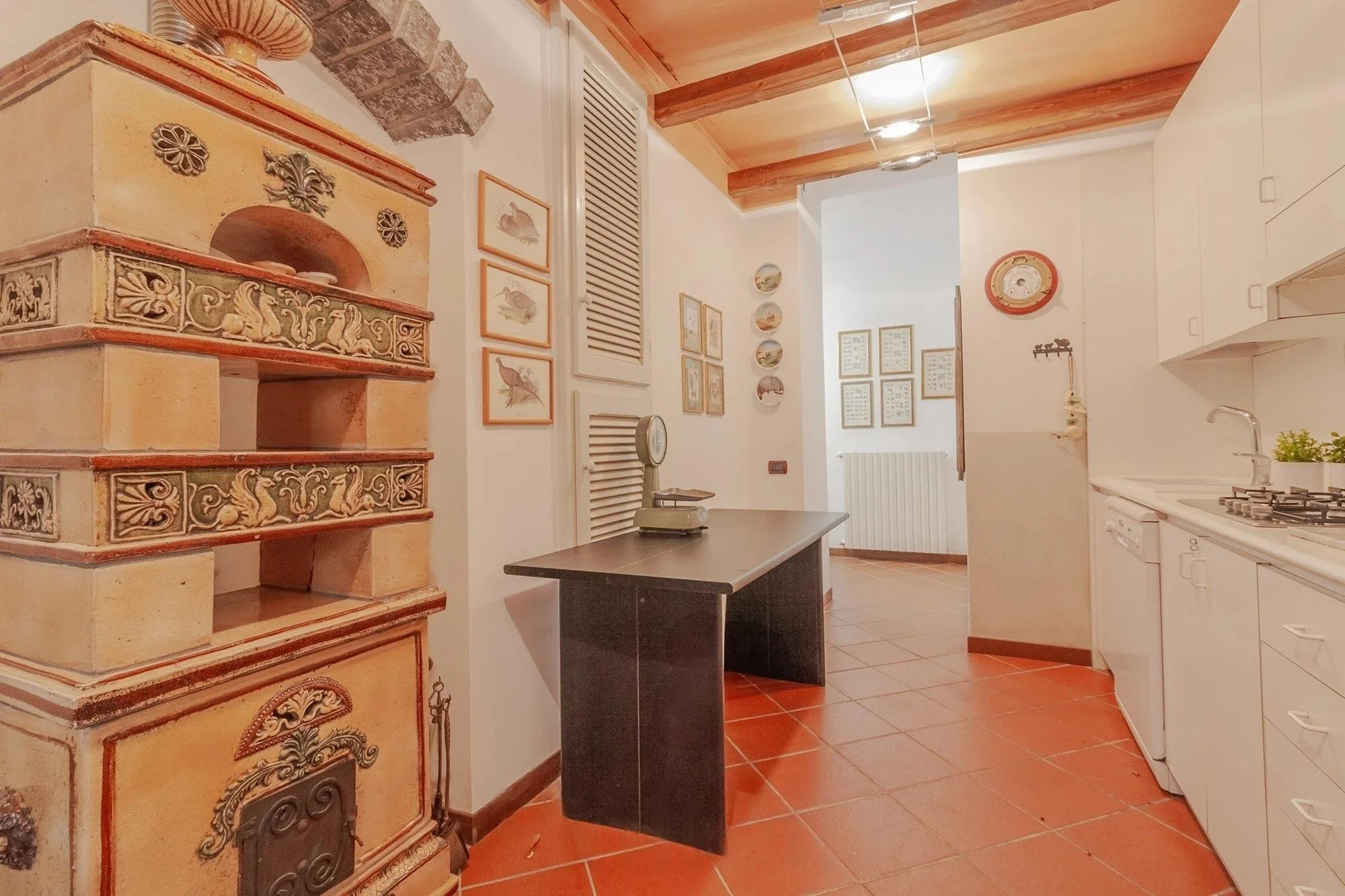
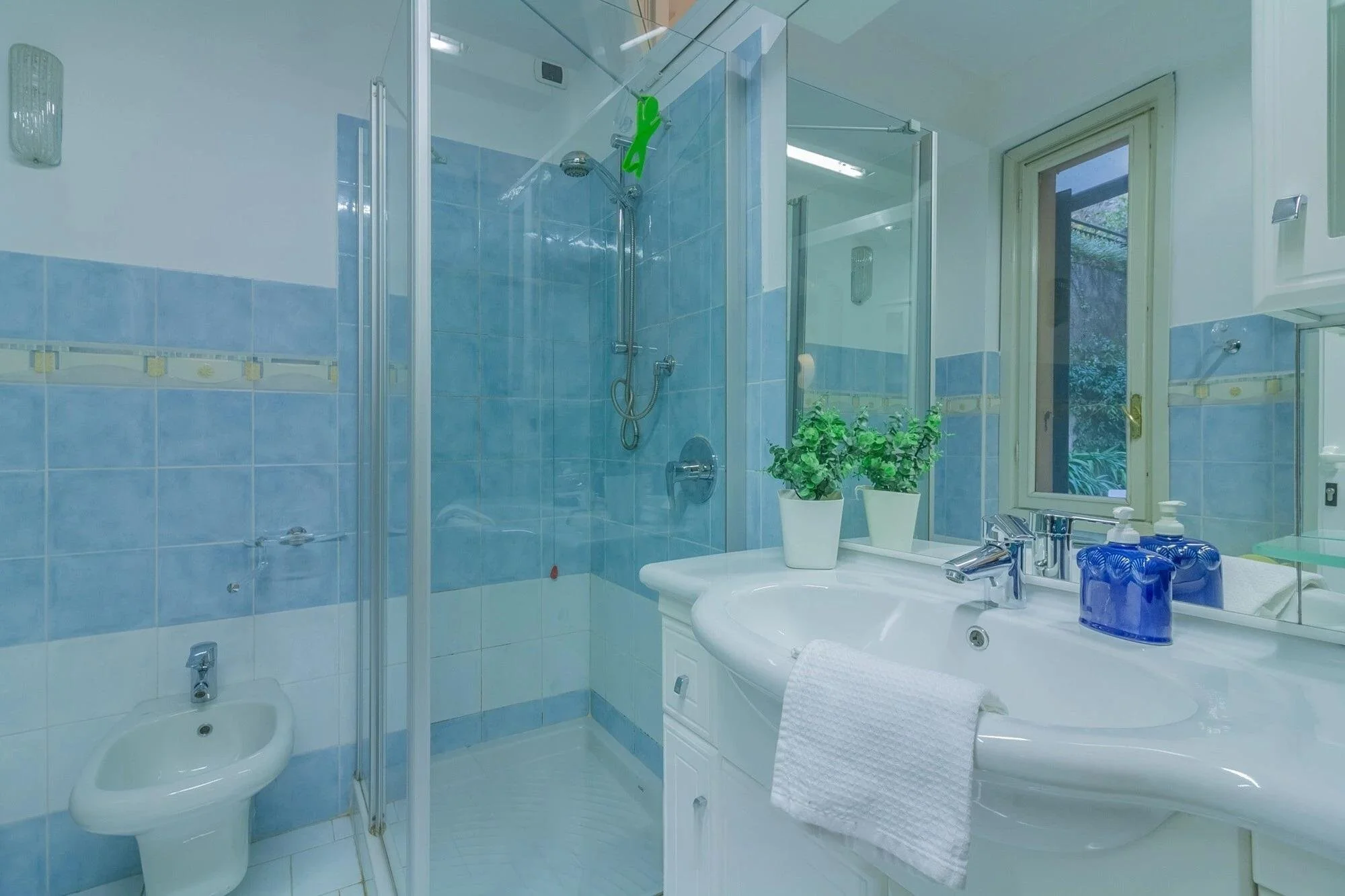
Floor heating throughout, fireplace, modern bathrooms
Renovation background
Sensitively restored in the 1980s
Lifestyle angle
Rare combination of lake views, garden and parking within walking reach of Varenna
Key due diligence themes
Autonomous legal status within the villa, condominium structure, energy documentation, garden and parking title position, condition of 1980s systems, and tourist-rental readiness
Risk Radar
Overview
This is a highly appealing Lake Como property because it combines several features that are genuinely hard to find together: a period-villa setting, direct lake views, private garden, floor heating and two parking spaces. That combination gives it strong lifestyle value and possible rental appeal, especially given its proximity to Varenna.
The main due-diligence issue is that this is not a standalone villa. It is a unit within a larger historic building. That means the buyer is not only buying internal accommodation and exclusive spaces, but also stepping into a shared-building framework. Even if the condominium is small and informal, the buyer still needs to understand legal autonomy, shared parts, maintenance responsibilities and whether the common areas are financially well managed.
The second key issue is whether the garden and parking spaces are truly attached to the unit in title terms, or simply assigned by long use or private agreement. On Lake Como, those two features materially affect value. A "private garden" that is only exclusive use by custom, or two parking spaces that are practically used but not clearly deeded, are worth less than properly documented exclusive rights.
The third issue is the building's age versus the refurbishment era. A sensitive restoration in the 1980s may have been well executed, but buyers should not assume that 1980s systems are equivalent to current standards. Floor heating is attractive, but the system type, age, condition and energy profile matter. The unusual "Energy Class N" wording needs resolving early because in Italy the APE should be a straightforward sale document, not an ambiguous listing label.
The fourth issue is tourist use. Lake Como has strong demand, but a buyer should distinguish marketability from compliance. In Lombardy, tourist accommodation and tourist-let activity sit within a regional identification framework through the CIR, and the national CIN now also matters. Condominium rules can matter too. A beautiful unit in a period villa may still have internal building rules or neighbour sensitivities that affect rental strategy.
Targeted Questions
Title, Cadastral Position and Legal Autonomy
It confirms how the unit is recorded and whether it exists as an autonomous property.
Separate identification is a basic indicator of legal autonomy within the villa.
Buyers need to verify that the current layout matches the filed plan.
Any mismatch can affect compliance, lending and resale.
The buyer needs to know whether the property is independently saleable on clean title terms.
Shared parts create shared cost exposure and affect future decision-making.
Third-party rights can reduce privacy and practical control.
Buyers need clarity on whether any registered burdens attach to the property.
Agibilità, Renovation History and Documentation
Agibilità remains a core element of lawful usability and sale confidence.
Buyers should confirm that later upgrades align with the recognised usable configuration.
"Sensitive restoration" can range from decorative work to full structural and systems renewal.
More recent works may materially improve or complicate the technical picture.
Invoices help verify scope, quality and recency.
Later internal or systems changes may still need documentary alignment.
Transferable support can reduce early ownership risk.
Buyers should know whether the legal file has ever needed correction.
Condominium Structure and Shared-Building Health
A formal condominium usually means clearer rules, accounts and maintenance processes.
Recurring shared costs affect affordability and investment returns.
Buyers need to know whether they are paying for insurance, gardens, common lighting, roof reserves or broader upkeep.
A small number of units can feel more private, but can also increase each owner's exposure to major works.
The building culture can materially affect noise, upkeep and neighbour expectations.
Meeting minutes often reveal upcoming costs, disputes and maintenance concerns.
Special works can materially affect the real purchase price.
Shared-building condition is a central risk in a period-villa purchase.
Weak condominium finances can create future stress and cost-shifting.
Internal rules can materially affect both lifestyle and rental plans.
Garden, Parking and Exclusive Rights
Ownership is stronger than mere assigned use.
High-value external space should be documented precisely.
Exclusive enjoyment can be reduced by practical shared-use rights.
Maintenance responsibility affects both cost and control.
Buyers should know how free they are to use and shape the space.
Parking value depends on legal attachment, not current practice.
Assigned use is weaker than clear legal title.
Practical usability matters as much as formal inclusion.
Guest practicality affects both lifestyle use and rental potential.
Heating, Energy and Systems
The APE should be available in the sale process and helps clarify the real energy position.
A vague energy label is not a substitute for a valid certificate.
An outdated certificate can misrepresent true performance.
System type materially affects running costs, maintenance and comfort.
Older systems can be efficient or costly depending on age and design.
Lake-view charm does not offset unexpectedly high winter bills.
Comfort and premium rental appeal can depend on effective summer cooling.
Window quality strongly affects comfort, noise and efficiency.
Period-villa beauty does not guarantee good thermal performance.
A functional fireplace is useful; a decorative-only one should not be overvalued.
Safety and maintenance liability matter, especially in shared historic buildings.
Older systems can create hidden upgrade costs.
Building Condition and Shared Technical Risk
Roof risk in a shared period villa can become a major future cost.
Period lake-area buildings can be vulnerable to moisture-related issues.
Shared structural defects affect all owners and can be expensive.
Water-management issues are a common source of special works.
Small-building conflict can materially affect ownership experience.
Access, Location and Daily Use
Practical access can be more difficult in Lake Como settlements than maps suggest.
Accessibility matters for daily living, guests and future resale appeal.
This affects usability for older buyers, luggage and rental practicality.
Premium buyers increasingly expect real connectivity.
Thick period walls can materially affect signal quality.
Real convenience matters more than a general statement about proximity to Varenna.
Rail access can be a major benefit on Lake Como if it is genuinely usable.
Seasonal character can affect both residential enjoyment and rental strategy.
The villa setting may feel private, but neighbour behaviour still matters.
Rental Potential and Regulatory Position
Past use offers real evidence of demand and operational suitability.
Verified performance is more useful than generic Lake Como optimism.
In Lombardy tourist accommodation and tourist lets require the regional CIR.
The national CIN now also needs to be obtained and displayed within the required timeframes.
Buyers should understand the actual registration pathway before underwriting rental income.
Internal building rules can be just as important as public law for a villa unit.
Gross-rate assumptions often overstate true profitability.
Buyers should test whether the value-driving features are truly monetisable.
Negotiation Intelligence
Buyer Leverage
Medium-High
Key Drivers
Typical Negotiation Range
5-15% below asking
Neutral Phrasing Examples
Country Layer
Italy (Regulatory Context March 2026)
Key Italian requirements for buyers:
A buyer looking at Lake Como should not ask only whether short lets are popular. The more useful question is whether this exact unit, in this exact building, can cleanly support the regional CIR process, the national CIN process and the condominium-rule position at the same time. On high-demand lakeside stock, operational friction often sits in the building rules and the paperwork, not in guest demand.
Viewing Strategy
When you view this property, inspect it in two layers.
Next Step
Verify from the listing:
Autonomous legal status within the villa
Request the visura catastale, planimetria and agibilità documents so you can confirm that the unit is properly autonomous and that the current layout and systems align with the legal file.
Garden and parking rights
Ask for documentary proof showing whether the 150 m² garden and the two outdoor parking spaces are deeded to the unit or only assigned by use, because these features materially affect value on Lake Como.
Condominium finances and future works
Review the regolamento di condominio and recent meeting minutes so you can understand the fees, any planned extraordinary works, and whether building rules could affect garden use or tourist rentals.
APE and floor-heating performance
Request the current APE and details of the floor-heating system, because the unusual “Energy Class N” wording needs to be resolved before you can judge comfort and running costs properly.
Tourist-rental registration route
Clarify whether the property already has, or can obtain, the Lombardy CIR and national CIN, and whether the condominium rules support the short-let strategy you might have in mind.
A prepared buyer should approach the agent calmly and frame questions as due diligence. For example: “To help me assess the property properly and prepare a serious offer, could you share the cadastral and agibilità documents, proof of the garden and parking rights, the condominium minutes and rules, and the current APE and rental-registration position?”
Because this is a Lake Como villa unit where external rights, shared-building exposure and rental positioning all materially affect value, run it through the Property Risk Assessment to test title and building-level risk, or use the Rental Yield Calculator once the CIR/CIN path and true running costs have been properly verified.
Disclaimer: The Property Drop is buyer-focused intelligence, zero sales agenda. We curate exceptional properties, in southern Europe, from third-party agents and arm you with decision tools. No commission, no transactions, no agent partnerships, no skin in the game beyond helping you choose wisely. Information stays accurate until it doesn't (properties sell, prices shift, markets move). Everything here is shared for informational purposes only and should not be treated as legal, financial, or investment advice. Images belong to original agents. Read our Terms of Service to learn more.
IMPORTANT REMINDER: When contacting property agents featured on The Property Drop, you are entering into direct communication with third parties. It's recommended that you verify all property details independently, conduct thorough due diligence, engage qualified professionals (solicitors, surveyors, financial advisors), understand your rights and obligations under local property laws, and never send money or make commitments without proper legal protection.
