
The Buyer Playbook: Converted Locksmith's Workshop with 360° Rooftop Views, UNESCO Elvas, Portugal €290,000
Buyer Playbook
Pre-Viewing Intelligence Report
This independent buyer guidance report relates to this specific property located in Portugal. It is provided for informational purposes only and does not constitute legal, tax, structural or survey advice. Heritage restrictions, change of use, licensing, energy-certification status, water, rental and land-use matters, title position, rooftop rights, and any shared-building responsibilities must always be verified with qualified Portuguese professionals such as an advogado, arquiteto, engenheiro, surveyor or licensed property consultant, and with the relevant municipal and heritage authorities. This report is designed to help buyers evaluate the property before arranging a viewing or making an offer. It highlights due diligence issues and targeted questions to ask the agent. The analysis is based on the listing details and publicly available regulatory context at the time of writing. It follows the fixed Buyer Playbook structure used for The Property Drop.
Playbook Contents
Property Snapshot
Location
Elvas, Alentejo, Portugal, within the UNESCO-listed fortified town.
Property type
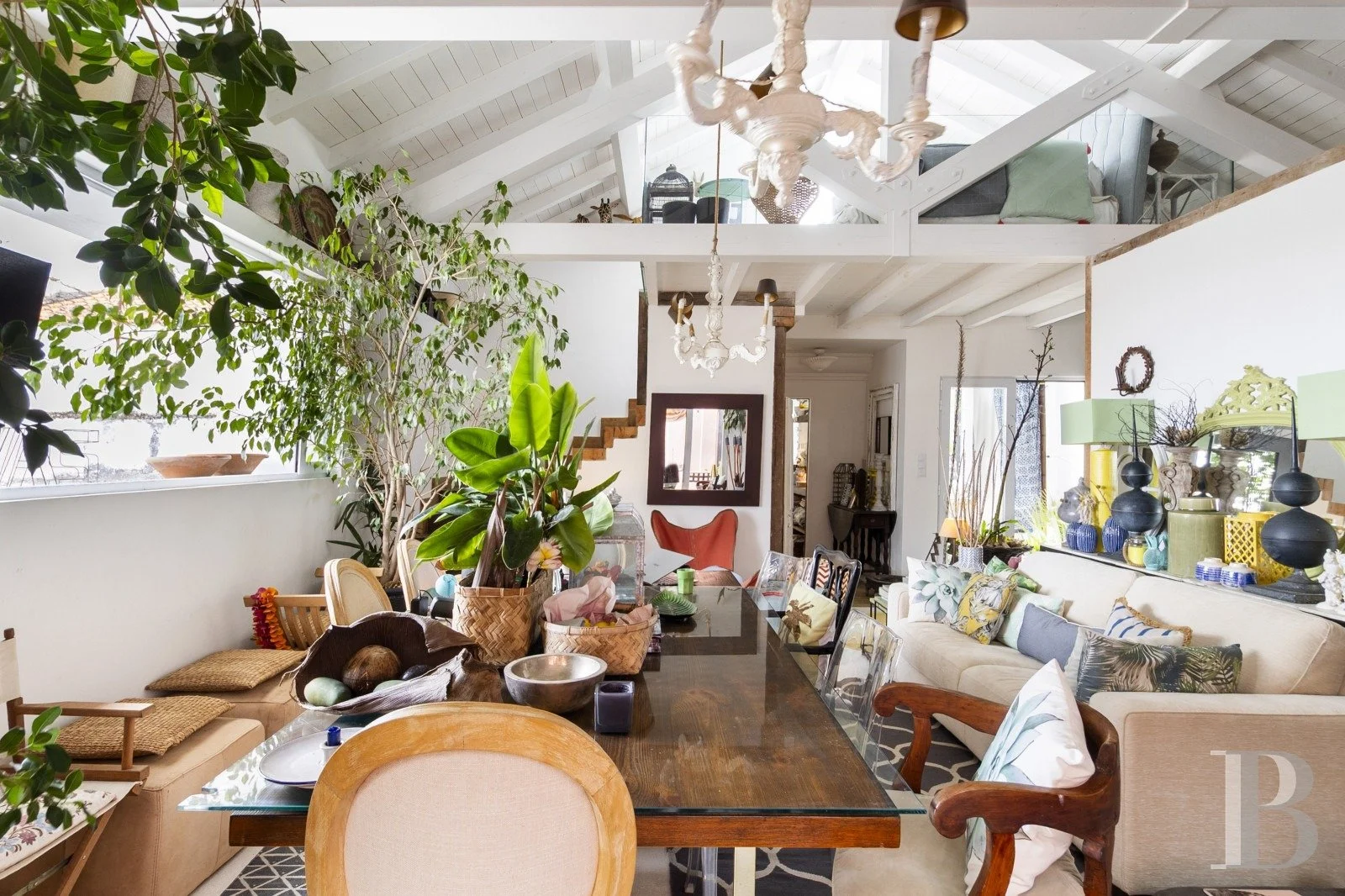
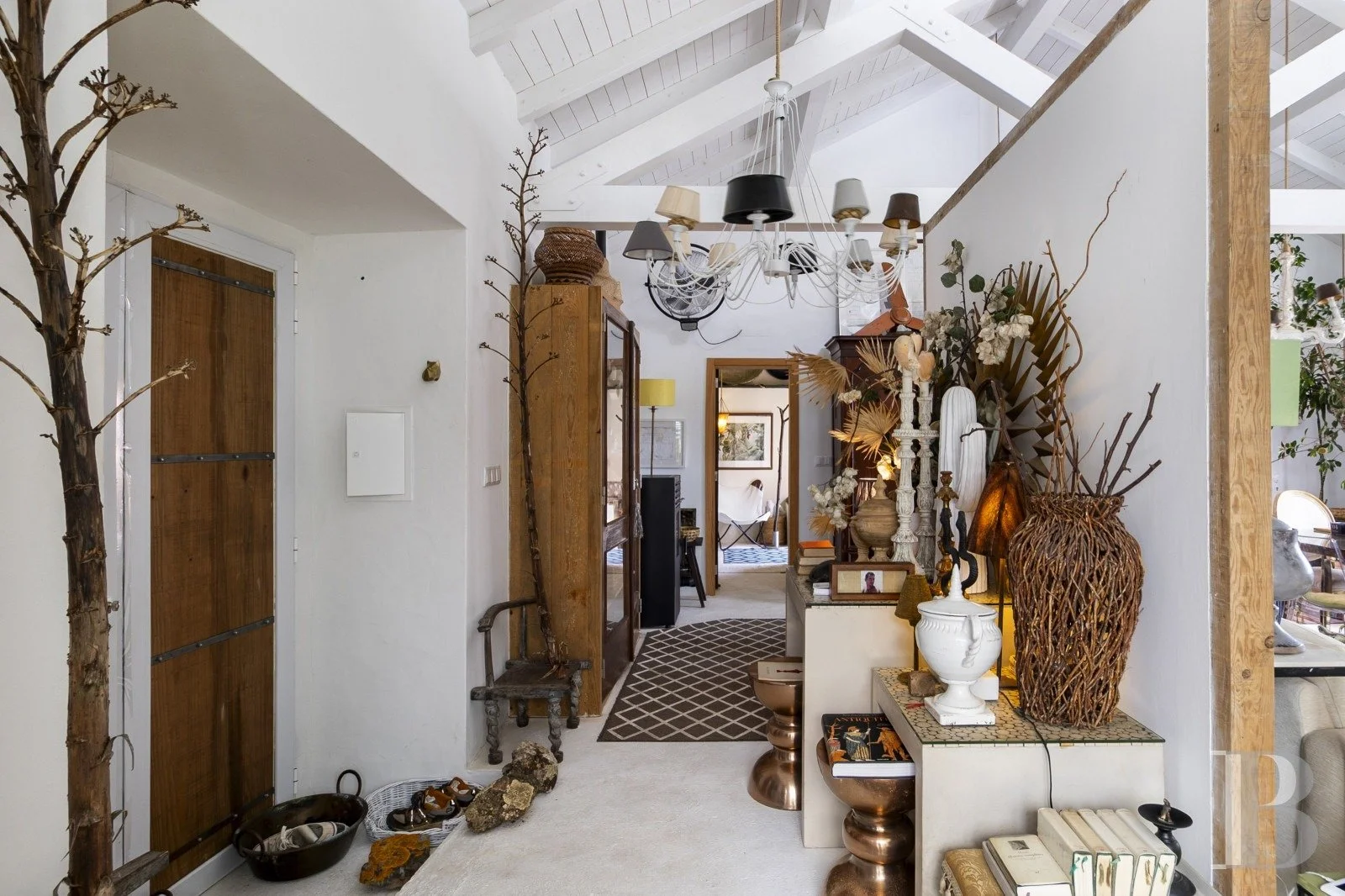
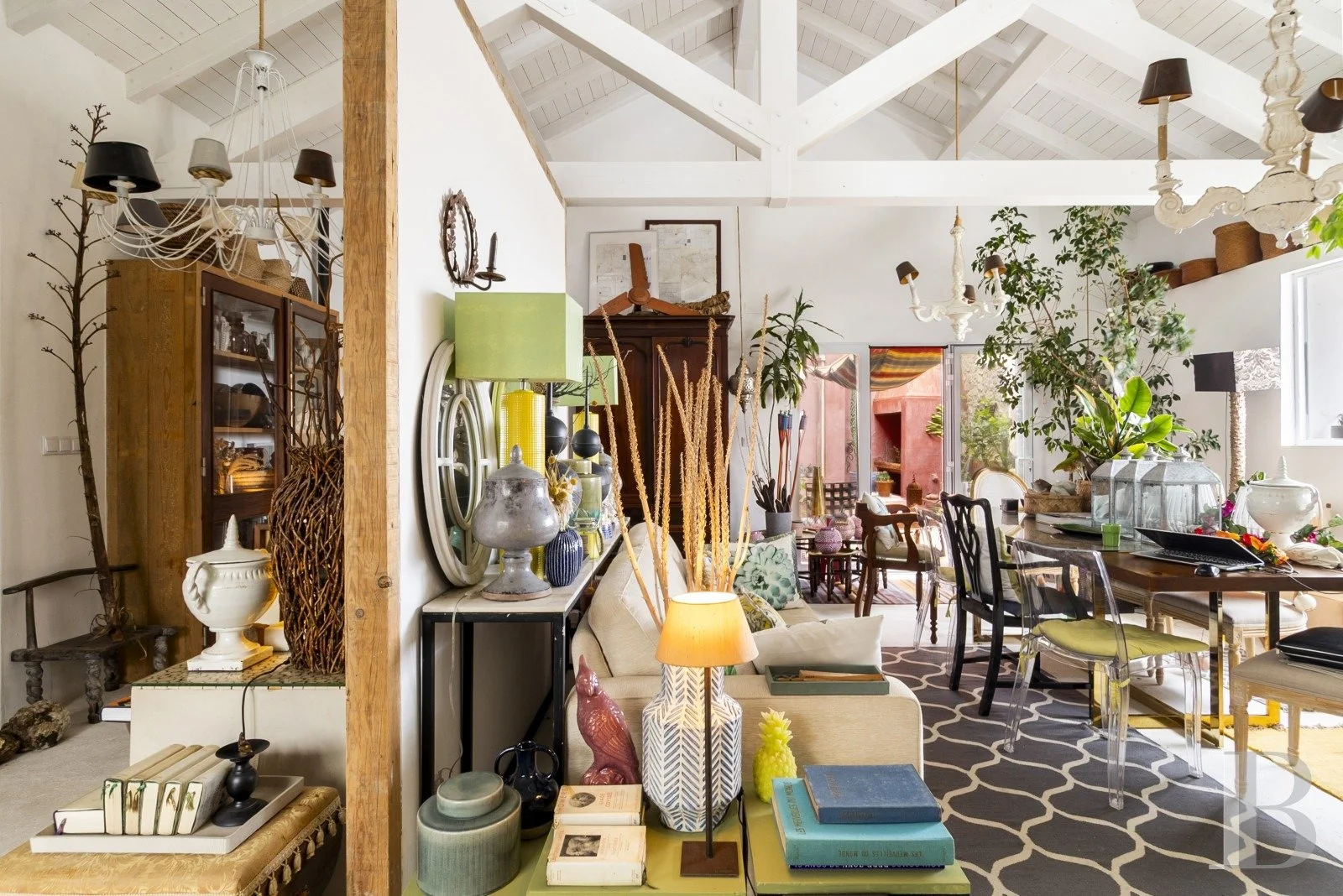
Converted locksmith's workshop now used as a residential character home.
Asking price
€290,000
Bedrooms
1
Bathrooms
2
Internal area
120 m²
Energy rating shown in listing
"Energy Class N"
Layout highlights
Mezzanine level, patios, single change in level throughout.
Standout feature
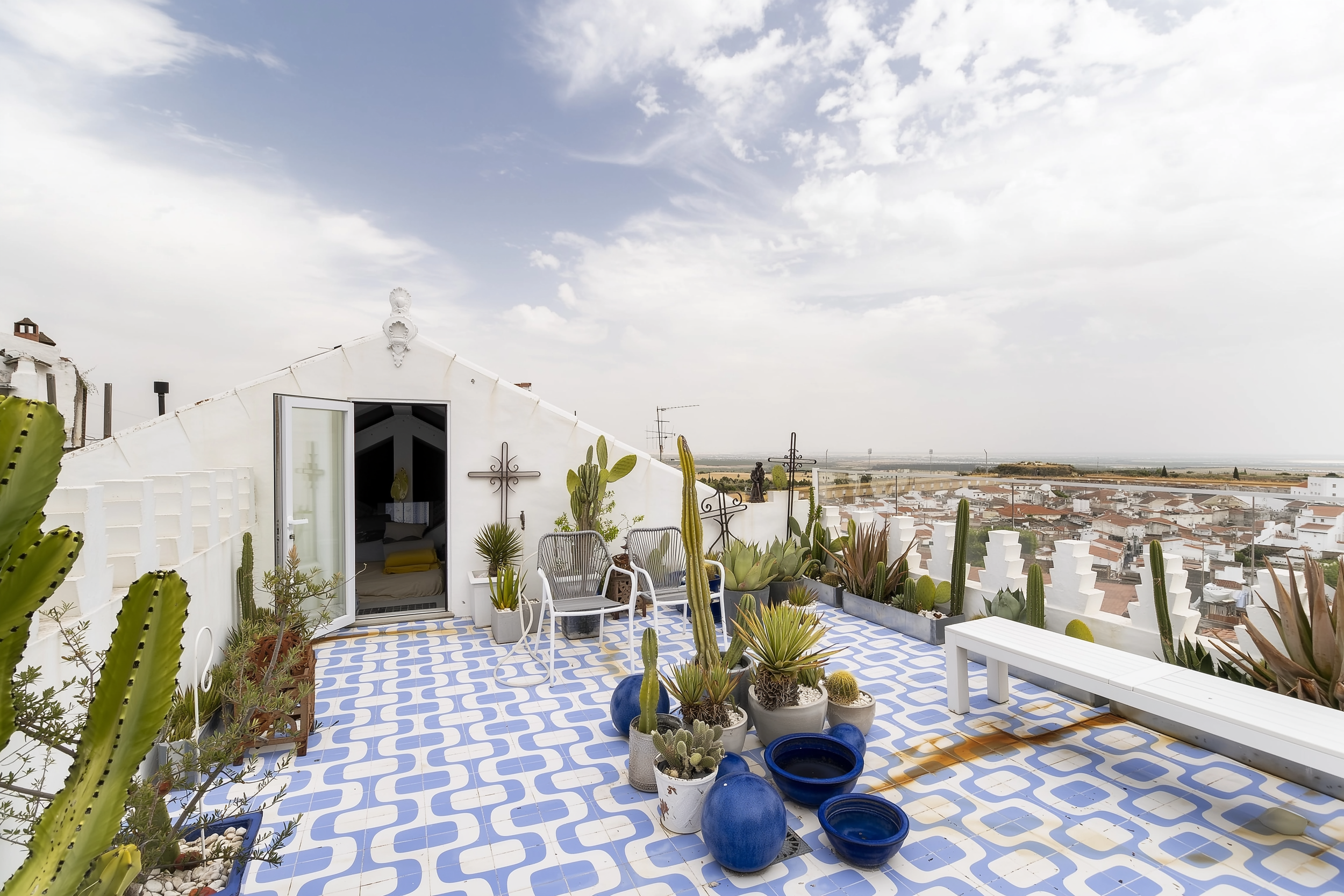
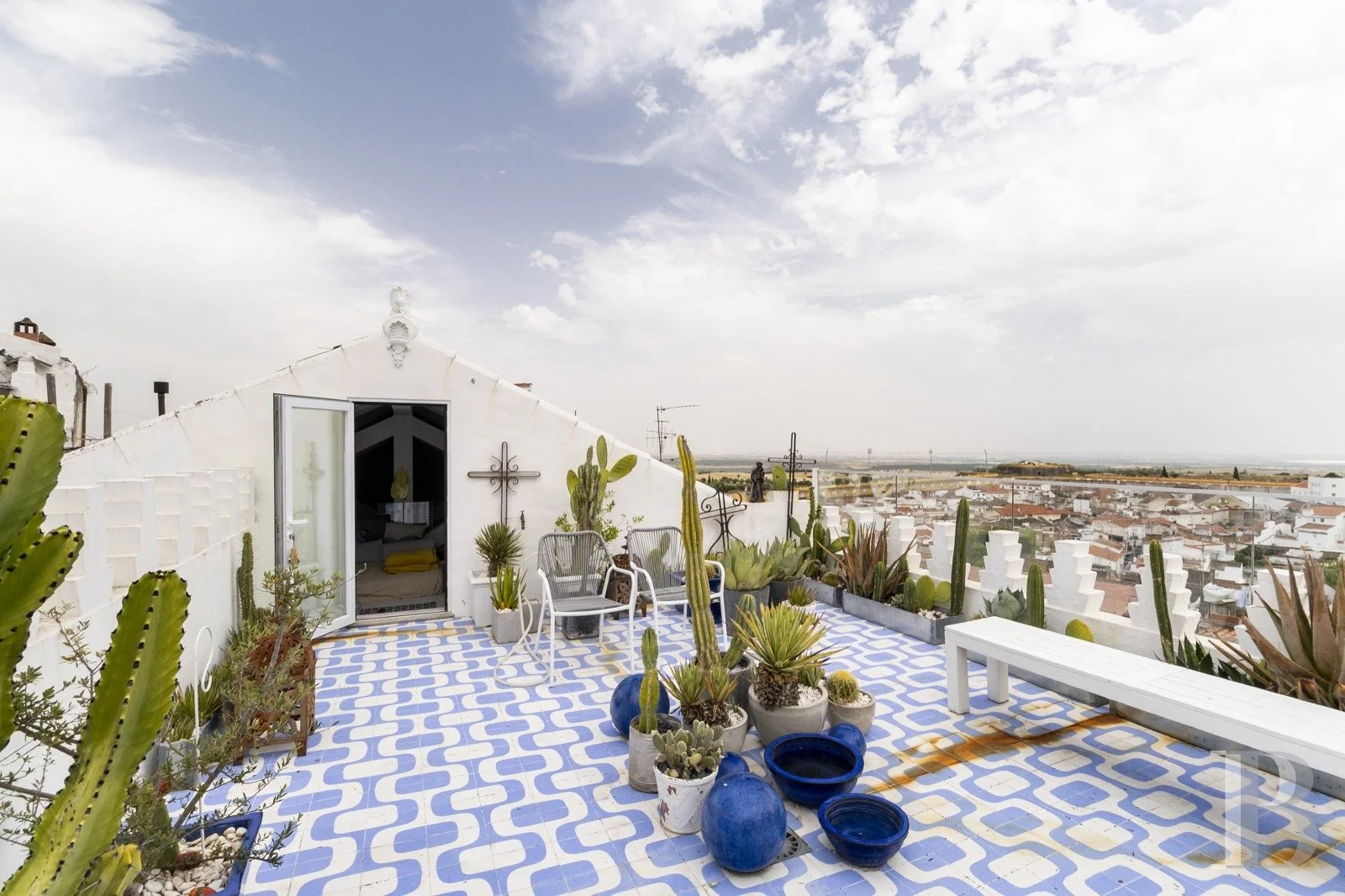
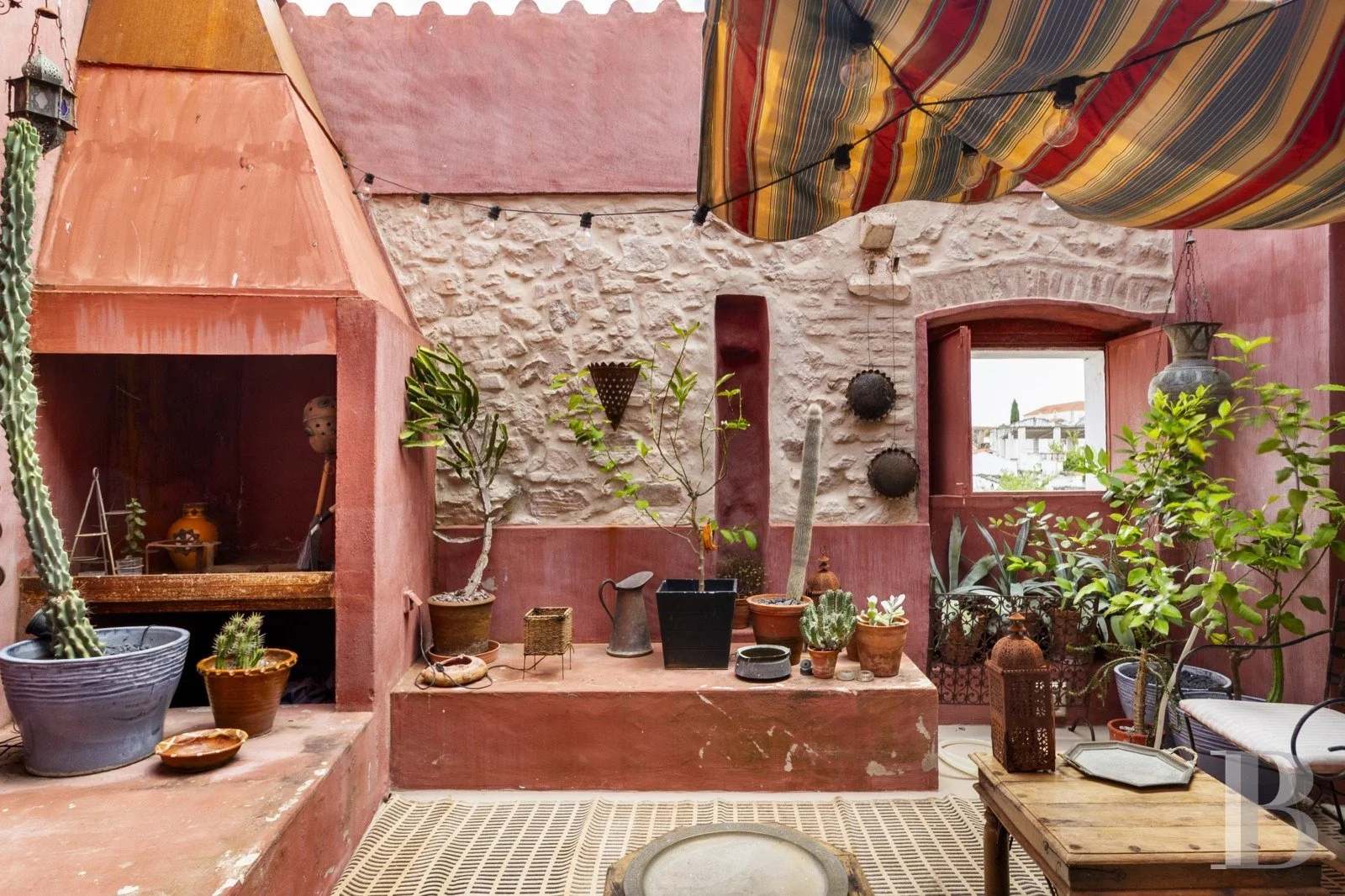
Açoteia rooftop terrace with 360° views.
Heritage and decorative elements
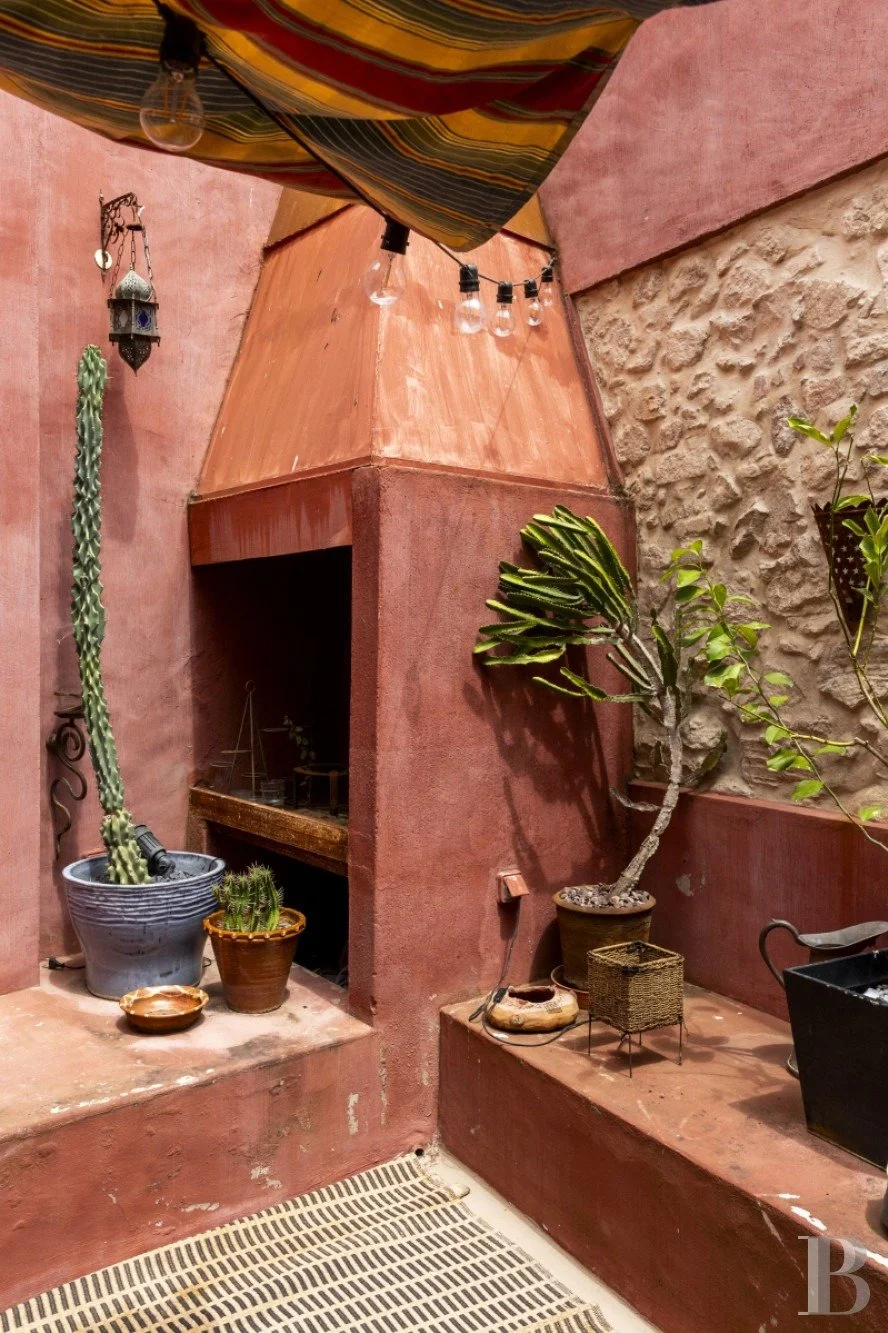
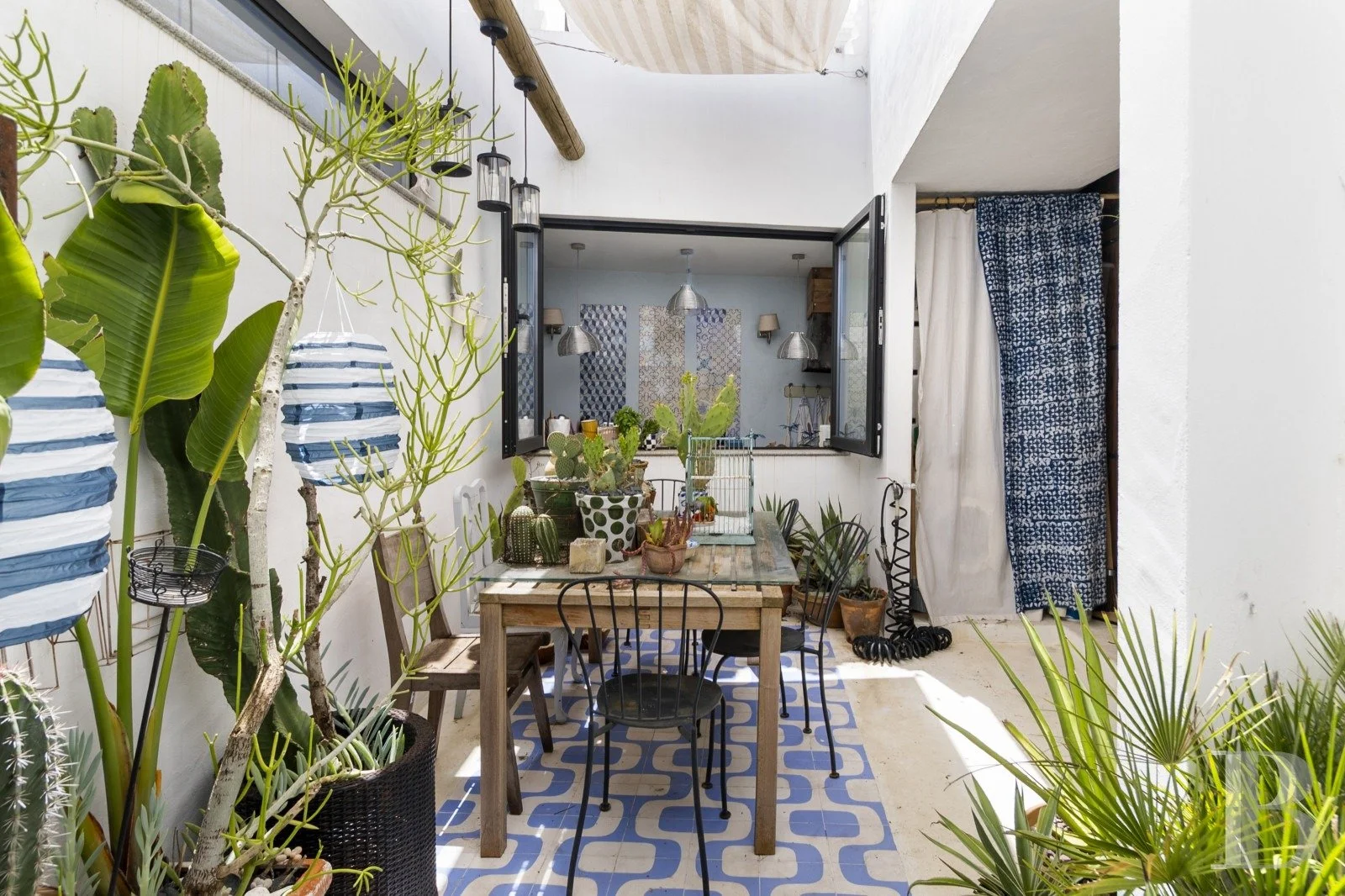
Original forge repurposed as winter fireplace, Estremoz cement tiles, 19th-century Lisbon azulejos, hand-modelled Islamic ornaments.
Positioning
No direct neighbours, fortified-hill location, character home or creative retreat potential.
Risk Radar
Overview
This is exactly the sort of property that can be either a brilliant niche buy or an unexpectedly technical one. The attraction is obvious. It is not just a small house in Elvas. It is a converted workshop in a UNESCO-listed fortress town, with preserved industrial character, Moorish and Portuguese decorative elements, a rooftop terrace with 360° views, and a layout that feels more like a retreat than a standard home. That rarity is the appeal, but it is also the main due-diligence trigger.
The first and most important issue is legality of conversion. This property was not originally built and used as a standard residence. The buyer therefore needs to verify not only renovation permits, but the formal change of use from workshop or commercial/industrial use into residential use, together with the current licença de utilização. Portugal's official property-sale guidance identifies the licença de utilização as a key sale document, and it should reflect the property's present lawful use.
The second issue is heritage control. Elvas is a UNESCO World Heritage property whose inscribed area includes the Historic Centre. Portugal's heritage authority states that it intervenes in classified cultural heritage and respective protection zones, which means a buyer should not assume freedom to alter rooftop elements, external finishes, openings or decorative features just because the conversion has already happened.
The third issue is the energy position. "Energy Class N" is not a normal residential performance class in Portugal. The SCE public FAQ states that a sale cannot normally proceed without a certificado energético unless the building falls within an exclusion, so the buyer should treat "N" as something that must be explained with documents rather than as a harmless listing quirk.
The fourth issue is whether the property's special features are as practically clean as they look. The rooftop terrace, forge, mezzanine and "no direct neighbours" language all add value, but each one needs unpacking. The terrace needs title and waterproofing clarity. The forge needs safety and condition clarity. The mezzanine needs plan and use-status clarity. "No direct neighbours" needs to be translated into real wall-sharing, access and maintenance facts.
Targeted Questions
Heritage and Planning
The buyer needs to know whether restrictions arise from the building itself, the wider protected zone, or both.
A document-backed answer is far more useful than a verbal assurance in a heritage setting.
Protected urban areas often carry an extra control layer for façade, roof and visible external works.
A lawful conversion should have a clear municipal paper trail.
The exact legal route matters, not just the statement that the work was approved.
A property can be physically habitable while still carrying the wrong legal use if this was not regularised.
This is one of the core value points of the property and should be evidenced clearly.
Portugal's official property-sale guidance identifies the licença de utilização as a key document in the sale process.
The legal use must match the actual use and layout.
Freedom to alter a UNESCO-area property can be much more limited than buyers expect.
Conditions can limit what the buyer can do even after purchase.
The buyer does not want to inherit unresolved compliance problems.
Conversion Quality and Condition
Timing helps the buyer judge both documentation age and likely wear since completion.
Buyers need to know whether the works were structural, systems-led or mainly aesthetic.
In a former workshop, service upgrades are especially important.
Roof condition is a major cost and risk area in a hilltop heritage property.
Invoices help confirm seriousness, scope and timing.
Remaining cover reduces early ownership risk.
The forge is a rare heritage feature and may also have safety implications if used as a fireplace.
A buyer should know whether this is functional value or visual value.
Provenance affects maintenance, value and future repair choices.
High-character surfaces can be expensive to repair or replace sympathetically.
Converted heritage buildings can conceal moisture problems behind excellent presentation.
Hilltop historic-centre properties need careful structural reading.
Energy Class N and Systems
Portugal's SCE framework expects a valid energy certificate for sale unless a specific exclusion applies, so this designation needs explanation.
The exclusion needs to be real and documentable, not assumed because the property is unusual.
The buyer needs the actual document, not a placeholder label.
A pending certificate is different from a missing or problematic one.
Even without the certificate, the buyer needs a practical view of comfort and costs.
A former workshop conversion may not have a conventional heating profile.
Rooftop and sun exposure can materially affect comfort.
Real bills are a strong check on the "character retreat" narrative.
Window performance is often decisive in older converted buildings.
Character alone does not guarantee livability.
Layout, Mezzanine and Use Practicality
The house is clearly unconventional, so the buyer needs to understand flow and usable space.
The listing language suggests a split-level character that needs clarifying.
A mezzanine only adds clean value if it is properly reflected in the documentation.
Legal classification affects value, use and insurance comfort.
One bedroom and two bathrooms can be attractive, but buyers need to know whether both are full bathrooms.
Vertical layout affects daily practicality.
Character properties are often marketed through flexible use language that needs grounding.
The buyer should match the real plan to the intended lifestyle.
Rooftop Terrace, Patios and Boundaries
The terrace is a major value driver and must be legally clear.
Exclusive use should be documented, not assumed.
Rooftop defects can be expensive and technically sensitive in heritage settings.
Recent work history helps the buyer estimate future cost exposure.
Shared or indirect access can reduce privacy and create future complications.
The listing presents them as integral to the home, so ownership clarity matters.
Unusual former-workshop properties can carry hidden access arrangements.
View durability is part of the value proposition.
Access, Parking and "No Direct Neighbours"
The buyer needs to know whether the property is truly detached or simply unusually private.
Shared elements affect maintenance, privacy and risk.
Hilltop heritage charm can be difficult in practical terms.
Access difficulty can materially affect daily use and future resale.
A unique layout may not suit every buyer profile.
Parking in a fortified historic core is often one of the biggest practical issues.
Buyers need practical reality, not broad reassurance.
The mood of the setting affects both living and rental positioning.
Retreat-like privacy is stronger when everyday convenience still works.
Remote-work potential depends on real connectivity, not just the town's status.
Thick walls and elevated positions can produce uneven signal quality.
Rental Potential
Existing AL status is materially different from needing to apply from scratch.
AL operation requires prior registration through the Portuguese framework.
Protected urban settings can affect signage, works and operational adjustments even if AL is possible.
Real operating history is more informative than theoretical potential.
Unique properties are often overestimated on rental performance.
The buyer needs to understand the real market, not just the romance.
Seasonality affects yield assumptions and ownership strategy.
Negotiation Intelligence
Buyer Leverage
Medium-High
Key Drivers
Typical Negotiation Range
5-15% below asking
Neutral Phrasing Examples
Country Layer
Portugal (Regulatory Context March 2026)
Portugal's official property-sale guidance identifies the licença de utilização as one of the key documents in a sale and describes it as the municipal document showing that the property is inspected and in accordance with the applicable legislation. For a converted workshop, that matters even more than usual because the buyer needs confirmation not just of general legality, but of lawful residential use in the property's present form.
For this specific property, the practical country-layer takeaway is simple. Verify the conversion and change-of-use paper trail, verify whether the building is exempt from energy certification or simply undocumented, verify the extent of heritage-control exposure in the UNESCO setting, and verify AL feasibility with the municipality before treating "retreat" or "character-rental" potential as bankable.
Viewing Strategy
During the viewing:
Next Step
Verify from the listing:
Change of use and conversion legality
Ask for the workshop-to-residential approval trail, including any permits, the updated licença de utilização, and documents proving the property’s current lawful residential status.
UNESCO and heritage-control exposure
Confirm what restrictions arise from the property’s position within UNESCO-listed Elvas, especially for future changes to the roof terrace, openings, finishes and character-defining features.
Energy Class “N” explanation
Request a document-backed explanation of whether the property is genuinely exempt from energy certification or whether a valid certificado energético should already exist for the sale.
Rooftop terrace rights and maintenance
Verify that the açoteia is legally attached to the property, that access is private, and that waterproofing and structural maintenance responsibilities are clearly defined.
Retreat and AL feasibility
Check whether the property already has AL registration or can currently obtain it in Elvas, and whether its unusual one-bedroom, two-bathroom layout genuinely supports the rental or retreat use being imagined.
A prepared buyer should approach the agent calmly and frame questions as due diligence. For example: “To help me assess the property properly and prepare a serious offer, could you share the change-of-use documents, the current licença de utilização, any heritage-related approvals, the energy-certification position, and the terrace title and maintenance information?”
Because this is a converted heritage property where legal status, terrace exposure and rental feasibility all materially affect value, run it through the Property Risk Assessment to test legal and building-level risks, or use the Renovation Budget Planner to model likely future compliance, waterproofing and specialist-maintenance costs before contacting the agent.
Disclaimer: The Property Drop is buyer-focused intelligence, zero sales agenda. We curate exceptional properties, in southern Europe, from third-party agents and arm you with decision tools. No commission, no transactions, no agent partnerships, no skin in the game beyond helping you choose wisely. Information stays accurate until it doesn't (properties sell, prices shift, markets move). Everything here is shared for informational purposes only and should not be treated as legal, financial, or investment advice. Images belong to original agents. Read our Terms of Service to learn more.
IMPORTANT REMINDER: When contacting property agents featured on The Property Drop, you are entering into direct communication with third parties. It's recommended that you verify all property details independently, conduct thorough due diligence, engage qualified professionals (solicitors, surveyors, financial advisors), understand your rights and obligations under local property laws, and never send money or make commitments without proper legal protection.
