
The Buyer Playbook: 1940 Townhouse Fully Restored, Double Patios and Seville Views, Gelves, Spain €333,000
Buyer Playbook
Pre-Viewing Intelligence Report
This independent buyer guidance report relates to this specific property located in Spain. It is provided for informational purposes only and does not constitute legal, tax, structural or survey advice. Restoration permits, occupancy status, title position, patio rights, energy-certification status, tourist-rental eligibility, any community obligations, and any shared-access or neighbour-related matters must always be verified with qualified Spanish professionals such as an abogado, arquitecto, arquitecto técnico, surveyor or licensed property consultant, and with the relevant municipal and regional authorities. This report is designed to help buyers evaluate the property before arranging a viewing or making an offer. It highlights due diligence issues and targeted questions to ask the agent. The analysis is based on the listing details and publicly available regulatory context at the time of writing.
Playbook Contents
Property Snapshot
Location
Gelves, near Seville, Andalusia, Spain.
Property type
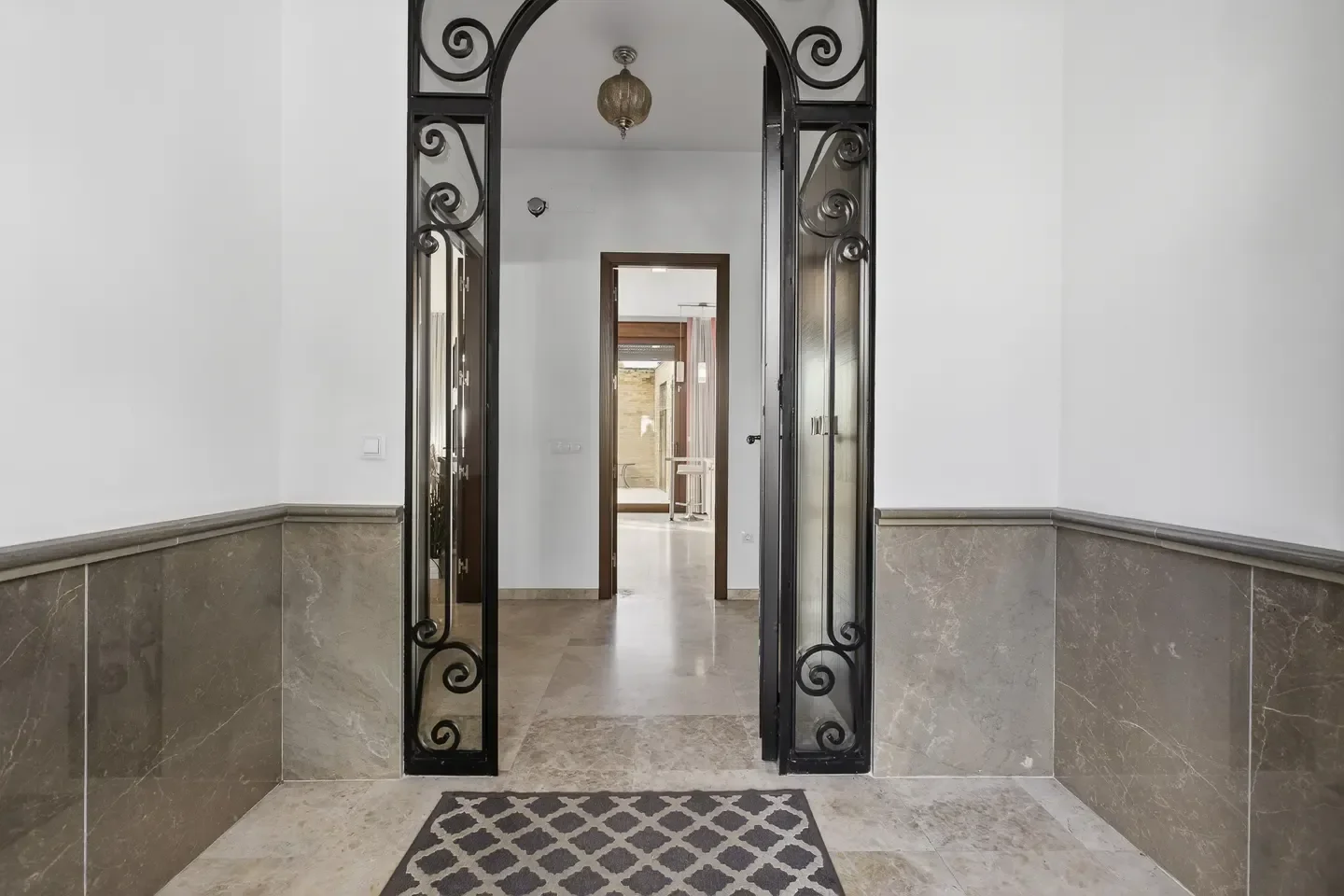
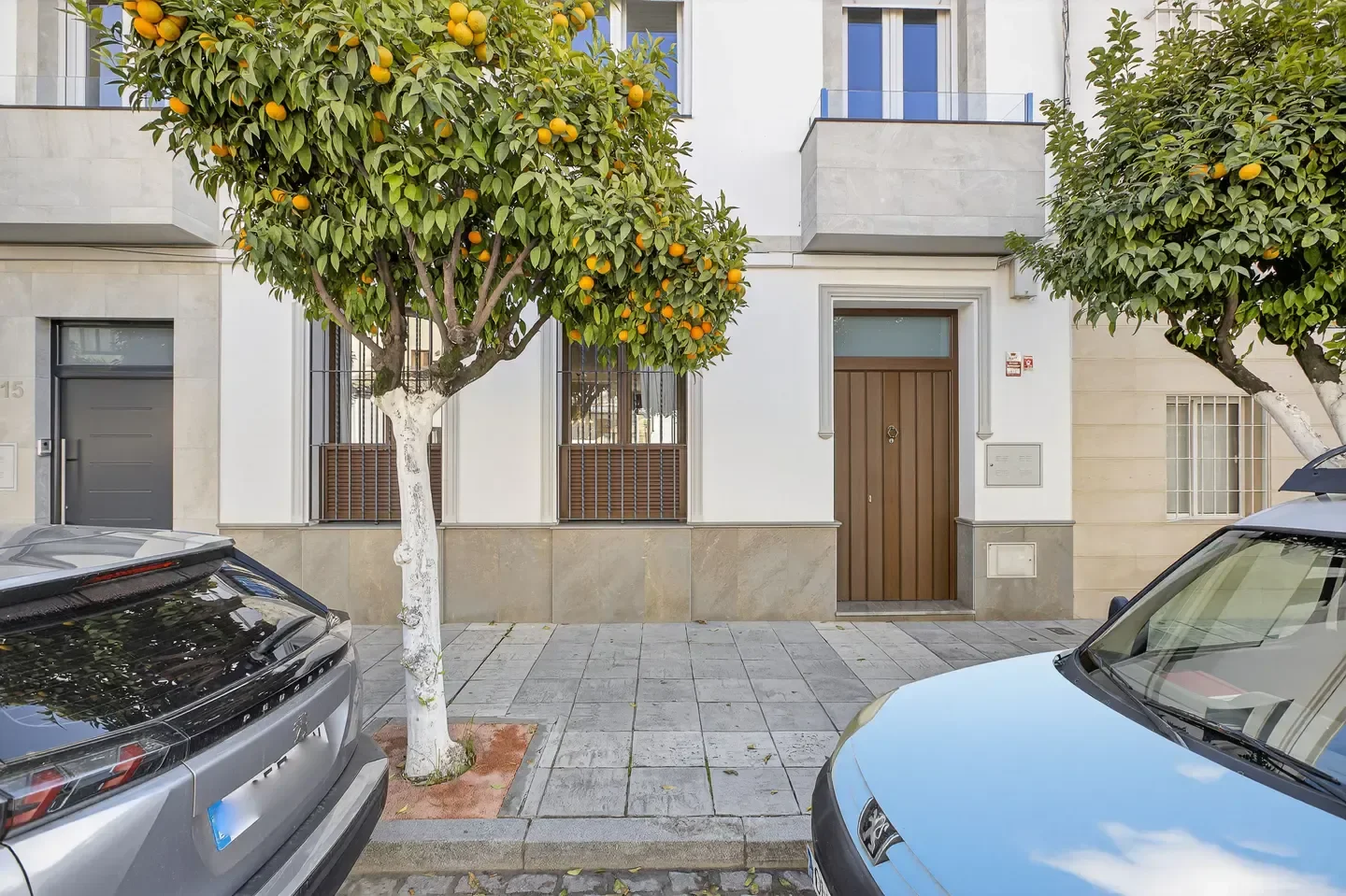
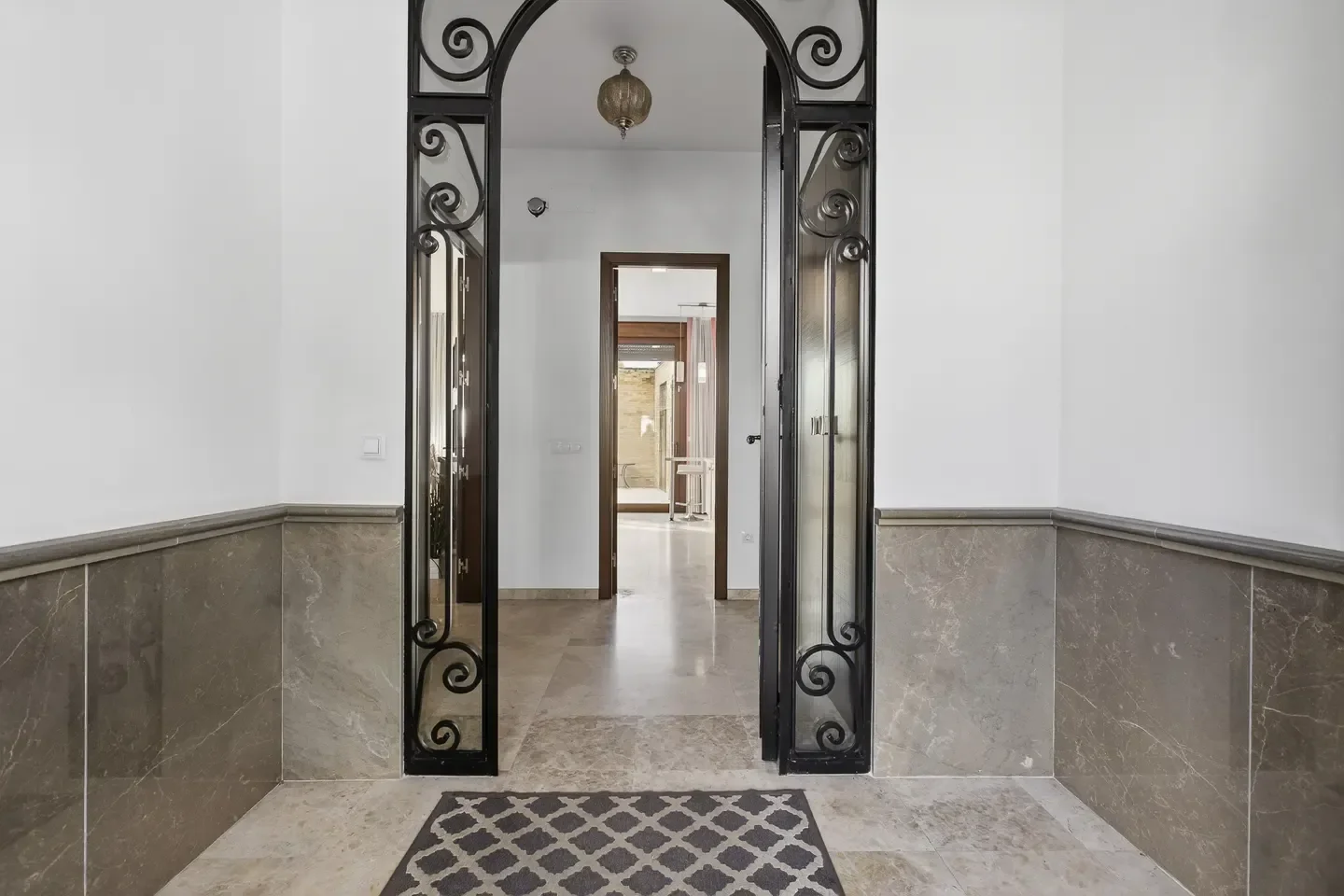
Restored 1940 townhouse.
Asking price
€333,000.
Bedrooms
4.
Bathrooms
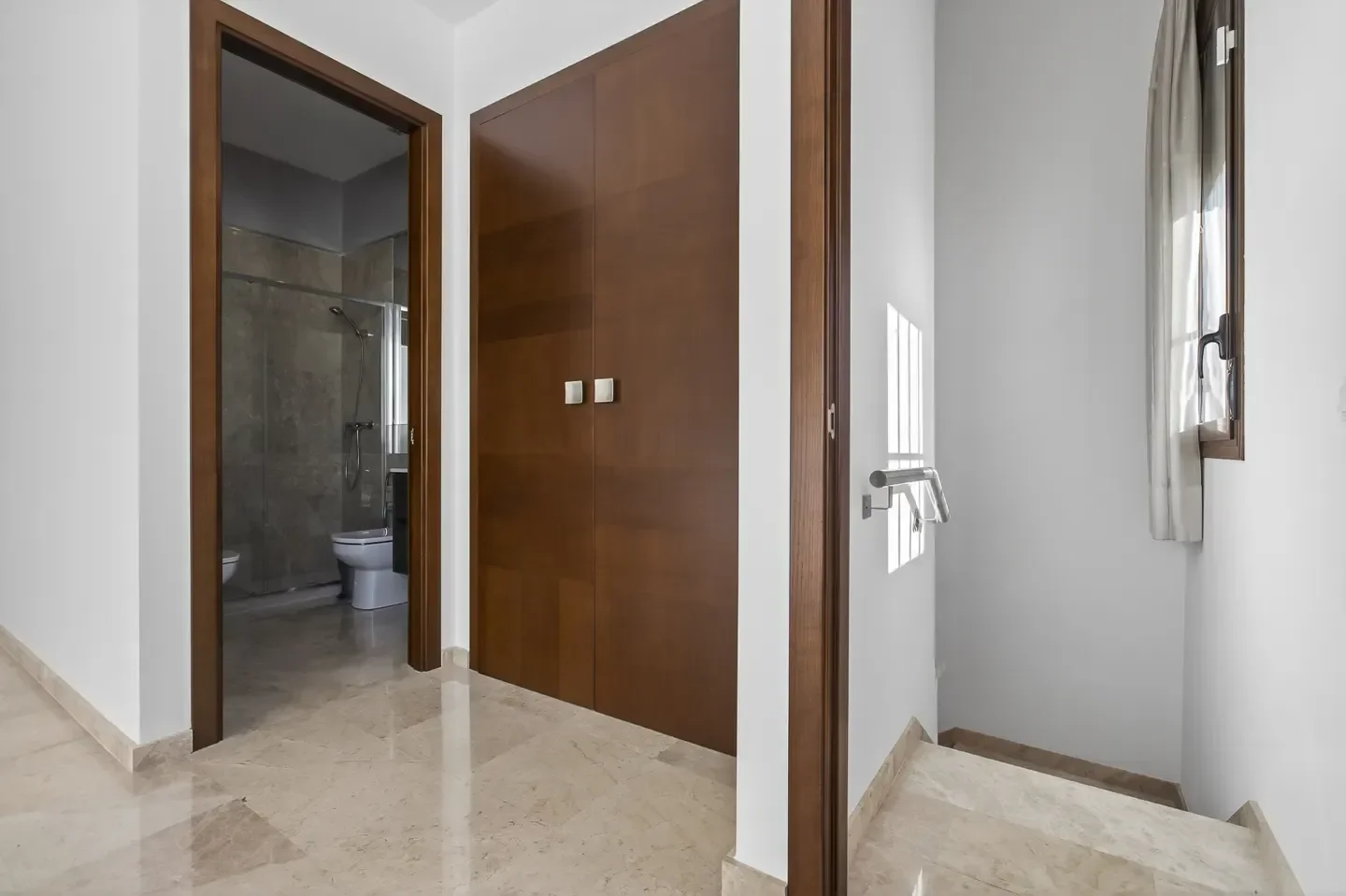
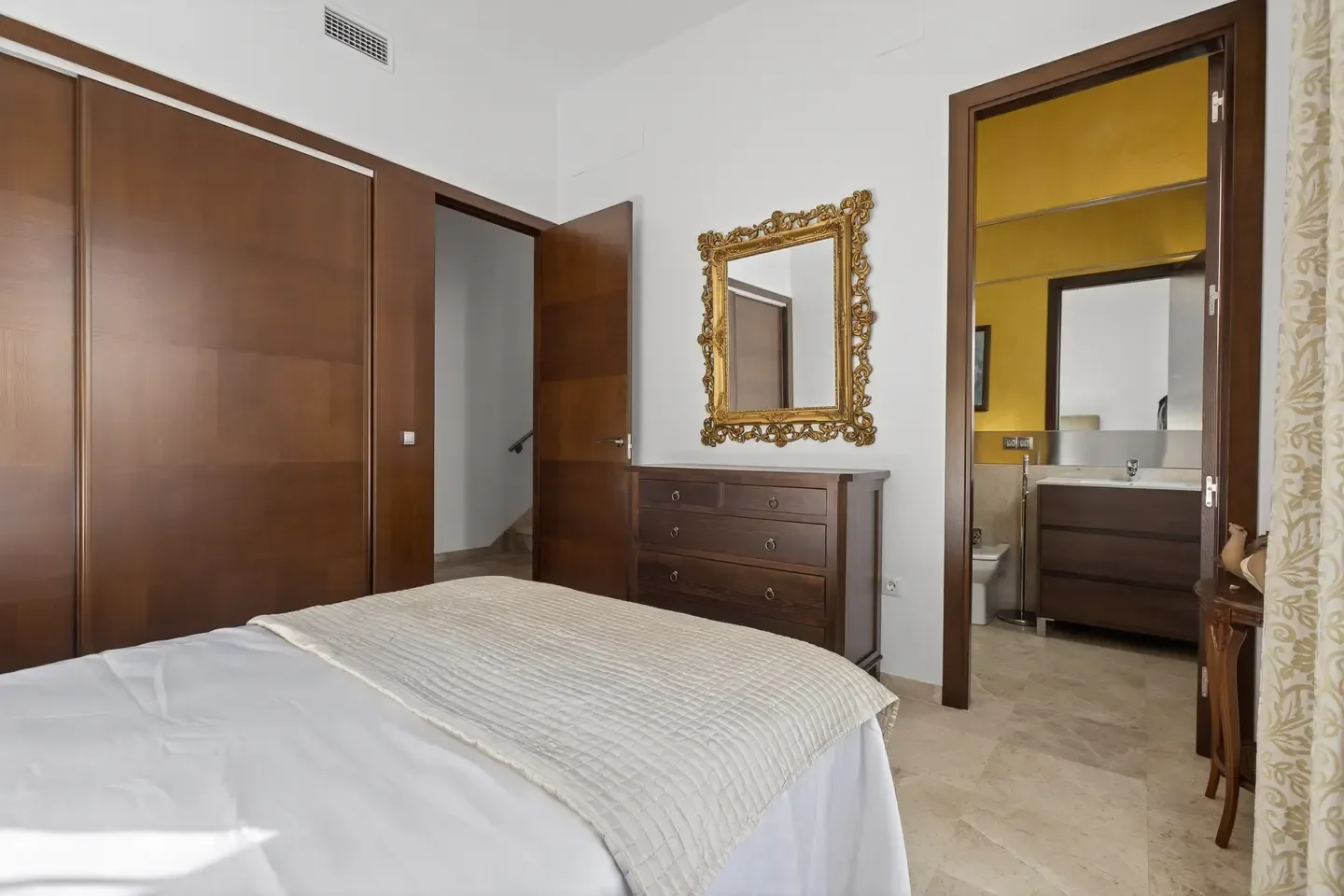
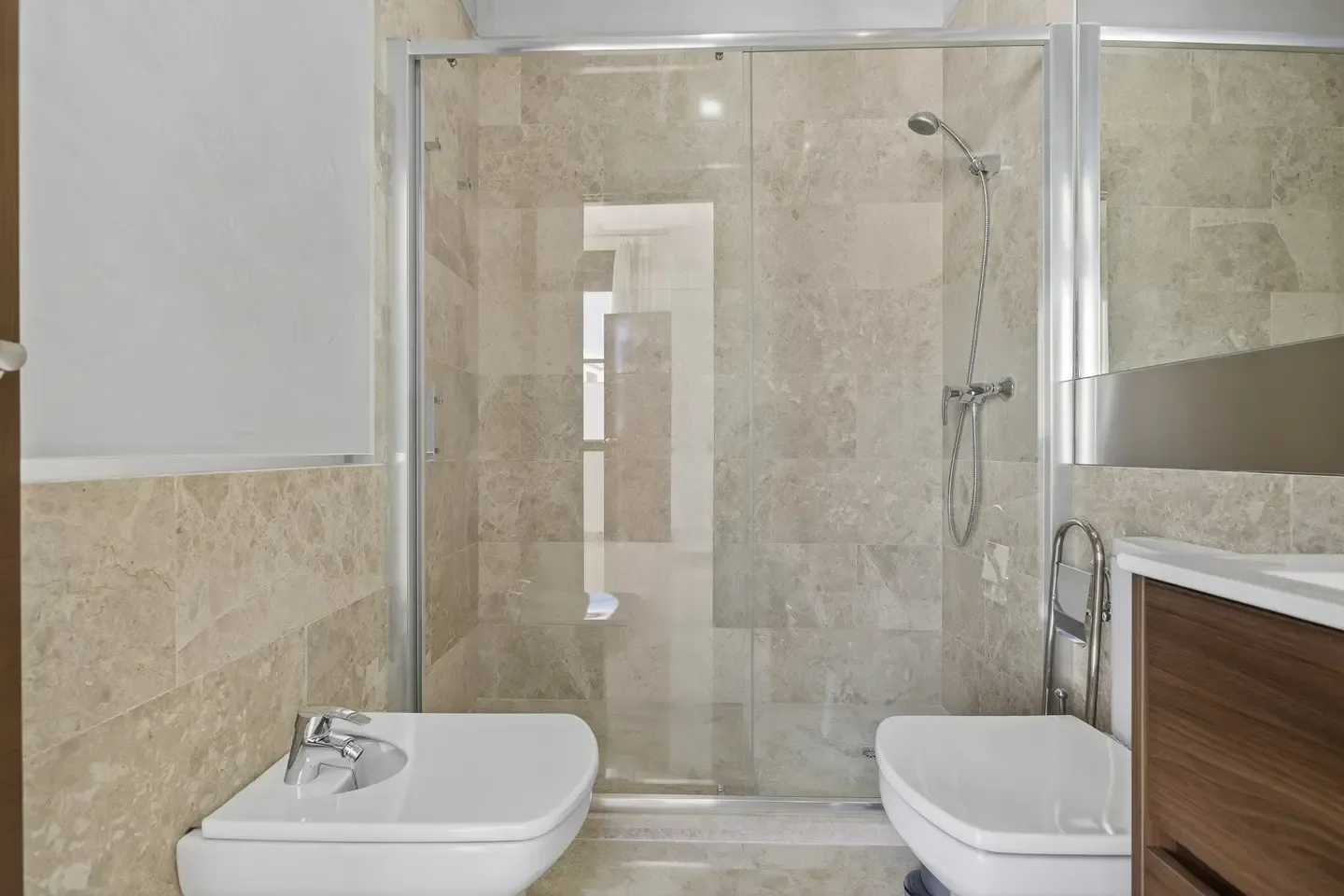
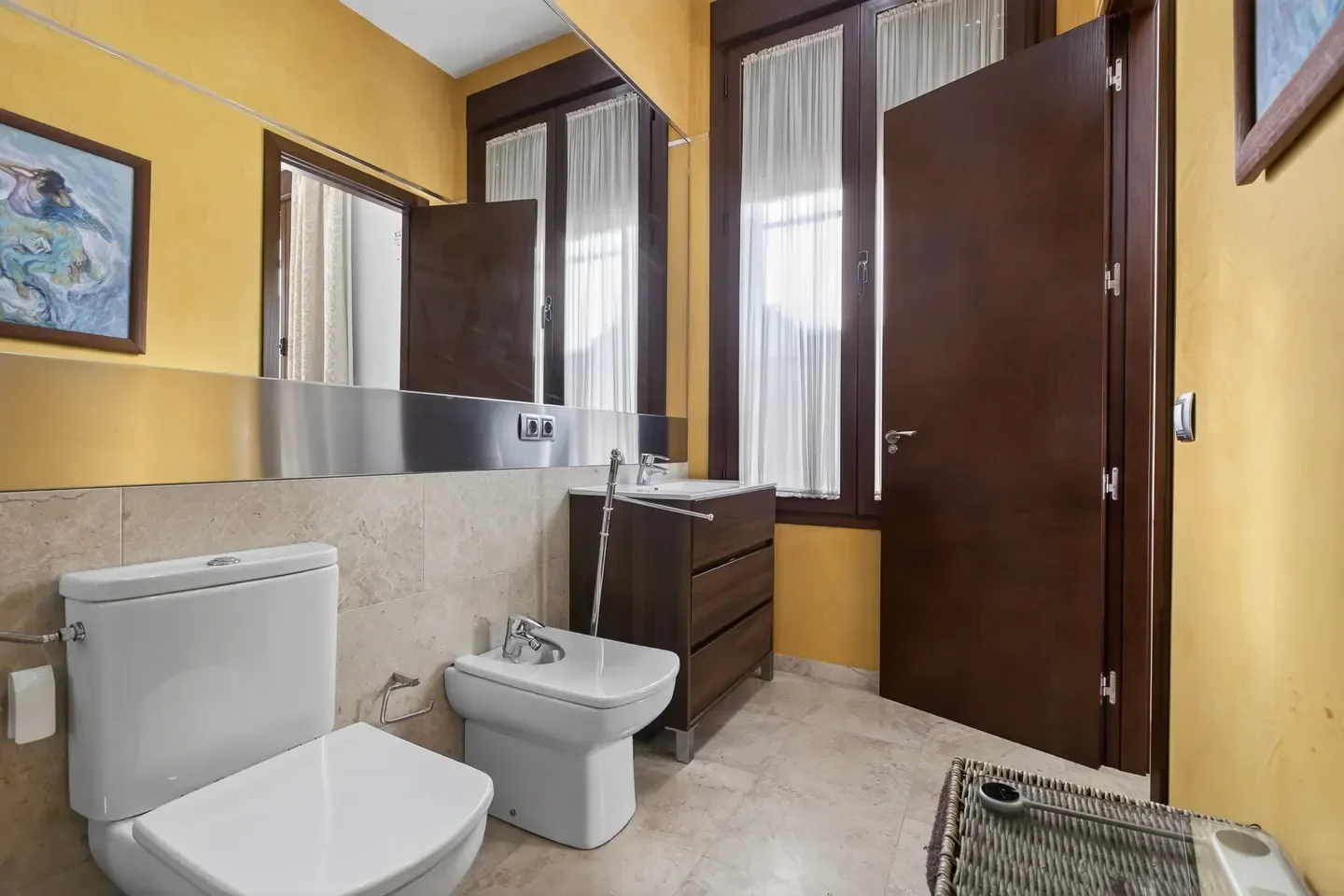
3, including two en suite on the ground floor and a master suite upstairs, based on the listing notes.
Internal area
186 m².
Restoration
Thorough restoration said to have been completed in 2014.
Energy rating
Listed as "Energy Class N".
Outdoor features
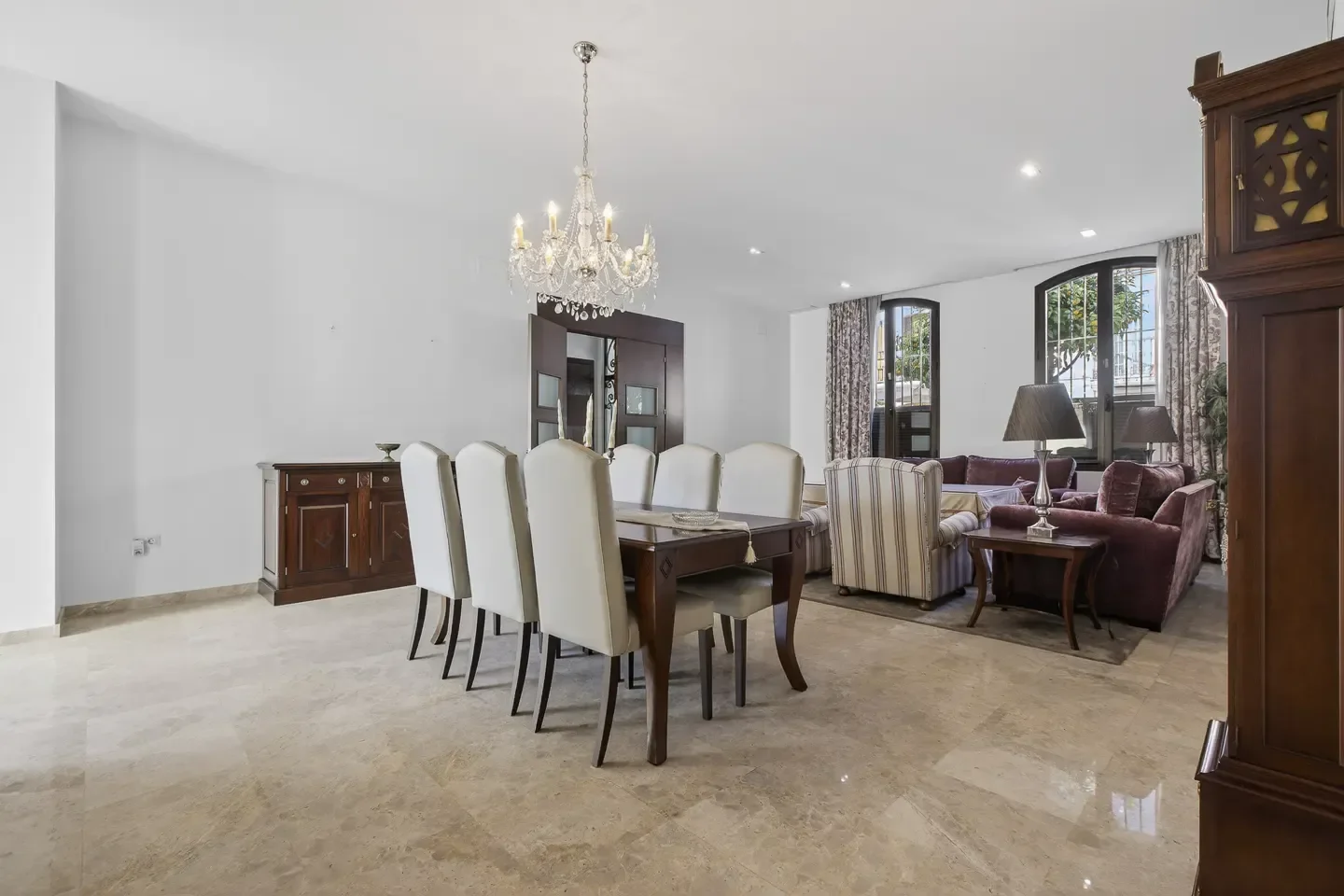
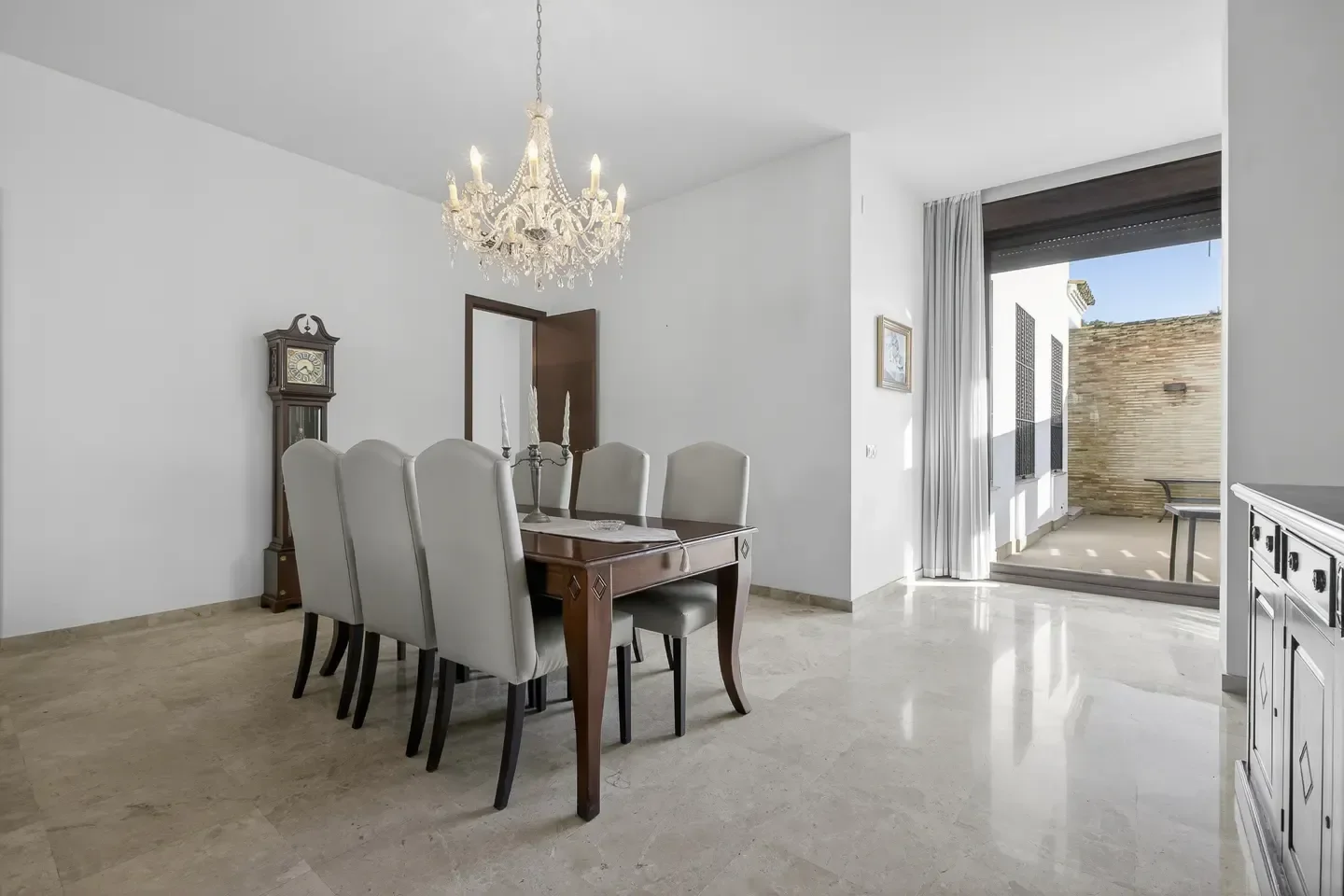
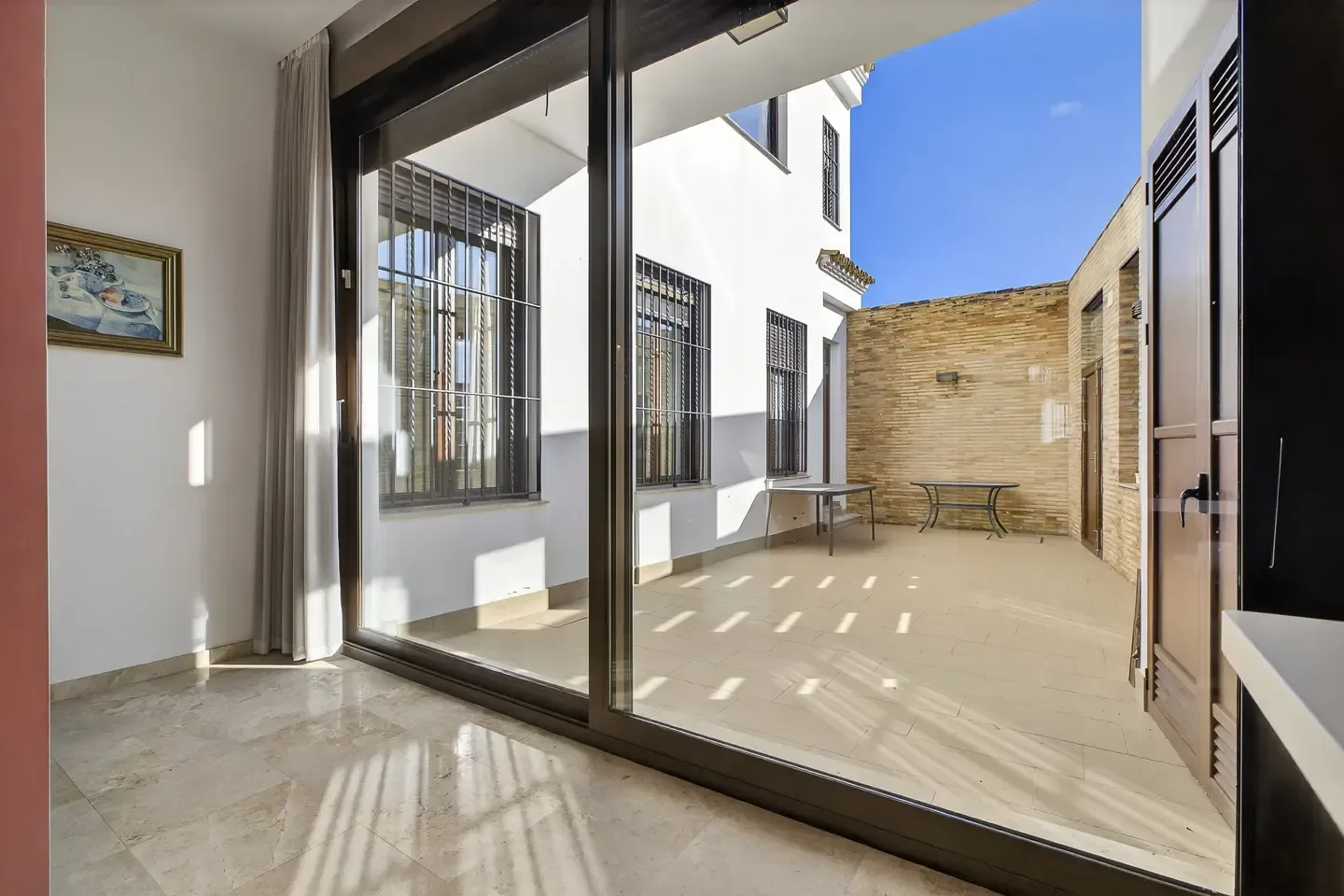
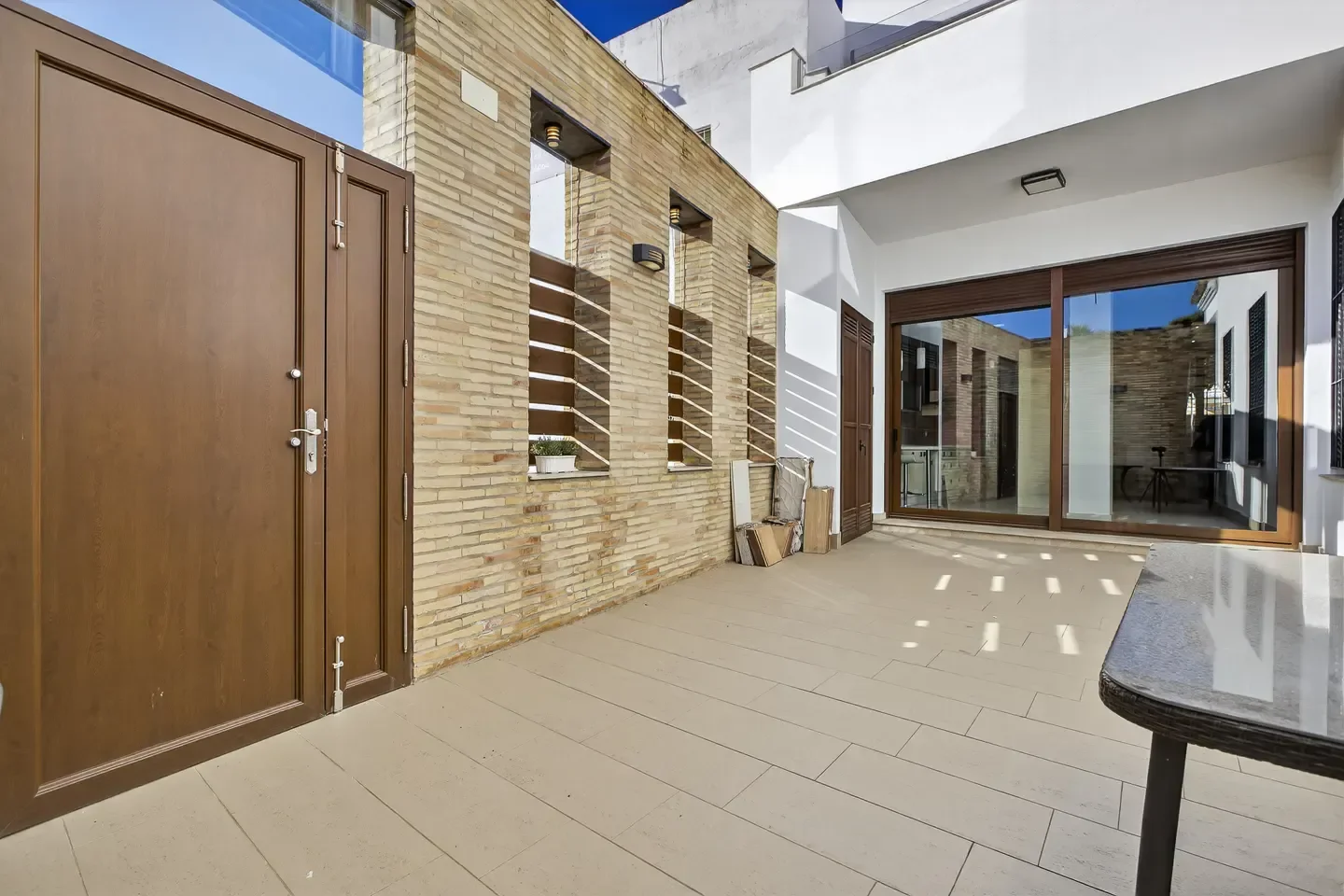
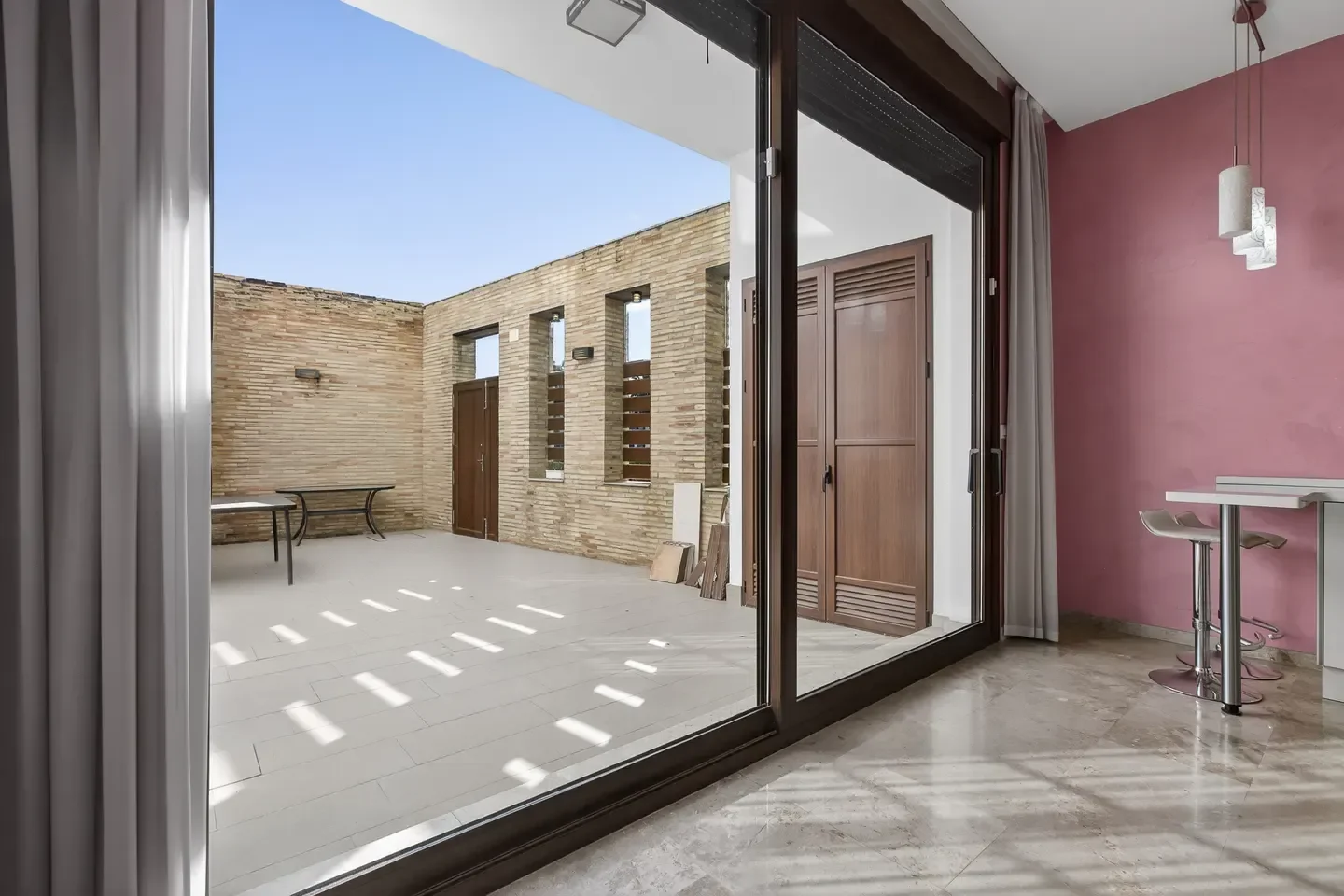
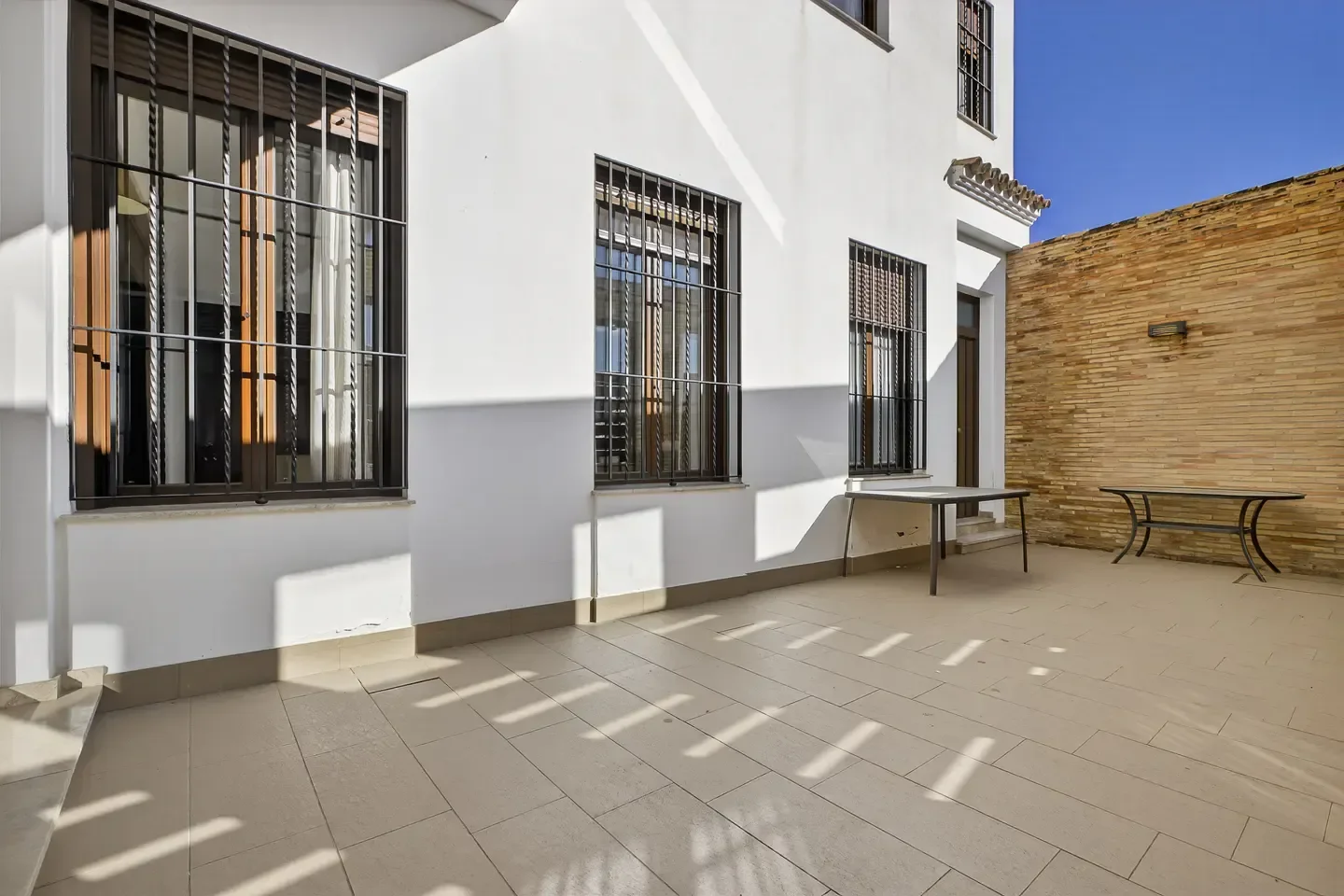
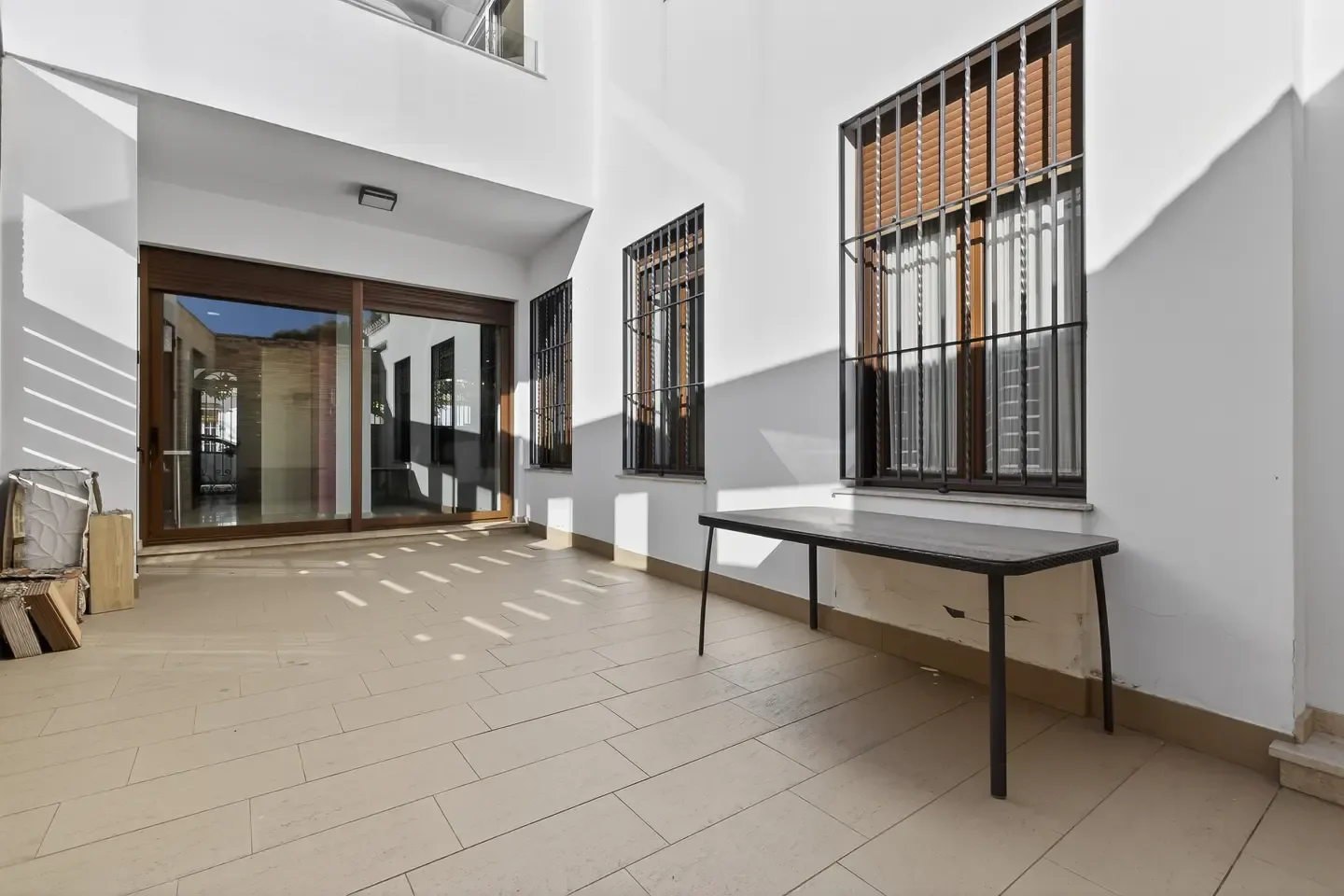
Two connected patios.
Layout highlights
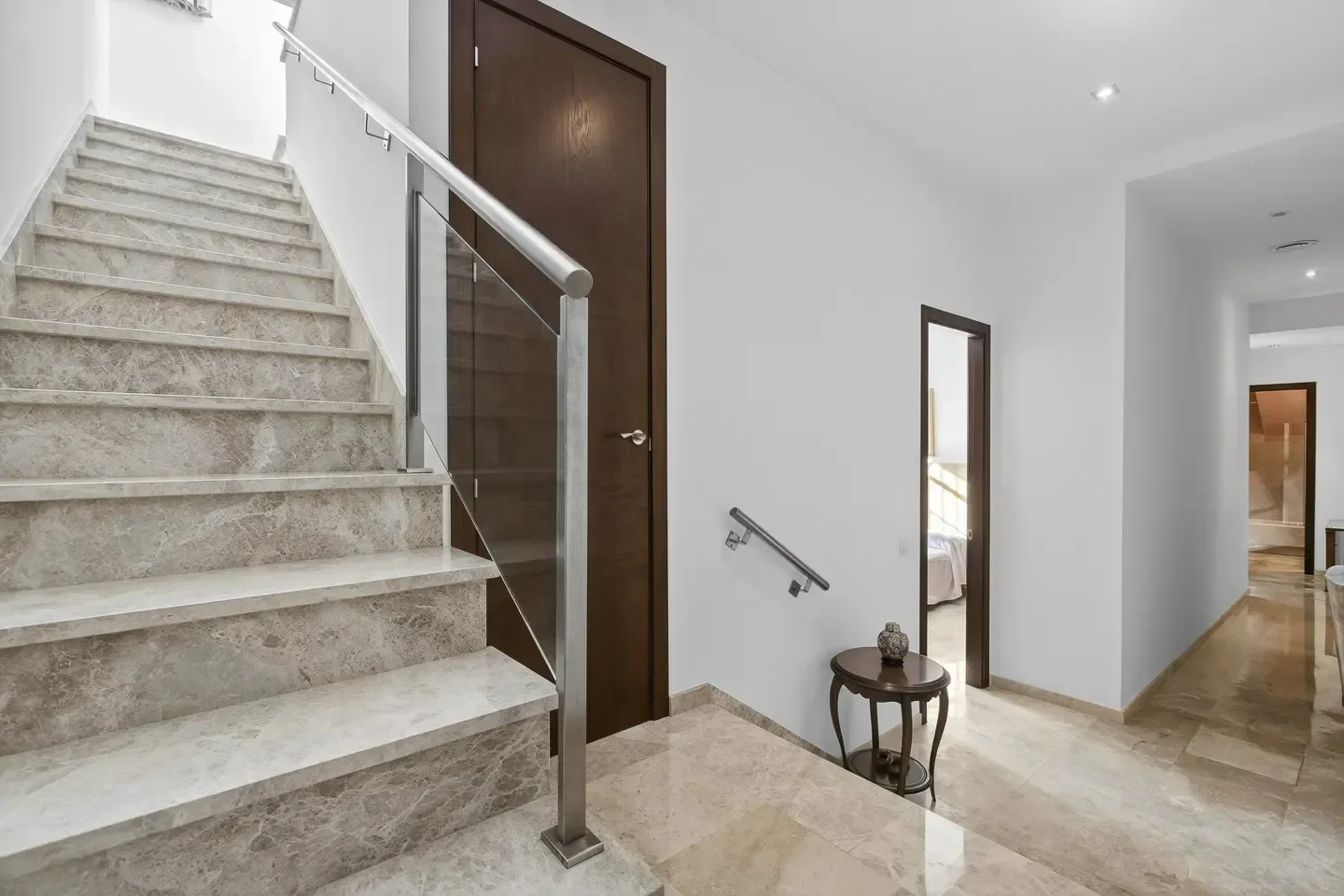
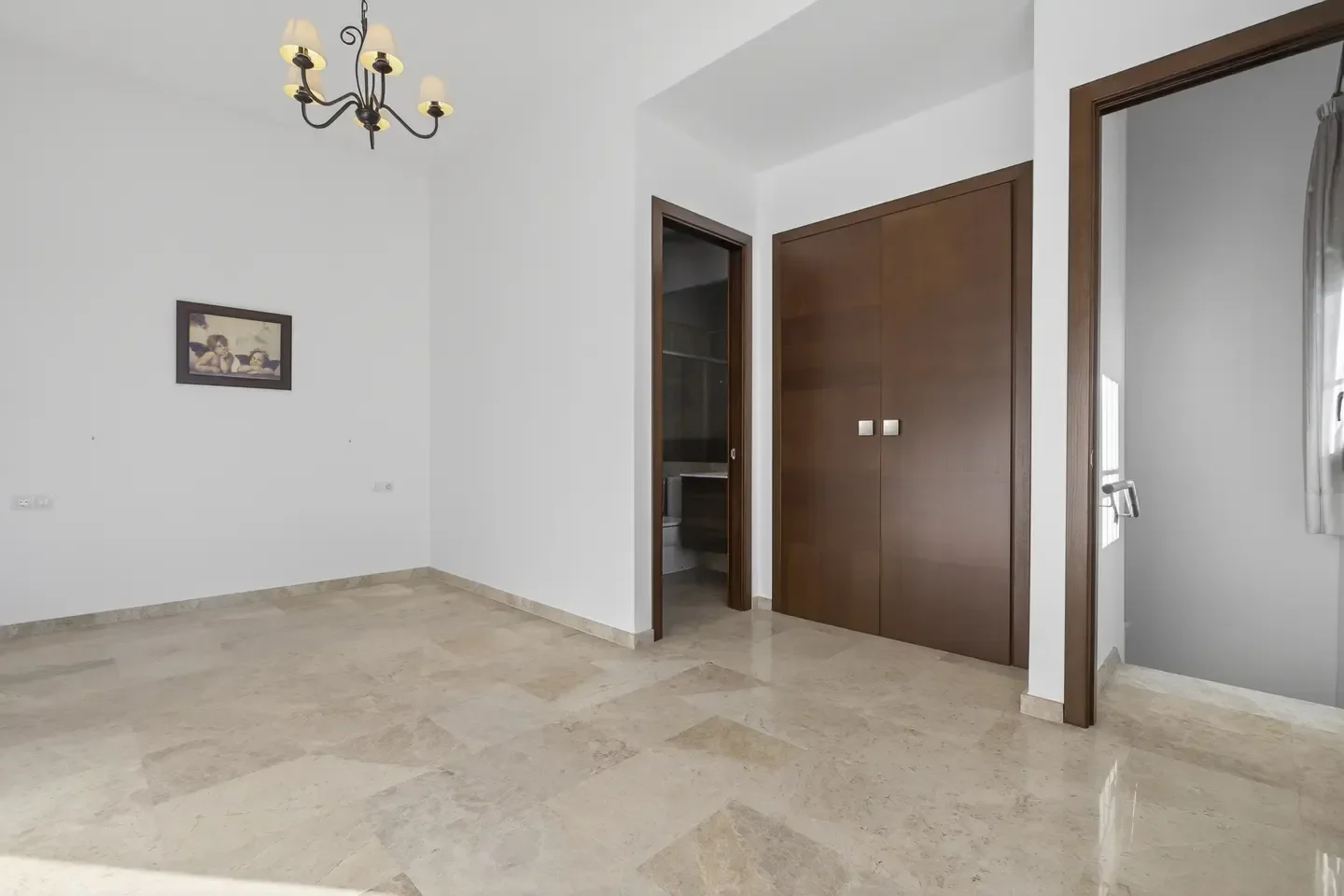
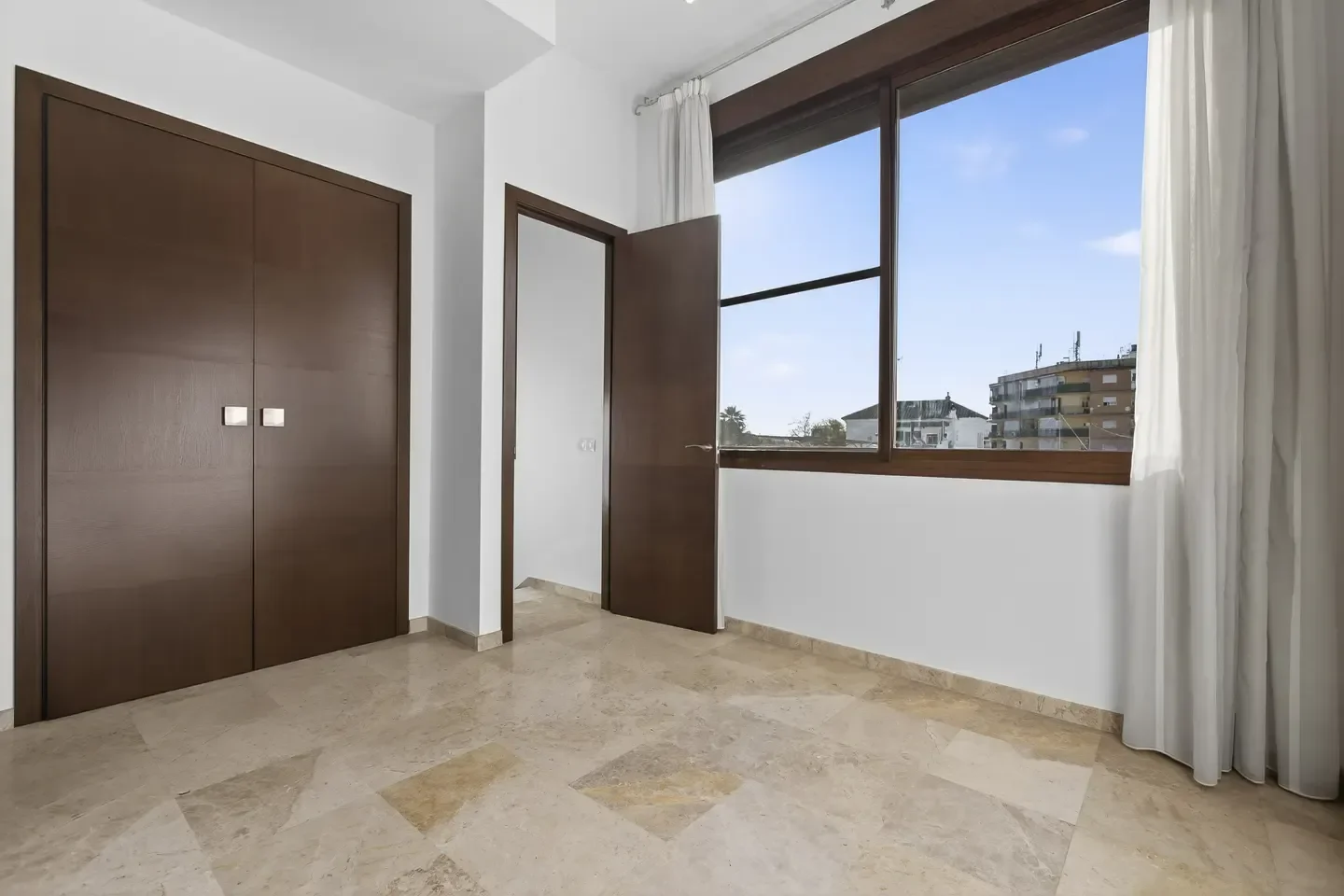
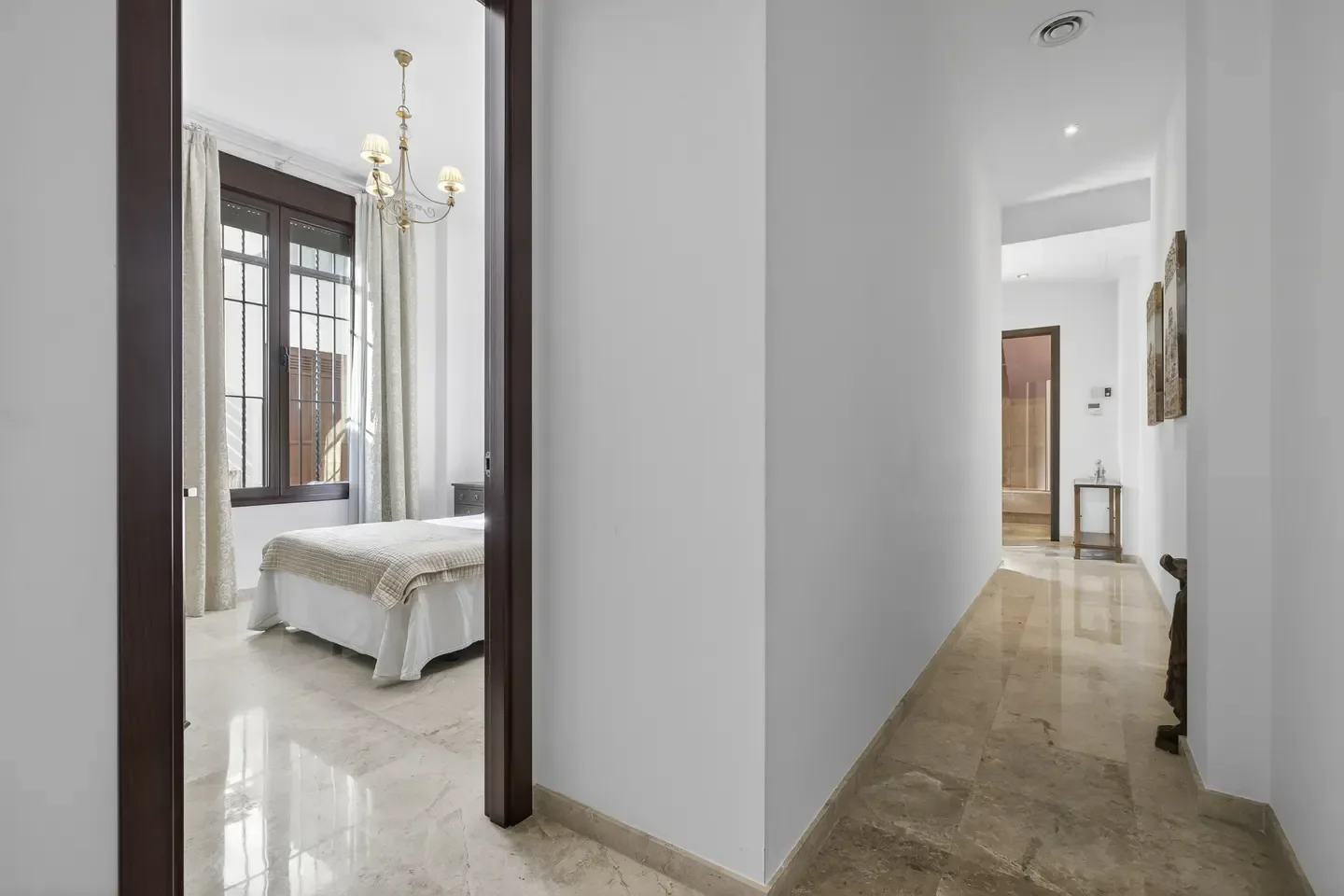
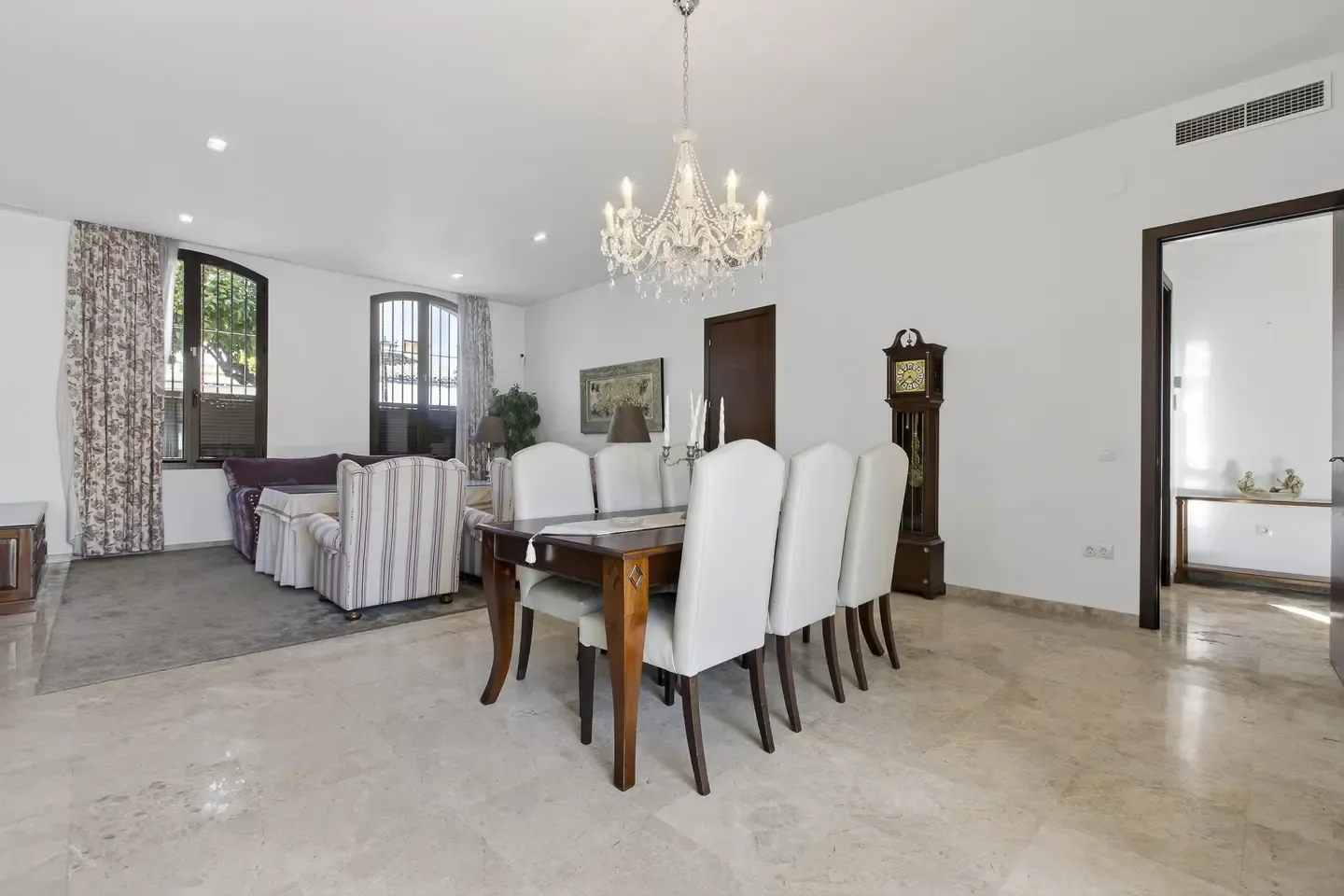
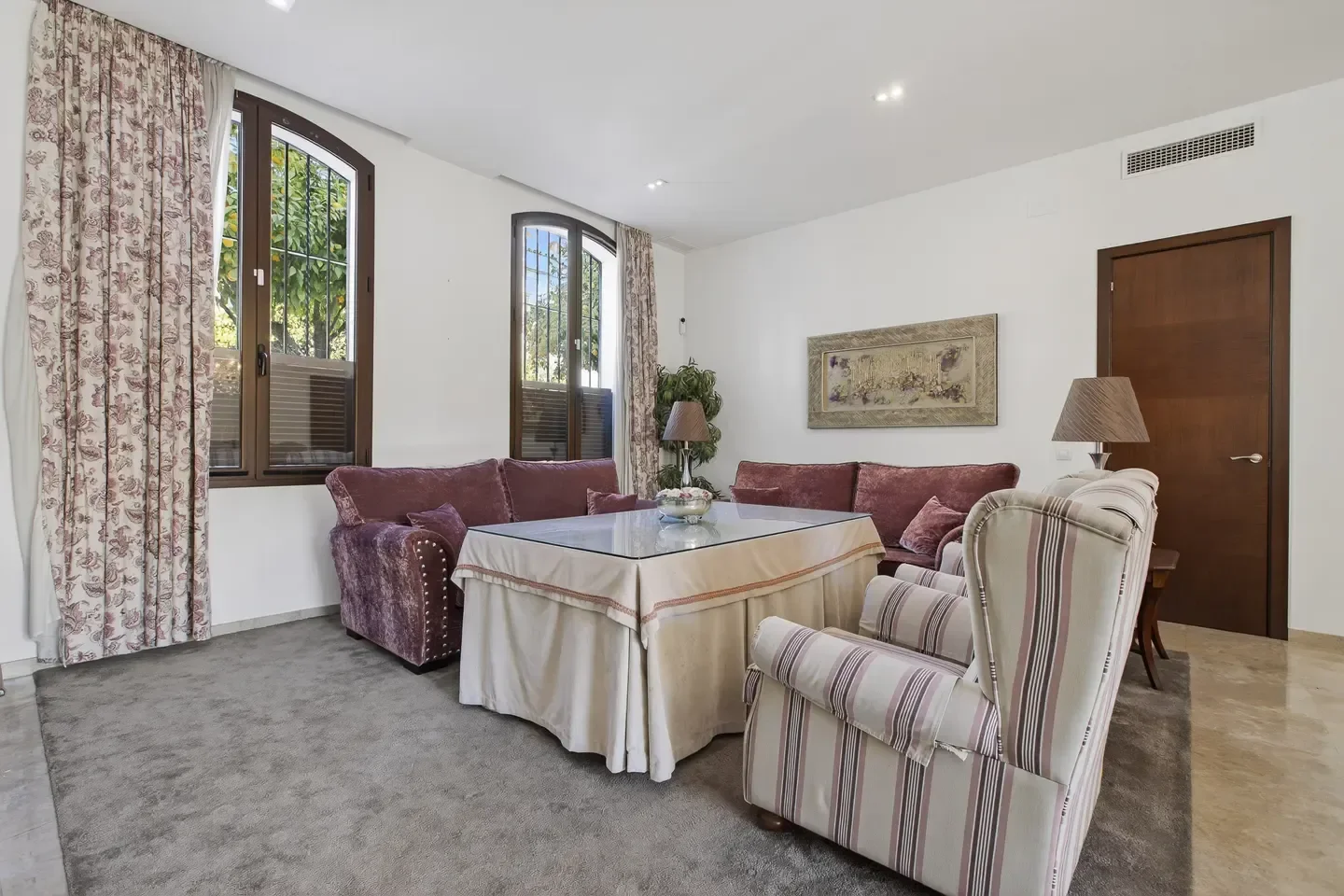
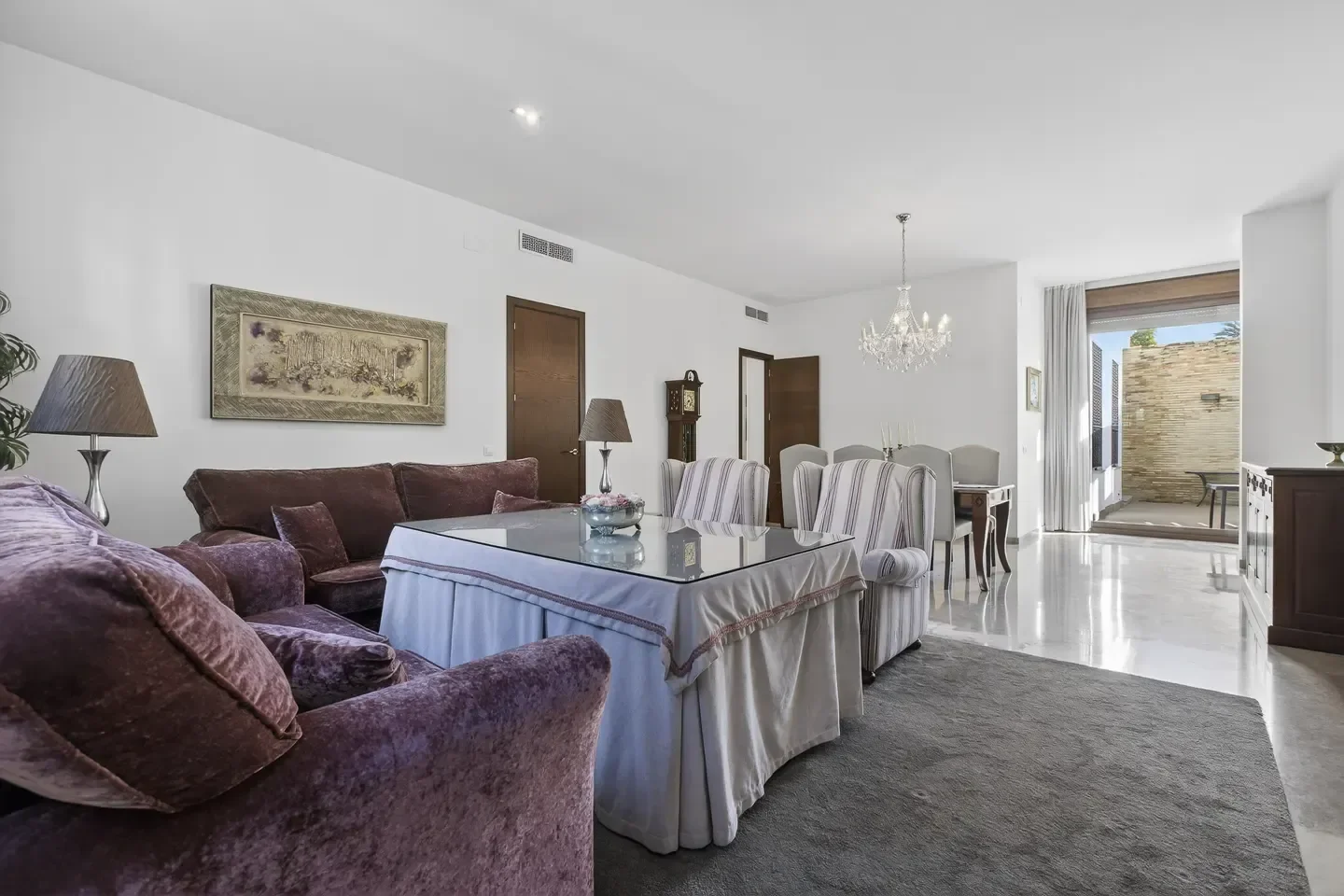
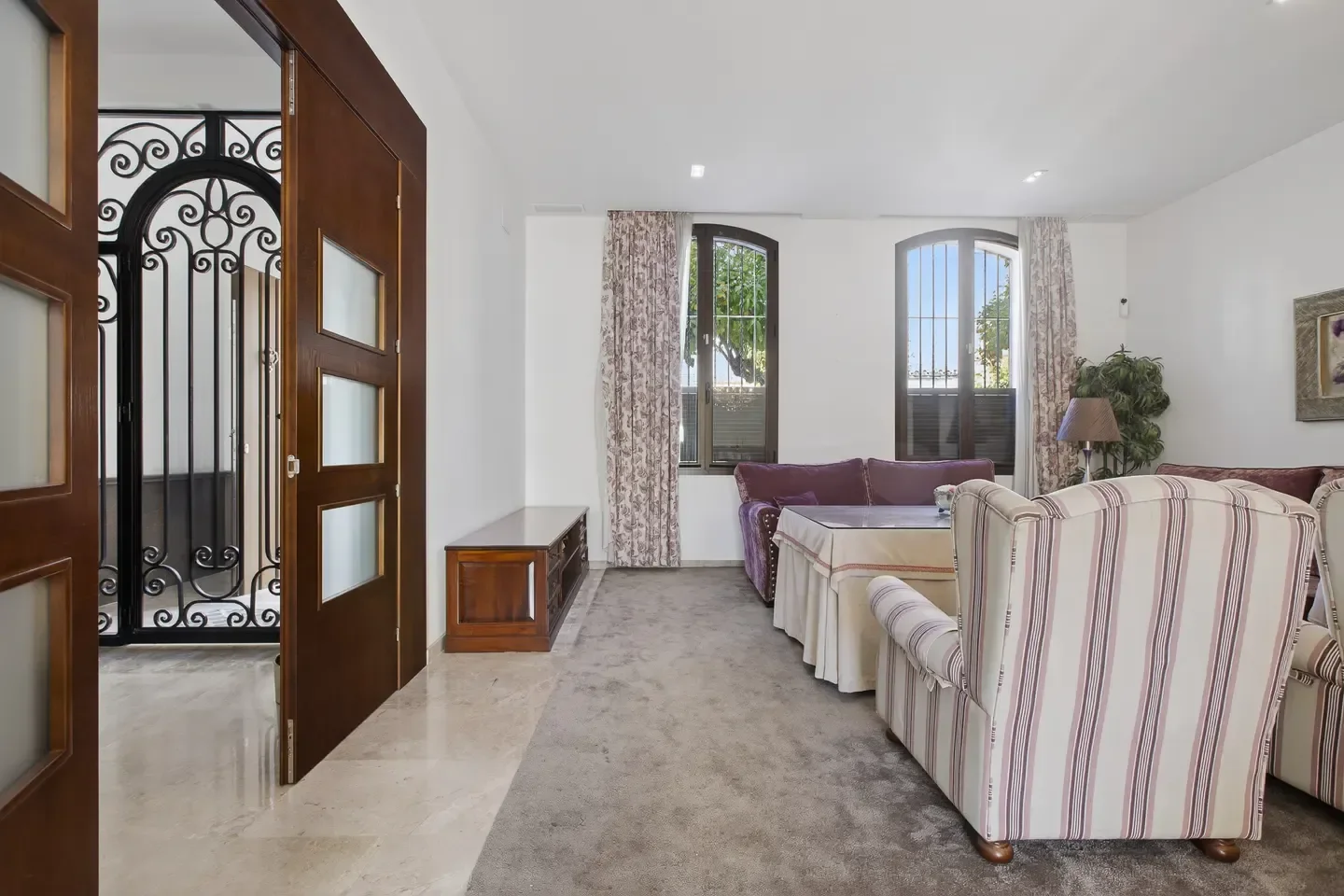
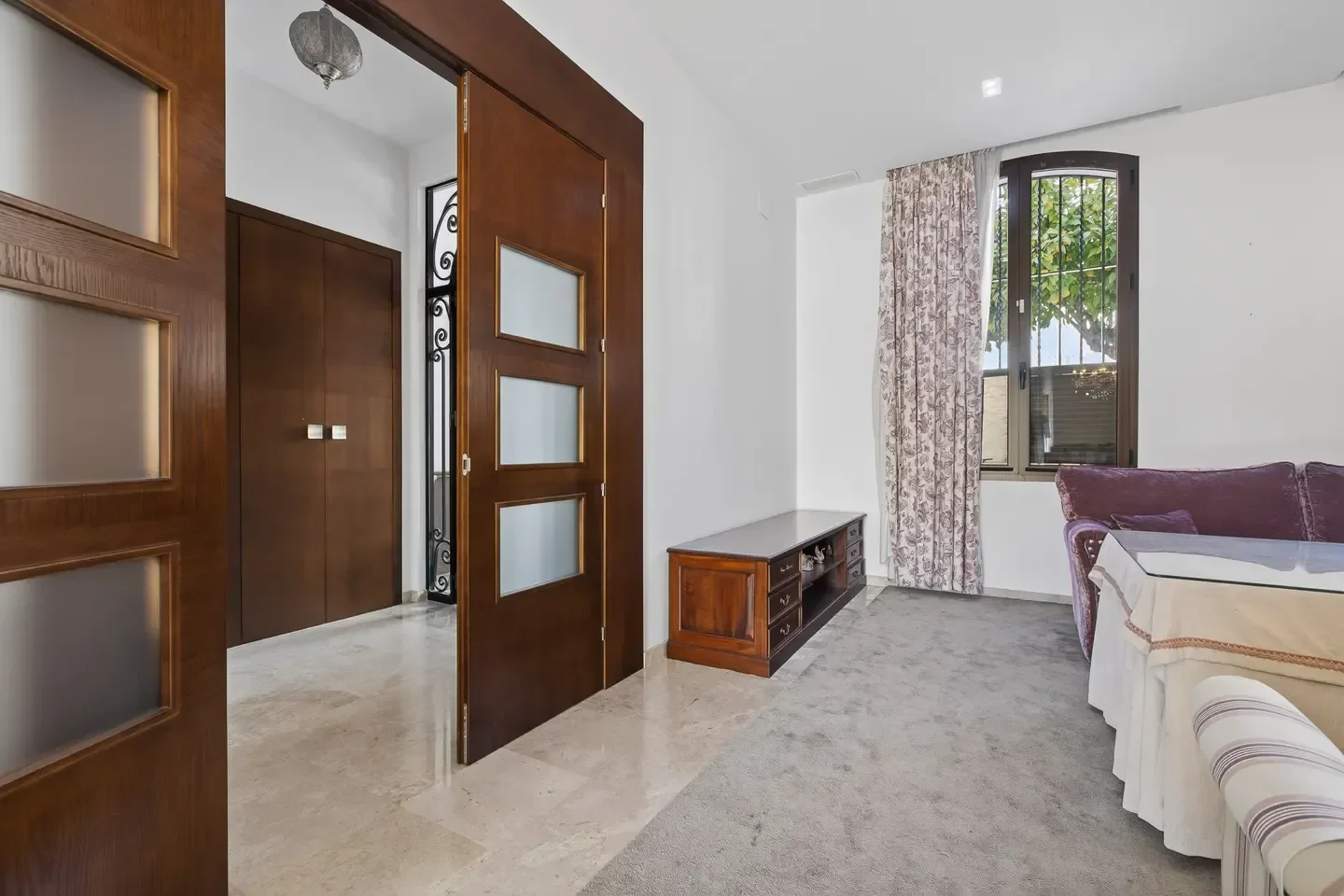
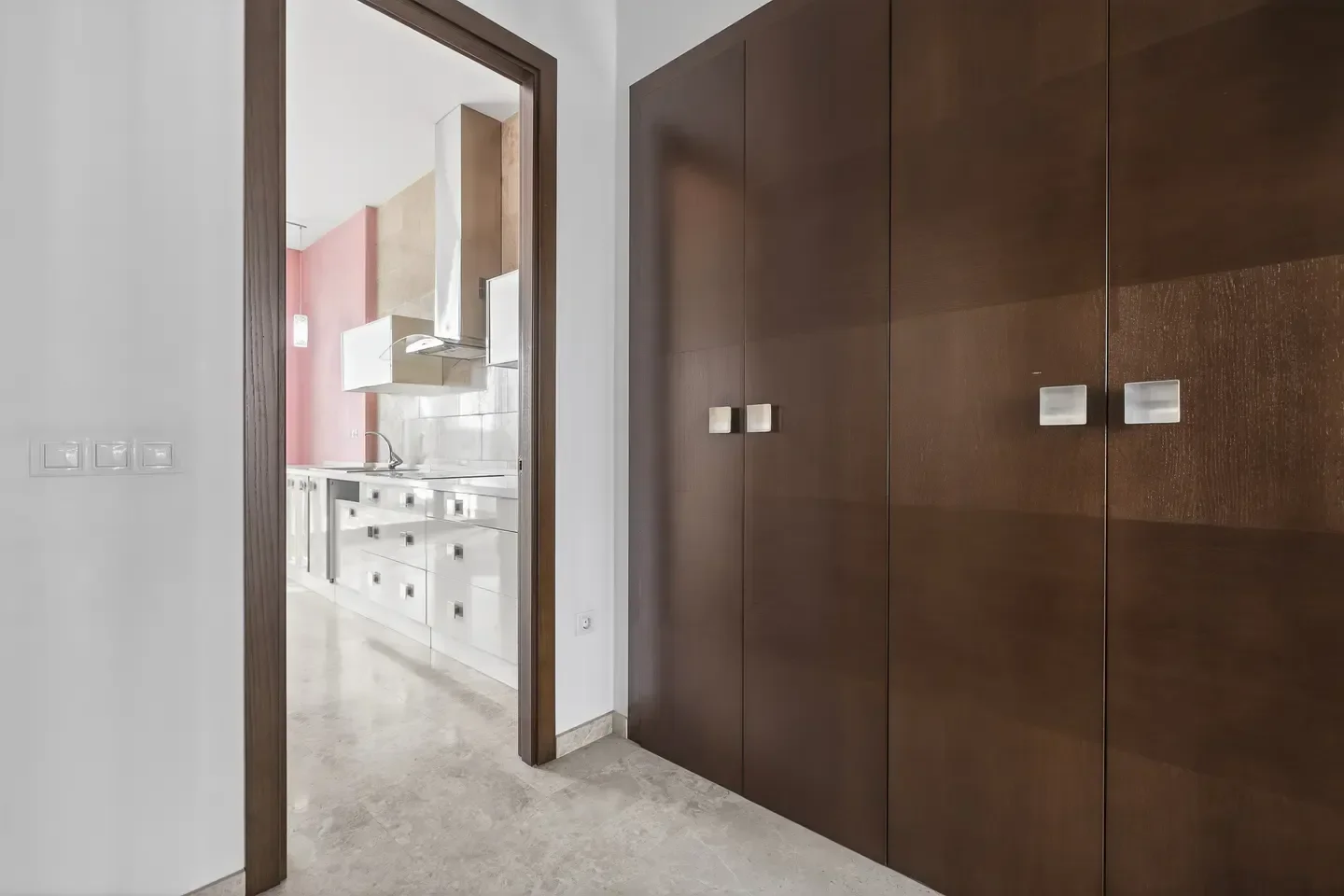
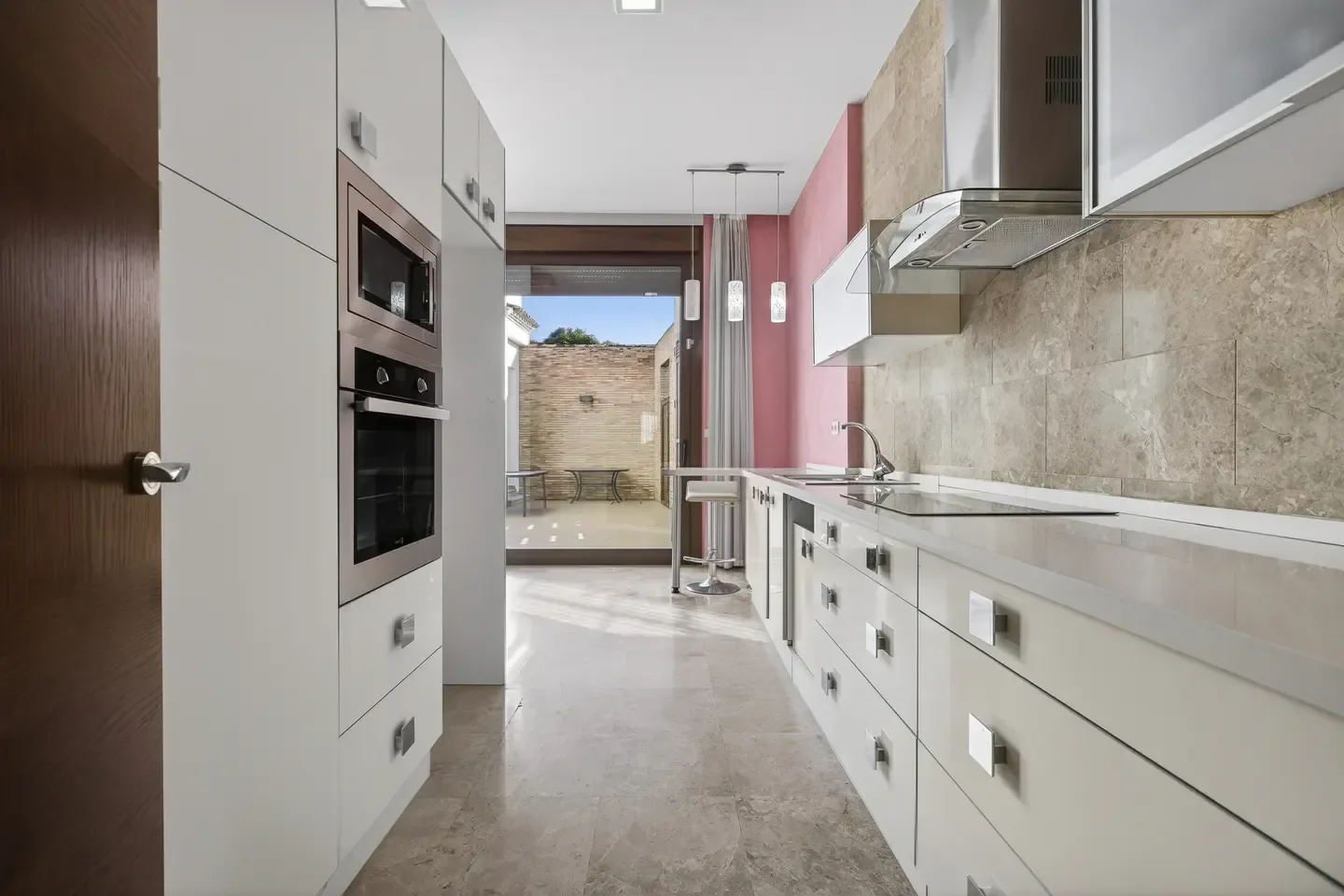
Ground-floor bedroom suites, upper-floor master area, storage room described as convertible into a home office, views towards Seville.
Lifestyle angle
Riverside town setting with direct access towards Seville and walkable local amenities.
Risk Radar
Overview
This is a strong-looking urban Andalusian townhouse purchase because it combines scale, character and commuting convenience. Four bedrooms, double patios and Seville access make it attractive both as a family home and as a possible rental-led asset. The 2014 restoration is the centre of the value story, so the buyer should treat that as the first thing to verify, not the last.
The main due-diligence issue is documentation behind the restoration. A restored 1940 house can be an excellent buy if the works were legally authorised, technically comprehensive and properly closed out. It can also be an awkward purchase if the restoration was largely cosmetic, if room uses changed without the right permissions, or if the current layout is not cleanly reflected in the property's legal and technical paperwork. The presence of a windowless storage room being marketed as a home-office option also deserves specific attention, because use-label drift is common in well-presented older homes.
The second issue is the "Energy Class N" label. Spain's current framework normally requires an energy certificate for sale and rental activity, and the certificate must be made available to buyers or users. That means "N" is not something to ignore. It may indicate missing documentation, a pending certificate, a marketing shorthand or an unusual case, but the seller should explain it clearly and produce the relevant paperwork. Real Decreto 390/2021 requires the certificate to be available to buyers or users when buildings are sold or let.
The third issue is rental strategy. Andalusia's tourist-housing rules require compliance with municipal urban-planning rules, and since 2024 municipalities can impose proportionate limits on tourist-use dwellings by zone, building or period. If the townhouse sits within any horizontal-property or community setting, the 2025 national reform on tourist-rental activity in community-owned property also becomes relevant. Andalusia's 2024 reform requires tourist-use dwellings to comply with municipal planning rules, and the BOE record of the 2025 reform confirms article 7.3 of the Horizontal Property Law took effect from 3 April 2025.
Targeted Questions
Restoration, Permits and Occupancy Status
Buyers need to know whether the works were structural, systems-led or mainly decorative.
A restored older townhouse should have a clean legal works trail.
The actual permissions matter more than a general statement that the works were done properly.
Final approval helps confirm that the authorised works were completed acceptably.
The buyer needs clarity on the current habitation or occupation status after the works.
Layout changes can create mismatch between the real house and the legal record.
"Restored" can mean very different things in practical ownership terms.
Roof and structural interventions materially affect long-term risk.
Invoices help prove scope, timing and seriousness of the investment.
Remaining cover reduces near-term ownership risk.
Outdoor works often create later issues if poorly documented or executed.
Use and layout changes can have legal consequences beyond aesthetics.
Title, Legal Identity and House Status
The nota simple is the first check on ownership, charges and the legal description of the asset.
A mismatch can complicate financing, resale and legal comfort.
Hidden burdens can materially reduce control and value.
Community status affects costs, autonomy and rental rules.
Shared obligations can materially change the economics of ownership.
Minutes often reveal disputes, planned works or restrictions.
"Detached townhouse" can be marketing language rather than legal precision.
Structural independence affects maintenance, privacy and resale language.
Layout, Habitable Use and Storage Room Status
The listed bedroom-and-bathroom arrangement needs to be understood clearly.
The written description appears to need clarification on how the layout is counted.
A marketed bedroom may not always be equivalent to a legally or functionally strong bedroom.
A room suggested as an office may not satisfy ventilation or habitability expectations.
The registered use matters for compliance and future adaptation.
Windowless rooms can create comfort and compliance issues.
Flexibility only adds real value if it is realistically usable.
Energy Performance and Running Costs
Spain's normal framework expects a valid energy certificate for sales and rentals, so this label needs explanation.
The buyer should not proceed on assumptions where a standard document should exist.
The full report should explain efficiency, consumption and improvement suggestions.
The reason may indicate an administrative gap, an exemption claim or a deeper paperwork issue.
Running costs and comfort depend on the actual system, not just the listing phrase "central heating".
Cooling quality matters in Andalusia for both living and rentals.
Real bills often reveal more than a marketing label.
Window quality materially affects comfort, noise and energy performance.
A restored older house can still underperform thermally in practice.
Patios, Access and View Rights
Exclusive use should be evidenced, not assumed from presentation.
Ownership structure determines control, maintenance and value.
Functionality depends on usable dimensions, not just presence.
A private gate is very different from a shared or public-access arrangement.
Access rights can materially affect privacy and control.
Patio defects can be expensive and recurring in older houses.
Outdoor spaces often reveal hidden building-pathology risk.
View value depends on specificity and durability.
Open views are only fully valuable if they are likely to endure.
Roof, Structure and General Condition
Roof condition remains one of the most important capital-risk questions in older townhouses.
Post-restoration maintenance history helps reveal whether the work has held up.
Older buildings can still carry movement risk despite attractive presentation.
Damp can be costly to resolve and easy to conceal cosmetically.
Service history helps the buyer estimate future maintenance needs.
Parking, Connectivity and Daily Practicality
Seville-adjacent practicality changes materially if parking is not straightforward.
Buyers need actual daily-life information, not just general reassurance.
Parking convenience materially affects both owner use and guest appeal.
Practical access matters in older town-centre settings.
Reliable connectivity is essential for both living and remote work.
Older, thicker-walled homes can have weaker indoor coverage.
"Near transport" is only useful if the access is genuinely convenient.
Commute quality depends on real frequency, not one-off peak timetables.
Day-to-day convenience is part of the property's value story.
Neighbourhood feel affects both liveability and rental positioning.
Rental Potential
Existing compliance is materially different from needing to register afresh.
Andalusian tourist-use dwellings must comply with municipal planning rules.
Since 2024 Andalusian municipalities can impose proportionate limits by area, building or period.
Since 3 April 2025, article 7.3 of the Horizontal Property Law applies in that context.
Real trading history is more useful than marketing estimates.
Long-term rental is often the safest underwriting baseline.
Demand source matters as much as the headline proximity to Seville.
Revenue quality depends on demand consistency, not peak optimism.
Negotiation Intelligence
Buyer Leverage
Medium-High
Key Drivers
Typical Negotiation Range
5-15% below asking
Neutral Phrasing Examples
Country Layer
Spain (Regulatory Context March 2026)
Spain's energy-certification regime is governed by Real Decreto 390/2021. BOE confirms that this framework requires the energy certificate to be available to buyers or users when buildings or building units are sold or rented. For this property, that makes the "Energy Class N" wording especially important, because the normal expectation is a valid, reviewable certificate rather than an unexplained label.
The practical takeaway for this property is straightforward. Verify the 2014 restoration trail, verify the current lawful-use paperwork, clarify why the energy status is shown as "N", and confirm whether any tourist-rental plan is compatible with both Gelves planning reality and any community structure that may apply.
Viewing Strategy
Start outside and test the house as a daily-use property, not just a charming restored one.
Next Step
Verify from the listing:
2014 restoration paperwork
Ask for the building permits, invoices, and any final approval documents so you can confirm whether the restoration covered structure and systems properly and is fully regularised on paper.
Energy Class “N” status
Request a document-backed explanation of whether the property has a valid energy certificate, is exempt for a specific reason, or is simply being marketed with incomplete energy information.
Patio ownership and access rights
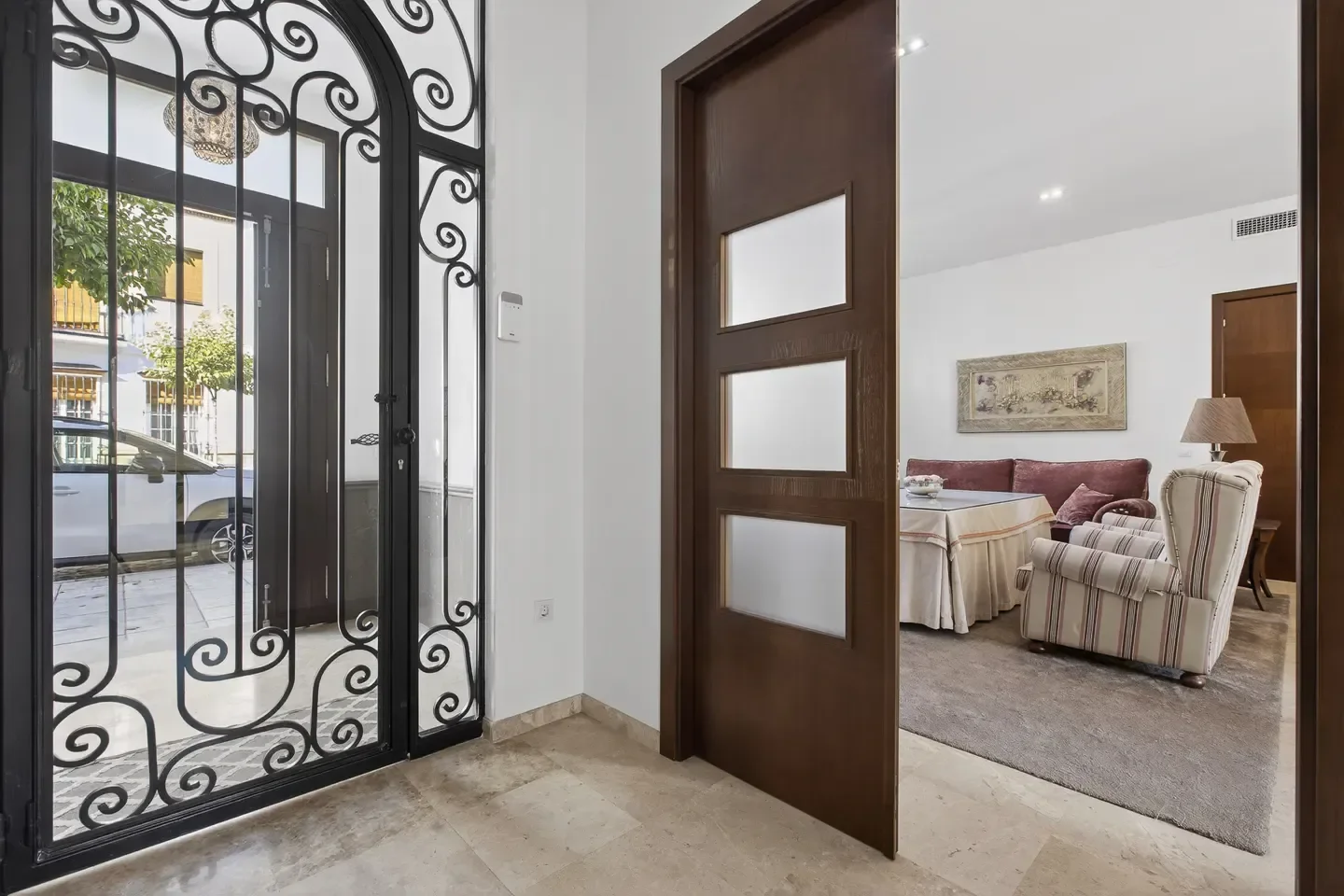
Clarify whether both patios are for the townhouse’s exclusive use and whether the second patio’s link to the playground and town hall plaza is a private gate, a shared arrangement or an actual right-of-way issue.
Independent versus community status
Confirm whether the house is fully independent or subject to any comunidad, shared walls, common elements or community rules, because that affects both control and tourist-rental feasibility.
Layout and rental-readiness
Obtain the floor plan and verify the true four-bedroom arrangement, the legal status of the windowless storage room, and whether the house’s current layout really supports the family or rental use the listing suggests.
A prepared buyer should approach the agent calmly and frame questions as due diligence.
Because this is a restored townhouse where energy clarity and rental feasibility both materially affect value, run it through the European Property Energy Risk Assessor to understand the implications of the unresolved energy status, or use the Rental Yield Calculator to test whether long-term or short-term rental in Gelves genuinely supports the numbers before contacting the agent.
Disclaimer: The Property Drop is buyer-focused intelligence, zero sales agenda. We curate exceptional properties, in southern Europe, from third-party agents and arm you with decision tools. No commission, no transactions, no agent partnerships, no skin in the game beyond helping you choose wisely. Information stays accurate until it doesn't (properties sell, prices shift, markets move). Everything here is shared for informational purposes only and should not be treated as legal, financial, or investment advice. Images belong to original agents. Read our Terms of Service to learn more.
IMPORTANT REMINDER: When contacting property agents featured on The Property Drop, you are entering into direct communication with third parties. It's recommended that you verify all property details independently, conduct thorough due diligence, engage qualified professionals (solicitors, surveyors, financial advisors), understand your rights and obligations under local property laws, and never send money or make commitments without proper legal protection.
