
The Buyer Playbook: Stone Mansion with Guest House in Surfer Territory, Galicia, Spain €595,000
Buyer Playbook
Pre-Viewing Intelligence Report
This independent buyer guidance report relates to this specific property located in Spain. It is provided for informational purposes only and does not constitute legal, tax, structural, planning, tourism-licensing or survey advice. The legal status of the main house and guest house, the condition of the stone structures, the cadastral and registry alignment, the drainage and utility position, and any tourism or retreat use must always be verified with qualified Spanish professionals such as an abogado, arquitecto, arquitecto técnico, surveyor and tax adviser, and with the Registro de la Propiedad, Catastro, Concello de Cedeira and Xunta de Galicia.
Playbook Contents
Property Snapshot
Location
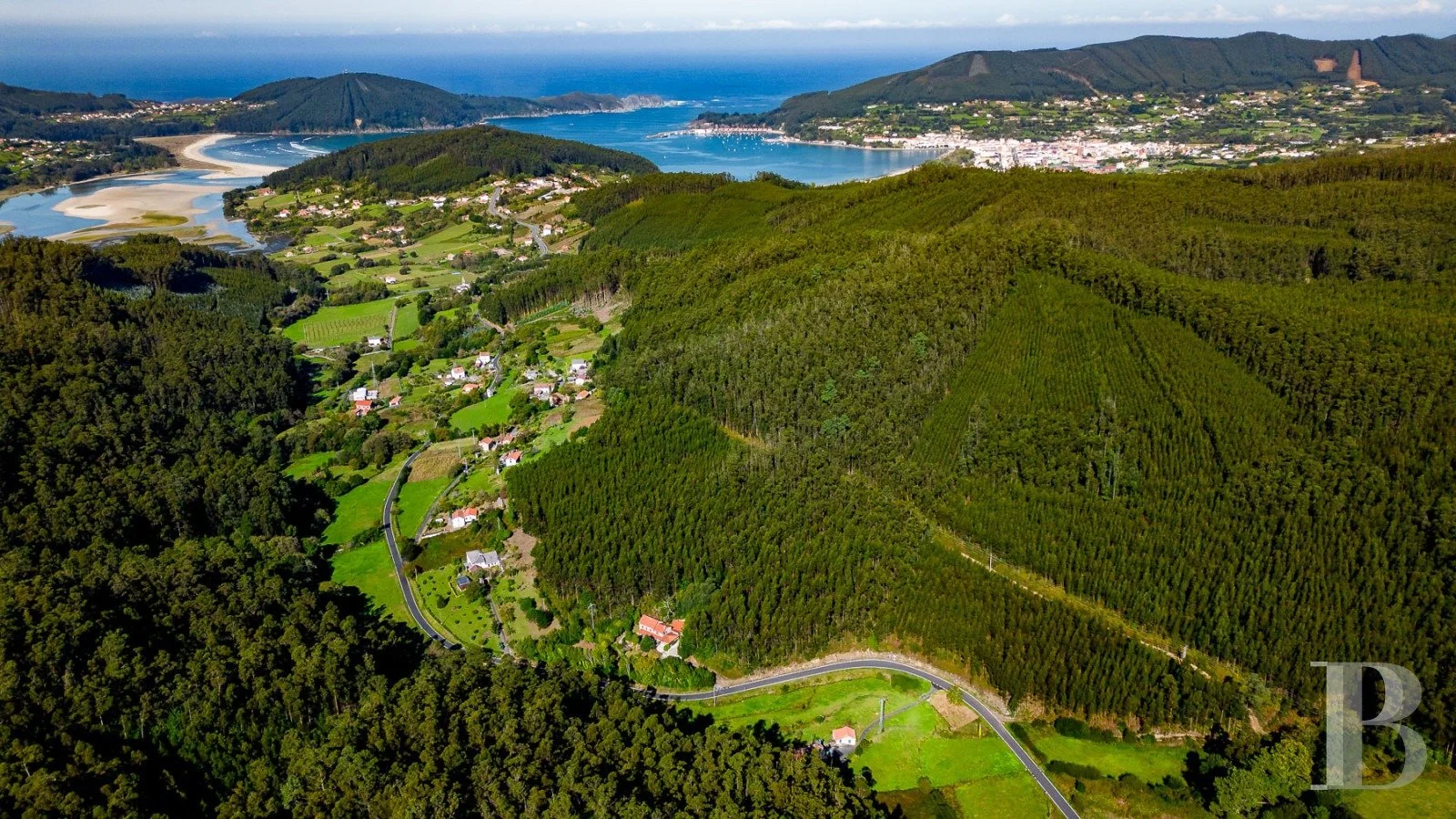
Near Cedeira, Rías Altas, Galicia, Spain
Property type
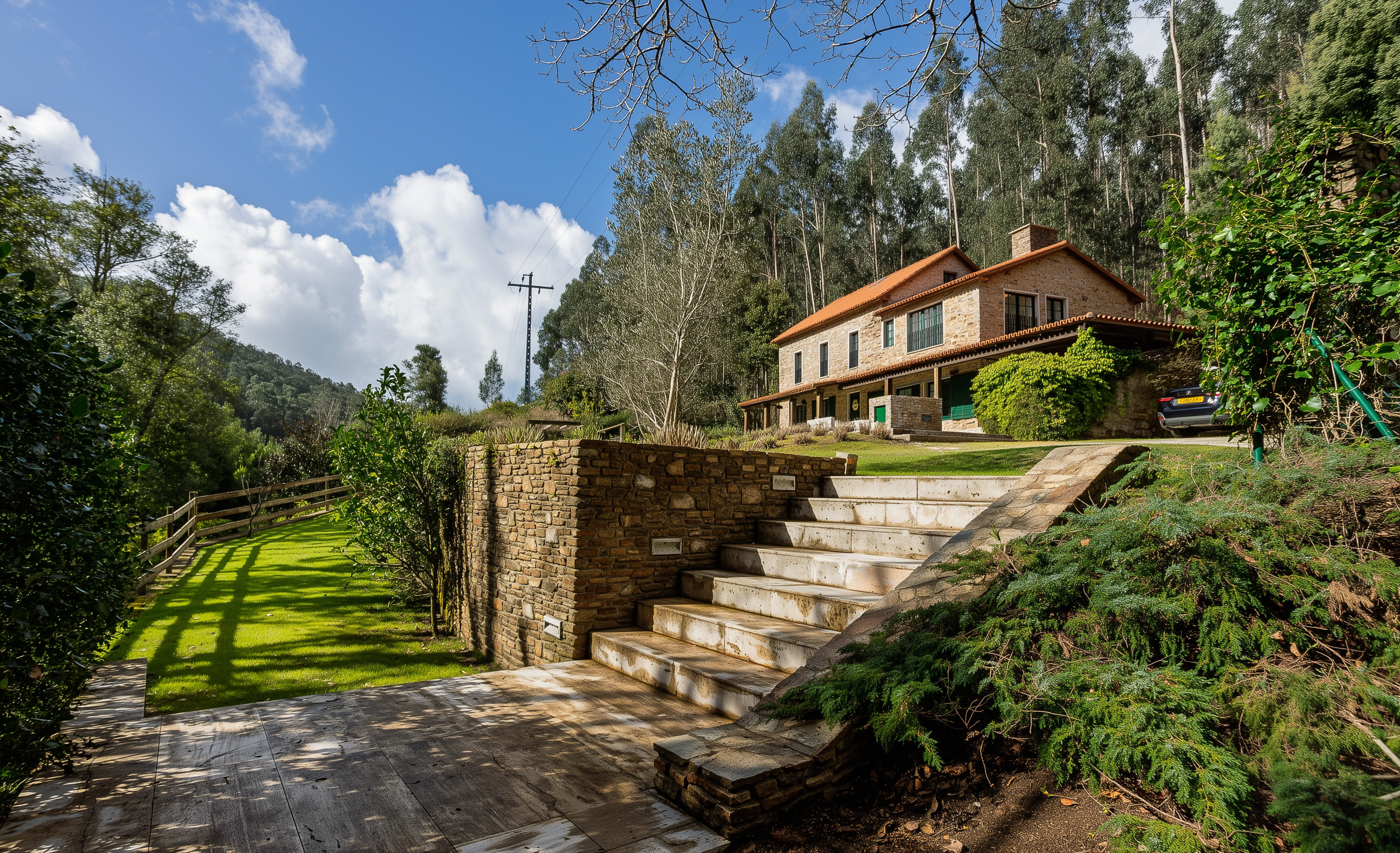
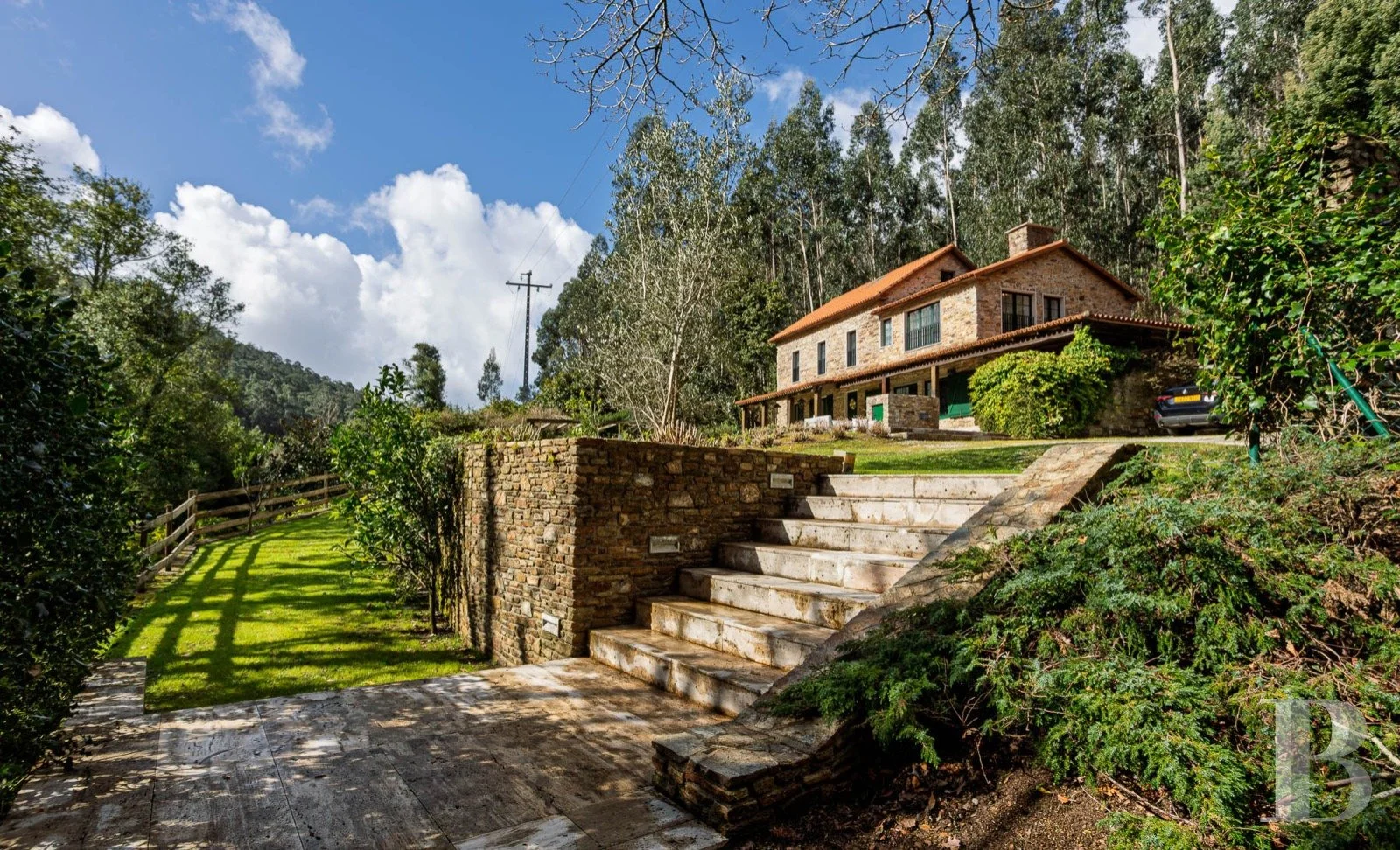
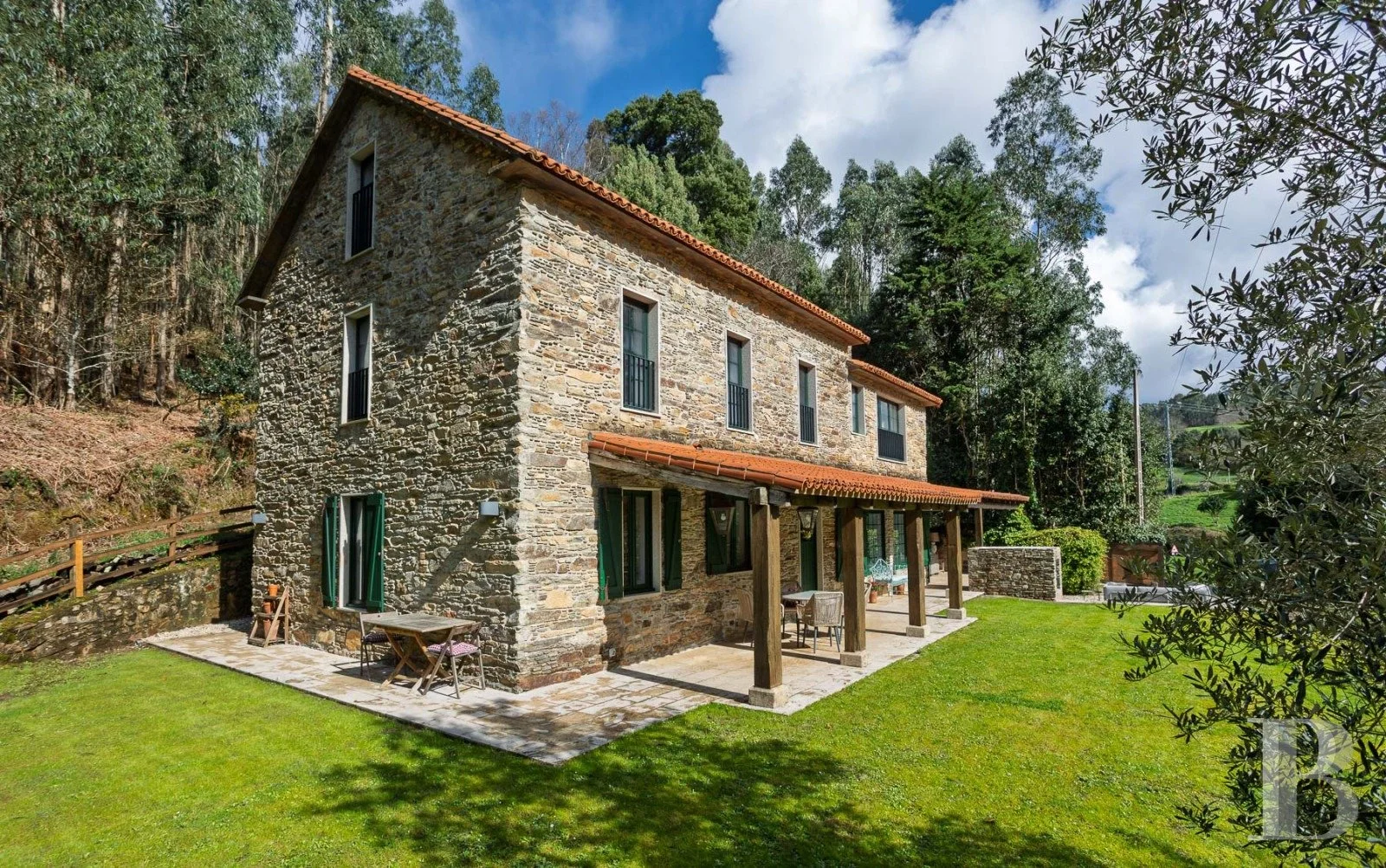
Traditional stone mansion with separate guest house
Price
€595,000
Land
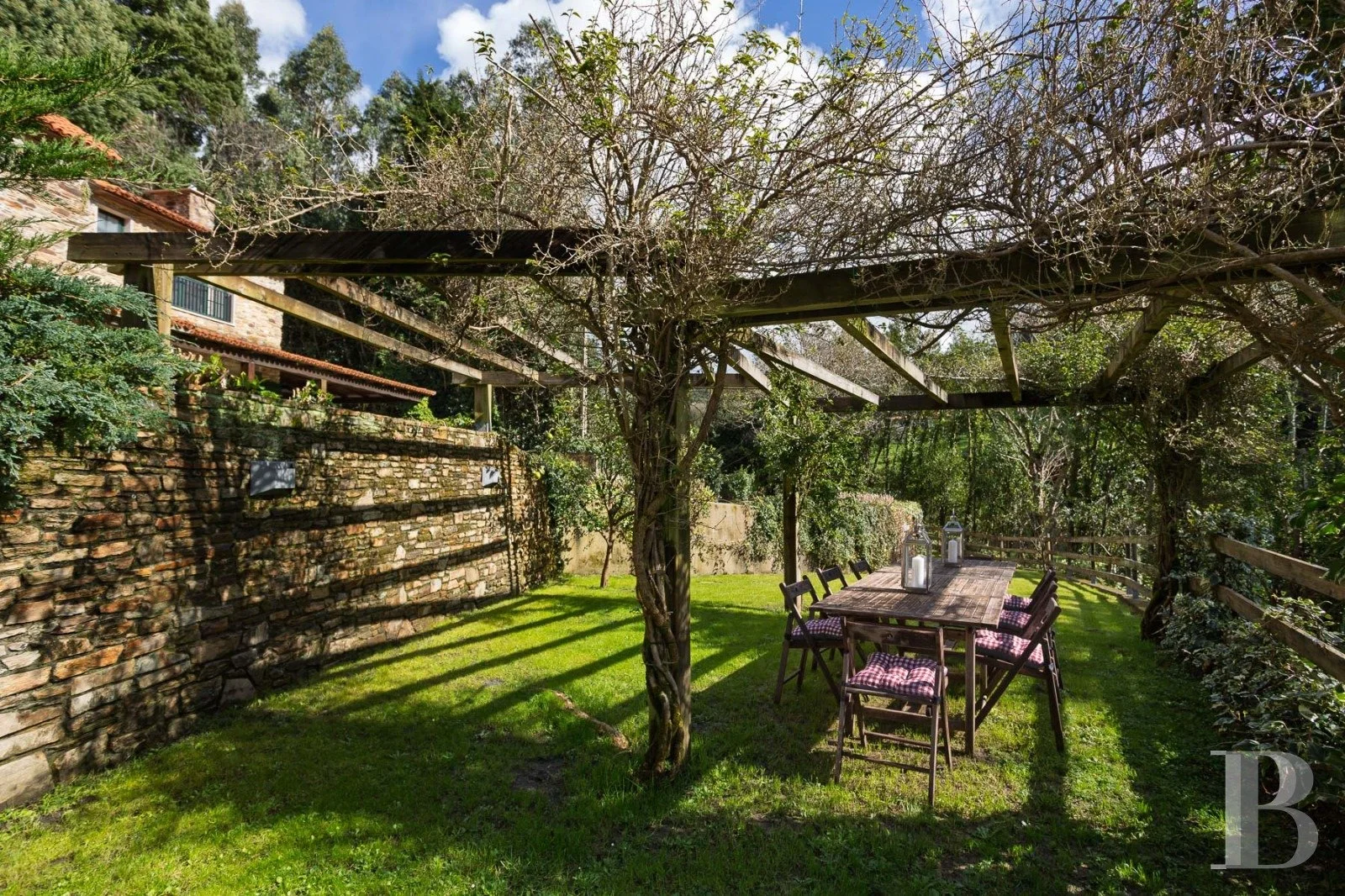
Approx. 4,107 m² of wooded hillside grounds
Lifestyle angle
Main residence, multi-generational home, surf-area retreat, or hospitality-led property
Headline appeal
Large stone house, separate guest accommodation, generous land and close access to surf beaches and coastal scenery
Core tension
The value here depends on four things being true at the same time: the stone structures must be sound in a damp Atlantic climate, the guest house must be legally usable as accommodation, the land must be clearly bounded and practical, and the tourism story must survive actual Galician licensing rules rather than brochure optimism
Risk Radar
Overview
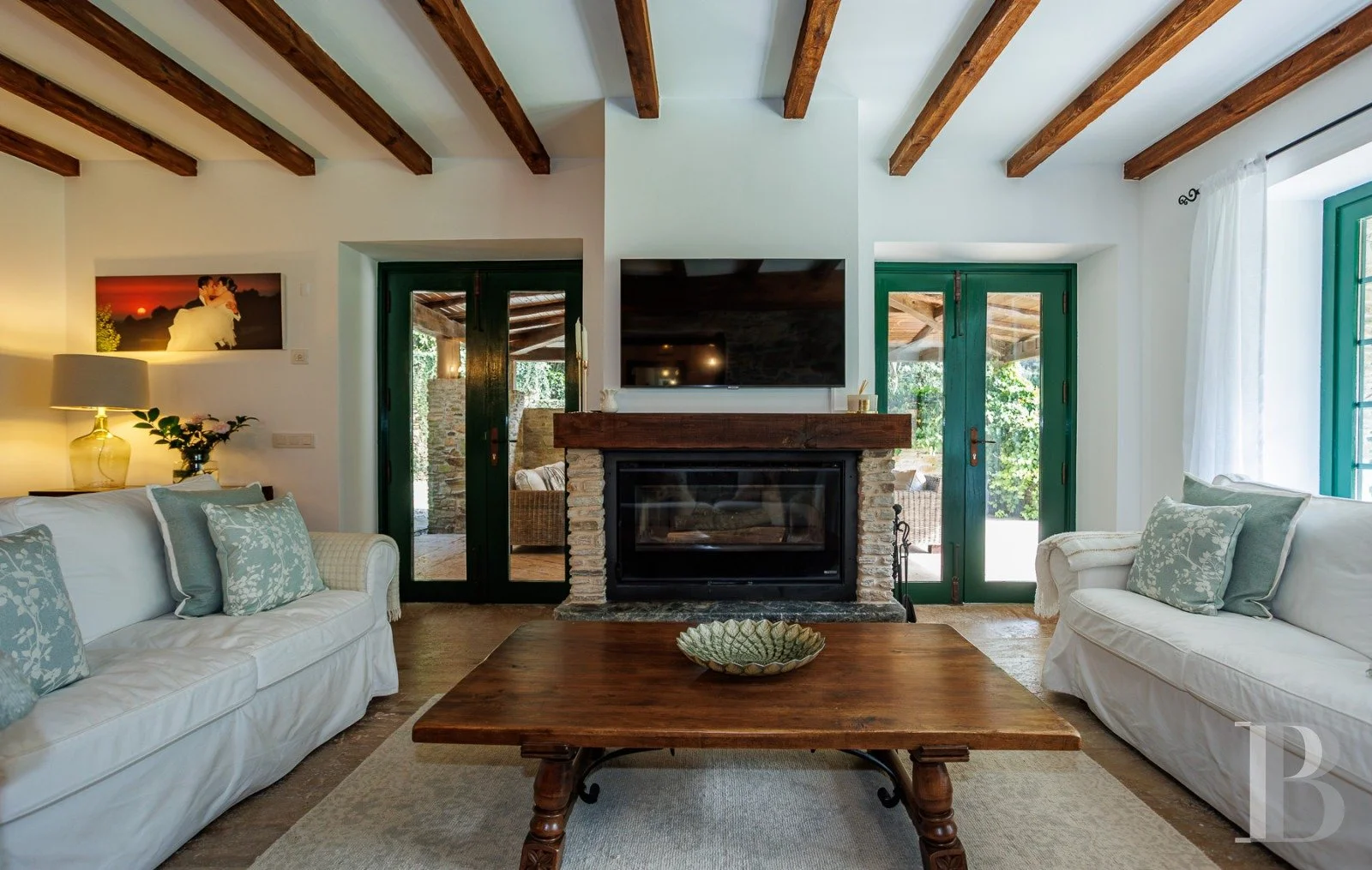
This is a highly attractive Galician lifestyle property because it combines several things buyers often struggle to find together: traditional stone architecture, meaningful land, a separate guest house and close proximity to beaches. The Rías Altas setting adds a specific kind of value too. This is not Mediterranean Spain with a sun-led use pattern. It is Atlantic Spain, where climate, moisture, wind exposure and year-round practicality matter more than they do in a dry inland or southern market.
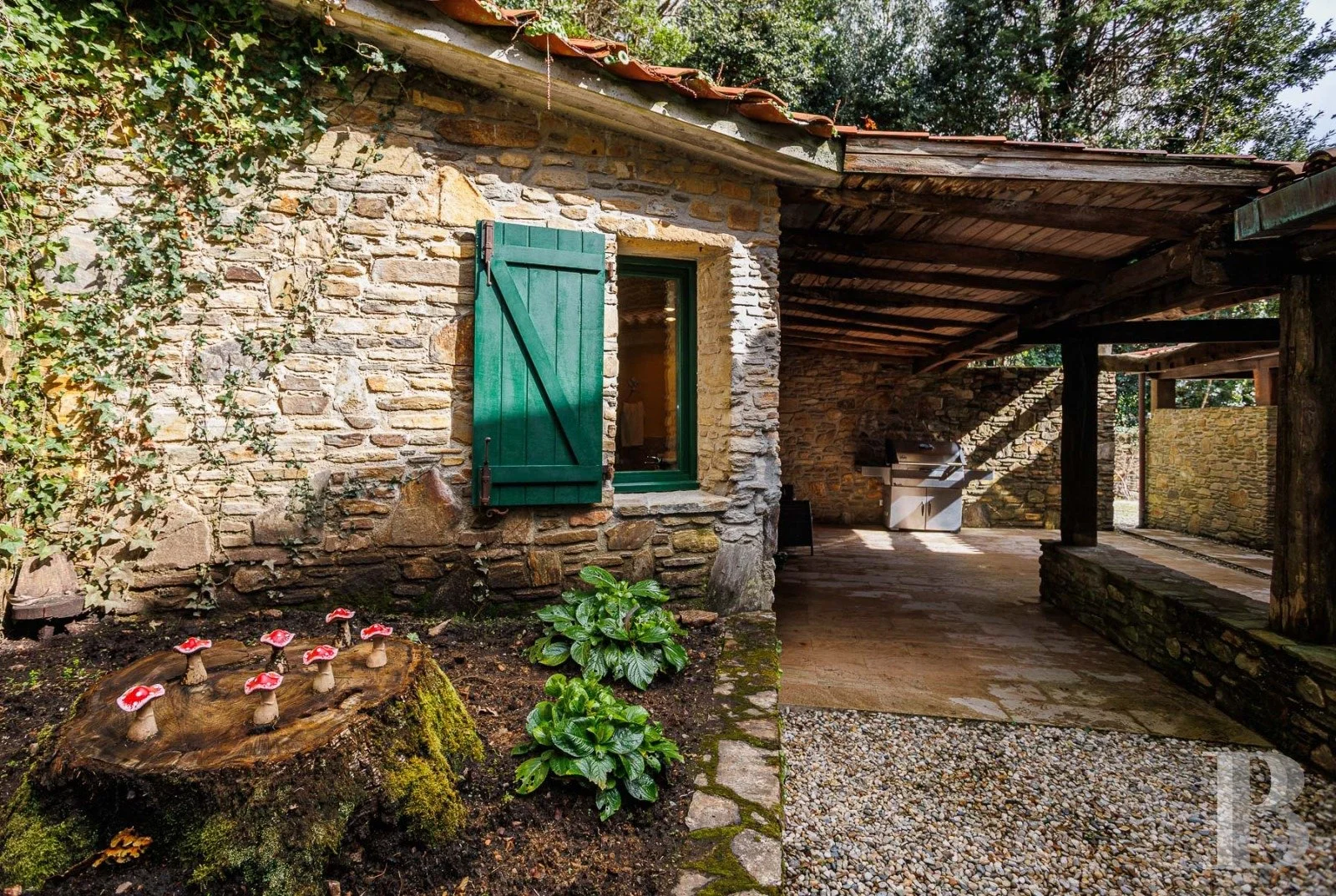
The first priority is the guest house. That is the clearest value-add in the listing, but it is also the feature most likely to be over-assumed. A separate building can be a fully lawful dwelling, a registered annex, or simply a useful outbuilding that looks rentable in photographs. Until the Registro, Catastro and municipal file are aligned, a buyer should not pay for it as though it were proven guest accommodation.
The second priority is the building fabric. Stone houses in Galicia can be wonderful, but they need to be judged through the local climate rather than through romance. Damp, ventilation, roof condition, thermal comfort and the behaviour of cellars matter much more here than in drier parts of Spain. A dry-looking visit in good weather should not end the inquiry.
The third priority is the tourism angle. Galicia does allow viviendas de uso turístico through a declaración responsable route with Turismo de Galicia, but that is not the same thing as assuming any separate building can simply be let tomorrow. The exact status of the guest house, the quality of the first-occupation documentation and the municipal planning reality all still matter. The Xunta's current procedure for VUT activity is based on filing a declaración responsable with the provincial tourism authority.
Targeted Questions
Registry, Guest House and Legal Status
The nota simple identifies the finca, the registered holder or holders, and the nature, extent and limitations of the registered rights.
Marketing language and registry language are not always the same thing.
The Catastro is the starting point for mapping the plot and checking what built elements are declared.
That distinction affects value, future use and resale.
A separate structure is only a true second dwelling if the municipal and registry position supports that.
In Galicia, the first-occupation route is the key formal document trail for recognising the building or dwelling as fit for residential use. The Concello de Cedeira's own procedure states that first occupation certifies that the building was completed in accordance with project and licence and meets safety and habitability conditions.
You need the actual legal gap, not a vague reassurance.
Existing professional advice can shorten due diligence significantly.
A large rural property can hide easements or burdens more easily than a standard apartment.
This affects both practical use and rental logic.
Building Age, Renovation and Structural Condition
Age frames the structural and services risk profile.
Buyers need to distinguish between genuine upgrading and cosmetic staging.
Paper trails matter more than verbal descriptions.
Stone buildings in wet coastal climates deserve a proper technical view.
Roof weakness is one of the fastest ways for damp to become a major cost.
Stone construction ages differently from rendered block construction and needs different maintenance.
These are the hidden-cost items that turn a beautiful stone house into a major project.
In Galicia, window performance materially affects comfort and damp management.
Thermal comfort in Atlantic Spain depends heavily on the envelope, not just on heating.
A coastal northern house that is pleasant in August can feel very different in January.
Insurance history can reveal more than a viewing will.
Damp, Ventilation and Cellar Practicality
Galicia's climate makes this a front-rank question, not a cosmetic one.
A stone building can be perfectly liveable if the moisture strategy is competent.
Cellars in old houses can be valuable utility space or ongoing moisture traps.
This tells you about both drainage and site behaviour.
Ventilation is one of the quiet make-or-break factors in older Atlantic homes.
Land, Boundaries and Wooded Plot
Wooded plots are harder to assess accurately without mapping.
Privacy and control depend on more than hedges and trees.
Rural access quality matters far more in a wet region.
"Wooded hillside" can imply practical obligations as well as beauty.
Site behaviour matters as much as building behaviour on hillside plots.
Rural properties often drift beyond what the documents currently reflect.
Utilities and Infrastructure
The service profile affects both liveability and guest use.
A guest house changes the wastewater question materially.
Real bills help assess carrying costs and service reliability.
Rural attractiveness is stronger when connectivity is genuinely usable.
Thick walls and topography often change the answer.
Tourism, Guest Use and Surf-Retreat Potential
Existing compliance is very different from future aspiration.
Turismo de Galicia requires a declaración responsable to start VUT activity.
The guest house is only a rental asset if it is a lawful dwelling.
Galicia regulates multiple tourism categories through separate procedures and declarations.
Past use often reveals the most realistic future use.
"Surfer territory" is a theme, not yet a yield analysis.
Rías Altas demand is likely more seasonal and more niche than southern-coast assumptions suggest.
Commercial guest use often raises compliance standards beyond private use.
Energy Certificate and Everyday Practicalities
Spain's energy-certification framework requires certification in sale contexts unless a specific exclusion applies, and the certificate is what gives the right to use the label.
The full certificate gives the real technical picture and improvement recommendations.
"4 km from surf beaches" sounds strong, but access practicality matters.
Rural/coastal charm is stronger when daily services are easy.
Guest use and family use both depend on arrival practicality.
Small shared obligations can matter more in rural settings.
Negotiation Intelligence
Buyer Leverage
Medium-High
Key Drivers
Typical Negotiation Range
5-15% below asking
Neutral Phrasing Examples
Country Layer
Spain (Regulatory Context March 2026)
For Spanish property due diligence, the nota simple remains a core first document because it provides the identification of the finca, the registered holders and the nature, extent and limitations of the registered rights. The Colegio de Registradores states that it is informative rather than conclusive proof, but it is still one of the most important first filters for any buyer.
Viewing Strategy
During the viewing:
Next Step
Verify from the listing:
The guest house must be proved, not assumed
Ask for the nota simple, cadastral record, and first-occupation or equivalent municipal documentation for both buildings so you can confirm whether the guest house is a lawful second dwelling or simply an attractive annex.
Atlantic-climate building condition is a core issue
Because this is a large stone property in Galicia, ask directly about roof condition, damp history, cellar behaviour, window quality, insulation and heating. This is not southern Spain, so moisture performance matters more than brochure charm.
The tourism story only works after the legal status is clear
Galicia does allow viviendas de uso turístico through a declaración responsable route, but that only helps once the guest house is clearly lawful residential accommodation and practically fit for use.
The wooded plot needs mapped boundaries and practical scrutiny
Request the cadastral plan and ask about easements, slope behaviour, access-road responsibility and any restrictions on clearing or managing the wooded land.
Do not ignore the energy and utility picture
If the listing shows an unusual Energy Class N reference, request the actual energy certificate or a precise explanation, and ask for the full utility and drainage setup before assuming the property is easy to run year-round.
A prepared buyer should approach the agent calmly and frame questions as due diligence. For example: “To assess the property properly, could you send the nota simple, cadastral plan, first-occupation or habitability papers for both buildings, the energy certificate or explanation, and any documents showing the guest house’s legal status for residential or rental use?”
Because this is a property where the guest house, damp performance, land rights and tourism route all materially affect value, run it through the Property Risk Assessment before contacting the agent, and use the Rental Yield Calculator only once the guest house’s legal and licensing position is fully verified.
Disclaimer: The Property Drop is buyer-focused intelligence, zero sales agenda. We curate exceptional properties, in southern Europe, from third-party agents and arm you with decision tools. No commission, no transactions, no agent partnerships, no skin in the game beyond helping you choose wisely. Information stays accurate until it doesn't (properties sell, prices shift, markets move). Everything here is shared for informational purposes only and should not be treated as legal, financial, or investment advice. Images belong to original agents. Read our Terms of Service to learn more.
IMPORTANT REMINDER: When contacting property agents featured on The Property Drop, you are entering into direct communication with third parties. It's recommended that you verify all property details independently, conduct thorough due diligence, engage qualified professionals (solicitors, surveyors, financial advisors), understand your rights and obligations under local property laws, and never send money or make commitments without proper legal protection.
