
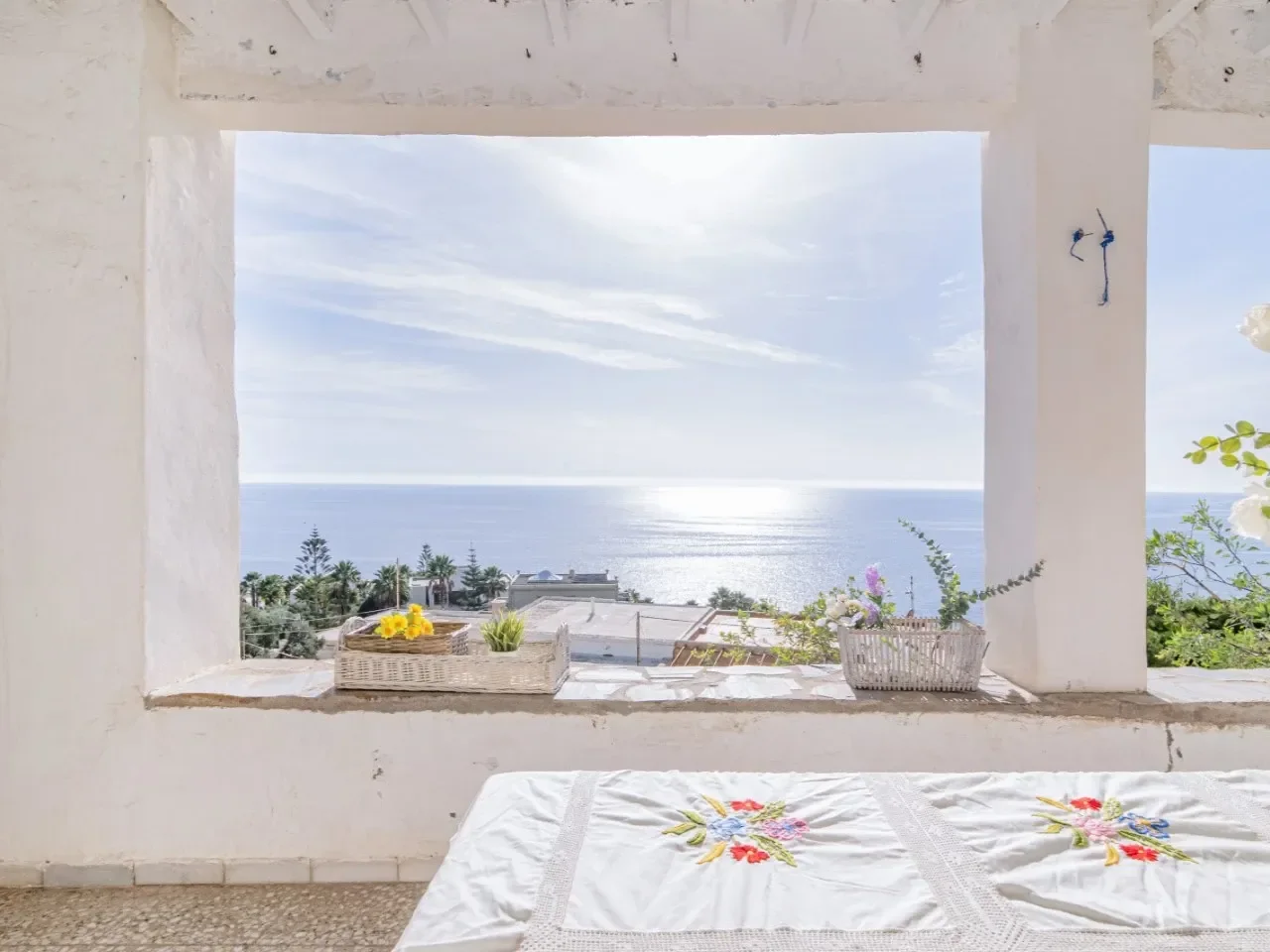
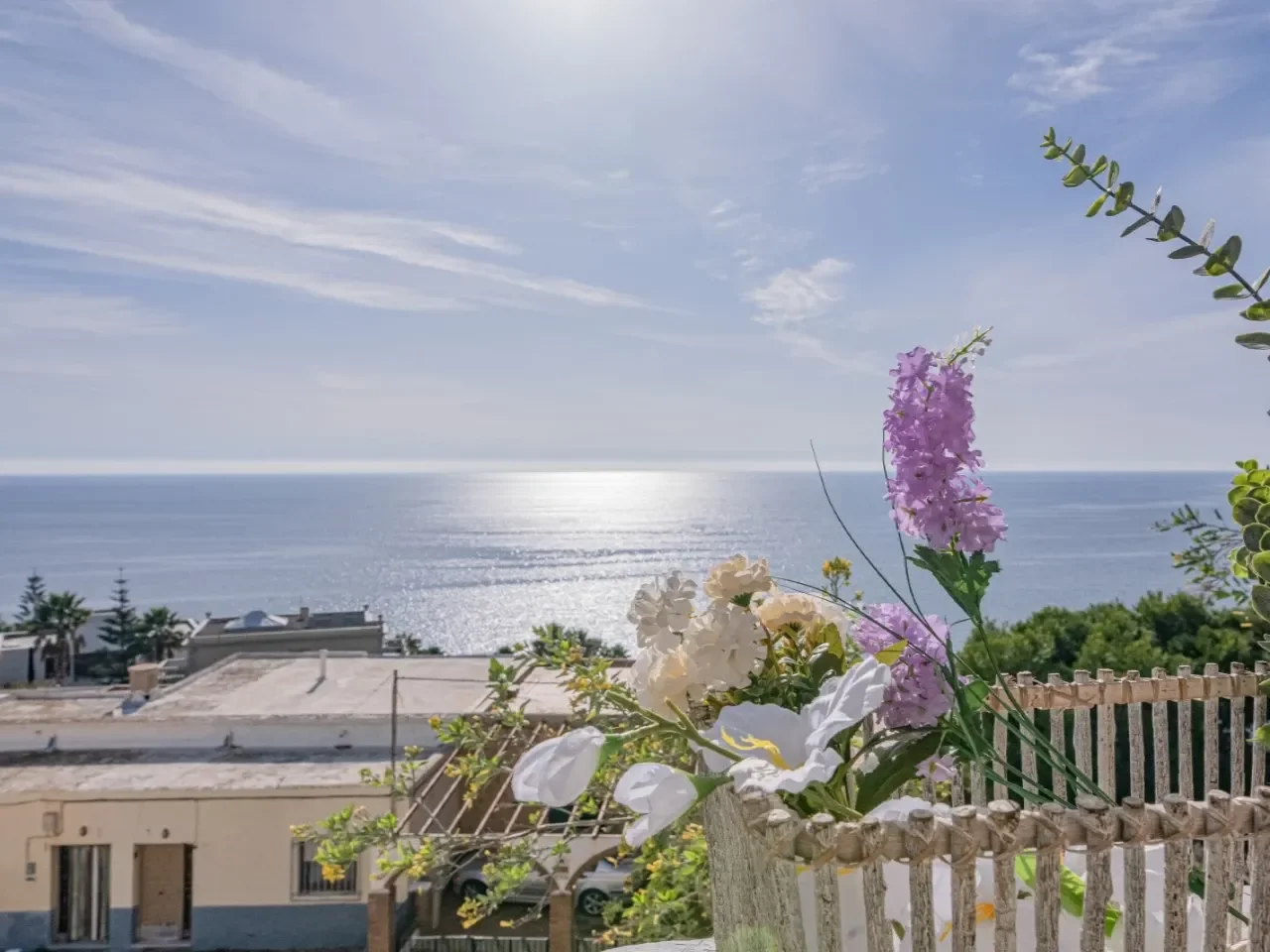
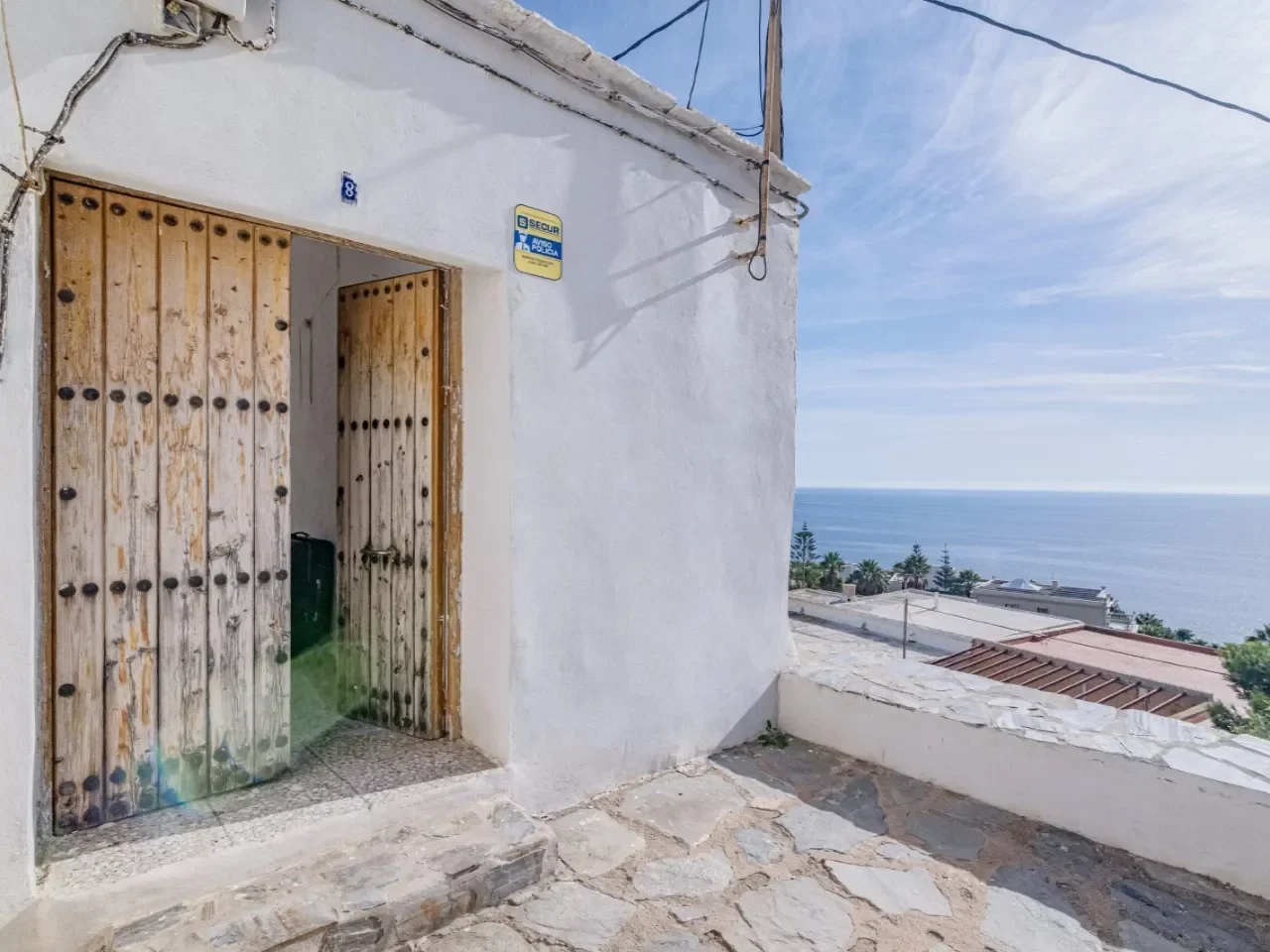
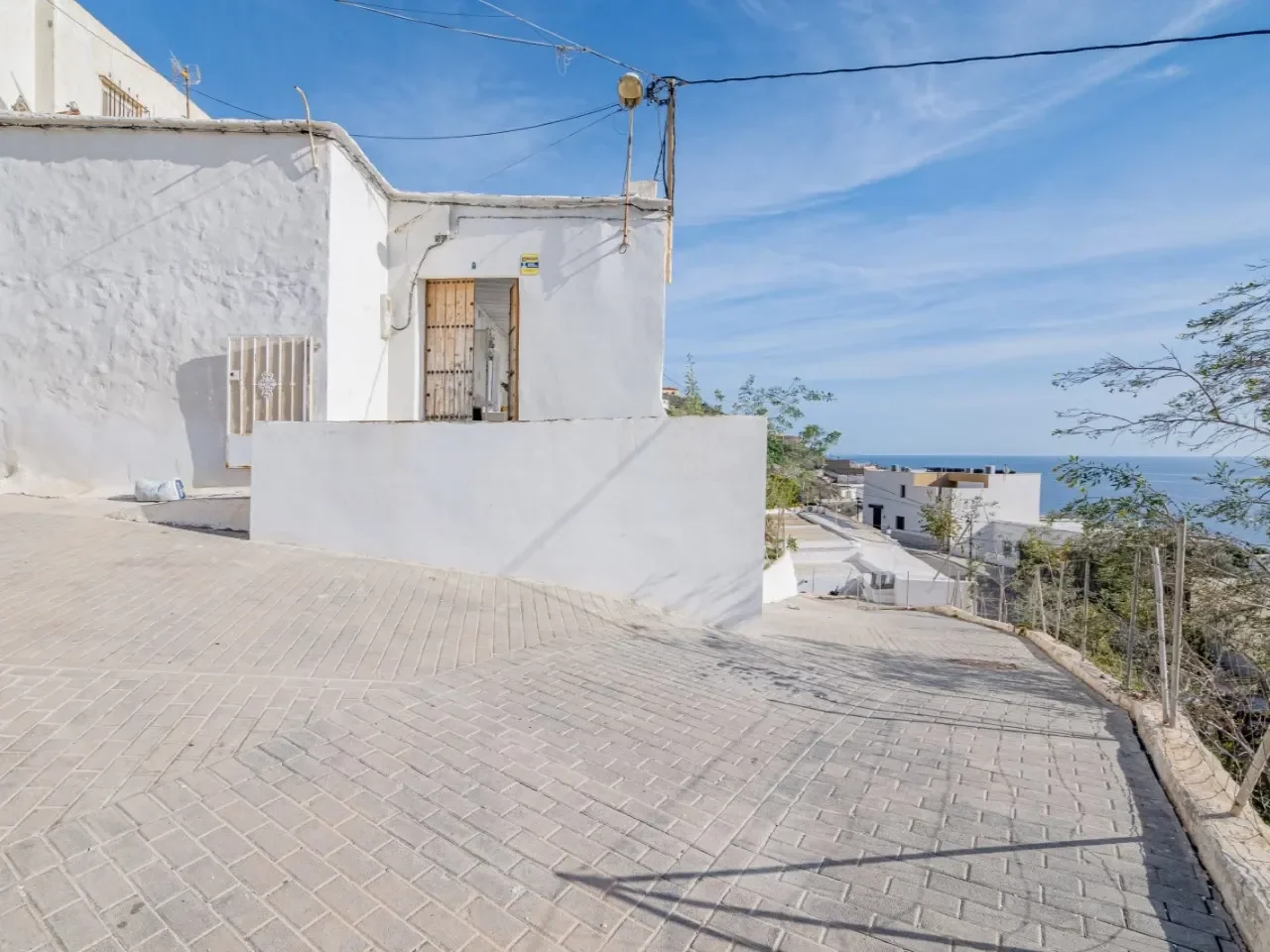
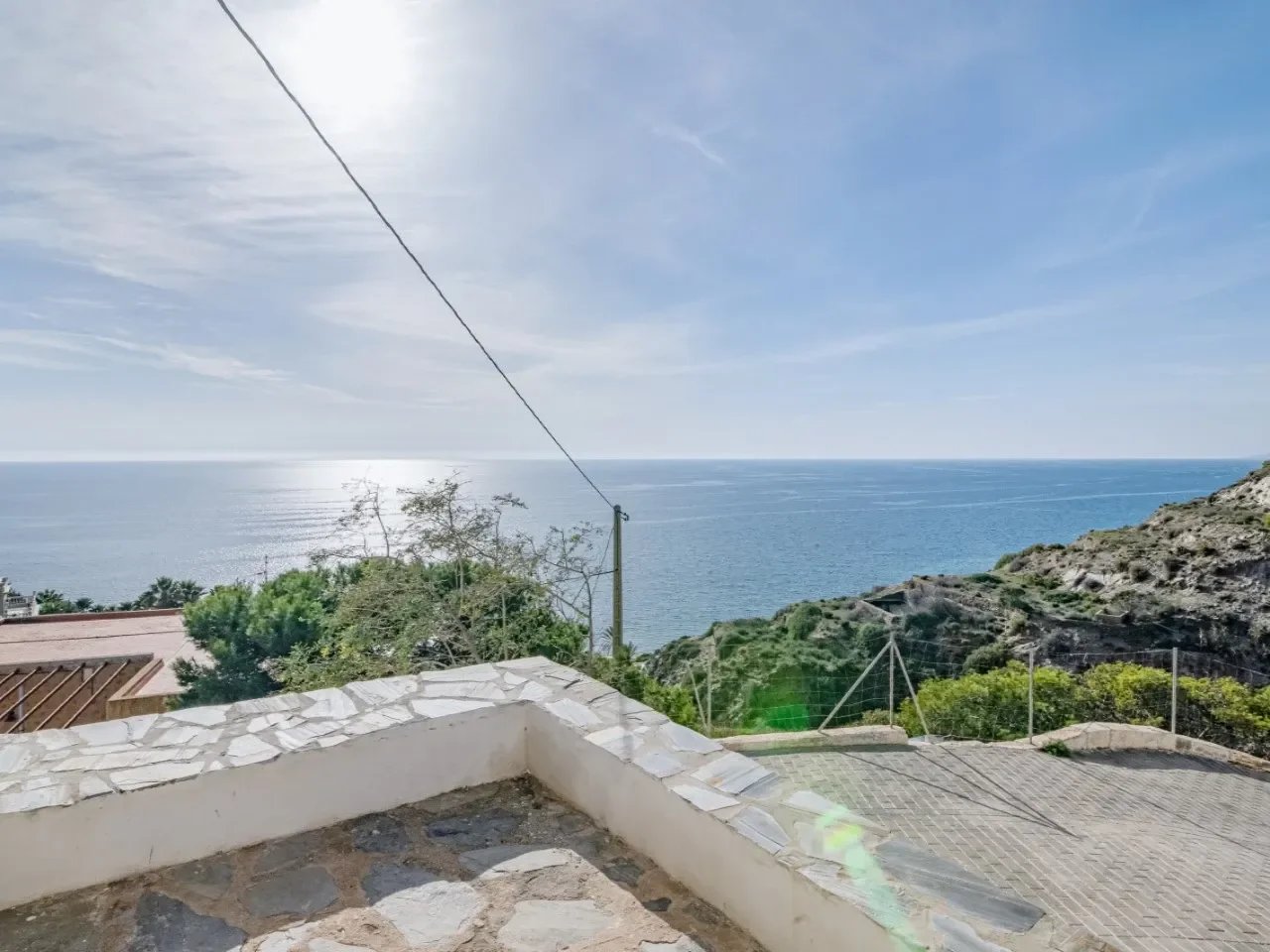
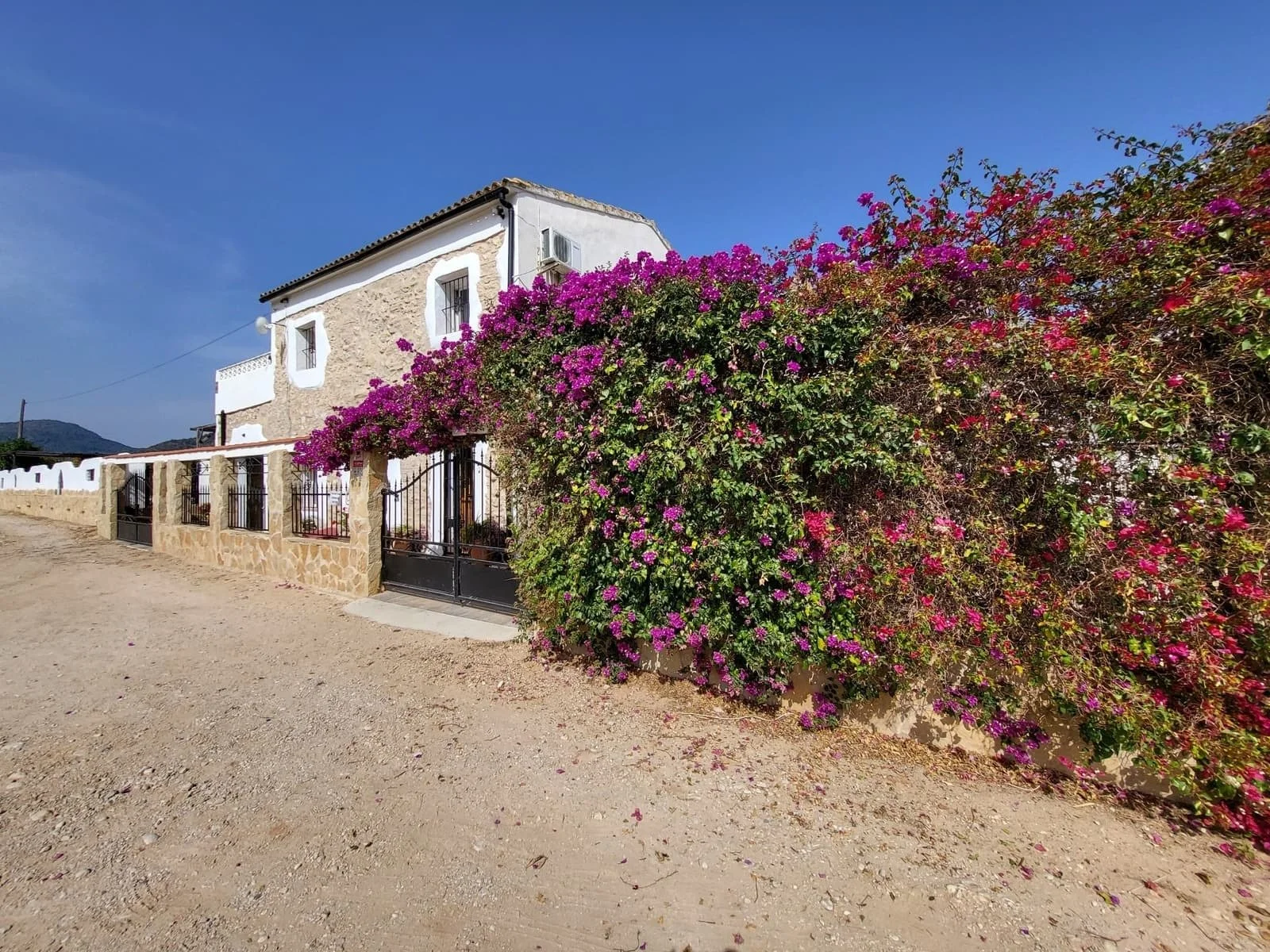
The Buyer Playbook: 6-Bed Two-Dwelling House with 27 m² Sea-View Porch and Beach Access, La Alcazaba, Spain €165,000
NOTE: March 2026 - Price Drop to €150,000
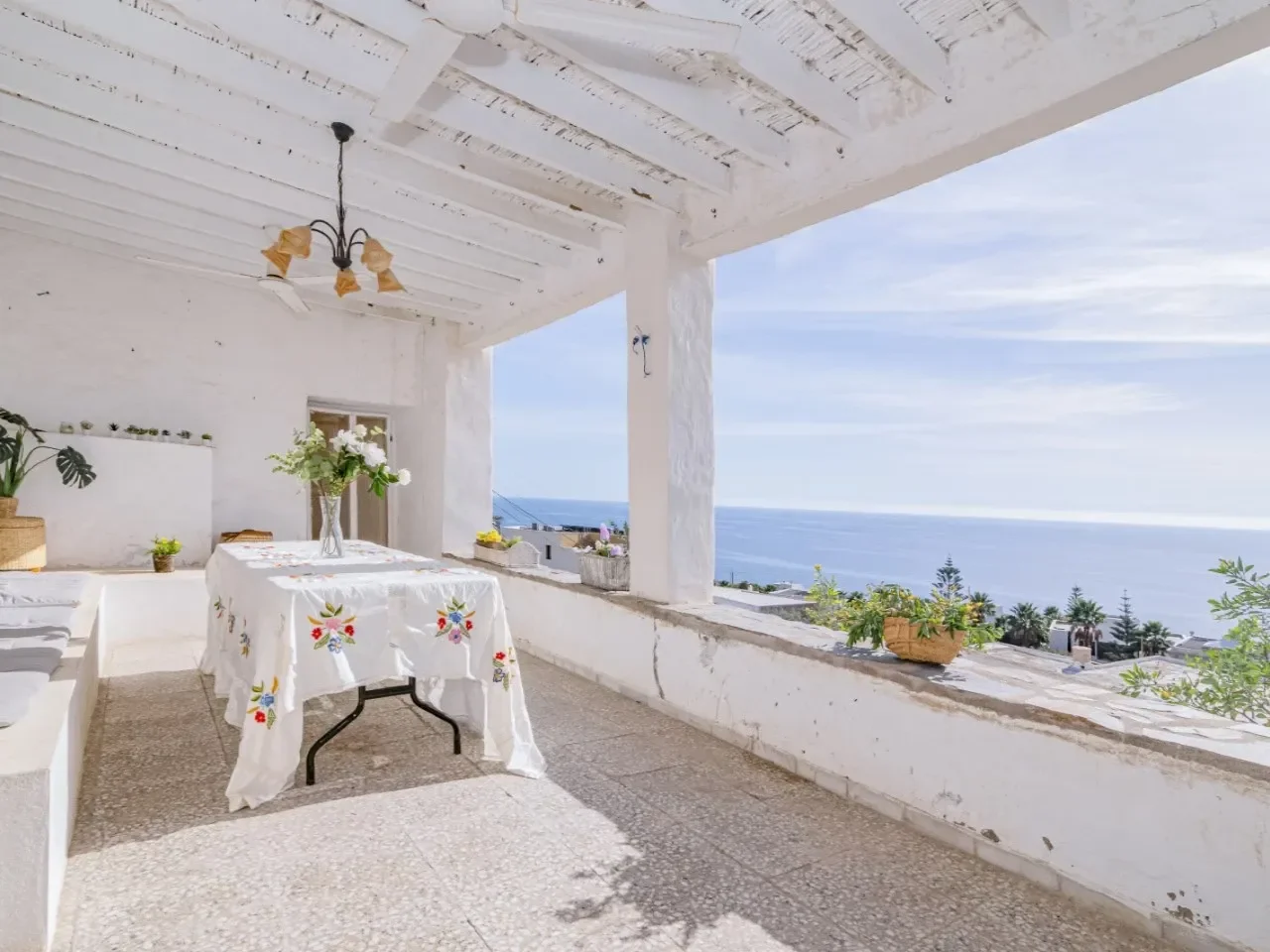
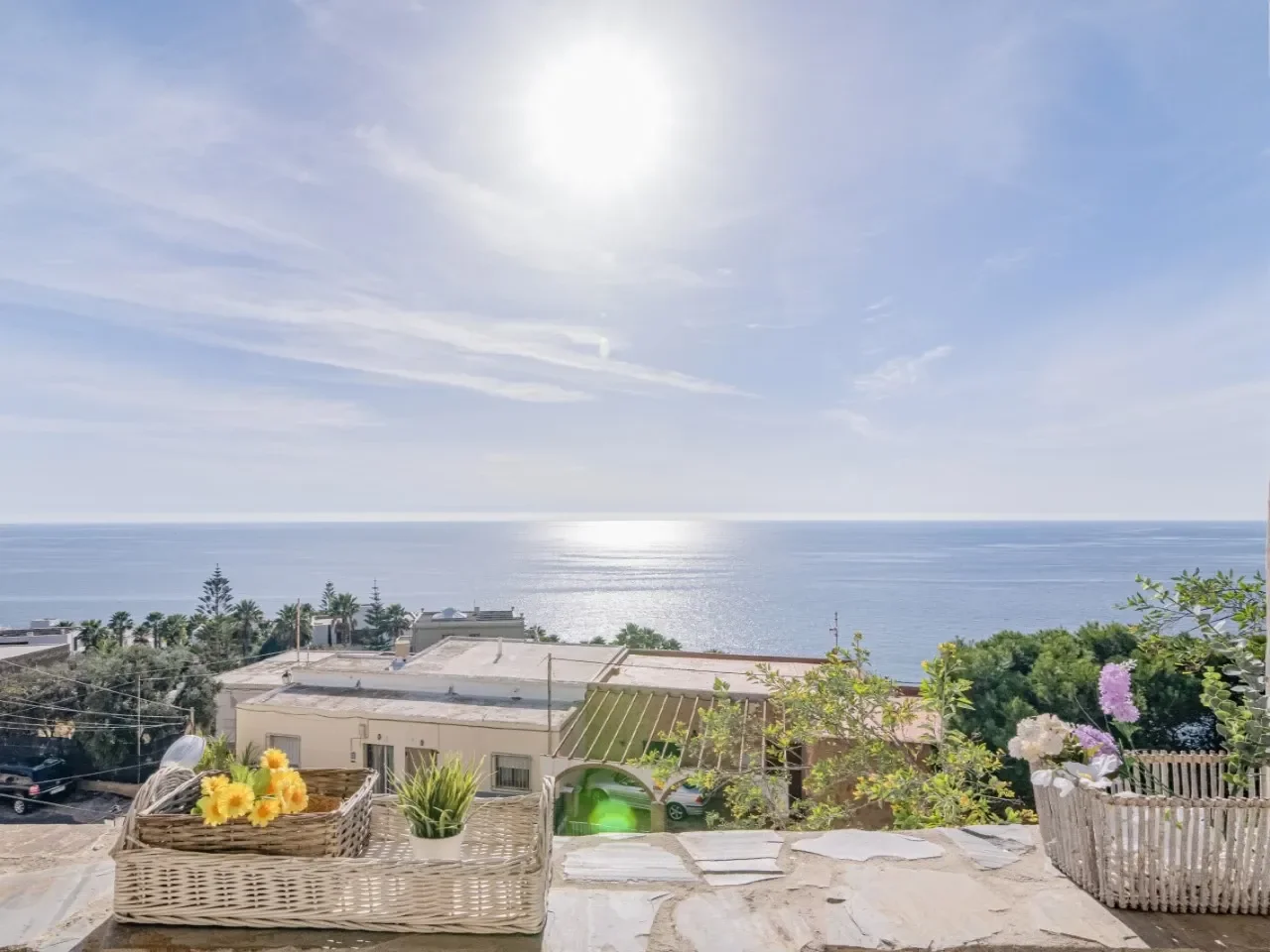
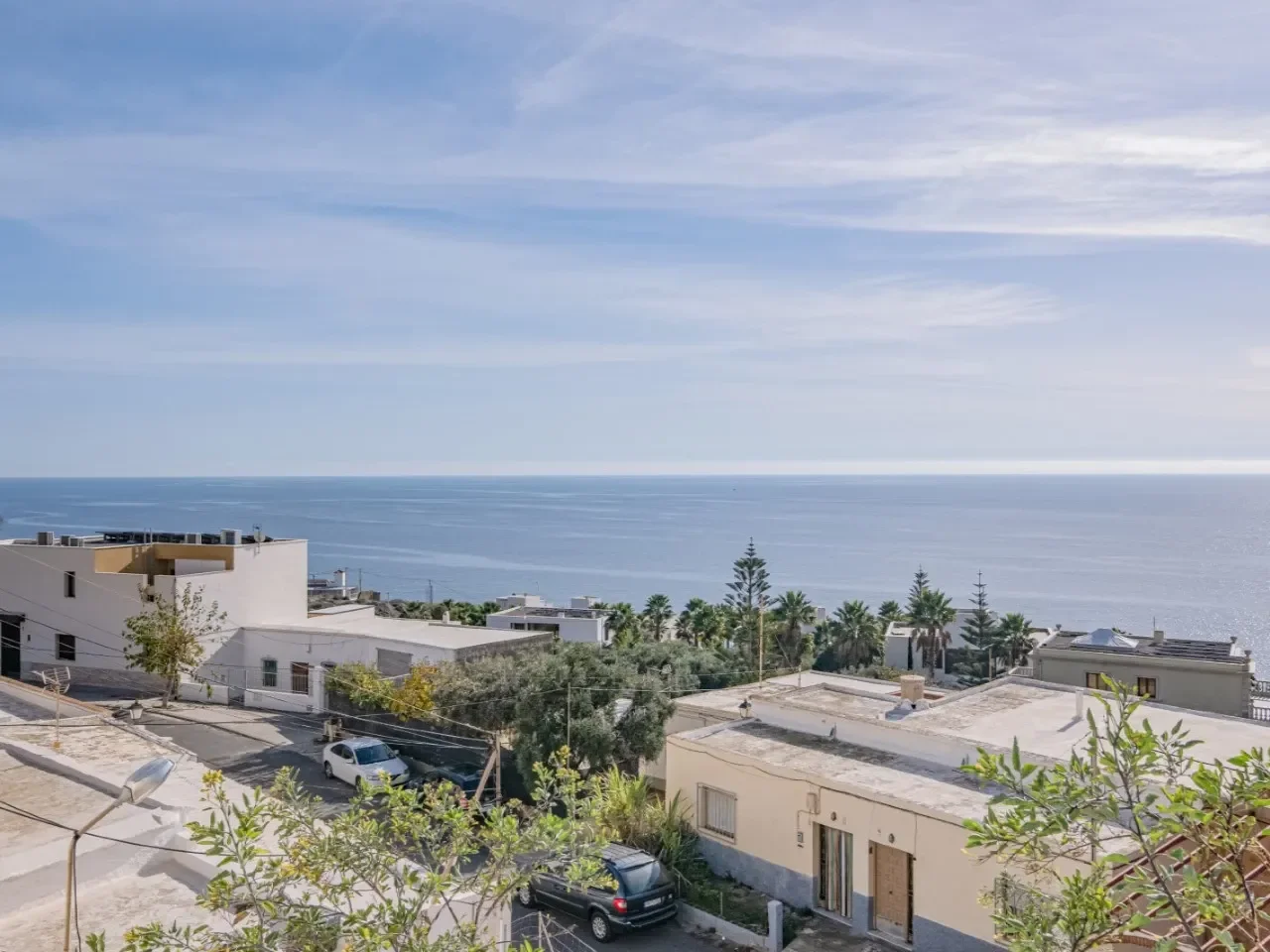
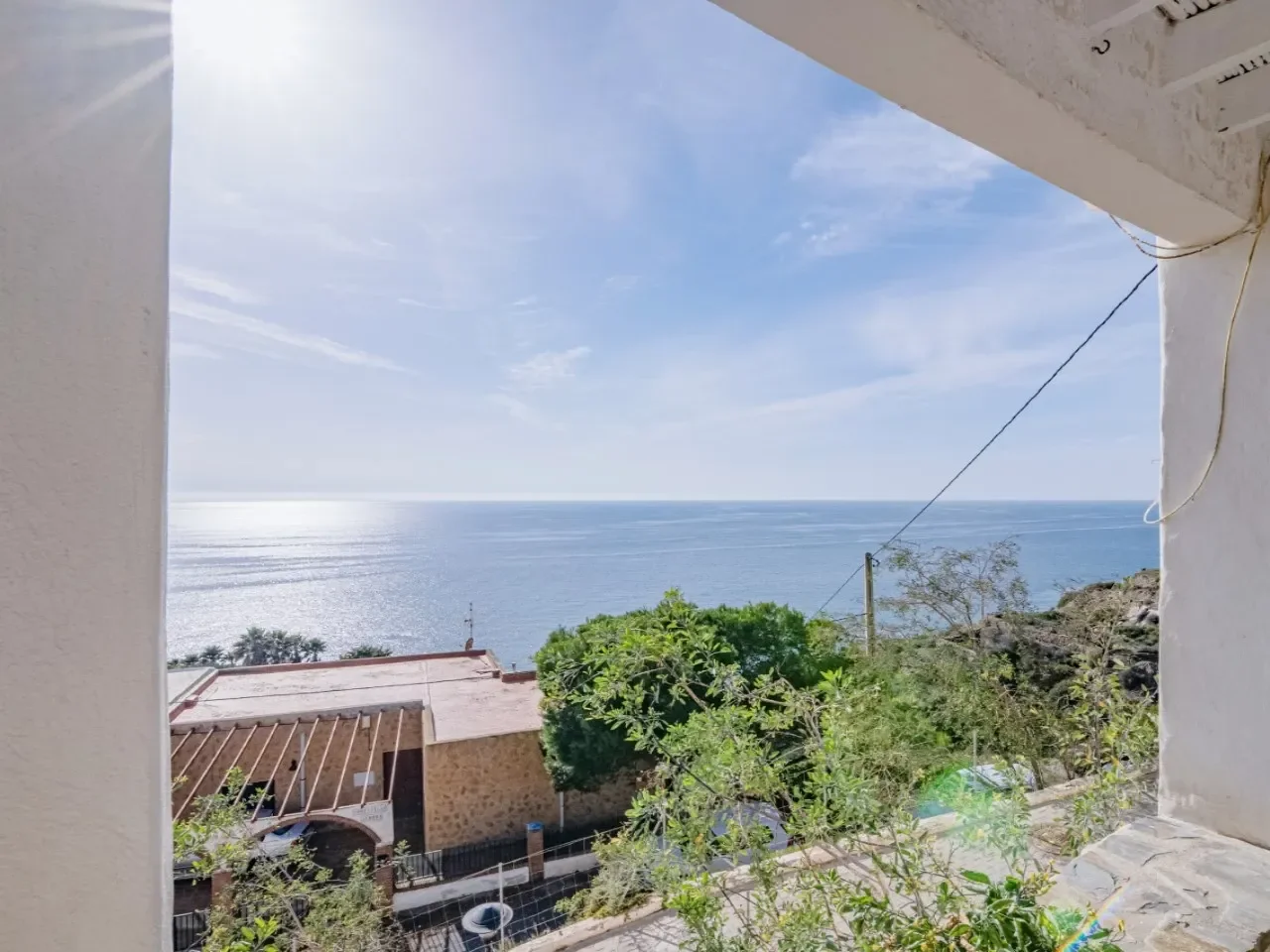
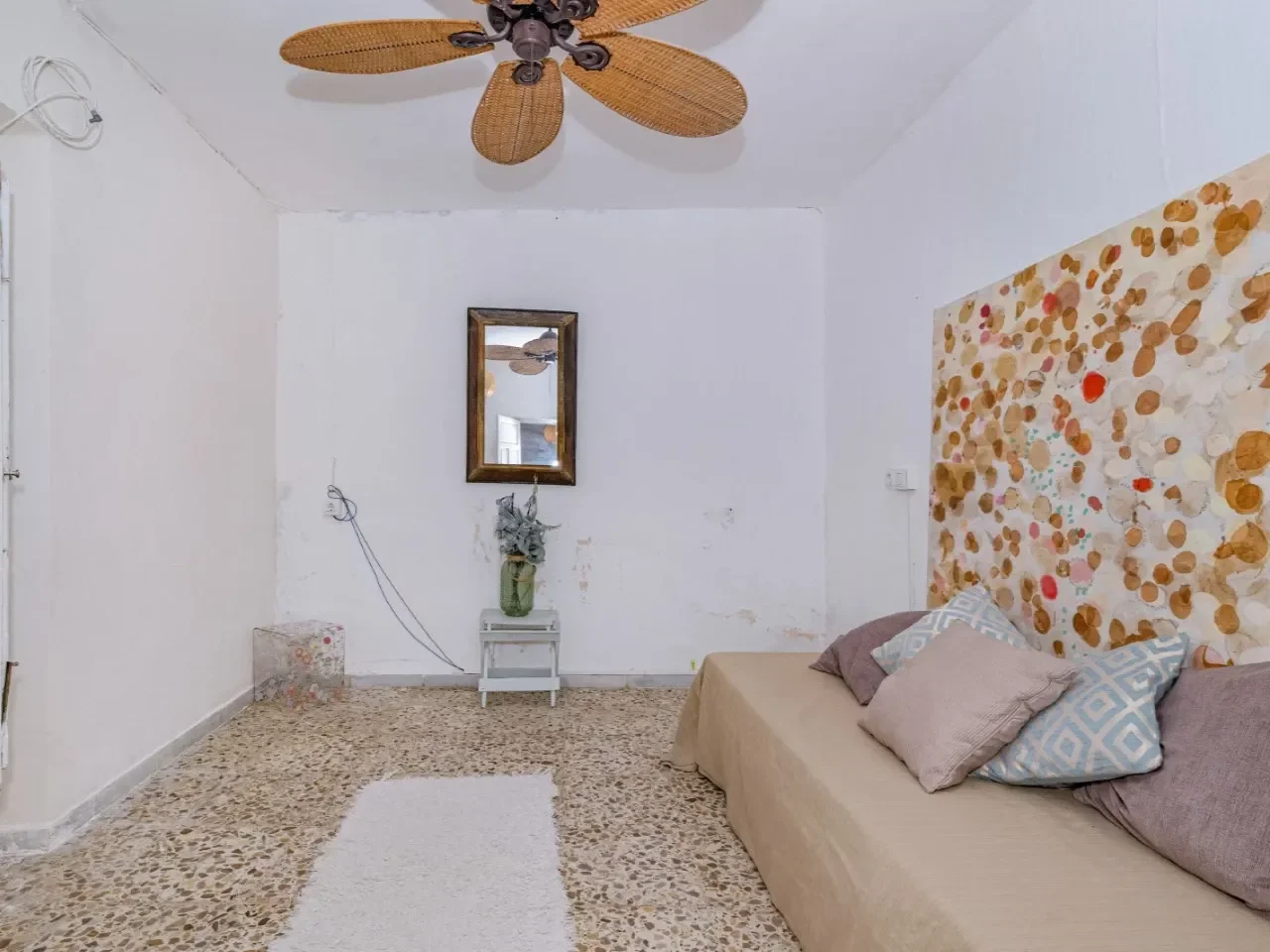
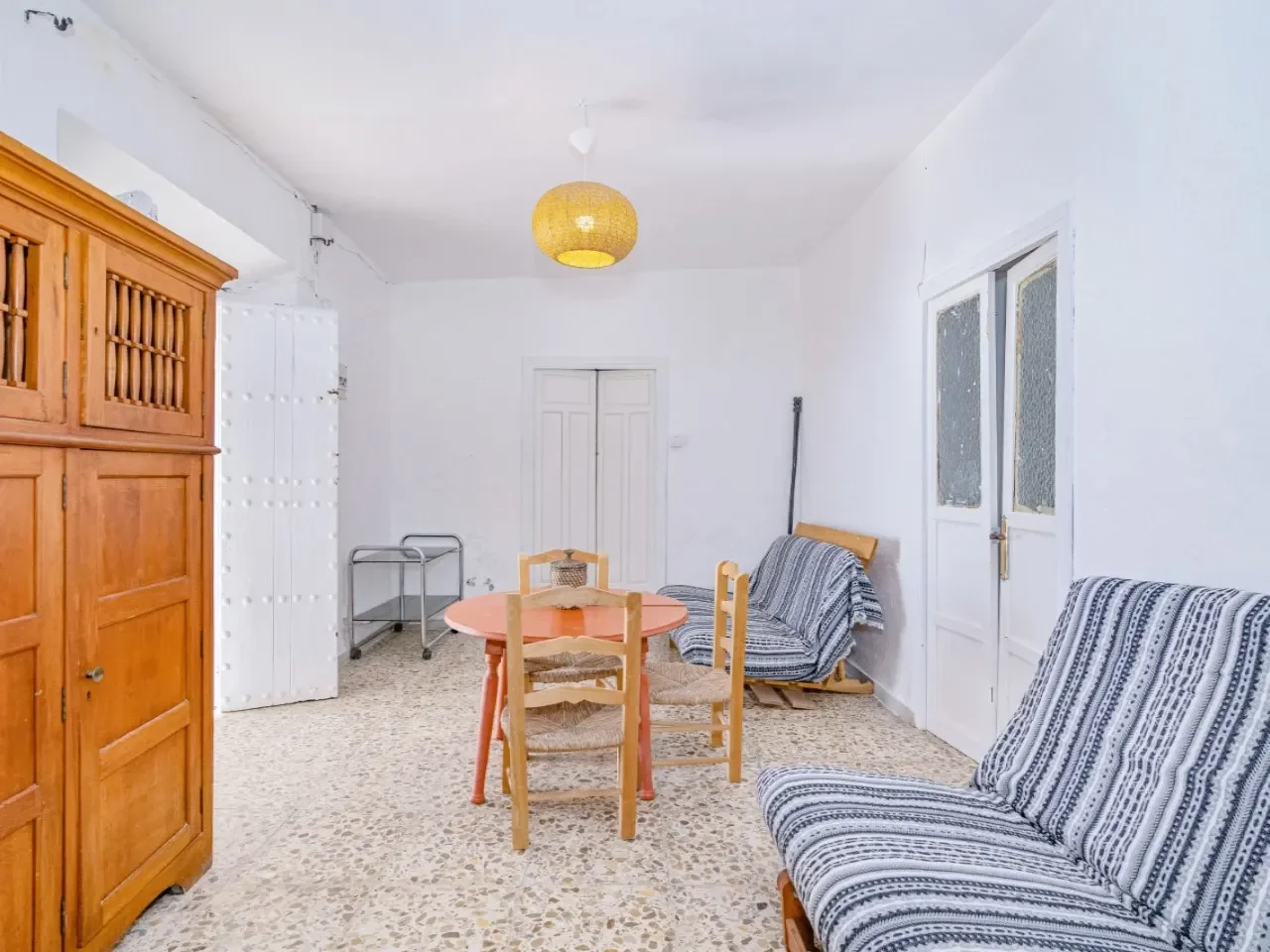
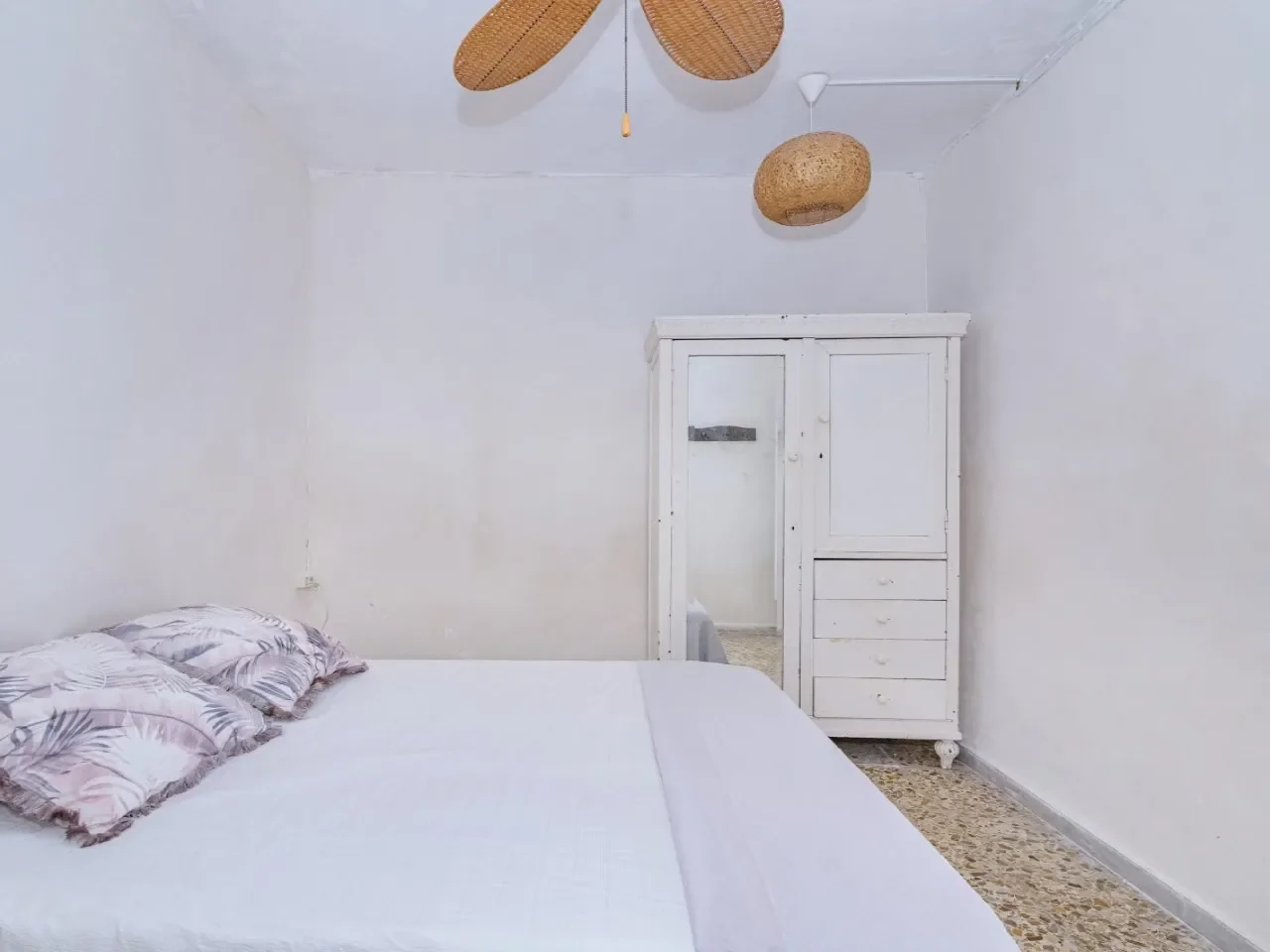
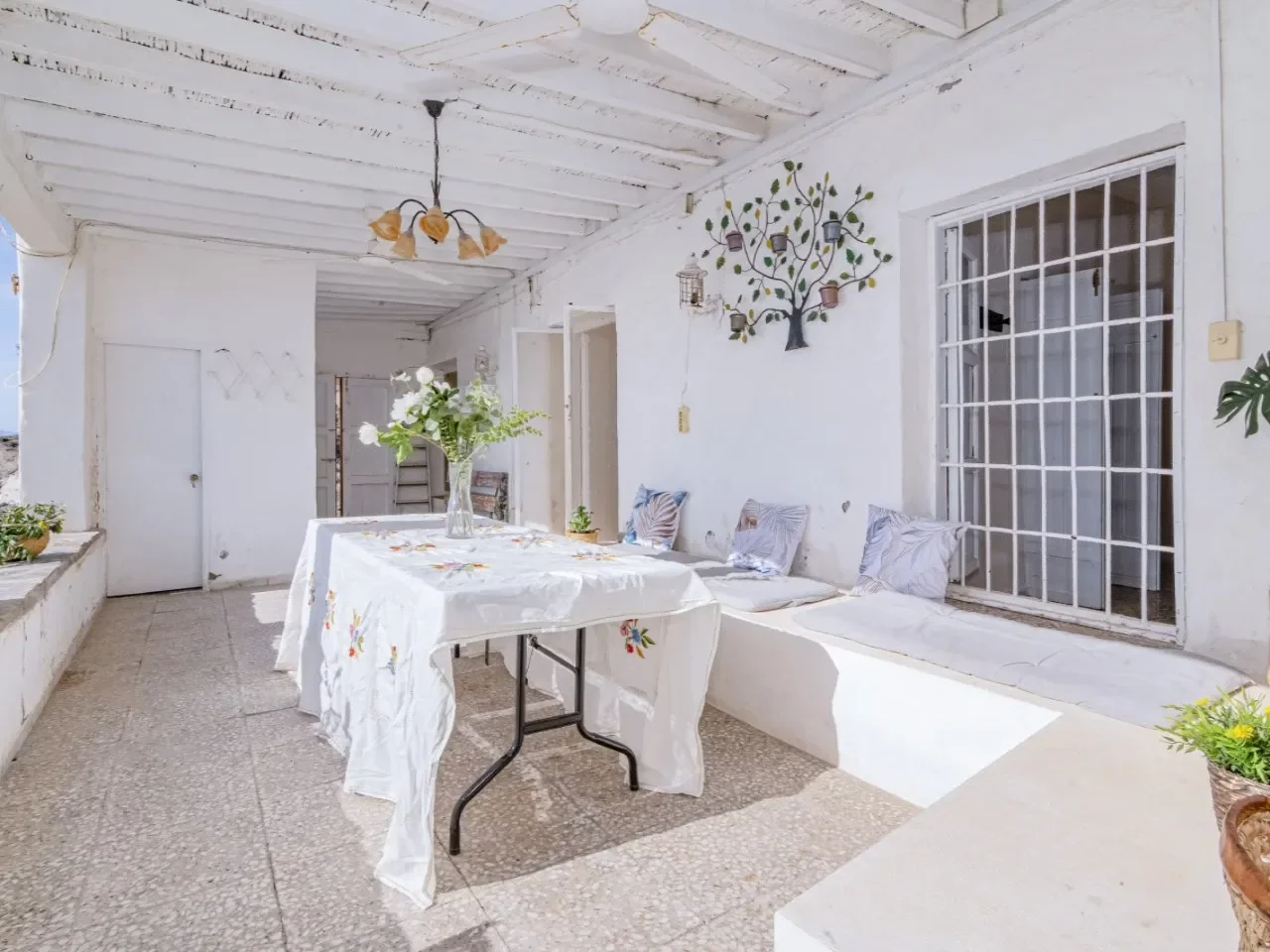
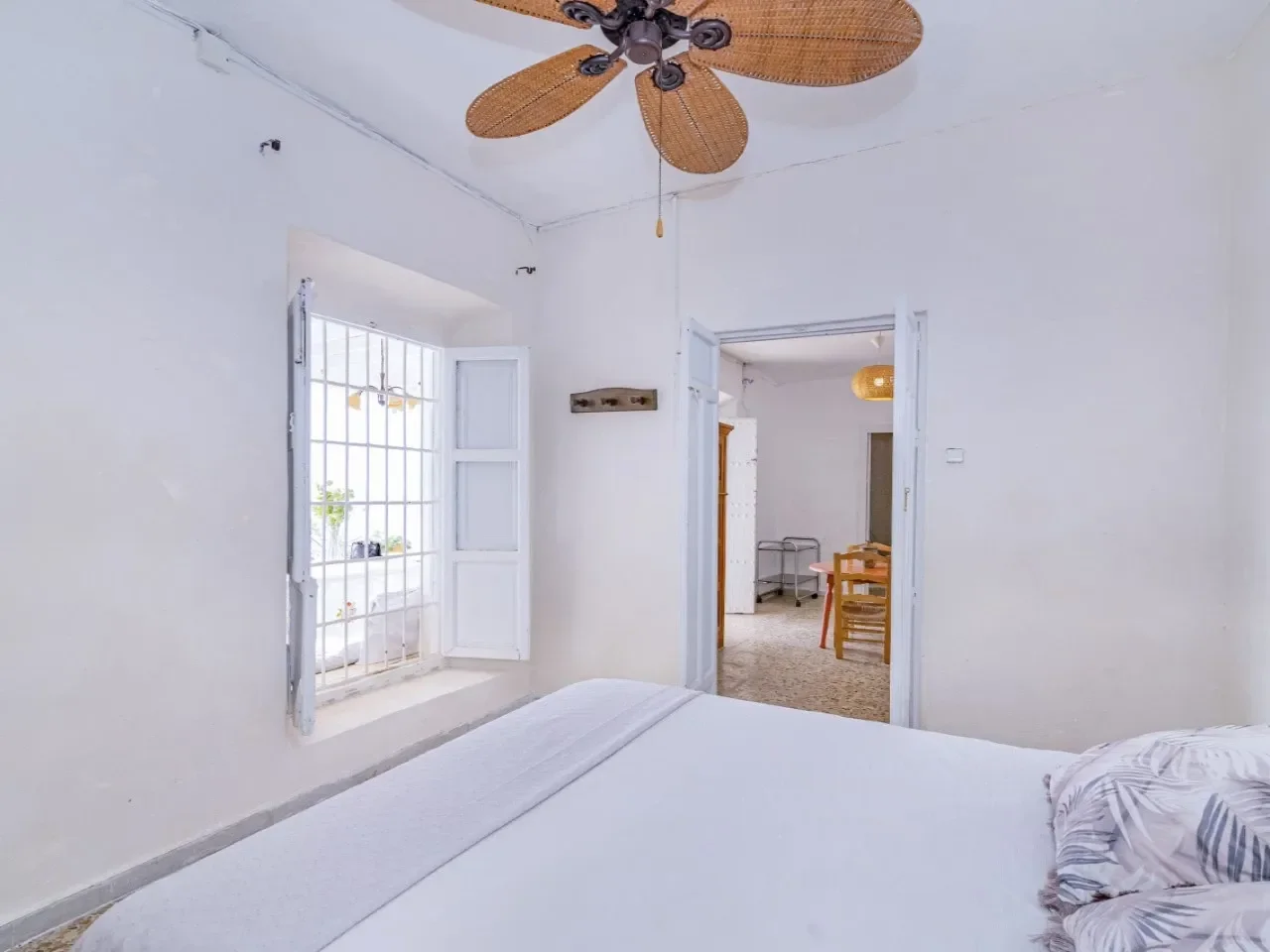
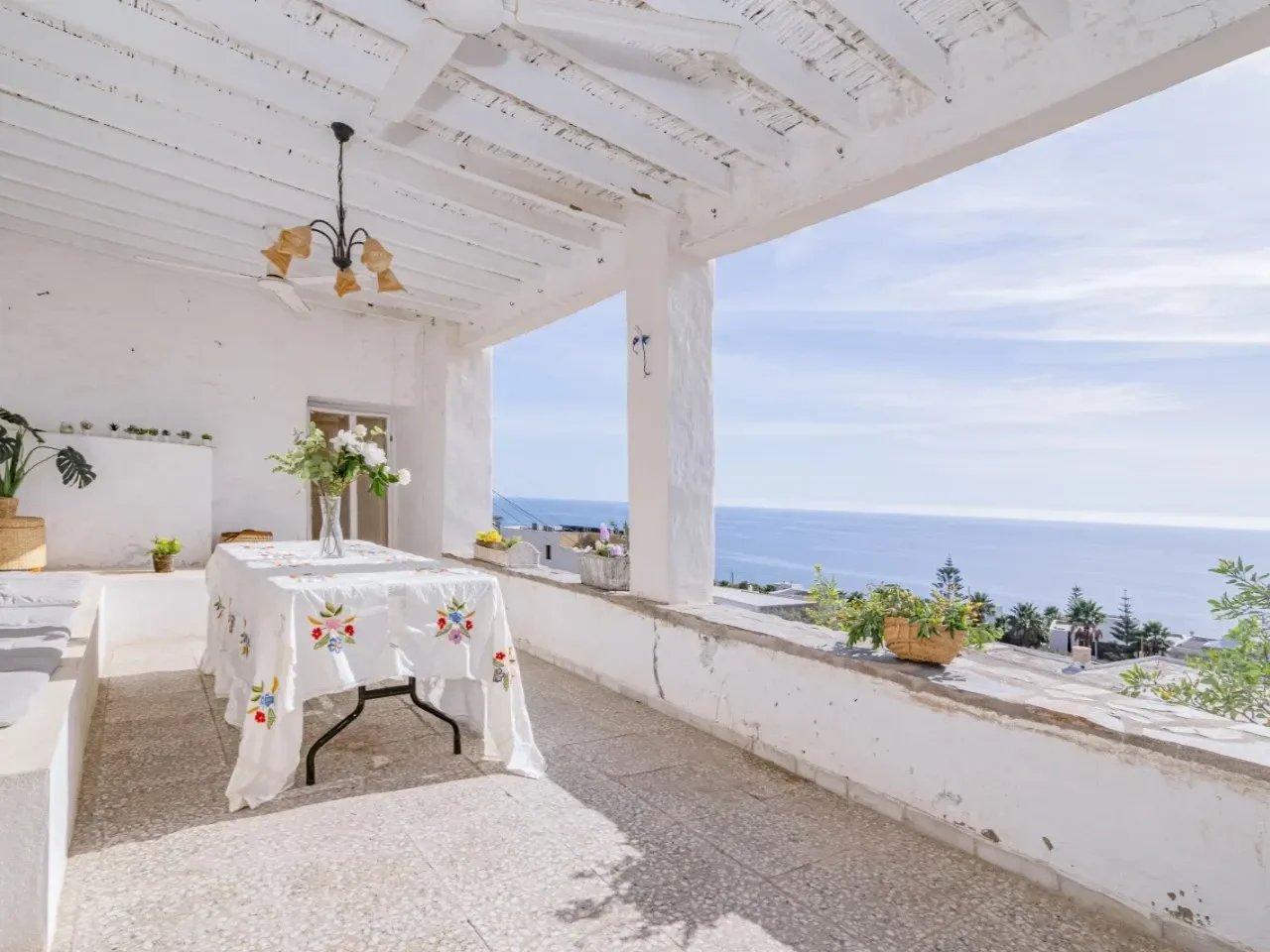
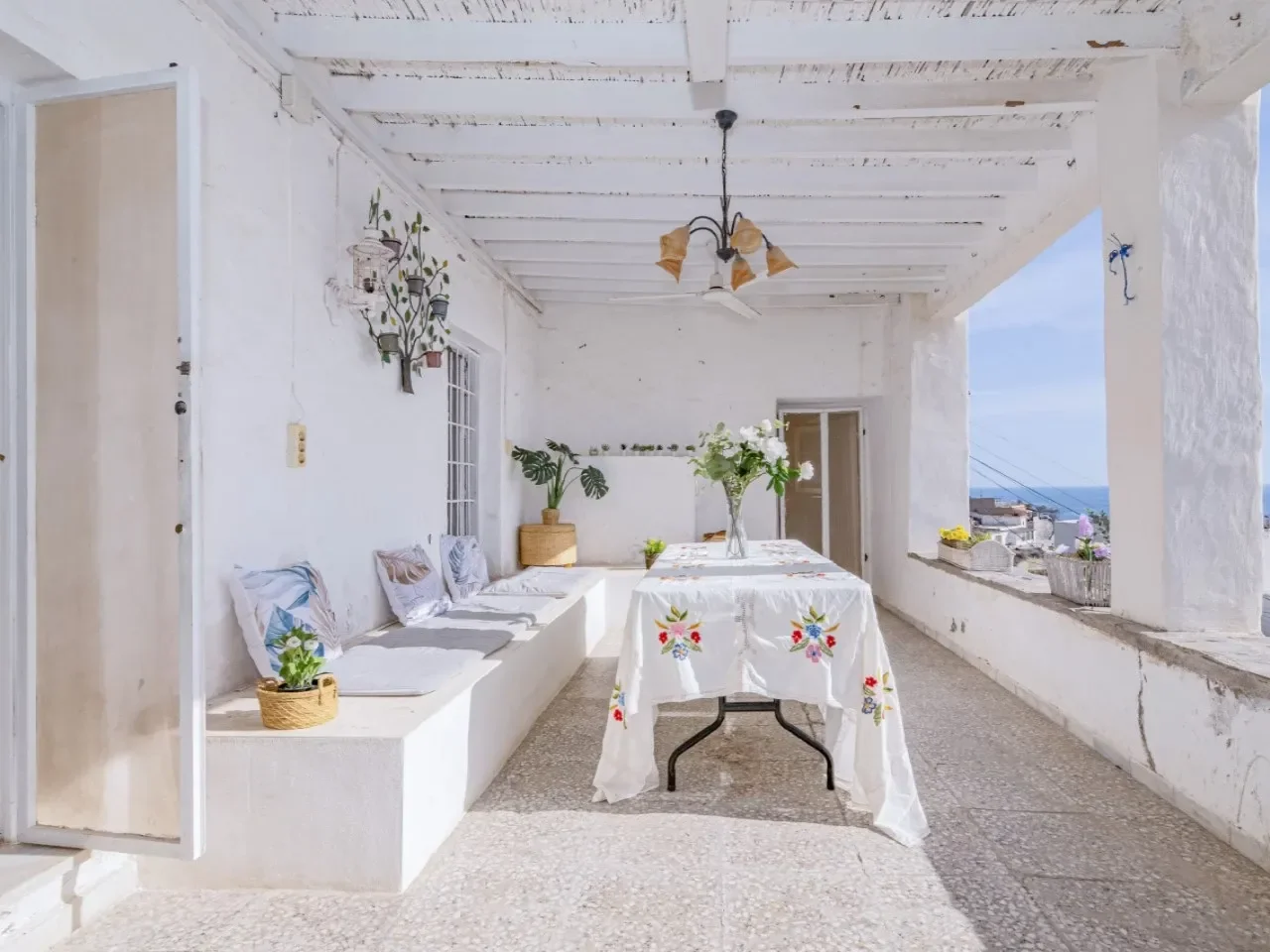
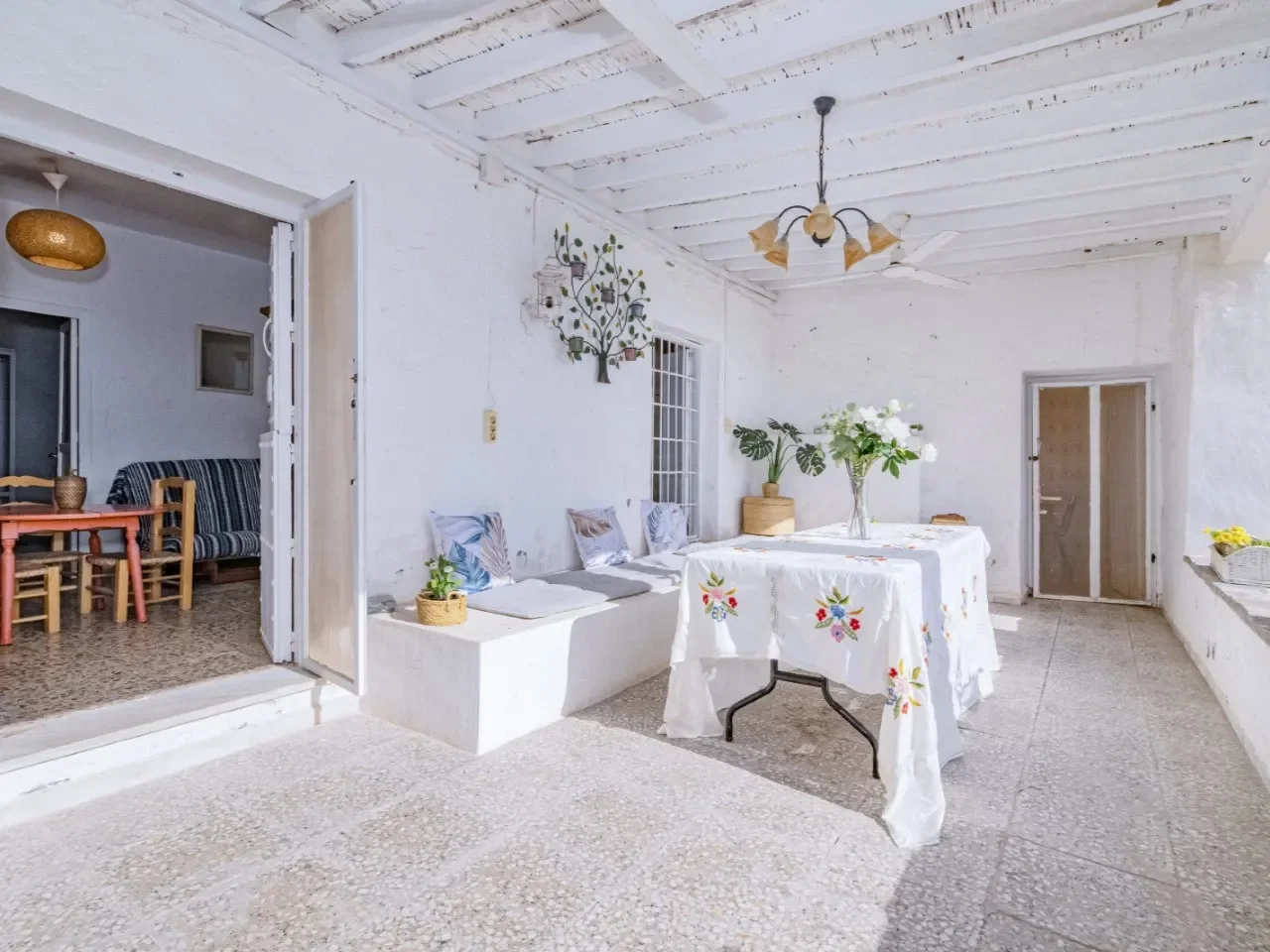
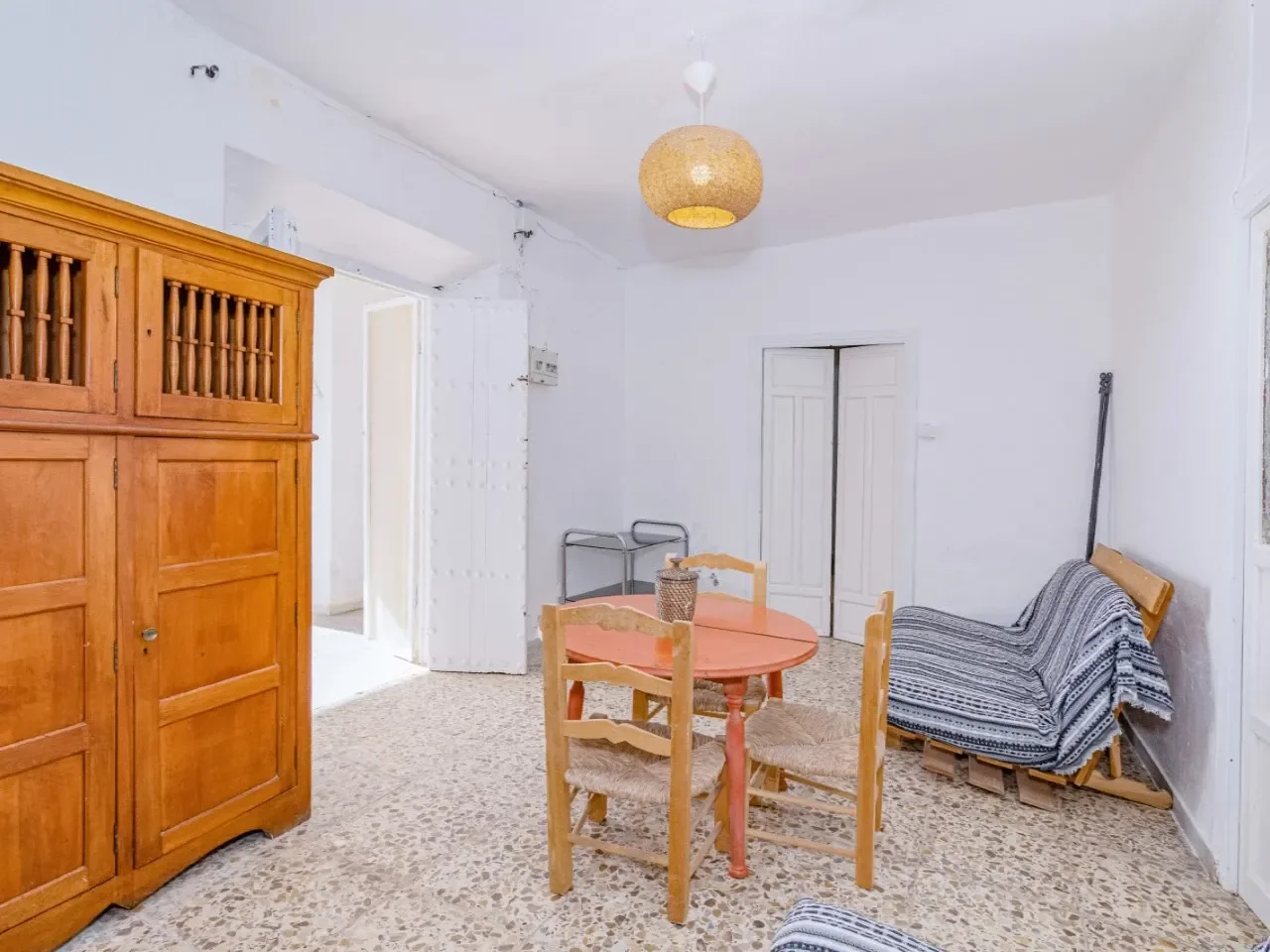
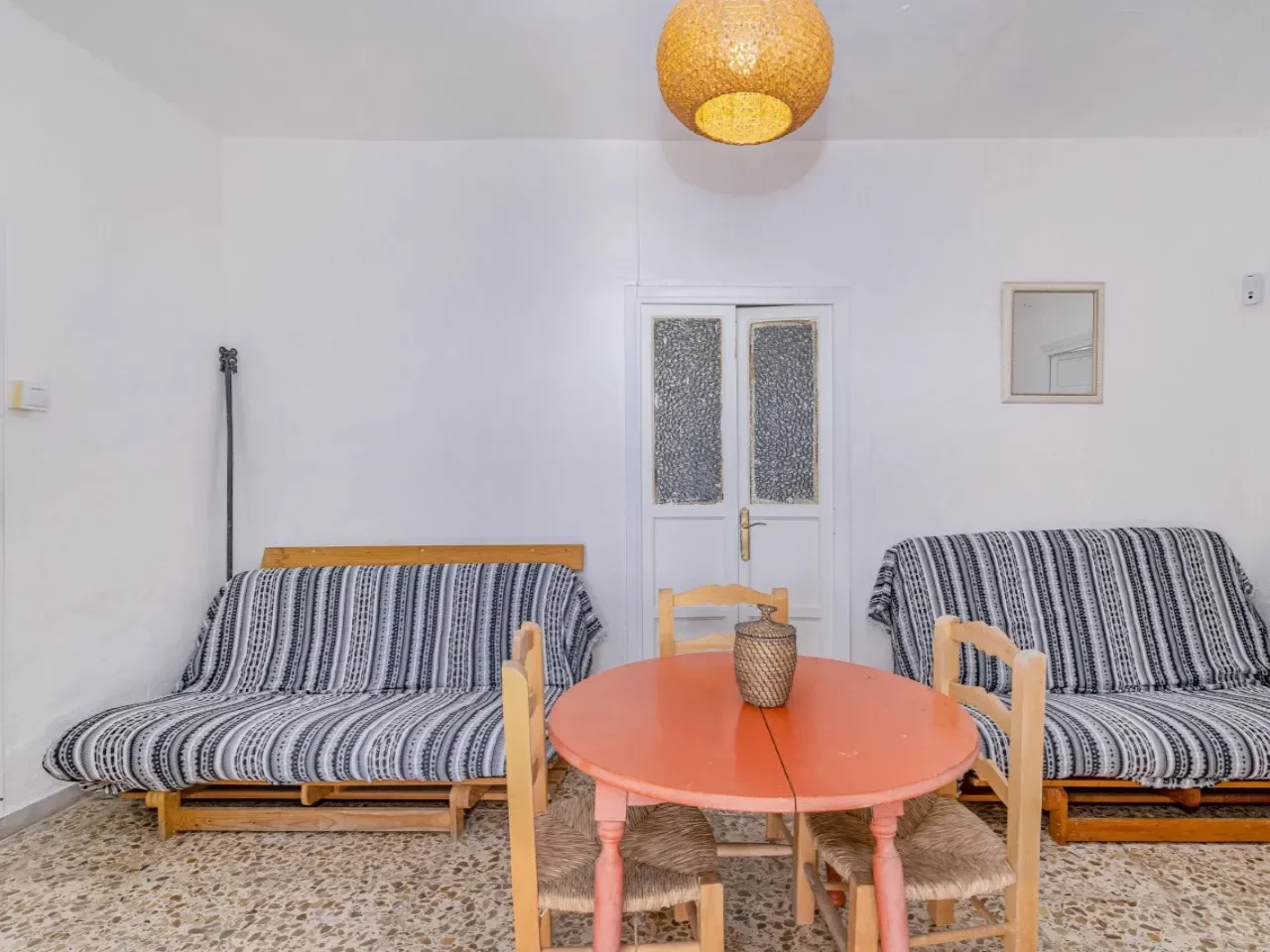
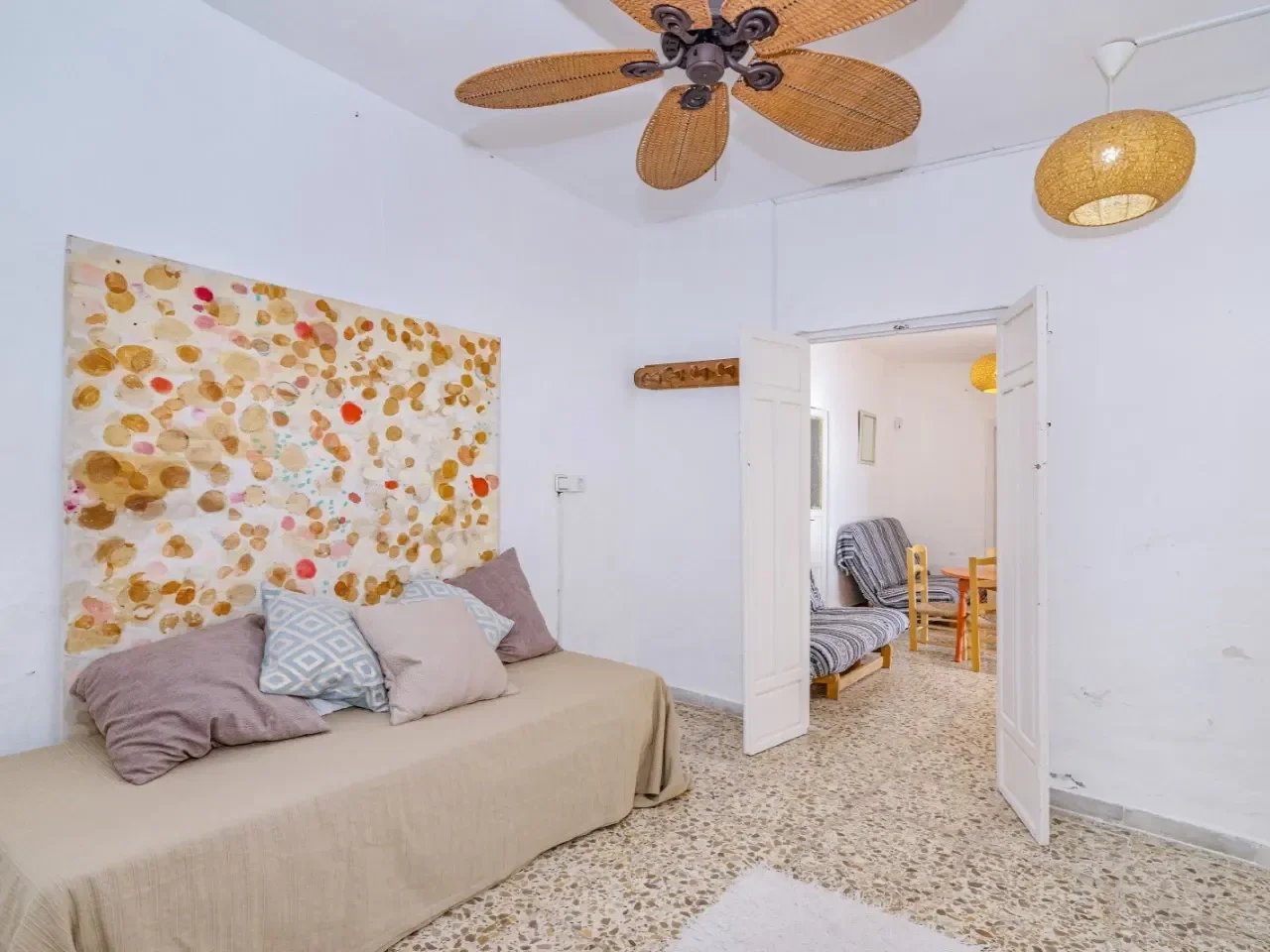
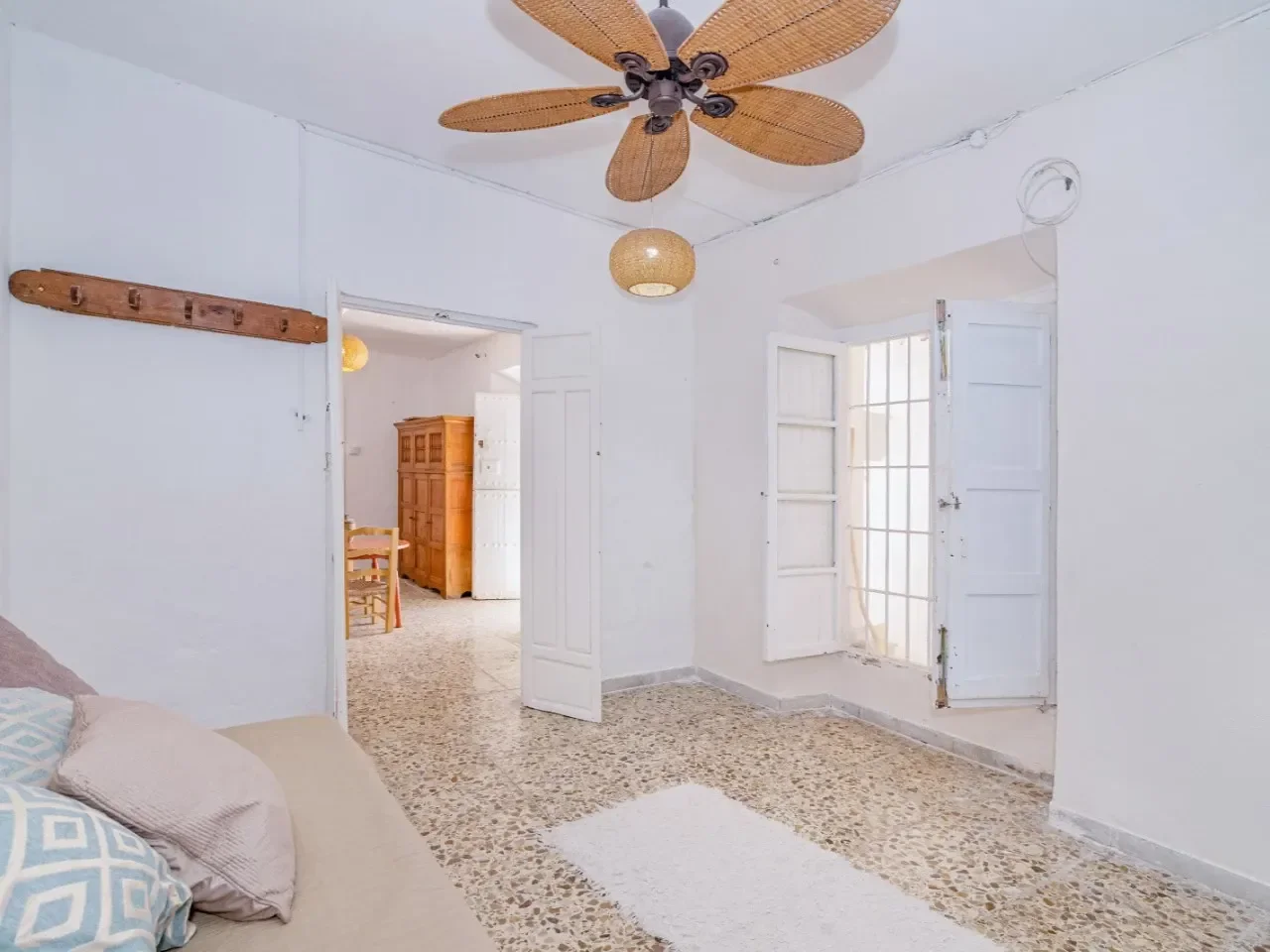
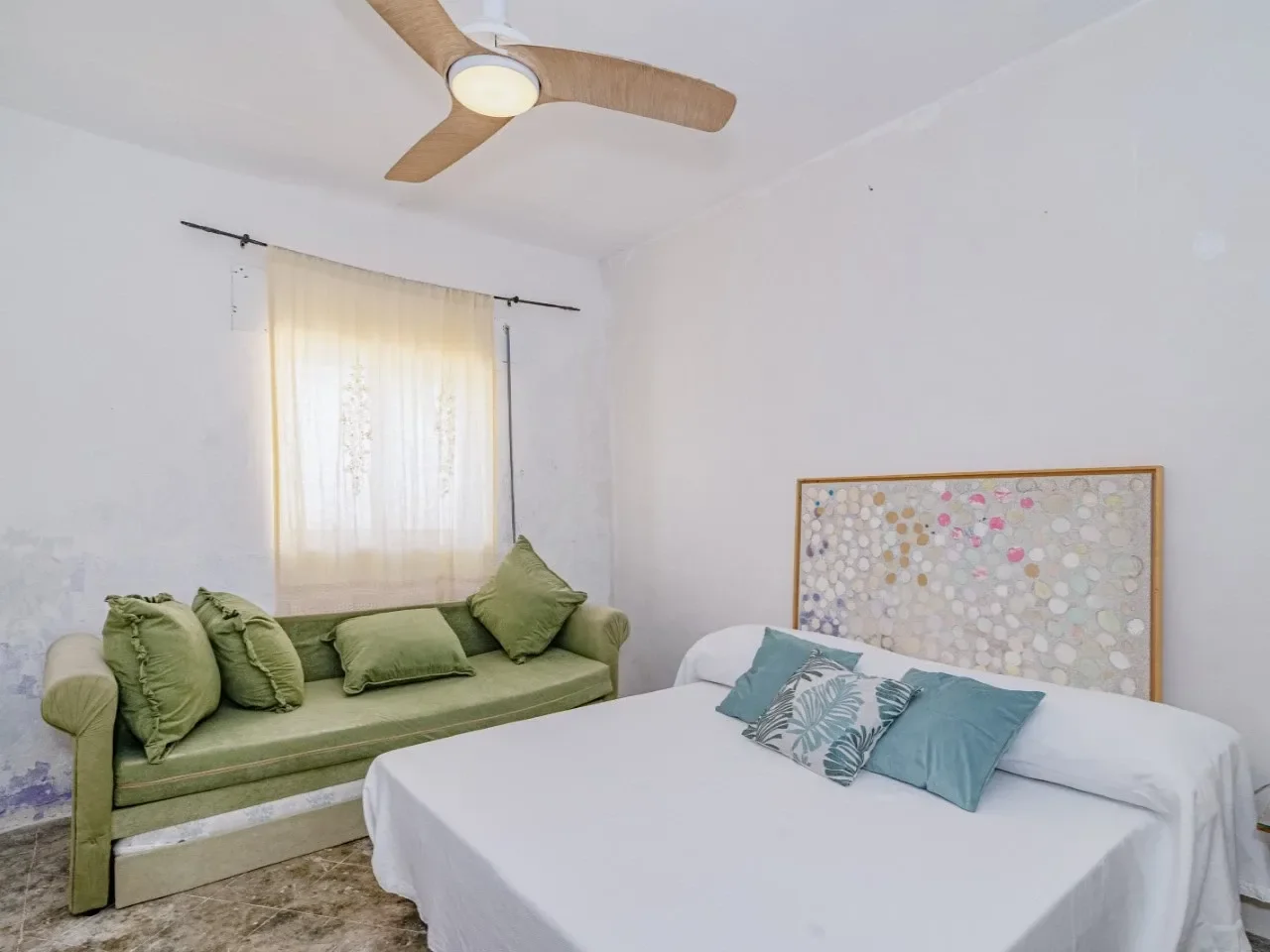
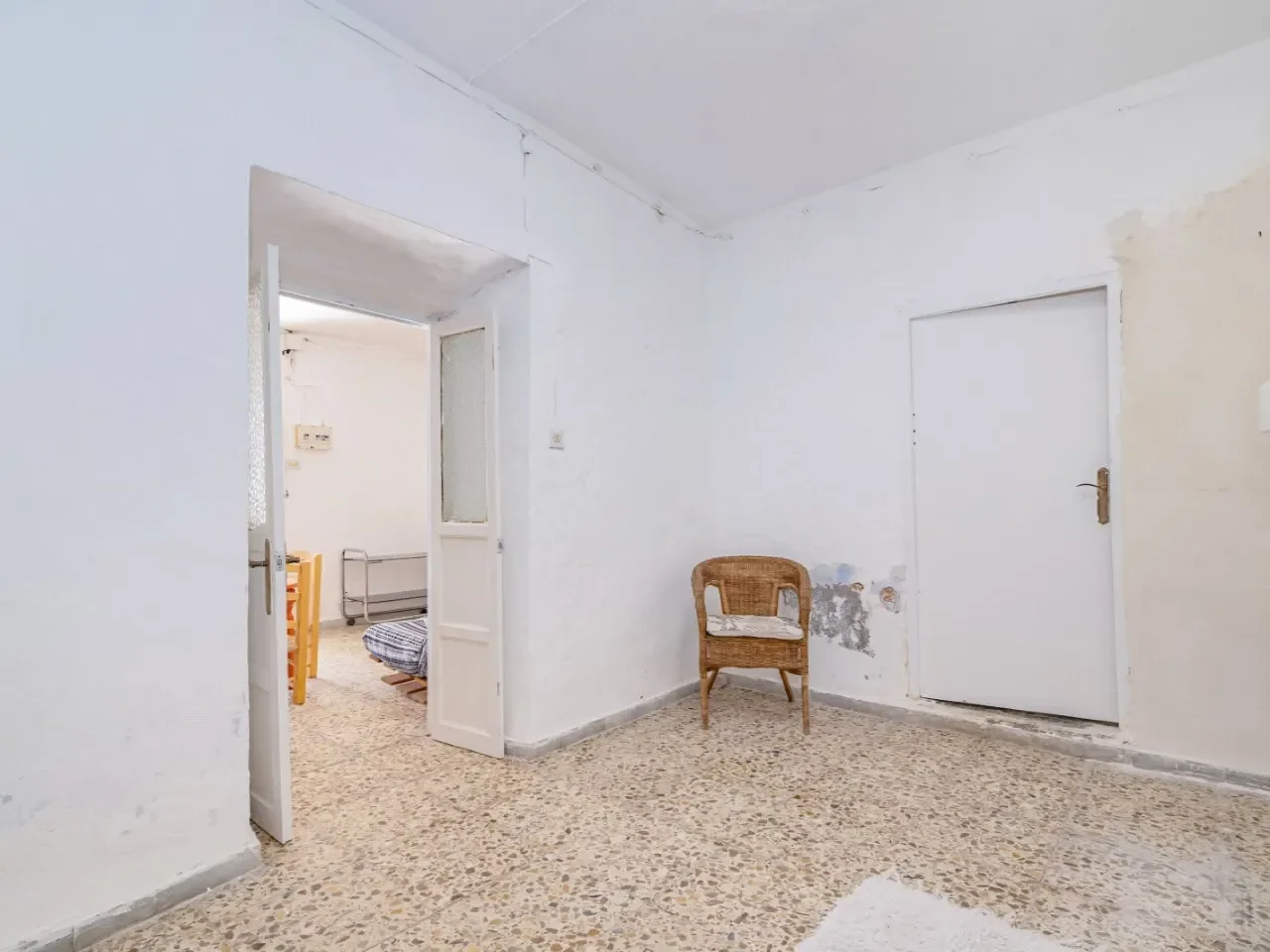
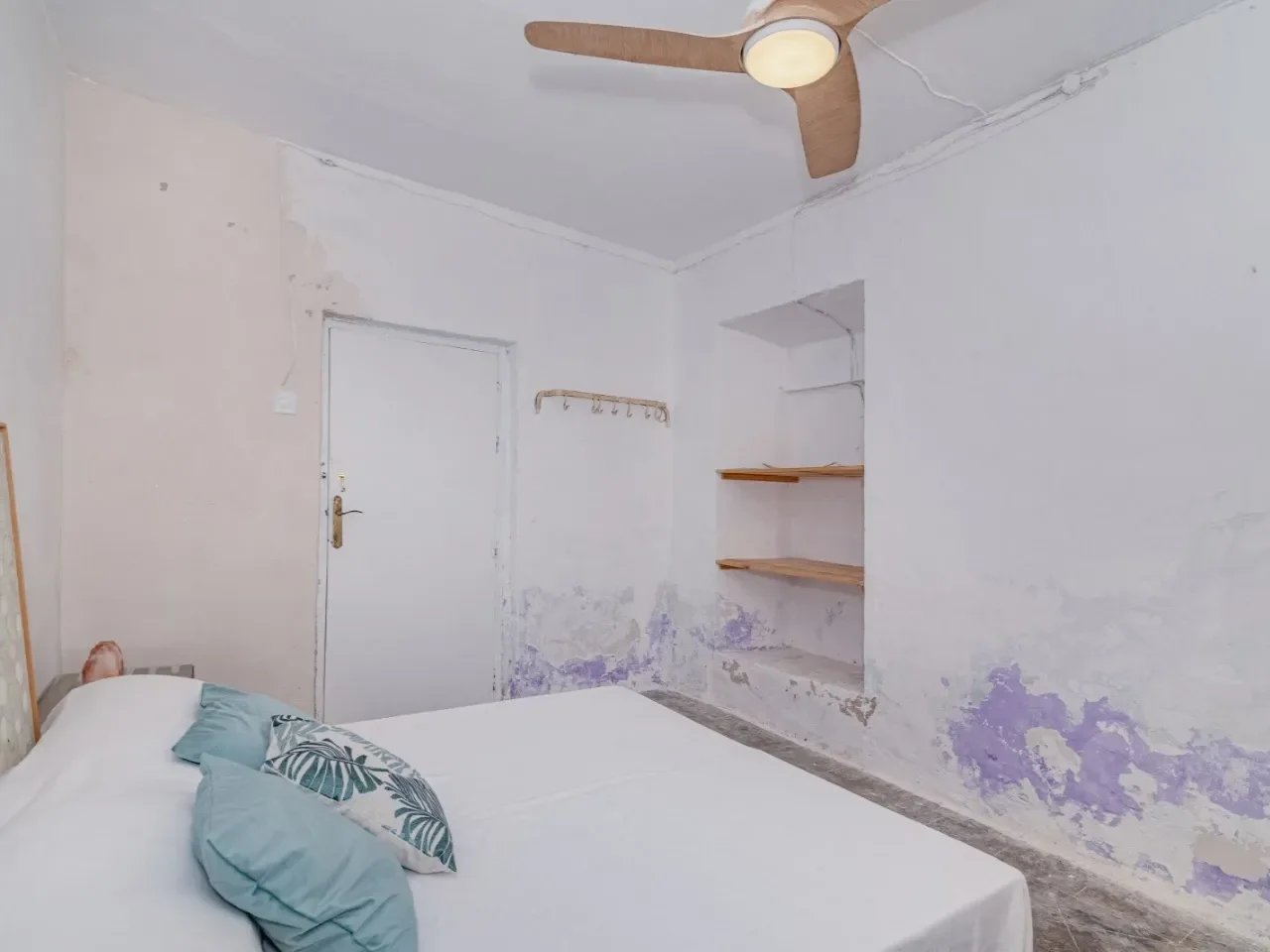
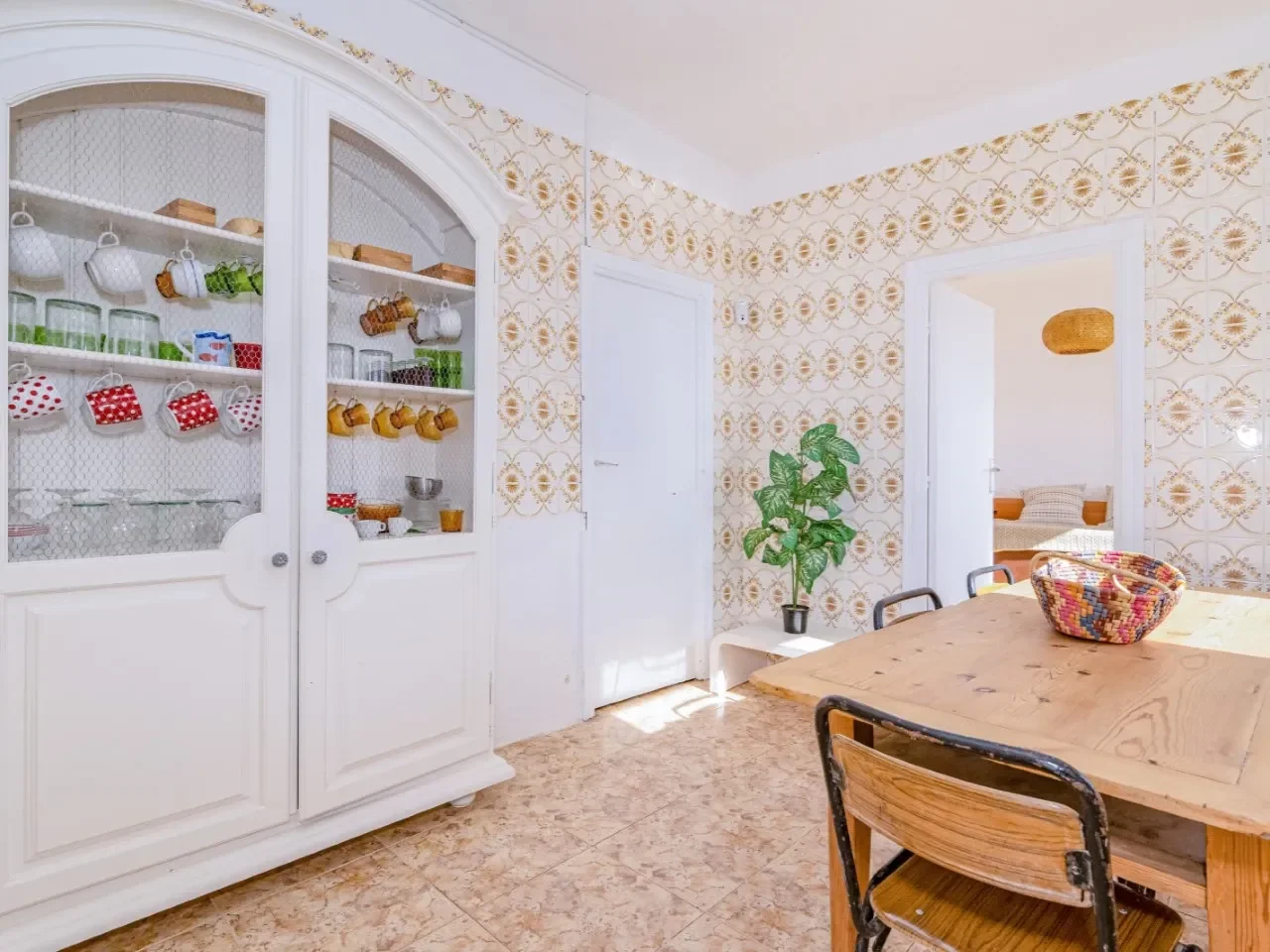
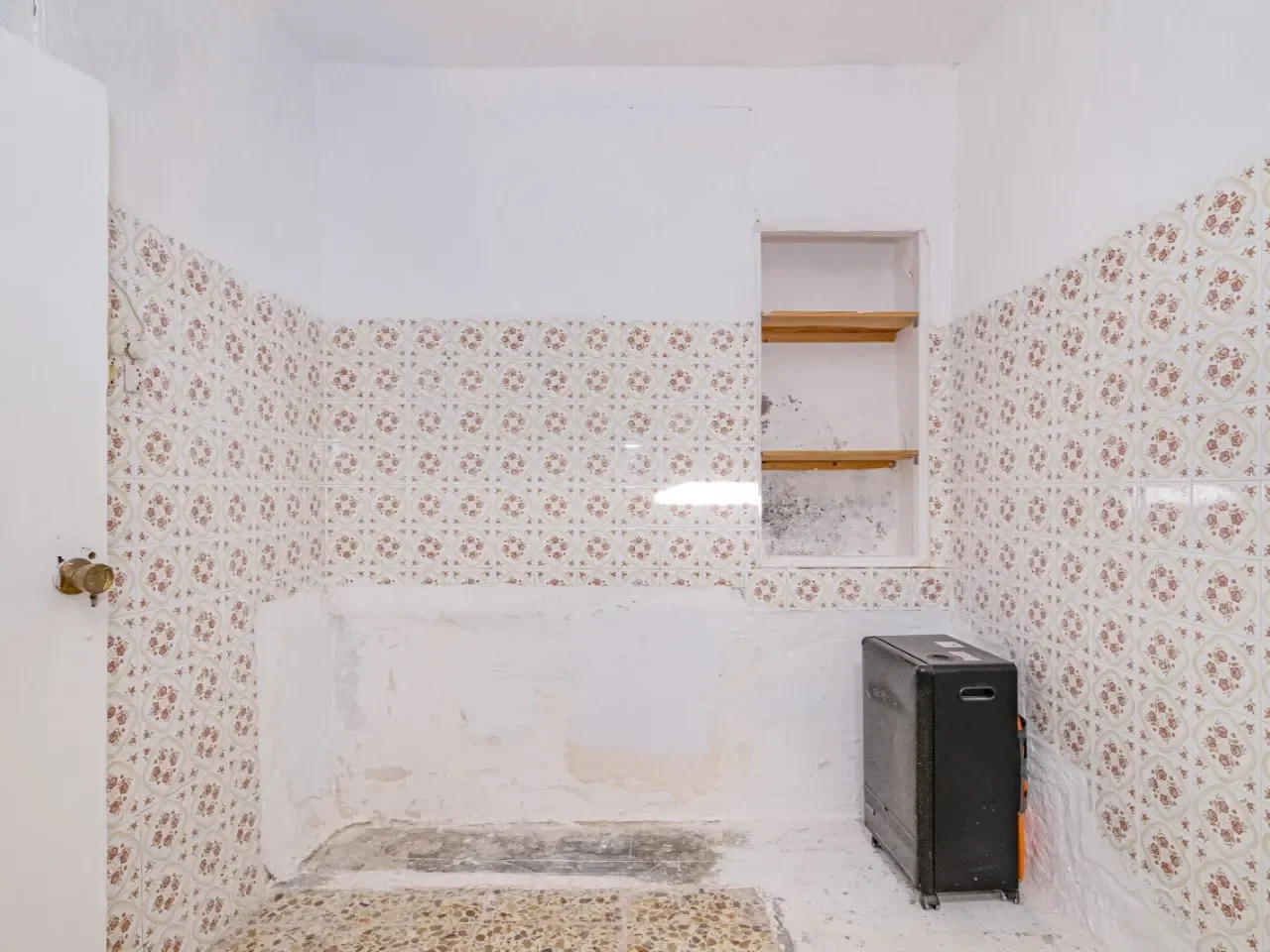
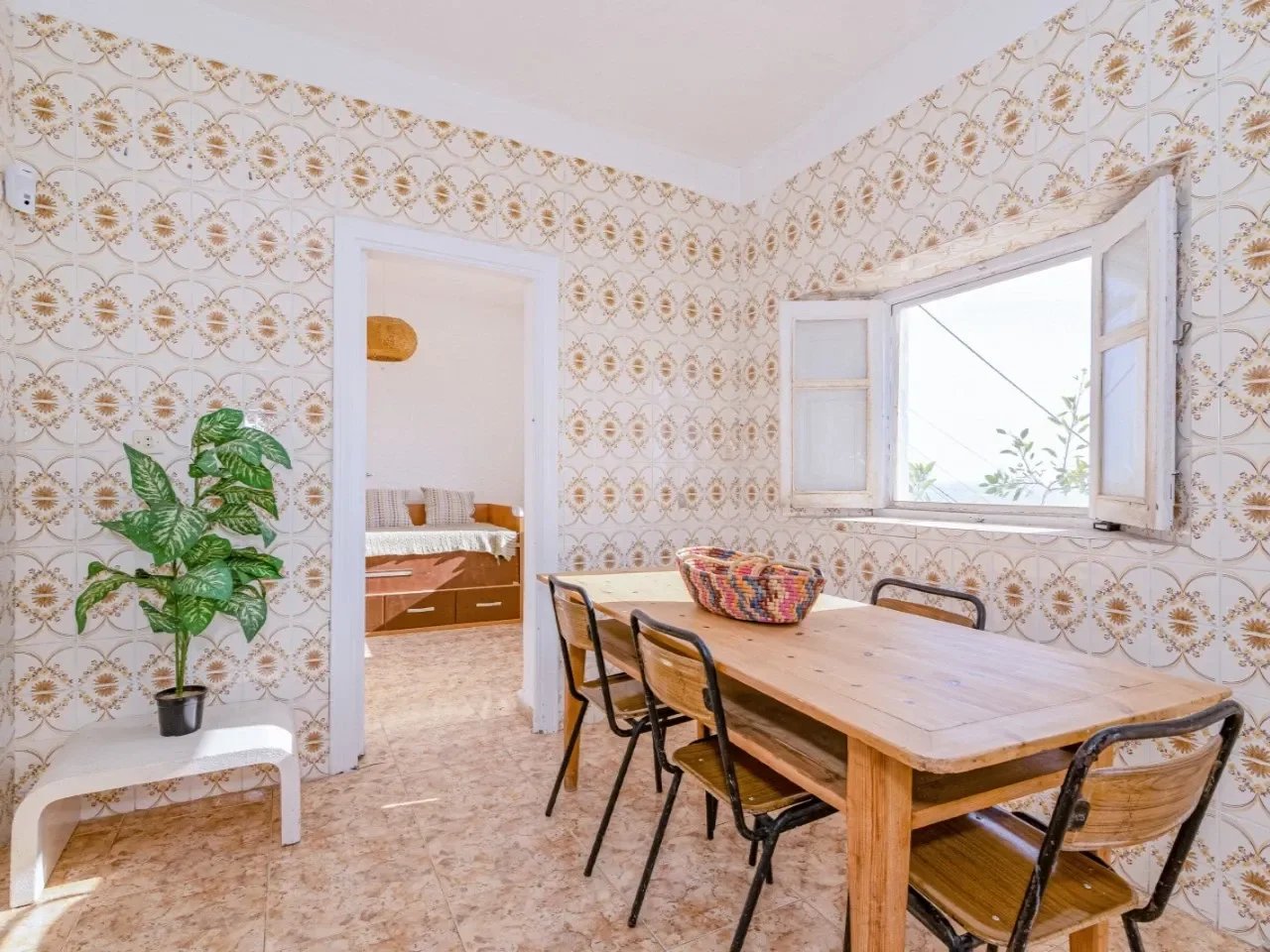
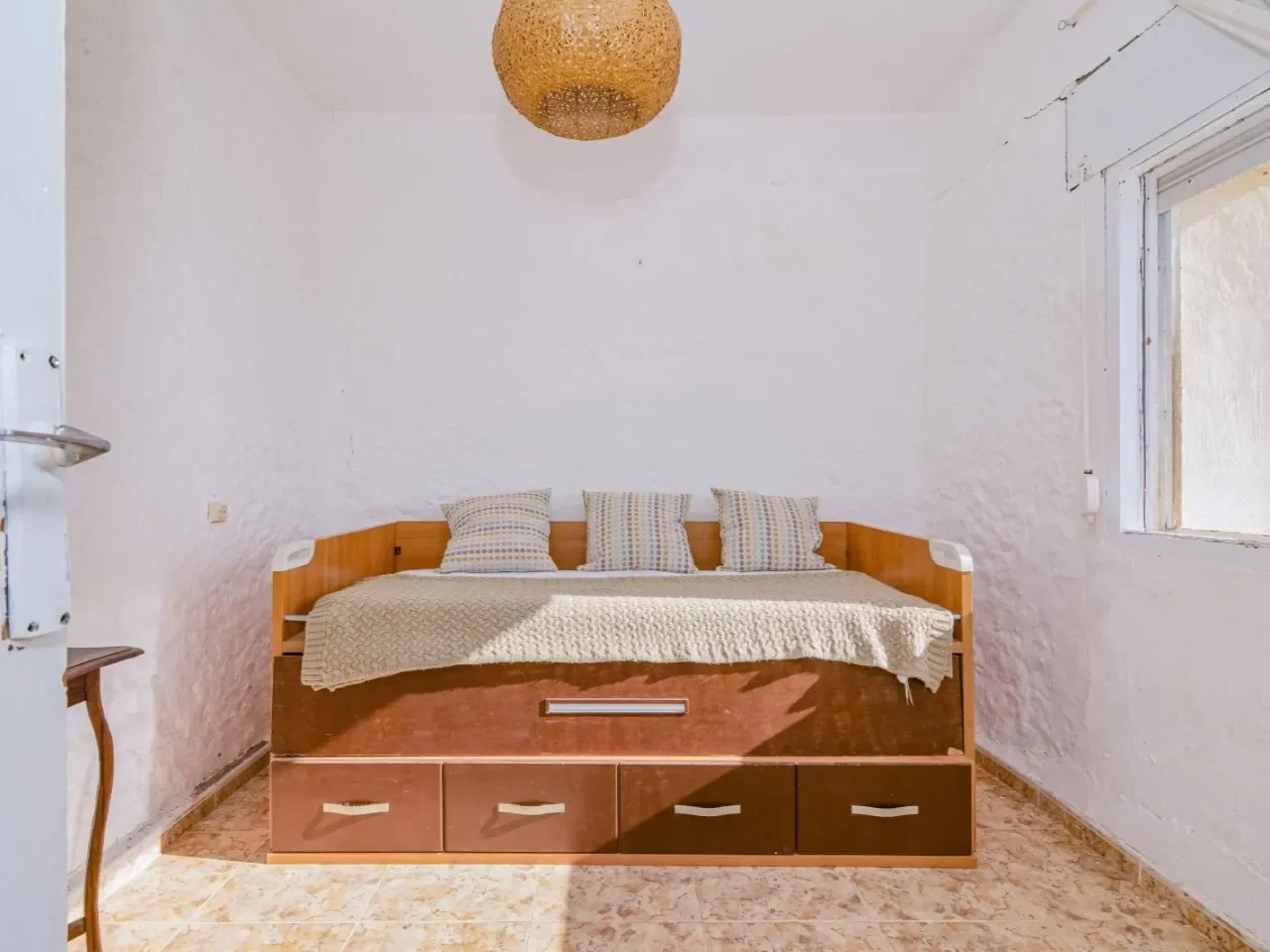
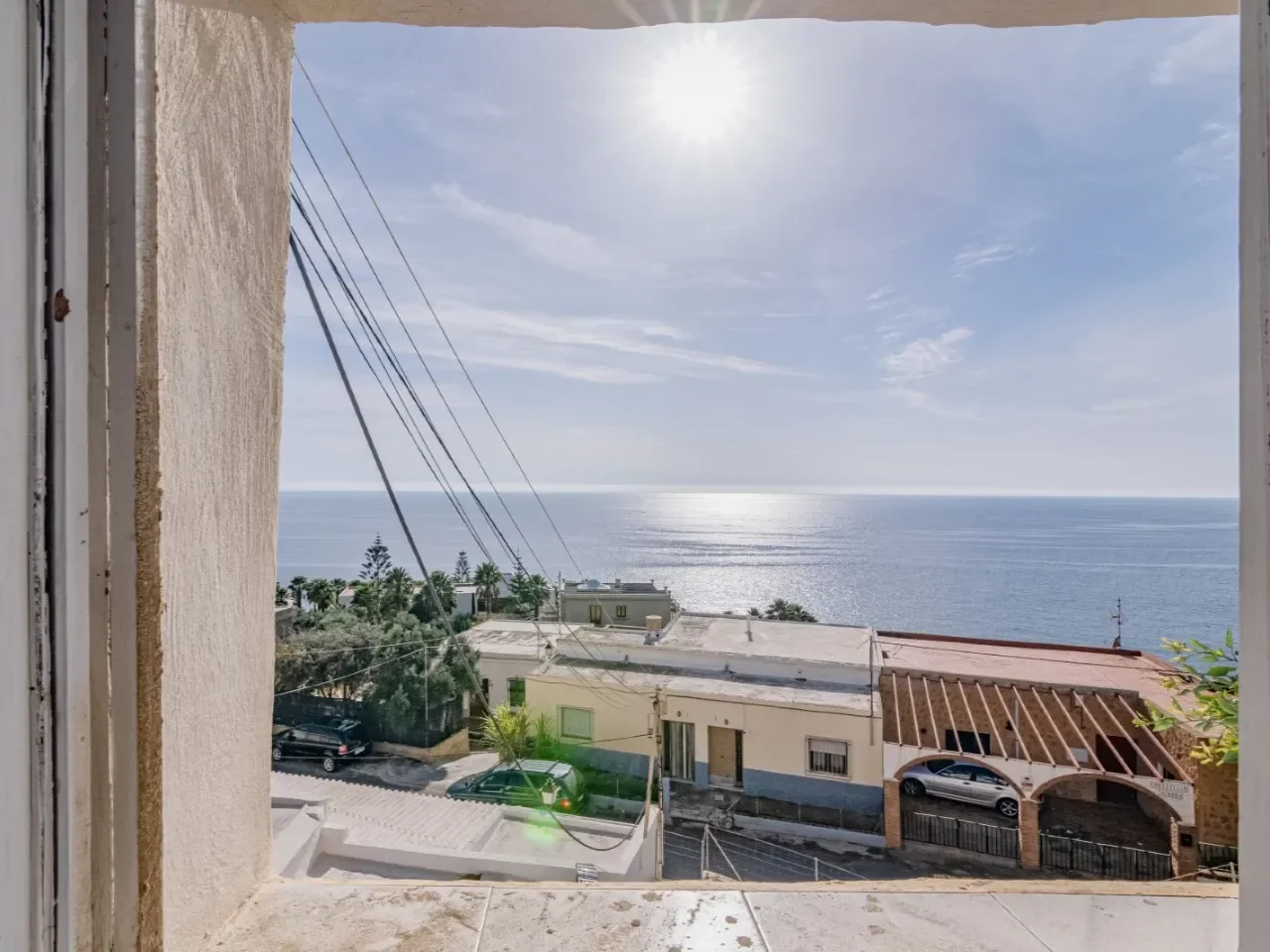
Buyer Playbook
Pre-Viewing Intelligence Report
This independent buyer guidance report relates to this specific property located in Spain. It is provided for informational purposes only and does not constitute legal, tax, architectural, planning, licensing or survey advice. The legal status of the two dwellings, registry description, cadastral alignment, first occupation or use documentation, renovation permissions, coastal access rights, tourist-rental eligibility, utility connections, and any restrictions arising from local planning or coastal law must always be verified with qualified Spanish professionals such as an abogado, arquitecto técnico, arquitecto, aparejador, surveyor, and with the Ayuntamiento and Registro de la Propiedad. In Andalucía, tourist-use dwellings must comply with municipal urban-planning rules and, among other requirements, need two bathrooms if capacity exceeds five places, which is especially relevant for a six-bedroom property marketed with one bathroom. This report is designed to help buyers evaluate the property before arranging a viewing or making an offer. It highlights due diligence areas and targeted questions to ask the agent. The analysis is based on the listing details and current Spanish and Andalusian rules around registry information, occupancy/use documentation, energy certificates, coastal public domain, and tourist-rental regulation. In Andalucía, the old cédula de habitabilidad was abolished in 1988, so the more relevant legal trail is usually the planning and occupancy/use documentation rather than expecting a Catalonia-style cédula.
Playbook Contents
Property Snapshot
Location
La Alcazaba, Adra, Almería, Spain
Property type
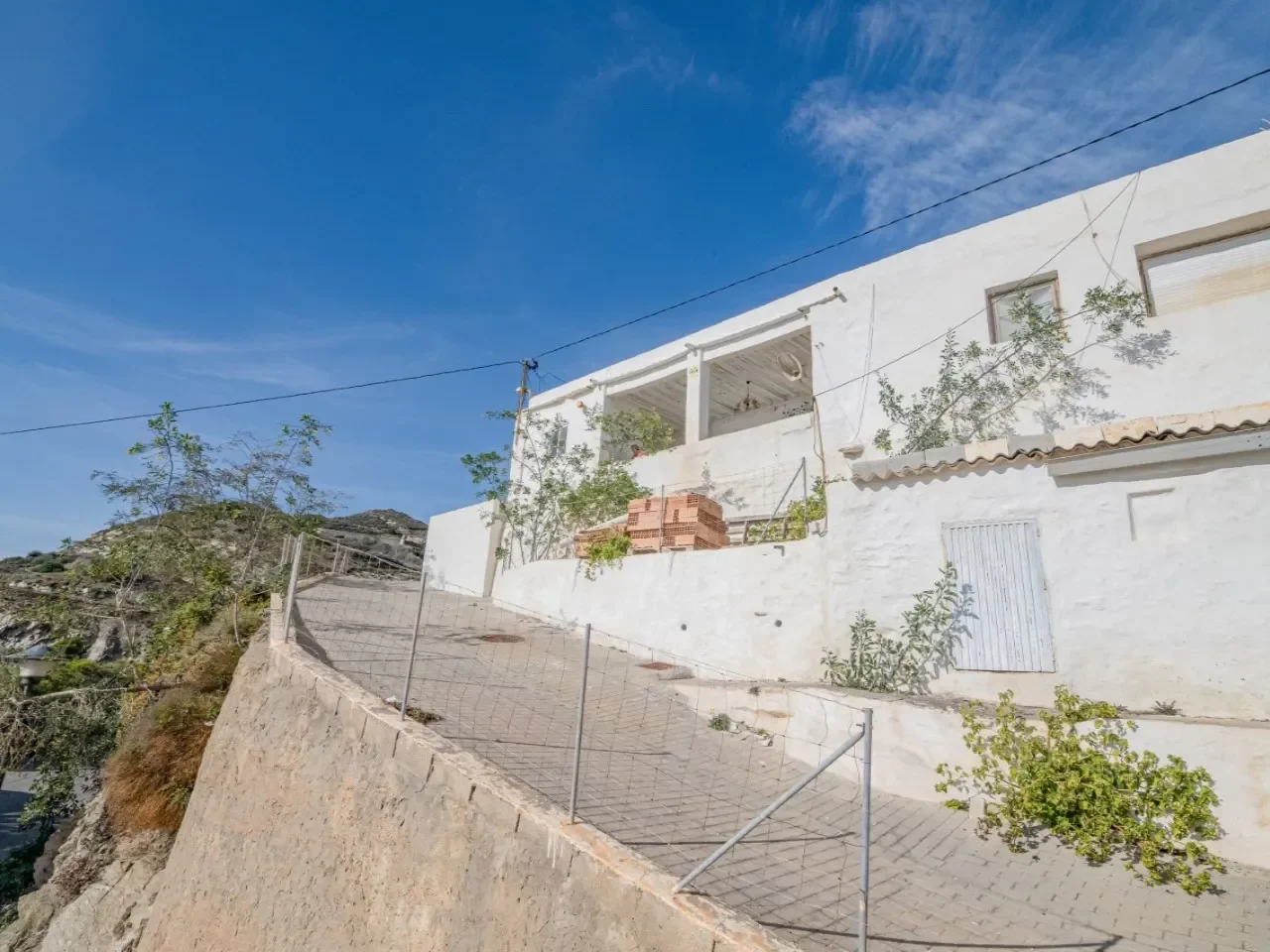
Village house / coastal hamlet house with two separate dwellings
Bedrooms
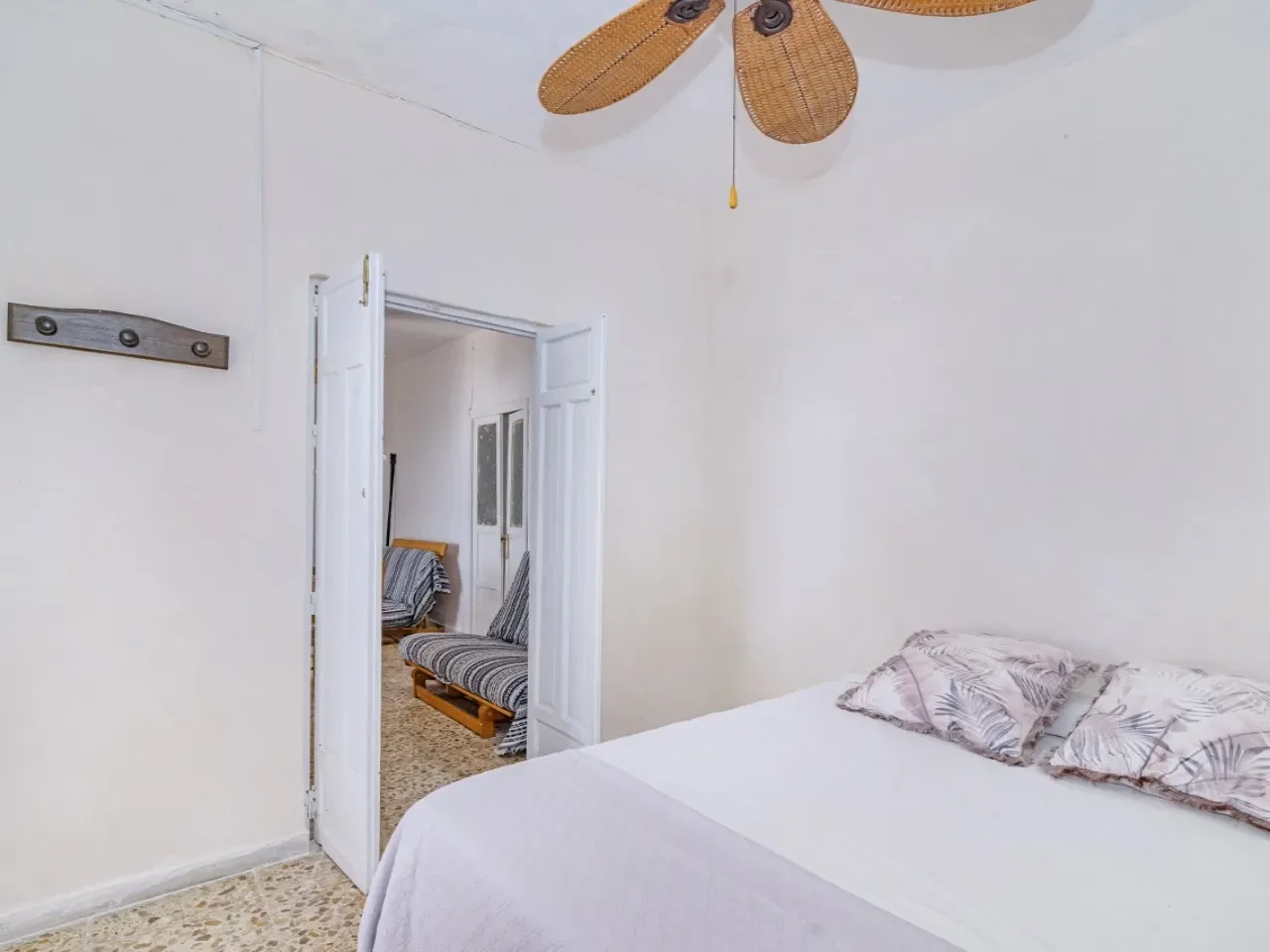
6
Bathrooms
1
Built area
198 m²
Land area
230 m²
Price
€165,000
Energy rating
D
Outdoor feature
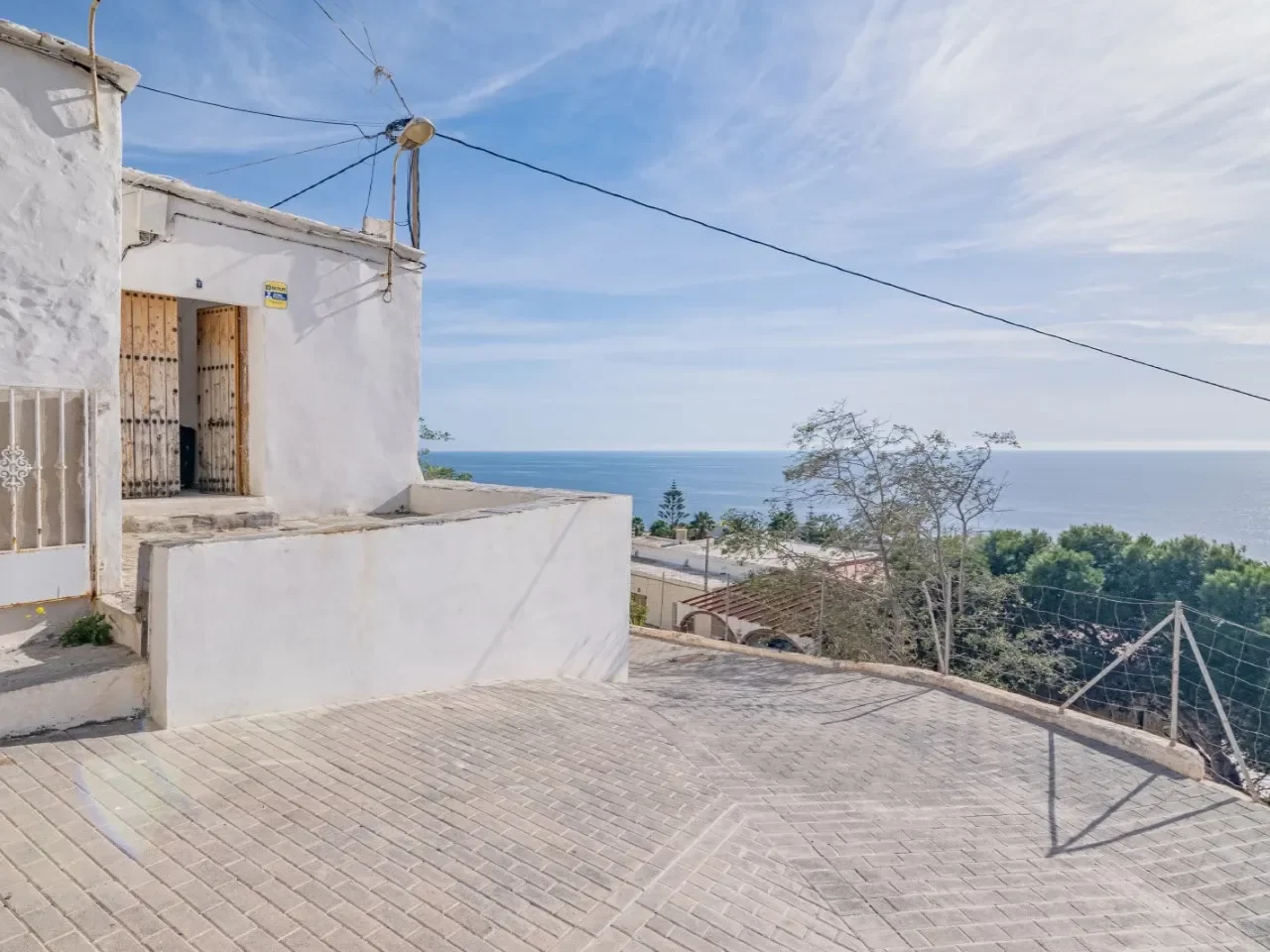
27 m² sea-view porch
Layout highlights
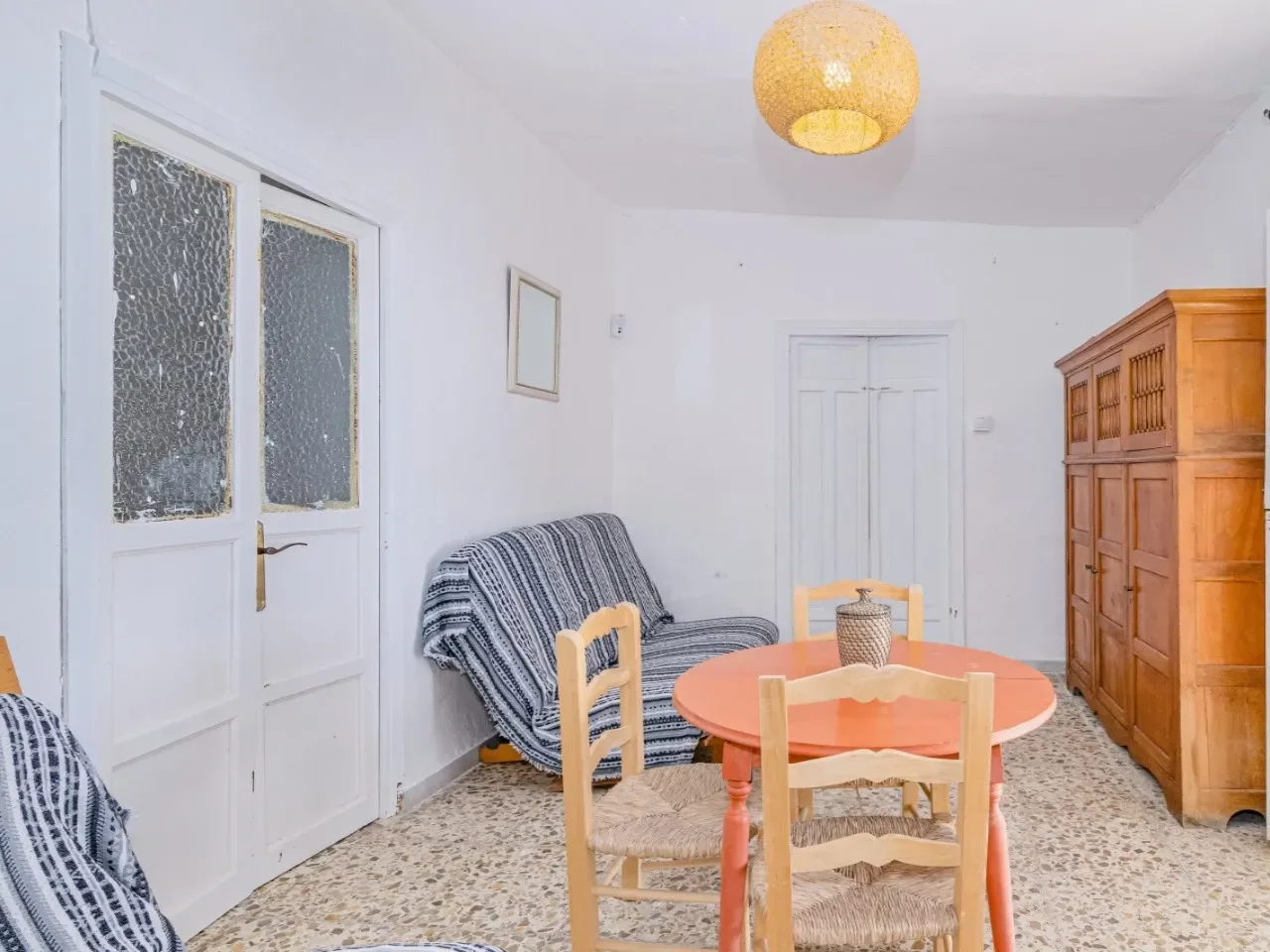
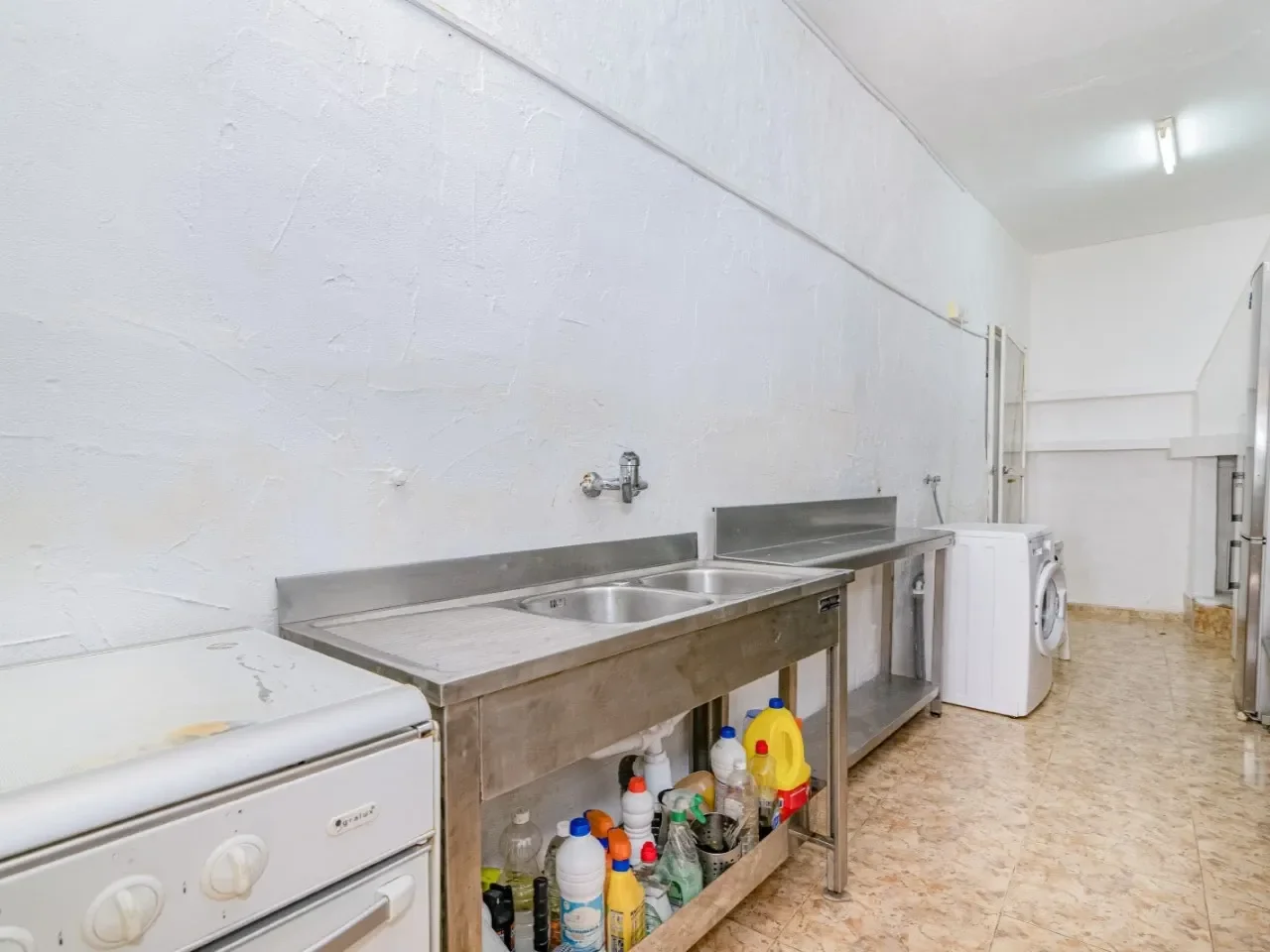
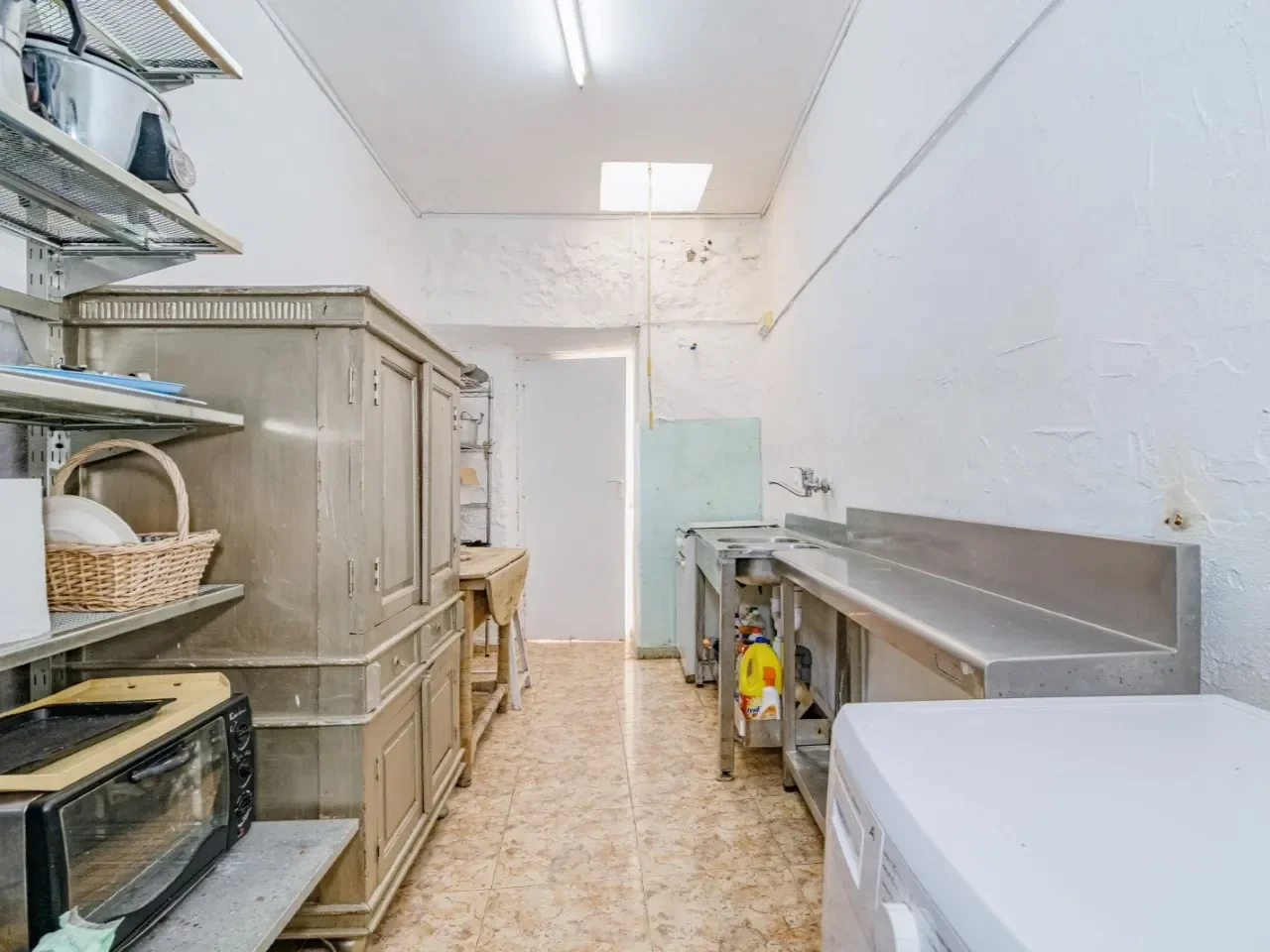
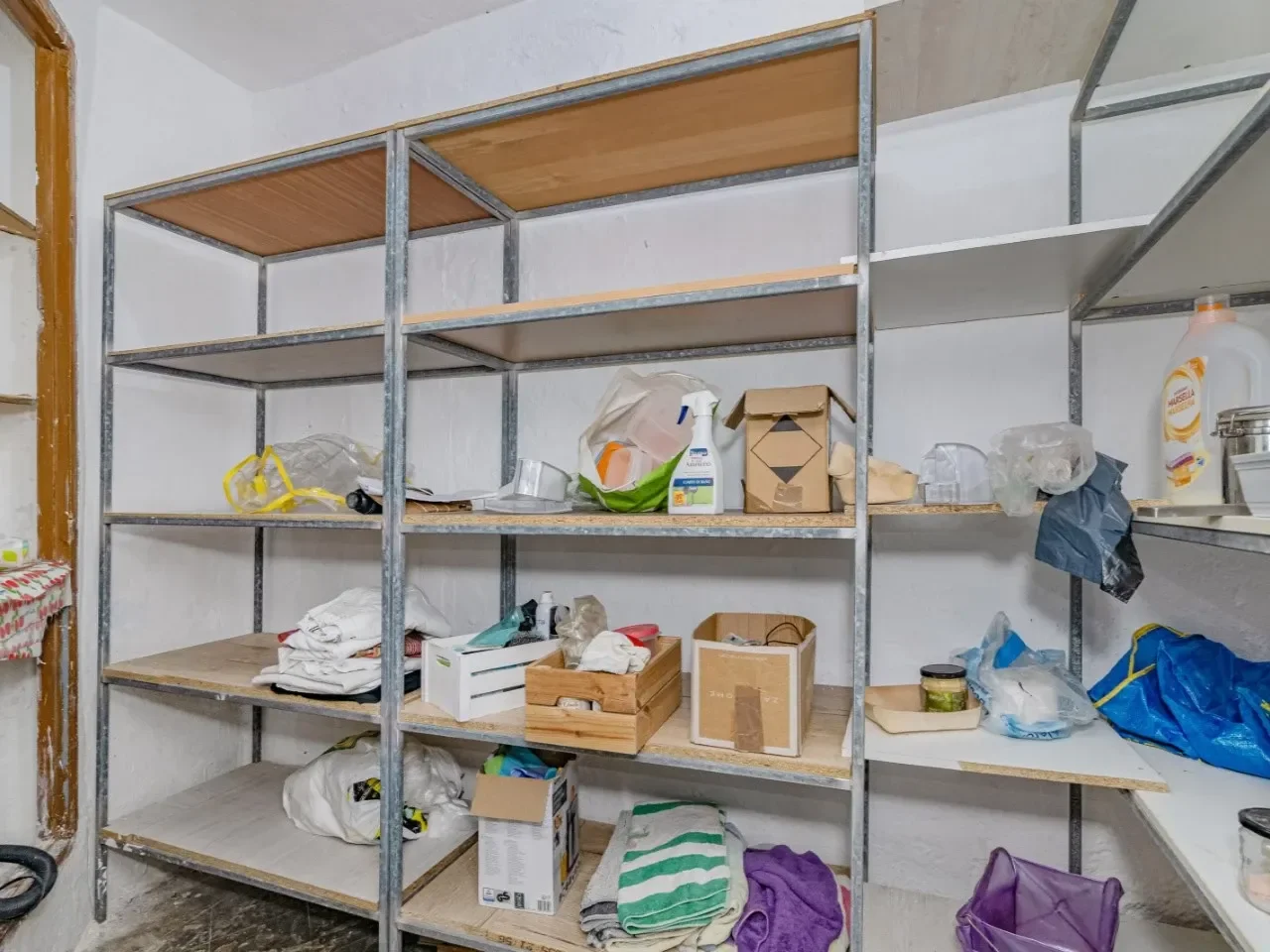
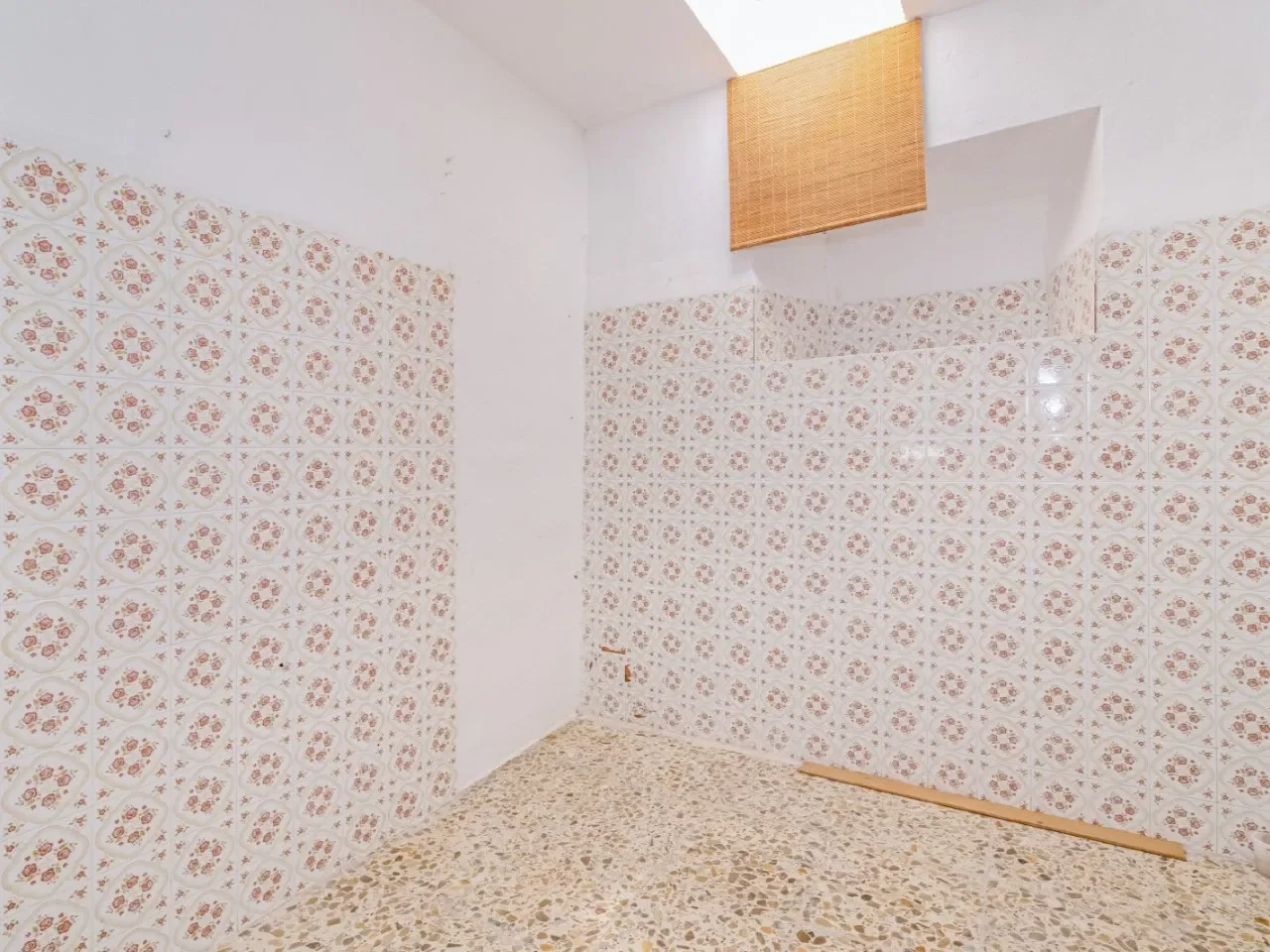
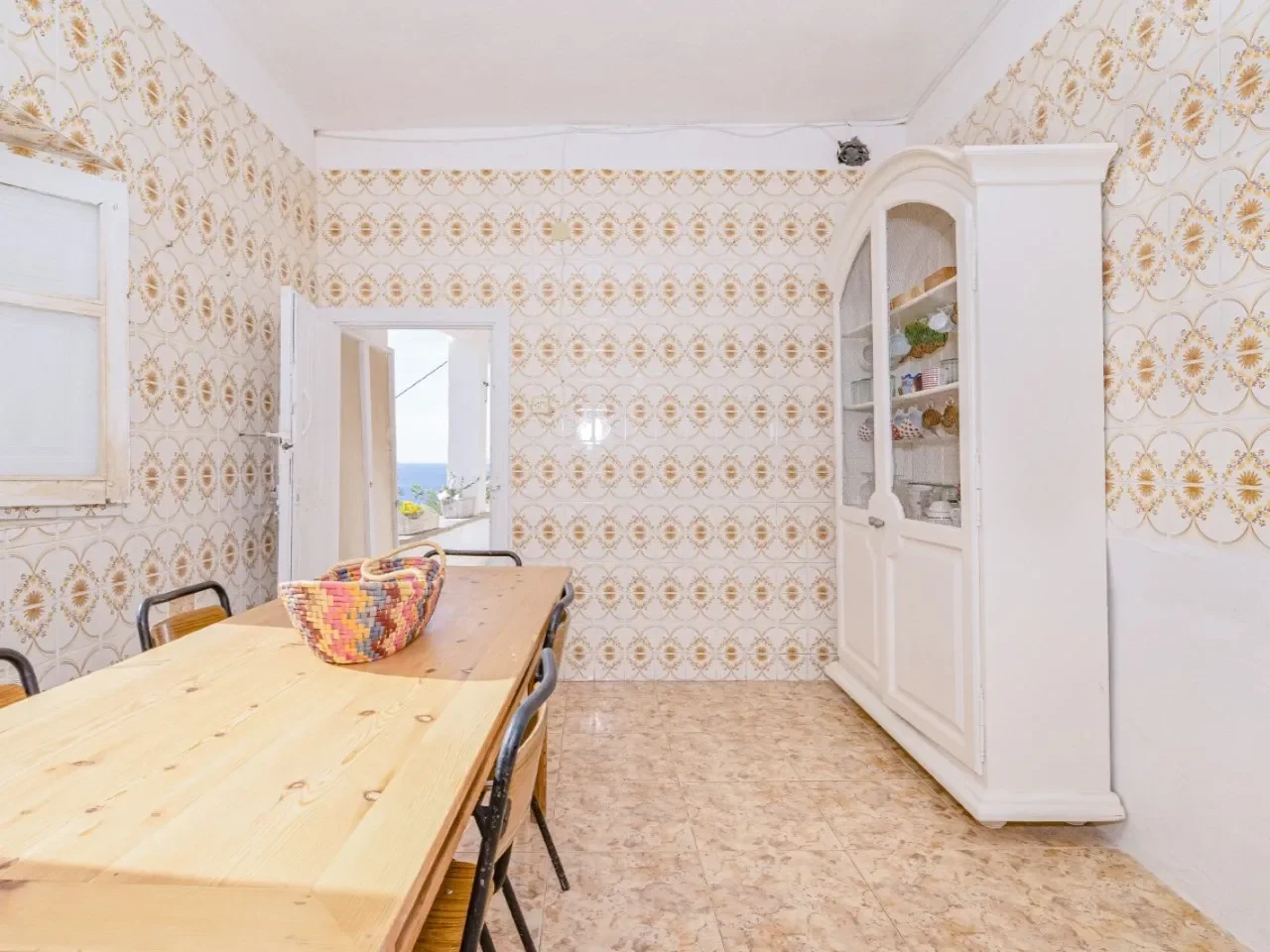
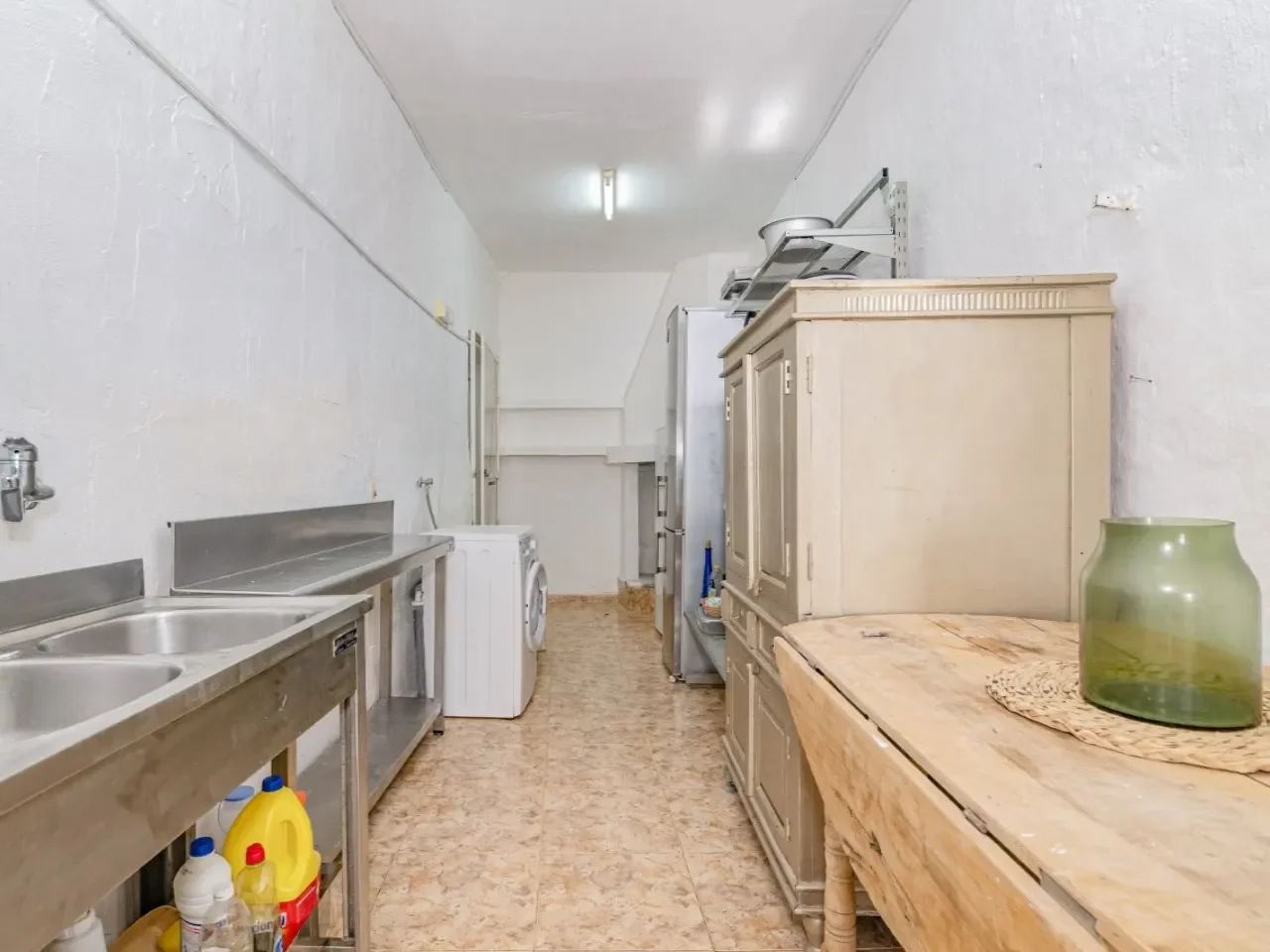
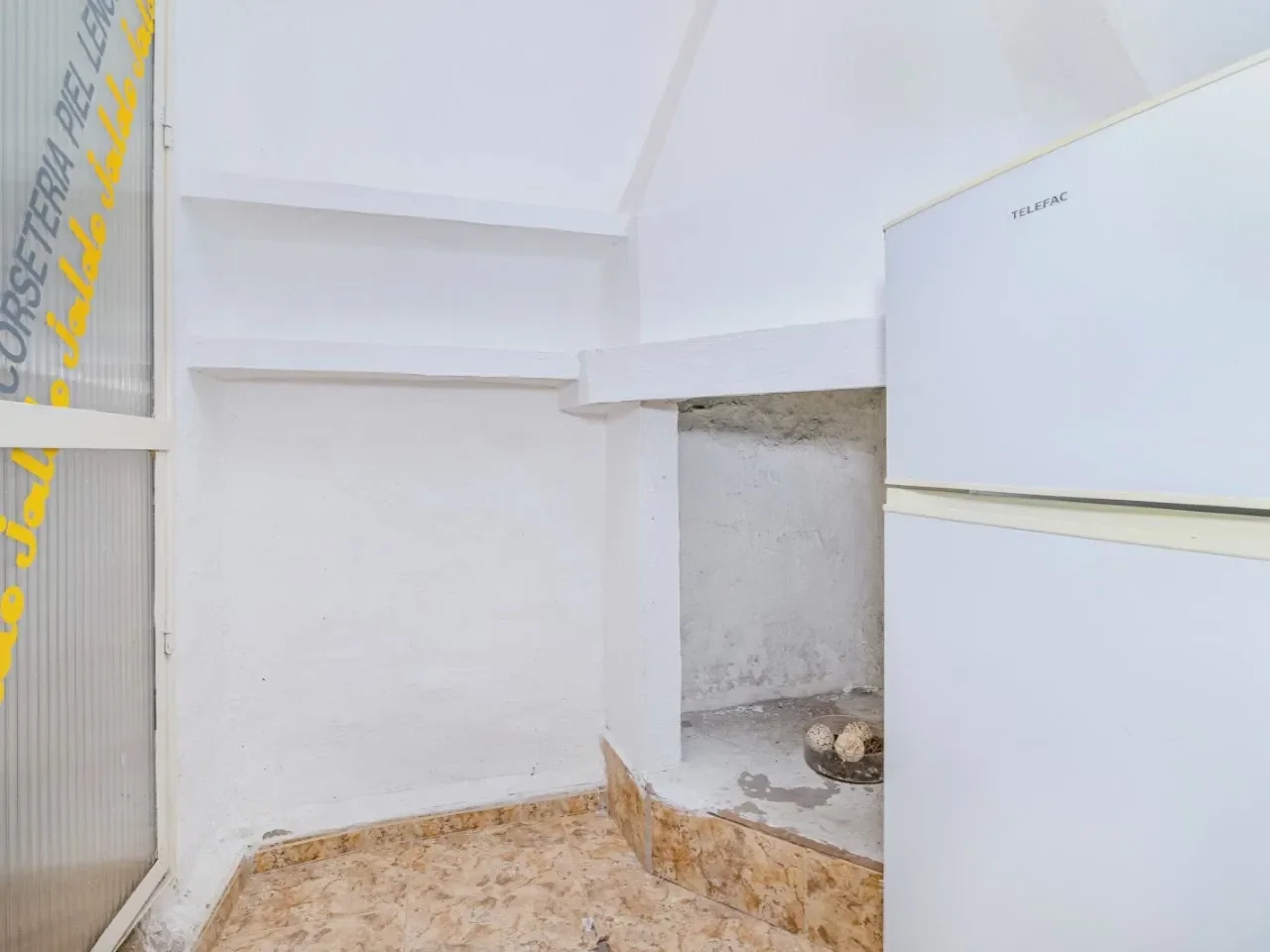
Two independent living areas, two living rooms, separate kitchen, large pantry
Lifestyle angle
Family home, holiday residence, live-in-one-let-one strategy, renovation project
Headline appeal
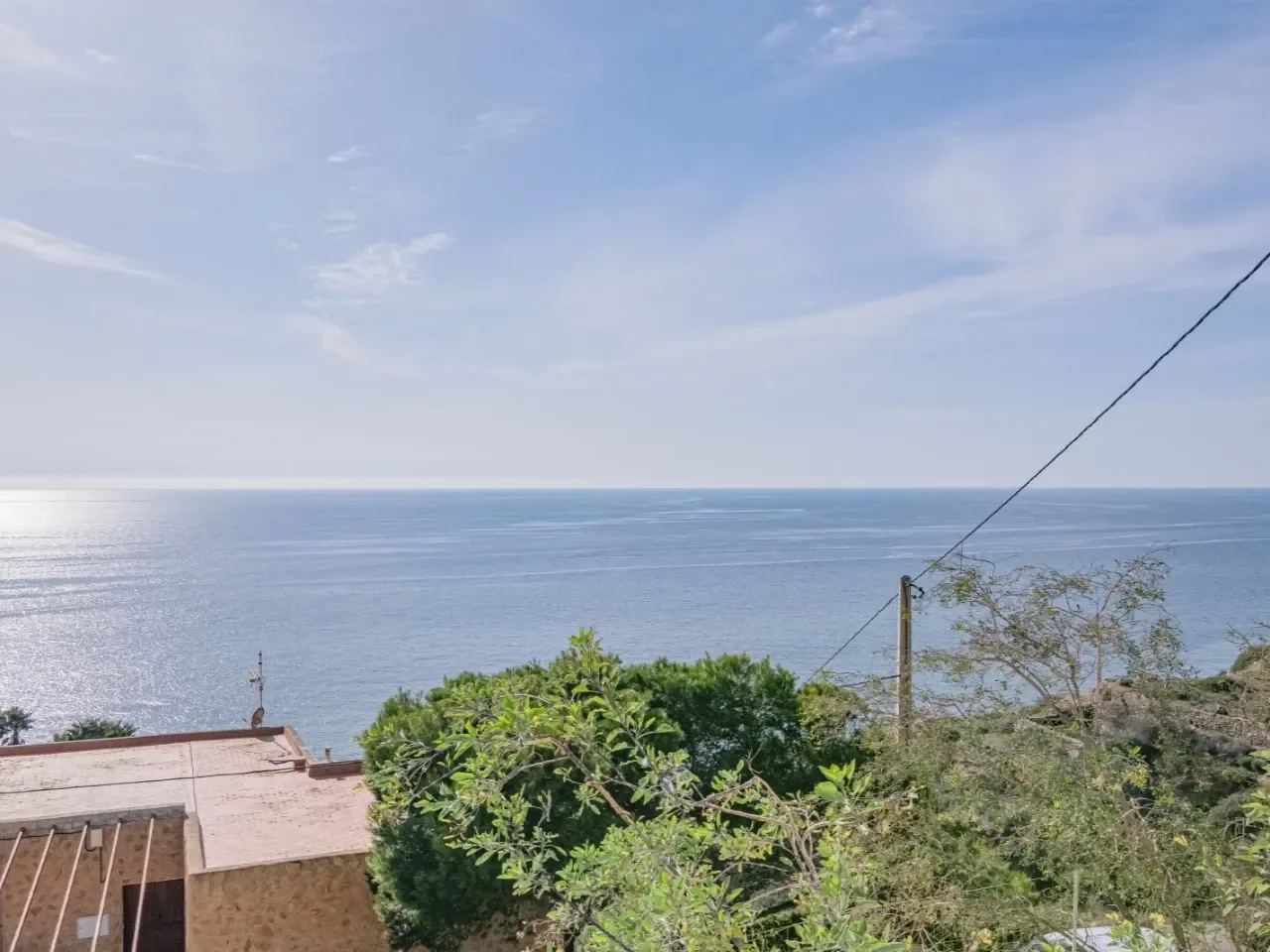
Two coastal units with sea views and very short beach access at a notably low price point
Core tension
The value is obvious, but the legal description, bathroom shortage, renovation scope and beach-access reality need to be verified before the numbers mean anything
Risk Radar
Overview
This is the sort of listing that gets attention because it appears to break the usual coastal pricing logic. Two dwellings, six bedrooms, sea views, a large porch and beach access for €165,000 is the kind of setup that makes buyers wonder whether they have found a hidden bargain or a hidden headache.
The first job is to separate "two separate dwellings" as a marketing description from "two lawful dwellings" as a registrable and usable reality. In Spain, the Land Registry and the planning record do not always align perfectly, and in Andalucía the key documents are often the nota simple, the municipal planning history and the occupancy/use paperwork rather than a classic cédula de habitabilidad. The right question is not just whether there are two entrances, but whether both parts are legally recognised and usable as independent residential units.
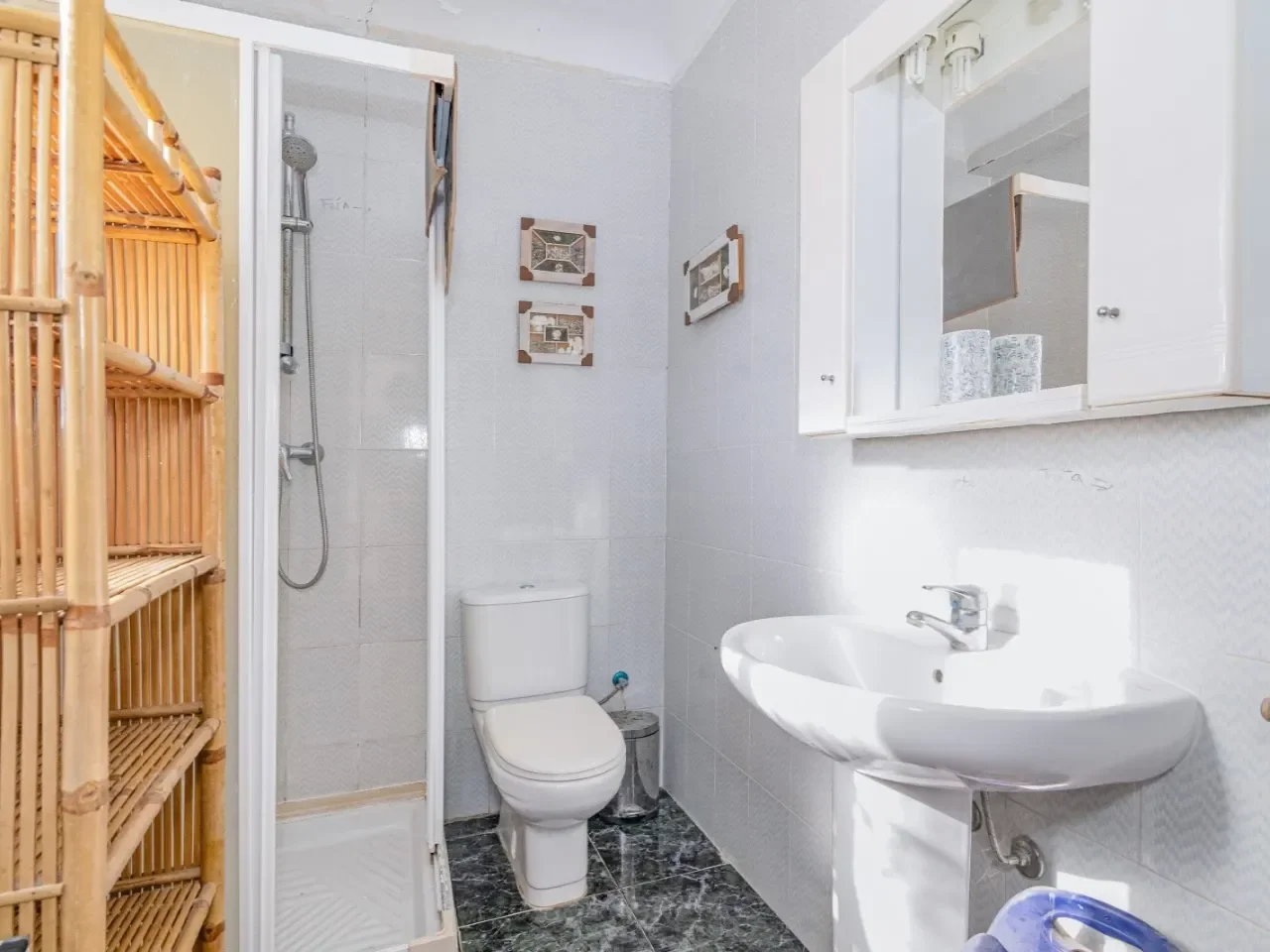
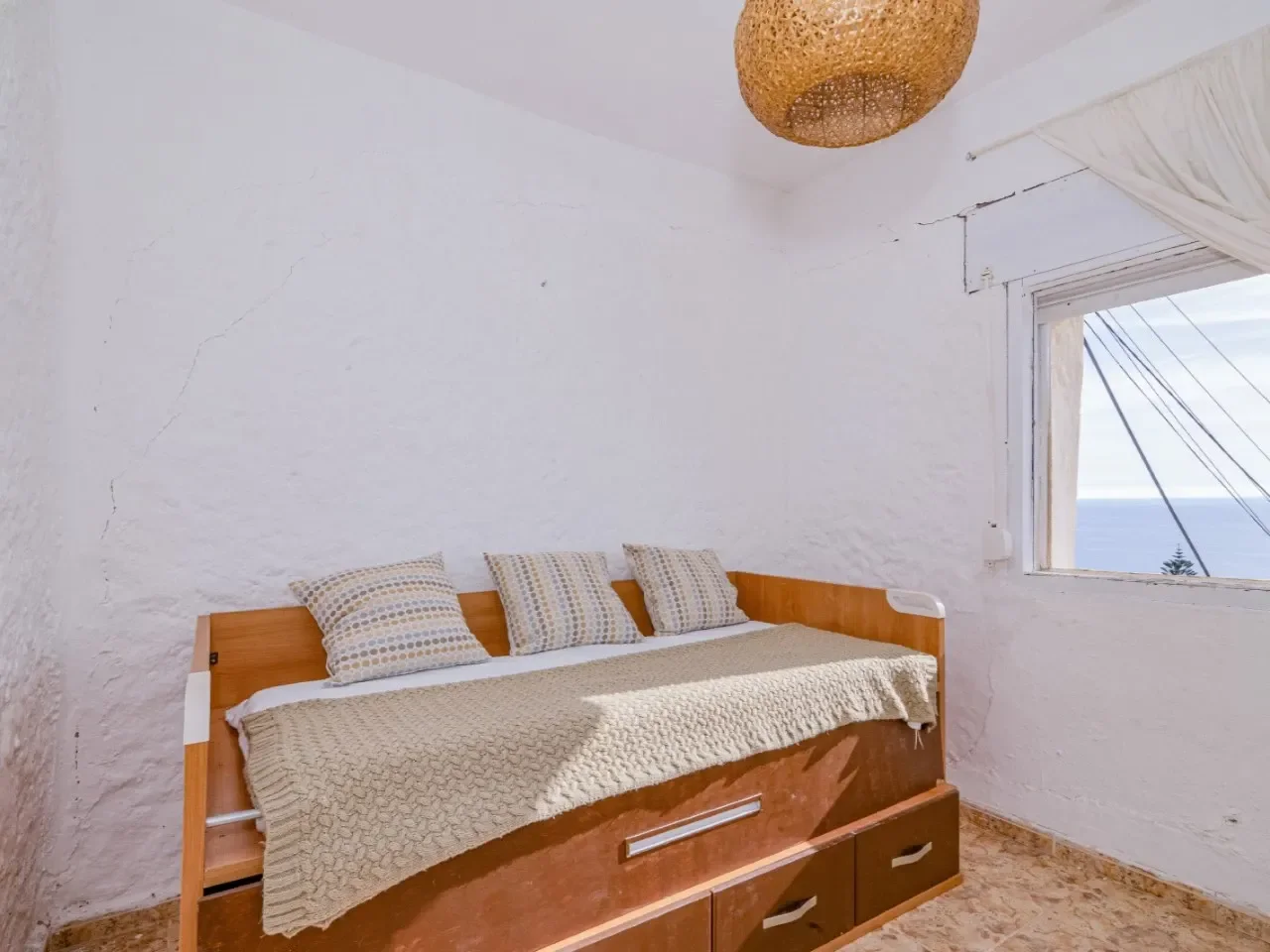
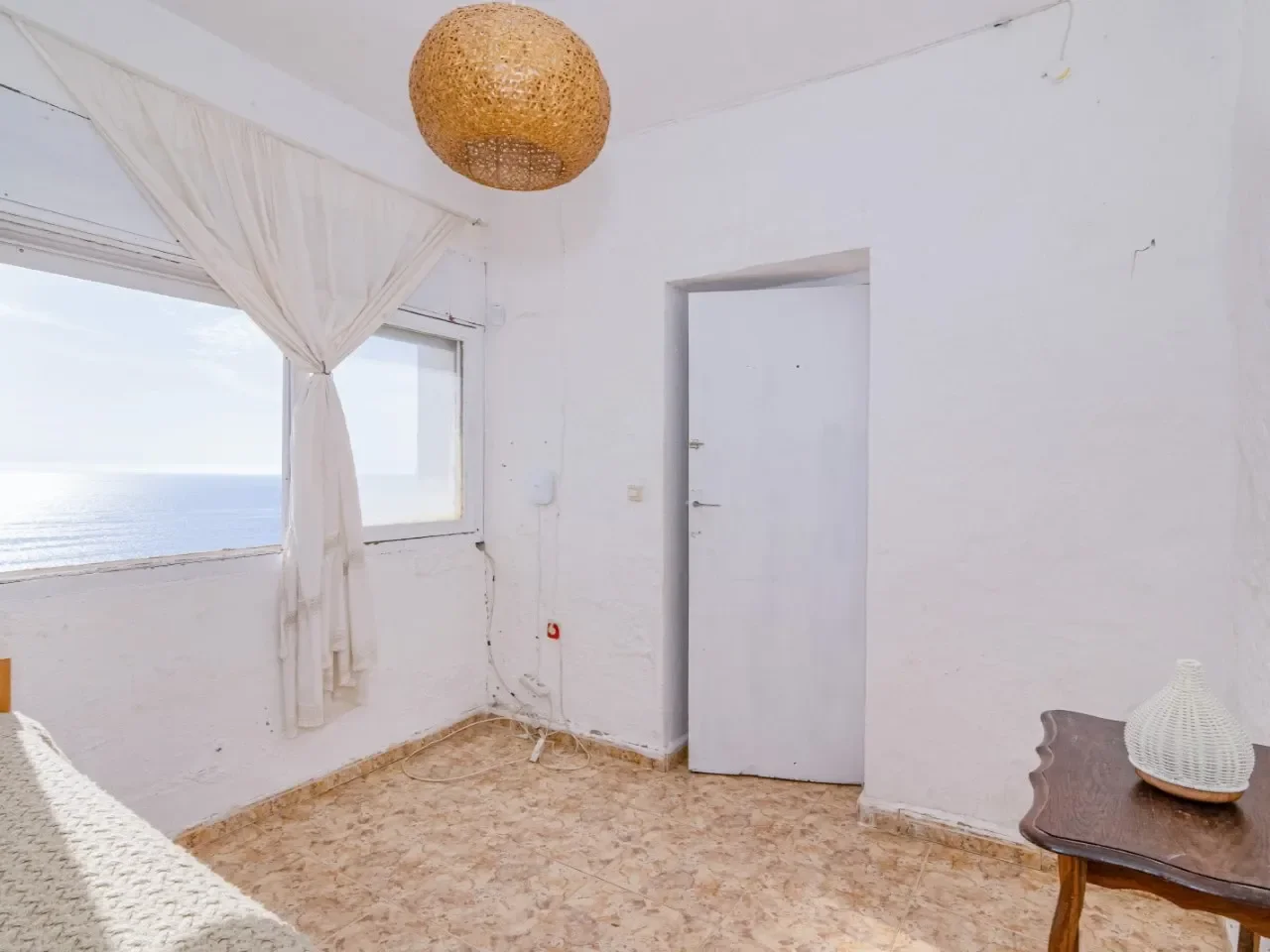
The second big issue is practical habitability. The listing is refreshingly candid that there is only one bathroom and that another still needs installing. That honesty is useful, but it also means the buyer must stop treating the property as a finished six-bedroom dual-income proposition. Until extra bathrooms are added lawfully and sensibly, the layout is commercially and practically constrained.
The beach language also needs grounding. Spain's beaches and maritime-terrestrial public domain are generally public, so the phrase "private beach" should be treated as shorthand for secluded access or a lightly used cove, not automatically as ownership of the beach itself. The real question is whether the path, access route or approach crosses private land or is affected by any servidumbre or coastal limitation.
Finally, the phrase "Conservation in Use" is too vague to trust without documentary explanation. It may refer to a listing translation, a planning/plausibility classification, a protected-building situation, or a local urbanistic nuance. Until the agent gives the exact Spanish legal term and document reference, it should be treated as an unresolved due diligence point rather than a charming label.
Targeted Questions
Registry, Title and Legal Description
The nota simple shows the registered property description, ownership, charges and limitations, and helps confirm whether you are buying one finca with internal division or something more complex.
Marketing language and registry language are not always the same thing.
A mismatch between registry and cadastre is not unheard of and should be resolved early. The Registry itself notes that the nota simple can include the CRU and, where coordinated, the cadastral parcel number.
The nota simple is one of the first places these issues appear.
Independent metering often affects both actual usability and future rental strategy.
Past changes can explain awkward layout or documentation gaps.
A second "dwelling" that is legally an annex is a very different proposition.
The tax record can reveal how the property is being treated administratively.
Coastal bargains sometimes come wrapped in slow-moving paperwork.
This can save time if the seller has already anticipated buyer concerns.
Occupancy, Use and Habitability Position
In Andalucía, the relevant trail may be first occupation or use documentation, declarations or legalisation routes rather than a modern cédula de habitabilidad.
The answer changes the legal and renovation story.
You need the actual pathway, not reassurance.
Andalucía's own urban-planning guidance distinguishes between first occupation/use for new or existing buildings and legalisation of use for pre-existing buildings.
This is a core risk when layout and legal status look potentially non-standard.
These documents often tell the real story faster than a sales pitch.
This determines whether "live in one, let the other" is currently viable or just aspirational.
"Conservation in Use" Status
Translated marketing labels are often too vague to rely on.
Each one carries very different consequences.
Restrictions can reshape your renovation budget and timeline.
Protected-character obligations can make simple works much less simple.
Sometimes a limitation comes with support, but sometimes it is just a limitation.
If yes, ask to see it before you spend money on assumptions.
Renovation Scope and Technical Condition
Buyers need to know whether they are inheriting progress or redoing it.
Paper trails matter more than verbal reassurance.
The low asking price leaves room for works, but not for endless surprises.
One working bathroom can still be a false comfort if it is near end-of-life.
This is one of the first feasibility questions that affects the entire deal.
The difference between an easy bathroom and an expensive bathroom is often hidden in pipe runs.
Bathroom strategy affects timing, cost and legal compliance.
"Two dwellings" becomes much less useful if one side is functionally incomplete.
Coastal and older houses often need more electrical work than first appears.
A bathroom-led renovation only works if the wider plumbing can support it.
Coastal character is charming until it starts eating the building.
Elevated settings are not automatically trouble-free.
Beach Access, Coastal Law and Boundaries
Under Spain's Coastal Law, the maritime-terrestrial public domain and beaches are generally for free, public use, so this should be clarified carefully rather than accepted literally.
This is likely the real substance behind the wording.
You want to know whether access is simple, tolerated or rights-dependent.
Access rights can materially affect value and future disputes.
A compact 230 m² plot needs clear mapping.
Hamlet properties often come with practical shared arrangements.
Spain's coast rules can impose limitations on works near the shore. The coastal authority emphasises both the public nature of the maritime-terrestrial domain and the protection limits affecting nearby private property.
At this price point, the view is carrying a lot of emotional value.
Utilities, Access and Village Practicality
Beach-near hamlets can be dreamy until you need to park in August.
Utility simplicity is a hidden premium.
Bathroom expansion becomes more complicated if wastewater capacity is limited.
Remote-working appeal collapses quickly if the signal is fantasy.
In small settlements, outside coverage and inside coverage can be very different.
Liveability is not just about the house, it is about the social setting.
Small shared obligations often get mentioned too late.
A five-minute walk to the beach is only attractive if the route is practical.
Rental and Investment Potential
This goes straight to income strategy.
This can materially change the revenue model.
Existing compliance history can save time, or expose issues.
Andalusian rules now expressly allow municipalities to impose proportionate local limitations on tourist-use dwellings.
Andalusia now requires two bathrooms where capacity exceeds five places, which is a direct issue for a six-bedroom tourism pitch.
A strategy can sound clever and still fail in practice.
Adra is not Mojácar, and that cuts both ways.
You need an upside case and a reality case.
The gap between purchase price and usable income asset is where mistakes happen.
Cost, Tax and Offer Preparation
The low purchase price can make buyers under-budget on total cost.
This tells you how much negotiation room may exist.
This is one of the strongest practical price levers.
These can soften the works budget materially.
Negotiation Intelligence
Buyer Leverage
Medium-High
Key Drivers
Typical Negotiation Range
5-15% below asking
Neutral Phrasing Examples
Country Layer
Spain (Regulatory Context March 2026)
For Spanish due diligence, the nota simple is an essential starting document because it sets out the registered finca identification, the registered owner or owners, and the nature and limitations of the rights registered over the property. The Colegio de Registradores notes that it is informative rather than conclusive proof, but it is still one of the most important first filters for a buyer.
Viewing Strategy
During the viewing:
Next Step
Verify from the listing:
Whether the “two dwellings” are truly lawful dwellings
Request the nota simple, cadastral details, and any municipal occupancy or use paperwork so you can confirm whether both parts are legally recognised as residential accommodation rather than just being marketed that way.
What “Conservation in Use” actually means
Ask the agent for the exact Spanish legal term and the document it comes from. Until that is clear, treat it as a due diligence issue that could affect renovation scope, exterior changes, or even use.
The bathroom shortfall
The biggest practical weakness here is obvious: one bathroom across six bedrooms and two dwellings. Ask where additional bathrooms can be installed, what permissions are needed, and how much of the price already reflects that unfinished reality.
The truth behind “private beach”
Because Spain’s beaches are generally part of the public maritime-terrestrial domain, focus on the legal status of the access route, any rights of way, and whether the value lies in seclusion rather than private ownership of the shore.
Rental viability after compliance, not before
If your plan is to let one or both units, confirm whether the property could qualify under Andalusian tourist-use rules, especially given the current bathroom count and the need to comply with municipal planning requirements.
A prepared buyer should approach the agent calmly and frame questions as due diligence. For example: “To assess the property properly, could you please send the nota simple, any occupancy or use documentation for both dwellings, a written explanation of the ‘Conservation in Use’ status, and anything you have showing how extra bathrooms could be added lawfully?”
Because this is a property where legal description, coastal access reality and renovation practicality all materially affect value, run it through the Property Risk Assessment before contacting the agent, and use the Renovation Budget Planner once you have clarity on bathroom additions, permissions and the second dwelling’s legal status.
Disclaimer: The Property Drop is buyer-focused intelligence, zero sales agenda. We curate exceptional properties, in southern Europe, from third-party agents and arm you with decision tools. No commission, no transactions, no agent partnerships, no skin in the game beyond helping you choose wisely. Information stays accurate until it doesn't (properties sell, prices shift, markets move). Everything here is shared for informational purposes only and should not be treated as legal, financial, or investment advice. Images belong to original agents. Read our Terms of Service to learn more.
IMPORTANT REMINDER: When contacting property agents featured on The Property Drop, you are entering into direct communication with third parties. It's recommended that you verify all property details independently, conduct thorough due diligence, engage qualified professionals (solicitors, surveyors, financial advisors), understand your rights and obligations under local property laws, and never send money or make commitments without proper legal protection.
