
The Buyer Playbook: 6-Bed Townhouse with Private Gym and Interior Courtyard, Vila-real City Centre, Spain €550,000
Buyer Playbook
Pre-Viewing Intelligence Report
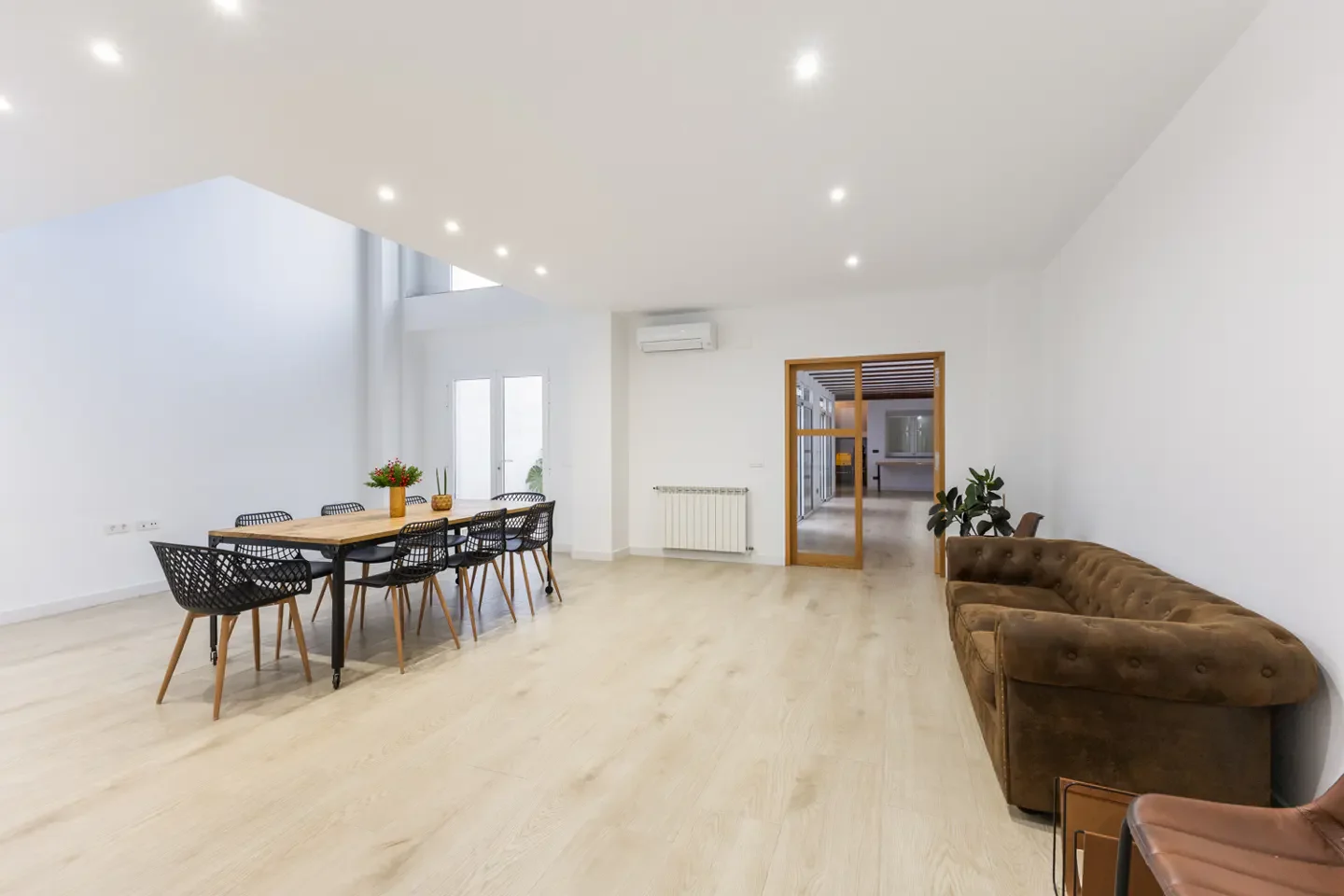
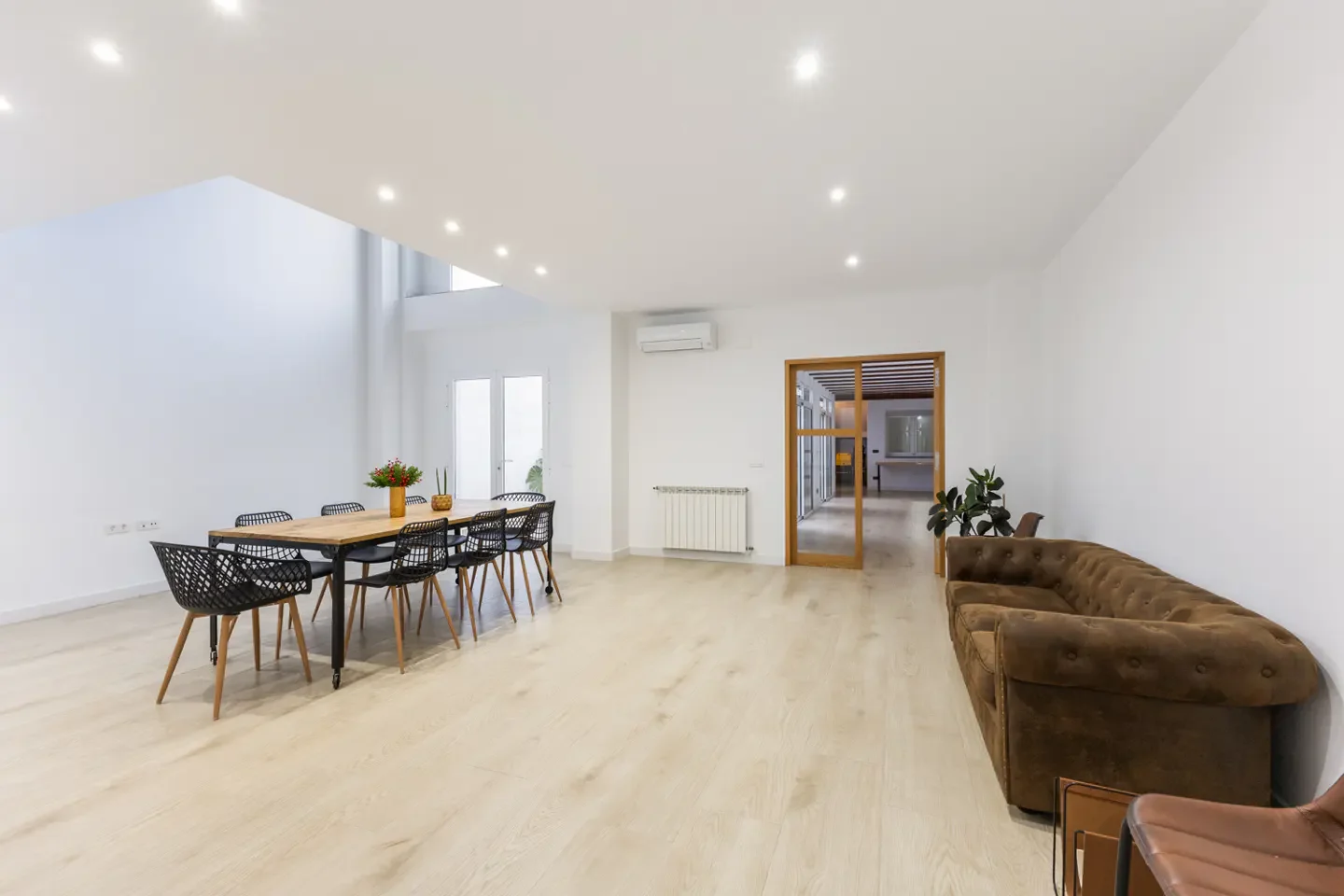
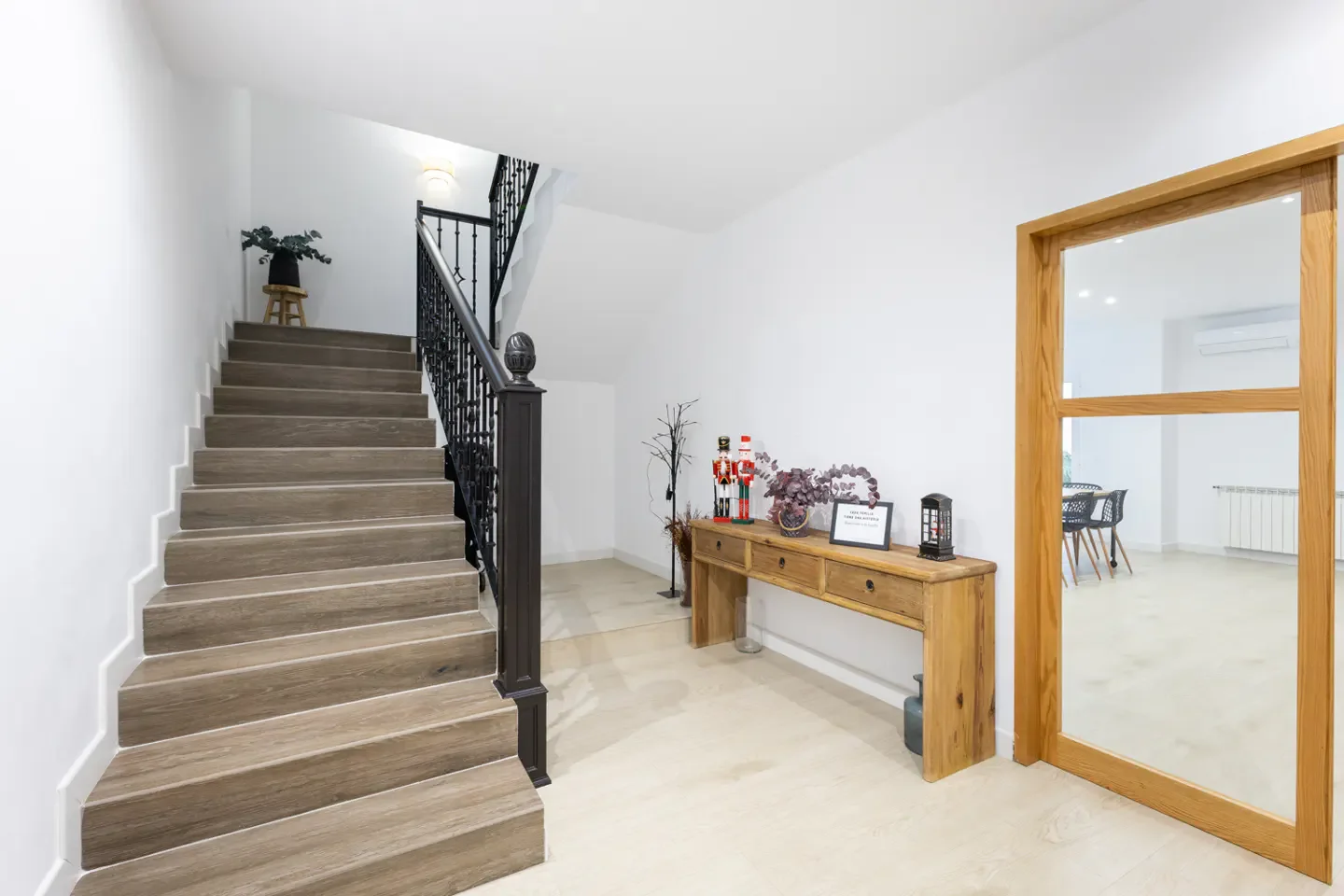
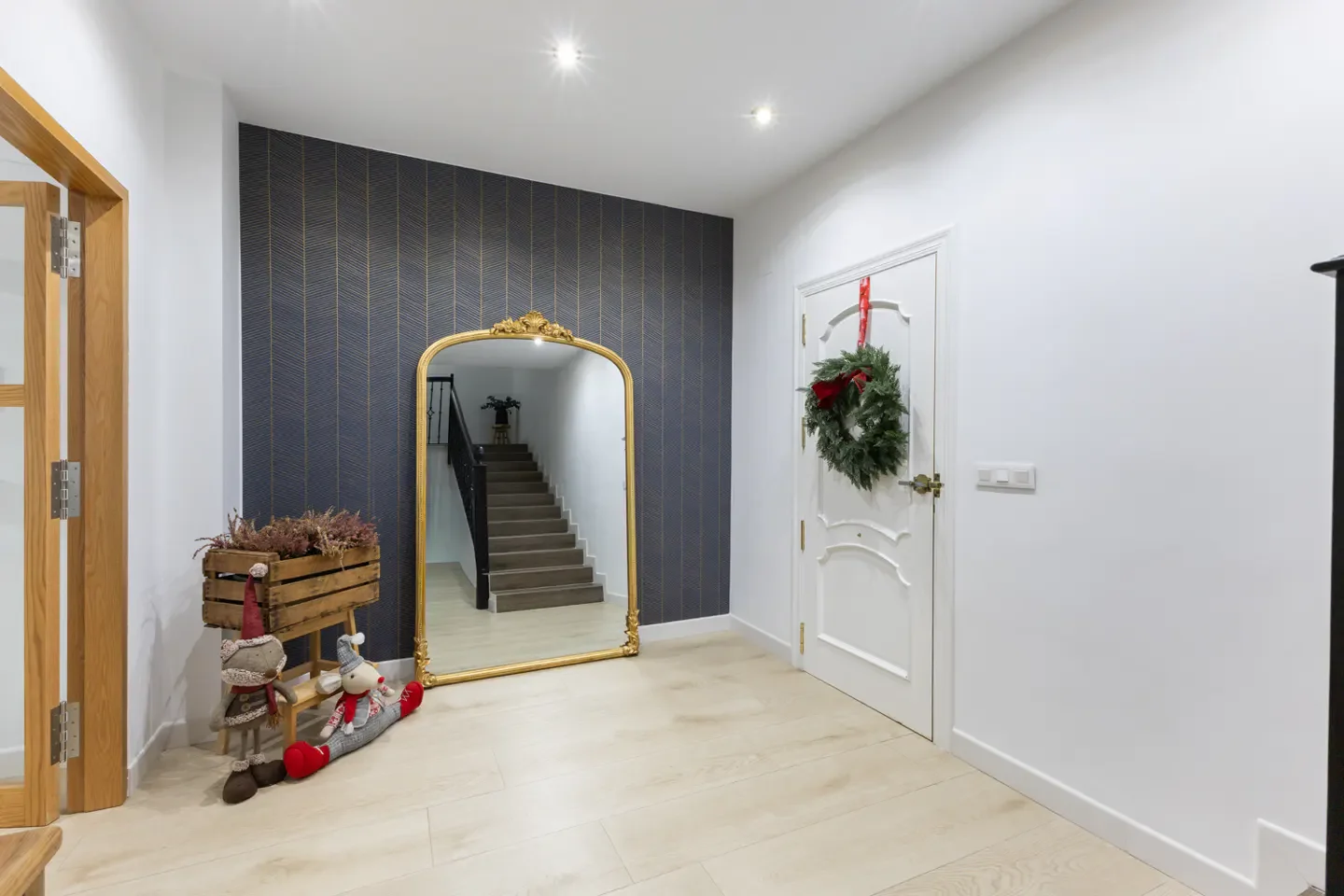
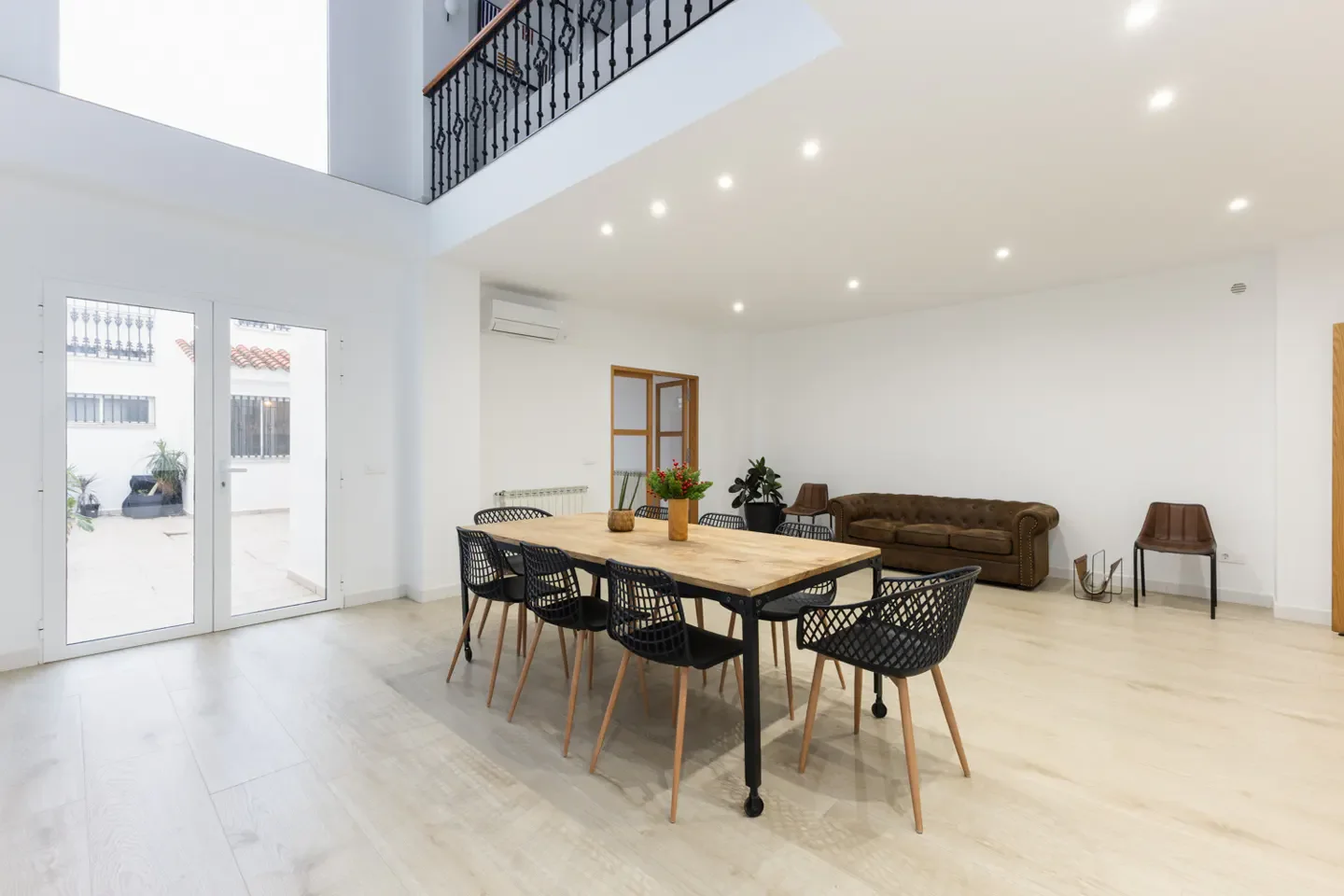
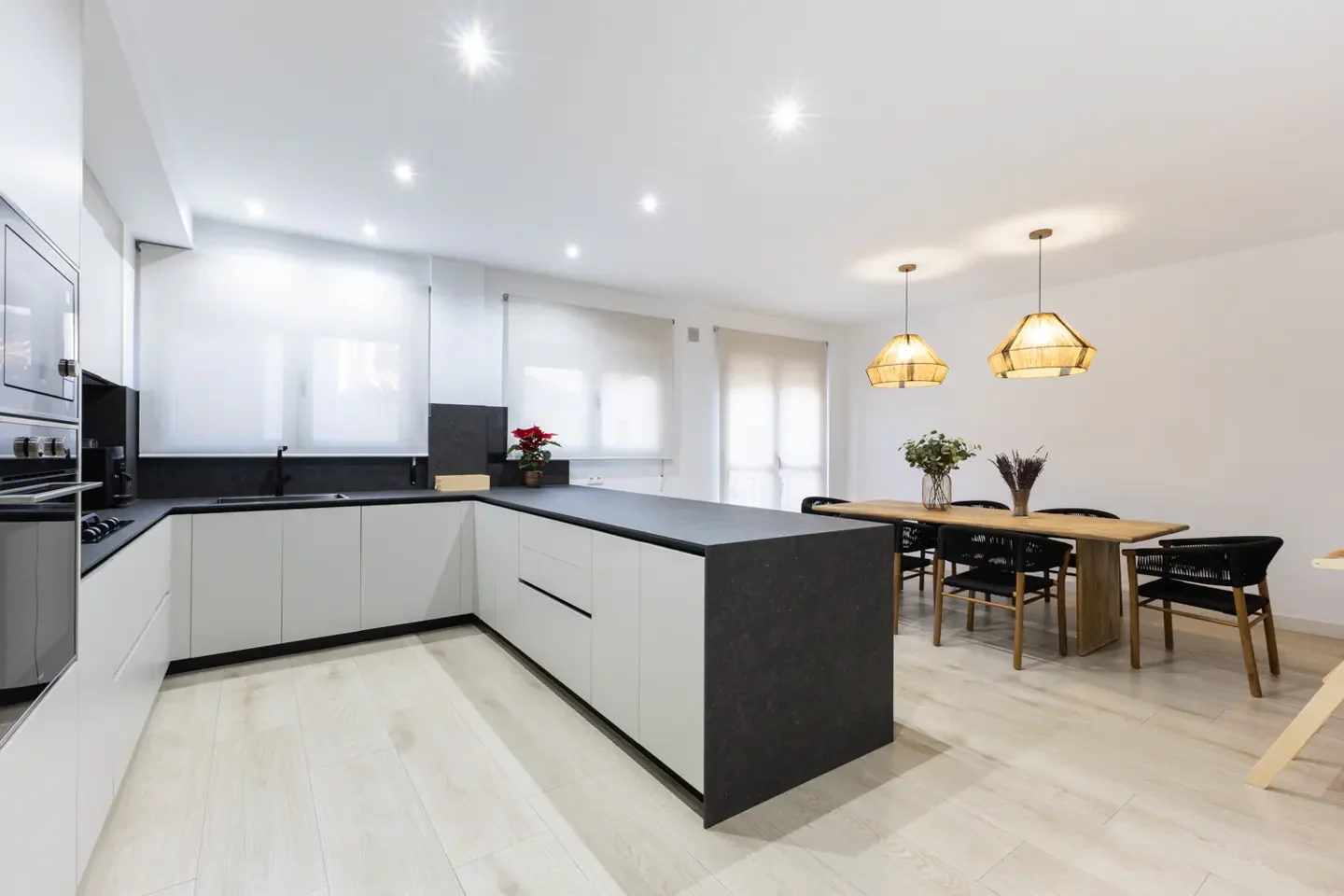
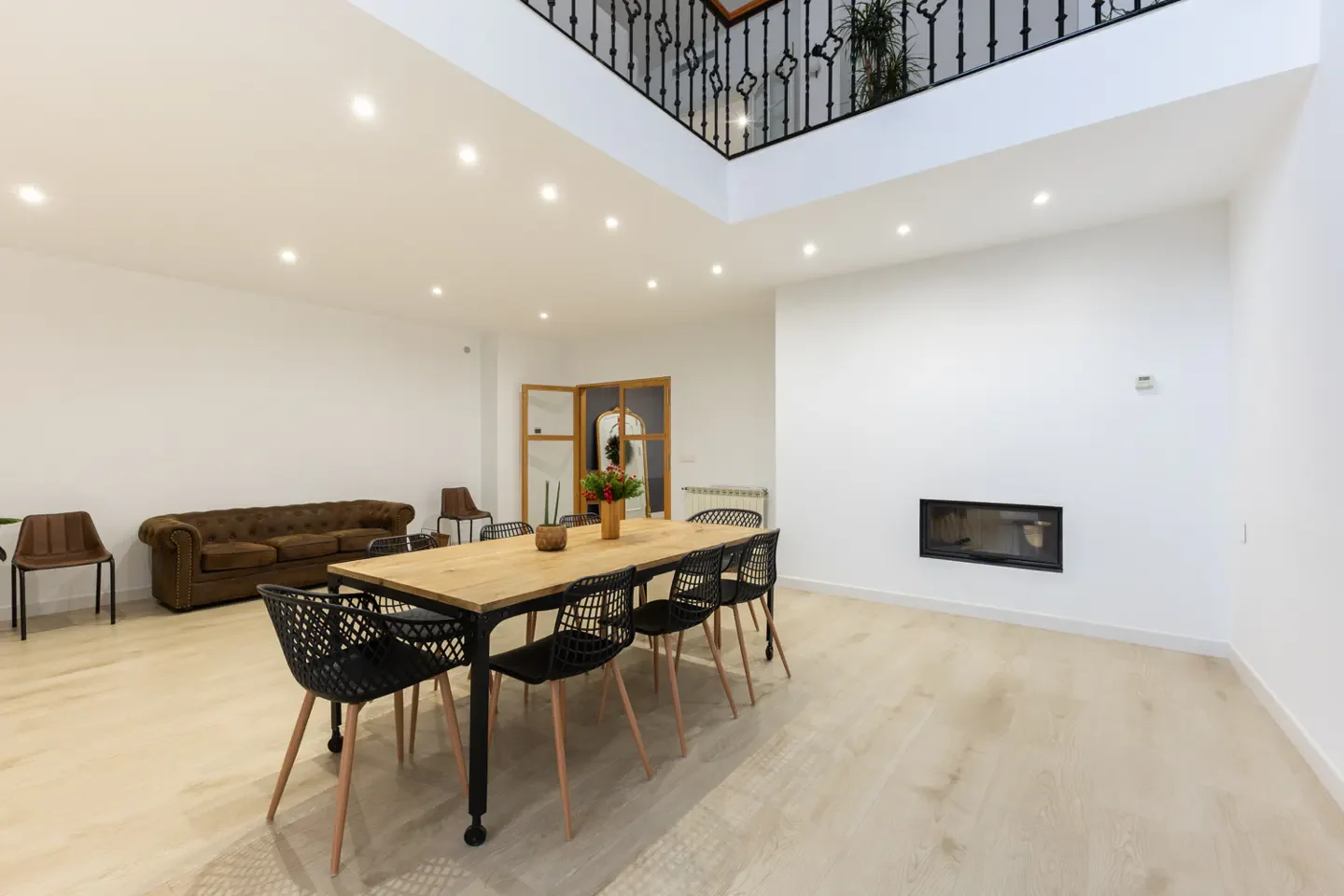
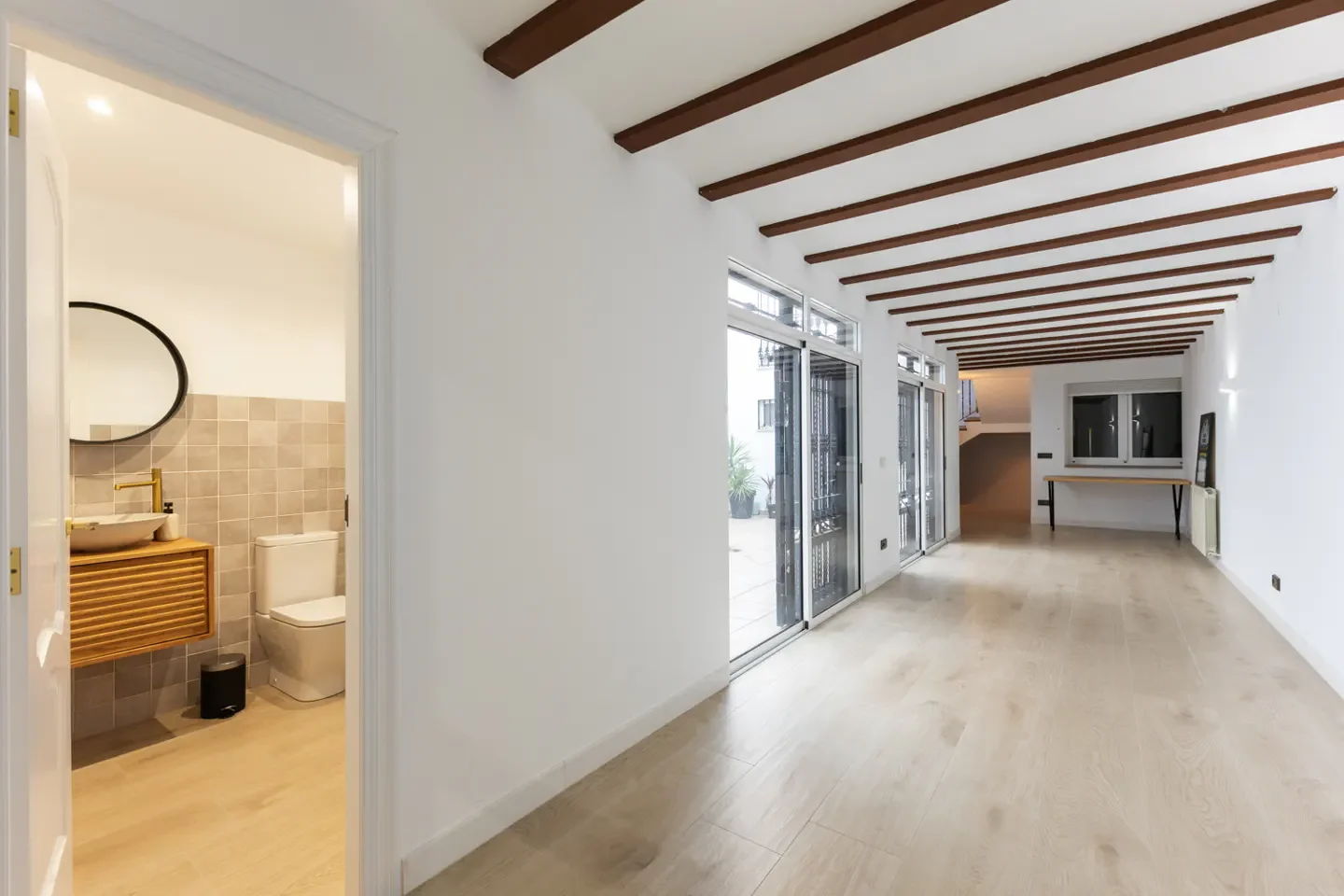
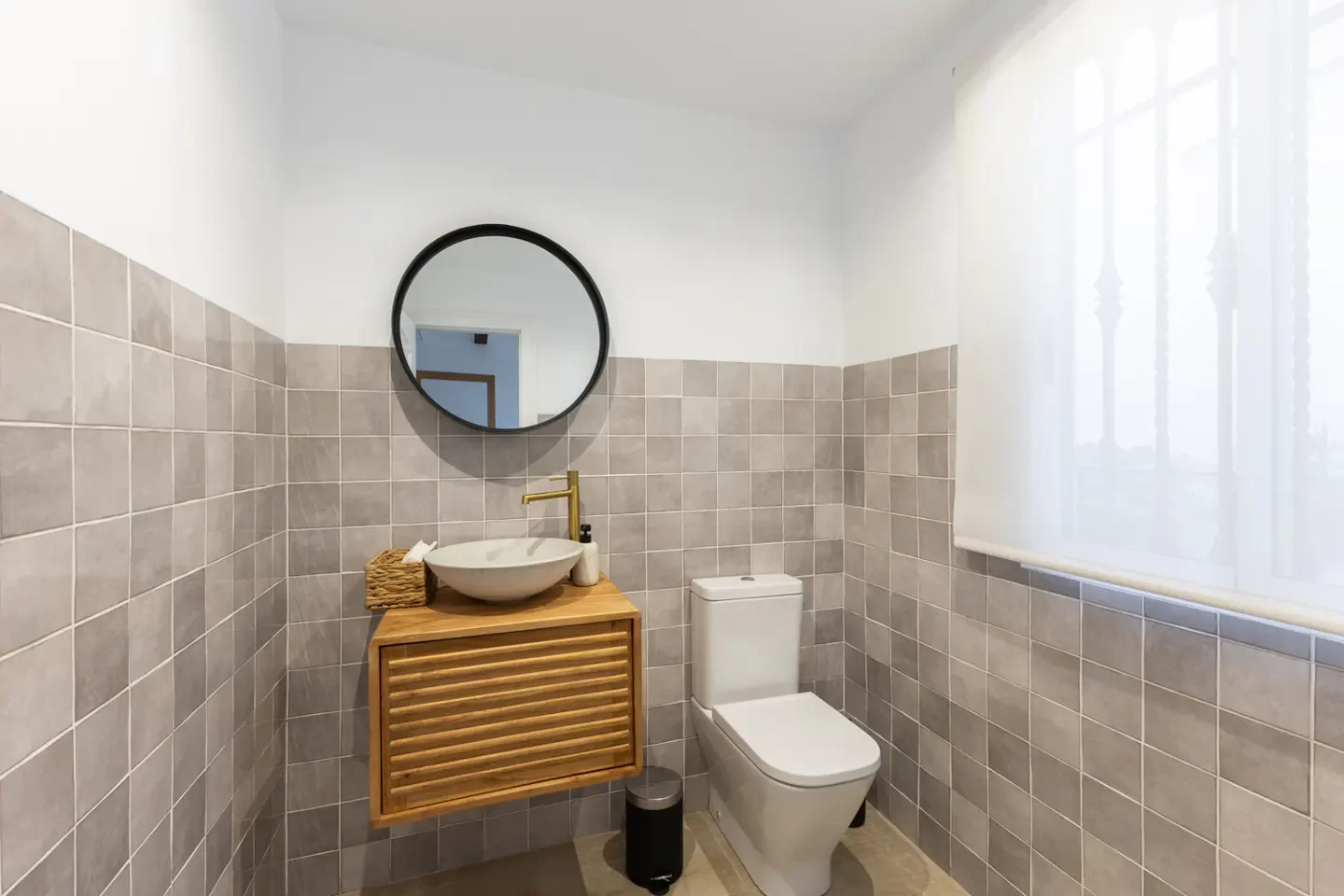
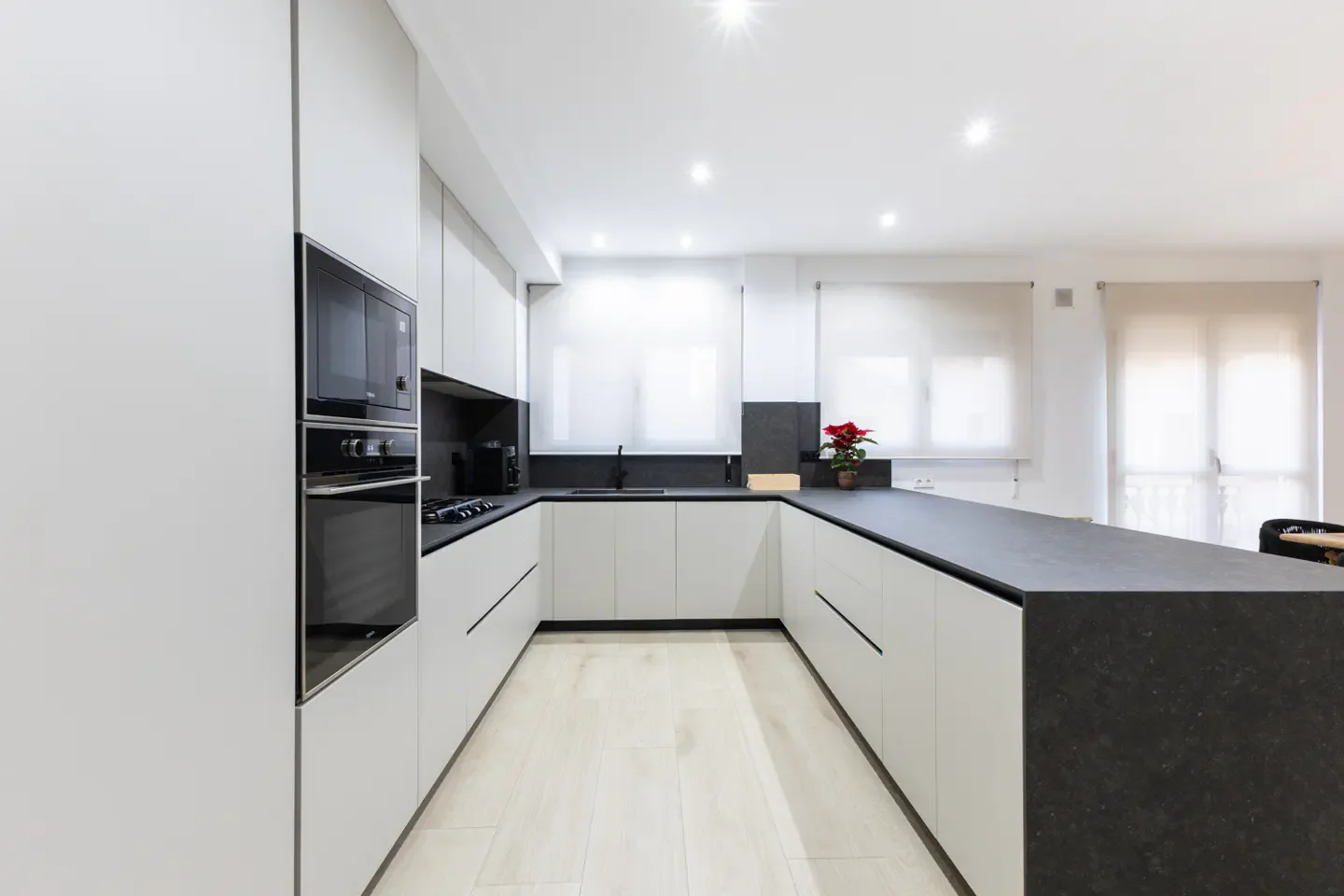
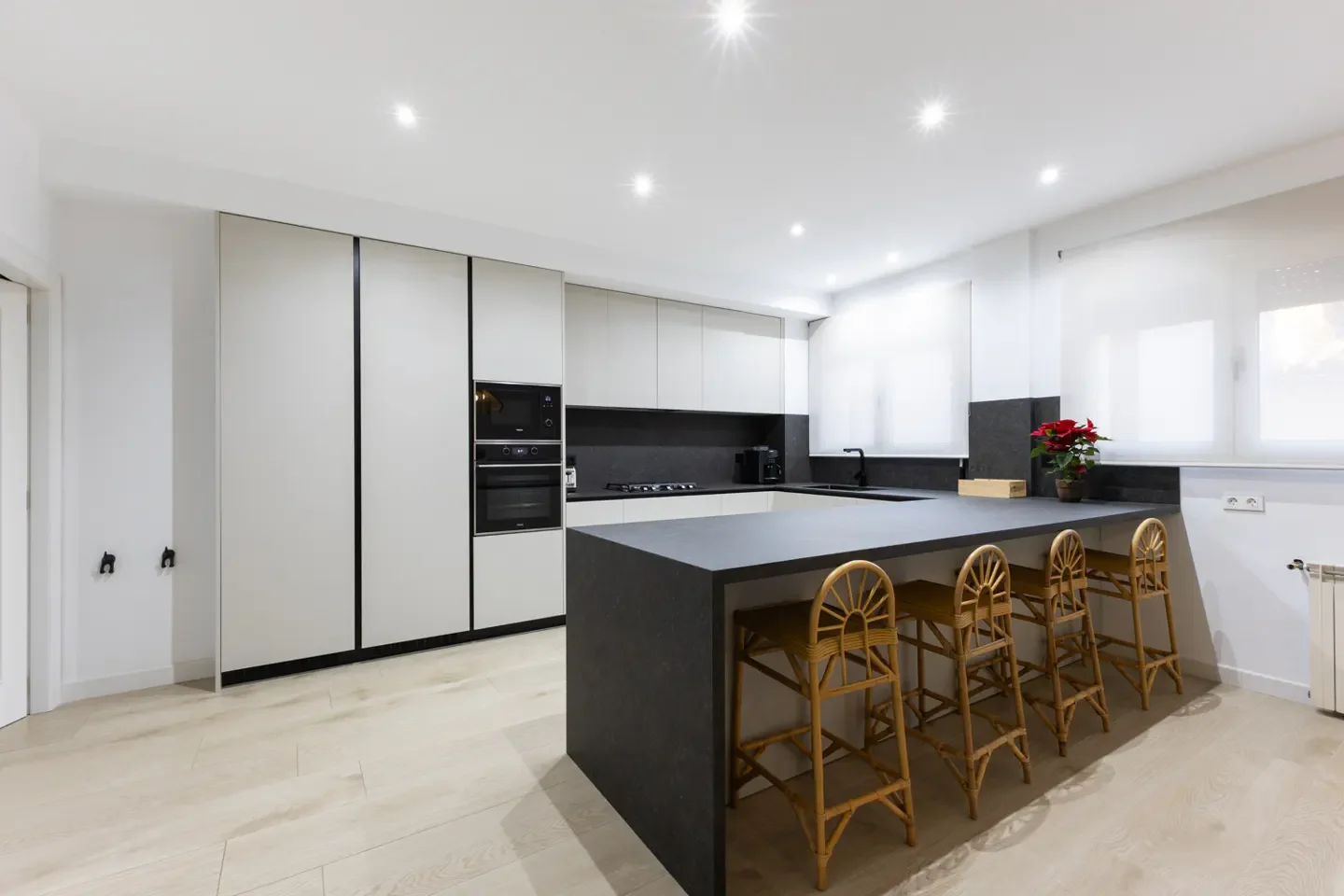
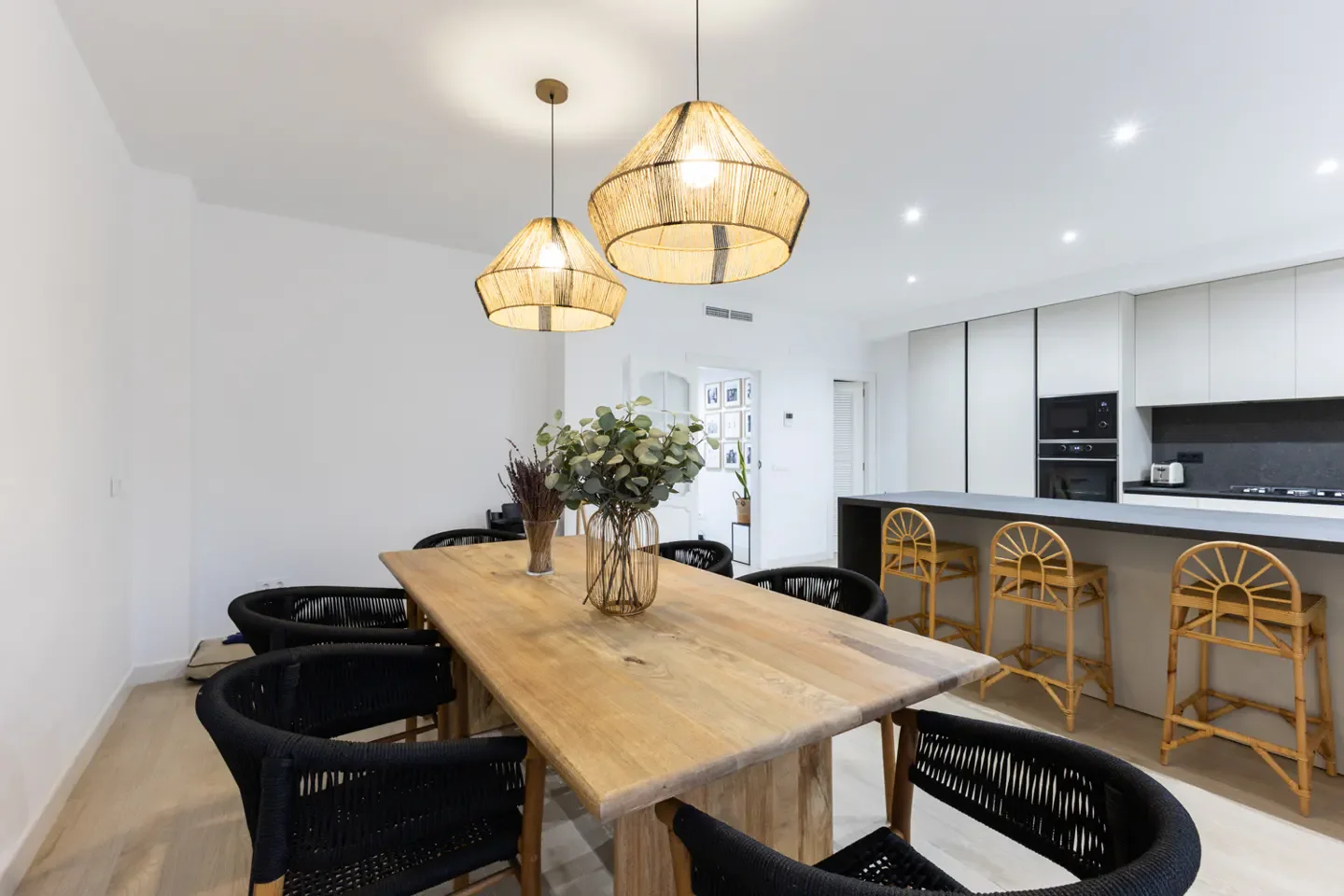
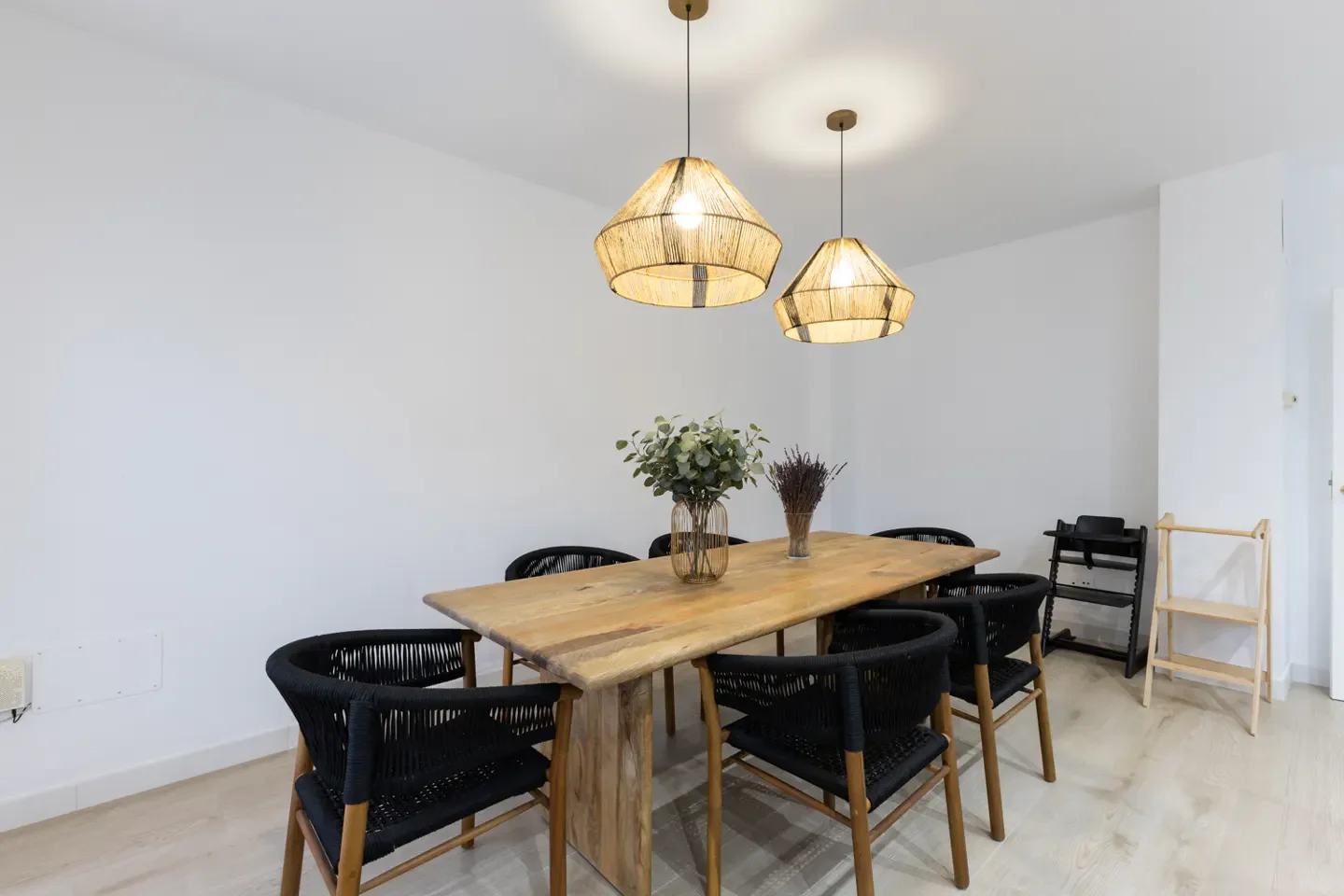
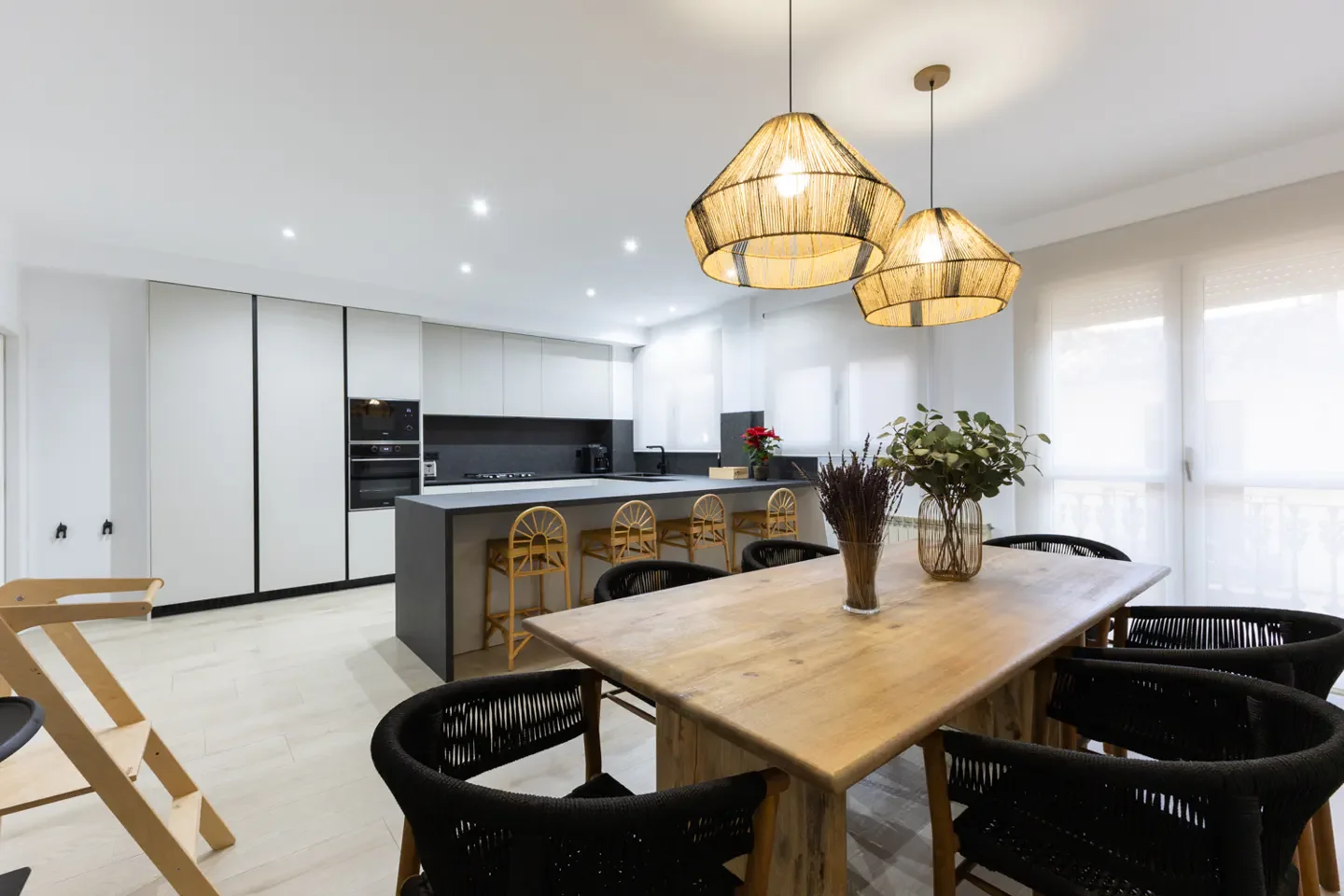
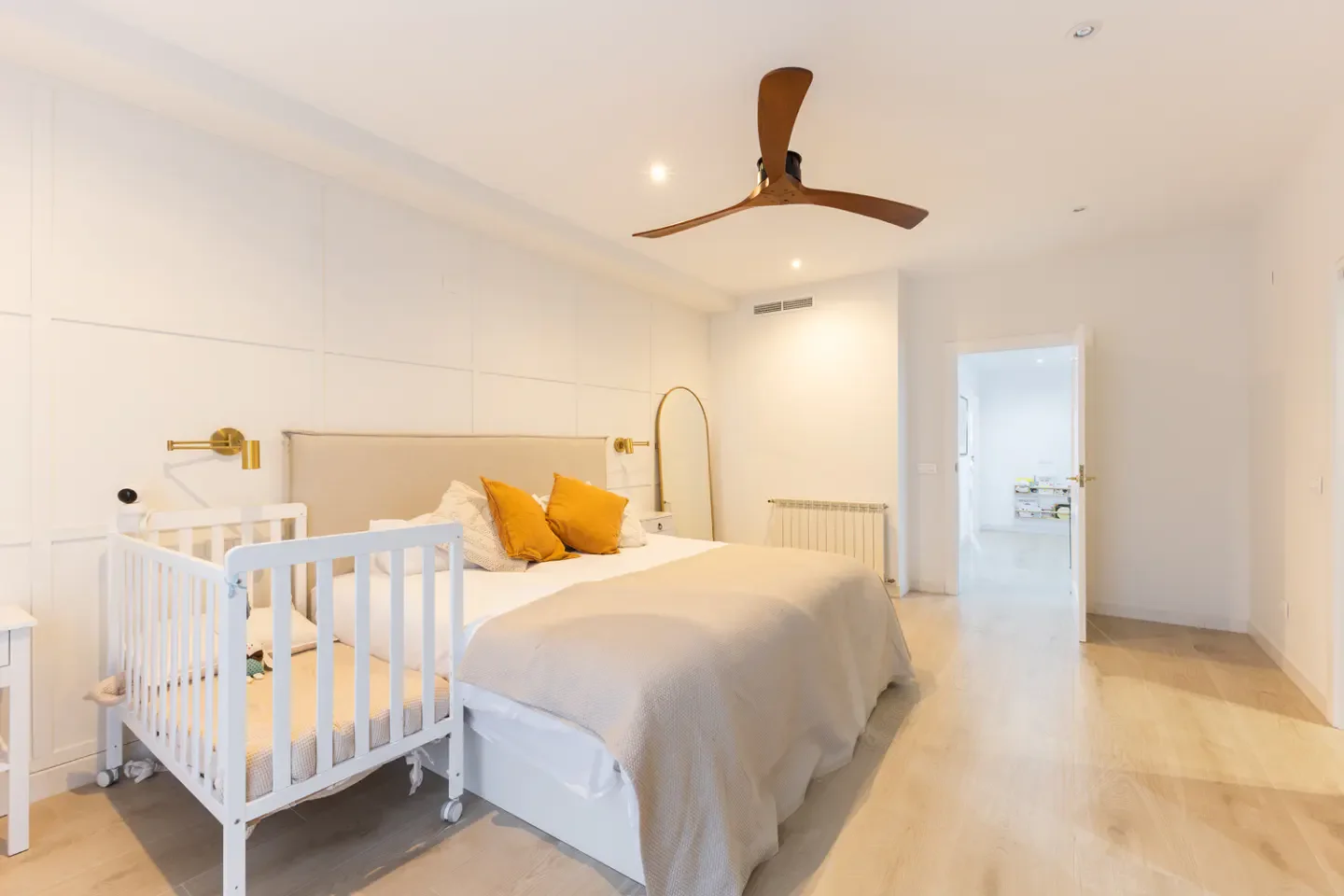
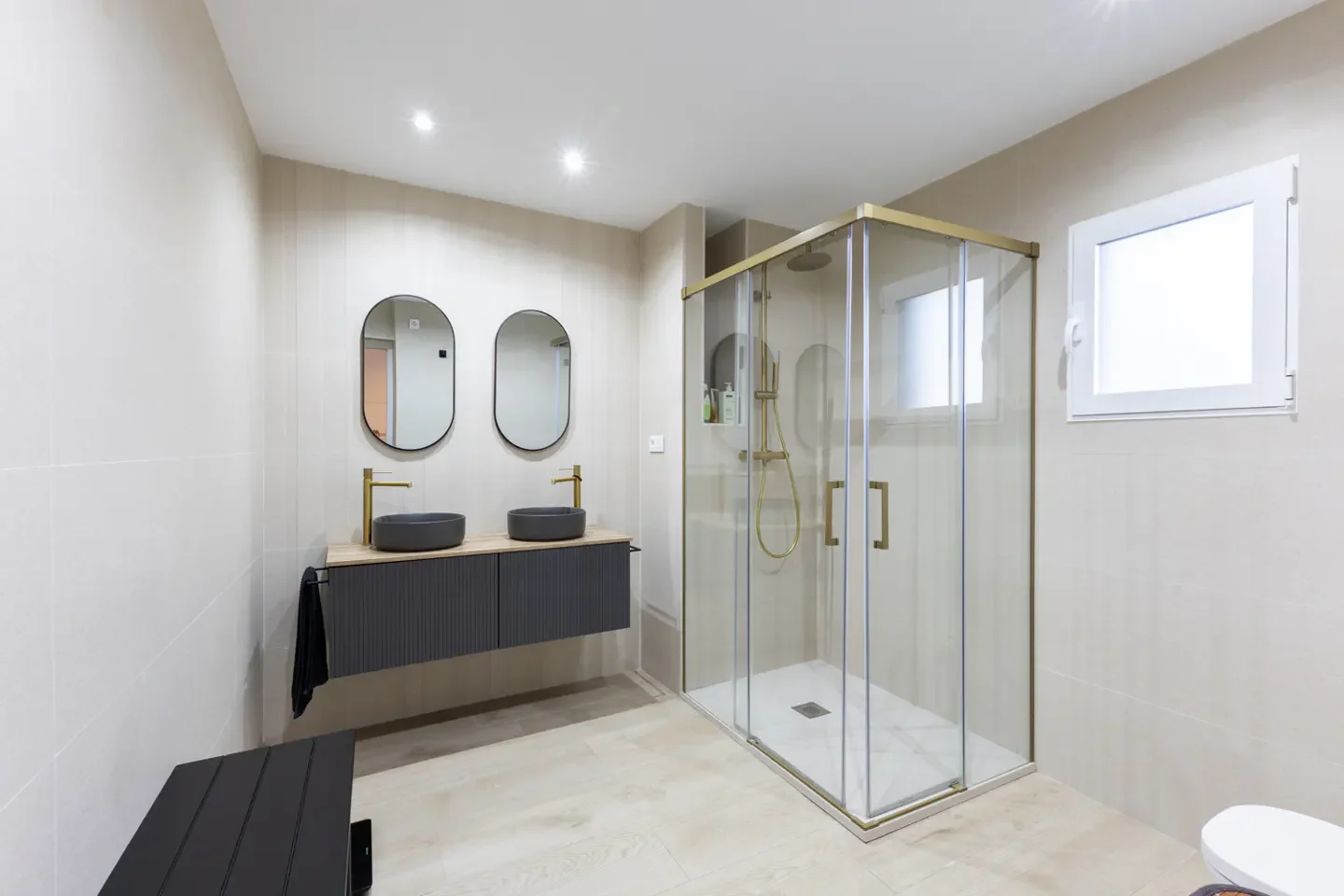
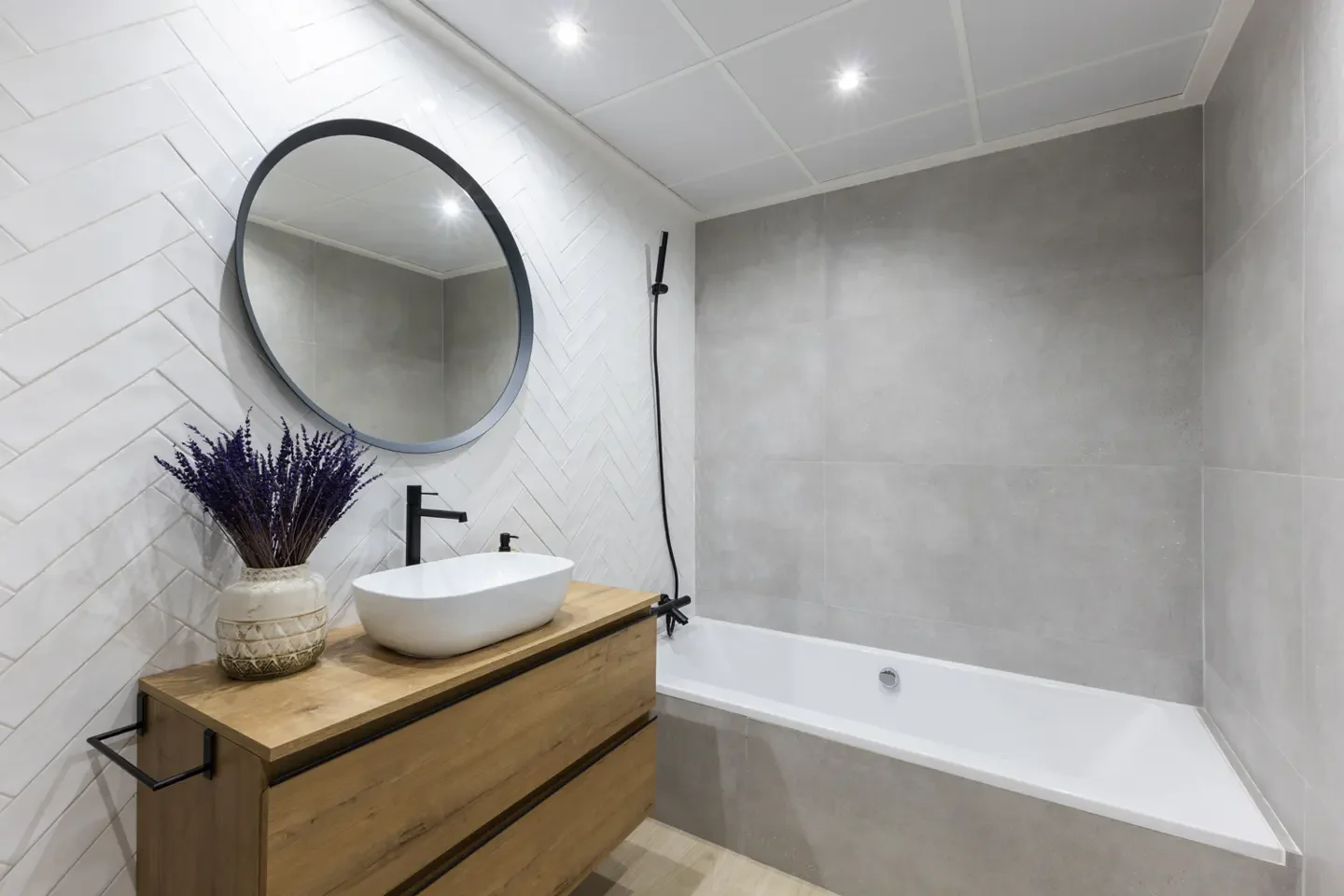
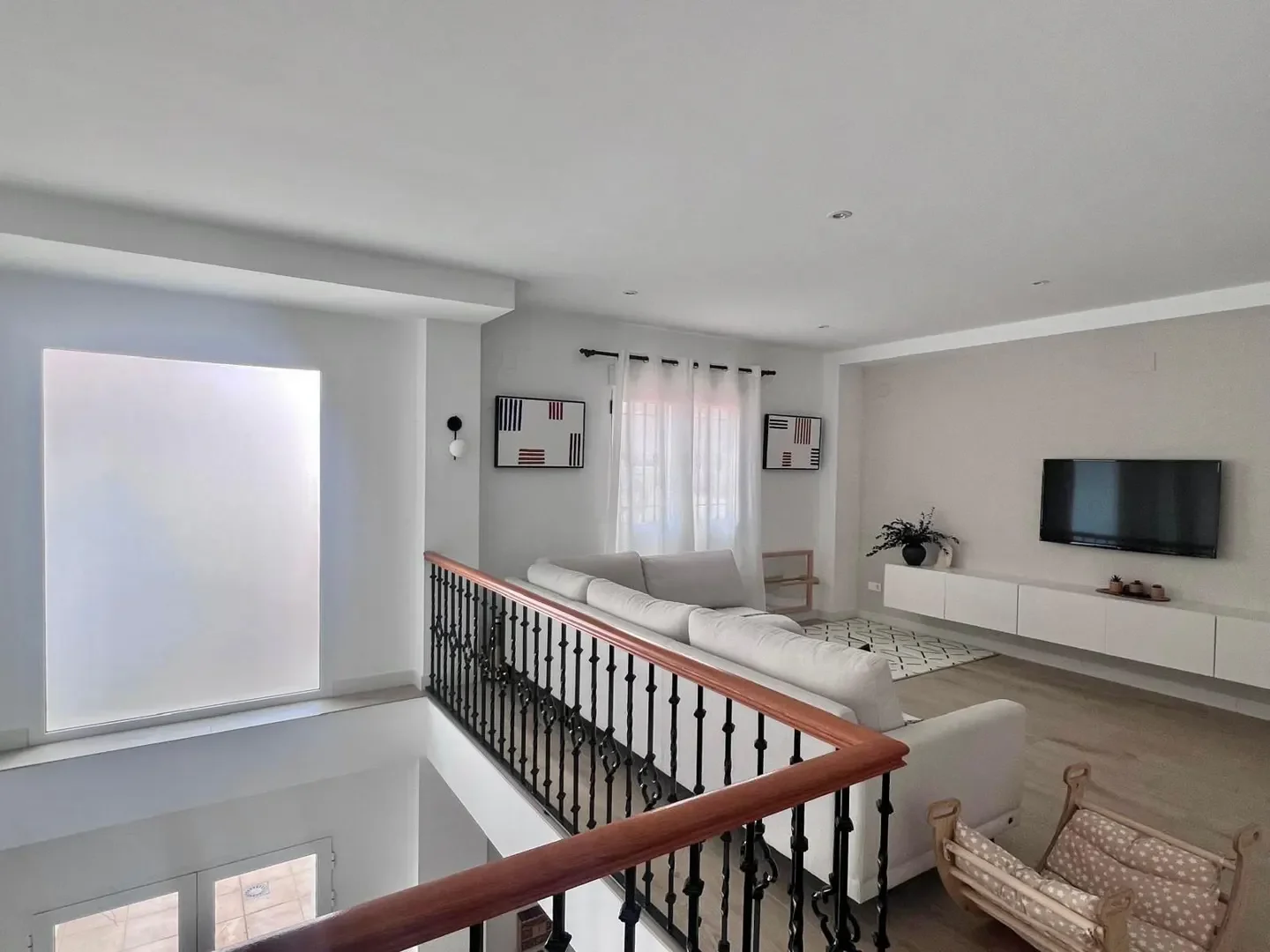
This independent buyer guidance report relates to this specific property located in Spain. It is provided for informational purposes only and does not constitute legal, tax, structural or survey advice. Habitability, first-occupation status, tourist-rental eligibility, energy compliance, title position, planning permissions, courtyard and gym legality, any community obligations, and any shared-building or neighbour-related matters must always be verified with qualified Spanish professionals such as an abogado, arquitecto, arquitecto técnico, surveyor or licensed property consultant, and with the relevant municipal and regional authorities. This report is designed to help buyers evaluate the property before arranging a viewing or making an offer. It highlights due diligence issues and questions to ask the agent. The analysis is based on the listing details and publicly available regulatory context at the time of writing. The listing presents this as a six-bedroom, six-bathroom, 371 m² city-centre townhouse in Vila-real with a 45 m² interior courtyard, private gym, air conditioning, city gas heating, Energy Class E and holiday-rental potential.
Playbook Contents
Property Snapshot
Location
Vila-real city centre, Valencian Community, Spain.
Property type
City townhouse.
Asking price
€550,000.
Bedrooms
6.
Bathrooms
6.
Internal area
371 m² across three floors.
Plot size
259 m² land.
Build year
1997.
Energy rating
Class E.
Standout features
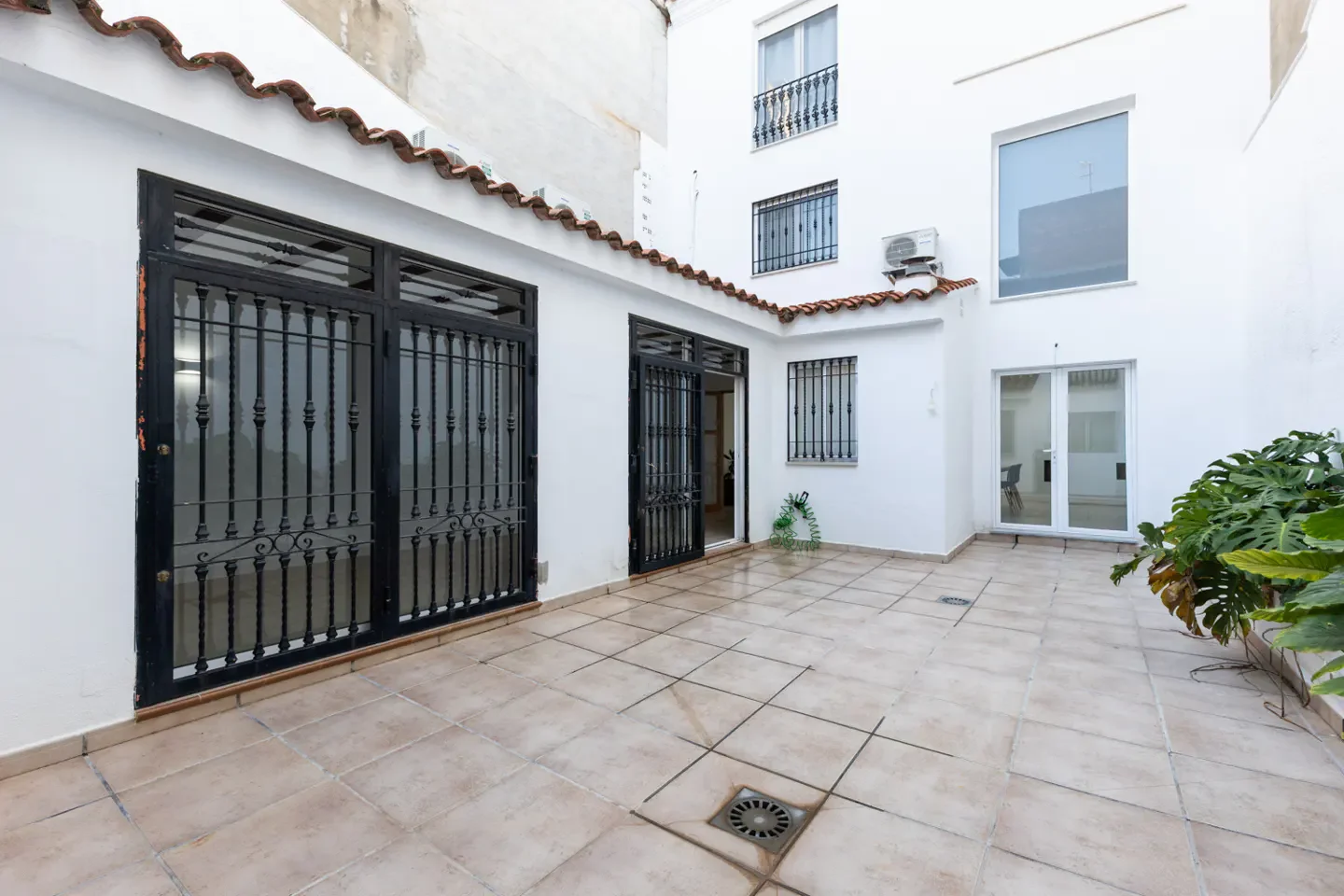
45 m² interior courtyard, private gym, three en suite bedrooms, fireplace, walk-in closet.
Services and systems noted
Air conditioning and city gas heating.
Positioning
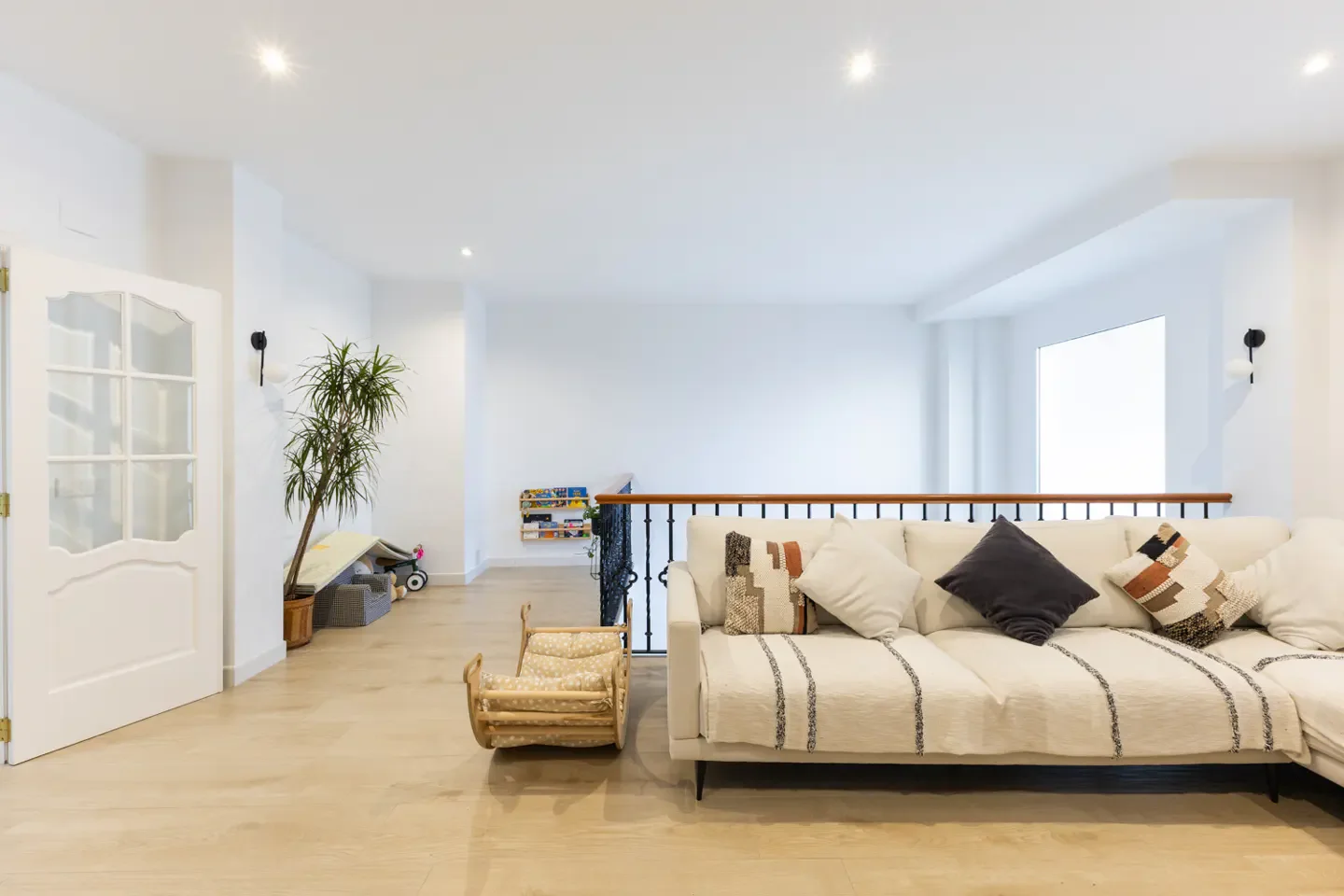
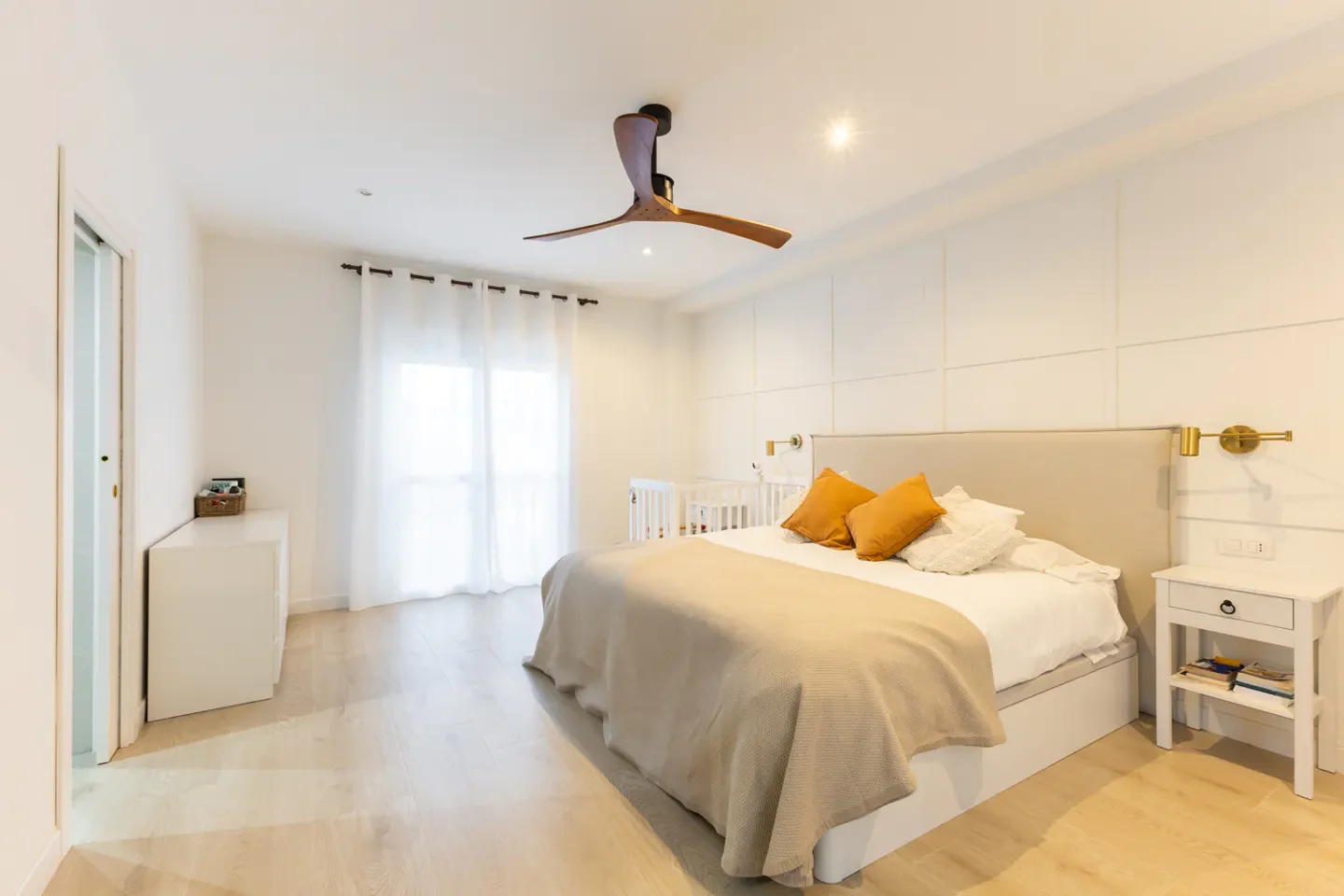
Move-in ready, furnished, fully exterior throughout, city-centre walkability, holiday-rental potential.
Risk Radar
Overview
This is a rare large-format townhouse for a city-centre setting. Six bedrooms, six bathrooms, a private gym and a sizeable interior courtyard make it unusually flexible for a large family, multi-generational living, guest-heavy use or some form of rental-led strategy. On paper, the 371 m² footprint and move-in-ready presentation make the value proposition attractive, particularly for buyers who want real space rather than a smaller apartment in a denser urban format.
The first due diligence question is whether the legal paperwork fully matches the way the property is now configured and marketed. A 1997 build is modern enough to avoid some of the oldest-housing problems, but the listing's gym area, six-bathroom layout and furnished, ready-to-use positioning all raise the possibility that internal changes were made after completion. If there were later works, the buyer needs to know whether they were cosmetic only or whether they affected layout, use, ventilation, drainage or load-bearing elements. In practice, that means checking title, occupancy documentation and any municipal permissions or post-build approvals.
The second major theme is rental strategy. This listing openly frames the property as having holiday-rental income potential, but that now sits inside a more demanding legal framework. In Spain, from 3 April 2025, a property owner who wants to carry out tourist-rental activity in a horizontal-property setting must obtain express approval from the community of owners under article 7.3 of the Horizontal Property Law. Separately, Spain's national short-term rental system now requires a unique registration number for online advertising, and Valencian tourist-use dwellings must also comply with the regional registration regime.
The third issue is energy and running costs. An E rating is not inherently disqualifying, especially for a 1997 house of this size, but it does mean the buyer should understand actual energy bills, the age and efficiency of the city-gas and air-conditioning systems, and what it would cost to move the house up a rating band if future regulation or rental economics make that sensible. Spain's energy-certification rules require the certificate to be made available to buyers and users, so the full document should be treated as basic due diligence, not an optional extra.
Finally, this is a city-centre house, so practicalities matter more than the photos suggest. Parking, commercial noise, street activity, servicing access, refuse collection and the real privacy of the courtyard all influence long-term satisfaction. In a property of this scale, the buyer should judge it both as a home and as an operational asset.
Targeted Questions
Legal Status, Title and Occupancy
The nota simple is the first check on title, encumbrances and whether the registered description matches the marketed house.
Large city homes are sometimes the result of past consolidation, which needs to be clearly documented.
Buyers need to confirm the house entered lawful residential use correctly.
The exact document can vary in practice, but the buyer needs clarity on what proves lawful habitable use.
Later works can affect legality, insurability and future resale.
Unauthorised works can create regularisation costs or legal risk.
Properly signed-off works are materially safer than undocumented changes.
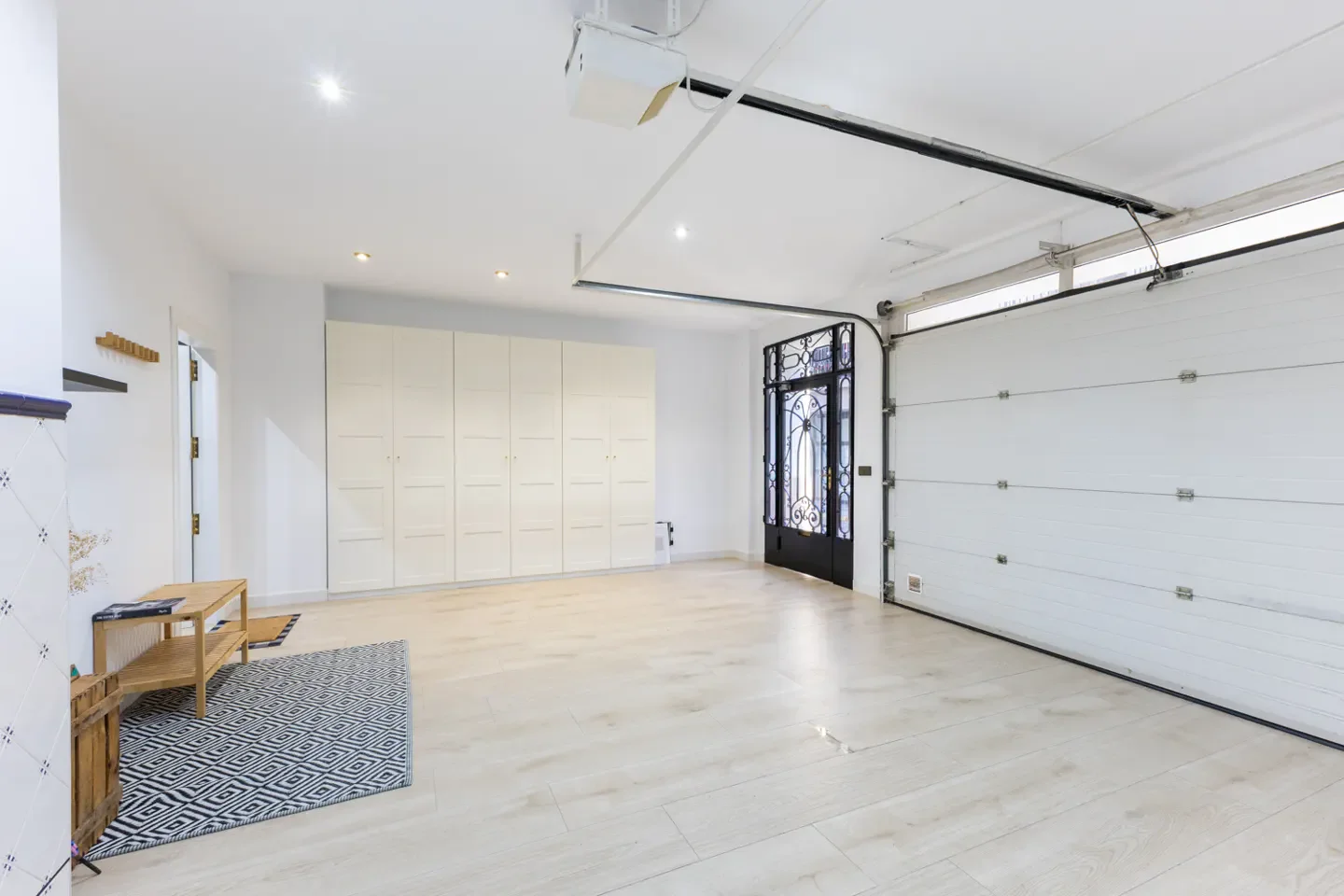
A "gym" can be perfectly fine, but the buyer should know whether it is legally habitable space or ancillary space.
Exclusive-use exterior space should be evidenced, not assumed.
Inconsistencies between cadastre and registry are common and can slow down later transactions.
Community Status and Shared Elements
Community status affects costs, restrictions and tourist-rental feasibility.
Ongoing charges affect affordability and yield calculations.
A fee level only becomes meaningful when the underlying obligations are clear.
Meeting minutes often reveal pending works, disputes or rule changes.
Shared elements can create future repair obligations or disputes.
The value of the courtyard depends on its legal exclusivity and control.
Live disputes can materially reduce enjoyment and create legal costs.
The buyer needs to know whether community sentiment is already hostile or supportive.
Energy Rating, Running Costs and Systems
The full certificate should identify weak points, recommendations and estimated energy use. Spain's certification rules require the certificate to be available to buyers and users.
Real bills are more useful than assumptions for a 371 m² house.
Different causes lead to very different upgrade budgets.
Buyers need to know whether the house has already had the obvious improvements.
Heating equipment replacement can be a major near-term cost.
Utility configuration affects both cost and practicality.
In a large city house, cooling performance and maintenance matter as much as heating.
Hot-water generation affects both cost and user experience.
Comfort problems often appear in large multi-floor houses even when finishes look good.
Energy and ventilation weaknesses often show up through moisture problems.
Building Condition and Layout
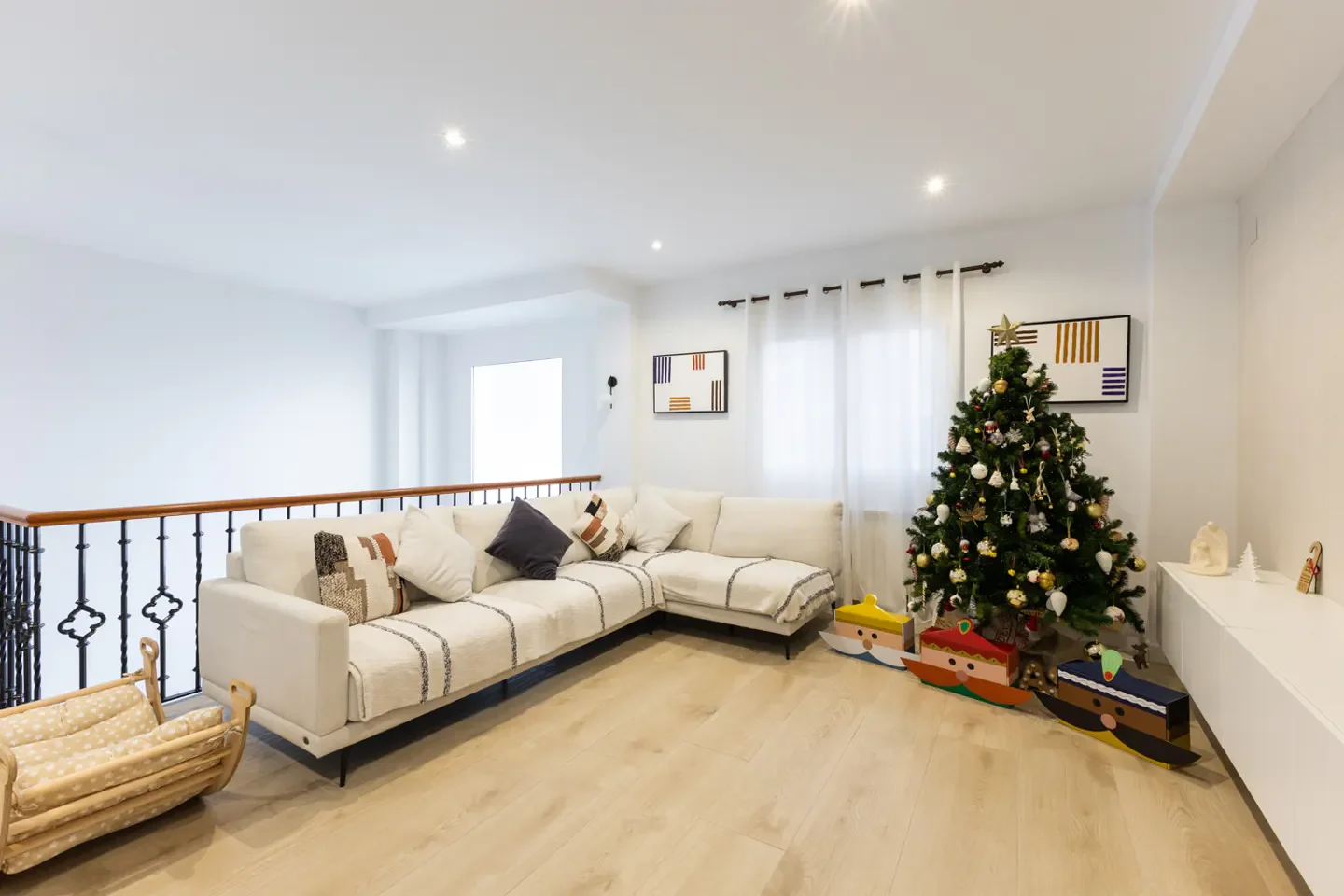
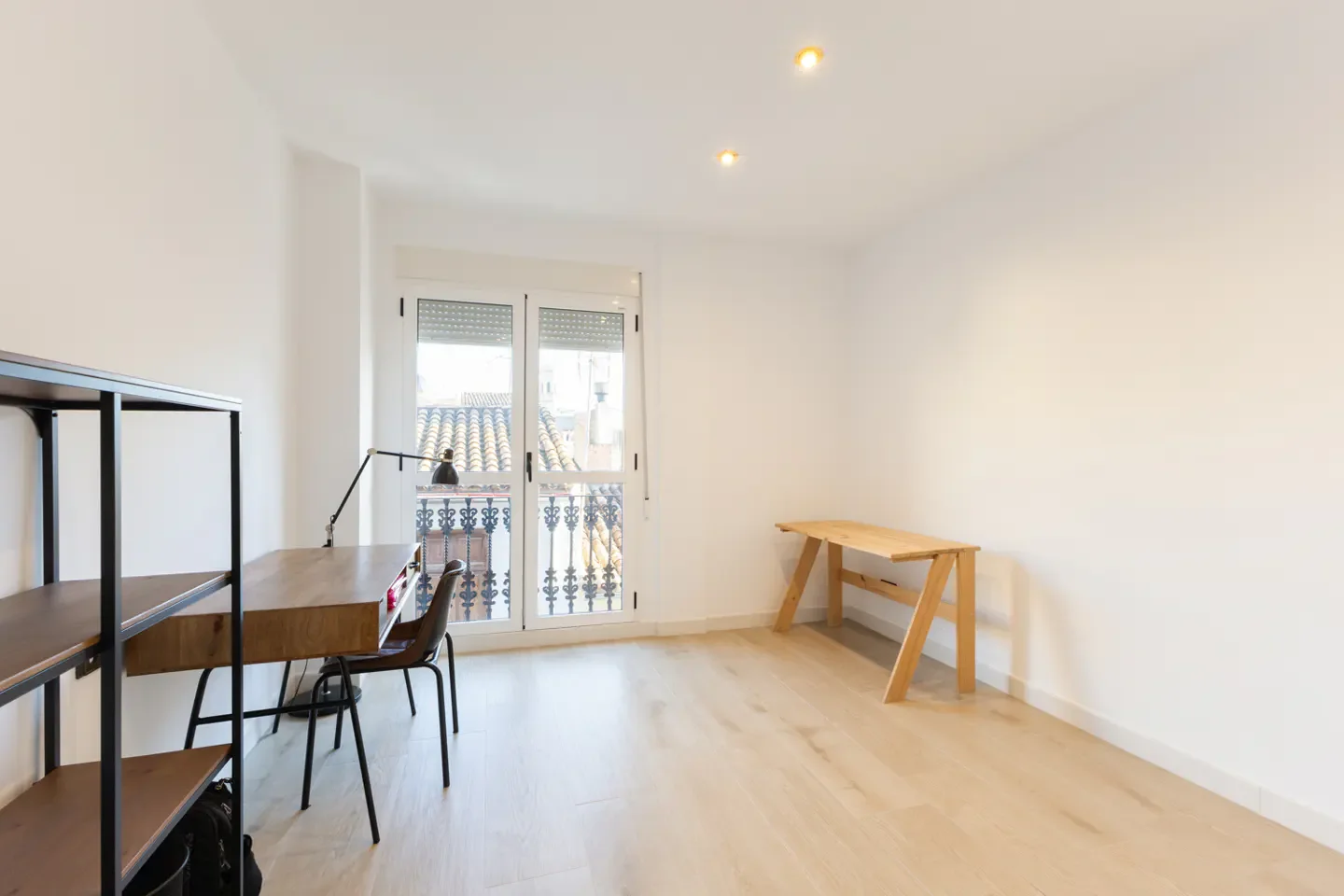
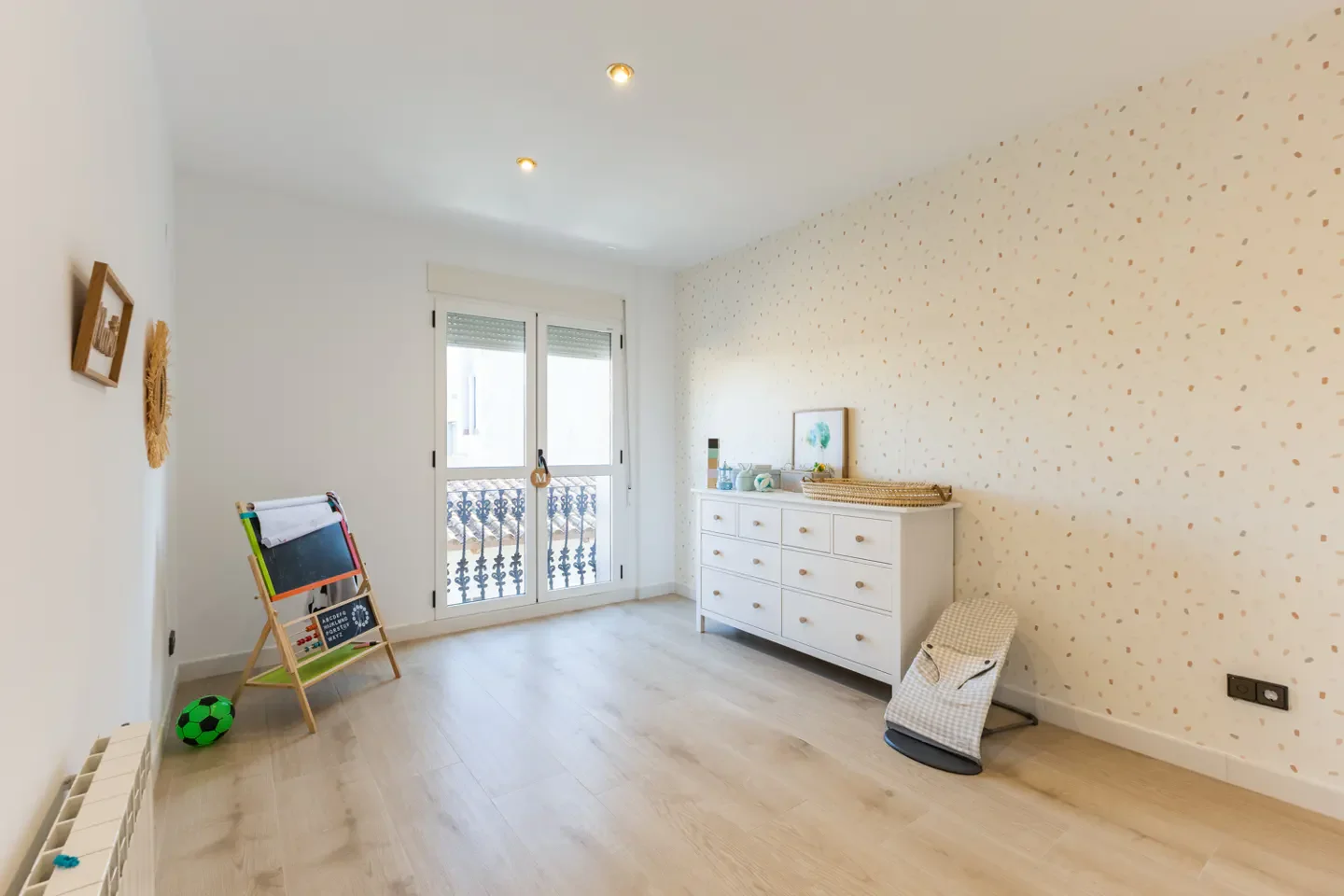
The layout is central to judging whether the space works for family living or rental use.
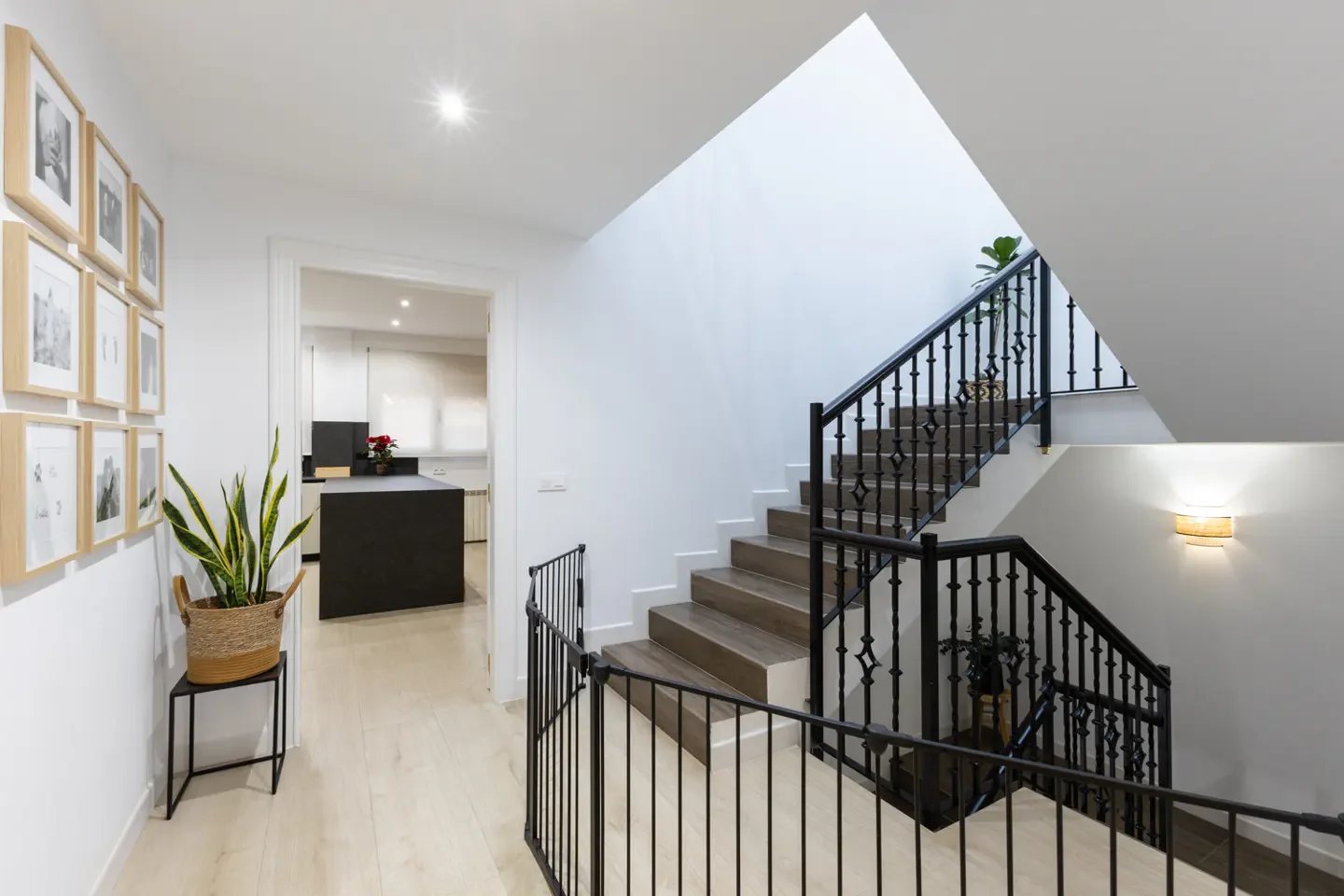
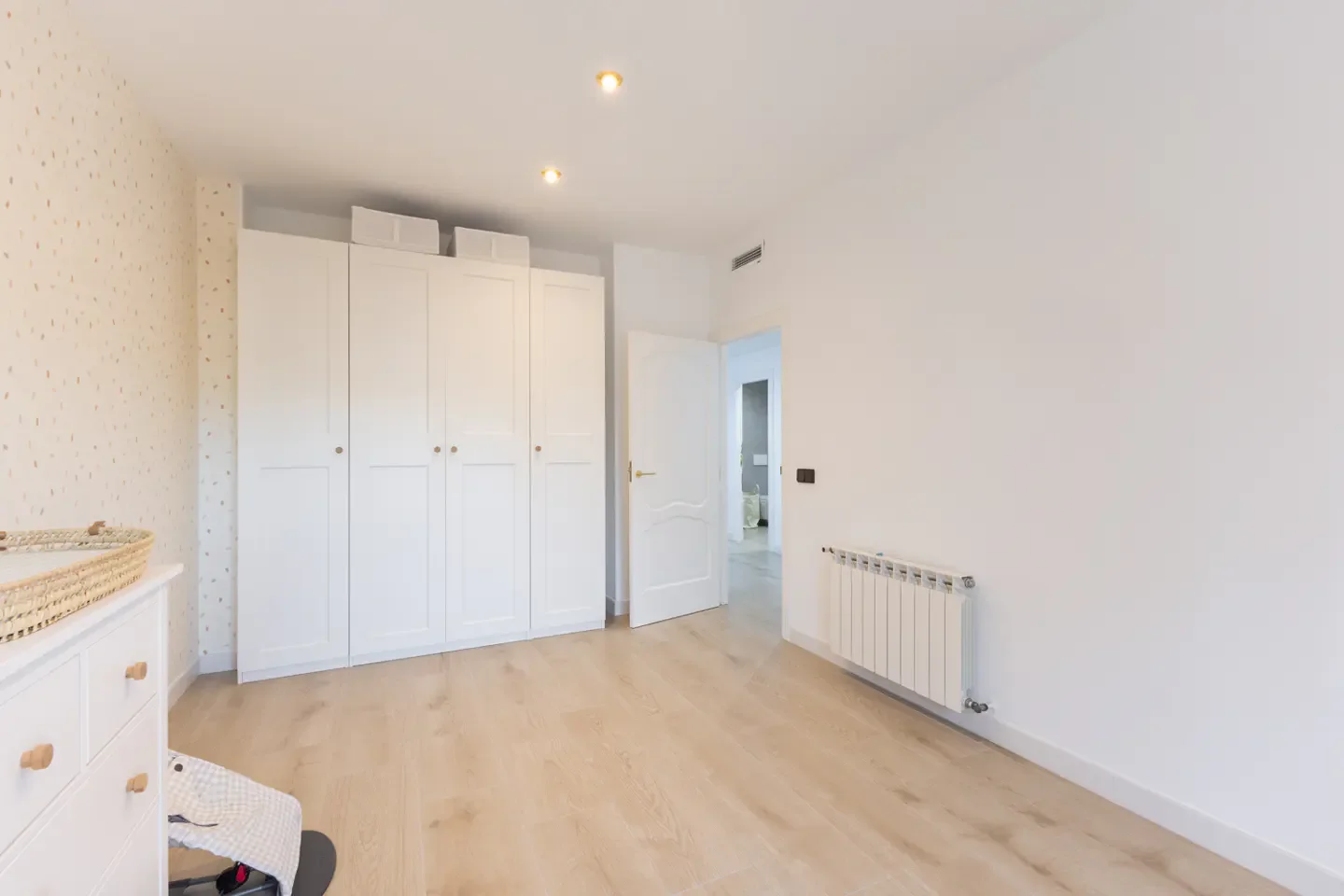
The listing says the property is fully exterior throughout, which is valuable, but it should be verified in room-by-room practice.
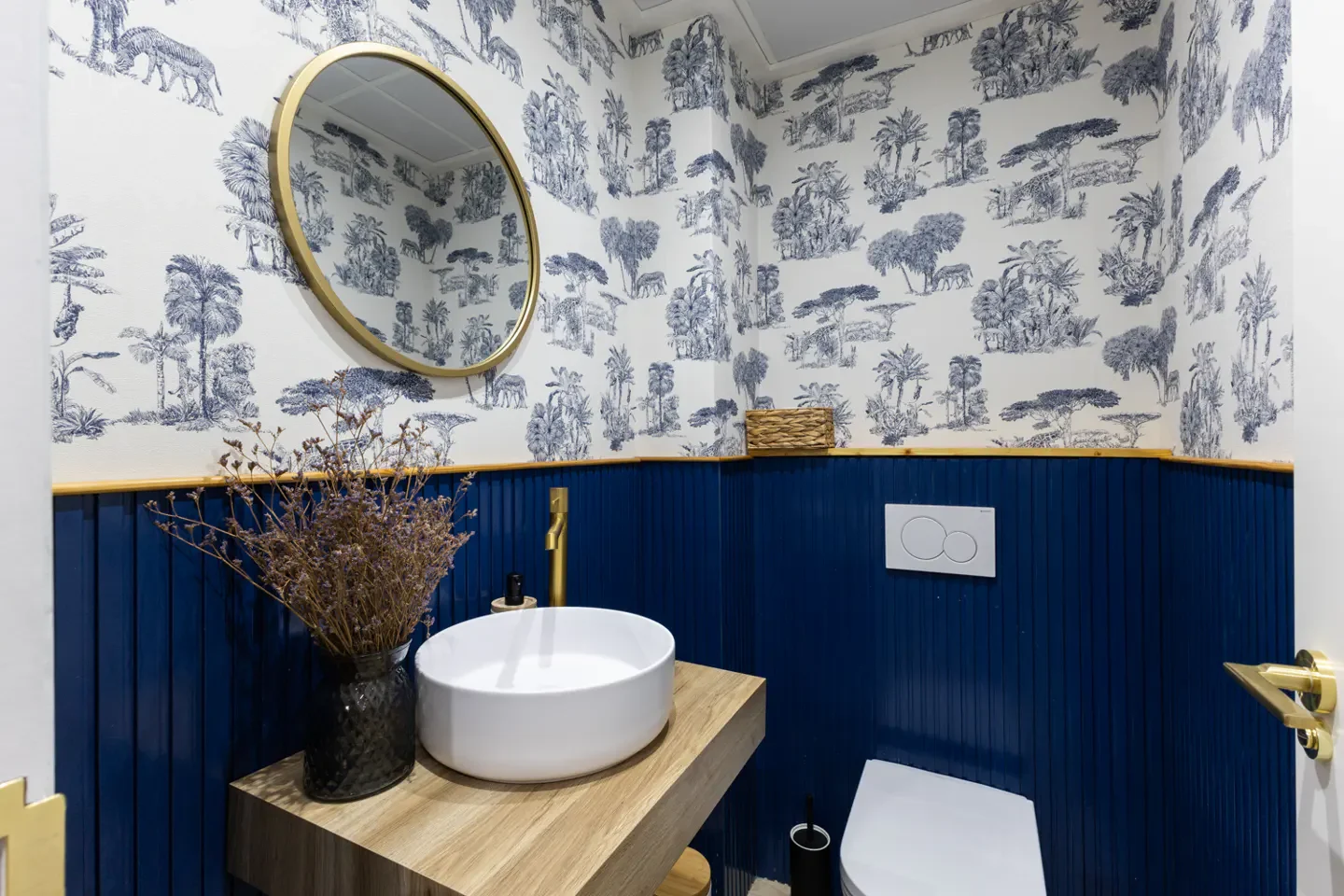
Bathroom quality and configuration affect both family practicality and rental positioning.
Even on a 1997 property, roof works can become a significant cost.
Multiple bathrooms put greater strain on plumbing performance.
A large furnished home with gym equipment and air conditioning should have adequate modern electrical capacity.
Era-specific construction issues can influence offer strategy.
Fireplaces add charm, but they also carry safety and maintenance implications.
"Furnished" only has value if inclusions are contractually clear.
Residual guarantees reduce early ownership risk.
Courtyard, Gym and Practical Use
Exclusive use and maintenance responsibility should be confirmed, not assumed.
Courtyard upkeep can become expensive if water management is poor.
Internal courtyards can be a hidden source of moisture problems.
Practical use matters as much as square metre count.
Conversion history can point to permission and ventilation questions.
Heavy equipment and enclosed spaces need more than decorative finishing.
Flexibility adds value, especially in a very large urban home.
City-Centre Practicality
City-centre parking can materially affect day-to-day usability and resale.
"Street parking exists" is very different from "street parking works".
Large central homes can still suffer from noise exposure despite interior charm.
Noise patterns are often time-specific rather than constant.
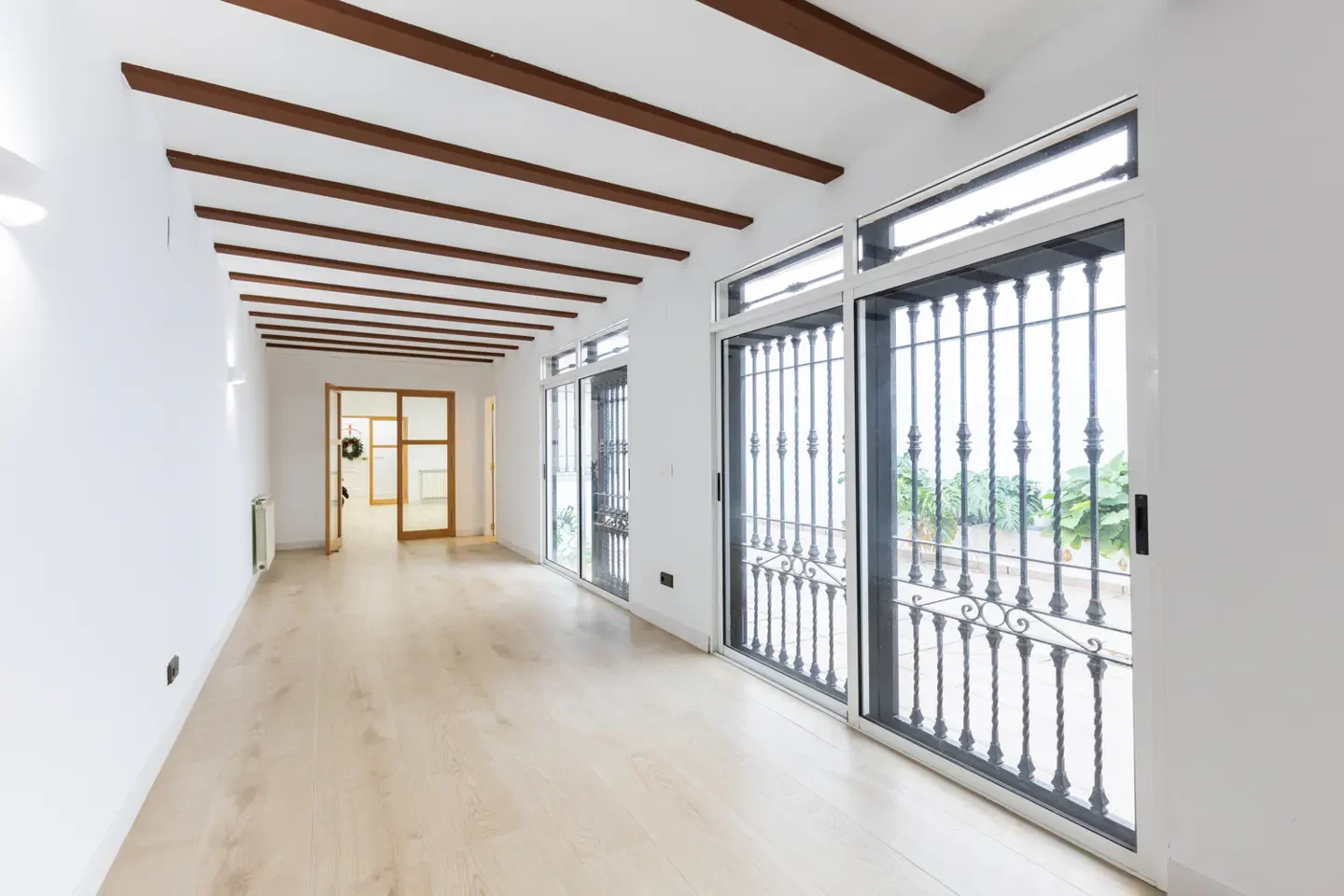
The courtyard may be a major lifestyle strength if it actually creates privacy and calm.
Large households and rental guests expect reliable connectivity.
Thick walls and multi-floor layouts can create dead zones.
Rental Potential and Compliance
Existing registration is materially different from starting from scratch.
Valencian tourist-use dwellings must show the exact location and registration number in advertising, and current registrations are subject to time-limited validity and renewal rules.
The process is now more structured and should not be assumed to be automatic.
Since 3 April 2025, article 7.3 of the Horizontal Property Law requires prior express approval from the community for tourist-rental activity in that setting.
Spain's national system now requires a unique registration number for online short-term rental offers.
The national number sits alongside, not instead of, regional or local requirements.
Real performance data is much stronger than agent optimism.
Long-term rental is often the more conservative underwriting case.
Proximity to beaches is positive, but Vila-real demand patterns may differ from coastal tourist hubs.
Regional registration alone may not be the full picture for lawful operation.
Negotiation Intelligence
Buyer Leverage
Medium-High
Key Drivers
Typical Negotiation Range
5-15% below asking
Neutral Phrasing Example
Country Layer
Spain (Regulatory Context March 2026)
Key Spanish requirements for buyers:
For this property specifically, the country-layer takeaway is simple. Confirm whether the house is in a horizontal-property setting, confirm whether any community approval exists or would be needed, confirm whether a Valencian tourist registration already exists and remains valid, and confirm whether a national short-term rental number has been obtained or could be obtained. Only after those steps does the "holiday-rental income potential" language become something a buyer can underwrite with confidence.
Viewing Strategy
When viewing, begin outside the house and work backwards from daily life rather than from the most attractive rooms.
Next Step
Verify from the listing:
Legal configuration of the house
Confirm that the registry, cadastre, occupancy paperwork and any later permissions all match the current six-bedroom, six-bathroom, gym-and-courtyard layout being marketed.
Community status and tourist-use approval
Find out whether the townhouse is fully independent or subject to horizontal-property rules, because that directly affects whether community approval is needed for any future tourist-rental activity.
Energy Class E cost exposure
Request the full energy certificate and real utility bills so you can judge whether the running costs of a 371 m² city house are acceptable and whether upgrades should be priced into your offer.
Courtyard and gym legality
Check that the interior courtyard is for the exclusive use of the property and that the gym area is lawfully configured, properly ventilated and not a disguised non-habitable space.
Rental registration pathway
Verify whether a Valencian tourist-use registration already exists, whether it remains valid, and whether a national short-term rental registration number has been obtained or could be obtained before you rely on any rental-income assumptions.
A prepared buyer should approach the agent calmly and frame questions as due diligence.
Because this is a large city-centre property where energy costs and rental compliance both materially affect value, run it through the European Property Energy Risk Assessor to quantify the implications of the E rating, or use the Rental Yield Calculator to test whether the size, location and compliance burden still support the numbers before contacting the agent.
Disclaimer: The Property Drop is buyer-focused intelligence, zero sales agenda. We curate exceptional properties, in southern Europe, from third-party agents and arm you with decision tools. No commission, no transactions, no agent partnerships, no skin in the game beyond helping you choose wisely. Information stays accurate until it doesn't (properties sell, prices shift, markets move). Everything here is shared for informational purposes only and should not be treated as legal, financial, or investment advice. Images belong to original agents. Read our Terms of Service to learn more.
IMPORTANT REMINDER: When contacting property agents featured on The Property Drop, you are entering into direct communication with third parties. It's recommended that you verify all property details independently, conduct thorough due diligence, engage qualified professionals (solicitors, surveyors, financial advisors), understand your rights and obligations under local property laws, and never send money or make commitments without proper legal protection.
