
The Buyer Playbook: Villa with Saltwater Pool and Unobstructed Views, Santa Lucia di Moriani, Corsica, France €400,000
Buyer Playbook
Pre-Viewing Intelligence Report
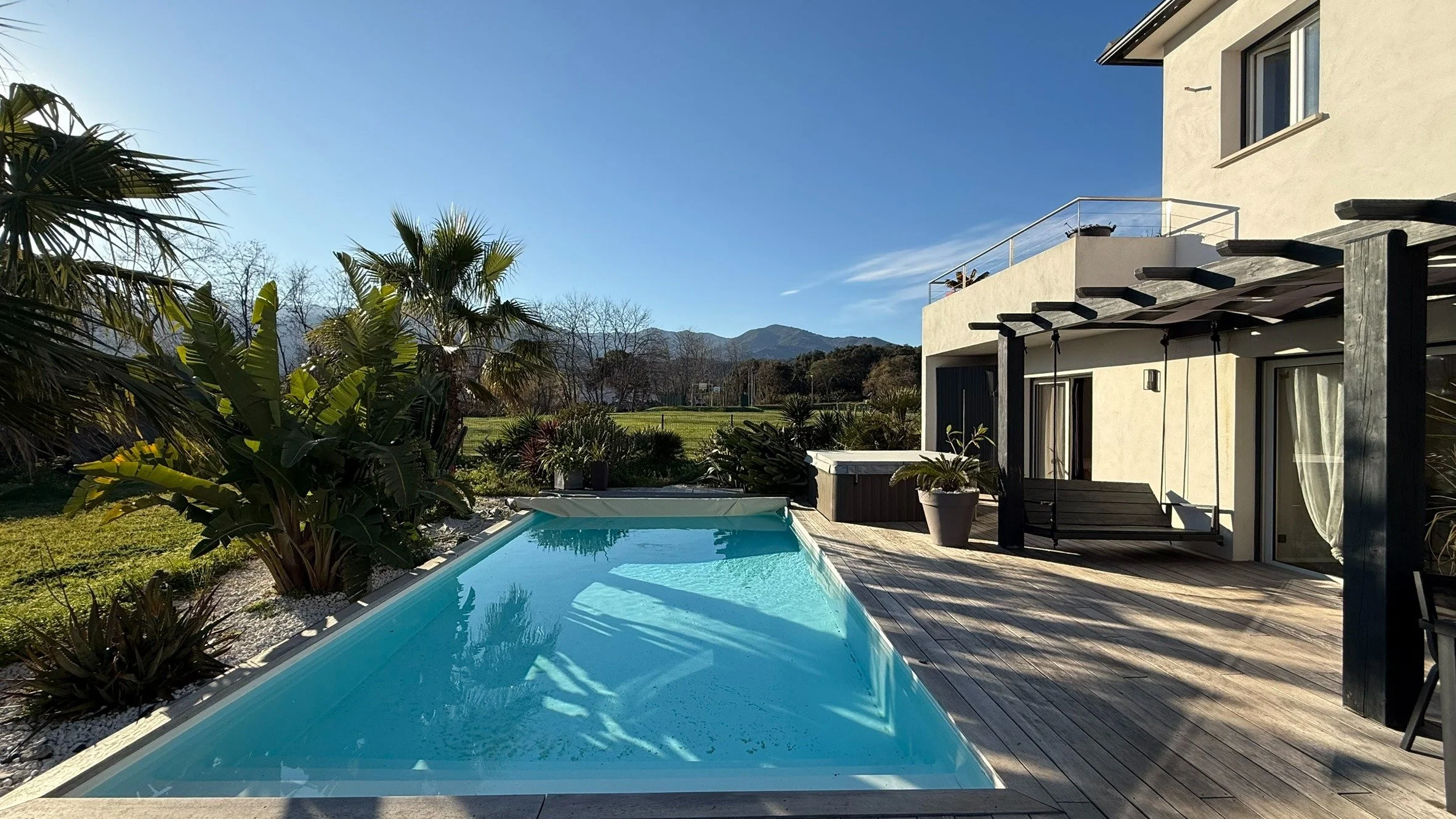
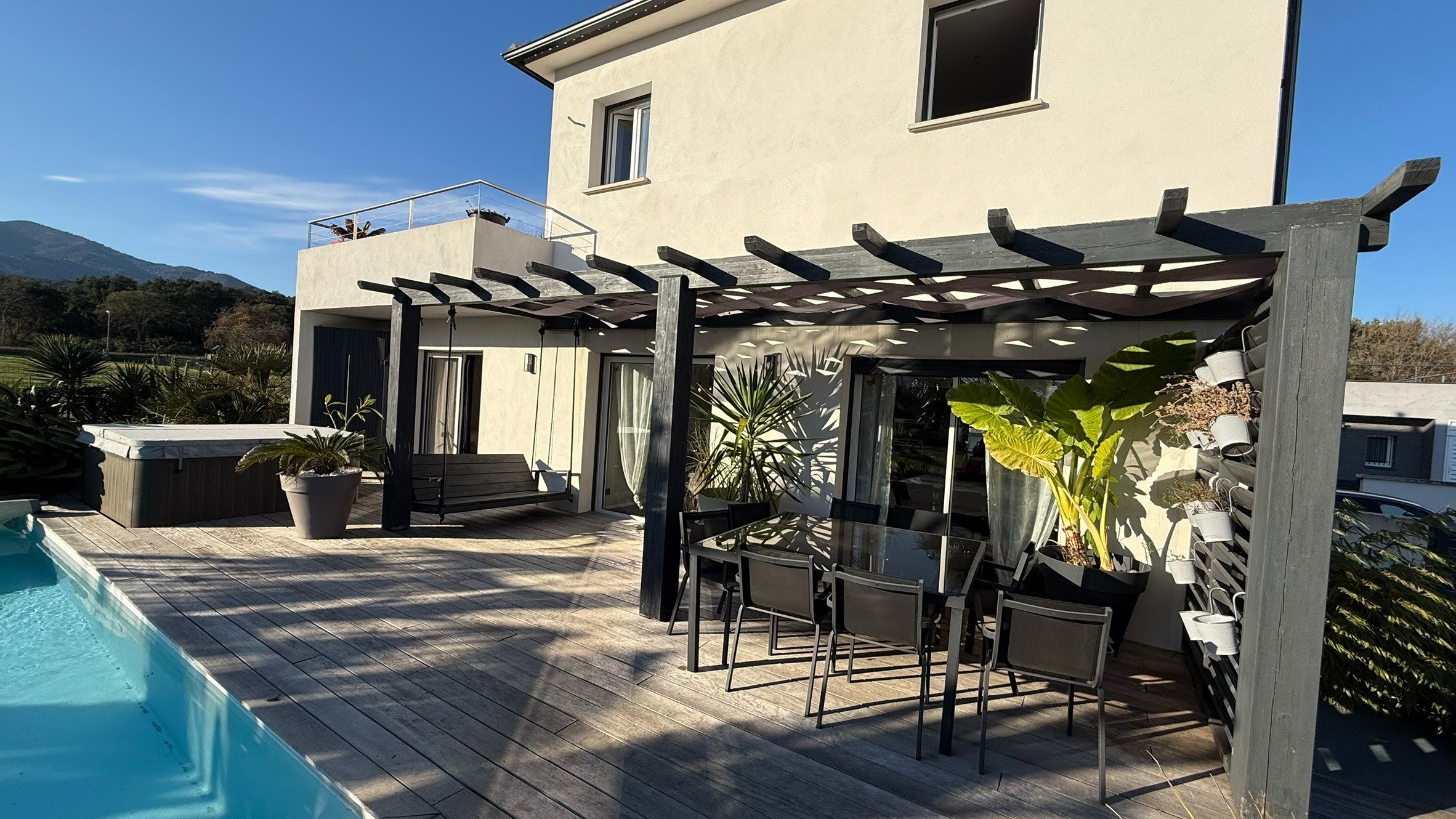
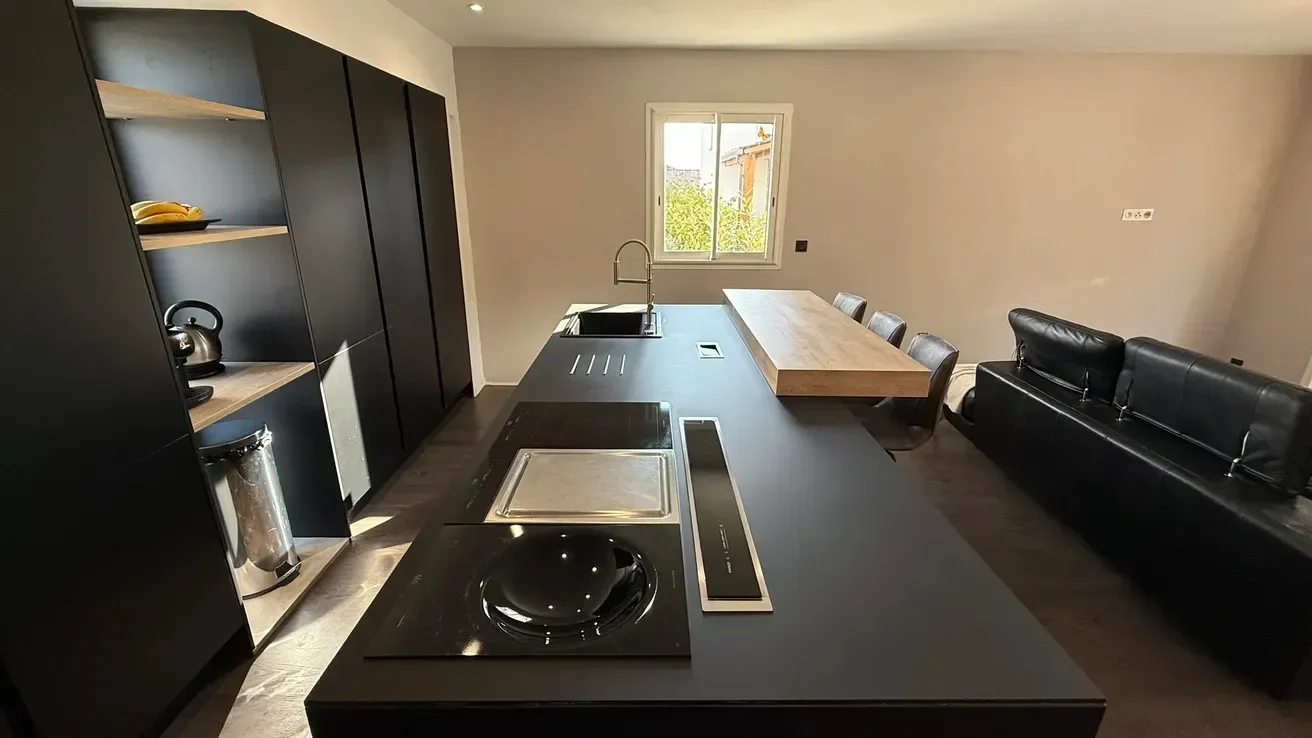
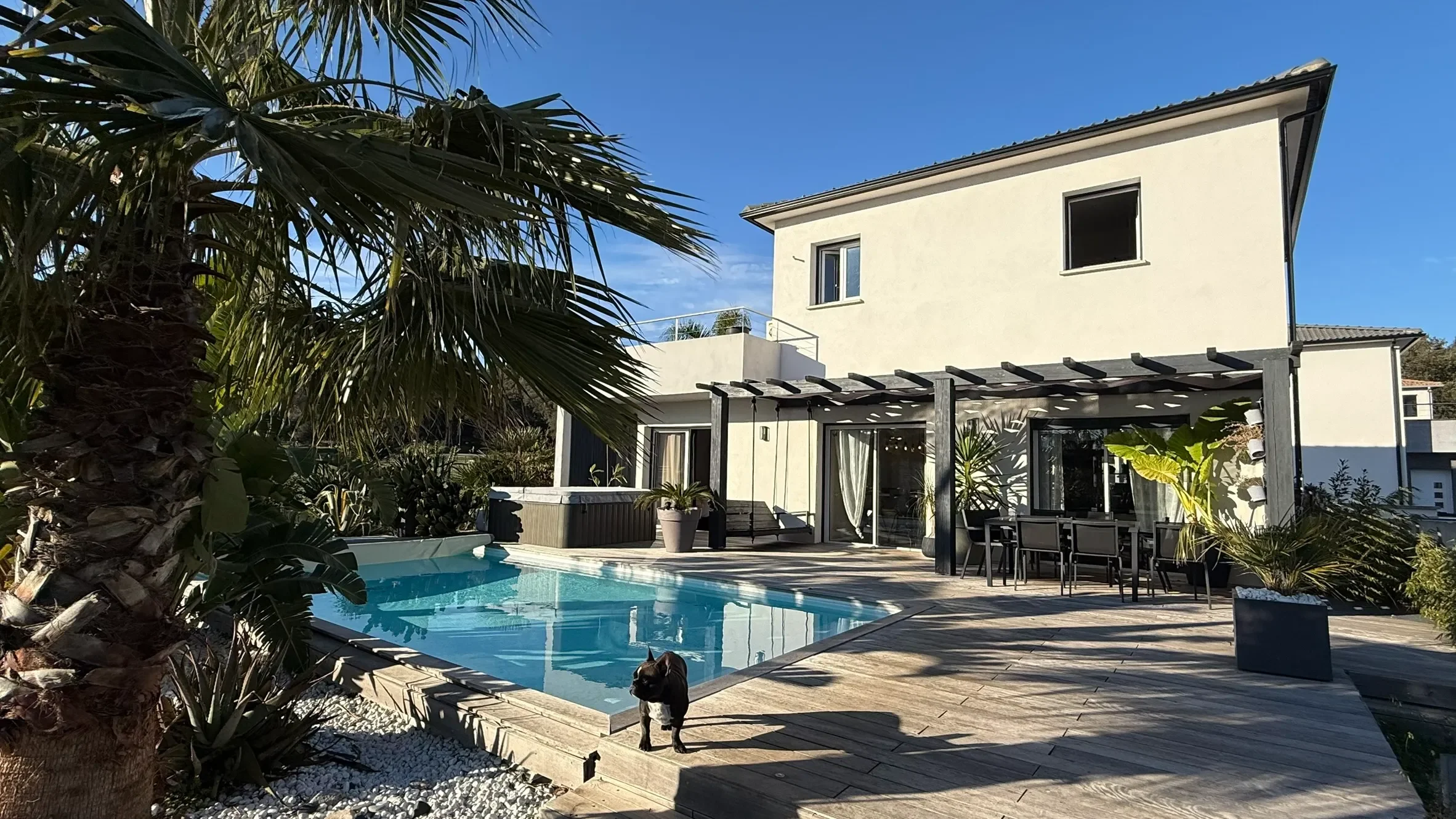
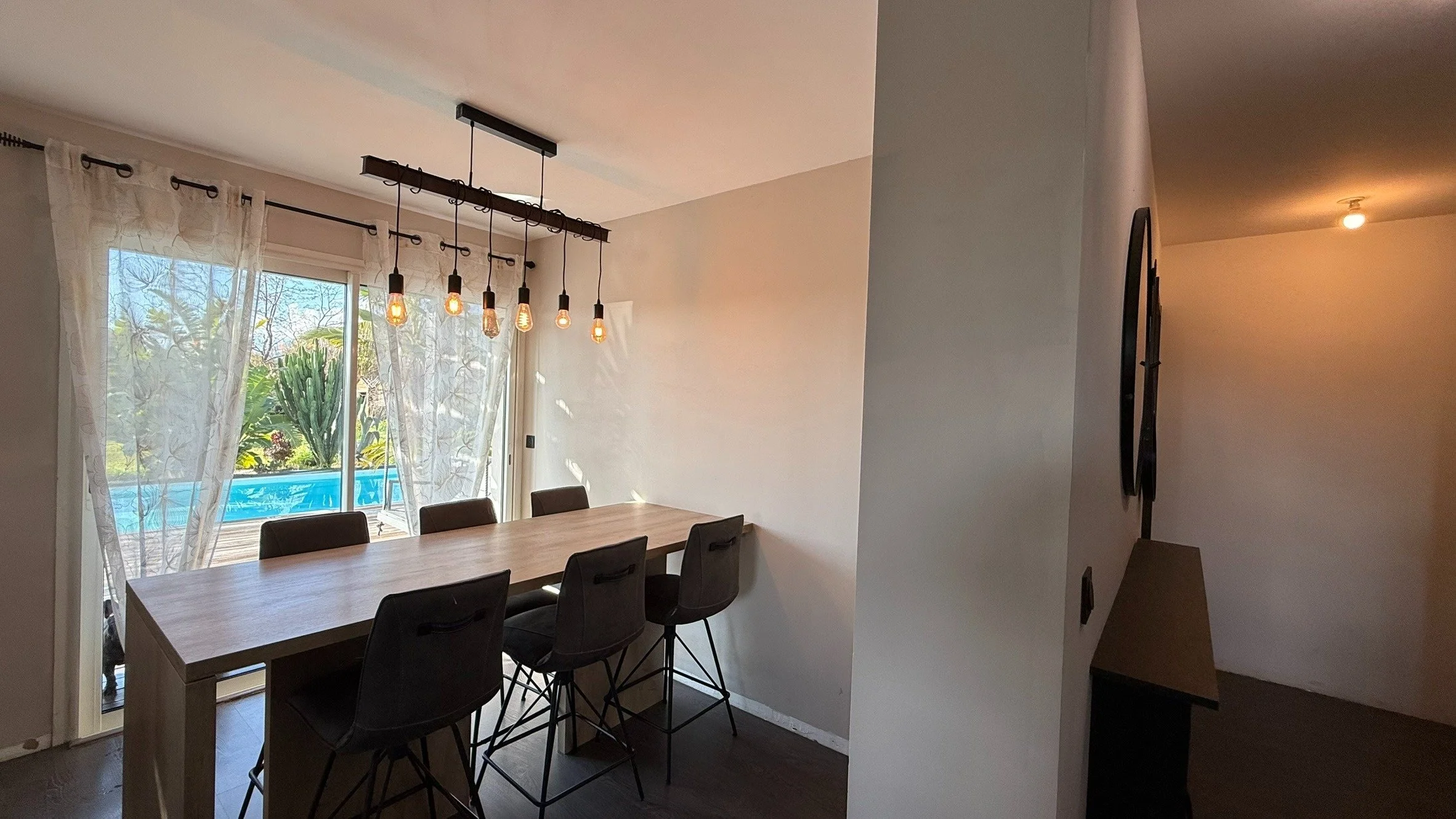
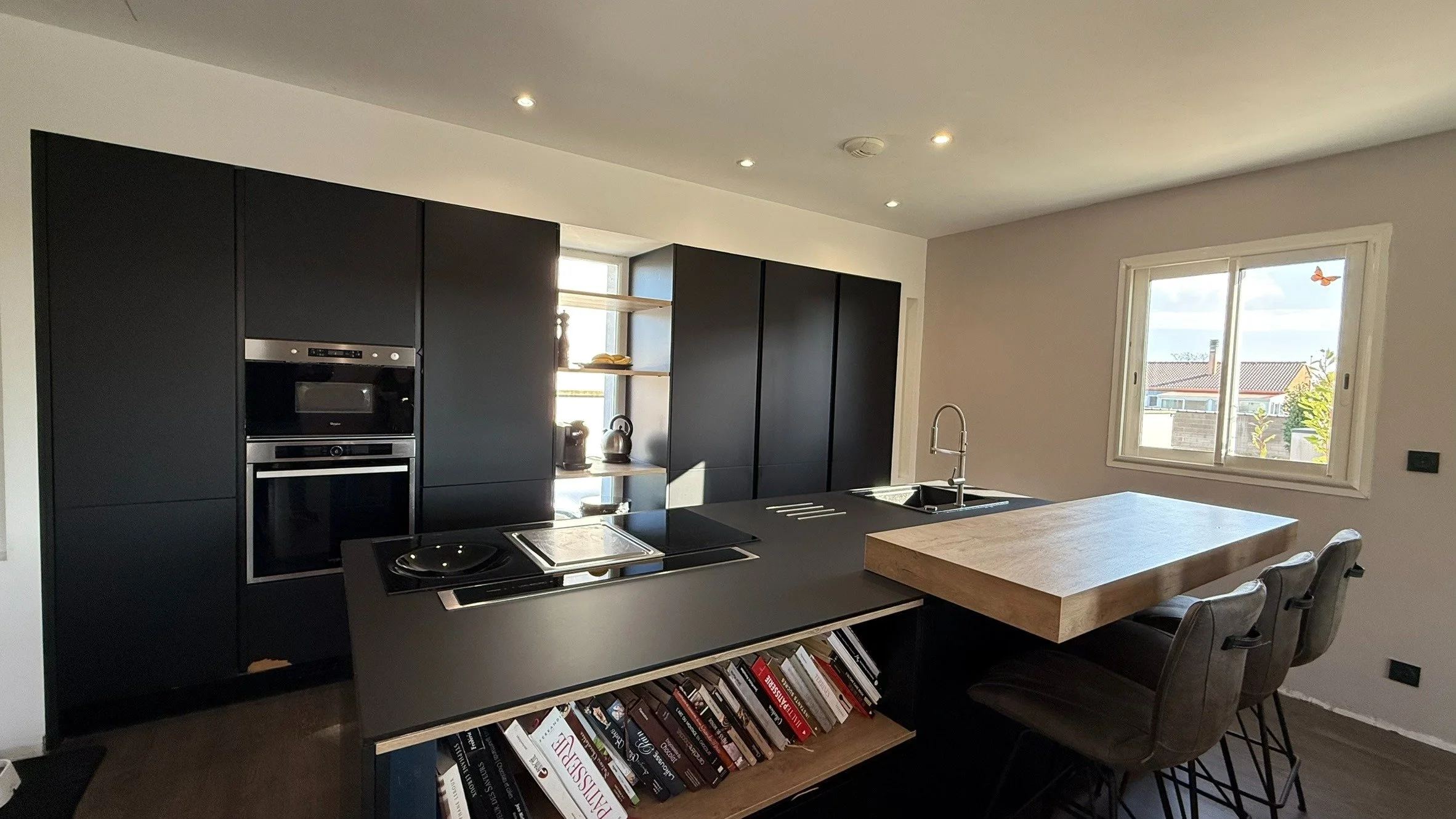
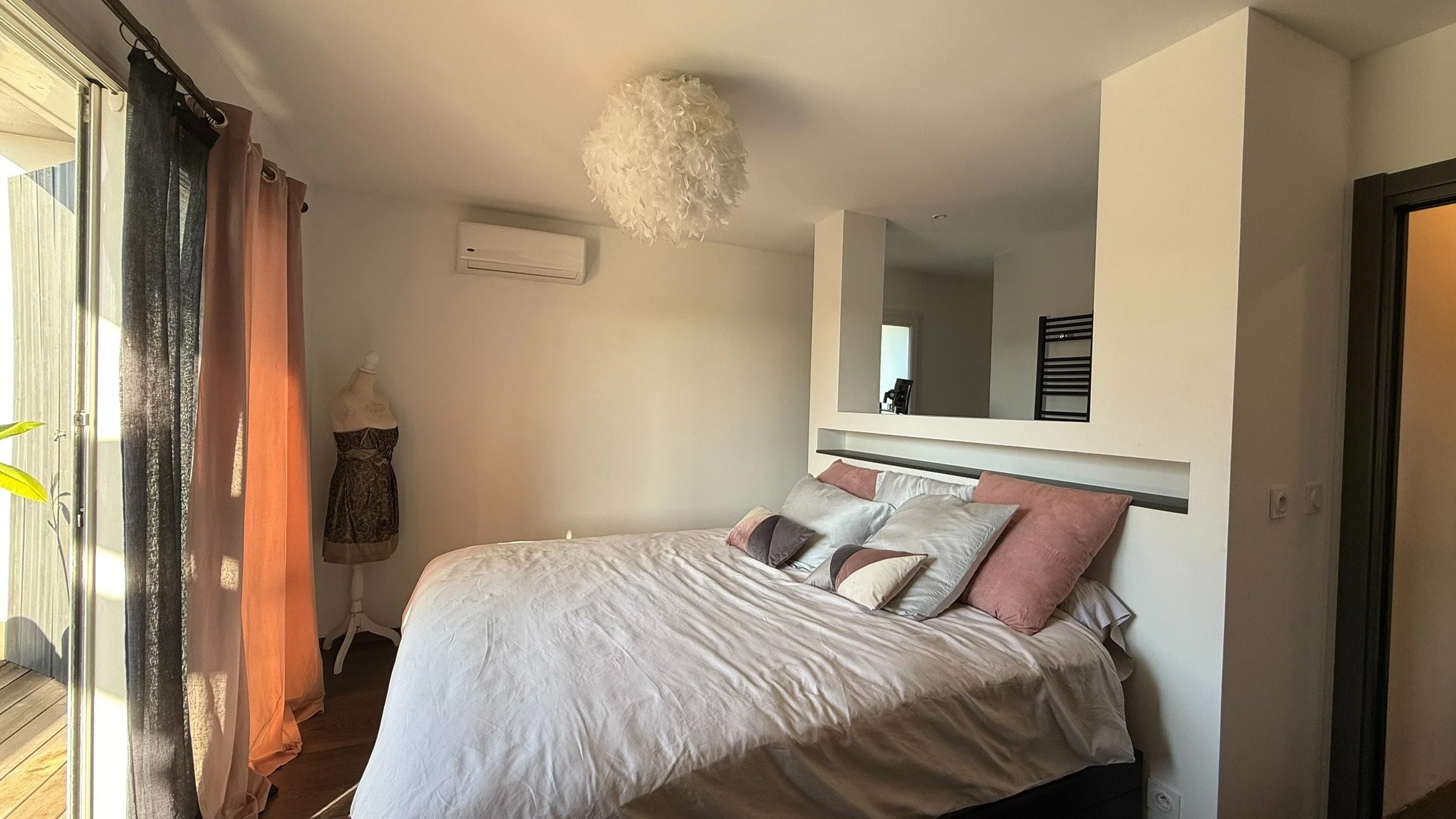
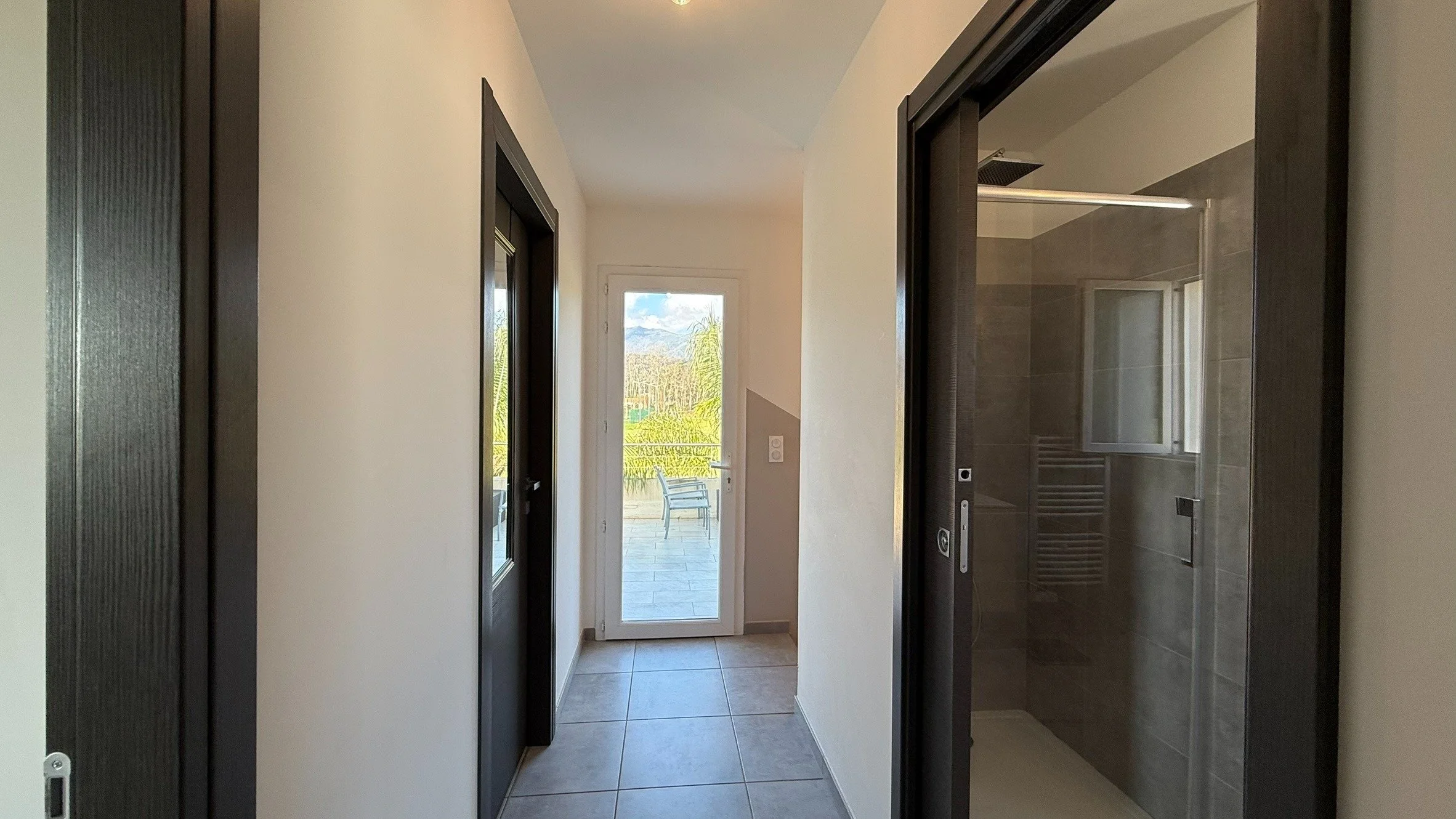
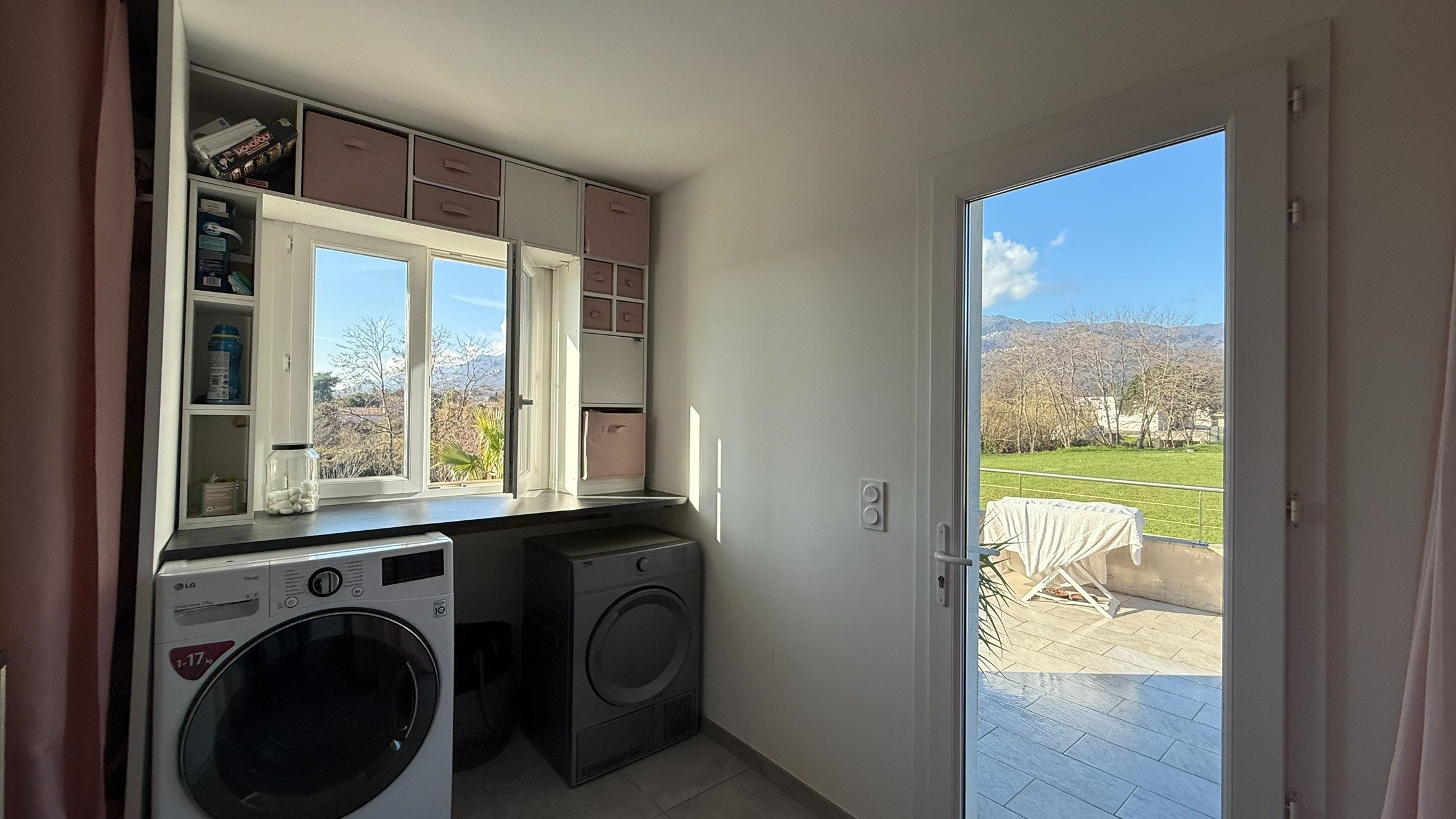
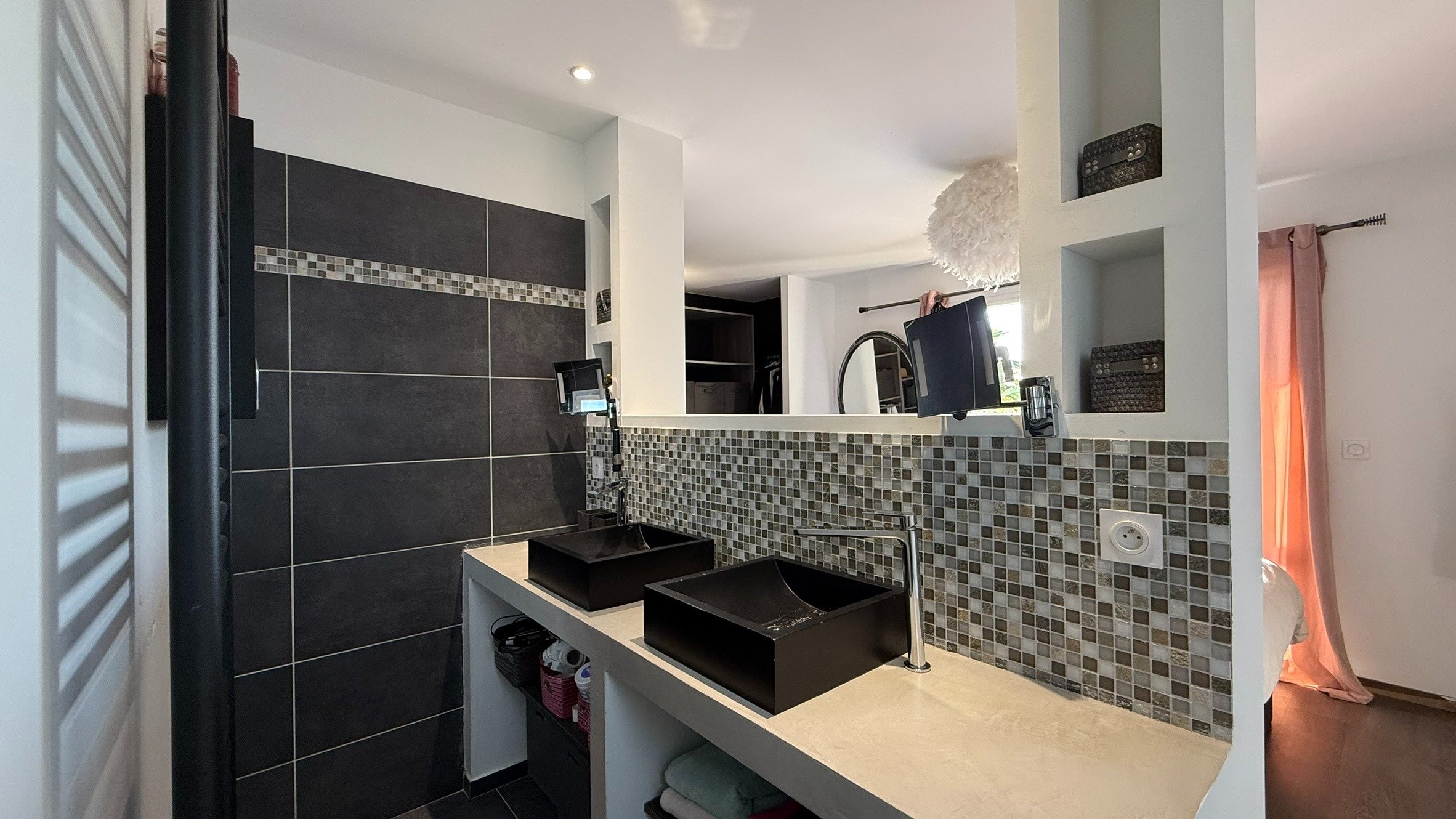
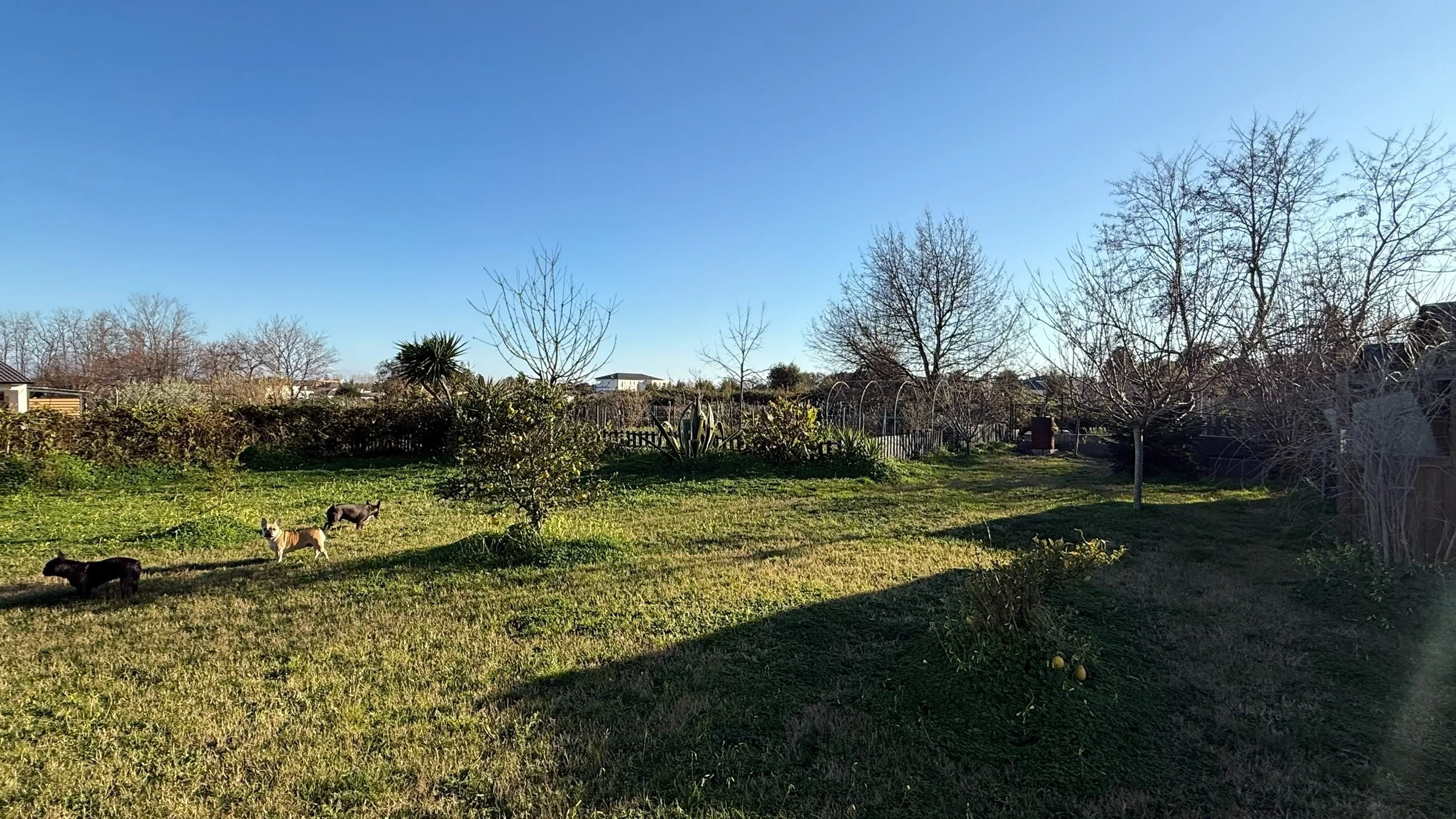
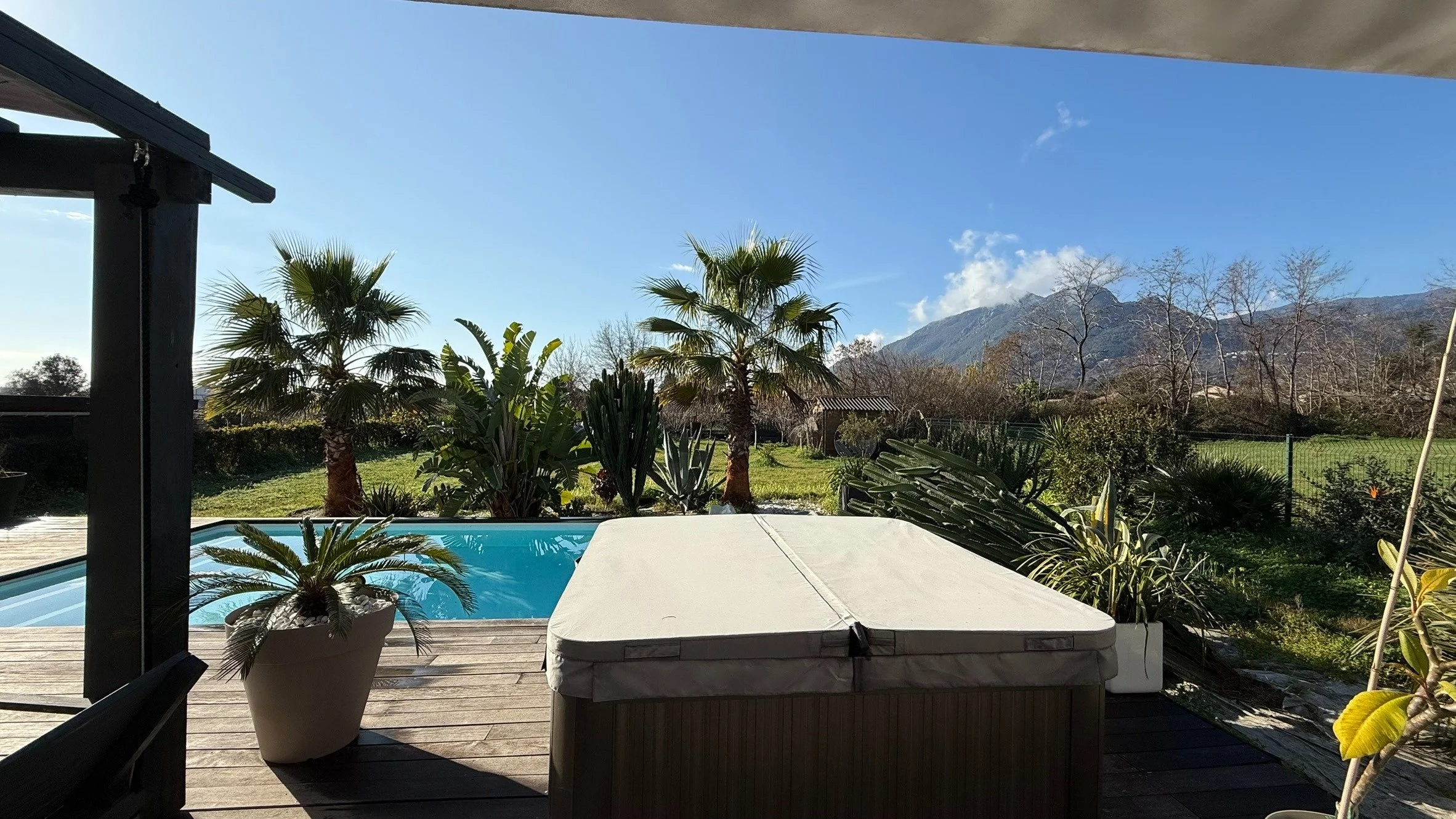
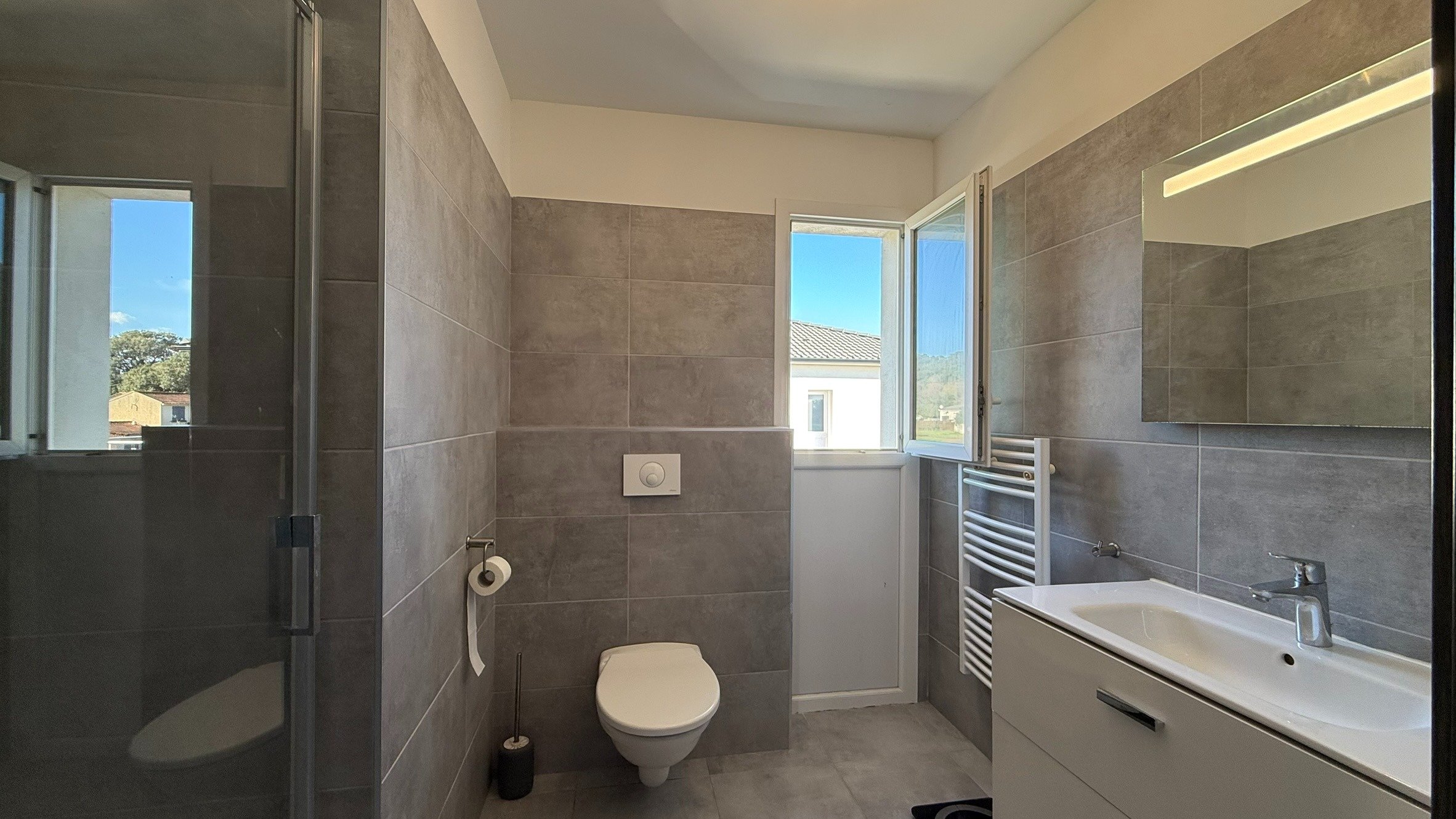
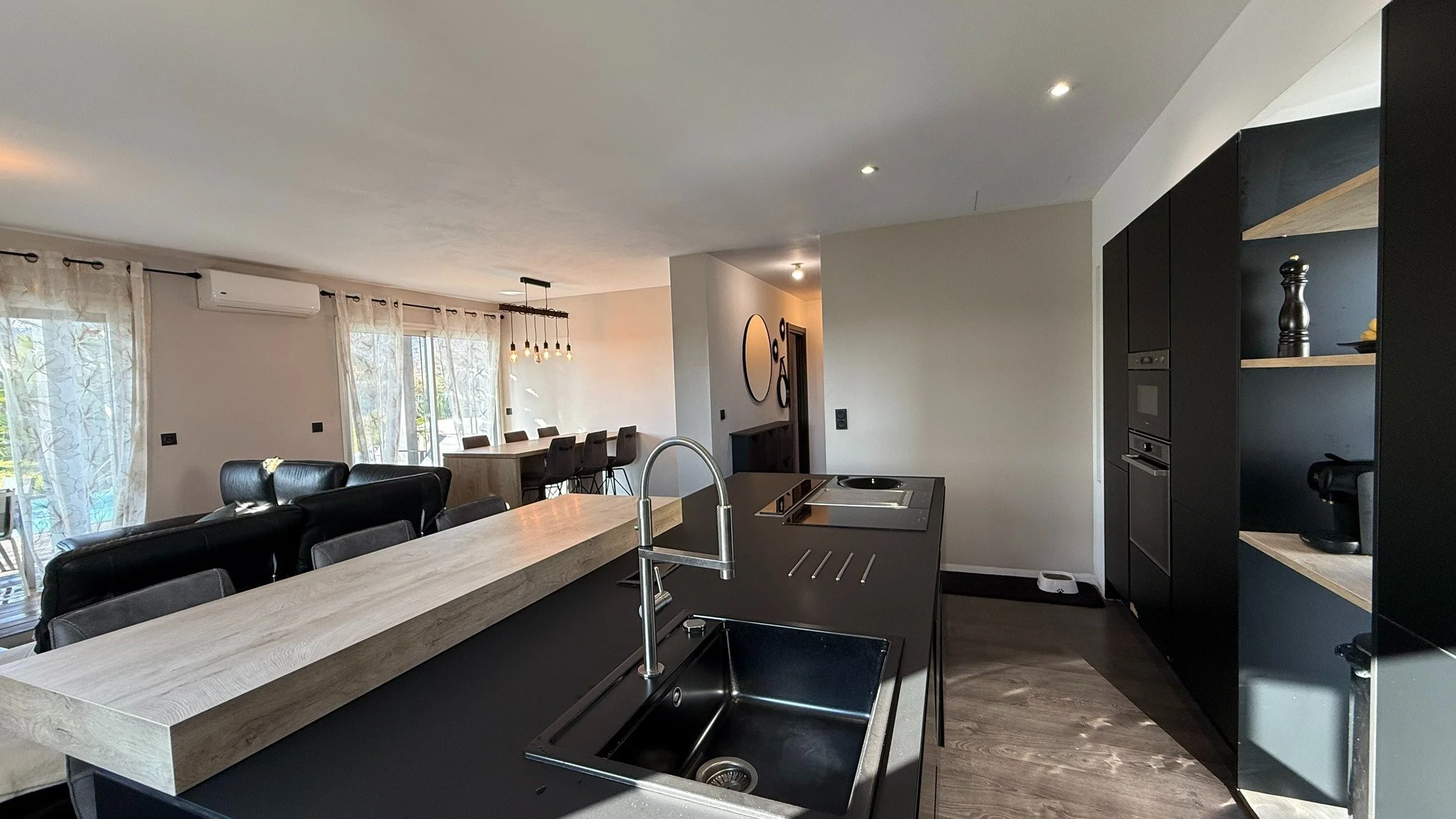
This independent buyer guidance report relates to this specific property located in France. It is provided for informational purposes only and does not constitute legal, tax, structural or survey advice. Energy performance, planning permissions, pool compliance, drainage, boundaries, access rights, title position, and any rental or lock-up-and-leave assumptions must always be verified with qualified French professionals such as a notaire, avocat, architecte, diagnostiqueur, surveyor, engineer or licensed property consultant, and with the relevant mairie and other local authorities. The listing presents the property as a 3-bedroom, 2-bathroom villa of 104 m² on 1,193 m² of land in Santa Lucia di Moriani, Corsica, with an 8 x 4 metre saltwater pool, 100 m² terrace and an Energy Class A rating.
Playbook Contents
Property Snapshot
Location
Santa Lucia di Moriani, Corsica, France.
Property type
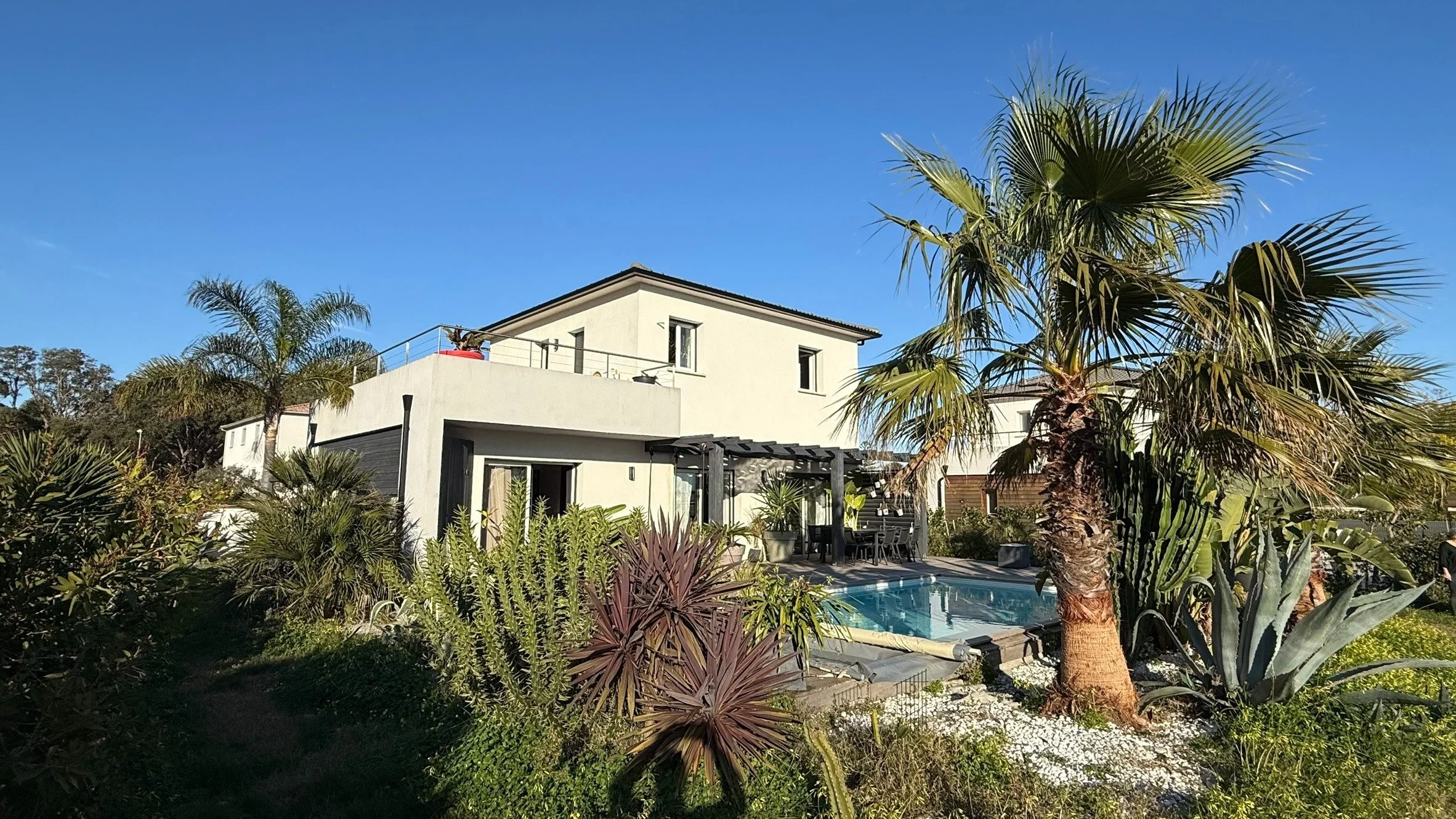
Coastal villa in a quiet residential setting.
Asking price
€400,000.
Bedrooms
3.
Bathrooms
2.
Internal area
104 m².
Land
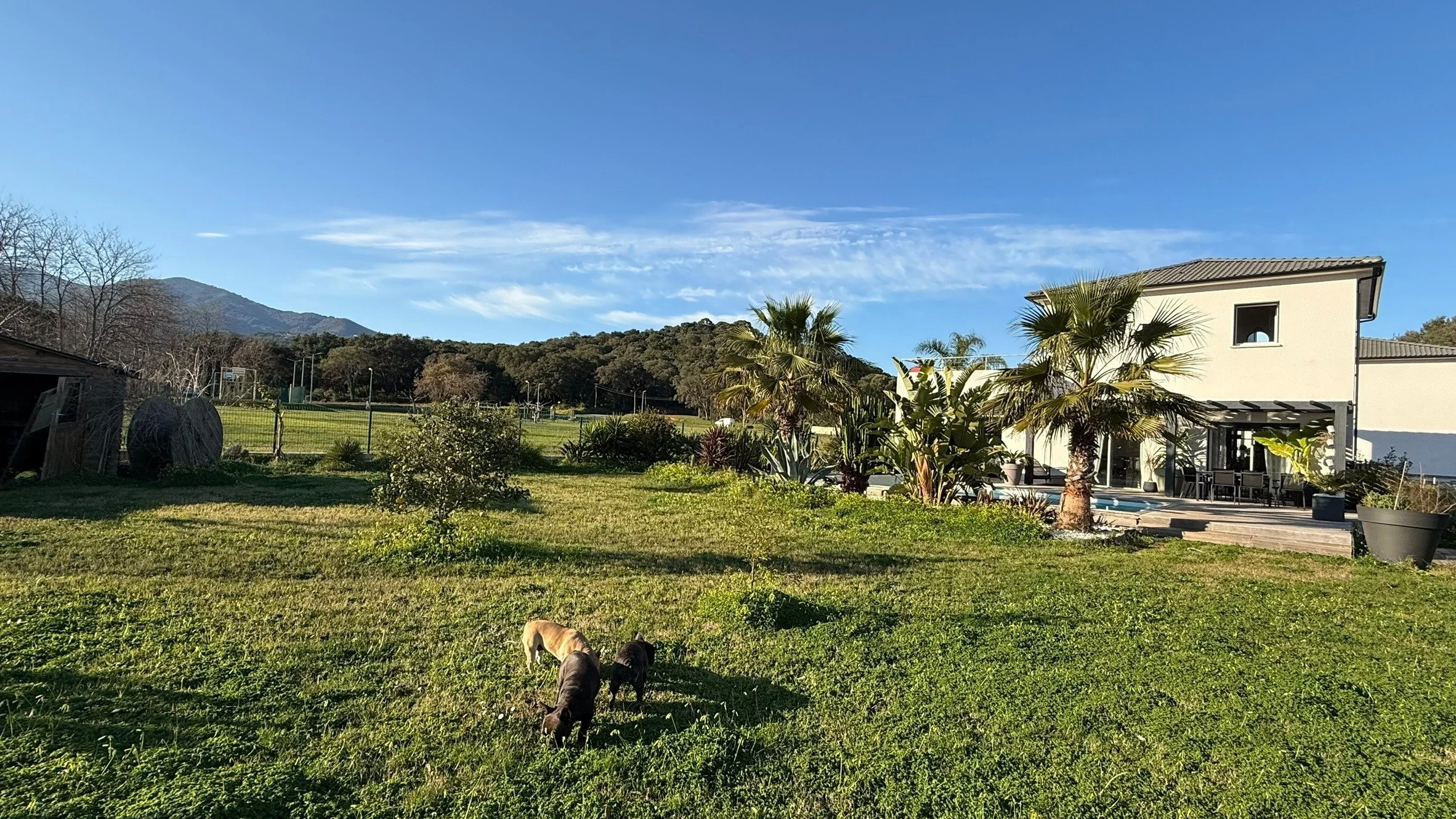
1,193 m².
Outdoor features
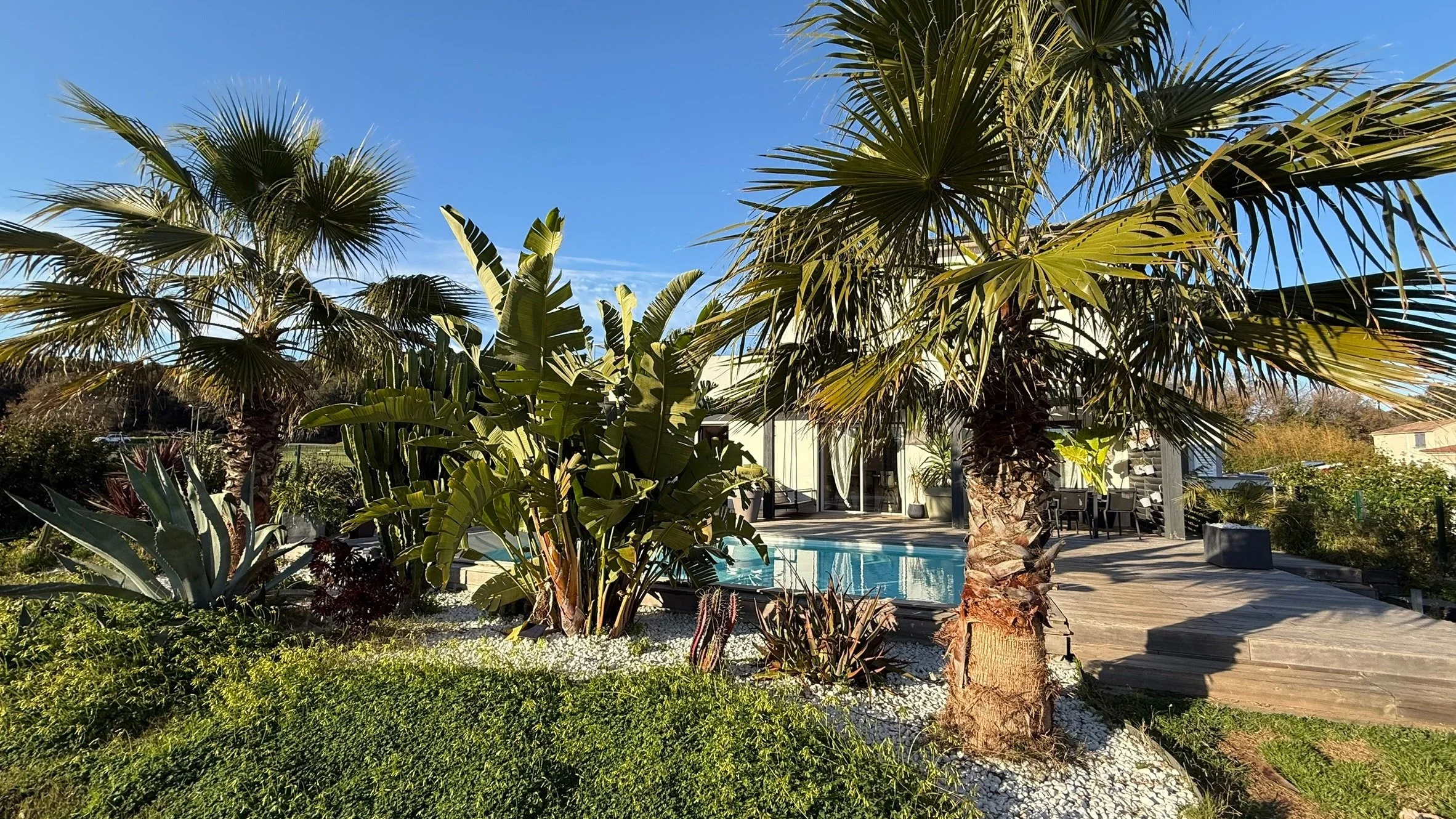
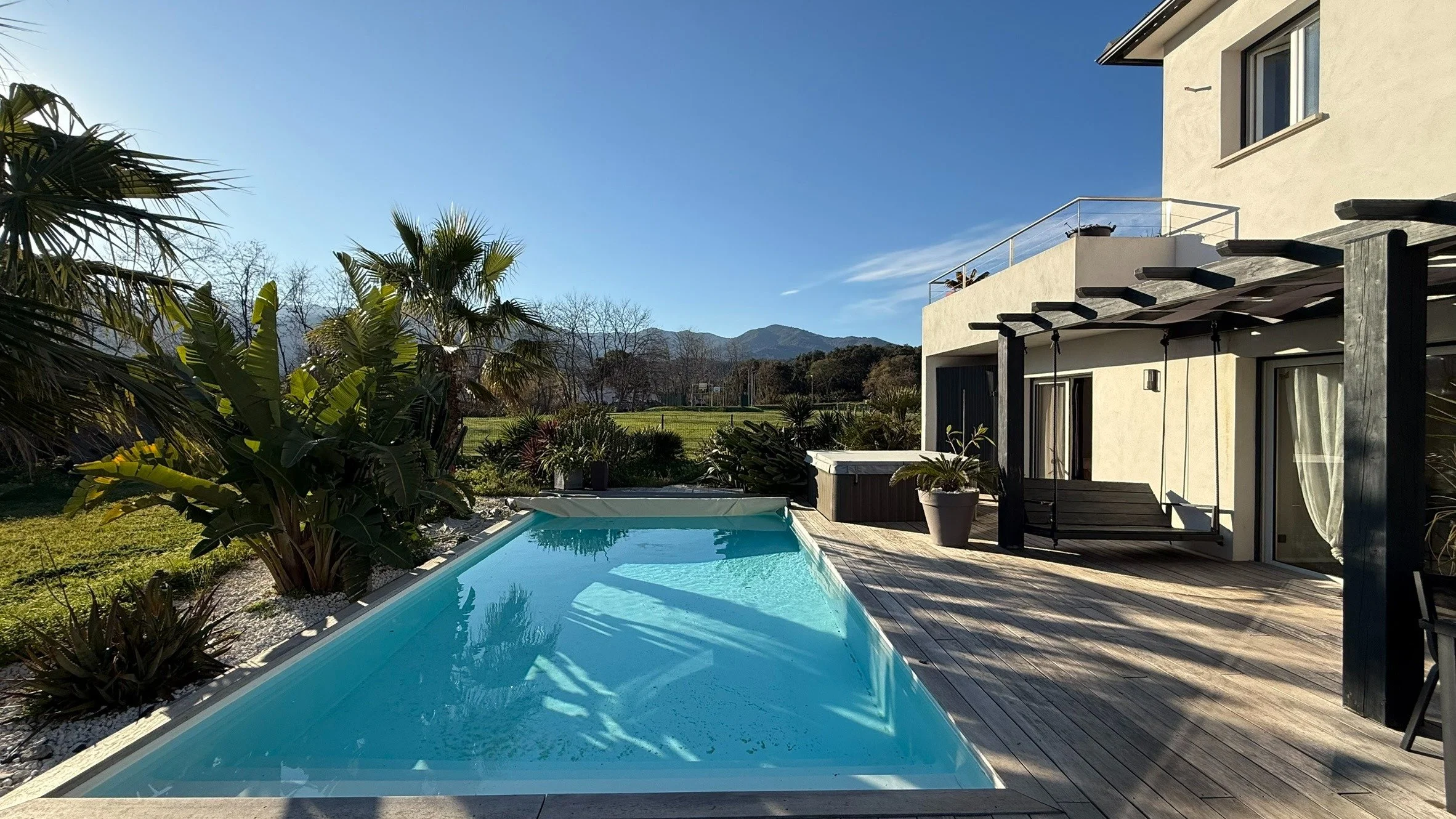
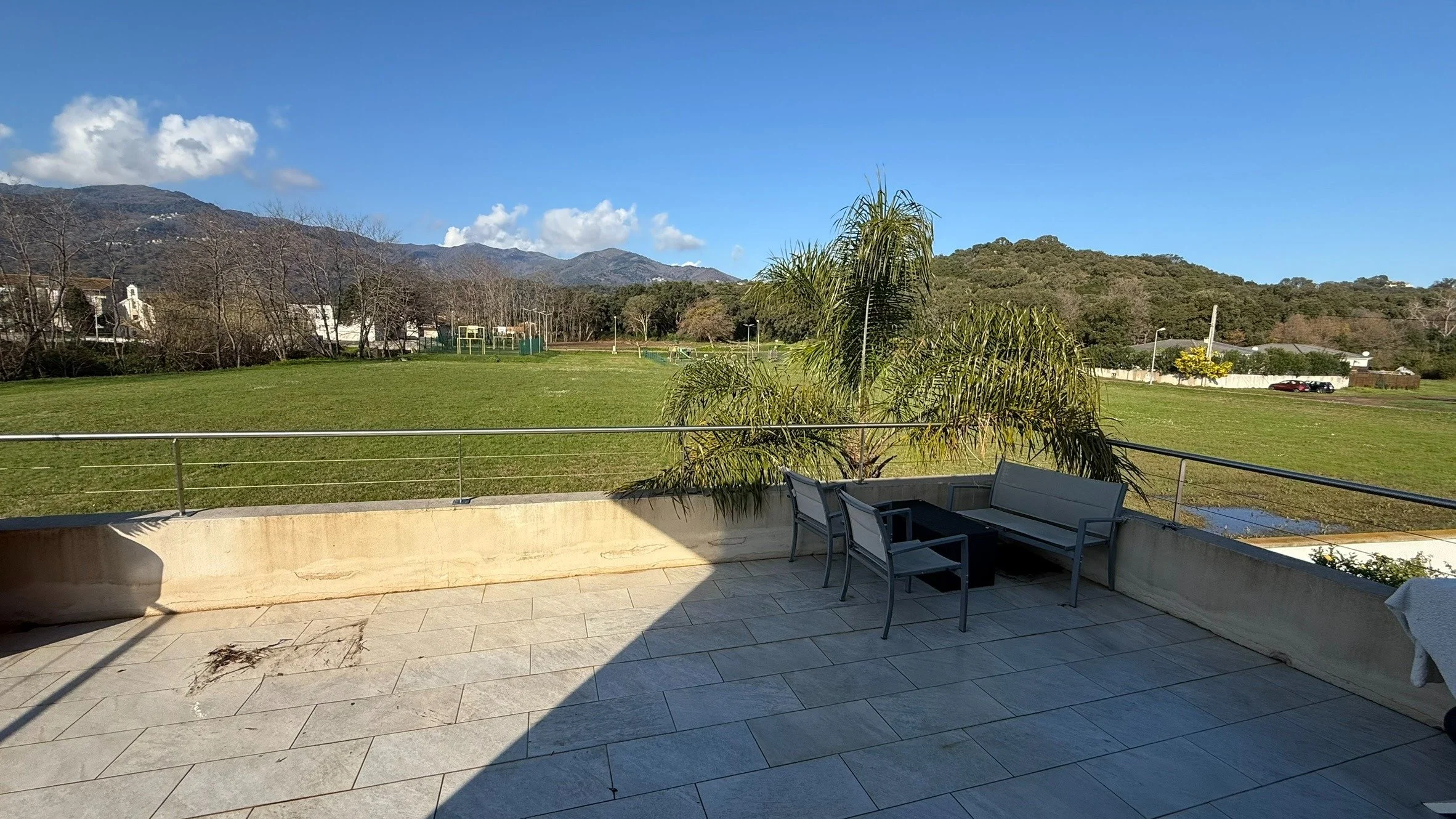
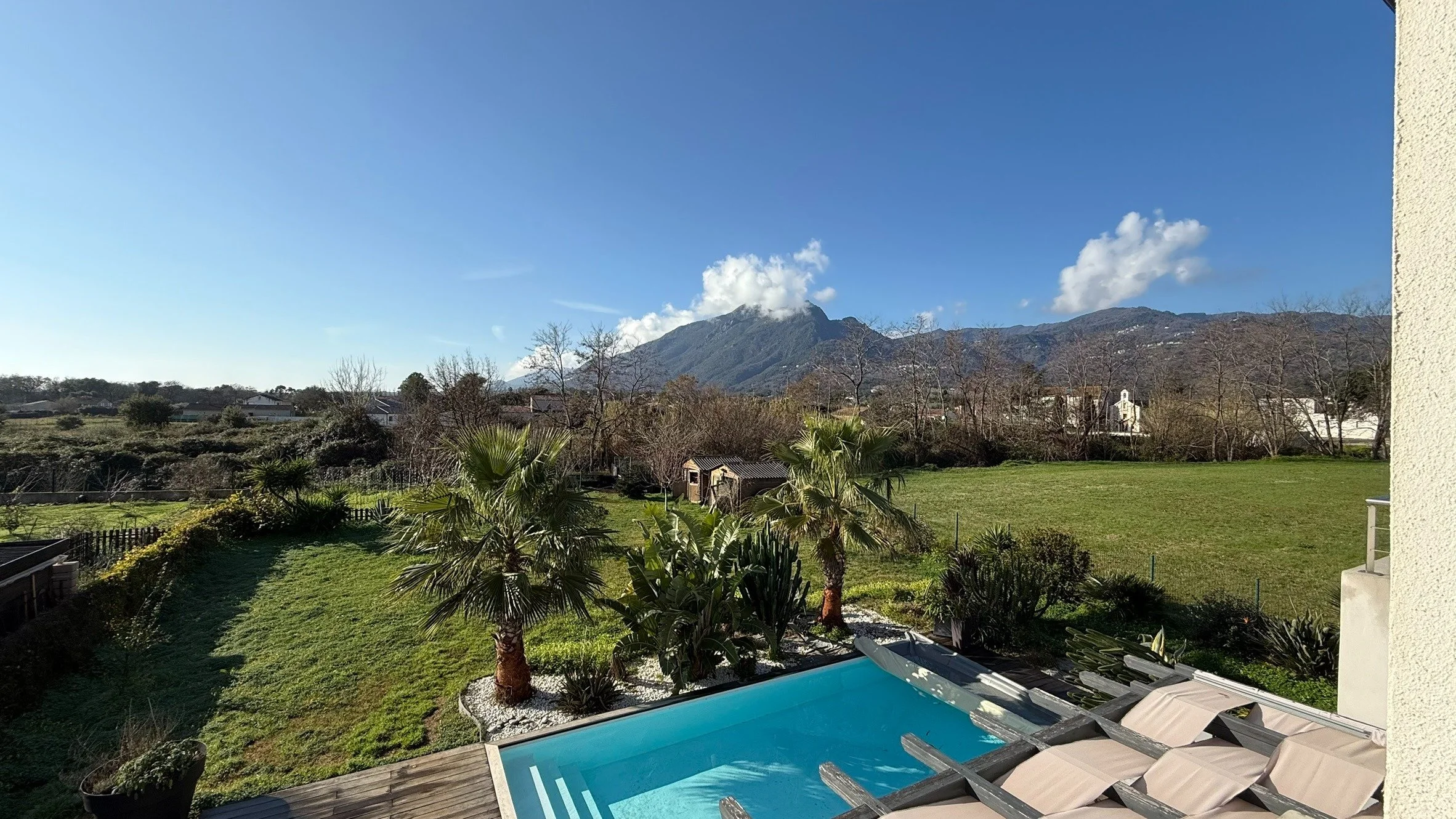
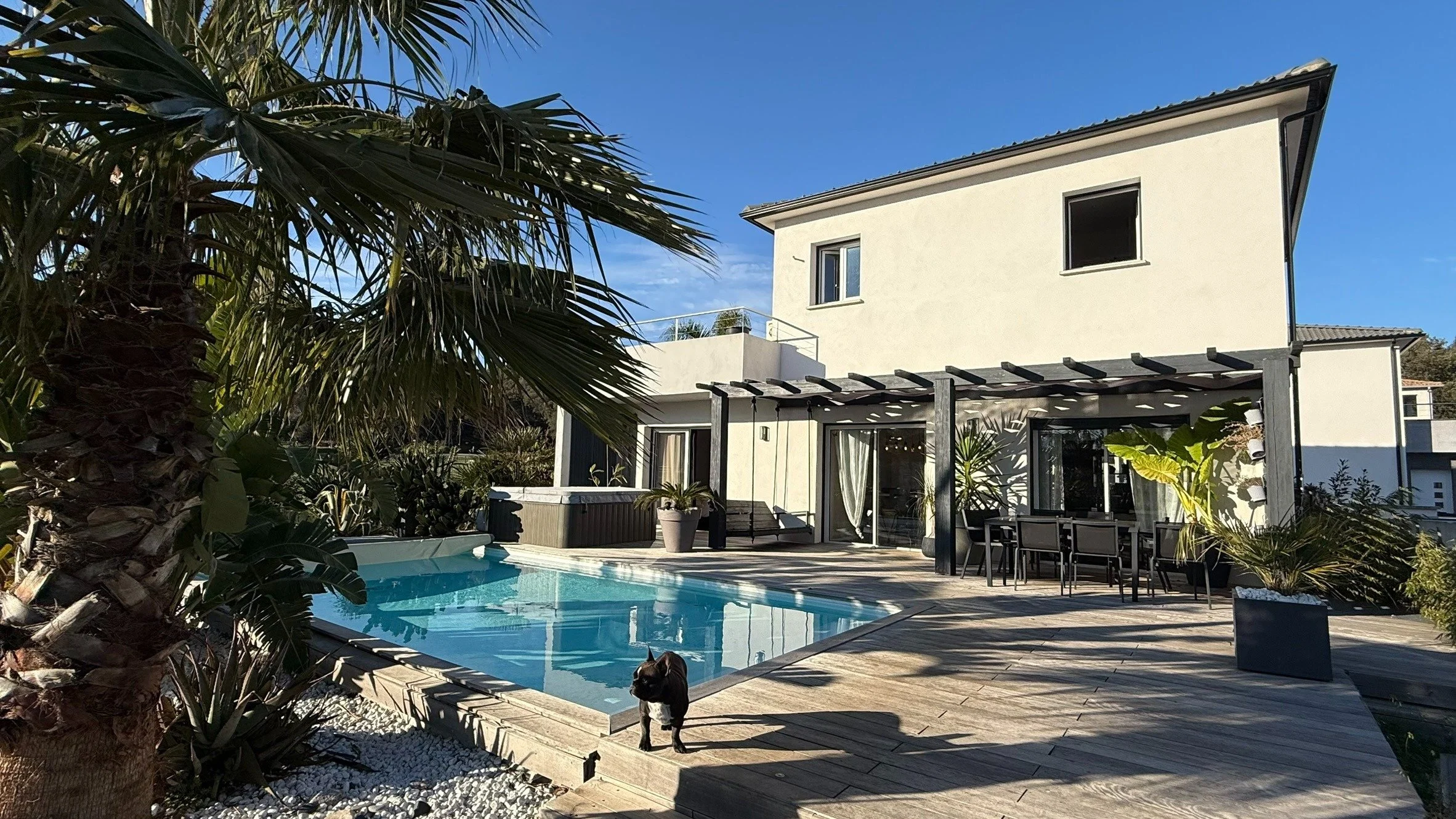
8 x 4 metre saltwater pool and 100 m² terrace.
Energy rating
Energy Class A.
Layout highlights
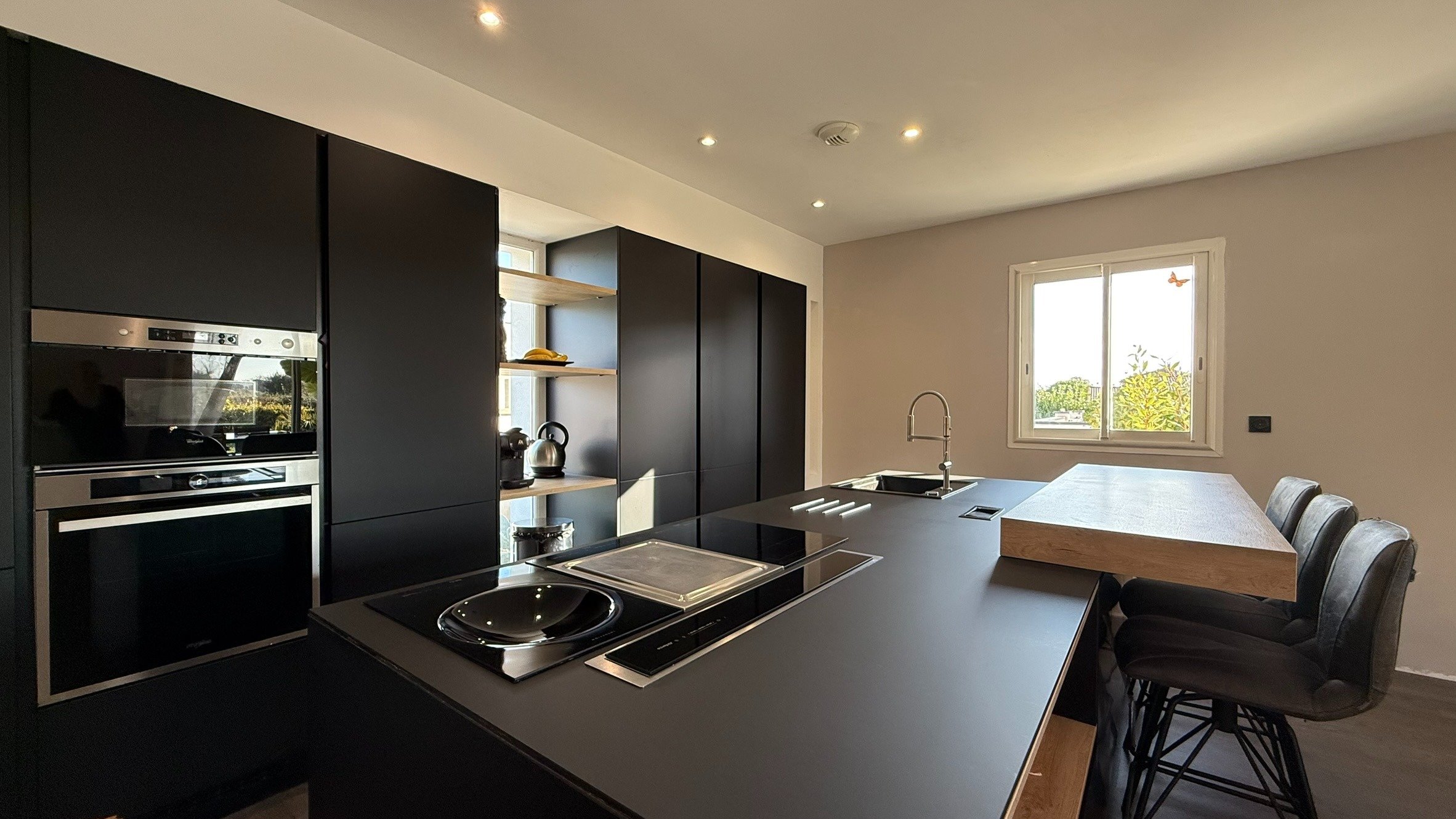
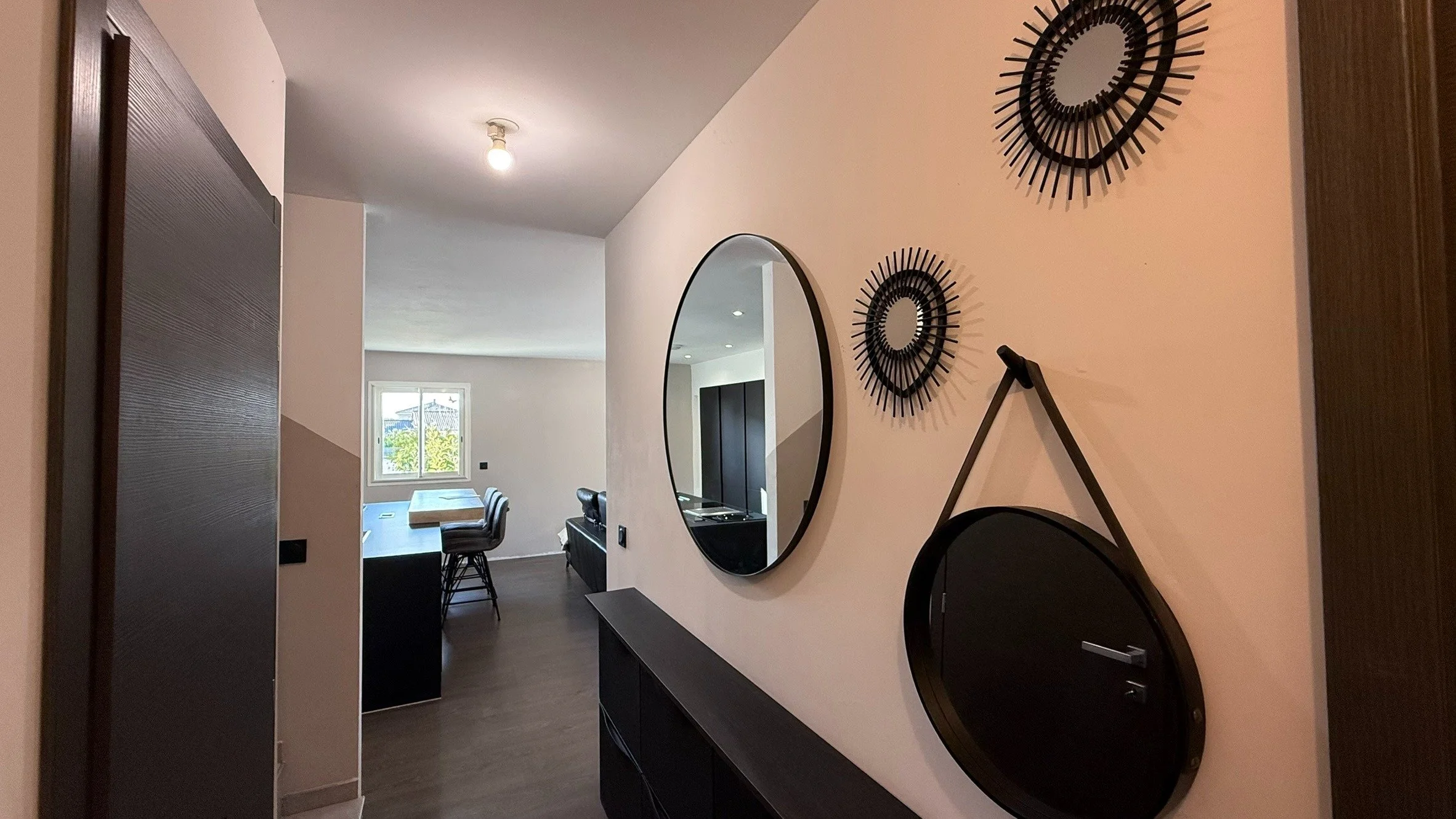
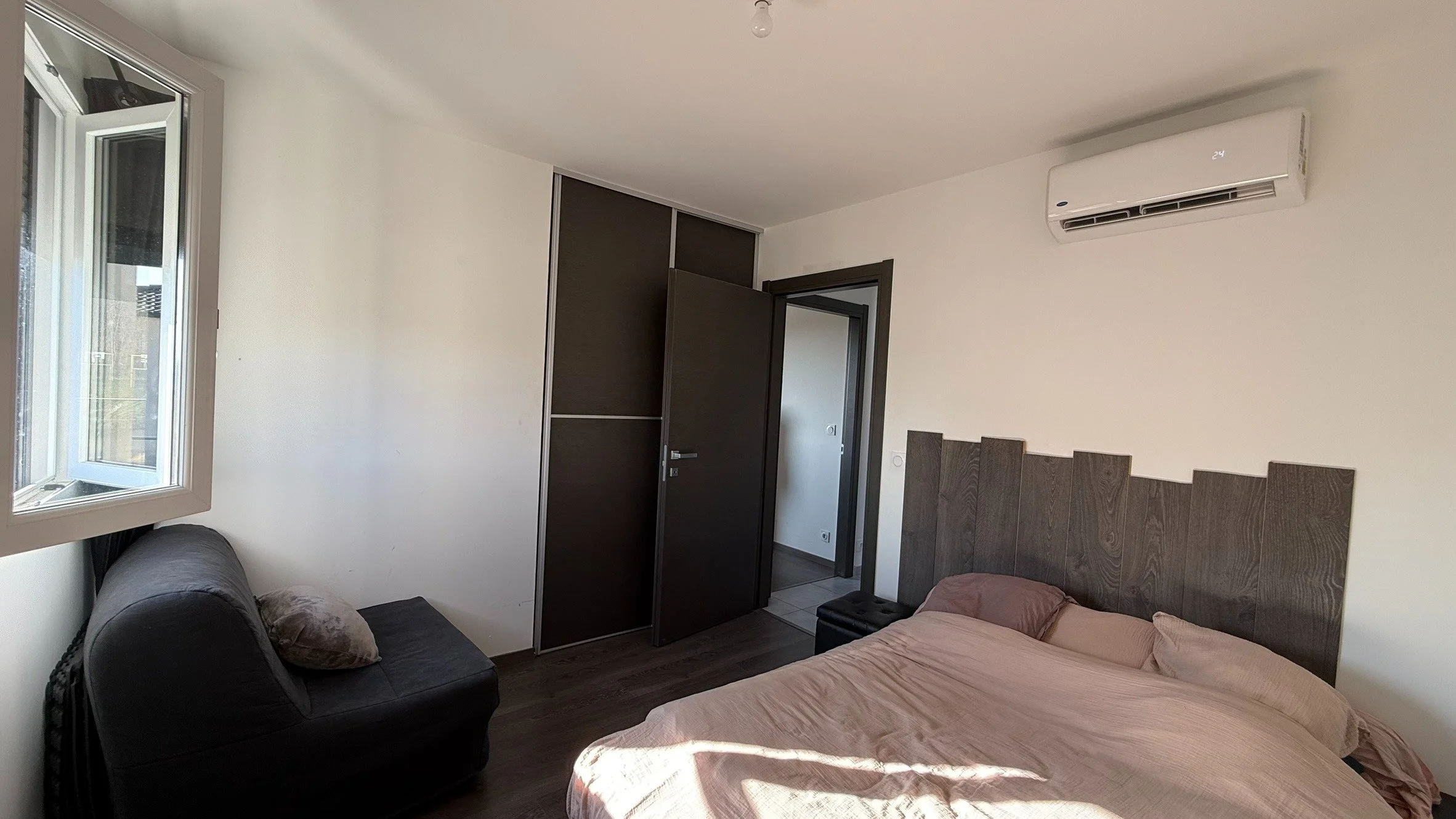
Ground-floor master bedroom, first-floor office, two further first-floor bedrooms.
Lifestyle angle
Year-round living, lock-up-and-leave use, remote working, low-maintenance outdoor living.
Access angle
East coast Corsica, with Bastia airport described as within practical driving distance.
Risk Radar
Overview
This is the sort of listing that wins attention quickly because it combines three unusually saleable elements for Corsica at this price point: an A-rated energy label, a private saltwater pool, and a layout that is genuinely useful rather than merely photogenic. On paper it works for several buyer types at once, including a year-round owner-occupier, a part-time island user who wants a relatively easy shut-up-and-go property, and a buyer who values lower running costs more than old-stone romance. The appeal is real, but the price logic rests heavily on the A rating and on the assumption that the pool and practical setup are as straightforward as the listing makes them sound.
The first thing to stress-test is the energy story. A-rated houses in Corsica are unusual enough that the buyer should not stop at the headline letter. The DPE is mandatory in a sale and should show estimated annual energy costs, environmental performance, and the factors driving the rating. The right question is not simply whether the A exists, but what physical elements produced it. That means checking whether the result comes from insulation, glazing, heating and cooling systems, ventilation, solar equipment or a mix of these. It also means checking whether the house was built that way from the start or upgraded later through documented works.
The second theme is the pool. An 8 x 4 metre saltwater pool is a meaningful amenity and a genuine lifestyle advantage, but buyers should treat it as a regulated structure, not just a leisure extra. In France, the authorisation pathway for a private pool depends on size and context, and private in-ground or partially in-ground pools must have one approved safety device such as a barrier, alarm, cover or shelter. The saltwater aspect is useful, but it does not remove the need to verify installation paperwork, maintenance history, age of equipment, and whether the pool has been integrated into the tax and planning position correctly.
The third theme is whether the villa really performs well as a year-round, low-friction home. The listing suggests that it does, with a ground-floor bedroom, office, quiet setting, terrace and manageable energy costs. That is all plausible. But for a proper buying decision, the buyer still needs clarity on drainage type, internet quality, mobile reception, winter practicality, parking, immediate neighbours, and whether the unobstructed views have any real protection or are simply current fact. A property can be extremely likeable on the terrace and still disappoint on infrastructure and documentation.
Targeted Questions
Energy Rating, Construction and Running Costs
The DPE is mandatory in a sale and the detailed report tells you whether the headline rating is backed by genuinely strong fabric and systems performance.
A premium for an A-rated property only makes sense if the buyer understands exactly what has been installed.
New-build performance and retrofit performance can involve very different future maintenance profiles.
Documentary support helps confirm both quality and recency.
Live cover on major elements materially reduces risk after purchase.
Actual bills are one of the best ways to test whether the efficiency story holds up in practice.
A good label is less useful if room-by-room comfort is uneven.
Corsican year-round comfort depends on both summer cooling and winter usability.
Good thermal performance without good ventilation can still create comfort or moisture issues.
Coastal conditions can expose weaknesses that paper performance does not show.
Pool, Planning and Safety
French pool authorisation depends on the dimensions and site context, so the legal basis should be easy to evidence.
Pool age is one of the main predictors of upcoming equipment and finish costs.
Different pool structures carry very different maintenance and replacement cycles.
The hidden plant is often more important than the water you see on viewing day.
Saltwater pools are attractive, but the chlorination cell and control equipment still have finite replacement cycles.
"Lower maintenance" is helpful, but buyers still need a realistic annual figure.
Pool heating can materially alter the real running-cost story.
This is a direct safety and compliance issue, not a cosmetic detail.
A documented maintenance trail helps separate a well-kept pool from a deferred-cost pool.
An undeclared improvement can create administrative and tax clean-up later.
Diagnostics and Building Documentation
The DDT is the central bundle of technical disclosure the buyer should review before moving too far forward.
French sale rules require this where the electrical installation is more than 15 years old, and it is an important safety check.
Buyers should not assume an all-electric setup just because the DPE is strong.
Older structures can still carry hidden asbestos exposure, especially around roofing, flues or secondary materials.
Coastal and island settings can carry natural-risk information that materially affects ownership and insurance.
This becomes mandatory in relevant designated areas and matters for hidden timber risk.
Buyers should verify exactly what is counted as habitable area.
Coastal properties can have a history that does not appear in the marketing copy.
Water, Drainage and Utilities
Basic utility setup drives risk, maintenance and future compliance cost.
A non-compliant system can create immediate buyer cost after completion.
Real-world performance often tells you more than a certificate.
Practical comfort matters more than theoretical efficiency.
Remote-working value depends on actual service, not a general area claim.
A first-floor office only adds value if the connection can support real work.
Many buyers now expect dependable voice and data coverage everywhere on site.
Land, Views and External Setting
Buyers should confirm that the marketing layout matches the legal plot position.
These can materially affect privacy and future use.
View value should never be treated as permanent without evidence.
This affects noise, security, community feel and seasonal rhythm.
A current quiet setting is not the same thing as a durable one.
Lock-up-and-leave claims weaken quickly if the garden is management-heavy.
Practical parking matters for both everyday living and eventual resale.
Year-Round Living and Lock-Up-and-Leave Practicality
A comfortable summer arrival can hide winter or storm-season inconvenience.
Buyers should test the difference between aspirational and practical proximity.
Past use often reveals the most realistic ownership pattern.
True lock-up-and-leave suitability depends on systems and habits, not just layout.
These are core practicalities for part-time ownership.
"Quiet residential setting" can vary sharply between January and August.
The year-round claim should be validated in lived use, not just inferred from the DPE.
Seller motivation and time on market can create negotiation leverage.
Rental and Resale Flexibility
Even where rental is not the main plan, knowing the compliance path supports exit flexibility.
Resale and holding strategy often benefit from understanding fallback rental potential.
Buyers should not assume short-term rental is frictionless everywhere.
The listing claims a premium, but the buyer should test whether local market evidence supports that.
Negotiation Intelligence
Buyer Leverage
Medium-High
Key Drivers
Typical Negotiation Range
5-15% below asking
Neutral Phrasing Examples
Country Layer
France (Regulatory Context March 2026)
Key French requirements for buyers:
Viewing Strategy
Start with the exterior and treat the visit like a practicality audit, not just a lifestyle moment.
Next Step
Verify from the listing:
A-rating evidence and running costs
The Energy Class A label is the headline feature here, so ask for the full DPE and recent utility bills to confirm what is actually driving the rating and whether the real-world running costs match the sales story.
Pool legality, safety and maintenance
The 8 x 4 metre saltwater pool adds real lifestyle value, but you should verify the planning paperwork, the required safety system, the age of the equipment, and the realistic servicing costs before treating it as low-friction ownership.
Drainage, utilities and practical comfort
Check whether the villa is on mains drainage or individual sanitation, confirm the internet quality and mobile reception, and make sure the heating, cooling and hot-water systems support true year-round use rather than just summer enjoyment.
Views, boundaries and neighbouring risk
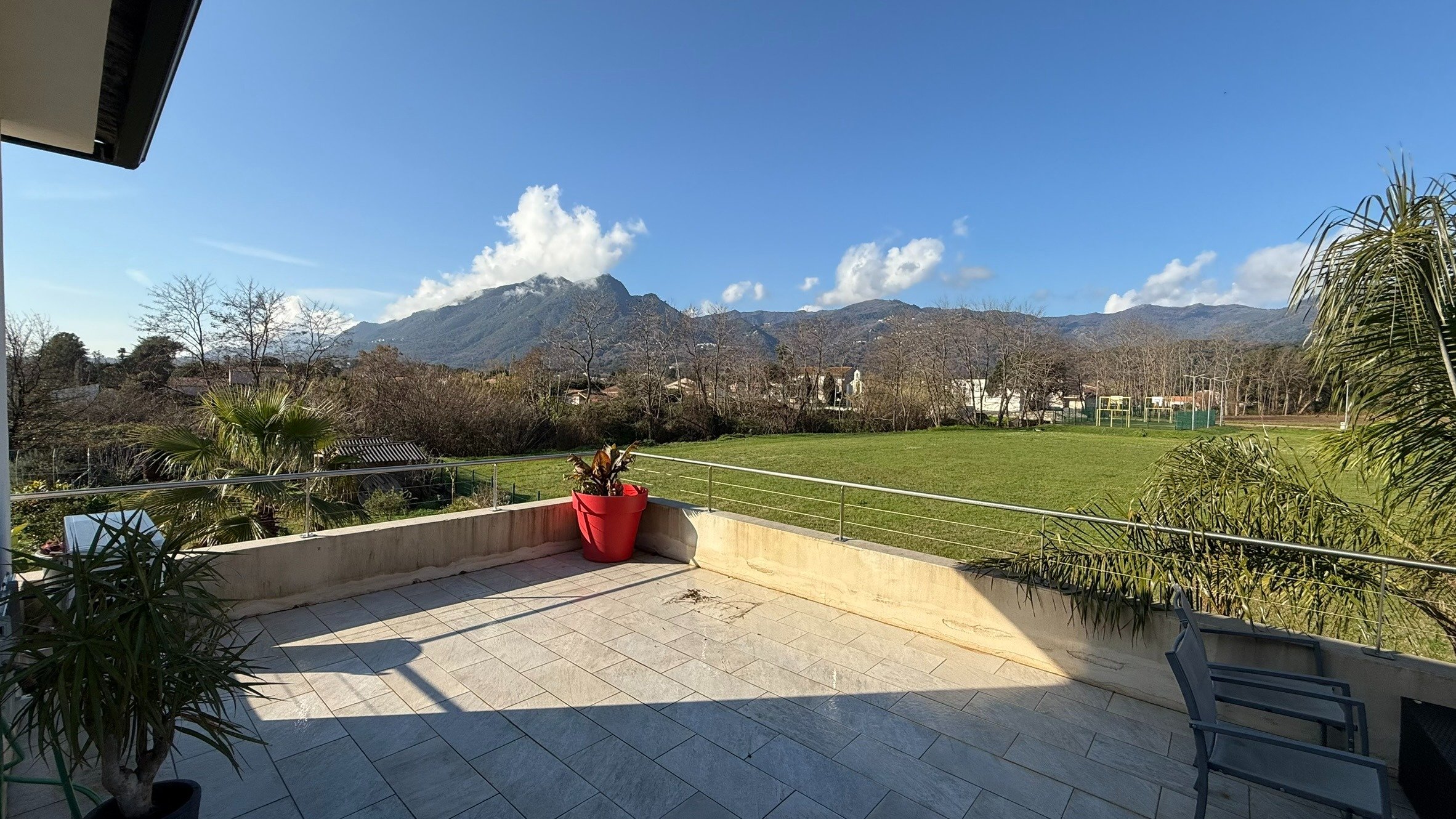
“Unobstructed views” is one of the listing’s strongest emotional hooks, so ask for the cadastral plan, check for servitudes, and understand what nearby land or future development could change the outlook over time.
Lock-up-and-leave reality
If part-time ownership is your plan, ask about security, winterisation, storm exposure, maintenance support and how the current owner manages the property when it sits empty.
A prepared buyer should approach the agent calmly and frame questions as due diligence.
Because this is a property where the legal, structural and regulatory context matters, run it through the Property Risk Assessment to pressure-test the DPE, pool and infrastructure position, or use the Energy Risk Assessor to quantify what the A rating is really worth to you in ownership and resale terms.
Disclaimer: The Property Drop is buyer-focused intelligence, zero sales agenda. We curate exceptional properties, in southern Europe, from third-party agents and arm you with decision tools. No commission, no transactions, no agent partnerships, no skin in the game beyond helping you choose wisely. Information stays accurate until it doesn't (properties sell, prices shift, markets move). Everything here is shared for informational purposes only and should not be treated as legal, financial, or investment advice. Images belong to original agents. Read our Terms of Service to learn more.
IMPORTANT REMINDER: When contacting property agents featured on The Property Drop, you are entering into direct communication with third parties. It's recommended that you verify all property details independently, conduct thorough due diligence, engage qualified professionals (solicitors, surveyors, financial advisors), understand your rights and obligations under local property laws, and never send money or make commitments without proper legal protection.
