
The Buyer Playbook: Two Farmhouses, Two Styles, One Estate with Pool, Apiro, Italy, €550,000

Buyer Playbook
Pre-Viewing Intelligence Report
This independent buyer guidance report relates to this specific property located in Italy. It is provided for informational purposes only and does not constitute legal, tax, structural or survey advice. Title position, cadastral conformity, agibilità, anti-seismic documentation, tourist-rental compliance, pool and garage status, land boundaries, and any shared-drive, utility or neighbour-related matters must always be verified with qualified Italian professionals such as a notaio, geometra, architetto, ingegnere, surveyor or licensed property consultant, and with the relevant municipal and regional authorities. This report is designed to help buyers evaluate the property before arranging a viewing or making an offer. It highlights due diligence areas and targeted questions to ask the agent. The analysis is based on the listing details and publicly available regulatory context at the time of writing. It follows the fixed Buyer Playbook structure used for The Property Drop.
Playbook Contents
Property Snapshot
Location
Apiro, Le Marche, Italy.
Property type
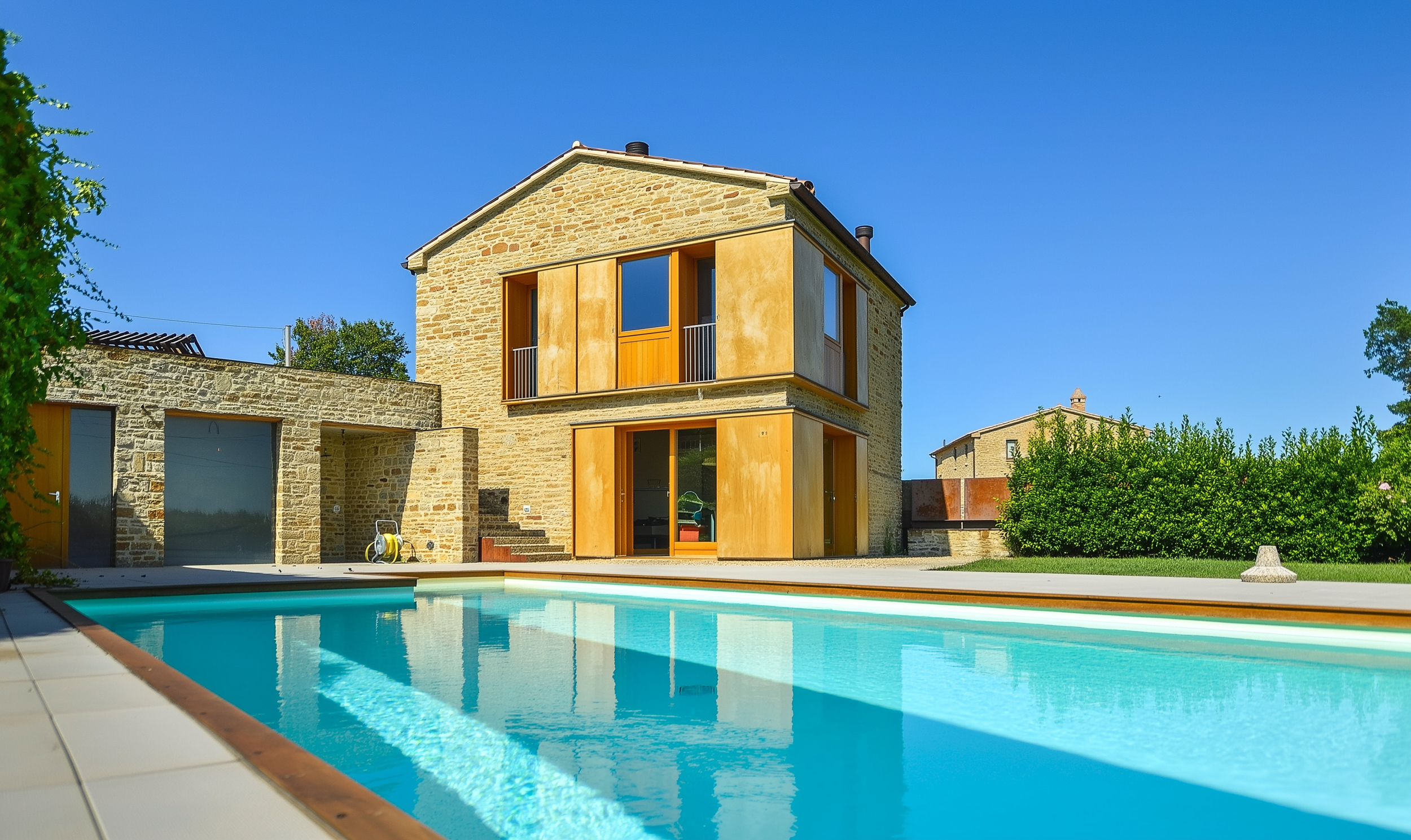
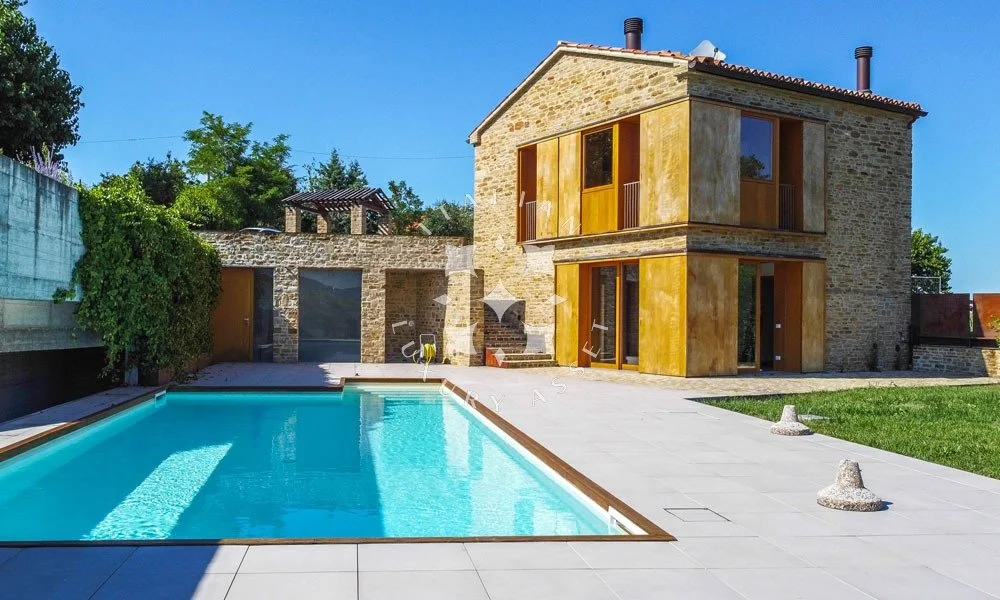
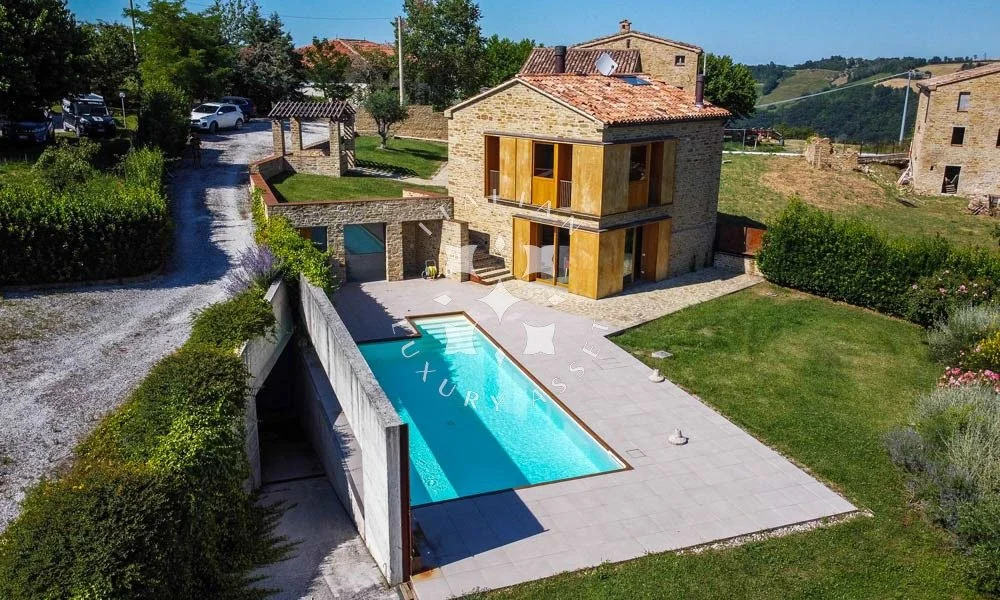
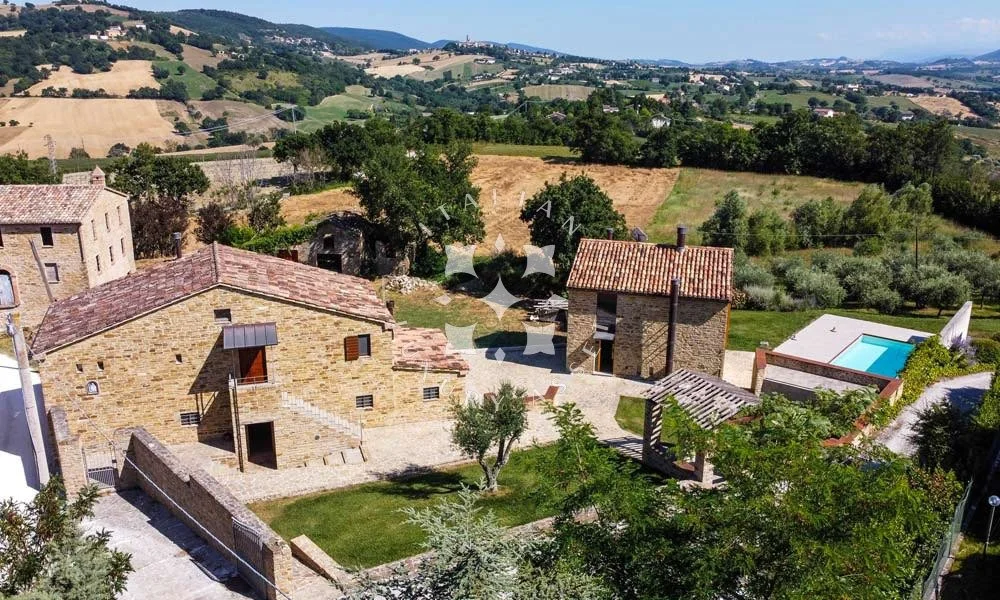
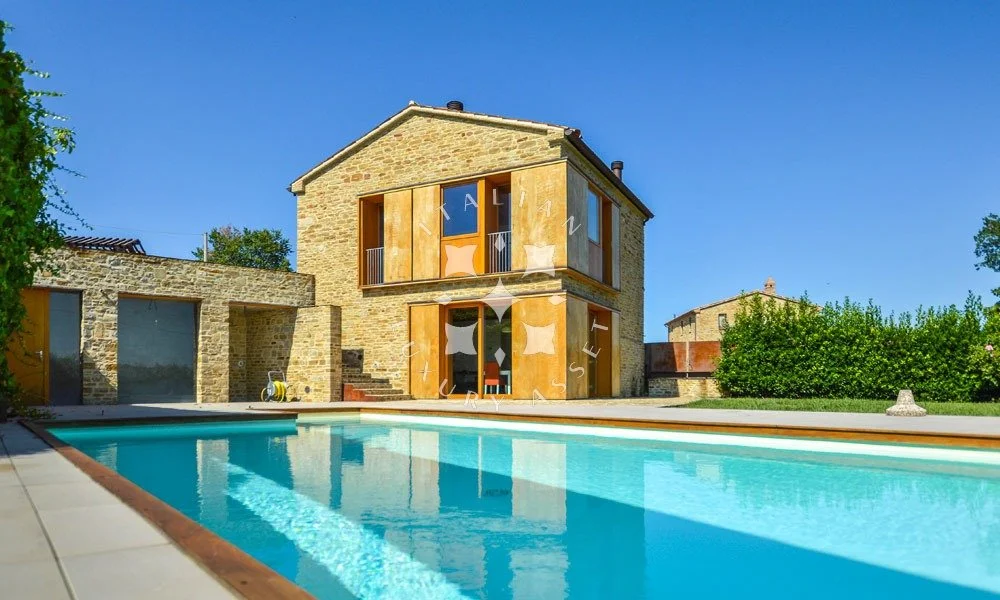
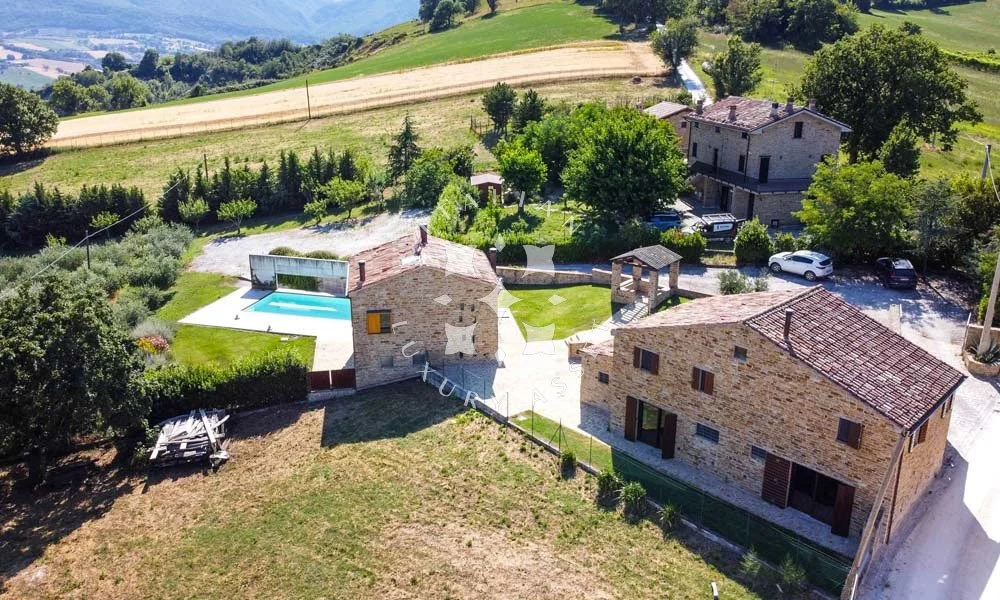
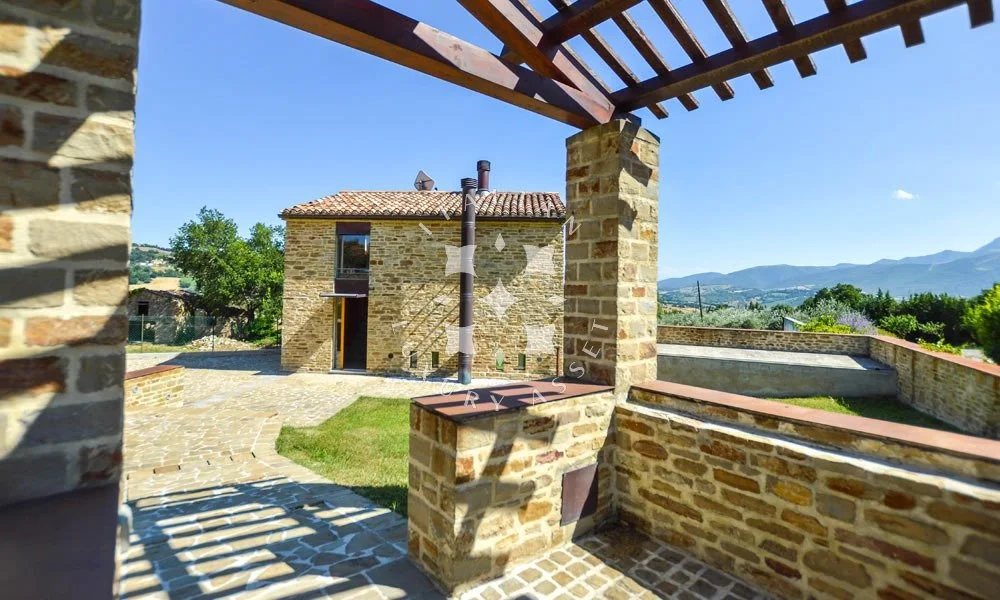
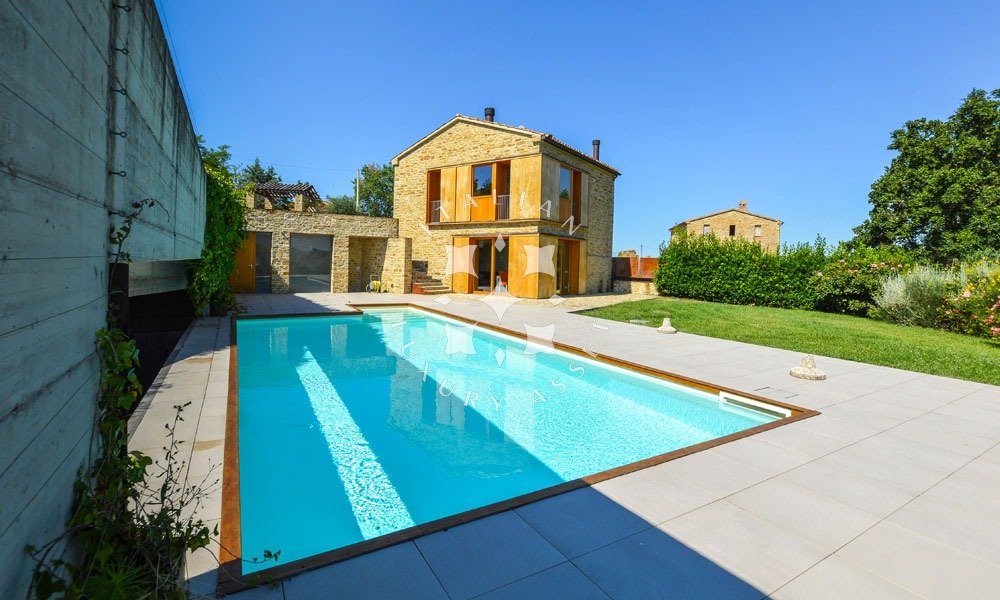
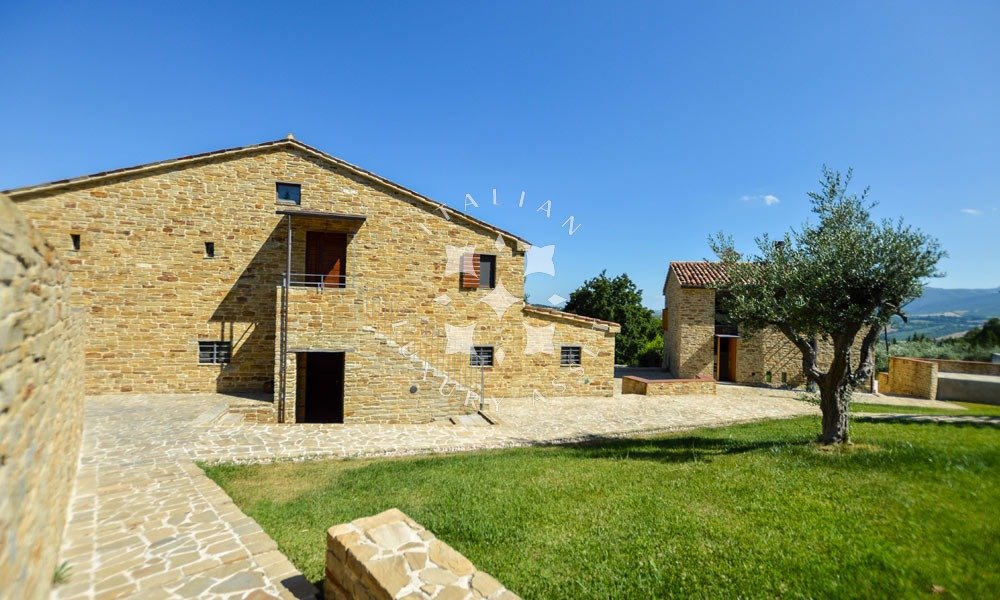
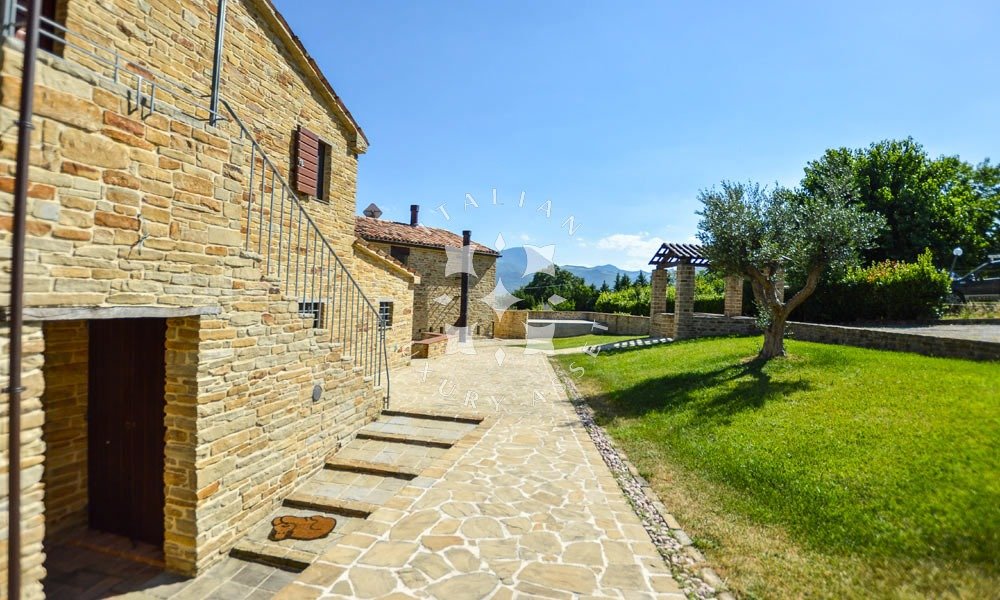
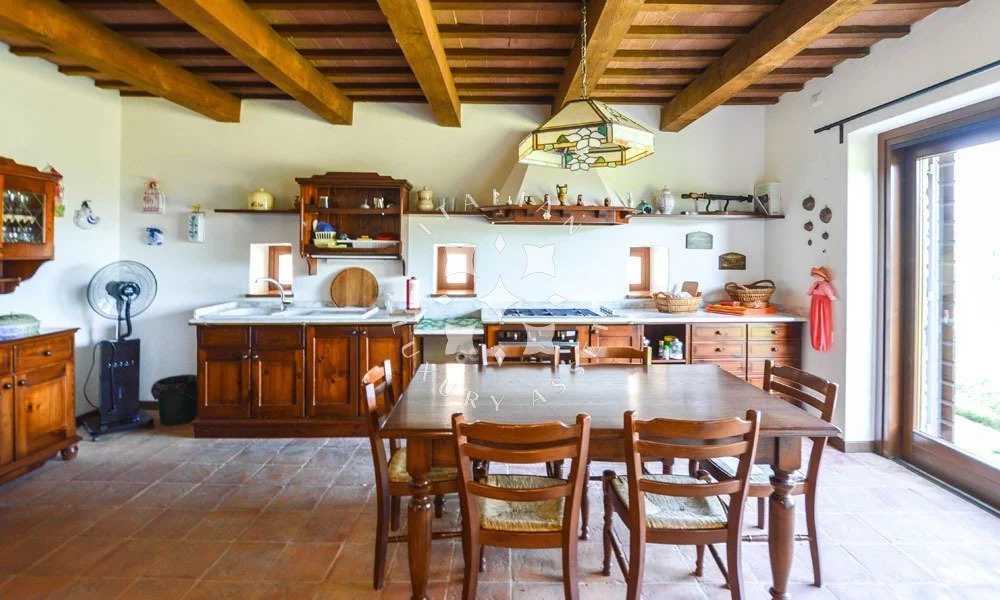
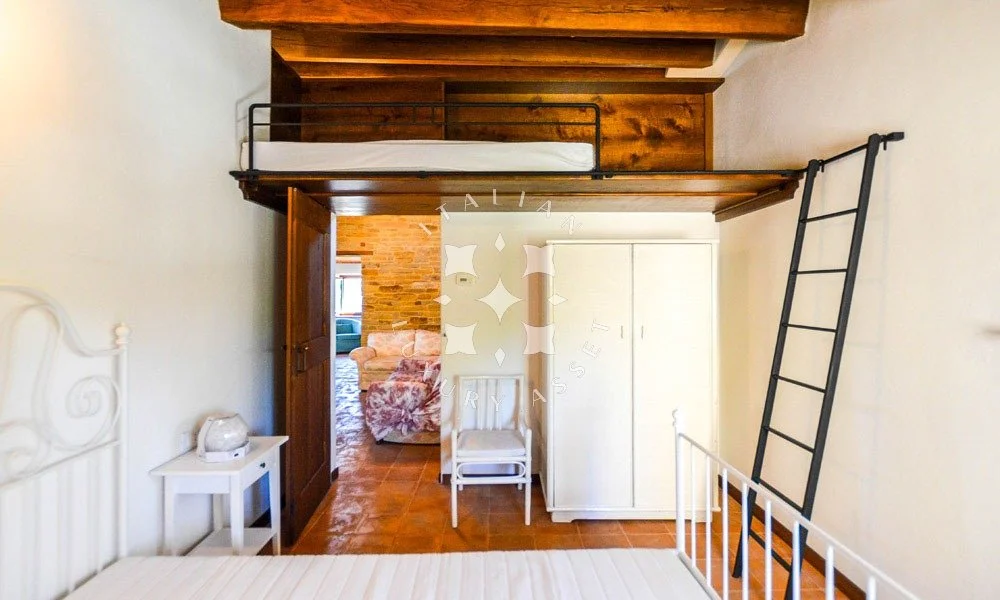
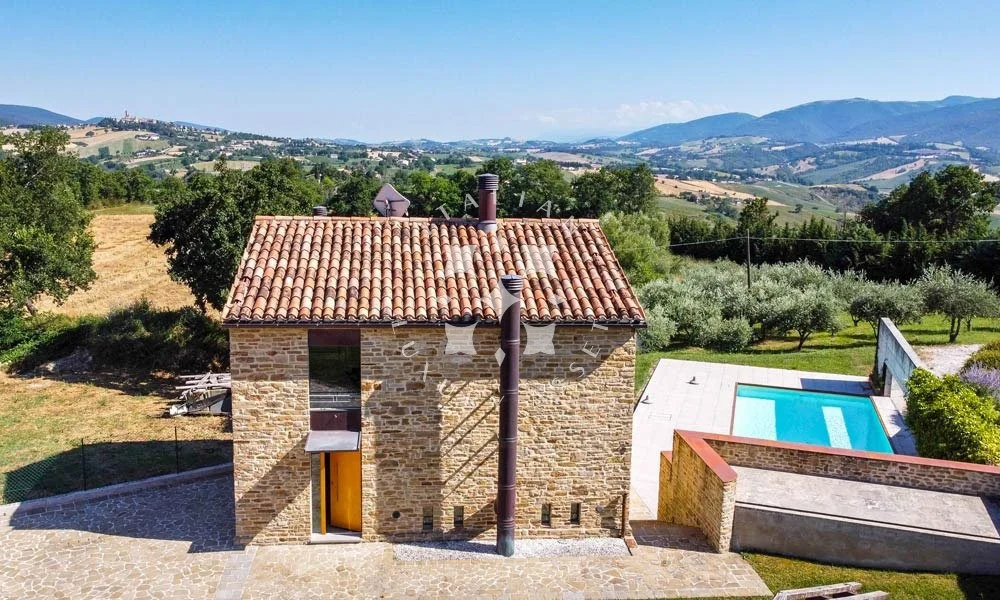
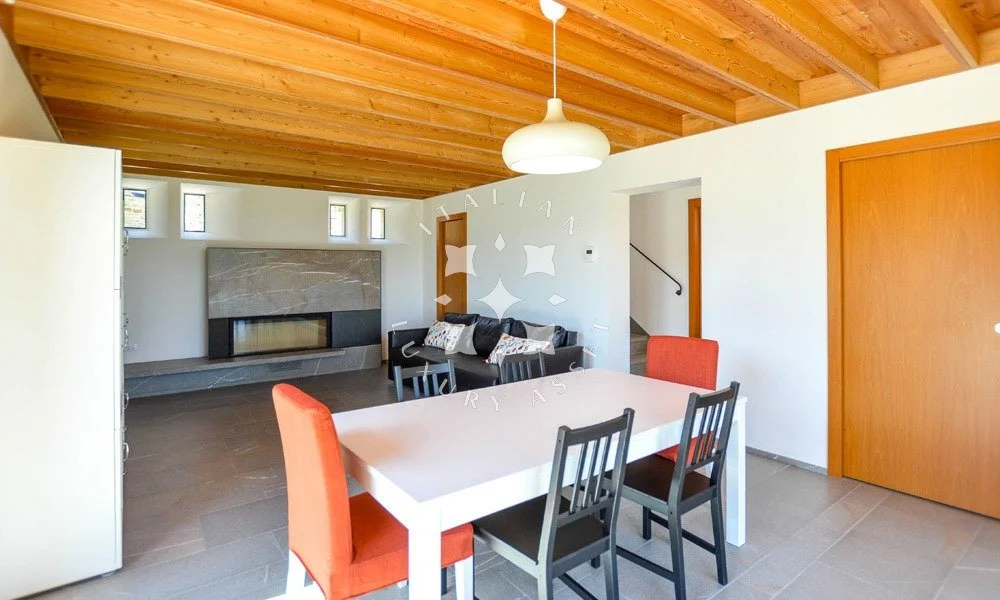
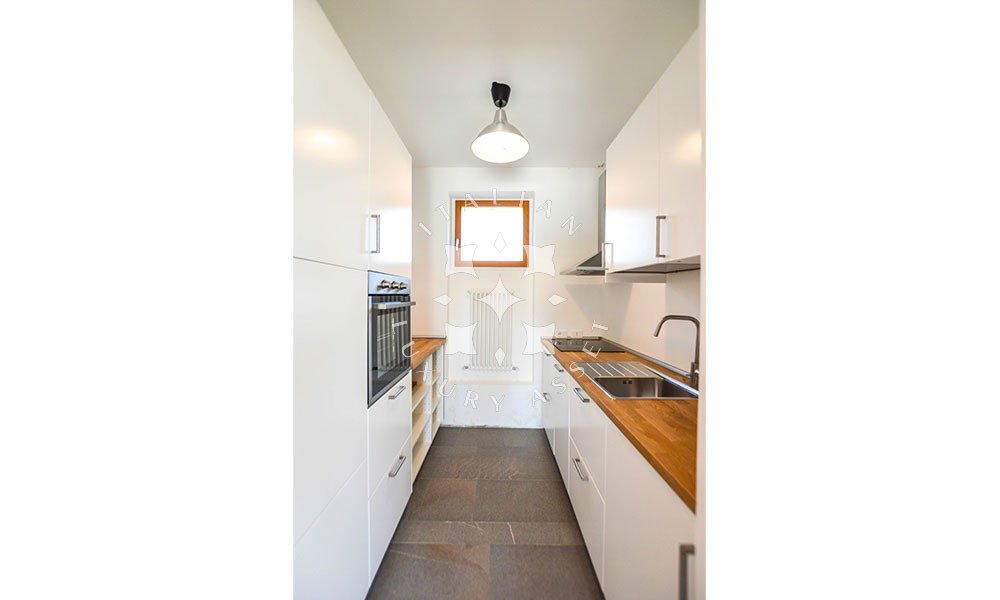
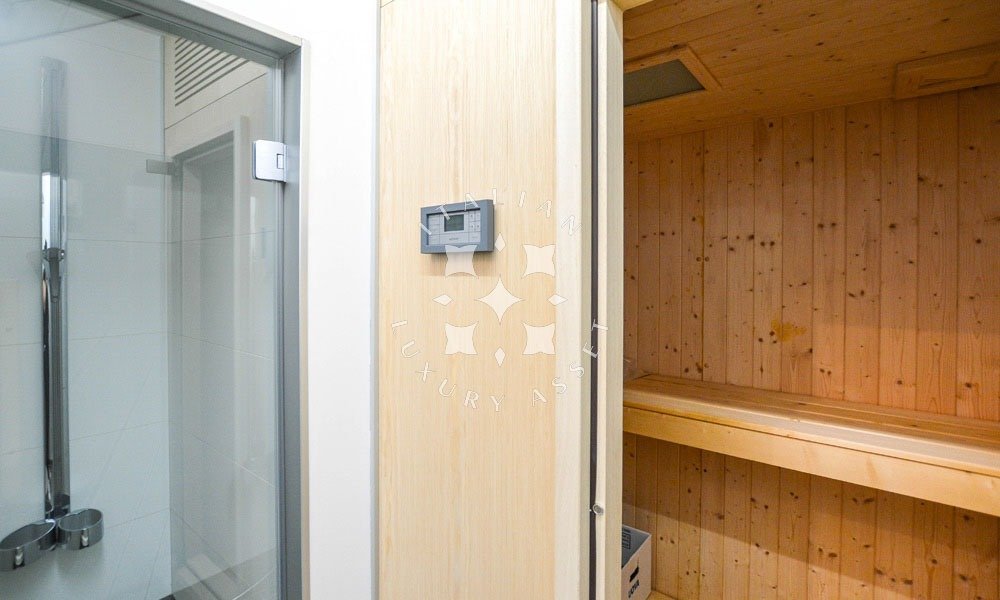
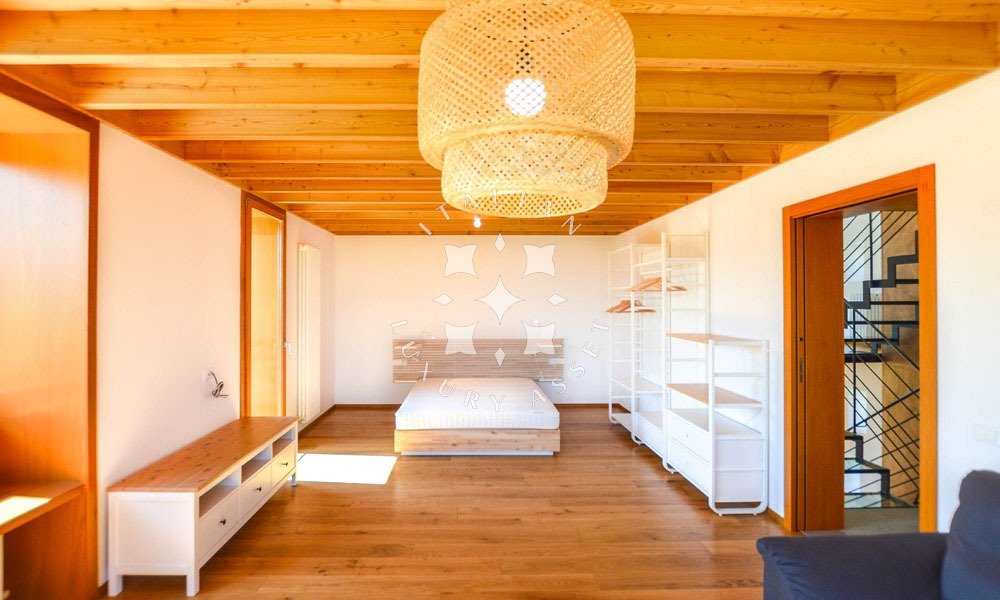
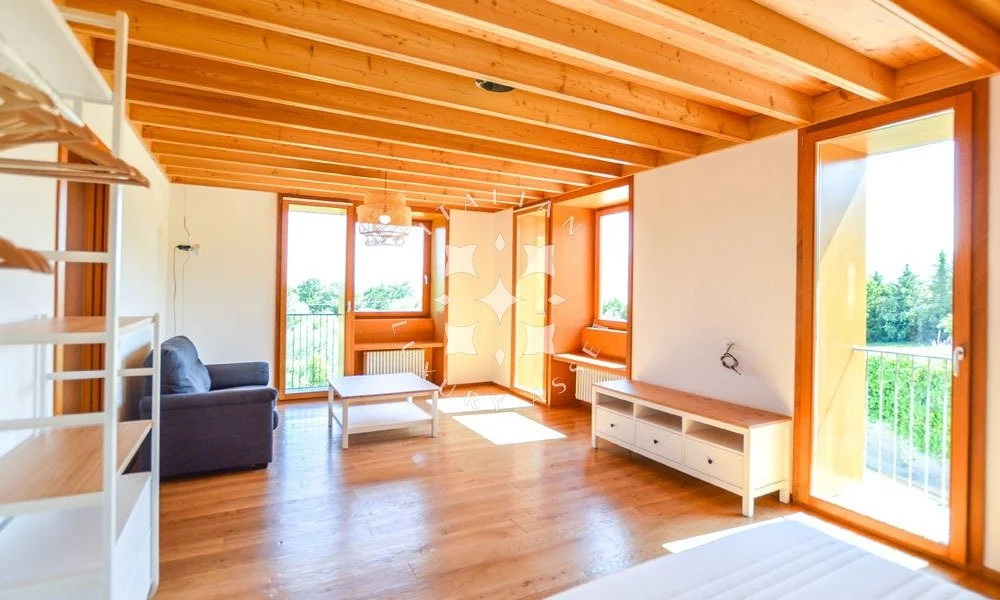
Two fully refurbished farmhouses on one estate.
Asking price
€550,000.
Layout concept
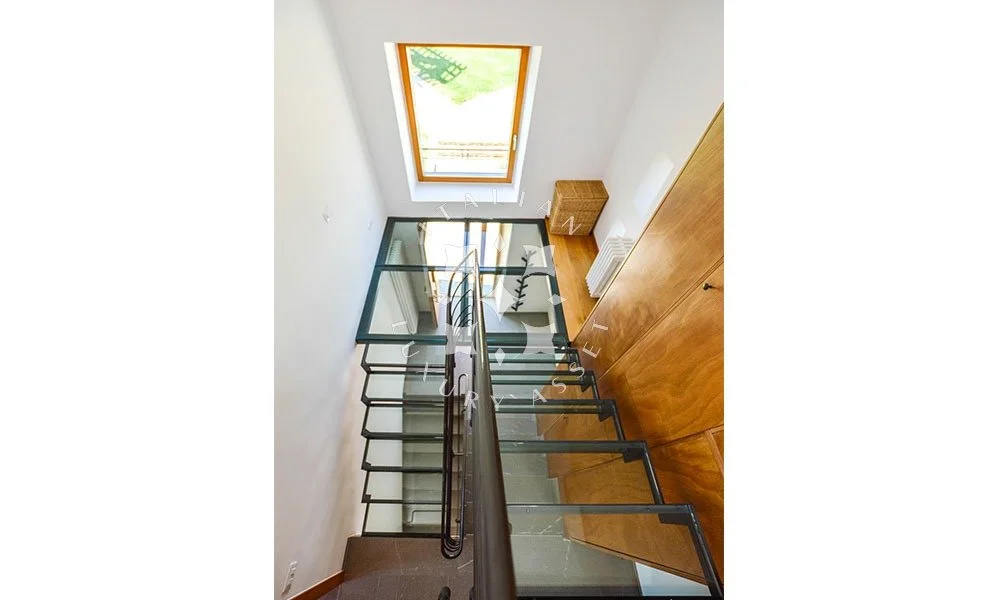
One traditional farmhouse and one more modern-style annexe/second house.
Refurbishment
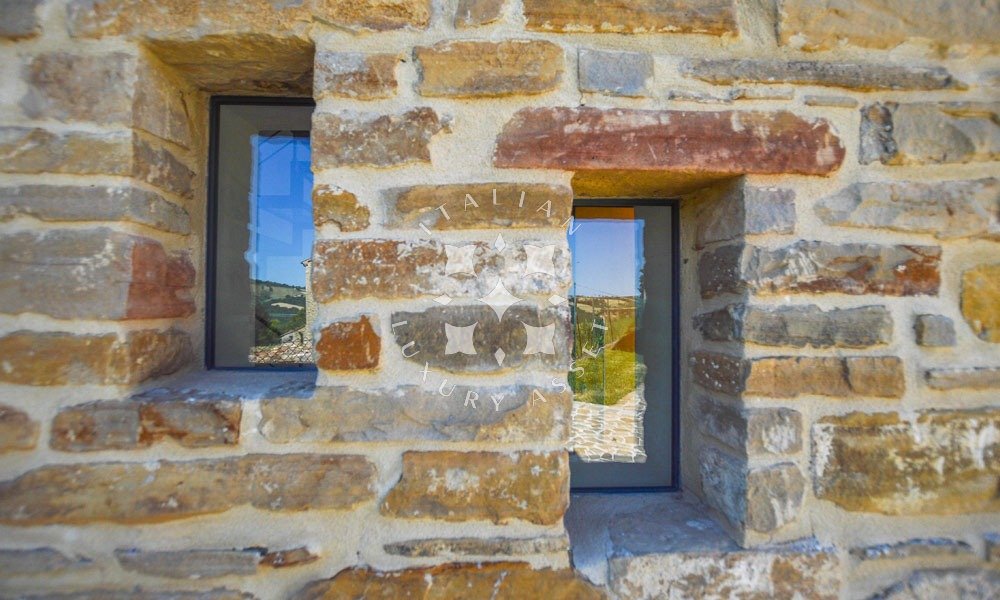
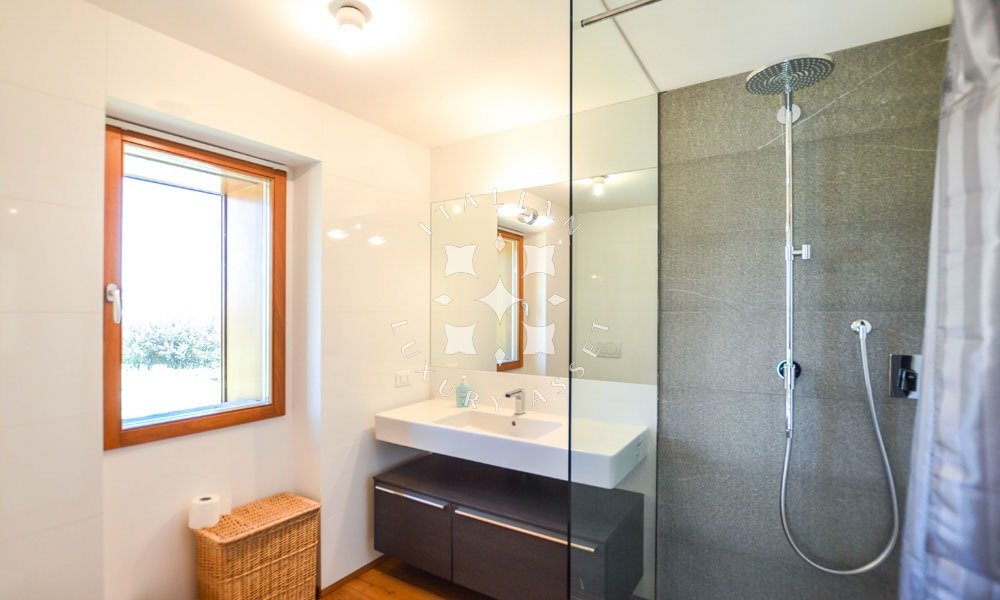
Fully refurbished in 2010 with anti-seismic systems, according to the listing notes.
Land
Approx. 1.27 hectares.
Shared features
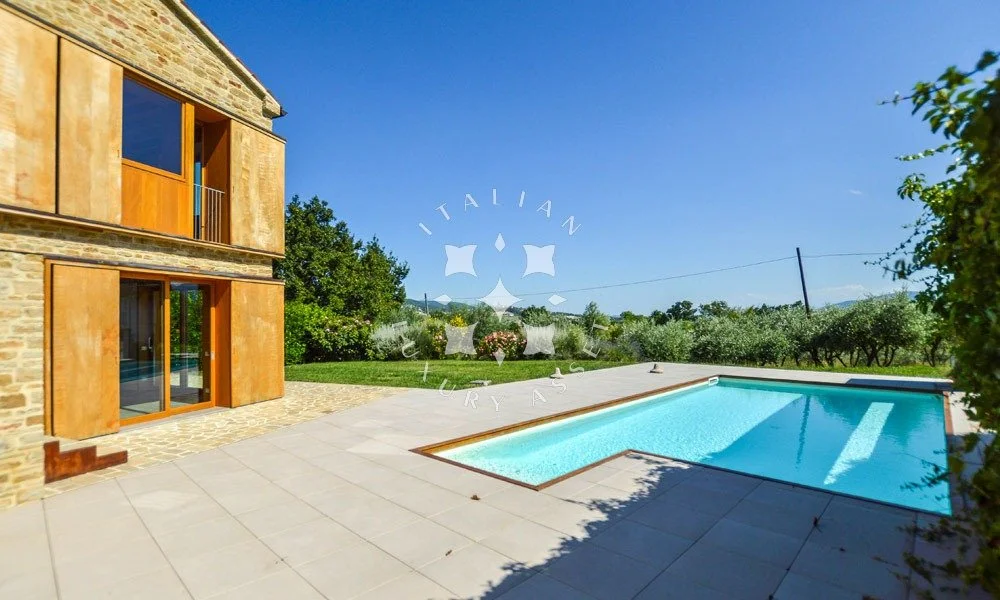
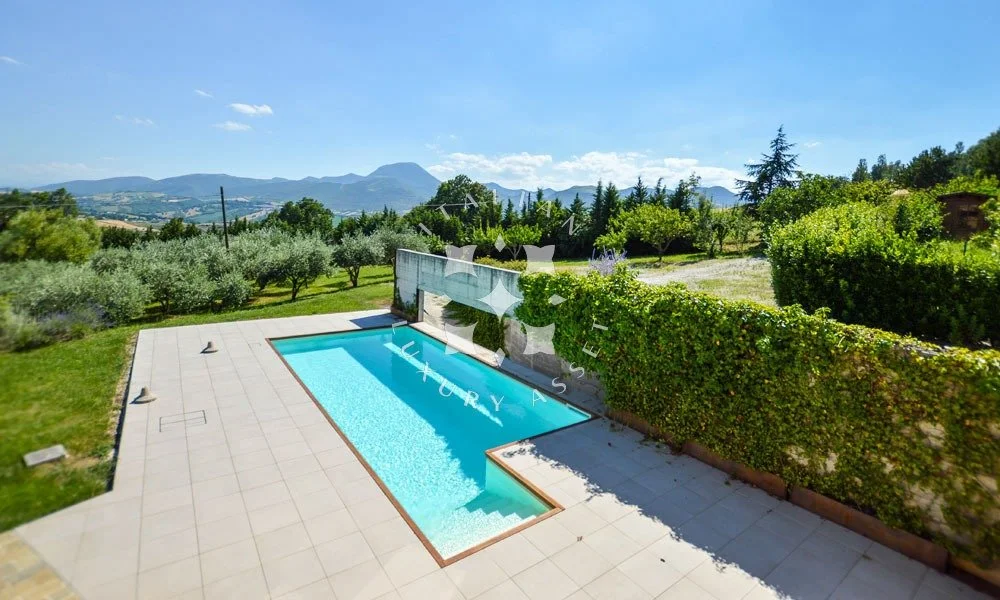
10 x 5 metre pool, 95 m² underground garage, olive grove, surrounding grounds.
Key flexibility angle
Family compound, dual-rental setup, or possible hospitality project.
Energy rating shown in listing
"Energy Class N".
Main due-diligence themes
Legal status of the two buildings, anti-seismic certification, pool and garage documentation, land boundaries, and realistic rental or albergo diffuso potential.
Risk Radar
Overview
This is a highly flexible estate on paper, and that flexibility is exactly what needs testing. Two refurbished farmhouses with different characters, a pool, large garage and over a hectare of land create several plausible ownership models: private family compound, live-in-one/rent-the-other, dual short-let operation, or a broader tourism project if neighbouring buildings can truly be incorporated. The value story therefore depends less on one building and more on whether the whole estate is legally and operationally coherent.
The first major due-diligence issue is whether the two houses are legally separate or only functionally separate. A buyer needs to know whether they are distinct units in the cadastre and title, whether each has its own agibilità basis, and whether they could be sold separately later. That matters for exit flexibility, financing, inheritance planning and rental operations. Agenzia delle Entrate's DOCFA guidance confirms that changes to the state or use of urban units require cadastral updating, so the buyer should expect current visure and planimetrie to match the post-2010 reality.
The second major issue is the anti-seismic refurbishment. In Le Marche, that is a genuine value-add if properly documented. The buyer should not settle for generic reassurance that "anti-seismic systems" were installed. They should ask what interventions were done, who certified them, whether final structural sign-off exists, and whether both buildings were treated to the same standard. That point affects safety, insurability and resale credibility.
The third issue is tourism compliance. In Marche, tourism identifiers now sit in a layered system. Regione Marche states that operators first need the regional route, including SCIA or CIA to the SUAP and registration in the regional system, after which the CIR is issued, and the CIN is then obtained through the national BDSR process. That means the estate's rental story needs to be tested separately for each building and then again as a possible broader hospitality concept.
The fourth issue is the "Energy Class N" label. In ordinary Italian residential practice, the buyer should expect a real APE, not a vague placeholder. If the property was comprehensively refurbished in 2010, the absence of a clear energy document needs explaining. That matters both for running costs and for the credibility of the refurbishment story.
Targeted Questions
Title, Cadastral Status and Legal Structure
The buyer needs to see whether the two houses are legally separate units or simply marketed that way.
This affects flexibility, resale and rental strategy.
Long-term exit options are part of the investment case.
Separate lawful habitability materially strengthens flexibility.
The buyer needs proof, not just description.
Shared facilities only add clean value if their legal position is clear.
A large garage is a major asset and should be clearly documented.
Encumbrances can materially affect control and future transactions.
A clear estate-level map is essential here.
Complex rural properties sometimes carry overlooked documentary mismatches.
Refurbishment Permits and Anti-Seismic Documentation
A full refurbishment should have a traceable legal route.
The buyer needs the actual documentary trail.
Different works files can imply different standards or completion statuses.
The value of the claim depends on the technical details.
This is the core proof that the works were real and significant.
Buyers should seek post-work structural sign-off, not just contractor statements.
Dual-building estates can hide uneven technical quality.
Responsible authorship strengthens credibility and follow-up.
Remaining cover is unlikely after this long, but the paper trail still matters.
Later reports can reveal whether the works have held up well.
Energy Status, Heating and Performance
The buyer should not treat "N" as a standard Italian energy label without explanation.
If there are two dwellings, the buyer needs clarity on whether each has its own energy documentation.
The absence of one needs a proper explanation.
The running-cost profile may differ materially between the two houses.
Independent operation is important for separate use or separate rental.
Comfort and rental appeal depend on real systems, not assumptions.
Buyers need real operating numbers, especially with two houses.
Glazing quality strongly affects comfort and energy performance.
Refurbishment quality is partly measured by invisible thermal upgrades.
Comfort problems can remain even after major works.
Separate Utilities and Operational Flexibility
Separate utility metering greatly improves rental and resale flexibility.
Independent billing matters for dual occupancy and accounting.
Shared heating weakens operational flexibility.
Retrofitting separation later may be costly or impractical.
True operational independence matters for dual-family or dual-rental use.
Shared access can create future maintenance or privacy issues.
Shared maintenance arrangements should be clear in advance.
Informal sharing can become awkward without clear rules.
Pool, Garage and Shared Elements
Pool legality should be verified independently of the main houses.
The pool should appear cleanly in the legal and technical story.
Pool replacement or repair can be a major cost.
Pool equipment is often the hidden capex item.
Safety matters especially if tourist use is planned.
Heating materially affects season length and operating cost.
Shared assets need a clear cost logic.
A garage of this size materially affects value.
Underground spaces can hide expensive moisture issues.
Practical utility matters as much as square metres.
Land, Olive Grove and Infrastructure
Rural boundaries and configuration need to be crystal clear.
Easements can materially affect privacy and control.
The olive grove may be either decorative or a meaningful productive asset.
The grove's value depends on what is actually operational.
Reliable water supply is essential for two dwellings plus a pool.
Wastewater setup affects compliance and maintenance.
Capacity matters more if both houses are occupied simultaneously.
Buyers need a current infrastructure picture, not assumptions.
Rural practicality matters for owners and guests alike.
Privacy and noise levels need to be assessed realistically.
A tourism-adjacent setting may still work well, but should be tested honestly.
Tourism and Hospitality Potential
Proven operating history is stronger than potential.
The dual-income story should be tested with real numbers if available.
Existing compliance materially strengthens the investment case.
The regional route is not optional.
Marche's own tourism page explains that the CIR/ROSS1000 step feeds into the national CIN process.
Separate rental flexibility depends on more than floor plans.
Different models imply different compliance and management burdens.
This is a major value question and should not remain vague.
Albergo diffuso potential is not meaningful without control over the wider fabric.
Expansion potential depends on real legal and technical feasibility.
A larger hospitality project is not the same as ordinary tourist letting. Marche's tourism framework distinguishes multiple accommodation categories.
Negotiation Intelligence
Buyer Leverage
Medium–High
Key Drivers
Typical Negotiation Range
5-15% below asking
Neutral Phrasing Examples
Country Layer
Italy (Regulatory Context March 2026)
Key Italian requirements and context for buyers of this estate:
Viewing Strategy
Start by treating the estate as three separate due-diligence subjects: the traditional farmhouse, the modern-style second building, and the shared infrastructure. Walk each building independently, then assess how convincingly they operate as a unified estate.
Next Step
Verify from the listing:
Two-building legal separability
Ask for the visure catastali, planimetrie and agibilità documentation for both farmhouses so you can confirm whether they are truly separate units with independent long-term flexibility or simply two dwellings operating within one estate framework.
Anti-seismic refurbishment proof
Request the 2010 permits, structural certifications and technical reports so you can verify that the anti-seismic work is a documented value-add and not just a strong marketing phrase.
Energy Class “N” clarification
Obtain the real APE position for the estate and avoid assuming energy performance from the refurbishment story until you know whether each building has proper and current documentation.
Pool, garage and shared-cost structure
Check the legal status, maintenance history and cost-allocation logic for the pool, underground garage and common grounds before relying on the estate’s shared amenities as pure upside.
Tourism-use pathway
Verify whether one or both buildings already have the Marche and national identifiers needed for tourist use, and separate the realistic dual-rental case from the much bigger and more regulated albergo diffuso idea.
A prepared buyer should approach the agent calmly and frame questions as due diligence.
Because this is a dual-building estate where legal flexibility and tourism compliance both materially affect value, run it through the Property Risk Assessment to pressure-test title, anti-seismic and shared-infrastructure risks, or use the Rental Yield Calculator to see whether renting one or both buildings genuinely supports the numbers before contacting the agent.
Disclaimer: The Property Drop is buyer-focused intelligence, zero sales agenda. We curate exceptional properties, in southern Europe, from third-party agents and arm you with decision tools. No commission, no transactions, no agent partnerships, no skin in the game beyond helping you choose wisely. Information stays accurate until it doesn't (properties sell, prices shift, markets move). Everything here is shared for informational purposes only and should not be treated as legal, financial, or investment advice. Images belong to original agents. Read our Terms of Service to learn more.
IMPORTANT REMINDER: When contacting property agents featured on The Property Drop, you are entering into direct communication with third parties. It's recommended that you verify all property details independently, conduct thorough due diligence, engage qualified professionals (solicitors, surveyors, financial advisors), understand your rights and obligations under local property laws, and never send money or make commitments without proper legal protection.
