
The Buyer Playbook: Mountain Villa with Pool, Sicily, Italy, €600,000
Buyer Playbook
Pre-Viewing Intelligence Report
This independent buyer guidance report relates to this specific property located in Italy. It is provided for informational purposes only and does not constitute legal, tax, structural or survey advice. Cadastral status, title boundaries, agibilità, pool legality, irrigation and water arrangements, tourist-rental compliance, and any landscape or heritage constraints affecting the land or future works must always be verified with qualified Italian professionals such as a notaio, geometra, avvocato, architect, surveyor and the relevant municipal and cadastral authorities. This report is designed to help buyers evaluate the property before arranging a viewing or making an offer. It highlights due-diligence areas and targeted questions to ask the estate agent. The analysis is based on the listing details and publicly available regulatory context at the time of writing. In Italy, the APE is a core sale document, agibilità now operates through the certified-agibilità framework under the building code, Sicily uses the regional CIR system for tourist accommodation, and tourist listings now also need the national CIN under the BDSR framework.
Playbook Contents
Property Snapshot
Location
Val di Noto area, Sicily, Italy
Property type
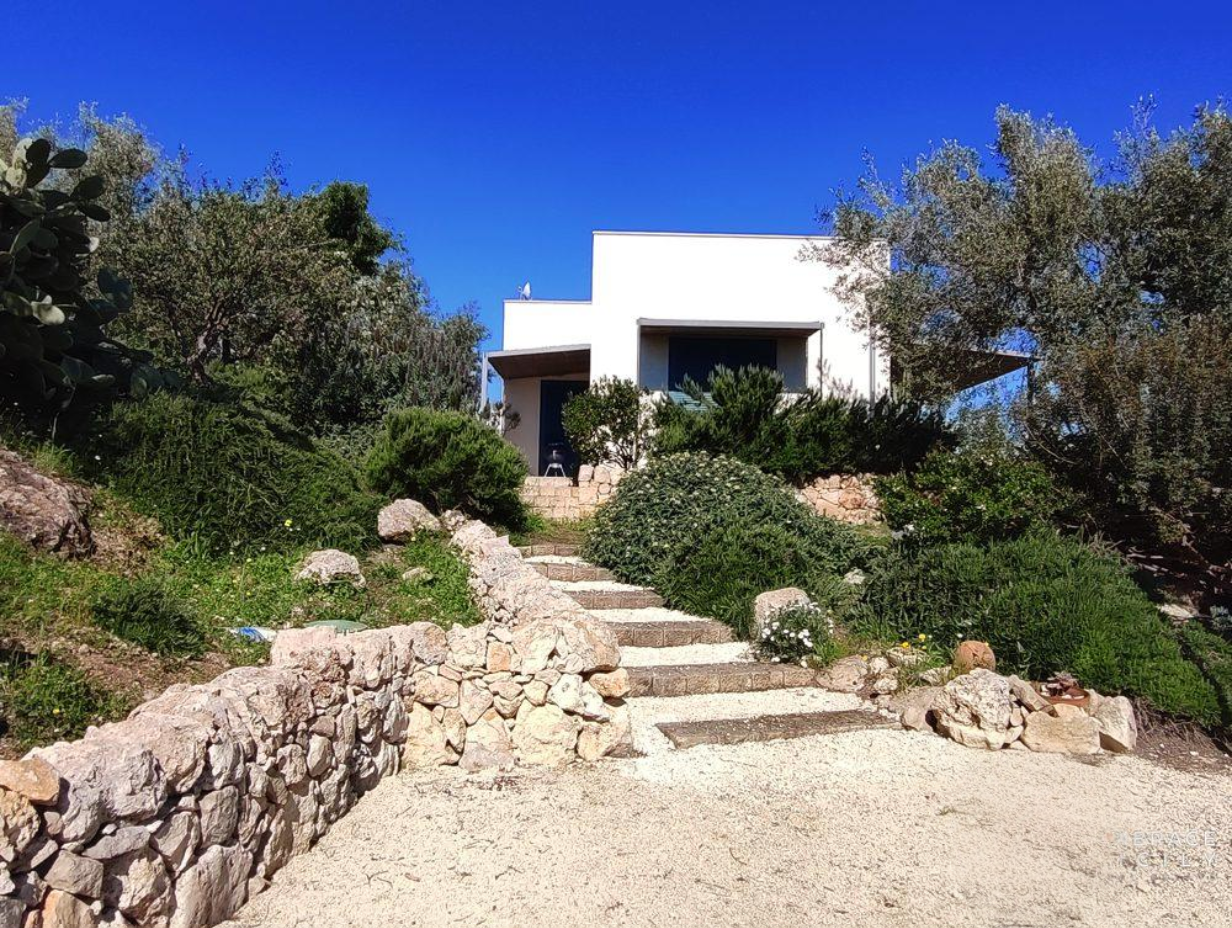
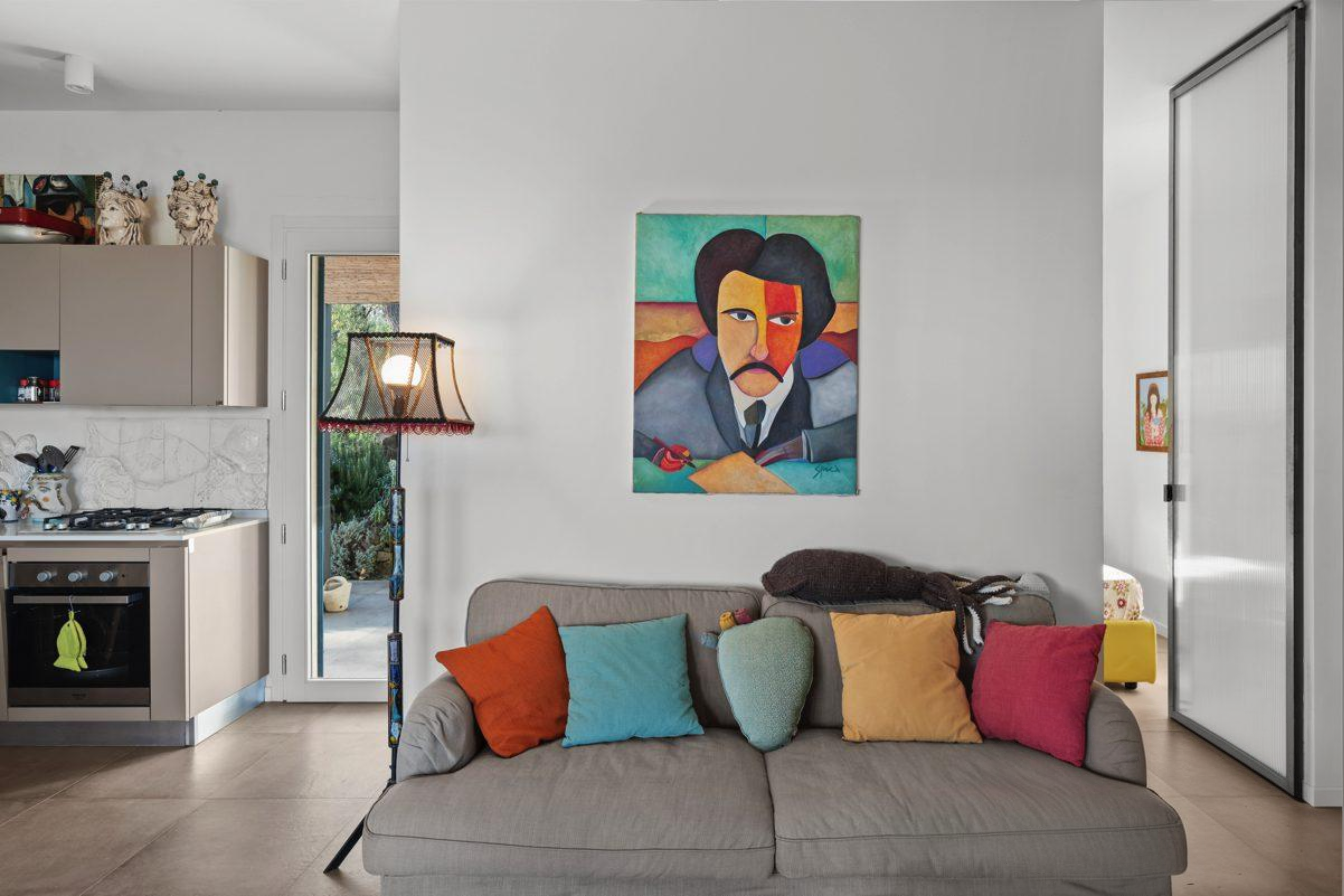
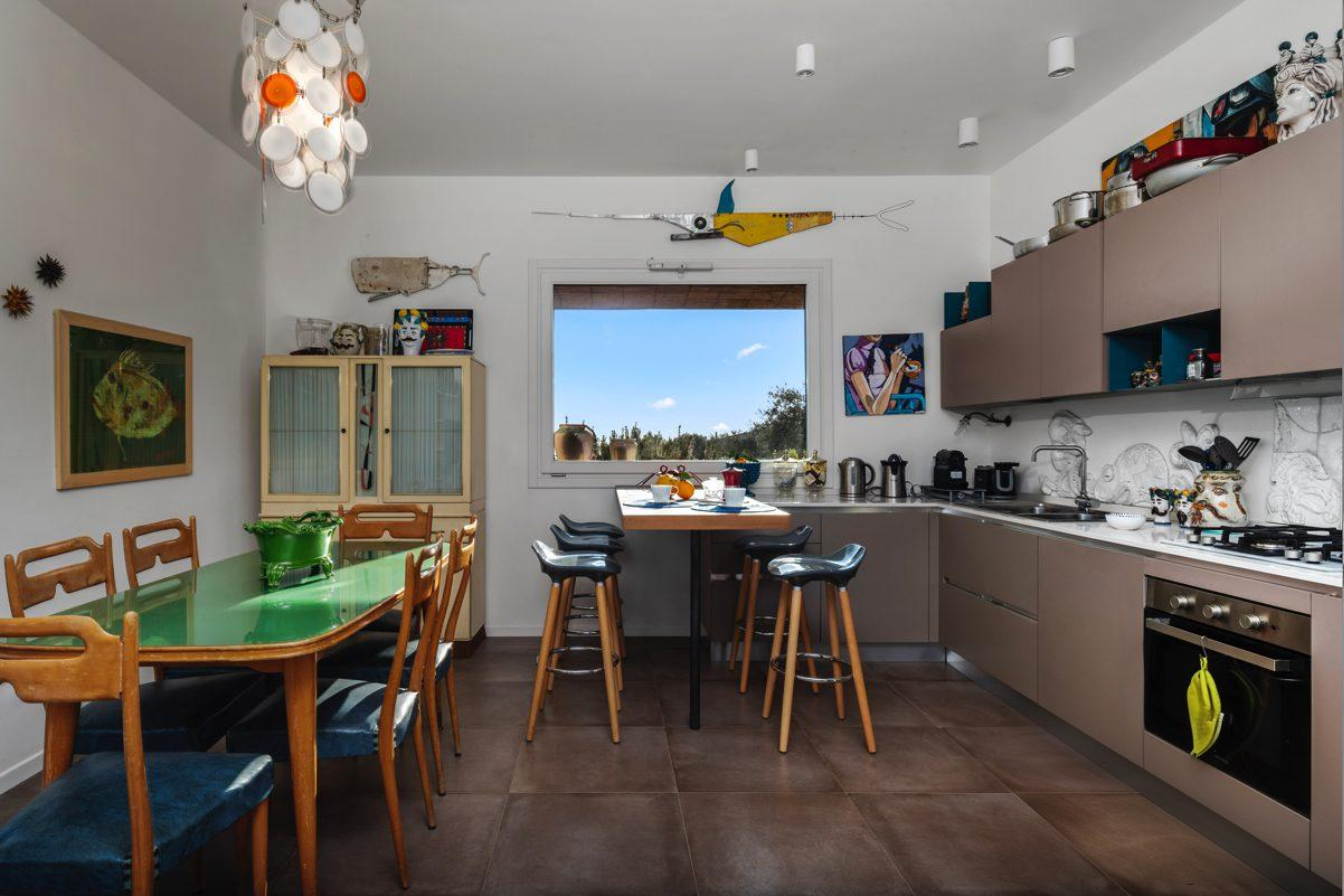
Modern detached villa
Asking Price
€600,000
Build year
2017
Bedrooms
3
Bathrooms
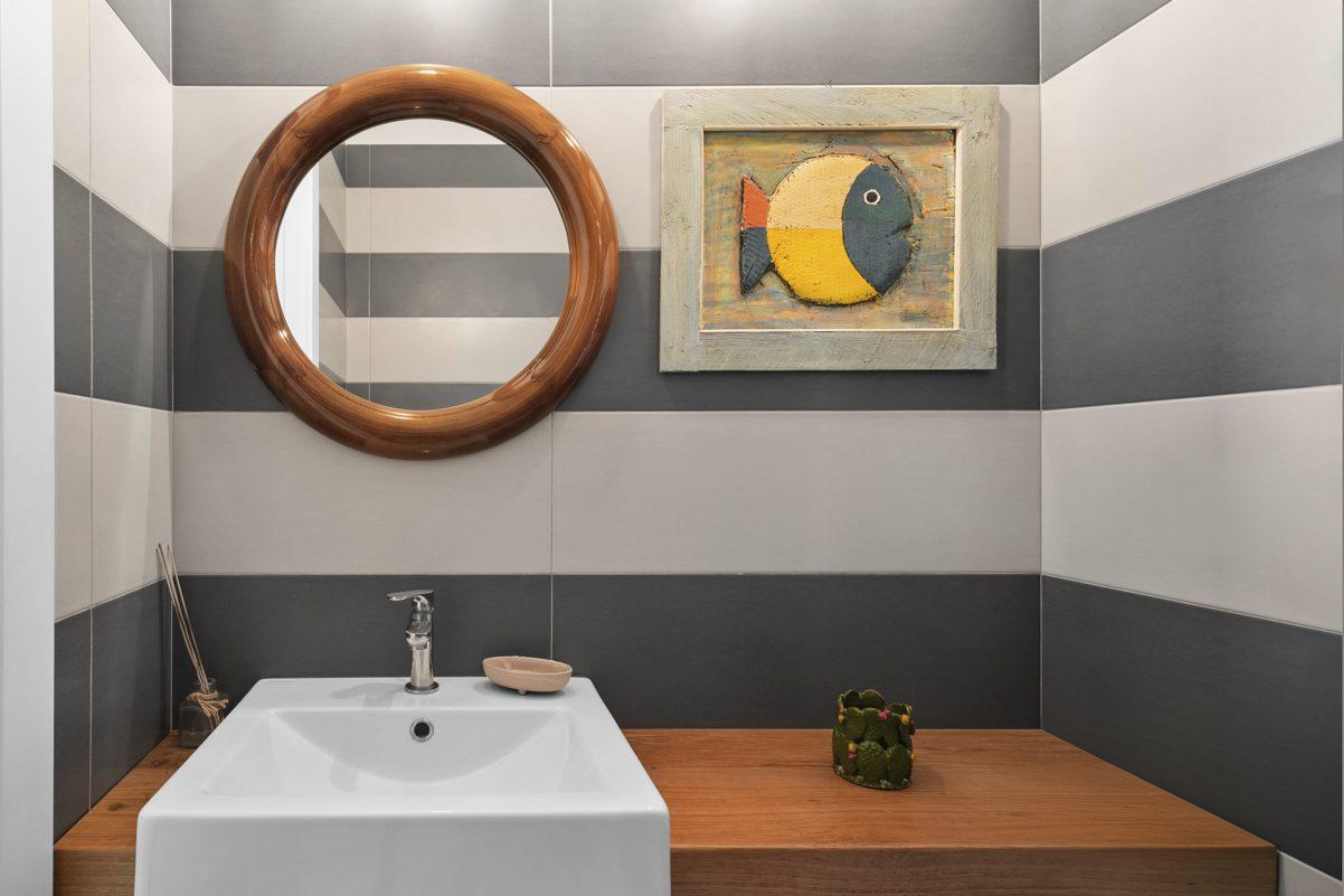
3 en-suite bathrooms
Land
Approx. 6,000 m²
Outdoor features
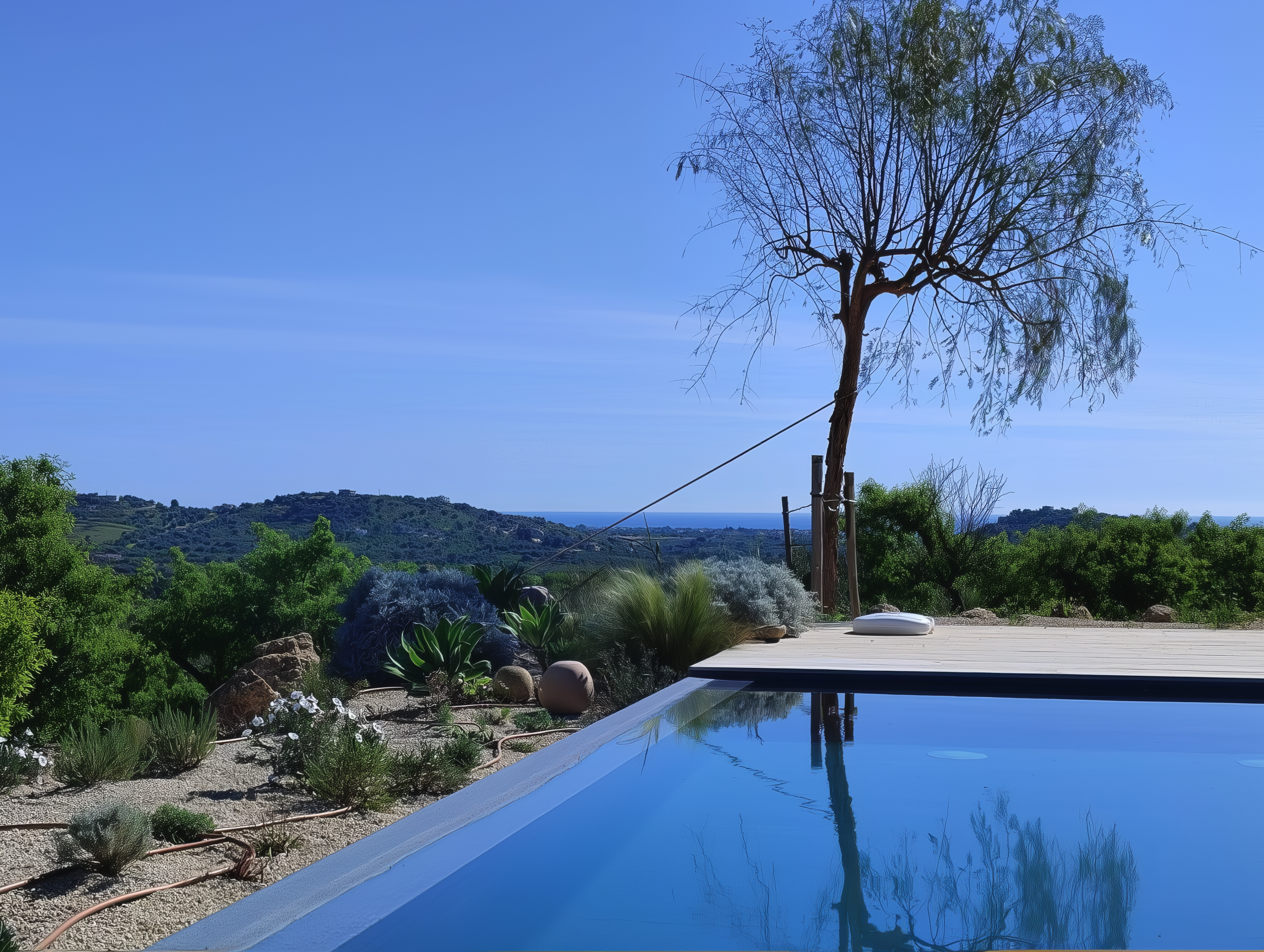
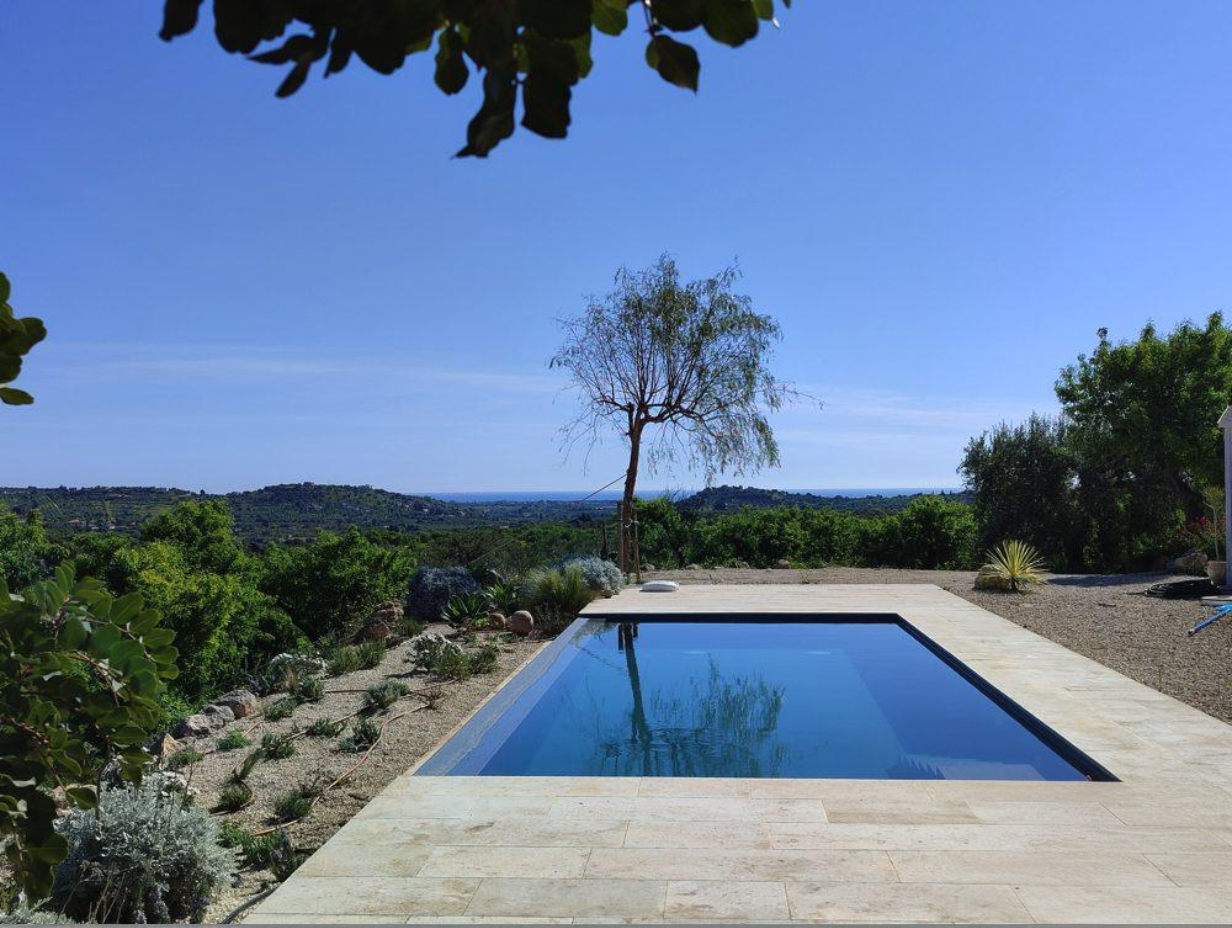
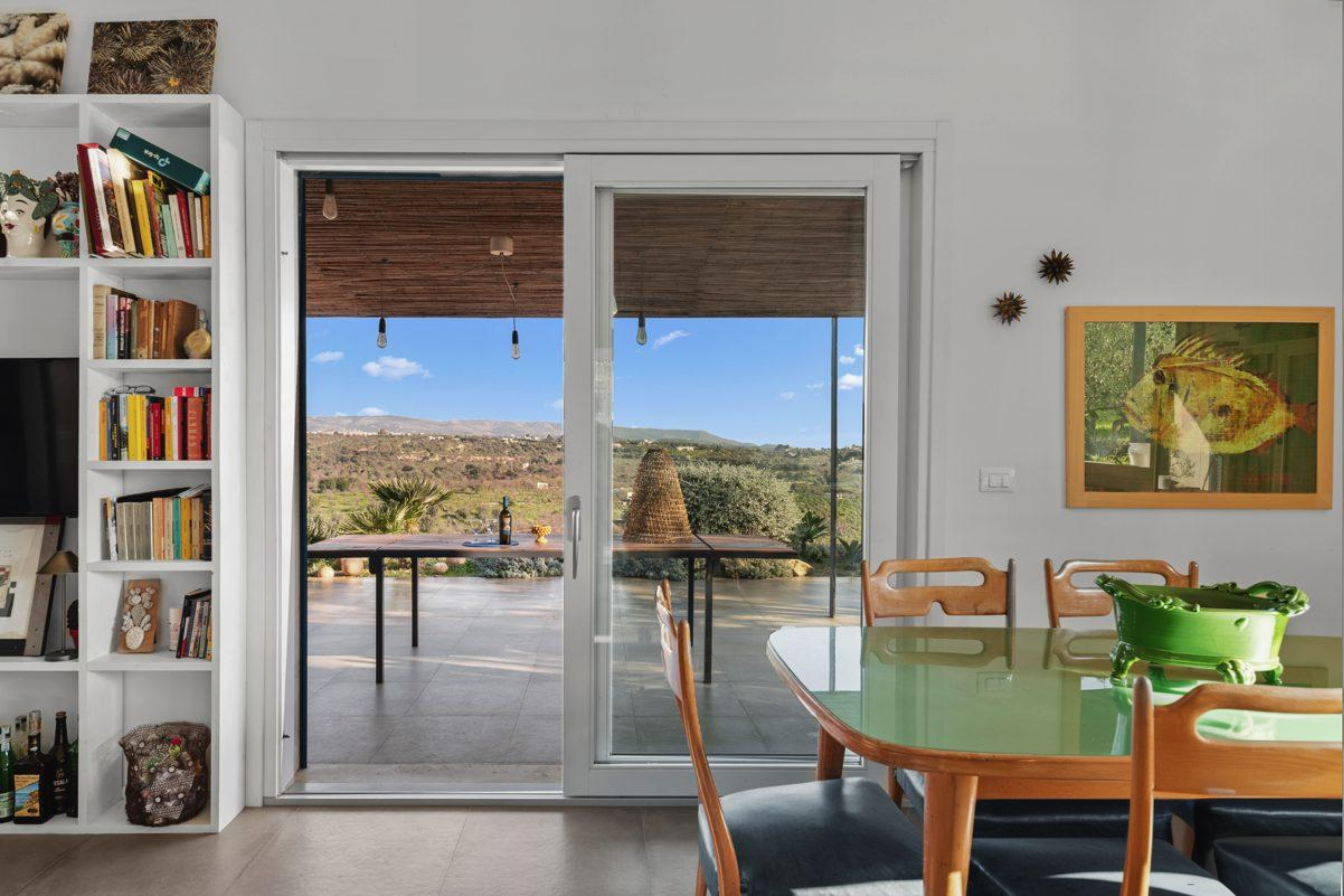
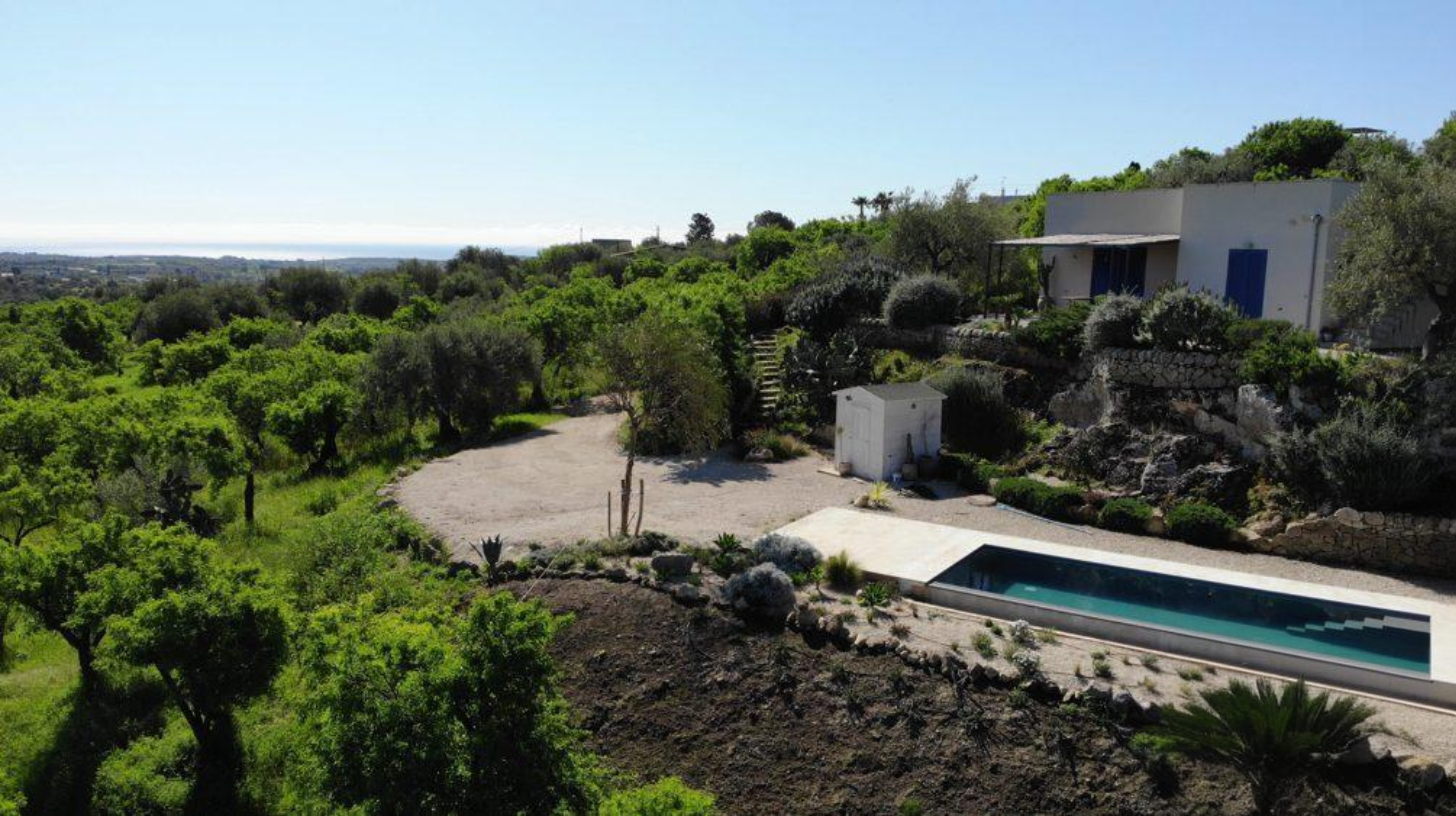
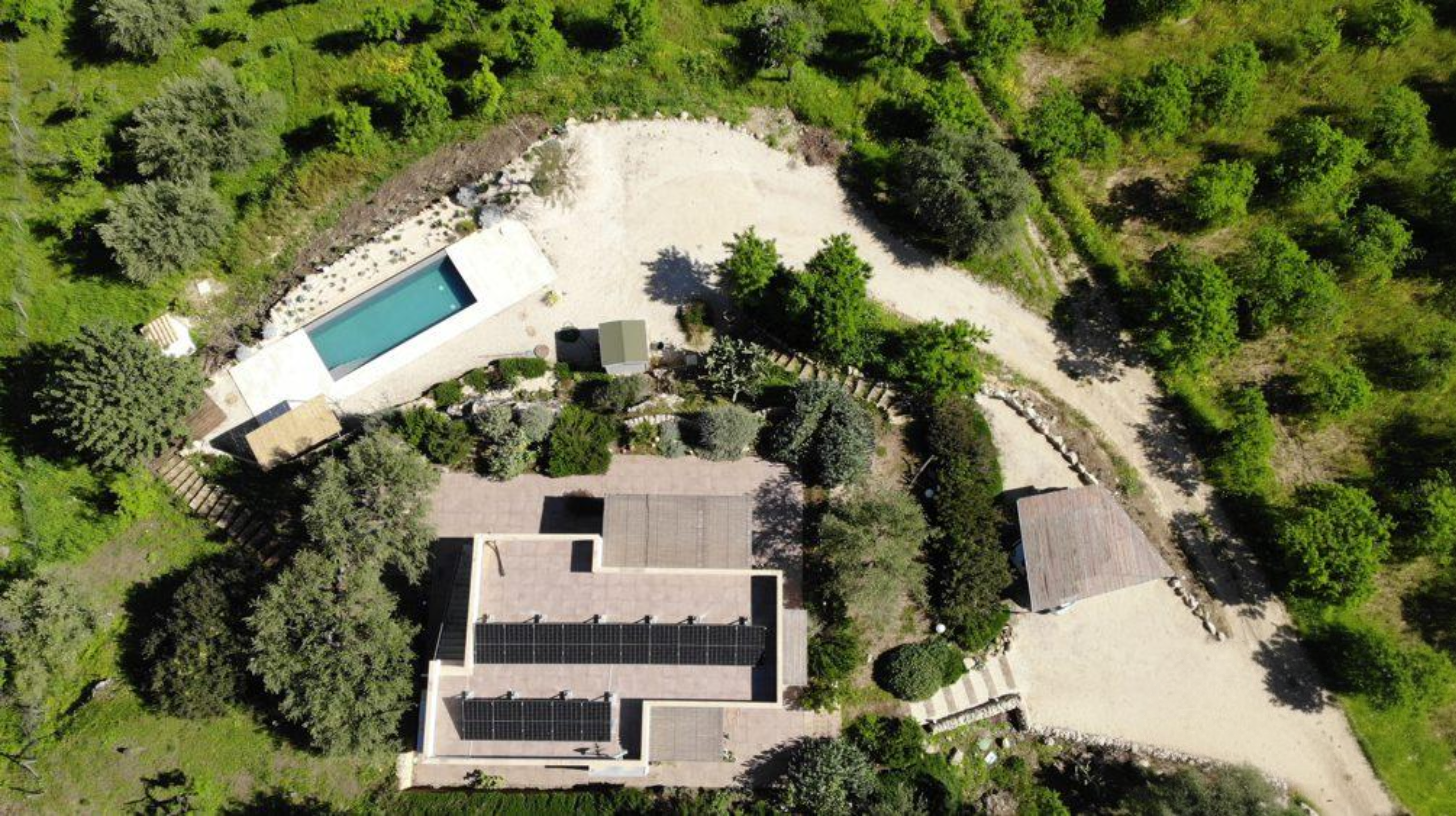
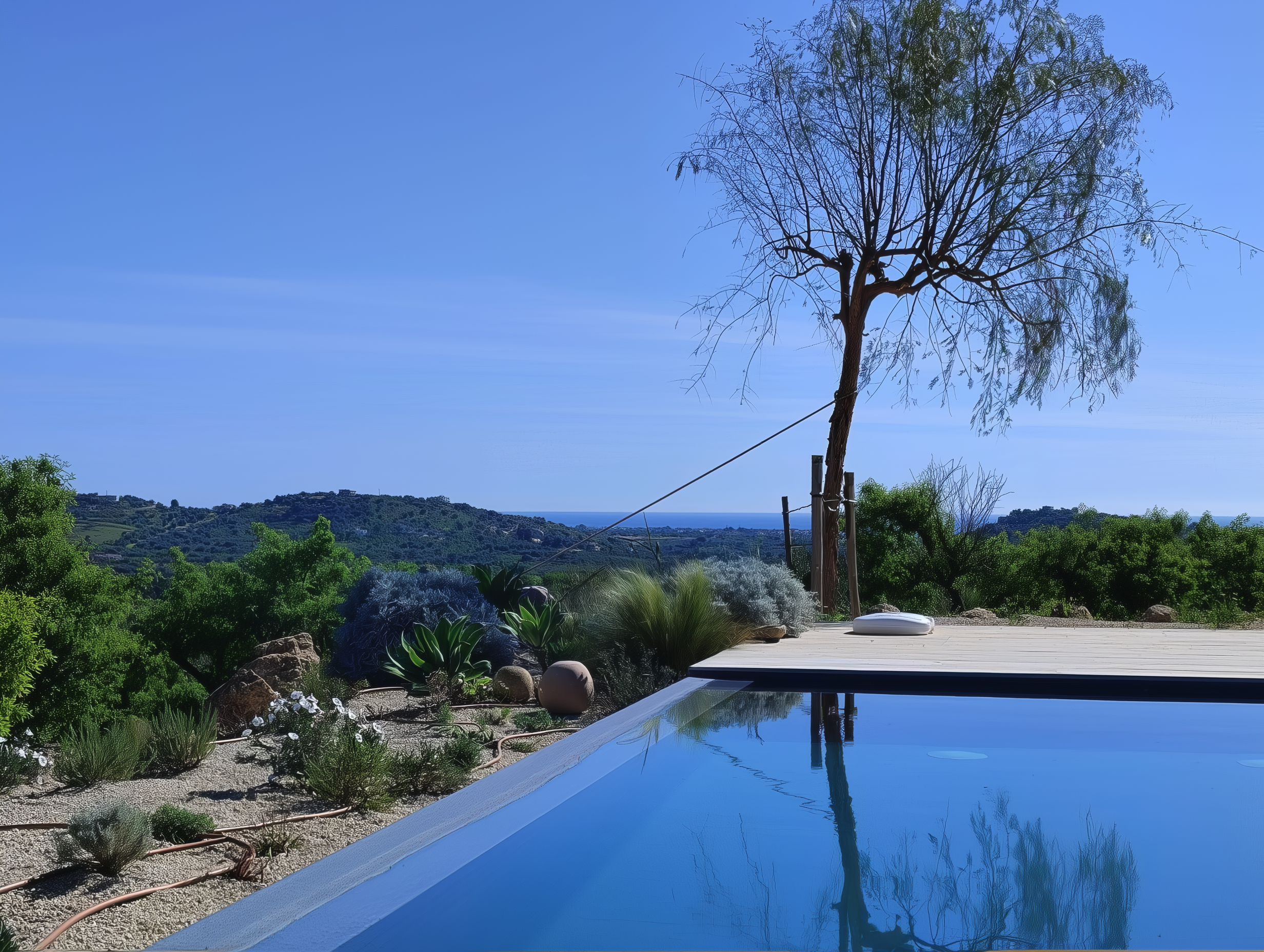
Private pool, covered veranda, sea-facing upper terrace
Setting
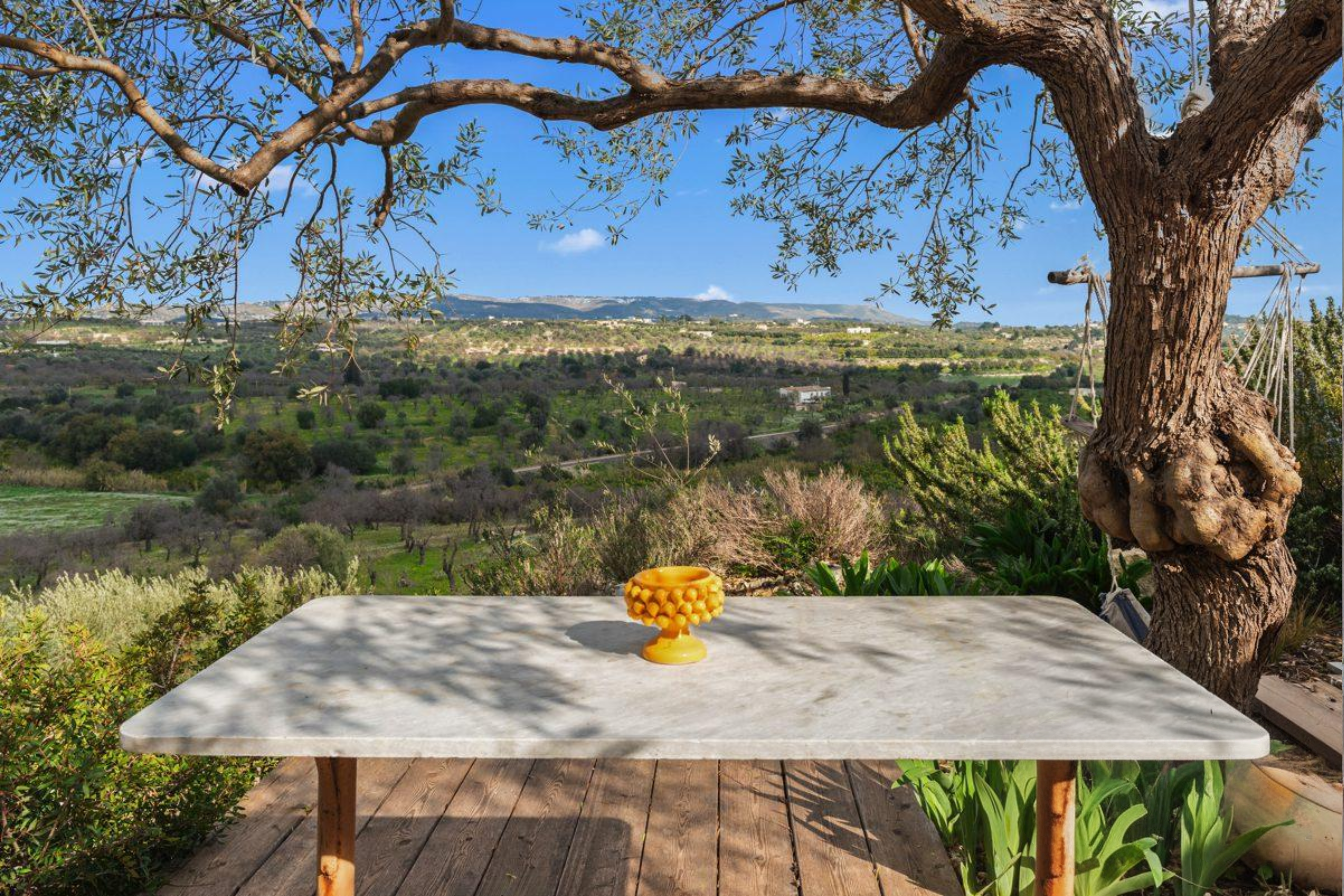
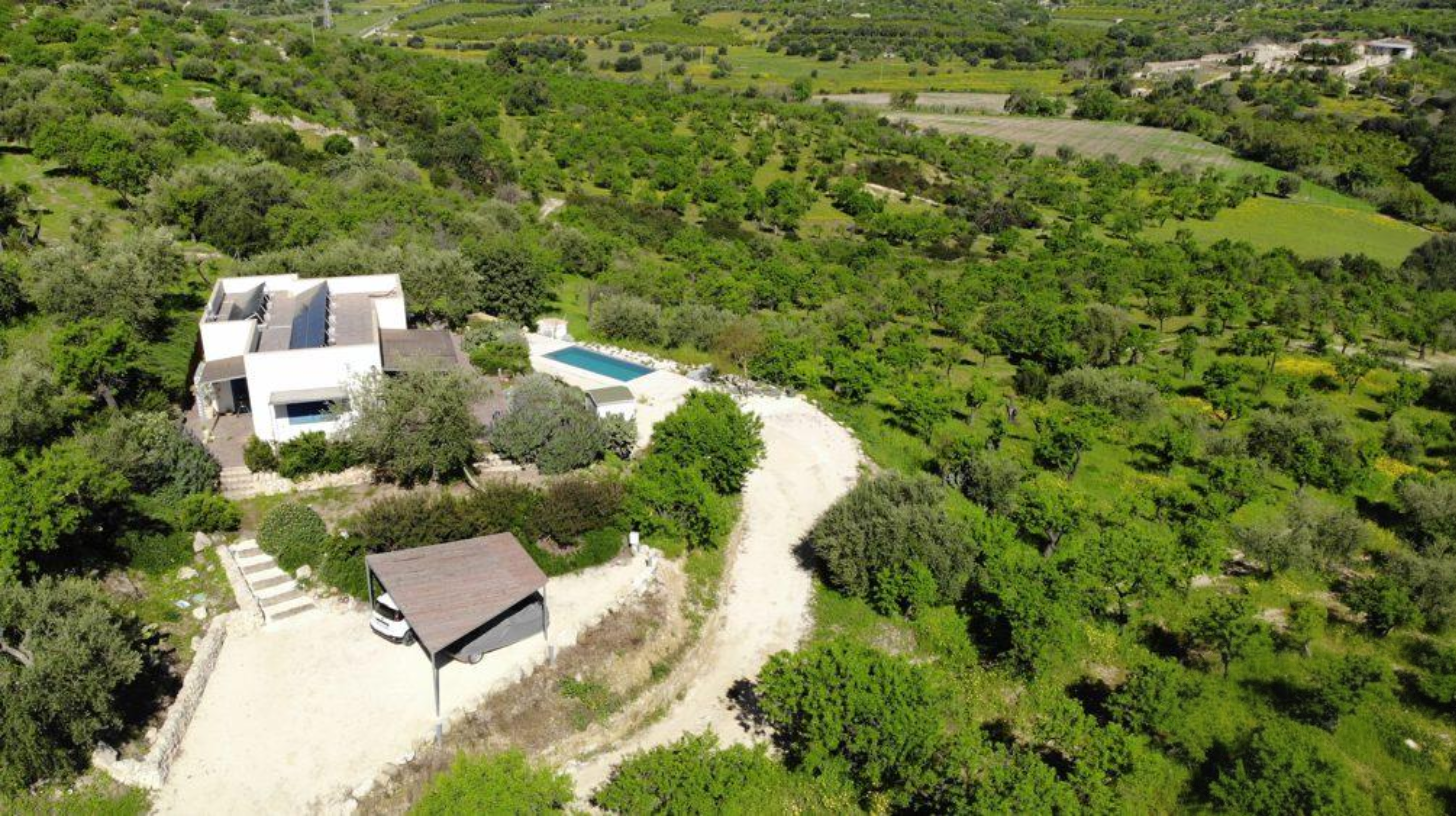
Rural position with views across the Val di Noto countryside
Landscaping
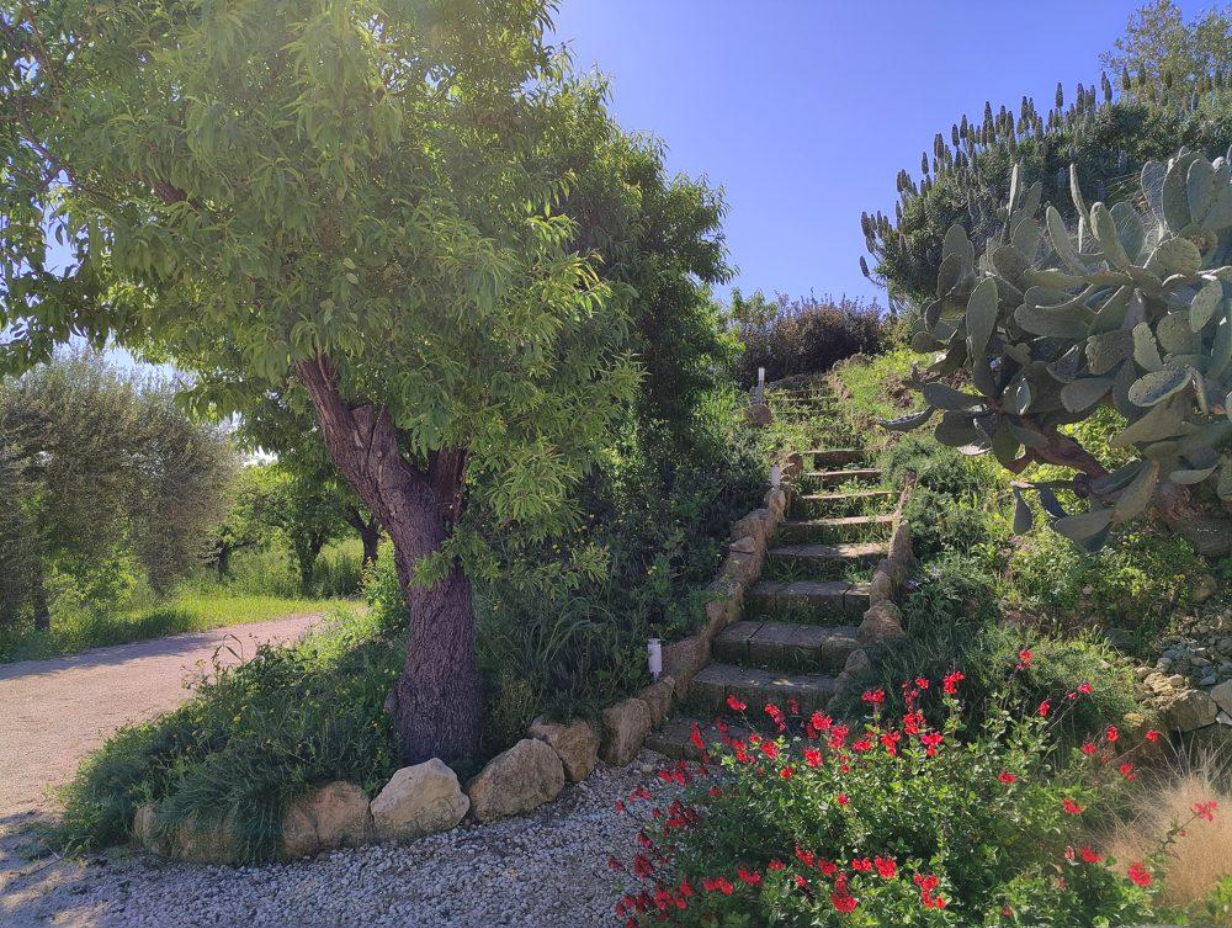
Olive and almond trees on the plot
Lifestyle angle
Modern country villa close to Noto and the coast, suited to private use or upscale holiday rental
Key due diligence themes
Construction permits and completion documentation, unusual "Energy Class N" wording, land boundaries and productive-tree maintenance, pool and water systems, and tourist-rental readiness
Risk Radar
Overview
This is the kind of Sicilian property that can look straightforward because it is relatively new, visually coherent and easy to understand at first glance. A 2017 villa with three en-suite bedrooms, pool, terraces and a 6,000 m² plot of almond and olive trees sounds much simpler than an old farmhouse or a divided historic house.
In practice, the due diligence here still matters, just in a different way. Because the villa is modern, a buyer should expect the paperwork to be cleaner, the building systems to be more legible and the energy story to be stronger. That is why the unusual "Energy Class N" wording deserves close attention. For a 2017 villa, an unclear APE position is not a minor detail. It is one of the first things that should be resolved.
The second major theme is documentary alignment. The best version of this purchase is a villa whose built form, terraces, pool and service areas all match the cadastral records, approved plans and agibilità position. A buyer should not assume that because the house is recent, every external element and technical addition is automatically reflected in the file.
The third theme is the land. Six thousand square metres with olives and almonds can be a wonderful advantage, but it also introduces questions around boundaries, access, irrigation, maintenance and whether the trees are simply ornamental or genuinely productive. If a buyer is attracted by the idea of low-key agricultural use, landscaped privacy or a branded holiday-rental narrative around the grove, those assumptions need grounding in facts.
The fourth theme is tourist use. This villa clearly has rental appeal, but Sicily's tourist accommodation framework now sits within both the regional CIR structure and the national CIN system. That means buyers should treat licensing as a procedural matter to verify properly, not just a generic assumption based on location and pool appeal.
The Val di Noto angle also deserves nuance. Noto is part of the UNESCO-listed Late Baroque Towns of the Val di Noto, and works within protected zones can be subject to heritage oversight. That does not automatically mean this rural villa is inside a protected core or buffer area, but it is sensible to verify whether any landscape or heritage constraints affect the plot before assuming future expansion or alterations will be simple.
Targeted Questions
Title, Registry and Construction Documentation
It confirms how the property is currently recorded and whether the cadastral data aligns with the listing.
Buyers should verify that the built layout matches the filed plan and is not being marketed more broadly than documented.
Even modern properties can have later changes that were never fully updated on paper.
The land is a major part of the value story and should be documented precisely.
Pool legality should be verified through the file, not assumed from appearance.
High-value external features should be part of the formal record.
A modern build should have a clear construction trail and that should be easy to evidence.
The approval pathway helps confirm whether the building process was properly regularised.
Agibilità is central to the lawful usability and marketability of a modern home.
Later changes may affect compliance, especially for terraces, services or pool works.
Buyers should know if the file is still catching up with the physical reality.
Title burdens can materially affect ownership and future sale.
Energy, Insulation and Technical Performance
For a 2017 villa this is unusual and needs a precise explanation, not a vague answer.
In Italy the APE should be available in the sale process and attached to the transfer documentation.
A dated or mismatched certificate can weaken confidence in the energy story.
Buyers should test real operating economics, not just design appeal.
Comfort, efficiency and future maintenance depend on the actual installed system.
Full-house cooling materially affects both livability and rental appeal.
Transferable coverage can reduce short-term ownership risk.
A 2017 villa should usually perform to modern standards, and the windows are one of the clearest indicators.
A modern shell should support year-round comfort and sensible running costs.
Real-life performance often tells more than marketing language.
Early remedial works in a recent build can reveal design or execution weaknesses.
Water, Drainage and Utility Infrastructure
Water reliability and cost are core to both residential use and land maintenance.
Wastewater arrangements need to be clearly understood in rural villas.
A compliant and well-maintained system reduces both cost and nuisance risk.
Capacity matters if the property will be intensively occupied.
Rural infrastructure often includes systems that should be inspected and understood.
Land maintenance costs and seasonal resilience depend on how the plot is watered.
Irrigation value depends on availability, legality and running cost.
Land, Olive Grove and Almond Trees
Buyers should be able to map the land, not just estimate it from photos.
Rural plots can carry third-party rights that are not obvious during a viewing.
The grove is part of the property's appeal and should be quantified.
Buyers should know whether the land is lightly landscaped or meaningfully planted.
Productivity, maintenance needs and future value depend partly on age and type.
This helps distinguish ornamental land from genuinely useful land.
Cultivation method affects maintenance costs and potential branding for rental use.
Even small-scale productive use can require tools, pruning and ongoing work.
Buyers should understand whether upkeep is owner-managed or outsourced.
A larger rural plot can carry recurring costs that are easy to underestimate.
Pool, Terraces and External Features
Pool legality should line up cleanly with the property file.
Buyers need to understand the likely replacement and service cycle.
Heating materially affects both comfort and operating cost.
Future enhancement cost can matter for rental strategy.
Documentary evidence is especially useful for newer assets.
Exclusive-use outdoor space is a meaningful part of value.
Even modern terraces can create expensive issues if detailing is weak.
Exterior defects can signal broader soil, water or construction issues.
View protection materially affects long-term value.
Buyers should not assume uninterrupted views are permanent.
Access, Parking and Practical Use
Rural convenience depends on practical road quality, not just distance to town.
Road status affects maintenance liability and ease of use.
Hidden shared-road obligations can become recurring costs.
Parking matters for daily use and guest operation.
Remote work and premium rental positioning increasingly depend on real connectivity.
Rural signal quality can vary sharply and affect everyday usability.
Privacy can feel different on site than in the listing photographs.
Buyers should test real convenience, not just map distance.
Rental Potential and Regulatory Position
Past use provides evidence of both demand and operational practicality.
Verified trading history is more useful than general optimism.
Sicily uses the regional CIR system for tourist accommodation and alloggi per uso turistico.
The national CIN is now part of the compliance framework for tourist listings and advertising.
Buyers should understand the real registration pathway before assuming immediate rental readiness.
The regulatory and operational requirements vary depending on use model.
Proximity to a UNESCO town does not automatically mean the same rules apply everywhere, so the exact local position matters.
Shoulder-season performance can materially affect yield.
Gross-revenue estimates often overstate the true investment case.
Negotiation Intelligence
Buyer Leverage
Medium-High
Key Drivers
Typical Negotiation Range
5-15% below asking
Neutral Phrasing Examples
Country Layer
Italy (Regulatory Context March 2026)
Key Italian requirements for buyers:
Viewing Strategy
When you view this villa, treat it as a paperwork check disguised as a lifestyle visit.
Next Step
Verify from the listing:
2017 construction file and agibilità
Request the building permit, registered planimetria, visura catastale and agibilità documentation so you can confirm that the villa, terraces and pool all match the authorised and completed scheme.
APE and the unusual “Energy Class N” wording
Ask for the current APE and real utility-cost evidence, because a modern 2017 villa should have a clear and supportable energy position rather than an ambiguous listing label.
Land boundaries, trees and irrigation
Verify the full 6,000 m² plot boundaries, the exact extent of the olive and almond planting, and the irrigation or water arrangements so you can judge whether the land is easy lifestyle acreage or a more demanding maintenance commitment.
Pool permits and service history
Confirm that the pool is properly documented, ask for its maintenance and equipment records, and clarify likely annual running costs before treating it as pure upside.
Tourist-rental registration route
Check whether the villa already has a Sicilian CIR and national CIN, or whether a buyer would need to obtain both before marketing the property for tourist use.
A prepared buyer should approach the agent calmly and frame questions as due diligence. For example: “To help me assess the property properly and prepare a serious offer, could you share the 2017 construction file, the agibilità, the current APE, the cadastral plan for the land and trees, and the current tourist-registration position?”
Because this is a modern Sicilian villa where paperwork quality, energy clarity and operating readiness all materially affect value, run it through the Property Risk Assessment to test title, building and compliance risk, or use the Rental Yield Calculator once the CIR/CIN path and real annual running costs have been properly verified.
Disclaimer: The Property Drop is buyer-focused intelligence, zero sales agenda. We curate exceptional properties, in southern Europe, from third-party agents and arm you with decision tools. No commission, no transactions, no agent partnerships, no skin in the game beyond helping you choose wisely. Information stays accurate until it doesn't (properties sell, prices shift, markets move). Everything here is shared for informational purposes only and should not be treated as legal, financial, or investment advice. Images belong to original agents. Read our Terms of Service to learn more.
IMPORTANT REMINDER: When contacting property agents featured on The Property Drop, you are entering into direct communication with third parties. It's recommended that you verify all property details independently, conduct thorough due diligence, engage qualified professionals (solicitors, surveyors, financial advisors), understand your rights and obligations under local property laws, and never send money or make commitments without proper legal protection.
