
The Buyer Playbook: Villa with Sea Views Valencia, Spain, €449,000

Buyer Playbook
Pre-Viewing Intelligence Report
This independent buyer guidance report relates to this specific property located in Spain. It is provided for informational purposes only and does not constitute legal, tax, structural or survey advice. Title position, occupancy documentation, pool legality, tourist-rental compliance, energy certification, lower-ground habitable status, plot boundaries, and any planning or environmental constraints must always be verified with qualified Spanish professionals such as an abogado, arquitecto, aparejador, técnico competente or surveyor, and with the relevant registry, municipal and regional authorities where required. This report is designed to help buyers evaluate the property before arranging a viewing or making an offer. It highlights due diligence areas and targeted questions to ask the estate agent. The analysis is based on the listing details and publicly available regulatory context at the time of writing.
Playbook Contents
Property Snapshot
Location
Alcossebre, Alcalà de Xivert, Castellón, Comunitat Valenciana, Spain
Property type
Detached villa
Asking price
€449,000
Internal area
209 m² stated
Plot size
1,000 m² stated
Bedrooms
3 main bedrooms stated
Additional space
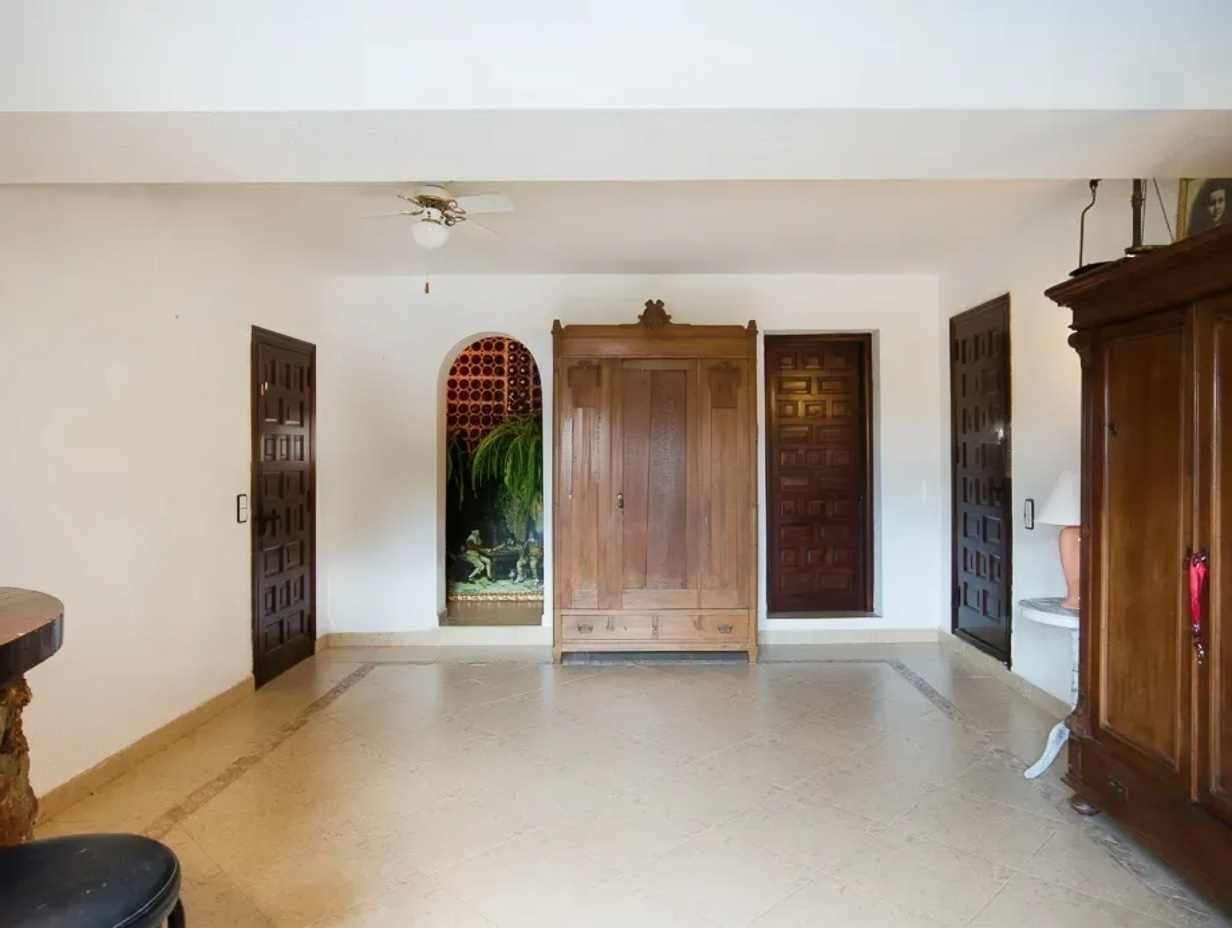
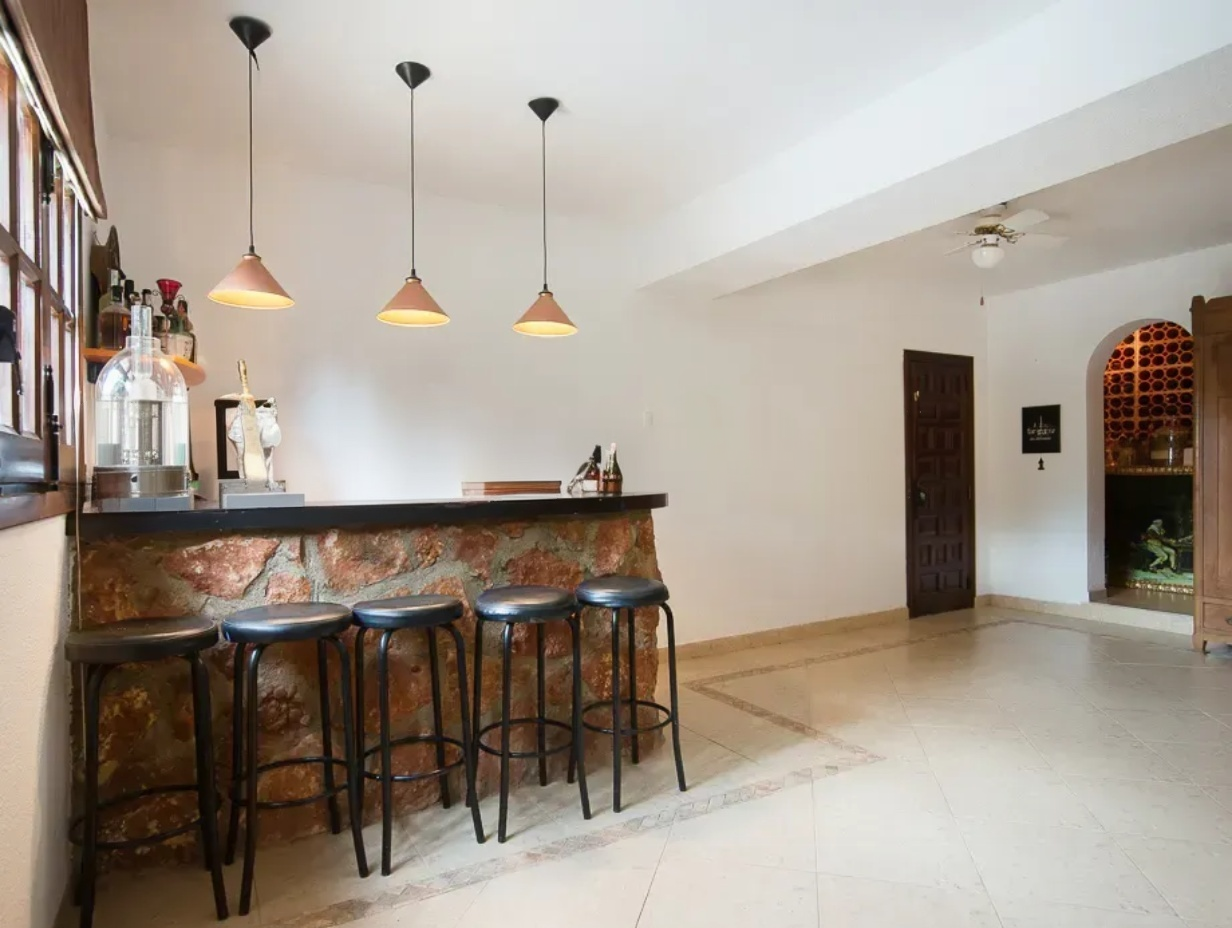
Lower-ground bonus room with built-in bar and its own bathroom
Outdoor features
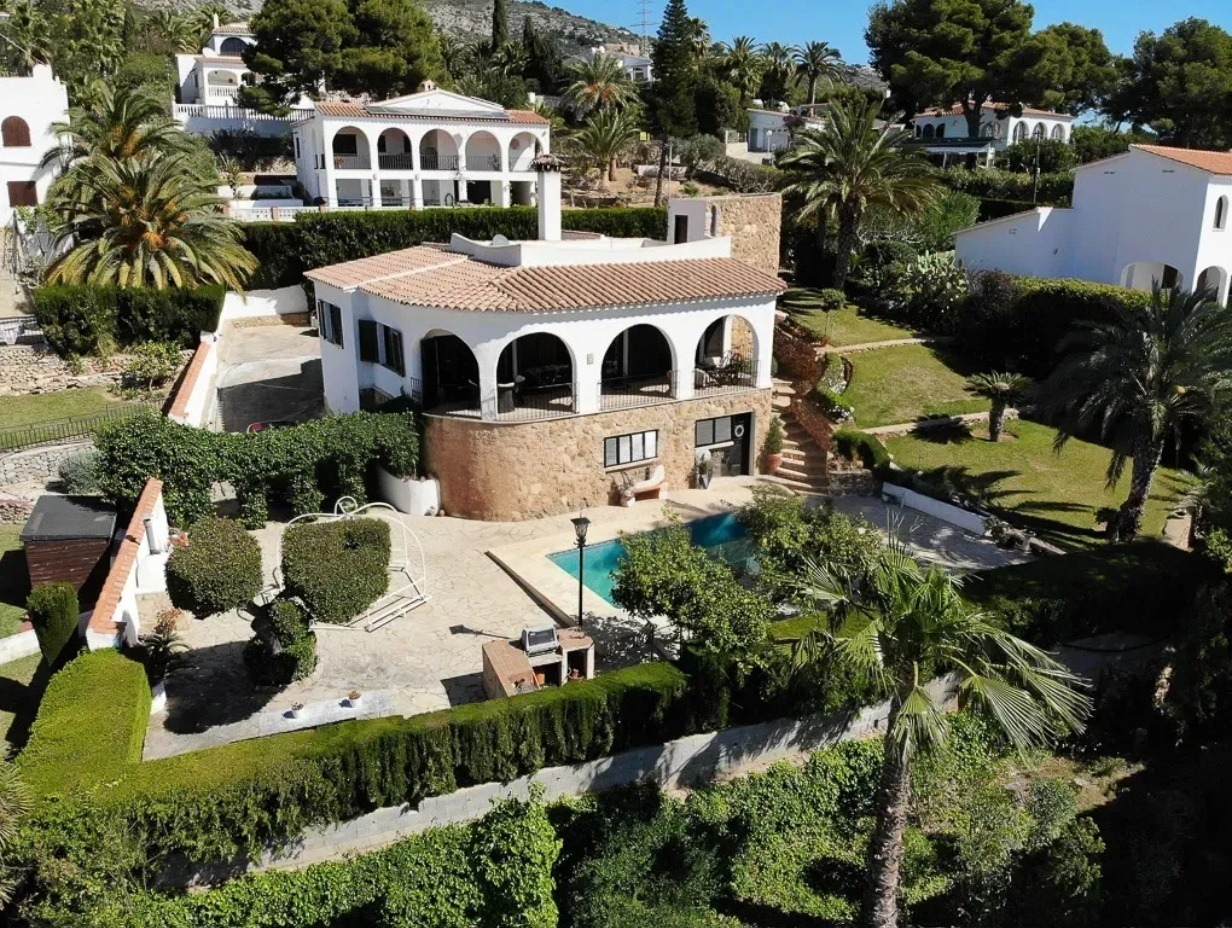
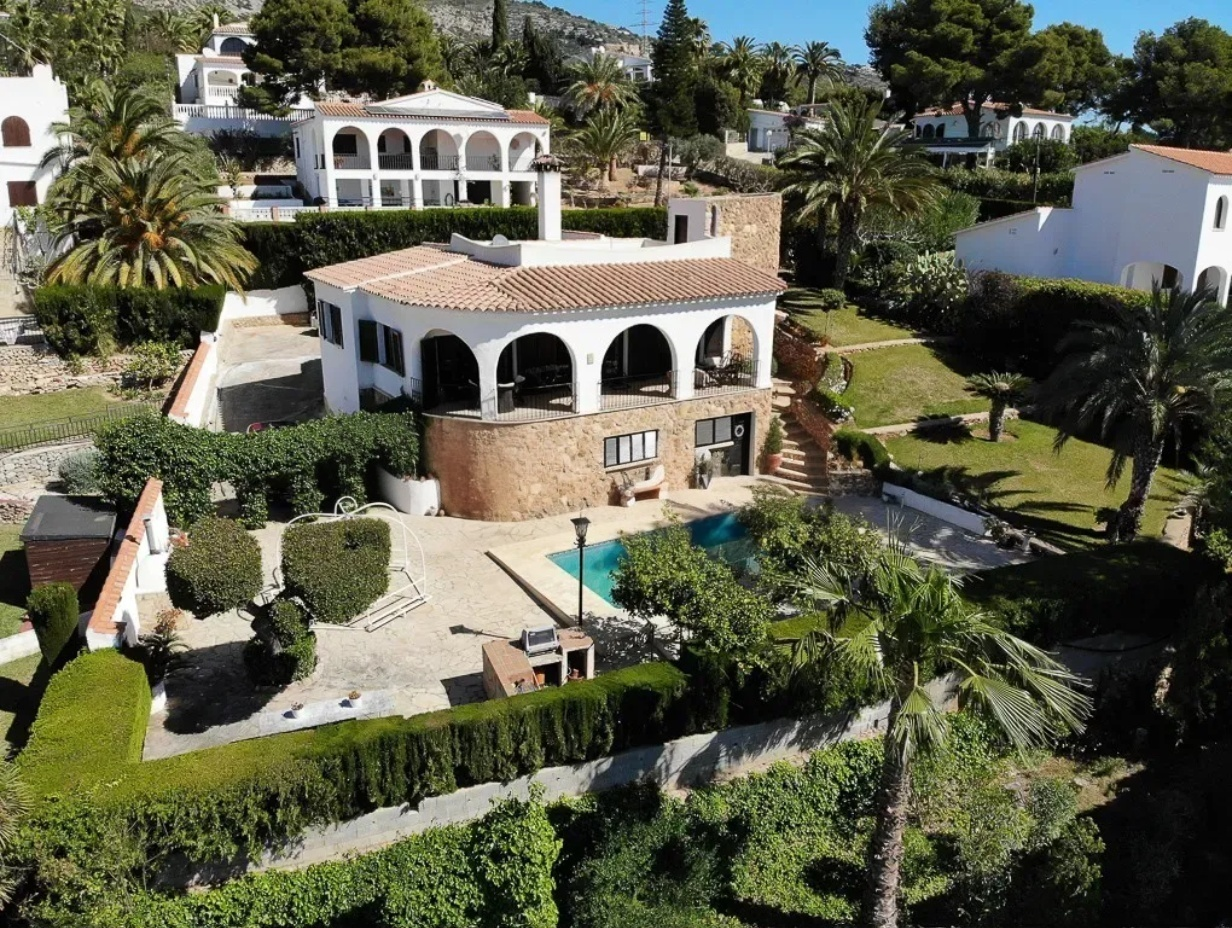
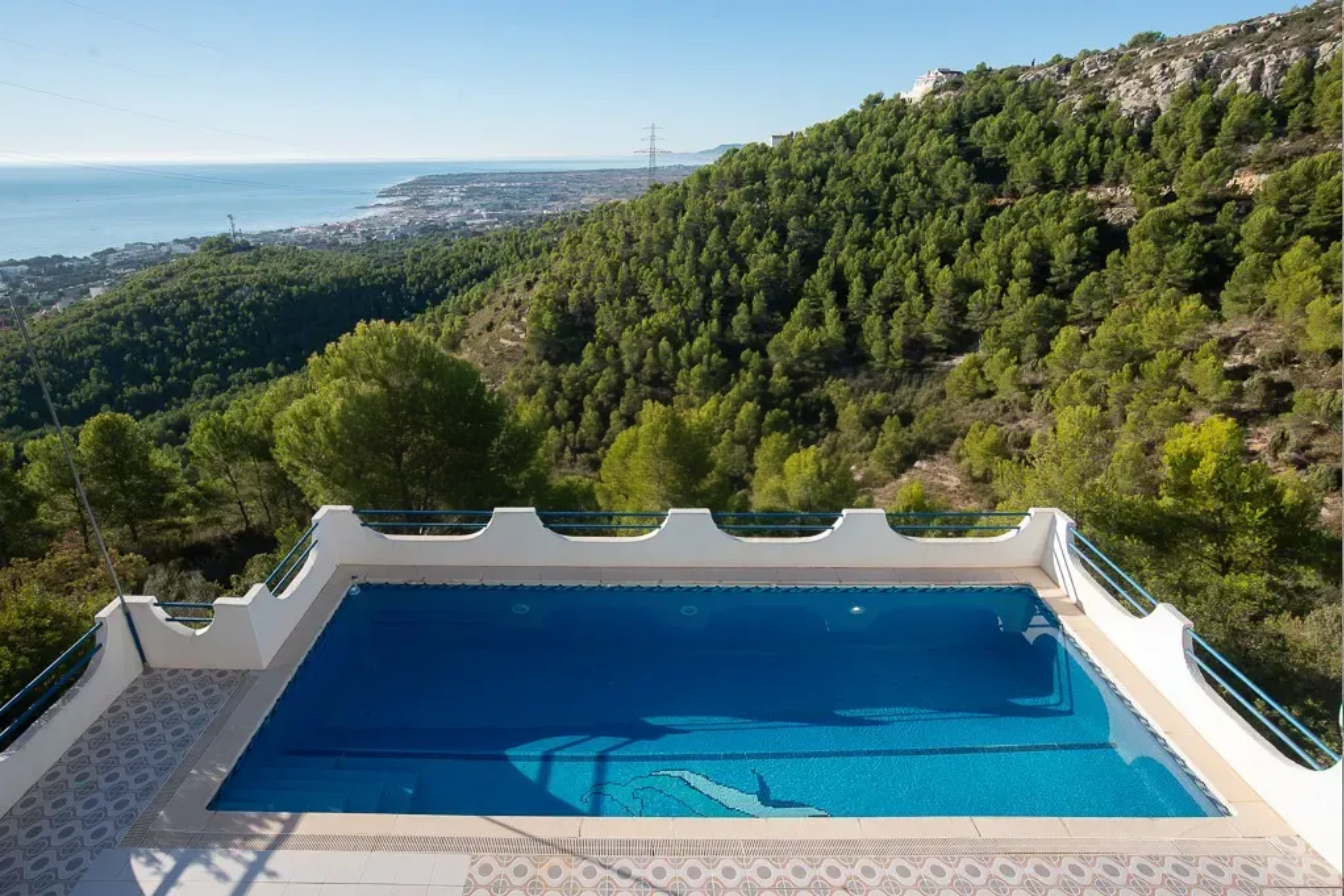
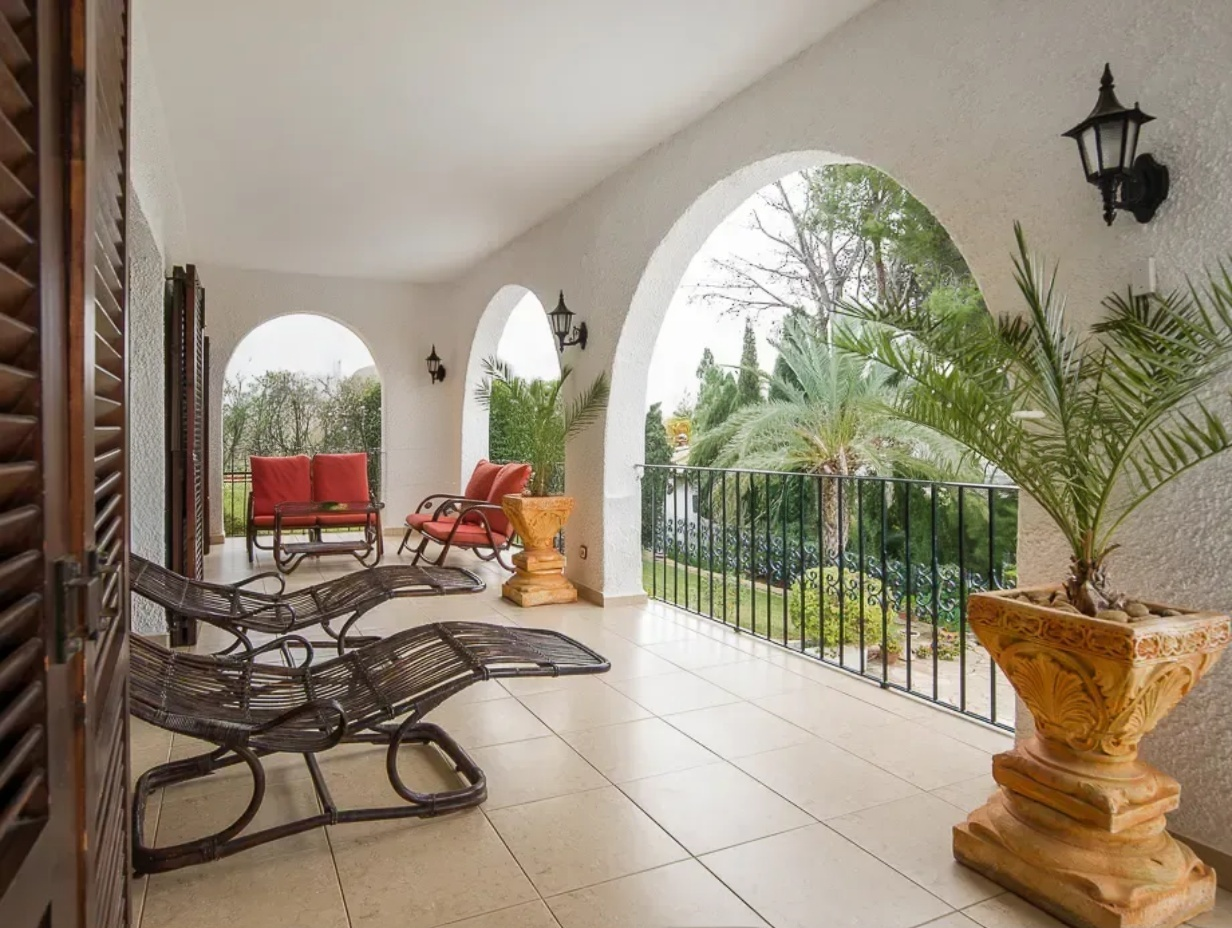
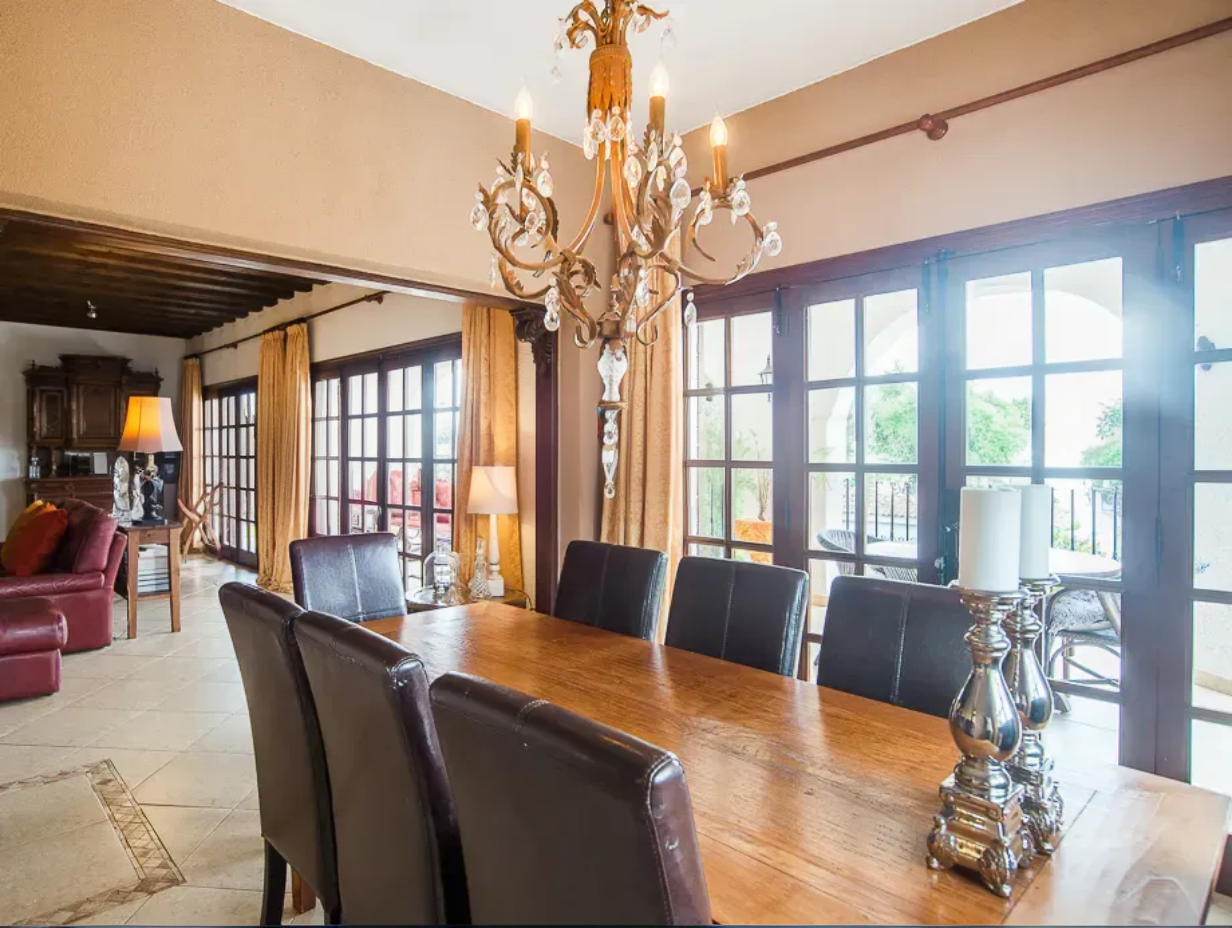
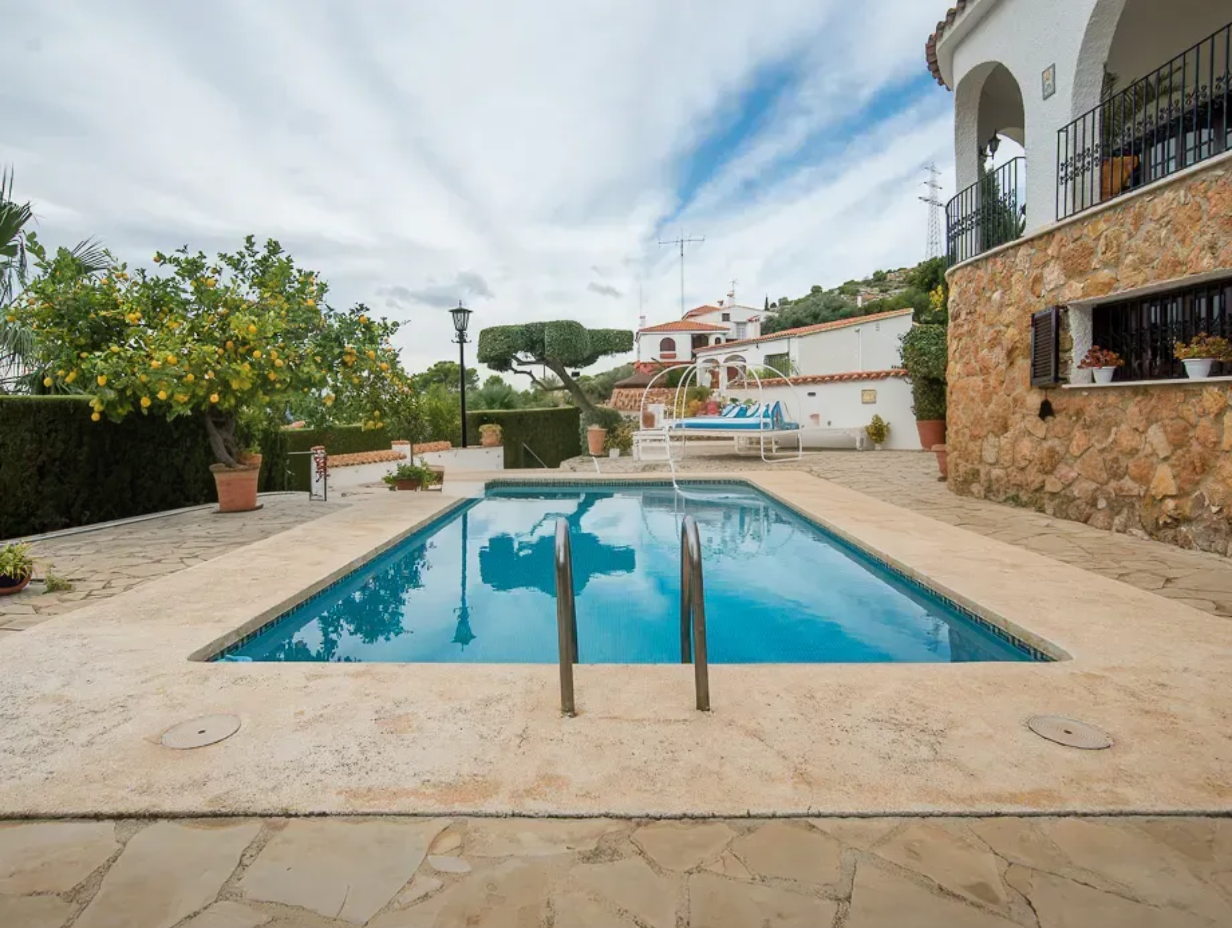
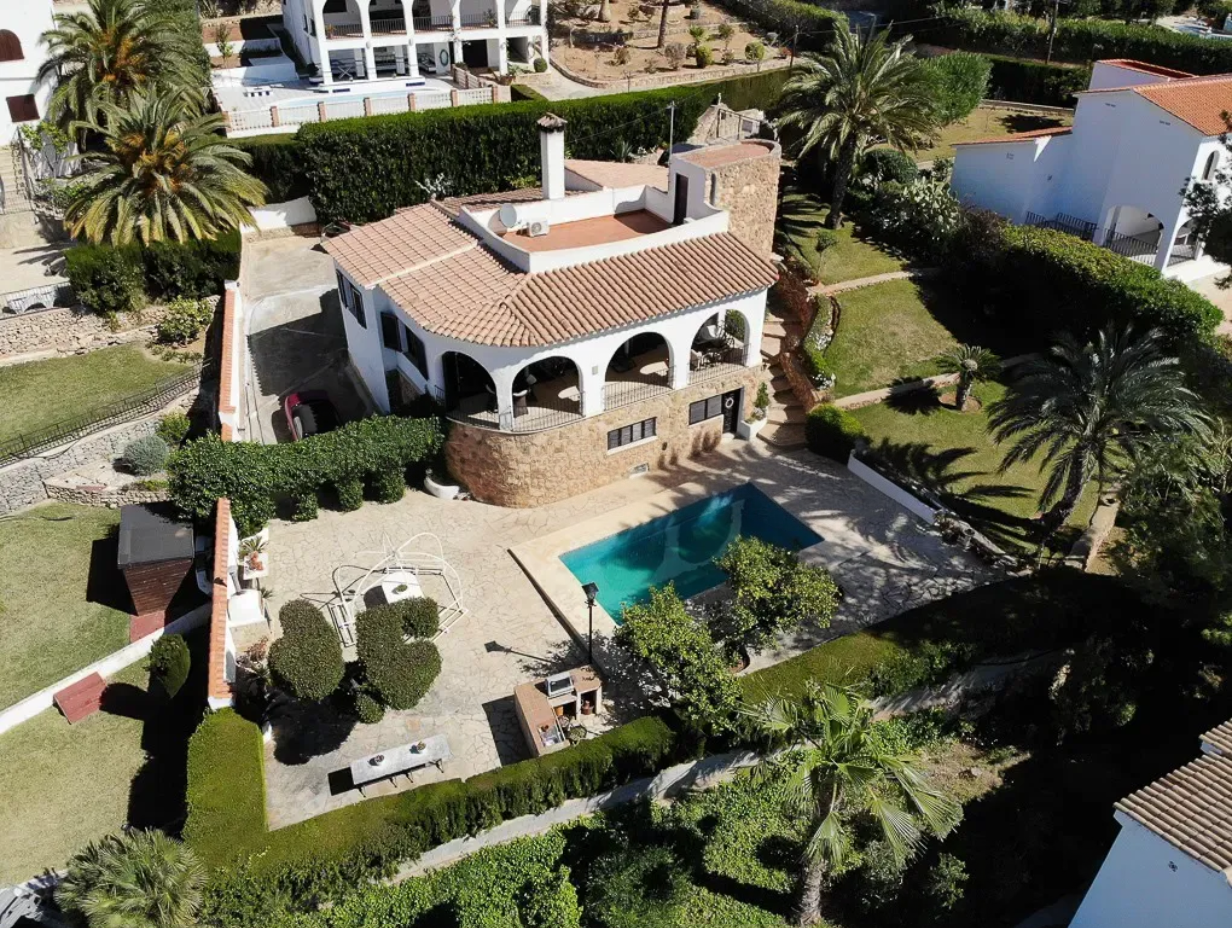
Private pool, wide terraces on both sides, sea and mountain views
Landscape setting
Coastal location near the Serra d'Irta natural park area
Heating / comfort clue from listing
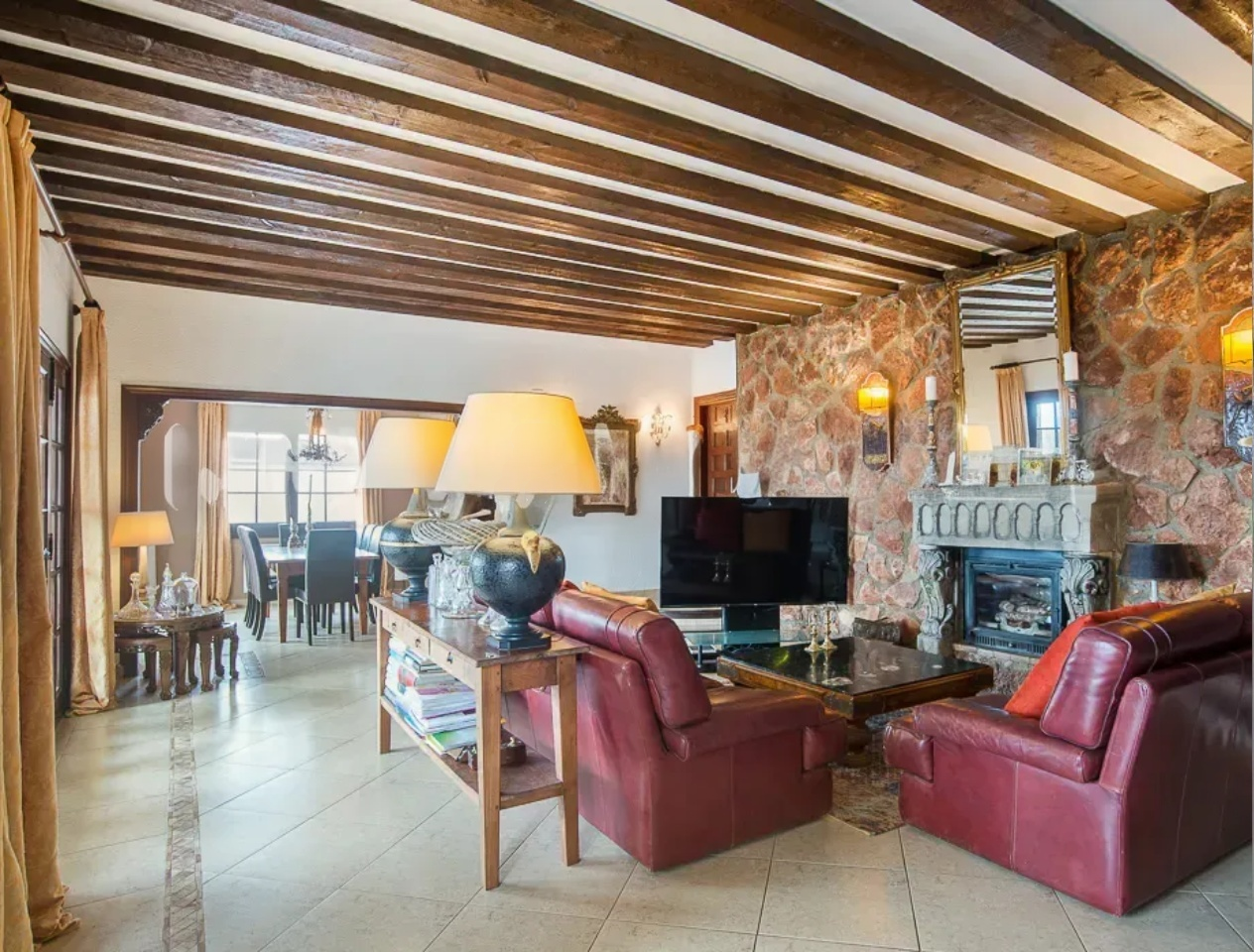
Fireplace mentioned
Energy rating
Class F
Lifestyle angle
Flexible coastal villa with strong second-home appeal and potential holiday-rental interest, subject to licensing and room-status verification
Main due diligence themes
Energy performance, legal status of the lower-ground room, pool and plot documentation, view protection, and short-let viability
Risk Radar
Overview
This is the sort of coastal villa that can look very straightforward on the surface and then become highly dependent on the fine print once a buyer starts underwriting it properly. The attractive parts are obvious: sea and mountain views, a 1,000 m² plot, private pool, generous terraces, and a flexible lower-ground room that broadens how the property might be used. The key issue is that flexible space only adds full value if its legal status, practical comfort and future usability are clear.
The first major due-diligence theme is the lower-ground bonus room. A room with its own bathroom and bar can be a real asset, but it can also sit in a grey area between habitable accommodation, ancillary space and informal guest use. The buyer needs to know whether that area is included in the registered and authorised residential layout, whether it forms part of the occupancy documentation, and whether separate guest or rental use would need further permission. In the Comunitat Valenciana, tourism registration for a vivienda de uso turístico requires that the dwelling has a first- or second-occupancy licence or an equivalent qualifying title.
The second theme is the Energy Class F rating. Unlike a vague "Energy Class N" listing, an F rating at least tells you there is a real performance issue to interrogate. In the Comunitat Valenciana, the energy certificate for an existing property must be registered before sale or rental, and Spanish national rules require the registered certificate and energy label to be annexed to the sale contract. That means the buyer should not settle for the headline letter alone. They need the full certificate, its recommended measures, and actual running costs.
The third theme is the pool and external value drivers. Private pools, wide terraces and views are central to the appeal here, but they also raise questions about permit history, structural condition, waterproofing, safety and whether all those features are clearly included in title and planning records. A coastal villa can carry a surprisingly large maintenance burden if the pool, terrace slabs, railings, retaining elements or drainage have been under-maintained.
The fourth theme is title and development protection. The nota simple is the starting point for checking the registered description, ownership and any charges or limitations. Registradores states that the nota simple contains the identification of the property, the identity of the registered holders, and the extension, nature and limitations of the registered rights. For a view-led villa, the buyer should also test whether nearby plots or future works could materially affect the sea aspect that is helping drive the price.
The fifth theme is tourist-rental feasibility. A pool villa in Alcossebre naturally suggests holiday-letting potential, but in the Comunitat Valenciana this is not something to assume. Registration of viviendas de uso turístico runs through the regional system and requires a declaration route, occupancy documentation, and where applicable a municipal enabling title when the planning regime treats tourist use as residential accommodation. So any rental underwriting should be evidence-based rather than aspirational.
Targeted Questions
Legal Status and Registry
It is the first practical check on ownership, description and registered charges. Registradores explains that the nota simple is informative and shows at least the property identification, holders of registered rights, and the extension, nature and limitations of those rights.
Surface-area or layout mismatches can affect valuation, finance and future resale.
A plan-based check helps confirm that the property being enjoyed on site matches the legal and cadastral picture.
Later extensions or adaptations are common in coastal properties and need to be identified early.
Registered burdens can affect value, privacy and ease of purchase.
The buyer needs to know whether the home has the required first- or second-occupancy title or equivalent.
This room's legal status is central to both value and flexibility.
Ancillary or storage classification is materially different from lawful bedroom or guest-suite use.
Buyers should understand the full legal history, not just the current marketing position.
Early confirmation can reduce the risk of last-minute regularisation work.
Energy Rating, Comfort and Systems
In the Comunitat Valenciana the certificate for an existing property must be registered before sale or rental, and national rules require the certificate and label to be annexed to the contract.
An F rating can arise from several different weaknesses, and the remedy cost varies accordingly.
Real bills often tell a more useful story than the rating alone.
A fireplace may be attractive but not necessarily a realistic whole-house heating strategy.
Coastal comfort depends on actual system coverage, not just the presence of one unit.
Window quality strongly affects comfort, noise control and energy performance.
An F-rated home may have multiple thermal weak points.
Older villas can have mixed-era electrical systems even when well presented.
Plumbing condition is a core risk factor in a house with pool, bathrooms and outdoor usage.
Replacement timing and capacity affect both cost and comfort.
The agent's response helps reveal whether "good condition" is cosmetic or substantive.
Documentation helps separate genuine investment from light refreshment before sale.
Building Condition and Structure
Roof condition is one of the major capex drivers in detached villas.
Sea-view and terrace-led houses can be vulnerable to weather exposure and waterproofing failure.
A hillside or view-positioned villa can carry hidden structural exposures.
Terraces are often both a value driver and a maintenance liability.
Coastal exposure can materially increase future maintenance cost.
Claims history can reveal issues that presentation does not.
Buyers should distinguish between staging, included contents and the actual legal sale package.
Pool, Lower-Ground Room and Terraces
Pool legality should never be assumed from appearance alone.
Buyers need more than a visual impression to assess maintenance exposure.
Running costs and maintenance needs vary significantly by system type.
Heating affects seasonality, cost and rental appeal.
A visually attractive pool can still hide expensive plant or shell issues.
Records can help assess near-term replacement risk.
Safety and insurance implications become more important if rentals are contemplated.
The room's legal classification is central to value, flexibility and compliance.
Ancillary space does not carry the same weight as lawful habitable accommodation.
Informal guest use and formal habitable status are not the same thing.
Separate-unit potential materially affects value, but only if lawful.
Shared access or unusual rights can affect privacy and enjoyment.
Terrace repair can become a significant cost in exposed coastal homes.
A view property can feel private while still carrying servidumbre issues.
Views, Plot and Surroundings
View protection depends heavily on what can still be built nearby.
The view is part of the value and should be underwritten accordingly.
Micro-location quality matters as much as broad area reputation.
Private-access obligations can create cost and operational friction.
Coastal-hillside access can be easy in summer and less practical in wet conditions.
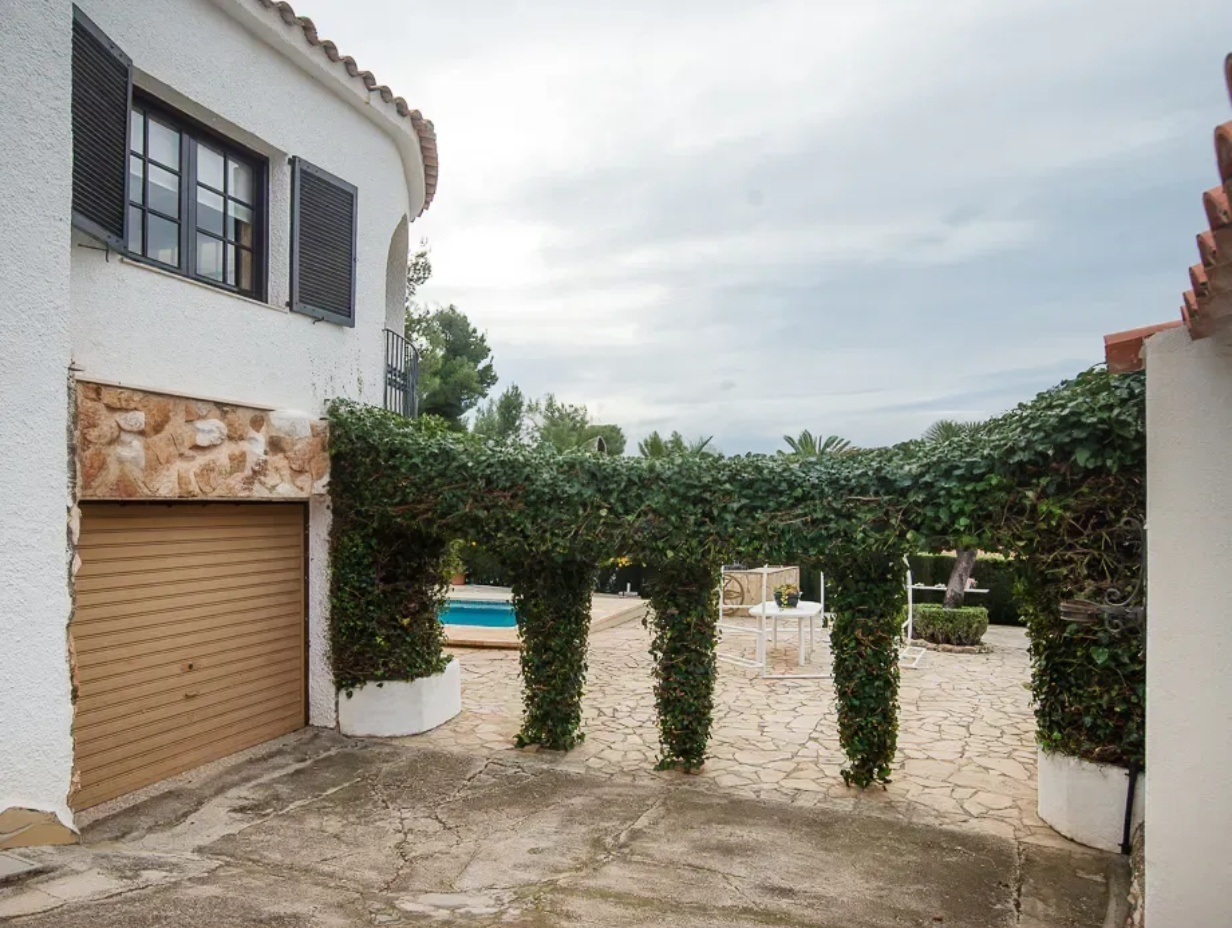
A villa with rental potential should be judged on real parking practicality.
Exterior additions are common areas of irregularity.
The Generalitat's Serra d'Irta natural-park legislation and management framework show that protected-area rules exist, so the buyer should verify whether any buffer-zone or planning implications affect the villa or future works.
Practical Use and Livability
Remote work and guest expectations now make connectivity a core use issue.
Reception can vary sharply in hillside or coastal-edge settings.
A summer-friendly villa may be less comfortable off-season, especially with an F rating.
Ongoing maintenance cost is part of the real ownership picture.
Lower-ground versatility depends on actual comfort, not just floor area.
Detached homes on generous plots can hide practical issues behind attractive landscaping.
Rental Potential
Real use history is more valuable than theoretical rental optimism.
Actual performance data is the best underwriting input.
In the Comunitat Valenciana, tourist-use registration requires a declaration route and occupancy documentation, and may also require a municipal enabling title depending on local planning treatment.
Rental marketing should align with lawful room status.
Seasonal strength affects real income assumptions.
Off-season strategy can materially change income planning.
Practical viability can be more restrictive than broad regional eligibility.
Negotiation Intelligence
Buyer Leverage
Medium-High
Key Drivers
Typical Negotiation Range
5-15% below asking
Neutral Phrasing Examples
Country Layer
Spain (Regulatory Context March 2026)
Key Spanish and Comunitat Valenciana requirements for buyers:
Viewing Strategy
Approach this as a mixed legal and practical inspection.
Next Step
Verify from the listing:
Legal status of the lower-ground bonus room
Request the occupancy documentation and plans that show whether the lower-ground room and bathroom form part of the authorised habitable accommodation or are classified as ancillary space.
Energy Class F and upgrade path
Obtain the full registered energy certificate, recommended improvement measures and recent utility bills so you can understand the true comfort profile and likely upgrade costs.
Pool legality and maintenance history
Ask for the permit file, technical details, service records and any guarantees for the private pool so you can assess whether it is fully documented and in sound condition.
Plot boundaries and view vulnerability
Verify the exact 1,000 m² boundaries and ask what surrounding land remains buildable, because the sea and mountain views are a major part of the property’s value.
Tourist-rental feasibility
Confirm the current regional and municipal position for tourist-use registration in Alcossebre, and check whether the legal status of the lower-ground room would limit how the villa could be marketed or occupied.
A prepared buyer should approach the agent calmly and frame questions as due diligence.
Because this is a coastal villa where room status, energy performance and external assets materially affect value, run it through the Property Risk Assessment and the European Property Energy Risk Assessor before contacting the agent.
Disclaimer: The Property Drop is buyer-focused intelligence, zero sales agenda. We curate exceptional properties, in southern Europe, from third-party agents and arm you with decision tools. No commission, no transactions, no agent partnerships, no skin in the game beyond helping you choose wisely. Information stays accurate until it doesn't (properties sell, prices shift, markets move). Everything here is shared for informational purposes only and should not be treated as legal, financial, or investment advice. Images belong to original agents. Read our Terms of Service to learn more.
IMPORTANT REMINDER: When contacting property agents featured on The Property Drop, you are entering into direct communication with third parties. It's recommended that you verify all property details independently, conduct thorough due diligence, engage qualified professionals (solicitors, surveyors, financial advisors), understand your rights and obligations under local property laws, and never send money or make commitments without proper legal protection.
