
The Buyer Playbook: Restored Townhouse in Medieval Village, Petritoli, Italy, €105,000
Buyer Playbook
Pre-Viewing Intelligence Report
This independent buyer guidance report relates to this specific property located in Italy. It is provided for informational purposes only and does not constitute legal, tax, structural or survey advice. Planning permissions, cadastral conformity, agibilità, terrace rights, basement status, heritage or landscape restrictions, rental compliance, and any shared historic-centre obligations must always be verified with qualified Italian professionals such as a notaio, geometra, architetto, ingegnere, surveyor or specialist property lawyer, and with the relevant Comune, Catasto and, where relevant, Soprintendenza offices. This report is designed to help buyers evaluate the property before arranging a viewing or making an offer. It highlights due diligence issues and targeted questions to ask the agent. The analysis is based on the listing details and publicly available regulatory context at the time of writing.
Playbook Contents
Property Snapshot
Location
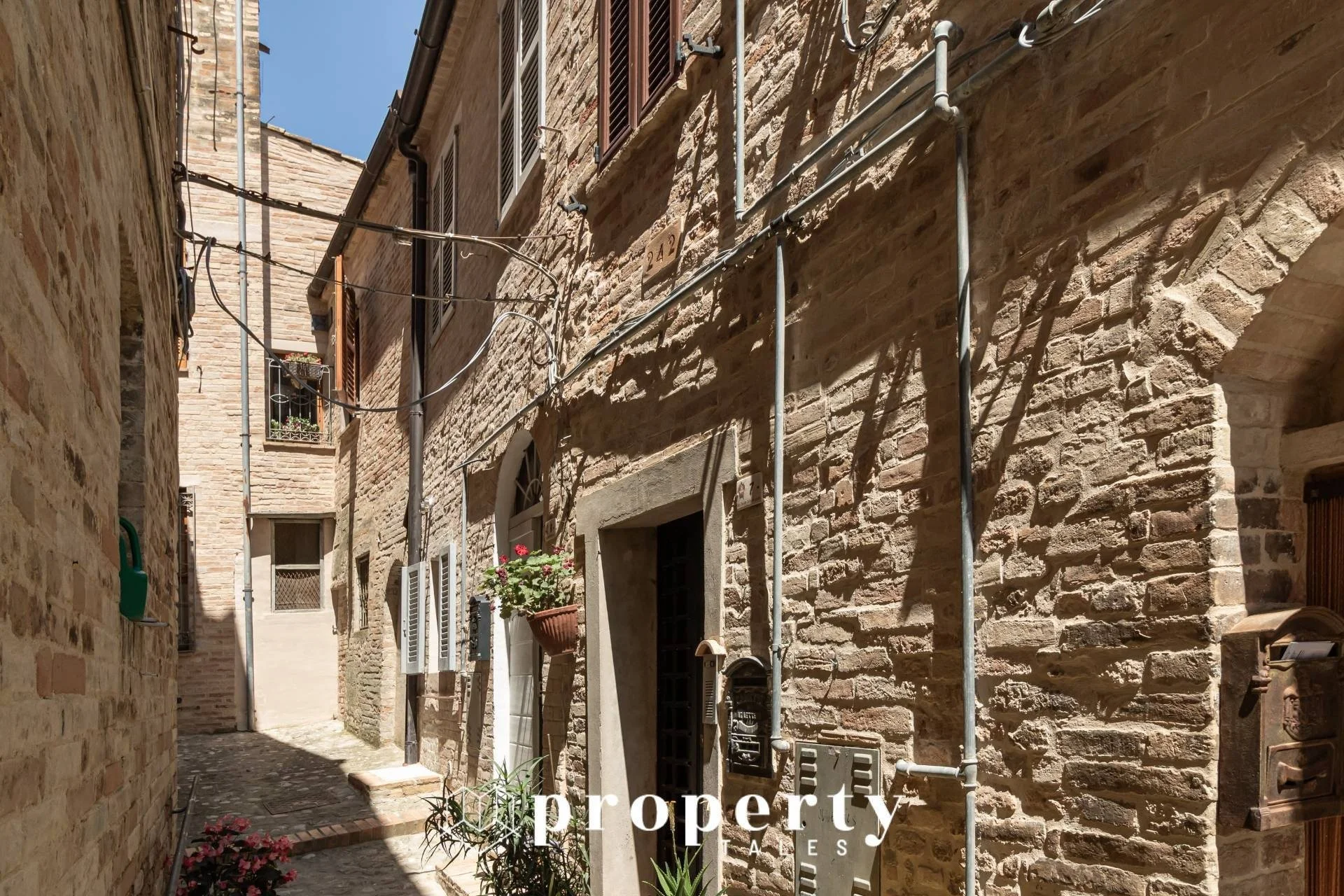
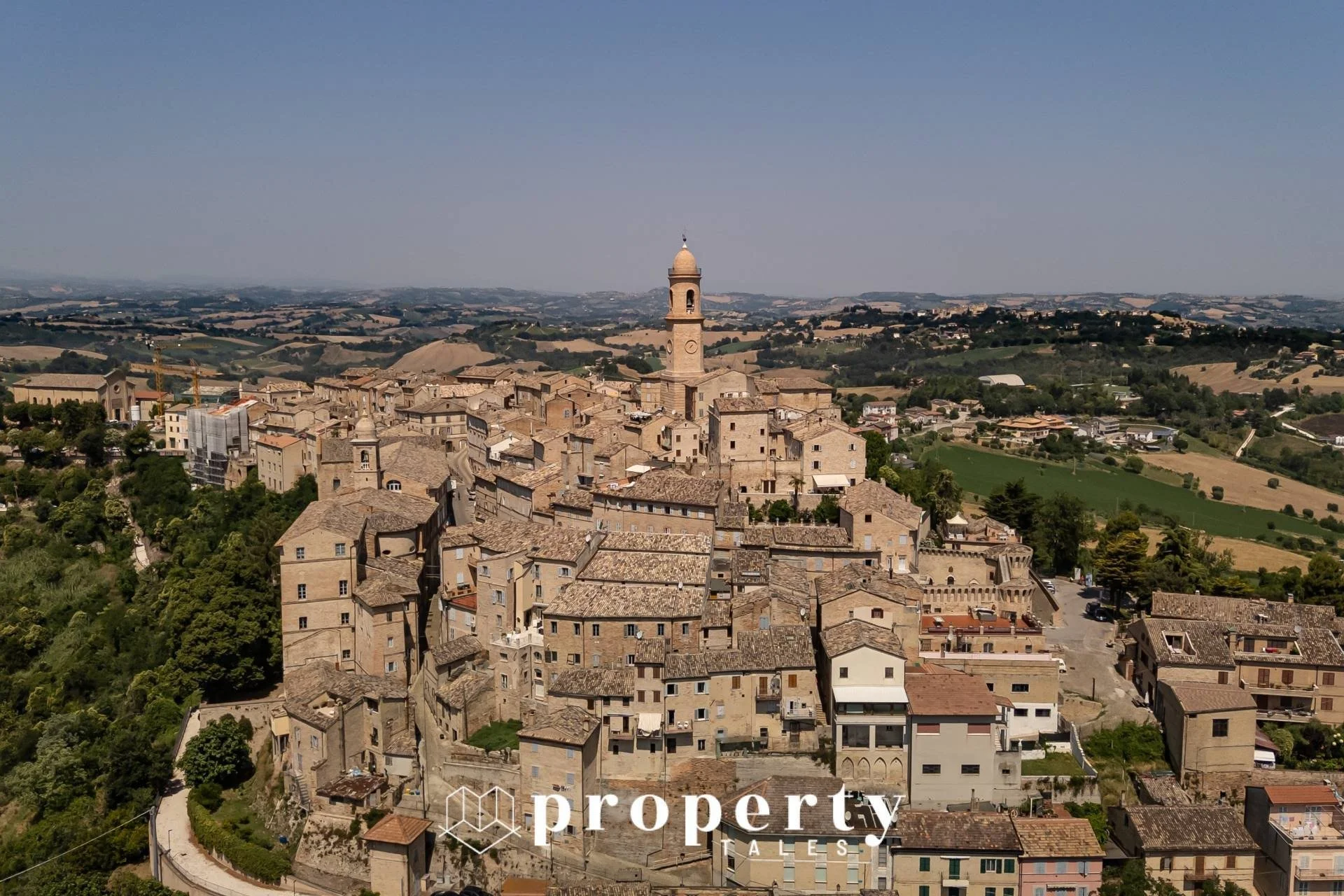
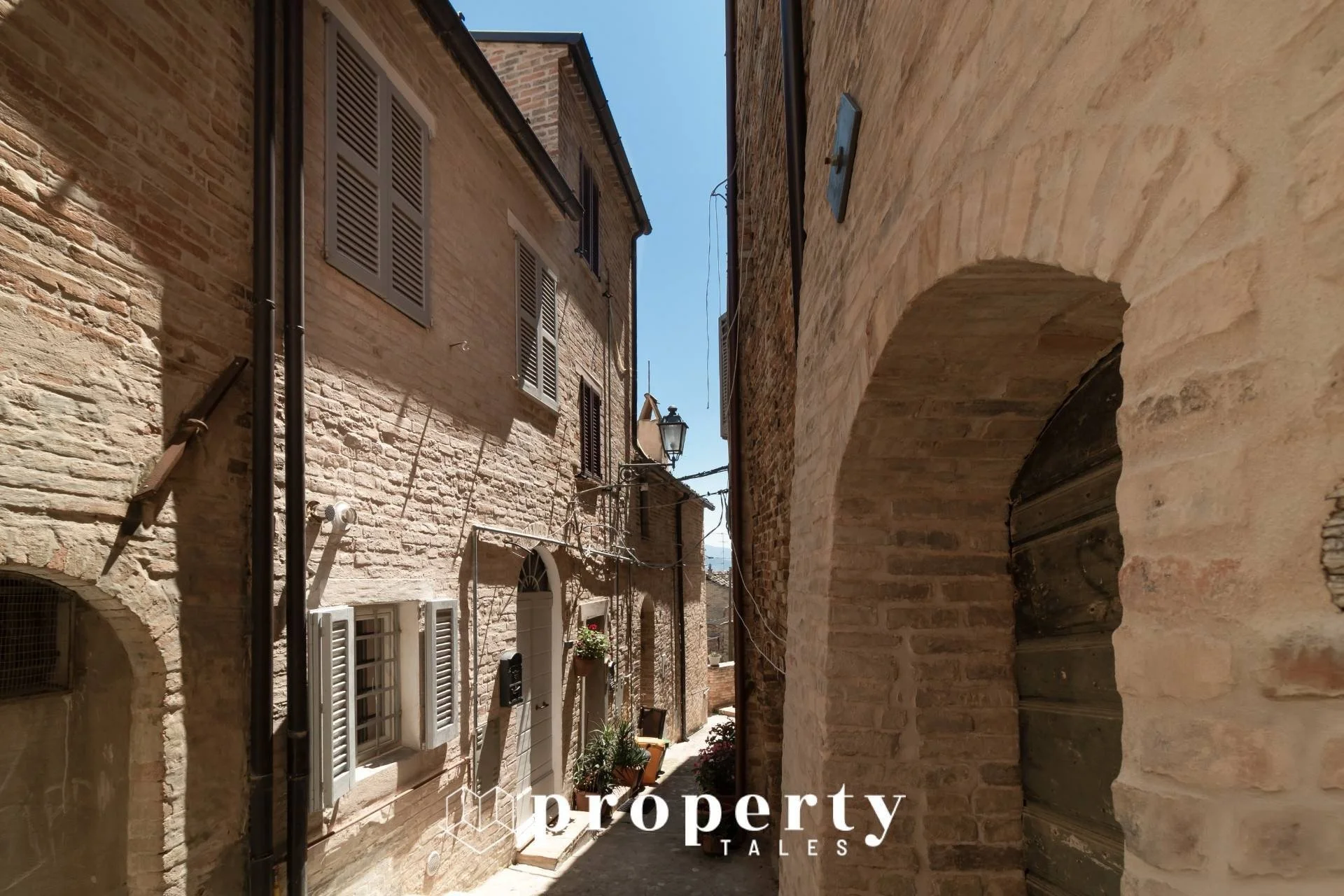
Petritoli, Fermo, Marche, Italy, in a medieval hilltop village setting.
Property type
Restored townhouse.
Price
€105,000.
Bedrooms
2.
Bathrooms
1.
Internal area
Approx. 104 m² living space.
Energy rating
Class G.
Layout
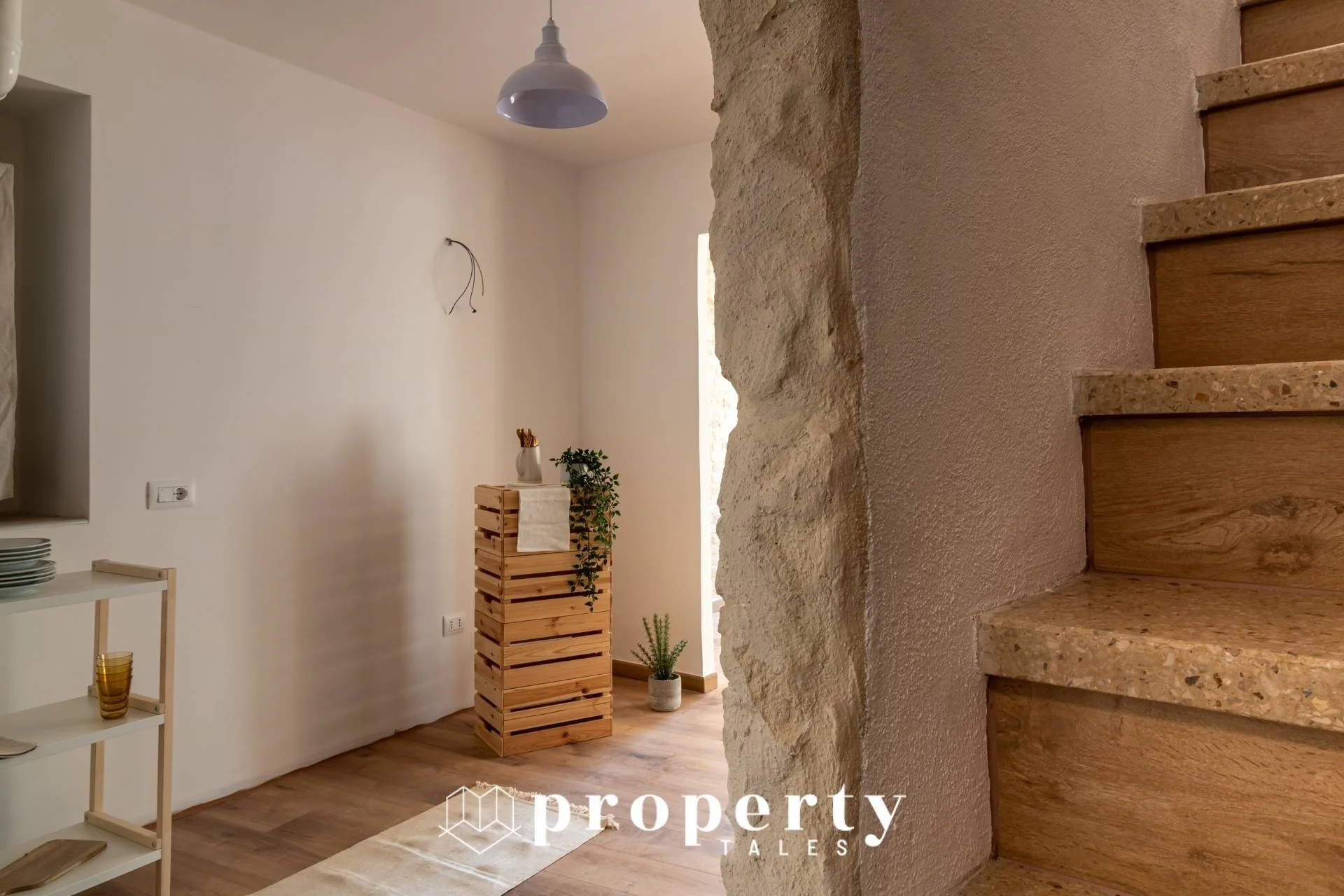
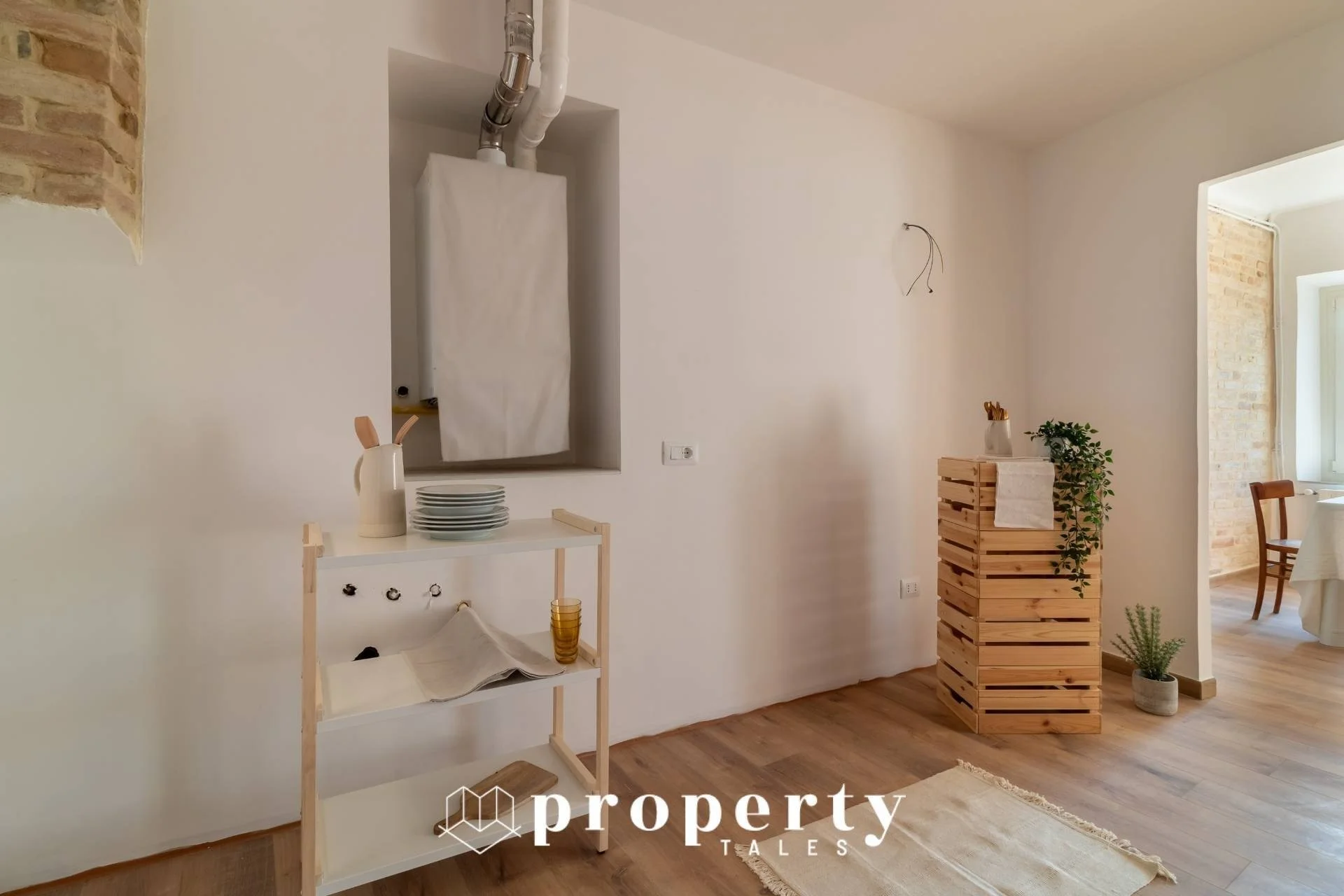
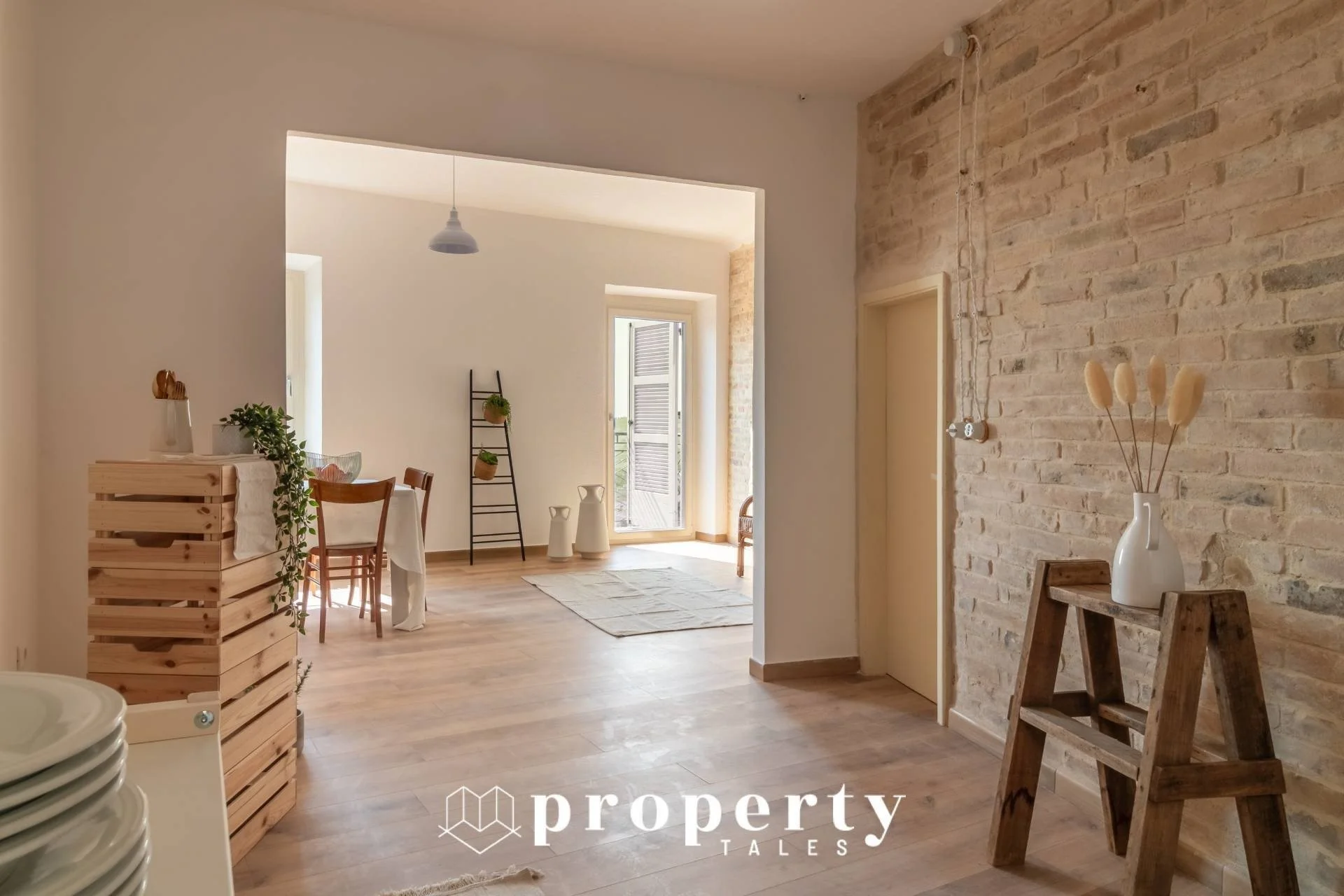
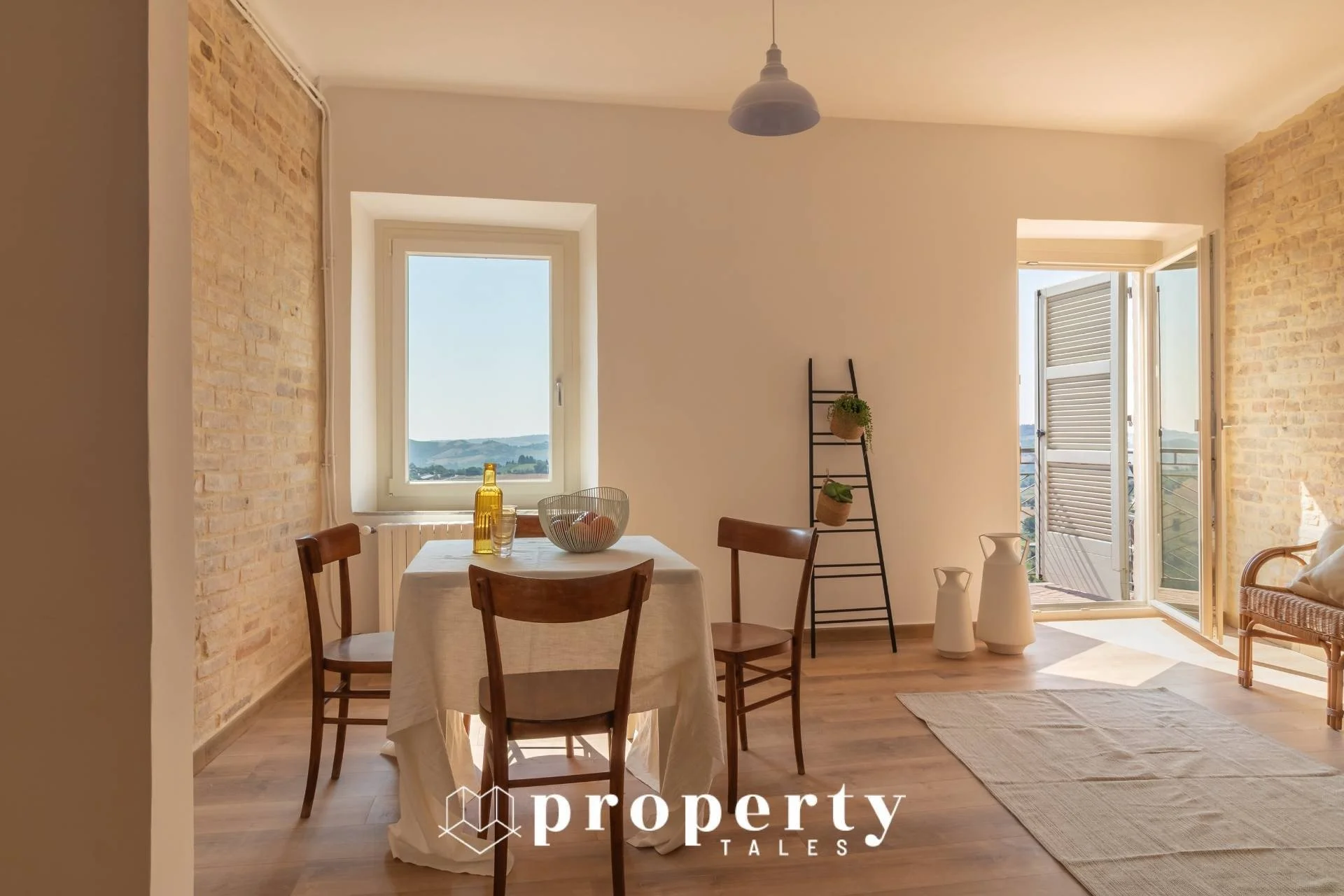
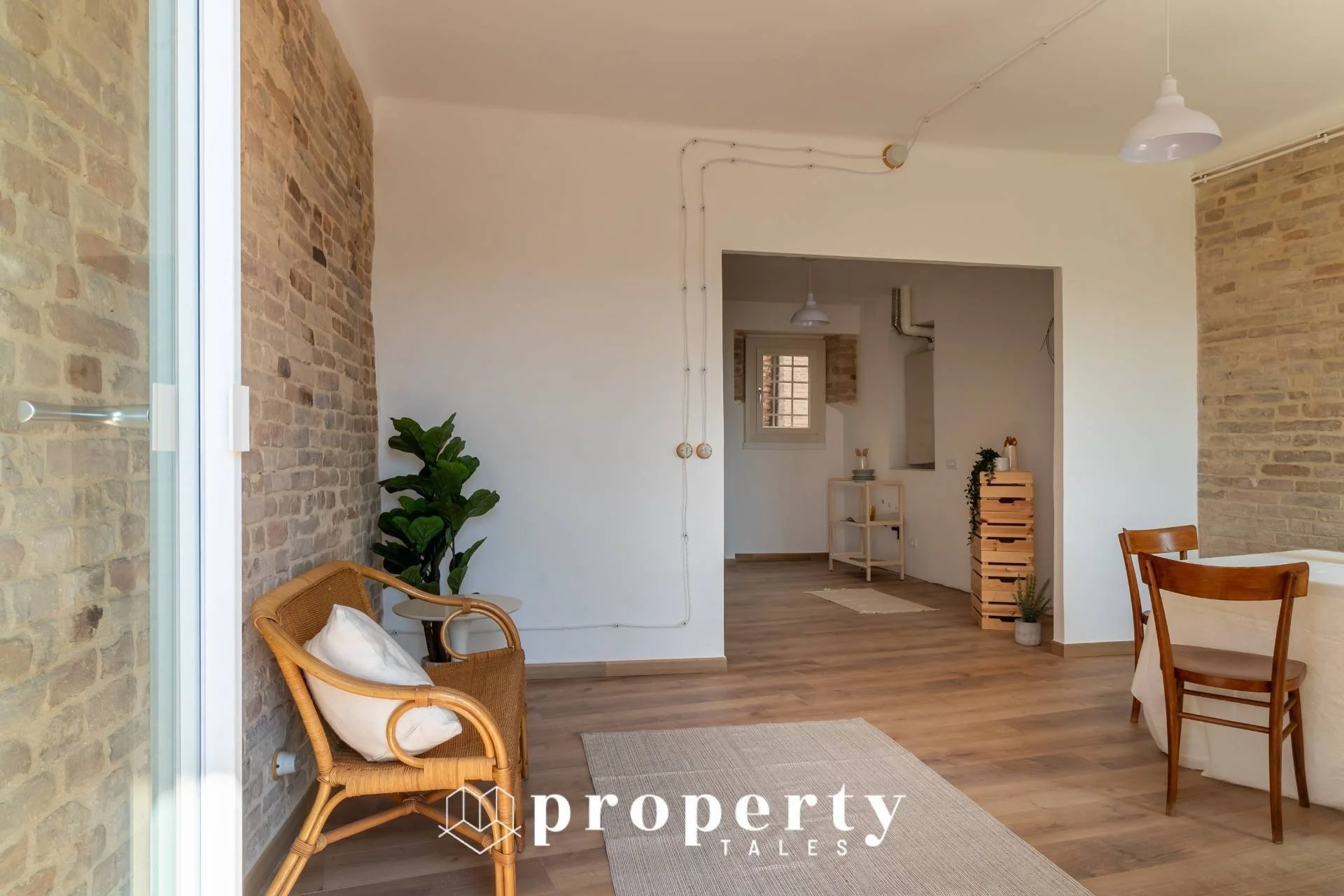
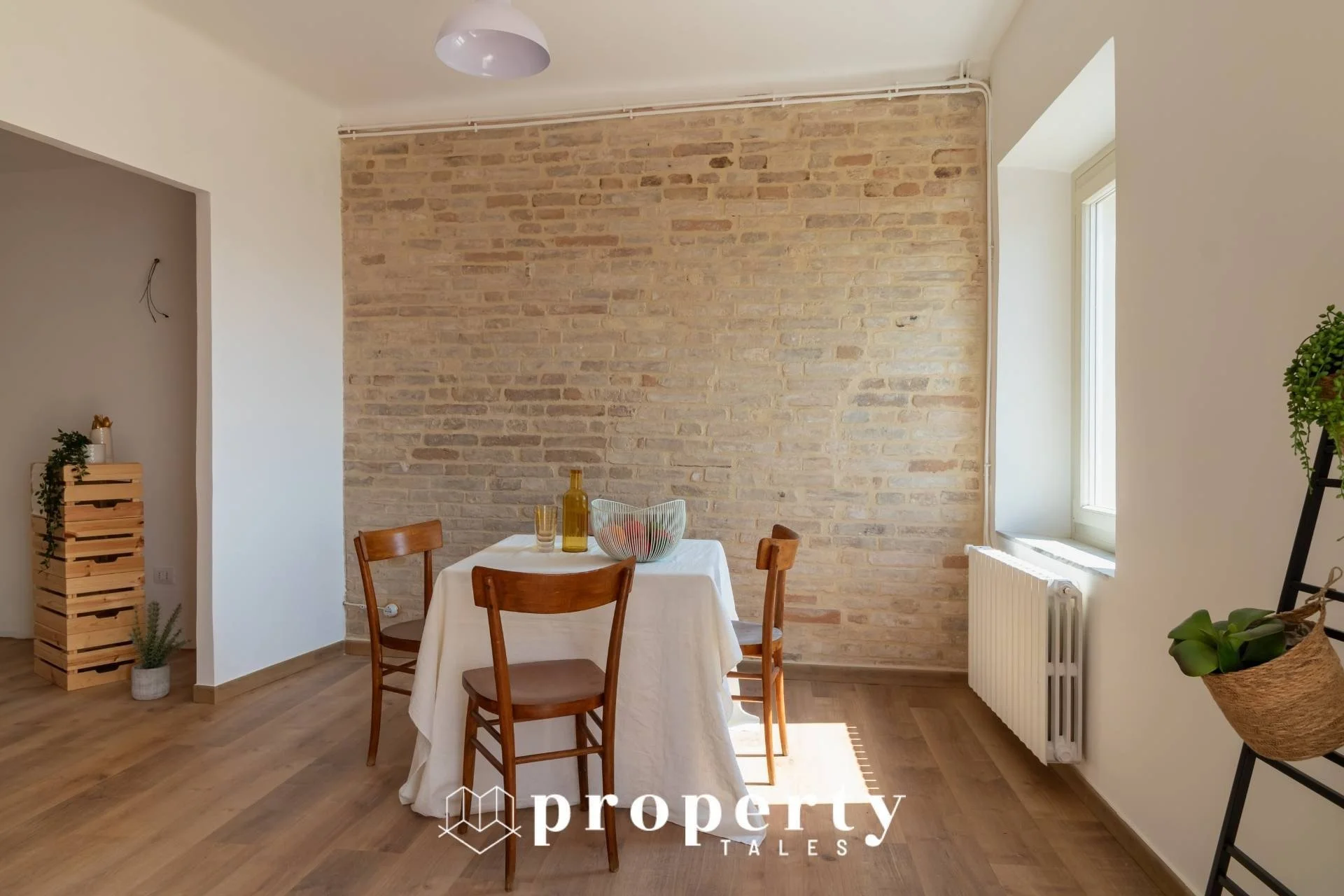
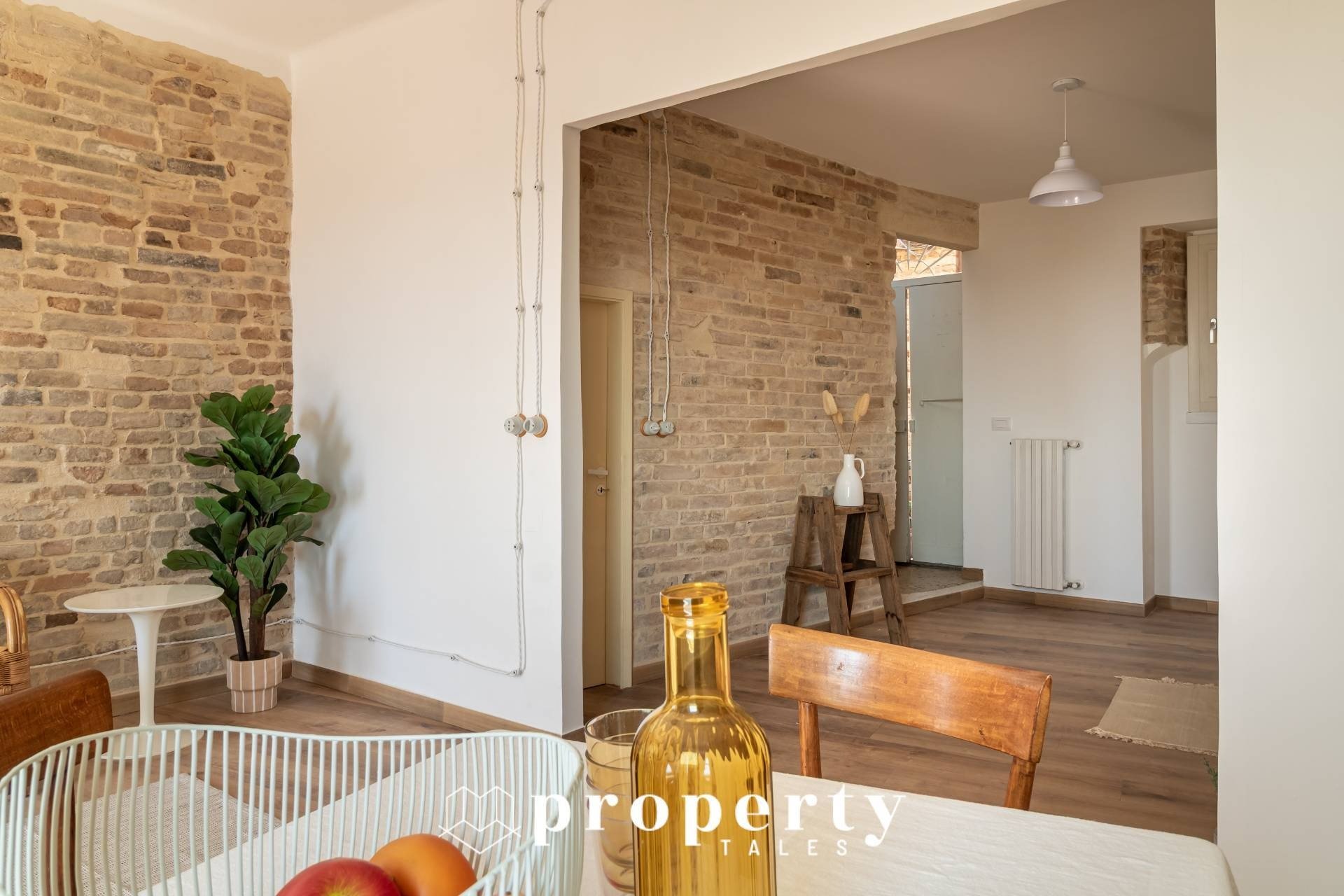
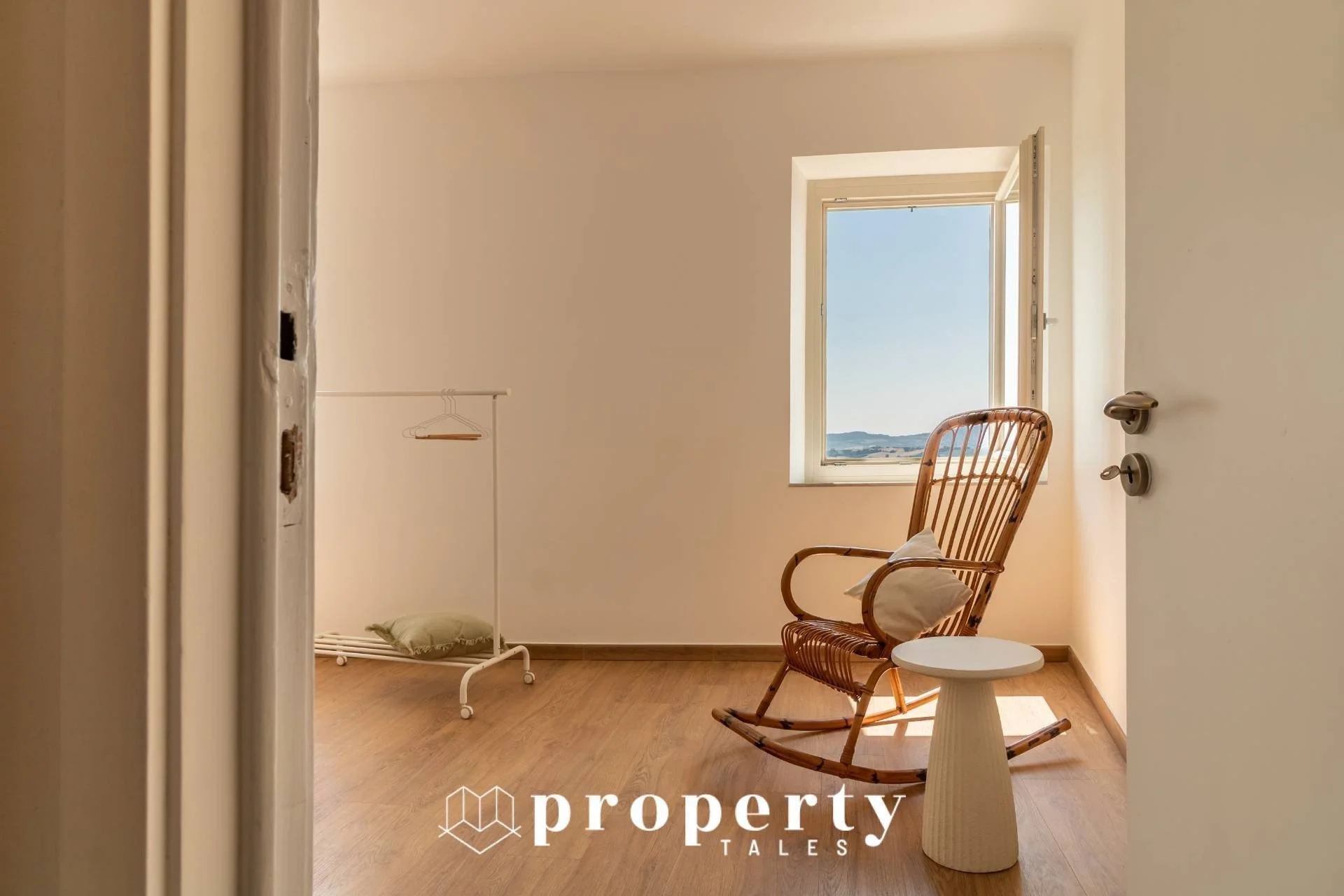
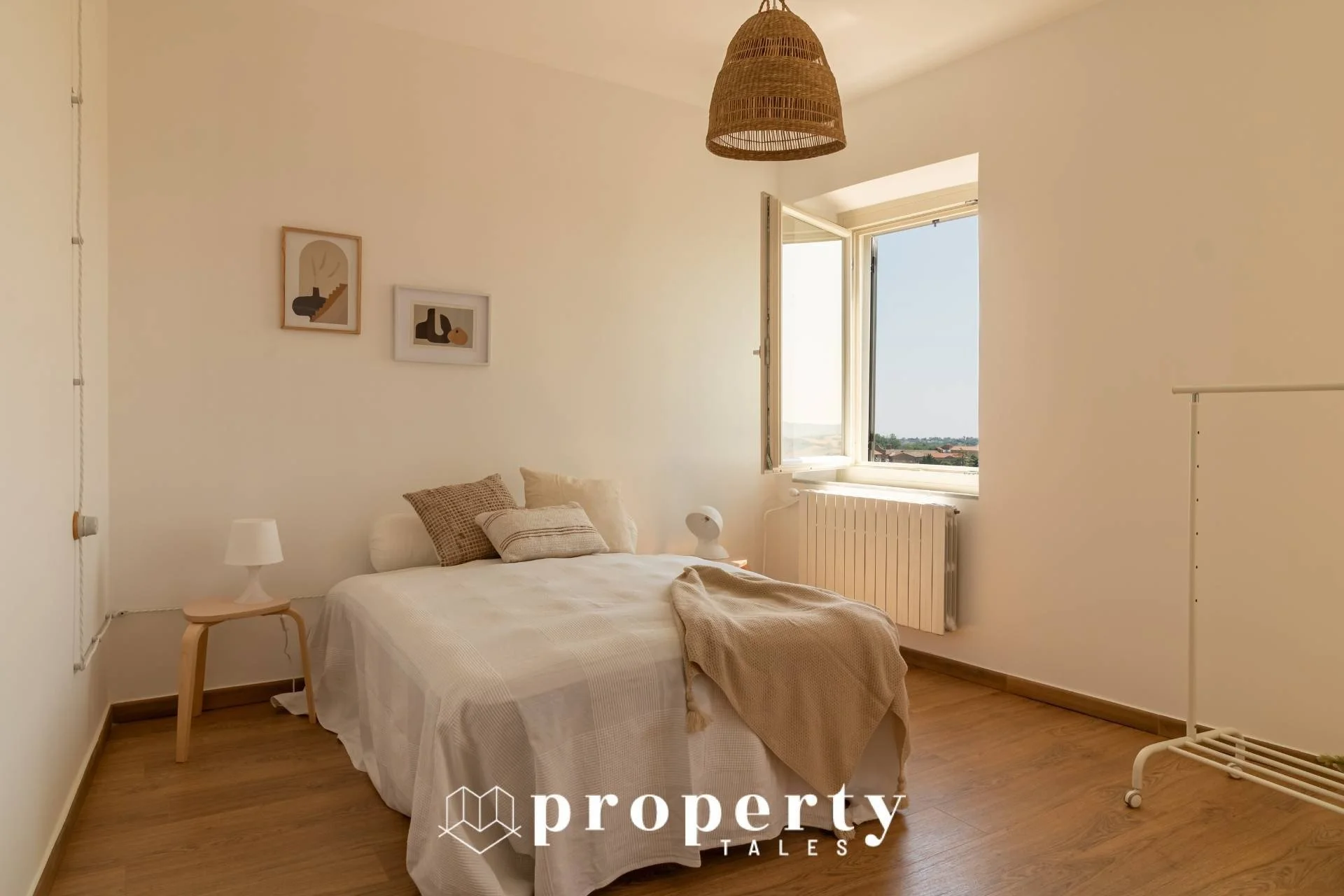
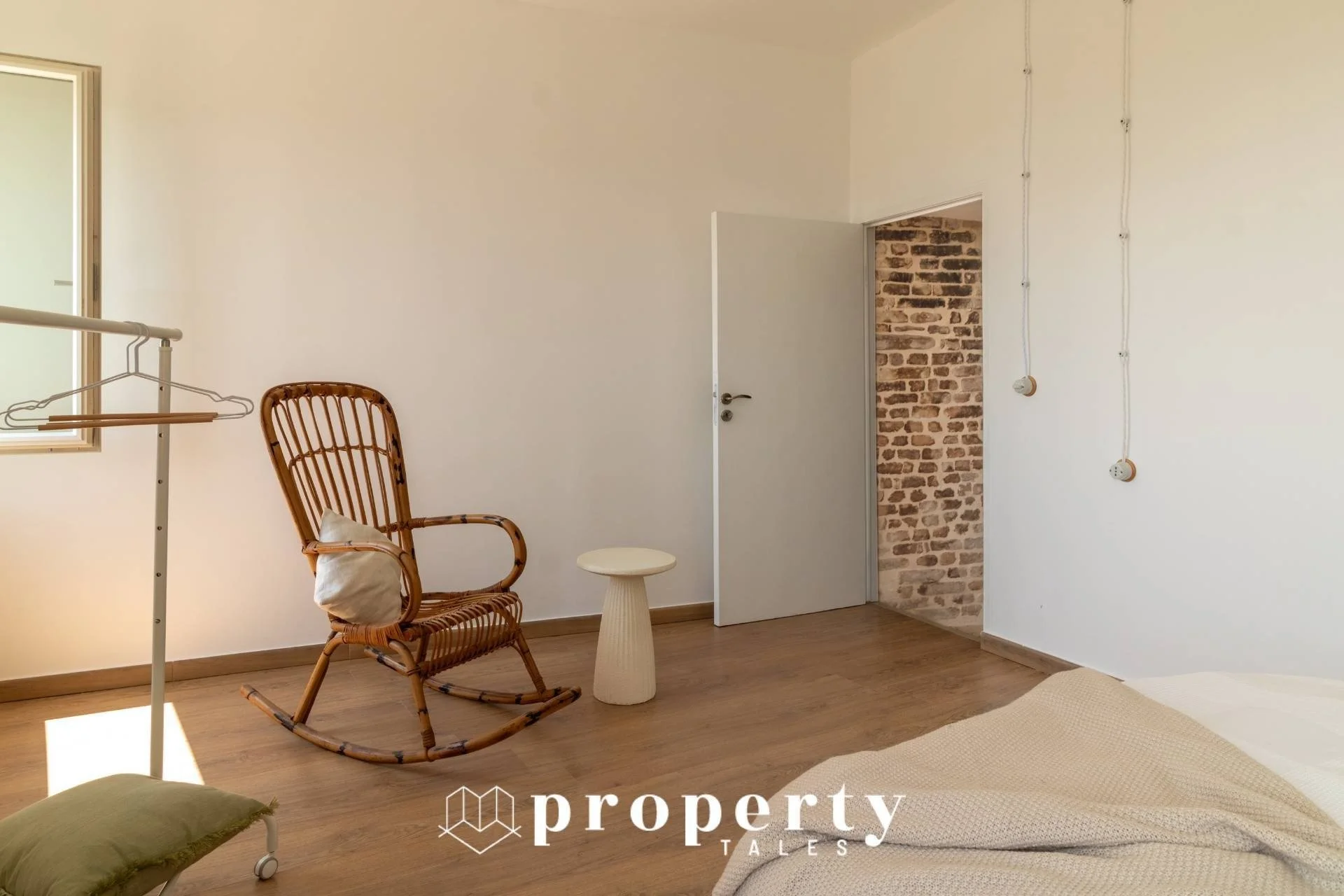
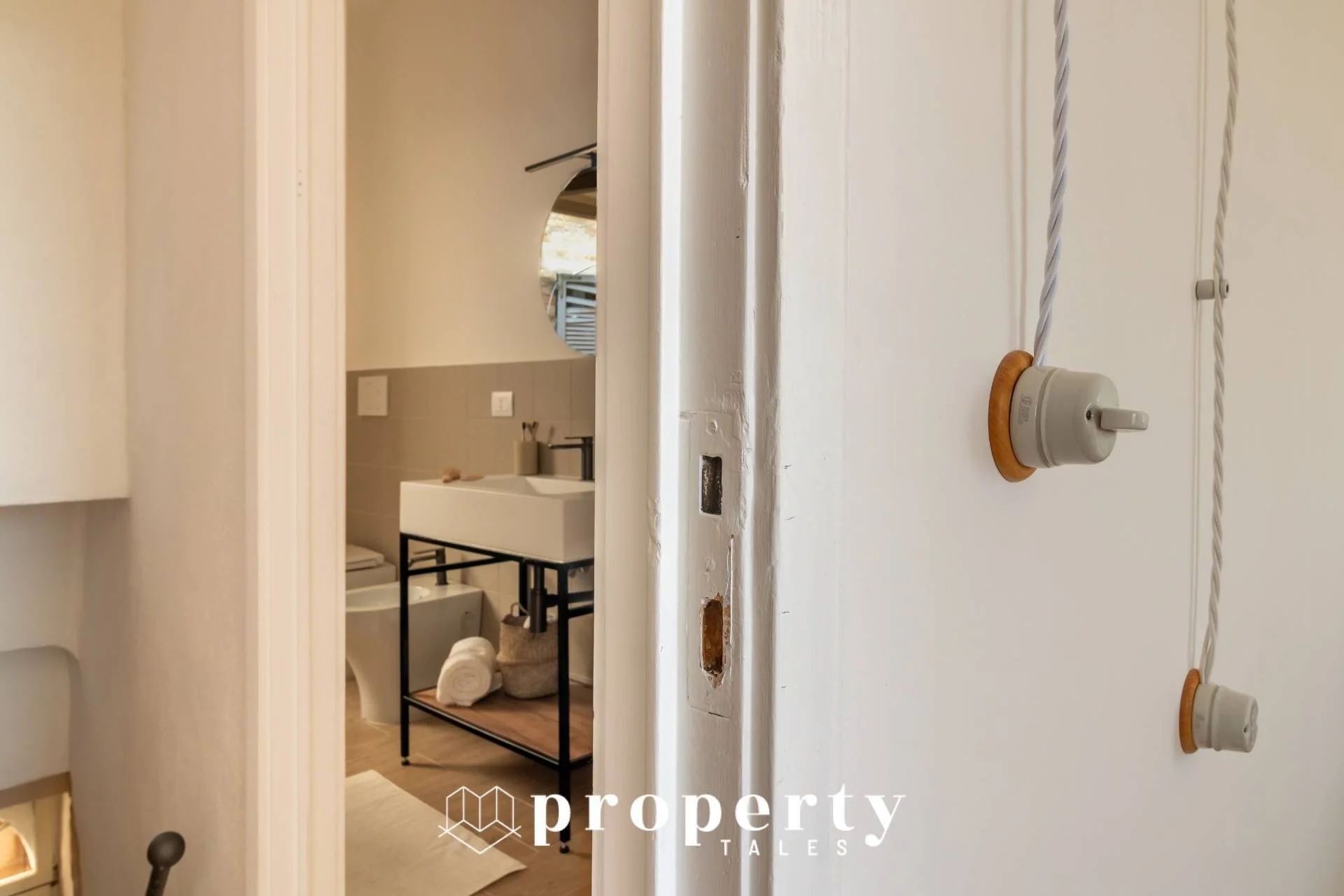
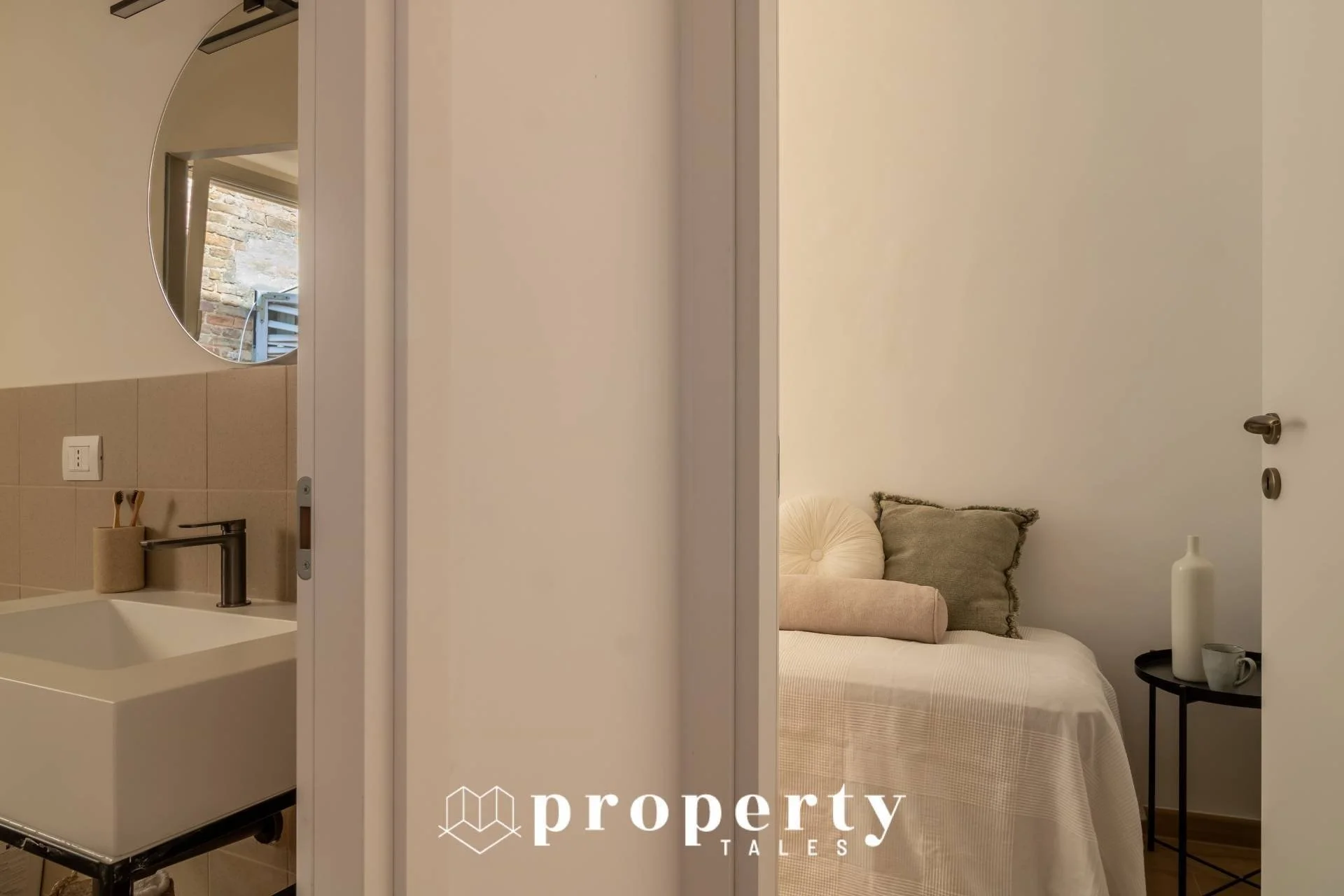
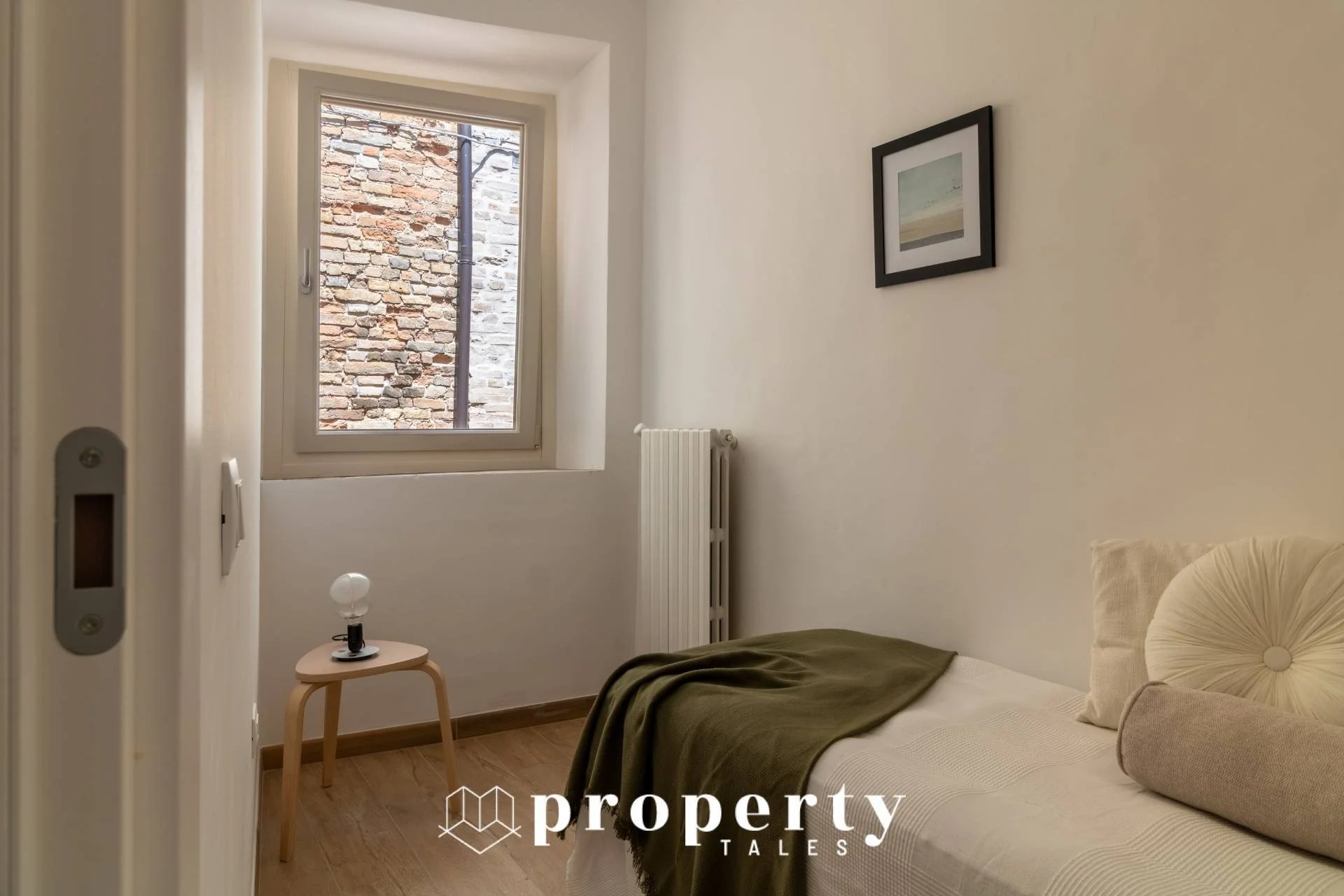
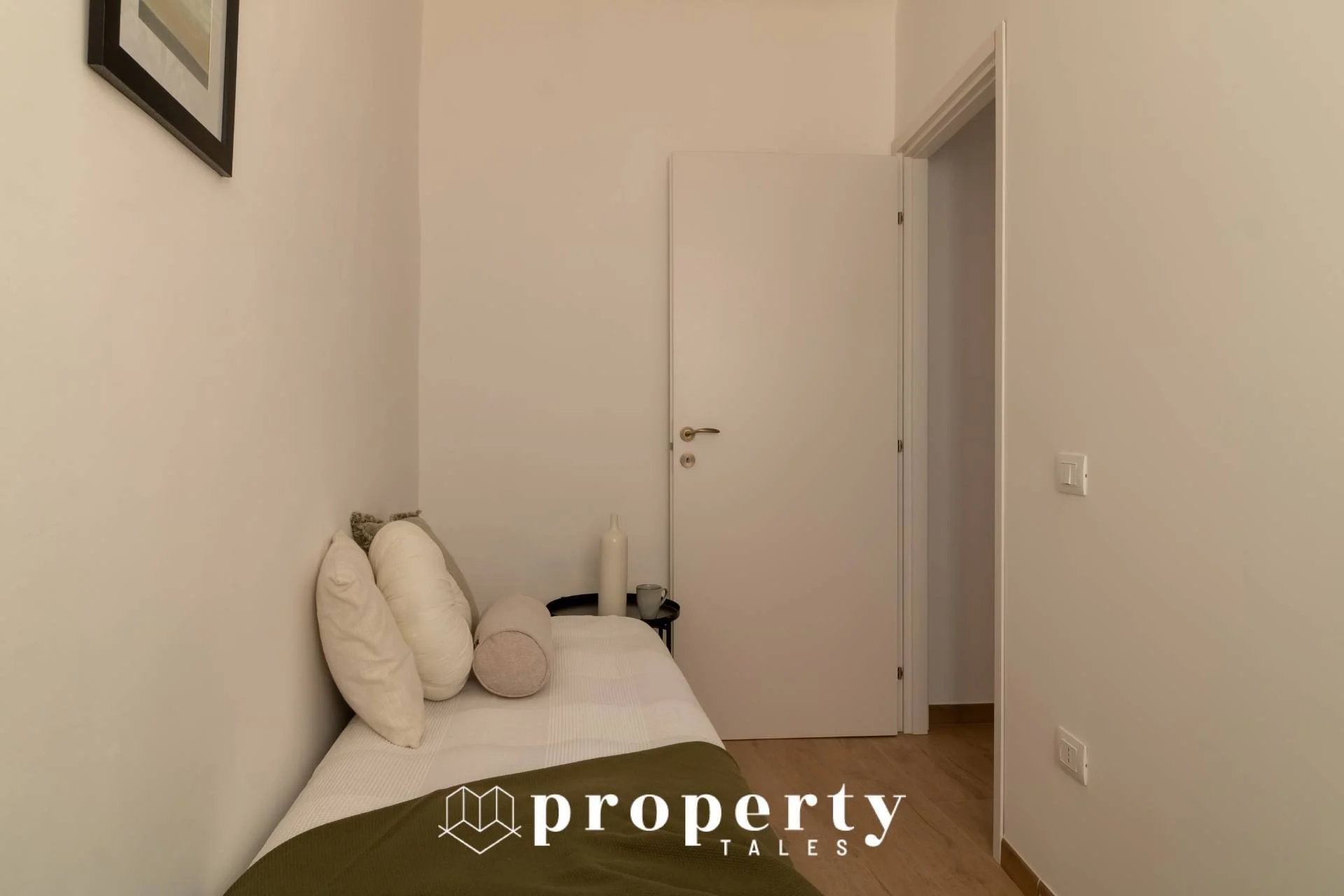
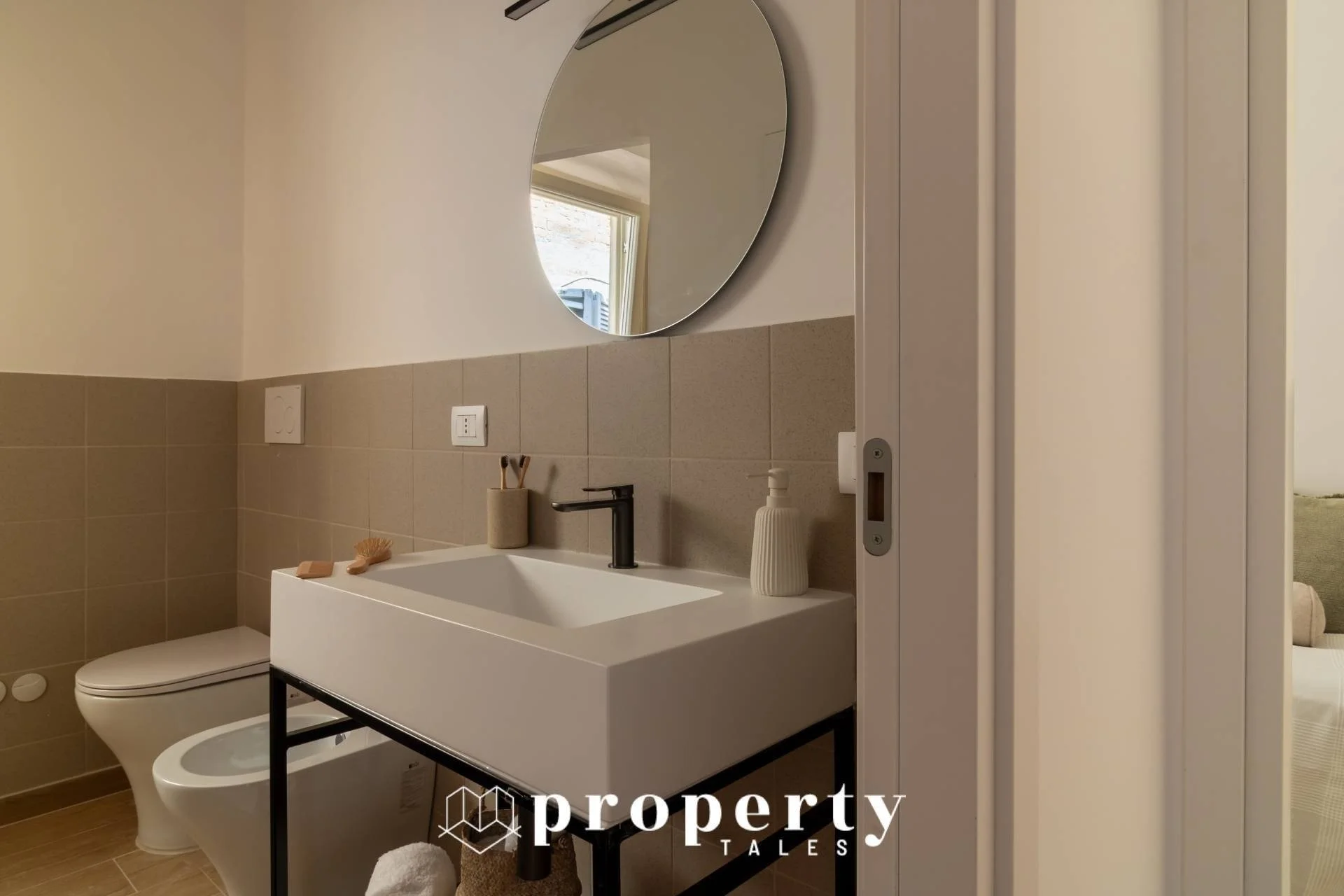
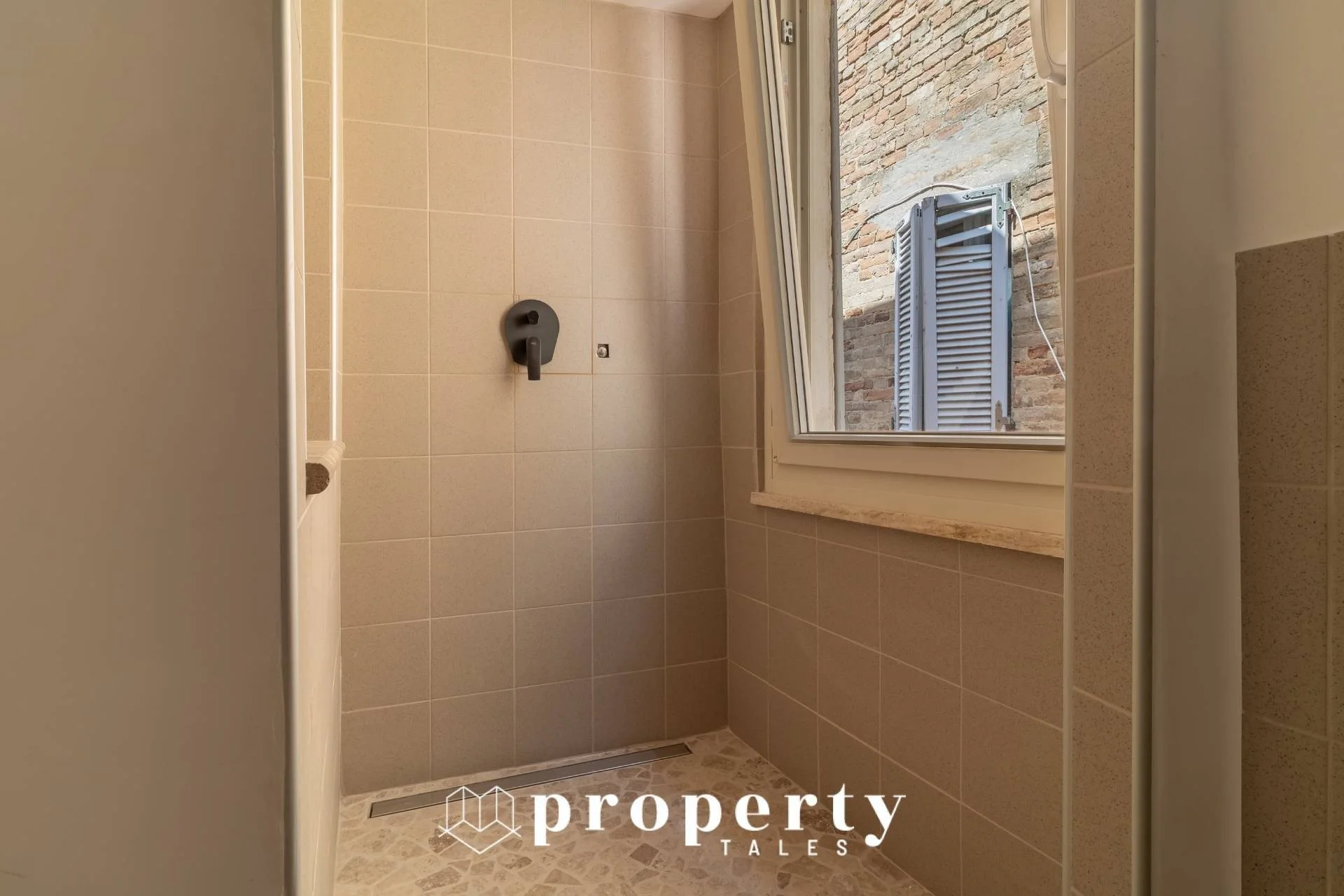
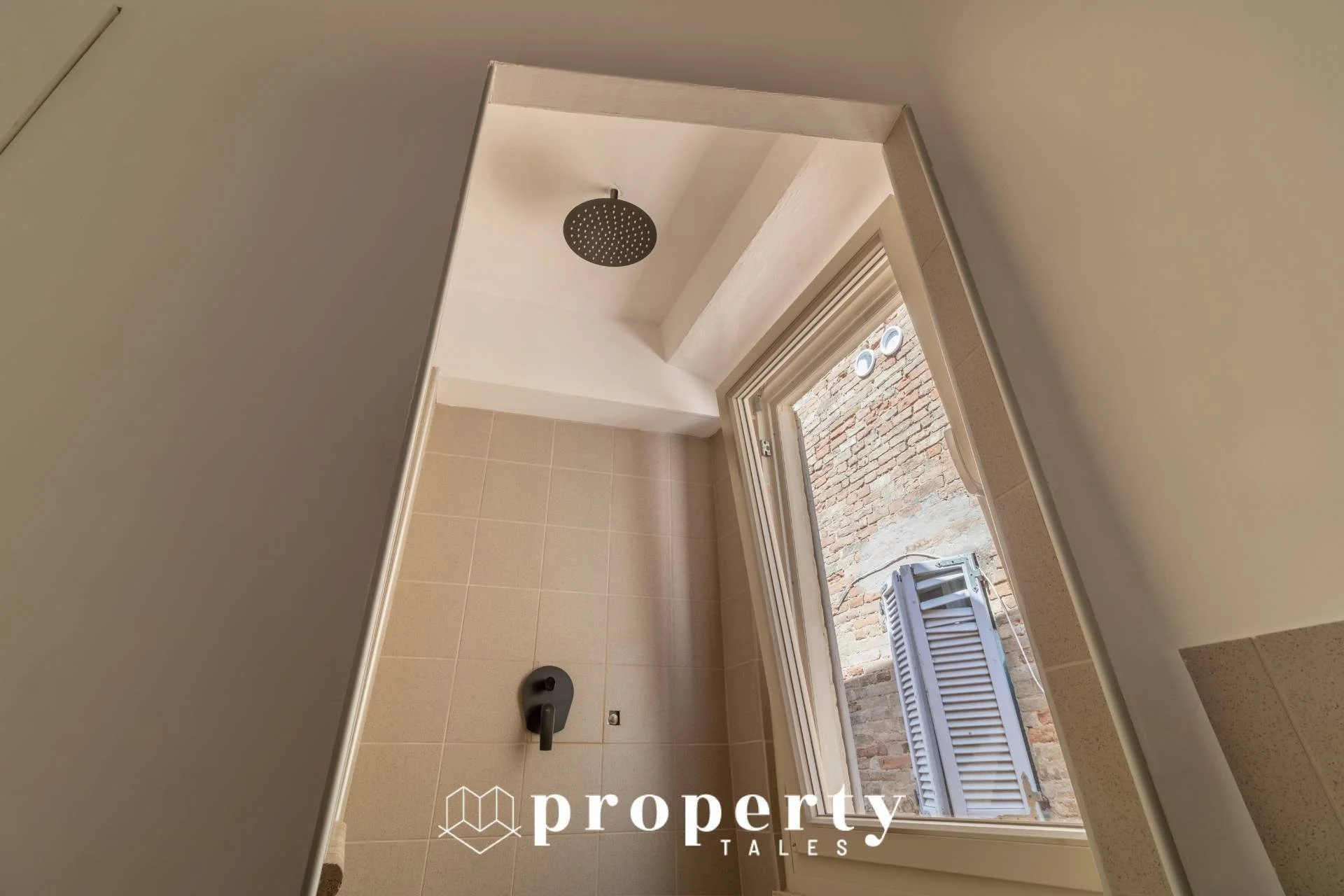
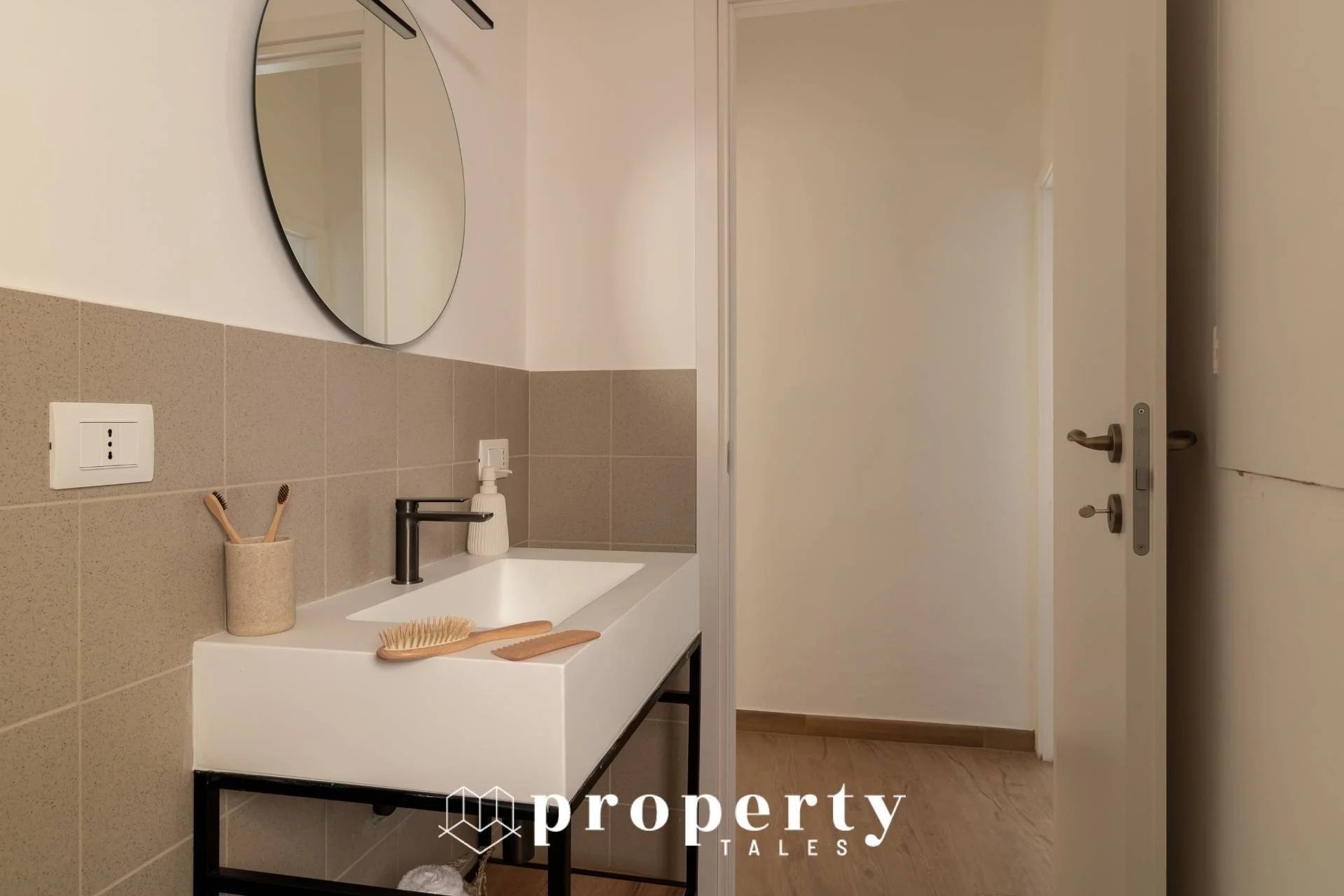
Open-plan living room and kitchen at street level opening to a private terrace, double bedroom, single bedroom, modern shower bathroom, and basement space below.
Exterior/lifestyle features
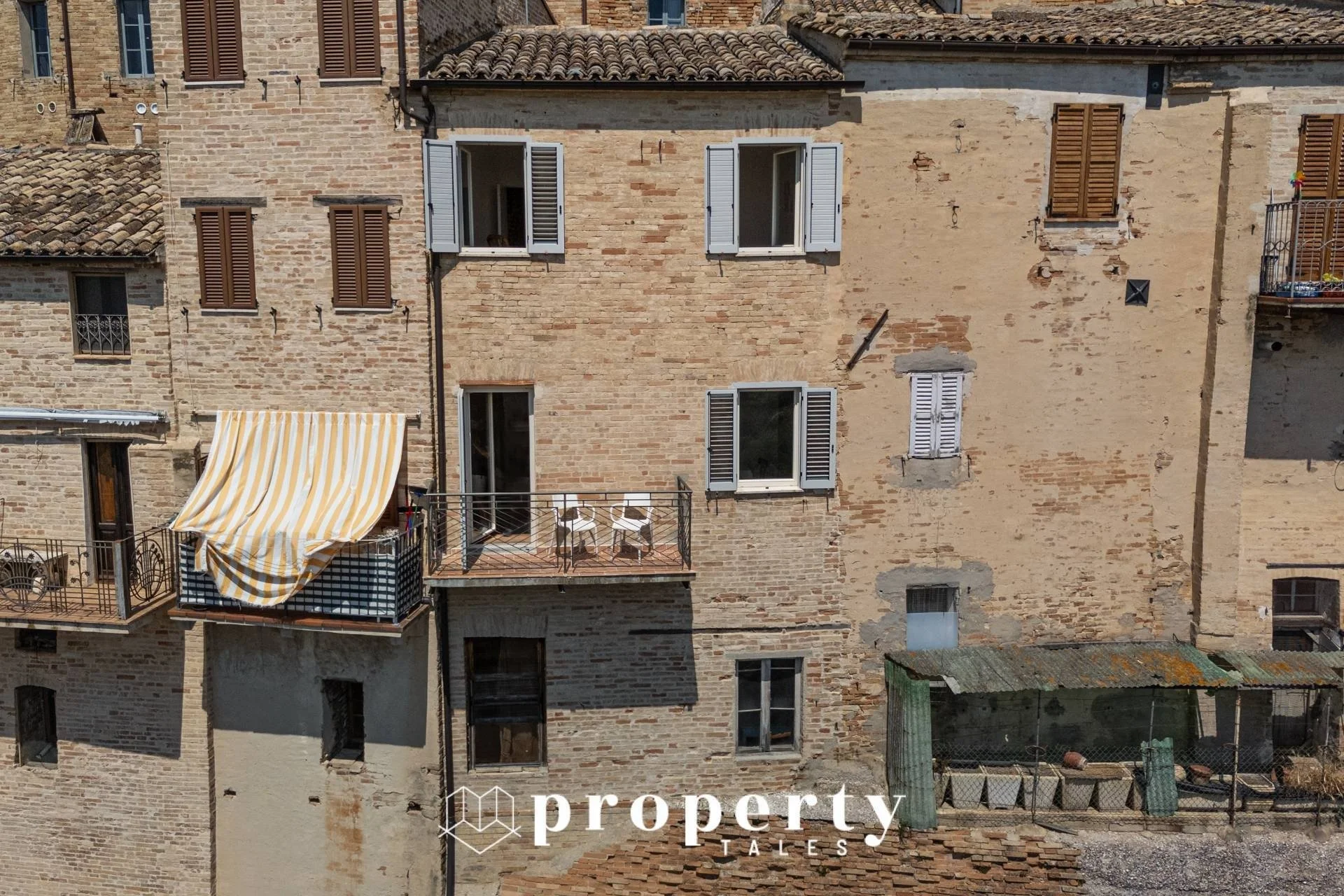
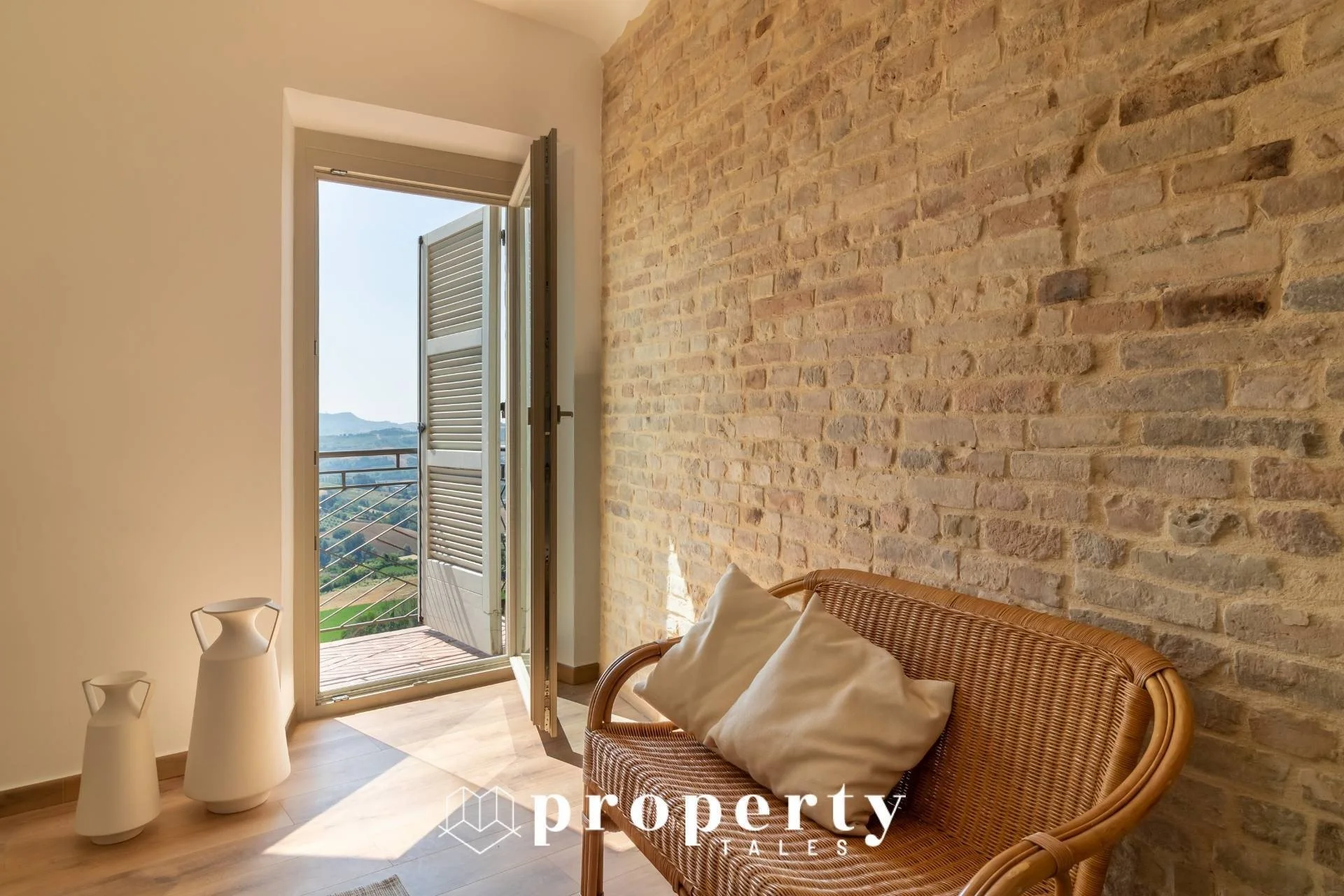
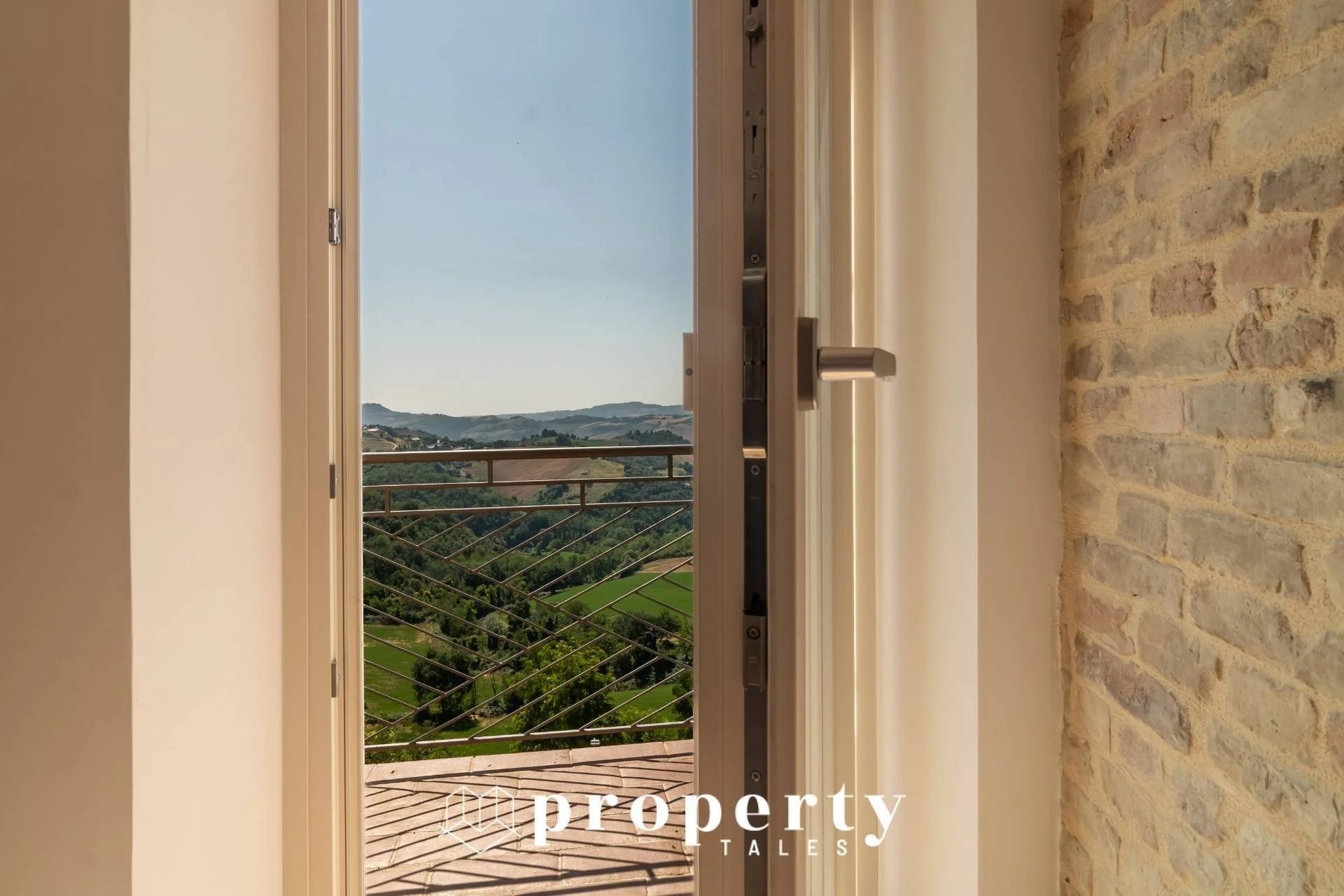
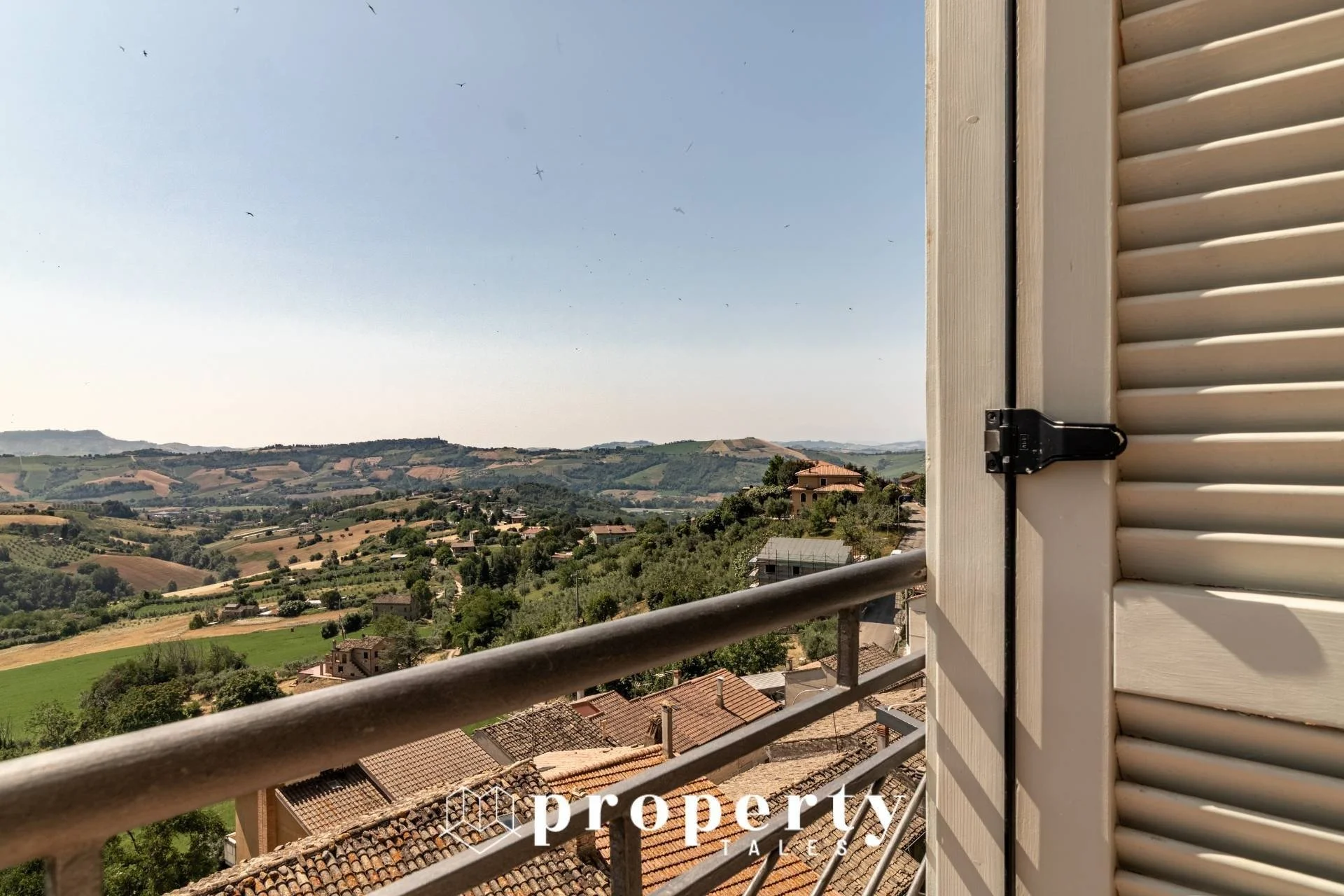
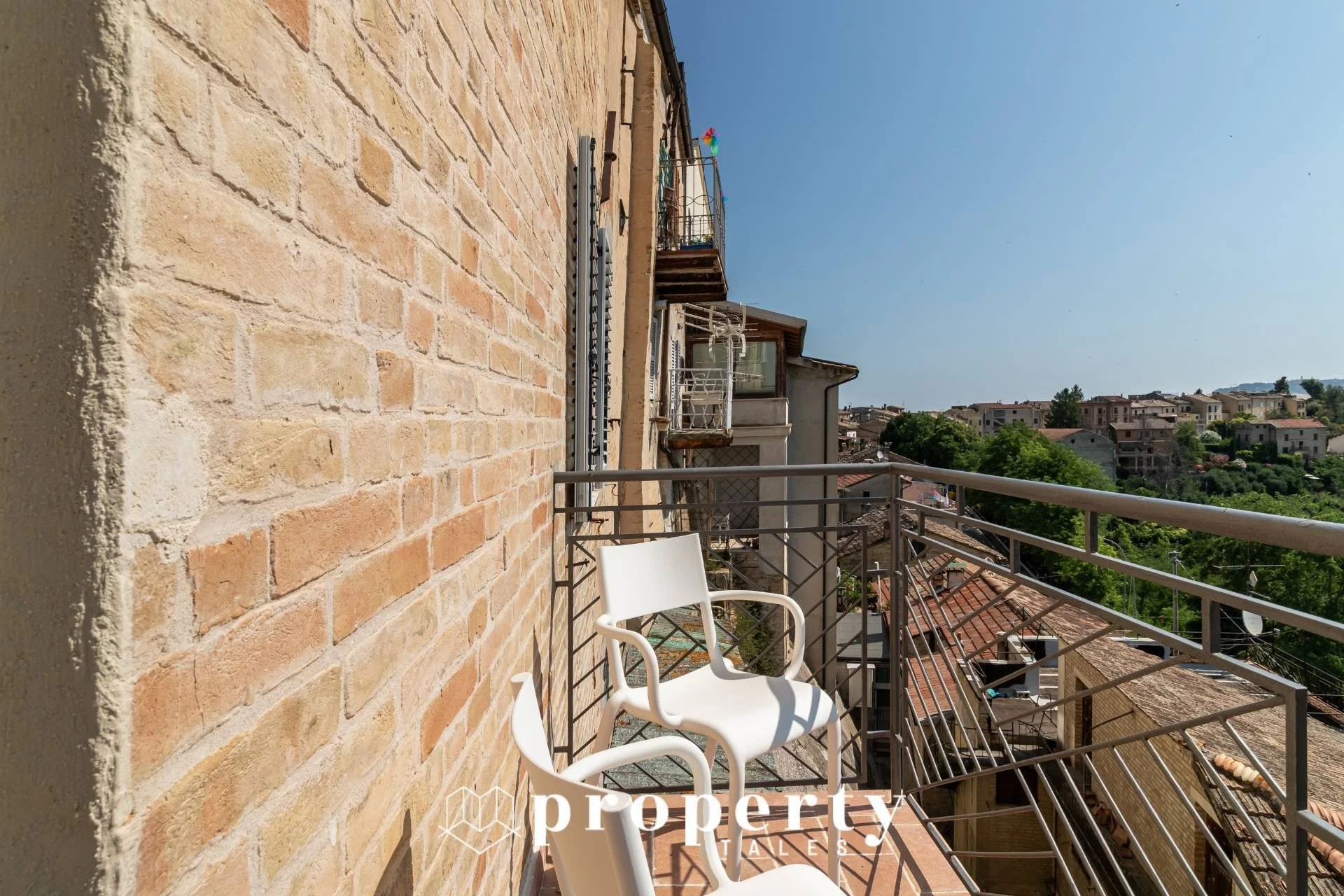
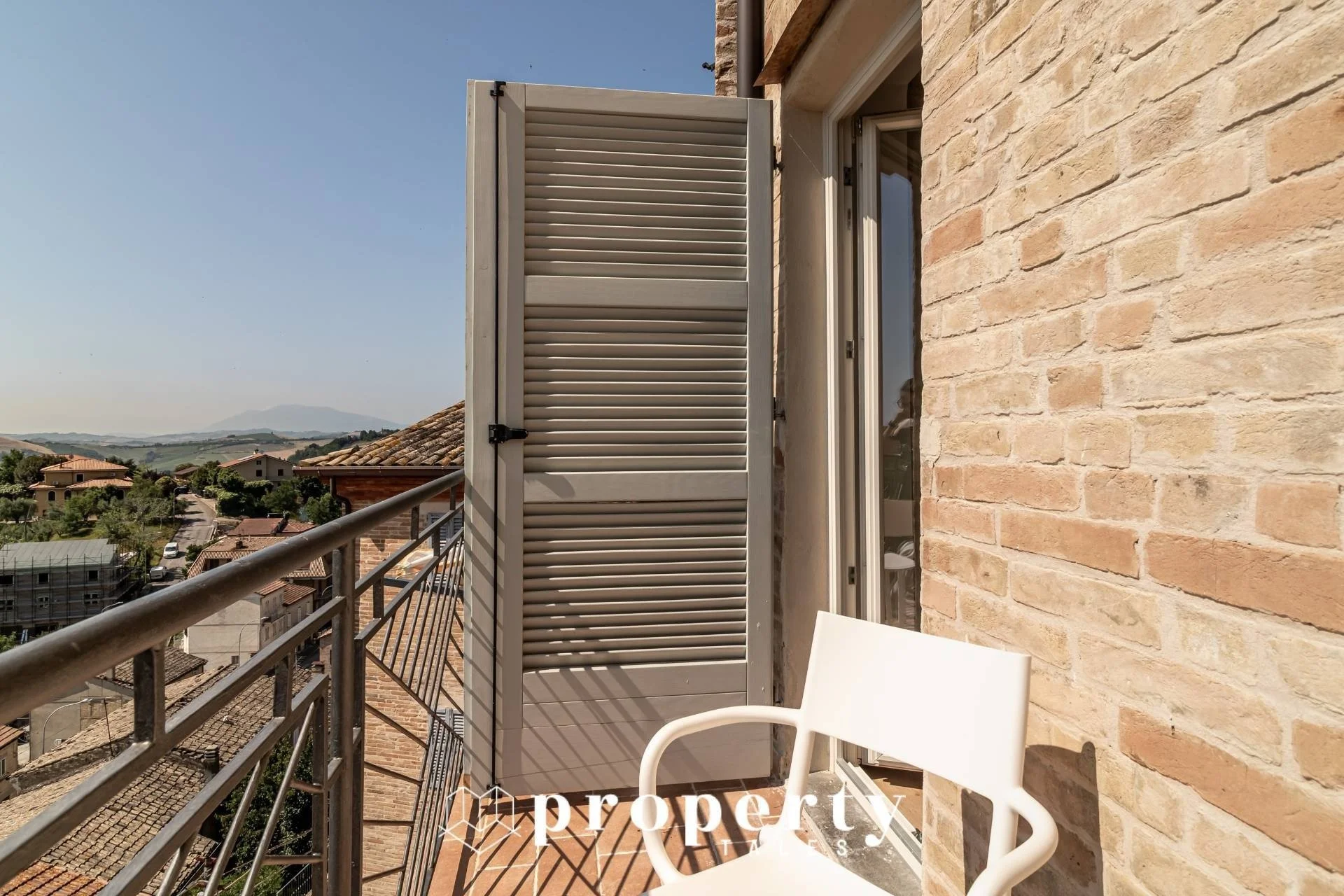
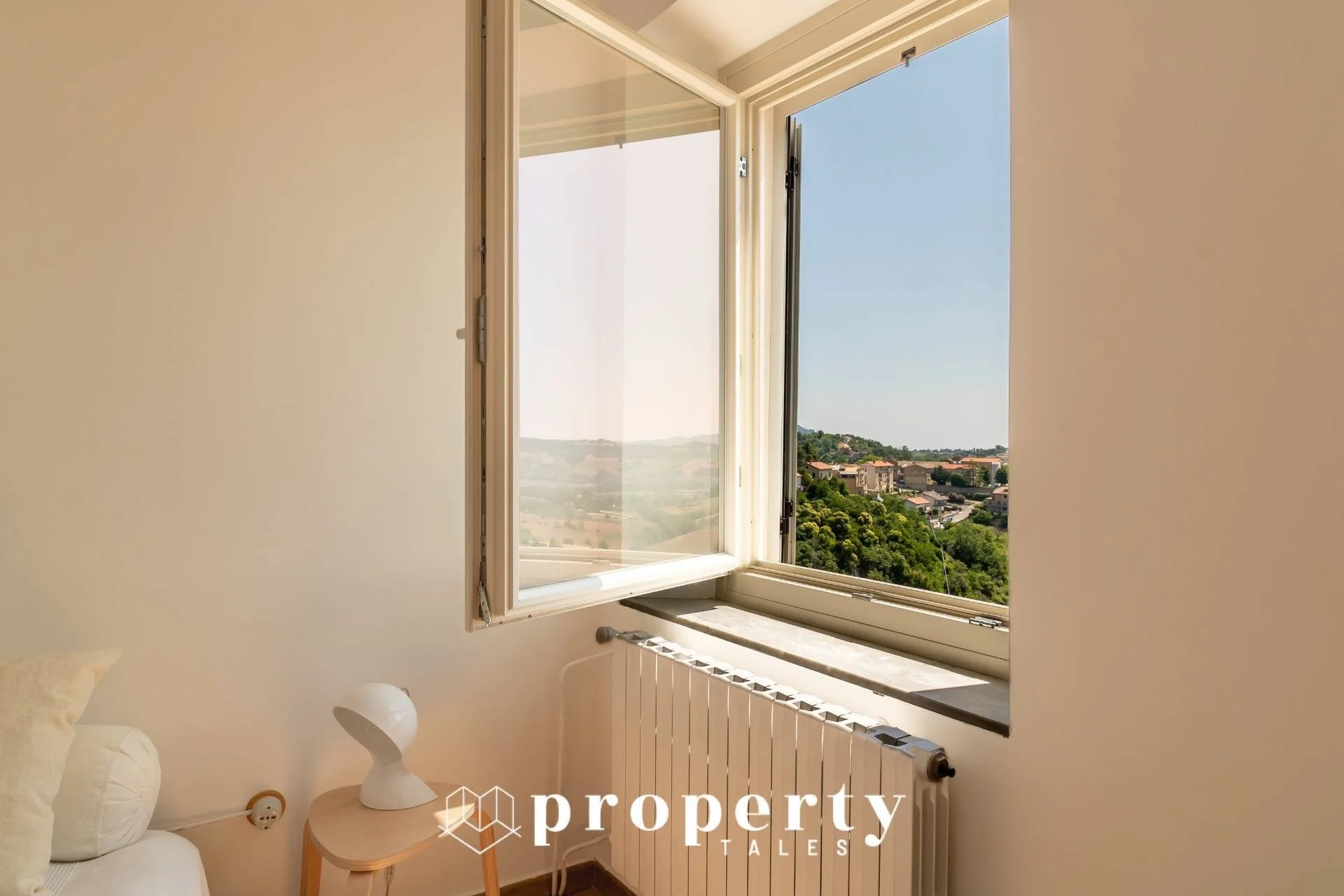
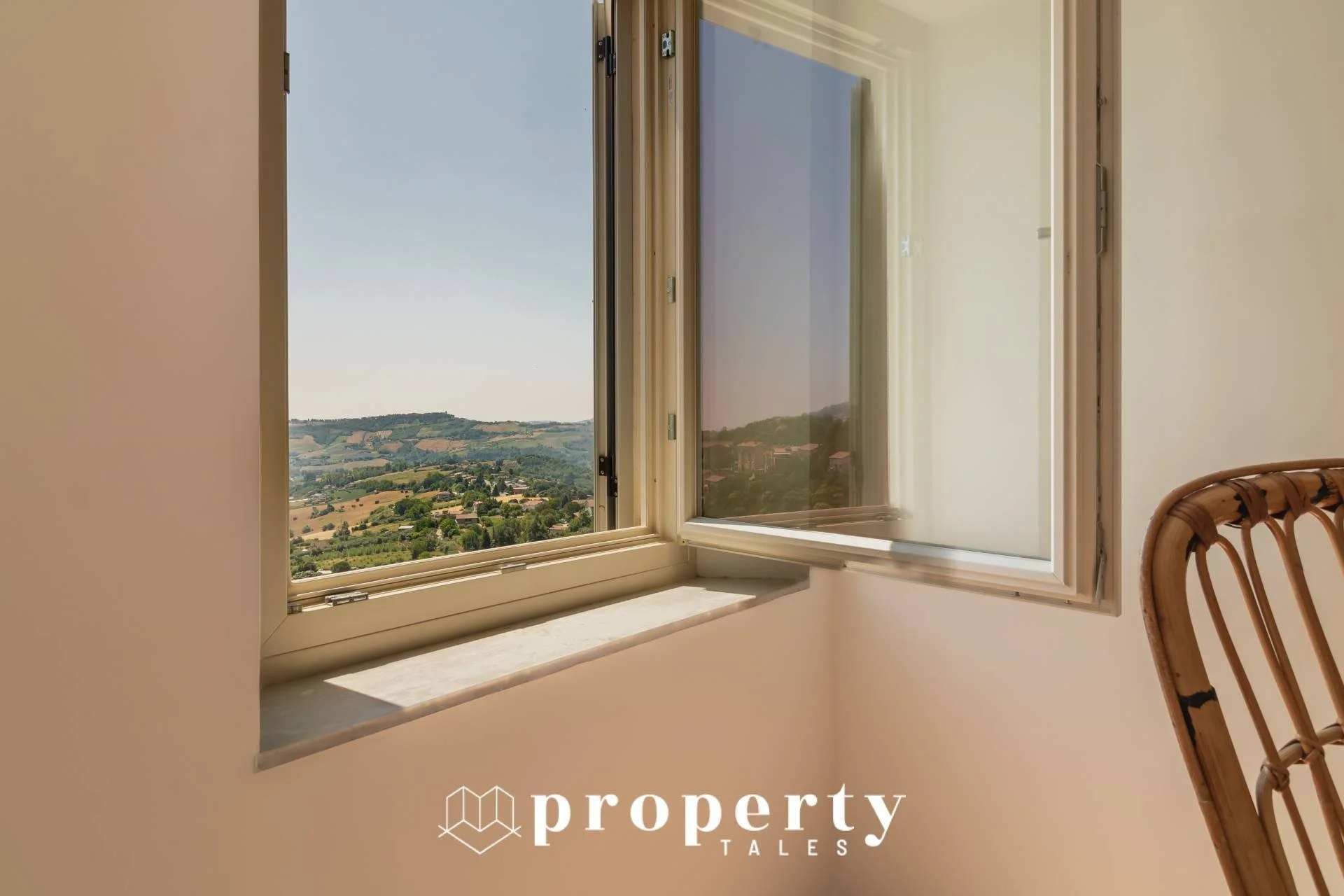
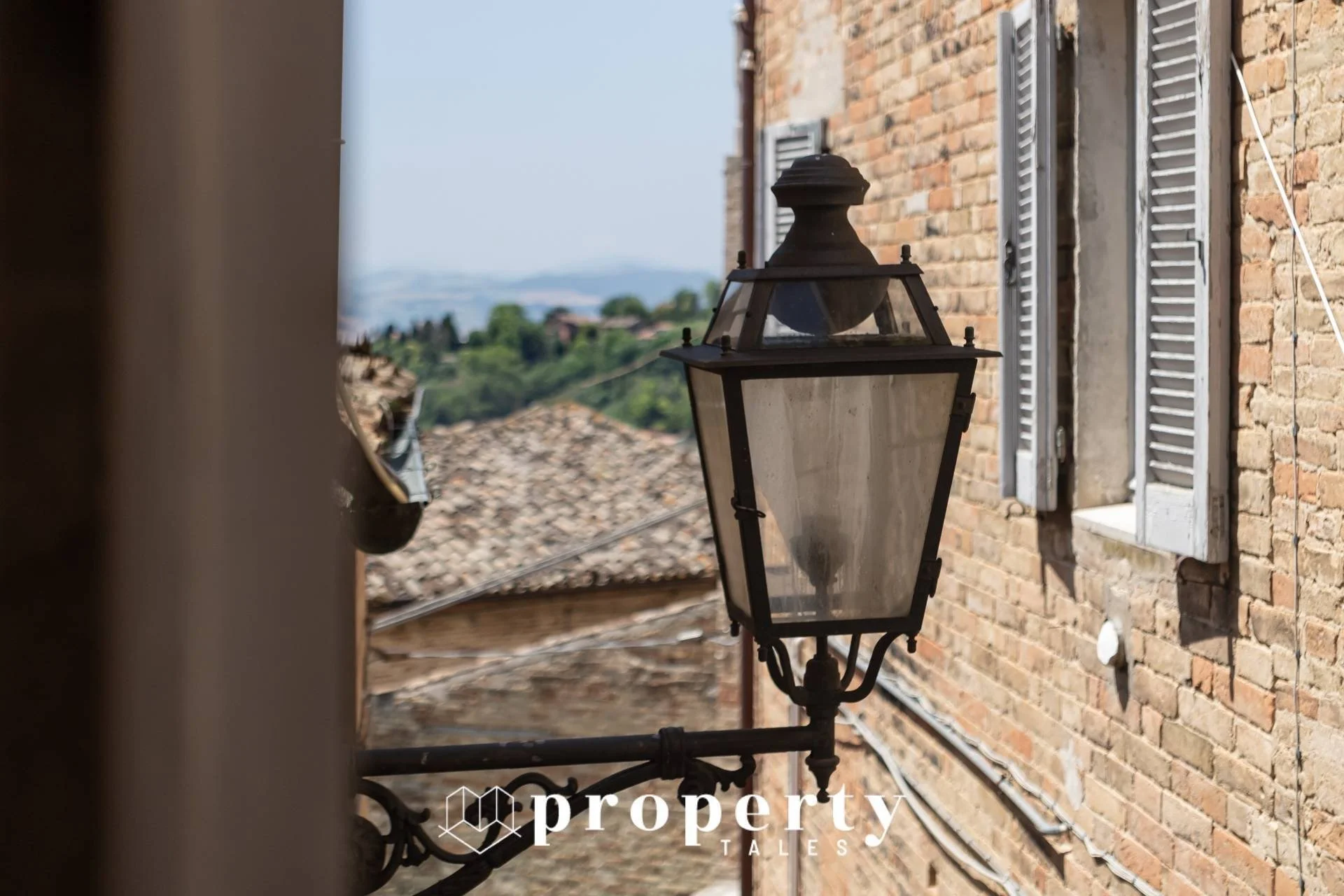
Private terrace with hill views, basement with conversion potential, village-centre setting, around 20 minutes to the Adriatic, around 1 hour to the nearest international airport.
Condition
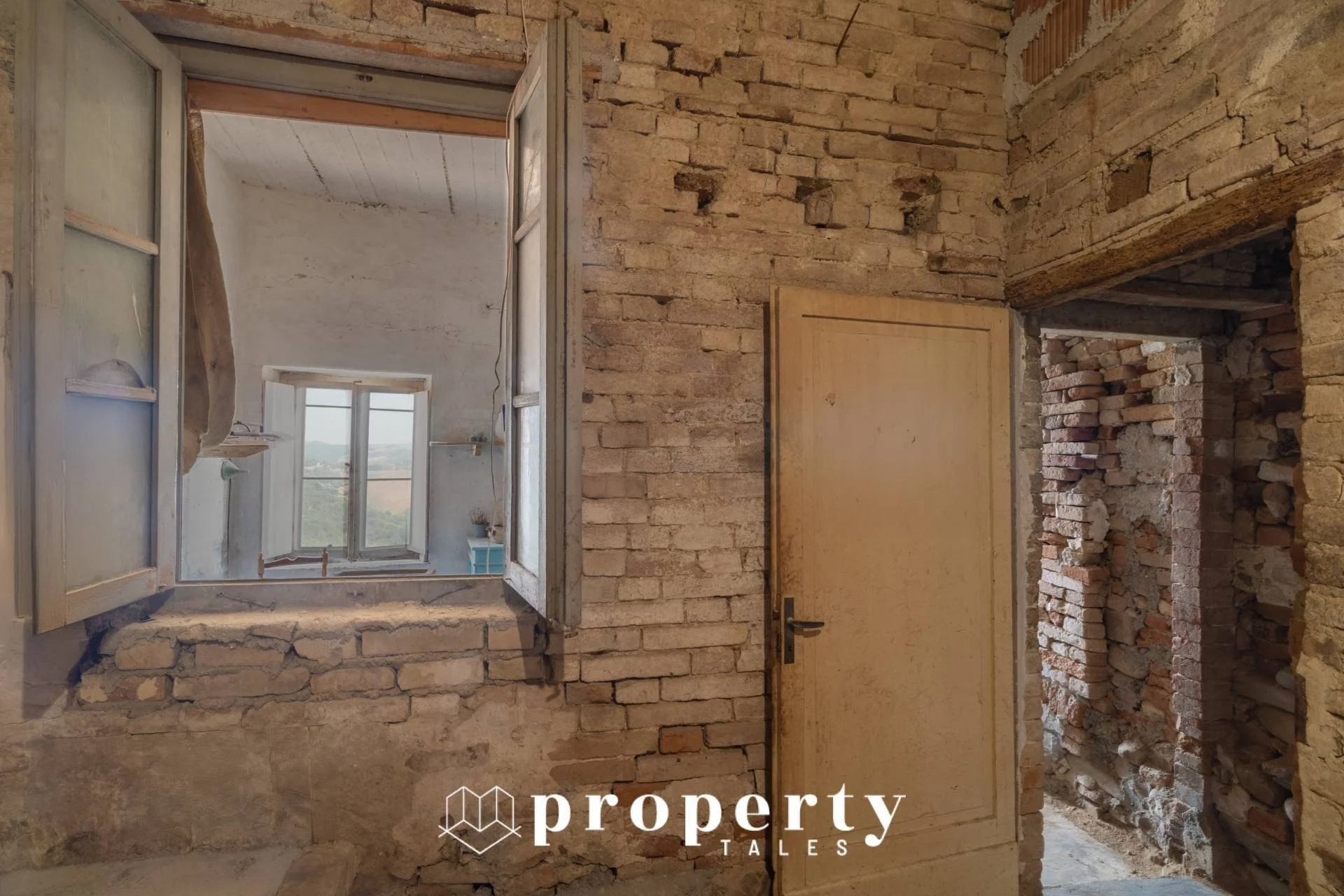
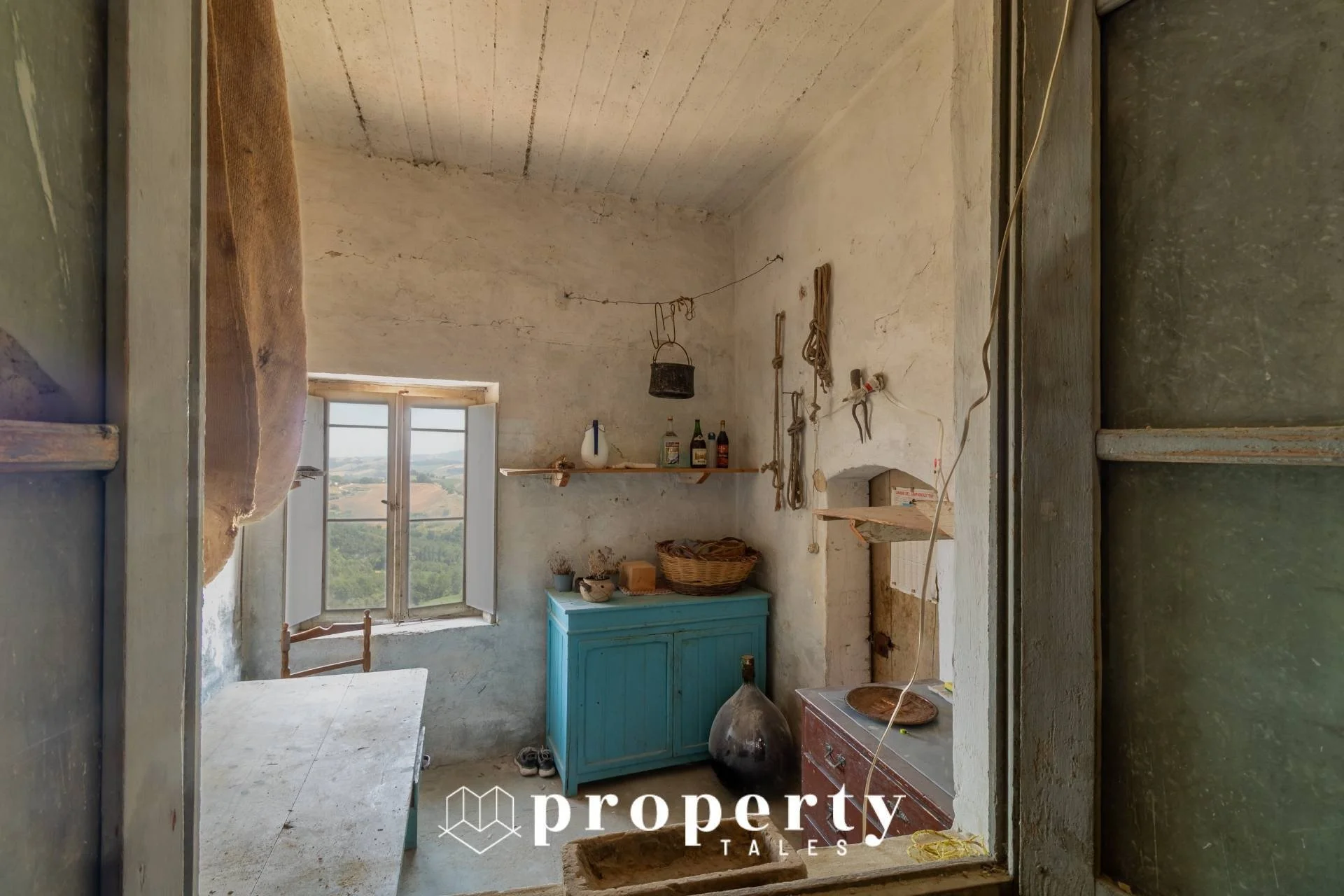
Marketed as recently restored and move-in ready.
Materials/features mentioned
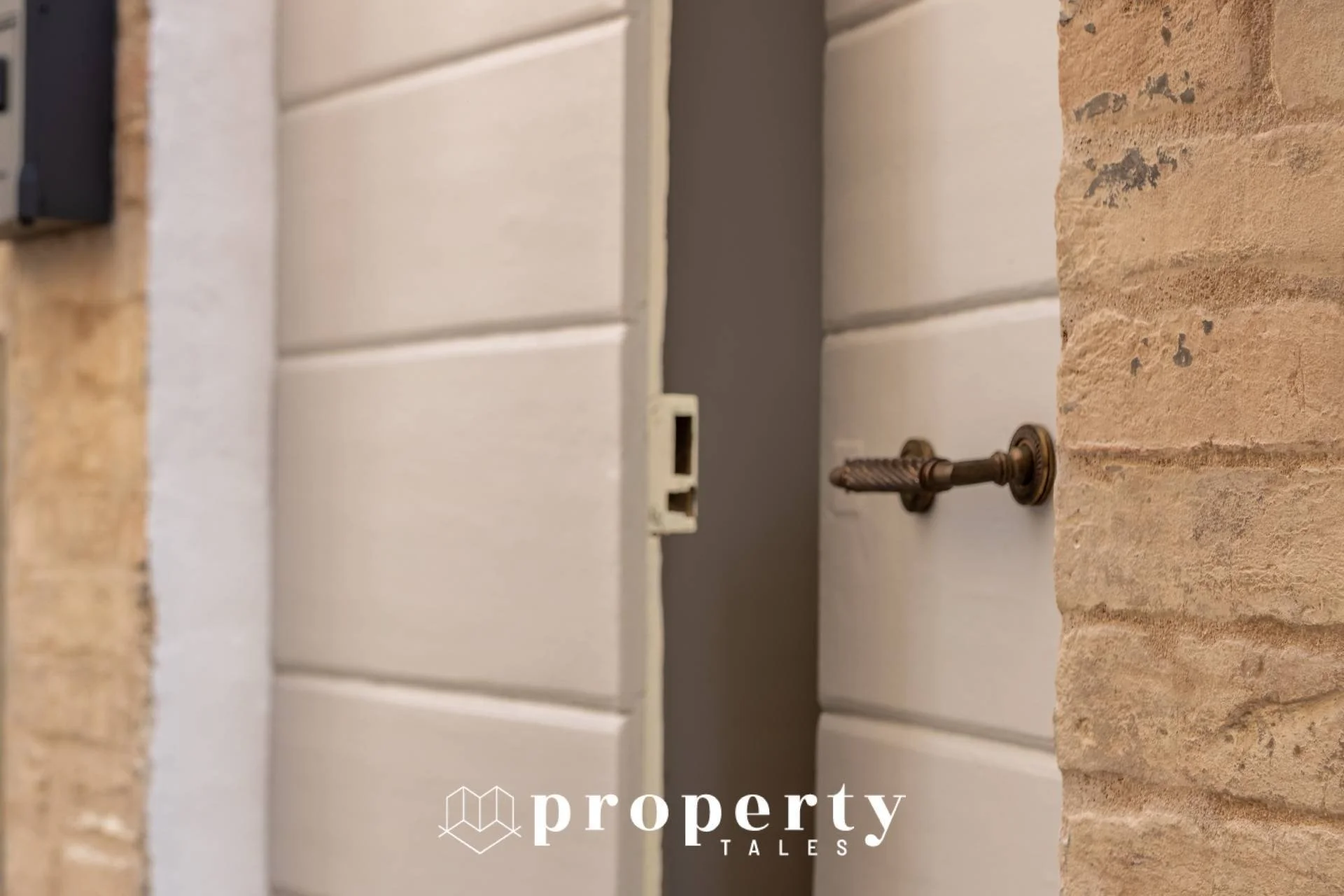
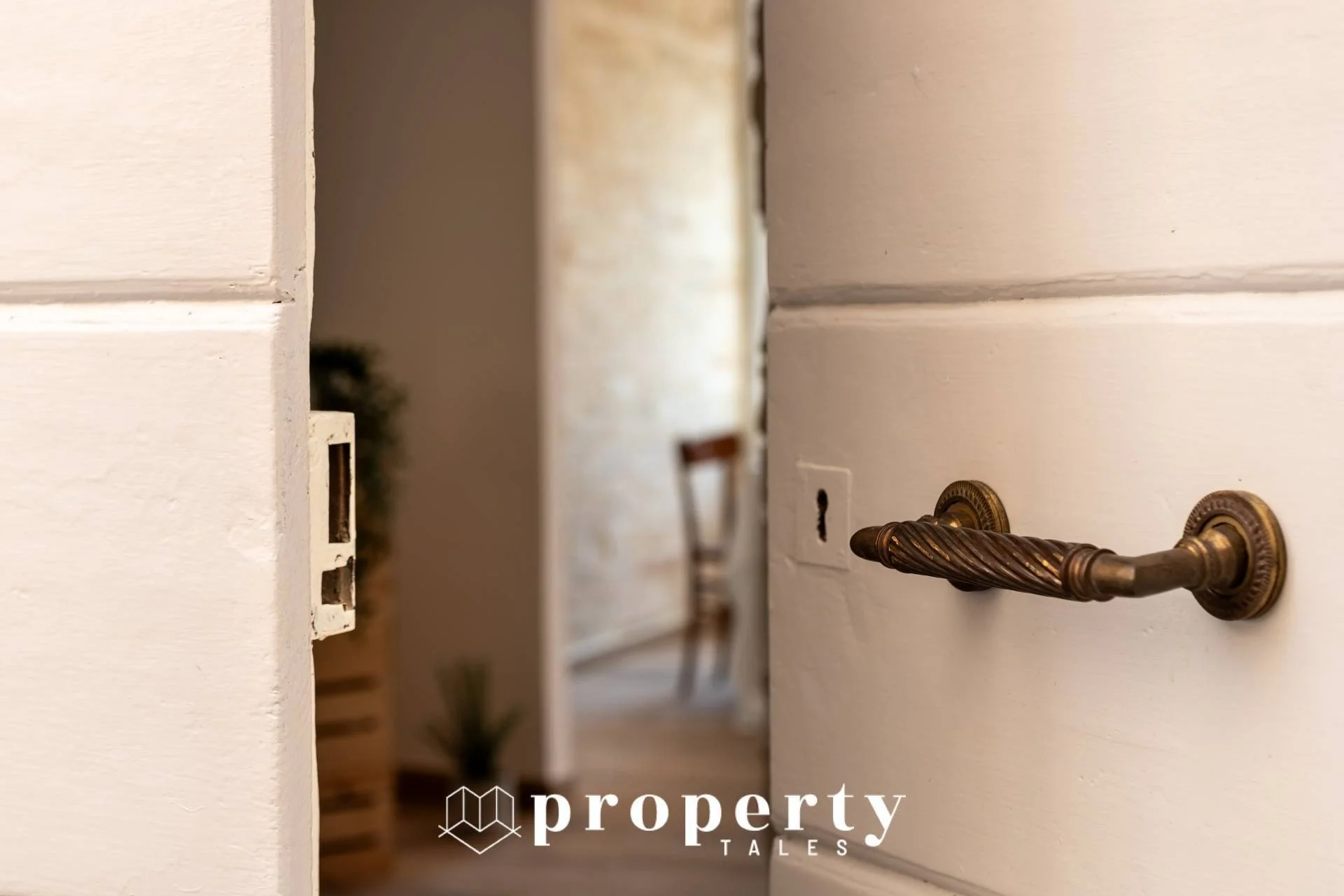
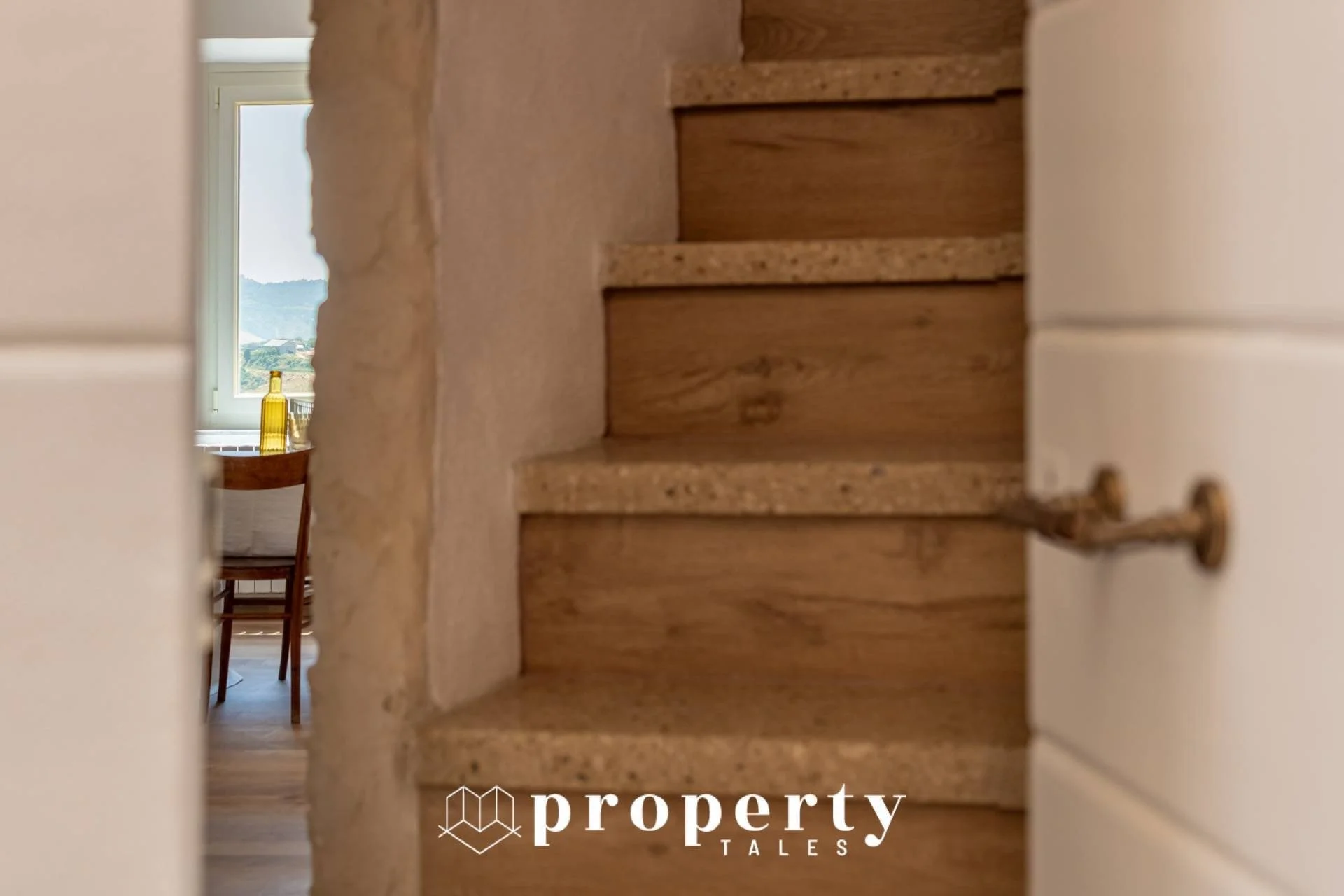
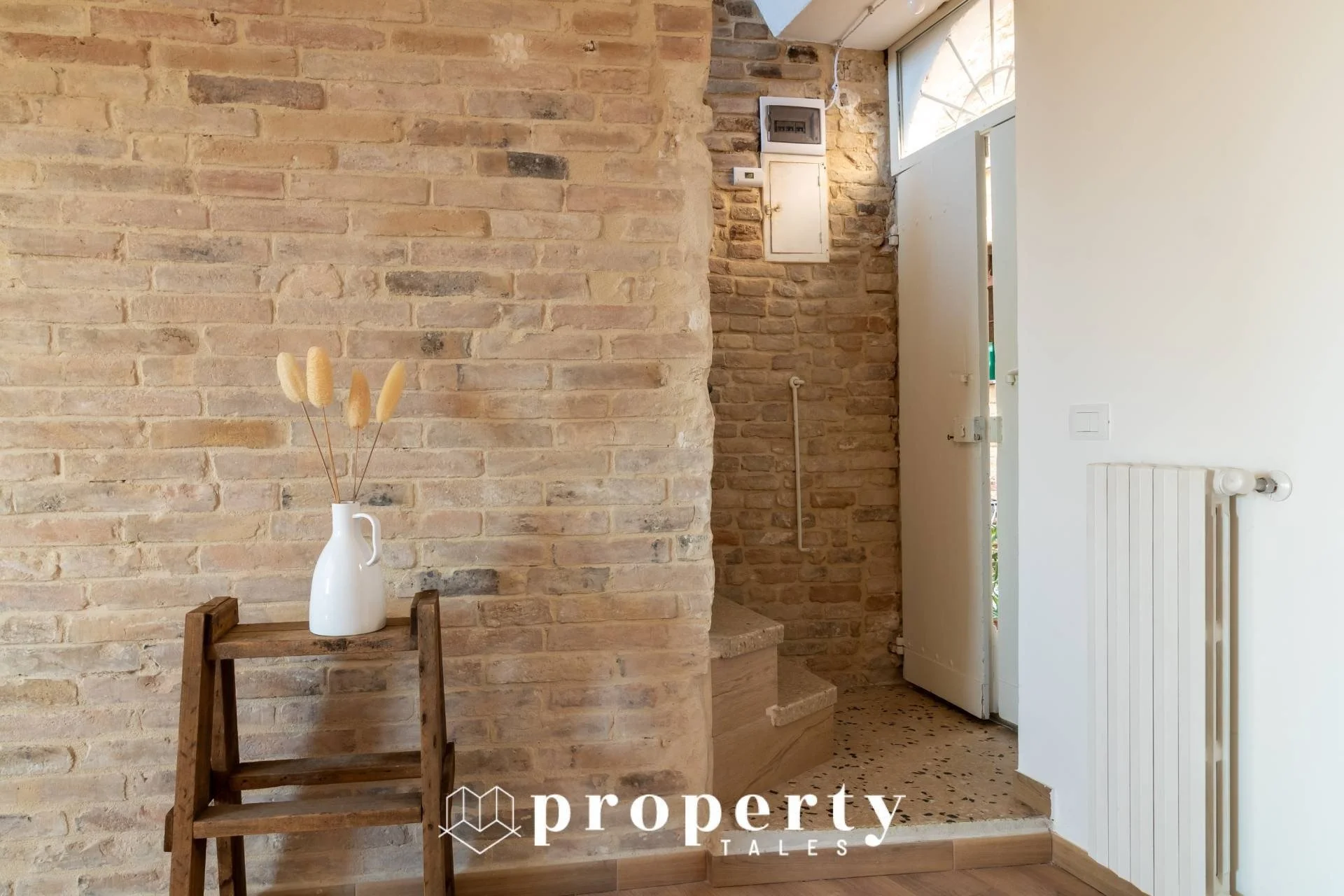
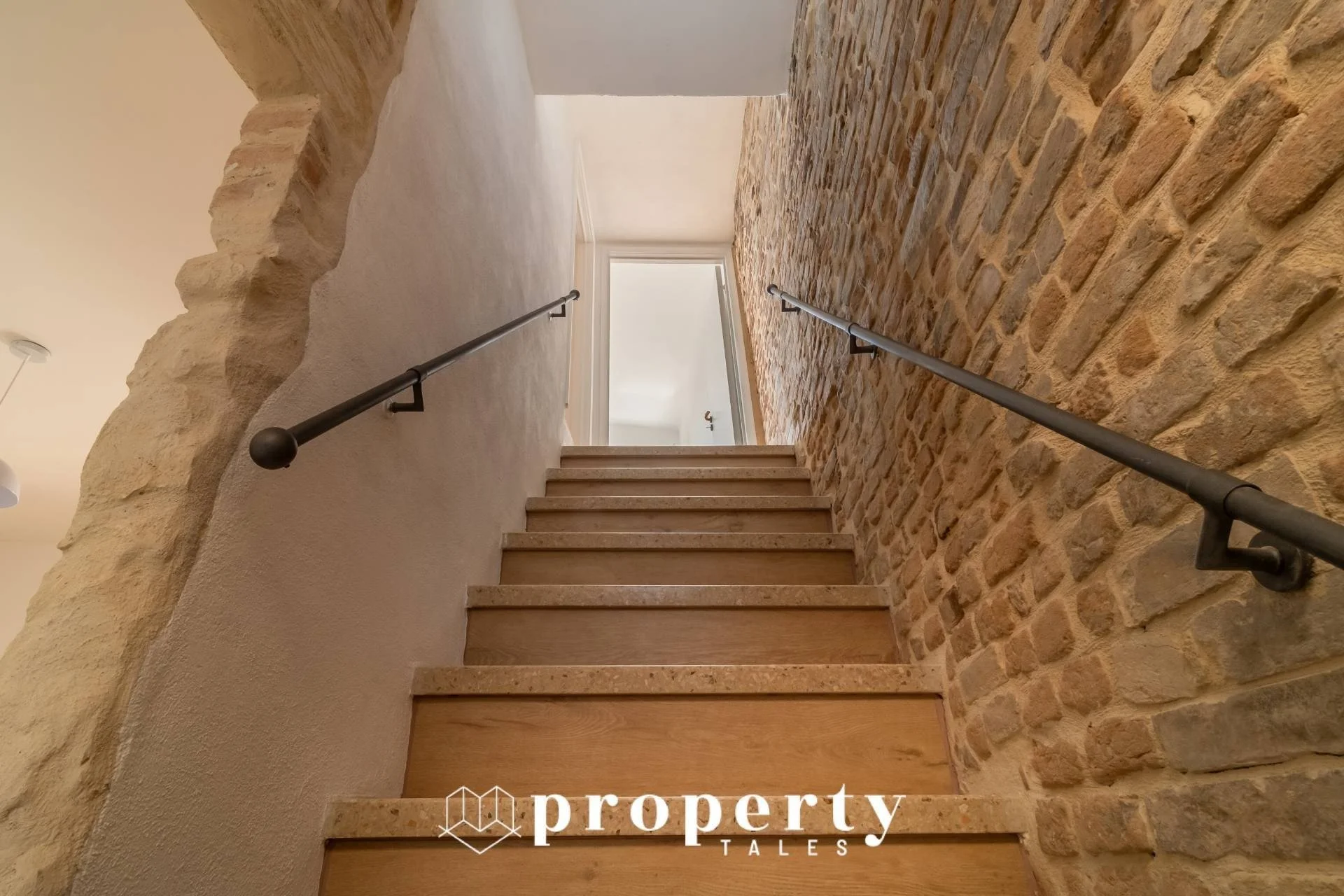
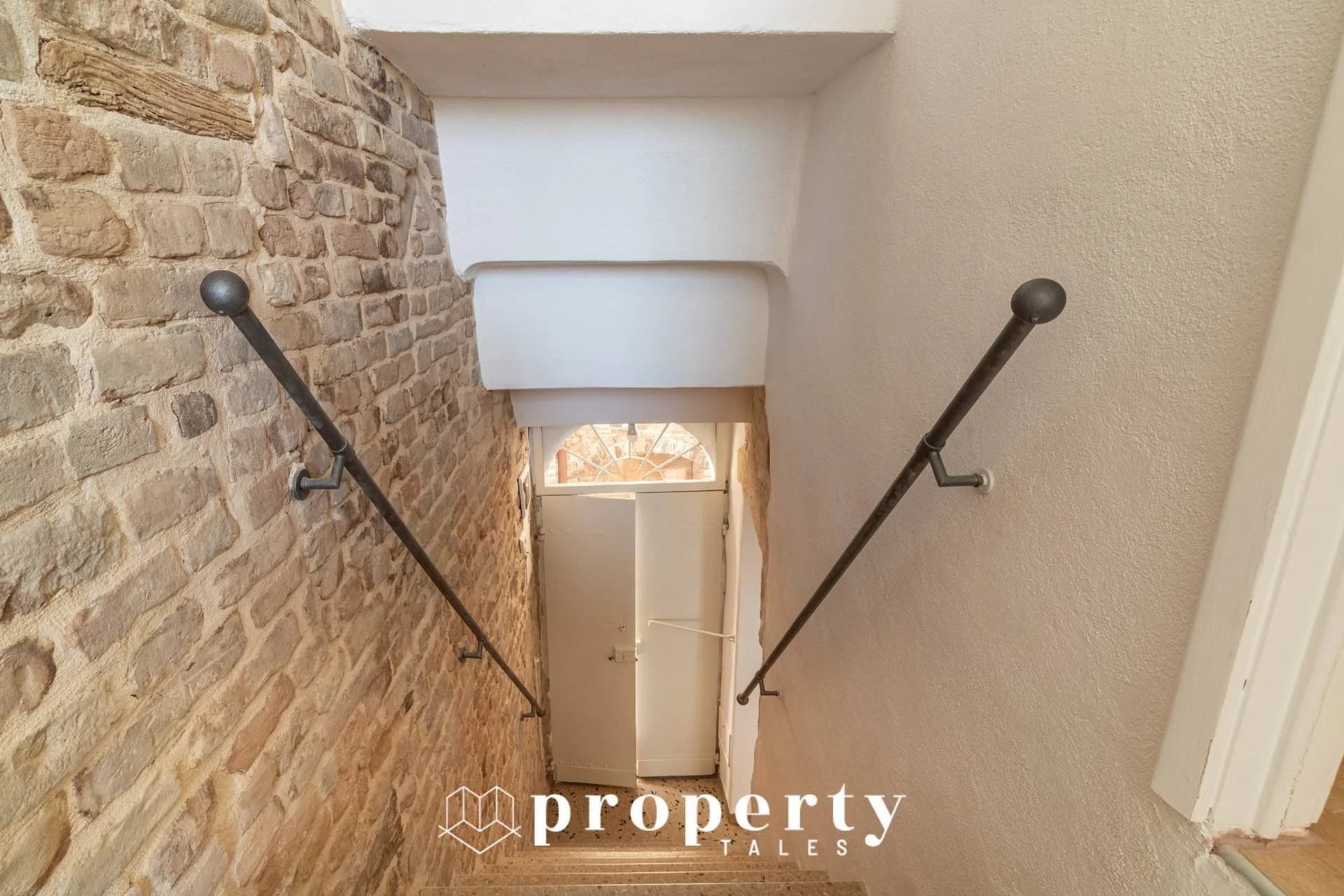
Parquet flooring, terrazzo stairs, PVC shutters and wood-effect windows.
Risk Radar
Overview
This is the kind of listing that can look extremely attractive because the entry price is low, the village is charming, and the terrace supplies the emotional hook. At €105,000, the house may well represent good value, but the price also means buyers should be especially careful about assuming that "recently restored" equals fully documented, technically thorough, and future-proof. The main diligence themes here are restoration paperwork, heritage or village-centre constraints, the legal and technical status of the terrace, and the true condition and permitted use of the basement.
The terrace is a major part of the appeal, so it should be treated as a legal and technical asset, not simply an attractive outdoor extra. In attached or historic-centre townhouses, terraces often raise questions about exclusive use, underlying waterproofing, maintenance allocation, and whether rooms below could be affected by any failure. The basement raises a similar issue from the opposite direction. It adds potential, but potential only matters if the space is legally classified in a useful way, dry enough to function properly, and realistically convertible under local rules.
The Energy Class G rating is also significant. ENEA's guidance distinguishes the standard APE used for sales and lettings from other forms of energy documentation, and Italy's building-energy framework requires an APE in sale and letting contexts. A G-rated property can still be perfectly usable, especially in a historic village setting, but buyers should not rely on the headline label alone. The full APE and actual running costs matter here, because a low purchase price can quickly be offset by high winter bills or hidden upgrade needs.
The final theme is rental and future flexibility. Marche requires tourism accommodation and tourist-let operators to interface with the regional registration framework, and the region states that the national CIN is mandatory even where a CIR already exists. That means the short-let angle may be viable, but it is not something to assume casually from the listing language.
Targeted Questions
Heritage and Planning
A medieval-village setting does not automatically mean the house is individually protected, but it can still affect future works.
Official heritage and landscape mapping can reveal constraints that do not appear in ordinary sales copy.
Future maintenance flexibility can materially affect the property's long-term value.
You need to understand what was formally authorised and at what level.
The paperwork trail is what confirms whether the works were regularised correctly.
Internal reconfiguration may need to match both municipal and cadastral records.
Structural interventions raise the diligence level significantly above a cosmetic refurbishment.
Agibilità is tied to post-works usability and compliance under the Italian building framework.
Missing agibilità may be fixable, but it changes both risk and negotiation leverage.
Past regularisation is not automatically negative, but the buyer should understand what was corrected and why.
Cadastral Records and Legal Description
This confirms how the property is described in the cadastral system.
A mismatch between the built layout and the plan can delay the sale or require updates.
The terrace is central to value, so its legal attachment to the property matters.
Buyers need to know whether it is storage, ancillary space, or something more flexible.
Marketing descriptions can be broader than the precise legal title.
Hidden rights can materially reduce privacy or control.
Building Condition and Systems
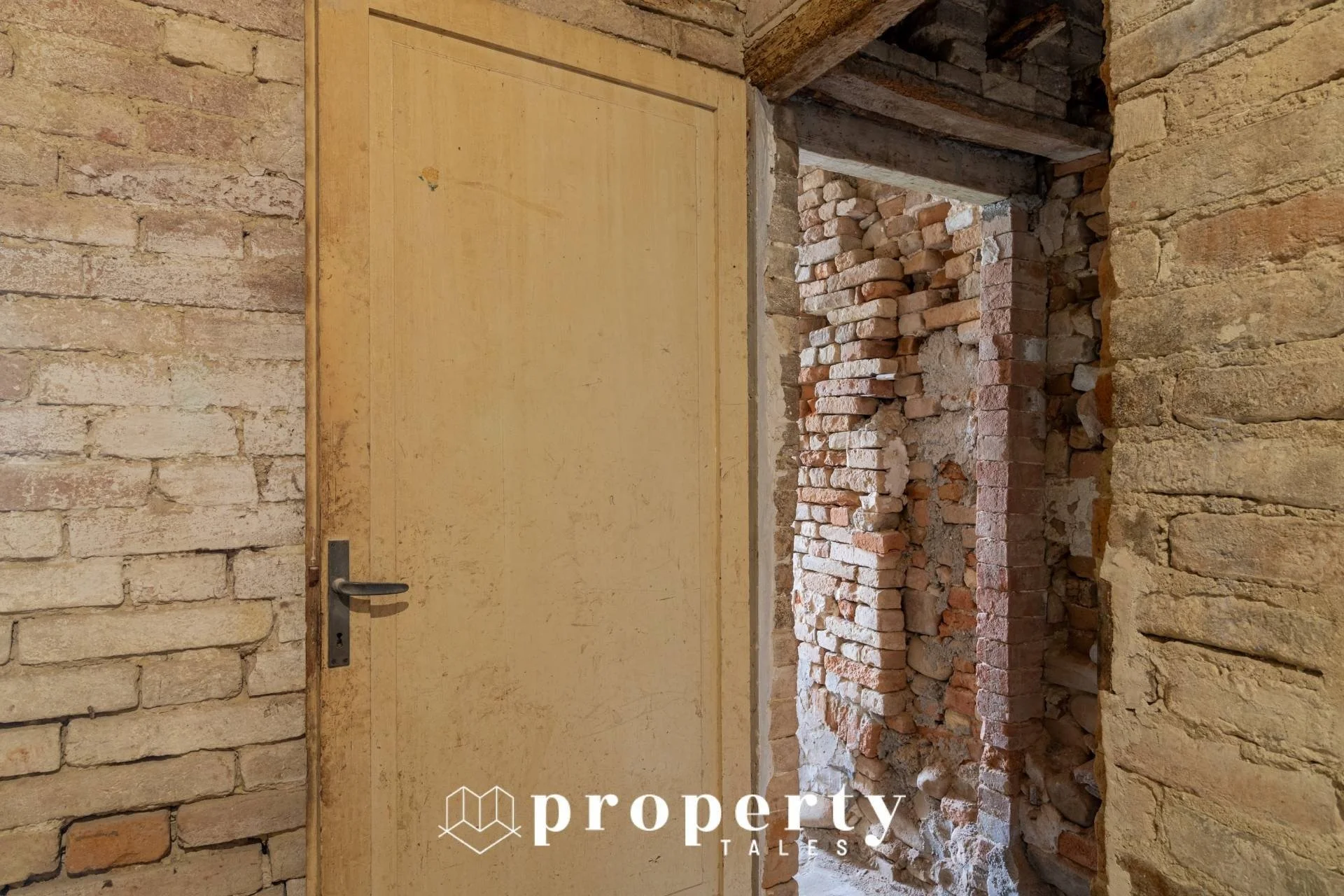
"Recently restored" needs breaking down into roof, services, windows, finishes and structure.
Invoices help verify timing, scope and contractor quality.
Transferable guarantees can reduce early ownership risk.
Roof condition is one of the biggest medium-term cost variables in an older village house.
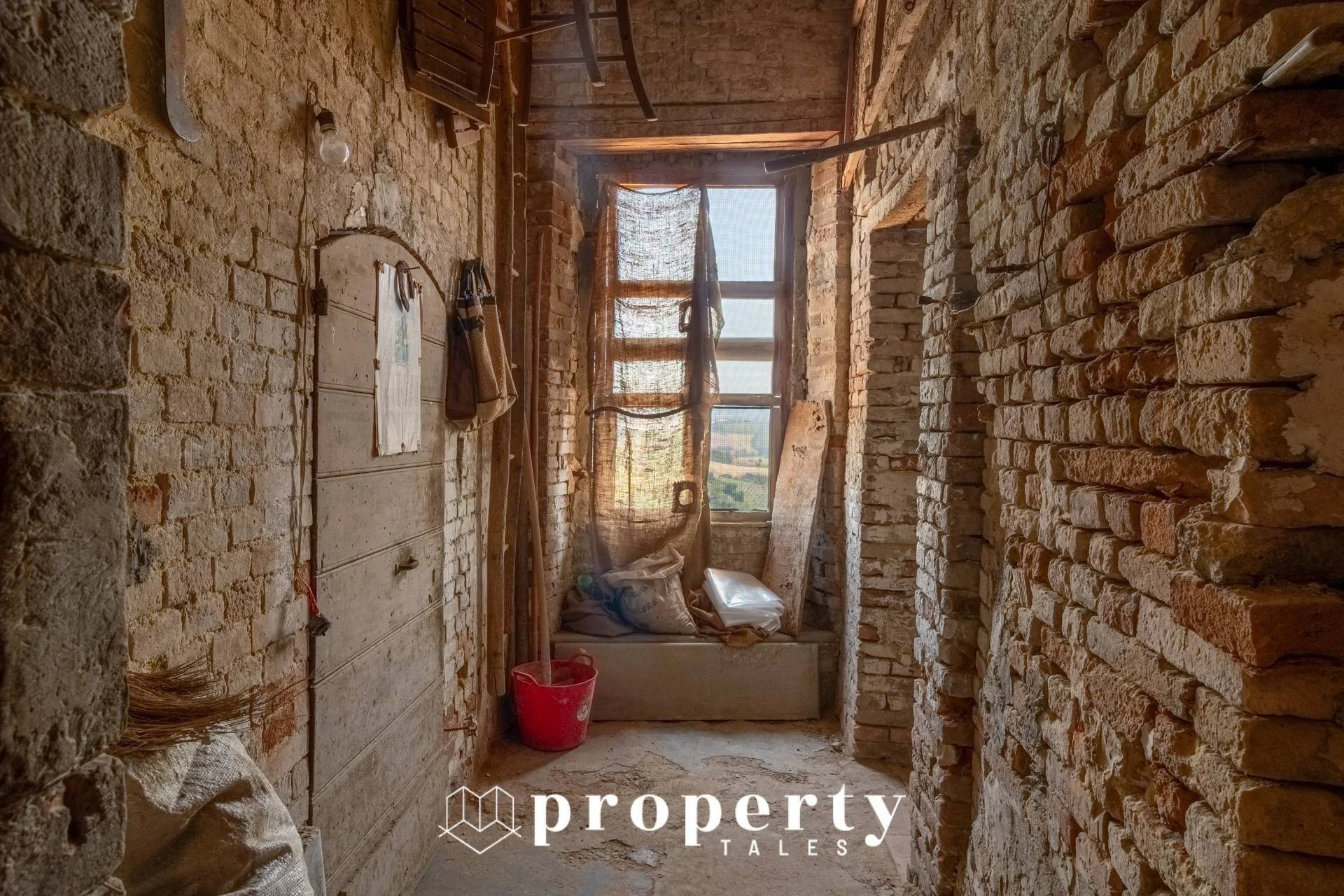
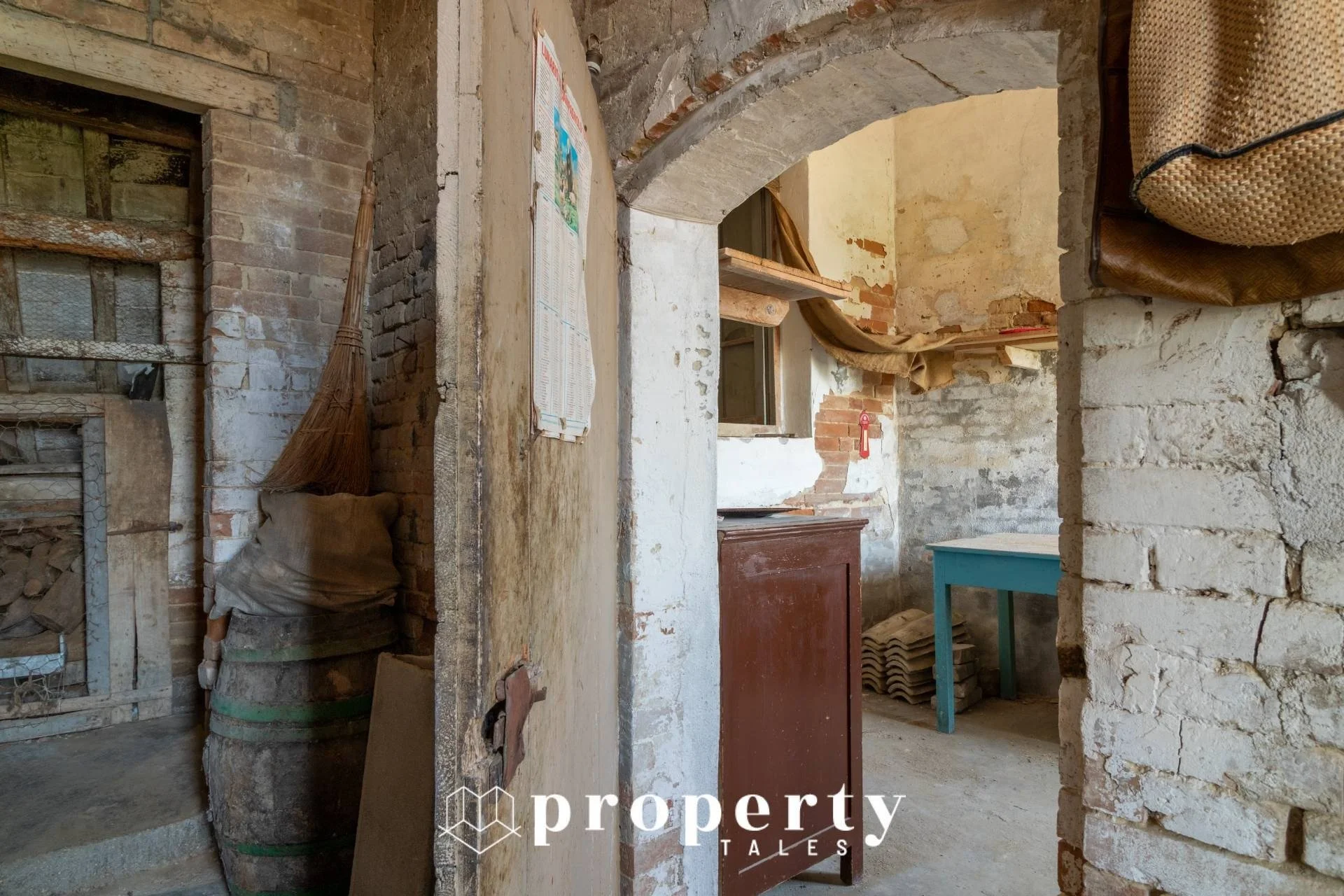
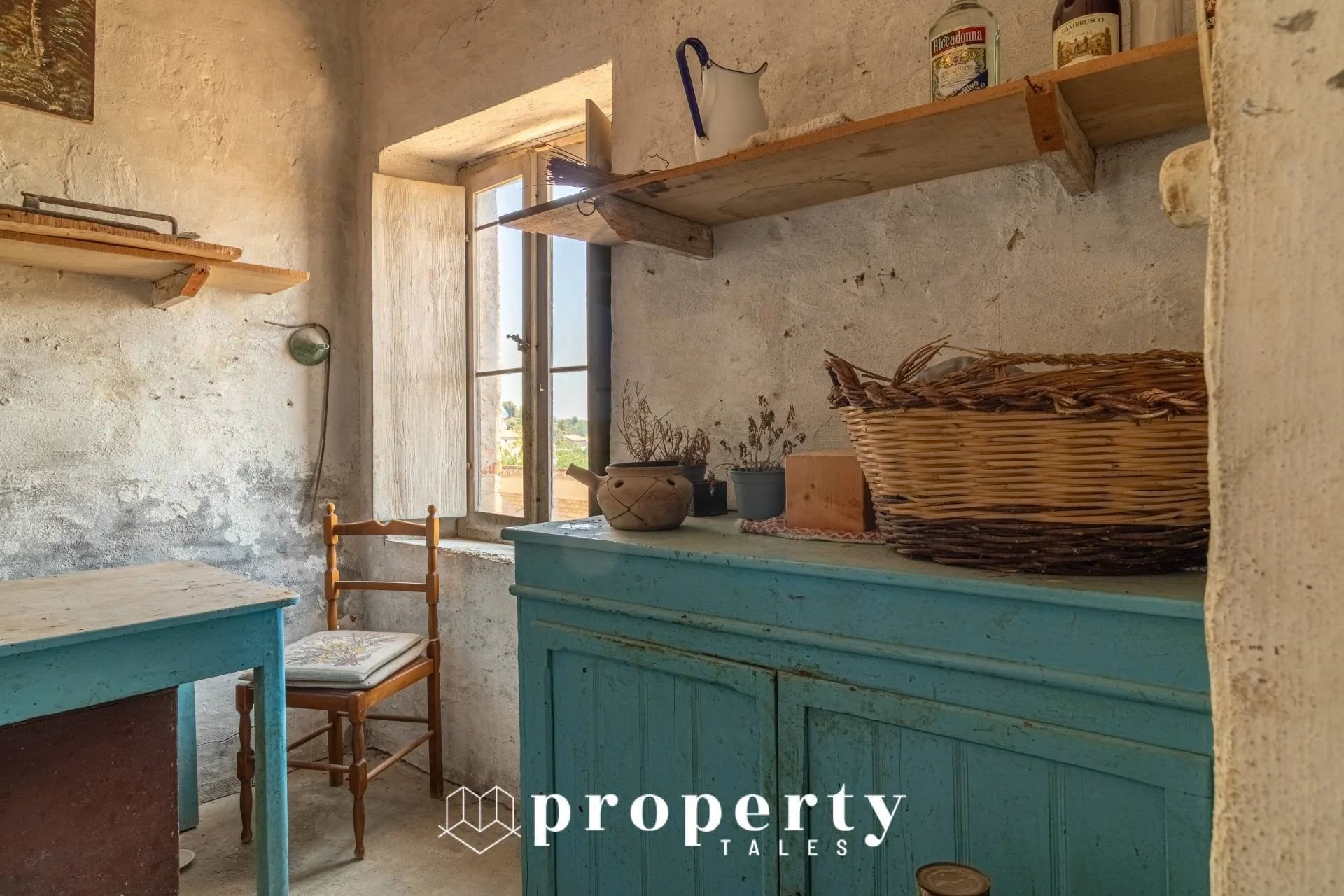
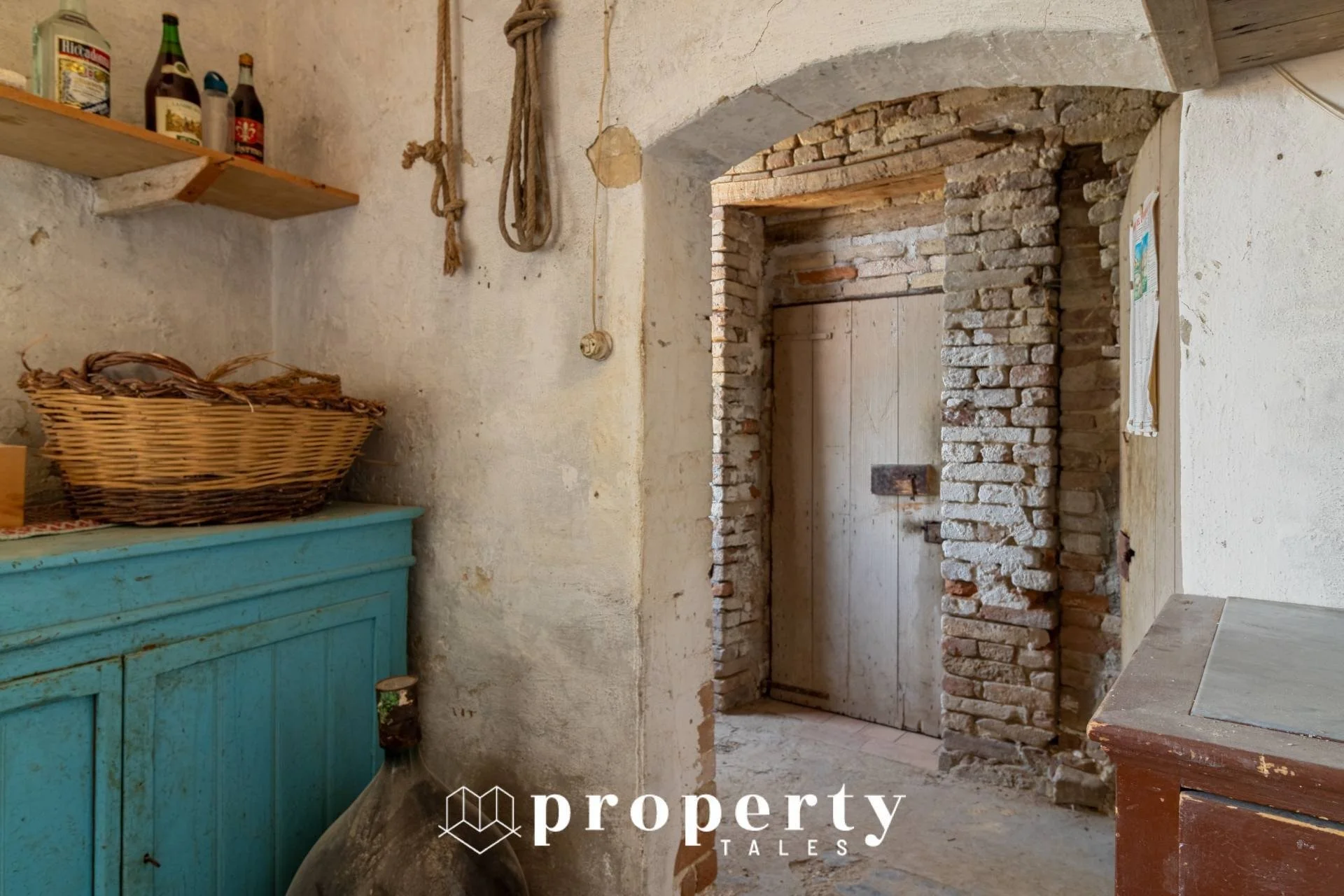
Historic character is appealing, but you still need a realistic picture of condition.
The listing highlights the finishes, but winter practicality matters more for day-to-day use.
Summer comfort and rental appeal can be affected if there is no cooling.
Real bills often say more than a headline energy label.
Window specification strongly affects comfort and energy use.
In an older masonry property, the extent of insulation helps explain whether the G rating reflects unavoidable age or under-investment.
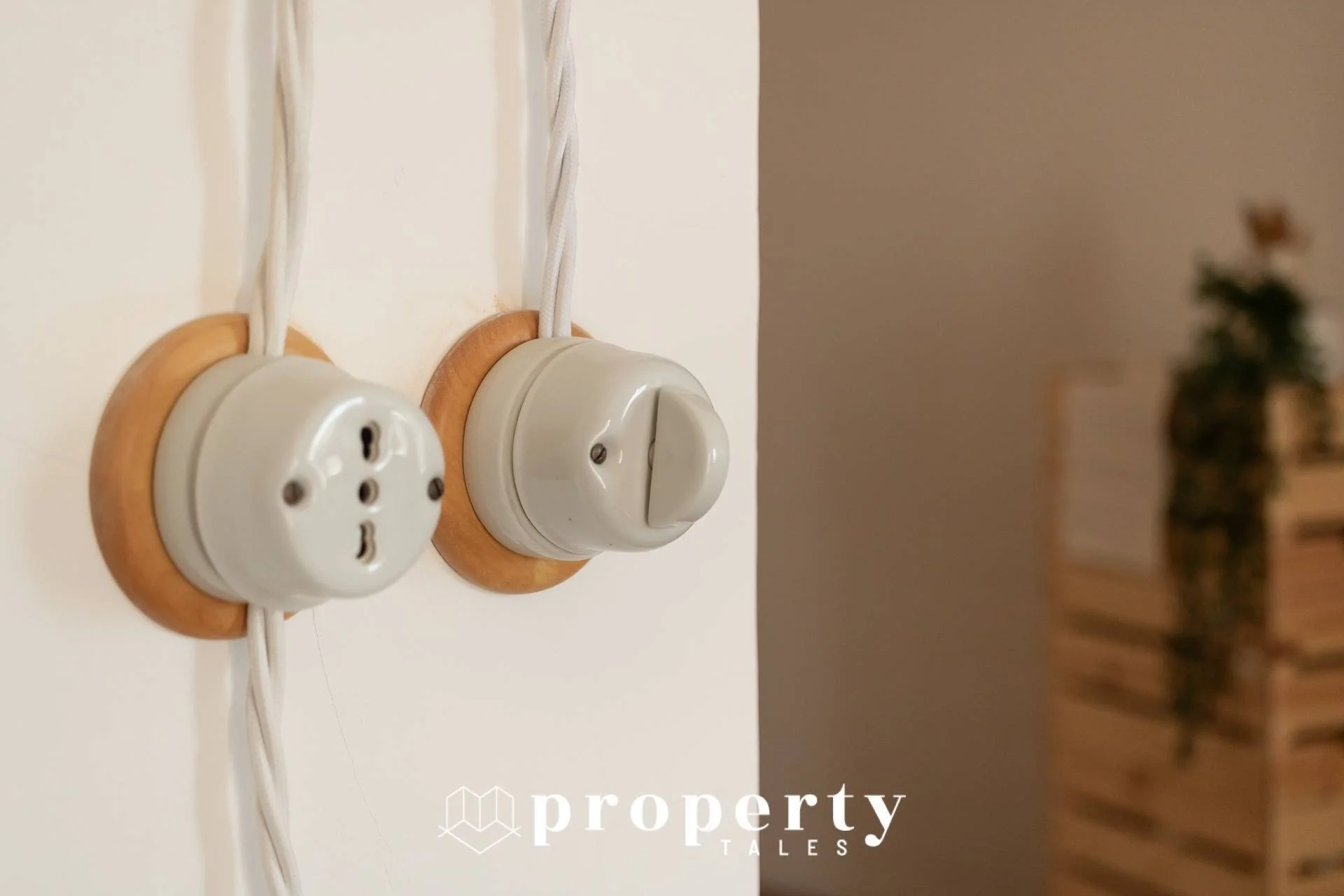
Electrical compliance is a basic safety and insurability issue.
Plumbing faults can be expensive and disruptive in older properties.
Stone village buildings often hide moisture behaviour until colder months.
Past treatment can reveal recurring moisture issues.
Energy Performance
The full certificate is needed to understand the assumptions, suggested improvements and real performance context.
Buyers need to know whether the certificate is current and relevant to the restored condition.
That distinction helps the buyer judge whether upgrades would be minor or substantial.
A cheap house with very high seasonal energy bills can become less attractive overall.
Some historic homes can be improved sensibly, while others are more constrained.
Terrace, Views and Waterproofing
Exclusive use needs to be confirmed legally, not assumed from the marketing.
The terrace is a key selling point and should be understood precisely.
This affects waterproofing risk and possible maintenance liability.
Terrace failure can become a disproportionately expensive problem.
Past leakage is one of the strongest practical red flags.
Responsibility must be clear before a defect or dispute arises.
Shared access can materially reduce privacy and enjoyment.
View durability often supports part of the property's perceived value.
Basement Status and Conversion Potential
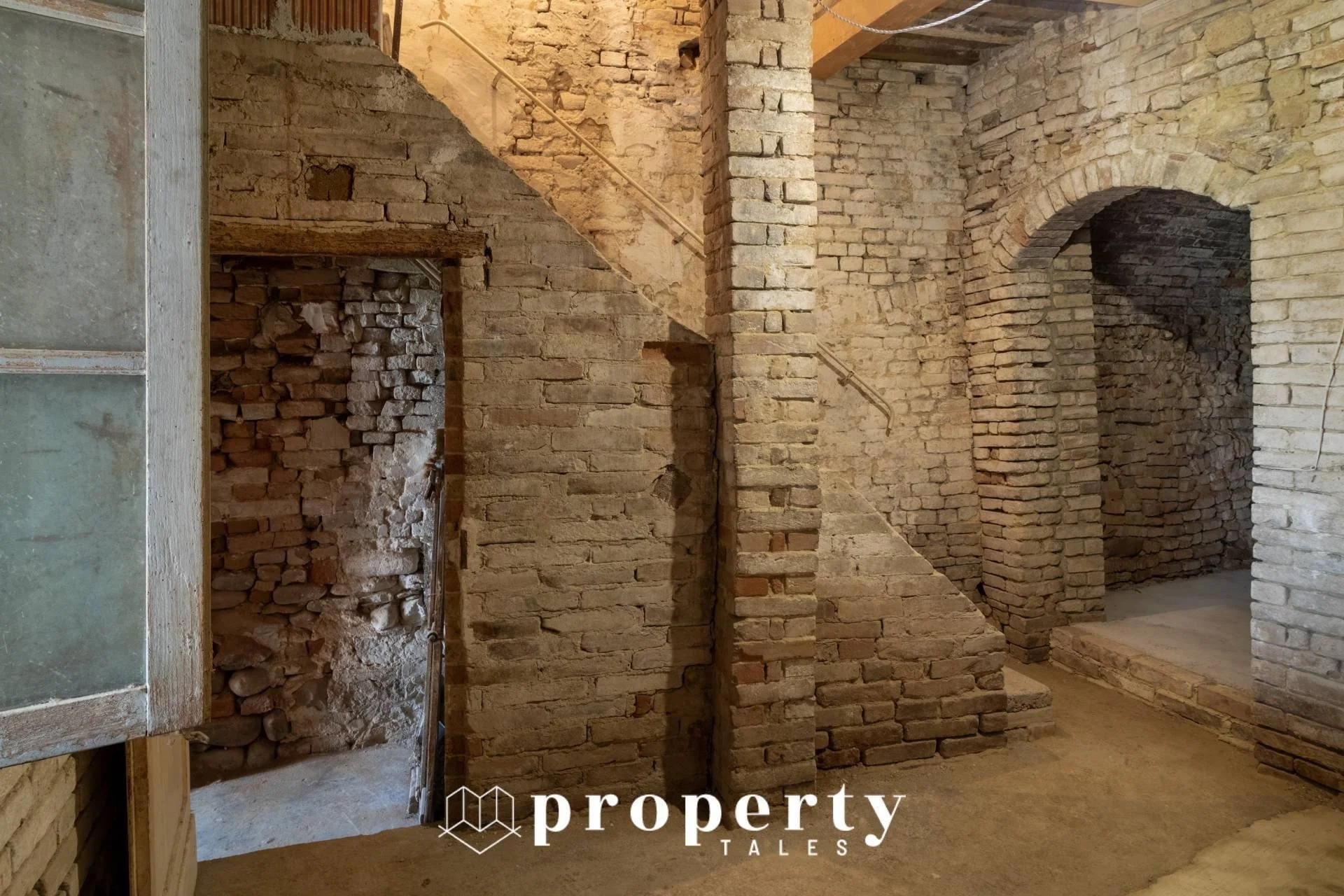
Buyers need to know whether it is storage only or capable of broader lawful use.
A lower-level space may look acceptable in photos but feel very different in winter.
Moisture risk is especially relevant in below-grade or partly buried historic spaces.
This affects both usability and conversion viability.
Early informal adaptation can create legal and technical complications.
Buyers should distinguish between imaginative potential and permitted reality.
Conversion in a historic village setting may trigger more controls than buyers expect.
Practicalities and Liveability
Parking in a medieval village can materially affect everyday convenience.
A short walk for a viewing can feel very different with groceries or luggage.
Access affects both immediate move-in practicality and any future maintenance.
Vertical access can affect both owner suitability and guest appeal.
Remote-work practicality should be verified, not assumed.
The surrounding occupancy pattern affects noise, privacy and rental fit.
Seasonality affects both lifestyle expectations and income assumptions.
Rental Potential
Past use gives a better reality check than abstract rental optimism.
Real figures help test whether the rental angle is commercially meaningful.
Marche states that the CIN is mandatory even where a CIR already exists.
Existing registration can reduce admin friction for a new owner.
A property may be lawful to rent but still awkward to operate successfully.
Buyers should avoid pricing the property on peak-period assumptions alone.
Negotiation Intelligence
Buyer Leverage
Medium-High
Key Drivers
Typical Negotiation Range
5-15% below asking
Neutral Phrasing Example
Country Layer
Italy (Regulatory Context March 2026)
Key Italian requirements and regulatory context for buyers:
Viewing Strategy
Start with the basement and terrace before letting the village atmosphere do all the work.
Next Step
Verify from the listing:
Restoration permits and agibilità
Request the SCIA, CILA or other restoration file, end-of-works paperwork and current agibilità position so you can confirm that the recent restoration was properly authorised and signed off.
Terrace ownership and waterproofing liability
Confirm that the private terrace is legally attached to this townhouse alone, that there is no shared access, and that responsibility for waterproofing, drainage and structural upkeep is clearly defined.
Basement classification and conversion realism
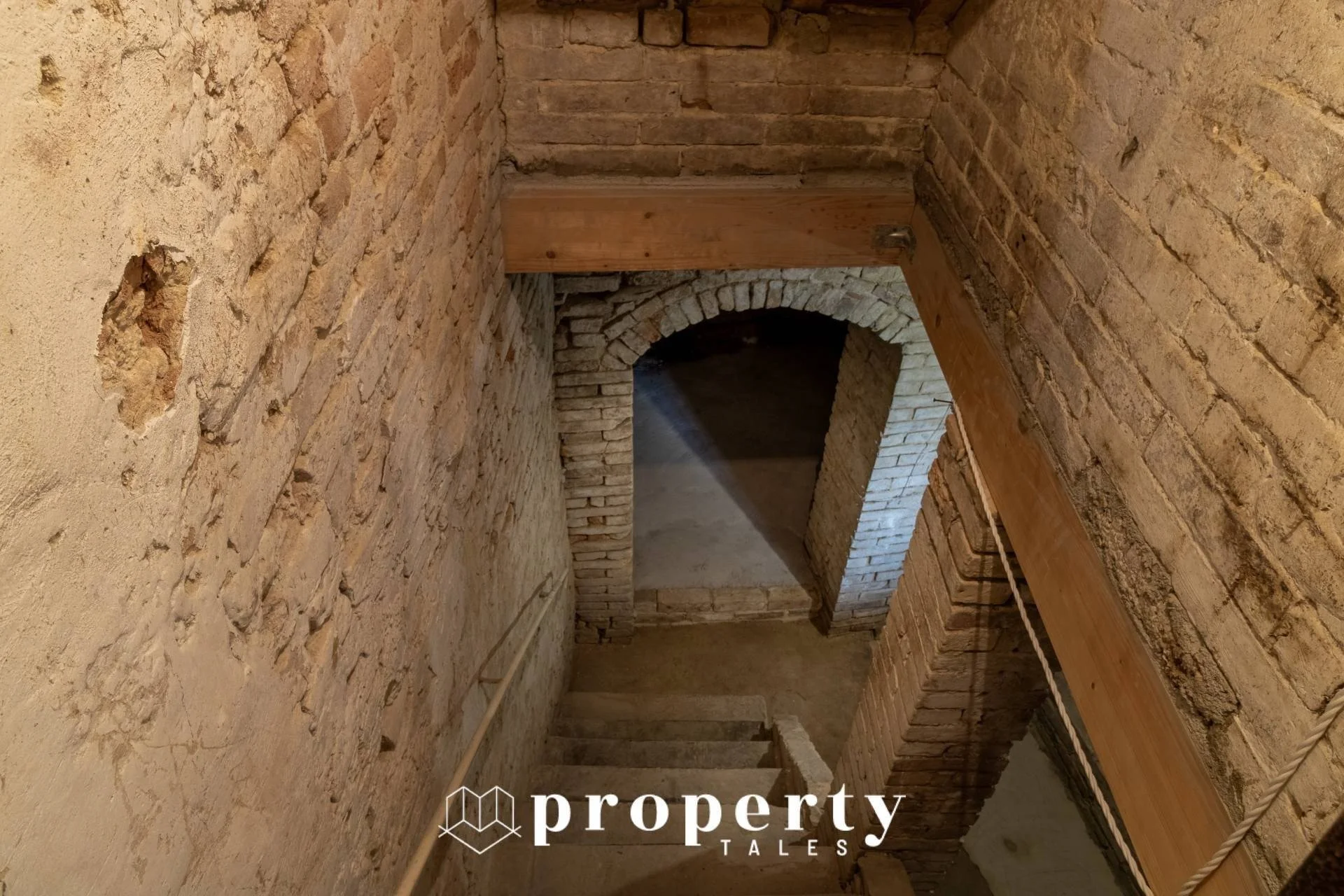
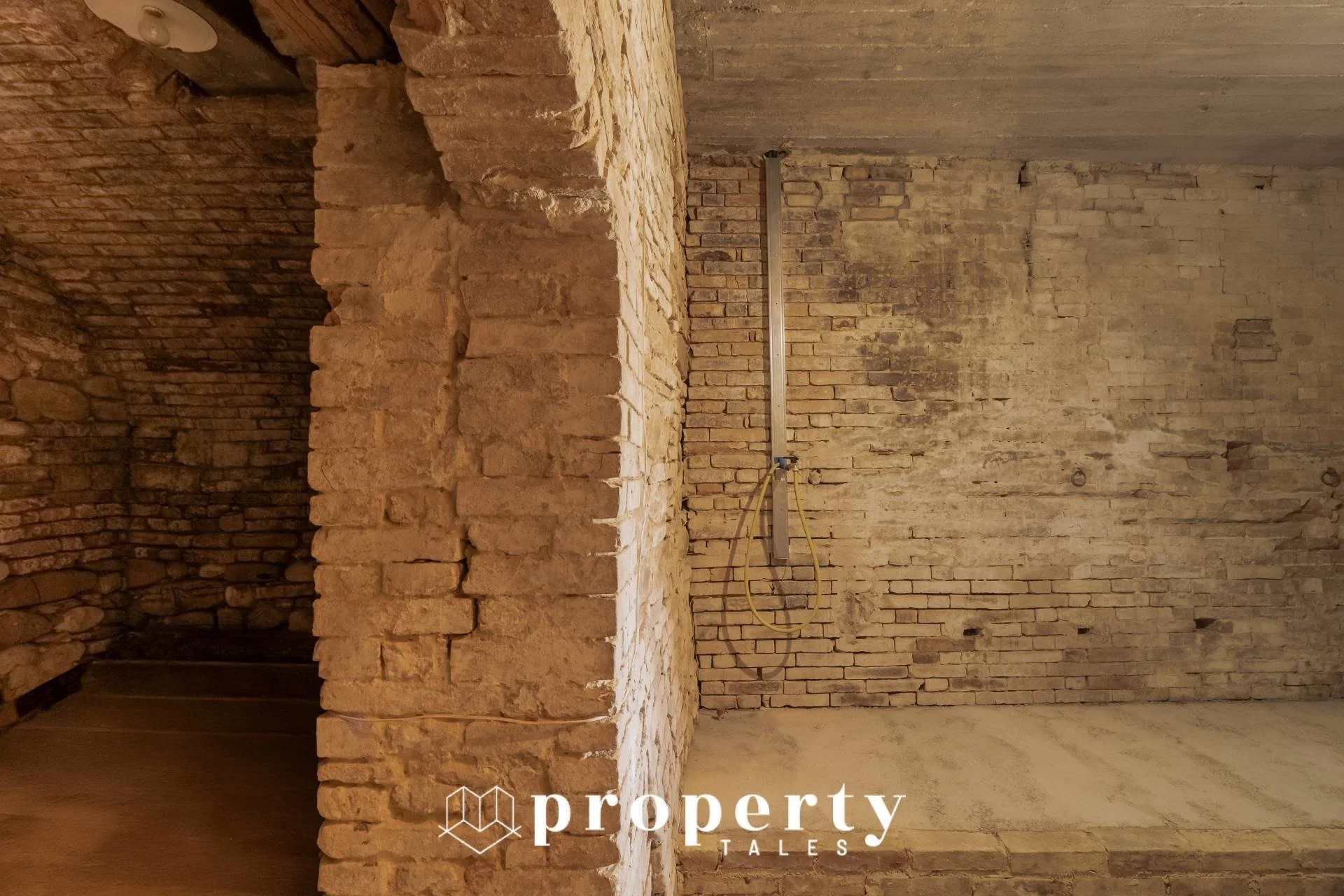
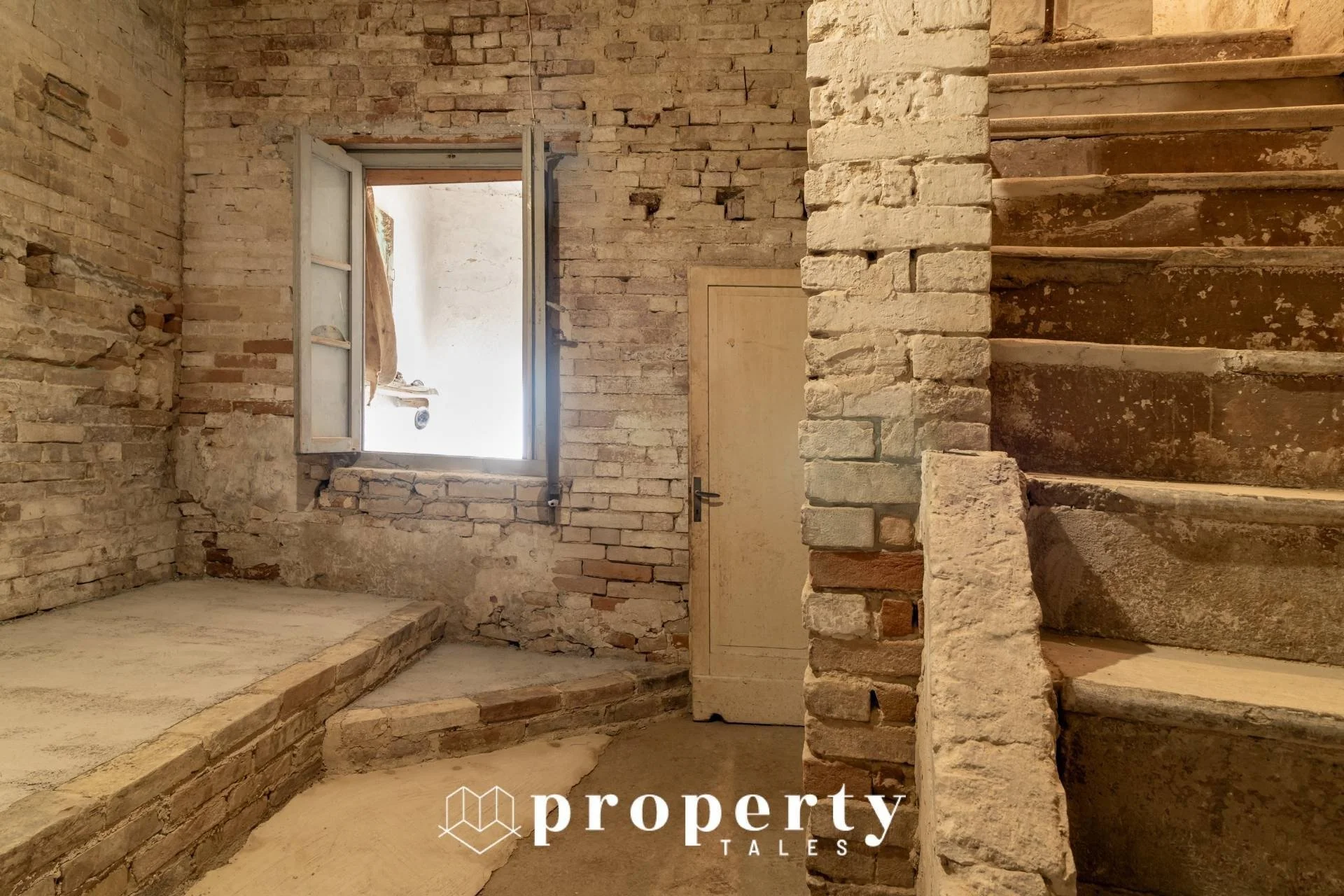
Check how the basement is described in the title and planimetria, whether it is dry and ventilated, and what approvals would actually be needed before treating it as future usable space rather than simple storage.
Energy Class G in real terms
Ask for the full APE and recent utility bills so you can understand whether the G rating reflects manageable character-property realities or meaningful heating and comfort costs that should affect your offer.
Tourist-rental pathway in Marche
If rental potential matters, verify whether the property already has the required regional and national identifiers, and whether access, parking and village practicalities genuinely support guest use.
A prepared buyer should approach the agent calmly and frame questions as due diligence.
Because this is a property where the legal, structural and regulatory context matters, run it through one of the property tools before contacting the agent.
Use the Property Risk Assessment to test the legal and building-level issues, or the Renovation Budget Planner to model likely costs if the basement, terrace waterproofing, roof or energy performance need further work.
Disclaimer: The Property Drop is buyer-focused intelligence, zero sales agenda. We curate exceptional properties, in southern Europe, from third-party agents and arm you with decision tools. No commission, no transactions, no agent partnerships, no skin in the game beyond helping you choose wisely. Information stays accurate until it doesn't (properties sell, prices shift, markets move). Everything here is shared for informational purposes only and should not be treated as legal, financial, or investment advice. Images belong to original agents. Read our Terms of Service to learn more.
IMPORTANT REMINDER: When contacting property agents featured on The Property Drop, you are entering into direct communication with third parties. It's recommended that you verify all property details independently, conduct thorough due diligence, engage qualified professionals (solicitors, surveyors, financial advisors), understand your rights and obligations under local property laws, and never send money or make commitments without proper legal protection.
