
The Buyer Playbook: Villa with Pool and Panoramic Views Valencia, Spain, €478,000
Buyer Playbook
Pre-Viewing Intelligence Report
This independent buyer guidance report relates to this specific property located in Spain. It is provided for informational purposes only and does not constitute legal, tax, structural or survey advice. Planning permissions, habitation status, tourist-rental eligibility, pool legality, land boundaries, parking status, and the legal configuration of the two apartments must always be verified with qualified Spanish professionals such as an abogado, arquitecto, arquitecto técnico, surveyor, técnico certificador, and with the relevant Ayuntamiento, Catastro and Registro de la Propiedad. This report is designed to help buyers evaluate the property before arranging a viewing or making an offer. It highlights due diligence areas and targeted questions to ask the estate agent. The analysis is based on the listing details and publicly available regulatory context at the time of writing, including current Valencian tourist-rental rules, Spain's national short-term rental registration framework and current energy-certificate requirements. In the Valencian Community, tourist-use dwellings require a favourable municipal urban-compatibility report and a responsible declaration for registration, and Spain's national short-term rental registration regime also now matters for online advertising.
Playbook Contents
Property Snapshot
Location
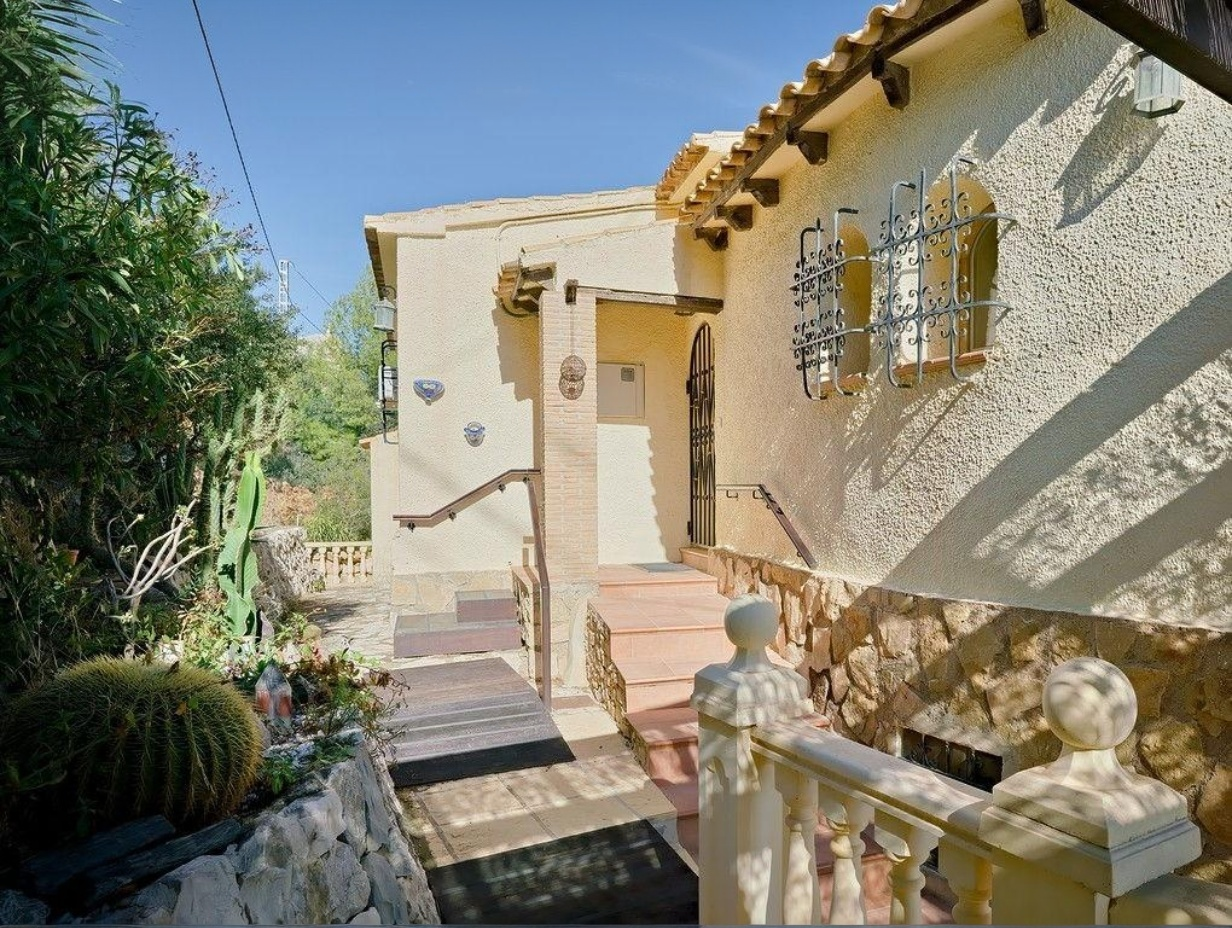
Calpe, Valencia / Alicante area, Spain
Property type
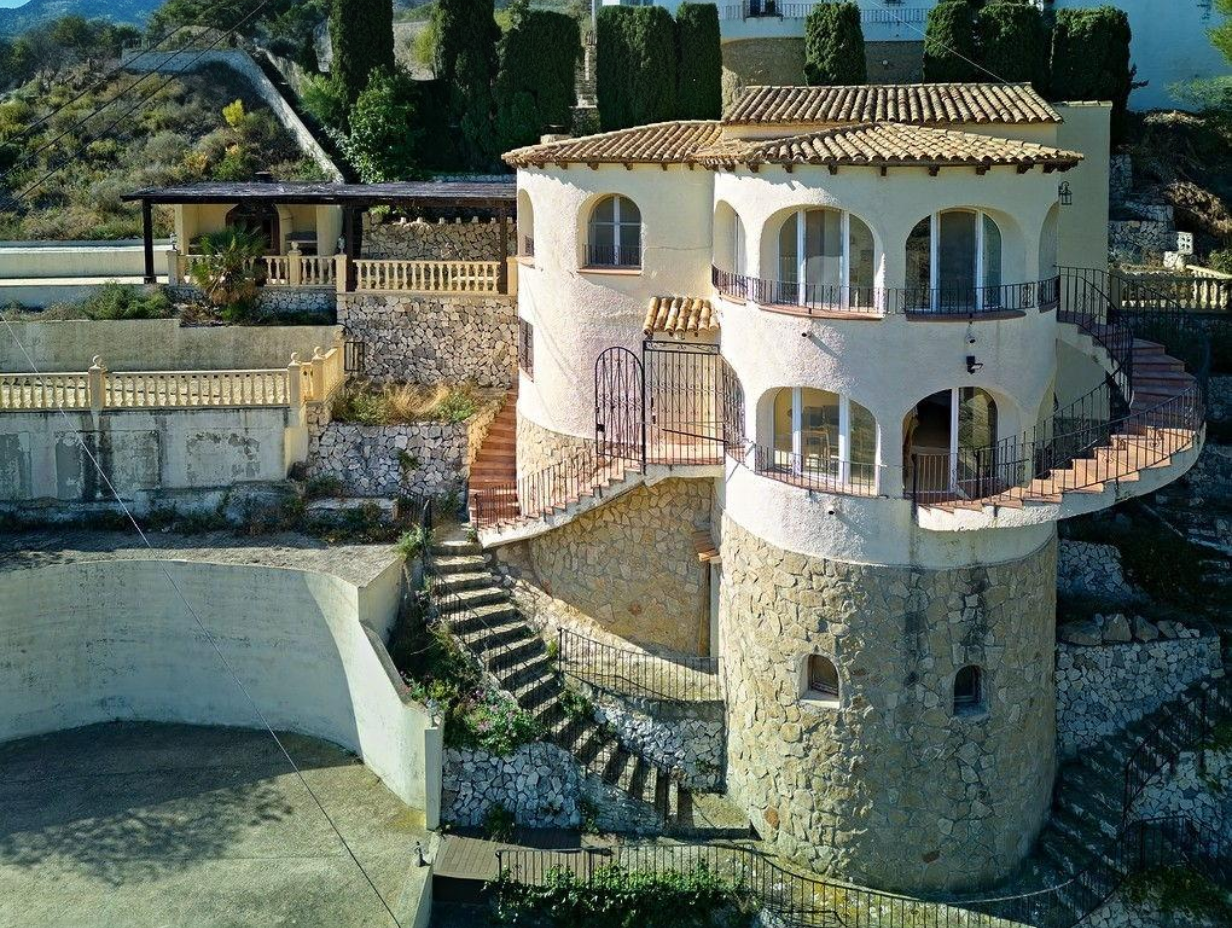
Villa configured as a dual-apartment property
Asking price
€478,000
Plot
Approx. 1,587 m²
Layout
Two fully self-contained apartments according to the listing
Condition
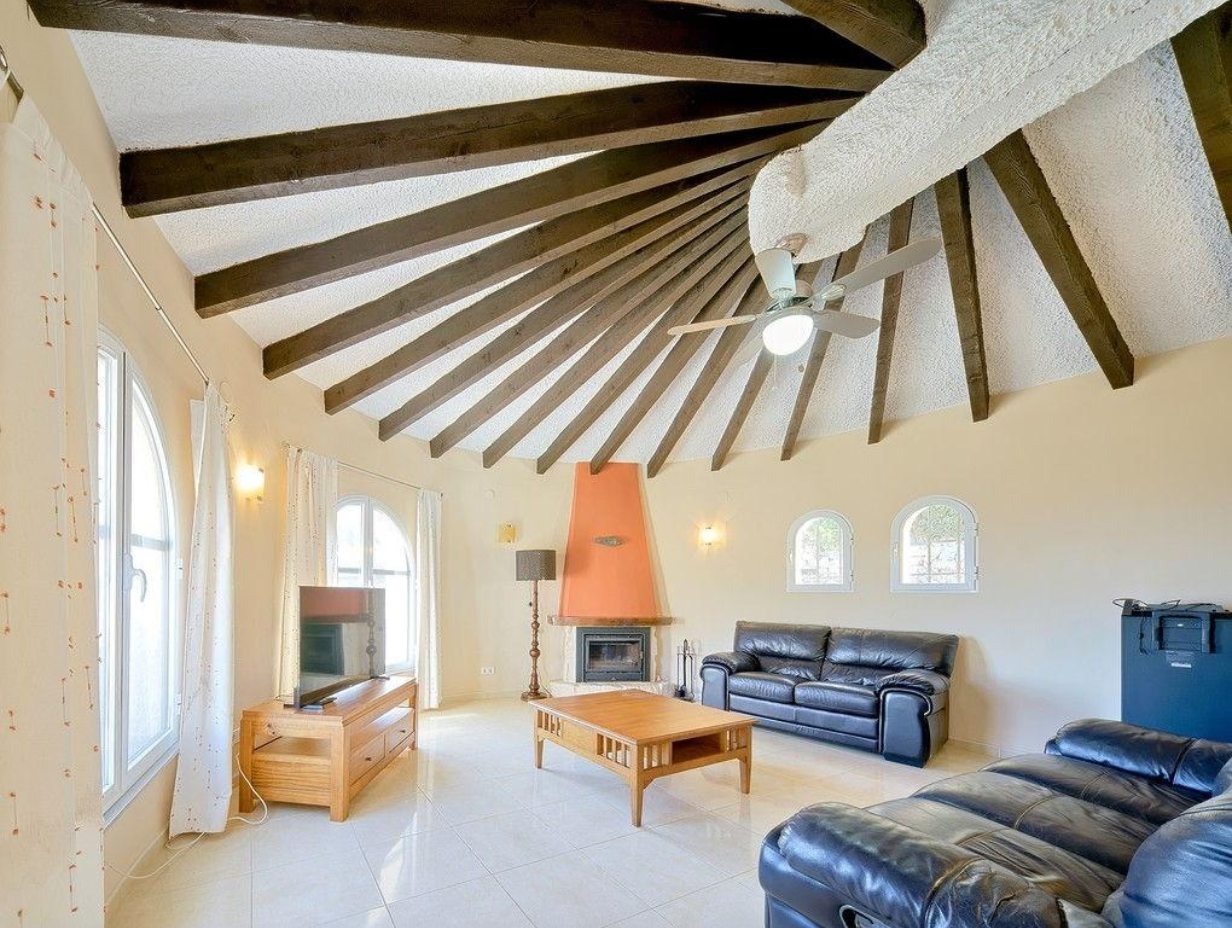
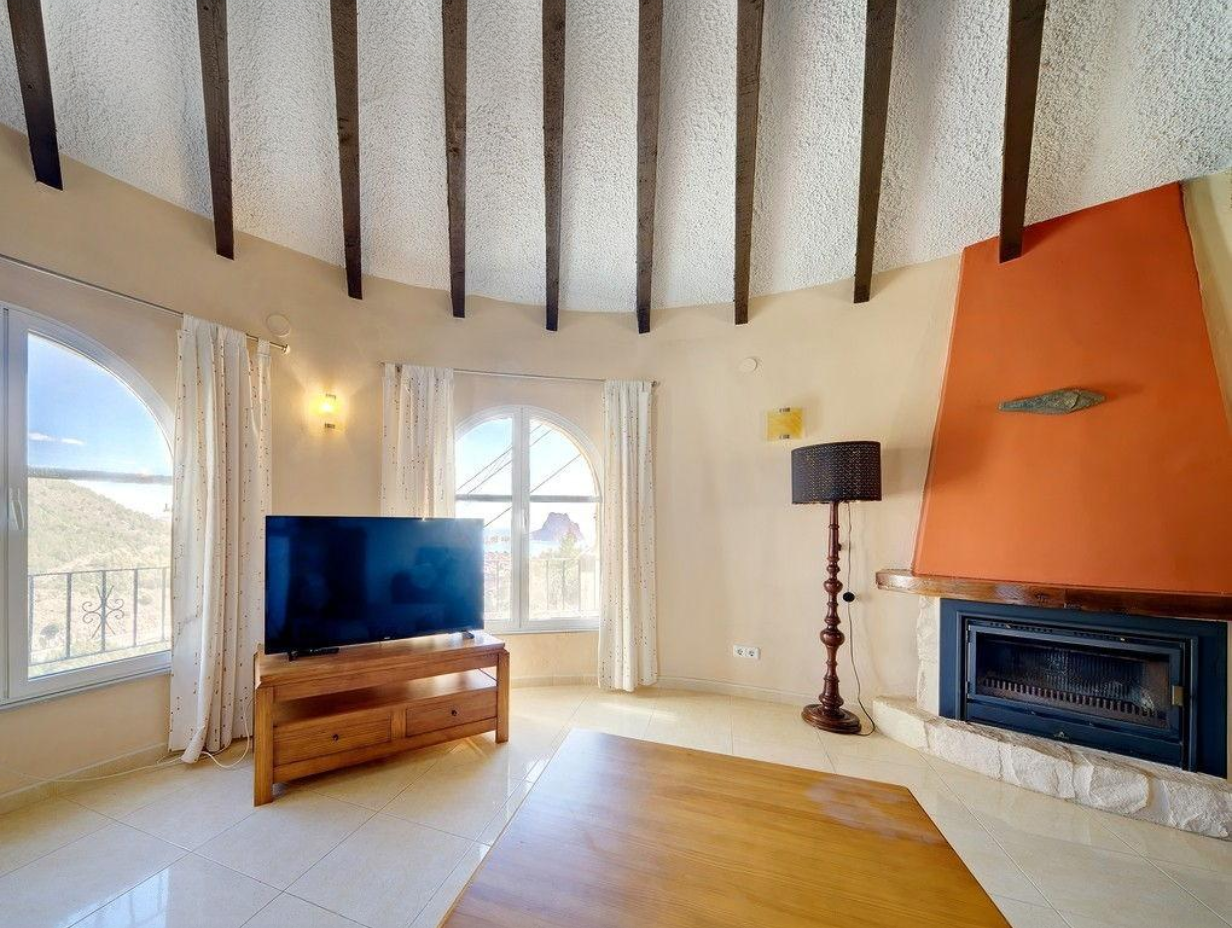
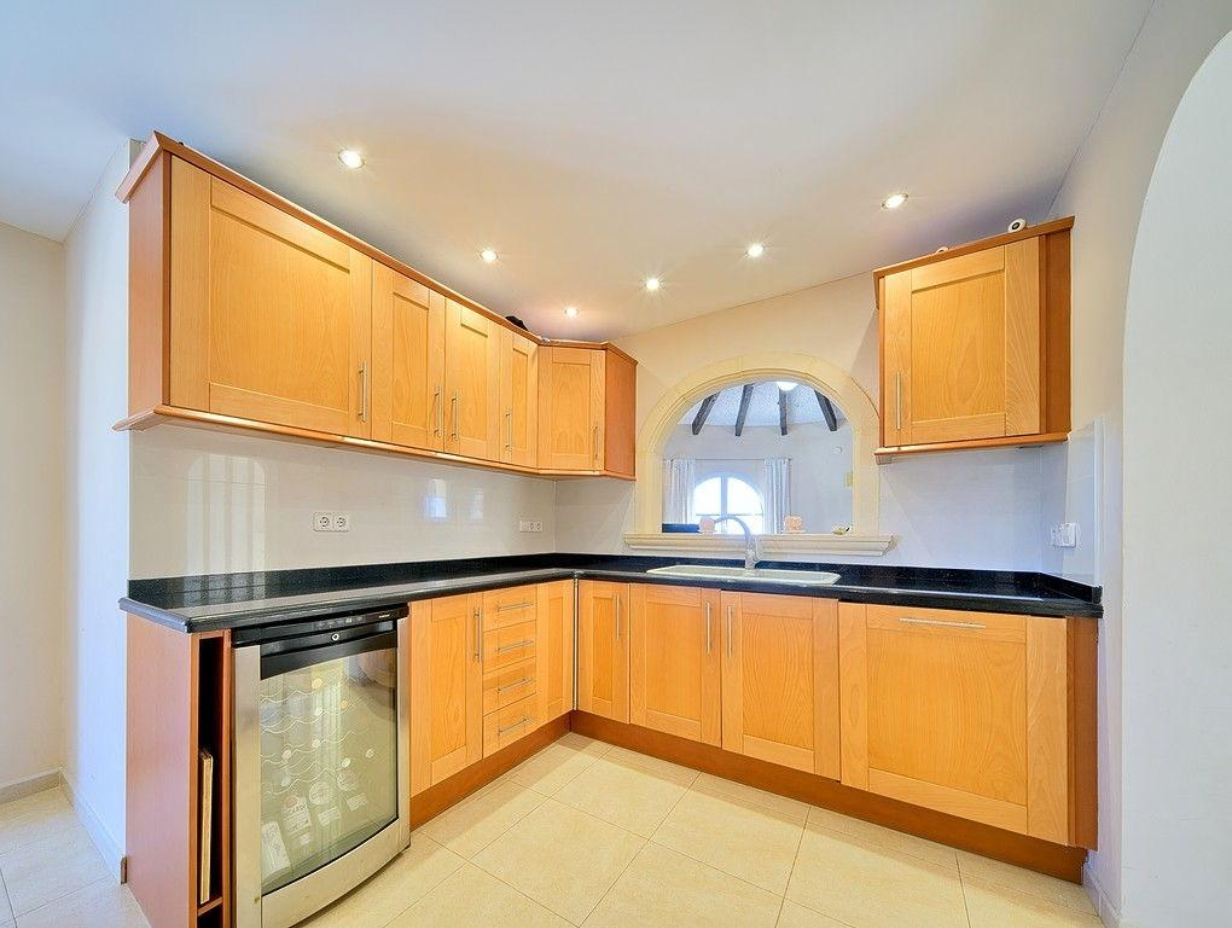
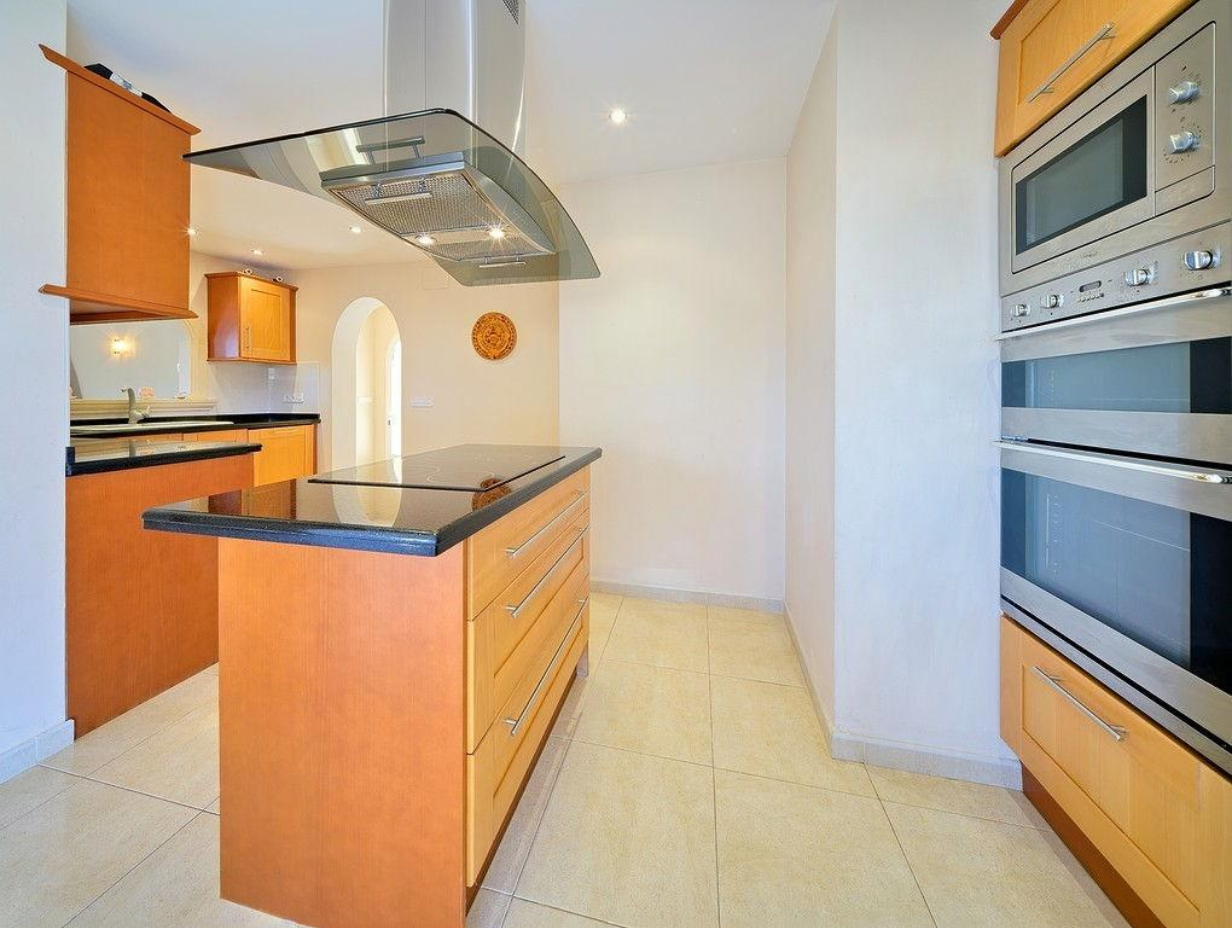
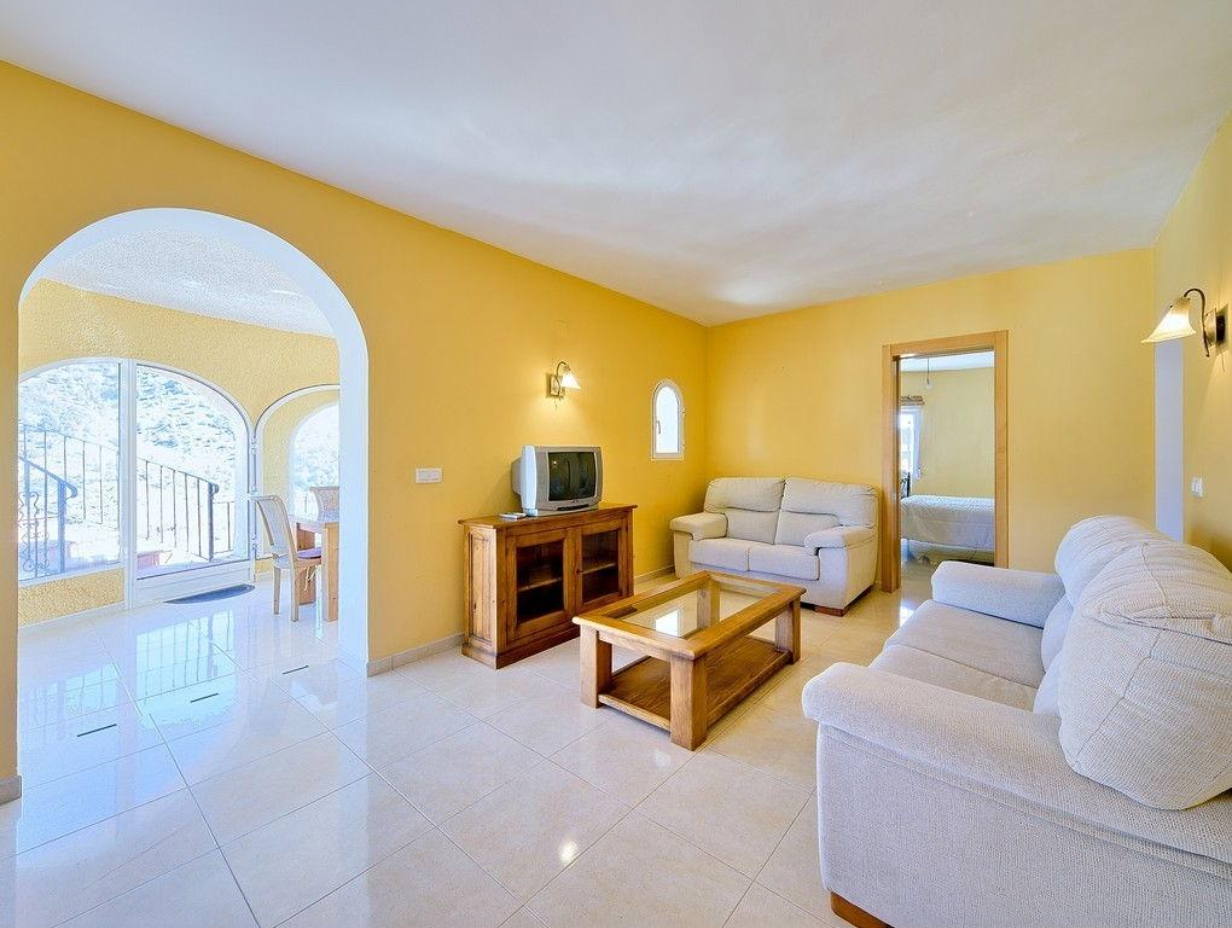
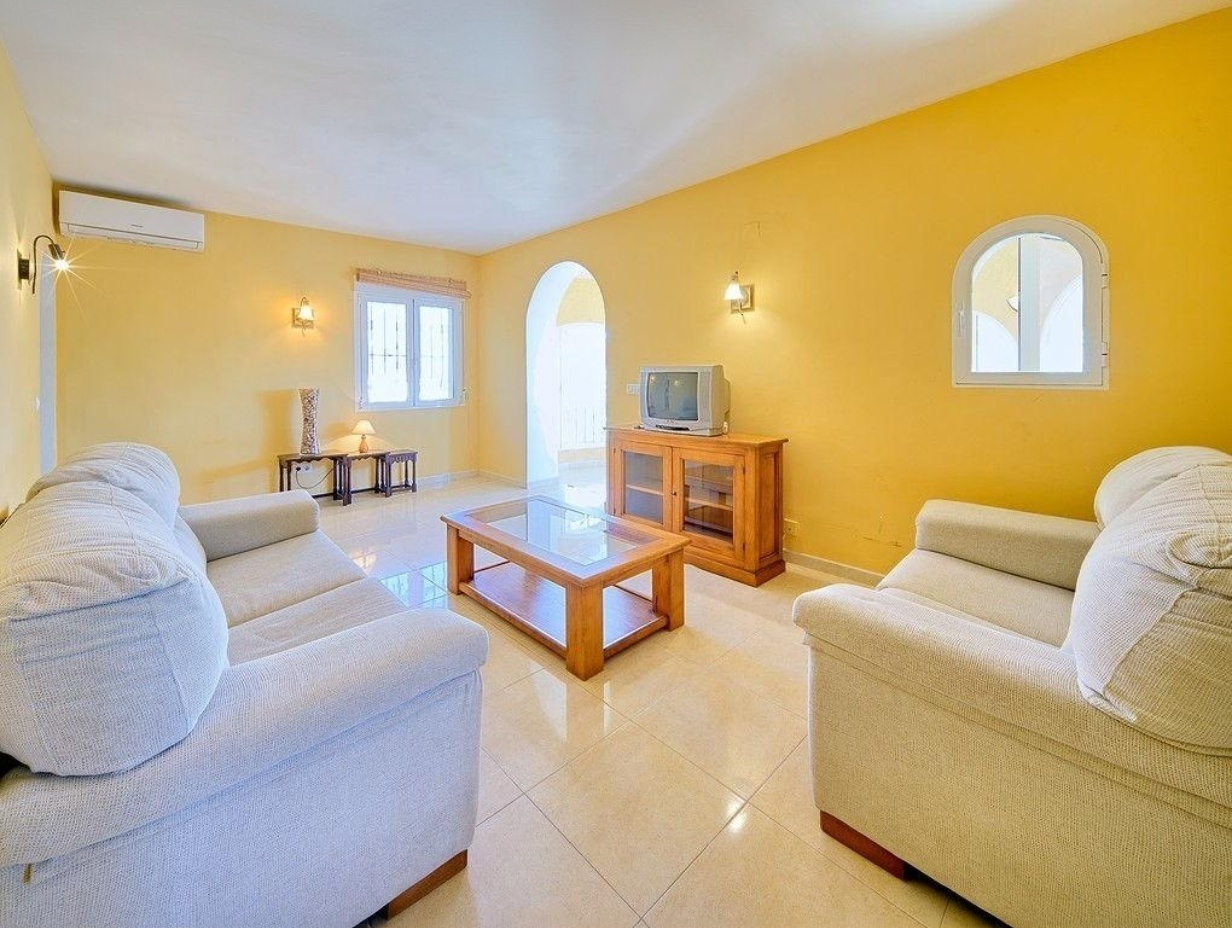
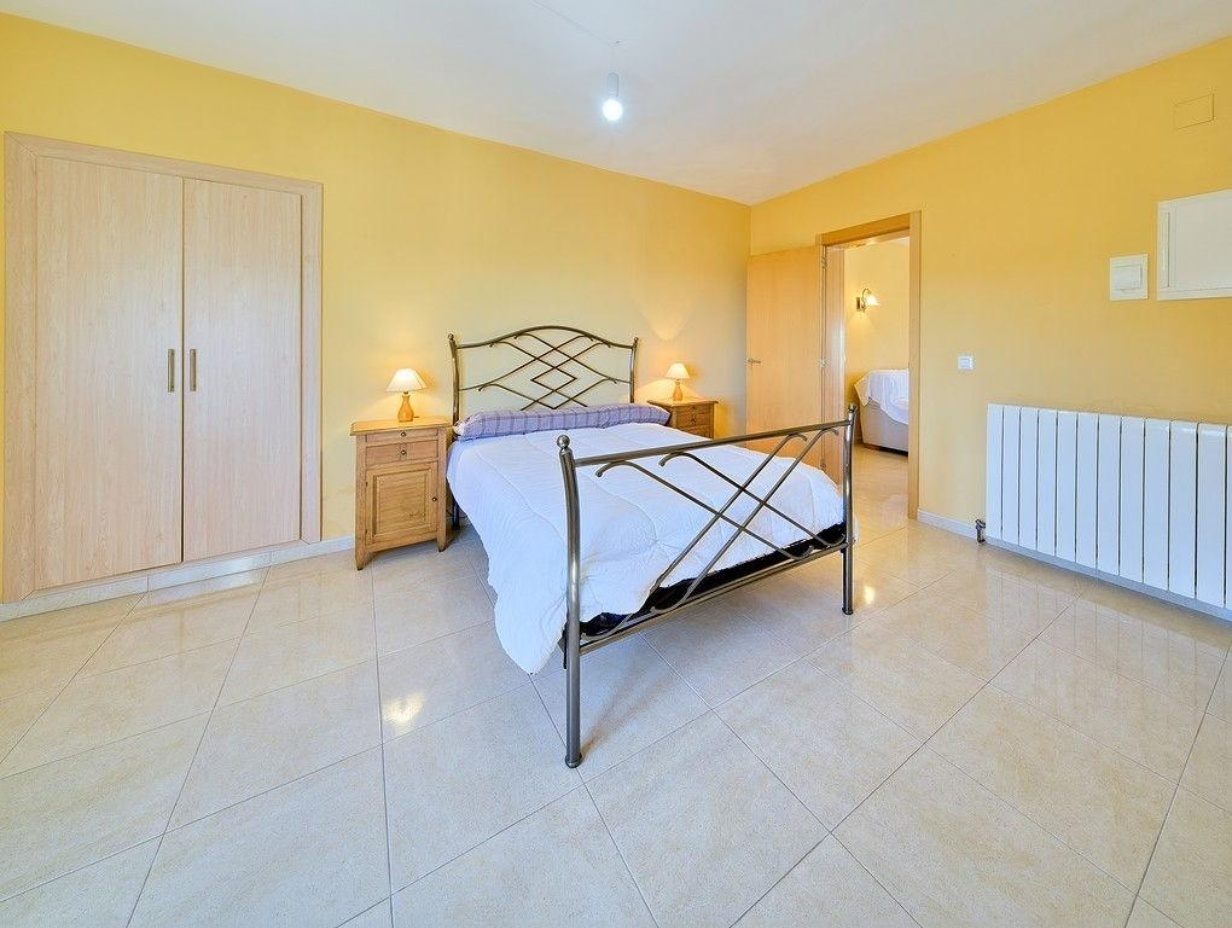
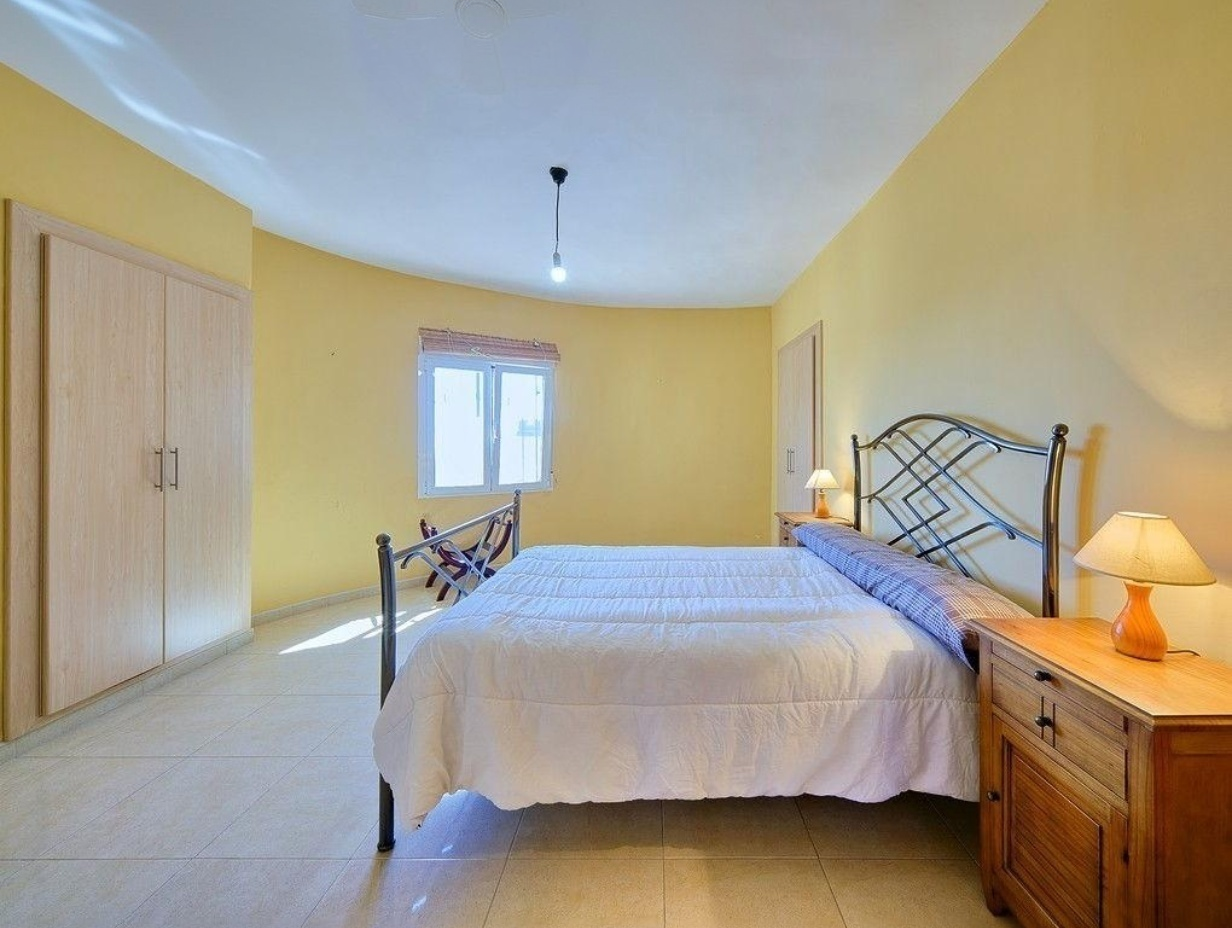
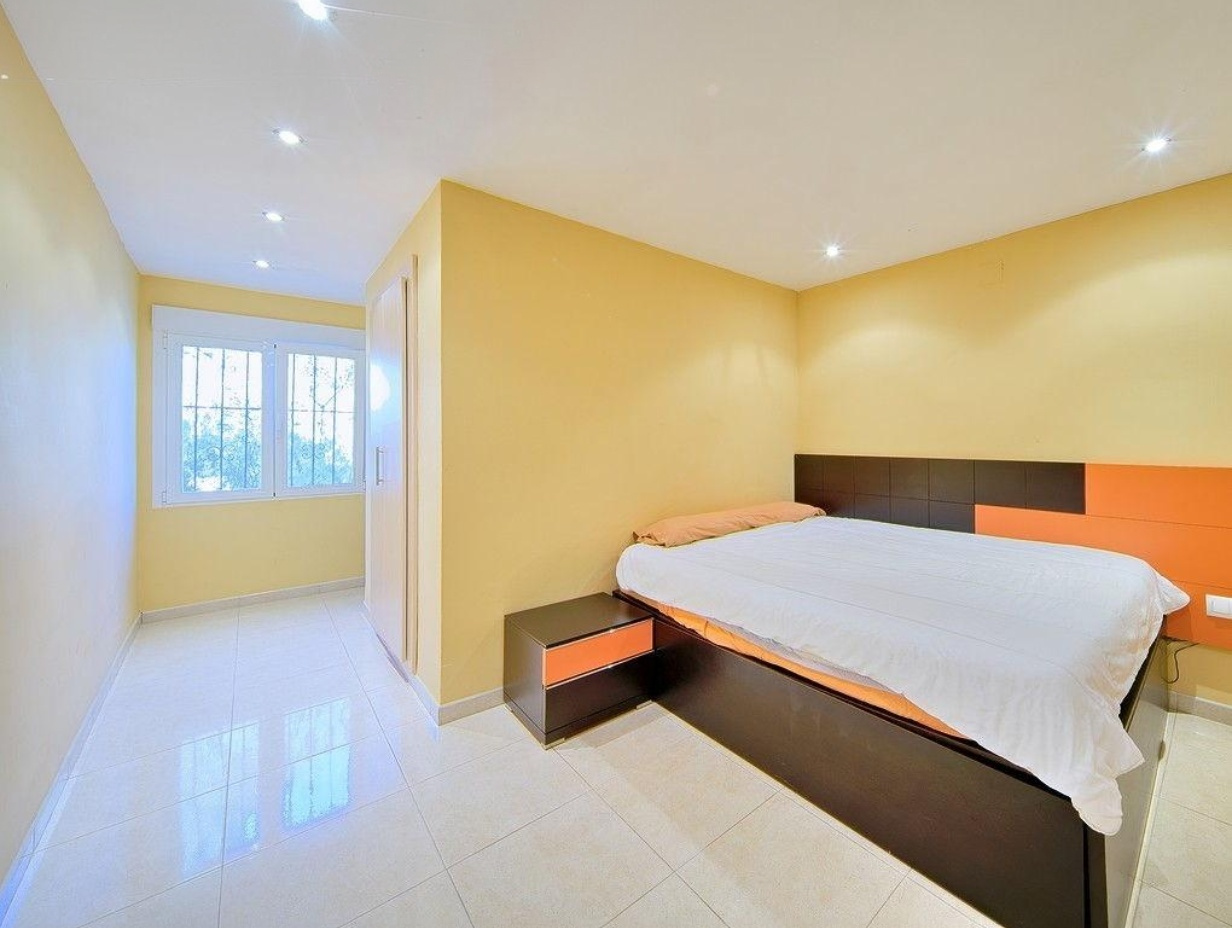
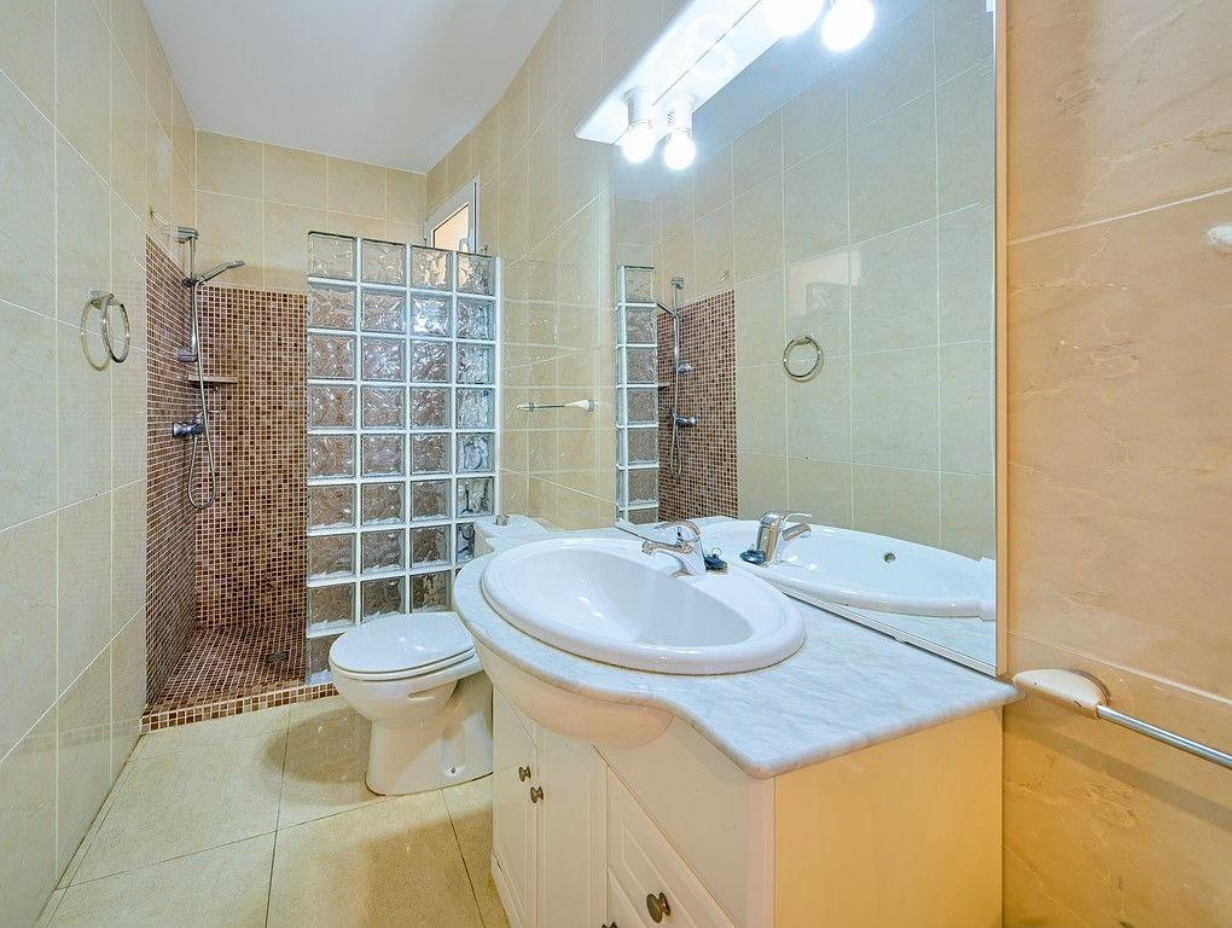
Marketed as fully renovated
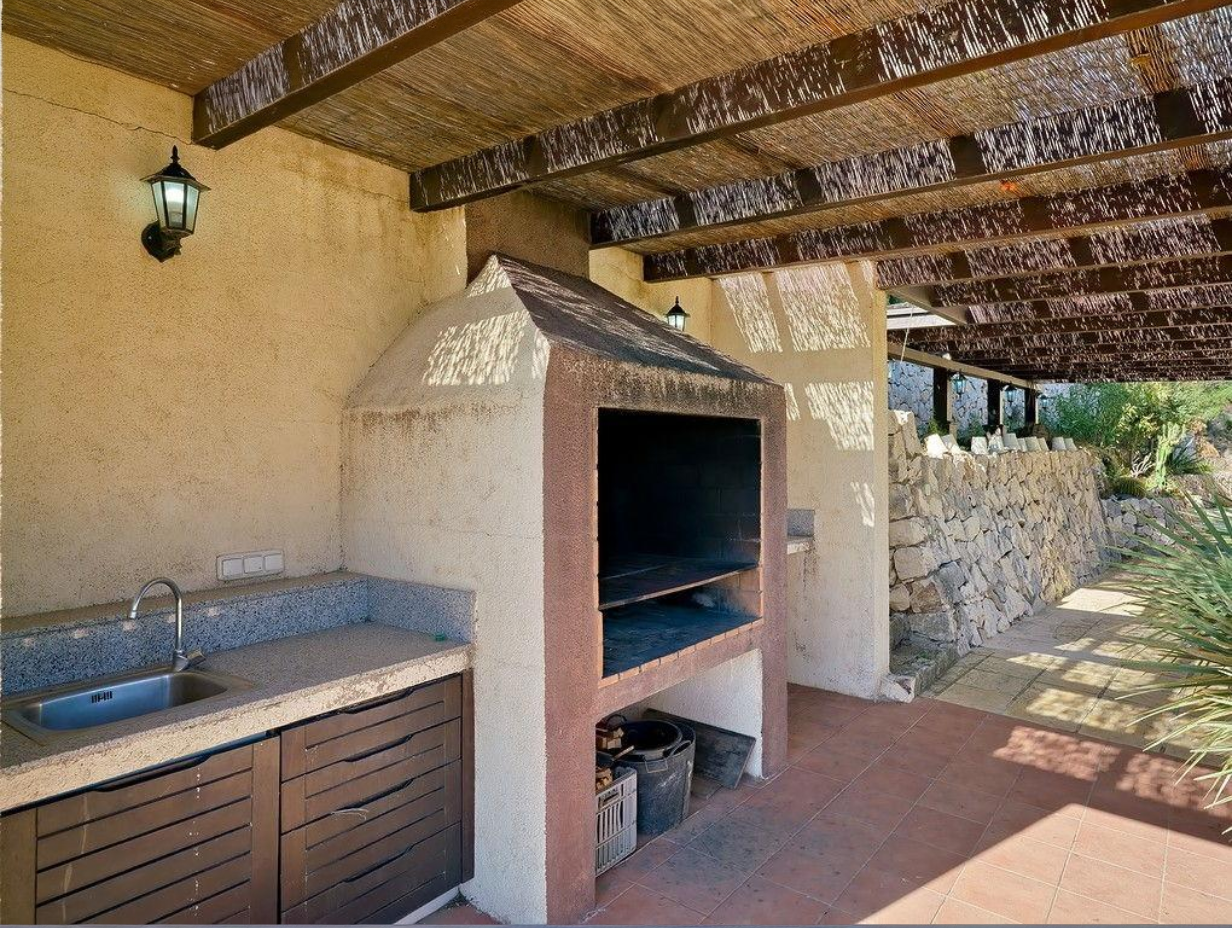
Outdoor features
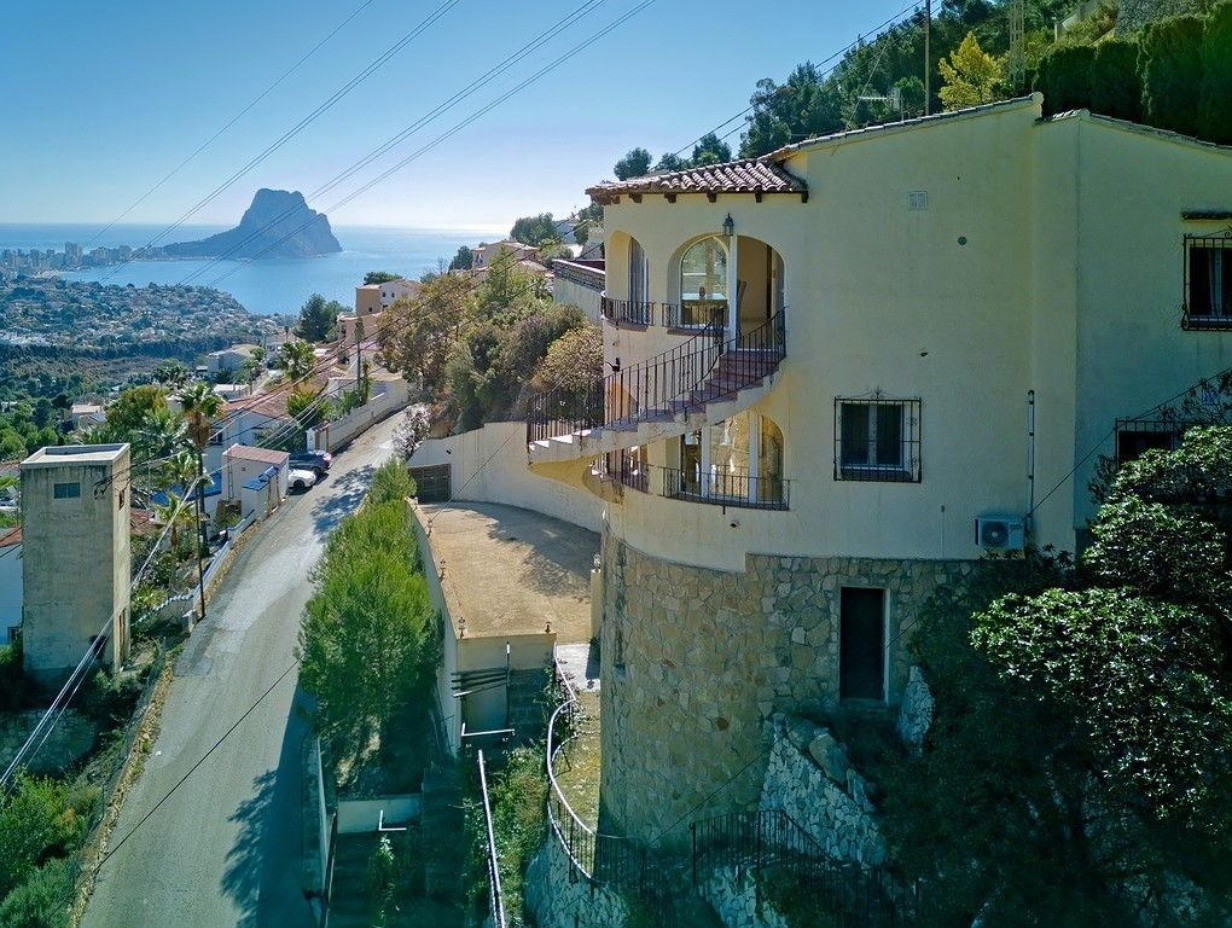
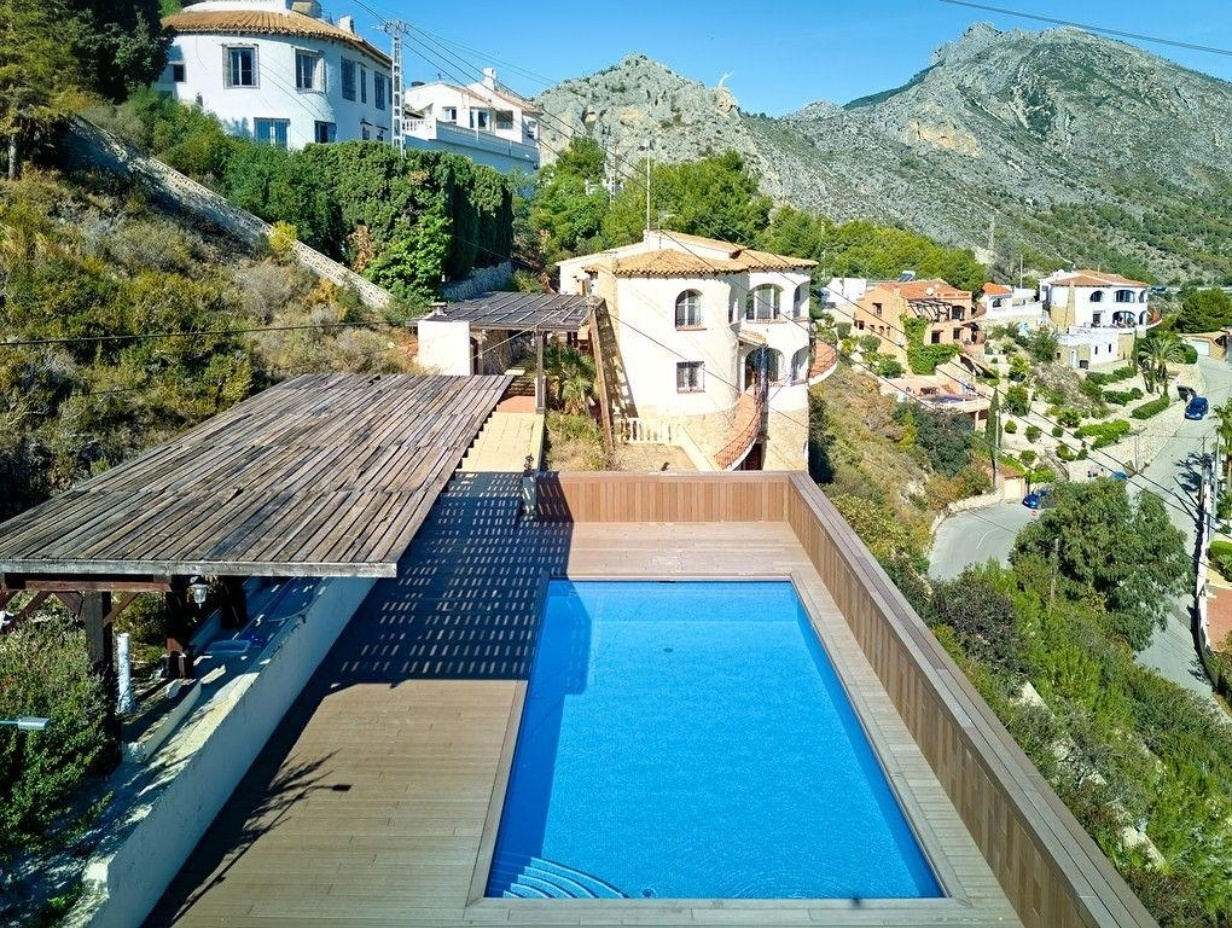
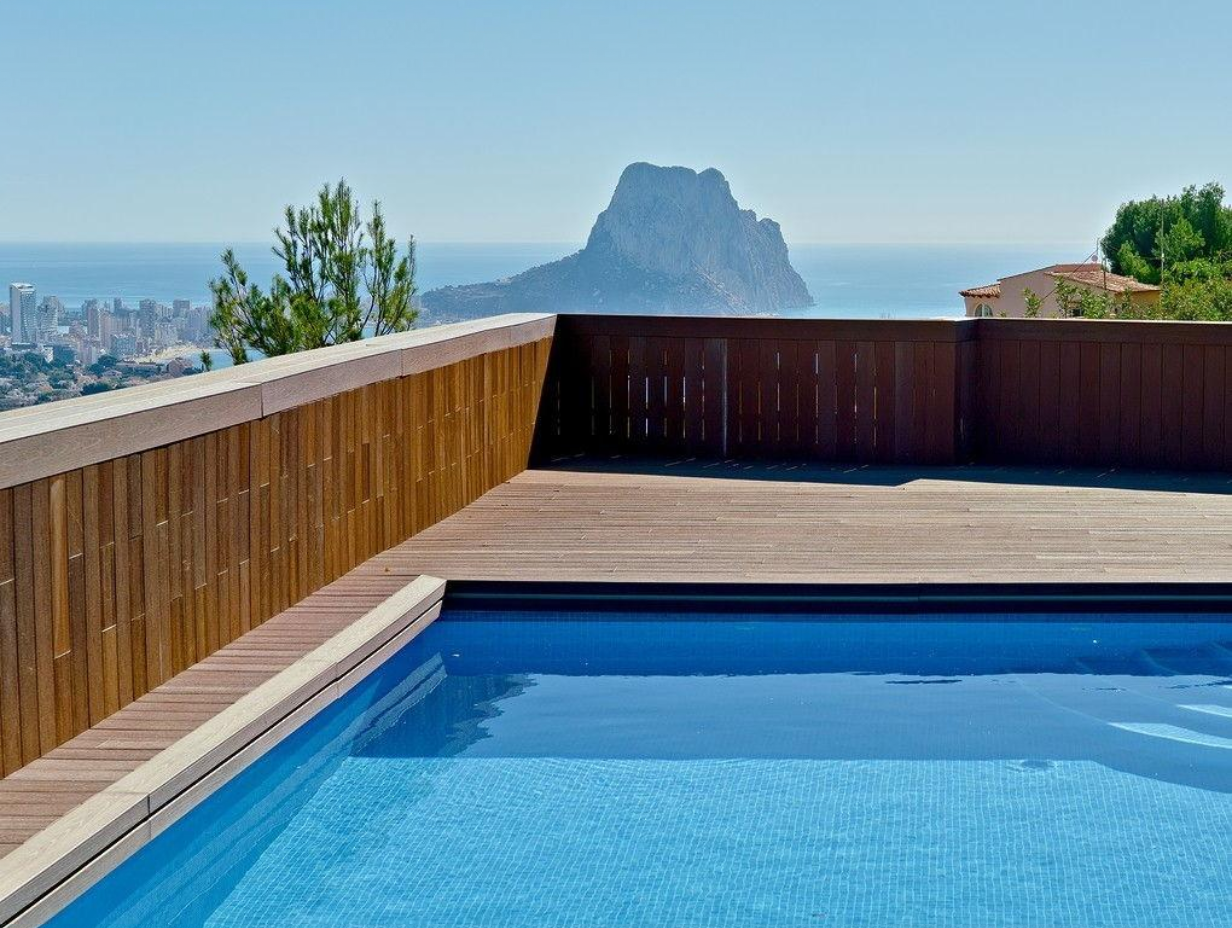
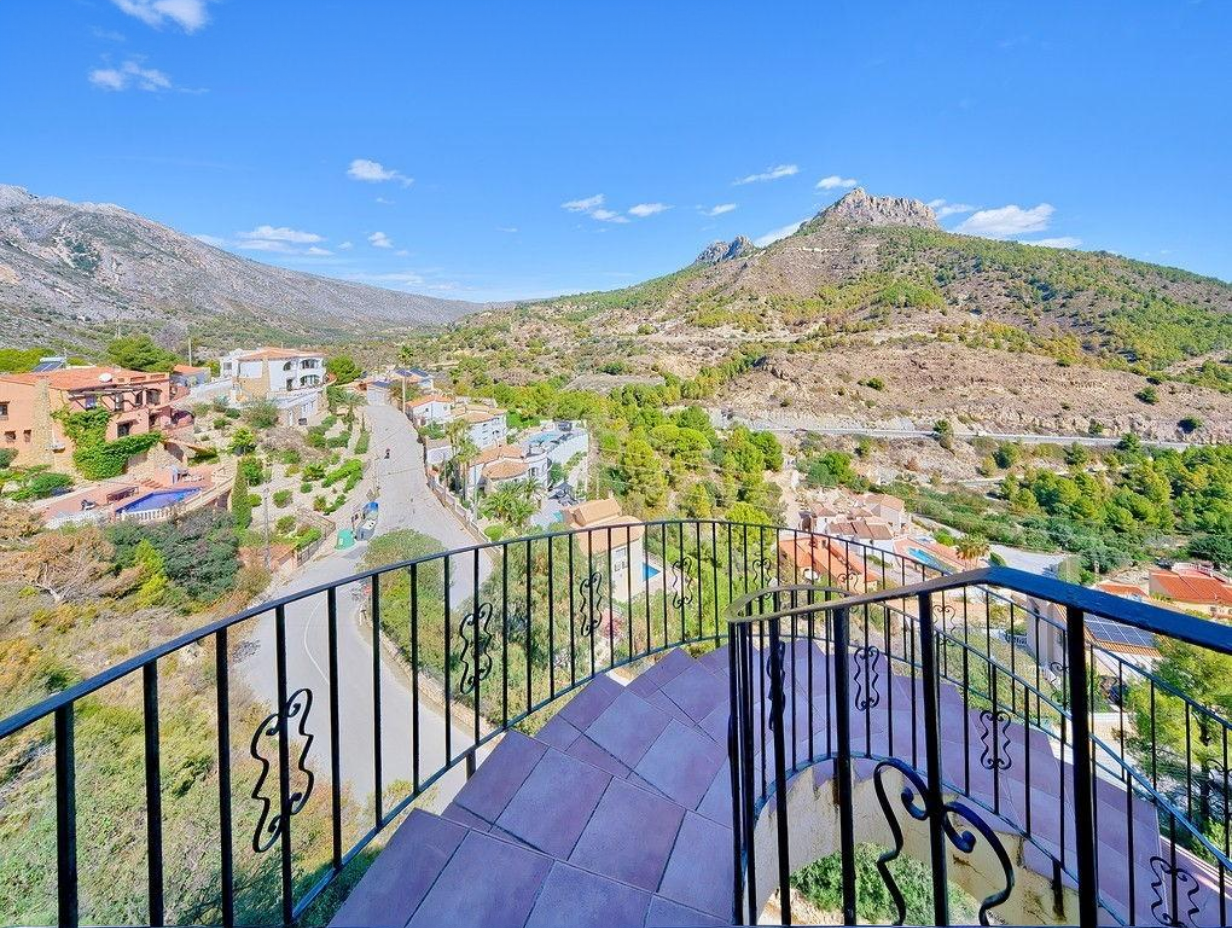
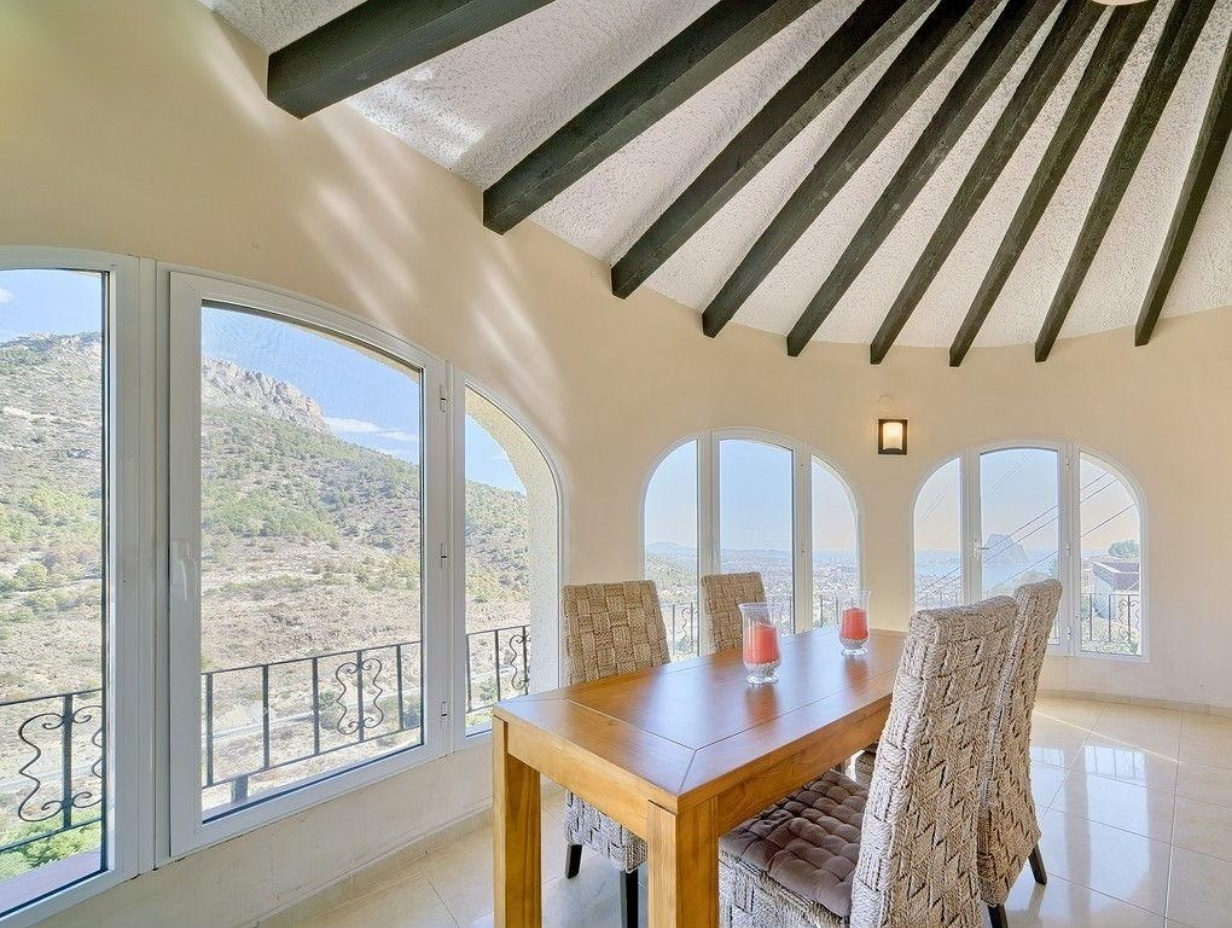
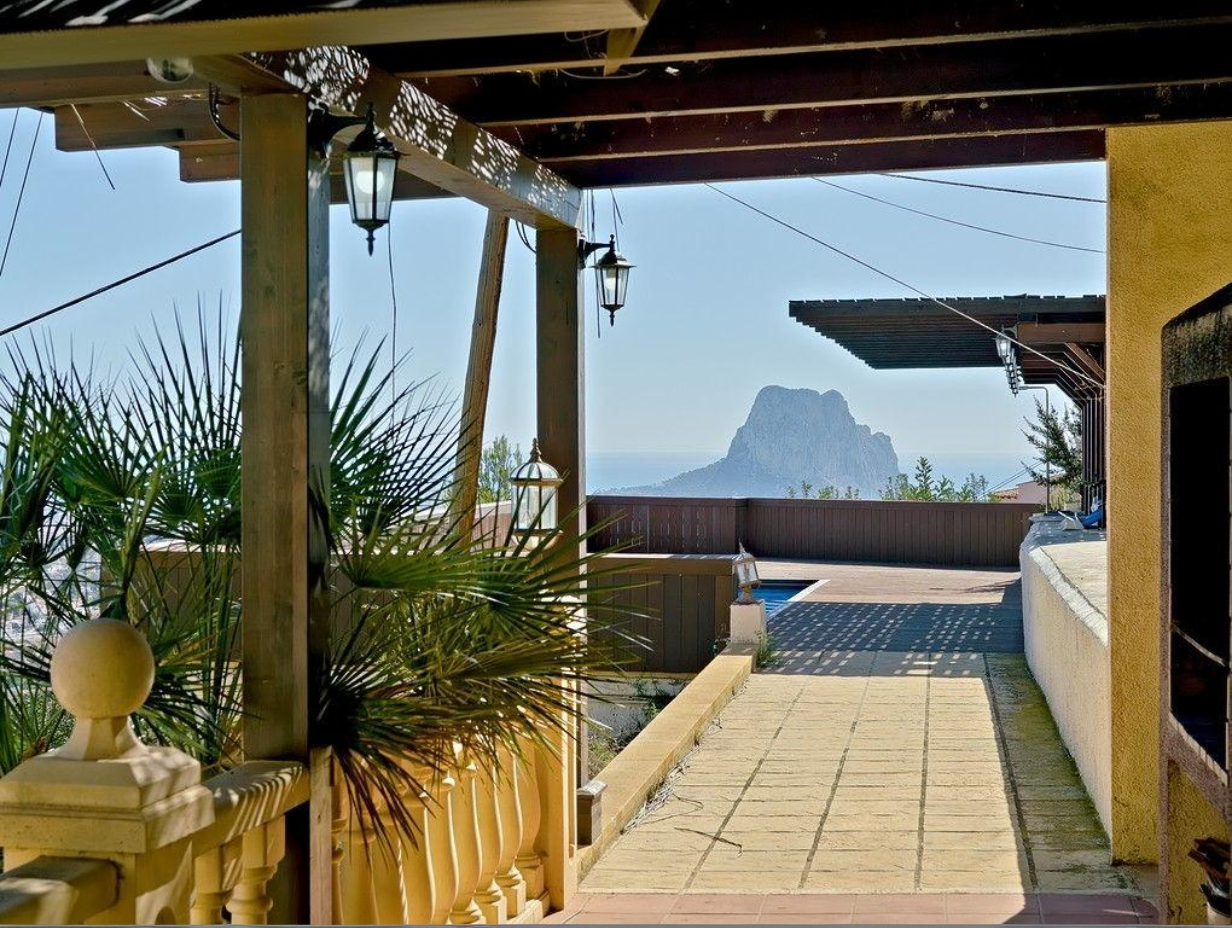
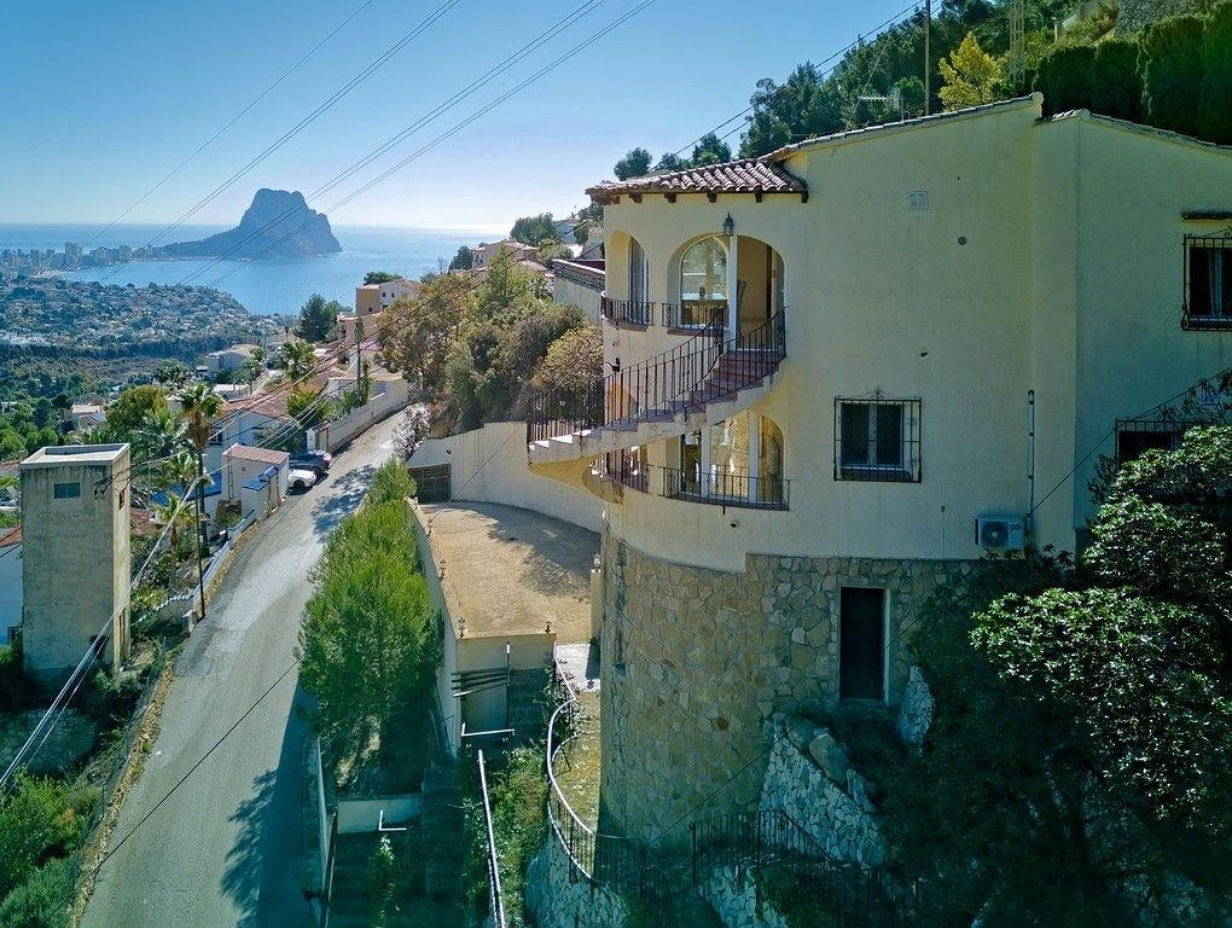
Heated pool, terraces, panoramic sea and mountain views
Parking
Space for up to 4 vehicles via two access points
Access features
Private ramp and automatic gate
Setting
Popular urbanisation in Calpe
Use profile
Strong fit for multi-generational living, owner plus guest setup, or rental-income strategy
Key due diligence themes
Legal status of the two apartments, renovation permits, licensing pathway for tourist use, energy documentation, pool permits and running costs, and the exact land and parking title position
Risk Radar
Overview
This is the kind of Costa Blanca property that can justify a meaningful premium if the paperwork fully supports the lifestyle story. Two self-contained apartments, a heated pool, broad views, multiple parking positions and a fully renovated presentation make it attractive both for family flexibility and for income generation. It is easy to see why a buyer would be drawn to it quickly.
The key issue is whether the legal structure is as strong as the marketing structure. A property arranged as two self-contained apartments can be very valuable, but only if that arrangement is regularised and correctly reflected in title, plans and occupancy documentation. If the house is legally one dwelling that has simply been adapted into two practical units, it may still work very well, but the rental and resale logic changes.
The second major issue is tourism regulation. In the Valencian Community, tourist-use dwellings now require a favourable municipal urban-compatibility report as part of the registration process, and the regional regime distinguishes between proper registration and informal guest use. For a dual-apartment setup, the buyer should not ask only whether tourist rental is "possible", but whether each unit, or the property as a whole, fits the correct registration pathway.
The third issue is whether the "fully renovated" claim is backed by permits, invoices and final sign-off. When a renovation includes reconfiguration into two apartments, upgraded windows, heating changes or pool improvements, the best properties are the ones where the technical file is as convincing as the photos.
The fourth issue is operating economics. A heated pool, sea views and parking make the property commercially attractive, but they also raise questions about pool-heating costs, energy efficiency, year-round comfort and the maintenance burden of a larger guest-ready setup. The unclear "Energy Class N" wording deserves immediate clarification rather than assumption.
If the paperwork is strong, this could be a very compelling hybrid home-and-income asset. If the legal position of the apartments is weaker than advertised, it may still be a good purchase, but at a different risk-adjusted valuation.
Targeted Questions
Title, Registry and Legal Configuration
It confirms ownership, charges, liens and the basic legal description of the property.
This is the core test of whether the two-apartment setup is legally recognised.
The legal configuration affects licensing, valuation and future resale flexibility.
This helps verify whether the built reality shown in the listing matches official records.
A mismatch between cadastre and actual use can signal a regularisation issue.
Buyers need to see whether the current apartment layout is reflected in formal documentation.
Practical separation helps with both lifestyle use and guest use, but it should match the legal position.
Shared ancillary areas can affect privacy and operational practicality.
Third-party rights can reduce privacy and complicate use of the plot.
Buyers should know whether any financial encumbrances attach to the property.
Occupancy Status and Apartment Legality
Separate lawful occupation can be important for licensing and resale.
Buyers need a precise answer rather than a practical description.
The planning history shapes the current legal risk.
Timing helps identify which permits and standards should apply.
These are the kinds of changes that can trigger planning and occupancy implications.
Professional certification can strengthen confidence in both legality and build quality.
Shared metering affects both practical management and commercial flexibility.
Current use often reveals how the layout actually functions in practice.
Renovation Permits and Technical Documentation
Buyers need to distinguish cosmetic updating from structural or use-related conversion.
Lawful renovation status is important for resale, insurance and future enforcement risk.
The best way to test renovation quality is to review the supporting file.
Structural works carry higher risk and stronger documentation requirements.
Window upgrades materially affect comfort and efficiency.
Refreshed finishes do not automatically mean improved building fabric.
Invoices help establish scope, recency and contractor identity.
Transferable guarantees reduce short-term ownership risk.
A legal-document mismatch can complicate mortgage approval and resale.
Tourist Rental Licensing and Income Potential
Existing registration can materially improve the buyer's position.
This directly affects whether the dual-income story is already supported.
Separate apartment licensing may not be automatic.
The Valencian regime requires a favourable municipal compatibility report.
Registration in the Valencian Community is driven by this formal declaration process.
A dual-unit setup may face a more demanding compliance analysis than a standard single dwelling.
Past use provides evidence of both demand and practical operation.
Verified performance is more useful than optimistic projections.
Buyers need real seasonality, not a generic Costa Blanca assumption.
Gross rental assumptions can overstate profitability materially.
Spain's national single rental registry regime now also applies to short-term rental advertising.
Operational flexibility matters if the full dual-rental route proves more complex.
Energy, Heating and Running Costs
The seller should explain whether the certificate is pending, expired, absent or simply misdescribed.
Spain's current regime requires a registered energy certificate in the sale process.
A pre-renovation certificate may not describe the current efficiency picture accurately.
Separate units can raise separate documentary questions.
A heated pool and dual-apartment setup can materially affect running costs.
Buyers need to know whether both units are genuinely comfortable year-round.
A fireplace alone may not support practical winter use for guests.
Air-conditioning presence materially affects rental appeal and year-round usability.
This is one of the clearest indicators of real energy performance.
Structural reassurance is especially important after a major renovation and reconfiguration.
Pool, Parking, Plot and Access
Pool legality should be verified rather than assumed.
Pool systems have predictable replacement costs and should be documented.
Heated pools can be attractive commercially but expensive operationally.
The heating method affects both cost and seasonality.
Recent pool works should be evidenced in the file.
Safety setup affects insurance, guest suitability and future compliance planning.
Buyers should verify what land is actually included.
It helps test whether all valuable external features are formally part of the property.
Parking is a meaningful part of the value story and should be documented.
Shared access can reduce privacy and complicate management.
Road responsibility can create hidden recurring cost.
Popular urbanisations sometimes involve shared-cost obligations even for detached homes.
Views, Neighbours and Practical Positioning
View durability materially affects long-term value.
Buyers should not assume the current view corridor is permanent.
Privacy matters for both family use and holiday letting.
A popular location can be commercially positive but operationally mixed.
Rental appeal depends on actual convenience rather than marketing phrasing.
Negotiation Intelligence
Buyer Leverage
Medium-High
Key Drivers
Typical Negotiation Range
5-15% below asking
Neutral Phrasing Example
Country Layer
Spain (Regulatory Context March 2026)
For tourist-use dwellings in the Valencian Community, the official regional guidance states that the property must have a favourable municipal urban-compatibility report for tourist use and that the owner must file the responsible declaration for registration. The regional FAQs and procedure materials also refer to occupancy documentation and the need for the tourist-use dwelling to meet the applicable requirements maintained during operation. This matters directly for a Calpe property marketed as two self-contained apartments, because the correct route may depend on whether the legal structure supports one registered unit or two.
That combination of regional tourist regulation, municipal compatibility review and national short-let registration is exactly why a dual-apartment property in Calpe needs sharper due diligence than a standard one-family house. The commercial appeal may be strong, but the best version of this deal is one where the legal structure, tourist-use pathway and technical renovation file all align cleanly before offer stage.
Viewing Strategy
When you view this property, inspect it as both a home and a business model.
Next Step
Verify from the listing:
Legal status of the two self-contained apartments
Request the nota simple, cadastral records and approved plans so you can confirm whether the property is legally configured as two independent dwellings or one house arranged into two practical units.
Renovation permits and post-works alignment
Ask for the licencia de obras, technical sign-off and renovation invoices so you can verify that the two-apartment setup and all major improvements were properly authorised and updated in the records.
Tourist-rental registration pathway
Clarify whether the property already has, or can obtain, the necessary tourist-use registration for one or both apartments, including the municipal urban-compatibility report and any national short-term rental registration requirement.
Heated pool legality and operating cost
Verify the pool permits, service history, heating method and realistic running costs, because the heated pool materially affects both guest appeal and annual ownership expense.
Energy certificate and true year-round efficiency
Request the registered Certificado de Eficiencia Energética and supporting utility-cost evidence so you can test whether the post-renovation efficiency story is as strong as the presentation suggests.
A prepared buyer should approach the agent calmly and frame questions as due diligence. For example: “To help me assess the property properly and prepare a serious offer, could you share the nota simple, cadastral plan, renovation permits, the documents showing the legal status of the two apartments, and the current pool and energy paperwork?”
Because this is a dual-apartment Costa Blanca property where legal configuration, licensing path and operating costs all materially affect value, run it through the Property Risk Assessment to test title, planning and compliance risk, or use the Rental Yield Calculator once the registration pathway and true running costs have been properly verified.
Disclaimer: The Property Drop is buyer-focused intelligence, zero sales agenda. We curate exceptional properties, in southern Europe, from third-party agents and arm you with decision tools. No commission, no transactions, no agent partnerships, no skin in the game beyond helping you choose wisely. Information stays accurate until it doesn't (properties sell, prices shift, markets move). Everything here is shared for informational purposes only and should not be treated as legal, financial, or investment advice. Images belong to original agents. Read our Terms of Service to learn more.
IMPORTANT REMINDER: When contacting property agents featured on The Property Drop, you are entering into direct communication with third parties. It's recommended that you verify all property details independently, conduct thorough due diligence, engage qualified professionals (solicitors, surveyors, financial advisors), understand your rights and obligations under local property laws, and never send money or make commitments without proper legal protection.
