
The Buyer Playbook: 4-Bed Country Villa with 500 Orange Trees and Tower Room, Oliva, Valencia, Spain €499,000
Buyer Playbook
Pre-Viewing Intelligence Report
This independent buyer guidance report relates to this specific property located in Spain. It is provided for informational purposes only and does not constitute legal, tax, agricultural, planning, water-rights, tourism-licensing or survey advice. The legal status of the villa, tower room, pool and outbuildings, the profitability and transferability of the orange-grove operation, the water source and irrigation rights, the rustic-land planning constraints, and any tourism or agritourism use must always be verified with qualified Spanish professionals such as an abogado, arquitecto, arquitecto técnico, agronomist, water-law specialist and surveyor, and with the Registro de la Propiedad, Catastro, Ayuntamiento and, where relevant, the Confederación Hidrográfica del Júcar. In Spain, the nota simple is a key first document because it identifies the finca, the registered holders and the nature and limitations of the registered rights, while irrigation rights over public water are recorded through the water-rights framework managed by the river-basin authority.
Playbook Contents
Property Snapshot
Location
Oliva, Valencia, Spain
Property type
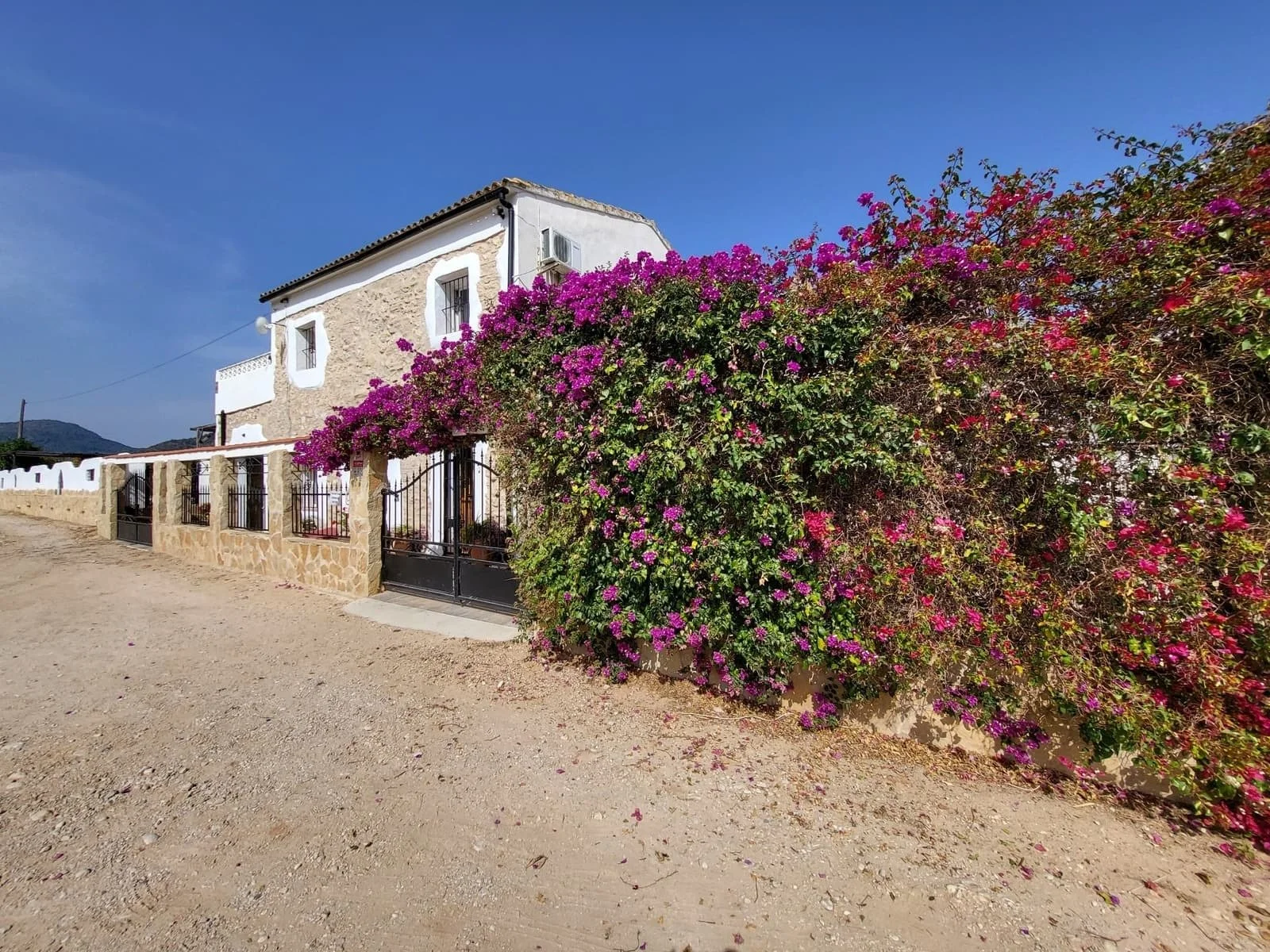
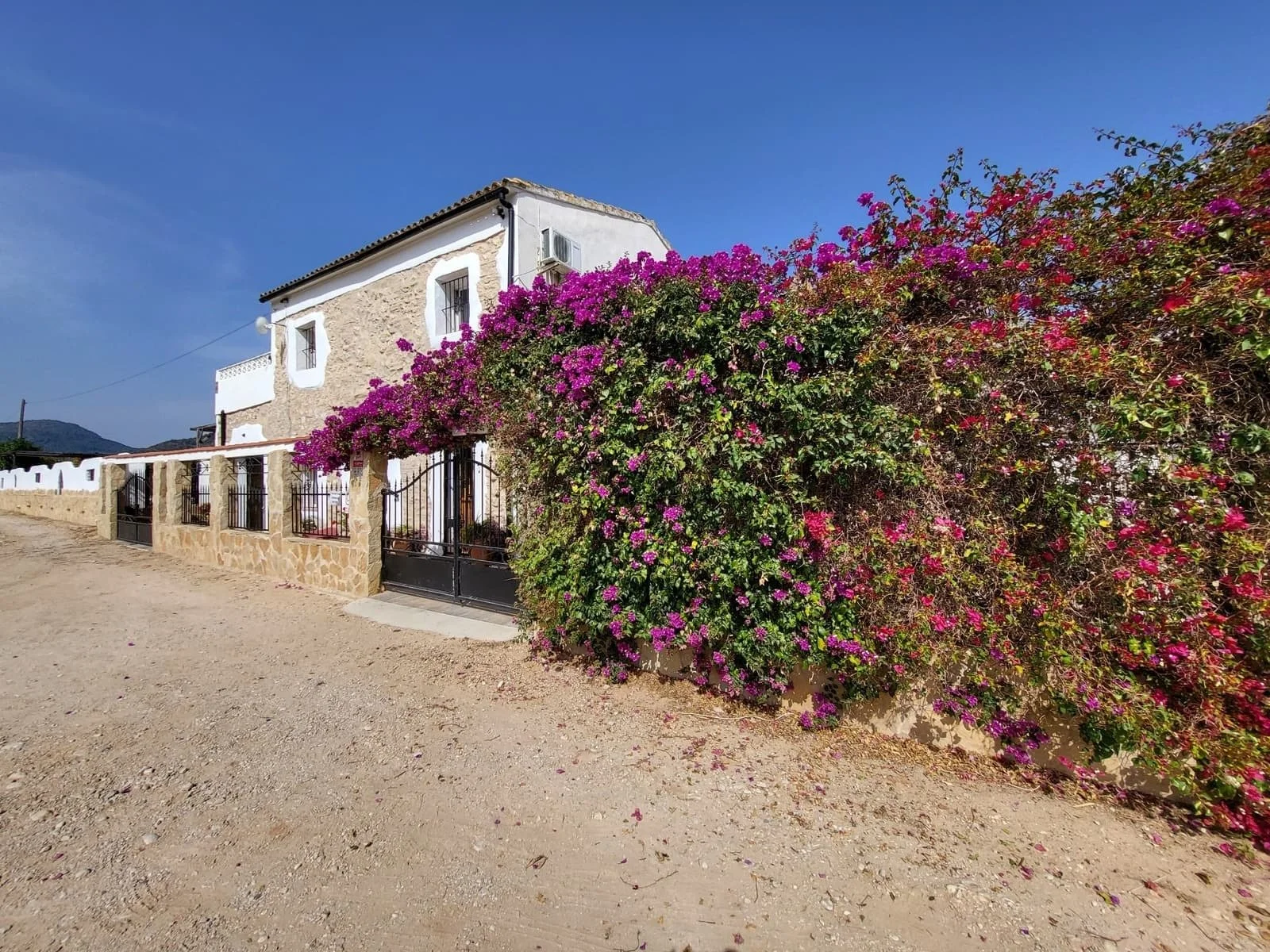
Country villa / rural estate on rustic land
Bedrooms
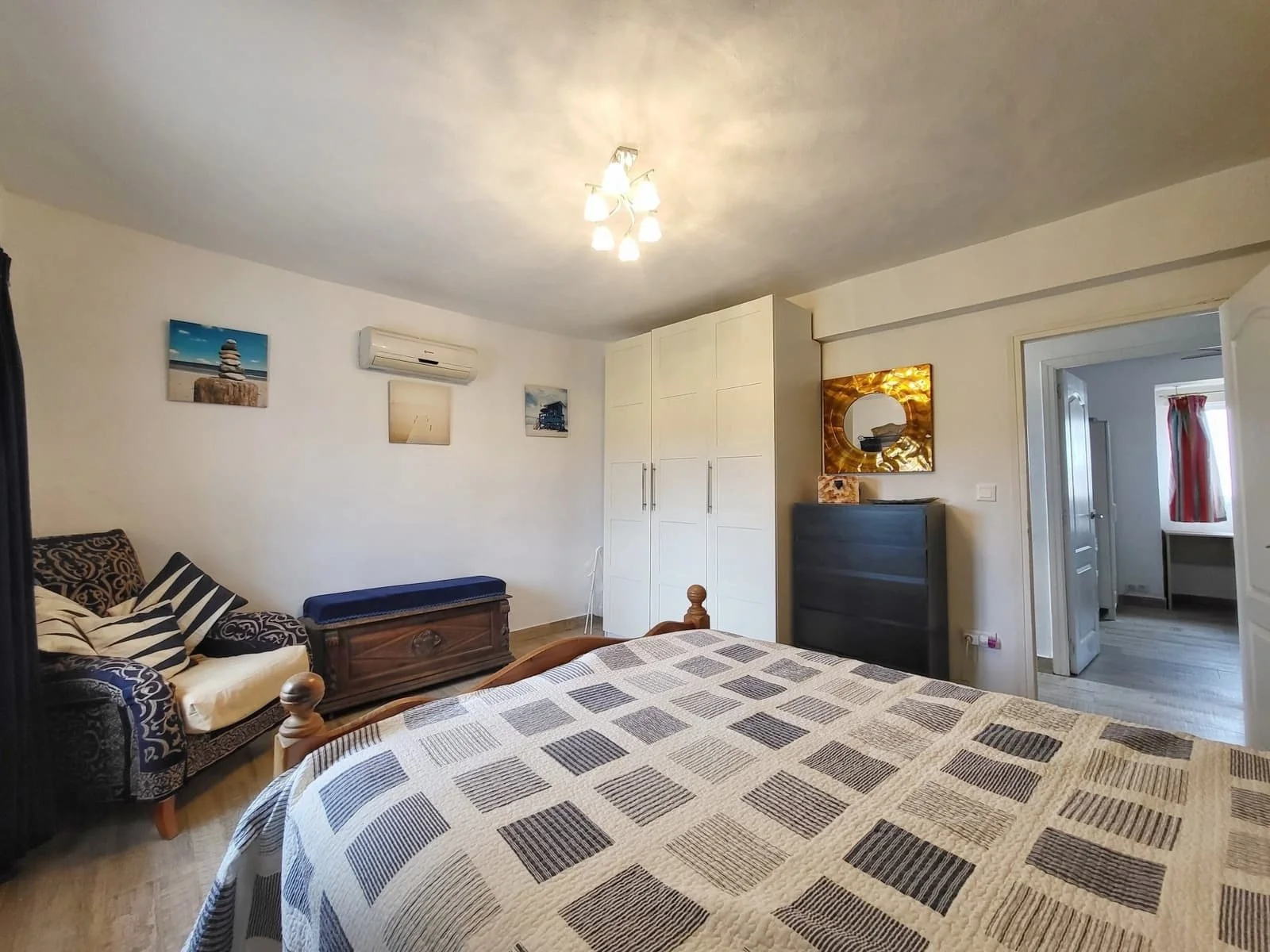
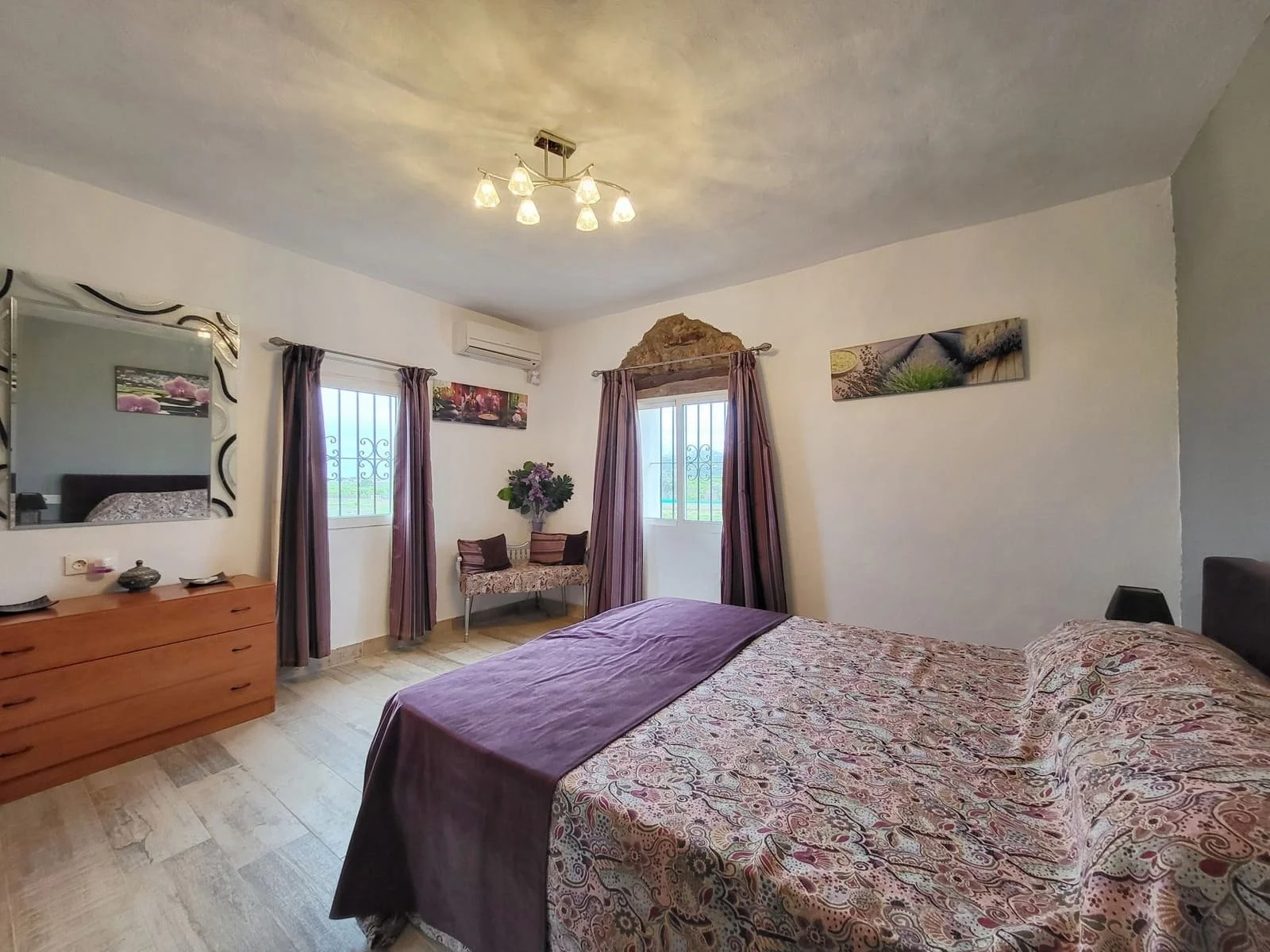
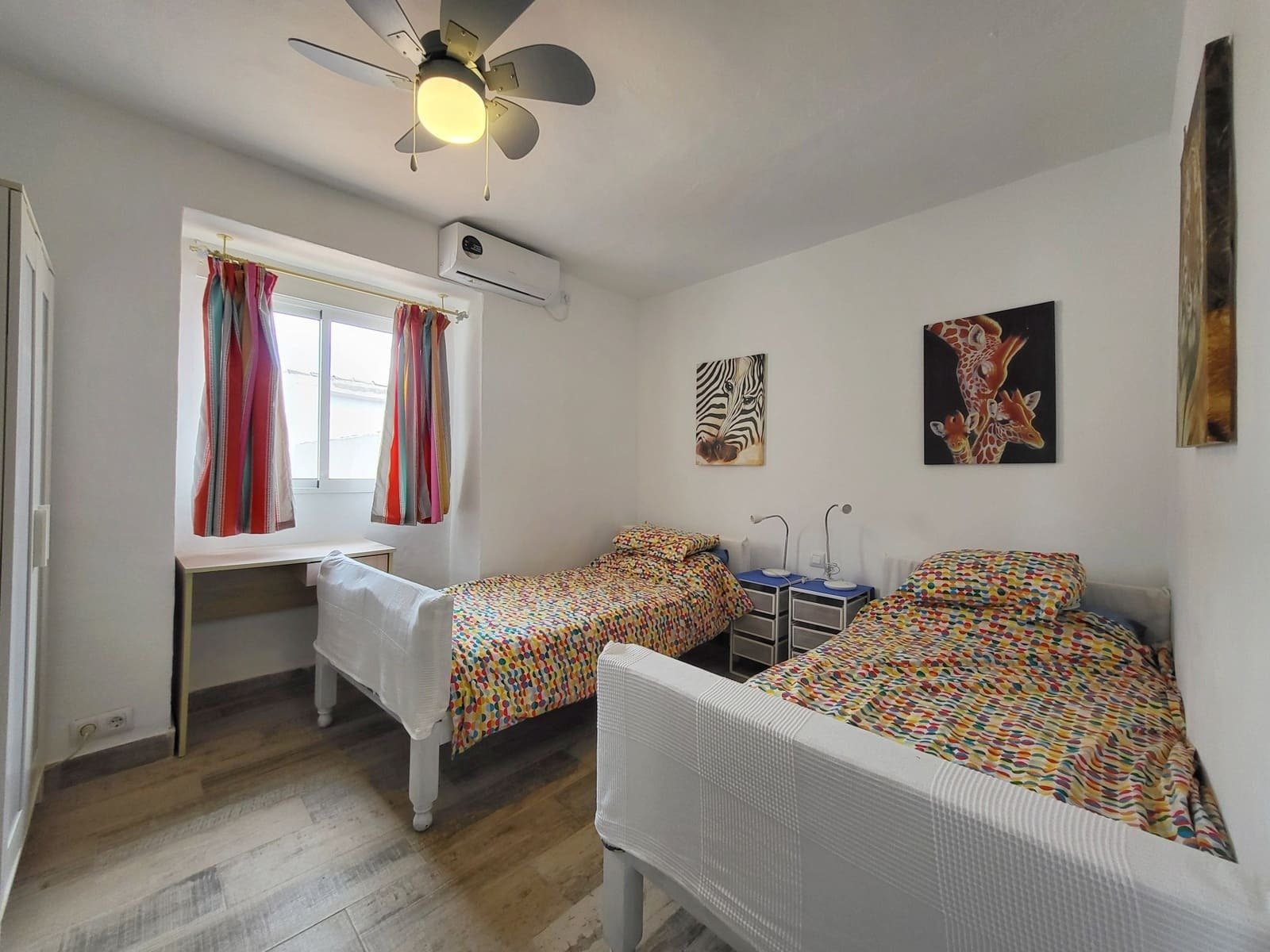
4
Built area
Approx. 617 m²
Land area
Approx. 10,970 m²
Price
€499,000
Energy rating
Class E
Agricultural asset
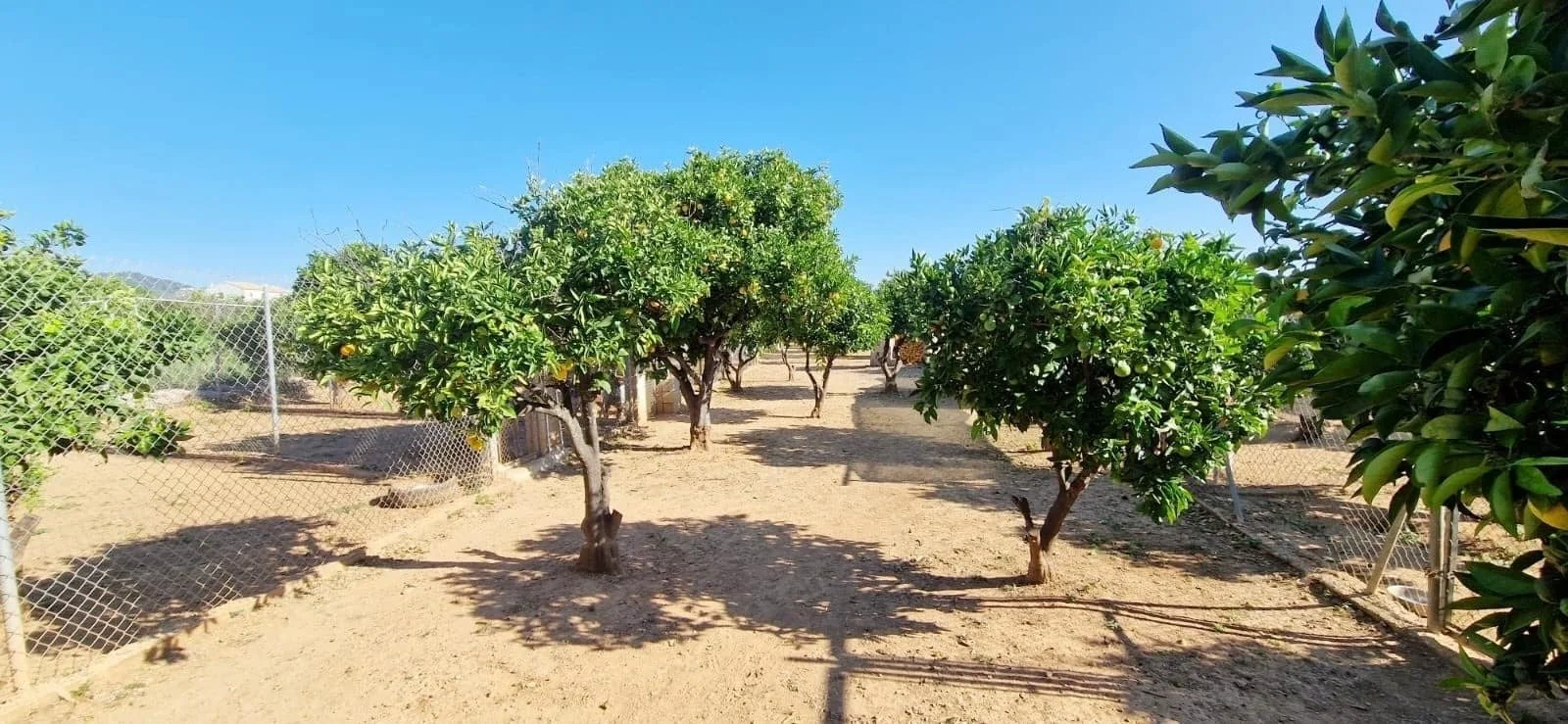
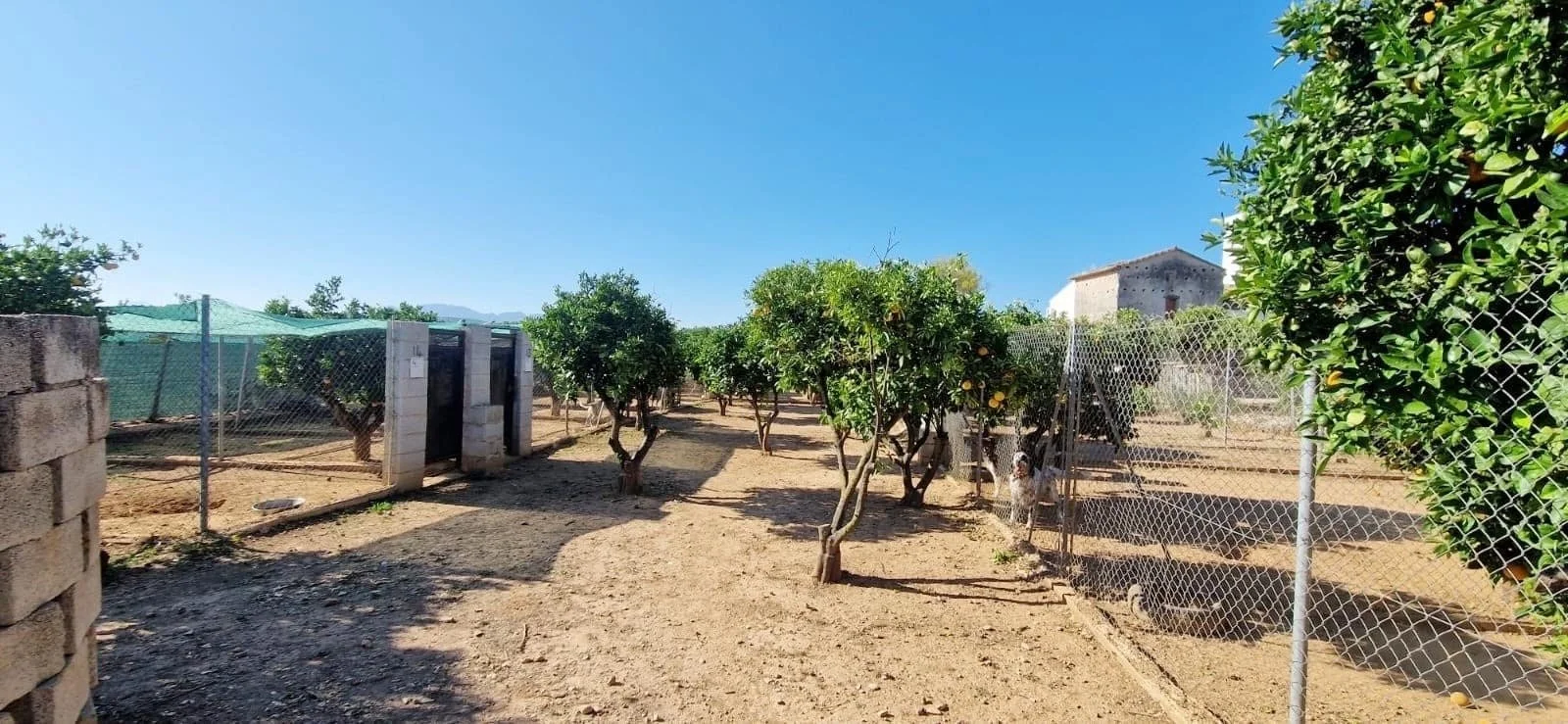
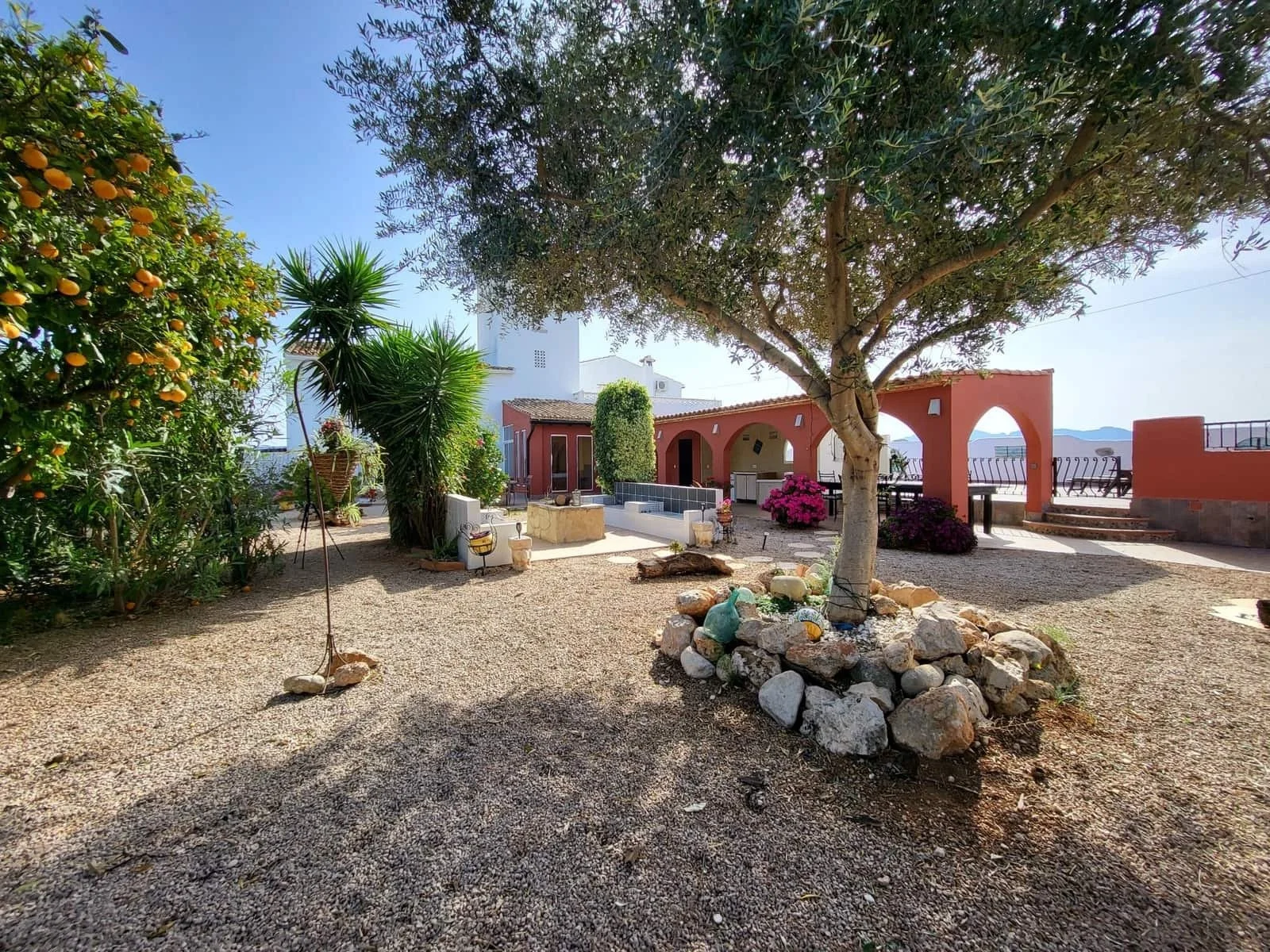
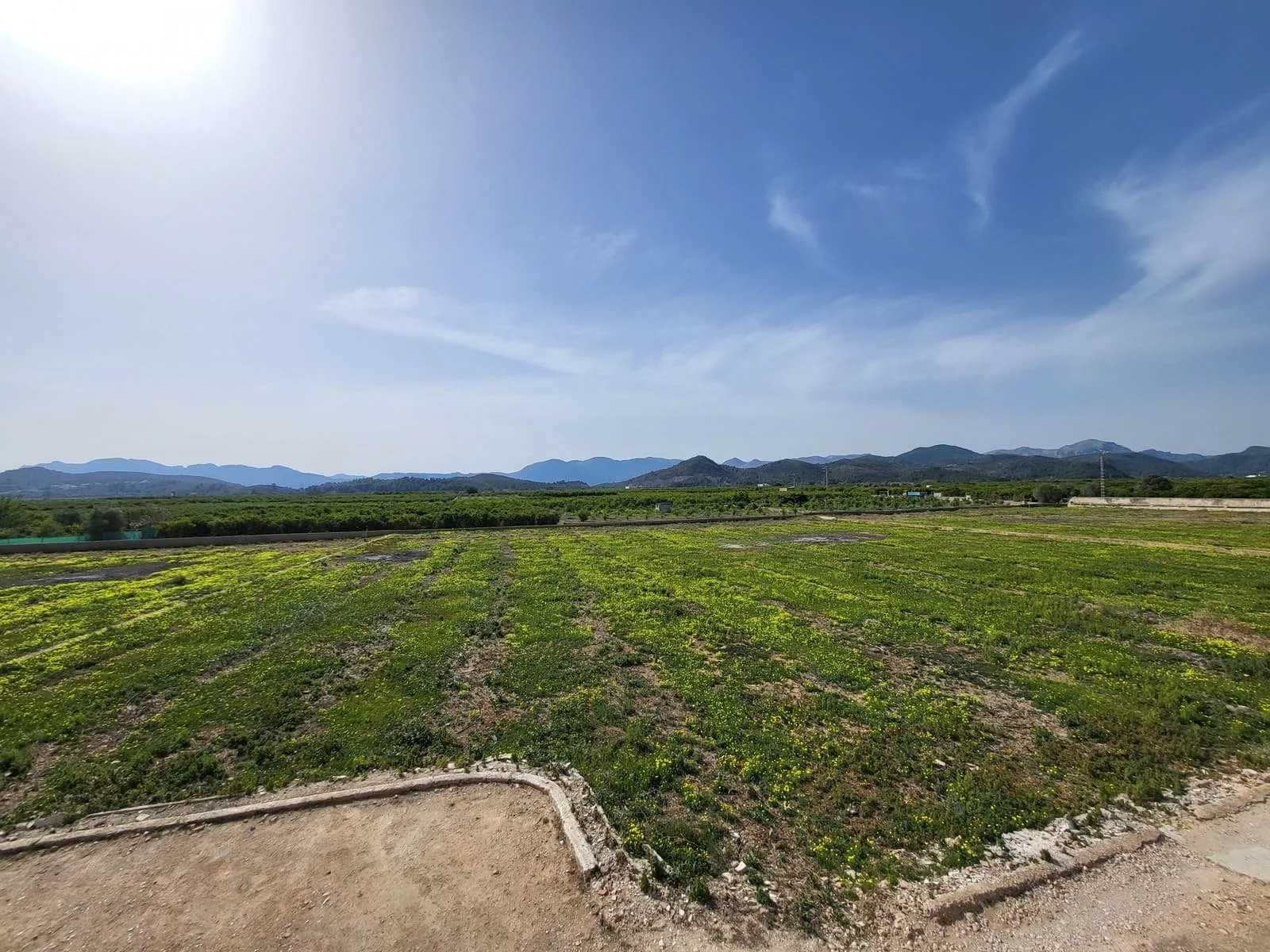
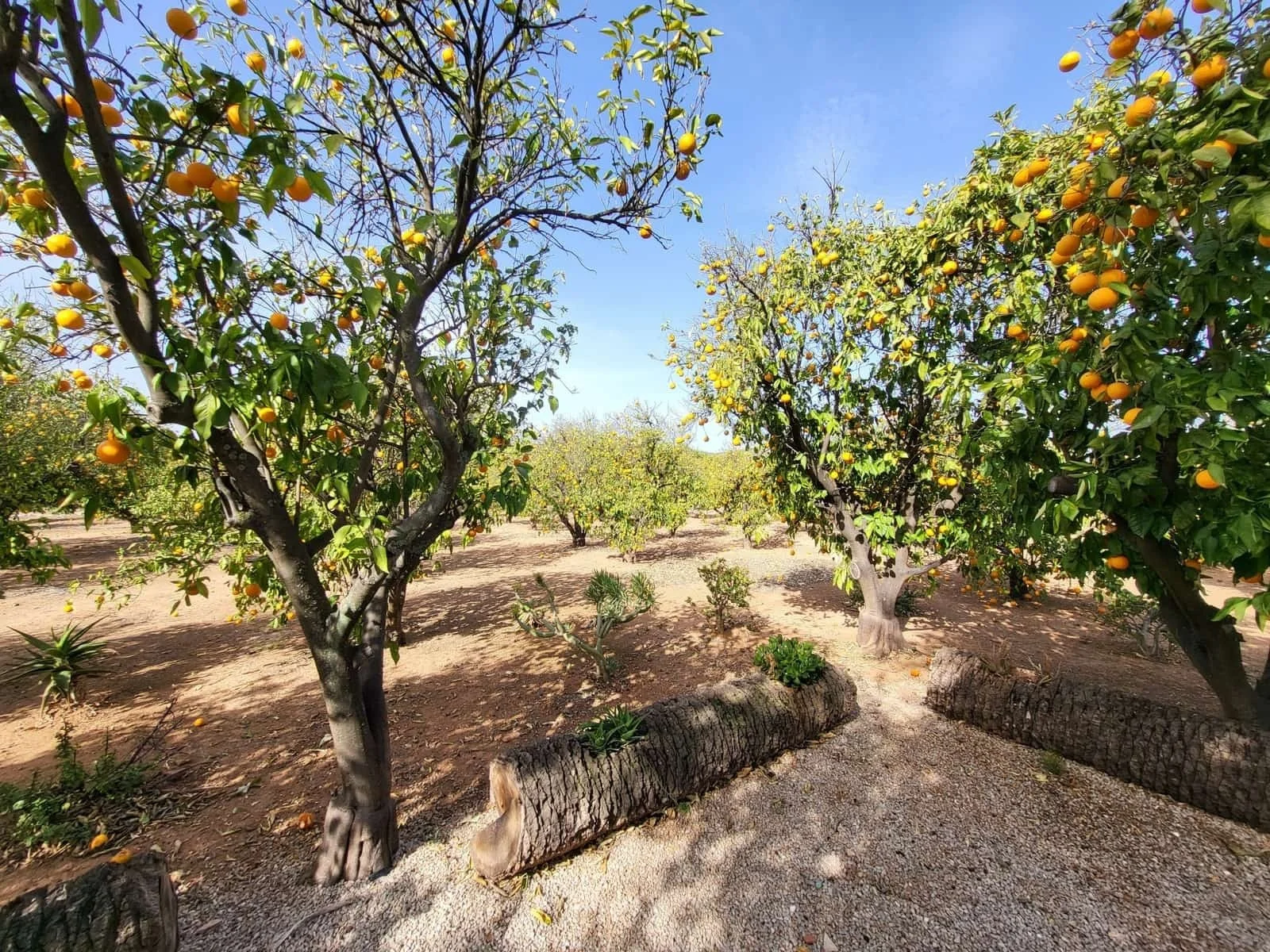
Approx. 500 orange trees said to generate real income
Lifestyle features
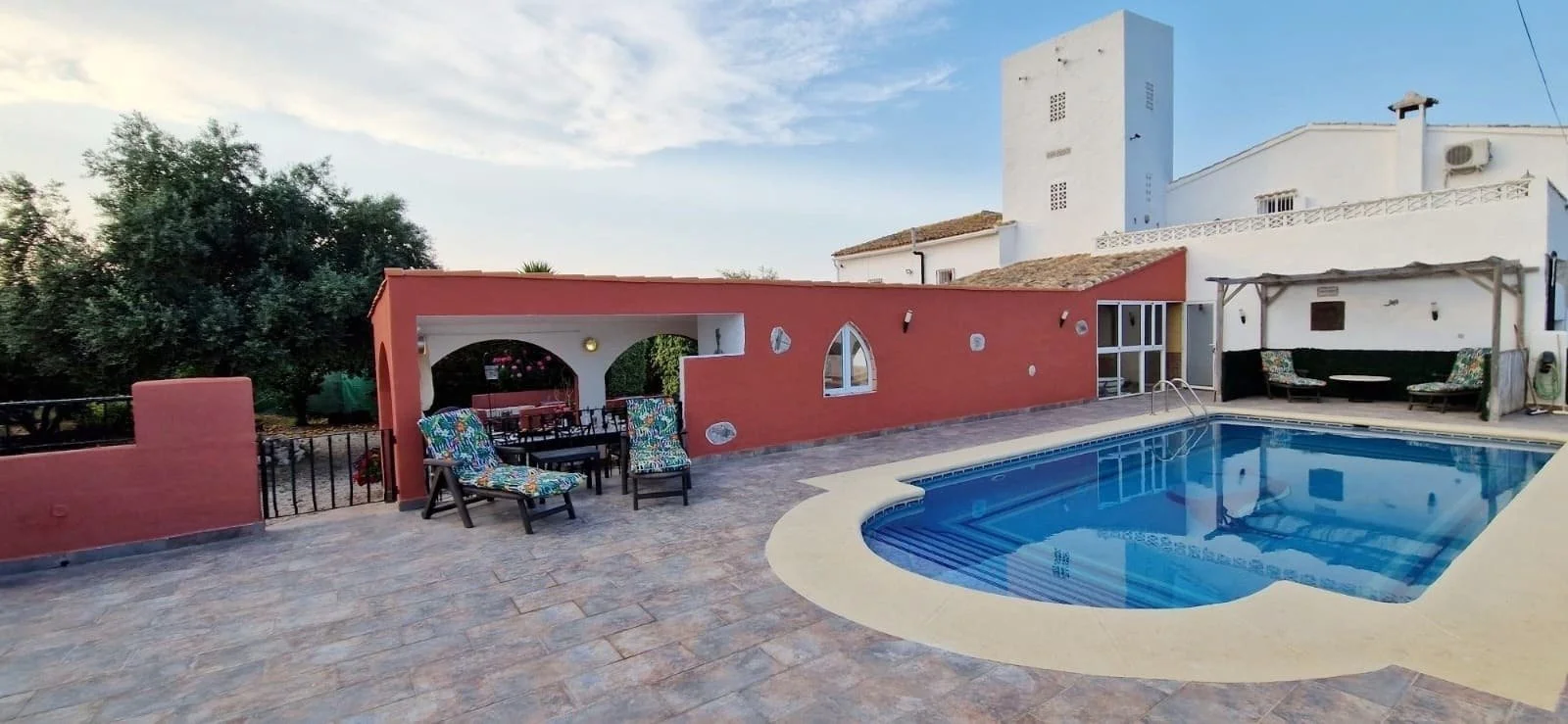
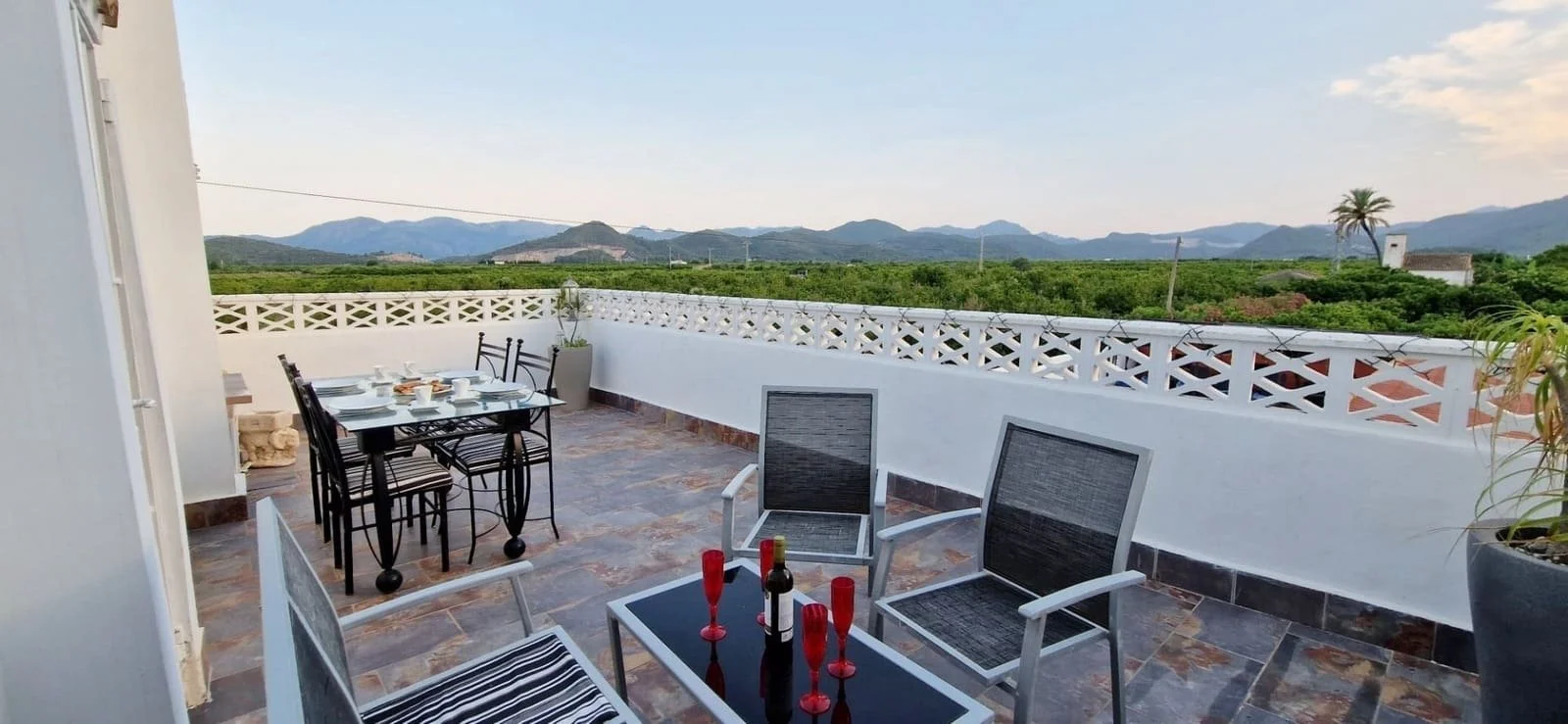
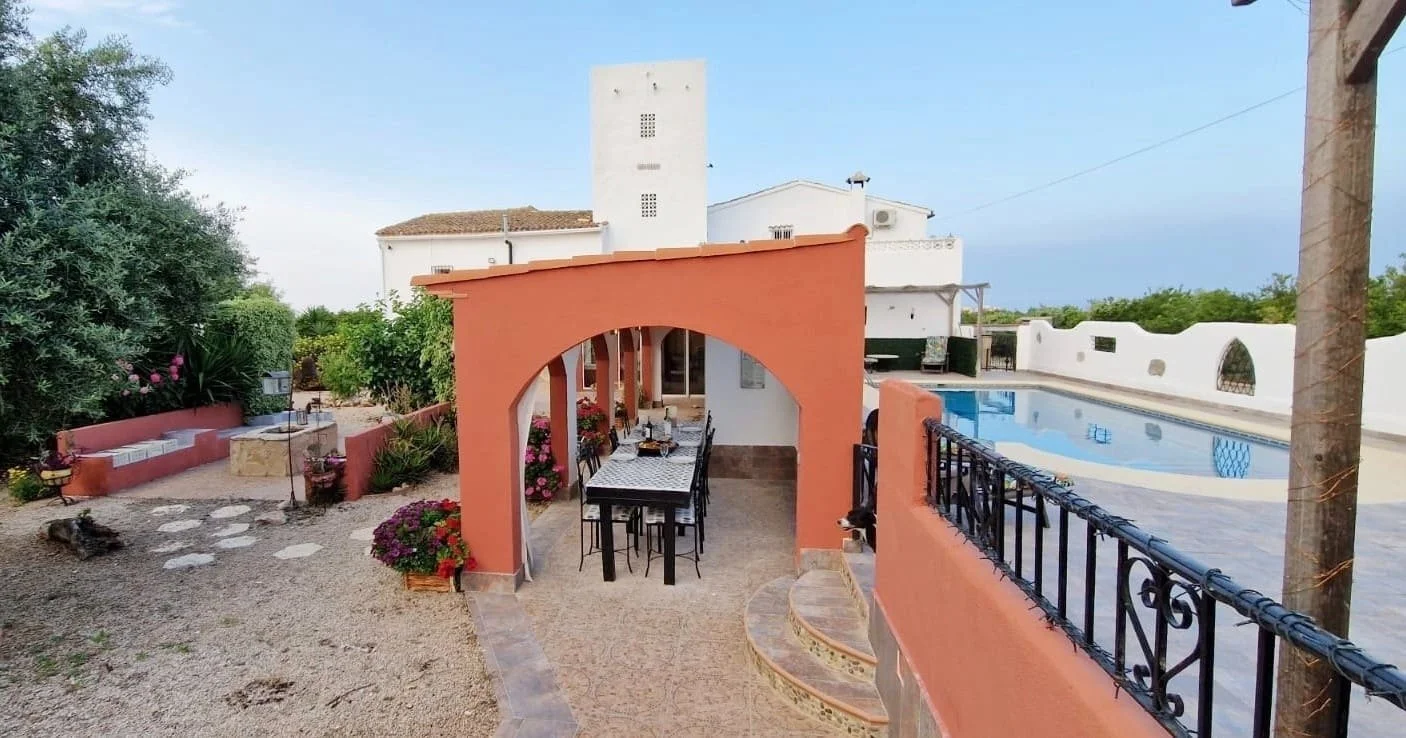
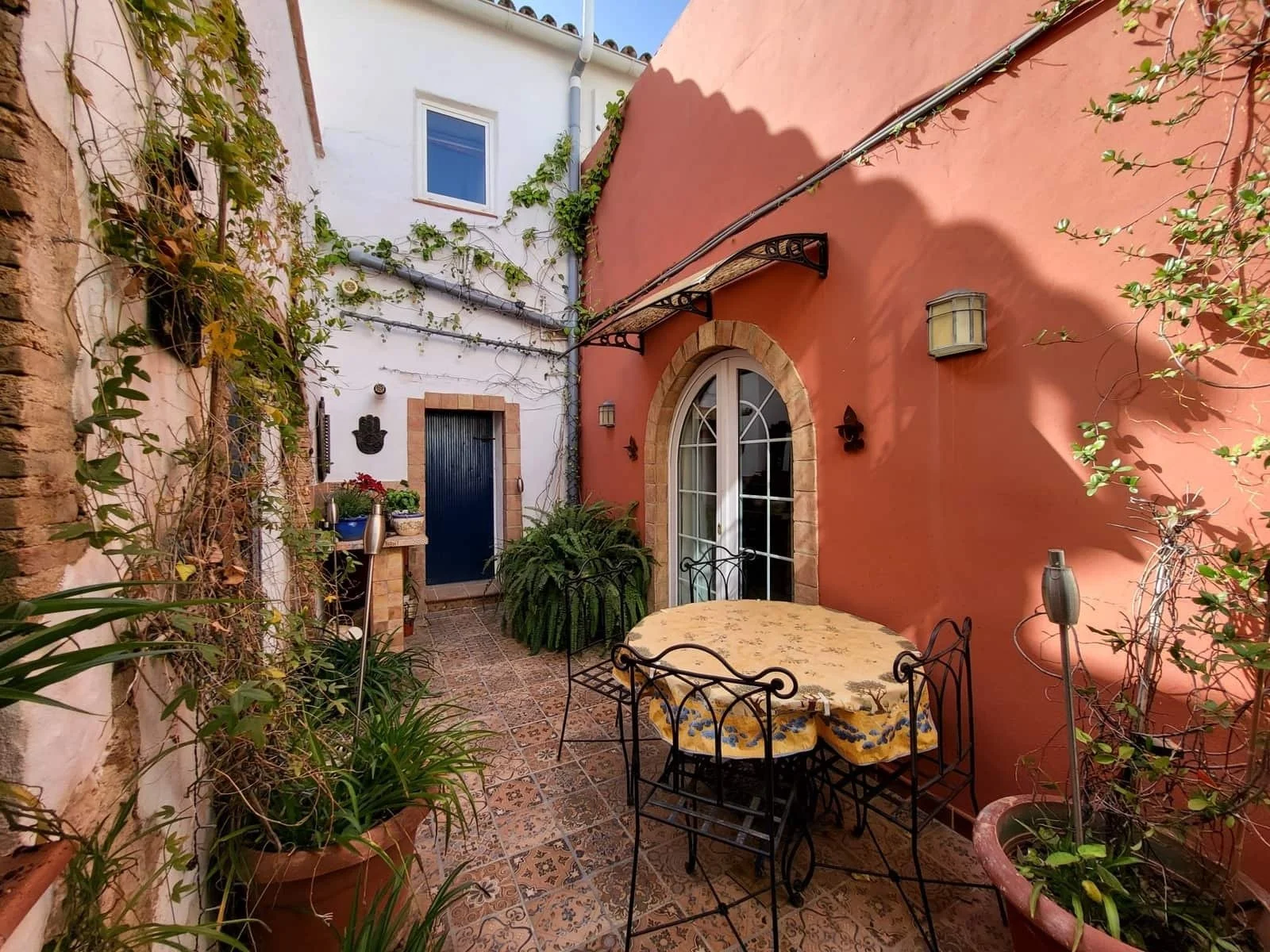
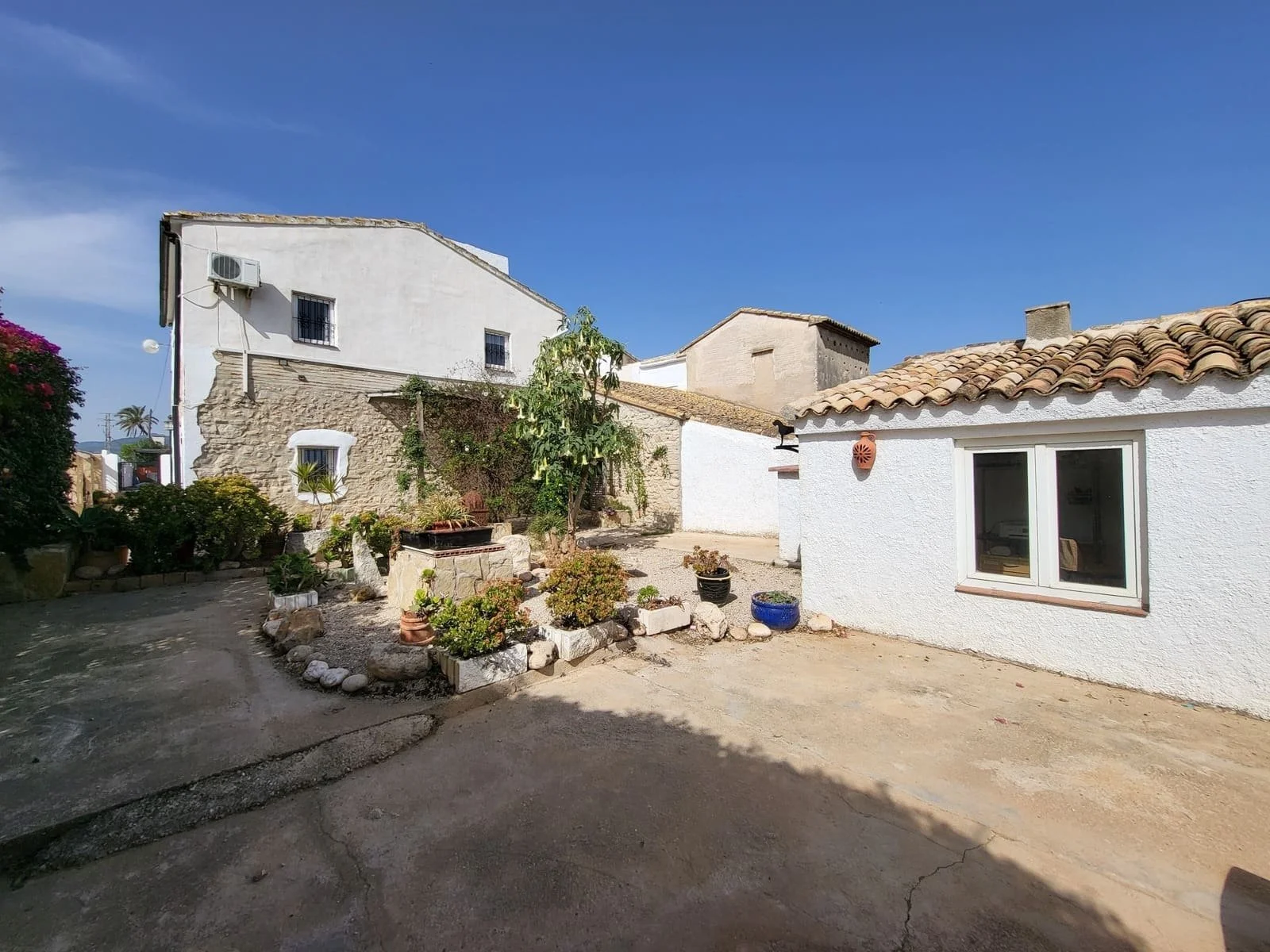
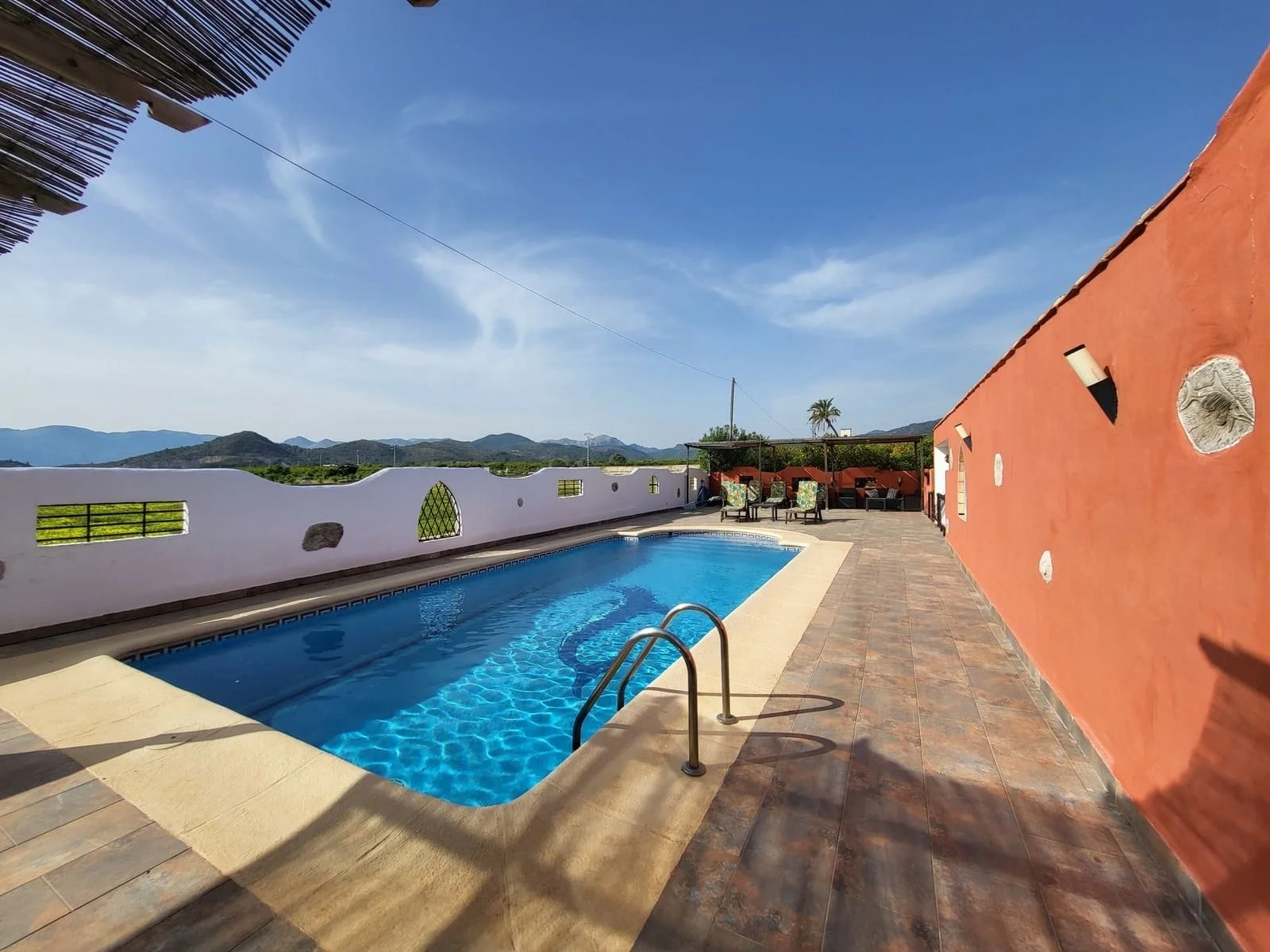
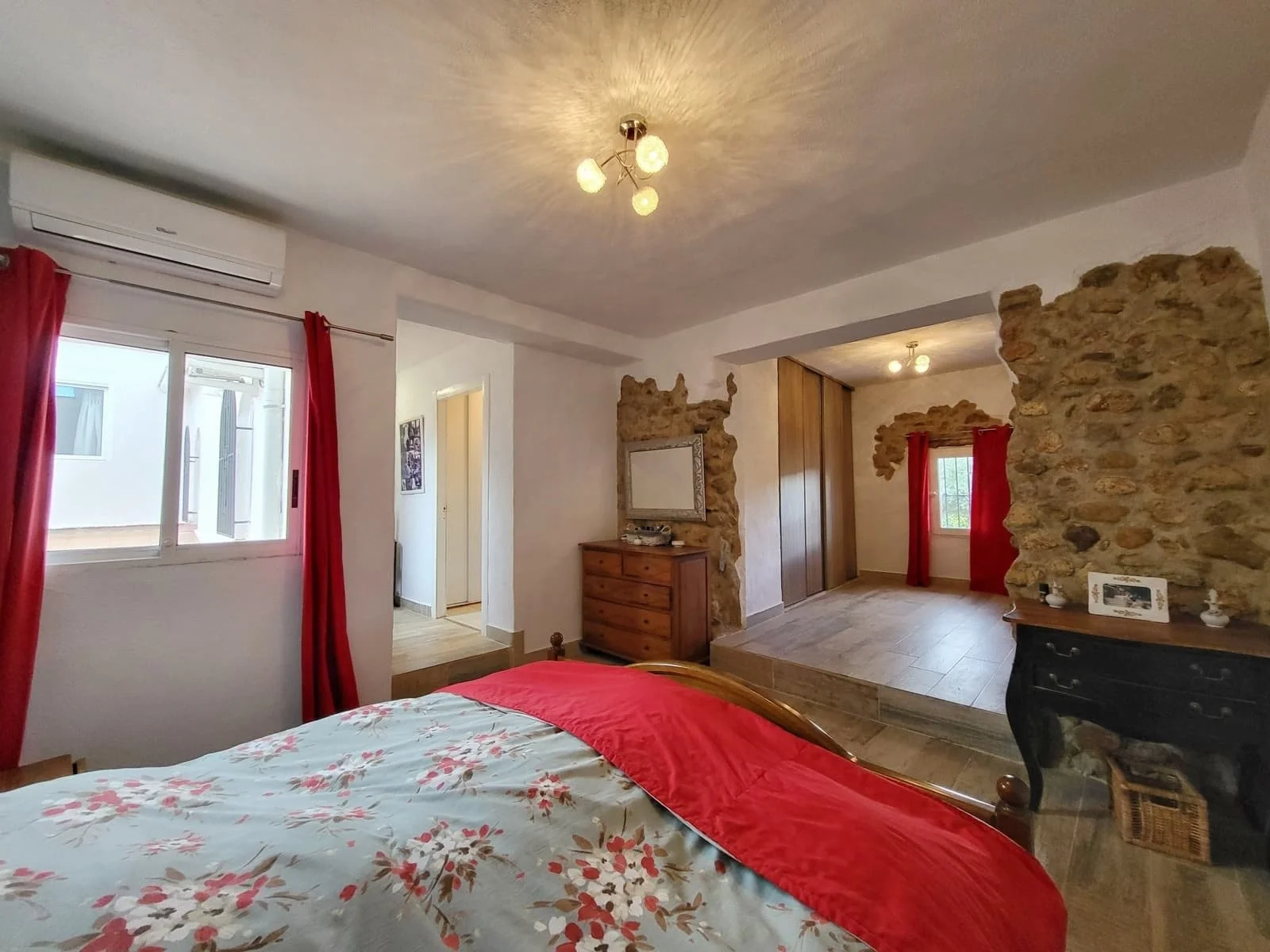
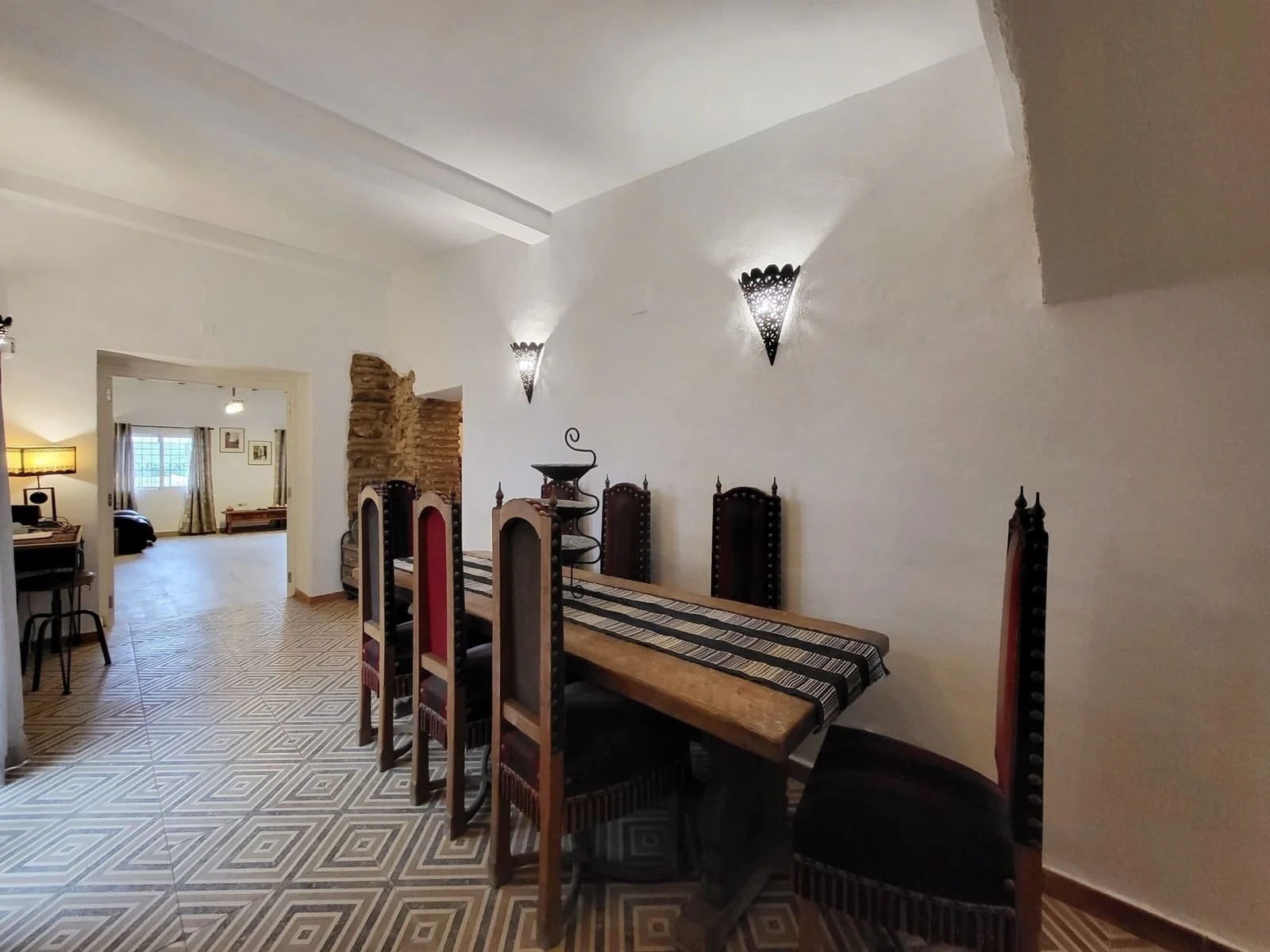
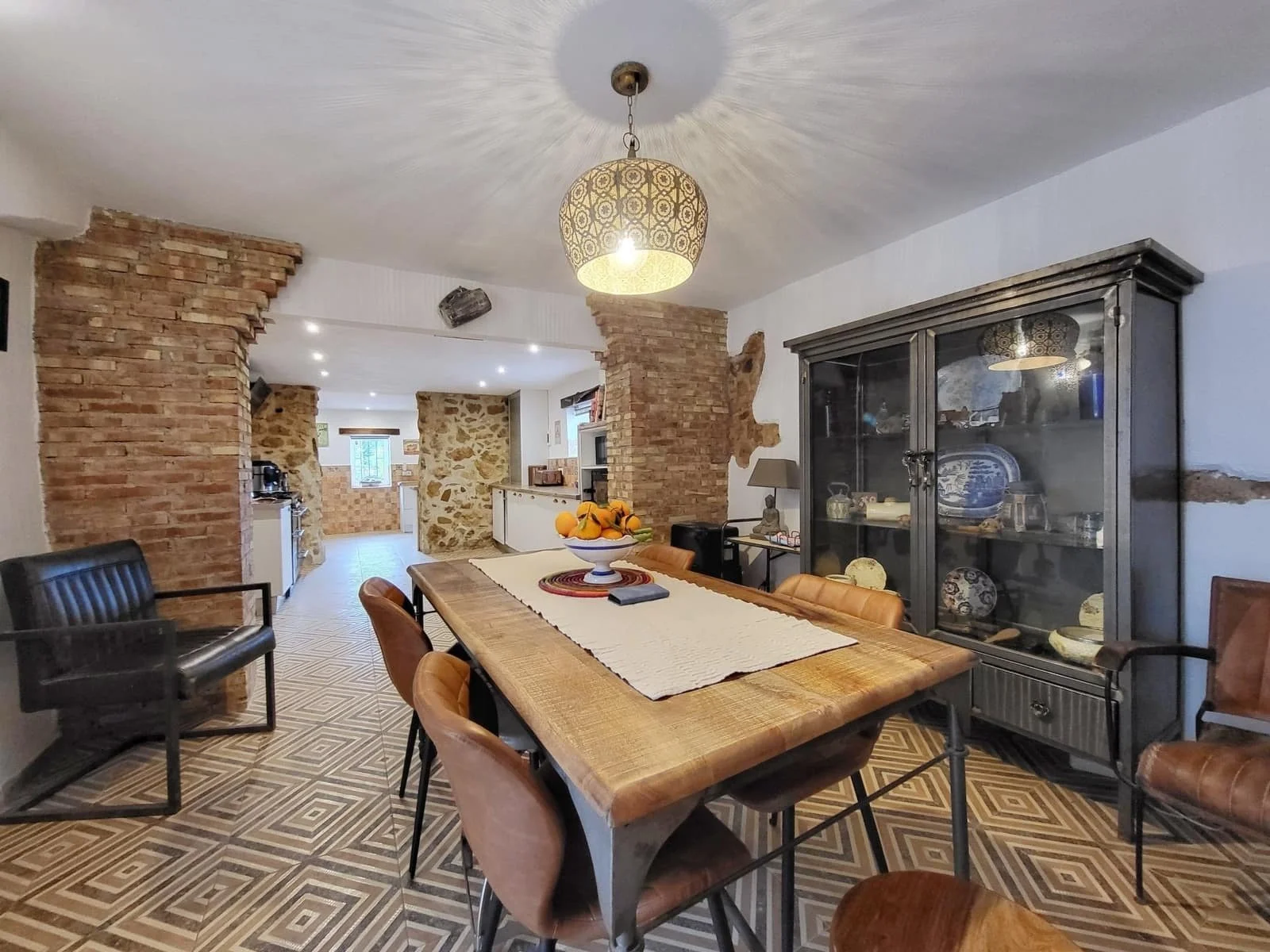
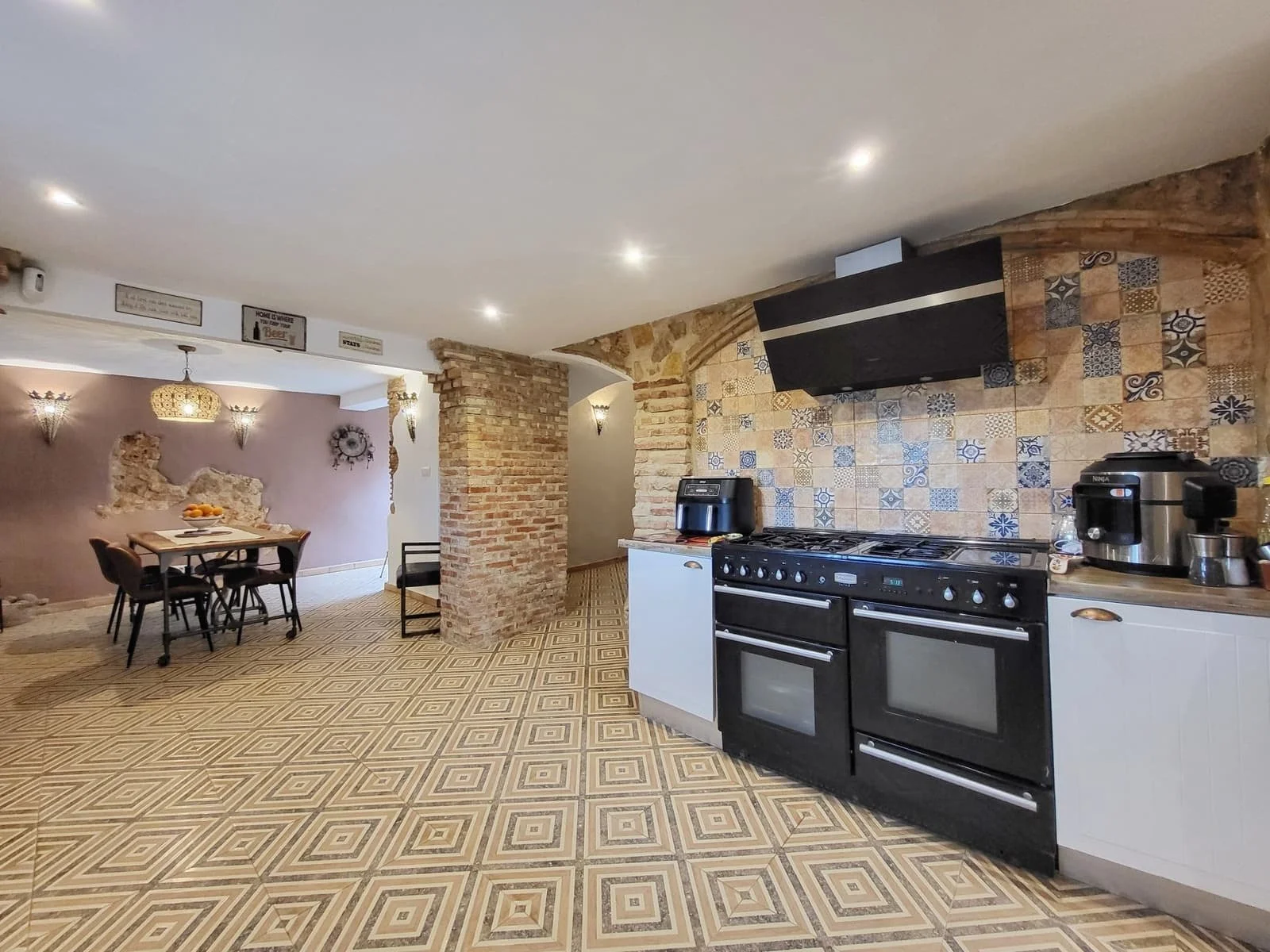
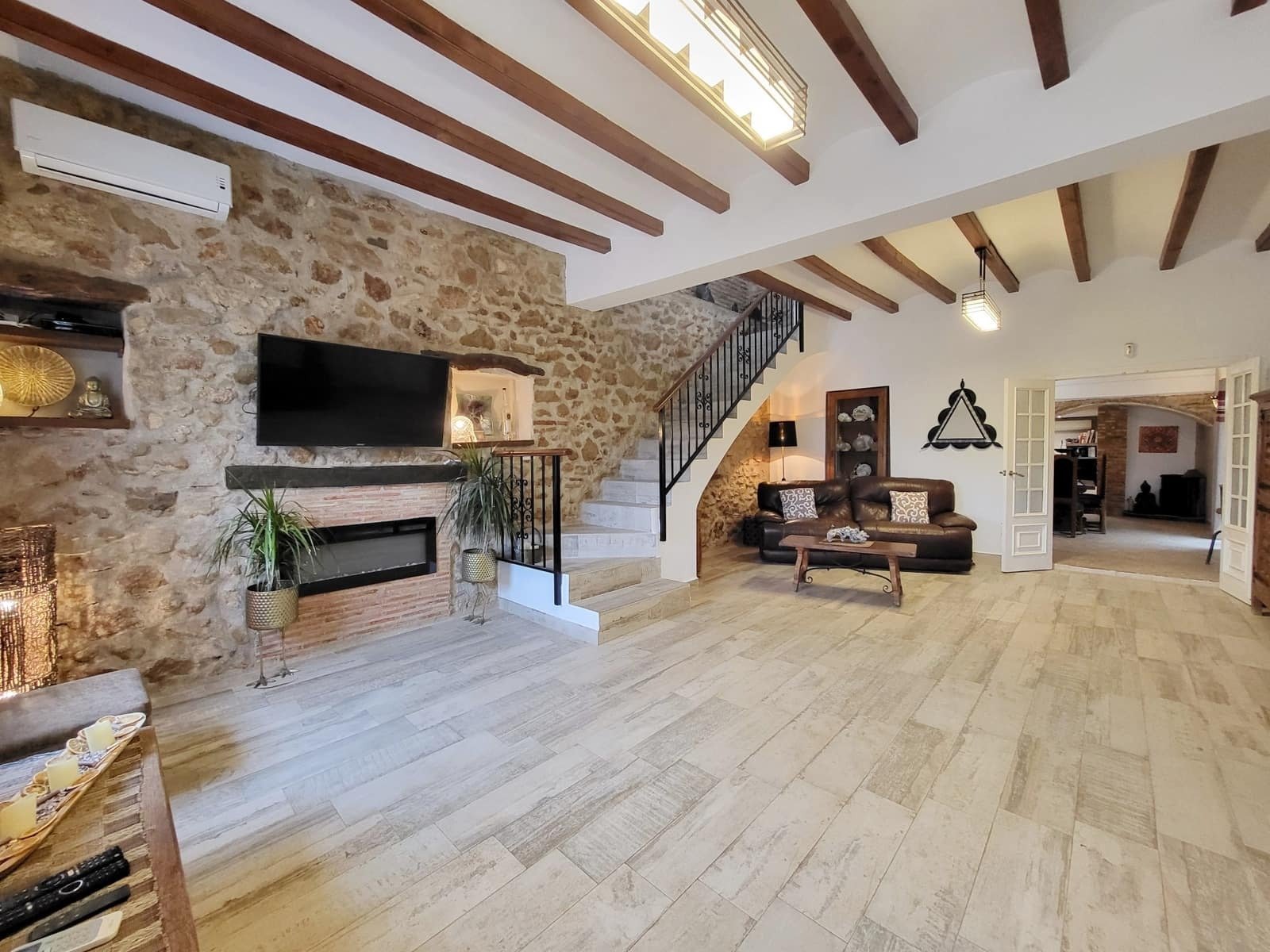
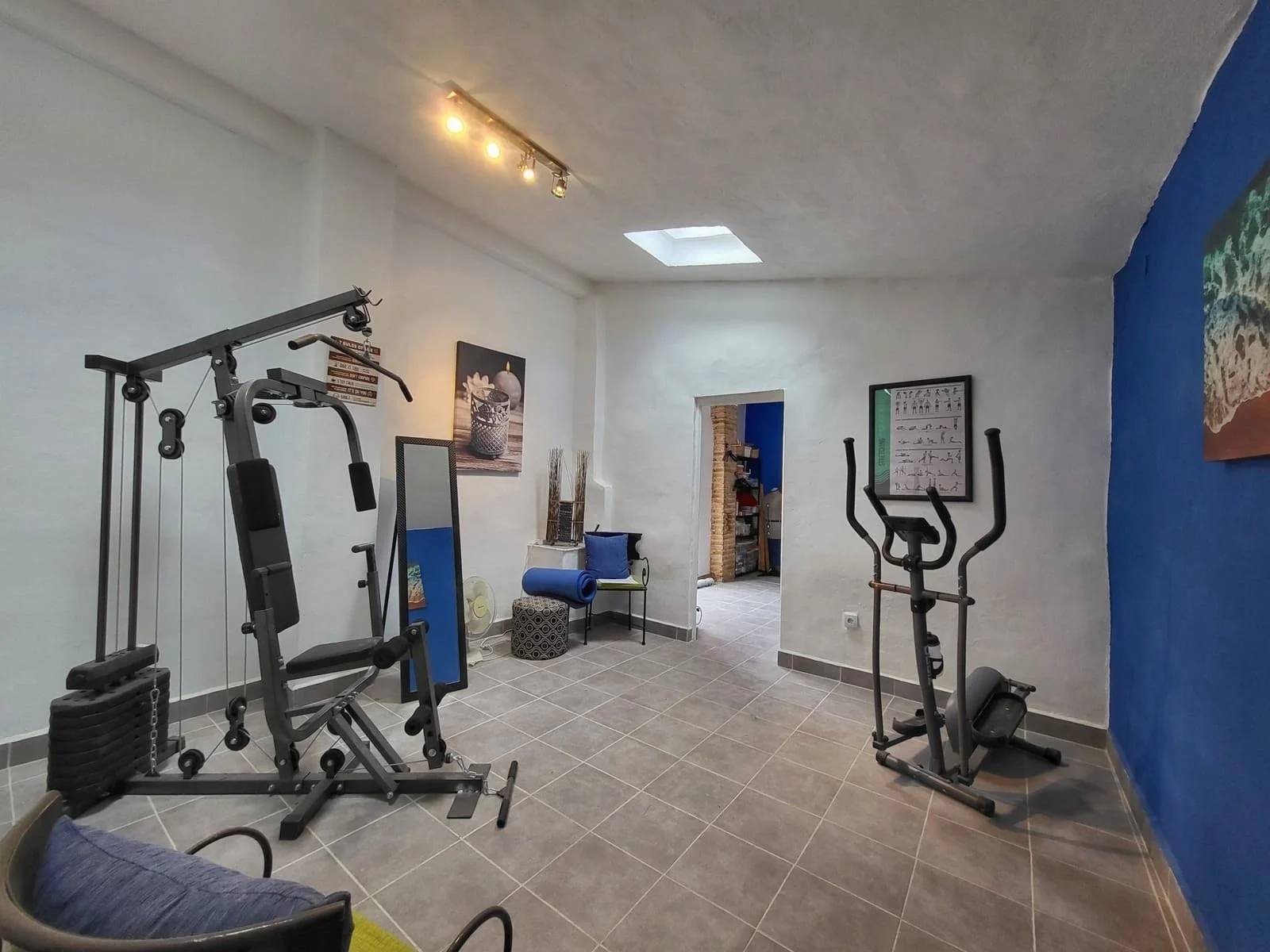
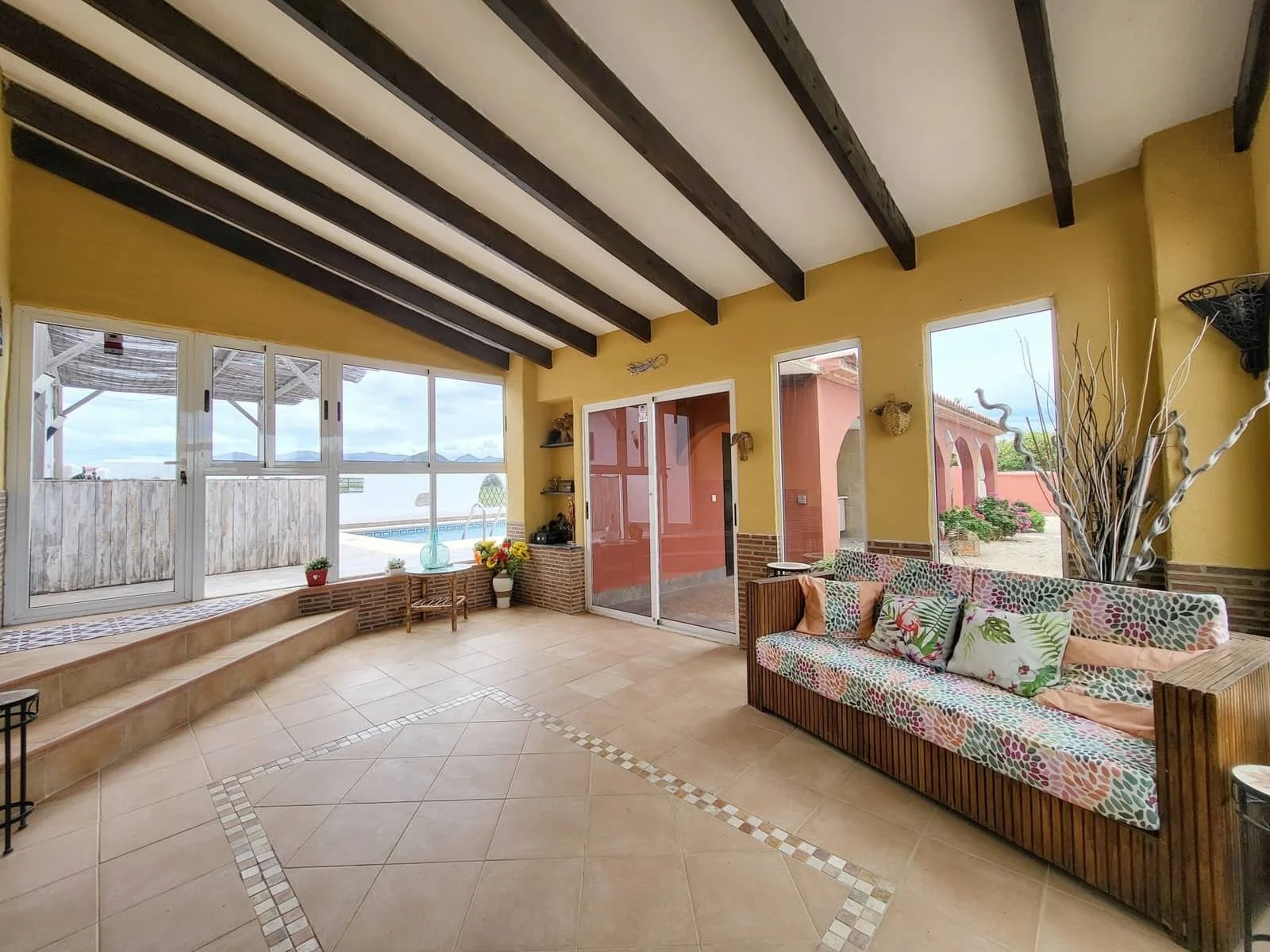
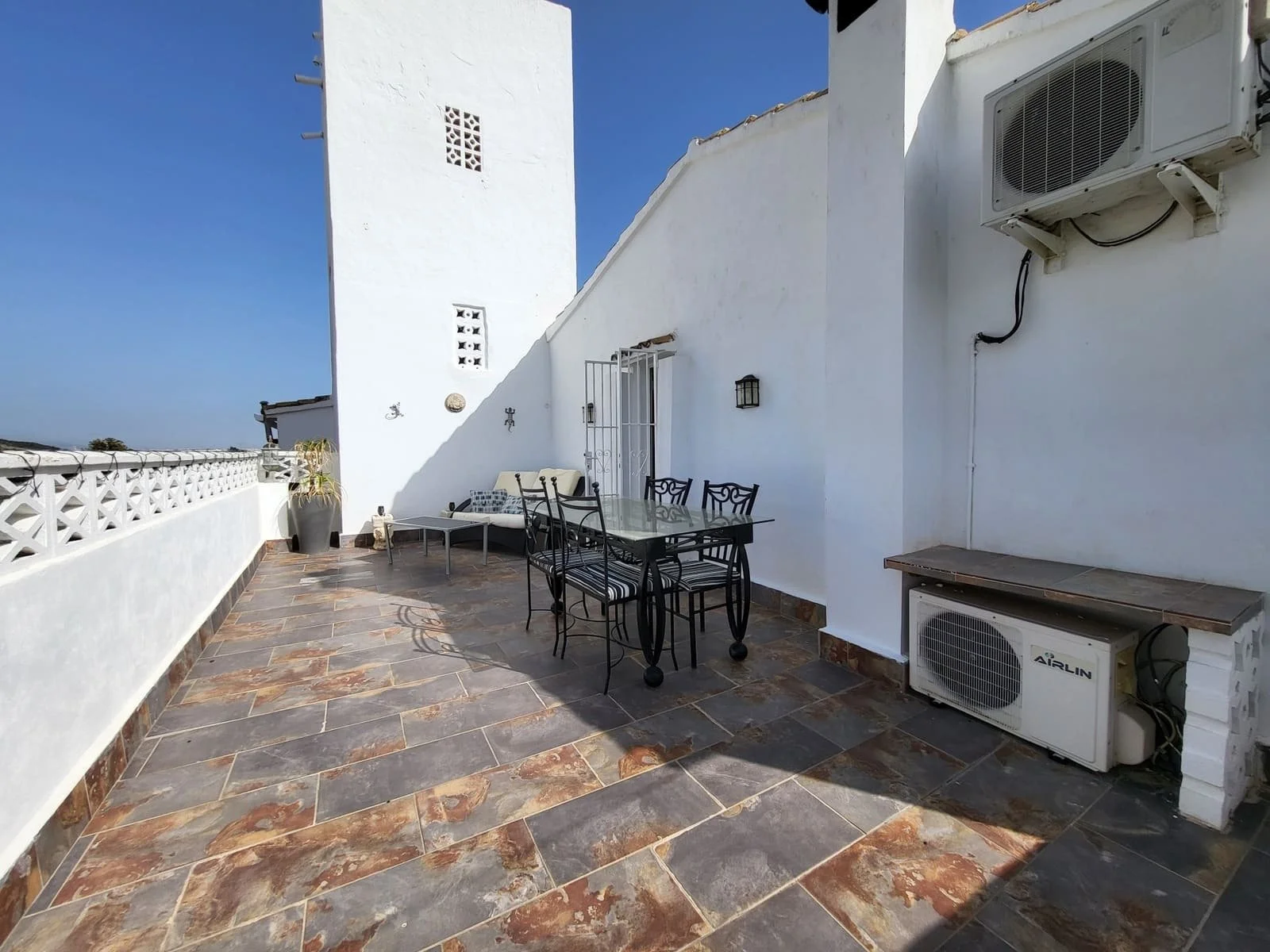
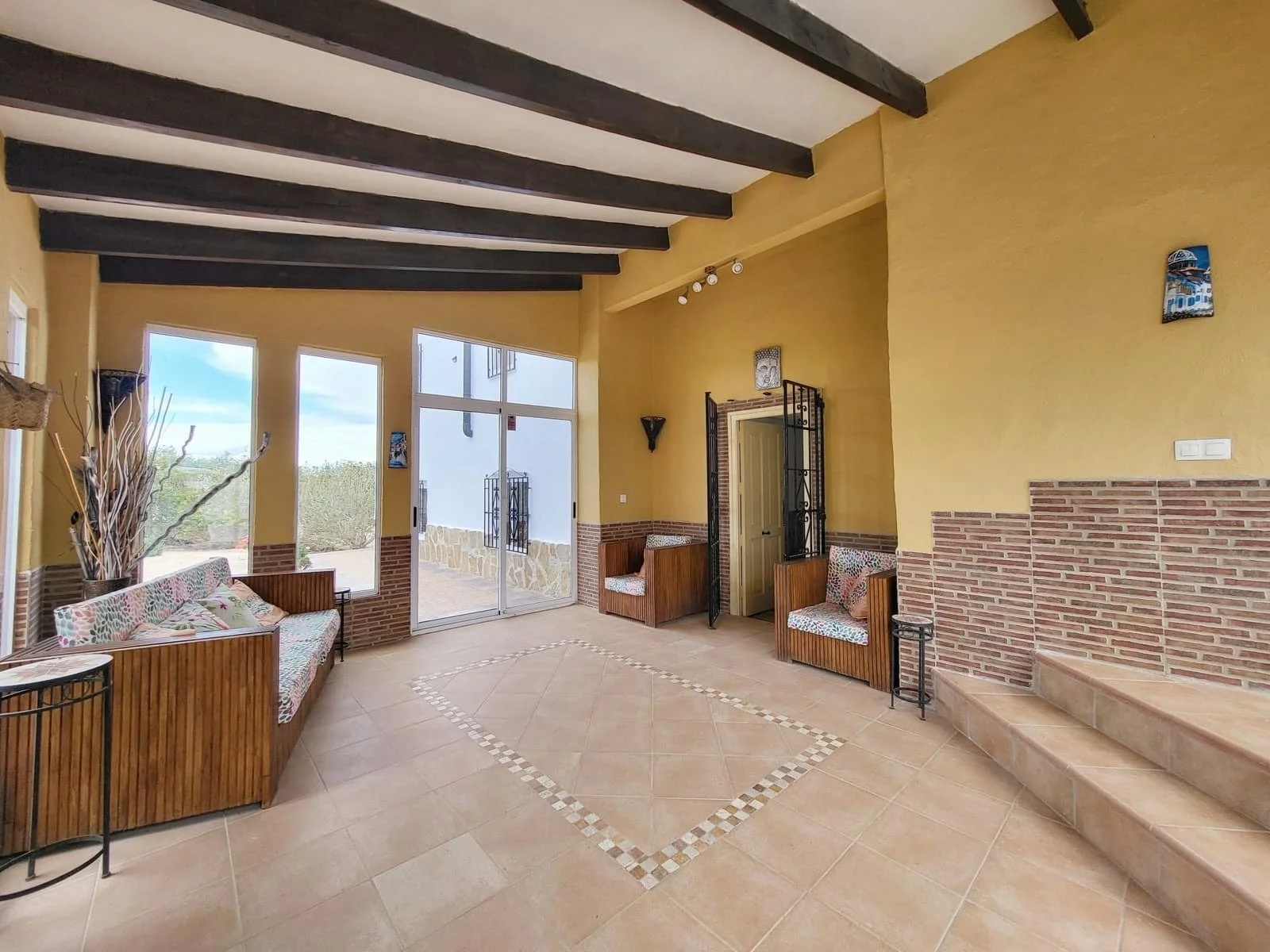
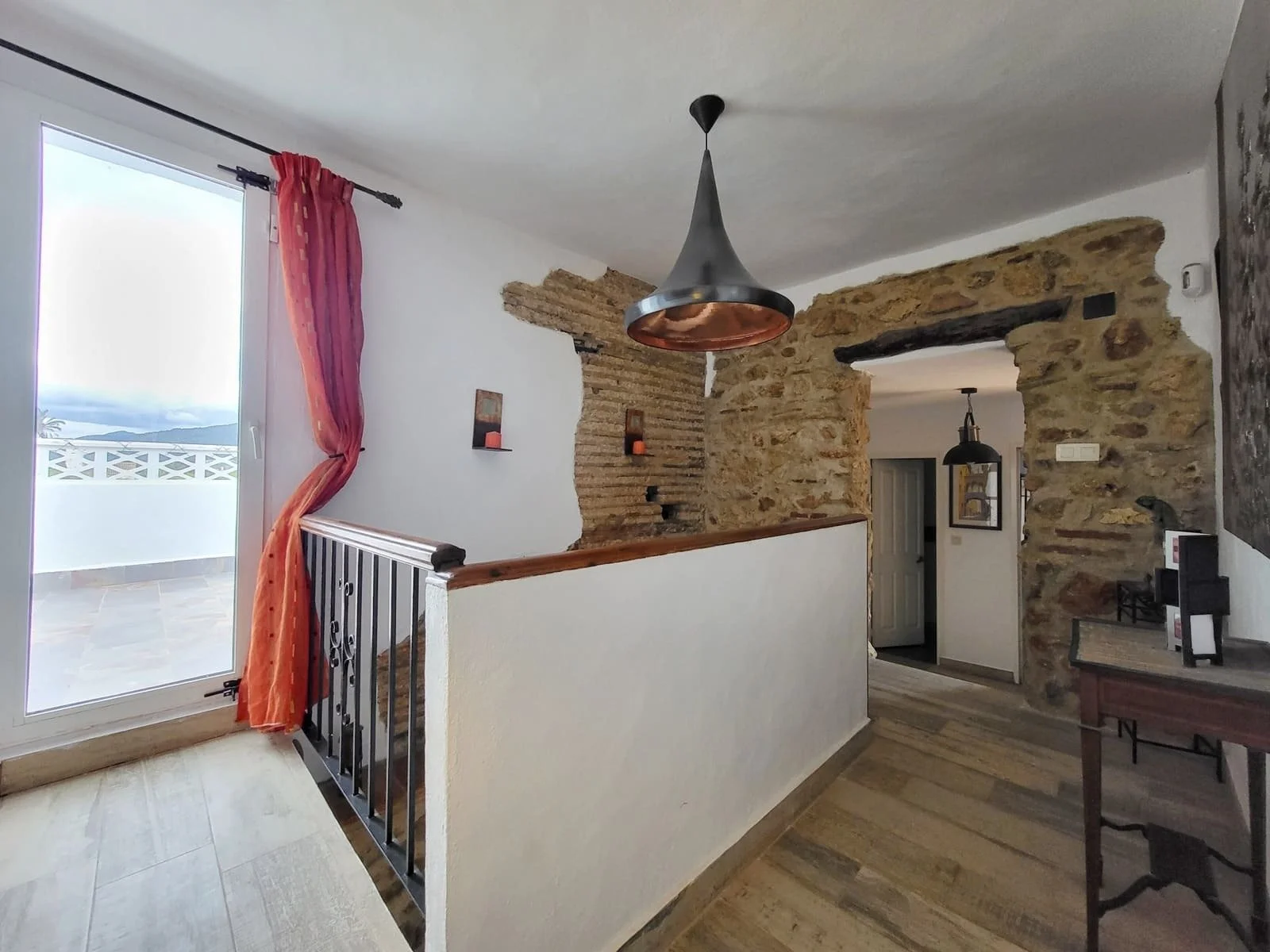
Tower room with panoramic views, pool, summer kitchen, fire pit, workshop / gym / hobby-room barn, garage and extensive grounds
Headline appeal
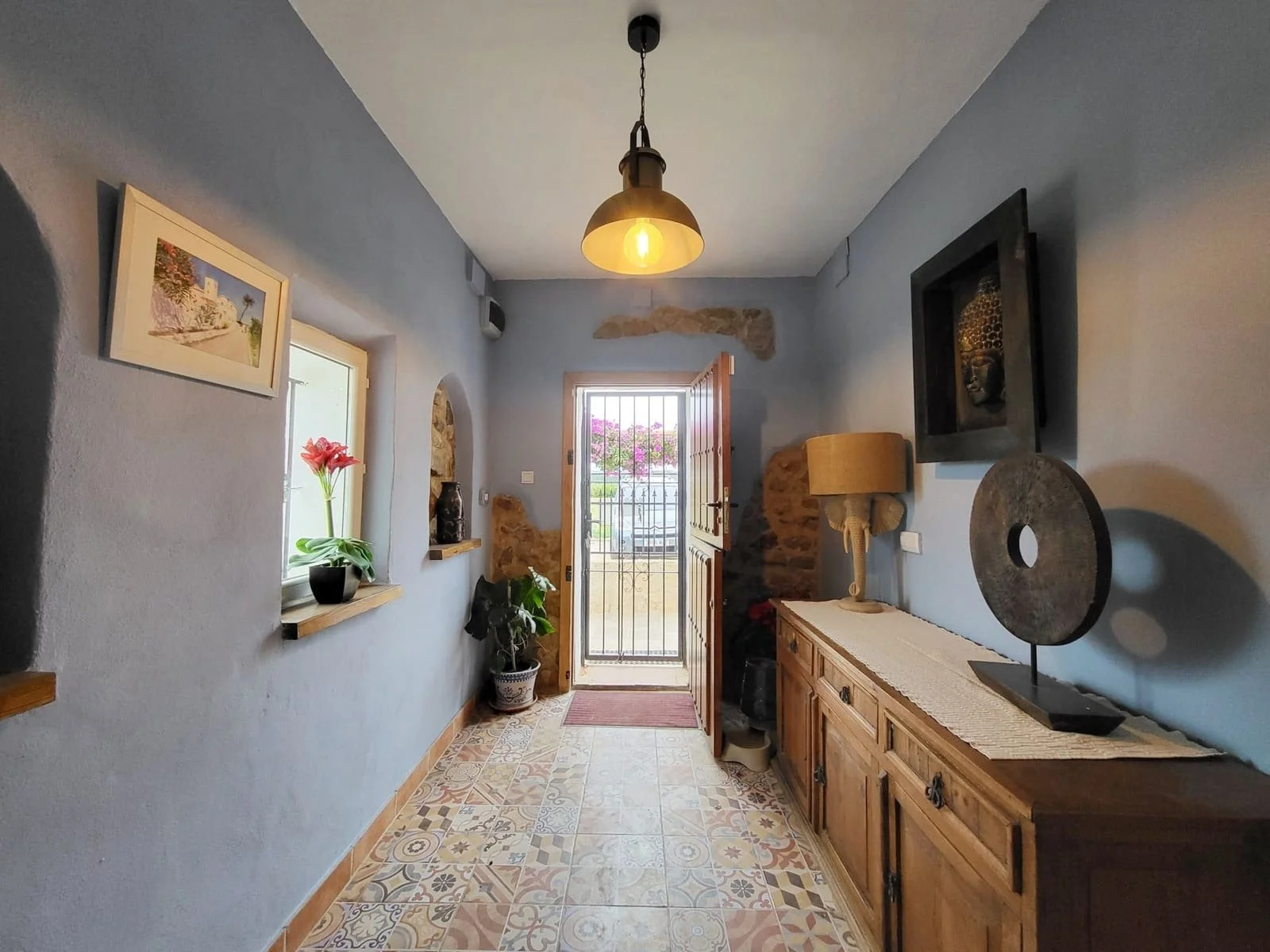
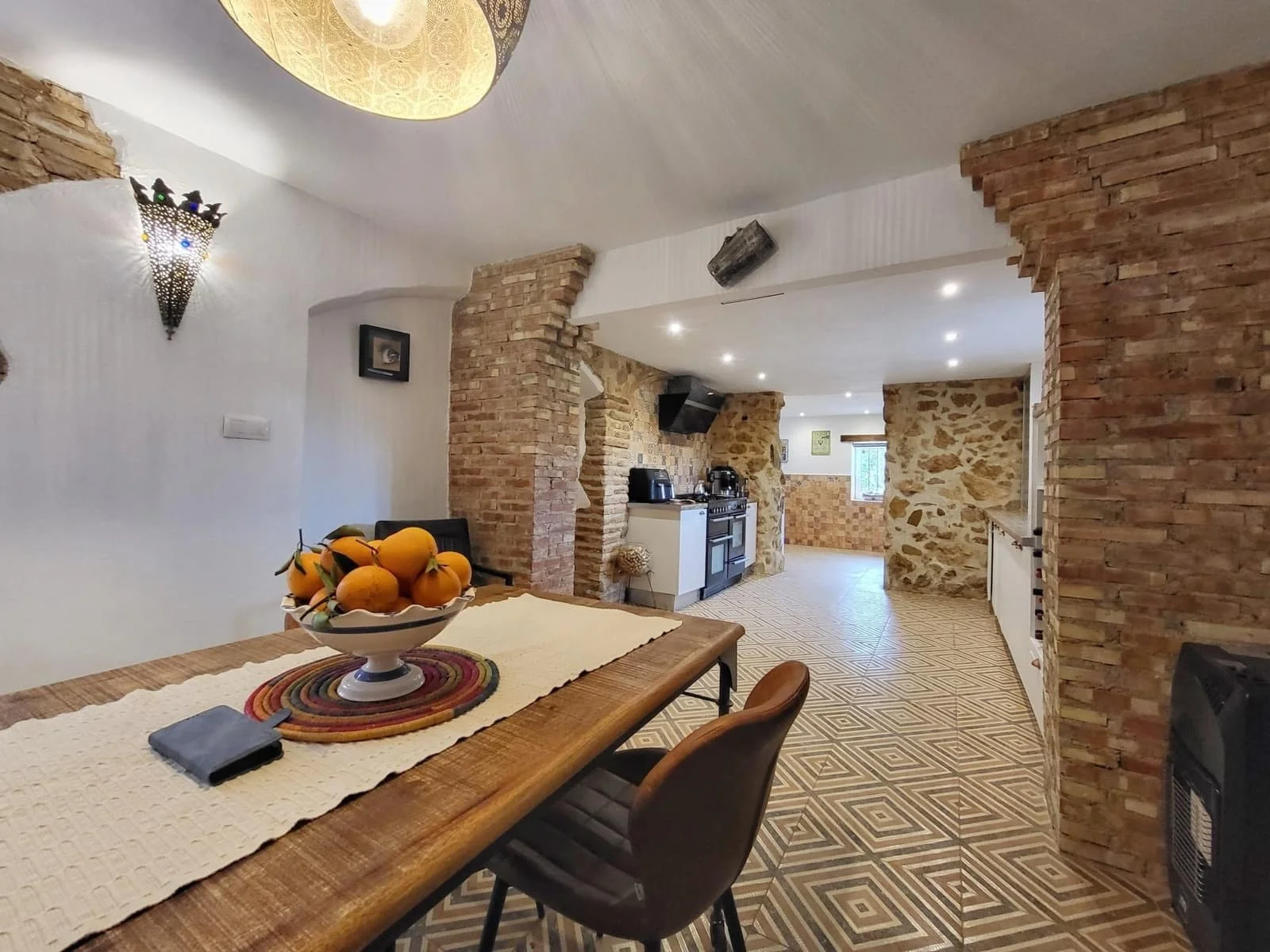
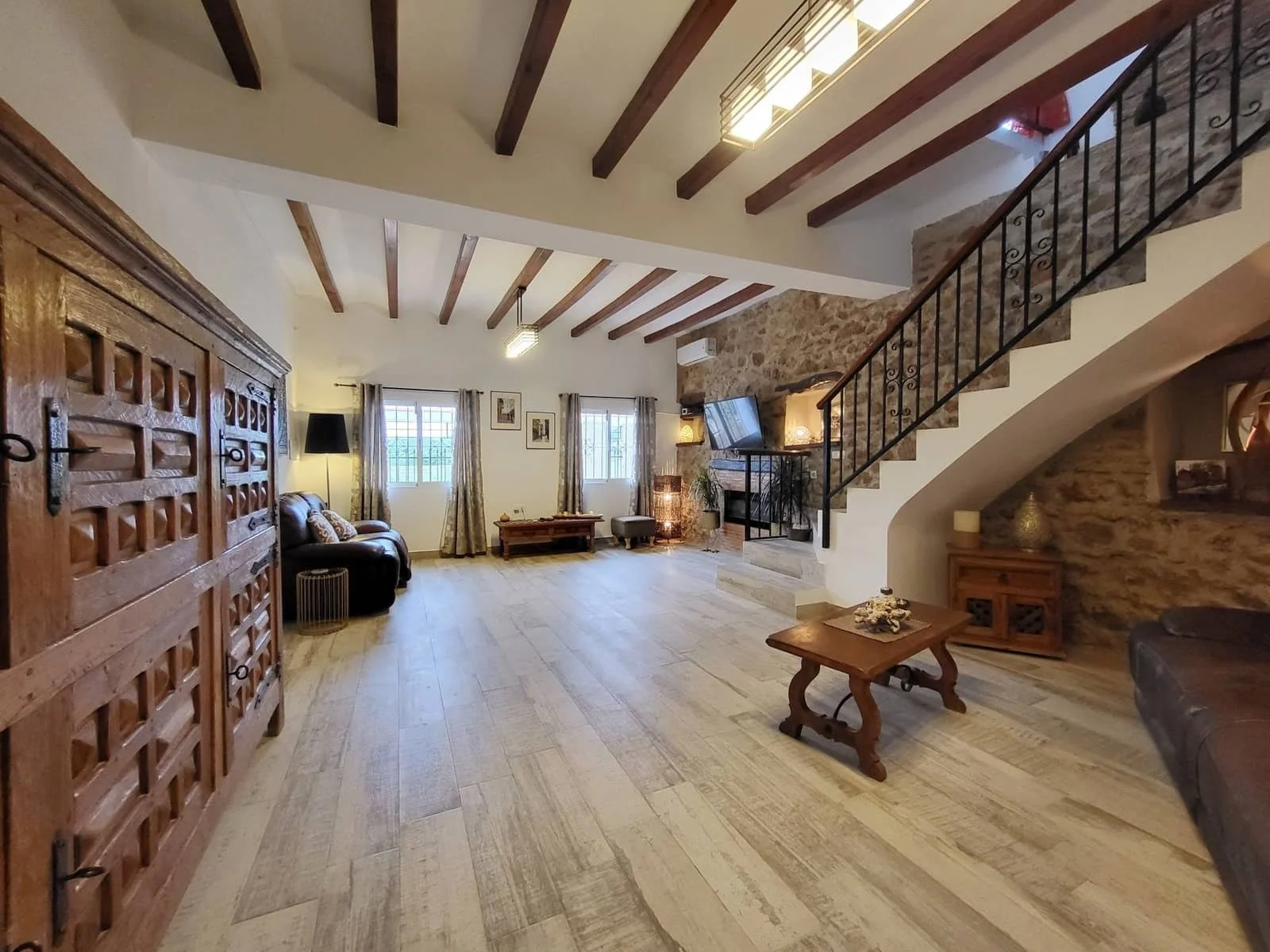
Large private villa with real agricultural identity, substantial land, distinctive tower feature and a possible income mix from both fruit and hospitality
Core tension
The listing is attractive because it combines lifestyle and productive land, but the deal only really works if the orange-grove figures are real, the irrigation rights are secure, the built footprint is fully regularised, and the rustic-land rules do not undermine future plans
Risk Radar
Overview
This is exactly the kind of listing that can pull a buyer in for two reasons at once. First, it offers a substantial villa with genuinely memorable features such as the tower room, pool and outdoor entertaining spaces. Second, it promises that rare extra layer: productive land with 500 orange trees that supposedly generate actual income. That combination is unusual enough to deserve serious attention.
The first job is to separate "productive orchard" from "beautiful agricultural backdrop". Five hundred trees can absolutely be valuable, but only when the water position, tree health, buyer relationship, input costs and recent harvest records all line up. A grove without secure irrigation or with weak net margins is not an income stream. It is a maintenance project dressed as one. The Júcar basin authority makes clear that the private use of public water requires the appropriate concession framework, and the Registro de Aguas is the public register where those rights are recorded.
The second job is to treat the built footprint with caution because this is a large rural property on rustic land. A 617 m² villa with a tower room, pool, summer kitchen and barn can be wonderful, but on non-urbanisable land the key question is not "does it exist?" but "is every part of it properly authorised and correctly reflected in the papers?" That matters even more if the buyer is already imagining guest accommodation, wellness use or tourism activity. In the Valencian Community, uses on non-urbanisable land can require additional urban-planning scrutiny, and the Generalitat's DIC procedure exists specifically for certain exceptional non-ordinary uses in such land.
The third job is to be realistic about tourism upside. Tourist-use dwellings in the Valencian Community are regulated, require a declaración responsable to start activity, and the Generalitat's own tourism guidance states that a dwelling on non-urbanisable land may only qualify in certain cases, with additional municipal reporting or, in some situations, only where it involves rehabilitation of traditional architecture. That means a buyer should not treat "villa plus orange grove" as automatically convertible into a lawful agritourism or holiday-rental business without specific local confirmation.
Targeted Questions
Orange Grove, Water Rights and Agricultural Income
"Generates actual income" needs to be proved with numbers, not adjectives.
Predictable sales channels are often more valuable than a one-off good harvest.
Variety mix and age profile directly affect commercial viability and future replanting costs.
It helps convert vague "income-producing" language into a real agricultural model.
A grove can look healthy on viewing day and still be expensive to maintain.
Water is the spine of the entire agricultural story.
The Confederación Hidrográfica del Júcar states that private use of public waters requires the relevant concession, and water rights are recorded in the Registro de Aguas.
Water access may be practical without being simple or cheap.
Bills and meter records are often the fastest reality check.
Rural Spain still contains properties where water arrangements are assumed rather than cleanly documented.
Subsidies can help the economics, but they can also come with compliance obligations.
The cadastral file helps confirm how the land is classified and assessed.
Registry, Title and Planning Status
The nota simple identifies the finca, registered holders and the nature and limitations of the registered rights.
A mismatch between papers and physical reality is one of the biggest rural-property risks.
The Catastro is the starting point for mapping boundaries and declared built elements.
The nota simple is often the first place these issues appear.
On rustic land, this is not a formality. It goes to value, insurability and future usability.
A tower room can be a glorious feature or a planning grey zone.
Pools often carry both planning and tax significance.
Buyers often assign future value to these spaces before confirming whether they can legally be adapted.
Rural estates sometimes carry history that only surfaces when a new buyer asks precise questions.
Oliva and its surroundings include areas where planning sensitivity matters.
Rustic Land Restrictions and Future Use
"Rustic land" is not specific enough for decision-making.
Buyers need the present legal reality, not just local hearsay.
The answer may materially alter the estate's upside.
The Generalitat states that DIC can be required for certain new uses and exploitations on non-urbanisable land, including uses implanted in existing buildings.
Existing professional advice can save a buyer time and avoid duplicate speculation.
Future flexibility is a major part of the value story.
Villa, Barn and Building Condition
A property this size can hide a large repair budget behind a very photogenic shell.
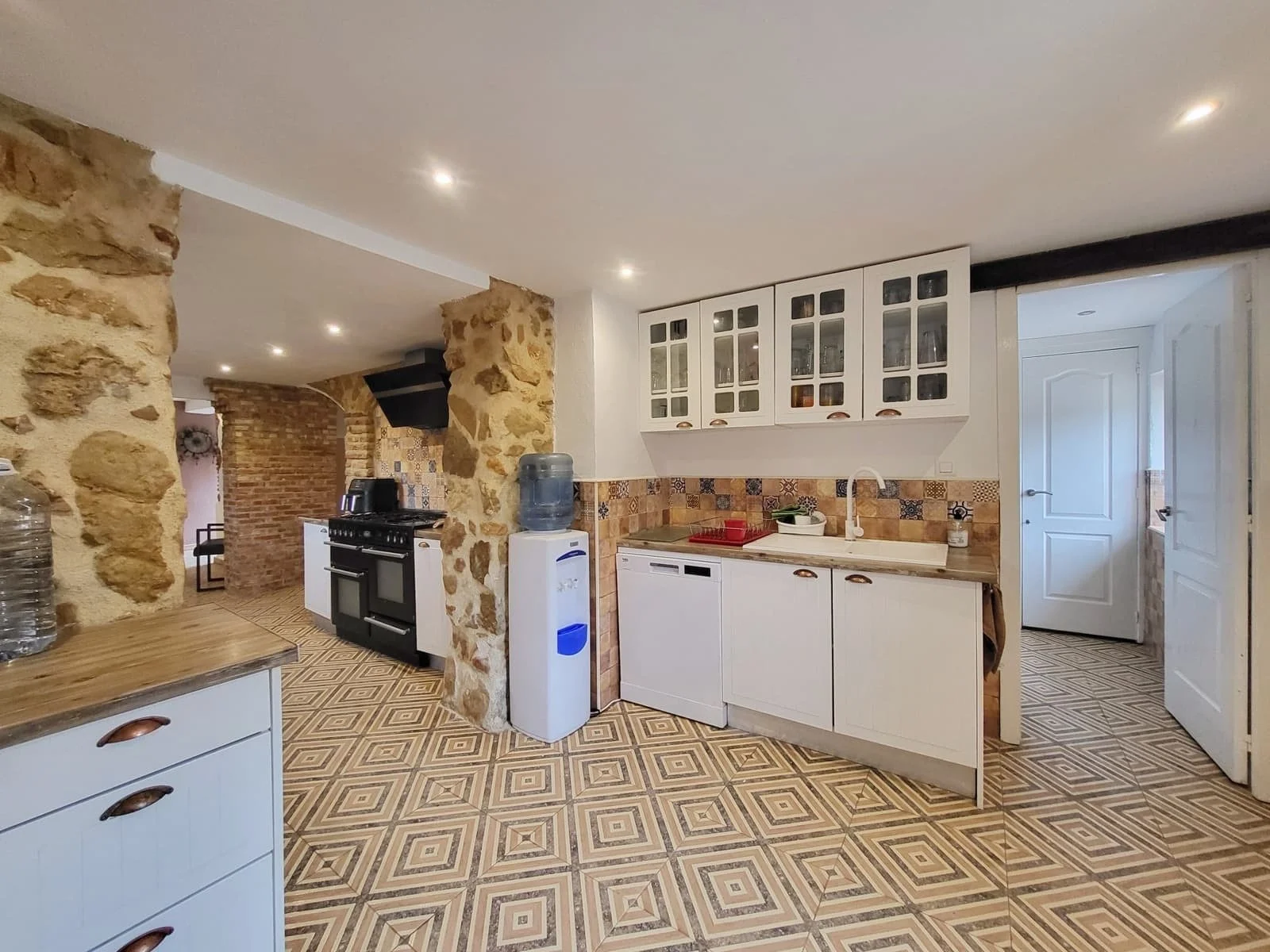
Large country villas can have updated kitchens and very tired infrastructure.
These are the expensive areas that matter most.
Operational resilience matters for both living and rental strategies.
This helps separate proper investment from cosmetic prep-for-sale work.
Spain's official energy-certification framework is designed to show the building's energy performance and support the energy label used in sale advertising.
Real bills often matter more than the label in a country property.
Large houses with tourism aspirations live or die on infrastructure.
Wastewater capacity becomes a serious issue if guest use is planned.
Pool, Summer Kitchen and Outdoor Infrastructure
Pools add value, but they also create immediate maintenance exposure.
Outdoor hospitality features often drift beyond their original permissions.
A clean paper trail matters at resale as well as purchase.
"Fully fenced" is best tested with maps, not marketing.
Complete privacy can be overstated on rural plots.
Privacy is one of the property's headline assets.
Rental and Agritourism Potential
Existing history is one of the best indicators of real-world viability.
In the Valencian Community, starting tourist-use activity requires filing the declaración responsable and supporting documentation.
The Generalitat states that dwellings on non-urbanisable land may need extra municipal reporting, and the specific route depends on the land and building context.
Different hospitality models have different legal routes.
The rural-income story only matters if it is legally achievable.
Coastal-Valencia estimates can become very optimistic very quickly if not micro-location specific.
Gross income alone is not enough.
Business structure can materially affect feasibility.
Utilities, Access and Practical Living
Rural privacy and modern connectivity do not always travel together.
Signal often drops exactly where you hoped to work remotely.
Access matters for harvest logistics, daily life and guest arrivals.
"Only minutes away" is one of property marketing's favourite magic tricks.
Larger rural properties often need more parking than the brochure implies.
Risk and maintenance often show up first in the land rather than the house.
Negotiation Intelligence
Buyer Leverage
High
Key Drivers
Typical Negotiation Range
5-15% below asking
Neutral Phrasing Example
Country Layer
Spain (Regulatory Context March 2026)
For Spanish property due diligence, the nota simple remains a core first document because it provides the identification of the finca, the identity of the registered holders and the extension, nature and limitations of the registered rights. The Colegio de Registradores states that it is informative rather than definitive proof, but it is still one of the most important first filters for any buyer.
Viewing Strategy
Start with the orchard, not the sitting room. This property is being sold partly on agricultural credibility, so walk the citrus rows early while your attention is still sharp.
Next Step
Verify from the listing:
The orange grove must be treated like a business, not a mood board
Ask for the last 3 to 5 years of harvest figures, sales invoices, operating costs, buyer arrangements and water bills. Five hundred orange trees can be valuable, but only if the income claim survives proper scrutiny.
Water rights are central, not secondary
Request the irrigation concession, irrigation-community details, legal well papers if relevant, and evidence from the Confederación Hidrográfica del Júcar or the Registro de Aguas where applicable. Without secure water, the orchard story weakens quickly.
The built footprint on rustic land needs a clean paper trail
Because the villa, tower room, pool and outbuildings sit on non-urbanisable land, ask for the nota simple, cadastral information and all available planning and occupation records. The value here depends on more than what physically exists.
Do not assume tourism or agritourism use is straightforward
In the Valencian Community, tourist-use dwellings require a declaración responsable, and non-urbanisable land can trigger additional limits or reports. Ask for a property-specific explanation of what is actually possible before assigning any hospitality premium.
The barn and outbuildings are only upside if they are lawfully adaptable
The workshop, gym and hobby-room barn may look full of future potential, but that potential only matters if the planning position supports conversion or hospitality-related use.
A prepared buyer should approach the agent calmly and frame questions as due diligence. For example: “To assess the property properly, could you send the nota simple, cadastral plan, orange-grove accounts, water-right documents, the full energy certificate, and the legal papers for the villa, pool, tower and outbuildings?”
Because this is a property where agricultural income, irrigation security, rustic-land rules and future use all materially affect value, run it through the Property Risk Assessment before contacting the agent, and use the Rental Yield Calculator only after the tourism and planning position has been verified.
Disclaimer: The Property Drop is buyer-focused intelligence, zero sales agenda. We curate exceptional properties, in southern Europe, from third-party agents and arm you with decision tools. No commission, no transactions, no agent partnerships, no skin in the game beyond helping you choose wisely. Information stays accurate until it doesn't (properties sell, prices shift, markets move). Everything here is shared for informational purposes only and should not be treated as legal, financial, or investment advice. Images belong to original agents. Read our Terms of Service to learn more.
IMPORTANT REMINDER: When contacting property agents featured on The Property Drop, you are entering into direct communication with third parties. It's recommended that you verify all property details independently, conduct thorough due diligence, engage qualified professionals (solicitors, surveyors, financial advisors), understand your rights and obligations under local property laws, and never send money or make commitments without proper legal protection.
