
The Buyer Playbook: 5-Bedroom Moorish-Style House with Remarkable Ceilings, Alandroal, Portugal €220,000

Buyer Playbook
Pre-Viewing Intelligence Report
This independent buyer guidance report relates to this specific property located in Portugal. It is provided for informational purposes only and does not constitute legal, tax, structural or survey advice. Heritage status, renovation legality, licensing, energy-certification status, tourist-accommodation rules, title position, parking, access, utilities, and any village-centre planning or neighbour-related matters must always be verified with qualified Portuguese professionals such as an advogado, arquiteto, engenheiro, surveyor or licensed property consultant, and with the relevant municipal authorities. This report is designed to help buyers evaluate the property before arranging a viewing or making an offer. It highlights due diligence areas and targeted questions to ask the estate agent. The analysis is based on the listing details and publicly available regulatory context at the time of writing. It follows the fixed Buyer Playbook structure used for The Property Drop.
Playbook Contents
Property Snapshot
Location
Alandroal, Alentejo, Portugal, in a village-centre setting between two narrow streets.
Property type
Five-bedroom Moorish-style townhouse.
Asking price
€220,000.
Bedrooms
5.
Bathrooms
2.
Internal area
271 m².
Layout
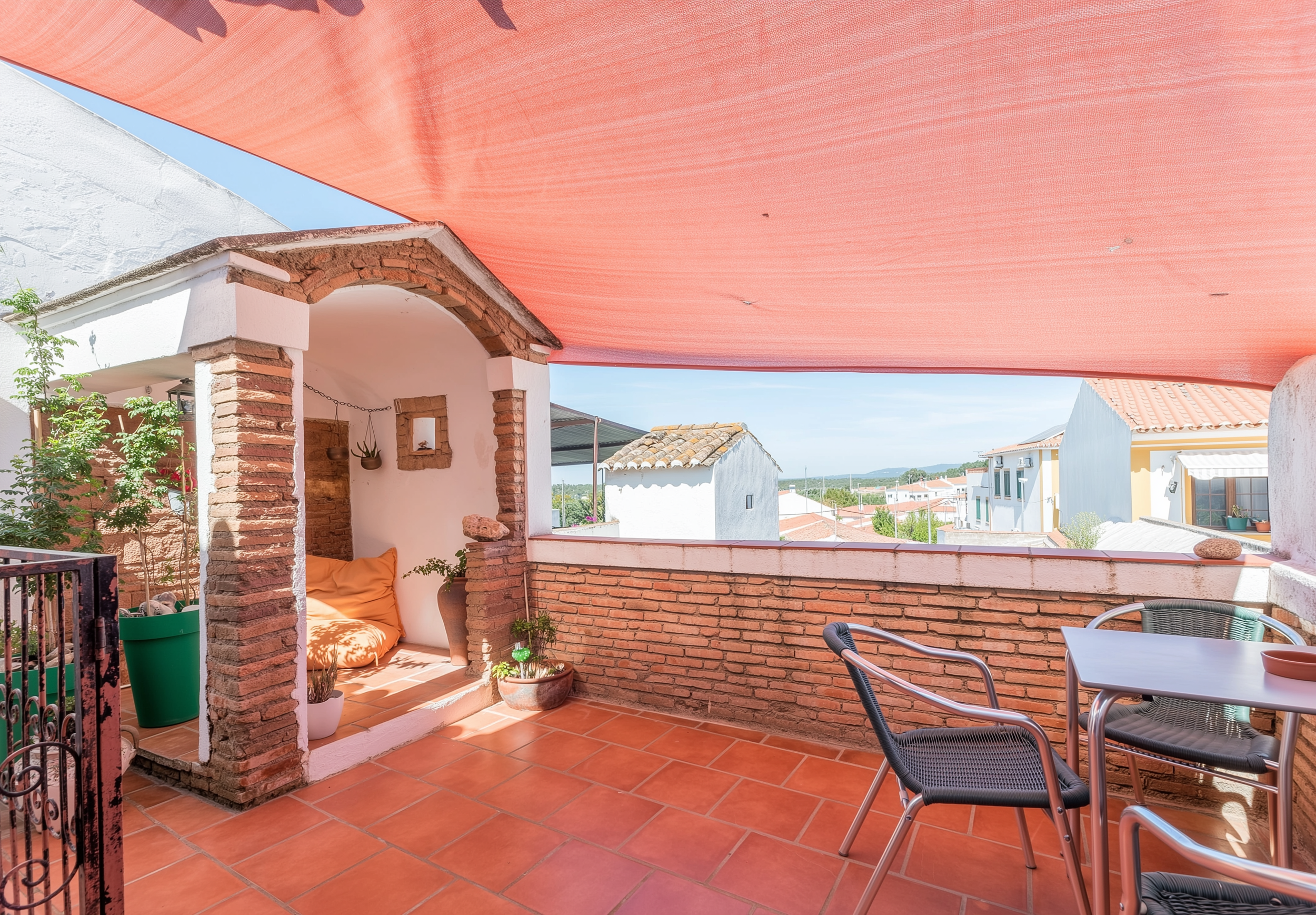
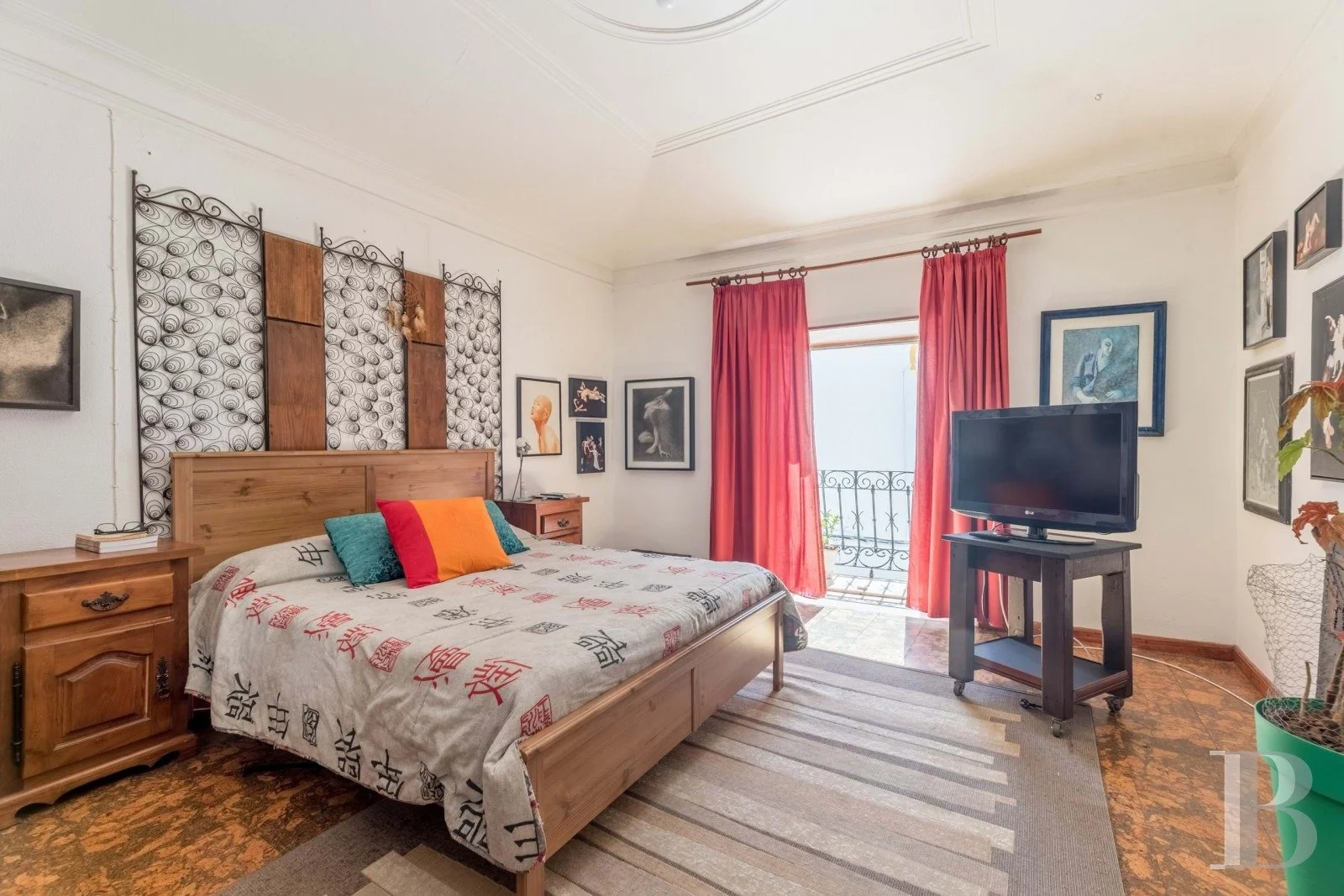
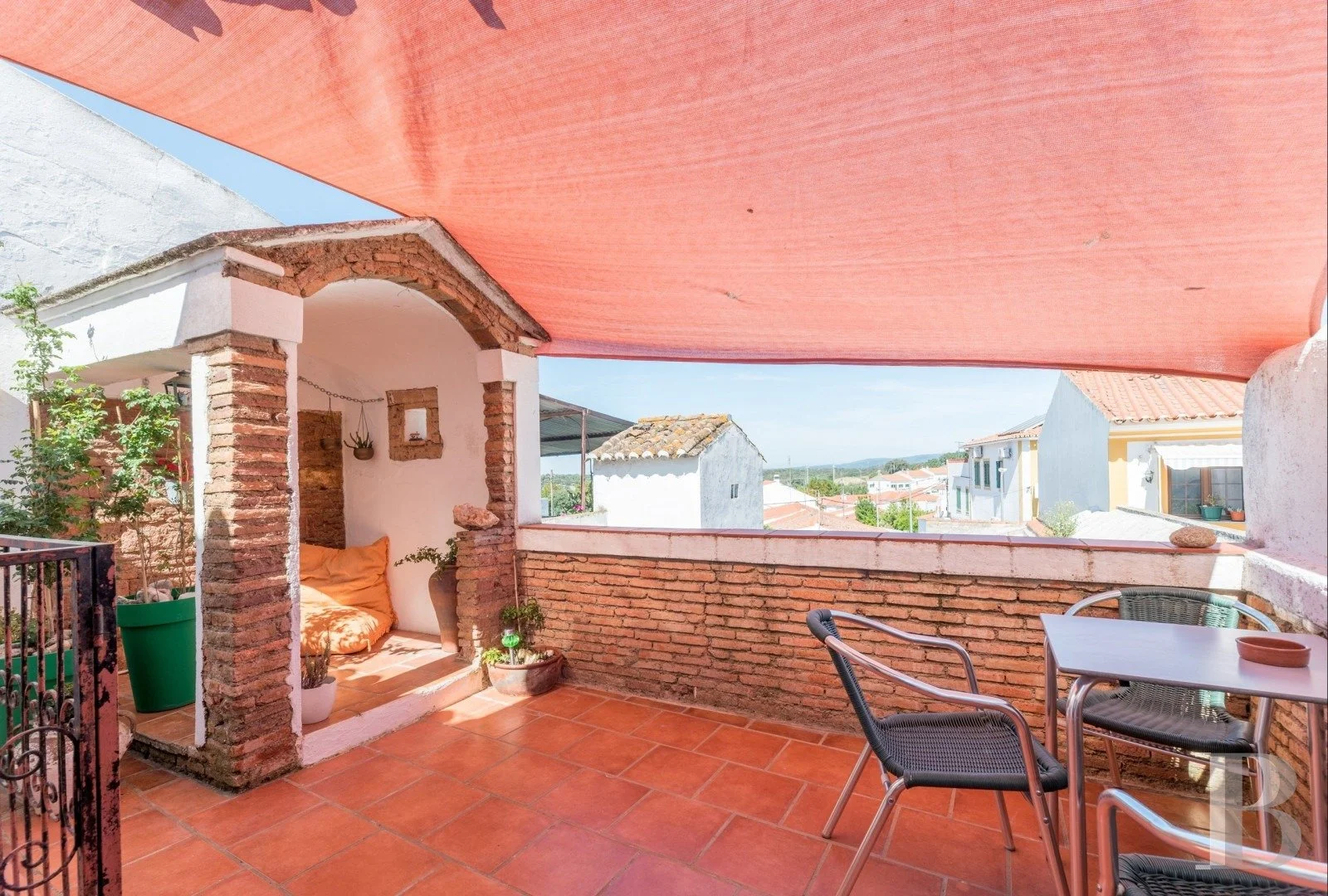
Two levels with notable first-floor period ceilings and upper-floor countryside views.
Energy rating
Listed as "Energy Class N".
Condition
Marketed as masterfully renovated.
Standout features
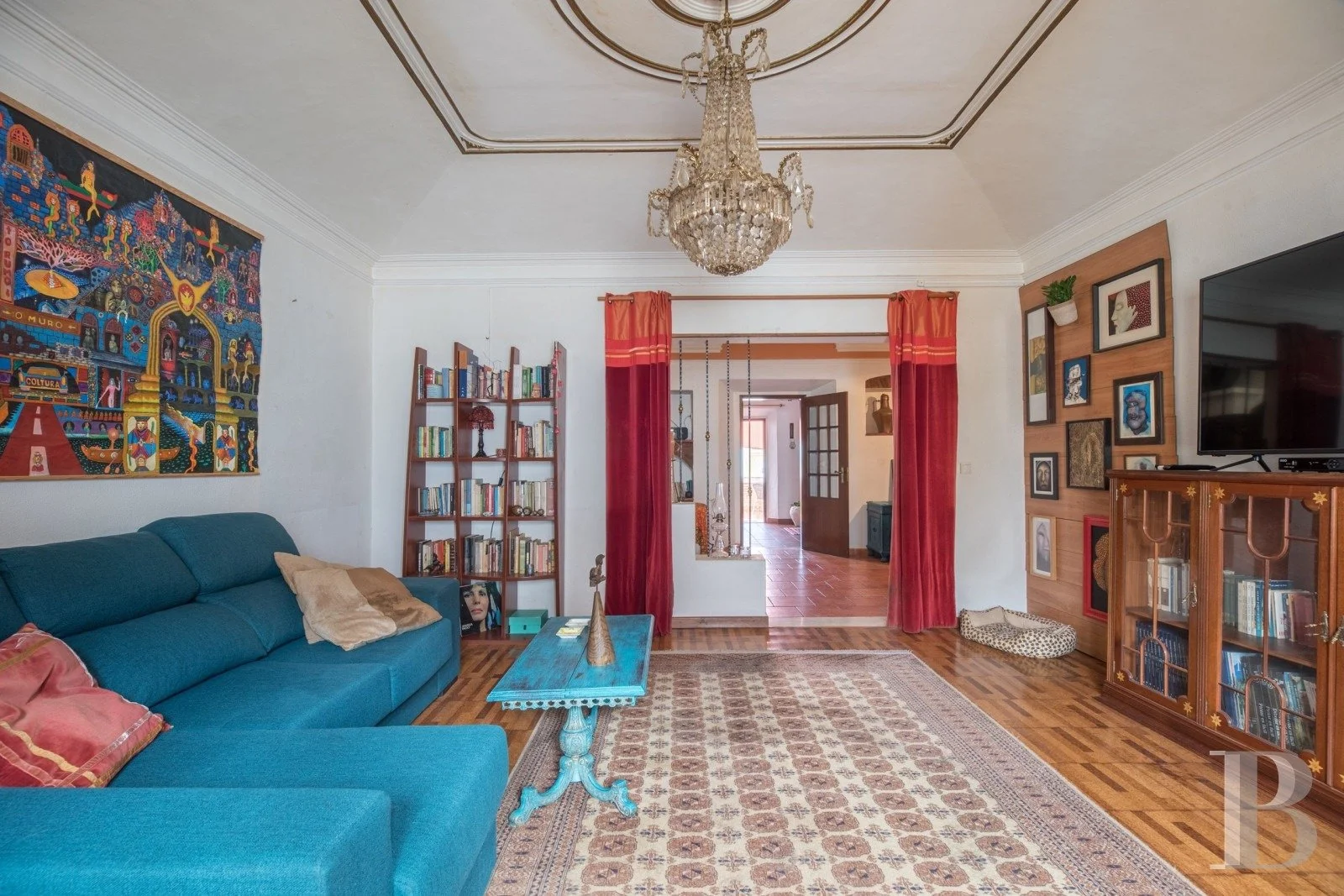
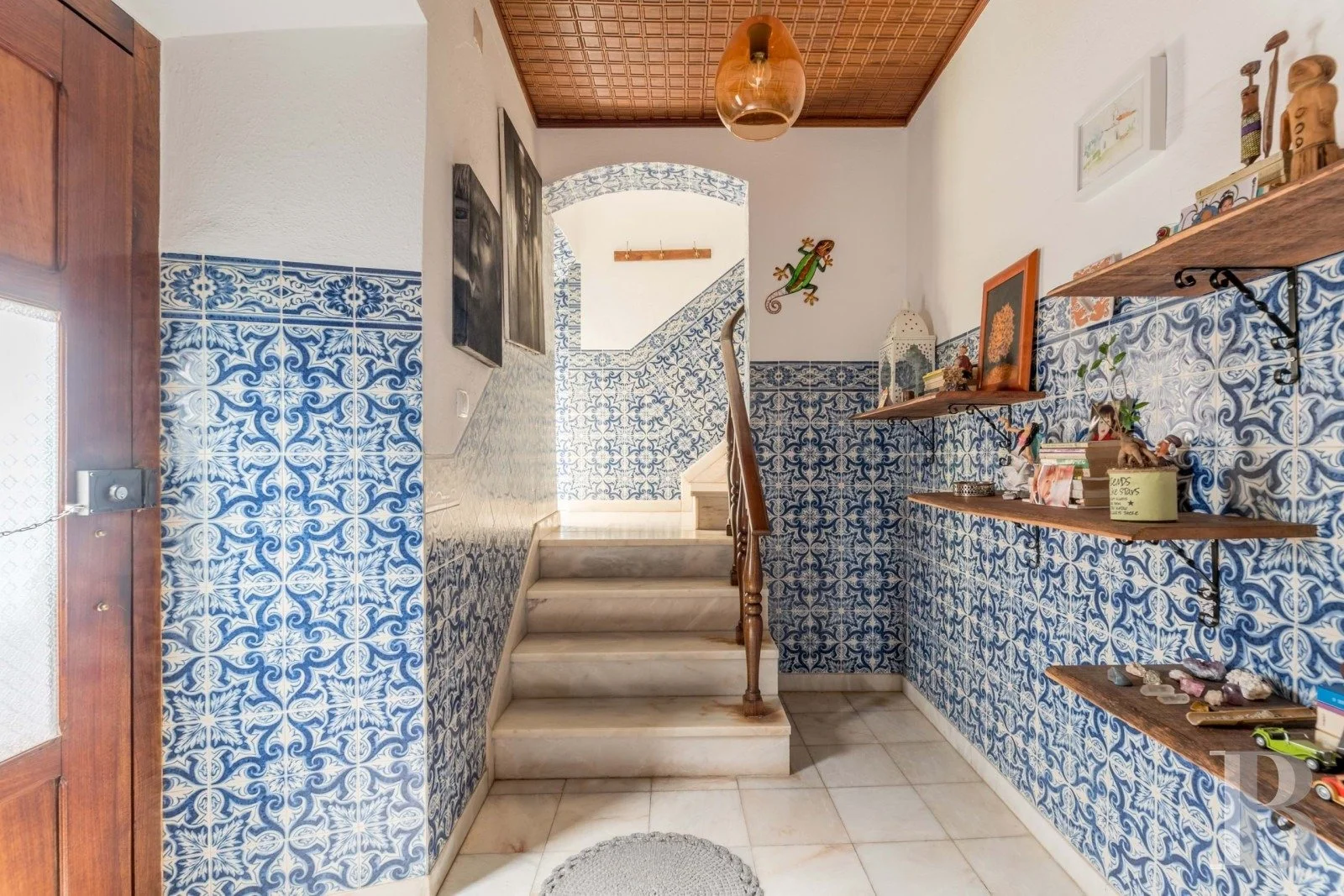
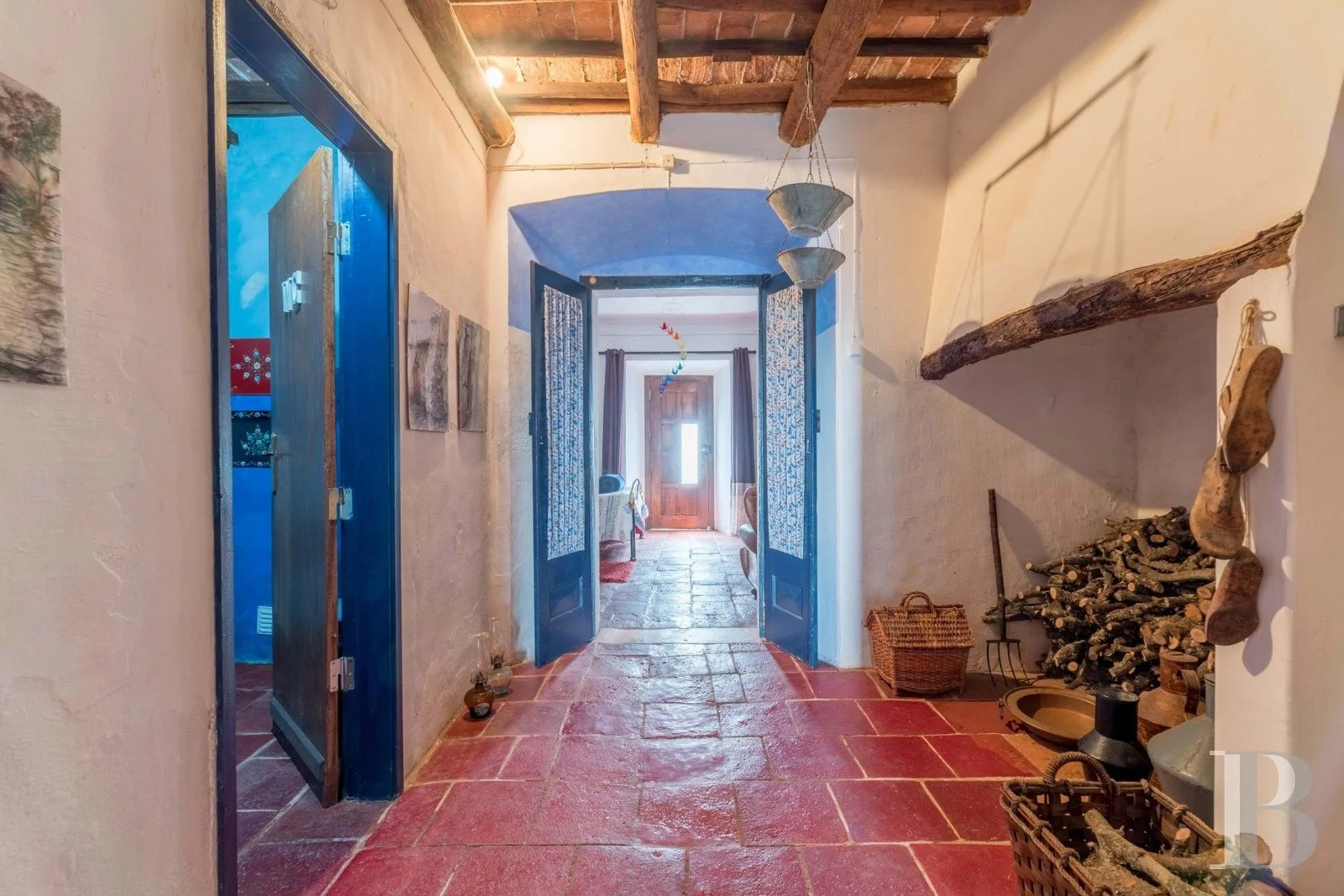
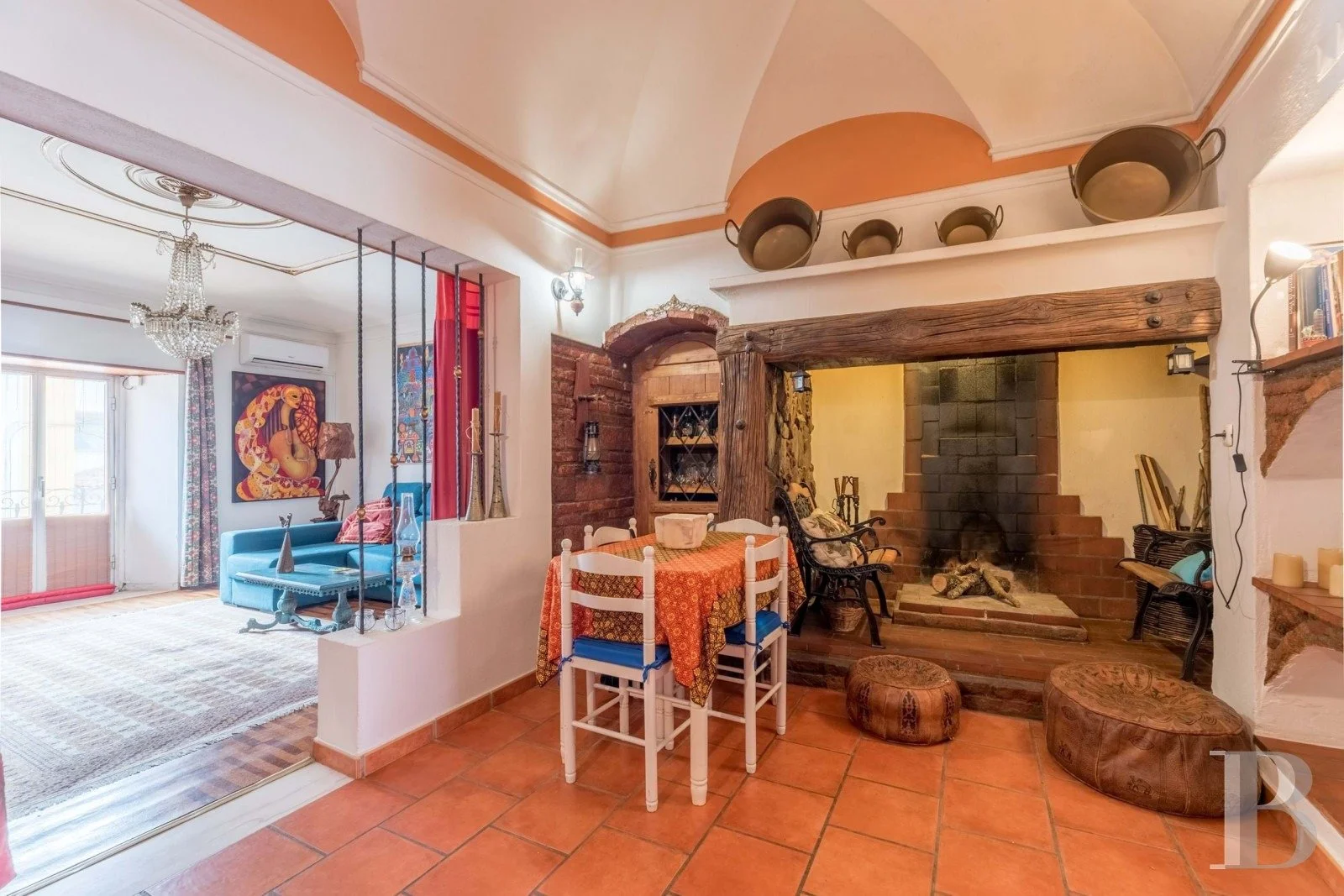
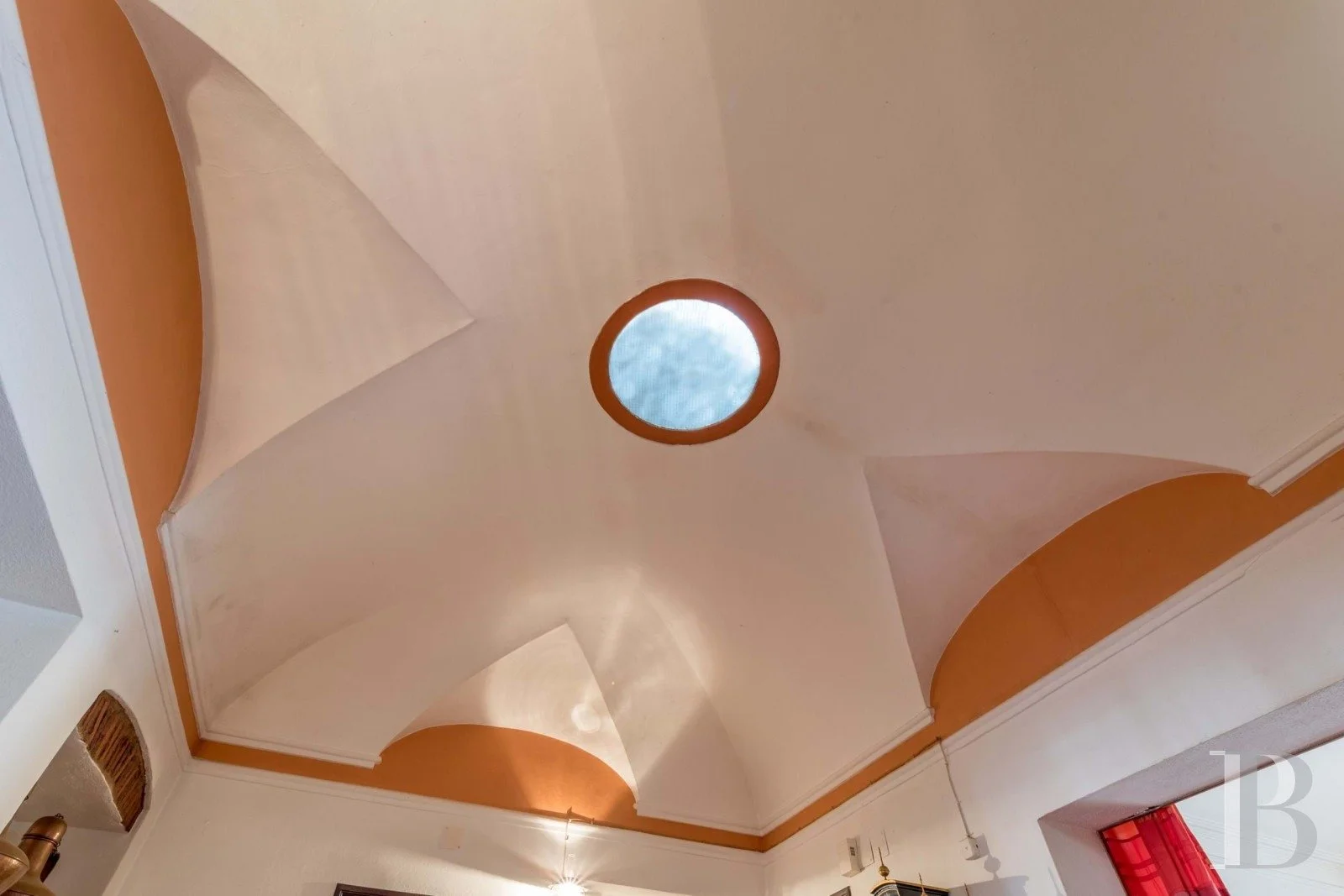
Ornate period ceilings with alcoves and mouldings, Moorish character, village-centre position, upper-floor views.
Main due diligence themes
Renovation legality, explanation for the "N" energy designation, possible heritage constraints, parking and access practicality, and tourist-rental feasibility.
Risk Radar
Overview
This is the kind of property that sells on atmosphere first. A Moorish-style village townhouse with remarkable ceilings, generous internal area and an Alentejo setting at this price point has obvious emotional pull. The listing is also sensible enough to flag two practical issues rather than hide them, namely only two bathrooms for five bedrooms, and the unusual "Energy Class N" wording. Those two points alone make this a property where the romance needs to be matched by unusually clean paperwork and very specific follow-up questions.
The first major due-diligence theme is the renovation. Because the property is being sold as "masterfully renovated", the buyer should expect a complete paper trail. In Portugal, the licença de utilização is one of the core documents in a property sale, and the official government guidance for buying and selling property identifies it as the municipal document showing the property is inspected and in accordance with the applicable legal framework. That matters even more in a village-centre property with period features, because the buyer needs to know whether the current layout, finishes and use all sit on a regularised legal base.
The second theme is the energy status. "Energy Class N" is not a normal performance band in the ordinary A+ to F scale used in Portugal's residential energy-certification system. The public SCE framework makes clear that a sale normally requires a certificate unless the property falls within one of the stated exclusions, and its FAQ expressly says a sale cannot be carried out without a certificado energético unless the building is one of the excluded cases. That means "N" should be treated as a due-diligence flag rather than as a benign curiosity. It may reflect an exemption, a pending certificate, a listing shorthand or a data-entry issue, but it needs clarifying with documentation before the buyer can sensibly judge running costs or compliance.
The third theme is historic-centre control. The house's Moorish detailing and notable ceilings do not automatically mean the building is individually protected, but Alandroal actively promotes its heritage assets and historic core, so the buyer should verify whether the property itself, or its location, triggers any planning or conservation sensitivity. That matters not only for future alterations but also for how the renovation should have been authorised in the first place.
The fourth theme is rental use. The listing hints at tourist-accommodation potential, but Portugal's AL regime now sits in a more municipality-sensitive framework. The official AL service page states that operating an Alojamento Local requires prior registration, and Decree-Law 76/2024 amended the regime while restoring municipal regulatory powers in this area. So the buyer should treat rental potential as something to verify with the Câmara Municipal de Alandroal, not as a built-in assumption.
Targeted Questions
Heritage Status and Renovation Legality
Heritage or protected-setting status can affect both the legality of past works and the freedom to make future changes.
Period architectural features can trigger a more sensitive approval path than a standard village house.
The official Portuguese property-purchase guidance identifies the licença de utilização as a key sale document confirming legal compliance and inspected status.
A property can look beautifully restored while still not being fully aligned on paper.
The buyer needs to know the legal route the works took, not just that work happened.
A complete documentary trail materially lowers regularisation risk.
"Masterfully renovated" could mean anything from deep structural works to mainly decorative upgrading.
The ceilings are a core value feature, and their conservation quality matters.
Specialist heritage-sensitive work is materially different from ordinary contractor work.
Invoices help verify timing, scope and seriousness of the investment.
Remaining warranties reduce near-term ownership risk.
Layout changes often have more legal significance than finish upgrades.
Document alignment matters for resale, finance and smooth conveyancing.
Energy Class "N" and Running-Cost Reality
"N" is not an ordinary residential performance band and needs a document-backed explanation.
The SCE framework does allow certain exclusions, but they must actually apply rather than be assumed.
For a normal sale, the certificate should be available unless a valid exclusion applies.
Buyers need to know whether the "N" is a temporary administrative gap or something more fundamental.
Even without the certificate, the buyer needs a realistic view of comfort and running costs.
The house's size makes heating choice and efficiency economically significant.
Alentejo heat can materially affect liveability and rental appeal.
Real bills often reveal more than theoretical assumptions.
Window performance affects both comfort and energy use in older buildings.
In a period property, the roof often drives energy performance more than wall finish.
A visually successful renovation can still underperform in actual use.
Buyers need to understand future capex options, especially if the "N" later becomes a low formal rating.
Condition, Layout and Structural Practicality
Layout efficiency matters greatly where bathroom count is relatively low for the bedroom count.
Practical flow affects both family use and guest or rental usability.
That could materially improve future value and rental functionality.
Even a renovated village house can still carry old-building capital risk.
Documentation is better than general reassurance, especially with notable ceilings below.
Buyers should understand whether the property's headline feature is stable or fragile.
Decorative period features often need a different care regime from standard plaster ceilings.
Historic village buildings can conceal structural and damp history behind fresh finishes.
"Fully renovated" can still mask uneven investment.
Furnishing can materially affect value, especially if the pieces are distinctive.
Water, Drainage, Utilities and Connectivity
Reliable water supply is essential for both family use and guest turnover.
Wastewater setup directly affects compliance and future maintenance.
Capacity and compliance become especially important if the house is used commercially or at high occupancy.
Utility performance matters more than appearance in a house this size.
Remote work and rental operations rely on real connectivity, not generic coverage claims.
Connection type materially affects usability and marketability.
Thick walls and village-centre positions can reduce indoor signal quality.
Village Setting, Parking and Access
Narrow-street village charm can become a practical headache if parking is difficult.
Buyers need to know whether parking is merely possible or genuinely convenient.
Access issues matter on move-in day and for future works.
Street geometry can affect everything from emergency access to contractor logistics.
That affects atmosphere, noise and seasonality.
Year-round viability is especially important if the buyer wants more than a summer base.
Practical village life depends on more than architectural charm.
View security is part of the property's appeal and value.
Rental Potential and Local Market Fit
Existing registration is materially different from needing to apply afresh.
Operating AL requires prior registration, and municipal powers now matter more in practice.
Municipal regulatory power means local position should be checked rather than assumed.
Real operating history is stronger than a theoretical tourism story.
Proven performance helps buyers avoid over-relying on agent estimates.
Character alone does not guarantee strong yields in a small village market.
The market may be more shoulder-season and event-led than constant.
The buyer needs to understand the actual demand base.
Bathroom ratio can affect both occupancy and guest satisfaction.
A modest layout improvement might unlock better commercial use.
Negotiation Intelligence
Buyer Leverage
Medium-High
Key Drivers
Typical Negotiation Range
5-15% below asking
Neutral Phrasing Examples
Country Layer
Portugal (Regulatory Context March 2026)
Portugal's official government guidance on buying and selling property identifies the licença de utilização as a key sale document and describes it as the municipal document showing that the property is inspected and in accordance with the legislation in force. The same official guidance also identifies the certificado energético as one of the core documents in a property sale. For this Alandroal house, those are not routine administrative details. They are the baseline proof that a period property has been lawfully renovated and can be confidently occupied or re-sold.
For this particular property, the country-layer takeaway is simple. Verify that the renovation was legally authorised and reflected in the licence of use, verify what "Energy Class N" really means under the SCE rules, and verify AL feasibility with the Câmara Municipal before treating holiday-rental potential as part of value.
Viewing Strategy
Start outside the house and assess it as a village-centre property first.
Next Step
Verify from the listing:
Renovation approvals and licence of use
Ask for the renovation permissions, invoices and the current licença de utilização so you can confirm that the house’s restored condition and current layout are fully regularised.
Energy Class “N” explanation
Request a clear, document-backed explanation of whether the property is exempt from certification, awaiting a certificate, or simply misdescribed, because this directly affects compliance and running-cost clarity.
Period ceilings and structural condition
Check how the ornate ceilings were restored, whether any specialist work was done to stabilise them, and whether there are any maintenance limits or risks linked to these standout heritage-style features.
Five-bedroom, two-bathroom layout practicality
Obtain a floor plan and assess whether the current bathroom ratio works for your intended use, and whether there is realistic scope to add another bathroom without major disruption.
AL feasibility in Alandroal
Verify whether the house already has AL status or can obtain it under the current local position, and whether the village-centre location and bathroom configuration support the rental model you have in mind.
A prepared buyer should approach the agent calmly and frame questions as due diligence.
Because this is a character property where unclear energy status and rental feasibility both materially affect value, run it through the European Property Energy Risk Assessor to test the practical implications of the current energy-certification position, or use the Rental Yield Calculator to see whether the likely season, occupancy and layout support the numbers before contacting the agent.
Disclaimer: The Property Drop is buyer-focused intelligence, zero sales agenda. We curate exceptional properties, in southern Europe, from third-party agents and arm you with decision tools. No commission, no transactions, no agent partnerships, no skin in the game beyond helping you choose wisely. Information stays accurate until it doesn't (properties sell, prices shift, markets move). Everything here is shared for informational purposes only and should not be treated as legal, financial, or investment advice. Images belong to original agents. Read our Terms of Service to learn more.
IMPORTANT REMINDER: When contacting property agents featured on The Property Drop, you are entering into direct communication with third parties. It's recommended that you verify all property details independently, conduct thorough due diligence, engage qualified professionals (solicitors, surveyors, financial advisors), understand your rights and obligations under local property laws, and never send money or make commitments without proper legal protection.
