
The Buyer Playbook: 280 m² Bourgeois Flat with Versailles Ceilings and Conservatory, Carcassonne, France €380,000

Buyer Playbook
Pre-Viewing Intelligence Report
This independent buyer guidance report relates to this specific property located in France. It is provided for informational purposes only and does not constitute legal, tax, structural, heritage or survey advice. Monument-historique status, conversion permissions, copropriété rules, garage title, diagnostics, rental eligibility, and any tax or heritage incentives must always be verified with qualified French professionals such as a notaire, avocat, architecte du patrimoine, diagnostiqueur, surveyor or licensed property consultant, and with the relevant mairie, syndic and heritage authorities. In France, listed or registered monuments are exempt from the standard DPE requirement, but that exemption sits alongside a separate heritage-control regime for works. This report is designed to help buyers evaluate the property before arranging a viewing or making an offer. It highlights due diligence issues and targeted questions to ask the agent. The analysis is based on the listing details you supplied and current French regulatory context. Before the sale of a copropriété lot, the seller must provide key condominium documents including the règlement de copropriété, recent AG minutes, and financial information on charges.
Playbook Contents
Property Snapshot
Location
La Bastide, Carcassonne, France.
Property type
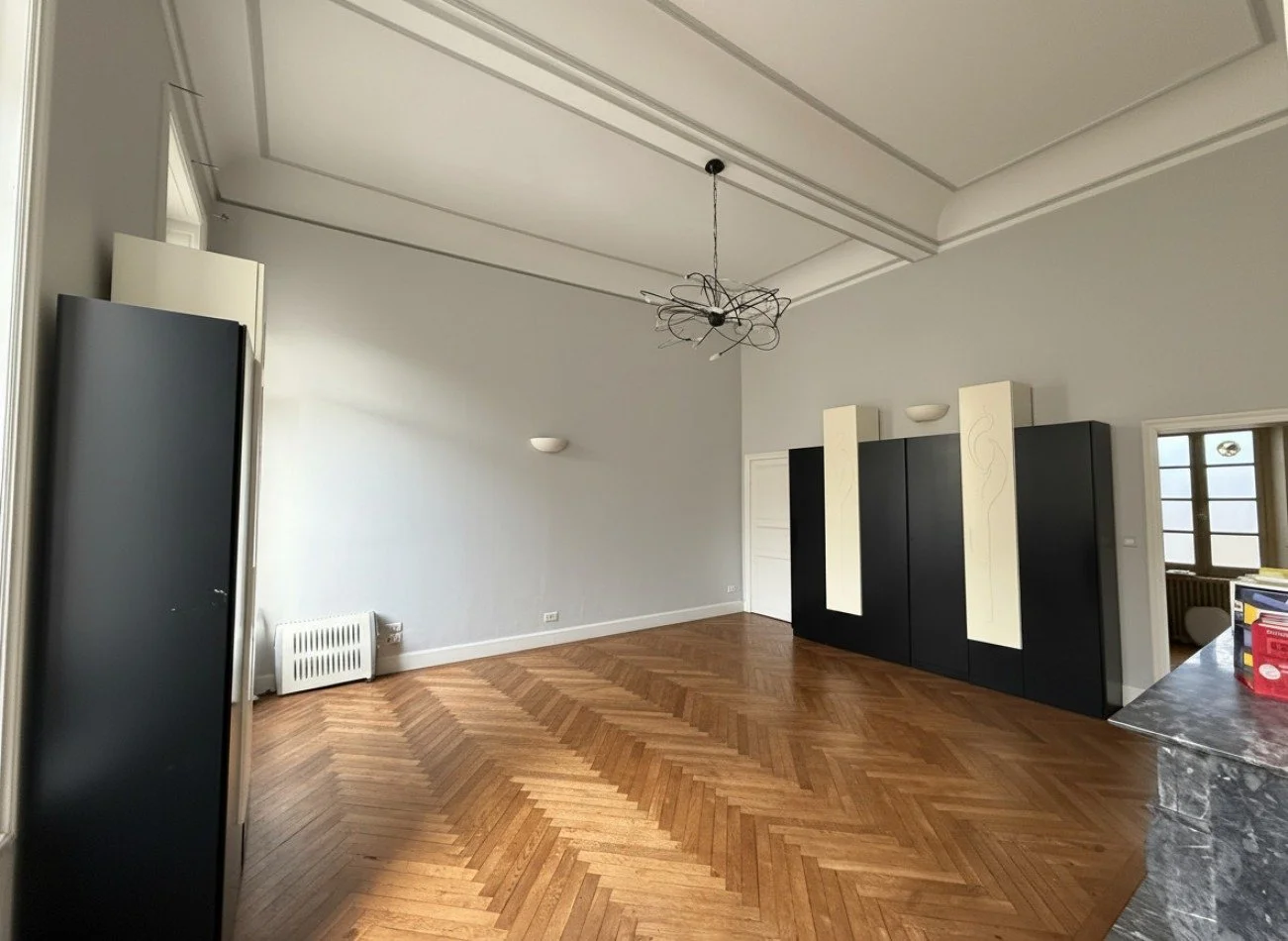
280 m² bourgeois flat currently arranged as professional office space.
Asking price
€380,000.
Standout features
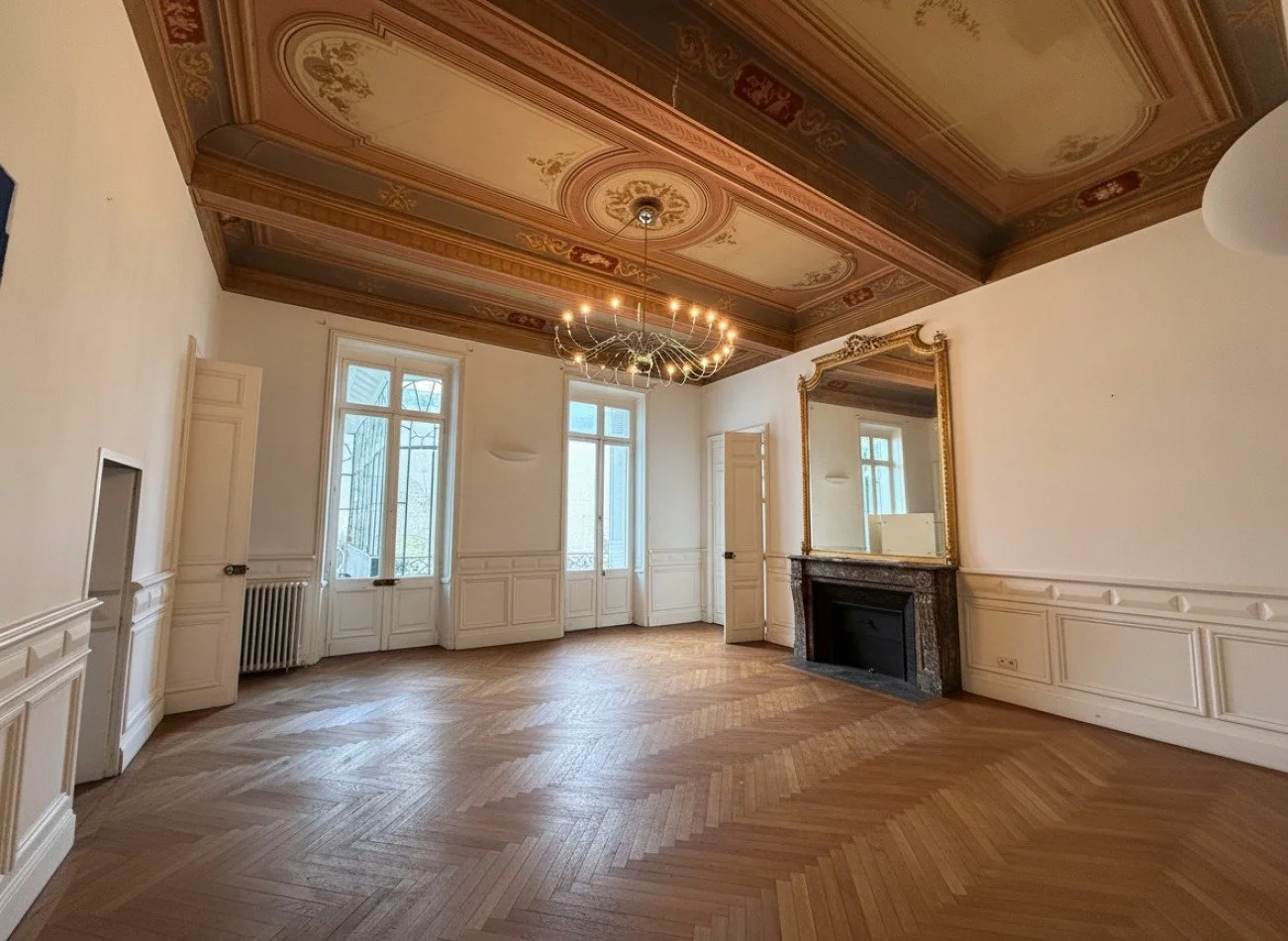
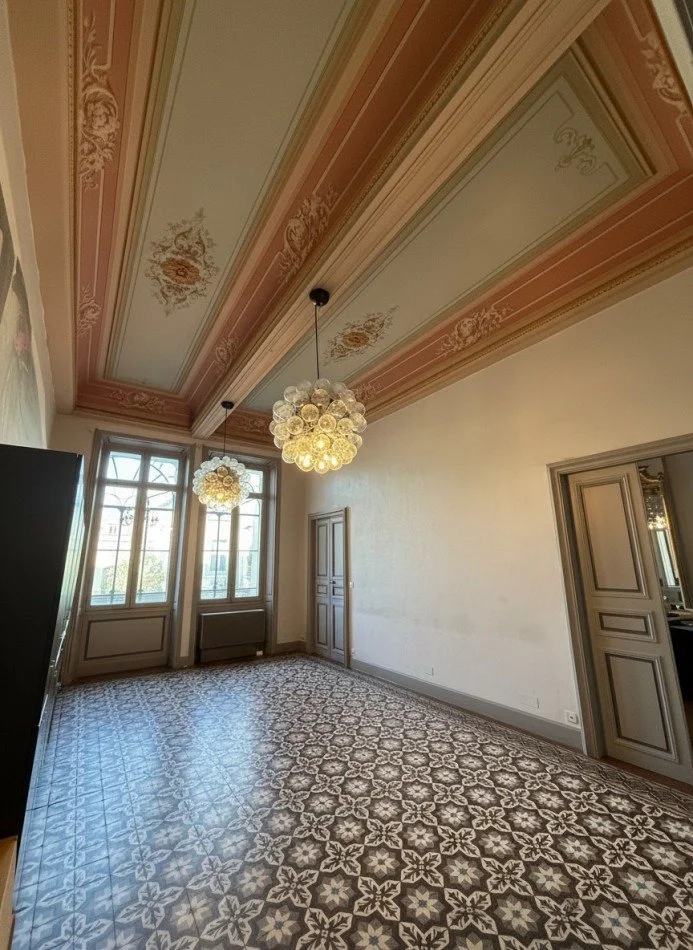
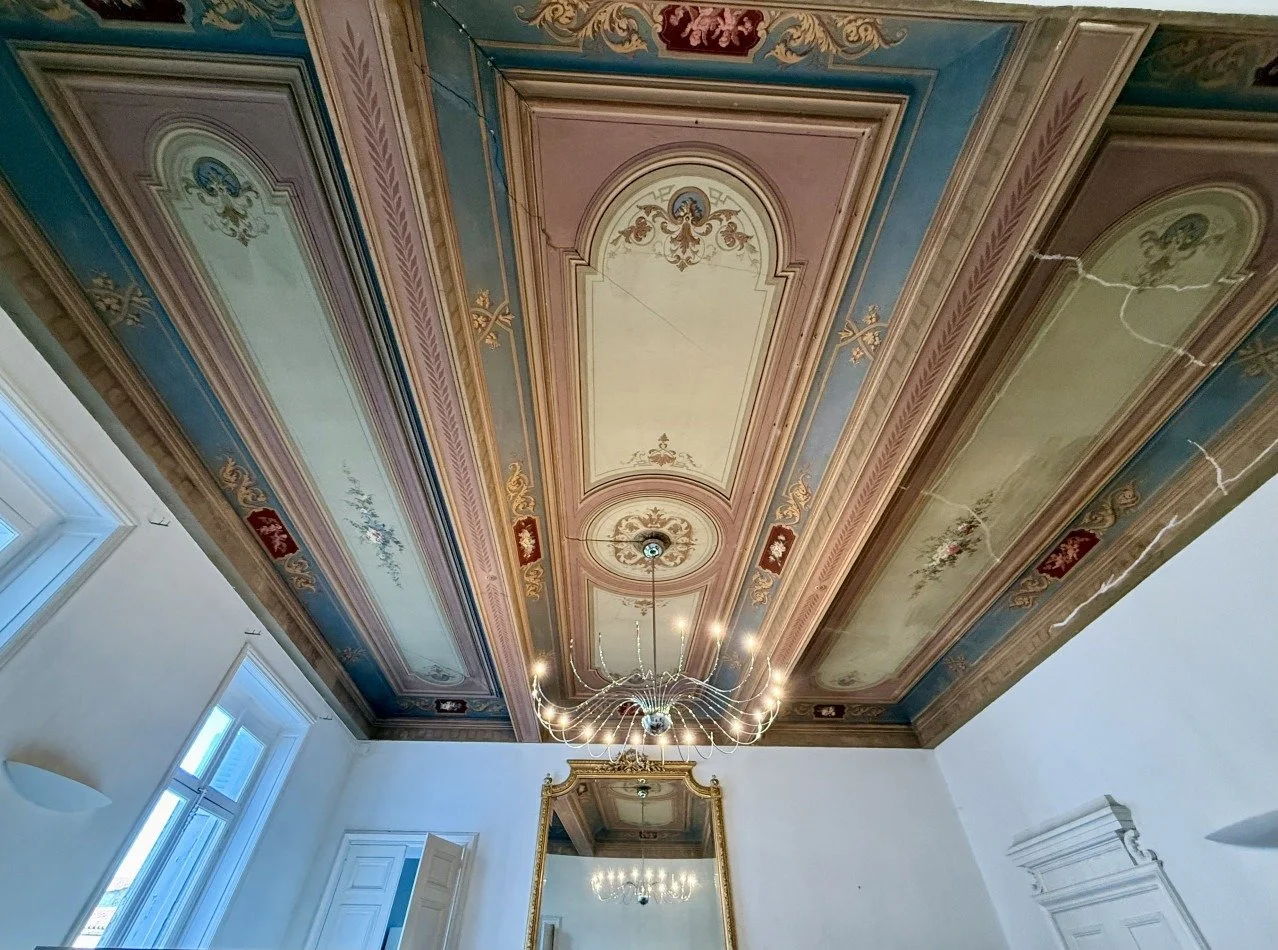
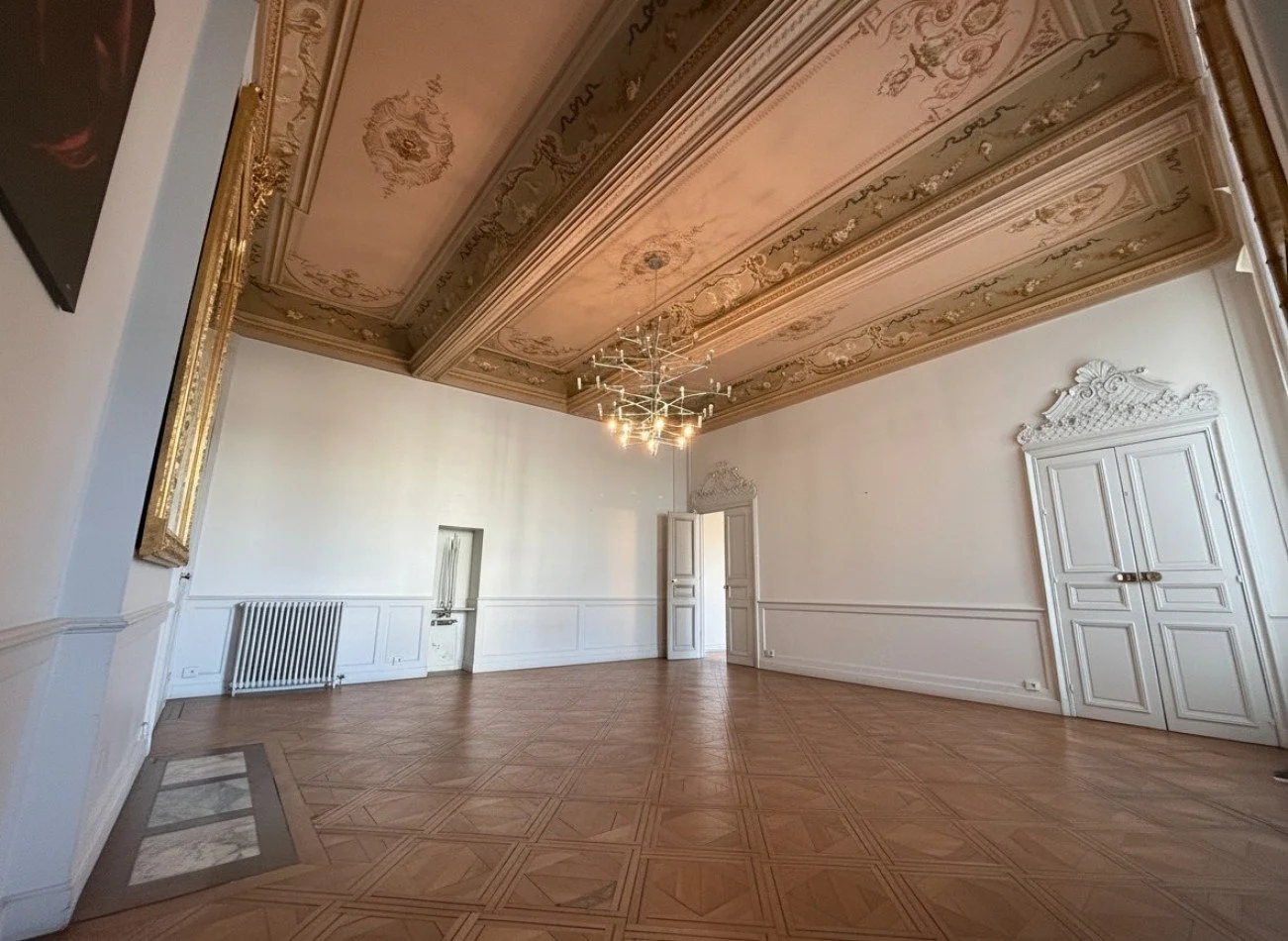
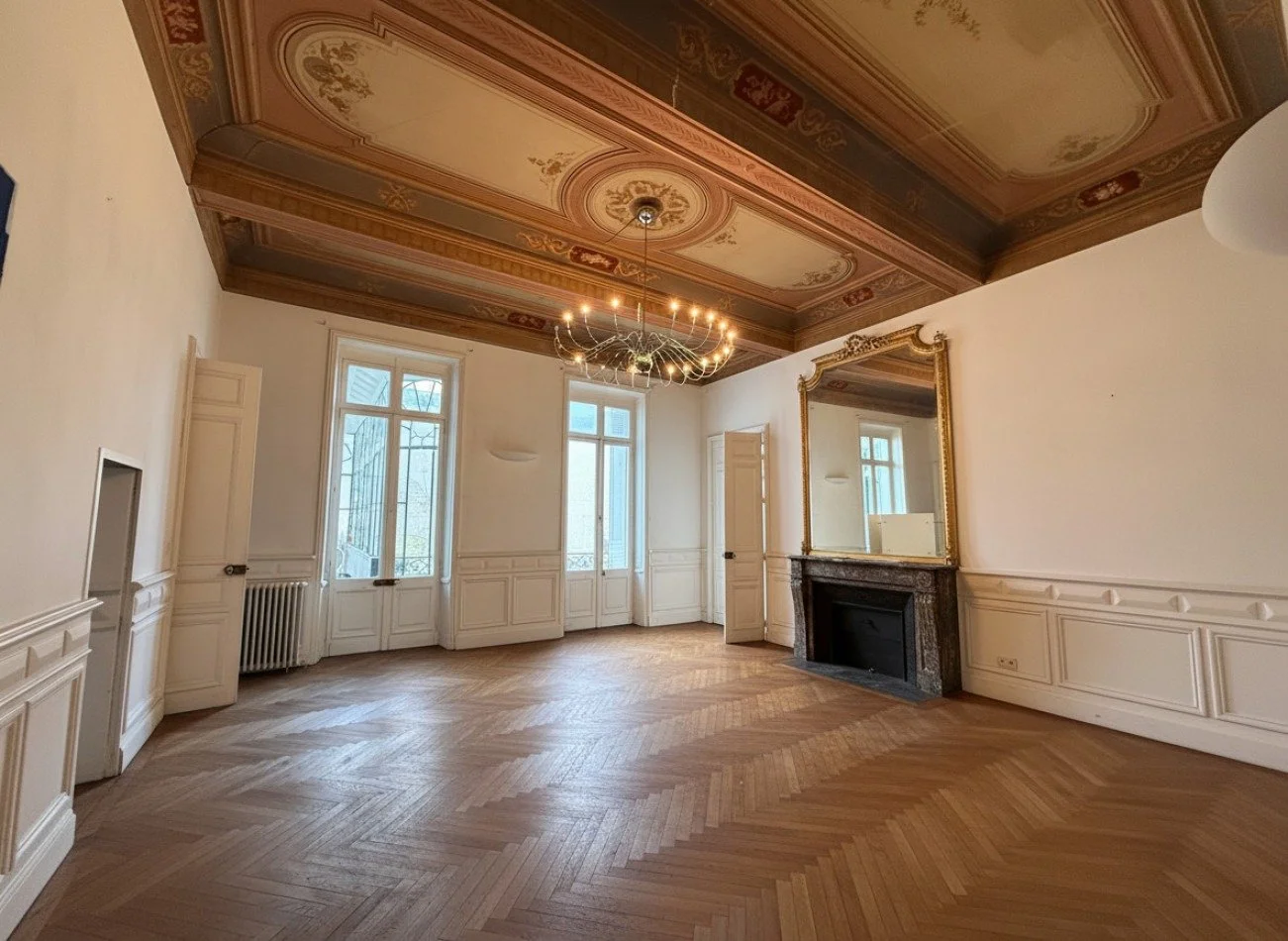
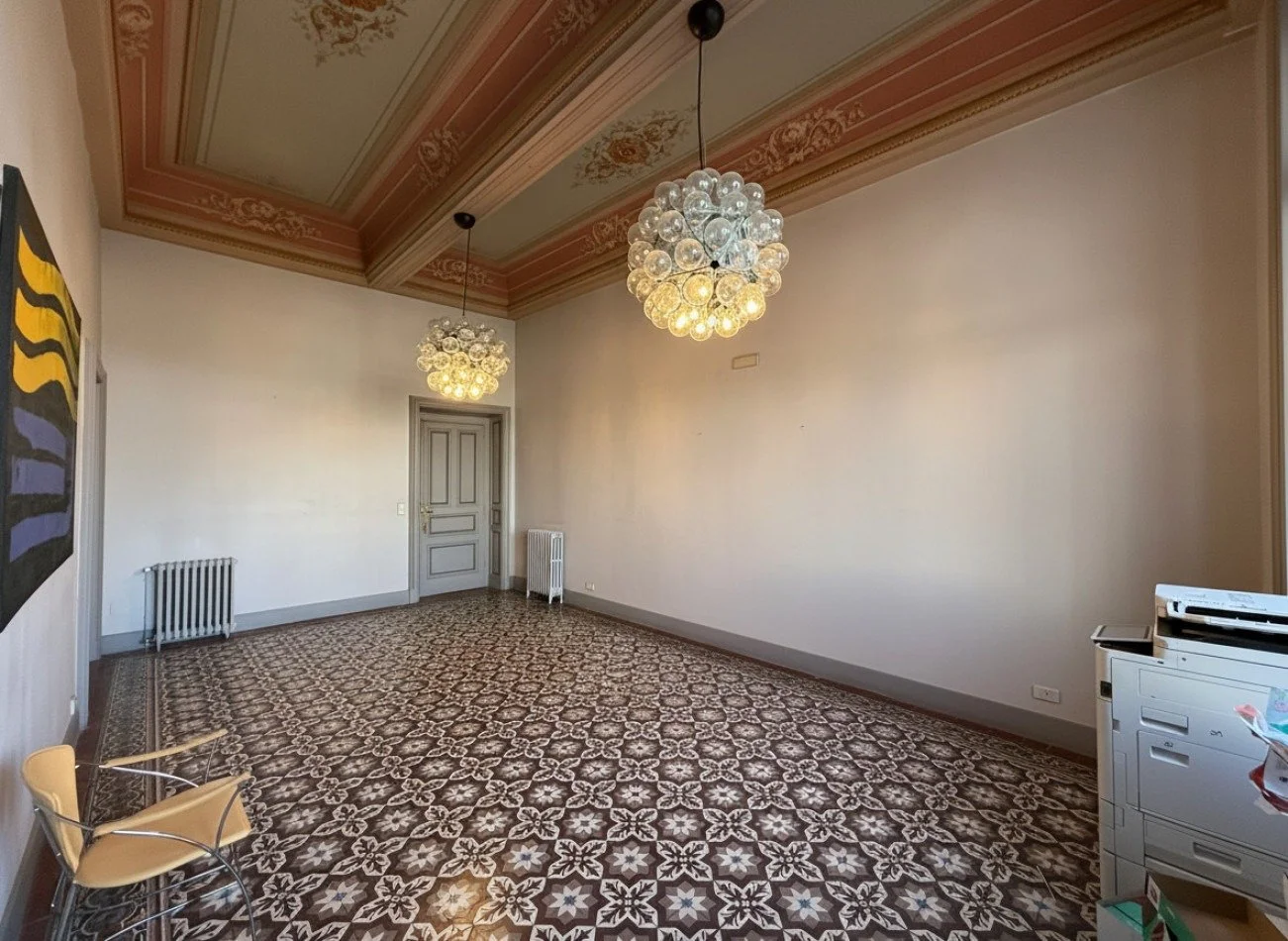
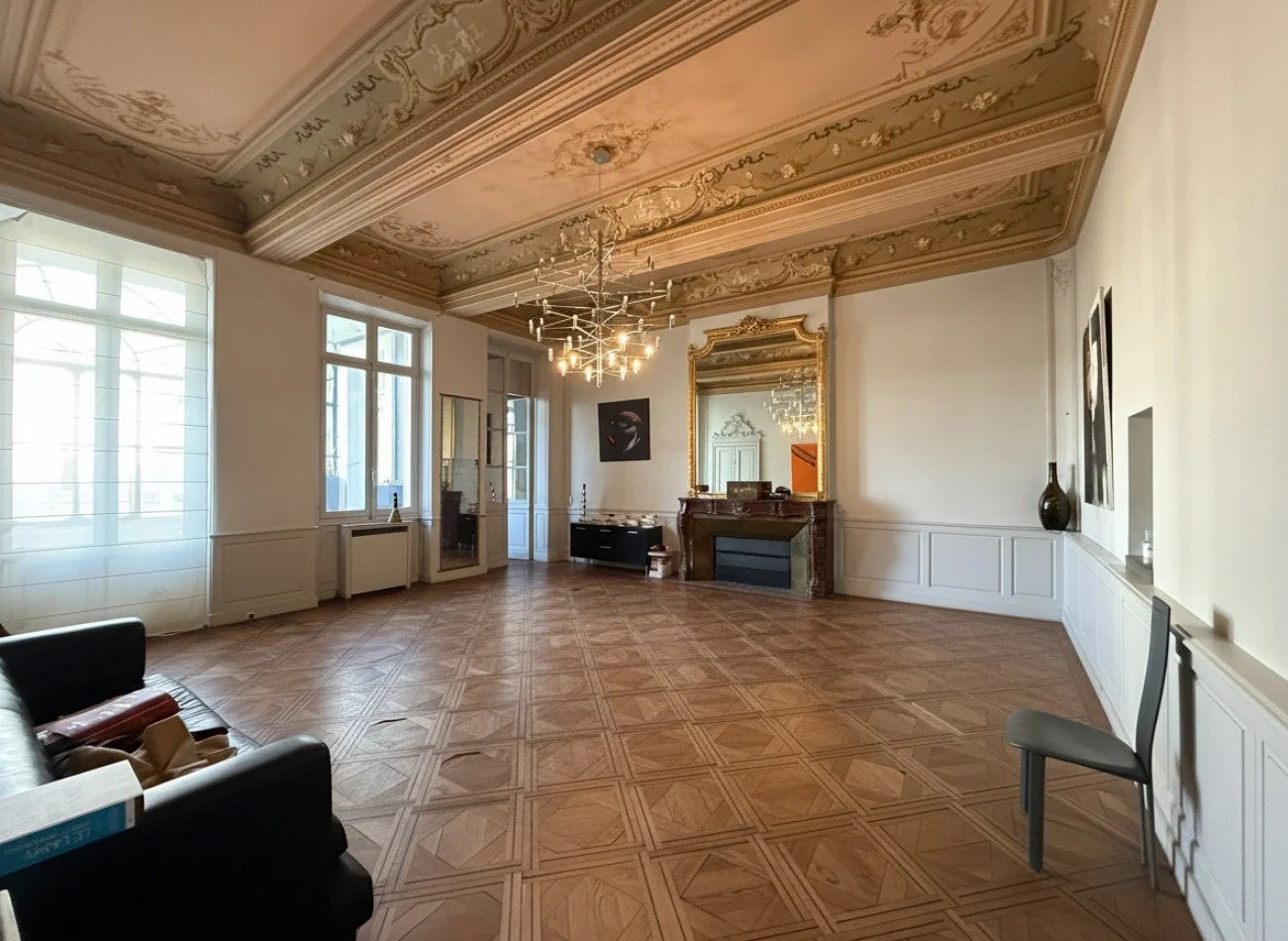
Versailles-style painted ceilings, conservatory, garage in interior courtyard.
Current use angle
Professional or mixed-use layout with stated conversion potential back to residential use.
Heritage angle
Marketed as a classified historical monument, with Energy Class listed as exempt.
Project angle
Character-heavy conversion opportunity with major decorative value, but likely heritage and building-rule constraints.
Risk Radar
Overview
This is the sort of property that can be either a brilliant, unusually rare acquisition or a beautifully painted administrative headache. The appeal is obvious. A large bourgeois flat in central Carcassonne with major decorative ceilings, a conservatory and a garage is the kind of thing that is hard to replicate. The complication is that the same feature creating the emotional premium, namely the monument status and the protected historic fabric, is also the feature most likely to slow down or constrain the buyer's plans.
The single most important question is whether the building or part of it is classé or inscrit, and exactly what is protected. French law treats listed and registered monuments differently, and the approval pathway for works depends heavily on that distinction. The agent's wording matters less than the decree. You need the arrêté and you need to know whether the protection covers the whole building, specific interior features such as the painted ceilings, the conservatory, the façade, the courtyard, or some combination of these. Works on or around a protected monument can require specific authorisations, with involvement from heritage authorities and the Architecte des Bâtiments de France or the DRAC depending on the case.
The second major issue is use. The flat is currently presented as office space with residential potential. In France, converting professional premises into a dwelling is a change of destination. If the change is not altering the structure or façade, it is generally handled by déclaration préalable. If it does alter the façade or structural elements, it usually moves into permit territory. If the flat is in a copropriété, the règlement de copropriété and the destination of the building may also require copropriété approval.
The third issue is practicality. A property like this can seduce buyers into focusing on ceilings and forgetting services. But a former office setup may need more than just a kitchen and a couple of bathrooms. Heating, plumbing runs, ventilation, hot water, acoustic privacy, fire safety logic, access for furniture, common-area condition, and whether the garage is genuinely part of the title all matter. Because this is a copropriété lot, the building's finances, roof responsibility, courtyard maintenance and any planned travaux are not side notes. They are part of the real purchase price.
Targeted Questions
Heritage Status and Protection Scope
The difference changes the approval pathway and the level of control over future works.
Buyers need the scope of protection, not just the headline phrase "historical monument."
This is the cleanest way to avoid buying based on vague heritage language.
If they are specifically protected, even maintenance choices may be controlled.
The rules differ between direct protection and protected surroundings.
Approval route affects time, feasibility and cost.
Buyers often assume interior work is flexible, but protected interiors may not be.
Recent approvals can reveal how strict the authorities have been in practice.
Repair and alteration strategy depends on whether it is heritage fabric or just old fabric.
Heritage ownership can bring both upside and cost, but it should be documented rather than assumed.
Conversion Back to Residential Use
The conversion path depends on the current legal destination, not just the current furniture layout.
It is better to confirm before budgeting the project.
The administrative route affects both timing and design flexibility.
Small technical interventions can become major heritage issues in protected buildings.
Even if town-planning law allows conversion, the copropriété documents may constrain it.
Internal building governance can delay or block what looks possible on paper.
Existing feasibility work can save time and reveal constraints early.
Office-to-home conversions often involve more infrastructure work than buyers first assume.
Layout logic for offices does not always translate neatly into comfortable housing.
Mixed-use projects can trigger a more complex compliance position.
Flat Condition, Services and Decorative Fabric
Former office layouts can include dated or piecemeal electrical systems.
Service runs in historic buildings can be expensive and intrusive.
A grand flat can feel very different as a workplace versus a home.
Conservatories and historic upper-floor flats can overheat badly.
The ceilings are the flat's core value feature, so their condition matters enormously.
Decorative damage can signal both conservation cost and underlying building issues.
Conservatories can be expensive to repair, especially in protected settings.
Window repair in a protected flat may be controlled and costly.
Top-floor or grand-period flats often hide water problems behind decorative finishes.
Past spending gives a clearer picture than general assurances.
Garage, Title and Building Status
A marketed garage can turn out to be less secure in title than expected.
Title proof matters more than brochure wording.
Many historic-city garages are technically garages but not practical for modern cars.
Usability affects both ownership convenience and resale value.
Shared access can affect both day-to-day practicality and disputes.
Building character and future decisions often depend on who occupies the other lots.
Buyers need to understand how actively the building is managed.
Charges on a historic building can be materially higher than expected.
The minutes often reveal planned works, disputes, unpaid charges and structural concerns.
These documents define the building's legal framework and the lot's rights.
A buyer in a historic building is buying the common parts financially as well as the flat.
Special levies can materially change the real cost of the purchase.
Diagnostics and Documentation
Monument status does not remove the need for other technical disclosures.
Even very old buildings can contain asbestos from later interventions.
Lead risk is common in older French urban buildings.
This is essential for both safety and conversion budgeting.
Carcassonne and older southern buildings warrant careful pest and risk review.
In a copropriété sale, official area matters for price and legal certainty.
Buyers need documentary clarity on exactly what is being sold.
Historic buildings can carry recurring claims history that matters to future owners.
Rental, Mixed Use and Long-Term Viability
This is an area where buyers should confirm the practical position before relying on assumptions.
Short-term rental potential only matters if the compliance path is clear.
Building-level rules can override what buyers assume is possible.
Mixed-use flexibility should be verified, not inferred.
Large heritage flats can be highly desirable but still quite niche in the rental market.
Actual usage history gives a more grounded picture of viability.
Access, Parking and Everyday Use
Access affects both daily comfort and future marketability.
Conversion logistics can be harder in grand historic buildings than buyers expect.
La Bastide location is a plus, but urban heritage buildings can vary a lot in liveability.
Large mixed-use flats benefit strongly from dependable connectivity.
Thick masonry and internal layout can weaken signal.
Visitor practicality affects both lifestyle and any future commercial use.
Seller motivation may create useful negotiation leverage.
Negotiation Intelligence
Buyer Leverage
Medium-High
Key Drivers
Typical Negotiation Range
5-15% below asking
Neutral Phrasing Examples
Country Layer
France (Regulatory Context March 2026)
Key French requirements for buyers:
Viewing Strategy
During the viewing:
Next Step
Verify from the listing:
What exactly is protected
The flat’s monument status is the central issue here, so do not settle for vague wording. Ask for the decree and confirm whether the protection covers the whole building, the flat, the ceilings, the conservatory, the garage, or only selected elements.
Conversion risk versus conversion fantasy
Turning office space back into a home may be straightforward, or it may involve heritage approvals, copropriété permissions, and more service work than the listing implies. You need to know which version of the story you are buying.
The garage must be proven, not assumed
A garage in a historic city centre is genuinely valuable, but only if it is clearly included in title, truly accessible by car, and not just a courtyard use arrangement dressed up as private parking.
The building’s finances matter as much as the flat
On a protected bourgeois building, common-area works can become expensive and slow, so the syndic papers and AG minutes are not admin clutter. They are part of the real acquisition price.
Rental and mixed-use flexibility needs careful checking
The DPE exemption is attractive, but do not assume it automatically solves every future rental or mixed-use question. Confirm the practical position with the mairie, notaire and copropriété before paying for optionality.
A prepared buyer should approach the agent calmly and frame questions as due diligence.
Because this is a property where the legal, structural and regulatory context matters, run it through the Property Risk Assessment to pressure-test the heritage and conversion exposure, or use the Renovation Budget Estimator to model what a heritage-sensitive residential conversion may really cost before you move forward.
Disclaimer: The Property Drop is buyer-focused intelligence, zero sales agenda. We curate exceptional properties, in southern Europe, from third-party agents and arm you with decision tools. No commission, no transactions, no agent partnerships, no skin in the game beyond helping you choose wisely. Information stays accurate until it doesn't (properties sell, prices shift, markets move). Everything here is shared for informational purposes only and should not be treated as legal, financial, or investment advice. Images belong to original agents. Read our Terms of Service to learn more.
IMPORTANT REMINDER: When contacting property agents featured on The Property Drop, you are entering into direct communication with third parties. It's recommended that you verify all property details independently, conduct thorough due diligence, engage qualified professionals (solicitors, surveyors, financial advisors), understand your rights and obligations under local property laws, and never send money or make commitments without proper legal protection.
