
The Buyer Playbook: 19th-Century Manor with River Views and Development Wings, Albi, France €580,000

Buyer Playbook
Pre-Viewing Intelligence Report
This independent buyer guidance report relates to this specific property located in France. It is provided for informational purposes only and does not constitute legal, tax, structural, planning or survey advice. Heritage controls, wing classification, planning permissions, drainage, flood exposure, rental use, and energy-renovation strategy must always be verified with qualified French professionals such as a notaire, avocat, architecte, diagnostiqueur, surveyor, engineer or licensed property consultant, and with the relevant mairie and other local authorities. For a house rated F in France, the seller should provide both the DPE and an energy audit in the sale process.
Playbook Contents
Property Snapshot
Location
South bank of the River Tarn, Albi, Tarn, Occitanie, France.
Property type
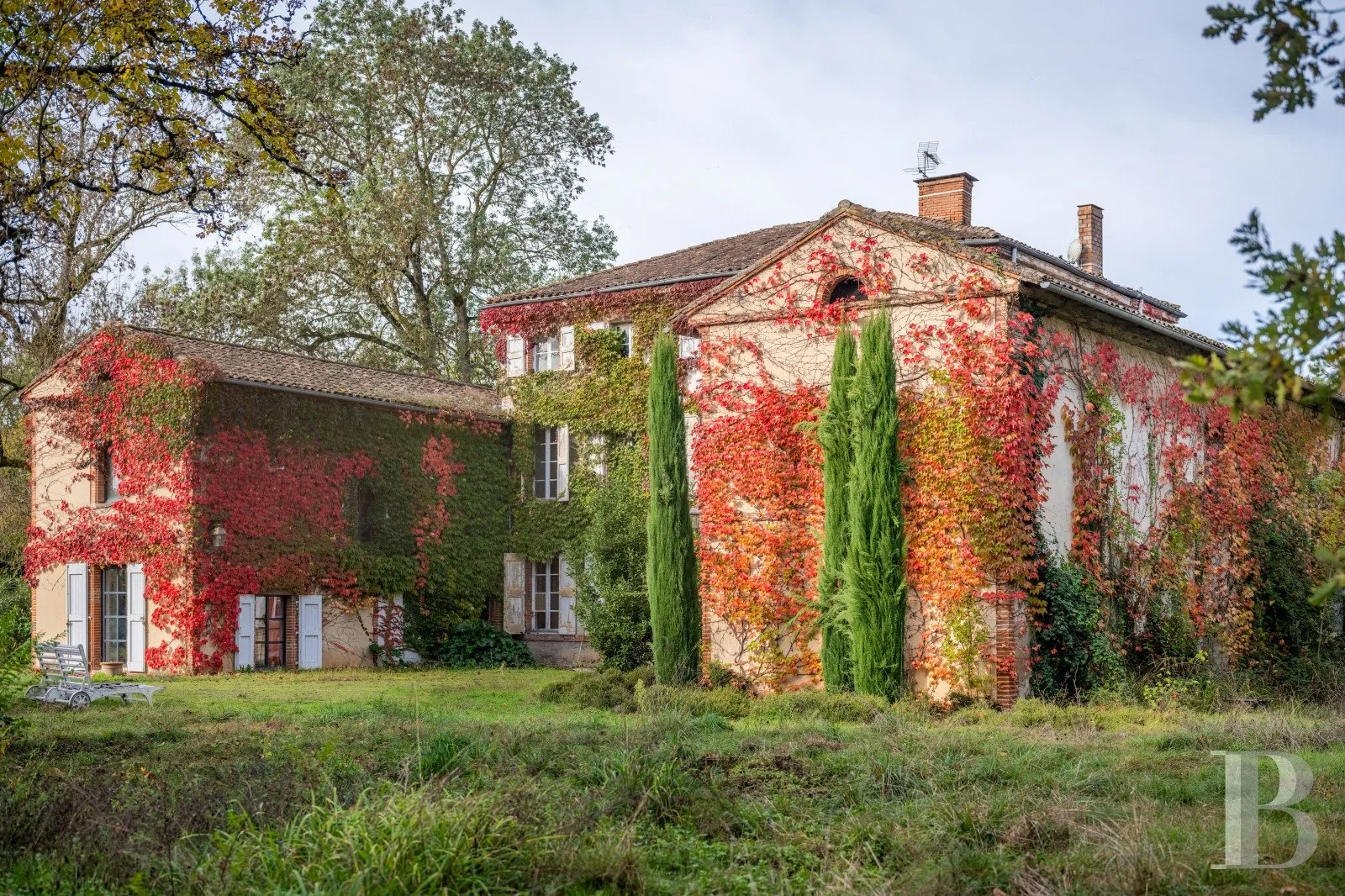
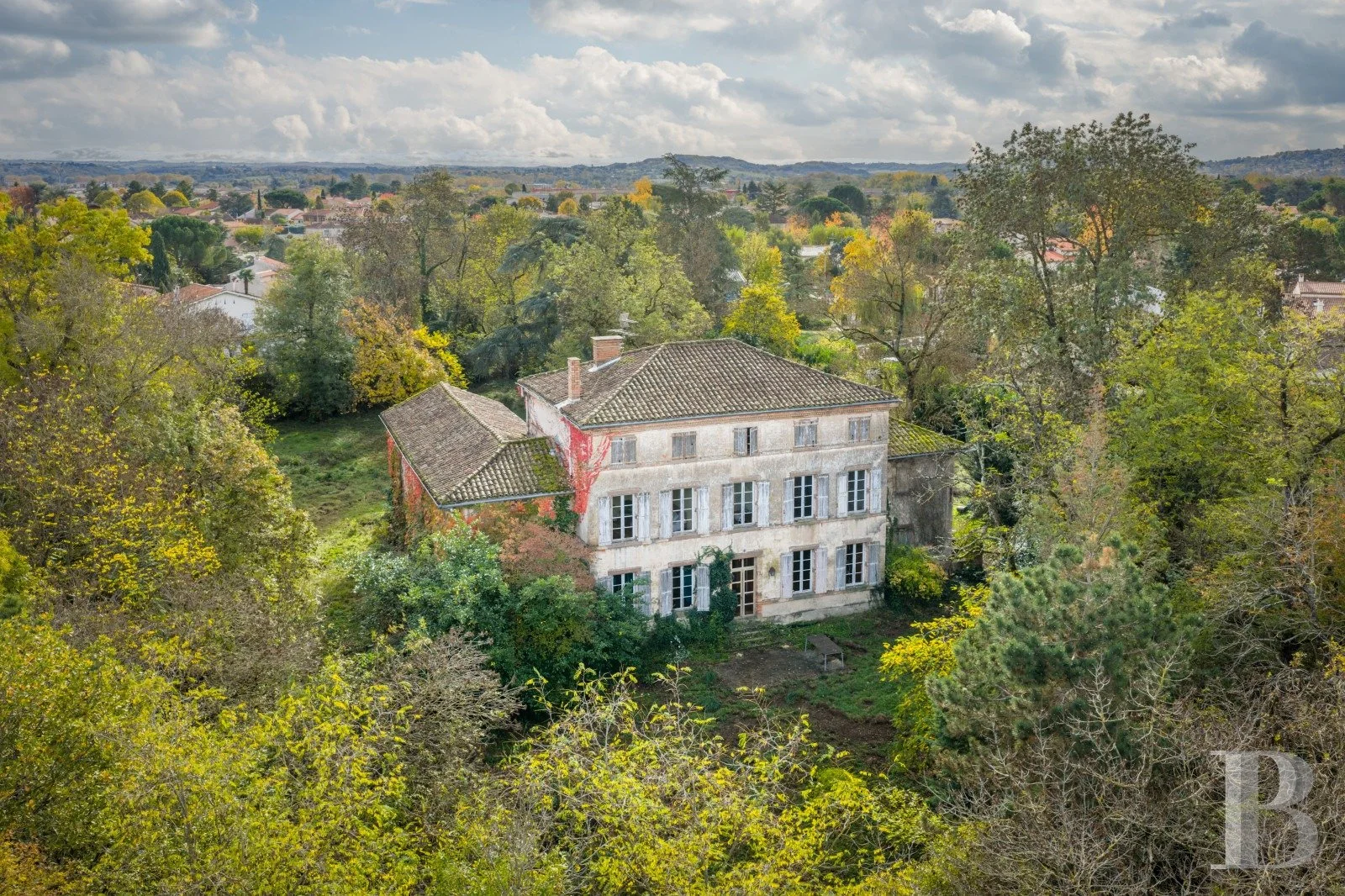
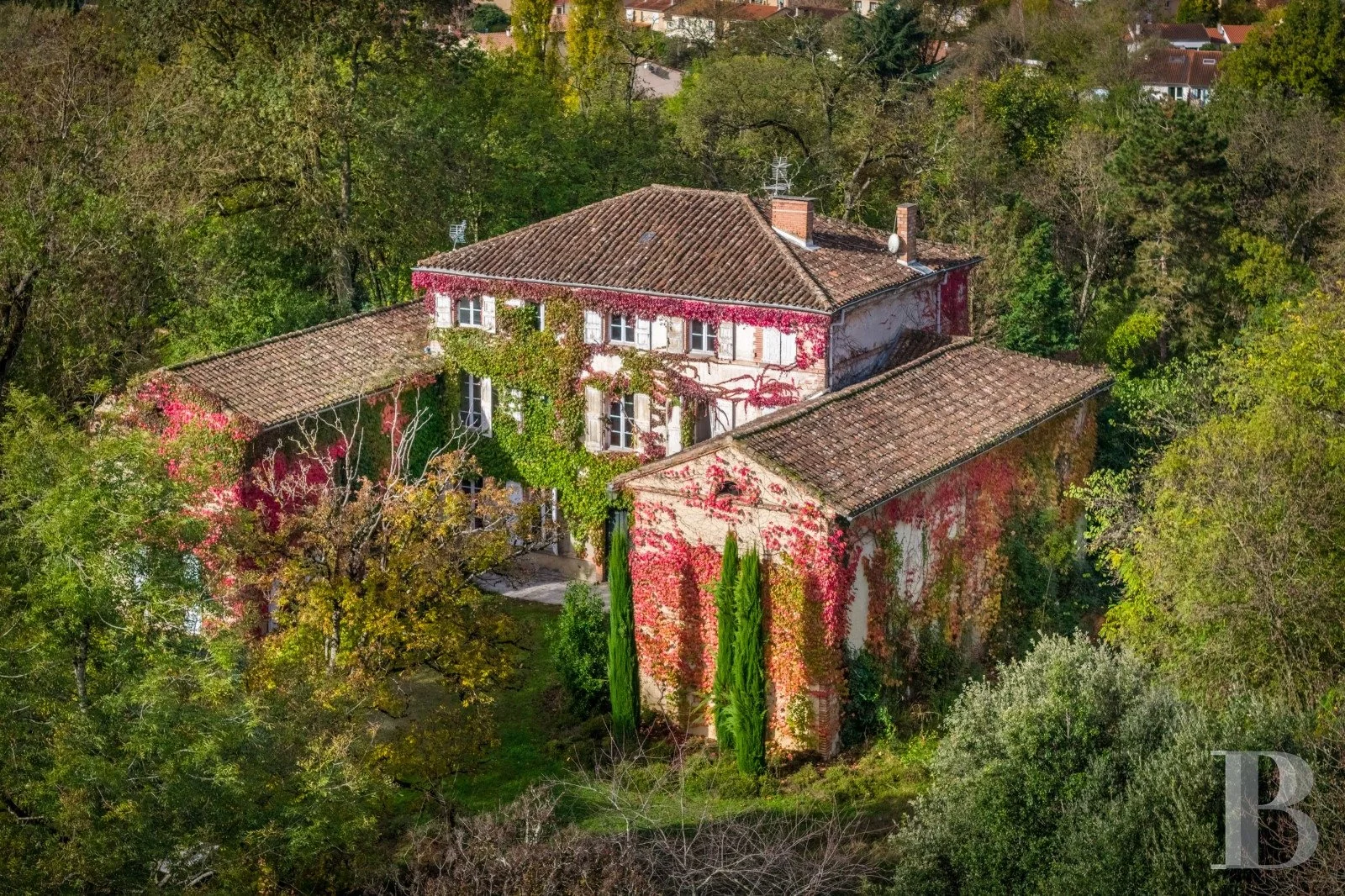
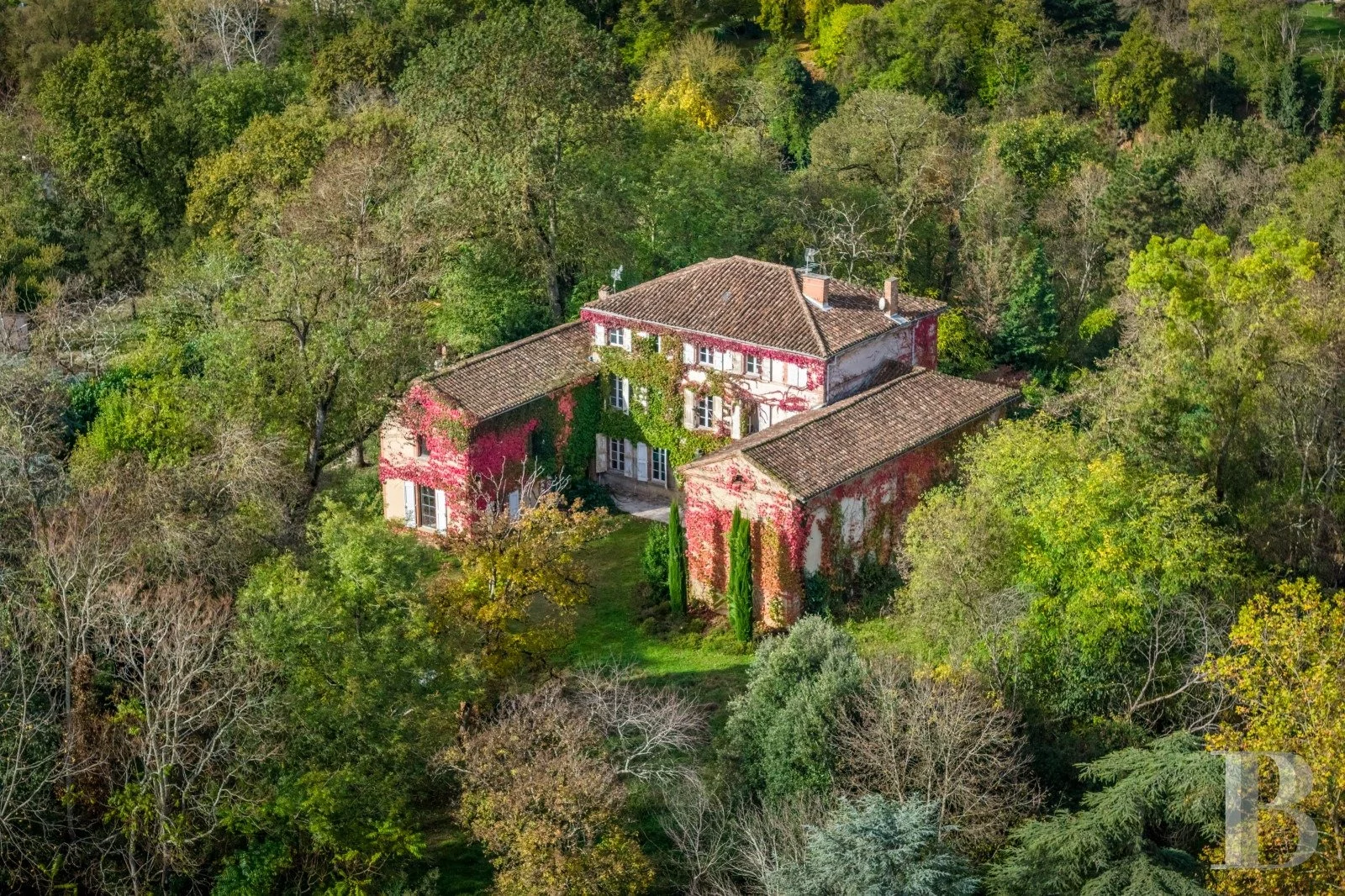
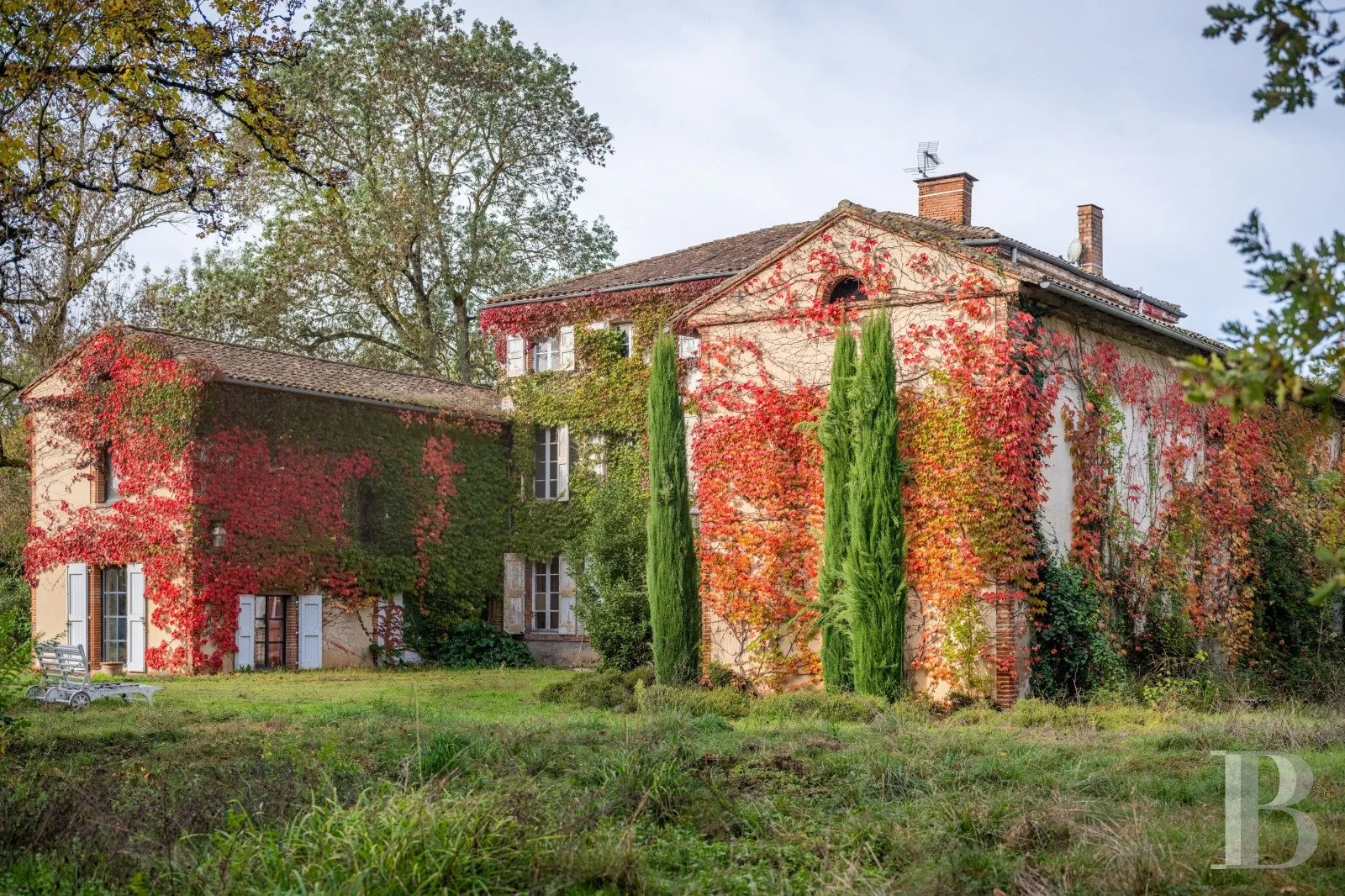
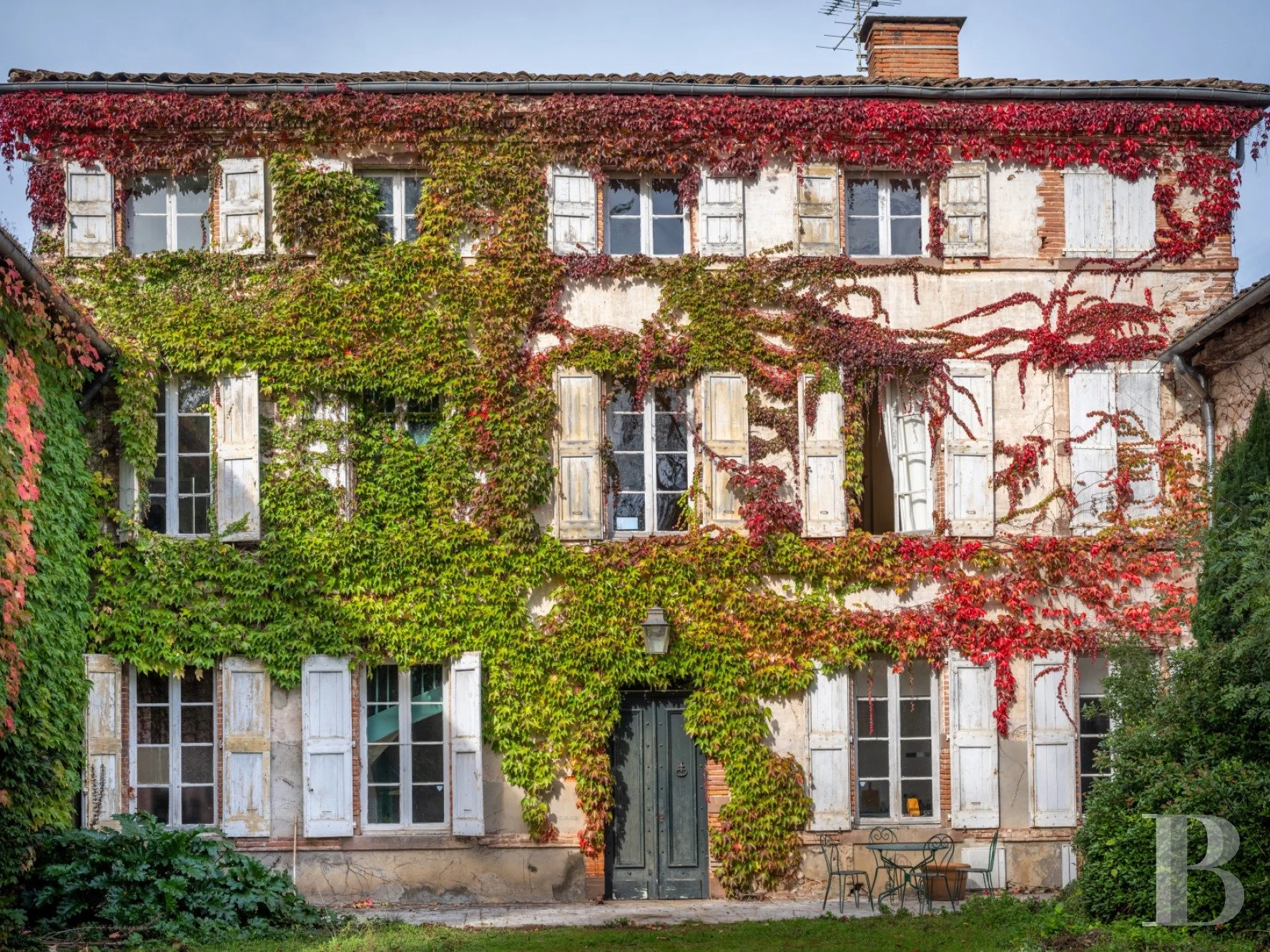
19th-century manor house with three-wing configuration.
Asking price
€580,000.
Internal area
315 m².
Land
5,481 m² garden.
Bedrooms
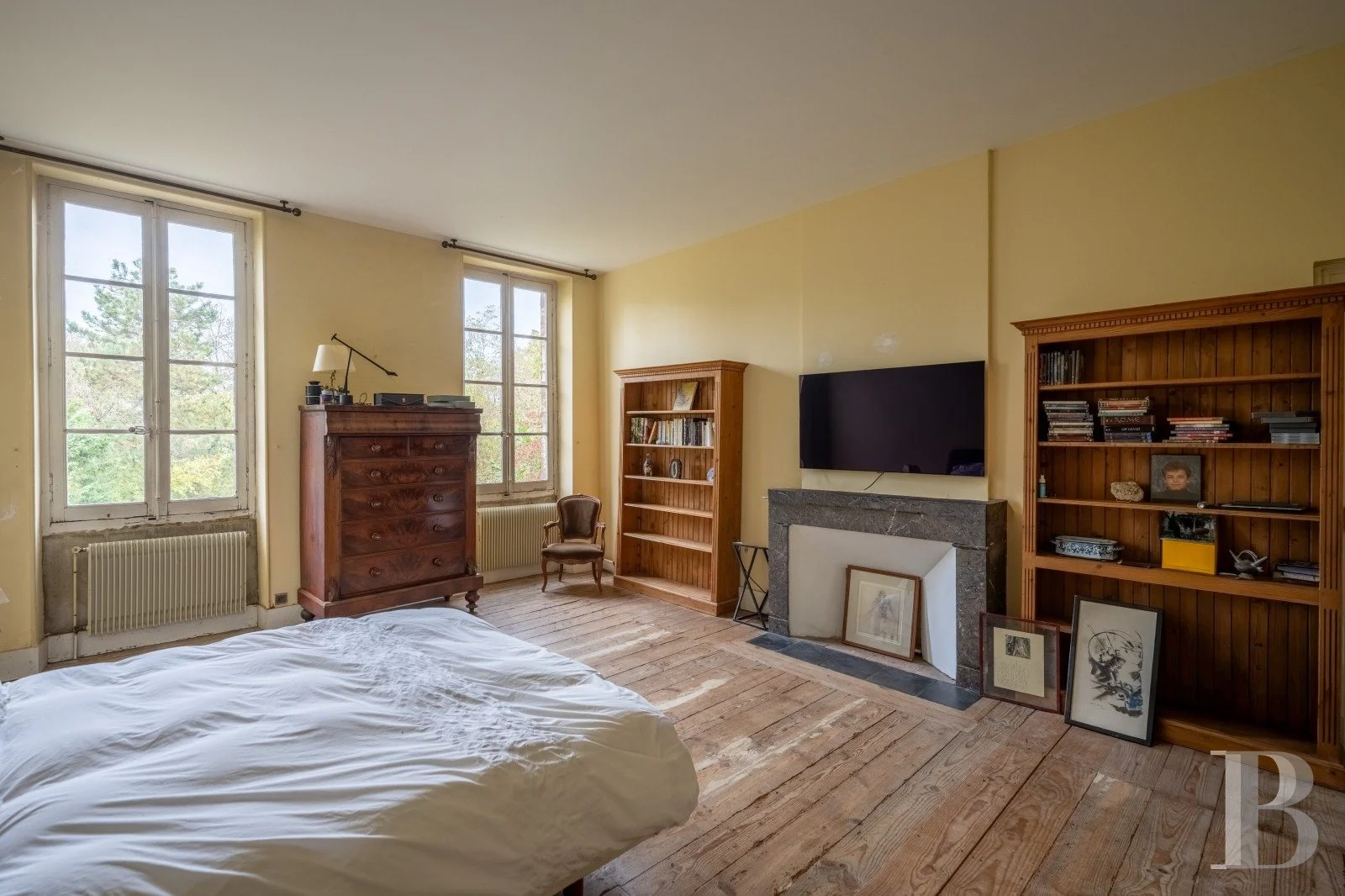
5.
Bathrooms
3.
Layout highlights
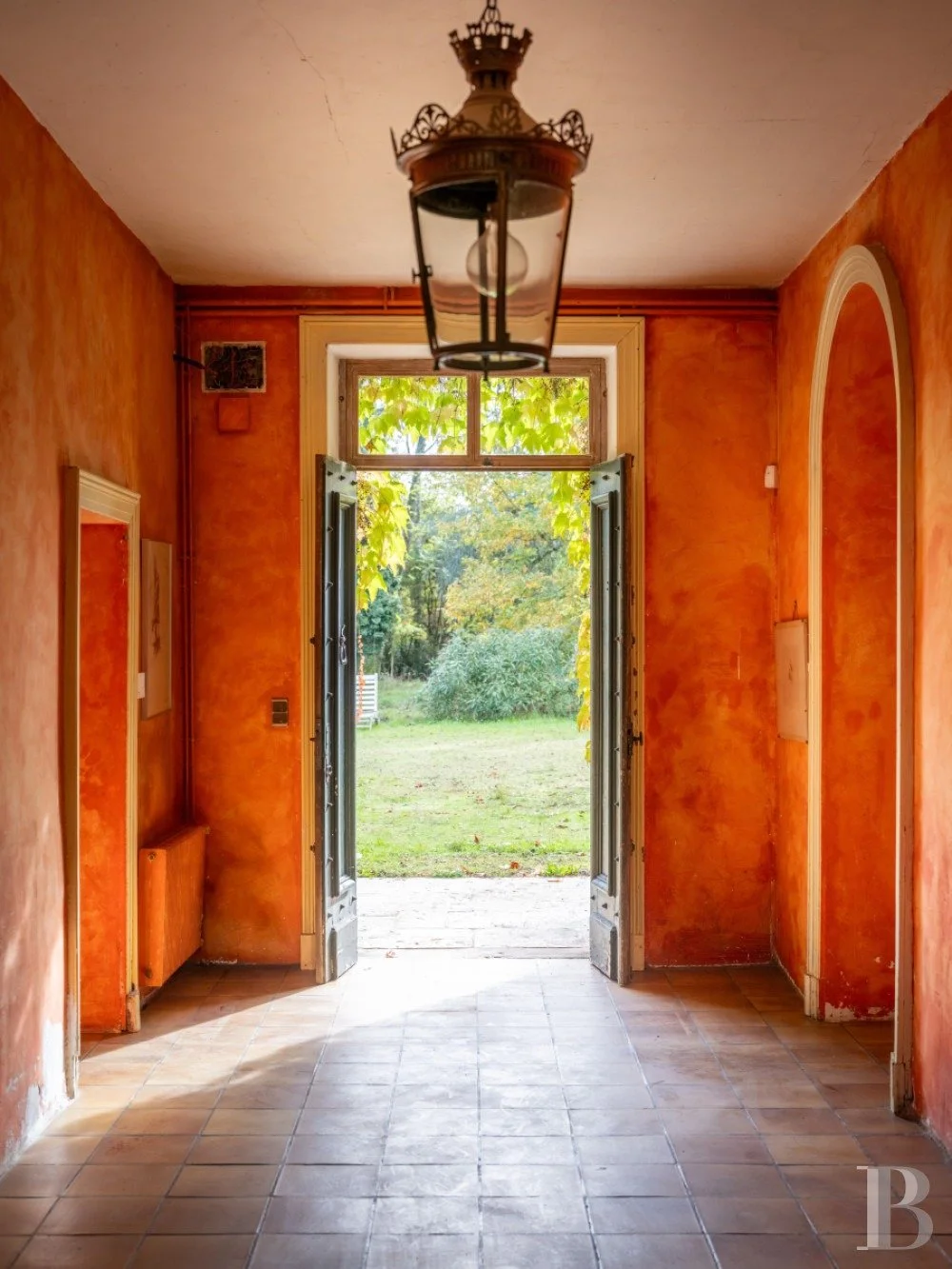
Central section, self-contained south-wing apartment with separate entrance, north wing described as raw development space.
Outdoor features
Former well, storage annexe, and stated swimming-pool permission.
Condition angle
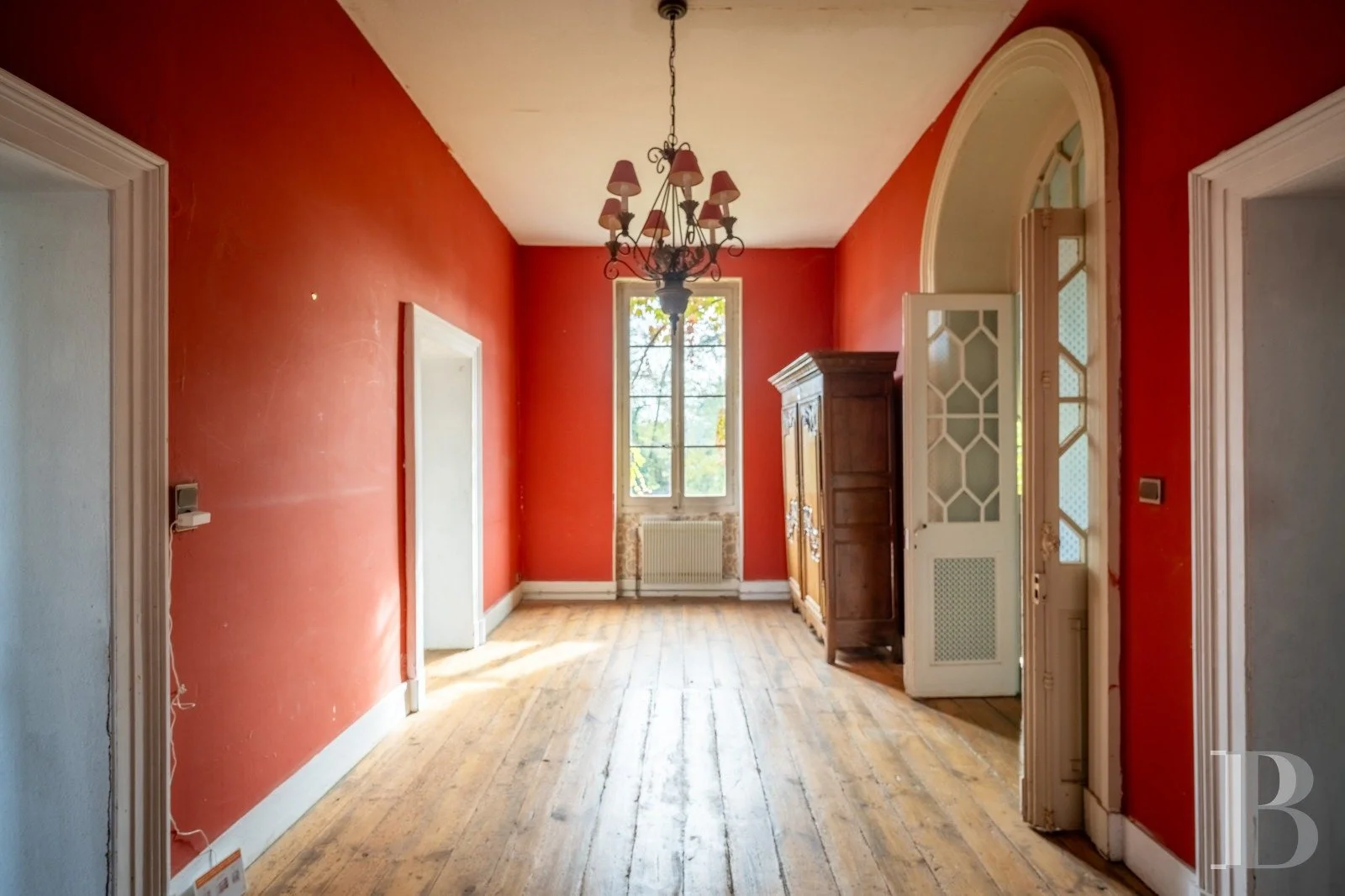
North wing untouched since the 19th century and marketed as serious renovation potential.
Energy position
Energy Class F, with listing-estimated annual energy costs of up to €18,730.
Lifestyle angle
Grand family home, multi-generational setup, rental potential from south wing, development project in north wing.
Risk Radar
Overview
This is exactly the sort of property where the romance is real, but the margin for error is also real. The three-wing layout is the main reason this manor is interesting. You are not just buying one old house. You are potentially buying a main family residence, a rental-ready side unit, and a third element that could become future value or future expense depending on its legal and structural status. The listing is refreshingly candid that the north wing is raw and the energy performance is poor, which is useful because it gives you the real due-diligence priorities immediately.
The first major issue is energy and renovation economics. In France, because the house is rated F, the sale should come with an energy audit in addition to the DPE, and that audit should help frame the realistic pathway for improvement. That matters here because the listing is already signalling very high running costs and calling out single glazing and a full thermal overhaul as foundational rather than optional.
The second major issue is status and feasibility across the wings. The south wing is being sold as a self-contained apartment, but buyers should not assume that means it is separately regularised in cadastral, planning, utility or rental terms. The north wing is even more sensitive. If it is currently classed as non-habitable dependency space, its conversion path, cost and planning burden could be significantly heavier than buyers first imagine. French planning rules also become more complex if the property sits within the protected surroundings of a monument or other heritage-control area, which is a realistic possibility near Albi's UNESCO core and historic monuments. Official French guidance specifically says projects may be covered by a 500-metre monument-protection perimeter and should be checked with the mairie or DRAC.
The third major issue is land and infrastructure. River views are attractive, but a riverside position can also mean flood-risk diligence through the ERP and local risk maps. If the property is not on mains drainage, the SPANC report becomes essential. If the pool permission is real and still valid, that is helpful, but the buyer should see the actual approval because private pools in France follow size-based planning rules rather than generic agent shorthand.
Targeted Questions
Heritage Status, Planning Position and Building History
Near Albi's historic core, that can materially change what approvals are needed for future works. Official French guidance says projects may fall within a 500-metre protection perimeter around a historic monument and should be checked with the mairie or DRAC.
Buyers need the legal position, not just assumptions based on location.
Exterior works, extensions, openings and some visible alterations can trigger extra controls.
A clear chronology helps distinguish original fabric from later modifications.
Documentary gaps often become negotiation leverage on older French properties.
Invoices help verify the scope and recency of works.
Remaining warranty cover can materially reduce post-purchase risk.
North Wing, Development Potential and Structural Reality
The planning and tax implications differ depending on how it is currently recognised.
Buyers need to know whether the advertised value already prices in future conversion potential.
The listing notes that it is untouched and lacks first-floor floorboards, which makes structural reality the first question, not finishes.
Existing feasibility work can save time and reveal hidden blockers.
Buyers need a whole-scope answer, not just a decorative answer.
In France, a déclaration préalable covers some smaller projects and certain changes, while more substantial works require a permit.
Informal mairie feedback can be very informative before a buyer spends money on design work.
This wing is the project wildcard and could shift the economics of the whole deal.
Energy Class F, Audit and Running-Cost Reality
The listing already flags major energy weakness, so the full DPE is foundational.
French rules require an energy audit for sale of detached homes rated F or G, and that document should outline improvement scenarios.
Buyers need to know whether the running-cost problem is mainly fabric, mainly plant, or both.
A weak heating plant can materially worsen both comfort and DPE outcome.
Real spend often tells more than modelled assumptions.
The listing itself points to single glazing as a major issue.
On a manor of this type, partial insulation history is common and materially affects budgeting.
Buyers need a sequence, not just a warning.
Existing quotes can turn vague risk into priced risk.
Buyers should not assume grant availability, but it is worth asking whether any pathway has already been checked.
South Wing Apartment, Use Status and Rental Potential
"Self-contained" and "separate dwelling" are not the same thing.
Separate access is relevant for privacy, rental use and future resale strategy.
Utility separation affects both practicality and rental management.
Actual use history is more valuable than hypothetical rental language.
France requires mairie declaration for meublés de tourisme, and from 20 May 2026 all mairies must have a registration process for declared meublés.
Separate-annexe rental potential needs to be verified, not assumed.
Long-term letting may be a more practical fallback than short-stay use.
Pool Permission, Land, River Exposure and Infrastructure
The listing says permission exists, but the buyer needs the actual paper, not the summary.
In France, the required authorisation depends on the pool's size and related features.
Planning value is weaker if the permission is close to expiring.
Buyers need the exact plot structure and not just a garden narrative.
Drainage type materially affects risk and future capex.
For a sale involving non-mains sanitation, the SPANC inspection status is a core due-diligence document.
A future development project can be blocked by inadequate drainage capacity.
The ERP is the official risk document for natural and technological risks in a sale.
View value should be checked rather than assumed.
Multi-wing or rental use becomes less practical if parking is awkward.
Diagnostics, Documentation and Practical Ownership
For a property of this age and complexity, the DDT is essential.
Older properties with later-period interventions can still present asbestos risk.
Lead risk is common in older French property.
This is key for safety and renovation budgeting.
Timber and outbuilding risk deserve careful checking.
Wells can be attractive features but also maintenance or safety considerations.
A large older property can carry a more complex history than the listing shows.
Seller motivation may strengthen a buyer's negotiating position.
Negotiation Intelligence
Buyer Leverage
Medium-High
Key Drivers
Typical Negotiation Range
5-15% below asking
Neutral Phrasing Examples
Country Layer
France (Regulatory Context March 2026)
Key French requirements for buyers:
Viewing Strategy
Start by walking the estate as three separate propositions, not one.
Next Step
Verify from the listing:
The Energy Class F problem is not secondary
The listing is unusually candid about annual energy costs of up to €18,730, so the full DPE and mandatory energy audit should be treated as core decision documents, not background admin.
The north wing is either future value or future drag
Because it is described as untouched since the 19th century, you need to verify whether it is legally habitable space, structurally sound enough to convert, and realistically worth the capital required.
The south wing’s “self-contained” status must be proven
A separate entrance is useful, but you still need to know whether the apartment is formally regularised as a separate dwelling and whether it can legally support the rental story implied by the listing.
Pool permission only counts if the paper is clean
Do not give value to the pool angle until you have seen the actual approval, its expiry timeline, and any conditions attached to the proposed installation.
River views come with river-risk questions
The River Tarn outlook is a real asset, but it also makes the ERP and flood-position checks more important than usual before you treat the setting as straightforward.
A prepared buyer should approach the agent calmly and frame questions as due diligence.
Because this is a property where the legal, structural and regulatory context matters, run it through the Property Risk Assessment to pressure-test the wings, pool and flood exposure, or use the Energy Risk Assessor to model what the F rating and renovation path could mean before you move forward.
Disclaimer: The Property Drop is buyer-focused intelligence, zero sales agenda. We curate exceptional properties, in southern Europe, from third-party agents and arm you with decision tools. No commission, no transactions, no agent partnerships, no skin in the game beyond helping you choose wisely. Information stays accurate until it doesn't (properties sell, prices shift, markets move). Everything here is shared for informational purposes only and should not be treated as legal, financial, or investment advice. Images belong to original agents. Read our Terms of Service to learn more.
IMPORTANT REMINDER: When contacting property agents featured on The Property Drop, you are entering into direct communication with third parties. It's recommended that you verify all property details independently, conduct thorough due diligence, engage qualified professionals (solicitors, surveyors, financial advisors), understand your rights and obligations under local property laws, and never send money or make commitments without proper legal protection.
