
The Buyer Playbook: Restored Moorish Water Mill, Antas, Andalusia, Spain, €395,000
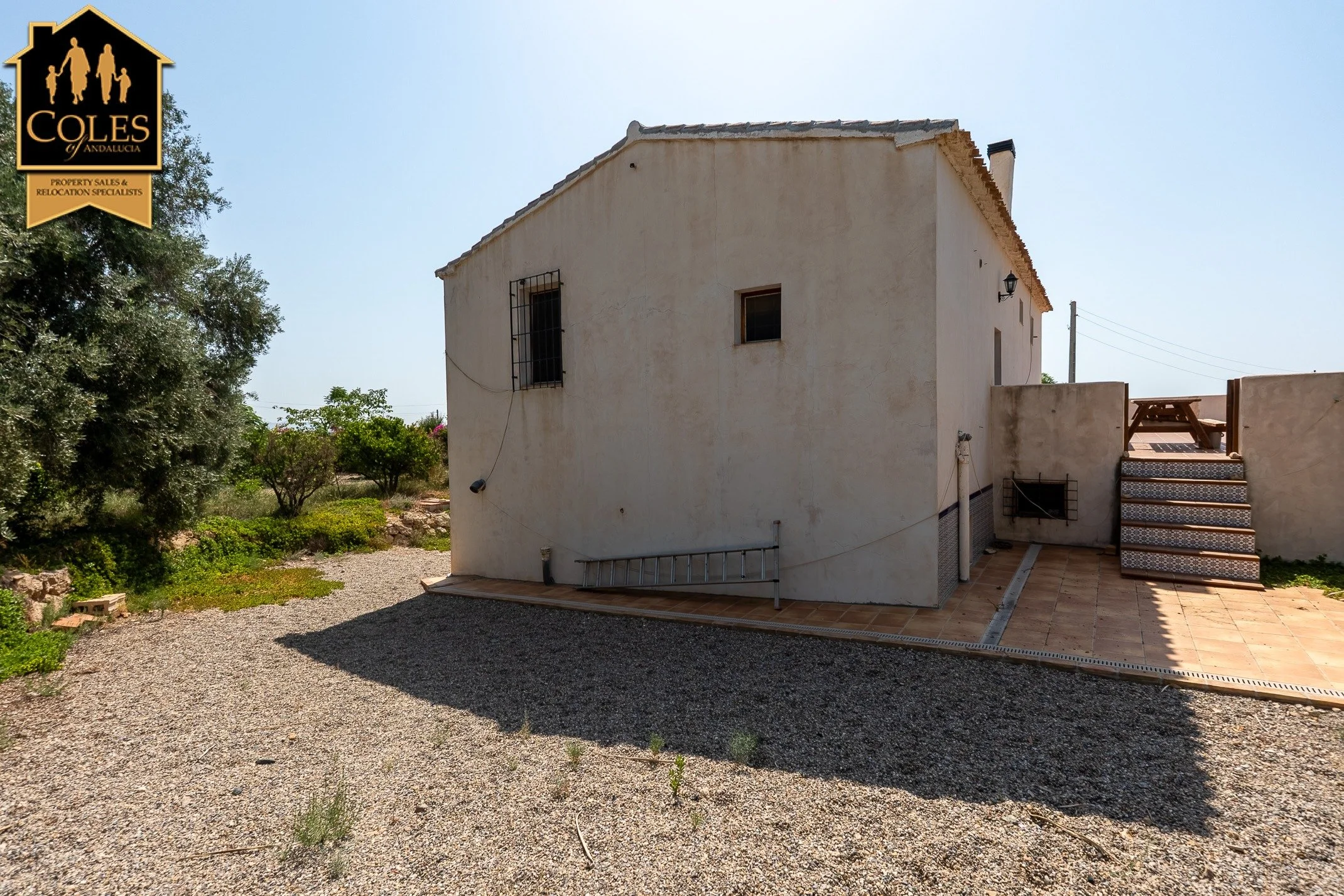
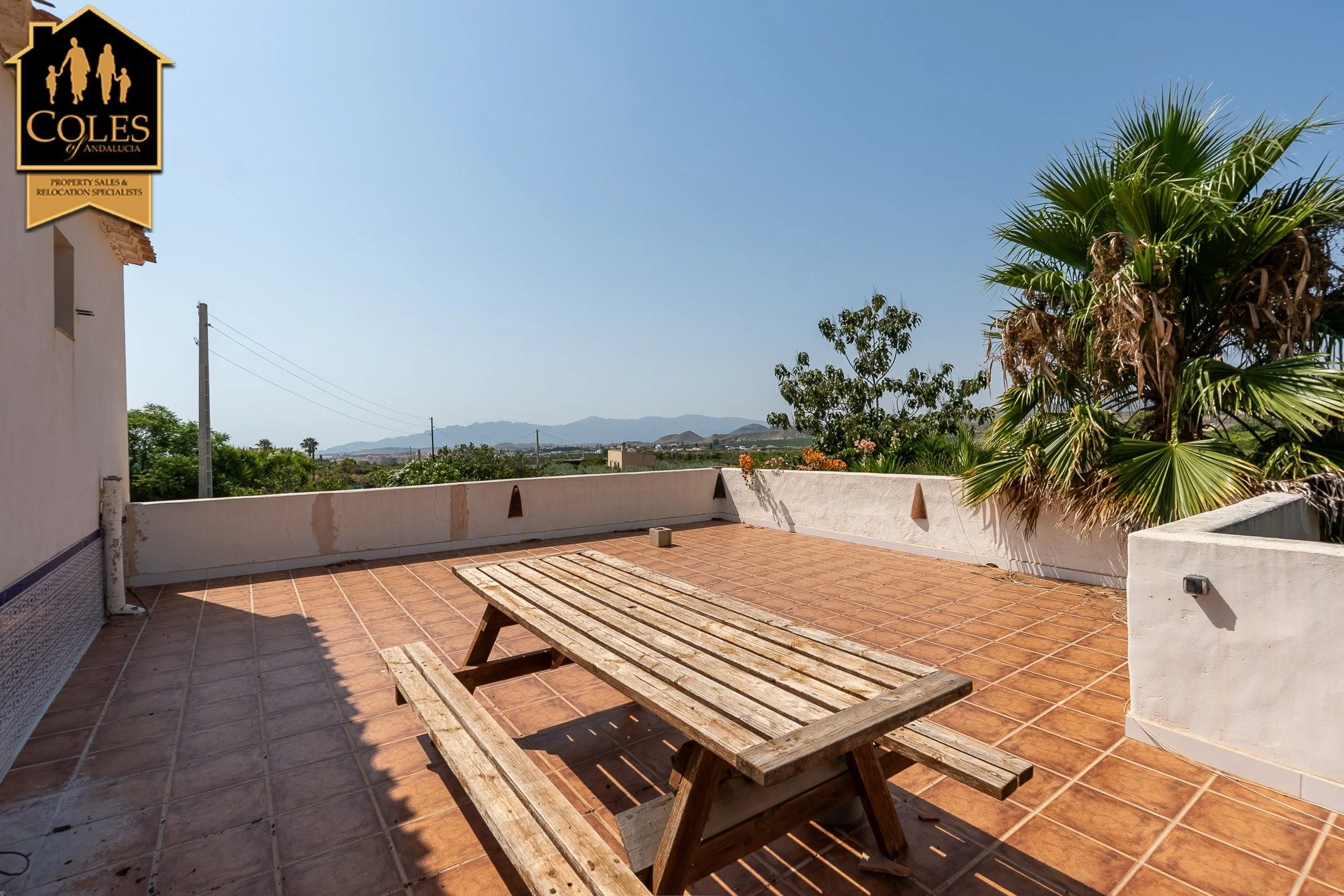
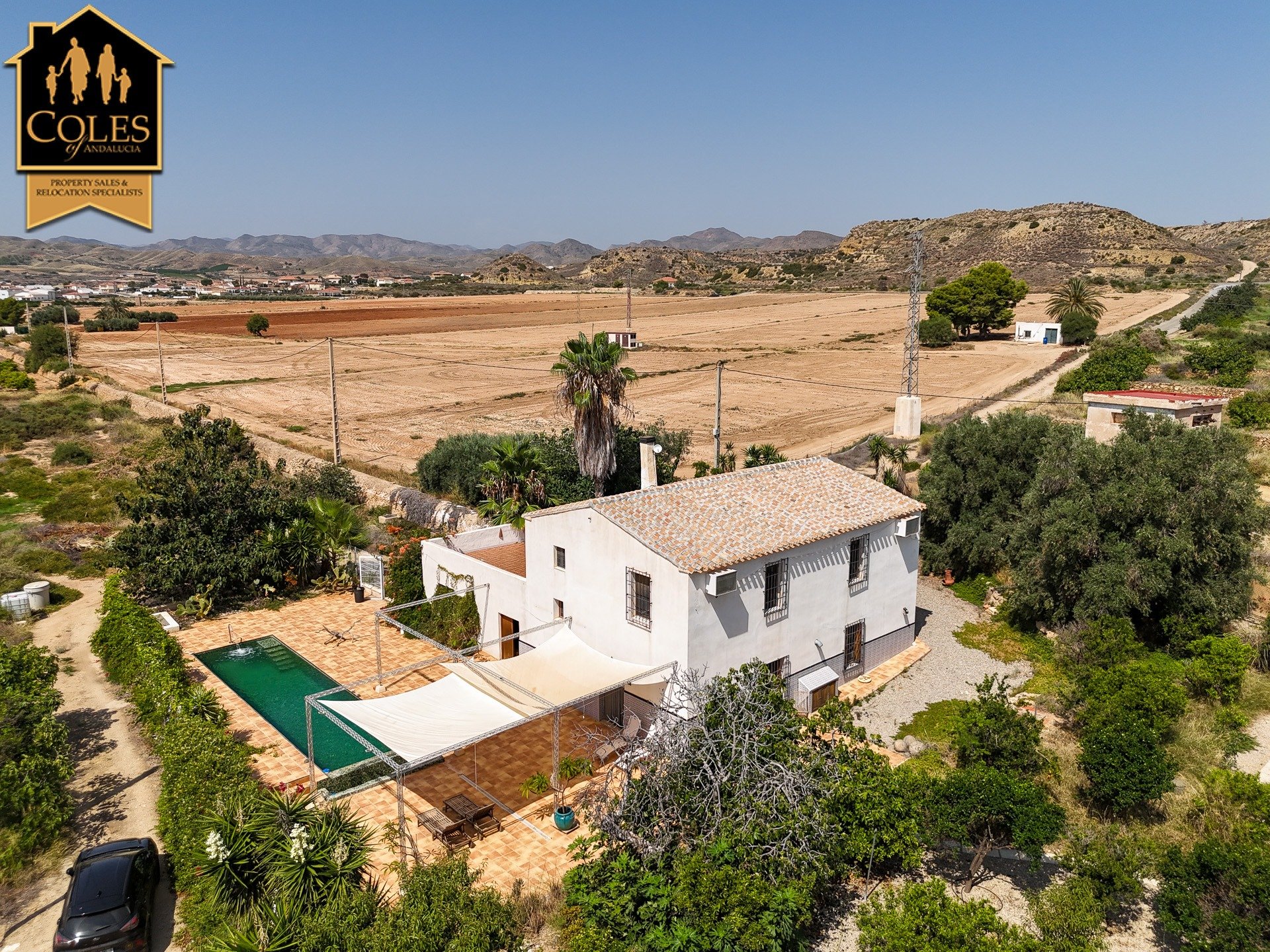
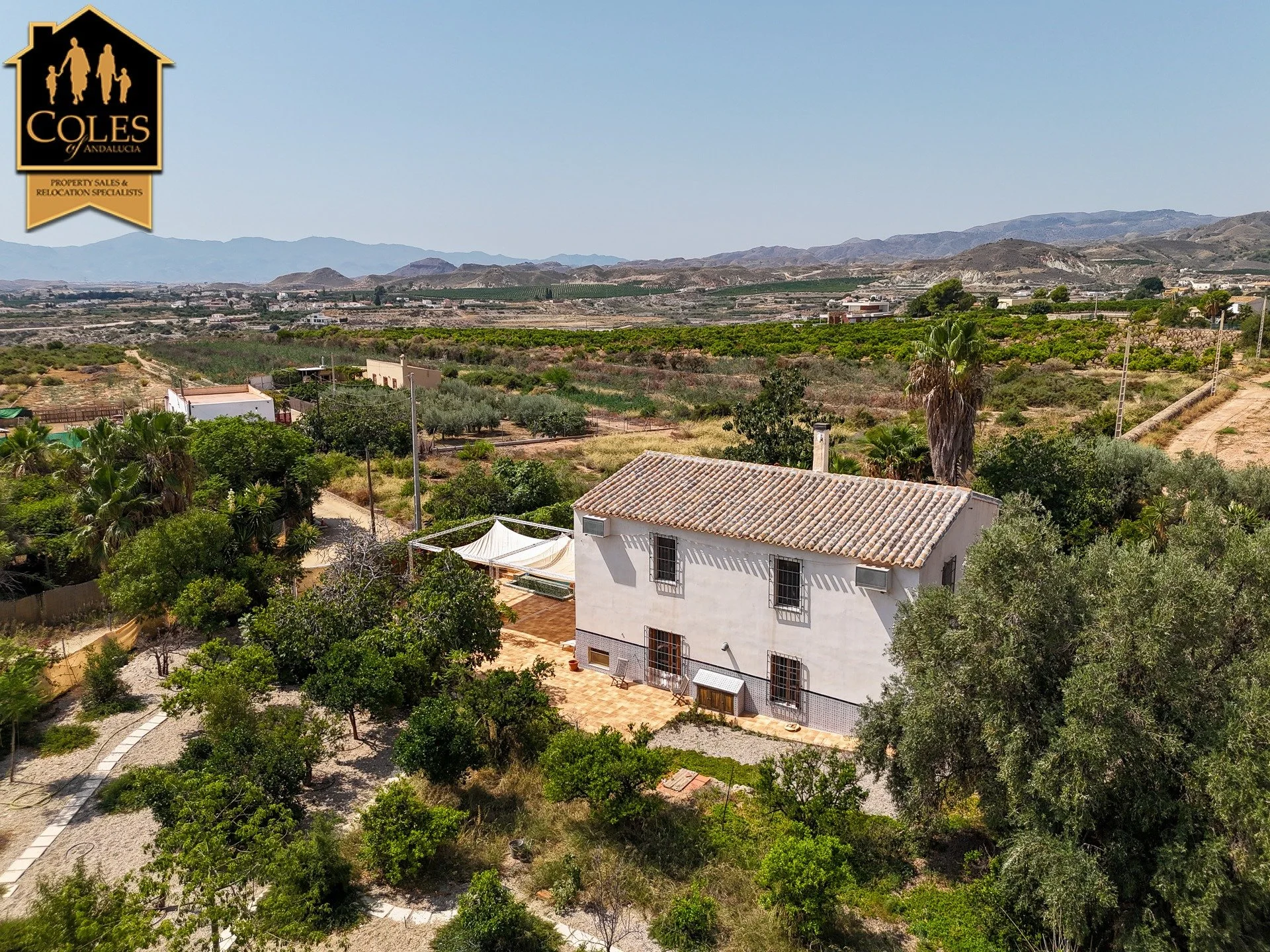
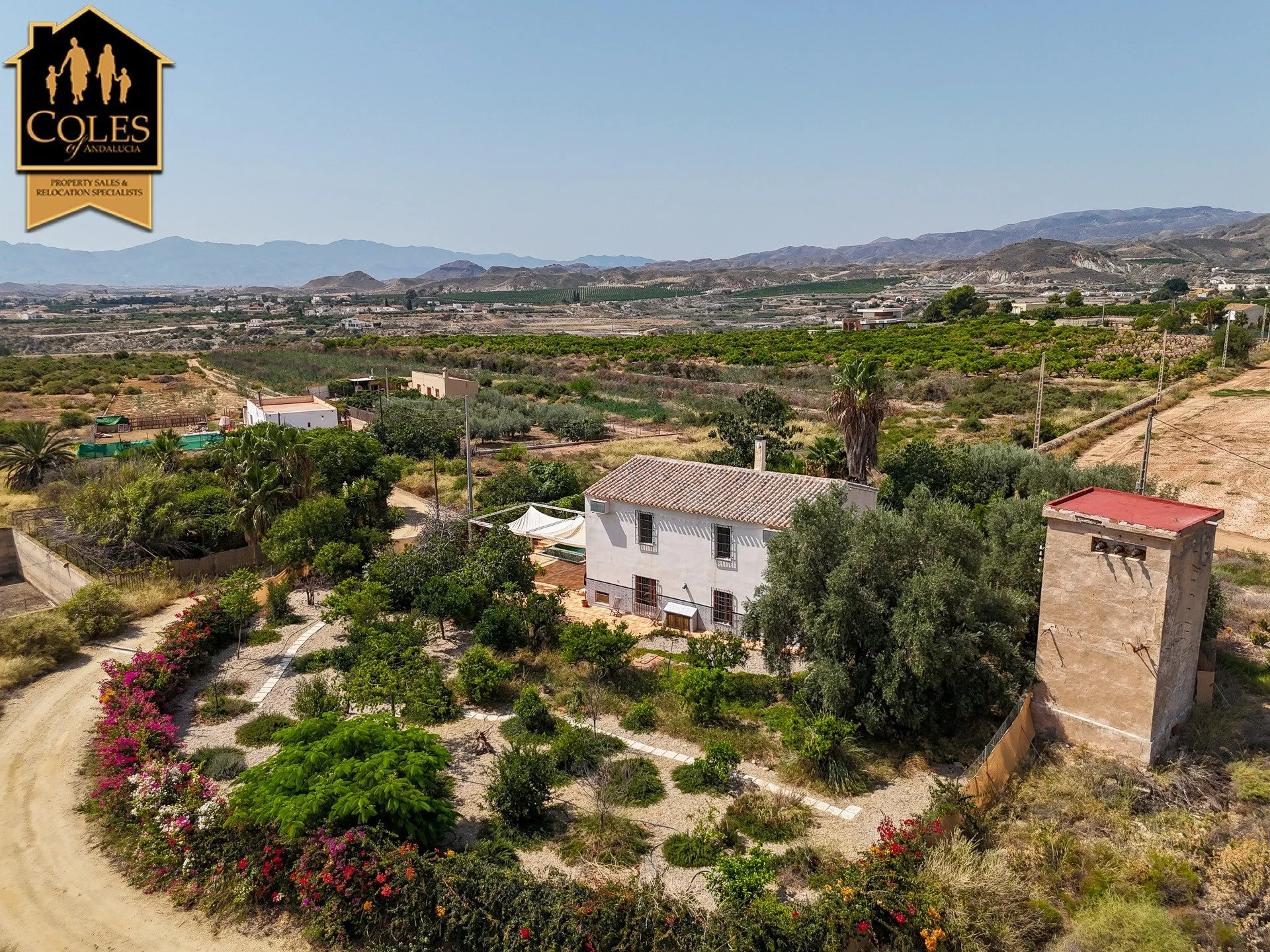
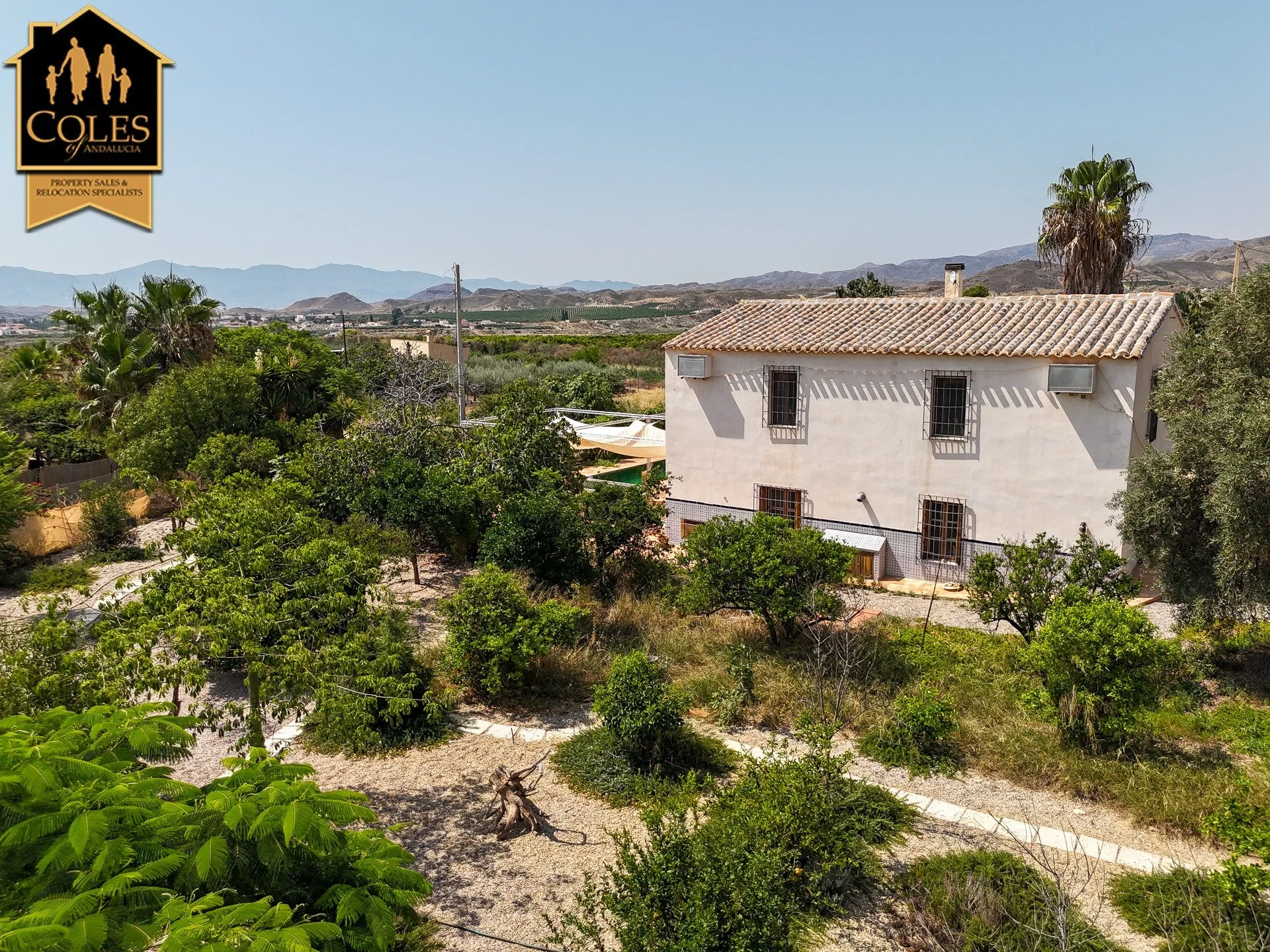
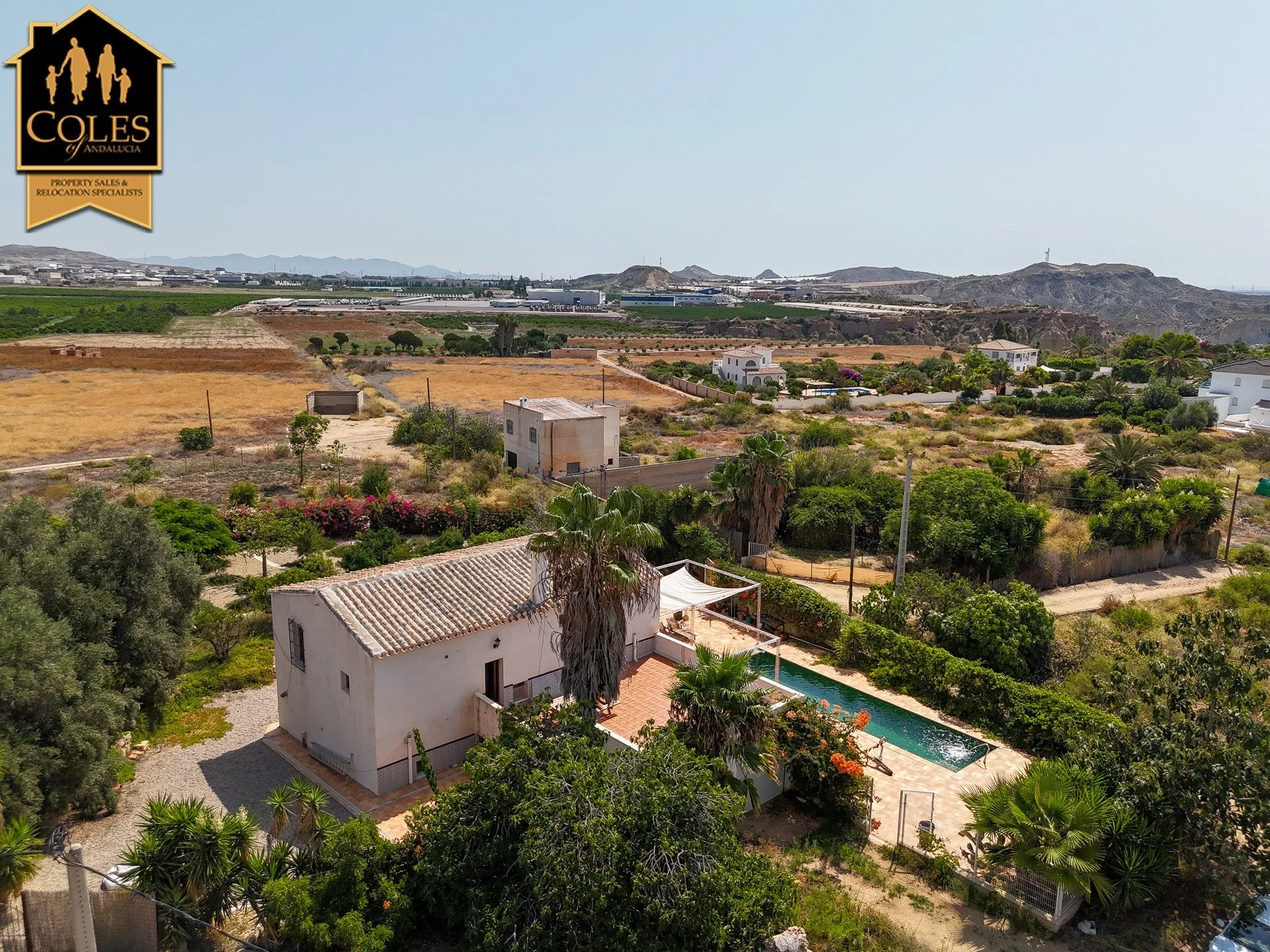
Buyer Playbook
Pre-Viewing Intelligence Report
This independent buyer guidance report relates to this specific property located in Spain. It is provided for informational purposes only and does not constitute legal, tax, structural or survey advice. Water rights, rural land status, title position, pool legality, occupancy documentation, tourist-rental compliance, heritage protection, and any planning constraints must always be verified with qualified Spanish professionals such as an abogado, arquitecto, aparejador, técnico competente, surveyor or water-law specialist, and with the relevant registry, municipal and river-basin authorities where required. This report is designed to help buyers evaluate the property before arranging a viewing or making an offer. It highlights due diligence areas and targeted questions to ask the estate agent. The analysis is based on the listing details and publicly available regulatory context at the time of writing.
Playbook Contents
Property Snapshot
Location
Antas, Almería, Andalusia, Spain
Property type
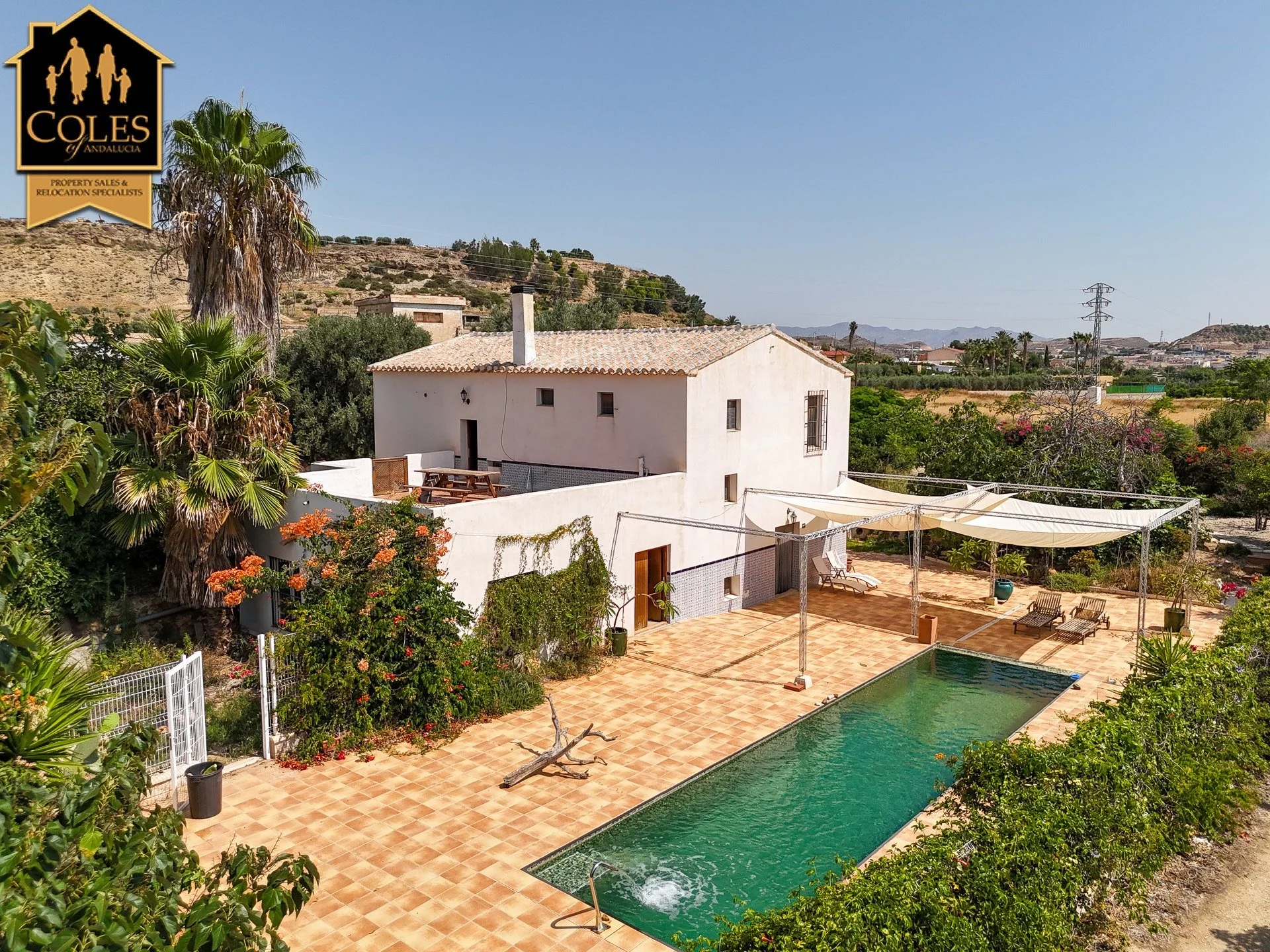
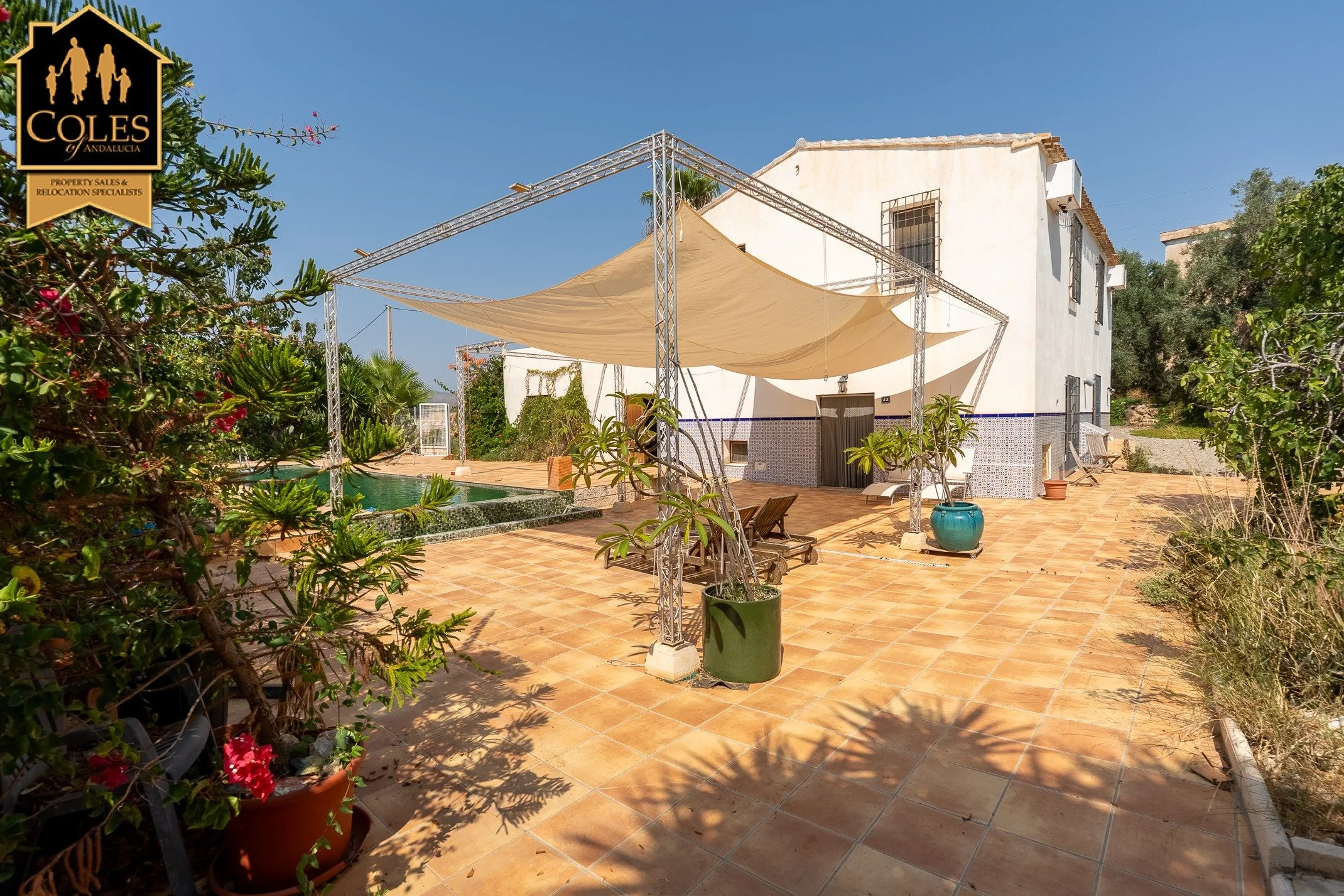
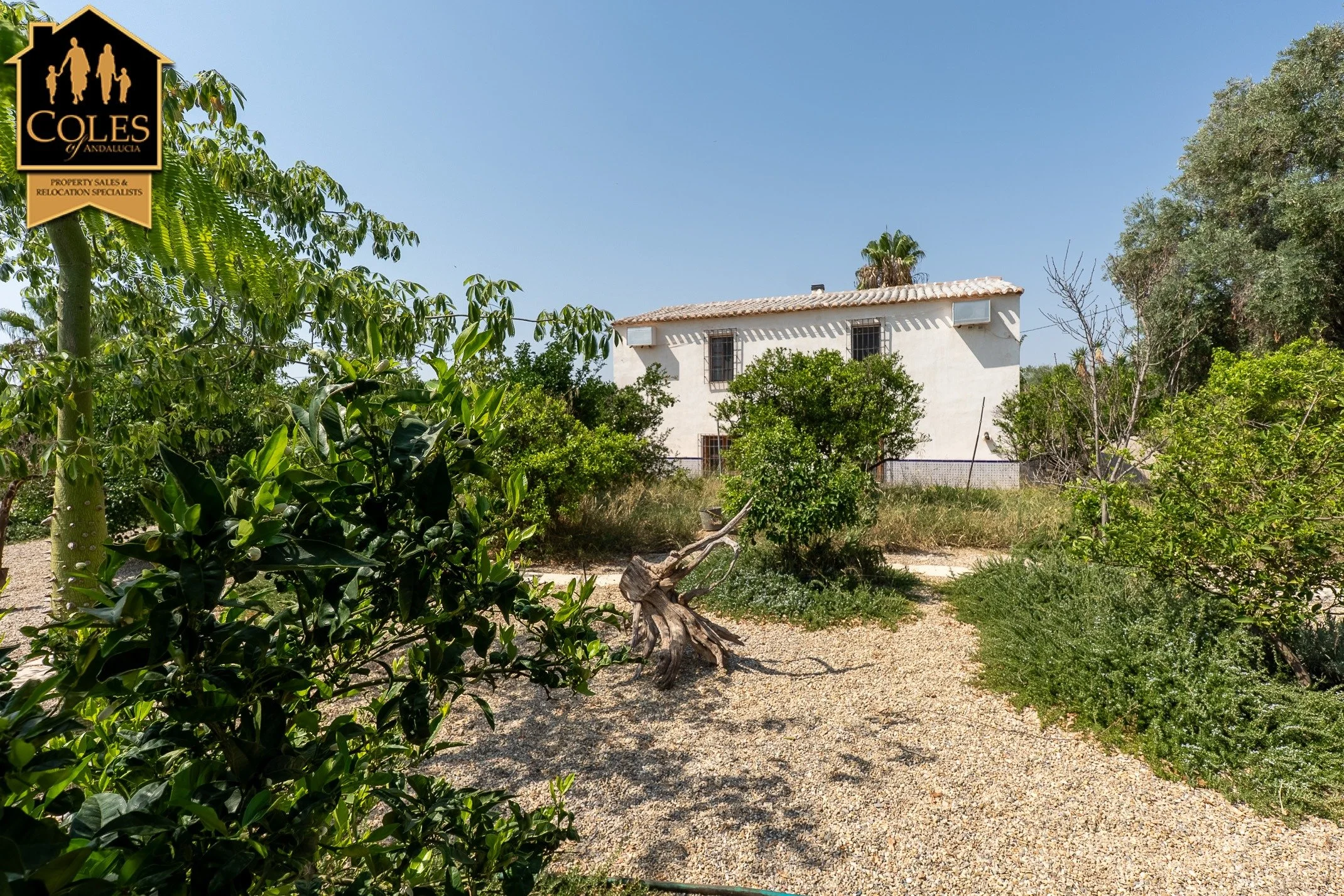
Restored former Moorish water mill
Asking price
€395,000
Land
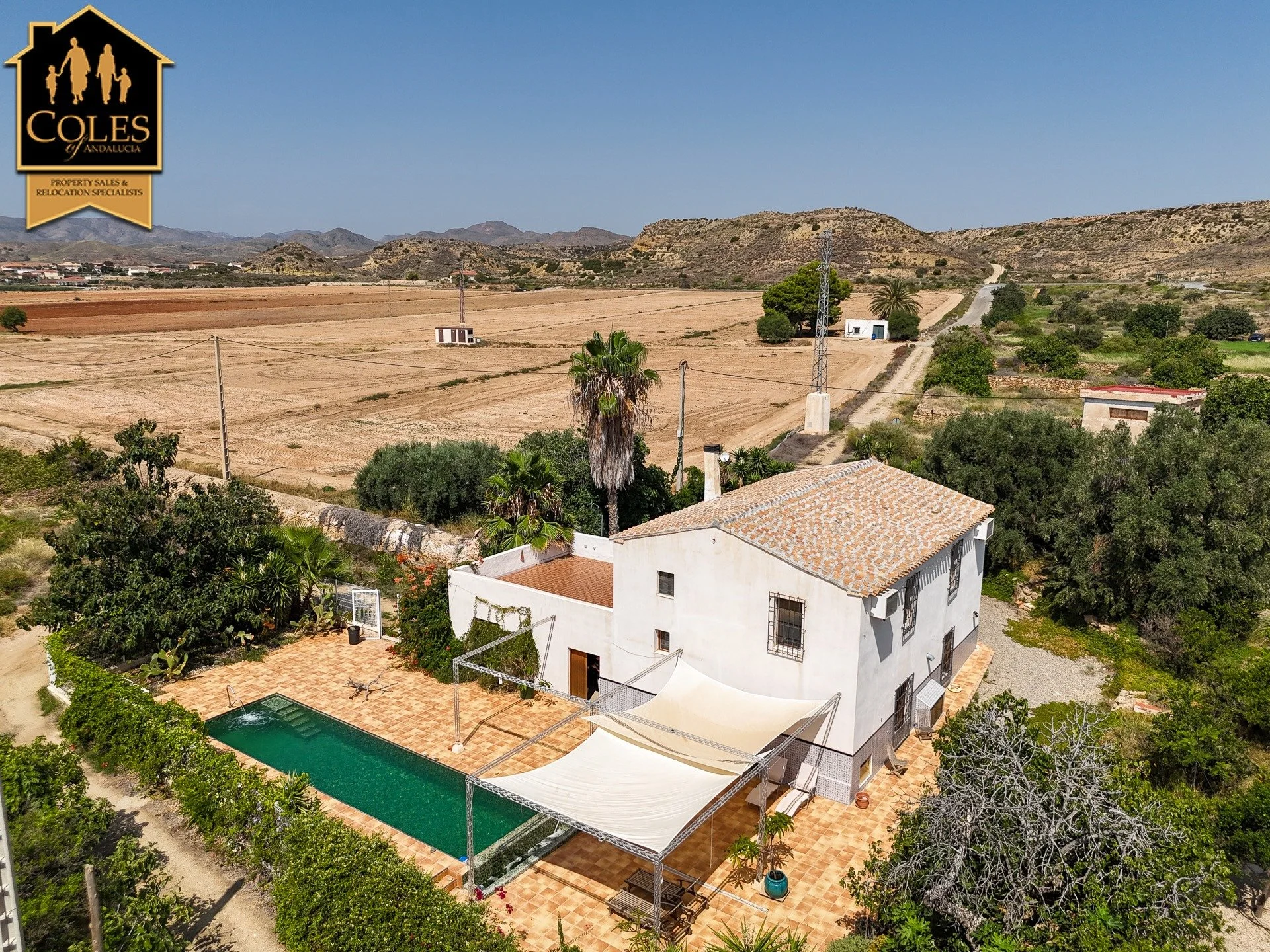
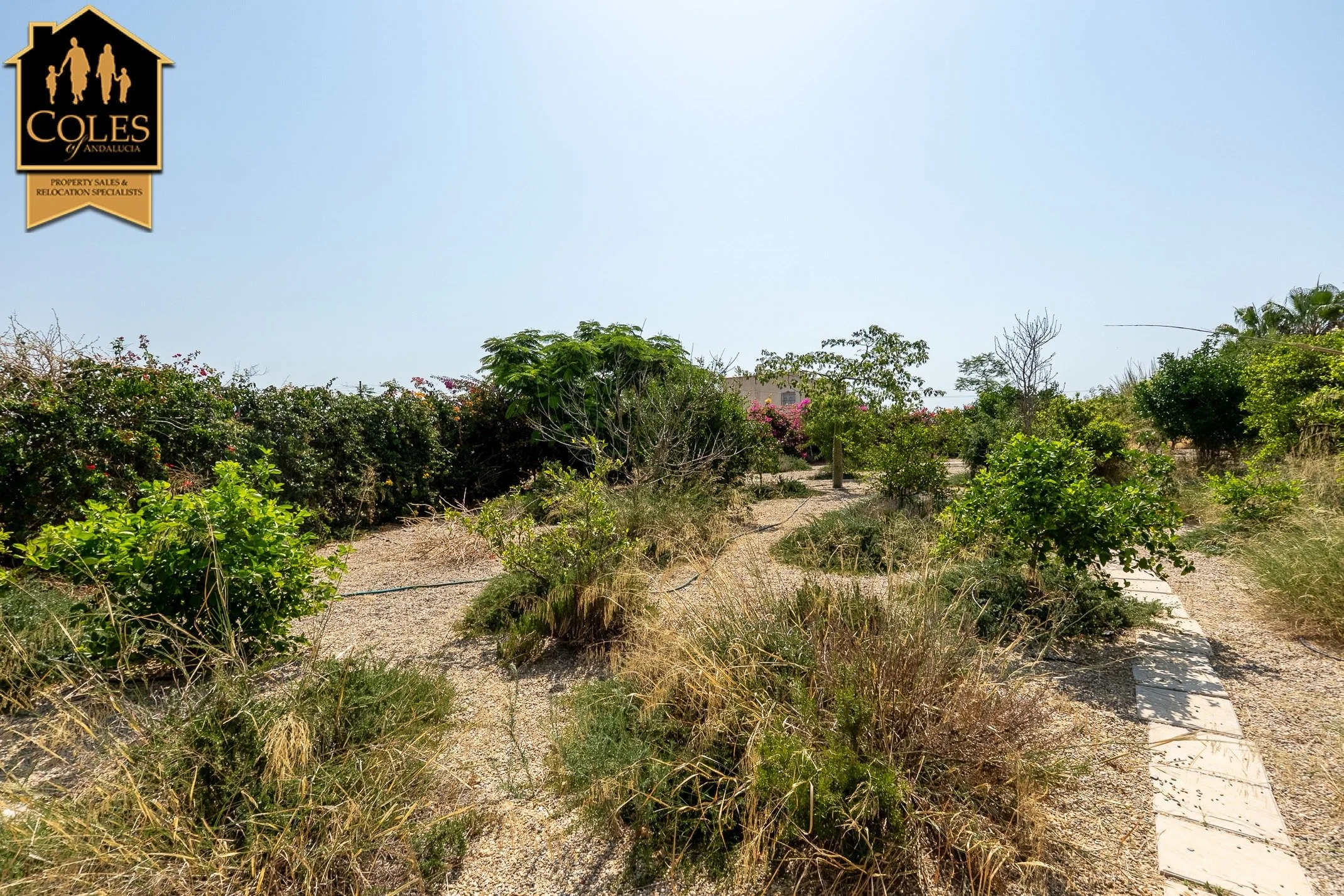
Approx. 7,964 m²
Main lifestyle angle
Historic rural retreat with strong privacy, orchard land, water independence and standout architectural character
Key features
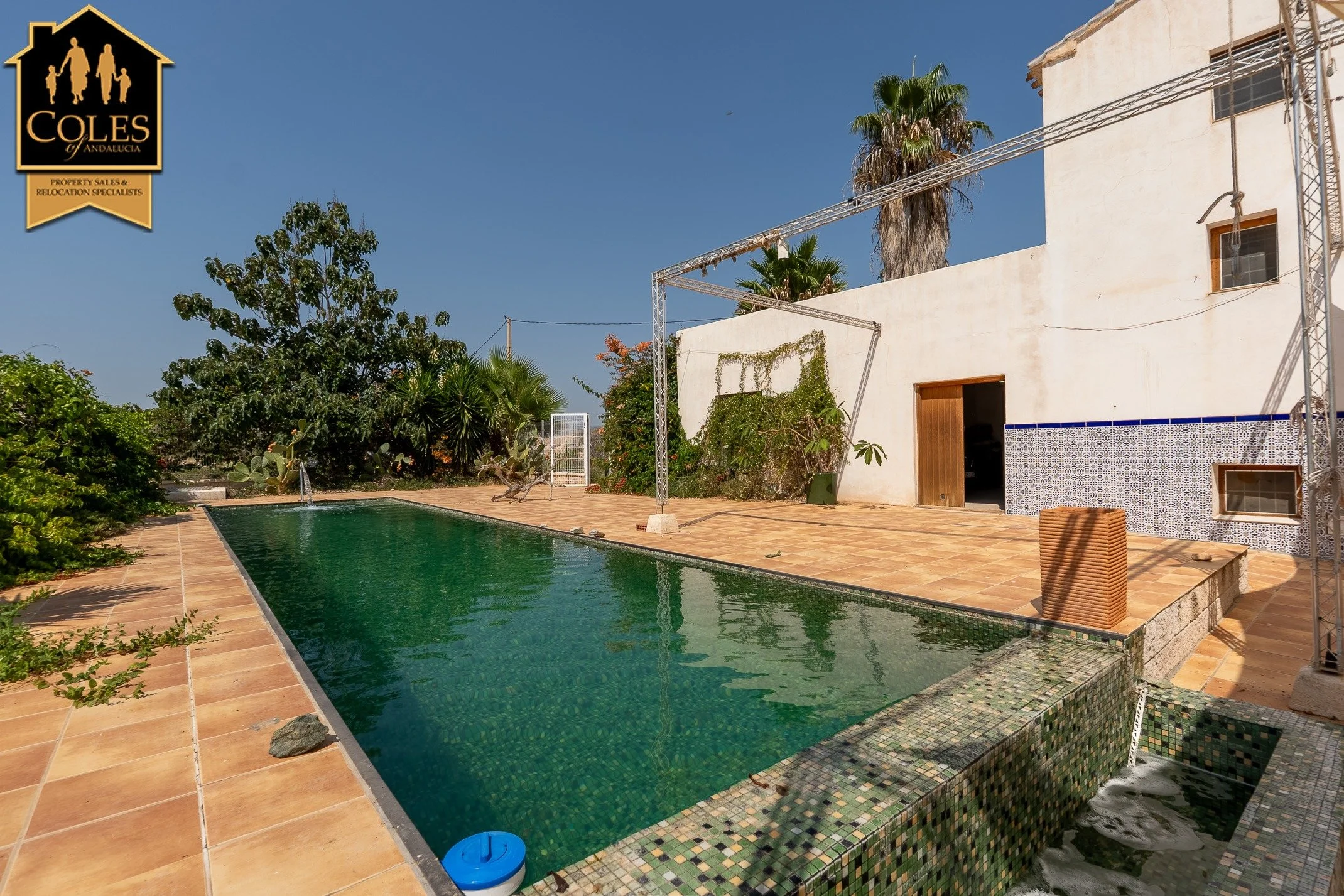
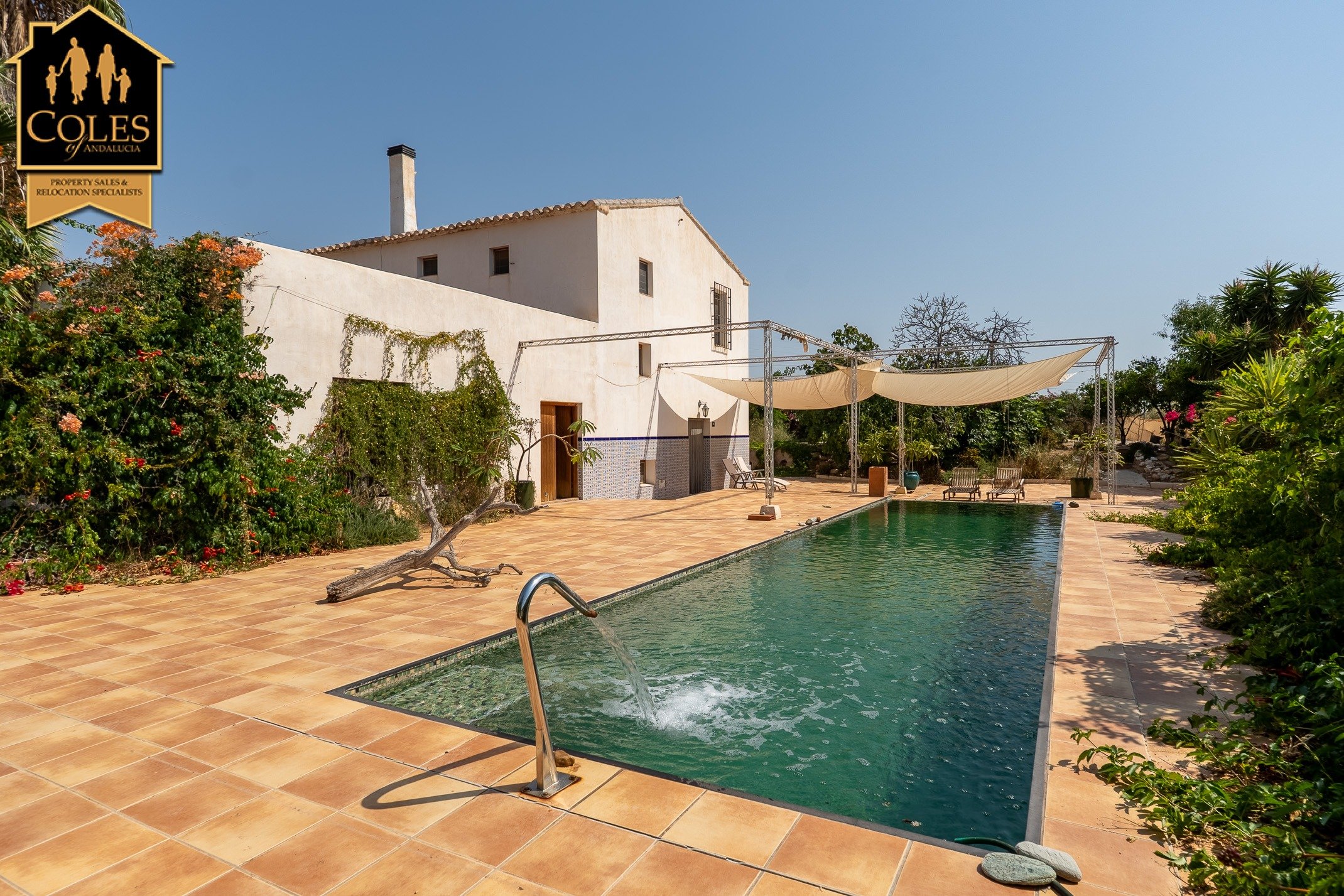
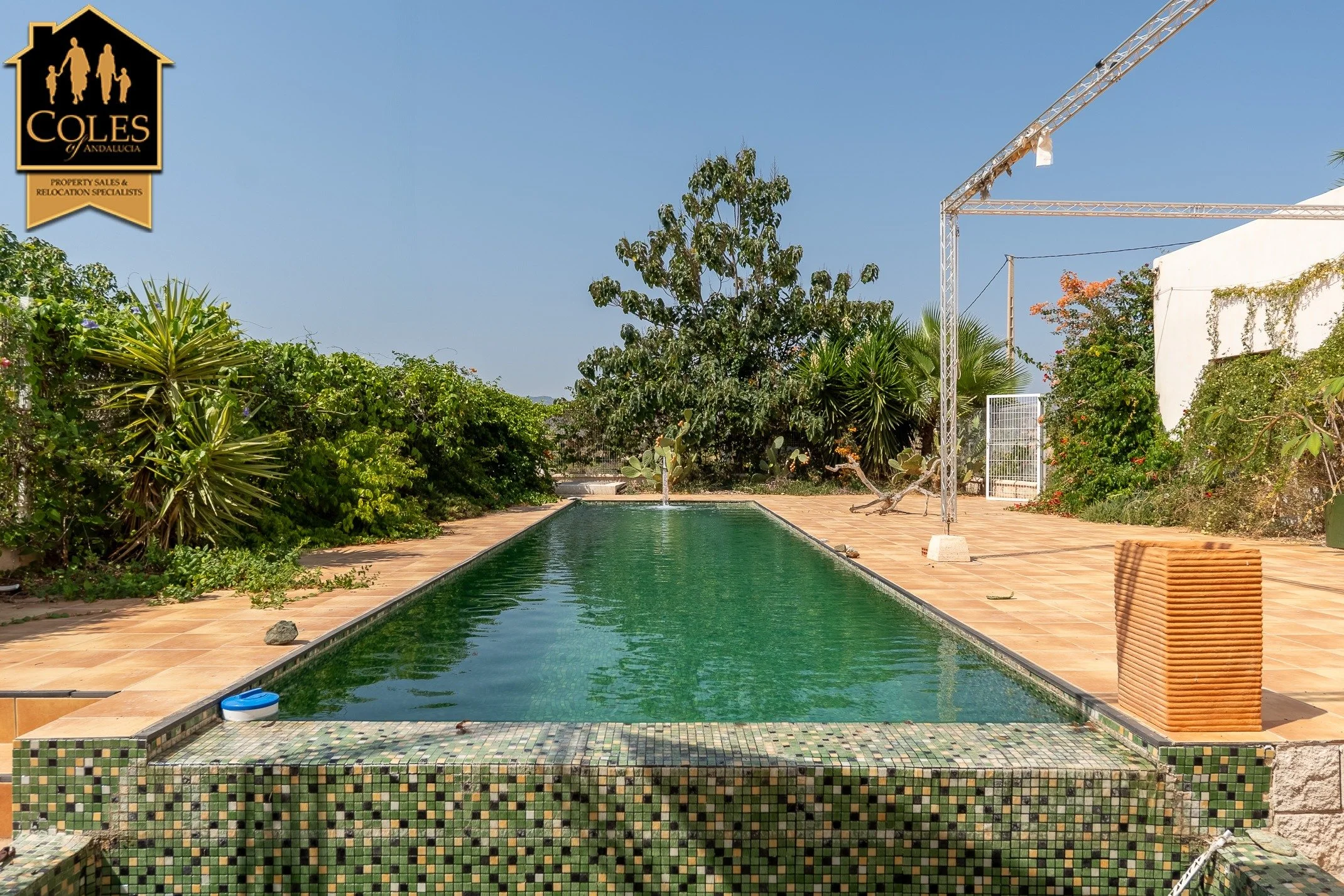
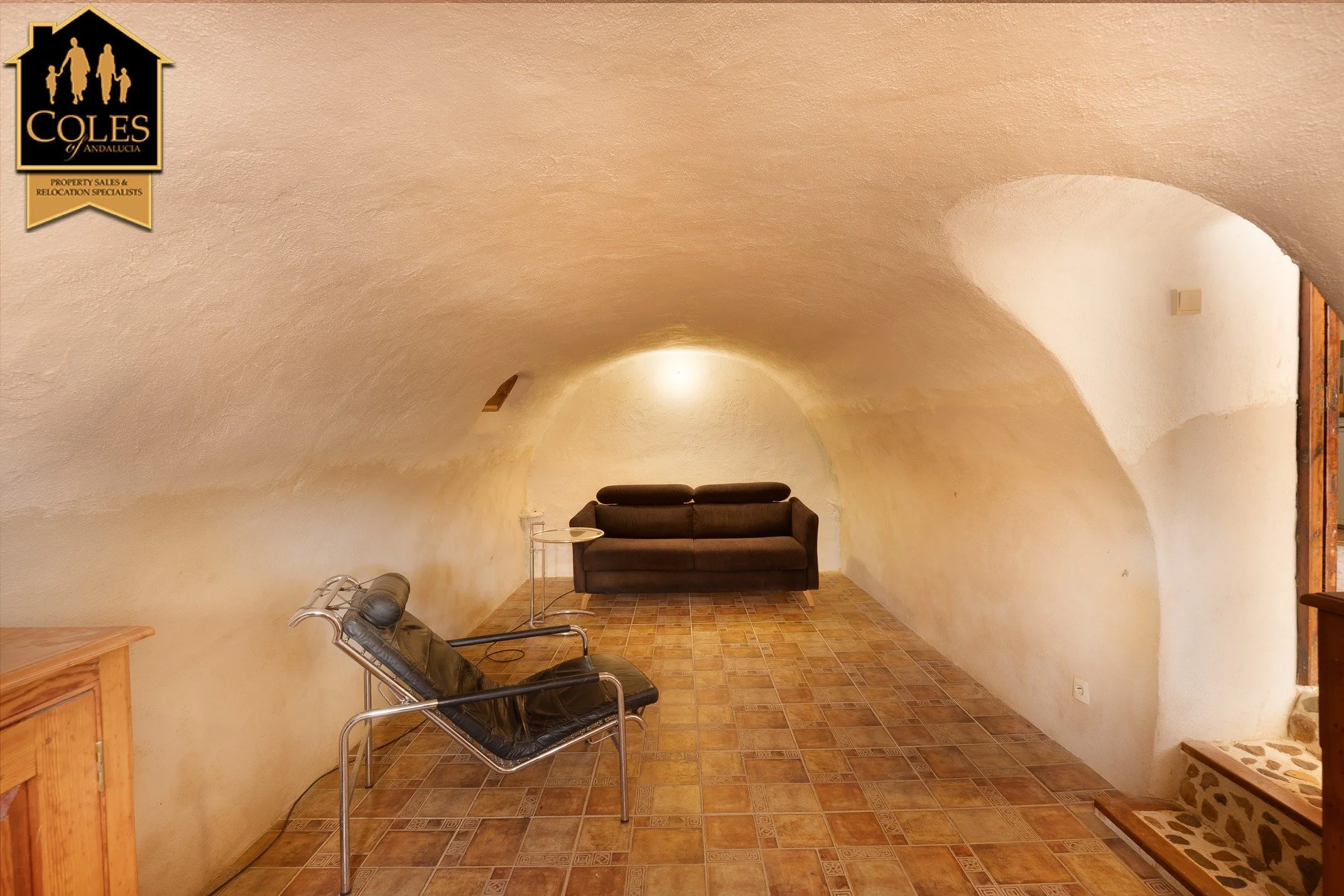
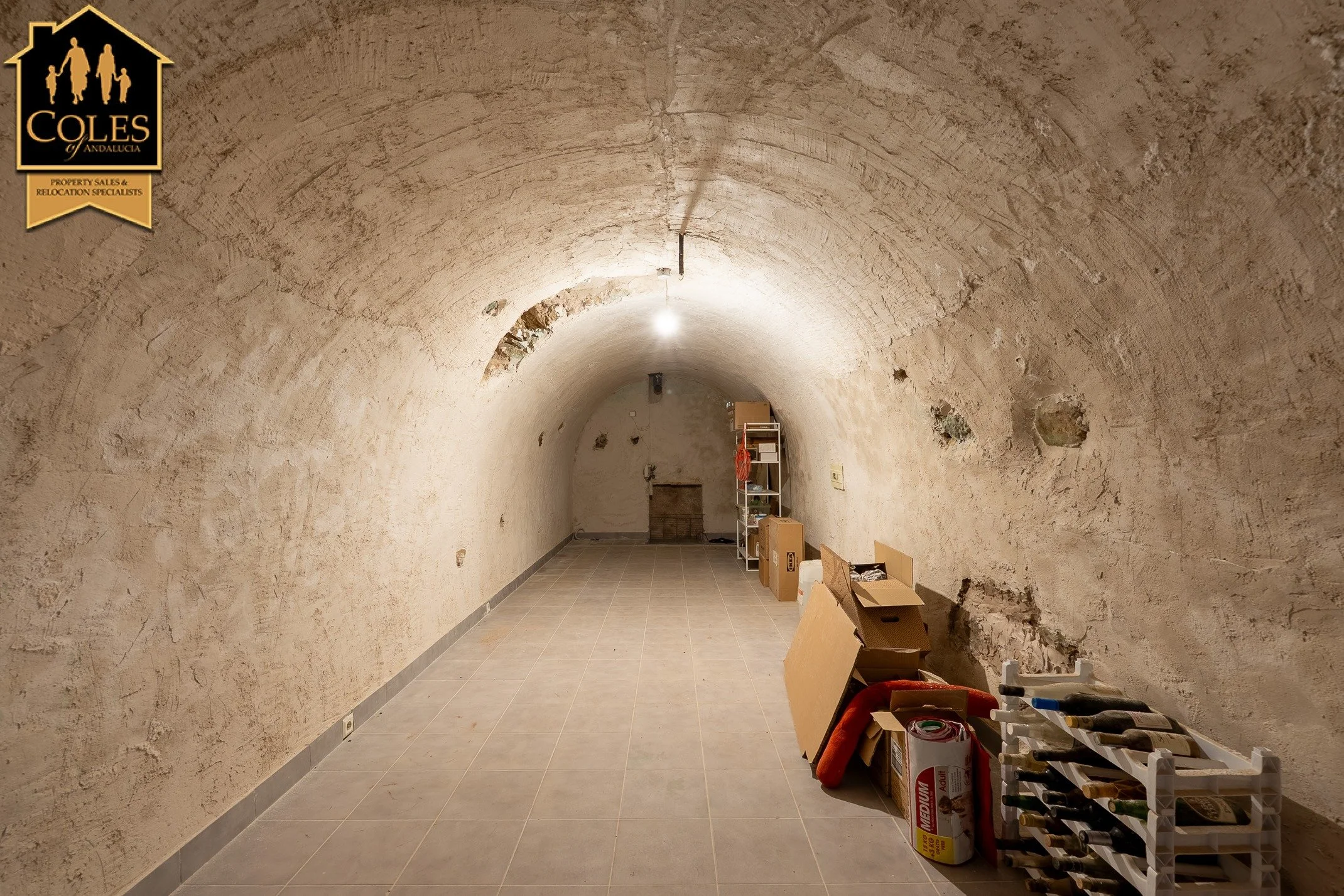
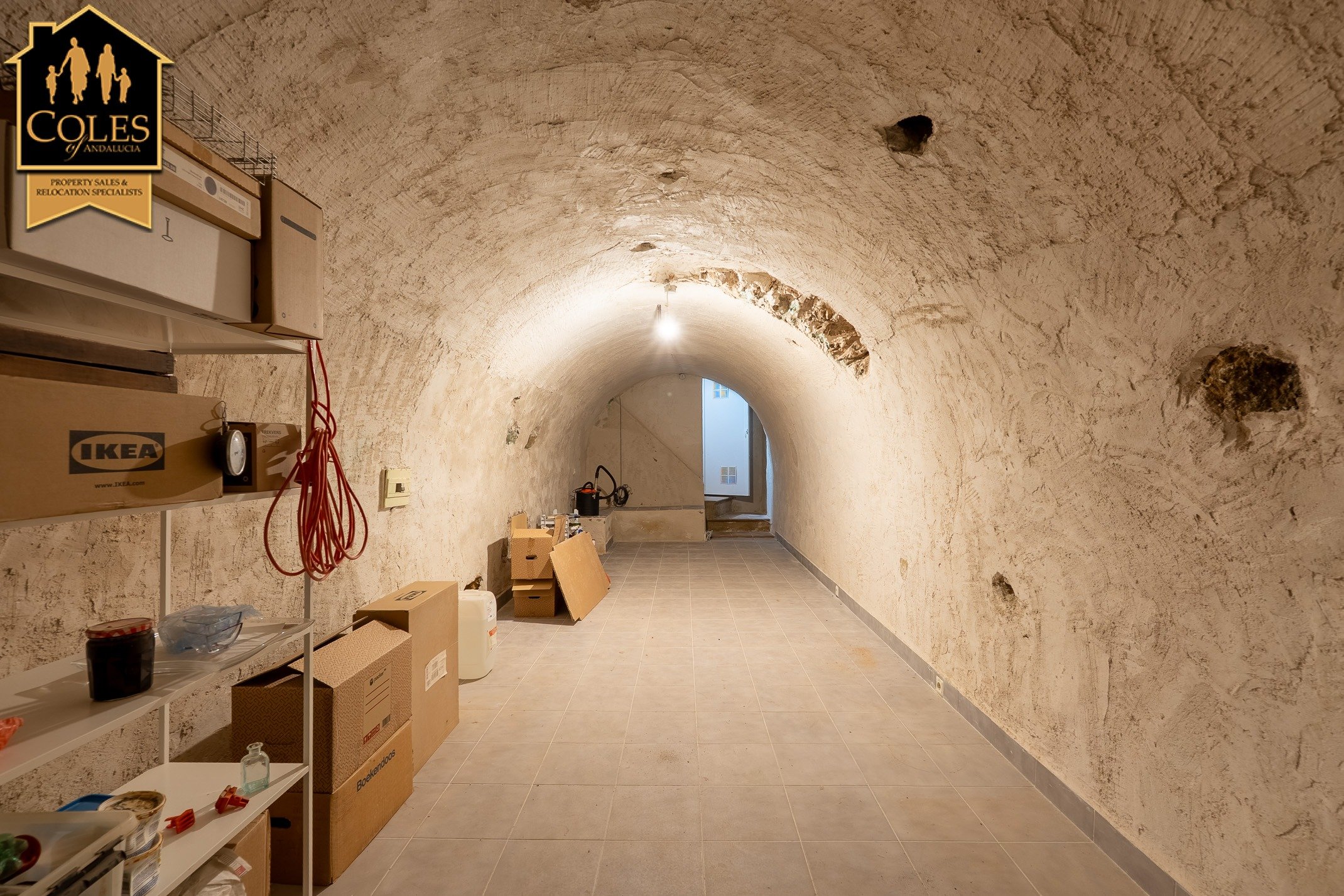
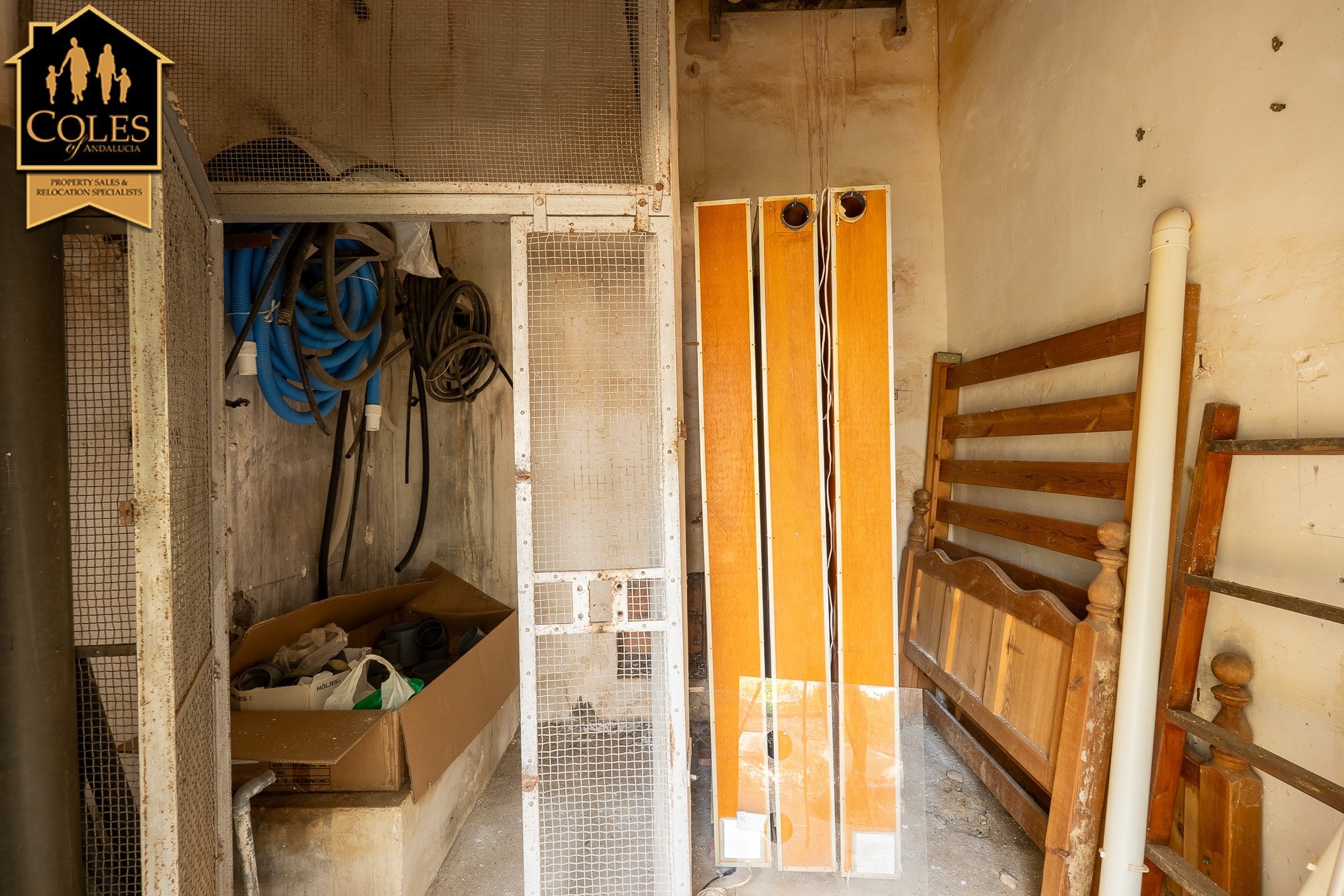
Private water supply, gravity-fed balsa system, saltwater infinity pool, roof terrace with sea views, domed cellar, garage, workshop, repurposed electricity tower, pet enclosure
Outdoor value drivers
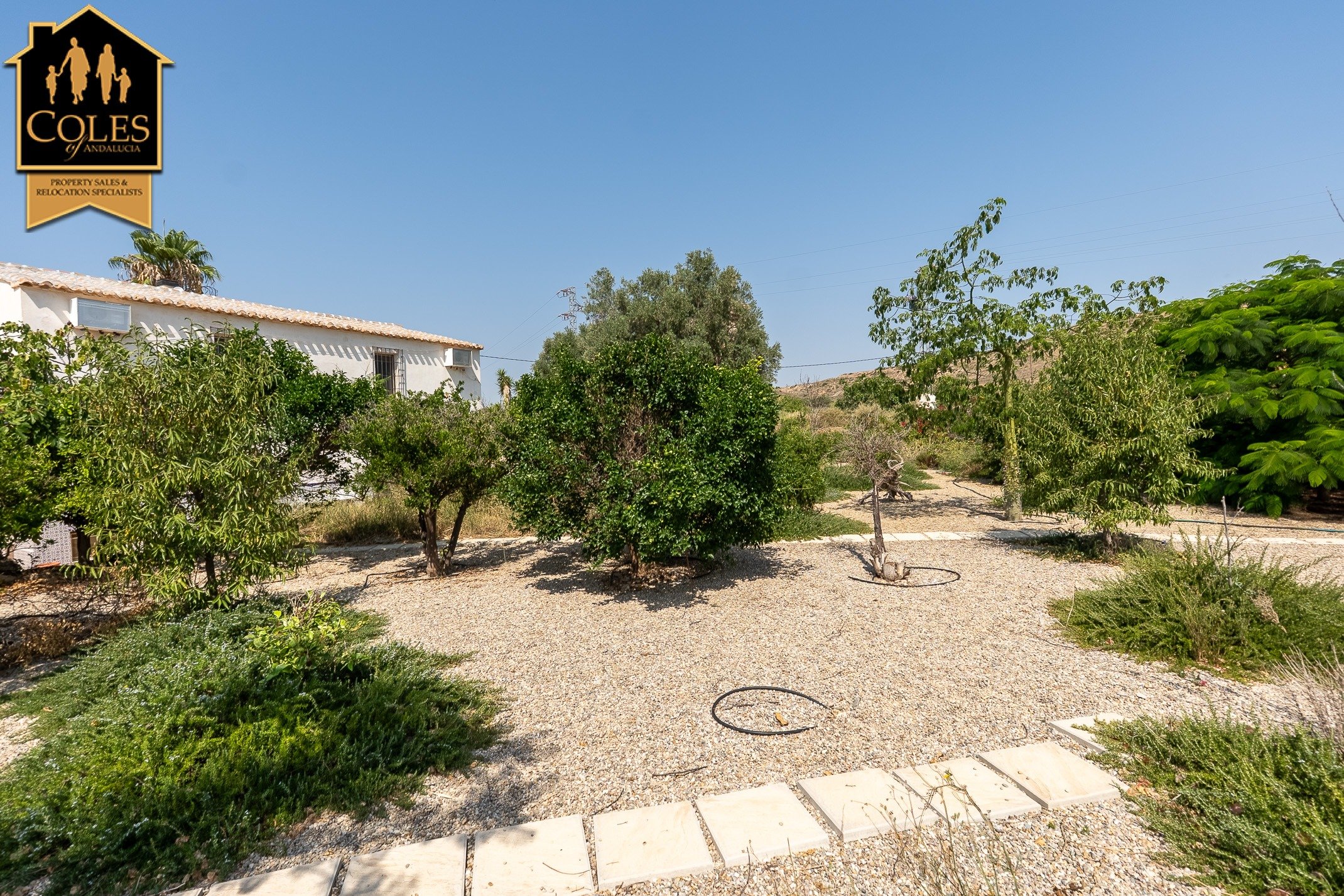
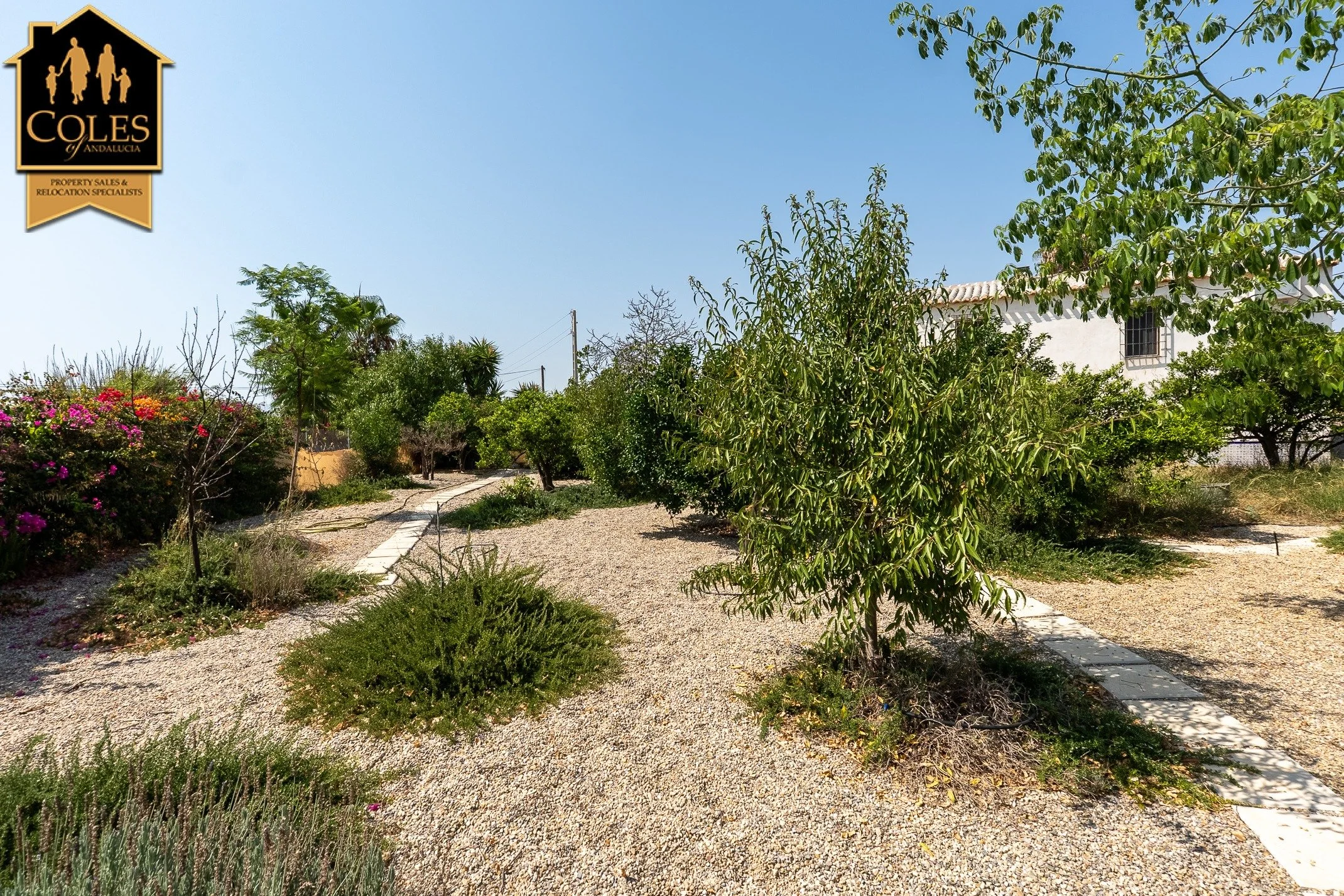
Fruit trees including limes, blood oranges, figs, mangoes and persimmons
Condition angle
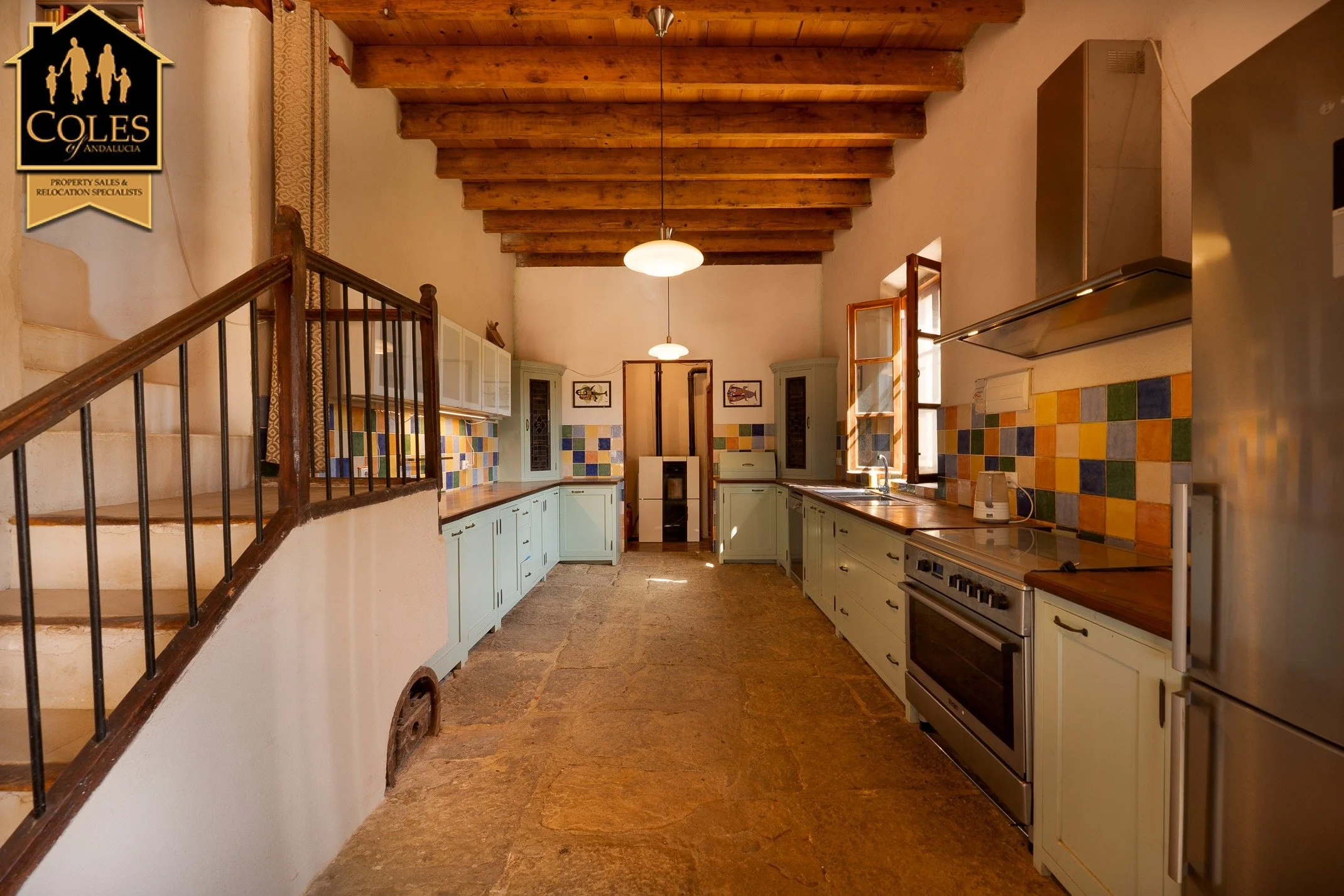
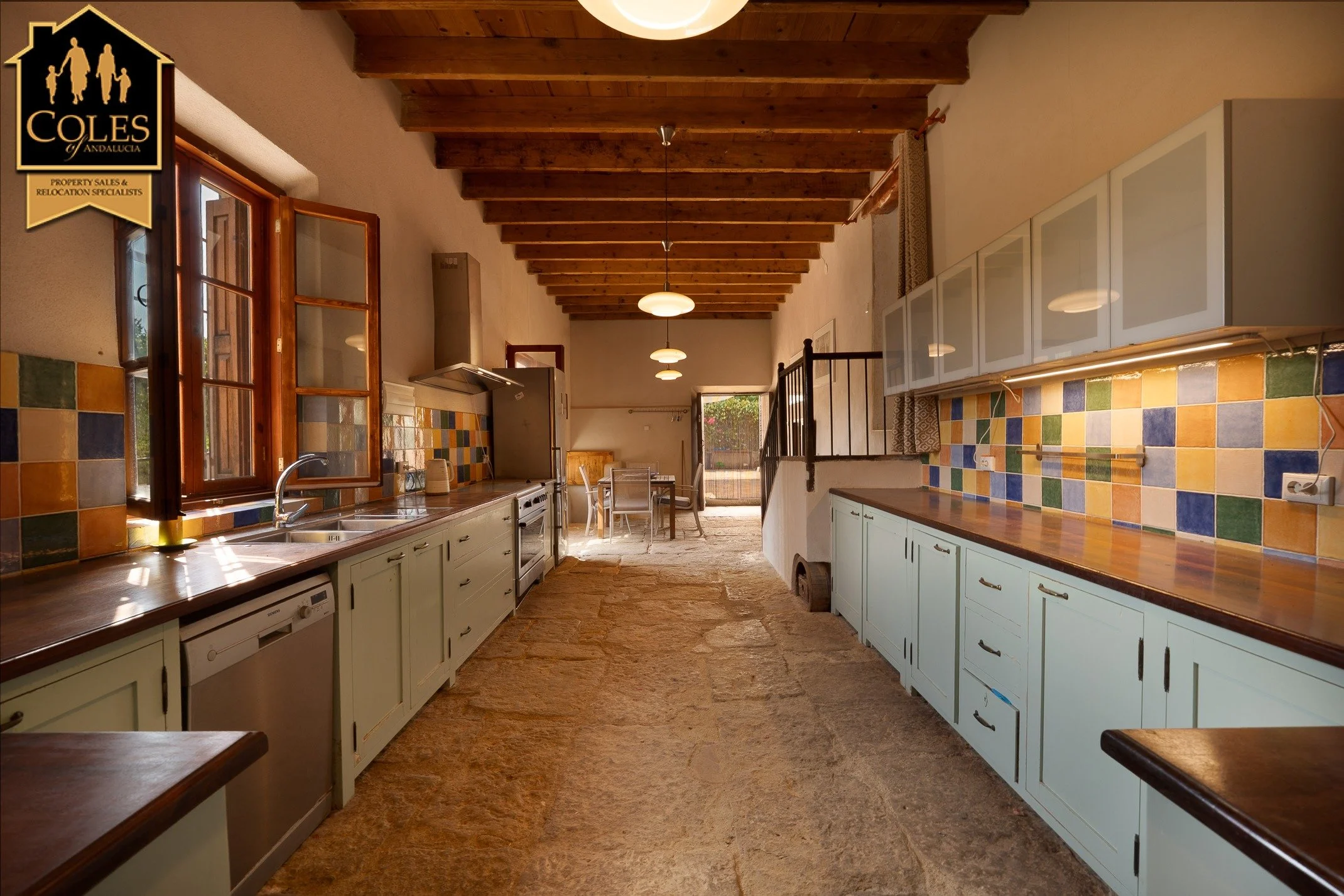
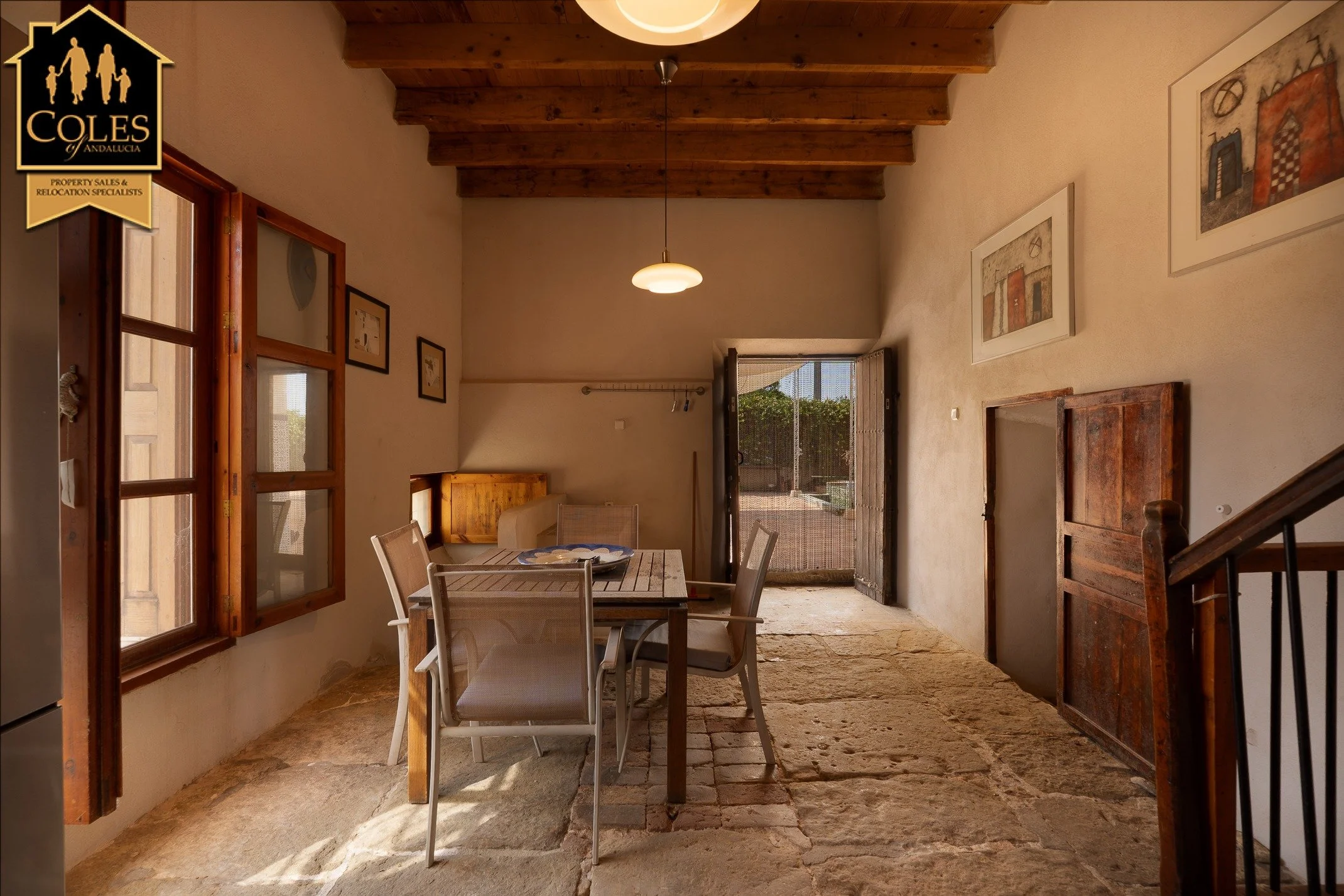
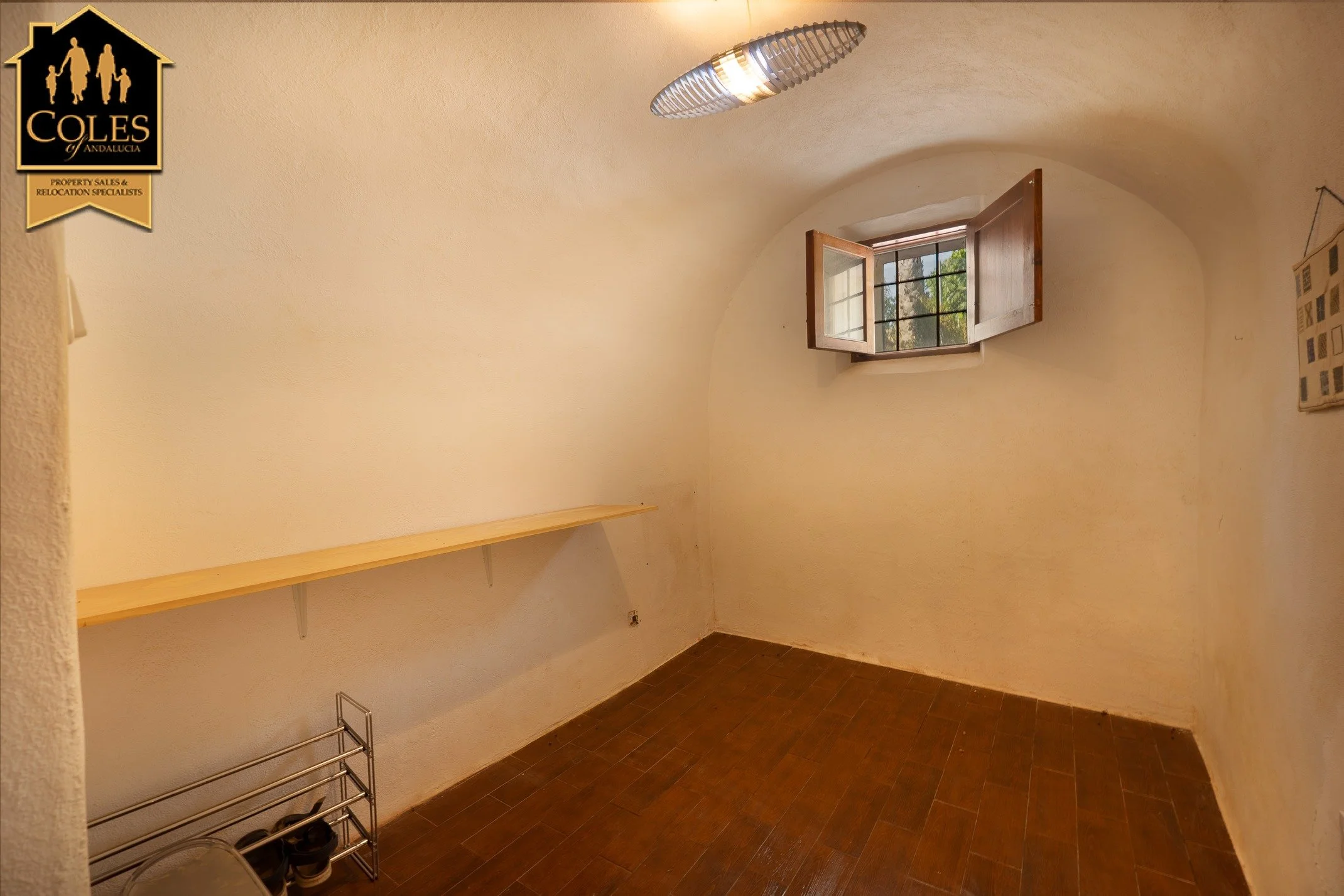
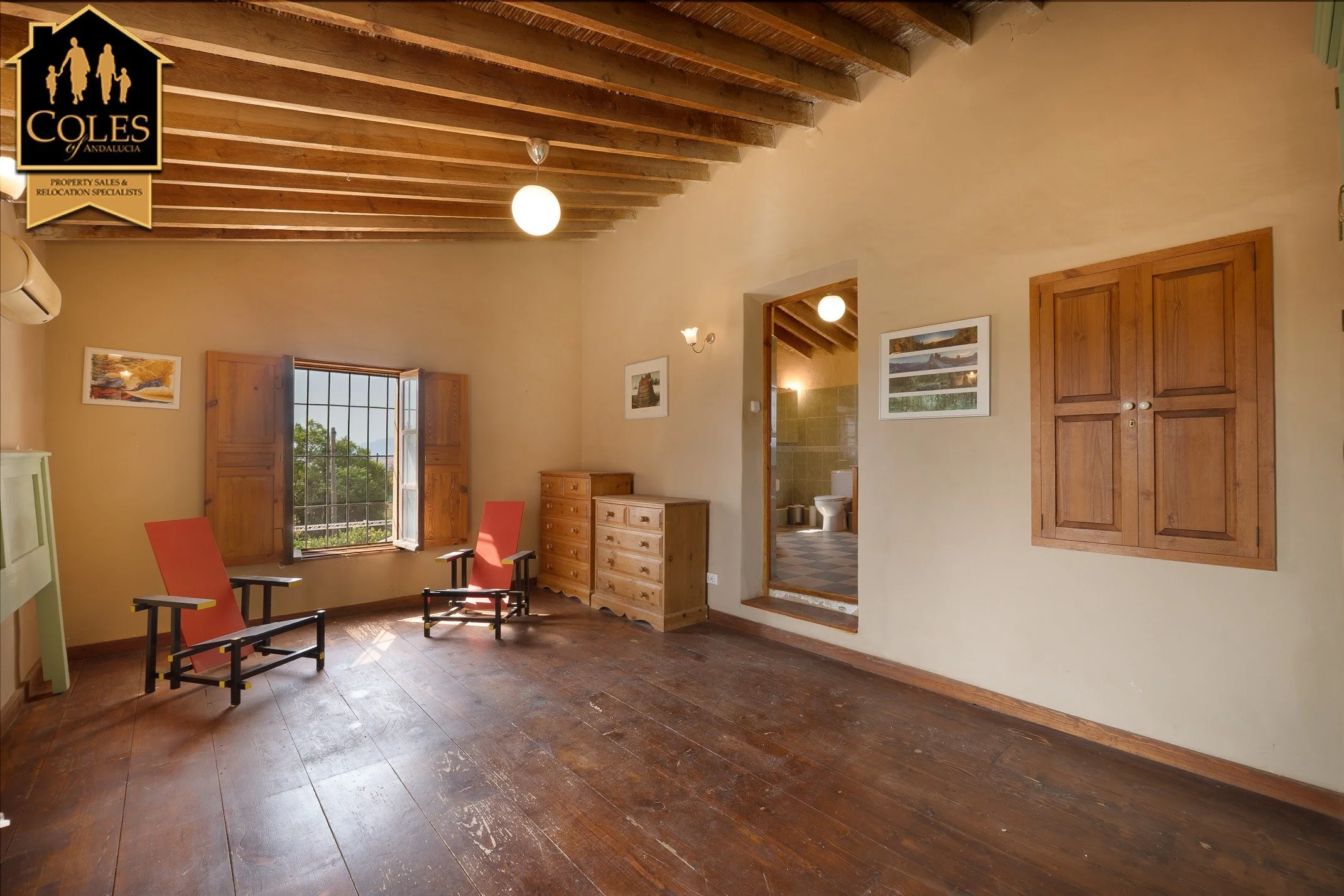
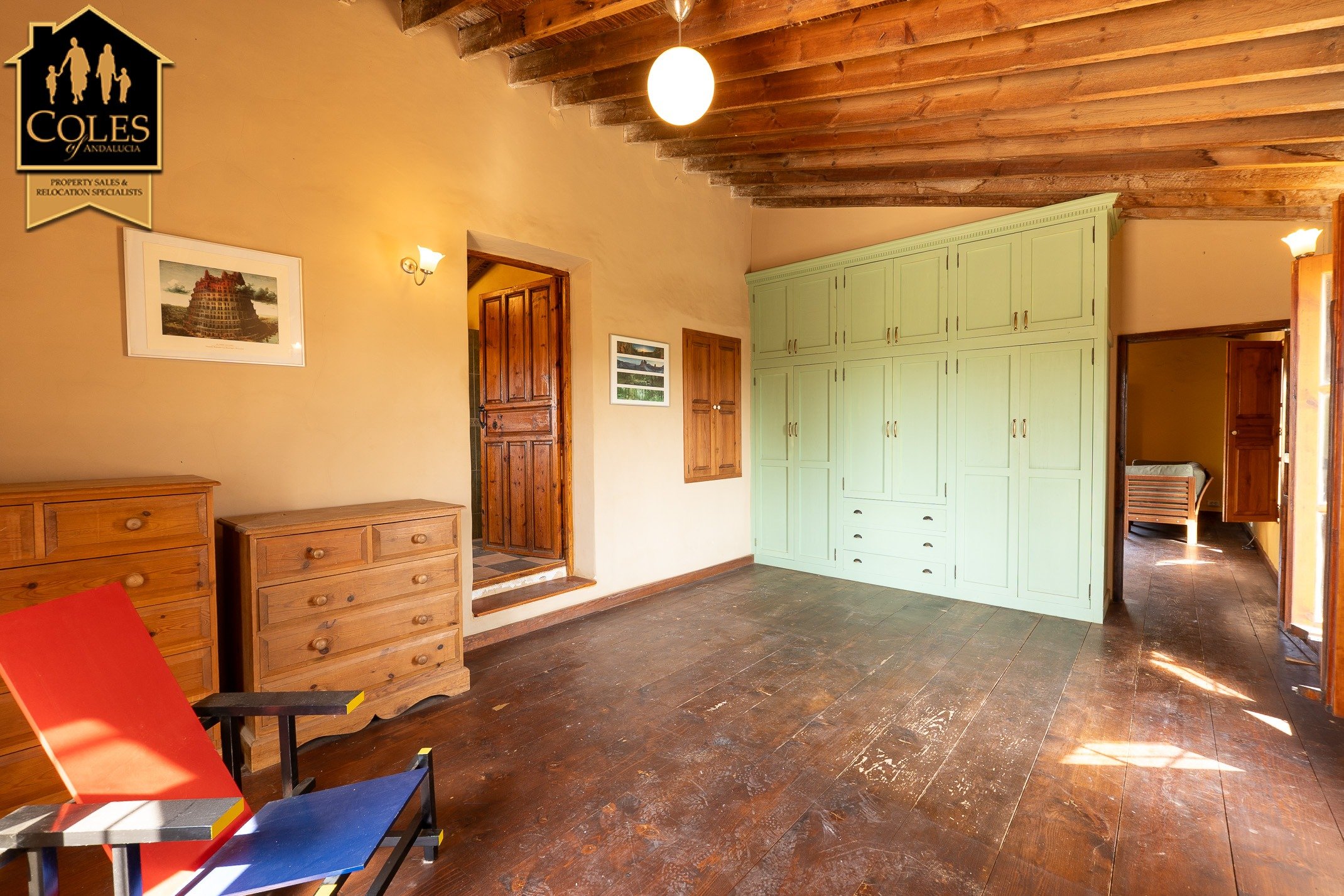
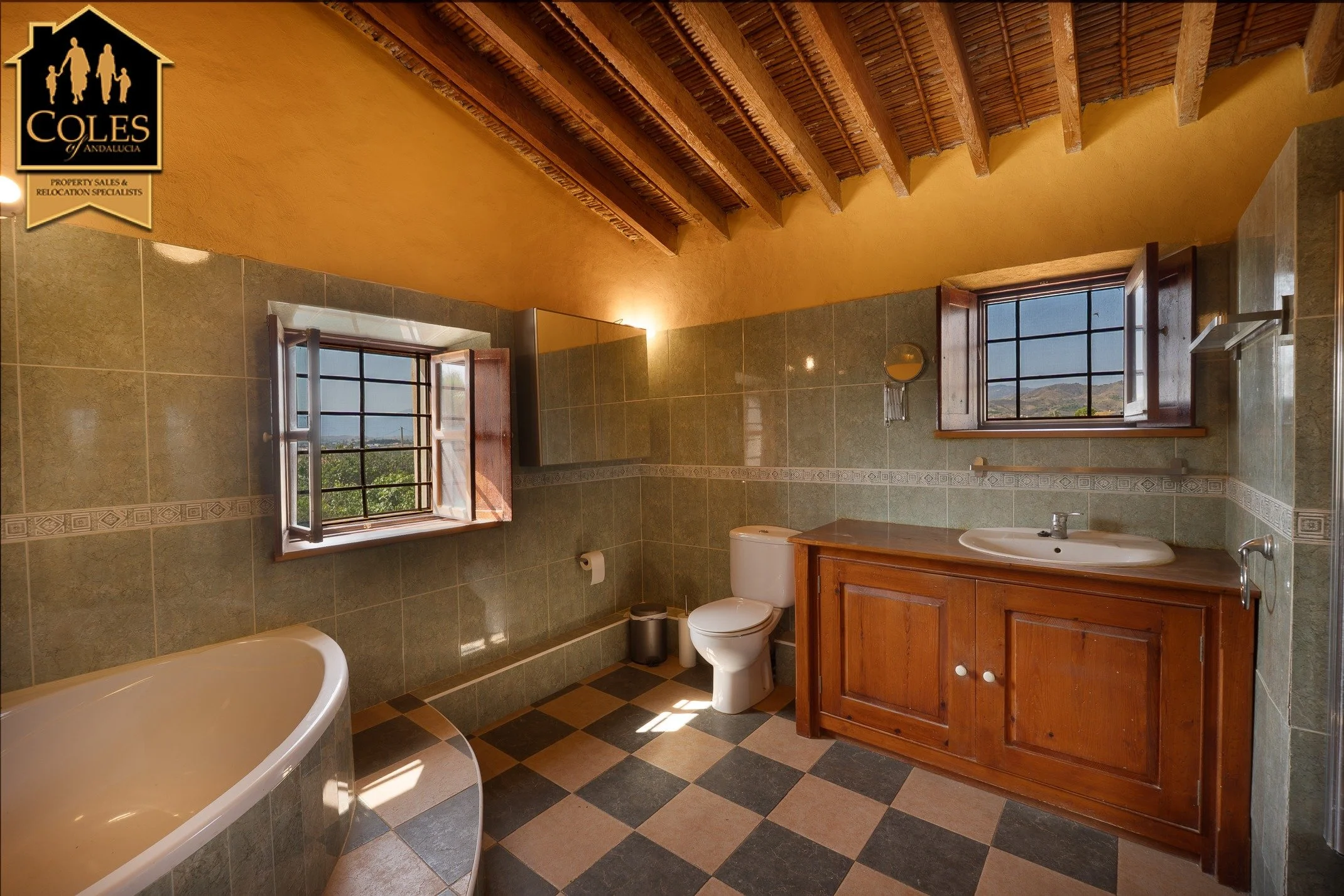
Marketed as restored, with the original mill character retained
Heating note
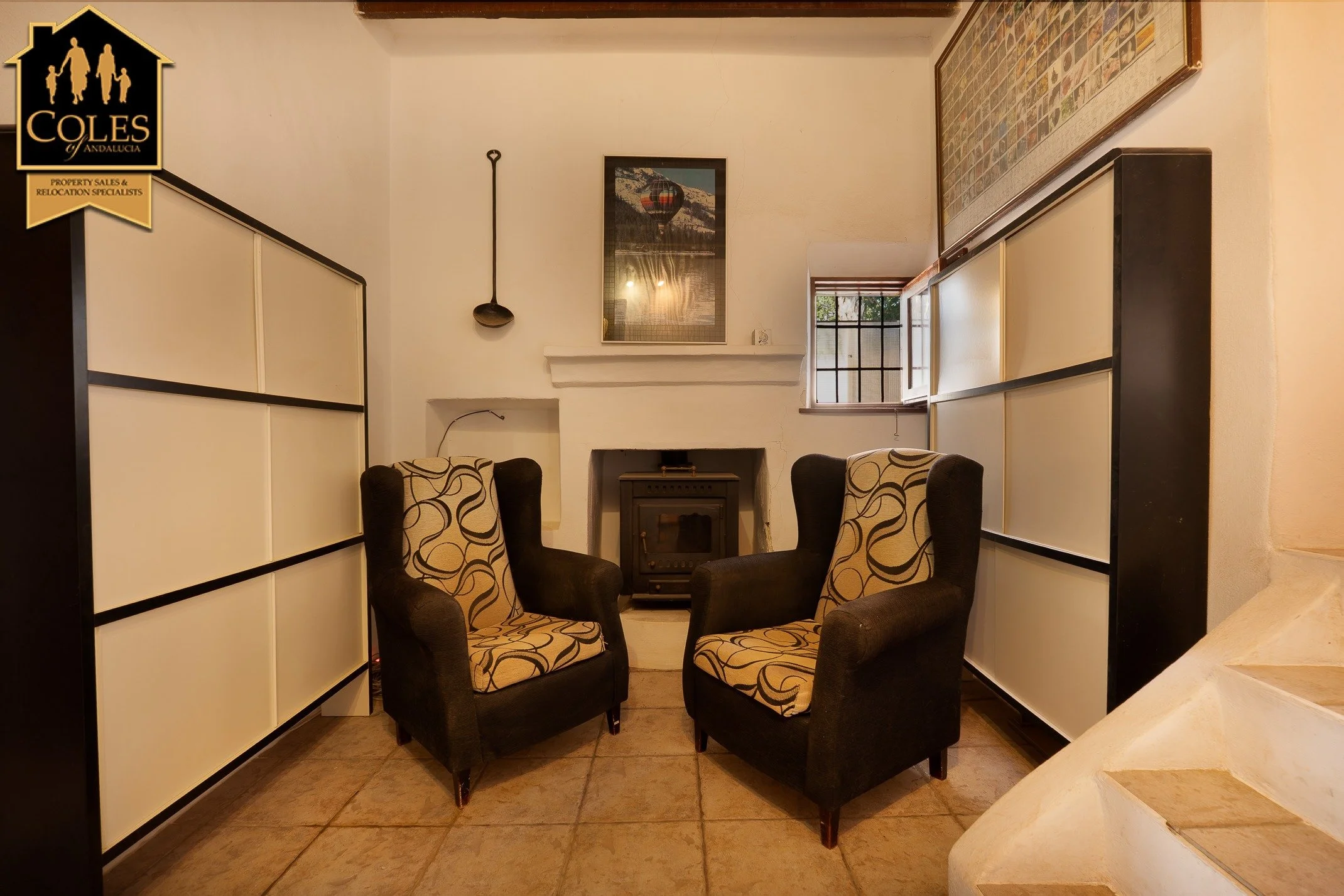
Wood-burning stove mentioned in the listing
Energy note
Listing states "Energy Class N", which requires clarification
Main due diligence themes
Water rights, legal status of the restored mill, pool and land permits, rural planning position, and rental feasibility
Risk Radar
Overview
This is a highly distinctive rural Andalusian property where the romance and the legal file need to be tested equally hard. The obvious appeal is powerful: a restored Moorish water mill, nearly 8,000 m² of productive land, a gravity-fed private water supply, an infinity pool, historic character and privacy. The risk is that many of the features that make the property so special are also the ones most likely to create complexity, especially water rights, rural planning history, and the legal status of outbuildings and landscape elements.
The first and most important due-diligence theme is water. A private supply delivering 70,000 litres a month sounds exceptional, but a buyer needs to know whether that right is legally documented, how the source is classified, whether it is registered or concession-based, and whether the current use matches the legal title. Spain's water framework treats private use of public water under concession as the general rule, and the Ministry for the Ecological Transition states that a concession is generally the legal title by which a right to private use of water is obtained. If the seller relies on an older private-water regime, that should be evidenced clearly and not assumed from long use alone.
The second theme is legal regularity of the home itself. A restored historic mill in rural Andalusia may have undergone conversion, extension, pool works, terrace works or utility upgrades over time. The buyer needs the nota simple, but also a coherent planning story that explains how the building became its present residential form and whether occupancy was properly authorised. The Spanish Land Registry is the core source for registered rights over the property, while the nota simple is the standard informative extract on ownership, description and charges.
The third theme is whether the property's standout features are all legally attached to the sale in the way the listing implies. Pool, balsa, garage, workshop, repurposed tower, terraces, orchard areas and any enclosed animal zones should all be checked against cadastral material, title and planning records. Rural properties can be visually coherent while still containing elements added in stages without perfect documentary alignment.
The fourth theme is heritage and future works. If the mill or any part of it is protected under Andalusian heritage rules, or included in the Catálogo General del Patrimonio Histórico Andaluz, future alterations can require heritage authorisation. Andalusian heritage law provides for protected categories within the regional catalogue, and works affecting BIC-listed property or its setting require prior authorisation. That does not make the property undesirable. It simply makes documentation and future planning strategy more important.
The final theme is operational practicality. Private water, orchard land and a rural setting can feel wonderfully self-sufficient, but they also raise real-world questions about dry-season flow, access-road maintenance, broadband, drainage, pool upkeep, and whether short-term rental use is lawfully and commercially realistic. In Andalusia, tourist-use housing sits within the regional tourism registration framework, and recent rule changes have strengthened the ability of municipalities to impose proportionate limits.
Targeted Questions
Water Rights and Supply
The legal regime can differ depending on source and origin.
Long use is not the same thing as a clean legal right.
Water is too central to this property to rely on summaries.
The buyer needs to know exactly which authority to verify with.
Physical availability and legal entitlement are not always the same.
Some water rights are narrower than the listing implies.
A private supply may be usable for irrigation without being ideal for drinking.
Summer performance is the real test for a rural Andalusian water system.
Running cost, maintenance and failure risk depend on the actual setup.
Backup options materially reduce operational risk.
Reservoir condition affects water security and maintenance exposure.
Deferred maintenance can reduce usable capacity and water quality.
Private water can bring administrative obligations as well as freedom.
Enforcement history is highly relevant in a water-led purchase.
Orchard productivity may depend on whether irrigation use is properly covered.
Legal Status, Registry and Occupancy
It is the first practical check on ownership, description and registered charges.
Registered description can affect finance, insurability and resale.
A rural property should be checked spatially, not just descriptively.
Rural properties often contain mismatches that later need regularisation.
A restored mill should have a traceable planning history.
Historic or agricultural-origin buildings are not automatically lawful dwellings just because they have been restored.
Occupancy legality is a core buyer protection issue in Andalusia.
The buyer needs the full legal history, not just the current sales position.
Rural titles can carry practical burdens that affect use.
Value should only be attributed to assets that are legally part of the sale.
Heritage and Protected Status
Protection status can affect both value and freedom to alter.
Andalusia's heritage catalogue is a key control framework.
Prior heritage control is a strong clue to future constraints.
Buyers need to know whether future improvement flexibility is limited.
Preserved features can be wonderful, but they can also carry conservation obligations.
Condition, Structure and Systems
"Restored" can range from cosmetic to comprehensive.
Supporting evidence helps distinguish quality restoration from attractive presentation.
Roof defects can become major expenses in historic rural buildings.
A water-linked historic building deserves careful structural questioning.
Former water-mill buildings can be particularly vulnerable to moisture issues.
Comfort, energy performance and future maintenance depend heavily on window quality.
Rural stone buildings can be beautiful but thermally inconsistent.
A lifestyle stove may not be the same thing as a full heating strategy.
Summer comfort matters, especially if the property is considered for rentals.
Real operating costs are essential for a serious buyer.
Rural wastewater compliance and maintenance can materially affect ownership cost.
Pool, Land and Outbuildings
Pool legality is a major due-diligence issue on rustic land.
A 12-metre saltwater pool is a significant asset and liability.
Heating materially affects running costs and rental potential.
Safety obligations can differ depending on use and insurance setup.
Rural buyers need map-based clarity, not just acreage.
Easements can affect privacy and control.
Outbuildings can be useful, but only if their legal position is clear.
Buyers often overvalue conversion potential without planning evidence.
Productive land value depends on functioning infrastructure.
Orchard potential is more credible with actual productivity evidence.
A romantic orchard can still require real agricultural maintenance.
Access, Practicalities and Privacy
Rural usability changes dramatically if access is weak.
Private access obligations can create recurring cost and neighbour friction.
Parking practicality matters for guests, contractors and daily life.
Remote work and modern guest use rely on actual connectivity.
Rural signal quality can vary sharply across a site.
Privacy claims should be tested across seasons and sightlines.
Rental Potential
Real operating history is far more useful than generic yield assumptions.
A unique property often performs differently from standard local comparables.
In Andalusia, tourist housing requires registration through the regional system, and municipalities can impose proportionate limits under the current regime.
Tourism registration does not cure underlying planning irregularities.
A beautiful rural historic property may still be awkward to operate commercially.
Short-term rental is not the only income model worth testing.
Energy and Documentation Clarity
The wording is too unclear to support a buying decision.
Spanish sale advertising should be backed by a valid energy certificate under the current certification regime.
The buyer needs documentary clarity before underwriting running costs or compliance.
Negotiation Intelligence
Buyer Leverage
Medium-High
Key Drivers
Typical Negotiation Range
5-15% below asking
Neutral Phrasing Examples
Country Layer
Spain (Regulatory Context March 2026)
For this property, water law sits right at the centre of due diligence.
Viewing Strategy
Treat this viewing as a field inspection, not just a house viewing.
Next Step
Verify from the listing:
Water rights and permitted uses
Request the full documentary file for the private water supply, including any concession, registry entry or historic right, and confirm exactly what domestic, irrigation and pool uses are legally covered.
Legal status of the restored mill
Obtain the nota simple, cadastral plans, restoration permits and occupancy documentation so you can confirm that the present residential use and all principal features are legally regularised.
Pool, balsa and land permissions
Ask for plans and approvals covering the infinity pool, reservoir, terraces, outbuildings and enclosure areas so you can judge whether the site’s most valuable lifestyle features are fully documented.
Heritage protection and future works constraints
Clarify whether the former mill is protected under Andalusian heritage rules or local catalogues, because that could materially affect future alterations, maintenance and permissions.
Energy and operational practicality
Resolve the unclear “Energy Class N” wording with the actual energy certificate, and verify access, drainage, broadband and dry-season water reliability before assuming the property will function as smoothly as it photographs.
A prepared buyer should approach the agent calmly and frame questions as due diligence.
Because this is a highly unusual rural property where water rights, legal regularity and operating costs materially affect value, run it through the Property Risk Assessment and the Renovation Budget Planner before contacting the agent.
Disclaimer: The Property Drop is buyer-focused intelligence, zero sales agenda. We curate exceptional properties, in southern Europe, from third-party agents and arm you with decision tools. No commission, no transactions, no agent partnerships, no skin in the game beyond helping you choose wisely. Information stays accurate until it doesn't (properties sell, prices shift, markets move). Everything here is shared for informational purposes only and should not be treated as legal, financial, or investment advice. Images belong to original agents. Read our Terms of Service to learn more.
IMPORTANT REMINDER: When contacting property agents featured on The Property Drop, you are entering into direct communication with third parties. It's recommended that you verify all property details independently, conduct thorough due diligence, engage qualified professionals (solicitors, surveyors, financial advisors), understand your rights and obligations under local property laws, and never send money or make commitments without proper legal protection.
