
The Buyer Playbook: Restored Galician Residence in UNESCO Ribeira Sacra, Spain €580,000
Buyer Playbook
Pre-Viewing Intelligence Report
This independent buyer guidance report relates to this specific property located in Spain. It is provided for informational purposes only and does not constitute legal, tax, structural or survey advice. Heritage restrictions, restoration legality, pool-wing permissions, occupancy status, energy-certification status, title position, water and drainage matters, tourism licensing, and any planning or land-use limitations must always be verified with qualified Spanish professionals such as an abogado, arquitecto, arquitecto técnico, surveyor or licensed property consultant, and with the relevant municipal, regional and heritage authorities. This report is designed to help buyers evaluate the property before arranging a viewing or making an offer. It highlights due diligence areas and targeted questions to ask the estate agent. The analysis is based on the listing details and publicly available regulatory context at the time of writing. It follows the fixed Buyer Playbook structure used for The Property Drop.
Playbook Contents
Property Snapshot
Location
Sober area, Ribeira Sacra, Galicia, Spain.
Property type
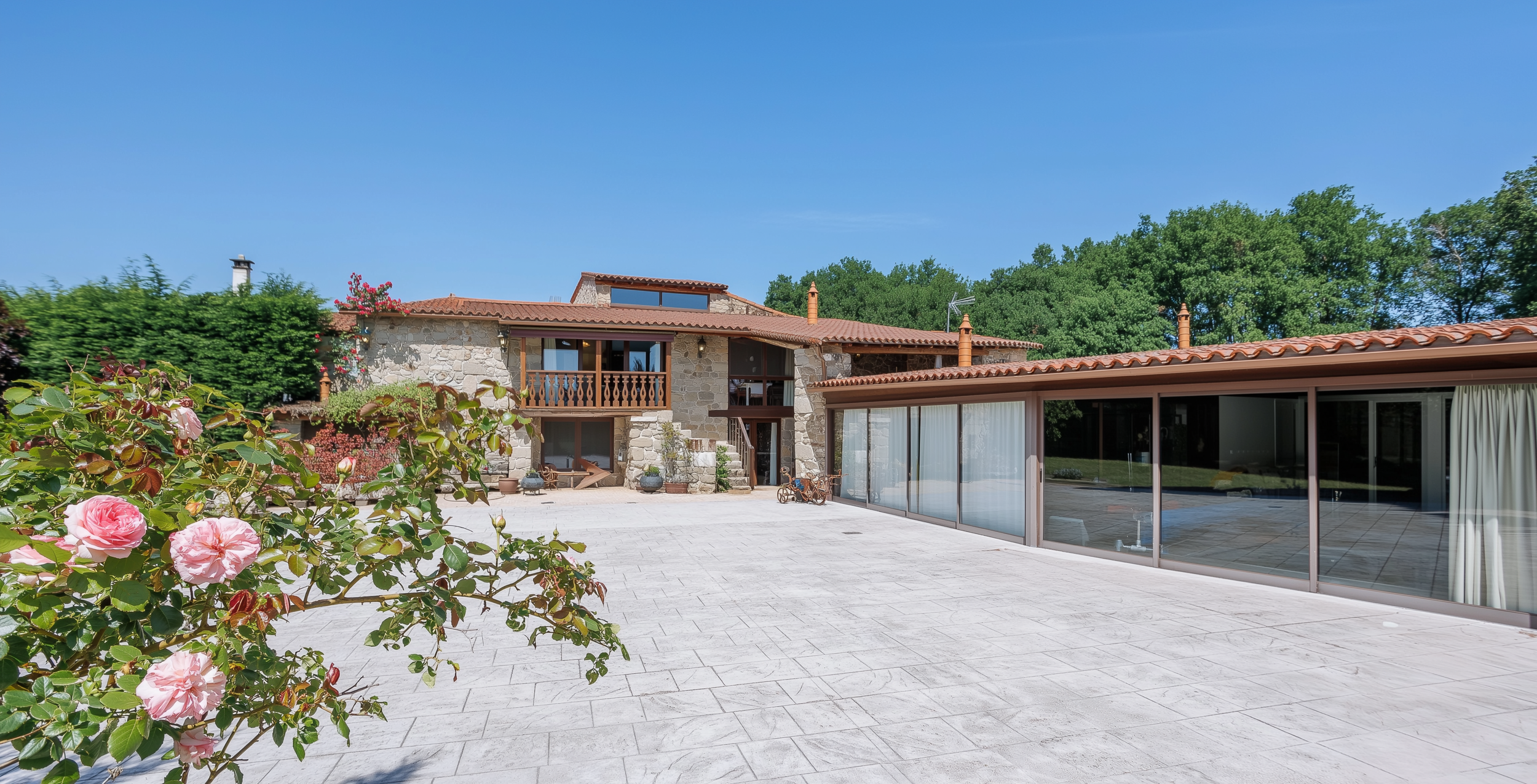
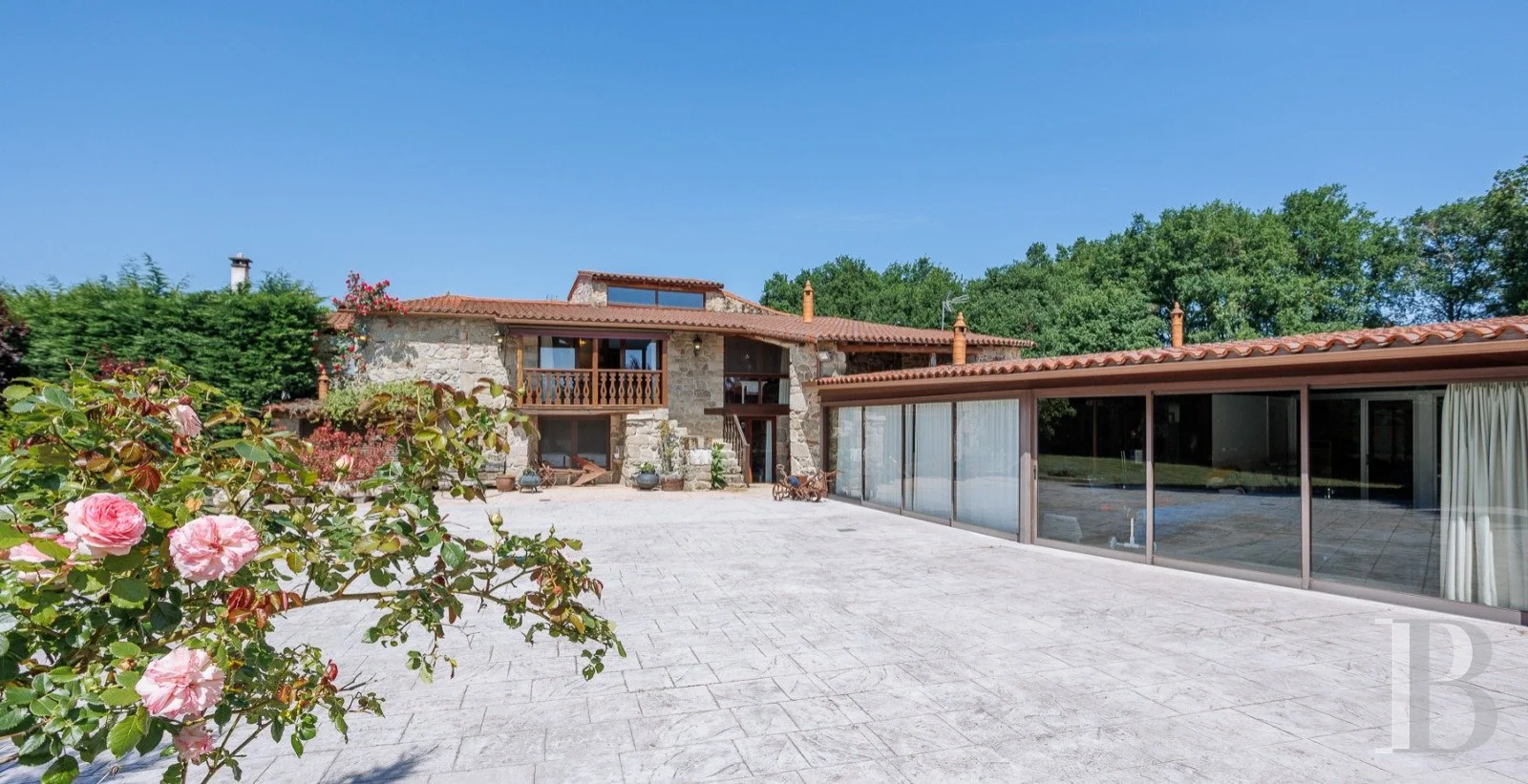
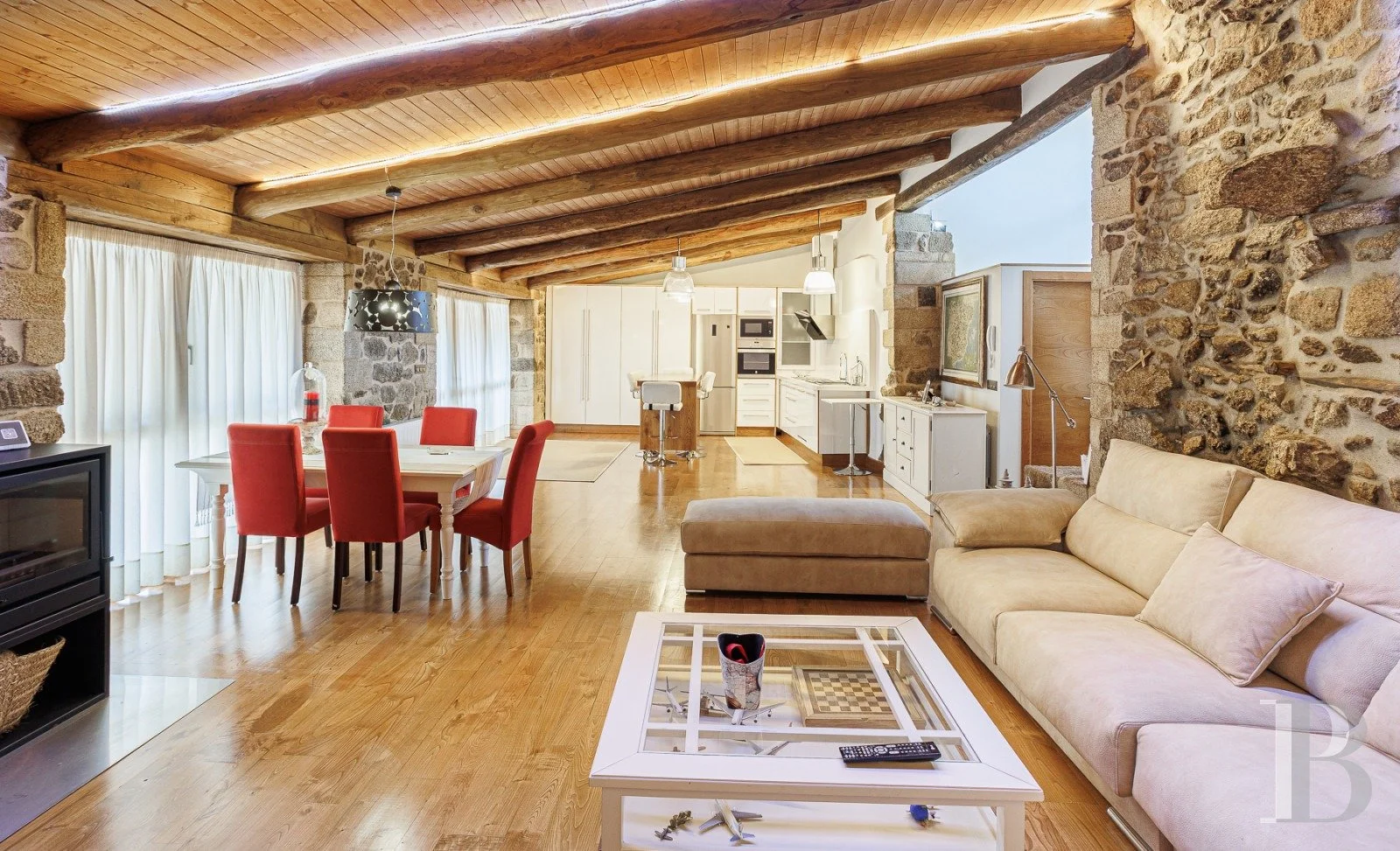
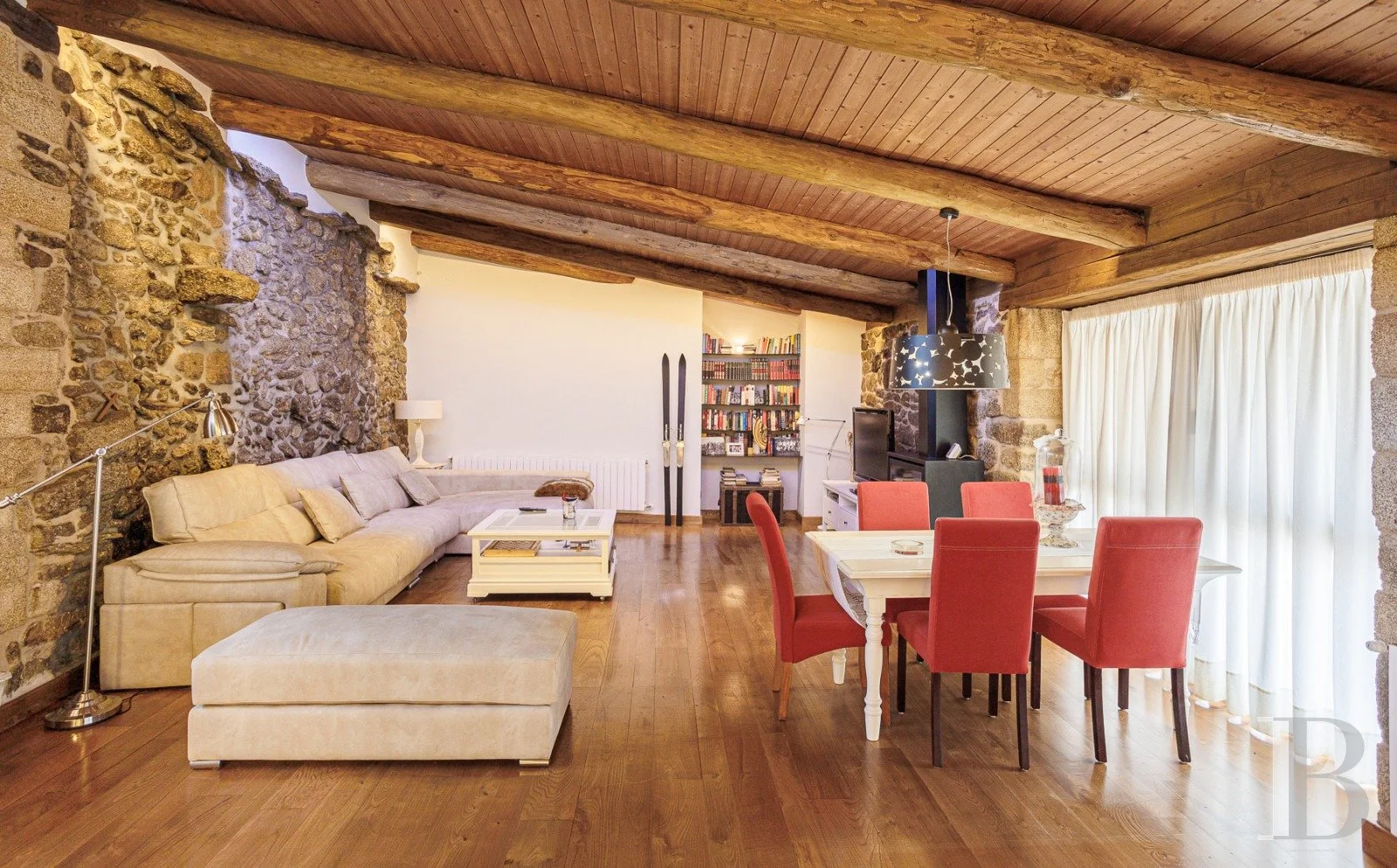
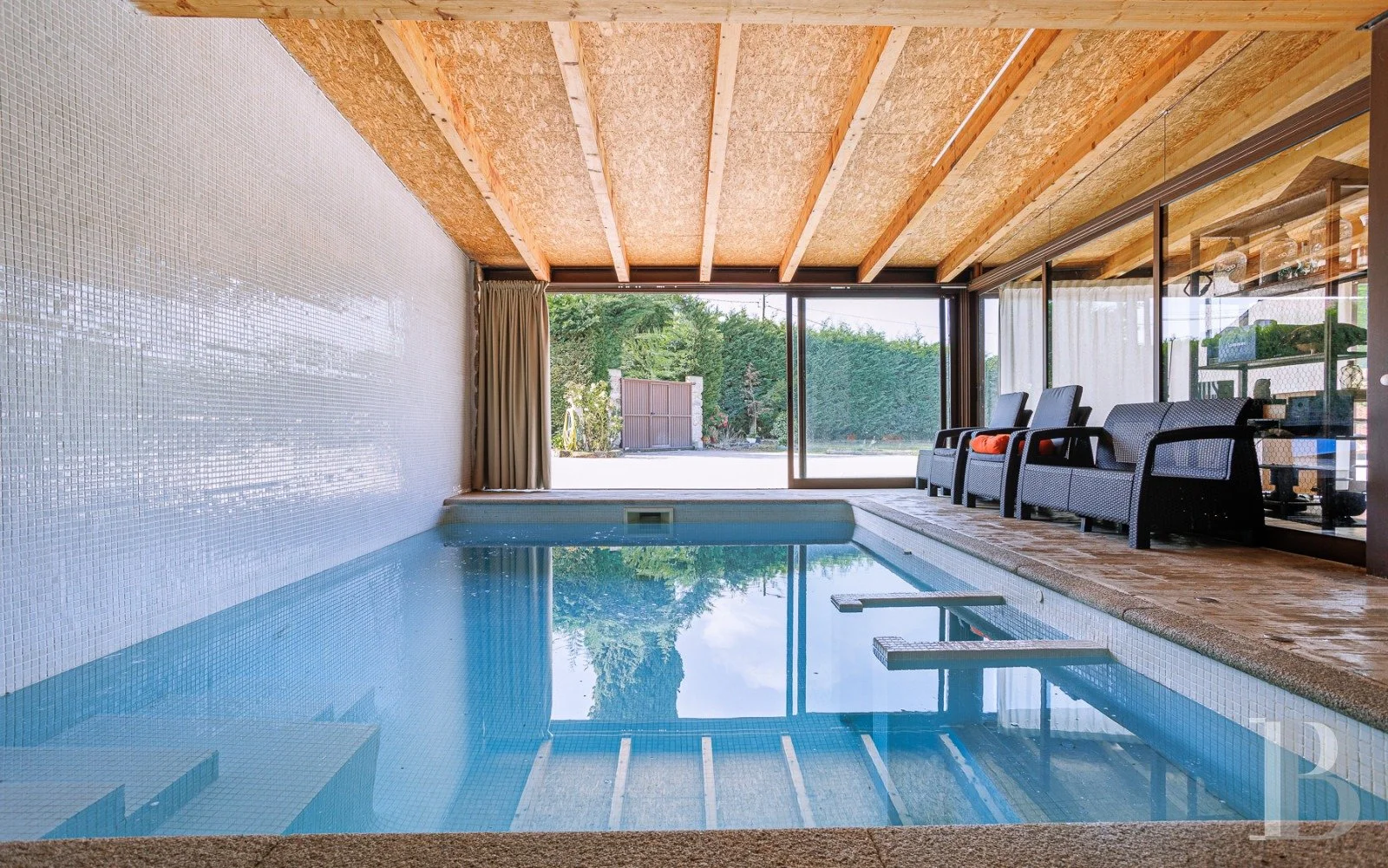
Restored Galician residence with a contemporary indoor-pool wing.
Asking price
€580,000.
Bedrooms
Not clearly stated in the brief listing and must be confirmed.
Bathrooms
Not clearly stated in the brief listing and must be confirmed.
Land
Approx. 1,174 m².
Energy rating shown in listing
"Energy Class N".
Architectural character
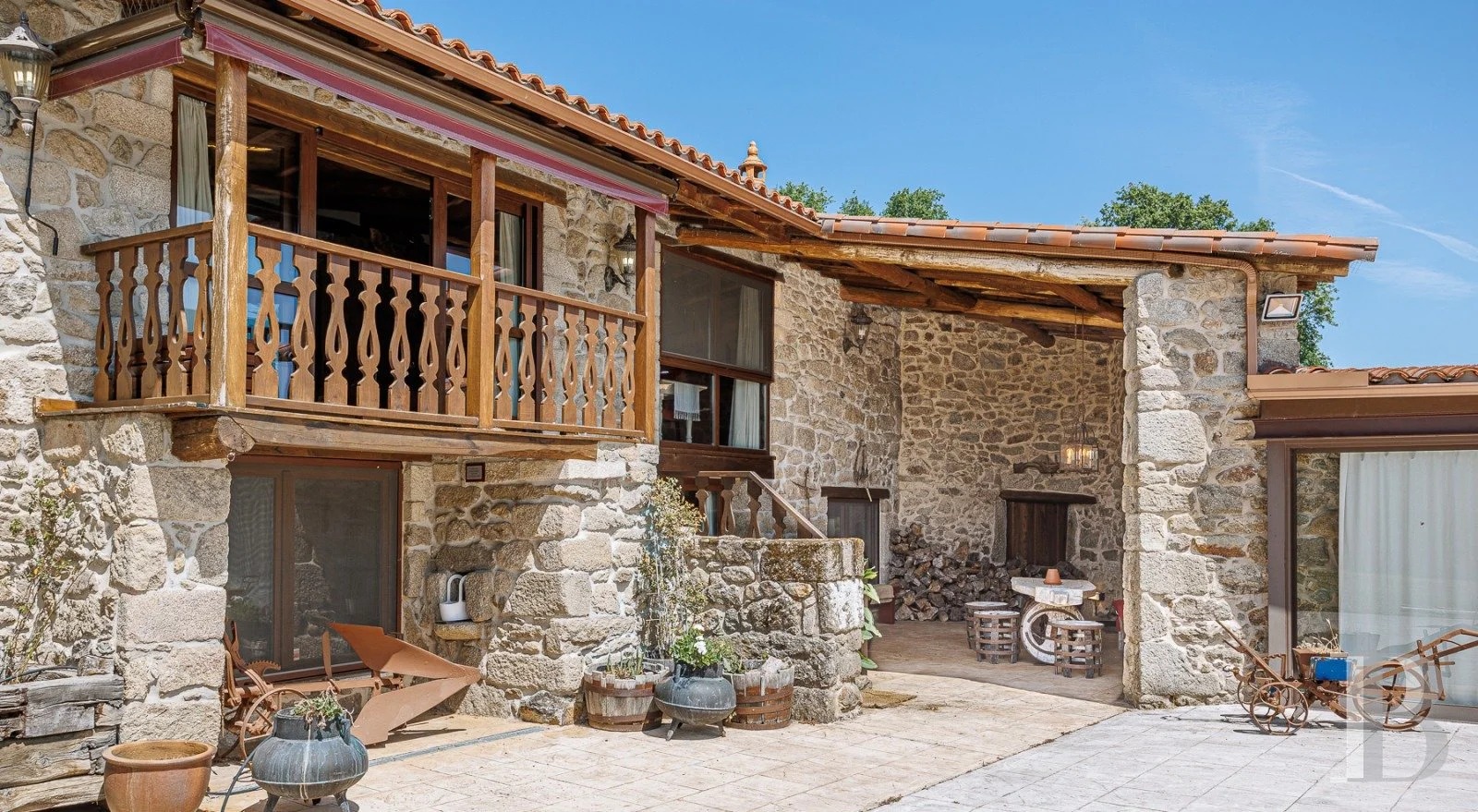
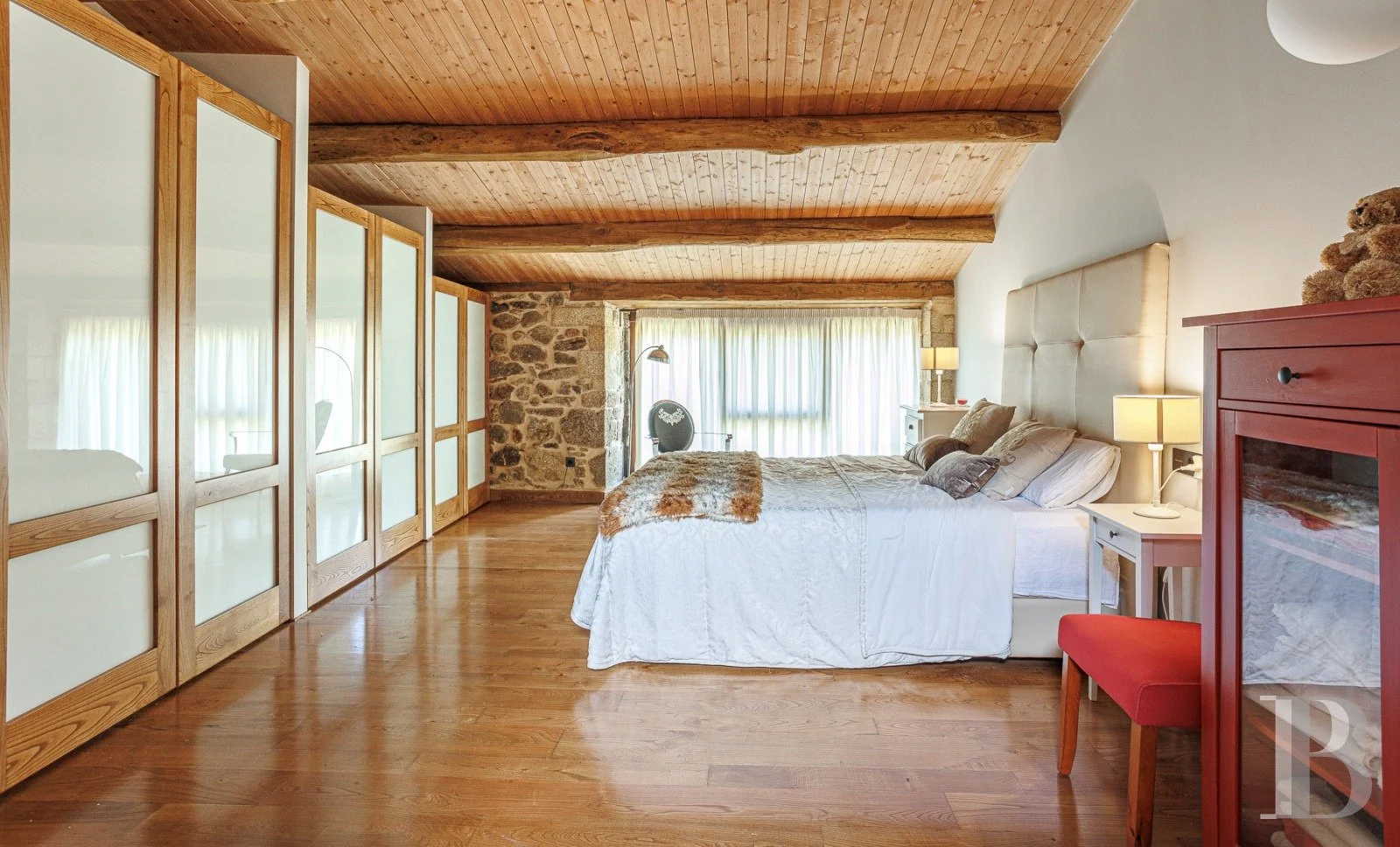
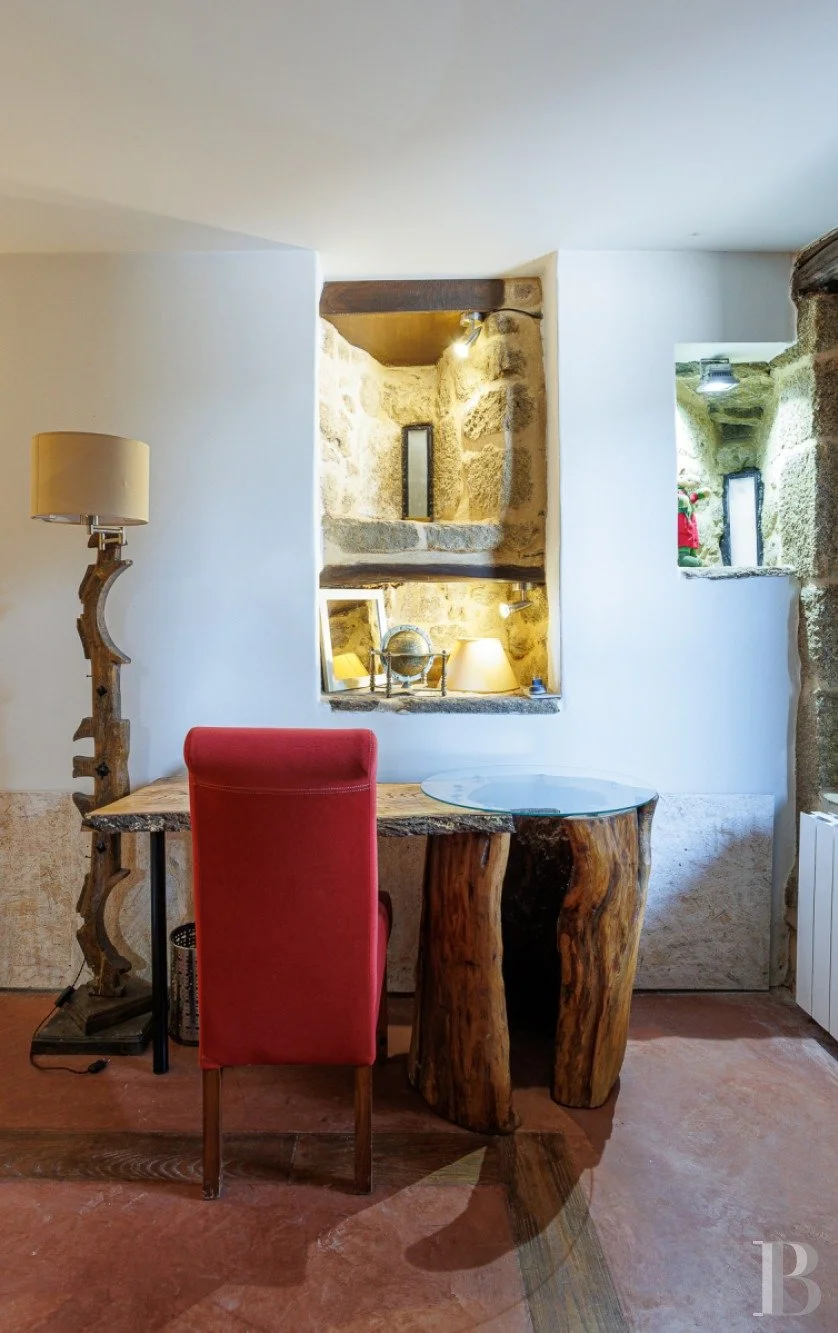
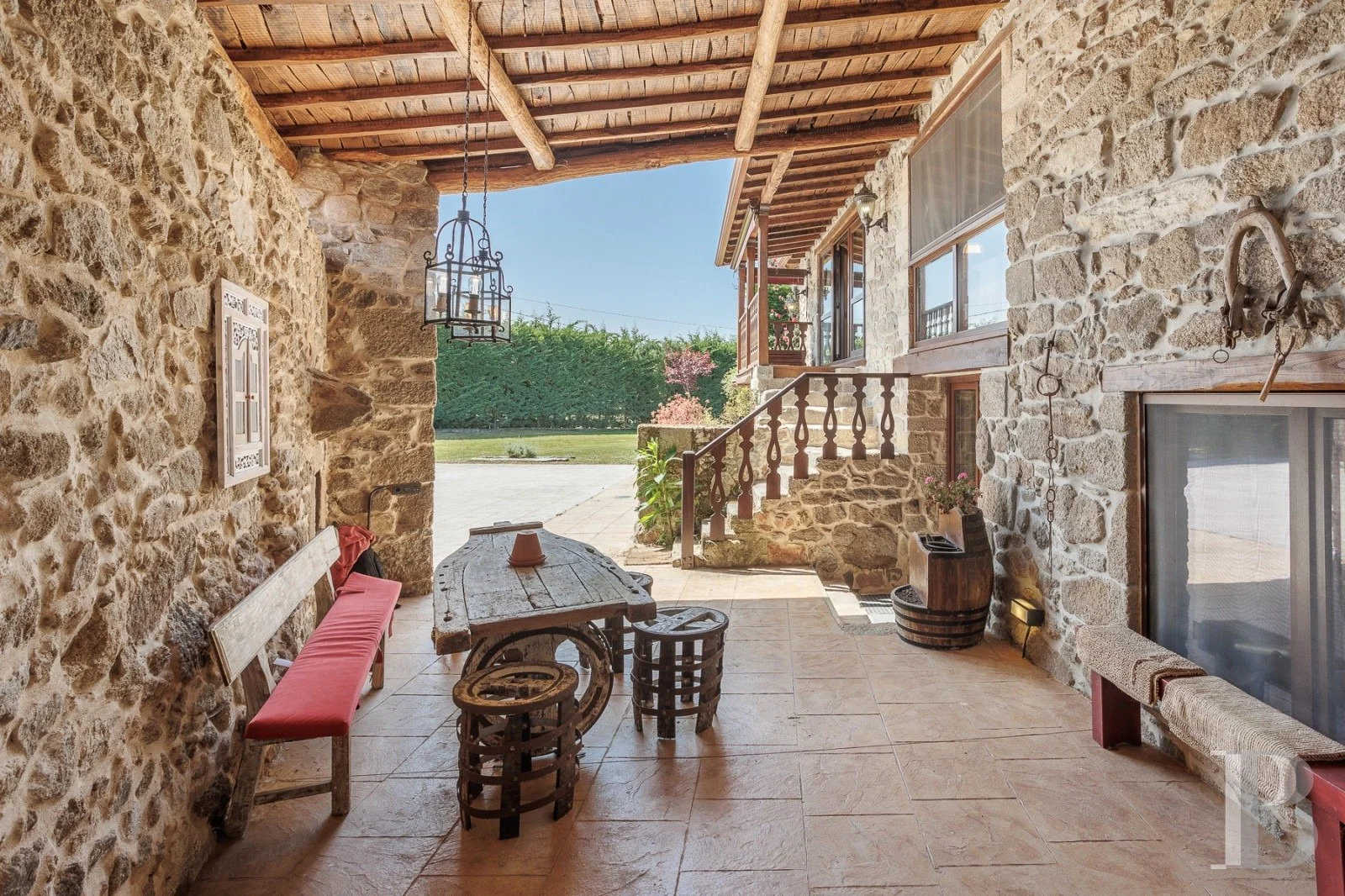
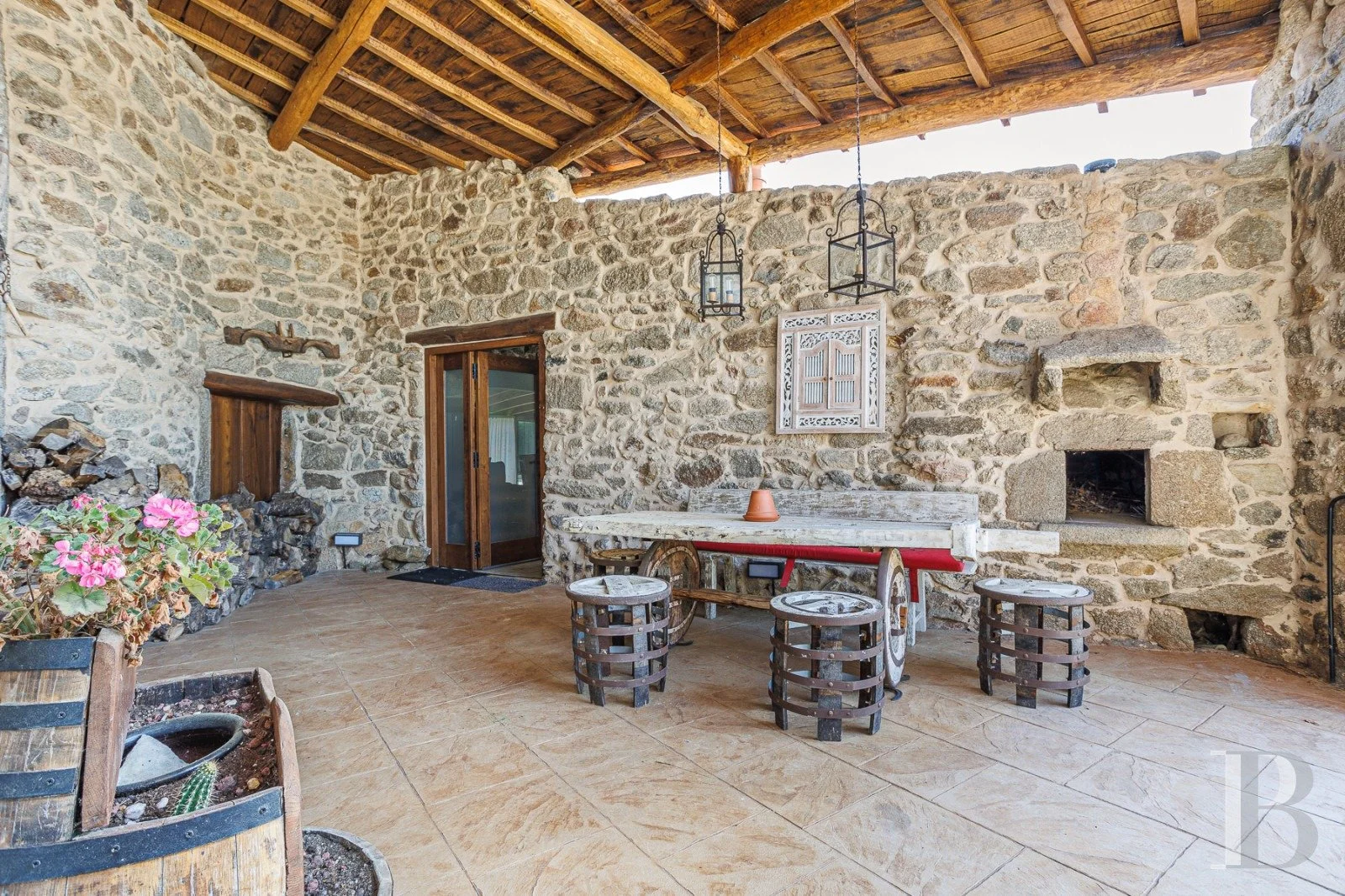
Original stone residence with schist walls and chestnut beams.
Contemporary addition
Indoor pool wing.
Outdoor setting
Terraced gardens with dramatic views over the Sil canyon landscape.
Main due-diligence themes
Legal status of the restoration and contemporary wing, heritage-control exposure, structural and damp performance, pool-running costs, and realistic rural-tourism potential.
Risk Radar
Overview
This is a high-appeal but high-verification property. The combination of restored Galician stone architecture, a contemporary pool wing and canyon views gives it exactly the sort of "private retreat meets boutique-hospitality asset" positioning that can justify a premium. The listing is also very brief, which means the buyer must do more of the heavy lifting than usual. Sparse listings are not automatically a problem, but they do shift more weight onto documentary due diligence.
The first point to clarify is the heritage framing. As of March 2026, Ribeira Sacra is not yet on UNESCO's World Heritage List. It has been on Spain's Tentative List for years, its 2021 nomination was withdrawn, and Spain submitted a renewed candidature, "Ribeira Sacra: Paisaje del agua", in 2025 for a decision expected in 2026. That does not mean there are no heritage constraints. It means the buyer should distinguish carefully between UNESCO branding, actual World Heritage inscription, and the very real possibility of Galician or local heritage protections that may already affect the property.
The second major issue is the contemporary pool wing. This is the most obvious legal and technical due-diligence focus because it is the part of the property most likely to have required clear permits, compliance with any heritage-sensitive controls, and good building-science execution. Indoor pools can be excellent amenities, but they are unforgiving if humidity control, waterproofing, ventilation and structural detailing were not done properly.
The third issue is the "Energy Class N" label. Spain's current framework expects a valid energy certificate to be available to buyers or users when buildings are sold or let, so "N" should be treated as a documentation flag until explained. It may reflect a missing certificate, a pending one, a marketing shorthand or an unusual case, but it should not be treated as a normal energy rating.
Finally, the tourism angle needs grounding. Galicia's viviendas de uso turístico regime operates through a declaración responsable route with the Xunta's tourism administration, and rural-tourism establishments follow their own procedural framework. That means the buyer should not rely on the phrase "high-end rural tourism potential" until the exact use model is identified and matched to the correct licensing route.
Targeted Questions
Heritage and Planning
The buyer needs to know whether the building is individually protected, located in a protected surroundings zone, or simply marketed through the broader Ribeira Sacra heritage narrative.
Under Galician heritage law, protected immovable assets and their surroundings can be subject to controls that affect works, visibility and setting.
Historic or culturally sensitive properties often need more than standard building permission.
A restored property should have a documentary trail that shows the works were lawfully authorised.
The newer wing is the most obvious area where planning, heritage and technical compliance all need checking.
Separate phases often create separate legal and technical questions.
Final approval helps confirm that the works were completed in line with what was authorised.
The buyer needs to know what proves the property's lawful habitable status in its current form.
Later additions and changes do not always flow cleanly through to the final paperwork.
Future flexibility is a big part of value in a retreat-style property.
Restoration Scope and Structural Condition
Timing helps the buyer judge both workmanship age and likely wear since completion.
Buyers need to know whether the work was structural, systems-led or mainly surface-level.
Masonry performance is central to long-term stability and damp control.
Timber condition is a major structural and maintenance issue in older Galician buildings.
Invoices help validate quality, timing and seriousness of the investment.
Remaining cover can materially reduce early ownership risk.
A current professional opinion is far more useful than verbal reassurance.
The addition may perform very differently from the original stone structure and should be assessed on its own terms.
Junctions between old and new are often the highest-risk technical areas.
Roof performance is one of the most important capital-risk questions in a wet climate.
Older timber elements in damp regions require careful verification.
Energy Status, Heating and Damp
It is not a standard energy band, so the buyer needs a document-backed explanation.
Spain's current framework expects the energy certificate to be available to buyers or users in sale and rental contexts.
The full document should explain performance, estimated consumption and improvement recommendations.
The reason may indicate an administrative gap, an exemption claim or incomplete compliance.
Galicia's climate makes heating performance central to comfort and operating cost.
Pool heating can be a major running-cost driver.
Real bills provide a far more grounded view of true ownership cost.
The property's comfort depends on more than the presence of heating systems.
Stone buildings in Galicia need moisture management just as much as they need visual restoration.
Damp solutions in older buildings need to be understood properly, not assumed.
Practical comfort matters more than listing mood.
Indoor Pool and Contemporary Wing
Pool legality should be checked independently even if the rest of the wing is authorised.
Size and build type affect both maintenance and operating cost.
Pool plant can become a significant capex item if near the end of its life.
Heating materially changes running costs and seasonal usability.
Indoor pools can transform the economics of ownership.
Indoor pools require robust moisture management to avoid damage and discomfort.
These are among the most common and costly hidden problems in indoor-pool buildings.
Dehumidification is often the critical system in indoor-pool performance.
A technically weak wing can undermine an otherwise strong heritage property.
Safety and compliance affect both private and commercial use.
Land, Boundaries and Access
The buyer needs a clear picture of what land is included and how the house, pool wing and gardens sit within it.
The legal and physical layout should align cleanly.
Easements can materially affect privacy and future control.
View durability is part of the property's premium.
Planning context can either support or weaken long-term value.
Rural practicality matters as much as visual setting.
Daily usability is part of the asset, especially for hospitality use.
Water reliability is critical for a residence with a pool.
Wastewater setup affects compliance, maintenance and commercial-use feasibility.
Capacity and compliance become more important if the property is run commercially.
Rural-tourism positioning is weaker if guest access is awkward.
Small practicalities matter at this price point.
Layout and Daily Use
The listing is too brief to understand the operational flow without a plan.
The brief listing leaves core accommodation details unclear.
Connection quality affects both comfort and commercial use.
The buyer needs to know whether the building's logic supports the intended business case.
Informal use can create compliance and underwriting problems.
Remote-work and high-end retreat positioning depend on genuine connectivity.
Thick walls and valley settings can produce uneven reception.
Rural Tourism Potential
Proven operating history is much stronger than broad "potential" language.
Galicia's VUT route operates through declaración responsable before the provincial tourism authority.
Galicia distinguishes between different accommodation categories and they do not all follow the same path.
Not every attractive rural property fits every licensing category.
Heritage control can limit signage, alterations, pool operation changes or guest-focused modifications.
Real figures are much more useful than aspirational yield talk.
The demand pattern affects both pricing and staffing assumptions.
Buyers should test projections against comparable evidence rather than mood.
High-end rural tourism can still be strongly seasonal.
Negotiation Intelligence
Buyer Leverage
Medium-High
Key Drivers
Typical Negotiation Range
5-15% below asking
Neutral Phrasing Examples
Country Layer
Spain (Regulatory Context March 2026)
As of March 2026, Ribeira Sacra is not yet inscribed on UNESCO's World Heritage List. UNESCO records show the earlier Ribeira Sacra nomination was withdrawn in 2021, while Spanish and Galician official sources state that "Ribeira Sacra: Paisaje del agua" was submitted in 2025 and is expected to be decided in 2026. For this property, that means a buyer should distinguish between UNESCO candidacy, local heritage controls and formal legal protection affecting the specific asset.
The practical takeaway for this property is simple. Verify the exact legal status of the restored house and the contemporary pool wing, verify what specific heritage controls actually apply here, verify the real energy-certification position, and verify the correct tourism-licensing route before treating this as a turnkey hospitality investment.
Viewing Strategy
Start by viewing the property as two buildings, not one. Walk the original stone residence and the contemporary pool wing separately, then evaluate how well they connect. The key question is not only whether both parts look good, but whether they work together structurally, thermally and operationally.
Next Step
Verify from the listing:
Restoration and pool-wing permissions
Ask for the full approval trail for both the original residence and the contemporary indoor-pool wing so you can confirm that the most valuable and unusual parts of the property are fully regularised.
Actual heritage-control exposure
Clarify what legal protections apply specifically to this house and site, rather than assuming that the broader Ribeira Sacra UNESCO candidacy automatically defines the property’s precise restrictions.
Energy Class “N” explanation
Request the energy certificate or a document-backed explanation for why it is not being provided, because this directly affects compliance clarity and your ability to assess running costs.
Indoor pool humidity and running-cost risk
Verify the pool’s permits, plant systems, ventilation, dehumidification and maintenance history so you can judge whether the contemporary wing is a genuine asset rather than a future technical liability.
Tourism-use pathway
Check whether the property is better suited to a VUT model or a rural-tourism model, and confirm the correct Xunta procedure before relying on any “high-end rural tourism” income story.
A prepared buyer should approach the agent calmly and frame questions as due diligence.
Because this is a heritage-positioned rural property where pool-wing legality and tourism feasibility both materially affect value, run it through the Property Risk Assessment to pressure-test the legal and technical risks, or use the Rental Yield Calculator to see whether the likely occupancy and seasonality genuinely support the numbers before contacting the agent.
Disclaimer: The Property Drop is buyer-focused intelligence, zero sales agenda. We curate exceptional properties, in southern Europe, from third-party agents and arm you with decision tools. No commission, no transactions, no agent partnerships, no skin in the game beyond helping you choose wisely. Information stays accurate until it doesn't (properties sell, prices shift, markets move). Everything here is shared for informational purposes only and should not be treated as legal, financial, or investment advice. Images belong to original agents. Read our Terms of Service to learn more.
IMPORTANT REMINDER: When contacting property agents featured on The Property Drop, you are entering into direct communication with third parties. It's recommended that you verify all property details independently, conduct thorough due diligence, engage qualified professionals (solicitors, surveyors, financial advisors), understand your rights and obligations under local property laws, and never send money or make commitments without proper legal protection.
