
The Buyer Playbook: Artà Townhouse with 26 m² Expansion Space and Roof Terrace Views, Mallorca, Spain €470,000


Buyer Playbook
Pre-Viewing Intelligence Report
This independent buyer guidance report relates to this specific property located in Spain. It is provided for informational purposes only and does not constitute legal, tax, structural or survey advice. Expansion permissions, occupancy status, energy compliance, title position, terrace and courtyard rights, tourist-rental eligibility, heritage or town-centre restrictions, and any shared-building or neighbour-related matters must always be verified with qualified Spanish professionals such as an abogado, arquitecto, arquitecto técnico, surveyor or licensed property consultant, and with the relevant municipal and island authorities. This report is designed to help buyers evaluate the property before arranging a viewing or making an offer. It highlights due diligence issues and targeted questions to ask the estate agent. The analysis is based on the listing details and publicly available regulatory context at the time of writing.
Playbook Contents
Property Snapshot
Location
Artà, Mallorca, Balearic Islands, Spain.
Property type
Character townhouse in the historic urban fabric of Artà.
Asking price
€470,000.
Bedrooms
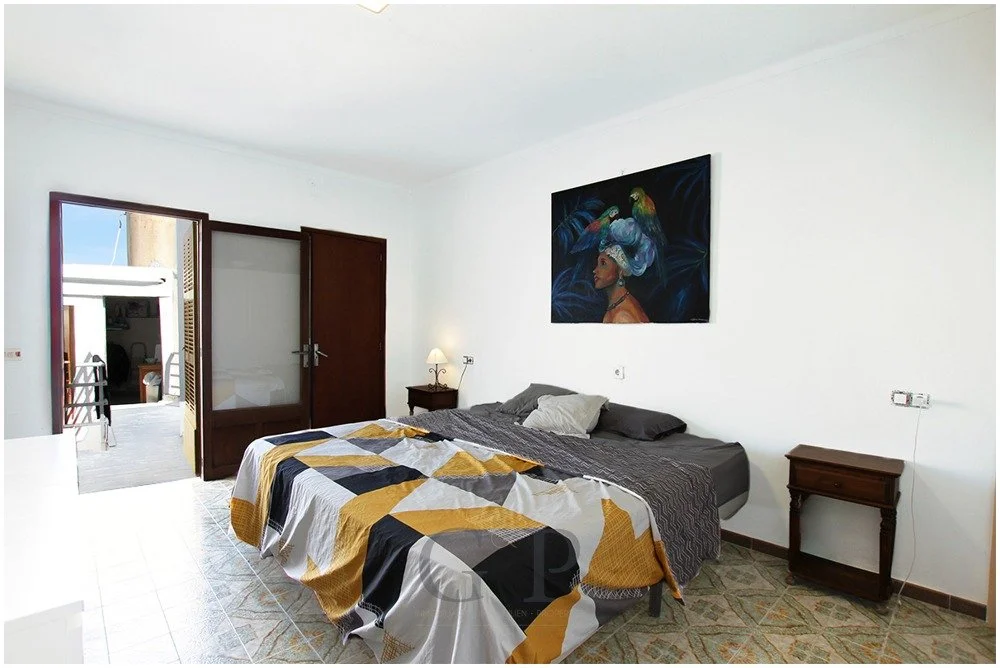
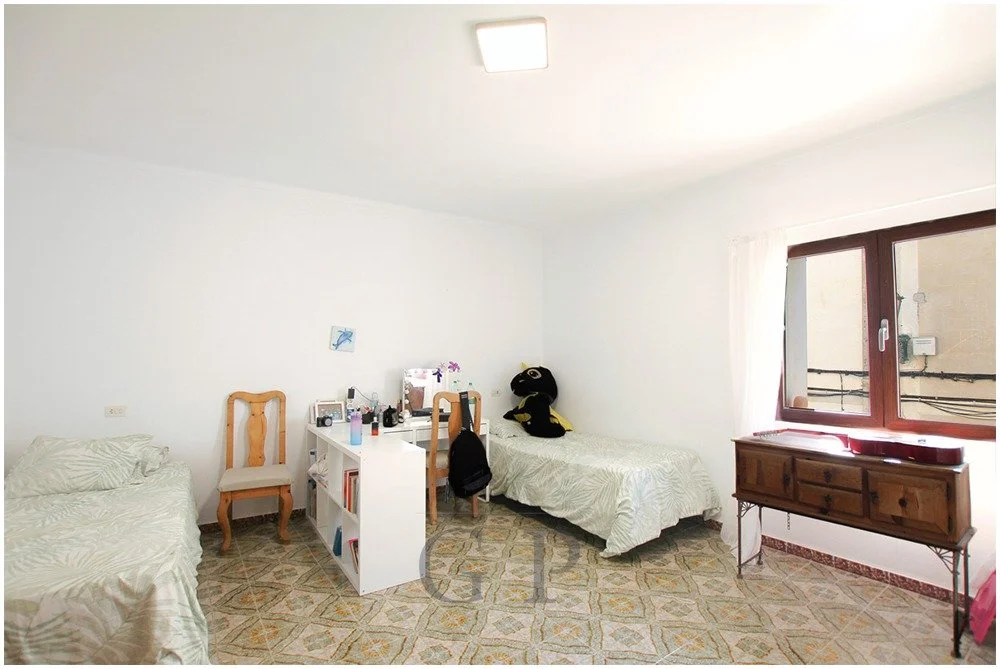
2 in current configuration.
Internal area
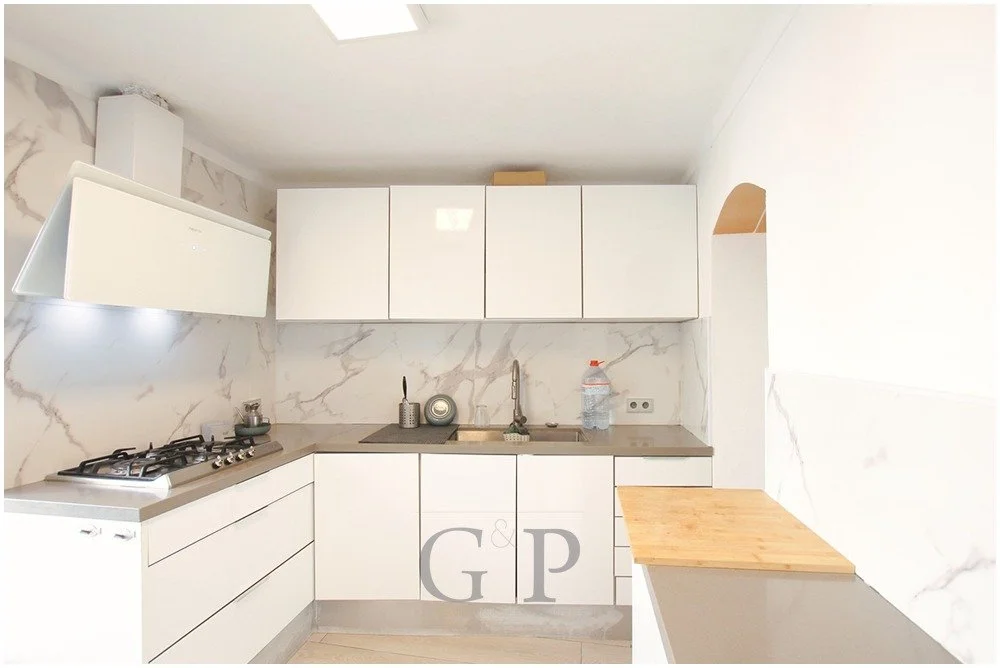
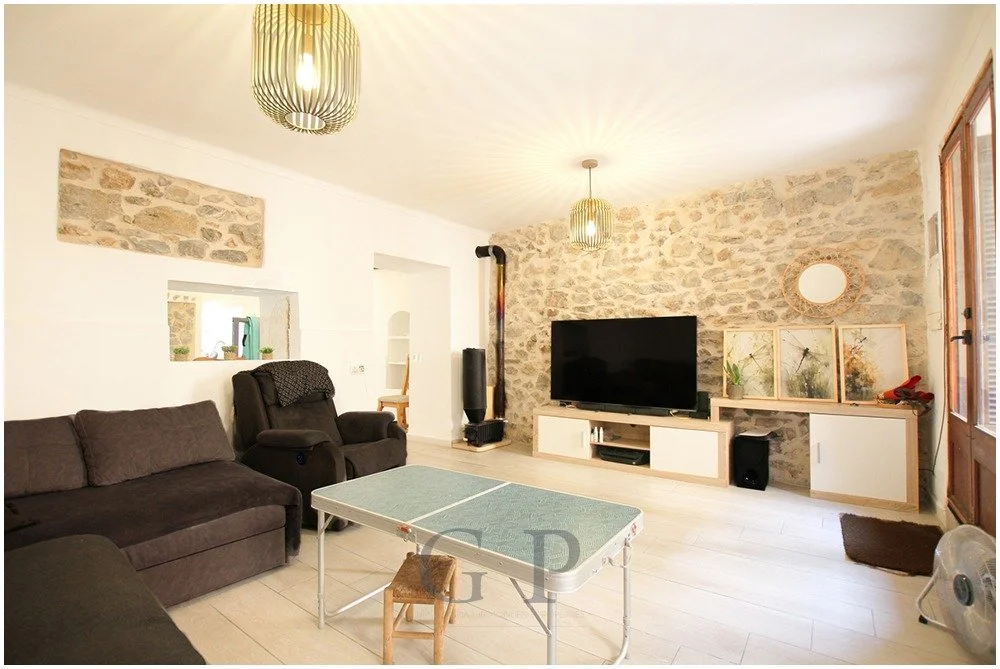
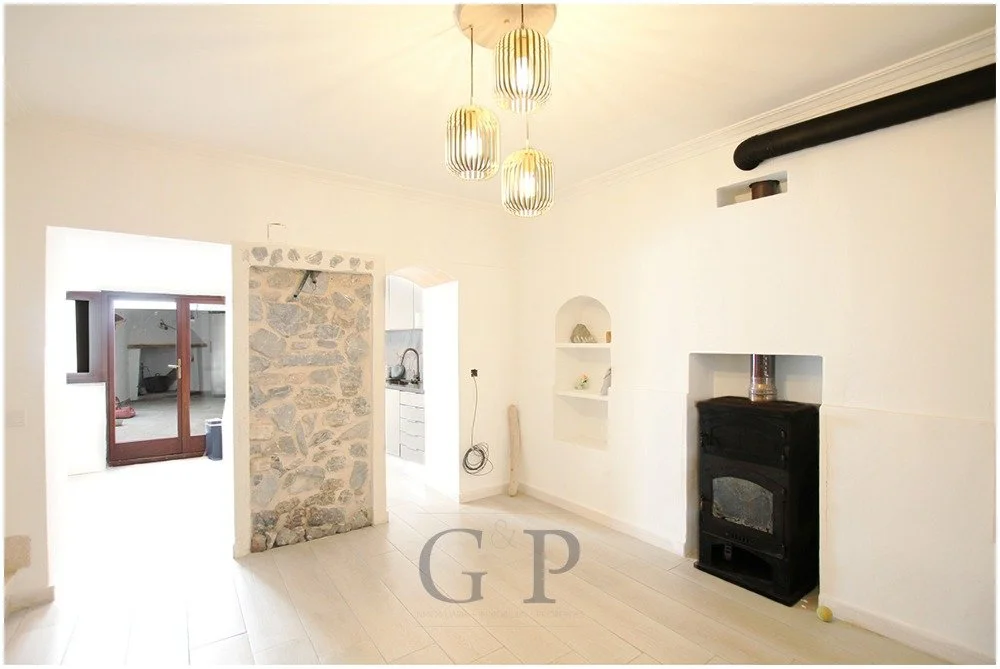
Approx. 150 m² across three floors.
Build date
Listing references a 1947 townhouse.
Energy rating
Class E.
Key value-add
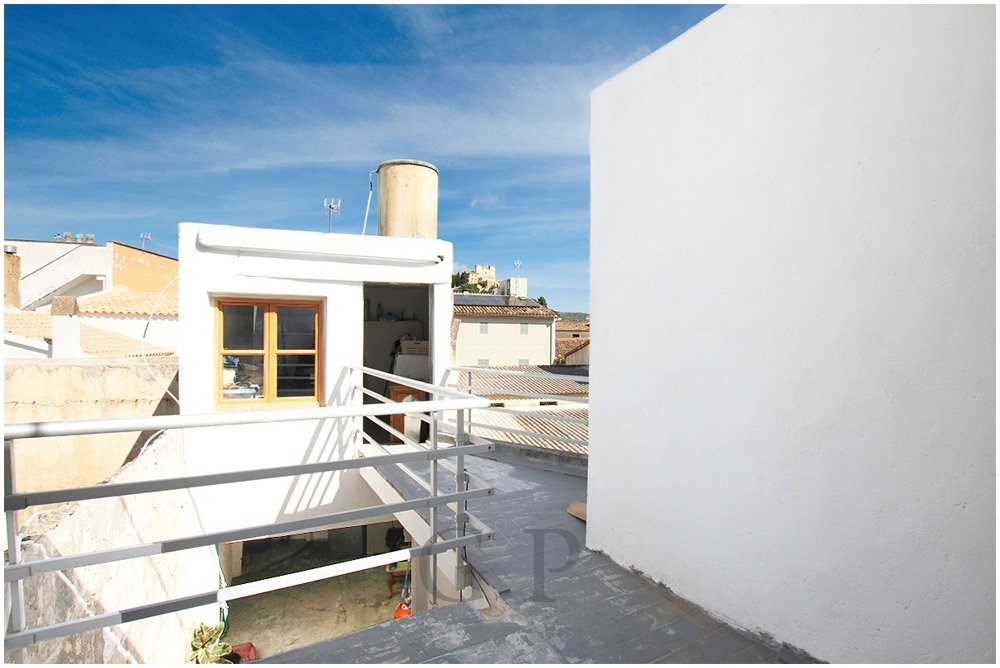
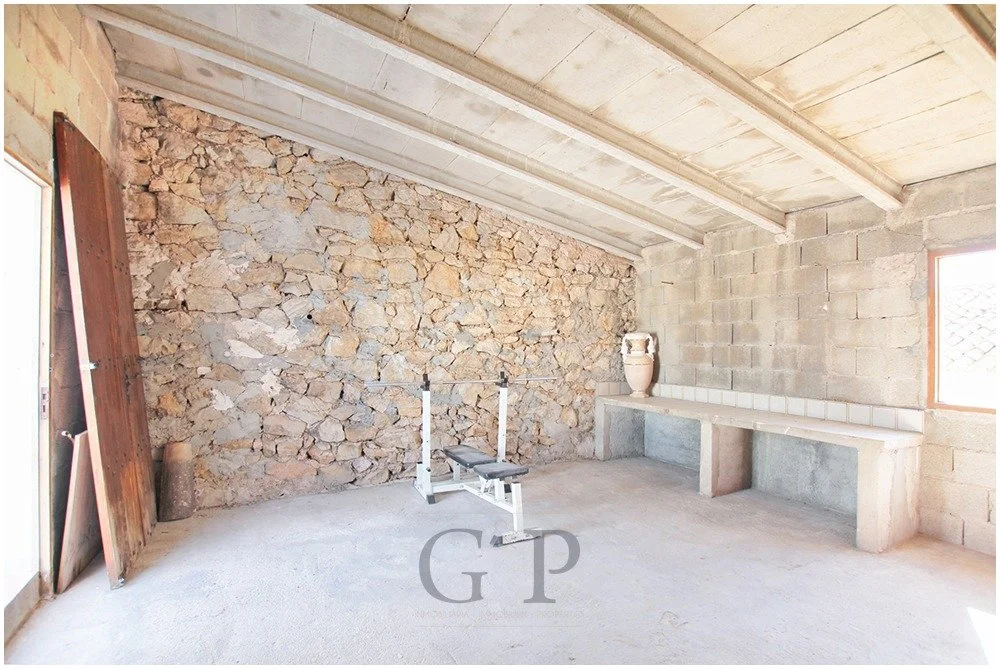
26 m² unconverted second-floor space opening to the roof terrace.
Standout feature
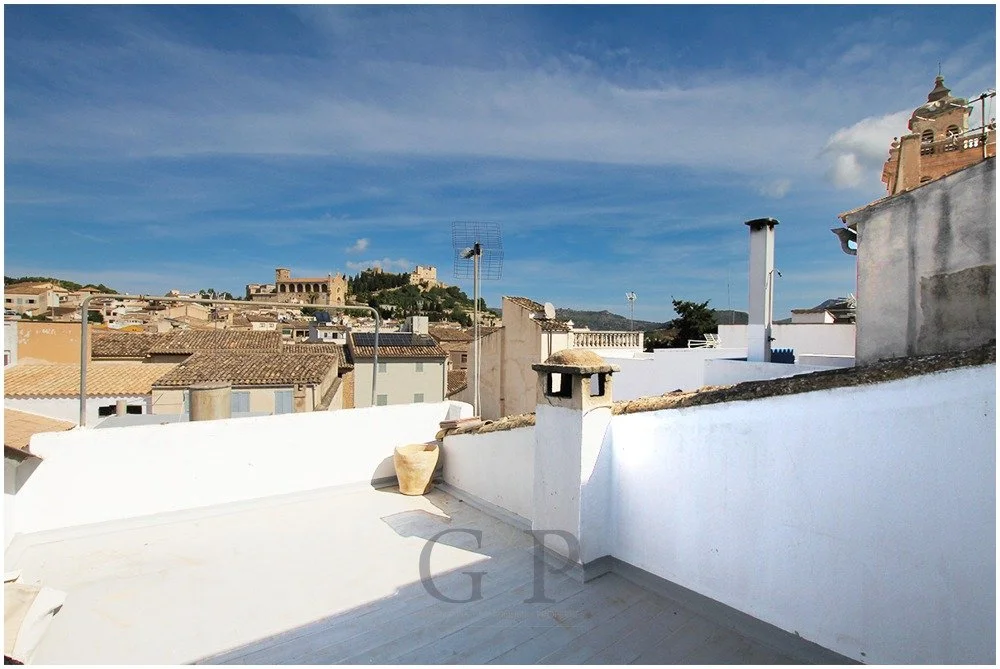
Roof terrace with panoramic views.
Additional outdoor space
Traditional courtyard with outdoor cooking area.
Current due-diligence themes
Conversion potential of the 26 m² area, single glazing and energy upgrade scope, roof-terrace condition, town-centre parking and access, and rental feasibility in Mallorca's strict tourism regime.
Risk Radar
Overview
This is an appealing Mallorca old-town buy because it combines three things that often do not come together neatly: authentic character, usable outside space, and a clear value-add angle. The roof terrace and courtyard give the house lifestyle appeal now, while the 26 m² unconverted upper space creates the possibility of a stronger future layout if the conversion is genuinely feasible. That unconverted zone is therefore not a side note. It is the main pricing variable.
The first due-diligence question is whether the 26 m² area is a real expansion opportunity or just optimistic marketing. The buyer needs to know its current legal classification, whether it is already included in the occupancy documentation as habitable area, whether a bathroom could be added lawfully, and whether any structural, light, ventilation or heritage-sensitive restrictions would limit what can actually be done. In a town like Artà, where the value lies partly in preserved urban character, rooflines, openings and exterior elements can matter as much as interior layout.
The second issue is tourist-rental feasibility. Mallorca's regulatory environment is much tighter than many mainland buyers expect. The Balearic authorities explain that tourist letting depends on the dwelling typology, zoning and, where the property is in a building under horizontal property, community approval. The Balearic government also states that new tourist places in multi-family buildings are prohibited across the Balearic Islands under the tourism-containment decree, and the older CAIB guidance makes clear that community permission matters where horizontal-property rules apply.
The third issue is energy and renovation scope. An E rating in a 1947 townhouse is not alarming, especially where the listing openly attributes it to single glazing and age. That can actually be a useful negotiation point, because the likely improvement path is more legible than in homes with vague efficiency problems. Spain's energy-certification framework requires the certificate to be available to buyers or users when a property is sold or let, so the full report should be treated as core due diligence, not an optional extra.
Finally, the roof terrace needs to be treated as a technical feature, not just a romantic one. Terrace views drive value in Mallorca, but waterproofing, ownership structure, maintenance liability and any shared-access complexity are all crucial. The same applies to the courtyard. In old-town homes, outdoor spaces often create the most expensive surprises if their legal status and technical condition are not properly checked.
Targeted Questions
Expansion Space, Planning and Permitted Scope
The buyer needs to know whether this is already recognised as habitable area, ancillary space or simple storage.
The legal classification determines whether the "expansion" is a true conversion or just an interior improvement.
A mismatch between marketed space and legal records can complicate future resale and works.
The buyer needs documentary proof of how that area is presently described.
A professional feasibility opinion is much more useful than an agent's assumption.
Even preliminary paperwork can show how real the opportunity is.
Permit route affects time, cost, complexity and certainty.
The conversion value rises materially if a proper suite is possible.
Services availability has a major effect on cost and practicality.
Legal and practical conversion depends heavily on light and ventilation.
External changes often trigger more planning and heritage scrutiny.
Structural limits can turn an attractive idea into an expensive compromise.
The buyer should not pay for upside without a rough sense of cost.
Timing matters for both owner use and investment planning.
The end-state paperwork matters just as much as the physical works.
Heritage, Exterior Controls and Town-Centre Restrictions
That status can materially affect windows, rooflines, terrace works and façade changes.
Future flexibility may be more limited than in an ordinary town property.
Window replacement is likely to be one of the most obvious energy upgrades.
Roof-terrace improvements can be tightly controlled in traditional town settings.
Constraints on the expansion space directly affect its real value.
Energy Rating and Upgrade Strategy
Spain's energy-certification framework requires the certificate to be available to buyers or users, and the full report should explain the actual weak points.
The report should help the buyer understand likely running costs.
Real bills often tell a more useful story than the label alone.
The listing suggests glazing is a main driver of the E rating, so this needs confirming precisely.
Original units can be more expensive or more restricted to replace.
Window costs should be budgeted if the buyer wants to improve comfort and value.
The expansion decision may be the best moment to address weak thermal areas.
The buyer should know where money would make the biggest difference.
Heating type affects both comfort and ongoing cost.
Cooling matters in Mallorca both for owners and renters.
Comfort issues are often more important than the formal rating.
Energy and moisture performance are closely linked in older houses.
Layout, Bathrooms and Daily Function
The buyer needs to understand current flow before valuing future expansion.
The listing wording suggests the arrangement needs clarification.
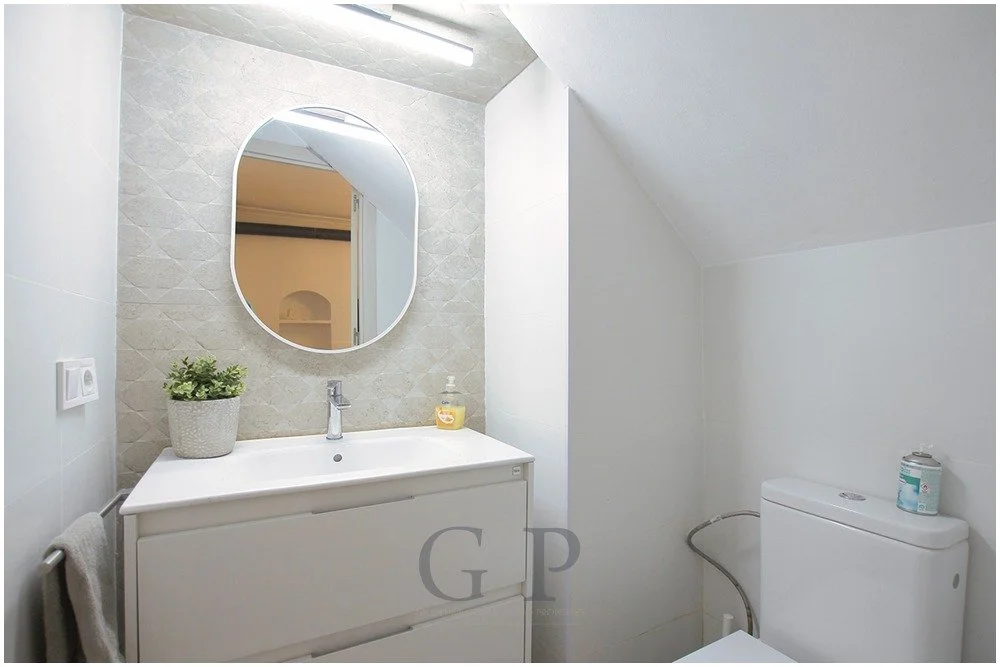
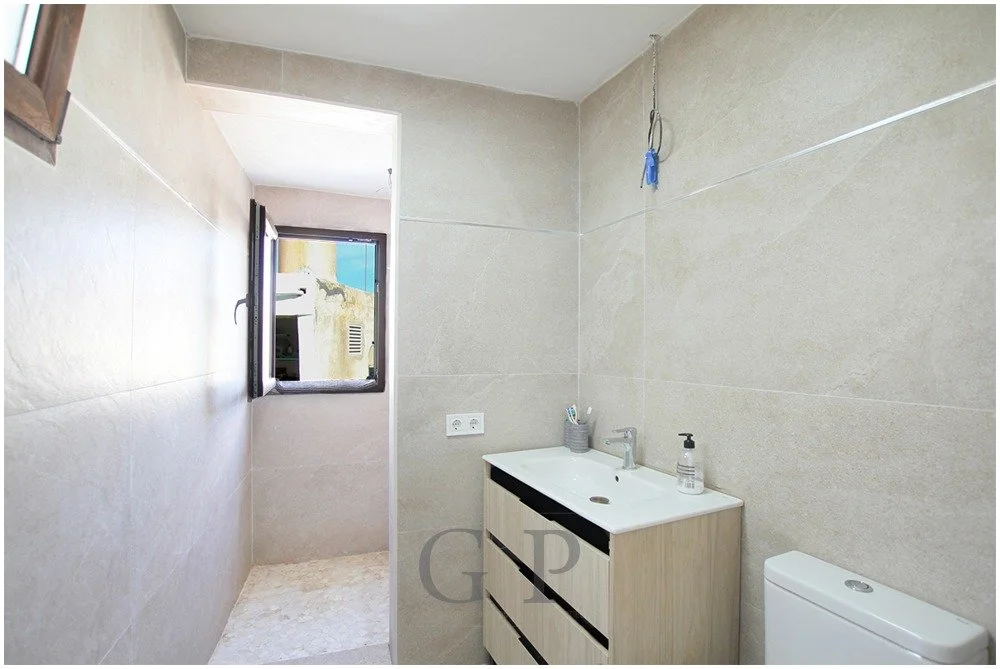
Existing bathroom distribution affects how valuable the expansion really is.
The buyer should distinguish between optional upside and functional necessity.
Clear room classification helps avoid later disappointment or compliance issues.
Character homes can hide layout friction behind attractive finishes.
Roof Terrace, Courtyard and Outside Rights
Exclusive use should be confirmed, not assumed from the listing.
The legal basis of the terrace directly affects value and future control.
True usability depends on size as well as views.
Terrace defects can become one of the most expensive problems in older townhouses.
Maintenance history helps the buyer estimate near-term risk.
Shared rights can reduce privacy and create future complications.
View durability is part of what the buyer is paying for.
The courtyard is a core lifestyle feature and should be legally clear.
Exterior features can trigger both technical and compliance questions.
Outdoor areas often reveal the real technical quality of a townhouse.
1947 Structure, Roof and General Condition
A 1947 house may still carry significant roof-related capital risk.
Recent interventions can either reassure or reveal recurring issues.
Older townhouses should be assessed for stability, especially before further conversion works.
Moisture problems can be costly and easy to hide cosmetically.
Buyers planning further works need to know whether the core services are already modern enough.
Documentation is more reliable than verbal reassurance.
Parking, Access and Practicality
Parking can materially affect daily convenience and rental appeal in Artà.
Historic-centre charm can quickly feel less practical if parking is difficult.
The precise parking setup affects livability and marketability.
Access is important both for owners and for future renovation works.
Vertical access affects both usability and guest profile.
Remote-work potential depends on real connectivity.
Thick walls and old-town settings can affect signal reliability.
Neighbour profile affects noise, seasonality and overall atmosphere.
Quiet surroundings are part of the property's value proposition.
Rental Potential
Existing compliance is materially different from needing to start afresh.
Mallorca's rules are zoning-dependent, and the Consell de Mallorca's PIAT and zoning framework remain central to feasibility.
Balearic tourist-letting rules distinguish sharply between these categories. The CAIB guidance explains the typology difference, and current tourism-containment rules prohibit new tourist places in multi-family buildings across the islands.
The CAIB guidance makes clear that community permission matters in horizontal-property settings.
The economic value of the expansion depends on whether it improves the rental model meaningfully.
Long-term rental is the more conservative underwriting baseline.
Mallorca pricing can create unrealistic income expectations if comparables are weak.
Proven performance is more useful than projections.
Income stability depends on seasonality, not just headline demand.
Negotiation Intelligence
Buyer Leverage
Medium–High
Key Drivers
Typical Negotiation Range
5-15% below asking
Neutral Phrasing Examples
Country Layer
Spain (Regulatory Context March 2026)
Key Spanish and Balearic requirements for buyers:
Viewing Strategy
During the viewing:
Next Step
Verify from the listing:
26 m² expansion legality
Ask for the current legal classification, title plan, occupancy paperwork and any prior technical advice on the upper unconverted space so you can confirm whether it is a genuine route to a lawful third-bedroom suite or just a speculative possibility.
Mallorca rental-rule fit
Check whether the townhouse is legally unifamiliar or falls into a plurifamiliar or horizontal-property setting, and verify whether its zone and typology actually fit the current Mallorca tourist-letting regime before valuing any short-term rental upside.
Energy Class E upgrade path
Review the full energy certificate and identify the likely cost of replacing single-glazed windows and improving insulation so you can price the house on its real comfort and running-cost profile rather than its current mood.
Roof terrace maintenance exposure
Confirm that the terrace is legally attached to the property, that access is exclusive, and that waterproofing and structural maintenance responsibilities are clear before relying on it as a premium feature.
1947 structure and future works scope
Request recent information on roof condition, damp history, window age and service upgrades so you can judge whether the house is ready for light improvement or heading toward a broader renovation cycle.
A prepared buyer should approach the agent calmly and frame questions as due diligence.
Because this is a Mallorca townhouse where expansion feasibility and rental regulation both materially affect value, run it through the Renovation Budget Planner to test the true cost of converting the upper space and upgrading windows, or use the Rental Yield Calculator to compare the realistic value of a two-bedroom versus three-bedroom setup before contacting the agent.
Disclaimer: The Property Drop is buyer-focused intelligence, zero sales agenda. We curate exceptional properties, in southern Europe, from third-party agents and arm you with decision tools. No commission, no transactions, no agent partnerships, no skin in the game beyond helping you choose wisely. Information stays accurate until it doesn't (properties sell, prices shift, markets move). Everything here is shared for informational purposes only and should not be treated as legal, financial, or investment advice. Images belong to original agents. Read our Terms of Service to learn more.
IMPORTANT REMINDER: When contacting property agents featured on The Property Drop, you are entering into direct communication with third parties. It's recommended that you verify all property details independently, conduct thorough due diligence, engage qualified professionals (solicitors, surveyors, financial advisors), understand your rights and obligations under local property laws, and never send money or make commitments without proper legal protection.
