
The Buyer Playbook: Converted Chapel with Character in Village Centre, Goudargues, France, €368,000
Buyer Playbook
Pre-Viewing Intelligence Report
This independent buyer guidance report relates to this specific property located in France. It is provided for informational purposes only and does not constitute legal, tax, structural or survey advice. Planning status, heritage controls, lawful residential conversion, habitability, diagnostics, rental compliance, boundaries, parking arrangements, and any future works constraints must always be verified with qualified French professionals such as a notaire, architecte, diagnostiqueur, géomètre-expert, engineer or surveyor, and with the mairie and other relevant authorities where required. This report is designed to help buyers evaluate the property before arranging a viewing or making an offer. It highlights due diligence issues and targeted questions to ask the estate agent. The analysis is based on the listing details and publicly available regulatory context at the time of writing.
Playbook Contents
Property Snapshot
Location
Goudargues, Gard, Occitanie, France
Property type
Converted former village chapel used as a house
Asking price
€368,000
Bedrooms
3
Bathrooms
Multiple bathrooms stated, exact number not yet confirmed
Internal area
136 m² living space
Land area
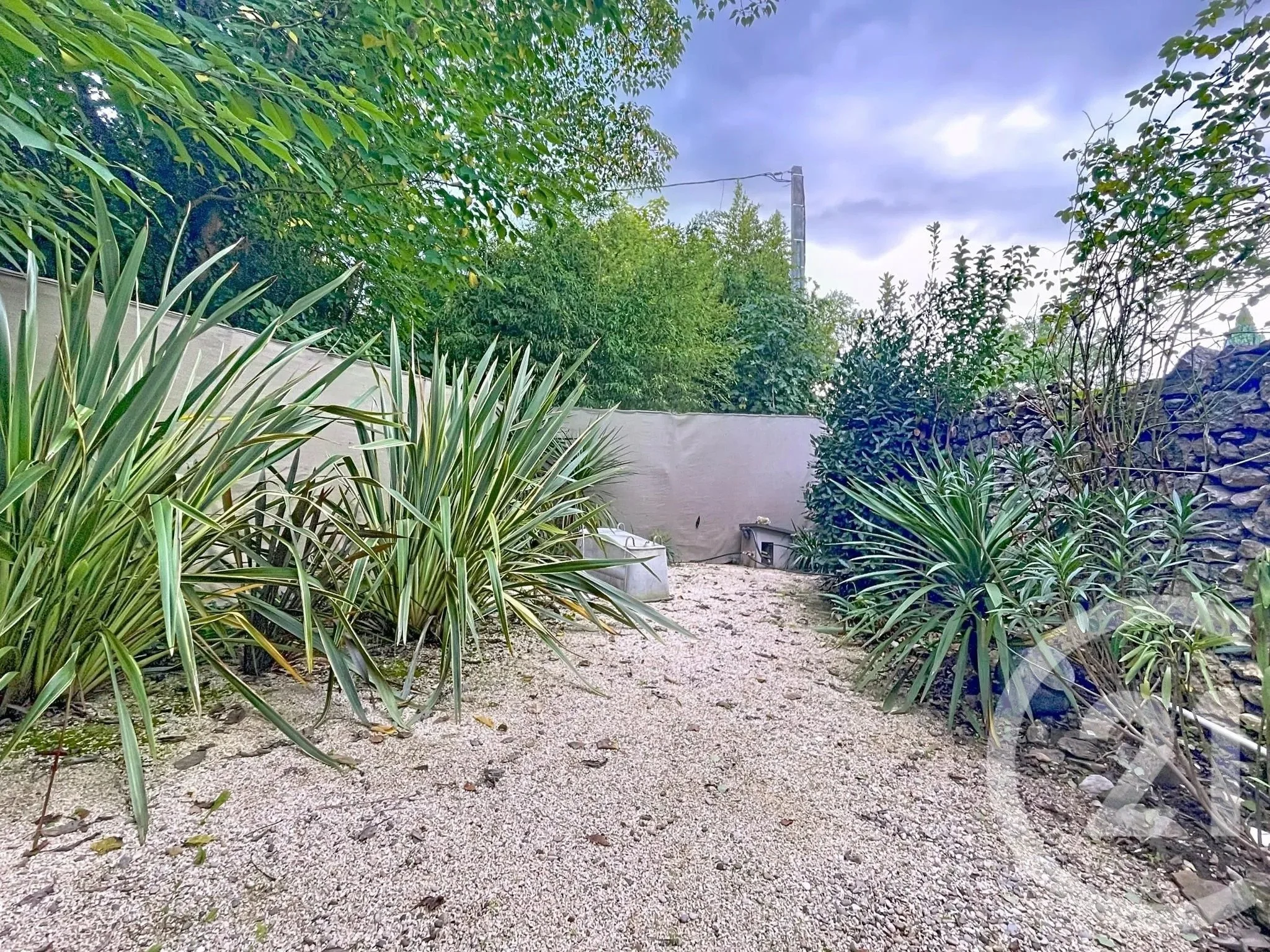
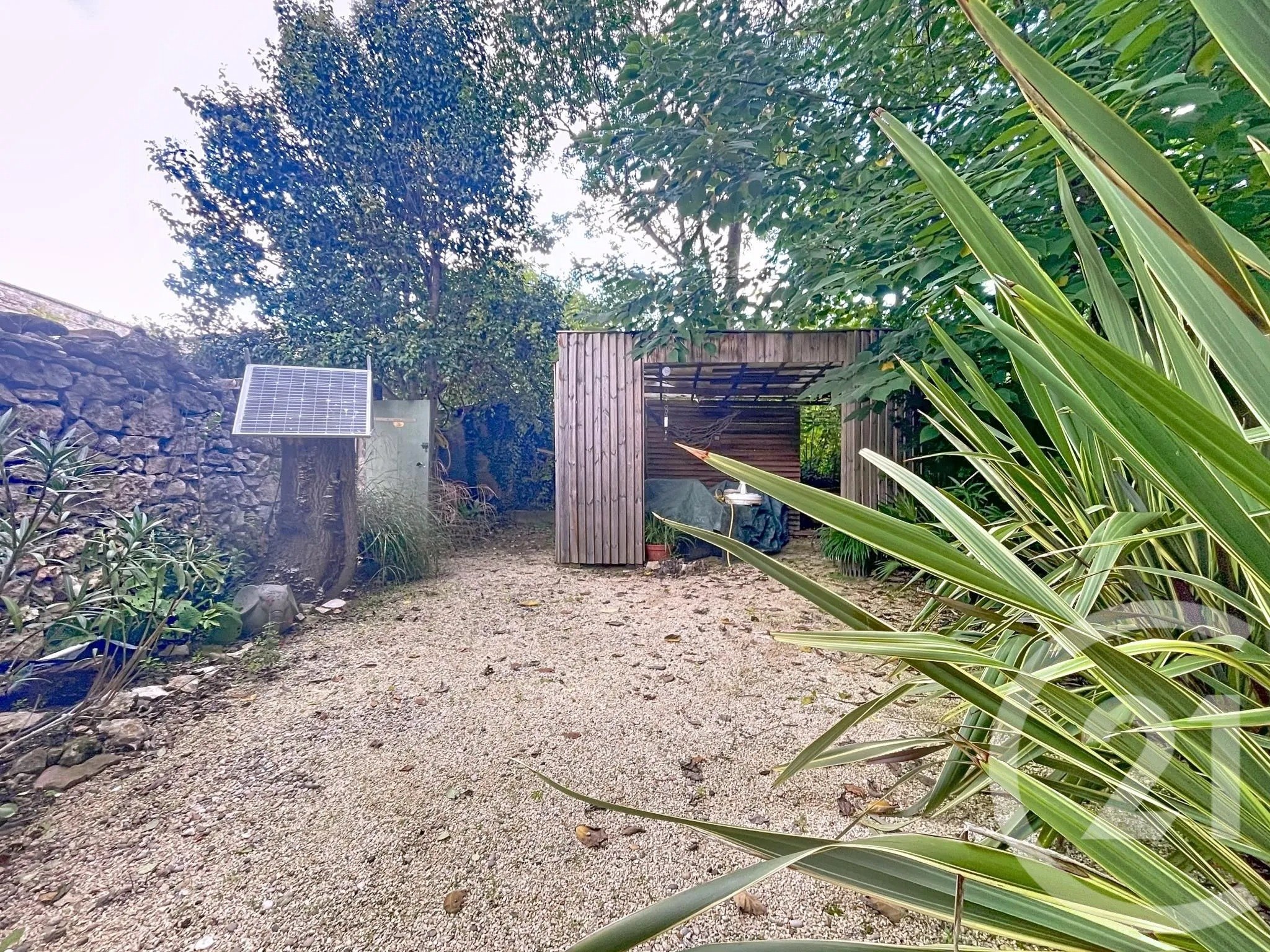
115 m²
Renovation
Marketed as renovated in 2007
Key architectural features
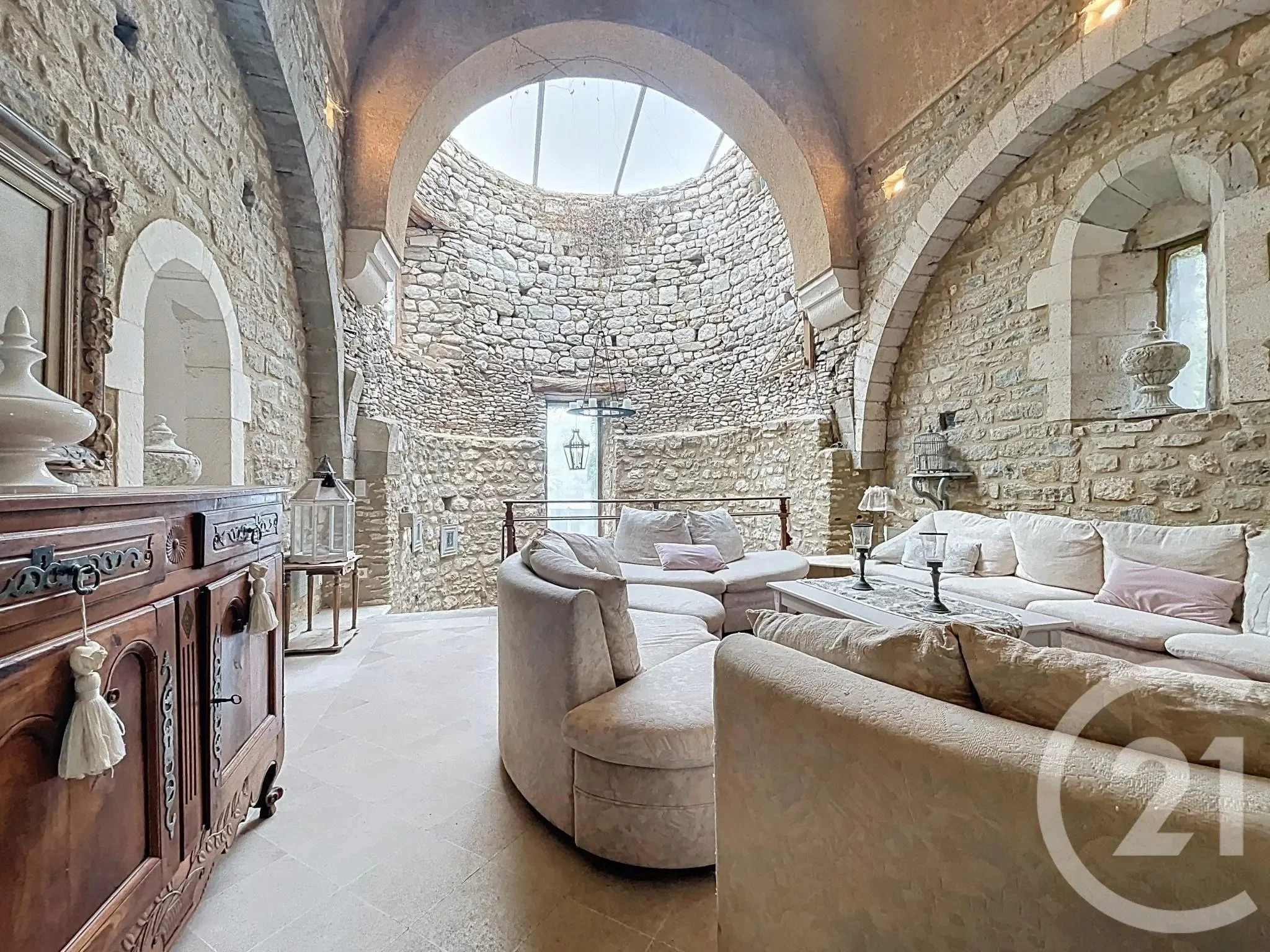
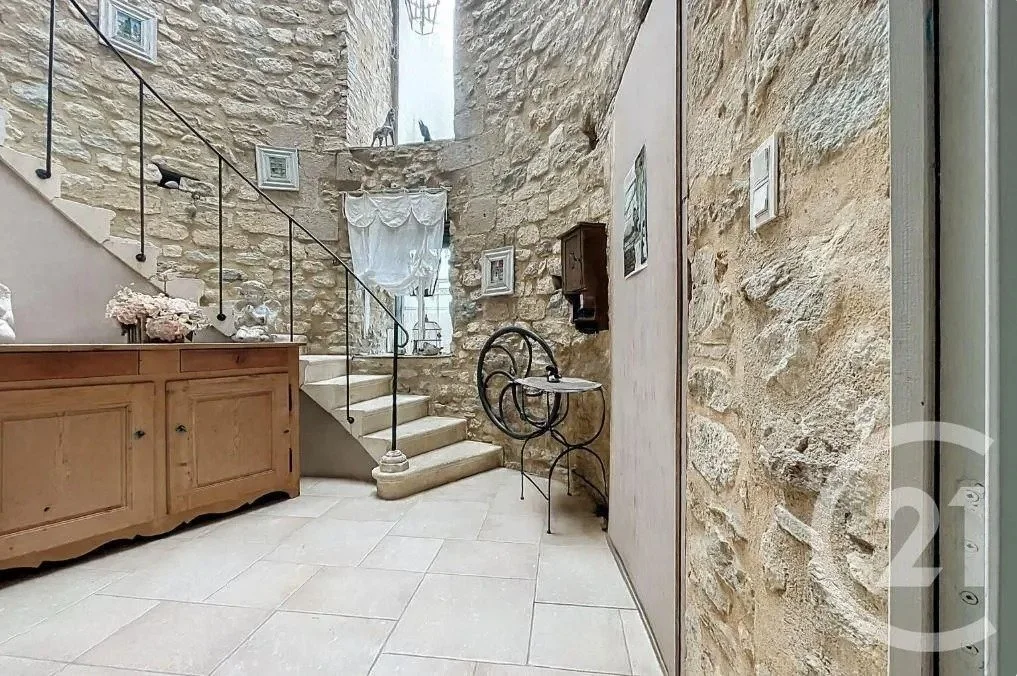
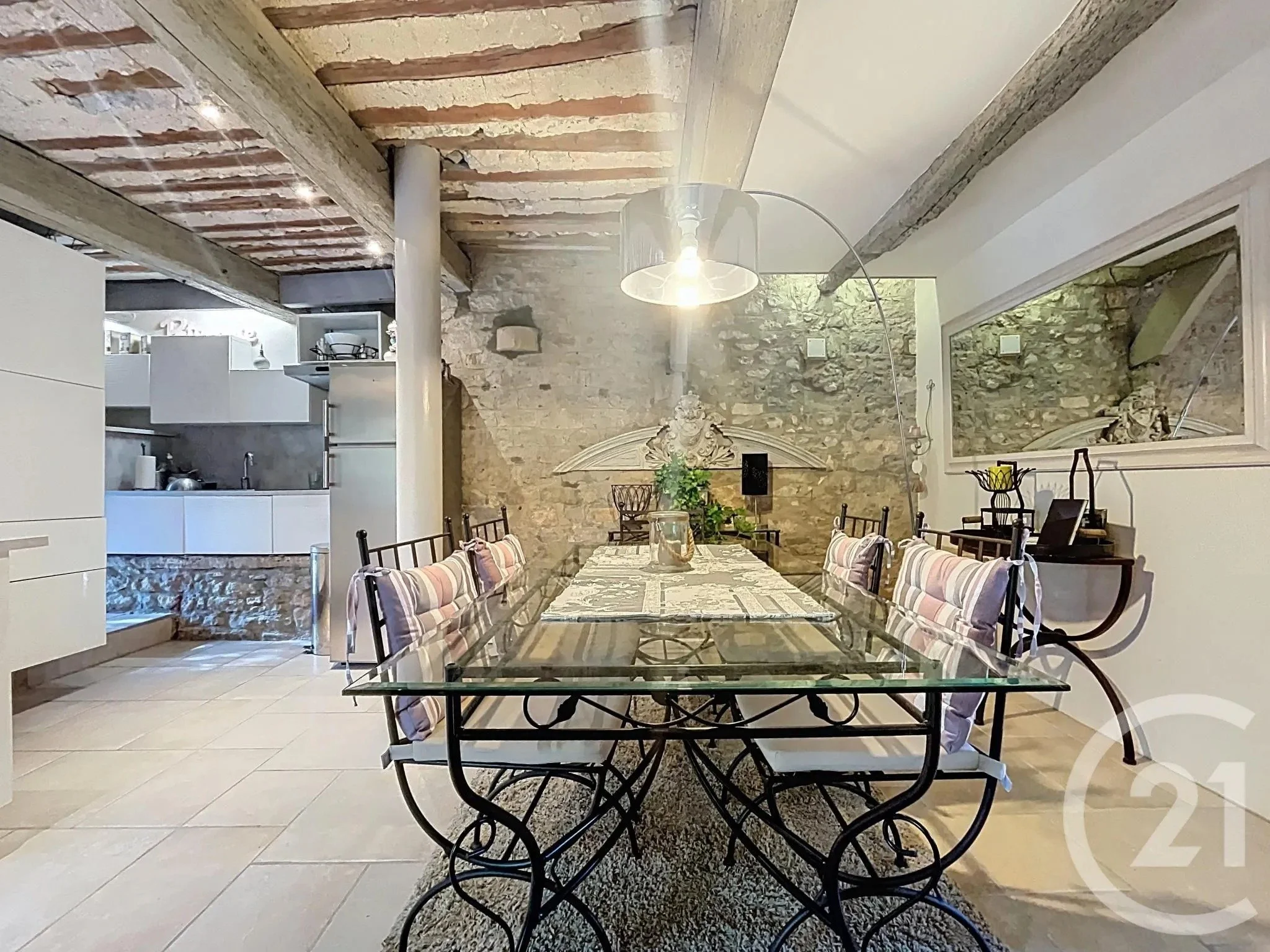
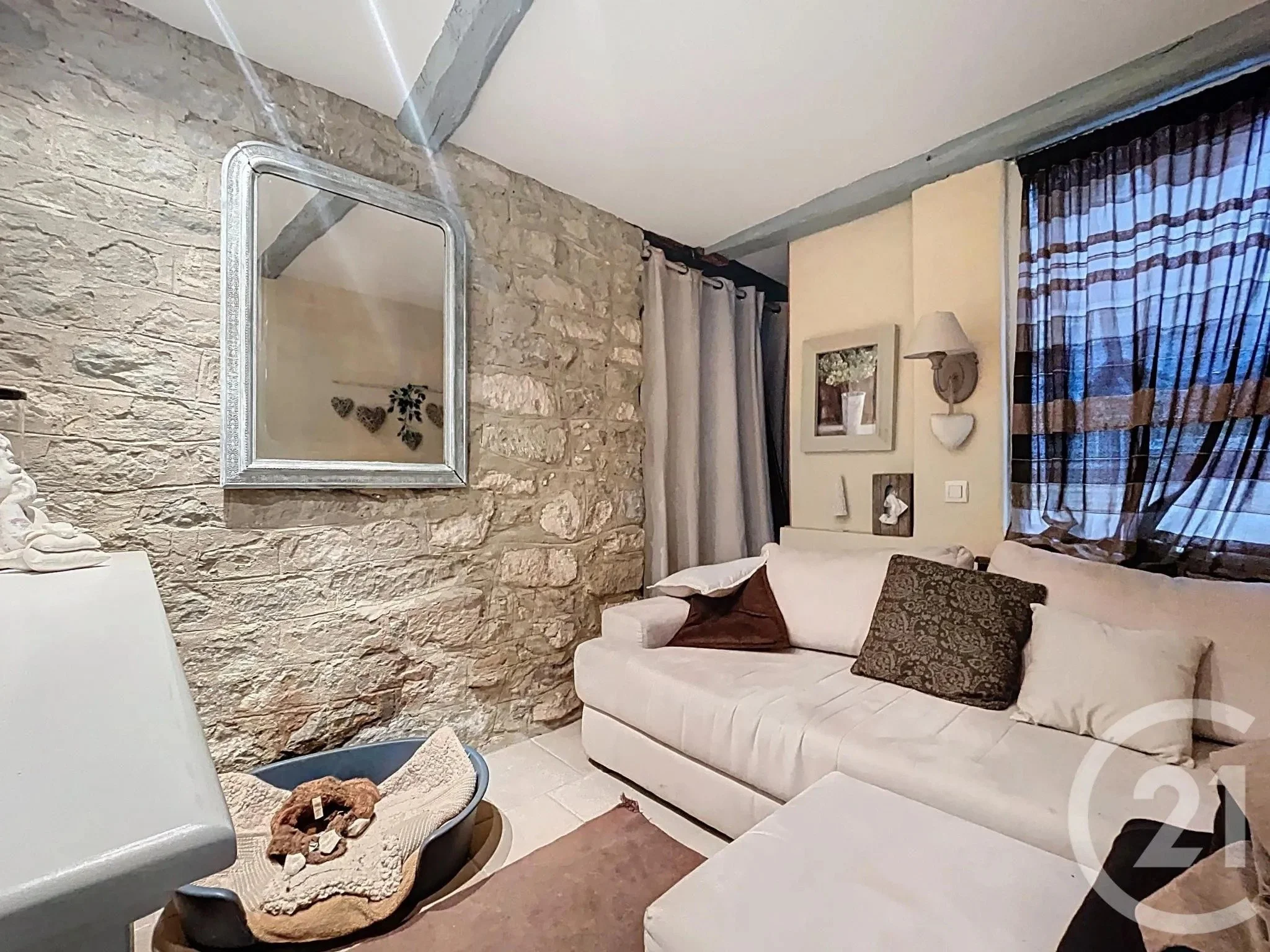
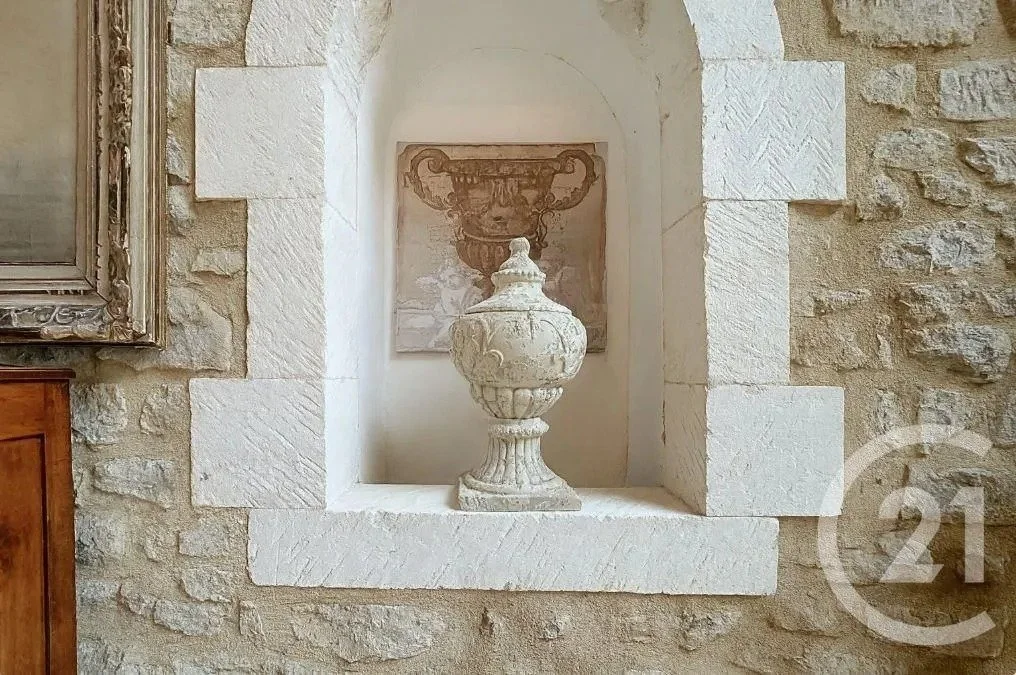
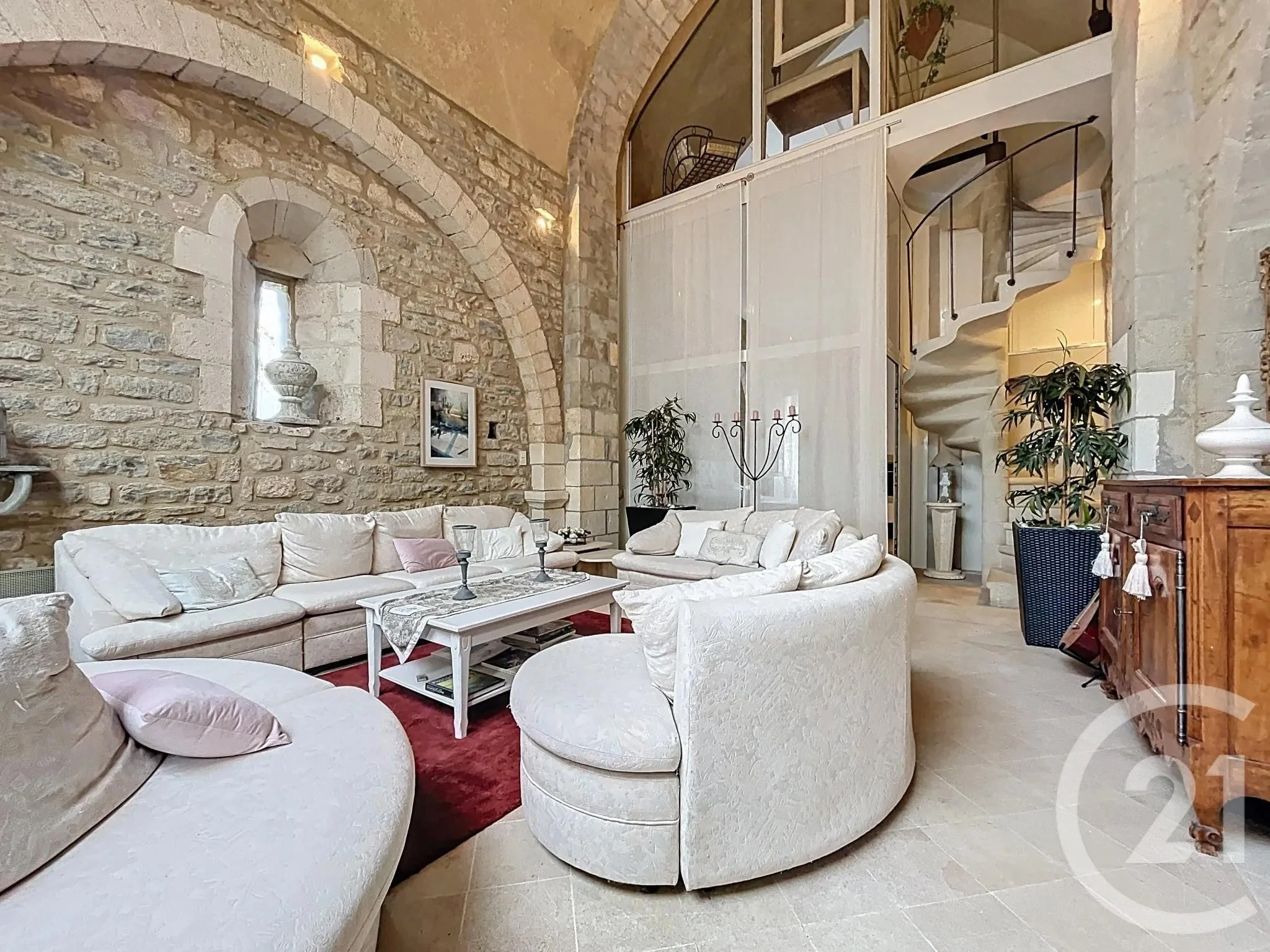
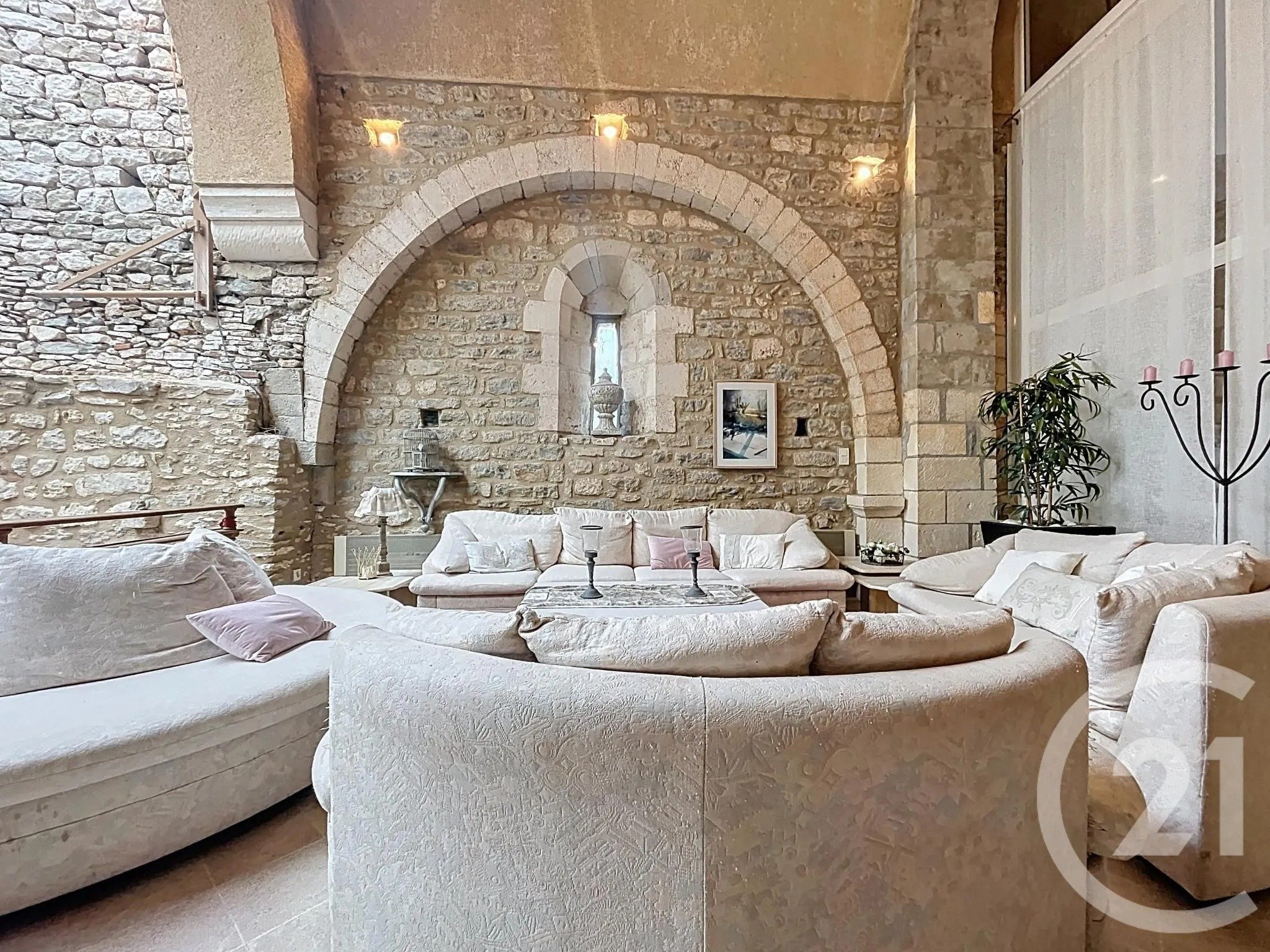
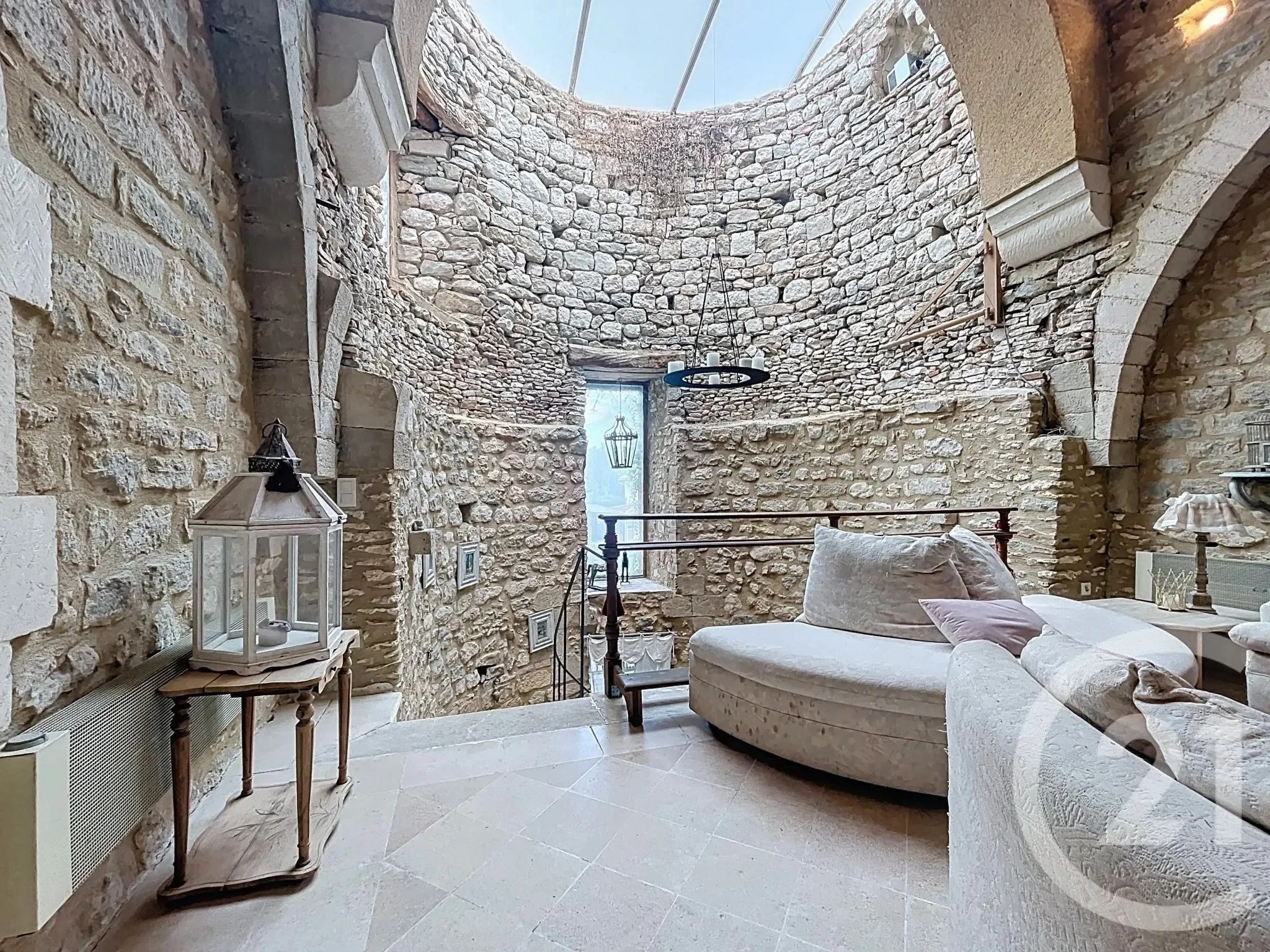
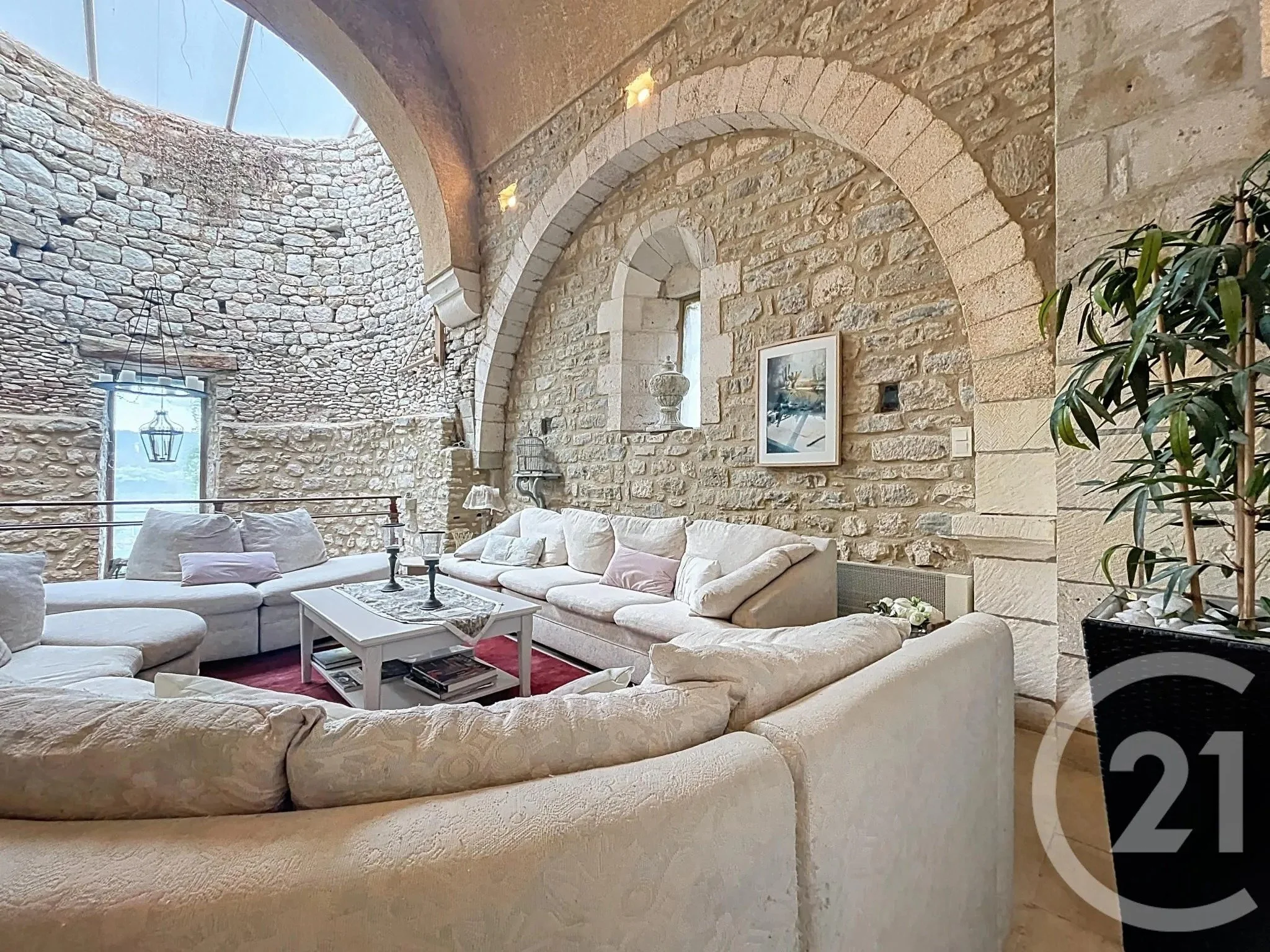
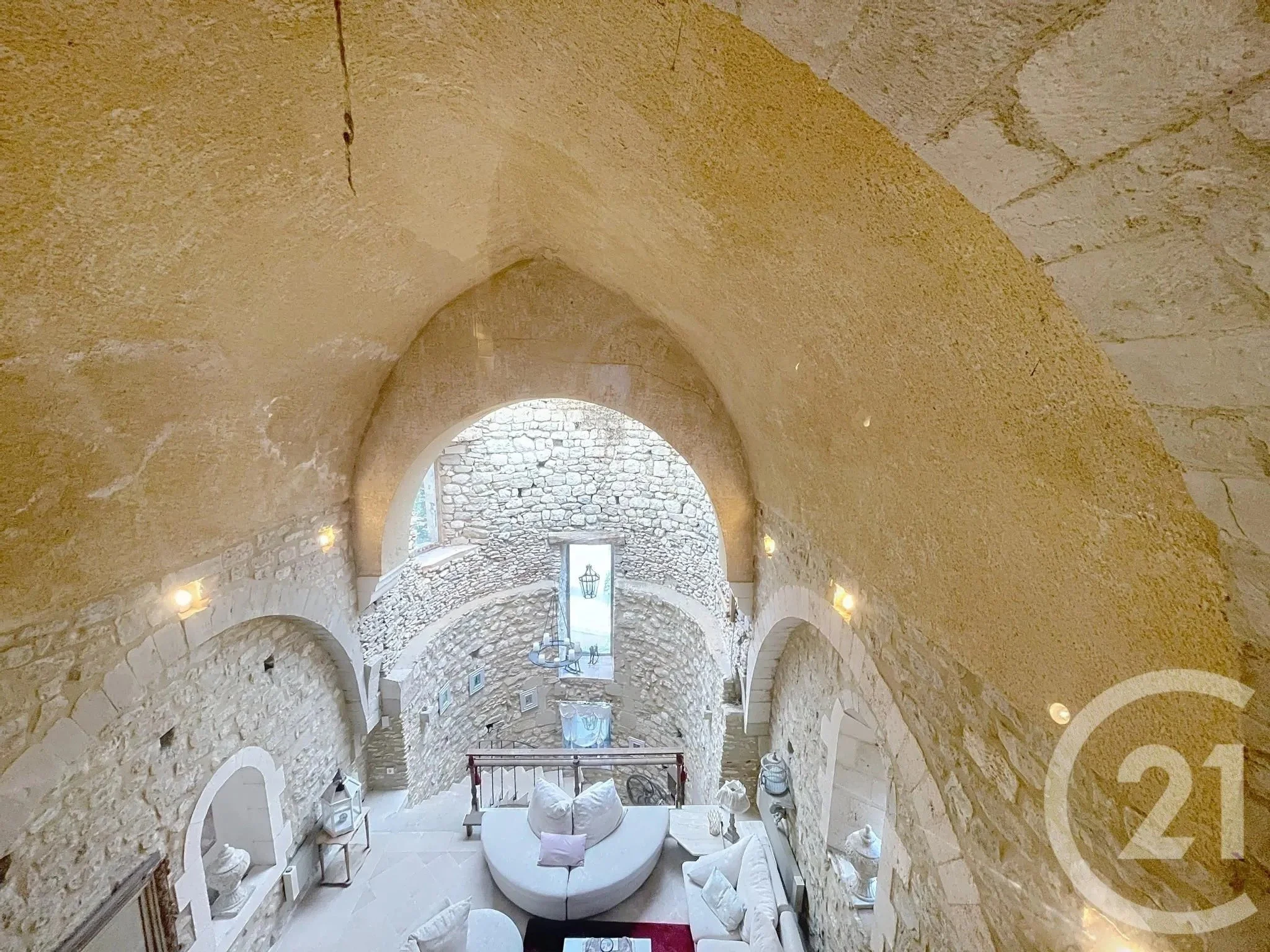
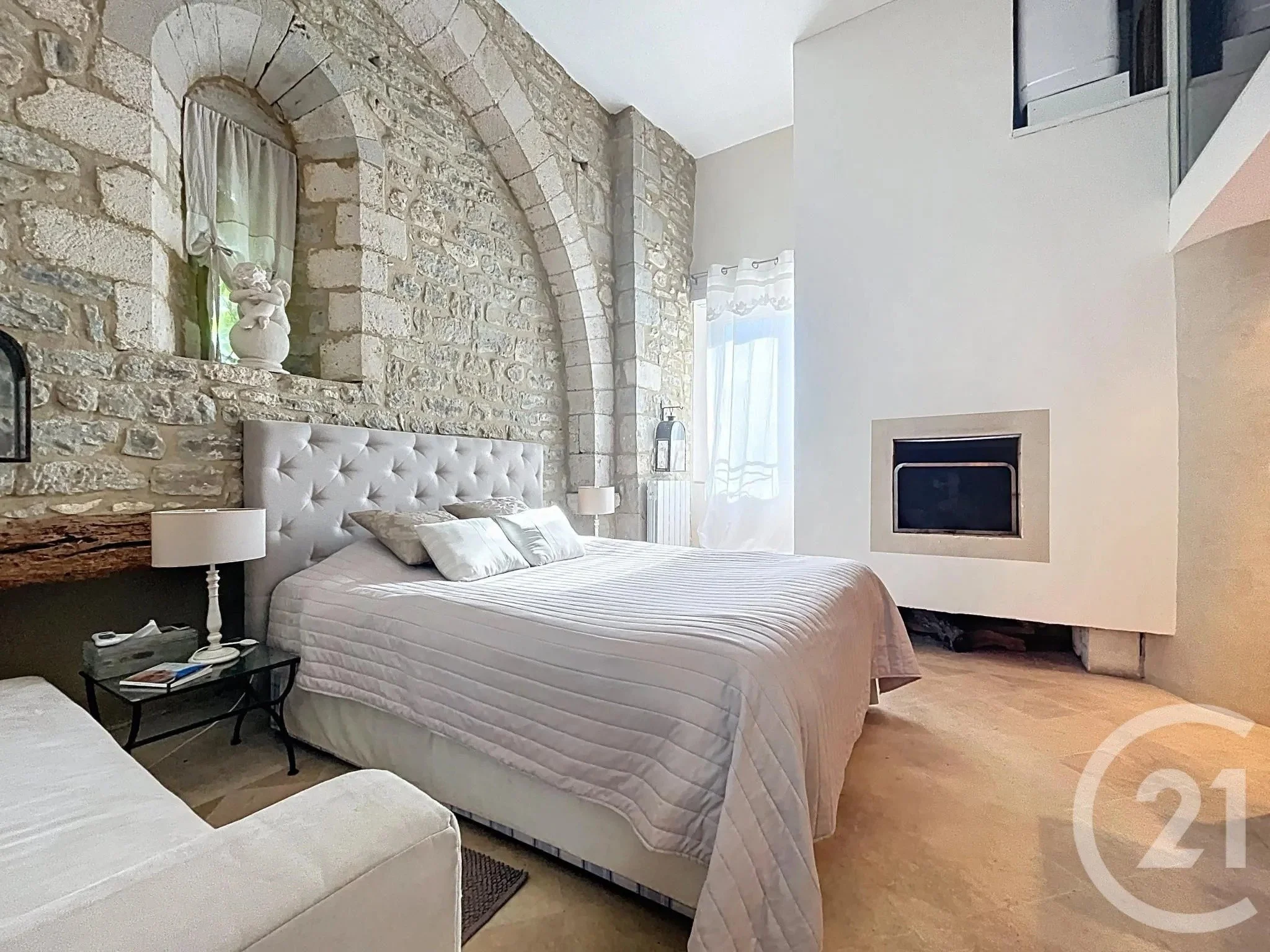
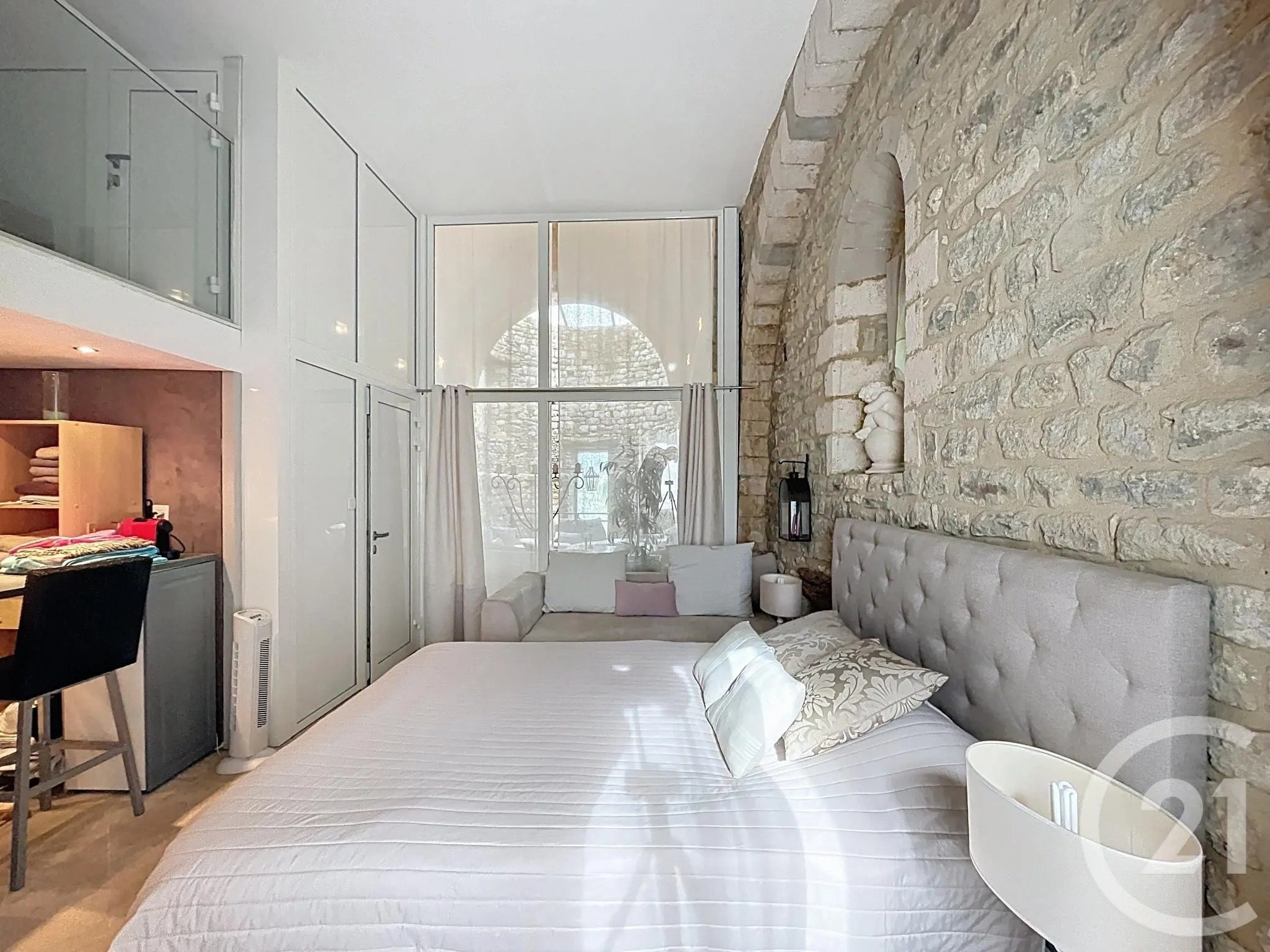
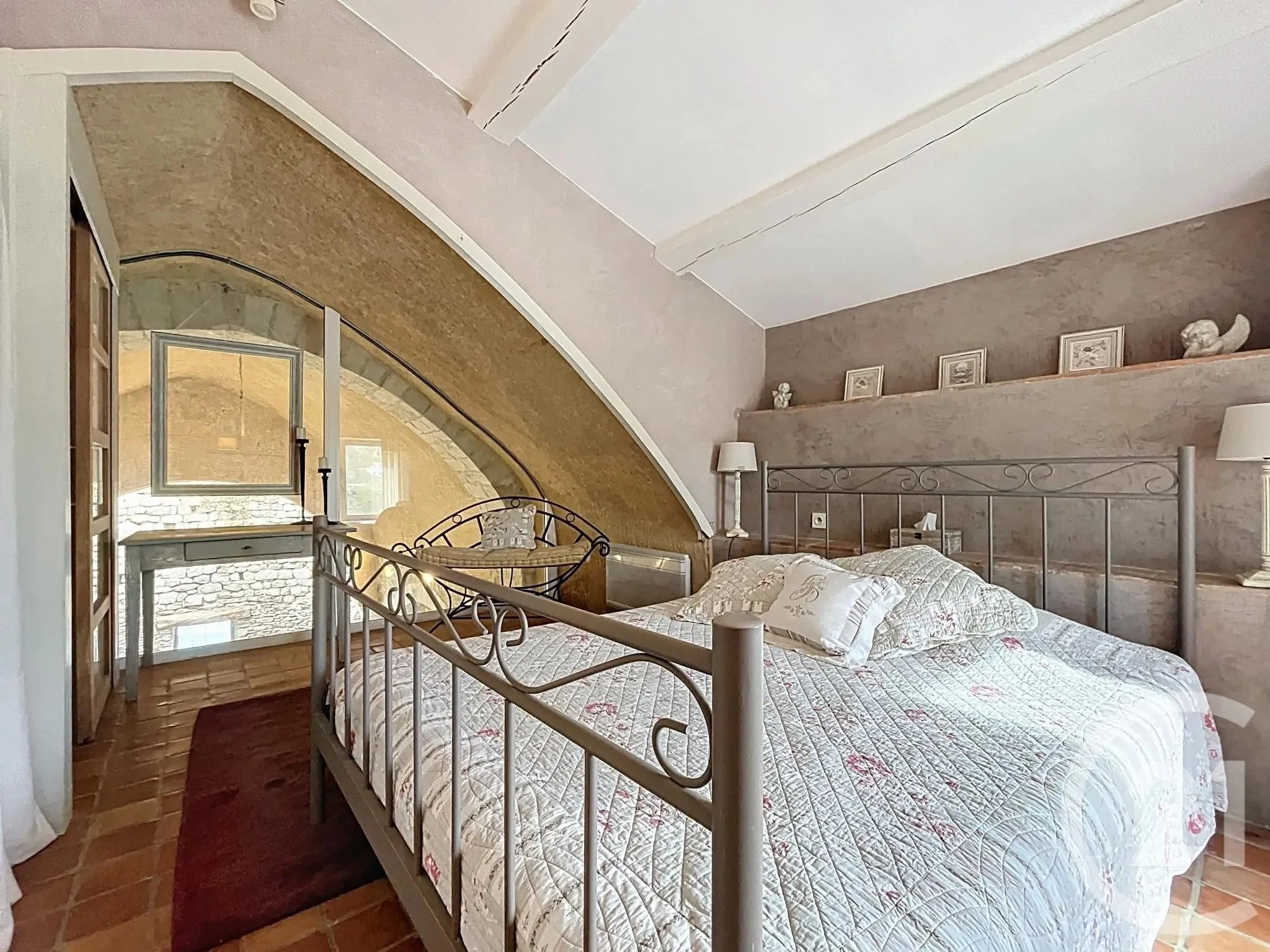
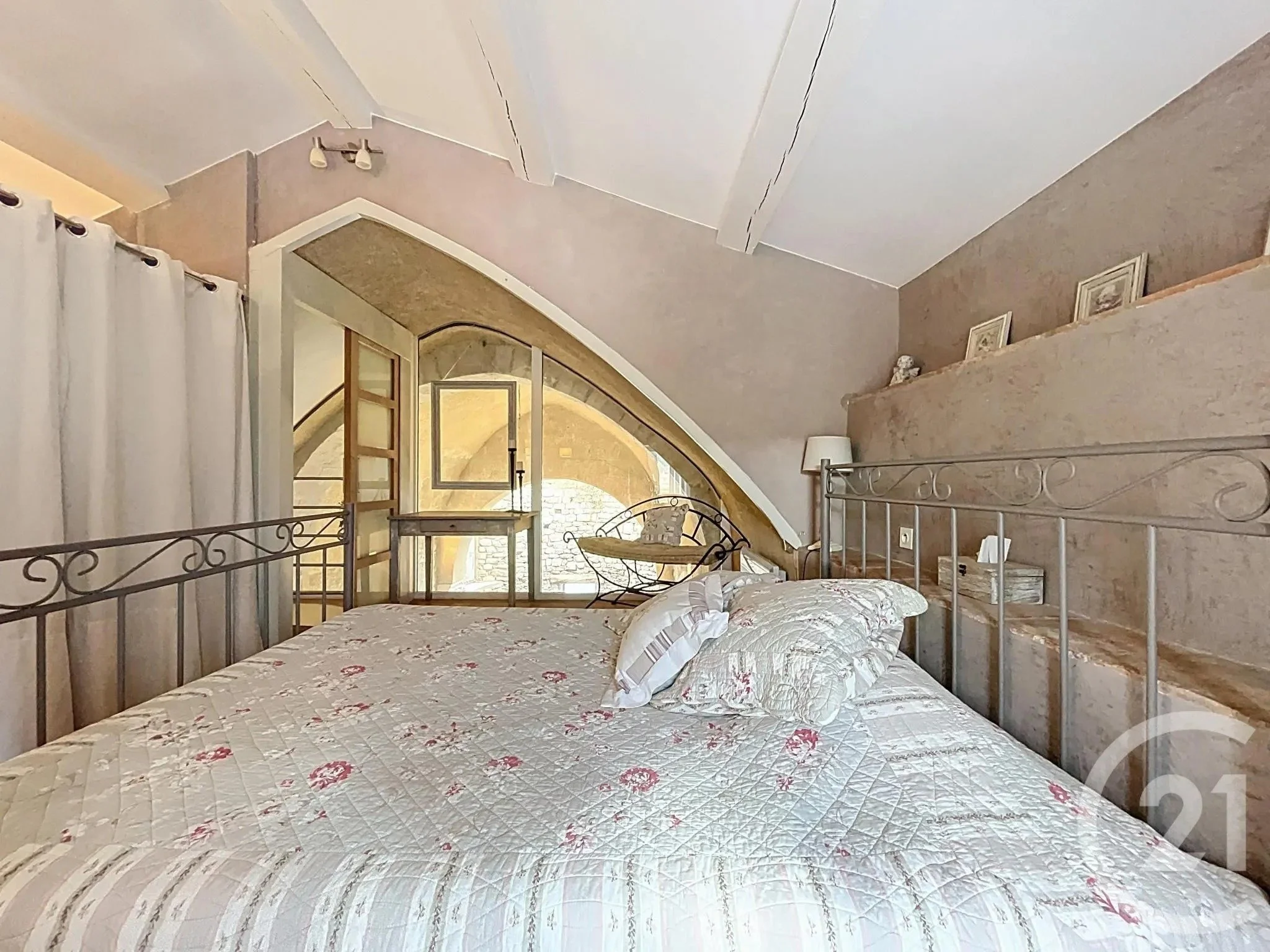
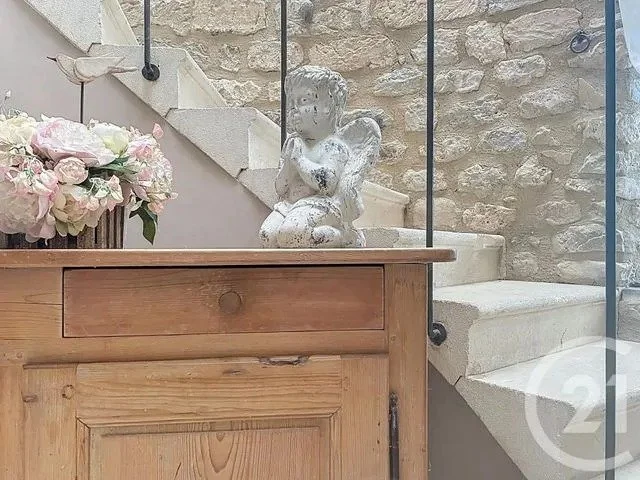
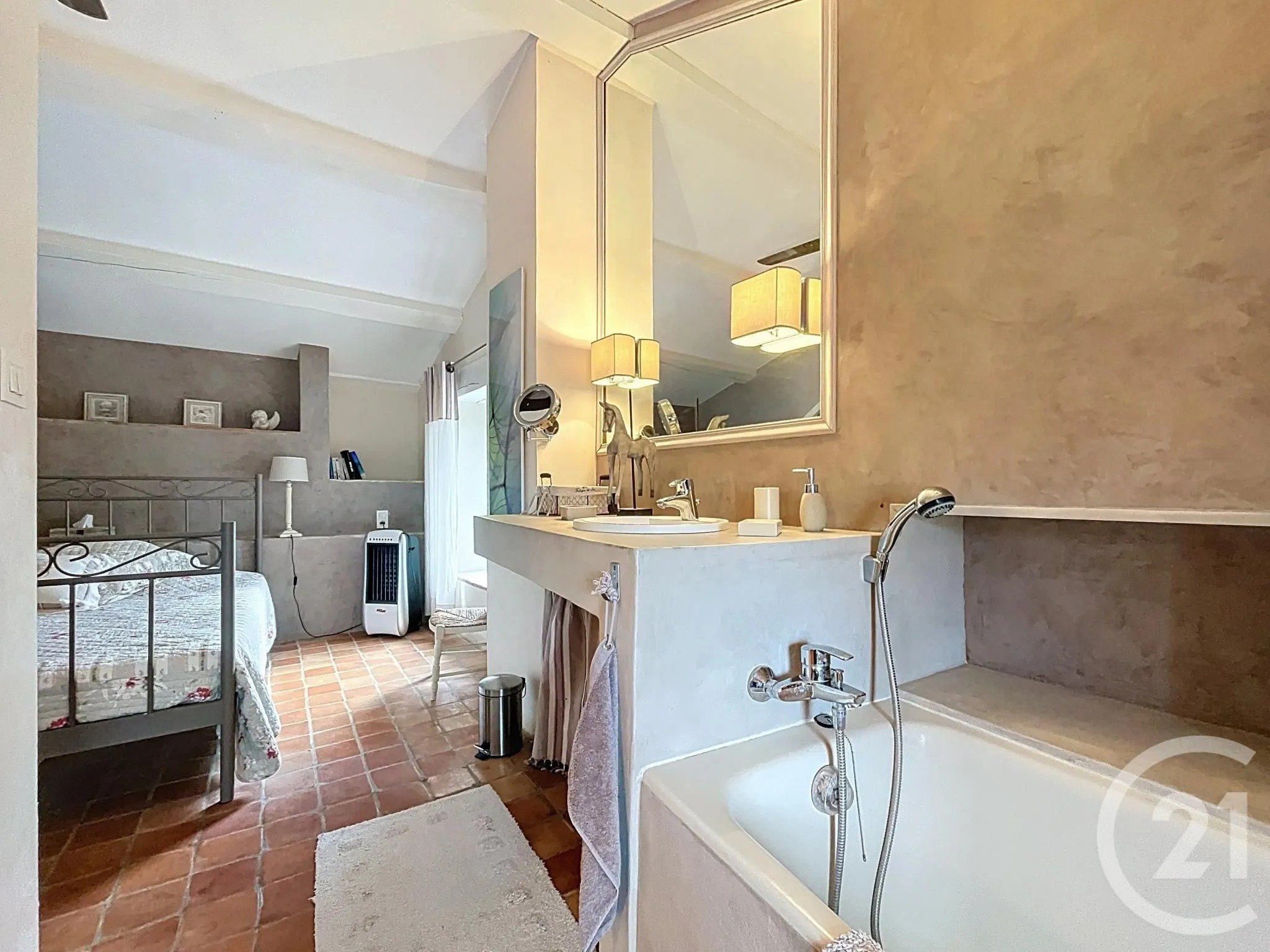
Vaulted volume, stone façade, exposed beams, mezzanine, fireplace
Heating and comfort
Reversible air conditioning, wood heating and electric heating
Windows
Double glazing stated in listing
Energy rating
Class F
Layout highlight
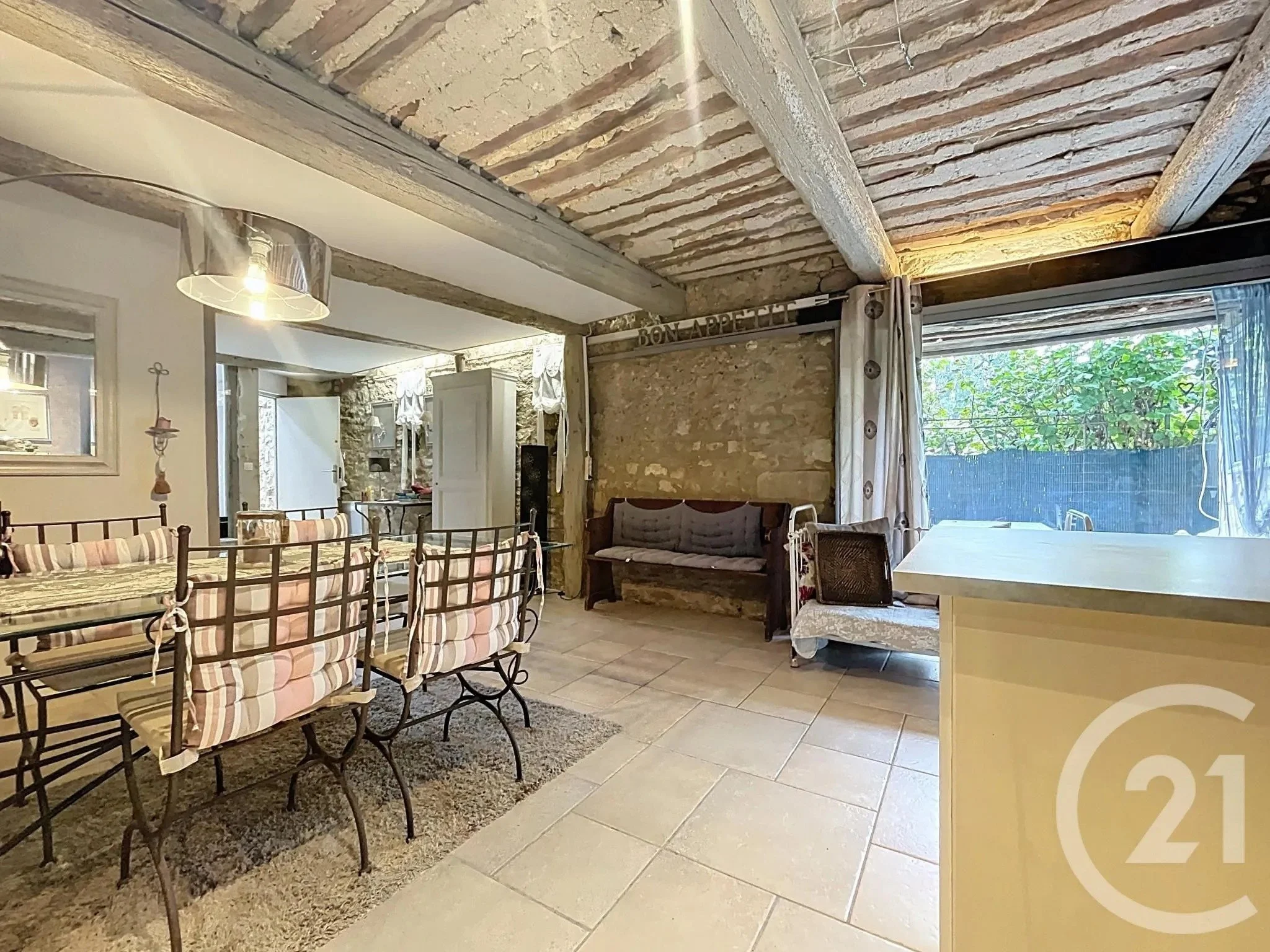
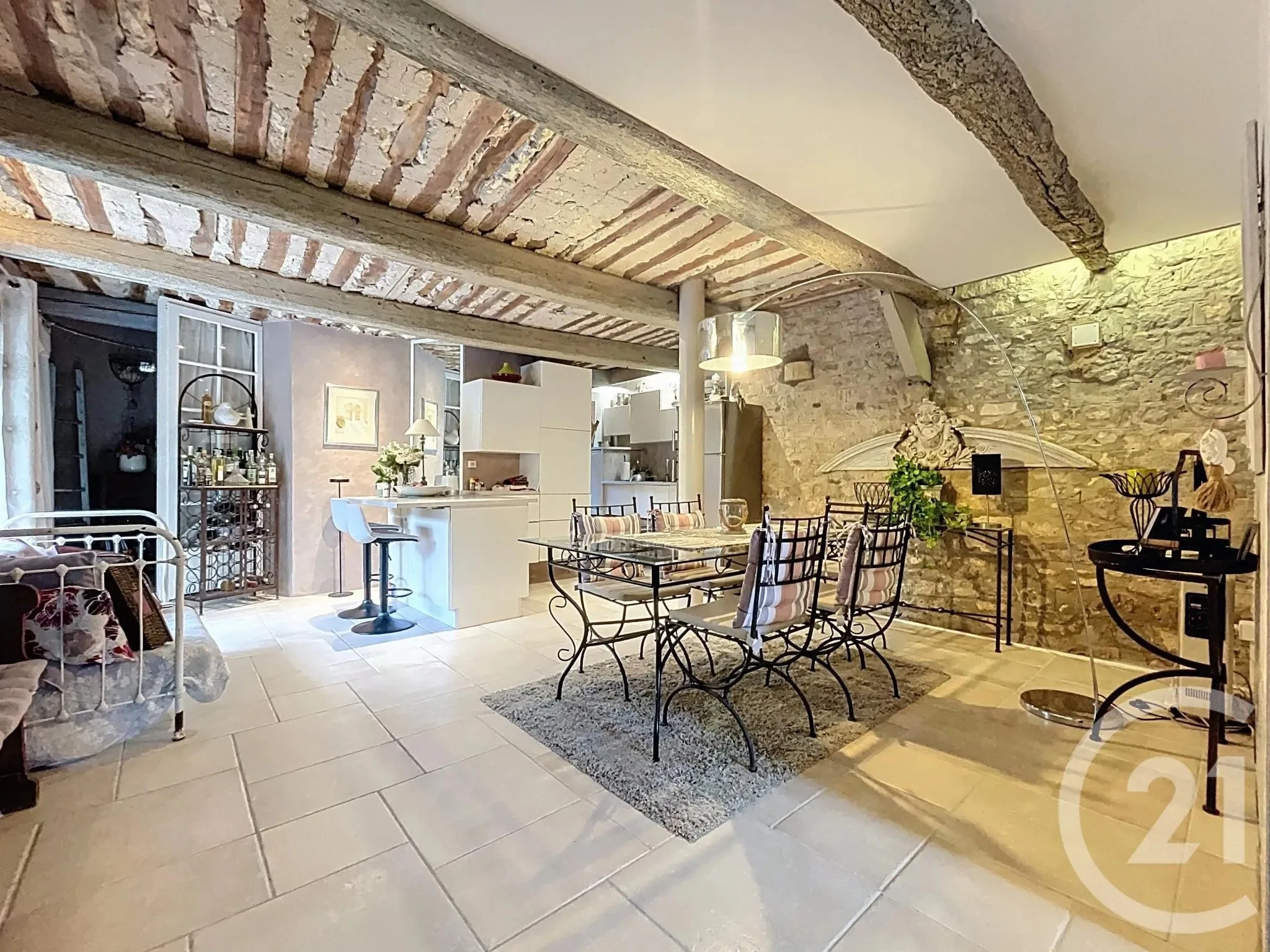
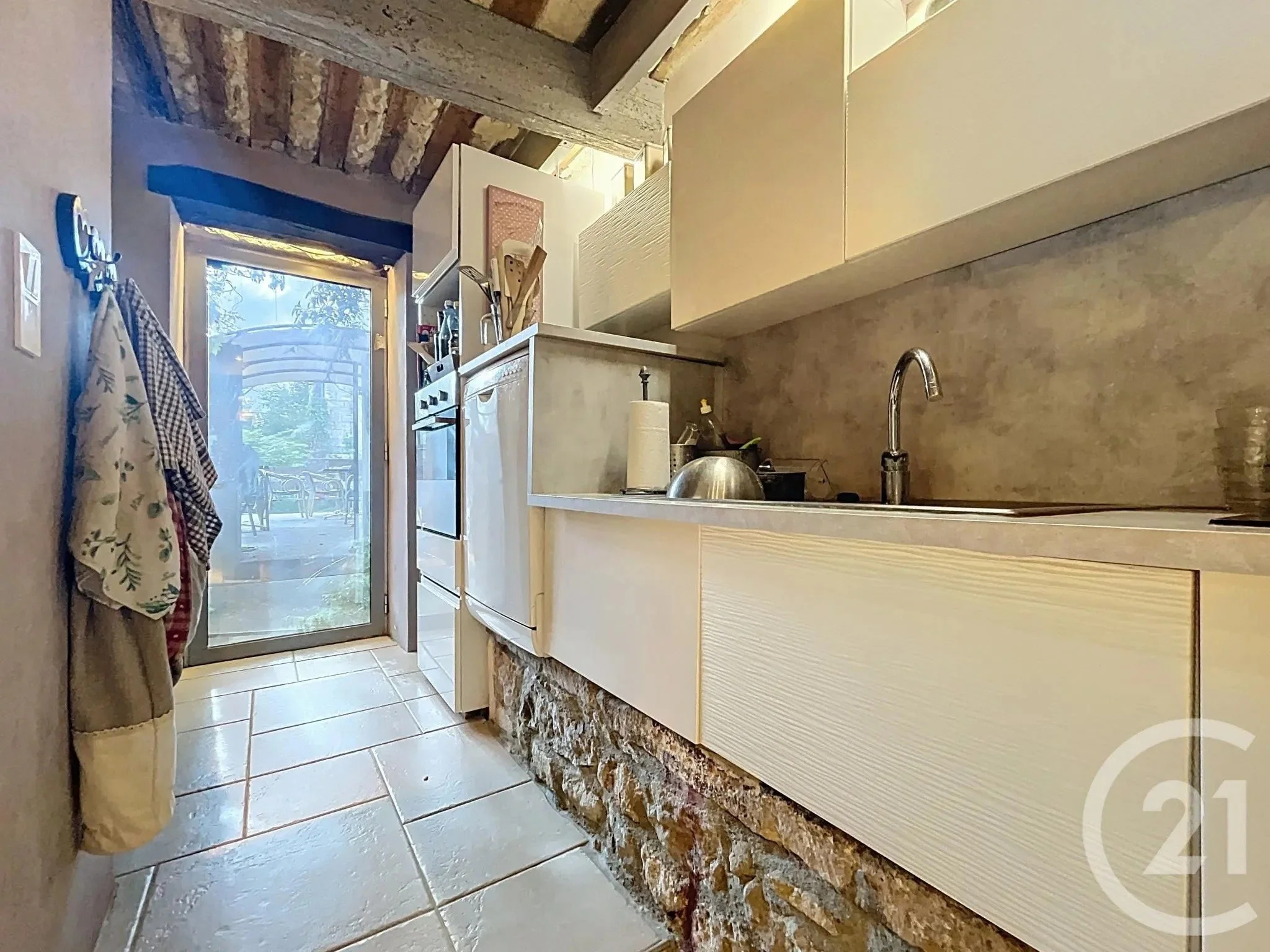
39 m² open-plan living room and kitchen, two 20 m² bedrooms, mezzanine level
Lifestyle angle
Character village-centre home in a tourist-friendly Gard location with likely appeal as a second home, holiday base, or niche rental
Risk Radar
Overview
This is exactly the kind of property that can look irresistible on first viewing and then become highly document-driven the moment you try to buy it properly. The appeal is obvious: a converted chapel in one of the Gard's most attractive villages, strong volume, visible character, an unusual interior, and a central location that works both emotionally and commercially. The challenge is that properties with a former religious use, a heritage feel, and a dated renovation often carry more legal and technical questions than a standard village house.
The biggest due diligence theme is whether the conversion into residential use was fully regularised. A buyer needs to know not just that works were carried out in 2007, but that the change of destination or use, any structural works, window changes, service installations, and completion formalities were properly declared and accepted. If the building is protected in its own right, or sits within the protected setting of a monument historique, future works may require tighter approvals and design constraints. In France, work in the abords of a protected monument is subject to prior authorisation with the agreement of the Architecte des Bâtiments de France, and in the absence of a specially defined perimeter this protection can apply within 500 metres if the property is in the monument's visibility setting.
The second major theme is renovation quality. A 2007 conversion could be either reassuring or simply old enough for hidden issues to begin resurfacing. Roof integrity, damp in stone walls, thermal bridging, ventilation, the true performance of the heating mix, and the quality of the mezzanine construction all matter here. The listing's frank Energy Class F rating is useful because it tells you the building is not pretending to be something it is not. For a sale in France, the seller must provide the DPE within the diagnostic file, and for an F-rated house a regulatory energy audit is generally also required at sale stage for an individual house or single-owner building.
The third theme is practical fit. Unique buildings can be awkward to insure, expensive to heat, noisy to live in, and less flexible to reconfigure. The village-centre setting may be charming in photographs while creating real compromises around parking, deliveries, rubbish storage, summer noise or guest turnover. If the buyer is thinking about holiday letting, the rental question is not simply demand, but whether the property can be operated smoothly and lawfully as furnished tourist accommodation in this exact commune and building context. In France, meublés de tourisme must generally be declared to the mairie, and some communes operate registration systems generating a number that must appear on listings.
Targeted Questions
Heritage and Planning
Direct heritage protection can materially affect what you can alter, how you insure the building, and the cost of future works.
Even without direct listing, nearby heritage protection can trigger design controls and approval requirements.
Prior ABF involvement is a strong clue that the building sits in a controlled heritage context.
A converted chapel should have a traceable legal paper trail, not just a story about works having been done.
The route used helps show whether the works were correctly categorised and approved.
A buyer needs comfort that the present residential use is lawful, not merely tolerated.
Completion paperwork helps show that the authorised works were actually signed off.
Changes to external appearance are often where planning or heritage irregularities become visible.
Even if the original conversion was lawful, later unauthorised works can still create a problem at sale.
Early confirmation from the legal file reduces the risk of buying into unresolved planning ambiguity.
Renovation Quality and Building Condition
"Renovated" can mean anything from cosmetic work to a full technical overhaul.
Invoices help test the scope, quality and recency of claimed improvements.
Old guarantee paperwork still helps establish who did the work and how substantial it was.
Character features can also be the expensive parts when defects appear.
A high-volume former chapel can turn a roof issue into a very costly repair.
Old stone buildings can conceal recurrent leaks behind attractive finishes.
Damp in converted stone buildings can be structural, cosmetic, or ventilation-related.
Past treatment may indicate earlier issues and helps you judge whether they were superficial or systemic.
An F rating often reflects missing or weak insulation in the roof, walls, glazing, or floor buildup.
Ongoing upkeep tells you whether the building has been cared for or merely presented well for sale.
A dramatic historic shell can hide movement that is easy to overlook in photos.
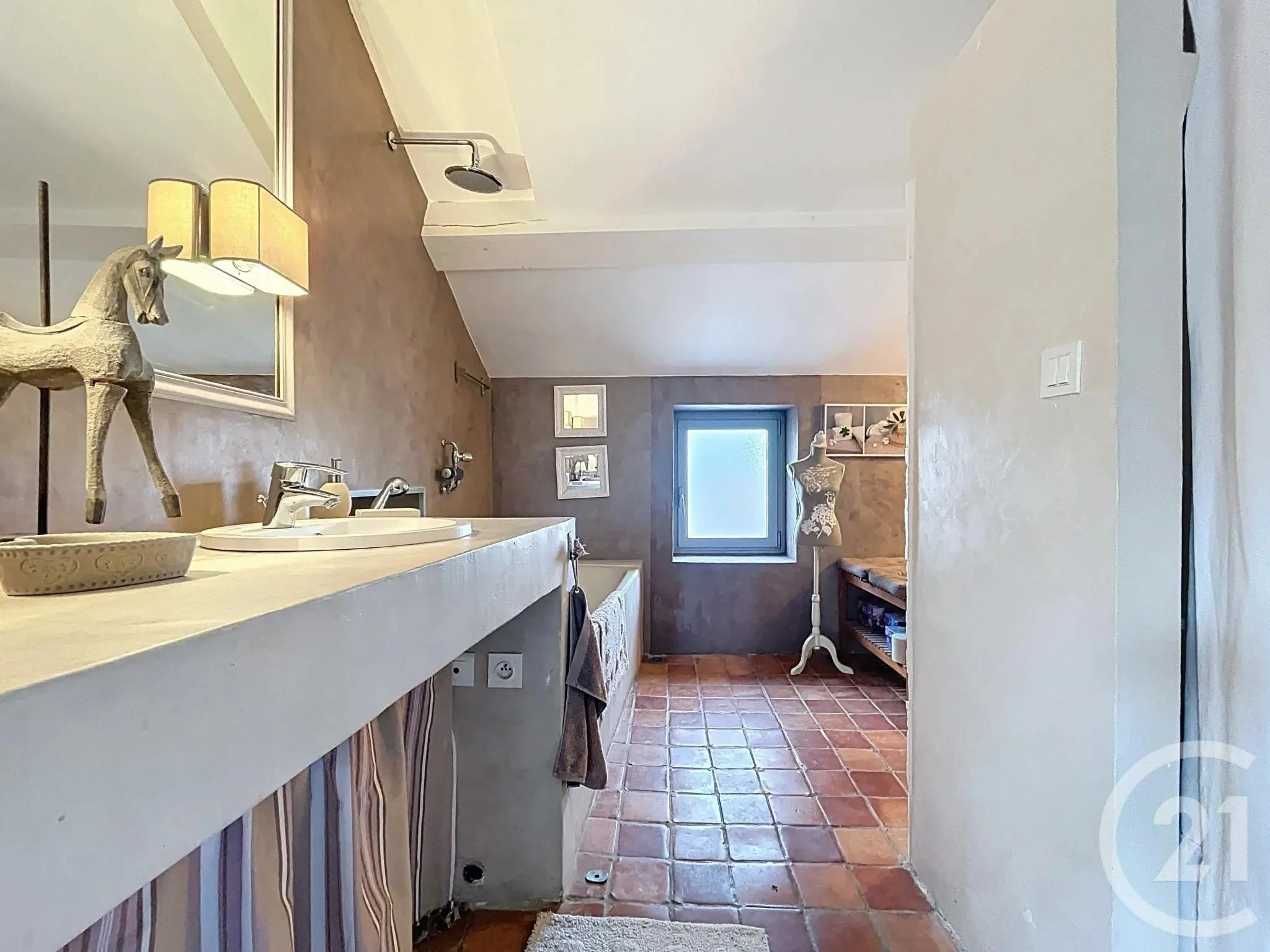
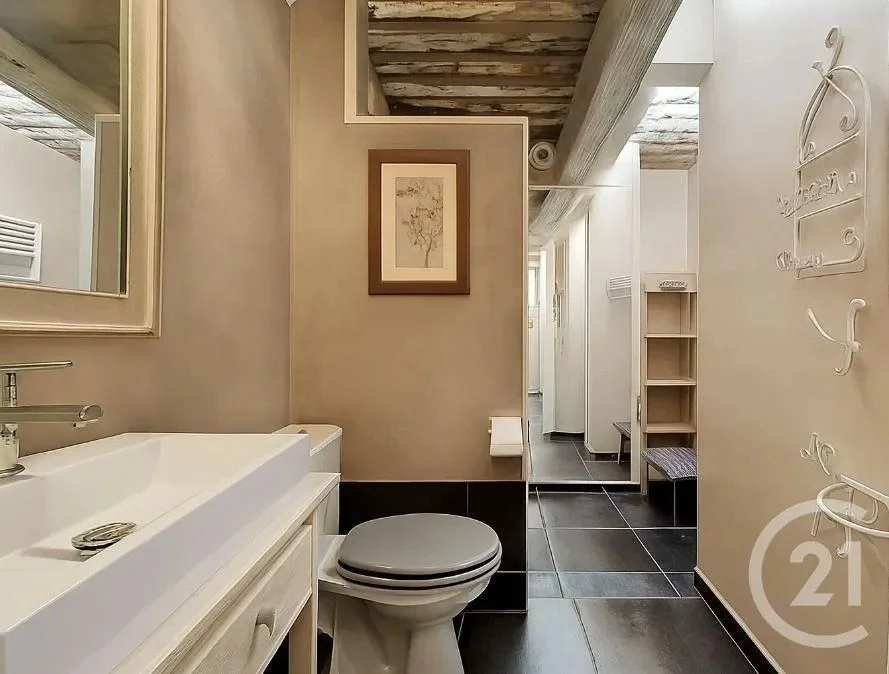
Wet-room age and workmanship matter for leakage risk and immediate capex.
Energy, Heating and Systems
The headline F rating is only the start. The detail shows where the building is underperforming.
For many F-rated houses sold in France, an energy audit must be provided to the buyer.
Real bills often reveal whether the DPE understates or overstates lived running costs.
A mixed system can look flexible on paper but expensive or impractical in daily use.
A fireplace is either a useful heating asset or a decorative liability.
Older reversible systems may be inefficient, noisy, or close to replacement.
Backup heating often becomes primary heating in under-insulated homes.
Hot water capacity and replacement cost matter in a multi-bathroom property.
Window quality heavily affects comfort, condensation risk, and future approval issues.
Heritage-sensitive areas often focus heavily on openings and external visual impact.
Drainage problems in old buildings can be disruptive and expensive.
Converted buildings sometimes have mixed-era wiring that works but is not ideal.
Layout, Legal Area and Usability
Character properties often feel spacious yet inefficiently arranged.
Area metrics in unusual buildings can vary depending on ceiling height and configuration.
A mezzanine may be visually appealing but not fully count as conventional habitable space.
A striking feature becomes a risk if it feels temporary or non-compliant.
"Multiple bathrooms" is vague and value can shift depending on actual arrangement.
Romantic conversions sometimes work better as occasional homes than as practical full-time homes.
Land size alone does not tell you whether there is a meaningful terrace, courtyard or garden.
In village centres, outside areas can be ambiguous, shared, or less private than assumed.
Lifestyle friction tends to show up after completion, not during the first viewing.
Diagnostics, Legal File and Environmental Risk
In France, the seller must provide the relevant diagnostics within the DDT, and these documents often surface issues that the listing omits.
Partial retention of historic fabric can leave older materials hidden behind newer finishes.
Very old village properties may trigger lead-related checks and remediation considerations.
Timber treatment, roof risk and future costs become more important if termites are relevant.
A picturesque riverside village context can come with environmental exposures that matter for insurance and resale.
Prior claims can reveal recurring issues before they become visible in the fabric.
Practicalities, Access and Rental Potential
Village-centre charm can be undermined by daily parking frustration.
Access affects both daily life and the cost of future repairs.
Access difficulty can affect usability, guest appeal, and ageing in place.
Remote work practicality is now a core livability factor, not a nice extra.
A tourist-friendly location can feel very different in July than in November.
Real trading evidence is more valuable than broad local rental optimism.
French furnished tourist lets usually require a mairie declaration, and in some communes a registration number is issued for listings.
Operational friction can kill rental viability faster than regulation.
Negotiation Intelligence
Buyer Leverage
Medium-High
Key Drivers
Typical Negotiation Range
5-15% below asking
Neutral Phrasing Examples
Country Layer
France (Regulatory Context March 2026)
For a property like this, the French documentation file matters a great deal. Key French requirements and regulatory context for buyers:
Viewing Strategy
Go to this viewing with a document-first mindset and a building-second mindset.
Next Step
Verify from the listing:
Lawful chapel-to-home conversion
Request the full 2007 planning and completion file, including the authorisation used, any change-of-destination paperwork, and evidence that the property’s residential use was properly regularised.
Heritage and ABF constraints
Confirm whether the building is protected or sits within the abords of a monument historique, because that can materially affect future window, façade, roof and services work.
Energy Class F and upgrade burden
Obtain the full DPE, the regulatory energy audit, and real annual utility bills so you can judge whether the property’s running costs and future upgrade needs are acceptable.
Quality of the 2007 renovation
Ask for invoices, contractor details, and records for roof, wiring, plumbing, heating, windows and damp-related works so you can separate a proper conversion from a cosmetic one.
Village-centre practicality and rental fit
Verify parking, noise, delivery access, outdoor-space reality, and the exact tourist-rental declaration or registration requirements before assuming the home works smoothly as a main residence or short-stay rental.
A prepared buyer should approach the agent calmly and frame questions as due diligence.
Because this is a character conversion where legal status, renovation quality and energy exposure all materially affect value, run it through the Property Risk Assessment and the Renovation Budget Planner before contacting the agent.
Disclaimer: The Property Drop is buyer-focused intelligence, zero sales agenda. We curate exceptional properties, in southern Europe, from third-party agents and arm you with decision tools. No commission, no transactions, no agent partnerships, no skin in the game beyond helping you choose wisely. Information stays accurate until it doesn't (properties sell, prices shift, markets move). Everything here is shared for informational purposes only and should not be treated as legal, financial, or investment advice. Images belong to original agents. Read our Terms of Service to learn more.
IMPORTANT REMINDER: When contacting property agents featured on The Property Drop, you are entering into direct communication with third parties. It's recommended that you verify all property details independently, conduct thorough due diligence, engage qualified professionals (solicitors, surveyors, financial advisors), understand your rights and obligations under local property laws, and never send money or make commitments without proper legal protection.
