
The Buyer Playbook: Historic Valley Farm, Manor House, Caretaker’s Cottage and Land, São Martinho de Mouros, Portugal, €450,000
Buyer Playbook
Pre-Viewing Intelligence Report
This independent buyer guidance report relates to this specific property located in Portugal. It is provided for informational purposes only and does not constitute legal, tax, structural or survey advice. Title position, licença de utilização, cadastral and registry alignment, spring and water-use rights, zoning, construction potential, tourist-use licensing, habitability, parking, access, and any heritage or rehabilitation constraints must always be verified with qualified Portuguese professionals such as an advogado, arquiteto, engenheiro, solicitador, surveyor or licensed property consultant, and with the relevant Câmara Municipal, Conservatória do Registo Predial, Autoridade Tributária and Agência Portuguesa do Ambiente where applicable. In Portugal, the permanent land-registry certificate is a formal tool for confirming title information, and the energy certificate is a mandatory document when selling or letting a home. This report is designed to help buyers evaluate the property before arranging a viewing or making an offer. It highlights due diligence areas and targeted questions to ask the estate agent. The analysis is based on the listing details and publicly available regulatory context at the time of writing. For hospitality or tourism use, buyers should distinguish carefully between Alojamento Local and tourism-enterprise routes such as turismo no espaço rural or turismo de habitação, because the regulatory path, physical requirements and building-use implications can differ significantly.
Playbook Contents
Property Snapshot
Location
São Martinho de Mouros, Resende municipality, Viseu District, Portugal, near the UNESCO Alto Douro Wine Region.
Property type
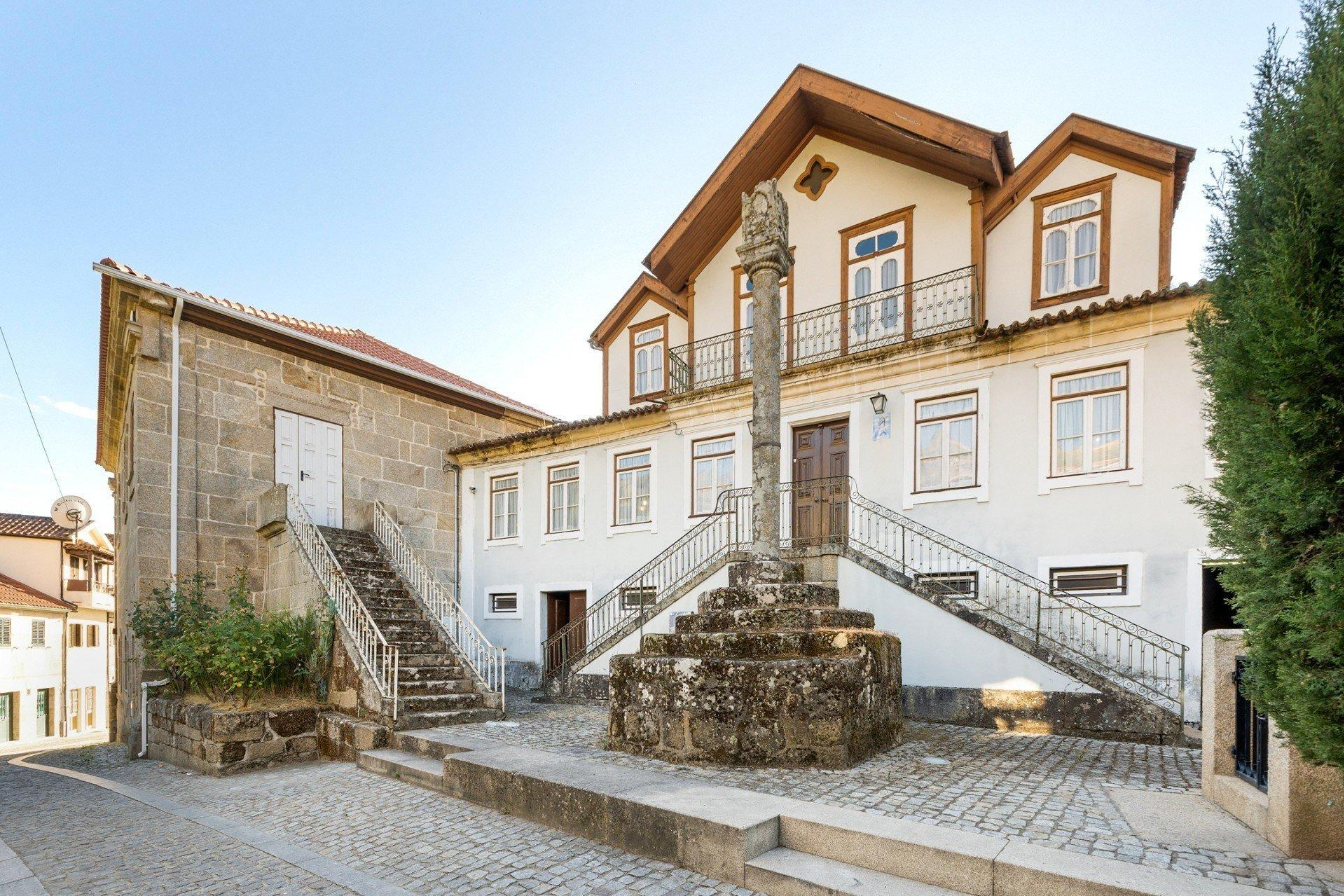
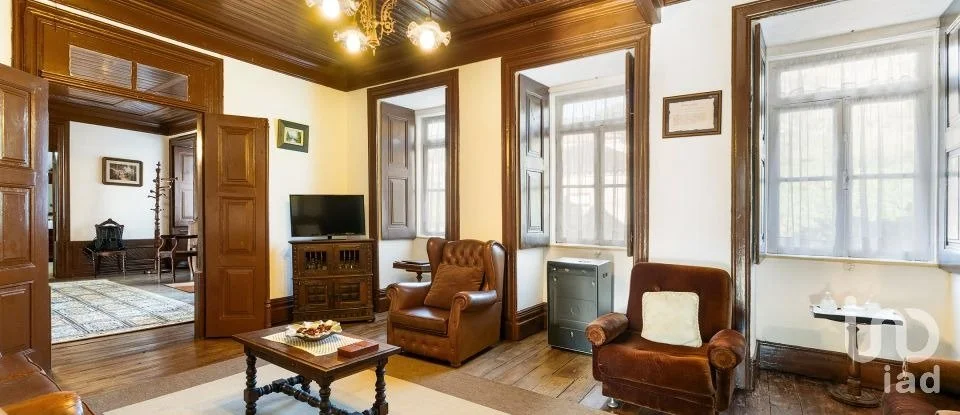
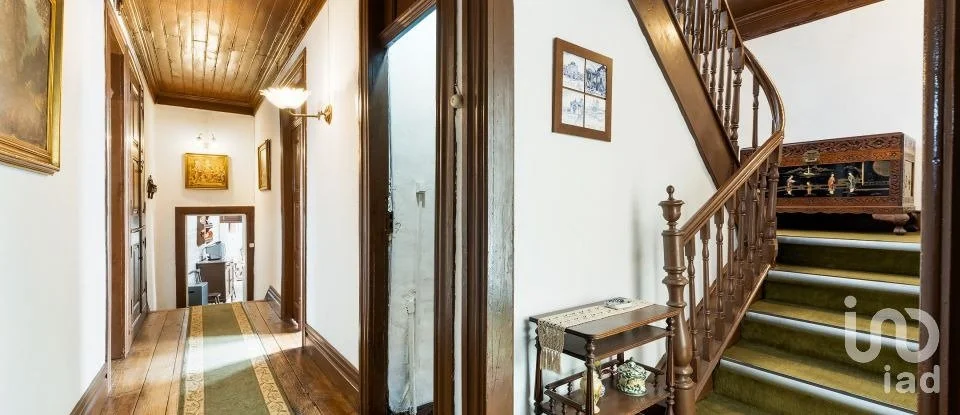
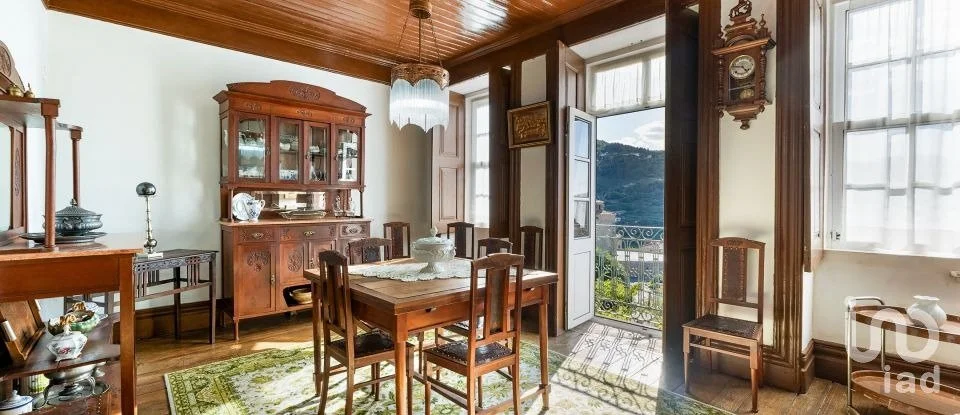
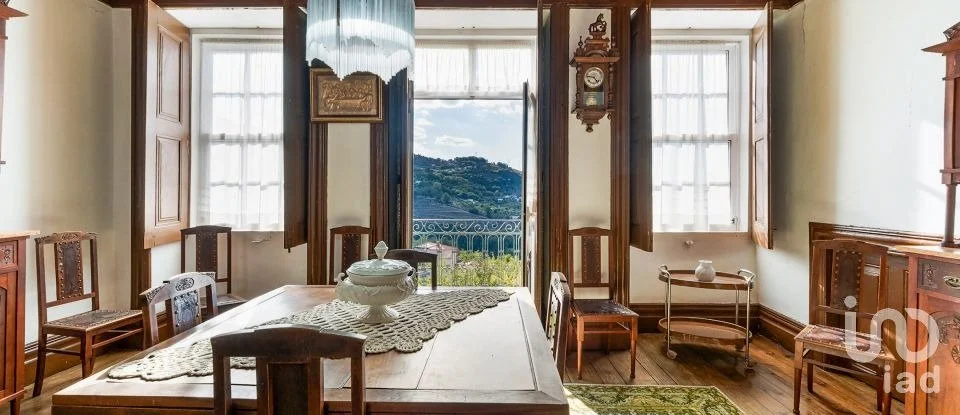
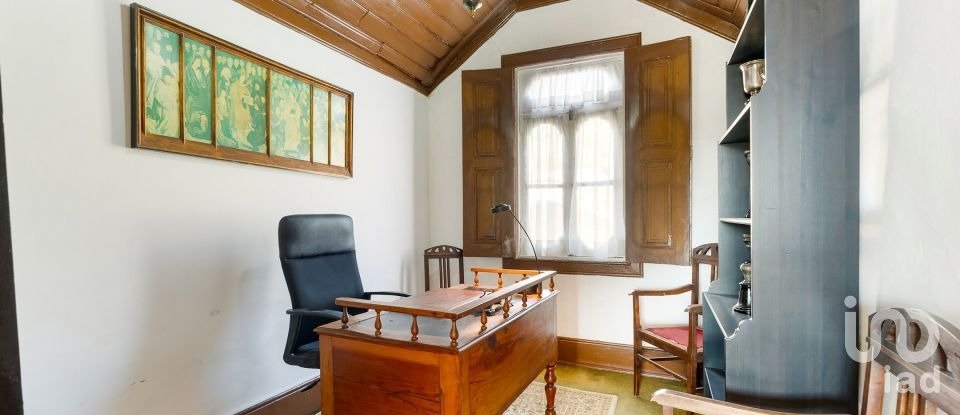
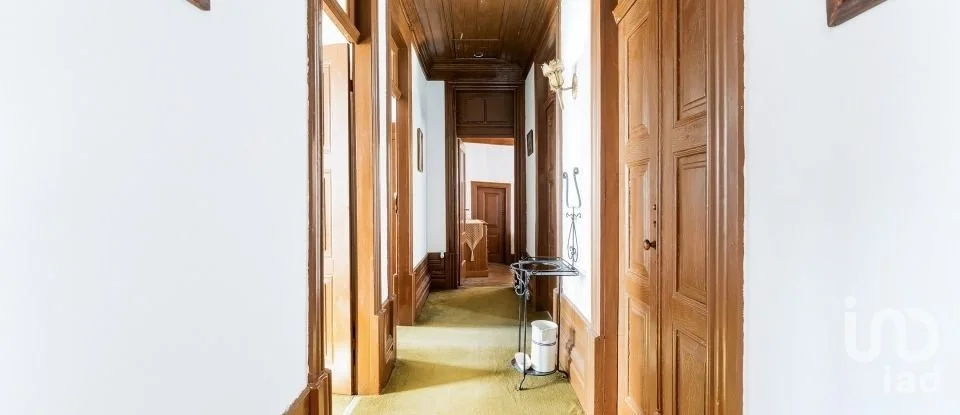
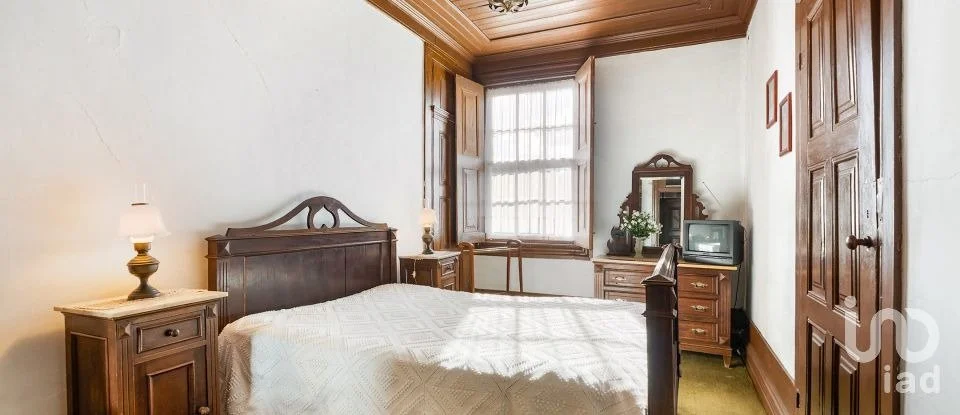
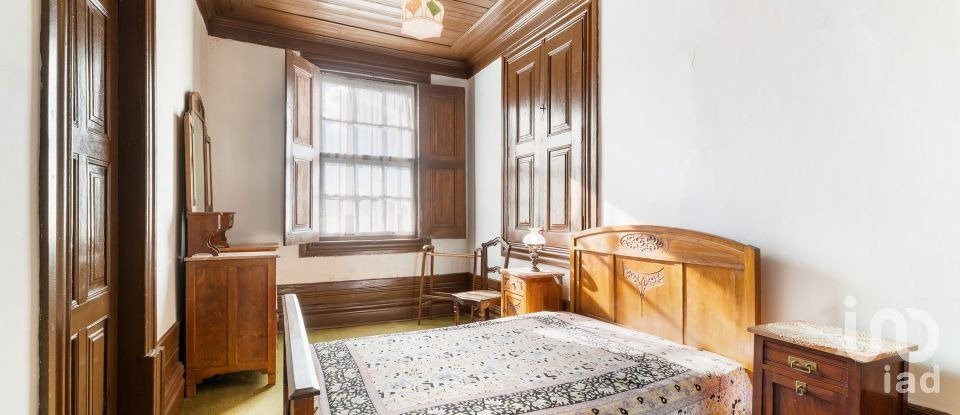
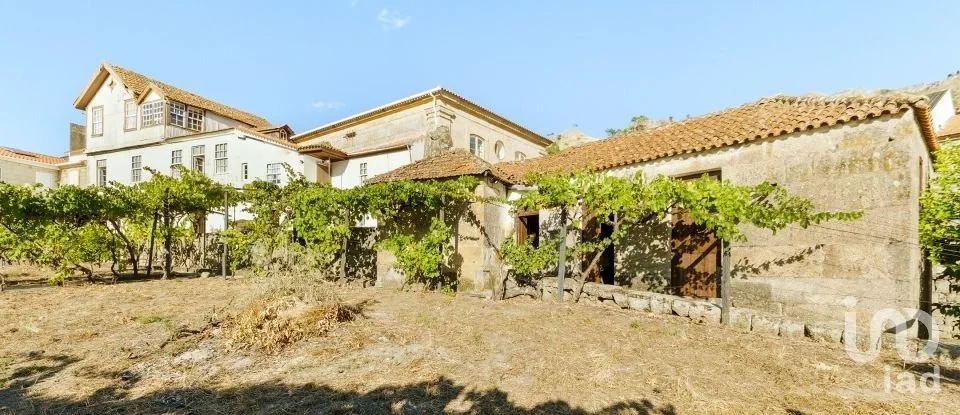
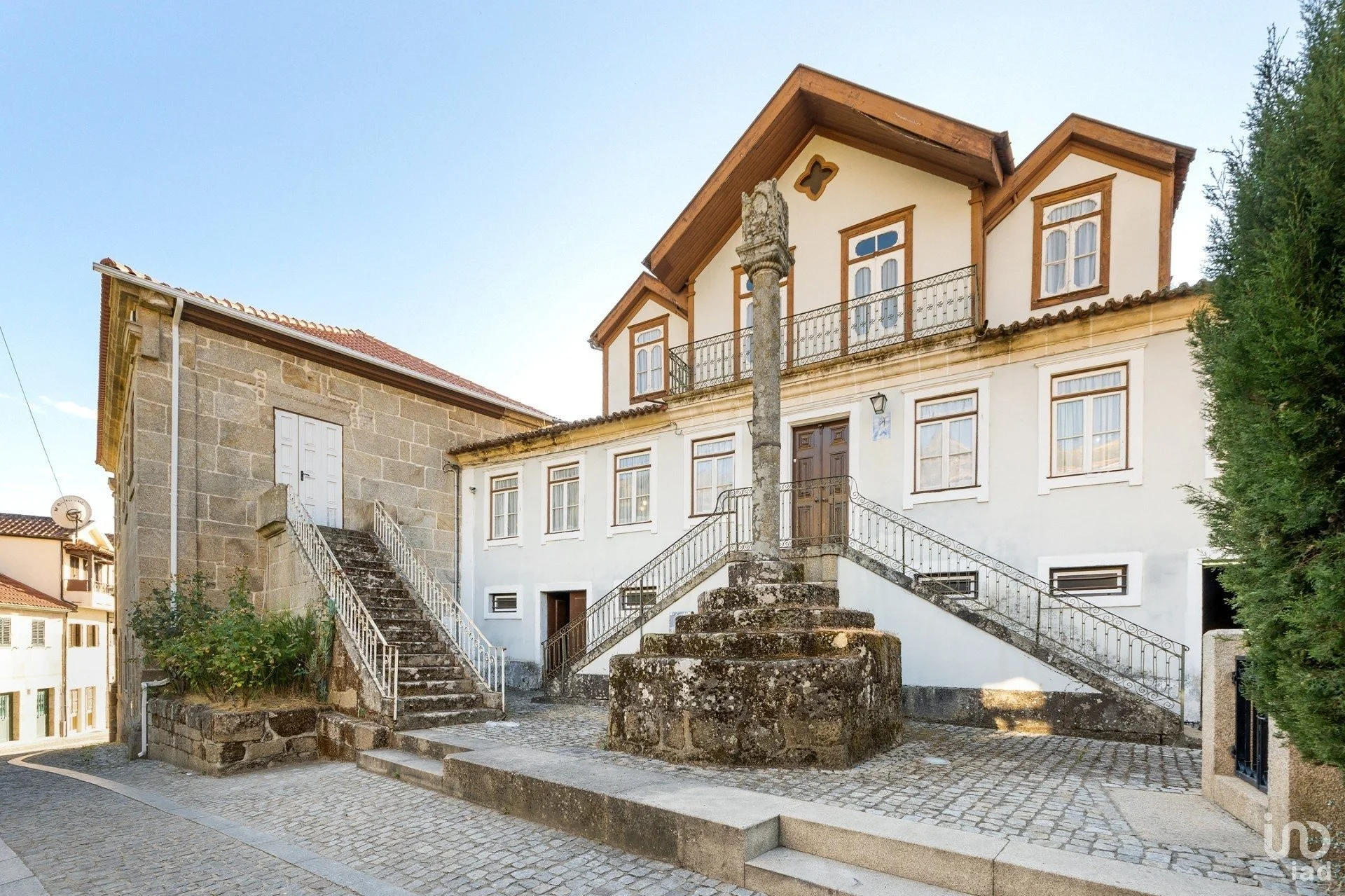
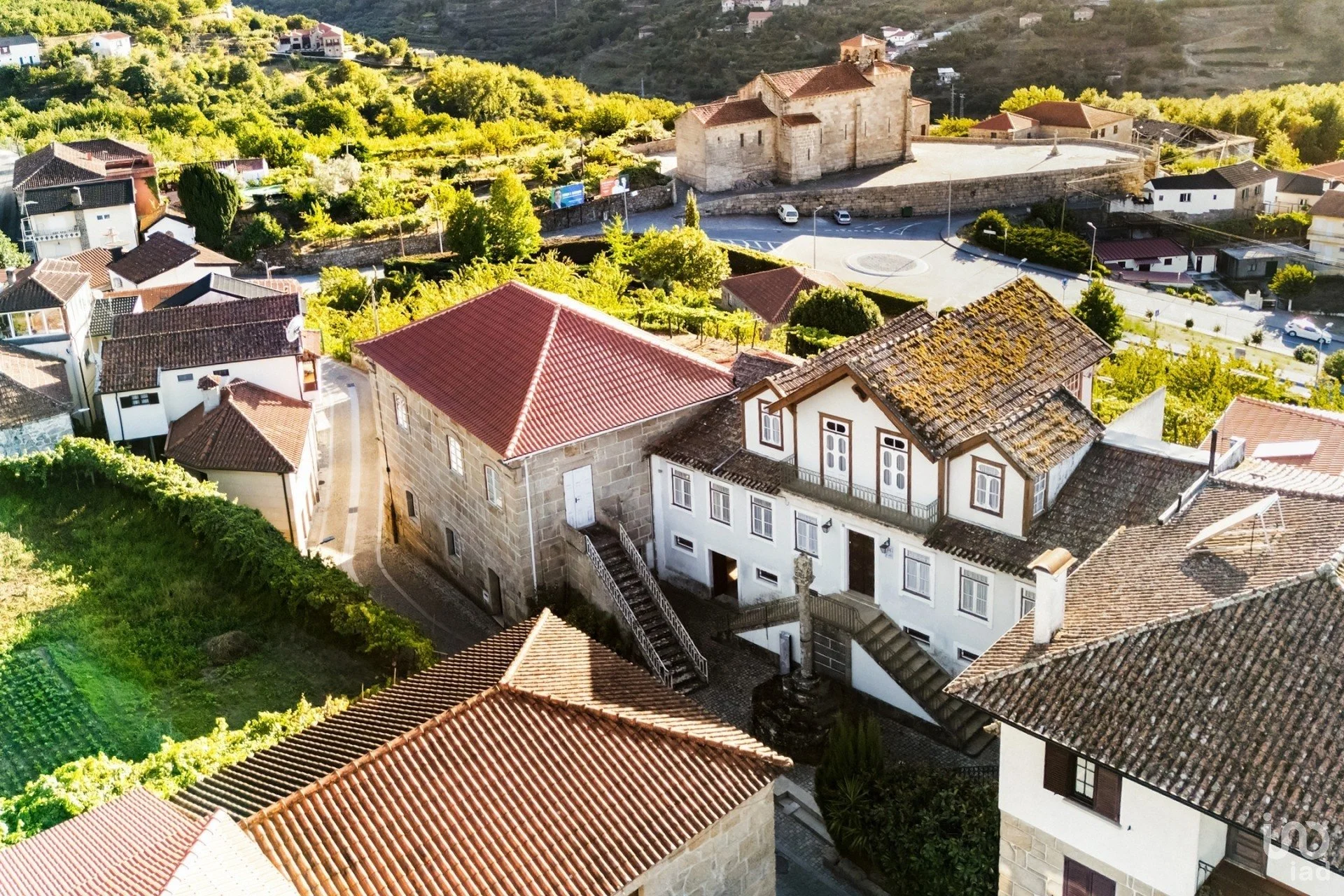
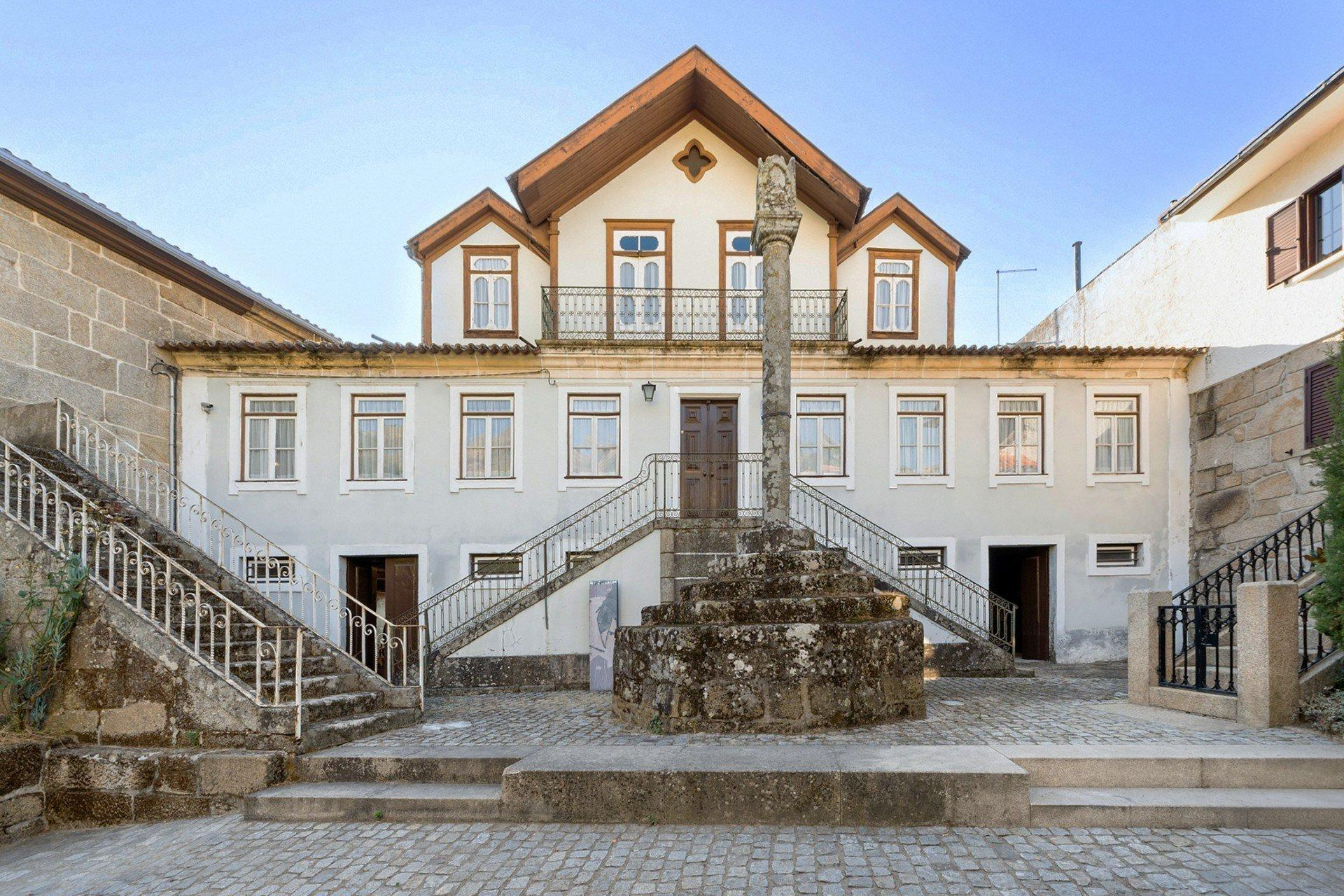
Historic hilltop manor estate known as Casa do Pelourinho, with four buildings.
Asking Price
€450,000.
Main accommodation
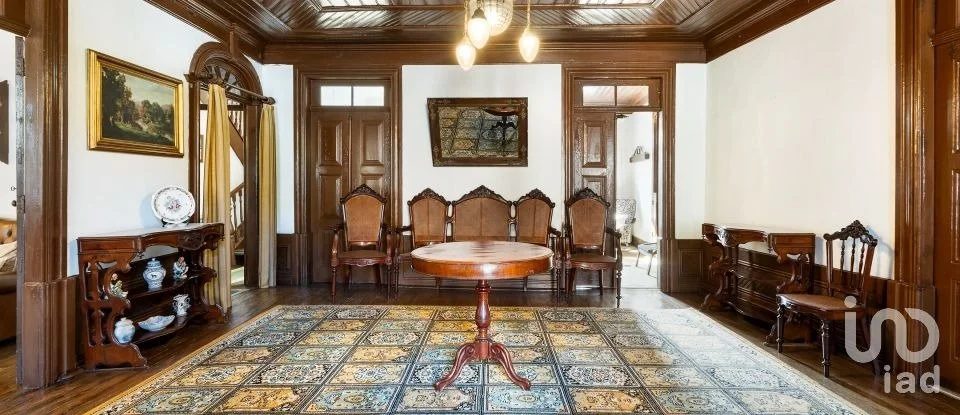
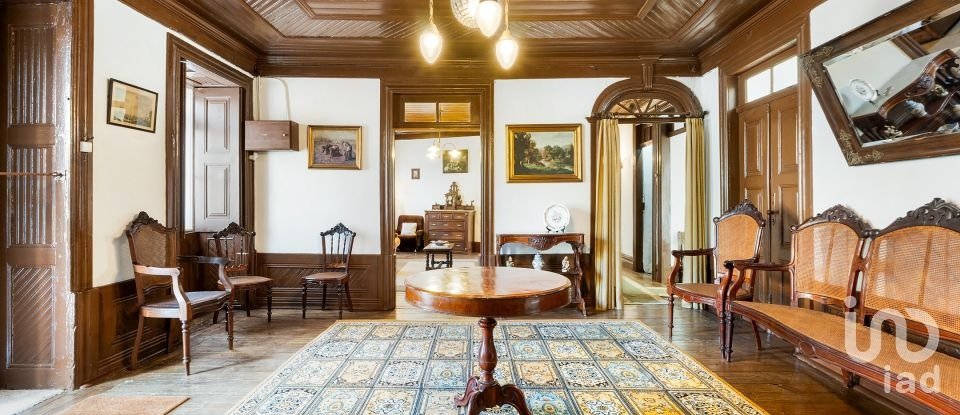
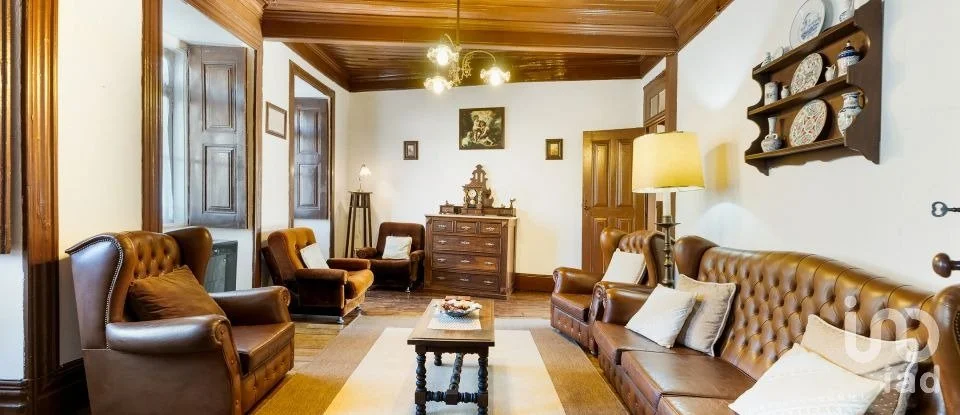
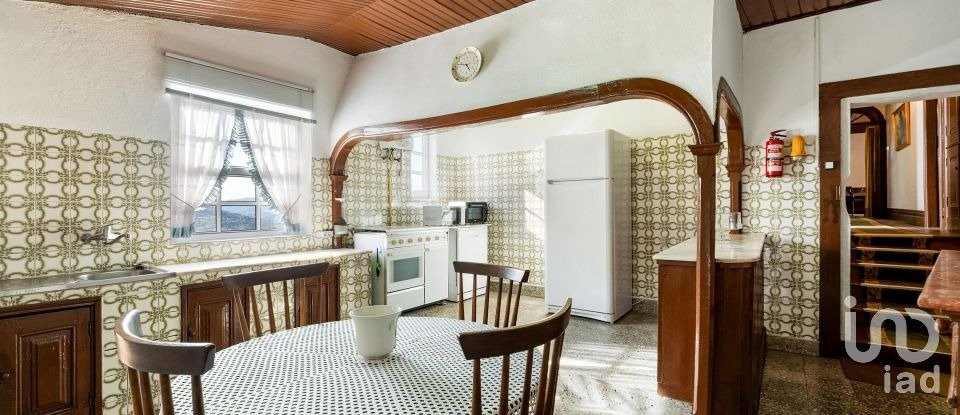
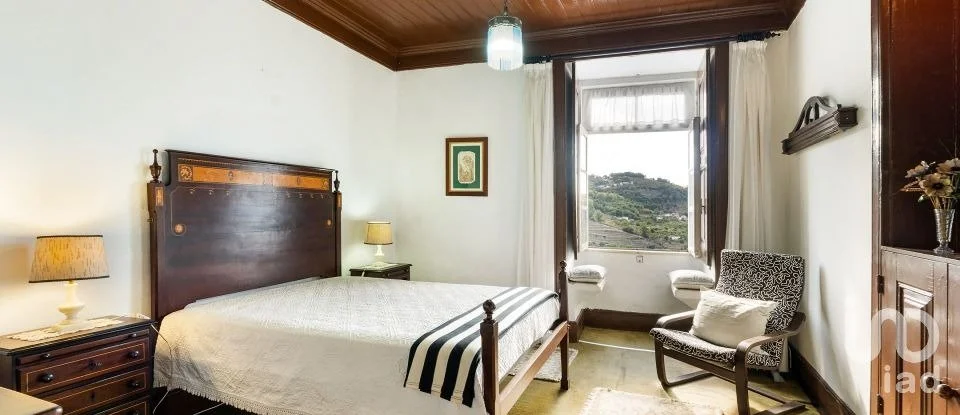
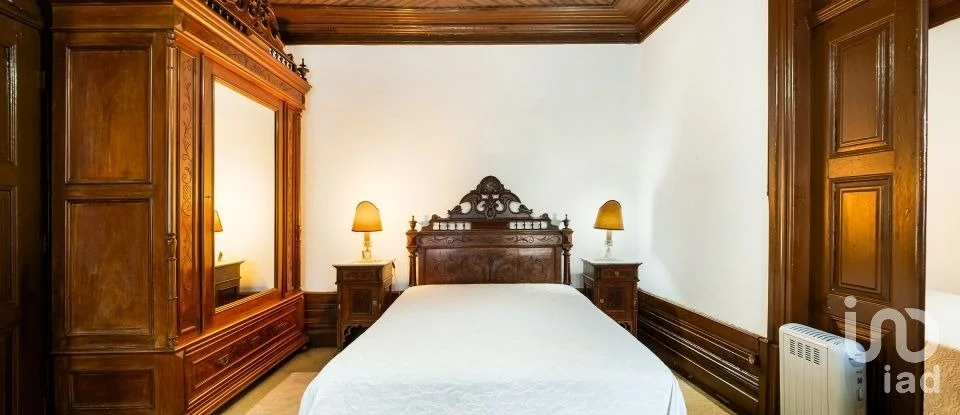
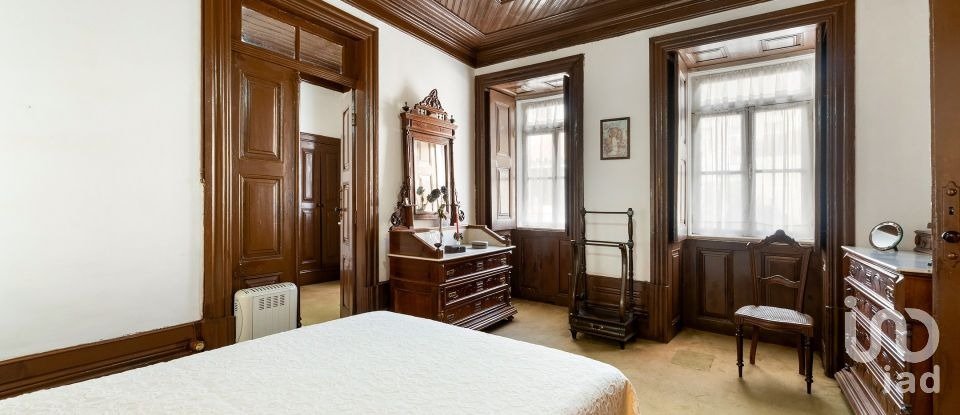
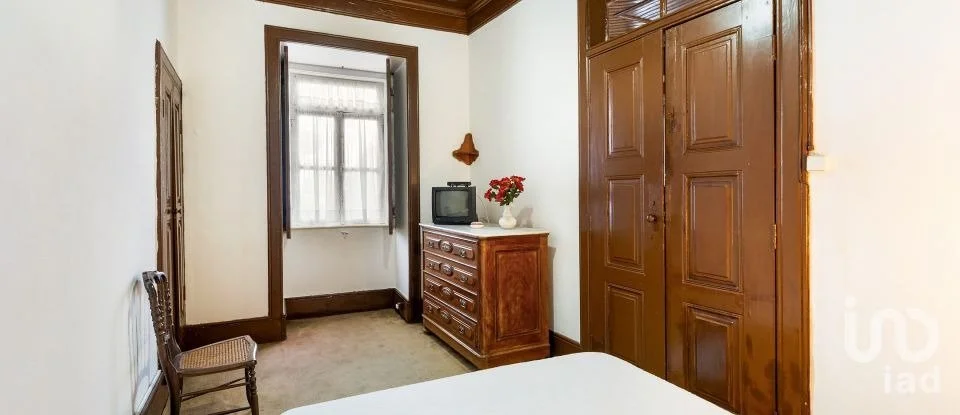
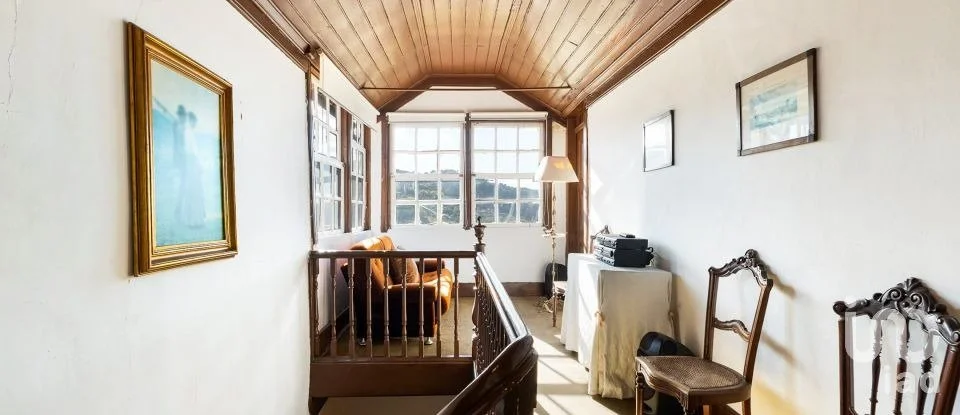
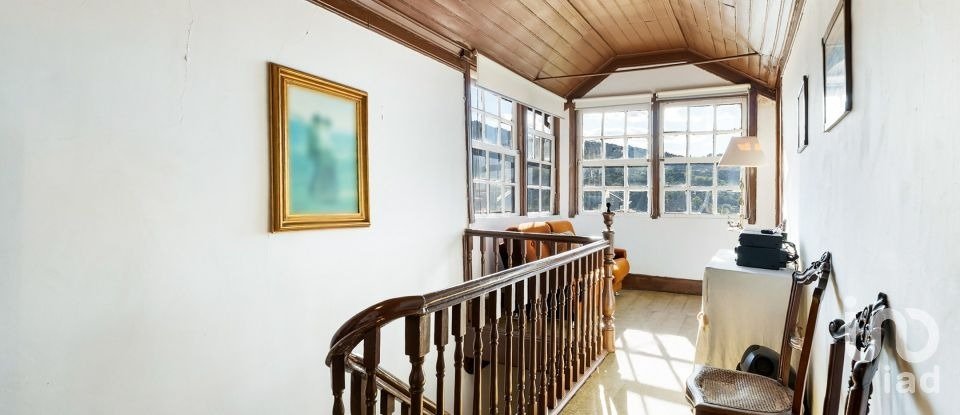
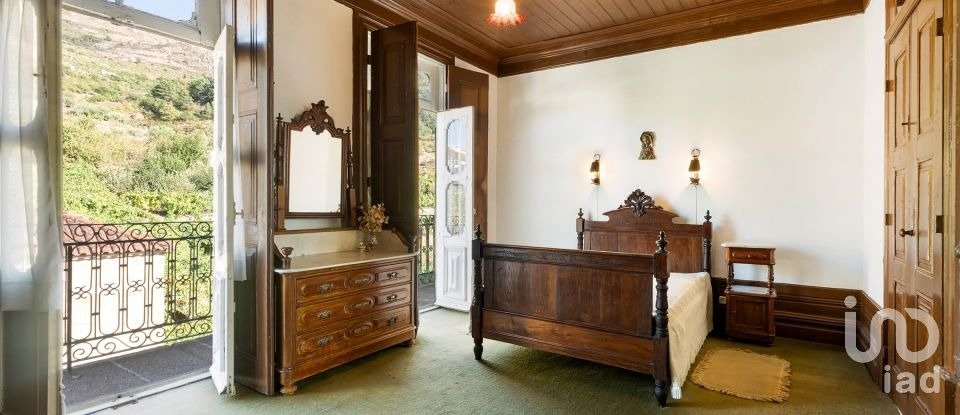
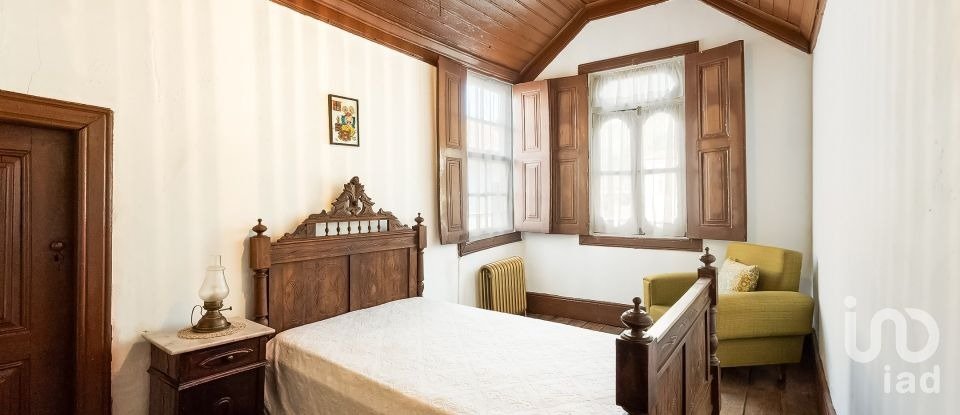
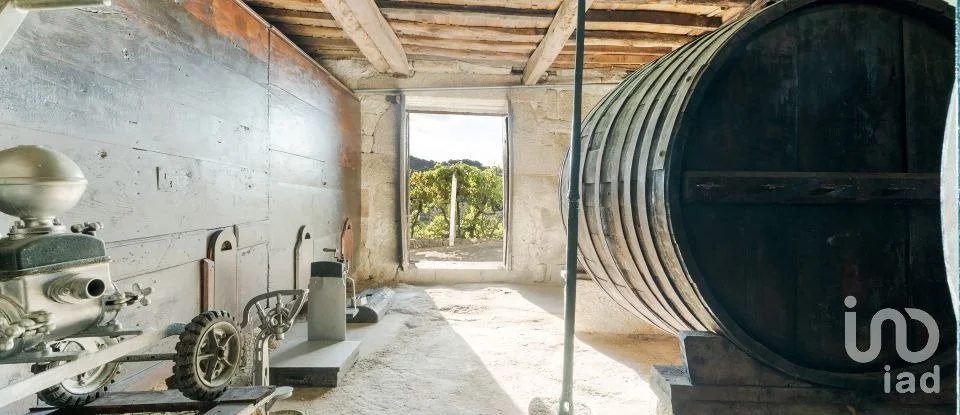
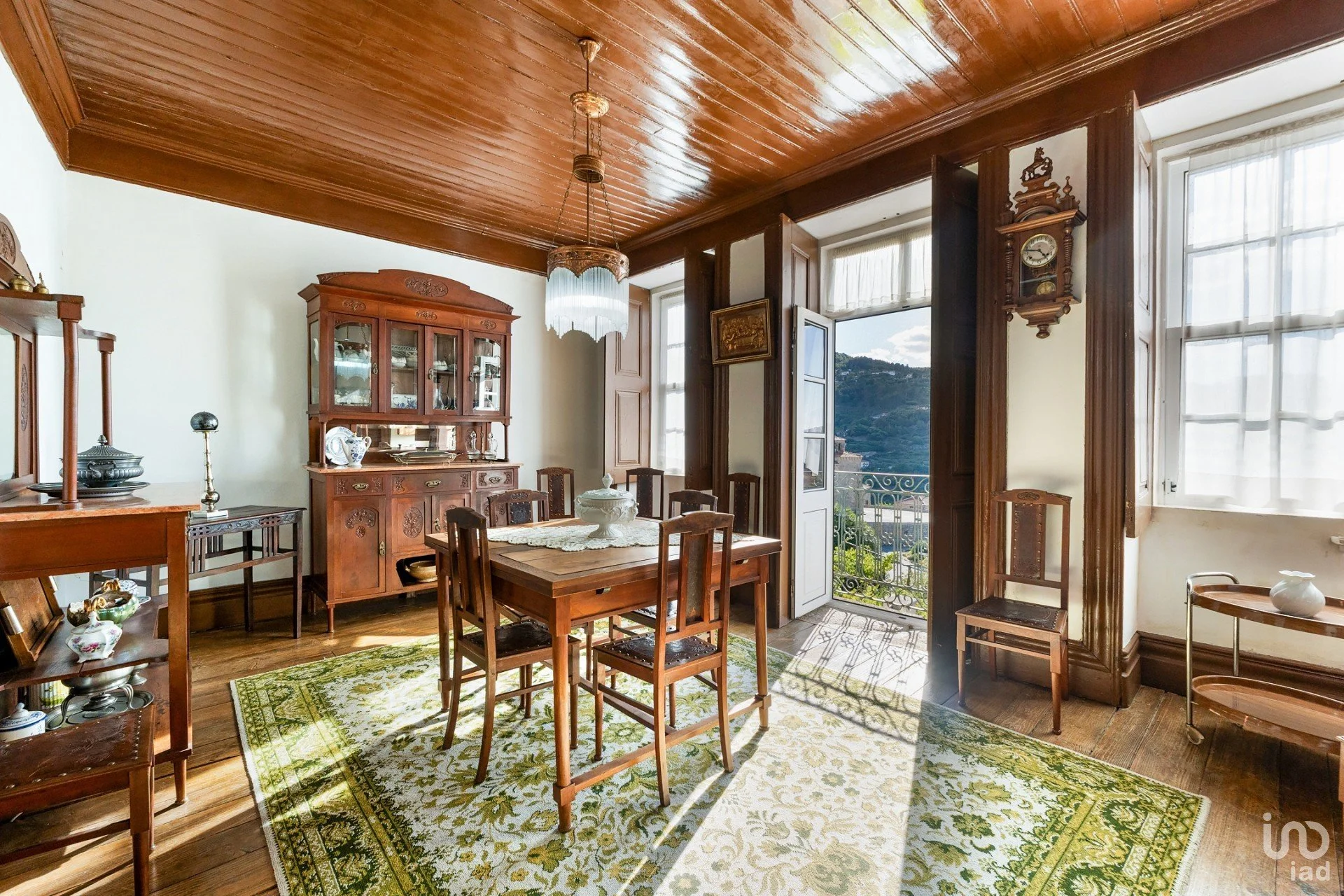
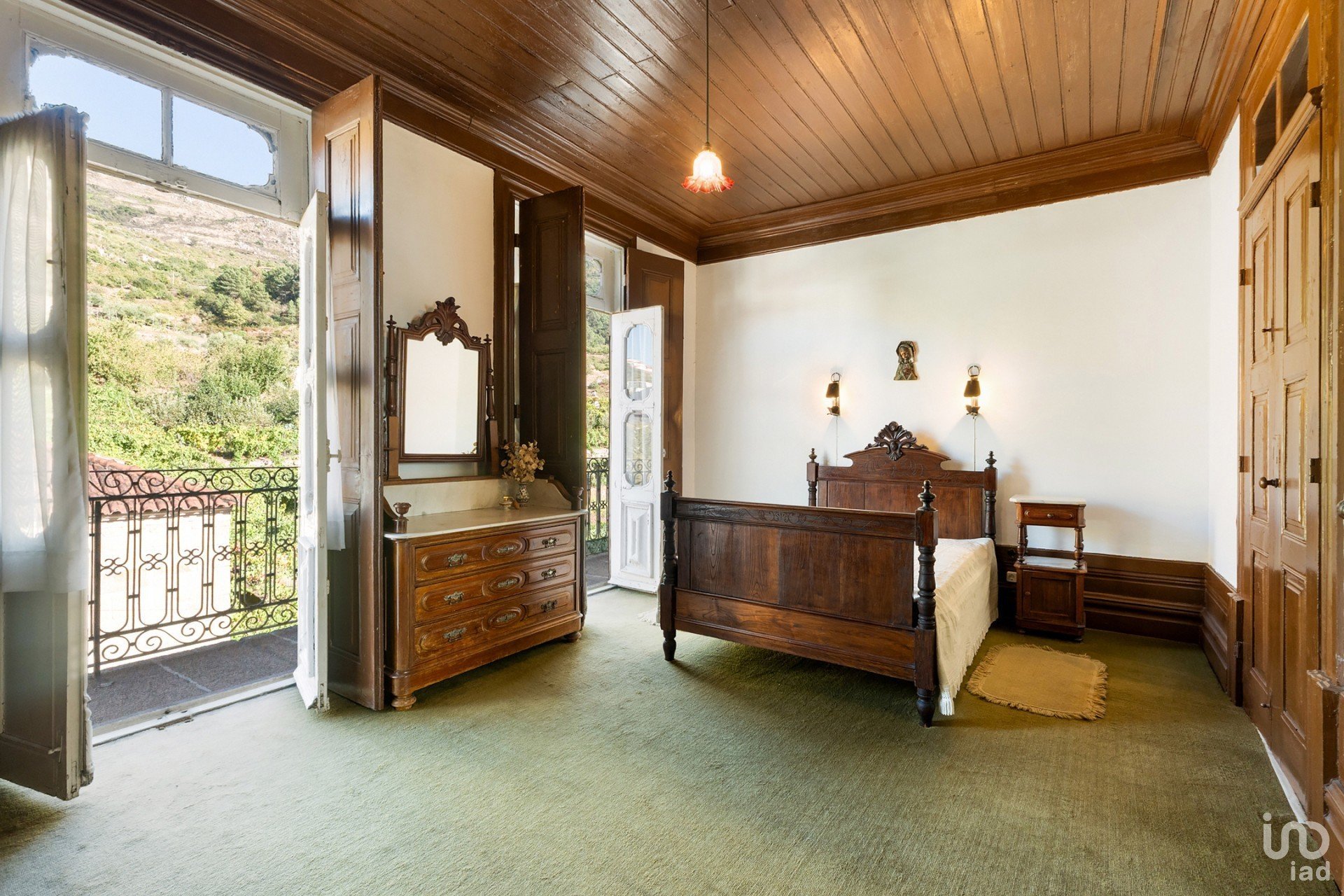
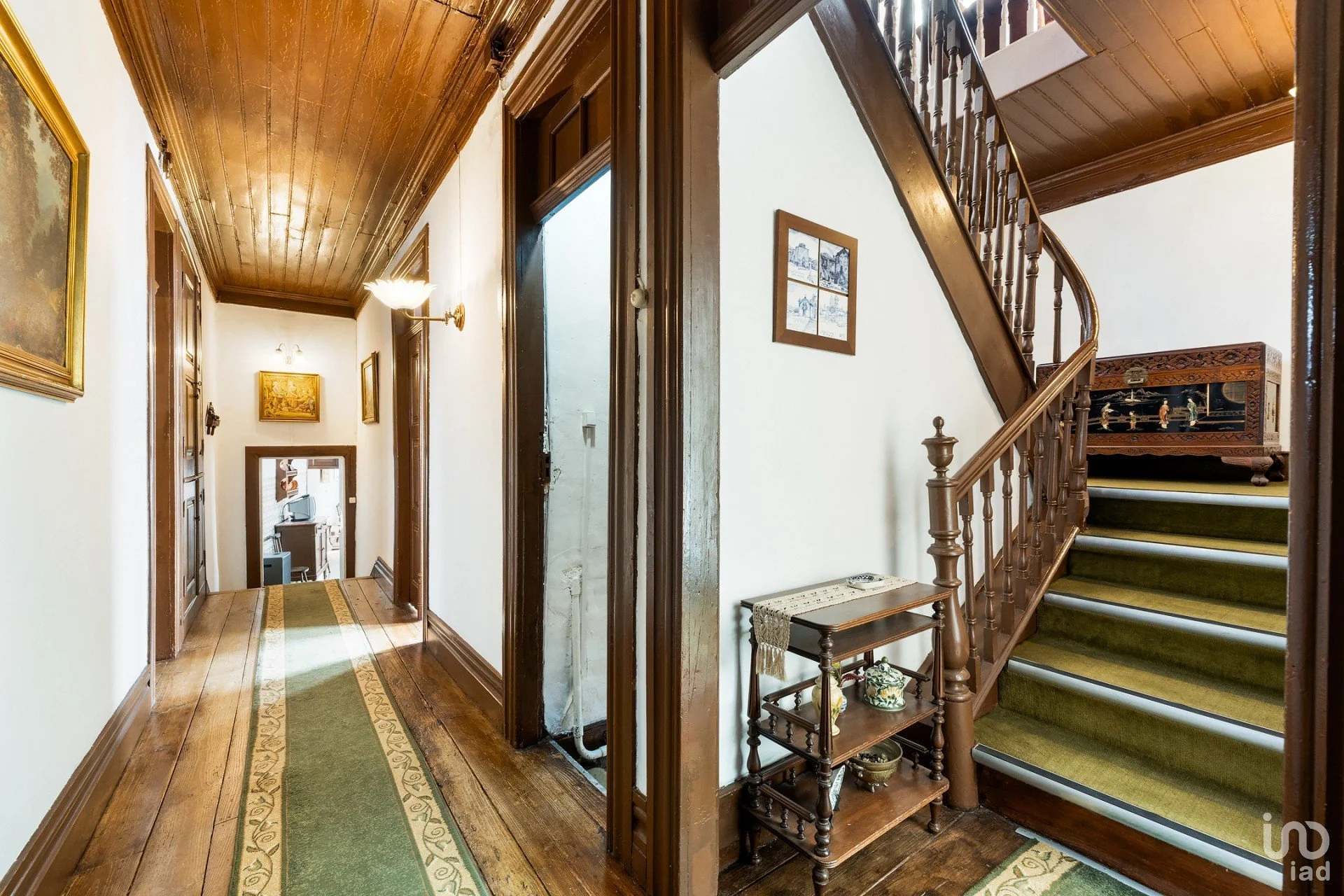
Three-storey stone manor house with 8 bedrooms.
Bathrooms shown in listing
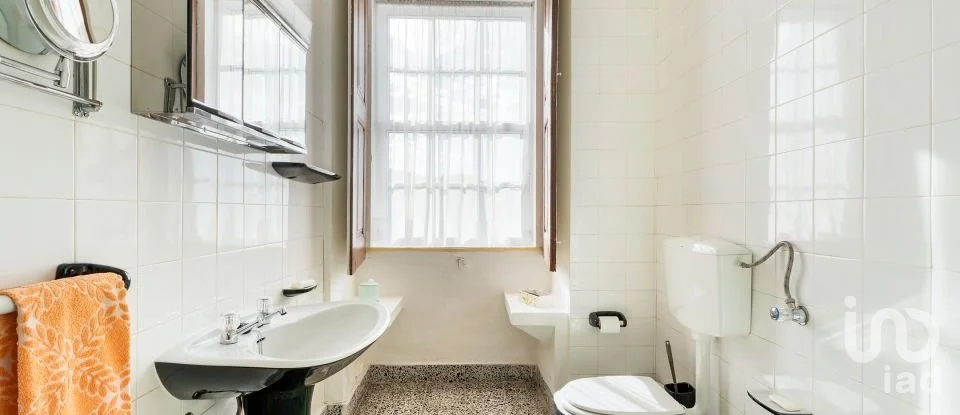
2.
Combined internal area
558 m².
Land area
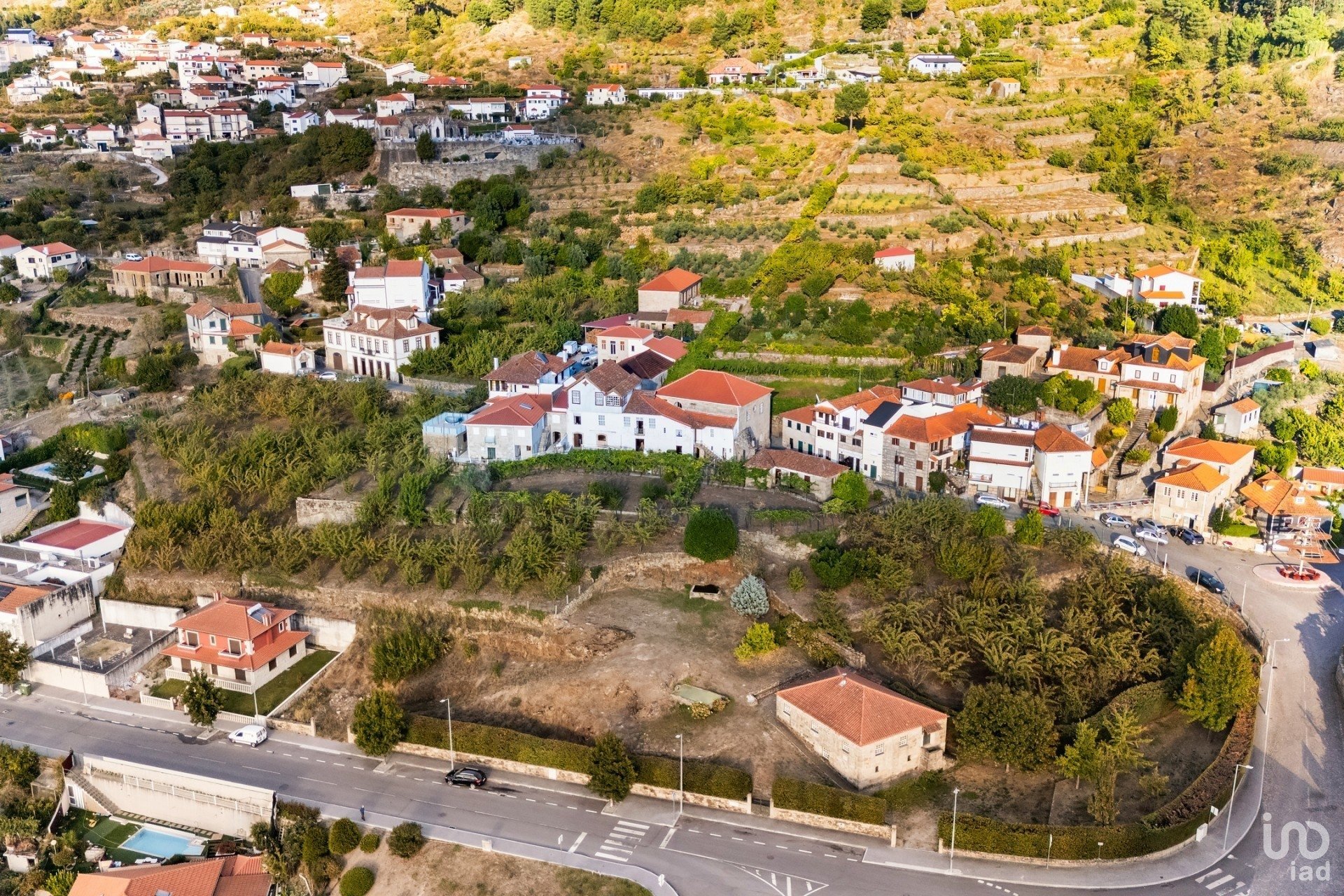
5,386 m² shown in the headline metrics, while the narrative describes over 5,800 m² zoned for construction. This discrepancy should be clarified immediately.
Ancillary buildings
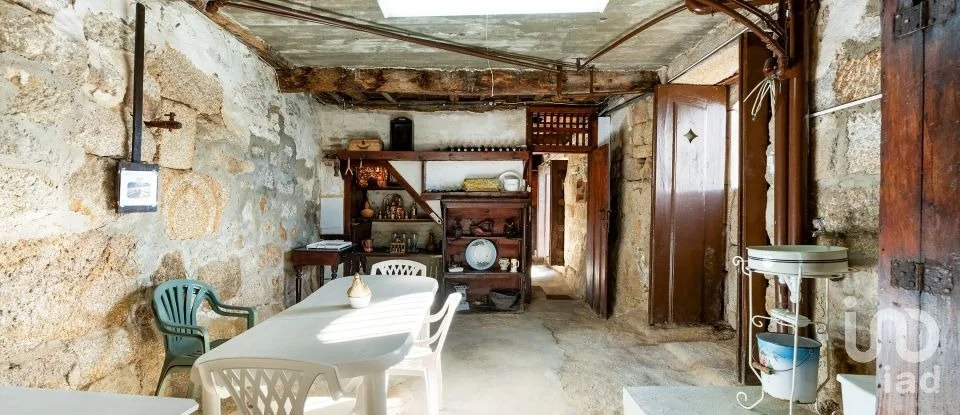
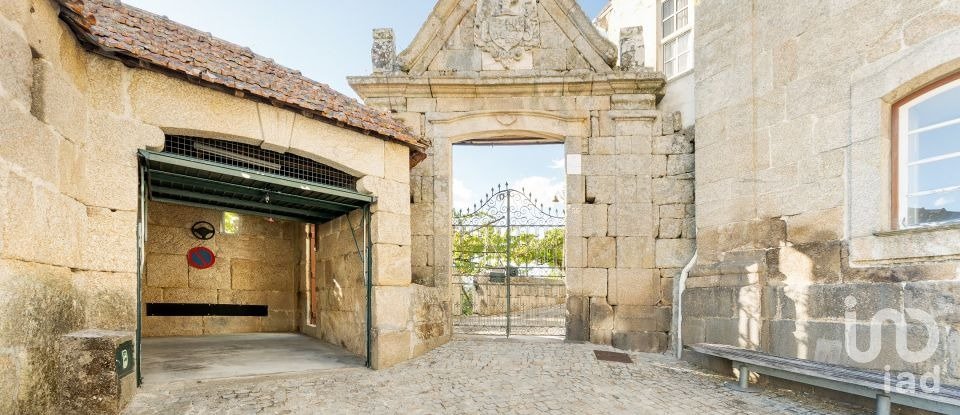
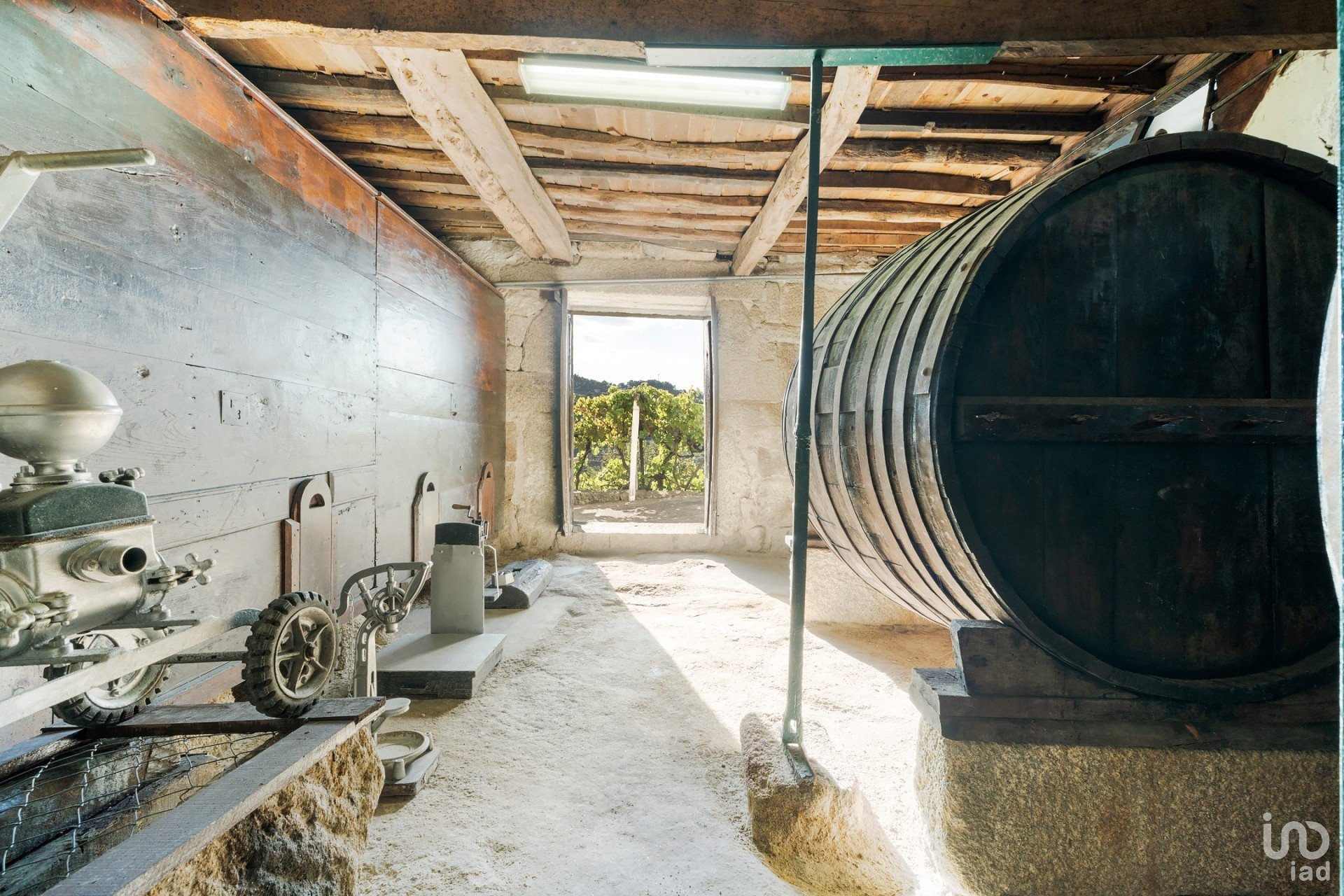
Caretaker's cottage with patio and stone oven, plus a garage with stone portal and coat of arms.
Water features
Four natural springs, covered water tank, and mains water connection.
Land features
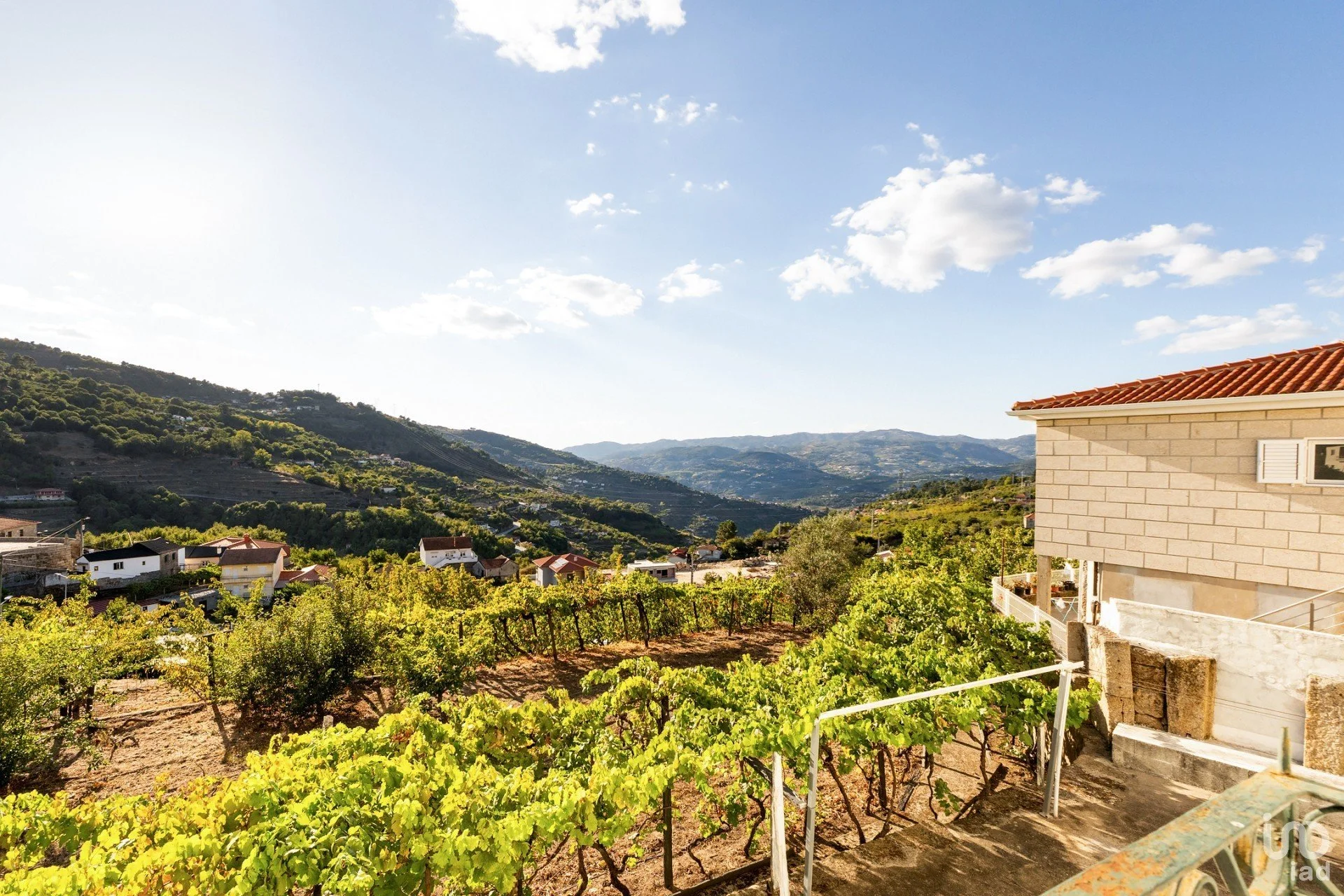
Agricultural land with fruit trees, including productive cherry trees according to the listing narrative.
Energy rating
Class F.
Use-case angle marketed
Boutique hotel conversion, rural retreat or artist residency, multigenerational estate, long-term renovation investment, and Douro Valley holiday rental.
Access and setting
Village-centre hilltop position, near the Romanesque Route and about 90 km from Porto and Porto Airport.
Risk Radar
Overview
This is a rare type of property, not because it is merely old or attractive, but because it combines several value layers that can each change the economics dramatically. The listing offers a historic manor house, a caretaker's cottage, a garage with architectural character, fruit-bearing land, four springs, mains water, and a claim that more than 5,800 m² is zoned for construction. That is the kind of package that can support a family estate, a hospitality concept, or a phased development plan, but only if the legal and technical reality lines up with the sales story.
The first due-diligence theme is building identity. The listing refers to four buildings, but buyers need to know whether these are registered and licensed as separate units, ancillary structures, or simply components of one larger property record. In Portugal, the caderneta predial and the land-registry record are not decorative documents. They are the starting point for understanding what exists legally, how it is described, and what can be sold, financed, renovated or separately operated.
The second theme is water. Four natural springs sound like a gift until a buyer tries to run a tourism business, irrigate land, or rely on them operationally without documentary clarity. The Agência Portuguesa do Ambiente is the competent licensing authority for water-resource use in mainland Portugal, and its licensing framework and forms make clear that groundwater capture and related uses can require formal titles or regularisation. For a property that might be positioned as a retreat or boutique operation, water quantity, legal use, potability and seasonal reliability all matter.
The third theme is planning and development potential. "Zoned for construction" is powerful language, but it is still marketing language until matched to the municipal PDM, land classification, servitudes, infrastructure position and any urban-rehabilitation or heritage context. Resende's PDM framework distinguishes rural and urban soil, and municipal urban-rehabilitation material confirms that São Martinho de Mouros has an approved ARU nucleus, which may be helpful for rehabilitation thinking but should never be treated as proof of automatic development rights for this particular plot.
The fourth theme is the tourism route. This property sits right on the line where buyers can easily overestimate what "boutique hotel" or "holiday rental" means. In Portugal, Alojamento Local is one regime, while turismo de habitação and turismo no espaço rural are another. The latter can operate across a set of buildings and comes with infrastructure, reception, breakfast, sanitation, parking and operating requirements. That may suit this estate well, but it also means the buyer should model cost and licensing complexity honestly from the outset.
Targeted Questions
Legal Status and Registry Position
These documents are essential for confirming legal description, ownership structure and whether the sale matches the listing.
Separate registration can materially affect renovation, operation and resale options.
A buyer considering separate guest use or phased redevelopment needs to know the legal status from day one.
The estate may contain more than one tax or registry article.
Separate lawful use is critical if the buyer intends to operate the buildings independently.
Ancillary or unlicensed buildings may not be usable in the way the listing implies.
This is a direct value question for both family and hospitality use.
Characterful ancillary buildings are often more constrained than buyers expect.
Historic properties often carry undocumented changes that can slow or complicate a sale.
Existing technical material can save time and reveal past concerns.
Apparent charm can conceal very different intervention dates and standards.
Documentary evidence helps separate true restoration from cosmetic improvement.
Water Rights, Springs and Tank
The existence of water on site is not the same as having a clear right to capture and use it.
In mainland Portugal, water-resource use sits within APA's licensing framework.
A buyer should see the actual paperwork, not rely on verbal descriptions.
Intended commercial use may require stronger documentary footing.
Seasonal reliability is a practical and commercial issue.
A tourism or family-use strategy needs hard water-quality data.
Storage may be a major operational asset if it is lawful and in working order.
Buyers need to know whether the springs are an enhancement or a dependency.
Hidden infrastructure can create both value and repair cost.
Past instability is highly relevant for future planning.
Land, Boundaries and Construction Zoning
A land-area discrepancy at headline level needs immediate clarification.
A complex estate should be understood spatially before any offer is made.
Private hilltop estates sometimes have less practical control than buyers assume.
The phrase may refer to urban classification, rehabilitation potential, or only limited buildability.
Development options often turn on land classification.
The municipal PDM is the real planning reference point, not the brochure wording.
Buyers should quantify development yield, not just its existence.
Different commercial models may require very different planning routes.
Prior municipal feedback can materially de-risk a project.
São Martinho de Mouros has an approved urban-rehabilitation nucleus, which may matter depending on the exact location.
Buildability on paper can be weakened by service limitations.
A buyer may need to balance development with landscape and agricultural value.
Building Condition and Historic Fabric
Multi-building roof liability can become the biggest short-term capital cost.
Not all roof work is equal, and patching is not the same as renewal.
Historic stone buildings can look reassuringly solid while hiding expensive structural issues.
Stone buildings and on-site water sources can create a complex moisture picture.
Ancillary buildings often receive less maintenance and can deteriorate faster.
Comfort and energy efficiency can be weak points in heritage stock.
A project of this scale needs clarity on operational cost and guest comfort.
Separate operation may matter for phased use, family occupancy or hospitality.
Operating cost can materially affect the renovation and business model.
In Portugal, the energy certificate is a formal document with performance information and recommendations, and it is mandatory in sale contexts.
Buyers need to know what the rating actually refers to.
Hidden compliance and upgrade costs can move the budget quickly.
Access, Parking and Everyday Practicalities
A project property needs buildability in practical terms, not just legal terms.
Shared or private access may bring ongoing maintenance obligations.
Parking matters especially if boutique-hotel or retreat use is under consideration.
The garage may be more ornamental than practical.
Remote-work and tourism appeal now depend heavily on connectivity.
Thick stone construction and hilltop settings can create coverage problems.
The surrounding pattern affects privacy, noise and future resale positioning.
Future context can matter as much as current charm.
Development, Tourism and Rental Potential
Proven use history is much more useful than aspirational positioning.
Buyers should price commercial potential from evidence.
Tourism de Portugal states that AL capacity is generally capped at 9 rooms and 27 guests, which is highly relevant for a multi-building estate.
Historic and rural estates often sit more naturally in these regulated categories.
Early professional classification advice can prevent expensive missteps.
The rules permit accommodation units in a set of buildings, but legal use and quality standards still have to be satisfied.
Tourism conversion cost is often driven by compliance rather than aesthetics.
Tourism no espaço rural and turismo de habitação have minimum operating expectations beyond simply offering rooms.
The location is an asset, but scenic and heritage-sensitive contexts can also bring tighter scrutiny.
"Boutique hotel potential" should be tested against local demand, not just regional romance.
This is a sensible operational model, but only if the legal structure supports it.
Negotiation Intelligence
Buyer Leverage
Medium-High
Key Drivers
Typical Negotiation Range
5-15% below asking
Neutral Phrasing Examples
Country Layer
Portugal (Regulatory Context March 2026)
Key Portuguese requirements for buyers:
Viewing Strategy
Treat this viewing as a site inspection, not a mood exercise.
Next Step
Verify from the listing:
Legal status of the four buildings
Request the caderneta predial, registo predial and all licences of use so you can confirm whether the manor, caretaker’s cottage, garage and any other built elements are legally distinct, lawfully usable and included cleanly in the sale.
Water rights and spring documentation
Ask for any APA registrations, licences or regularisation documents covering the four natural springs, the covered water tank and any associated capture or distribution systems, especially if you may rely on them for domestic, irrigation or tourism use.
Construction zoning and development yield
Do not rely on the phrase “zoned for construction” alone. Request the exact PDM classification, parcel map, buildability parameters and any prior municipal feedback so the development potential can be measured realistically.
Condition of roofs, damp and services
Clarify the current structural and moisture condition of all buildings, the age and condition of heating and electrical systems, and any major repairs already completed or still expected.
Tourism route and operational fit
Confirm whether the estate is better suited to Alojamento Local, turismo de habitação or turismo no espaço rural, and what extra bathrooms, parking, fire-safety, reception and service works would be needed for lawful operation.
A prepared buyer should approach the agent calmly and frame questions as due diligence.
Because this is a property where title structure, water rights, planning status and commercial use all materially affect value, run it through the Property Risk Assessment before contacting the agent, or use the Renovation Budget Planner to stress-test likely spend across the roofs, services, hospitality compliance works and phased rehabilitation.
Disclaimer: The Property Drop is buyer-focused intelligence, zero sales agenda. We curate exceptional properties, in southern Europe, from third-party agents and arm you with decision tools. No commission, no transactions, no agent partnerships, no skin in the game beyond helping you choose wisely. Information stays accurate until it doesn't (properties sell, prices shift, markets move). Everything here is shared for informational purposes only and should not be treated as legal, financial, or investment advice. Images belong to original agents. Read our Terms of Service to learn more.
IMPORTANT REMINDER: When contacting property agents featured on The Property Drop, you are entering into direct communication with third parties. It's recommended that you verify all property details independently, conduct thorough due diligence, engage qualified professionals (solicitors, surveyors, financial advisors), understand your rights and obligations under local property laws, and never send money or make commitments without proper legal protection.
