
The Buyer Playbook: Apartment with Balcony and Original 18th-Century Ceilings, Spoleto, Italy, €235,000
Buyer Playbook
Pre-Viewing Intelligence Report
This independent buyer guidance report relates to this specific property located in Italy. It is provided for informational purposes only and does not constitute legal, tax, structural or survey advice. Planning, habitability, heritage protection, balcony rights, cellar status, energy certification, tourist-rental compliance, and all building and land-use matters must be verified with qualified Italian professionals such as a notaio, geometra, architetto, ingegnere, surveyor or specialist property lawyer, and with the relevant municipal authorities. Where a historic palazzo or protected decorative elements are subject to cultural-protection rules, works of any kind may require Soprintendenza involvement and authorisation. This report is designed to help buyers evaluate the property before arranging a viewing or making an offer. It highlights due-diligence issues and targeted questions to ask the estate agent. The analysis is based on the listing details and publicly available regulatory context at the time of writing, including Italy's current APE and short-term-rental framework, with the national BDSR platform used for CIN assignment.
Playbook Contents
Property Snapshot
Location
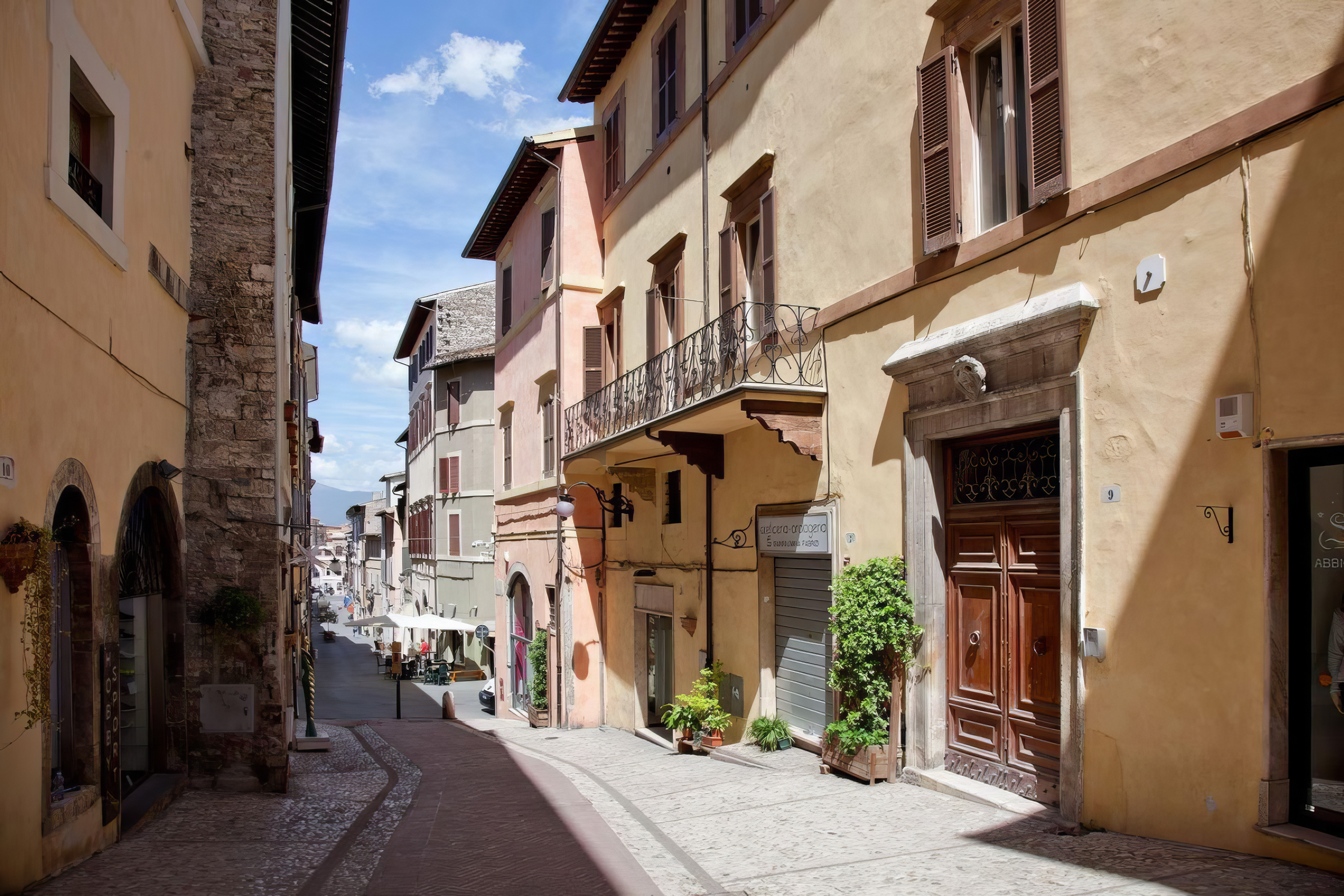
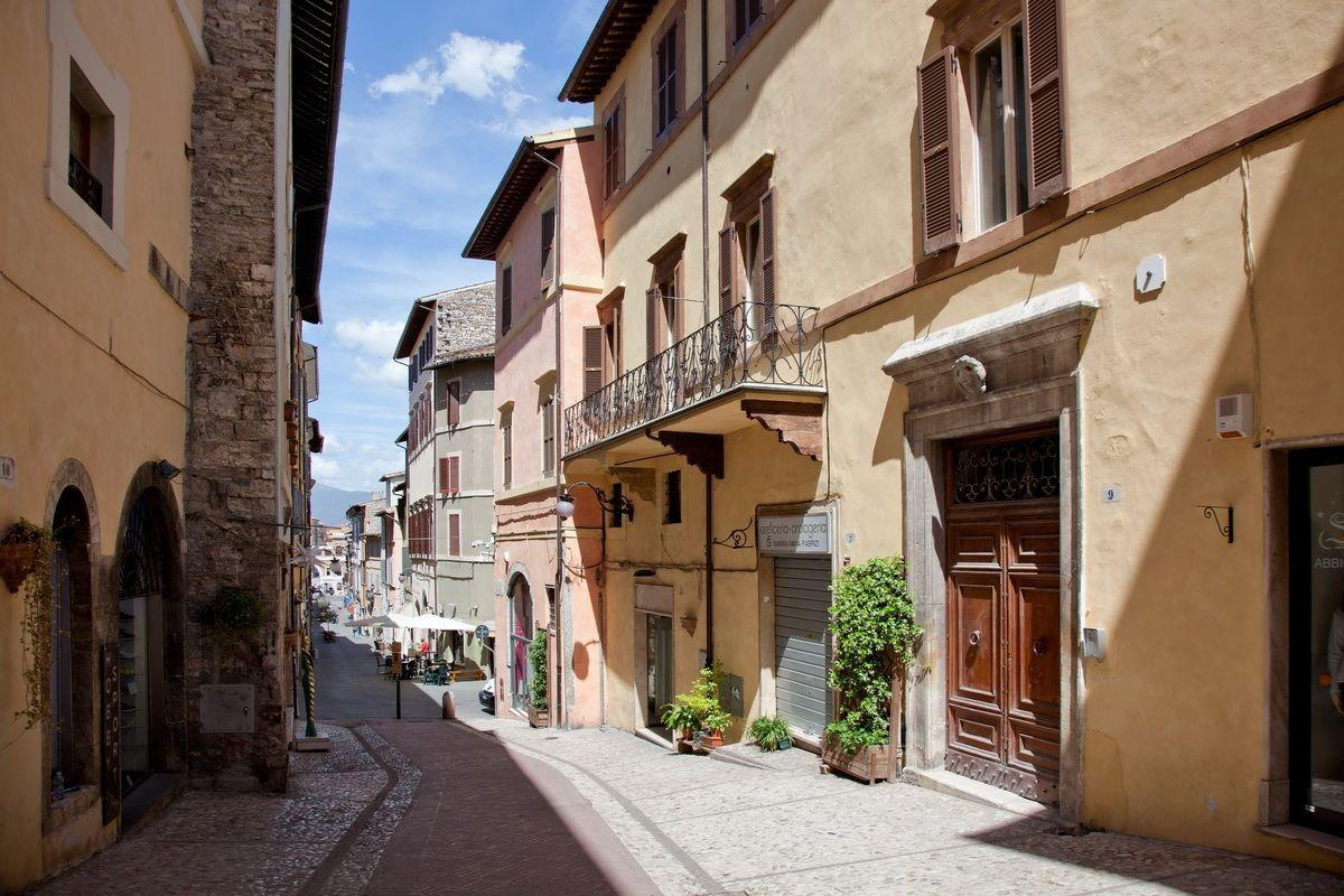
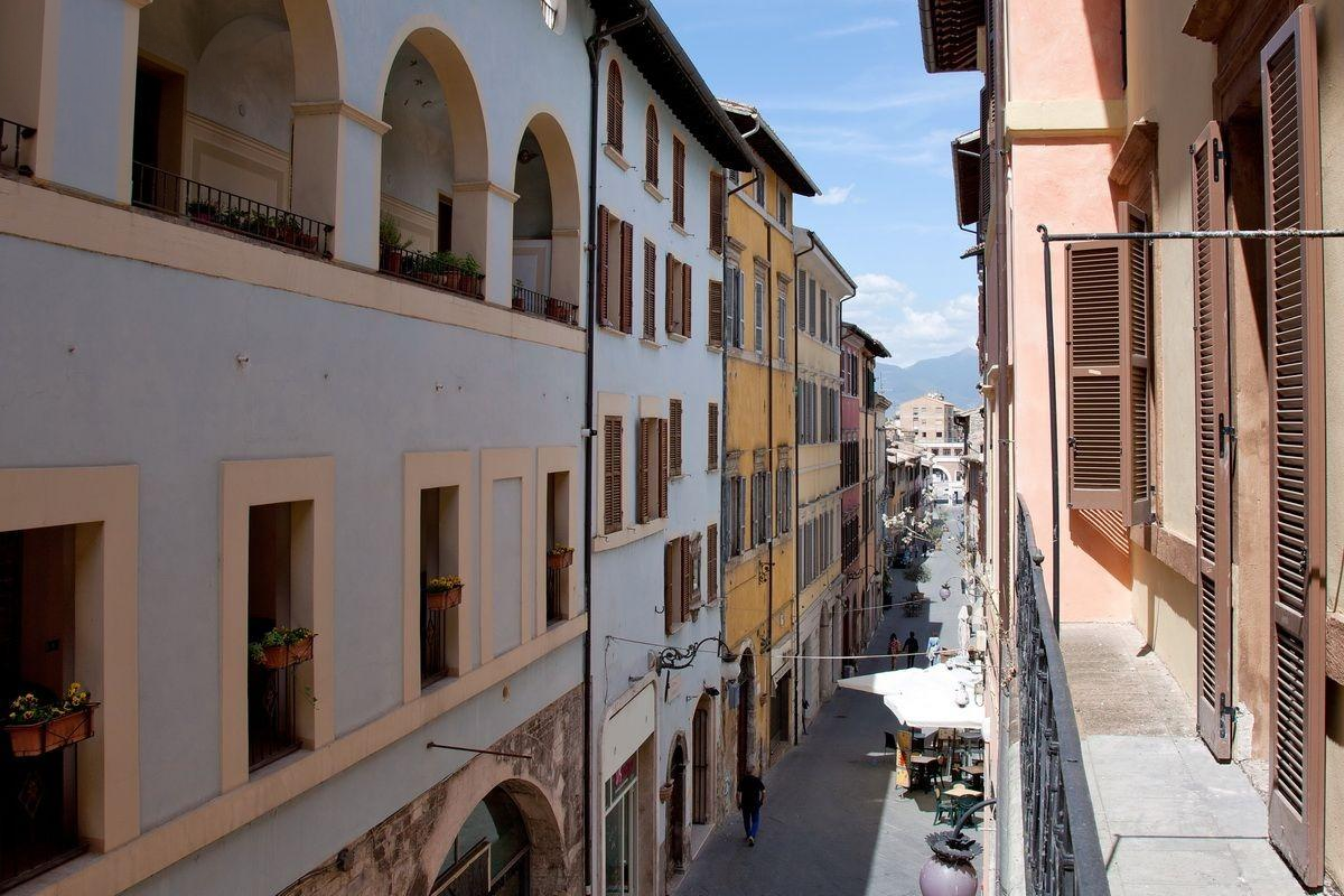
Corso Garibaldi, Spoleto, Umbria, Italy
Property type
Piano nobile apartment in a restored palazzo
Asking Price
€235,000
Internal area
146 m²
Bedrooms
2
Bathrooms
3
Historic feature
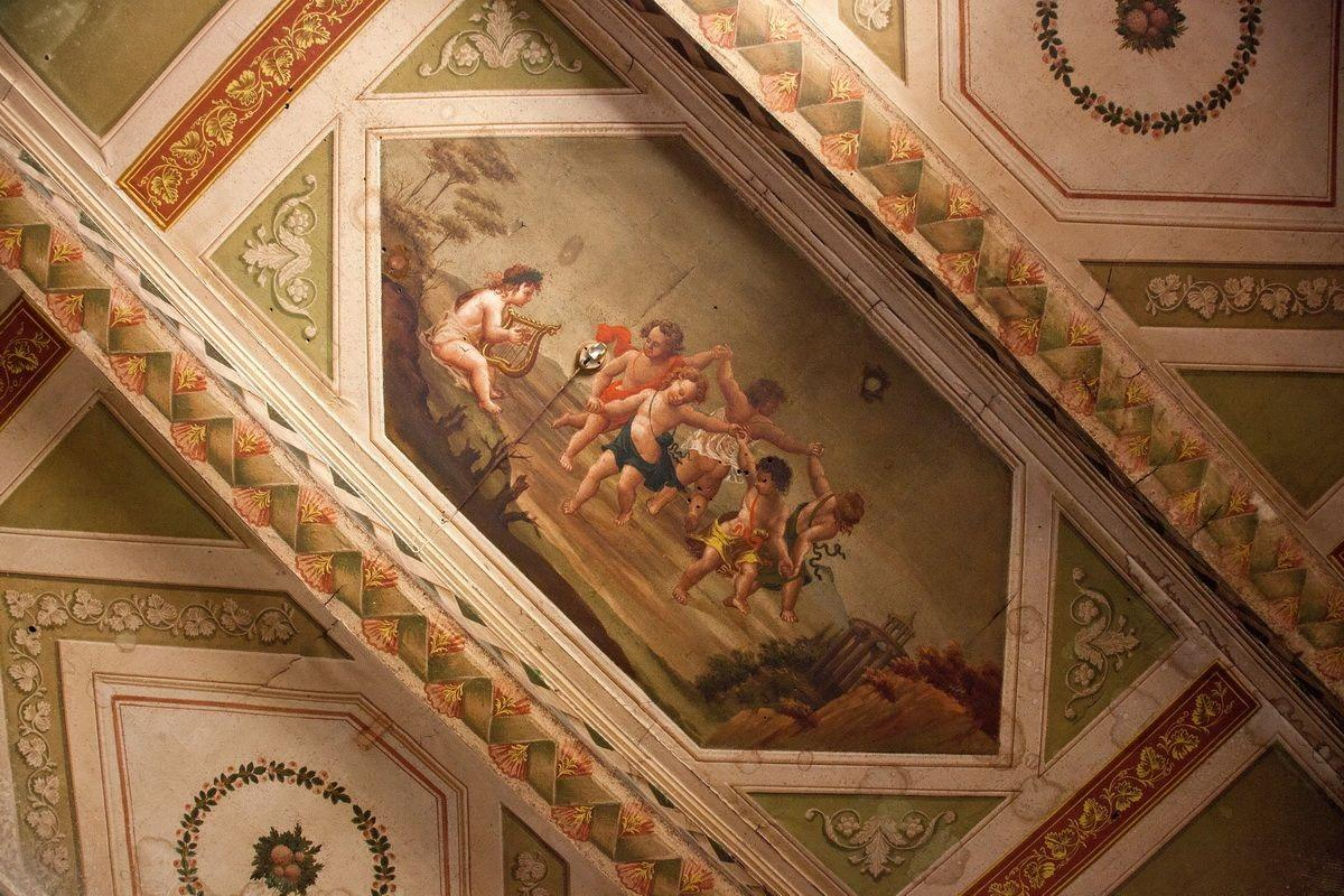
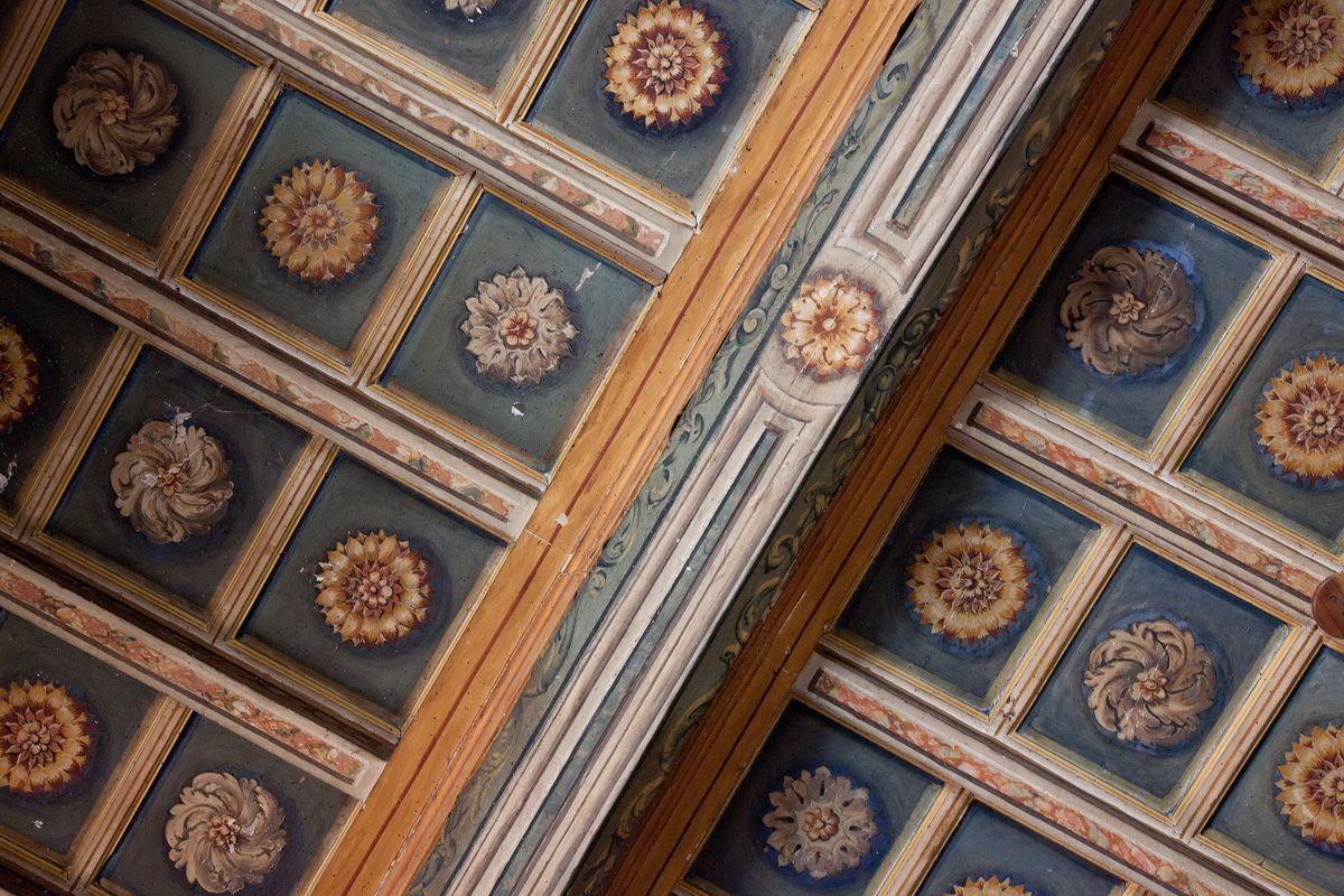
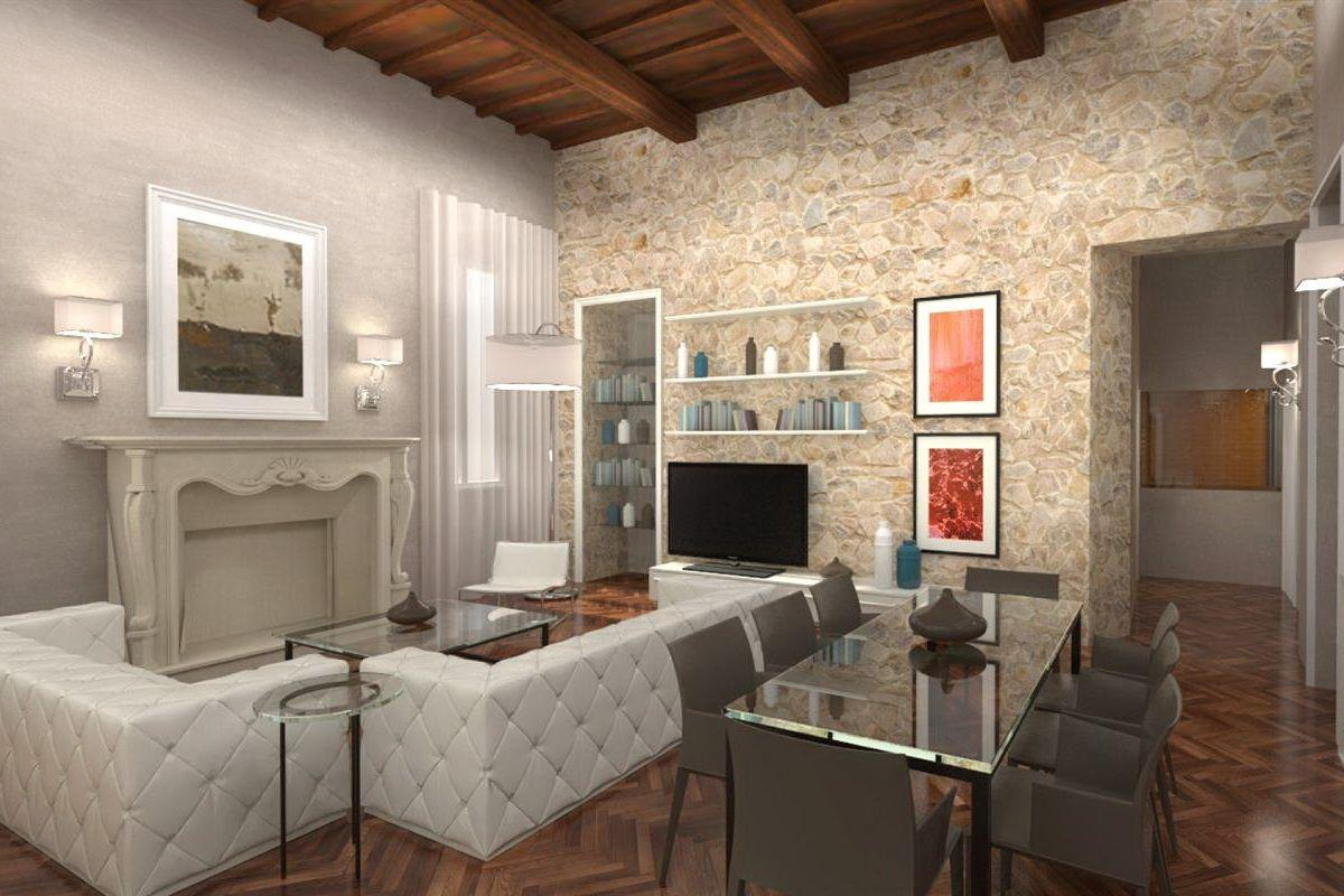
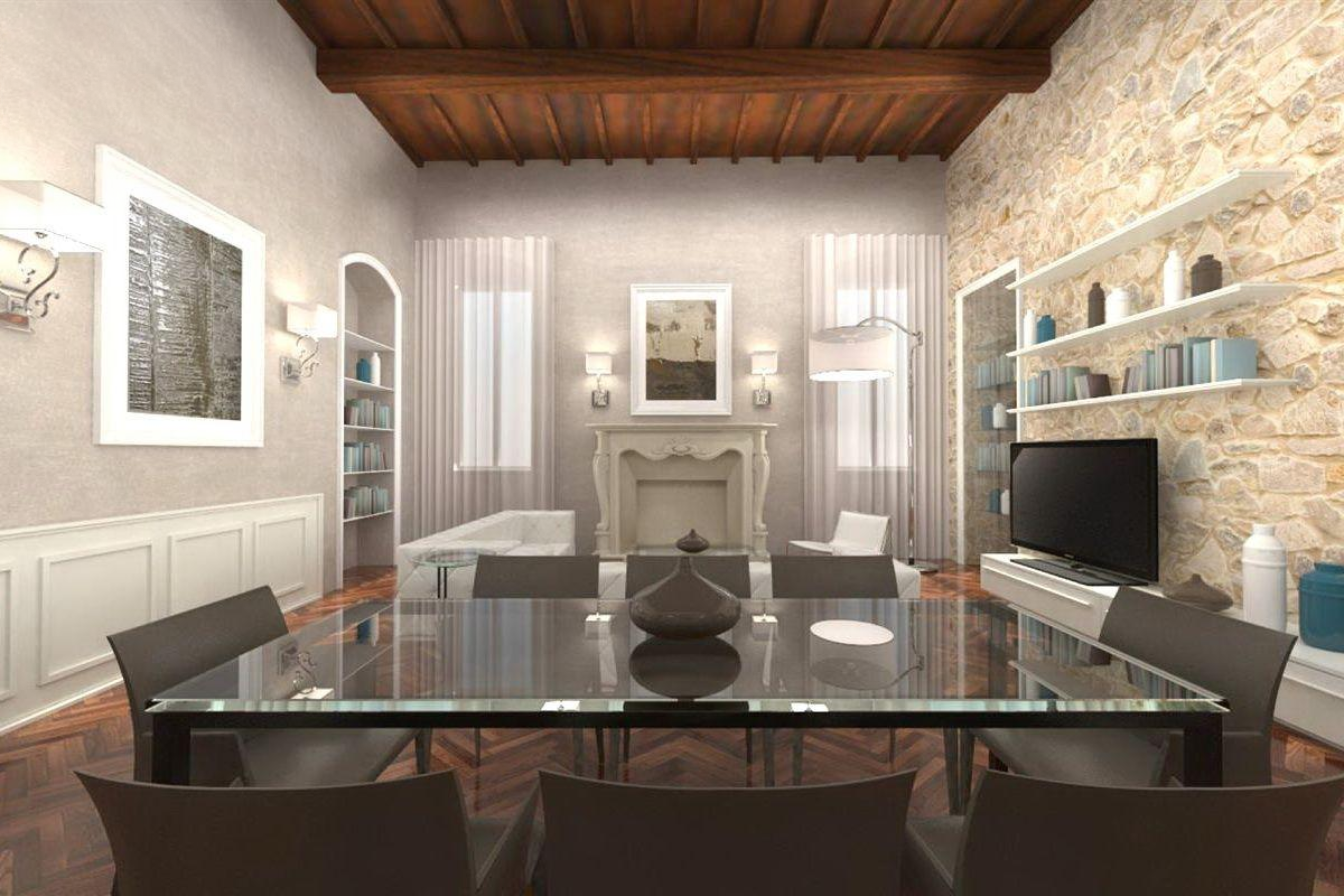
Original 18th-century ceiling frescoes and exposed wooden beams
Current state
Marketed in raw form, with custom finishes still required
Layout highlights
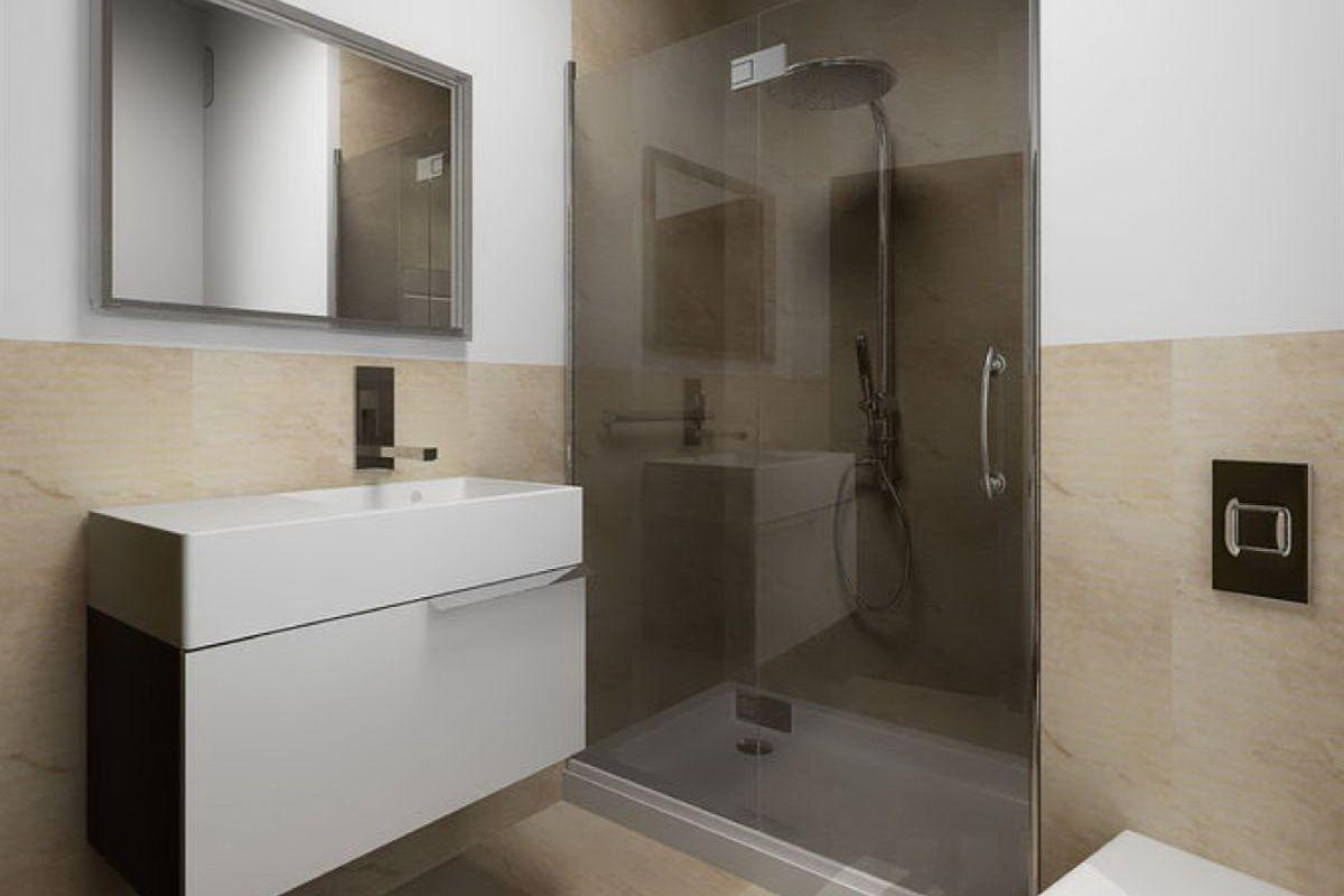
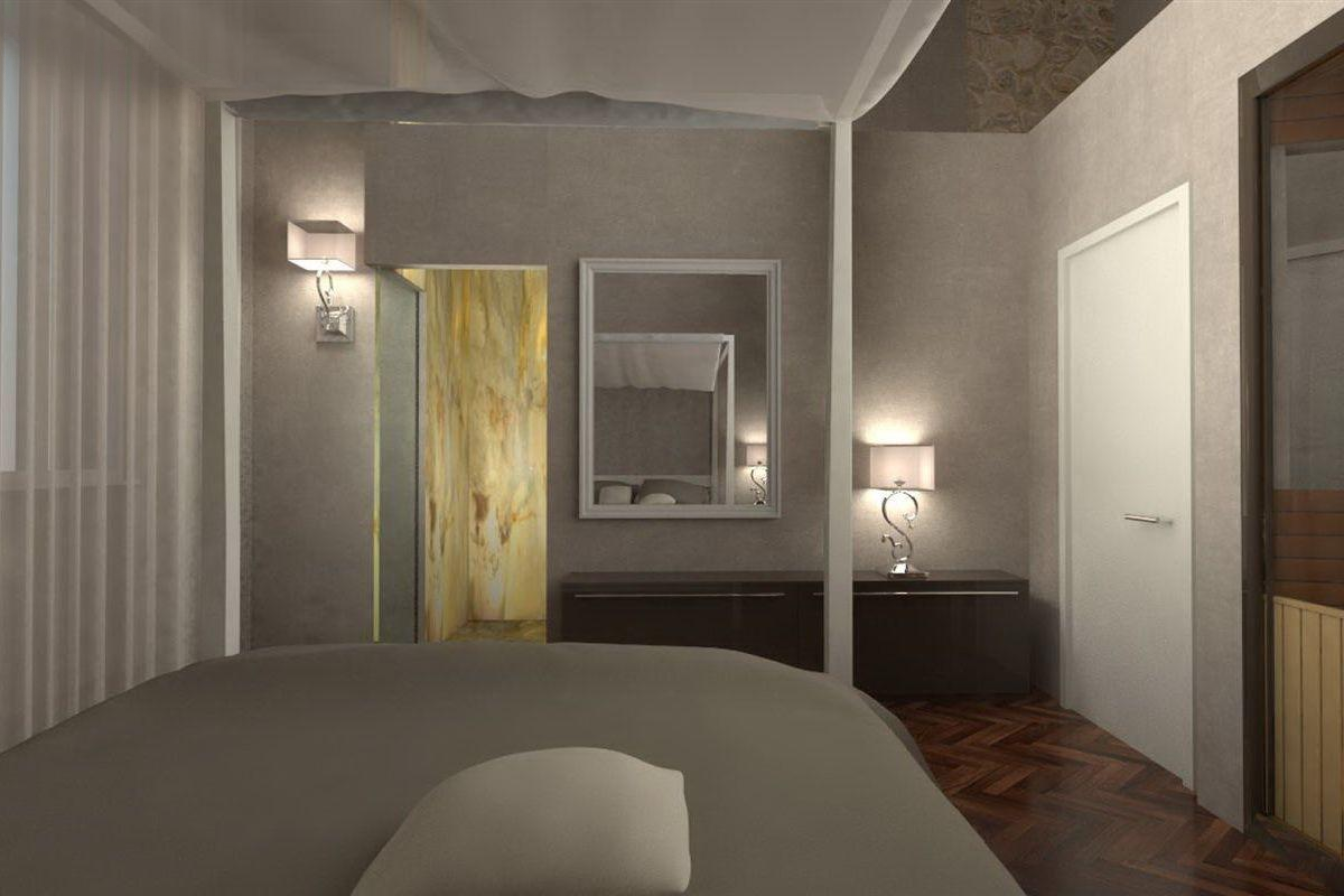
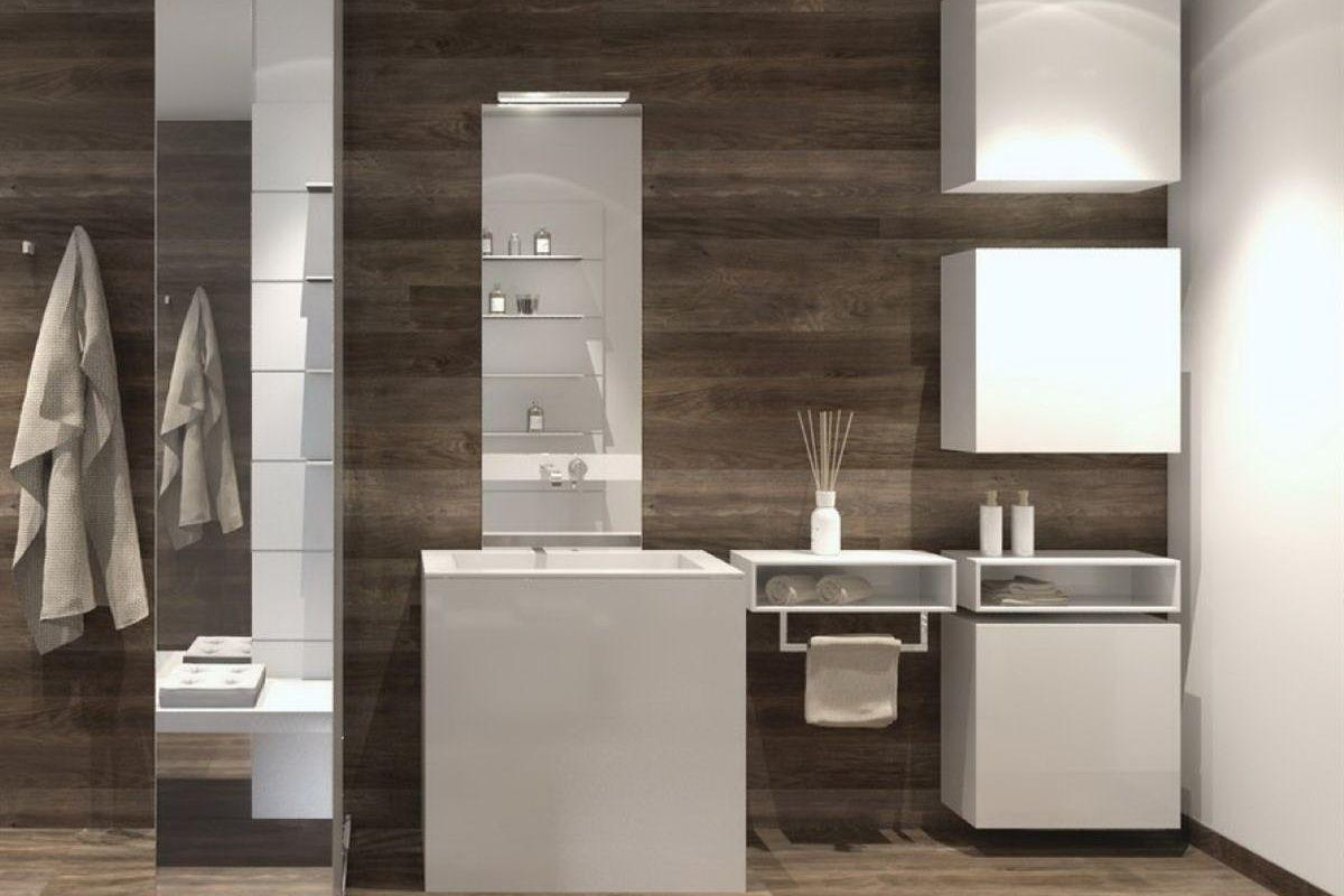
Living room with fireplace, kitchen with pantry and balcony, two bedrooms with walk-in wardrobes and en-suites, third guest bathroom, 9 m² main balcony overlooking Corso Garibaldi, and two Juliet balconies to the inner courtyard
Ancillary space
8 m² cantina in the basement
Additional feature
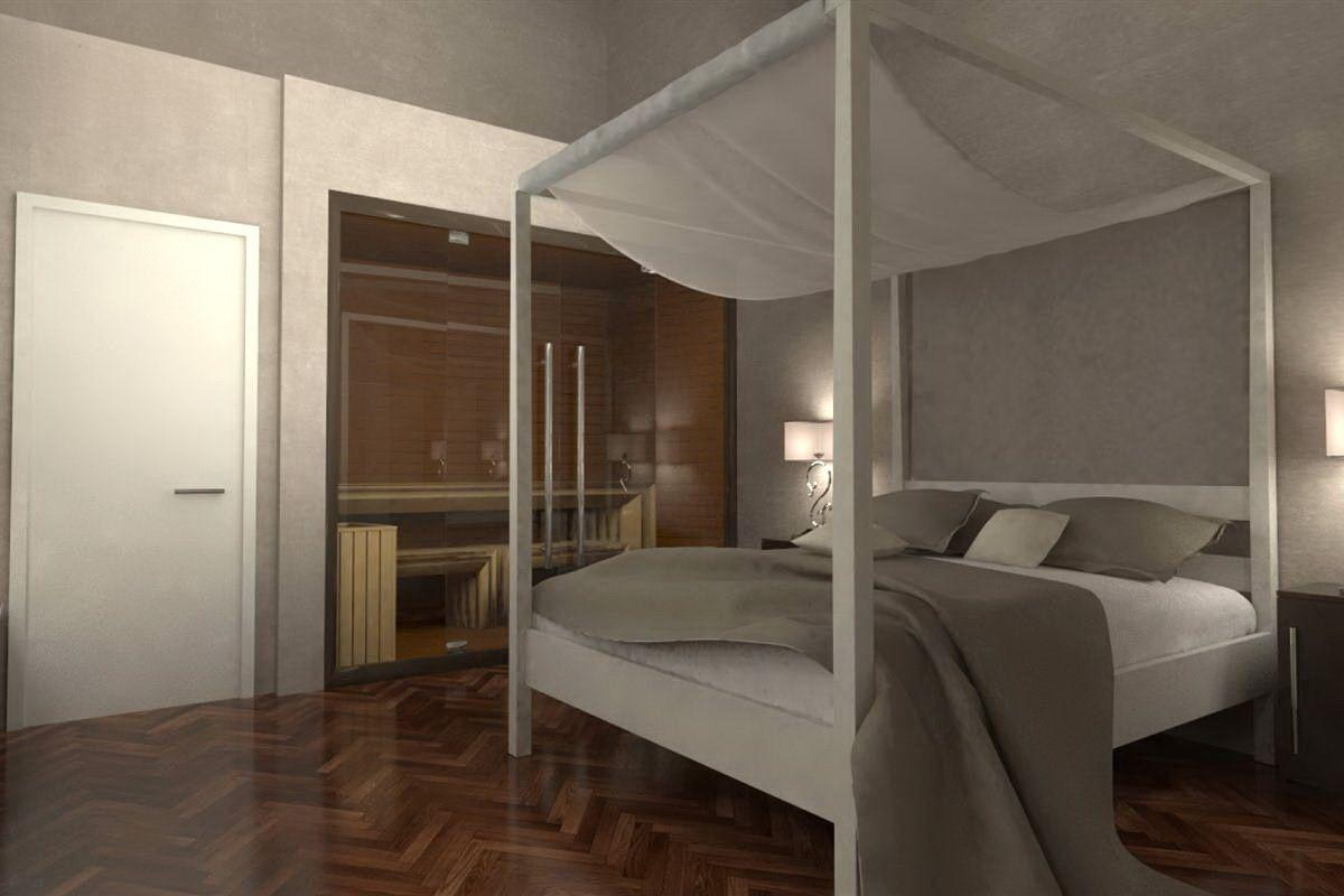
Sauna option in the master suite
Lifestyle angle
Positioned as an interiors project, city pied-à-terre, and possible short-term rental in a cultural hub close to festival venues, the station, Perugia Airport and Rome
Energy listing note
The page shows "Energy Class N", which should be treated as unverified until the formal APE is produced. Italy's consumer-facing APE framework normally uses classes from A4 down to G, so this listing label needs explanation. This is an inference based on the listing wording and the normal APE framework.
Risk Radar
Overview
This is a rare kind of listing: historic, central, visually distinctive, and still unfinished enough to give a buyer genuine design control. The apartment's core appeal is obvious. It sits on the piano nobile of a restored palazzo on Corso Garibaldi, has original frescoed ceilings, a proper main balcony over the corso, exposed beams, a fireplace, and a cellar. What makes it attractive is also what makes it technically delicate. A buyer is not simply purchasing square metres. They are buying into a historic building, a restoration story, and an unfinished interior project that may be constrained by heritage rules, condominium realities and finishing costs.
The first major due-diligence theme is heritage and legality. If the palazzo or specific decorative elements are protected, internal finishing works may not be as simple as choosing flooring, lighting and bathroom fittings. Frescoes, fireplaces, beams, windows, visible surfaces and layout changes can all bring the Soprintendenza into the picture where a vincolo applies. That does not necessarily make the project unworkable, but it does change timing, paperwork, contractor choice and budget discipline.
The second major theme is project scope. "Raw form" sounds exciting until it becomes a rolling list of extra decisions and invoices. A buyer needs a detailed understanding of what is already installed, what is only roughed in, what still needs design choices, and whether the apartment can achieve agibilità in its finished form without further structural or regulatory friction. The difference between a straightforward fit-out and a more complicated restoration-completion project can materially affect the all-in cost and timeline.
The third theme is use case. As a primary home, elegant pied-à-terre or high-end cultural rental, the apartment has clear potential. But that potential depends on three things being confirmed early: whether the cantina is unquestionably attached to the apartment in title, whether the balcony rights and maintenance responsibilities are clear, and whether the eventual finished apartment can be documented and registered cleanly enough for occupation and any intended tourist use. Italy's national BDSR system now underpins CIN assignment for tourist and short-term accommodation, so the rental angle should be treated as a process to verify, not a benefit to assume.
Targeted Questions
Heritage Status and Authorisations
If the building or decorative elements are protected, even apparently modest works may require heritage oversight.
A clear written position helps you separate routine finishing work from a heritage-managed restoration process.
Decorative surfaces can trigger tighter restrictions than the broader unit.
The legal route affects cost, timing and what contractors and professionals you need.
Pre-existing dialogue can materially reduce uncertainty.
Design freedom may be narrower than the listing suggests.
The "sauna option" may be technically or legally more complex than it sounds.
Protected decorative elements may need specialist handling rather than ordinary fit-out work.
This helps you judge both their condition and any future treatment constraints.
Layout flexibility is central to whether the blank-canvas proposition really works.
Current Legal Status and Completion Readiness
You need to know whether it is simply incomplete, partially authorised, or still awaiting formal closure of works.
Agibilità directly affects practical usability and can influence financing and resale comfort.
This tells you whether you are buying a simple interiors project or a wider compliance project.
These are basic documents for checking what is officially registered and included in the sale.
Any mismatch may lead to redesign or regularisation costs.
Title structure affects value, storage rights and resale clarity.
Historic-centre properties sometimes carry documentary complications unrelated to the apartment itself.
The legal phase of the project affects what you can do next and how quickly.
Palazzo Restoration and Condominium Position
Timing helps assess remaining lifespan of common elements and any still-relevant warranties.
The apartment's value depends partly on the condition of the wider building.
This helps verify the quality and scope of the works already done.
A shared-building structure means shared costs, rules and decision-making.
Carrying costs matter, especially for a part-time-use property.
Charges can look modest until major exclusions appear.
Meeting minutes often reveal future works, internal disputes or arrears.
Occupancy mix affects management quality, noise and rental compatibility.
Weak condominium administration can produce expensive surprises later.
Extraordinary works can materially change the true purchase cost.
Buyers need a realistic exposure figure, not just a vague warning.
Shared-building friction can affect both enjoyment and resale.
Interior Finishing Scope and Project Budget
"Raw form" can range from near-complete shell to a much larger project.
Buyers need a scoped project list before they can price the opportunity properly.
Systems status is one of the biggest cost variables in an unfinished apartment.
Existing partial works only add value if they are documented and usable.
Moving wet areas in a historic building can become costly and permission-sensitive.
Comfort systems can quickly push the budget higher if still unresolved.
A proper costed schedule is far more reliable than a casual verbal estimate.
Local pricing and contractor appetite often determine whether a project feels manageable.
Even if optimistic, this helps establish the seller's own expectations.
Specialist trades can lengthen timelines and increase costs sharply.
Hidden technical steps often sit behind apparently simple finishing decisions.
A fireplace in a historic apartment can be a true asset or a decorative feature only.
Working fireplaces in shared historic buildings can carry added compliance issues.
Balcony, Cantina and Practical Rights
The balcony is a major value driver and should be legally unambiguous.
Small secondary openings can still involve shared-maintenance questions.
Balcony repairs in historic centres can be expensive and regulated.
Liability allocation affects both cost and negotiation leverage.
Buyers should distinguish between visual appeal and immediate usability.
Cellar space often matters more in historic-centre living than the square metres suggest.
A basement store can be either useful ancillary space or a moisture problem.
Basement issues can lead to ongoing maintenance and storage limitations.
Buyers often assume cellar flexibility that the paperwork or condition does not support.
Parking, Access and Historic-Centre Practicalities
Historic-centre convenience changes significantly depending on parking reality.
Day-to-day usability matters for both owner occupation and rentals.
Parking strategy can influence whether the apartment works as a regular-use property.
Interior completion works become harder if site access is awkward.
Historic-centre logistics can shape both renovation cost and daily convenience.
Energy, Use and Rental Potential
Italy expects an APE in the sale process, and the current label is too unclear to rely on.
Buyers need to understand whether the current energy position is provisional.
Historic-property projects often involve a sequence of technical sign-offs, not one single approval.
A proven rental history is very different from a marketing projection.
Italy's current tourist-rental framework now centres on the national CIN pathway.
A rental strategy must align with both public rules and building-level rules.
High-season glamour can distort year-round yield expectations.
Location claims materially affect both lifestyle and rental appeal.
Negotiation Intelligence
Buyer Leverage
Medium-High
Key Drivers
Typical Negotiation Range
10-20% below asking
(subject to heritage position, systems status, agibilità route and full project scoping)
Neutral Phrasing Examples
Country Layer
Italy (Regulatory Context March 2026)
Key Italian requirements for buyers:
Regulations and administrative practice can evolve, so this should be rechecked with a local commercialista or hospitality adviser before exchange.
Viewing Strategy
During the viewing:
Next Step
Verify from the listing:
Heritage status and finishing permissions
Confirm whether the palazzo or apartment is subject to a cultural-protection vincolo and whether the intended interior completion works will require Soprintendenza approval before you assume this is a straightforward fit-out.
Scope of unfinished works
Request a detailed room-by-room schedule of what still needs to be completed, together with any contractor estimates or computo metrico, so you can price the real project rather than the idea of the project.
Balcony and cantina title clarity
Ask for the visura catastale, planimetria and title documents confirming that the 9 m² main balcony and 8 m² cantina are fully included with the apartment and that their maintenance responsibilities are understood.
Condominium exposure and future special works
Review the condominio minutes, charges and any proposed lavori straordinari for the roof, facade, stairs or common parts, because a beautiful apartment can still carry expensive shared-building liabilities.
Energy and completion-readiness status
Obtain the full APE, clarify why the listing shows “Energy Class N”, and confirm the current agibilità position so you understand what must happen before the apartment can be comfortably occupied or rented.
A prepared buyer should approach the agent calmly and frame questions as due diligence. For example: “To help me assess the property properly and prepare a serious offer, could you share the cadastral documents, title deed, condominio minutes, any heritage or restoration paperwork, and a detailed outline of the works still required to complete the apartment?”
Because this is a historic Spoleto apartment where completion cost, heritage controls and shared-building exposure all materially affect value, run it through the Renovation Budget Planner to model the finishing works properly, or use the Property Risk Assessment to test the key legal, structural and regulatory red flags before contacting the agent.
Disclaimer: The Property Drop is buyer-focused intelligence, zero sales agenda. We curate exceptional properties, in southern Europe, from third-party agents and arm you with decision tools. No commission, no transactions, no agent partnerships, no skin in the game beyond helping you choose wisely. Information stays accurate until it doesn't (properties sell, prices shift, markets move). Everything here is shared for informational purposes only and should not be treated as legal, financial, or investment advice. Images belong to original agents. Read our Terms of Service to learn more.
IMPORTANT REMINDER: When contacting property agents featured on The Property Drop, you are entering into direct communication with third parties. It's recommended that you verify all property details independently, conduct thorough due diligence, engage qualified professionals (solicitors, surveyors, financial advisors), understand your rights and obligations under local property laws, and never send money or make commitments without proper legal protection.
