
The Buyer Playbook: Historic Townhouse with Sea Views and Terrace, Imperia, Italy, €180,000

Buyer Playbook
Pre-Viewing Intelligence Report
This independent buyer guidance report relates to this specific property located in Italy. It is provided for informational purposes only and does not constitute legal, tax, structural or survey advice. Planning permissions, cadastral conformity, agibilità, terrace and cellar compliance, heritage or landscape restrictions, access arrangements, rental rules, and any local planning constraints must always be verified with qualified Italian professionals such as a notaio, geometra, architetto, ingegnere, surveyor or specialist property lawyer, and with the relevant Comune, Catasto and, where relevant, Soprintendenza offices. This report is designed to help buyers evaluate the property before arranging a viewing or making an offer. It highlights due diligence issues and targeted questions to ask the estate agent. The analysis is based on the listing details and publicly available regulatory context at the time of writing.
Playbook Contents
Property Snapshot
Location
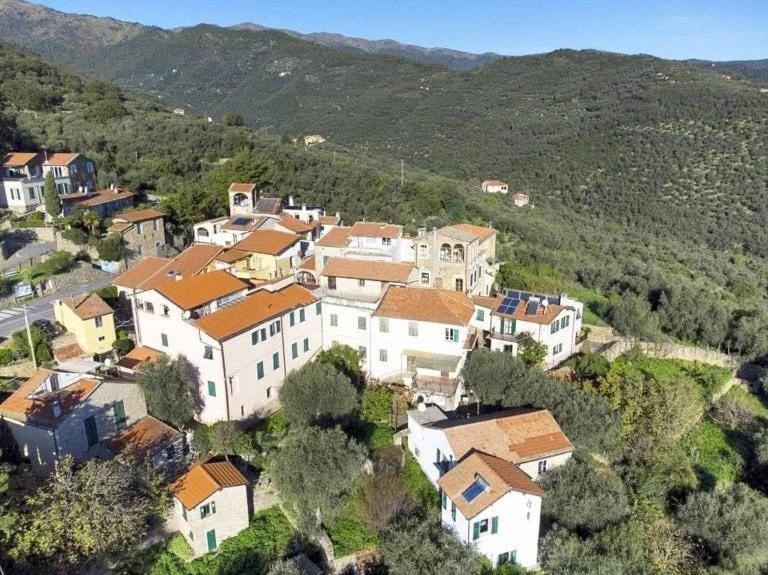
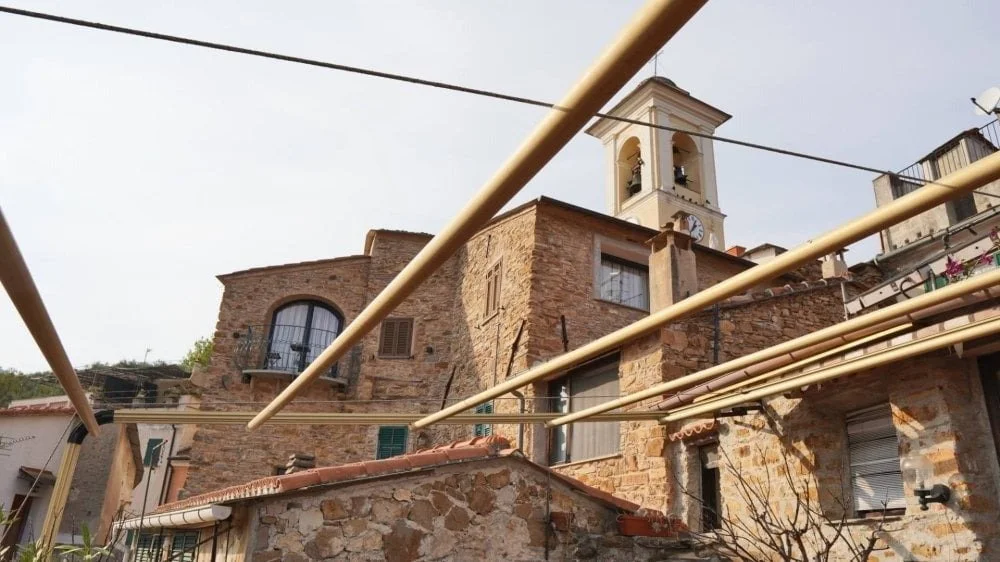
Torrazza, Imperia, Liguria, Italy, in the historic village centre.
Property type
Historic two-bedroom townhouse.
Price
€180,000.
Bedrooms
2.
Bathrooms
2.
Levels
2.
Energy rating
Listed as "Energy Class N", while the same page also notes that no energy class is on record and says an APE is legally required for sale in Italy.
Layout
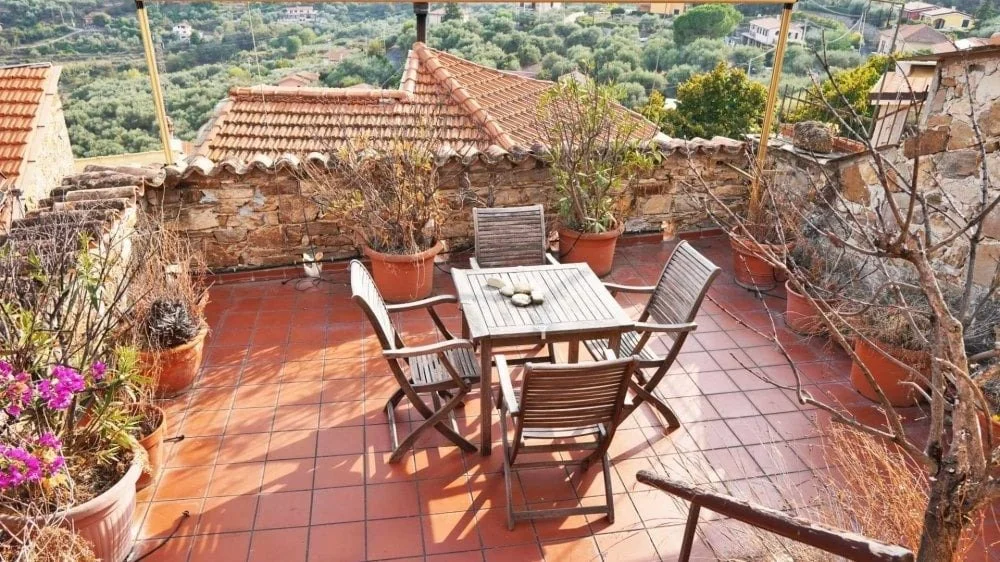
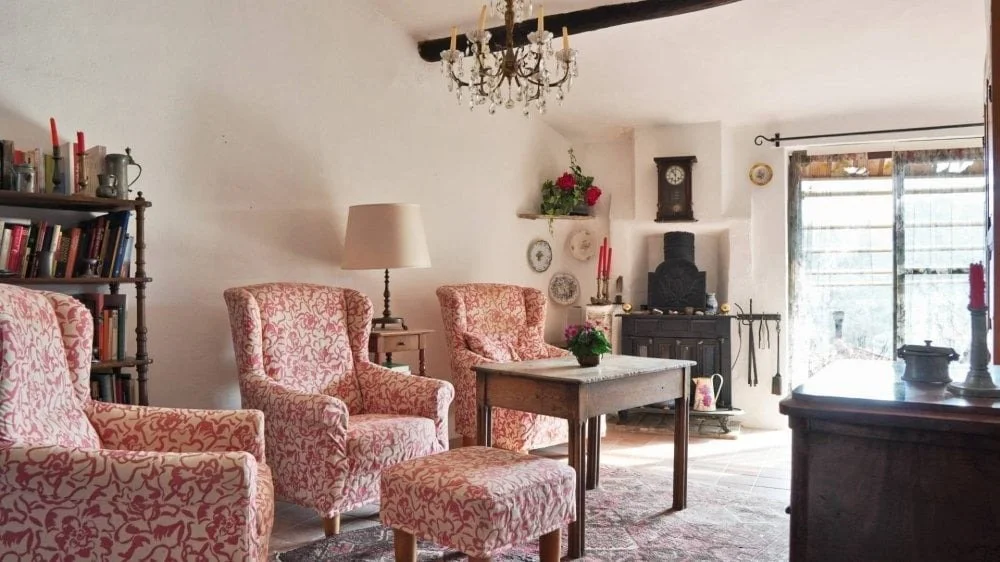
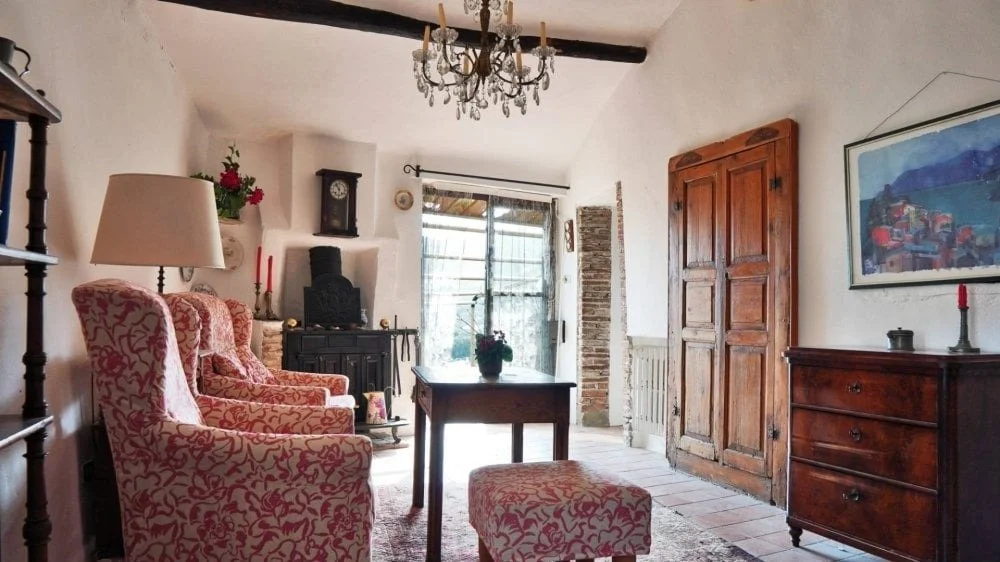
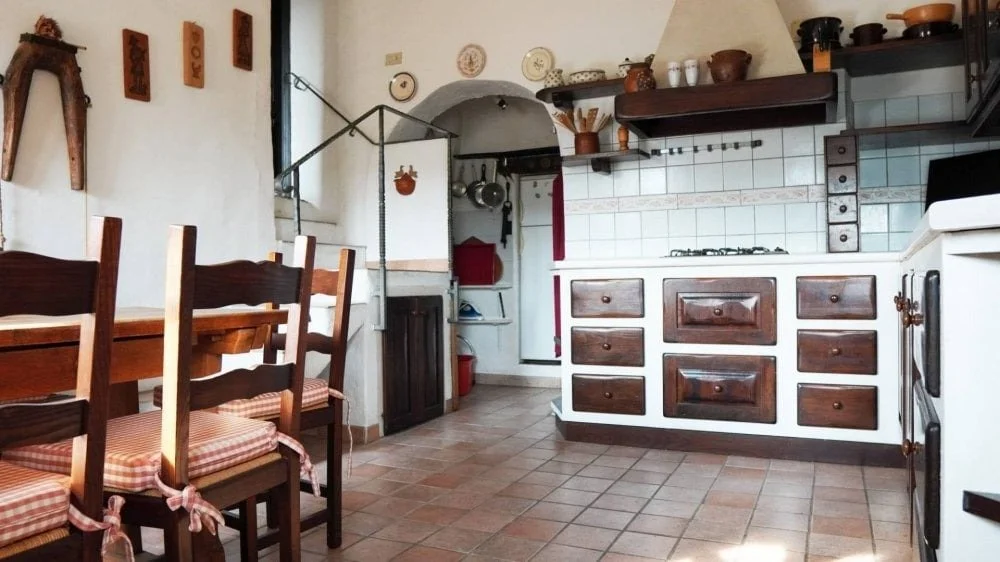
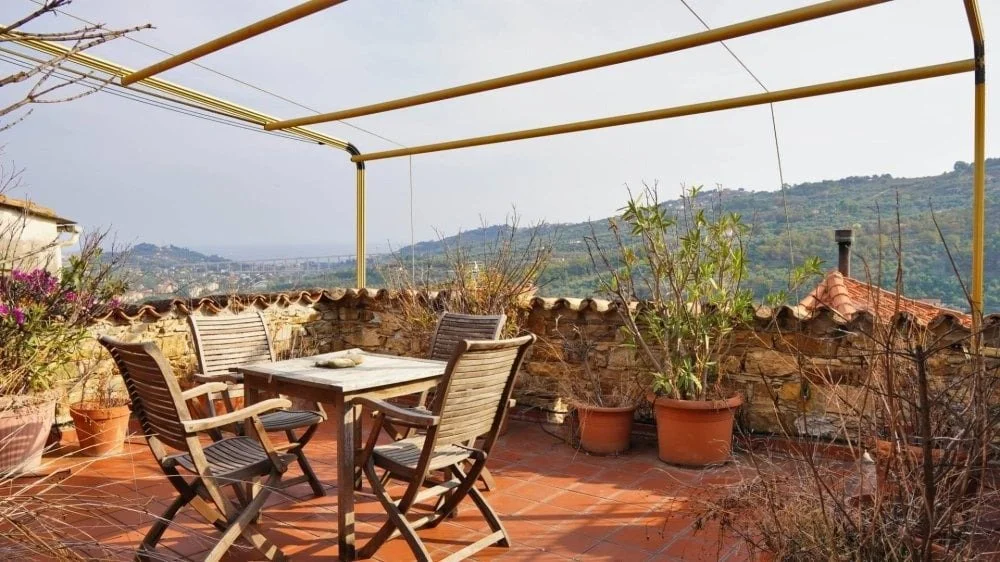
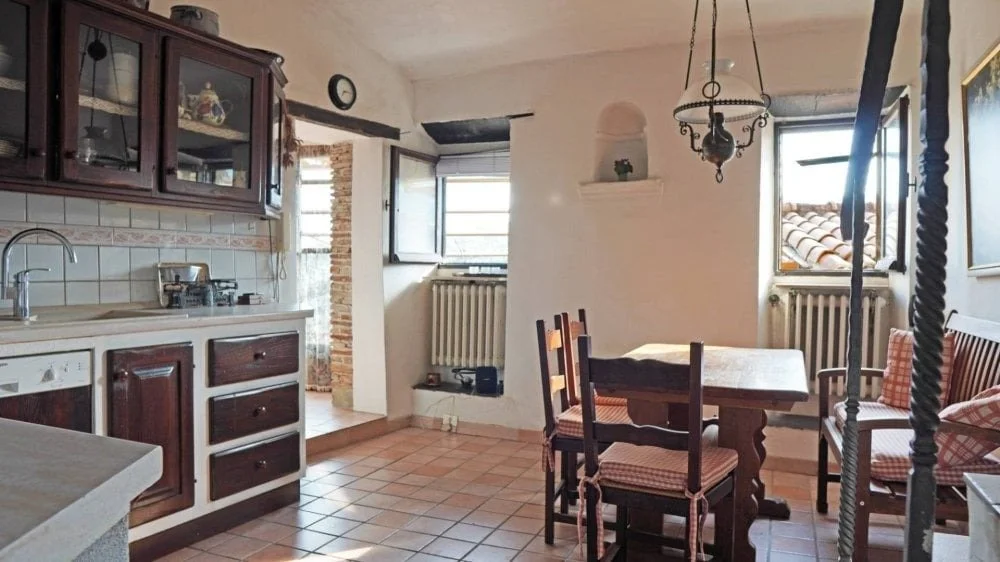
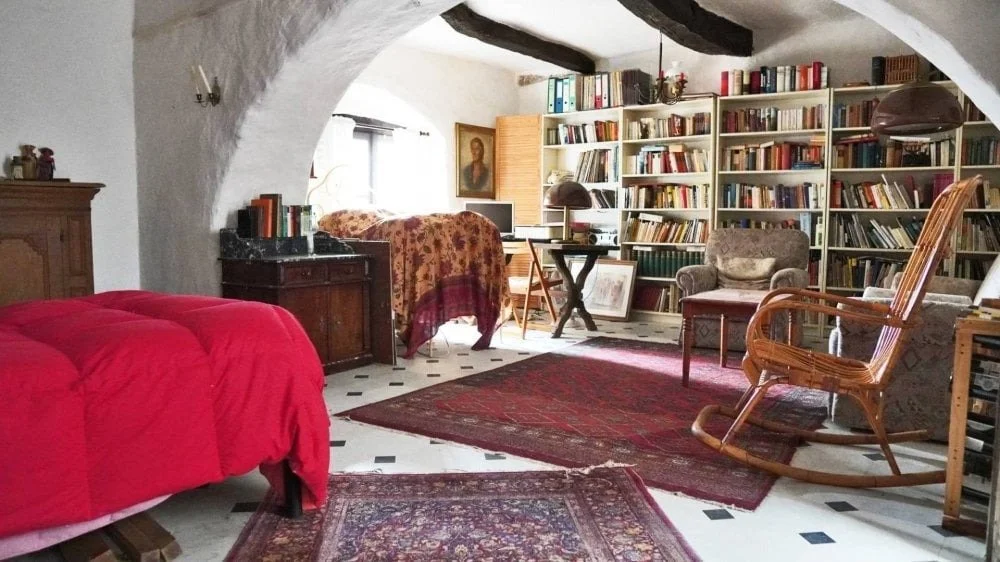
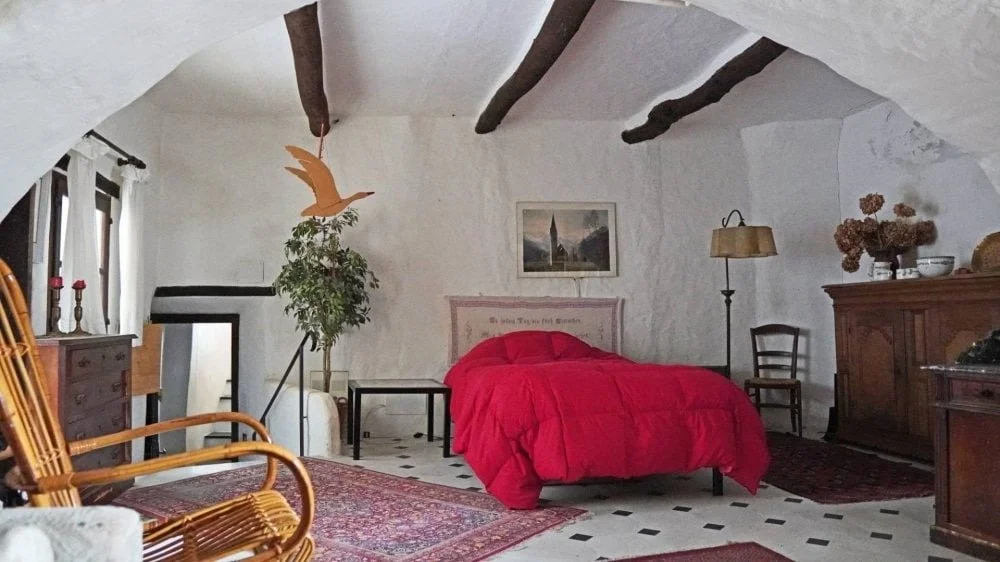
Two-level layout with bright first-floor living room, custom-fitted kitchen with beamed ceiling, two bedrooms, two bathrooms, large panoramic terrace, and a stone cellar at lower level.
Character features
Exposed stonework, vaulted ceilings, wooden beams.
Lifestyle angle
Historic Ligurian village setting, minutes from beaches, suitable as a coastal retreat, first Italian property purchase, or possible short-term rental.
Risk Radar
Overview
This is exactly the kind of Ligurian listing that attracts buyers quickly. The price is accessible, the village setting feels authentic rather than over-polished, and the terrace is doing a great deal of the emotional work. Sea views, historic fabric, and a cellar at this level can represent excellent value. They can also conceal a surprisingly technical due diligence list.
The first theme is historic-centre and heritage exposure. The listing places the house in Torrazza's historic centre, which does not automatically mean the property is individually protected, but it does mean buyers should verify whether any cultural or landscape restrictions apply before assuming future works will be simple. Italy's Ministry of Culture states that SITAP is the official web-GIS system for consulting landscape-protected areas, and Soprintendenza offices state that works on protected assets require prior authorisation. For this property, that matters less for enjoying it as-is and more for any future terrace works, façade changes, window replacements, cellar conversion, or structural repairs.
The second theme is the terrace. In a compact historic townhouse, a large panoramic terrace is not just a lifestyle bonus. It is part of the property's value logic. Buyers should therefore treat it as a legal and technical feature that needs to be understood properly. Exclusive use, exact registration, access rights, waterproofing condition, and maintenance responsibility all matter. If rooms sit beneath it, any failure in waterproofing can become one of the biggest medium-term ownership costs.
The third theme is the cellar and overall building condition. The listing speaks attractively about the cellar's potential, but old stone cellar spaces often sit right at the intersection of romance and moisture. Damp, ventilation, drainage and usable classification need to be checked carefully before treating it as future habitable or hospitality-adjacent space. The house may still be a very good buy, but it should be bought with a practical understanding of what is storage, what is usable ancillary space, and what would trigger further permitting.
The fourth theme is the energy and rental position. The "Energy Class N" wording is not a usable answer in itself. ENEA states that the APE is mandatory in property sales and advertisements in Italy. Until the seller provides the actual APE and recent bills, the buyer is dealing with an unresolved documentation gap. Likewise, Liguria requires specific tourist-rental registration steps, including CITRA and the national CIN for furnished tourist apartments. So the rental angle may be viable, but it should not be treated as frictionless.
Targeted Questions
Heritage and Planning
Historic-centre location alone does not answer whether special approvals are needed for future works.
Official protection mapping can materially affect alteration rights and timelines.
A buyer needs to know how constrained future maintenance or improvement may be.
Historic properties often undergo phased works, and buyers need the formal paper trail.
This helps distinguish compliant works from informal alterations.
Agibilità remains a core post-works and usability checkpoint under Italy's building framework.
Missing agibilità may not kill the deal, but it affects financing, resale and negotiating strength.
Buyers need to verify the legal description and current registered layout.
Cadastral mismatch can delay a sale and create correction costs.
Past regularisation is not automatically negative, but the buyer should know what was corrected and why.
Terrace, Roof and External Fabric
The terrace is a major value driver and must be legally secure.
Buyers should confirm they are buying the full area they are valuing.
Shared access can materially reduce privacy and control.
Liability for waterproofing and structural upkeep can be more complex in attached historic buildings.
Waterproofing failure is one of the costliest risks for terraces over living space.
Past leakage is one of the strongest risk indicators.
Previous repairs may reveal both good maintenance and recurring problems.
Responsibility needs to be clear before a defect emerges.
In an older stone building, roof condition is a major ownership cost variable.
These are early warning systems for moisture and structural deterioration.
Building Condition and Systems
The low entry price makes it important to separate charm from deferred maintenance.
Invoices help validate recency and scope.
Electrical compliance is basic safety and insurability due diligence.
Old systems can generate hidden early ownership costs.
Buyers need to understand comfort, maintenance and running-cost implications.
Summer comfort matters for both owner use and rental appeal.
Real bills are often more useful than general descriptions.
The APE is the legally relevant document, not the ambiguous shorthand in the listing.
The buyer needs clarity on whether the certificate is missing, pending or simply not uploaded correctly.
Stone buildings can conceal moisture patterns that only show seasonally.
Treatment history can reveal recurring issues.
Window quality directly affects comfort and energy use.
Multi-level historic townhouses can be less practical than their floor plan suggests.
Cellar and Lower-Level Use
Buyers need to know whether it is ancillary storage only or something more flexible.
Cellars are often the first place where moisture problems become visible.
Poor ventilation can limit use and worsen damp or odour.
Past use can reveal both potential and unofficial adaptation.
Buyers should separate attractive ideas from legally realistic options.
Historic-centre and protected-area rules can complicate lower-level conversion.
The cellar often gives the clearest clues about the building's moisture behaviour.
Practicalities and Location
Village-centre parking constraints can affect liveability and rental appeal.
Daily practicality matters more than the listing romance.
Ongoing parking friction is worth understanding early.
Historic-centre logistics can materially affect both move-in and future repair costs.
Access practicality matters for both owner use and guest suitability.
Remote work assumptions should be checked against reality.
This affects noise, seasonal rhythm and rental compatibility.
Lifestyle fit and guest appeal are both shaped by seasonality.
View durability often supports part of the value.
Rental Potential
Historic performance is more useful than marketing optimism.
Real figures help test whether the rental angle is meaningful.
Tourist letting in Liguria requires compliance steps that should be confirmed, not assumed.
Some properties are commercially attractive but administratively awkward.
Operational friction can reduce real rental value.
Buyers should not overprice shoulder-season demand.
Negotiation Intelligence
Buyer Leverage
Medium-High
Key Drivers
Typical Negotiation Range
5-15% below asking
Neutral Phrasing Examples
Country Layer
Italy (Regulatory Context March 2026)
Key Italian requirements for buyers:
Viewing Strategy
Start with the terrace and cellar, not the kitchen. Those two spaces are likely to tell you more about ownership risk than the attractive historic finishes.
Next Step
Verify from the listing:
Historic-centre restrictions and approvals
Check whether the townhouse is affected by any heritage or landscape protection and whether past or future works require approval from the Comune or Soprintendenza.
Terrace ownership and waterproofing exposure
Confirm that the panoramic terrace is exclusively attached to this property, that access rights are clear, and that waterproofing and maintenance responsibility are properly understood.
Cellar status and moisture risk
Verify how the cellar is classified in the title and cadastral records, whether it is dry year-round, and whether any future conversion idea would require permits or technical works.
Energy documentation gap
Ask for the full APE and recent bills so you can clarify the “Energy Class N” wording and understand the real running-cost profile of the house.
Rental compliance in Liguria
If you are considering short-term letting, confirm whether the property already has the necessary CITRA and CIN registrations and whether access, parking and village practicalities support guest use.
A prepared buyer should approach the agent calmly and frame questions as due diligence.
Because this is a property where the legal, structural and regulatory context matters, run it through one of the property tools before contacting the agent.
Use the Property Risk Assessment to test legal and building-level issues, or the Renovation Budget Planner to model likely costs if the terrace, cellar, roof or systems need corrective work after purchase.
Disclaimer: The Property Drop is buyer-focused intelligence, zero sales agenda. We curate exceptional properties, in southern Europe, from third-party agents and arm you with decision tools. No commission, no transactions, no agent partnerships, no skin in the game beyond helping you choose wisely. Information stays accurate until it doesn't (properties sell, prices shift, markets move). Everything here is shared for informational purposes only and should not be treated as legal, financial, or investment advice. Images belong to original agents. Read our Terms of Service to learn more.
IMPORTANT REMINDER: When contacting property agents featured on The Property Drop, you are entering into direct communication with third parties. It's recommended that you verify all property details independently, conduct thorough due diligence, engage qualified professionals (solicitors, surveyors, financial advisors), understand your rights and obligations under local property laws, and never send money or make commitments without proper legal protection.
