
The Buyer Playbook: Restored Medieval Apartment in Europe's First E-Village, Castelbianco, Italy, €210,000


Buyer Playbook
Pre-Viewing Intelligence Report
This independent buyer guidance report relates to this specific property located in Italy. It is provided for informational purposes only and does not constitute legal, tax, structural or survey advice. Condominium governance, restoration legality, agibilità, cadastral conformity, tourist-rental compliance, title position, garage rights, energy performance, and any shared-village obligations must always be verified with qualified Italian professionals such as a notaio, geometra, architetto, ingegnere, surveyor or licensed property consultant, and with the relevant municipal and regional authorities. This report is designed to help buyers evaluate the property before arranging a viewing or making an offer. It highlights due diligence areas and targeted questions to ask the agent. The analysis is based on the listing details and publicly available regulatory context at the time of writing. It follows the fixed Buyer Playbook structure used for The Property Drop.
Playbook Contents
Property Snapshot
Location
Colletta di Castelbianco, Liguria, Italy
Property type
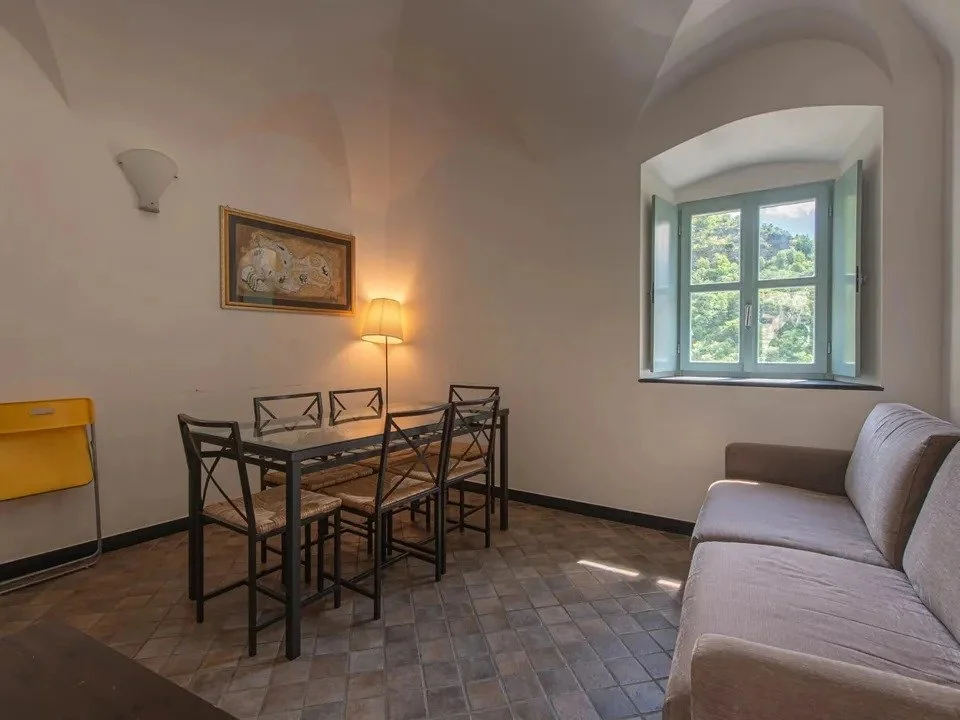
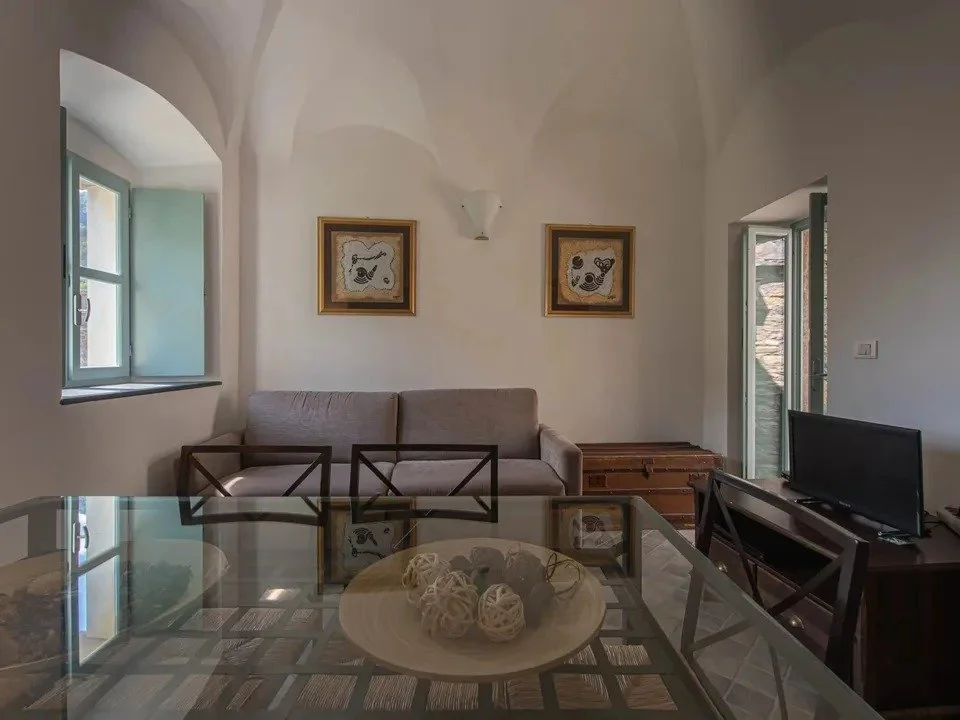
Restored medieval apartment within the Colletta di Castelbianco e-village development
Asking price
€210,000
Energy rating
Class G
Setting
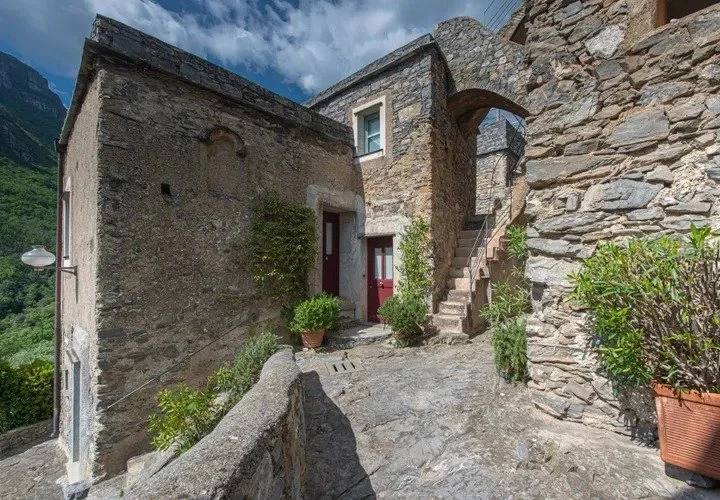
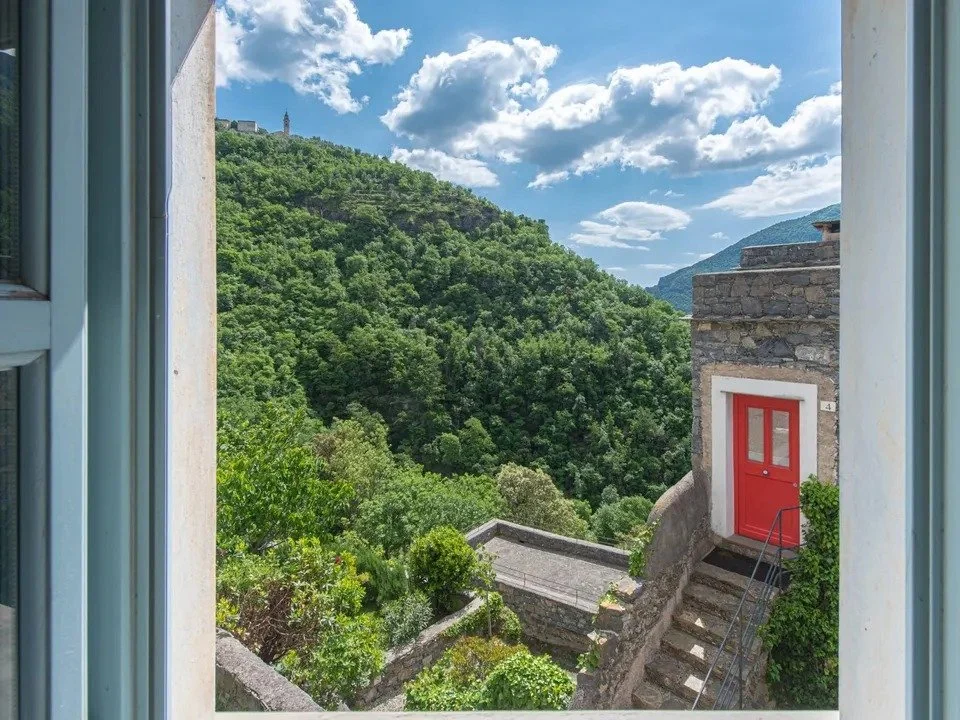
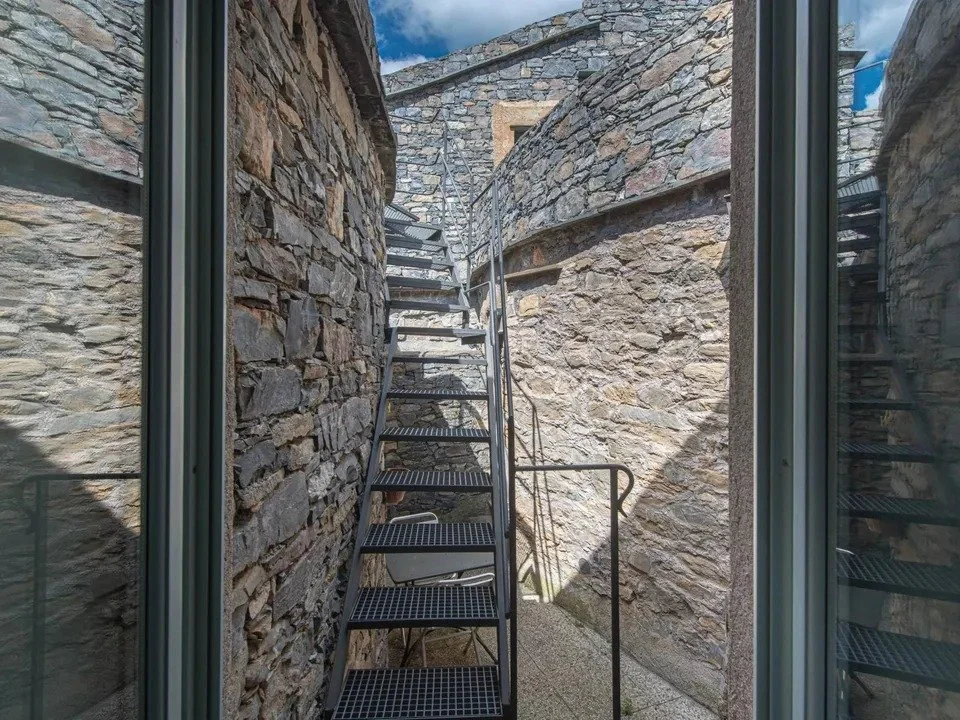
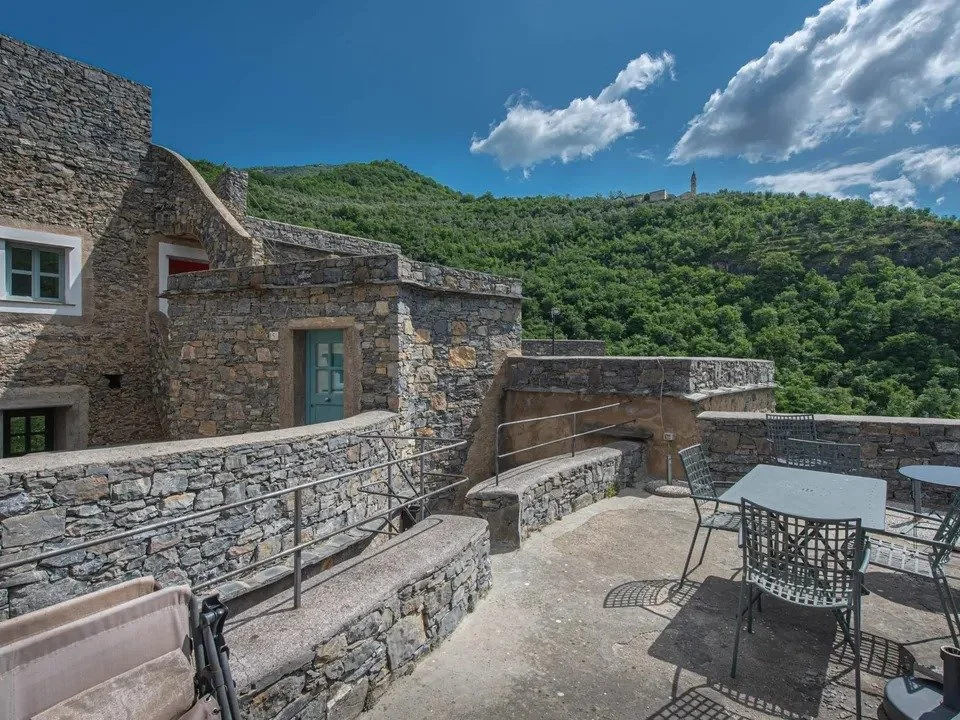
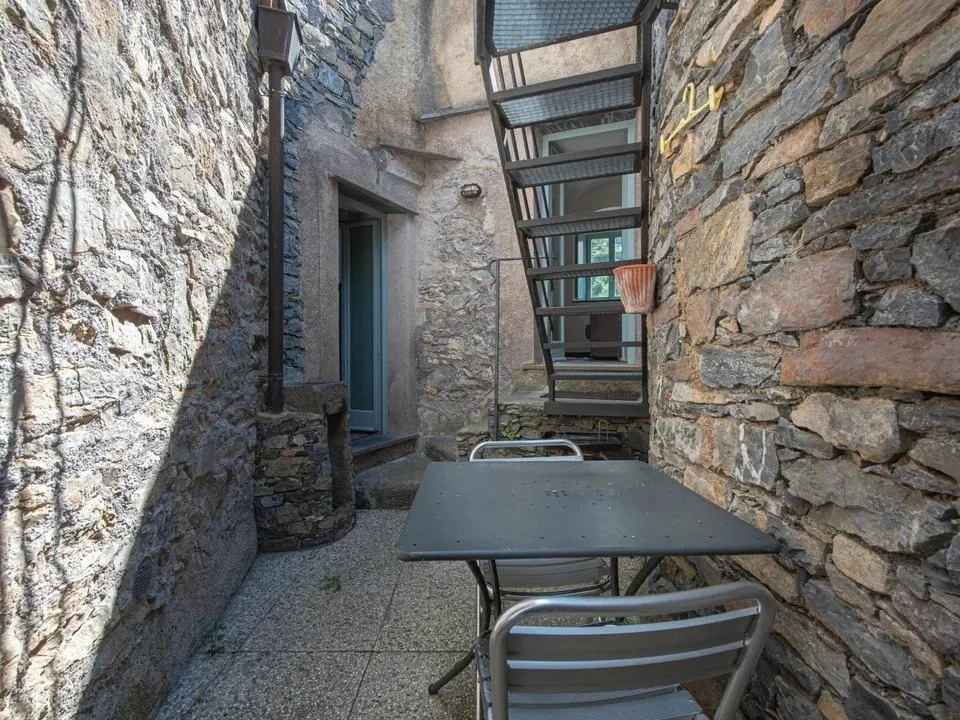
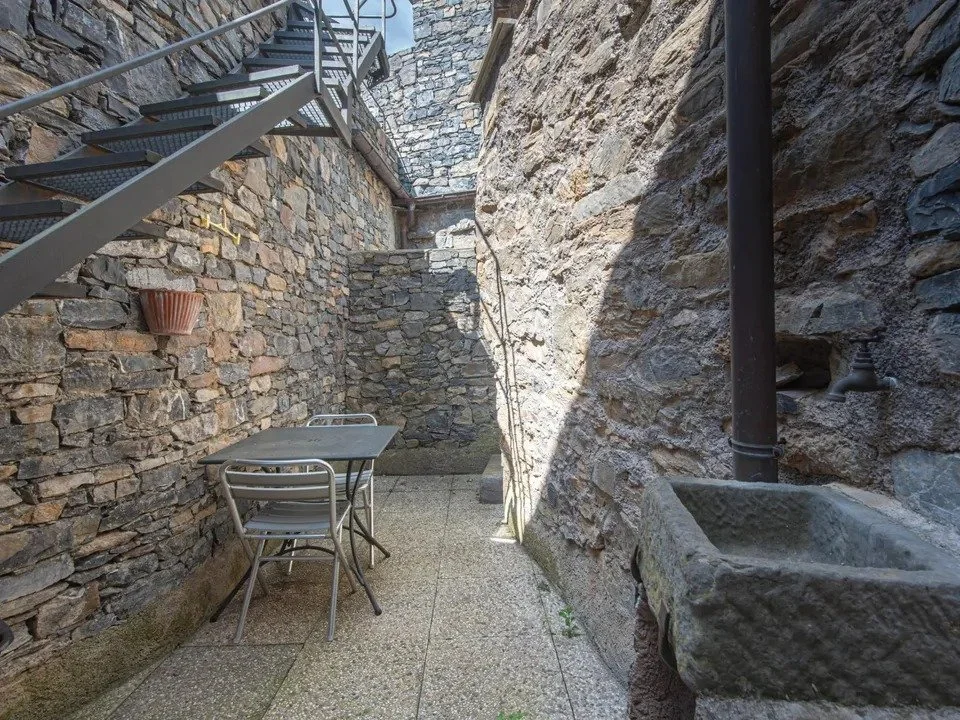
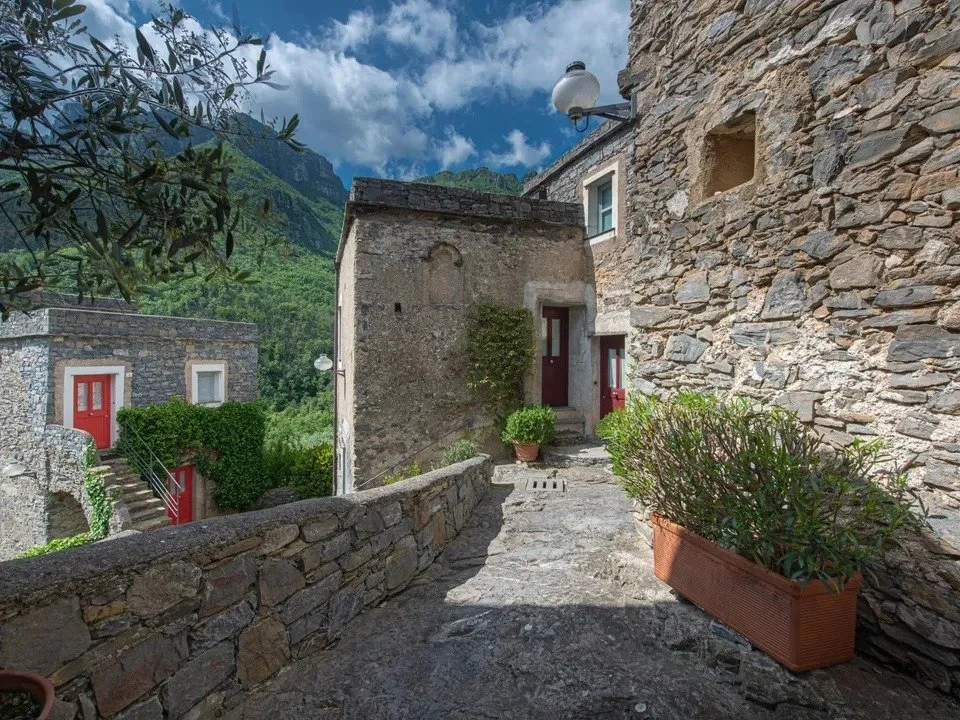
13th-century village restored in the 1990s with shared infrastructure and amenities
Shared amenities referenced in the listing/user notes
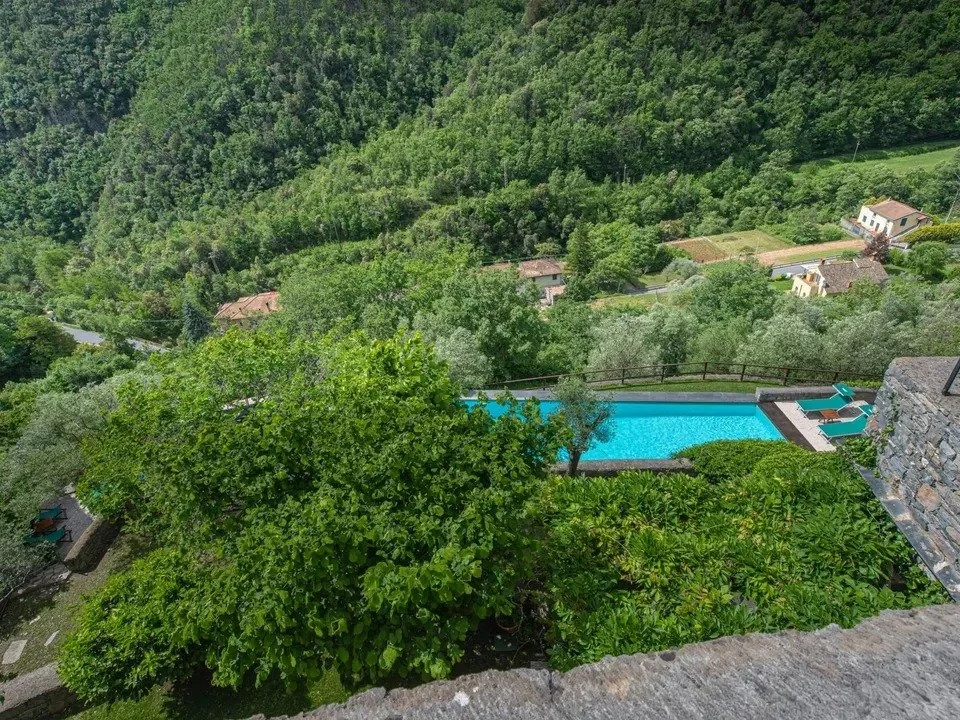
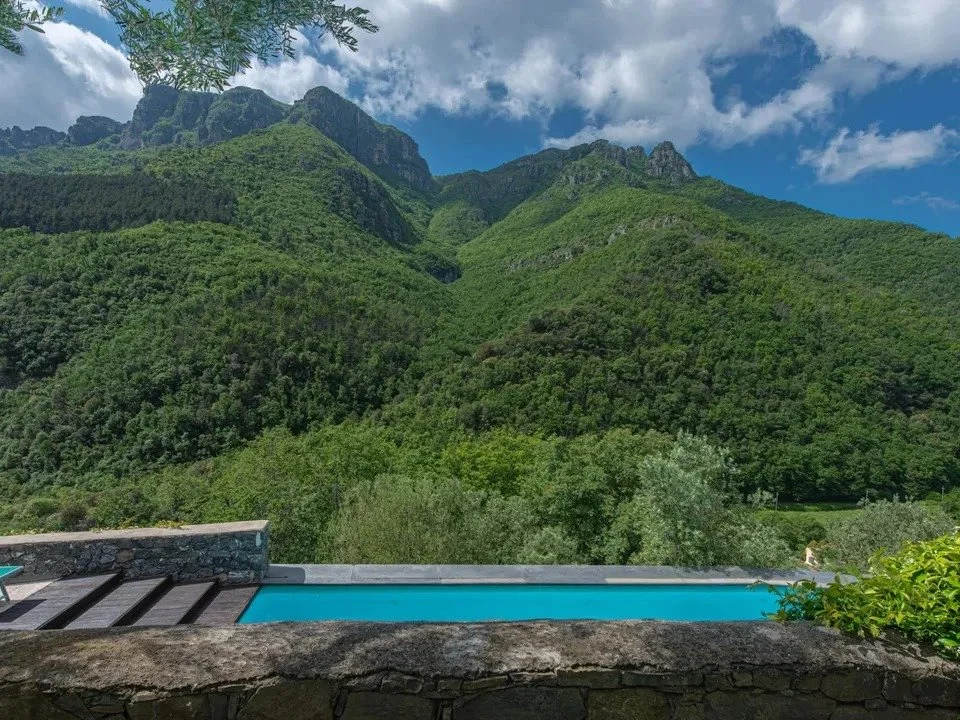
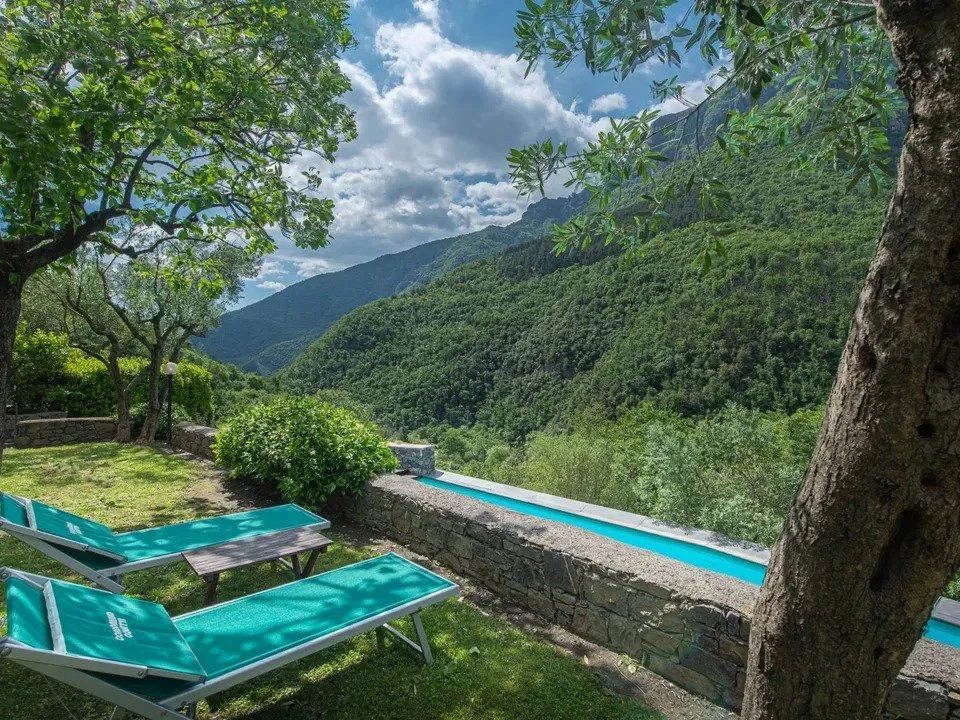
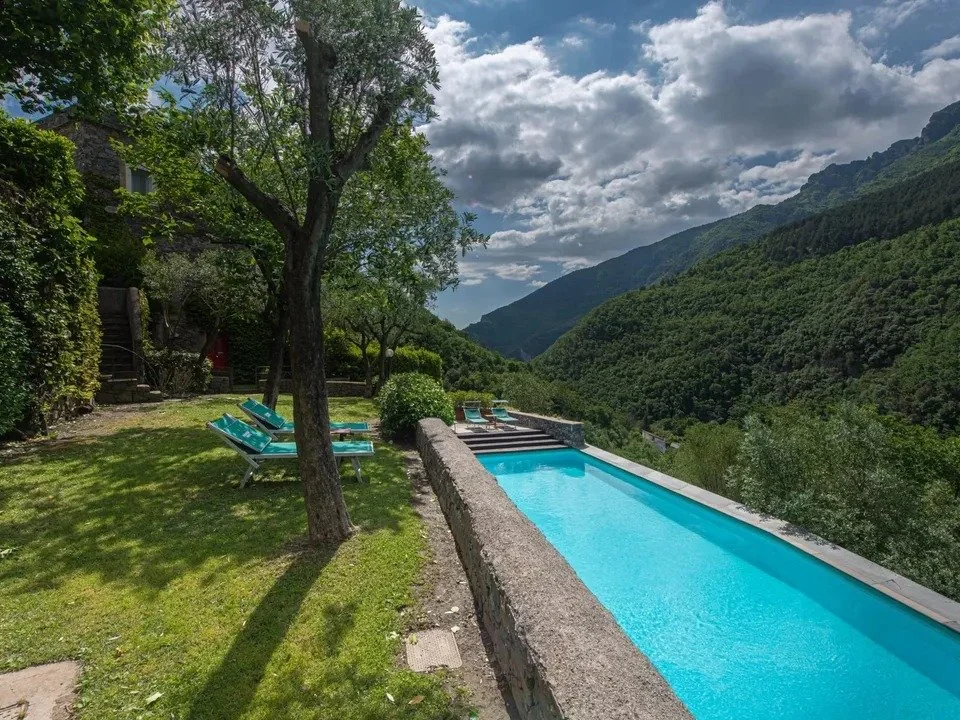
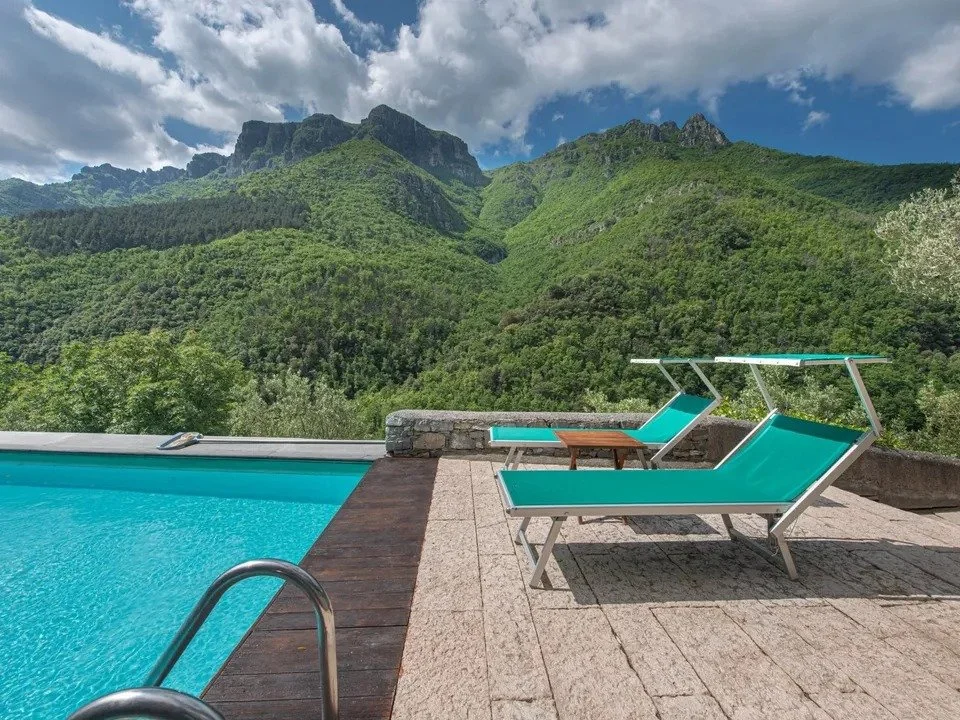
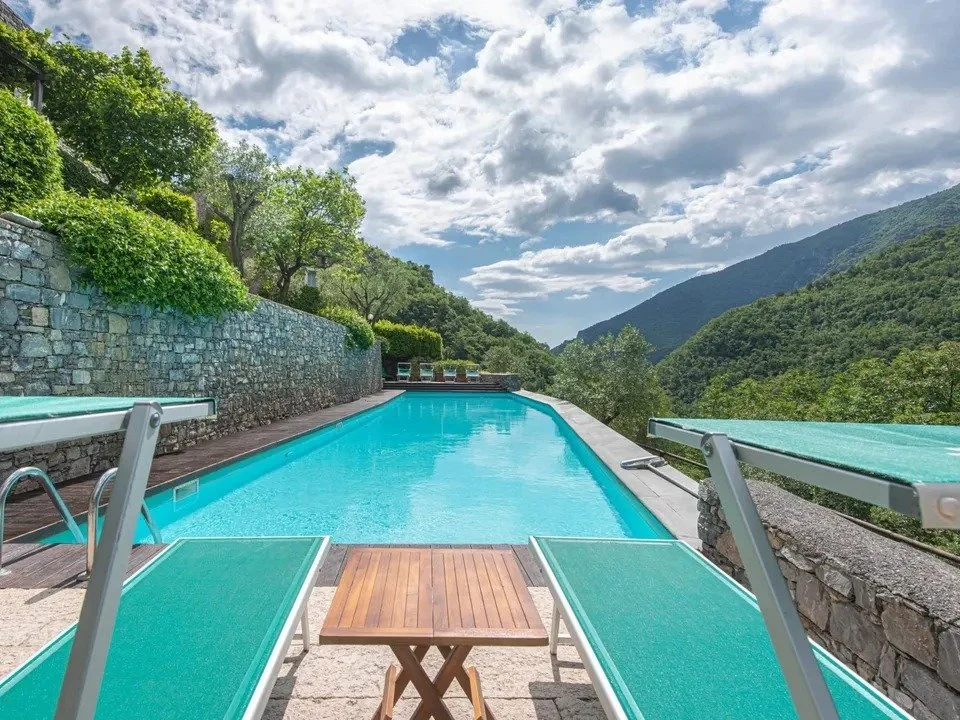
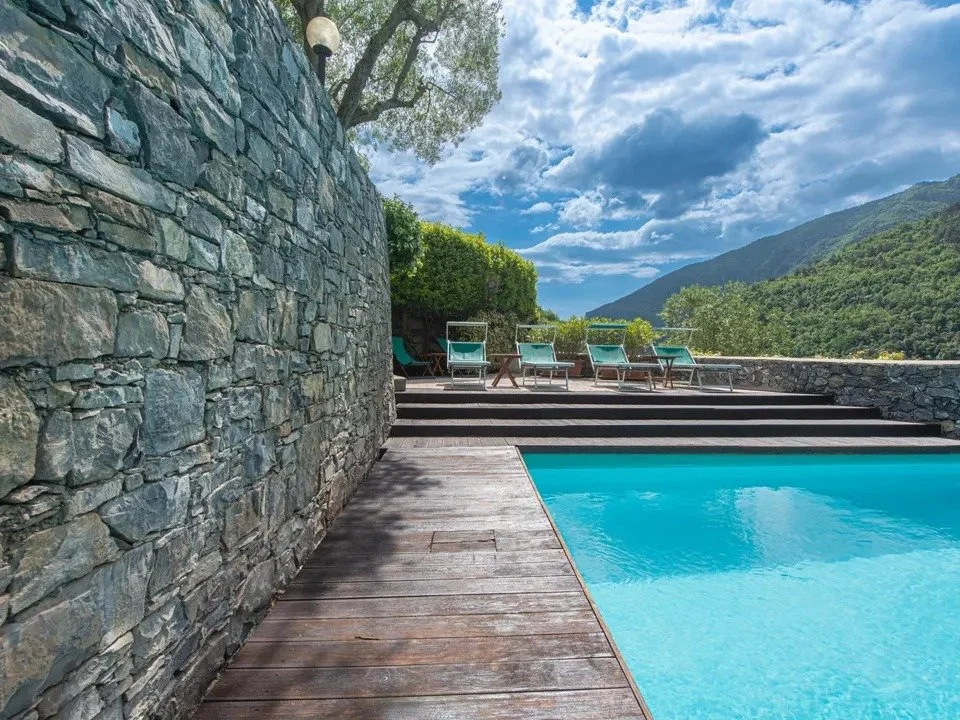
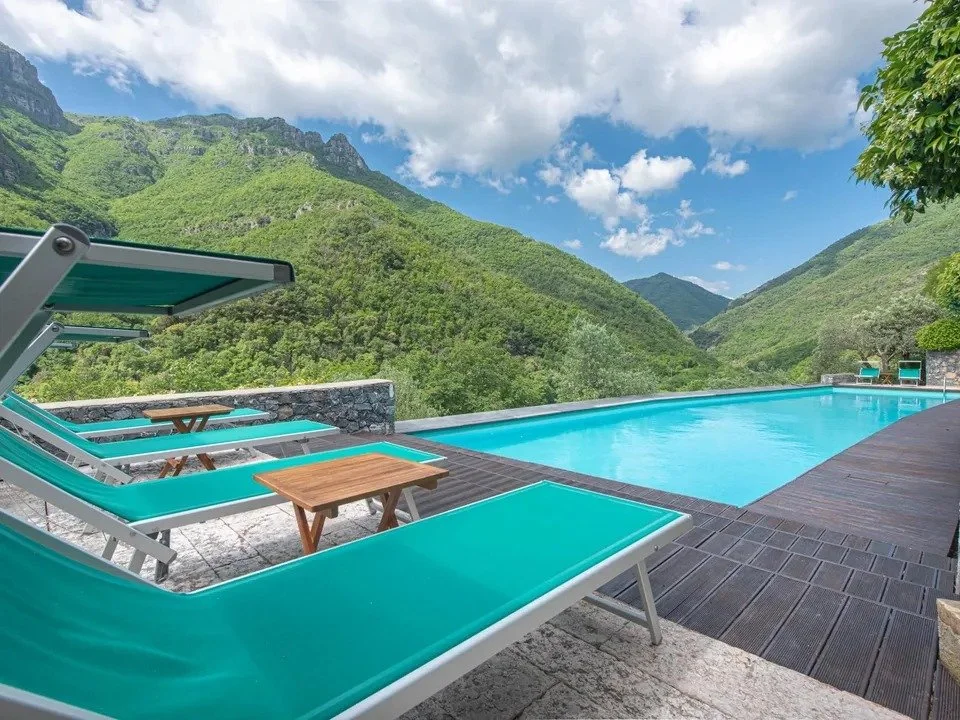
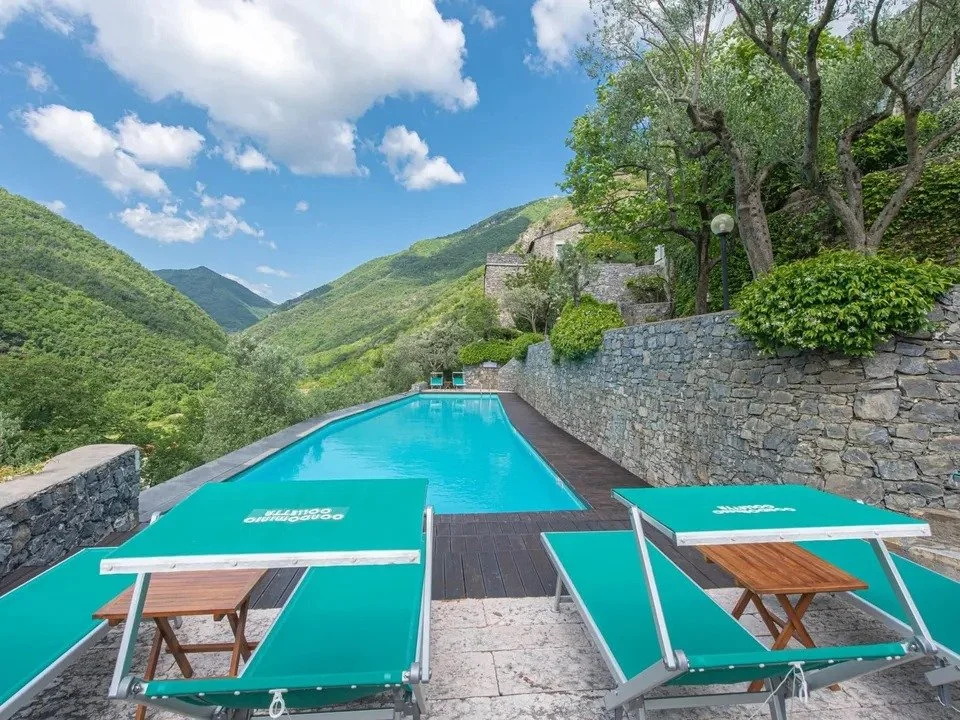
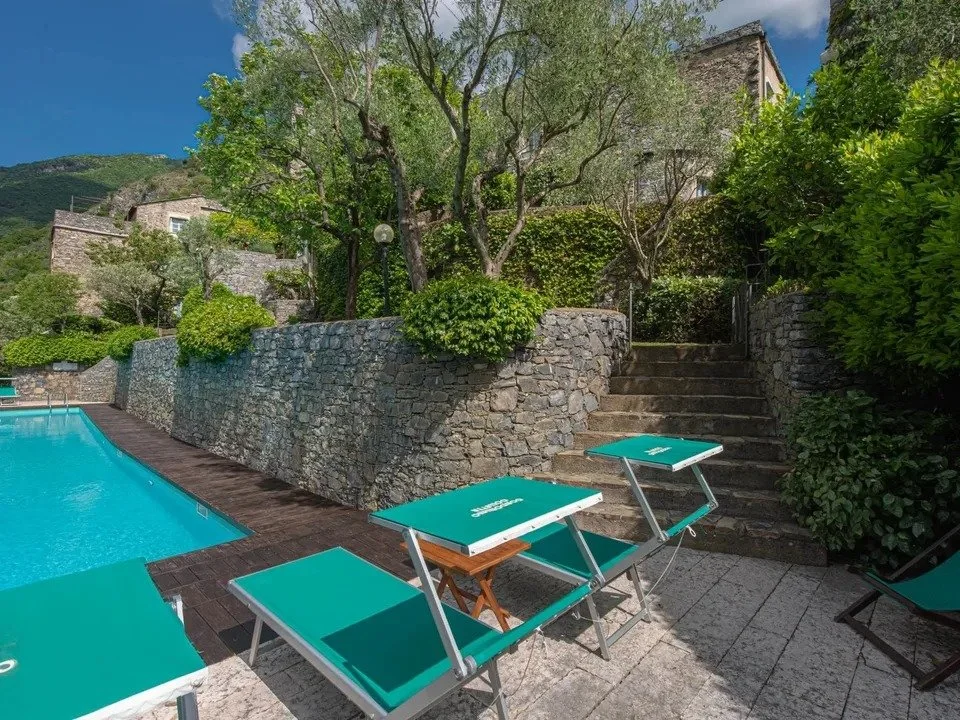
infinity pool, seasonal sauna, restaurant, business centre, wellness facilities, open-air theatre
Additional practical features
private garage and storage space referenced in the listing/user notes
Lifestyle angle
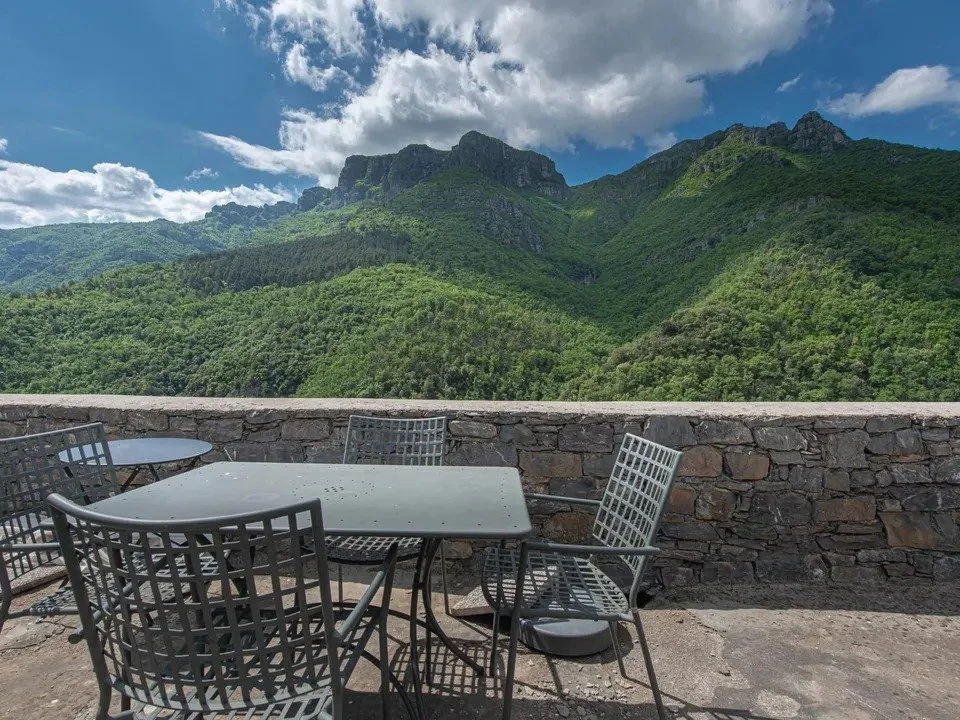
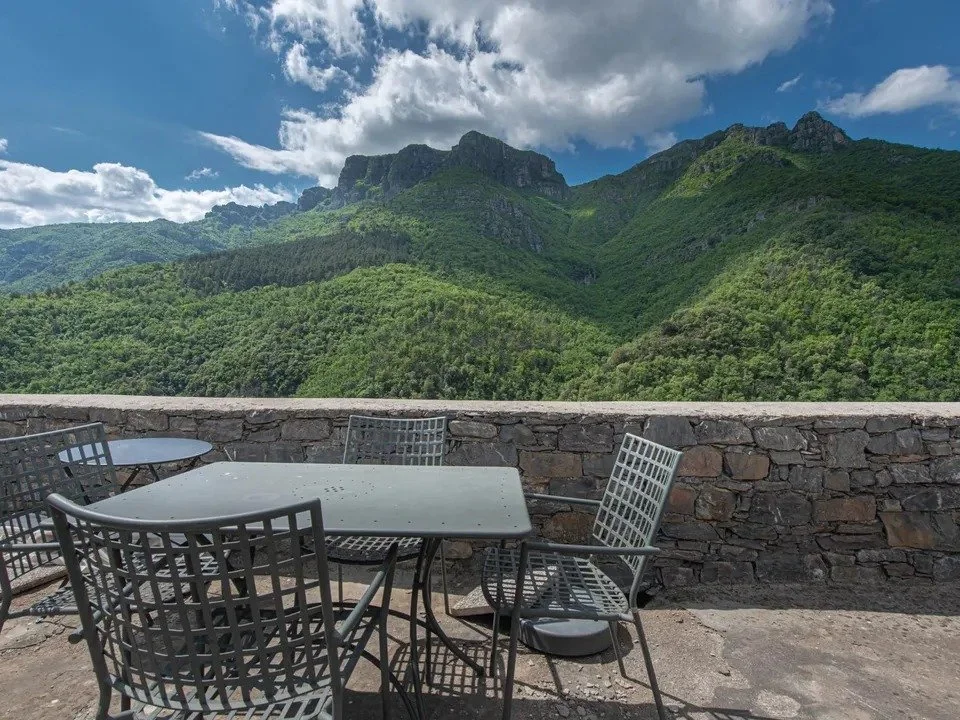
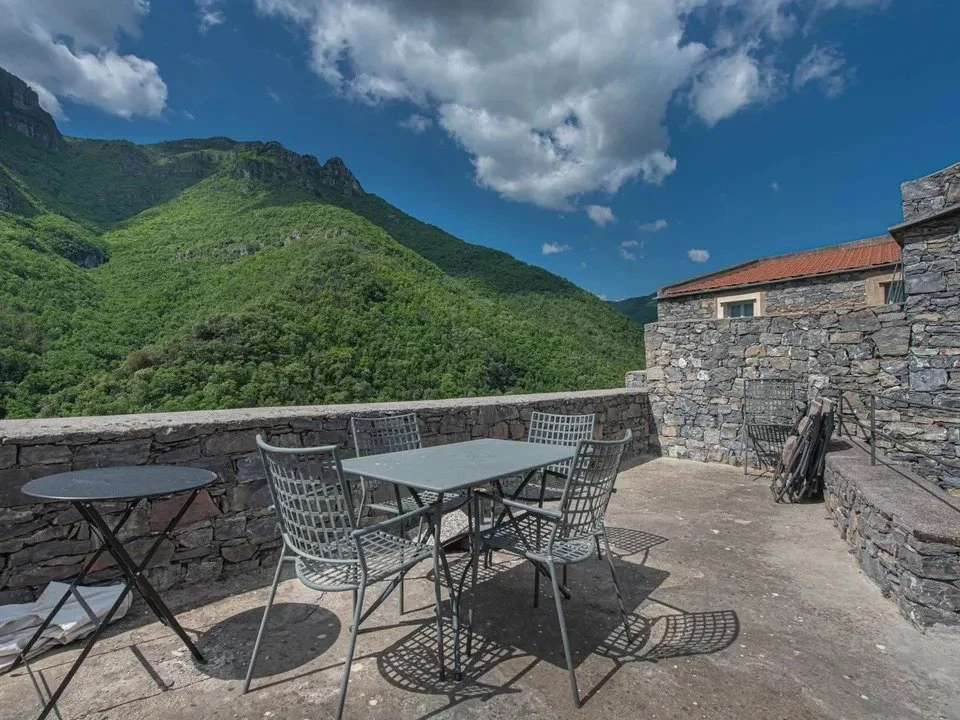
mountain-village setting with remote-work appeal and proximity to major climbing areas
Main due diligence themes
legal structure of the village development, condominium fees and governance, restoration legality and documentation, shared-facilities costs, and realistic rental potential
Risk Radar
Overview
This is a distinctive buy because the value is not just the apartment itself. It is the apartment plus the governance and operating structure of the wider village. Colletta di Castelbianco is marketed as a restored medieval e-village, and the official Colletta site confirms shared features such as a seasonal open-air pool, sauna by the pool area, a bar-restaurant and shared laundry, with apartments offered both for sale and hospitality use. That means the buyer is not simply buying a stone flat in Liguria. They are buying into a managed shared environment whose rules, reserves, service levels and resident mix will materially affect value.
The first due diligence issue is therefore structural governance. The buyer needs to understand whether this is a standard condominio, a more unusual village-management structure, or a layered ownership arrangement with private units and common-area shares. That matters because the pool, sauna, restaurant-adjacent environment, common paths and any business-centre infrastructure all imply recurring decisions, recurring costs and potential extraordinary works.
The second issue is restoration legality and current paper alignment. Because the apartment sits in a restored medieval village, the buyer should expect the current visura catastale, planimetria and agibilità position to match the apartment as it exists today. In Italy, cadastral updates for changes to the state or use of an urban unit are handled through DOCFA, and Agenzia delle Entrate's guidance makes clear that relevant updates must be filed after the change occurs.
The third issue is rental compliance. In Liguria, furnished tourist apartments fall into the AAUT framework. Regione Liguria states that landlords of these apartments obtain a CITRA code after registration on Ross1000, and then use the national BDSR to obtain the CIN. Regione Liguria also states that, from 1 April 2025, tourist-flow reporting through Ross1000 is mandatory for all AAUT. So the rental story here should be checked through actual compliance steps, not assumed because the village has hospitality appeal.
The fourth issue is practical year-round liveability. A G-rated medieval apartment in a mountain village can still be perfectly enjoyable at the right price, but only if the heating system, glazing, insulation and real winter comfort are understood. The buyer should not let the charm of the concept obscure the operational realities of mountain access, stairs, seasonal amenities and utility performance.
Targeted Questions
Condominium Structure and Governance
The exact governance model determines how decisions, costs and liabilities are allocated.
The buyer needs to understand the rules before relying on the e-village lifestyle story.
Meeting minutes often reveal planned works, tensions, arrears and recurring issues.
Shared-amenity ownership is only attractive if the ongoing cost is properly understood.
The buyer needs to know whether the fees include pool maintenance, insurance, common lighting, cleaning, village paths, management and amenity upkeep.
A village with many shared features can generate meaningful future capex.
The buyer needs to know whether a low entry price is about to be offset by future calls.
Financial stress within the shared structure can affect service quality and future stability.
Voting weight can affect how easily important works or rules are passed.
The legal architecture of ownership affects resale, control and fees.
Garage value only counts if it is cleanly attached to title.
In a village redevelopment, annex spaces and common areas should never be assumed.
Restoration, Title and Heritage Position
The cadastral record should reflect the current restored state of all privately owned parts.
In restored historic buildings, layout mismatches can easily arise over time.
Lawful habitable status is essential for occupation, resale and rentals.
The buyer needs proof, not just assurance.
A village-wide restoration should still produce unit-level legal clarity.
Future freedom to alter interiors, windows or services may depend on this.
Protected-setting controls can materially affect renovation cost and timing.
Those elements may carry restrictions on alteration or repair.
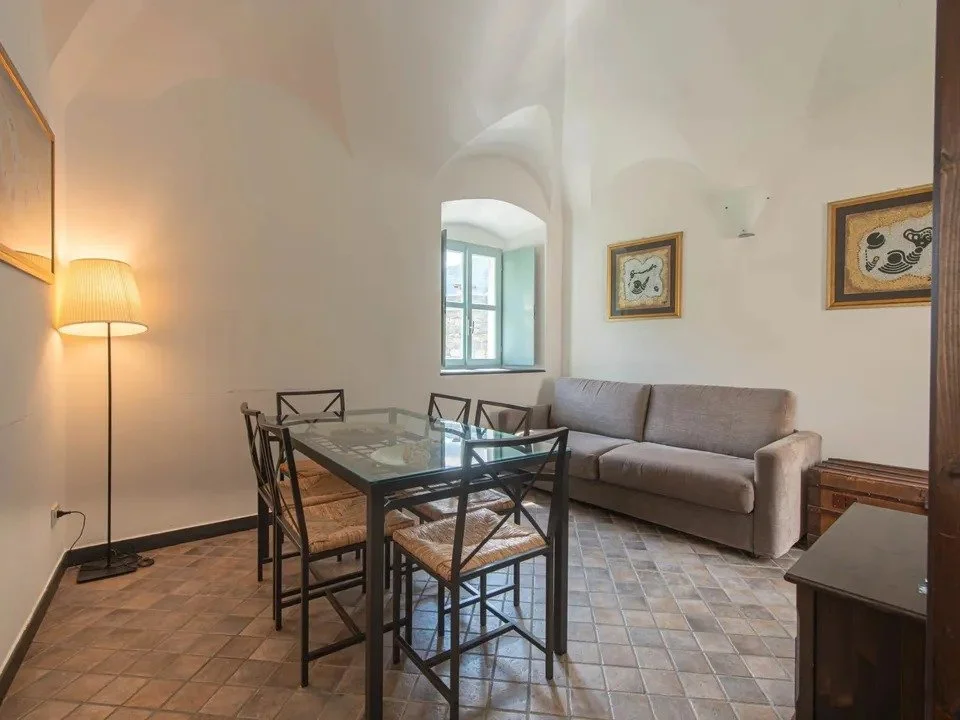
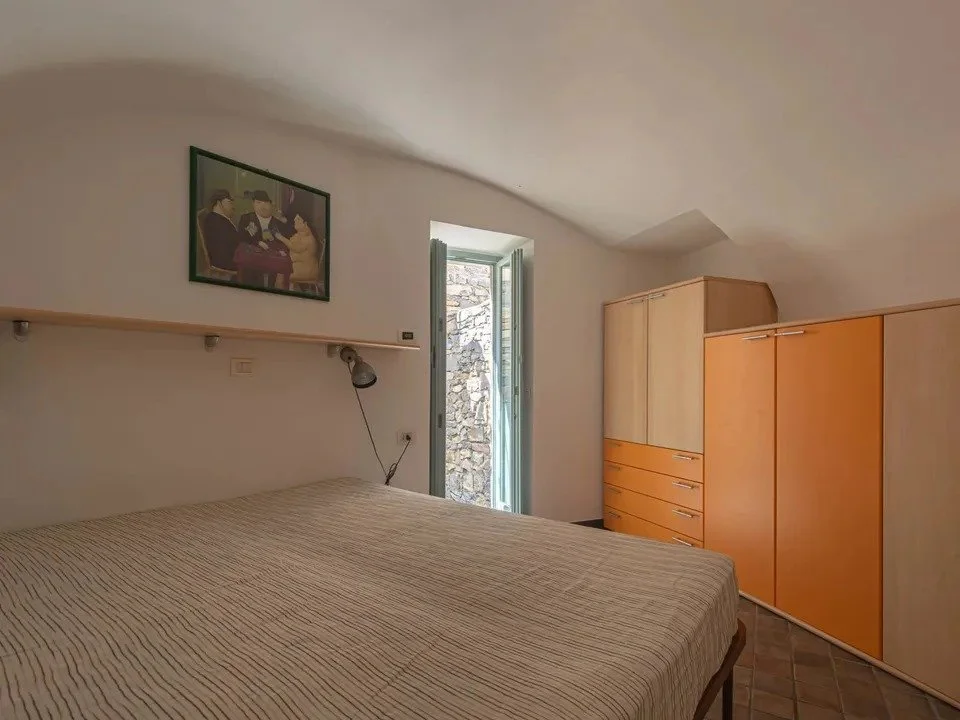
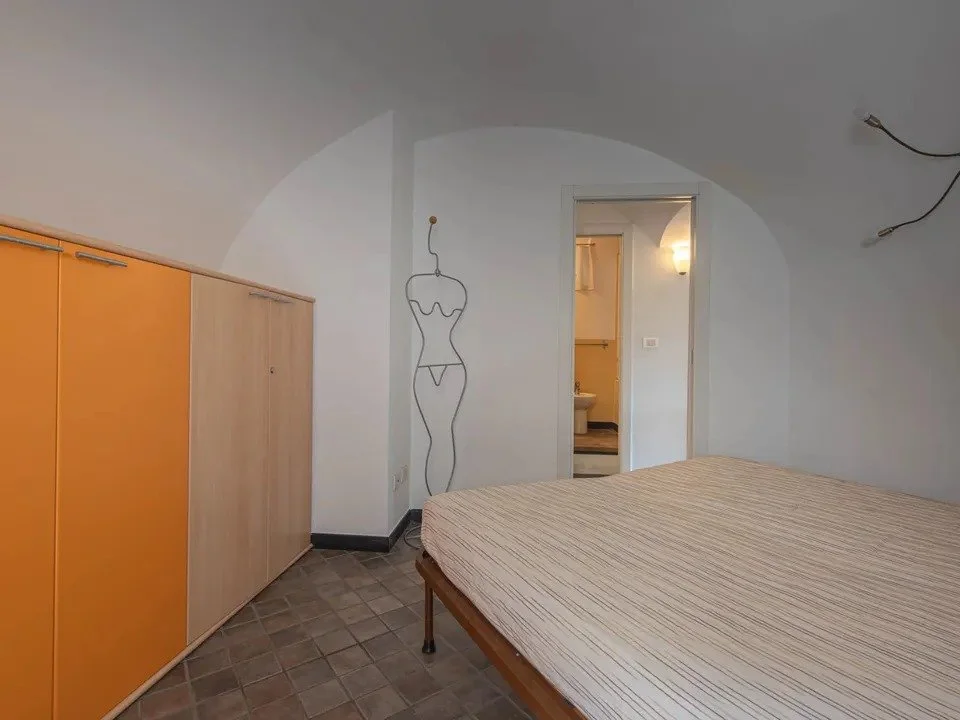
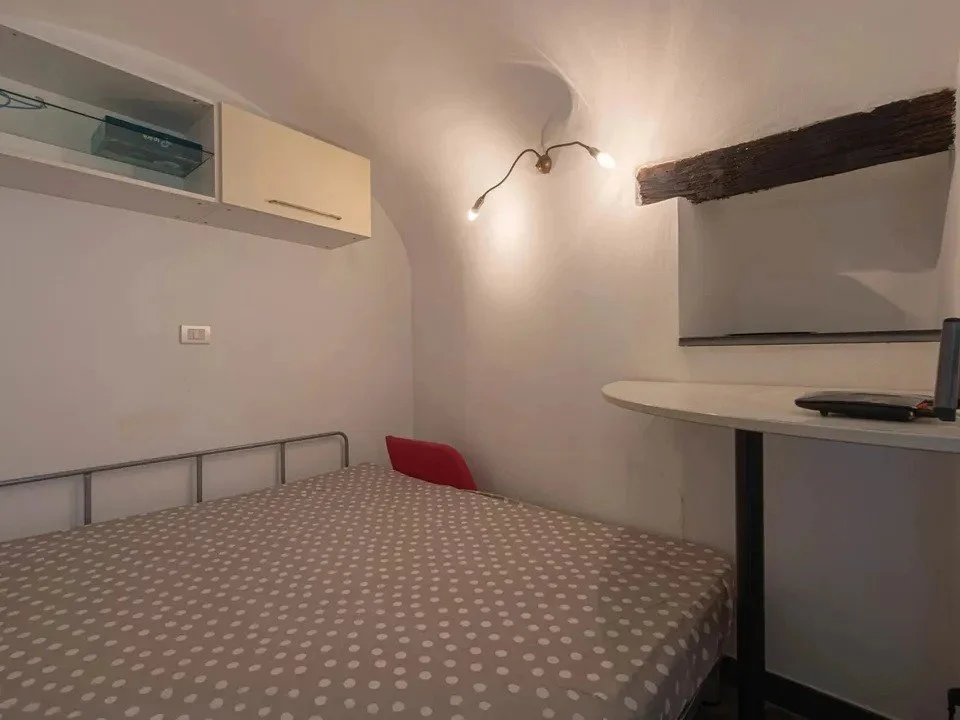
A vaulted ceiling is a key value feature but also a structural and maintenance consideration.
Special features can involve specialist maintenance costs.
The buyer does not want to inherit documentary irregularities hidden within a complex redevelopment story.
Energy Class G and Building Performance
The APE should clarify the causes of the low rating and suggest improvement measures.
Different causes imply very different upgrade costs.
Real bills matter more than the energy label alone.
In a medieval mountain apartment, heating type is central to real comfort.
Remote-work and shoulder-season comfort can depend on more than winter heat.
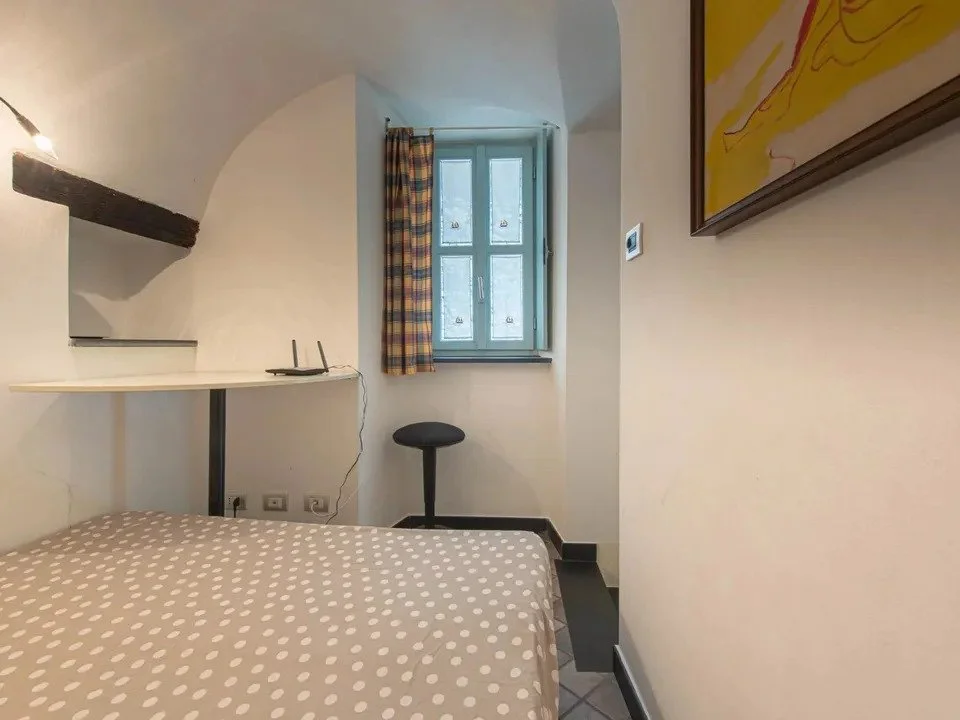
Window quality is often decisive in stone properties.
Insulation and moisture strategy matter together in old buildings.
Stone charm can hide expensive comfort problems.
Mountain villages can create moisture-related maintenance burdens.
The buyer should know whether the G rating is mostly fixable or mostly structural.
Shared Amenities and Operating Realities
Not every shared feature may be genuinely bundled into ownership.
Pool costs can materially affect annual ownership economics.
Seasonal or paid-use amenities change the real value proposition.
The e-village concept only has real value if the facilities are reliable and properly governed.
Seasonal closures materially affect both owner enjoyment and rental appeal.
A buyer should base expectations on the actual operating calendar, not the general concept.
Shared-amenity ownership often creates future capex beyond routine fees.
Current condition affects both enjoyment and future cost.
Restaurant continuity can affect the atmosphere and convenience of the village.
Seasonal closures materially affect both village life and rental positioning.
Shared amenities only add clean value if use rights are predictable.
Parking, Access and Practical Practicalities
Parking value depends on legal certainty, not just informal use.
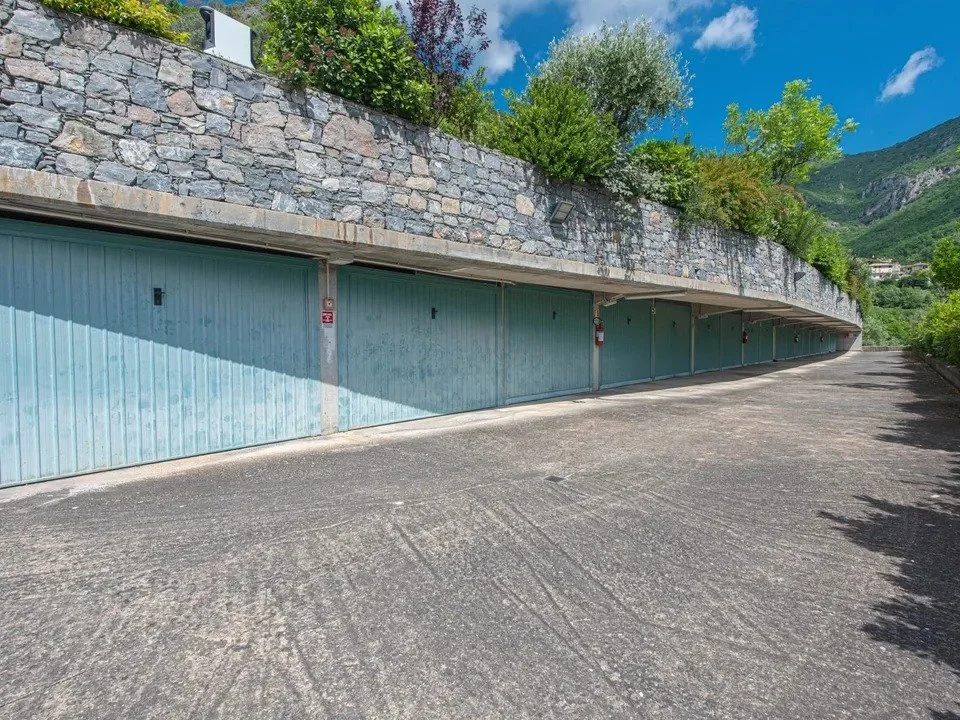
A "garage" can vary significantly in utility.
Mountain-village garages are not always equally practical.
Guest access affects both family use and rental appeal.
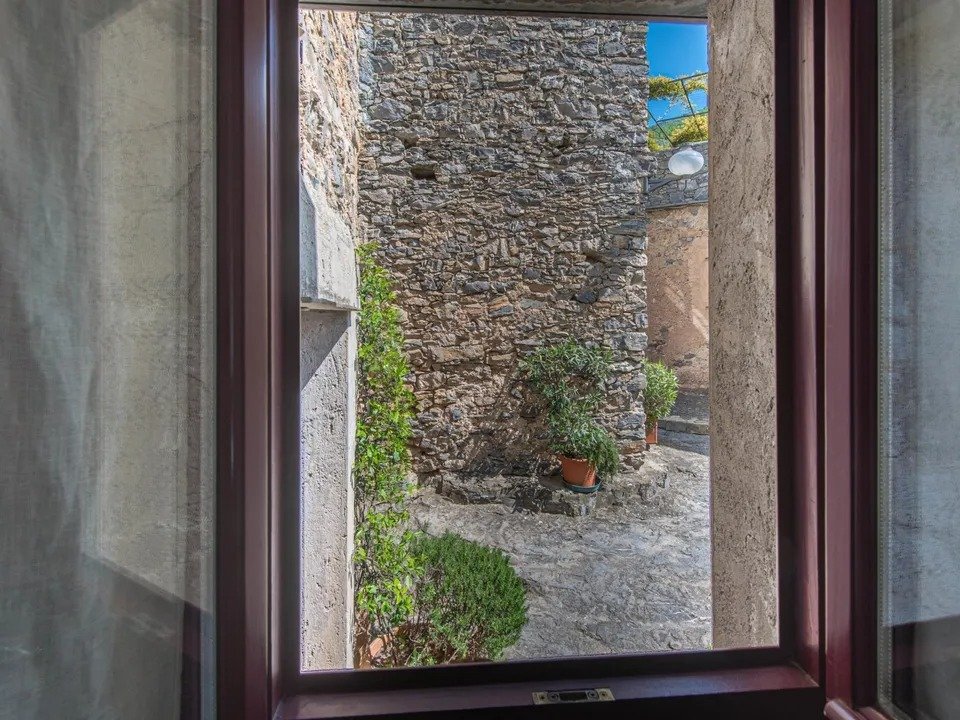
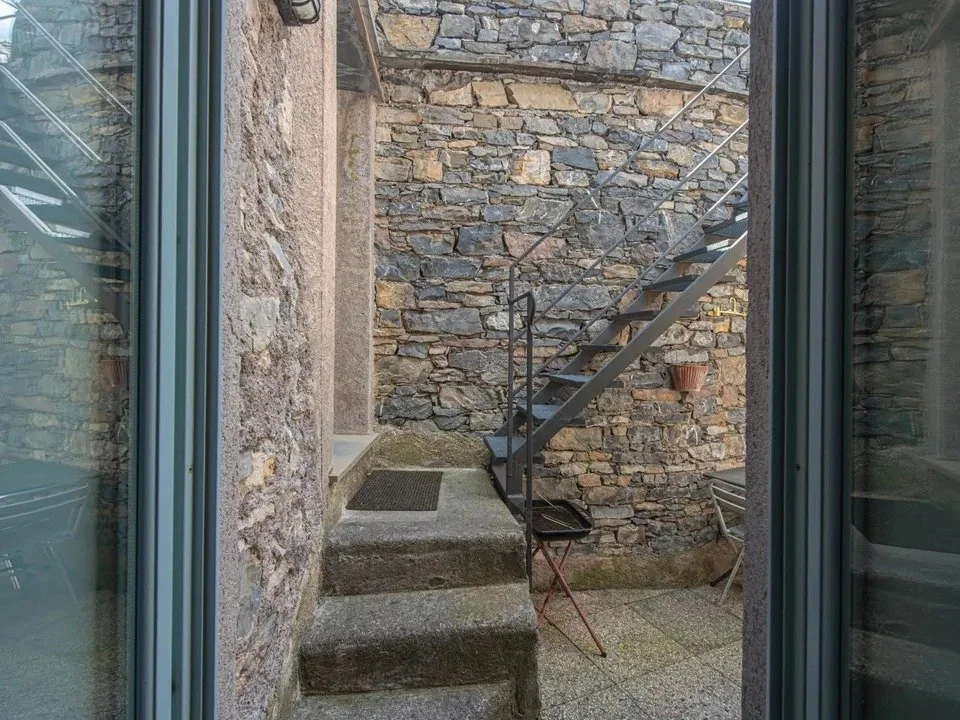
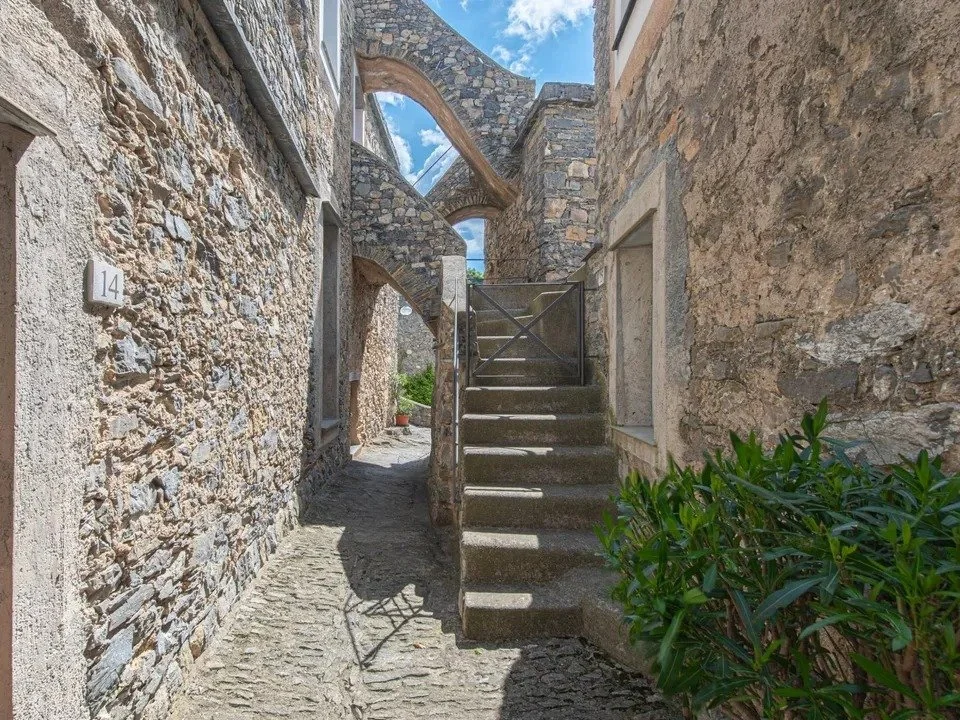
Medieval village access can materially affect liveability.
Access matters more than many buyers realise until move-in day.
The social rhythm of the village affects both experience and management culture.
A fully seasonal village feels very different from a lived-in one.
The e-village concept only works if the connectivity is real.
Buyers should distinguish between concept branding and actual unit-level service.
Thick stone walls can reduce practical signal quality.
A mountain setting can create operational issues even where the concept is polished.
Rental Potential and Compliance
The legal route depends on the exact accommodation model.
Existing compliance is materially different from needing to start from scratch.
Compliance should be treated as a real task, not an assumption.
Building rules can limit or shape the rental model even where public-law compliance is possible.
The lock-up-and-leave story becomes much more credible if operational support exists.
Management costs affect net yield, not just convenience.
Real performance is more useful than atmosphere-driven yield assumptions.
The dominant demand profile affects both pricing and seasonality.
Climbing and mountain tourism can create a different seasonality pattern from beach markets.
Unique-village pricing can be overestimated if comparables are weak.
Compliance obligations should be operationally clear before relying on rental income.
Negotiation Intelligence
Buyer Leverage
Medium-High
Key Drivers
Typical Negotiation Range
5-15% below asking
Neutral Phrasing Example
Country Layer
Italy (Regulatory Context March 2026)
Key Italian requirements and context for buyers of this property:
Viewing Strategy
Start by viewing the village as much as the apartment.
Next Step
Verify from the listing:
Village governance and fee exposure
Ask for the regolamento di condominio, recent verbali and full fee breakdown so you can understand whether the e-village’s shared amenities are supported by sound governance and realistic reserves.
Garage, storage and title clarity
Request the visura catastale, planimetria and title documents to confirm that the private garage and storage space are actually deeded to the apartment and not simply allocated in practice.
APE and year-round comfort
Review the full Class G APE and verify the heating, glazing and damp history so you can judge whether the apartment works well outside the village’s strongest visitor months.
Shared-amenity operating reality
Check which facilities are included in ordinary fees, which are seasonal, and whether any special works are expected for the pool, sauna or other village infrastructure before you price in the lifestyle premium.
Liguria rental-compliance pathway
Confirm whether the apartment already has its CITRA and CIN, whether the condominium rules allow short-term tourist use, and who would handle Ross1000 reporting if you wanted a true lock-up-and-leave rental model.
A prepared buyer should approach the agent calmly and frame questions as due diligence.
Because this is a managed-village property where governance risk and rental compliance both materially affect value, run it through the Property Risk Assessment to pressure-test condominium, title and shared-facility risks, or use the Rental Yield Calculator to see whether the likely occupancy and fee burden genuinely support the numbers before contacting the agent.
Disclaimer: The Property Drop is buyer-focused intelligence, zero sales agenda. We curate exceptional properties, in southern Europe, from third-party agents and arm you with decision tools. No commission, no transactions, no agent partnerships, no skin in the game beyond helping you choose wisely. Information stays accurate until it doesn't (properties sell, prices shift, markets move). Everything here is shared for informational purposes only and should not be treated as legal, financial, or investment advice. Images belong to original agents. Read our Terms of Service to learn more.
IMPORTANT REMINDER: When contacting property agents featured on The Property Drop, you are entering into direct communication with third parties. It's recommended that you verify all property details independently, conduct thorough due diligence, engage qualified professionals (solicitors, surveyors, financial advisors), understand your rights and obligations under local property laws, and never send money or make commitments without proper legal protection.
