
The Buyer Playbook: Eco-Forest Villa with Ocean Views – Santo Amaro, Pico Island, Azores, Portugal, €500,000
Buyer Playbook
Pre-Viewing Intelligence Report
This independent buyer guidance report relates to this specific property located in Portugal. It is provided for informational purposes only and does not constitute legal, tax, structural or survey advice. Condominium structure, title position, fração autónoma status, licença de utilização, rooftop and deck legality, solar installation, shared-pool responsibilities, AL eligibility, and any utility or drainage arrangements must always be verified with qualified Portuguese professionals such as an advogado, arquiteto, engenheiro, surveyor or licensed property consultant, and with the relevant Conservatória, Câmara Municipal and condominium administration. This report is designed to help buyers evaluate the property before arranging a viewing or making an offer. It highlights due-diligence areas and targeted questions to ask the estate agent. The analysis is based on the listing details and publicly available regulatory context at the time of writing, including Portugal's current Alojamento Local framework, the RNAL registration system, and the legal structure of property held under horizontal ownership.
Playbook Contents
Property Snapshot
Location
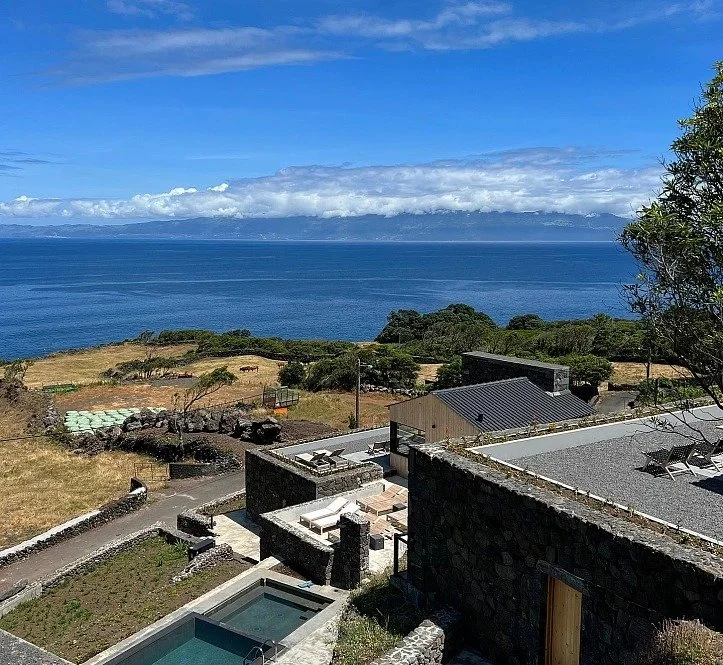
Santo Amaro, Pico Island, Azores, Portugal.
Property type
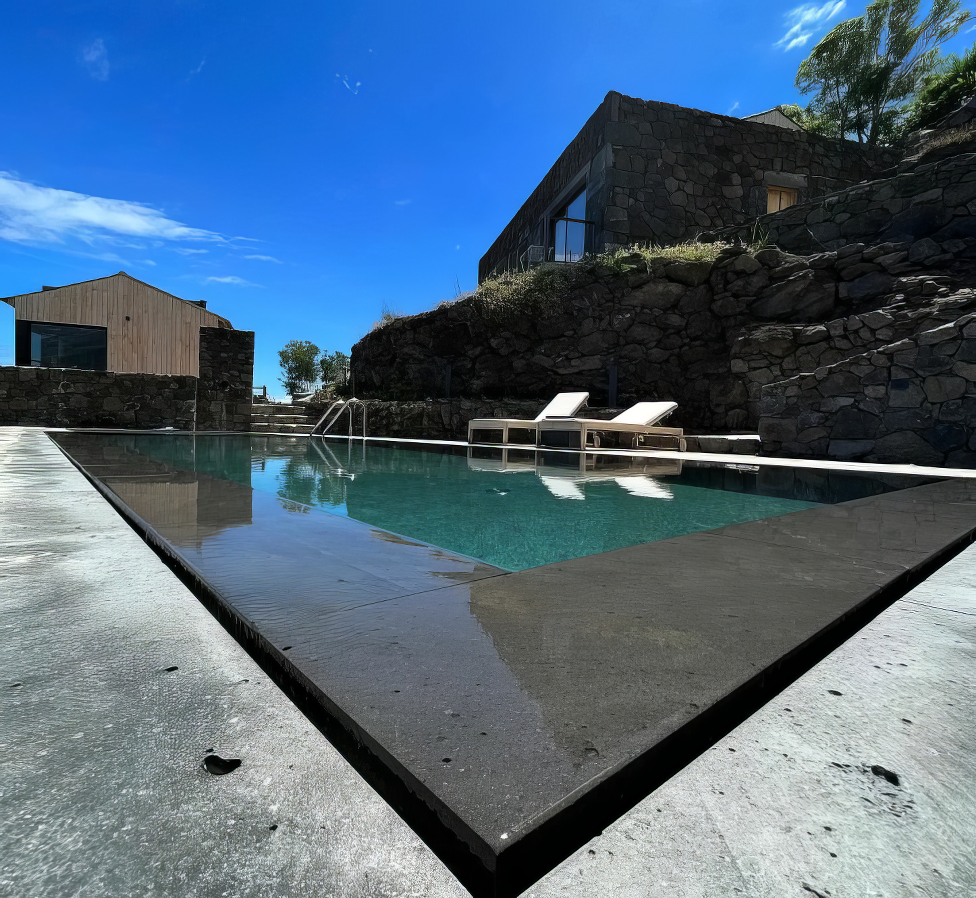
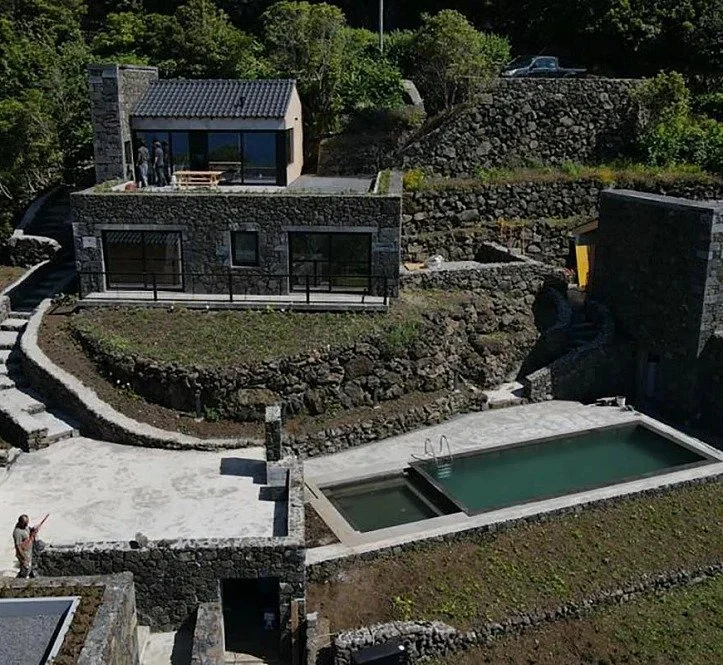
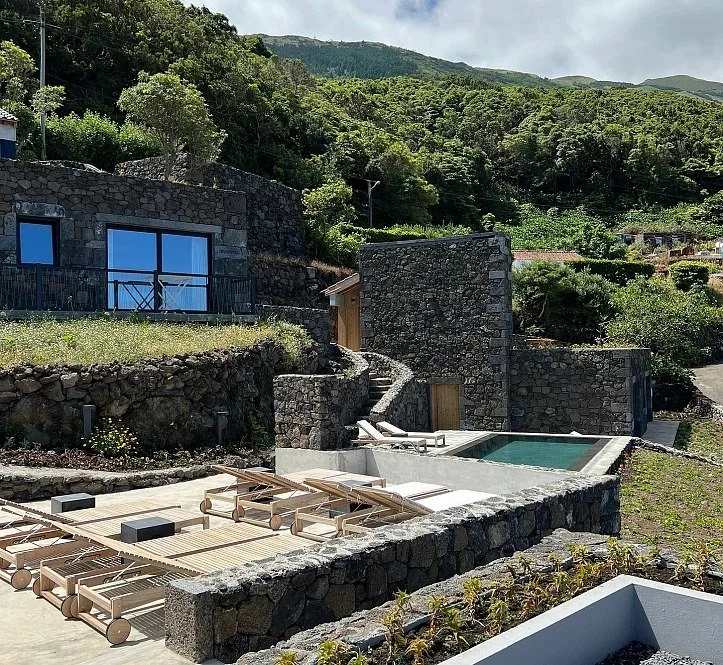
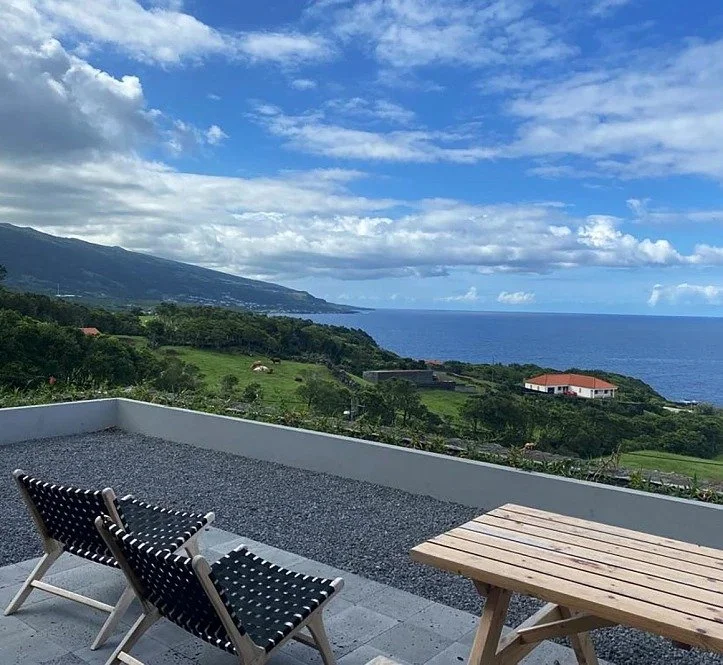
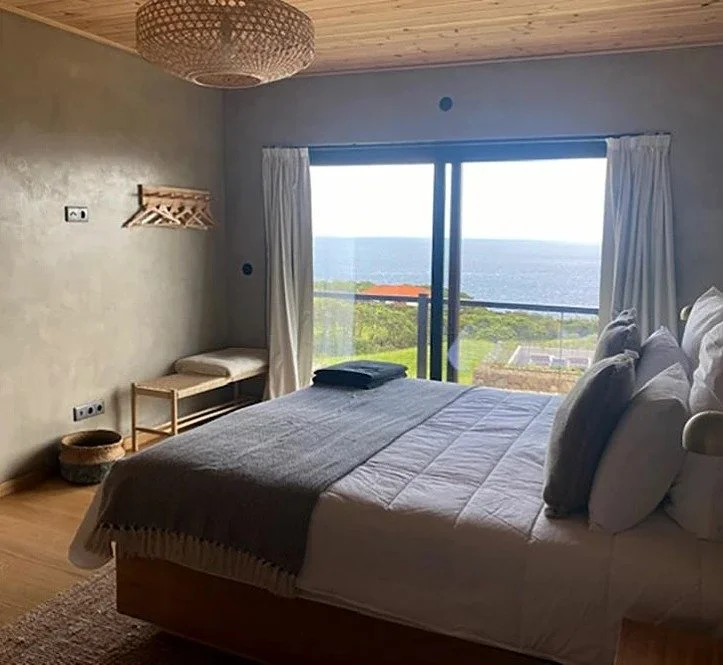
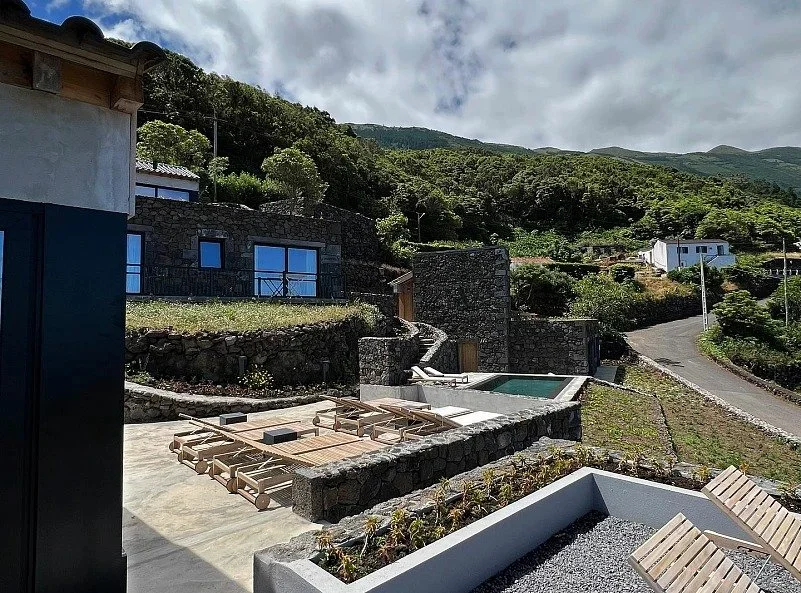
Two-bedroom eco-villa, described as the final unit in a small sustainable resort.
Asking Price
€500,000.
Bedrooms
2.
Bathrooms
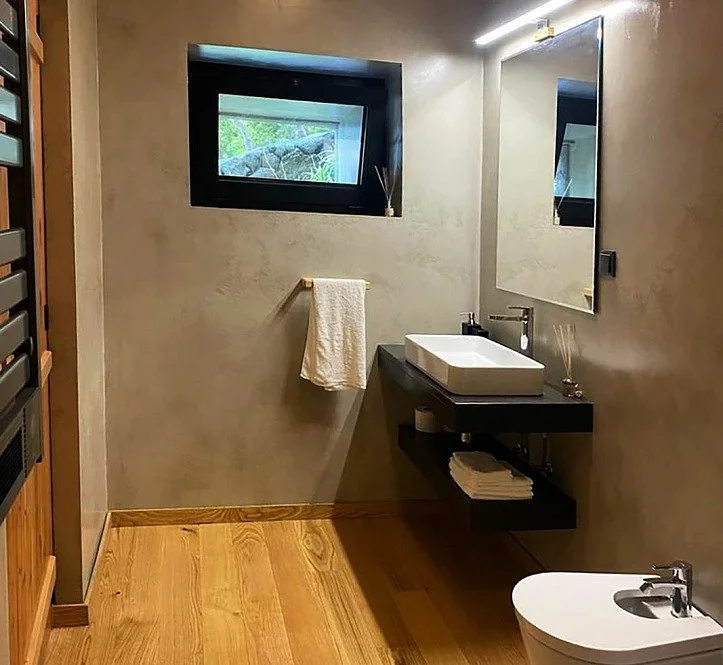
2.
Internal area
197 m².
Outdoor space
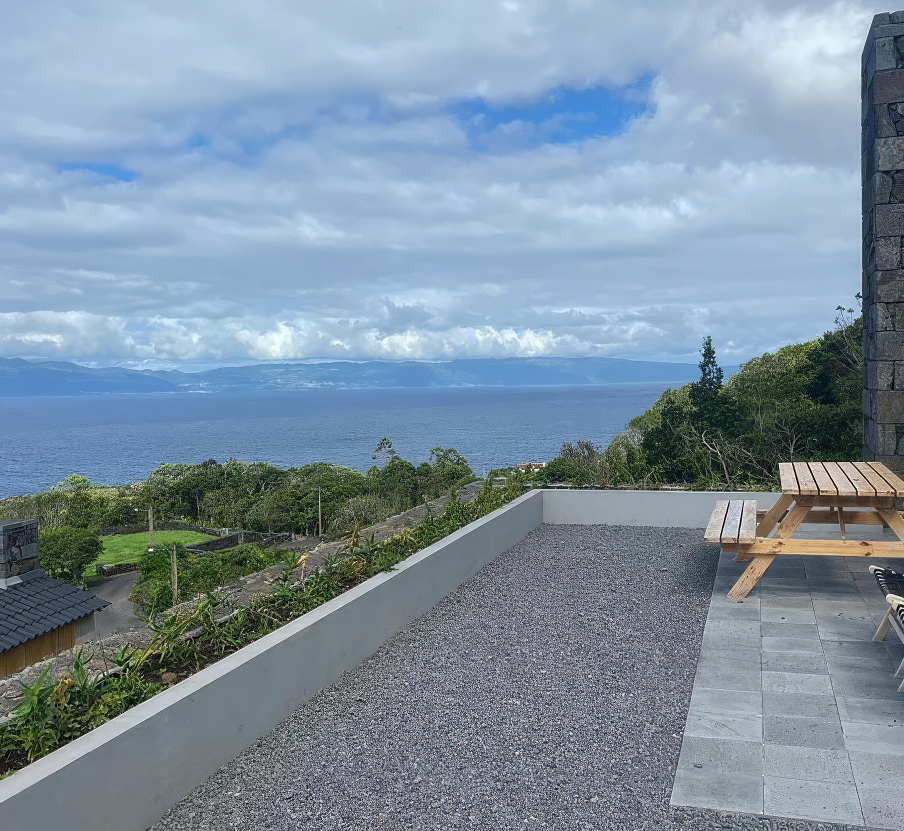
27 m² deck plus rooftop terrace.
Layout
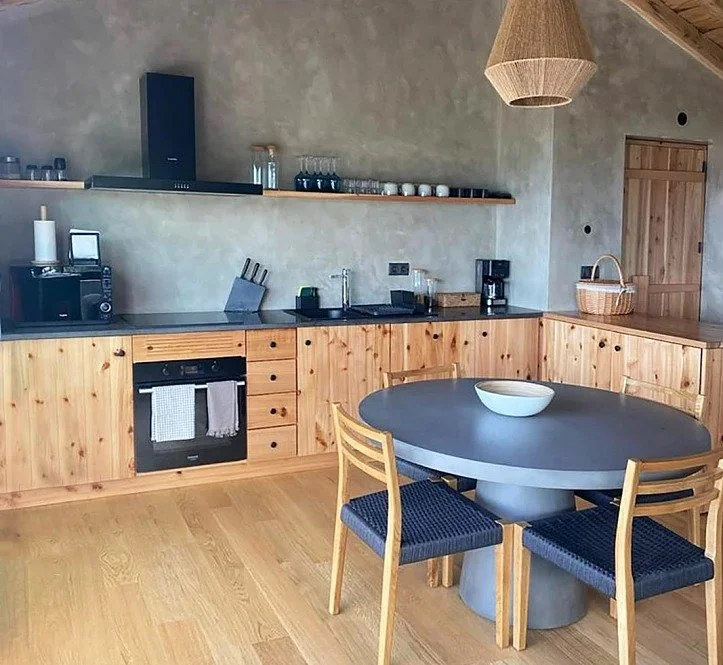
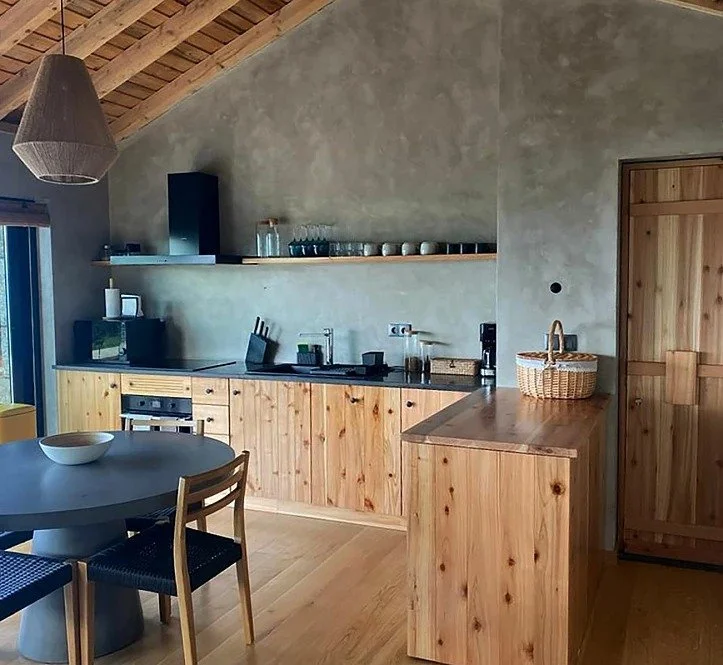
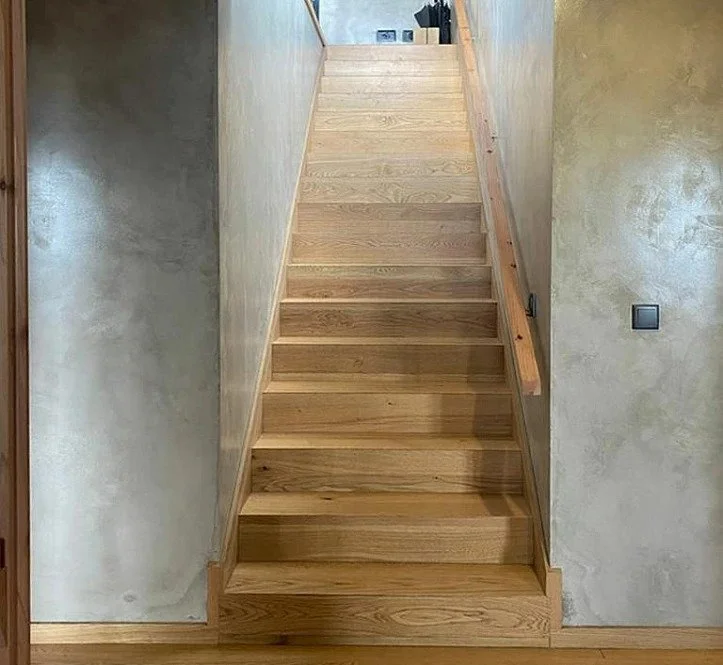
Sleeping quarters and workspace below, open-plan living above.
Shared amenity
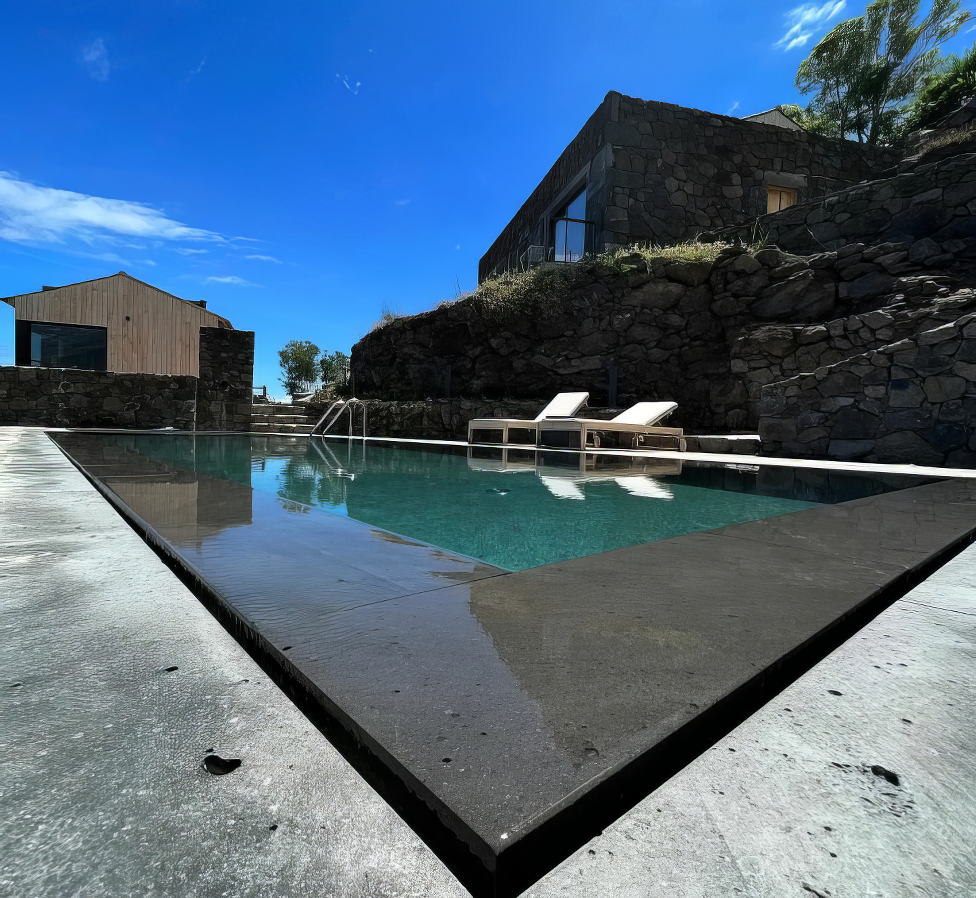
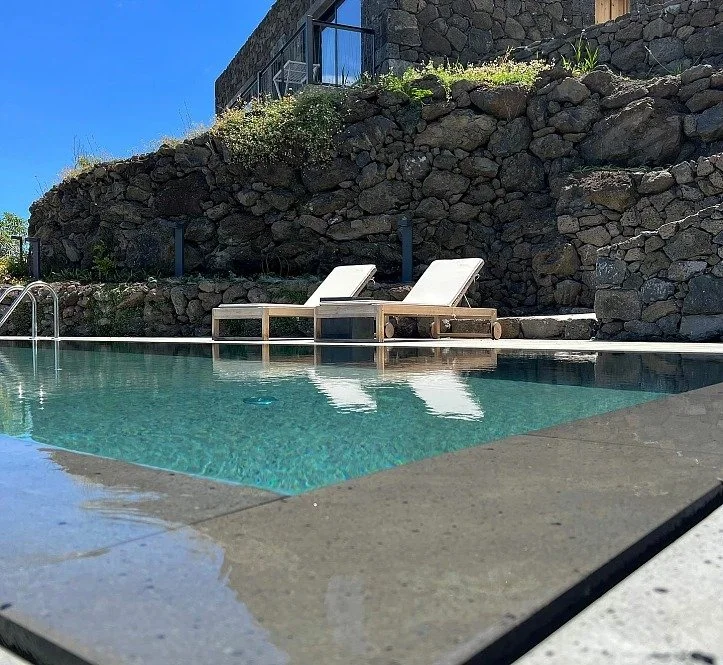
Communal pool.
Eco features
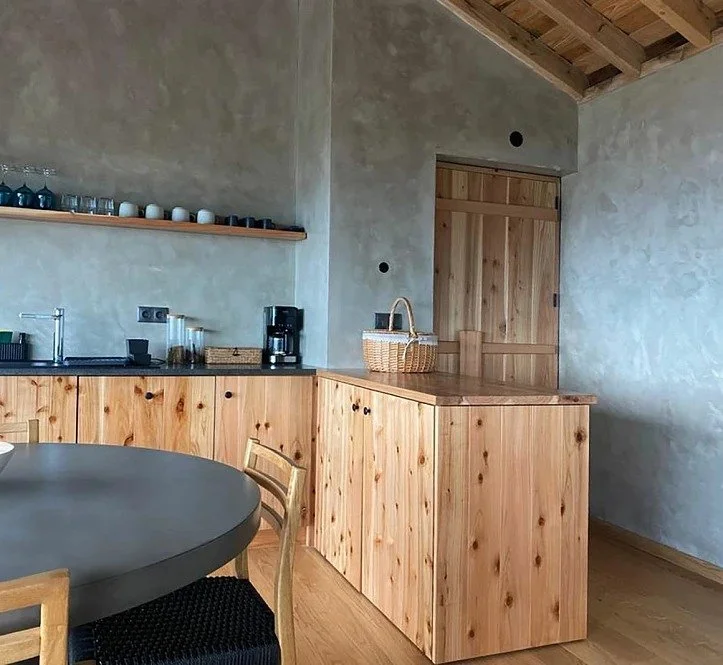
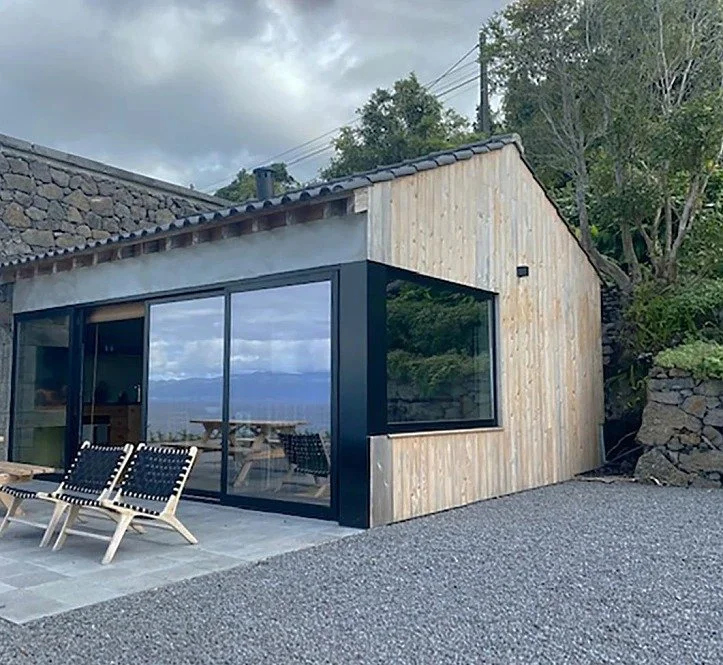
Solar panels, volcanic stone, local Cryptomeria wood, air conditioning throughout.
Sale condition
Fully furnished and turnkey.
Investment angle
Marketed as suitable for holiday rental income, remote working and off-grid style retreat use.
Energy position
Listing states "Energy Class N", while the page also says no energy certificate is on record. That needs immediate clarification because Portugal's normal residential certificate scale runs from A+ to F.
Risk Radar
Overview
This is a highly attractive proposition on paper because it combines three things that usually come with trade-offs: strong architecture, strong setting and low-friction usability. The villa is being sold as the final unit in a small sustainable resort, fully furnished, architect-designed, with ocean views, solar panels, air conditioning, a rooftop terrace and communal-pool access. That gives it lifestyle appeal and clear rental language from the outset.
The due-diligence burden here is therefore less about obvious renovation risk and more about legal structure and shared exposure. Whenever a property is part of a small resort, the buyer needs to understand exactly what is being acquired as private space, what sits within common parts, what the monthly fees actually pay for, and whether any future special works could alter the ownership economics. In Portugal, those questions sit squarely within the horizontal-property framework, where the title, condominium rules and assembly records matter far more than glossy presentation.
The second major theme is documentary consistency. The listing presents a polished, modern eco-villa with solar and contemporary systems, yet it simultaneously displays "Energy Class N" and notes no energy certificate on record. Portugal's certification system is a formal, regulated framework, and ordinary residential advertising should normally be tied to a valid energy certificate or pre-certificate rather than vague shorthand. That makes the energy and licensing file one of the first things to test.
The third theme is rental realism. Portugal's AL framework remains viable, but it is not a casual afterthought. The property may well be suitable for short stays, yet the buyer still needs to check whether the unit is already registered, whether the condominium rules or title create practical constraints, and whether any municipal rules or internal resort arrangements affect operation. In a resort-style setting, the most useful question is not "can this be rented?" but "what permissions, registrations, insurance and management structure would be needed to operate it properly and profitably?"
Targeted Questions
Condominium Structure and Shared Ownership
The buyer needs to know whether they are buying a clean standalone unit or a fraction inside a more complex ownership structure.
This document defines the legal status of autonomous units and common parts, which is essential in a resort setting.
In Portugal, the condominium regulation governs use, enjoyment and conservation of common parts and can materially affect owners' freedom.
The minutes are the quickest way to see fee history, disputes, planned works and operational issues.
Fee level materially affects carrying costs and rental margins.
A reasonable fee can still hide underfunding if the scope of cover is thin.
A resort with shared amenities but weak reserves is a special-assessment risk.
Buyers need to know whether a post-completion cost shock is likely.
Scale affects management quality, fee burden and the likelihood of smooth decision-making.
Usage profile can affect noise, management priorities and wear on common areas.
Small developments can work well, but they can also be overly informal.
Buyers need a precise legal map of what is shared and who pays for it.
Resort-friendly marketing does not always mean friction-free owner operation.
Proper common-area insurance is central to shared-property risk control.
Title, Registry and Use Legality
This confirms the tax record and helps verify basic property identifiers.
The land registry extract helps confirm ownership, burdens and the unit's formal legal description.
The buyer needs certainty that they are acquiring real, registrable ownership.
Mismatches between marketing and registry are worth resolving before price negotiations.
The rooftop is a core value driver and must be legally tied down.
Private-use assumptions should not rest on sales language alone.
In Portugal, lawful use and sale documentation should align with the actual unit being sold.
Attractive alterations can sometimes drift beyond the licensed reality.
These help confirm whether the built form matches the approved project.
An architect-designed property still needs a complete municipal file.
Even small unresolved issues can complicate resale, financing or AL use.
Buyers need the cleanest possible view of title before proceeding.
Energy Position, Solar and Eco Systems
Portugal's standard energy-class scale is A+ to F, so "N" needs documentary explanation.
A valid certificate is a core due-diligence document in Portugal's energy-certification system.
Different systems affect running costs and maintenance differently.
Buyers need hard specifications, not just sustainability branding.
Age and installer quality affect performance confidence and warranty value.
Transferable warranties strengthen the practical value of the installation.
Storage capacity changes the villa's resilience and real off-grid-style usefulness.
The listing suggests retreat potential, but the technical setup needs precision.
Buyers need realistic operating data, not just design intent.
Real bills are often more useful than sustainability language.
System quality and energy draw matter in a humid island climate.
Winter comfort on Pico should be assessed practically, not assumed.
This affects both efficiency and maintenance planning.
Natural materials are a selling point, but island humidity can alter maintenance cost.
Material longevity is central to protecting the design premium.
Utilities, Infrastructure and Daily Use
Utility certainty matters if the property is being pitched as low-friction and turnkey.
Drainage setup affects compliance, maintenance and resort operations.
In shared settings, utility responsibility can become blurred.
Sustainability features are useful, but buyers need to understand the real infrastructure.
Private access can imply maintenance liability.
Island weather and topography can make access quality more important than it first appears.
Parking clarity matters for both private use and guest turnover.
Coastal conditions can accelerate wear.
Remote-working potential depends on real connection quality, not island optimism.
Weak signal can undermine both owner use and guest experience.
Quiet positioning and privacy depend on actual occupancy, not just brochure tone.
That can materially affect atmosphere, wear and shared-facility demand.
Lifestyle quality depends on practical access, not only scenery.
Travel convenience affects both owner use and rental demand.
Rental Potential and Management
Portugal's AL regime is built around formal registration and publicly searchable records.
Buyers need to test feasibility before pricing in rental upside.
Since the 2024 reform, municipalities retain regulatory powers in this area.
Internal resort rules can matter even when national law allows AL.
Portuguese AL rules impose extra obligations for units in horizontal property.
Real trading data is much more useful than general Azores optimism.
A management option can materially affect the practical value of the investment case.
Gross rental potential can shrink quickly once management is factored in.
Some resort-style properties carry operational strings that affect freedom.
The rental case should be based on the island's actual demand profile, not generic Atlantic romance.
Negotiation Intelligence
Buyer Leverage
Medium-High
Key Drivers
Typical Negotiation Range
5-15% below asking
Neutral Phrasing Examples
Country Layer
Portugal (Regulatory Context March 2026)
Portugal's Alojamento Local regime is currently governed by the amended framework under Decree-Law 128/2014 as updated by Decree-Law 76/2024, which entered into force on 1 November 2024. The law confirms the national framework for AL while also leaving room for municipal regulation in certain high-pressure contexts, so buyers should always check both the national rules and any local municipal position.
Viewing Strategy
On the viewing, start by treating this less like a holiday brochure and more like a shared-ownership acquisition.
Next Step
Verify from the listing:
Condominium legal structure
Request the título constitutivo, regulamento do condomínio, recent meeting minutes and a full fee breakdown so you can understand exactly what is private, what is shared, and whether the communal pool and resort infrastructure create any hidden cost exposure.
Title and licence alignment
Ask for the caderneta predial, registo predial and licença de utilização to confirm that the villa is a properly registered fração autónoma and that the current built form, deck and rooftop terrace align with the official records.
Energy and solar documentation
Clarify the unusual “Energy Class N” wording immediately and request the full energy certificate position, solar-system specifications, guarantees and recent utility bills so the eco story can be assessed on evidence rather than branding.
Shared amenities and future liabilities
Confirm who is responsible for pool maintenance, landscaping, insurance and major repairs, and whether any extraordinary quotas or reserve-fund concerns are already known within the resort.
AL and rental feasibility
Verify whether the villa already has AL registration or can obtain it, whether the condominium rules allow short-term rentals, and whether any local administrative or management constraints would affect owner use or income potential.
A prepared buyer should approach the agent calmly and frame questions as due diligence.
Because this is a resort-based eco property where legal structure and operating reality matter as much as design appeal, run it through the Property Risk Assessment to test the shared-ownership and compliance position, and the Rental Yield Calculator to model returns once the condominium and AL setup have been verified.
Disclaimer: The Property Drop is buyer-focused intelligence, zero sales agenda. We curate exceptional properties, in southern Europe, from third-party agents and arm you with decision tools. No commission, no transactions, no agent partnerships, no skin in the game beyond helping you choose wisely. Information stays accurate until it doesn't (properties sell, prices shift, markets move). Everything here is shared for informational purposes only and should not be treated as legal, financial, or investment advice. Images belong to original agents. Read our Terms of Service to learn more.
IMPORTANT REMINDER: When contacting property agents featured on The Property Drop, you are entering into direct communication with third parties. It's recommended that you verify all property details independently, conduct thorough due diligence, engage qualified professionals (solicitors, surveyors, financial advisors), understand your rights and obligations under local property laws, and never send money or make commitments without proper legal protection.
