
The Buyer Playbook: Cortijo Santa Cecilia, Country House with Pool, Olive Grove and Panoramic Views, Jaén, Spain, €315,000
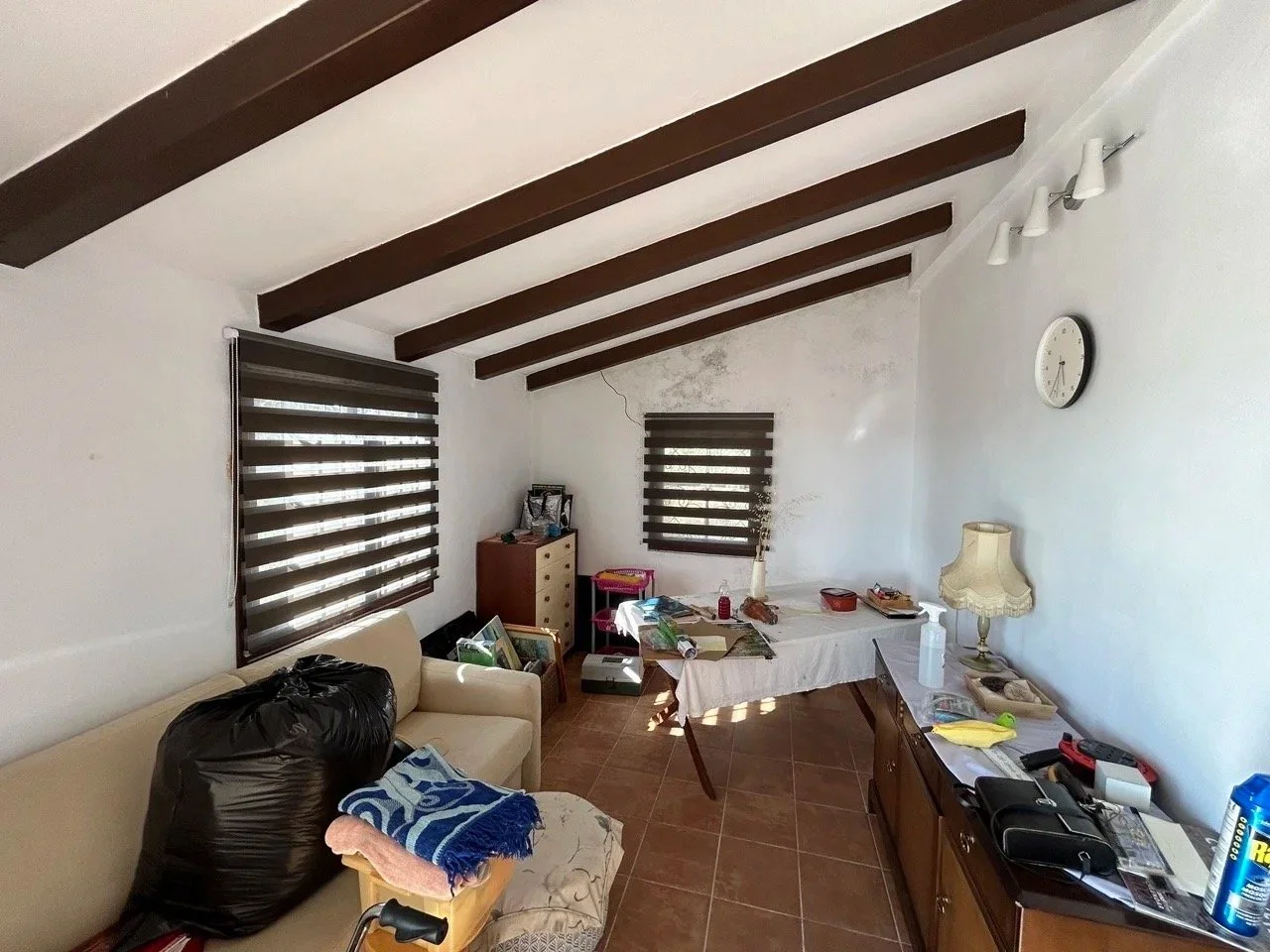
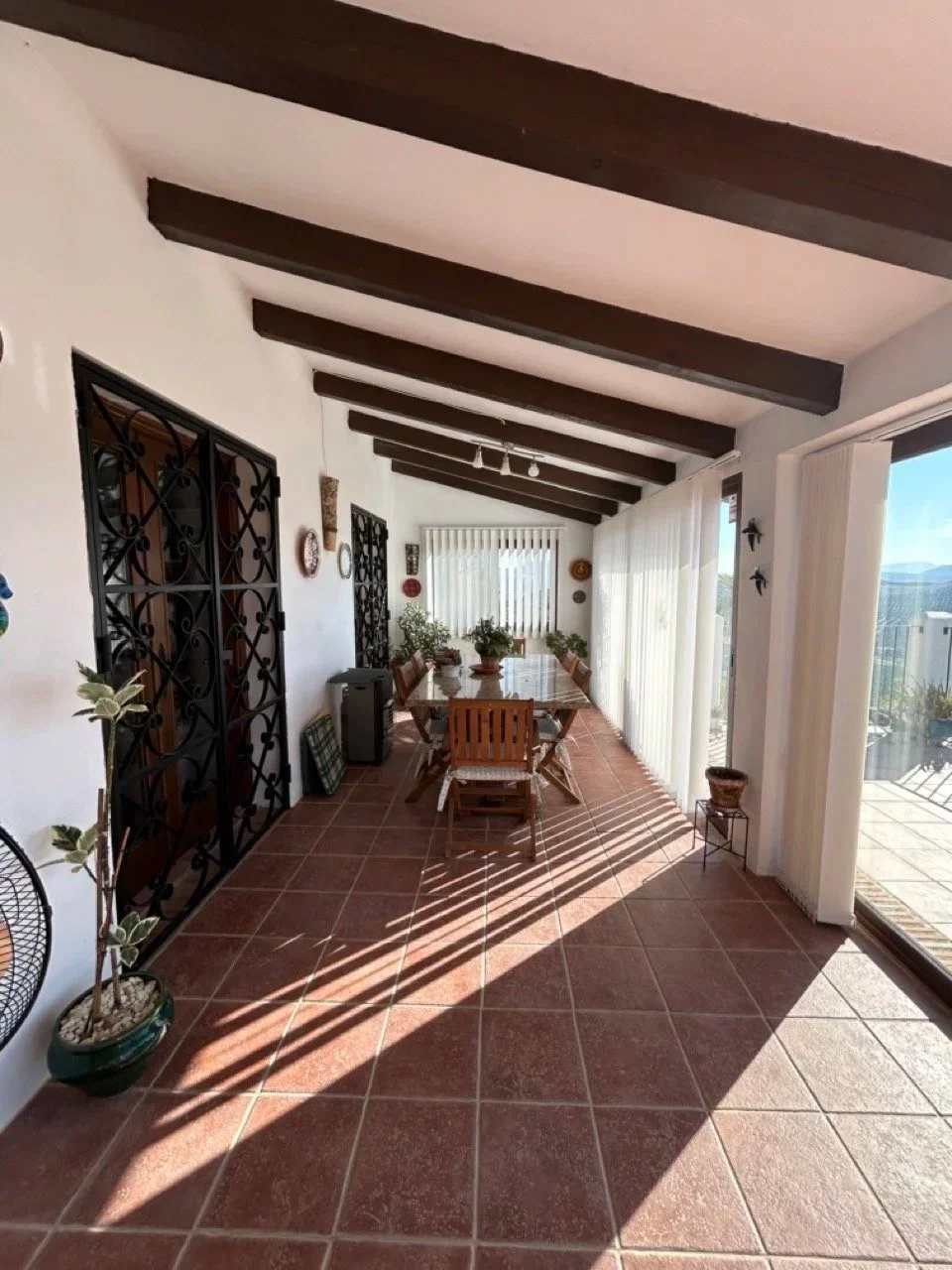
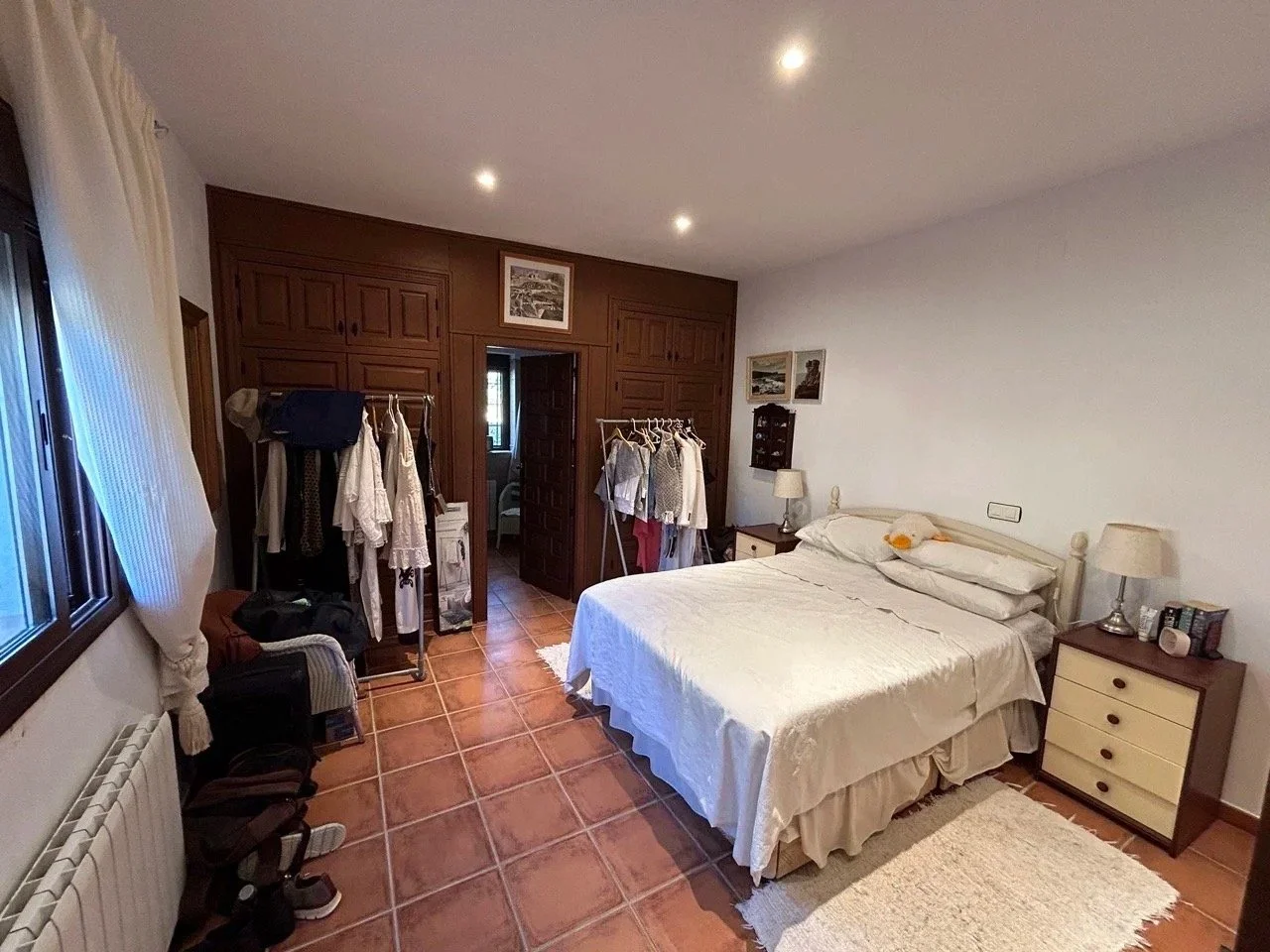
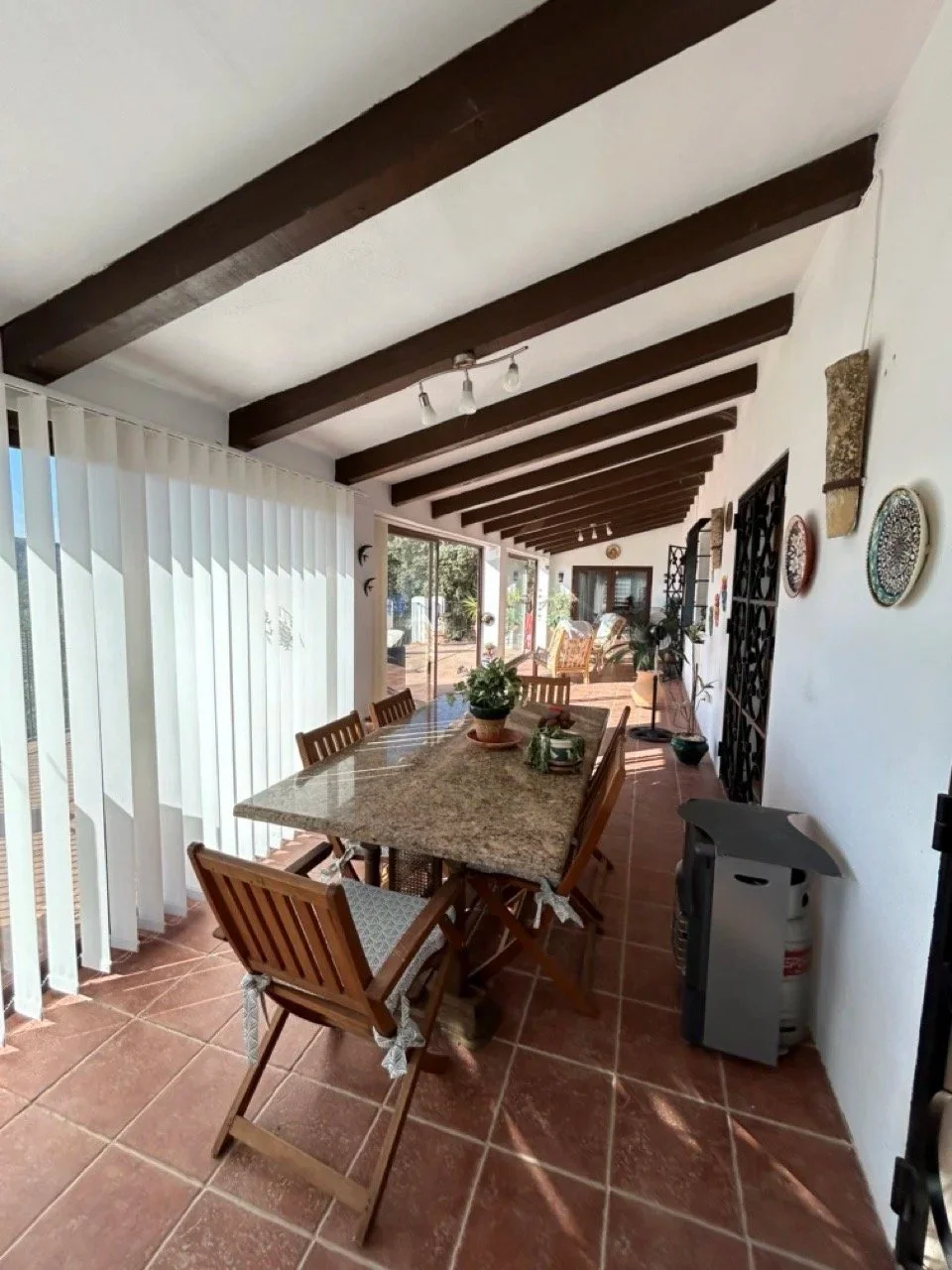
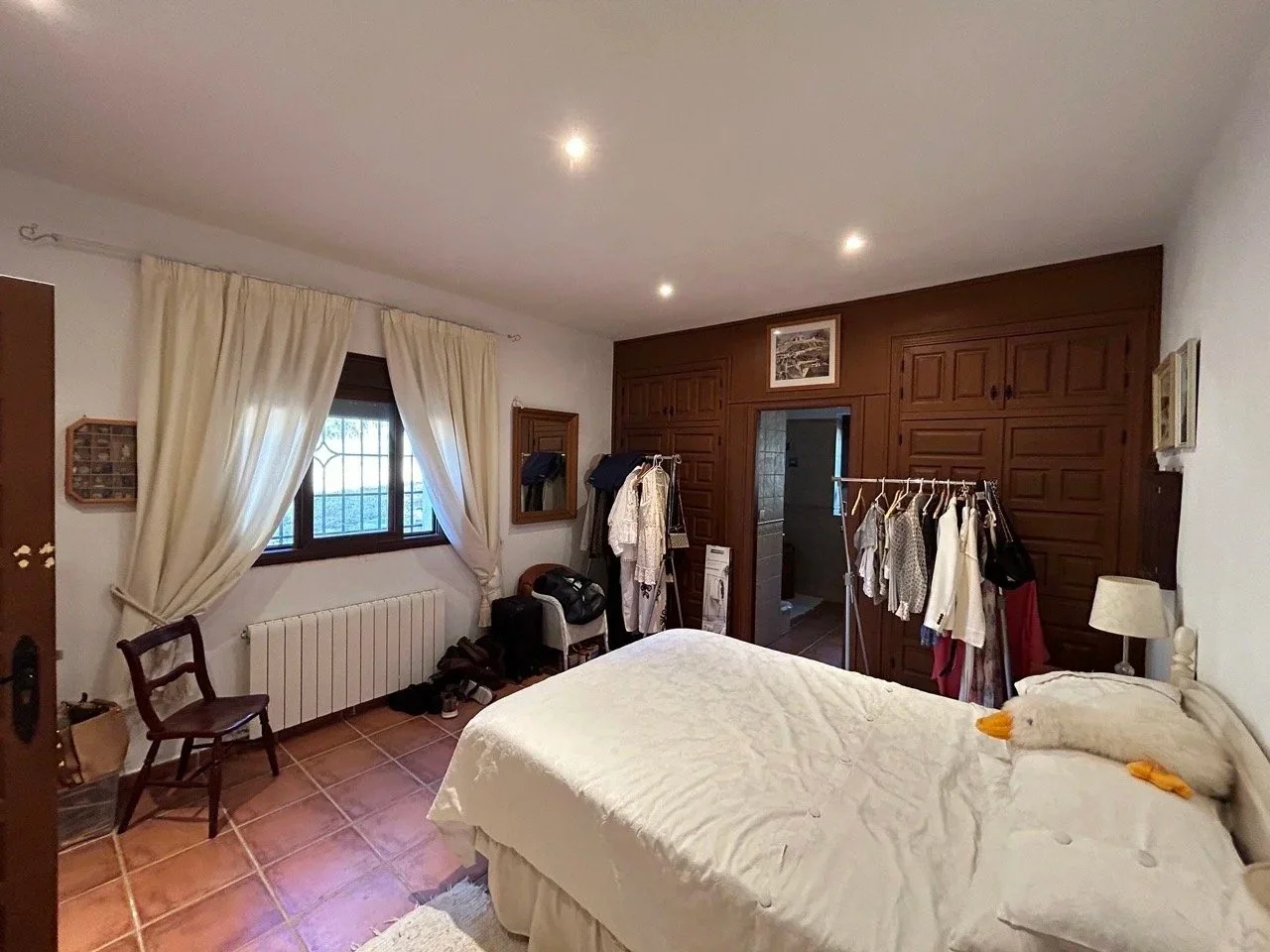
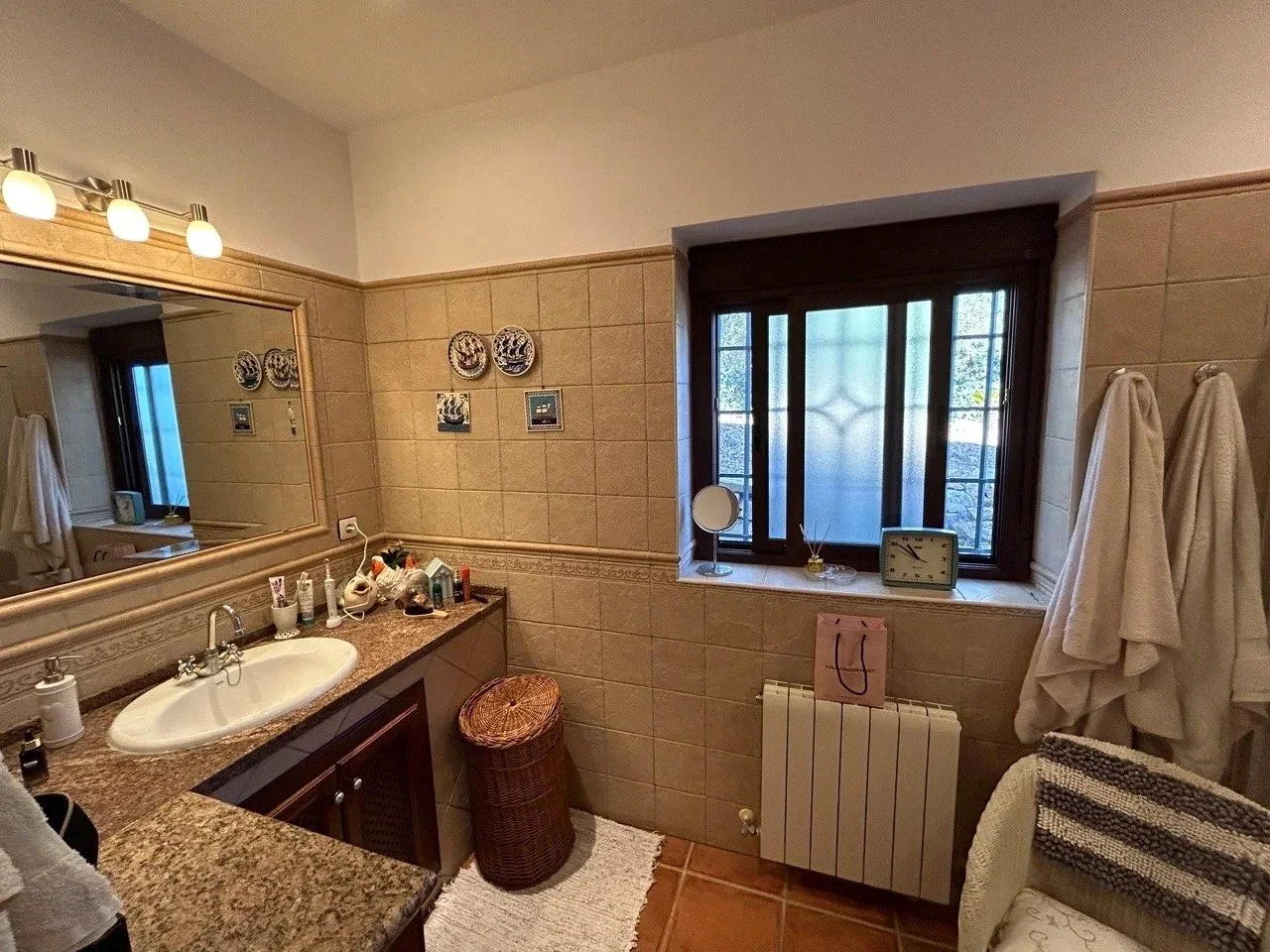
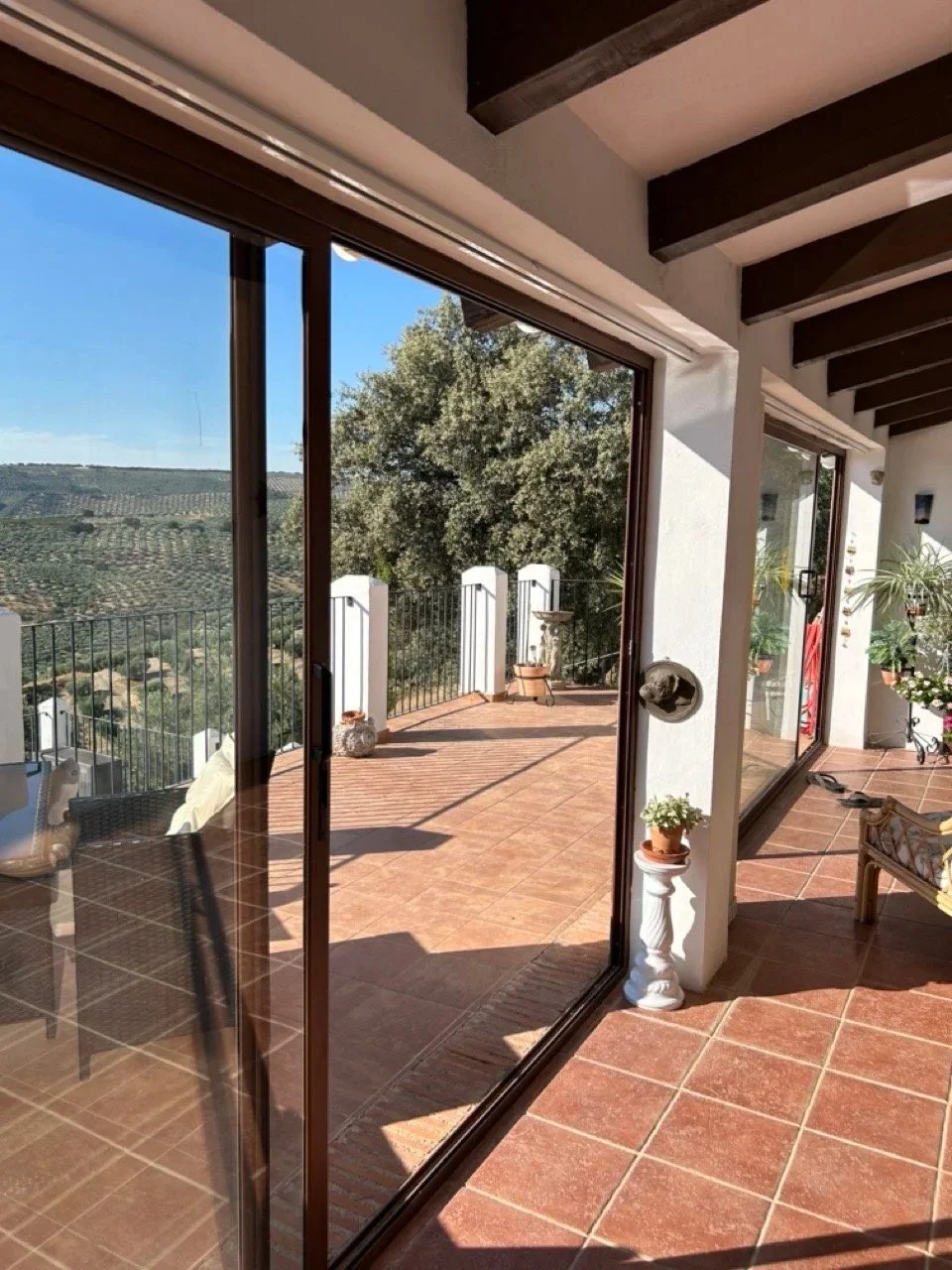
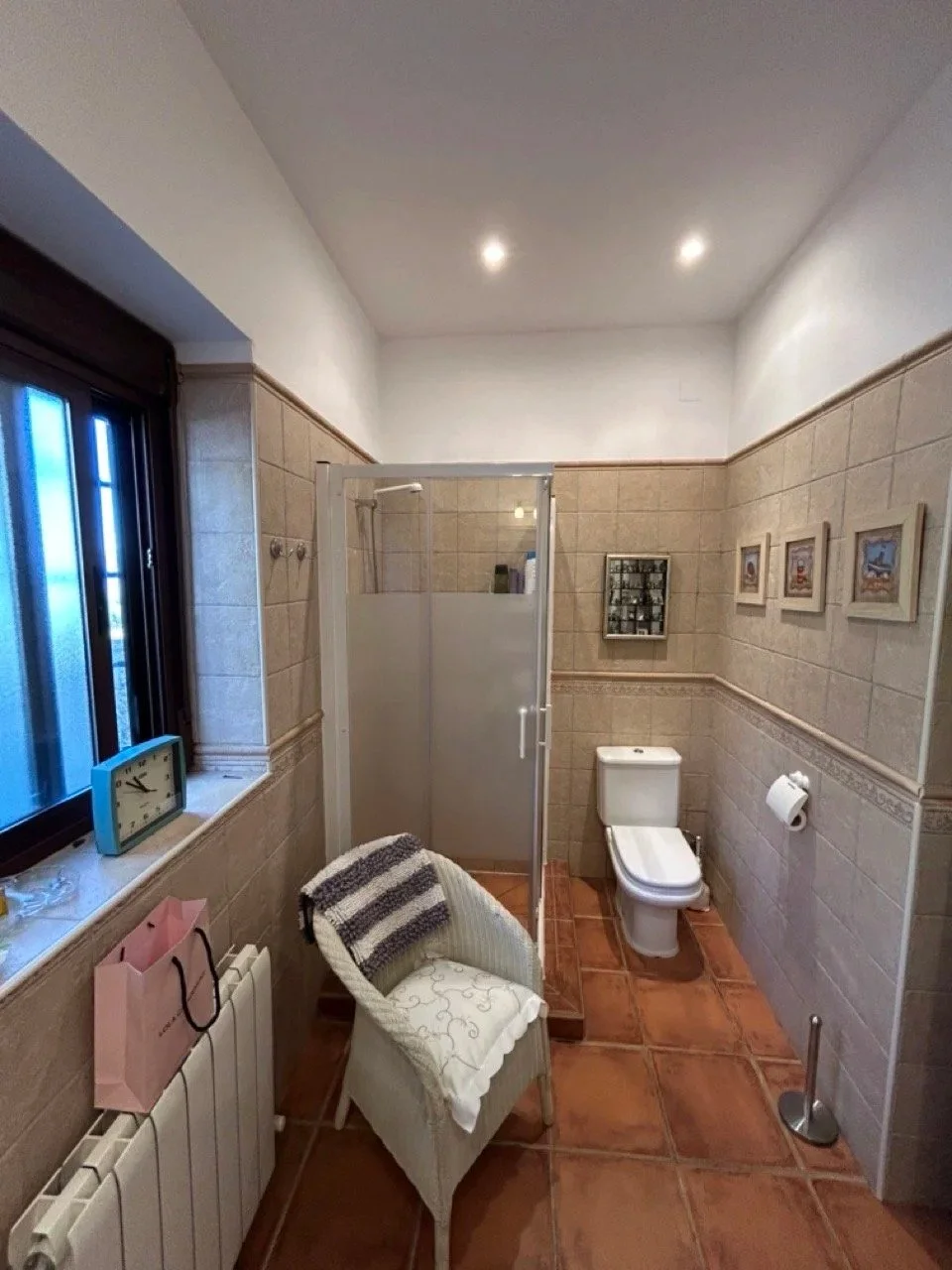
Buyer Playbook
Pre-Viewing Intelligence Report
This independent buyer guidance report relates to this specific property located in Spain. It is provided for informational purposes only and does not constitute legal, tax, structural or survey advice. Title position, nota simple, cadastral alignment, habitability and occupancy status, ruin legality, rebuild permissions, pool permits, olive-grove infrastructure, water rights, tourist-rental compliance, and any rural-land restrictions must always be verified with qualified Spanish professionals such as an abogado, arquitecto, arquitecto técnico, aparejador, surveyor or licensed property consultant, and with the relevant Ayuntamiento, Registro de la Propiedad and Catastro where applicable. In Spain, the nota simple is an informative land-registry extract showing the property's identification, the registered owners, and the extent, nature and limitations of registered rights, while the Cadastre's descriptive and graphic certification records the physical, legal and economic data held for the property. This report is designed to help buyers evaluate the property before arranging a viewing or making an offer. It highlights due diligence areas and targeted questions to ask the estate agent. The analysis is based on the listing details and publicly available regulatory context at the time of writing. For any holiday-let strategy in Andalucía, buyers should distinguish carefully between general rental appeal and the formal viviendas de uso turístico framework, because Andalusian tourist-use homes are regulated under Decreto 28/2016 and are subject to urban-planning compatibility requirements after the 2024 changes.
Playbook Contents
Property Snapshot
Location
Ermita Nueva, Jaén province, Andalucía, Spain.
Property type
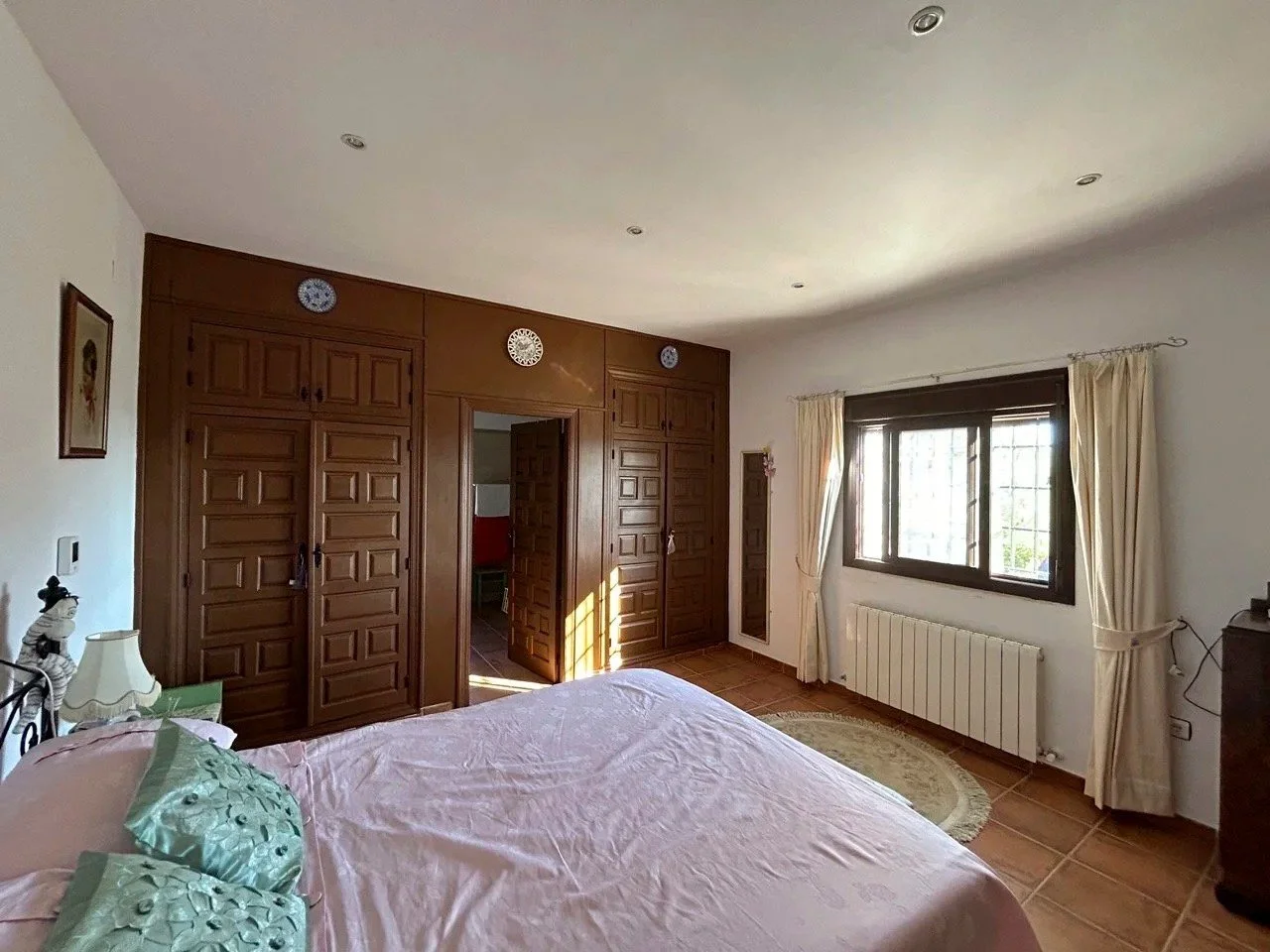
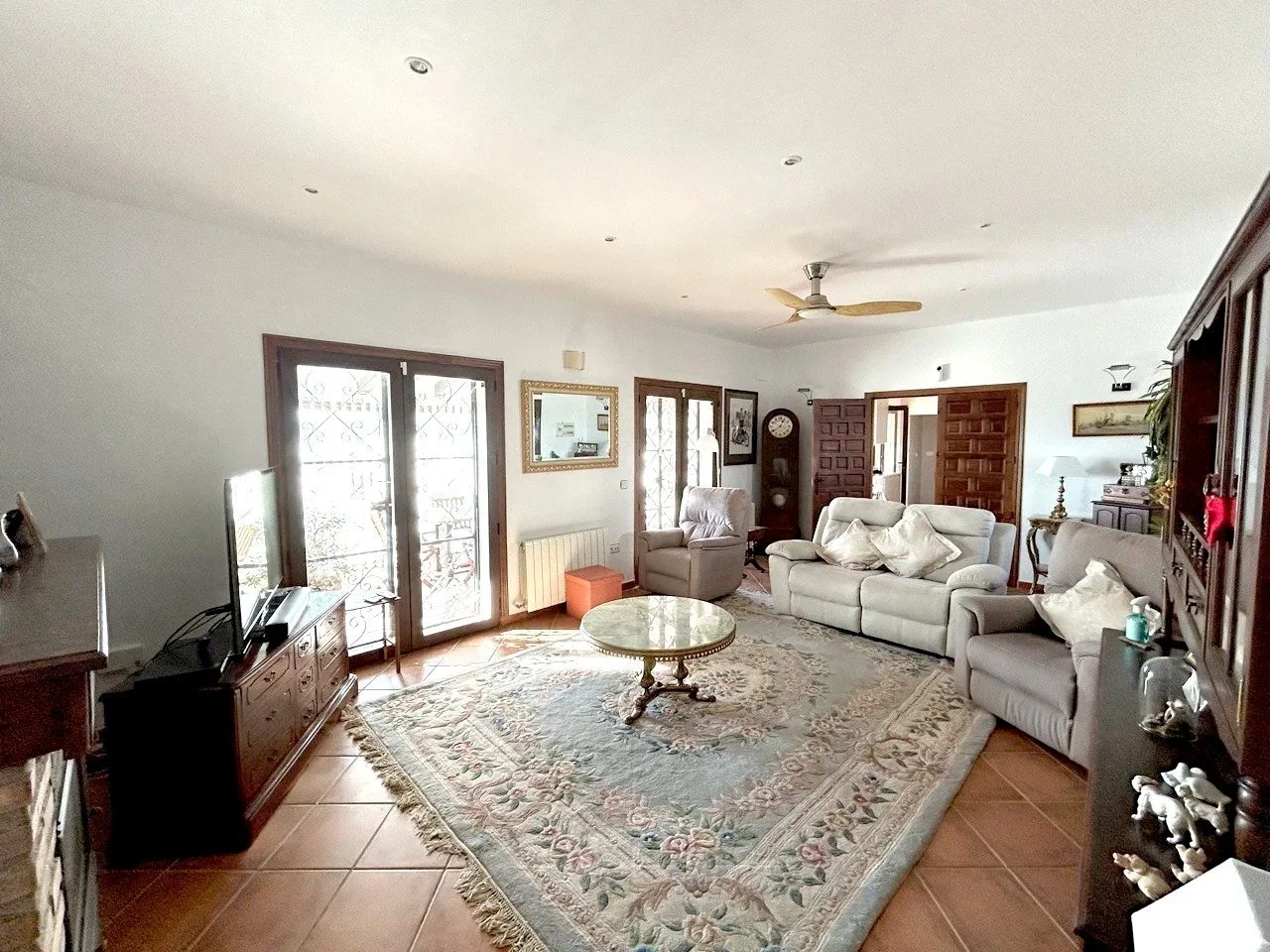
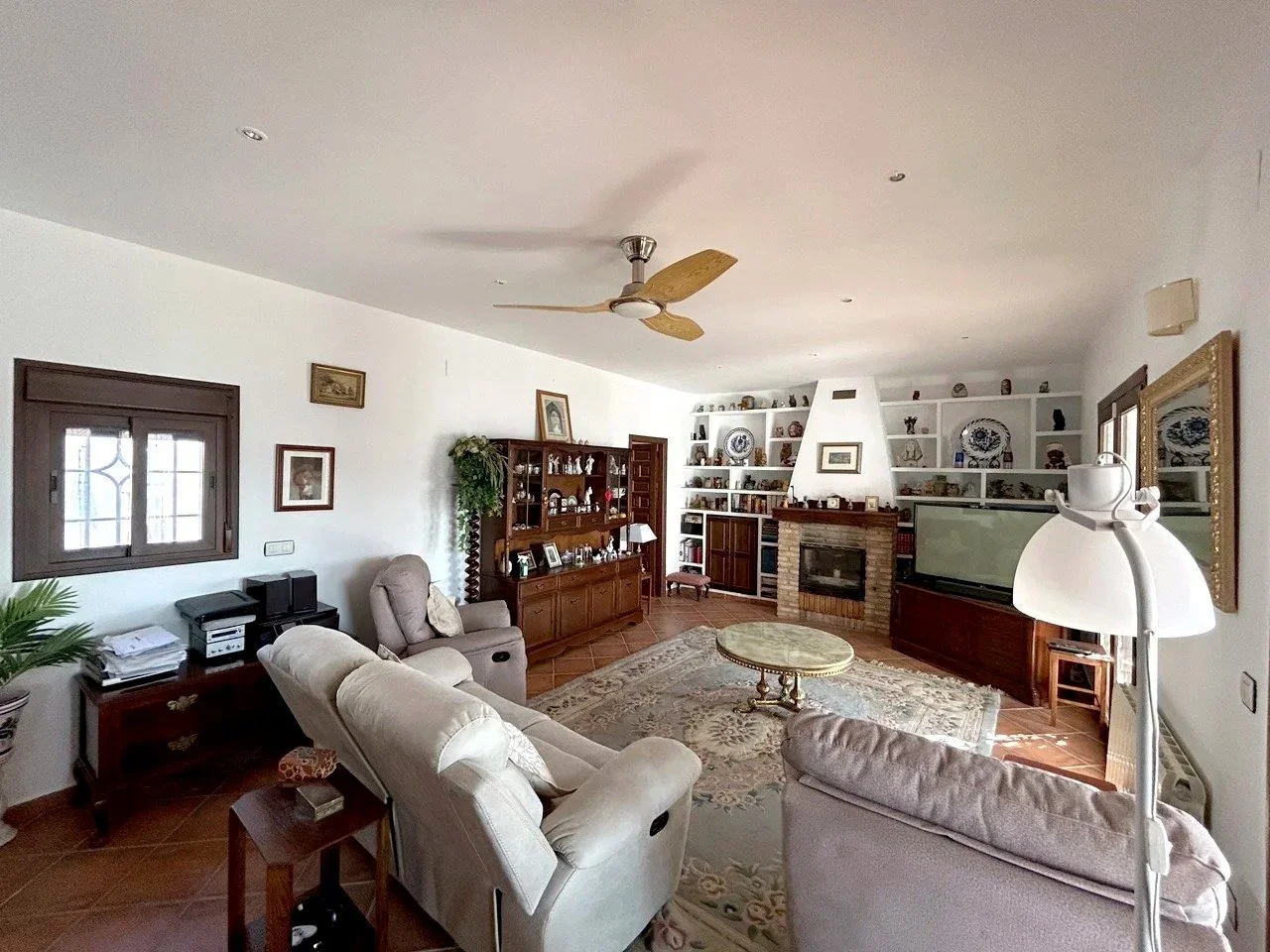
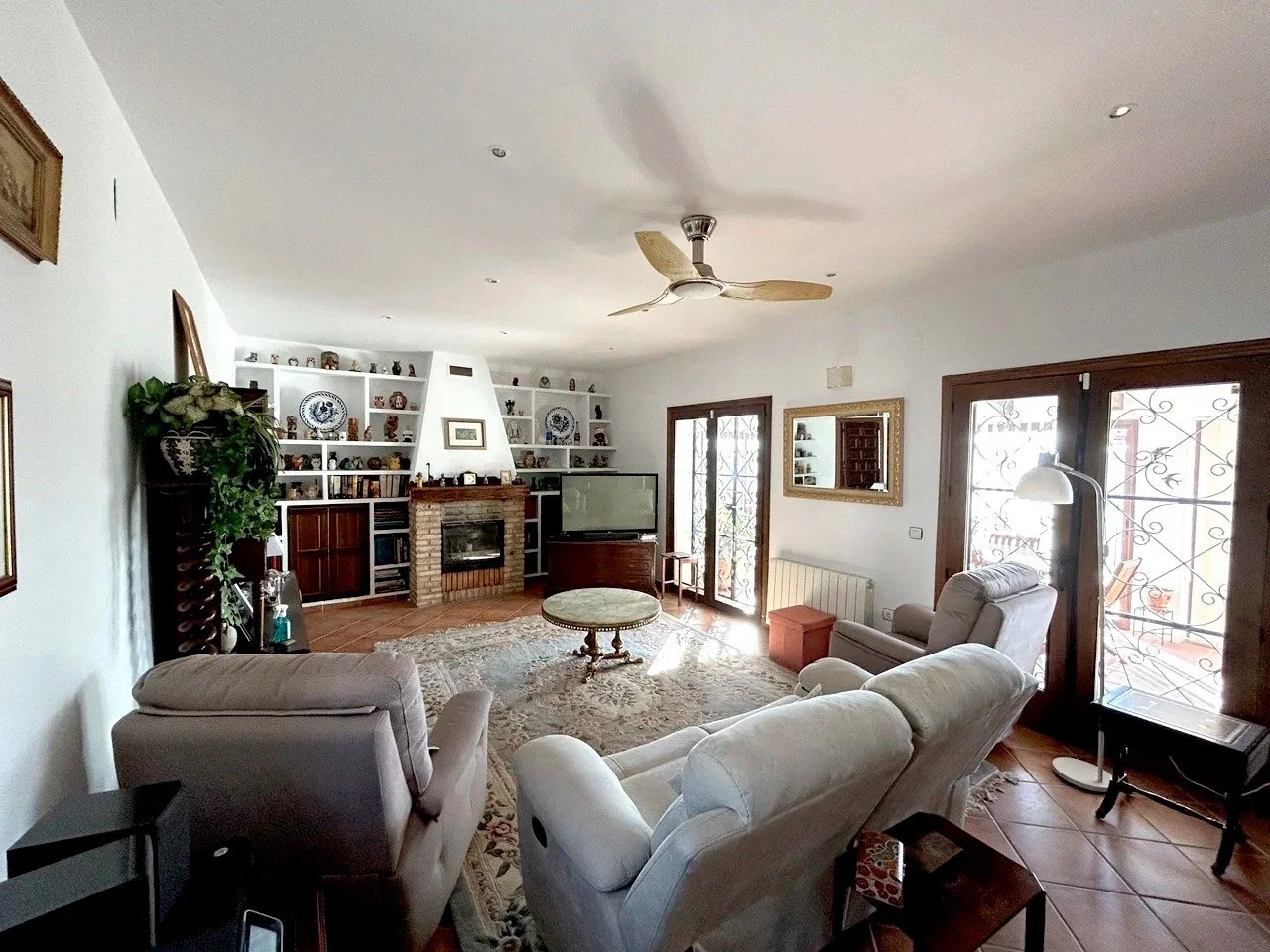
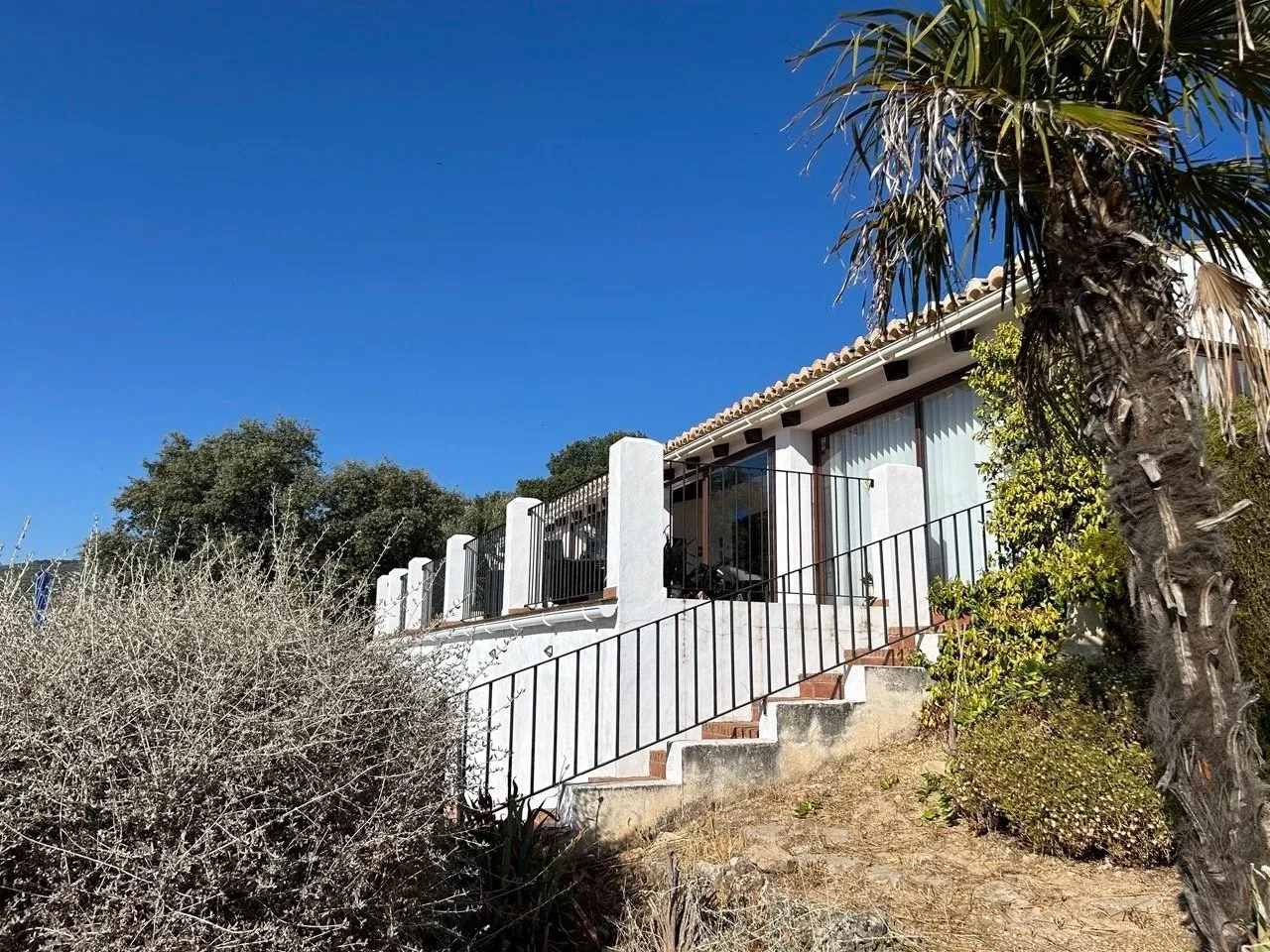
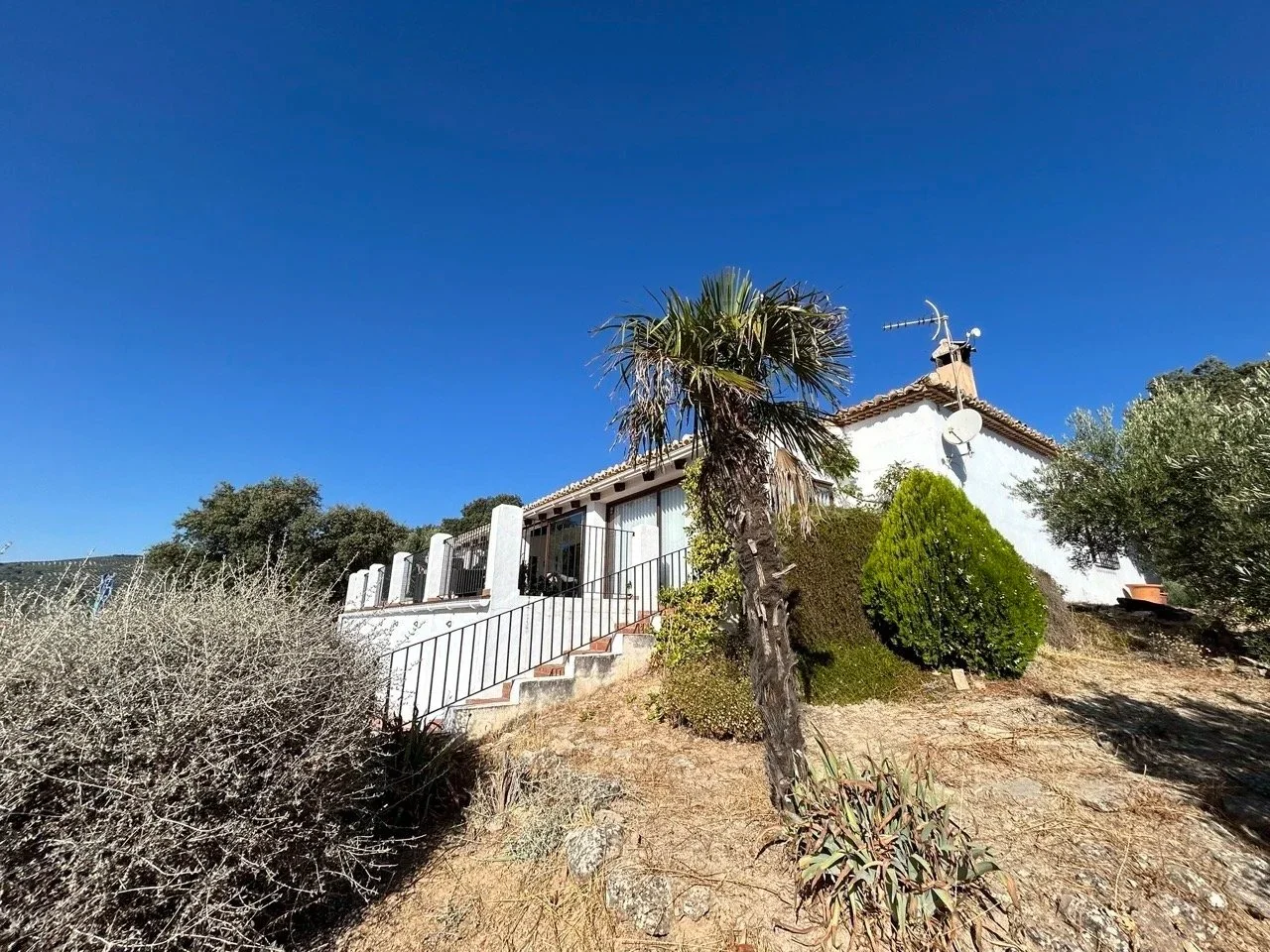
Single-storey cortijo / country house.
Asking Price
€315,000.
Internal area
222 m².
Land area
8,489 m².
Bedrooms
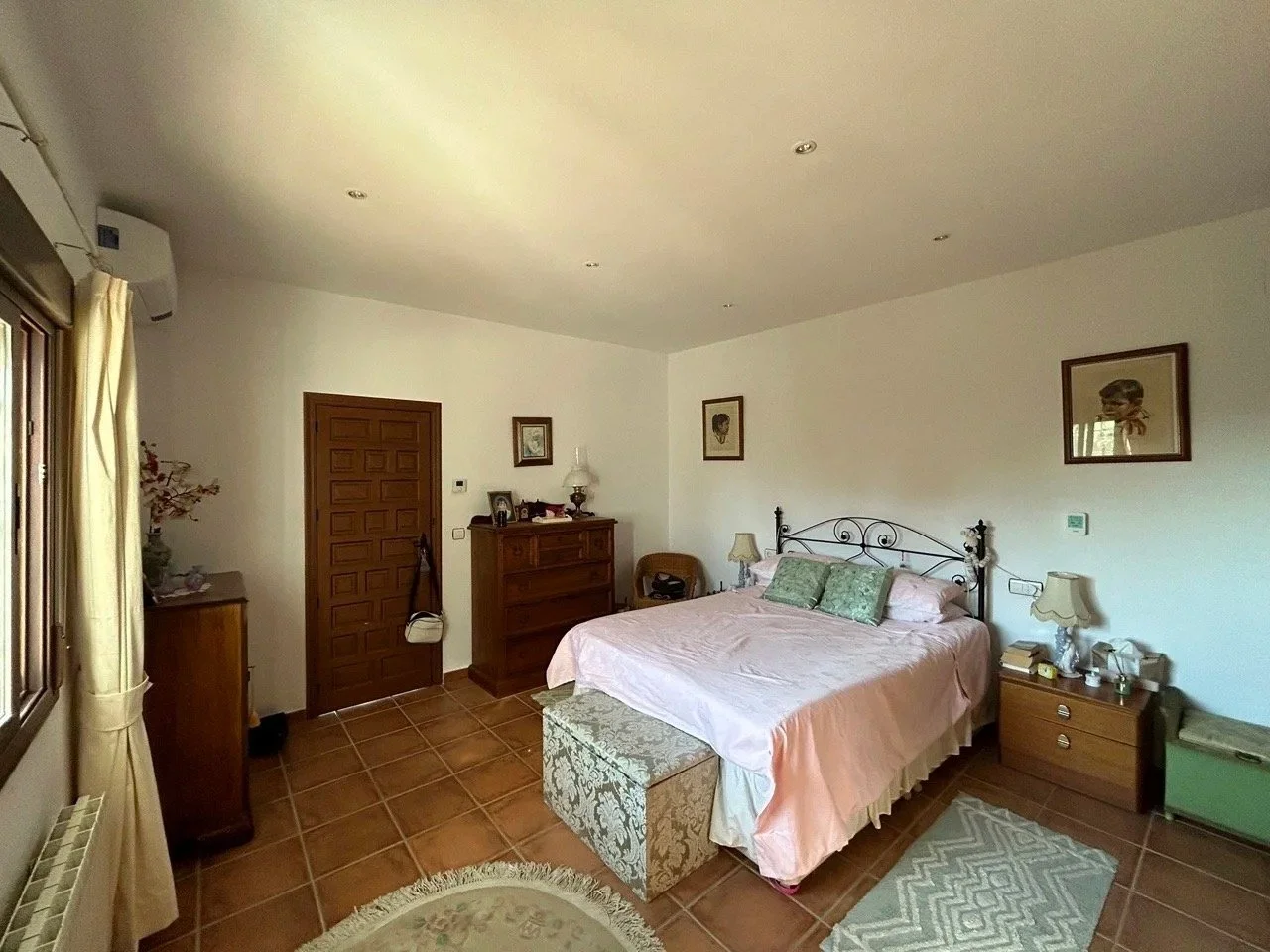
3.
Bathrooms
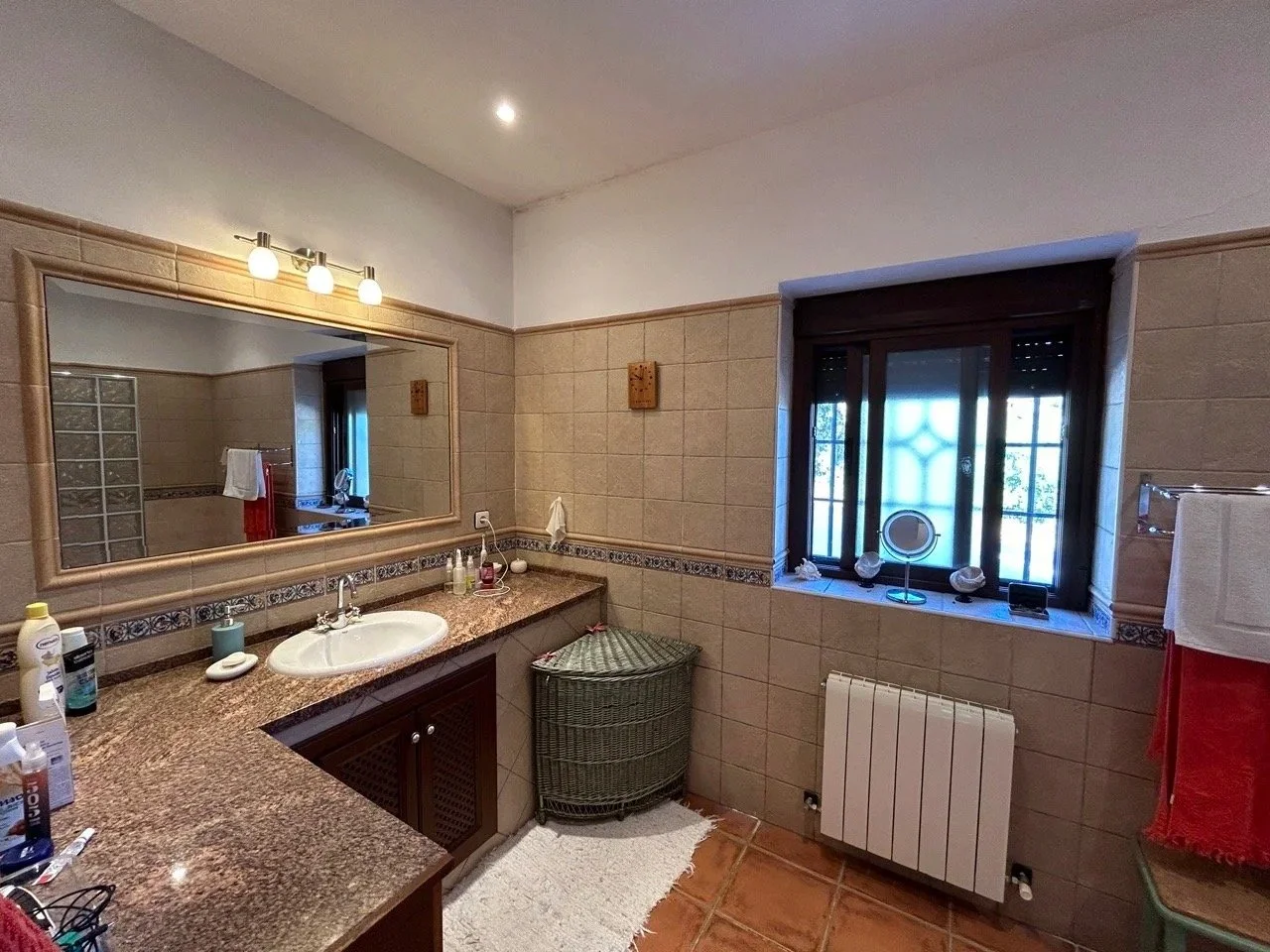
2.
Key external features
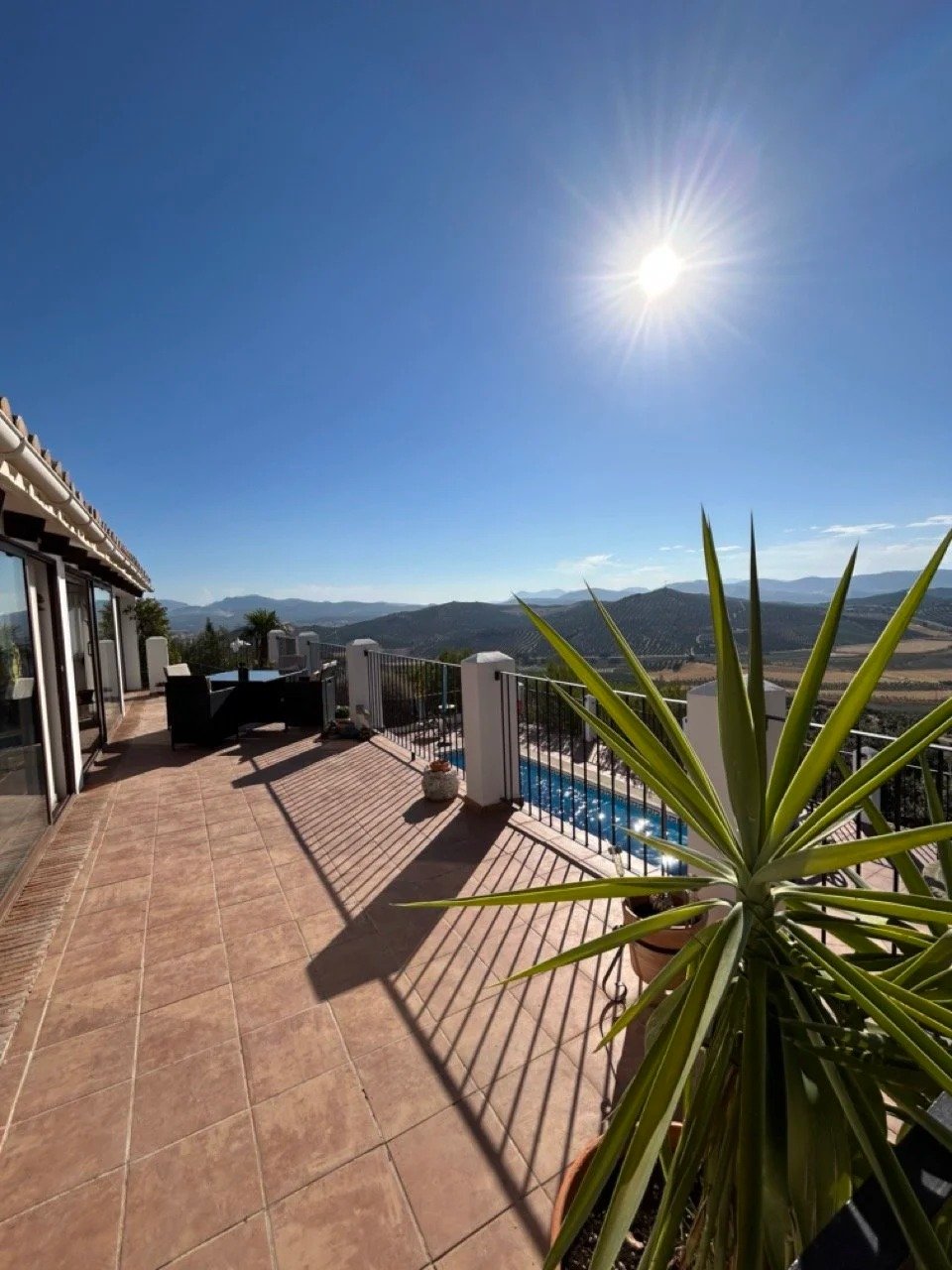
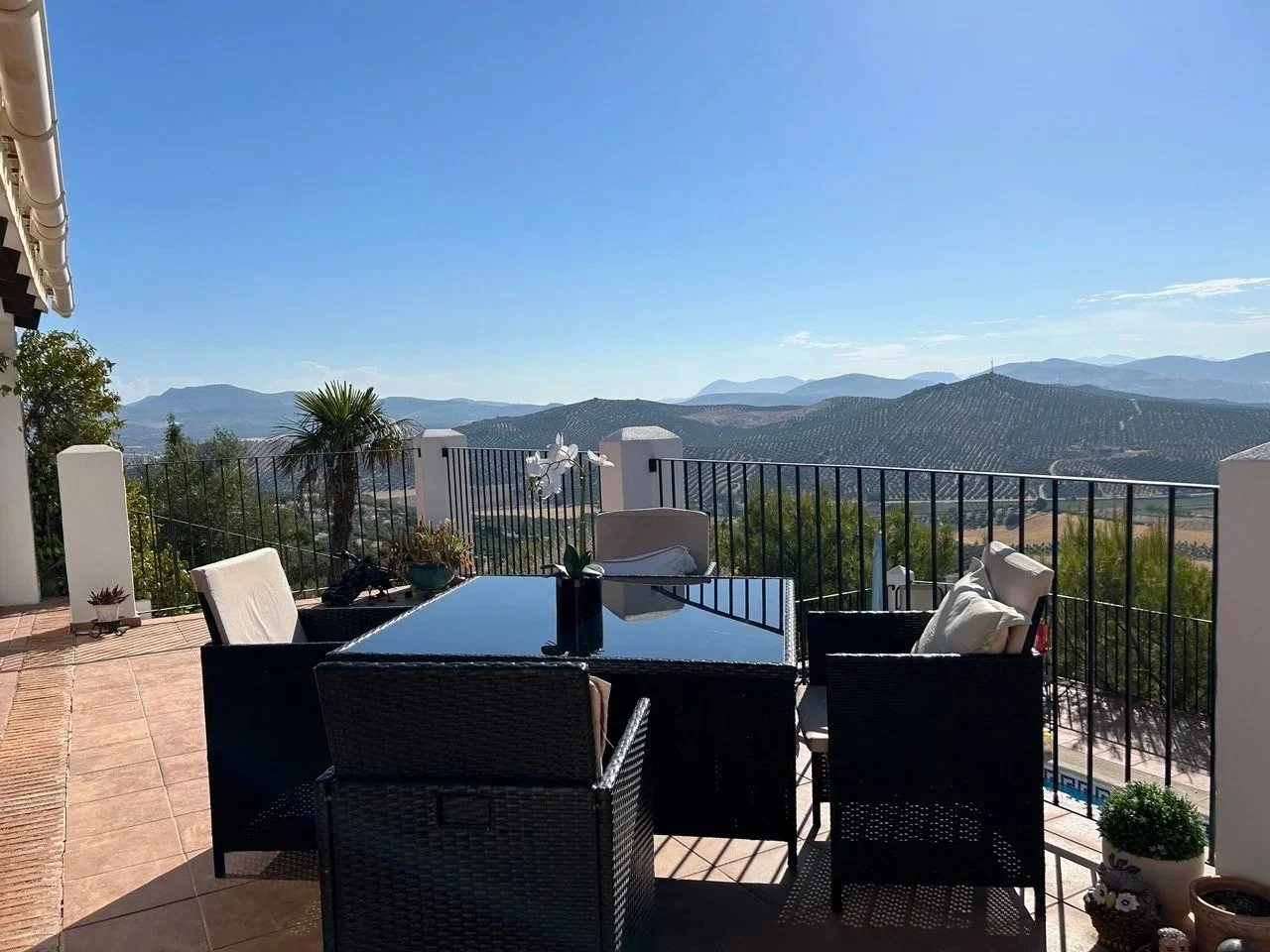
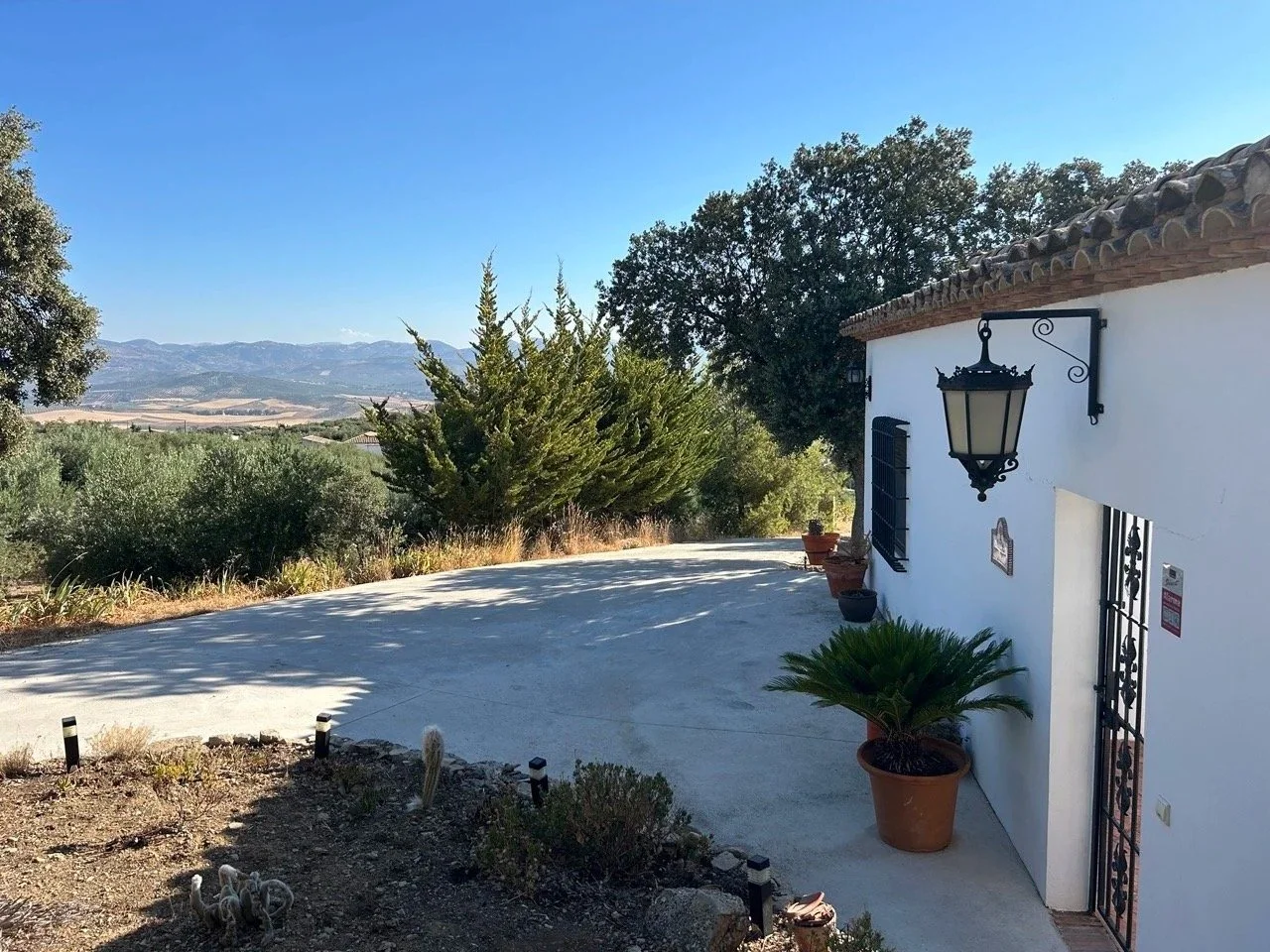
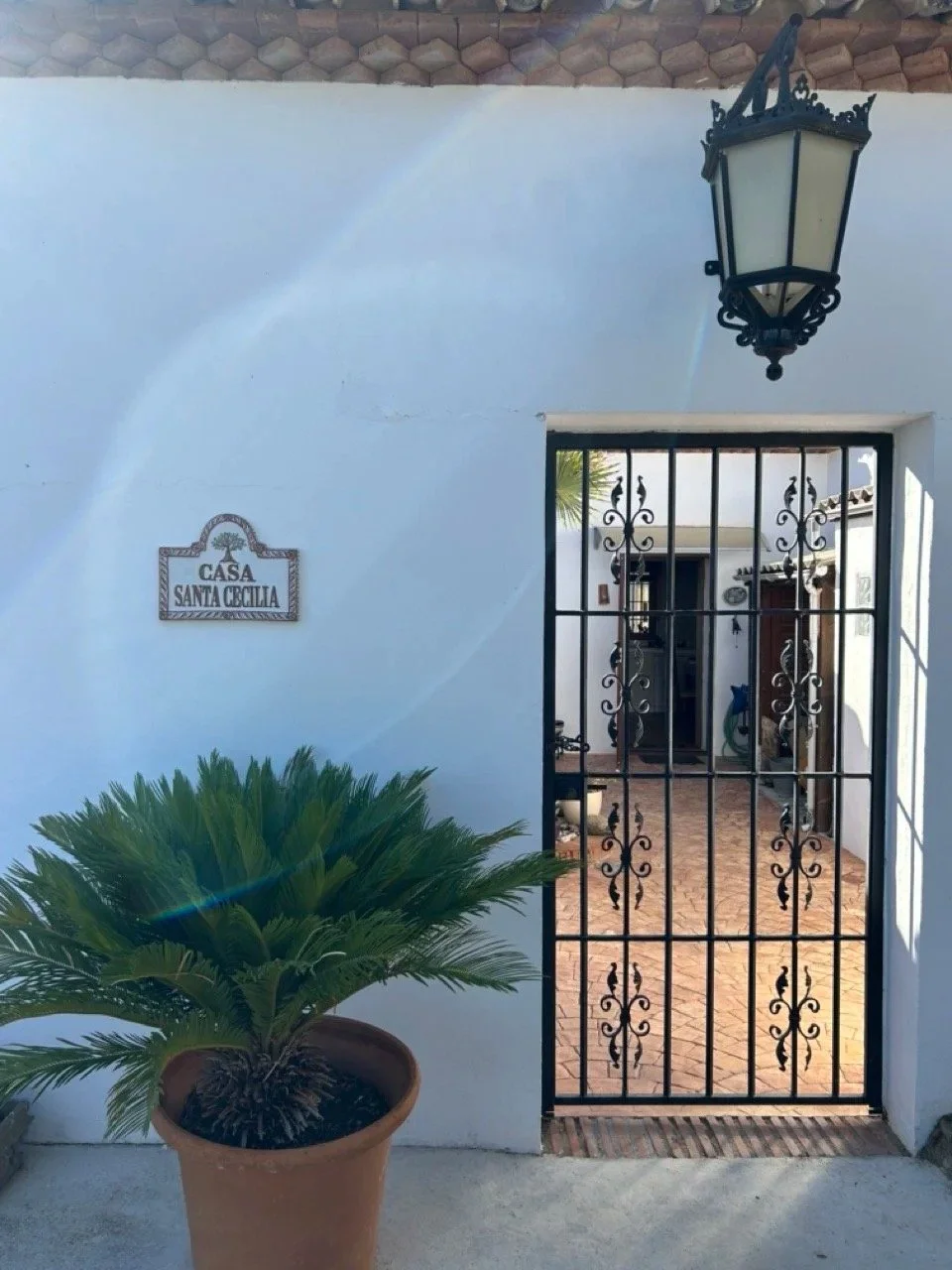
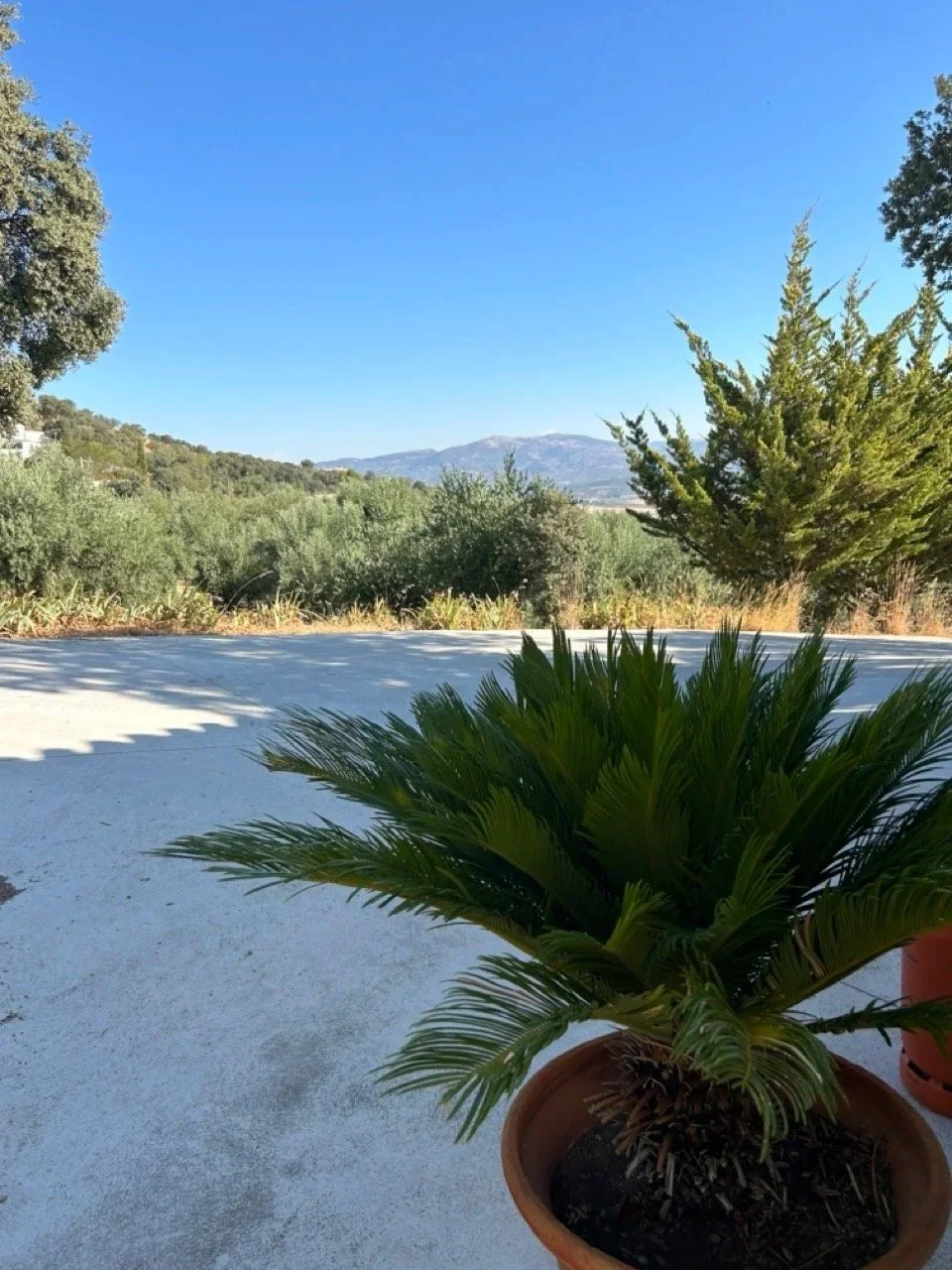
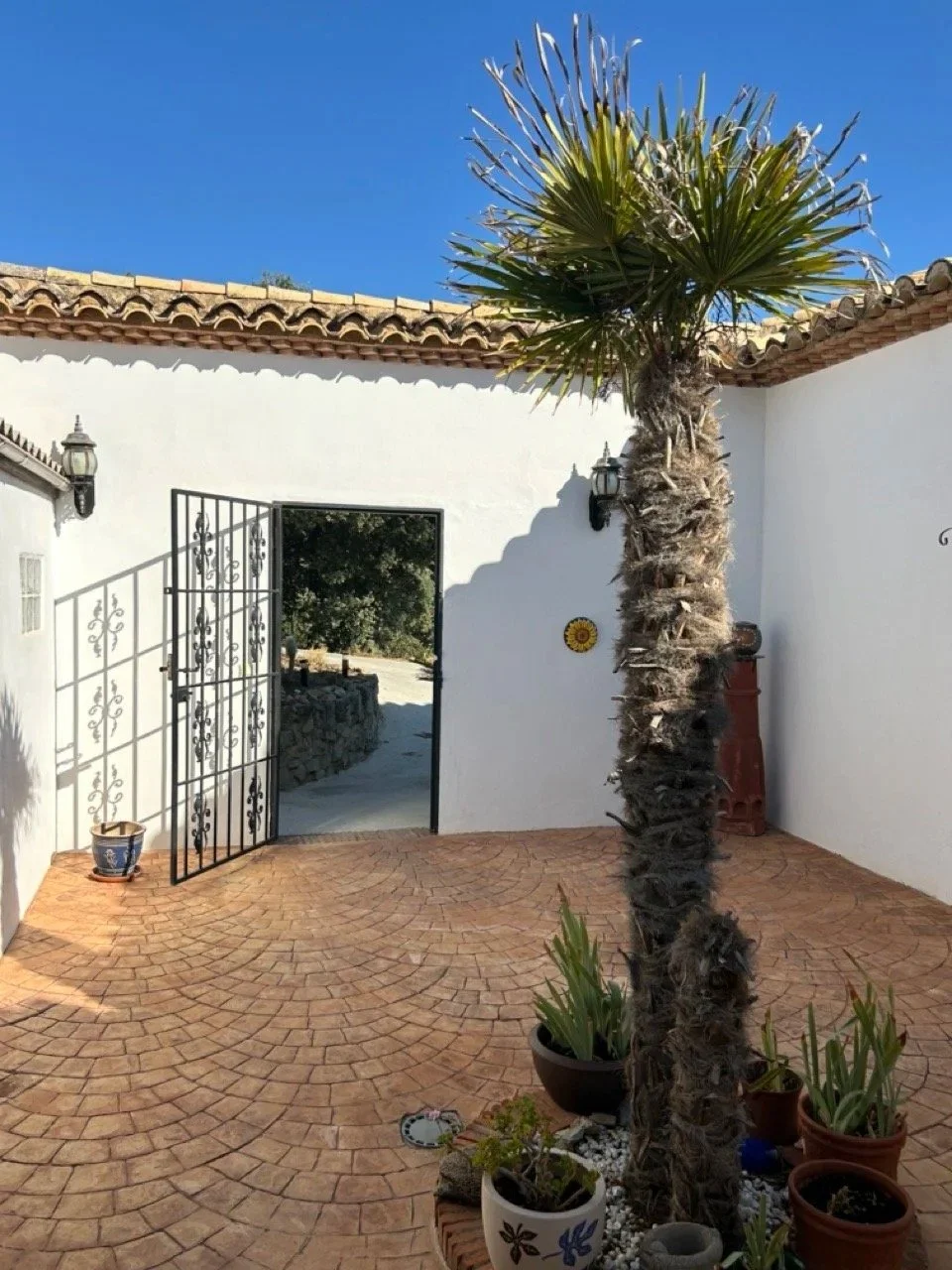
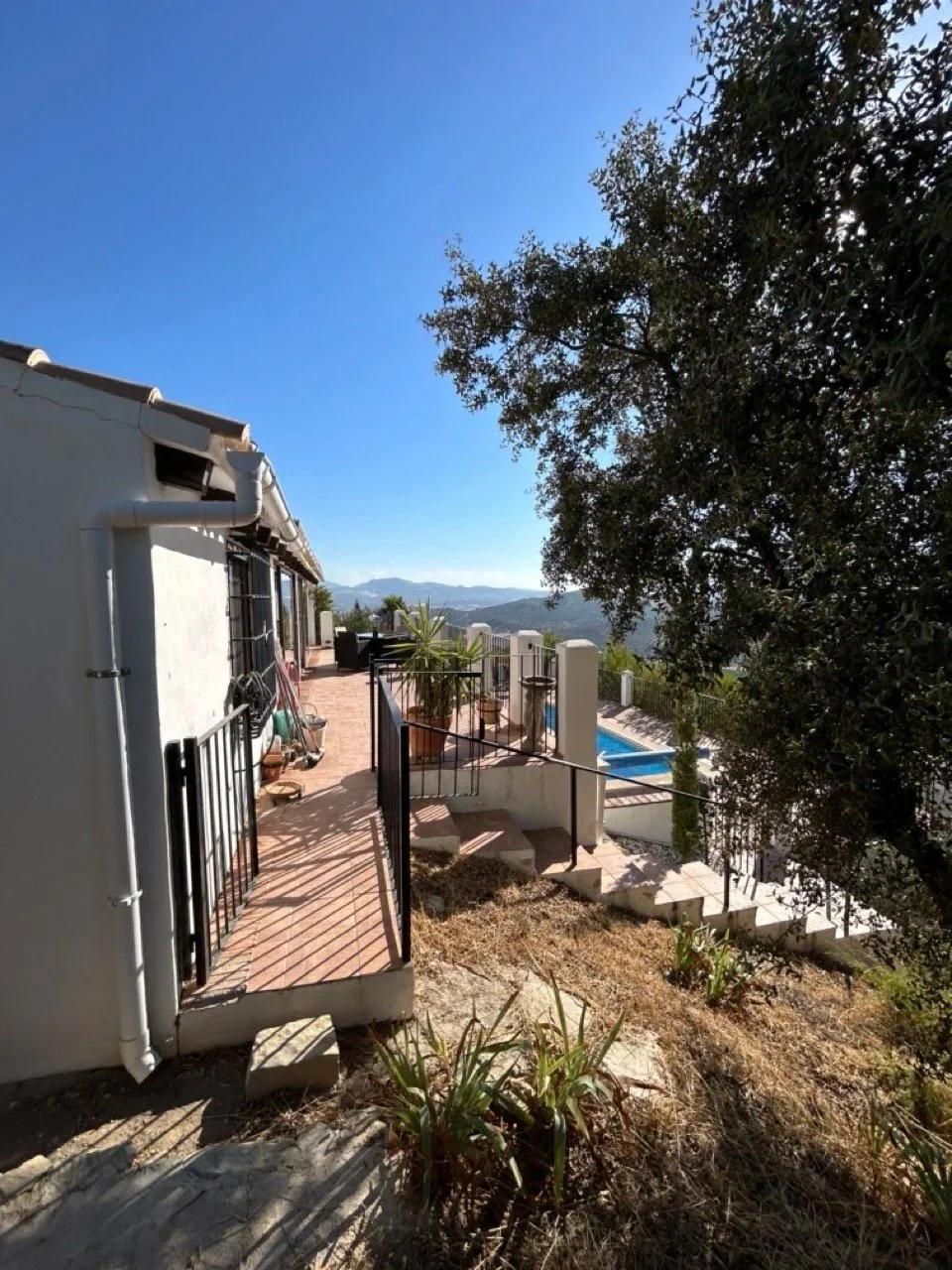
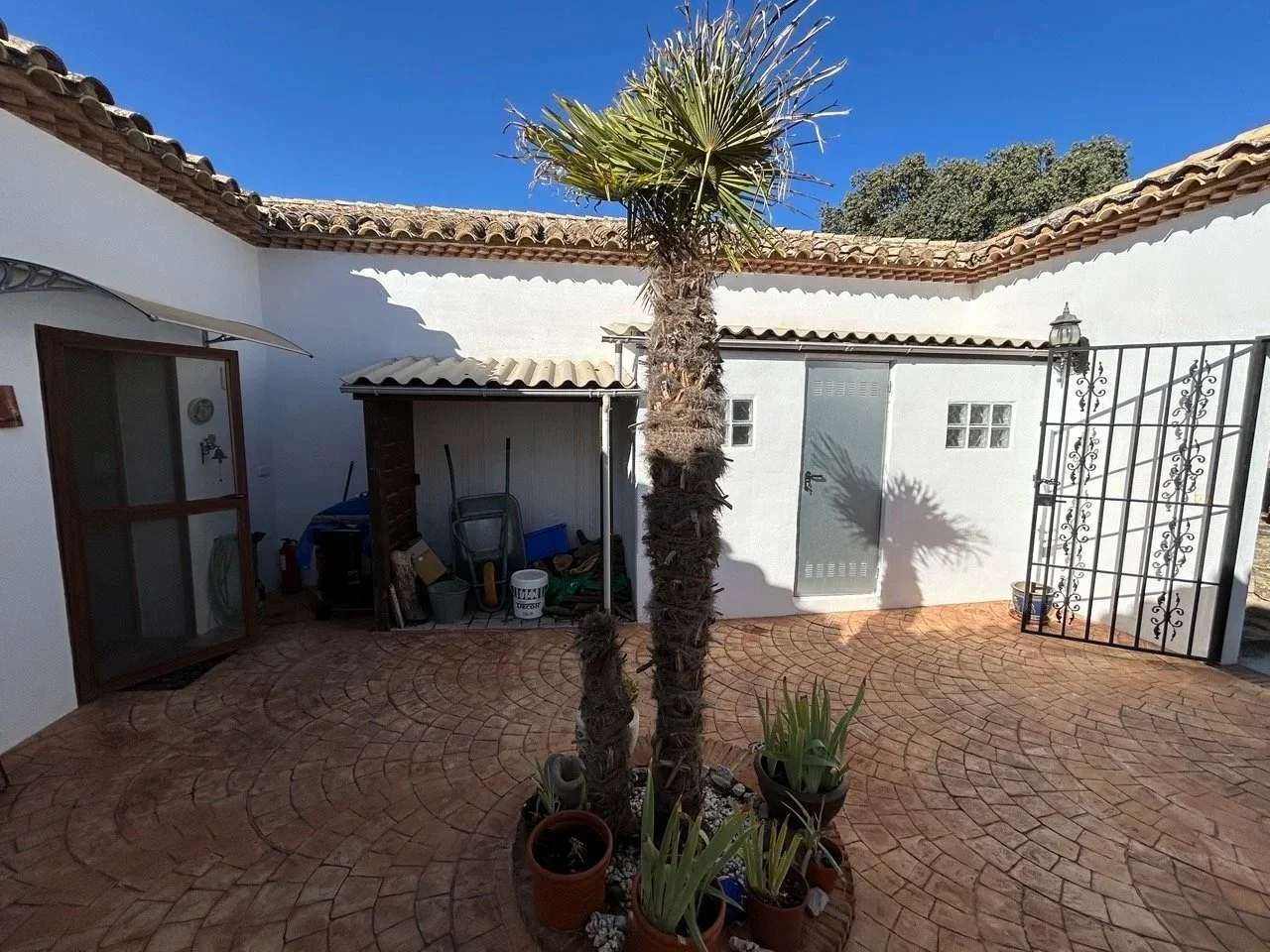
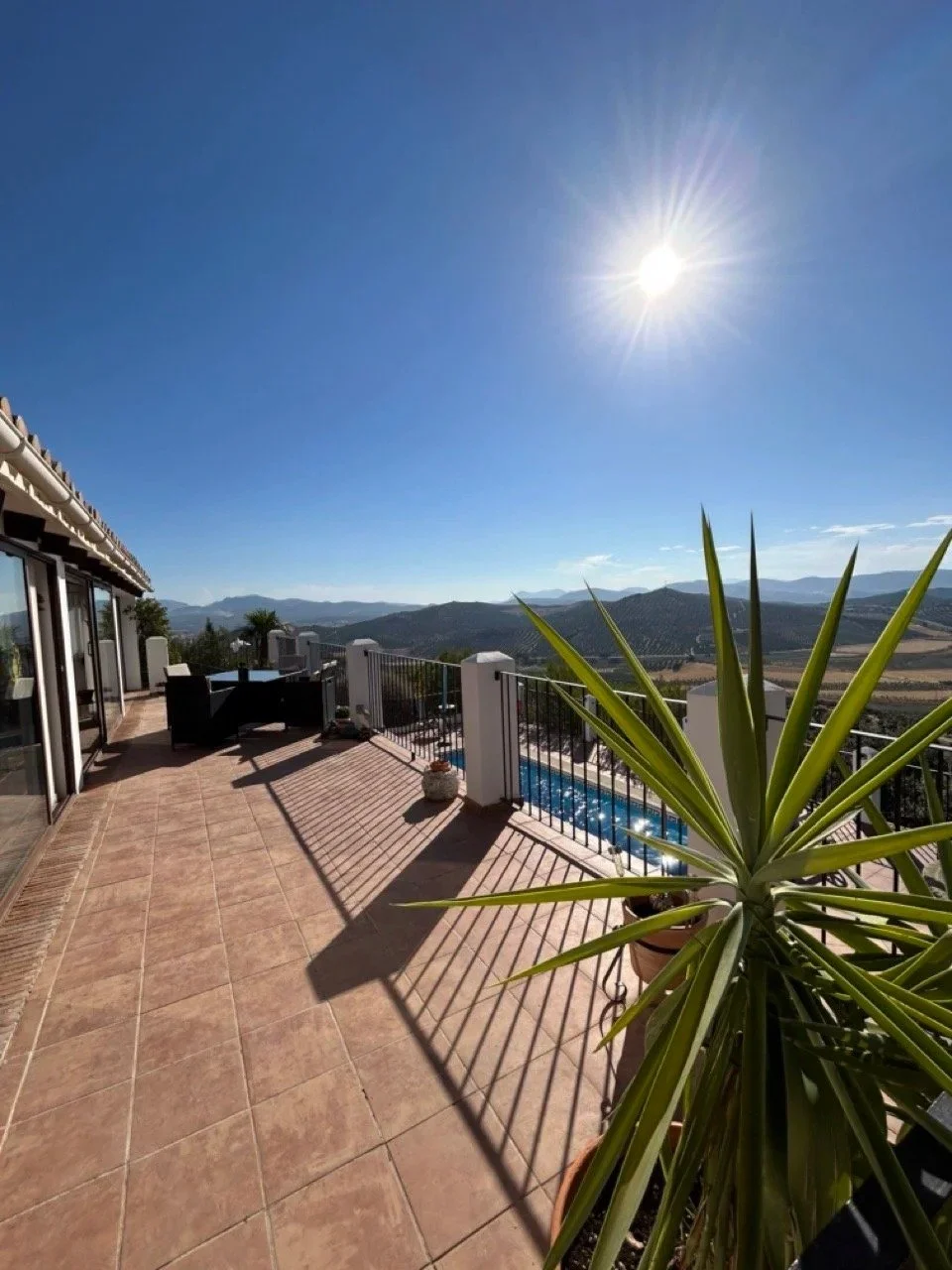
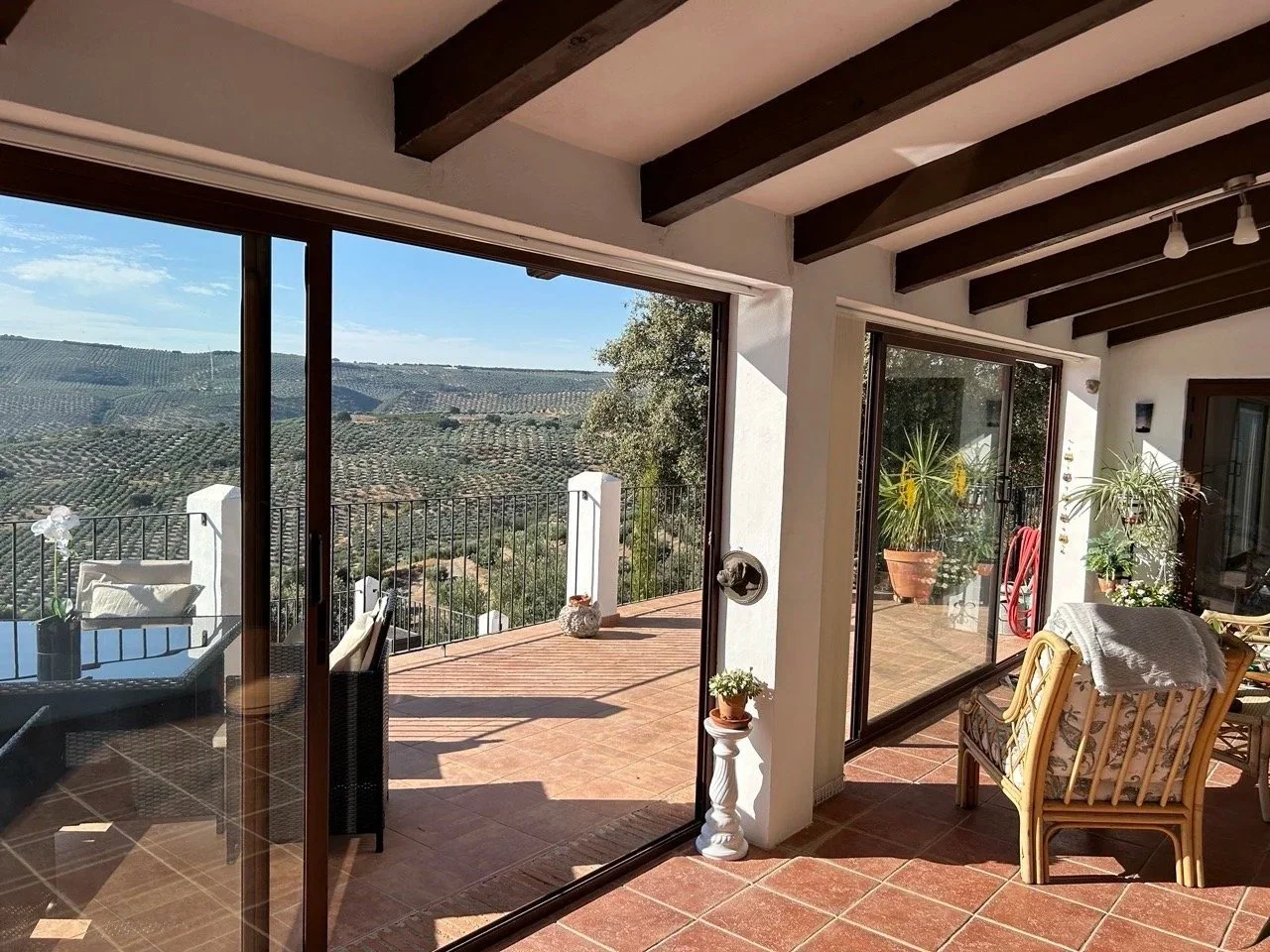
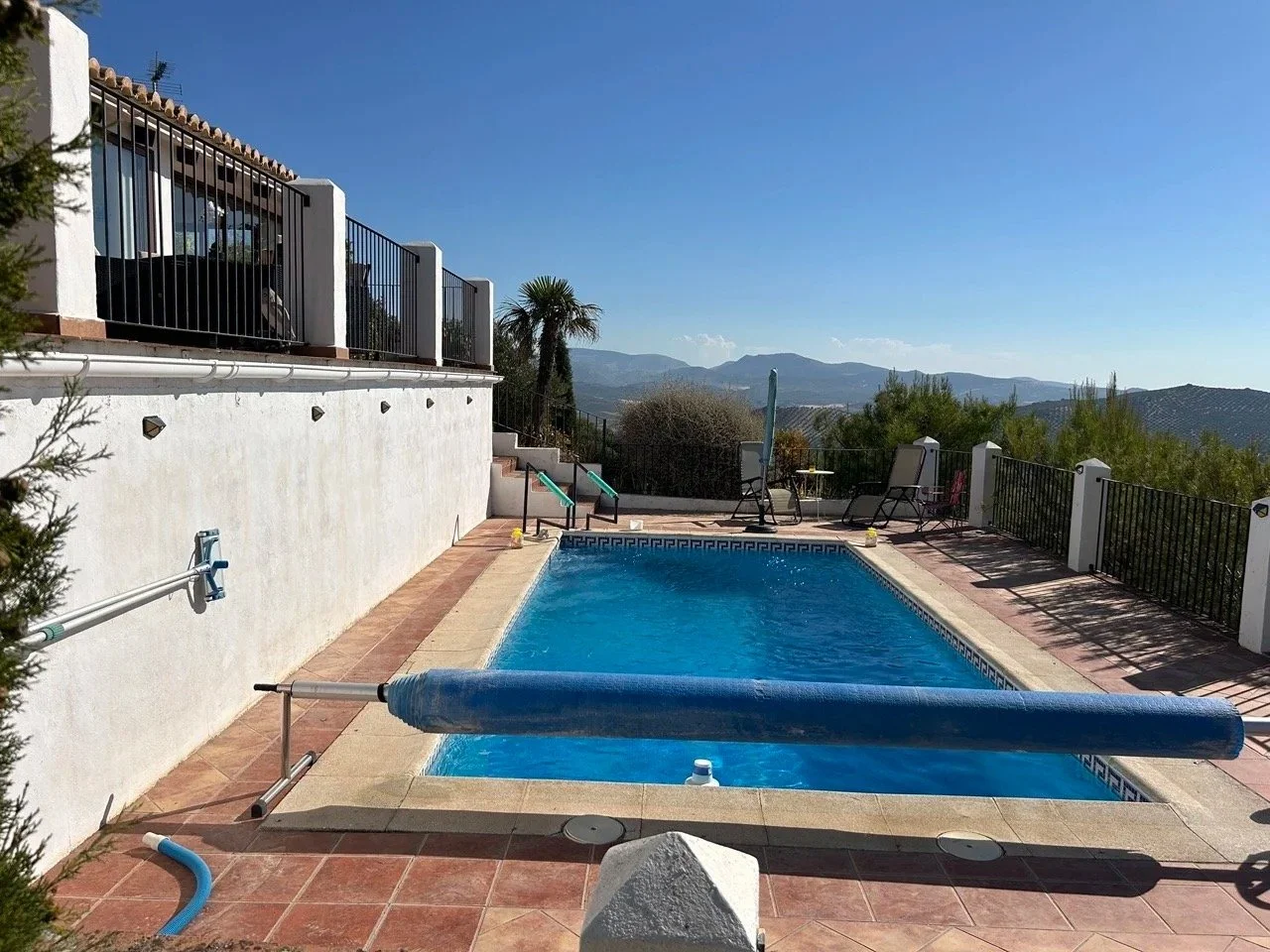
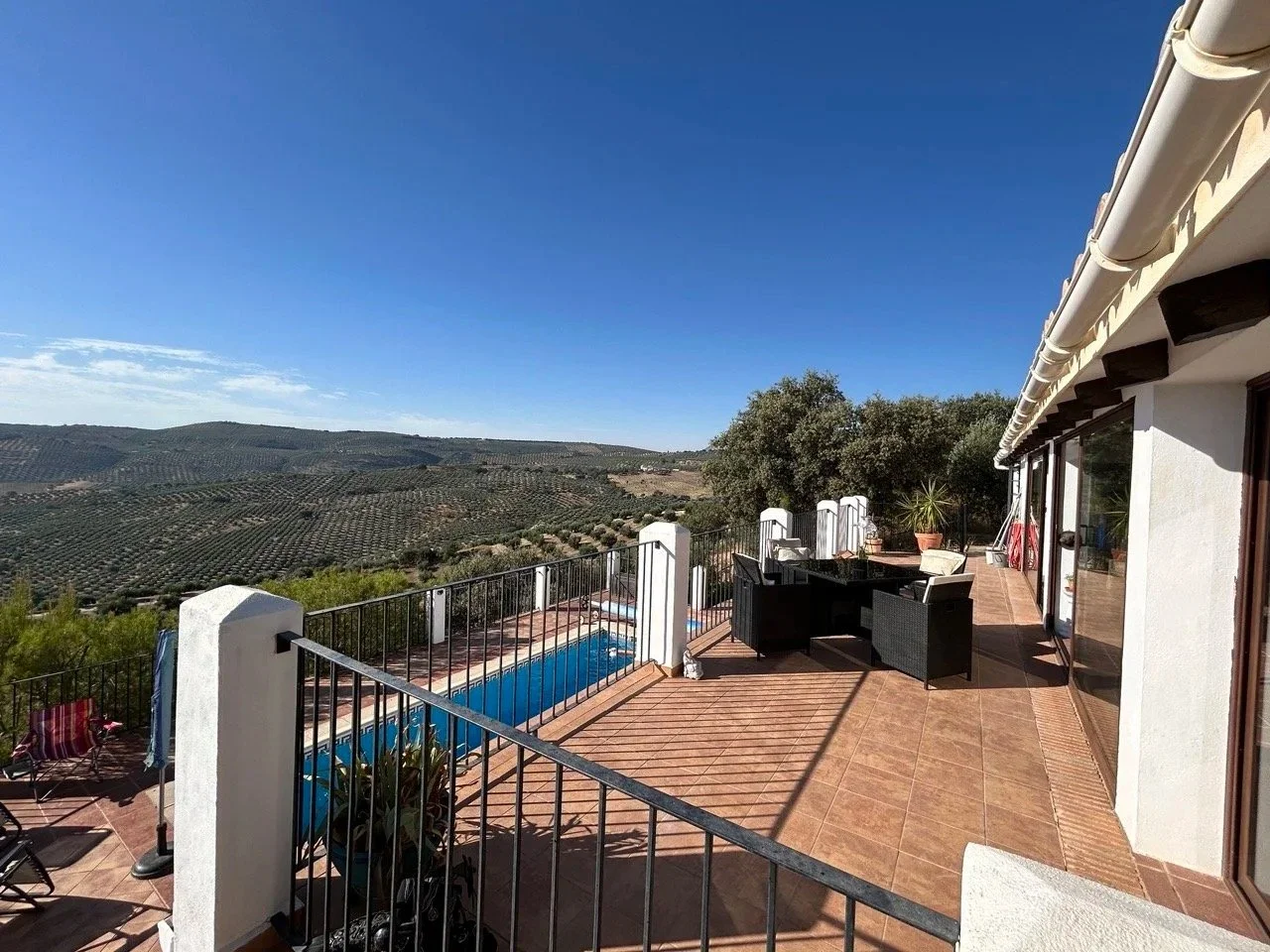
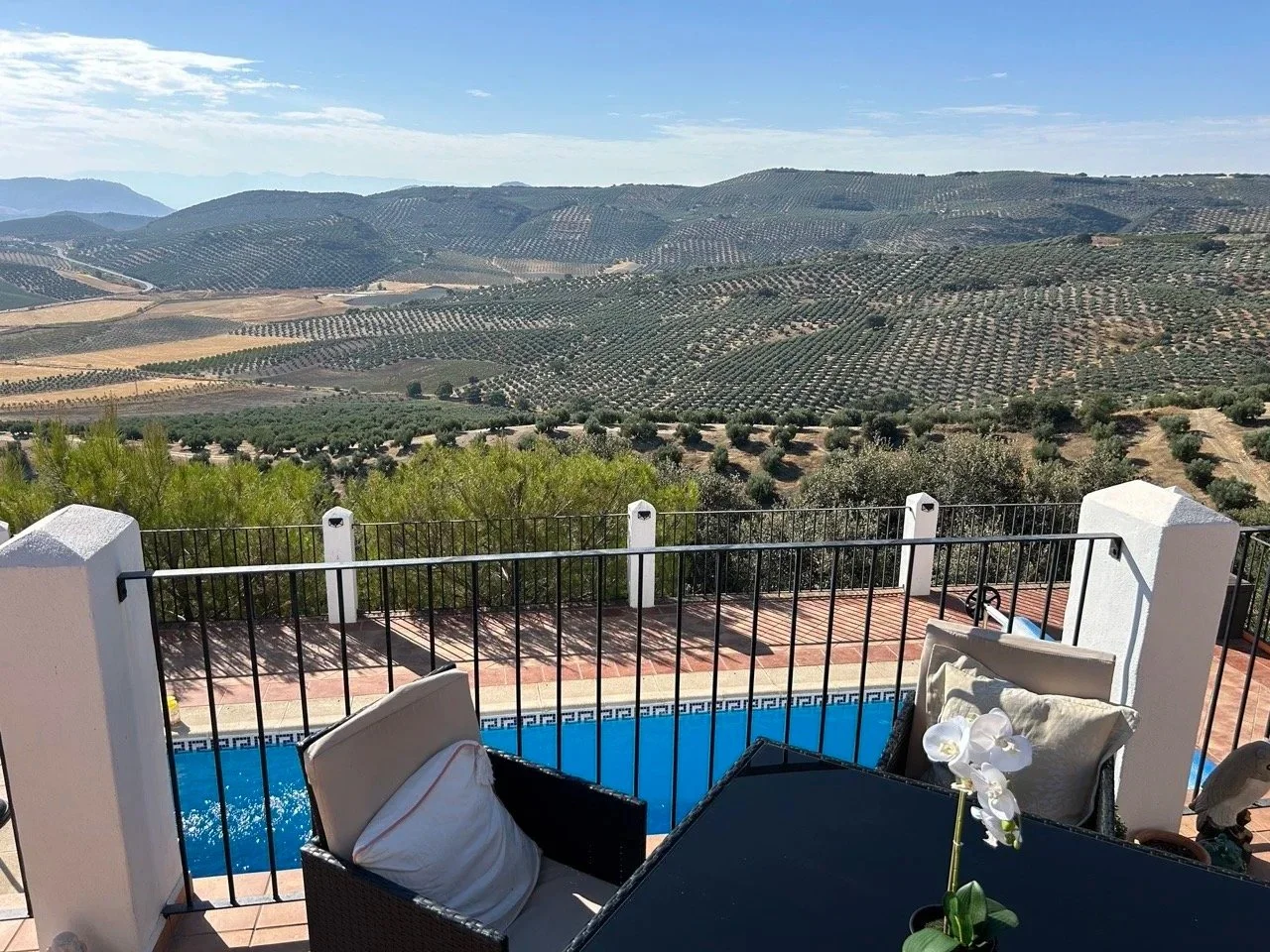
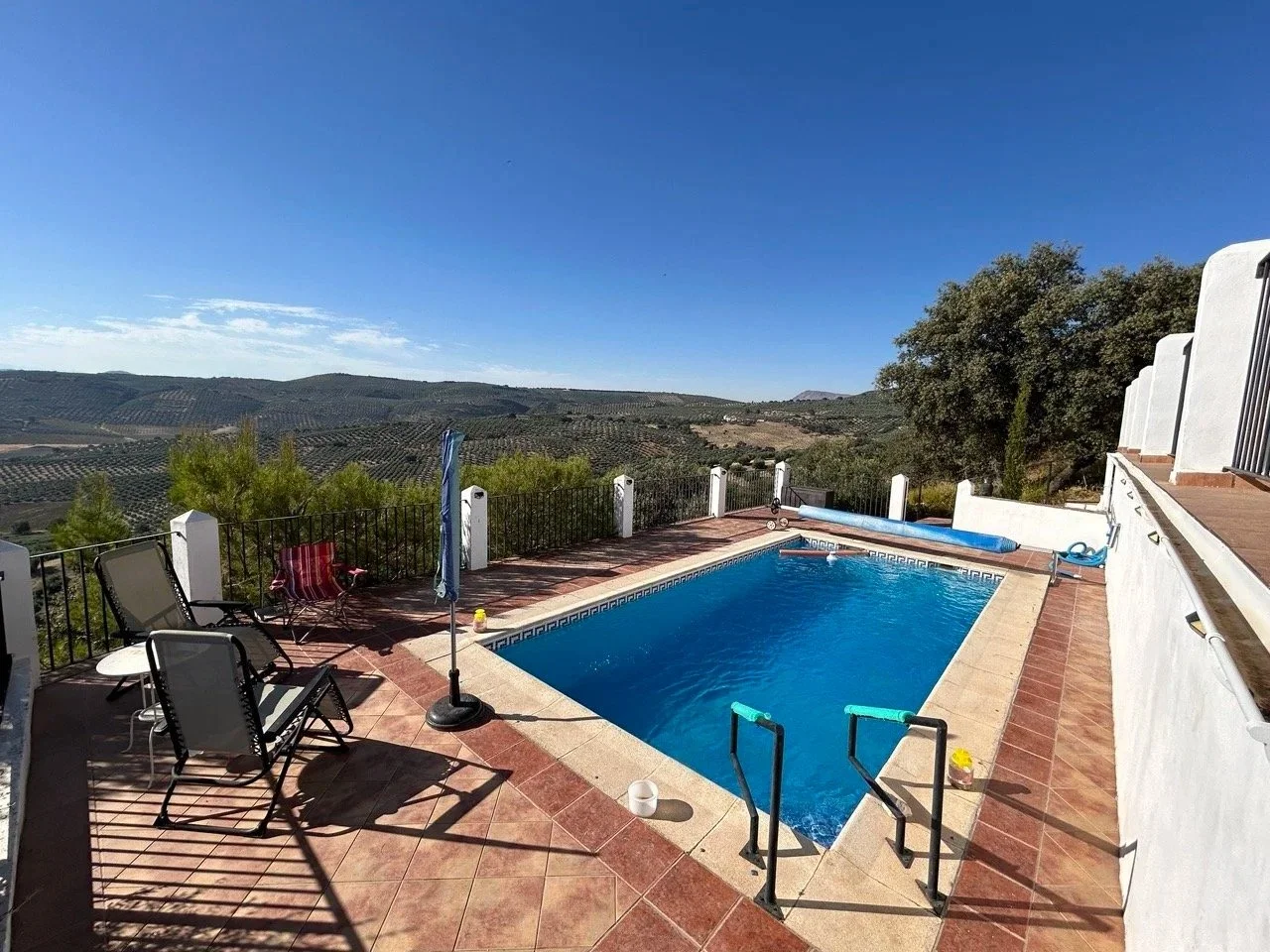
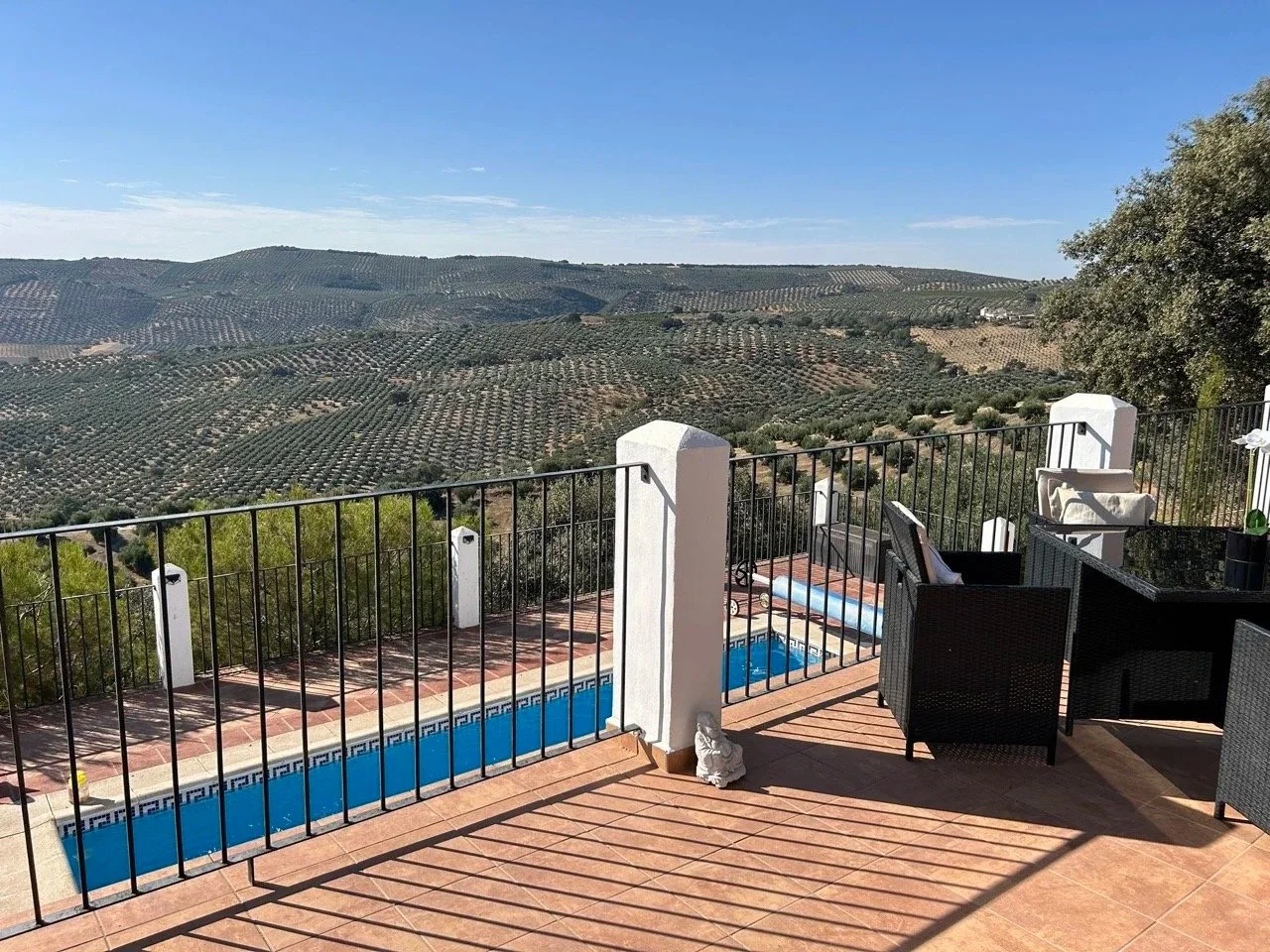
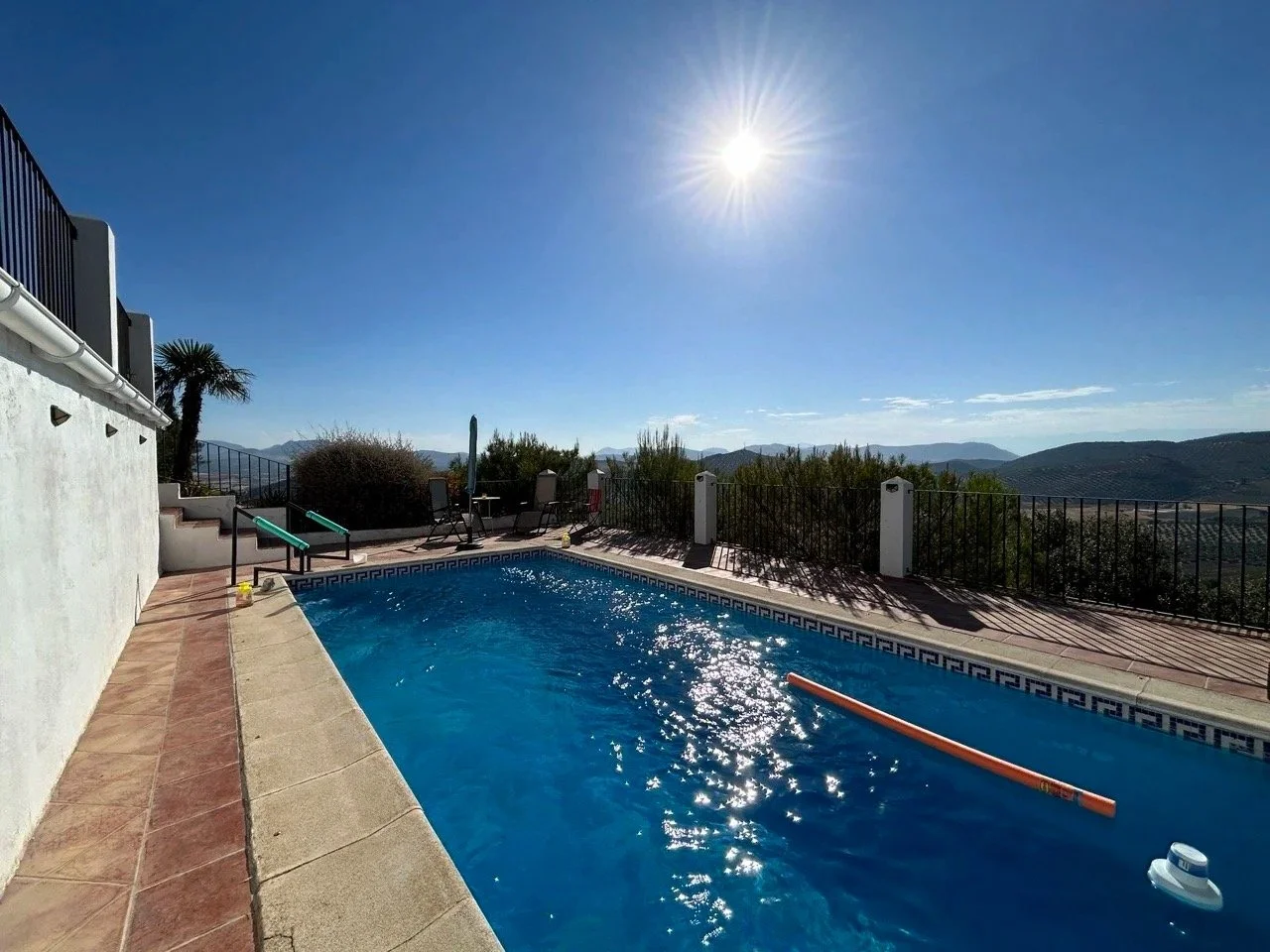
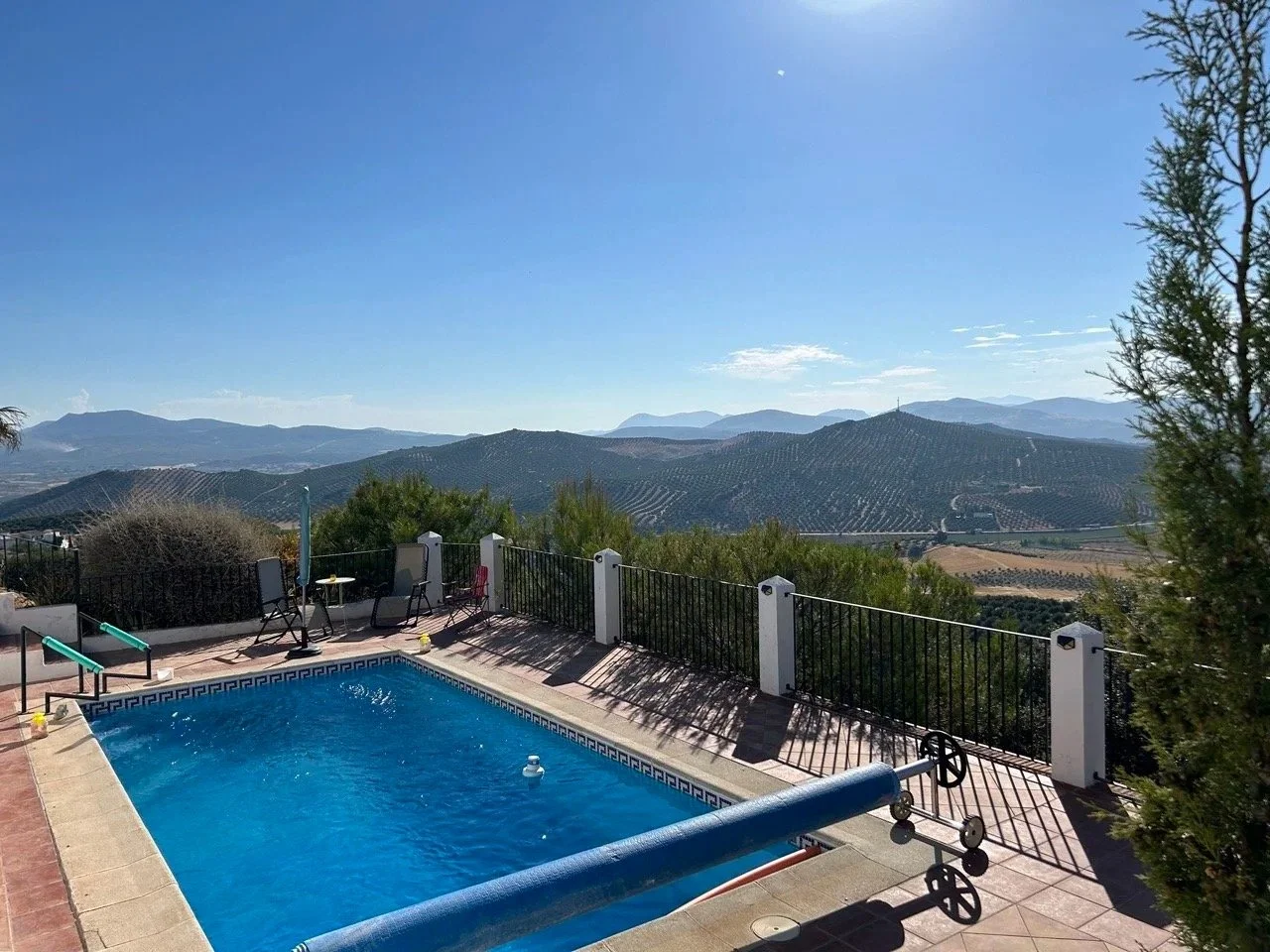
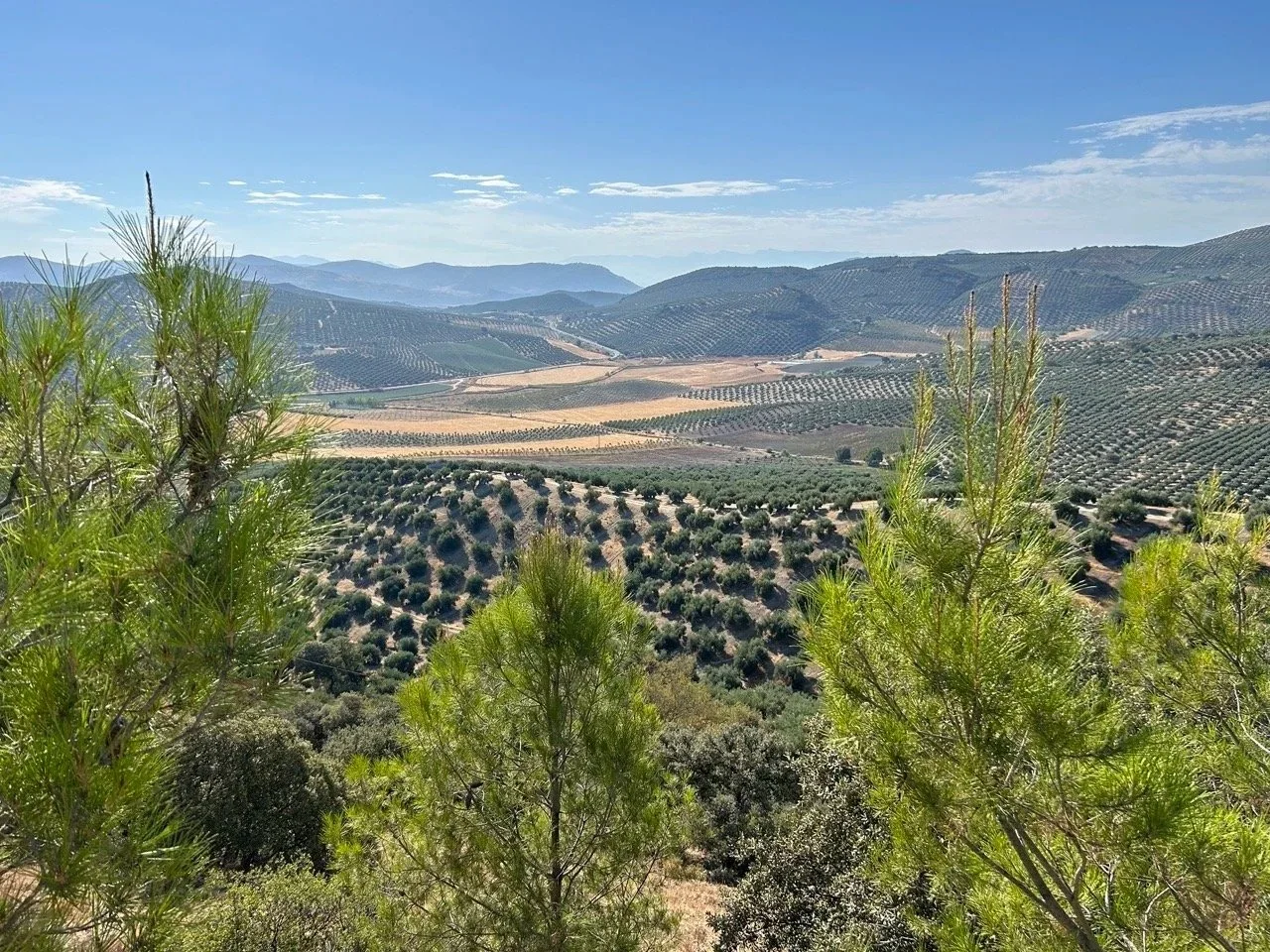
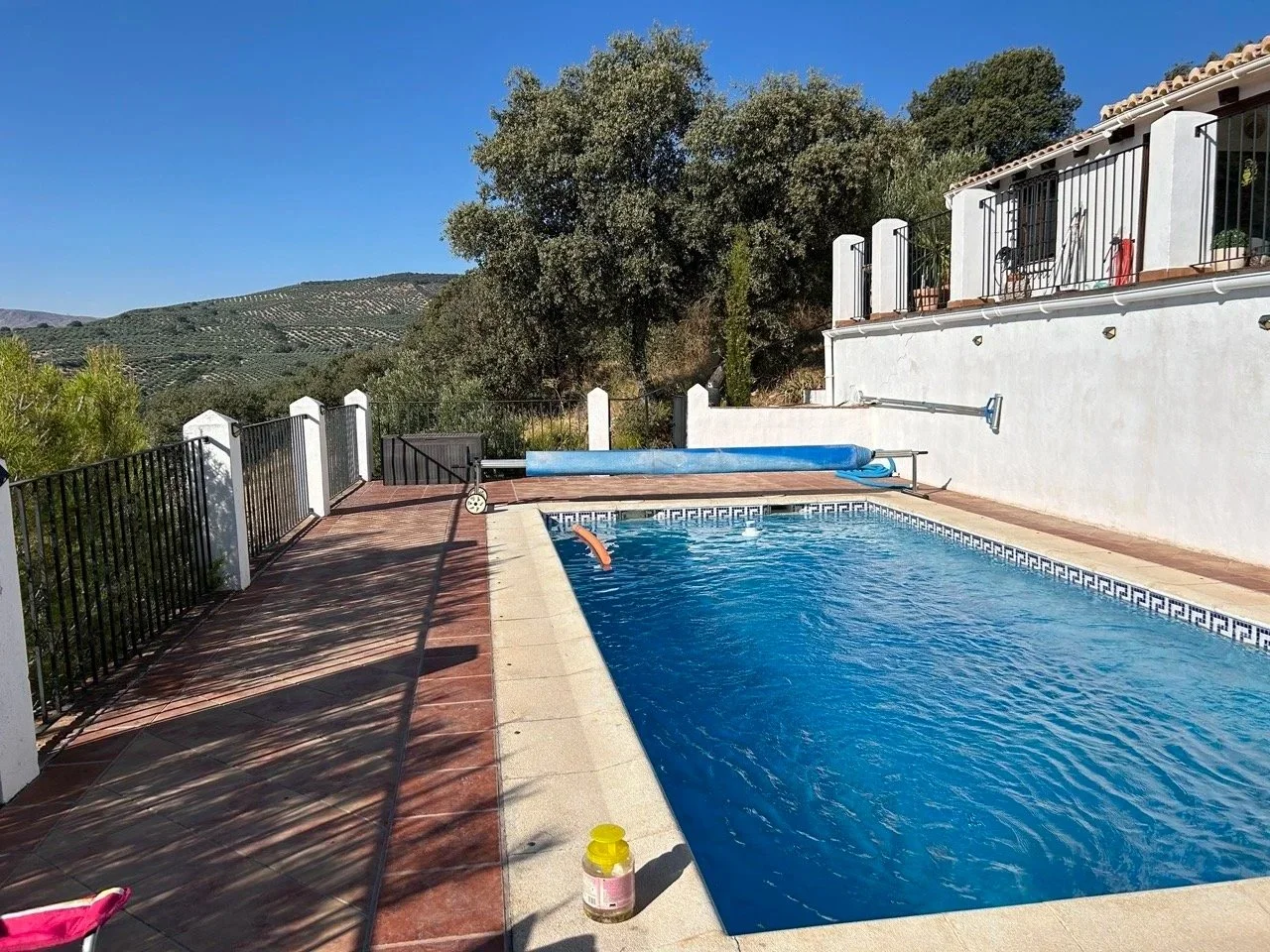
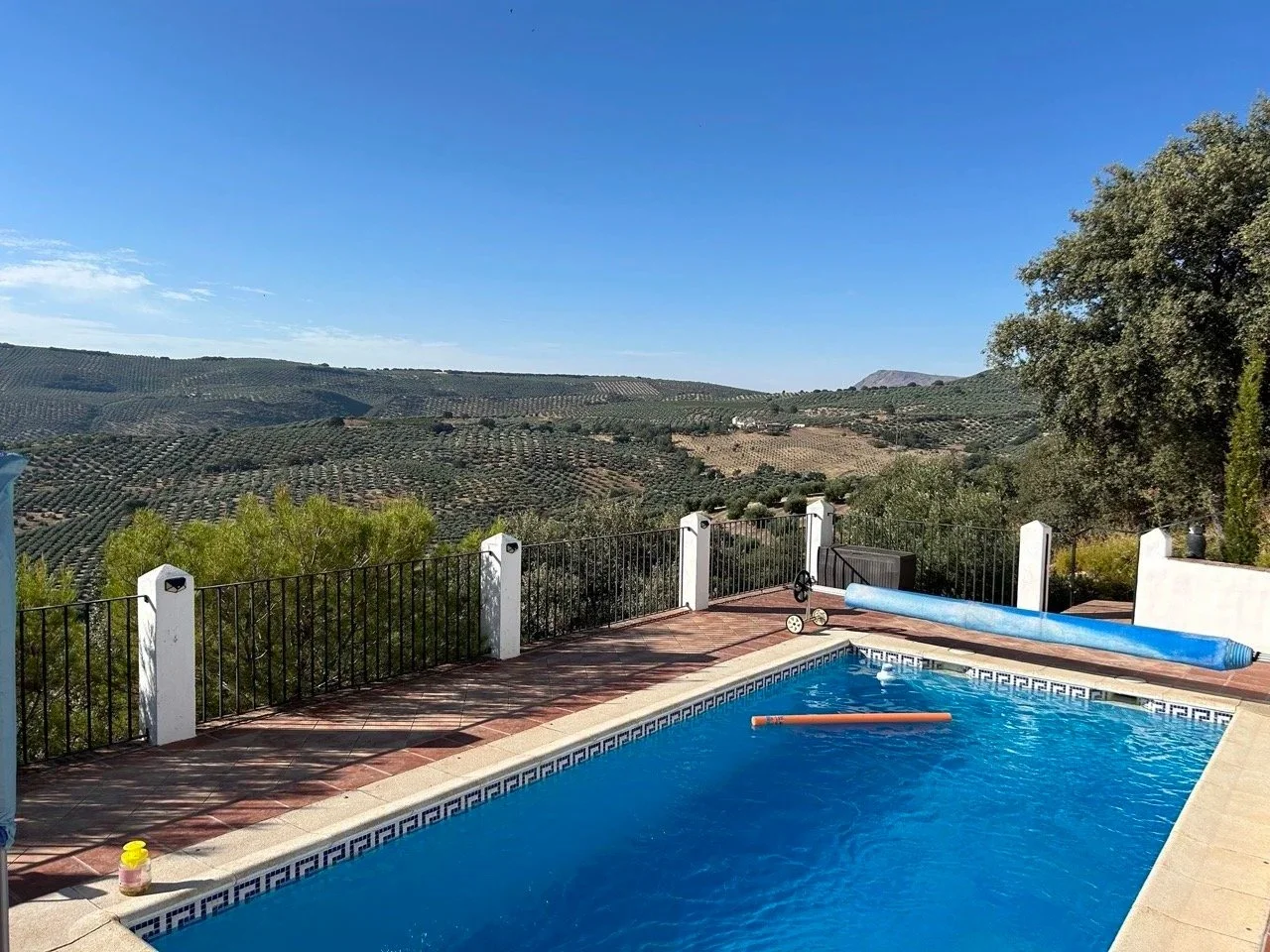
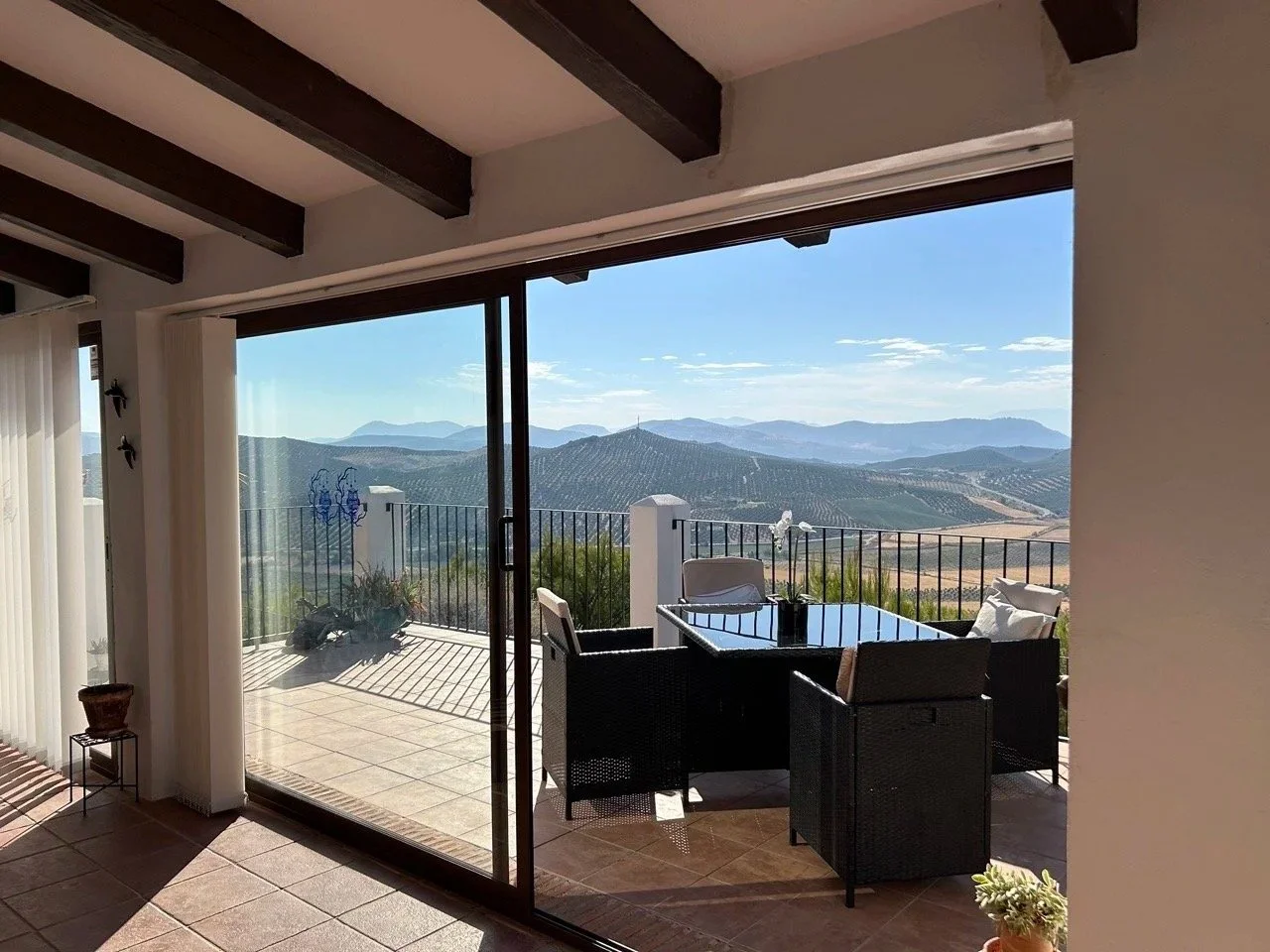
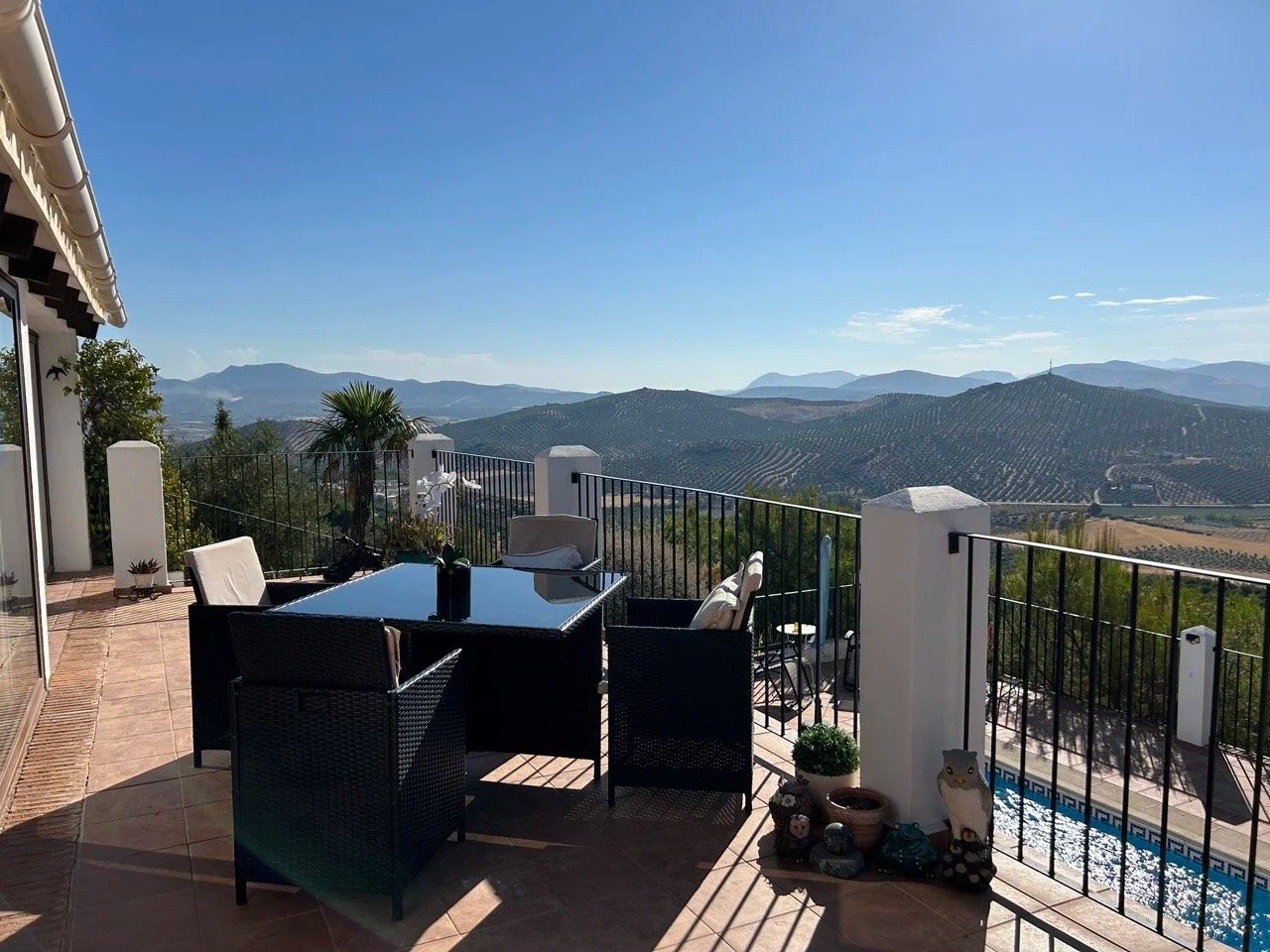
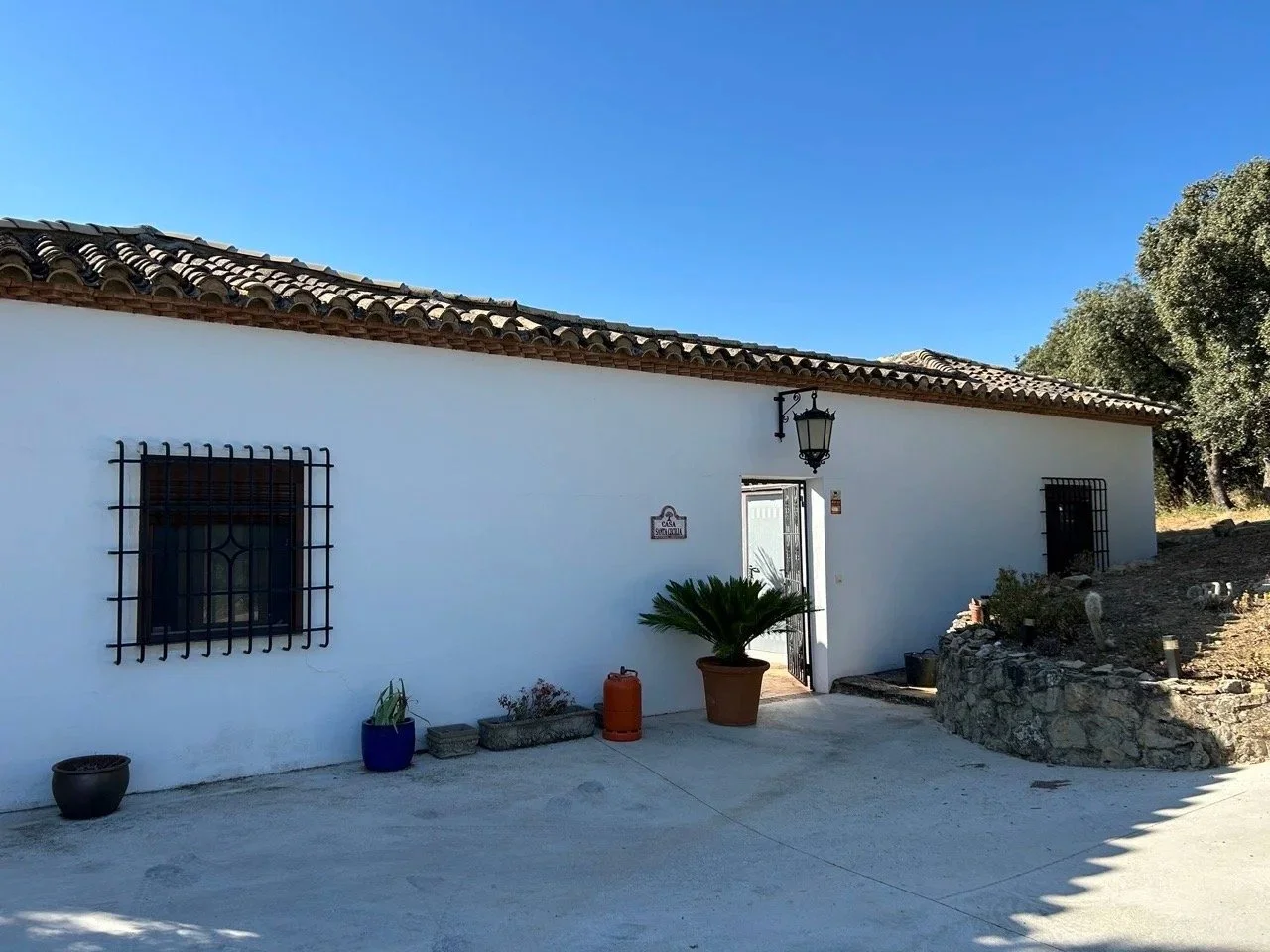
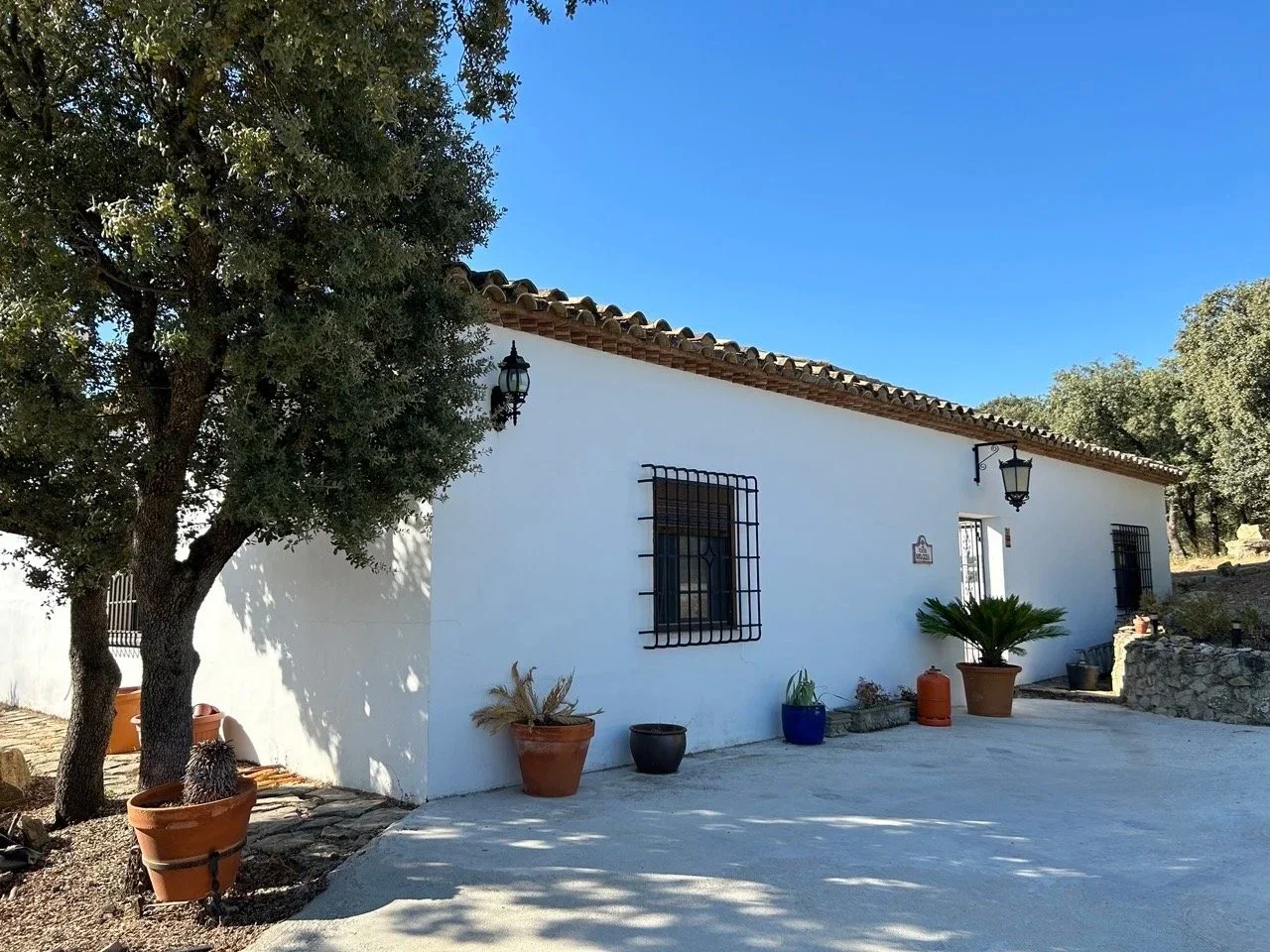
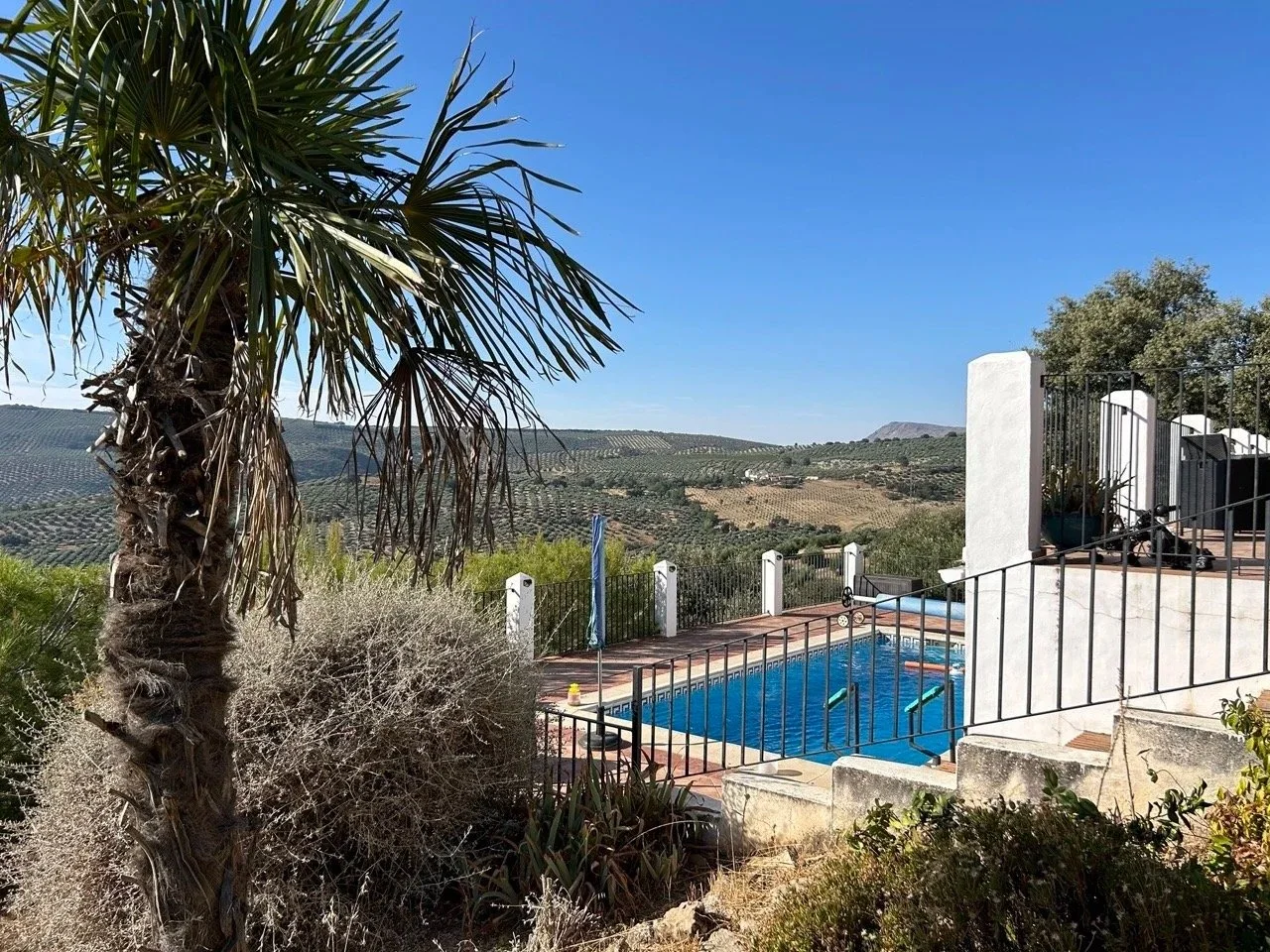
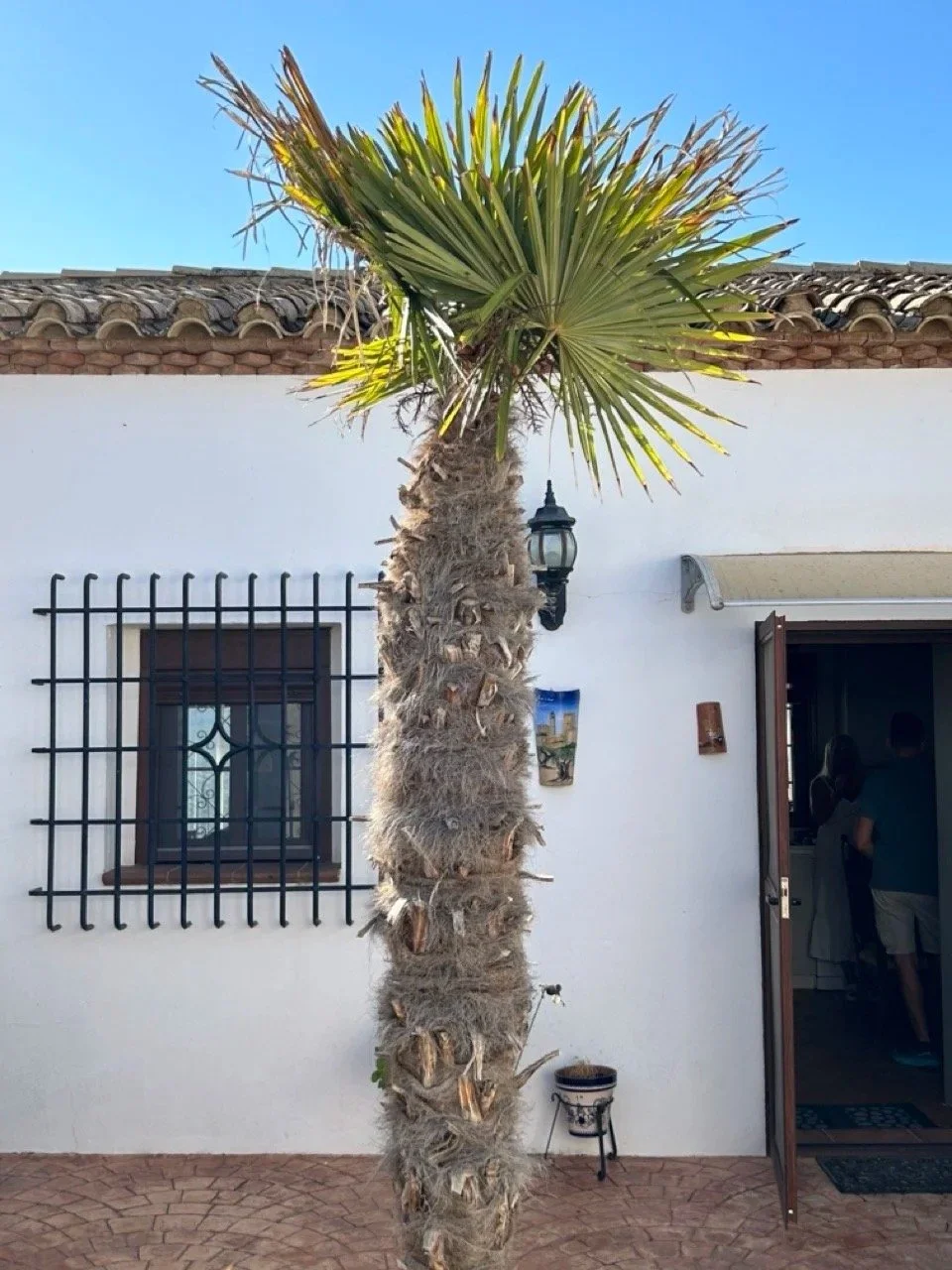
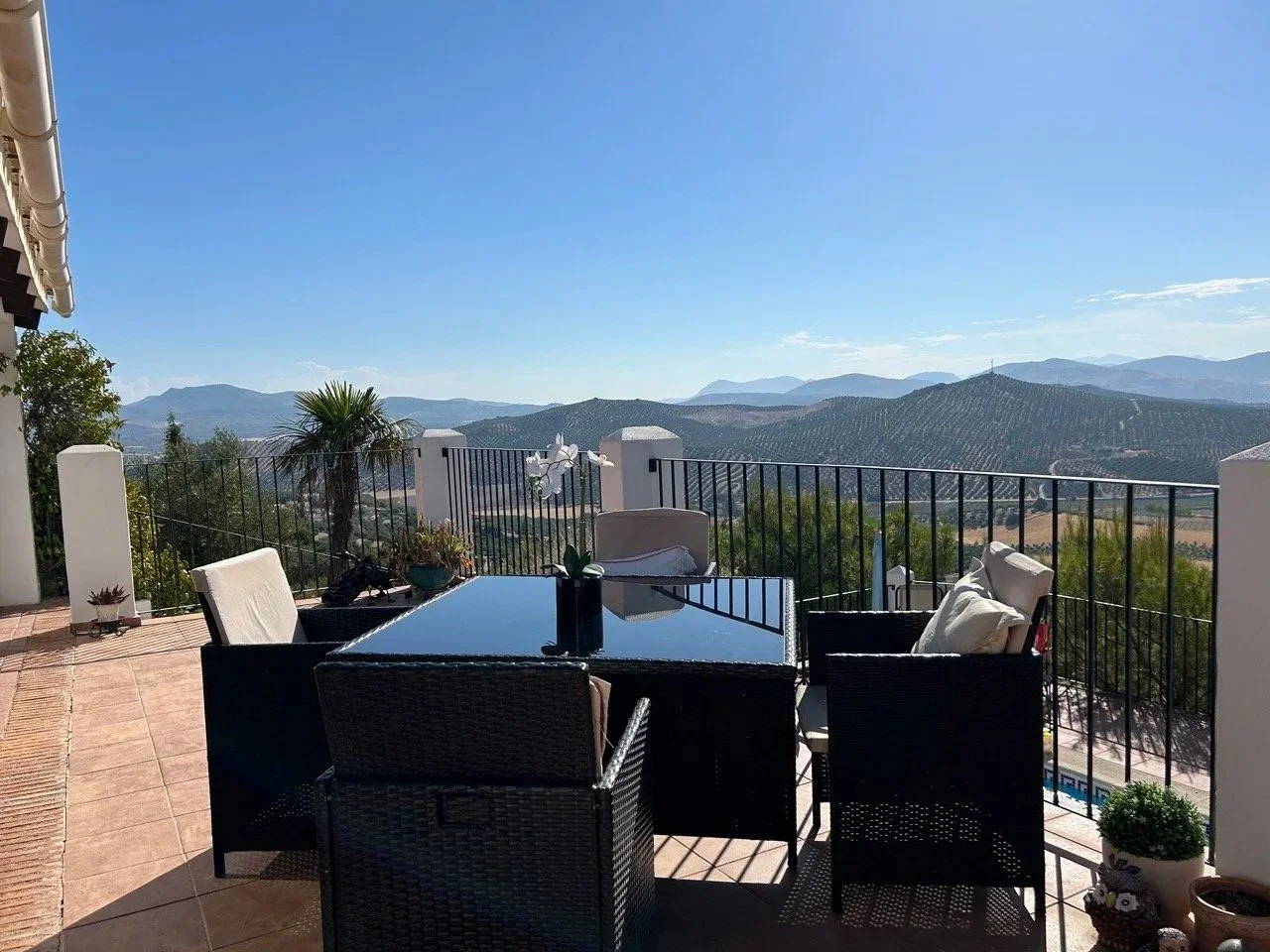
Private pool, olive grove, panoramic Sierra Nevada views, traditional courtyard entrance, elevated pool terrace, re-concreted driveway, and ample parking.
Additional development angle
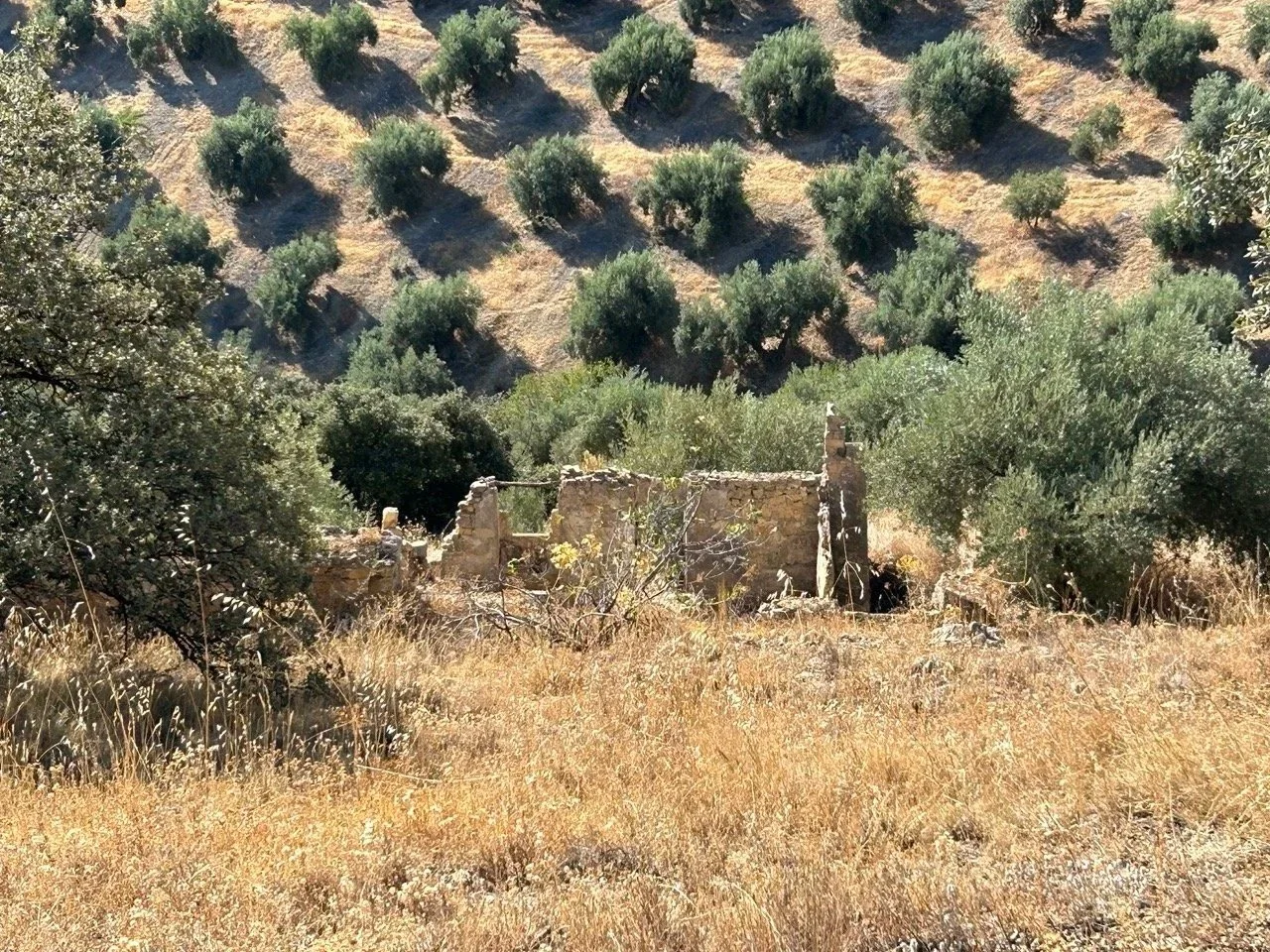
Ruin on the land marketed as having rebuild potential.
Systems marketed
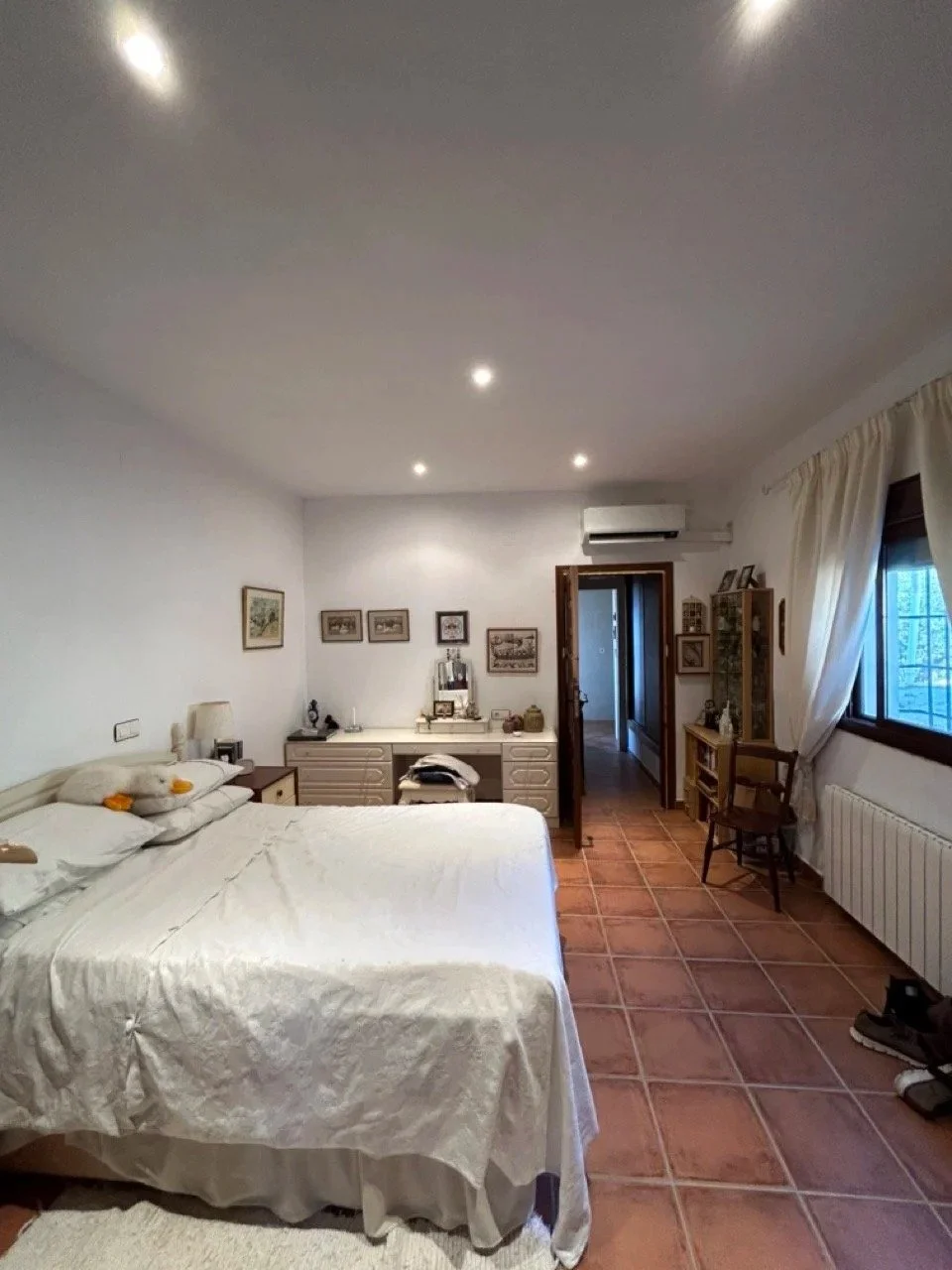
Gas central heating and air conditioning.
Energy position shown publicly
"Energy Class N", which should be treated as unverified until the formal energy certificate is produced.
Lifestyle angle
Rural tranquillity with practical access to local amenities and onward routes to Granada and the Sierra Nevada.
Use-case angle
Permanent home, holiday base, or tourist-rental asset subject to legal and planning confirmation.
Risk Radar
Overview
This is a property that combines romance and practicality in a way that can be genuinely valuable, but only if the paperwork supports the sales narrative. The headline features are strong: single-storey living, a private pool, broad views, established land, an olive grove, and a ruin that could potentially create a second phase of value. That combination makes the property attractive as both a lifestyle purchase and a more strategic acquisition.
The biggest due-diligence theme is the ruin. A ruin in rural Andalucía can be either a meaningful value enhancer or little more than a photogenic complication. The decisive questions are whether it is already reflected in Catastro and Registro, whether it has lawful existing status, whether it sits on rustic land, and whether the Ayuntamiento would support rehabilitation, reconstruction, or any form of guest-use conversion. Andalucía's LISTA framework and its regulation govern land classes and the rural-land planning framework, so buyers should approach "rebuild potential" as a planning question rather than a brochure promise.
The second major theme is infrastructure. The listing is appealing because it suggests a country property that is already usable rather than isolated or half-improvised. Even so, buyers should verify the legal and technical status of the pool, the heating and cooling systems, water supply, irrigation, driveway access and any storage buildings. Rural homes often present beautifully while hiding expensive deferred maintenance in roofs, tanks, pumps, drainage or retaining works.
The third theme is agricultural utility. An olive grove can be a pleasure, a small commercial asset, or a steady maintenance cost depending on tree count, variety, access to water, pruning history, harvesting arrangements and whether machinery is included. The olive grove should therefore be treated as a working component of the property rather than just scenery.
The fourth theme is rental positioning. Andalucía's tourist-home regime is real and active, but it is not the same thing as assuming any rural house with a pool can simply be marketed freely. Tourist-use homes in Andalucía are regulated under Decreto 28/2016, and the current framework also links them to municipal urban-planning compatibility in ways that matter for rural properties.
Targeted Questions
Ruin Status and Rebuild Potential
A ruin only has real value if it is clearly reflected in the official property records.
Cadastral visibility is not the same as lawful rebuildability, but it is still an important starting point.
Buyers need to know whether the ruin has registered legal identity or is merely visible on site.
Land class can fundamentally affect what is possible next.
"Rebuild potential" often depends on professional interpretation rather than simple seller optimism.
Prior municipal feedback can materially change the risk profile.
Buyers should understand whether the route is minor, moderate or fully project-based.
Existing technical work can reduce uncertainty and save time.
Previous lawful use may influence how the municipality views rehabilitation.
Extra value often depends on a legal use that has not yet been secured.
Rustic-land rules can be much tighter than buyers expect.
A ruin can shift from opportunity to budget trap very quickly.
Registry, Title and Compliance
The nota simple is the key starting point for confirming ownership, charges and limitations.
Buyers need to know whether the title is as clean as the presentation suggests.
This helps confirm physical boundaries, built elements and cadastral data.
Mismatches between registry and cadastre can complicate sale, finance and later works.
Buyers need evidence that the main dwelling is lawfully usable as a home.
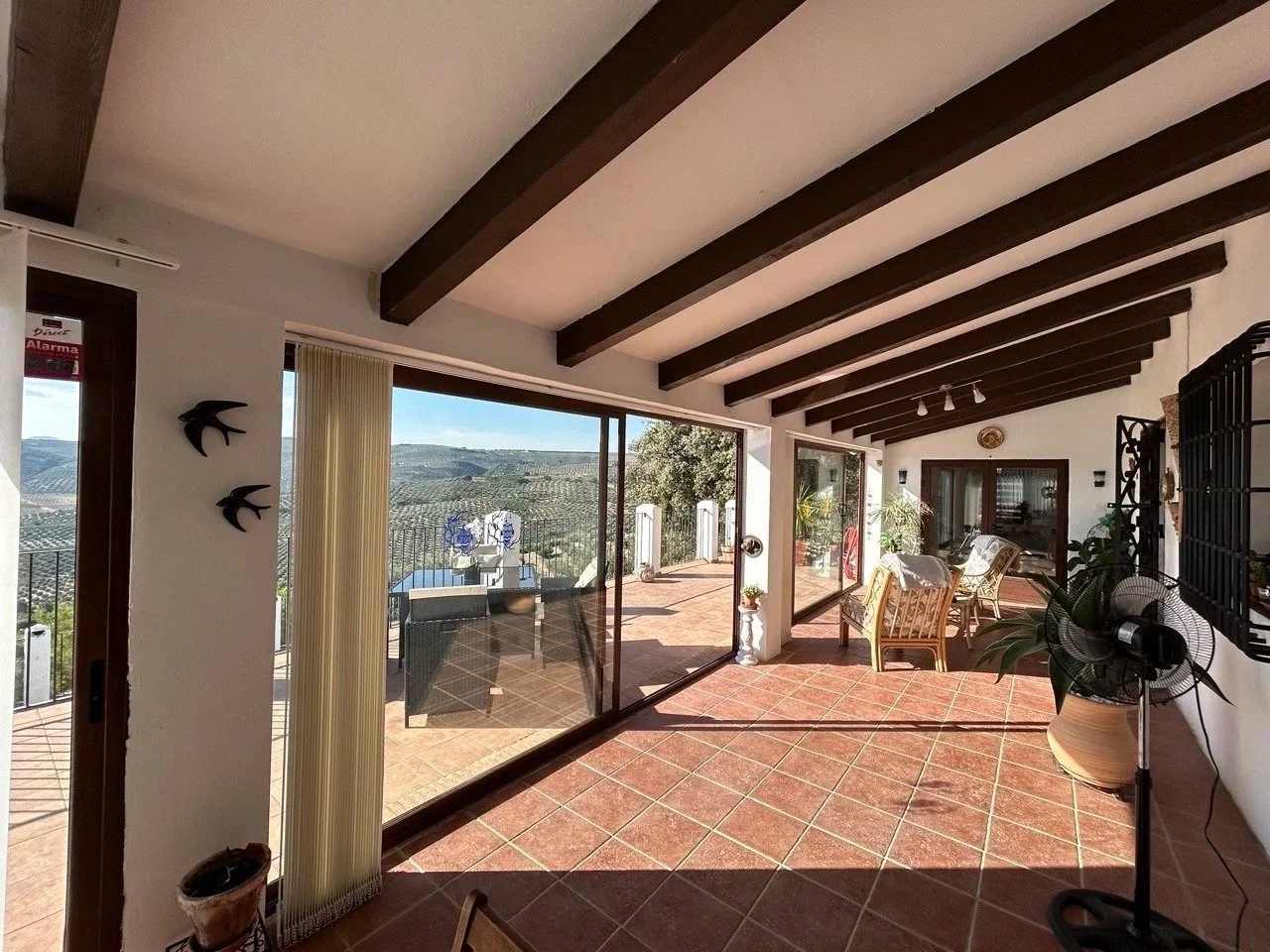
Undeclared extensions or enclosed porches can create avoidable risk.
Ancillary buildings are often overlooked until a sale or renovation exposes them.
Rural Andalusian properties sometimes carry legacy planning issues that need explicit clarification.
Olive Grove, Land and Water
Buyers should quantify the grove rather than rely on a general description.
Variety and maturity affect yield, maintenance and commercial value.
A productive grove should be described with actual numbers, not only atmosphere.
Ongoing management can materially affect annual cost and workload.
Even modest agricultural land has recurring operating costs.
This affects cost, branding potential and soil condition.
Water access can materially affect both productivity and maintenance.
Rural resilience depends heavily on water infrastructure.
Informal water arrangements can create risk when ownership changes.
Stored water can be a major operational advantage in rural settings.
Buyers need a spatial understanding of what they are acquiring.
Privacy and control in the countryside are often less absolute than buyers assume.
Replacing practical rural equipment later can be unexpectedly costly.
Main House Condition and Systems
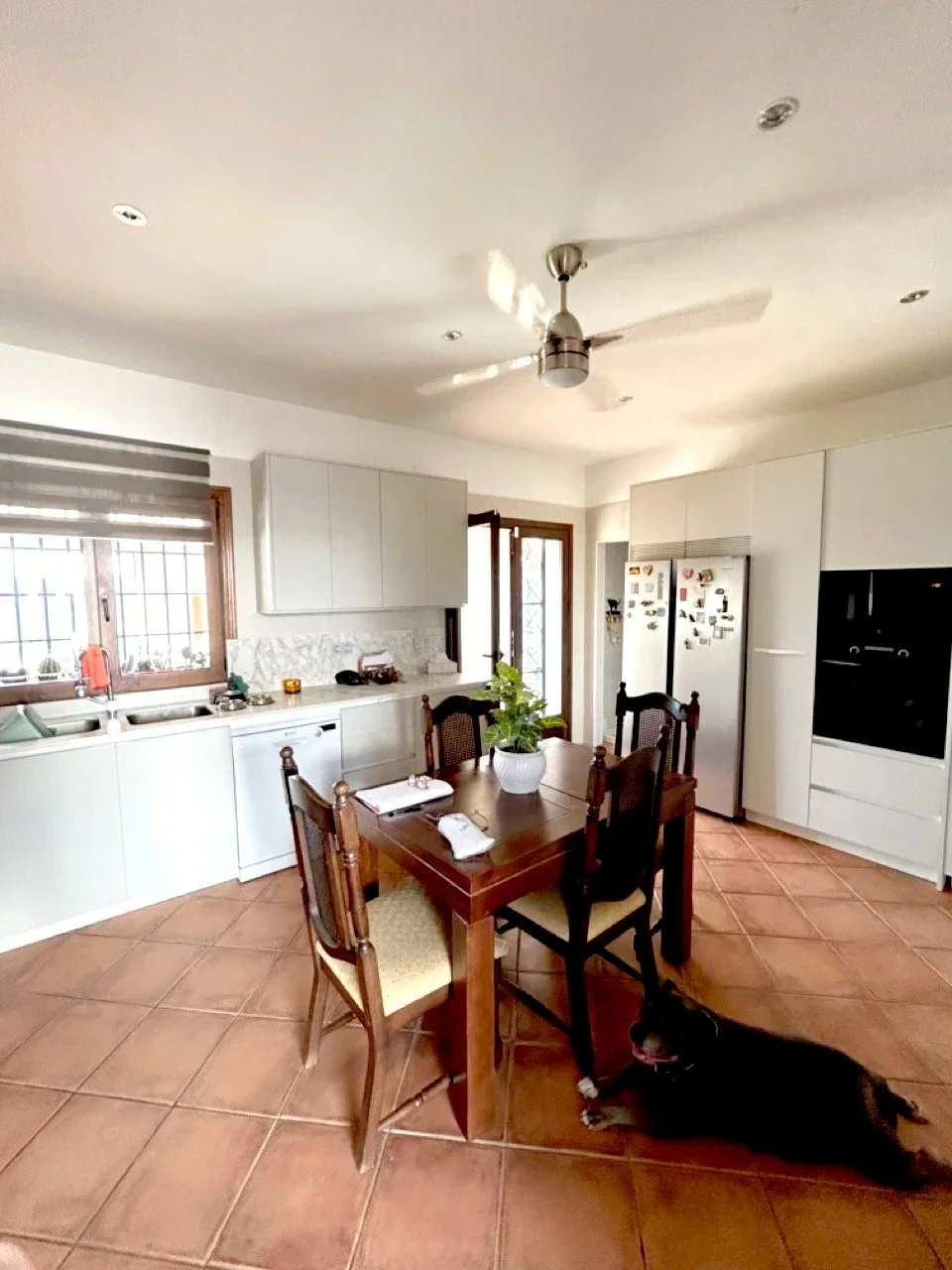
Presentation quality and underlying infrastructure are not always the same thing.
Documentary proof helps distinguish true improvement from cosmetic staging.
Fuel type affects cost, logistics and ease of operation.
System replacement can materially affect the first-year budget.
Running costs are especially important in a larger rural property.
Window quality has a major effect on comfort and energy use.
This helps explain real performance beyond sales language.
Roof condition is one of the most important capital-risk items in a country house.
Rural properties can conceal moisture problems behind attractive finishes.
Long-term structural and site performance matters as much as current appearance.
Pool and Outdoor Features
Pool legality should never be assumed, especially in rural settings.
An undocumented pool can be a red flag for broader compliance.
Buyers need to understand both function and maintenance requirements.
Pool systems can generate sudden capital costs.
Pool ownership should be priced in honestly.
Legal rental use and practical guest safety are not the same issue, but both matter.
Exclusive-use status should be explicit, not implied.
Storage space may be useful, but conversion potential needs its own legal path.
Access, Practicalities and Location
Rural convenience depends heavily on access quality.
Seasonal access problems can materially affect daily use and guest appeal.
"Ample parking" should be tested against real usability.
Remote work viability should be evidenced rather than assumed.
Coverage can be patchy in elevated rural settings.
Neighbouring use affects privacy, noise and long-term context.
Panoramic value should be stress-tested, not romanticised.
Lifestyle value depends on real-world travel, not brochure optimism.
Rental Potential
Proven use history is more reliable than hypothetical yield talk.
Buyers should underwrite returns from evidence rather than assumption.
Tourist use in Andalucía follows a formal regulatory path under Decreto 28/2016.
Municipal planning compatibility now matters directly in Andalucía's tourist-home framework.
Buyers should not price in second-unit income prematurely.
Yield language should be translated into actual assumptions.
Seasonality has a major effect on real yield.
Negotiation Intelligence
Buyer Leverage
Medium-High
Key Drivers
Typical Negotiation Range
5-15% below asking
Neutral Phrasing Examples
Country Layer
Spain (Regulatory Context March 2026)
Key Spanish requirements for buyers:
Viewing Strategy
During the viewing:
Next Step
Verify from the listing:
Ruin legality and rebuild route
Request documentary proof that the ruin is included in Catastro and Registro, then clarify whether the Ayuntamiento considers rehabilitation, reconstruction or guest-use conversion realistic under the current rural planning framework.
Pool permits and registration
Confirm that the pool was built with the necessary permit, appears correctly in the property records where relevant, and has a clear maintenance and safety history.
Olive grove productivity and water infrastructure
Ask for the real tree count, annual harvest pattern, maintenance costs, irrigation setup and any legal documentation for wells, tanks or other water sources serving the land.
Formal energy and systems position
Do not rely on “Energy Class N” in the listing. Request the official energy certificate, recent utility bills, and details of the gas heating and air-conditioning systems.
Registry and cadastral alignment
Obtain the nota simple and the descriptive and graphic cadastral certification so you can verify that the house, land, pool, ruin and storage buildings all line up cleanly before valuing the property as a complete asset.
A prepared buyer should approach the agent calmly and frame questions as due diligence.
Because this is a property where rebuild potential, rural compliance and operating costs all materially affect value, run it through the Property Risk Assessment before contacting the agent, or use the Renovation Budget Planner to stress-test likely spend on the ruin, pool systems, grove infrastructure and any compliance-led upgrades.
Disclaimer: The Property Drop is buyer-focused intelligence, zero sales agenda. We curate exceptional properties, in southern Europe, from third-party agents and arm you with decision tools. No commission, no transactions, no agent partnerships, no skin in the game beyond helping you choose wisely. Information stays accurate until it doesn't (properties sell, prices shift, markets move). Everything here is shared for informational purposes only and should not be treated as legal, financial, or investment advice. Images belong to original agents. Read our Terms of Service to learn more.
IMPORTANT REMINDER: When contacting property agents featured on The Property Drop, you are entering into direct communication with third parties. It's recommended that you verify all property details independently, conduct thorough due diligence, engage qualified professionals (solicitors, surveyors, financial advisors), understand your rights and obligations under local property laws, and never send money or make commitments without proper legal protection.
