
The Buyer Playbook: Modern Townhouse with Rooftop Terrace, Downtown Faro, Algarve, Portugal, €335,000

Buyer Playbook
Pre-Viewing Intelligence Report
This independent buyer guidance report relates to this specific property located in Portugal. It is provided for informational purposes only and does not constitute legal, tax, structural or survey advice. Construction legality, licence of use, energy certification, rooftop-terrace rights, condominium position, flood-risk exposure, and any future rental use must be verified with qualified Portuguese professionals such as an advogado, arquiteto, engenheiro, surveyor or licensed property consultant, and with the relevant municipal authorities. In Portugal, buyers should pay particular attention to the registo predial, caderneta predial, licença de utilização and certificado energético in the sale file. This report is designed to help buyers evaluate the property before arranging a viewing or making an offer. It highlights due-diligence issues and targeted questions to ask the estate agent. The analysis is based on the listing details and publicly available regulatory context at the time of writing, including Portugal's current Alojamento Local registration framework, under which registration is made by prior notice and the municipality may oppose within the legal deadline.
Playbook Contents
Property Snapshot
Location
Downtown Faro, Algarve, Portugal.
Property type
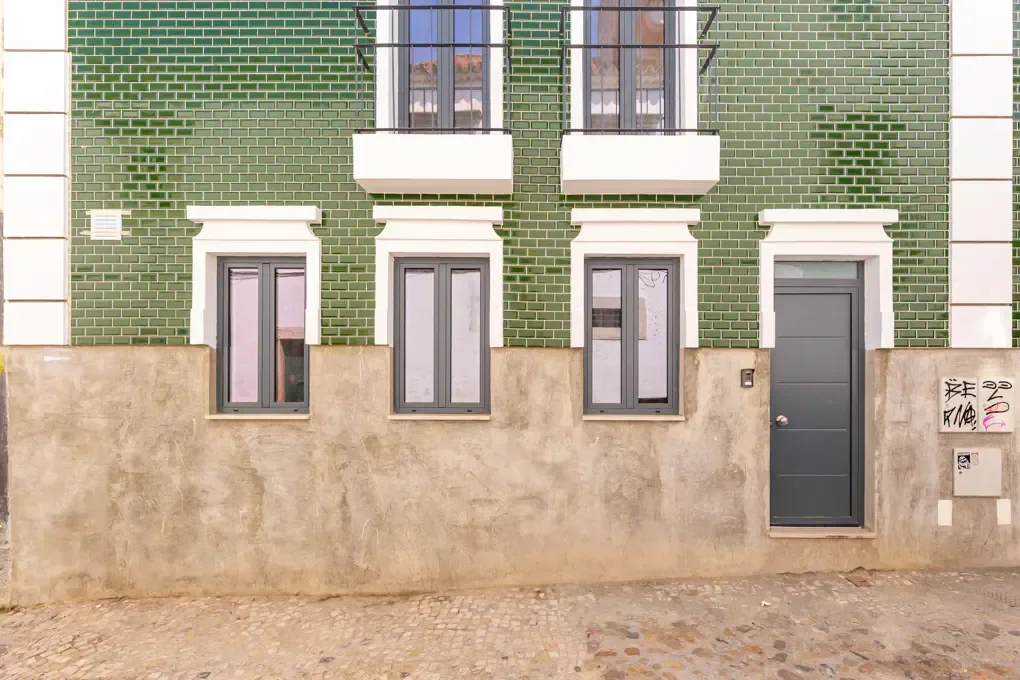
Newly built townhouse.
Asking Price
€335,000.
Bedrooms
2.
Bathrooms
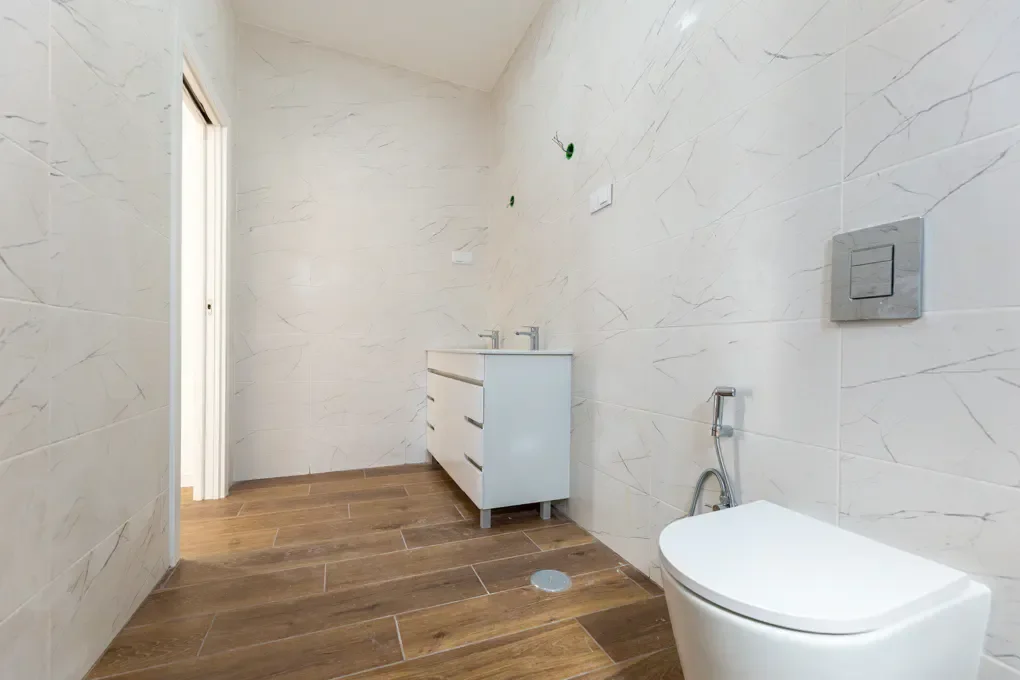
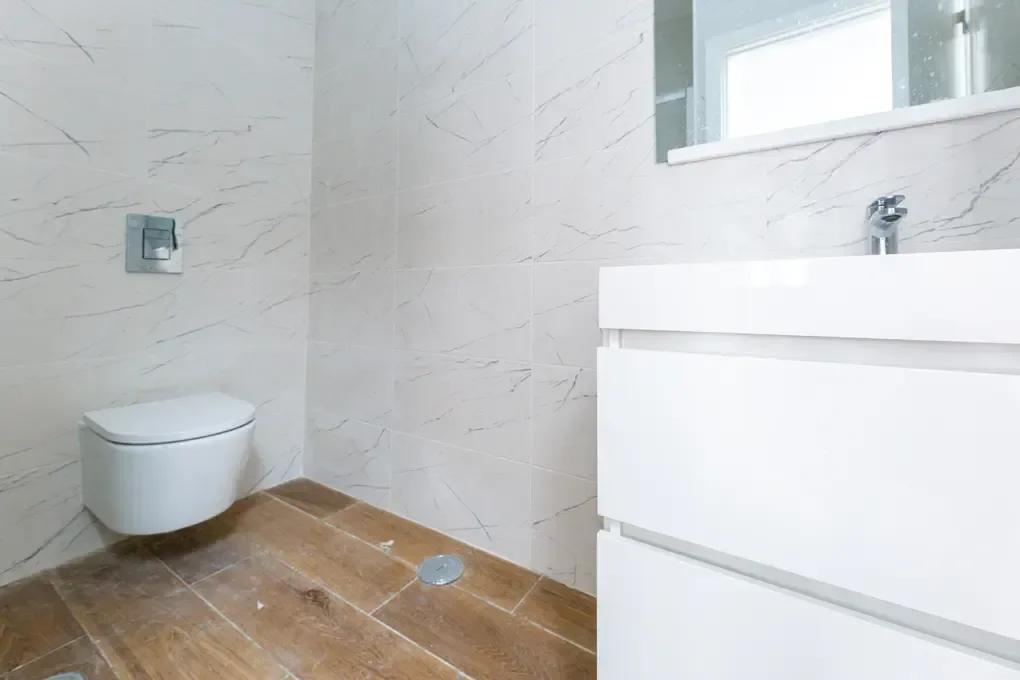
2.
Internal area
140 m² living space.
Build timing
2025 newly built.
Energy rating
Class A.
Layout highlights
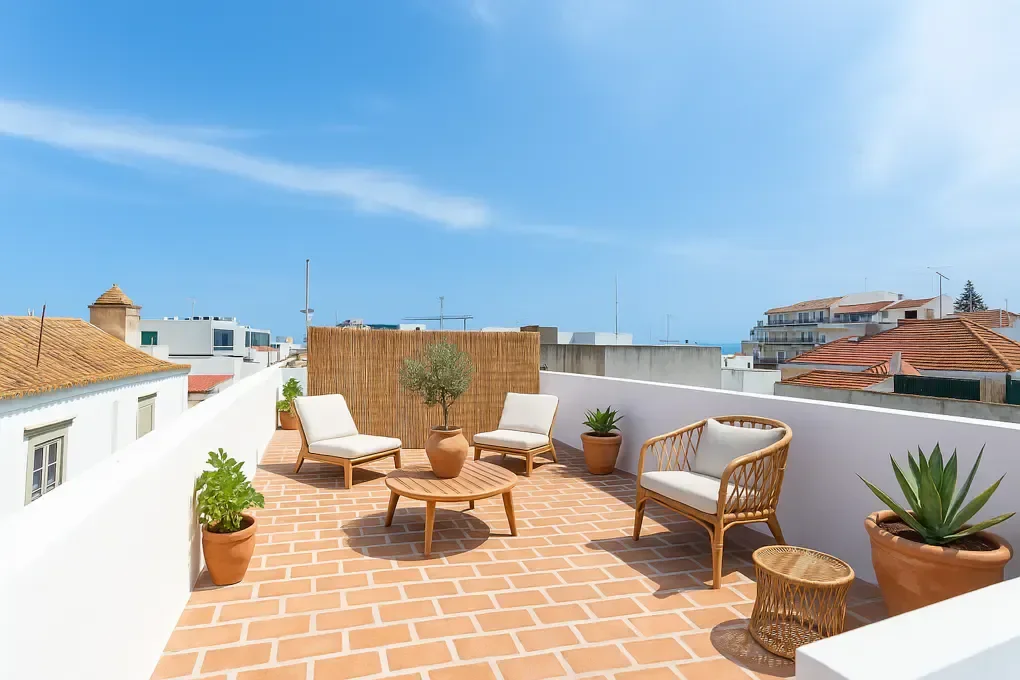
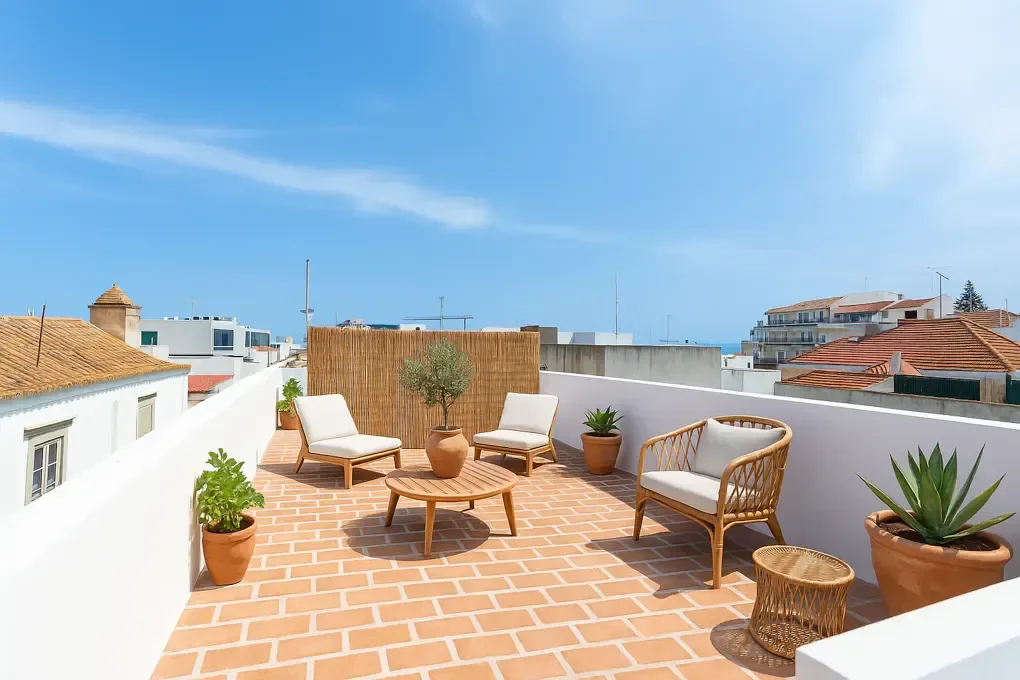
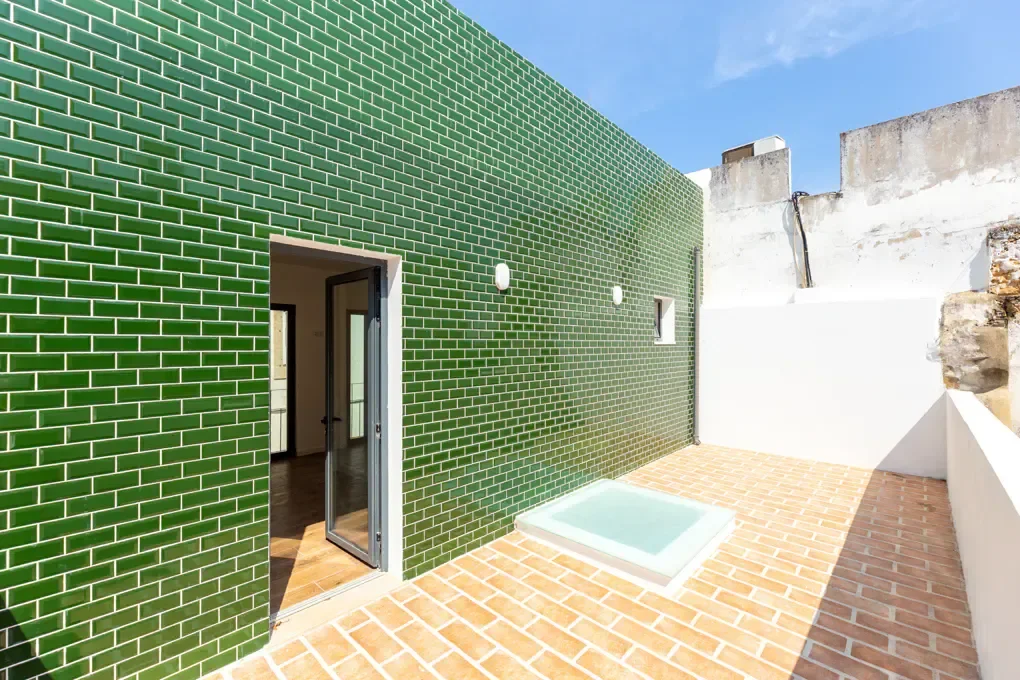
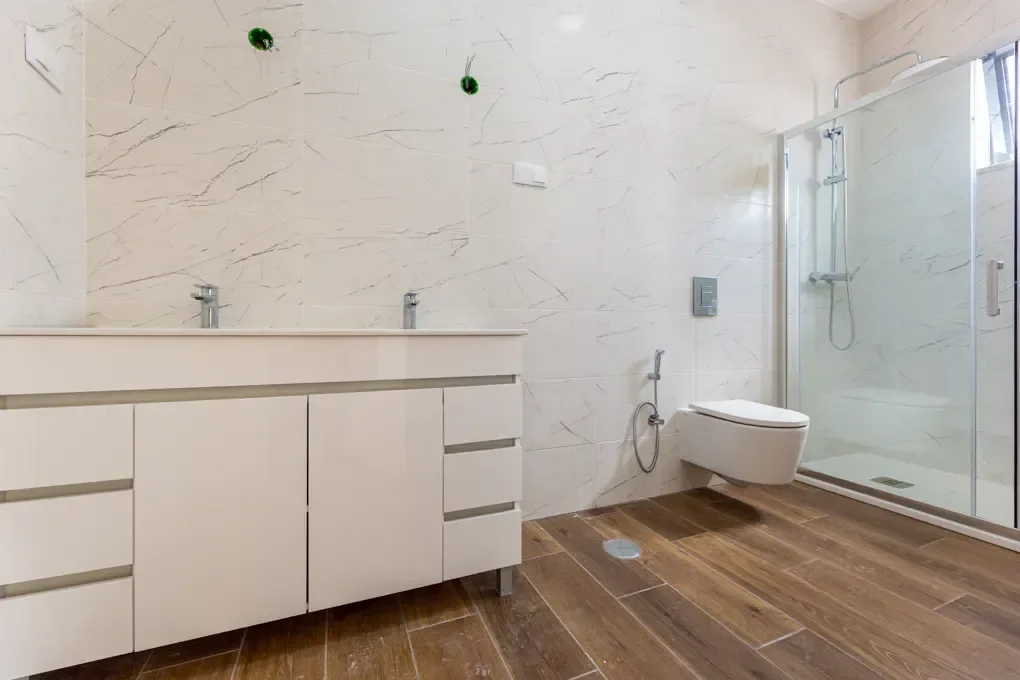
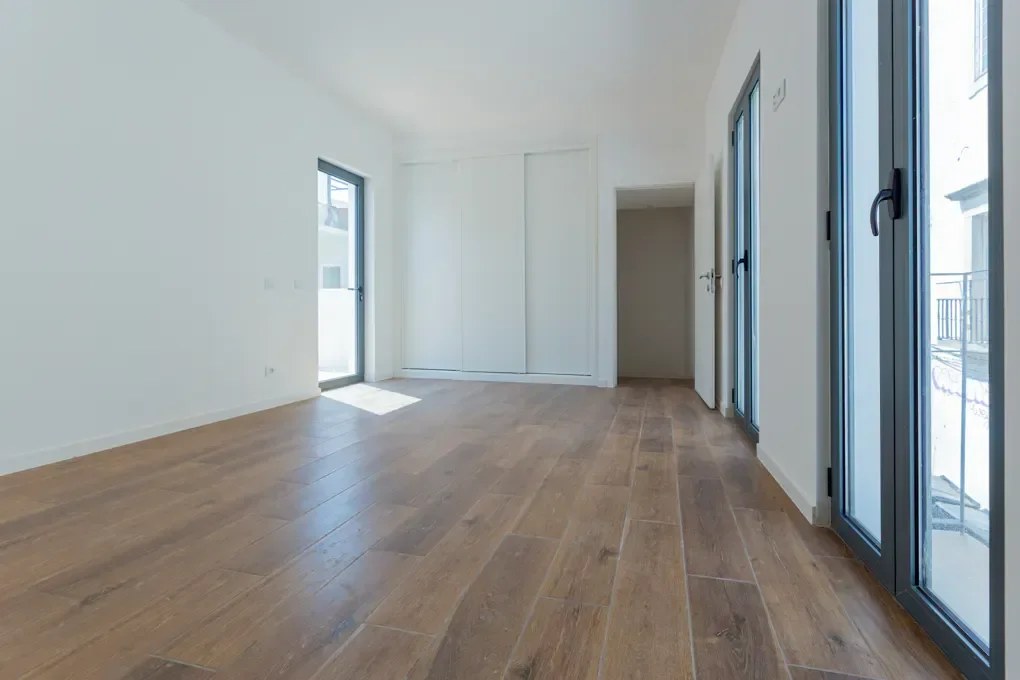
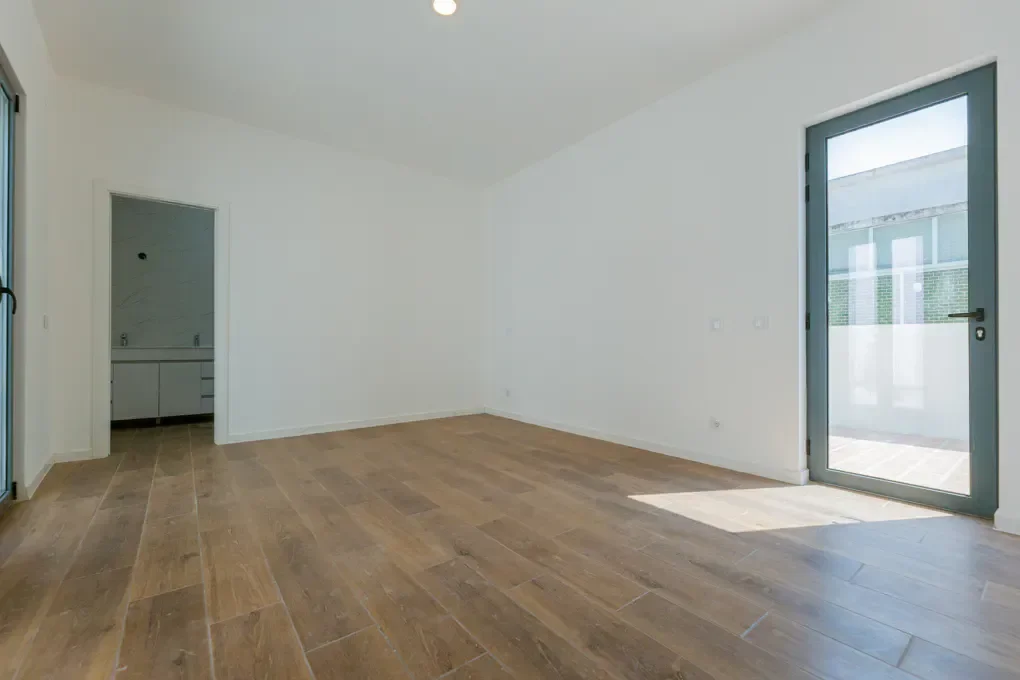
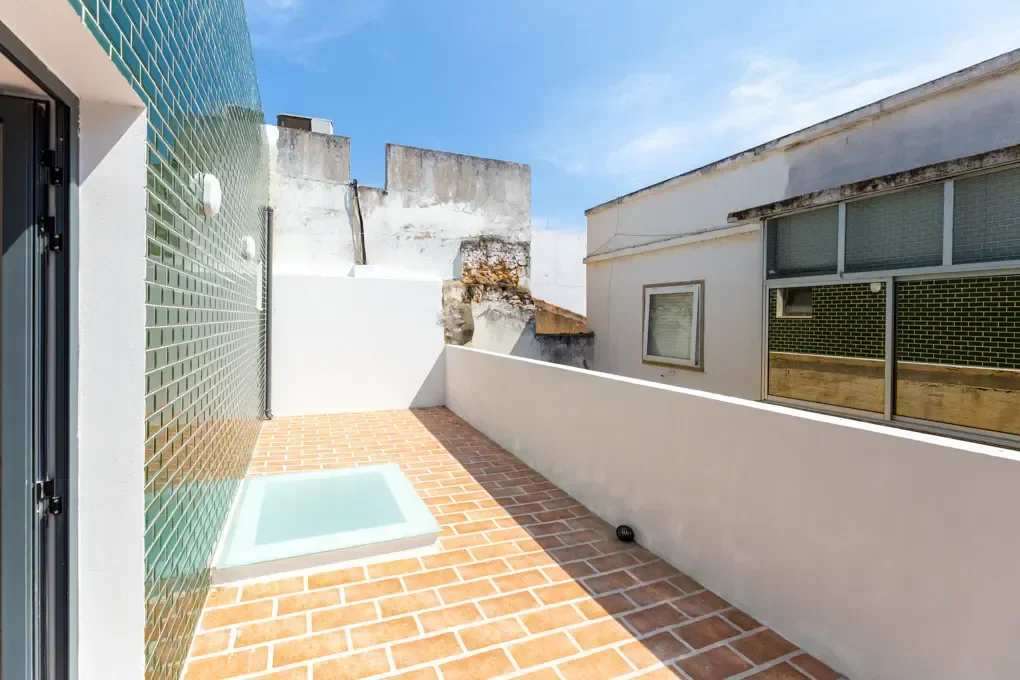
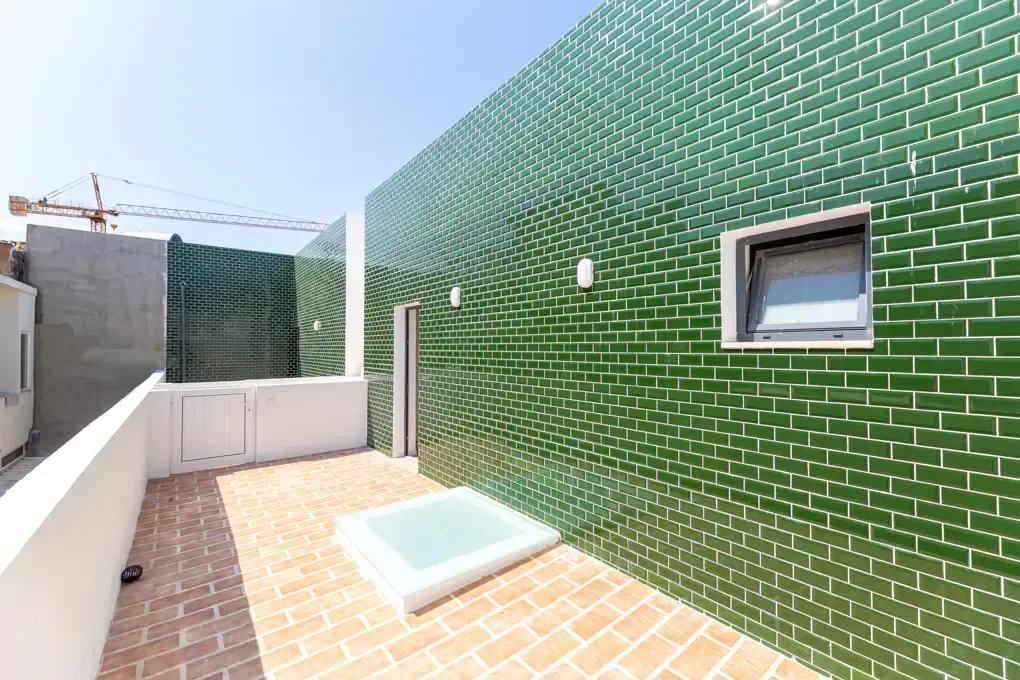
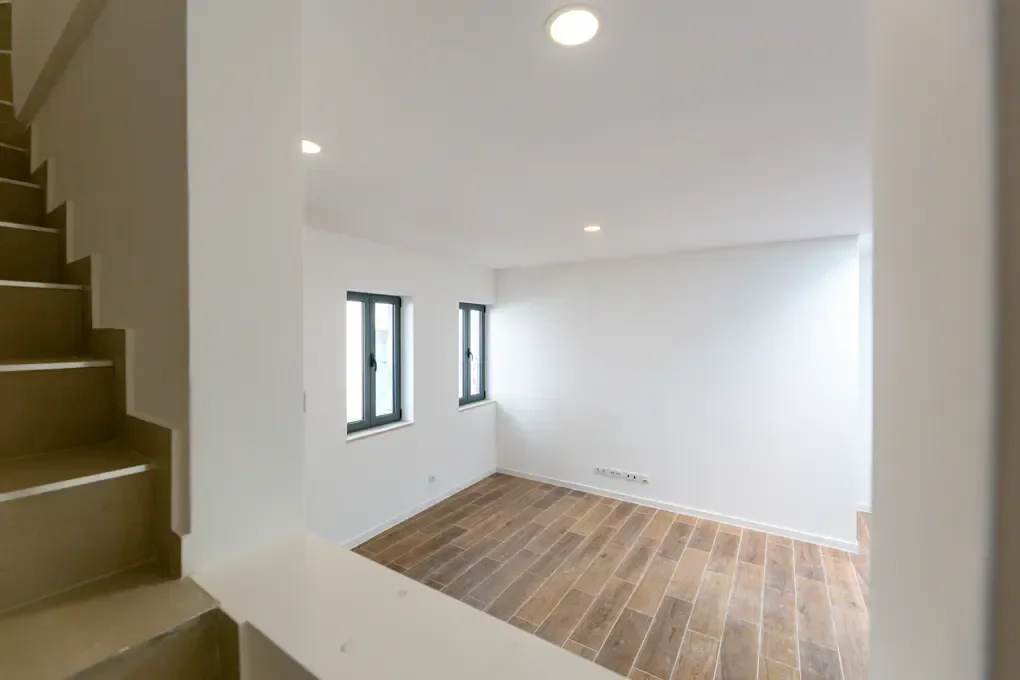
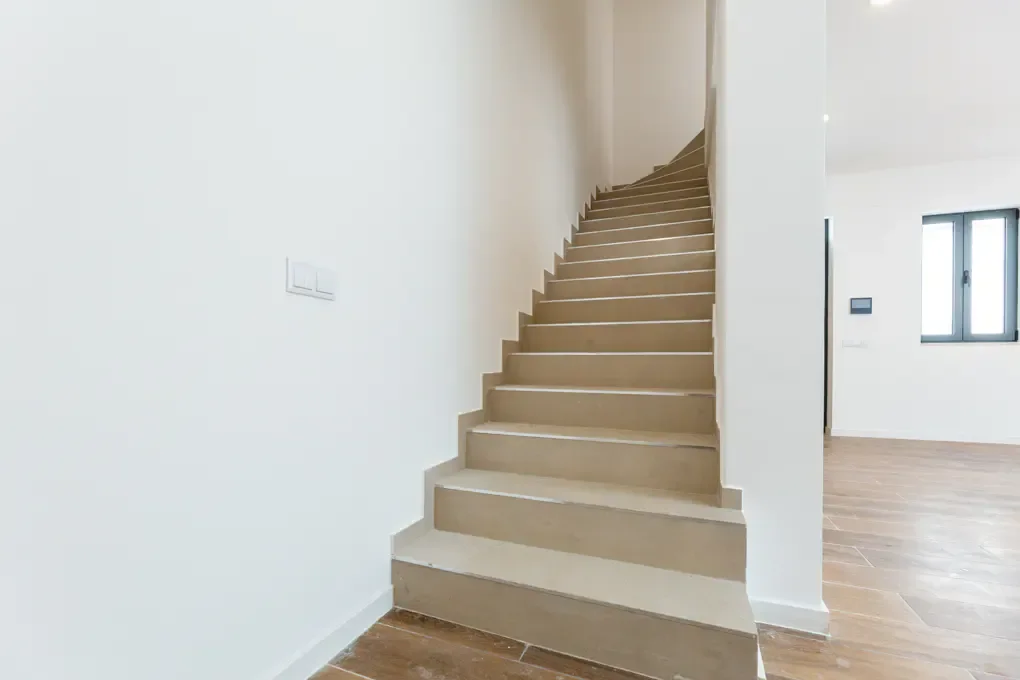
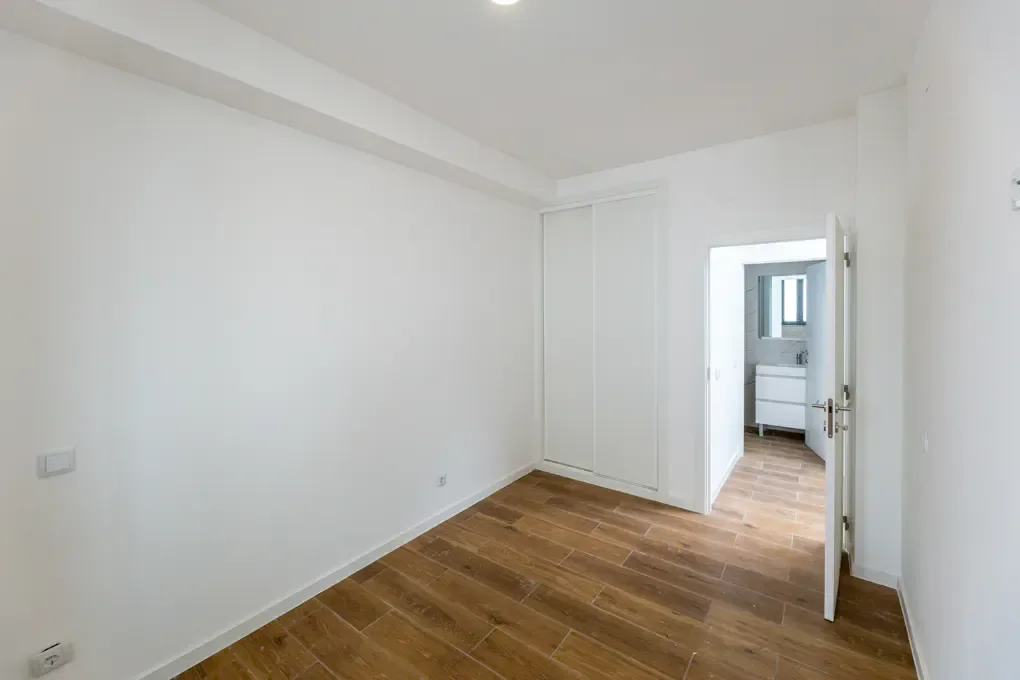
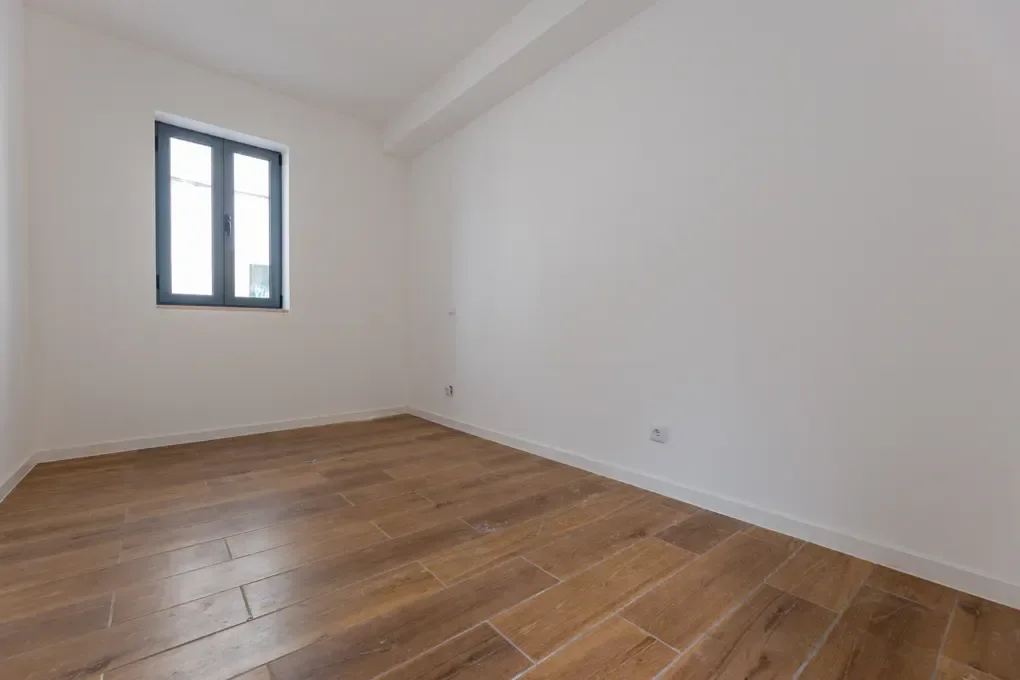
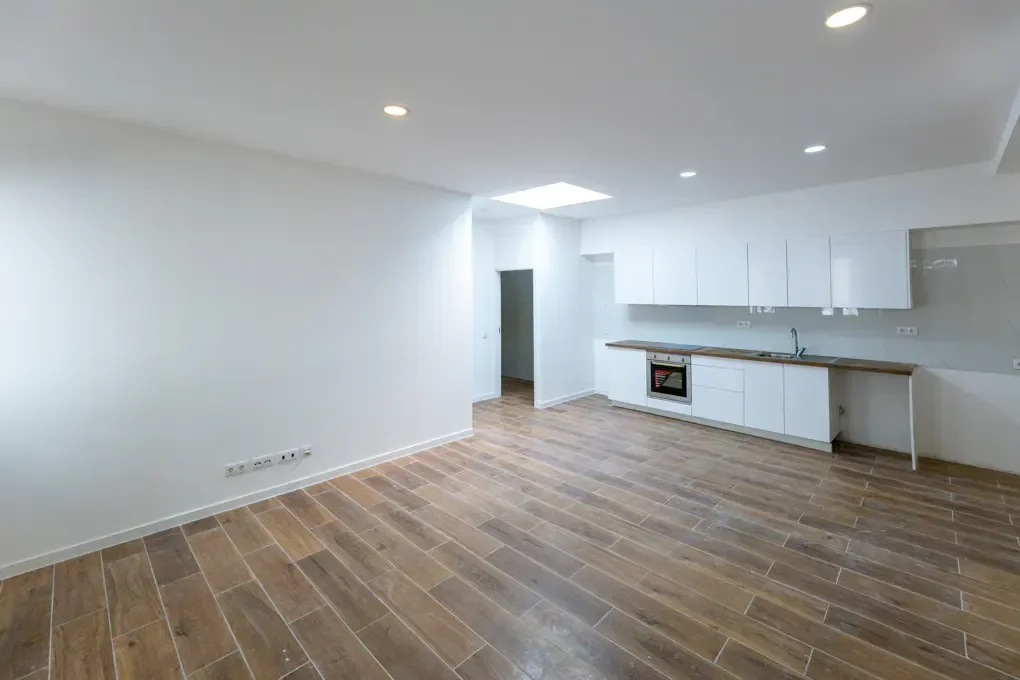
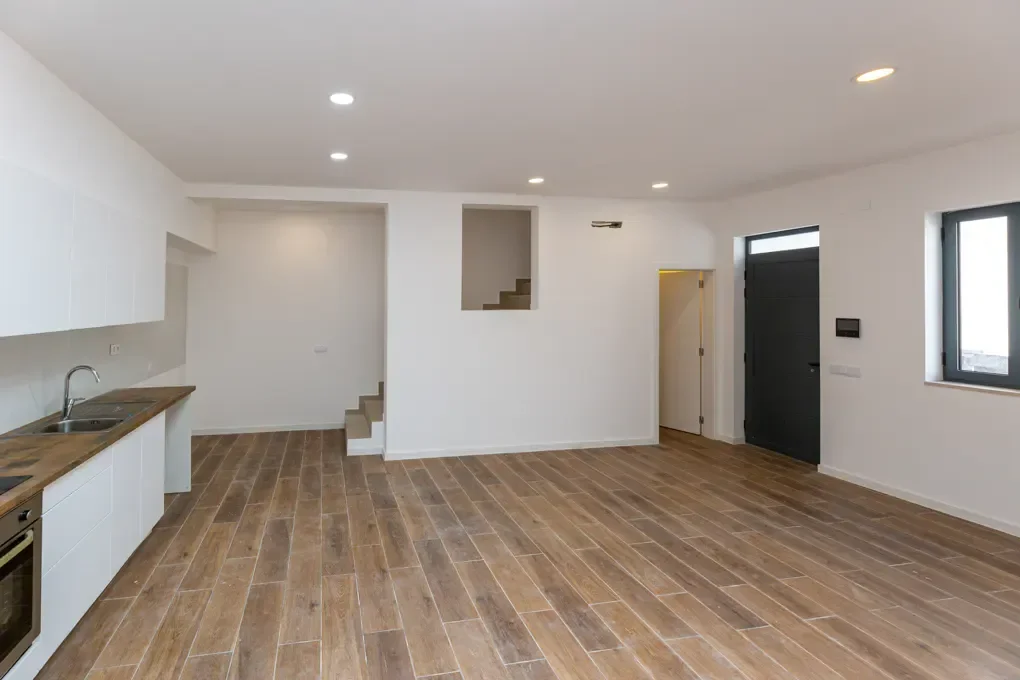
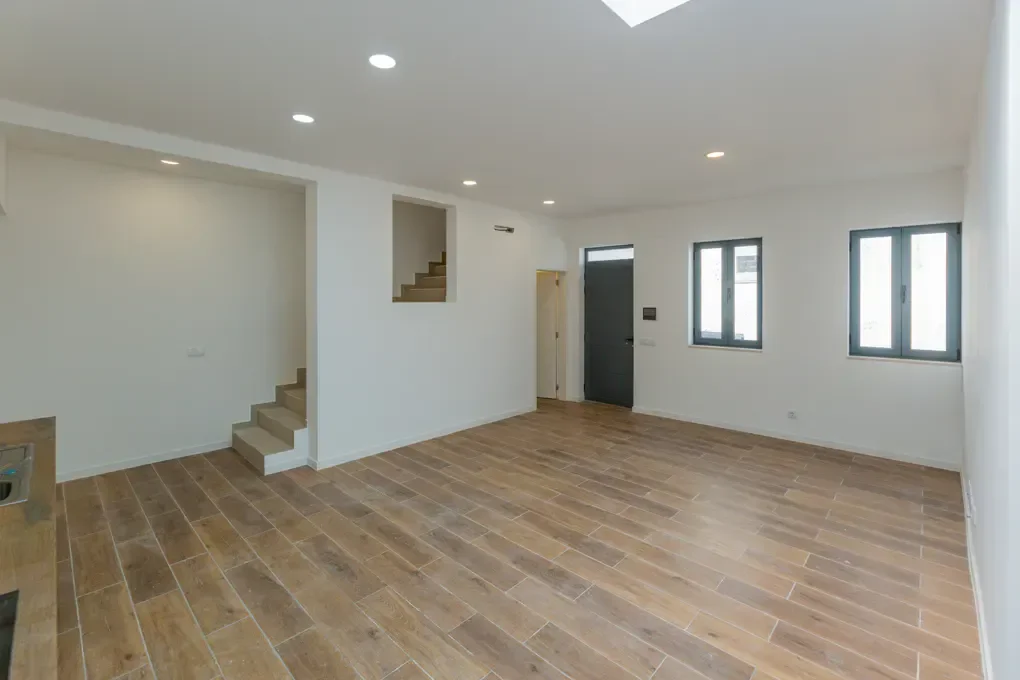
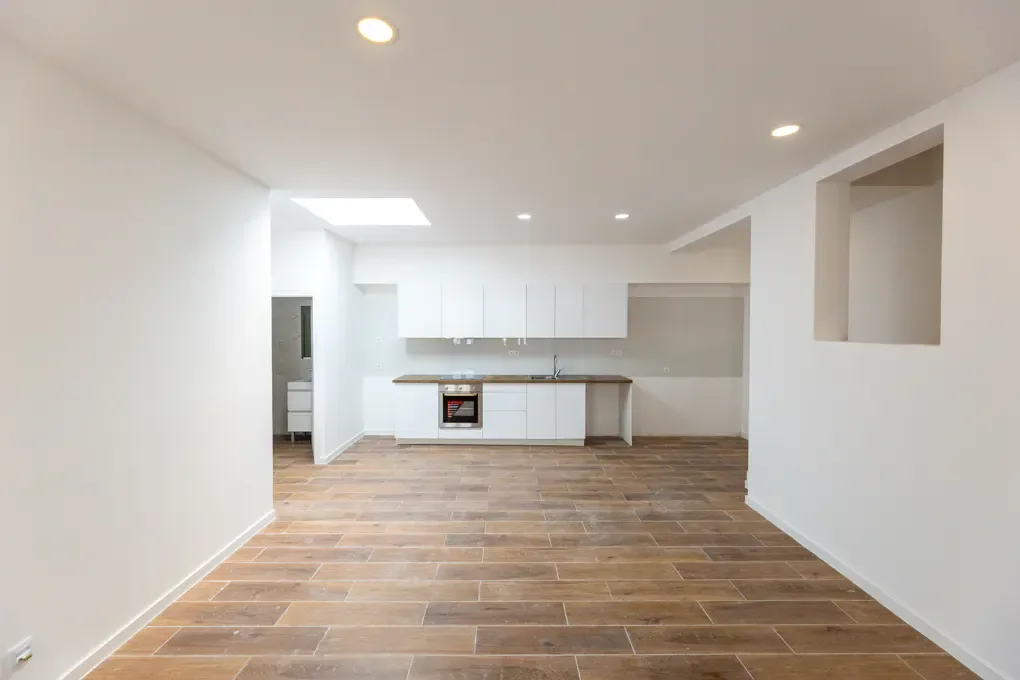
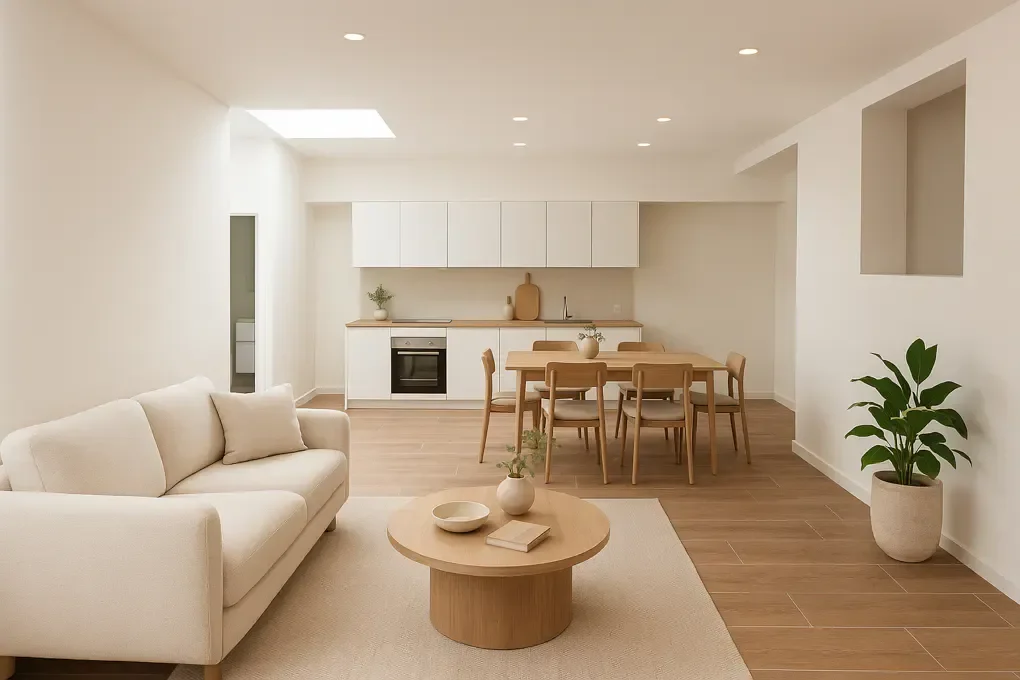
Two floors, open-plan living and kitchen area, private balcony, built-in wardrobes, and a 24.8 m² rooftop terrace.
Location highlights
Walking distance to Faro train and bus stations, around ten minutes by Uber to Faro International Airport, central access to shops, restaurants, Faro Old Town and the Ria Formosa waterfront.
Lifestyle angle
Modern city base, lock-up-and-leave home, or possible short-term rental subject to legal compliance.
Risk Radar
Overview
This listing is attractive because it compresses several hard-to-find things into one package: new build, central Faro location, Class A energy rating, walkable transport links, and a proper rooftop terrace. On paper, it offers a modern urban Algarve setup that works for full-time living, lock-up-and-leave use, or a rental strategy. The main due-diligence issue is not whether the concept is appealing. It is whether the new-build file is complete, whether the rooftop terrace is legally and technically as straightforward as it looks, and whether the property sits inside any shared-building structure that changes the maintenance and rental picture.
The first major theme is documentary completeness. Because the property is newly built in 2025, the construction file matters more than usual. A buyer should expect clear evidence of registration, licence of use, energy certification, and practical handover documentation from the builder or seller. Portugal's official sale-process guidance highlights the importance of the licence of use and the energy certificate in the property-transfer file, and ADENE states that the energy certificate is mandatory in any property transaction.
The second major theme is the rooftop terrace. A 24.8 m² roof terrace is one of the main value drivers here, but terraces are also one of the most common sources of future argument and cost. Buyers need to know whether it is exclusively attached to this unit, whether it sits above habitable space, how the waterproofing build-up was designed, what guarantees remain, and who carries future maintenance responsibility if there is any condominium or shared-building structure.
The third theme is location practicality. Downtown Faro is a genuine strength, but it also brings the usual city-centre questions around parking, access, noise, shared walls, and flood resilience near the waterfront context. Faro's municipal planning framework includes risk mapping, and the national flood-risk management documentation includes a mapped flood-risk area for Faro-Mar, which is why a buyer should ask for site-specific confirmation rather than assume all central addresses carry the same exposure.
Targeted Questions
Title, Registration and New-Build Documentation
These are the basic documents for confirming the legal description, ownership and registered status of a newly built unit.
Buyers need to know they are purchasing a fully registered property, not a partly updated file.
New-build marketing figures should match the registered property description.
Portugal's official sale-process guidance highlights the licence of use as a key document in the transfer file.
Any deviation between approved plans and the finished building can create future legal and resale problems.
A newly built property should have a clean planning trail, not retrospective explanations.
Roof-level features are a common place for documentary mismatch.
A professional handover file gives buyers a clearer view of quality and compliance.
Technical information can clarify materials, systems and construction standards.
Buyers should know whether the property is truly finished in legal and practical terms.
Builder Guarantees and Construction Quality
The credibility of the builder affects how much weight you can give to the finish and guarantees.
The value of a new build partly lies in the protection that remains after completion.
A guarantee only helps if the buyer can actually rely on it.
This can materially reduce early ownership risk.
This affects both practical condition and what hidden defects may or may not already have surfaced.
Early defects can reveal weak points in new construction.
Roof specification affects long-term maintenance and heat performance.
Terrace waterproofing failure can become one of the costliest defects in urban homes.
Urban comfort depends not just on style but on noise control.
A Class A label is stronger when buyers understand the actual build approach behind it.
Energy Certificate, Systems and Running Costs
ADENE states that the energy certificate is mandatory in property transactions, and the full certificate explains the rating in more useful detail.
Buyers should know whether efficiency comes from insulation, glazing, heat pumps, solar gain management or other systems.
The listing promotes energy efficiency but does not spell out the everyday comfort systems.
System type affects comfort, maintenance and future replacement cost.
Practical running-cost estimates help validate the energy story.
Glazing quality is one of the main drivers of urban comfort and efficiency.
A strong energy rating is more credible when the envelope specification is clear.
Hot-water systems affect both bills and maintenance planning.
Good documentation is one of the key differences between a reassuring new build and a vague one.
Rooftop-exposed urban homes can perform differently in peak Algarve heat than brochure language suggests.
Rooftop Terrace, Balcony and Outside Space
Exclusive use must be confirmed, not assumed from listing wording.
Outside-space value depends on legal clarity.
This affects waterproofing liability and repair exposure.
Buyers need to know whether this is a purely private cost or partly shared.
Poor drainage is a common root cause of roof-terrace defects.
Early testing can reveal whether the system has actually performed.
Buyers may want future upgrades, and permissions matter.
Smaller outside spaces can still involve shared obligations.
Rooftop value can be reduced by use restrictions that do not appear in the listing.
Condominium, Shared Elements and Neighbour Position
This changes how buyers should think about costs, governance and future disputes.
Carrying costs matter, even in small urban schemes.
Some buyers hear 'low fees' and only discover later that key items are excluded.
Minutes often reveal future works, tensions or budget weakness.
Shared elements create shared risk even where the home feels self-contained.
Urban townhouse ownership can involve obligations not obvious during a viewing.
The character of the street affects both liveability and rental appeal.
Downtown energy can be attractive by day and irritating by night.
Practical access matters more than buyers often realise in older central streets.
Parking, Access and Daily Urban Practicality
Parking is a major practical issue in central Faro and should be clarified early.
Daily convenience and guest practicality can differ a lot from casual listing language.
Permit access can materially improve urban liveability.
Seasonal pressure can materially change how workable the location feels.
A stylish townhouse can still be inconvenient for some buyers or guests.
This affects long-term usability and rental audience.
The listing's urban convenience story is stronger if connectivity is genuinely good.
Dense urban fabric can still create signal issues.
Walkability is more useful when translated into ordinary daily life.
Flood Risk and Site Resilience
Site-specific confirmation matters more than general assumptions.
Faro's planning and flood-risk frameworks justify a targeted check for central addresses.
Past local performance often tells you more than broad mapping.
New-build resilience depends on the detail as much as the location.
Insurance pricing and exclusions can affect the true ownership cost.
Rental Potential and AL Position
Existing preparation can shorten the compliance path.
Portugal's AL system uses a formal prior-notice process and municipal opposition remains possible within the legal deadline.
Building-level rules can undermine a rental strategy even where public-law registration is possible.
Yield expectations should reflect real demand shape, not just airport proximity.
Comparable evidence is more valuable than generic Algarve optimism.
Not every transport-linked location performs equally well as a holiday rental.
Negotiation Intelligence
Buyer Leverage
Medium-High
Key Drivers
Typical Negotiation Range
5-15% below asking
Neutral Phrasing Examples
Country Layer
Portugal (Regulatory Context March 2026)
For Portuguese property transfers, official Casa Pronta guidance says the transfer file should include the licence of use, or a deed referring to its existence or dispensation, and the property's energy certificate. That is particularly important for a newly built townhouse, where buyers should expect the documentary file to be more complete, not less. ADENE also states that the energy certificate is mandatory in any property transaction.
Viewing Strategy
Start outside and treat the visit like a new-build audit rather than a style walk-through.
Next Step
Verify from the listing:
New-build legal file
Request the caderneta predial, registo predial, approved plans and final licença de utilização so you can confirm that the townhouse is fully registered and documented as a completed 2025 build.
Rooftop terrace ownership and waterproofing
Clarify that the 24.8 m² rooftop terrace is for the exclusive use of this unit and ask for written evidence on the waterproofing specification, remaining guarantee and future maintenance responsibility.
Energy Class A support documents
Obtain the full Certificado Energético and the systems information behind it, so you can validate the Class A rating and judge the likely running costs in real use.
Condominium or shared-element exposure
Check whether the townhouse forms part of a condomínio or shares structural, drainage or roof elements with neighbours, because that can materially affect future costs, rules and rental flexibility.
Parking and flood-resilience reality
Verify the practical parking options for this address and ask for site-specific flood and drainage information rather than relying on broad assumptions about central Faro or the nearby waterfront setting.
A prepared buyer should approach the agent calmly and frame questions as due diligence.
Because this is a property where the legal, structural and operational context matters, run it through the Property Risk Assessment before contacting the agent, or use the Rental Yield Calculator once the AL position, parking reality and annual running costs have been verified.
Disclaimer: The Property Drop is buyer-focused intelligence, zero sales agenda. We curate exceptional properties, in southern Europe, from third-party agents and arm you with decision tools. No commission, no transactions, no agent partnerships, no skin in the game beyond helping you choose wisely. Information stays accurate until it doesn't (properties sell, prices shift, markets move). Everything here is shared for informational purposes only and should not be treated as legal, financial, or investment advice. Images belong to original agents. Read our Terms of Service to learn more.
IMPORTANT REMINDER: When contacting property agents featured on The Property Drop, you are entering into direct communication with third parties. It's recommended that you verify all property details independently, conduct thorough due diligence, engage qualified professionals (solicitors, surveyors, financial advisors), understand your rights and obligations under local property laws, and never send money or make commitments without proper legal protection.
