
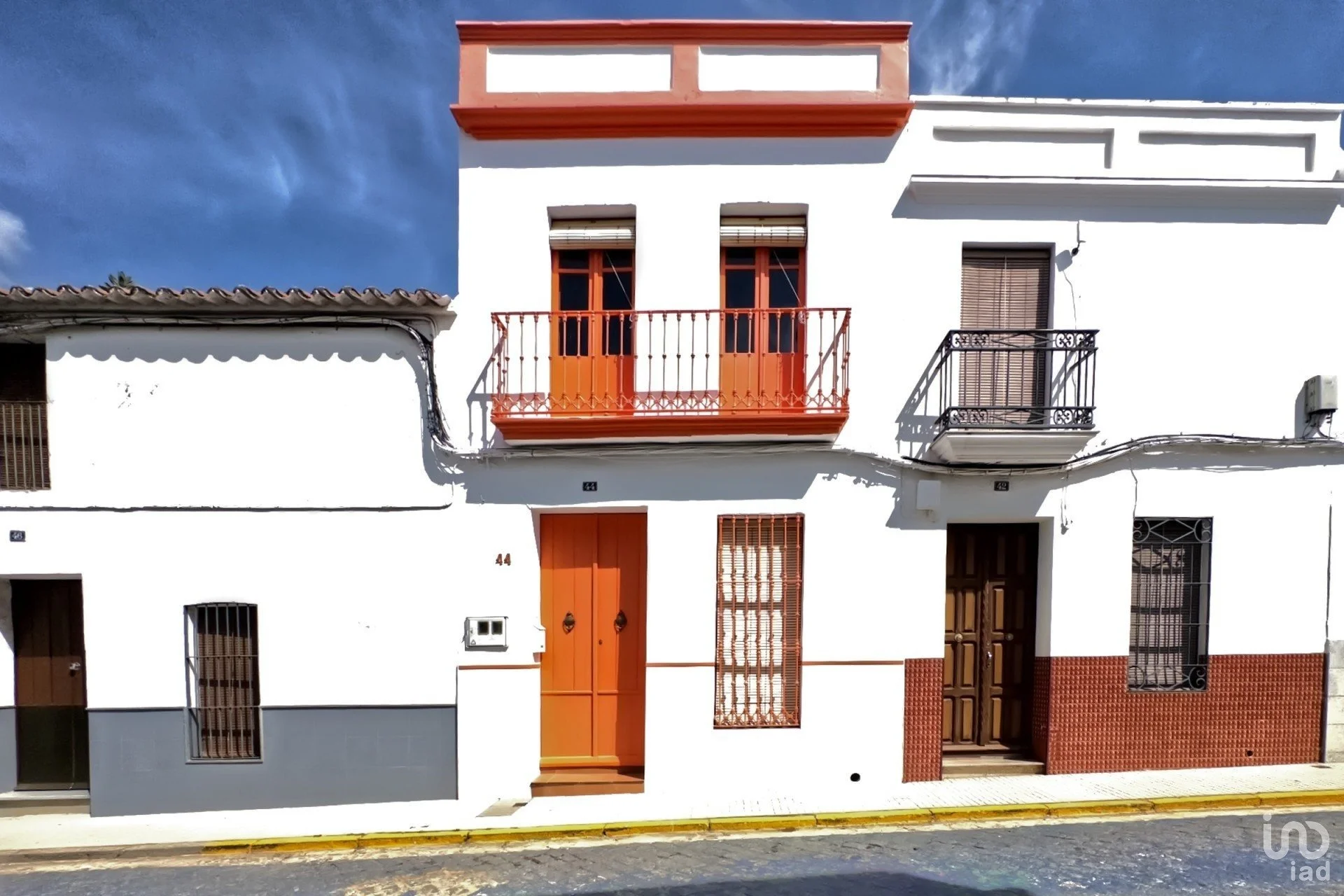
The Buyer Playbook: Eclectic in All the Right Ways, Granja de Torrehermosa, Spain, €215,000



Buyer Playbook
Pre-Viewing Intelligence Report
This independent buyer guidance report relates to this specific property located in Spain. It is provided for informational purposes only and does not constitute legal, tax, structural or survey advice. Planning permissions, habitability status, solar installation legality, pool compliance, title boundaries, utility arrangements, tourist-rental eligibility, and any local land-use or municipal requirements must always be verified with qualified Spanish professionals such as a abogado, arquitecto, arquitecto técnico, aparejador or surveyor, and with the relevant Ayuntamiento, Registro de la Propiedad and Catastro authorities. This report is designed to help buyers evaluate the property before arranging a viewing or making an offer. It highlights due diligence issues and targeted questions to ask the estate agent. The analysis is based on the listing details and publicly available regulatory context at the time of writing.
Playbook Contents
Property Snapshot
Location
Granja de Torrehermosa, Extremadura, Spain
Property type
Renovated village house
Price
€215,000
Internal area
Approx. 219 m²
Plot size
Approx. 469 m²
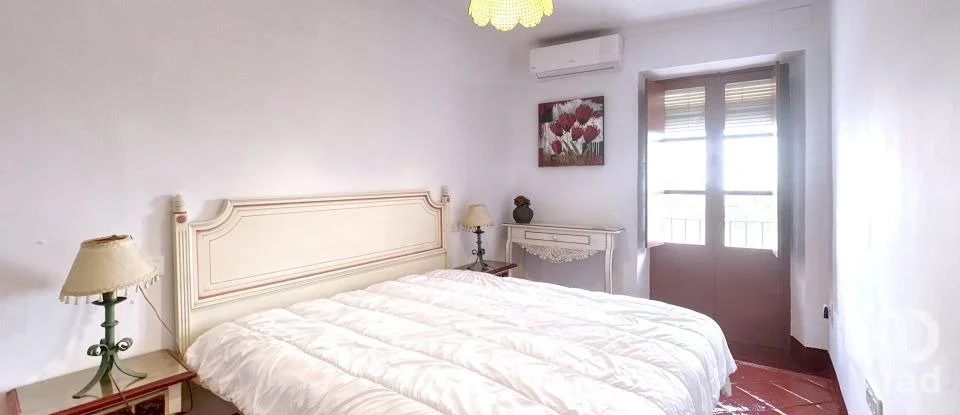
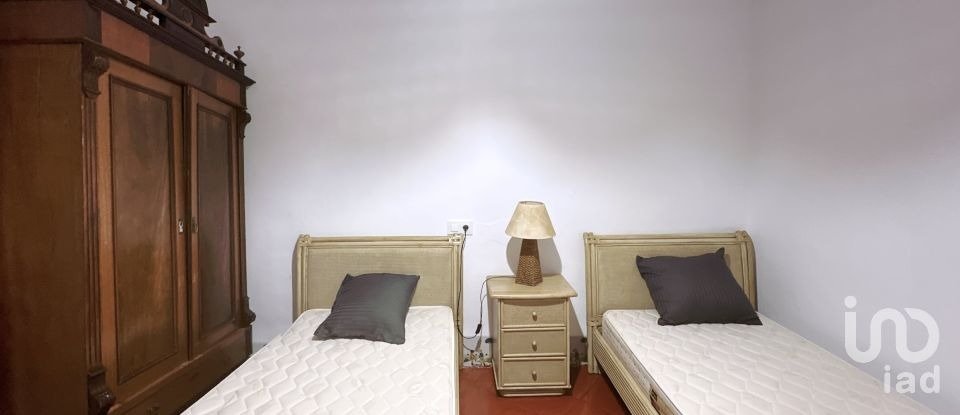
Bedrooms
4
Bathrooms
2
Energy rating
Class C
Key features
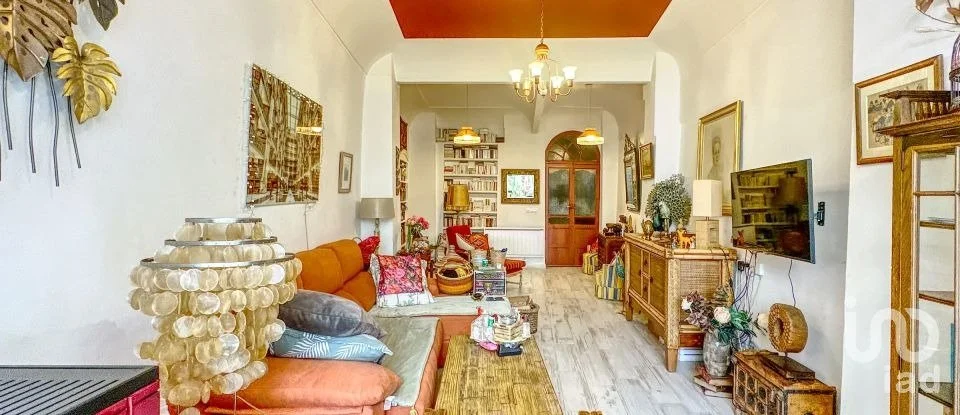
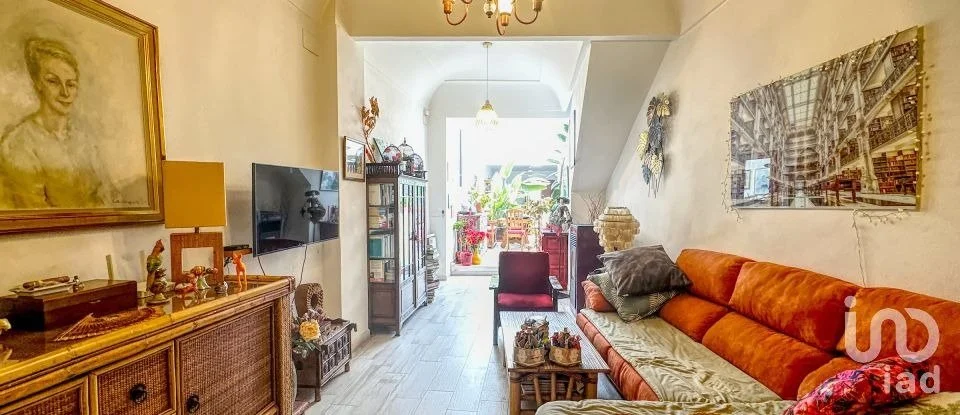
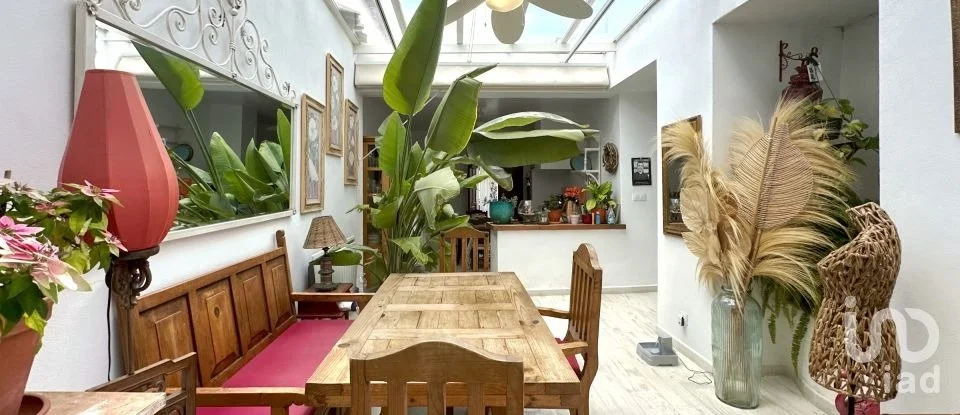
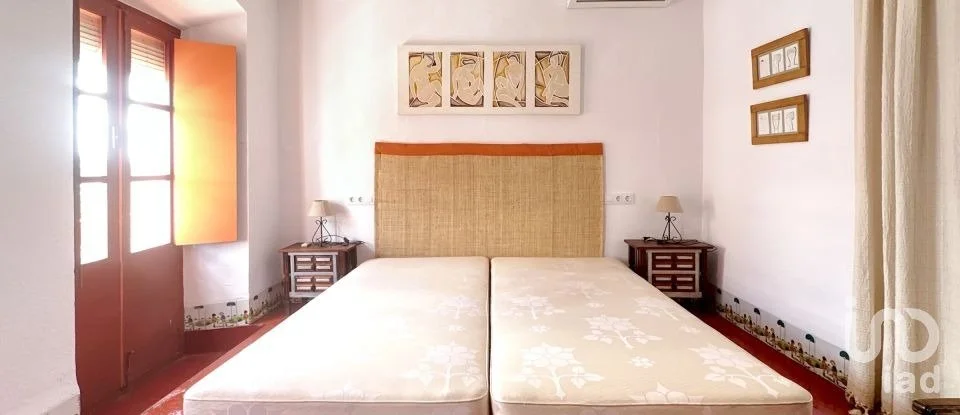
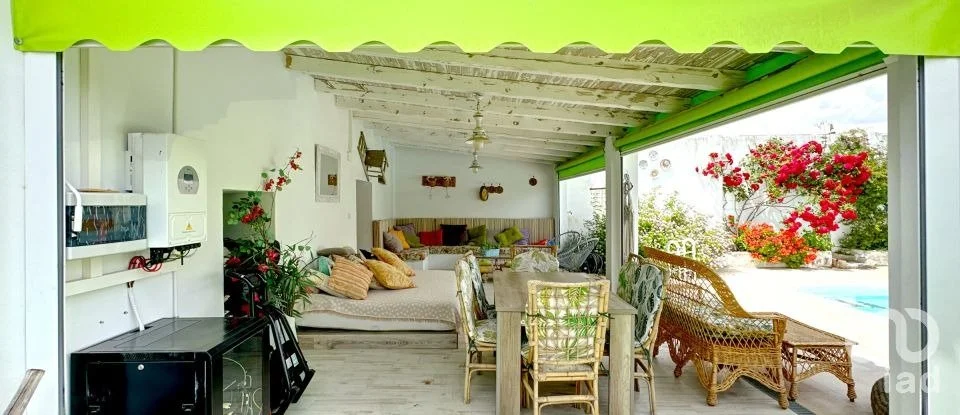
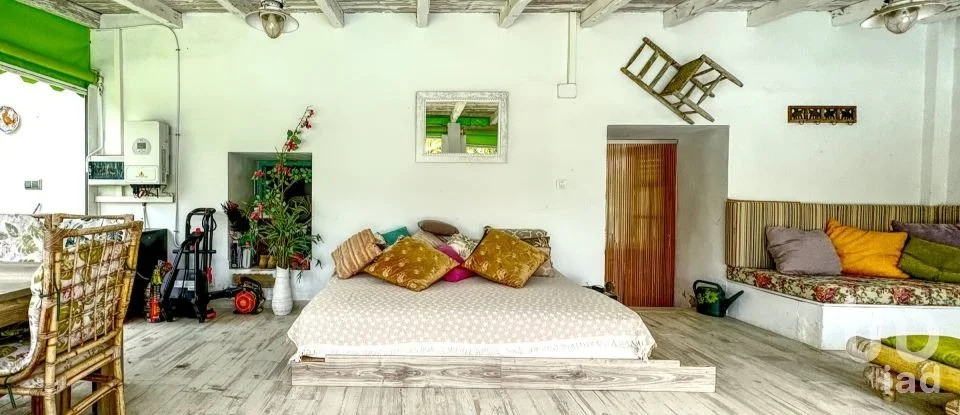
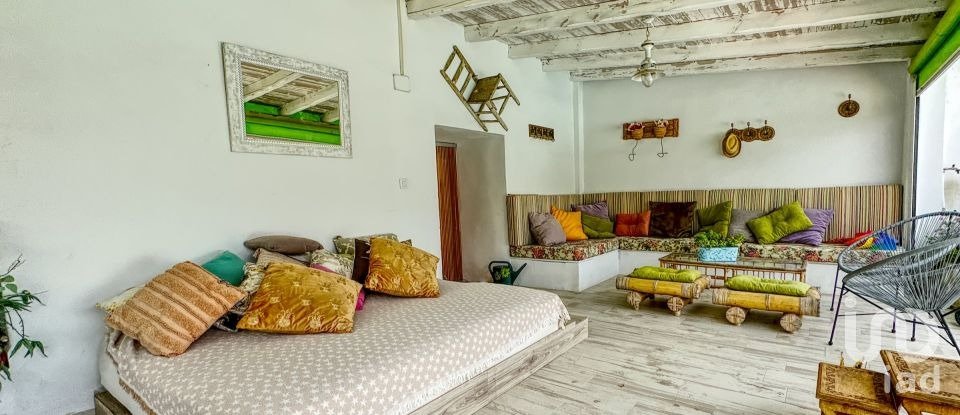
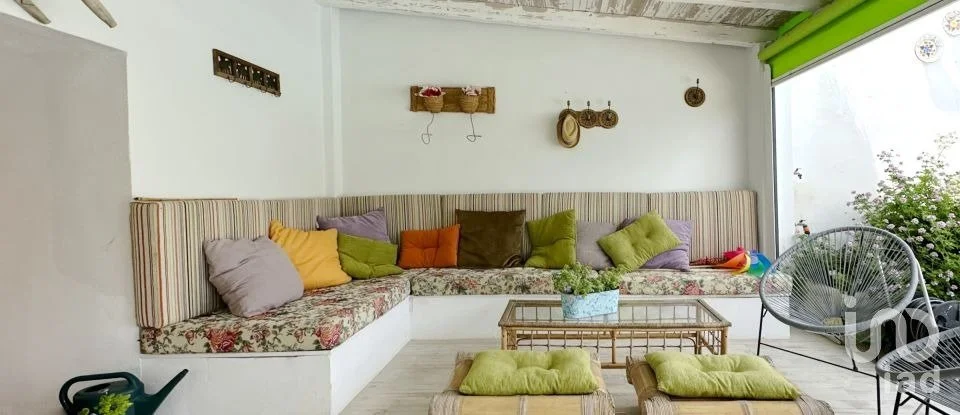
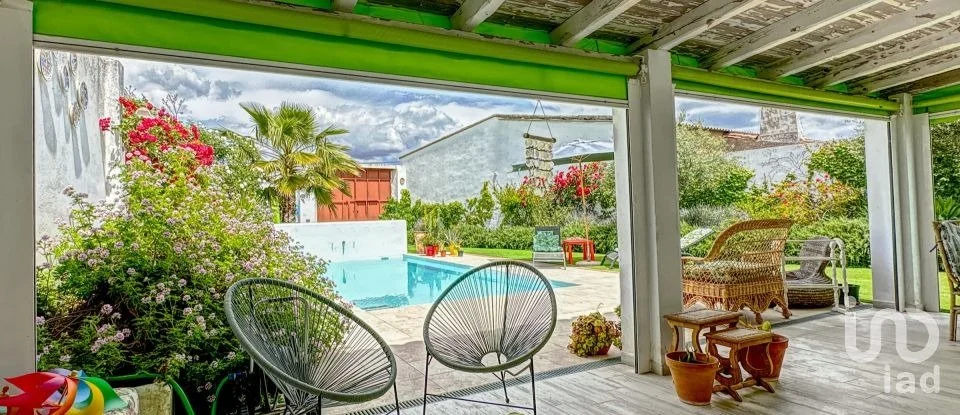
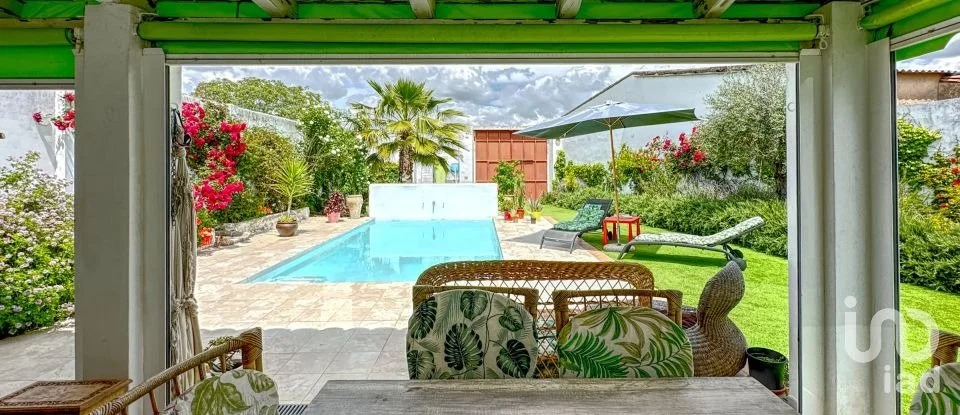
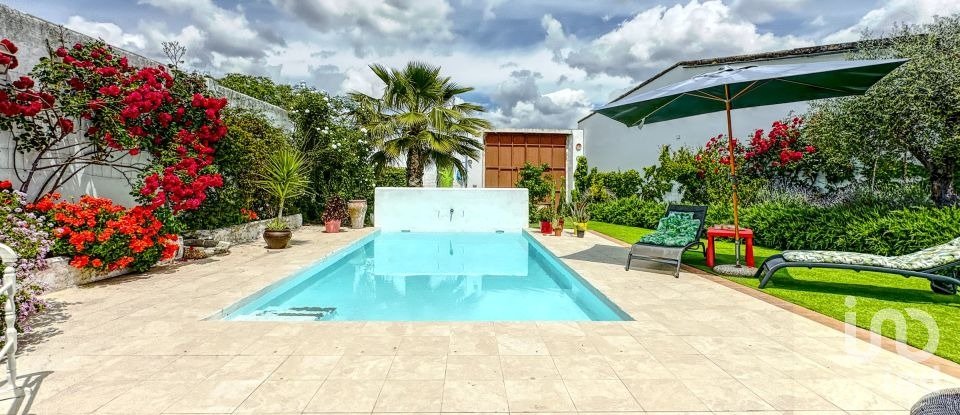
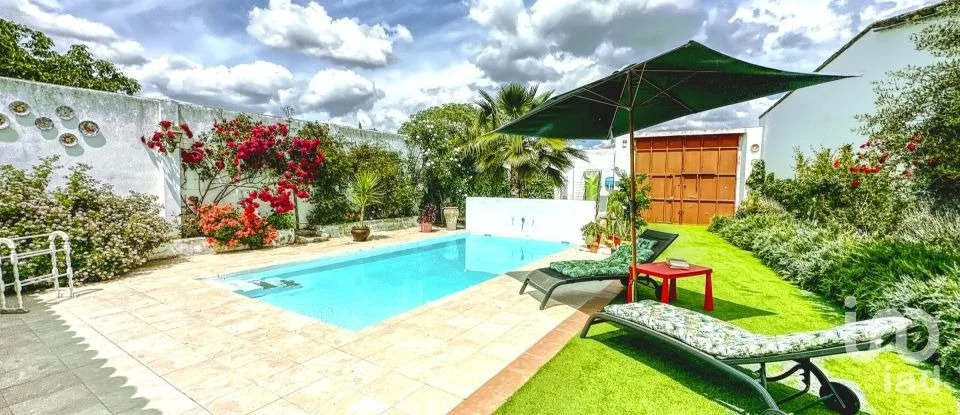
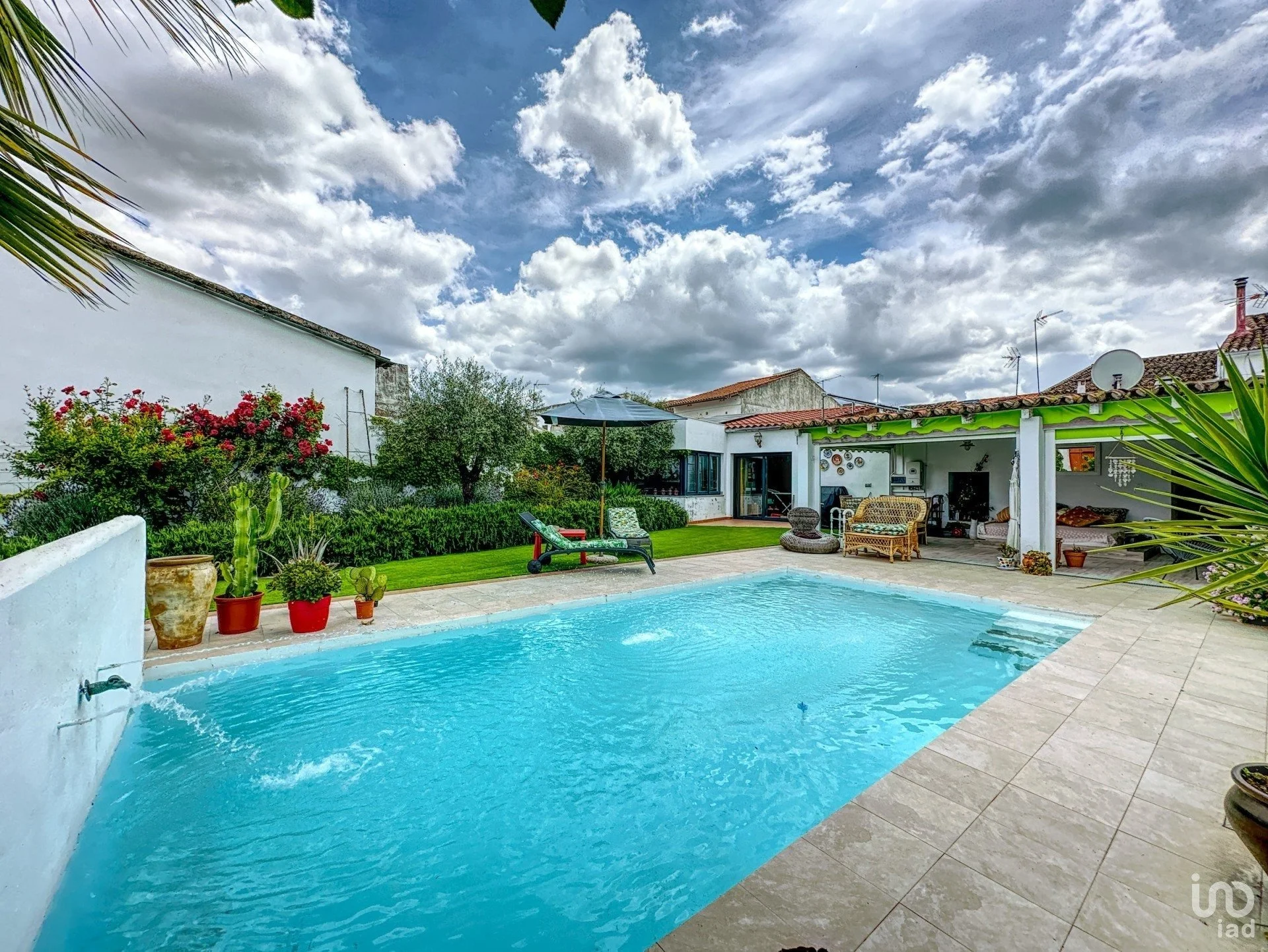
Glass-roofed skylight dining room, solar panels with battery storage, private pool, garage, terrace/garden space
Condition
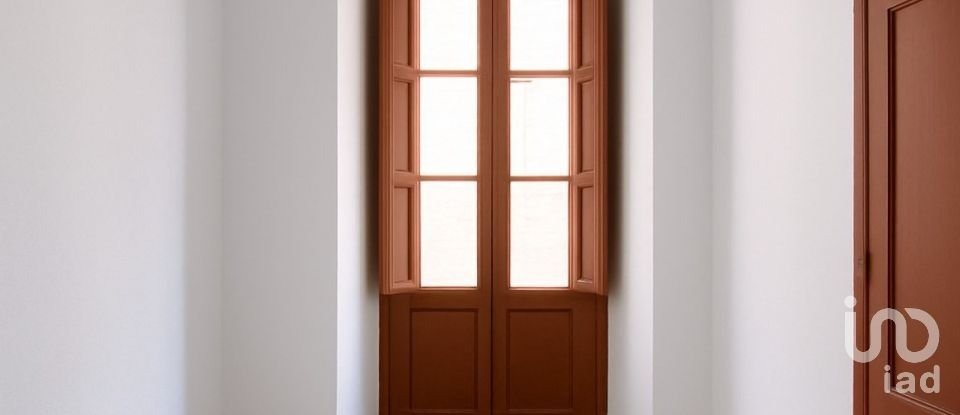
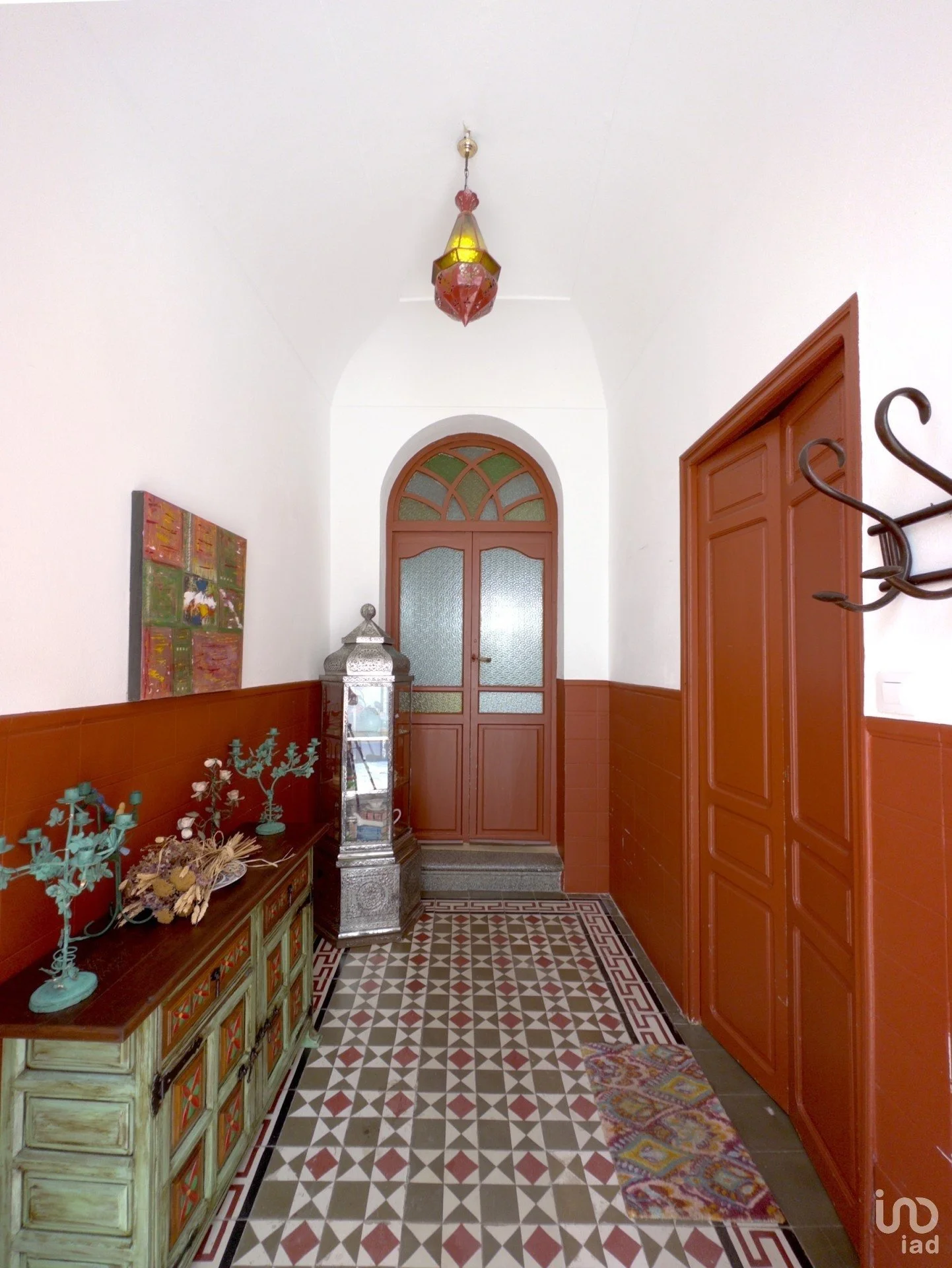
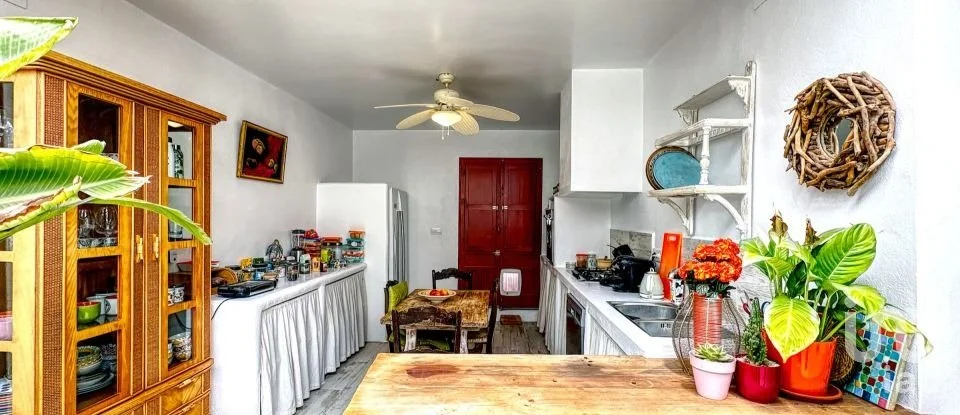
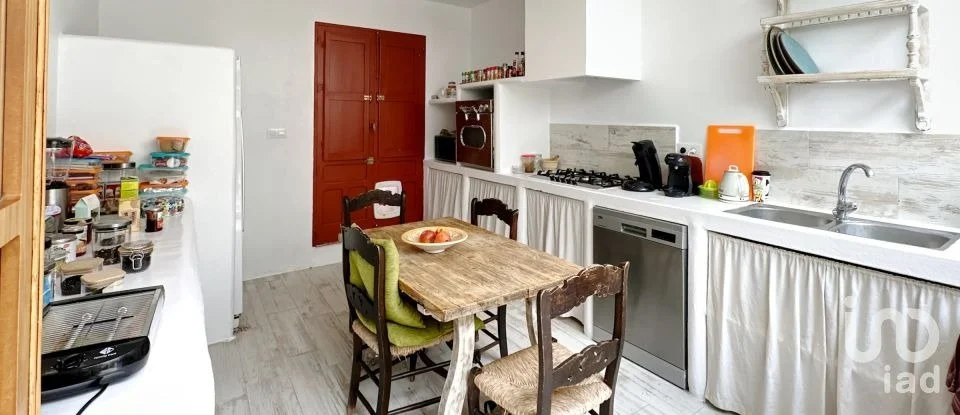
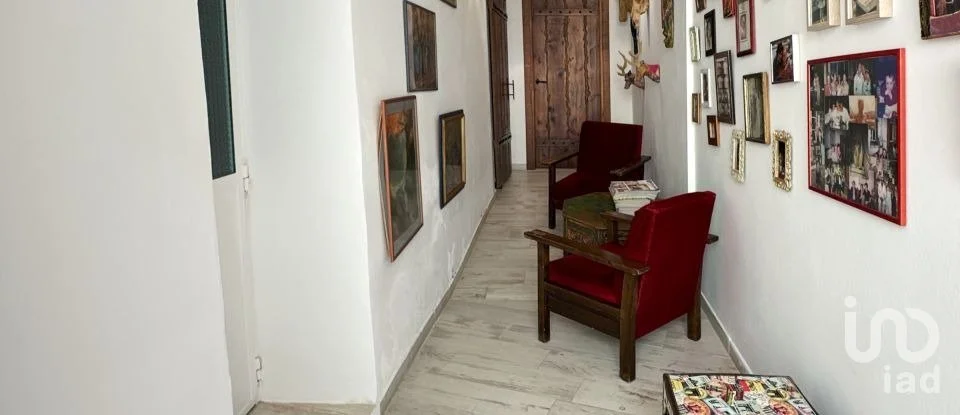
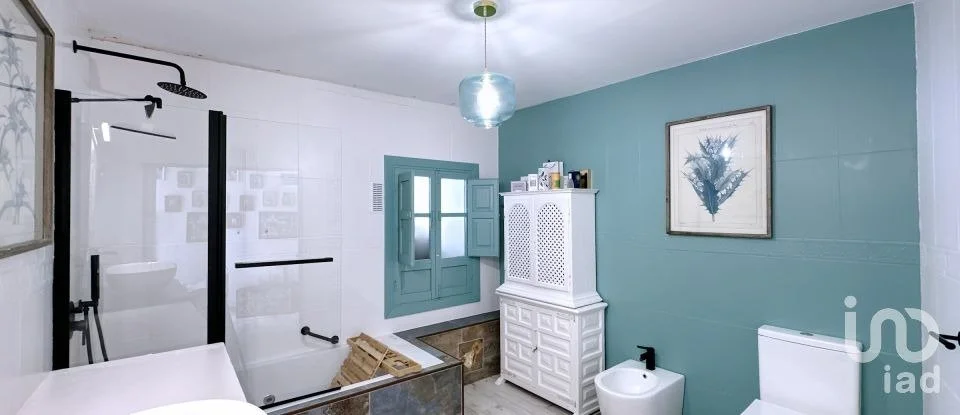
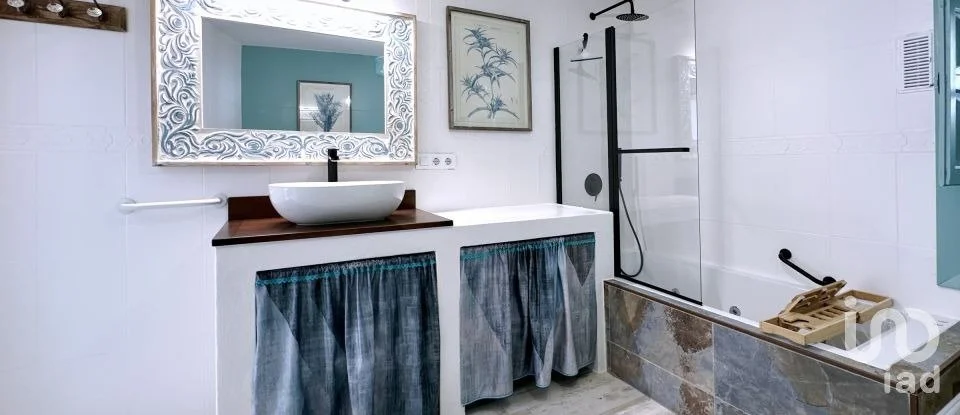
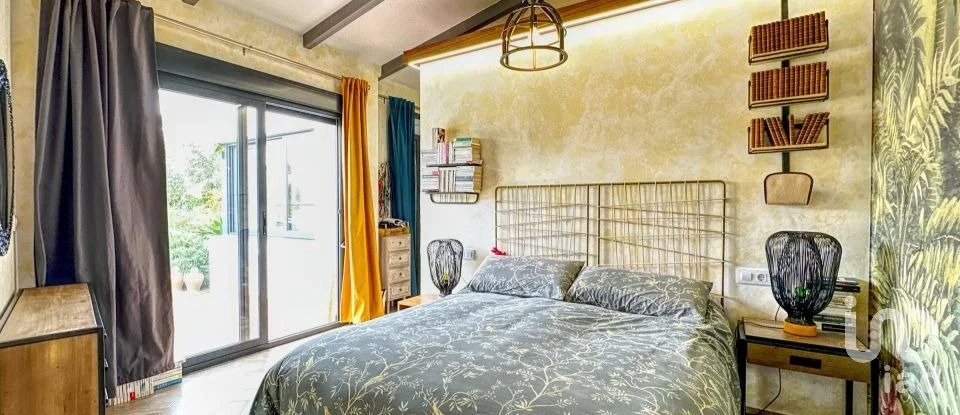
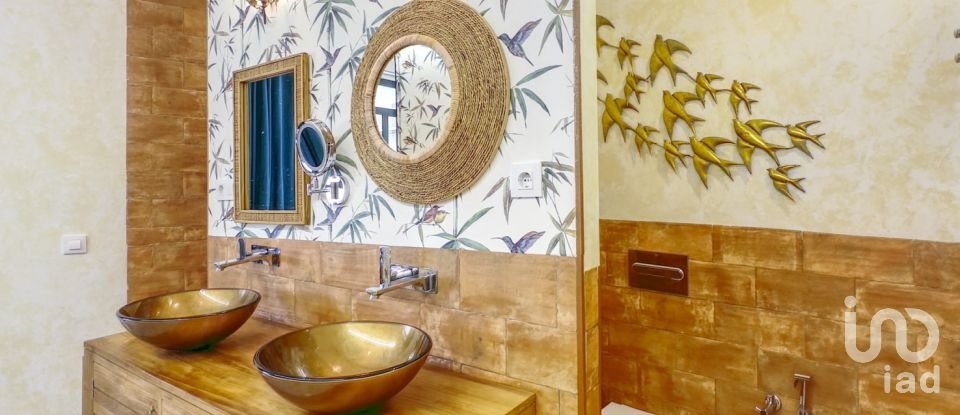
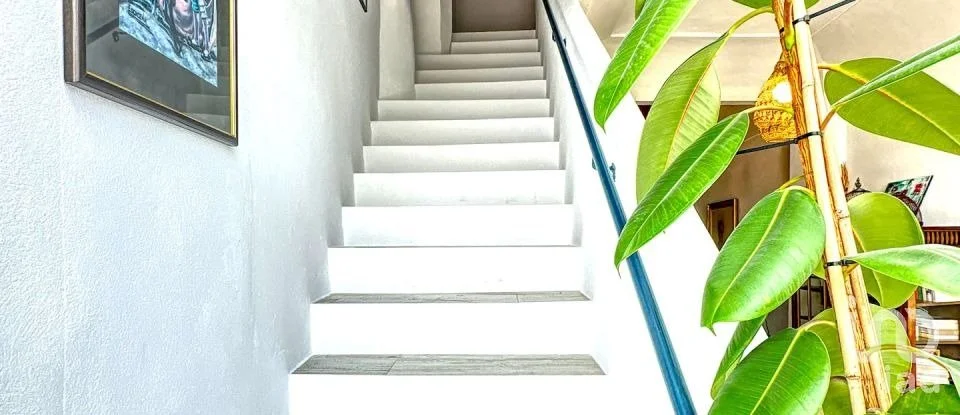
Marketed as fully renovated and move-in ready
Lifestyle angle
Family home, lock-up-and-leave Spanish base, or possible rental with strong practicality appeal rather than purely rustic charm
Risk Radar
Overview
This is a strong listing because it combines charm with unusually practical upgrades. The solar panels with battery storage, Energy Class C rating, pool, garage and apparently coherent renovation suggest a house that may be more functional and lower-friction than many village properties in the same price range. That is the opportunity here. The due diligence task is to make sure the documentation is as good as the presentation.
The first major theme is the renovation file. "Fully renovated" can describe anything from a substantial, properly permitted overhaul with updated structure and services to a selective modernisation presented extremely well. For a village house with a pool, garage and a glass-roofed dining area, you want to know exactly what was authorised, what was merely improved, and whether the current built reality matches the title, registry and cadastral position. In Extremadura, the cédula de habitabilidad remains an important document, and Junta de Extremadura states that no dwelling may be occupied without first obtaining it.
The second theme is the solar installation. Solar with battery storage is a material value driver here, but only if the system is correctly installed, legalised, documented and still protected by workable warranties. Spain's self-consumption framework under Real Decreto 244/2019 distinguishes between systems with and without surplus export, and IDAE's guidance makes clear that registration and modality matter, especially where a system exports excess energy or relies on compensation arrangements. That means buyers should not settle for "the solar works well". They should request the installation pack, legalisation documents, inverter and battery details, warranty terms and actual production history.
The third theme is thermal and moisture performance. The Energy Class C rating is encouraging, but the full certificate still matters because it explains how that rating was achieved and what assumptions sit behind it. Spain's current energy-certification rules require a registered certificate, and the energy label must appear in offers and advertising. A copy of the registered certificate must also be annexed to the sale contract. For this property, the skylight dining room is especially worth testing because glazed roof structures can be wonderful in listings and less balanced in real-life summer heat or winter condensation.
The fourth theme is rental viability. Extremadura's tourism framework uses a declaración responsable model for tourist accommodation activity, and the regional administration states that the activity is then entered ex officio in the tourism register once that declaration is received. That does not automatically make this house a straightforward short-let. It means the legal route is administrative rather than assumed, and buyers should still verify town-specific fit, technical requirements and whether the house is best positioned for family use, long lets, or occasional tourism income.
Targeted Questions
Legal Title, Registry and Renovation Documentation
This confirms ownership, legal description and whether there are any recorded charges, liens or restrictions.
You need to confirm exactly what land and built elements are included.
Differences between paper and reality can create delay, regularisation costs or financing issues.
The route used helps show both the scale of works and whether they were handled correctly.
Buyers should see the actual file rather than rely on summary descriptions.
In Extremadura, habitability remains a core occupancy and service document.
This helps you understand whether there is an administrative loose end or a deeper compliance issue.
"Fully renovated" needs to be broken into real components.
Invoices help verify recency, scope and who carried out the work.
Guarantees reduce early ownership risk and show a more professional project history.
Structural works deserve closer scrutiny than decorative upgrades.
Past regularisation is not automatically negative, but you need to know what was corrected and why.
Solar Panels and Battery Storage
Capacity determines whether the system is a nice supplement or a meaningful operating-cost reducer.
Age is directly linked to remaining useful life and warranty value.
A professionally installed and legalised system is worth more than an informal setup.
Spain's self-consumption rules differ depending on whether excess energy is exported.
This affects real operating economics and confirms how the system is set up.
The paperwork is essential for both compliance and resale.
Battery and inverter replacement can be expensive, so warranty position matters.
Real output matters more than headline capacity.
Seasonality affects whether the system materially changes ownership costs.
Buyers need to understand resilience as well as savings.
This helps you assess reliability and near-term capital expenditure risk.
Running a system well is not always entirely passive.
Building Condition and Systems
Roof condition is one of the biggest medium-term cost variables in a renovated village house.
Window specification strongly affects comfort and energy performance.
This helps explain whether the Class C rating is likely to hold up in daily use.
Comfort and running costs depend on the actual systems, not just the energy class.
A glass-roofed dining area may need stronger summer control than the rest of the house.
Real bills validate whether the Class C rating translates into practical affordability.
Spanish law requires a registered certificate and label in sale advertising and documentation.
Electrical compliance is a basic safety and insurability issue.
Hidden plumbing failures can undermine the value of a seemingly turnkey house.
Buyers should confirm whether services are straightforward or rely on private systems.
Private drainage can produce immediate post-purchase costs if poorly maintained.
Skylight Dining Room, Pool and Exterior Areas
Roof glazing can be a key value feature but also a planning and technical checkpoint.
The success of this room depends heavily on heat and condensation management.
Beautiful glazed rooms can be uncomfortable if poorly balanced.
Roof glazing repairs can be costly and disruptive.
Pool legality should be checked as carefully as the house itself.
Buyers need to understand both enjoyment and upkeep burden.
Pool defects can become disproportionately expensive.
Heating changes the true operating cost profile.
Exclusive and uncomplicated use materially supports value.
This affects maintenance ease and water use.
Outbuildings and garages should never be assumed to be fully regularised.
Some village garages are more symbolic than genuinely useful.
Practicalities, Access and Liveability
Family use and guest practicality improve significantly with easier parking.
Village houses can be attractive but logistically awkward.
Neighbour context affects both owner enjoyment and rental suitability.
Modern usability should be tested, not inferred.
Insurance friction can signal hidden complexity.
Renovated homes can still have isolated weak points.
Rental Potential
Past use gives a better reality check than optimistic agent assumptions.
Actual numbers are more useful than projections.
The tourism pathway should be confirmed before pricing in rental upside.
Extremadura uses a declaration-based tourism process, and prior filings can save time or reveal history.
Regional registration status matters if rental income is part of the buying case.
Long lets may be the steadier and less administration-heavy option in this location.
The best commercial use may differ from the most obvious one.
Negotiation Intelligence
Buyer Leverage
Medium-High
Key Drivers
Typical Negotiation Range
5-15% below asking
Neutral Phrasing Examples
Country Layer
Spain (Regulatory Context March 2026)
Key Spanish requirements for buyers:
Viewing Strategy
Start with the systems, not the styling. This is the kind of house where the infrastructure is a large part of the value.
Next Step
Verify from the listing:
Renovation paperwork and habitability status
Request the municipal works file, completion documentation, updated cédula de habitabilidad position and title plans so you can confirm that the marketed renovation is legally and administratively clean.
Solar system legalisation and real performance
Ask for the full solar installation pack, including installer details, legalisation documents, warranty information, inverter and battery specifications, and recent production data so you can judge whether the system genuinely supports the house’s value.
Energy Class C evidence
Obtain the full registered Certificado de Eficiencia Energética and recent utility bills so you can validate the Class C rating and understand how the skylight room, solar setup and insulation perform in real life.
Pool permits and maintenance history
Confirm that the pool was built or regularised correctly and request details on age, filtration, repairs, safety measures and annual running costs before assuming it is a simple amenity rather than a future expense.
Rental pathway in Extremadura
If investment use matters, verify whether the house has ever been registered for tourist use, what declaration route would apply now, and whether long-term letting may be the more realistic income model for this exact location.
A prepared buyer should approach the agent calmly and frame questions as due diligence.
Because this is a property where the legal, structural and regulatory context matters, run it through one of the property tools before contacting the agent.
Use the Property Risk Assessment to test the documentation and compliance side of the deal, or the European Property Energy Risk Assessor to assess how the Class C rating and solar system translate into real ownership confidence.
Disclaimer: The Property Drop is buyer-focused intelligence, zero sales agenda. We curate exceptional properties, in southern Europe, from third-party agents and arm you with decision tools. No commission, no transactions, no agent partnerships, no skin in the game beyond helping you choose wisely. Information stays accurate until it doesn't (properties sell, prices shift, markets move). Everything here is shared for informational purposes only and should not be treated as legal, financial, or investment advice. Images belong to original agents. Read our Terms of Service to learn more.
IMPORTANT REMINDER: When contacting property agents featured on The Property Drop, you are entering into direct communication with third parties. It's recommended that you verify all property details independently, conduct thorough due diligence, engage qualified professionals (solicitors, surveyors, financial advisors), understand your rights and obligations under local property laws, and never send money or make commitments without proper legal protection.
