
The Buyer Playbook: Seven-Bedroom Manor House with Pool, Granja de Torrehermosa, Spain, €174,000


Buyer Playbook
Pre-Viewing Intelligence Report
This independent buyer guidance report relates to this specific property located in Spain. It is provided for informational purposes only and does not constitute legal, tax, structural or survey advice. Well legality, title position, occupancy documentation, pool permissions, energy certification, and any planning or tourist-use matters must always be verified with qualified Spanish professionals such as an abogado, arquitecto, aparejador, técnico competente or surveyor, and with the relevant registry, municipal and river-basin authorities where required. This report is designed to help buyers evaluate the property before arranging a viewing or making an offer. It highlights due diligence issues and targeted questions to ask the estate agent. The analysis is based on the listing details and publicly available regulatory context at the time of writing.
Playbook Contents
Property Snapshot
Location
Granja de Torrehermosa, Badajoz, Extremadura, Spain
Property type
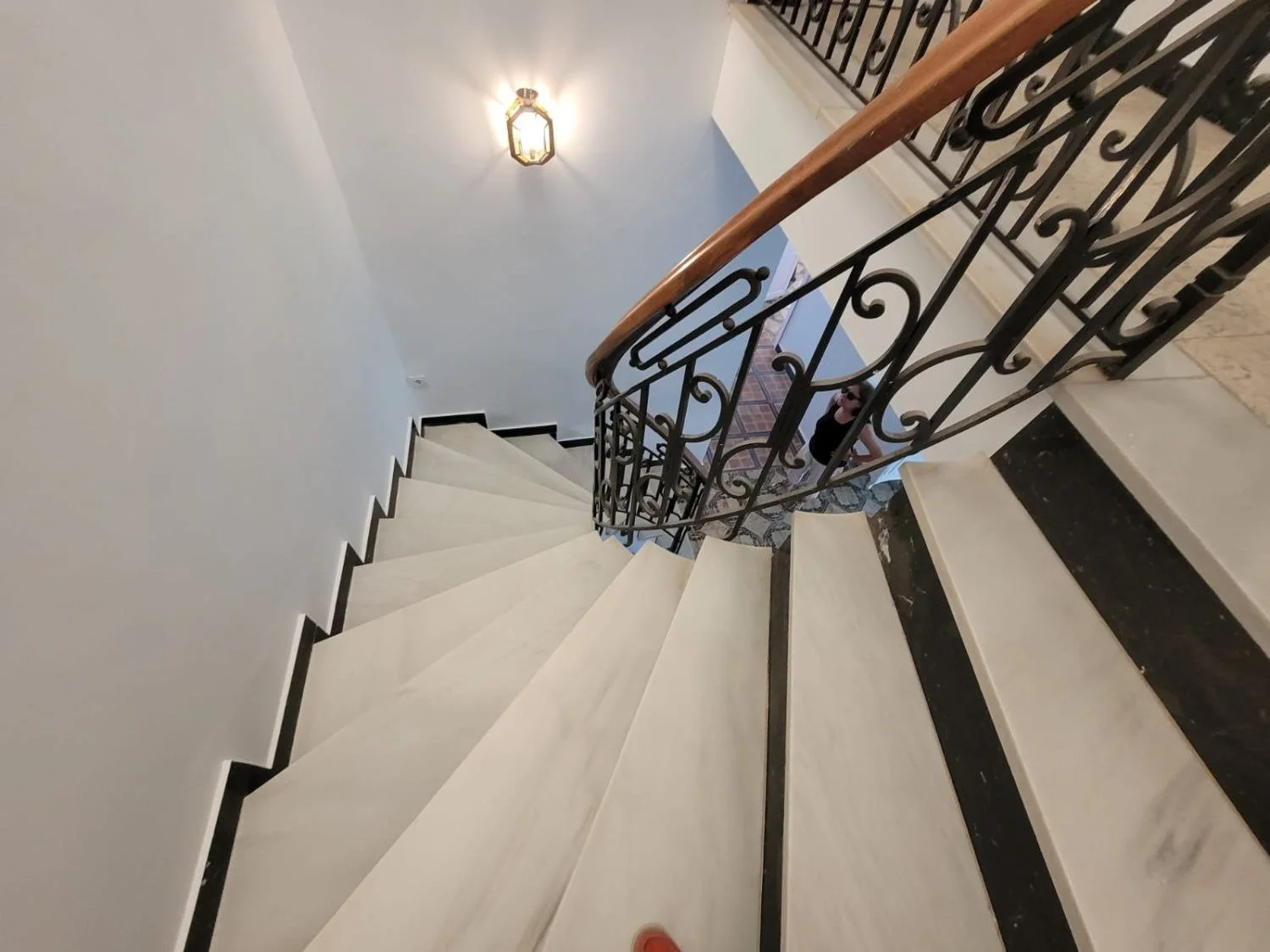
Manor house / large village house
Asking price
€174,000
Internal area
262 m² stated
Plot size
405 m² stated
Bedrooms
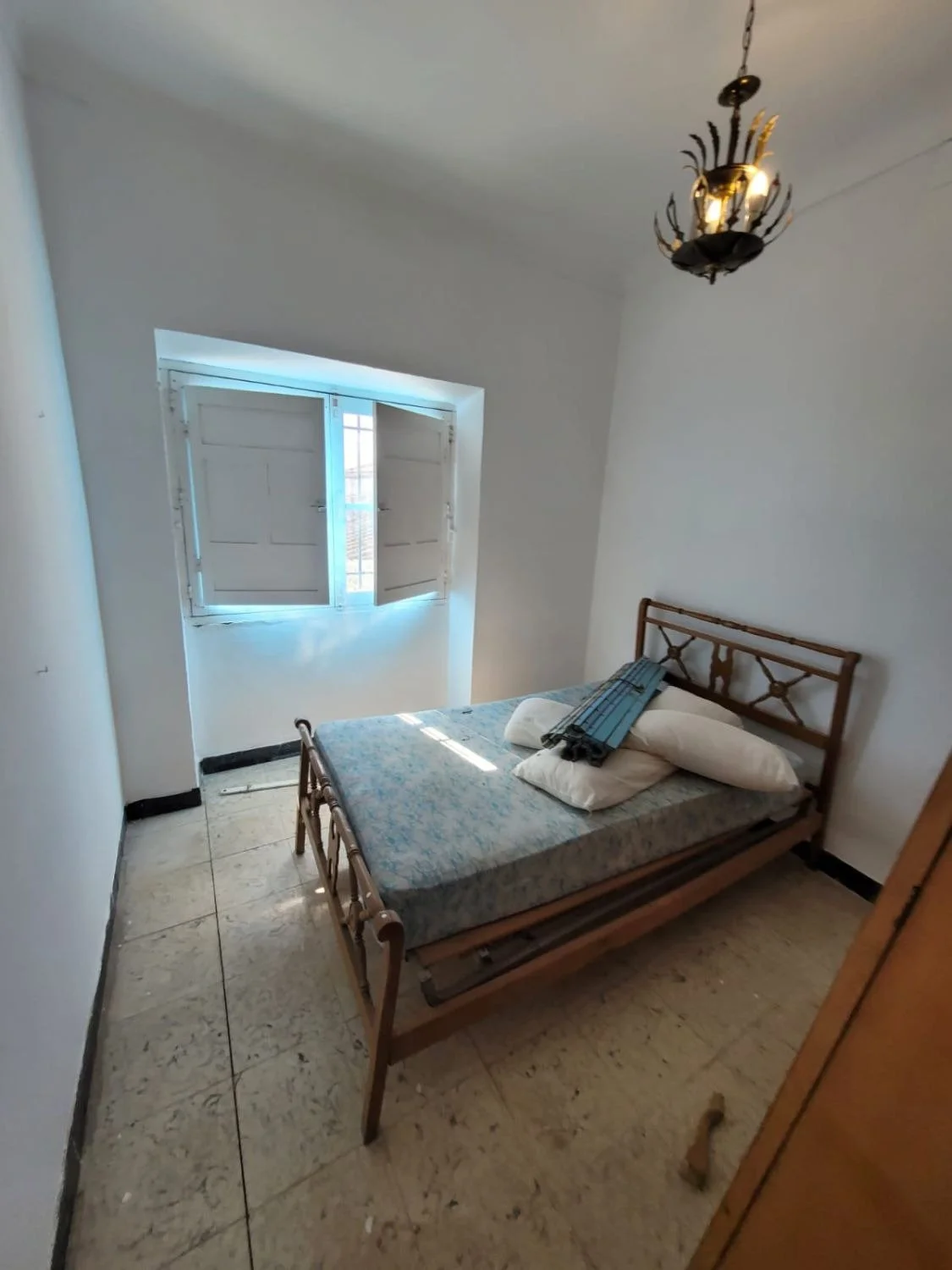
7
Bathrooms
3
Layout
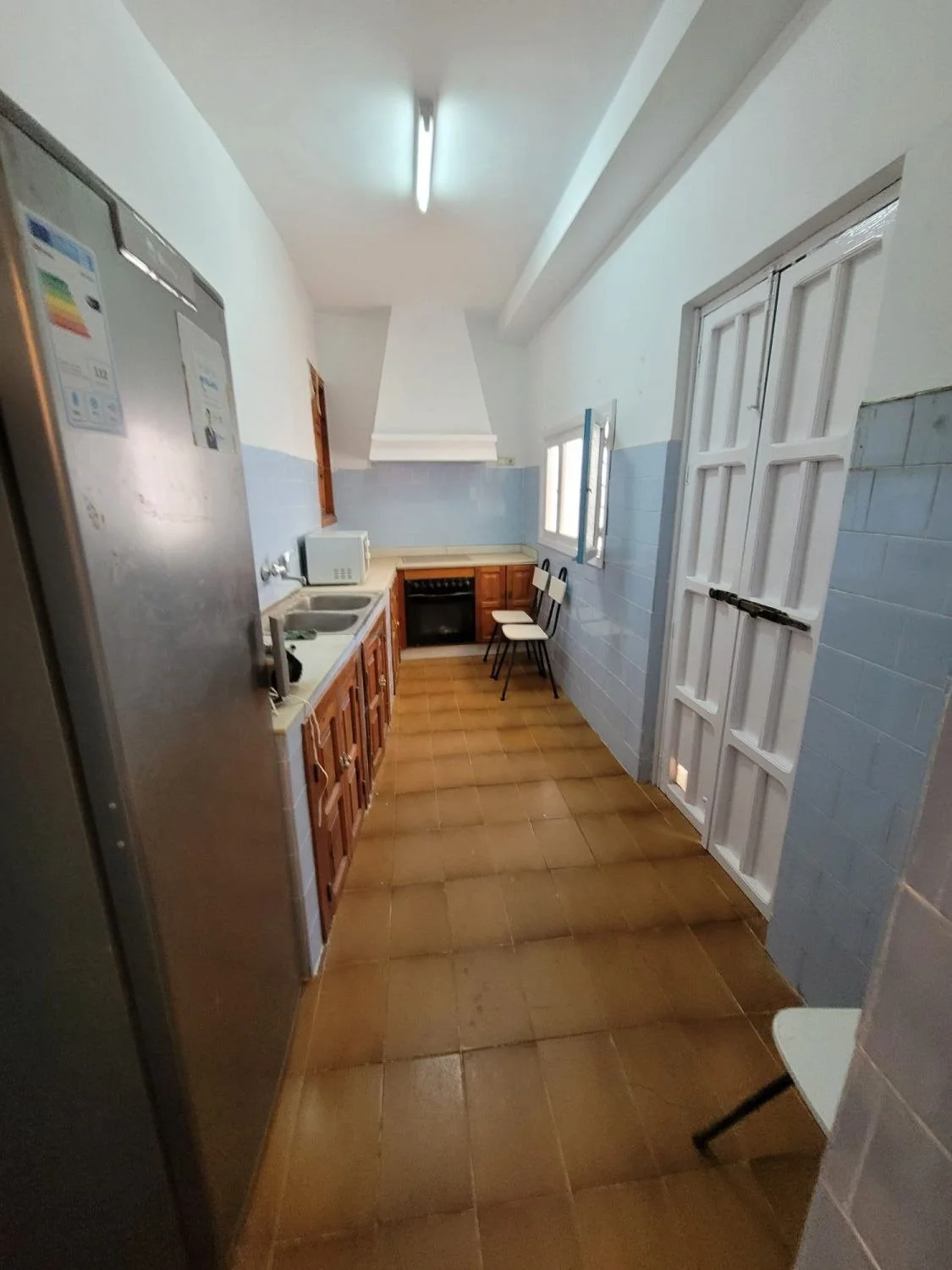
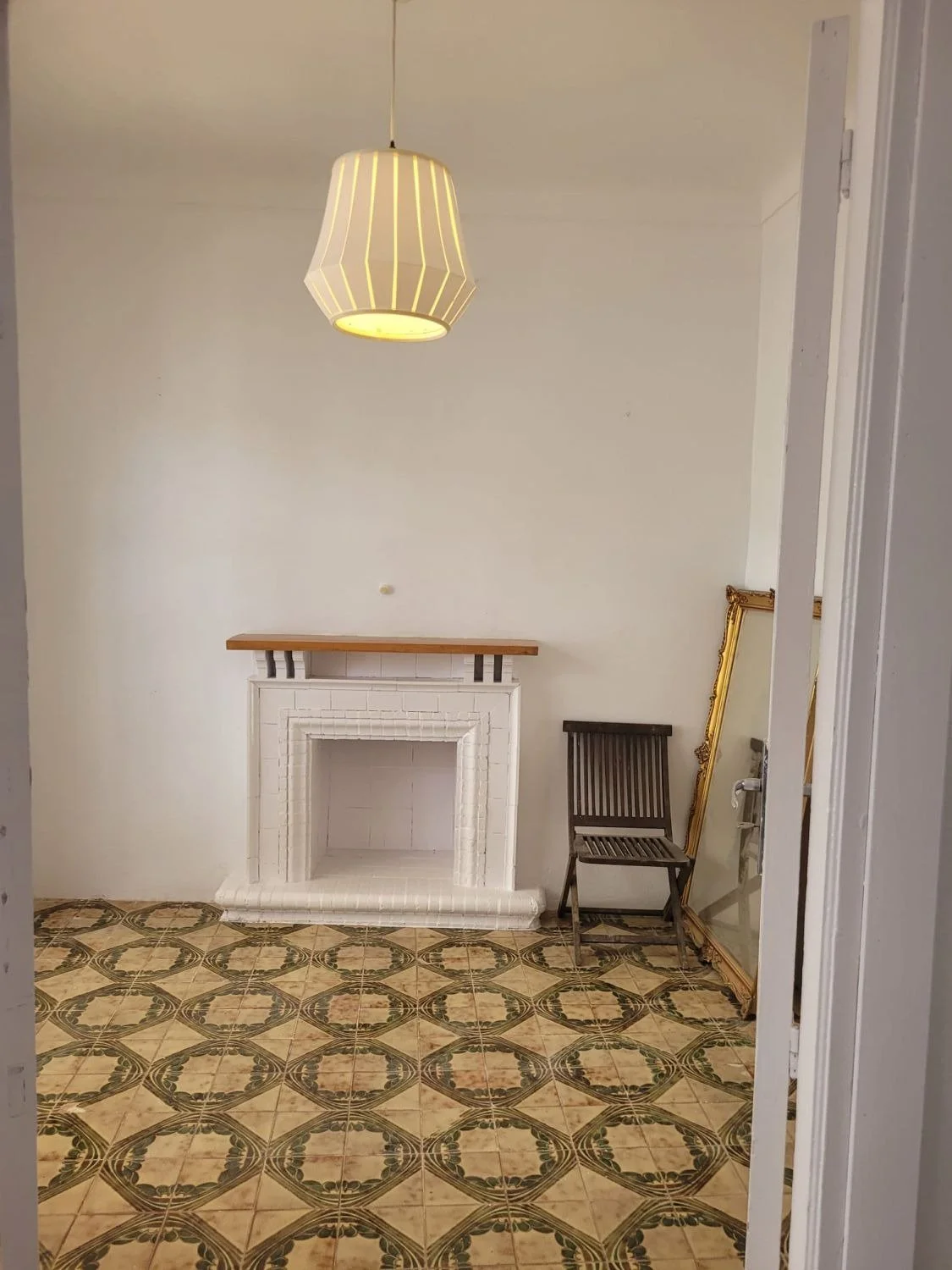
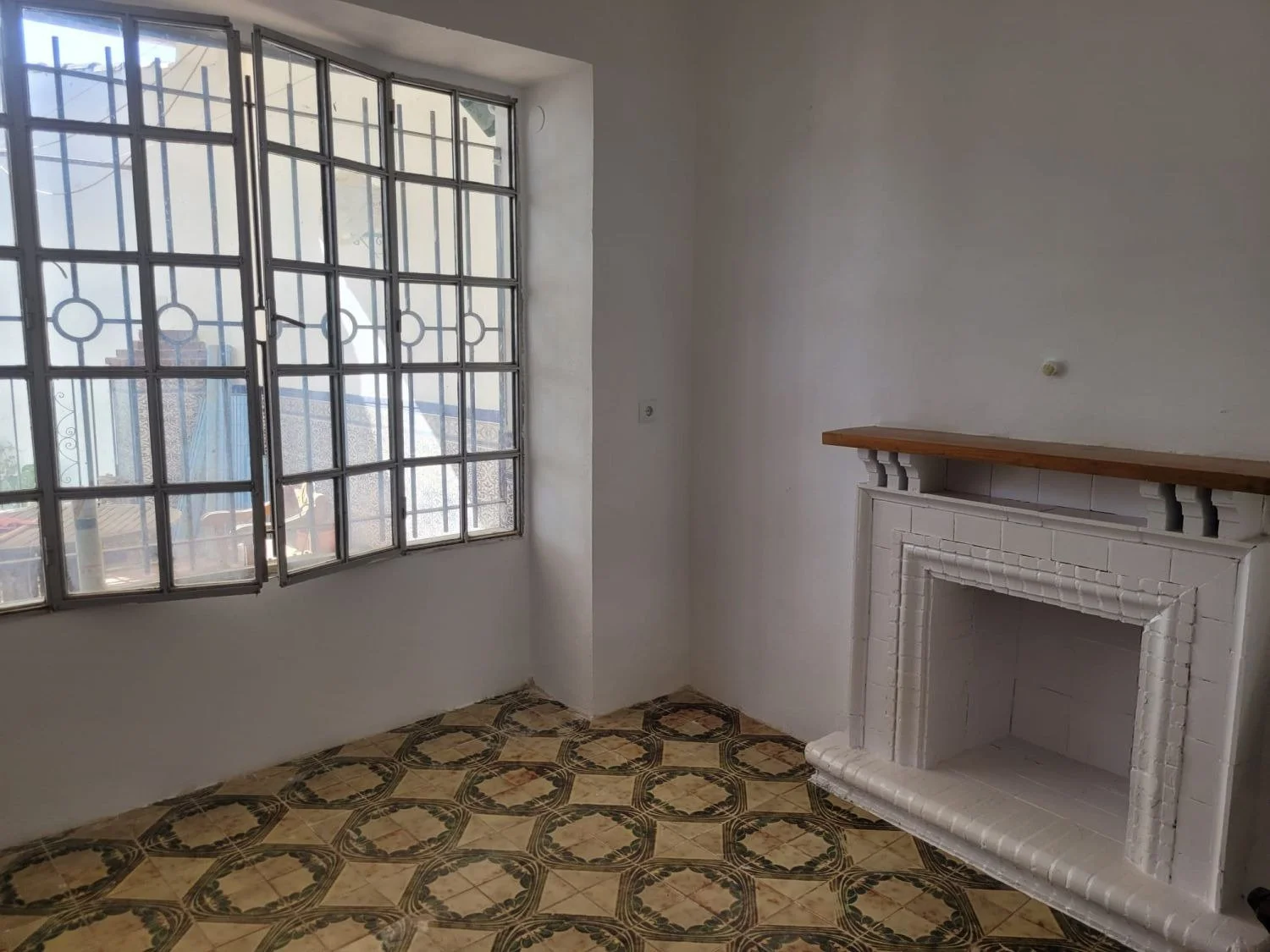
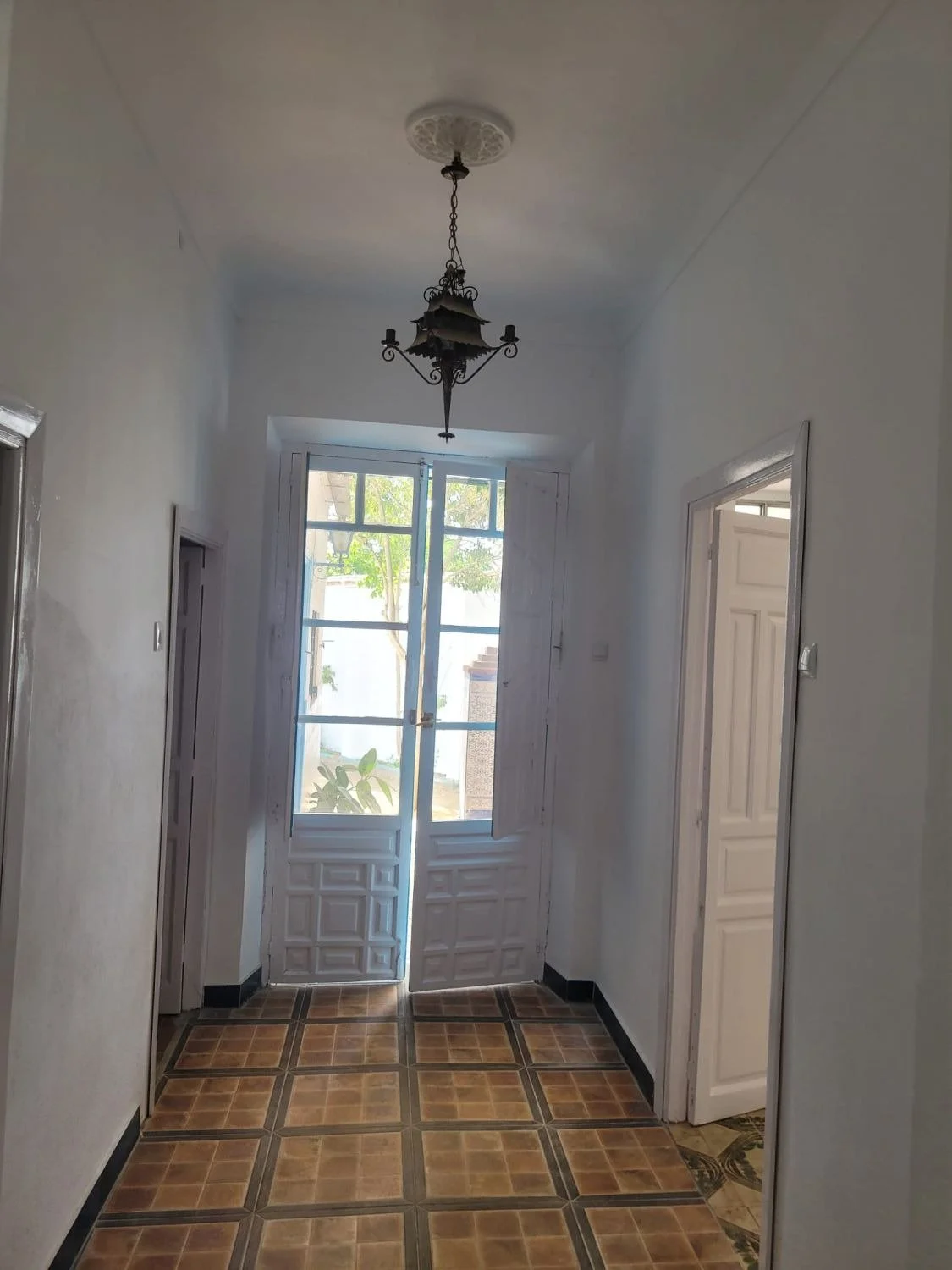
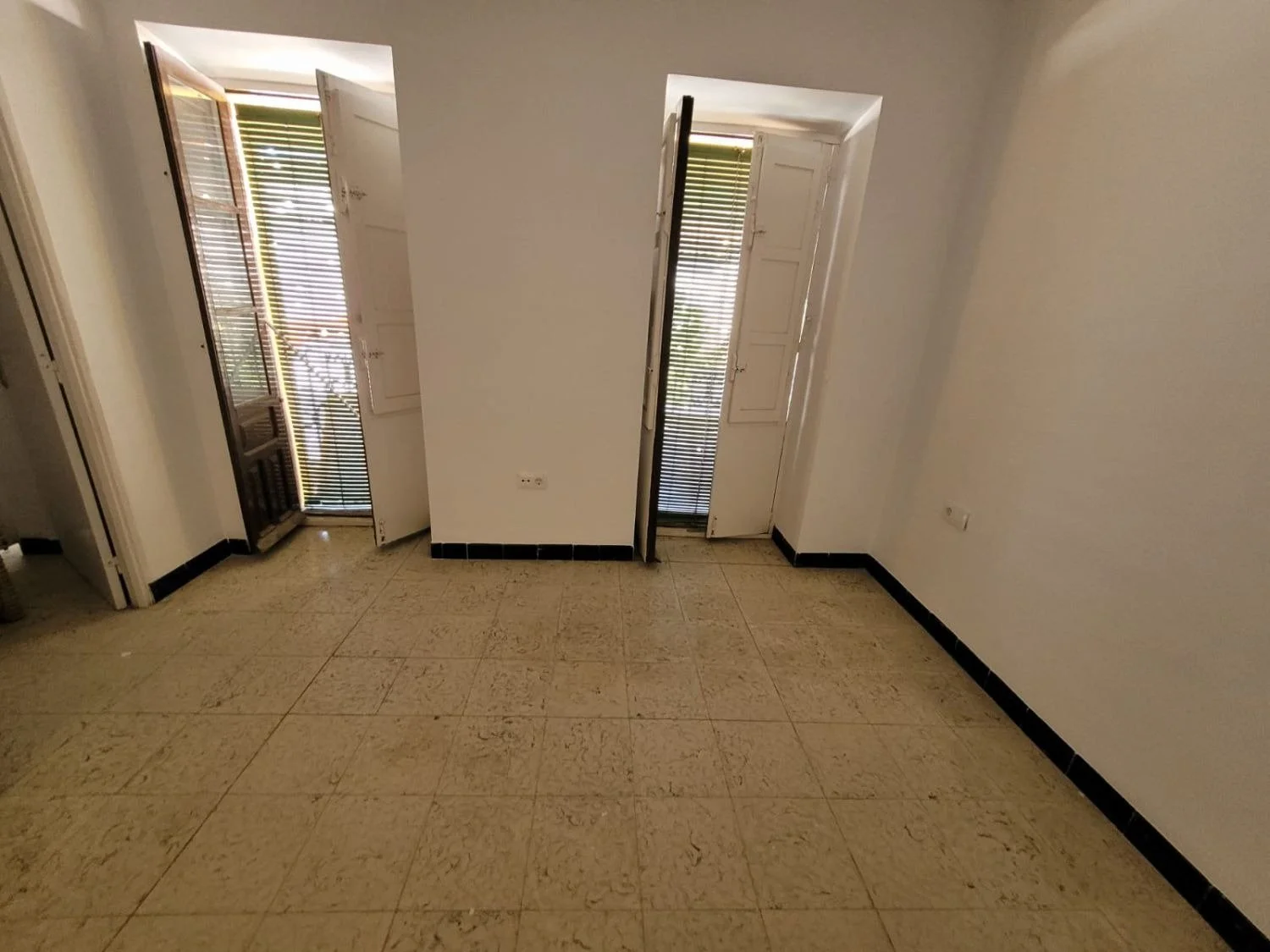
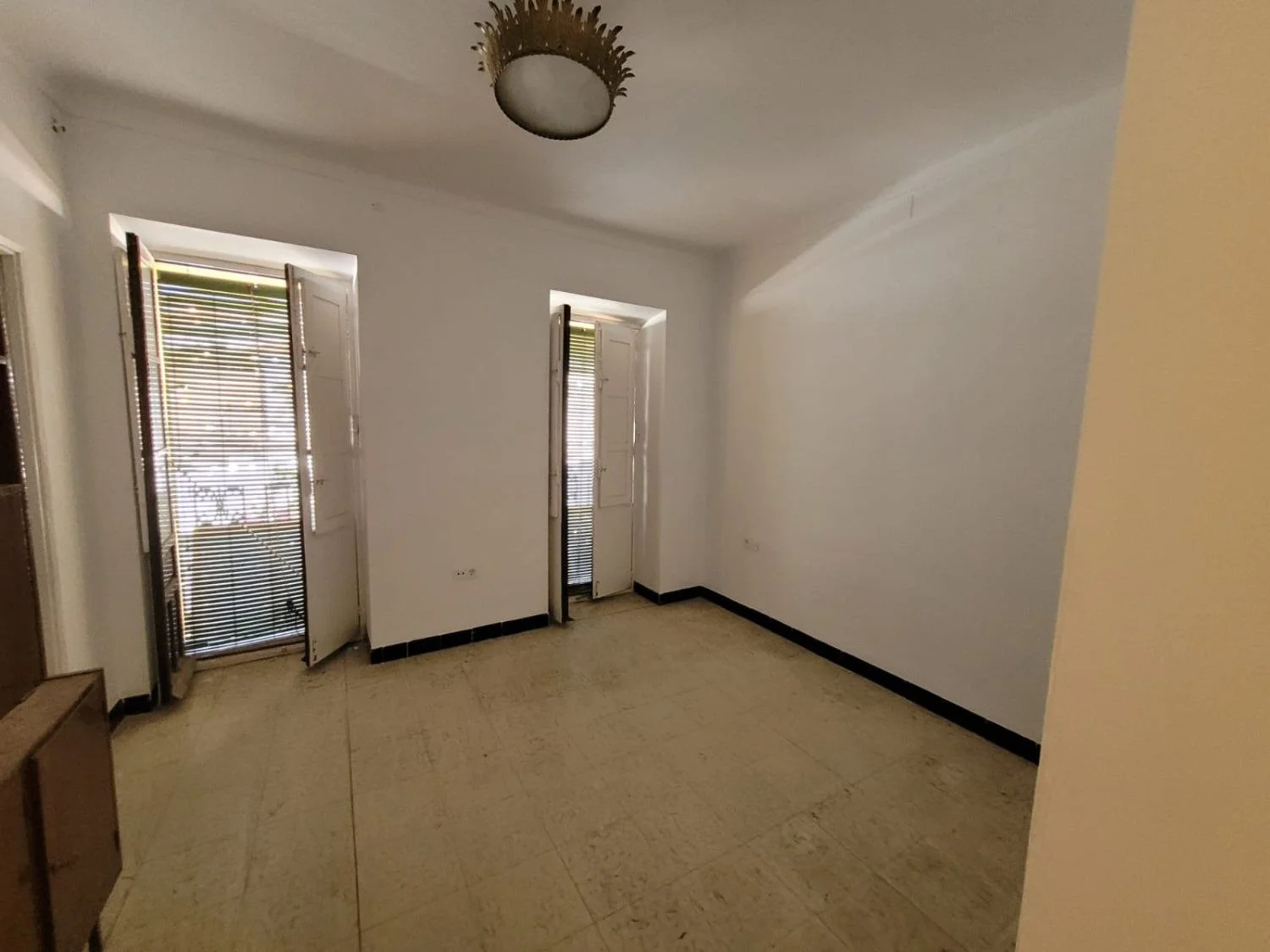
Two floors with two living rooms and kitchen stated
Key features
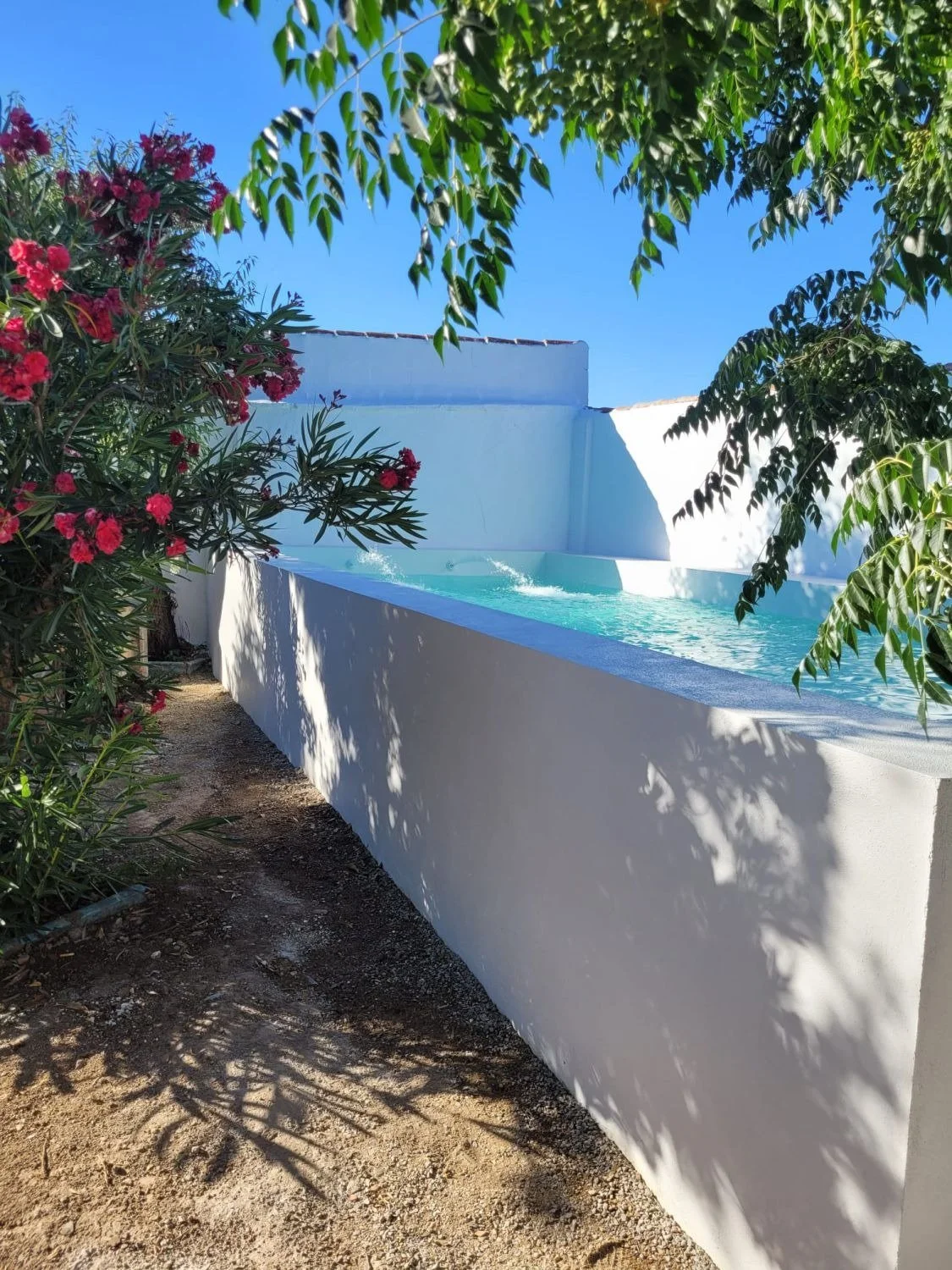
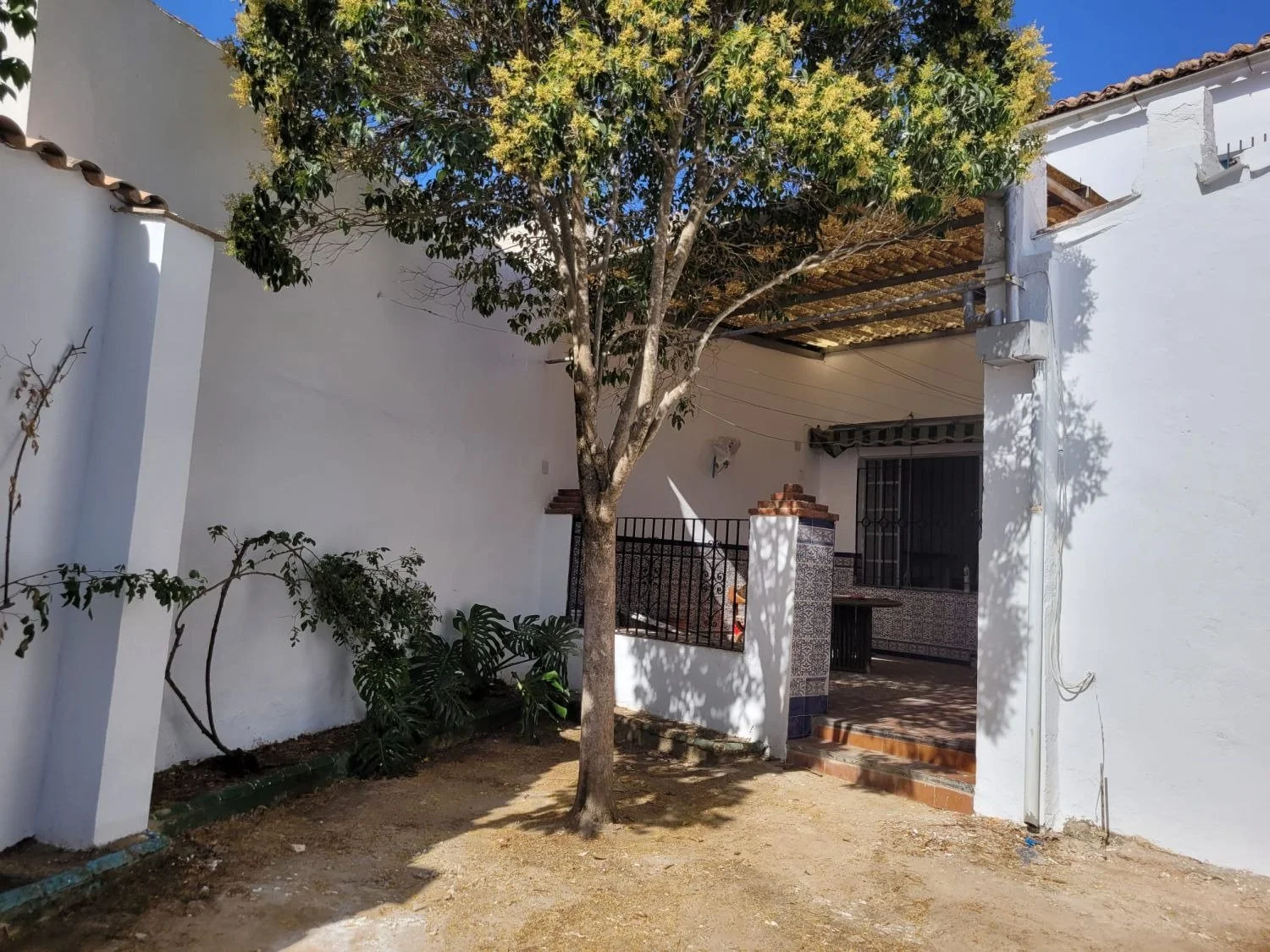
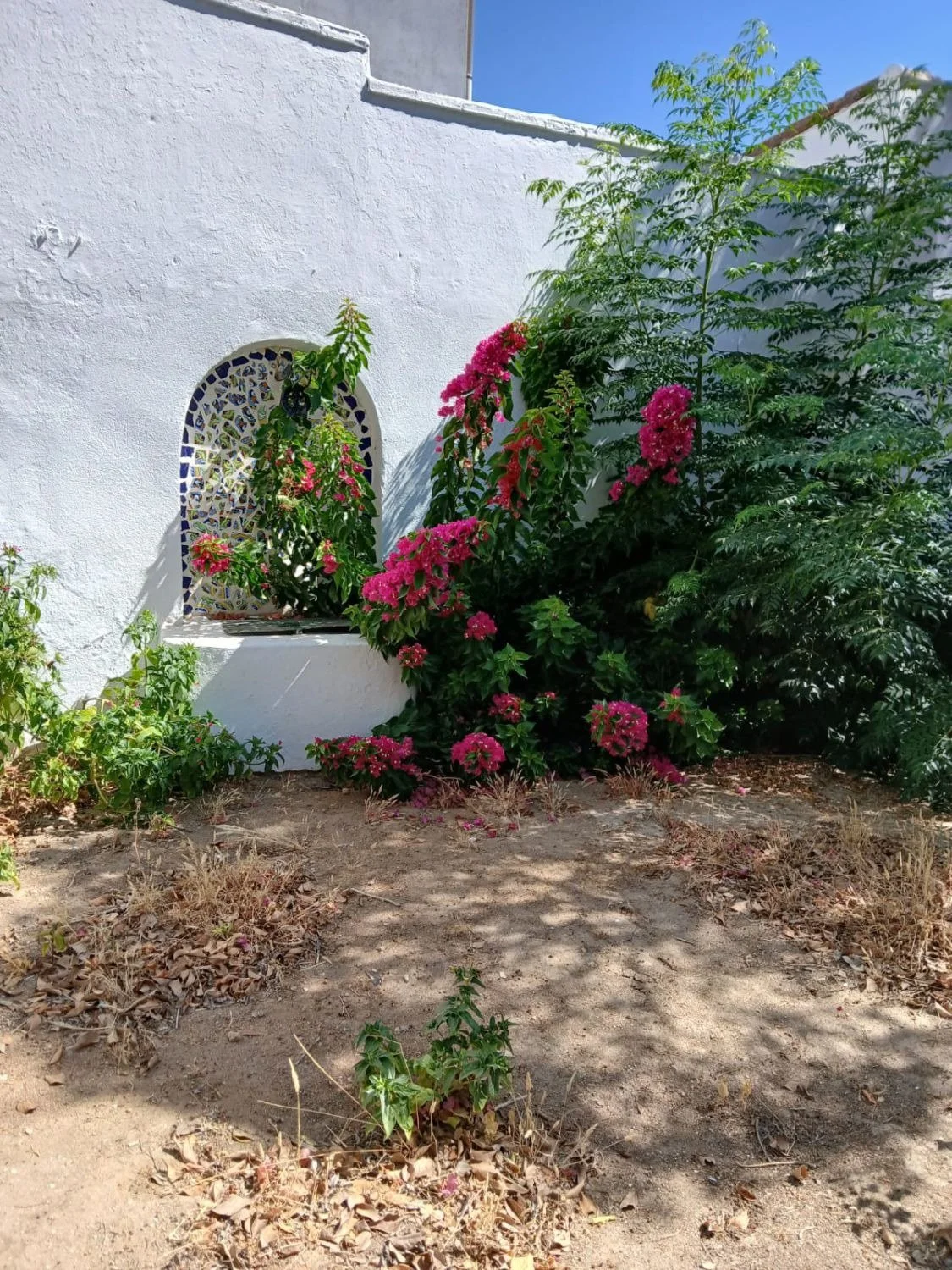
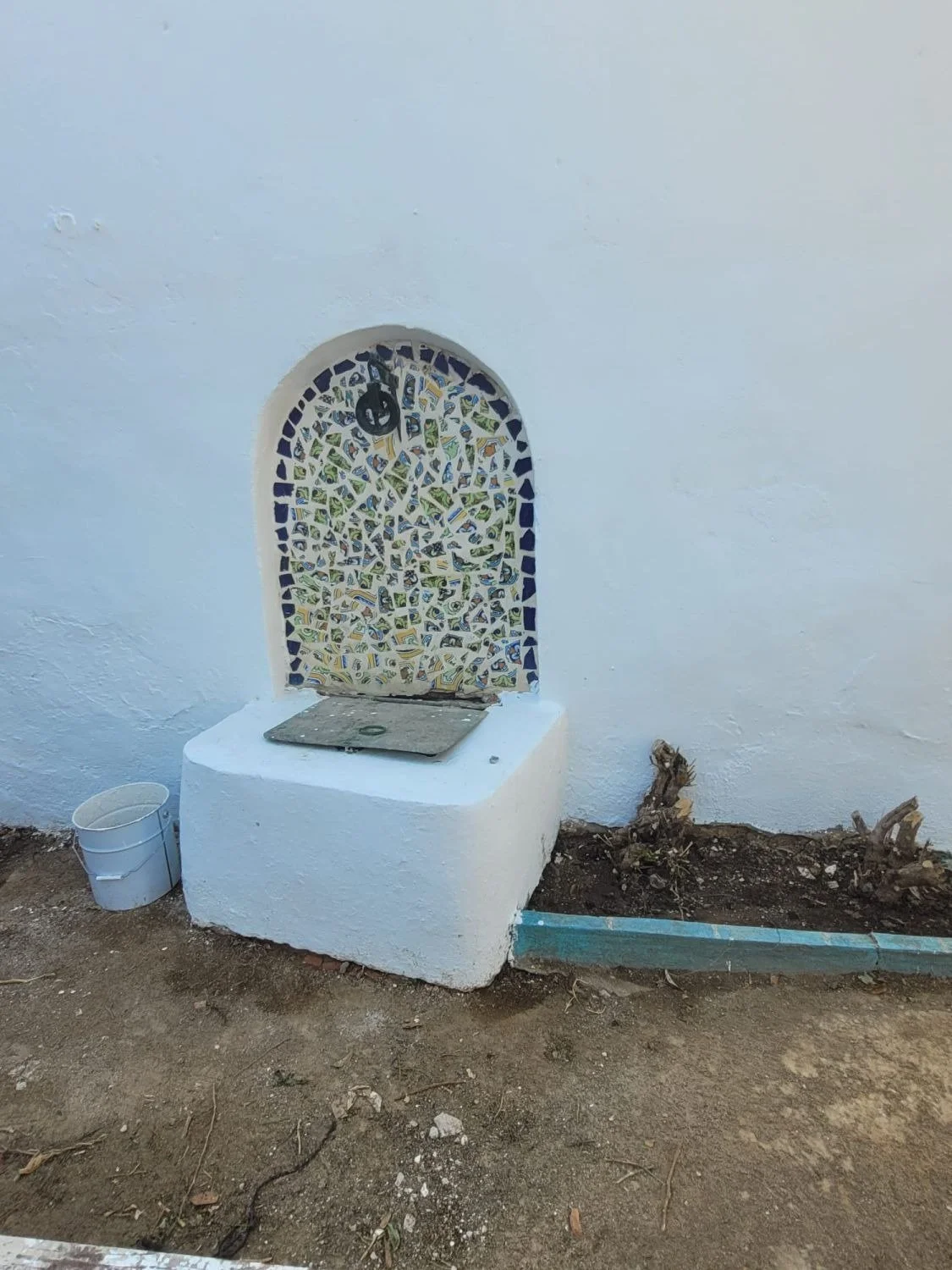
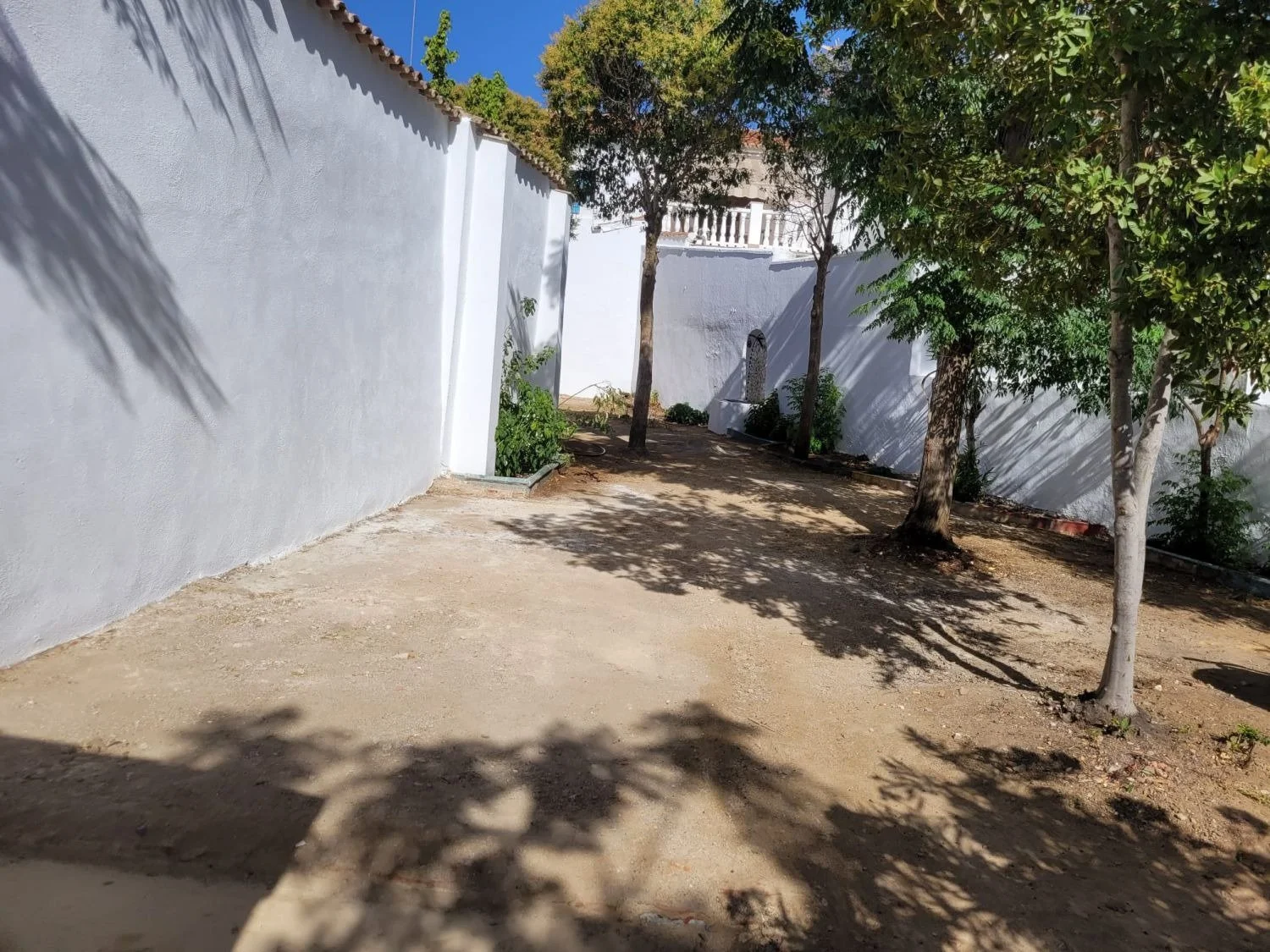
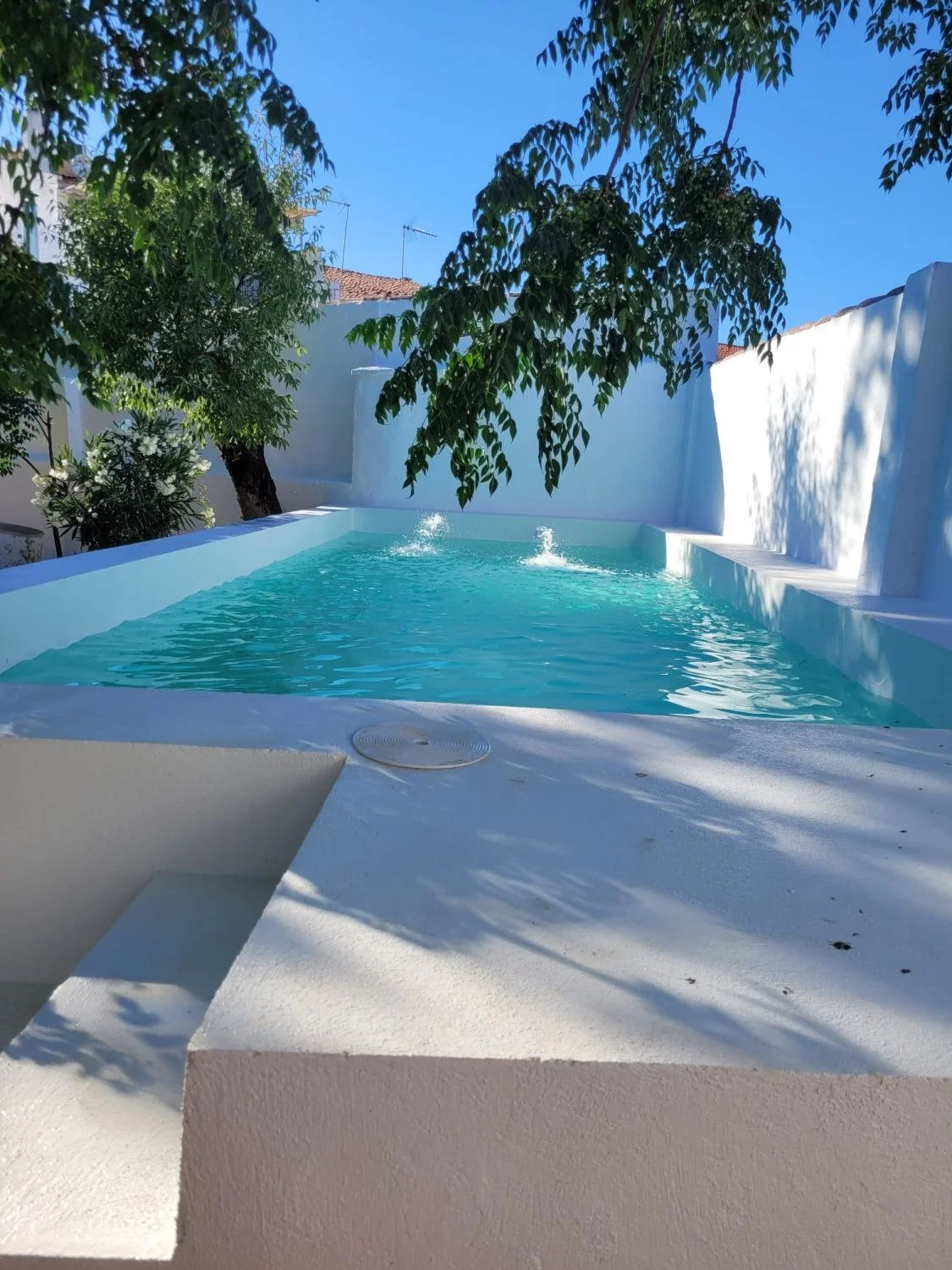
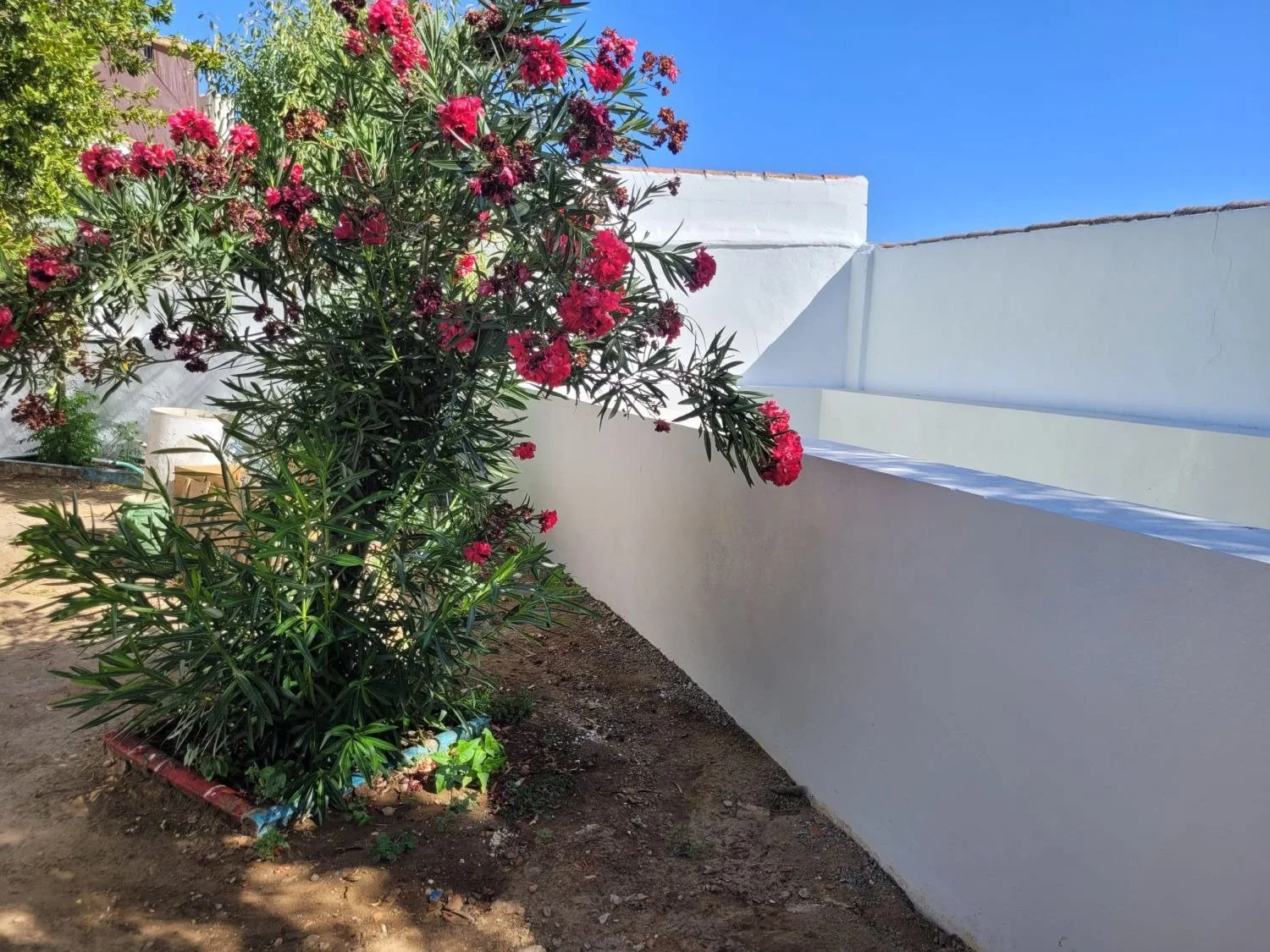
Brand new unused swimming pool, two private wells, two gardens, citrus trees
Condition angle
Marketed as in good condition and ready to enjoy
Lifestyle angle
Large family house or possible rural guest/rental play with unusually strong amenity value at the price point
Main due diligence themes
Well legality and yield, pool documentation, legal status, building condition, and rental feasibility
Energy note
Listing states "Energy Class N", which requires clarification
Risk Radar
Overview
This is exactly the type of listing that can create a powerful sense of bargain momentum. A seven-bedroom manor house with gardens, two wells and a brand new pool at this price naturally invites buyers to think they may have found an outsized opportunity. Sometimes that is true. Just as often, the low headline price reflects the fact that the value here depends heavily on details that are not yet fully explained in the listing.
The first due diligence theme is water. Two private wells sound like a serious asset, especially in a large house with gardens and a pool, but the buyer needs to know whether those wells are legally registered, how they are used, whether the volumes are sufficient in dry periods, and whether they are relied on for domestic use, irrigation, pool filling, or all three. Spain's water framework is document-driven. The Ministry for the Ecological Transition explains that, in general terms, a concession is the legal title through which the right to private use of water is obtained, while older private-water rights may survive in limited cases but should be specifically evidenced.
The second theme is the pool. "Brand new" and "never used" can mean excellent, or it can mean unfinished in practical terms. A buyer needs to know whether the pool was fully permitted, completed and signed off, what filtration and treatment system is installed, whether there is an installer warranty, and whether the fact that it has not been used is a positive or simply a sign that nobody has yet tested the whole setup in real conditions.
The third theme is legal clarity on the house itself. A property with seven bedrooms, three bathrooms and a 262 m² stated area should have a clean registry description and an internal configuration that matches what is being marketed. The Spanish Land Registry is the core public source for property rights, and the nota simple is the standard first check on ownership, registered description and registered charges.
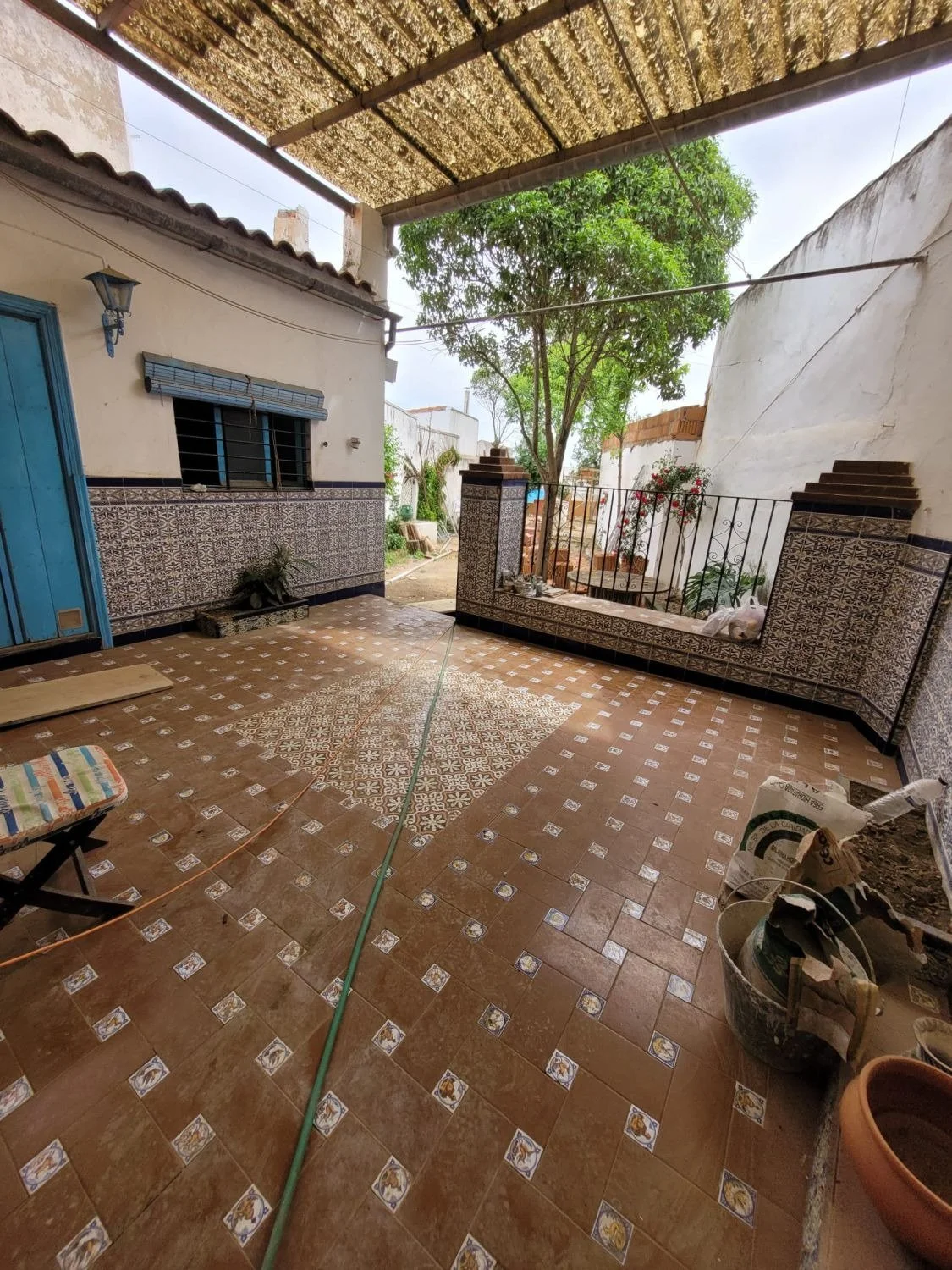
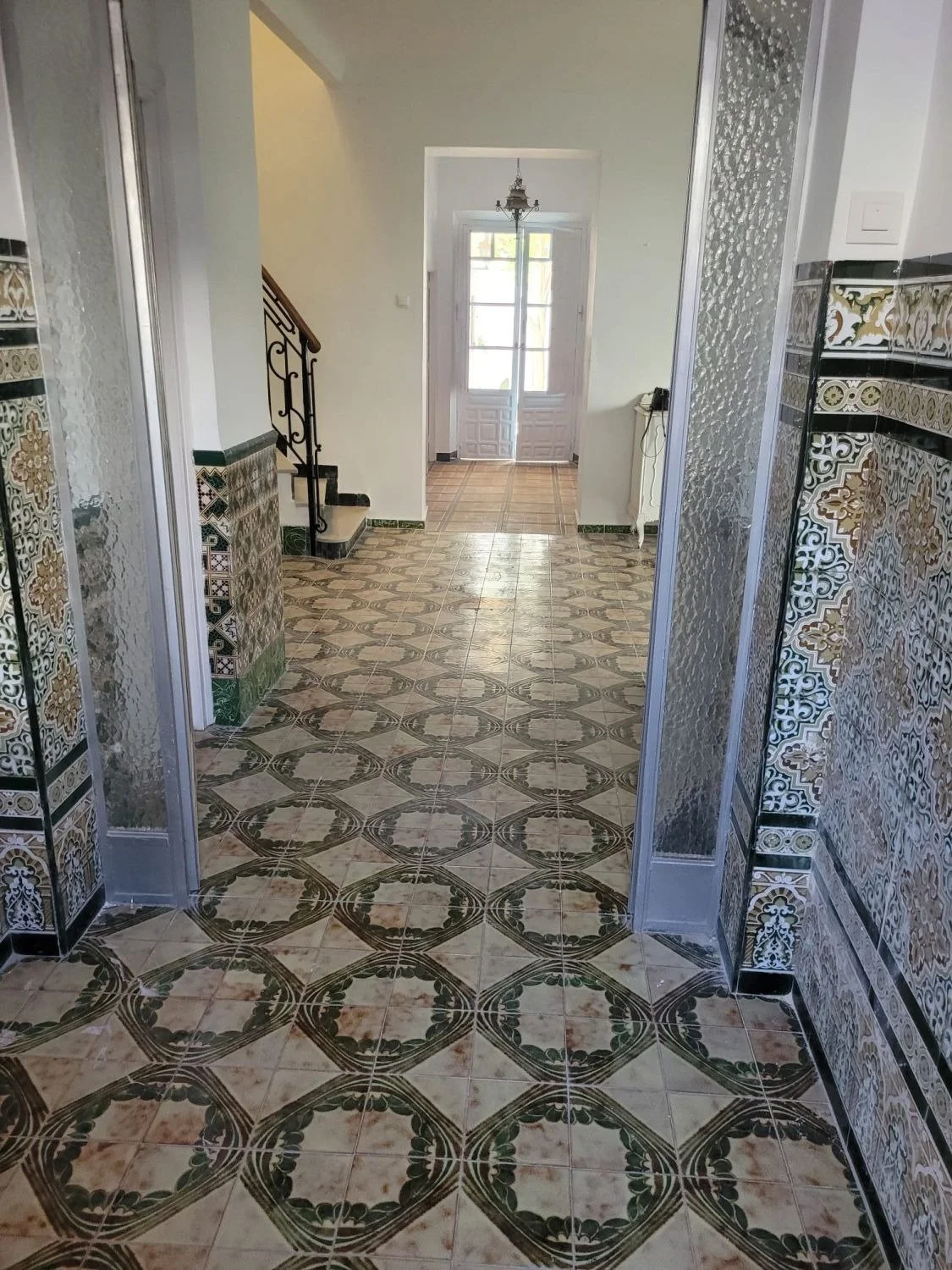
The fourth theme is practical condition. Large houses can look "good" because they are spacious and presentable, while still hiding roof, damp, electrical, plumbing or heating weaknesses that only become obvious when you try to live in them properly. At this price point, the buyer should be especially careful about what "good condition" really means in terms of systems, not just appearance.
The fifth theme is energy and rental realism. The listing's "Energy Class N" wording is not something to rely on. Spain's current energy-certification framework requires proper certification for sales, so a buyer should expect the real certificate, not vague shorthand. If the buyer is considering rental use, Extremadura also has its own tourism-registration routes through declaration-based procedures depending on the accommodation type, so operational assumptions should be checked rather than assumed.
Targeted Questions
Legal Status and Documentation
It is the first practical check on ownership, registered description and any charges affecting the property.
The marketed use and the registered legal description should align.
A plan-based check helps verify that the main value elements are actually part of the property being sold.
Large older houses can contain later changes that are used in practice but not fully regularised.
Occupancy legality is a core buyer protection issue. Extremadura's current utility-supply framework refers to cédula de habitabilidad for protected housing and declaración responsable de primera ocupación for residential supply contracting.
A house can be occupied in practice without the paperwork fully reflecting its present configuration.
"Good condition" is only meaningful when tied to dated, identifiable works.
Invoices help distinguish substantive improvement from light presentation work.
Even straightforward upgrades can become relevant if they affected structure, pool works or utility arrangements.
Buyers should identify practical and legal burdens early.
A prepared seller often indicates cleaner transaction readiness.
Price should only be attributed to assets that are legally part of the sale.
Wells and Water Rights
A buyer needs to know whether each well is fully regularised, not just physically present.
Spain's water law is document-based and should not be assumed from long use alone.
A buyer should be able to verify the wells with the competent authority directly.
A water source may be physically capable of multiple uses without being legally authorised for all of them.
Water suitable for irrigation is not necessarily suitable for drinking.
Real summer performance is far more useful than peak-season optimism.
Redundancy has value, but only if both systems are functional.
Operating cost and maintenance risk depend on the actual water infrastructure.
A large property can place different kinds of pressure on water supply at different times of year.
Reliability history matters more than marketing language.
Private water systems can come with administrative as well as physical maintenance.
Enforcement history is highly relevant when water is central to value.
Pool - Brand New and Unused
Pool legality is a major due-diligence point, especially where it drives buyer interest.
A pool can be newly built without the file being fully closed.
Buyers need technical clarity, not just visual appeal.
Treatment type affects maintenance, running costs and guest suitability.
The plant setup has a major effect on reliability and cost.
Heating materially changes seasonality and operating cost.
A new asset should come with traceable installer accountability.
"Unused" is not automatically the same as "proven."
New pools can still deteriorate if left idle or only superficially maintained.
Safety and insurance considerations matter, especially for family or guest use.
Early defects in a new pool should be identified before purchase.
Building Condition and Layout
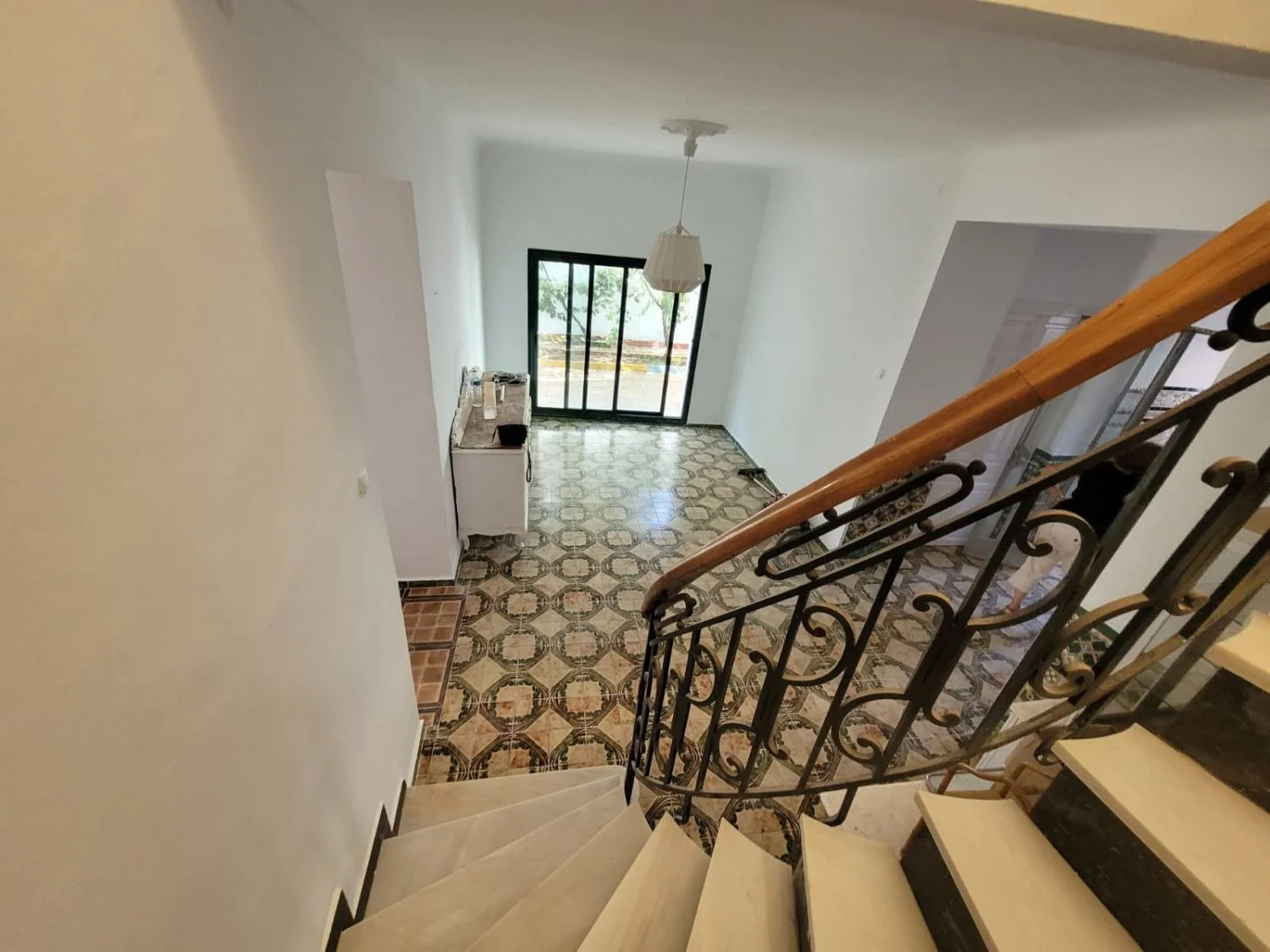
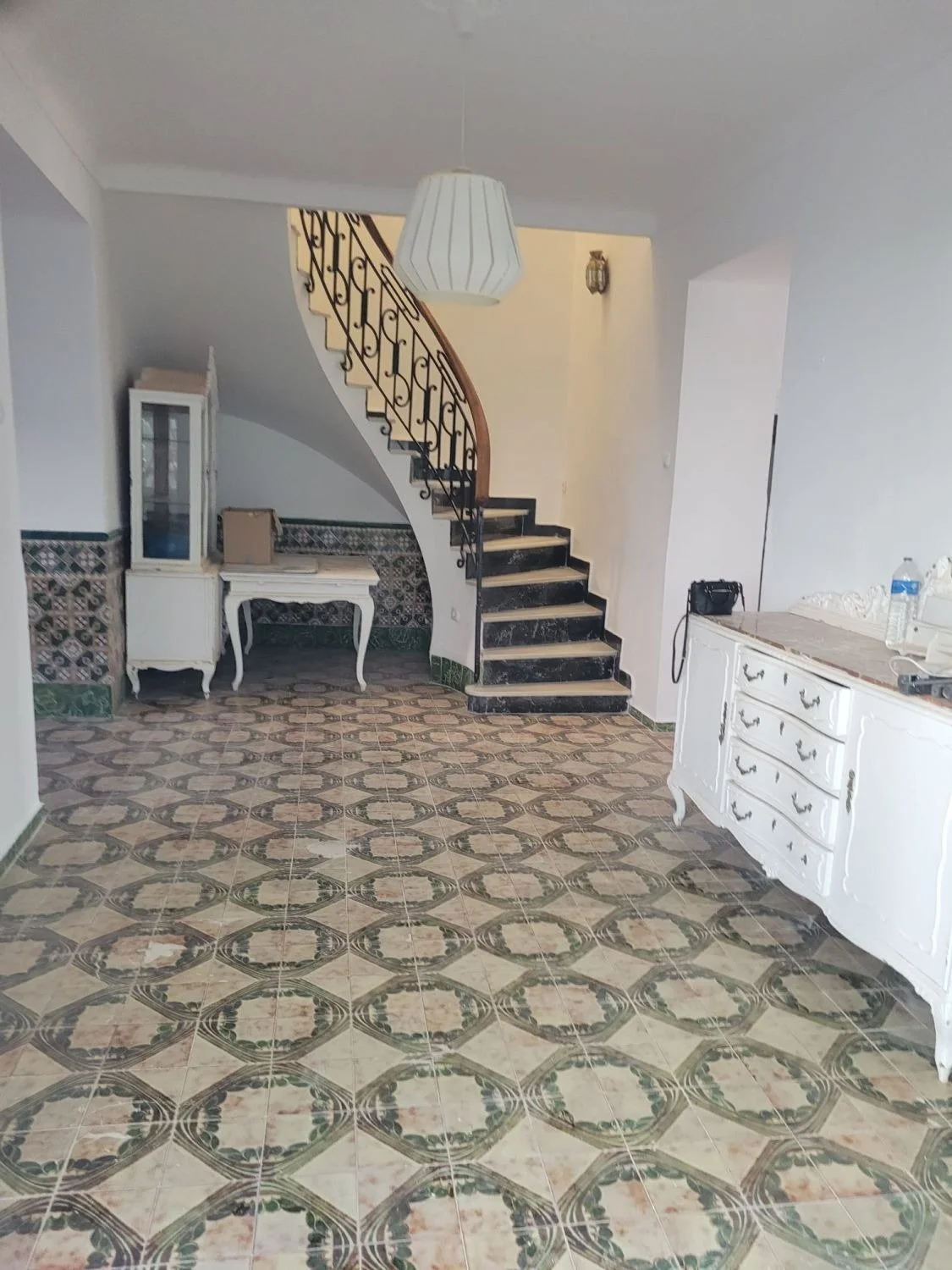
A seven-bedroom house needs a clear layout to judge real functionality.
Room count alone does not reveal whether the house works well.
A high bedroom count can hide functional compromises.
Roof risk is often one of the biggest hidden costs in older houses.
Spacious houses can conceal moisture problems particularly well.
Structural calm matters more than decorative readiness.
The listing does not make heating strategy clear, which matters in a large house.
Summer comfort in a seven-bedroom property can depend heavily on system coverage.
Real running costs are essential, especially for a large multi-room house.
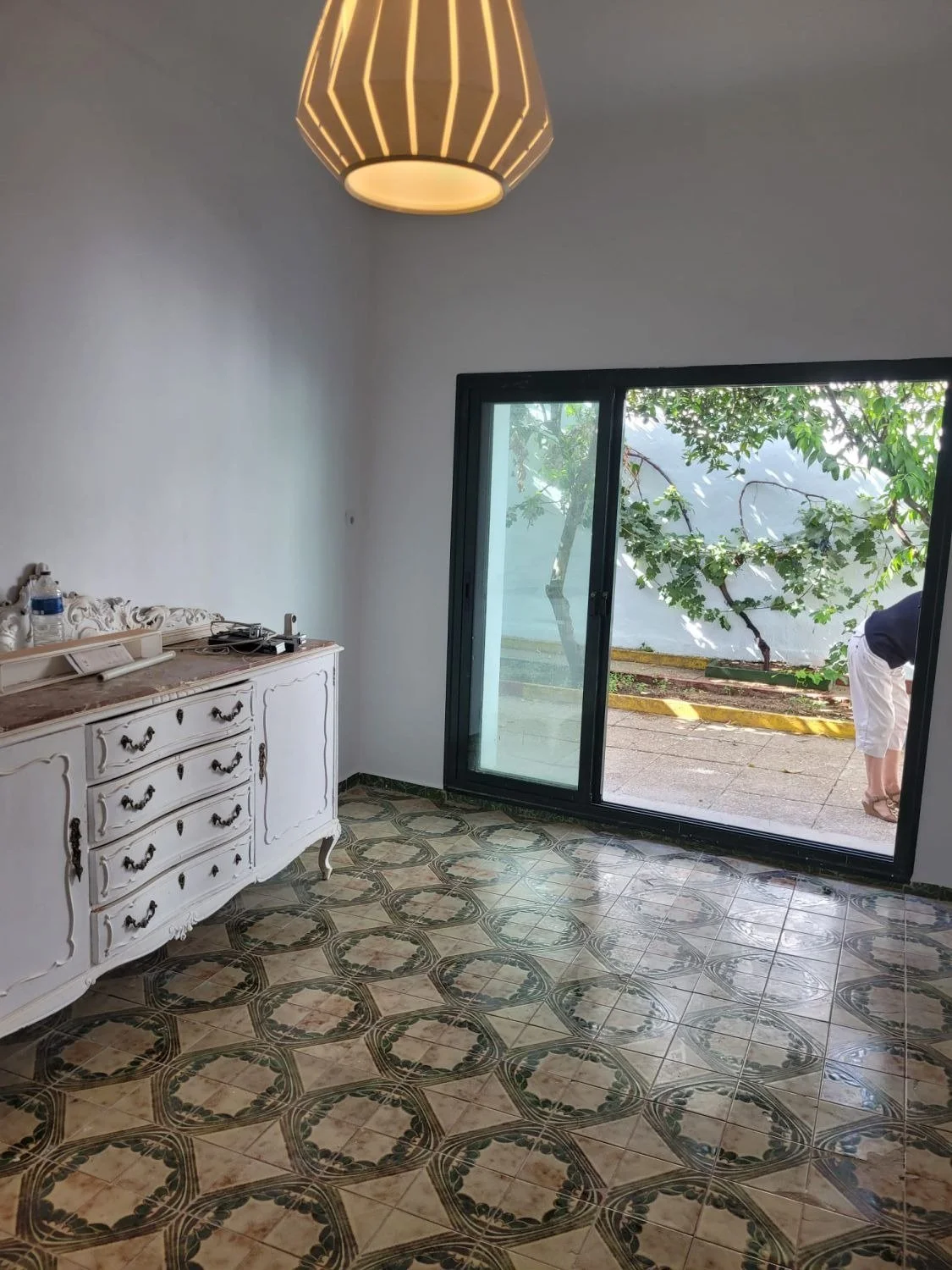
Window quality materially affects comfort, energy performance and noise.
Older properties can have mixed-era electrical systems that need early attention.
Plumbing in a large house with multiple bathrooms and outside amenities is a core risk area.
"Good condition" can still leave meaningful capex after purchase.
Land, Gardens and Practicalities
Site layout clarity is important where outside amenities drive much of the appeal.
Easements can affect privacy, access and future use.
Large outside spaces can be a pleasure or a workload.
Orchard-style features add value only if they are genuinely functional.
Garden performance depends on working irrigation, not just water availability in theory.
Parking practicality affects both daily life and rental usefulness.
A seven-bedroom property often implies multi-car use.
Access ease affects move-in cost and future maintenance practicality.
Remote work viability is now a core use question.
Thick walls and larger plots can produce uneven signal.
Rental Potential
Proven use history is more valuable than generic rental optimism.
Actual data is far more useful than a broad yield estimate.
Extremadura uses declaration-based tourism procedures, but the correct route depends on the accommodation type.
Classification can materially affect compliance and operating obligations.
Legal possibility and workable operation are not the same thing.
Long-term rental value is often the most grounded fallback underwriting metric.
Energy and Compliance Clarity
The wording is too vague to support a serious buying decision.
Spain's current energy-certification rules require a proper certificate for sale situations.
Buyers need documentary clarity before committing on price.
Negotiation Intelligence
Buyer Leverage
Medium-High
Key Drivers
Typical Negotiation Range
5-15% below asking
Neutral Phrasing Examples
Country Layer
Spain (Regulatory Context March 2026)
Key Spanish requirements for buyers:
Viewing Strategy
Approach this property with a systems-first mindset.
Next Step
Verify from the listing:
Legal status of both wells
Request the full documentation for each private well, including any registration, concession or recognised historic right, and confirm exactly what domestic, irrigation and pool uses are legally covered.
Pool permit and warranty file
Obtain the municipal permission, completion paperwork, installer details and any guarantees for the brand new pool so you can verify that it is both legal and operationally ready.
Registry and occupancy position
Ask for the nota simple, cadastral plan and the occupancy document that supports the house in its present seven-bedroom form so you can confirm the legal description and usability of what is being sold.
Condition behind the “good condition” wording
Request invoices and dates for recent works to roof, plumbing, electrical systems, windows and bathrooms so you can separate genuine technical improvement from simple presentation.
Energy and rental feasibility
Resolve the unclear “Energy Class N” wording with the actual energy certificate, and verify which Extremadura tourism-registration route would apply before assuming any holiday-rental upside.
A prepared buyer should approach the agent calmly and frame questions as due diligence.
Because this is a large house where water, pool documentation and legal regularity materially affect value, run it through the Property Risk Assessment and the Total Property Cost Calculator before contacting the agent.
Disclaimer: The Property Drop is buyer-focused intelligence, zero sales agenda. We curate exceptional properties, in southern Europe, from third-party agents and arm you with decision tools. No commission, no transactions, no agent partnerships, no skin in the game beyond helping you choose wisely. Information stays accurate until it doesn't (properties sell, prices shift, markets move). Everything here is shared for informational purposes only and should not be treated as legal, financial, or investment advice. Images belong to original agents. Read our Terms of Service to learn more.
IMPORTANT REMINDER: When contacting property agents featured on The Property Drop, you are entering into direct communication with third parties. It's recommended that you verify all property details independently, conduct thorough due diligence, engage qualified professionals (solicitors, surveyors, financial advisors), understand your rights and obligations under local property laws, and never send money or make commitments without proper legal protection.
